Are Cooking Classes Worth It for Beginners and Teams?
For most people, yes — cooking classes are worth it, especially when you choose a hands-on, technique-focused format that matches your actual goals. The research backs this up, and so does the experience of thousands of home cooks who walked in nervous and left with real skills they use every week.
When classes reliably pay off:
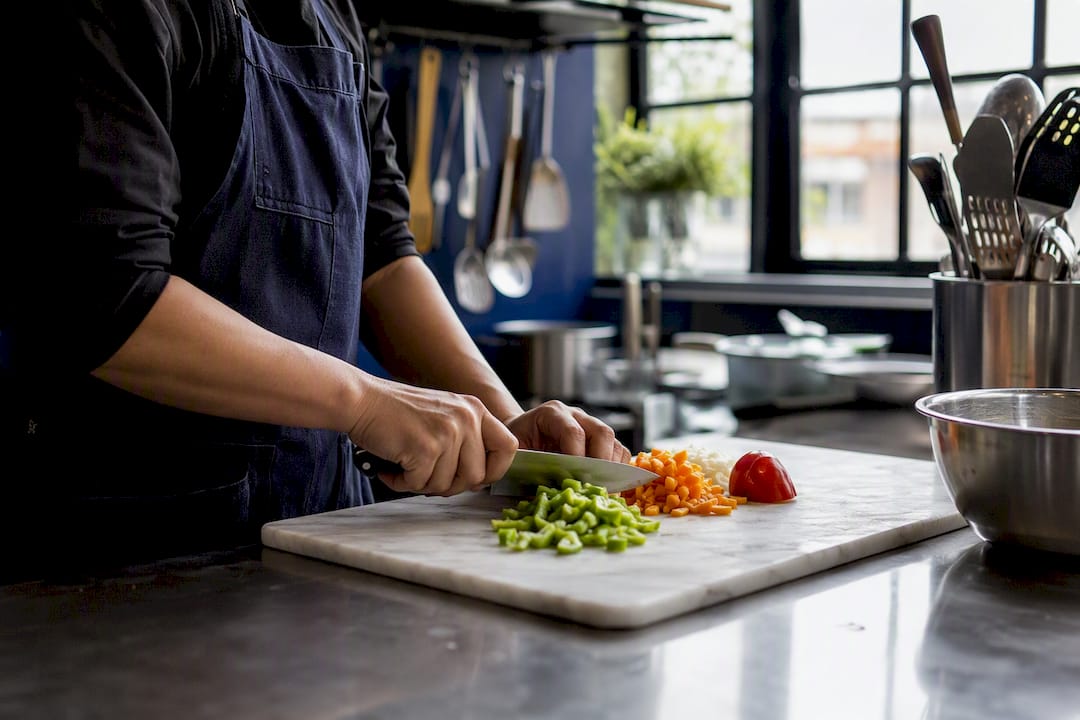
- You want transferable techniques (knife skills, heat management, sauce fundamentals) rather than a single recipe you’ll forget by Thursday
- You’re part of a team or group looking for a shared, social learning experience that builds connection alongside competence
When they’re probably not worth it:
- You’re a self-directed learner who already cooks regularly and practices deliberately on your own
- Your budget is tight and a one-off novelty experience is the main draw
Pro Tip: Prioritize technique-first classes — knife skills, sauces, and heat management — over single-dish workshops. These build the mental frameworks that make every future meal easier, not just the one you cook in class.
Key Takeaways
Hands-on, technique-focused cooking classes are worth the investment for most people — especially beginners, teams, and anyone who needs structured accountability to build lasting kitchen skills.
| Point | Details |
|---|---|
| Classes work best when technique-focused | Knife skills, heat management, and sauce fundamentals deliver the highest transferable value per session. |
| Research confirms confidence and diet gains | A systematic review of 7,381 participants found improved self-efficacy and healthier eating; longer programs produce stronger results. |
| Format determines your outcome | Hands-on small-group classes provide tactile feedback that online and demo formats cannot replicate. |
| Self-directed learners may not need classes | If you already practice deliberately and cook regularly, targeted YouTube playlists or cookbooks may close gaps more efficiently. |
| Biteunite matches the “worth it” criteria | Small groups, expert chefs, and hands-on stations in New York, San Francisco, and Hong Kong make it a strong first booking. |
Table of Contents
- What are cooking classes actually like, and which format fits you?
- What does the research say about the benefits of cooking classes?
- Who actually benefits from cooking classes, and who probably won’t?
- How much do cooking classes cost, and how long until you see results?
- How to choose a cooking class that’s actually worth your money
- Alternatives to cooking classes, and how to combine them for better results
- The honest case for hands-on learning
- Biteunite hands-on classes: where the “worth it” criteria come to life
- Sources
What are cooking classes actually like, and which format fits you?
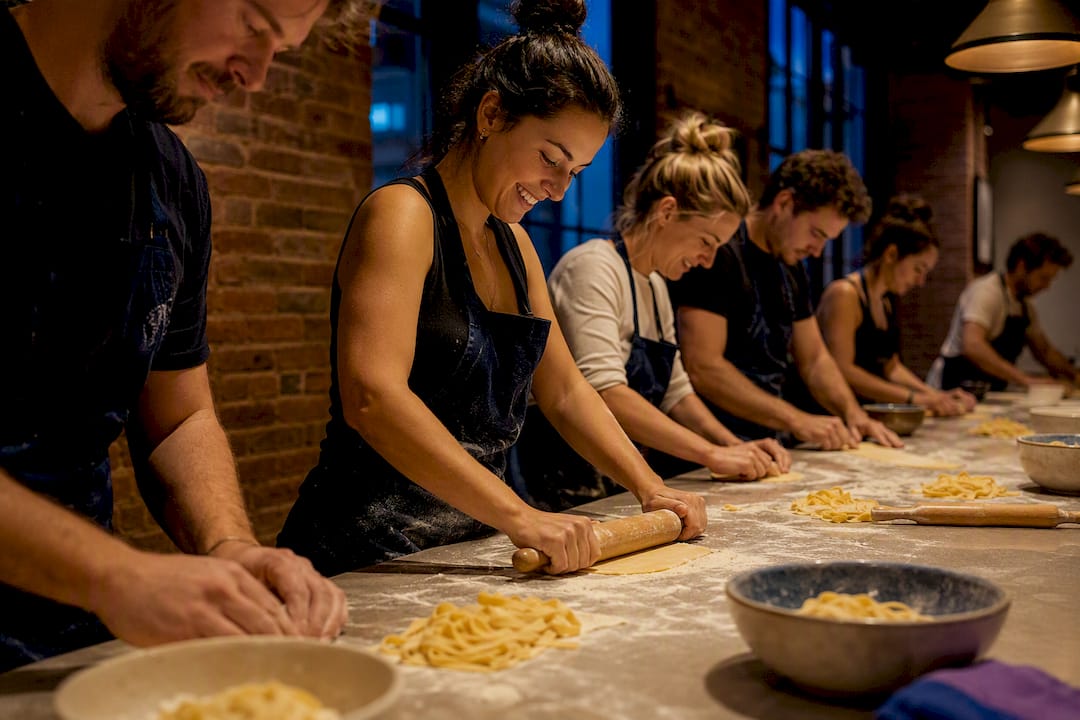
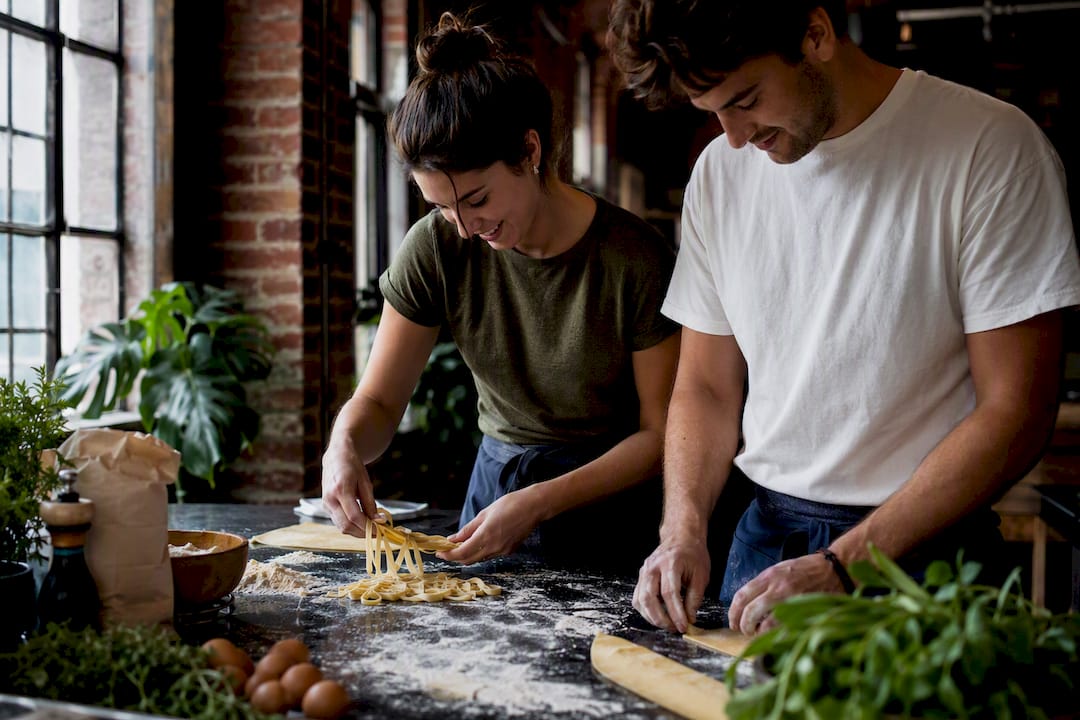
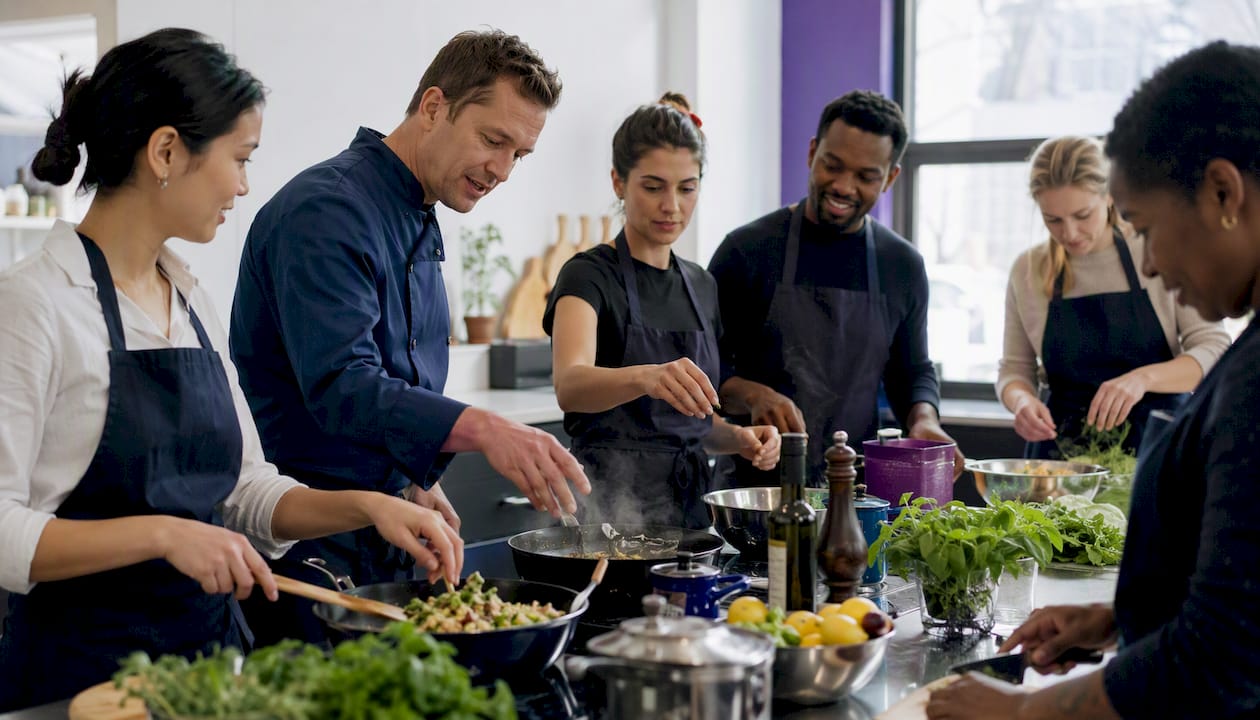
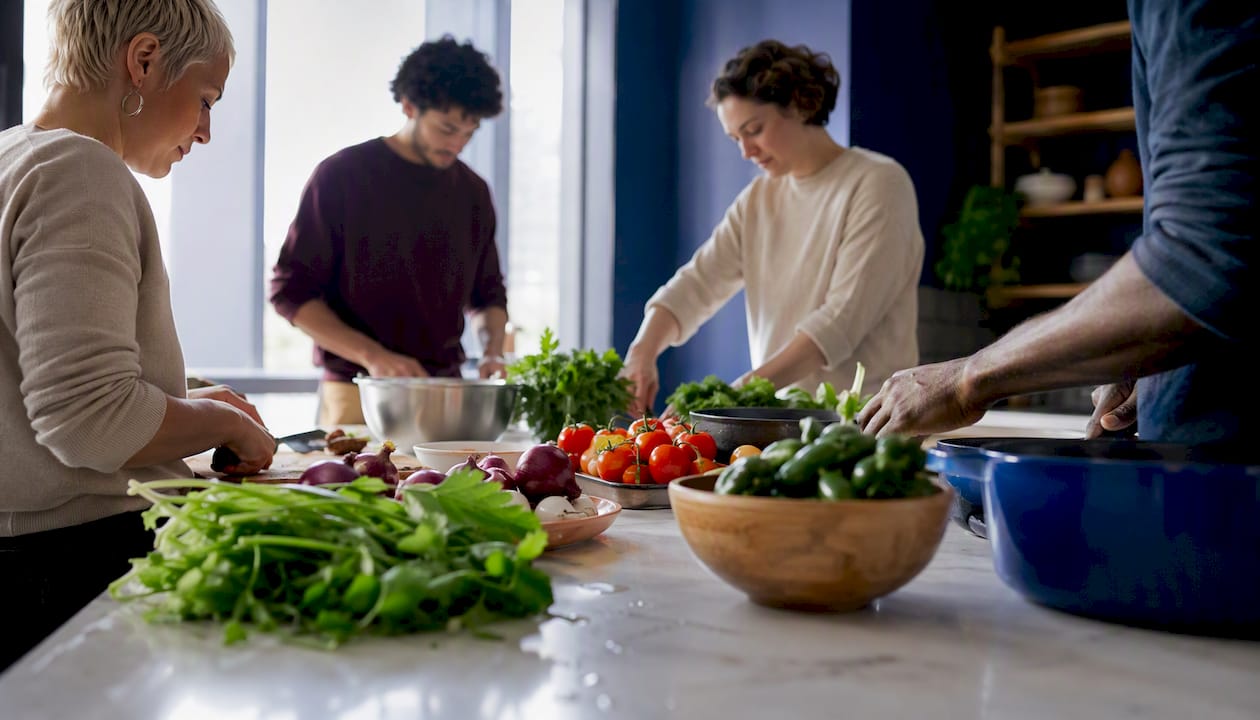
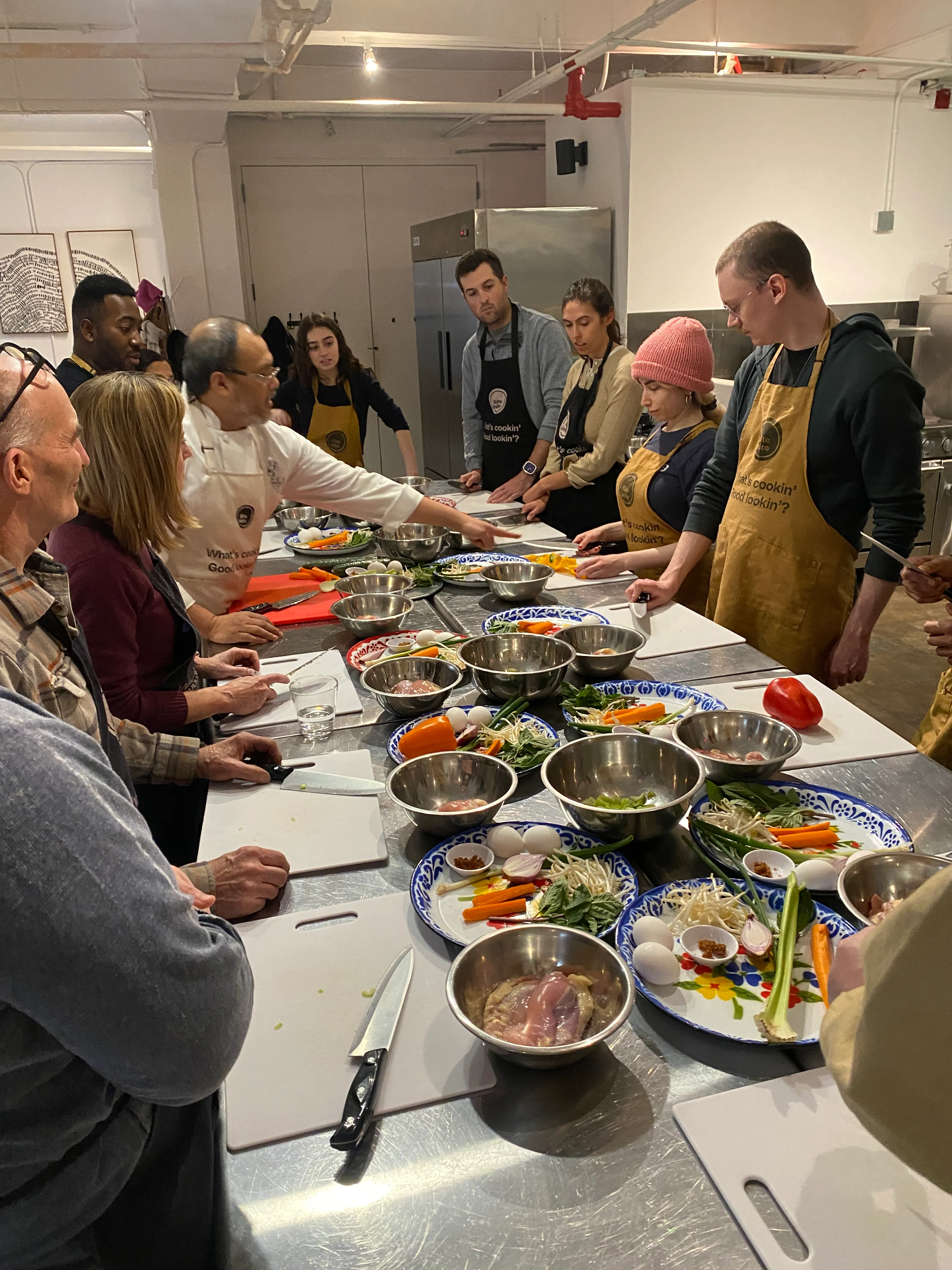
Understanding what to expect in a cooking class before you book removes a lot of the guesswork. Most first-time hands-on sessions follow a familiar rhythm: a brief orientation, an instructor demonstration, then you cook at your own station, plate the dish, eat together, and ask questions. Sessions typically last a few hours. Multi-week series stretch that into 6–12 sessions, each building on the last.
The format you choose shapes everything about your experience.
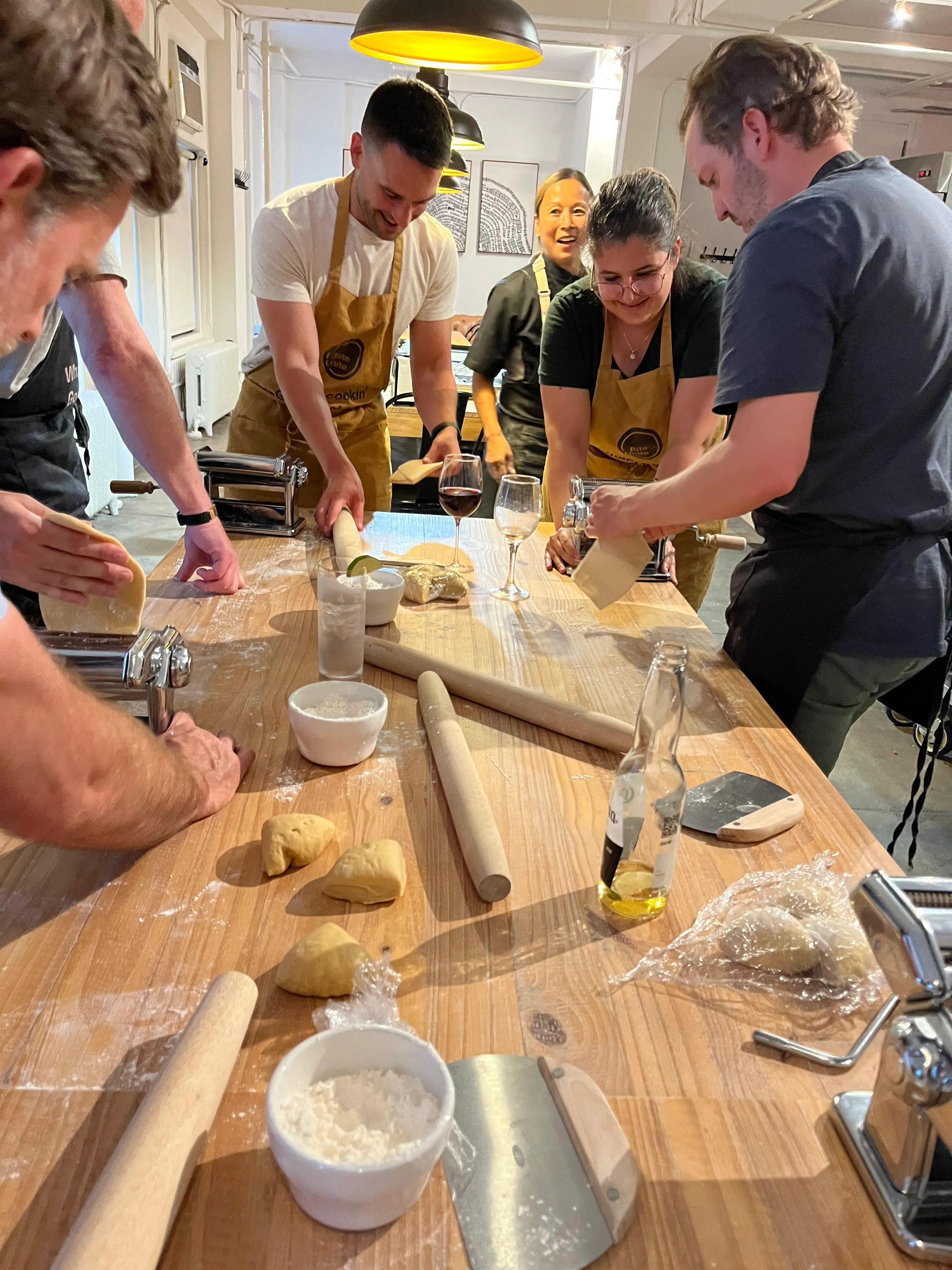
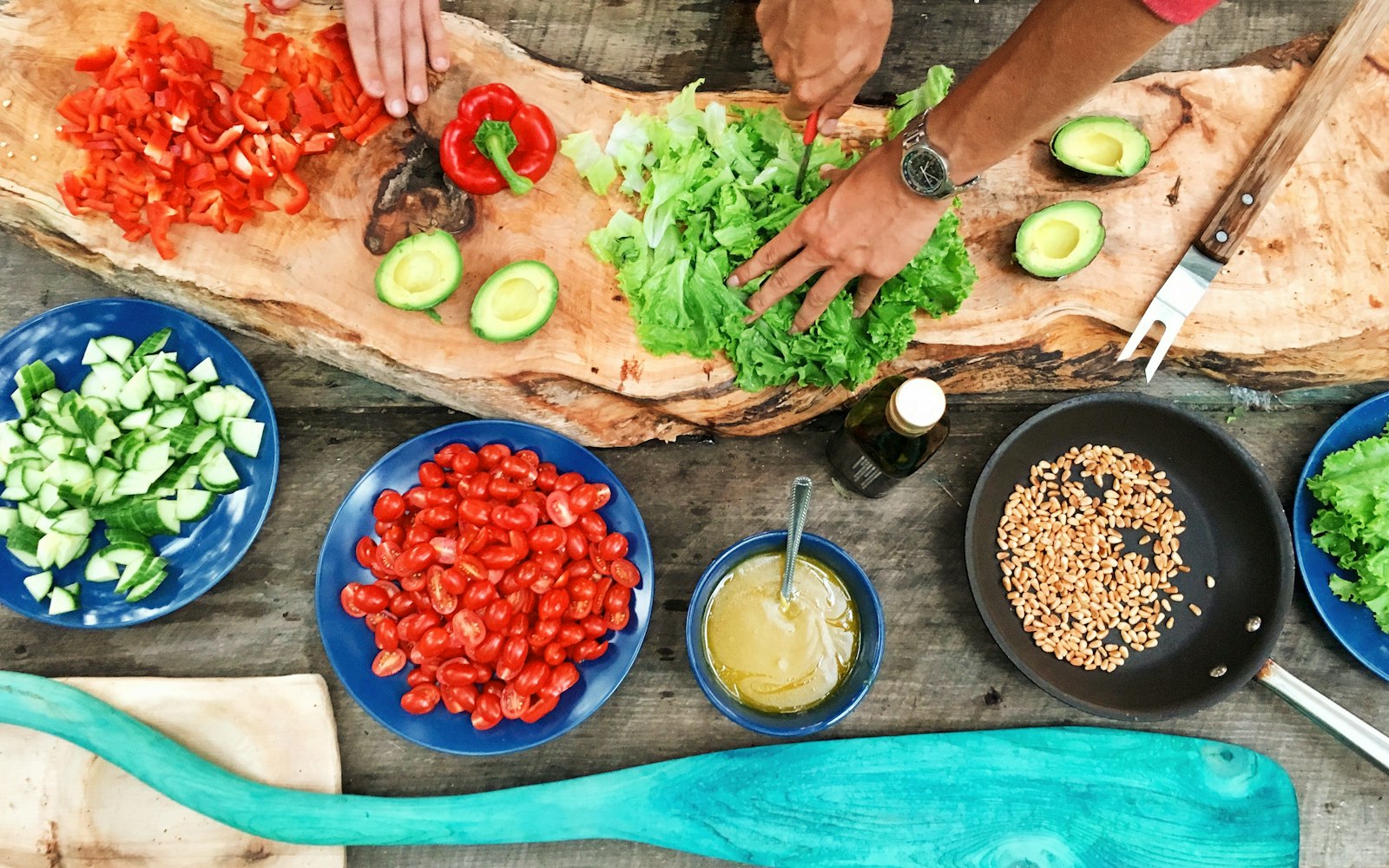
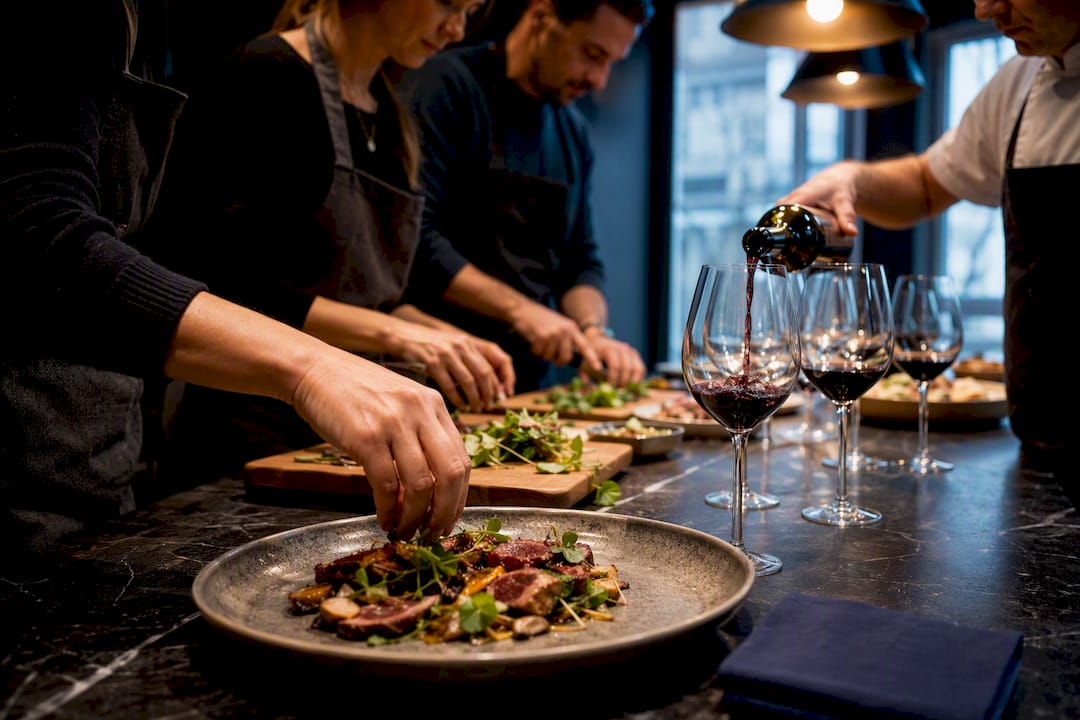
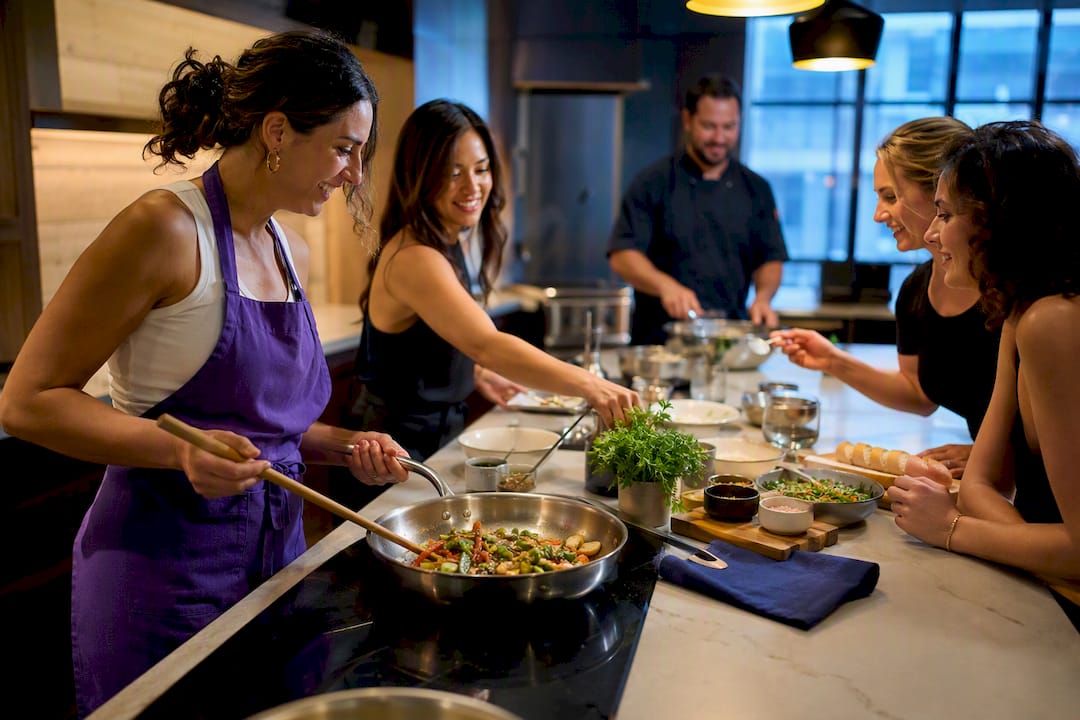
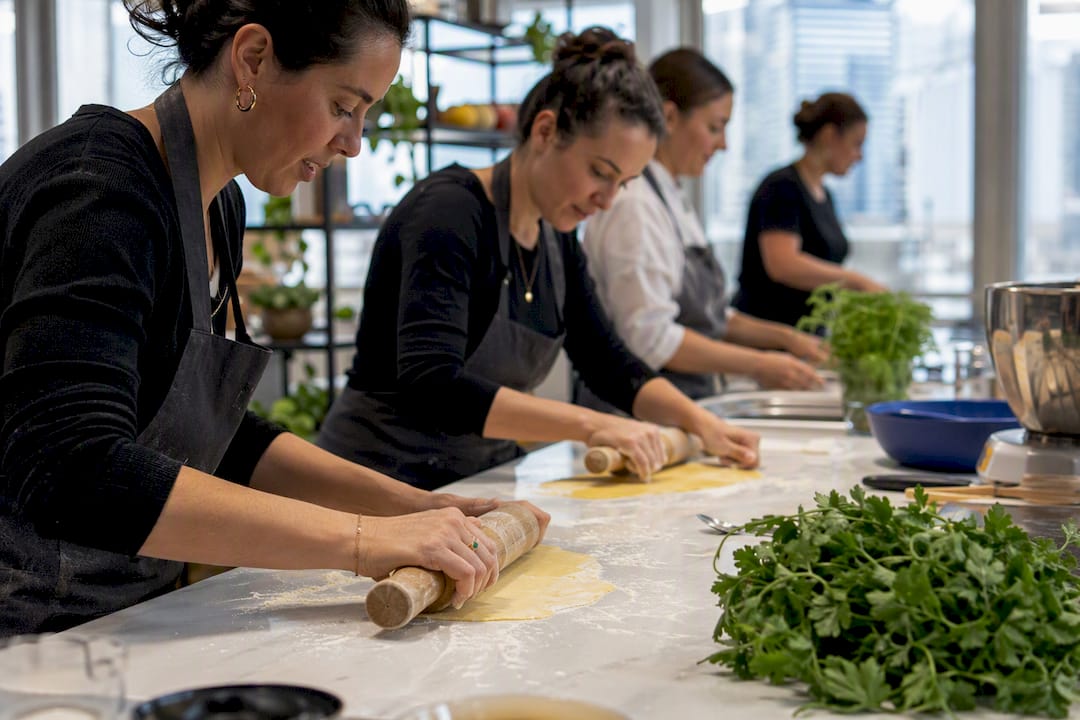
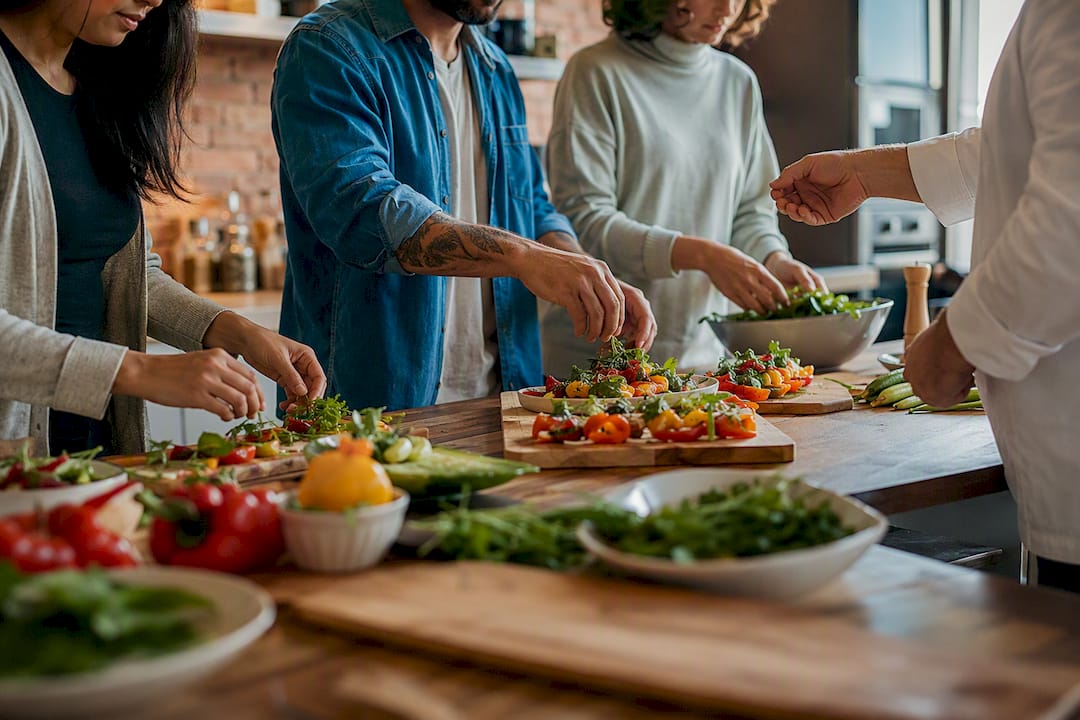
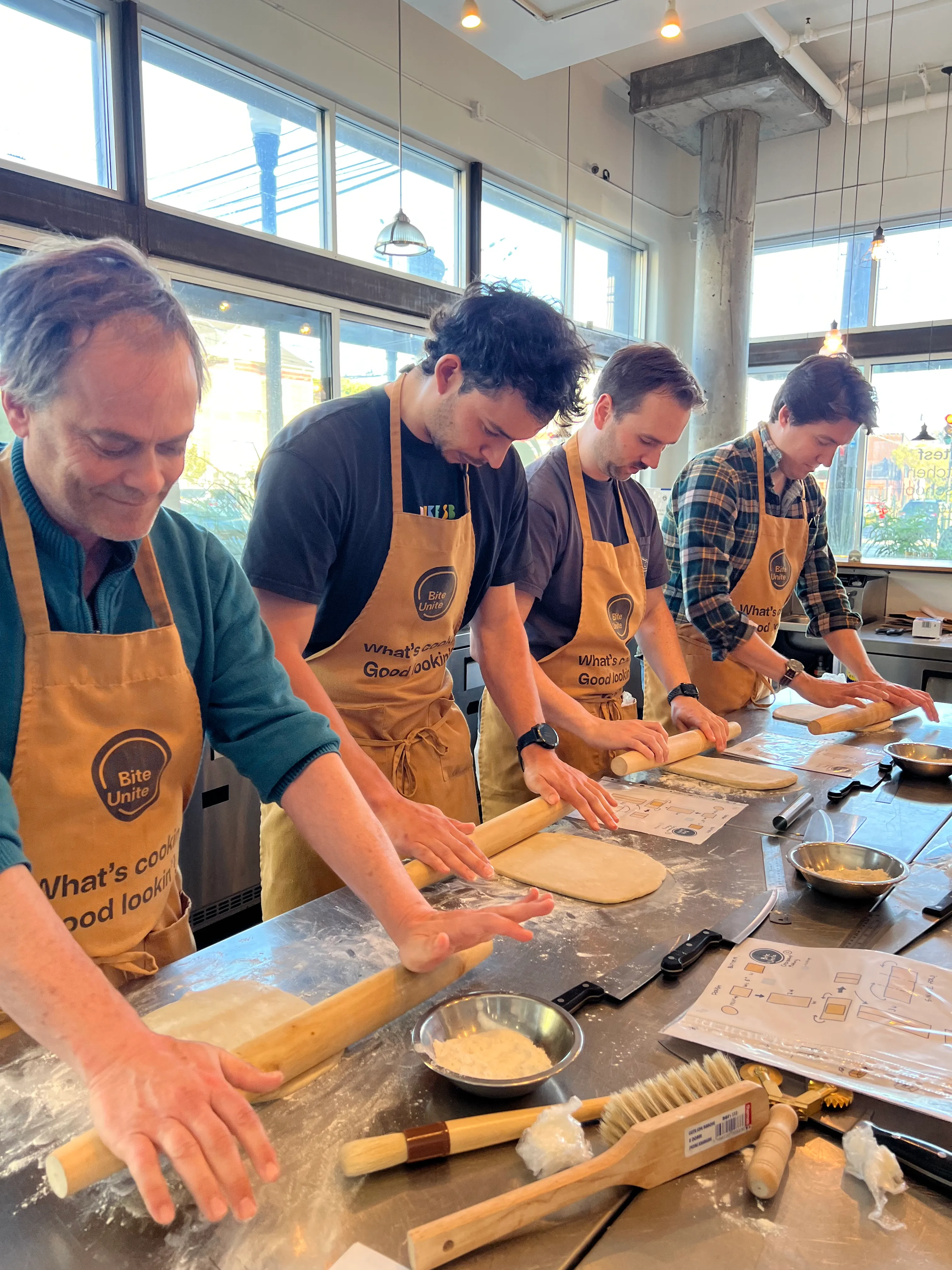
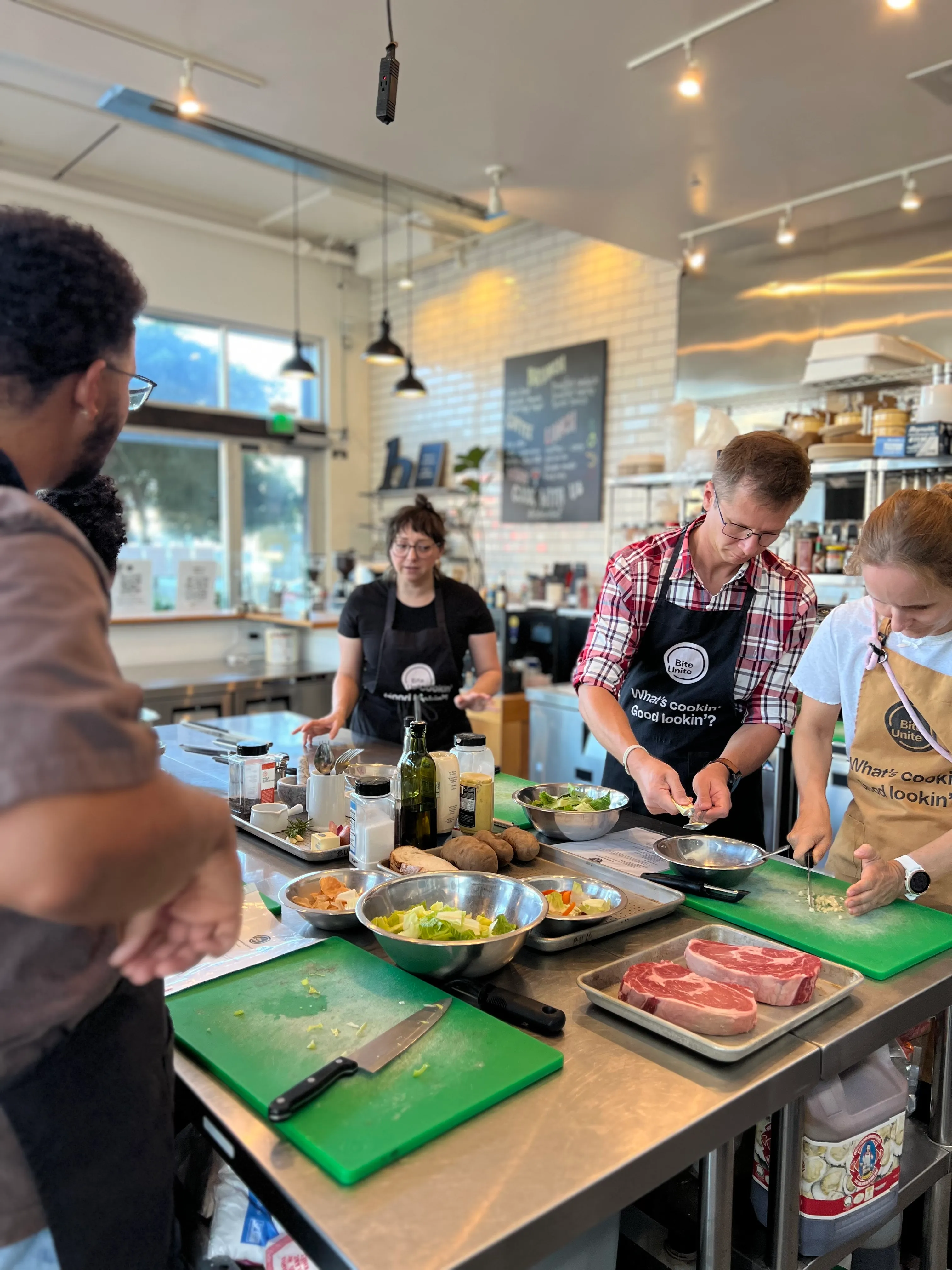
- Hands-on group workshop — You cook every step yourself, with an instructor circulating to correct your grip, your heat, your timing. This is the gold standard for skill acquisition.
- Demonstration class — The chef cooks; you watch, take notes, and taste. Great for inspiration, lower on transferable skill.
- Live online interactive — A real instructor leads in real time via video. Feedback is verbal, not tactile, but the structure keeps you accountable.
- Self-paced online course — Maximum flexibility, minimum accountability. Works well as a supplement, less well as a standalone learning path.
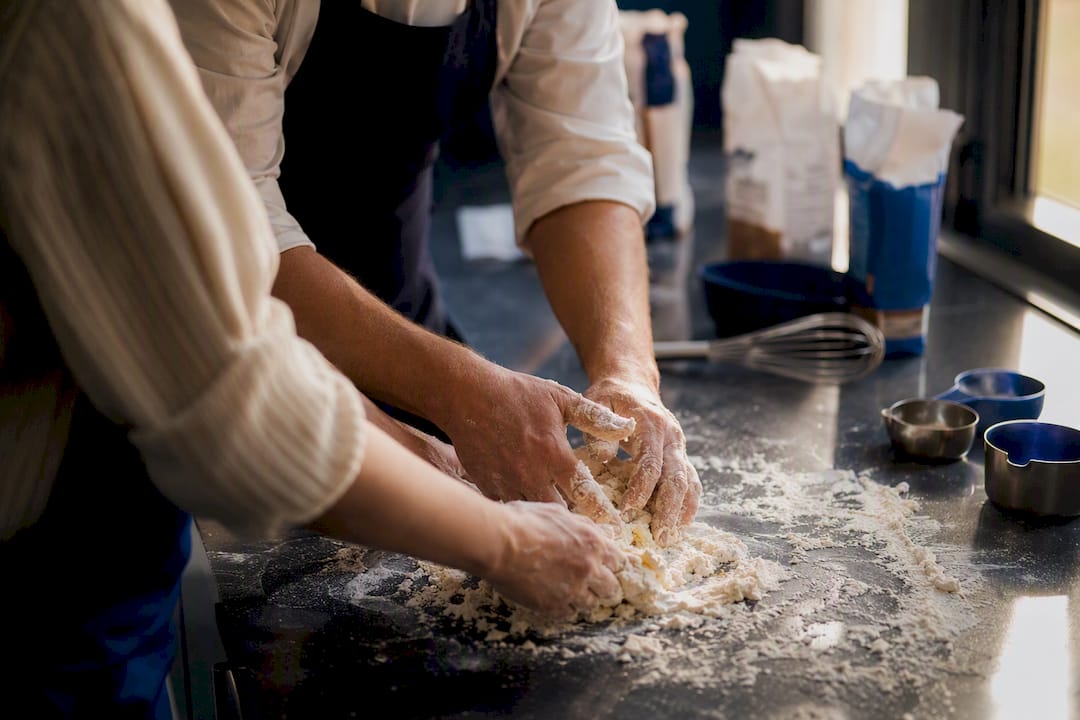
- Private one-on-one lesson — Expensive but efficient. Every minute is tailored to your specific gaps.
- Multi-week vocational or professional-style program — Semester-length commitment with cumulative skill-building; the format most likely to produce lasting behavior change.
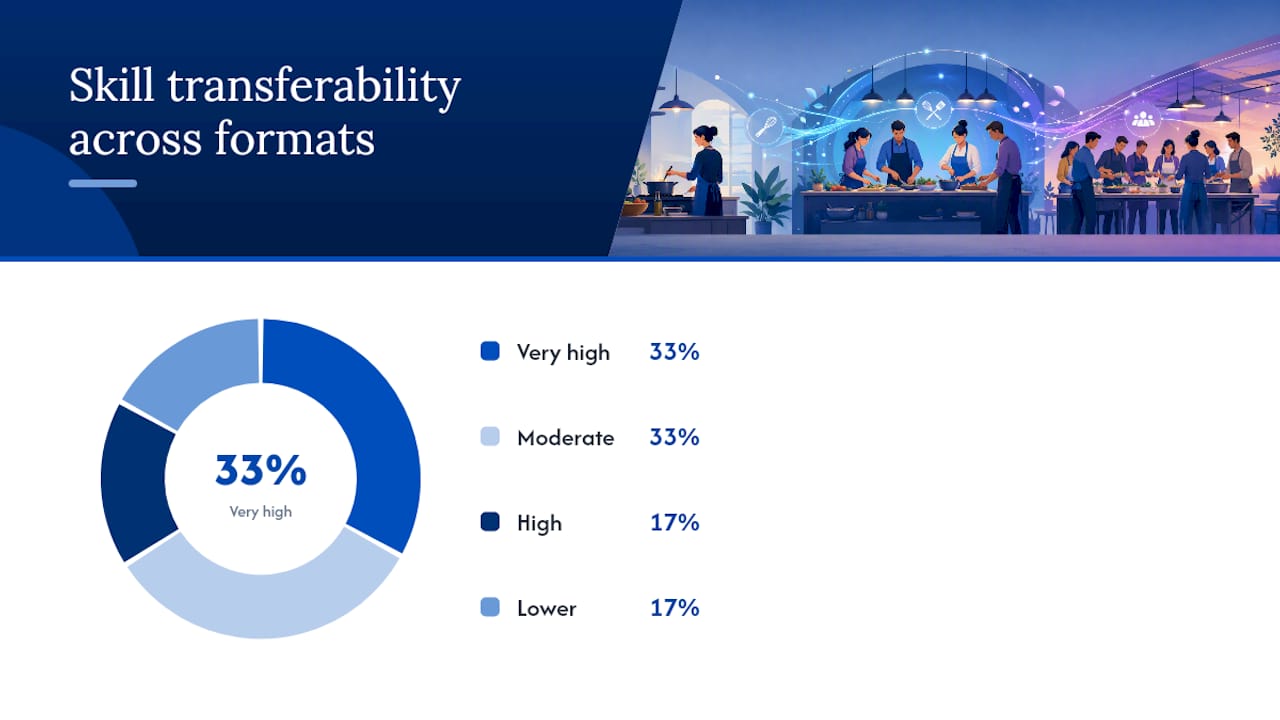
| Format | Skill transferability | Feedback quality | Relative cost |
|---|---|---|---|
| Hands-on group | High skill transferability | Immediate tactile feedback | Moderate cost |
| Demonstration | Lower skill transferability | Minimal feedback | Lower cost |
| Live online | Moderate | Verbal only | Low–moderate |
| Self-paced online | Moderate | None | Low |
| Private lesson | Very high skill transferability | Immediate personalized feedback | Higher cost |
| Multi-week program | Very high | Ongoing, cumulative | High |
The hands-on group format hits the best balance of cost, feedback, and social energy for most people. Private lessons are the fastest path to fixing a specific problem. Online options work best as a complement to in-person learning, not a replacement, because tactile correction — fixing your knife grip, adjusting your pan temperature — simply doesn’t translate through a screen.
What does the research say about the benefits of cooking classes?
The evidence is genuinely encouraging, with one important caveat: short, one-off workshops are fun and confidence-boosting, but they rarely produce lasting behavior change on their own.
A systematic review of 30 studies involving 7,381 participants found that culinary interventions consistently improved attitudes toward cooking, self-efficacy, and healthy dietary intake. What they did not show was consistent improvement in BMI or cardiometabolic markers. The takeaway: classes make you a more confident, more capable cook who eats better — they are not a weight-loss intervention.
That finding aligns with teaching-kitchen research, which recommends multi-disciplinary curricula that teach foundational concepts like mise en place and heat management alongside nutrition and behavior-change elements. Recipe-only workshops, by contrast, tend to produce lower educational ROI because participants learn what to cook for one meal rather than how to think like a cook.
Longer programs produce measurably stronger results. A semester-long nutrition course with cooking labs among U.S. undergraduates produced statistically significant gains in cooking attitude (scores moved from 3.89 to 4.29), confidence (2.89 to 3.99), and skills, alongside reported improvements in fruit and vegetable intake, teamwork, time management, and self-esteem. Those are not trivial outcomes for a cooking class.
Pro Tip: When evaluating a class, look for hands-on labs, a technique-focused curriculum, and some integration of nutrition or food-science context. Those three features correlate with the strongest learning outcomes in the published literature.
Who actually benefits from cooking classes, and who probably won’t?
Not every person gets equal value from the same class. Honest self-assessment saves you money and frustration.
Profiles that tend to get the most value:
- True beginners who have never learned foundational technique and feel lost in the kitchen
- People who want transferable skills, not just a single recipe to replicate once
- Those who need external accountability to practice consistently
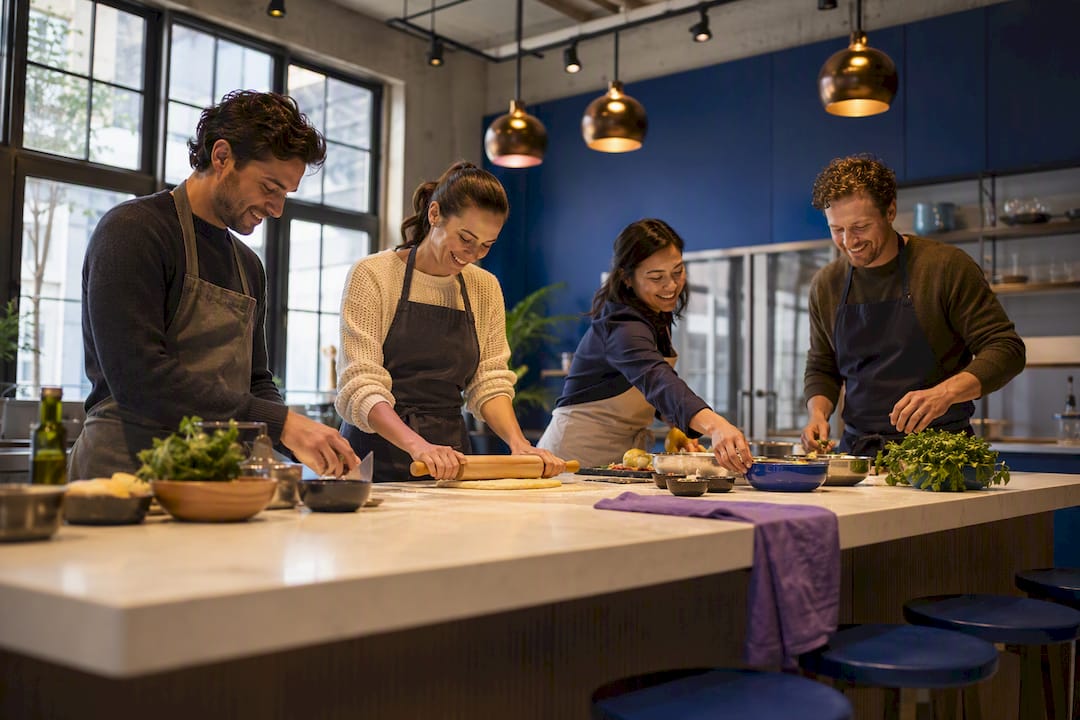
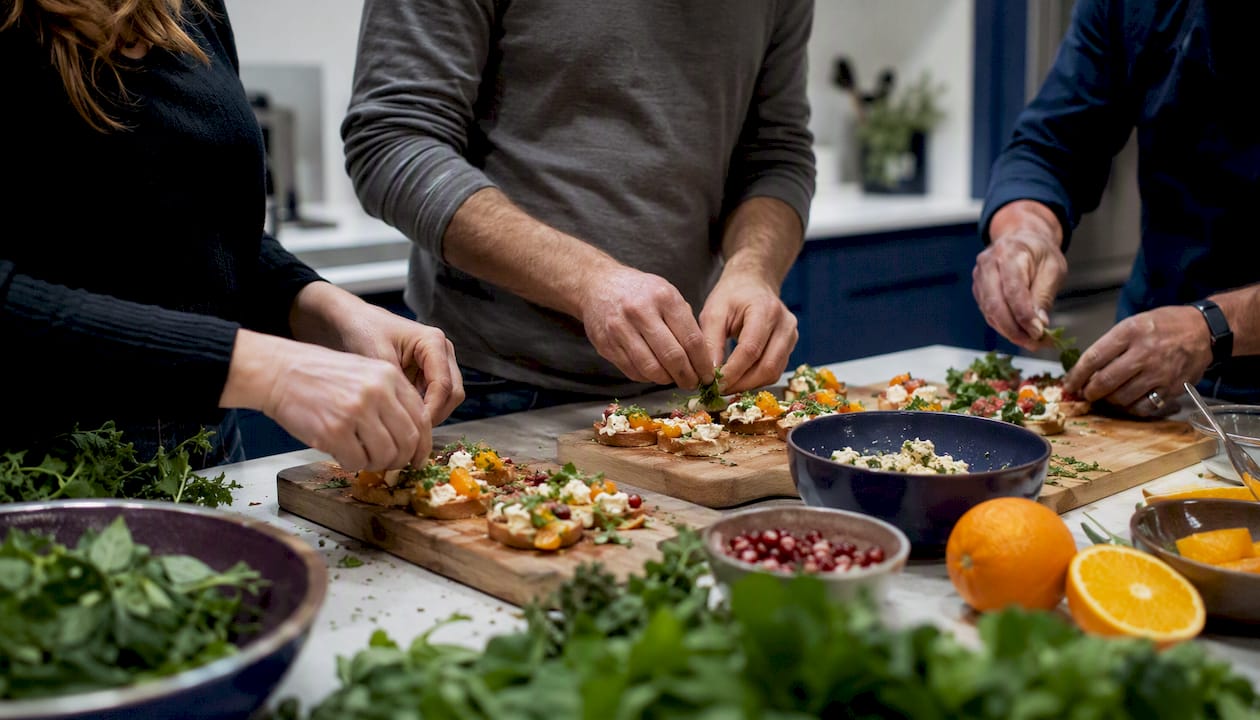
- Corporate teams and groups using cooking as a team-building experience — collaborative cooking has been shown to improve teamwork and time-management skills beyond the kitchen
- Busy professionals who want structured, efficient learning rather than trial-and-error at home
Profiles for whom classes often deliver less value:
- Self-directed learners who already cook regularly, watch instructional videos, and practice deliberately
- People whose primary goal is a fun one-off experience rather than skill development (a date-night workshop is enjoyable, but don’t expect to leave with techniques you’ll use for years)
- Bargain seekers on a strict budget who won’t follow up with home practice — a class without reinforcement rarely sticks
Quick self-assessment questions to run through before booking:
- Do I want to learn transferable techniques, or am I mainly after a fun evening?
- How often will I realistically practice what I learn in the week after class?
- Do I have a specific skill gap (knife work, baking ratios, sauce-making) I want to close?
- Would I benefit from cooking alongside other people, or do I learn better alone?
If your honest answers point toward technique, accountability, and social learning, a hands-on class is likely a smart investment. If they point toward novelty and entertainment, a culinary experience or food tour might satisfy the itch at lower cost.
How much do cooking classes cost, and how long until you see results?
Pricing varies widely by format, city, and class size. These are realistic U.S. ranges:
| Class type | Typical cost per session | Session length | Sessions for visible improvement |
|---|---|---|---|
| Hands-on group workshop | $75 to $150 | Multi-hour sessions | Several sessions |
| Private one-on-one lesson | Higher cost | Session length varies | Few sessions |
| Multi-week group course | Moderate to high cost | Multiple sessions | Full series |
| Self-paced online course | Lower cost | Self-directed | Variable duration |
Beyond the ticket price, factor in transportation, any required tools or aprons, and the opportunity cost of evenings or weekend mornings. A $100 class on a Friday night is really a $100 class plus two to three hours of your weekend.
What to expect by milestone:
- After a few technique-focused classes, many people notice measurable speed and quality gains in specific skills covered (knife work, sauce consistency, heat control)
- After a multi-week series, cooking frequency tends to increase and confidence carries over to improvising with new ingredients
- Lasting habit change — cooking at home more often, eating differently — generally requires a longer-term commitment or deliberate home practice layered on top of shorter classes
The cost-per-skill-gain calculation favors hands-on group workshops for most people: you get immediate tactile feedback, a social environment that makes practice feel less like homework, and a price point that doesn’t require a serious financial commitment to try.
How to choose a cooking class that’s actually worth your money
The difference between a class that changes how you cook and one you forget by next week usually comes down to a handful of selection criteria.
What to look for:
- Hands-on format where you cook every step, not just watch
- Instructor credentials that match your goals (a trained chef for technique; a registered dietitian if nutrition behavior is the priority)
- Small class size — ideally 12 or fewer students per instructor for meaningful feedback
- Curriculum focused on technique and transferable concepts, not just a single recipe
- Included recipe cards or reference materials you can take home
- Clear refund or reschedule policy in case your plans change
Questions to ask before you book:
- Will I cook every step myself, or is this primarily a demonstration?
- How many students will be in the class, and how many instructors?
- What specific techniques will I learn, and how do they apply beyond this one dish?
- Are ingredients and equipment provided, or do I need to bring anything?
- What happens if I need to cancel or reschedule?
Red flags that predict low educational ROI:
- No stated learning outcomes — just a dish name and a price
- Large groups (20+ students) with a single instructor and no assistants
- Marketing language that emphasizes dining and entertainment over skill-building
- Recipe-only format with no explanation of the underlying technique or why each step matters
- No opportunity to ask questions or get individual feedback during class
A class that checks the first list and avoids the second is almost always worth the investment. One that fails on multiple red flags is closer to a ticketed dining experience than a cooking lesson — which is fine if that’s what you want, but worth knowing before you pay.
Alternatives to cooking classes, and how to combine them for better results
Classes are not the only path to better cooking. Depending on your goals and budget, some alternatives deliver comparable skill gains at a fraction of the cost.
Lower-cost alternatives worth considering:
- Structured online courses (platforms with video lessons, written guides, and community forums) for foundational technique at your own pace
- Targeted YouTube playlists built around a single skill (knife work, bread baking, stock-making) — free, specific, and rewatchable
- Cookbooks focused on technique rather than recipes, such as those that explain the science behind a method
- Recipe journaling: cooking the same dish five times in a row with deliberate variation to understand what each element does
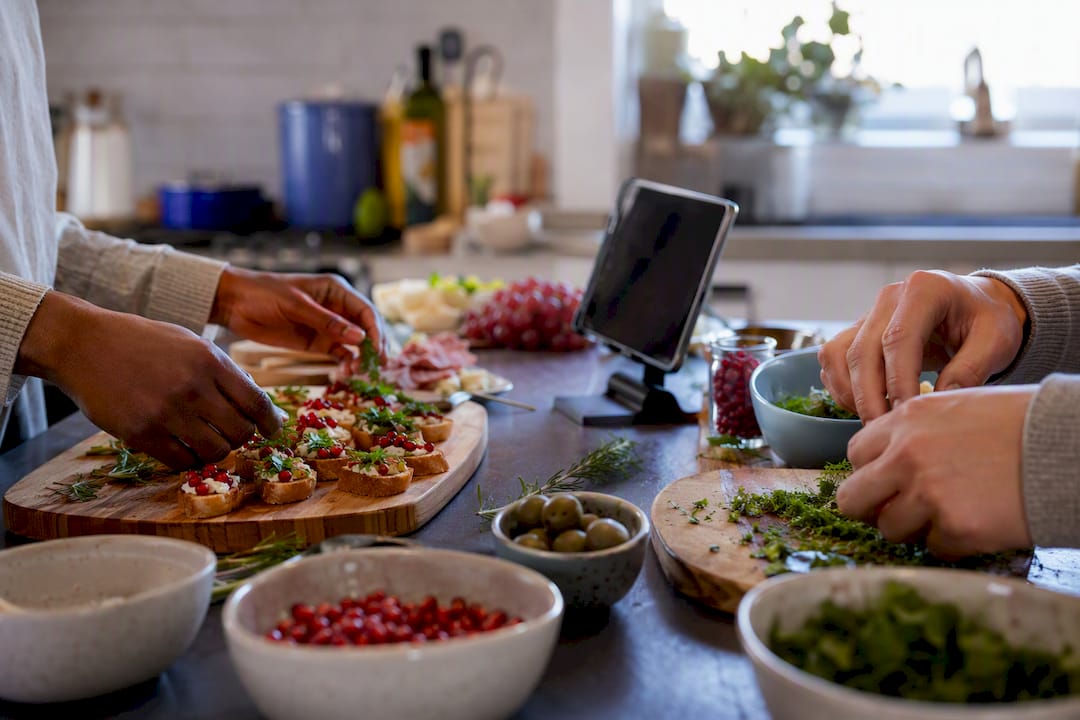
- Peer cooking groups where friends cook together weekly and share feedback
- A single private coaching session to diagnose and fix one specific bad habit
The honest comparison: alternatives win on cost and flexibility. They lose on immediate feedback, tactile correction, and the social accountability that keeps many people practicing. A culinary experience combining sensory engagement with structured learning sits somewhere between a class and a tour, making it worth exploring if you want immersion without a long commitment.
| Learning path | Feedback quality | Cost | Social element | Best for |
|---|---|---|---|---|
| Hands-on class | High (tactile) | Moderate | Yes | Beginners, teams |
| Private coaching | Very high | High | No | Targeted skill gaps |
| Online course | Low (none live) | Low | Optional | Self-directed learners |
| YouTube + practice | None | Free | No | Motivated self-starters |
| Peer cooking group | Peer-level | Free | Yes | Accountability seekers |
A practical hybrid plan that works: Take one or two hands-on technique classes (knife skills and heat management are the highest-ROI starting points), then build a 4–6 week at-home practice routine around those specific skills before booking your next class. That combination locks in muscle memory, makes your next class more productive, and stretches your class investment further than booking sessions back-to-back without practicing in between.
The honest case for hands-on learning
There’s a version of this debate that treats cooking classes as a luxury — something you do when you have extra money and a free Saturday. That framing misses what actually happens in a well-designed hands-on session.
The research on culinary interventions is consistent: attitude, confidence, and dietary behavior improve. The teaching-kitchen literature is equally clear that technique-focused, multi-disciplinary curricula outperform recipe-only formats. And the practical reality — that tactile correction from a skilled instructor fixes in one session what months of solo practice might not — is something any experienced home cook who has taken a class will confirm.
What I’d push back on is the idea that any cooking class will do. A large demo-style class in a beautiful kitchen, where you watch a chef cook and then eat a lovely meal, is a great evening. It is not a great investment in your cooking skills. The format matters enormously. Small groups, hands-on stations, instructors who circulate and correct — that’s the combination that produces the outcomes the research documents.
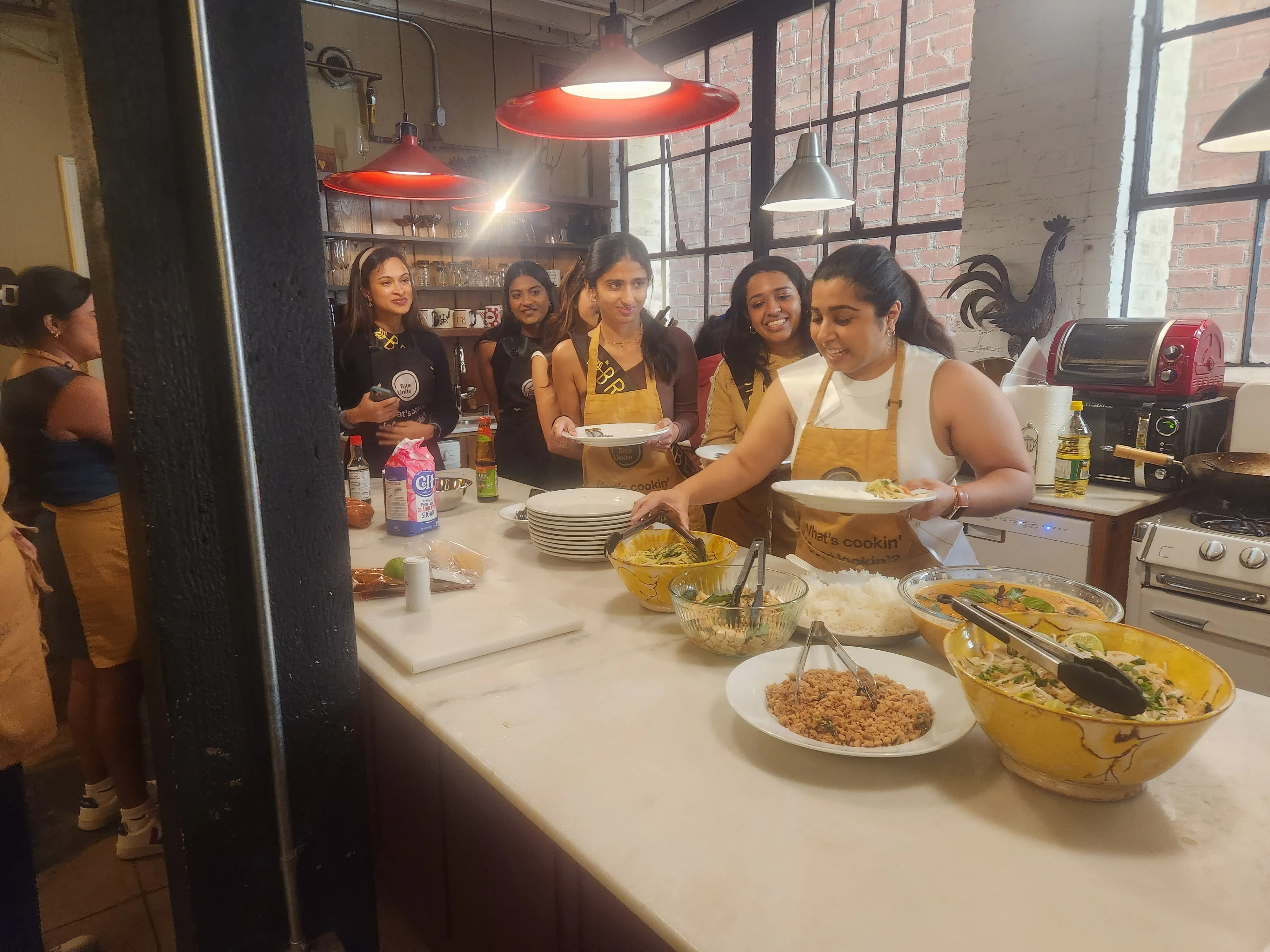
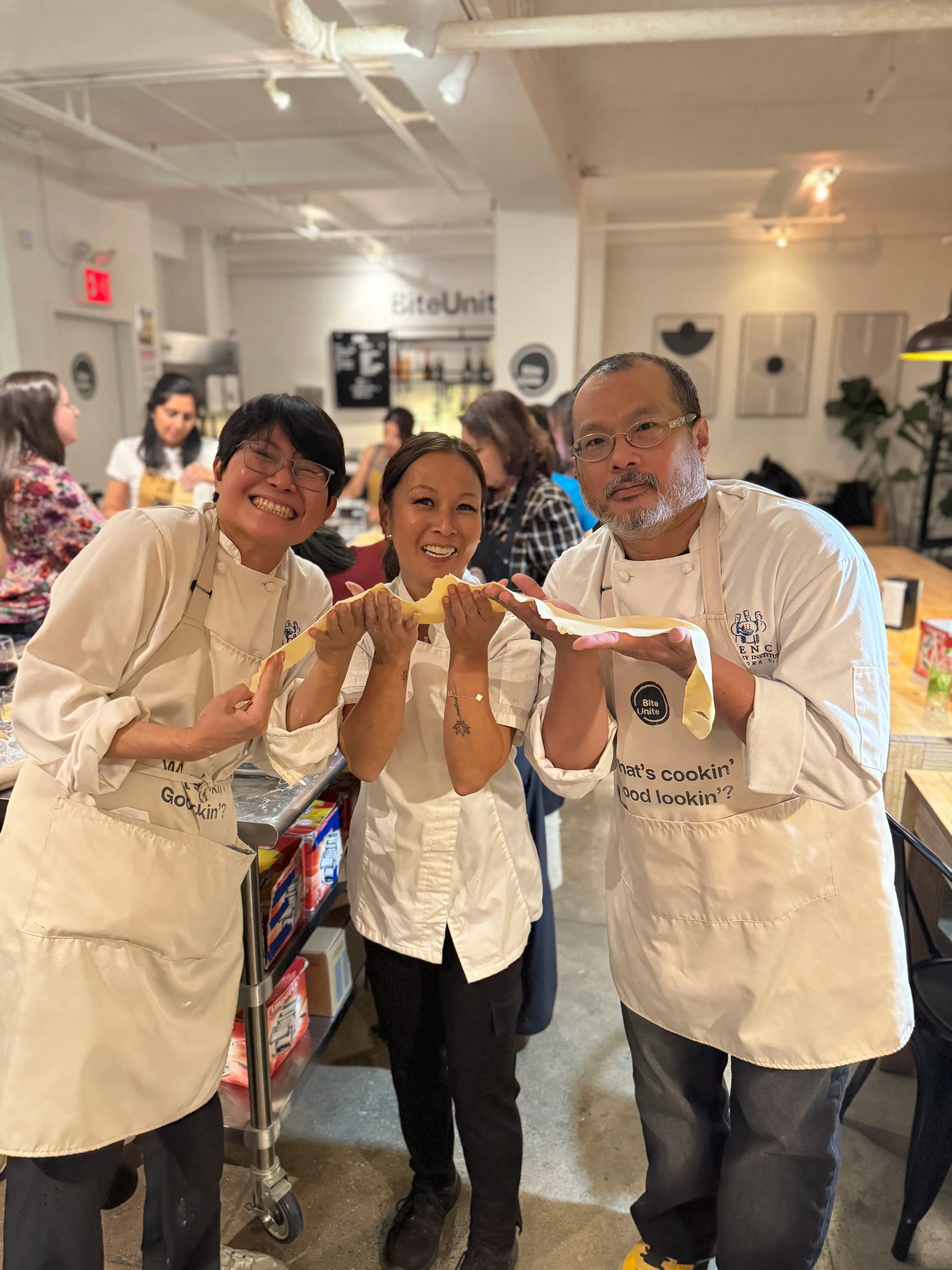
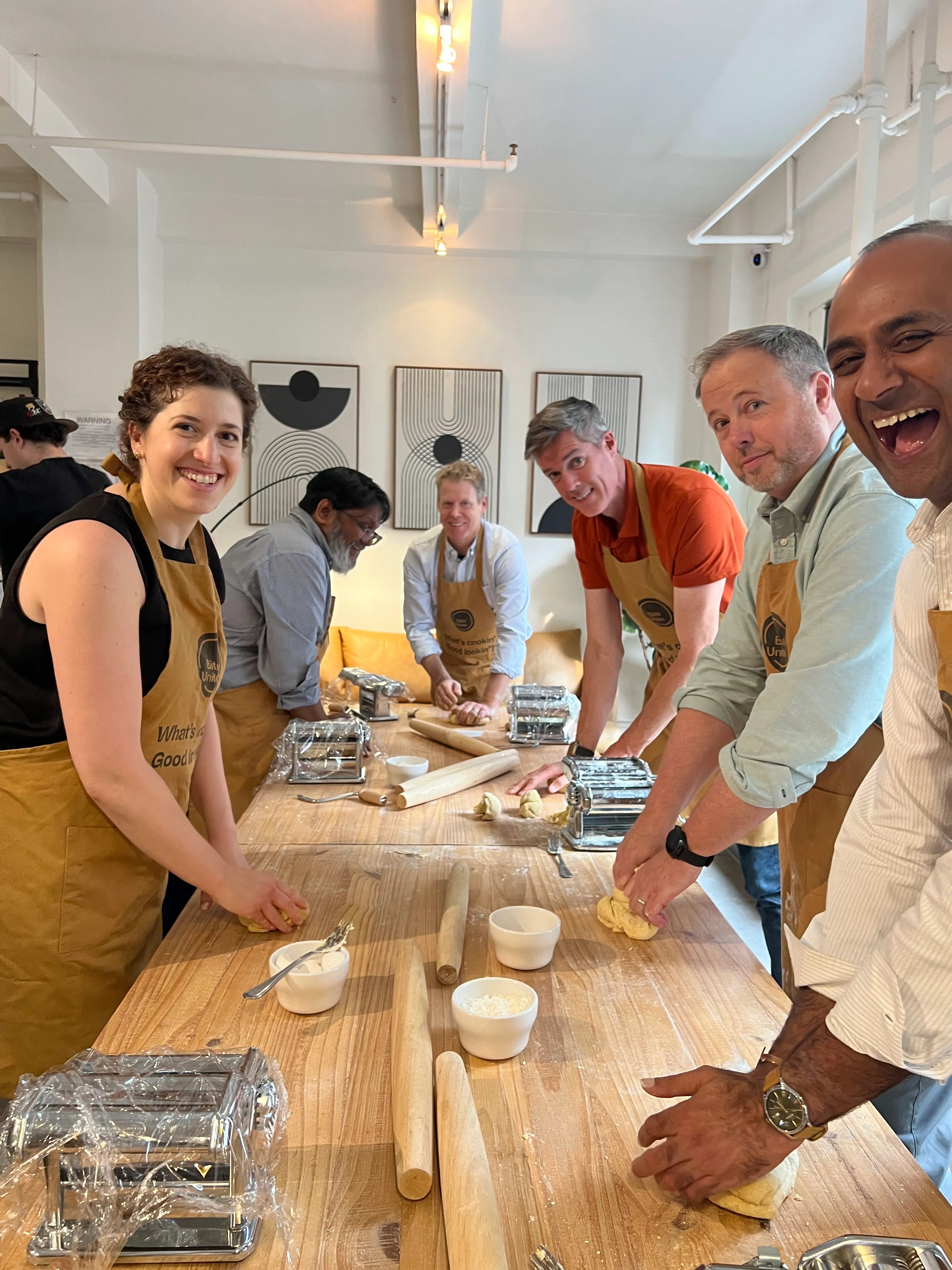
If you’re booking for a team, the value compounds. Collaborative cooking builds the kind of lateral trust and communication that a conference room rarely generates. Corporate cooking events in San Francisco and similar programs in New York consistently report that the shared pressure of getting a dish right together does something a team dinner alone cannot.

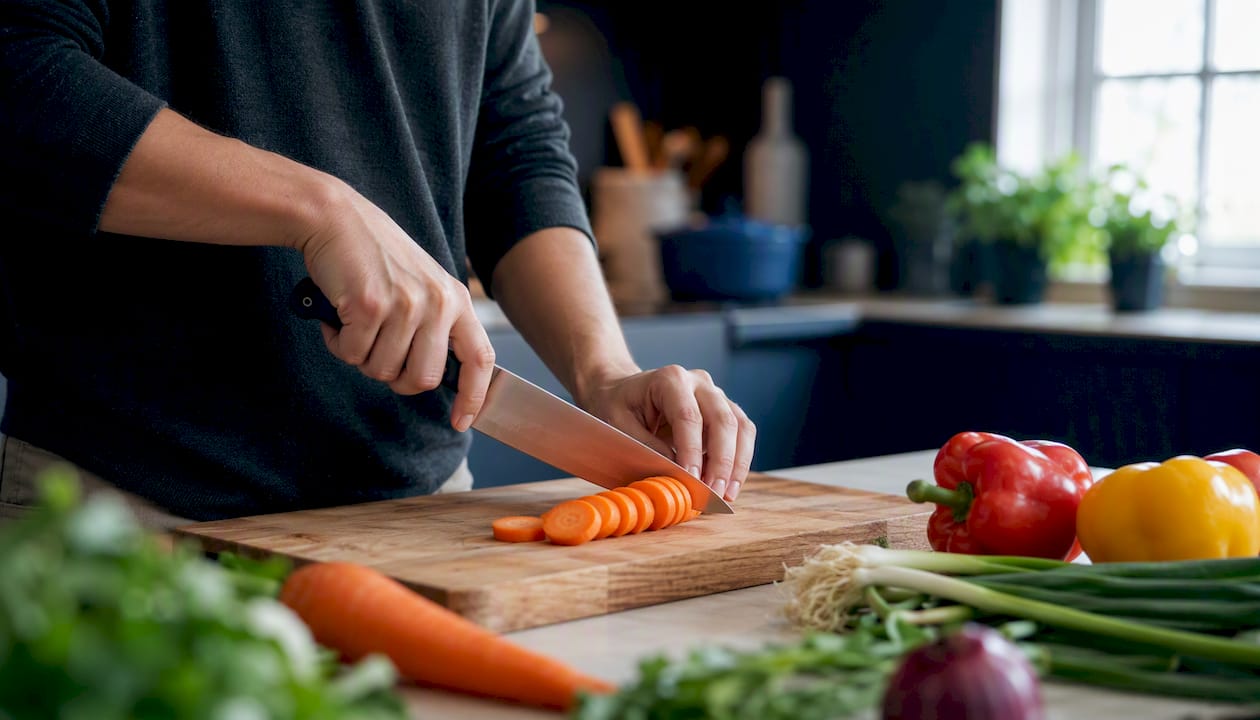
Pro Tip: For the fastest skill ROI, book a knife skills class first. Knife confidence changes the entire experience of cooking — prep becomes faster, less stressful, and more enjoyable, which means you actually cook more often.
Biteunite hands-on classes: where the “worth it” criteria come to life
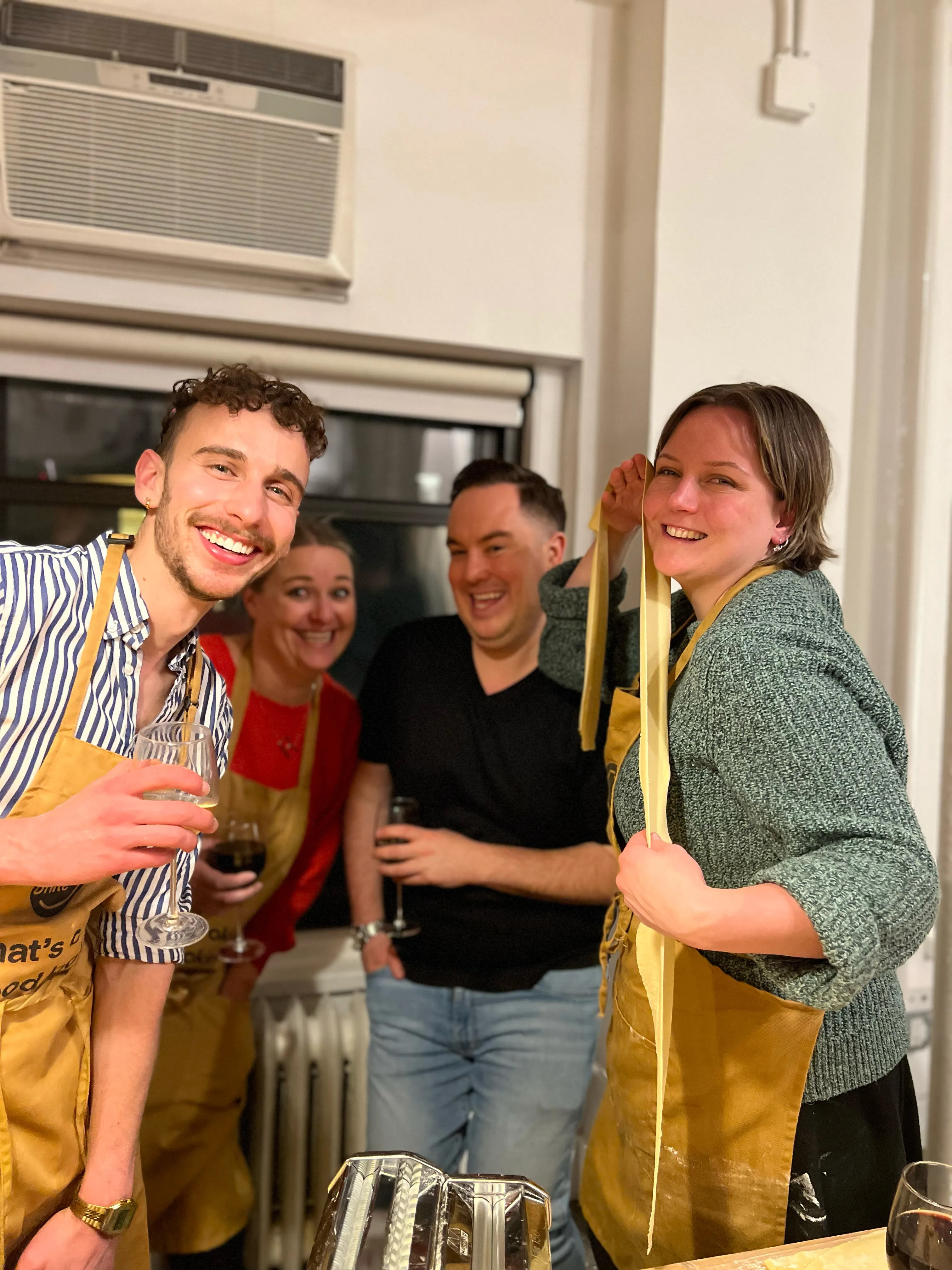
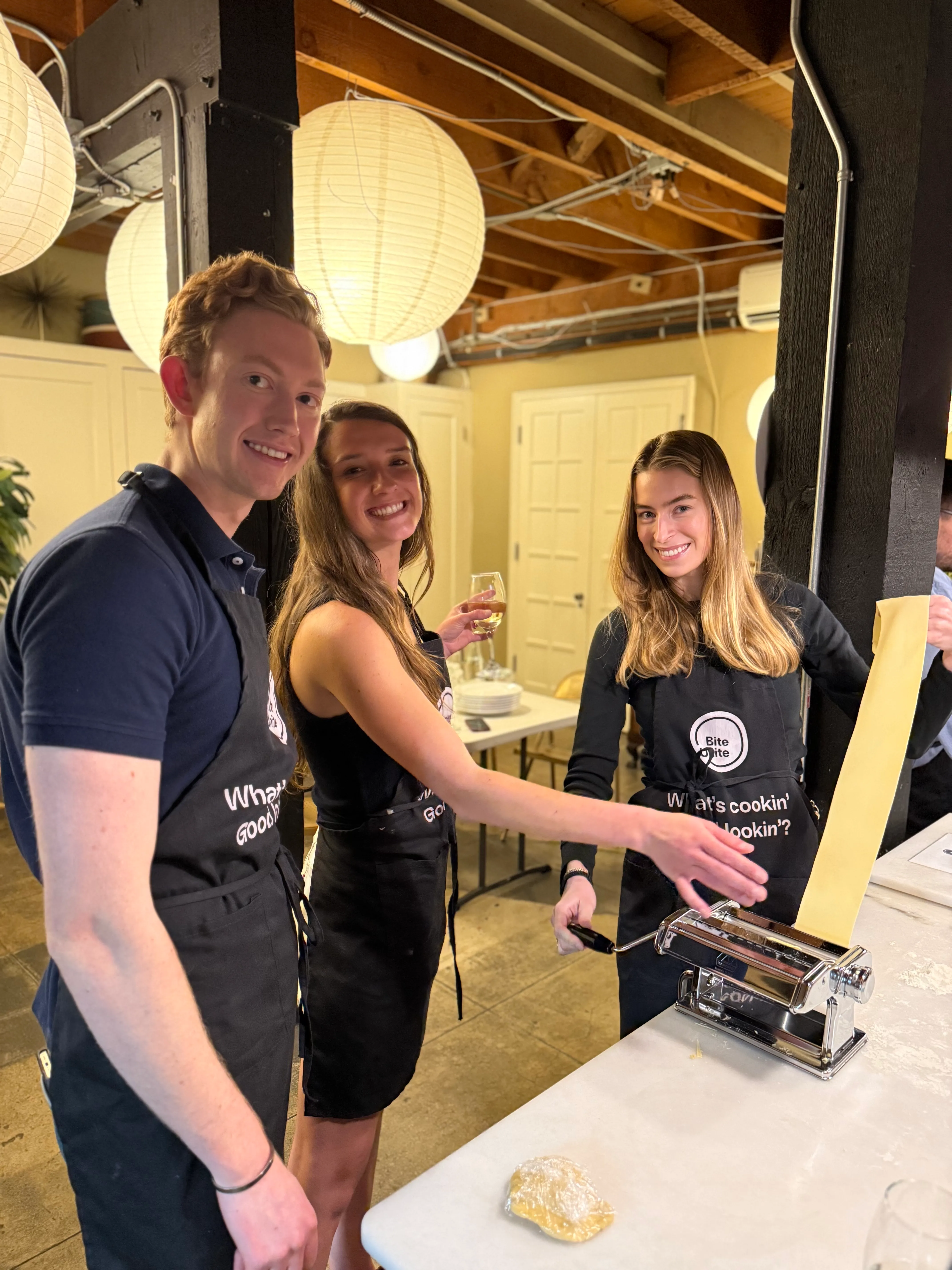
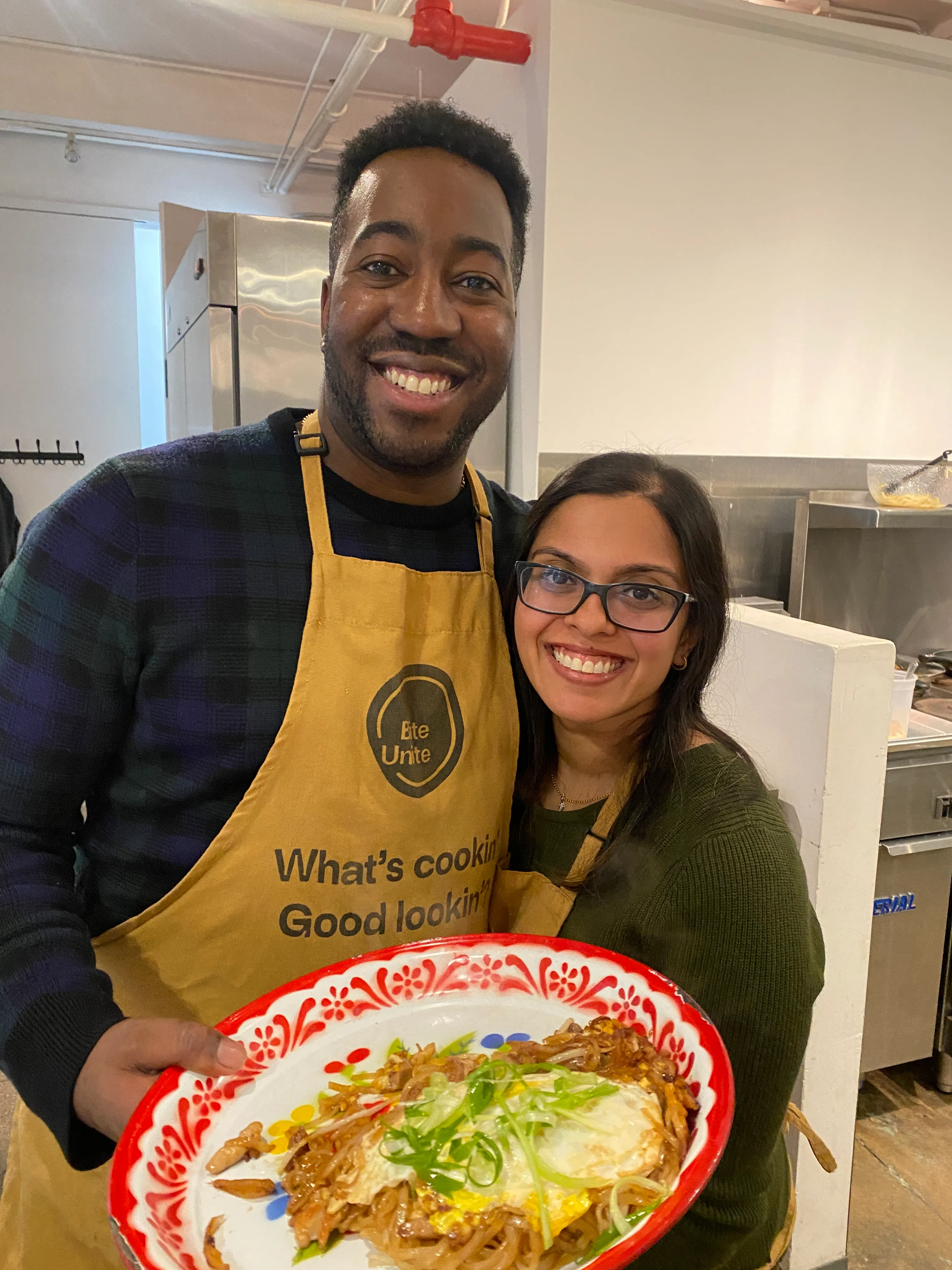
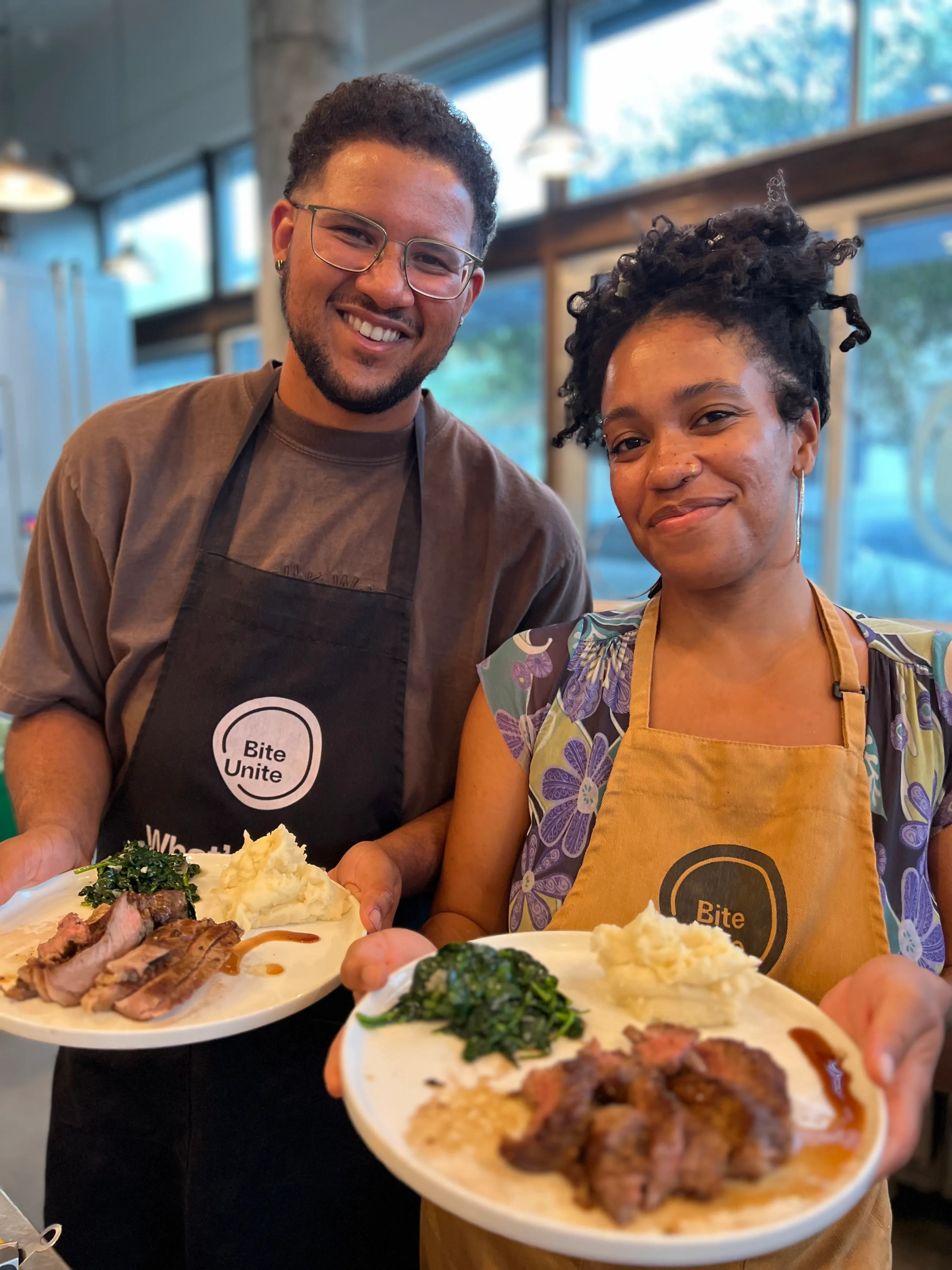
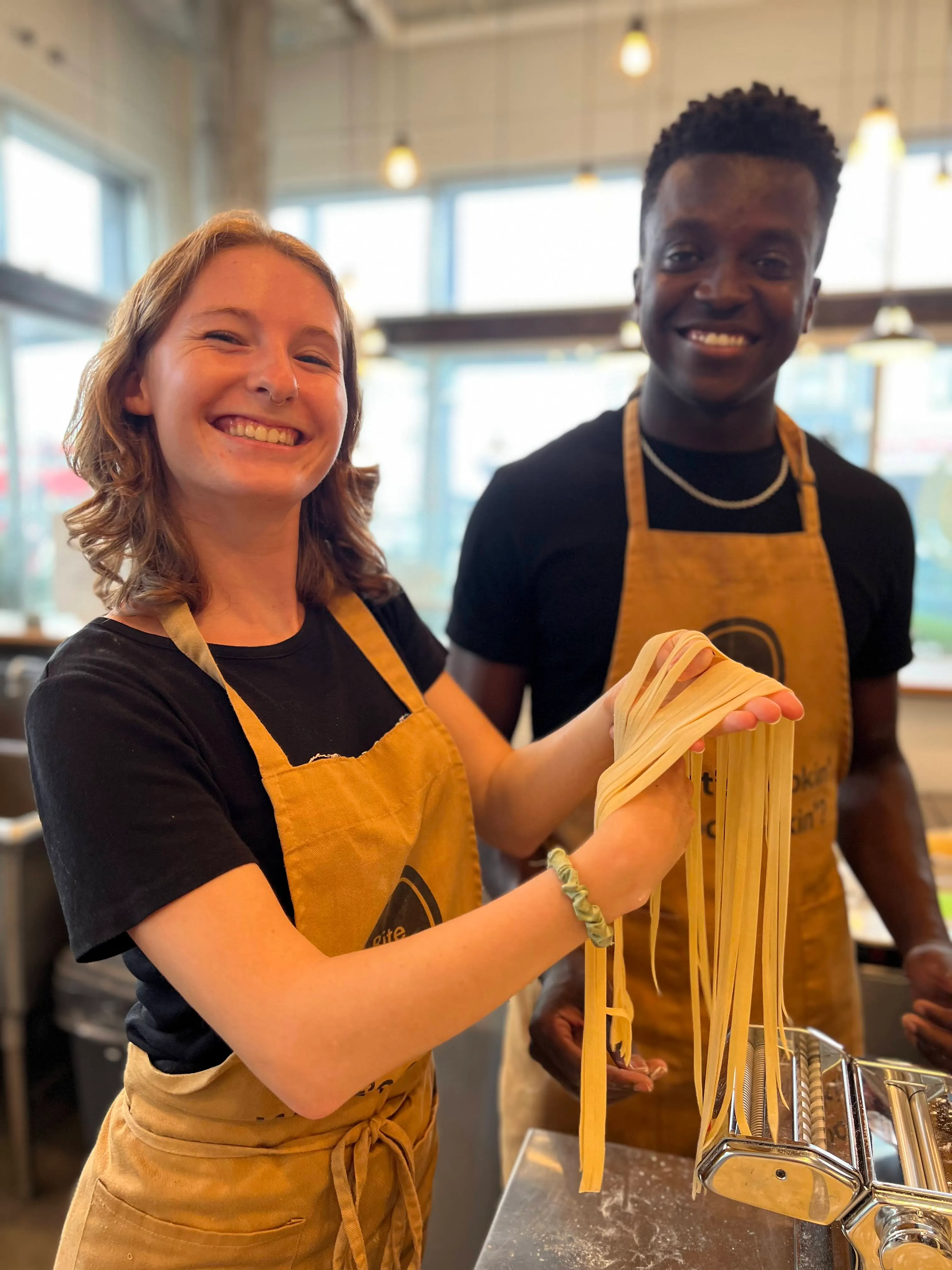
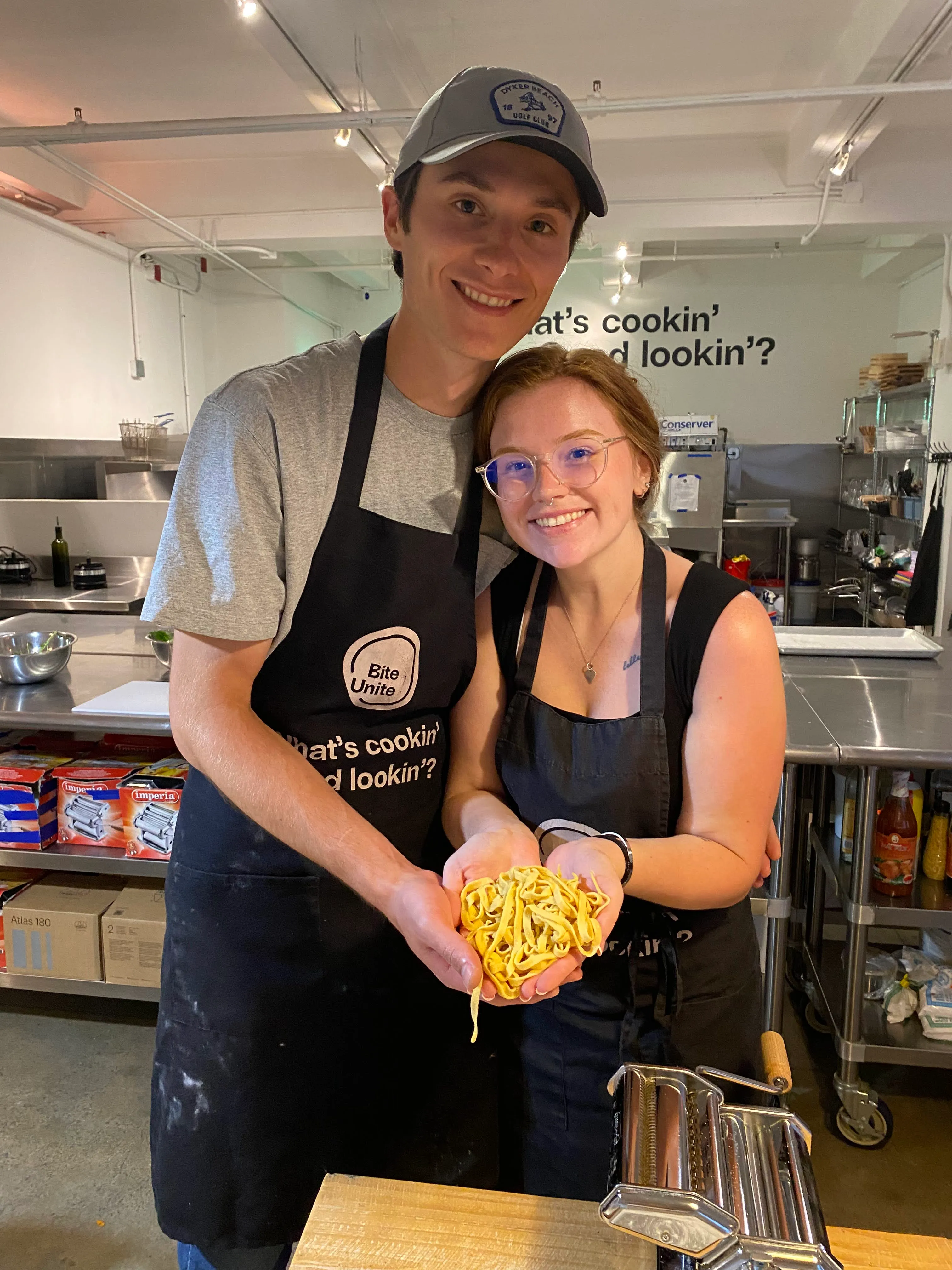
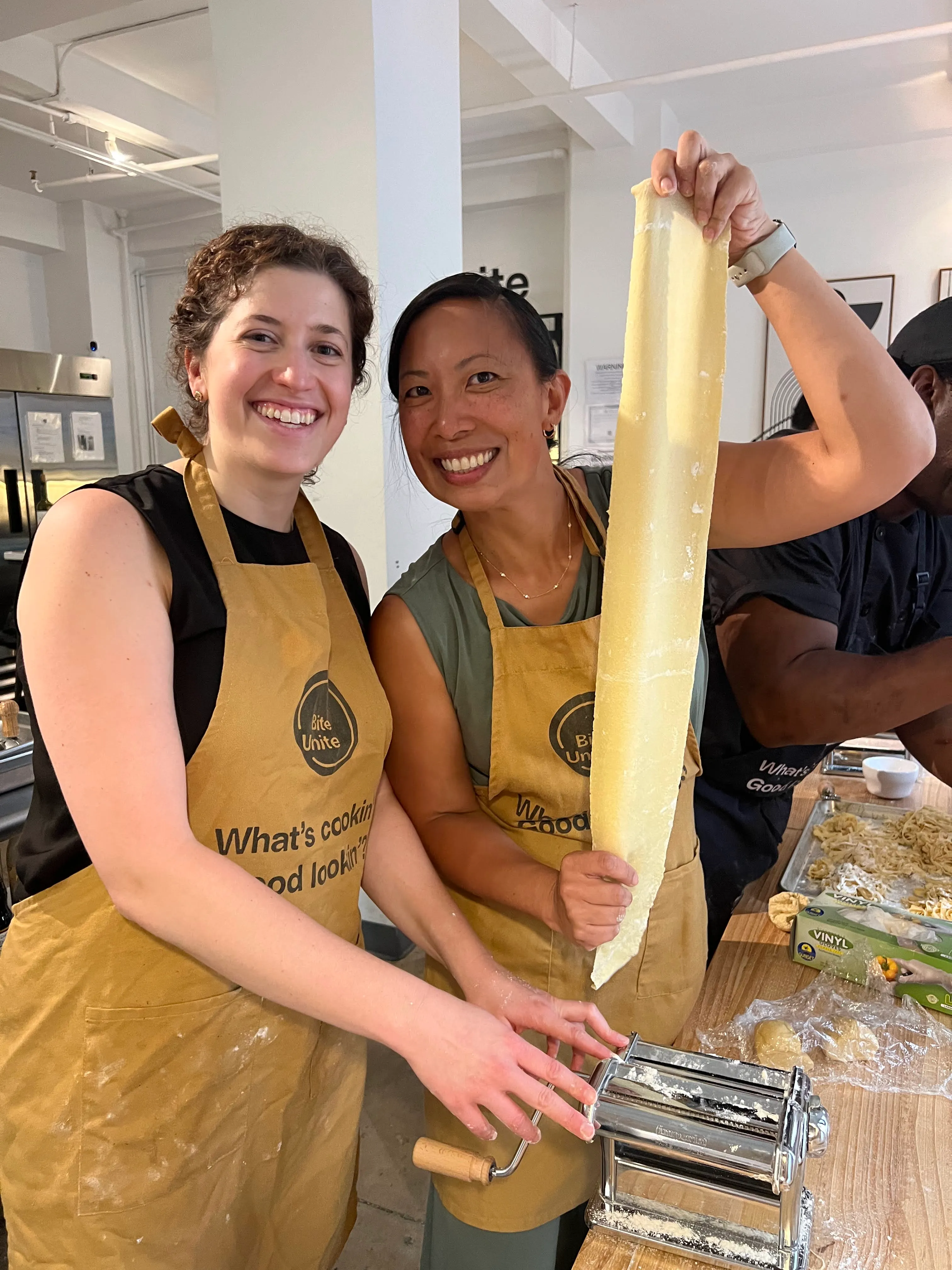
Biteunite is built around exactly the format the research recommends: small groups, expert chefs, hands-on stations, and technique-first curricula across cities including New York, San Francisco, and Hong Kong.
Whether you’re booking for yourself, a date night, or a full corporate team, Biteunite delivers the kind of interactive, memorable experience that sticks long after the meal is finished.
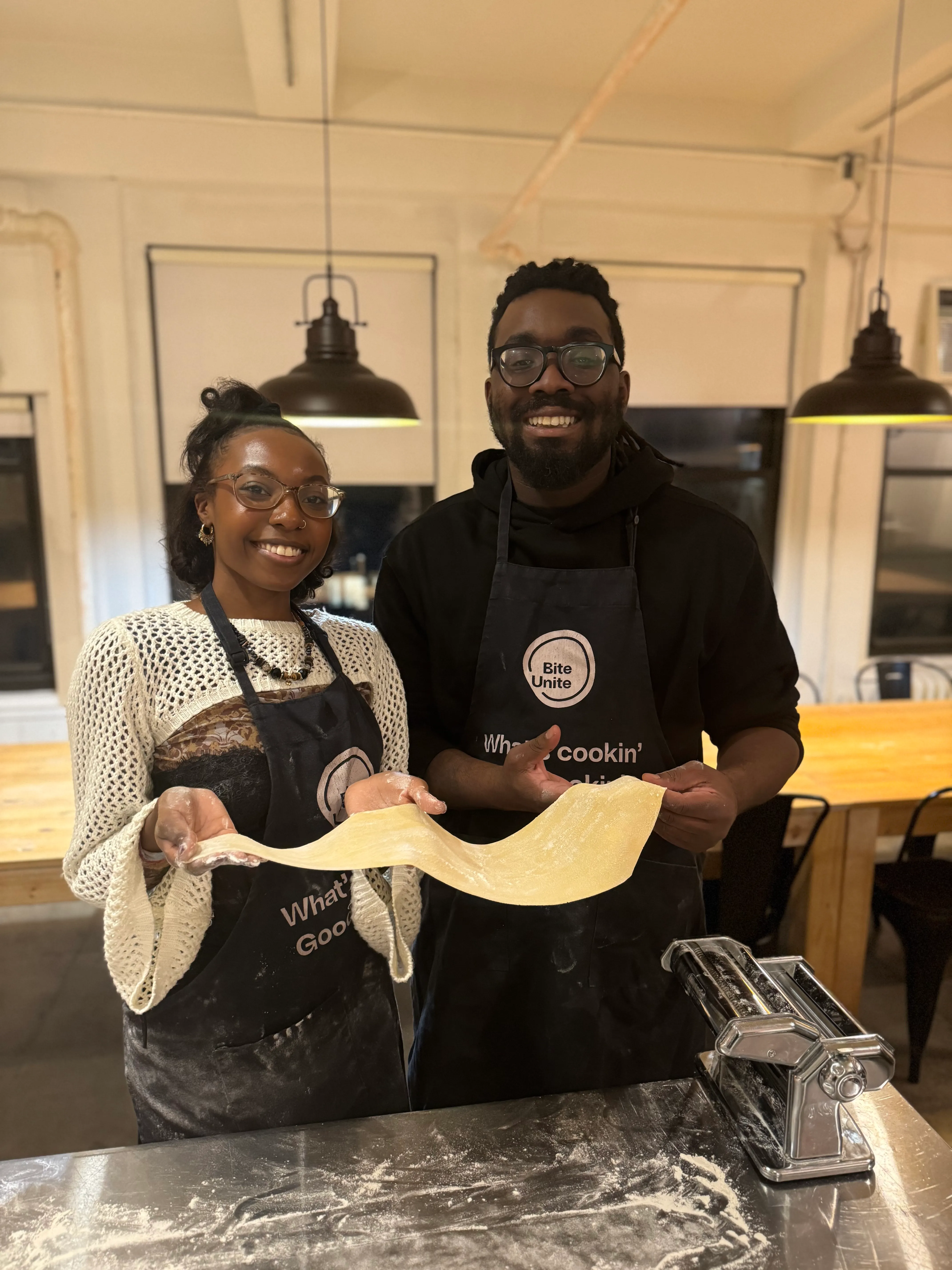
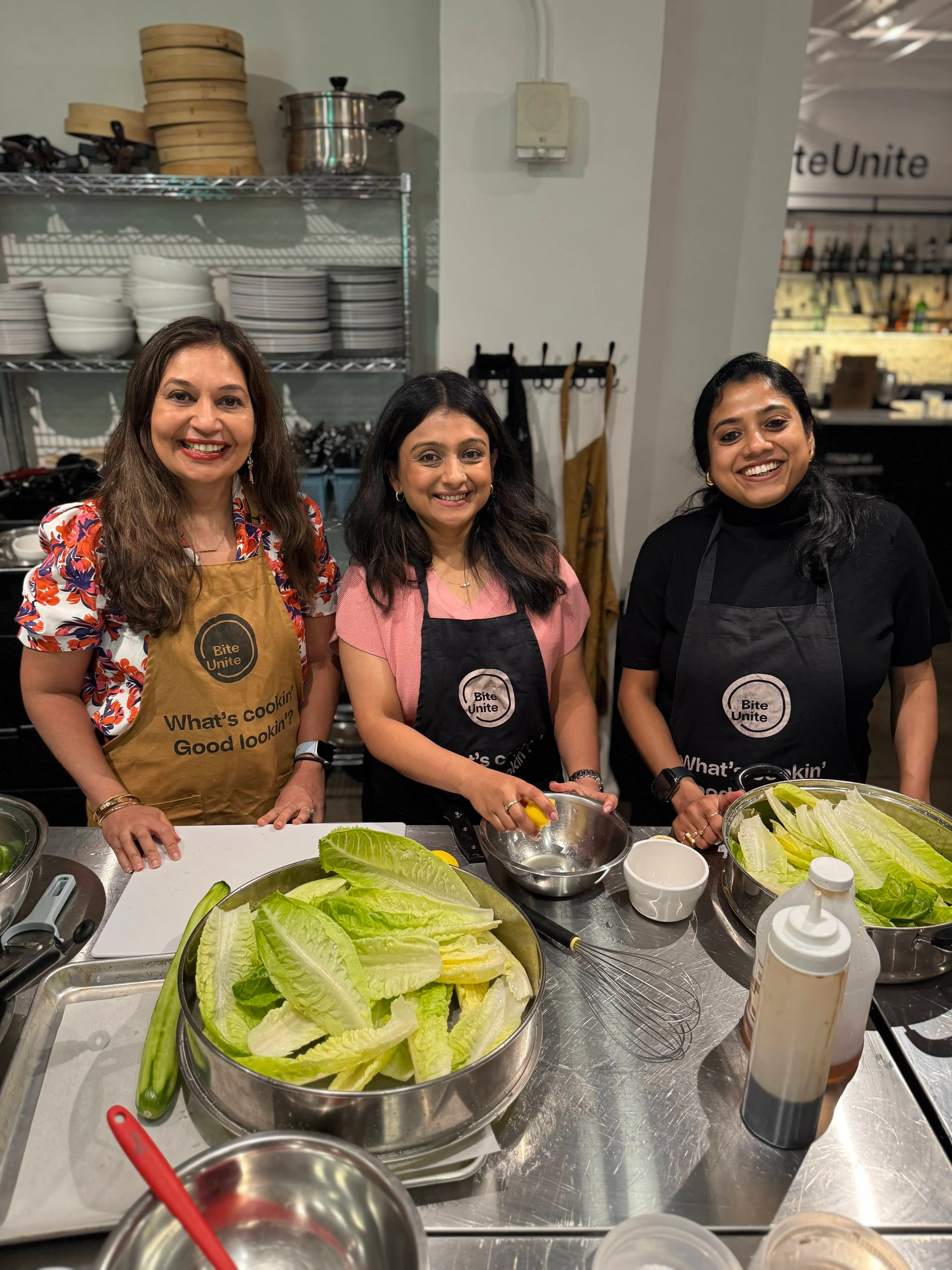
- Hands-on learning in small groups — you cook every step with real-time feedback from expert chefs
- Team-building and private events — ideal for corporate groups, celebrations, and custom experiences
- Easy booking and digital gift cards — flexible options for individuals, couples, and group organizers
Ready to cook something delicious and actually learn while you do it? Browse Biteunite’s upcoming classes and find a session that fits your schedule and goals.
Sources
- Culinary interventions and their effects on dietary intake and behavior (systematic review/meta-analysis)
- Teaching kitchens and curriculum design: integrating nutrition, behavior change, and culinary technique
- What to Expect in Your First Cooking Class | Cookalo Blog

































.webp)