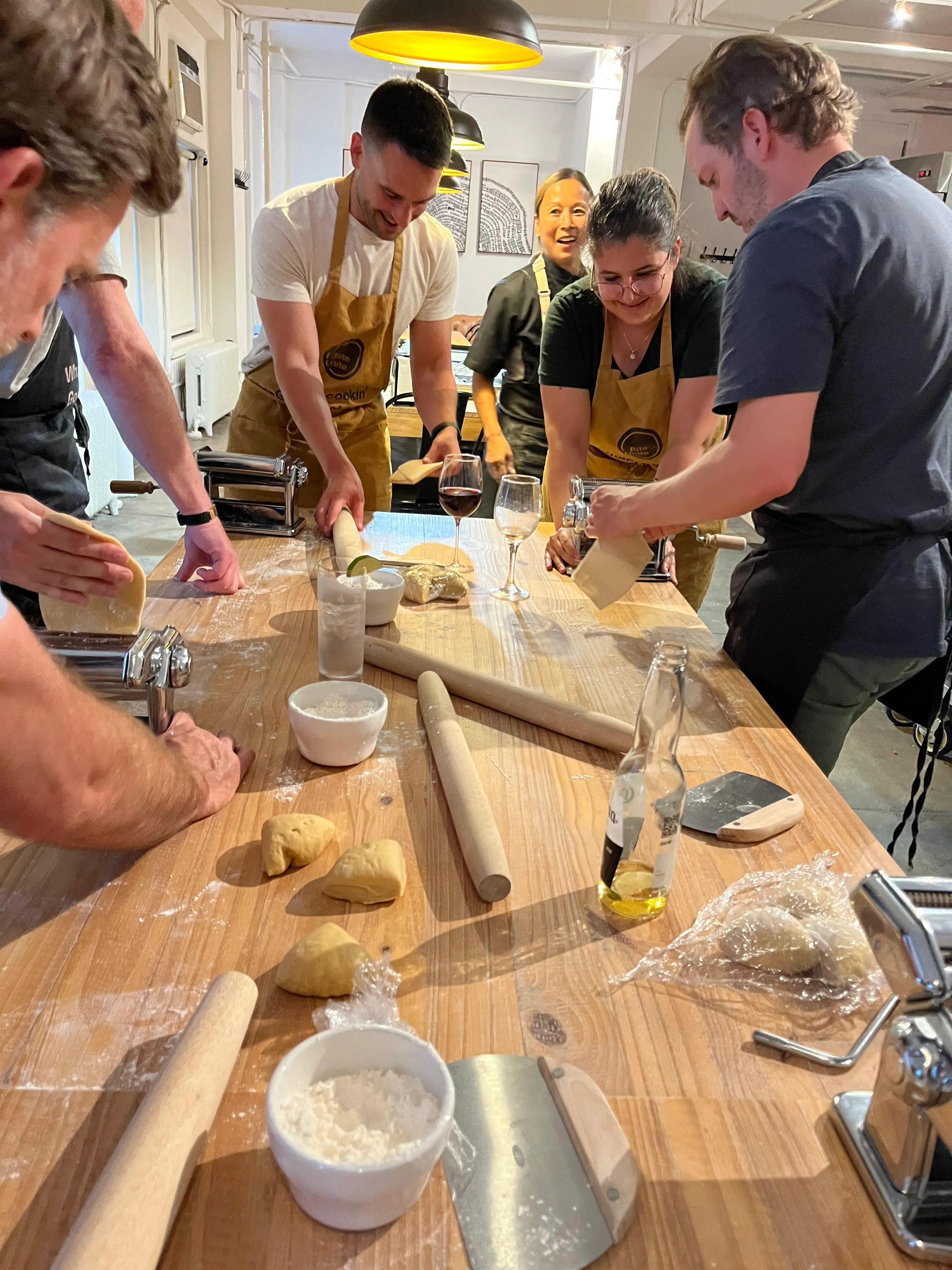
5 Safety Rules for Cooking Class Dress Code: Shoes, Fabric, Aprons
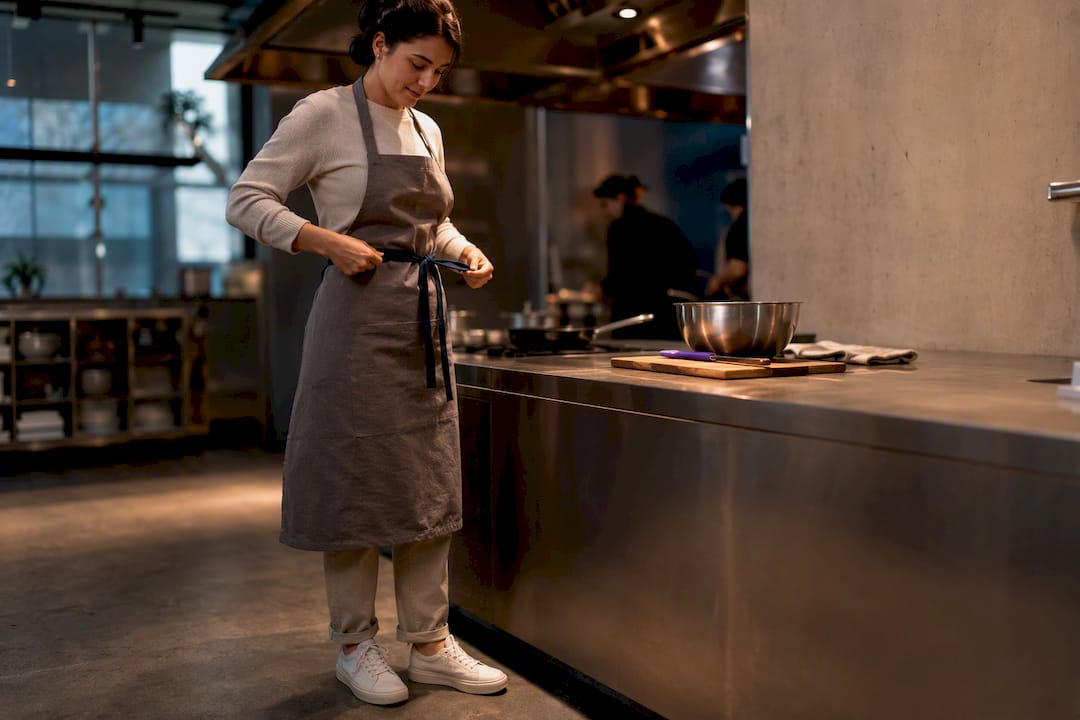
The right cooking class outfit comes down to five rules: closed-toe, non-slip shoes; fitted clothing with sleeves you can push up; hair tied back; no dangling jewelry; and an apron, which almost every venue provides. Get those five right and you’re set for pasta night, a knife skills workshop, or a grill session outdoors. Keep reading for the small adjustments that change by class type.
TL;DR:
- Wear closed-toe, non-slip shoes that provide good grip and support, especially for longer classes or those involving high heat.
- Use fitted sleeves and avoid loose jewelry to ensure safety and hygiene during knife handling and near open flames.
- Dress in breathable fabrics like cotton or linen, and layer appropriately for temperatures, safety, and different cooking activities.
- Bring or wear a clean outfit suitable for messes, with practical accessories like hair ties and minimal jewelry, focusing on comfort and hygiene.
- Use gloves or goggles only when handling irritating ingredients or performing dangerous tasks, as instructors mainly rely on supervision and safety protocols.
Table of Contents
- Cooking Class Dress Code Basics: What to Wear and Why
- How the Class You Booked Changes What You Wear
- What Venues Usually Supply vs. What to Bring Yourself
- Choosing Shoes That Won’t Slip or Wear You Out
- Why Professional Kitchen Attire Looks the Way It Does
- Clean Clothing Isn’t Optional, Even for a Fun Night Out
- Dressing for Cultural and Themed Cooking Classes
- Dress Code Tips for Kids in Family-Friendly Classes
- When Gloves and Eyewear Actually Make Sense
- Show Up Ready to Cook, Not Ready for a Photo Shoot
- Ready to Put This Dress Code to the Test?
- Sources
Cooking Class Dress Code Basics: What to Wear and Why
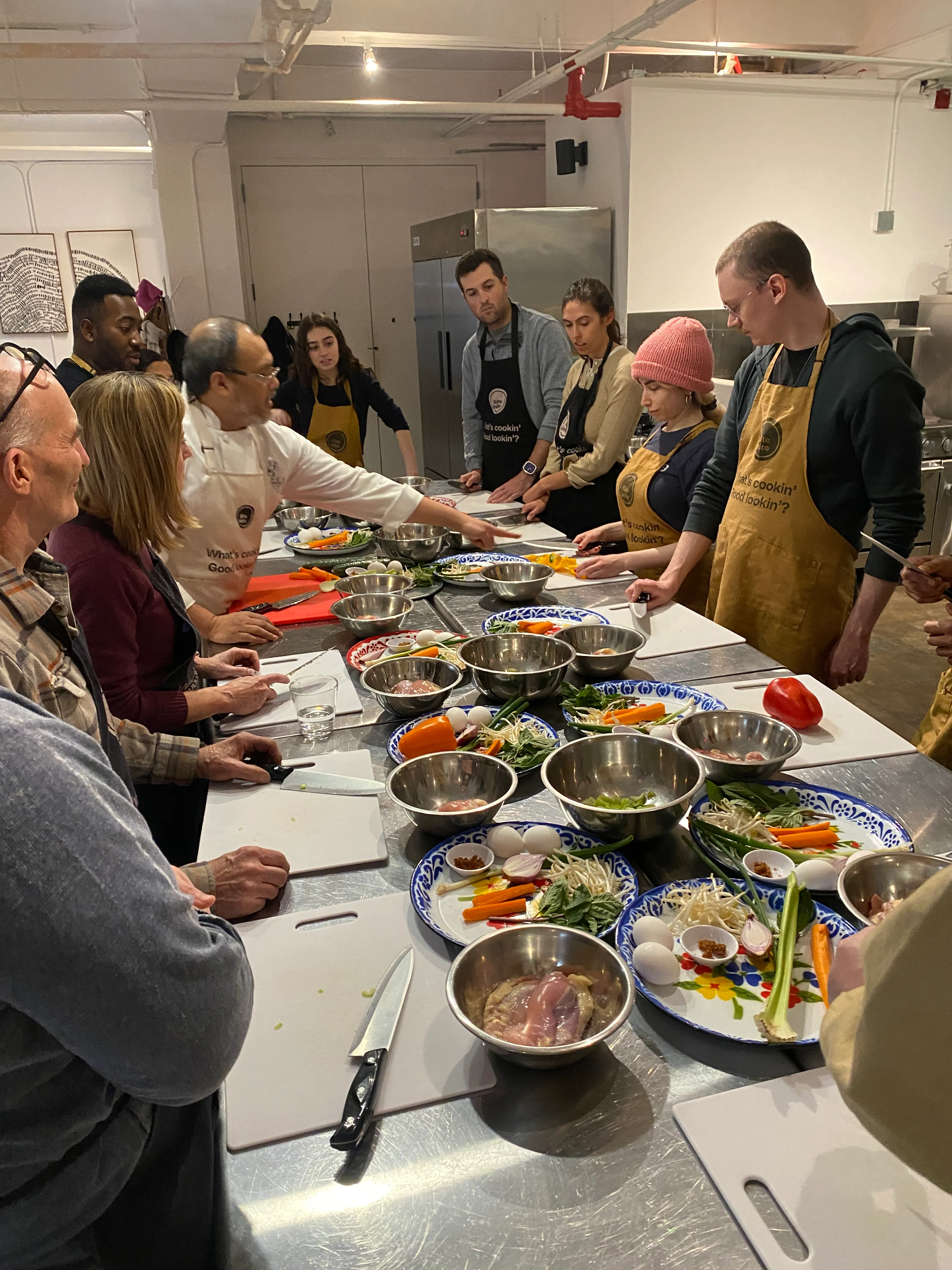
Every reputable cooking class attire policy starts with your feet. Closed-toe, non-slip shoes are the one rule that instructors actually enforce, and for good reason: hot oil, dropped knives, and wet floors don’t care how cute your sandals look. Practical class guidance from hands-on cooking programs consistently flags closed-toe footwear as the non-negotiable, and some hosts will pull you off the line if you show up in flip-flops.
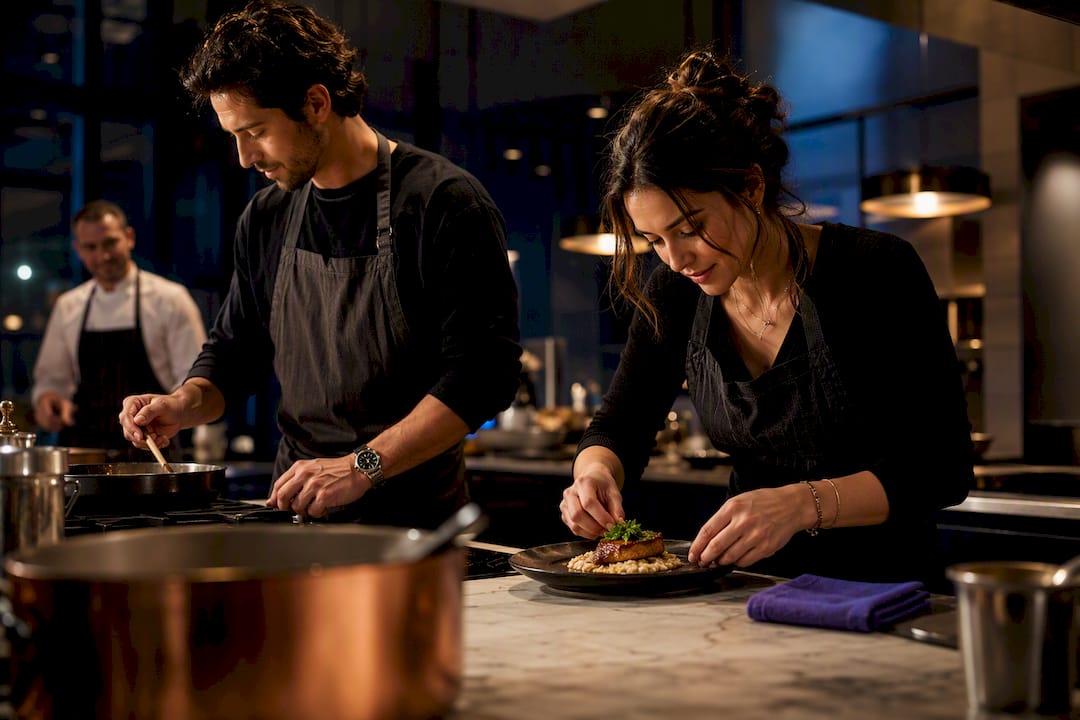
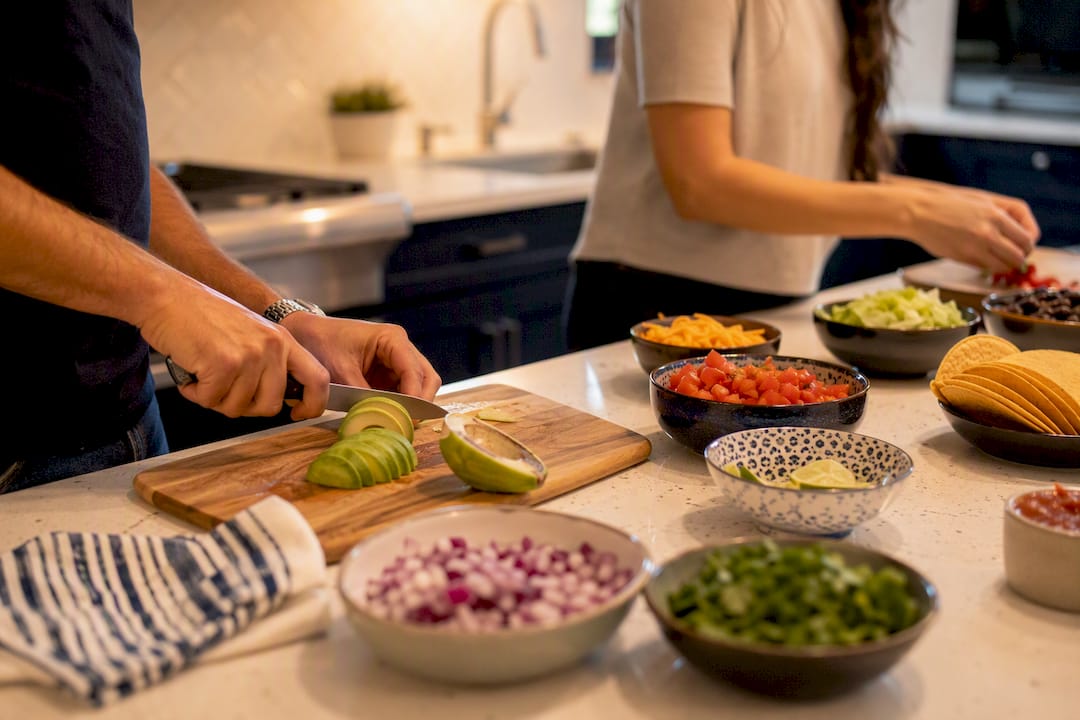
Fit matters almost as much as footwear. Loose, flowy sleeves are a liability near an open flame or a hot pan handle, so roll them up or skip them entirely. Long pants beat shorts for the same reason: a splash of hot oil on bare skin ruins an evening fast. Skip synthetic fabrics too. Cotton and linen breathe better and resist melting near direct heat, while polyester blends can warp or stick to skin if they get too close to a burner.
Hair and jewelry round out the checklist:
- Tie back long hair or wear a low bun. Loose strands near food are a hygiene issue, not just a safety one.
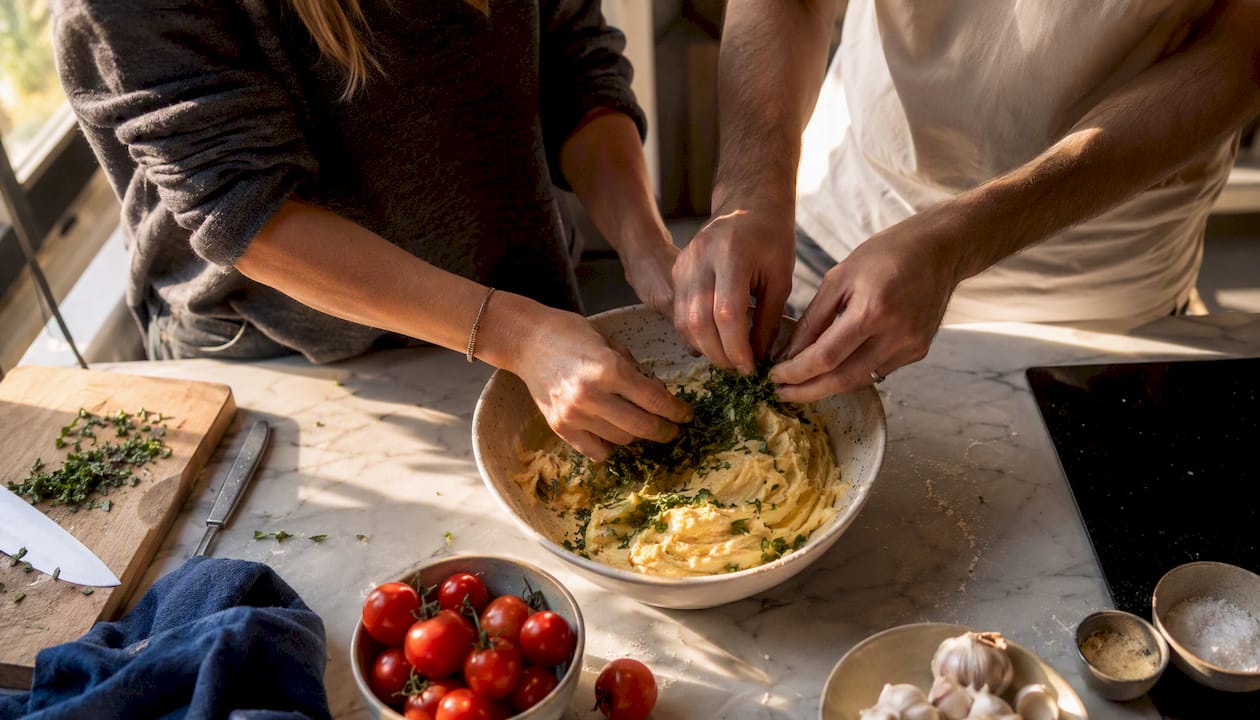
- Remove dangling earrings, bracelets, and rings that could catch on equipment or drop into a bowl of dough.
- Skip the scarf or loose necklace. Anything that swings is a snag risk near a stovetop.
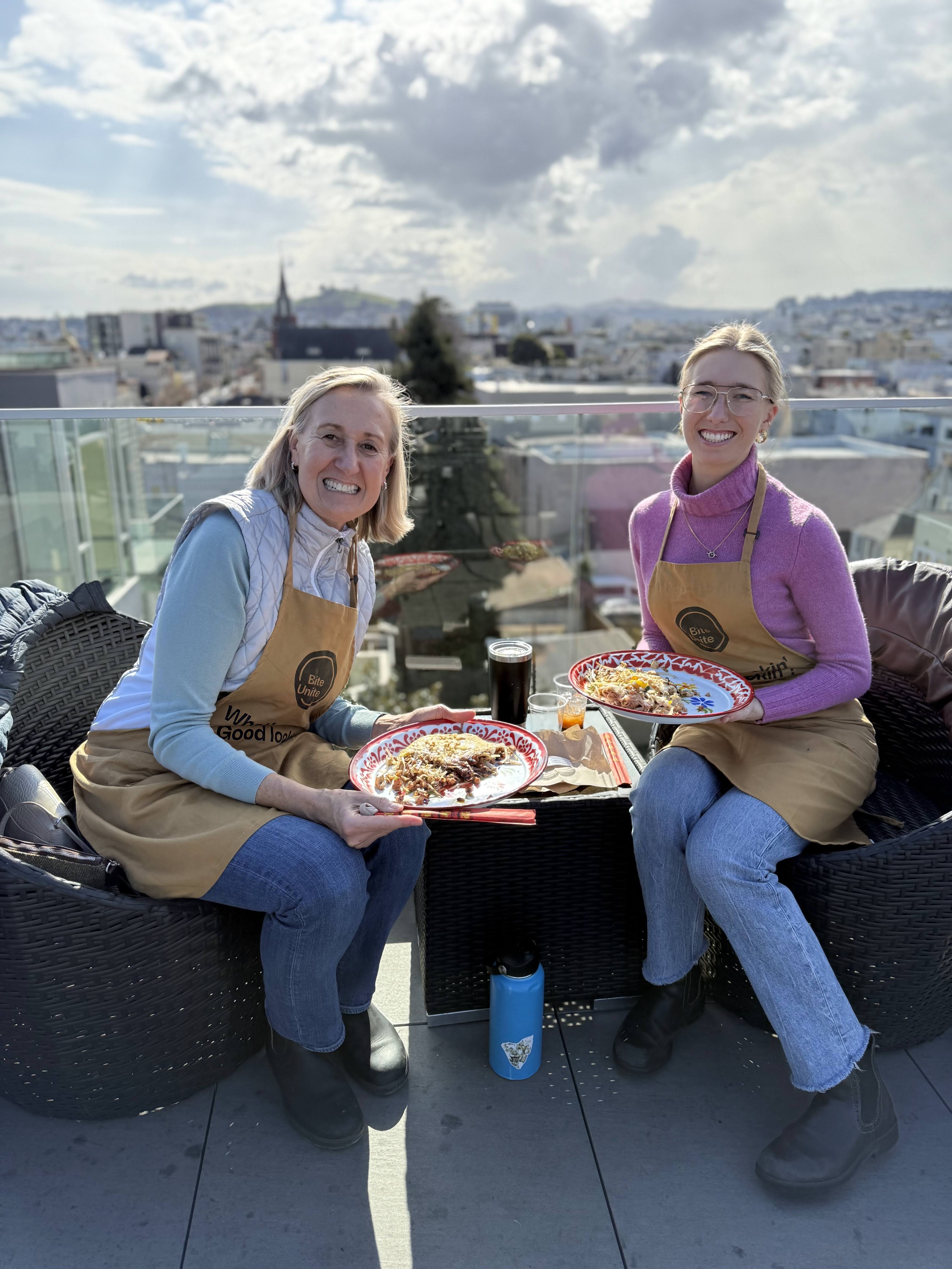
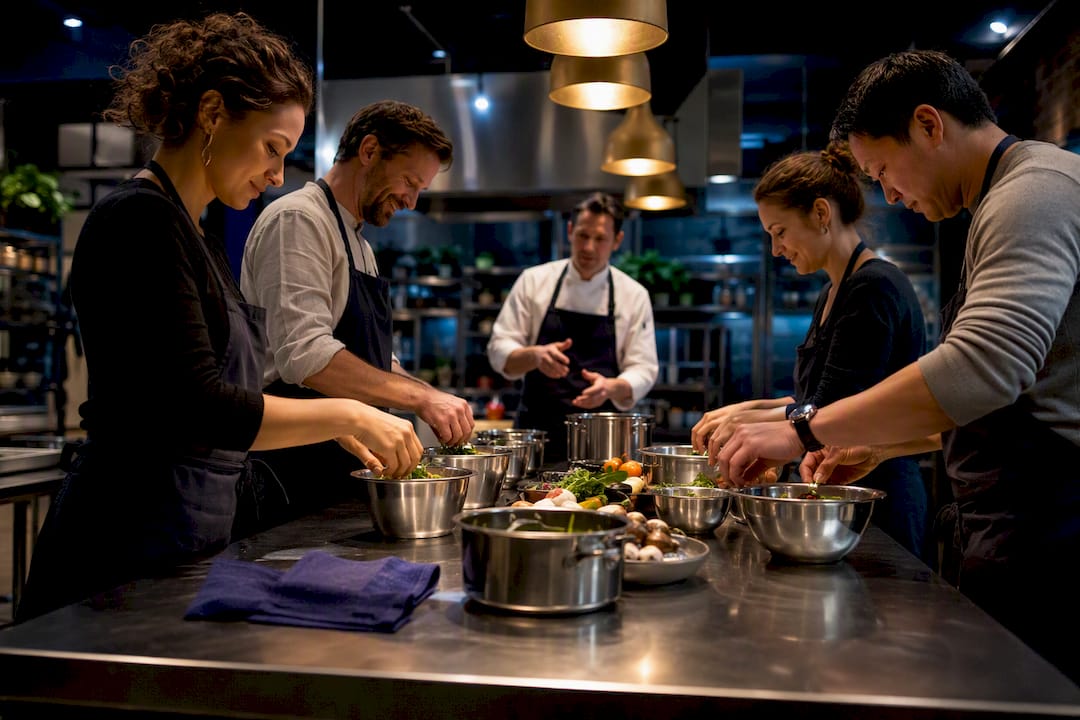
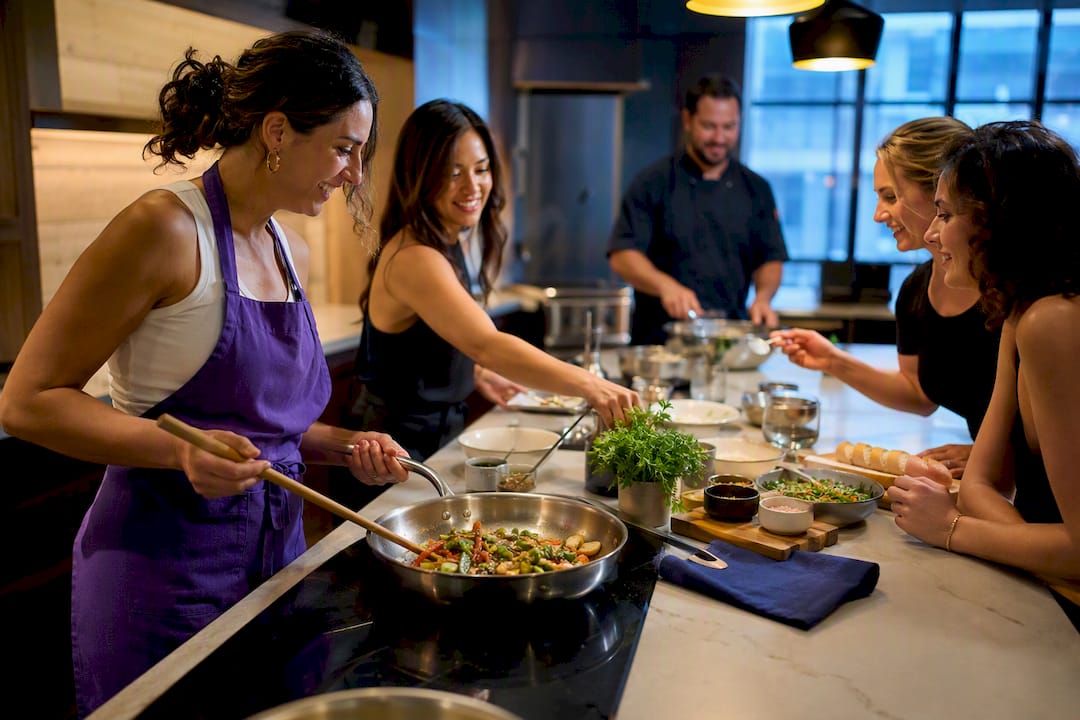
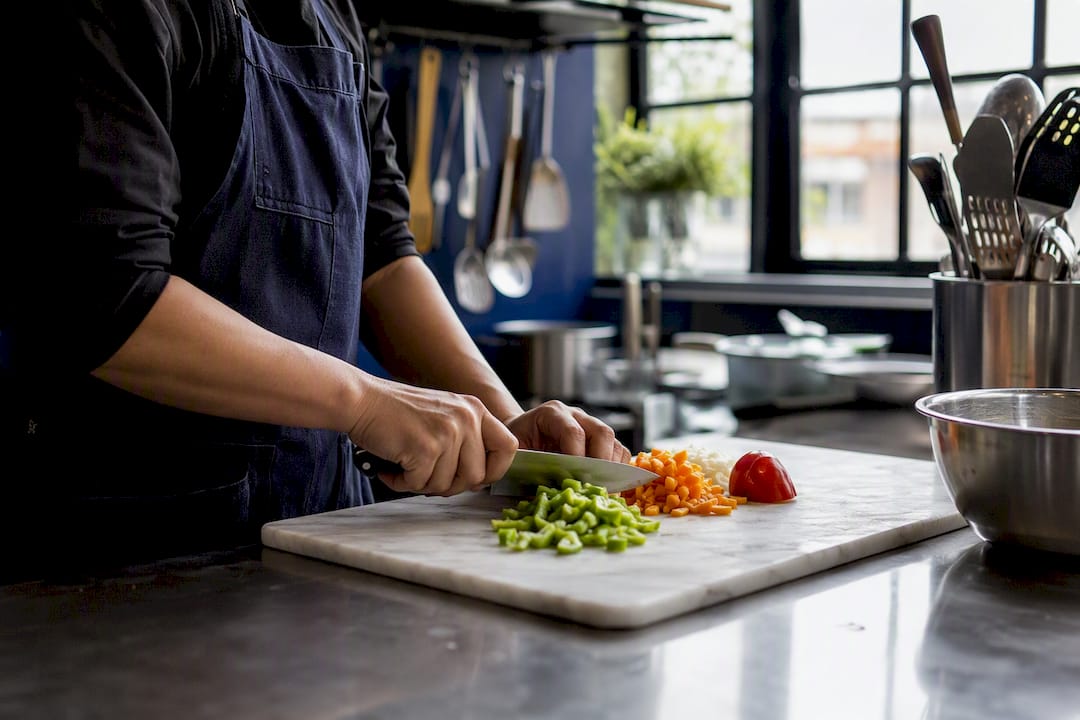
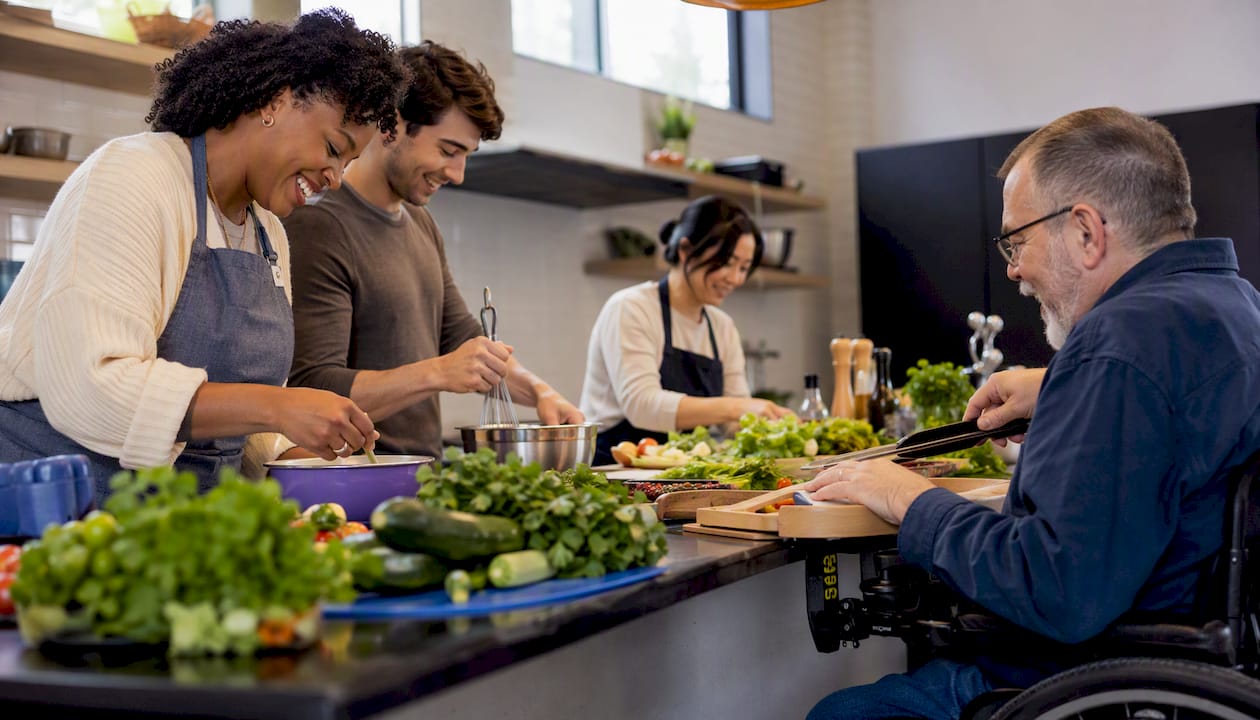
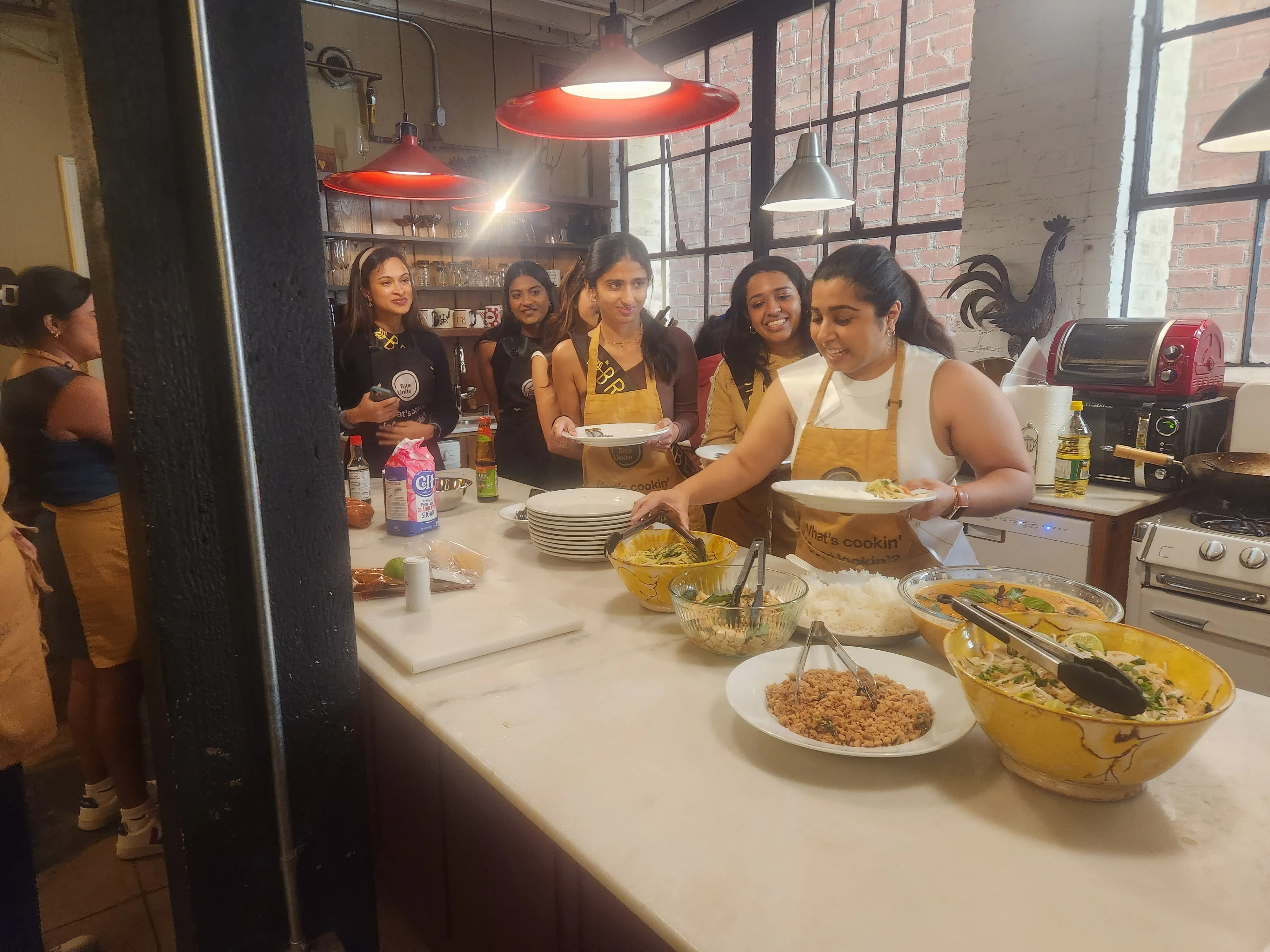
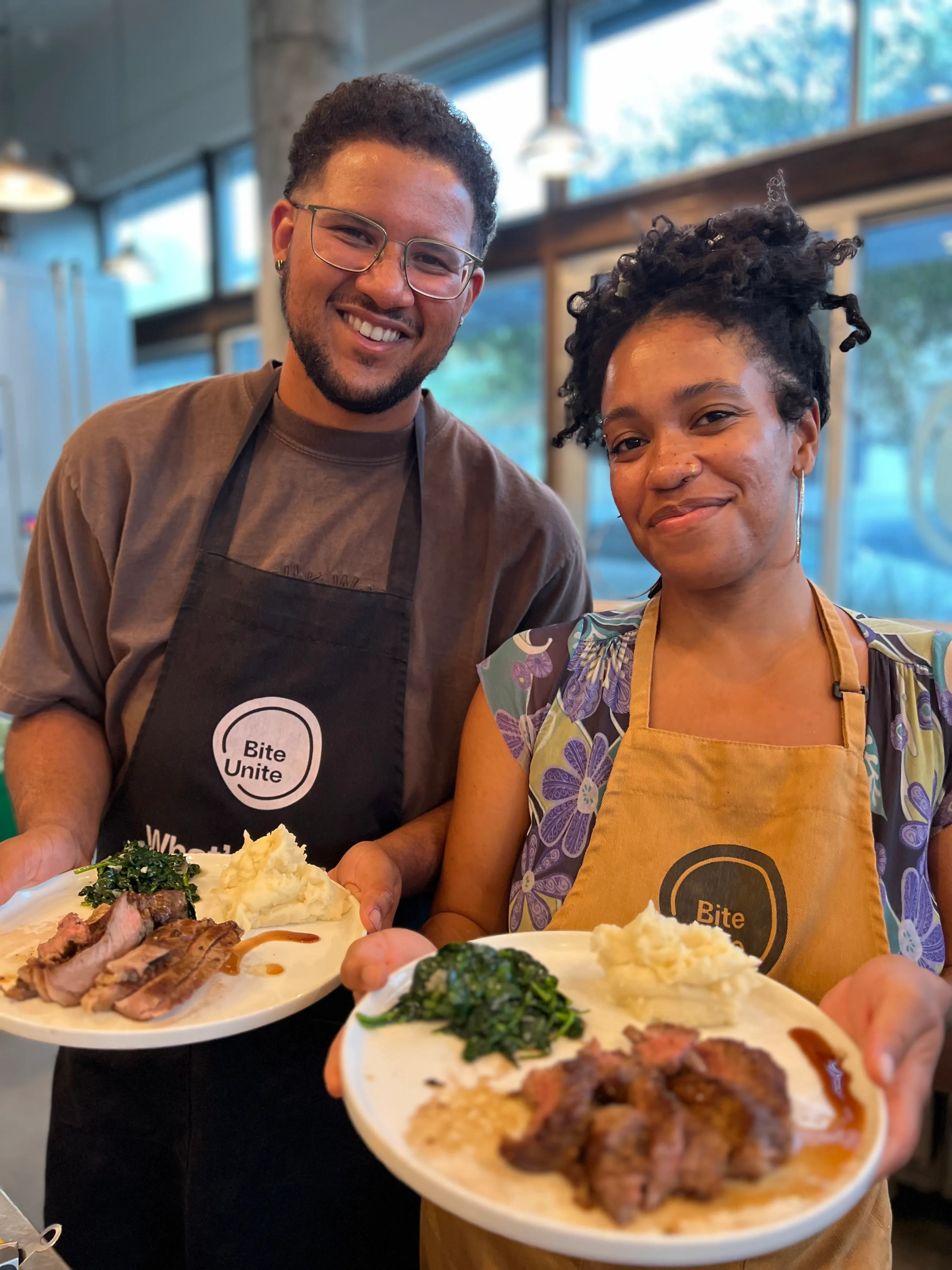
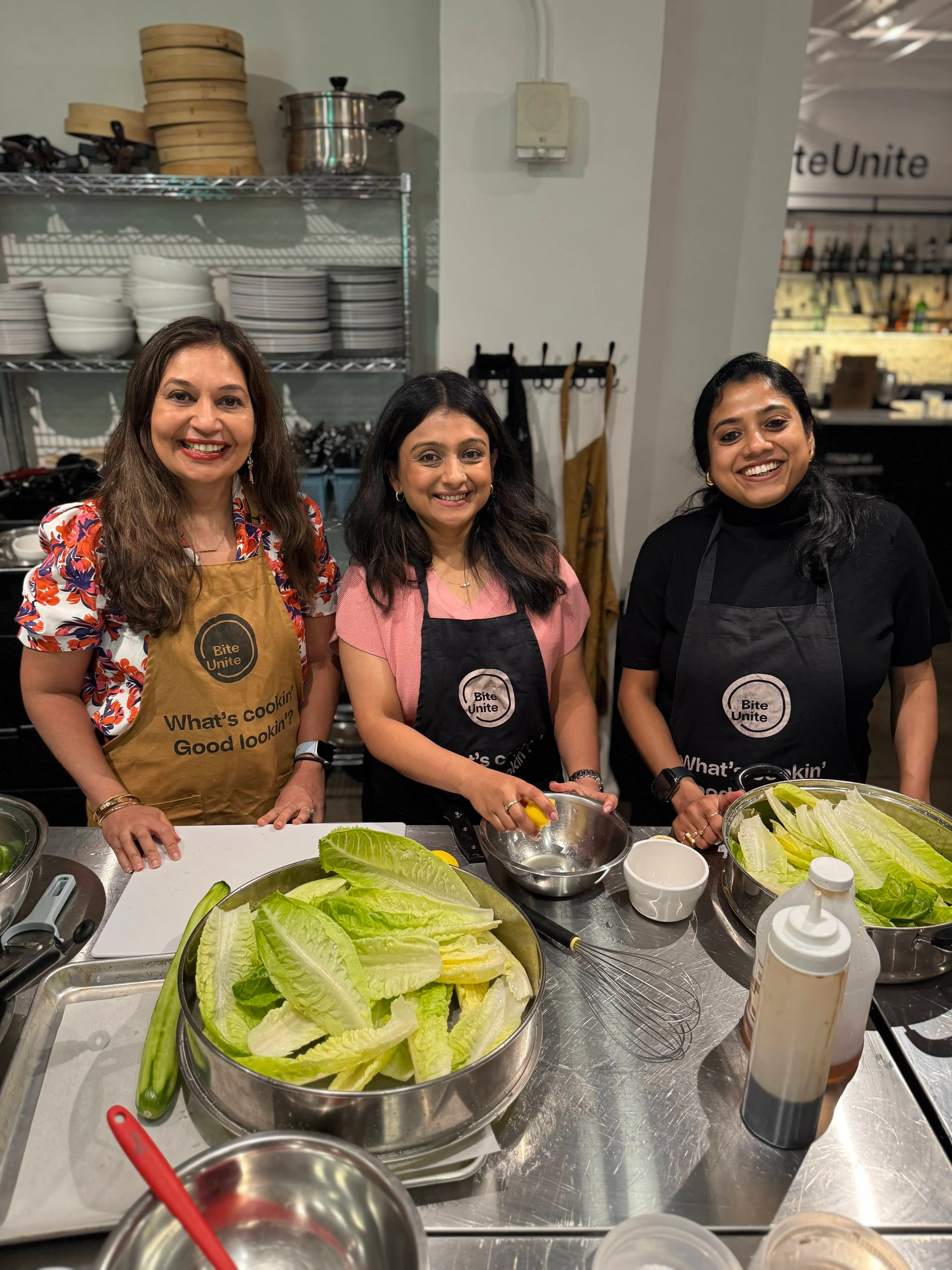
Aprons are the one item you rarely need to think about. Most recreational classes supply them as part of the booking, though a handful of professional programs work differently. Johnson & Wales University’s Kitchen Academy, for example, charges a fee for a branded apron if students don’t bring their own. That’s the exception, not the norm. Standard industry safety protocols exist to protect your torso, arms, and feet from splashes and cuts, and every rule above traces back to that simple goal.
How the Class You Booked Changes What You Wear
Your outfit should shift depending on what’s happening in the kitchen that day. A pasta-making session and a live-fire grilling class don’t carry the same risks, so the wardrobe adjusts accordingly.
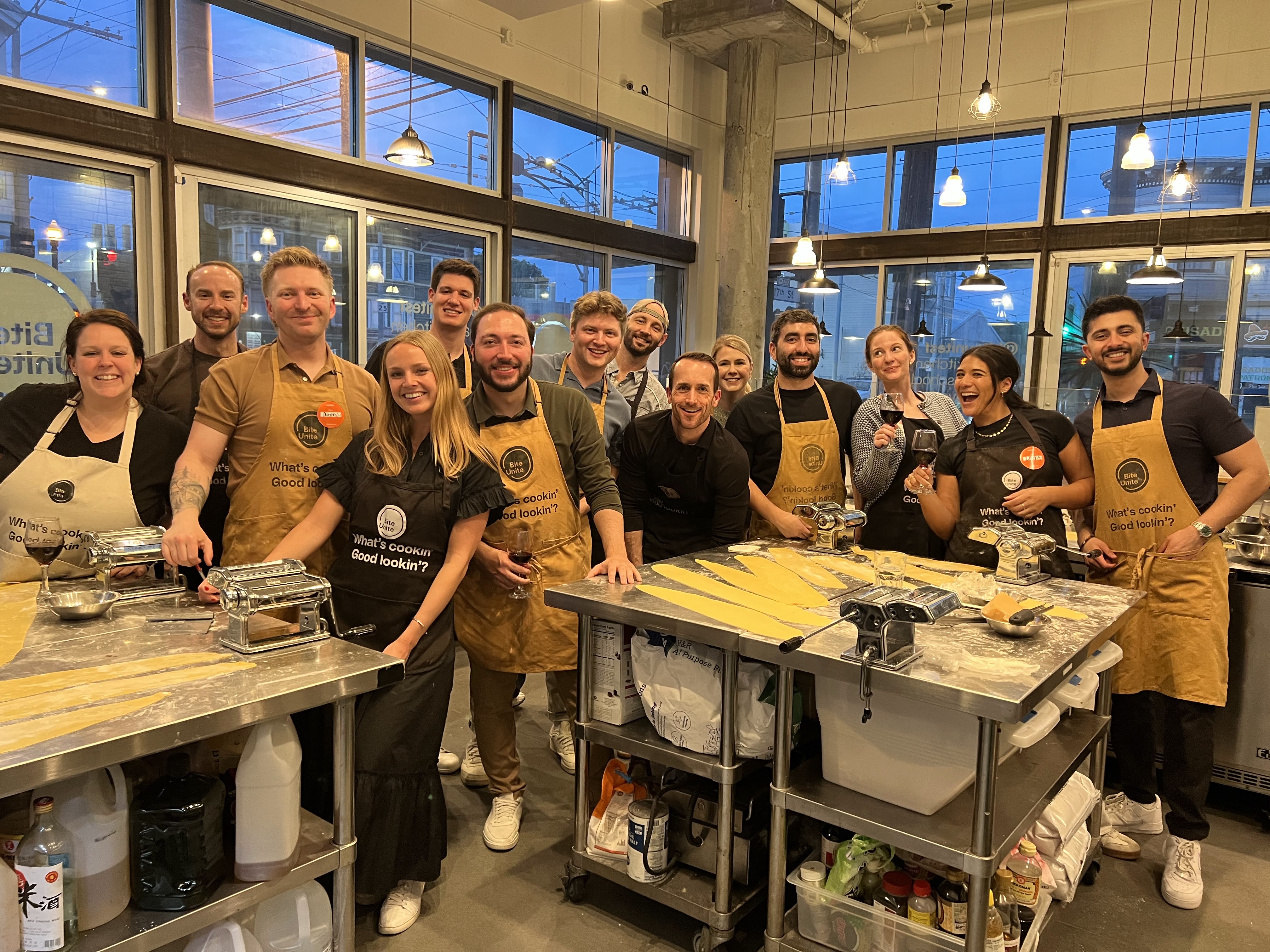
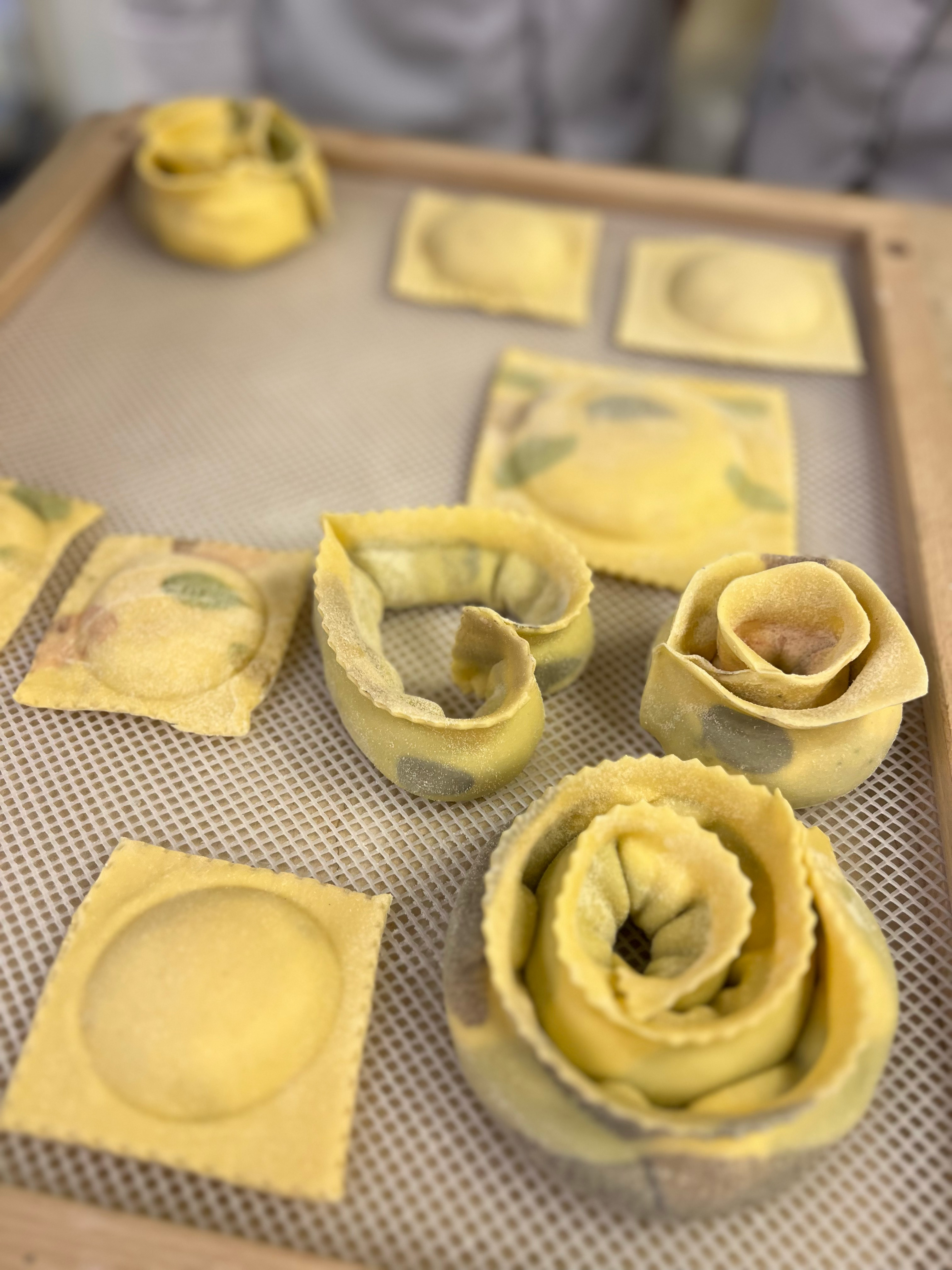
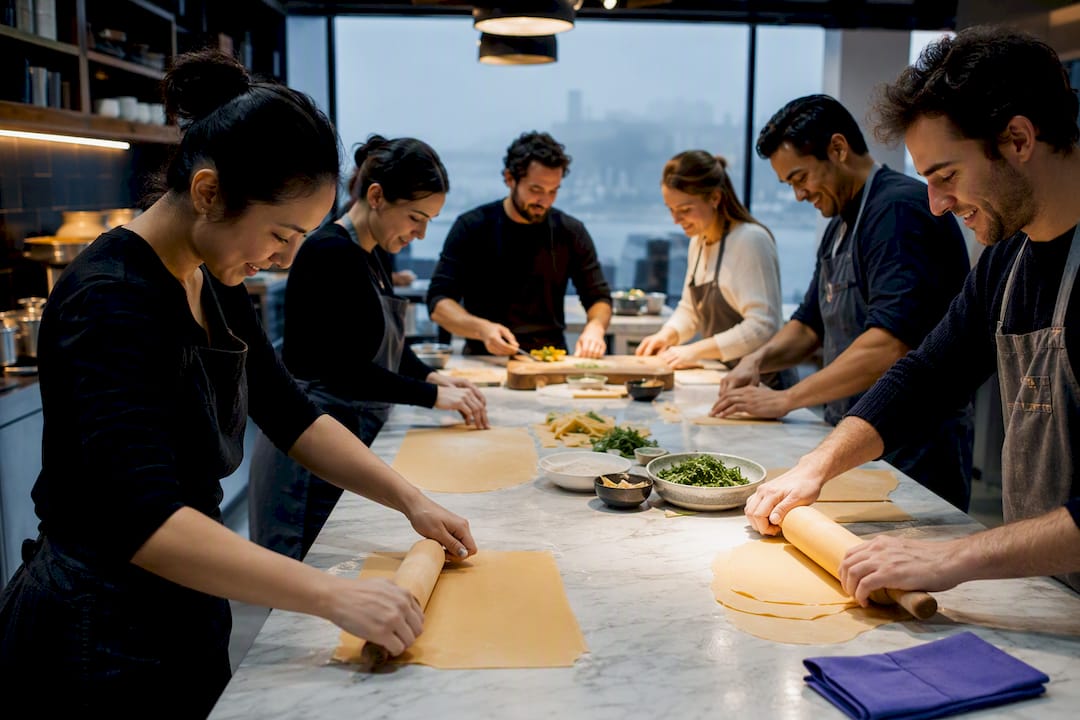
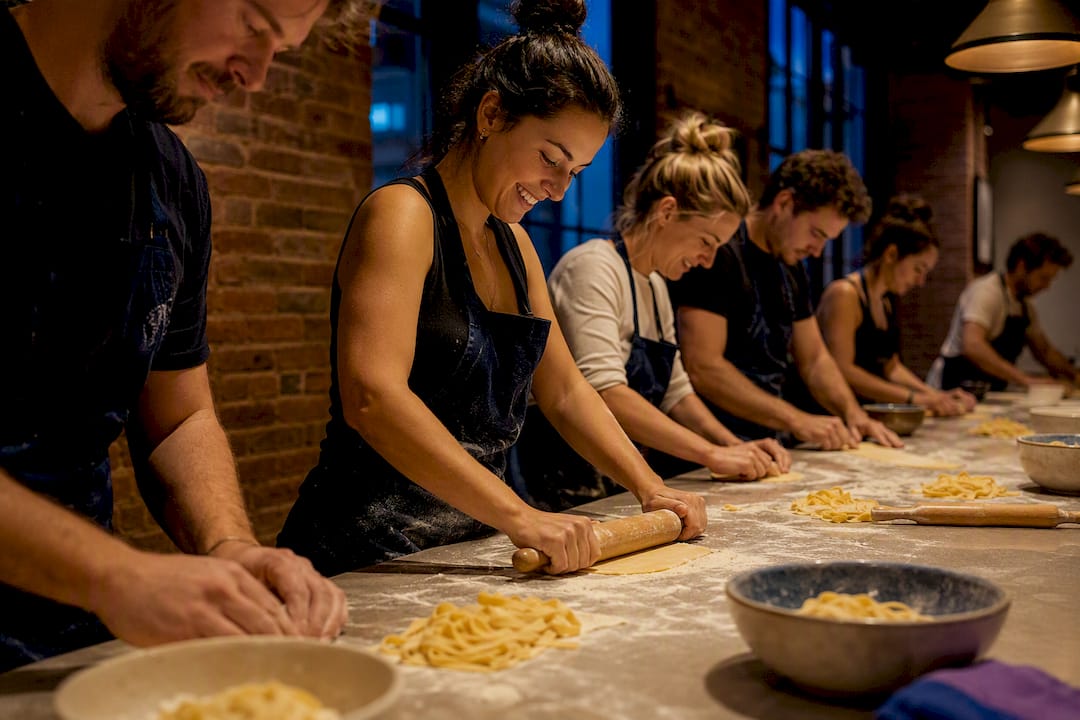
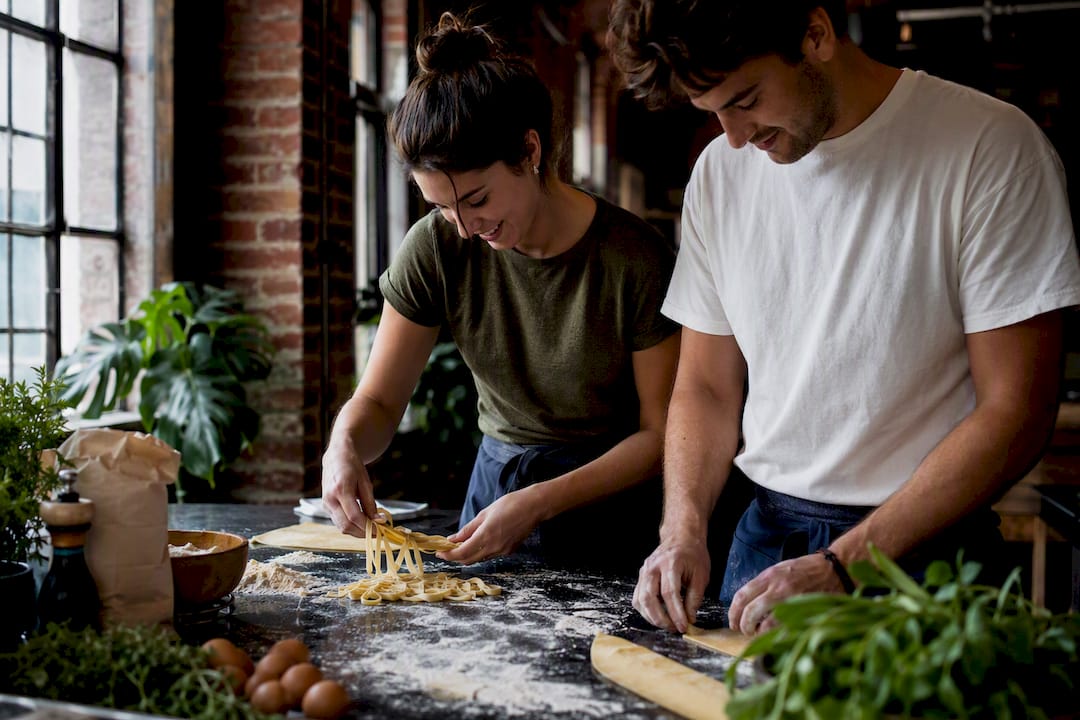
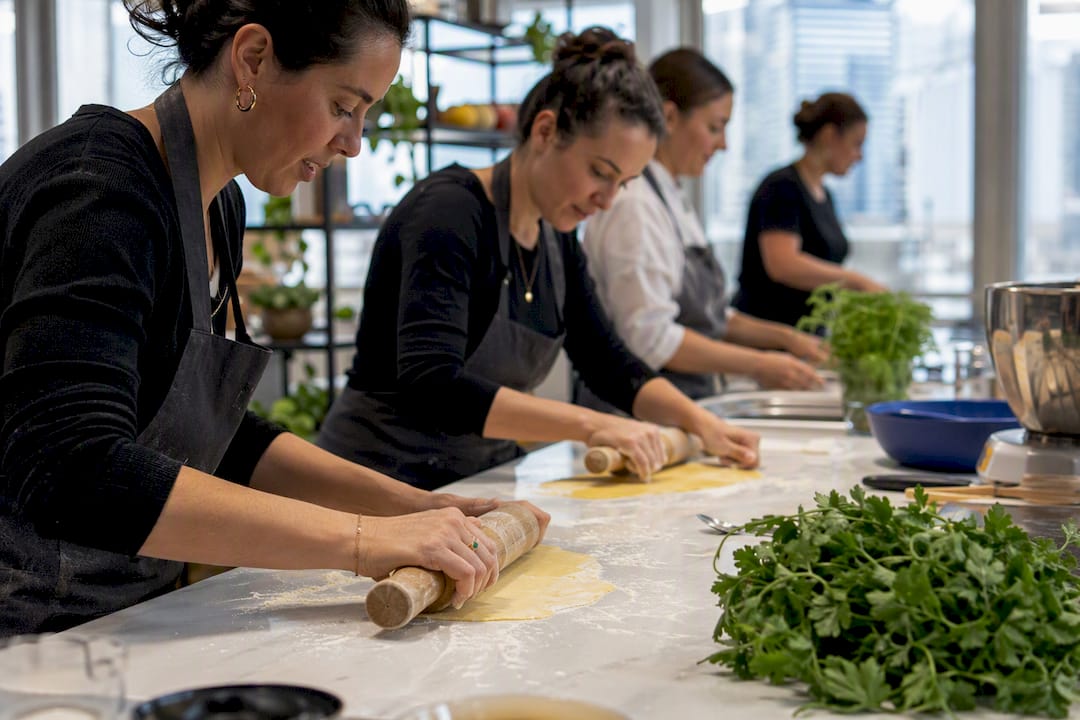
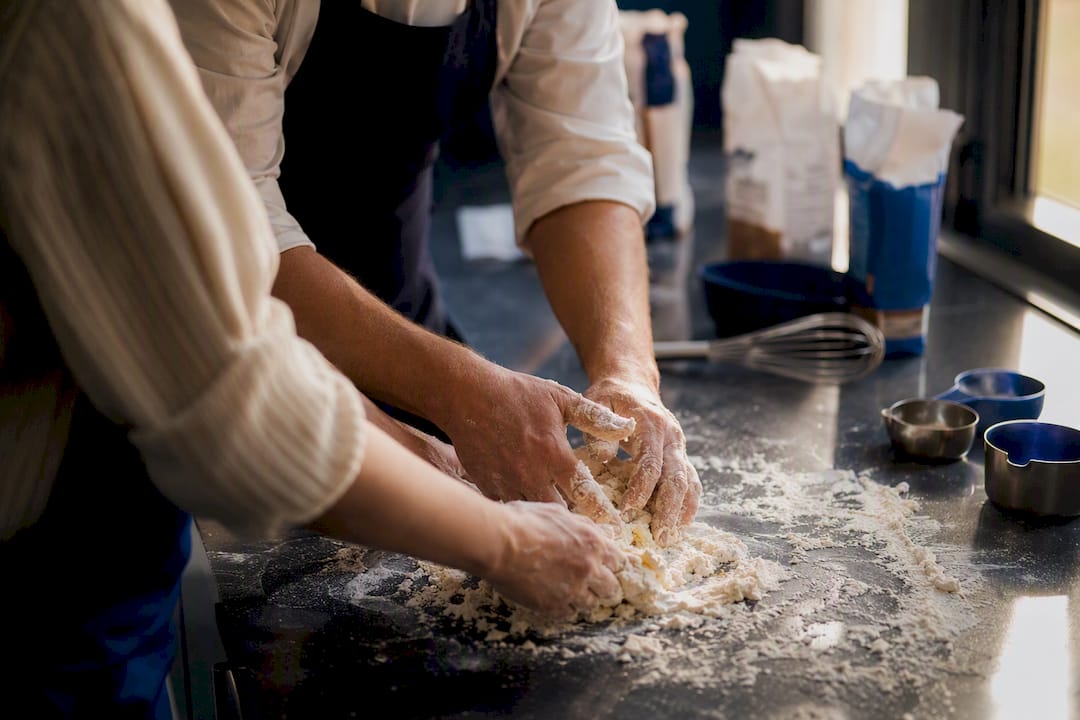
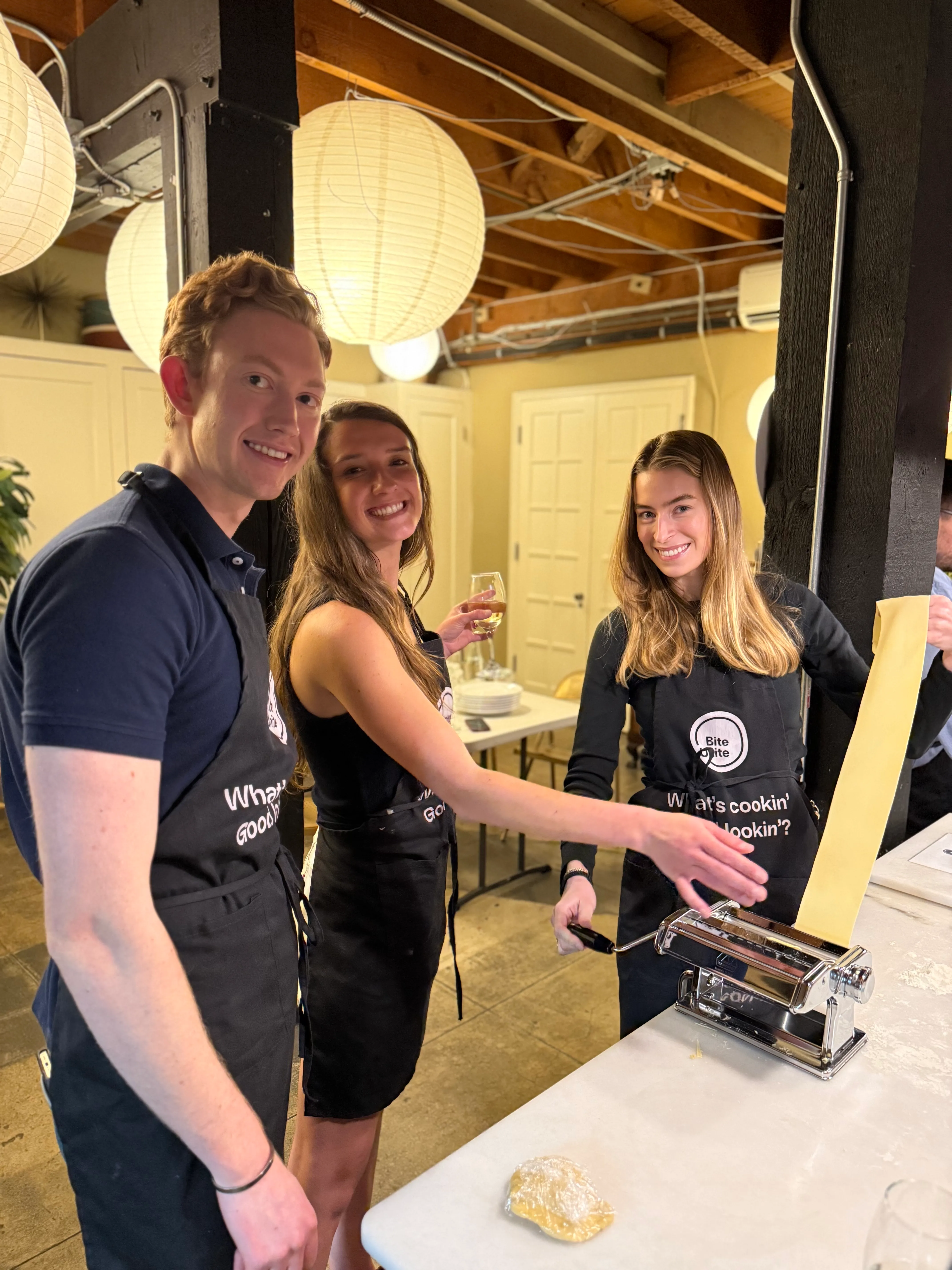
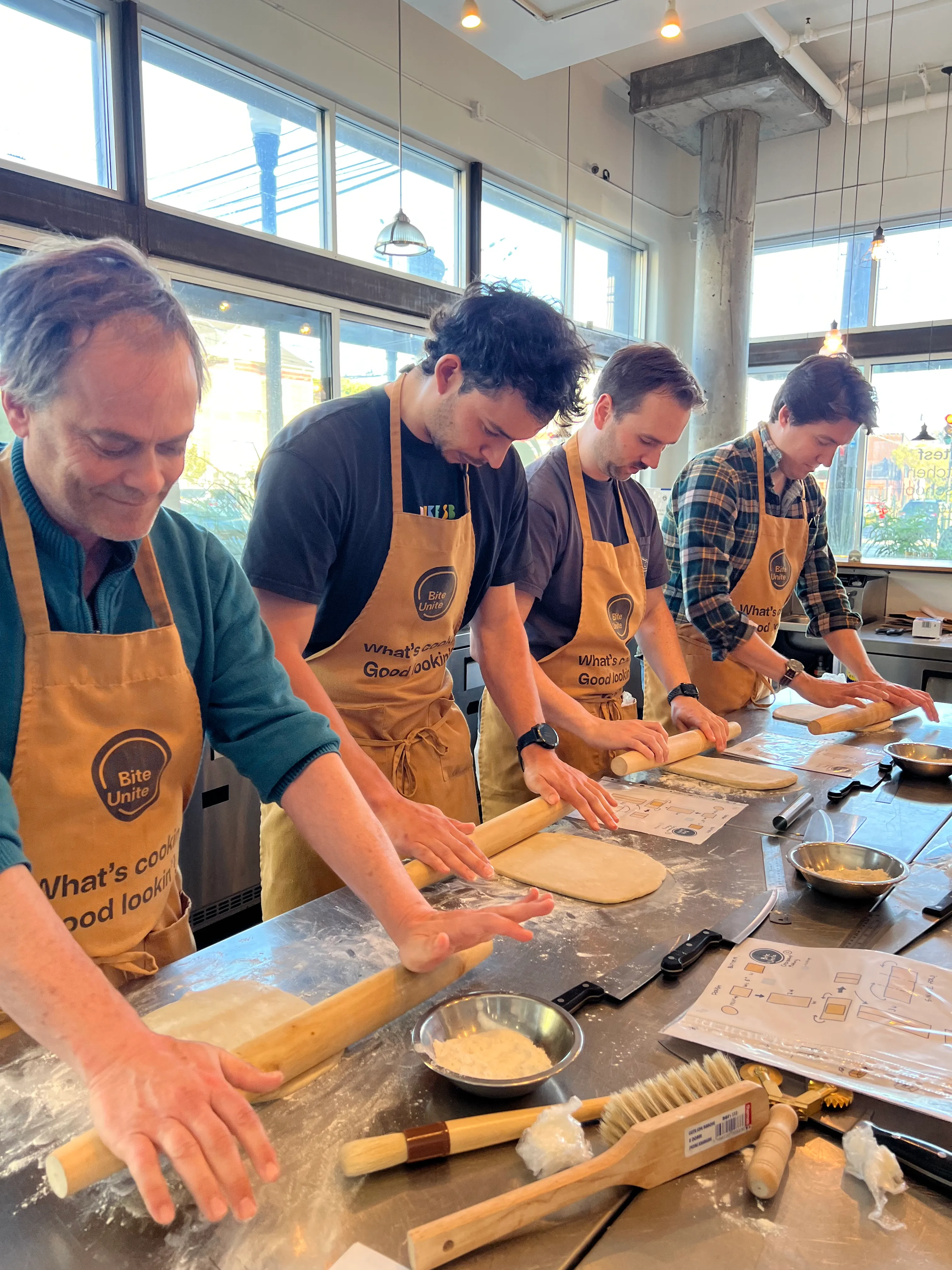
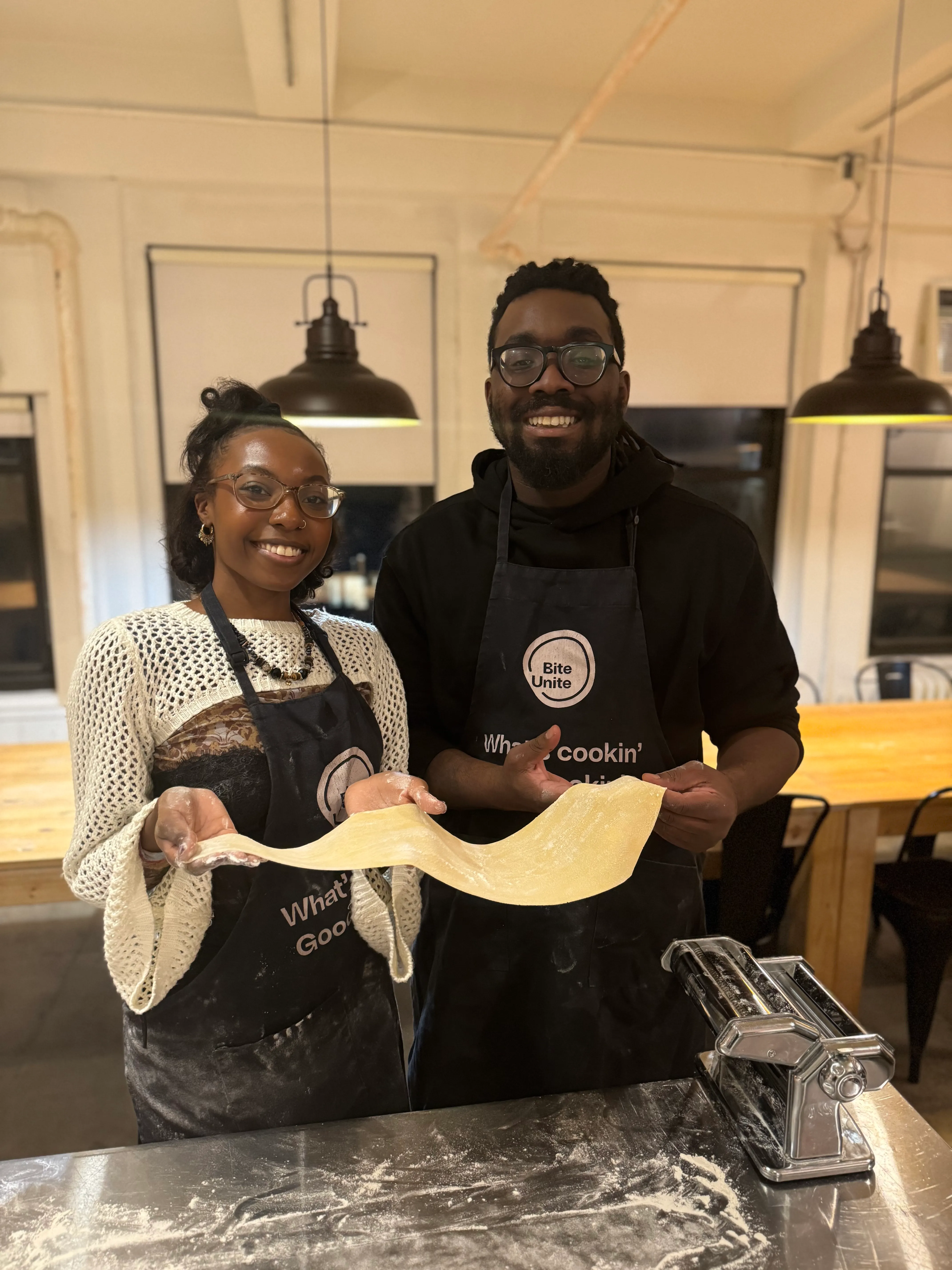
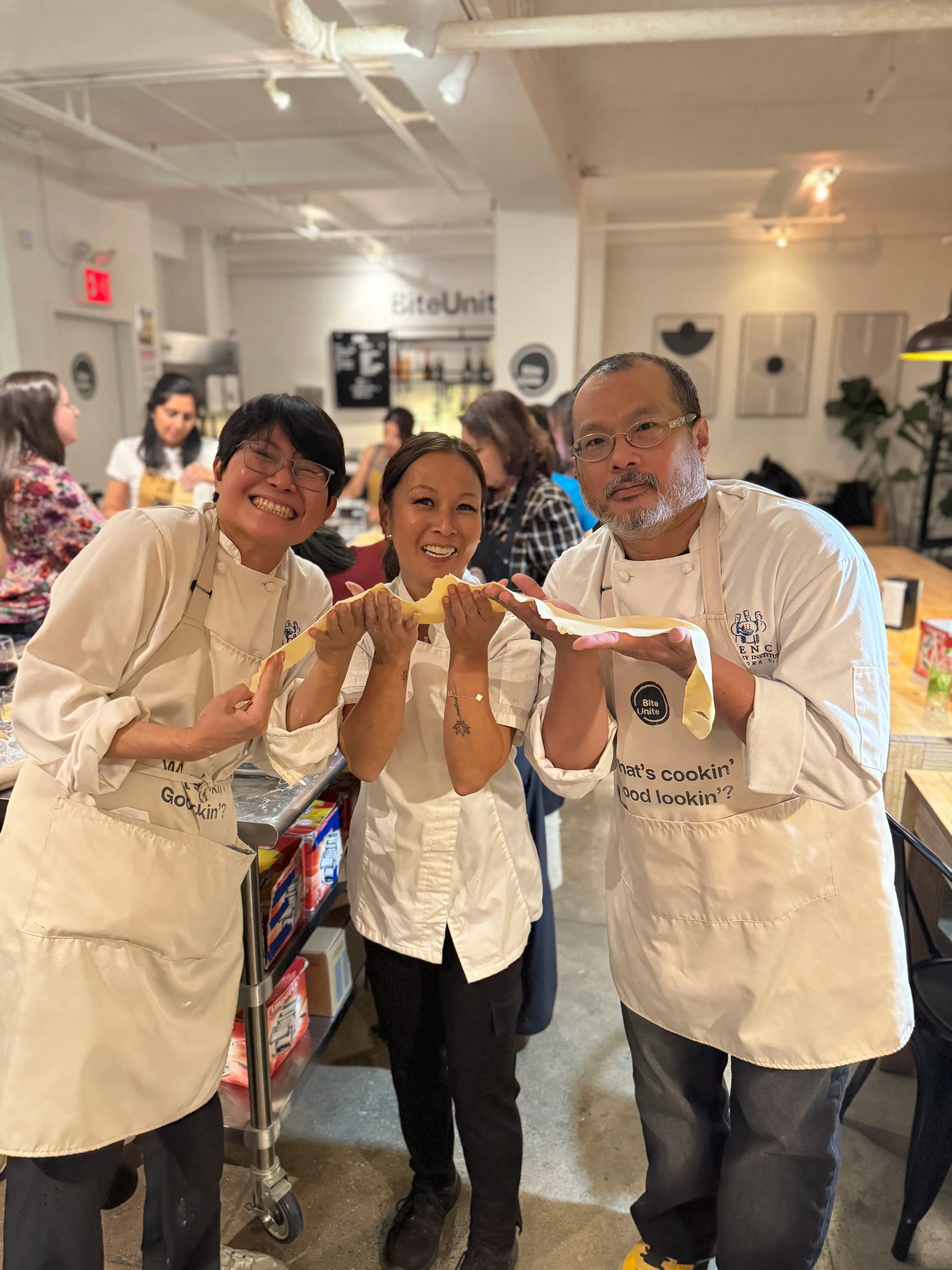
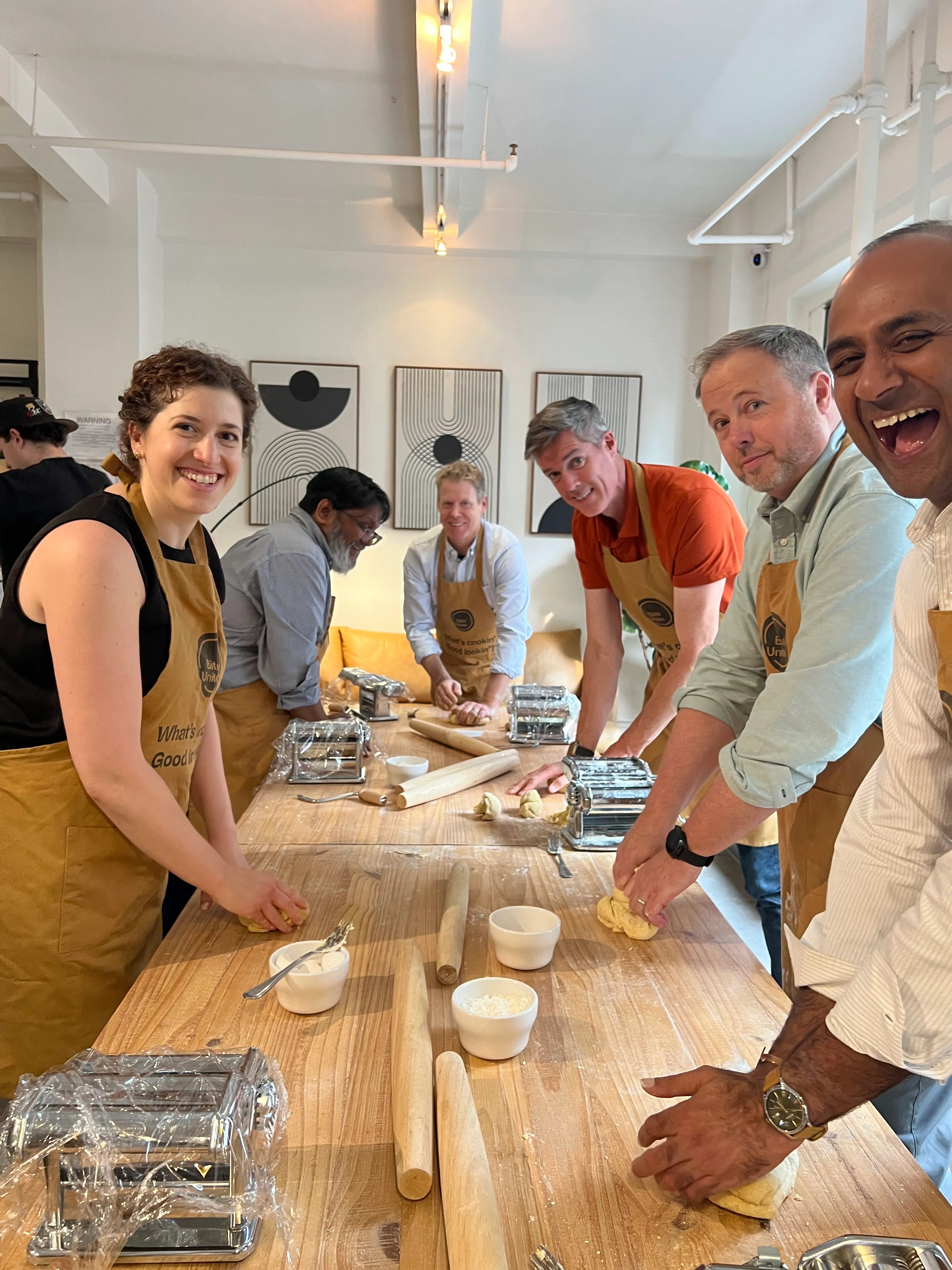
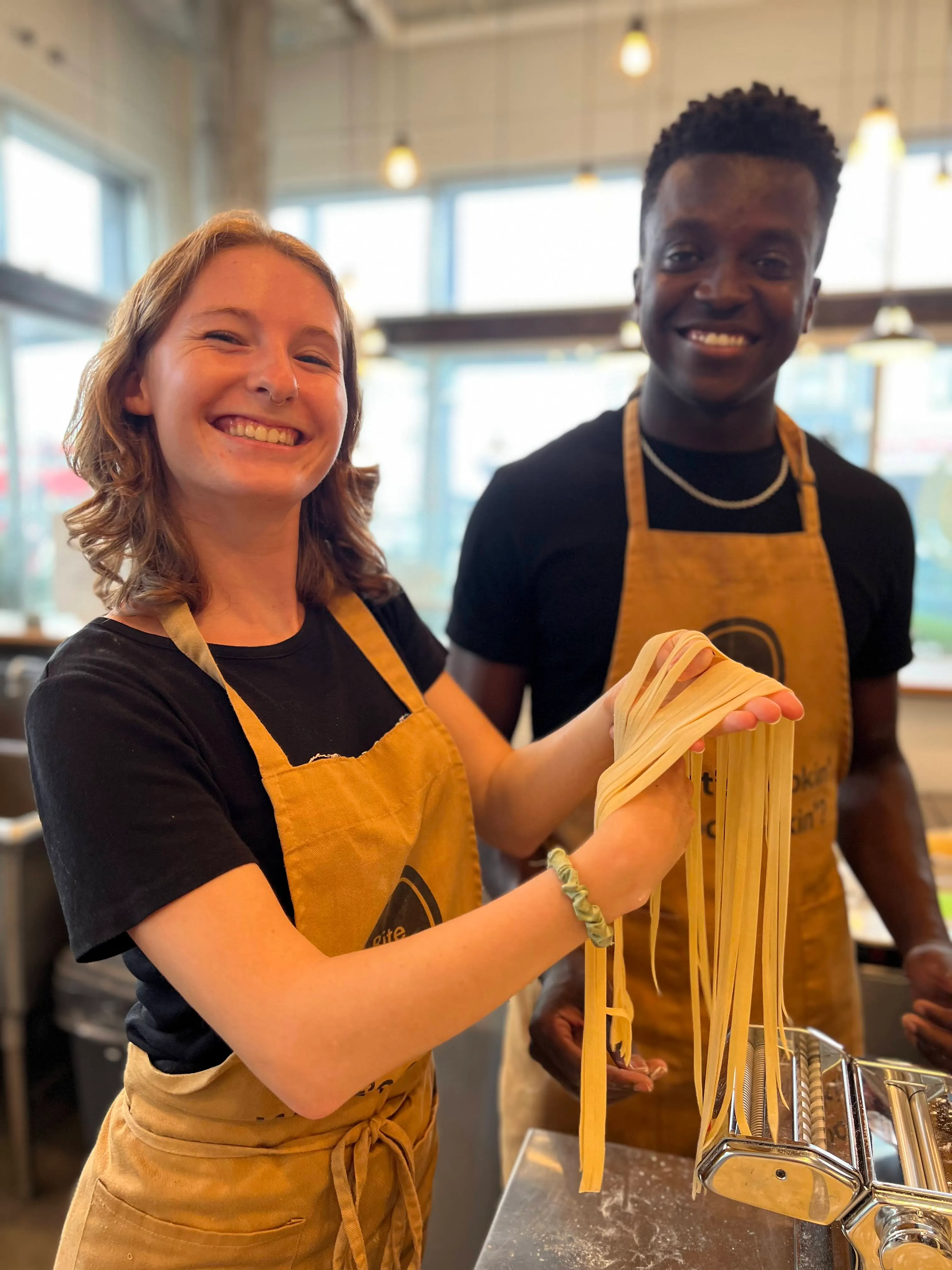
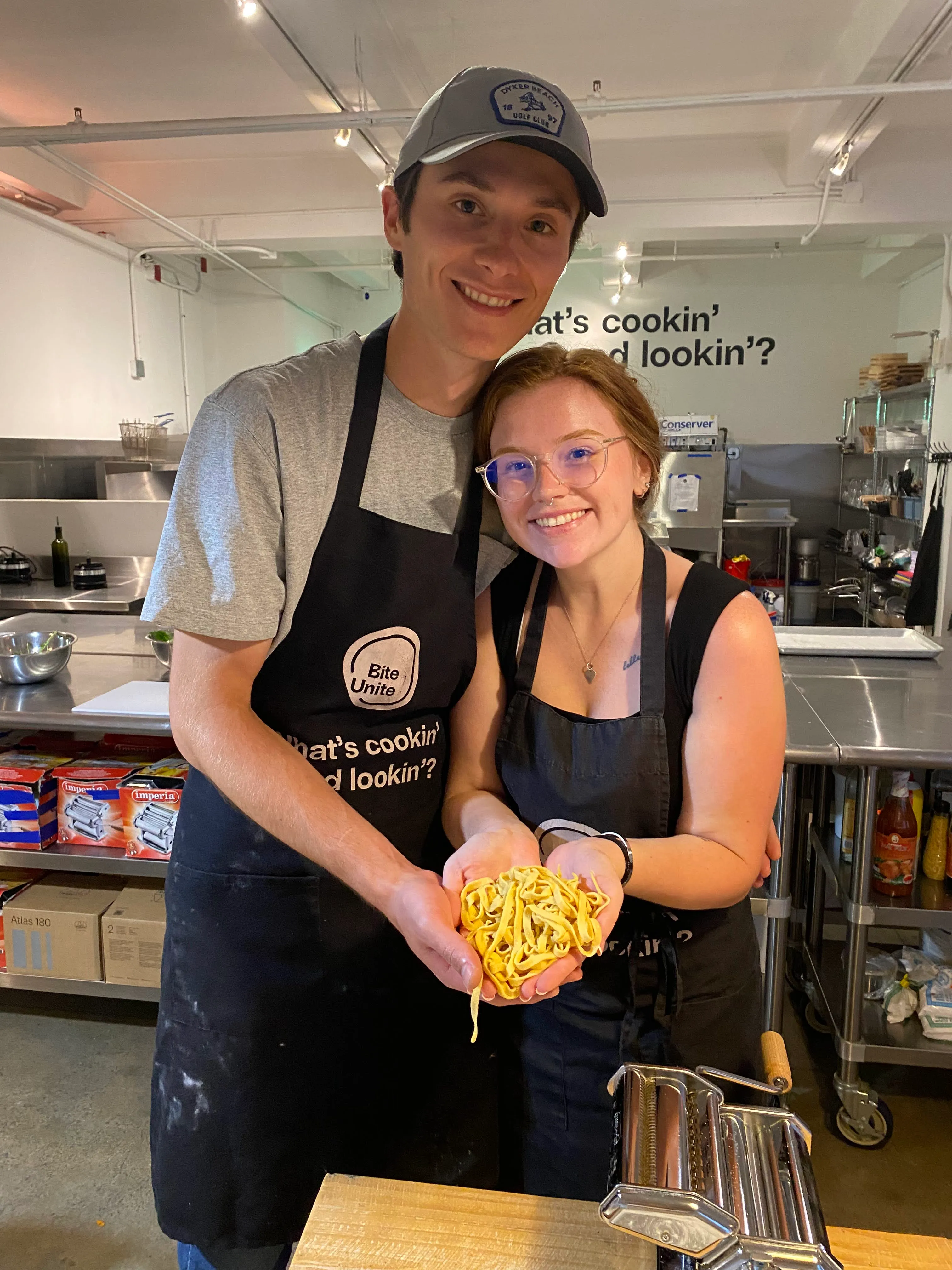
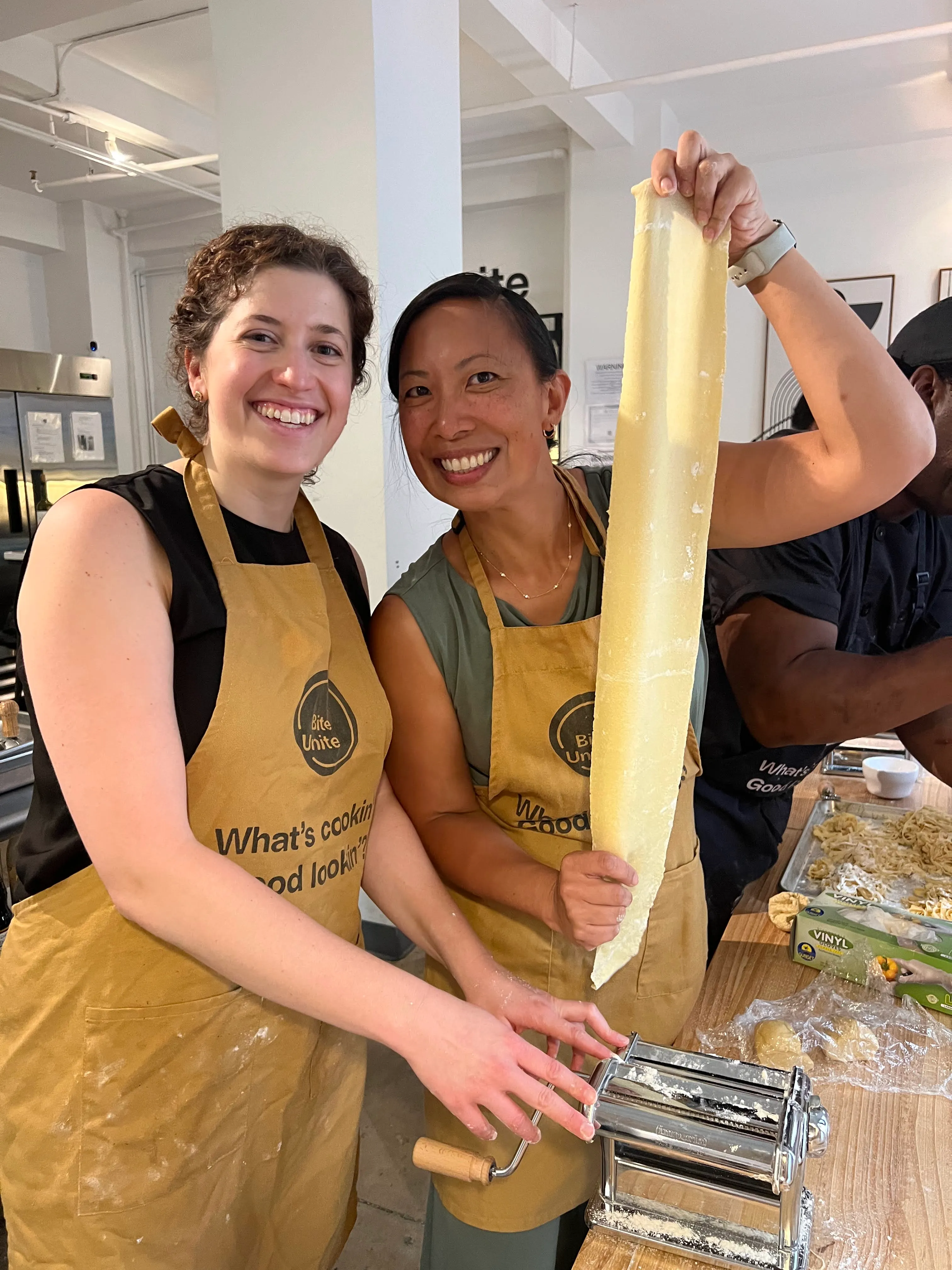
- Baking and pasta classes. Flour gets everywhere, so darker clothing hides the mess better than white. Push sleeves up before you start kneading, and consider a thin base layer since ovens raise the room temperature fast.
- Frying and high-heat cooking. Skip short sleeves if you can. A heavier apron or a chef coat, where offered, adds a real buffer against oil splatter, and this is where functional kitchen garments earn their reputation.
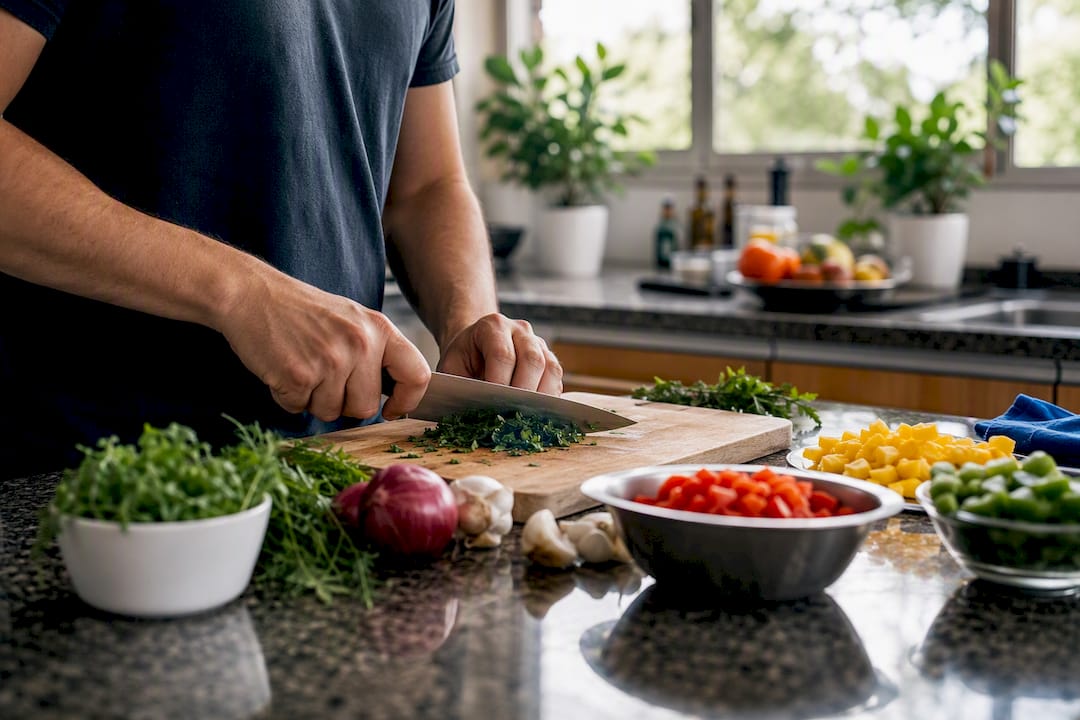
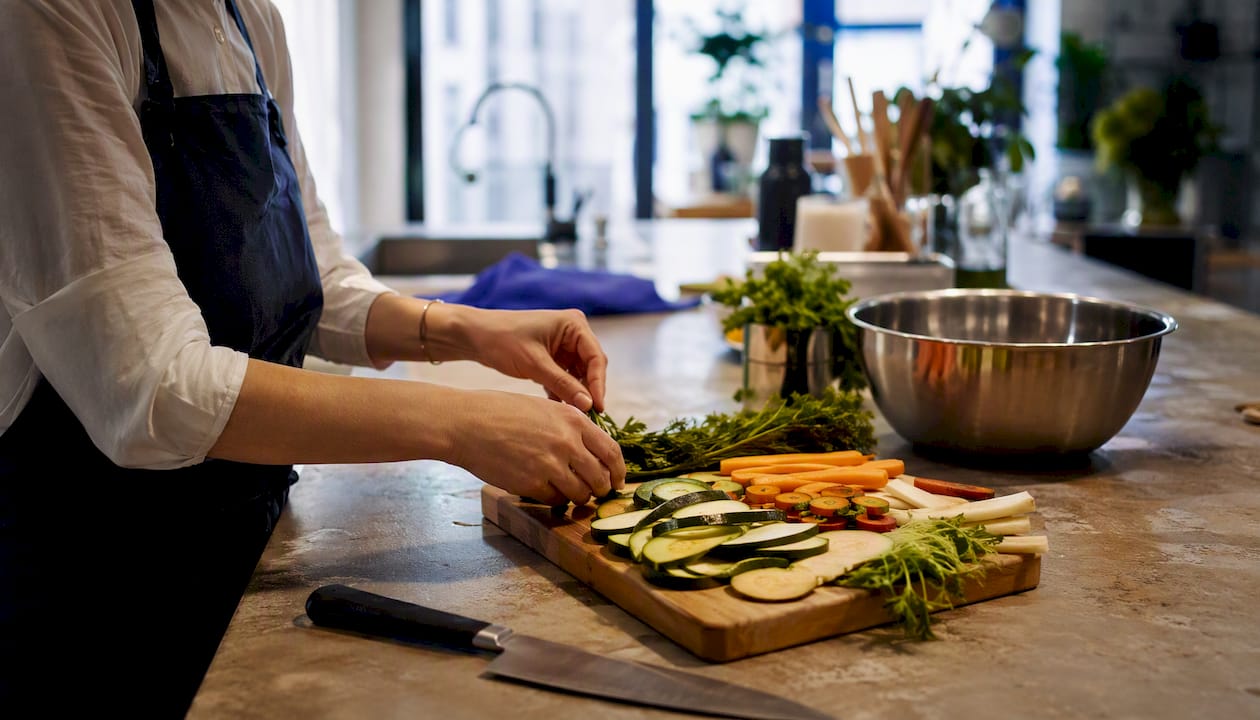
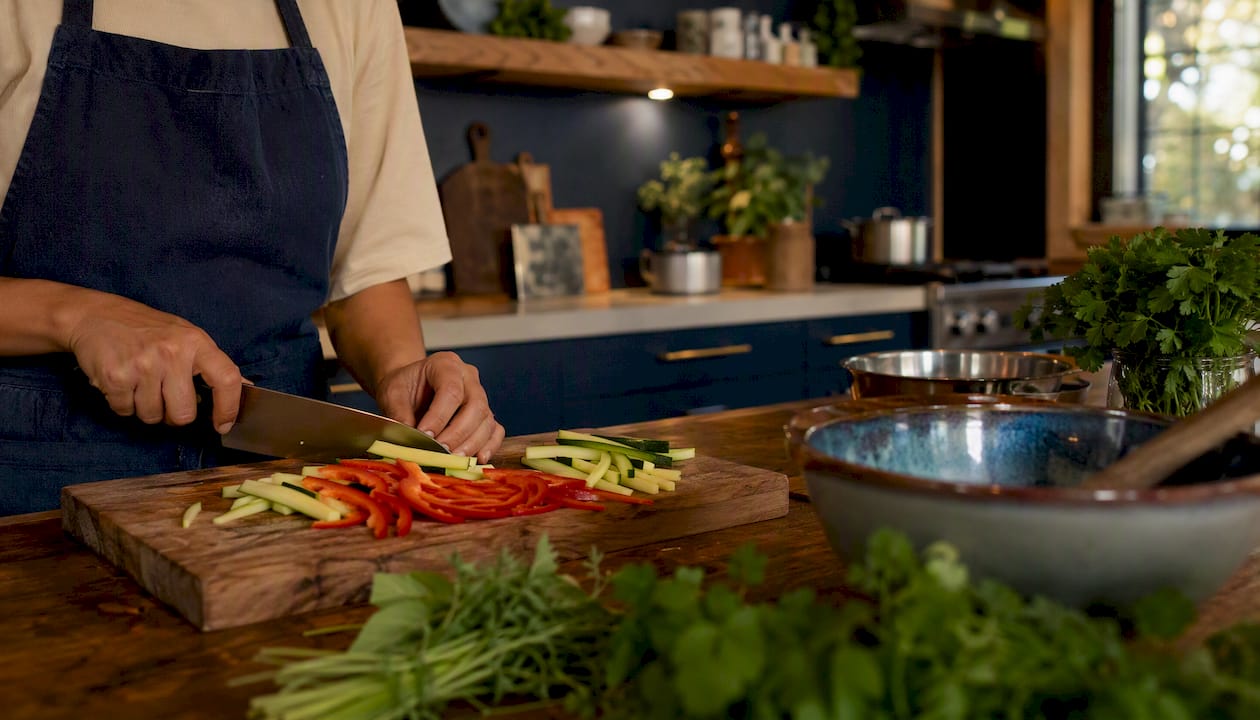
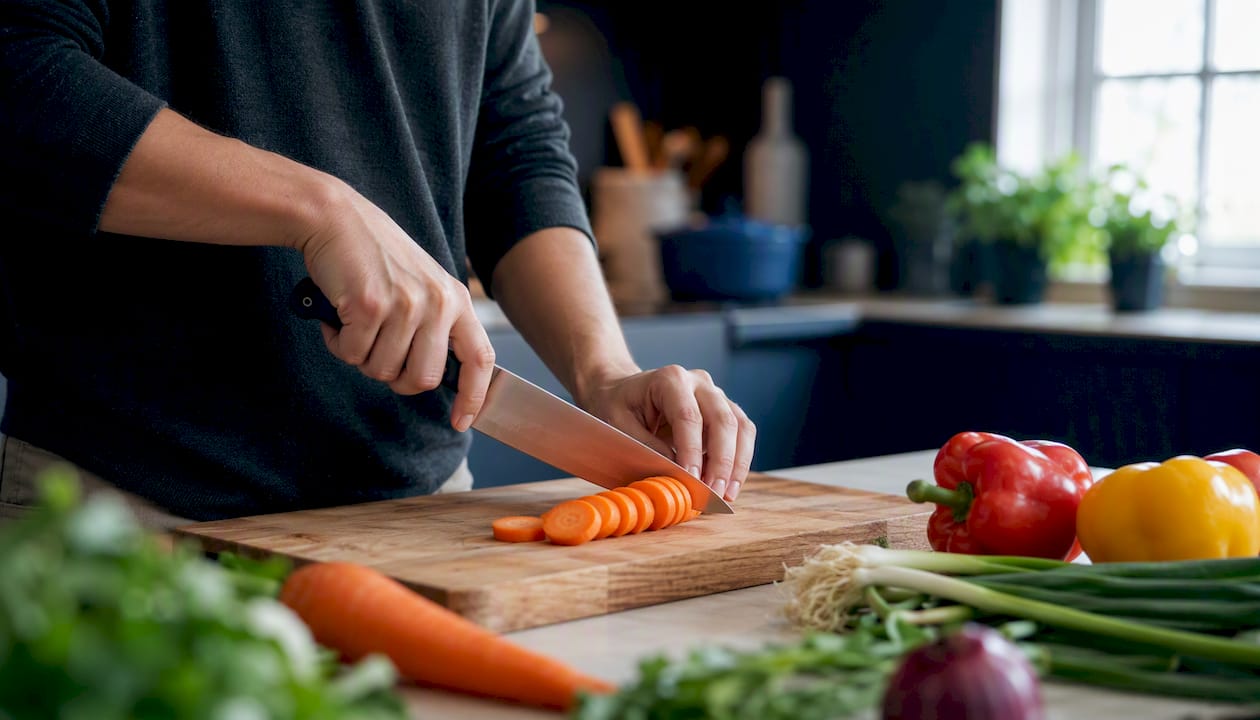
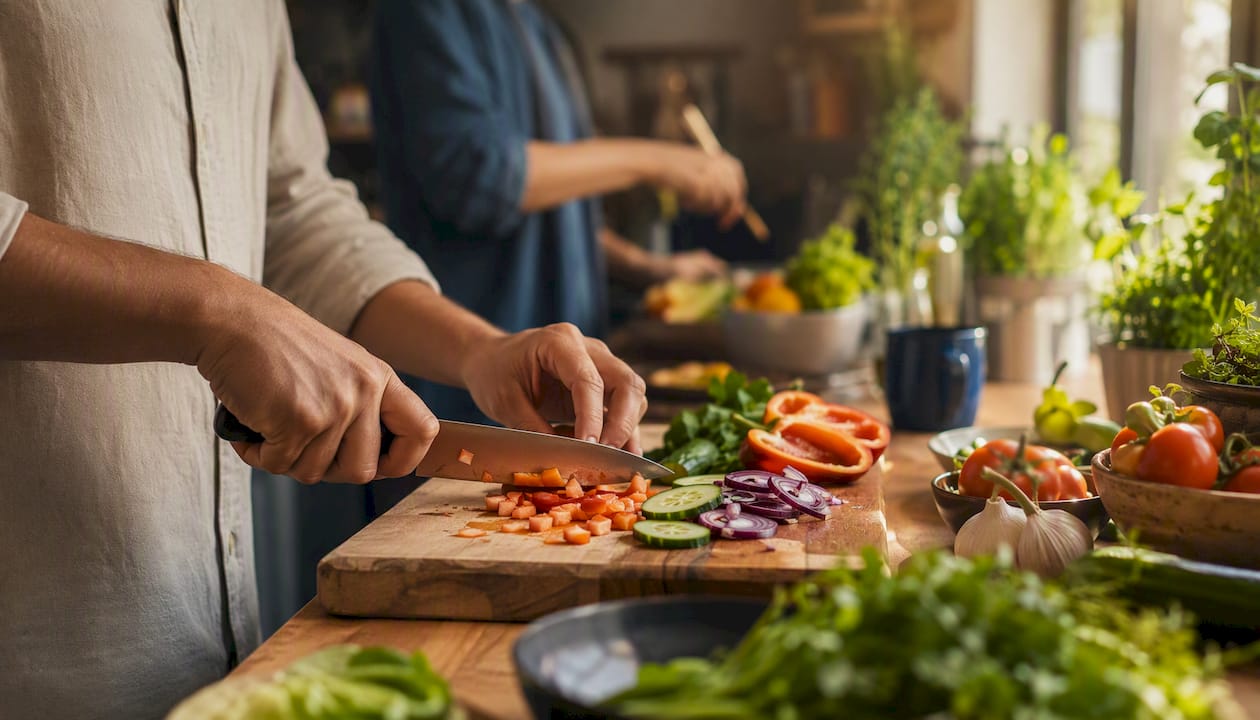
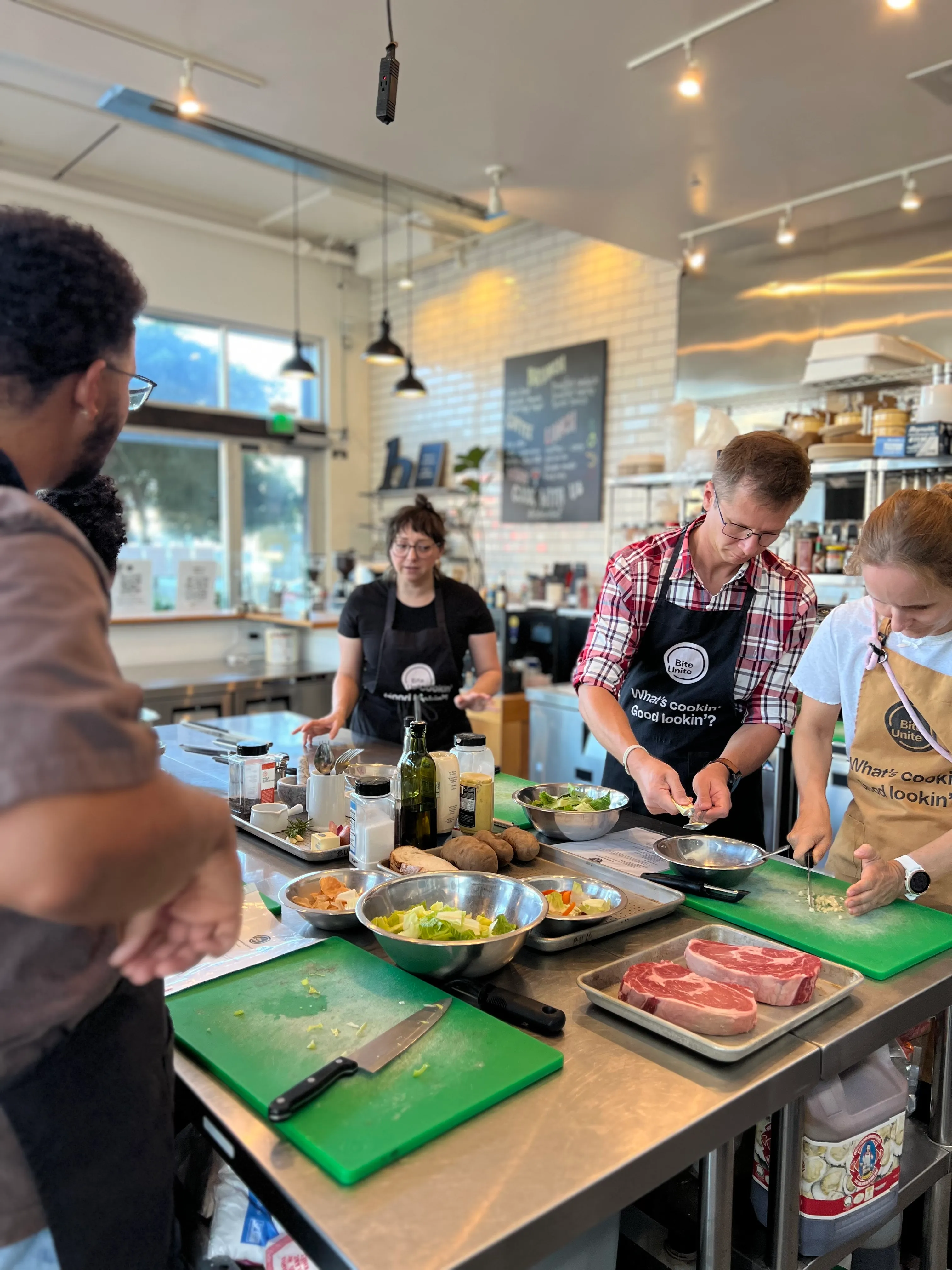
- Knife skills workshops. Fitted sleeves are mandatory here, not optional. Rings and bracelets come off before you pick up a blade, both for grip and for hygiene once you’re handling raw ingredients. Anyone signing up for a knife skills class should plan on this from the start.
- Outdoor or market-based classes. Weather becomes part of the equation. Layer up, but keep the same closed-toe, non-slip shoe rule even if you’re walking on grass or gravel instead of tile.
What Venues Usually Supply vs. What to Bring Yourself
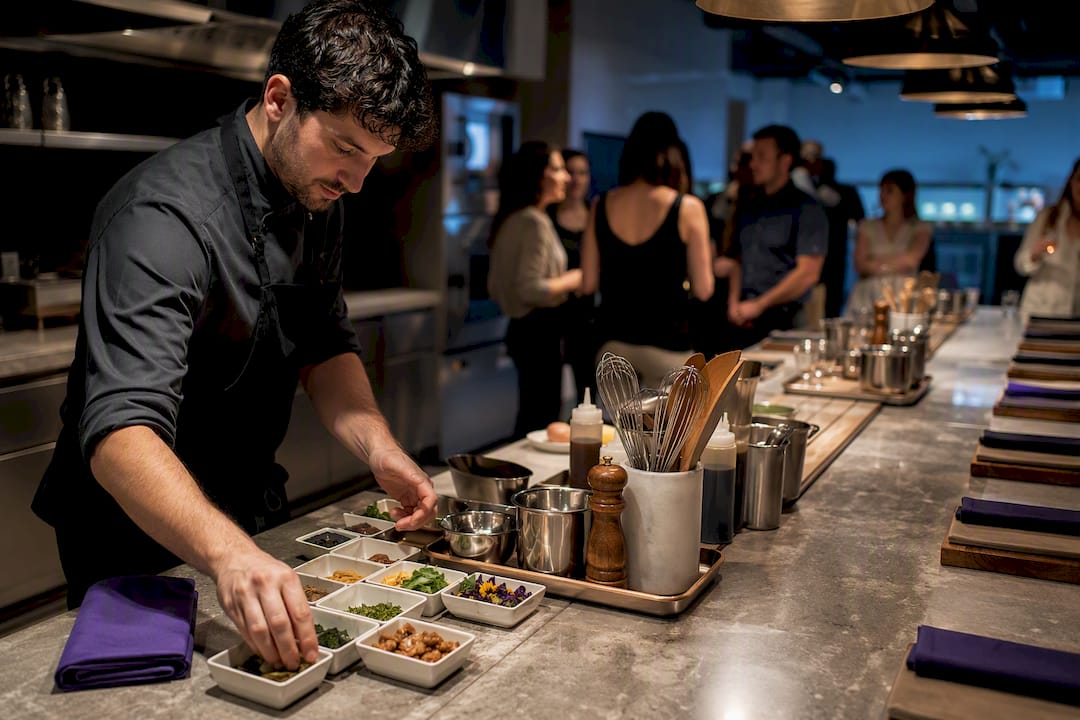
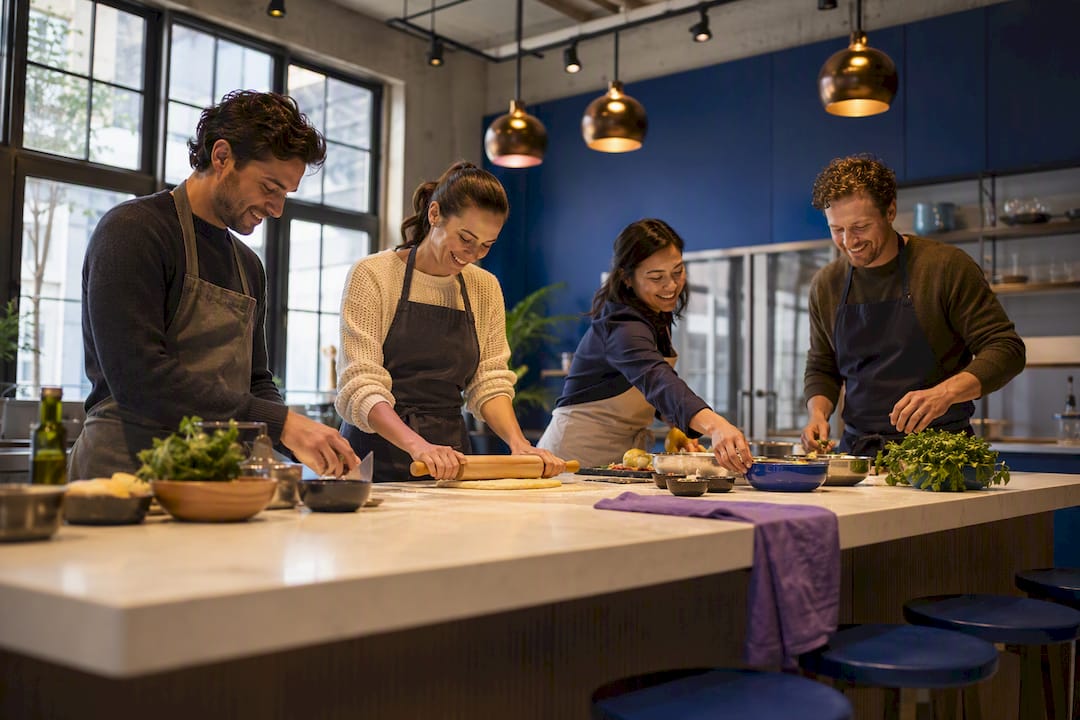
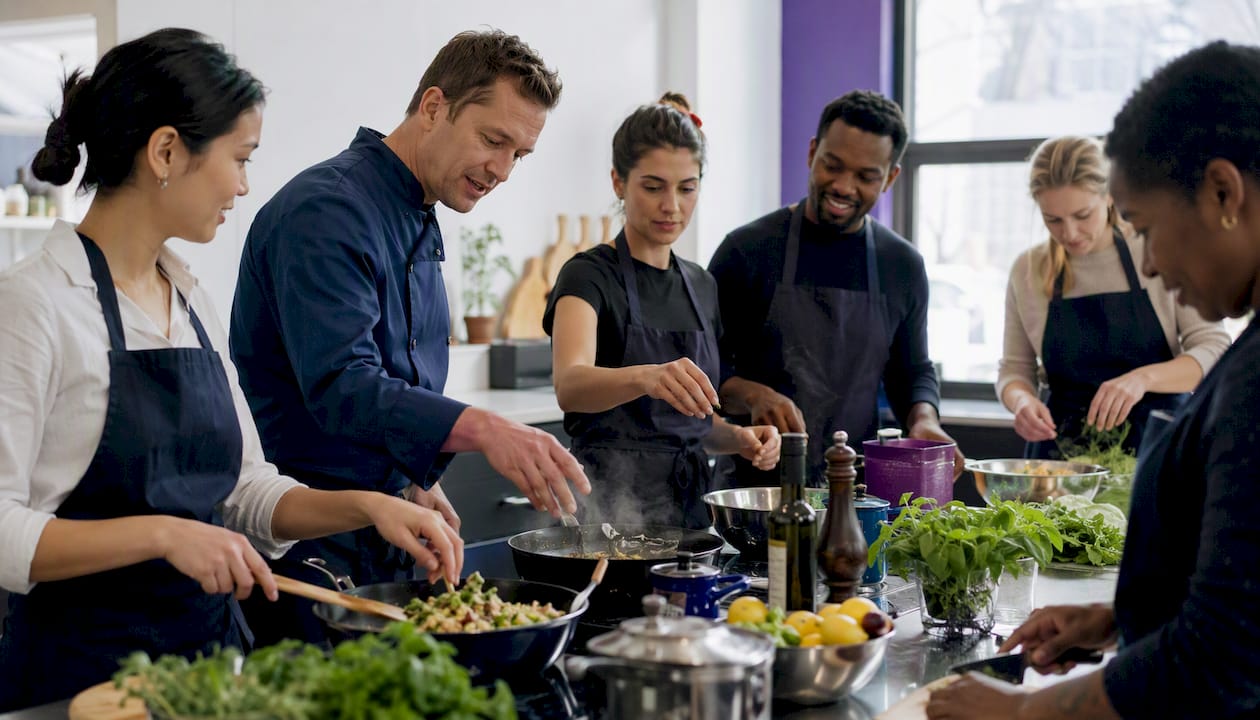
Most cooking schools hand you more than you’d expect. Knives, cutting boards, ingredients, and printed recipes to take home are standard at nearly every hands-on session, and aprons are commonly provided as part of the price, not an add-on you need to source yourself.
That said, a short packing list still makes the night smoother:
- A spare hair tie or elastic, even if your hair is already up. Beginners forget this constantly, and it’s the fastest way to get sidelined from hands-on work.
- Comfortable, closed-toe shoes you already trust, especially if the venue’s spares run limited.
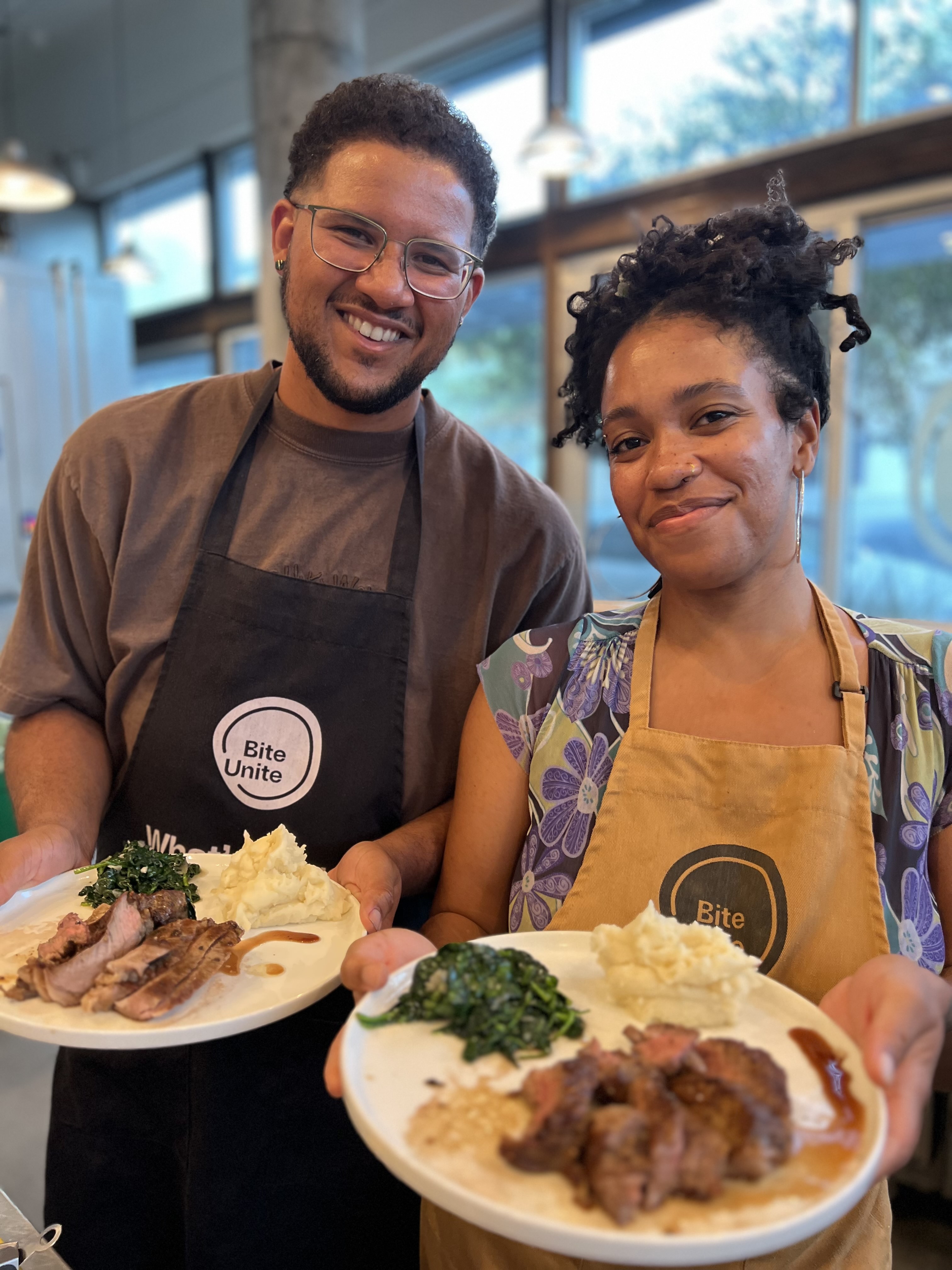
- Your phone, if you want photos of the final plate.
- An appetite. Most classes end with you eating what you made.
If a class calls for something unusual, like bringing your own knife or a specific apron for a themed event, the listing usually says so. When in doubt, message the host directly before you show up. Knowing the general etiquette expectations for a class ahead of time saves you from any last-minute wardrobe scramble.
Choosing Shoes That Won’t Slip or Wear You Out
Non-slip soles matter more than style here. Kitchen floors get wet and greasy fast, and a smooth-bottomed shoe turns a normal step into a slide. Look for rubber-soled sneakers, closed-toe flats, or actual kitchen clogs with grip built into the tread.
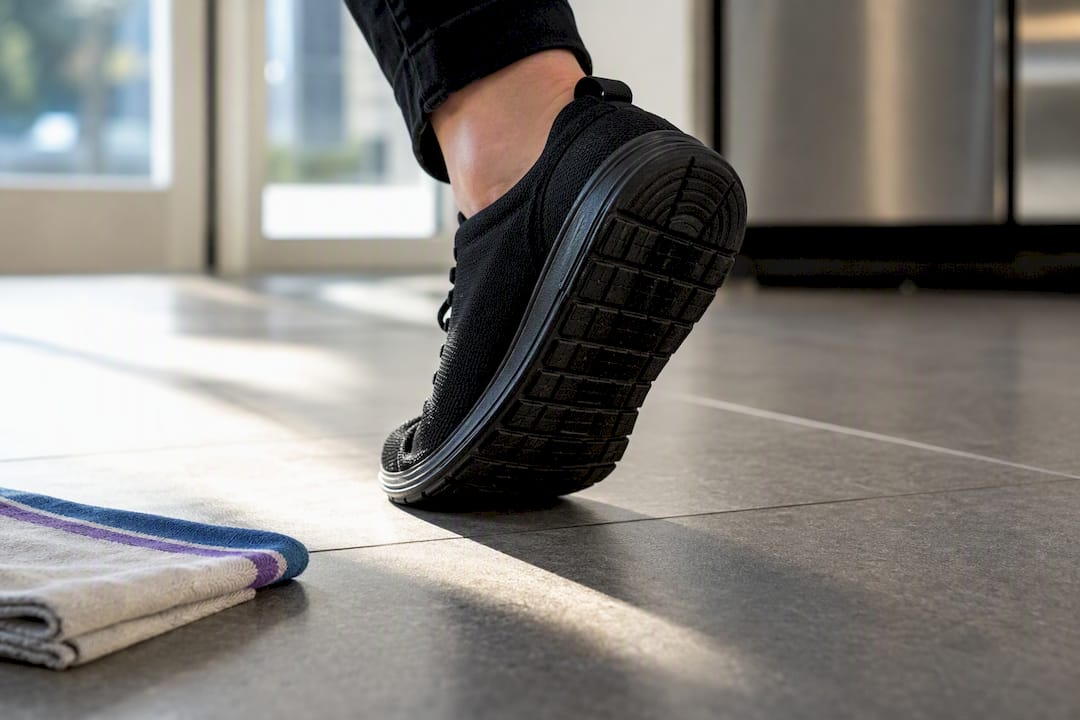
Arch support counts too, especially for classes running two hours or longer. Skip anything slick-soled, open-backed, or elevated on a heel. Those three categories cause most of the discomfort and near-misses instructors see. Cushioning and tread reduce both slip risk and the ache in your feet by the time dessert comes around.
Pro Tip: Before you leave the house, do a quick slip test: stand on a smooth tile or hardwood floor and shift your weight side to side. If your shoe grips without sliding, it’ll likely hold up fine on a kitchen floor too. If it slides at all, swap it out.
Why Professional Kitchen Attire Looks the Way It Does
Chef coats, long sleeves, and heavy aprons aren’t a fashion statement. They exist to create a physical barrier between skin and hazard. A chef uniform’s design reflects decades of kitchens learning the hard way that bare forearms and hot grease don’t mix.
Fabric choice follows the same logic. Cotton and linen resist melting and let heat escape, while many synthetic blends trap warmth or, worse, soften near a flame. The smartest layering approach for a recreational class is simple: wear a short-sleeve base layer, then bring a light jacket or cardigan you can shed once the stove gets going. Kitchens run hot fast, and you’ll want the option to peel off a layer without missing a step in the recipe.
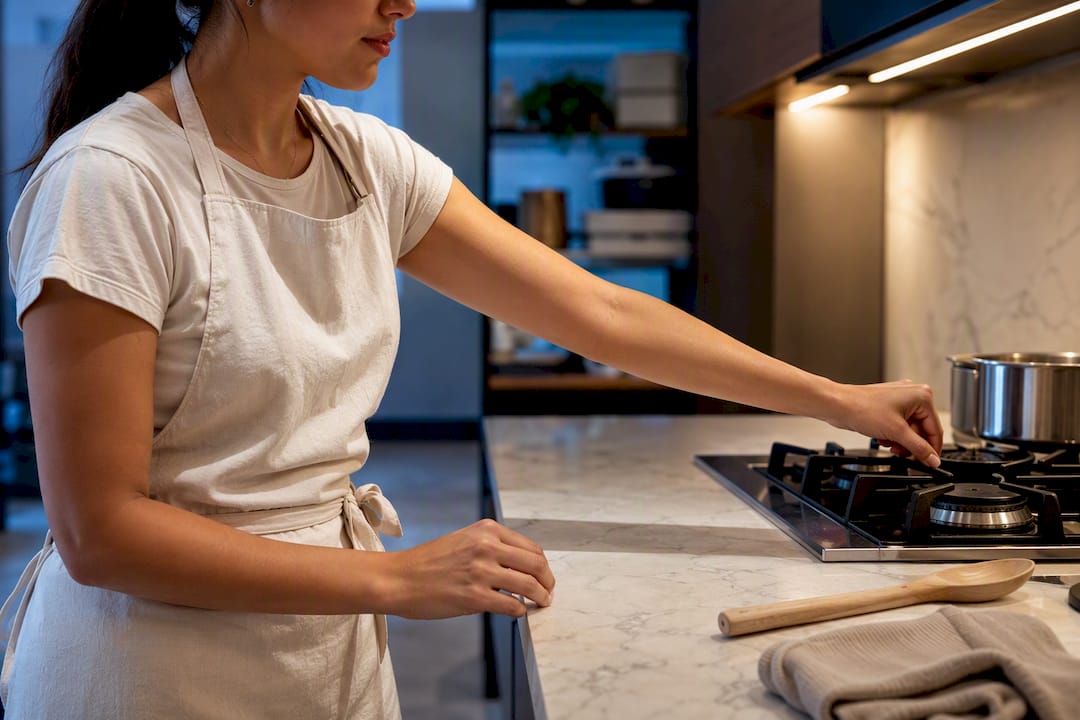
Clean Clothing Isn’t Optional, Even for a Fun Night Out
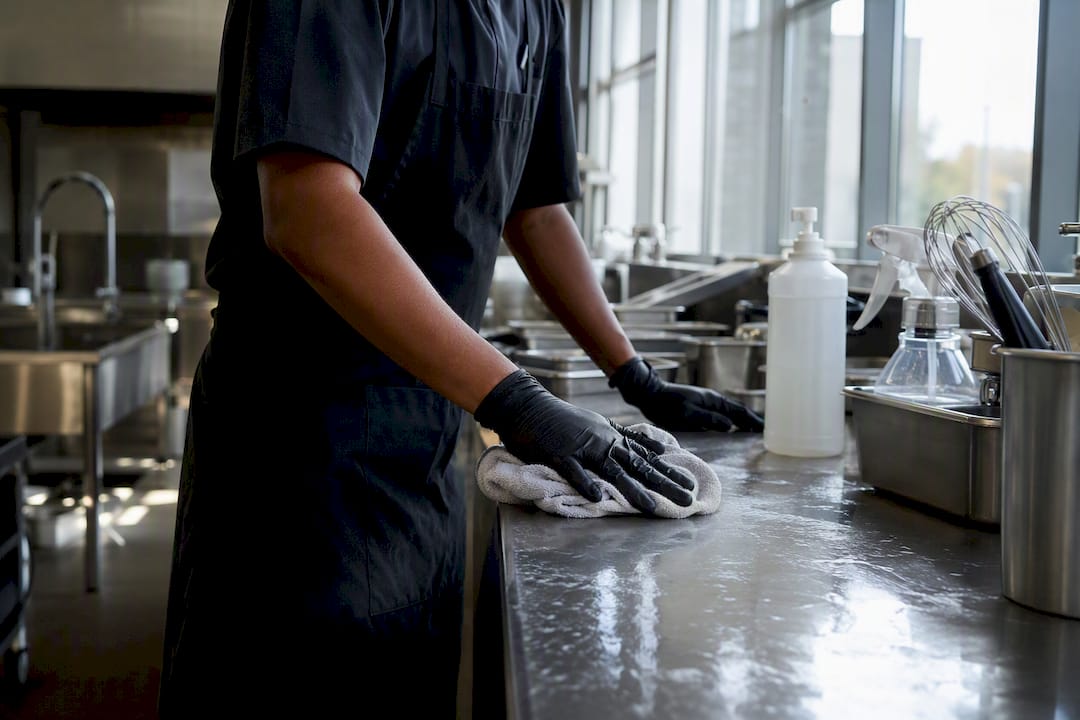
Dress code in a cooking class isn’t only about safety. It’s about hygiene too, and that starts with wearing clean clothes. Fabric that’s already carrying yesterday’s gym sweat or last week’s dinner grease introduces bacteria into a space where you’re about to handle raw food.
This matters more than most people assume. You’re not just cooking near your clothes, you’re often leaning over shared prep stations, touching communal equipment, and standing close to other participants. A clean shirt and pants reduce the chance of cross-contamination in a way that has nothing to do with how the outfit looks.
The same logic applies to freshly washed hands and trimmed nails, which most hosts will remind you about before you touch a single ingredient. If you’re coming straight from a workout or a long commute, a quick change beforehand goes a long way. It’s a small habit that keeps the whole kitchen, not just your station, cleaner for everyone cooking beside you.
Dressing for Cultural and Themed Cooking Classes
Some cooking classes lean into a specific culture or tradition, and that occasionally comes with its own dress expectations. A class centered on Japanese kaiseki or a hands-on dumpling workshop tied to Lunar New Year might invite (never require) participants to wear something that nods to the theme, though safety rules still come first no matter the occasion.
If a host mentions traditional attire as part of the experience, treat it as an invitation rather than a rulebook. Comfort and safety always override aesthetics. A beautiful silk sleeve is still a fire hazard next to an open burner, so if you want to honor a class’s cultural theme, do it with accessories, a scarf tied safely away from your workspace, or a patterned apron rather than anything loose or flowing near the stove.
Most classes, cultural or otherwise, don’t require special attire at all. When a theme is part of the booking, the listing or host message will say so directly. Absent that note, the standard safety-first rules apply exactly as they would for any other session.
Dress Code Tips for Kids in Family-Friendly Classes
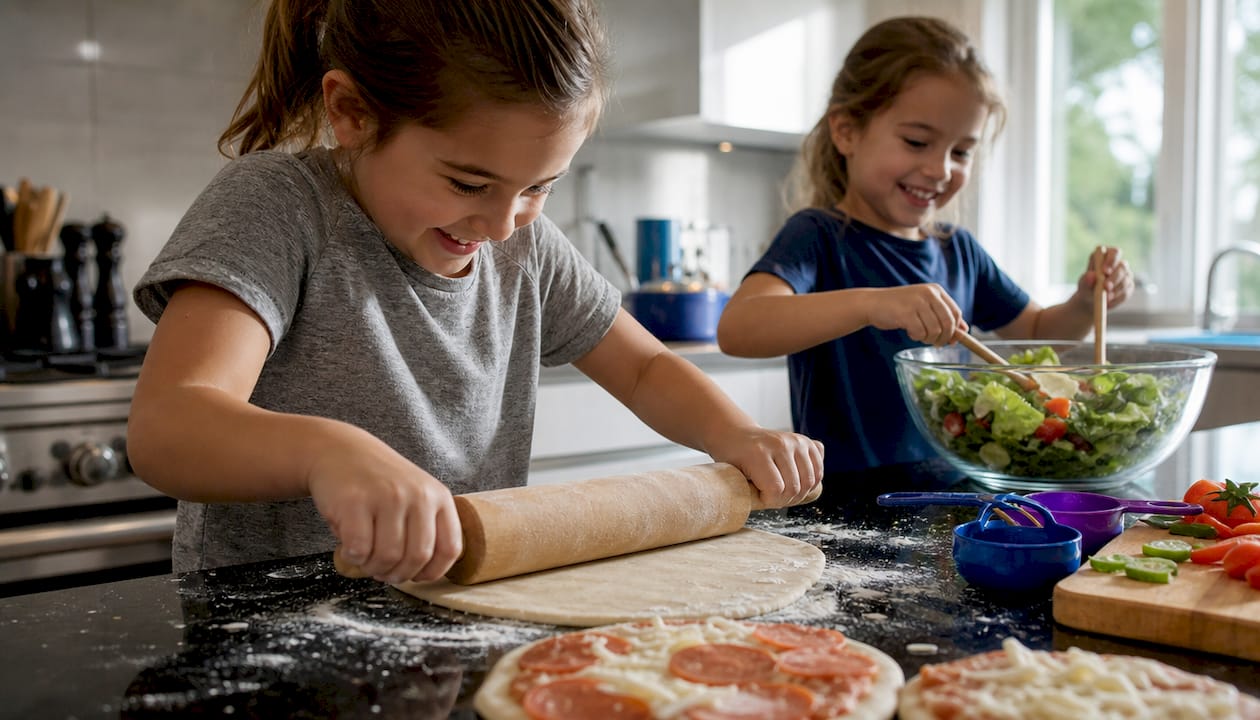
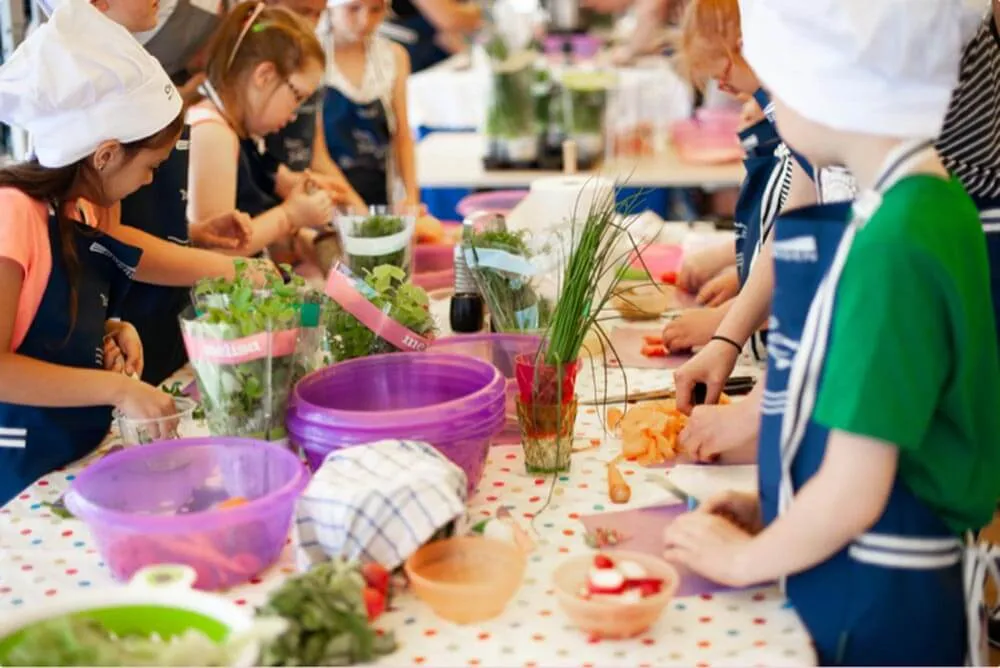
Family cooking classes need the same core rules, just scaled to smaller bodies and shorter attention spans. Closed-toe shoes still apply to kids, no exceptions, since little feet are just as vulnerable to a dropped knife or a splash of hot liquid as adult ones. Skip sandals, crocs with open backs, or anything that slips off easily while a child is moving around a busy kitchen.
Loose sleeves are even more of a concern for younger cooks, who tend to lean further into bowls and get closer to heat sources without realizing it. A fitted t-shirt and pants that can get a little messy work better than anything a parent minds ruining. Long hair goes up, every time, and any jewelry comes off before the apron goes on.
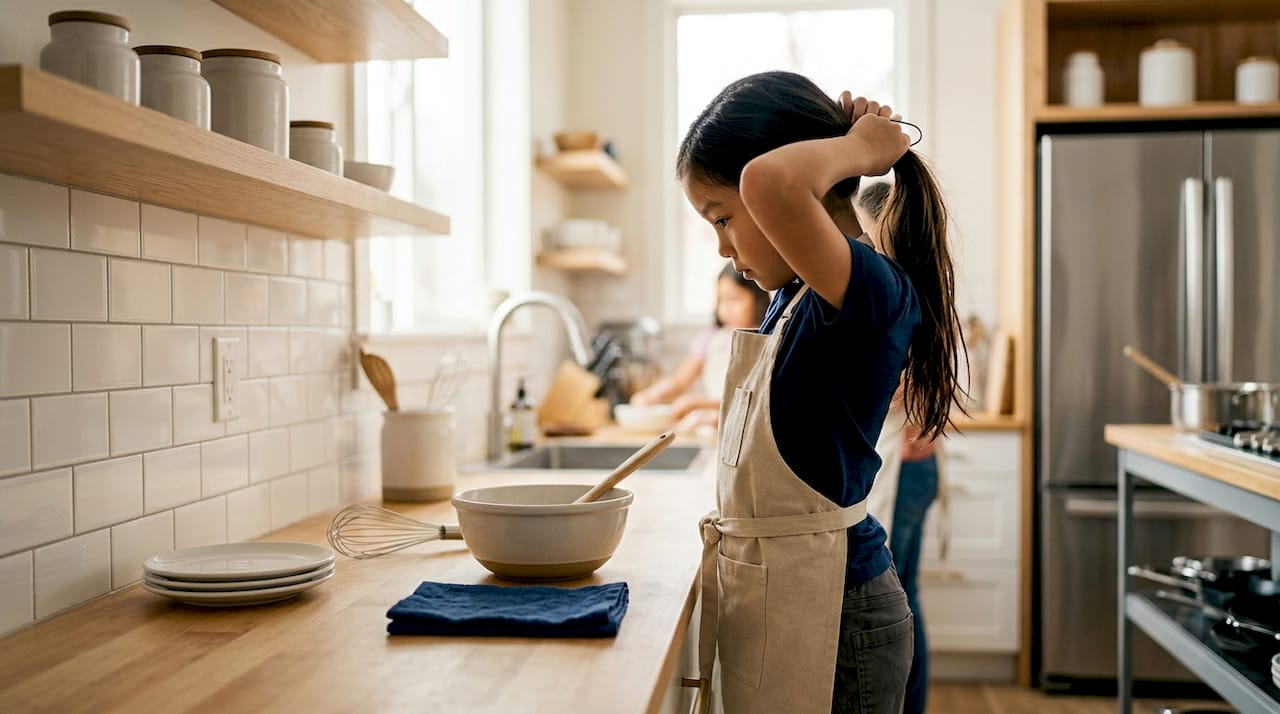
Aprons made for smaller frames are common at family-oriented venues, and most will have a kid-sized option ready to go. If a program doesn’t specify, it’s worth asking ahead so your child isn’t swimming in an adult-sized apron that could become its own tripping hazard.
When Gloves and Eyewear Actually Make Sense
Most recreational cooking classes don’t call for gloves or goggles, and instructors typically walk you through knife handling and hot-pan safety in real time instead. That instructor-led guidance is usually the actual safety layer, not personal protective gear.
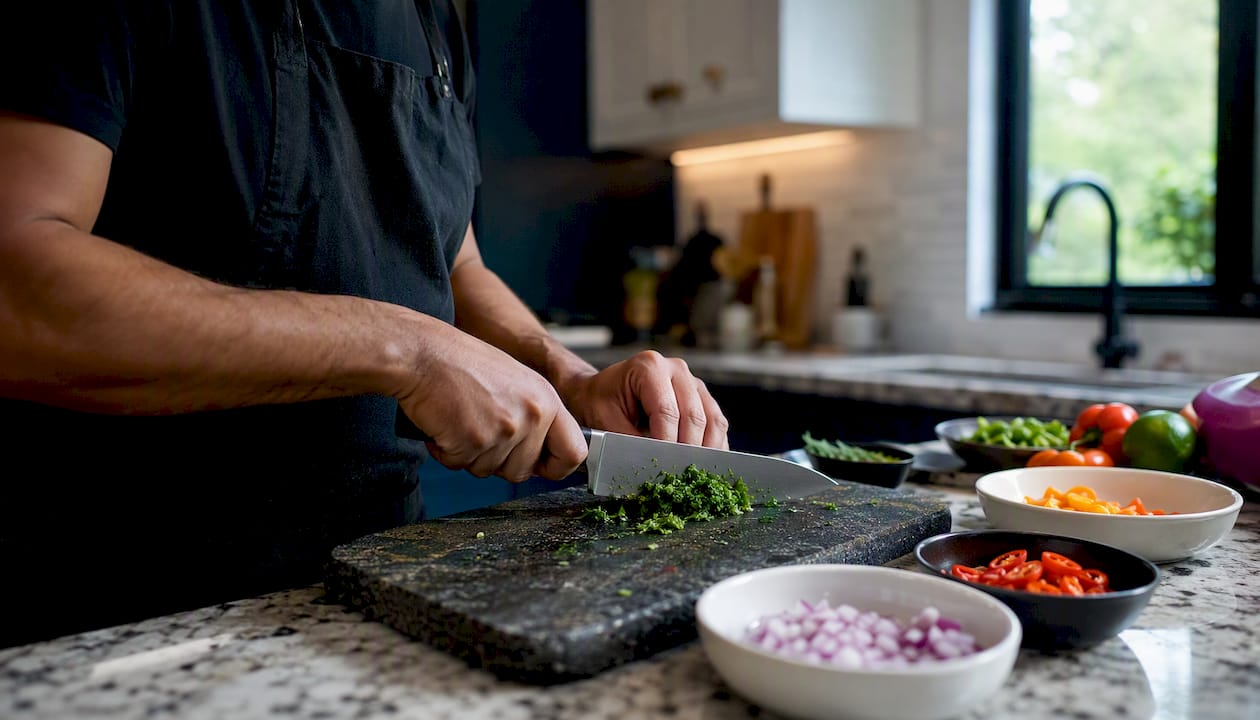
That said, a few specific tasks change the calculus. Handling chili peppers or other skin-irritating ingredients is a good moment to grab a pair of thin food-prep gloves if the venue offers them, since capsaicin lingers on skin long after you’ve washed your hands. Deep-frying stations sometimes provide heat-resistant gloves for anyone pulling items out of hot oil, and it’s worth using them if they’re on hand.
Eyewear rarely comes up outside of very specific settings, like a class involving heavy onion prep for a crowd or any task using industrial-strength cleaning agents between courses. If a host hands you gloves or goggles unprompted, that’s a signal the task ahead carries real risk, and it’s worth taking the offer rather than waving it off.
Show Up Ready to Cook, Not Ready for a Photo Shoot
The best cooking class outfit is the one you don’t think about twice once you’re standing at the stove. Stains happen. Flour ends up somewhere you didn’t expect, and a splash of sauce is basically a badge of honor by the end of a good session. Worrying about your outfit staying pristine takes energy away from the part that actually matters: learning to cook something new.
Check the host’s notes before you go, and keep a spare hair tie somewhere easy to grab. Beyond that, dress for comfort, dress for safety, and let the food get a little messy. That’s the whole point.
— Patta
Ready to Put This Dress Code to the Test?
Every hands-on cooking class typically provides aprons and instructor-led safety guidance from the moment you walk in, so you’re not stuck guessing whether your sneakers pass muster or whether the venue expects you to bring your own gear. That’s the real advantage over piecing together a solo cooking project at home: someone experienced is watching the stove, the knives, and the room, so you can focus on the recipe instead of the risk.

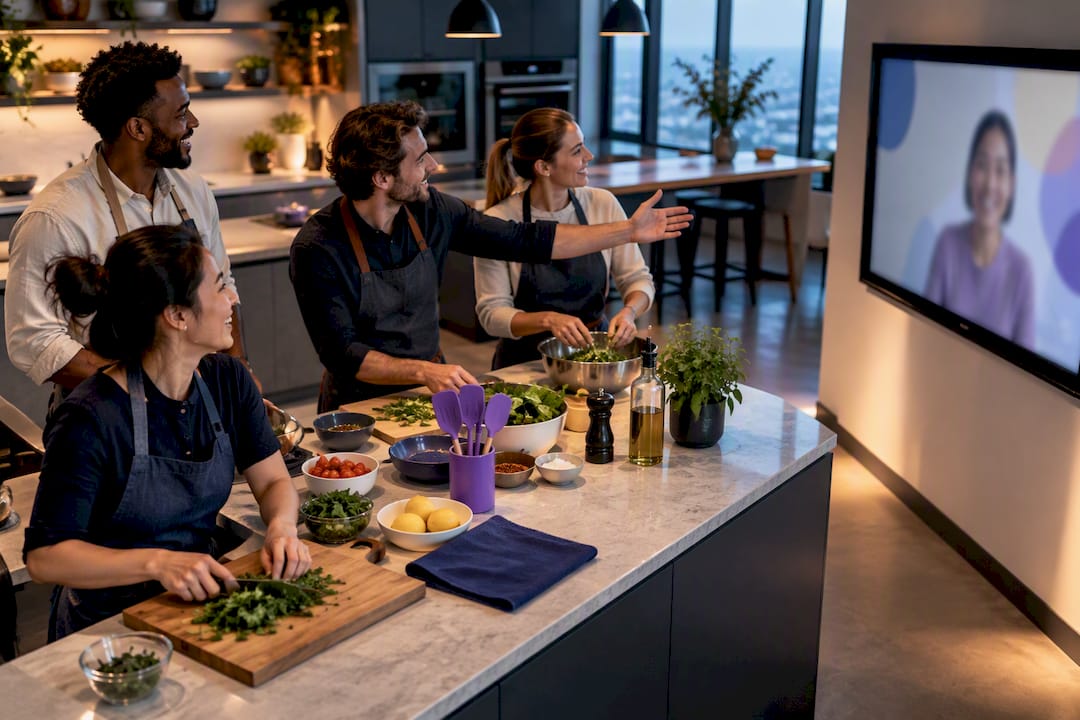
Classes run in small groups with real chefs walking you through techniques step by step, whether you’re planning a date night, a birthday, or a team outing. If you’re in the Bay Area, the Napa cooking classes are a solid place to start, and readers on the East Coast can check out what’s running through a Boston class guide. Browse open dates, pick a cuisine that sounds good, and book your spot.
Sources
- Johnson & Wales University — Kitchen Academy (apron/policies example)
- What to wear to an Italian cooking class — Italian Food Tour
- What to wear to a cooking class — BakingStarter
- Chef uniform guide — WebstaurantStore



































.webp)