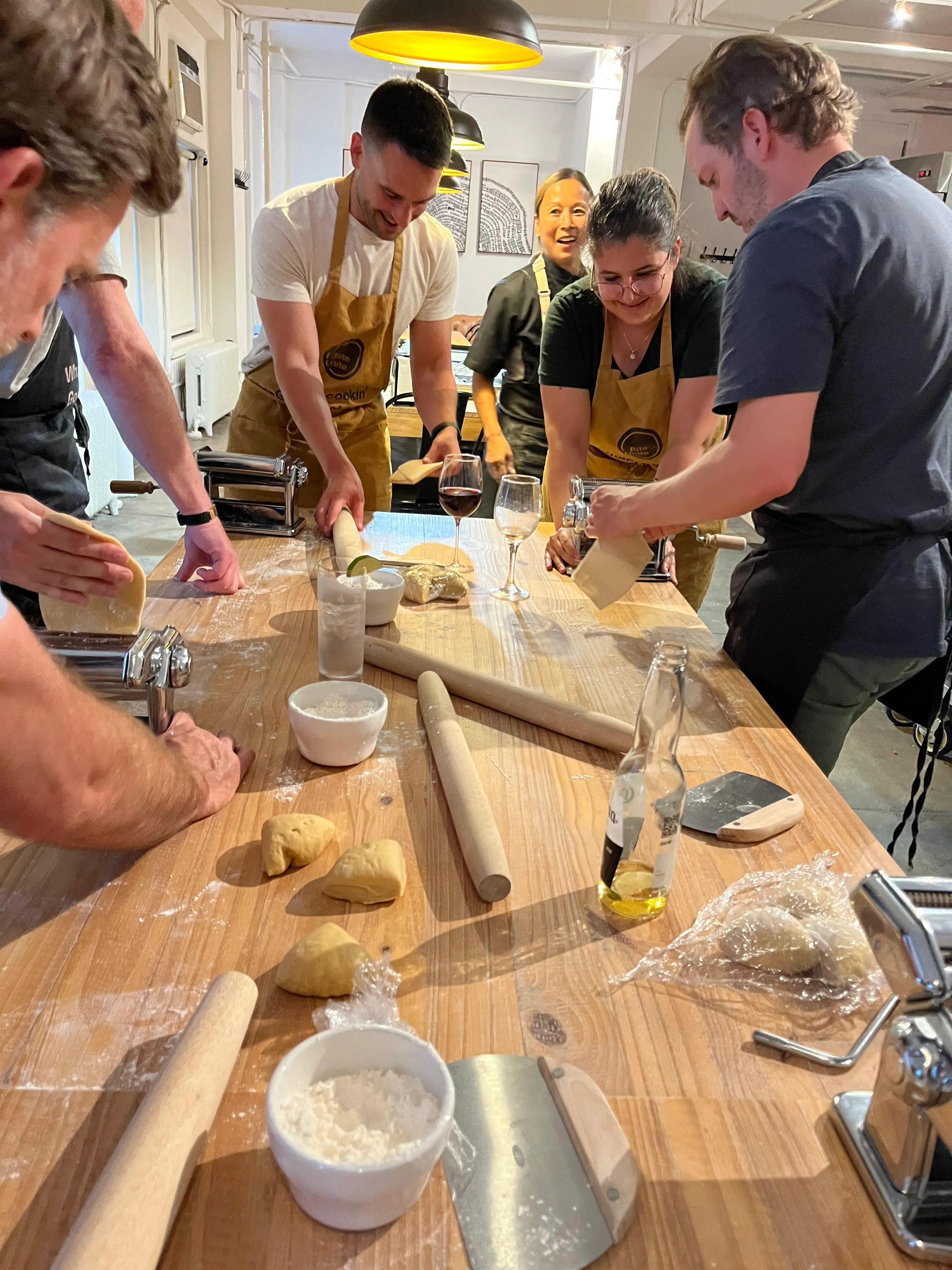
Cooking Class Etiquette: Your Guide to Kitchen Manners
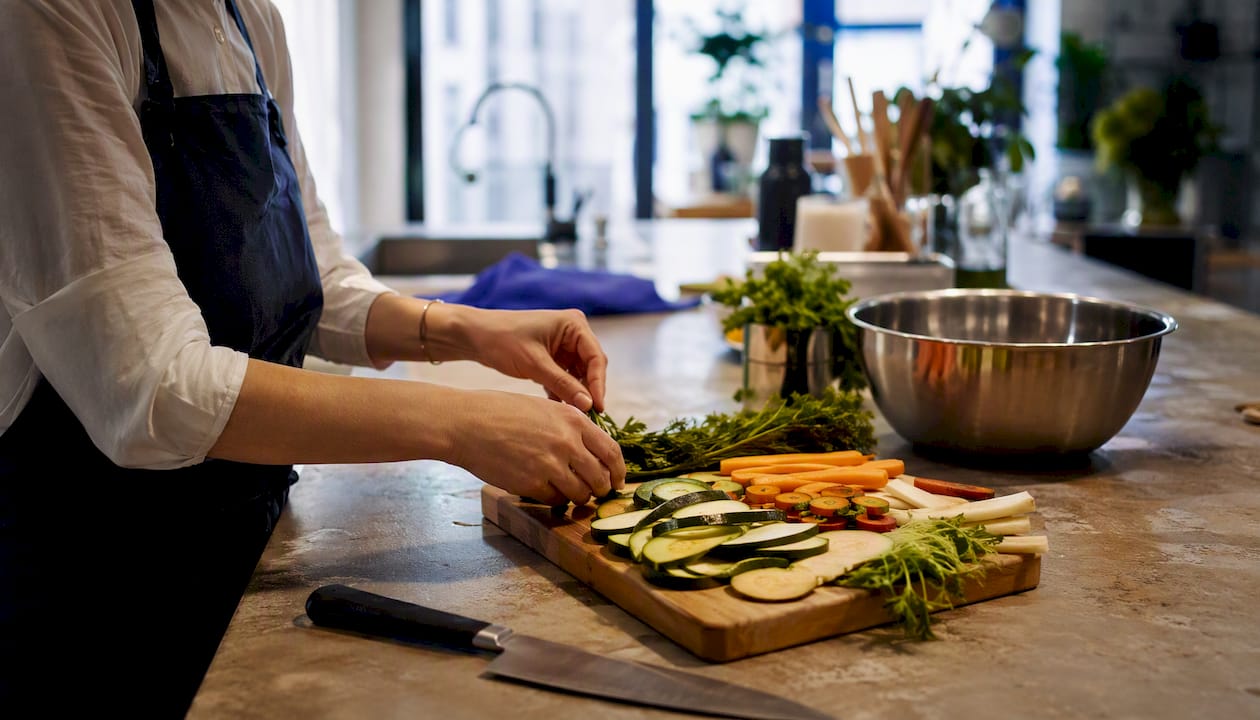
Cooking class etiquette comes down to six habits: show up on time, dress for hygiene and safety, silence your phone, participate without hogging the instructor, clean your station as you go, and follow whatever specific rules the organizer sent you. Master those six and you’ll fit into any kitchen, whether it’s a demo-style class where you’re mostly watching or a hands-on session where you’re elbow-deep in dough alongside strangers.
Most of these rules exist for a reason that has nothing to do with formality. Long hair near an open flame is a fire hazard. A phone buzzing on the counter during a knife demo is a distraction that can get someone cut. Cleaning as you go isn’t busywork, it’s how a shared kitchen stays functional for the next fifteen minutes. Once you see the logic, the etiquette stops feeling like a list of rules and starts feeling like common sense.
Here’s the quick-reference version before we get into the details:
- Arrive 10 to 15 minutes early and confirm whether your class is demo or hands-on.
- Wear closed-toe shoes, tie back long hair, and skip the dangly jewelry.
- Silence your phone and ask before snapping photos; skip video unless it’s explicitly allowed.
- Ask clarifying questions early instead of guessing your way through a technique.
- Report spills, cuts, or dropped equipment immediately rather than trying to fix it yourself.
- Clean your workstation before you leave, even if a staff member offers to help.
- Check the invitation or confirmation email for tipping norms, since they vary by program.
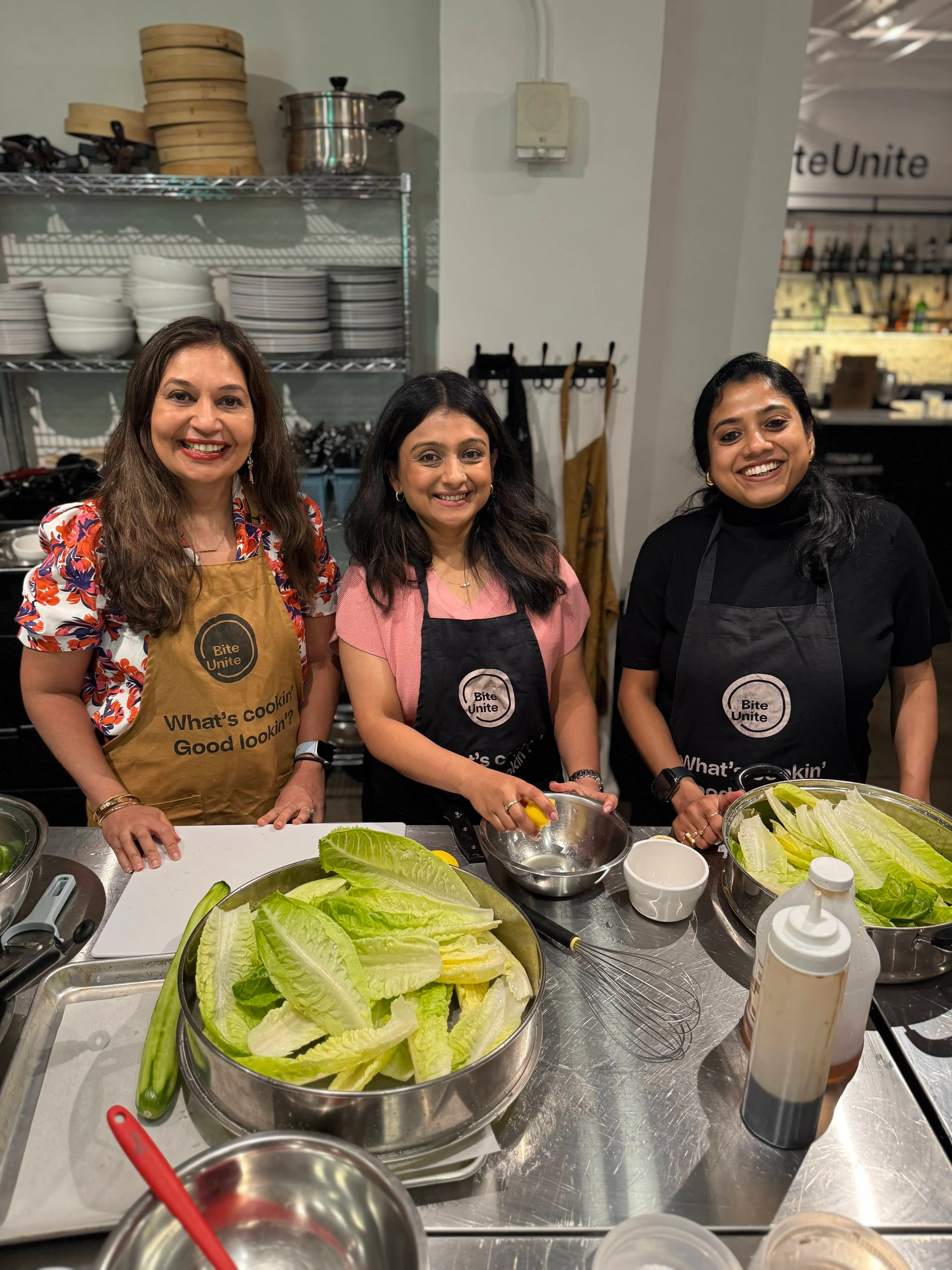
The sections below dig into why each of these matters, plus what changes when you’re watching a chef demo versus rolling up your sleeves in a hands-on class like the ones Biteunite runs for date nights, birthdays, and corporate teams.
Key Takeaways
Cooking class etiquette works because it removes friction. Punctuality, hygiene, quiet phones, balanced participation, and cleanup all exist to keep a shared kitchen safe and enjoyable for everyone in the room.
| Point | Details |
|---|---|
| Confirm the format first | Check whether your class is demo or hands-on so you know what to bring and expect. |
| Dress for safety | Closed-toe shoes, tied-back hair, and no dangly jewelry protect you and everyone nearby. |
| Keep your phone silent | Ask before photos and skip video unless the instructor says it’s allowed. |
| Ask early, not constantly | Clarifying questions during natural pauses help the whole group move faster. |
| Clean as you go | Wipe your station and put away tools before class ends, not after you’re asked. |
Where to Read More
- Baking School: What to Expect | King Arthur Baking breaks down phone and recording policies straight from a working teaching kitchen.
- Culinary Program Student Code of Conduct shows the full hygiene and uniform rules casual classes borrow from.
- Get the Most From Your Cooking Class | The Kitchn offers practical tips on participation, knife safety, and classroom flow.
- What to Expect in Your First Cooking Class | Cookalo Blog covers what to pack and wear before you even walk in.
Table of Contents
- Cooking Class Etiquette Before You Even Arrive
- What’s the Right Way to Behave During Class?
- Kitchen Safety and Hygiene Rules You’ll Actually Be Held To
- Who Cleans Up, and What About Tipping?
- Demo vs. Hands-On: Does Etiquette Actually Change?
- What Professional Culinary Programs Can Teach Casual Students
- Talking to Your Instructor and Classmates
- Everyone Spills Something. Here’s How to Handle It.
- How Should You Handle Tasting and Shared Food?
- Ready to Book Your Next Class?
- The Etiquette Everyone Skips (and Shouldn’t)
- Sources
Cooking Class Etiquette Before You Even Arrive
The confirmation email you skimmed and archived actually matters. It tells you whether the session is a demonstration (you watch, maybe taste) or hands-on (you cook); what time to show up; whether parking or public transit access is limited; and sometimes whether there’s an age minimum for knife work. Reread it the night before, not the morning of.
Pack light but pack right. Closed-toe shoes are non-negotiable in almost every teaching kitchen, and a notebook or your phone’s notes app helps you capture techniques you’ll want to repeat at home. Cookalo’s guide for first-time students recommends comfortable clothing, tied-back hair, and checking in advance whether the class ends with a shared meal, since that changes how hungry you should arrive.
Leave certain things at home. Skip the outside snacks, skip the heavy perfume or cologne (it competes with the food you’re trying to taste), and skip anything with dangling straps or sleeves that could catch on a stove handle.
If you have a food allergy or dietary restriction, say so when you book, not when the class starts. Instructors plan ingredient substitutions and prep quantities ahead of time. A last-minute mention that you can’t have shellfish, when the whole menu is built around a shrimp scampi, puts the instructor in a bad spot and can leave you without a dish to eat.
Pro Tip: In demo classes, position yourself where you can see the cutting board and stovetop, not just the instructor’s face. Arriving 10 to 15 minutes early gets you the good sightline instead of a spot behind someone’s shoulder.
What’s the Right Way to Behave During Class?
Ask questions, but not constantly. The instructors at King Arthur Baking School note that classes run on a schedule, and students who wait for natural pauses (after a technique is demonstrated, before the group moves to the next step) get better answers than students who interrupt mid-explanation.
Phones stay silenced and off the counter. This isn’t about etiquette theater. A vibrating phone near a cutting board is a distraction during knife work, and research on classroom decorum backs up the idea that minimizing phone use and never recording without permission keeps the group’s attention where it needs to be. Photos are usually fine for personal reference, but check first, and assume video is off-limits unless someone explicitly says otherwise.
Participation is a balance, not a competition. The Kitchn’s advice for getting the most out of a cooking class is to ask clarifying questions early and volunteer when the instructor asks for a hand, rather than waiting to be picked or, worse, answering every question before anyone else gets a chance.
A few quick comparisons make the difference obvious:
- Helpful: Asks “Should the pan be smoking hot before the butter goes in?” the moment they’re unsure, instead of guessing and scorching it.
- Disruptive: Narrates their own cooking history for five minutes while six other students wait for the demo to continue.
- Helpful: Offers to grab the extra mixing bowl for a classmate who’s still finding their footing.
- Disruptive: Checks texts under the counter while the instructor explains a technique everyone needs for the next step.
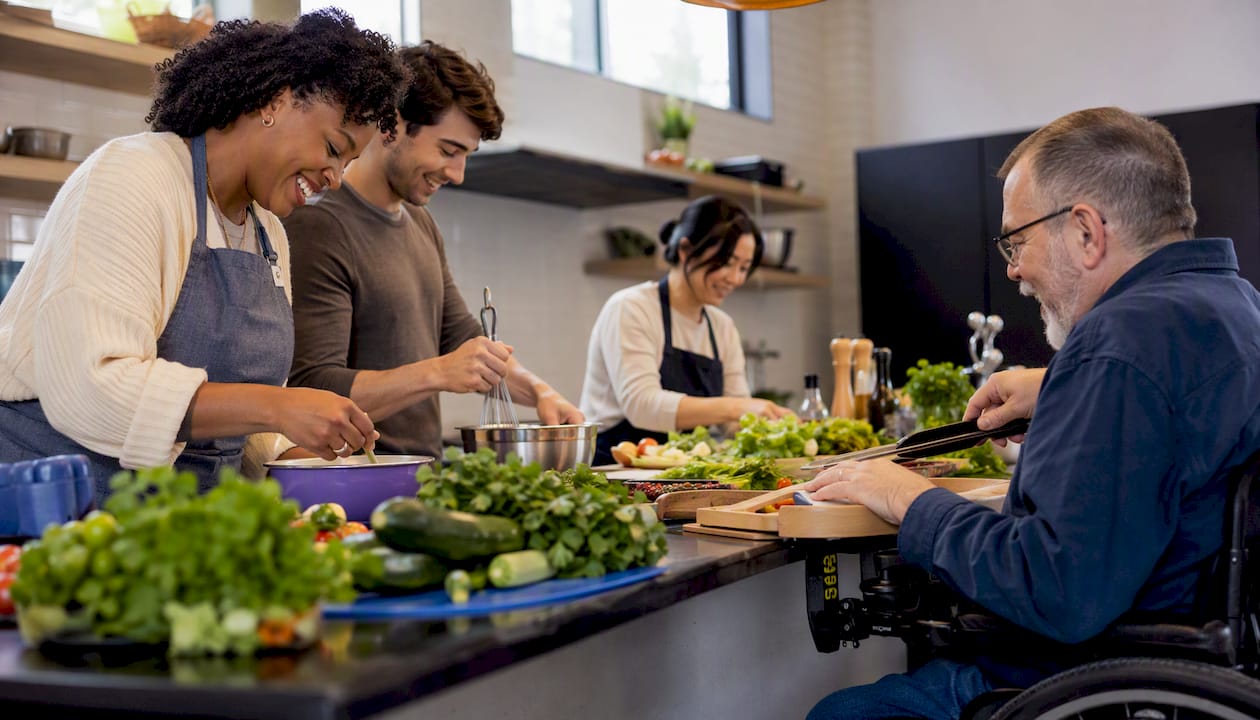
If you’re taking a group class with coworkers or friends, that same read applies. Group dynamics shift the second one person tries to run the room; the best group cooking classes work because everyone gets a turn at the cutting board.
Kitchen Safety and Hygiene Rules You’ll Actually Be Held To
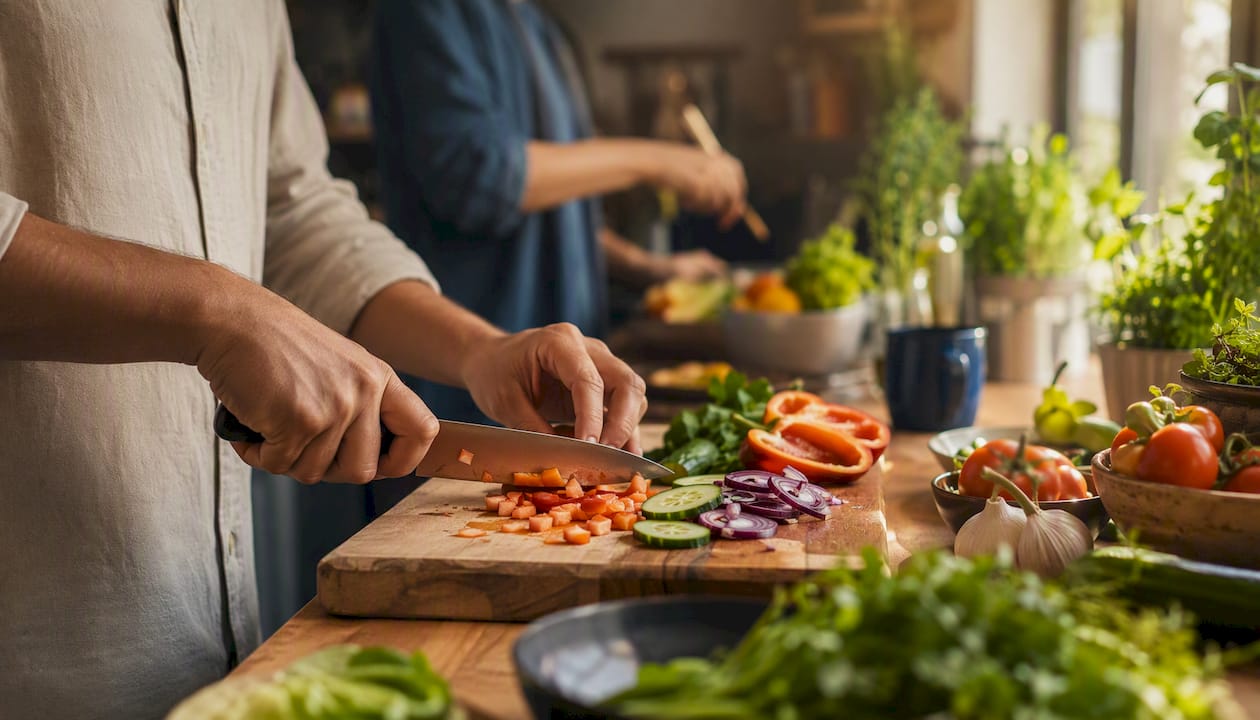
Wash your hands when you arrive and again after handling raw proteins. Tie back hair past shoulder length. Trim your nails and skip the polish if you’re doing hands-on prep work. Leave rings, bracelets, and dangly earrings at home or in your bag. Wear closed-toe, slip-resistant shoes. These aren’t suggestions in most professional kitchens, and casual classes borrow the same logic because the risks (burns, cuts, contamination) don’t disappear just because it’s a Tuesday-night date activity instead of culinary school.
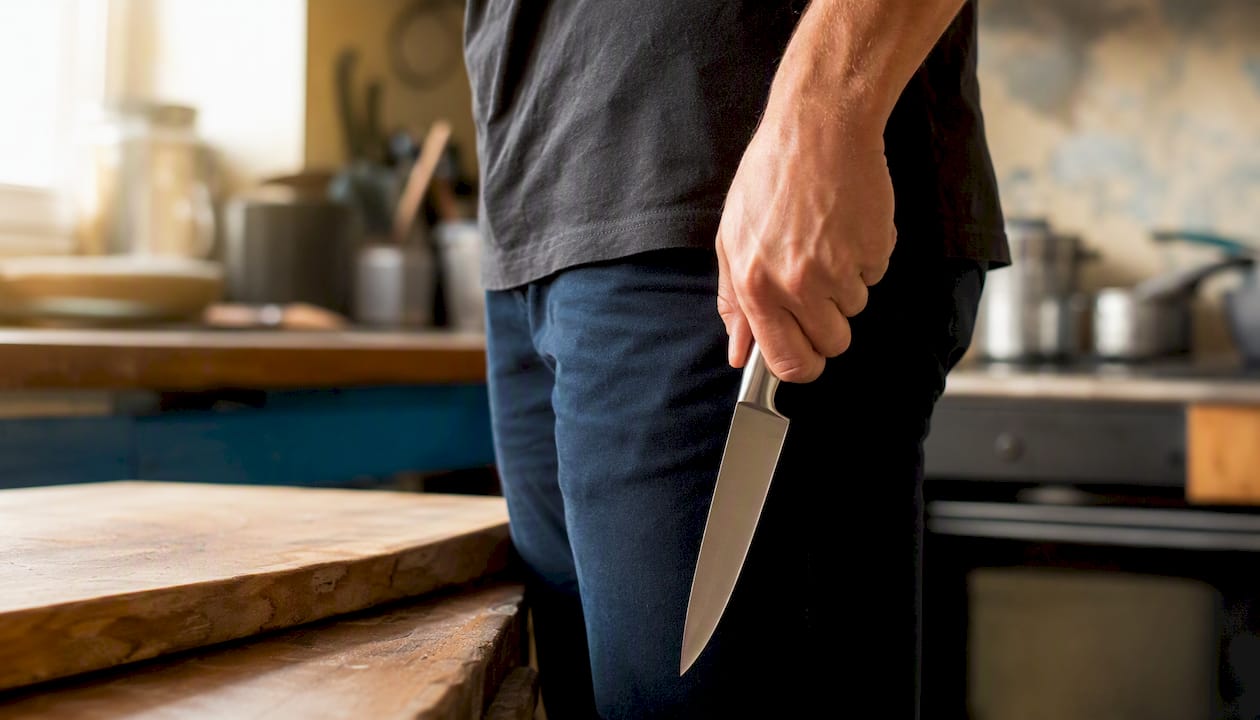
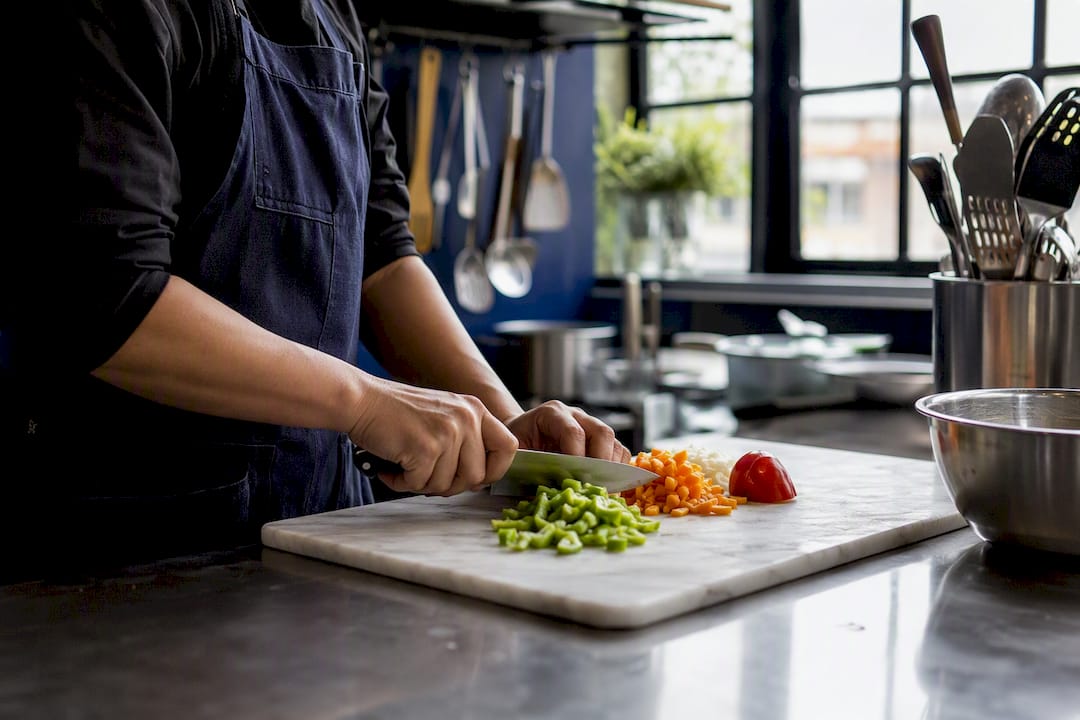
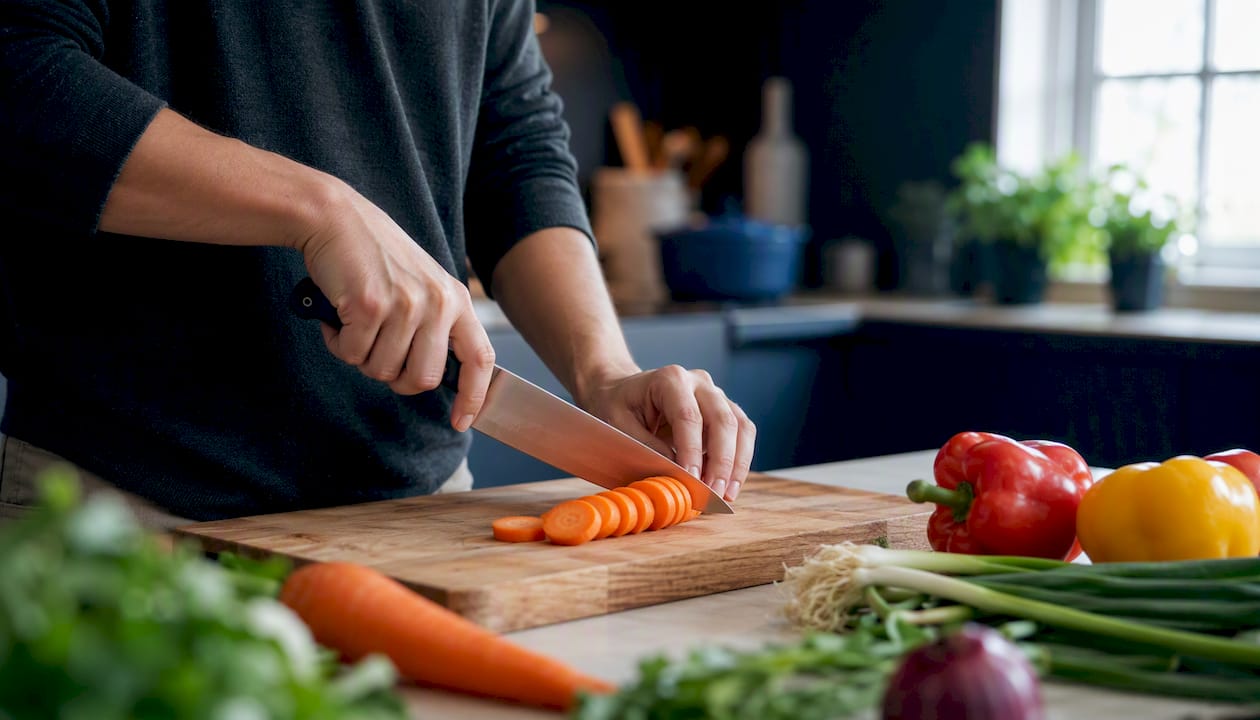
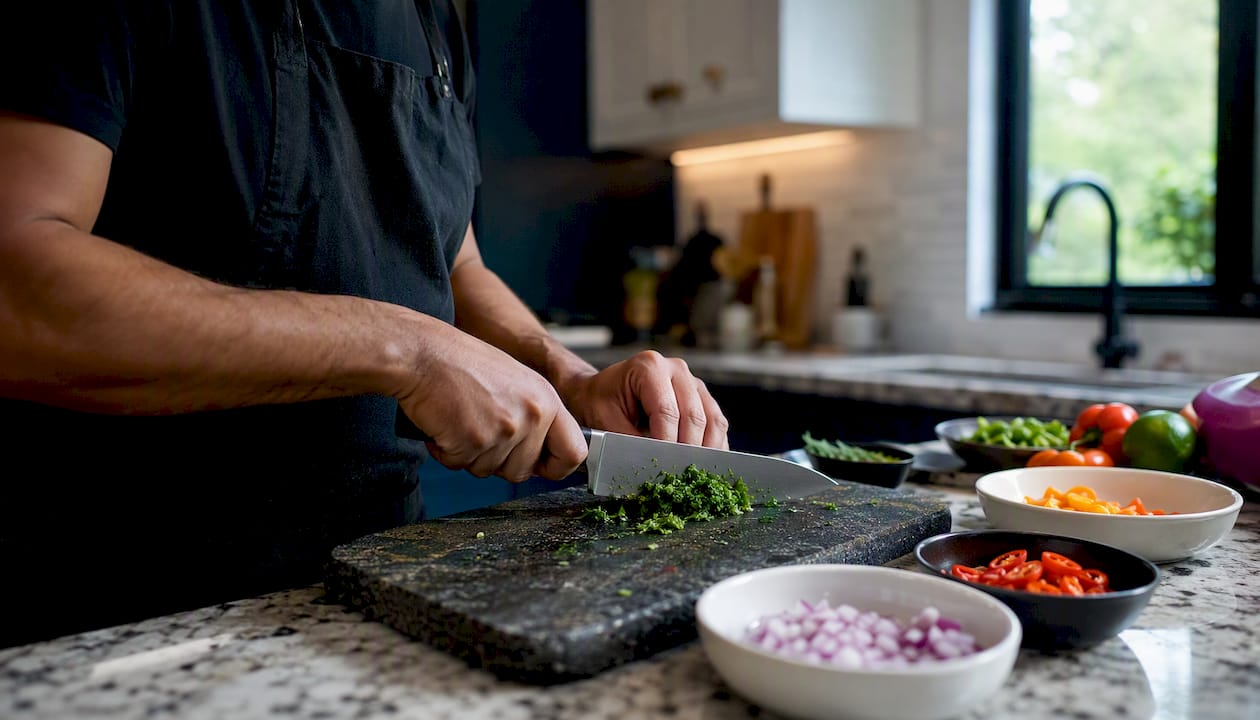
Knife safety follows a few simple habits that also happen to make you look like you know what you’re doing. Call out “behind you” when you’re moving through a tight kitchen with a knife in hand, and carry it point down, blade pressed against your thigh, according to The Kitchn’s guidance. If you’ve never used a particular knife, mandoline, or piece of equipment, ask before you improvise.
Food hygiene extends to how you taste. Use a fresh spoon every time you sample a sauce, never double-dip a tasting spoon back into a shared pot, and don’t bring outside food into the prep area where it could cross-contaminate someone else’s ingredients.
If you cut yourself, burn yourself, or drop a hot pan, tell the instructor immediately. Trying to quietly handle a kitchen injury on your own wastes time the instructor needs to actually help, and it can turn a small cut into a bigger problem.
Quick safety checklist:
- Wash hands on arrival and after handling raw proteins.
- Tie back long hair and remove jewelry before you start prepping.
- Wear closed-toe shoes with good grip.
- Announce “behind you” when moving through tight spaces with a knife.
- Use a clean spoon for every taste, no exceptions.
- Report any injury to the instructor right away.
Who Cleans Up, and What About Tipping?
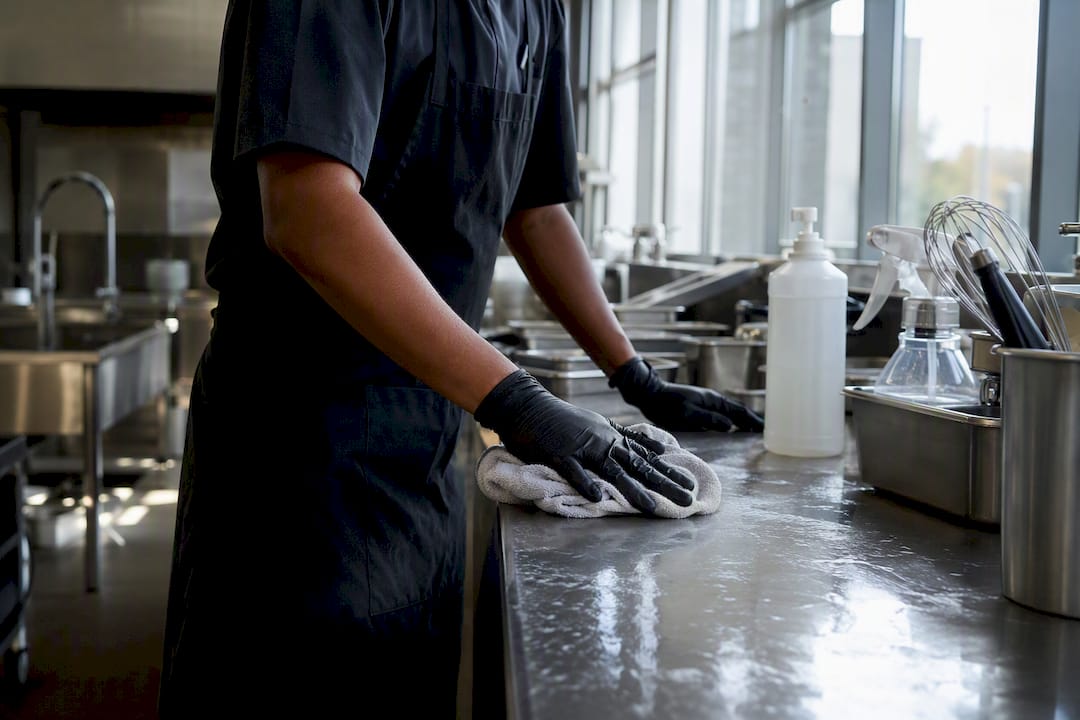
Clean-as-you-go is the norm in almost every teaching kitchen, and that means wiping your cutting board, rinsing your tools, and clearing scraps from your station before the next step, not waiting until the whole class is over. The Kitchn’s tips for first-time students treat this as a baseline expectation, and it’s one of the fastest ways to look like a seasoned student instead of a first-timer.
Leftover food rules vary by program. Some classes send you home with everything you cooked. Others treat shared batch-cooked food as the kitchen’s property until the instructor says otherwise, especially in demo classes where one dish is split among the whole group. When in doubt, ask before you start packing containers.
Tipping isn’t universal, and you shouldn’t assume it’s expected the way it is at a restaurant. Some programs build gratuity into the class price; others leave it entirely optional. If the confirmation email doesn’t mention it, a quick question to the front desk or organizer clears it up without any awkwardness. A sincere thank-you to the instructor, and a review afterward if you enjoyed the class, tends to matter more than a few extra dollars anyway.
Demo vs. Hands-On: Does Etiquette Actually Change?
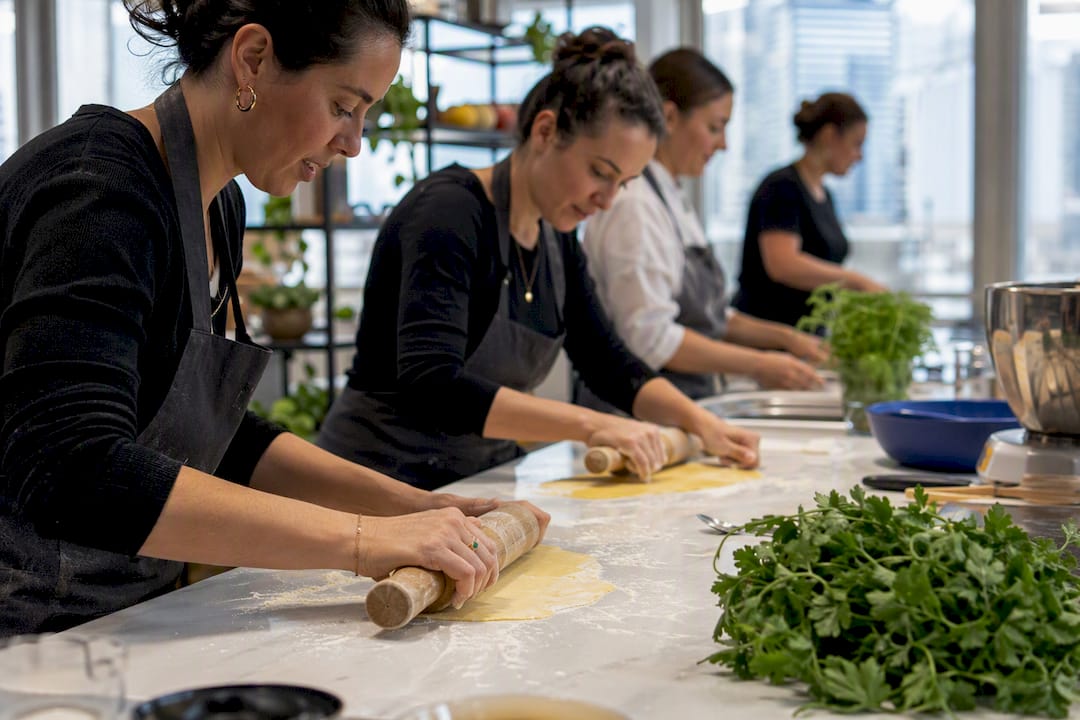
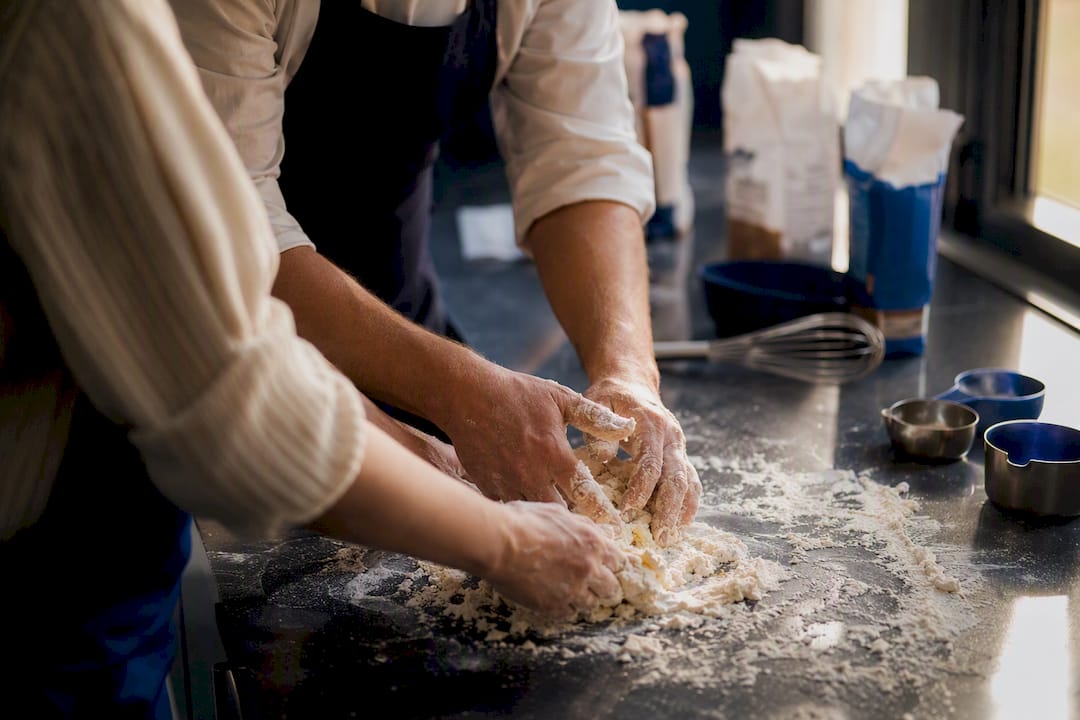
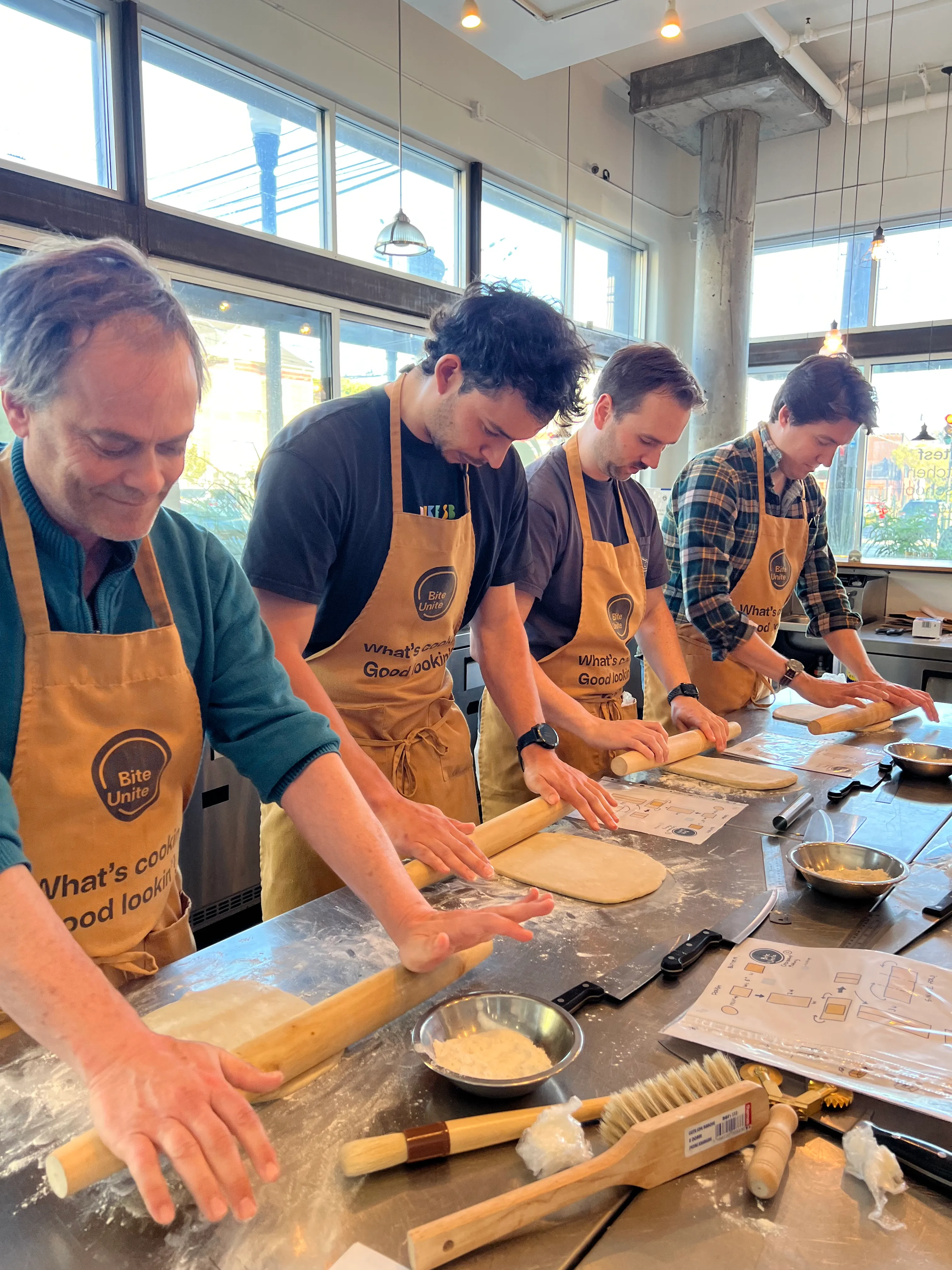
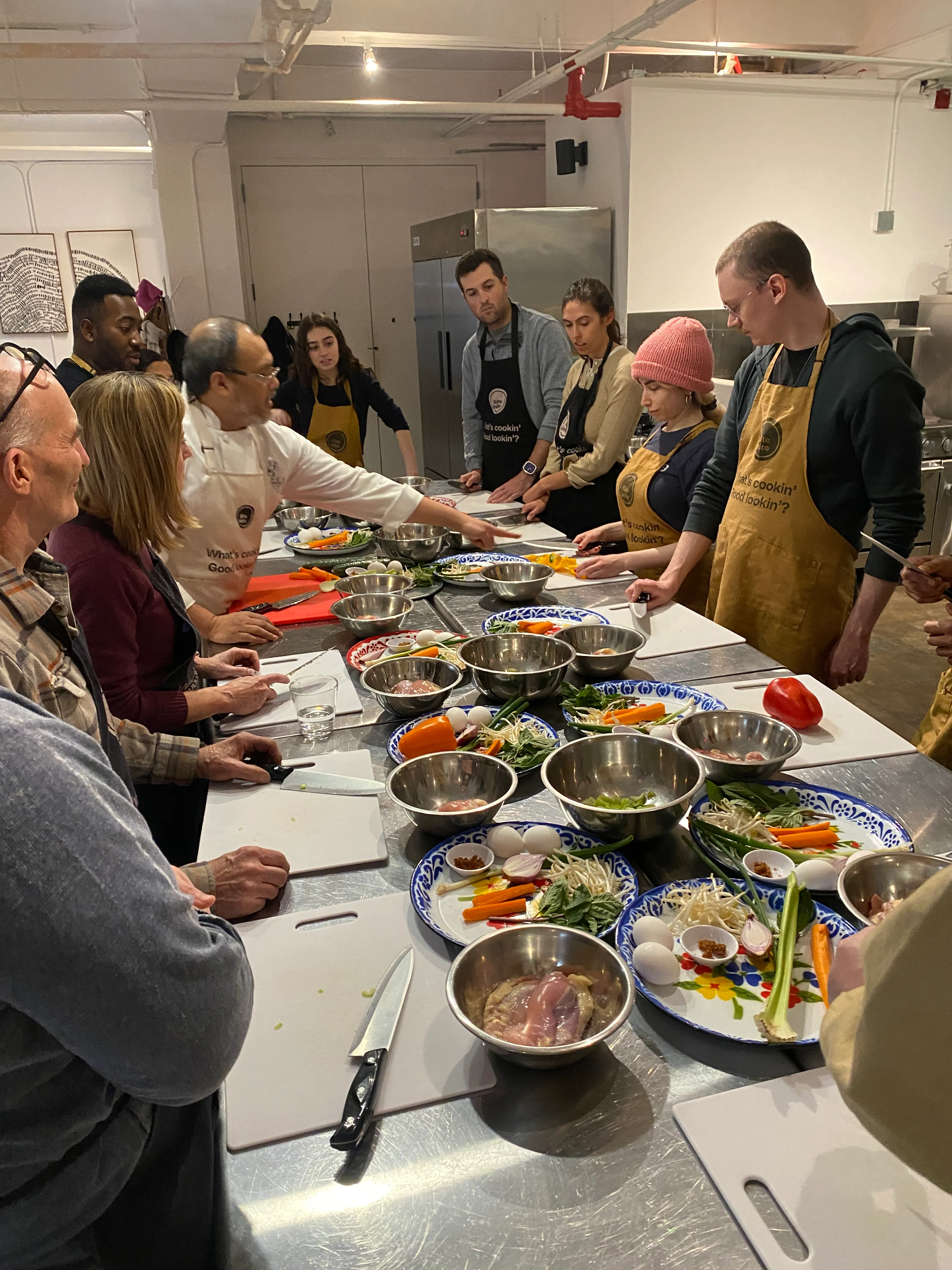
It does, and knowing which format you booked changes how you should behave the moment you walk in. Demo classes reward quiet observation and sharp, well-timed questions. Hands-on classes reward active teamwork, since you’re often sharing a cutting board, a stove, or a mixer with someone you just met.
| Behavior | Demo class | Hands-on class |
|---|---|---|
| Movement | Stay in your seat or viewing area | Expect to move between stations |
| Noise level | Keep it low; questions during pauses | Some chatter is normal and expected |
| Asking questions | Save detailed questions for breaks | Ask in real time as you work |
| Equipment | Watch, don’t touch unless invited | Share tools and rotate tasks fairly |
| Volunteering | Raise your hand if the chef asks | Everyone gets a turn by default |
Many operators cap class size specifically to keep attention manageable, and King Arthur Baking School explicitly labels sessions as demonstration-only so students don’t show up expecting to cook when they’re actually there to watch. That labeling matters. If you booked a hands-on pasta class expecting to roll your own dough, you’ll be disappointed by a chef simply plating in front of you, and vice versa. Confirm the format before you show up, not after.
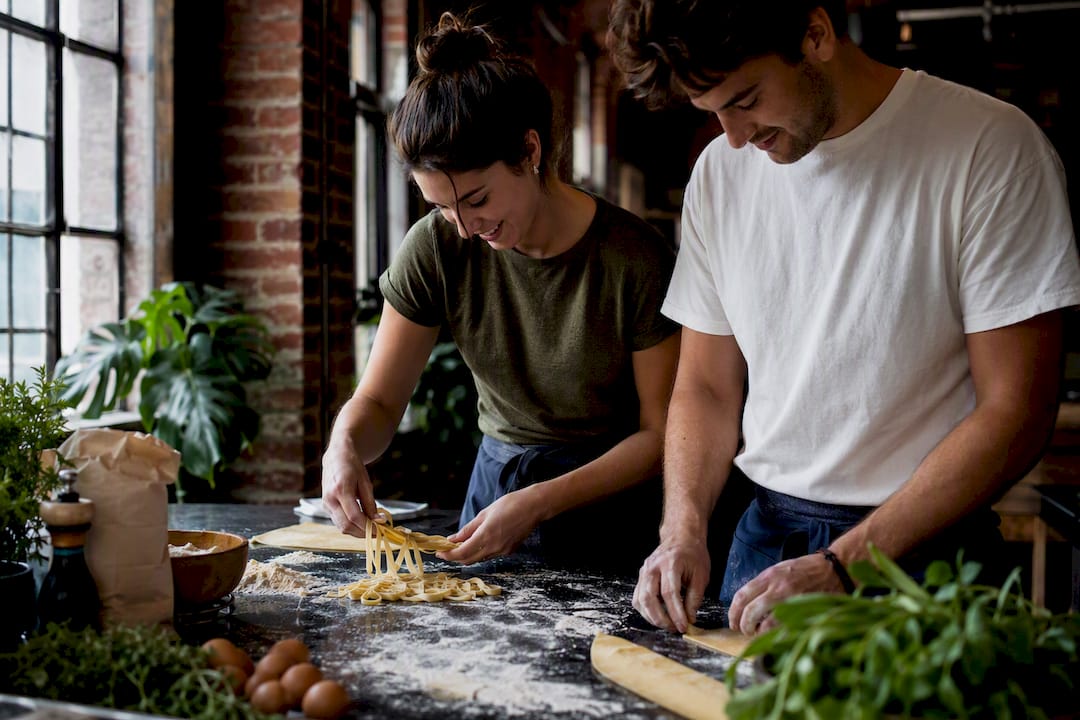
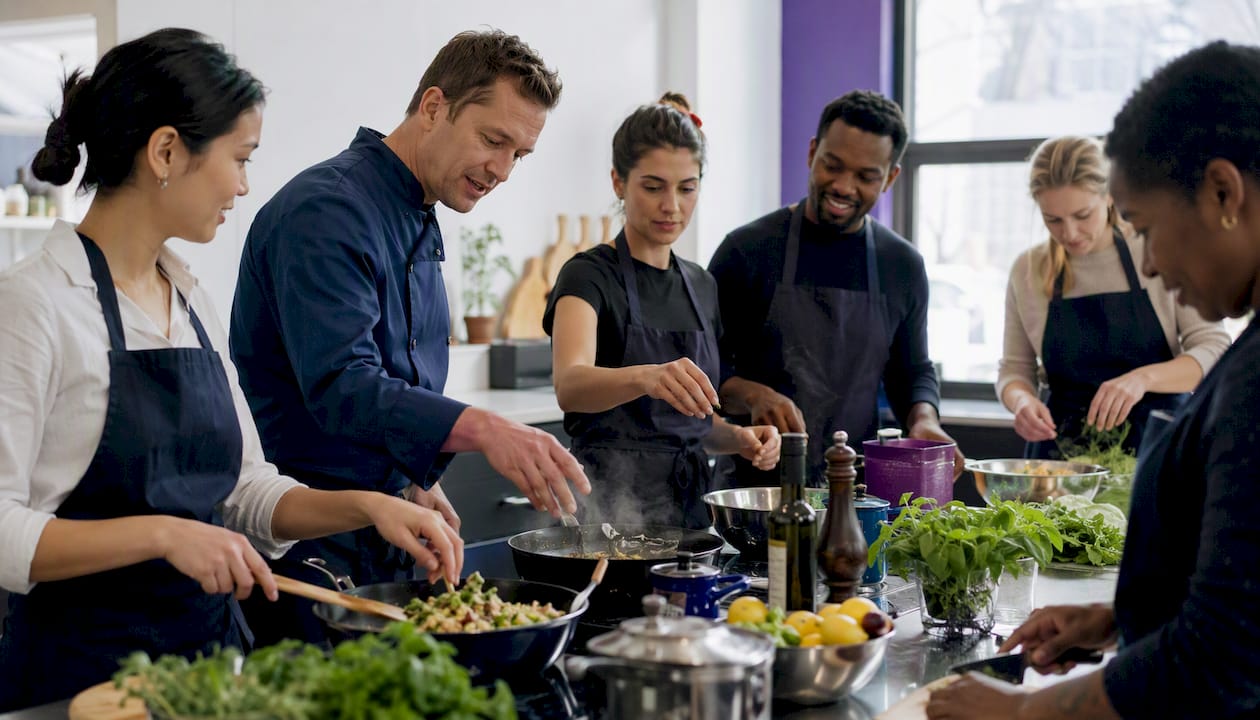
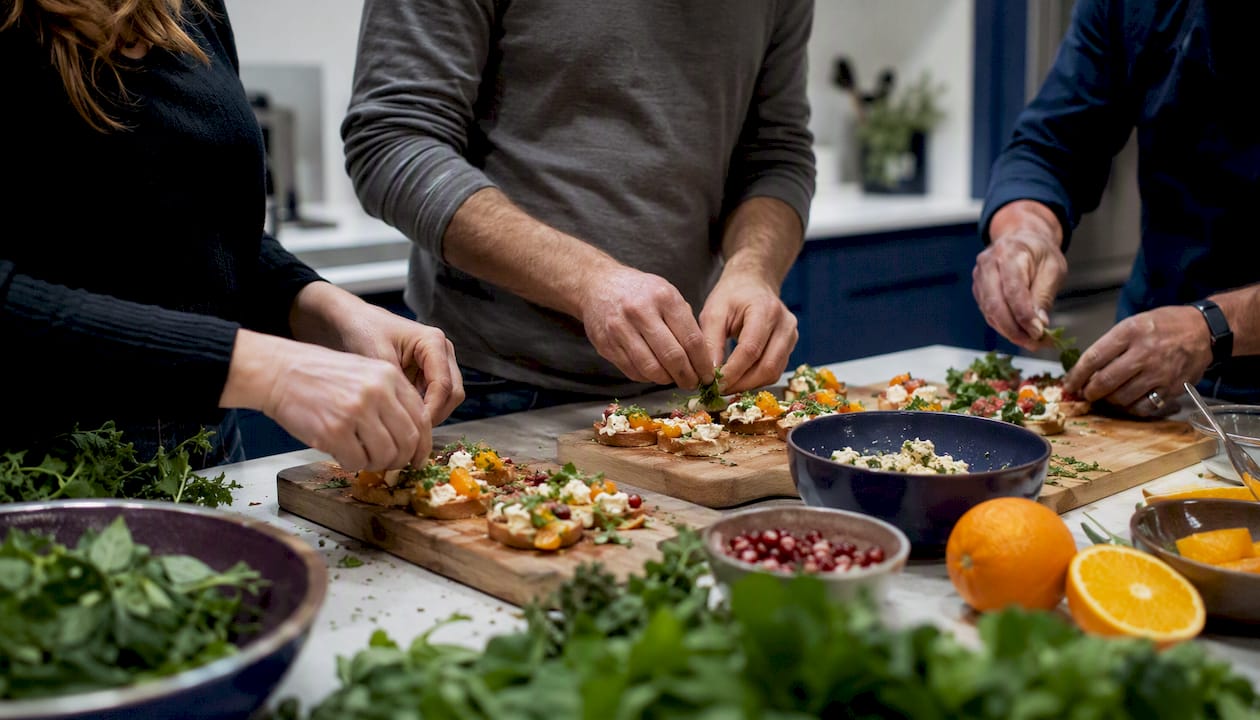
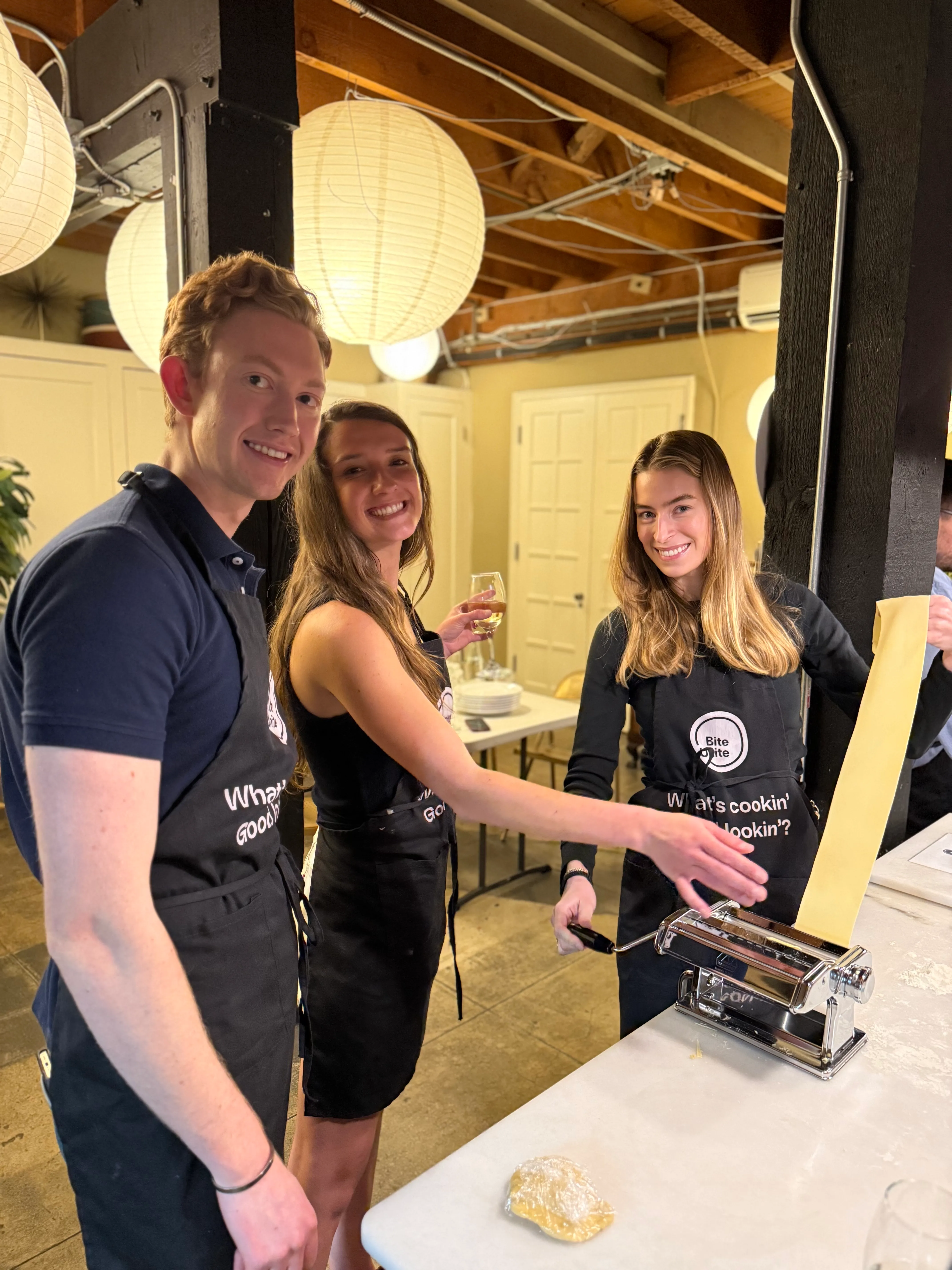
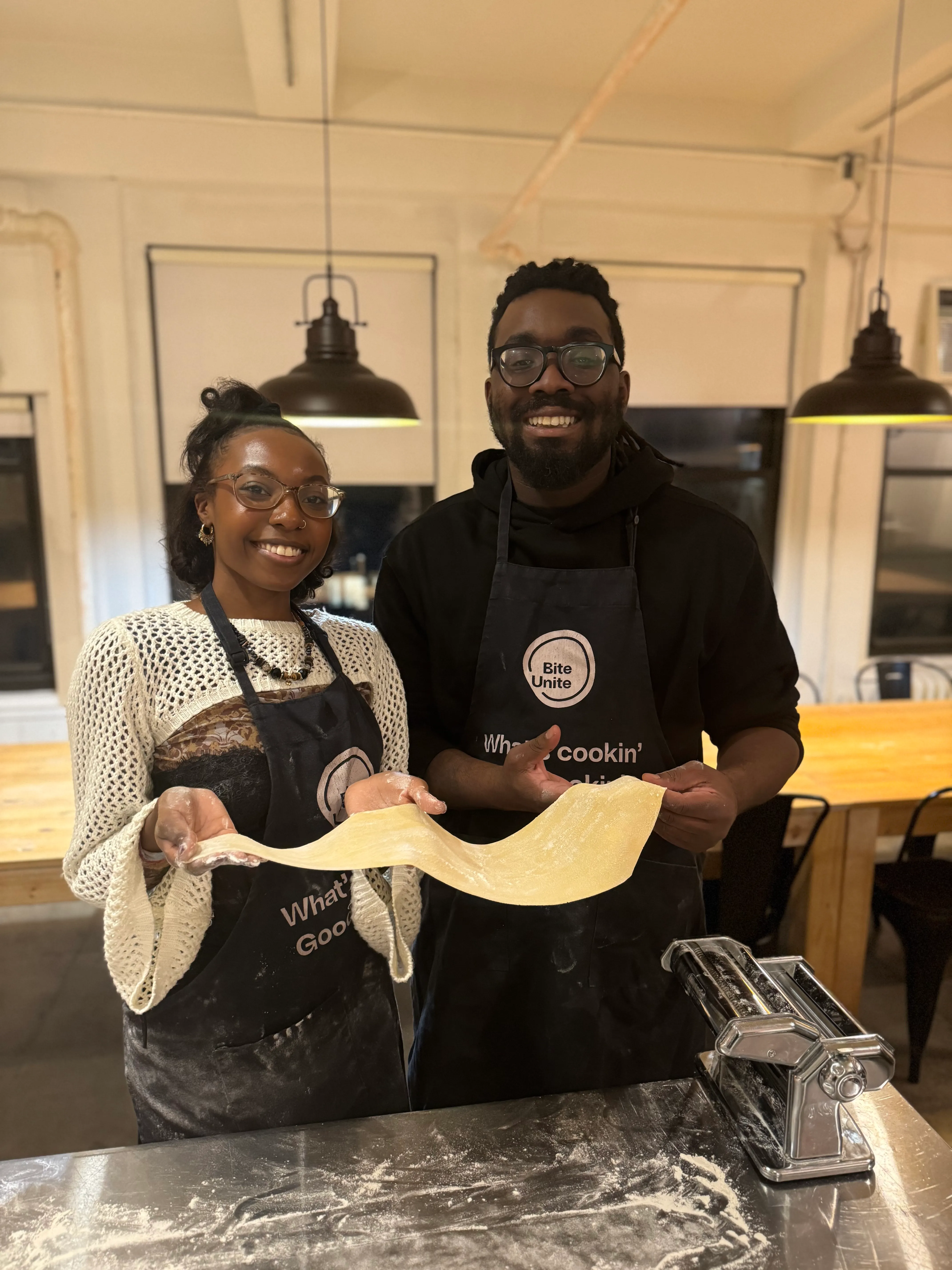
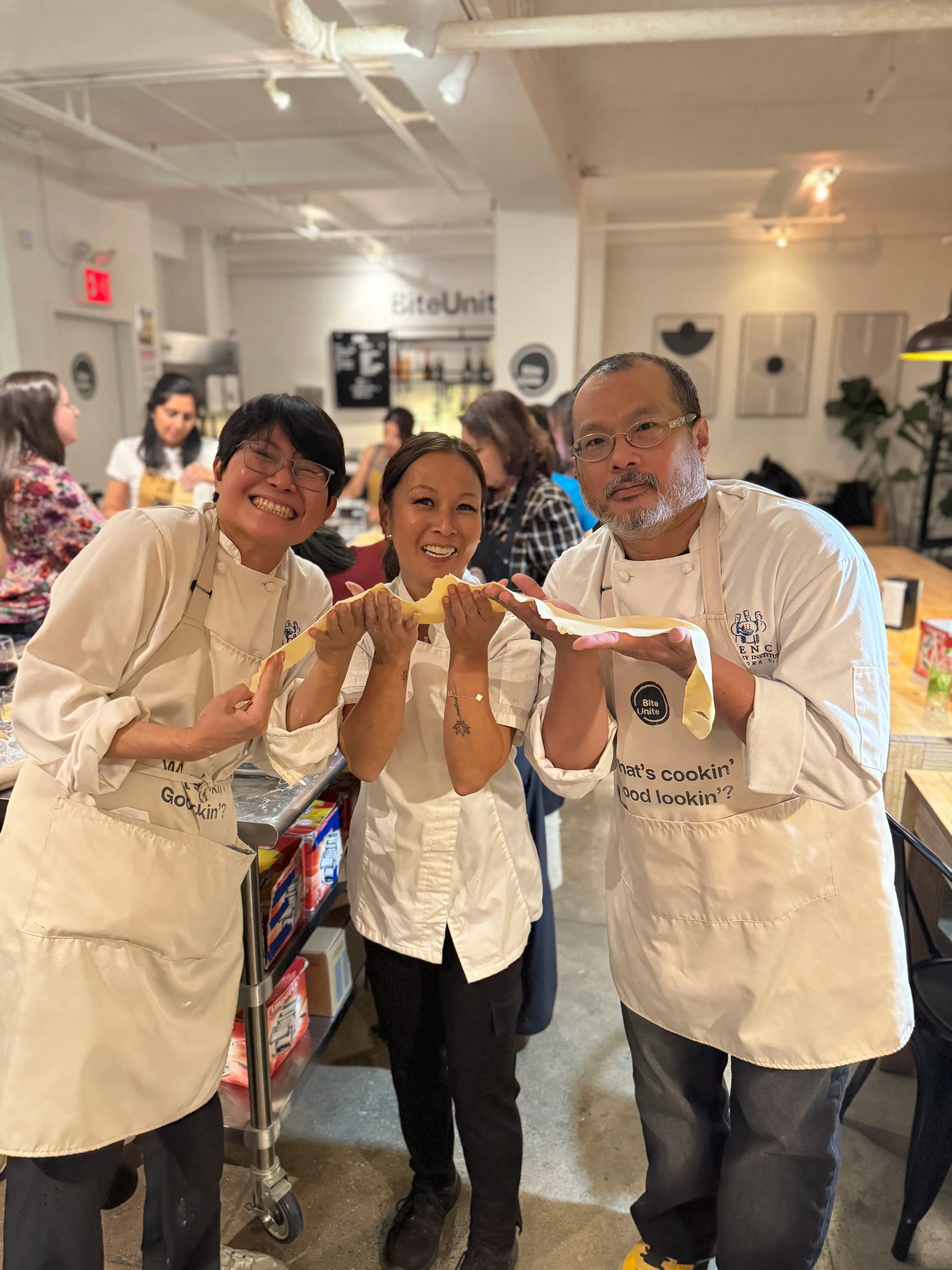
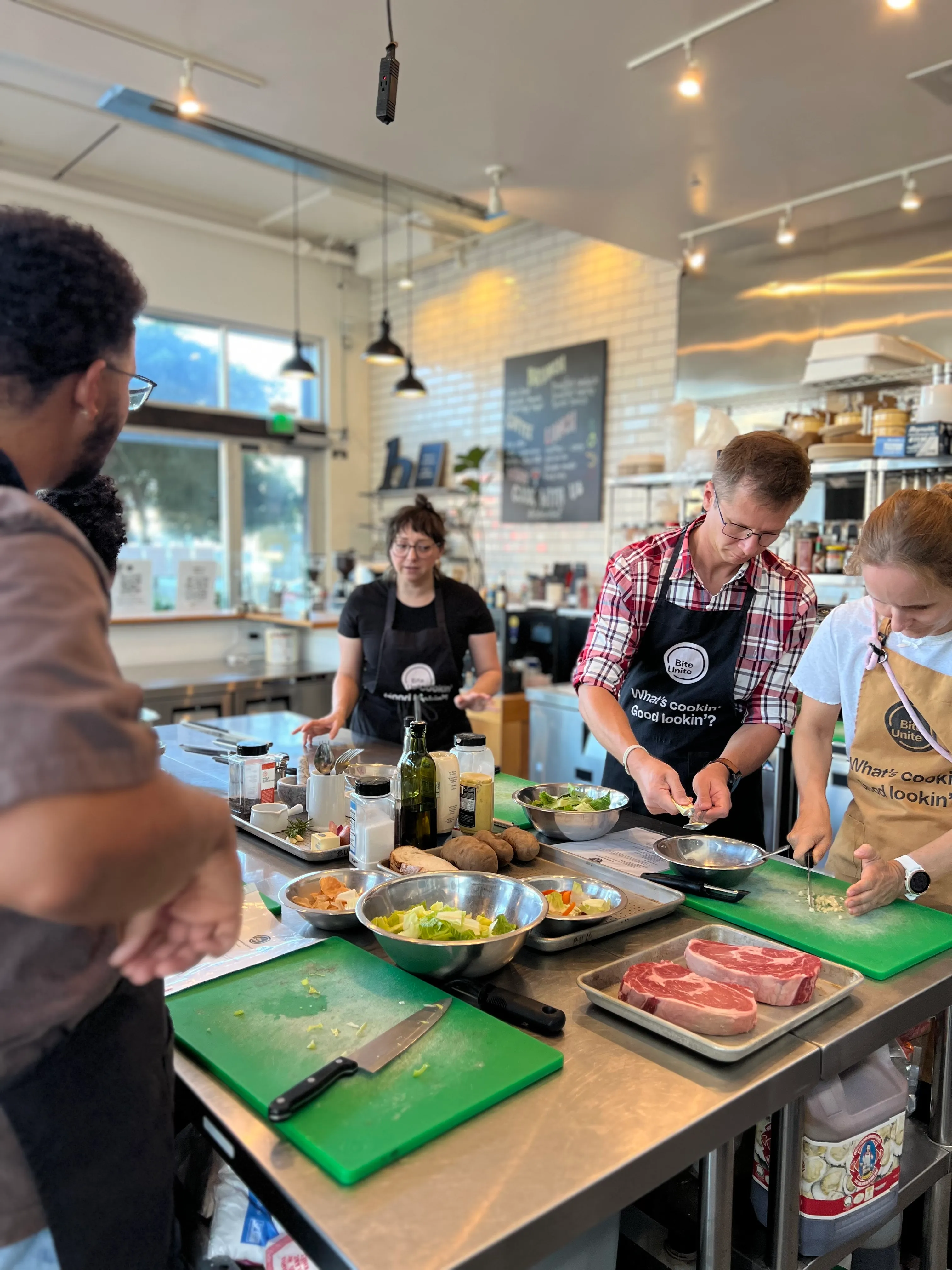
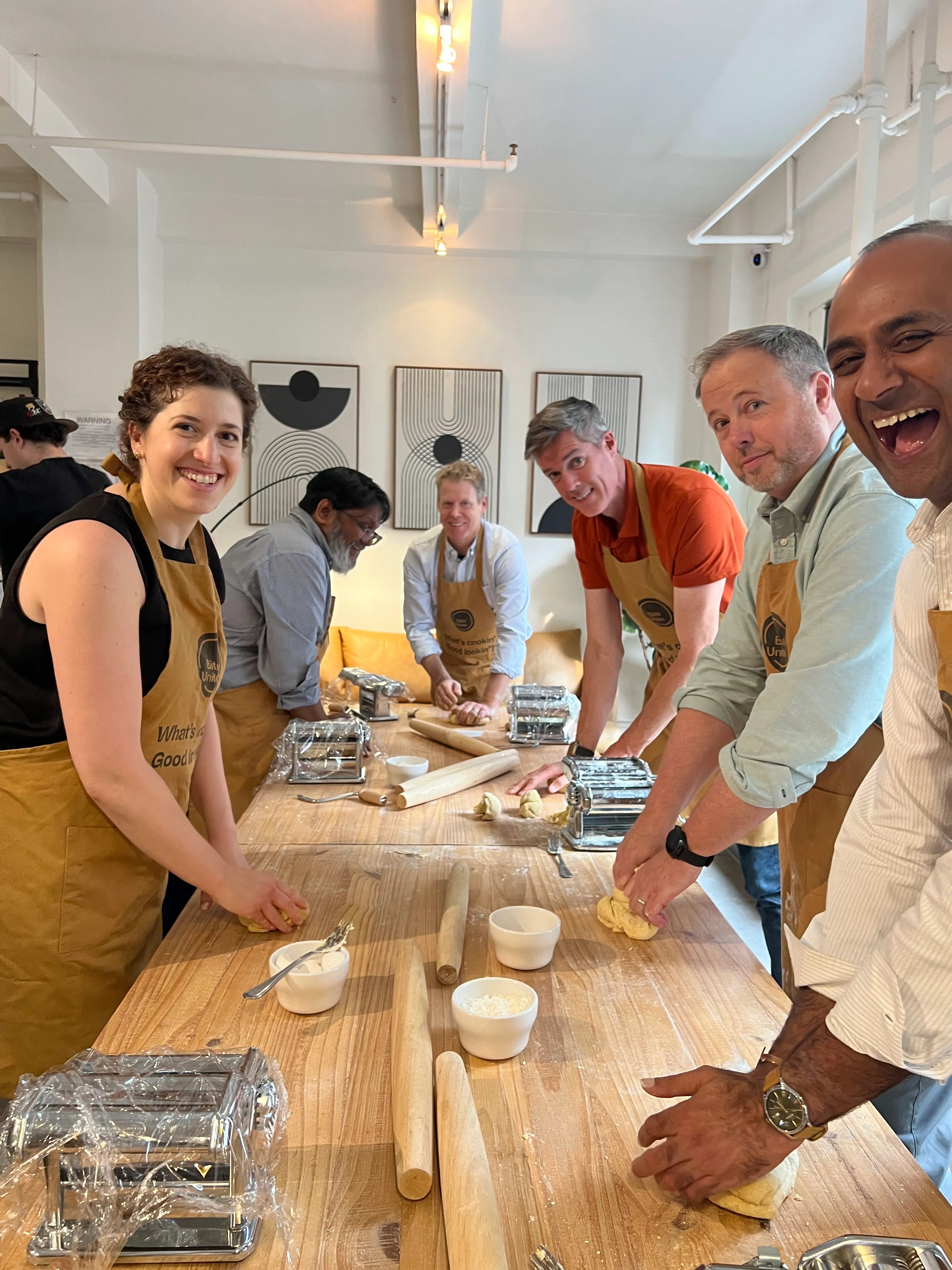
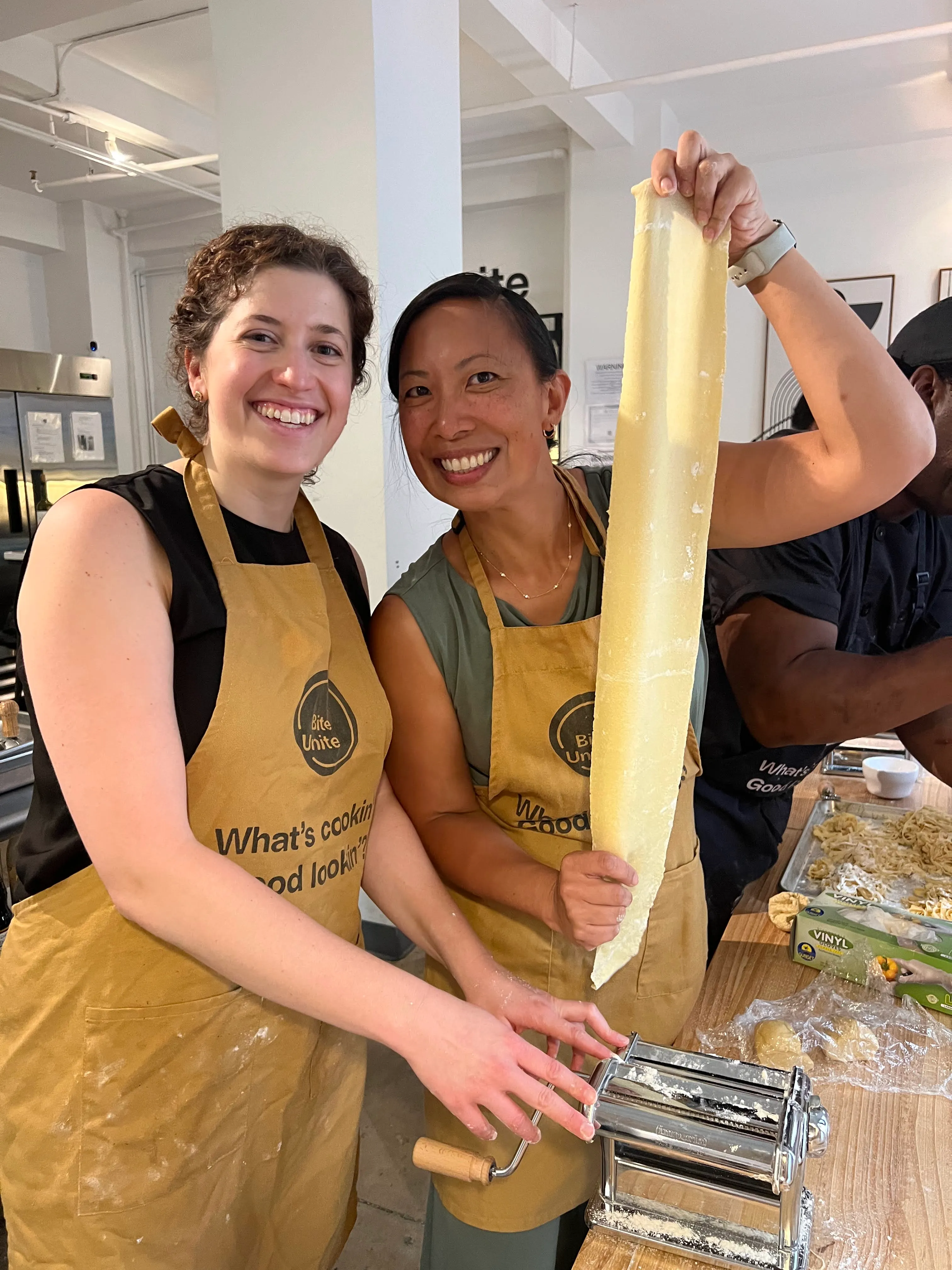
Biteunite’s hands-on classes lean into that teamwork model on purpose, since cooking side by side is what turns a class into a shared memory instead of a lecture.
What Professional Culinary Programs Can Teach Casual Students
Culinary schools run on written codes of conduct, and reading one is a fast way to understand why casual classes borrow the same rules in a lighter form. McHenry College’s culinary program lists a strict set of lab expectations: no gum, drinks covered and kept below the work area, no personal electronics in the kitchen, hair restraints required, trimmed clean nails with no polish, no visible jewelry, closed-toe non-slip shoes, and mandatory handwashing built into the code itself.
Casual classes rarely enforce every one of those items to the letter, but the spirit carries over directly.
| Professional program rule | Typical casual-class equivalent |
|---|---|
| No personal electronics in the kitchen | Phone silenced and off the counter |
| Hair restraints required | Long hair tied back |
| No visible jewelry | Skip dangly earrings and bracelets |
| Mandatory handwashing routine | Wash hands on arrival, ask where the sink is |
| Closed-toe non-slip shoes | Closed-toe shoes strongly recommended |
The strict version exists because culinary students are being graded and held to health-code standards for future employment. The casual version exists because the underlying risks (burns, cuts, contamination) are identical whether you’re 19 and enrolled in a two-year program or 34 and celebrating a birthday with a knife skills class.
Talking to Your Instructor and Classmates
Treat the instructor the way you’d treat a generous host who happens to also be an expert. Address questions to them directly rather than talking over them to a classmate, and give them your attention during technique demonstrations even if you’ve made the dish before.
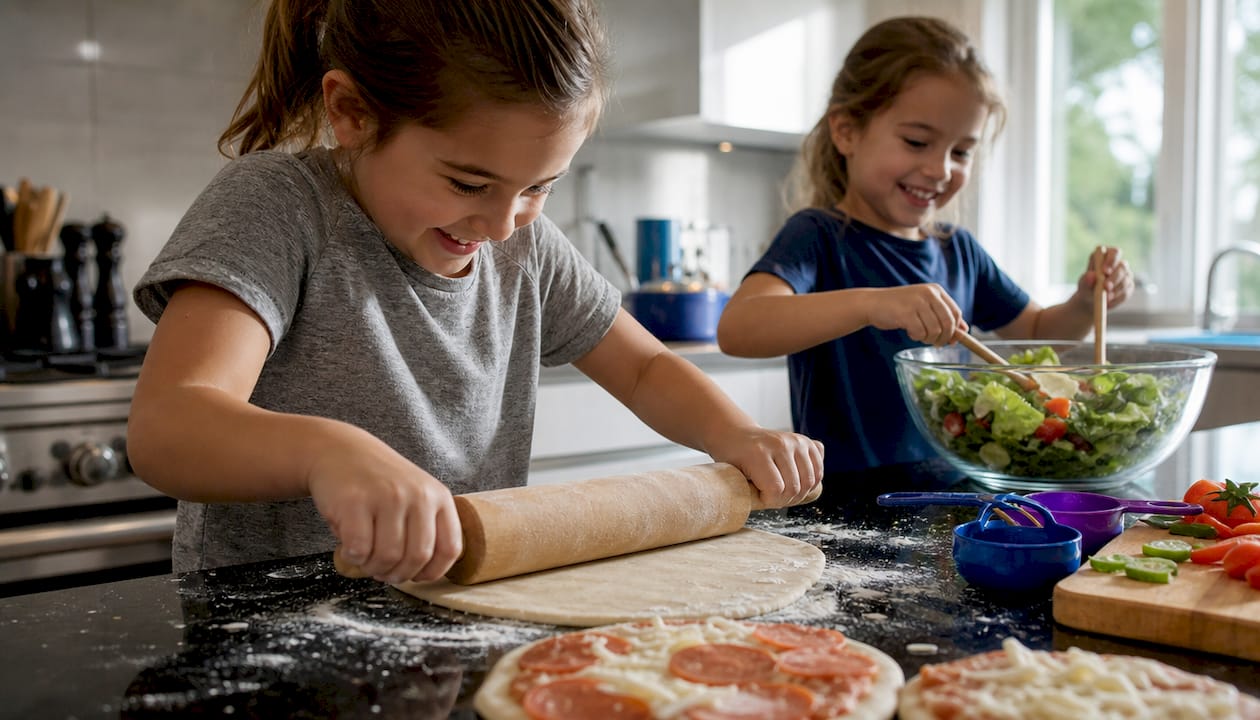
With classmates, the golden rule is generosity with attention and tools. If someone’s struggling with a dice cut and you’ve got it down, a quick “want me to show you how I’m holding the knife?” builds the exact camaraderie that makes group classes memorable, especially in team-building settings where the whole point is connecting with coworkers over a cutting board. Avoid correcting someone unless they ask, and never make a beginner feel small for not knowing a technique yet. Everyone in the room started somewhere.
Everyone Spills Something. Here’s How to Handle It.
Mistakes happen constantly in a room full of beginners handling knives, hot oil, and unfamiliar equipment, and how you react matters more than the mistake itself. Say something immediately rather than trying to quietly clean it up and hope no one notices, especially with hot liquids, broken glass, or anything that could make the floor slippery for someone else.
Most instructors have handled hundreds of dropped pans and spilled sauces and won’t blink. A calm “I dropped this, can you grab a towel?” gets you back on track in seconds. Trying to hide it, or freezing up out of embarrassment, is what actually disrupts the class, since it delays cleanup and can leave a hazard on the floor longer than it needs to be.
How Should You Handle Tasting and Shared Food?
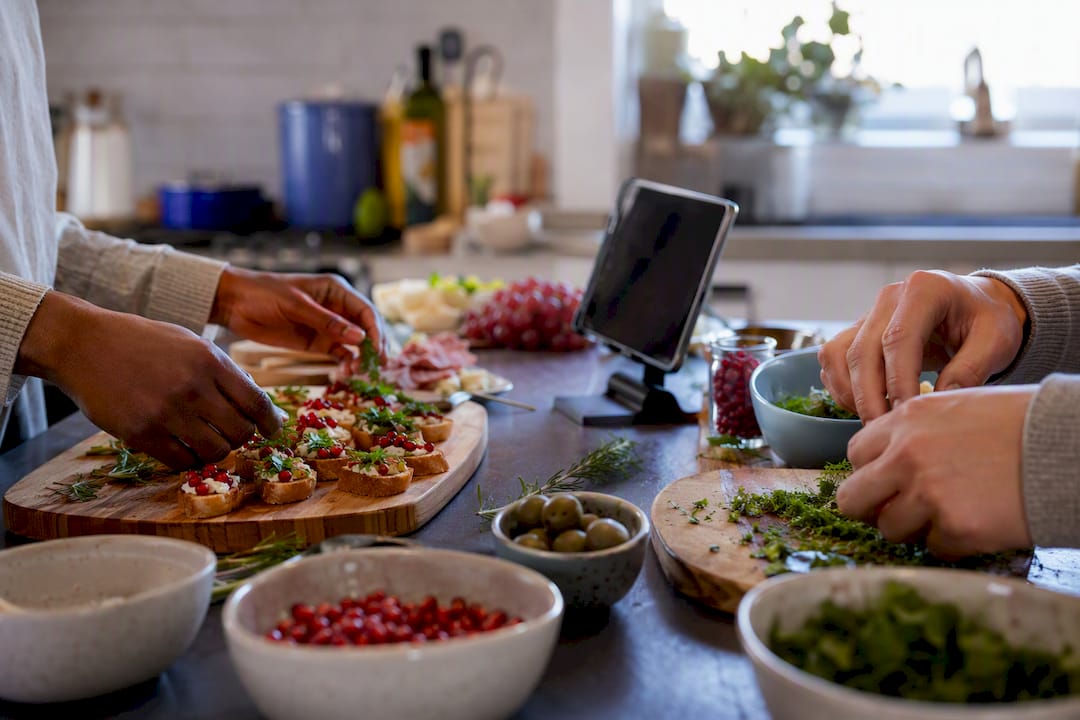
Tasting is one of the best parts of any class, and it comes with its own small set of manners. Use a fresh spoon every time, never taste directly from a shared pot with the utensil you’ve already put in your mouth, and wait for the instructor’s cue before digging into a communal dish rather than grabbing first.

If the class ends with a shared meal, pace yourself with the courses and let everyone get a portion before going back for seconds. Family-style classes in particular lean on this kind of shared-plate etiquette, and it’s worth building the habit early since it comes up in Mother’s Day and holiday-themed classes built specifically around communal eating. The sensory side of this matters too. A culinary experience is as much about shared tasting as it is about technique, and rushing through the tasting portion means missing half the point of taking the class in the first place.
Ready to Book Your Next Class?
You now know the rules. The easiest way to put them into practice is to book a class where the format is clear from the start and the instructors set expectations up front. Biteunite runs hands-on cooking classes across cities including its Manhattan location and its San Francisco Bay Area studio, and every session is built around teamwork, whether you’re there for a date night or a corporate team-building outing. Check the full class lineup to find a session that matches your schedule and skill level, and you’ll walk in already knowing exactly how to act.
The Etiquette Everyone Skips (and Shouldn’t)
Most etiquette advice for cooking classes obsesses over what to wear and when to arrive, and that’s the easy part. What gets skipped is the harder social skill: reading the room well enough to know when your question is helpful and when it’s stalling the group. The instinct to ask “just one more thing” after the third clarifying question isn’t curiosity, it’s a failure to notice six other people waiting on you.
The professional-program rules (no jewelry, hair restraints, mandatory handwashing) get treated as the strict, serious part of etiquette, when honestly they’re the easy part too. Anyone can tie back their hair. Far fewer people can accurately judge whether their enthusiasm is adding to the class or eating into someone else’s turn at the cutting board. That’s the skill worth practicing, and it’s the one no code of conduct can fully write down.
If there’s one thing worth prioritizing above all the checklist items, it’s this: treat the class as a shared resource, not a stage. The instructor’s time, the counter space, the tools, even the tasting spoons, all get better outcomes when everyone assumes they’re one of several people in the room who deserve a turn.
Sources
- Baking School: What to Expect | King Arthur Baking
- Get the Most From Your Cooking Class: 5 Tips For Making a Class Worth Your Time and Money | The Kitchn
- Culinary Program Student Code of Conduct
- MoserCHI2016.pdf
- What to Expect in Your First Cooking Class | Cookalo Blog







































.webp)