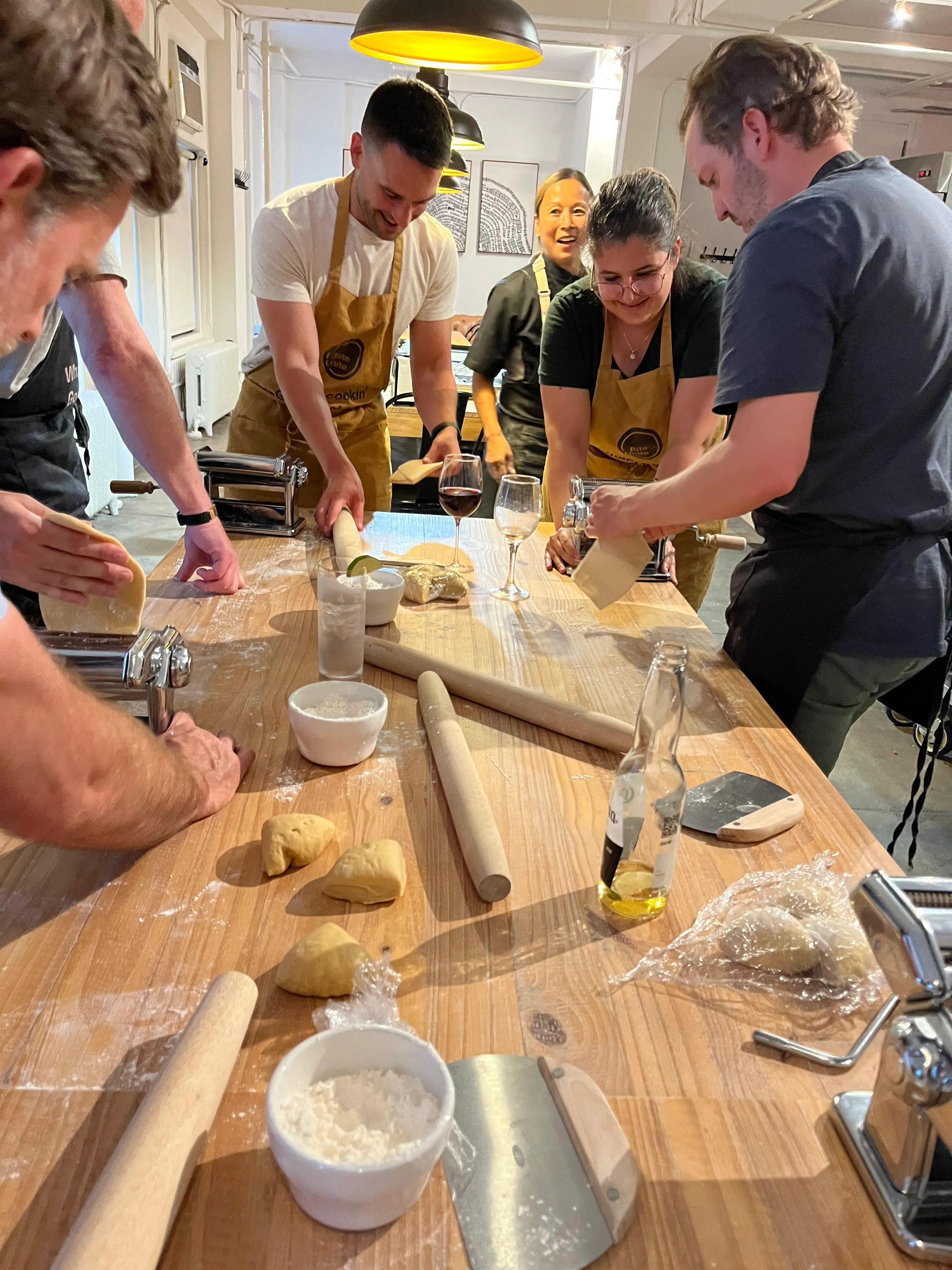
The Best Cooking Date Ideas for Couples to Make Tonight
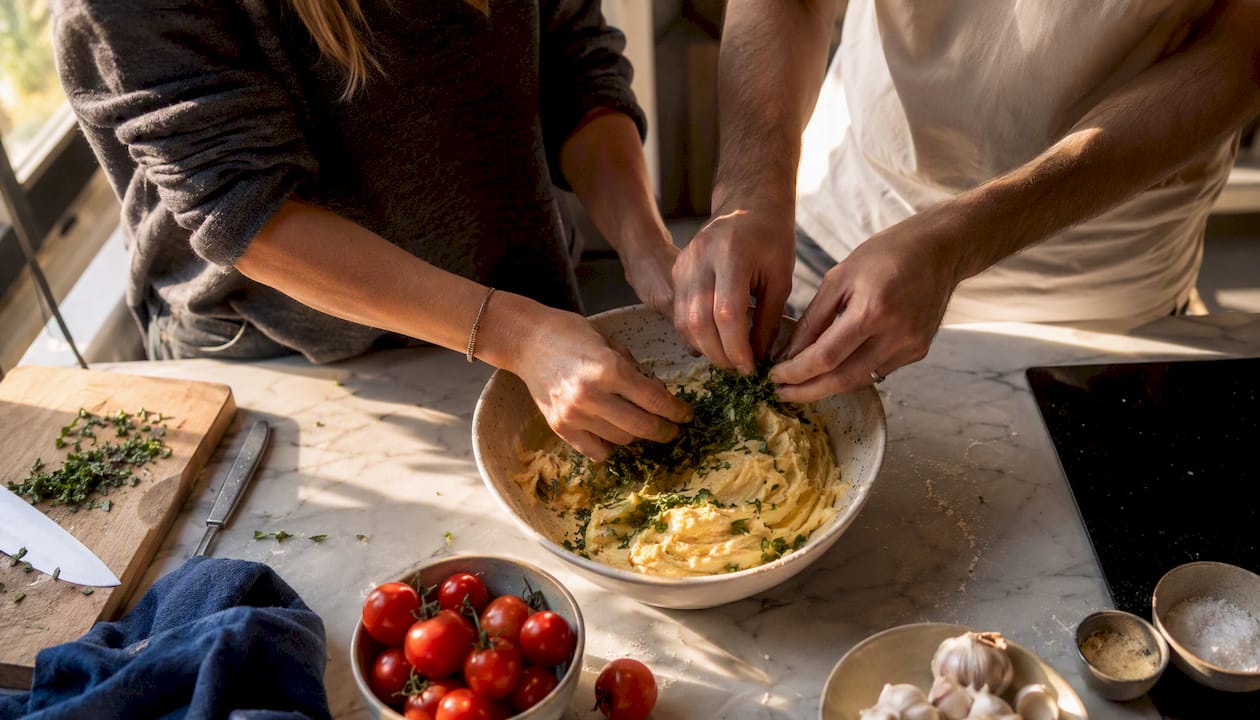
The best cooking date ideas you can start tonight: Shrimp Scampi (25 min, beginner), Spaghetti Carbonara (30 min, beginner), Chicken Milanese (moderate time, intermediate), Seared Salmon (30 min, beginner), Shrimp Risotto (moderate time, intermediate), Steak Diane (moderate time, intermediate), Lobster Pasta (longer preparation, intermediate), and Crème Brûlée (30 min active + chill, intermediate). Each one is sized for two, gives you something to do together, and lands on the table feeling genuinely special.
Here’s your quick-pick list with a one-line reason for each:
- Shrimp Scampi — 25 min / beginner. One pan, garlicky butter sauce, and a satisfying finish you both can taste-test together.
- Spaghetti Carbonara — 30 min / beginner. The egg-and-cheese emulsion is a fun technique to nail as a team; 30-minute dinner recipes like this one reward focus over fancy equipment.
- Chicken Milanese — 35 min / intermediate. Breading the cutlets together is hands-on and playful, and the result looks restaurant-worthy.
- Seared Salmon — 30 min / beginner. Minimal prep, a crispy skin payoff, and a built-in rest window to plate and pour drinks.
- Shrimp Risotto — 45 min / intermediate. The stirring ritual is genuinely collaborative and creates a natural conversation rhythm.
- Steak Diane — 40 min / intermediate. Flambéing the pan sauce is theatrical and memorable; one person holds the pan, one stands back and cheers.
- Lobster Pasta — 50 min / intermediate. A splurge that feels celebratory from the moment you crack the shells.
- Crème Brûlée — 30 min active + 2 hr chill / intermediate. Make it hours ahead, then torch the sugar together just before dessert. Pure drama, zero stress.
Key Takeaways
The most reliable cooking date is one you’ve planned for your actual time and energy — not the most impressive recipe you could theoretically pull off.
| Point | Details |
|---|---|
| Match recipe to your evening | Pick based on time available and energy level, not ambition — a 25-minute Scampi beats a stressed 90-minute showstopper. |
| Prep ahead to stay present | Make desserts, chop vegetables, and set the table before you start cooking so the evening stays relaxed. |
| Assign roles before you start | Agree on lead cook vs. sous chef before the first burner goes on to prevent mid-cook friction. |
| Choose a pause-point recipe | A built-in oven rest or simmer window gives you time to change, light candles, and actually connect. |
| Biteunite for a guided night out | When you want chef instruction, zero cleanup, and a guaranteed great time, Biteunite’s couples classes in New York, San Francisco, and Hong Kong deliver exactly that. |
Table of Contents
- How do you choose the right recipe for a cooking date?
- The best cooking date night ideas, organized by time and skill
- How to cook together without turning the kitchen into a battlefield
- How to plan your evening: timing, make-ahead hacks, and a grocery checklist
- How to set the mood: ambiance, plating, and drink pairings
- Three sample menus with exact timing
- When should you book a guided cooking class instead?
- Handling ingredient swaps and common food allergies
- Why cooking together works better than most date ideas
- Ready for a chef-led couples cooking experience?
- Sources
How do you choose the right recipe for a cooking date?
Pick based on three things: how much time you actually have, how much energy you’re bringing, and how hands-on you both want to be. A recipe that looks impressive on paper but demands 90 minutes of active attention can turn a fun night into a stressful one. Curated menus matched to your available time remove that guesswork entirely.
The four decision filters:
- Time. Be honest. If you’re starting at 7:30 PM on a Tuesday, a 25-minute Shrimp Scampi beats a 90-minute Beef Wellington every time.
- Skill. Match the recipe to the less experienced cook, not the more confident one. The goal is shared success, not a solo performance.
- Interaction level. Some recipes are naturally collaborative (risotto, pasta, breaded cutlets). Others work better with a lead cook and a sous role (seared fish, steak). Decide which dynamic sounds fun tonight.
- Dietary needs. Check for allergies, preferences, and pantry gaps before you commit. A quick scan of the ingredient list takes two minutes and prevents a mid-cook scramble.
Pro Tip: Choose a recipe with a built-in pause point — an oven rest, a simmer, or a plating window. That gap is when you change into something nicer, light the candles, and actually talk. Recipes designed with natural downtime consistently make for calmer, more present evenings.
The best cooking date night ideas, organized by time and skill
These are organized into five categories so you can scan by occasion and energy level. Time estimates reflect active cooking; skill labels assume a reasonably stocked kitchen.
30-minute quicks (beginner-friendly)
Shrimp Scampi. Butter, garlic, white wine, lemon, and shrimp over linguine. The sauce comes together in under ten minutes, which means most of the time is spent on pasta water and setting the table. Great for a weeknight couples cooking night when you want something delicious without the pressure. 25 min / beginner. Pause point: pasta draining.
Spaghetti Carbonara. Guanciale (or pancetta), eggs, Pecorino Romano, and black pepper. The technique — tempering the eggs off heat — is a satisfying mini-challenge to tackle together. NYT Cooking’s date-night collection lists it as a reliable, crowd-pleasing option with real technique payoff. 30 min / beginner. Pause point: none, but it plates in 90 seconds.
Seared Salmon. Pat dry, season, sear skin-side down for six minutes, flip for two. Finish with a squeeze of lemon and a handful of capers. One person manages the fish; the other handles a quick side salad or roasted asparagus. 30 min / beginner. Pause point: 3-minute rest before plating.
30–60-minute impressive mains (intermediate)
Chicken Milanese. Pound, bread, pan-fry, and top with a bright arugula-and-tomato salad. The breading station (flour, egg, breadcrumbs) is a natural assembly-line task for two. Bon Appétit’s dinner ideas for two highlights this kind of weeknight-friendly recipe for its presentation payoff relative to effort. Moderate cooking time suitable for intermediate cooks. Pause point: resting the cutlets before plating.
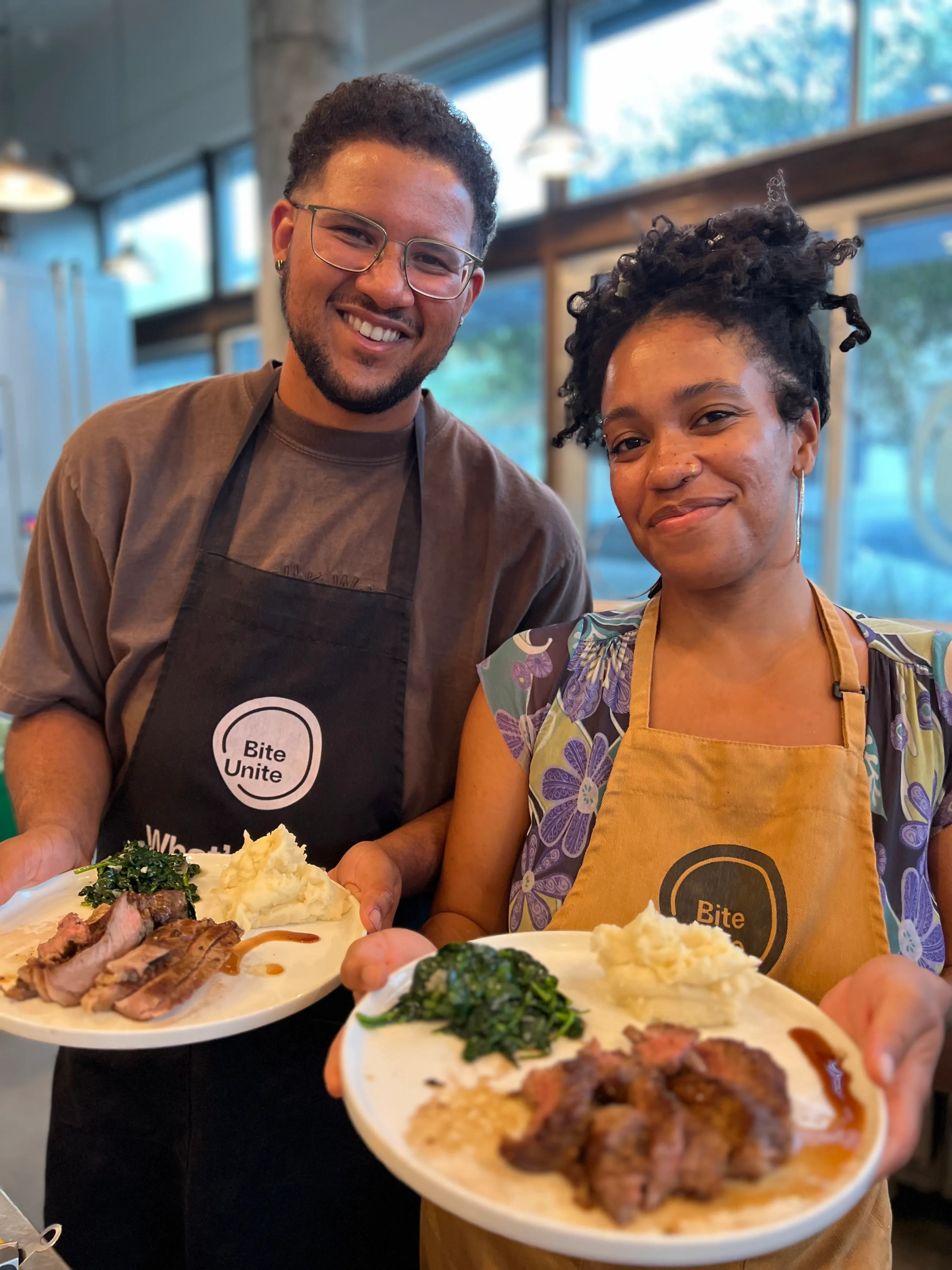
Steak Diane. Sear a thin-cut tenderloin, deglaze with cognac (the flambé moment is genuinely fun), and finish with a cream-and-mushroom pan sauce. One person handles the flame; the other preps the garnish. Moderate cooking time suitable for intermediate cooks. Pause point: sauce reduction.
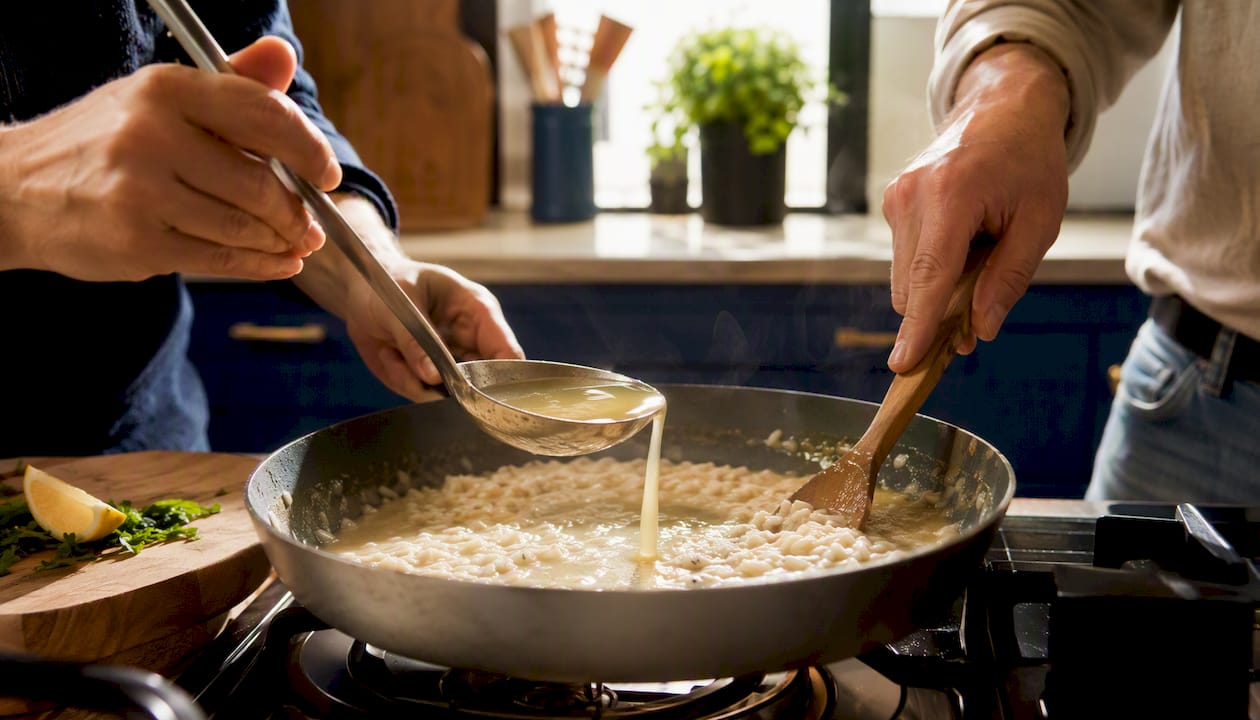
Shrimp Risotto. The stirring is meditative and social. One person adds warm stock ladle by ladle while the other stirs. Finish with butter, Parmesan, and the shrimp, which cook in the final five minutes. Moderate cooking time suitable for intermediate cooks. Pause point: resting off heat before serving.
60+ showstoppers and splurges (intermediate to advanced)
Lobster Pasta. Split a live or pre-cooked lobster, sauté the meat in garlic butter, and toss with fresh pasta and a light tomato cream sauce. The cracking and picking is a shared ritual that makes the meal feel like an event before you’ve even turned on the stove. Serious Eats’ date-night recipe collection includes lobster-based mains as a go-to splurge that balances luxury with manageable technique. Longer preparation time suitable for intermediate cooks. Pause point: pasta boiling.
Lobster Bisque. A richer alternative to pasta: roast the shells for depth, build a cream-based stock, and blend. Make-ahead friendly — the bisque can be finished the day before and reheated gently. 75 min / advanced. Pause point: blending and straining.
Desserts and drinks
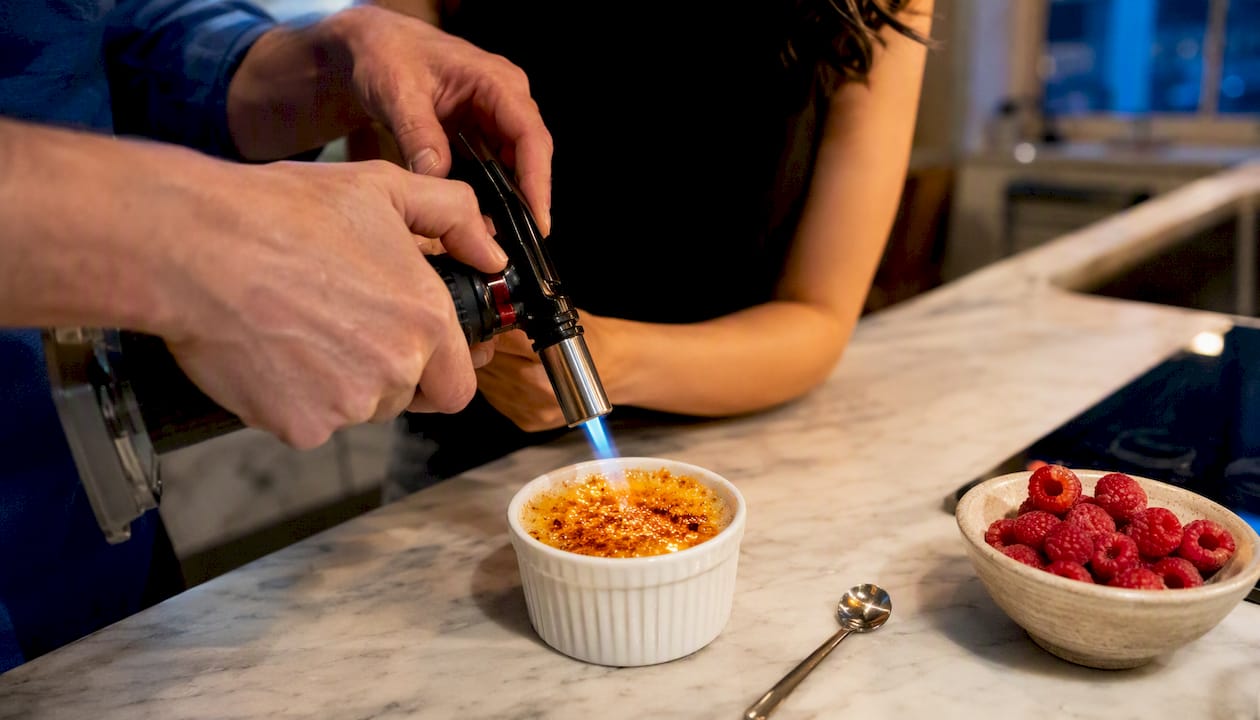
Crème Brûlée. Four ingredients (cream, egg yolks, sugar, vanilla), a quick bake, and a chill. The torching moment at the end is the most interactive part of any dessert. Make the custards in the afternoon and torch them together after dinner. 30 min active + 2 hr chill / intermediate.
Chocolate Mousse. Melt chocolate, fold in whipped cream, chill for an hour. It’s make-ahead by design, which means zero dessert stress during dinner. 20 min active + 1 hr chill / beginner.
Molten Lava Cake. Individual ramekins, 12 minutes in the oven, and a molten center that never gets old. Individual ramekin desserts scale perfectly for two and deliver a restaurant-style finish with simple timing. 25 min / intermediate.
Quick-reference table
| Recipe | Time (active) | Skill level | Best for |
|---|---|---|---|
| Shrimp Scampi | 25 min | Beginner | Weeknight quick |
| Spaghetti Carbonara | 30 min | Beginner | Technique fun |
| Seared Salmon | 30 min | Beginner | Light and elegant |
| Chicken Milanese | 35 min | Intermediate | Impressive presentation |
| Steak Diane | 40 min | Intermediate | Theatrical flambé |
| Shrimp Risotto | 45 min | Intermediate | Collaborative stirring |
| Lobster Pasta | 50 min | Intermediate | Splurge celebration |
| Crème Brûlée | 30 min + chill | Intermediate | Make-ahead drama |
| Chocolate Mousse | 20 min + chill | Beginner | Stress-free dessert |
| Molten Lava Cake | 25 min | Intermediate | Restaurant finish |
How to cook together without turning the kitchen into a battlefield
You don’t need a formal system; just agree on who’s leading and who’s supporting before the first burner goes on.
Three role splits that work:
- Lead cook + sous chef. One person owns the main dish; the other handles prep, sides, and cleanup as you go. Works well for technical recipes like Steak Diane or risotto.
- Station partners. Each person owns a station (one on the stove, one on salad and plating). Natural for Chicken Milanese or Salmon.
- Alternating steps. You take turns on each task — one person sears, the other makes the sauce. Keeps both people active and engaged throughout.
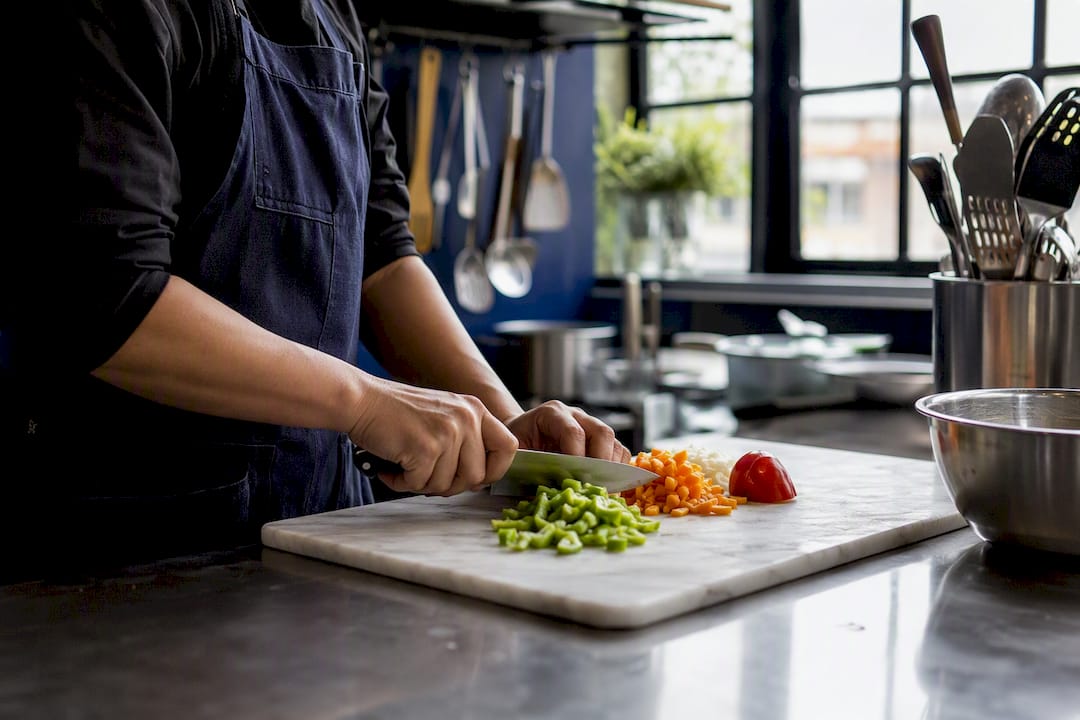
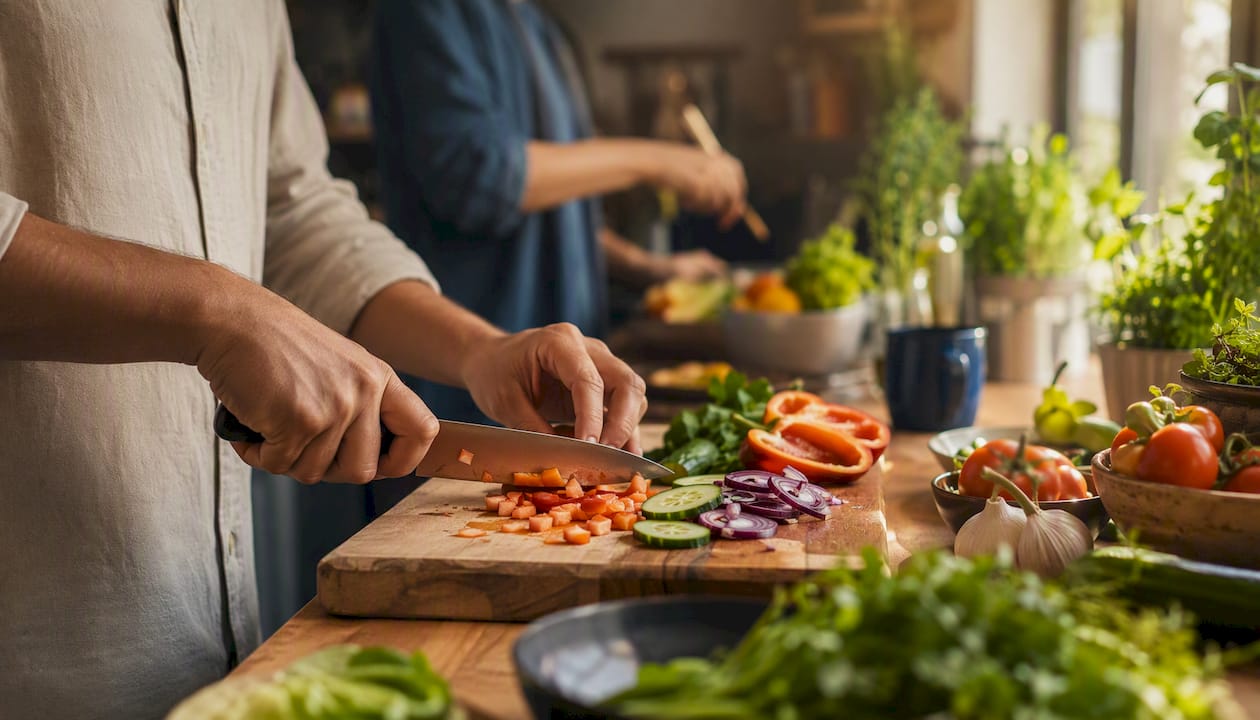
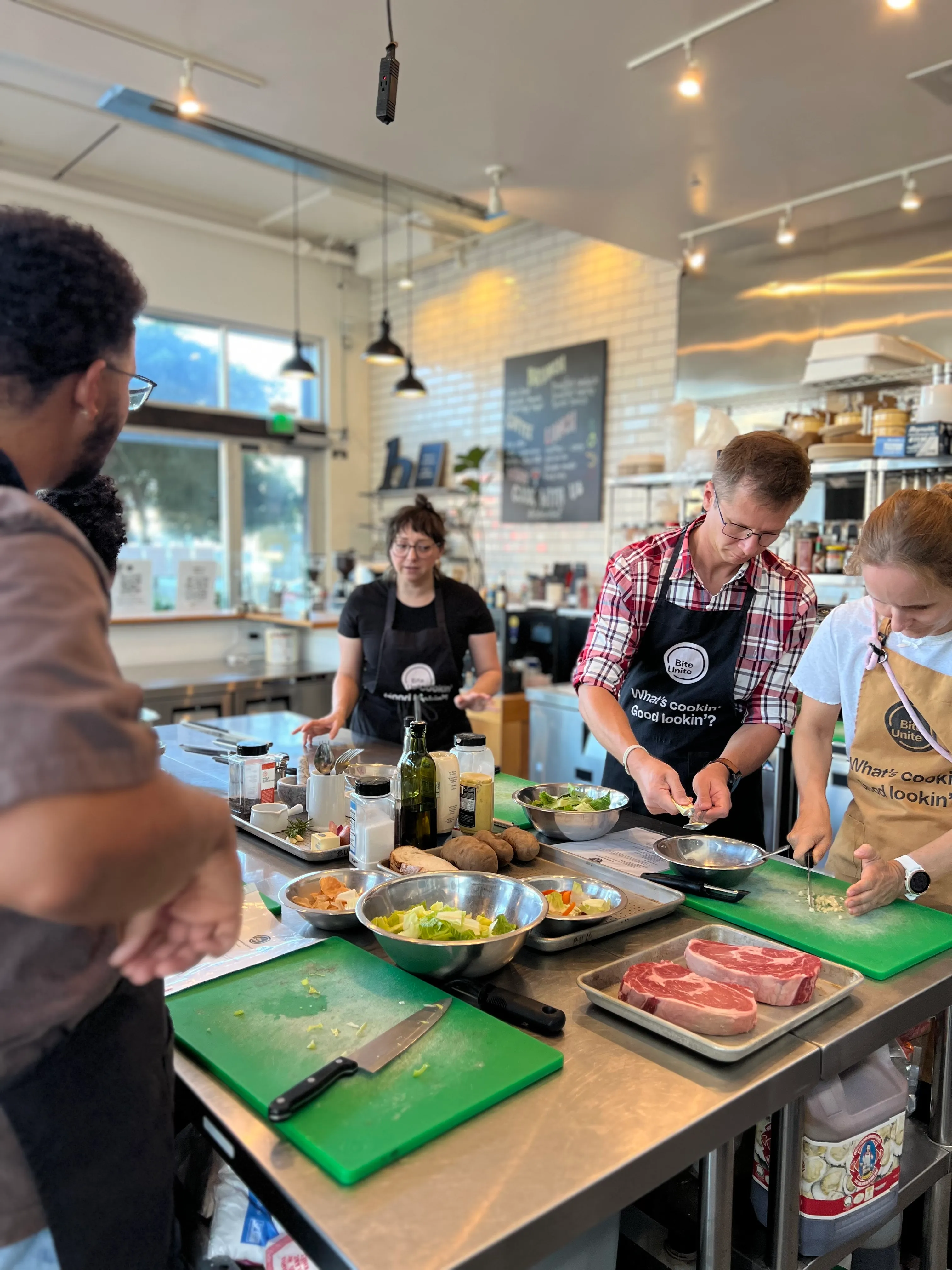
Mise-en-place is your best friend on a cooking date. Measure, chop, and portion everything before a single burner goes on. It takes an extra ten minutes up front and saves twenty minutes of frantic mid-cook scrambling. Dividing tasks by station and using mise-en-place reduces friction in small kitchens and keeps the evening social rather than stressful.
A few communication habits that keep things light: call out “hot pan” before moving anything off the stove, confirm seasoning together (tasting is fun), use one shared timer on your phone rather than two competing ones, and agree on a simple signal — a tap on the shoulder, say — when one of you needs a moment to focus.
Pro Tip: When something goes wrong (and something small always does), laugh first, fix second. A broken sauce or an over-salted dish is a story you’ll tell later. Keep a small bowl of plain cooked pasta or extra bread on hand as a backup — it takes the pressure off the main dish entirely.
How to plan your evening: timing, make-ahead hacks, and a grocery checklist
Do as much as possible before your partner arrives or before you both change out of work clothes. The goal is to walk into the kitchen relaxed, not rushed.
Three-tier make-ahead plan:
- A few hours ahead: Make Crème Brûlée custards, Chocolate Mousse, or any marinade. Chop vegetables, measure spices, and portion proteins. Set the table.
- The day before: Lobster Bisque base, pasta dough (if making fresh), and any braise or slow-cooked component. Refrigerate labeled in covered bowls.
- The week before (splurge nights): Source specialty ingredients — live lobster, dry-aged beef, good Parmesan. Pre-order from a fishmonger or butcher rather than hoping the grocery store has it.
Grocery checklist essentials:
- Proteins: shrimp, salmon fillet, chicken breast, beef tenderloin, or lobster
- Pantry staples: good olive oil, unsalted butter, garlic, shallots, dry white wine or cognac, Parmesan, Pecorino Romano
- Fresh: lemons, fresh herbs (parsley, thyme, basil), arugula
- Dessert: heavy cream, dark chocolate (70%+), eggs, vanilla bean or extract, superfine sugar
- Backup: a good loaf of bread and a wedge of cheese, always
Pro Tip: Buy pre-chopped vegetables or pre-rolled fresh pasta when you can. There’s no prize for doing everything from scratch on a date night. Spend that saved time on each other.
Evening timeline:
| Task | Quick menu (Scampi + Mousse) | Showstopper menu (Lobster Pasta + Crème Brûlée) |
|---|---|---|
| 2–3 hours before | Make mousse, chill | Make crème brûlée custards, chill |
| 60–30 min before | Set table, prep mise-en-place, open wine | Set table, prep lobster, mise-en-place |
| 30 min before | Cook pasta water, start scampi | Cook pasta, sauté lobster |
| Final 30 min | Plate, light candles, pour drinks | Plate pasta, torch brûlée together |
A note on substitutions and allergies: Swap shrimp for scallops or mushrooms in any scampi or risotto. Use gluten-free pasta for carbonara or scampi with no technique change. Replace heavy cream in mousse with full-fat coconut cream for a dairy-free version that sets just as well. For nut allergies, most of these recipes are naturally nut-free — just double-check any pre-made breadcrumbs for Milanese. Keeping one or two flexible swaps in mind before you shop means a dietary preference never derails the night.
How to set the mood: ambiance, plating, and drink pairings
Atmosphere matters as much as the food. A beautifully plated dish eaten under harsh overhead lighting with a phone buzzing on the counter feels less romantic than a simple pasta eaten by candlelight with a good playlist. The food is the centerpiece; the atmosphere is the frame.
Five high-impact, low-effort ambiance moves:
- Swap overhead lights for candles or a lamp on the lowest setting.
- Put phones in another room or on Do Not Disturb before you start cooking.
- Add one fresh flower or a small herb bundle in a glass — rosemary or eucalyptus smells incredible near the table.
- Play a playlist before you start cooking, not just during dinner. The mood starts in the kitchen.
- Warm your plates in a low oven (170°F) for five minutes before plating. It’s a small restaurant trick that makes every dish feel more intentional.
For plating, think in threes: a protein, a sauce or drizzle, and a fresh garnish (herb sprig, lemon zest, microgreens). Bon Appétit’s presentation tips for two-person dinners consistently emphasize that a single fresh herb on top of a dish elevates the visual without adding any cook time. Wipe the rim of the plate before it hits the table.
Drink pairings:
Easy cocktail: A French 75 (gin, lemon juice, simple syrup, topped with Champagne) takes three minutes and pairs beautifully with seafood or chicken. Batch the gin-lemon base ahead of time and top with bubbles when you sit down.
Nonalcoholic option: Sparkling water with muddled cucumber, fresh mint, and a squeeze of lime. Elegant, refreshing, and genuinely delicious alongside anything from scampi to steak.
Pro Tip: Light a candle in the kitchen while you cook, not just at the table. It signals to both of you that this is a special evening, not a Tuesday chore.
Three sample menus with exact timing
These menus are ready to run. Pick one, follow the order, and you’ll have a full evening with no guesswork.
Menu 1: First date or light weeknight (45 min total, beginner)
Starter: Burrata with cherry tomatoes and good olive oil — no cooking required, assemble while the pasta water heats. Main: Spaghetti Carbonara Side: Simple arugula salad with lemon and Parmesan Dessert: Chocolate Mousse (made 2 hours ahead) Drink: Sparkling water with cucumber and mint, or a light Pinot Grigio
Timing:
- Two hours before: make and chill the mousse.
- Thirty minutes before: set the table, assemble the burrata plate, prep carbonara ingredients.
- Twenty minutes before: boil pasta water, render guanciale.
- Ten minutes before: cook pasta, temper eggs, toss and plate.
- During dinner: mousse is already waiting in the fridge.
Menu 2: Cozy weeknight (60 min total, intermediate)
Starter: Warm bread with whipped ricotta and honey Main: Shrimp Risotto Side: Roasted asparagus (oven at 400°F for 12 minutes) Dessert: Molten Lava Cakes (bake while you eat the main) Drink: Crisp white Burgundy or a French 75
Timing:
- One hour before: prep all risotto mise-en-place, make lava cake batter, refrigerate in ramekins.
- Forty minutes before: start risotto base (shallots, white wine, first ladles of stock).
- Twenty minutes before: put asparagus in oven, continue risotto.
- Ten minutes before: add shrimp to risotto, plate asparagus.
- While eating: put ramekins in oven (12 min at 425°F). Unmold and serve immediately.
Menu 3: Anniversary showstopper (90 min total, intermediate)
Starter: Oysters on ice with mignonette (no cooking, pure drama) Main: Lobster Pasta with garlic butter and fresh tagliatelle Side: Shaved fennel salad with citrus vinaigrette Dessert: Crème Brûlée (made the afternoon before) Drink: Champagne throughout, or a classic Negroni to start
Timing:
- Afternoon: make and chill crème brûlée custards.
- Ninety minutes before: source and prep lobster, make pasta dough if fresh.
- Forty-five minutes before: set table, arrange oysters on ice, prep fennel salad.
- Thirty minutes before: cook lobster, boil pasta water.
- Fifteen minutes before: toss pasta with lobster butter sauce, plate.
- After dinner: torch brûlée together at the table. It’s a moment.
For more intimate dinner recipes for special occasions, these menus translate beautifully to Valentine’s Day or any anniversary worth celebrating at home.
When should you book a guided cooking class instead?
Book a guided class when you want guaranteed results without the planning. That’s the honest answer. If you’re trying a cuisine neither of you has cooked before, celebrating something significant, or simply want the experience of learning together without worrying about execution, a chef-led class removes every friction point that a home cooking date can’t.
Signs a class is the better call:
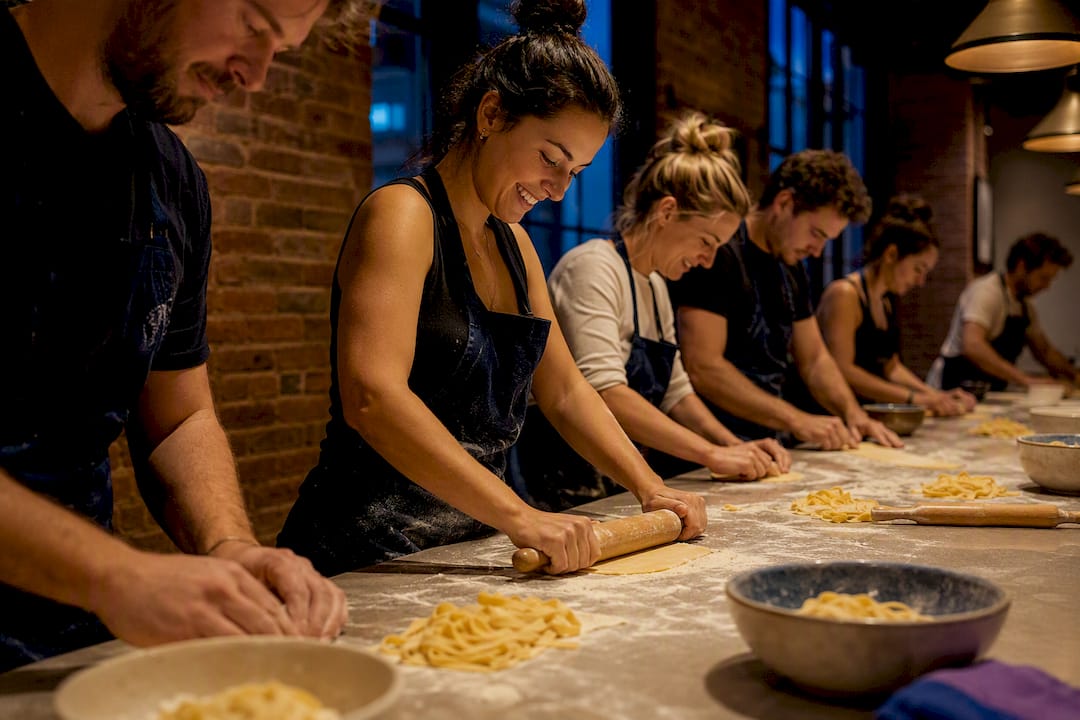
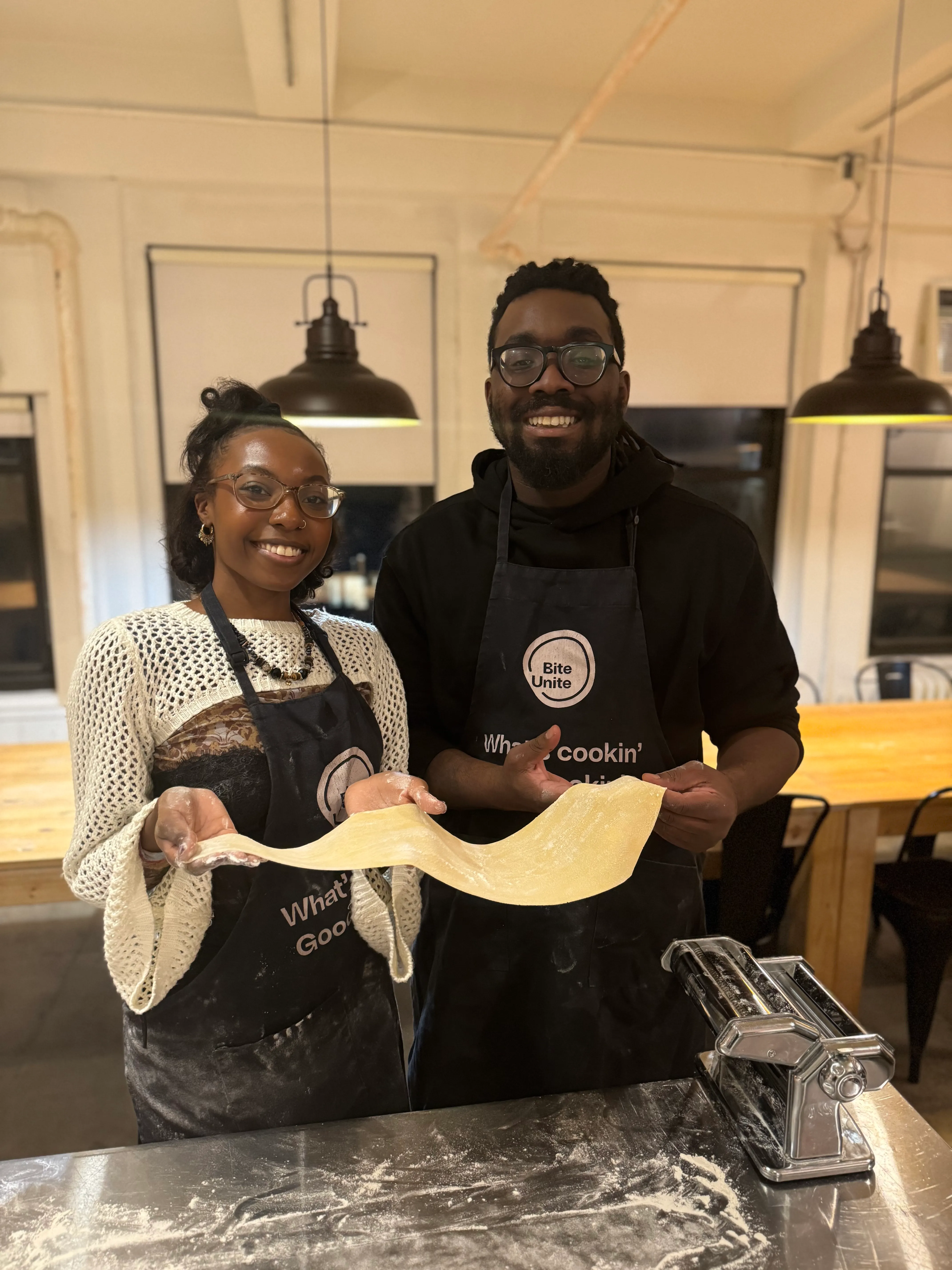
- You want to learn a technique (fresh pasta, knife skills, Thai curry) rather than just cook a meal.
- You’d rather skip the grocery run, the cleanup, and the “what if it doesn’t work” anxiety.
- It’s a birthday, anniversary, or first date where you want the evening to feel like an event, not a project.
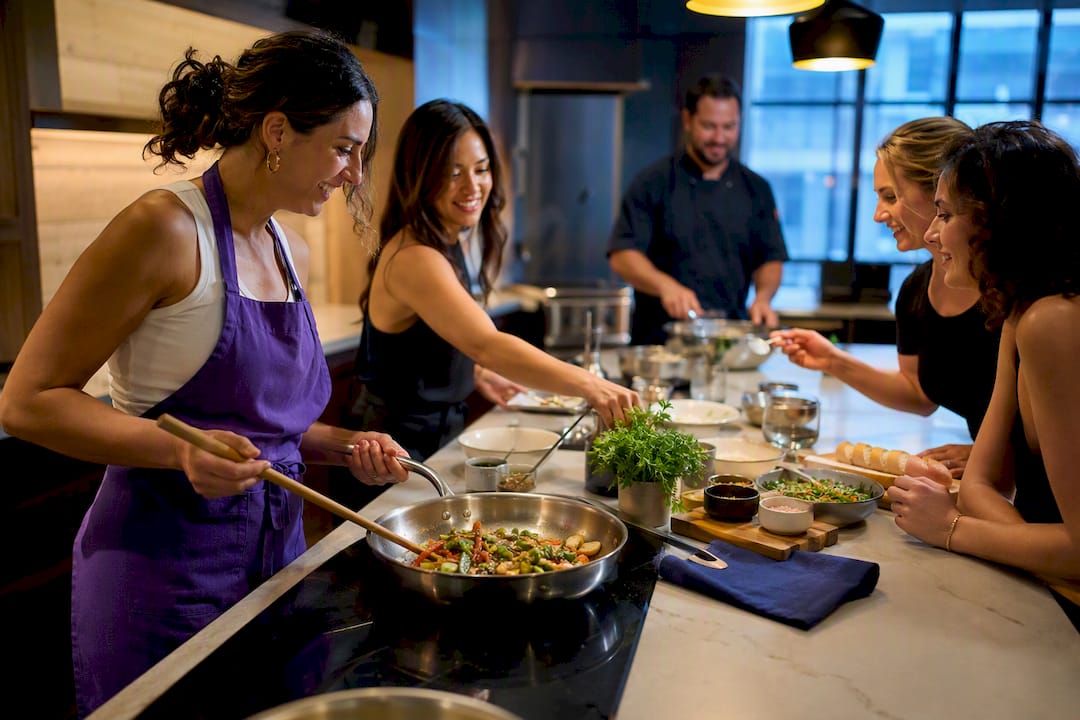
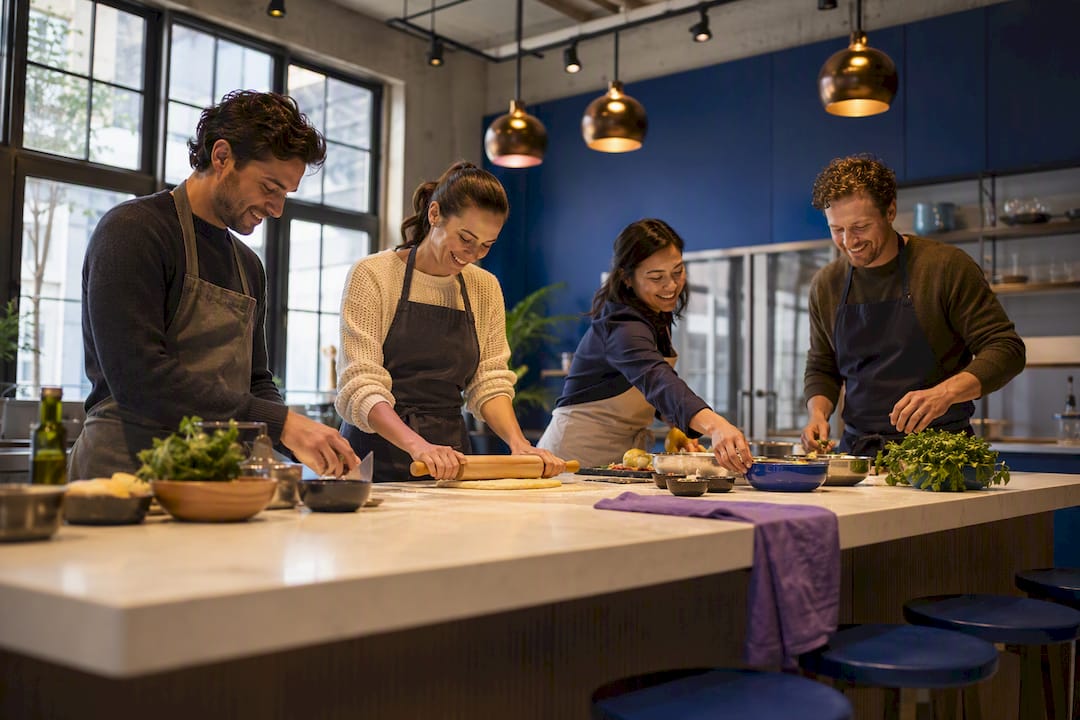
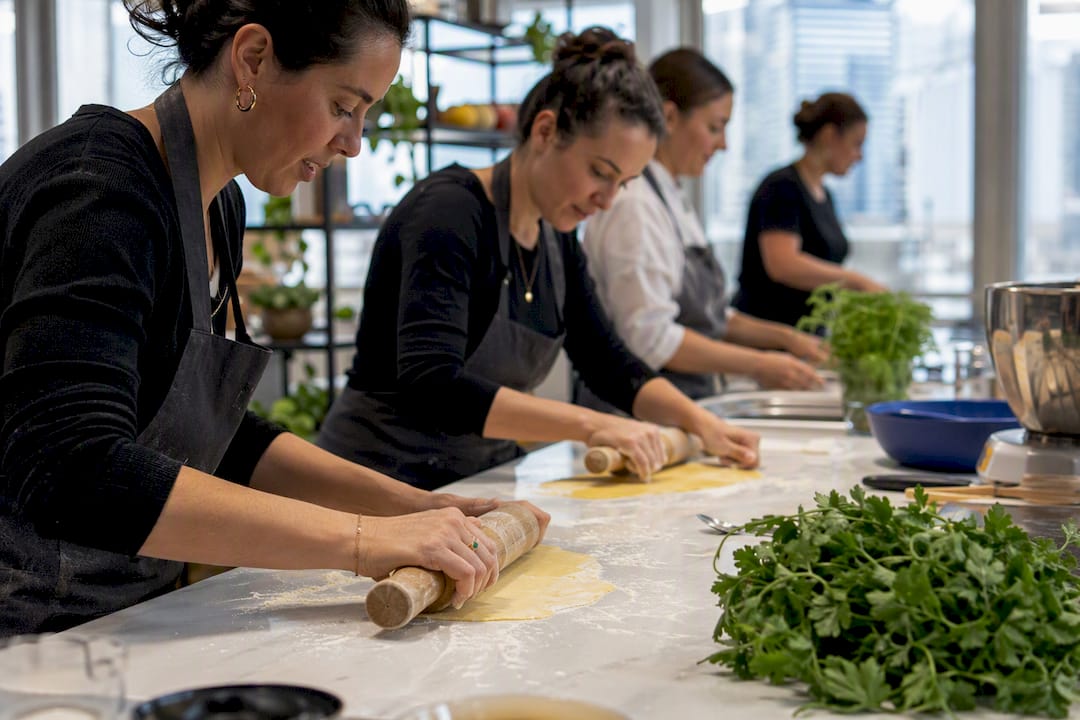
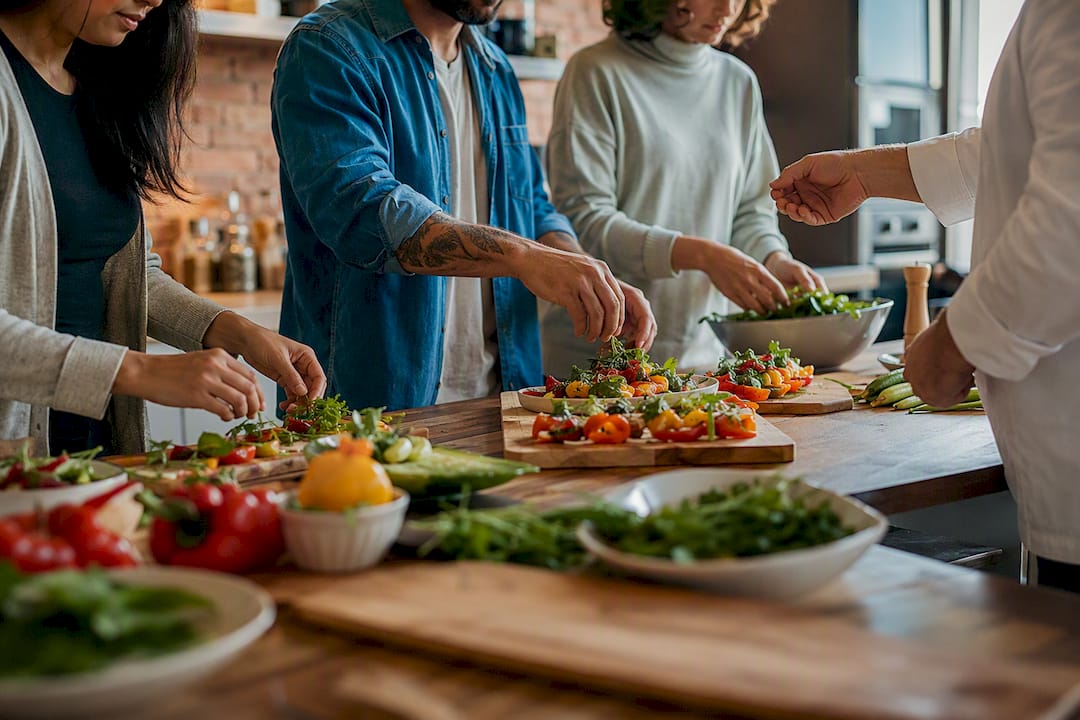
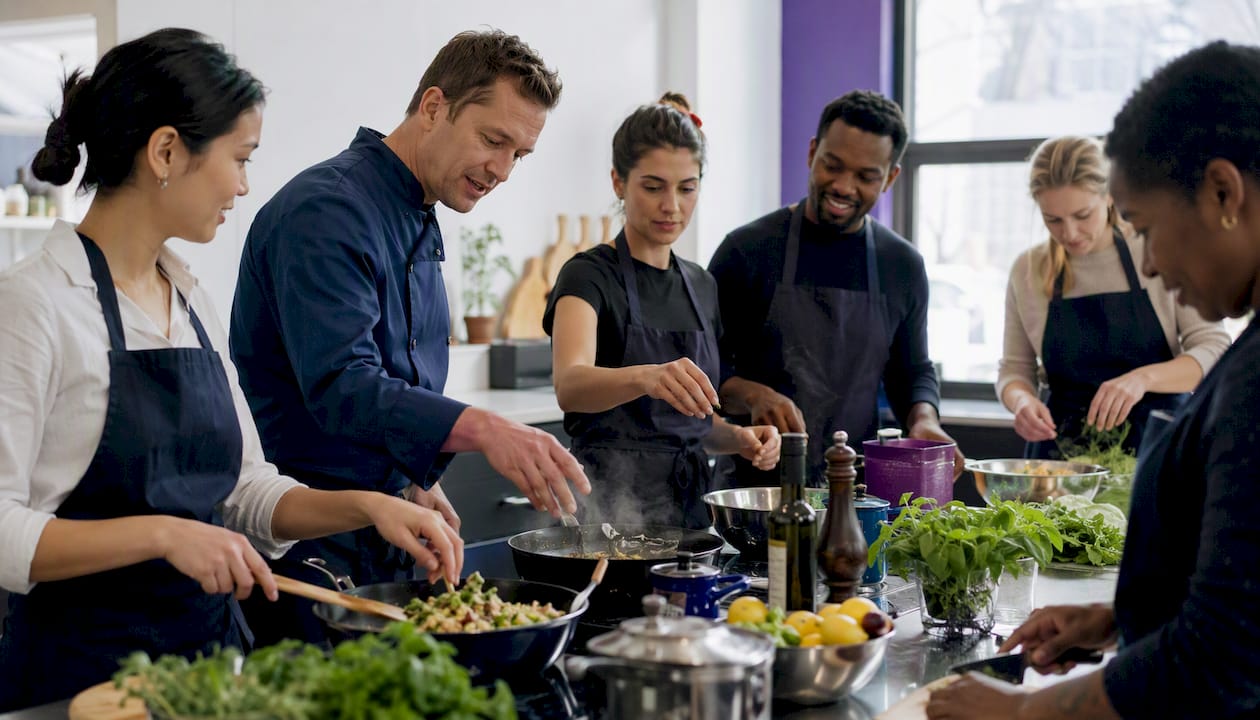
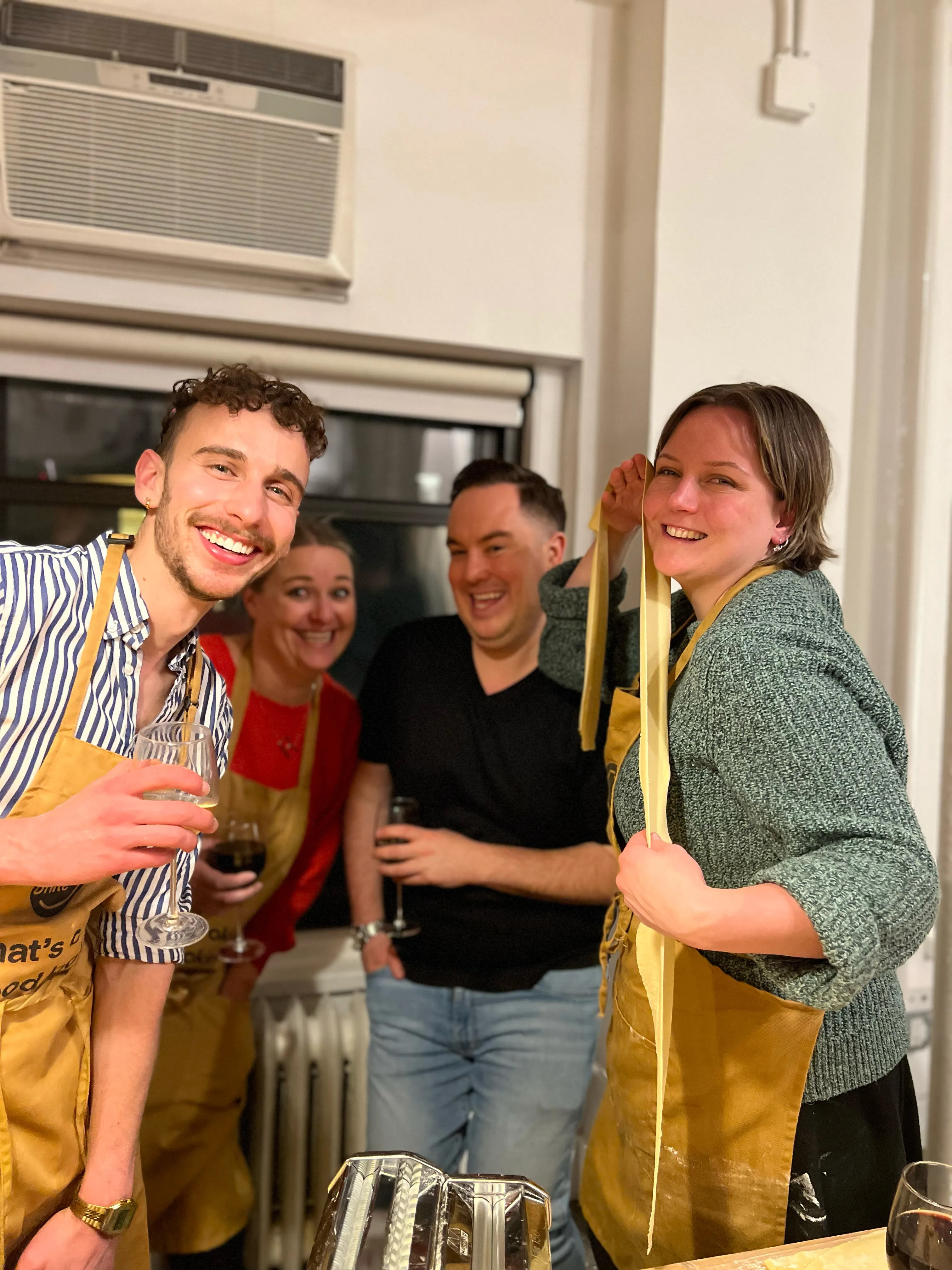
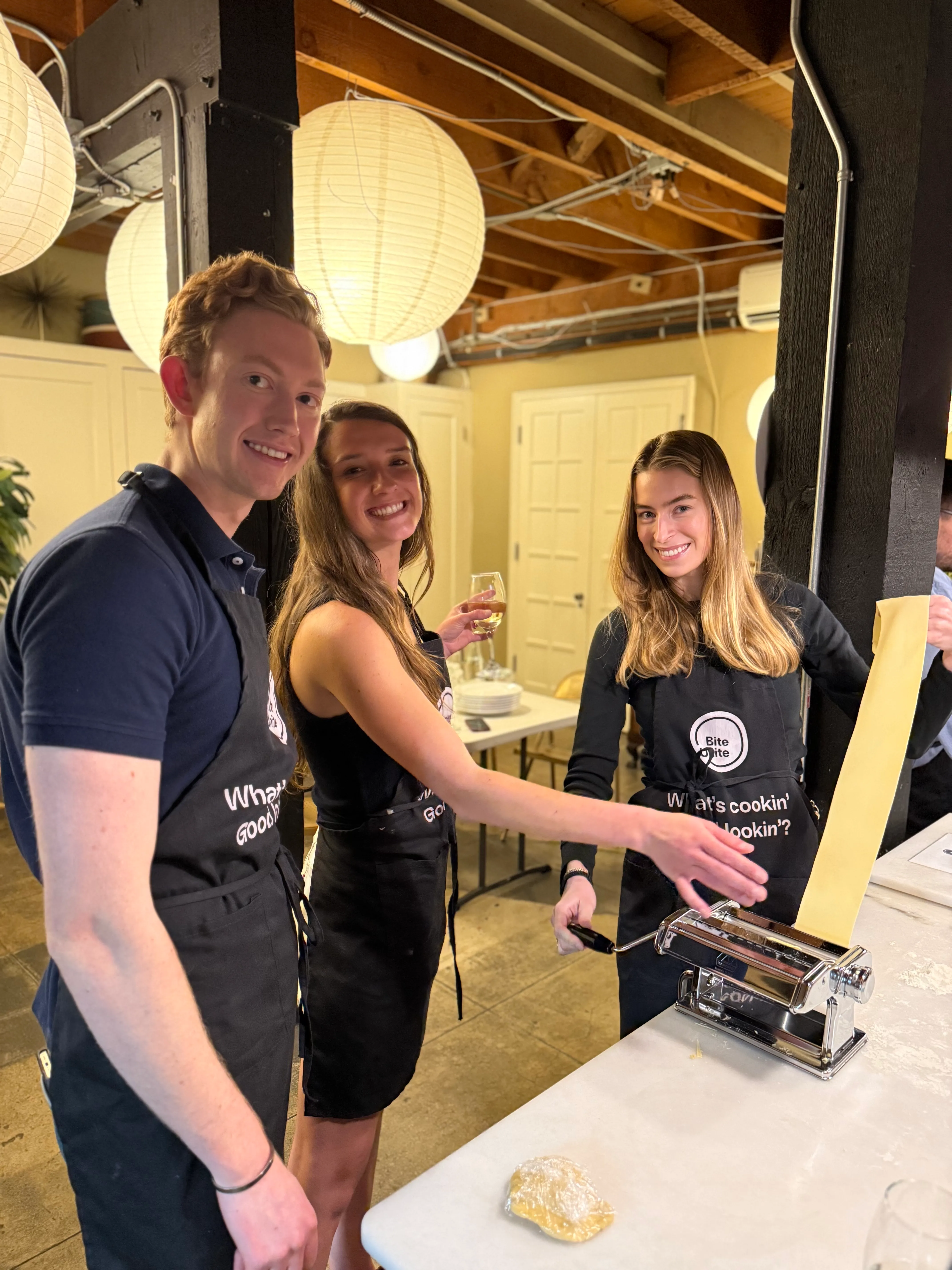
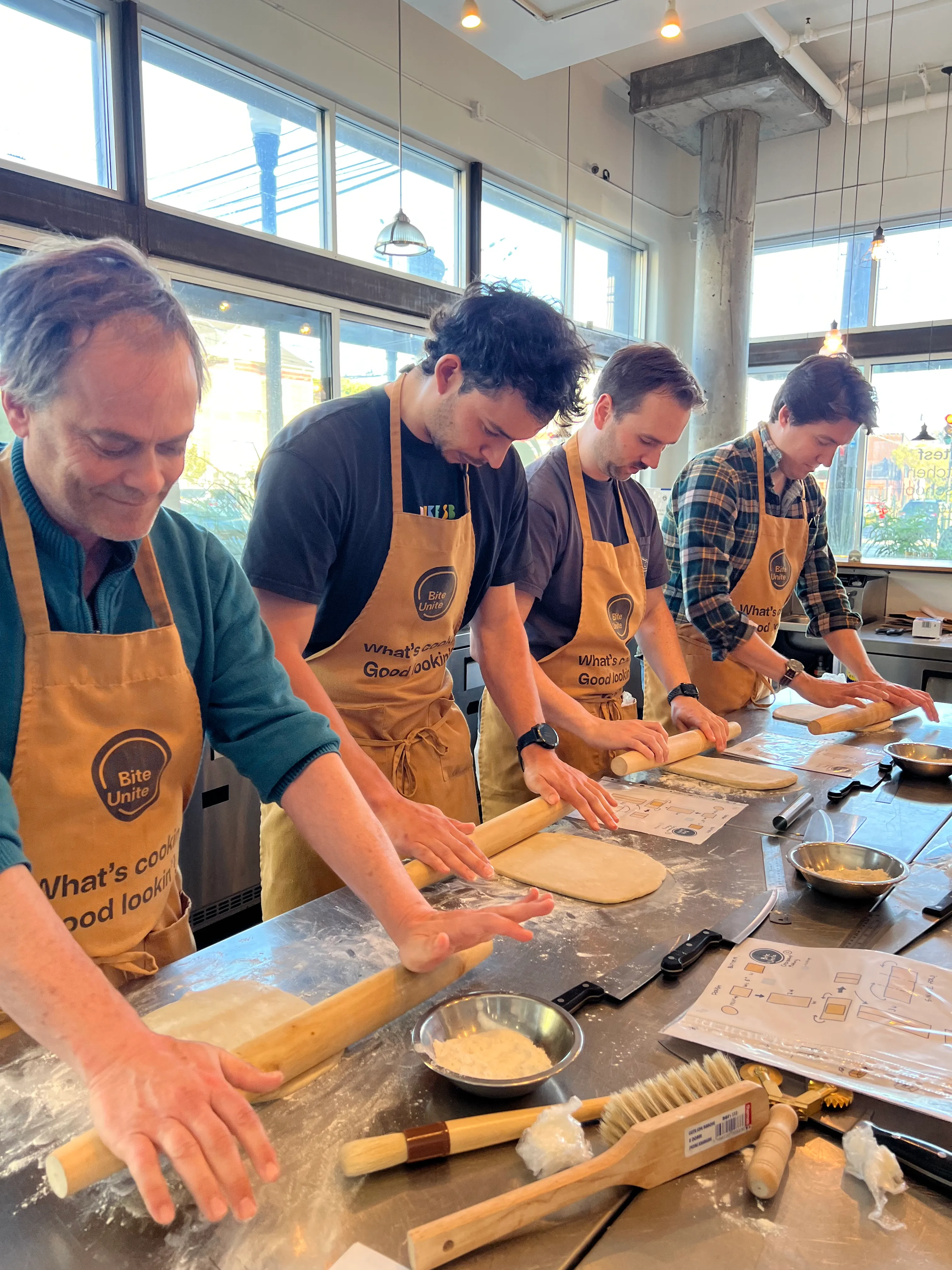
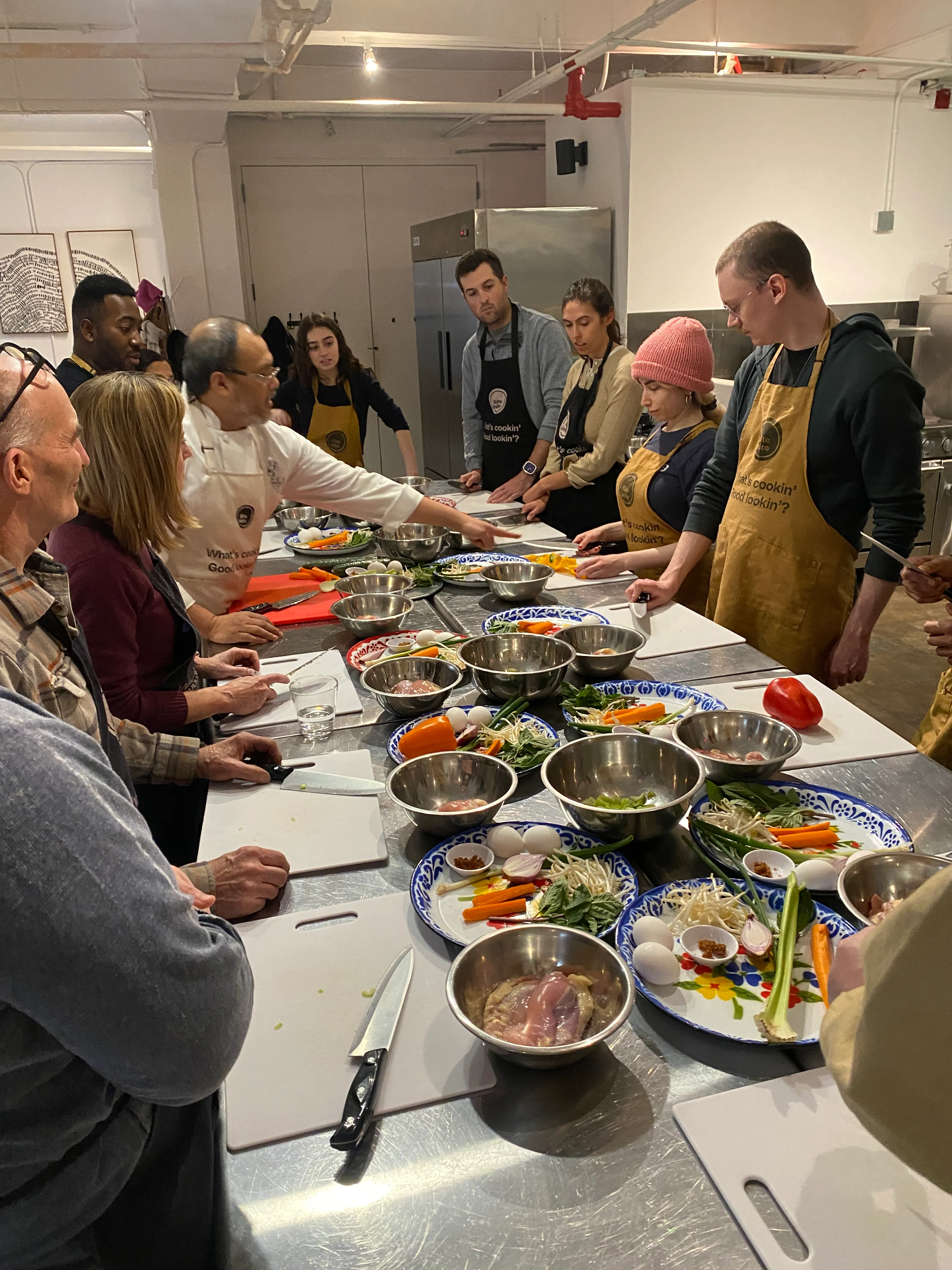
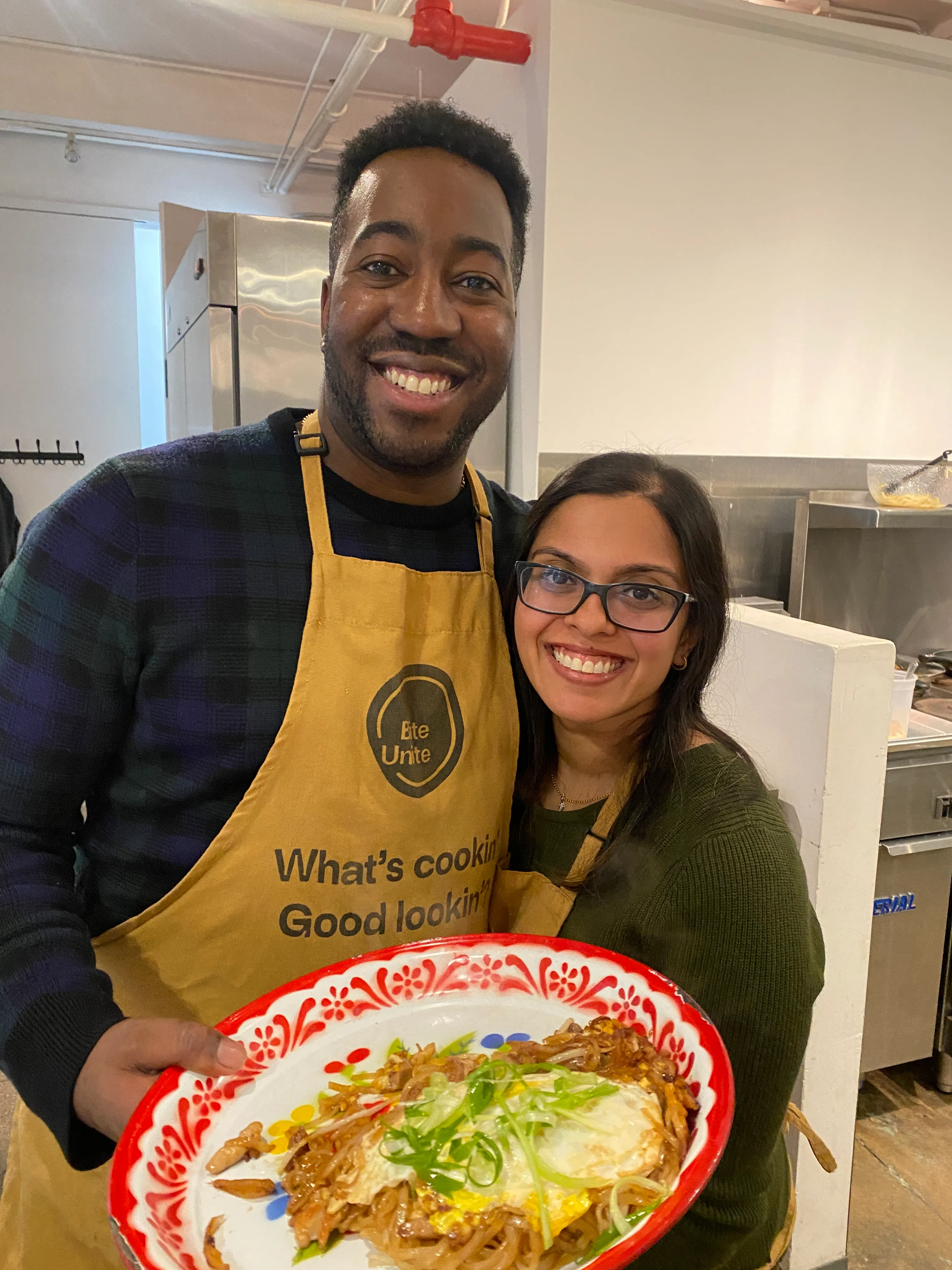
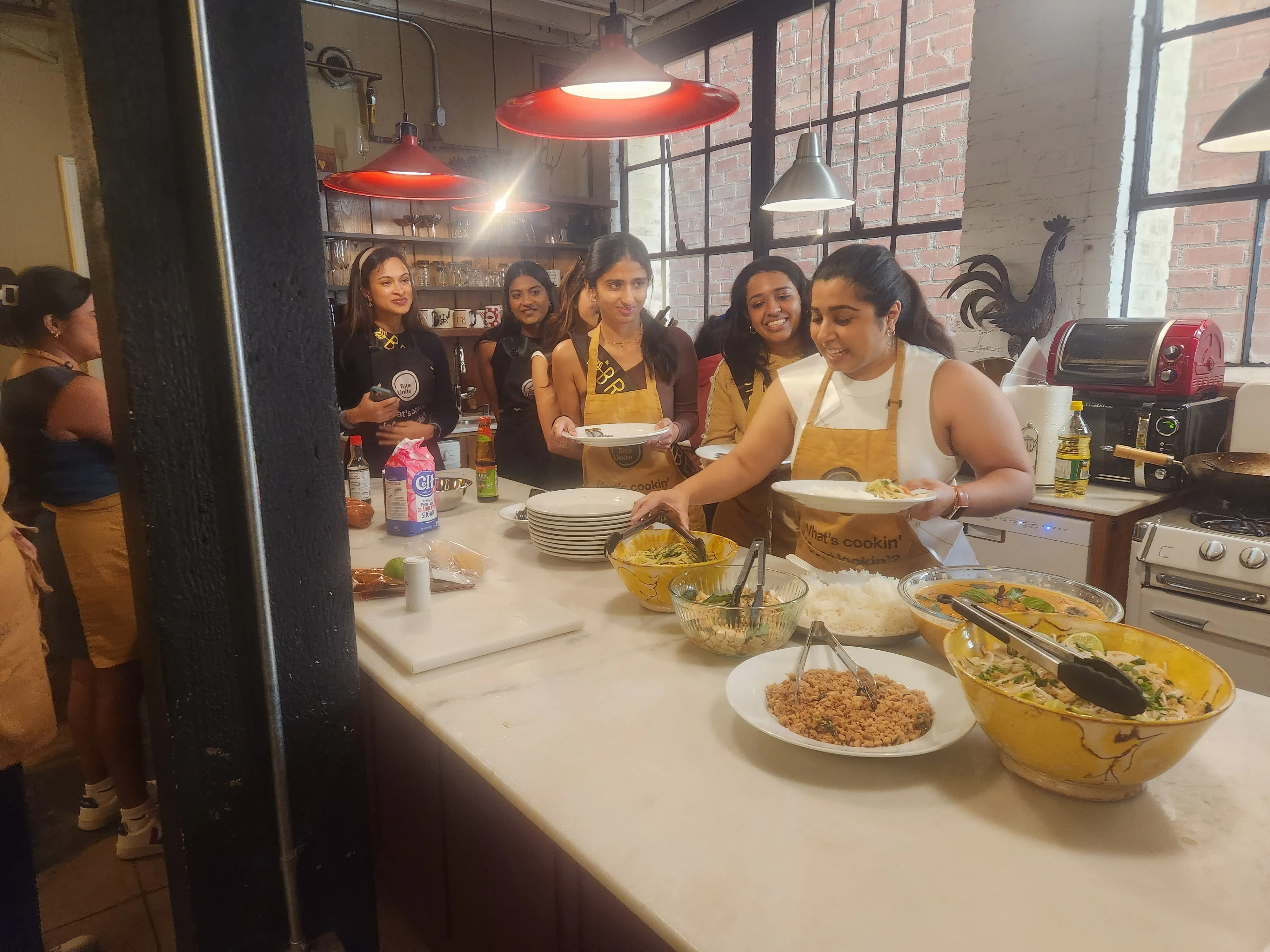
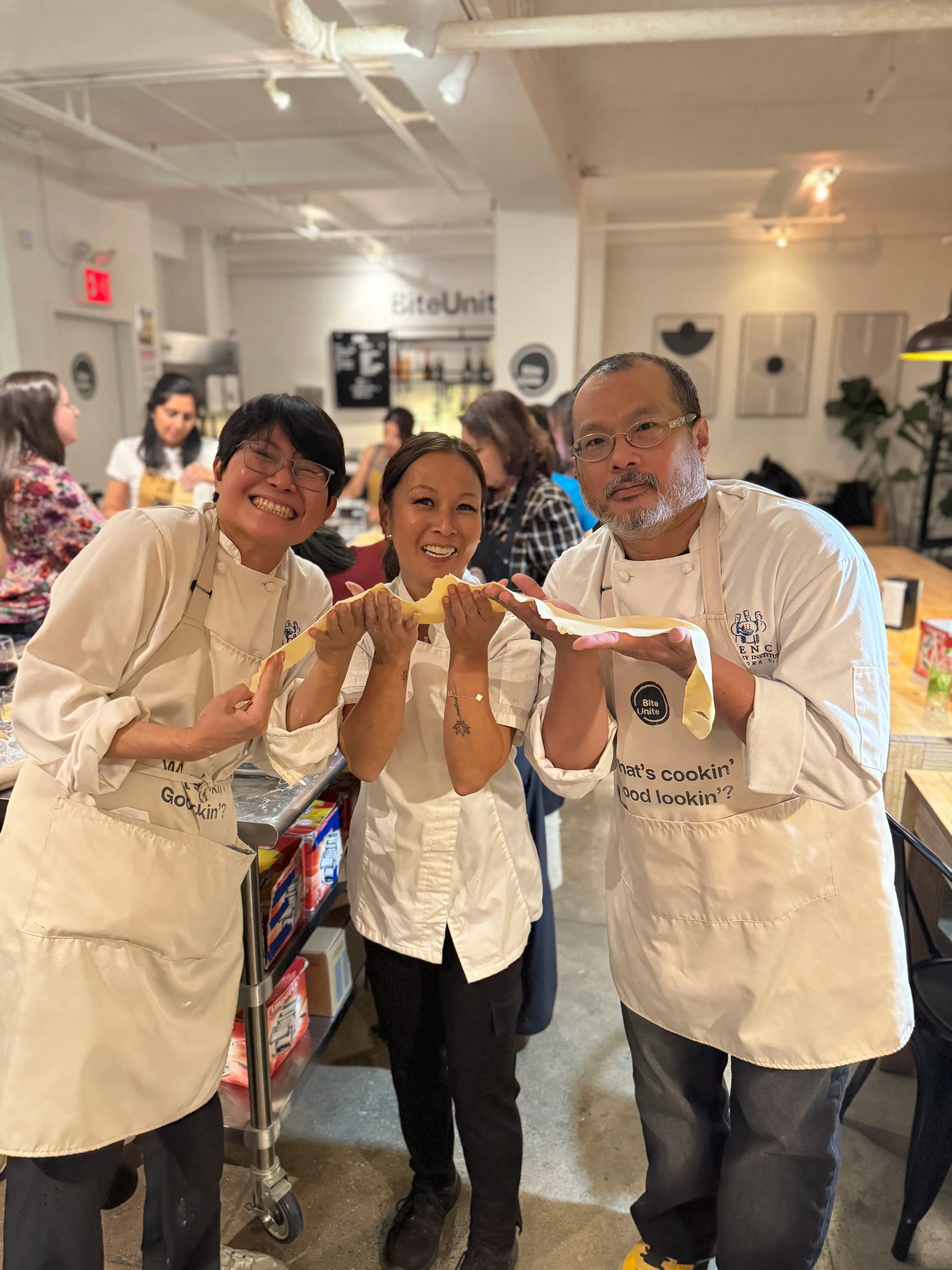
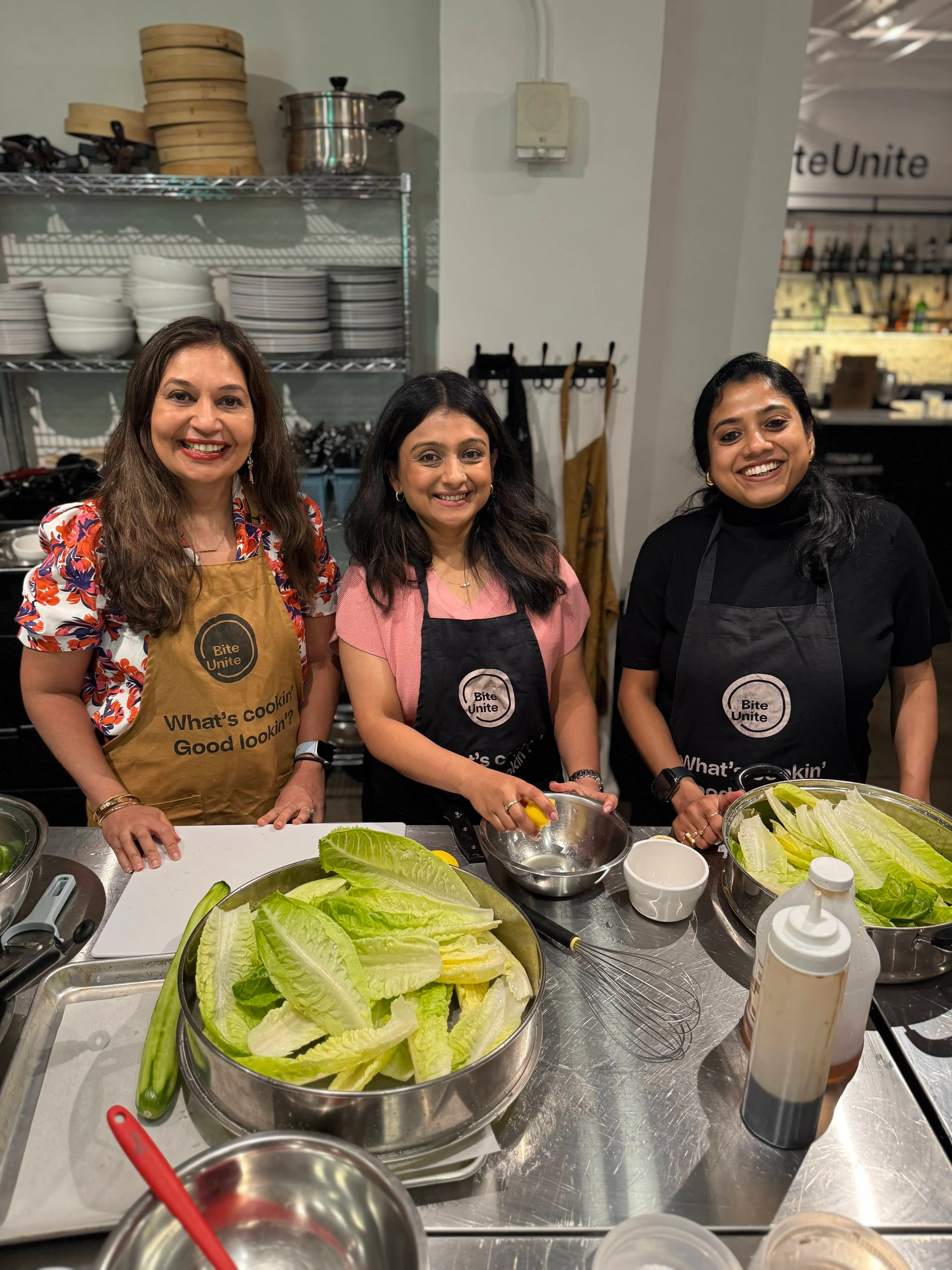
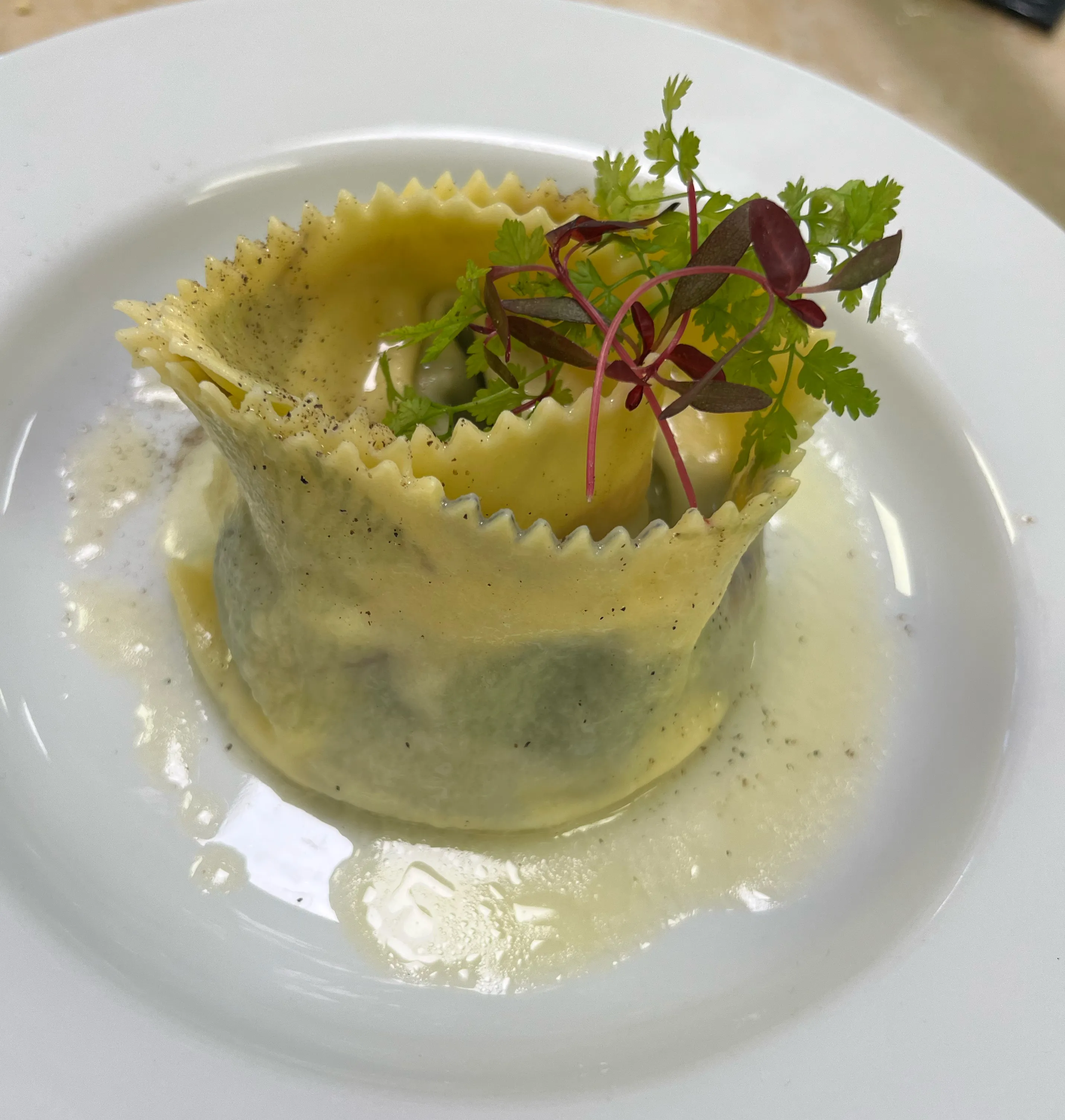
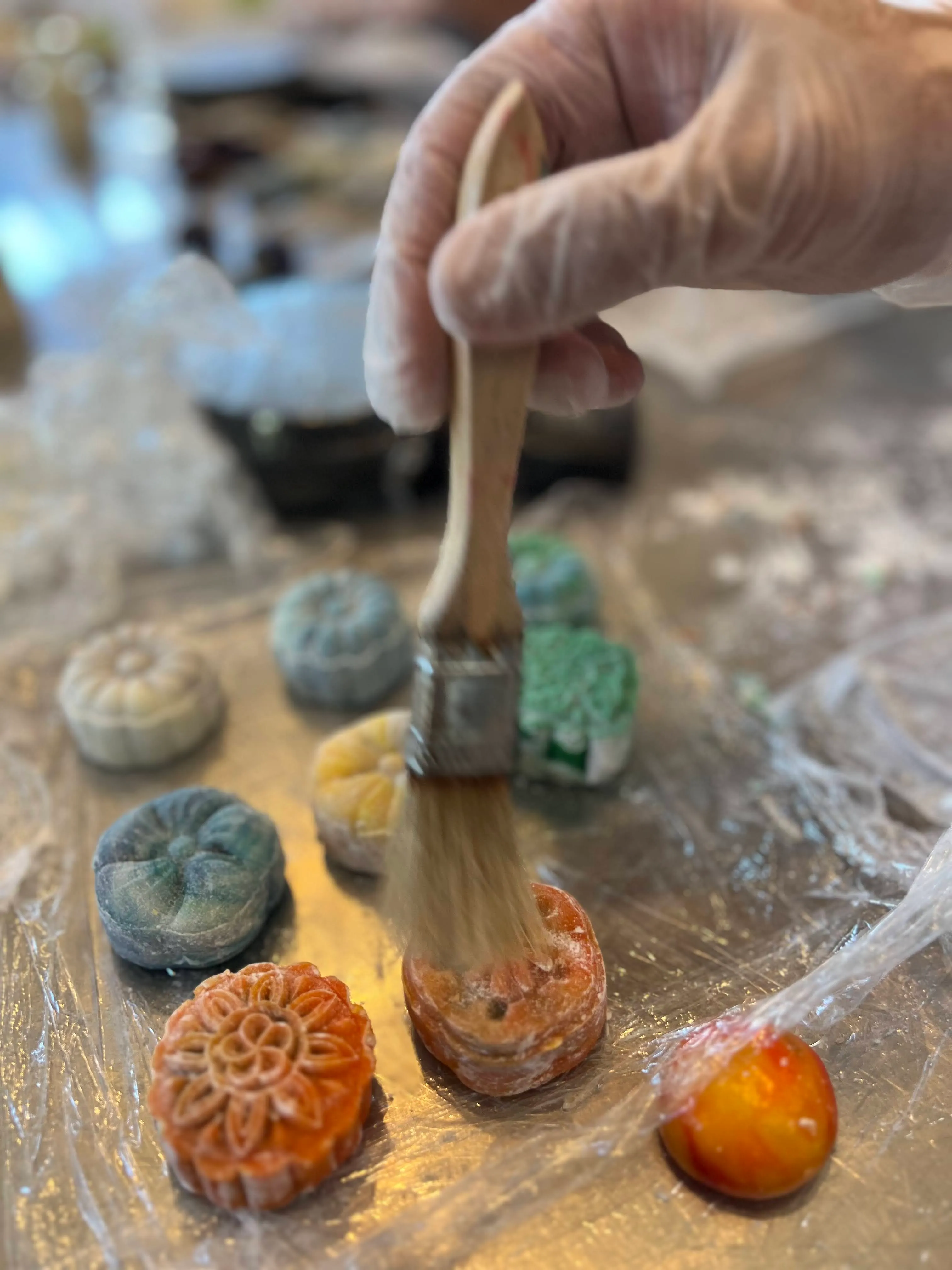
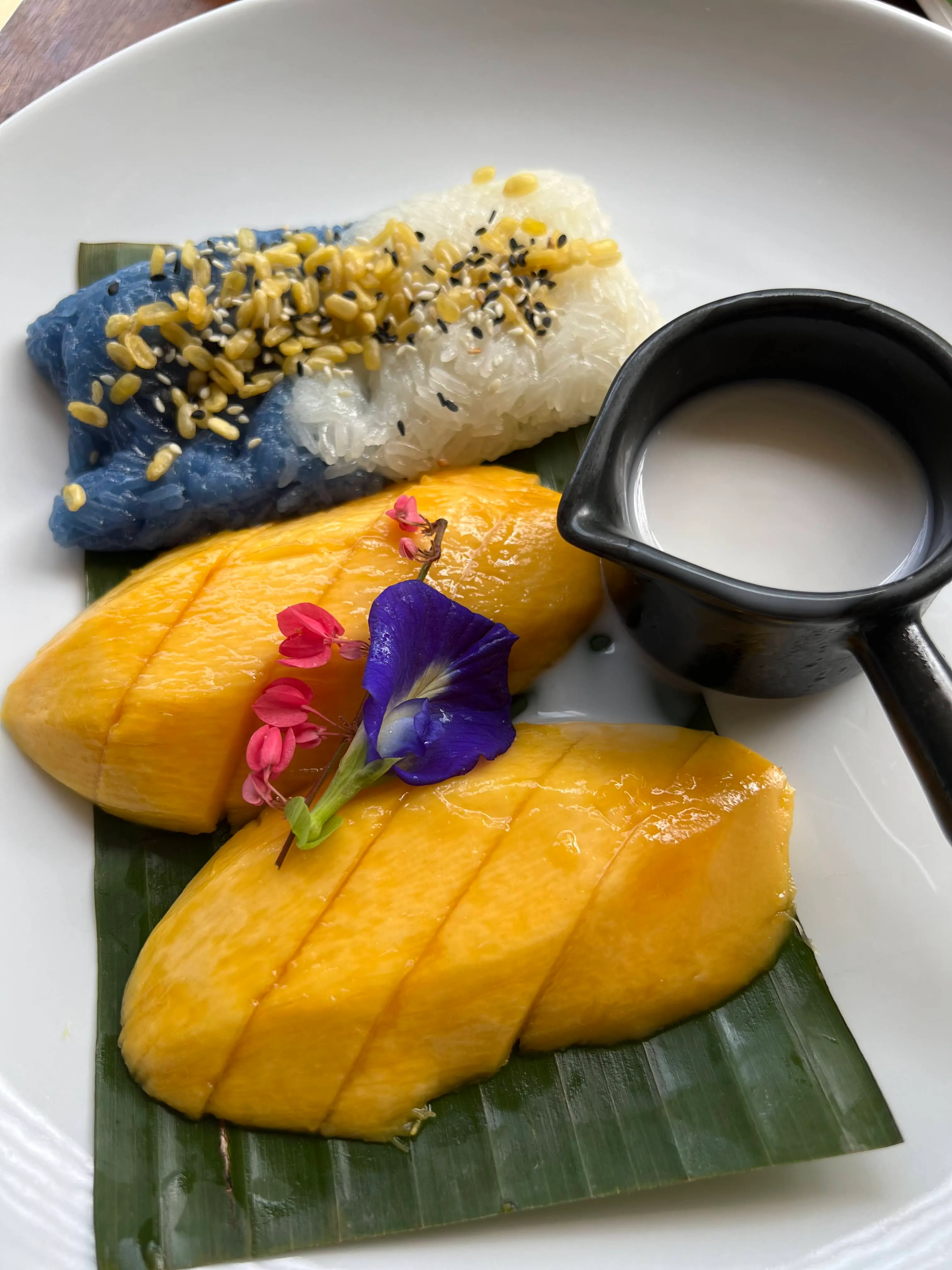
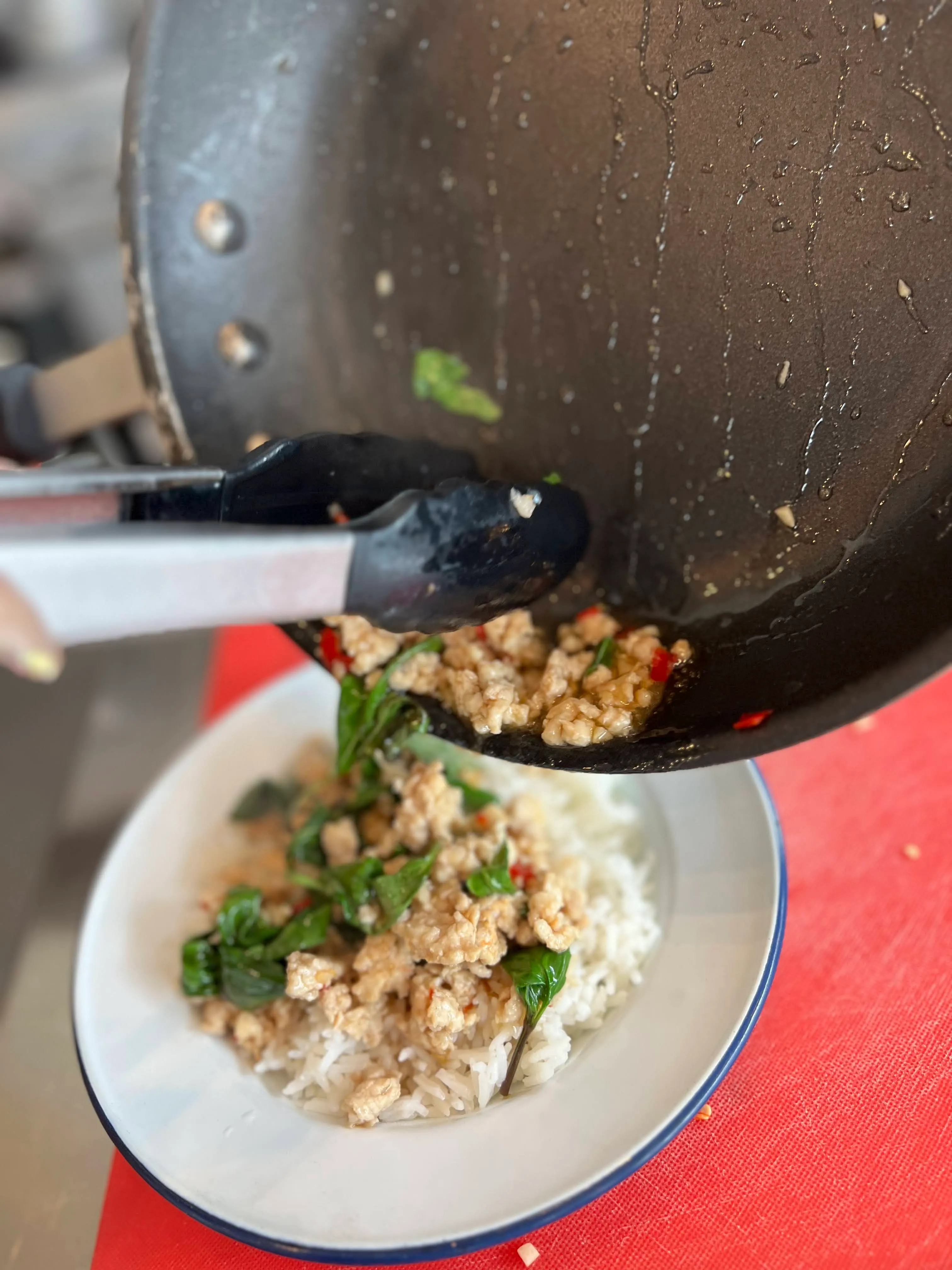
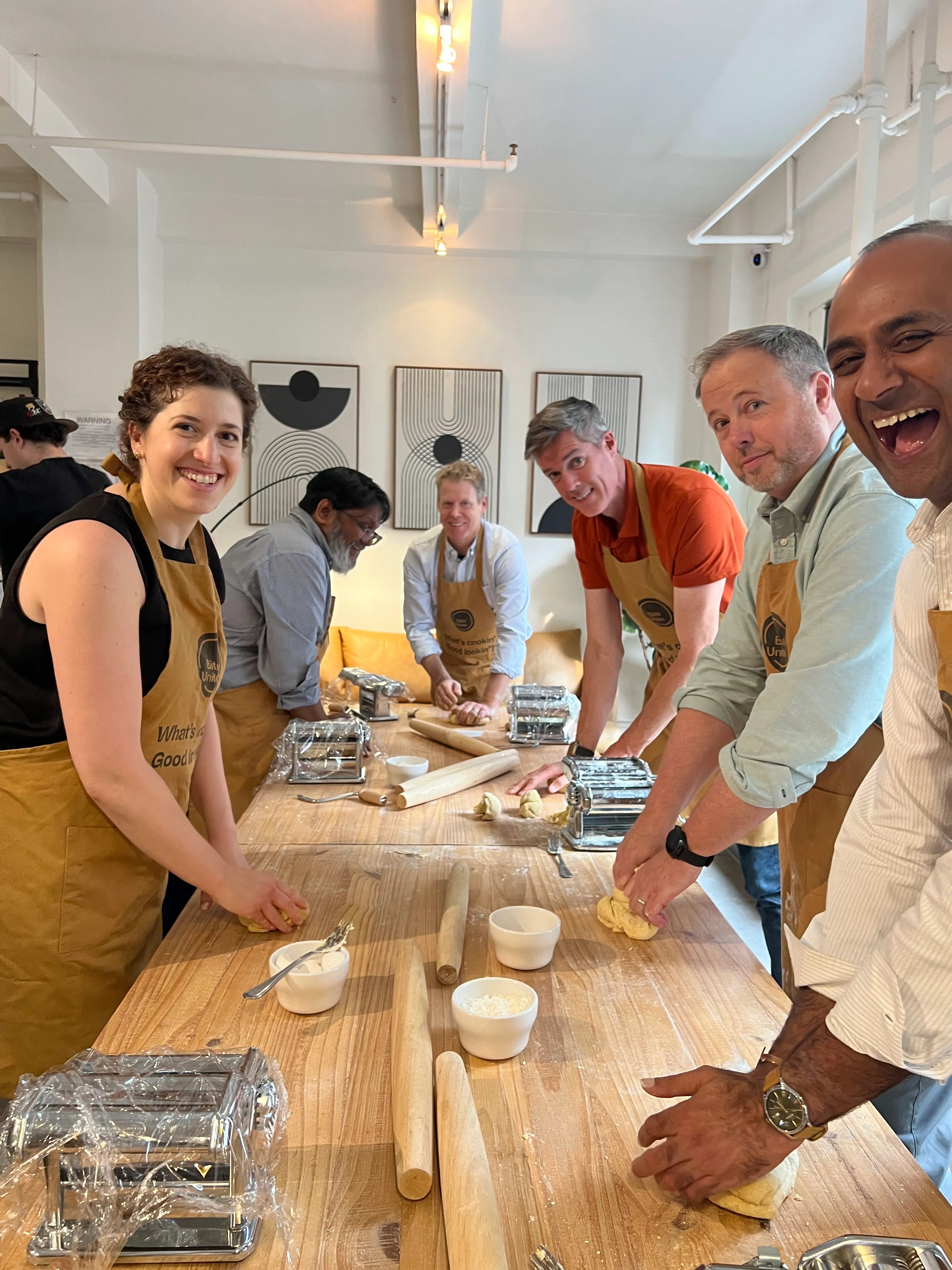
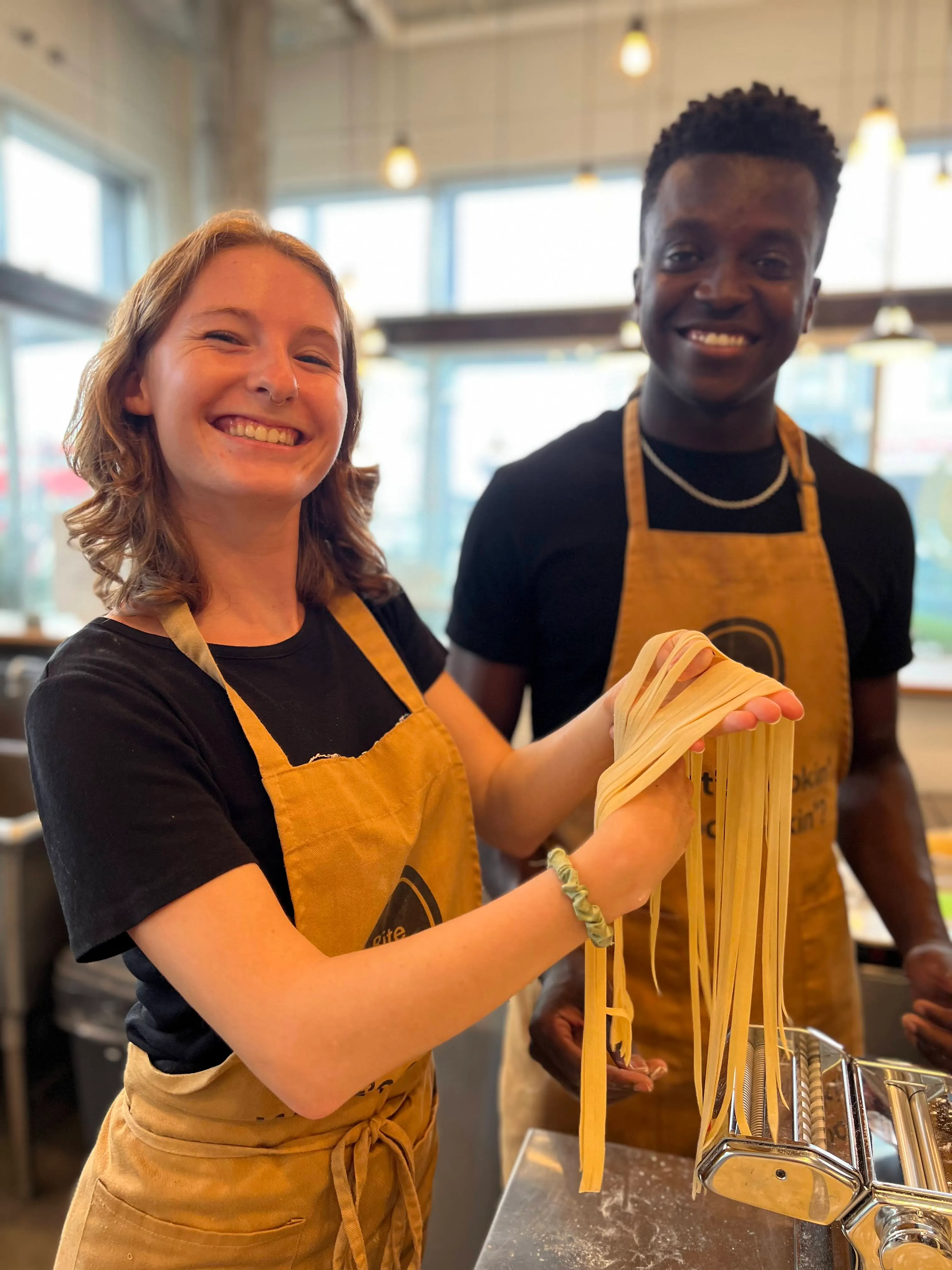
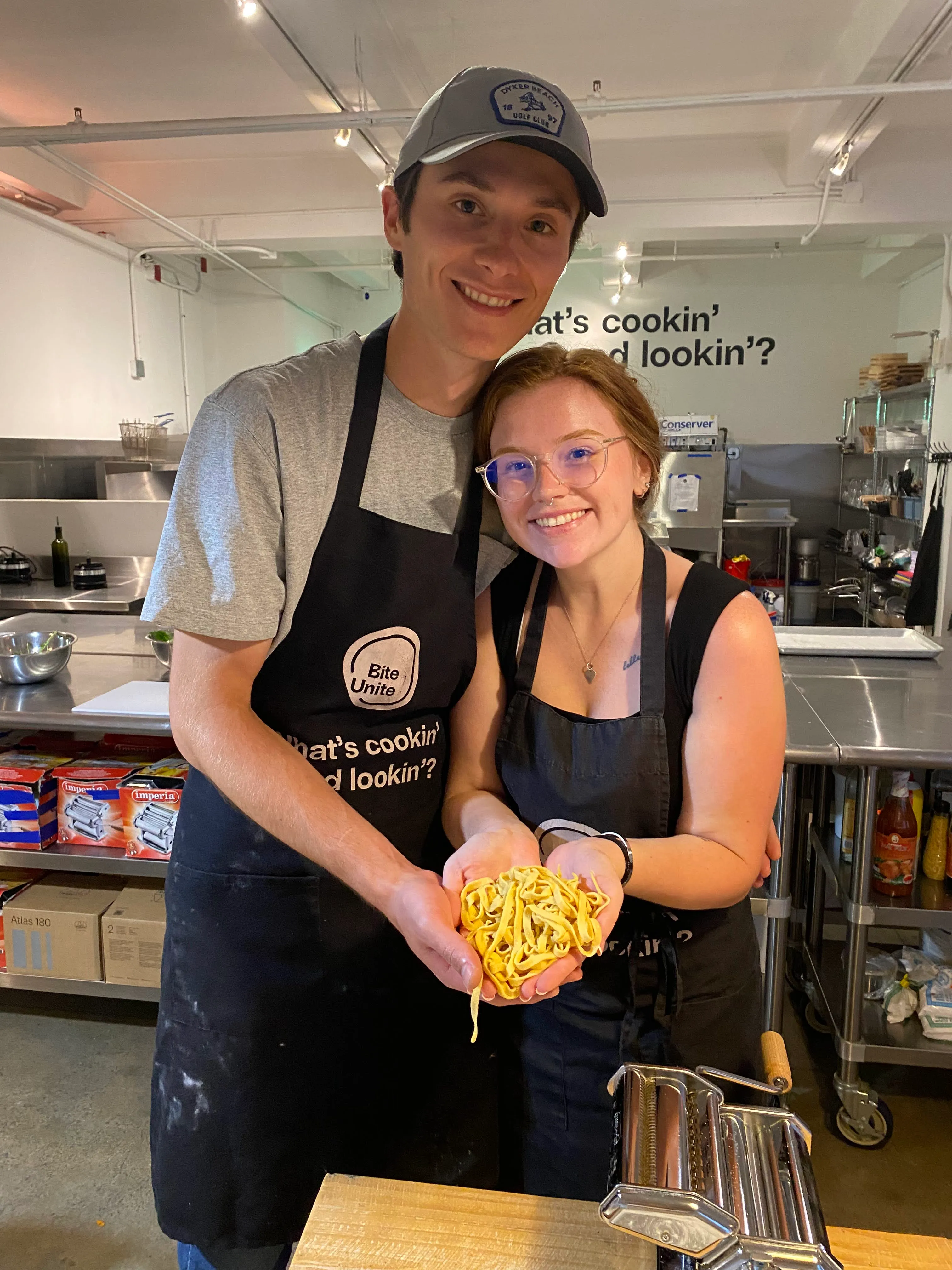
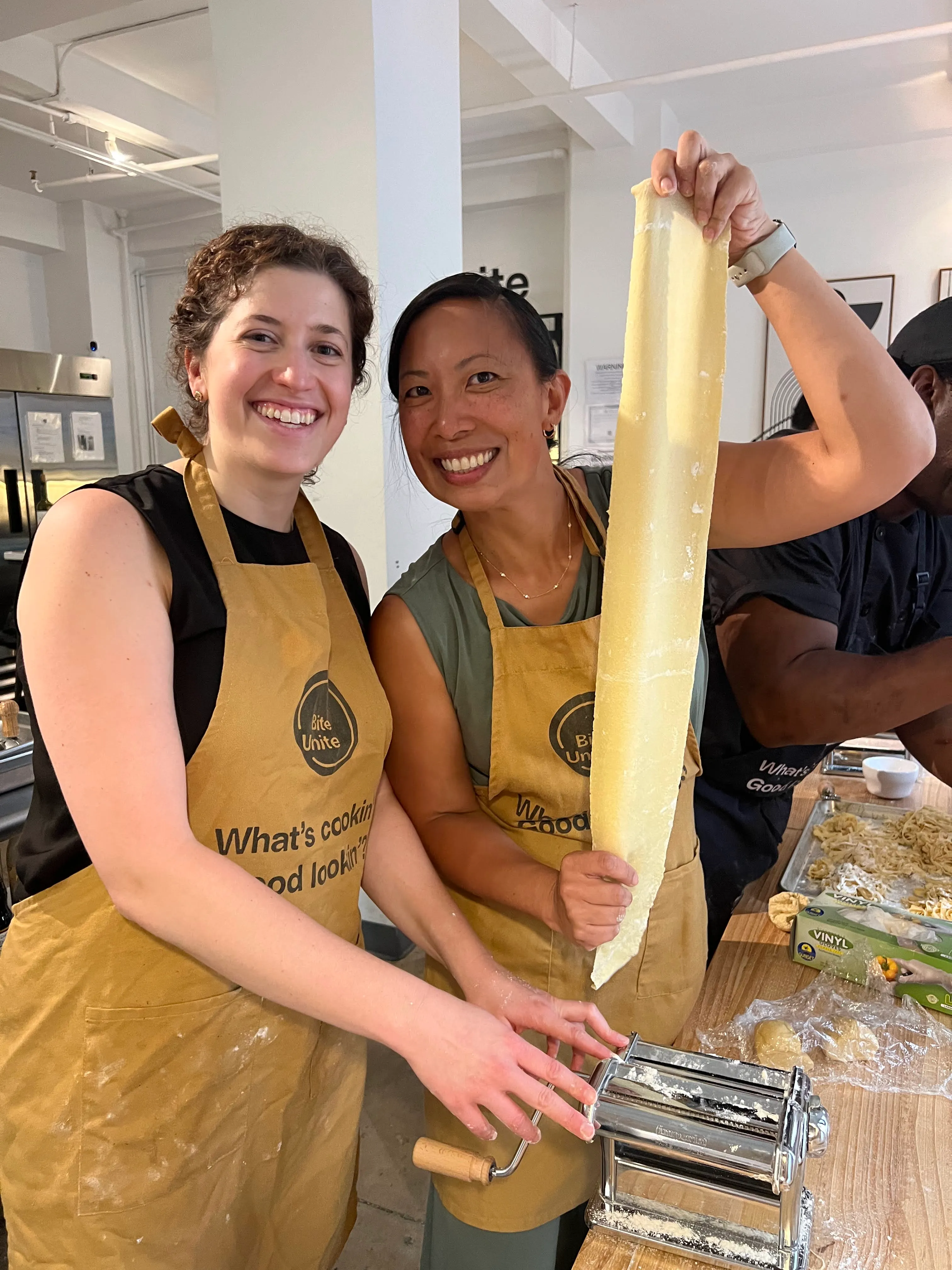
Biteunite’s couples cooking classes are hands-on and chef-led, held in real kitchen spaces across New York, San Francisco, and Hong Kong. You cook, you eat what you made, and you leave with skills you’ll actually use. The social atmosphere — cooking alongside other couples — adds an energy that’s hard to replicate at home. For a culinary experience that goes beyond a single meal, that structure makes a real difference.
Pro Tip: Weekend evening slots at Biteunite fill up fast, especially around holidays and Valentine’s Day. Book at least two to three weeks ahead for a Saturday night class. Weeknight classes (Tuesday through Thursday) tend to have more availability and a slightly more relaxed pace.
Handling ingredient swaps and common food allergies
A dietary restriction doesn’t have to change the whole menu. Most of the recipes in this guide have a clean one-for-one swap that preserves the spirit of the dish.
Common swaps by restriction:
Gluten-free: Use certified gluten-free pasta for Carbonara, Scampi, or Lobster Pasta. For Chicken Milanese, swap regular breadcrumbs for gluten-free panko — the texture is nearly identical. Risotto and Crème Brûlée are naturally gluten-free.
Dairy-free: Replace butter in scampi or risotto with a good olive oil or a dairy-free butter (Miyoko’s works well). For Chocolate Mousse, full-fat coconut cream whips into a stable, rich substitute for heavy cream. Carbonara is trickier — the egg-and-cheese emulsion is the dish — so consider a different pasta option if dairy is a hard no.
Shellfish allergy: Swap shrimp in Scampi or Risotto for scallops (if tolerated), chicken thighs, or a meaty mushroom like king oyster. The sauce and technique stay exactly the same.
Nut allergy: Nearly every recipe here is naturally nut-free. The one to double-check is store-bought breadcrumbs for Milanese — some brands process in facilities with tree nuts. Make your own from a baguette to be safe.
Vegetarian: Risotto is the natural anchor of a vegetarian cooking date. Use a good vegetable stock and finish with extra Parmesan and a drizzle of truffle oil. Pasta Carbonara can work with smoked paprika and sautéed mushrooms in place of guanciale — it won’t be traditional, but it’s genuinely delicious.
The key principle: decide on any swaps before you shop, not mid-recipe. A quick five-minute conversation about preferences and restrictions before you build your grocery list keeps the evening smooth. For more Valentine’s Day cooking ideas with your partner, many of these swaps apply directly.
Why cooking together works better than most date ideas
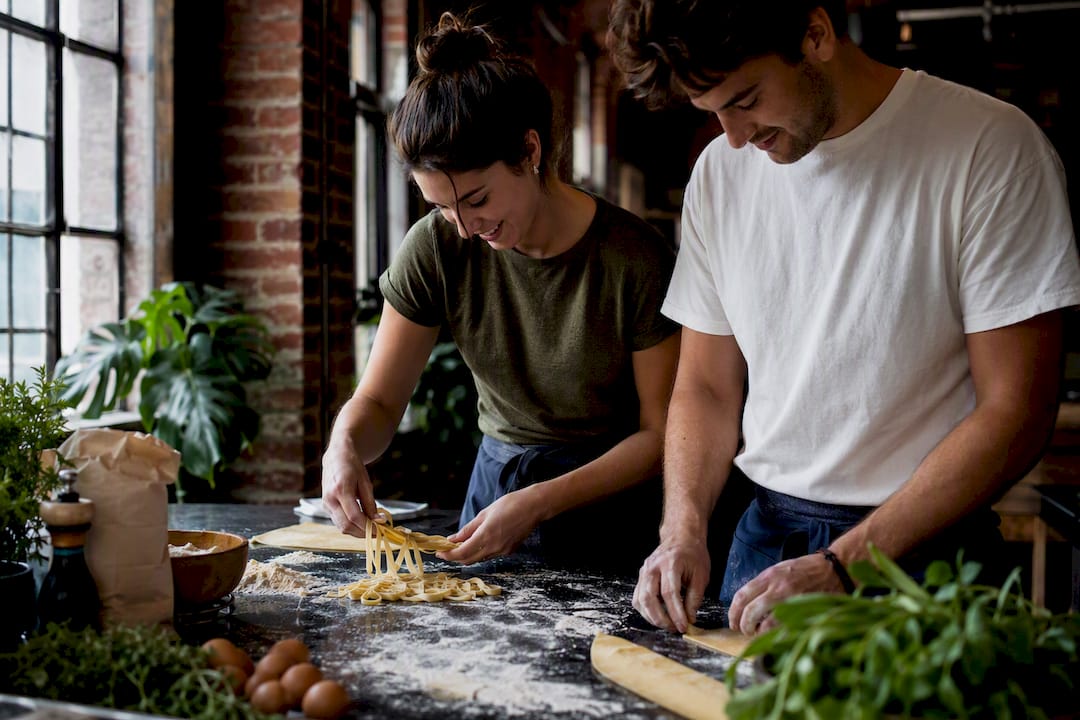
Cooking together is the best kind of low-pressure collaboration. There’s a shared goal, clear tasks, and a delicious reward at the end. Unlike a restaurant, where you’re both spectators, a cooking date makes you both participants — and that shared effort creates a different kind of connection.
The small victories matter: nailing the carbonara emulsion, getting a perfect sear on the salmon, torching the brûlée without burning it. Each one is a tiny shared win. And the inevitable small mishap — the sauce that breaks, the timer you both forgot — becomes a story rather than a disaster when you’re laughing about it together. That’s the real value of a couples cooking night. The food is great. The memory is better.
Ready for a chef-led couples cooking experience?
If you’d rather skip the planning and let an expert chef guide the evening, Biteunite’s couples cooking classes give you exactly that: a hands-on, interactive session where you cook a real meal from scratch, learn techniques you’ll actually remember, and walk out having shared something genuinely fun. No grocery runs, no cleanup, no “did I season this right?” anxiety.
Classes run in Manhattan, San Francisco, and Hong Kong, with a rotating menu of cuisines from fresh pasta to Thai cooking. Weekend slots fill quickly, so if you’re planning a date night in New York, check availability for Manhattan cooking classes early. Bay Area couples can browse San Francisco class dates for upcoming sessions. Gift cards are also available at Biteunite if you want to give the experience as a present.
Sources
These are the recipe authorities and planning resources used to build this guide. Each one is worth bookmarking.
- 15 Date Night Recipes for When You Want a Luxurious Dinner Without a Reservation
- 43 dinner ideas for two
- Date Night Recipes
- Date Night Dinners for Two at Home: 10 Restaurant-Quality Recipes (Plus Complete Menus)






























.webp)