Corporate Holiday Party Ideas That Boost Team Bonding
The five corporate holiday party idea categories that consistently deliver the best results for work-appropriate celebrations are: activity-based experiences, micro gatherings, hybrid socials, purpose-driven/volunteer events, and culinary team-building. Each one works because it puts connection at the center rather than an open bar.
- Activity-based experiences (escape rooms, trivia, creative workshops): best for mid-to-large teams that want high energy and easy conversation starters. Corporate celebrations are shifting away from alcohol-centric formats toward exactly these kinds of inclusive, engagement-first activities.
- Micro gatherings (6–15 people, spread across days or weeks): ideal for distributed or large companies where one big event feels impersonal. Smaller parties cut cost, boost engagement, and simplify accommodations compared to a single company-wide event.
- Hybrid socials: the right call when part of your team is remote. Design for parity — equal recognition and equivalent activities for everyone — and the connection feels real.
- Purpose-driven/volunteer events: donation drives, build-a-kit sessions, or charity challenges that double as celebrations. These work especially well for values-driven cultures and teams that want meaning alongside fun.
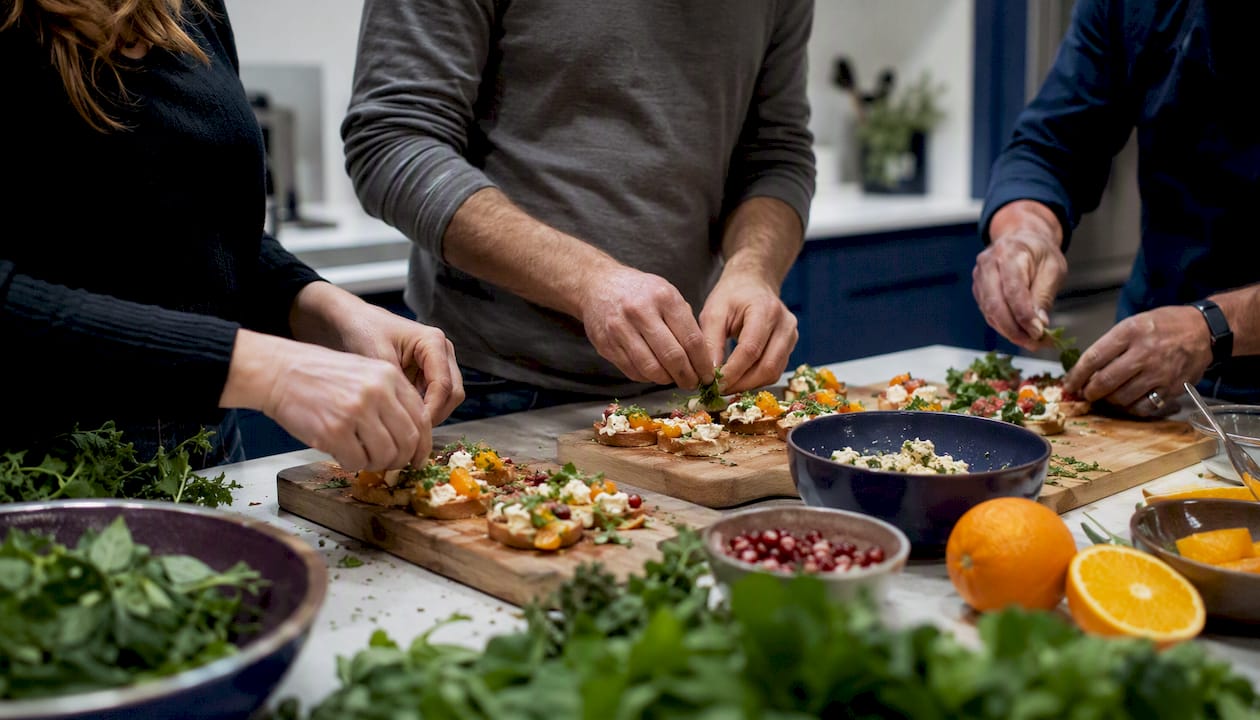
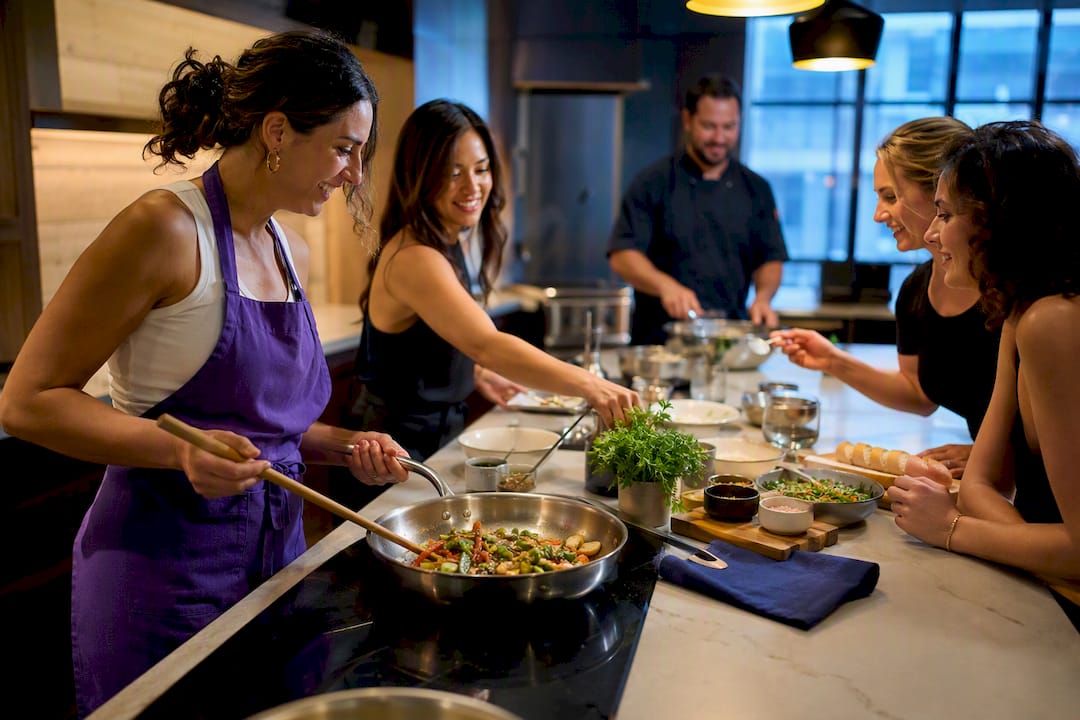
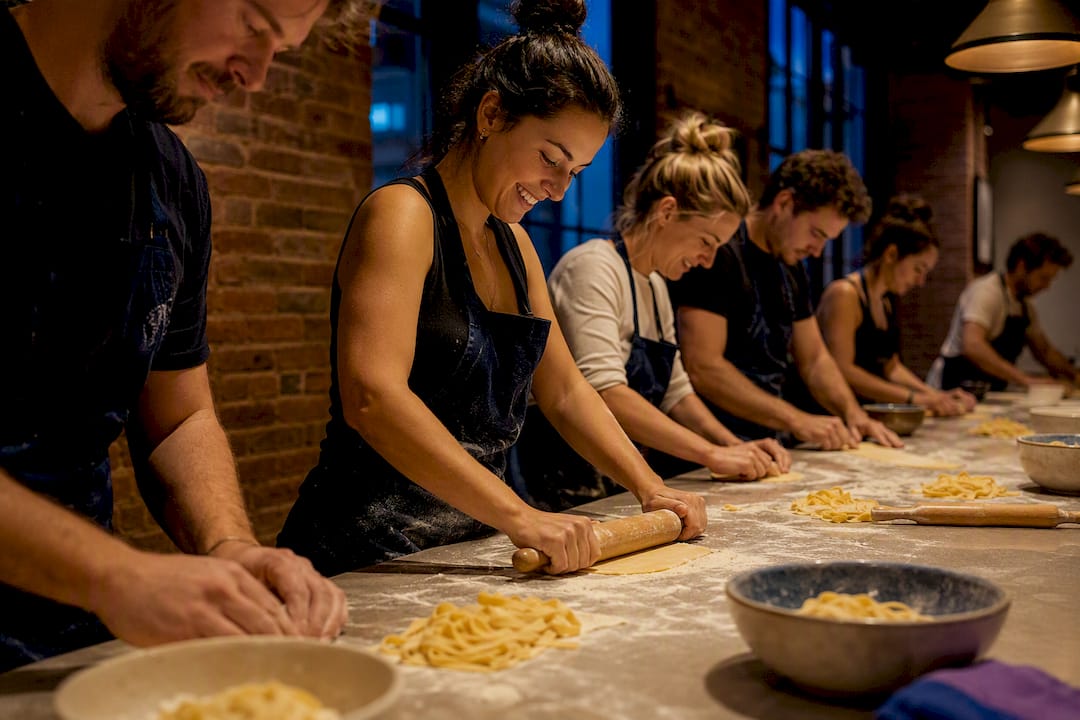
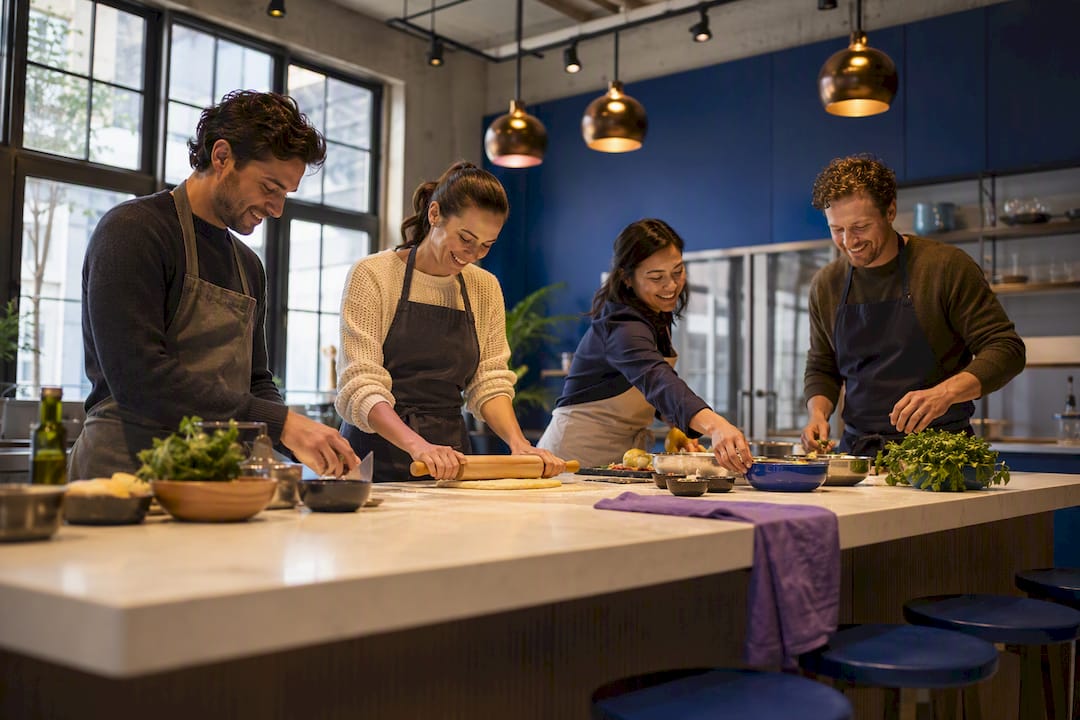
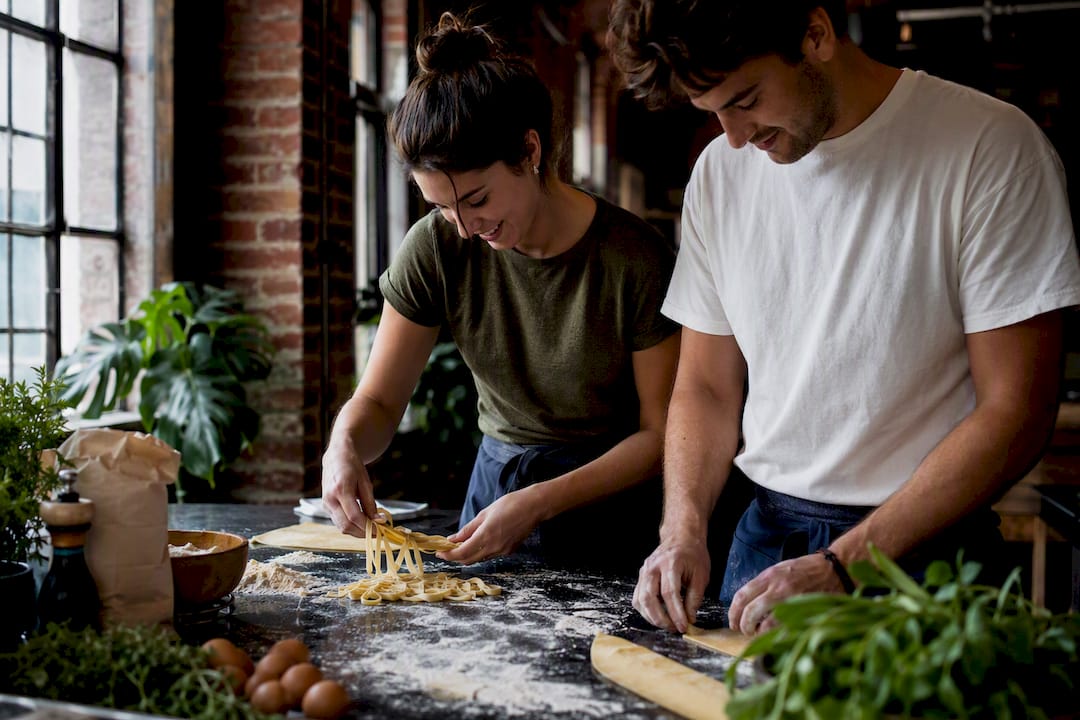
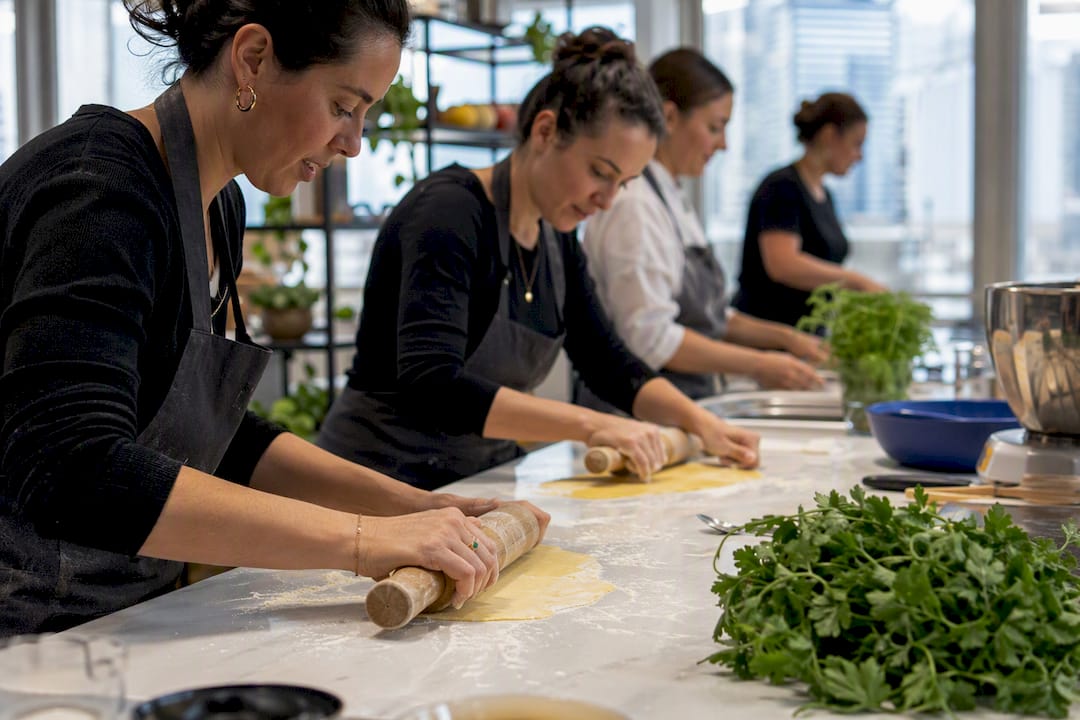
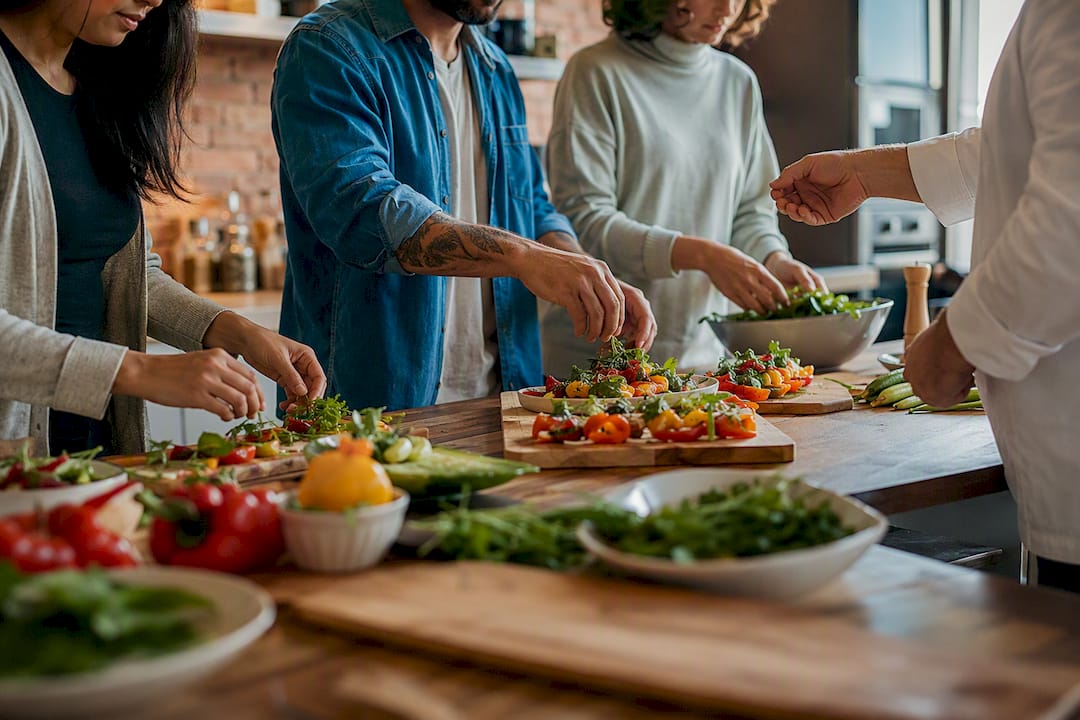
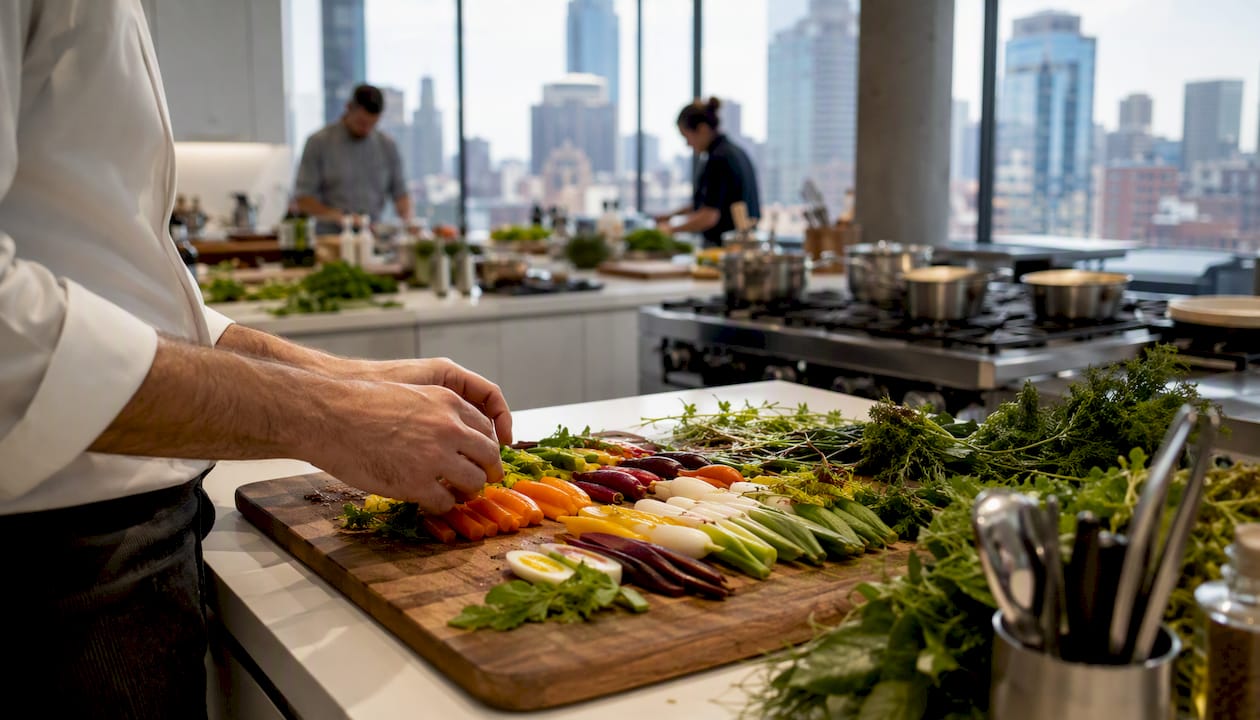
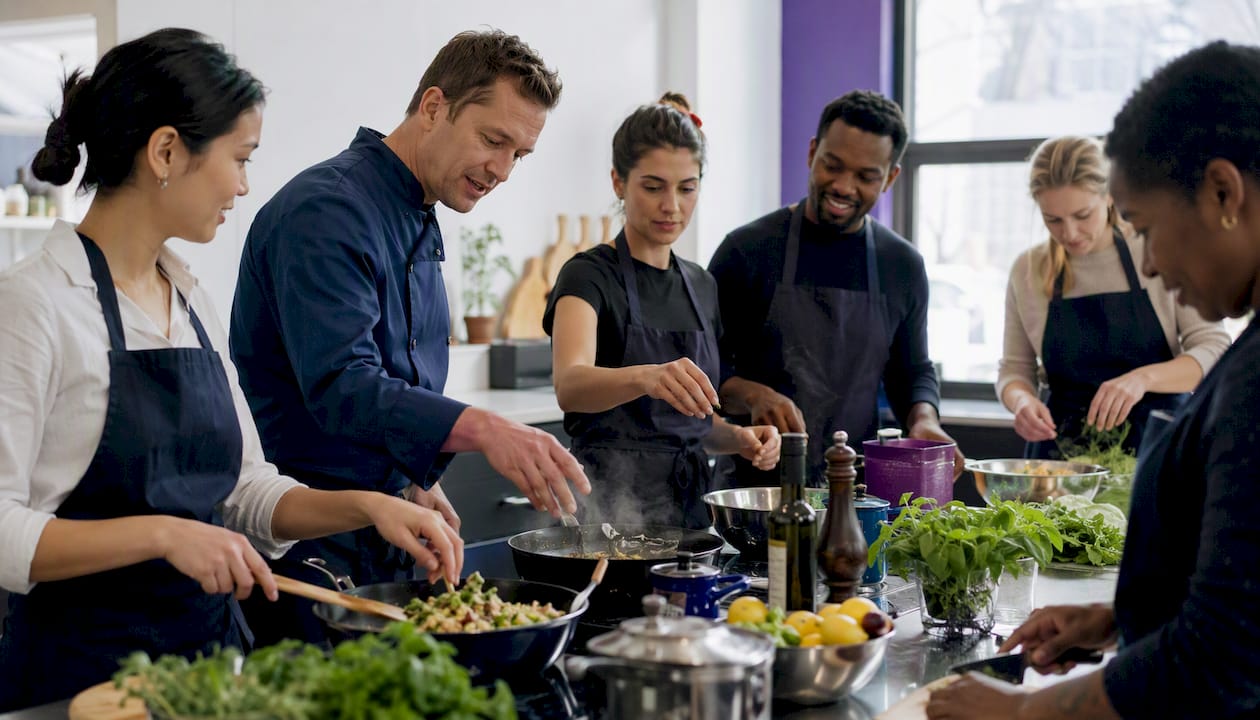
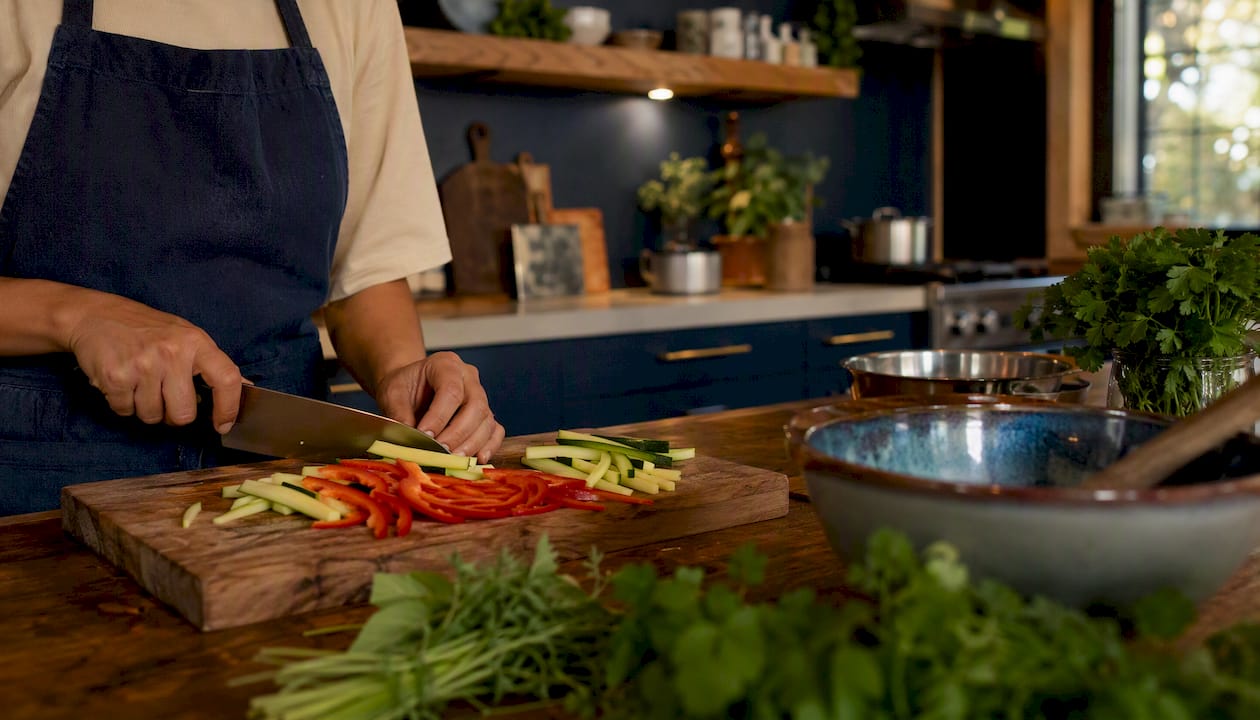
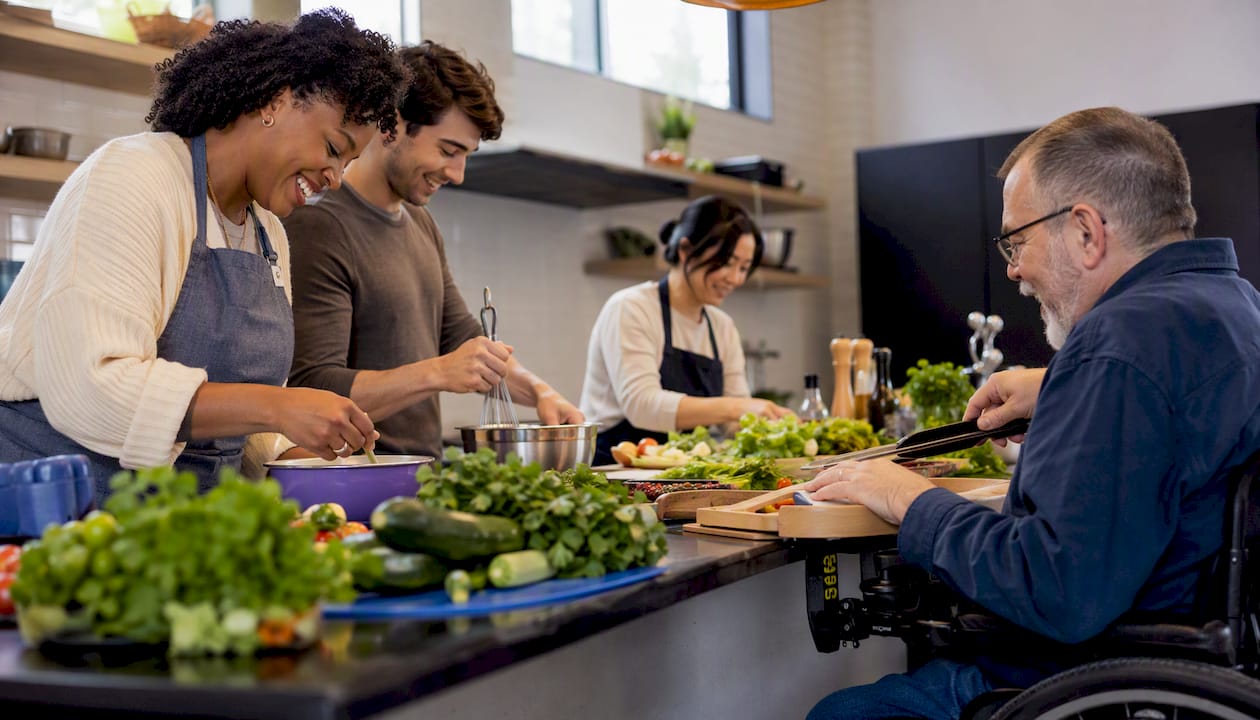
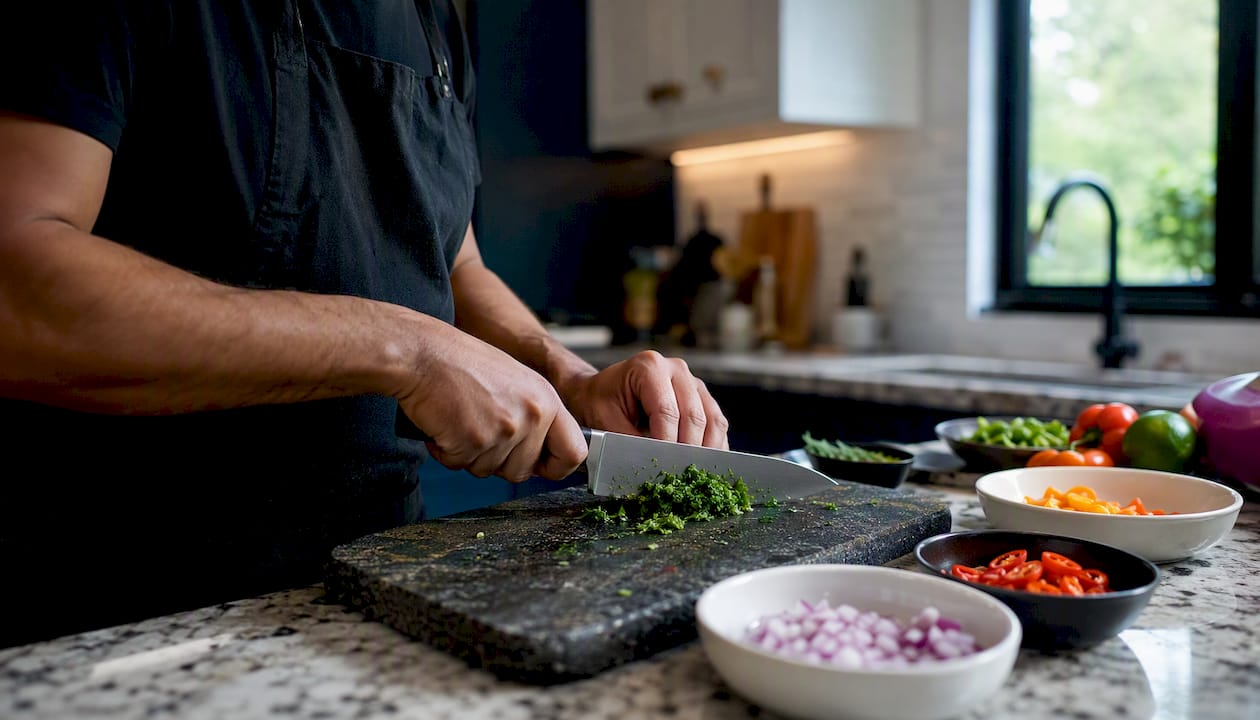
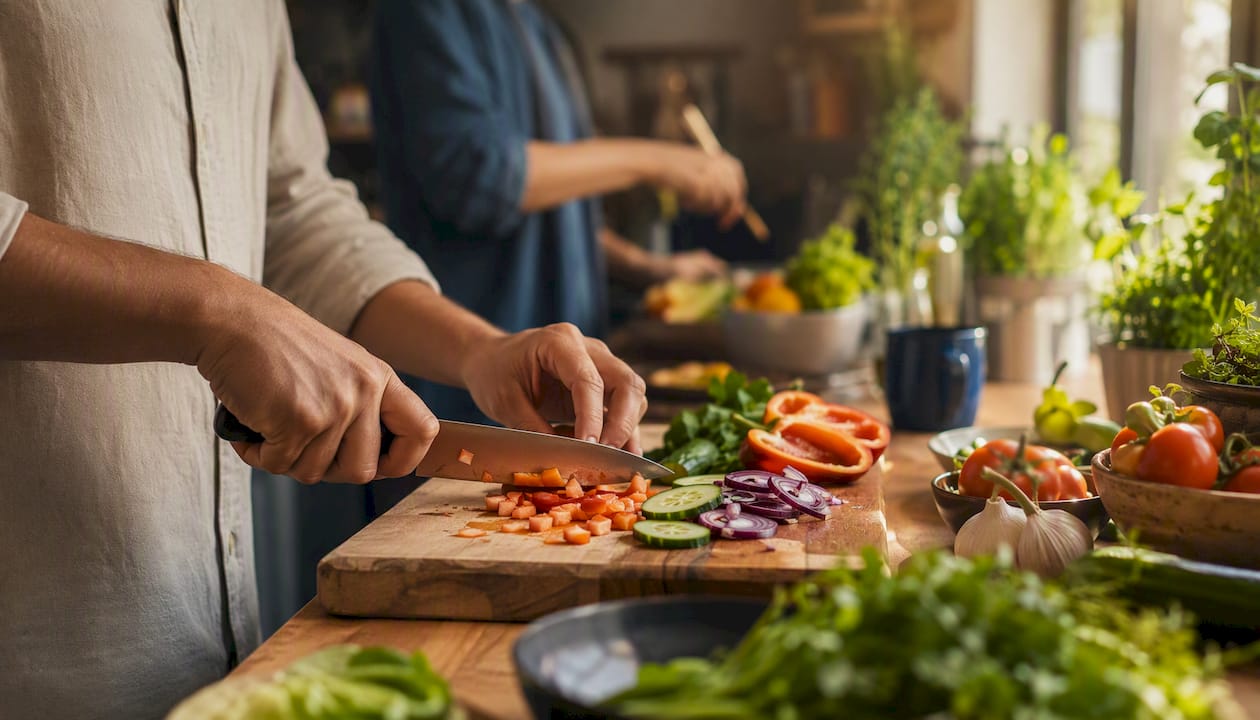
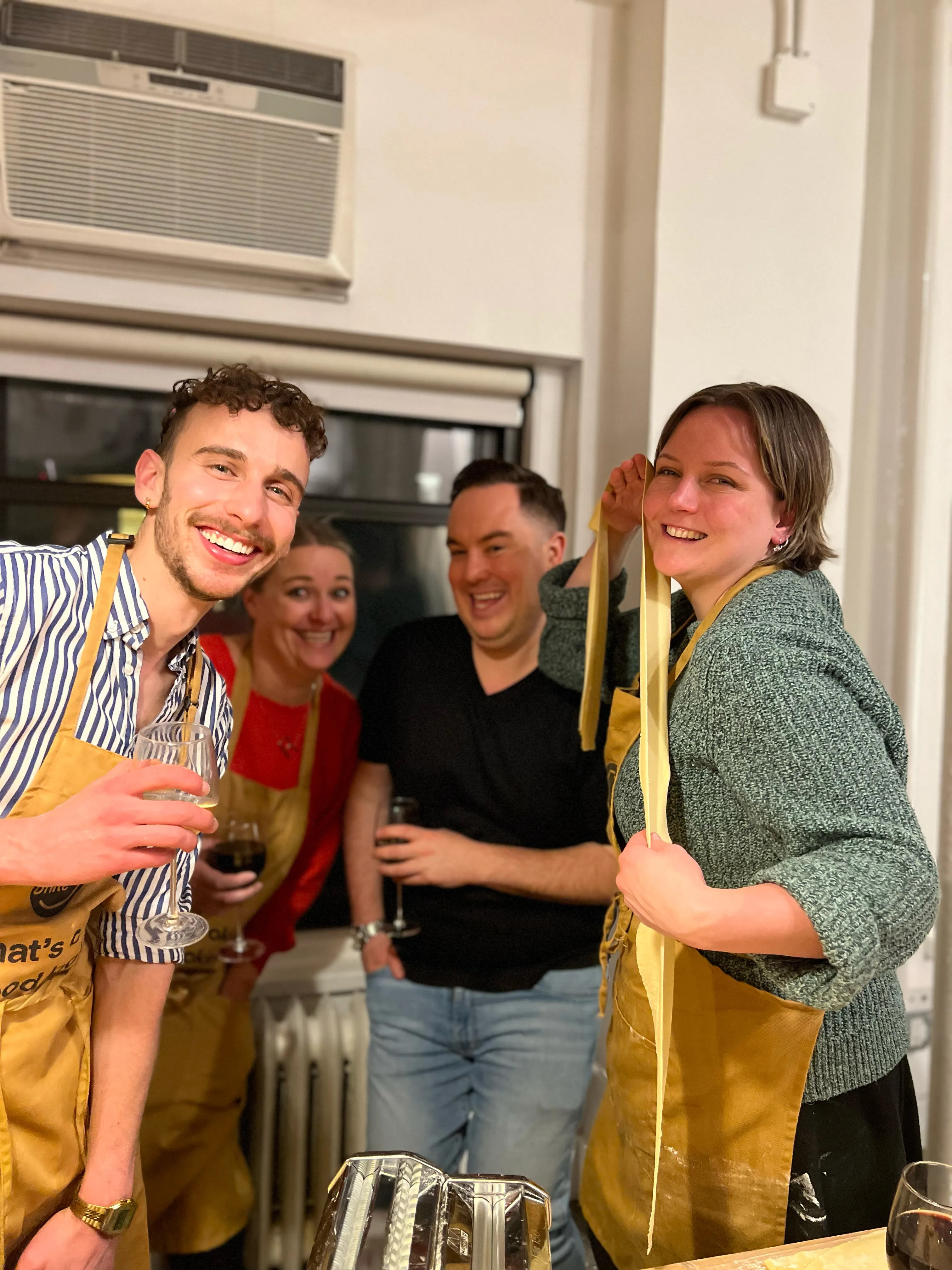
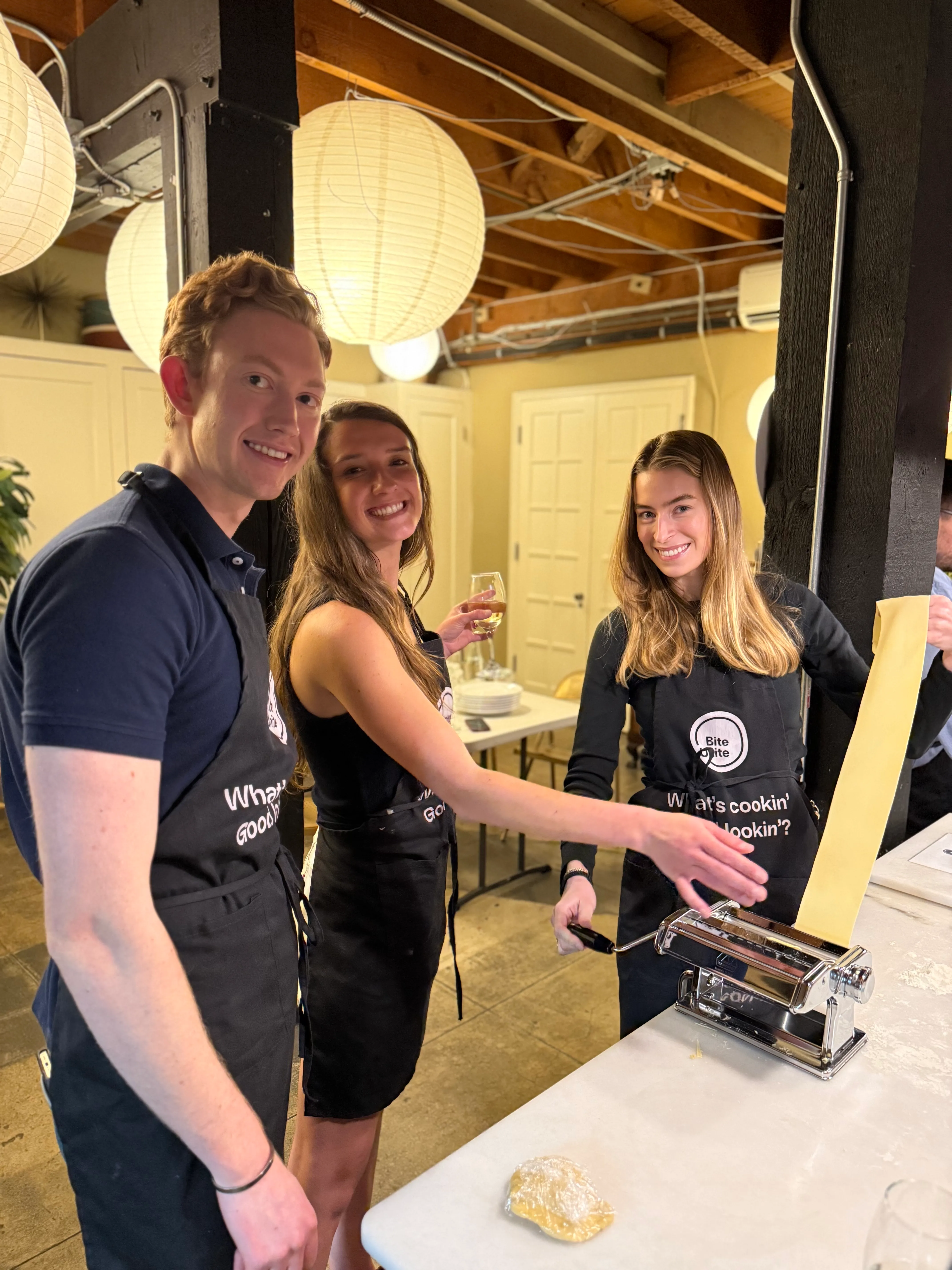
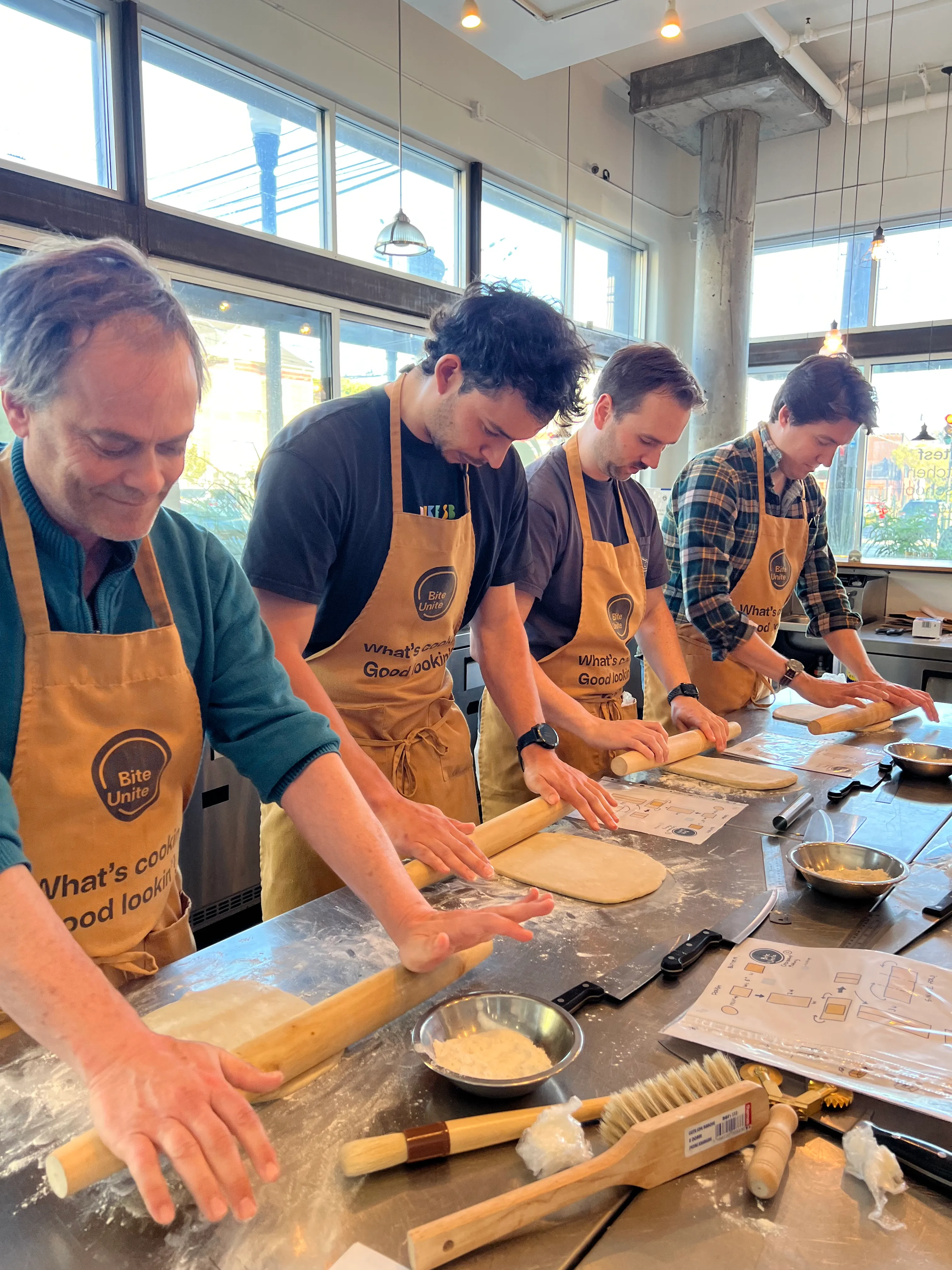
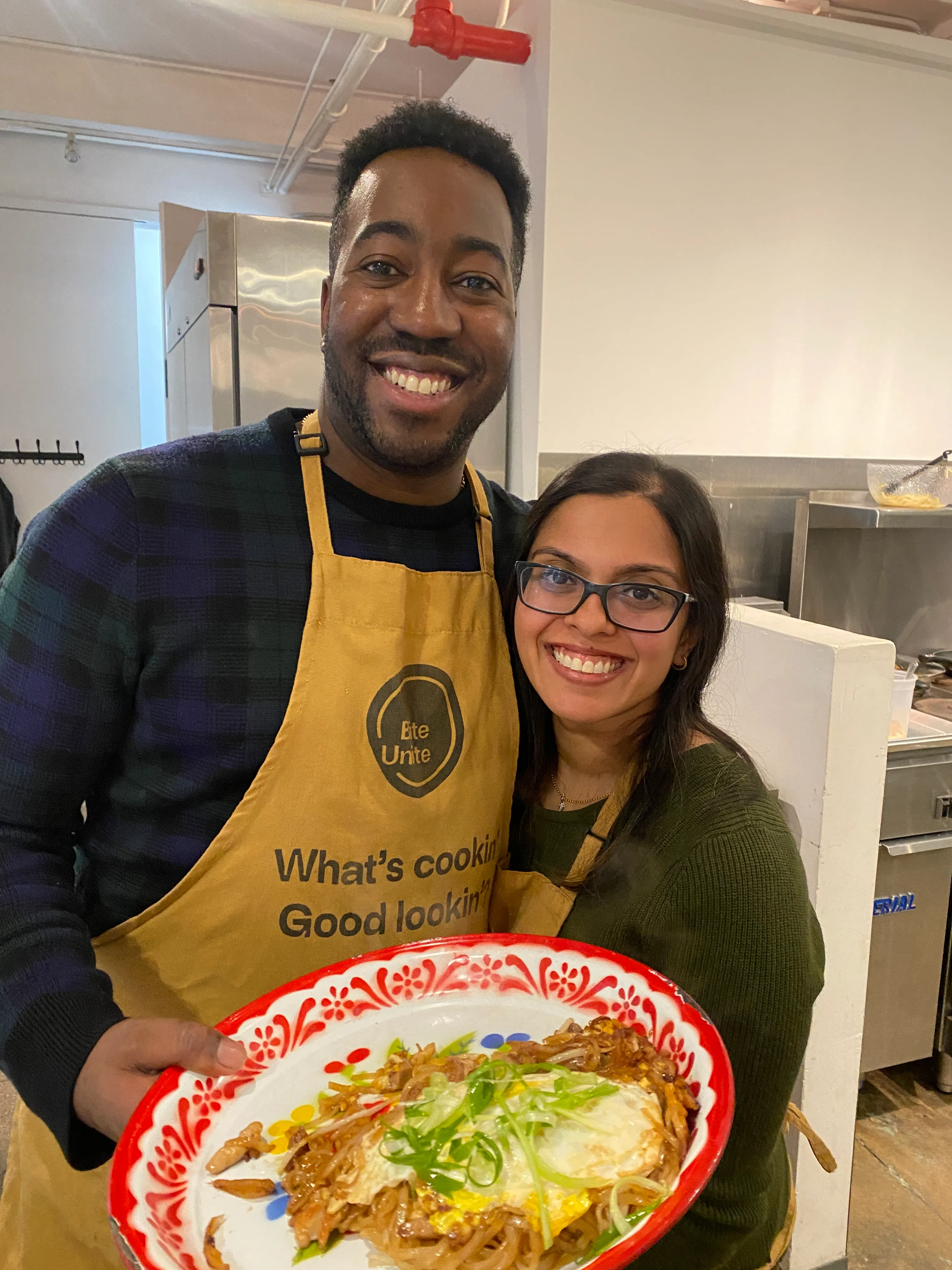
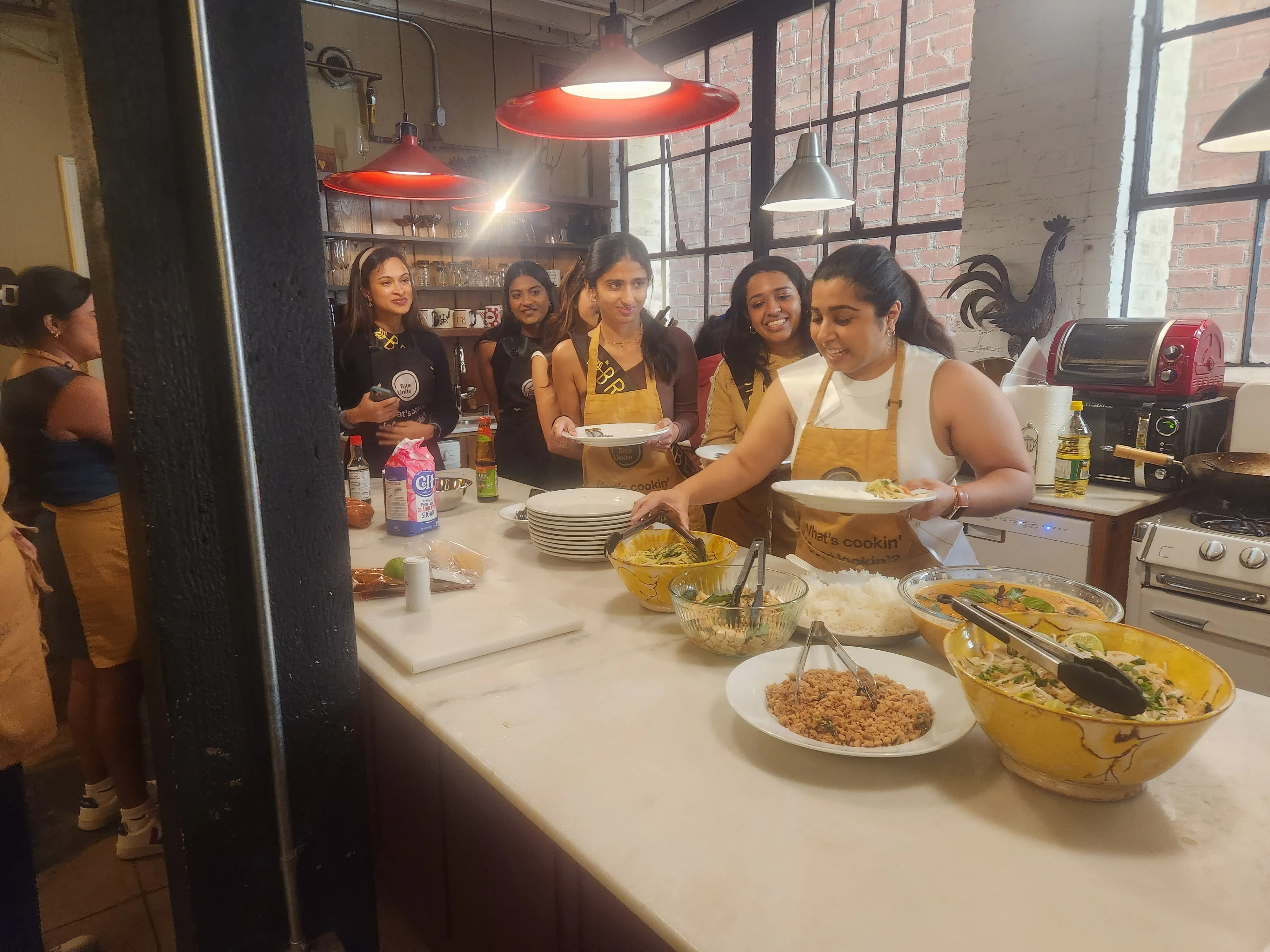
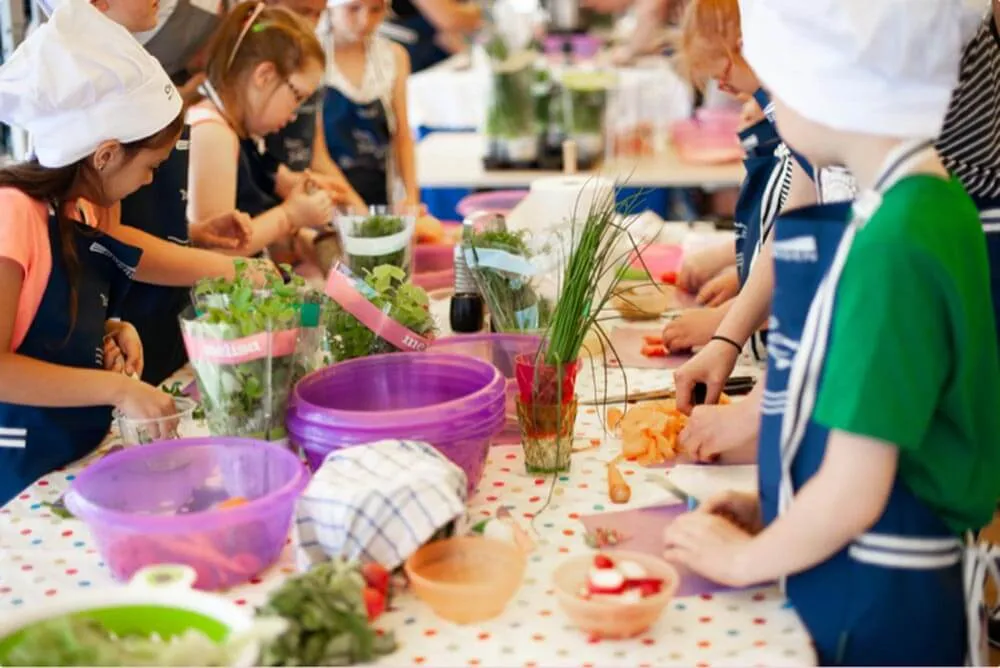
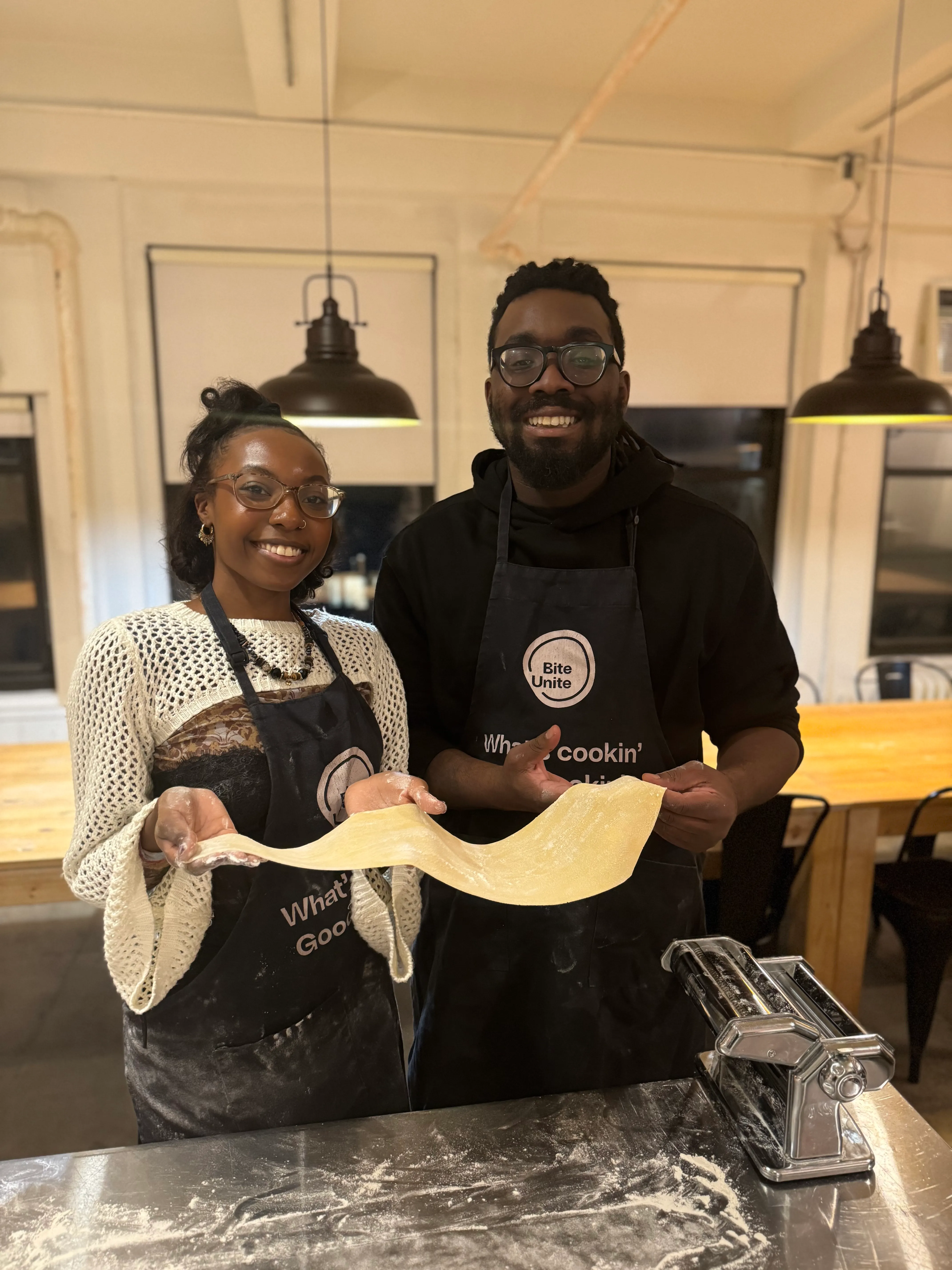
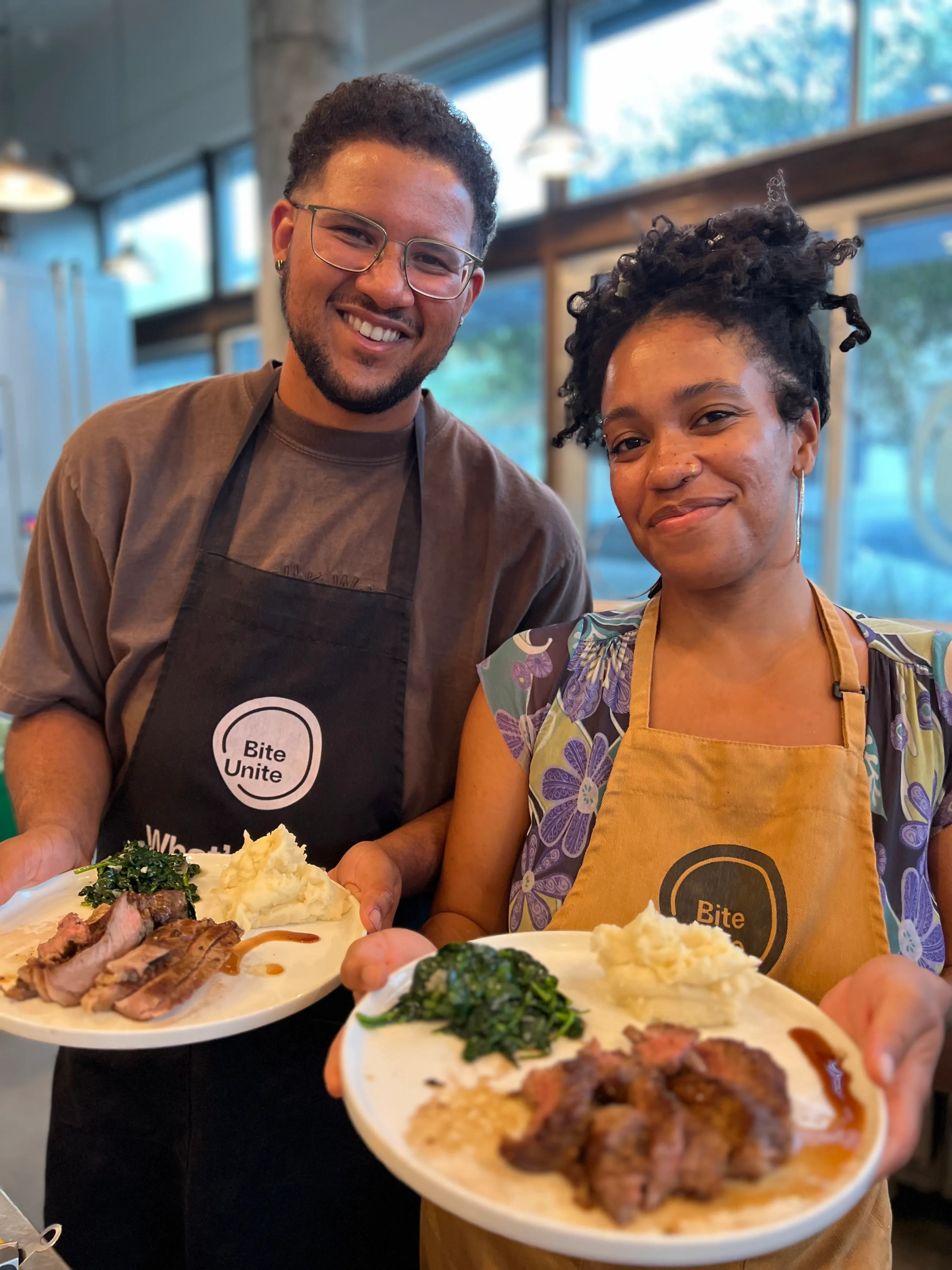
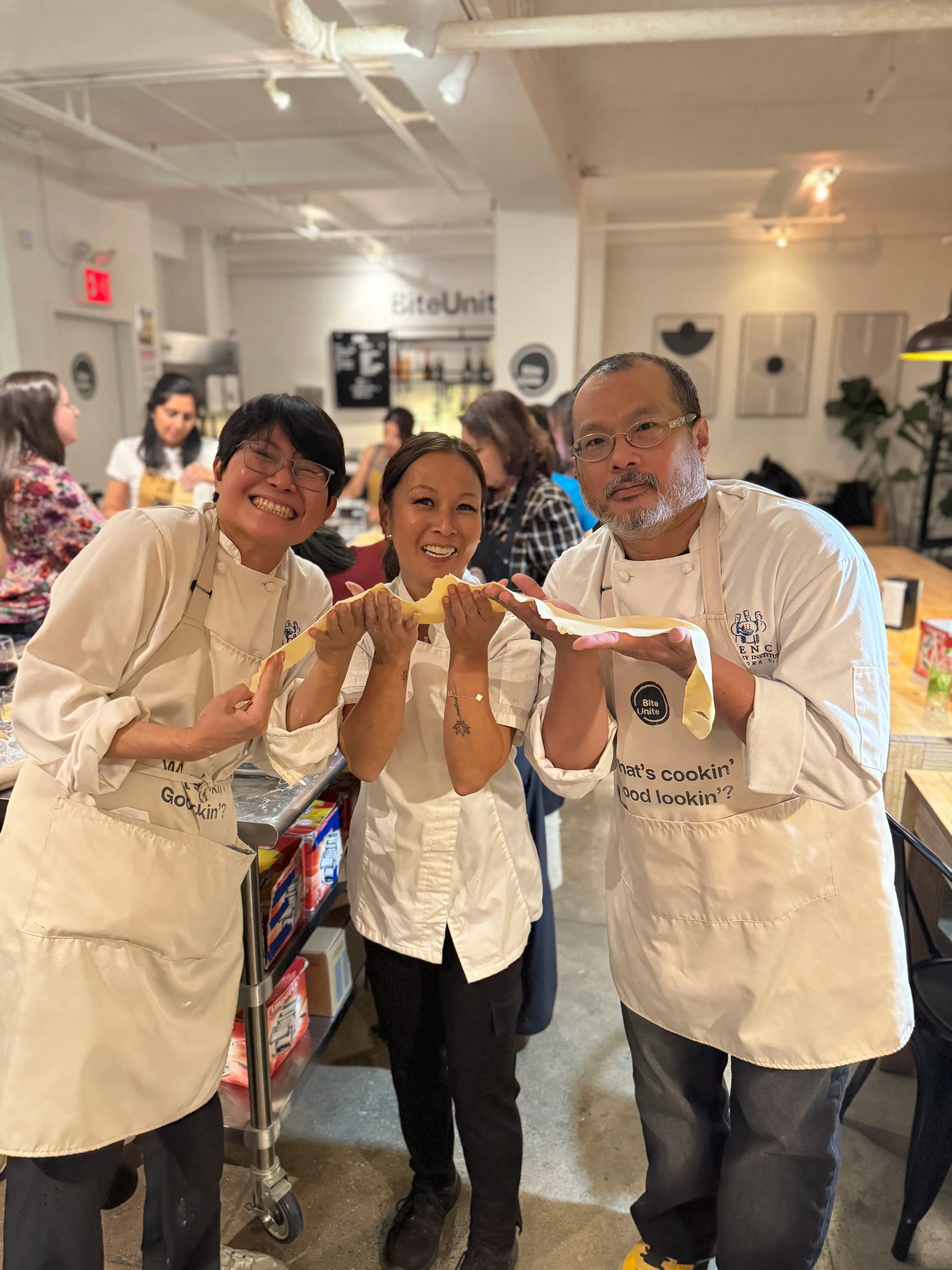
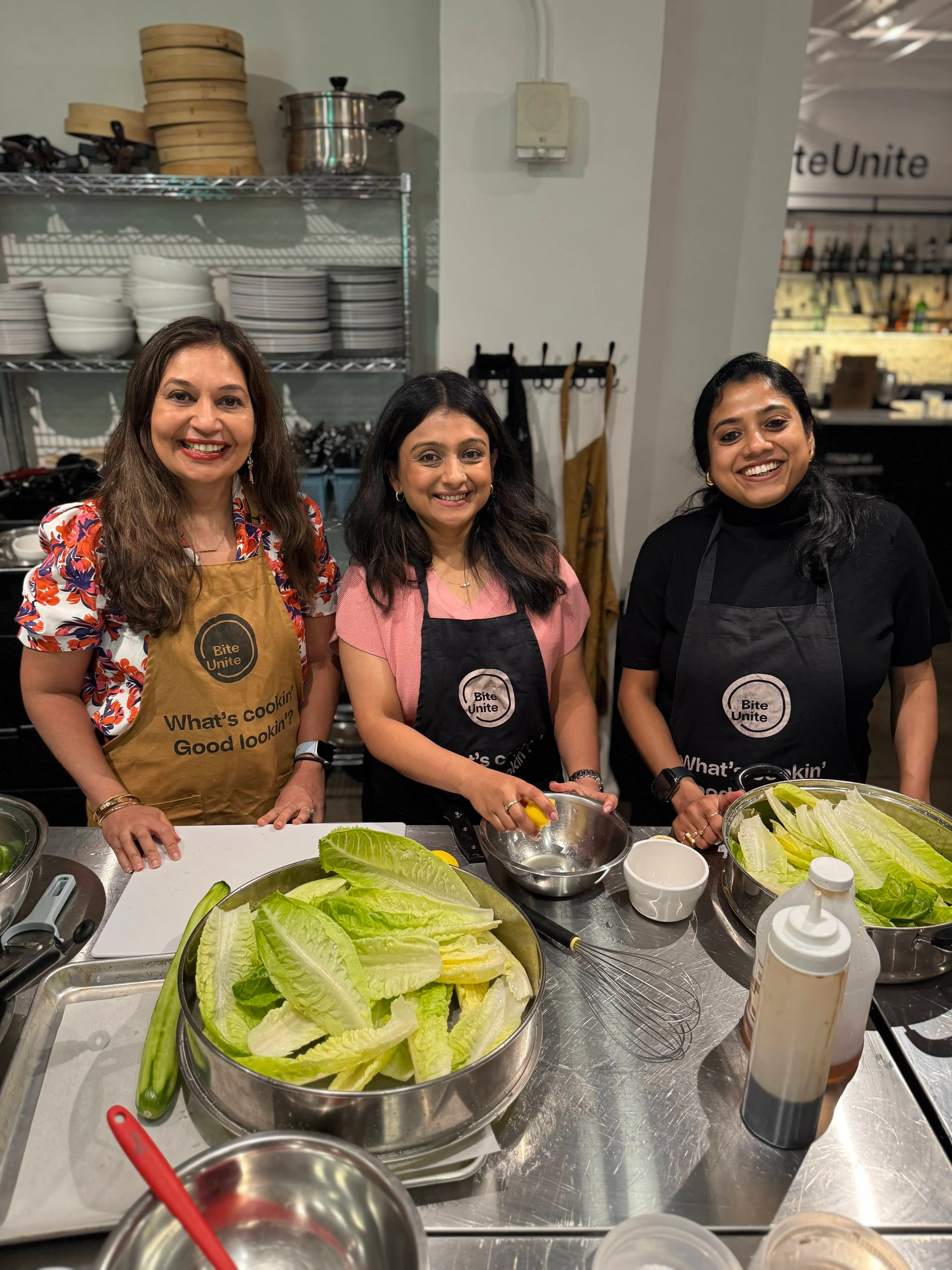
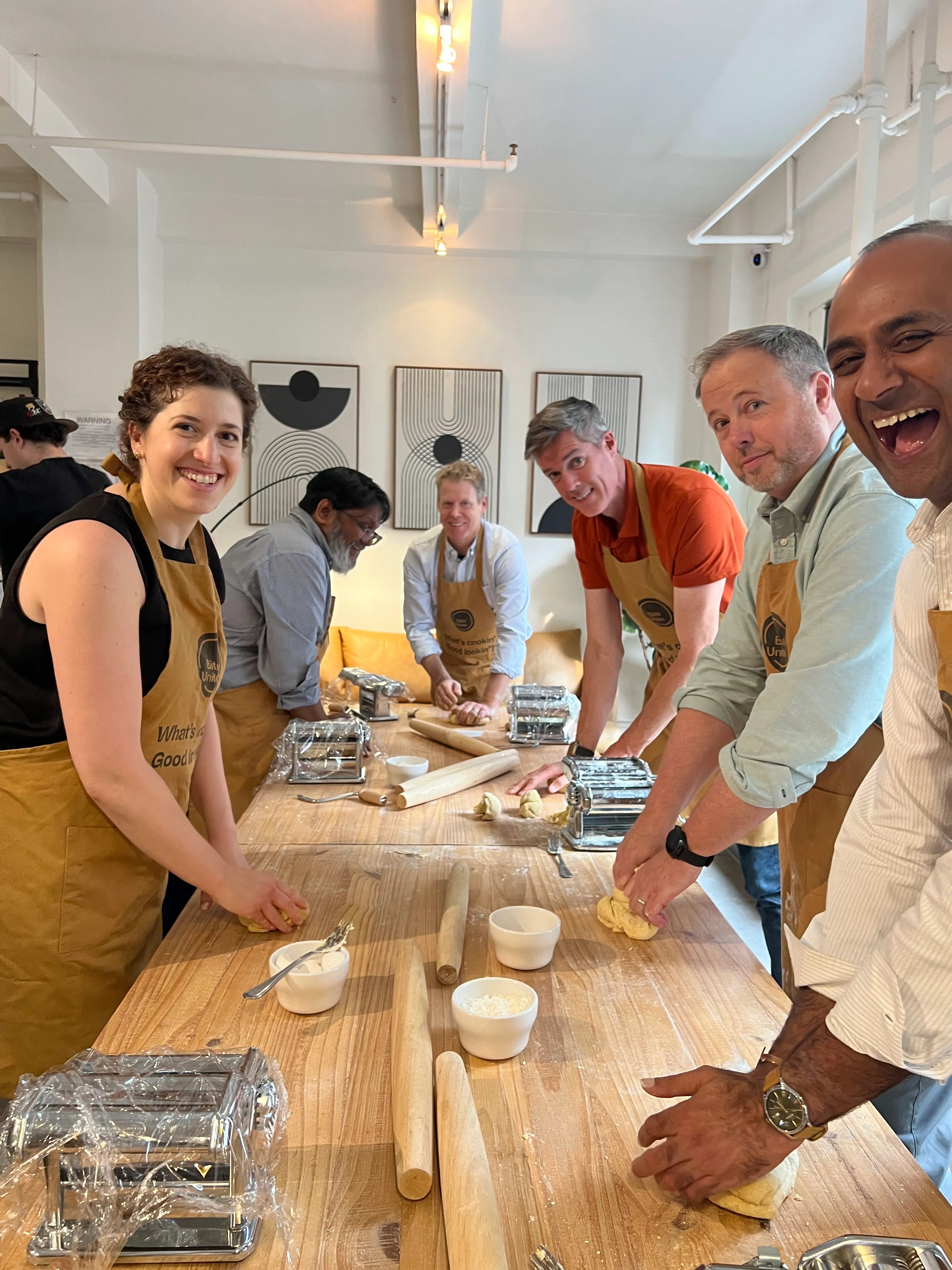
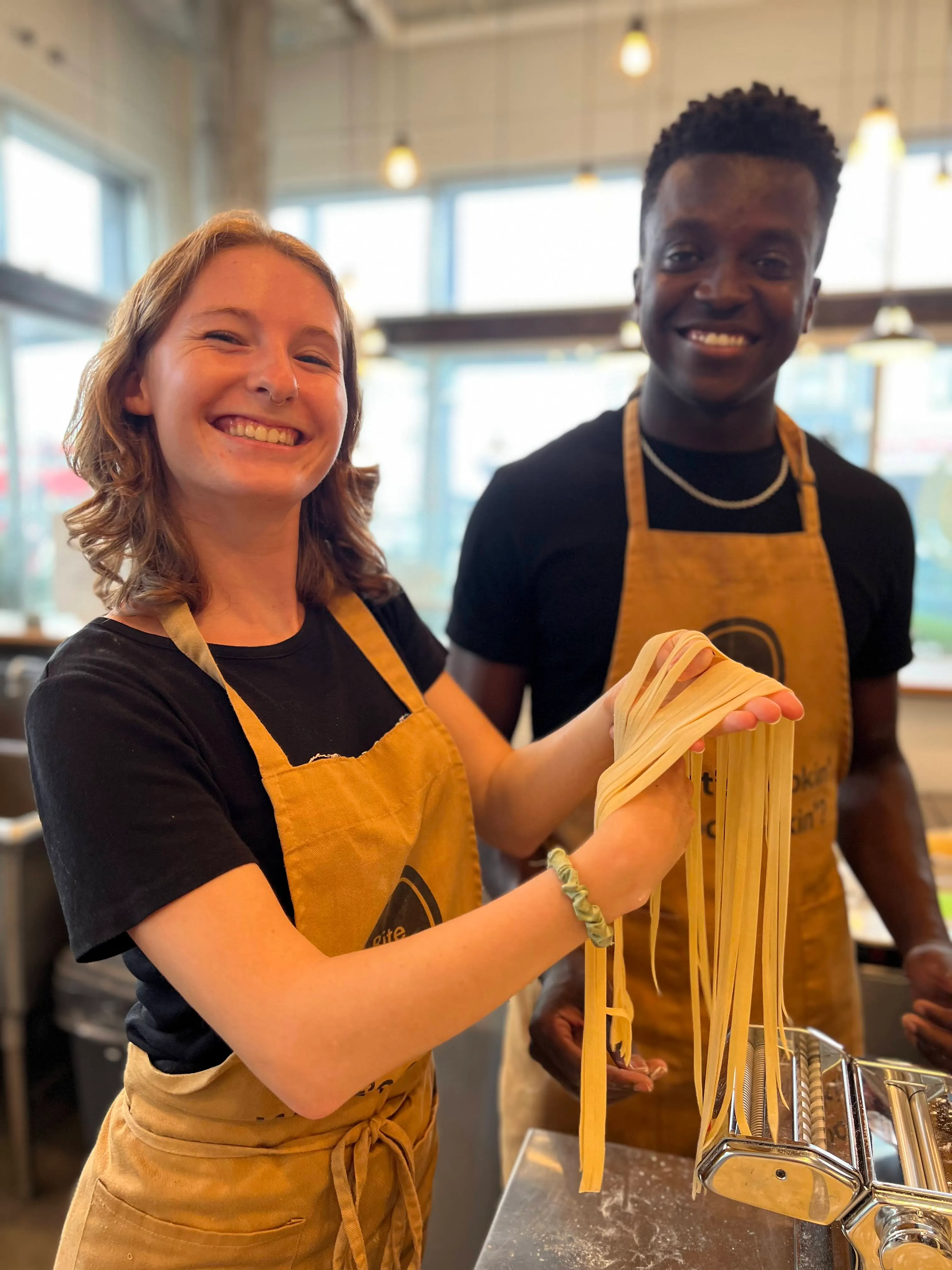
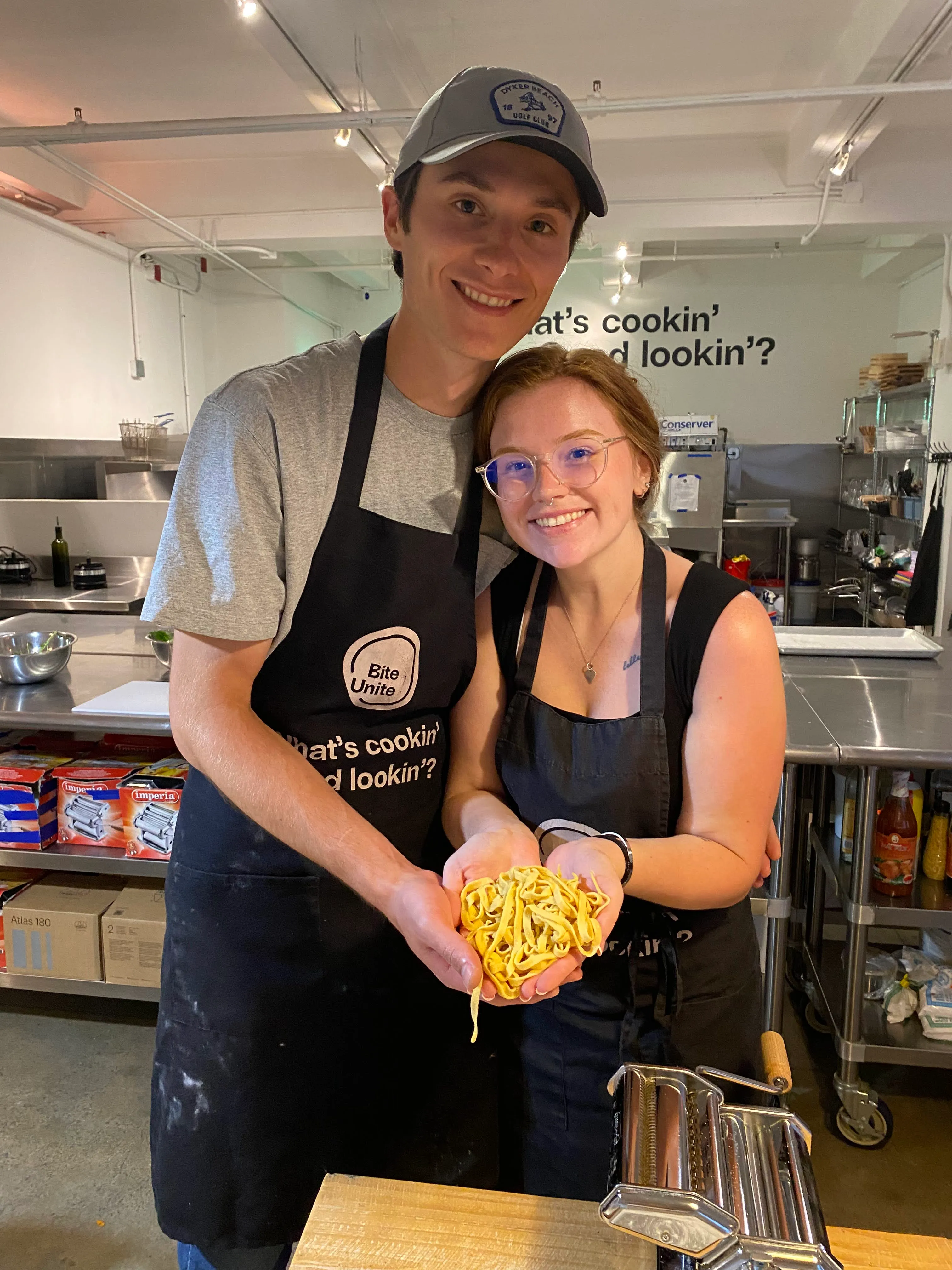
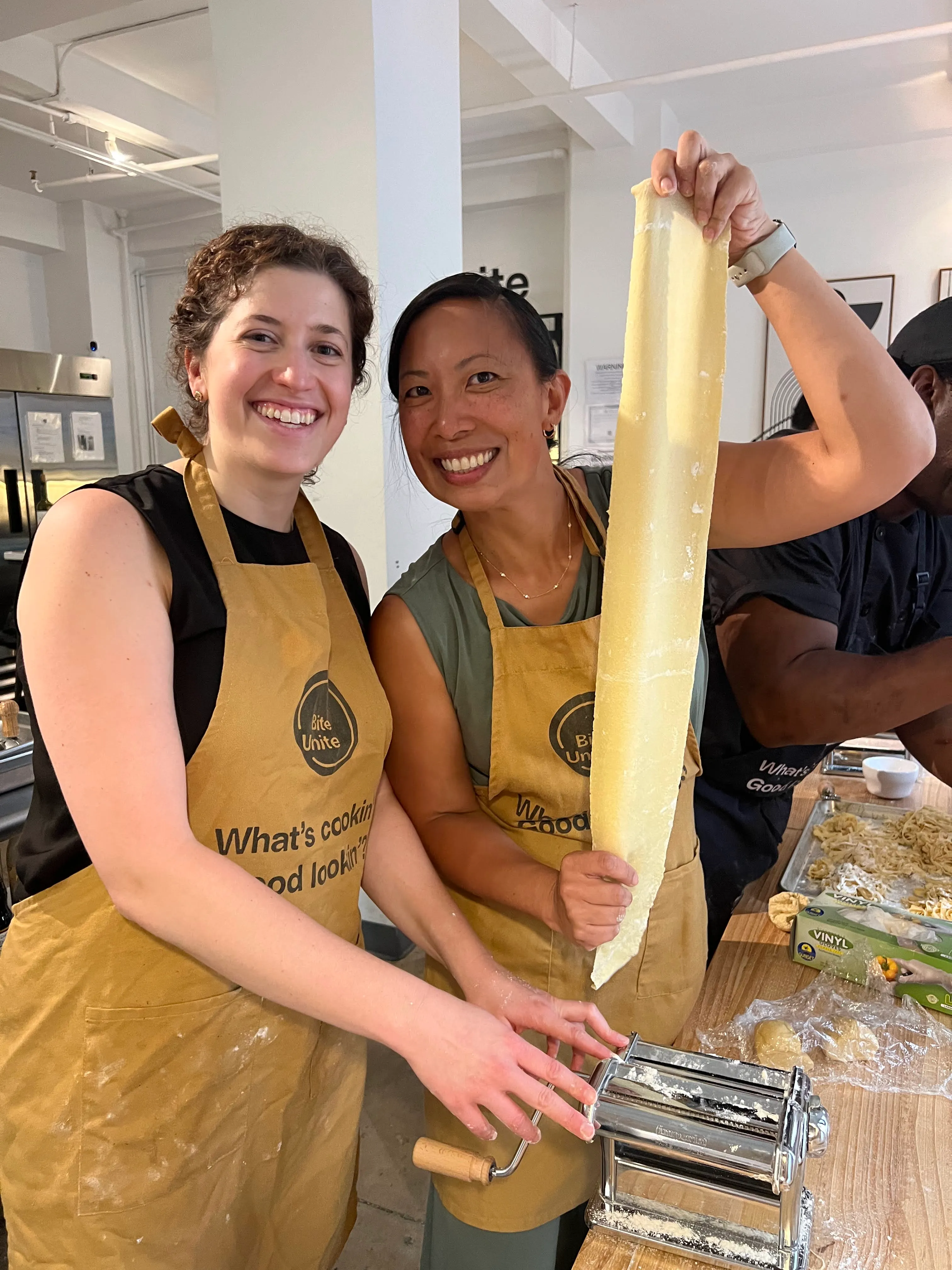
- Culinary team-building: hands-on cooking classes or virtual cook-alongs that require collaboration, produce a delicious shared outcome, and suit every personality type from introvert to social butterfly.
Pick by three variables: company size, budget, and inclusivity needs. A team of 12 can do a single micro culinary event. A company of 300 needs micro gatherings or a hybrid format with local clusters.
Key Takeaways
The most effective corporate holiday party ideas combine a structured activity with unstructured social time, inclusive design, and a format that works equally well for in-person and remote participants.
| Point | Details |
|---|---|
| Start with format, not décor | Choose activity-based, micro, hybrid, volunteer, or culinary format before booking a venue. |
| Micro gatherings outperform mega-events | Groups of 6–15 people increase engagement and simplify dietary and accessibility accommodations. |
| Design hybrid events for parity | Remote employees need the same recognition moments, activities, and shipped kits as in-person attendees. |
| Lock date and venue 12 weeks out | Every other decision — catering, entertainment, AV — depends on these two anchors being confirmed first. |
| Biteunite for culinary team-building | In-person kitchens in New York, San Francisco, and Hong Kong, plus virtual cook-alongs with shipped kits and expert chef facilitation. |
Table of Contents
- What makes a great holiday party theme for your team?
- Engaging in-person activities and games that boost team bonding
- How do virtual and hybrid holiday parties actually work?
- Volunteer and charity events that feel like celebrations
- Gift exchanges and recognition moments that feel professional
- Food, beverage, and catering formats for corporate events
- Your practical planning checklist: timeline, budget, and run-sheet
- Three sample agendas you can copy right now
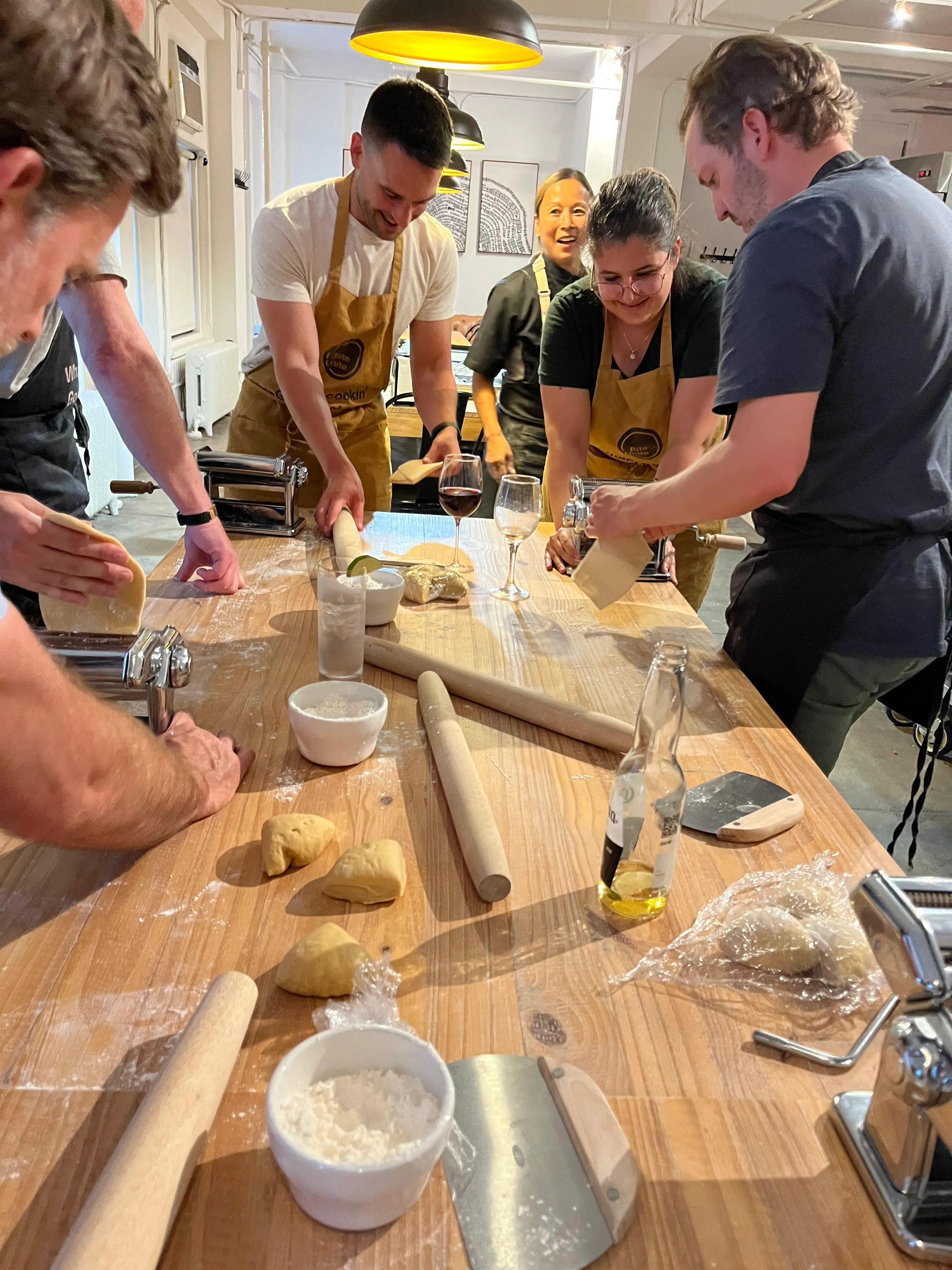
- Why hands-on culinary events work so well for holiday parties
- What most planners get wrong about holiday parties
- Biteunite makes your corporate holiday cooking event easy to book
- Sources
What makes a great holiday party theme for your team?
Choosing a theme before you book anything else saves you from expensive pivots later. The right theme does four things: it fits your audience, scales to your venue and budget, signals the dress code clearly, and gives everyone a reason to show up.
Theme-driven, experiential formats consistently produce more cohesive, memorable events because they give attendees a shared frame of reference from the moment they read the invite. A “Winter Gala” tells people to dress up. A “Retro Arcade Night” tells them to wear something fun. Ambiguity kills turnout.
Traditional themes
- Winter Gala: formal attire, candlelit venue, plated dinner. Works for companies with a client-facing culture or a tradition of formal celebrations.
- Ugly Sweater Party: low-stakes, high-participation. Perfect for casual offices where people want laughs over elegance.
- Holiday Market: booths, warm drinks, artisan vendors. Great for larger groups and outdoor-adjacent venues.
Modern and creative themes
- Retro Throwback (70s/80s/90s): costume-friendly, music-driven, and a natural conversation starter across generations.
- Speakeasy Night: jazz, craft mocktails, and a touch of mystery. Works beautifully for smaller groups in intimate venues.
- Around the World: food stations representing different cuisines, which pairs naturally with culinary team-building formats.
Neutral and inclusive themes
- Winter Wonderland: snow, silver, and blue tones. Seasonal without being religious or culturally specific.
- End-of-Year Celebration: no seasonal imagery at all — just appreciation, reflection, and forward momentum.
- Appreciation Gala: centered entirely on recognizing people, not the calendar.
Pro Tip: Rebranding your event as an “End-of-Year Celebration” or “Appreciation Event” rather than a “Christmas Party” is one of the simplest, highest-impact inclusivity moves you can make. State the theme, dress code, and any activity requirements directly in the invite — never make people guess.
For décor, pick two to three colors and one texture (metallics, greenery, or warm wood tones) and repeat them across table settings, signage, and digital backgrounds for virtual attendees. Consistency is what makes a theme feel intentional rather than assembled.
Engaging in-person activities and games that boost team bonding
Activity-based formats are more inclusive and better for team bonding than alcohol-focused events. That’s not an opinion — it’s a documented shift in what employees are asking for. The logic is simple: a shared challenge gives people something to talk about that isn’t work, and it creates a memory that lasts past the next morning.
Here’s a practical catalog, organized by group size and time:
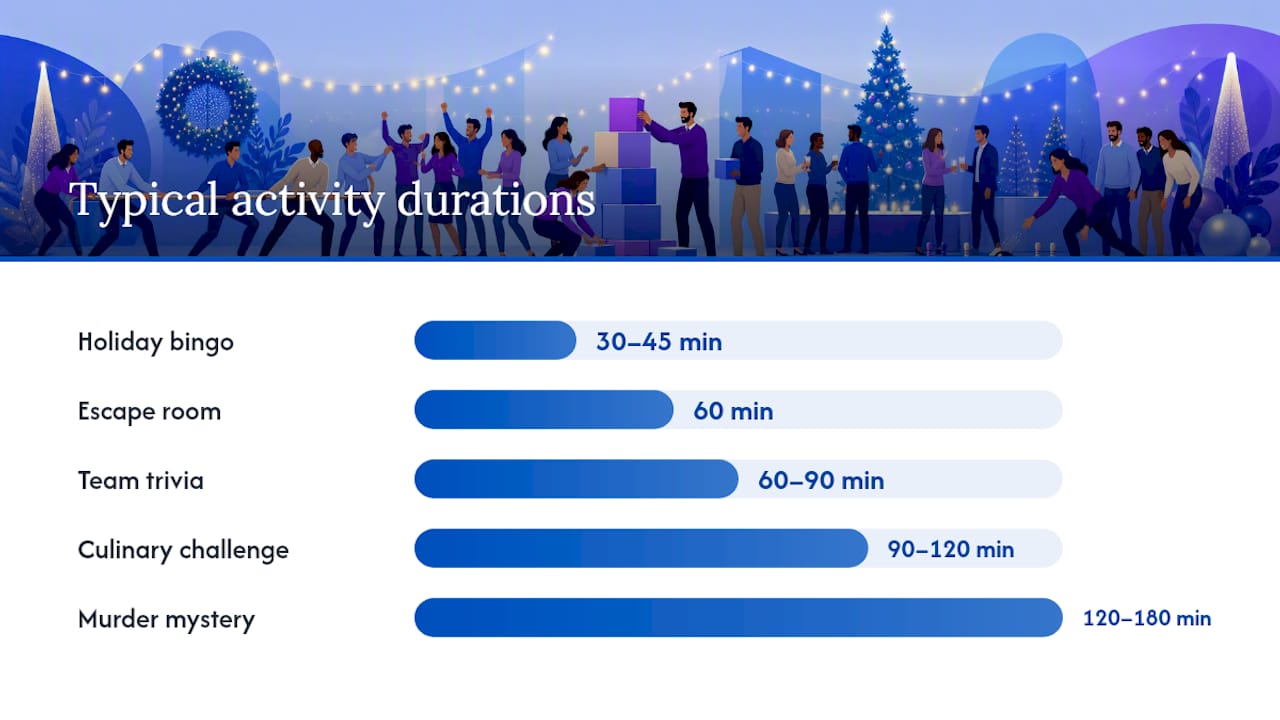
- Culinary challenge (8–20 people, 90–120 min): teams compete to plate a dish or complete a recipe. Requires a kitchen or catering setup, a facilitator, and basic supplies. High engagement, low barrier to entry.
- Murder mystery dinner (8–12 people, 2–3 hours): pre-scripted kits or a hired troupe. Needs printed materials, a private dining space, and a host. Excellent for detail-oriented teams.
- Team trivia (20–100+ people, 60–90 min): a host, a projector, answer sheets or a platform like Kahoot or Mentimeter, and round prizes. Scales easily and works for mixed departments.
- Scavenger hunt (10–40 people, 60–90 min): indoor or outdoor, city-wide or venue-based. Requires a planning app or printed clue sheets and a staff member to manage logistics.
- Escape room (6–10 per room, 60 min): book a local venue or bring a portable version in. Works best when teams are pre-mixed across departments.
- Creative workshop (10–30 people, 60–90 min): wreath-making, candle pouring, watercolor painting. Low-pressure, tactile, and naturally social. Needs a vendor or in-house facilitator and materials.
- Holiday bingo or card games (any size, 30–45 min): low-cost, low-prep filler activity that works as a warm-up or wind-down.
- Photo booth with props (any size, ongoing): a backdrop, a ring light, and a props box. Generates shareable content and gives quieter attendees a low-pressure social moment.
Pacing and structure
The biggest mistake planners make is stacking activities back to back with no breathing room. Build in at least 20–30 minutes of unstructured social time after your main activity. Quieter employees often connect more during those informal windows than during the structured game itself.
A practical run-of-show for a 3-hour in-person event:
- Arrival and welcome drinks (30 min)
- Main activity (60–90 min)
- Dinner or food stations (45–60 min)
- Awards/recognition moment (15 min)
- Open social time (remaining)
Materials checklist for the most common activities:
- Trivia: laptop, projector, HDMI cable, printed answer sheets, host script, prizes
- Culinary challenge: ingredient kits, aprons, timer, judging criteria card, facilitator
- Scavenger hunt: clue sheets or app login, team name tags, prize bag
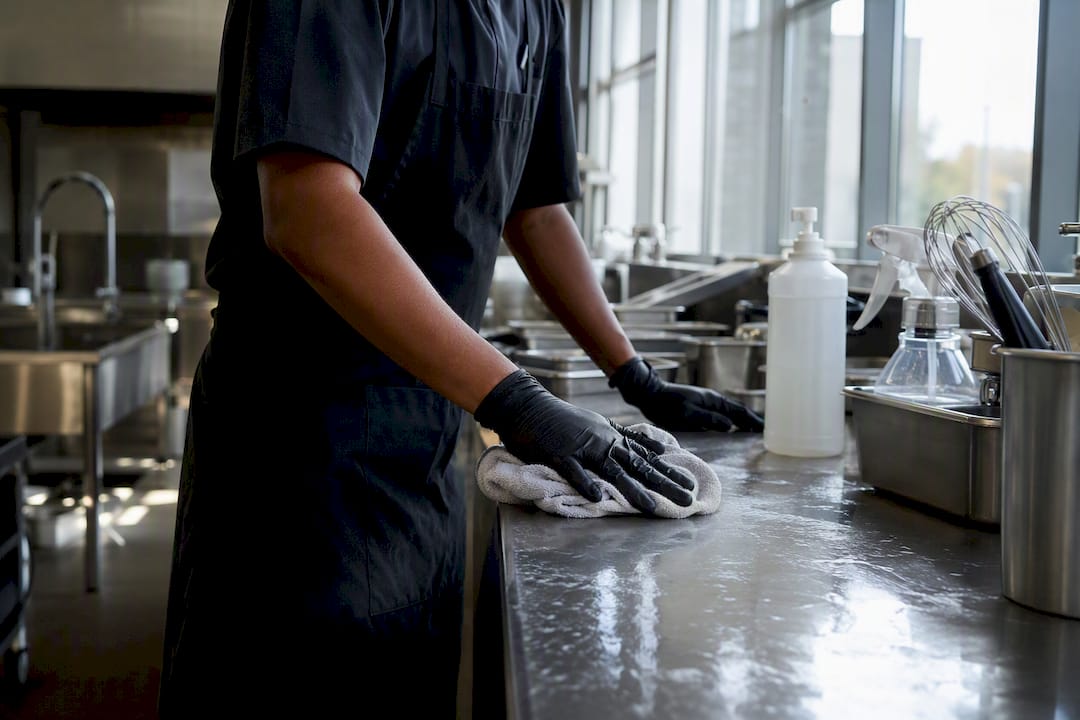
- Creative workshop: all materials pre-portioned per person, instruction card, cleanup supplies
How do virtual and hybrid holiday parties actually work?
Hybrid and virtual formats work when you design for parity. That means remote attendees get the same recognition moments, the same activity options, and the same quality of experience as the people in the room. Anything less and your remote team will feel like an afterthought.
Designing hybrid events with equal participation opportunities is the single most important factor in making them feel connected rather than performative. Here are six formats that hold up:
- Virtual cooking class with shipped kits: a chef leads everyone through a recipe live. Remote participants receive ingredient kits in advance. In-person attendees cook in a shared kitchen. Everyone eats the same dish at the same time. This is one of the most effective parity formats available.
- Virtual trivia with breakout rooms: a host runs rounds on Zoom or Microsoft Teams, with breakout rooms for team huddles between questions. Keeps energy high and gives remote employees genuine team moments.
- Hybrid awards show with local micro-gatherings: in-person clusters at office locations watch a live-streamed awards ceremony together. Remote employees tune in from home. Pre-ship a small celebration kit (snacks, a branded item, a printed program) so everyone has something physical.
- Shipped activity kits: send each remote employee a box with everything they need — a craft, a game, a snack — timed to arrive before the event. Works for any format.
- Synchronous volunteer session: teams assemble care kits or write cards for a charity partner at the same time, whether in-person or at home. A shared timer and a group video call keep it connected.
- Virtual escape room: platforms like Teambuilding.com or Outback Team Building offer fully facilitated virtual escape rooms that run on any video conferencing tool.
Tech checklist for hybrid events
- Platform: Zoom, Microsoft Teams, or Hopin (confirm breakout room capacity before the event)
- AV: a dedicated camera operator for in-person locations; remote participants need a direct audio feed, not a room mic
- Timing: cap virtual events at 90 minutes; fatigue sets in fast on screen
- Facilitator: assign one person to monitor the chat and flag remote participants who want to speak
- Run-of-show: send it to all participants 48 hours in advance
Pro Tip: Ship participation kits at least 10 days before the event. Customs delays and carrier backlogs are real, especially around the holidays. Include a one-page run-of-show in every kit so remote employees know exactly what to expect and when.
Volunteer and charity events that feel like celebrations
Purpose-driven activities can be genuinely fun. The key is framing: position the event as a celebration that happens to give back, not a mandatory community service hour. When participation is clearly voluntary and logistics are tight, these formats often produce the most meaningful team memories of the year.
Formats that work well:
- Donation drive with a party attached: collect items for a local food bank or toy drive, then celebrate with food and music. The giving is the warm-up; the party is the reward.
- Build-a-kit session: assemble hygiene kits, school supply packs, or holiday meal boxes for a charity partner. Works for groups of 10–50 and takes 60–90 minutes. Salvation Army’s Angel Tree program is one well-established U.S. partner for holiday-season giving.
- Sponsored charity challenge: teams compete in a physical or creative challenge, and the winning team’s chosen charity receives a company donation. Adds stakes and fun to a giving activity.
- Pro-bono skill session: marketing, legal, or finance teams offer a few hours of professional expertise to a local nonprofit. Best for smaller, specialized groups.
Logistics checklist
- Choose a vetted charity partner at least 6 weeks in advance and confirm their capacity for your group size.
- Make participation clearly opt-in in the invite — never frame it as required.
- Confirm transportation or remote participation options for employees who can’t travel.
- Check liability requirements with your legal team if the event takes place off-site.
- Designate a point of contact at the charity for day-of coordination.
For employees who opt out, offer a parallel low-key social option at the same time — a coffee hour or a casual lunch. No one should feel penalized for not participating in a volunteer activity.
Recognition matters here too. Acknowledge the team’s contribution during the celebration itself: a short slide showing the impact (number of kits assembled, dollars raised) makes the effort feel real and worth repeating.
Gift exchanges and recognition moments that feel professional
The wrong gift exchange format can create more awkwardness than connection. Match the format to your culture and your headcount, and always make participation voluntary.
Choosing the right exchange format
- Secret Santa: works best for teams of 10–25 who know each other well. Set a firm budget cap ($20–$30 is standard) and use a platform like Elfster or DrawNames to handle assignments and wish lists automatically.
- White Elephant: fun for larger groups (15–40 people) and casual cultures. The stealing mechanic creates laughs but can feel uncomfortable in more formal environments — read your room.
- Curated gift boxes: the company selects and ships a branded or experience-based gift to every employee. No participation anxiety, no budget disparity, and remote employees get the same gift as in-person ones.
- Wish-list platforms: tools like Tendr or Loop & Tie let employees select from a curated catalog within a set budget. Removes guesswork and suits diverse teams.
Etiquette essentials
- State clearly in the invite that participation is optional.
- Set a shipping deadline for remote employees at least 3 weeks before the event.
- Offer a non-gift alternative (a donation in the employee’s name) for those who prefer not to exchange.
- Avoid gag gifts in professional settings unless your culture explicitly supports them.
Recognition formats that land
Short, specific awards are more meaningful than generic trophies. Peer-nominated shout-outs — where colleagues submit a sentence about a teammate’s contribution — take five minutes to read aloud and create genuine emotional moments. Keep the list to 5–10 people maximum to avoid diluting the impact.
Prize ideas that work: experience vouchers (cooking classes, spa days, local tours), practical desk items (quality headphones, a good notebook set), and food kits (a curated snack box or a meal kit subscription). Avoid cash equivalents in gift card form unless your company policy explicitly allows it — tax implications vary.
Food, beverage, and catering formats for corporate events
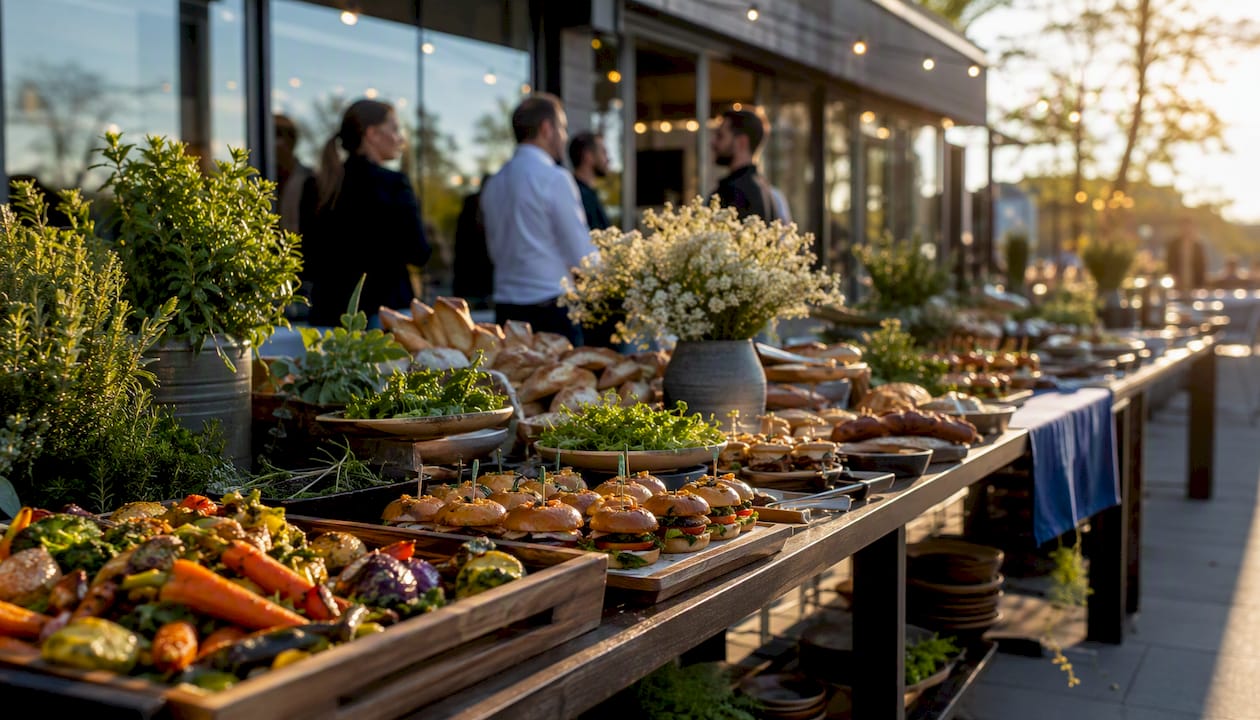
Choose your catering format by three variables: the tone of the event, your budget, and the physical layout of your space. Plated dinners signal formality. Food stations invite movement and conversation. Grazing tables work for casual, drop-in formats.
Format comparison
Plated dinner: highest cost per head, requires full waitstaff, and locks guests into their seats. Best for formal galas or seated award ceremonies. Dietary accommodations are easier to manage because each plate is pre-assigned.
Food stations: moderate cost, high energy, and naturally social. Guests move between stations (a carving station, a pasta bar, a dessert table), which keeps the room dynamic. Staffing needs are lower than plated, but you need enough stations to prevent bottlenecks. Detailed menu station ideas improve perceived event quality and create a cohesive experience that scales across team sizes.
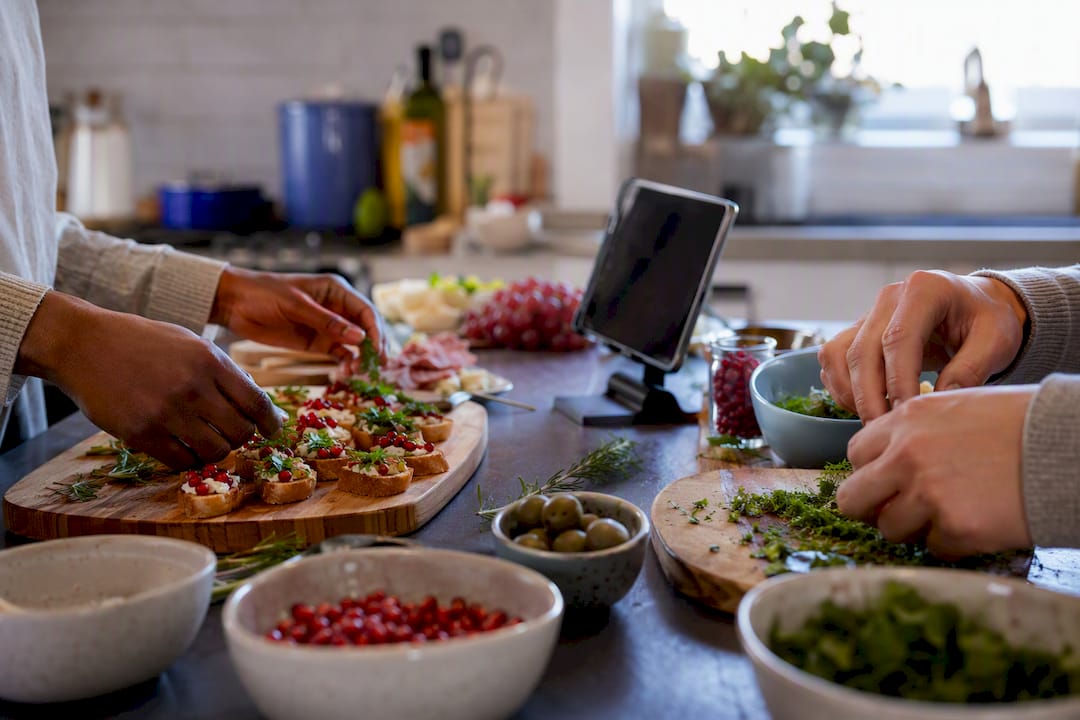
Passed hors d’oeuvres: low cost, high flexibility, and works well as a cocktail-hour format before a seated program. Not a full meal replacement — pair with a substantial station or a seated course.
Grazing tables: visually impressive, low-staffing, and ideal for casual or drop-in events. Dietary labeling is critical here because guests serve themselves.
For festive meal concepts and plating ideas that work across different catering formats, it’s worth consulting a specialist resource before finalizing your menu.
Dietary accommodation checklist
- Label every dish with allergen information (gluten, nuts, dairy, shellfish at minimum).
- Ask your caterer for their cross-contact protocol in writing before signing a contract.
- Confirm vegan and gluten-free options are substantive dishes, not afterthoughts.
- Collect dietary restrictions in your RSVP form, not the day of the event.
Beverage strategy
A strong nonalcoholic program is no longer optional. Offer at least two craft mocktails, a sparkling water station, and a hot beverage bar (coffee, tea, cider). If alcohol is present, arrange transportation options in the invite — a rideshare code, a shuttle, or a reminder to plan ahead. Designate a sober point of contact for the event.
Your practical planning checklist: timeline, budget, and run-sheet
Lock the date and venue first. Every other decision — budget, catering, entertainment — flows from those two anchors. Ready-to-use planning templates speed up procurement decisions and give planners the confidence to move fast.
Planning timeline
| Weeks Out | Milestone | Owner | Notes |
|---|---|---|---|
| 12 weeks | Set date, secure venue, confirm budget | Event lead + Finance | Get venue contract signed |
| 10 weeks | Choose format and theme | Event lead + HR | Confirm inclusivity approach |
| 8 weeks | Book entertainment/activity vendor | Event lead | Confirm deposit and cancellation policy |
| 8 weeks | Send save-the-date | HR/Comms | Include RSVP deadline |
| 6 weeks | Finalize catering and dietary needs | Event lead + Caterer | Collect restrictions via RSVP |
| 6 weeks | Confirm AV and tech needs | AV lead | Test all equipment |
| 4 weeks | Ship participation kits (remote staff) | Event lead | Allow for shipping delays |
| 3 weeks | Send formal invite with run-of-show | HR/Comms | Include dress code, parking, accessibility info |
| 2 weeks | Confirm headcount and finalize seating | Event lead | Share final numbers with caterer |
| 1 week | Run full tech and AV check | AV lead | Test hybrid platform |
| Event day | Execute run-sheet, brief all staff | Event lead | Have a printed backup of all materials |
Budget template
- Venue: 25–35% of total budget
- Food and beverage: 30–40%
- Entertainment and activities: 15–20%
- AV and tech: 5–10%
- Staffing and facilitation: 5–10%
- Décor: 5–8%
- Contingency: 10% minimum
Prioritize food and beverage and your main activity above décor. Guests remember what they ate and what they did — not the centerpieces.
Post-event success metrics
Send a three-question survey within 48 hours of the event:
- On a scale of 1–10, how connected did you feel to your colleagues during this event?
- What was the highlight of the event?
- What would you change for next year?
Track participation rate (RSVPs vs. actual attendance) as your baseline metric year over year.
Three sample agendas you can copy right now
Copy-ready agendas increase planner confidence and speed up procurement. Here are three formats built for the most common corporate holiday scenarios.
Micro party: 90-minute agenda for 8–15 people
Materials: name tags, activity supplies (per chosen activity), food/drinks, a small prize bag, printed run-of-show for the host.
- 0:00–0:15 — Arrival, welcome drinks, informal mingling. Host: greet guests, introduce the format.
- 0:15–1:00 — Main activity (culinary challenge, creative workshop, or trivia). Facilitator: run the activity, manage timing.
- 1:00–1:20 — Shared meal or food stations. No formal program — let conversation flow.
- 1:20–1:30 — Recognition moment: 2–3 peer shout-outs, small prizes. Host: keep it brief and specific.
Fallback: if the activity runs long, cut the recognition moment to 5 minutes and move it to the meal portion.
3-hour seated gala for 30–100+ people
Materials: printed programs, name cards, AV setup (mic, projector, slide deck), centerpieces, awards/trophies.
- 0:00–0:30 — Cocktail hour with passed hors d’oeuvres. AV cue: background music at 60% volume.
- 0:30–0:45 — Welcome remarks from leadership. AV cue: mic check 15 minutes before.
- 0:45–1:45 — Plated dinner, first two courses. AV cue: lower music during service.
- 1:45–2:15 — Awards and recognition program. AV cue: slide deck with nominee names and photos.
- 2:15–2:45 — Dessert and main activity (trivia, photo booth, or entertainment).
- 2:45–3:00 — Closing remarks, group photo, open social time.
Fallback: if awards run long, compress dessert service and skip the structured activity — open social time is a safe landing.
Hybrid awards + micro-gatherings agenda
Materials: video conferencing platform (Zoom/Teams), AV at each in-person location, shipped celebration kits for remote employees, slide deck, printed programs at each site.
- 0:00–0:15 — All locations and remote employees join the video call. AV cue: confirm audio from each site.
- 0:15–0:30 — Welcome and icebreaker (one fun question answered by each site in the chat).
- 0:30–1:00 — Live-streamed awards ceremony. AV cue: camera on presenter; remote employees react in chat.
- 1:00–1:15 — Break: each location celebrates locally (open kit, share food, informal chat).
- 1:15–1:30 — Reconvene for a group activity (virtual trivia, one round). AV cue: switch to shared screen for trivia platform.
- 1:30–1:45 — Closing remarks and group photo (screenshot of full grid view).
Fallback: if tech fails at one location, that site joins audio-only and receives a follow-up recognition email within 24 hours.
Why hands-on culinary events work so well for holiday parties
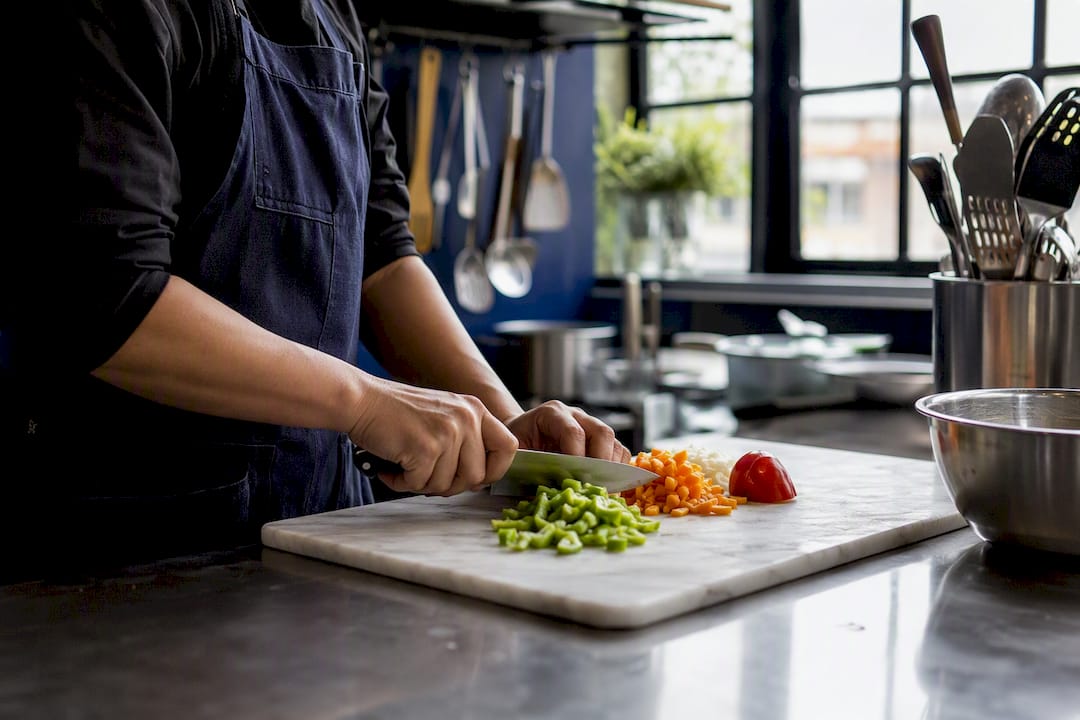
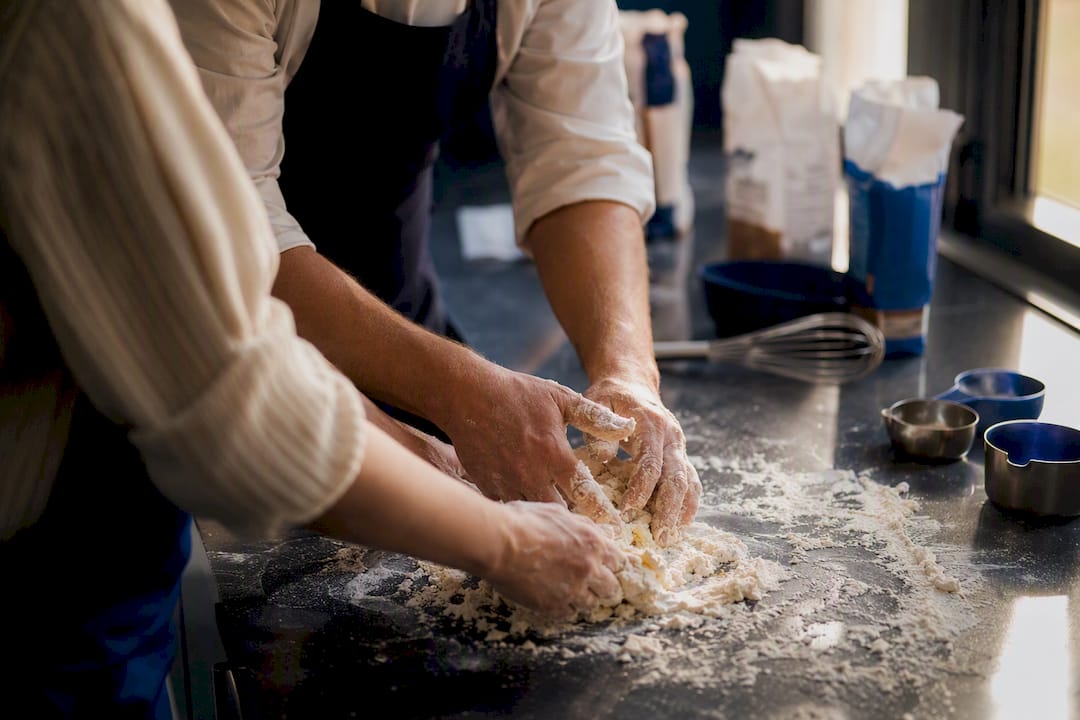
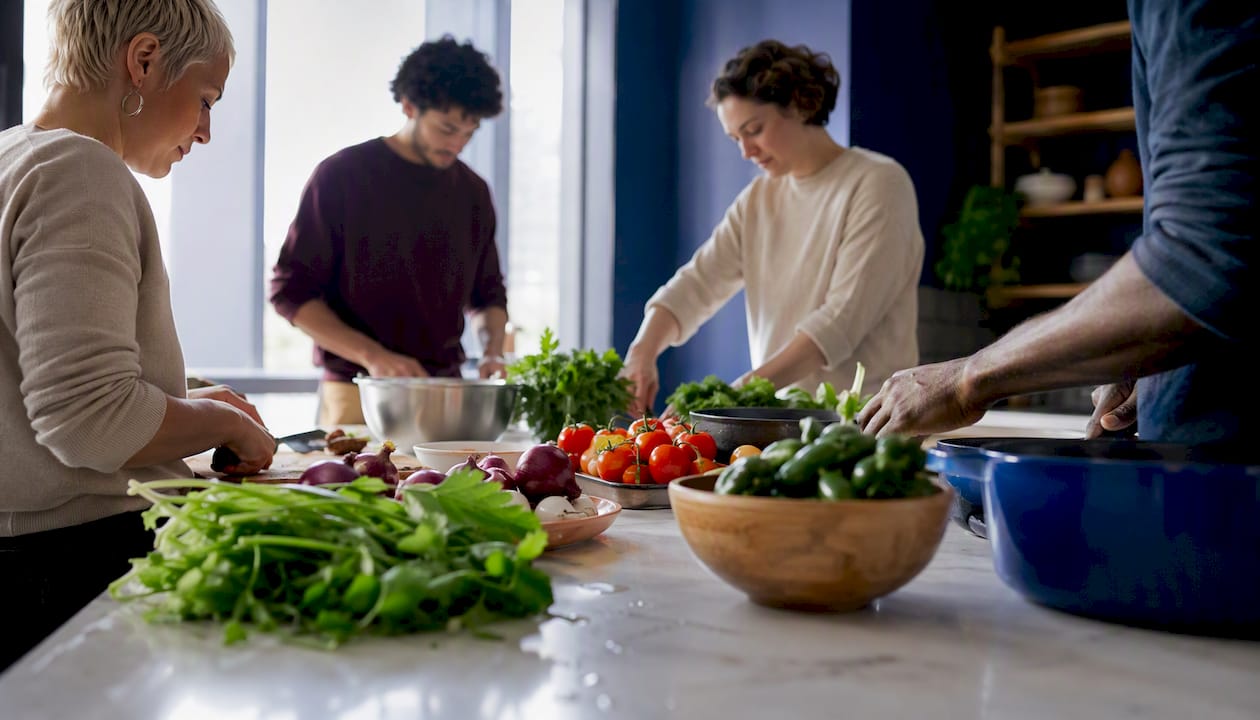
Culinary experiences combine three things that most holiday party formats don’t: genuine collaboration, low-pressure socialization, and a tangible shared outcome everyone can taste. That combination is why food-focused, experiential formats consistently perform well for team bonding — they require people to work together toward something delicious, and the result is a memory that sticks.
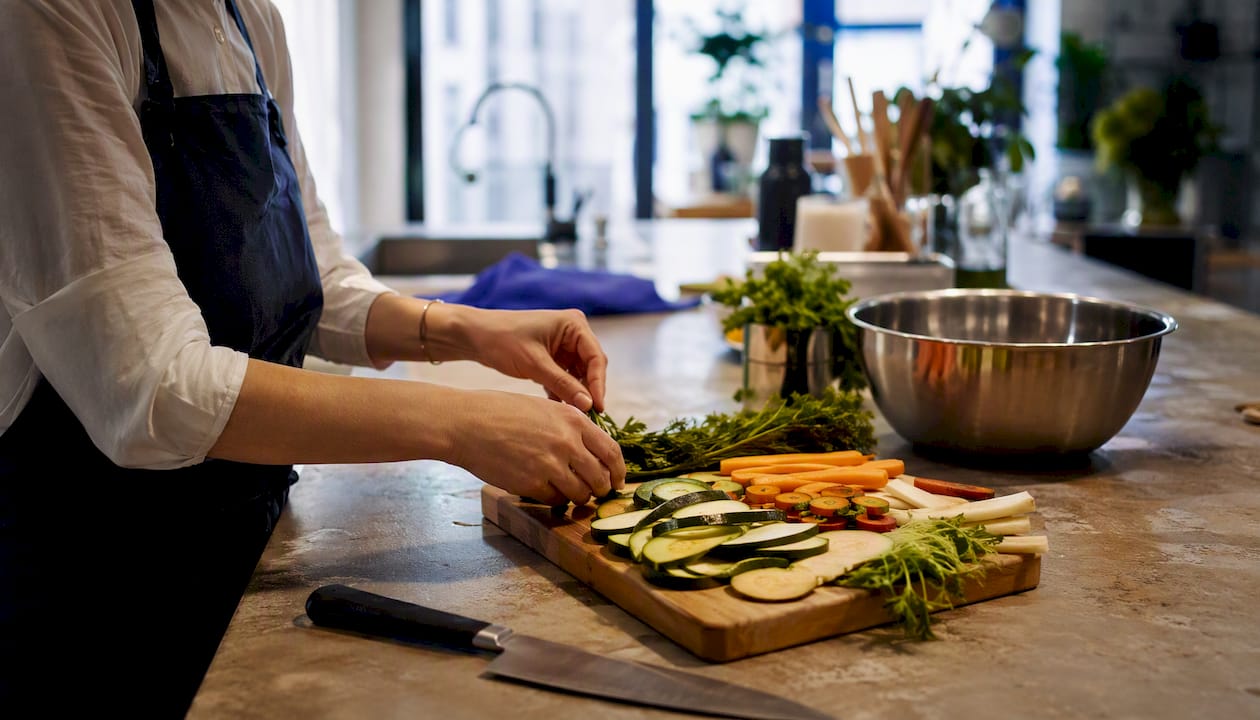
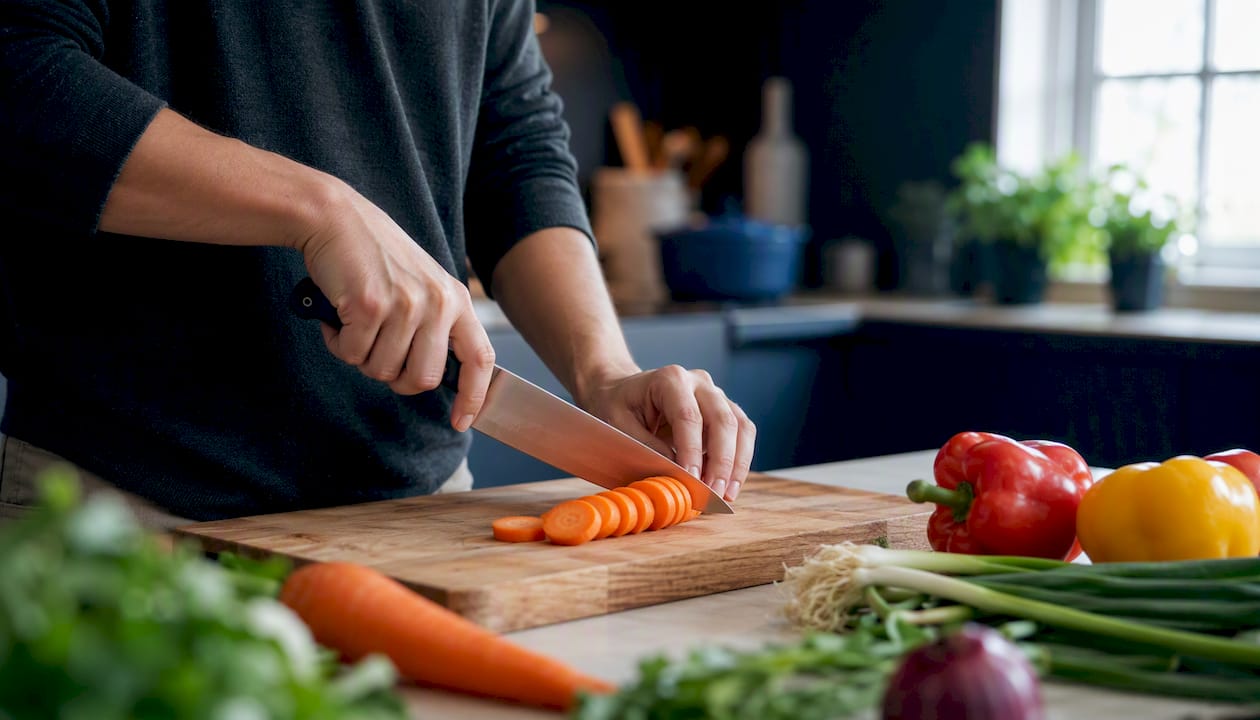
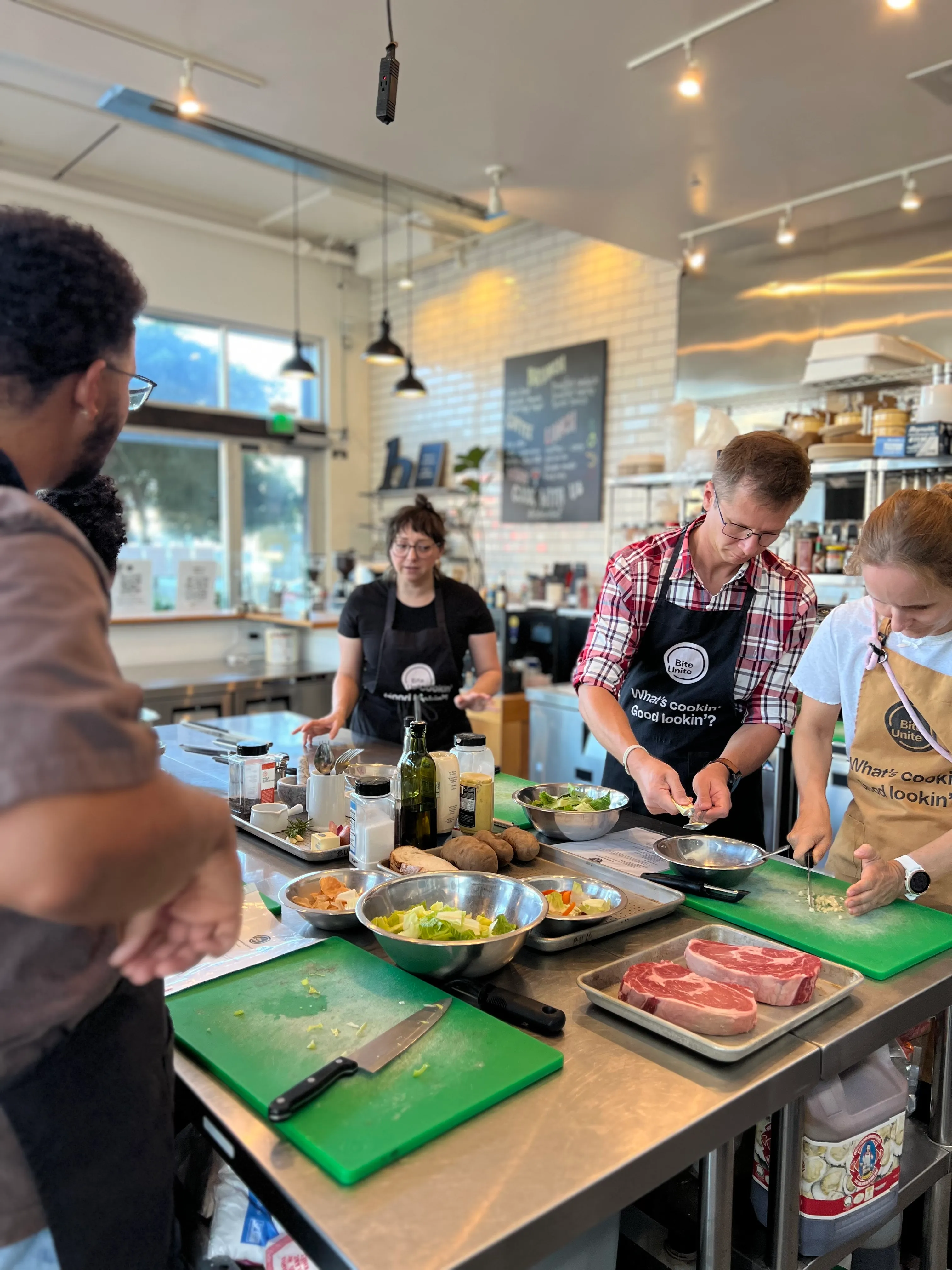
The mechanics matter. When a team is focused on a shared task — chopping, timing, plating — conversation happens naturally. There’s no awkward “so, what do you do?” moment because everyone is already doing something together. Introverts thrive in this format because the activity gives them a role and a focus. Extroverts love the energy and the performance of presenting a finished dish.
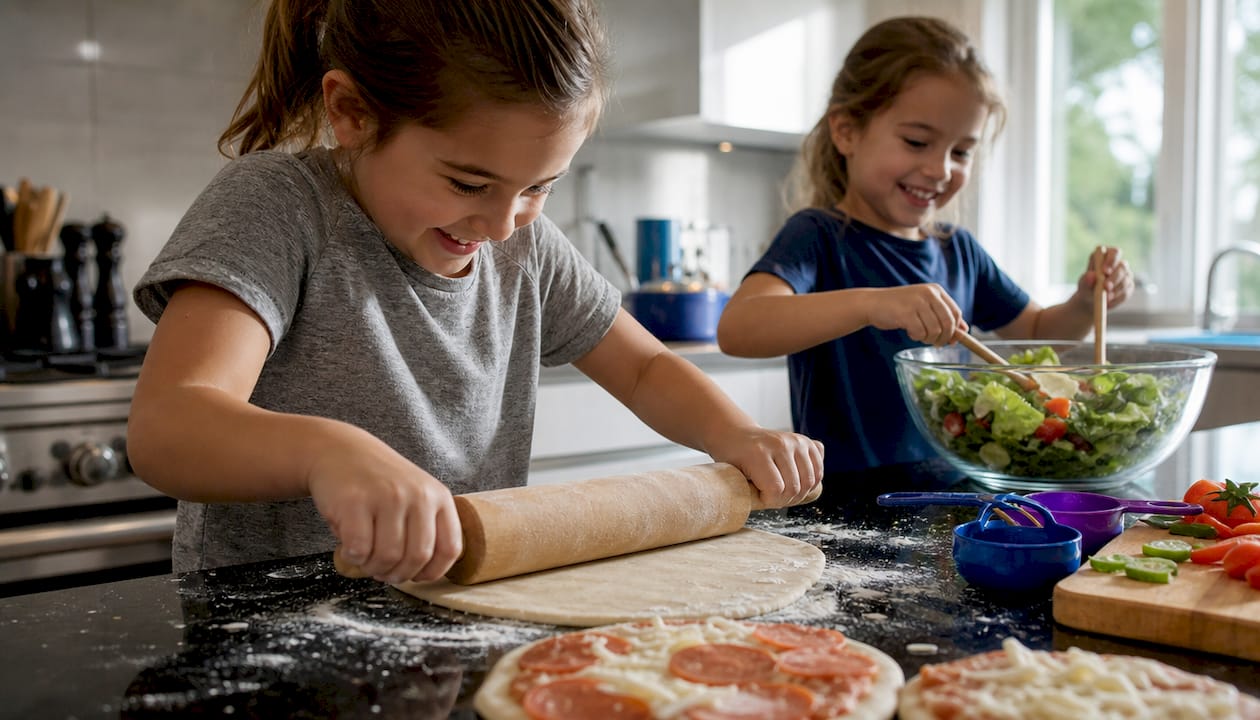
Cooking classes are a proven way to boost team morale precisely because they create these conditions reliably, regardless of team size or culinary experience level. You don’t need to know how to cook to participate — you just need to show up.
For culinary team-building experiences that build real connection, the format works across a wide range of group sizes and skill levels, which makes it one of the most flexible options in a planner’s toolkit.
Logistics at a glance
- Group size sweet spots: 8–20 for in-person kitchen sessions; up to 50+ for virtual cook-alongs with breakout groups.
- Virtual logistics: ship ingredient kits 10 days in advance; confirm each participant has the right equipment (a cutting board, a pan, a knife); run a tech check 30 minutes before the event.
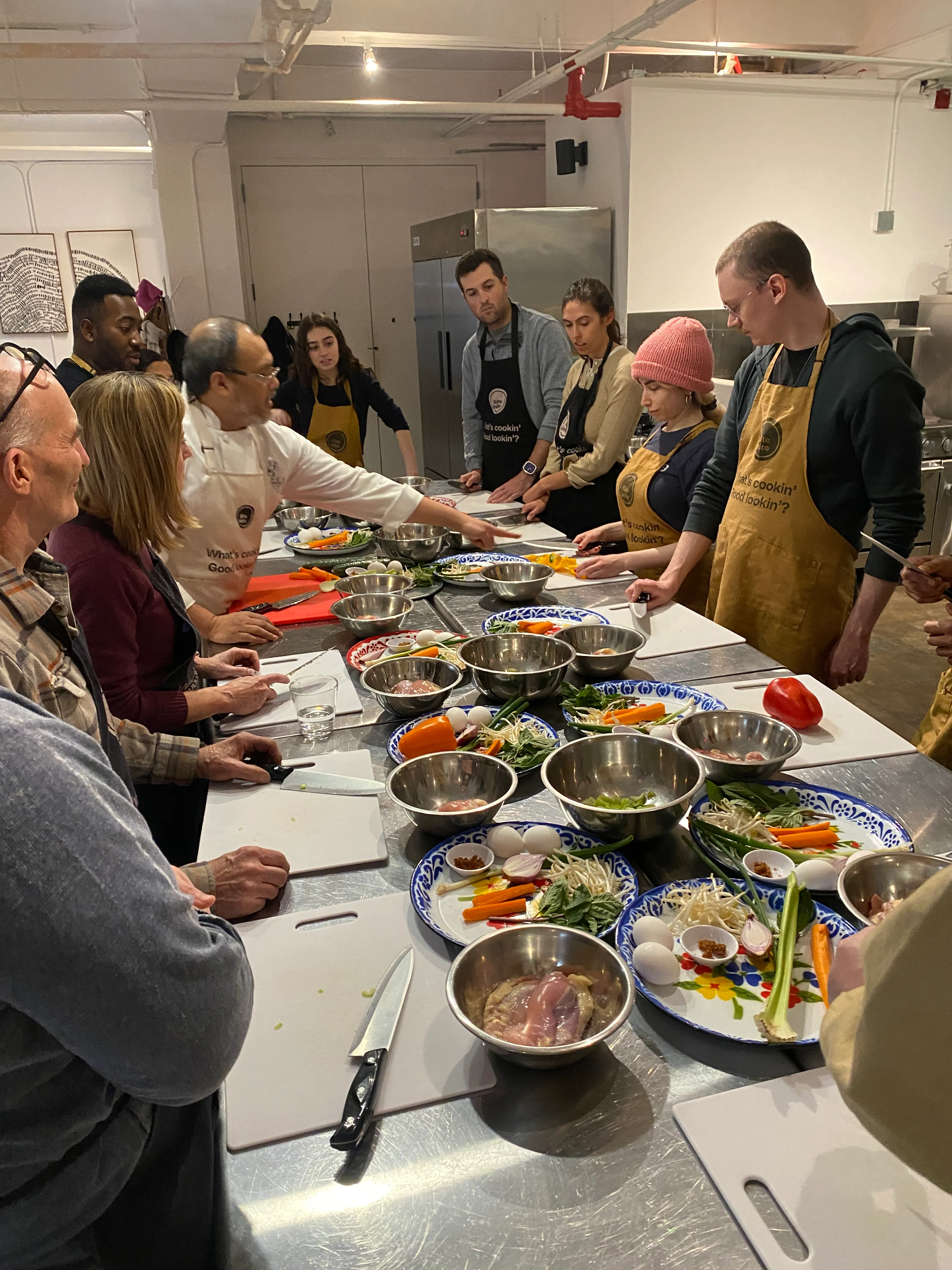
- In-person logistics: confirm kitchen layout supports simultaneous cooking stations; assign one facilitator per 8–10 participants; brief the chef on any dietary restrictions at least 1 week out.
- AV needs: a projector or large monitor showing the chef’s demo station; a wireless mic for the chef; a timer visible to all stations.
When to pick a culinary event
Choose a culinary format when your team is mid-sized (10–40 people), when inclusivity is a priority, or when you want an activity that works equally well in-person and virtually. It’s a stronger choice than a passive entertainment format (a concert, a comedy show) for teams that don’t know each other well, because it creates interaction rather than just shared observation.
A volunteer event or a trivia night may be a better fit when your team is very large (100+), when budget is extremely tight, or when your culture strongly prefers low-structure socializing.
Pro Tip: What makes a culinary experience truly memorable is the combination of sensory engagement and shared effort. Brief your chef to build in one “wow moment” — a technique, a flavor combination, or a plating reveal — that gives the team something to talk about long after the event.
What most planners get wrong about holiday parties
The conventional wisdom says a great corporate holiday party is about the venue and the food. Get a nice room, hire a caterer, add some decorations, and call it done. That logic produces forgettable events — and forgettable events are the ones employees skip next year.
What actually drives attendance and genuine connection is structure with breathing room. The activity gives people a reason to interact. The unstructured time after it gives them space to actually connect. Most planners over-program the first part and cut the second entirely, which leaves quieter employees with nowhere to land.
The other underestimated factor is the invite itself. Inclusive invite language and a clear opt-in structure — stating the theme, the activities, the dress code, and any participation options — removes the anxiety that keeps people from RSVPing yes. If your invite is vague, your RSVP rate will tell you.
One honest tip: send your RSVP form with two participation tracks. Track one is the full event. Track two is a shorter, lower-commitment version (just the meal, just the recognition moment, just the virtual portion). You’ll get higher overall participation because you’ve removed the all-or-nothing barrier. Then use the sample agendas and planning checklist above to build a run-of-show that actually holds together on the day.
Biteunite makes your corporate holiday cooking event easy to book
Planning a holiday party that people actually look forward to takes more than a good idea — it takes execution. Biteunite’s corporate culinary events give you expert chefs, fully equipped kitchens, and a hands-on format that works for teams of all sizes and skill levels. No venue hunting, no ingredient sourcing, no facilitation stress.
In-person sessions run in New York, San Francisco, and Hong Kong, with dedicated group kitchen spaces designed for team events. Virtual cook-alongs include shipped ingredient kits and live chef facilitation, so your remote team gets the same experience as everyone in the room. Whether you’re planning a group cooking class in Manhattan or a San Francisco culinary team event, Biteunite handles the details so you can focus on your team. Browse the full menu of group cooking experiences and request a quote for your holiday event today.
Sources
These are the sources and partners referenced throughout this article. Each one is worth bookmarking for deeper planning guidance.
- ‘People demand more’: office Christmas parties pivot from alcohol to activities | Hospitality industry | The Guardian
- 6 Cool Ideas for Virtual, Hybrid Office Celebrations | HRMorning
- Why Micro Holiday Parties Are Trending in 2026 | Confetti 🎉
- Corporate Holiday Party Ideas That Stand Out (2026 Guide) — The West Events
- Unique Corporate Holiday Party Ideas: Plan Step-by-Step






























.webp)