The Best Corporate Offsite Ideas for Engaged, Productive Teams
The most effective offsite format pairs a hands-on experiential activity with structured sessions that follow a divergent–convergent agenda. This structure energizes teams and ensures actionable outcomes. (See agenda templates below for details and adaptation by team goal.) Research from Industrious confirms that combining play and purposeful work consistently outperforms “fun days” alone. And the case for getting people in the same room is strong: HBR found that face-to-face requests are 34 times more successful than email, which tells you something real about what happens when teams finally get off Slack and into a shared space.
Here are eight ready-to-run corporate offsite ideas with a quick suitability note for each:
Key Takeaways
The most effective corporate offsites pair one hands-on experiential activity with a structured divergent-to-convergent agenda, and book at least 6 weeks out to secure venue and vendor availability.
PointDetailsStart with the outcome questionDefine the one question the offsite must answer before choosing any activity or venue.Separate divergent and convergent sessionsKeep idea generation and decision-making in distinct time blocks to improve output quality.Use a pre-offsite surveyCollect participant input 1–2 weeks before to surface priorities and increase buy-in on the day.Book 6–8 weeks in advancePopular venues and vendors fill fast, especially September through November.Biteunite for culinary team-buildingBook a hands-on cooking class in New York, San Francisco, or Hong Kong for a ready-made, facilitated offsite experience.
Table of Contents
What are the best corporate offsite ideas by team size and budget?
Narrowing your options by headcount and spend is the fastest way to build a shortlist. The grid below maps team-size buckets to budget bands and suggests one or two activities per cell, along with a note on logistics complexity.
Team SizeLow Budget ($40–$70/head)Mid Budget ($80–$175/head)Premium ($50+/head)Up to 10Escape room, walking brainstormCulinary workshop, pottery classPrivate chef dinner, wellness retreat10–30Volunteer day, park scavenger huntCooking class (Biteunite), improv workshopFacilitated strategy offsite at a boutique venue30–50Trivia night, group hikeCulinary team-building, creative workshopMulti-activity retreat with overnight stay50+Volunteer day, outdoor gamesHybrid cooking class, city-wide scavenger huntFull-day conference + experiential evening event
Logistics complexity scales with headcount more than budget. A cooking class for 12 needs a kitchen and a chef. The same format for 80 needs multiple stations, additional facilitators, and a venue with commercial-grade equipment. Budget for that staffing difference early.
Which activity categories deliver the outcomes you actually need?
Every activity category reliably produces a different kind of result. Matching the category to your goal is what separates a memorable offsite from a forgettable one.
How do you design an offsite agenda that actually produces results?
The most common failure mode is a missing through-line. Industrious describes it well: treat the agenda as a narrative arc that moves from connection to divergent creative work to convergent decision-making. Each block should tie back to the offsite’s central question.
Dave Bailey’s framework adds a critical structural rule: keep divergent and convergent sessions in separate time blocks. Mixing idea generation with decision-making in the same session produces lower-quality outcomes for both.
Half-day agenda template (4 hours)
Full-day agenda template (8 hours)
Pre-offsite survey checklist (send 1–2 weeks before):
Court Street Consulting emphasizes that gathering participant input before the offsite is one of the highest-leverage planning moves available. It surfaces hidden priorities and dramatically increases buy-in on the day.
How do you choose the right offsite activity for your team?
Start with your objective, not the activity. HBR recommends framing the offsite around a clear outcome question and selecting attendees who can actually move that question forward. The activity comes after that clarity.
Evaluation criteria to apply to every option:
Vendor questions worth asking:
Red flags to watch for:
Retreats and Venues notes that the best offsites are curated to the team, not generic. Consulting participants in advance is what separates a relevant, energizing day from one people politely endure.
Pro Tip: Ask the vendor for three references from groups similar in size and industry to yours. A vendor who hesitates on that request is telling you something.
What does a realistic offsite budget and logistics plan look like?
Logistics checklist:
Ballpark cost ranges by activity type (industry estimates; verify with vendors before budgeting):
Activity TypeSmall Group (up to 15)Mid-Size Group (15–50)Large Group (50+)Culinary workshop$80–$175/head$60–$120/head$55–$90/headOutdoor adventure$50–$90/head$40–$70/head$35–$70/headCreative workshop$60–$120/head$50–$90/head$45–$90/headVolunteer day$20–$50/head$15–$40/head$10–$30/headWellness retreat (day)$100–$175/head$85–$175/head$80–$175/head
Lead-time recommendations:
Why culinary team-building works, and what to expect from Biteunite
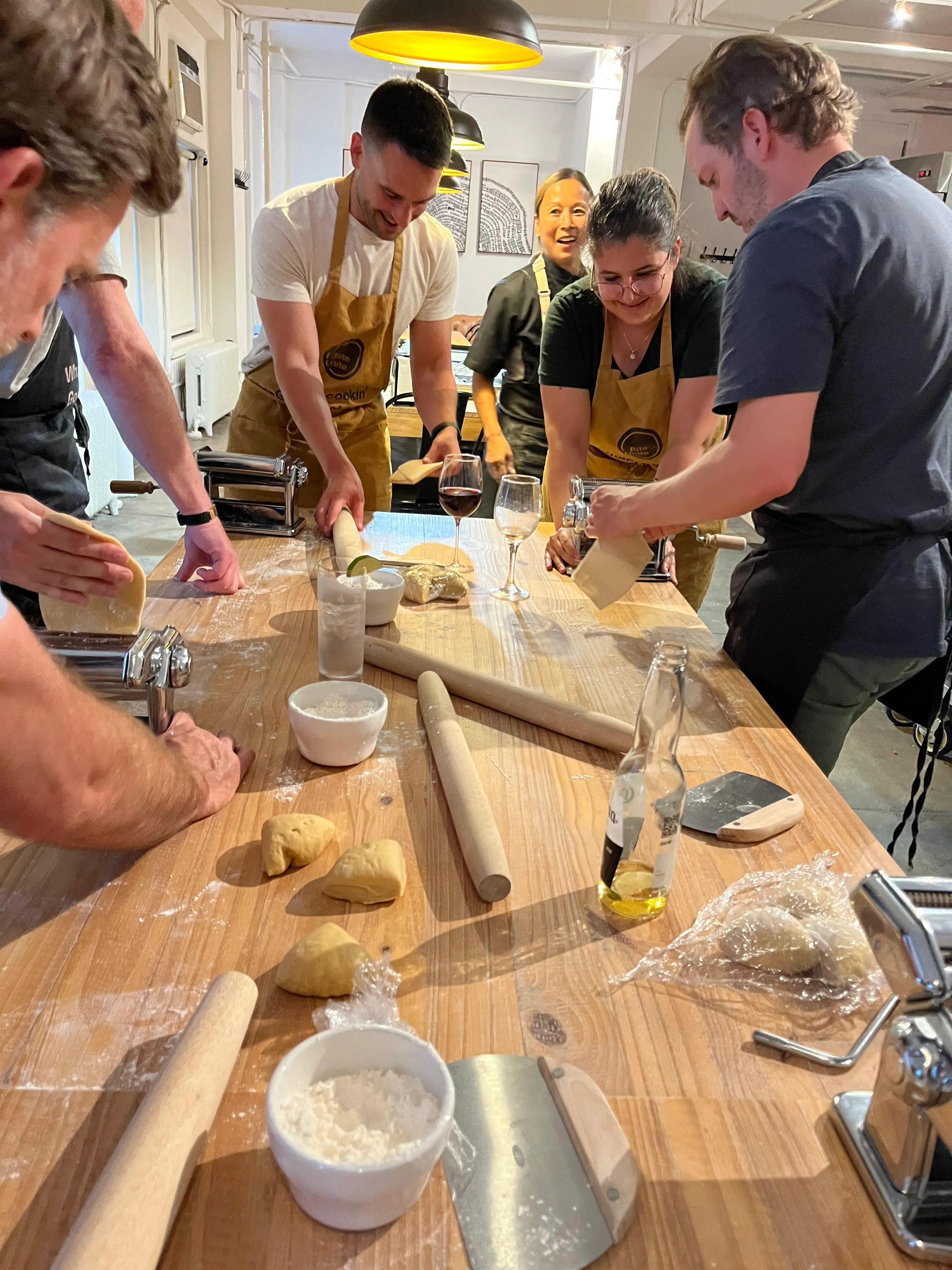
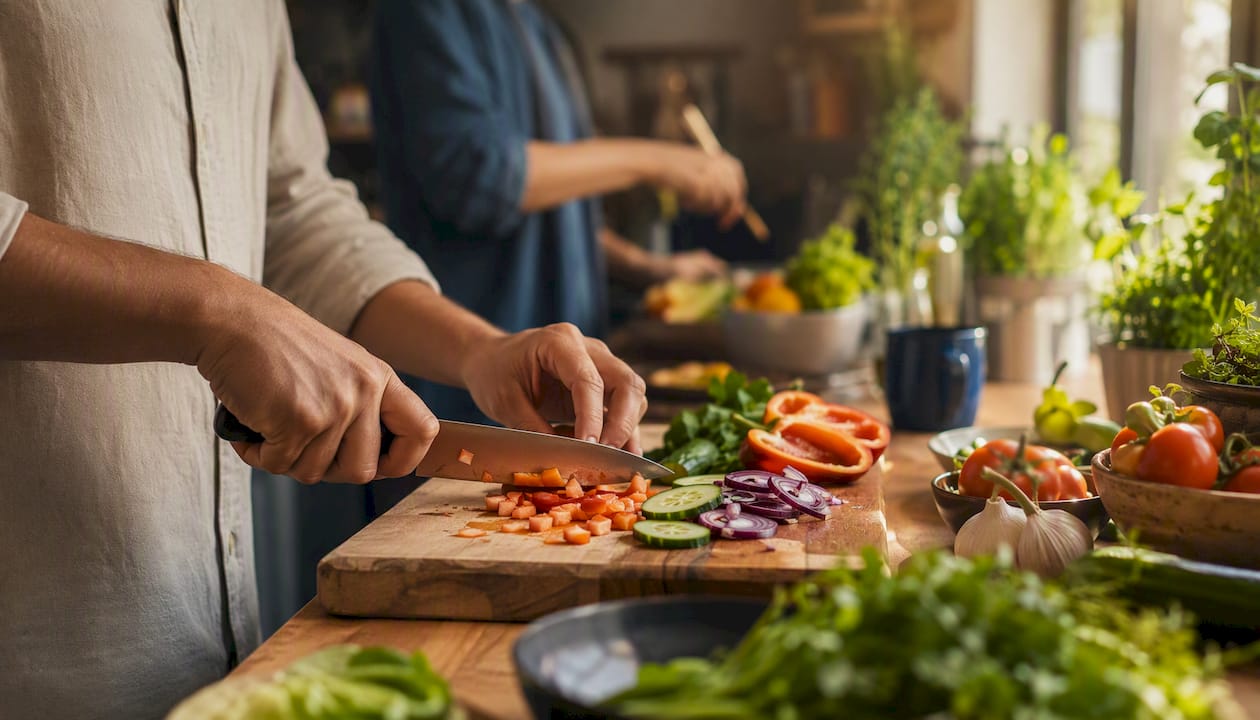
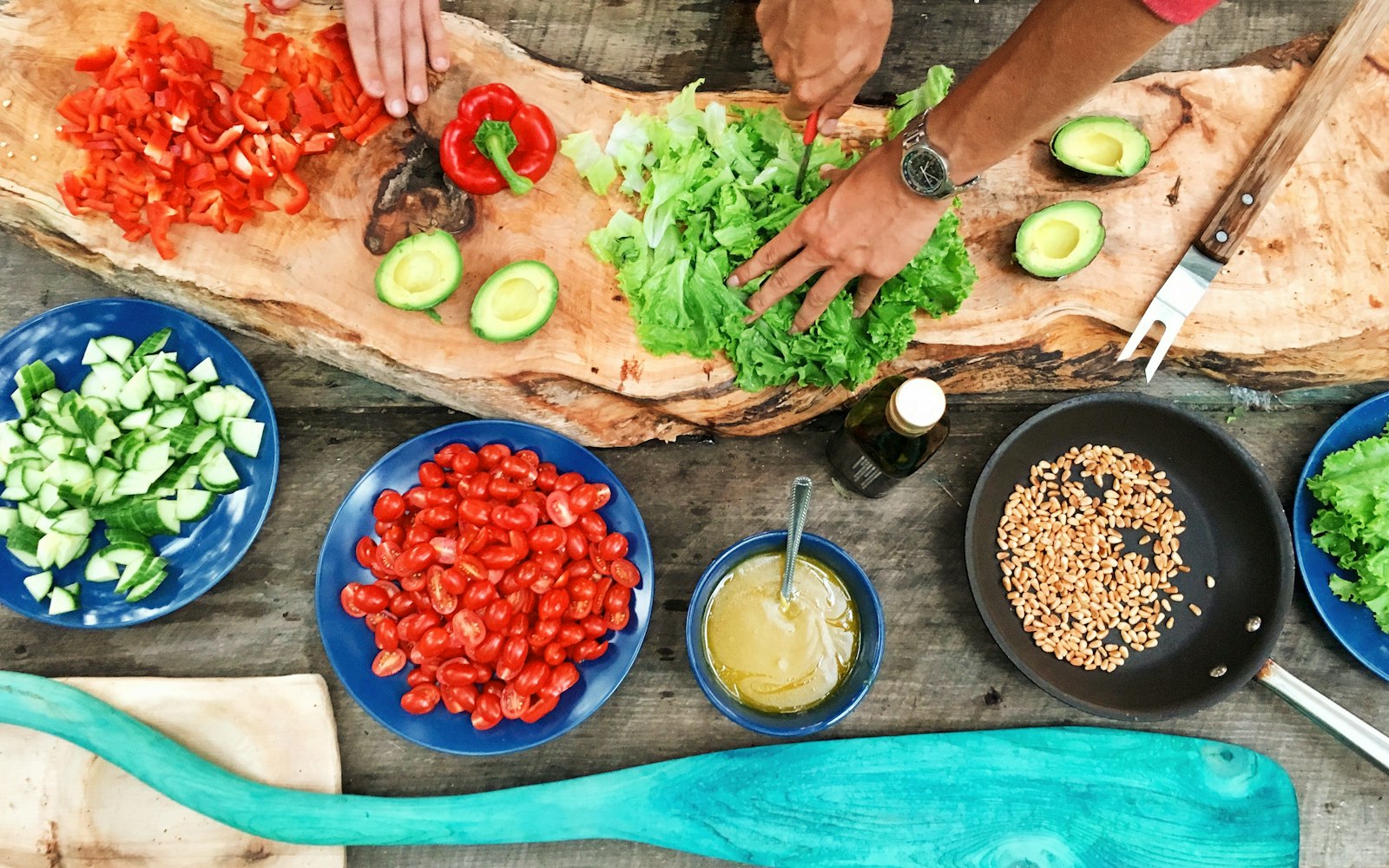
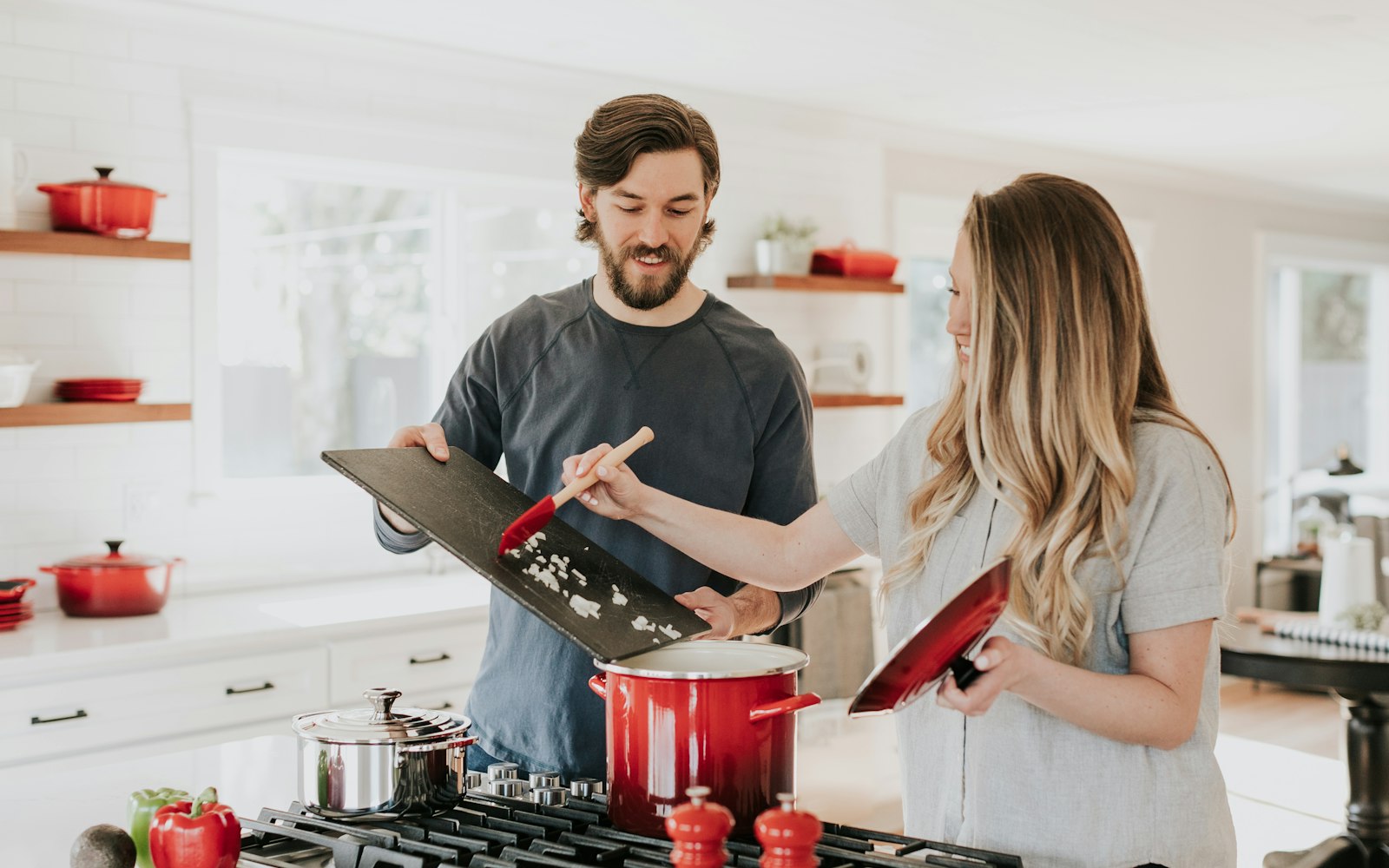
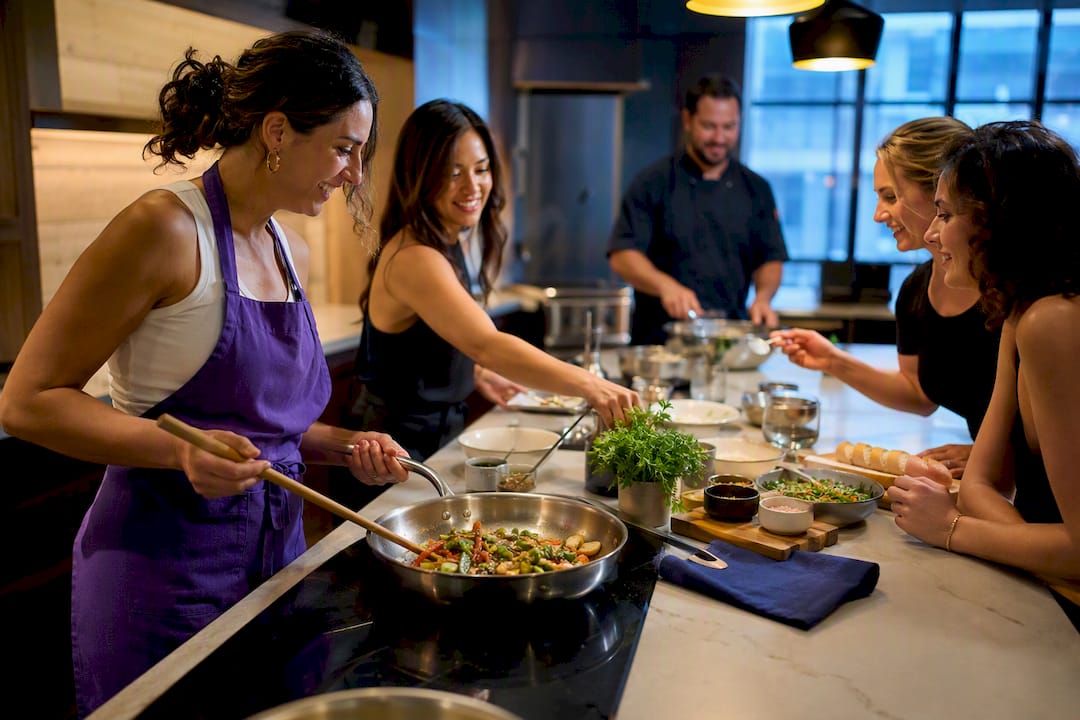
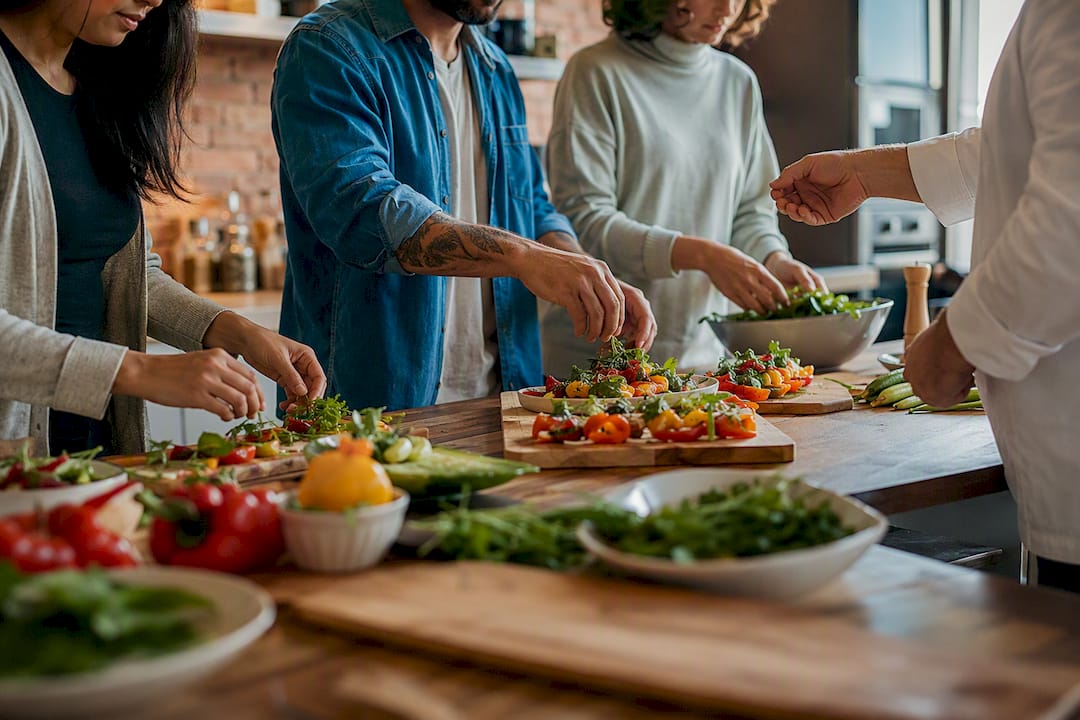
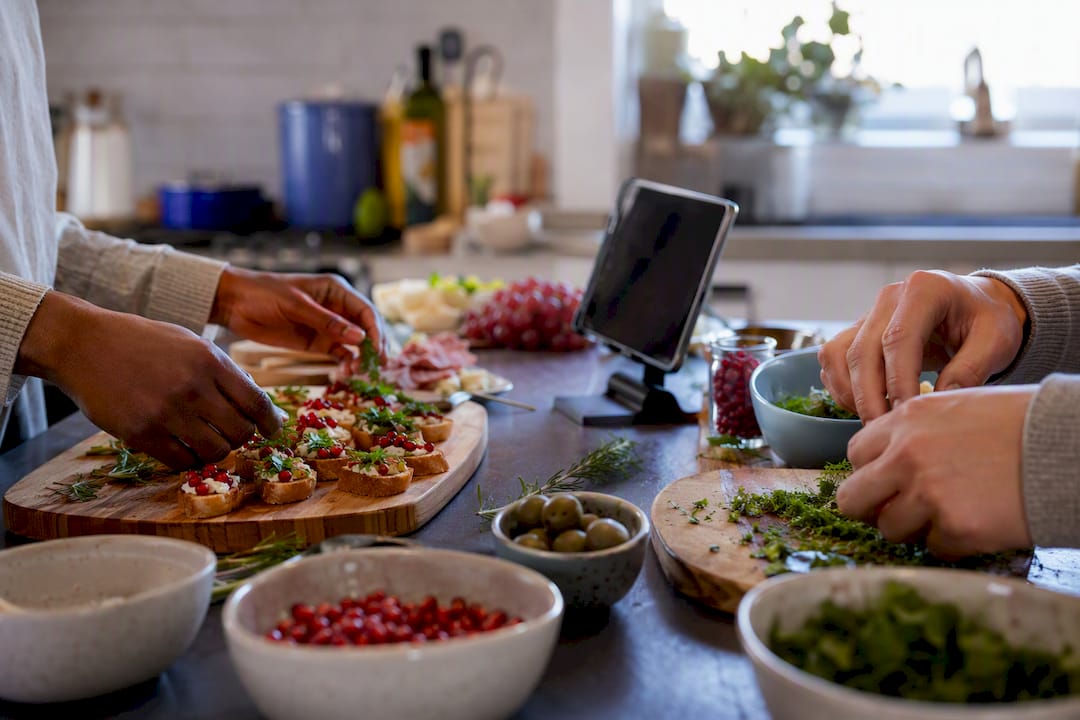
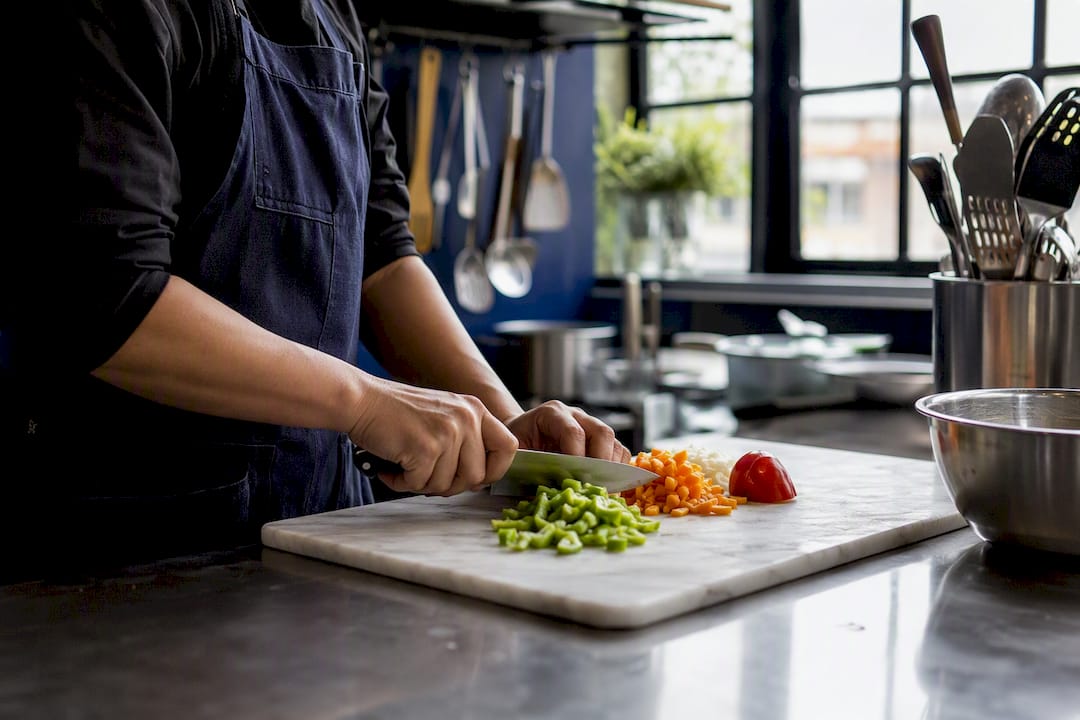
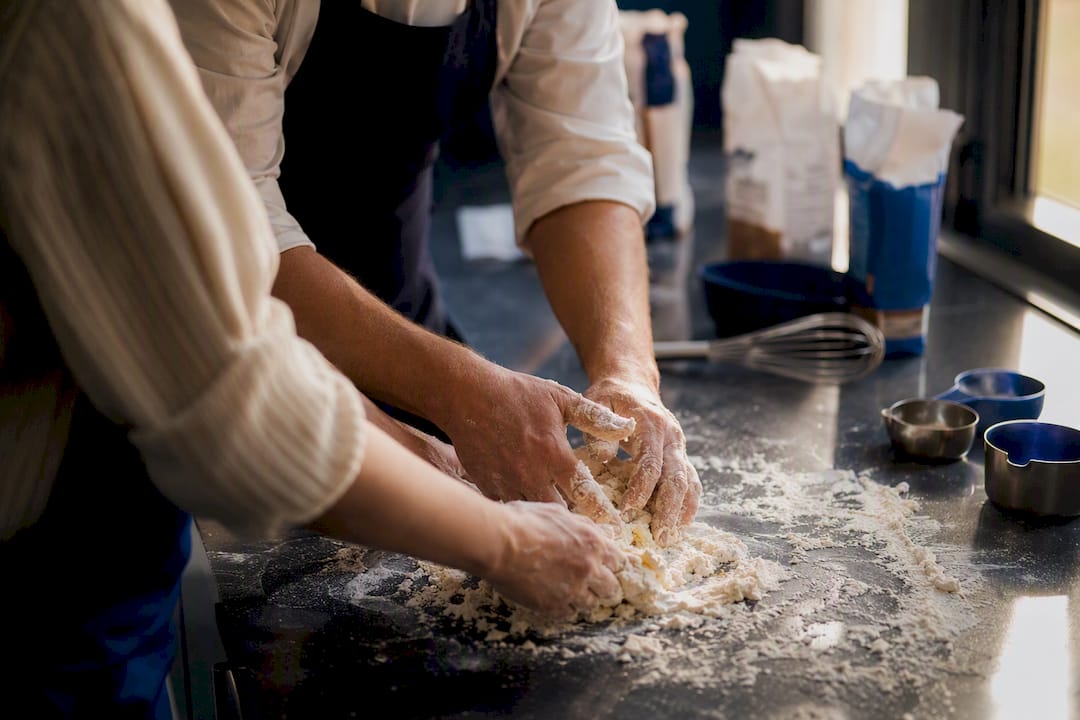
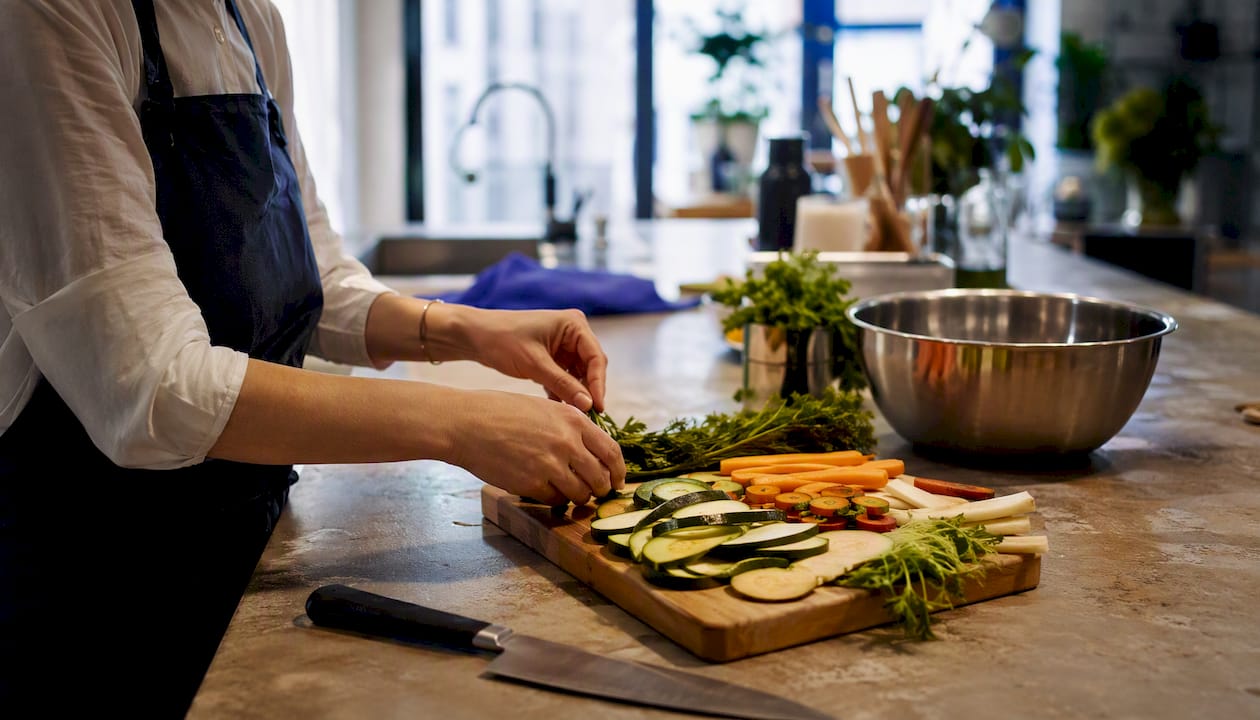
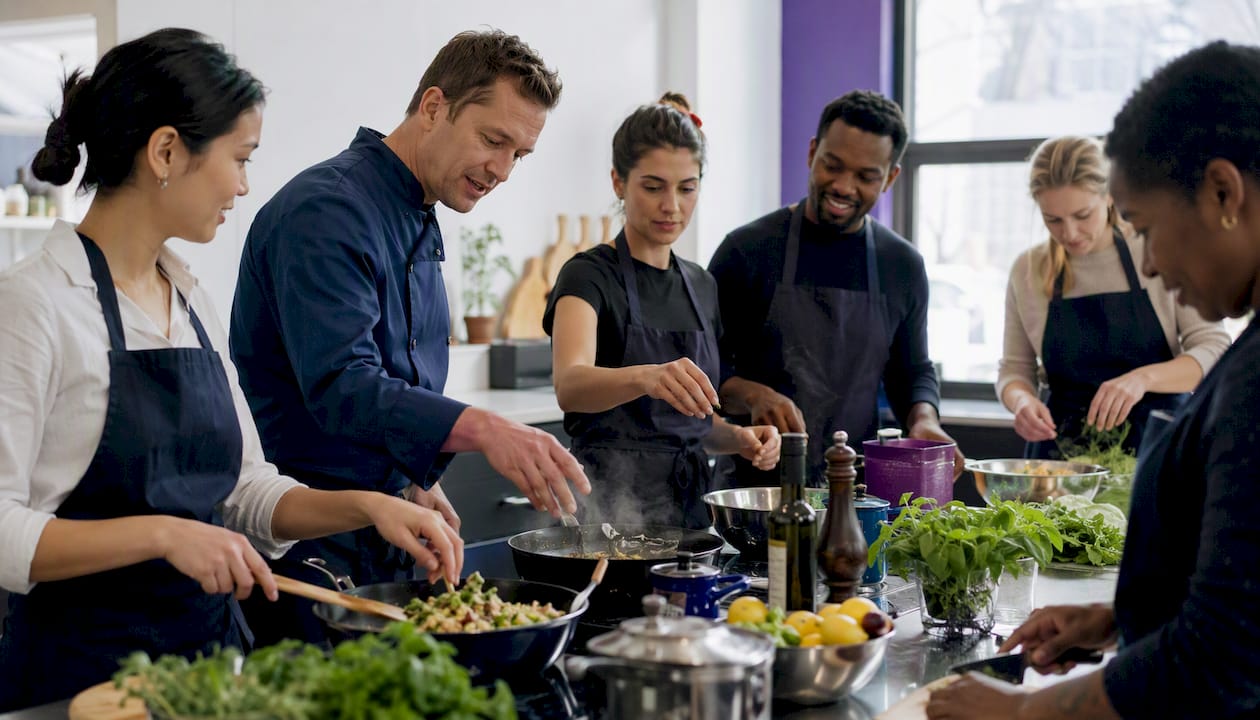
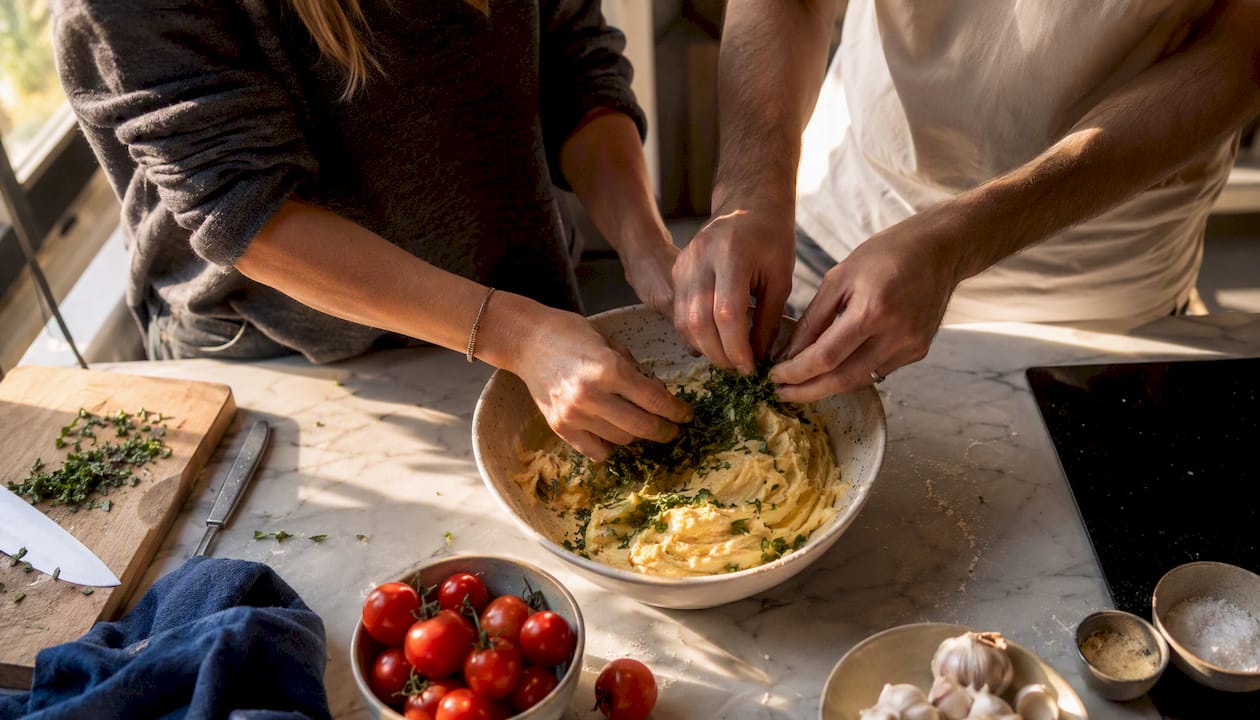
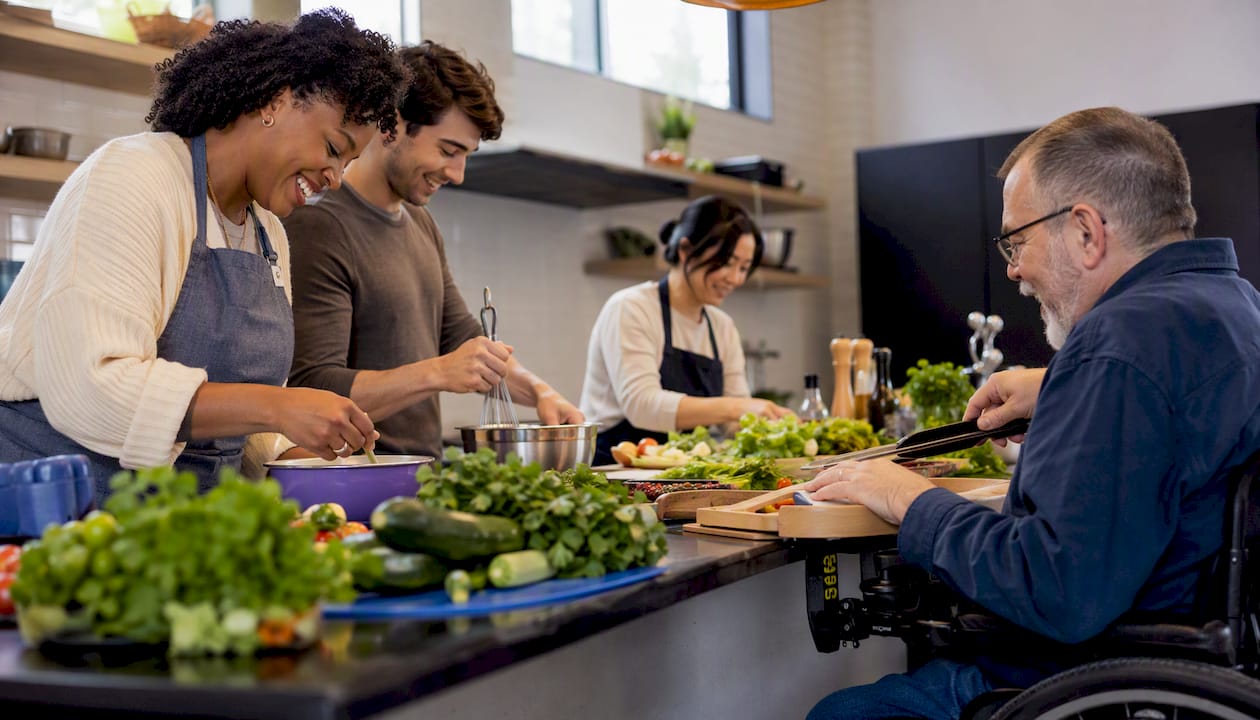
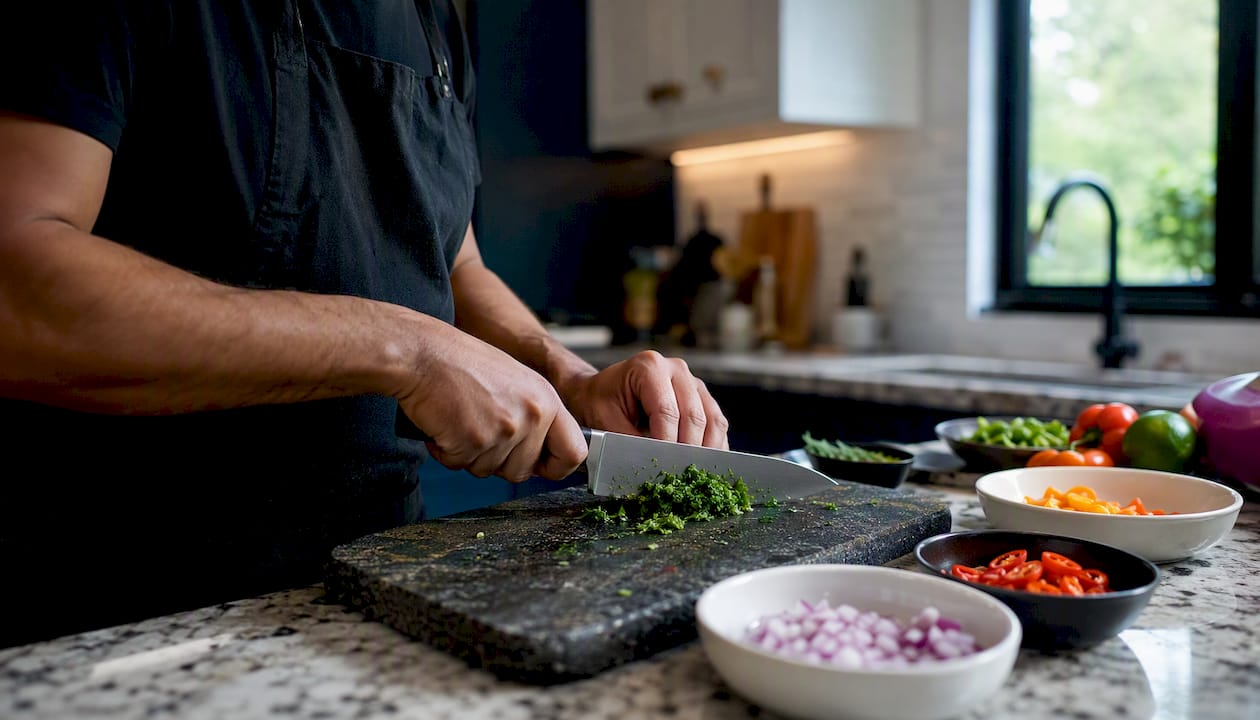
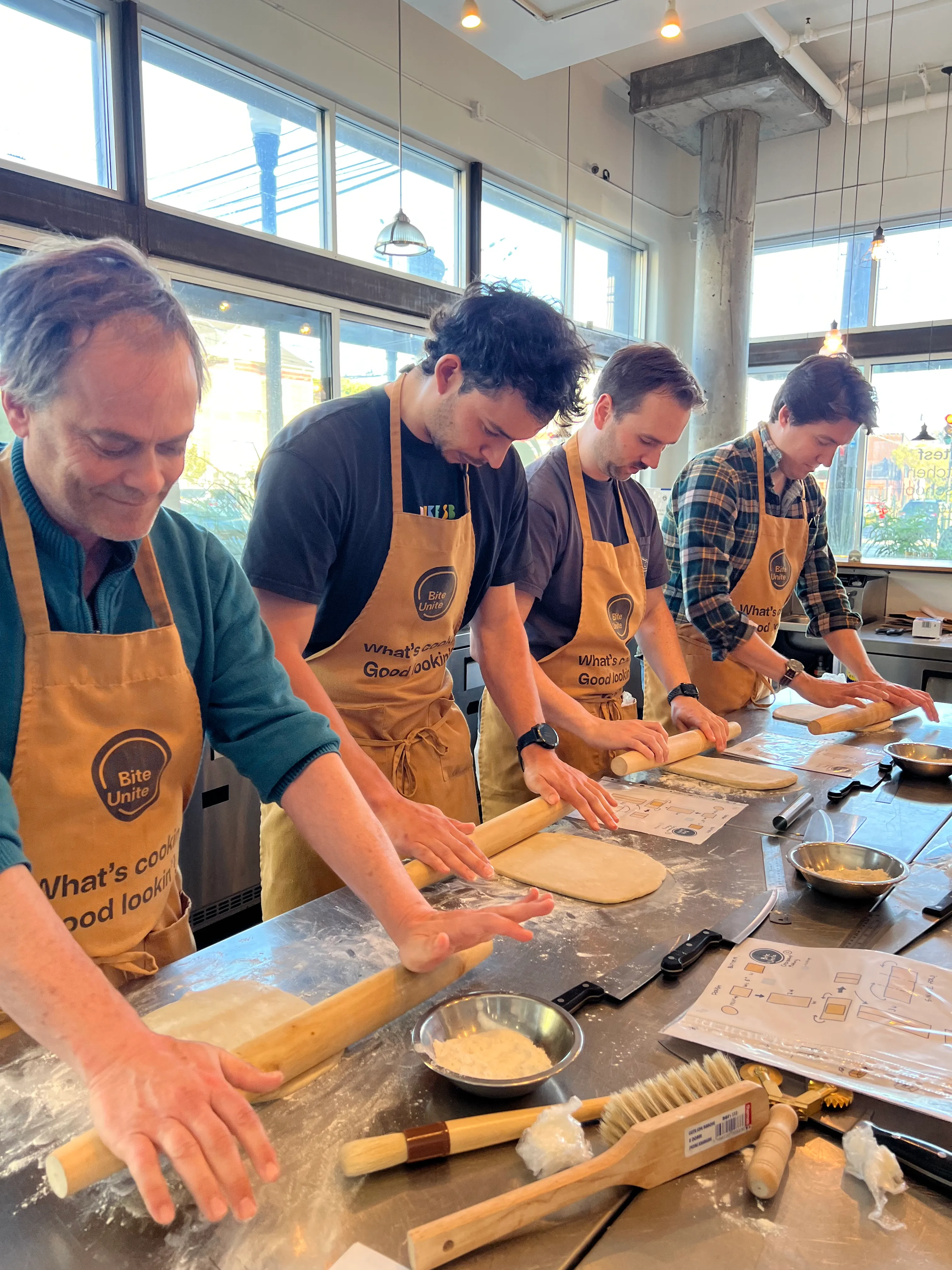
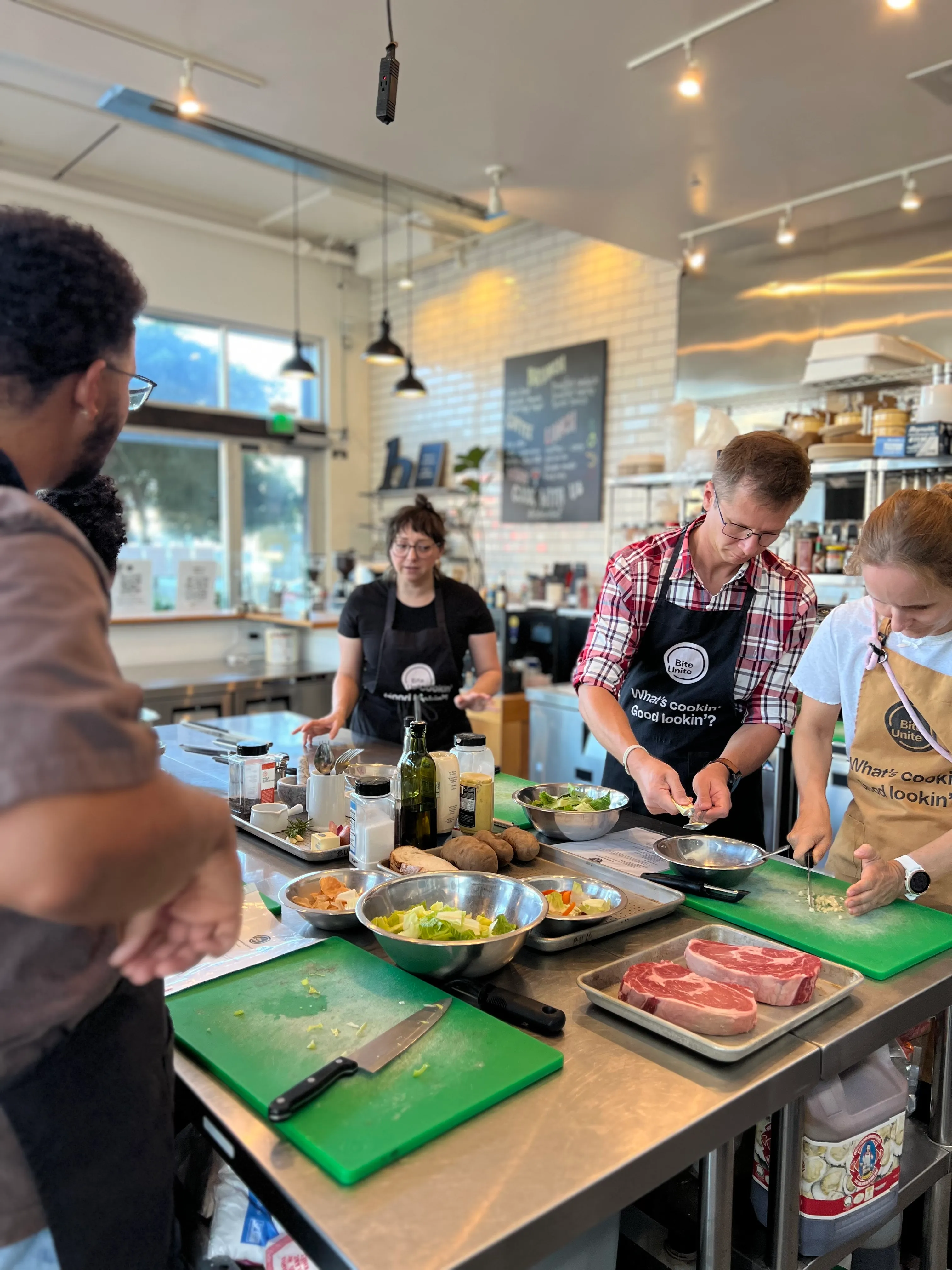
Cooking together is one of the few activities that requires every participant to contribute a real task under a shared time constraint. There is no hiding in the back of the room. Someone has to chop, someone has to stir, and someone has to call time. That structure naturally surfaces leadership styles, communication habits, and collaboration patterns in a low-stakes, high-fun environment.
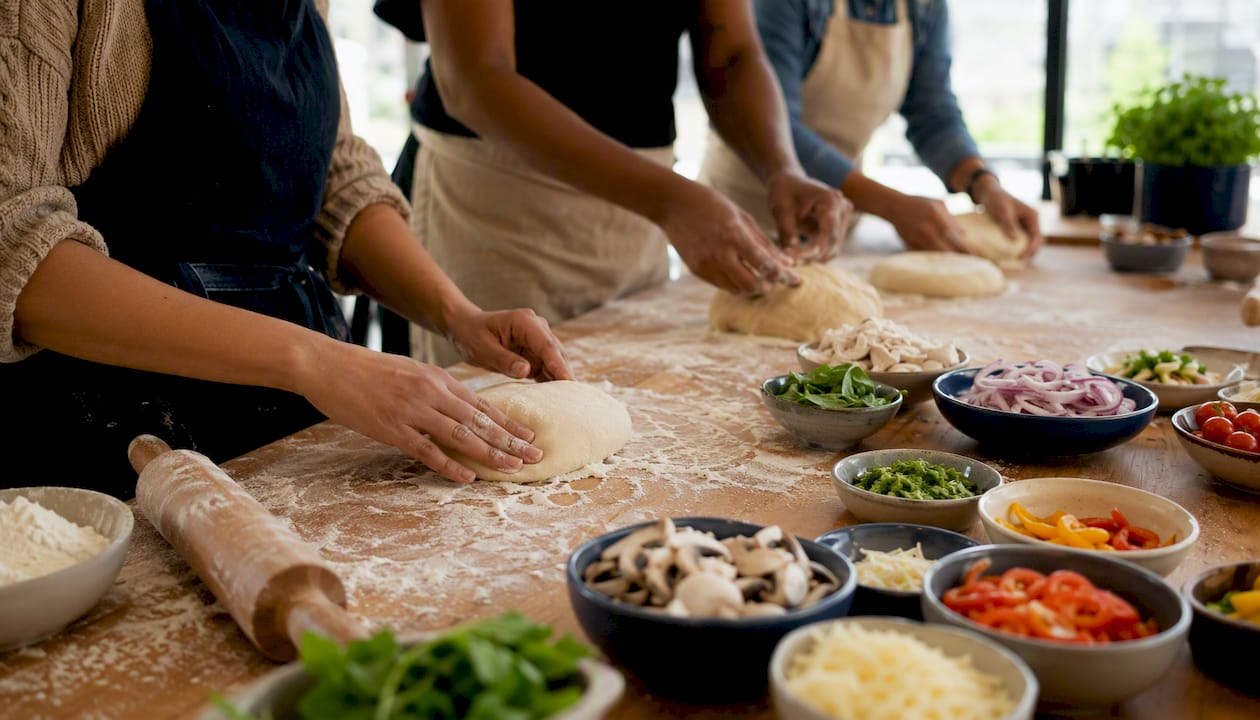
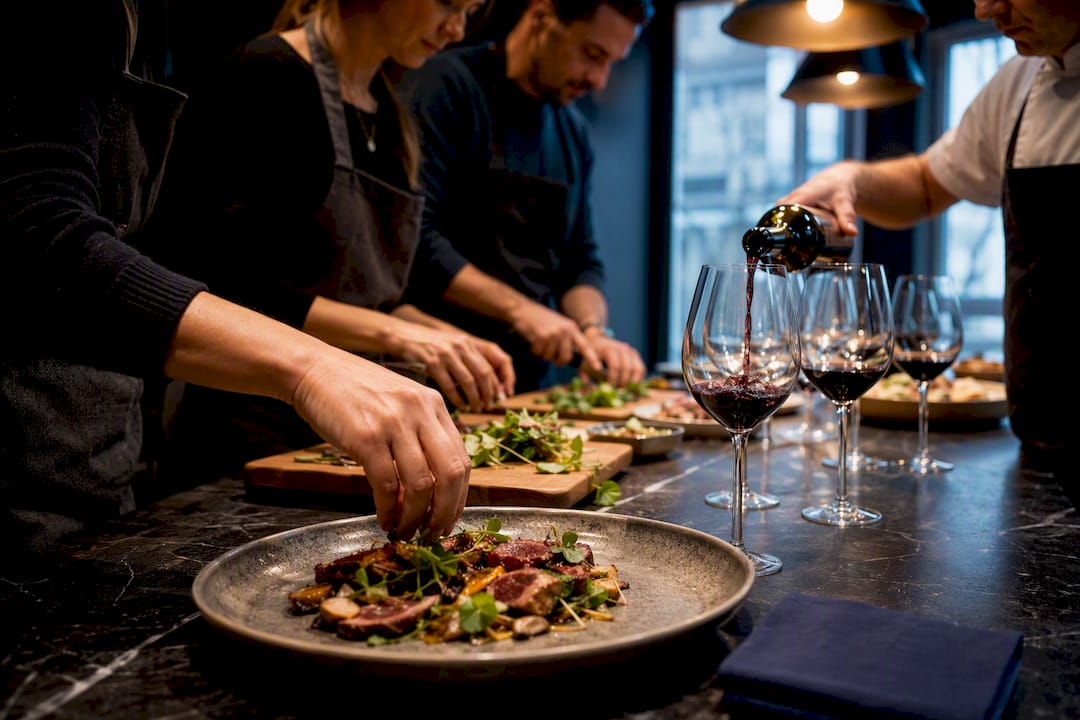
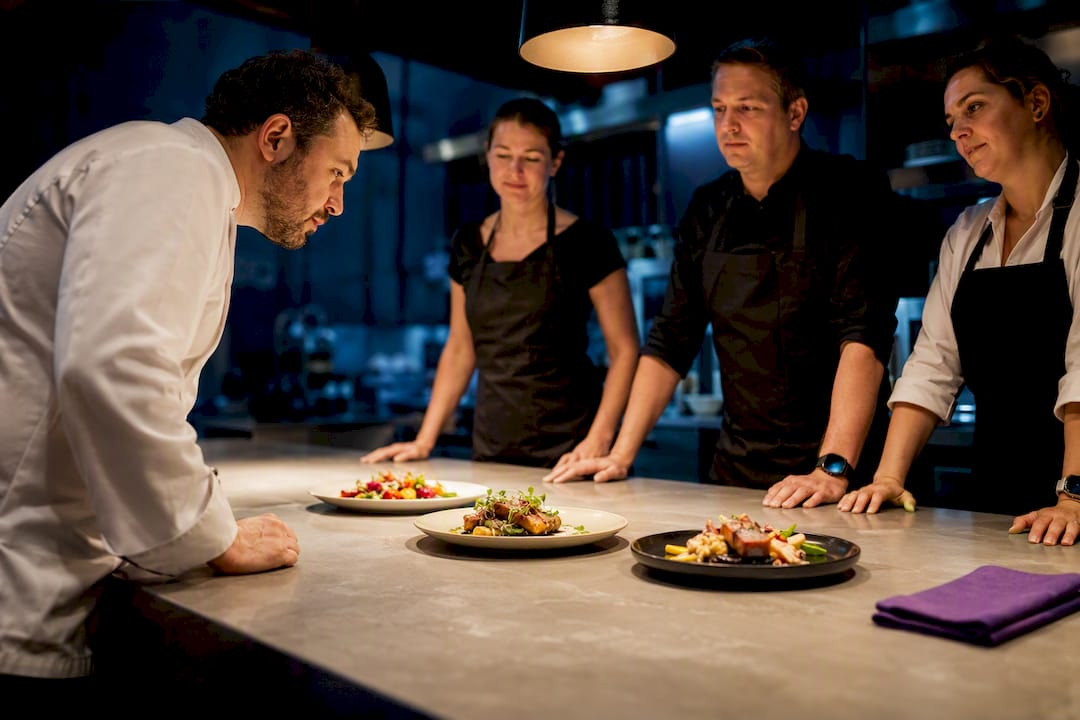
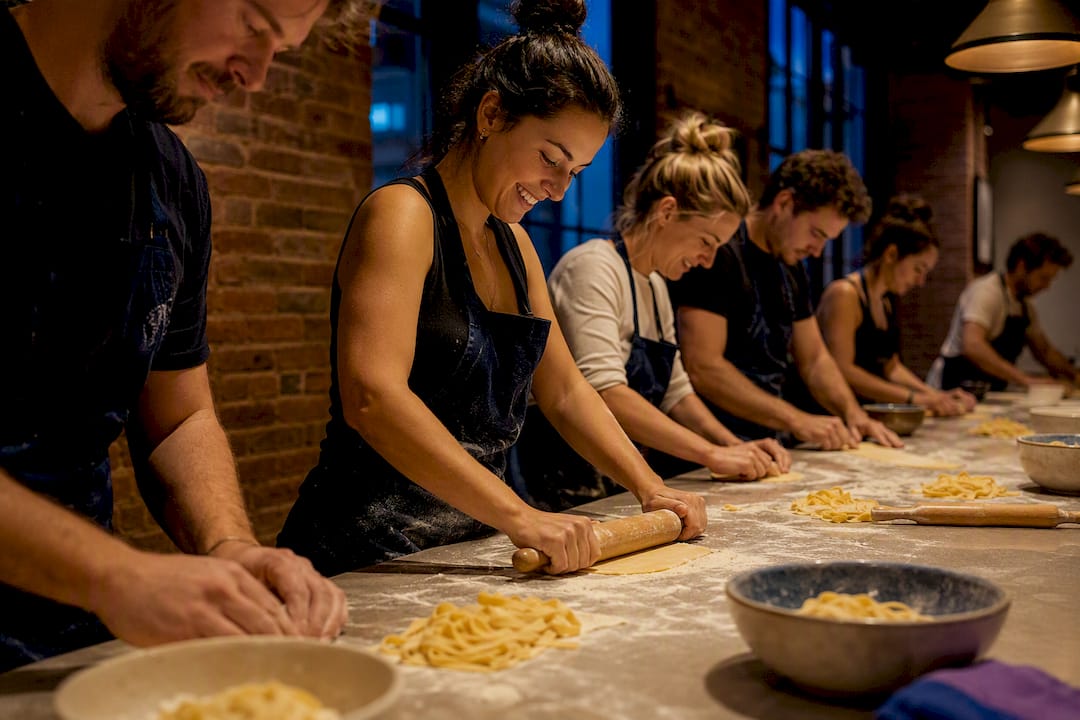
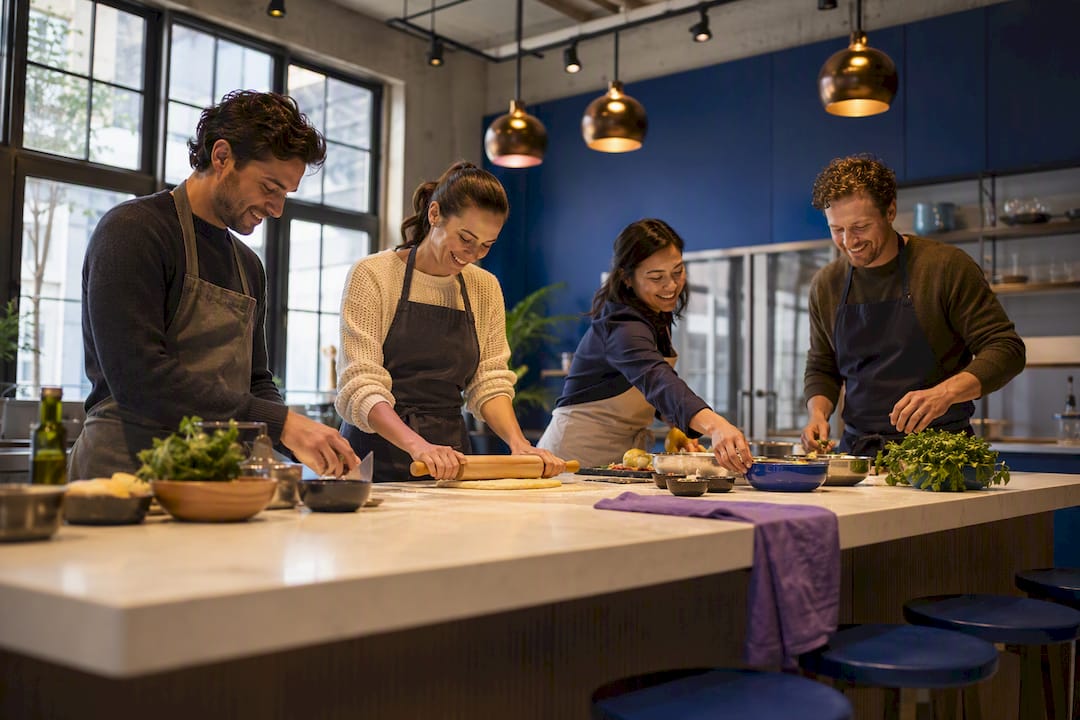
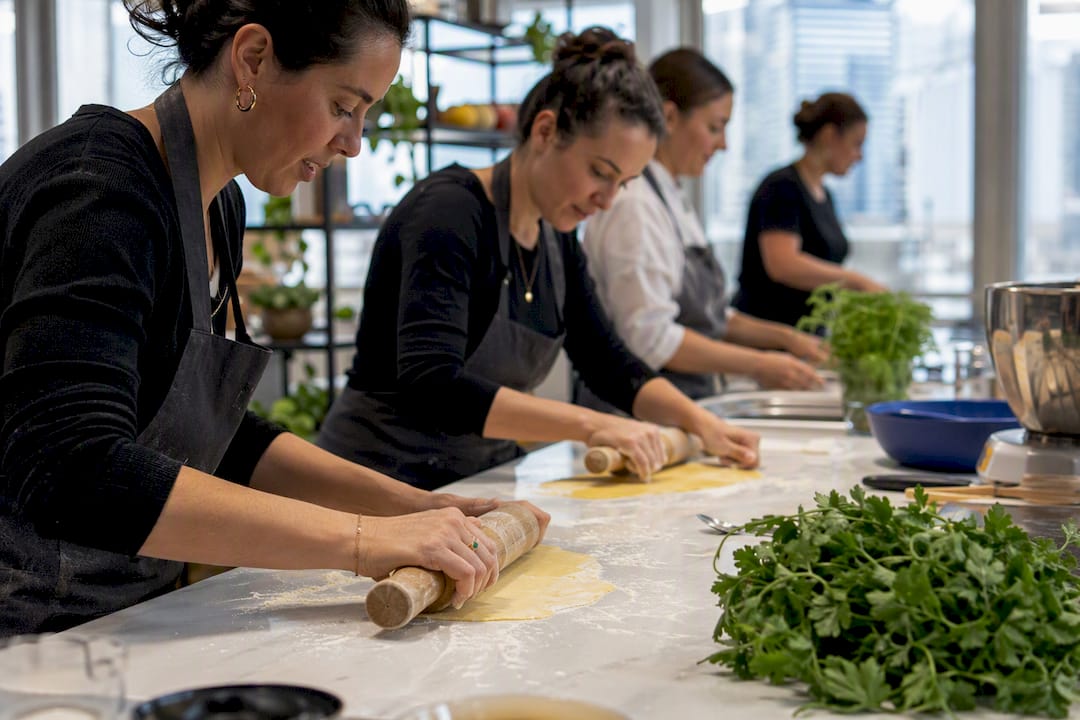
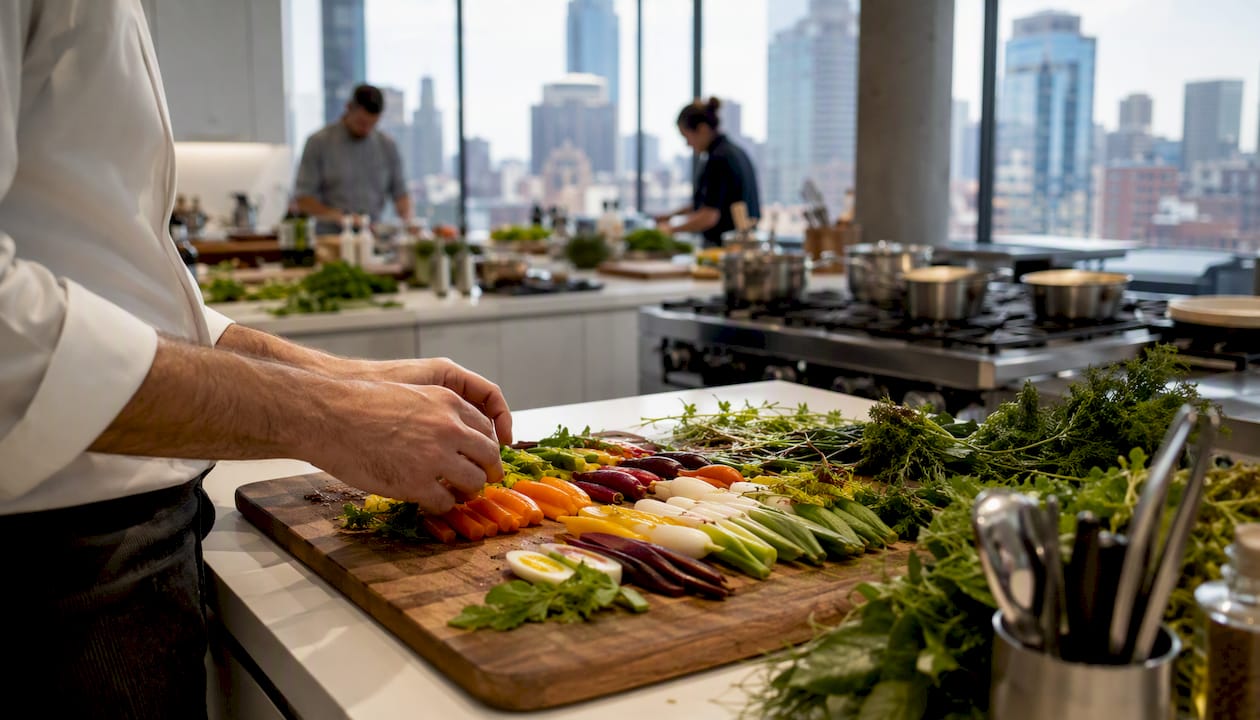
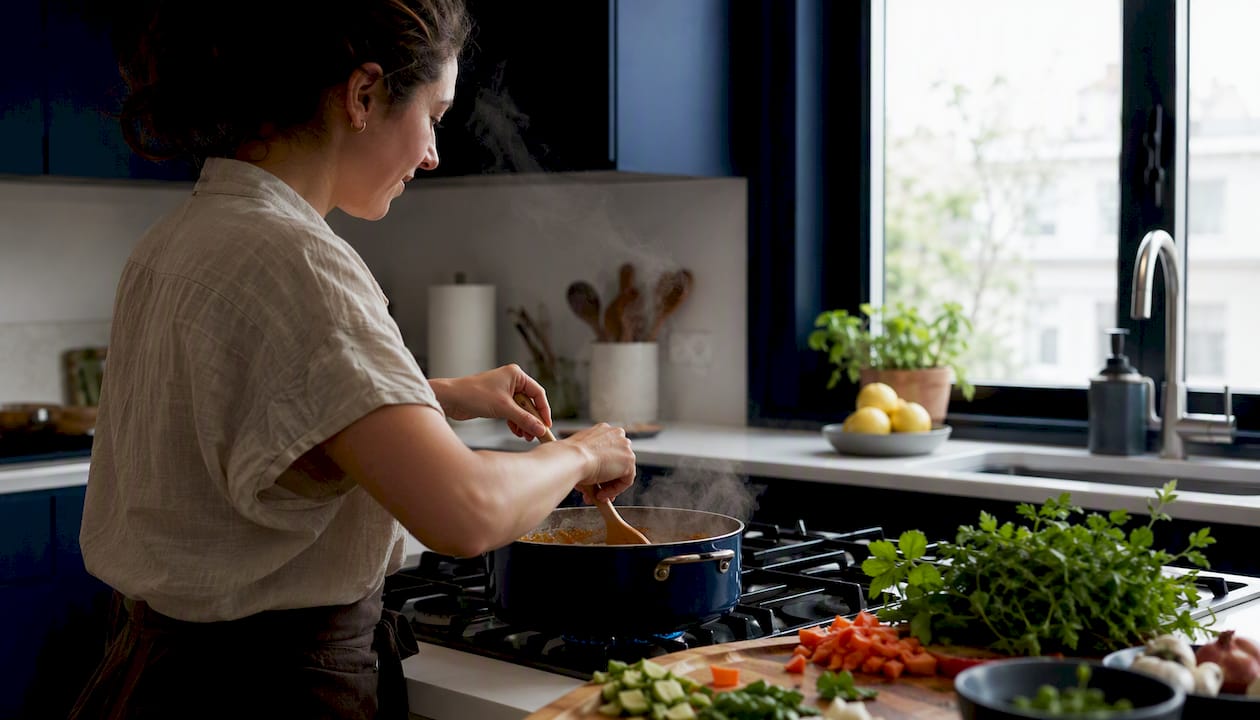
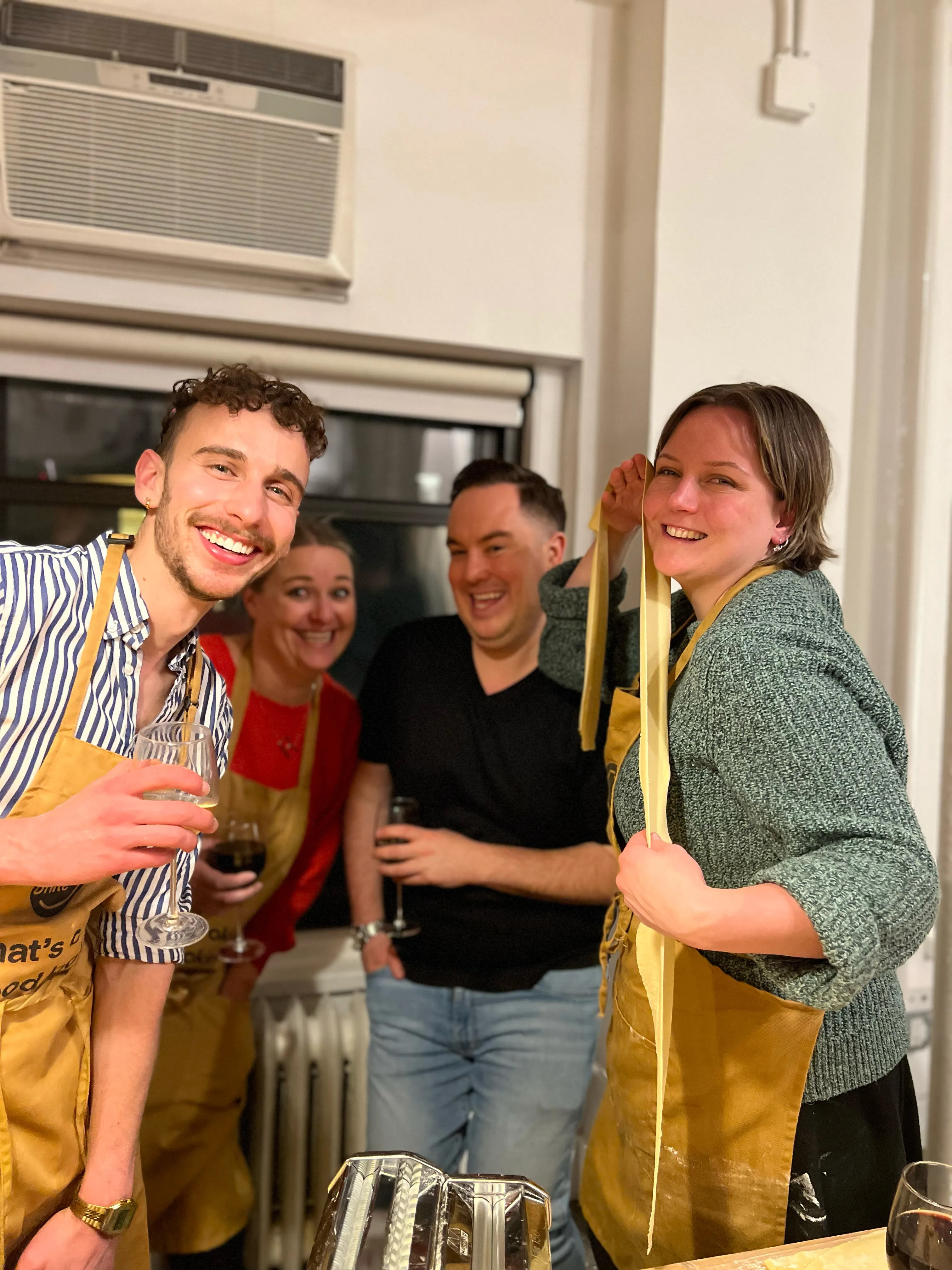
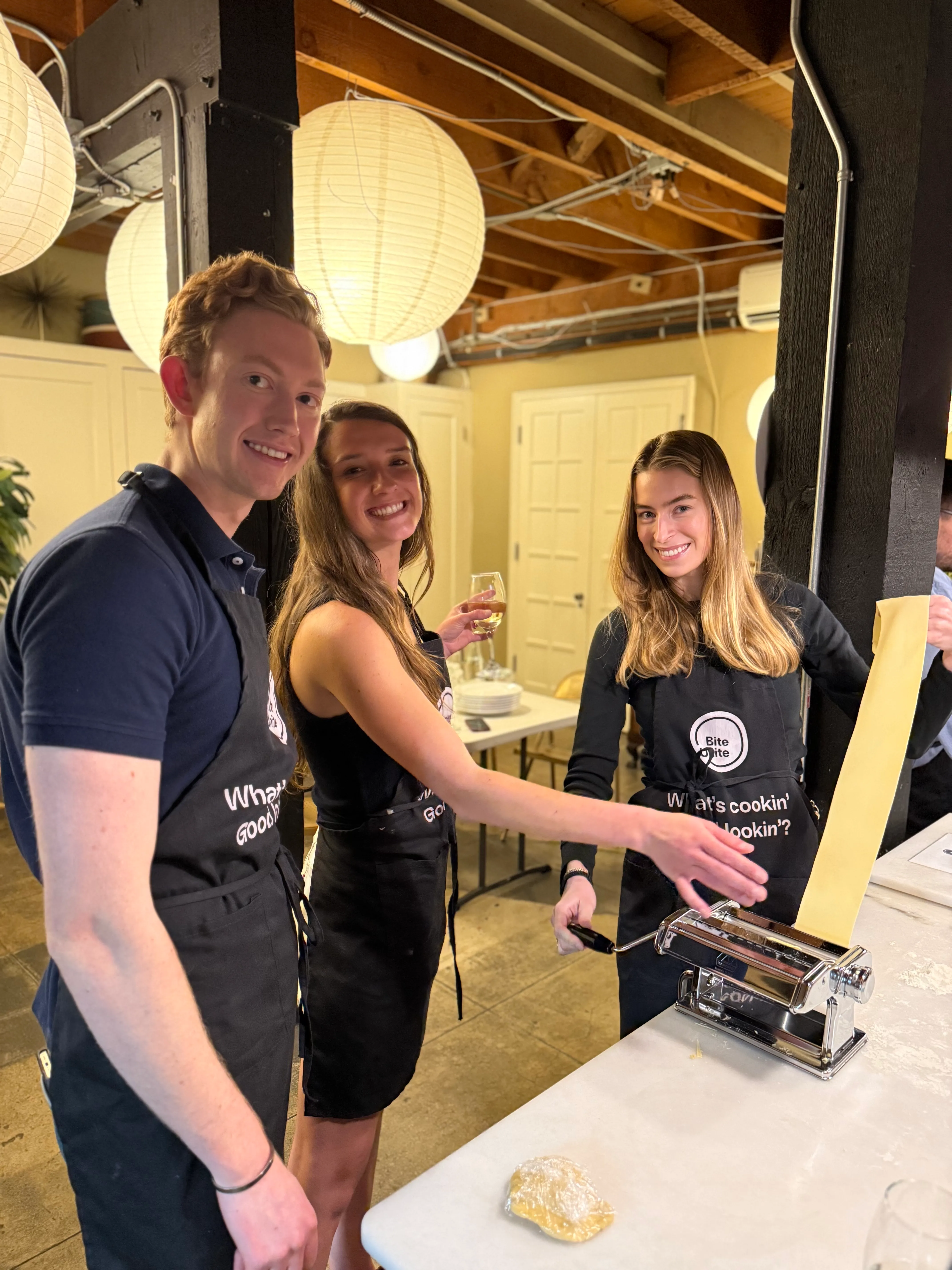
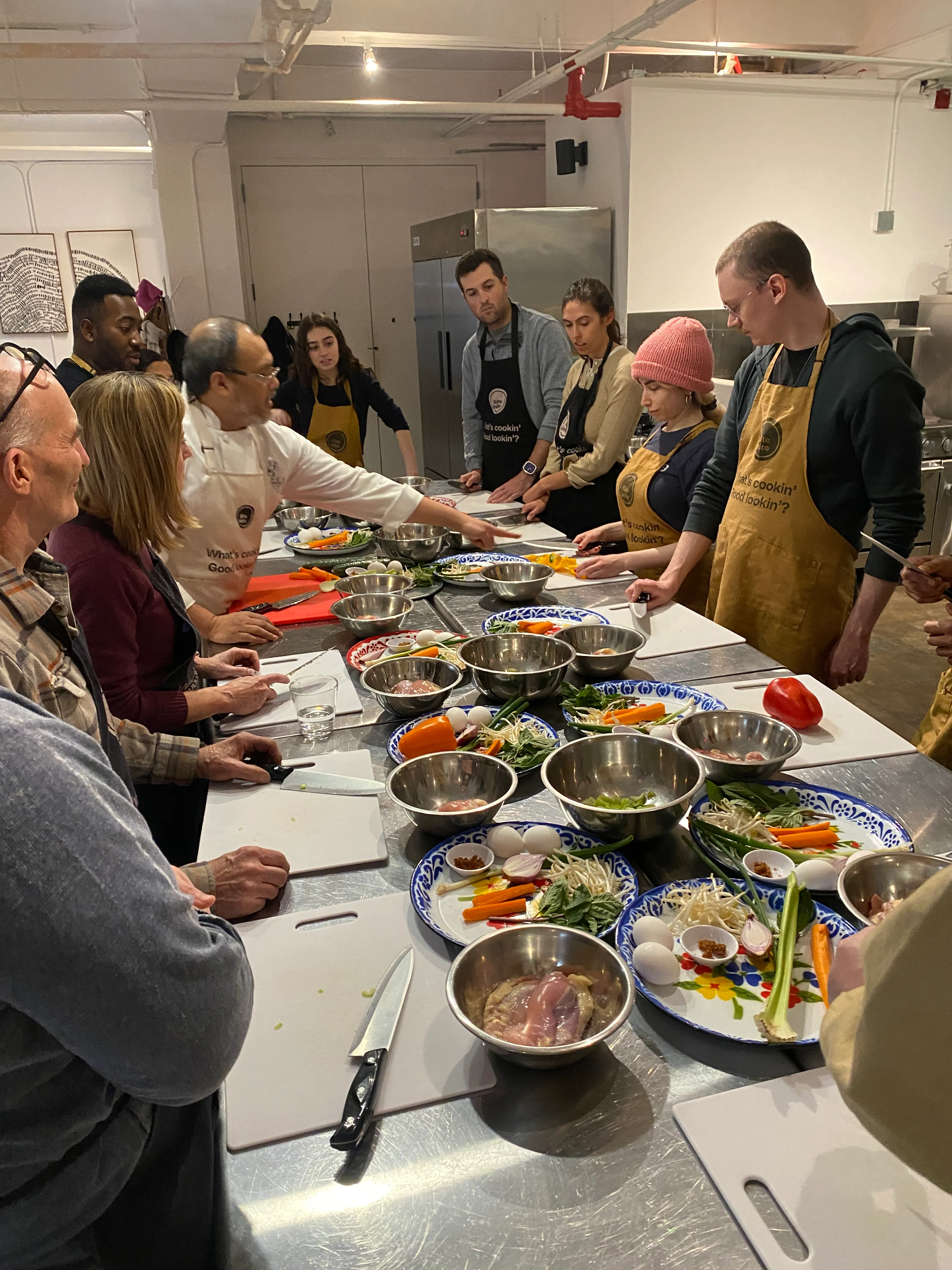
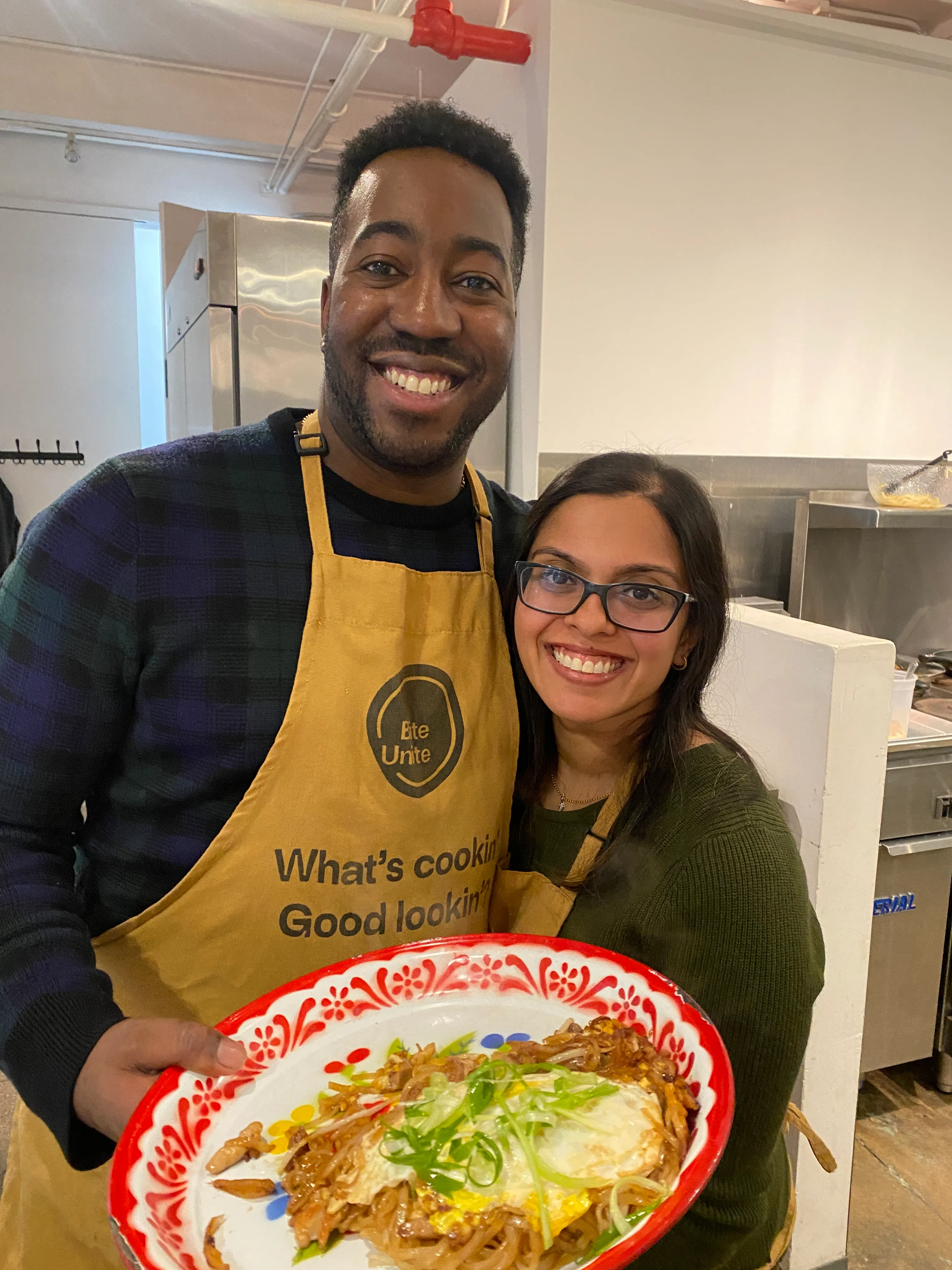
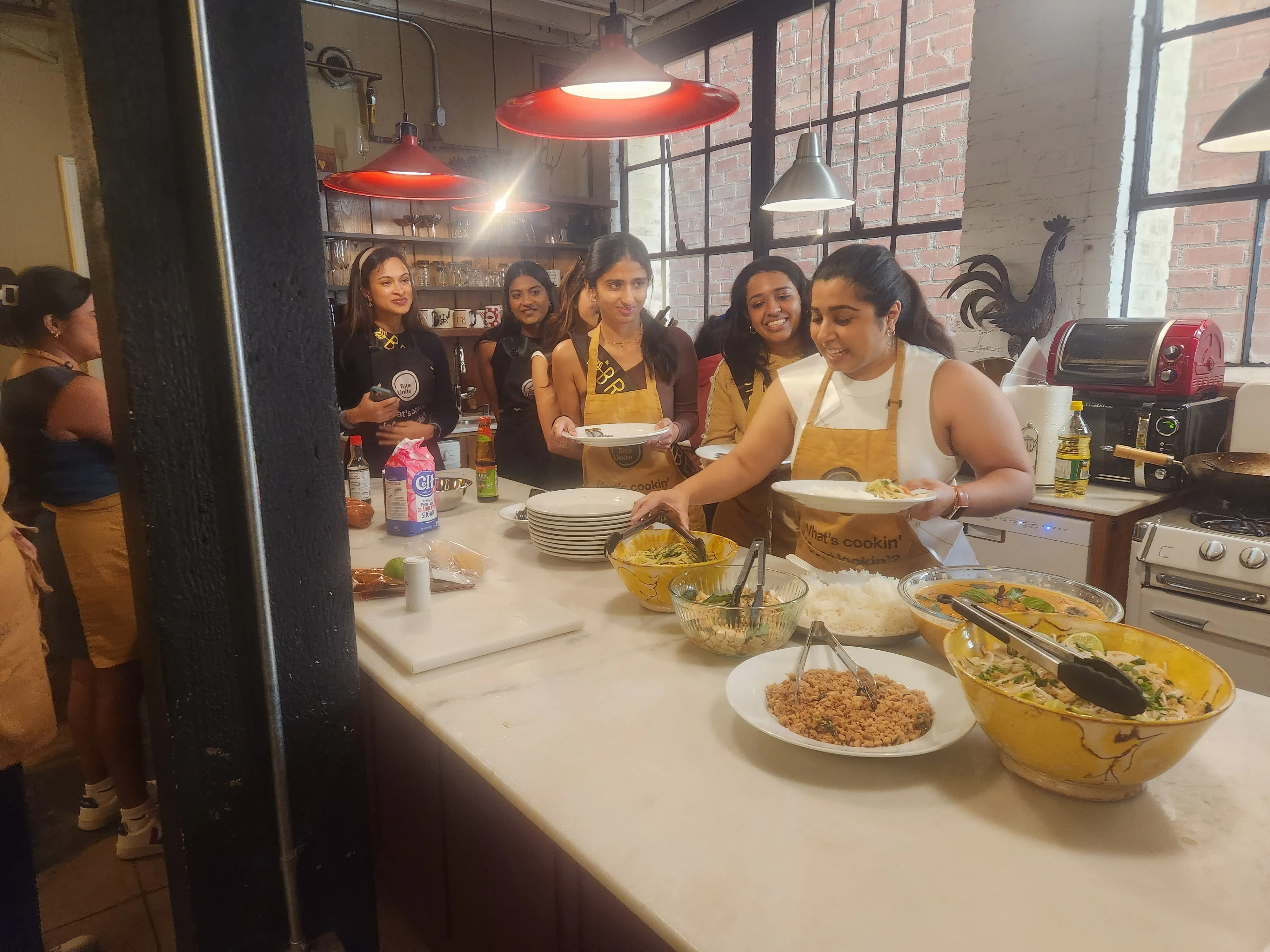
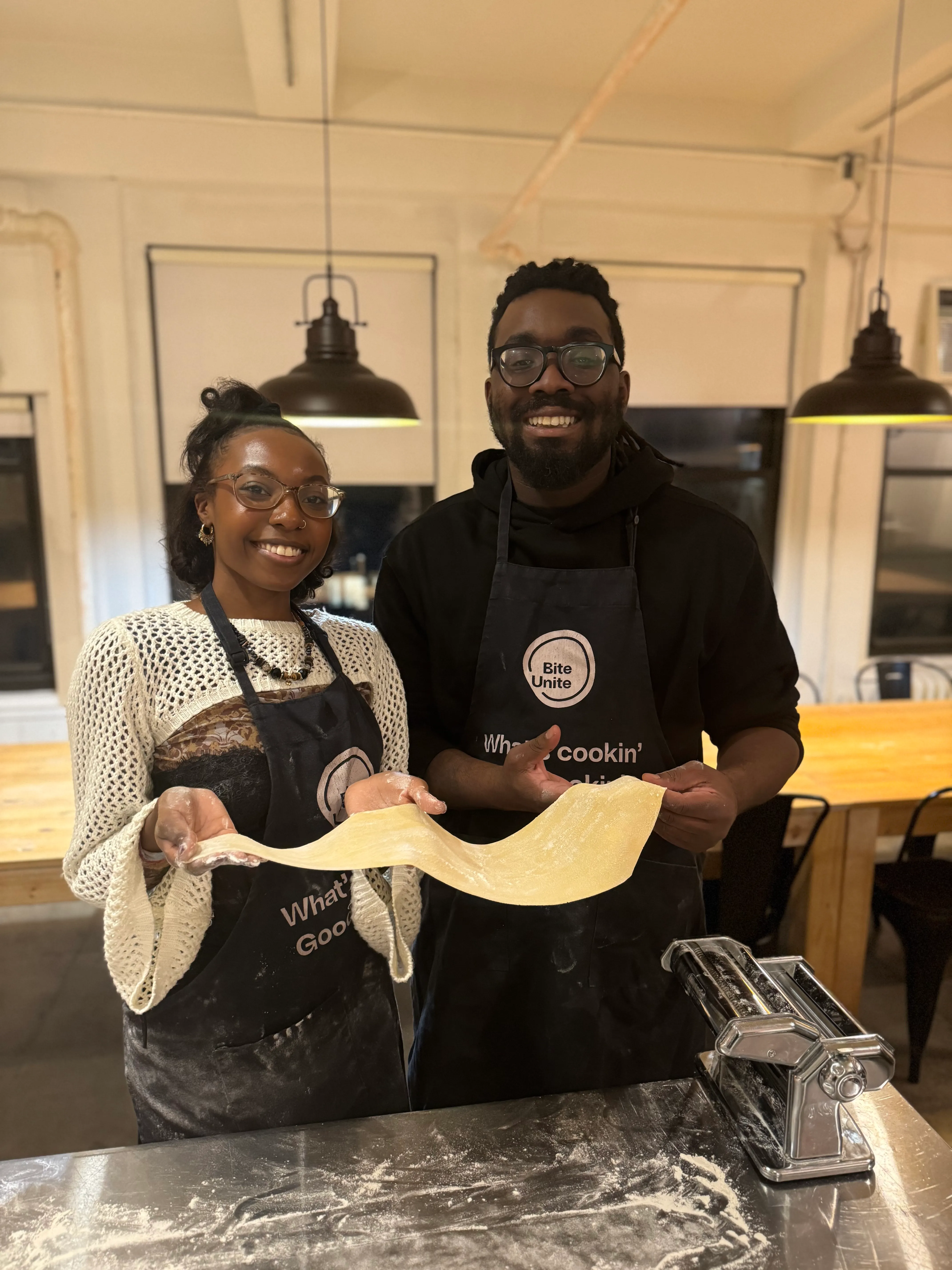
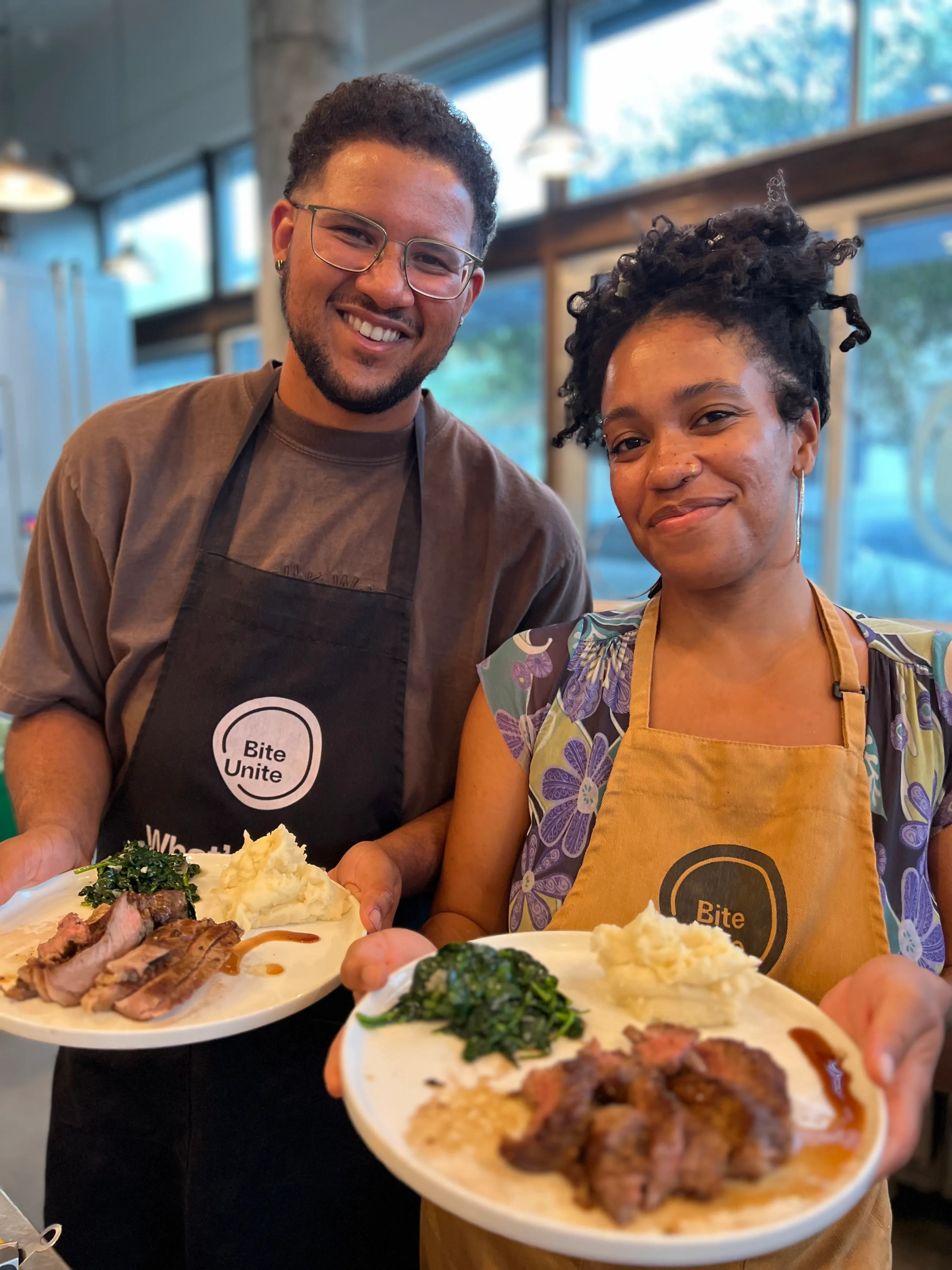
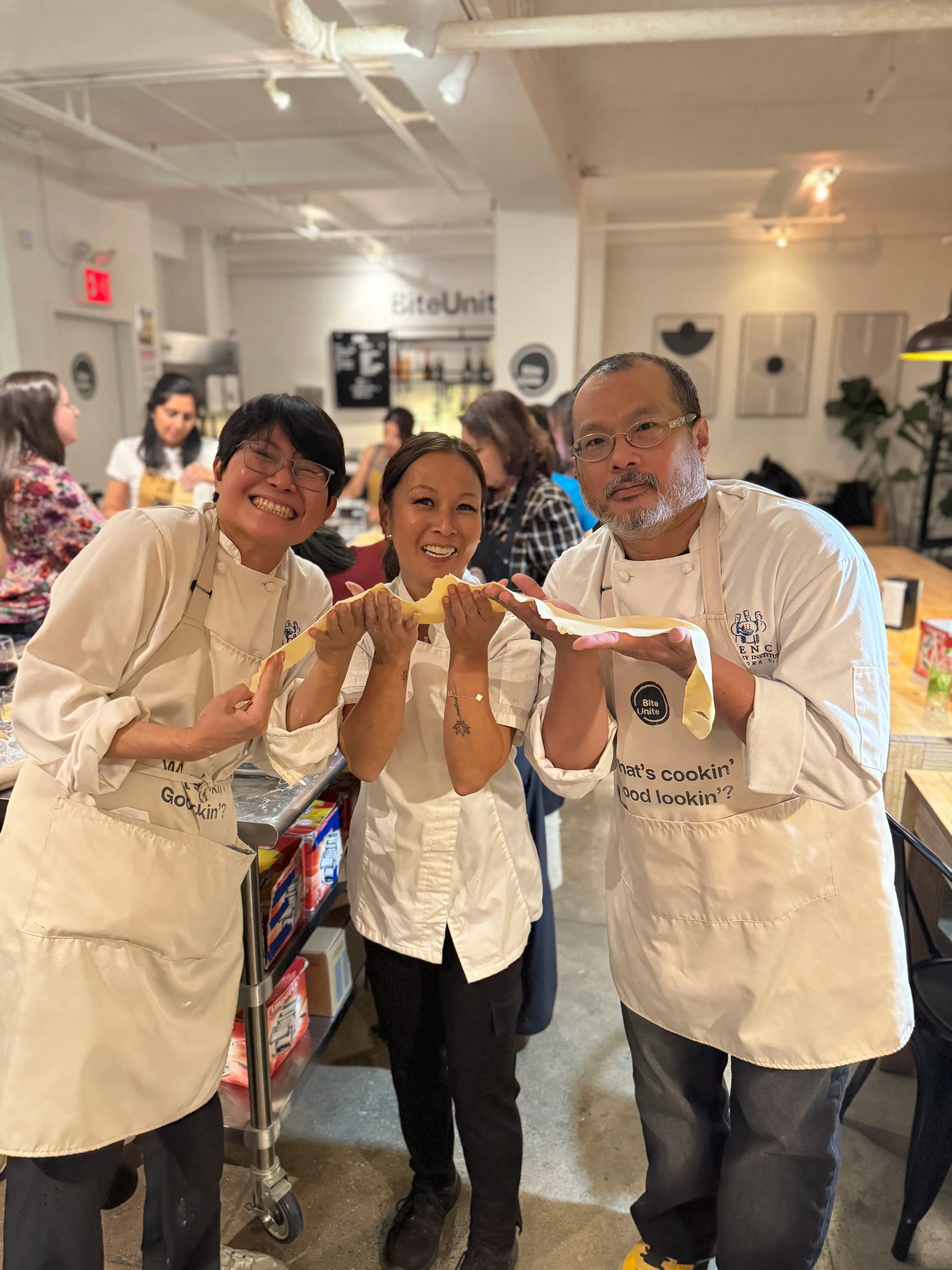
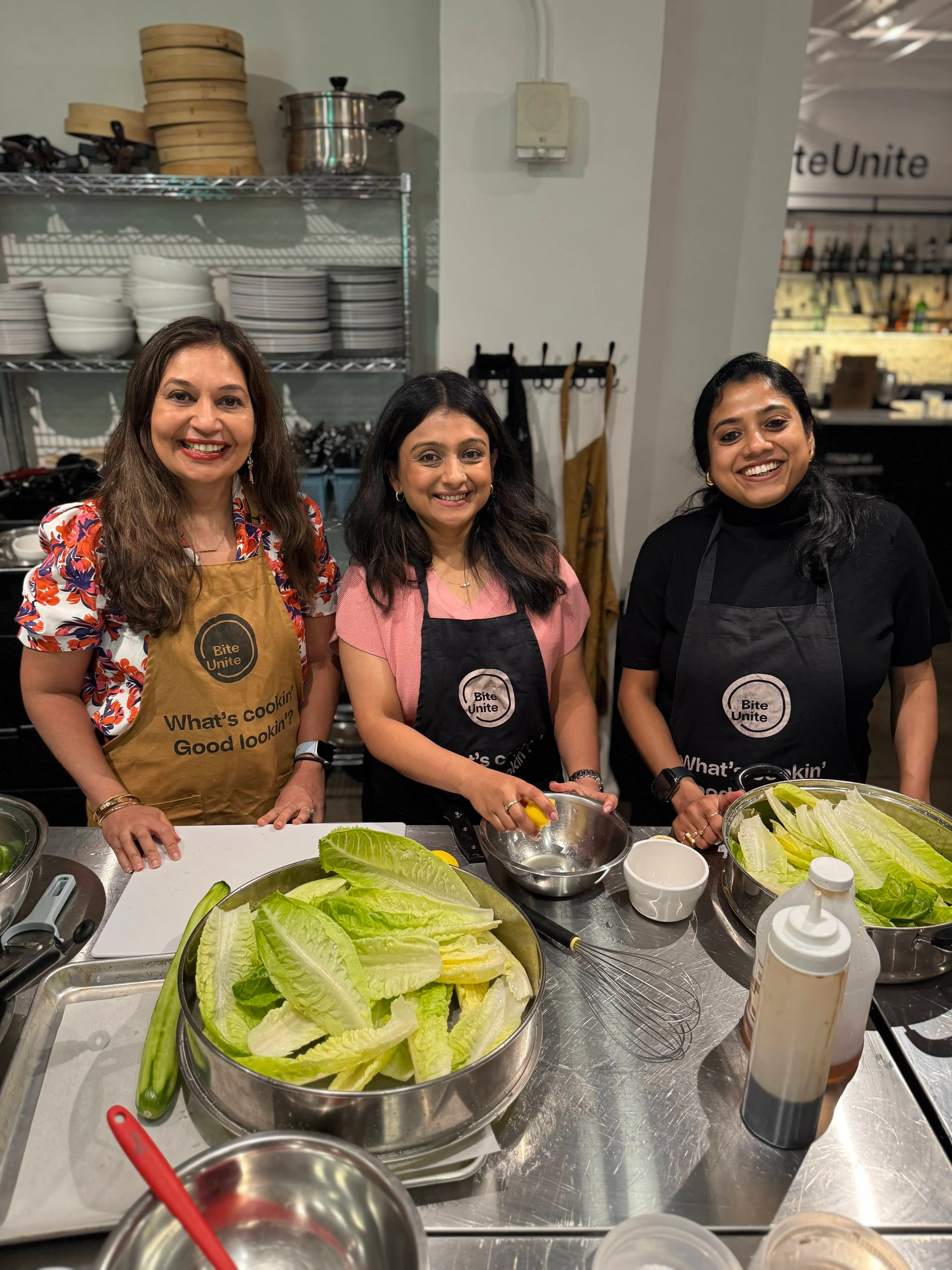
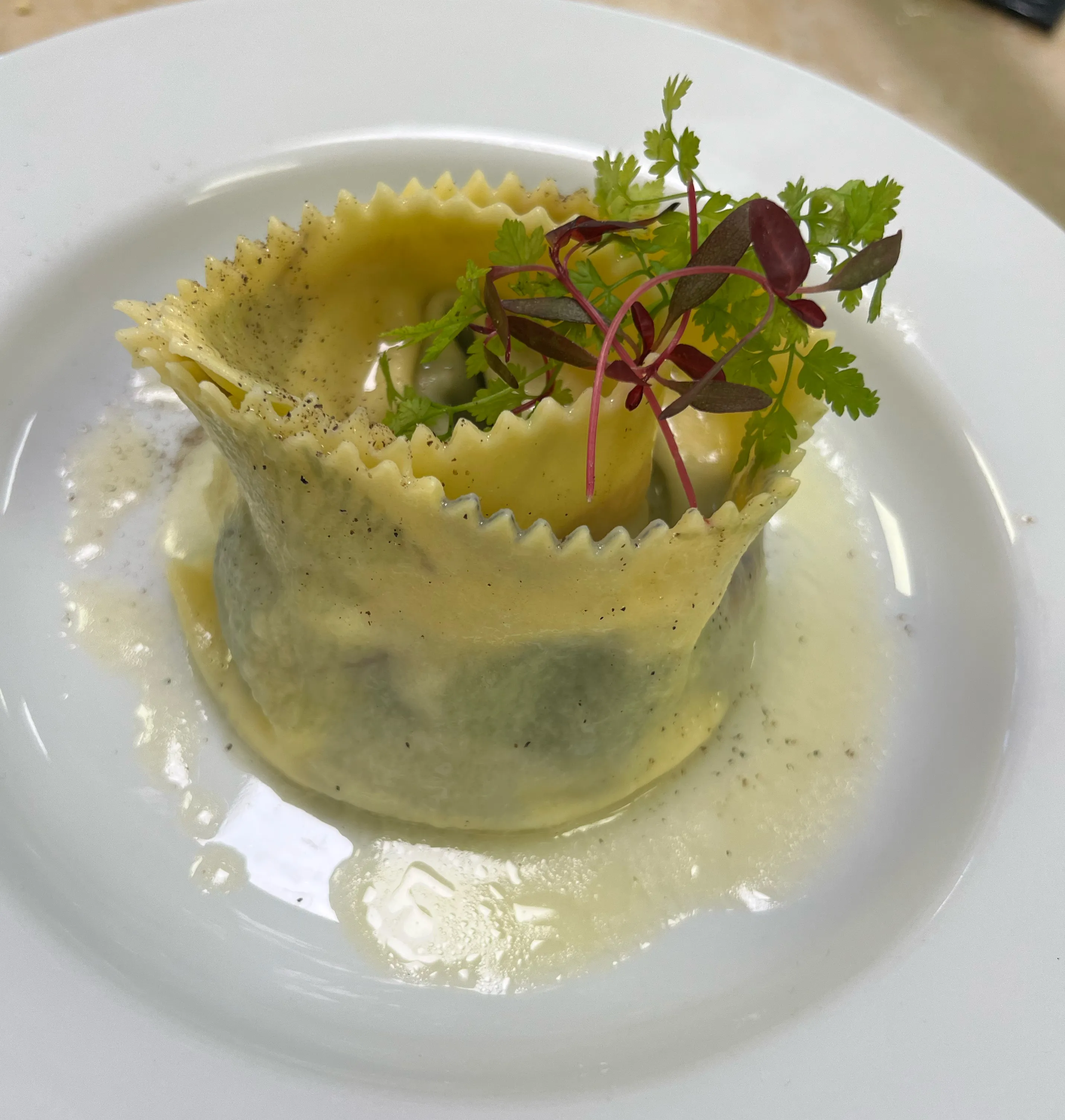
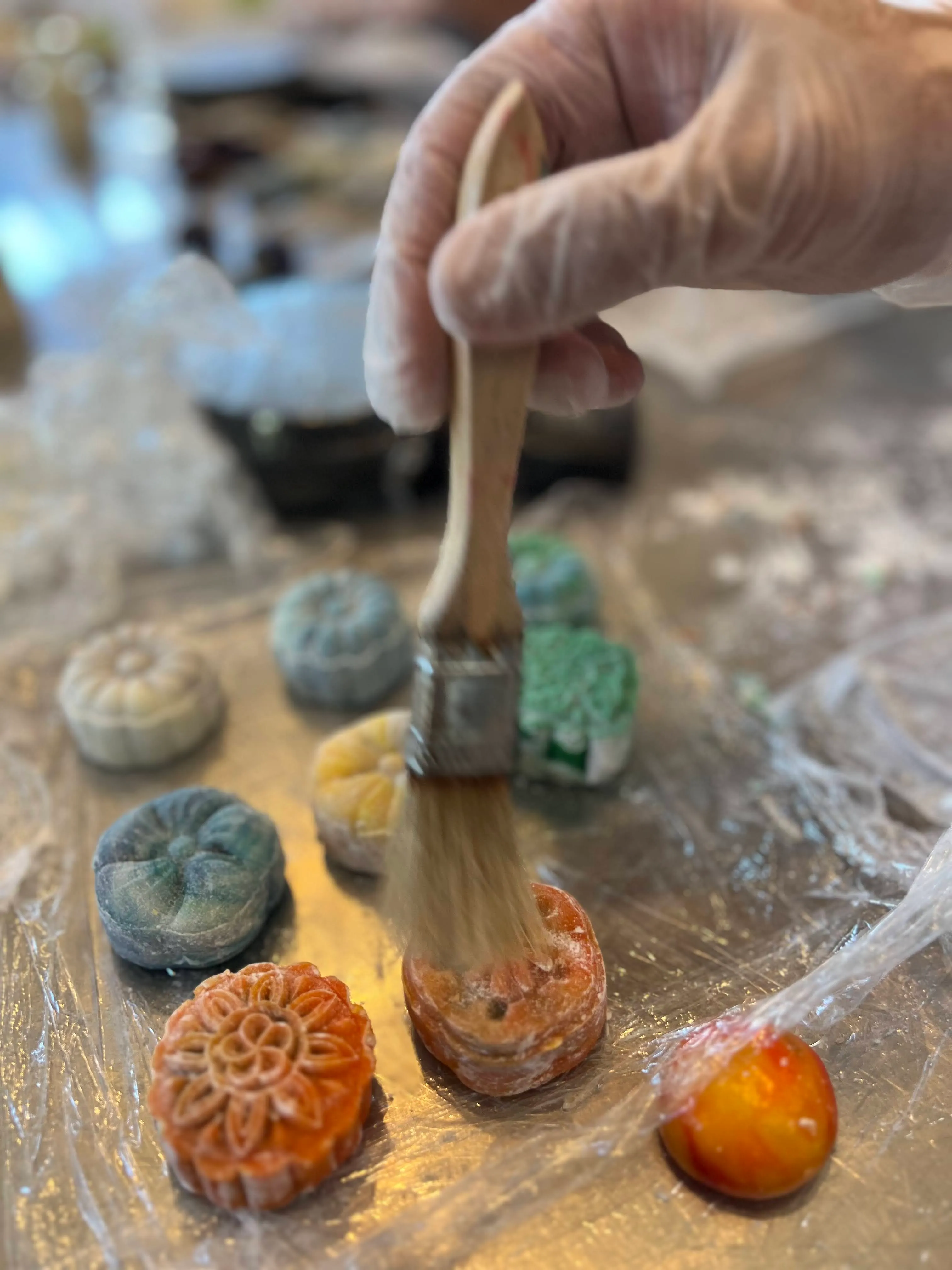
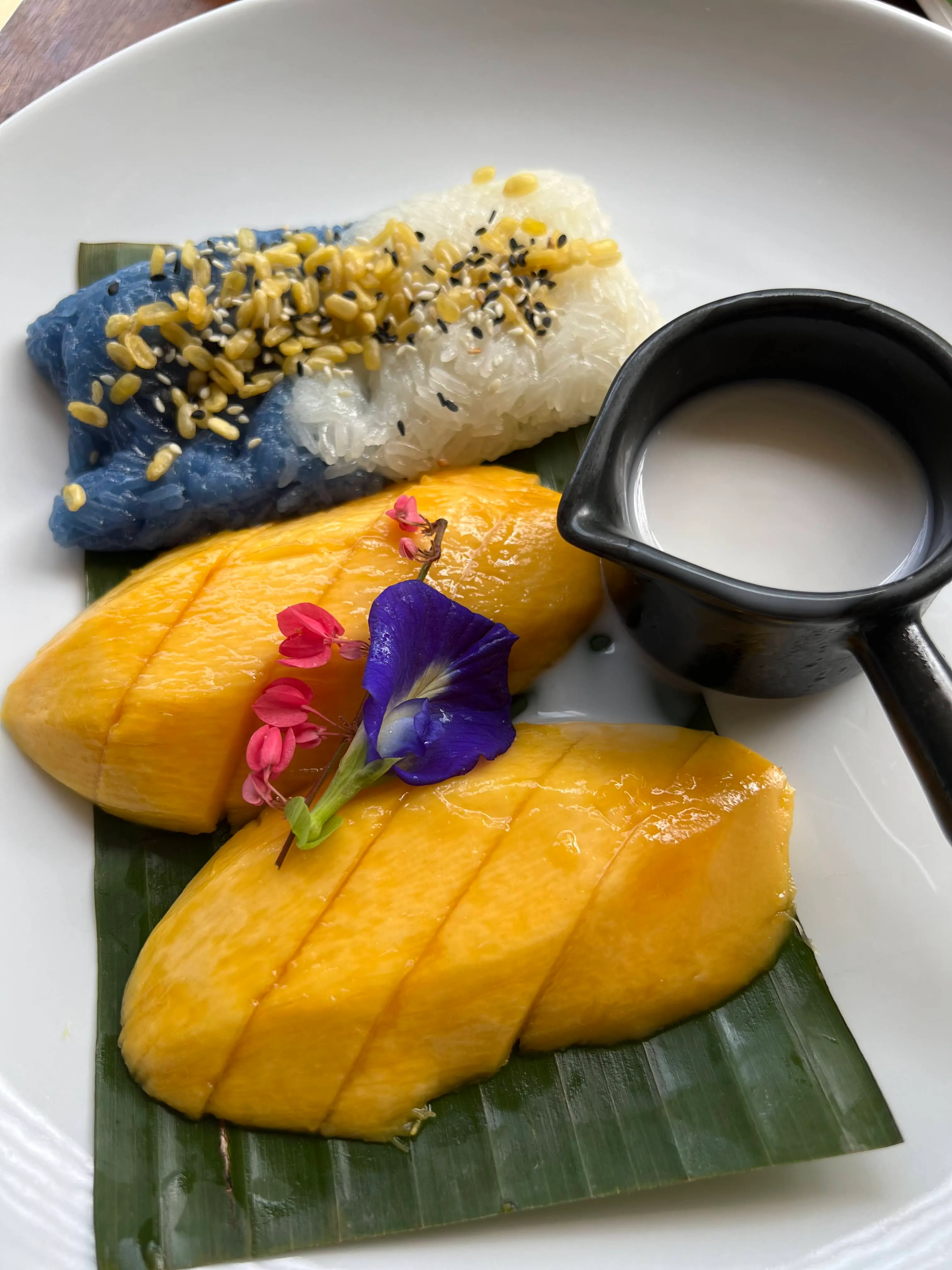
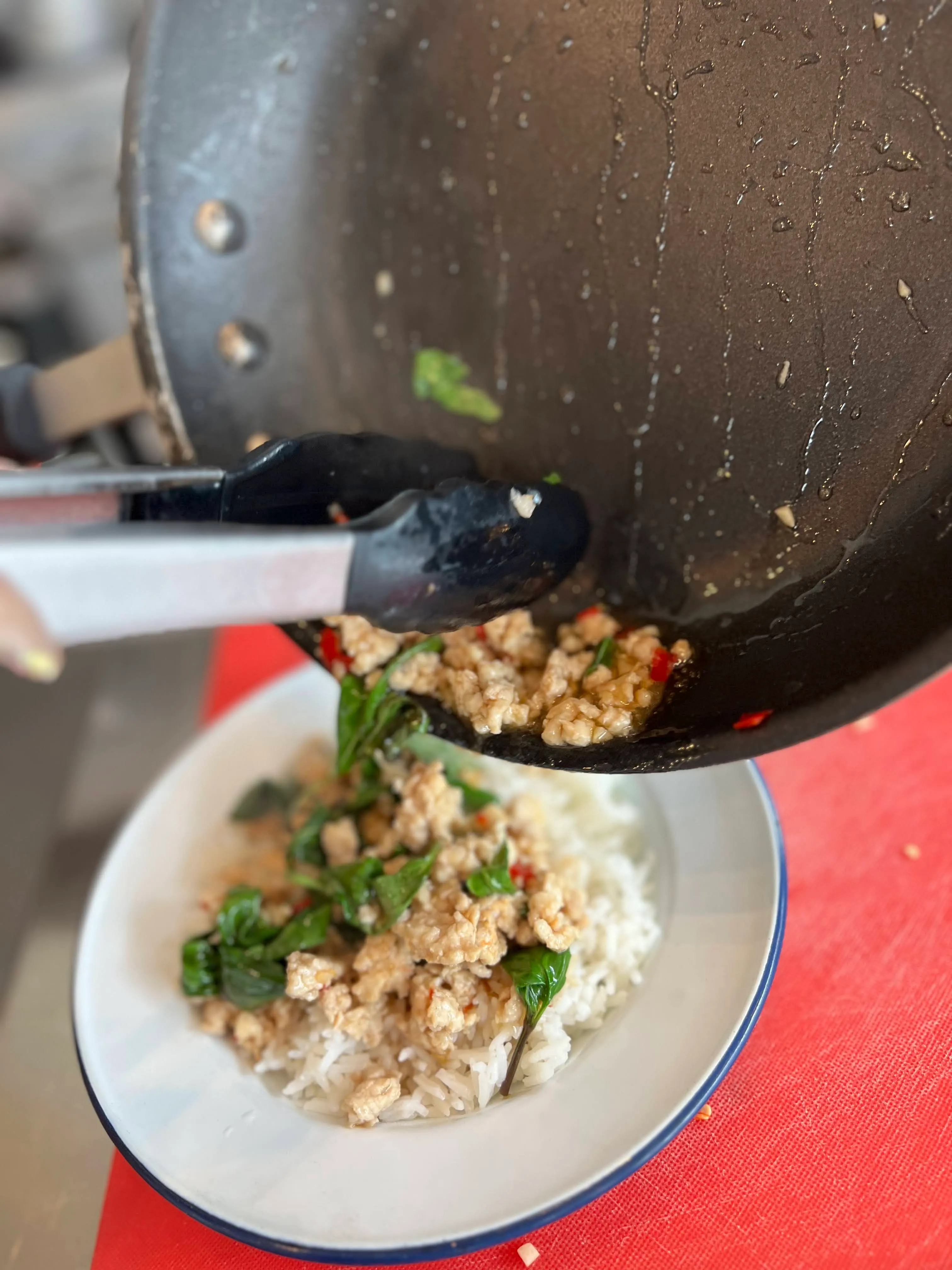
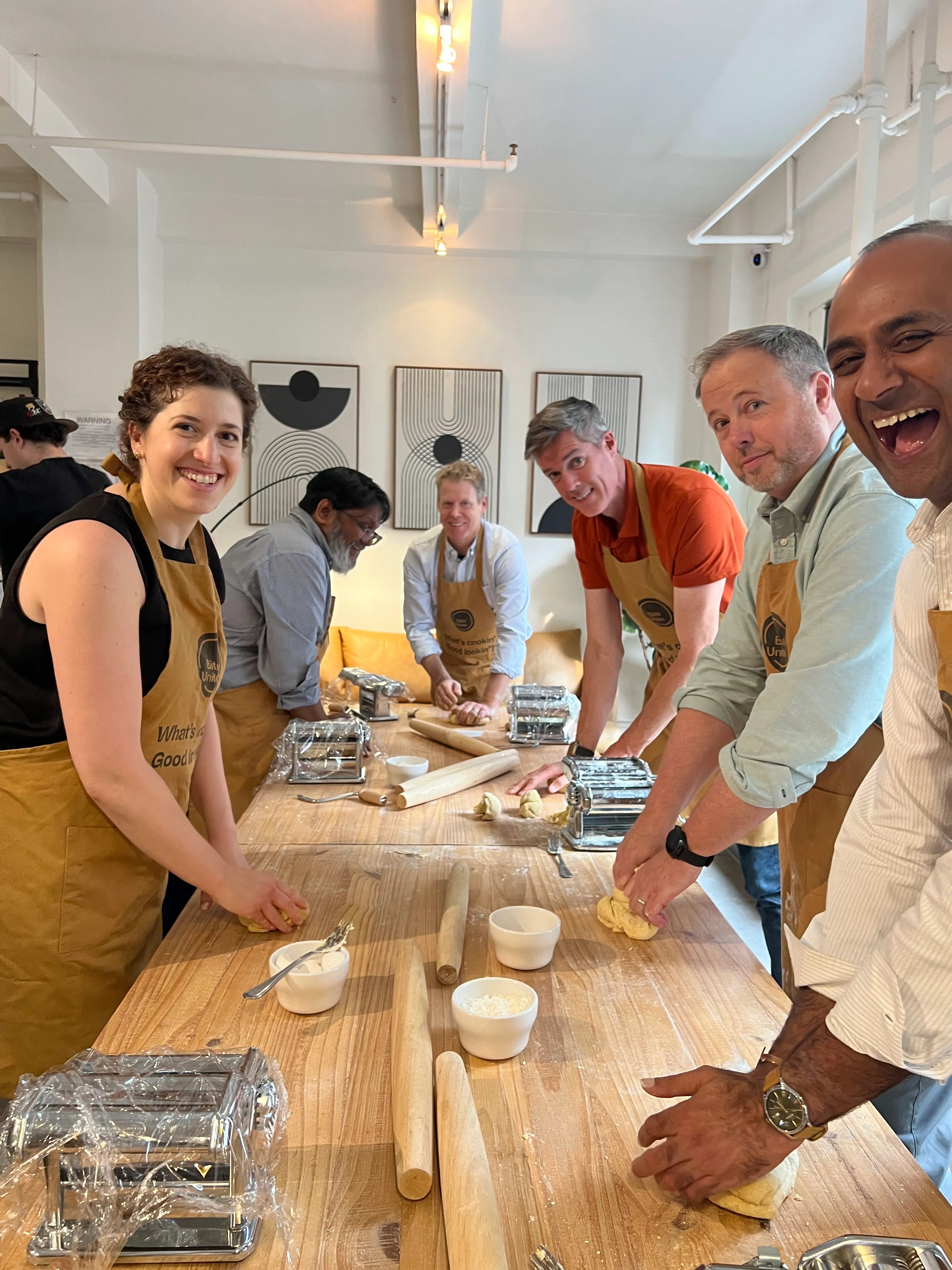
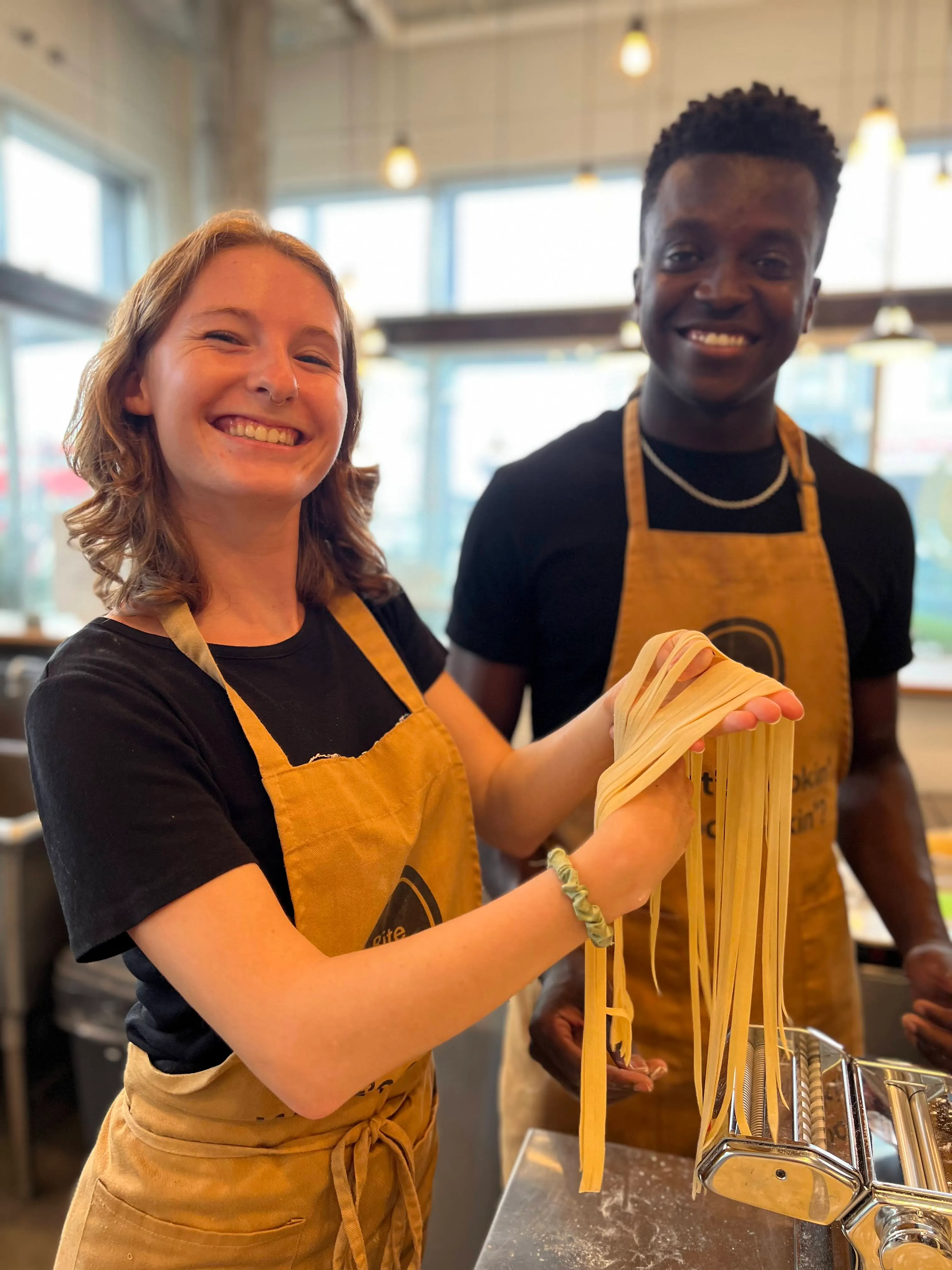
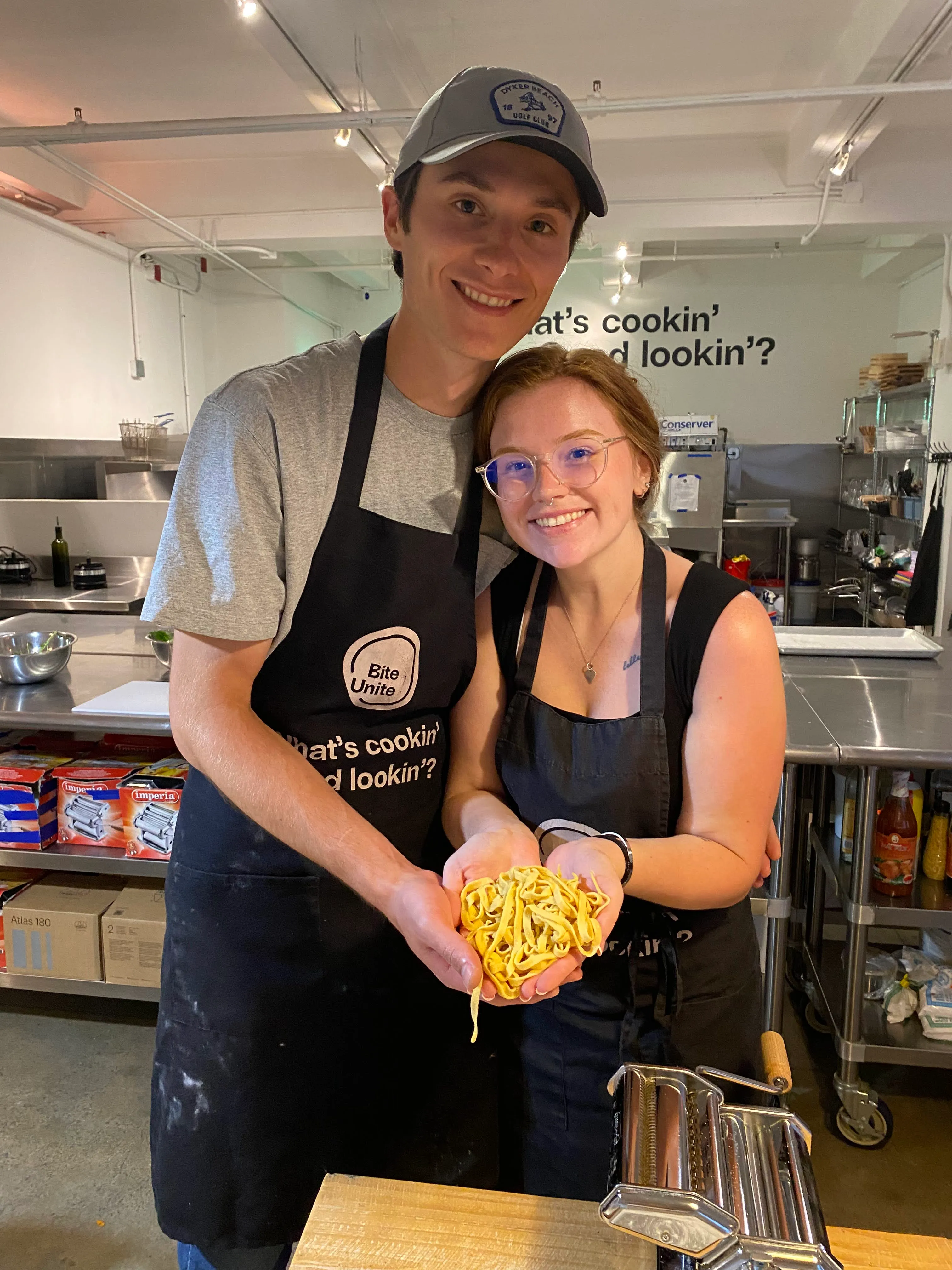
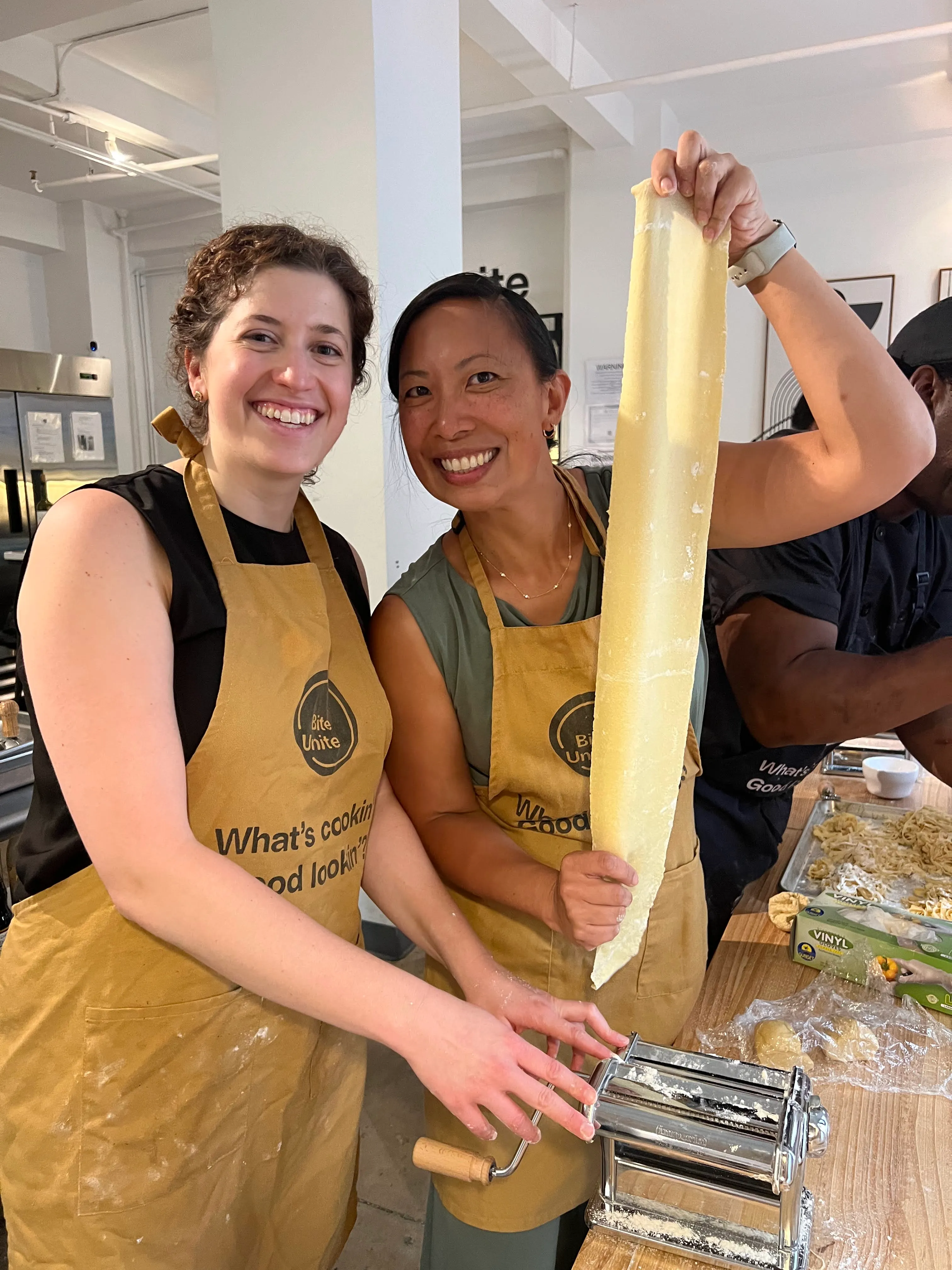
Biteunite’s corporate cooking classes are built around exactly this dynamic. Expert chefs lead hands-on sessions in professional kitchens across New York, San Francisco, and Hong Kong, guiding teams through cuisines from Italian pasta to Thai stir-fry. The format pairs culinary instruction with facilitated group tasks, so the experience feels purposeful rather than just a party. Corporate cooking classes in San Francisco and New York have become a go-to format for HR teams who want measurable engagement alongside a genuinely fun afternoon.
What to expect from a Biteunite session:
Booking checklist before you reach out:
Pro Tip: Book your culinary session in the afternoon, after your convergent strategy work is done. Teams that cook together after making hard decisions consistently report higher satisfaction with both the decisions and the day.
Two sample agendas you can copy into your calendar
1-day strategy offsite
1-day team-building day
Modern team-building ideas that mix experiential formats with structured reflection consistently outperform single-format days on both engagement and retention of insights.
What planners actually learn after running a few offsites
Three lessons show up repeatedly once you’ve run more than a handful of these events.
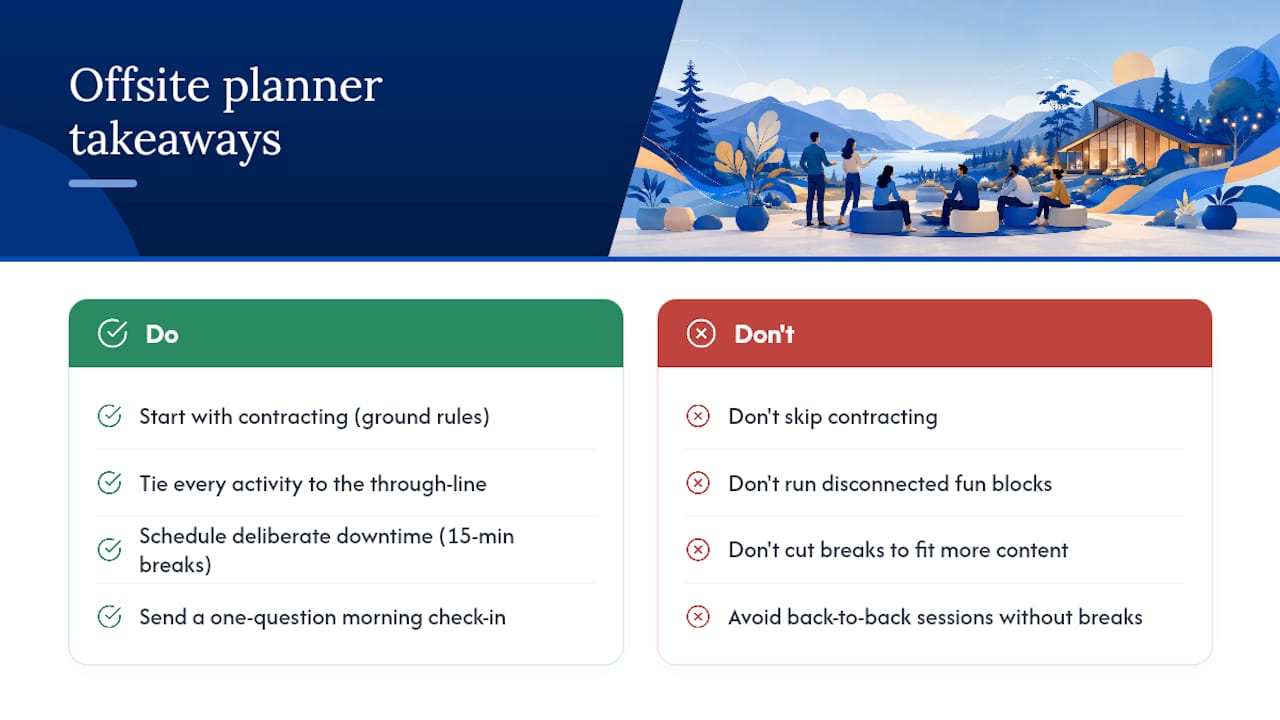
Contracting is the highest-leverage five minutes of the day. Setting ground rules at the start, including how to signal disagreement, what to do with phones, and who can call a pause, prevents the most common derailments. Without it, high-stakes conversations can devolve regardless of how good the venue is. Dave Bailey’s offsite framework makes contracting the first agenda item for exactly this reason.
The through-line matters more than the activities. A day of disconnected fun leaves people energized but directionless. When every block connects back to the central question, participants feel the day had weight. The narrative arc of connection, divergence, and convergence is what produces that feeling.
Deliberate downtime is not wasted time. The 15-minute break after a hard divergent session is where ideas actually settle. Cutting breaks to fit more content is one of the most common and most costly planning mistakes. Teams that get genuine rest between sessions make better decisions in the convergent block.
One quick anecdote worth sharing: a 22-person product team ran a full-day strategy offsite with back-to-back sessions and no real breaks. By the convergent session at 2 PM, decision quality had dropped visibly. The facilitator called an unscheduled 20-minute walk, and the group came back and resolved in 40 minutes what had been circling for two hours. The walk wasn’t on the agenda. It should have been.
Pro Tip: Send a one-question check-in to participants the morning of the offsite: “What would make today a 10 out of 10 for you?” Read the answers before you open. It takes five minutes and surfaces expectations you didn’t know existed.
Biteunite makes your next culinary offsite easy to book
You’ve done the planning work. Now you need an experience that delivers on it. Biteunite’s corporate cooking classes give your team a hands-on, chef-led session that pairs real culinary skill with the kind of collaborative energy no conference room can replicate. Groups of 8 to 80+ can book in-person sessions in New York, San Francisco, and Hong Kong, with expert chefs handling all the instruction and logistics so you can focus on your people.
Before you reach out, have your headcount, preferred dates, dietary restrictions, and any cuisine preferences ready. Biteunite’s team typically confirms corporate bookings within a few business days. For NYC-based teams, the Manhattan group cooking class page is the fastest starting point. Bay Area planners can browse and book directly on the San Francisco culinary team-building page. Both pages include class formats, group pricing, and availability.



































.webp)