Event Venues with Kitchens: A Planner's Booking Guide
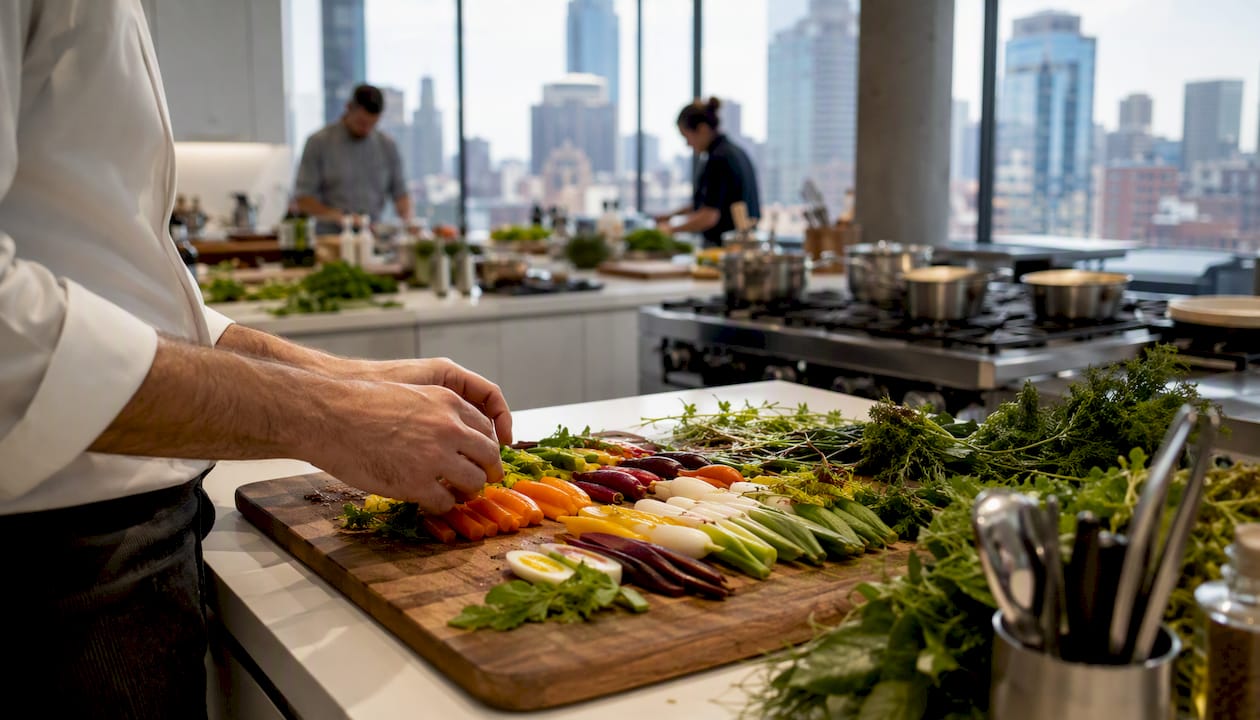
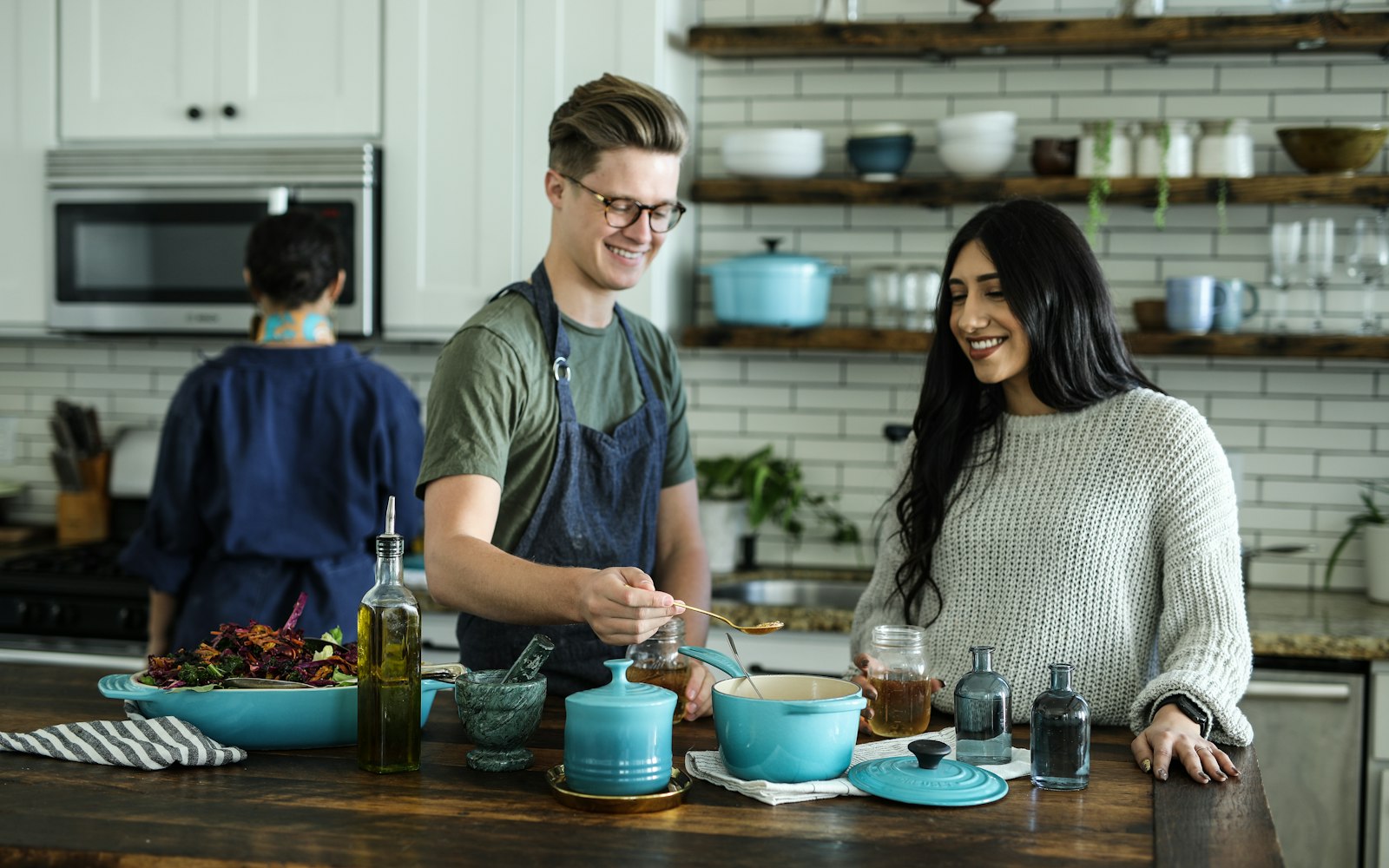
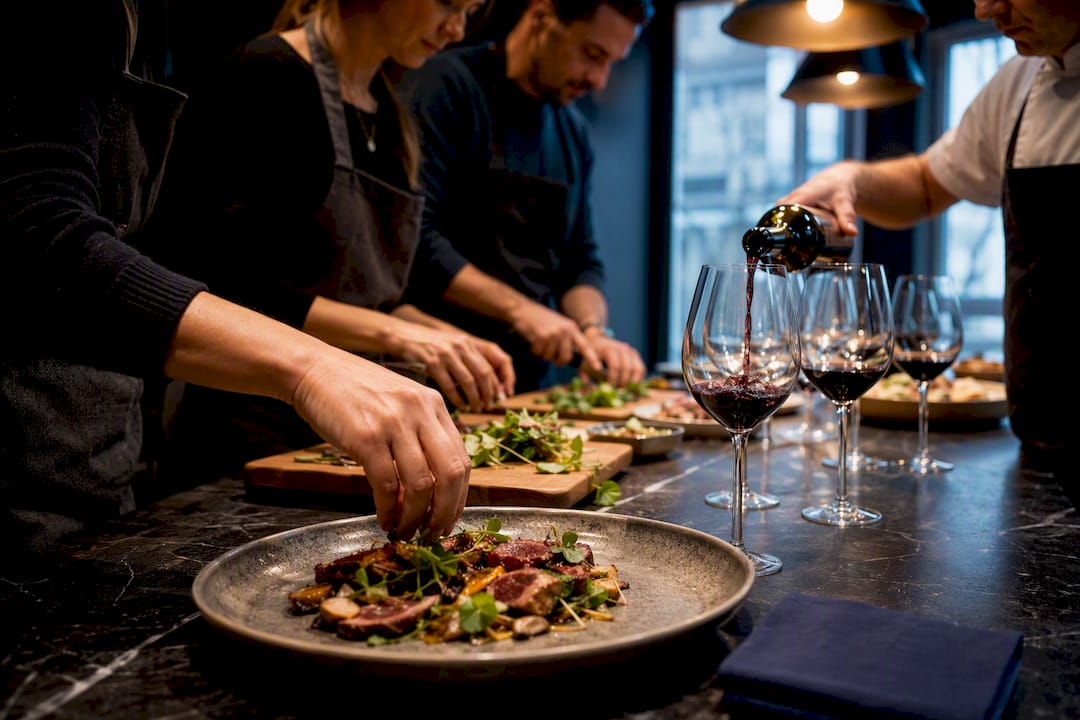
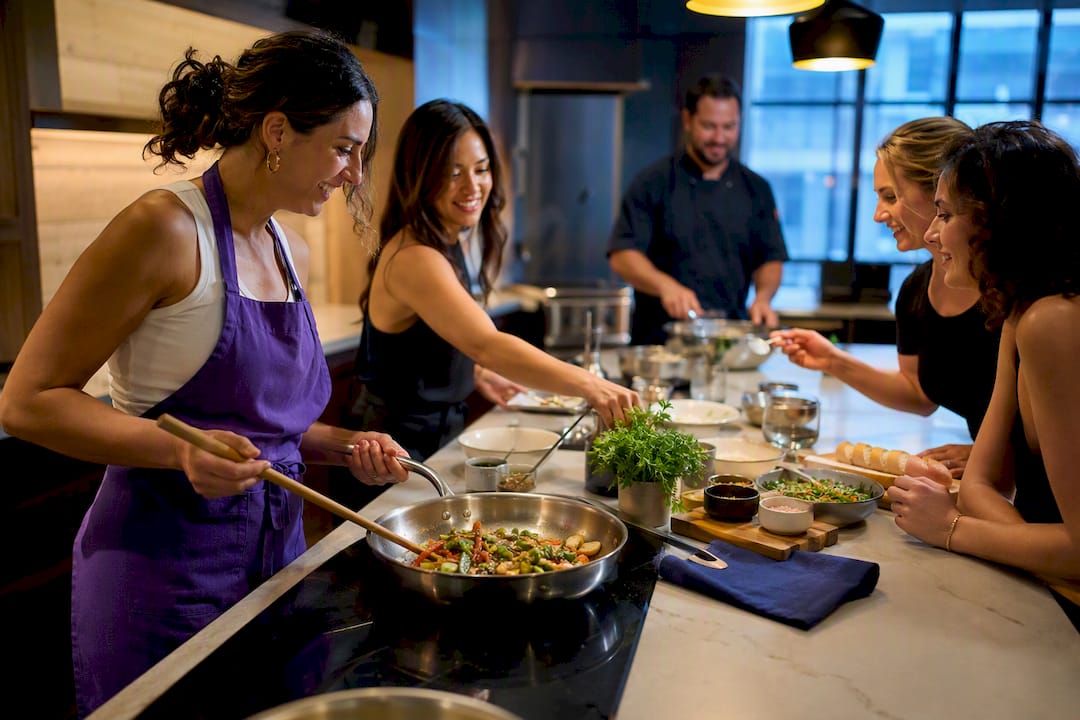
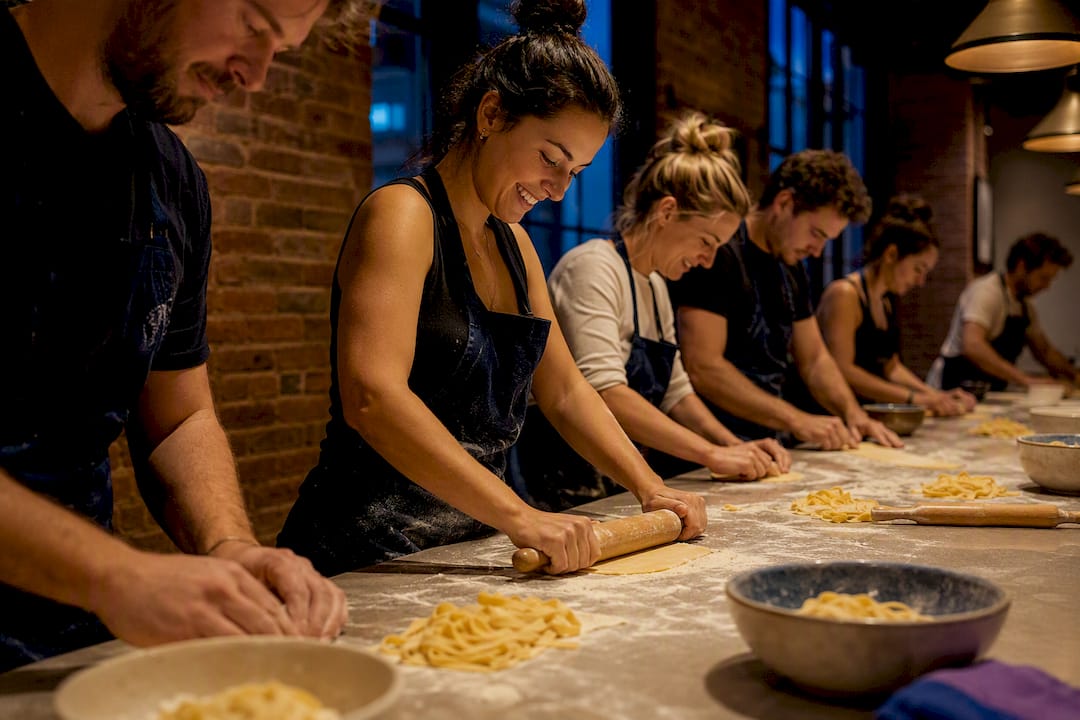
Book a kitchen-equipped venue that matches your event format and guest flow. For high-volume production or catering prep, prioritize a true commercial kitchen with NSF-certified equipment. For cooking demos and team-building classes, an open chef studio is your best fit. Small private dinners work beautifully in a residential-style chef kitchen with a warm, intimate layout.
Before your first inquiry, run these three quick checks:
- Capacity match: Can the kitchen realistically plate for your guest count within your service window?
- Certification: Does the venue hold NSF-certified equipment or local health-department commissary status if you’re doing large-scale food production?
- Power availability: Is 3-phase power and sufficient amperage on-site for induction ranges, lighting rigs, or heavy-duty dishmachines?
On pricing: premium studio-style venues in major metros can start around $4,000 per day as a base rate, typically including production lighting, catering prep areas, and high-speed internet. Smaller hourly chef kitchens run considerably less. Know your budget ceiling before you start touring.
Key Takeaways
Matching your kitchen category to your event format is the single decision that determines whether your event runs smoothly or creates logistical problems on the day.
| Point | Details |
|---|---|
| Match kitchen to event type | Use open chef studios for demos and team-building; commercial kitchens for high-volume plated service. |
| Verify power and certification first | Confirm 3-phase power, amperage, and NSF or health-department status before any other negotiation. |
| Premium studio pricing baseline | Fully equipped production studios in major metros start around $4,000/day; hourly chef kitchens run far less. |
| Lock down contract details | Negotiate overtime rates, cleaning fees, caterer clauses, and cancellation terms before signing. |
| Biteunite as a turnkey option | Biteunite provides chef-led events with kitchen, instructor, and logistics coordinated in key cities worldwide. |
Table of Contents
- What are the best event venues with kitchens for your event type?
- Kitchen features and equipment to inspect before you book
- Capacity, layout, and planning for a 100-guest event
- Pricing signals, booking costs, and contract items to watch
- Mobile kitchens, community partners, and low-cost strategies
- Pre-event and day-of logistics: timeline, staffing, and safety
- Open chef studios vs. back-of-house kitchens: a planner’s perspective
- Biteunite makes chef-led venue events easier to book
- Useful sources and venues to explore
What are the best event venues with kitchens for your event type?
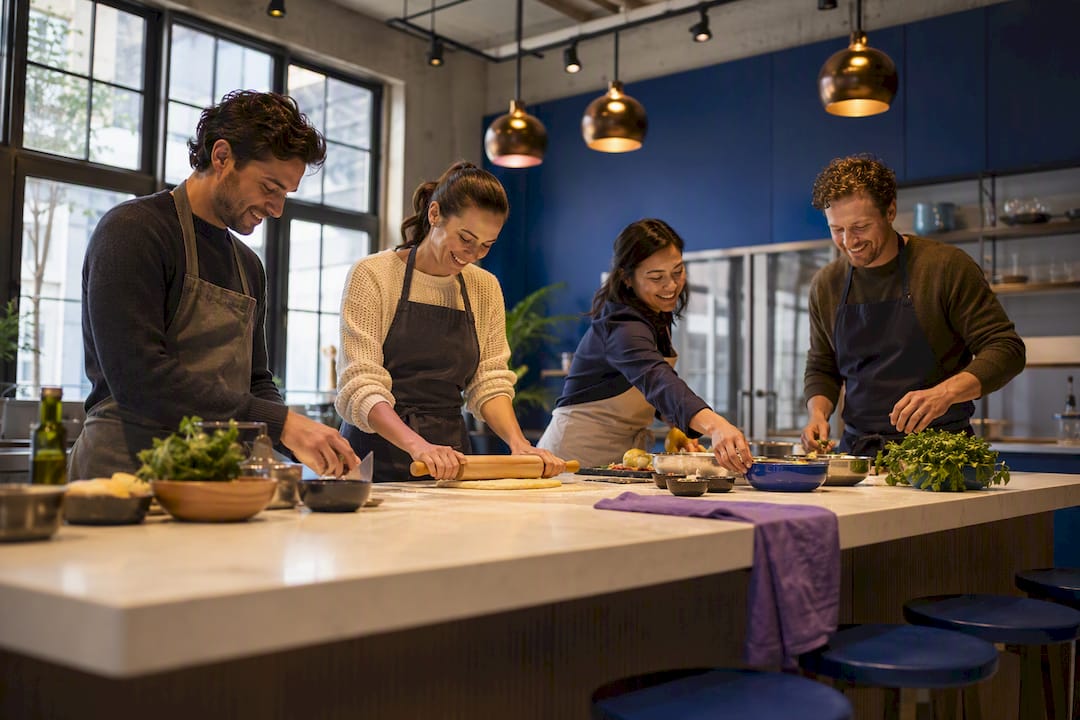
The right kitchen-equipped venue depends almost entirely on what your guests will do in it. Map your event format to the kitchen category first, then evaluate individual venues.
| Event Format | Recommended Kitchen Category |
|---|---|
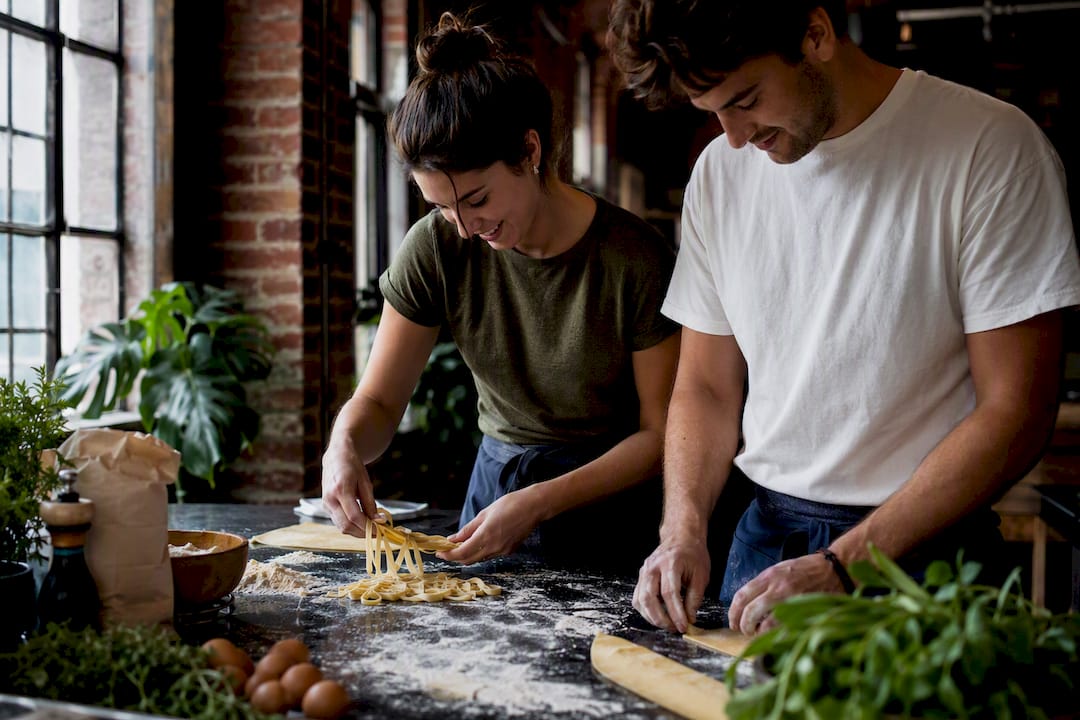
| Cooking demo or interactive class | Open chef studio with audience sightlines |
| Team-building culinary event | Chef studio or shared show kitchen |
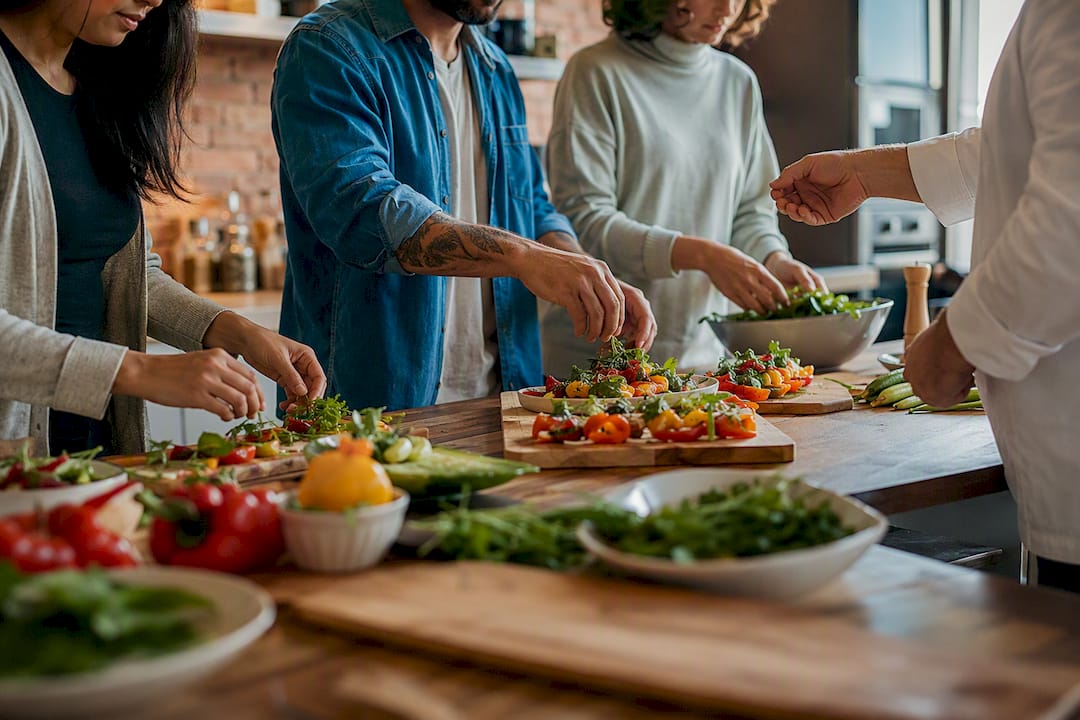
| Plated private dinner | Residential-style chef kitchen or back-of-house commercial |
| Catering prep or food production | NSF-certified commercial commissary |
| Brand activation or film shoot | Production studio with integrated kitchen |
Once you’ve matched the format, ask venue managers these questions on your first call:
- What hours is the kitchen available, including load-in and cleanup?
- Does the venue hold any required permits for food service or public events?
- What does your insurance require, and do you mandate a specific caterer?
- Are sanitation certifications and health-department inspections current?
- What is the load-in access: freight elevator, ground-level dock, or stairs only?
- What is the total amperage and is 3-phase power available?
Red flags to watch for: No ventilation hood for hot cooking is a hard disqualifier. Capped power that can’t handle your induction burners or AV setup will cost you mid-event. Vague answers about insurance or mandatory caterer clauses often mean surprise fees later.
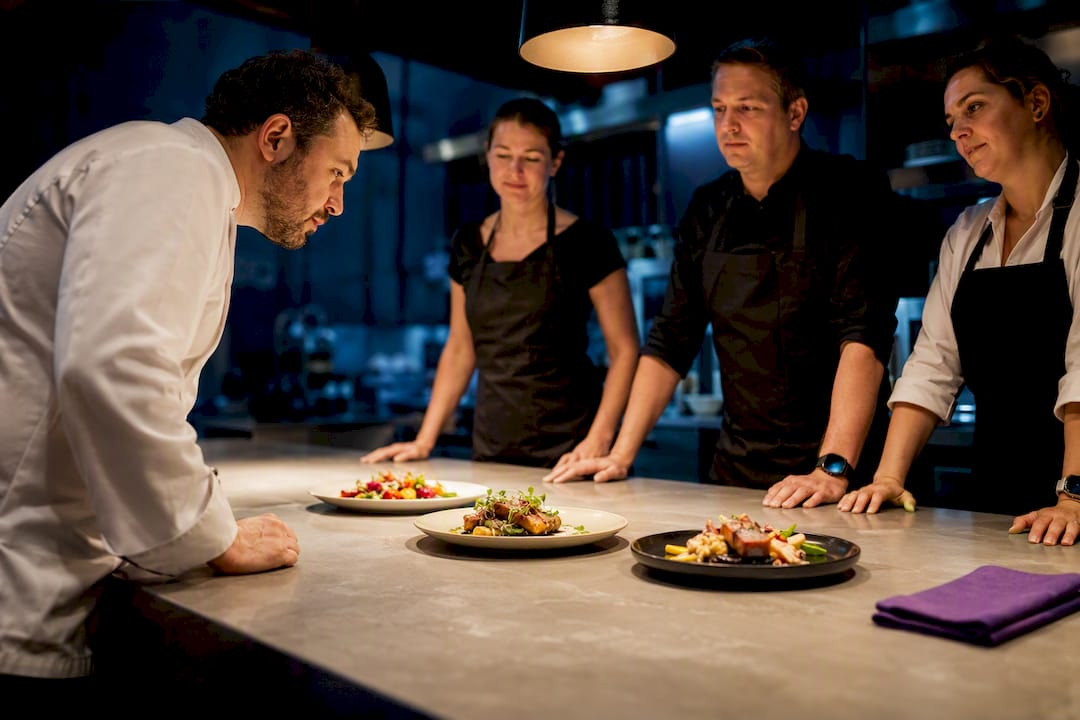
Pro Tip: Ask “who plates where?” before you sign anything. Planners who skip this question often discover on event day that the kitchen pass is 40 feet from the dining area with no staging counter in between. Confirm throughput expectations in writing: how many plates per hour can the kitchen realistically produce, and who is responsible for expo?
Kitchen features and equipment to inspect before you book
A venue can call itself a “fully equipped kitchen” and still be missing the infrastructure your event actually needs. Walk through this checklist before committing.
Core equipment
- Commercial ranges and ovens: confirm burner count and BTU rating
- Hood and ventilation: type (Type I for grease-laden vapor, Type II for heat/steam), capacity, and last inspection date
- Walk-in cooler and freezer: temperature logs and usable cubic footage
- Dishmachine: high-temp vs. low-temp matters for throughput and sanitation compliance
- Dry storage, ice machine, and pass-through areas
Power and connectivity
- 3-phase power availability and total amperage (production venues like Union Square Kitchen list 100+ amp and 3-phase capabilities for lighting rigs and heavy-duty equipment)
- Dedicated circuits for induction ranges or high-amp appliances
- Internet bandwidth if you’re live-streaming or recording the event
Sanitation and compliance
- NSF-certified equipment throughout, as seen at venues like Revelance Ohio’s Culinary Lab, which is built for production, demos, and private dinners
- Current health-department compliance or commissary status for production events
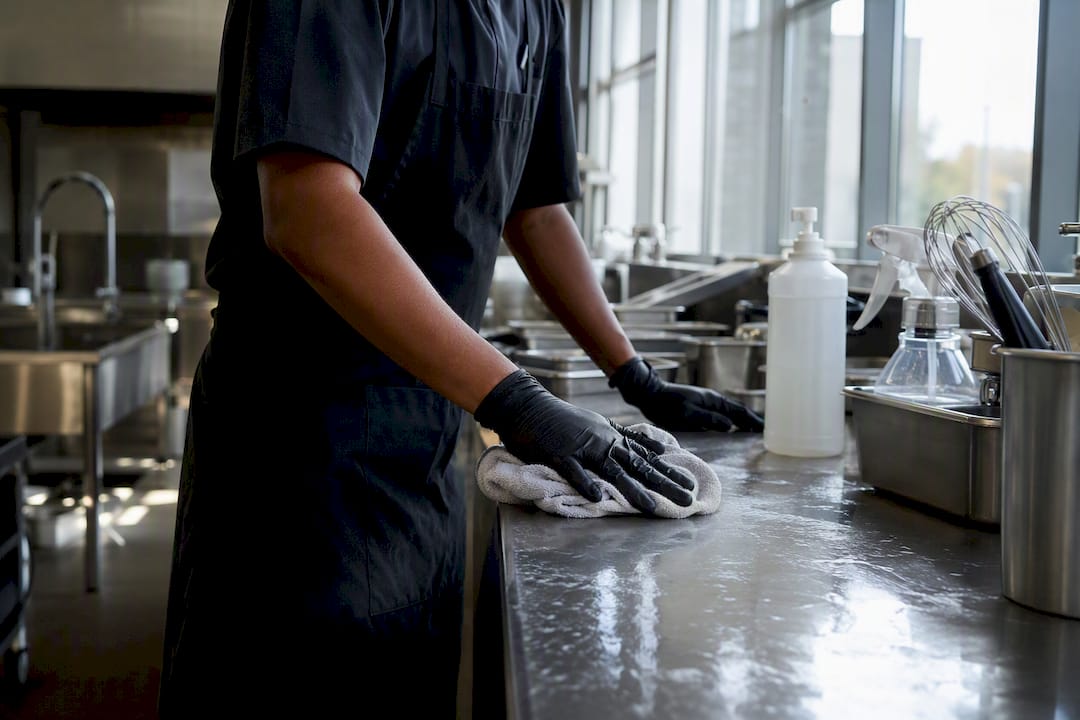
- Cleaning schedules and pest-control records available on request
Service staging and guest flow
- Dedicated plating area and service pass
- Service elevator or direct load-in for caterers
- Staging room for chefs or talent
- FOH seating adjacency for open-kitchen formats
Pro Tip: “Seats 80 guests” tells you nothing about kitchen throughput. Ask the venue manager: how many plated courses has this kitchen turned in a two-hour service window? A 20-burner range means little if there’s one dishmachine and a 10-foot pass.
Capacity, layout, and planning for a 100-guest event
Space planning for kitchen-based events follows different math than a standard banquet. The kitchen’s throughput, not the dining room’s square footage, is usually the real constraint.
General rules of thumb for seated and standing formats:
- Seated plated dinner: 18–20 sq ft per guest in the dining area, plus dedicated kitchen and staging space
- Cocktail reception with food stations: 10–12 sq ft per guest
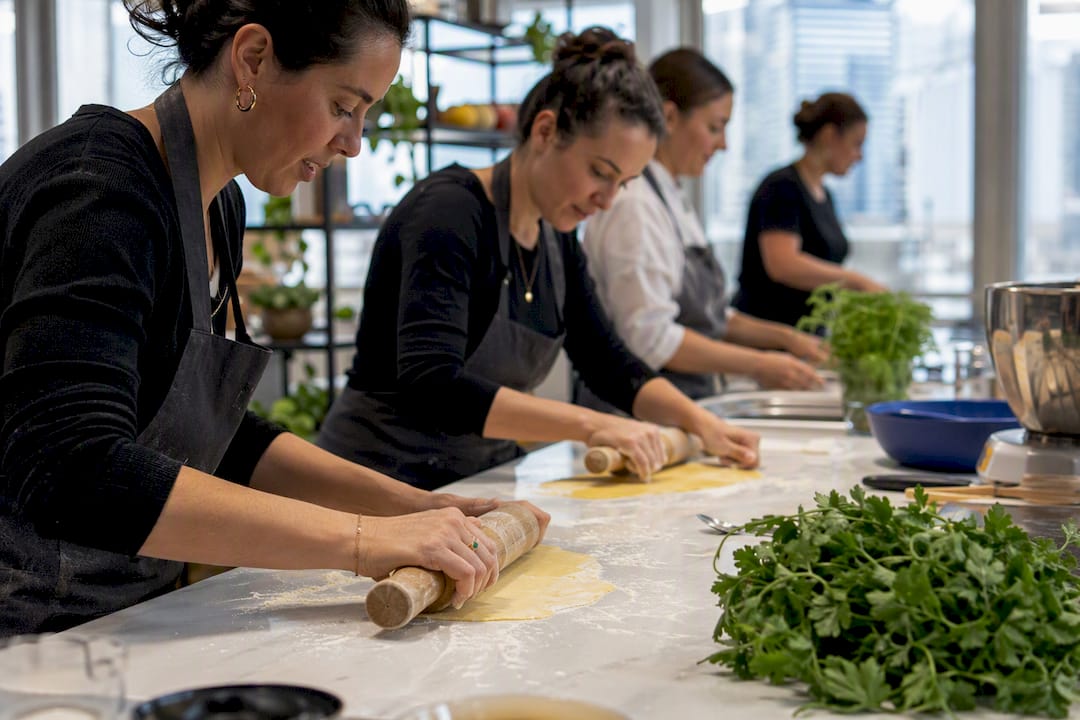
- Demo or cooking class format: 25–35 sq ft per participant to allow movement around stations
For a 100-guest plated dinner, you need a kitchen capable of producing roughly 100 covers in a 90-minute service window, which typically requires at minimum six commercial burners, two full-size ovens, and a high-temp dishmachine running continuous cycles. A buffet or station format cuts that pressure significantly: food is produced in batches rather than plated to order.
Ghostline Kitchen in Austin illustrates how multi-space combinations work in practice: their show kitchen and adjacent event spaces can be configured for cooking classes, team-building, and film shoots at varying capacities depending on which rooms are combined.
For layout flexibility, confirm with the venue:
- Are kitchen islands or stations movable?
- Do open-kitchen sightlines allow all guests to see the chef?
- Are there breakout rooms for prep or private dining?
Pricing signals, booking costs, and contract items to watch
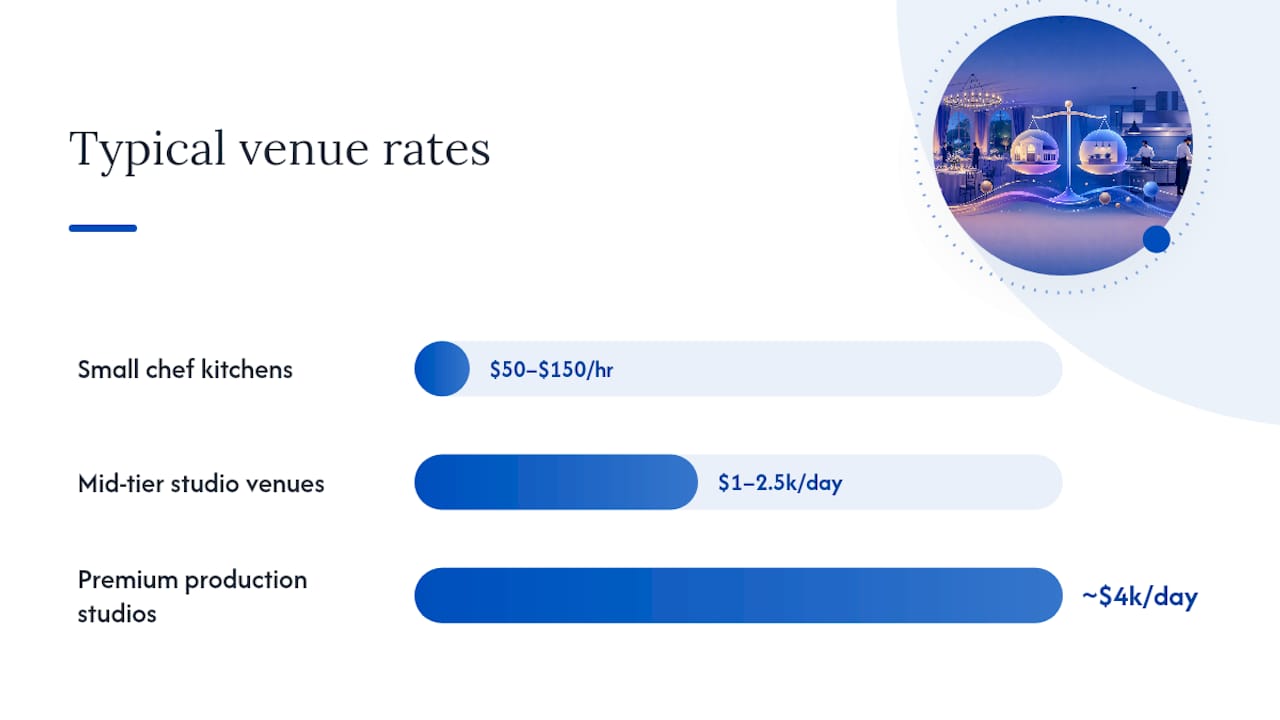
Kitchen-equipped venues price across a wide range. Small hourly chef kitchens used for classes or tastings can run $50–$150/hour. Mid-tier studio venues with professional equipment typically charge day rates in the $1,000–$2,500 range. Premium production studios in major metros, like those listed on Storefront for New York, start around $4,000/day for fully equipped spaces with production lighting and catering prep. Mobile kitchen rentals for outdoor or temporary setups vary widely by market and configuration.
Before signing, confirm or negotiate these contract line items:
- Overtime rates (what triggers them and the per-hour cost)
- Cleaning fees (flat or variable, and what “clean” means per the contract)
- Insurance requirements and whether you must name the venue as additionally insured
- Mandatory caterer clauses or approved-vendor lists
- Deposit amount and refund/cancellation terms
- A/V and tech fees, especially for streaming or recording setups
- Additional staffing charges (venue-required security, kitchen attendants)
Booking timeline: For peak dates (Fridays, Saturdays, and major holidays), reserve 3–6 months out. Off-peak weekday bookings in many markets are available 4–6 weeks ahead, but popular chef studios fill faster than standard event halls.
Request these documents before signing: floor plans with kitchen dimensions, a full kitchen equipment list, the venue’s certificate of insurance requirements, and any current health or sanitation inspection paperwork.
Mobile kitchens, community partners, and low-cost strategies
Not every event needs a permanent venue. Mobile kitchens, community partnerships, and sponsorship exchanges can dramatically reduce cost for the right event type.
Mobile kitchens work well for outdoor festivals, pop-up dinners, and brand activations where a fixed venue isn’t practical. Budget for the unit rental, generator or power hookup, local health-department notification (required in most jurisdictions), and any permits for cooking in a public space.
Community kitchens and culinary schools often rent time at rates well below commercial studios. Foodwise, for example, offers kitchen rental for cooking classes, tastings, and small parties. Before booking a community kitchen, verify:
- Does the space meet your event’s service-flow needs (guest access, seating adjacency)?
- Is the venue’s insurance compatible with your event type?
- Are permits current for the food-service activities you’re planning?
Sponsorship and in-kind exchanges are underused by most planners. A food brand, equipment supplier, or local restaurant group may provide free or discounted space in exchange for logo placement, social content, or product sampling rights during your event. Offer something concrete: a guaranteed audience size, professional photography, or a co-branded recap.
For Los Angeles planners, marketplace aggregators let you filter by neighborhood and kitchen type, which speeds up the shortlisting process considerably.
Pre-event and day-of logistics: timeline, staffing, and safety
Booking-to-event timeline
- Finalize venue booking and receive signed contract (8–12 weeks out for peak dates)
- Conduct a kitchen walk-through with your chef or caterer (6–8 weeks out)
- Confirm menu and complete a tasting (4–6 weeks out)
- Submit health-department notifications or permits if required (4 weeks out)
- Confirm staff call times, load-in window, and service schedule (1–2 weeks out)
- Final venue walk-through and equipment check (day before or morning of event)
Staffing checklist
- Chef or lead instructor
- Line cooks or kitchen assistants (ratio depends on guest count and menu complexity)
- Expo/plate-up staff at the pass
- Dishwashing crew (one per 50 guests as a baseline)
- FOH servers
- Venue tech contact for A/V and power issues
Safety and sanitation
- Confirm all kitchen staff hold current food handler certificates
- Have an allergen plan documented and communicated to every kitchen team member
- Verify fire extinguisher placement and hood suppression system inspection date
- Confirm first-aid kit location and nearest hospital route
Day-of sequence
- Arrival and setup: Kitchen team arrives 2–3 hours before service; verify all equipment is on and at temperature
- Pre-heat and check: Test every burner, oven, and dishmachine; confirm refrigeration temps are logged
- Service cadence: Run a brief pre-service meeting with all kitchen and FOH staff to confirm timing and plate descriptions
- Teardown: Begin cleanup within 30 minutes of last course; leave the kitchen in the condition specified by the contract
Pro Tip: Assign one person on your team as the venue liaison for the entire event. That person handles all communication with venue staff, monitors the load-in dock, and owns the cleanup checklist. Without a single point of contact, small problems compound fast.
Open chef studios vs. back-of-house kitchens: a planner’s perspective
The choice between an open chef studio and a hidden commercial kitchen is really a question of what you want your guests to feel during the event.
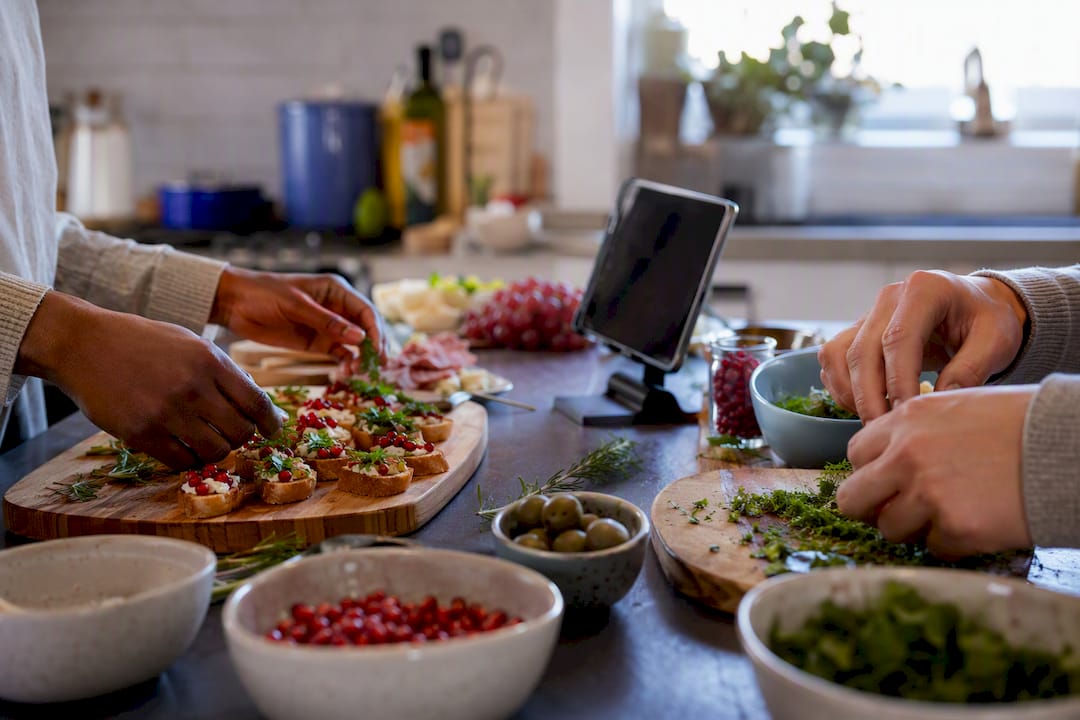
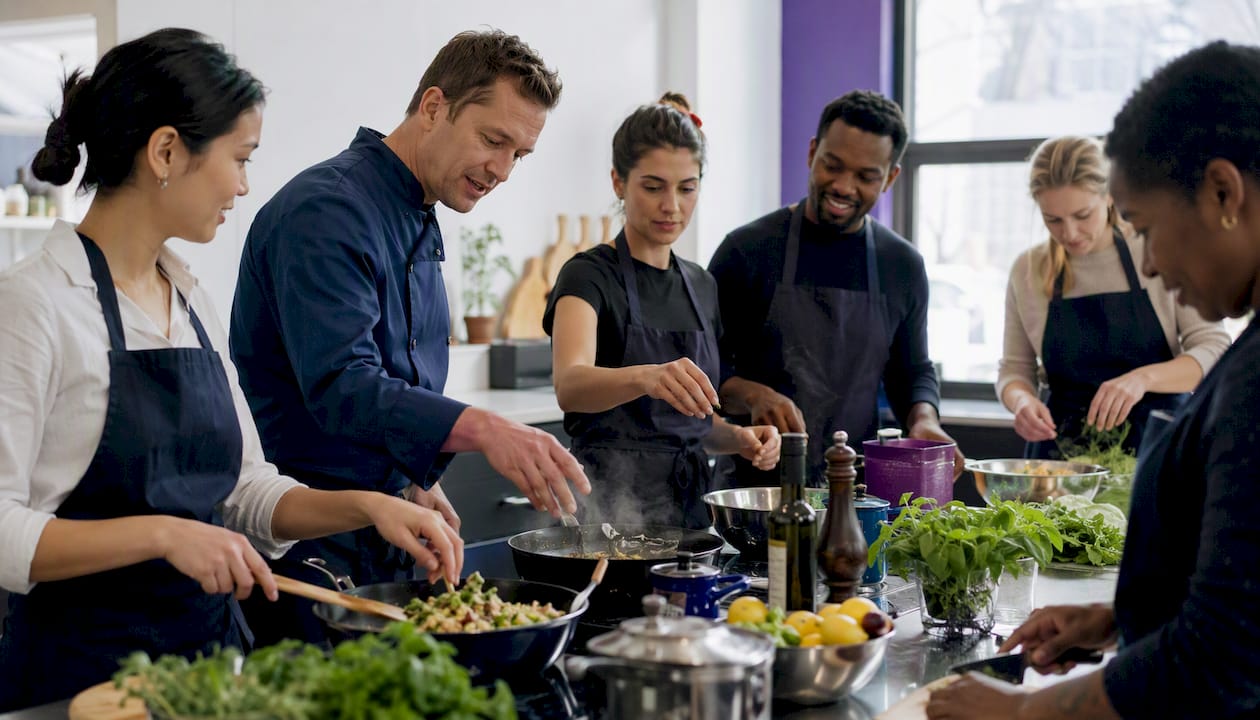
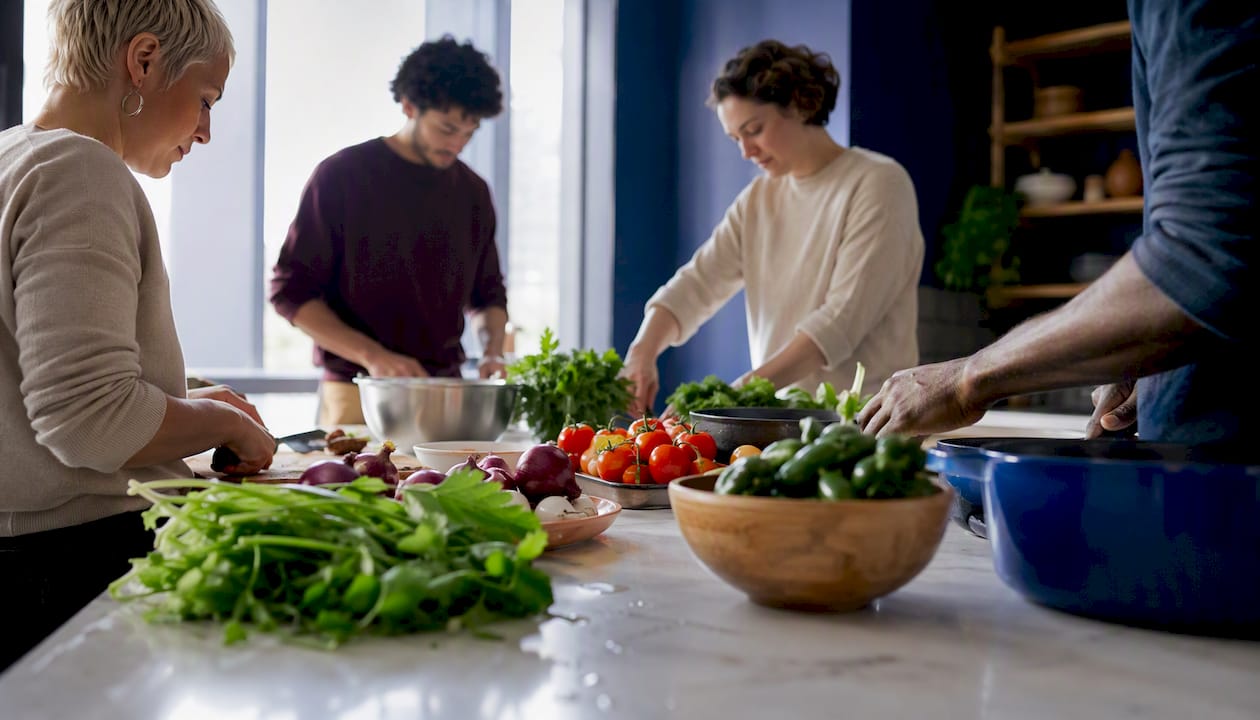
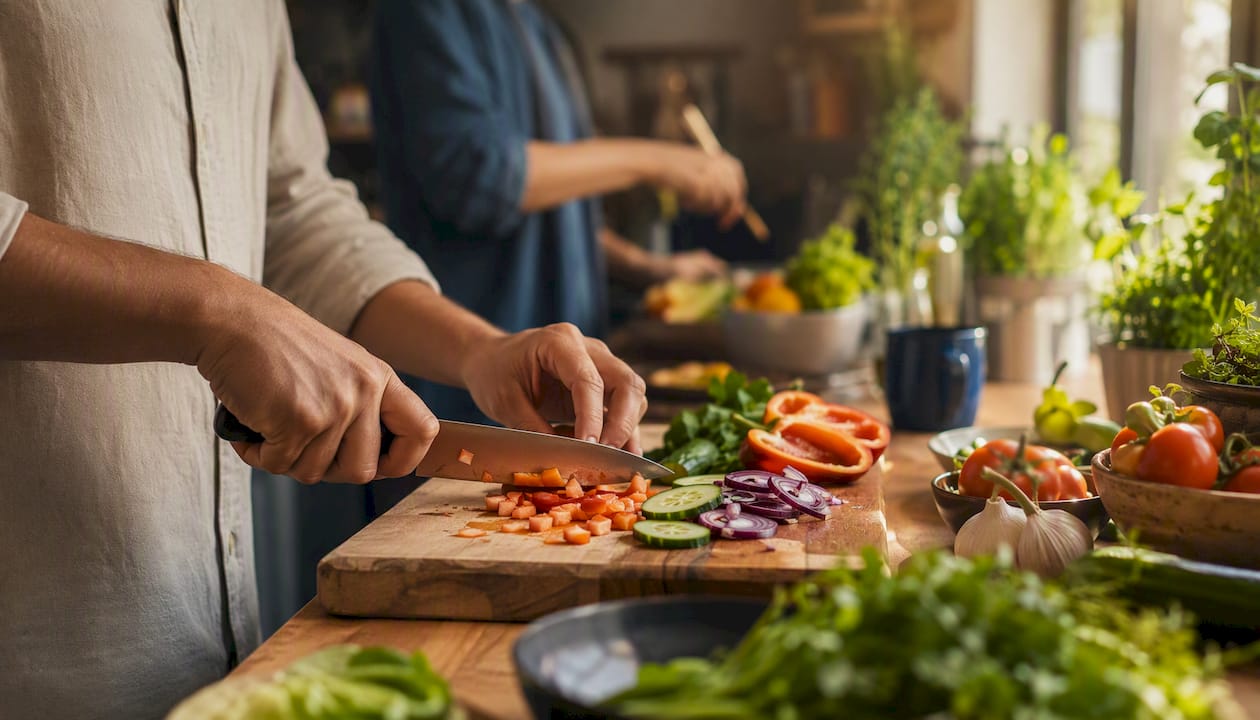
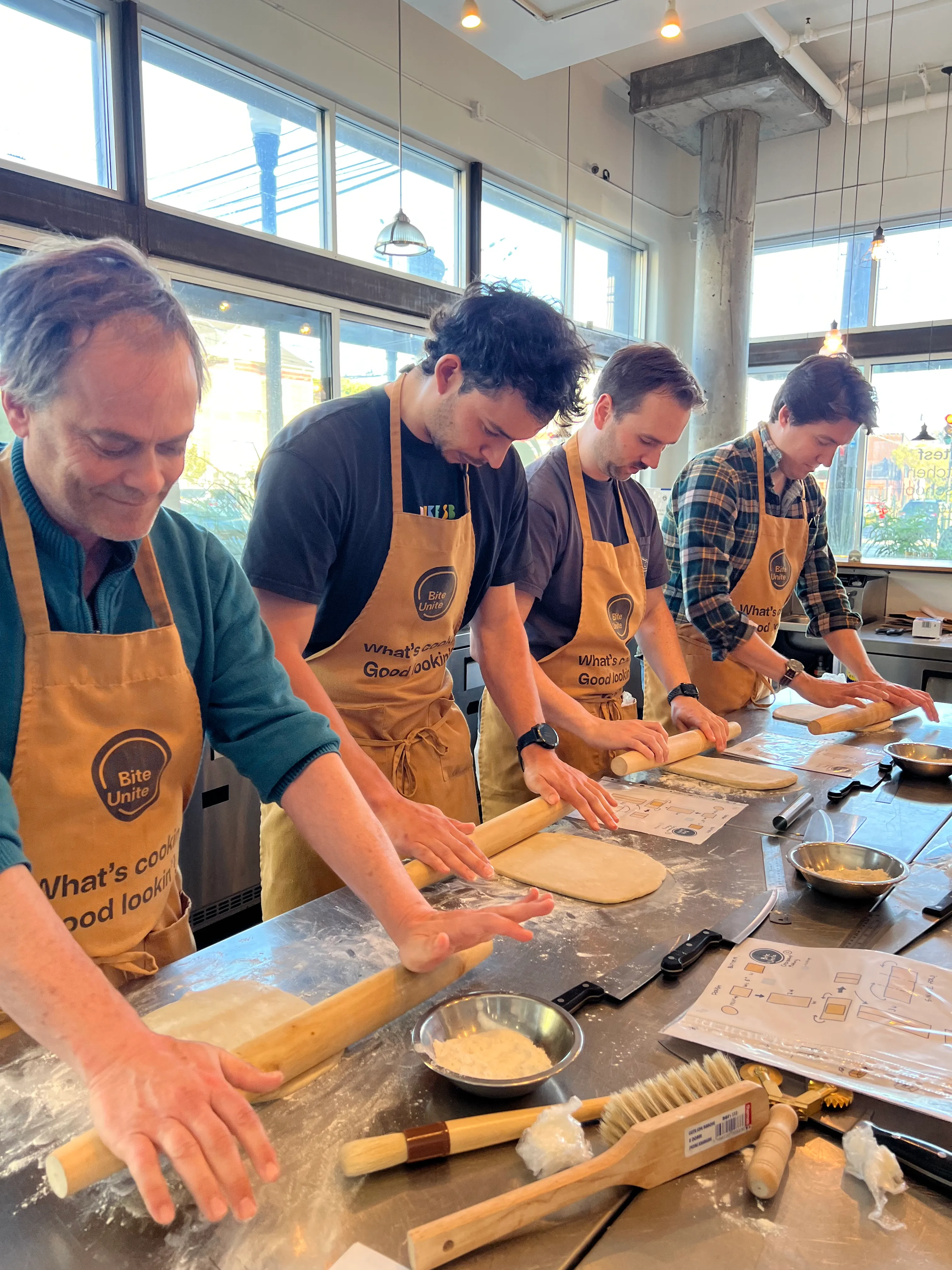
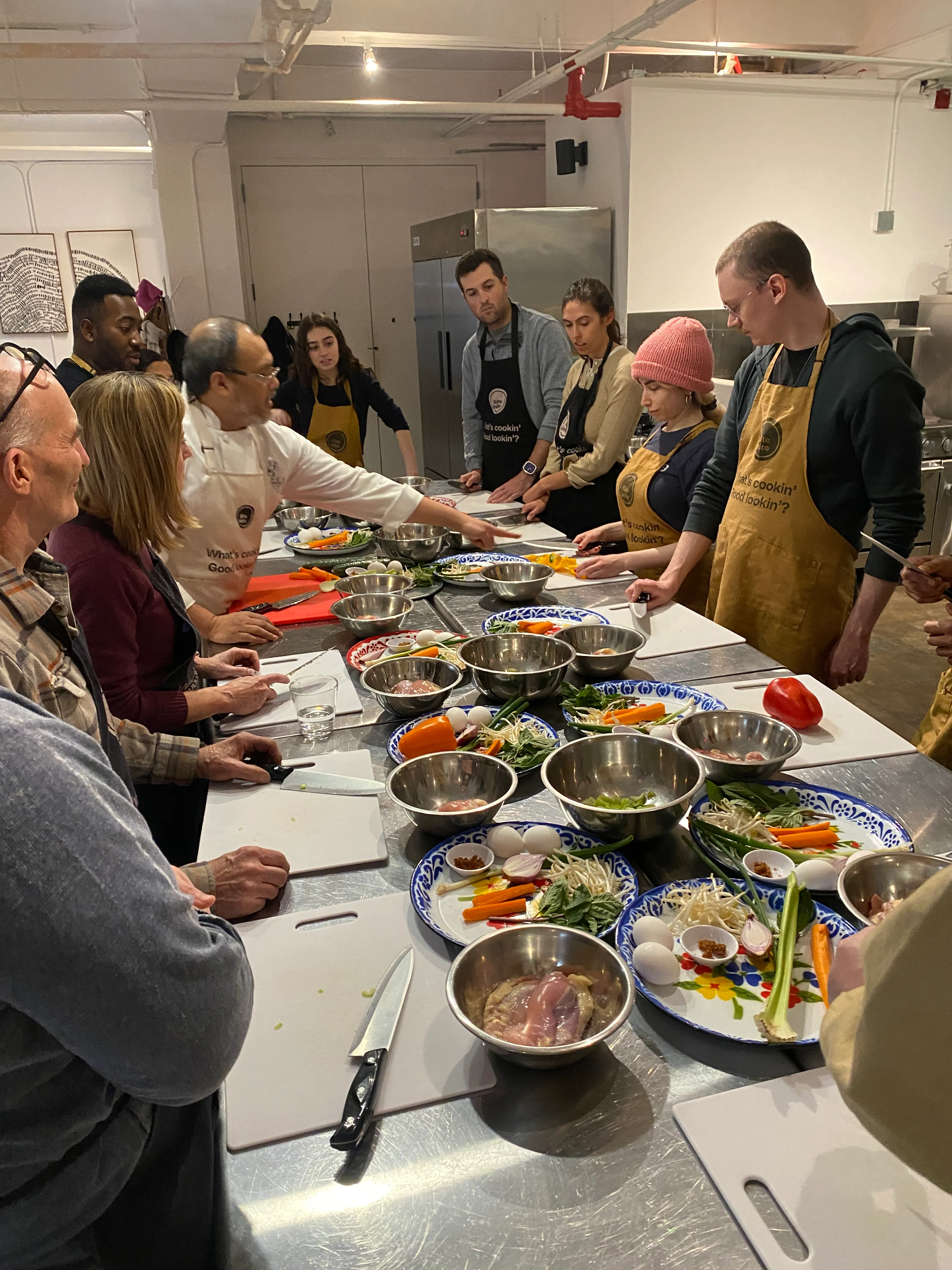
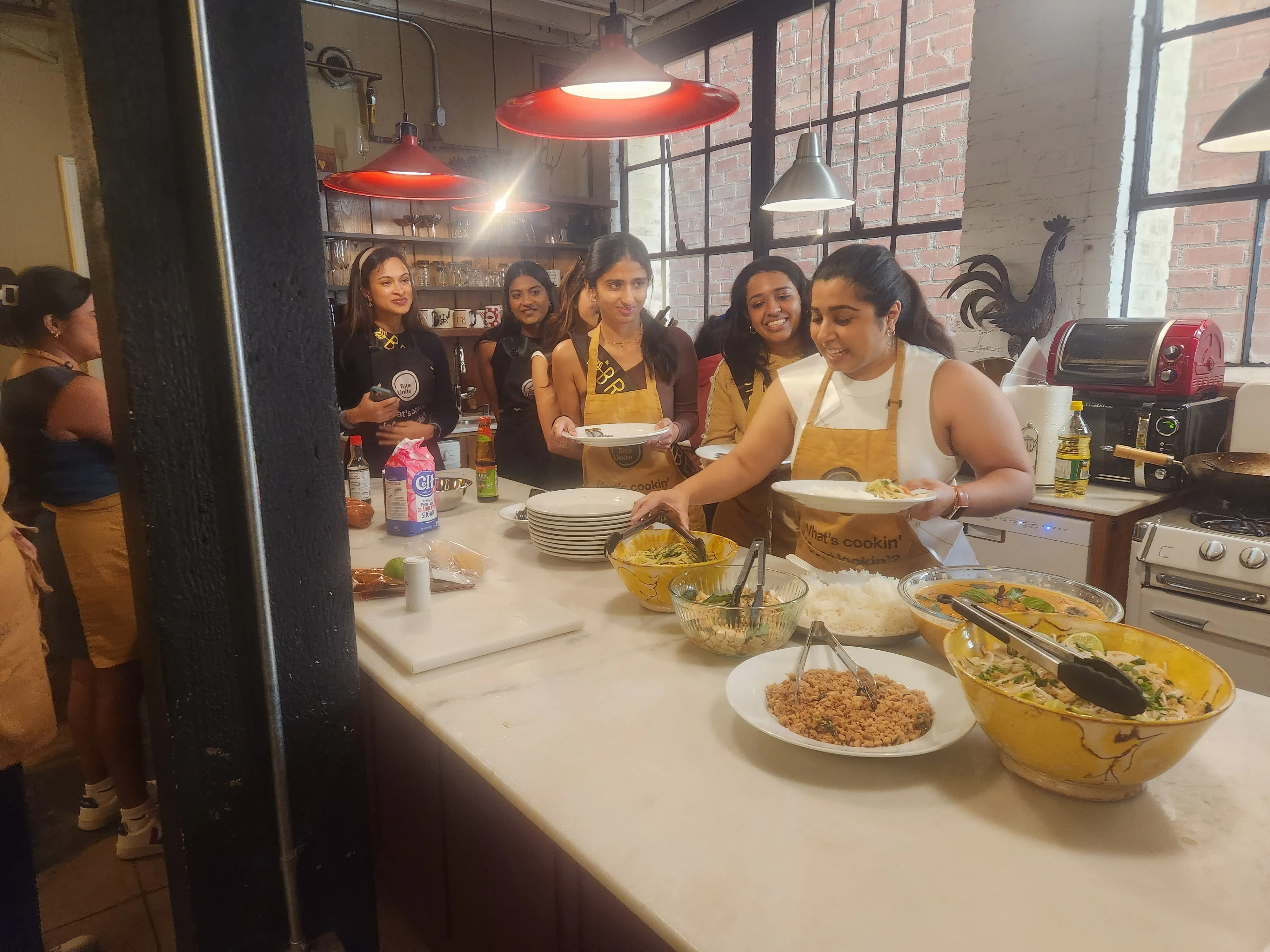
Open kitchens, like MM Kitchen Studio in Tribeca, put the cooking on display. Guests watch, interact, and connect with the process. That visibility is genuinely powerful for team-building events, brand activations, and any experience where the cooking is the entertainment. The trade-off is real: open kitchens require more FOH staffing, careful sightline planning, and a chef who performs as well as they cook.
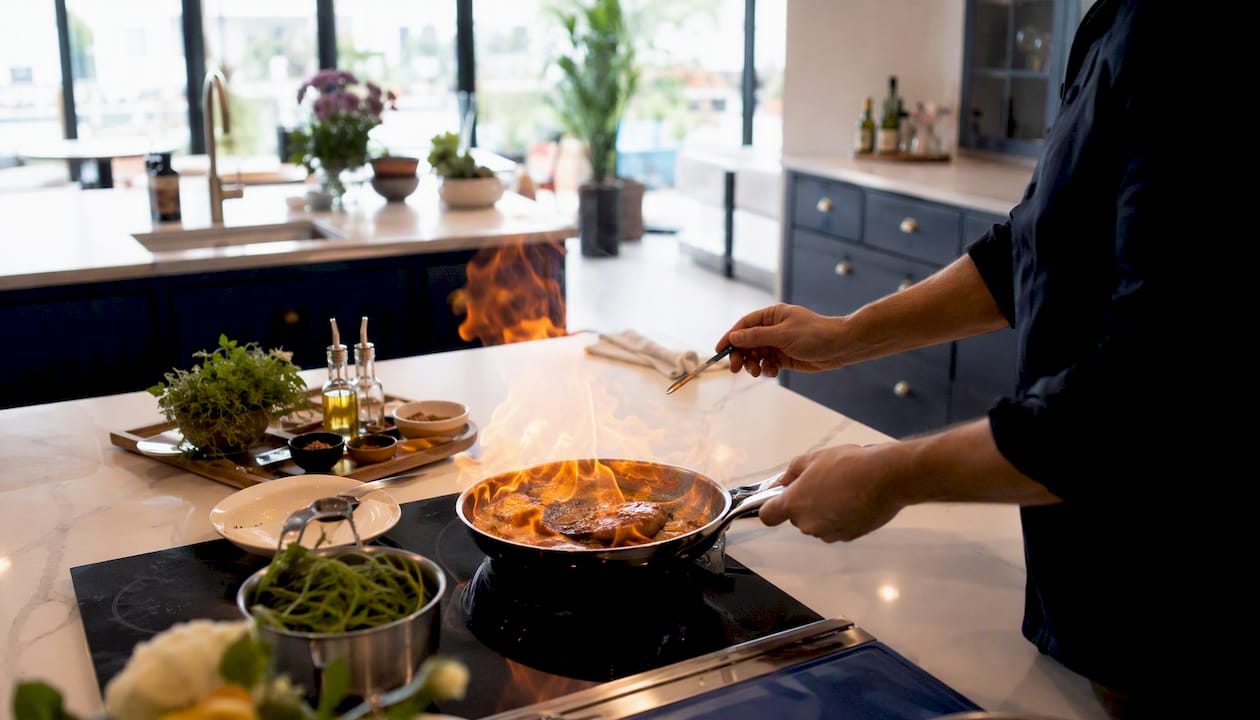
Back-of-house commercial kitchens prioritize throughput. A hidden kitchen can run harder, faster, and louder without affecting the guest experience in the dining room. For large plated dinners or catering-heavy events, that separation is an asset, not a limitation.
The heuristic worth keeping: if your event KPI is guest engagement or content creation, pay for the open studio. If your KPI is speed of service and plate count, book the commercial kitchen and let the food speak for itself at the table.
Biteunite makes chef-led venue events easier to book
Searching for the right kitchen-equipped space is only half the work. Coordinating a chef, a menu, insurance paperwork, and a load-in schedule on top of venue negotiations is where most planners lose time and confidence.
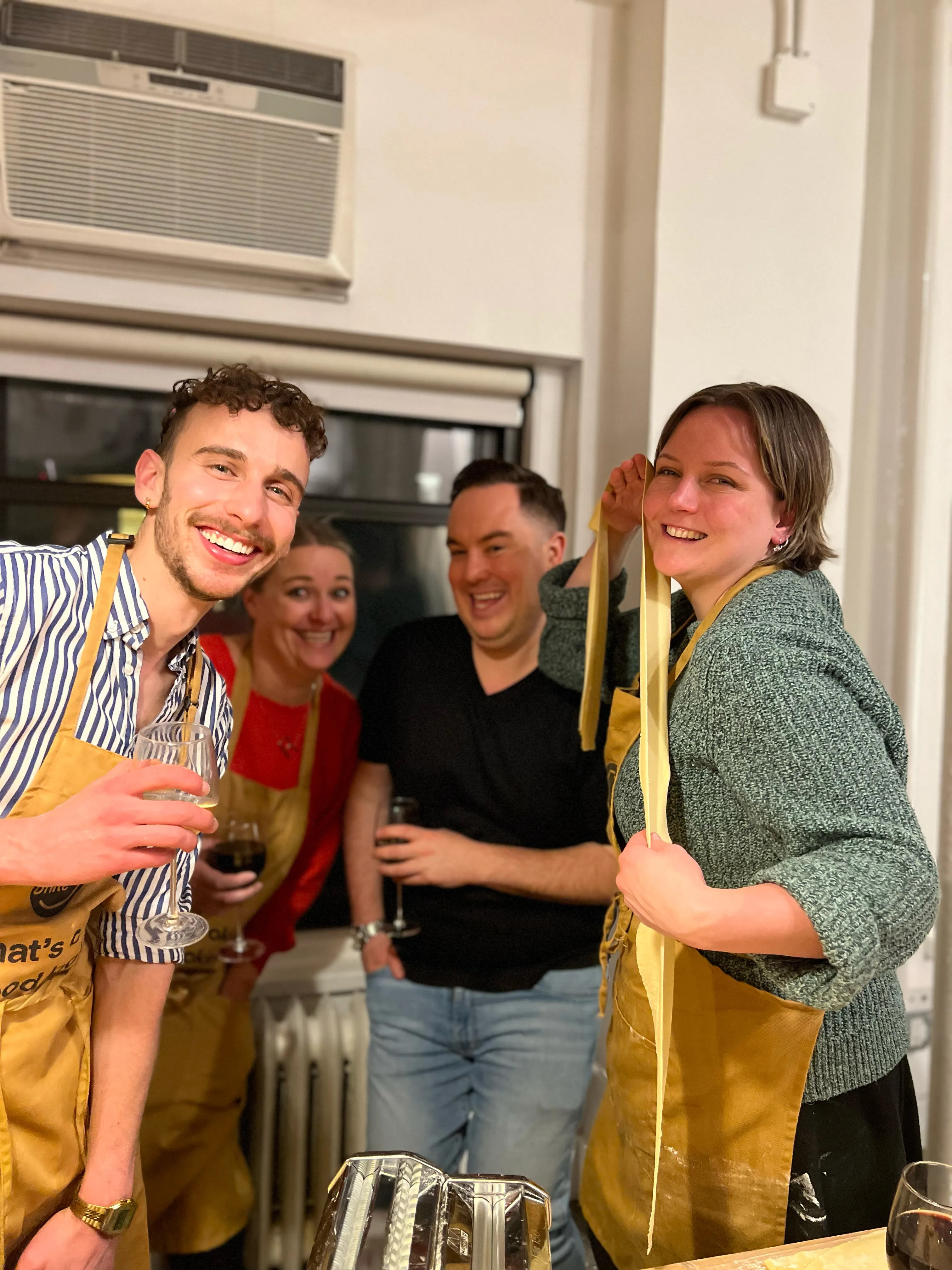
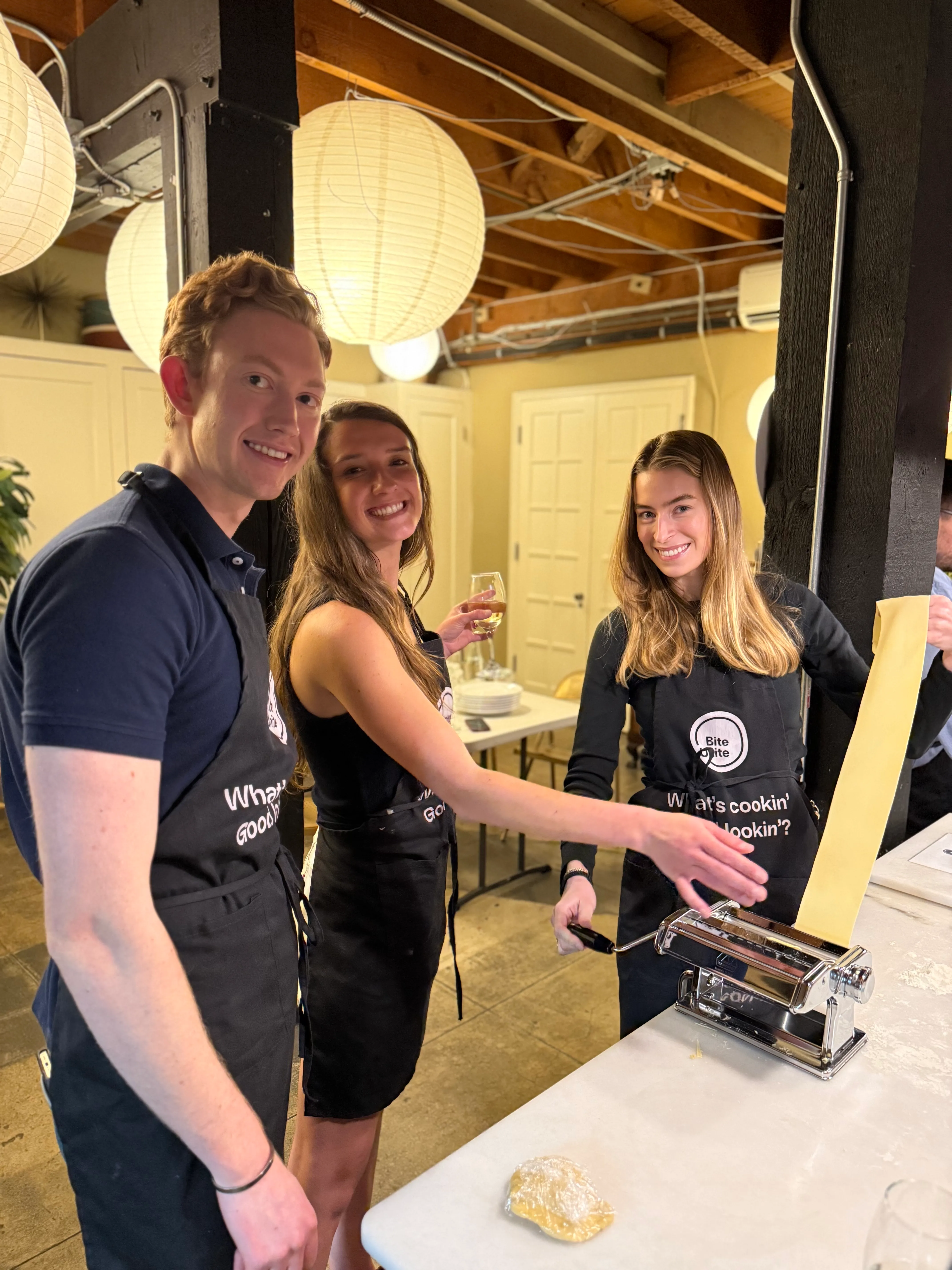
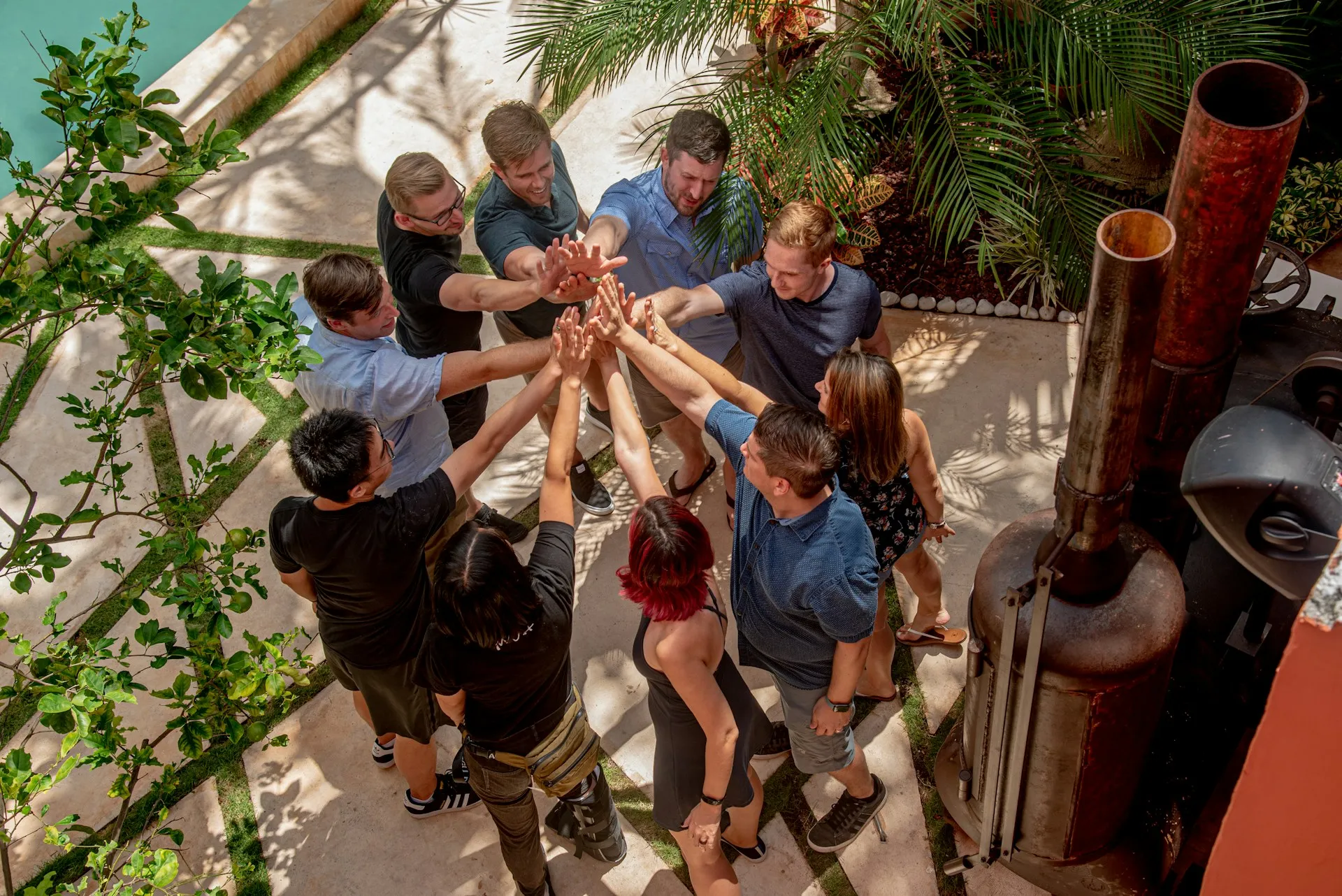
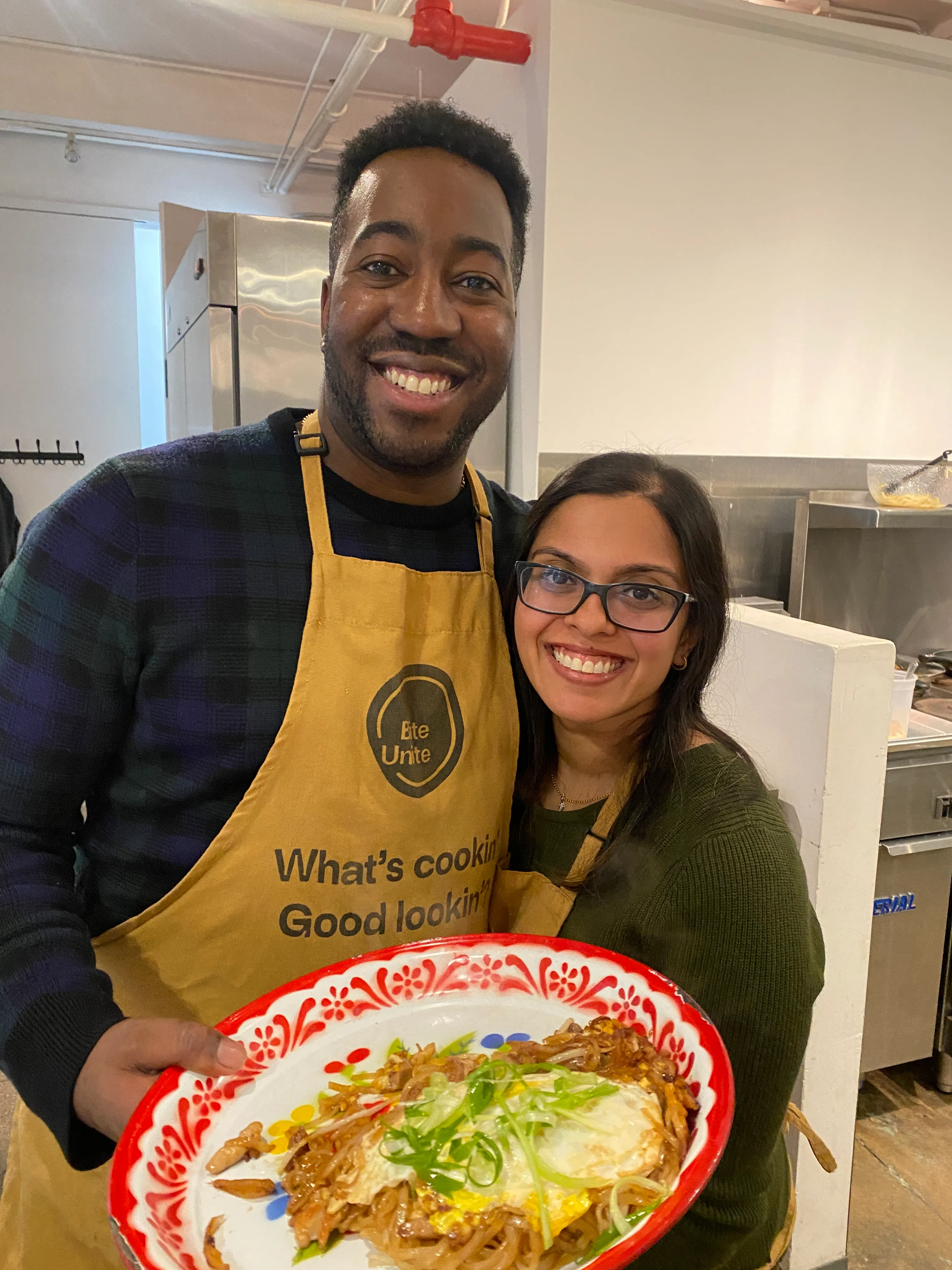
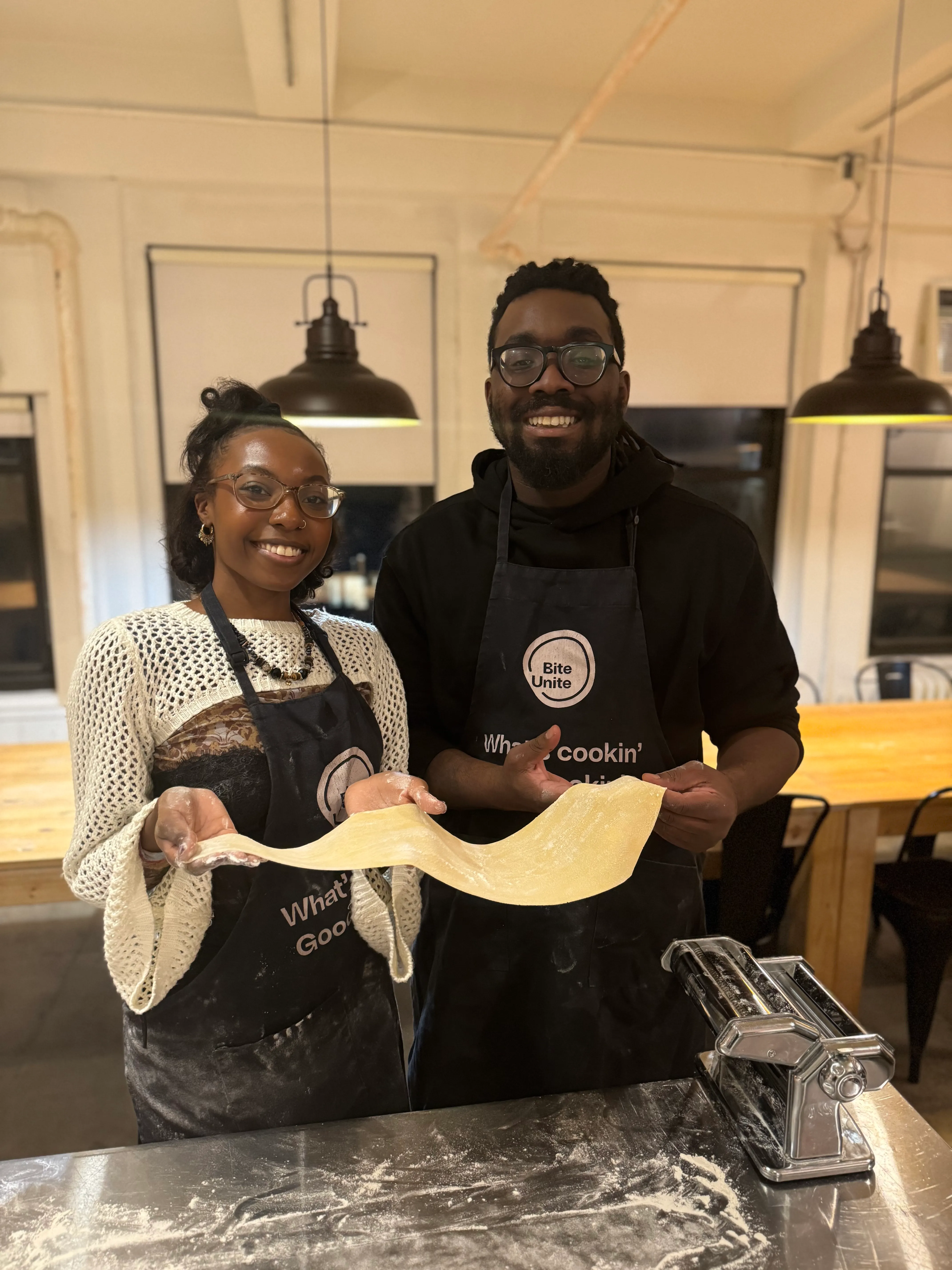
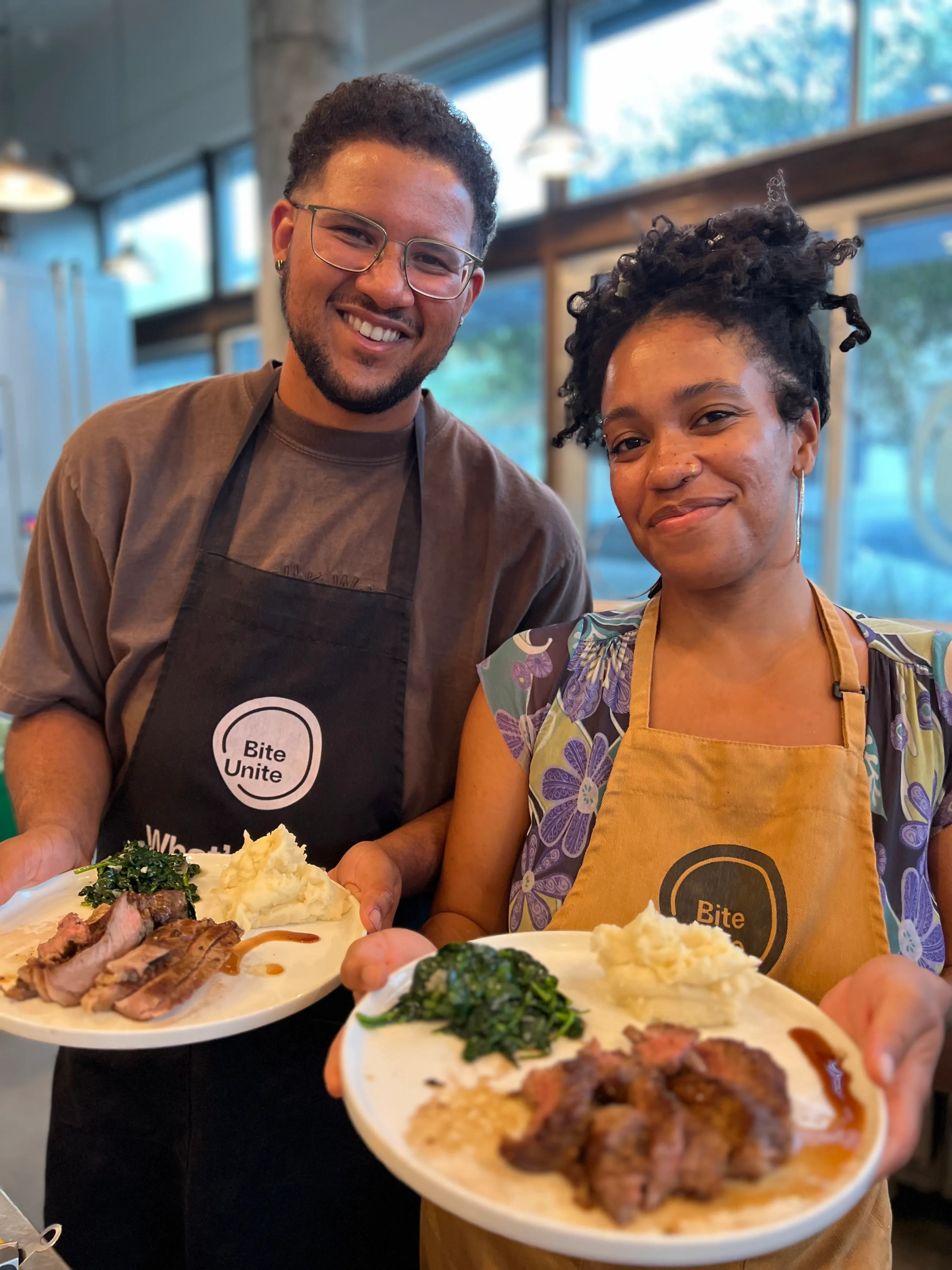
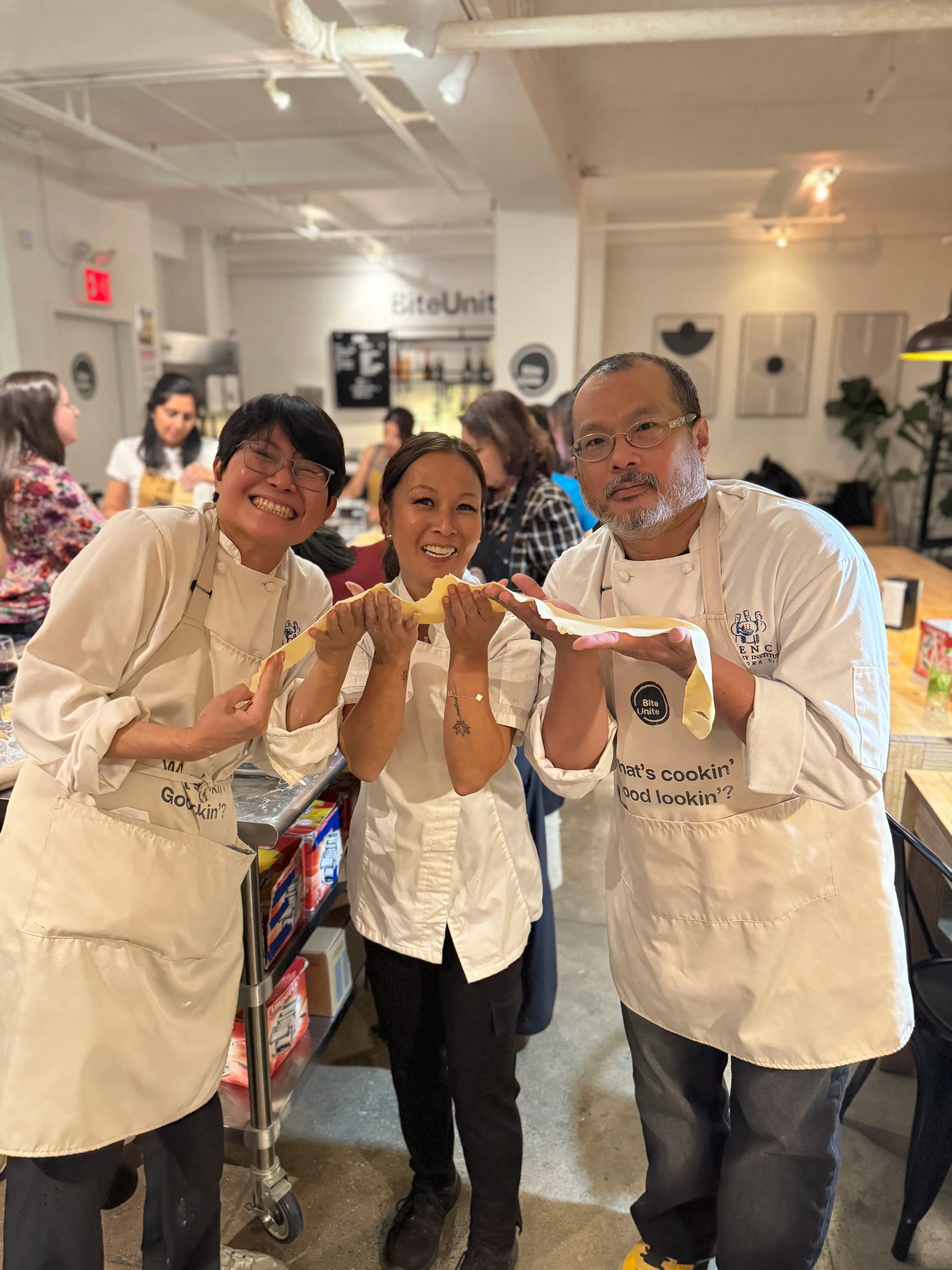
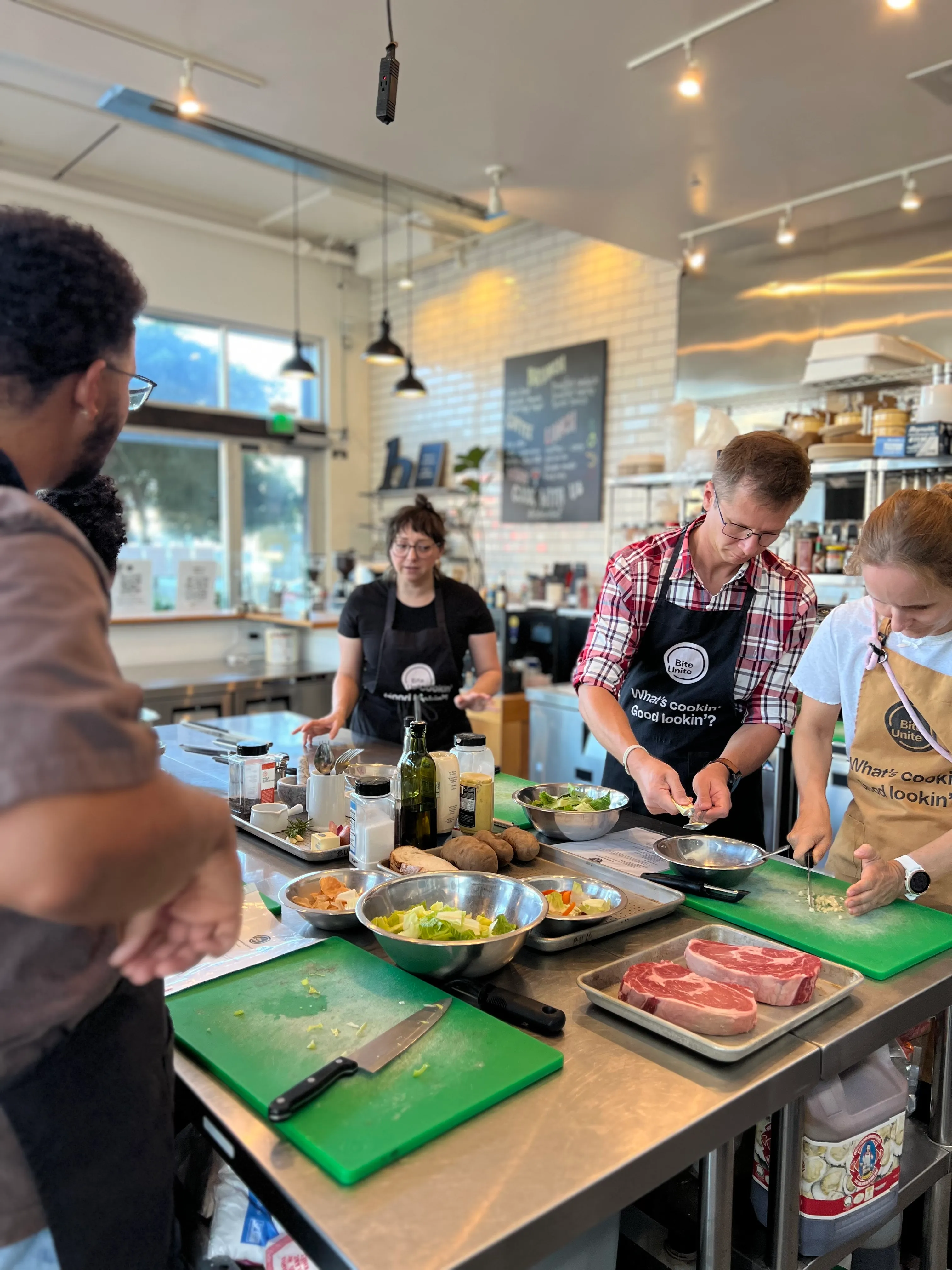
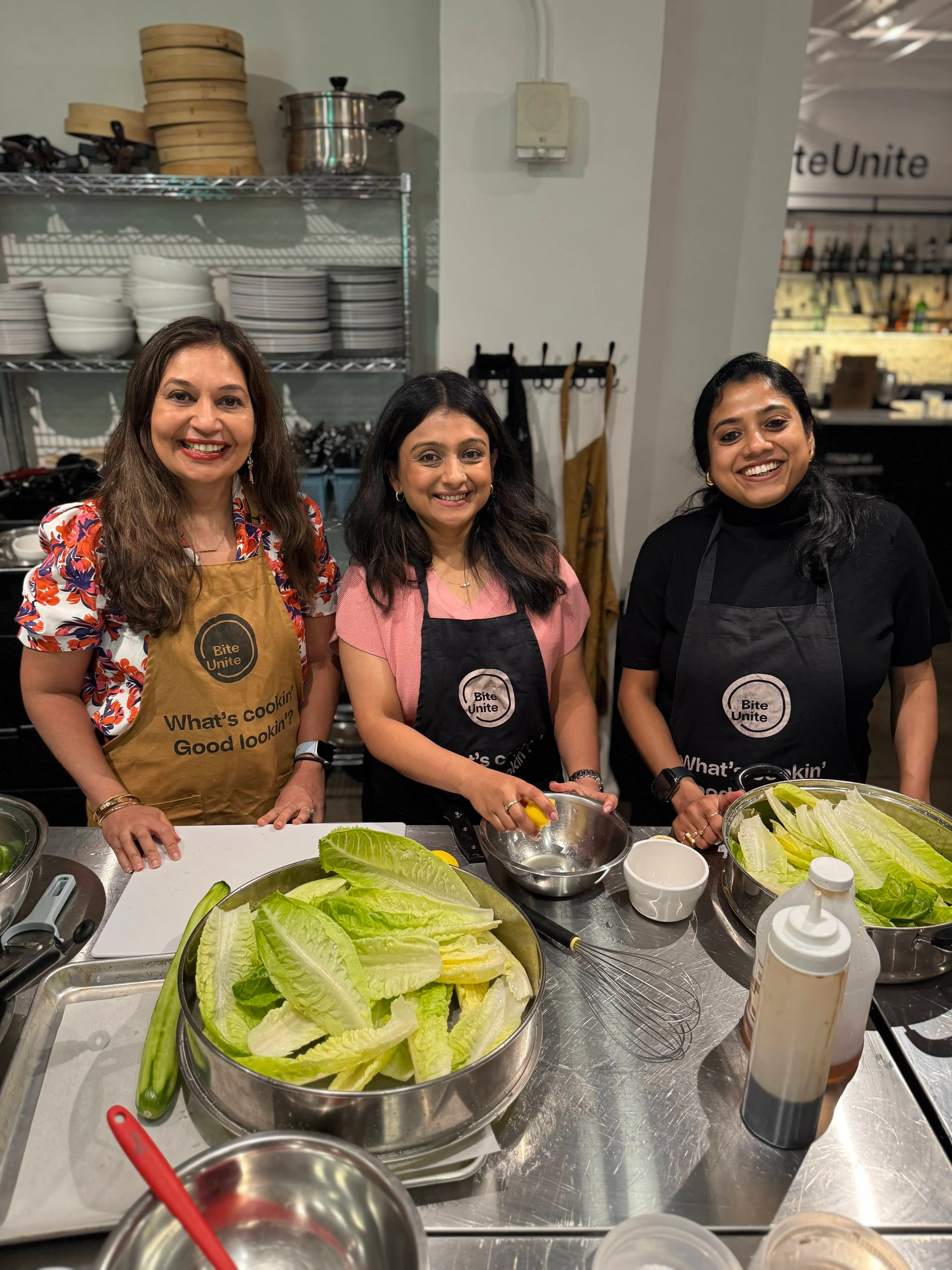
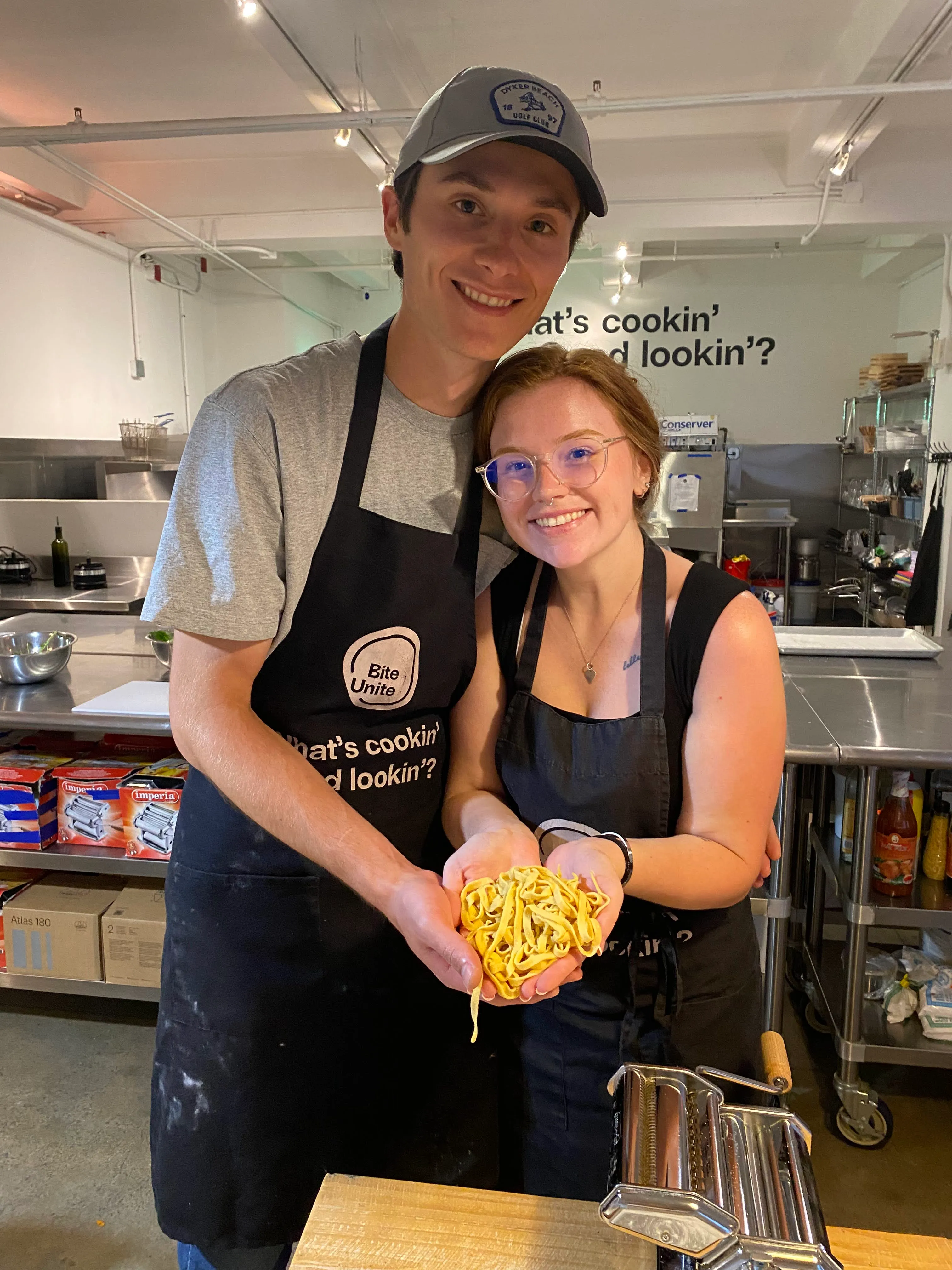
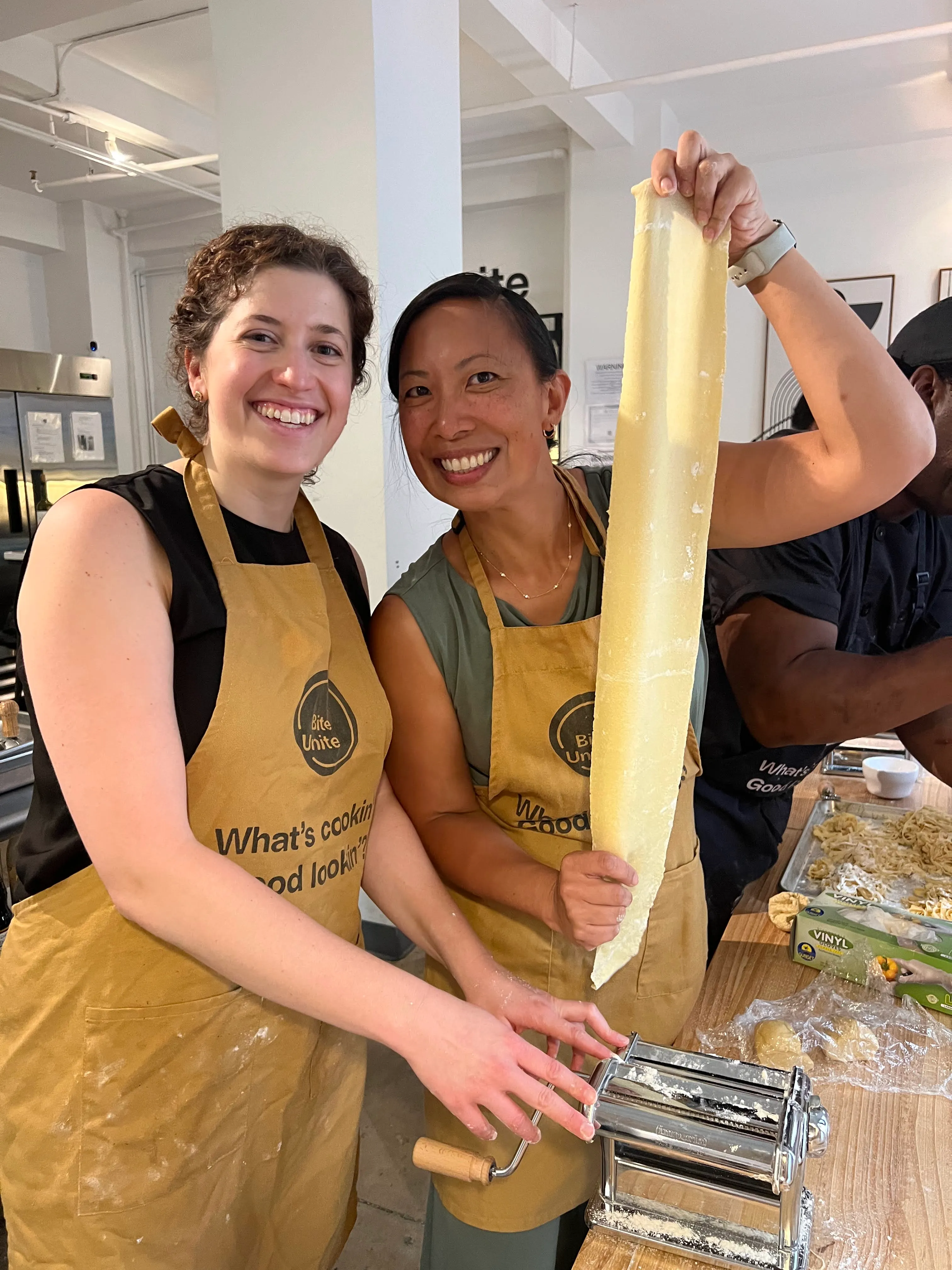
Biteunite offers chef-led group cooking classes and private events in New York, San Francisco, Hong Kong, and other cities, with the kitchen, the instructor, and the event structure already built in. You get:
- Expert chef instructors on-site for demos, team-building classes, and private dinners
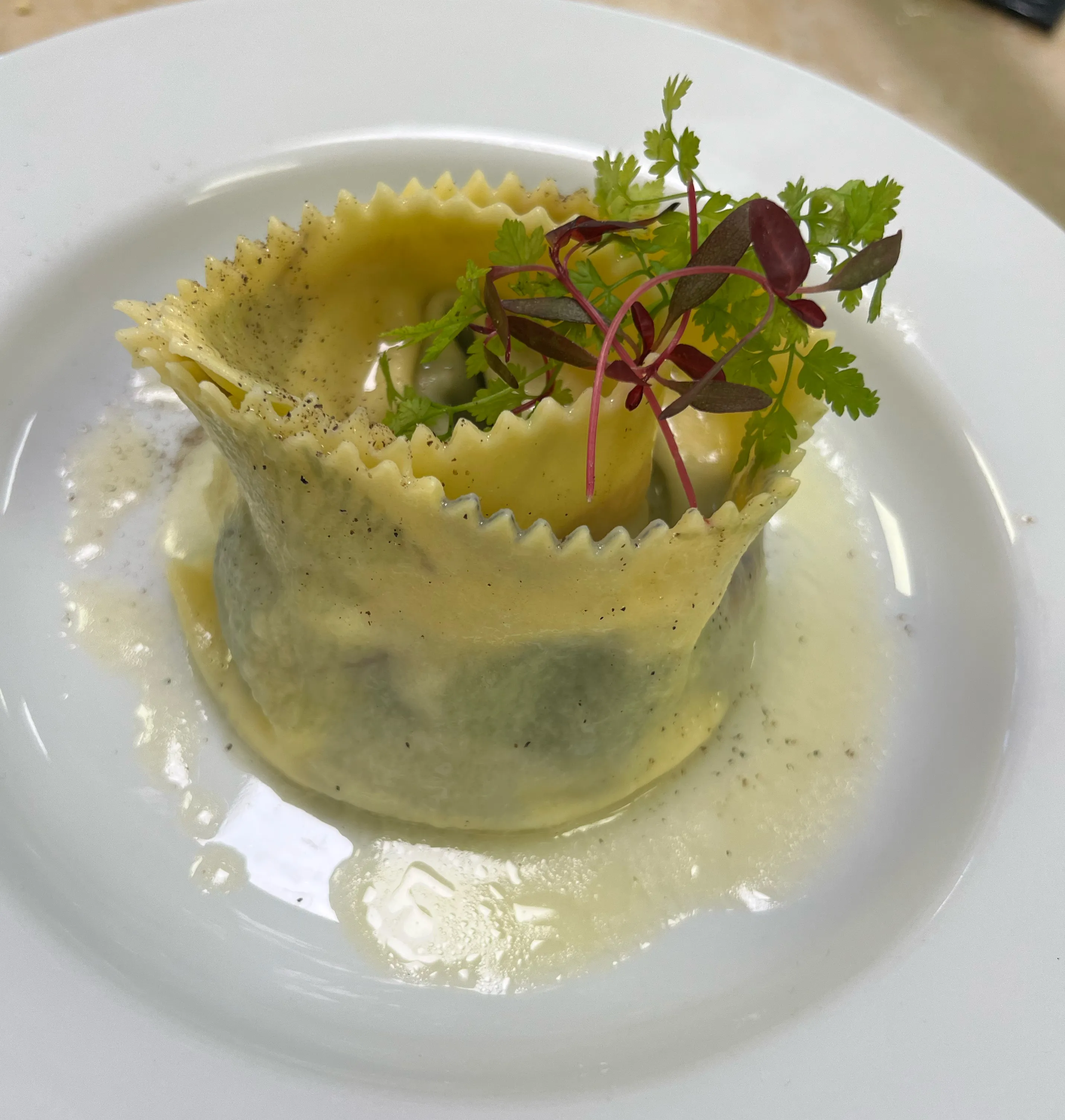
- Turnkey menus designed for group participation and dietary variety
- Coordinated load-in and venue logistics so you’re not managing three vendors at once
- Chef-led credentials and a track record of rave reviews from corporate and private groups
Whether you’re planning a team-building event in San Francisco or a private culinary dinner in Manhattan, Biteunite removes the guesswork from the kitchen side of your event. Browse available experiences and dates at Biteunite and book the one that fits your group.
Useful sources and venues to explore
- Foodwise Kitchen Rental — community kitchen rental for classes, tastings, and small parties
- Revelance Ohio Culinary Lab — NSF-certified commercial kitchen for production, demos, and private dinners
- MM Kitchen Studio (Marc Murphy) — open chef studio in Tribeca for demos, brand activations, and private dining
- Ghostline Kitchen, Austin — show kitchen and event space with capacities for classes, team-building, and film shoots
- e.terra Kitchen — large flexible kitchens (1,200–2,400 sq ft) and partner-venue programming
- Union Square Kitchen, NYC — premium production studio with 3-phase power and catering prep areas
- Storefront New York — marketplace aggregator for kitchen-equipped event spaces in New York
- Salt Worth Studio, LA — two fully equipped kitchens with daylight options in Los Angeles
- Wild Foodz festive menu guide — menu concepts and festive offerings for event planners
- Hosting corporate events at restaurants — planner’s guide to open-kitchen and restaurant-venue formats
| Source | Venue Type | Best For |
|---|---|---|
| Revelance Ohio Culinary Lab | NSF-certified commercial kitchen | Production, catering prep, large plated events |
| MM Kitchen Studio | Open chef studio | Demos, brand activations, interactive dining |
| Ghostline Kitchen | Show kitchen + event space | Team-building, cooking classes, film shoots |
| e.terra Kitchen | Large flexible kitchen | Production-scale events, partner programming |
| Union Square Kitchen | Premium production studio | Brand events, filming, high-end private dining |
| Foodwise | Community kitchen | Small classes, tastings, low-budget events |





























.webp)