8 Family Cooking Night Ideas Kids Actually Love
You want a family cooking night that works tonight, not a Pinterest board. Here are 8 ready-to-run formats, each with a time cue and a budget hint, so you can pick one and start:
- Build-your-own taco bar: 25 minutes hands-on. Budget-friendly.
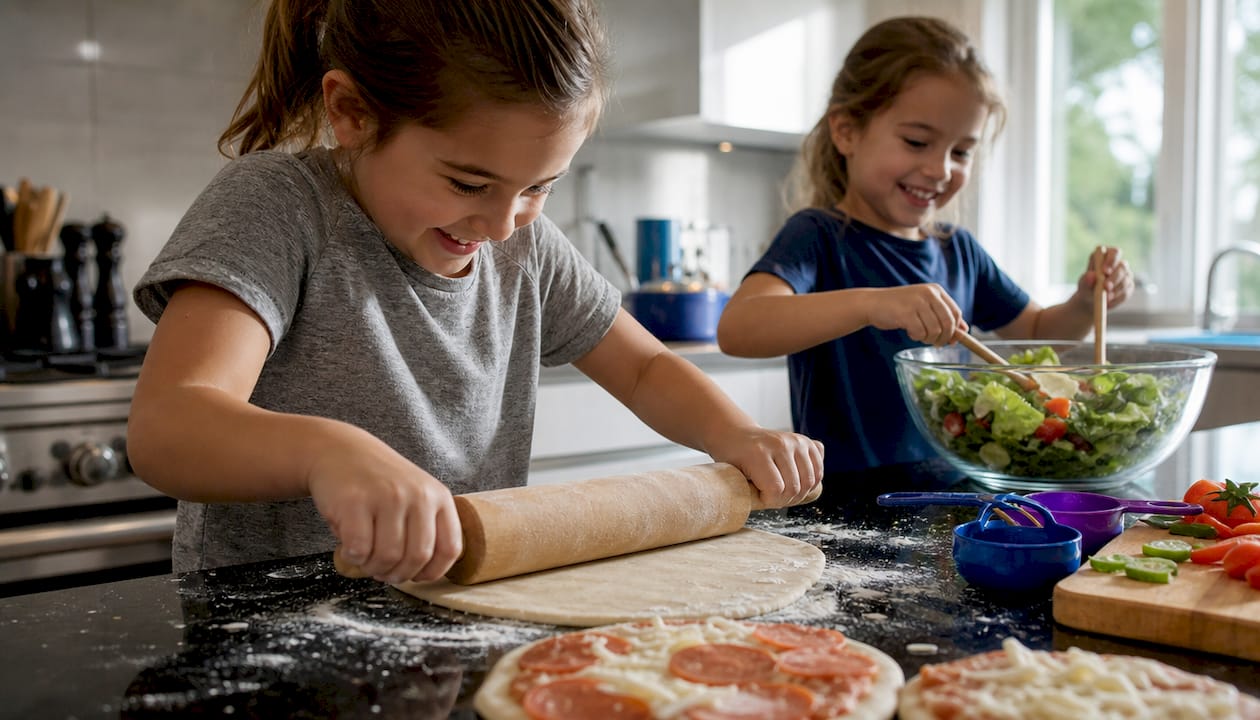
- DIY pizza station: 30 minutes hands-on (plus rise time if making dough). Budget-friendly.
- Burger and slider bar: 30 minutes hands-on. Moderate cost.
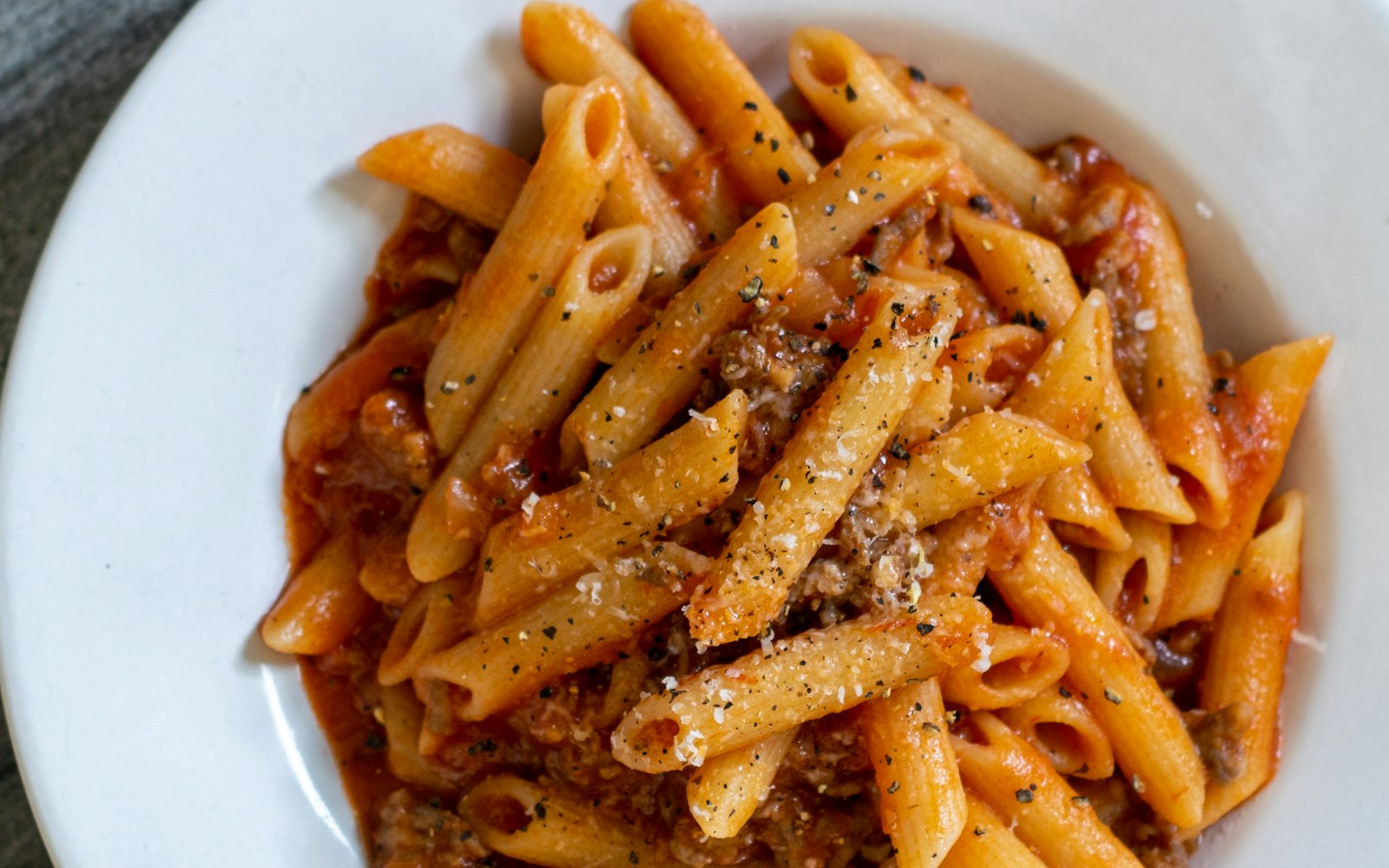
- Pasta party: 25 minutes hands-on. Budget-friendly.
- Breakfast for dinner: 20 minutes hands-on. Budget-friendly.
- Stir-fry station: 30 minutes hands-on. Moderate cost.
- Movie-themed meal: 30 to 45 minutes hands-on, depending on the movie tie-in. Moderate cost.
- Taste-test or mini-food night: 20 minutes hands-on. Budget-friendly.
None of these require a culinary degree in the house. Hands-on cooking with kids builds real food skills and confidence, and that matters more than a picture-perfect plate.
Key Takeaways
A successful family cooking night depends less on the recipe and more on structure: pick a bar or theme format, assign age-appropriate roles, and keep the grocery list short.
| Point | Details |
|---|---|
| Start with a bar night | Taco, pizza, or burger bars scale easily and cut picky-eater pushback by letting everyone customize. |
| Shop light | Plan 1 to 1.5 lbs of protein and 4 to 6 toppings for a family of 4 to 6 to avoid overbuying. |
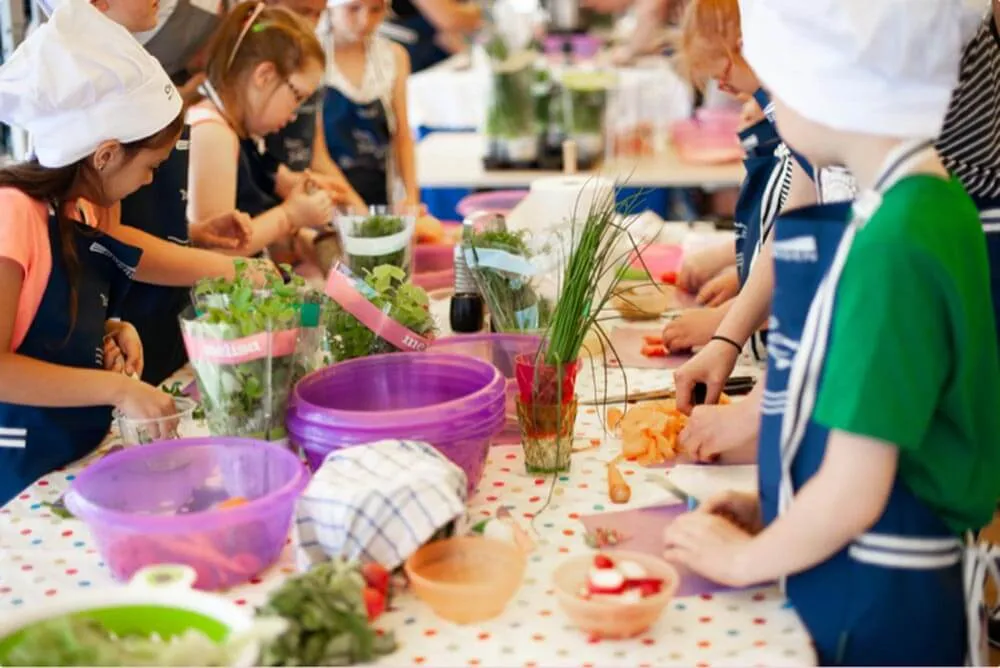
| Assign roles by age | Younger kids wash and stir, older kids measure and plate, teens handle supervised stovetop work. |
| Rotate weekly themes | A loose weekly theme, like Taco Tuesday or Pasta Night, removes the nightly “what’s for dinner” debate. |
| Consider a guided class | Biteunite’s hands-on family classes teach specific techniques, like knife skills, that upgrade future DIY nights. |
Where to Find More Family Cooking Night Ideas
- Nutrition: age-based tasks and picture recipes for building kitchen confidence.
- The Pioneer Woman’s family dinner themes: a rundown of classic rotating themes to steal for your own calendar.
- Family Food on the Table’s theme night list: over 50 theme ideas plus a printable to post on the fridge.
- Epicurious’s busy-family meal themes: practical examples for assigning a meal type to each night of the week.
- Wild Foodz’s guide to culinary experiences: a look at what makes a hands-on food experience genuinely engaging, useful if you’re weighing a class.
Table of Contents
- Why Family Cooking Night Ideas Are Worth the Weeknight Chaos
- What Are the Best Family Cooking Night Ideas by Time and Type?
- How Do You Plan a Low-Stress Family Cooking Night?
- Ready for an Expert-Led Family Cooking Experience?
- Frequently Asked Questions
- Sources
Why Family Cooking Night Ideas Are Worth the Weeknight Chaos
Cooking together builds food literacy and confidence in kids faster than almost anything else you can do in the kitchen. A child who has measured flour, cracked an egg, or built their own taco understands food differently than one who just eats it. That understanding sticks.
The payoff shows up in a few concrete ways:
- Bonding: shared tasks create natural conversation, no forced small talk required.
- Skills: kids practice measuring, knife safety (age-appropriate), and following steps.
- Less screen isolation: an assembly station pulls everyone into the same room.
- Easier weeknight decisions: a rotating format means you stop asking “what’s for dinner” from scratch every night.
Cooking activities for kids don’t need to aim for perfection. The goal is building comfort in the kitchen and food skills that carry into adulthood, according to guidance from Nutrition.gov.
That’s a low bar to clear, and it’s exactly why family cooking night ideas work better as a habit than a one-time event.
What Are the Best Family Cooking Night Ideas by Time and Type?
The trick to a sustainable rotation is variety without complexity. Below is a working inventory, organized so you can grab an idea based on how much time you have and what your kids can handle.
Build-your-own bar nights
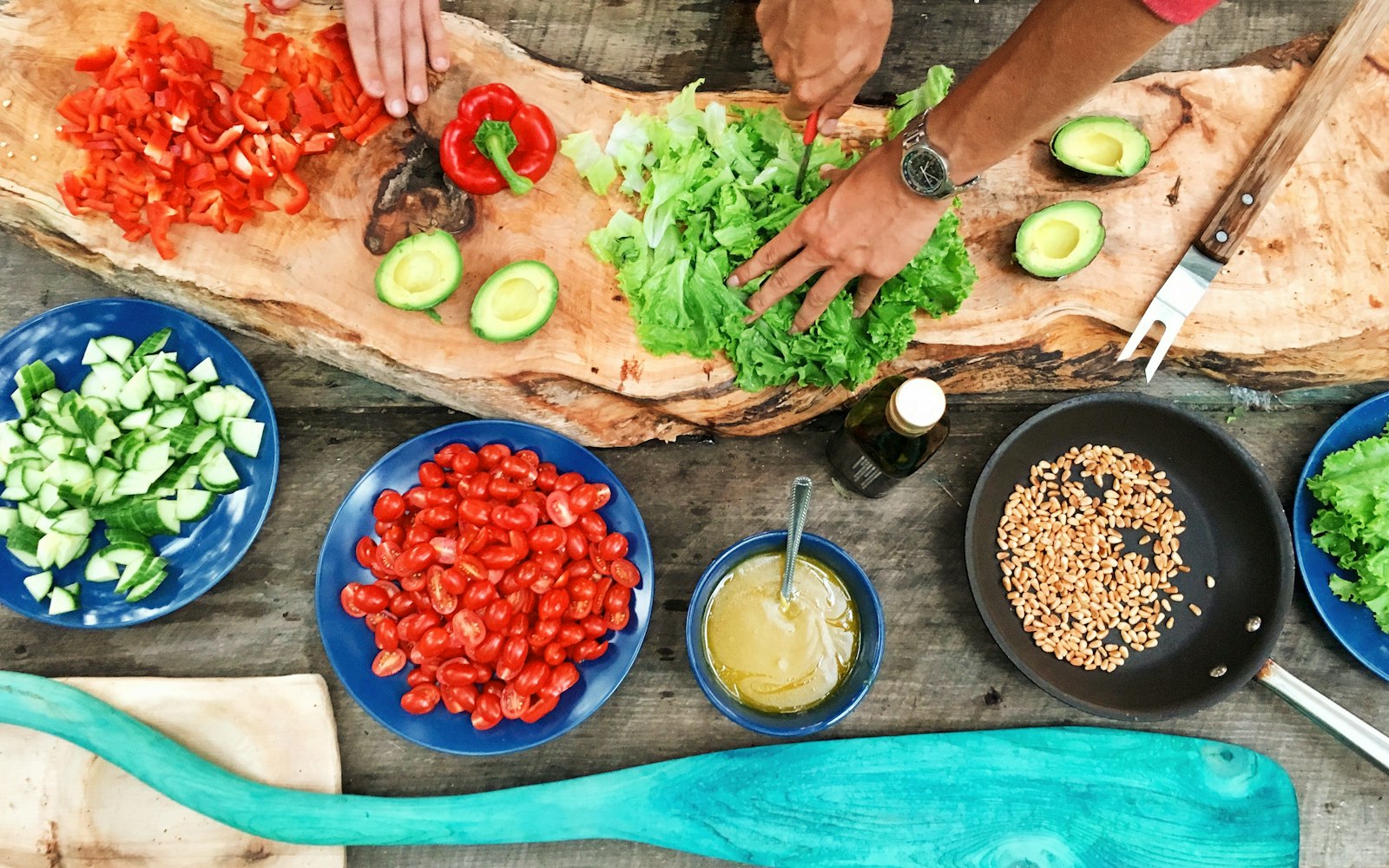
Bar-style dinners work because they are structured and scalable. Everyone builds their own plate, which sidesteps most “I don’t like this” complaints before they start. For a family of 4 to 6, plan roughly 1 to 1.5 pounds of protein and 4 to 6 toppings, no more. More toppings sounds generous, but it usually just means more mess and slower assembly lines.
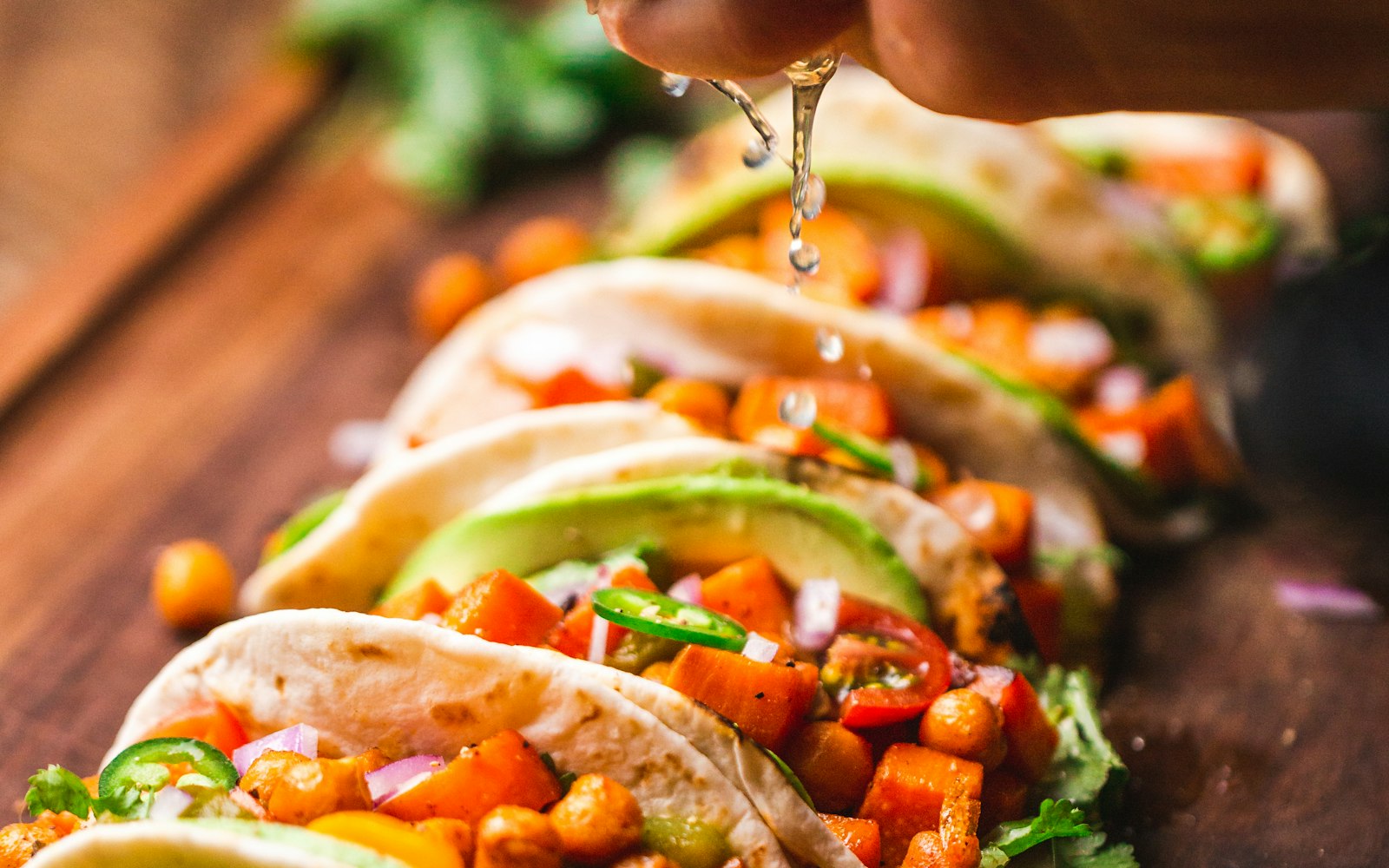
- Taco bar: seasoned ground beef or chicken, tortillas, and toppings like cheese, lettuce, salsa, sour cream, and diced avocado.
- Pizza station: pre-made dough or naan, marinara, mozzarella, and 4 toppings max (pepperoni, peppers, mushrooms, olives).
- Burger and slider bar: mini patties, buns, cheese, and condiment cups kids can pick themselves.
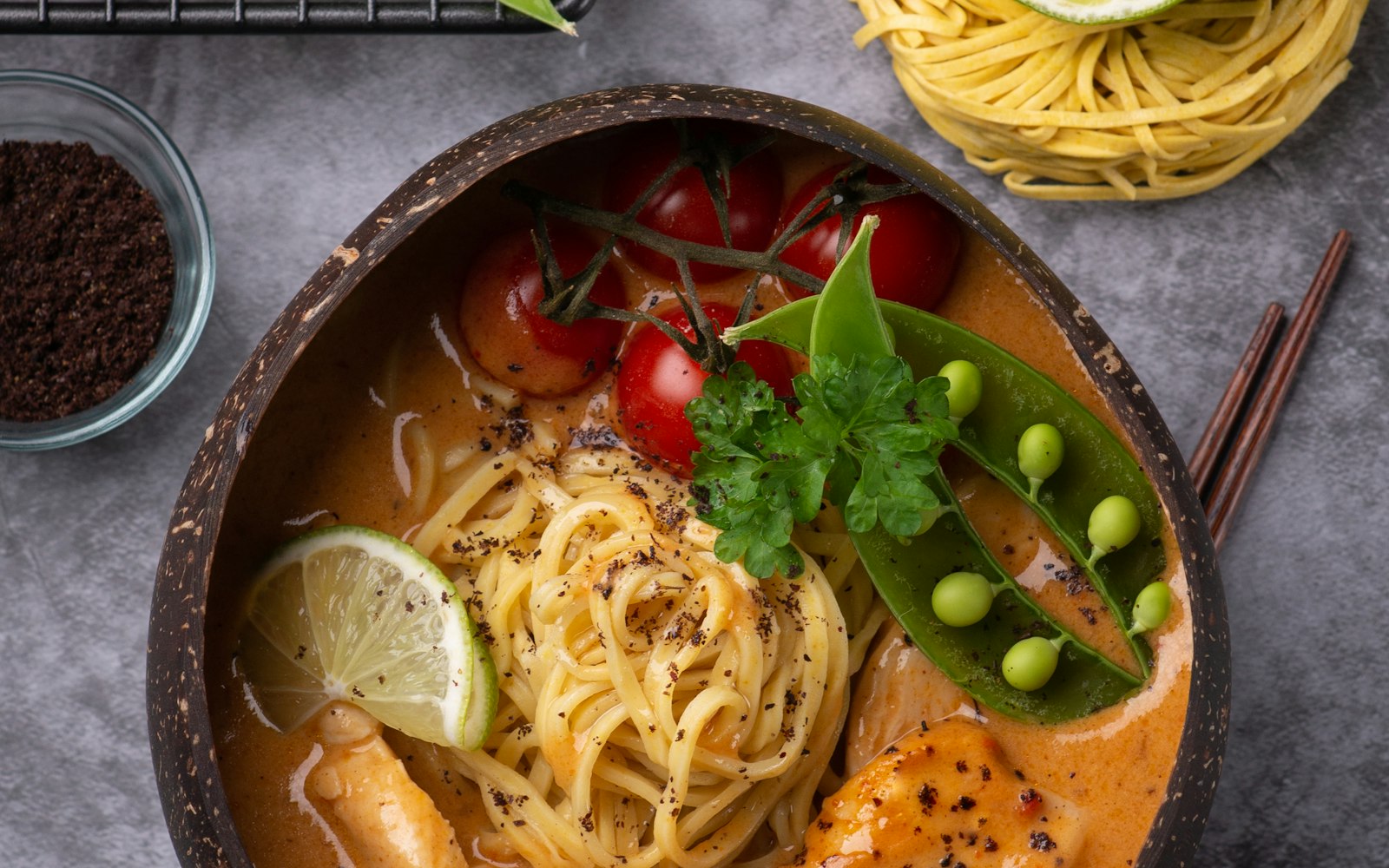
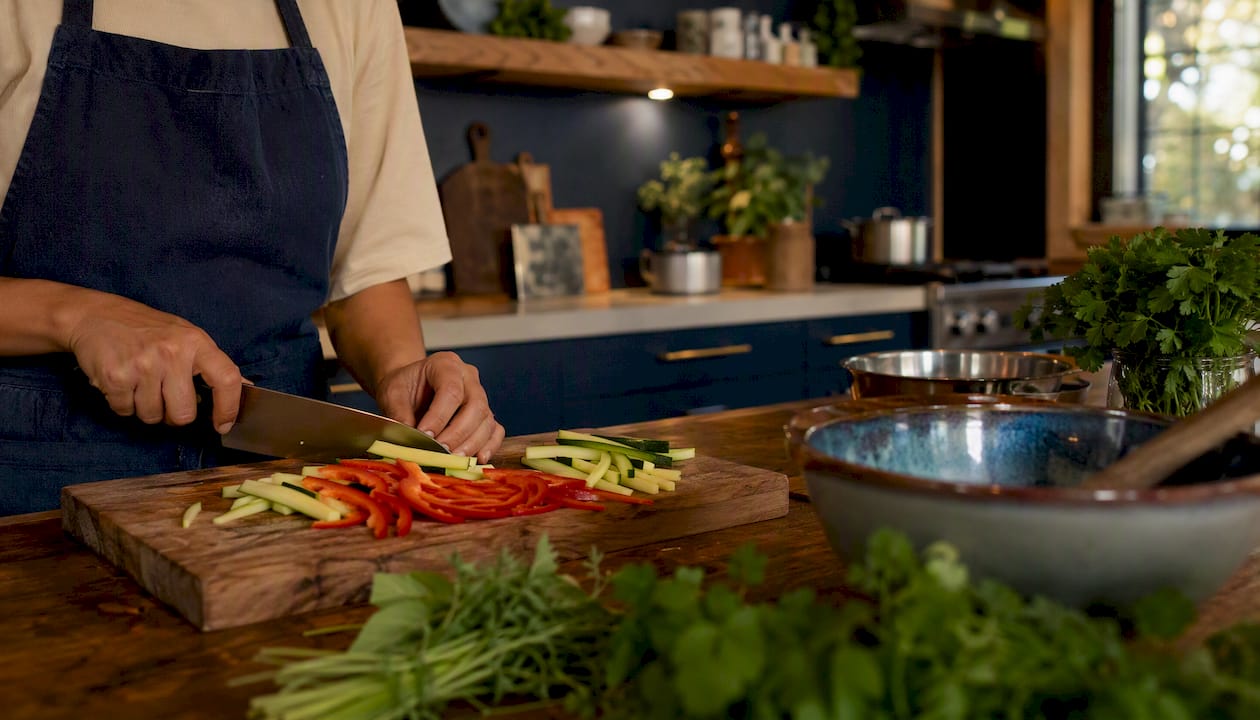
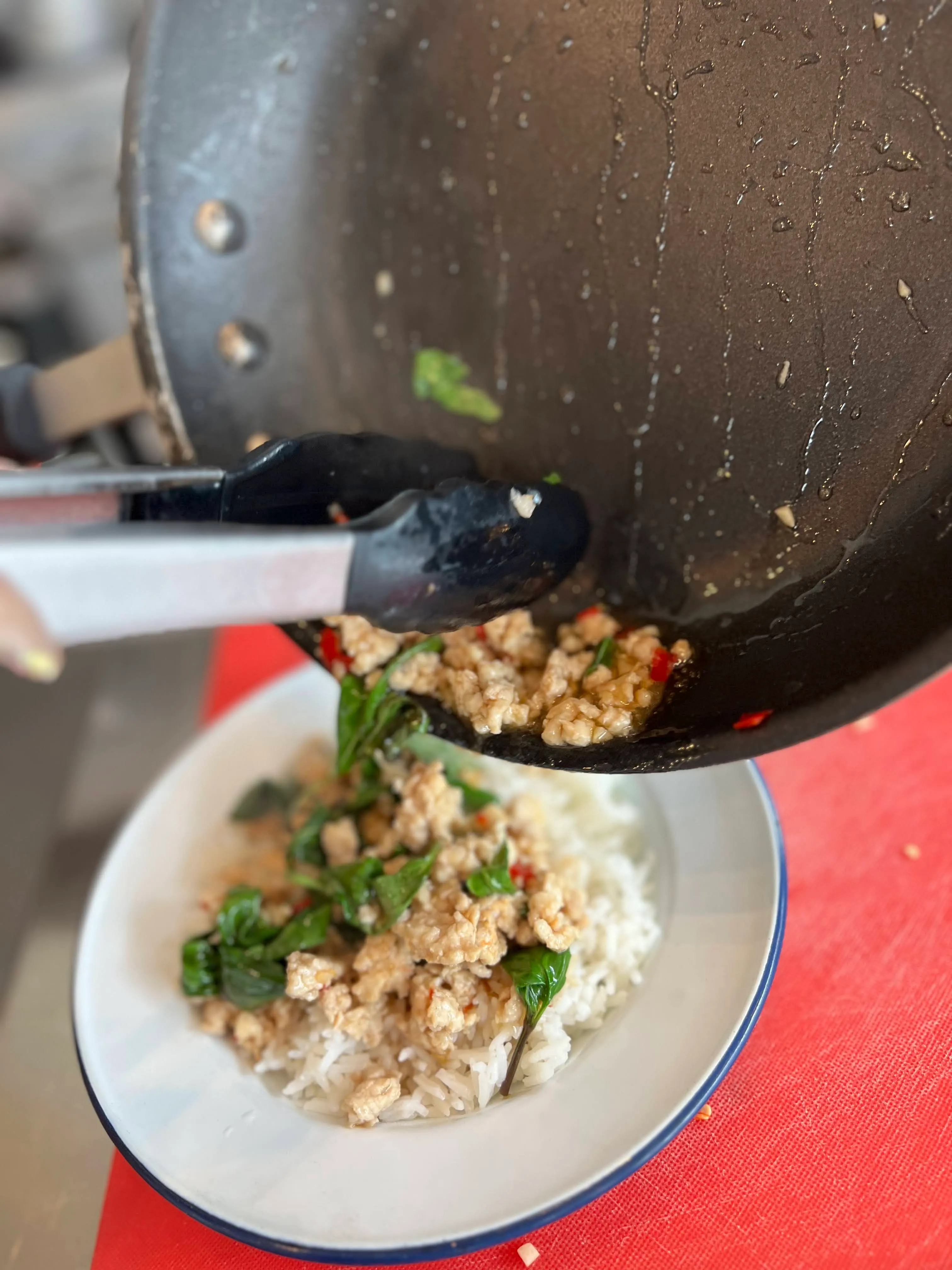
- Stir-fry station: pre-cut veggies, protein, rice or noodles, and 2 sauce choices.
Theme nights
Themed dinners cut down on the “what should we make” debate entirely. Rotating a weekly theme, like Taco Tuesday or Pasta Night, gives kids something to look forward to and gives you a template you can reuse without reinventing dinner every week.
- World cuisine night: pick a country and build a simple meal around it. BiteUnite’s Italian, Thai, and Japanese recipe collections work well as a starting menu.
- Breakfast for dinner: pancakes, eggs, and bacon. Almost zero resistance from picky eaters.
- Movie night meal: match the food to the film. Popcorn chicken and a movie snack board for family movie night, or a “Ratatouille” veggie night for older kids.
Interactive and learning nights
Novelty formats turn dinner into a game, which is especially effective for younger kids who respond to play more than instruction.
- Taste-test night: try 3 versions of the same food (three salsas, three cheeses) and vote as a family.
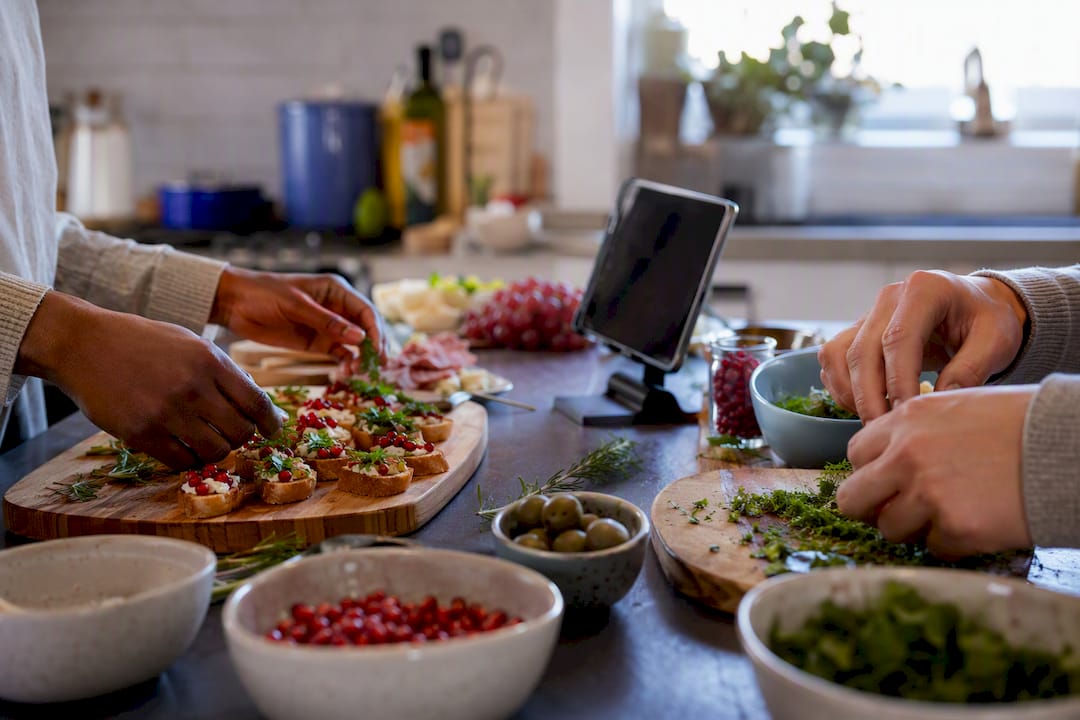
- Mini-food night: sliders, mini quiches, or bite-sized everything. Kids love small versions of “grown-up” food.
- Cookbook roulette: let each kid flip to a random page and pick that week’s dish.
Quick 30-minute templates
When you have almost no time, keep it to one pan and one assembly step. Quesadillas with a topping tray, sheet-pan fajitas, or a “build your own rice bowl” using leftover rice and pre-cooked protein all fit inside a 30-minute window.
Picky-eater and dietary swaps
Bar-style nights already solve most picky-eater problems because everyone customizes their own plate. For allergies or preferences, swap the base (rice for pasta, lettuce wraps for tortillas) and keep at least one “safe” topping on the table at all times, even if it’s just plain cheese and bread.
| Component | Amount for family of 4 to 6 | Notes |
|---|---|---|
| Protein | 1 to 1.5 lbs | Ground meat, shredded chicken, or a plant-based swap |
| Base | 1 batch (tortillas, buns, rice, or noodles) | Buy or prep ahead |
| Toppings | 4 to 6 varieties | More than 6 tends to slow down assembly |
| Sauces | 2 options | Keeps decision time short for younger kids |
How Do You Plan a Low-Stress Family Cooking Night?
The reproducible template is simple: pick a bar or theme, shop from a short checklist, prep the parts kids can’t safely handle, then hand out roles before anyone touches a spoon.
Grocery and prep checklist for a bar-style night:
- Pick one protein and buy 1 to 1.5 lbs for a family of 4 to 6.
- Choose one base (tortillas, buns, rice, or dough).
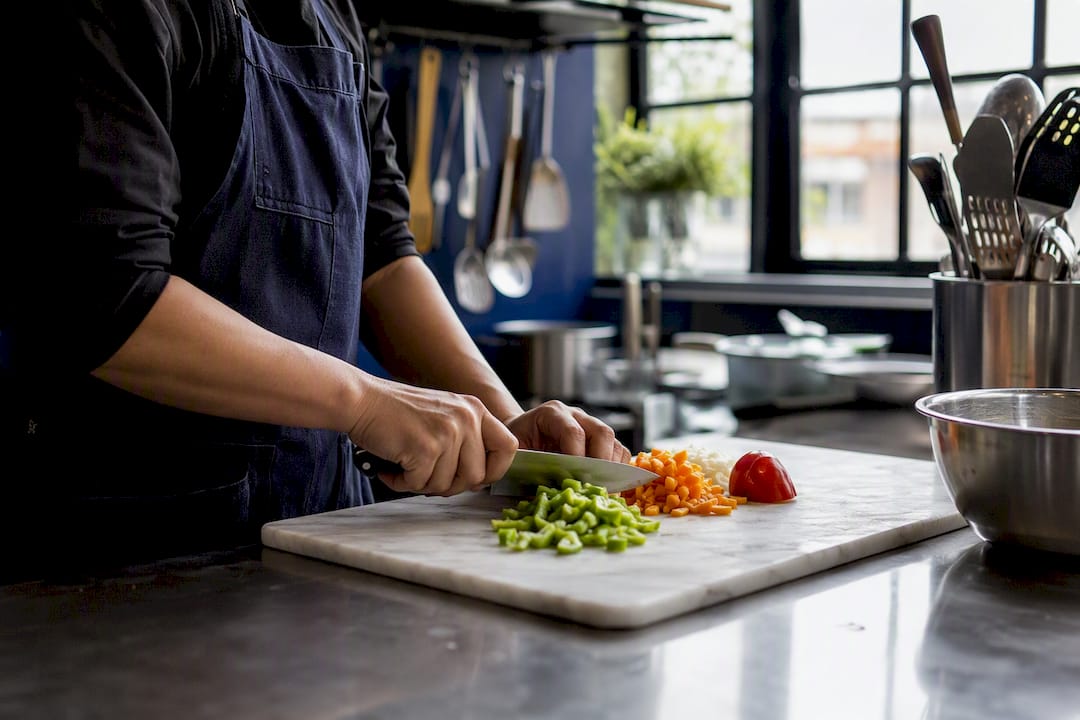
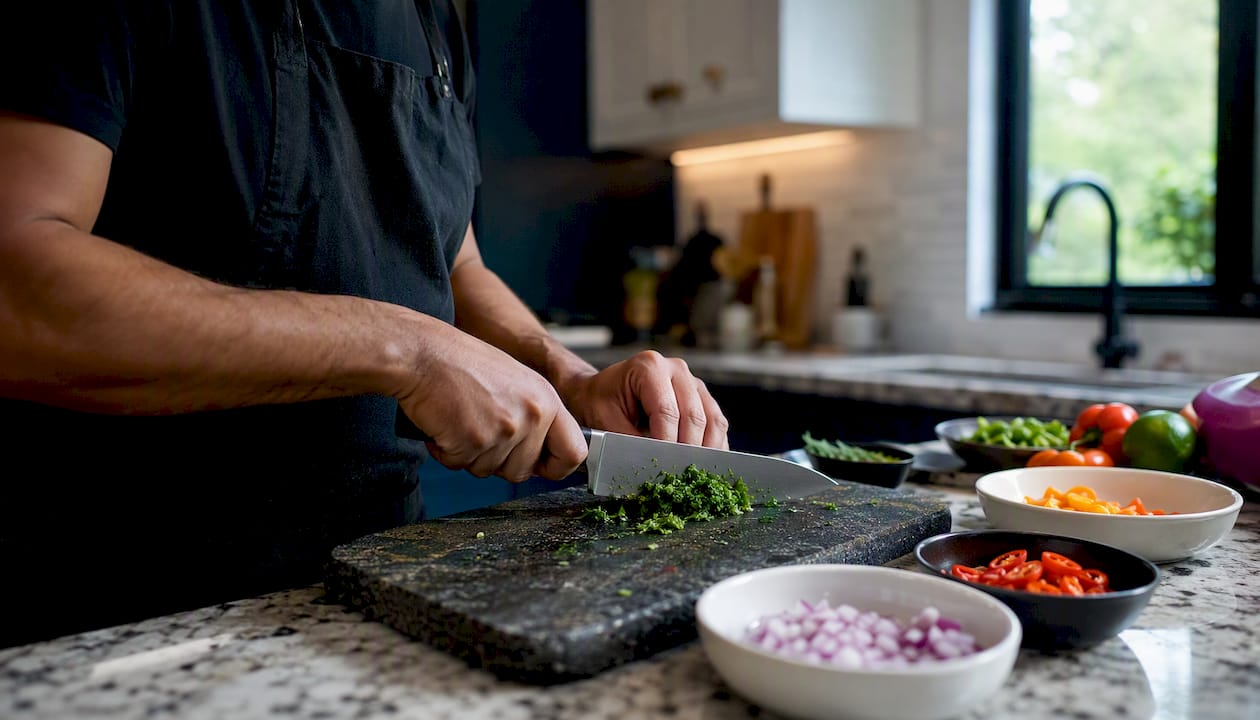
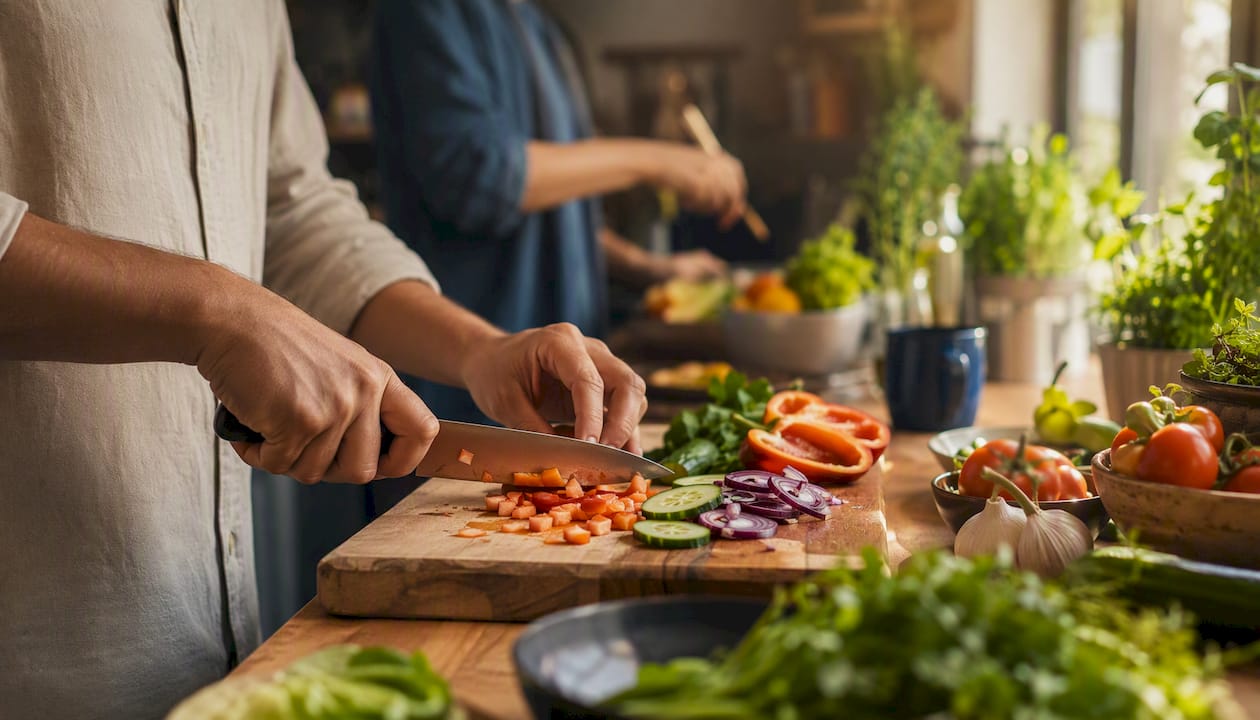
- Select 4 to 6 toppings, prepping anything that needs chopping ahead of time.
- Pick 2 sauces or condiments, no more.
- Pull out serving bowls and utensils before kids arrive at the counter.
A 60-minute night breaks down as roughly 20 minutes of prep, 25 minutes of cooking or assembly, and 15 minutes for eating and cleanup. To compress it into 30 minutes, prep the toppings the night before and use a pre-made base like store-bought dough or pre-cooked rice.
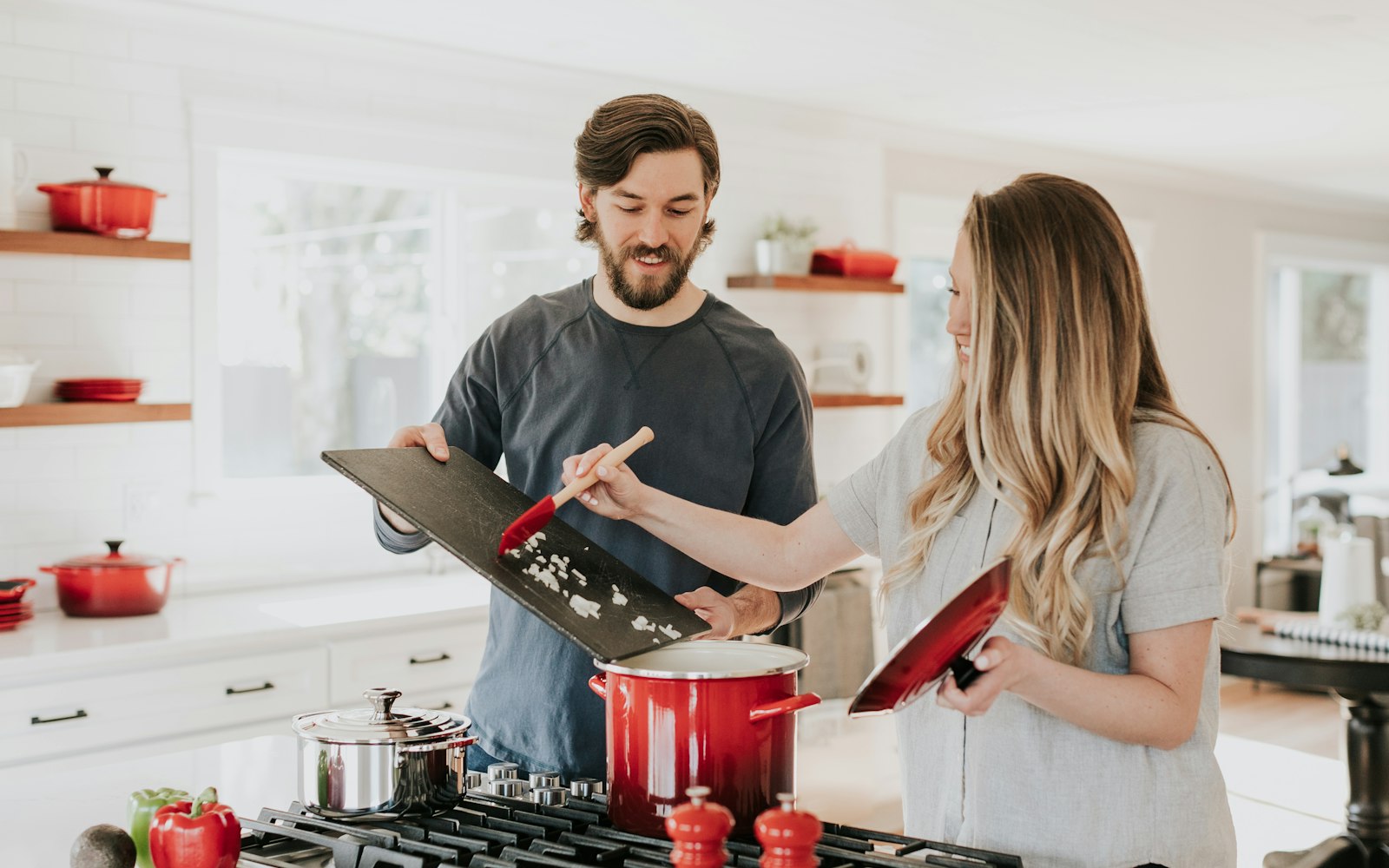
Assigning clear roles by age prevents the kitchen from turning into a scrum. A simple breakdown:
| Age range | Safe tasks |
|---|---|
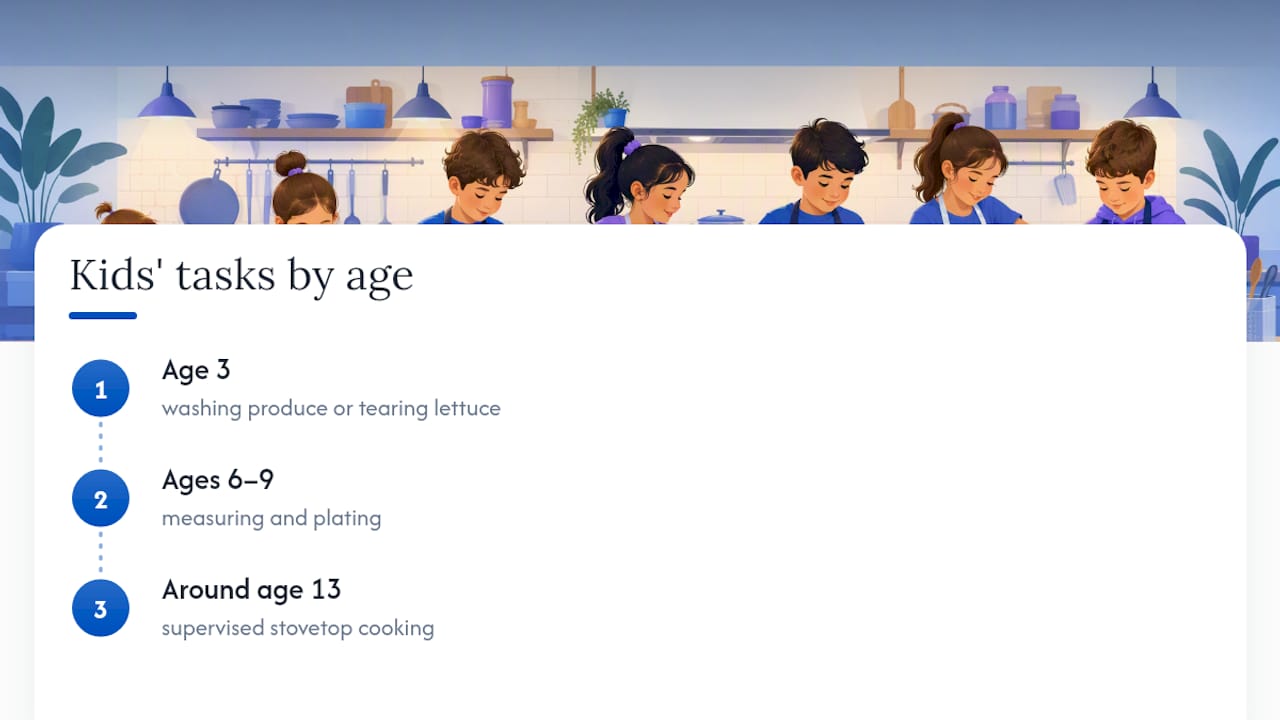
| 3 to 5 | Washing produce, tearing lettuce, stirring (cool mixtures) |
| 6 to 9 | Measuring ingredients, cracking eggs, plating toppings |
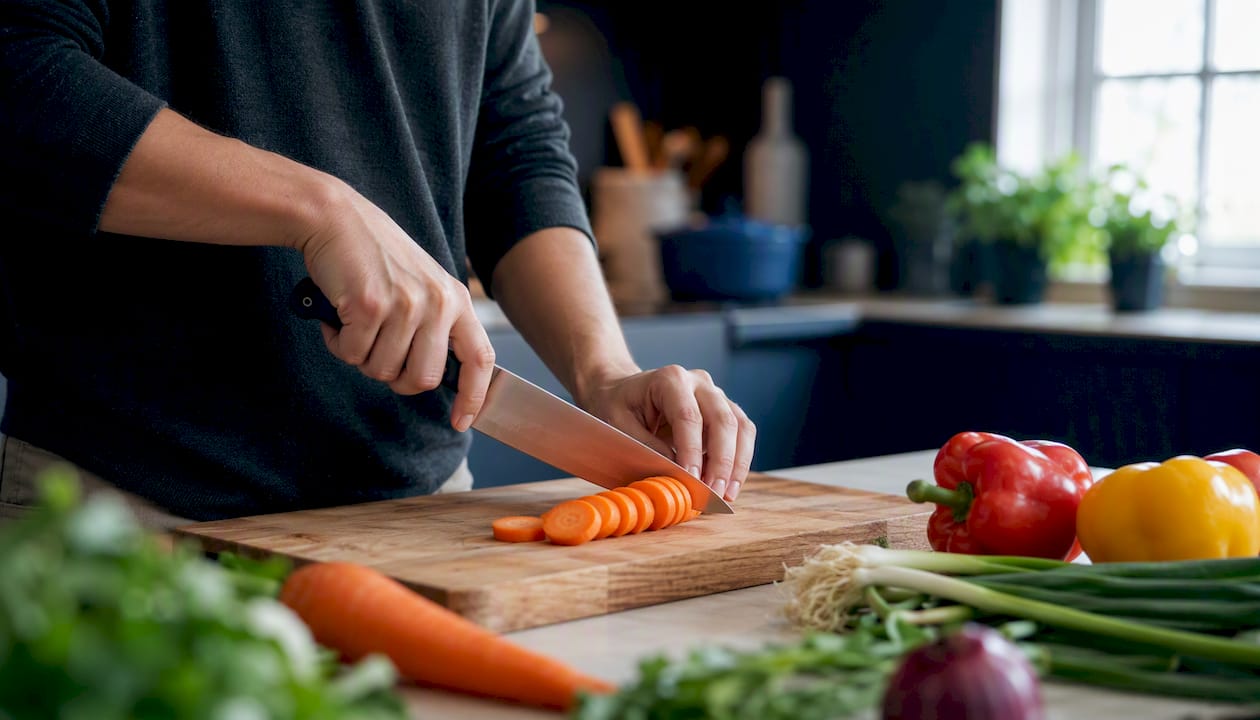
| 10 to 11 | Using a butter knife to chop soft foods, operating a toaster or microwave with supervision |
| 13 and up | Stovetop cooking, knife work with supervision, timing multiple steps |

Pro Tip: Give each kid one job title for the night, like “Topping Captain” or “Sauce Boss.” A defined role keeps younger kids from hovering near the stove and gives older kids ownership over one part of the meal.
Keep a few safety basics non-negotiable: turn pot handles inward, keep knives reserved for supervised older kids, and have everyone wash hands before touching food. For cleanup, assign the youngest kids to wiping the table and putting away non-breakable items, while older kids handle dishes or loading the dishwasher. Splitting cooking and cleanup roles the same way keeps the whole night feeling like one team effort instead of a chore that starts after the fun ends.
When a guided class beats a DIY night at home
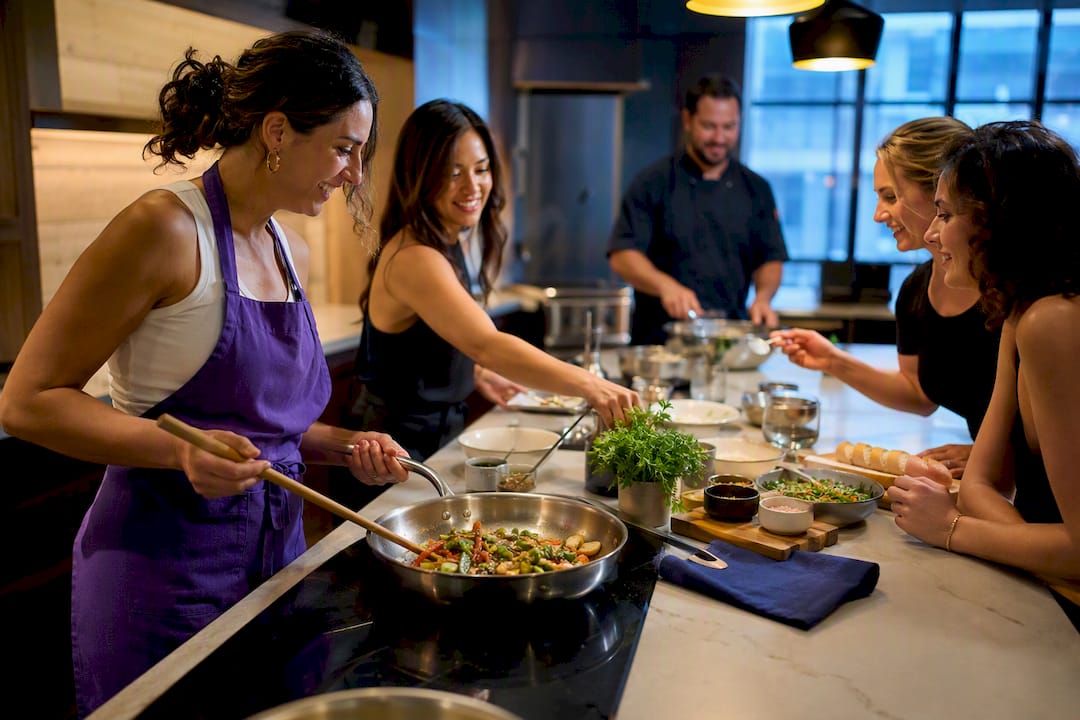
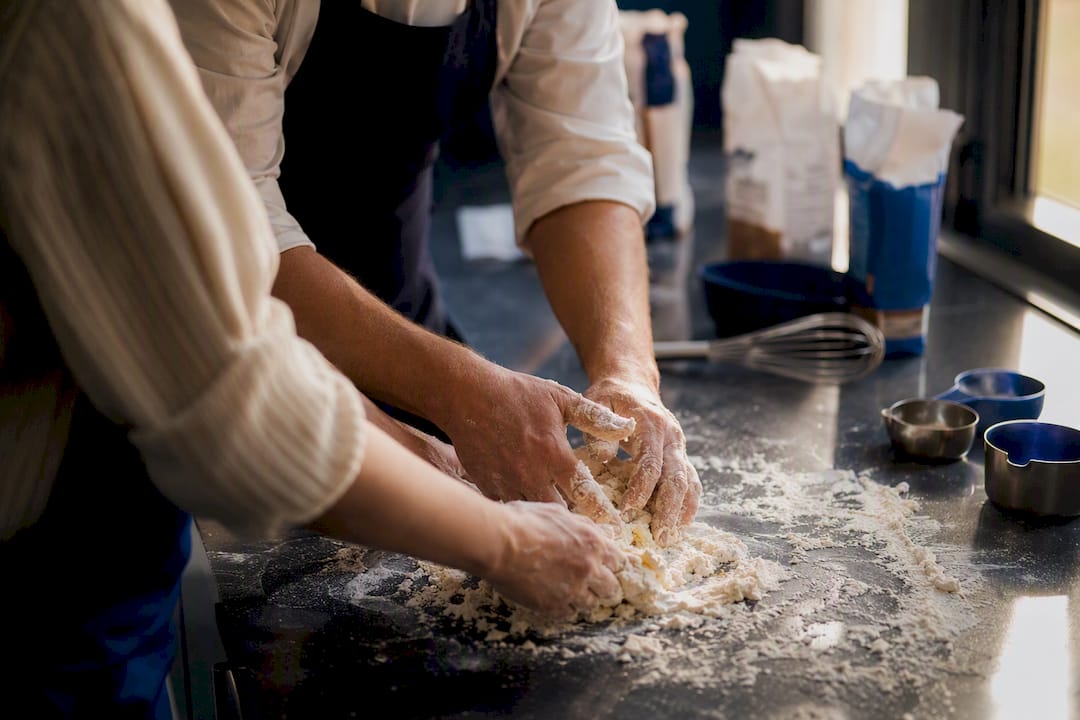
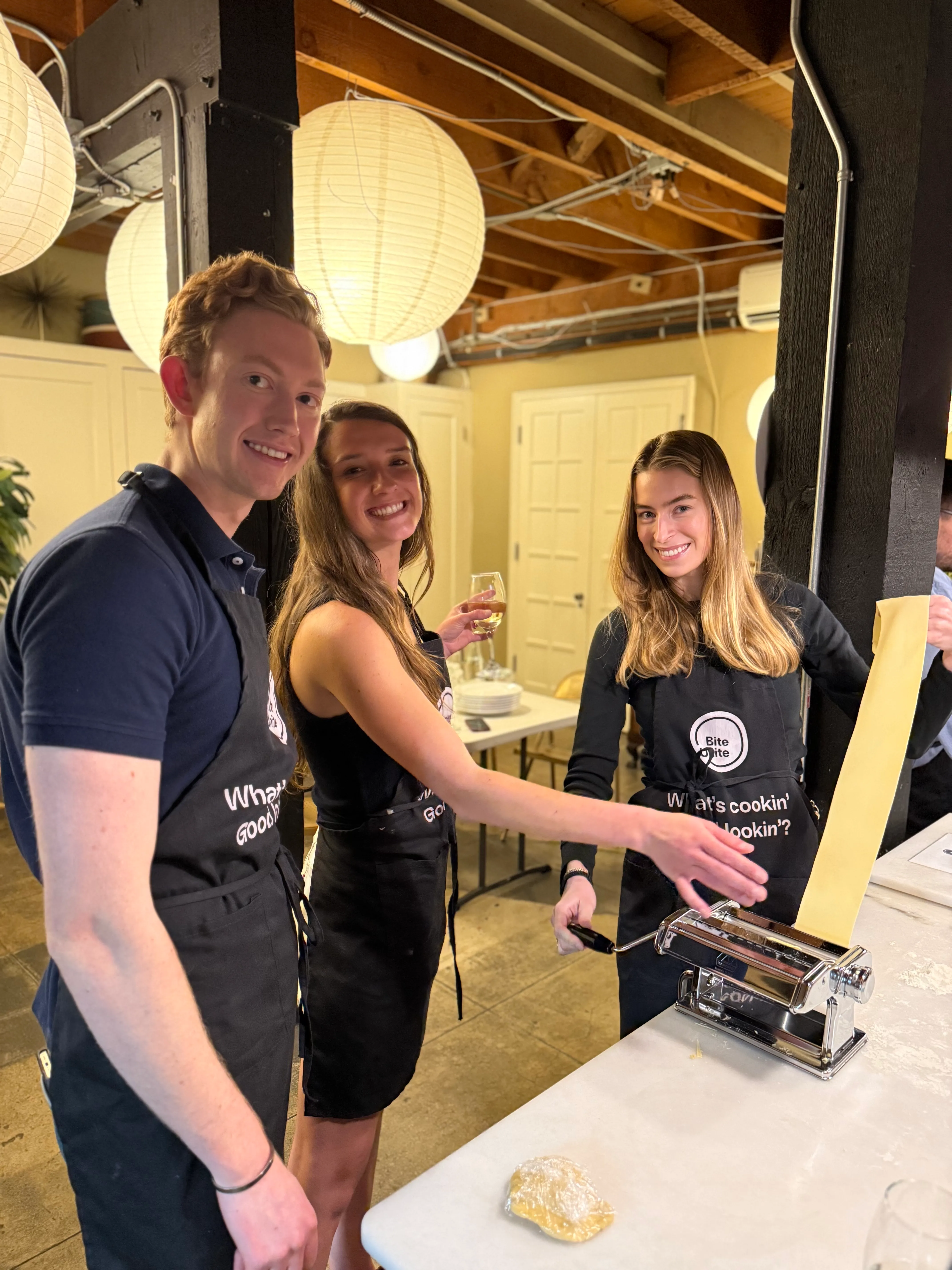
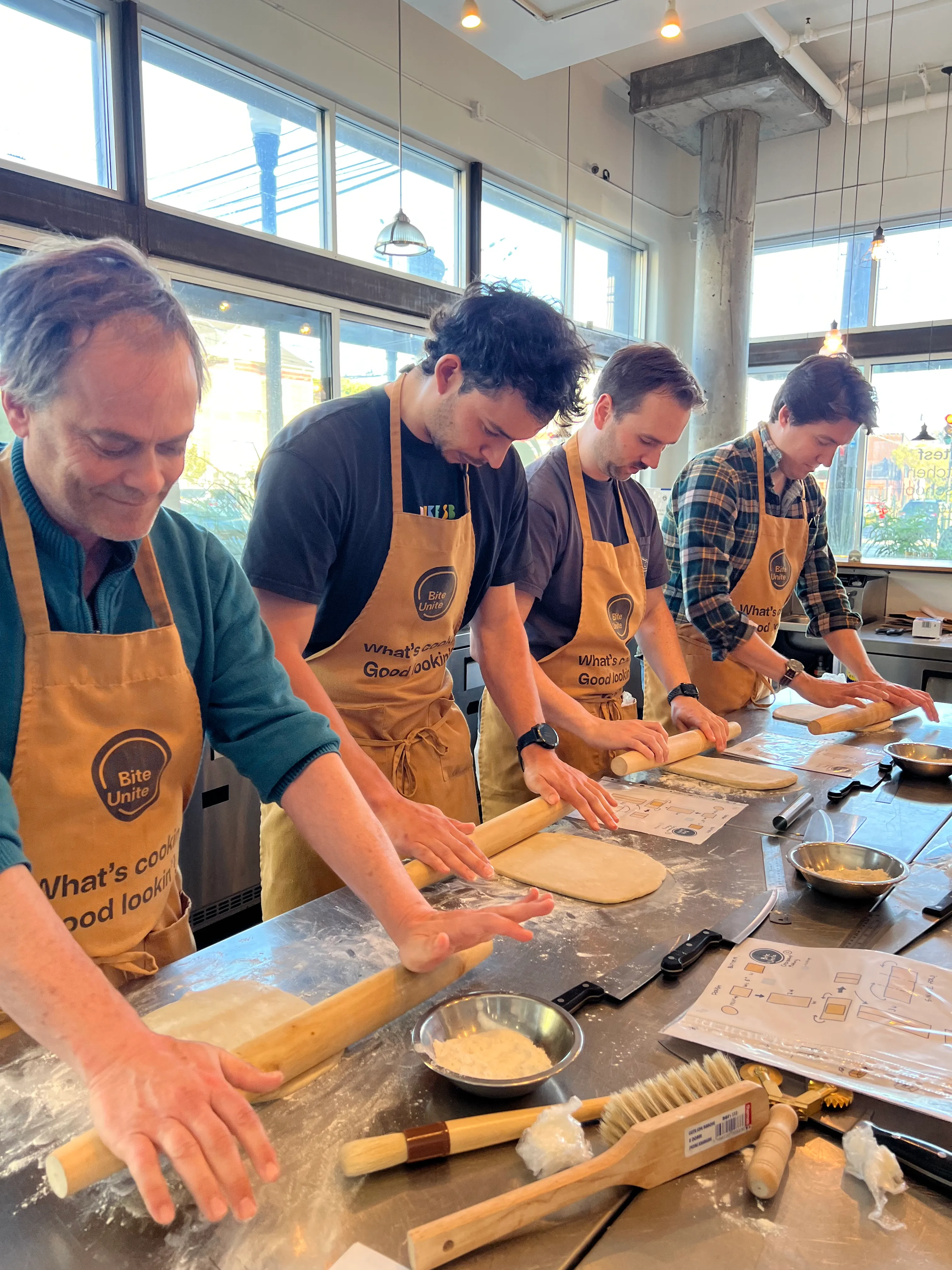
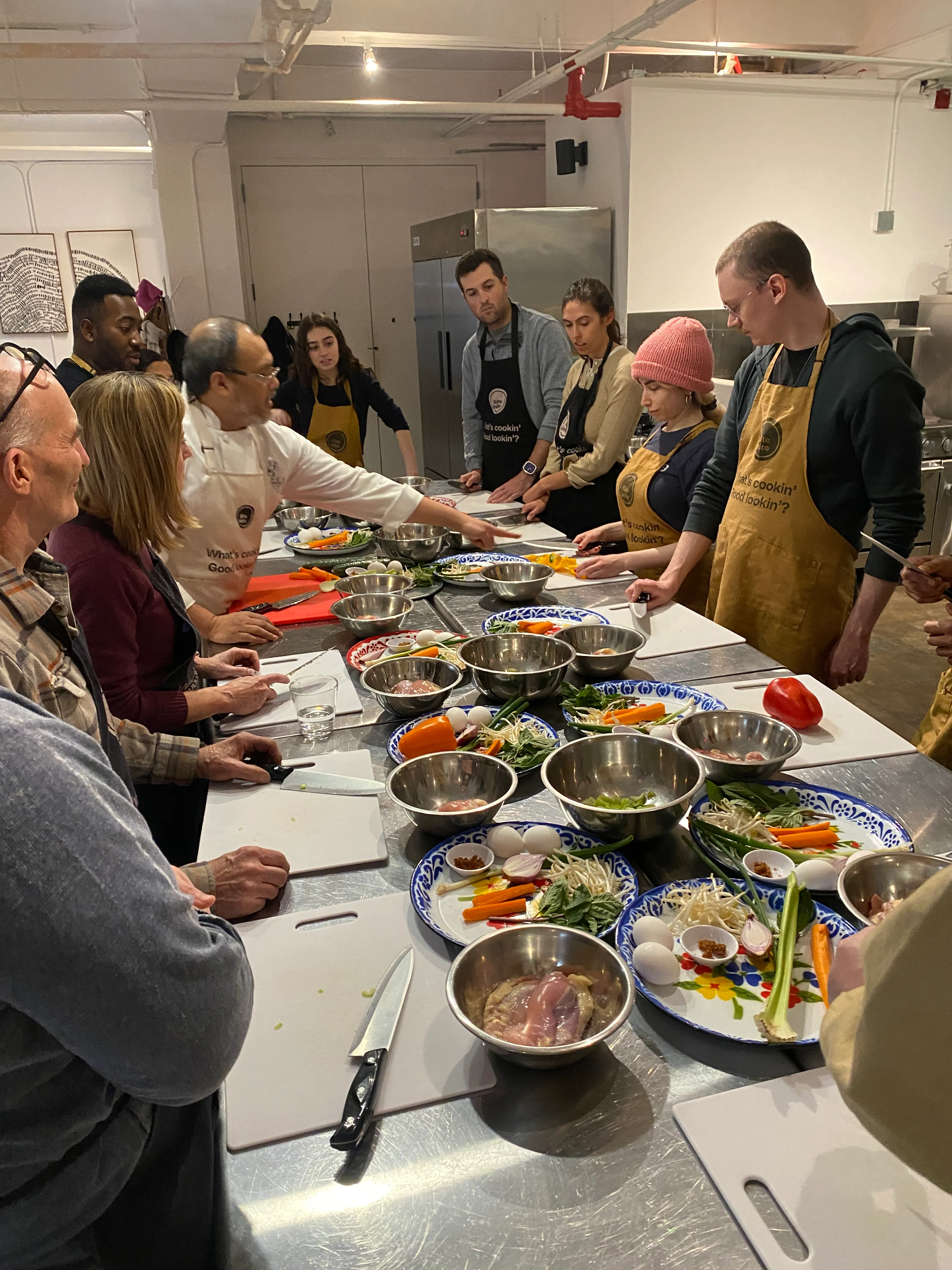
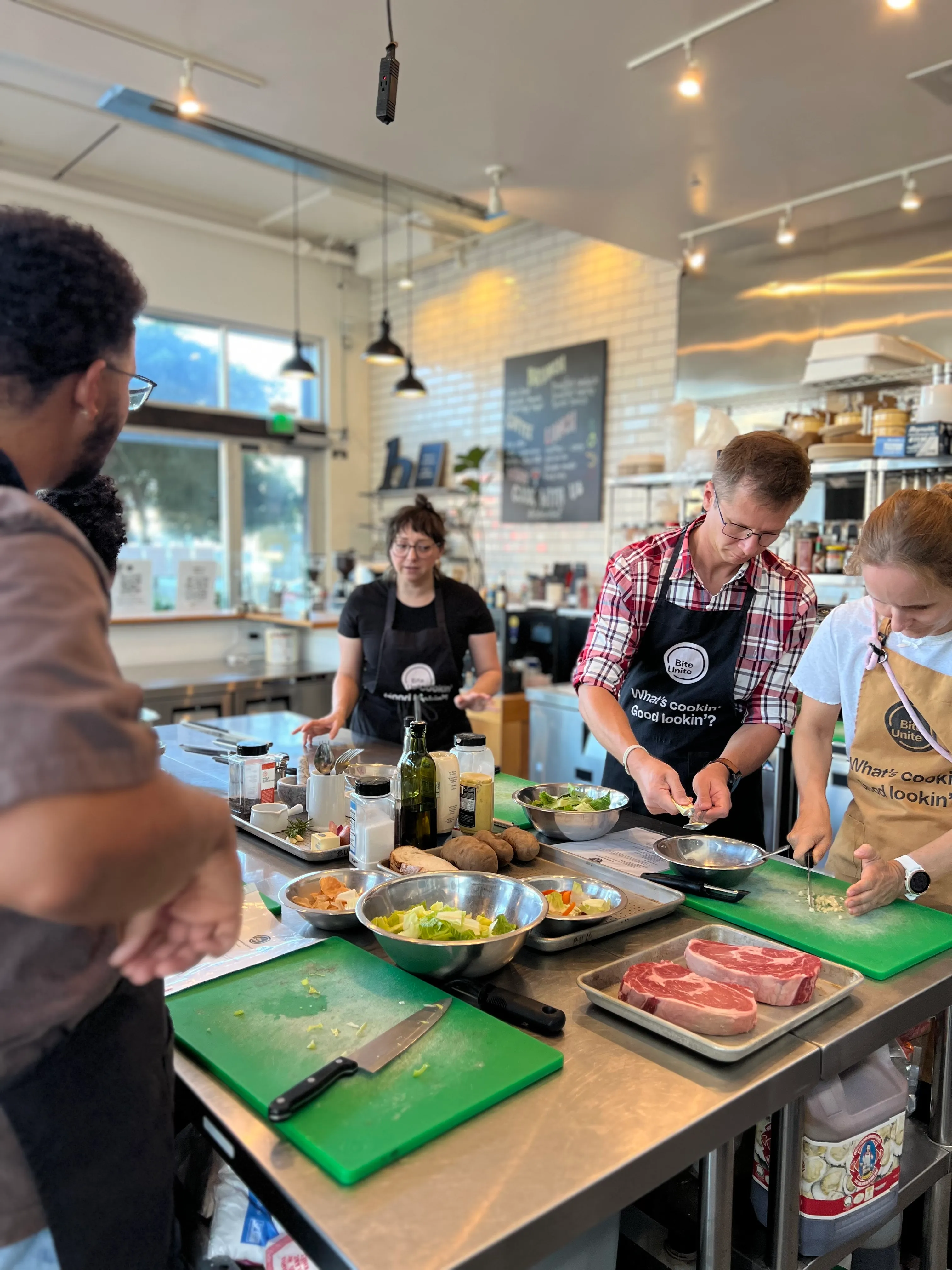
A guided, hands-on class can shortcut the trial and error that comes with learning new techniques, especially knife skills or dough work that are hard to teach yourself mid dinner rush. In group settings, kids and parents alike pick up two or three specific techniques, like proper knife grip or how to fold dumplings, that translate directly into faster, more confident DIY nights afterward. If your family is stuck making the same 5 dinners on repeat, one class can restock your whole rotation.
Ready for an Expert-Led Family Cooking Experience?
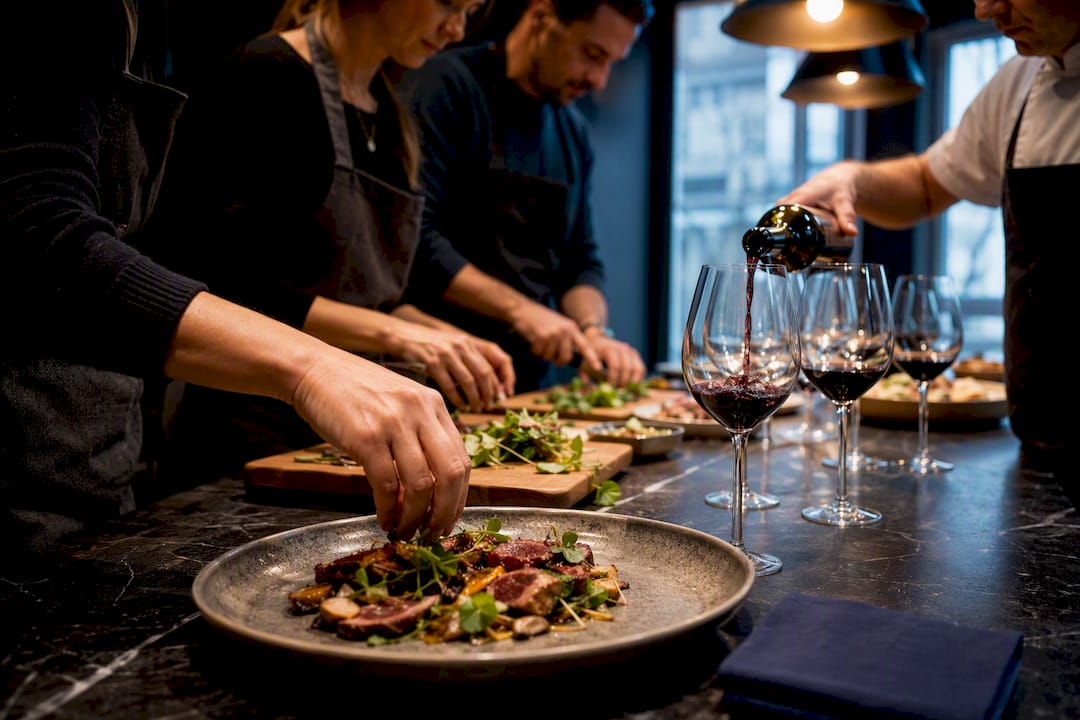
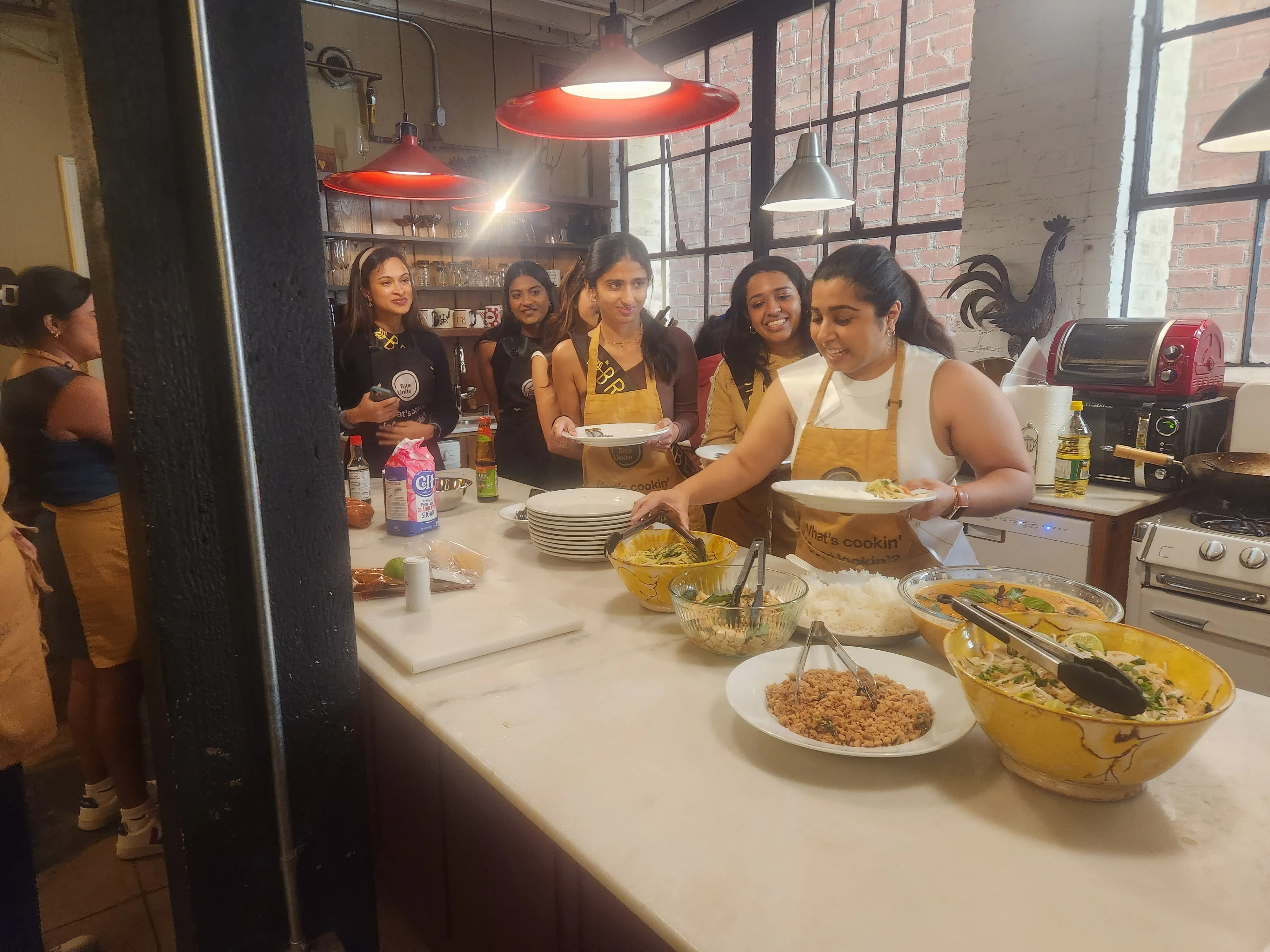
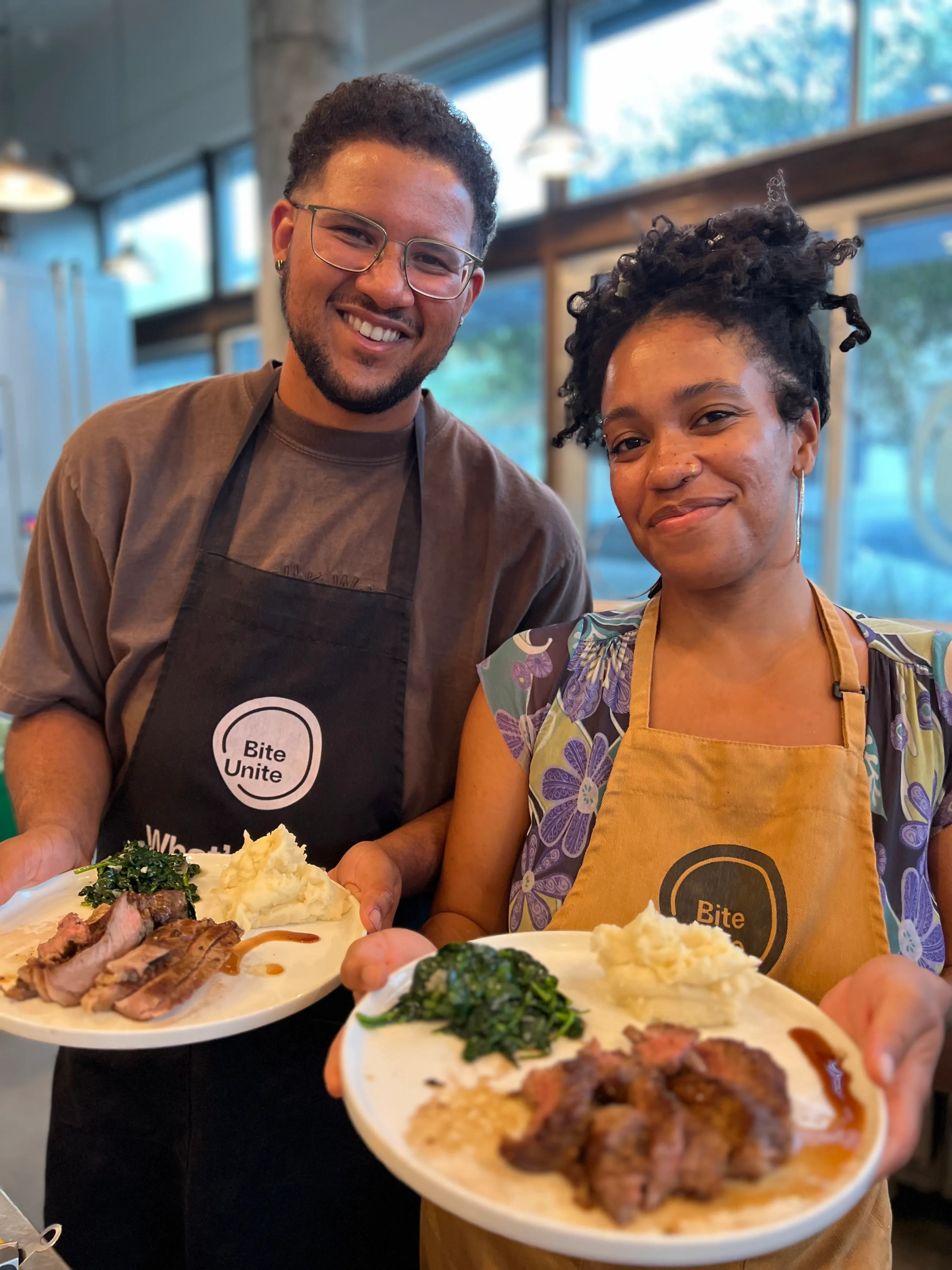
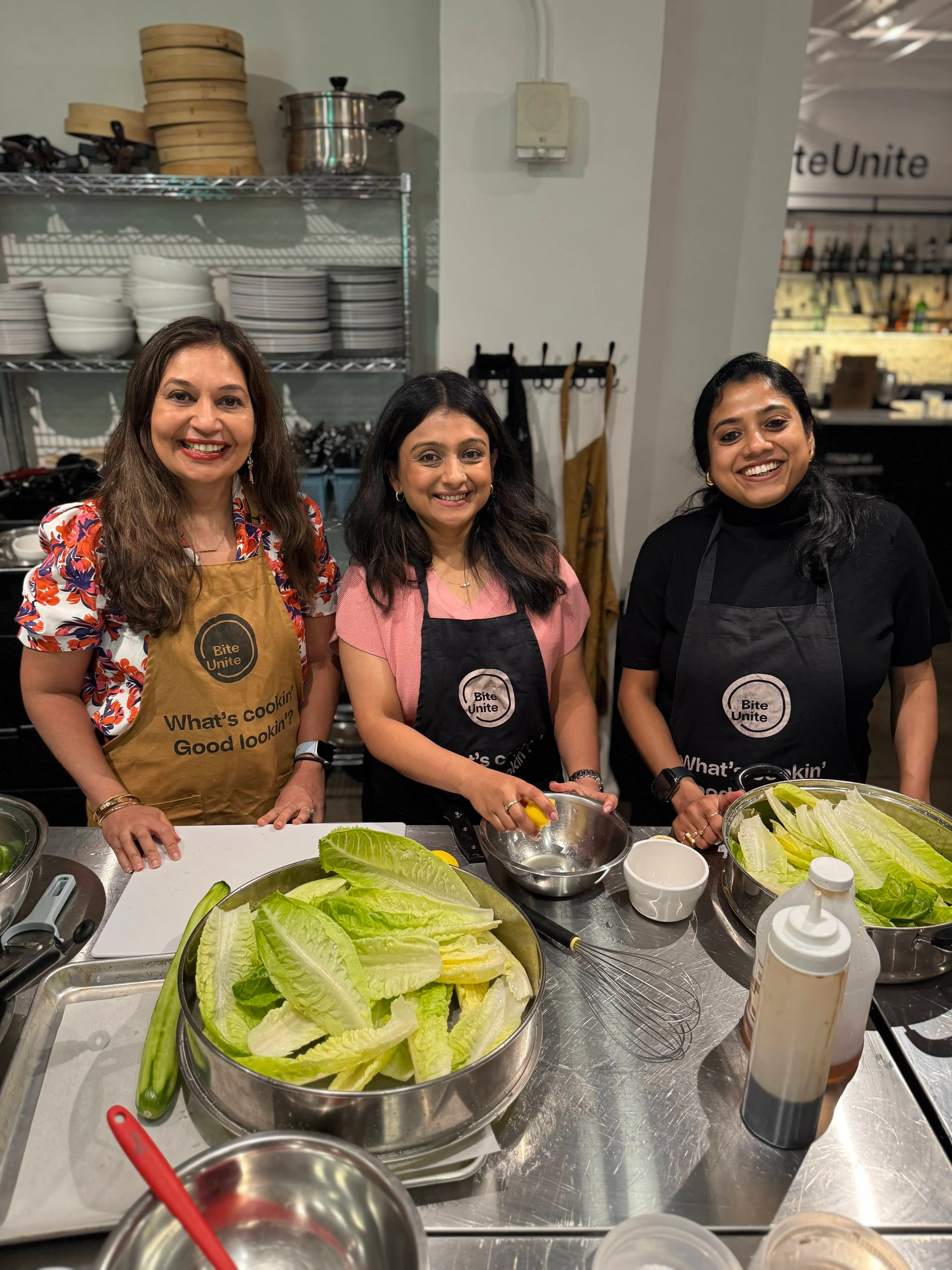
If your family has run through the taco bar, the pizza station, and the pasta night more times than you can count, a guided session can restart the rotation with skills your kids can’t pick up from a recipe card. Biteunite runs hands-on, chef-led classes built for exactly this: families who want a confidence jumpstart, not another cookbook.

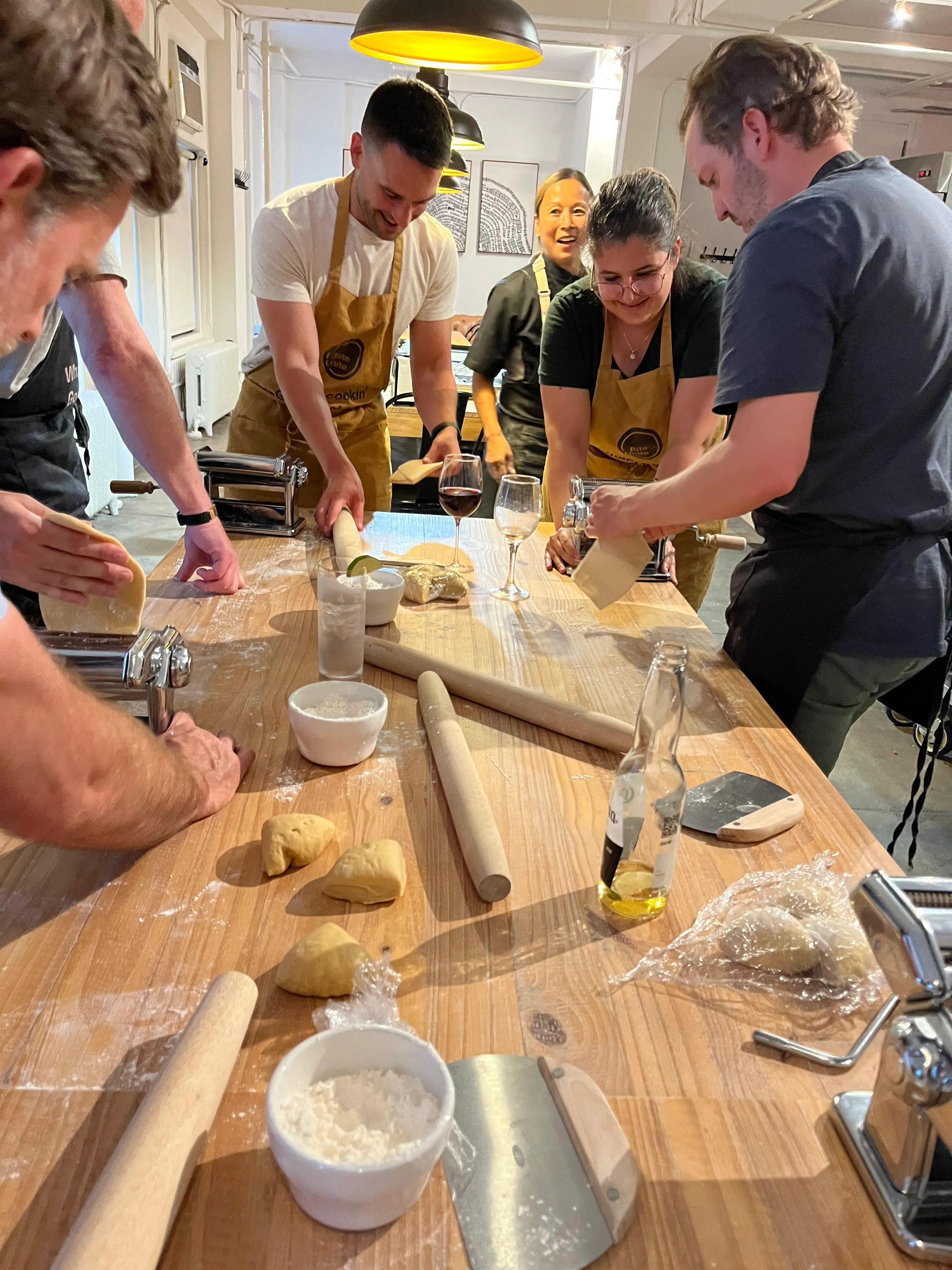
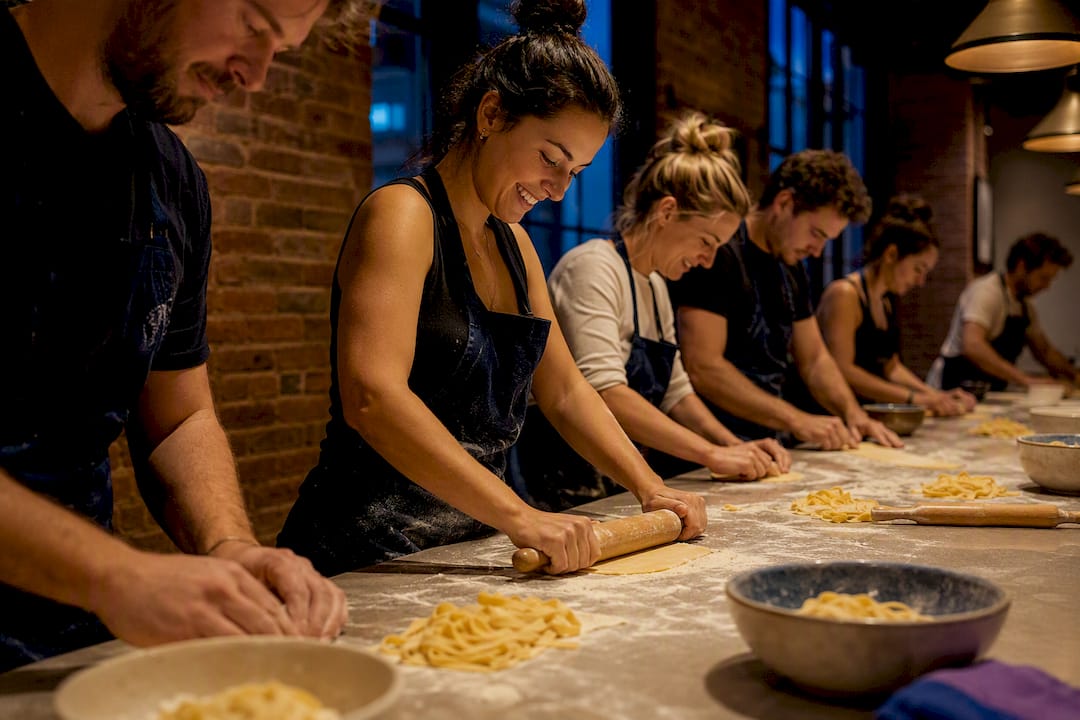
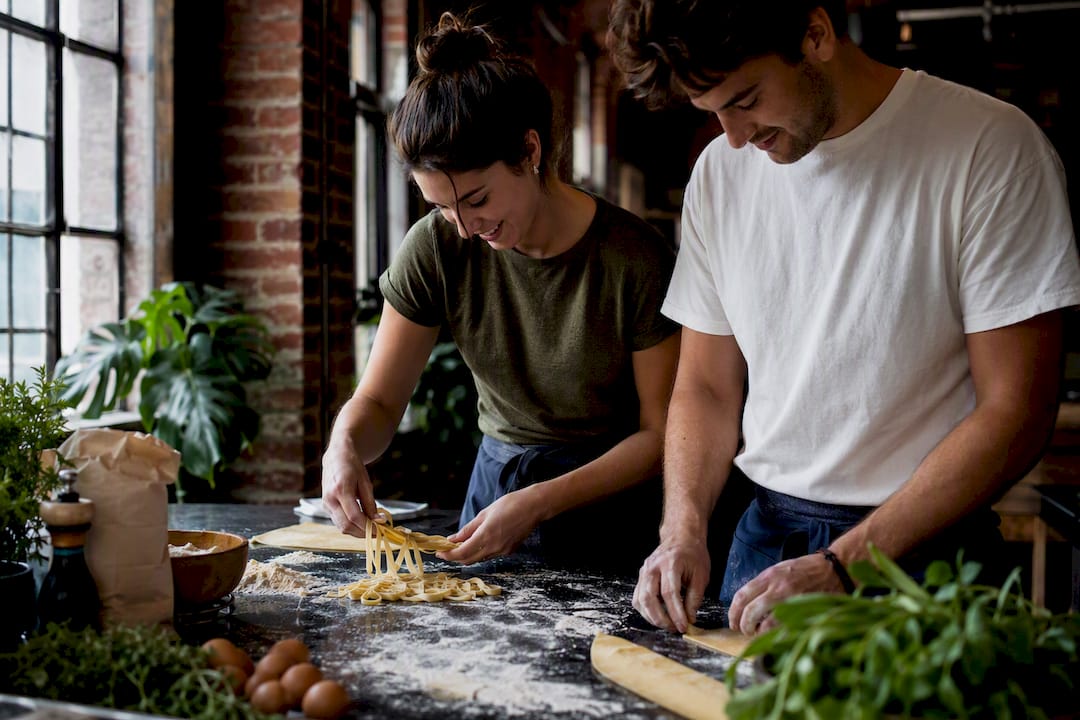
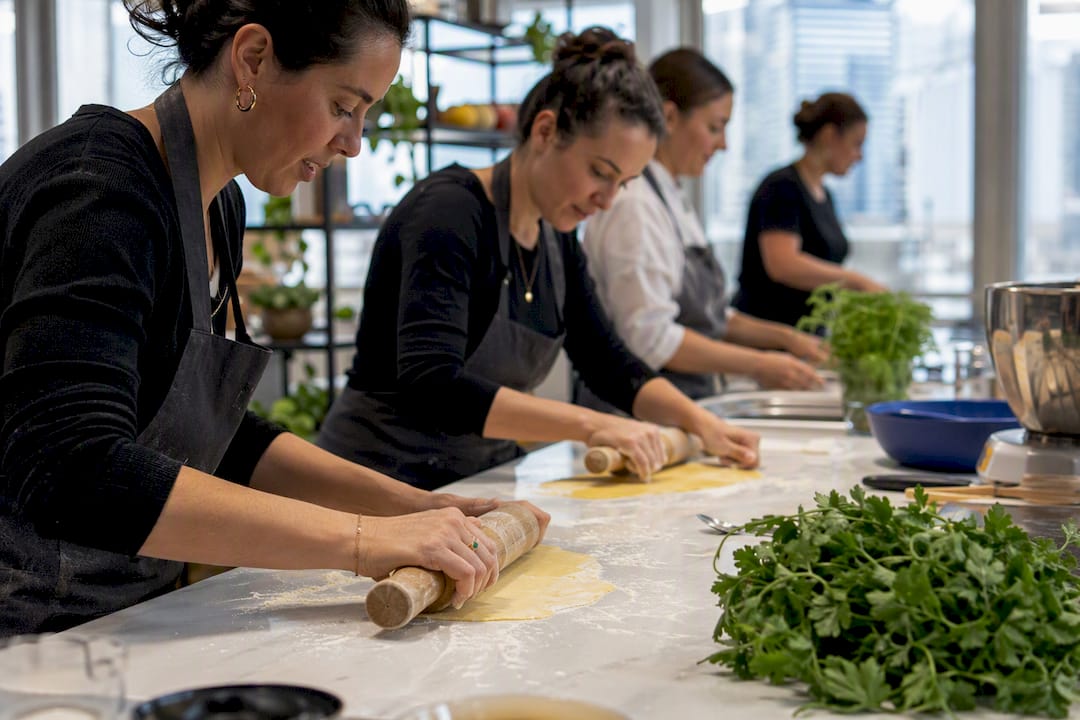
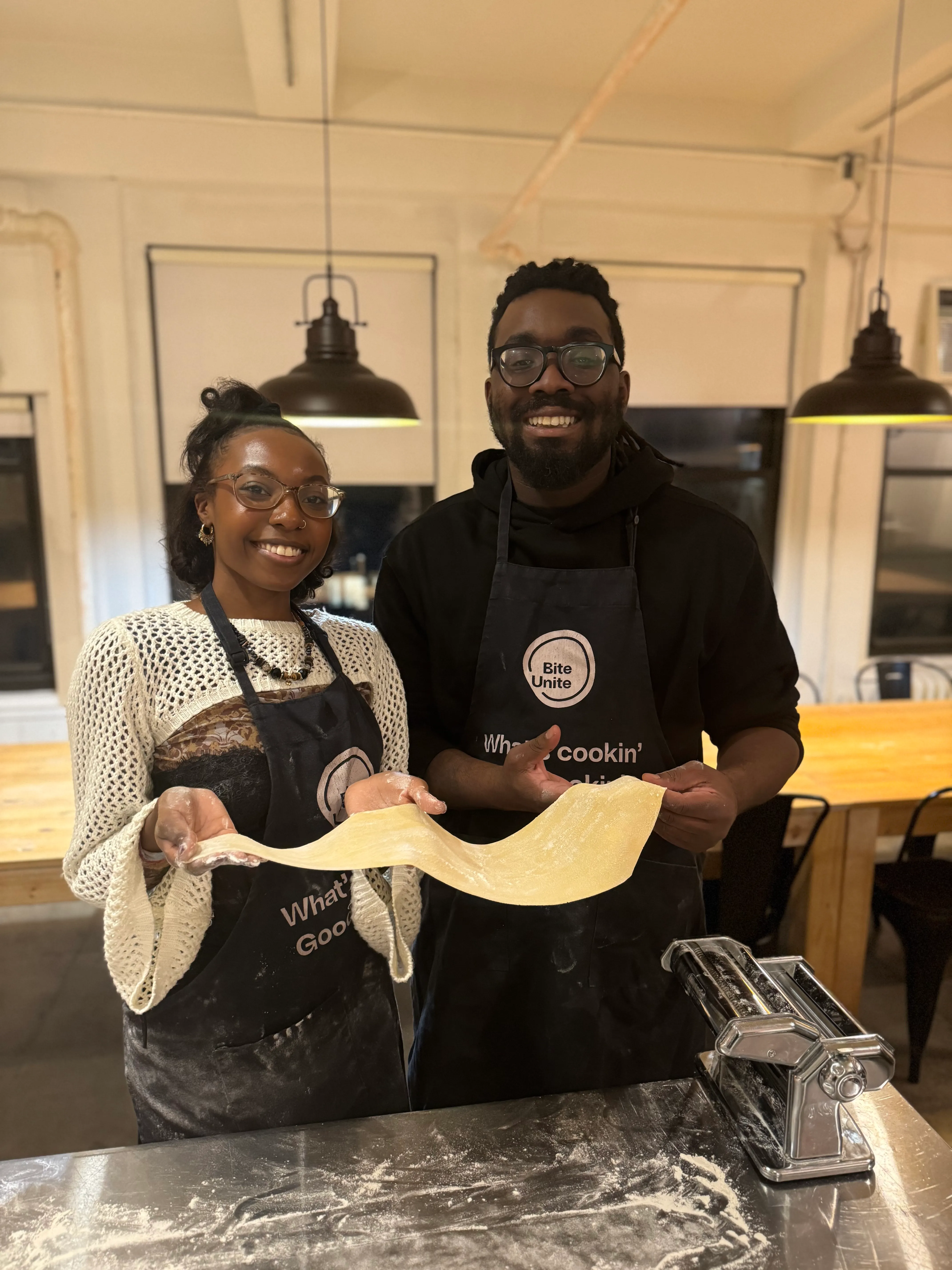
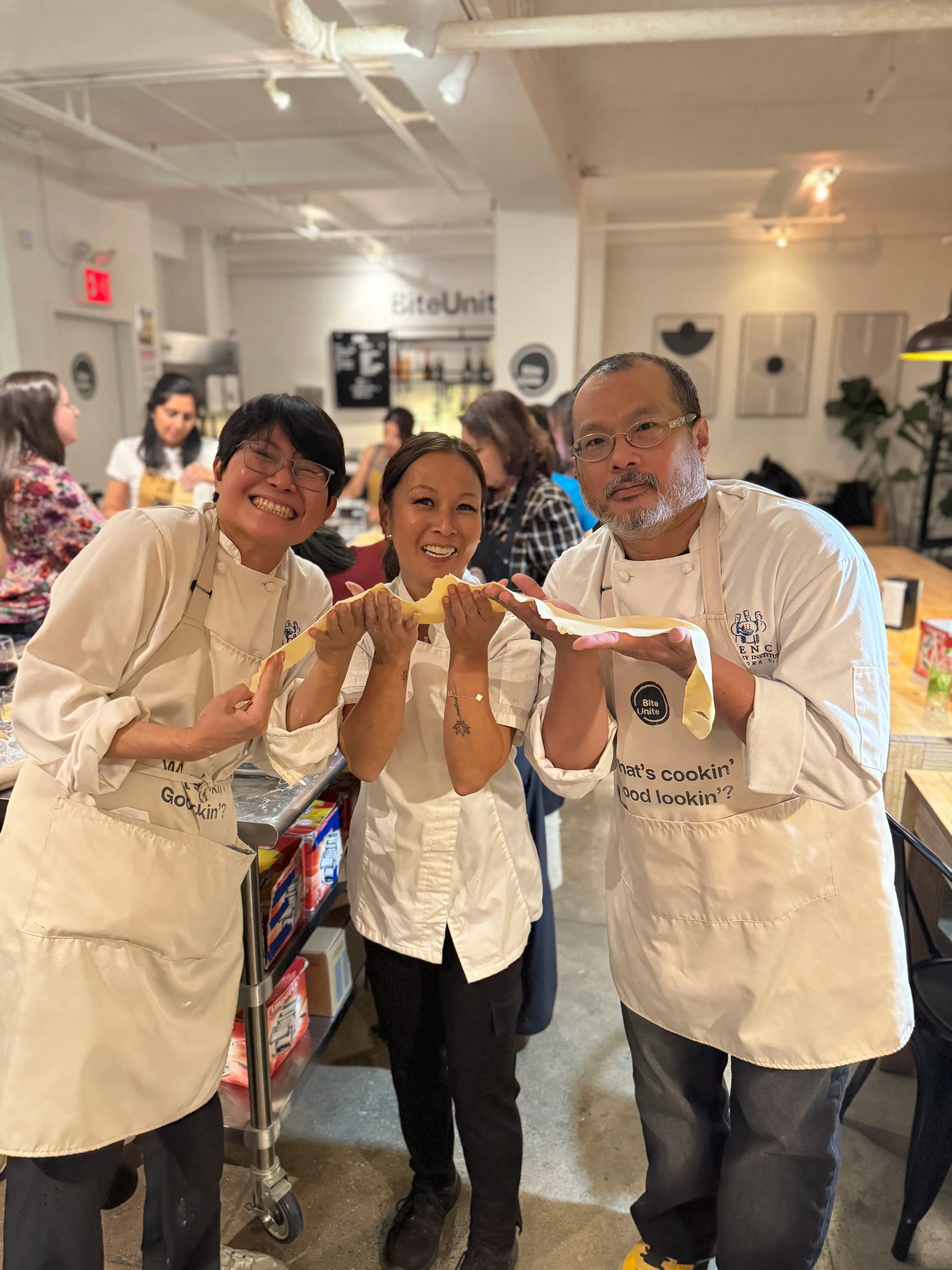
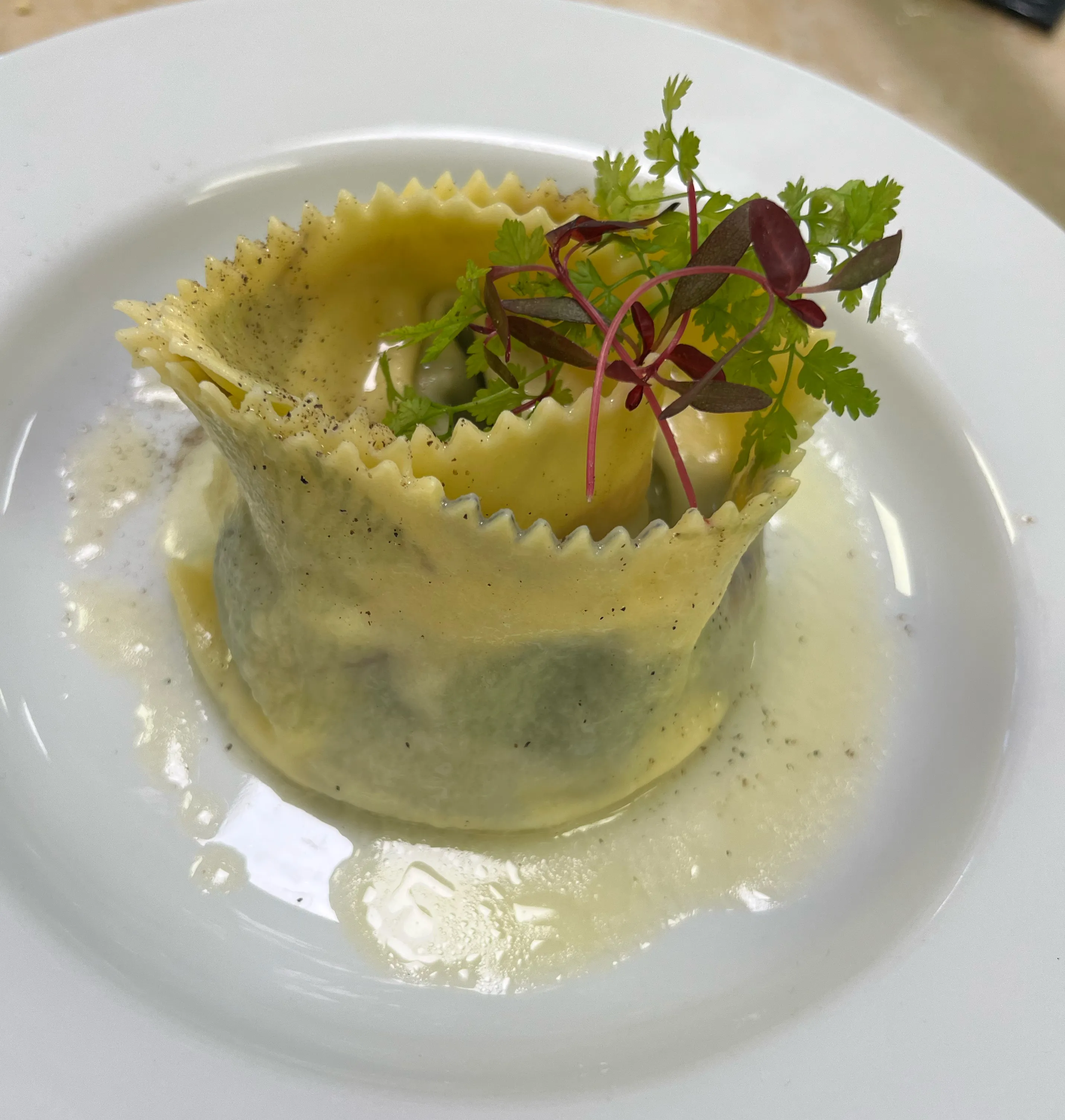
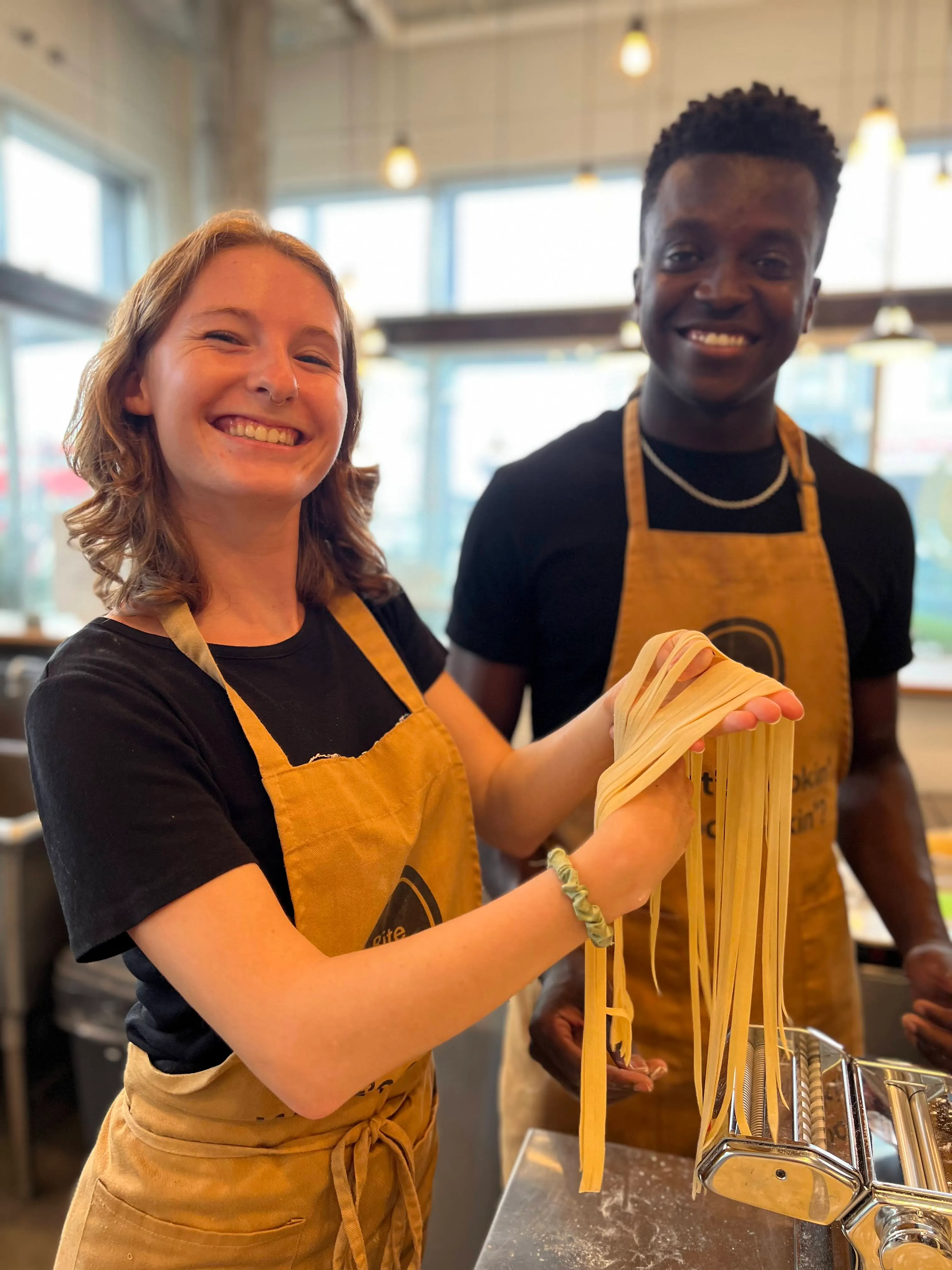
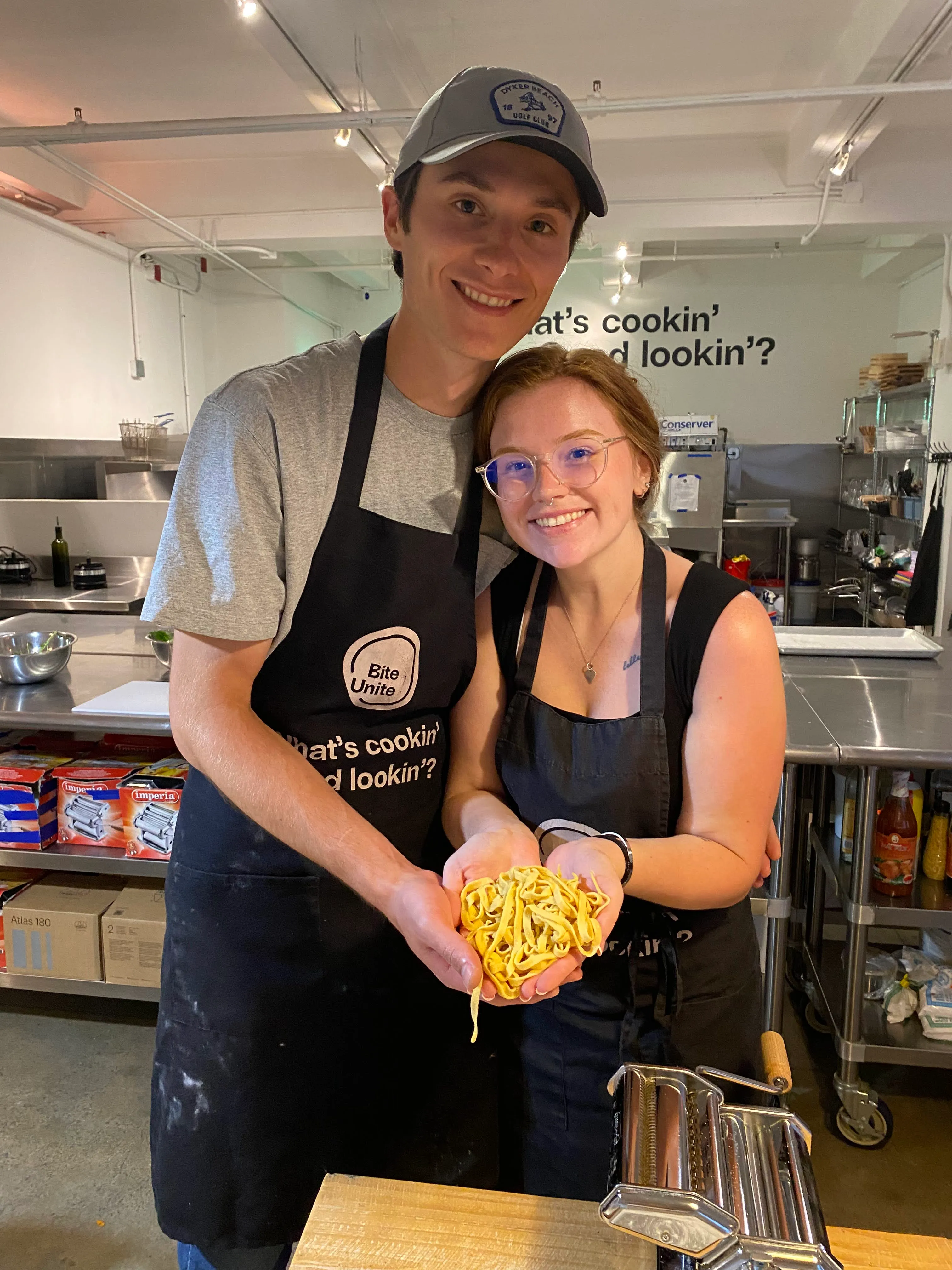
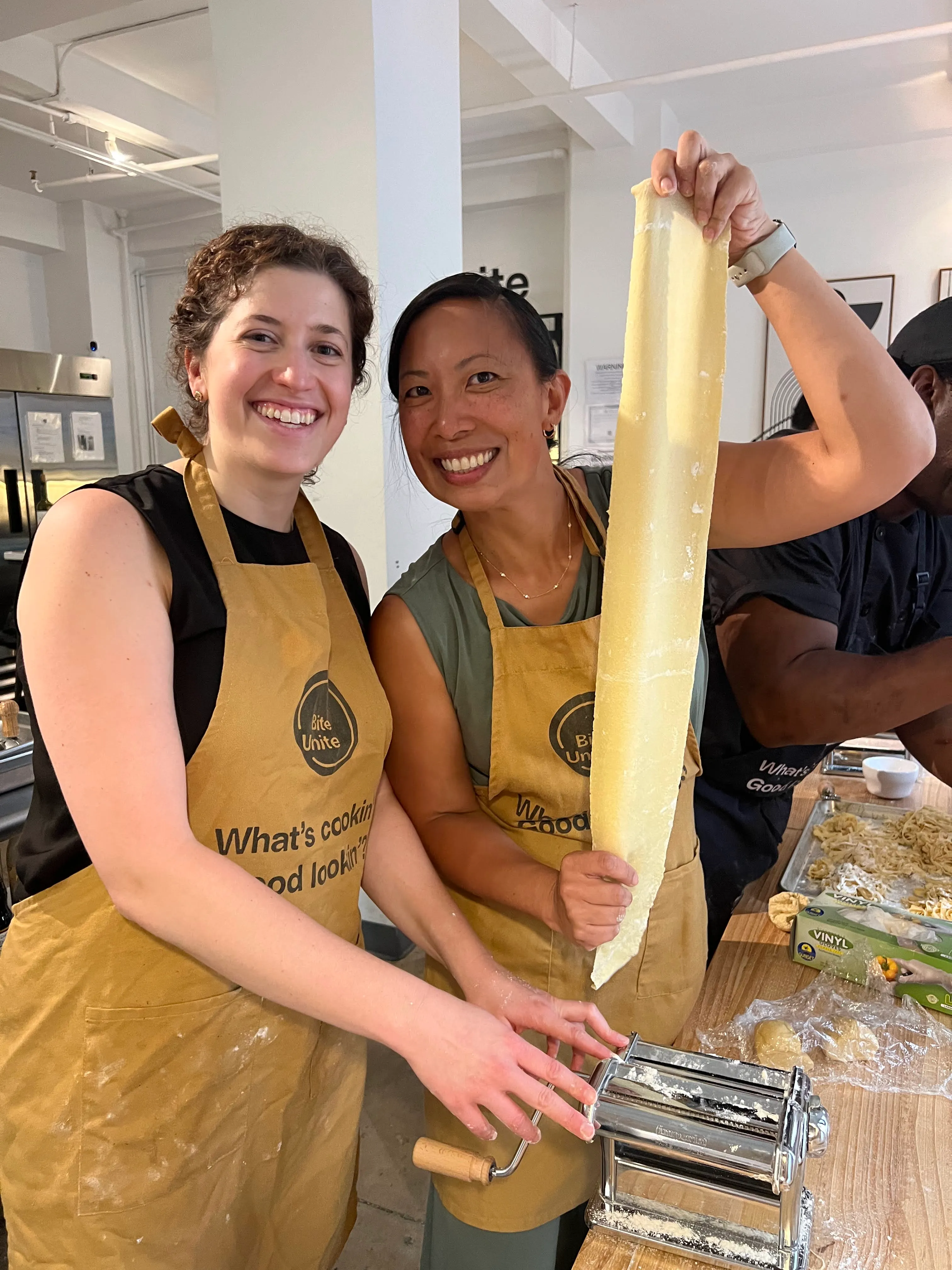
A class works well for a special occasion, like a birthday or a milestone, or simply when you want your kids to walk away with a real technique, like knife skills or hand-rolled pasta, instead of another one-off recipe. Families in New York can book a hands-on session through the Manhattan group cooking class, and Bay Area families can find a local date through the San Francisco class. If you’re picky about picky eaters, the Kids Camp story is worth a read before you book. For every other city or a broader look at what’s on offer, start at the Biteunite class booking hub and pick a date that fits your family’s calendar.
Frequently Asked Questions
What is the easiest family cooking night idea for beginners? A build-your-own taco bar or breakfast-for-dinner night tends to be the easiest starting point. Both use simple, forgiving ingredients and let each family member customize their own plate.
How much does a typical family cooking night cost? A bar-style night for a family of 4 to 6 usually falls in the budget-friendly to moderate range, depending on the protein and toppings chosen. Sticking to 4 to 6 toppings and one protein keeps grocery costs predictable.
What age can kids start helping with family cooking night ideas? Kids as young as 3 can help with simple, safe tasks like washing produce or tearing lettuce. Tasks scale up with age, from measuring and plating around ages 6 to 9 to supervised stovetop cooking around age 13.
How do I handle picky eaters during family cooking nights? Bar-style formats solve most picky-eater friction because everyone builds their own plate. Keep at least one neutral topping or base on the table, and let picky eaters skip toppings without comment.
How often should we do a family cooking night? Once a week is a realistic, sustainable starting point. Rotating a small set of themes, like taco night, pizza night, and pasta night, keeps planning simple without repeating the exact same meal.
Sources
- Nutrition
- 20 Fun Family Dinner Themes to Enjoy a Meal Together
- Busy families themes and meal planning examples
- 50+ Theme Night Dinners - Family Food on the Table











































.webp)