Group Cooking Activities: Easy Ideas for Parties & Teams
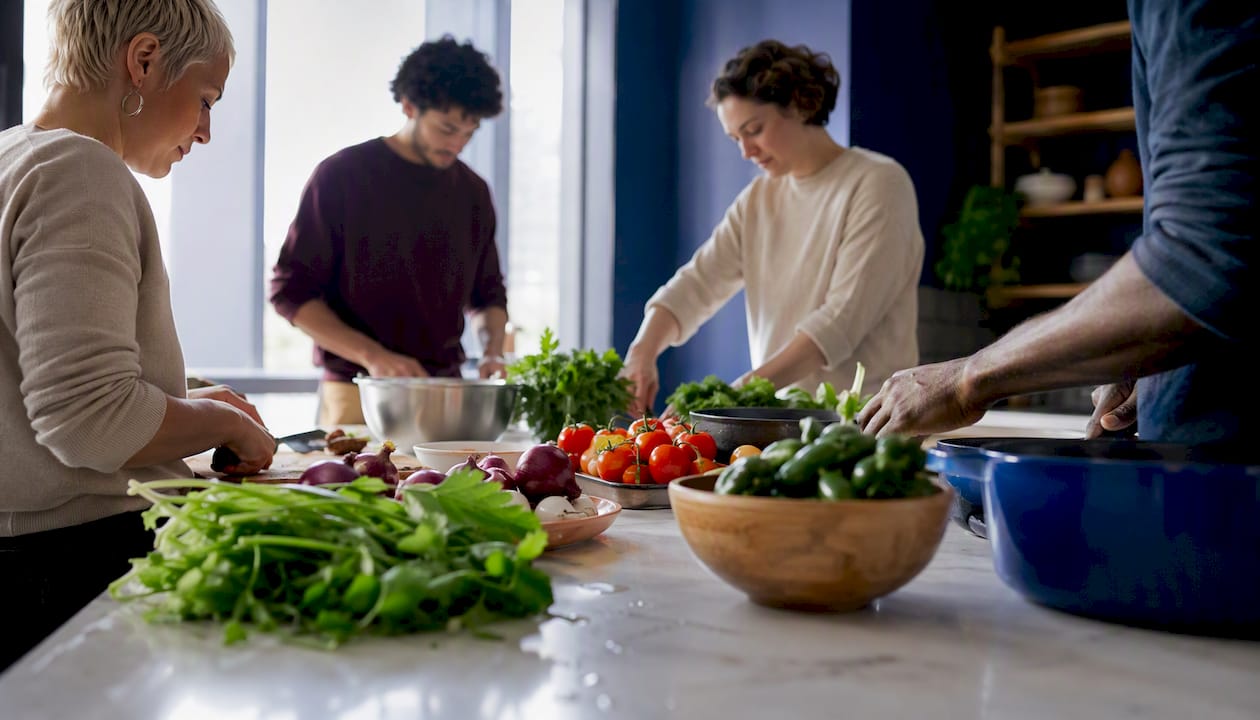
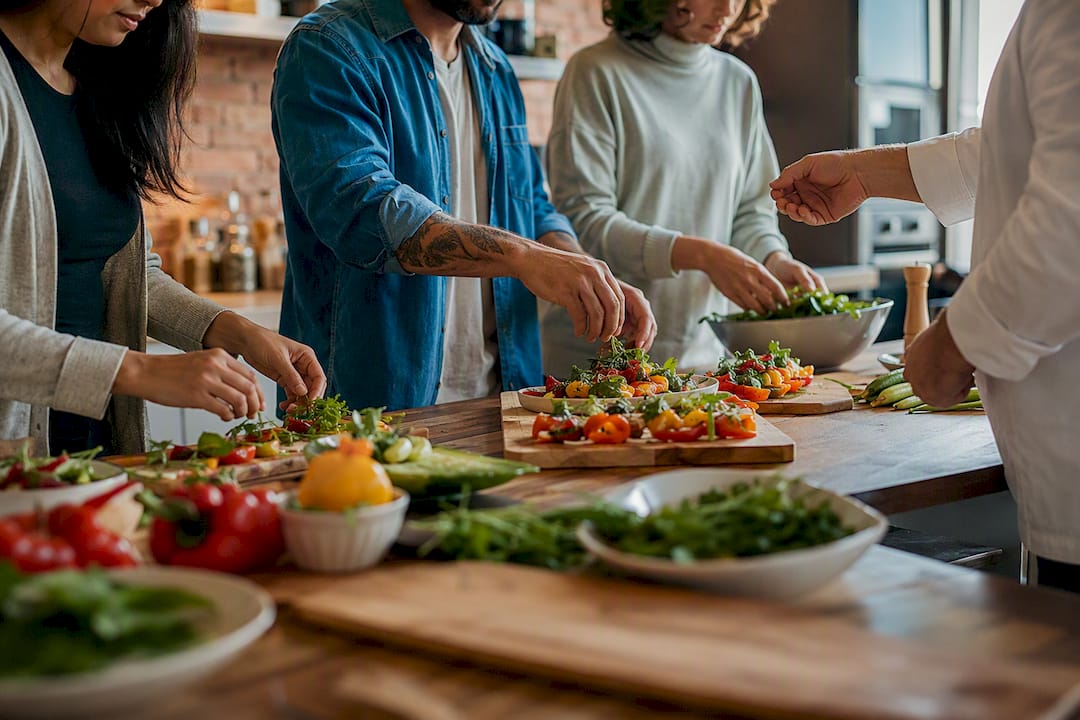
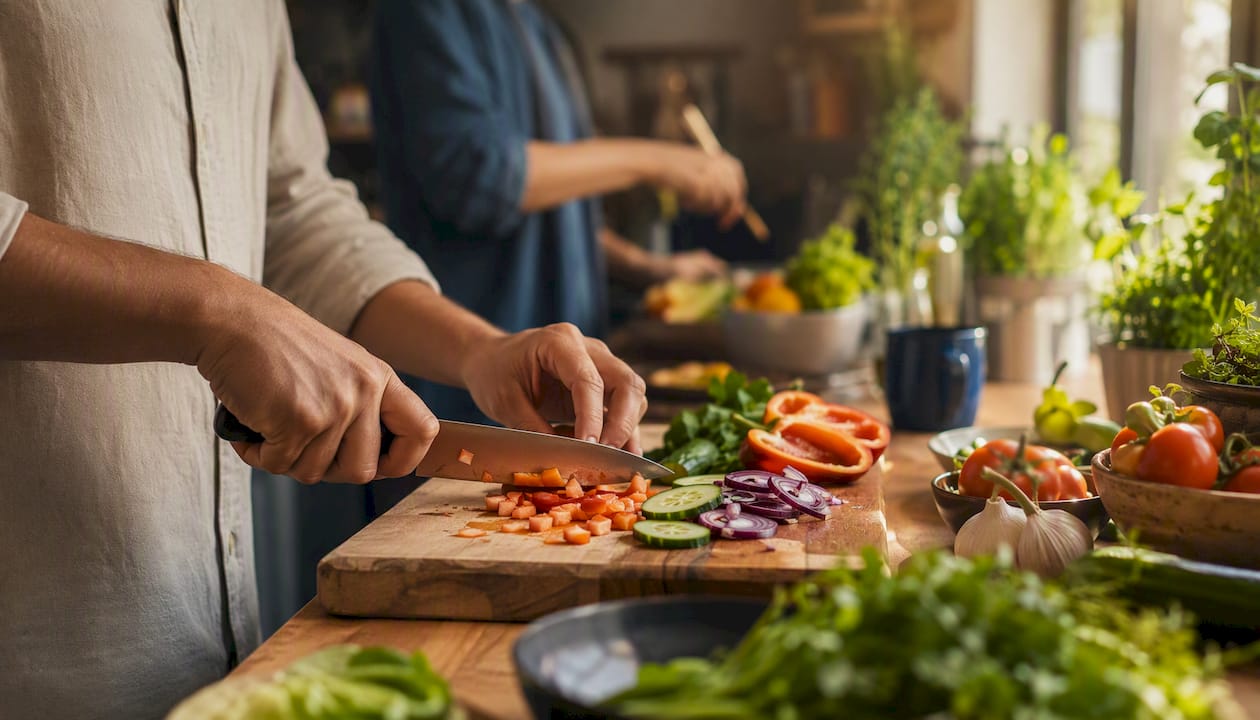
Station-based build-your-own formats and hands-on production projects are the most reliable group cooking activities because they distribute tasks naturally, prevent kitchen crowding, and keep everyone engaged from start to finish. Assembly-line formats like taco bars and pizza nights work because every person has a clear role, whether they’re rolling dough, chopping toppings, or manning the grill.
Here are eight crowd-tested picks you can run tonight:
- Pizza night — stretch dough, set out toppings, let everyone build their own
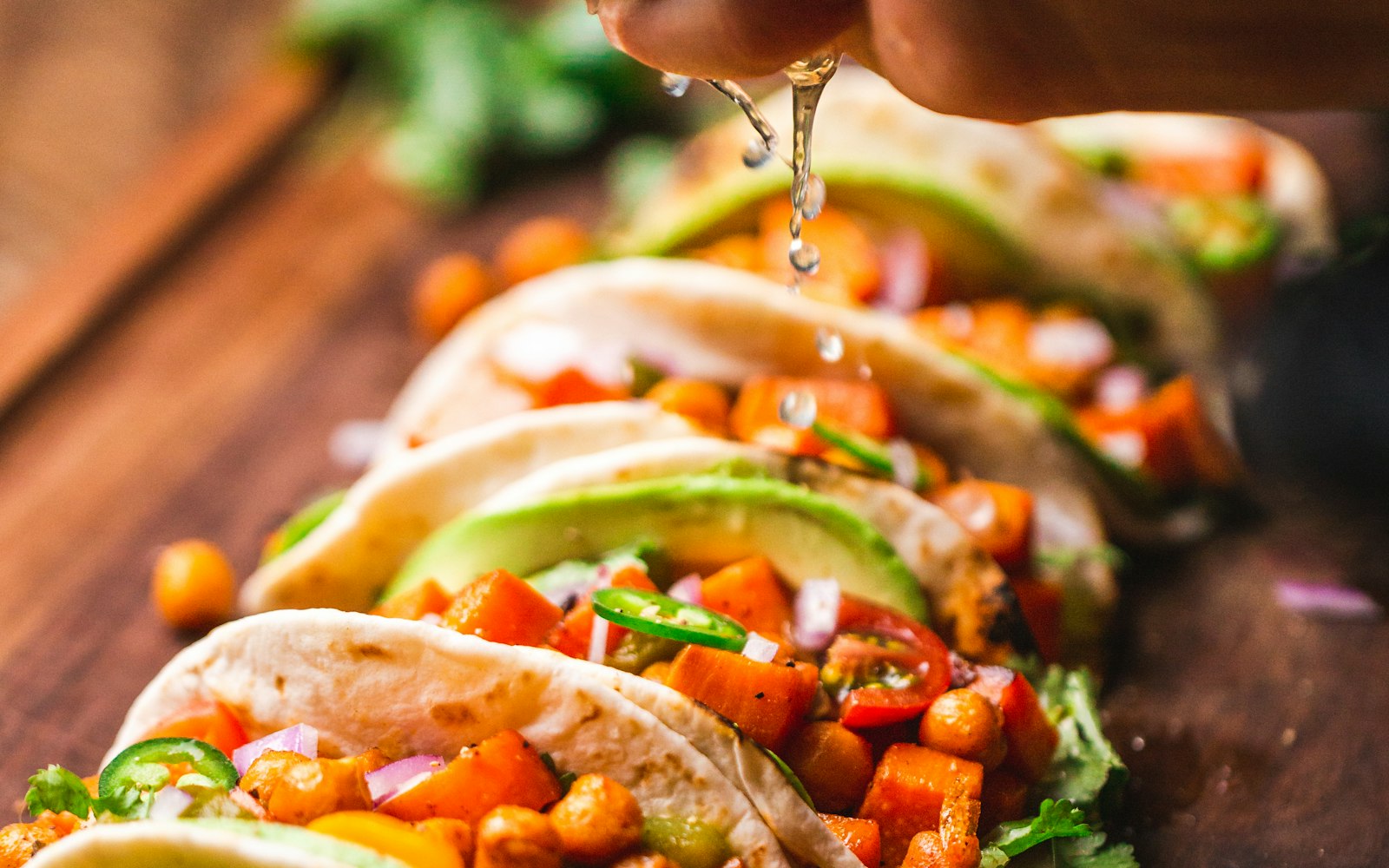
- Taco bar — season proteins ahead, set up a topping station, assemble to order
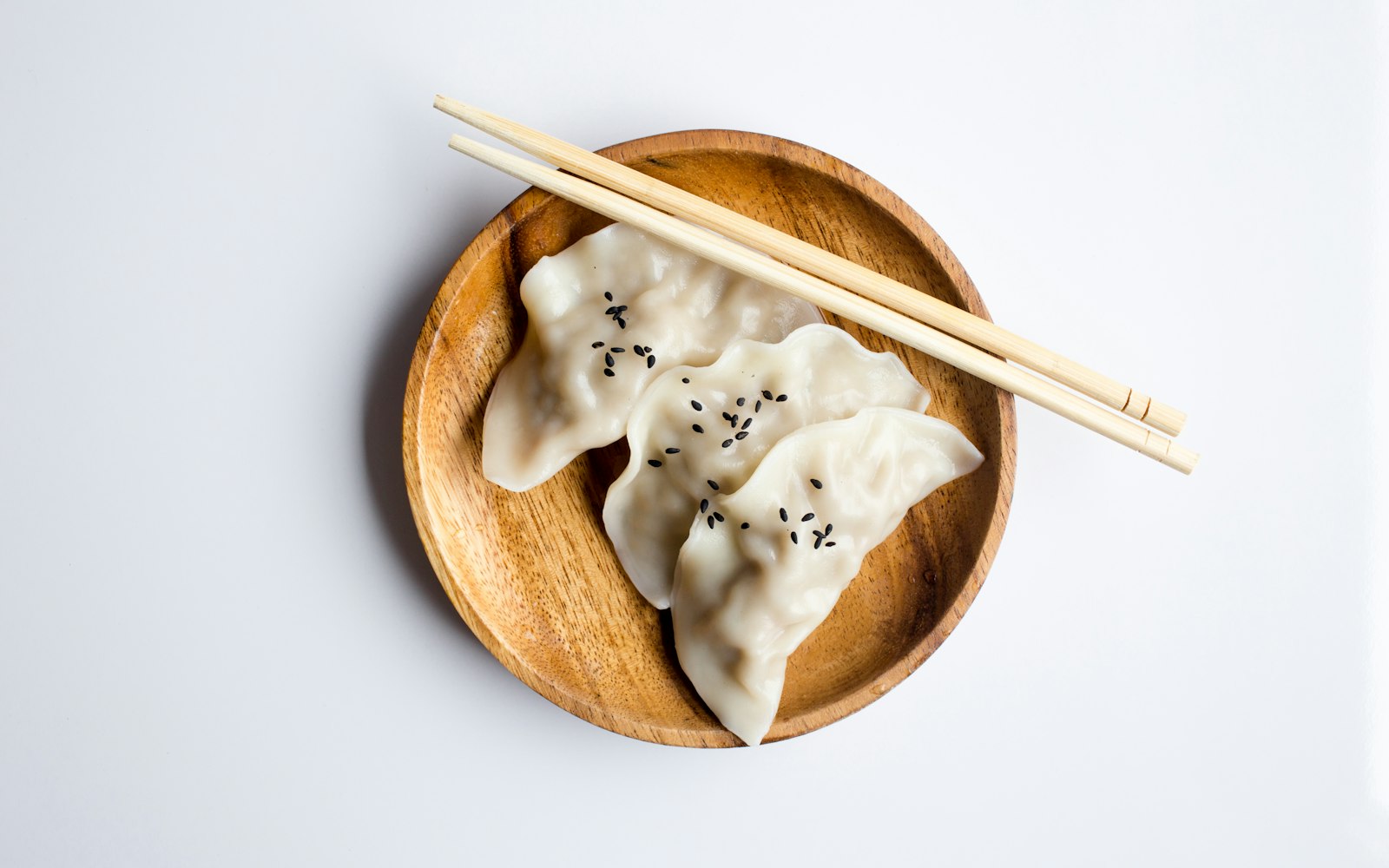
- Dumpling line — fill, fold, and steam in rotating shifts; naturally social
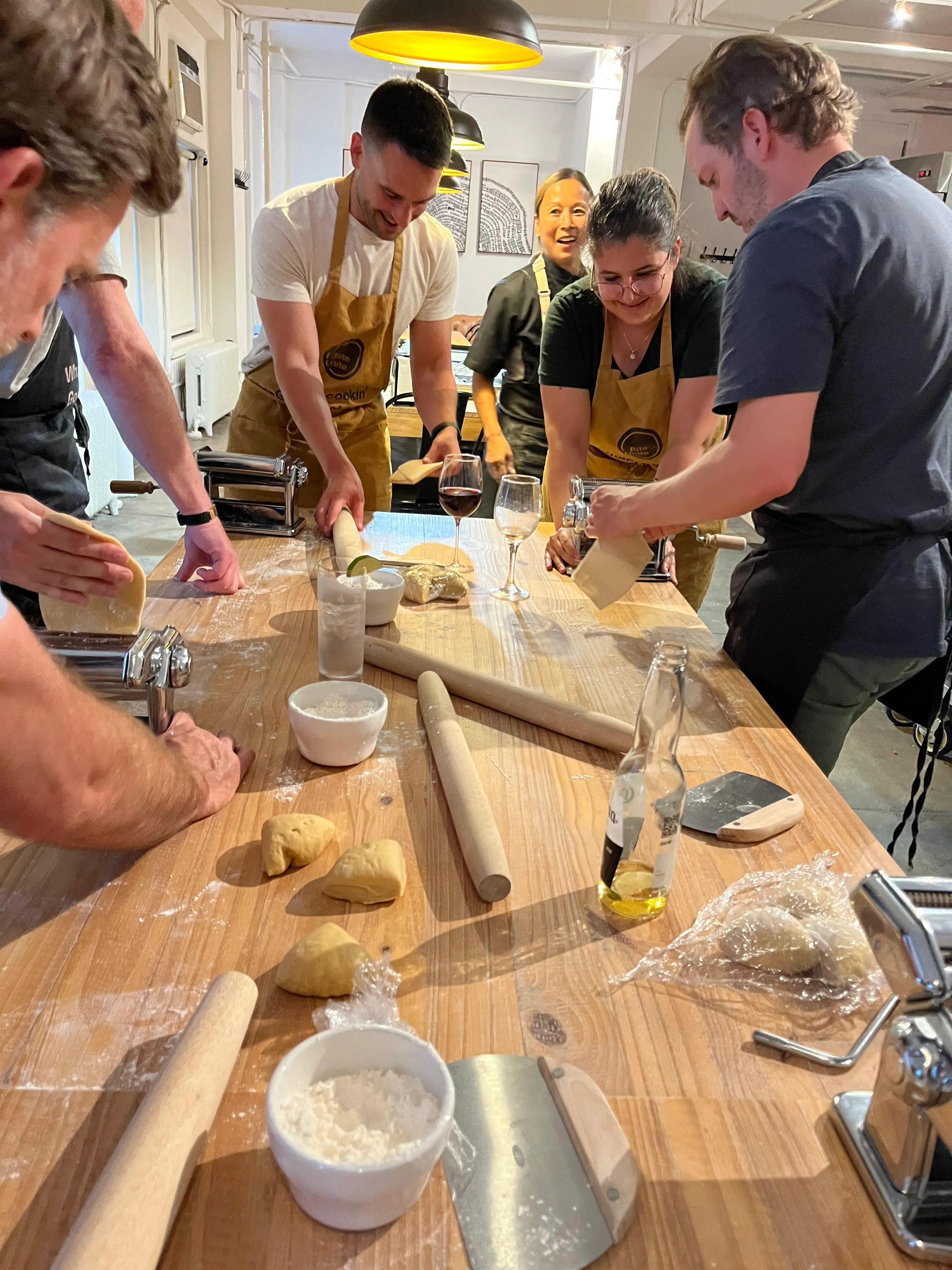
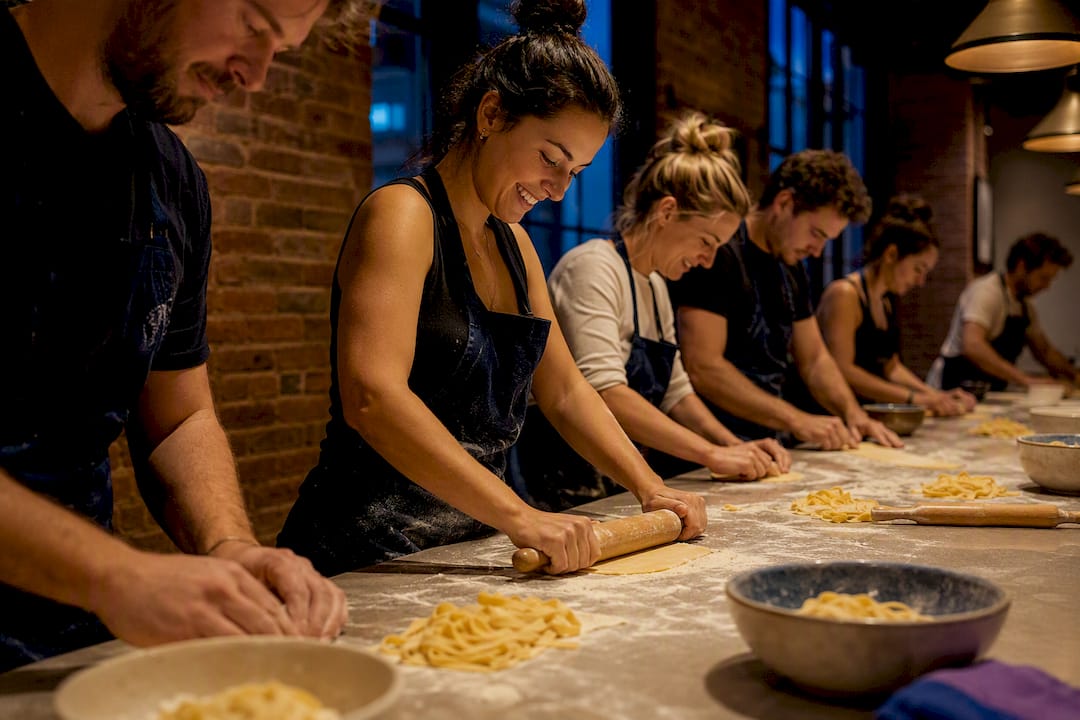
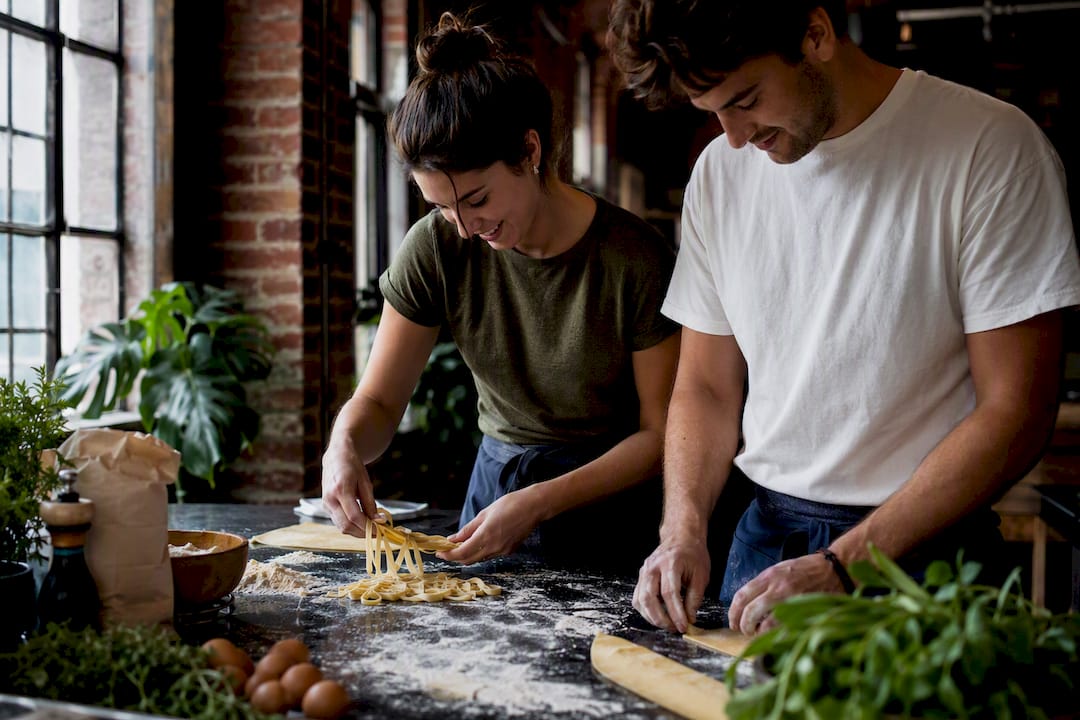
- Pasta from scratch — mix, roll, and cut together; beginner-friendly and delicious
- Sushi hand rolls — lay out rice, fish, and veggies; no knife skills required
- Tamale party — spread masa, fill, and wrap; a true hands-on group project
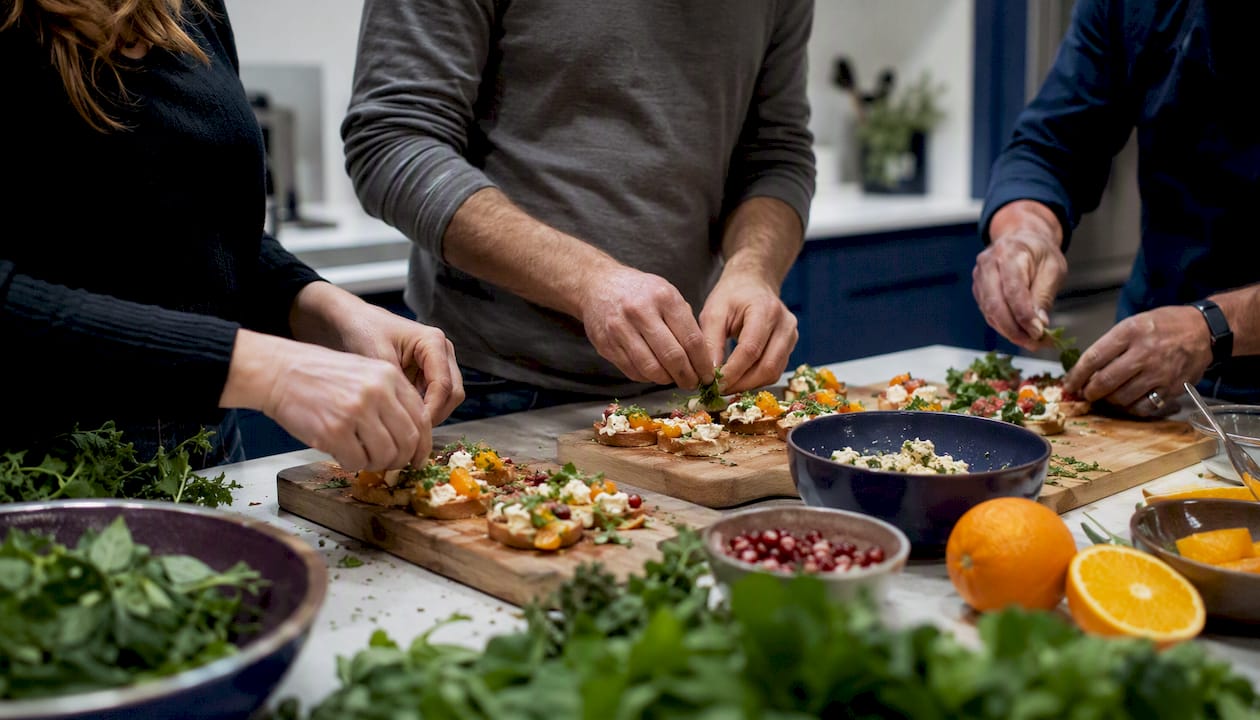
- Flatbread bar — fast, forgiving, and endlessly customizable
- Sheet-pan dinner challenge — assign each team a protein and two sides; compare results
By group size at a glance:
- 2–4 people: pasta from scratch or sushi hand rolls (intimate, skill-building)
- 5–8 people: pizza night or dumpling line (social, easy to station)
- 9–20 people: taco bar or tamale party (scales cleanly, minimal chaos)
- 20+ people: flatbread bar or a facilitated team cooking challenge (needs clear stations or a pro)
Key Takeaways
Station-based build-your-own formats and hands-on production projects are the most reliable group cooking activities because they distribute tasks clearly, prevent kitchen crowding, and keep every participant engaged.
| Point | Details |
|---|---|
| Best formats for any group | Station-based build-your-own (taco bar, pizza night) and production projects (dumplings, tamales) work for all group sizes. |
| Plan before guests arrive | Pre-measure ingredients, assign station roles, and limit the menu to 2–3 dishes to keep the event social. |
| Survey dietary needs first | Send a dietary preference survey 48–72 hours ahead to shape the menu and prevent allergen incidents. |
| Hire a pro for 15+ or corporate | A professional facilitator handles logistics, equipment, dietary needs, and cleanup, freeing you to participate. |
| Biteunite for turnkey experiences | Biteunite offers chef-led group cooking classes in New York, San Francisco, and Hong Kong with full end-to-end support. |
Table of Contents
- Which format works best for your group size and goal?
- The top 12 group cooking activity ideas, ready to run
- How do you plan and run a group cooking activity without chaos?
- When should you hire a professional facilitator?
- What food-safety and dietary checks does every group event need?
- How do you handle cleanup after a group cooking event?
- Why a dietary preference survey changes everything
- What actually makes a group cooking night work
- Biteunite makes the whole experience effortless
- Sources
Which format works best for your group size and goal?
Matching your headcount and event goal to the right format saves you from a chaotic kitchen and a stressed-out host. Use this matrix as your starting point.
| Group Size | Casual Hangout | Celebration | Team-Building / Corporate |
|---|---|---|---|
| 2–4 | Pasta from scratch, sushi rolls | Charcuterie + one hot dish | Knife-skills mini-class |
| 5–8 | Pizza night, dumpling line | Taco bar with themed cocktails | Blind taste-test challenge |
| 9–20 | Taco bar, flatbread bar | Tamale party, paella station | Course-by-course team cook-off |
| 20+ | Sheet-pan challenge, buffet build | Multi-station feast | Facilitated culinary workshop |
A few things worth knowing before you lock in a format:
- Space: Plan at least one full prep surface per two participants for hands-on projects. For groups over 12, designate separate prep and cooking zones, and use the dining table for assembly.
- Energy level: Build-your-own formats are low-pressure and work well when guests don’t know each other. Production projects (dumplings, tamales) reward groups that want to roll up their sleeves and get competitive.
- Event goal: If the goal is bonding over a shared meal, a taco bar gets you there in 90 minutes. If you want a memorable experience people talk about on Monday, a team cook-off or a facilitated class delivers that extra layer.
The top 12 group cooking activity ideas, ready to run
These activity cards give you everything you need to pick one and go. Each includes time, skill level, ideal group size, must-have supplies, and why it clicks for groups.
-
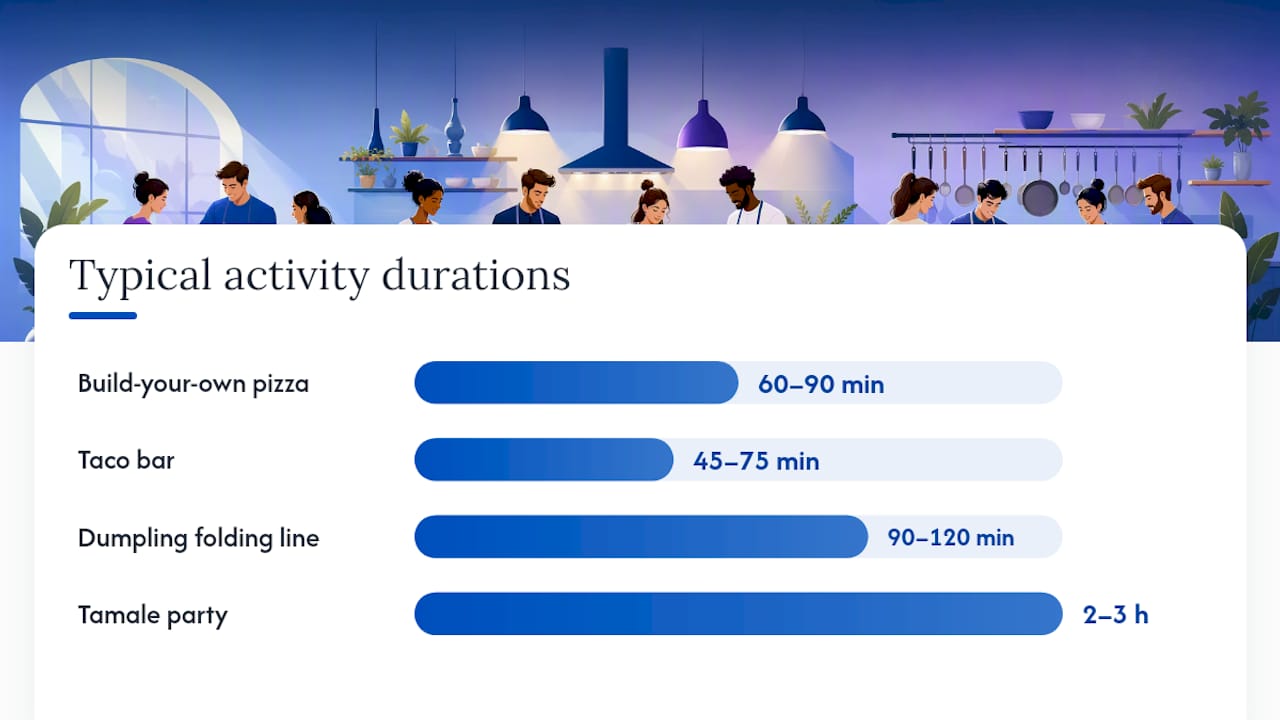
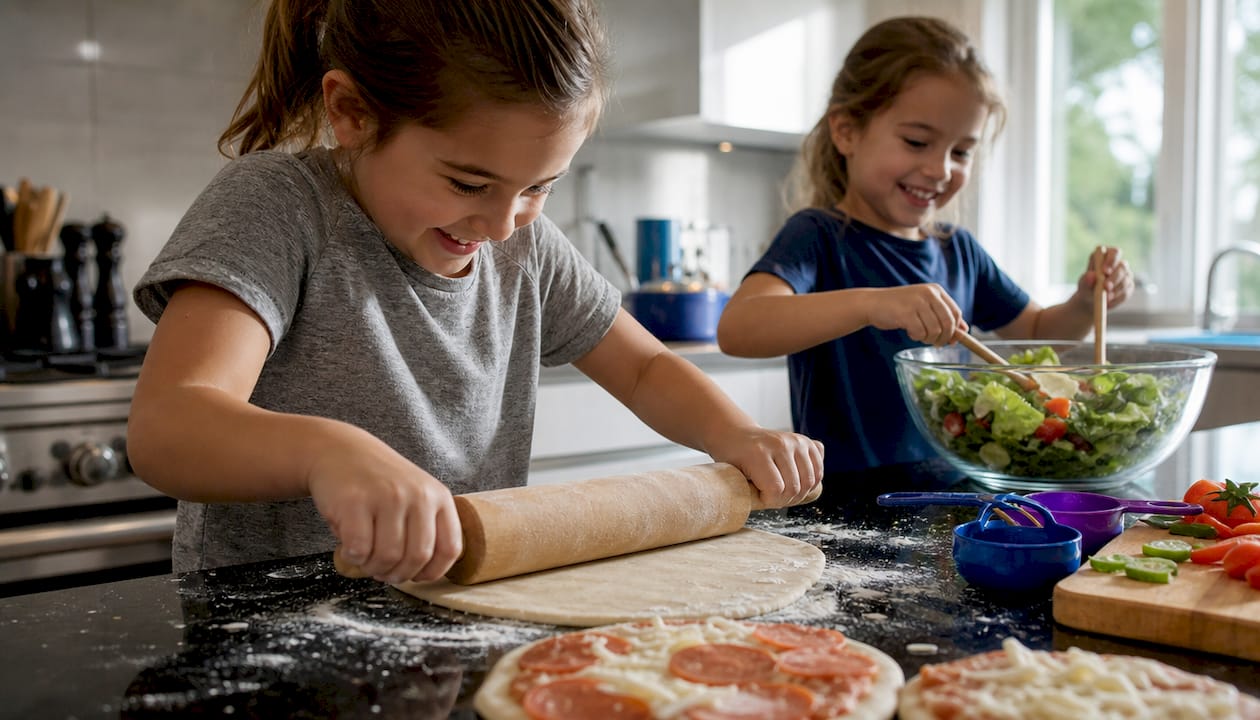
Build-your-own pizza night 60–90 min | Beginner | 4–20 people Supplies: pre-made or store-bought dough, sauce, shredded cheese, 6–8 toppings. Works because everyone customizes their own pie, so there’s zero debate about toppings. Variations: flatbread bar, naan pizza, or a dessert pizza station.
-
Taco bar 45–75 min | Beginner | 6–30 people Supplies: seasoned proteins (cook ahead), tortillas, salsas, toppings bar. The assembly-line setup means guests serve themselves and the host barely lifts a finger during the event. Variations: Korean BBQ taco bar, breakfast taco bar, or a vegan jackfruit version.
-
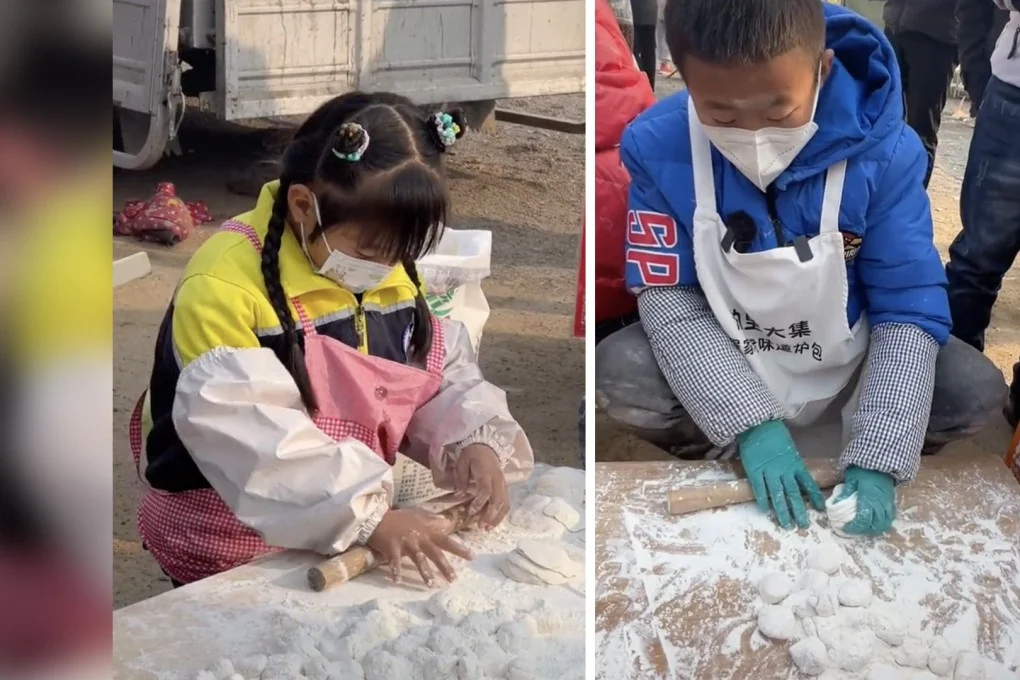
Dumpling folding line 90–120 min | Beginner–Intermediate | 4–16 people Supplies: dumpling wrappers, two or three fillings, a steamer or boiling pot. Natural pauses while dumplings steam become conversation moments, making this one of the most social formats you can run. Variations: gyoza, pierogi, or wontons in broth.
-
Tamale party 2–3 hours | Intermediate | 6–20 people Supplies: masa harina, lard or shortening, fillings, corn husks, a large steamer. Spreading masa and folding husks genuinely requires many pairs of hands, so no one sits idle. Variations: sweet tamales for dessert, or a mix of red chile and green chile fillings.
-
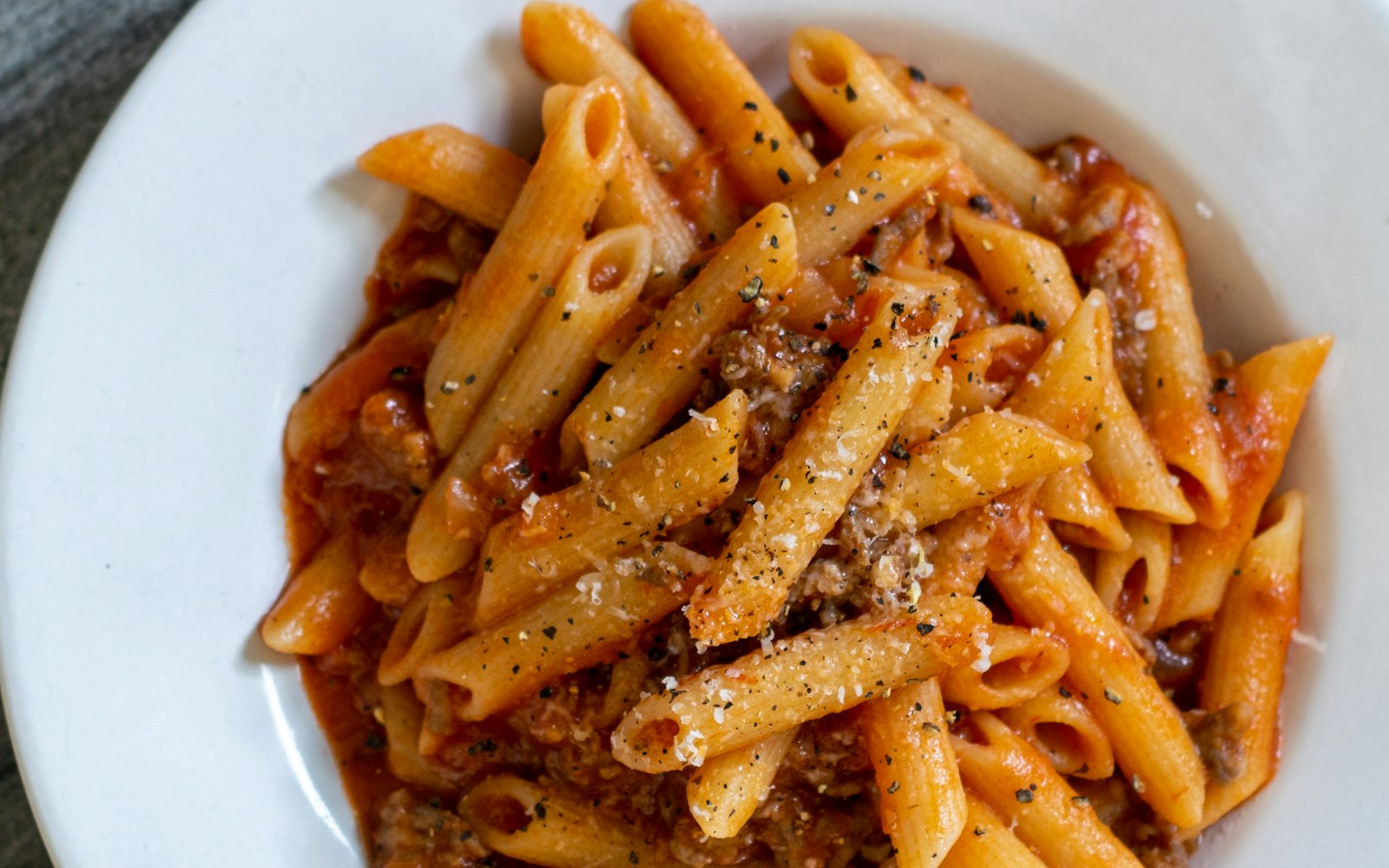
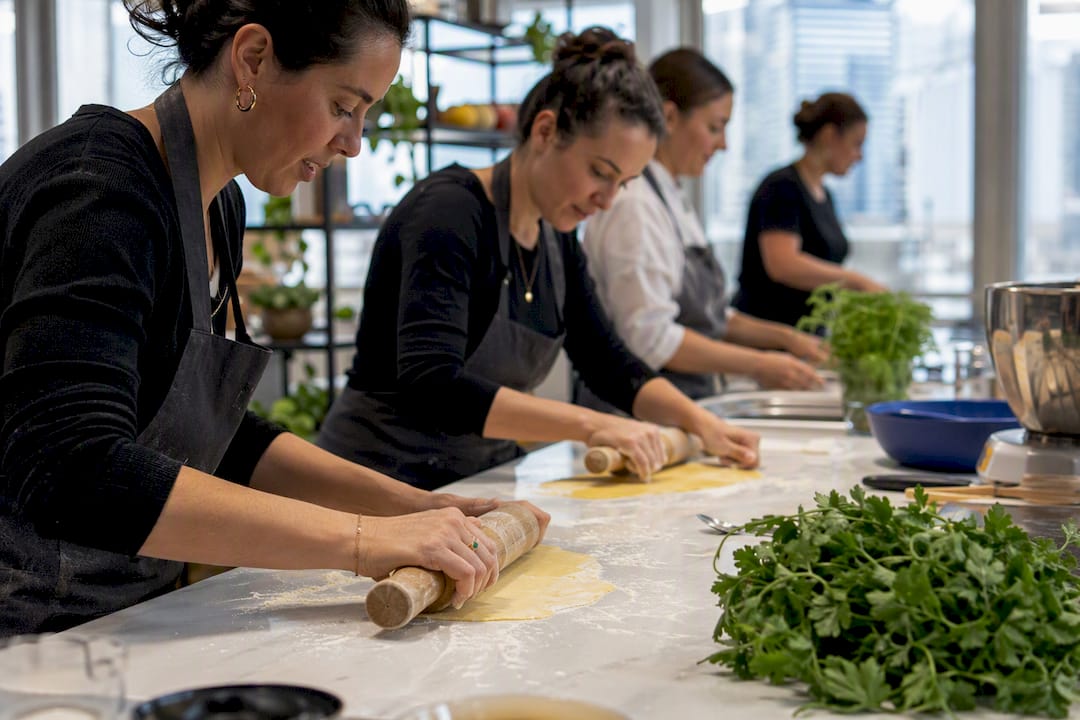
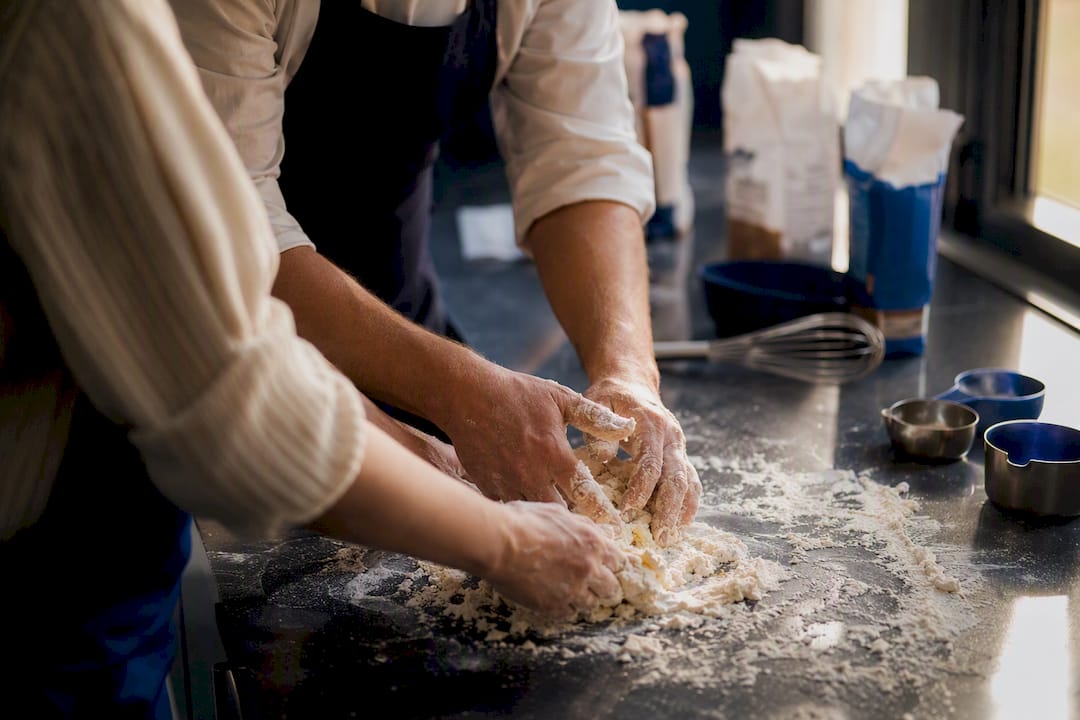
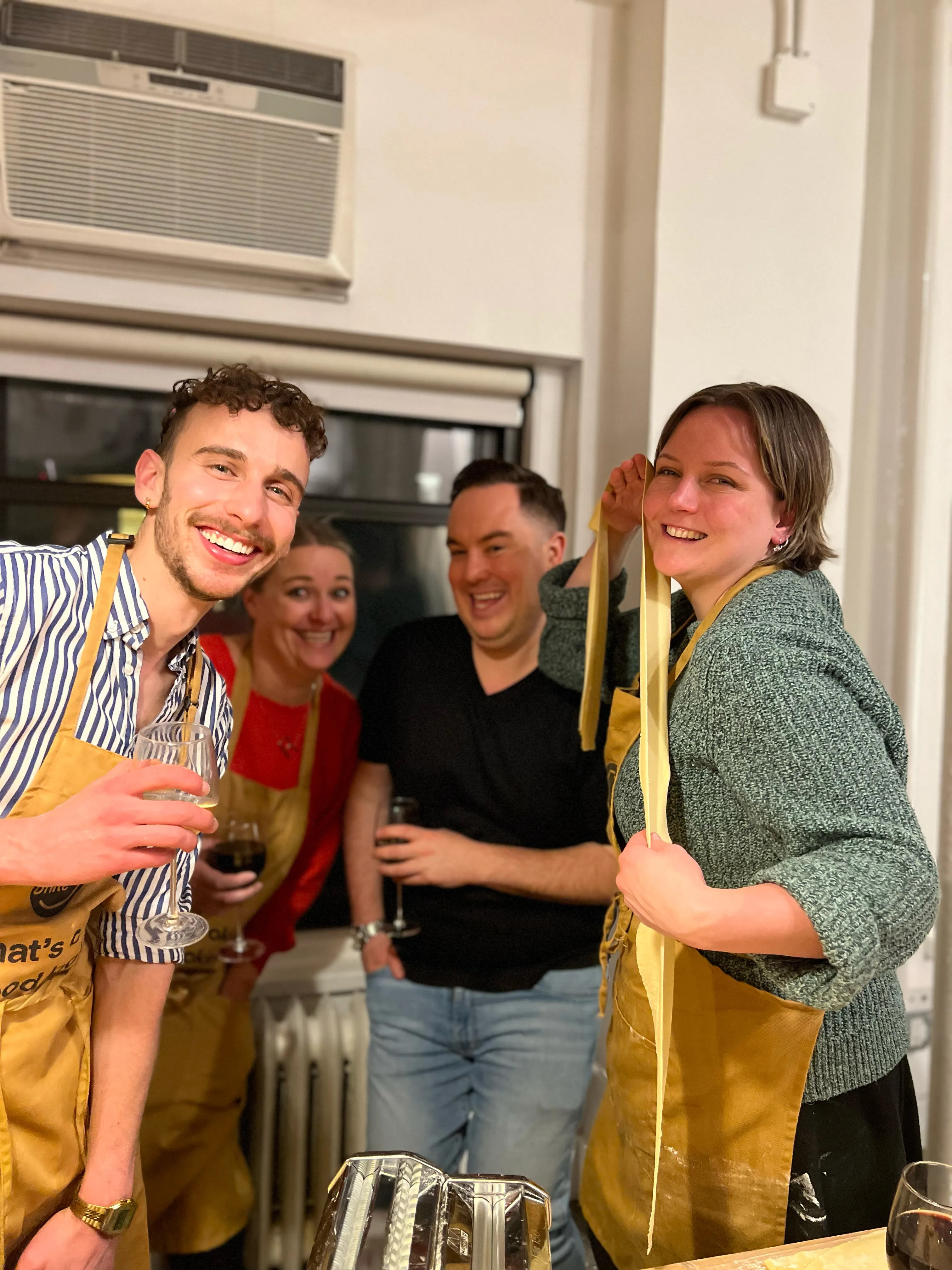
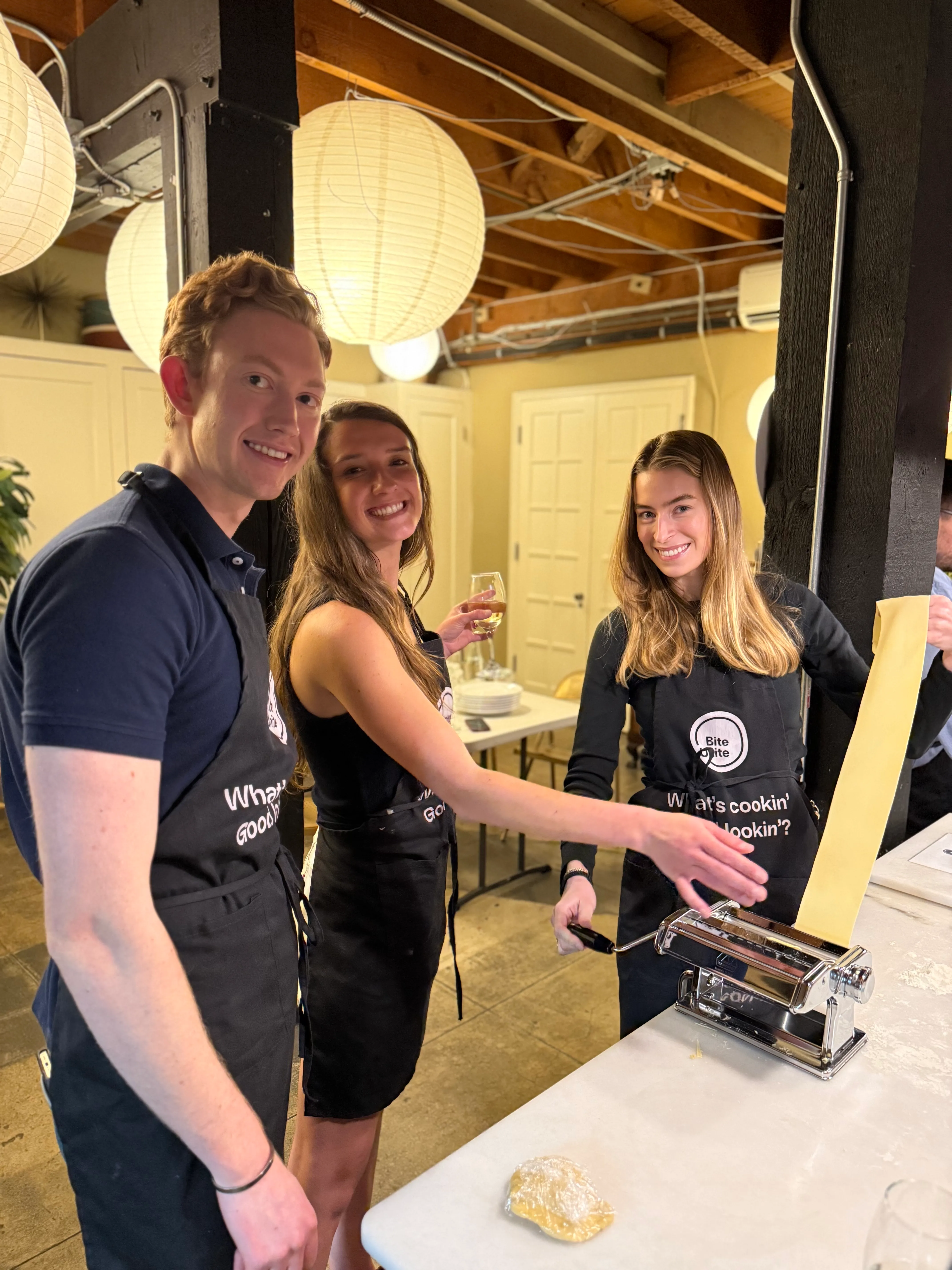
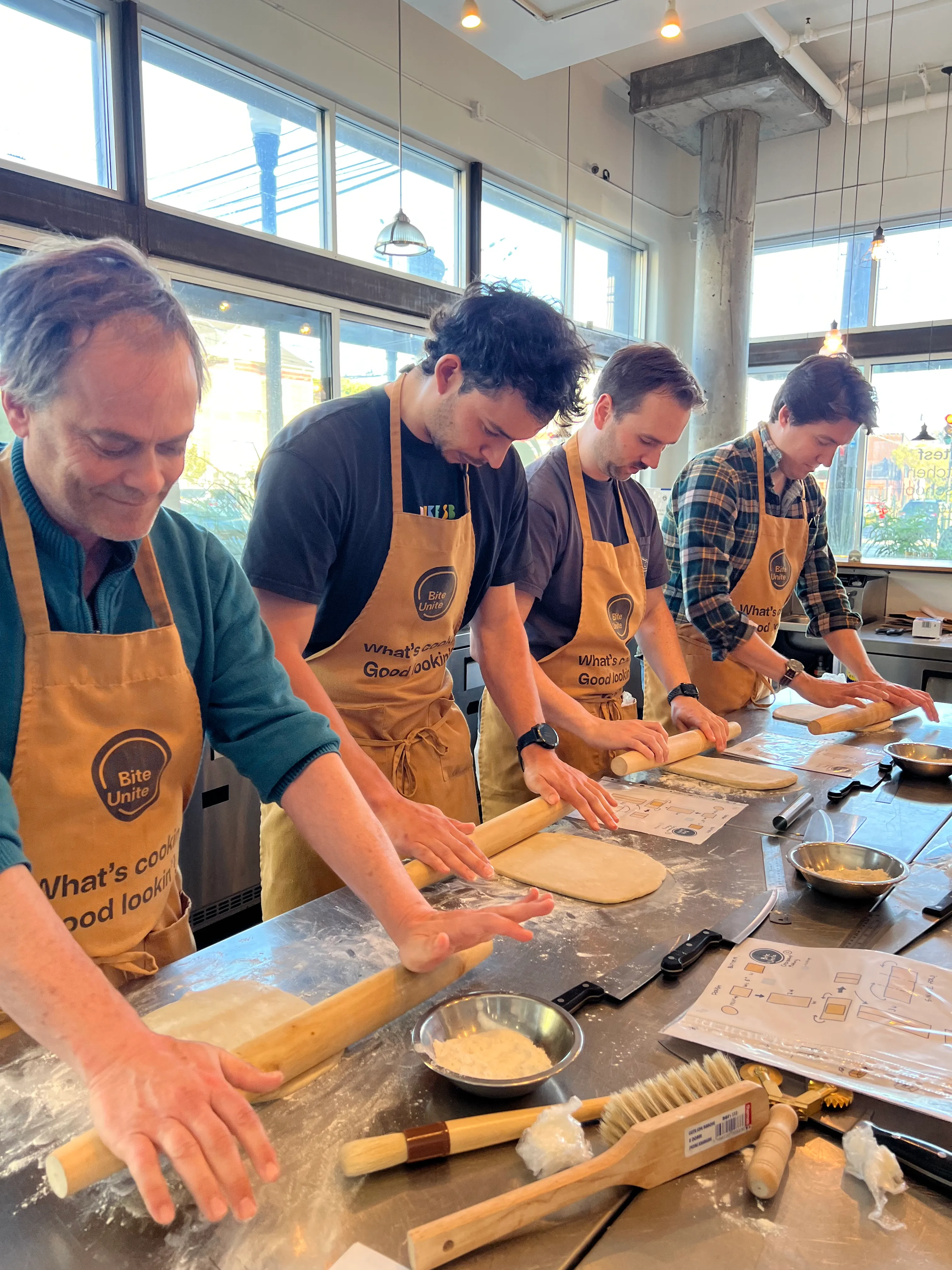
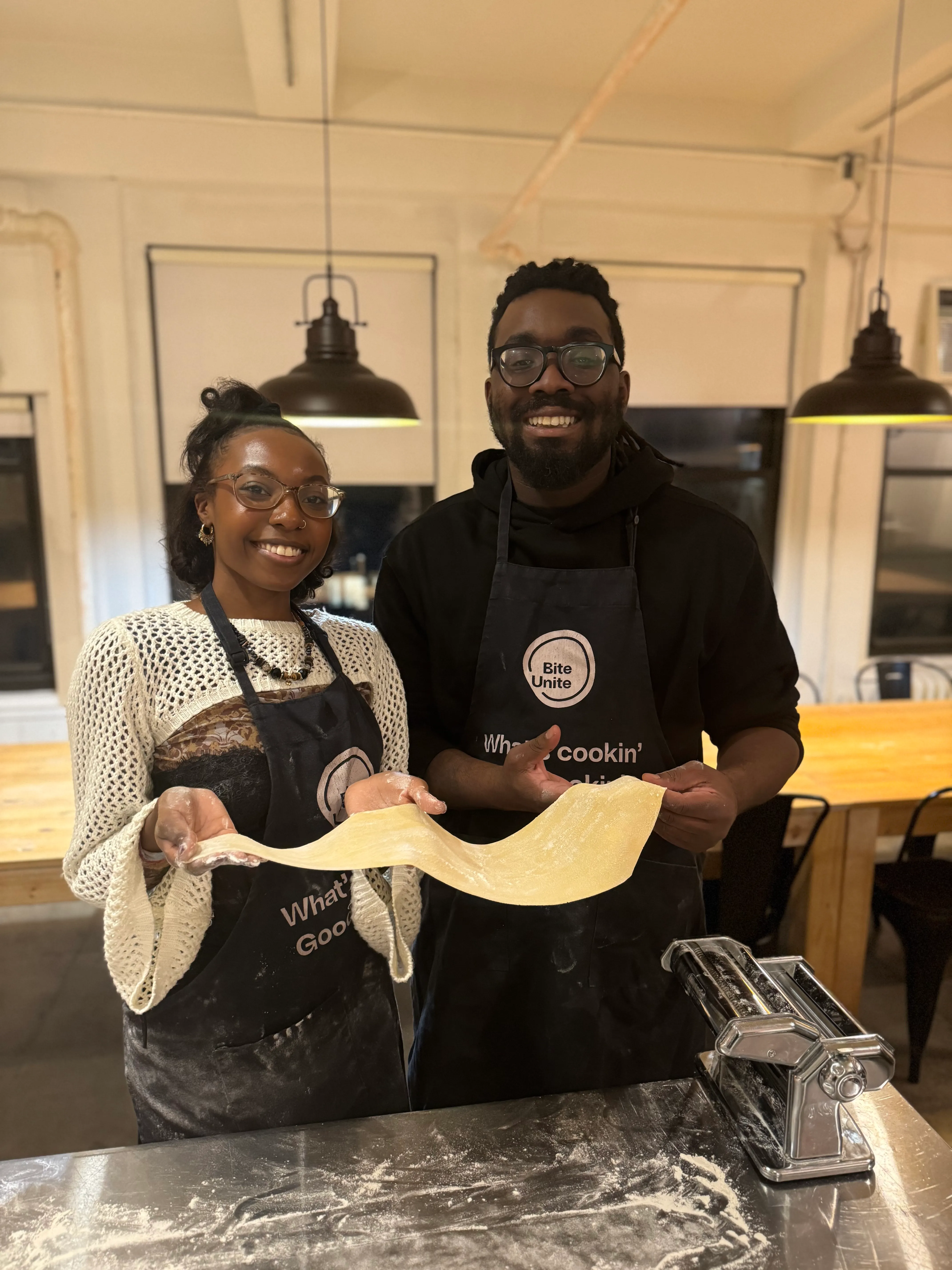
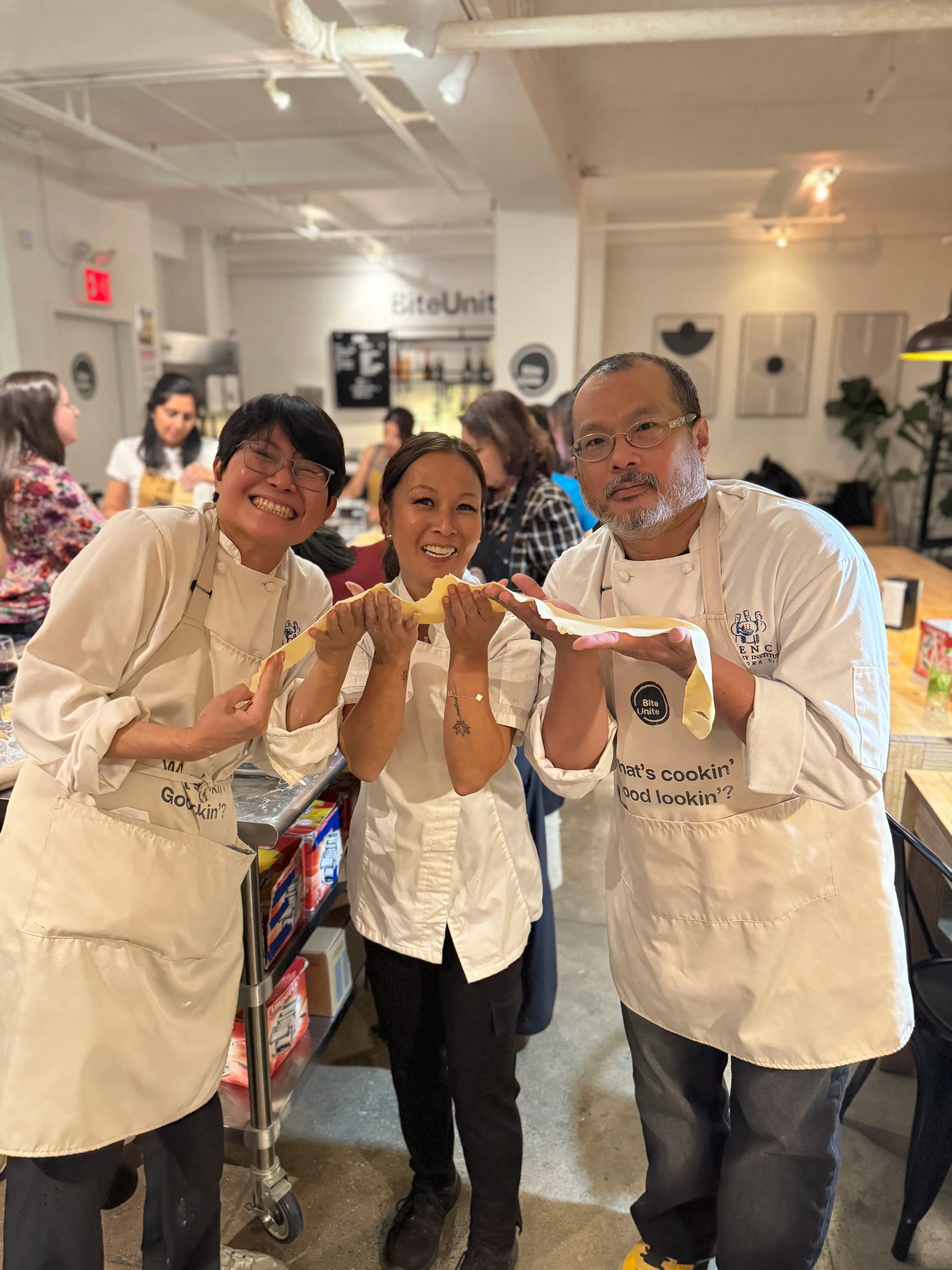
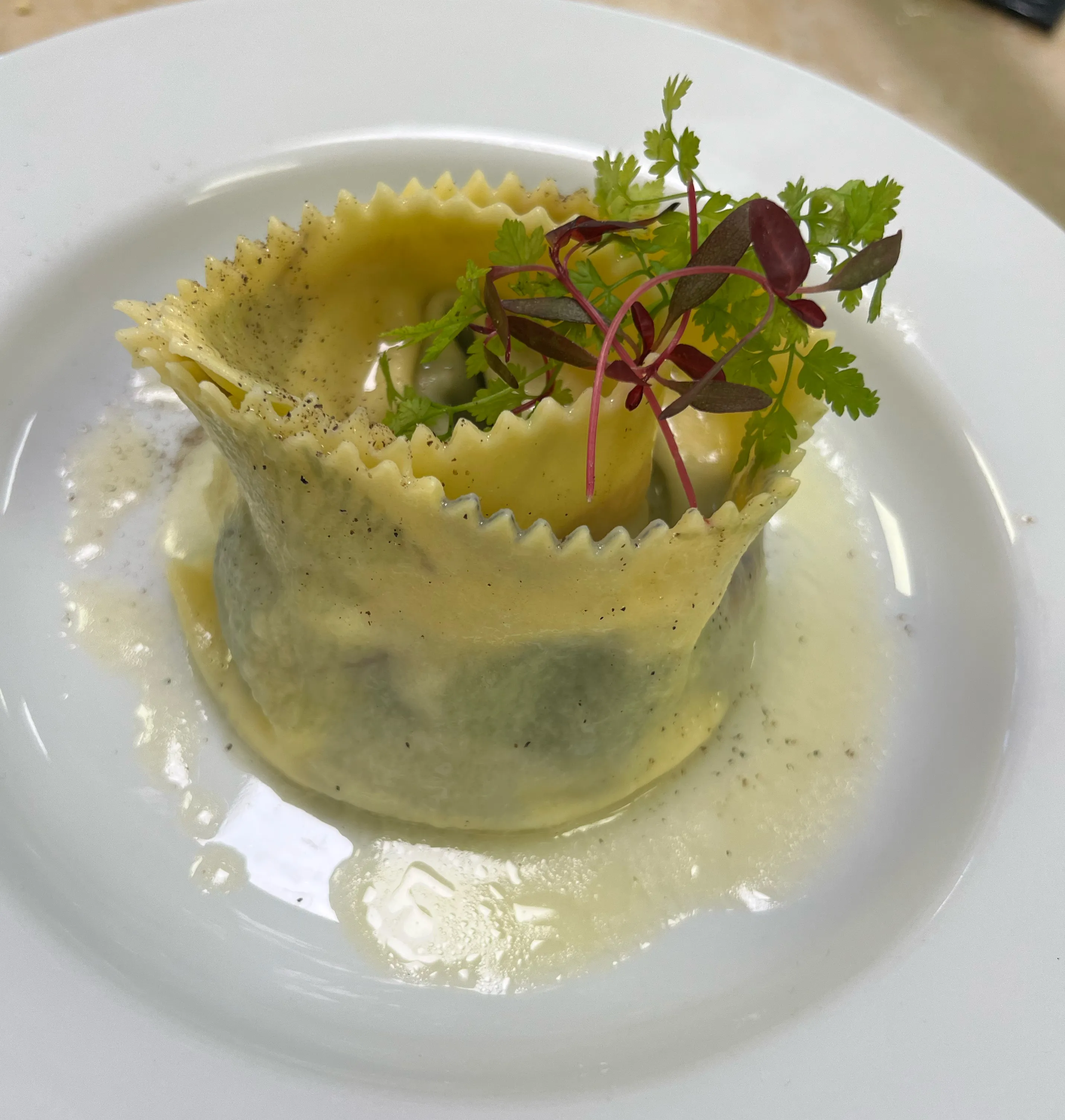
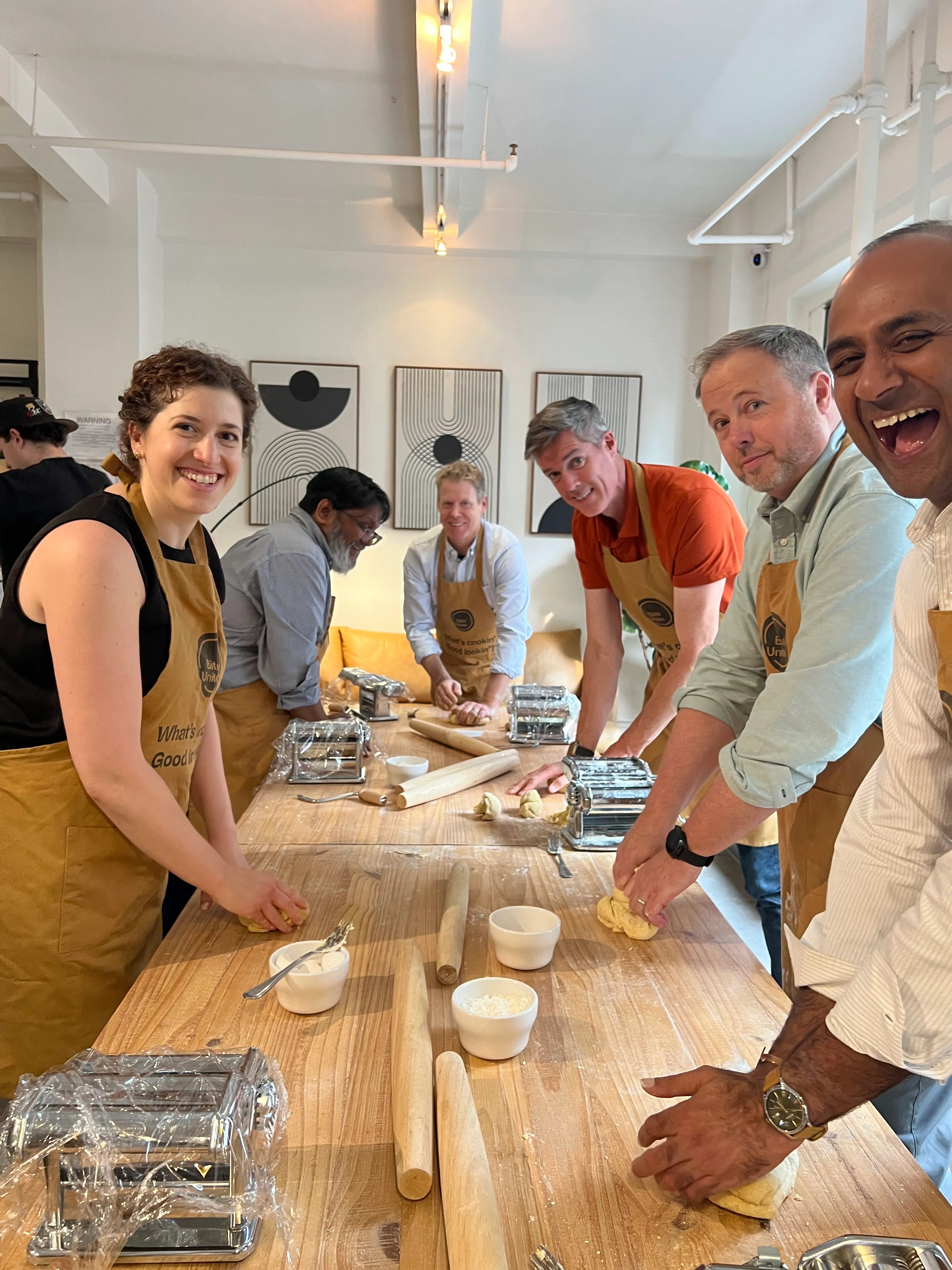
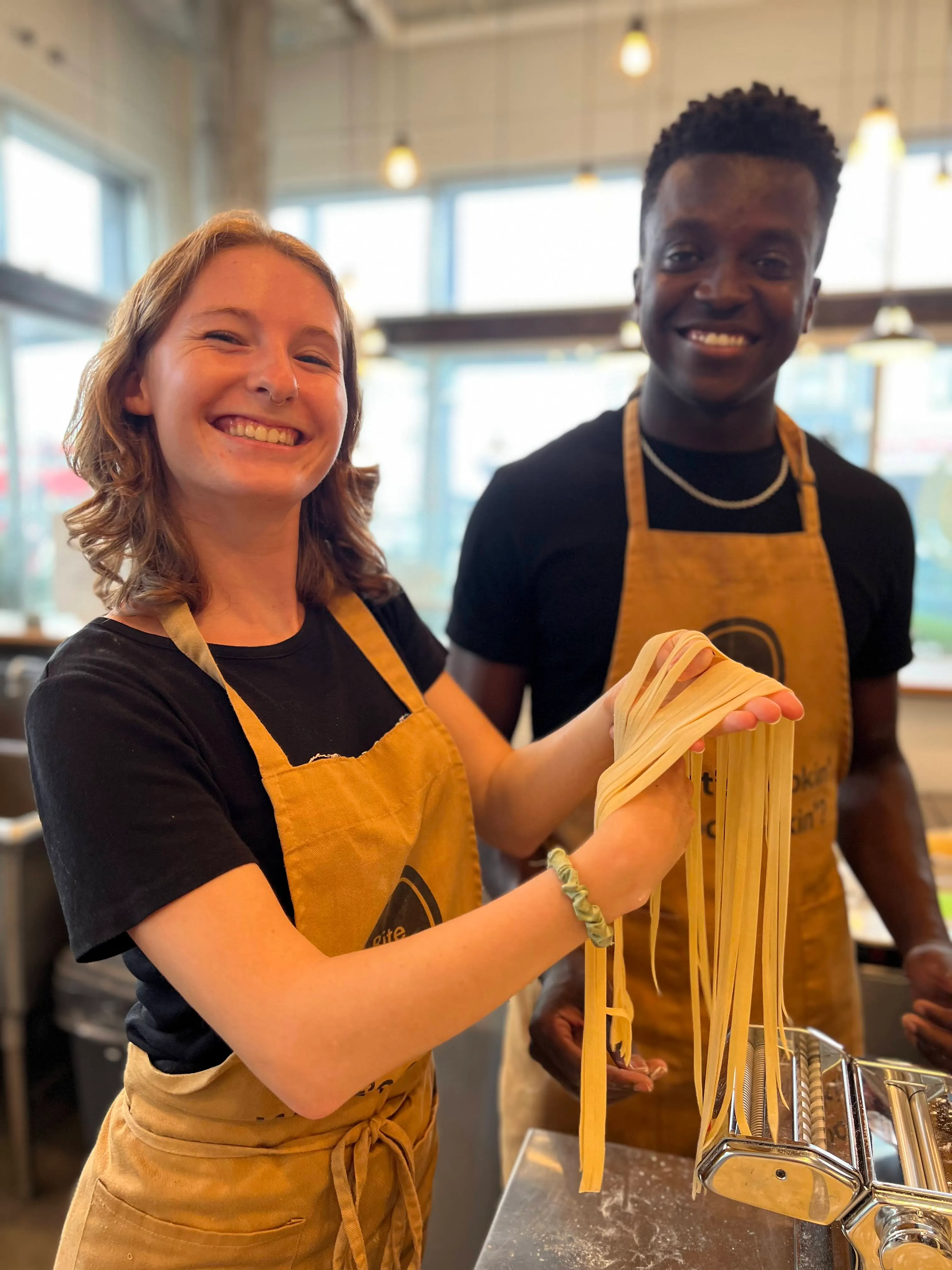
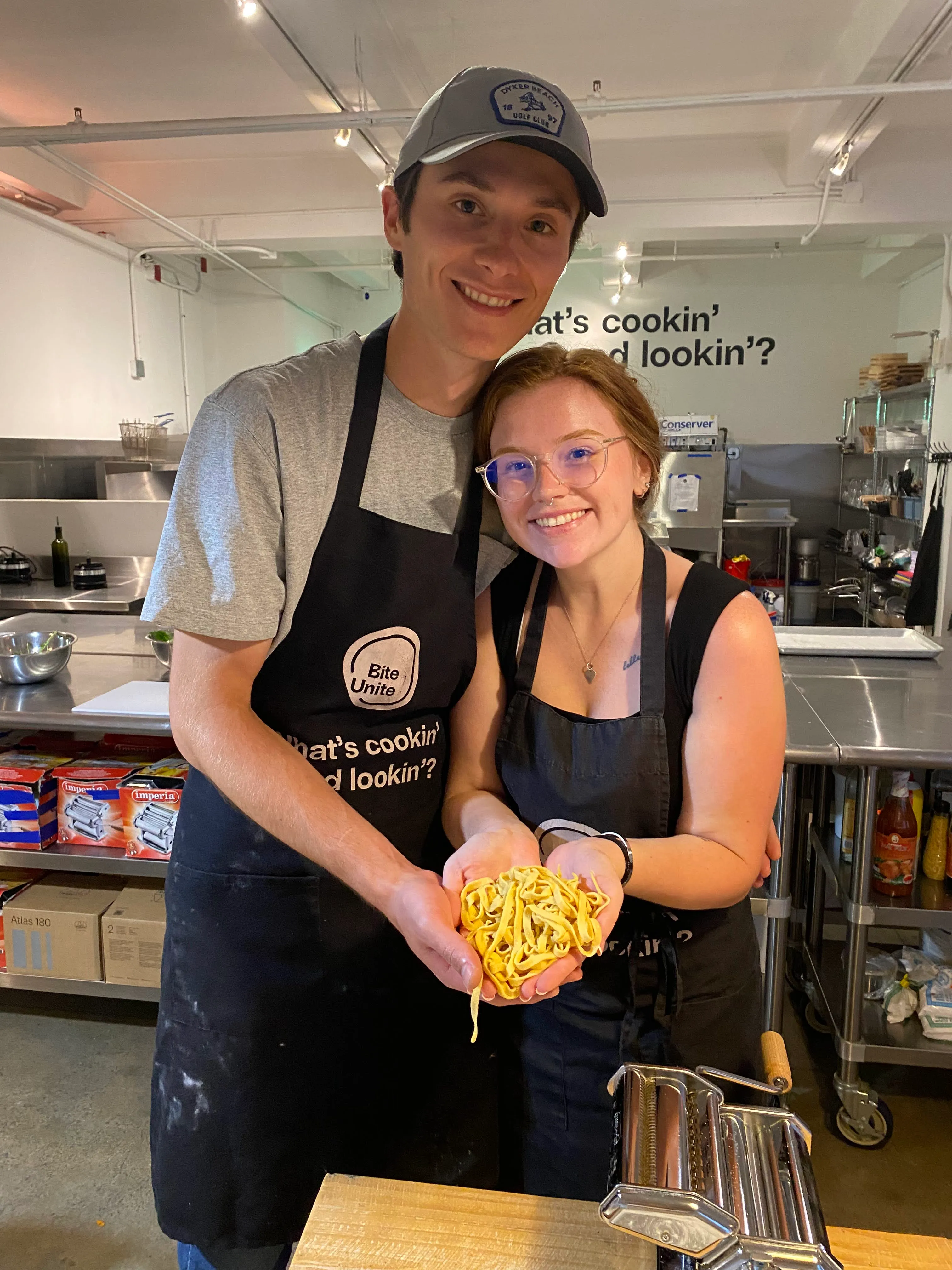
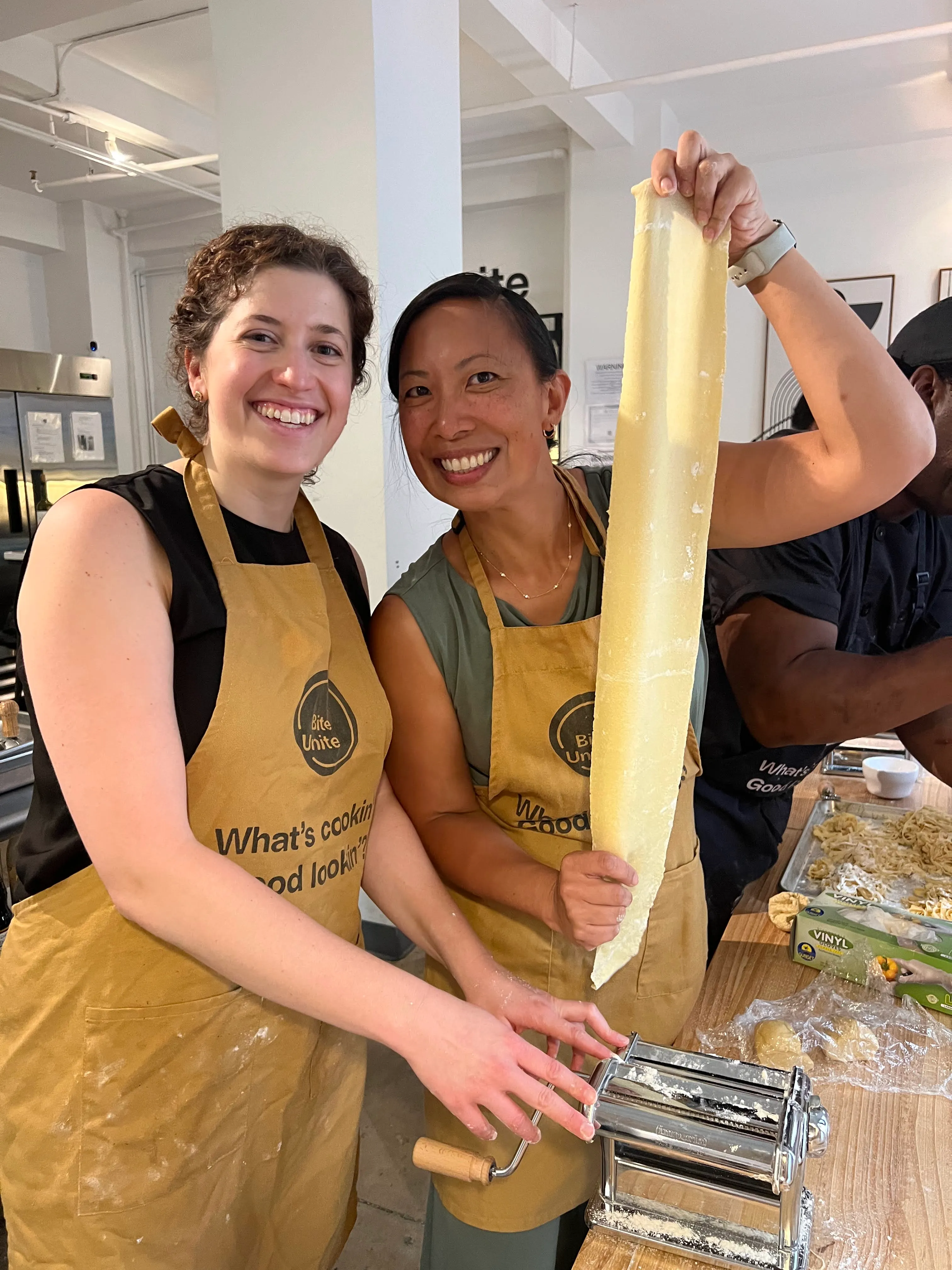
Fresh pasta from scratch 75–90 min | Beginner–Intermediate | 2–10 people Supplies: 00 flour, eggs, a pasta machine or rolling pin. Mixing and rolling dough is tactile and forgiving, which makes it perfect for guests who’ve never cooked together before. Variations: gnocchi, hand-cut pappardelle, or stuffed ravioli for a bigger challenge.
-
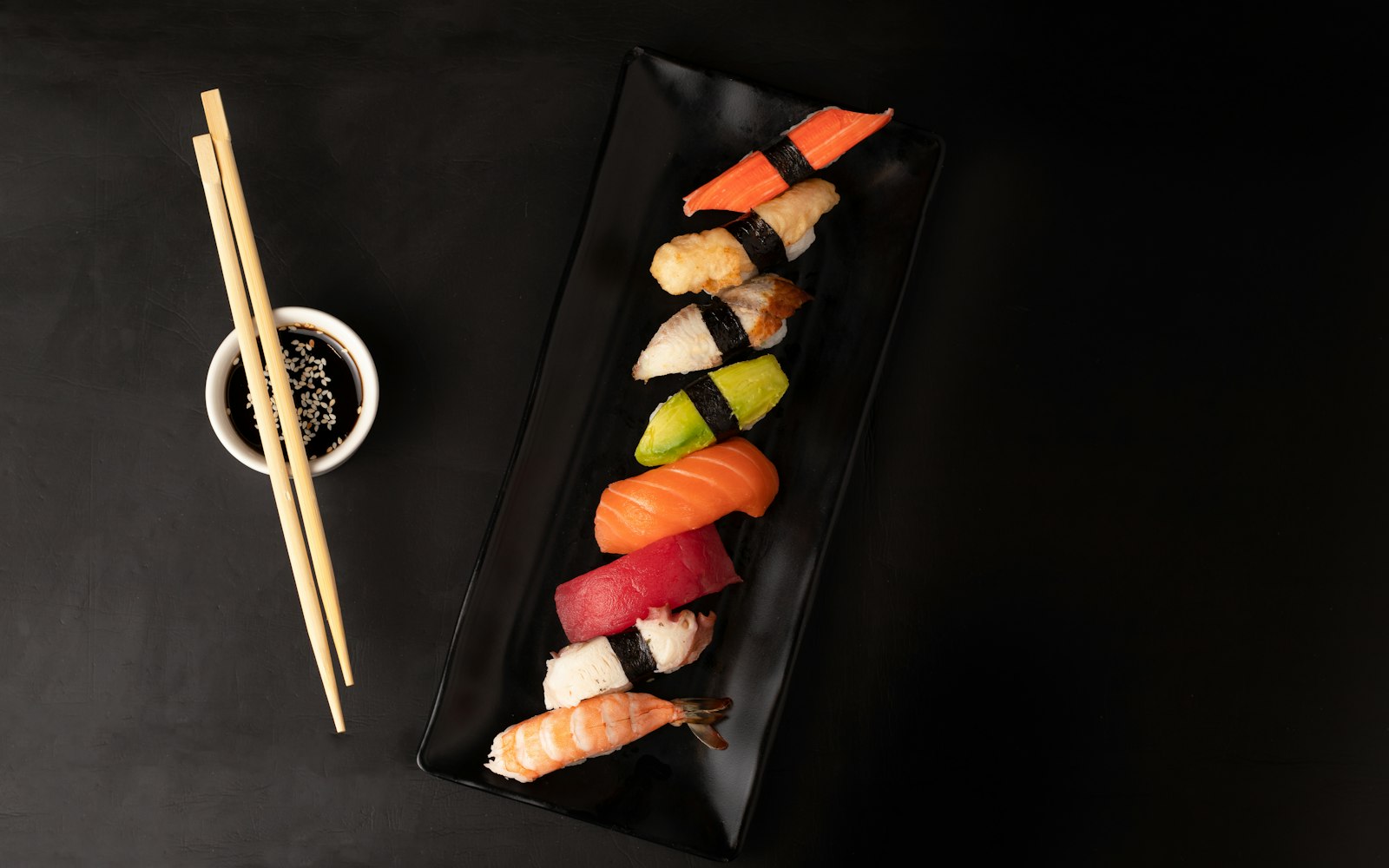
Sushi hand rolls 60–75 min | Beginner | 4–12 people Supplies: sushi rice, nori sheets, sashimi-grade fish or cooked shrimp, cucumber, avocado. No rolling mat needed, no knife skills required. Guests grab a sheet of nori and fill it themselves. Variations: vegetarian temaki, spicy tuna cones, or a California roll station.
-
Sheet-pan dinner challenge 60–90 min | Beginner | 6–20 people Supplies: sheet pans, assorted proteins, seasonal vegetables, olive oil, spice kits. Divide into teams, assign each a protein and two sides, and see whose pan comes out best. A light competitive edge makes this a natural team cooking challenge. Variations: add a blind spice-kit round or a “mystery ingredient” twist.
-
Paella station 90–120 min | Intermediate | 8–20 people Supplies: a large paella pan, saffron, bomba rice, seafood or chicken, peppers. One pan, one fire, and a crowd gathered around it. The visual drama alone makes it a celebration centerpiece. Variations: vegetarian paella or a mixed land-and-sea version.
-
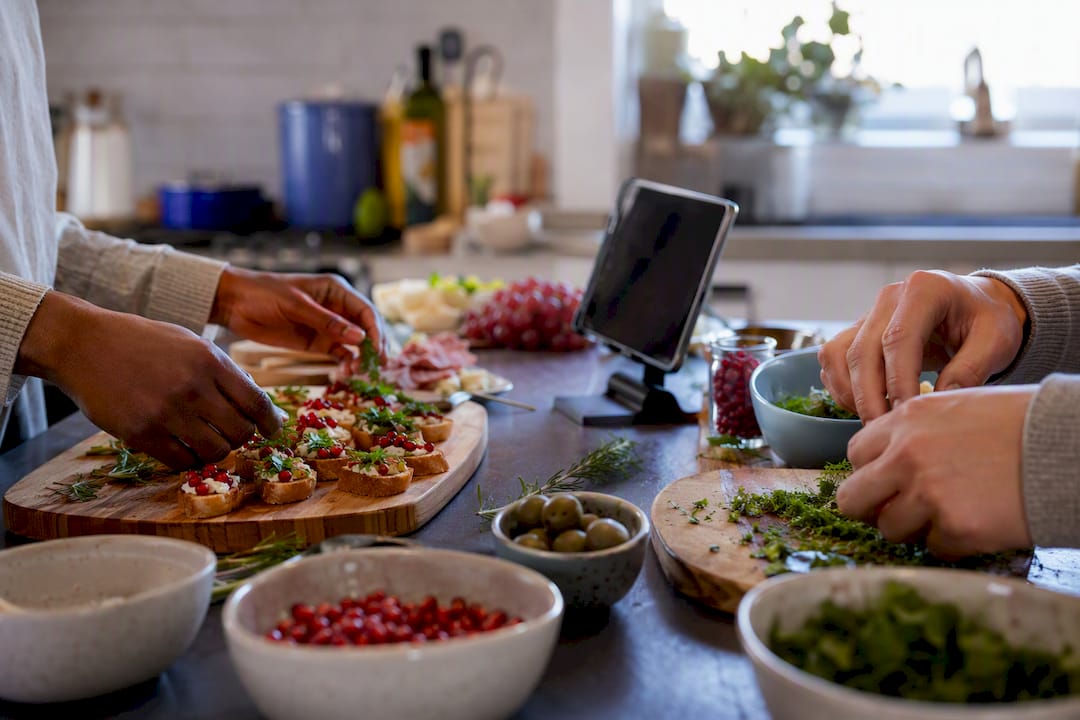
Charcuterie and cheese board build 30–45 min | Beginner | 4–16 people Supplies: cured meats, 3–4 cheeses, crackers, fruit, nuts, honey, jam. Fast to set up, zero cooking required, and guests graze and chat while building their boards. Variations: a butter board, a dessert board with chocolate and fruit, or a regional theme (Italian, French).
-
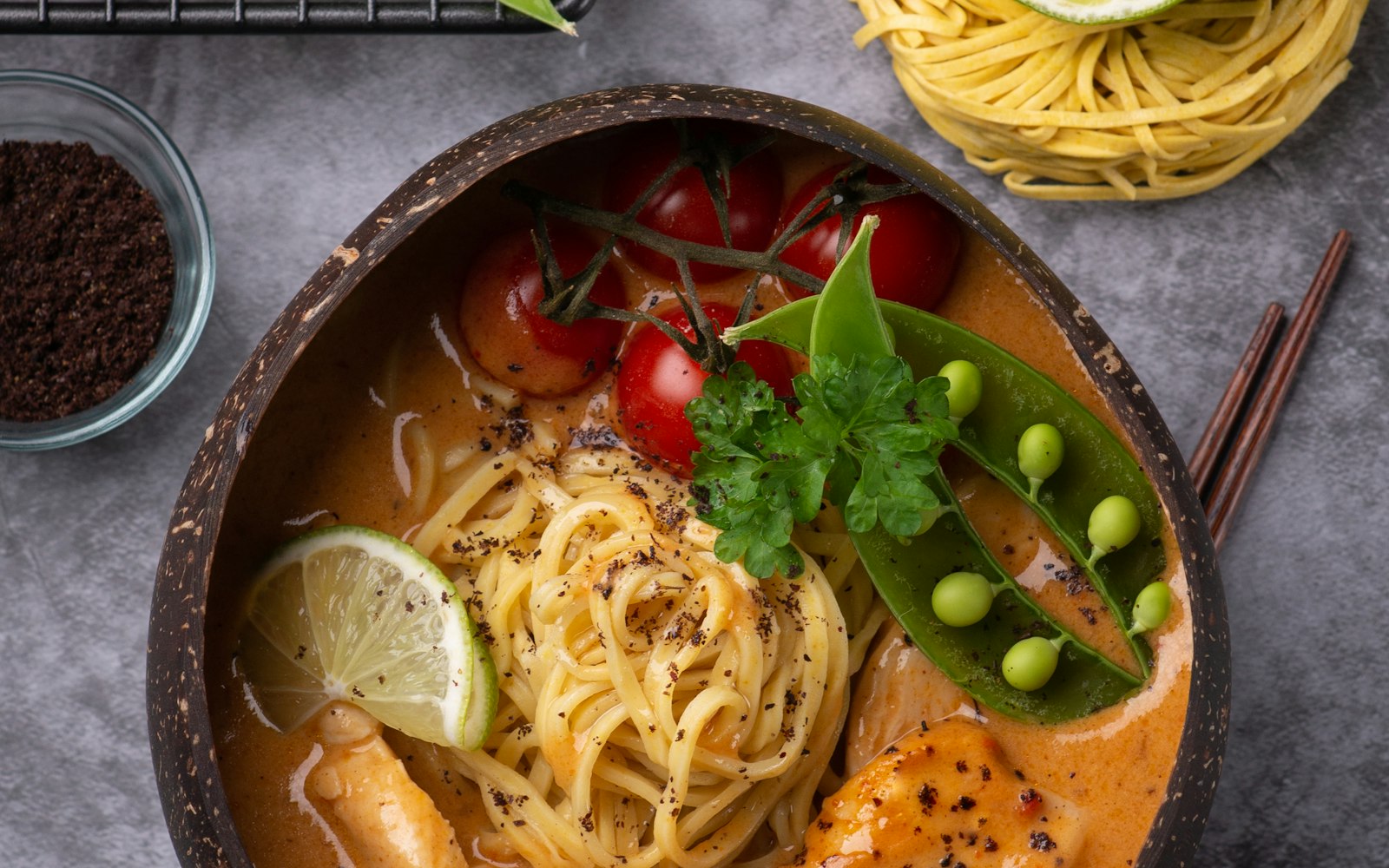
Ramen bar 60–90 min | Beginner–Intermediate | 6–16 people Supplies: broth (made ahead), noodles, soft-boiled eggs, chashu pork or tofu, toppings bar. Cook the broth the day before, then let guests build their own bowls. The toppings station does all the heavy lifting on event day. Variations: pho bar, udon station, or a cold noodle bar in summer.
-
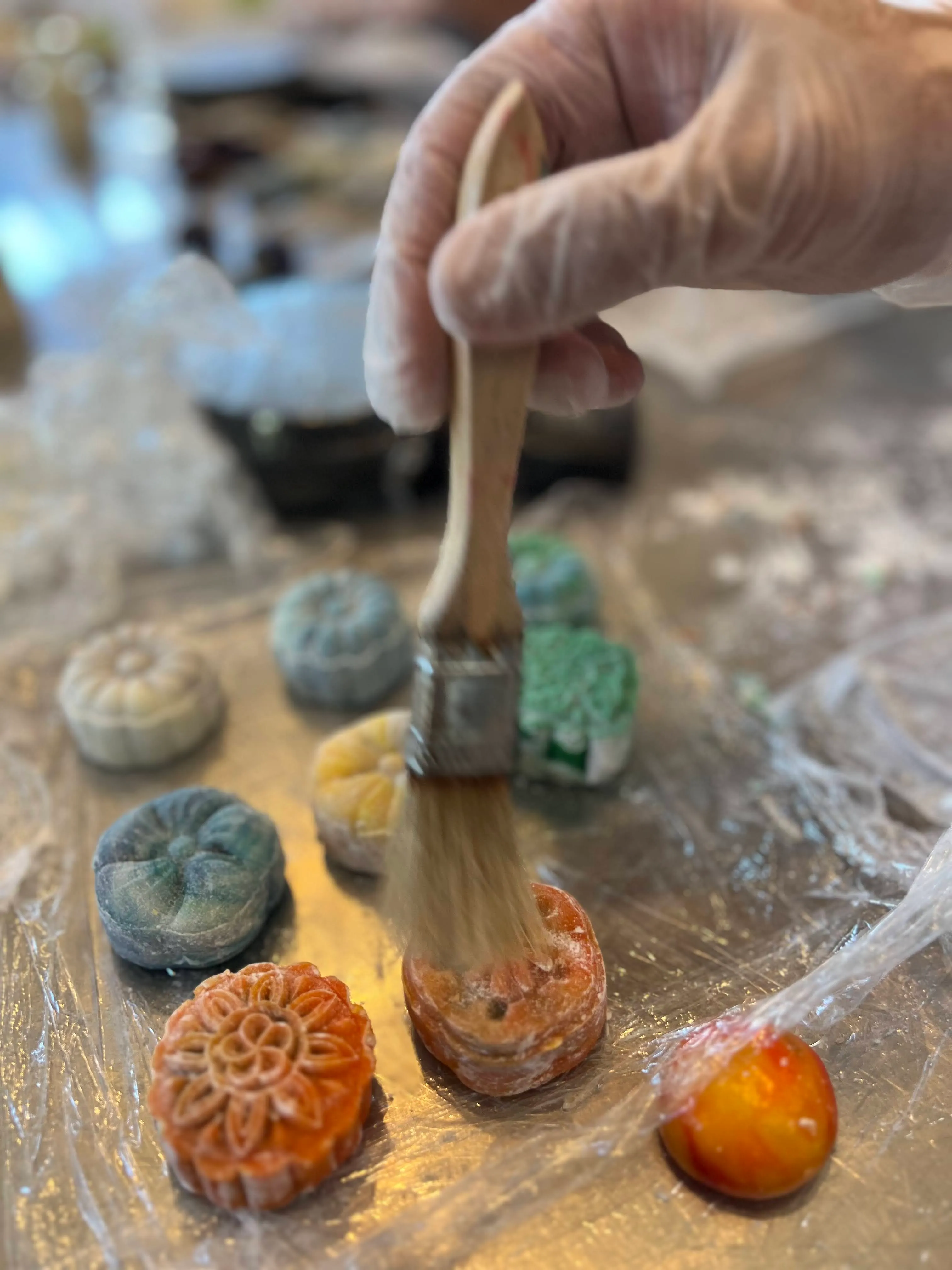
Mochi or donut decorating 45–60 min | Beginner | 4–20 people Supplies: pre-made mochi or plain donuts, glazes, sprinkles, fillings. A dessert-only activity that works as a standalone event or a fun finish to a longer cooking night. Variations: cookie decorating, cupcake frosting station, or a chocolate-dipping bar.
-
Team cook-off by course 2–3 hours | Intermediate | 10–30 people Supplies: depends on menu; assign each team a course (appetizer, main, dessert). Divide into teams, give each a course and a pantry list, and let them cook. This is the format that culinary team-building programs use because it engages every sense and breaks down workplace hierarchies fast. Variations: add a mystery ingredient, a budget cap, or a themed cuisine.
Pro Tip: Pre-measure and pre-portion all ingredients into labeled bowls before guests arrive. This single step, recommended by experienced hosts, is what separates a smooth cooking night from a chaotic one.
How do you plan and run a group cooking activity without chaos?
The short answer: assign roles before anyone walks in the door, pre-measure ingredients, and keep the menu to two or three dishes. Keeping the menu tight and stations pre-set is the most reliable way to stay social instead of stressed.
Planning checklist
- Survey dietary needs 48–72 hours ahead (more on this in the dietary section below)
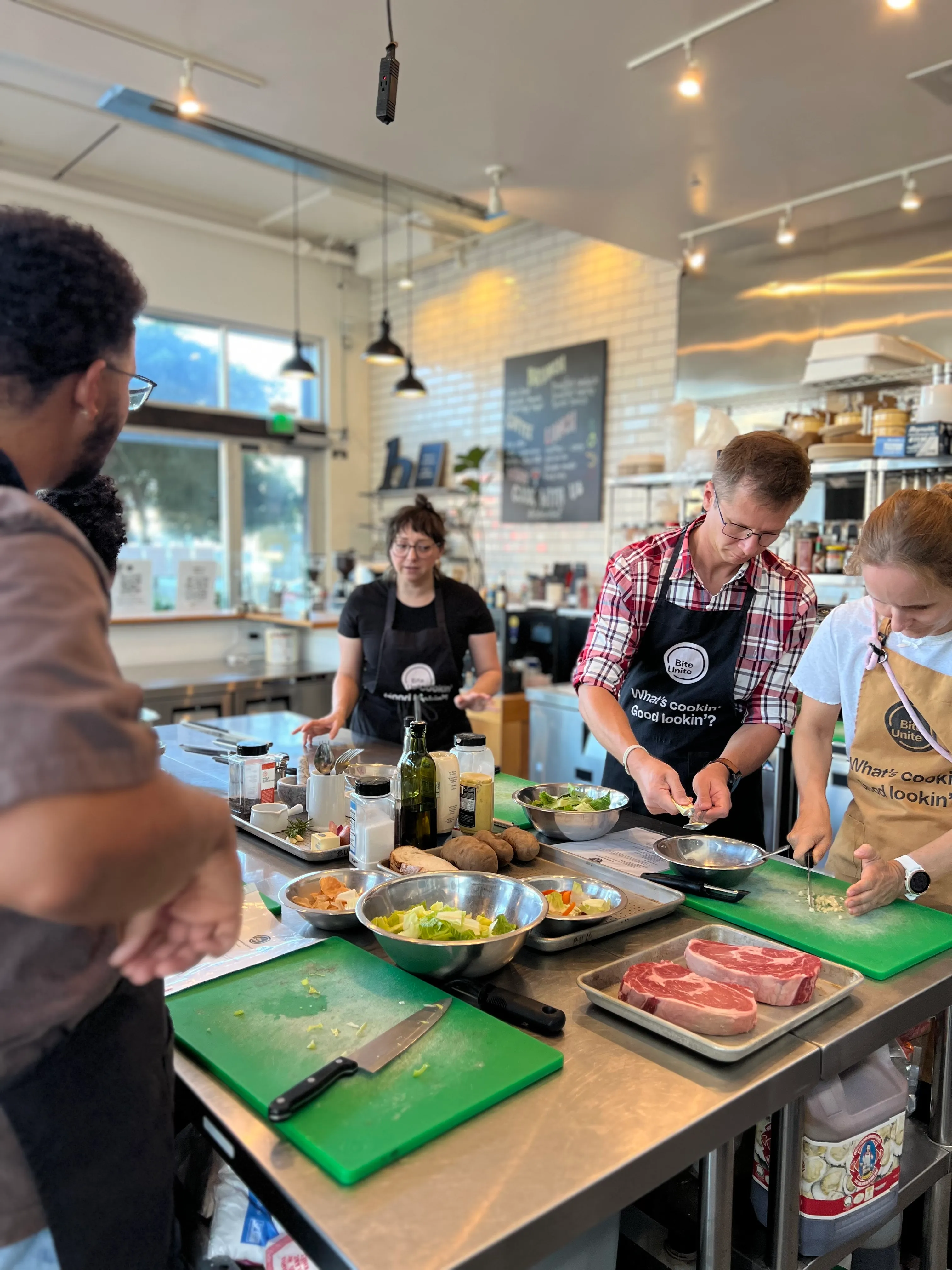
- Confirm headcount and assign stations: prep, cook, assemble, and serve
- Pre-measure all ingredients into labeled bowls or bags
- Print or display a simple station map so guests know where to go
- Designate one person per station as the “station lead”
- Prepare a shared grocery list and split costs before shopping
Timeline templates
Small group (2–8 people), 90-minute event:
- 0:00 — Guests arrive, drinks out, station map visible
- 0:15 — Quick 5-minute orientation: walk through stations and roles
- 0:20 — Cooking begins
- 1:00 — First dishes ready; start eating in waves
- 1:20 — Cleanup begins (assigned roles)
- 1:30 — Done
Medium group (9–20 people), 2-hour event:
- 0:00 — Arrival, welcome snack at the table
- 0:20 — Station orientation, role assignments confirmed
- 0:30 — Cooking starts across all stations
- 1:15 — Assembly and plating
- 1:30 — Eat together
- 1:50 — Cleanup crew takes over
- 2:00 — Done
Large group (20+ people), 2.5–3-hour event:
- Consider hiring a facilitator (see the next section). If DIY, add a 15-minute buffer between cooking and eating, and assign a dedicated cleanup team of three or four people.
Cost-split example
Total groceries divided by the number of participants gives you a clean per-person figure. Alternatively, assign each subteam a station or course to supply. Both models keep costs predictable. For a taco bar feeding a typical small group, the grocery cost per person can vary depending on protein choices, but is generally affordable.
Delegation best practices
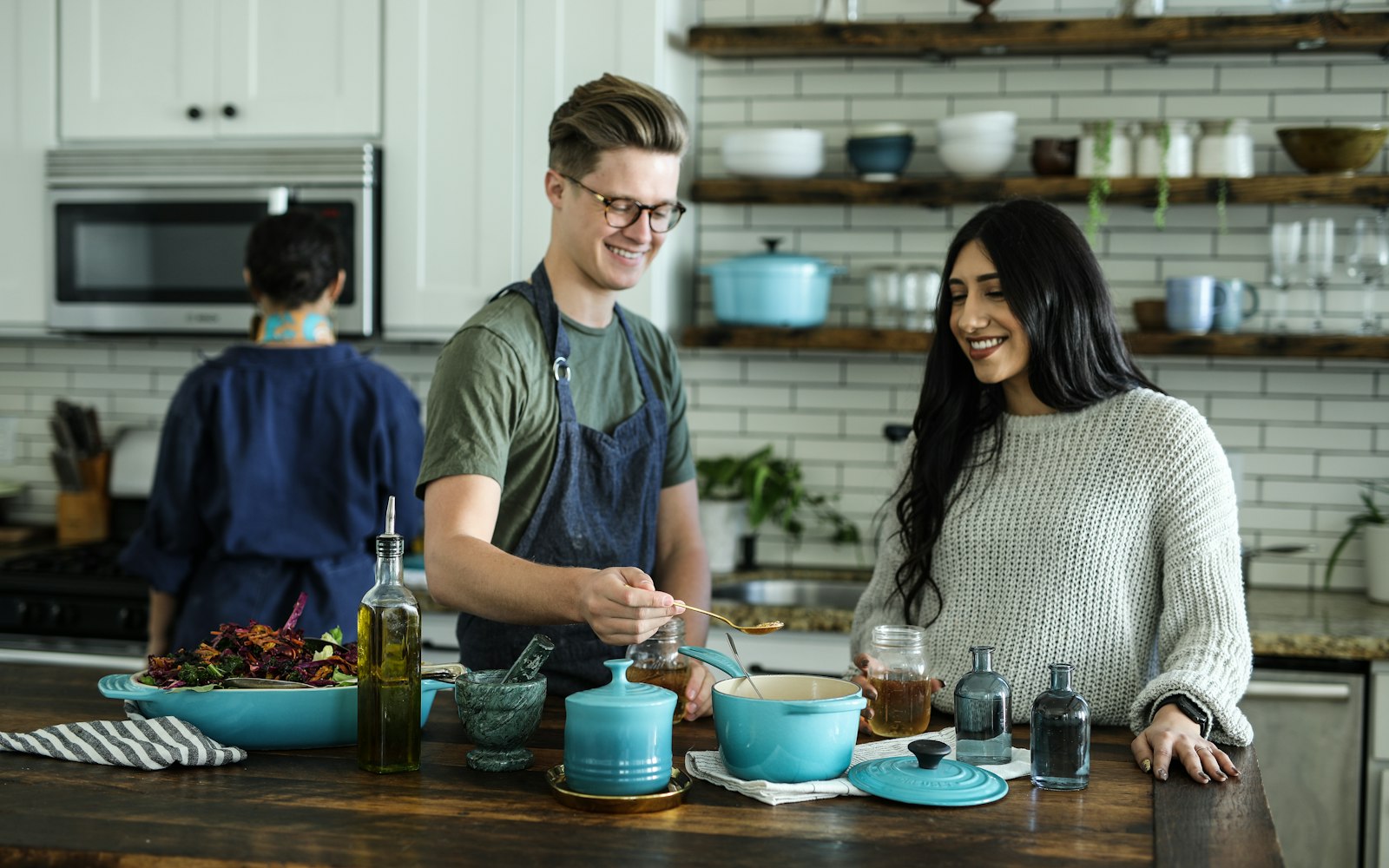
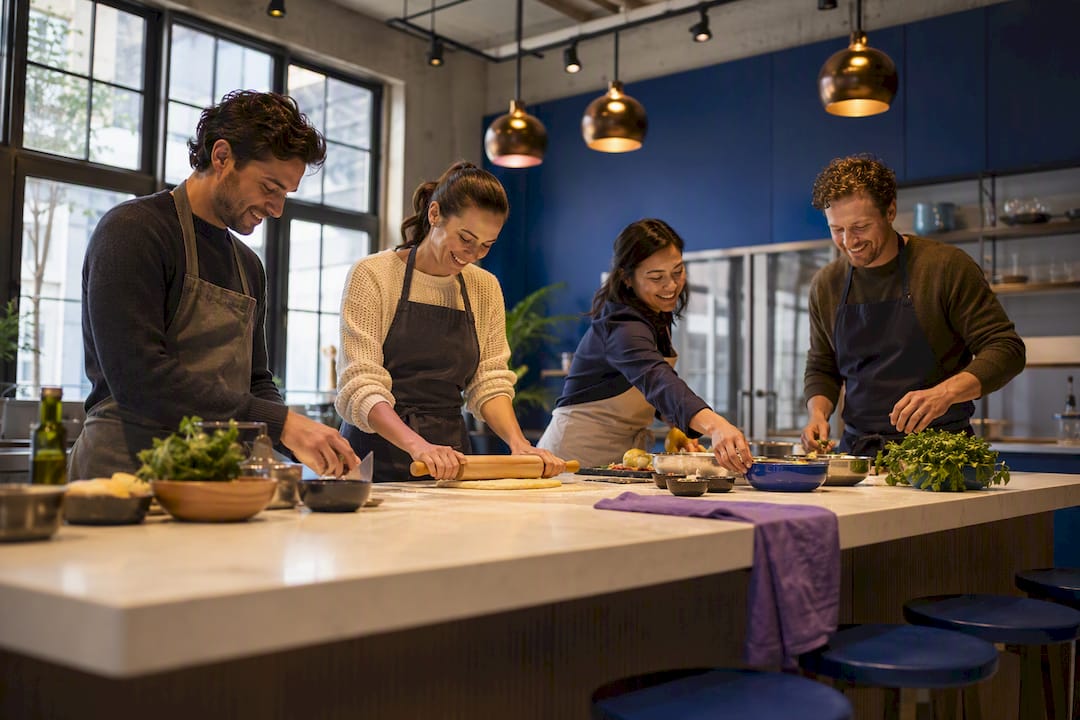
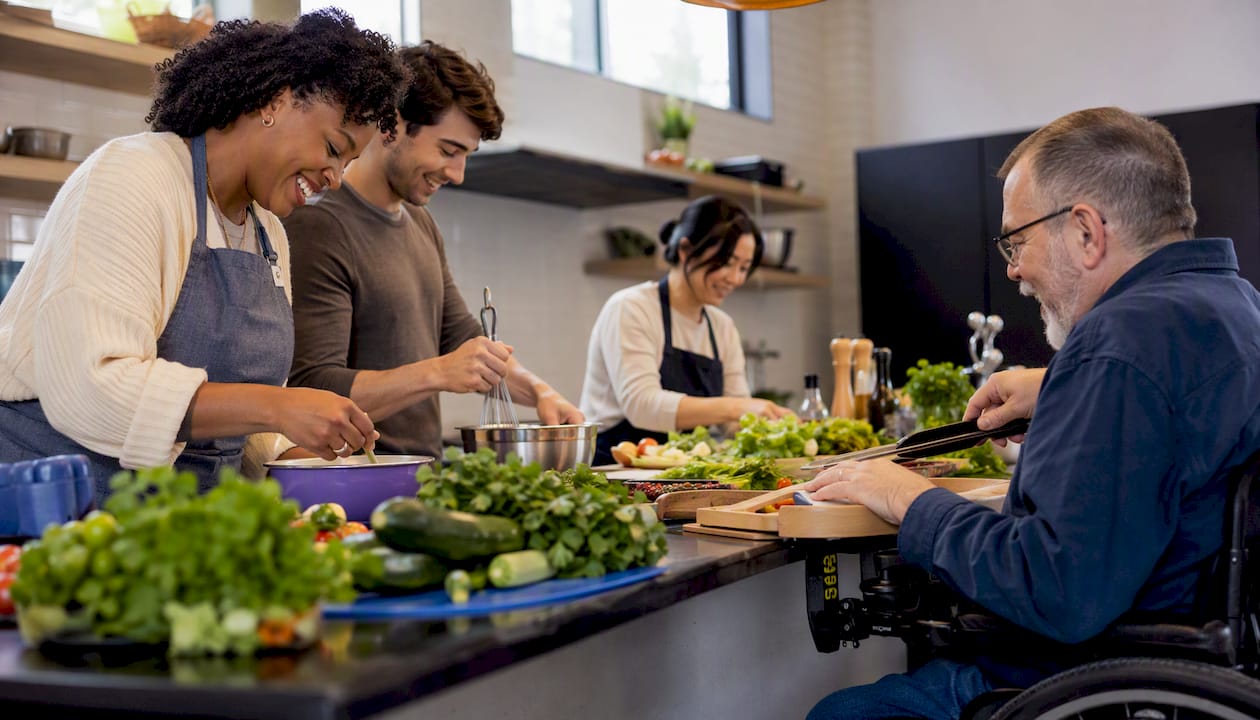
The most effective hosts act as facilitators, not lead chefs. Pre-measured ingredients and clear station assignments mean you can circulate, encourage, and enjoy the event rather than managing every task. Assign one confident cook as the “floor lead” to handle questions so you’re free to be a host.
Pro Tip: Use the dining table as your assembly zone. It frees up counter space in the kitchen and naturally pulls the group together for the most fun part: building and eating.
When should you hire a professional facilitator?
Hire a pro when your goal goes beyond a fun meal. If you’re managing scaled logistics, aiming for catering-level output, or running a corporate event with measurable team outcomes, a professional facilitator is worth every dollar.
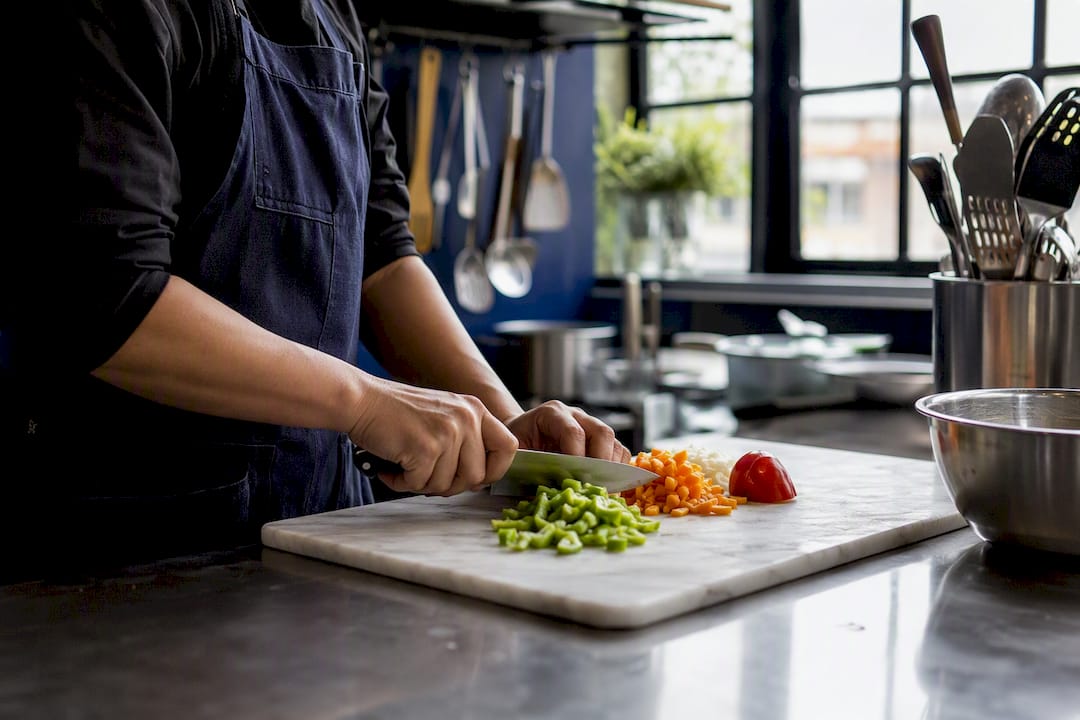
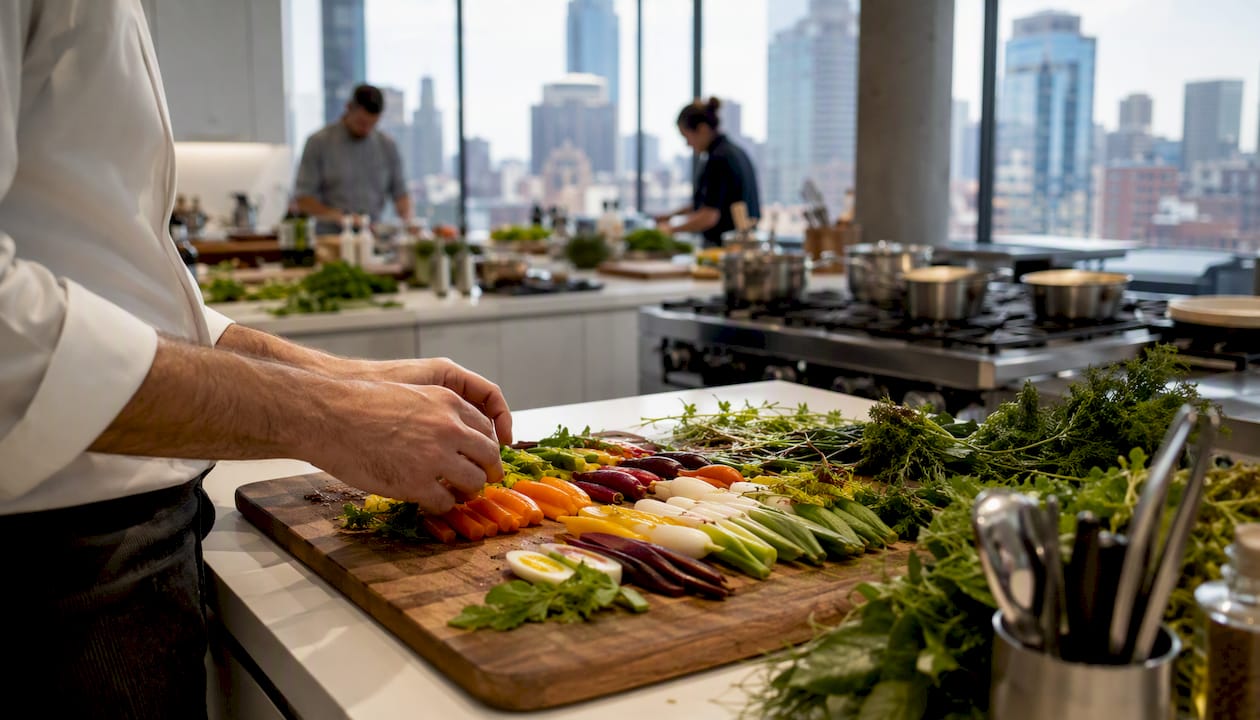
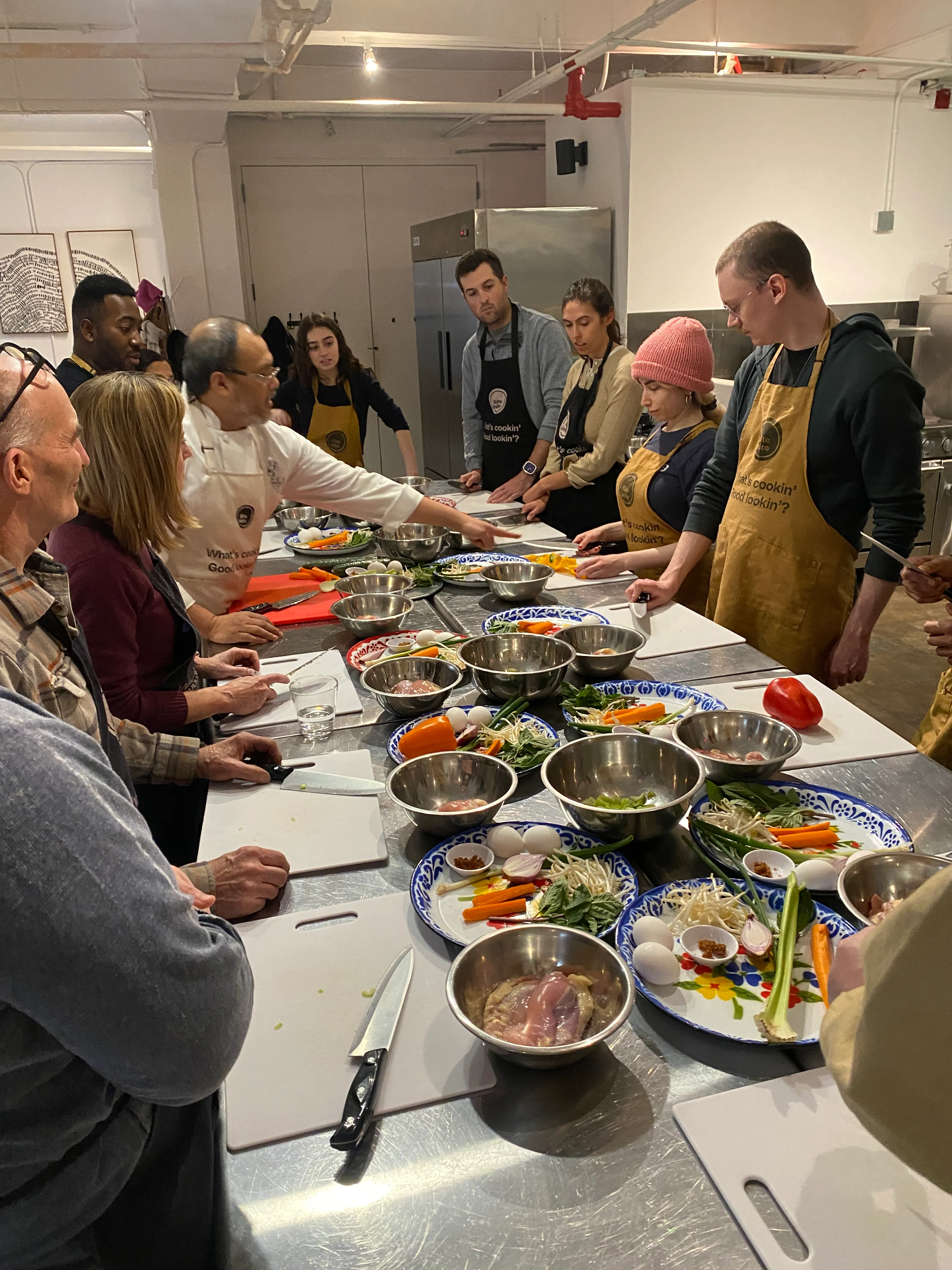
Professional culinary programs divide groups into smaller teams responsible for different courses, providing structure, customization, and onsite facilitation that scales for corporate events in ways a DIY setup simply can’t match.
What a professional facilitator handles:
- Sourcing and pre-prepping all ingredients
- Providing professional equipment and kitchen setup
- Supplying chef instructors who teach technique in real time
- Managing dietary accommodations and allergen separation
- Running the event timeline so the host participates rather than manages
- Handling cleanup after the event
- Customizing the menu and theme to your group’s goals
When Biteunite is the right fit:
- Corporate retreats where HR needs a structured, memorable activity
- Large celebrations (birthdays, bachelorettes, holiday parties) with 15+ guests
- Groups that want to learn real technique, not just assemble toppings
- Teams in New York, San Francisco, or Hong Kong looking for a turnkey experience
- Anyone who wants the fun without the logistics
For HR buyers, the ROI framing is straightforward: cooking classes that boost team morale deliver measurable engagement in a single session, with no multi-day retreat budget required. Research also shows that cooking and food-focused social activities can support mental health and social connection, which adds a genuine wellness dimension to any team event.
Pro Tip: For corporate groups, ask your facilitator about customizable themes. A “global street food” night or a “farm-to-table” challenge ties the experience to a company value and gives the event a narrative that sticks.
What food-safety and dietary checks does every group event need?
Always survey dietary needs 48–72 hours before the event and segregate allergen-containing stations. Asking about allergies in advance and labeling stations clearly are the two steps that prevent the most common incidents at group cooking events.
Safety and dietary checklist:
- Send a dietary survey to all participants at least 48 hours ahead
- Label every station and ingredient bowl clearly (contains nuts, contains gluten, dairy-free, etc.)
- Keep allergen-containing ingredients in separate, color-coded bowls
- Maintain hot foods above 140°F and cold foods below 40°F throughout the event
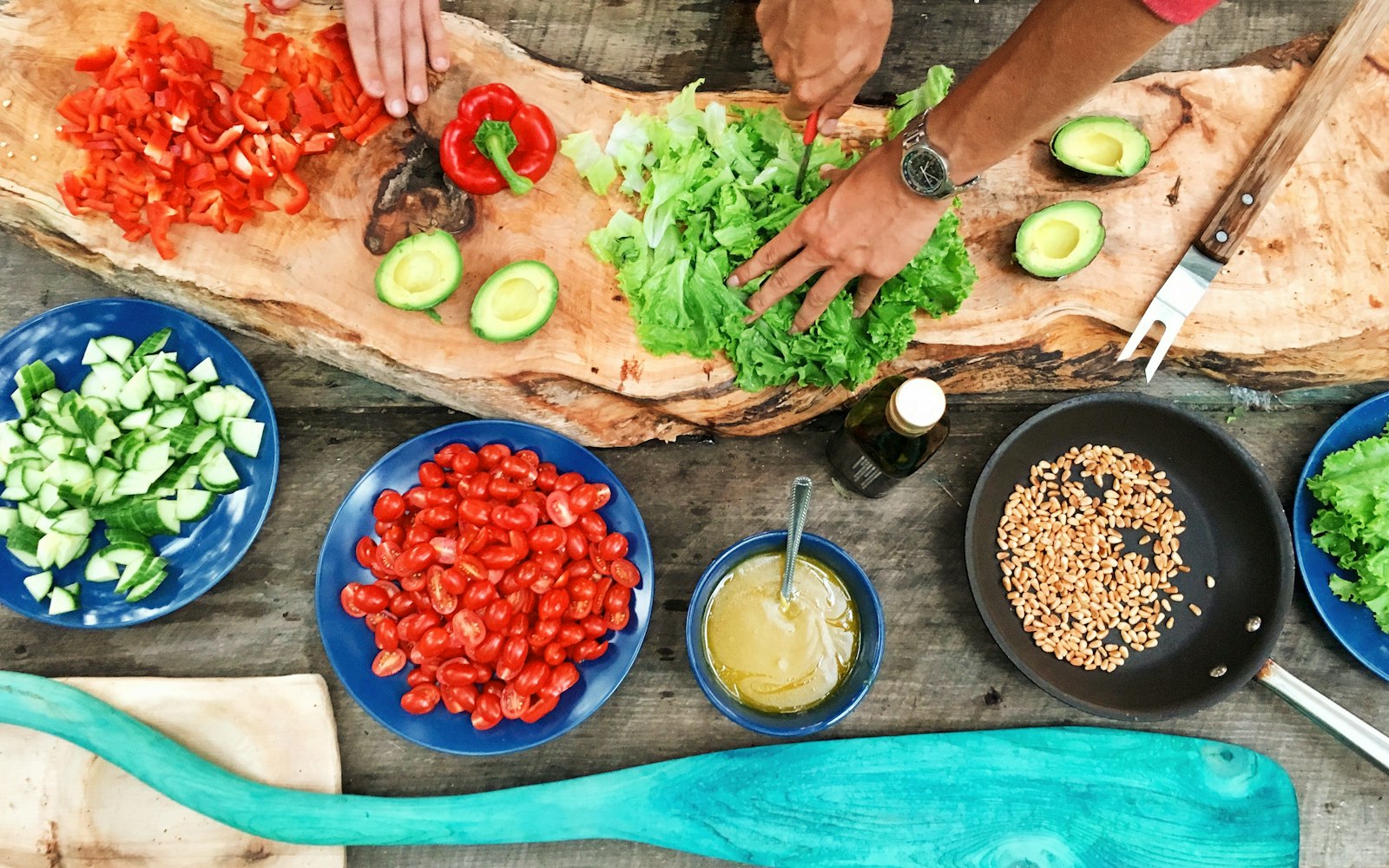
- Designate separate cutting boards for meat, fish, and produce
- Keep a basic first-aid kit accessible; know where the nearest sink is for burns
- Place the beverage station away from heat zones to reduce crowding near the stove
- Offer at least one vegetarian, one gluten-free, and one dairy-free option at every station
For vegetarian and vegan guests, a taco bar or pizza night is easy to adapt: simply add a dedicated plant-based protein station (seasoned black beans, roasted mushrooms, or jackfruit) and keep it physically separate from the meat station. Gluten-free guests can use corn tortillas or gluten-free pasta with no menu redesign required.
How do you handle cleanup after a group cooking event?
Assign cleanup roles before the event starts, not after everyone is full and tired. The most effective approach is to build cleanup into the event timeline as a natural final station.
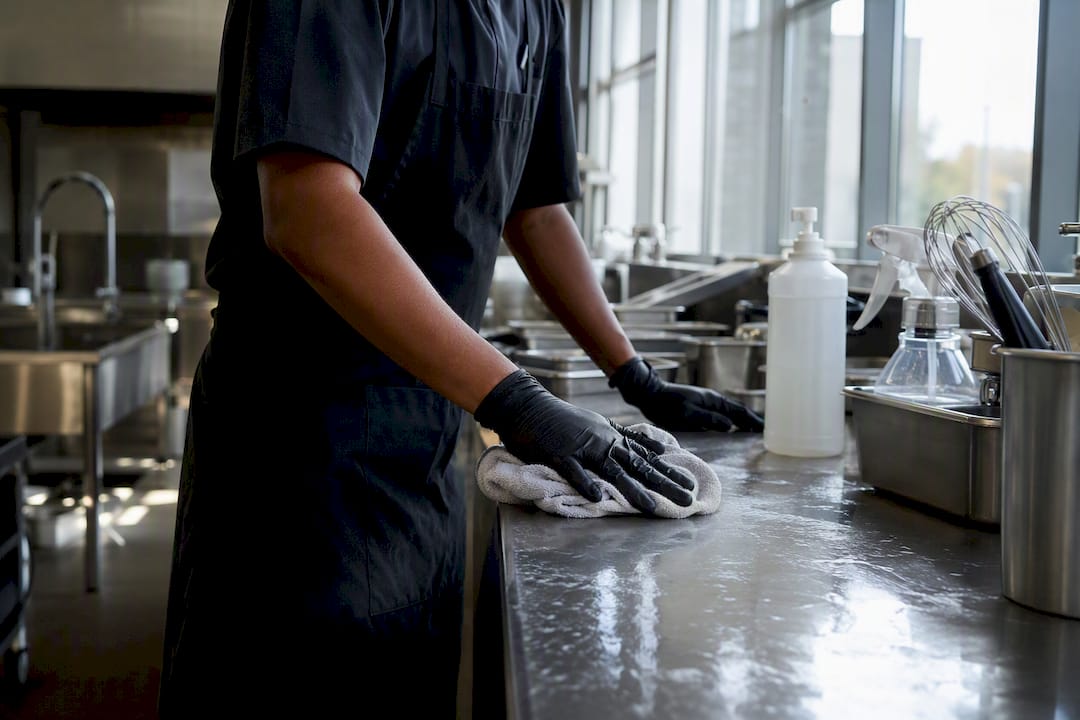
Divide cleanup into three roles: a wash crew (dishes and pots), a surface crew (counters, stovetop, and tables), and a trash crew (bagging waste and recycling). Rotate these roles among guests who didn’t lead a cooking station, so the people who cooked the most get a break.
A few practical moves that cut cleanup time significantly:
- Line sheet pans and baking dishes with foil or parchment before cooking
- Use disposable prep bowls for mise en place so there’s less to wash
- Set a “clean as you go” rule at each station during the event
- Fill a large pot with soapy water at the start so pots can soak while you eat
- Keep a trash bag at every station so scraps go in immediately
For facilitated events, cleanup is typically handled by the provider. That alone is worth factoring into the DIY-versus-hire decision for groups over 15.
Why a dietary preference survey changes everything
Sending a short dietary preference survey before you plan a single dish is the single highest-leverage planning step most hosts skip. It shapes your entire menu, station design, and shopping list before you spend a dollar.
A good survey takes guests two minutes to complete and asks four things: allergies (with severity), dietary restrictions (vegan, vegetarian, halal, kosher, gluten-free), strong dislikes, and any texture or sensory sensitivities. Tools like Google Forms or a simple group text work fine for small groups. For corporate events, a shared form sent through the event organizer keeps responses organized.
What you do with the responses matters as much as collecting them. If three out of twelve guests are gluten-free, redesign the main station around a naturally gluten-free base (corn tortillas, rice, polenta) rather than adding a separate “gluten-free corner” that feels like an afterthought. If one guest has a tree-nut allergy, remove nuts from every station entirely rather than labeling one bowl. Simplifying the menu around the constraints is almost always easier than managing parallel tracks.
Pro Tip: Add one open-ended question to your survey: “Is there a cuisine or dish you’ve always wanted to try making?” The answers often reveal a theme the whole group is excited about, and that enthusiasm carries through the entire event.
What actually makes a group cooking night work
The biggest difference between a cooking night that people talk about for weeks and one that fizzles out is almost never the recipe. It’s the moment someone who “doesn’t cook” successfully folds their first dumpling and the table erupts. That moment only happens when the host has done the invisible work: pre-measured ingredients, clear stations, and a role for every person.
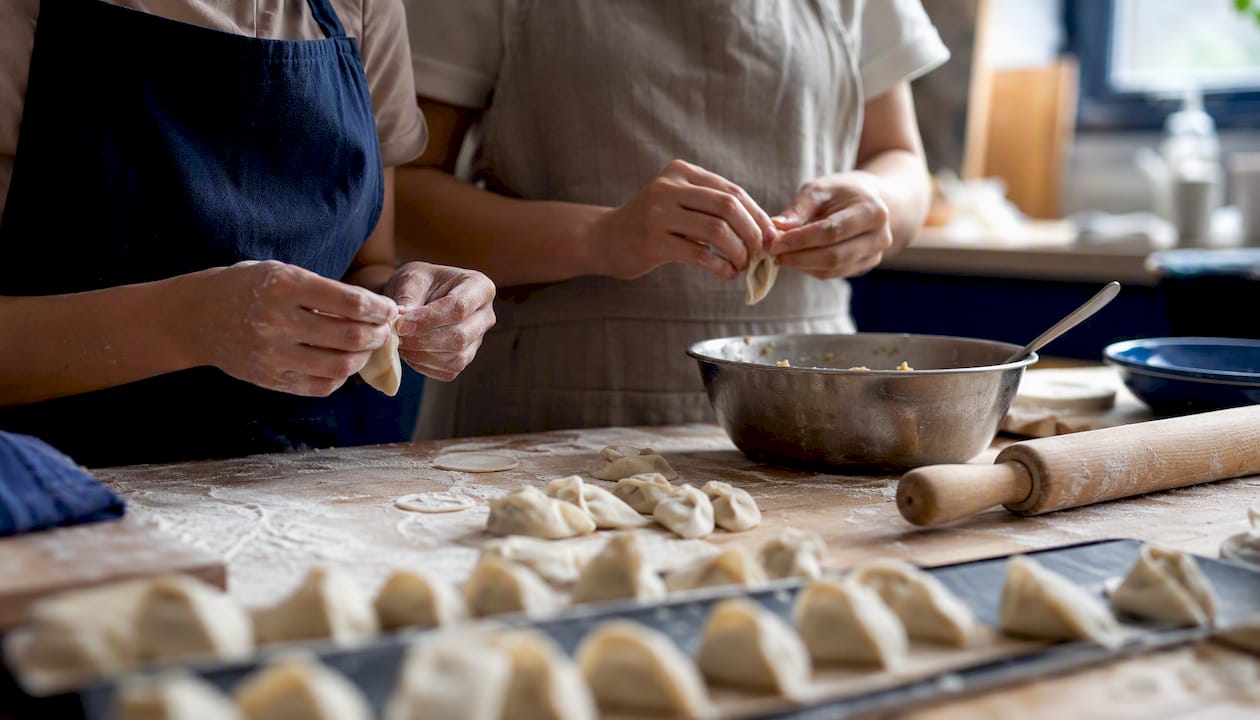
Three things that consistently make the difference: First, a welcome snack on the table when guests arrive. It gives people something to do while the kitchen gets organized and removes the awkward “what do I do with my hands” energy. Second, a five-minute orientation before cooking starts. Walk everyone through the stations, name the station leads, and give a one-sentence goal for the night. Third, a built-in pause. For longer projects like dumplings or tamales, a natural pause while the first batch steams is when the real conversation happens. Don’t rush past it.
One bottleneck that comes up repeatedly: too many people at the stove at once. The fix is simple. Reassign anyone without an active task to the assembly station or the prep table. Strict station delegation is what keeps the energy high and the kitchen functional. A snack buffer at the table also helps, because guests who are grazing don’t crowd the stove out of boredom.
Biteunite makes the whole experience effortless
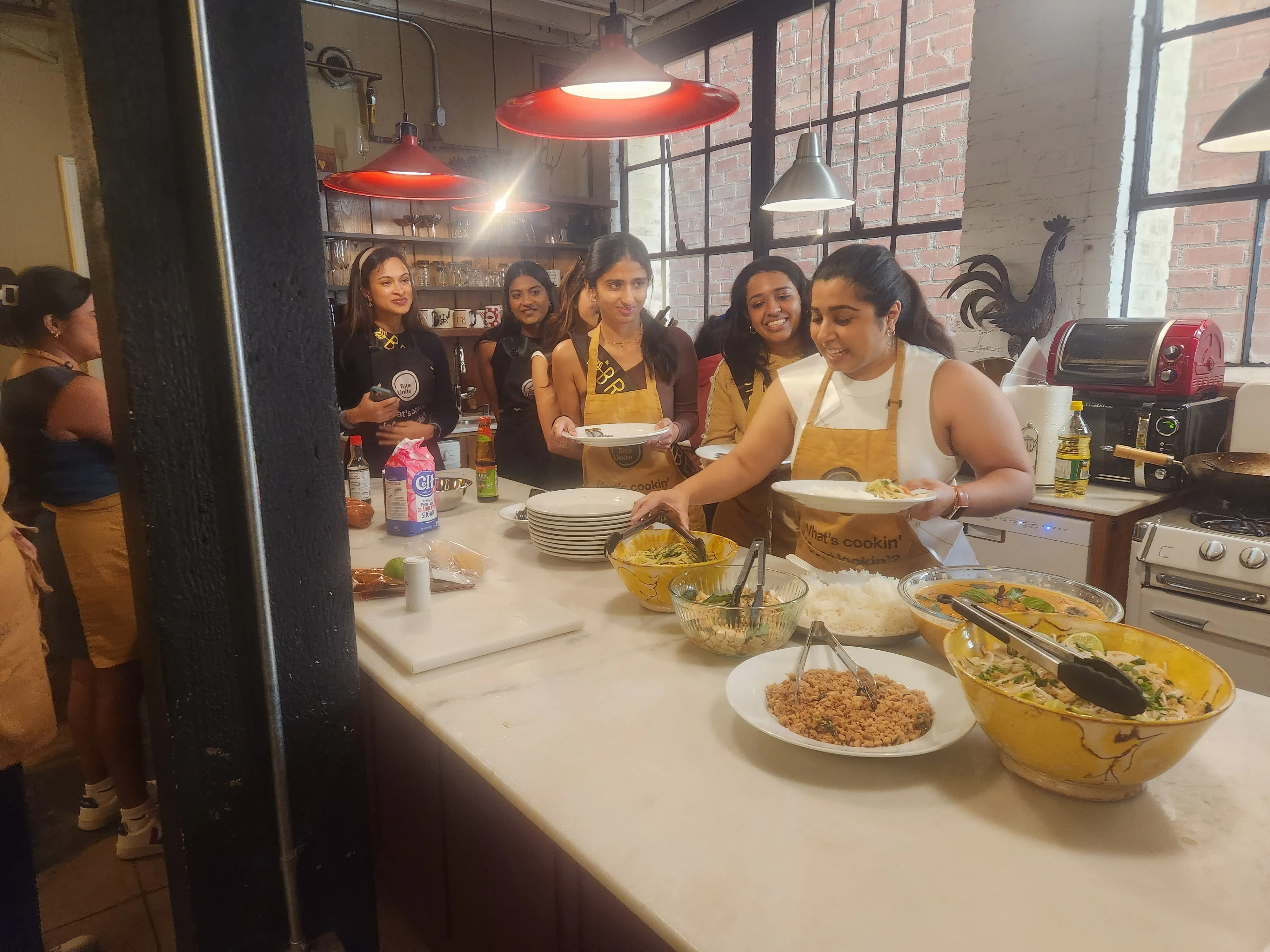
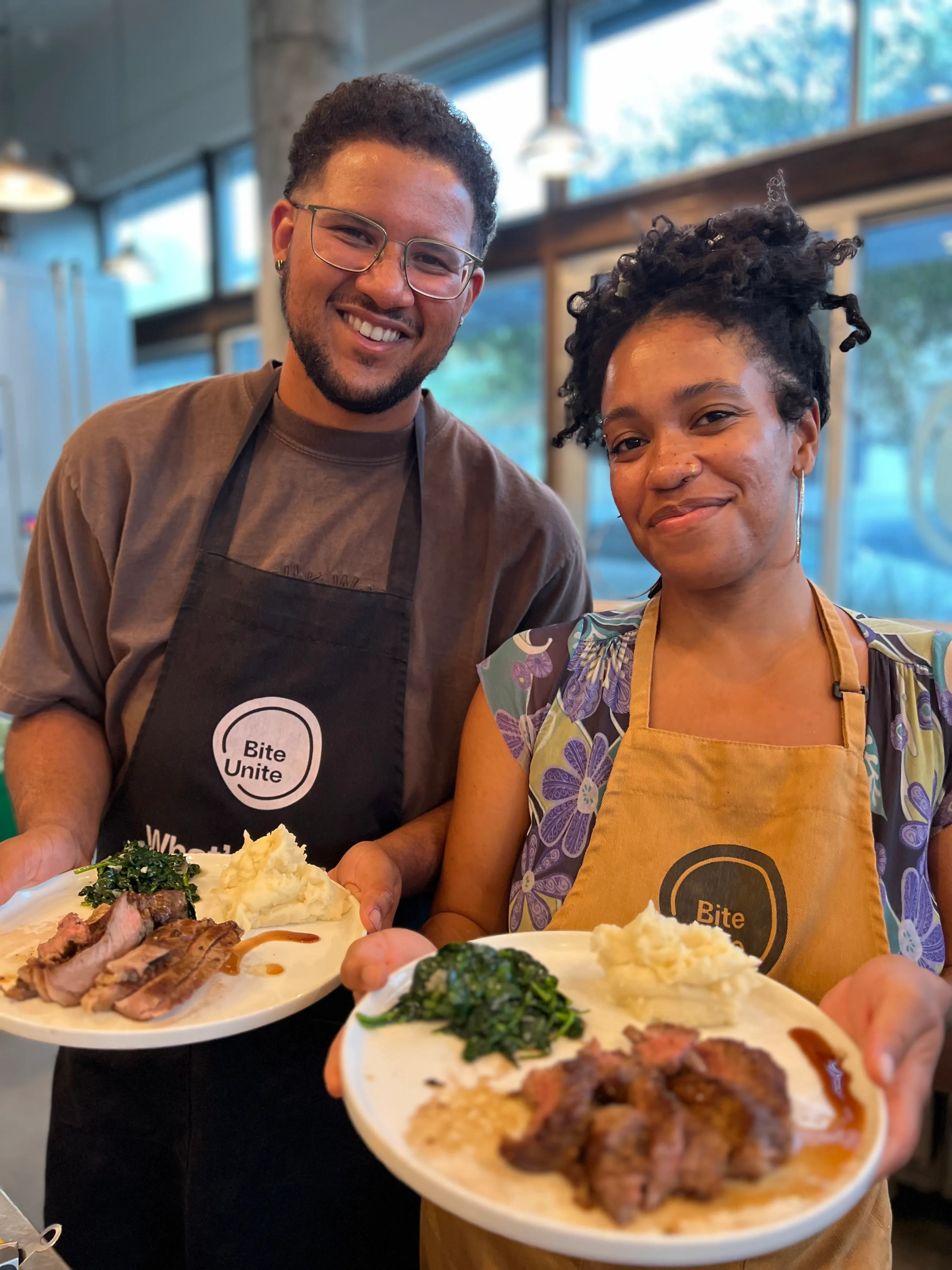
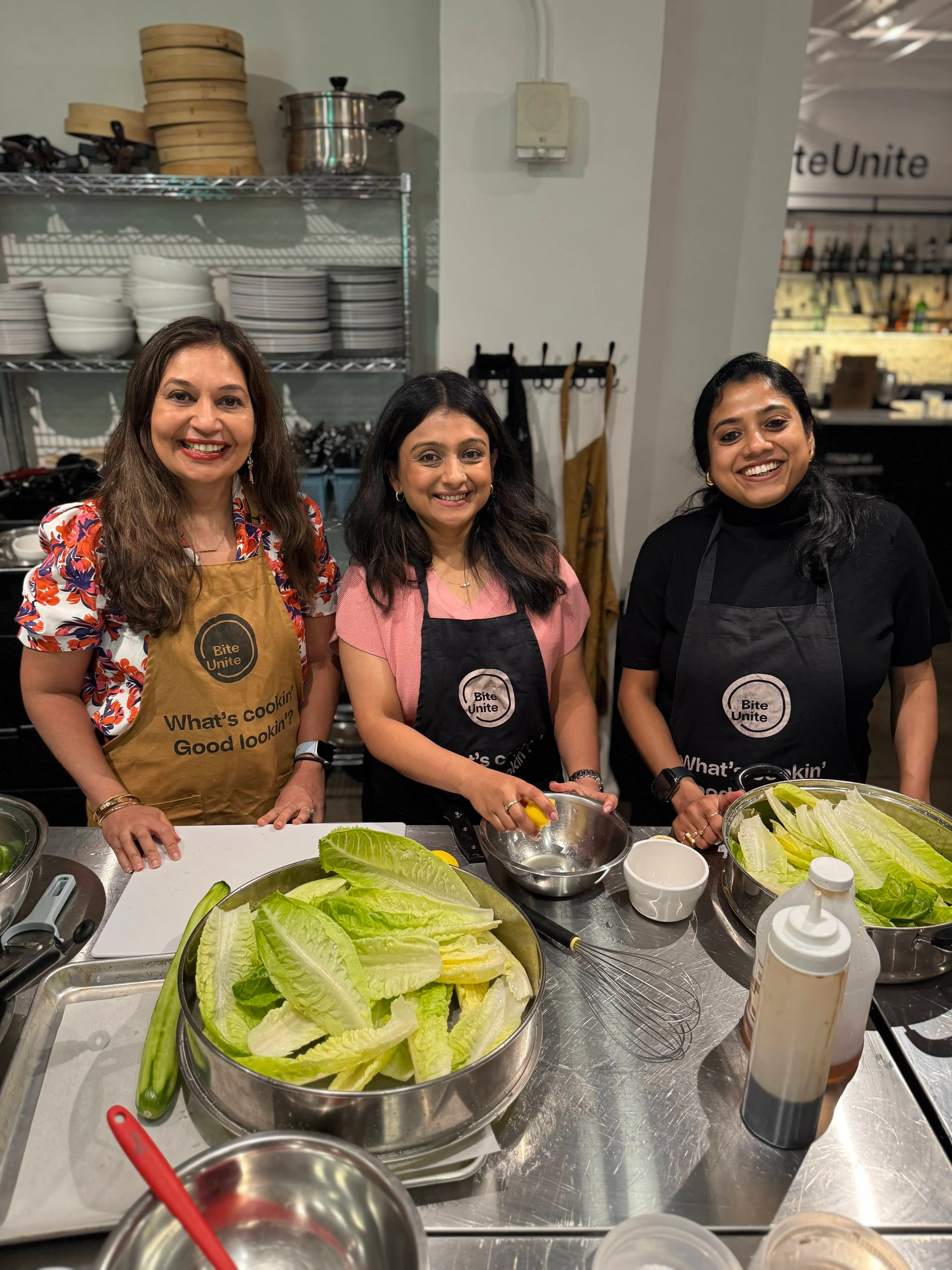
When you want the fun of a group cooking experience without the logistics of running it yourself, Biteunite is the answer. From group classes in Manhattan to culinary experiences in San Francisco, Biteunite’s chef-led sessions handle everything: ingredients, equipment, instruction, dietary accommodations, and cleanup.
Corporate teams get a structured, memorable activity that builds real team spirit without a multi-day retreat budget. Social groups get a hands-on, delicious night out with zero prep stress. Whether you’re planning a birthday, a bachelorette, or a company offsite, Biteunite’s expert chefs guide your group through every step, so you show up, cook, eat, and leave happy. Check availability and book your group’s next culinary experience at Biteunite.
Sources
- 21 Recipes to Cook with a Large Group Without Losing Your Gosh Darn Mind
- PMC8071848
- Recipes to Cook with Friends: 4 Group Hosting Picks
- Cooking with friends (Williams-Sonoma)




























.webp)