Inclusive Team Building Ideas That Work for Everyone
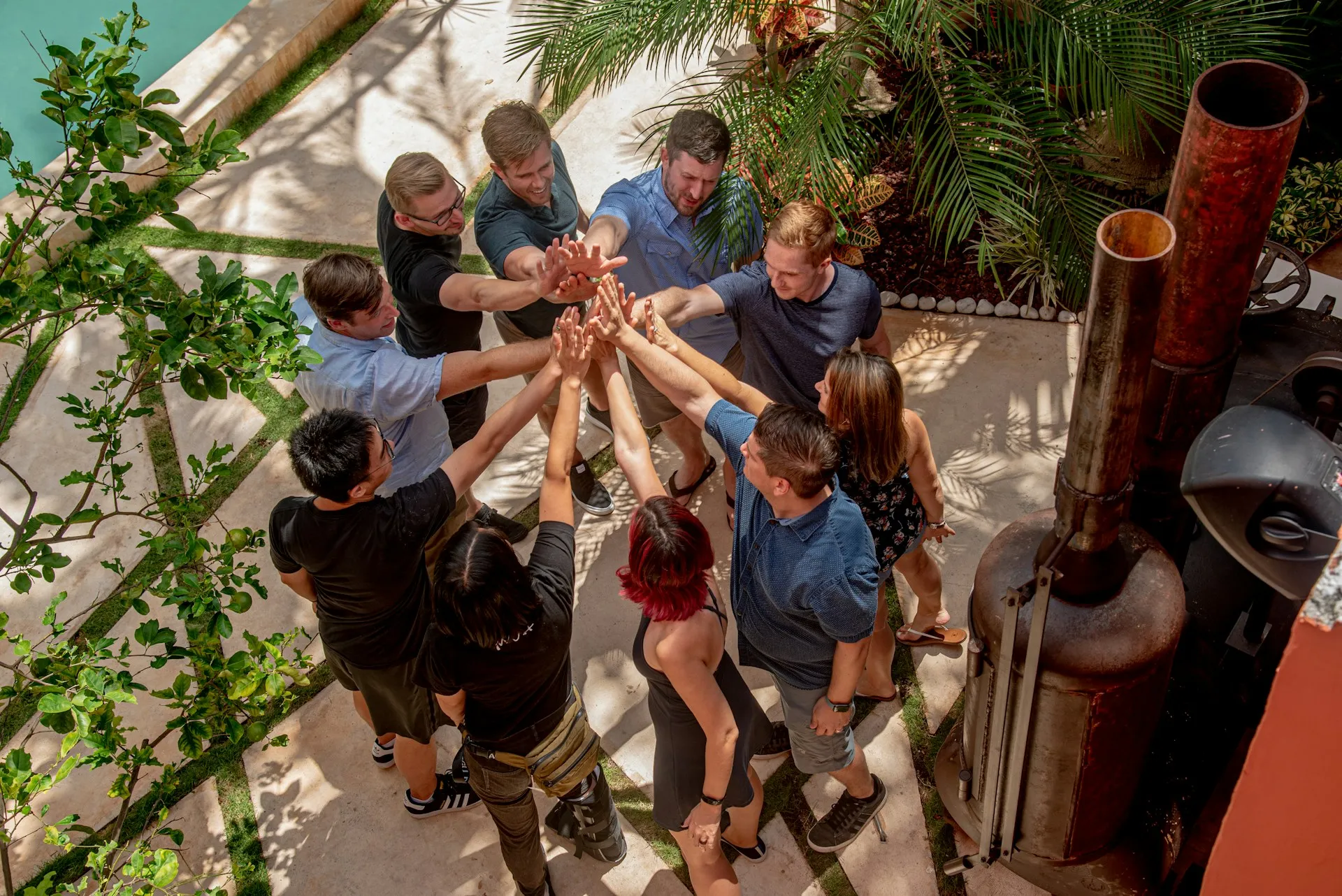
The eight inclusive team-building ideas that consistently deliver for diverse groups are: chef-led culinary experiences, brainwriting circles, cultural storytelling rounds, accessible escape rooms, skills-share workshops, community service projects, virtual photo challenges, and guided empathy mapping. Pick one, assign a facilitator, and schedule a 60-minute session this week.
Before you run any activity, check two things:
- Physical and sensory access: Can every participant reach the venue, navigate the space, and engage with materials without barriers?
- Opt-in language: Does every prompt give people a genuine choice to pass or participate at a level that feels right for them?
Pro Tip: Send a two-question pre-event survey at least five days out: “Do you have any accessibility needs we should plan for?” and “Is there anything about today’s activity you’d like us to know?” Responses shape your facilitation before anyone walks in the door.
Key Takeaways
Inclusive team building works when accessibility, psychological safety, and opt-in participation are designed in from the start, not added on after the activity is chosen.
| Point | Details |
|---|---|
| Accessibility-first design | Plan for your most constrained participant; every other participant benefits from the same accommodations. |
| Challenge by Choice | Every prompt needs explicit opt-out language; this is what keeps psychological safety intact across diverse groups. |
| Measure three things | Track participation rate, psychological safety score, and behavior change intent after every session. |
| Introvert-friendly defaults | Send prompts 48 hours in advance and offer written response options alongside verbal ones in every activity. |
| Biteunite for culinary events | Chef-led sessions in New York, San Francisco, and Hong Kong include built-in dietary accommodations and accessible kitchen formats. |
Table of Contents
- What are the best inclusive team building ideas for diverse groups?
- How do you design and facilitate a truly inclusive team-building session?
- How do you adapt team-building activities for remote and hybrid teams?
- Ready-to-use agendas, timing, and facilitator scripts
- How do you measure the impact of inclusive team-building activities?
- A culinary team-building session that put inclusion principles into practice
- When should you DIY vs. hire a facilitator?
- How do you bring introverted or less vocal team members into the conversation?
- Legal and ethical considerations for inclusive team-building activities
- Biteunite brings inclusive culinary experiences to your team
- Sources
What are the best inclusive team building ideas for diverse groups?
Great team building for diverse groups starts with one design rule: the activity should work for your most constrained participant, and everyone else will benefit too. That principle, sometimes called accessibility-first design, is what separates genuinely inclusive activities from ones that merely look welcoming on paper.
Icebreakers and connection activities
Two Truths and a Twist works for groups of 6–30, takes 20–30 minutes, needs no materials, and suits neurodiverse participants well because it is low-pressure and self-directed. Each person shares two true statements and one creative “twist” (a wish, a dream, or a hypothetical), which removes the vulnerability of a pure lie-detection game.
Cultural Object Show-and-Tell invites each person to bring or describe one object that connects them to their background or identity. Groups of 8–25, 30–45 minutes, no materials required. Particularly strong for multicultural and international teams because it centers lived experience without requiring anyone to speak for an entire culture.
Virtual Photo Challenge asks participants to photograph something from their home or workspace that represents a value they bring to work. Fully asynchronous, works across time zones, and requires only a smartphone. Ideal for hybrid and remote groups of any size.
Empathy and trust activities
Empathy Mapping pairs participants to map what a colleague sees, hears, thinks, and feels during a typical workday challenge. Groups of 8–24, 45–60 minutes, sticky notes or a shared digital board. Excellent for building cross-functional understanding and surfacing assumptions.
Guided Storytelling Rounds use structured prompts (“Tell us about a time you felt genuinely included at work”) with a talking-object or timer so every voice gets equal airtime. Groups of 6–20, 30–40 minutes. For multicultural teams, the Implicit Association Test from Harvard’s Project Implicit makes a powerful optional pre-work exercise: participants take it privately before the session and bring their reflections, not their scores, to the conversation.
Perspective-taking exercises like the Privilege Walk can be effective in leadership training, but they require careful facilitation, explicit opt-in language, and a skilled debrief. Use them only when your facilitator has direct experience running them safely.
Problem-solving and collaboration activities
Accessible Escape Rooms are one of the most versatile formats available. The Accessible Escape Room model developed for conference use since 2022 uses portable kits, non-stressful themes, and a leave-at-will policy so participants with disabilities can engage fully. Groups of 4–20, 45–75 minutes, kit-based. The design principle transfers directly to any puzzle activity you build in-house.
Brainwriting Circles replace verbal brainstorming with written idea-passing: each person writes one idea, passes the sheet, and builds on the next person’s idea. Groups of 6–20, 20–30 minutes, paper or shared doc. Quieter team members contribute on equal footing with the most vocal ones.
Learning and skill-share activities
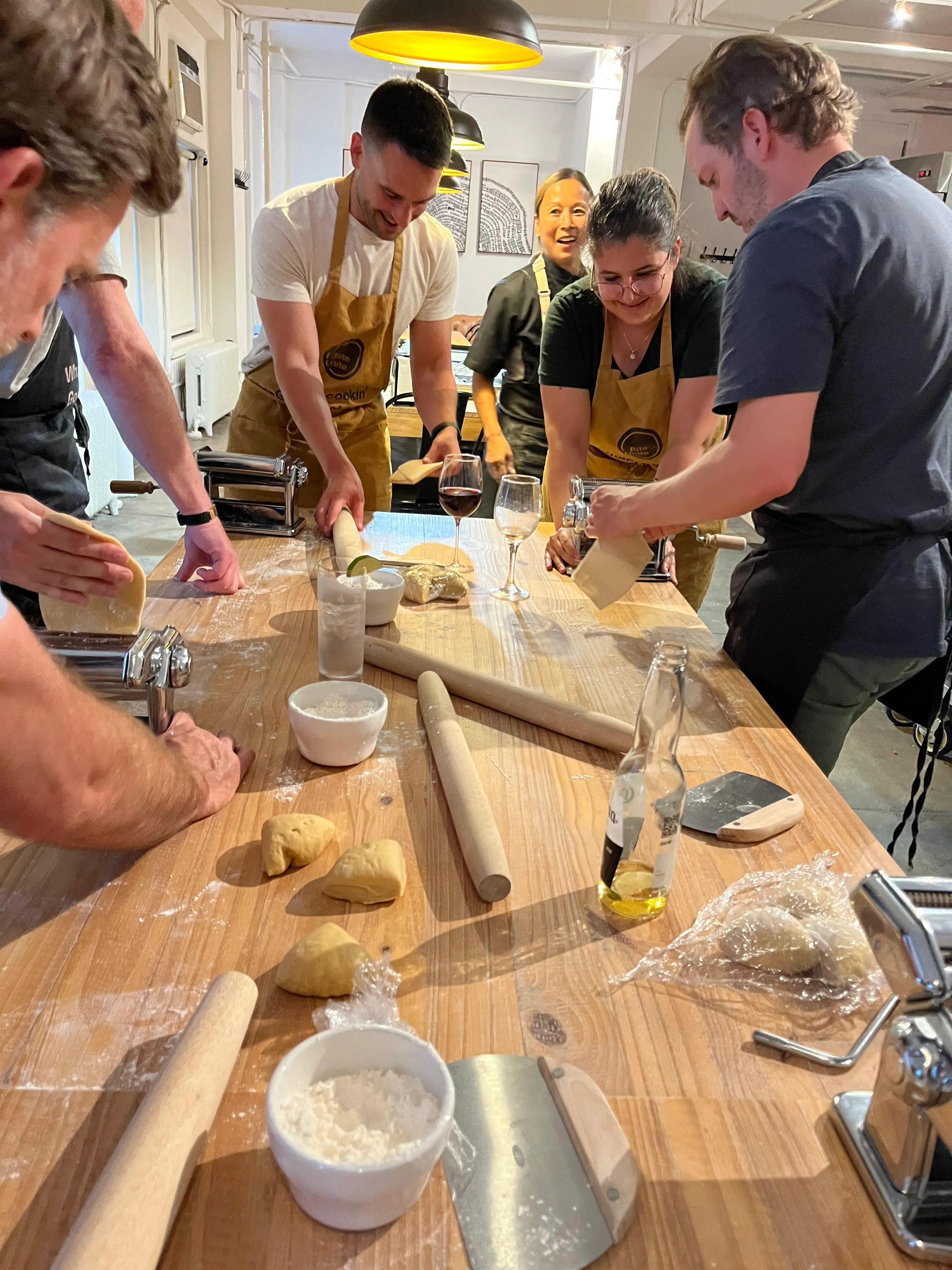
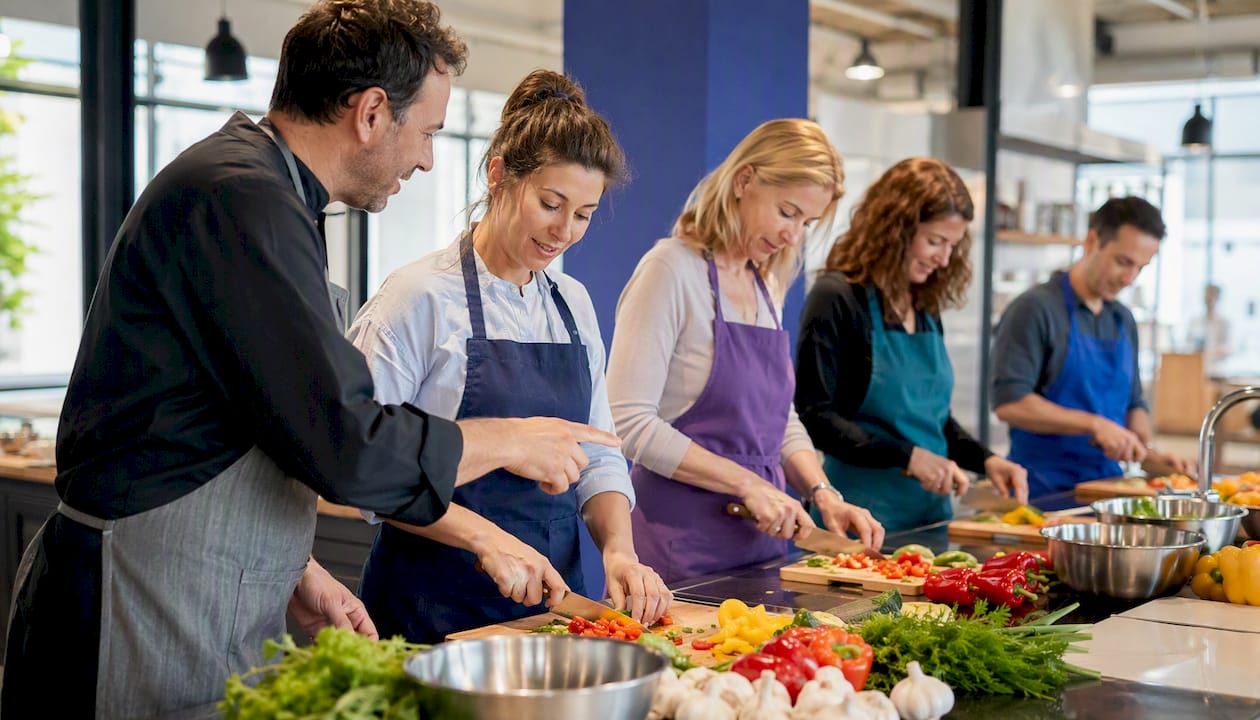
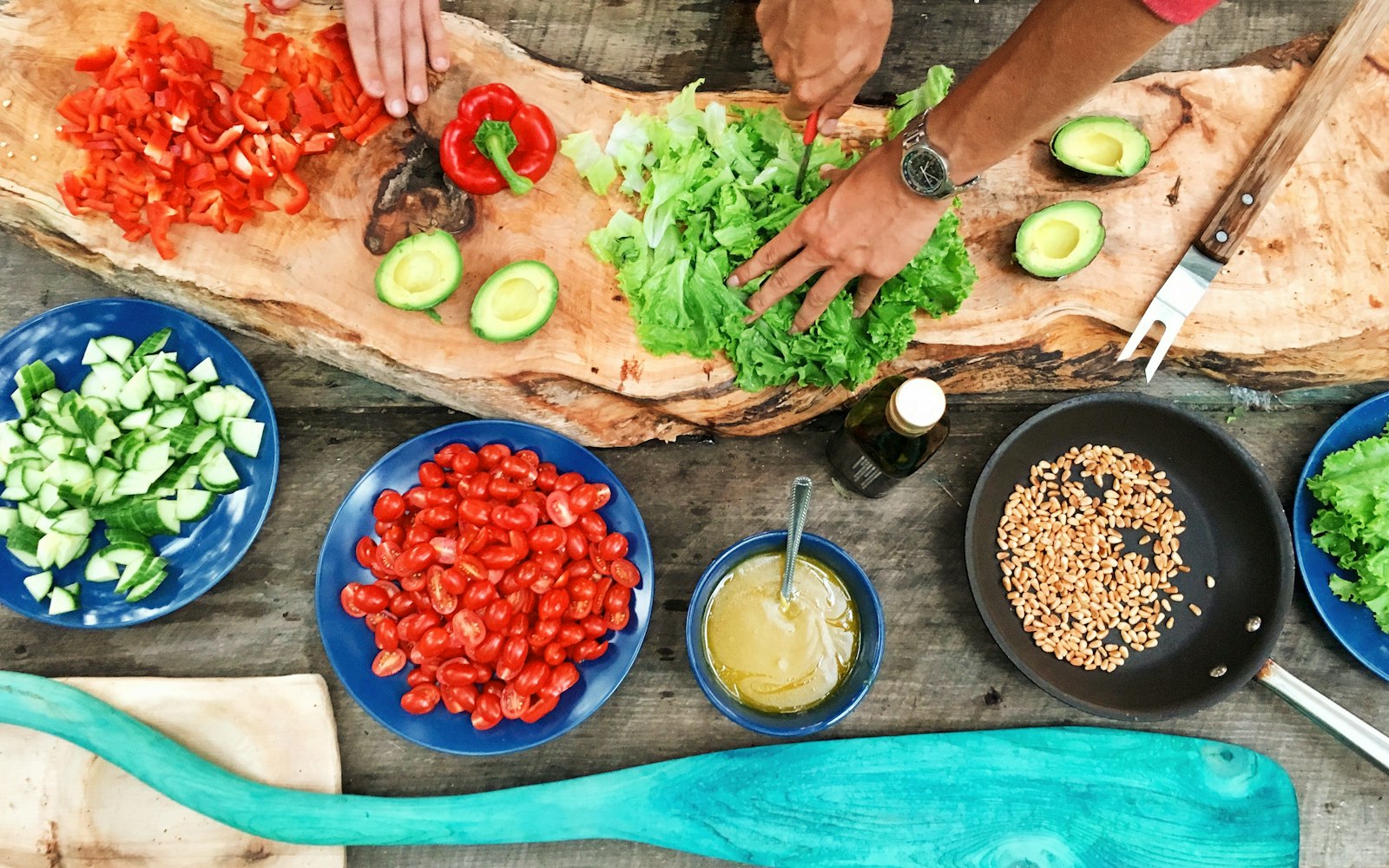
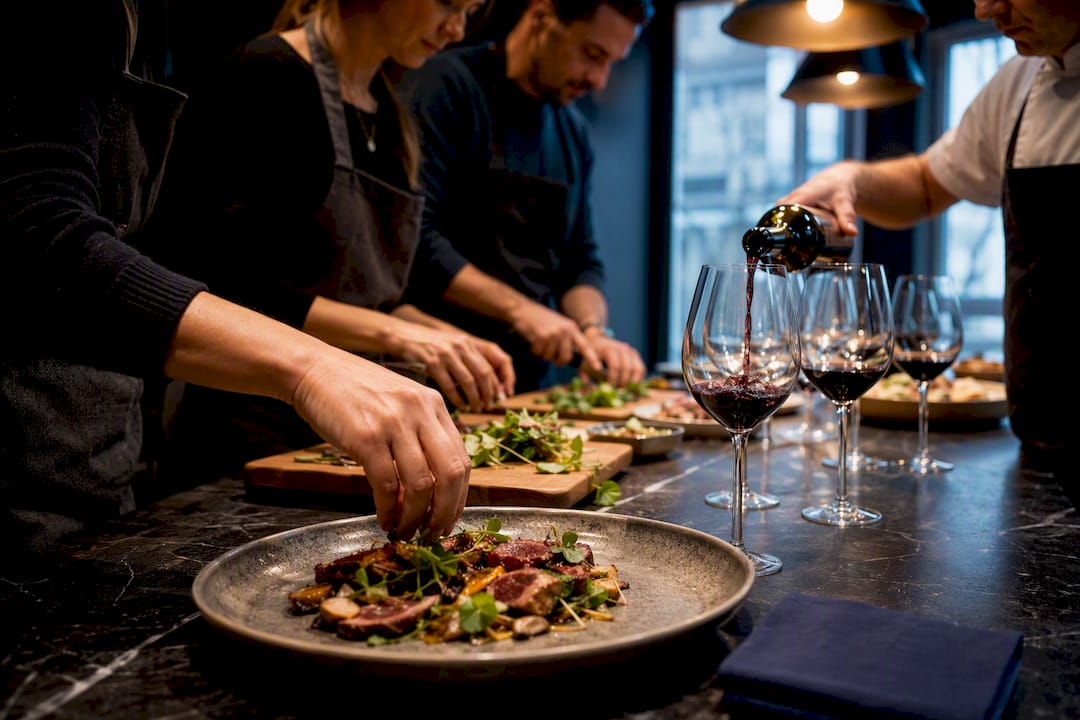
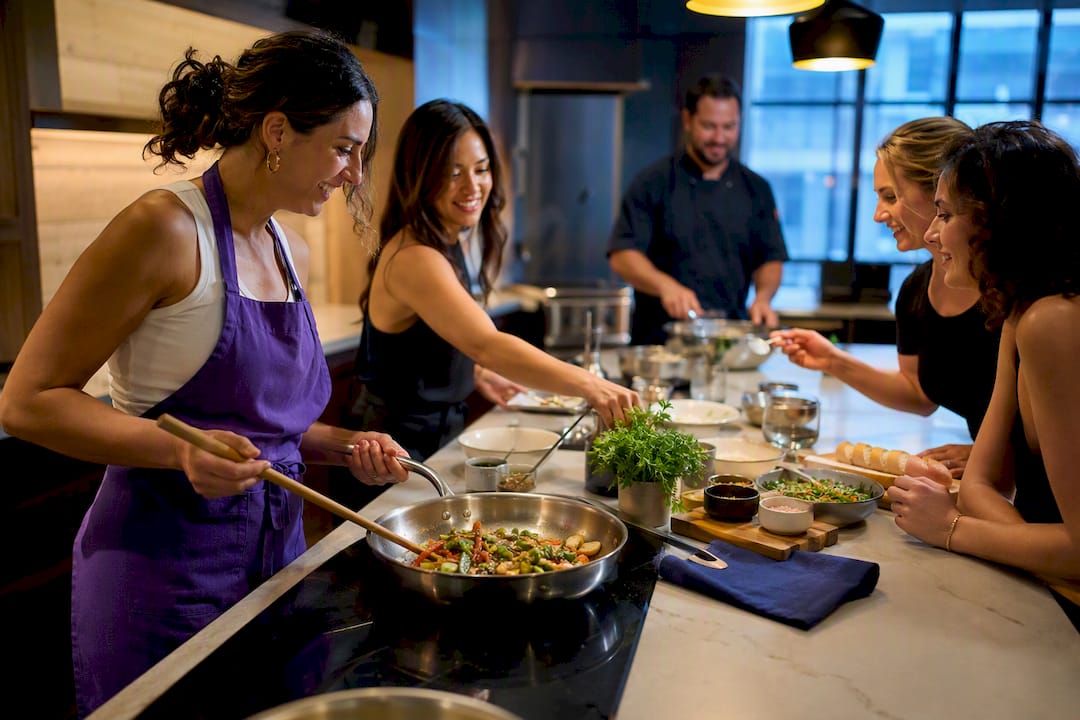
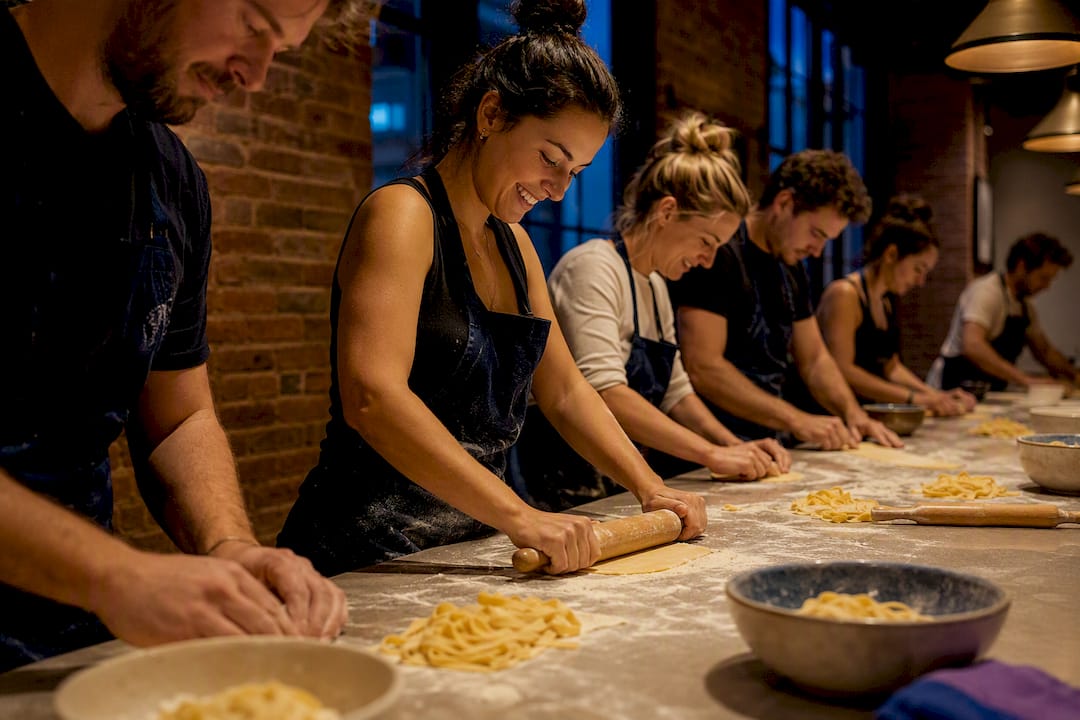
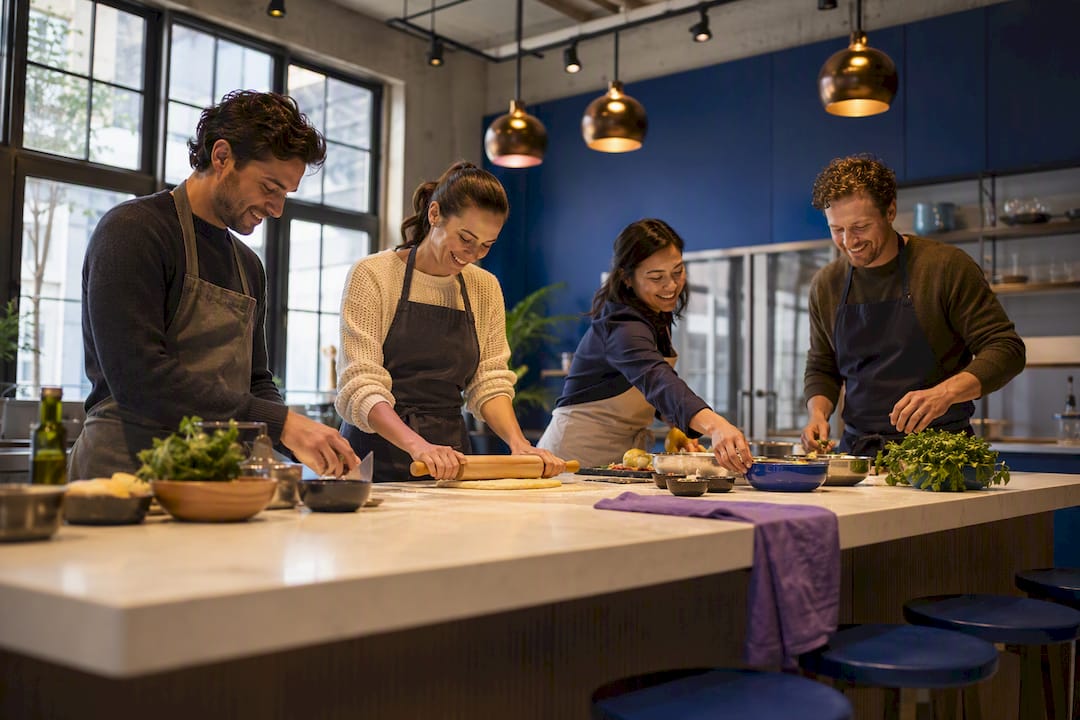
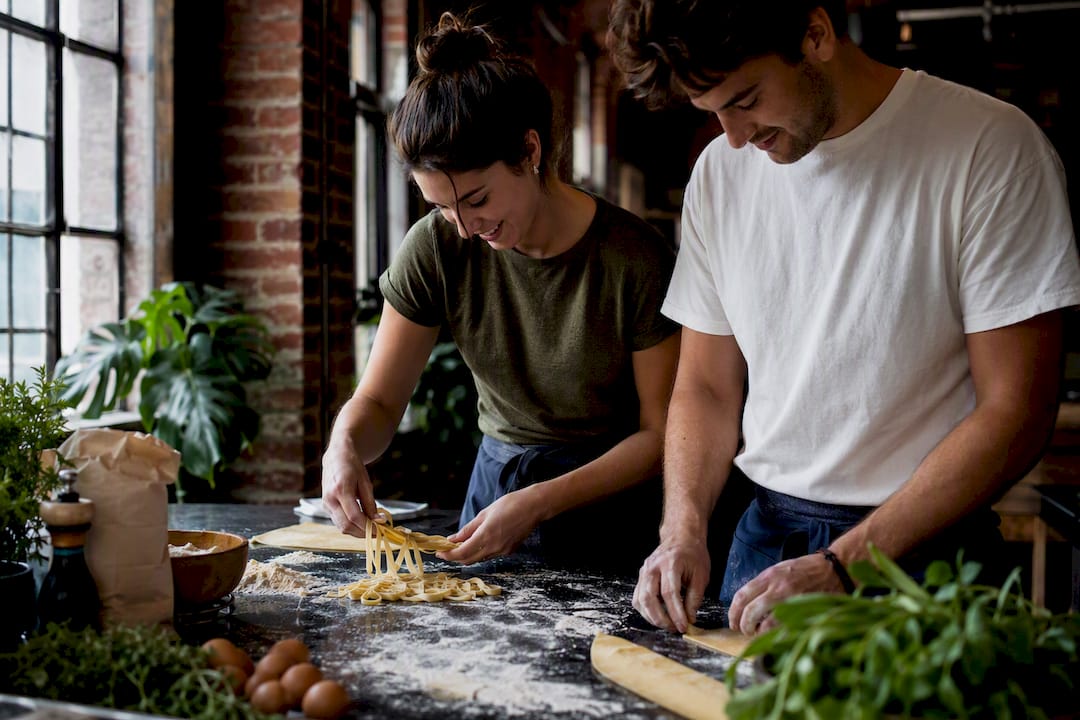
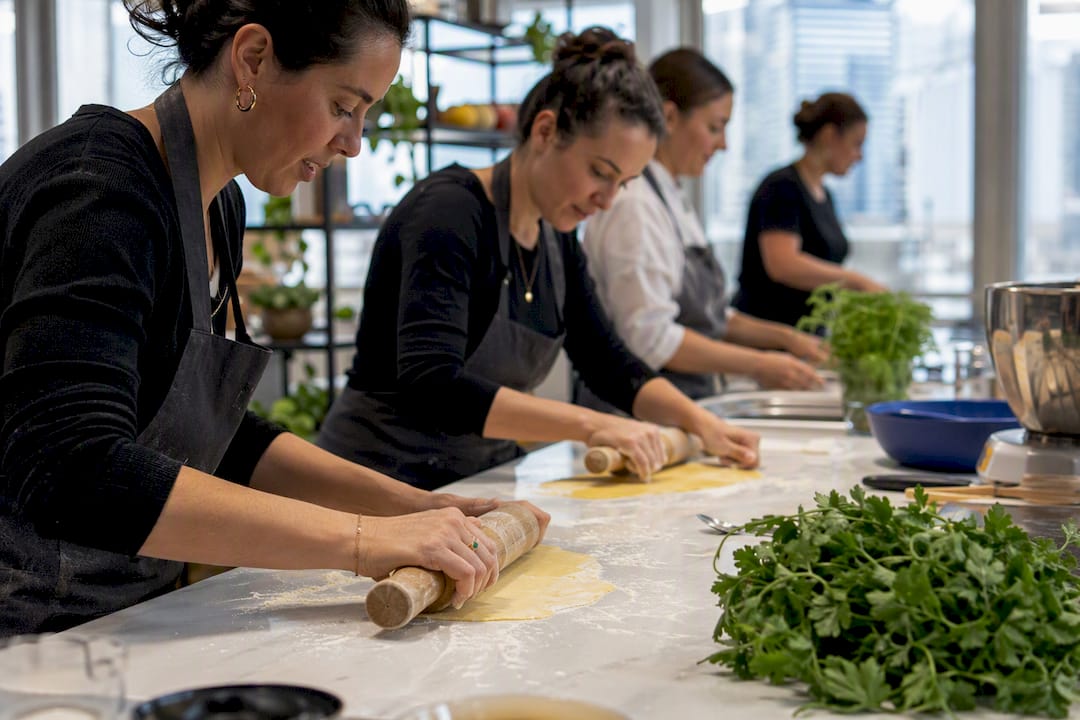
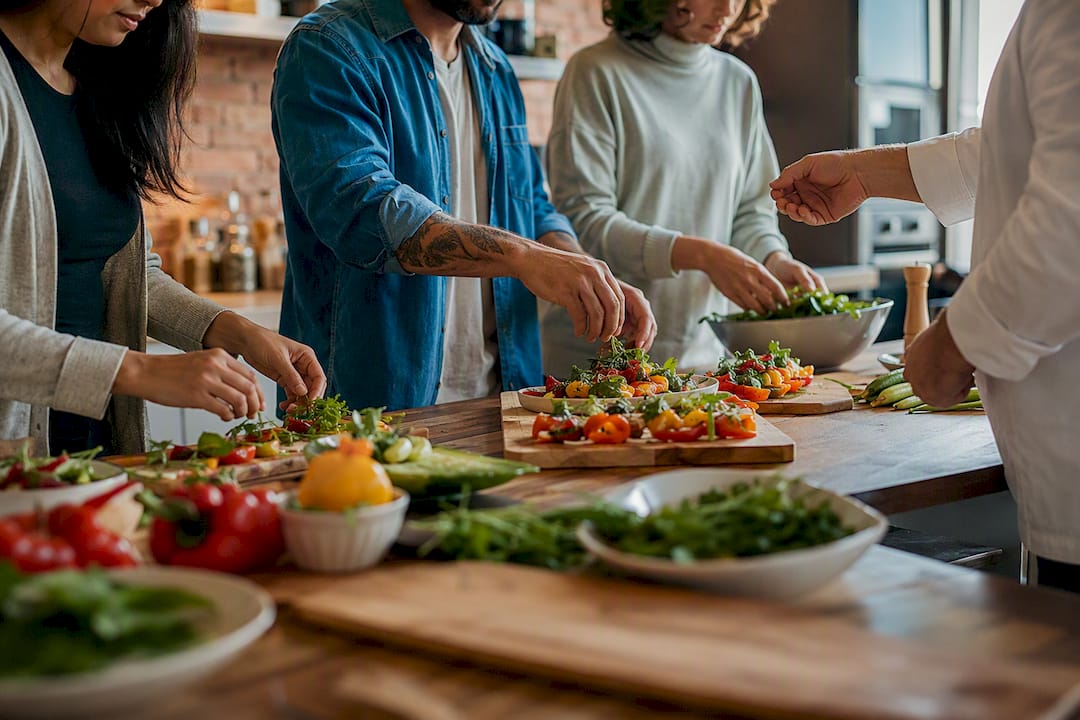
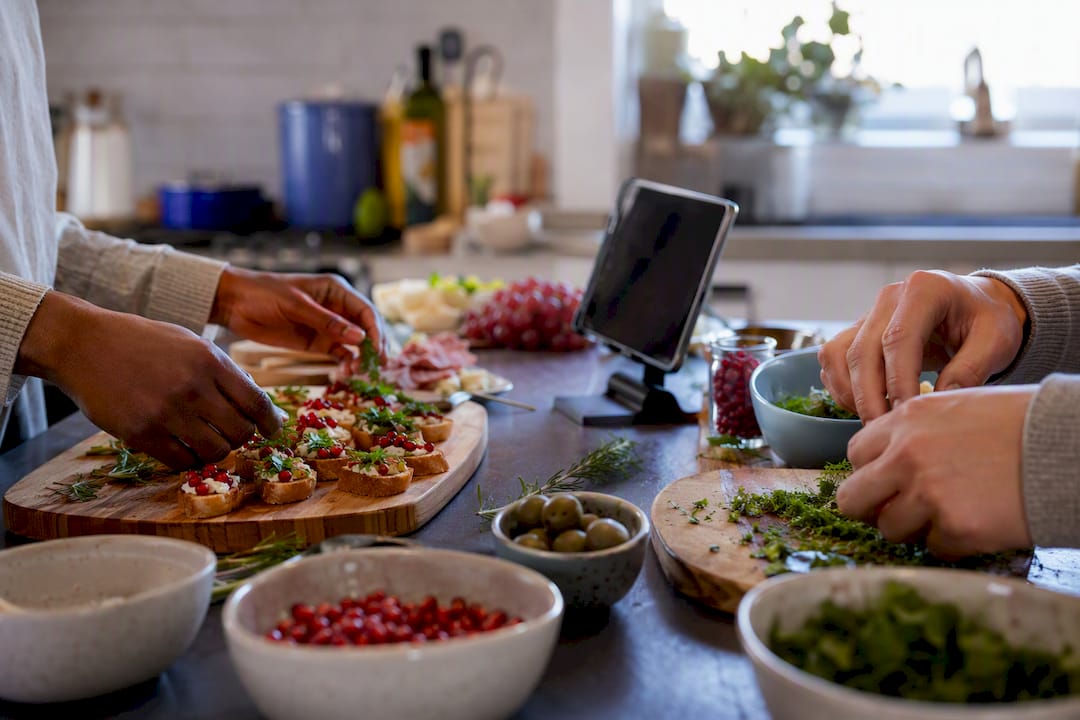
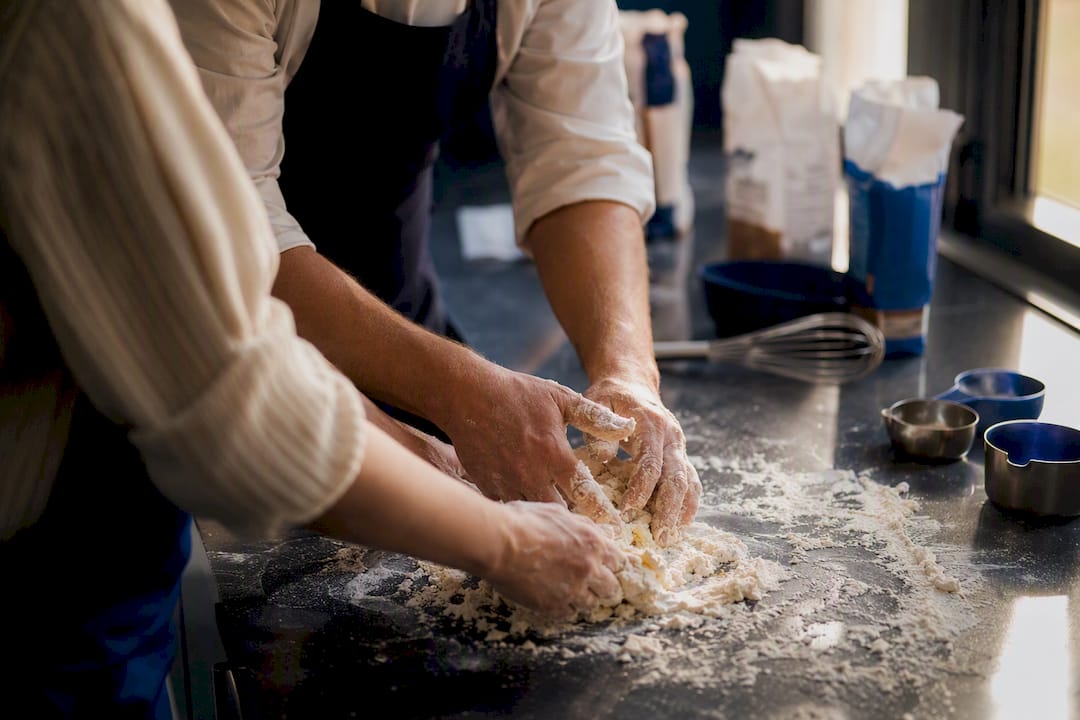
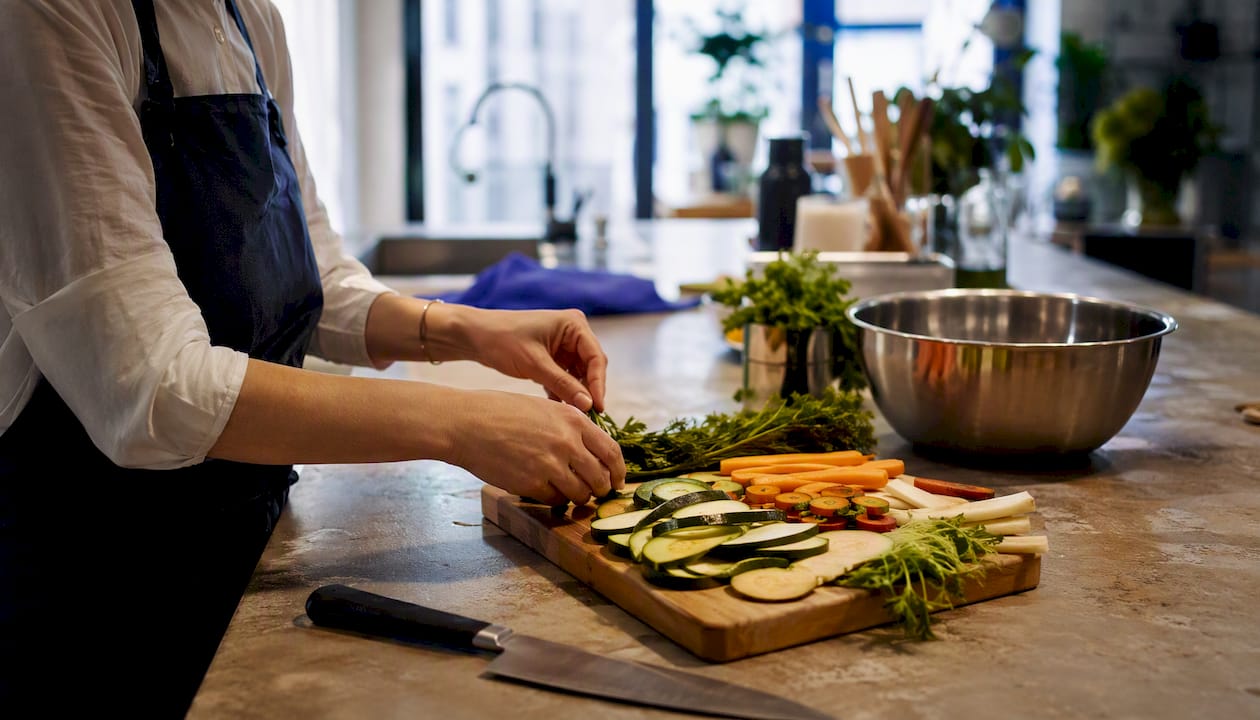
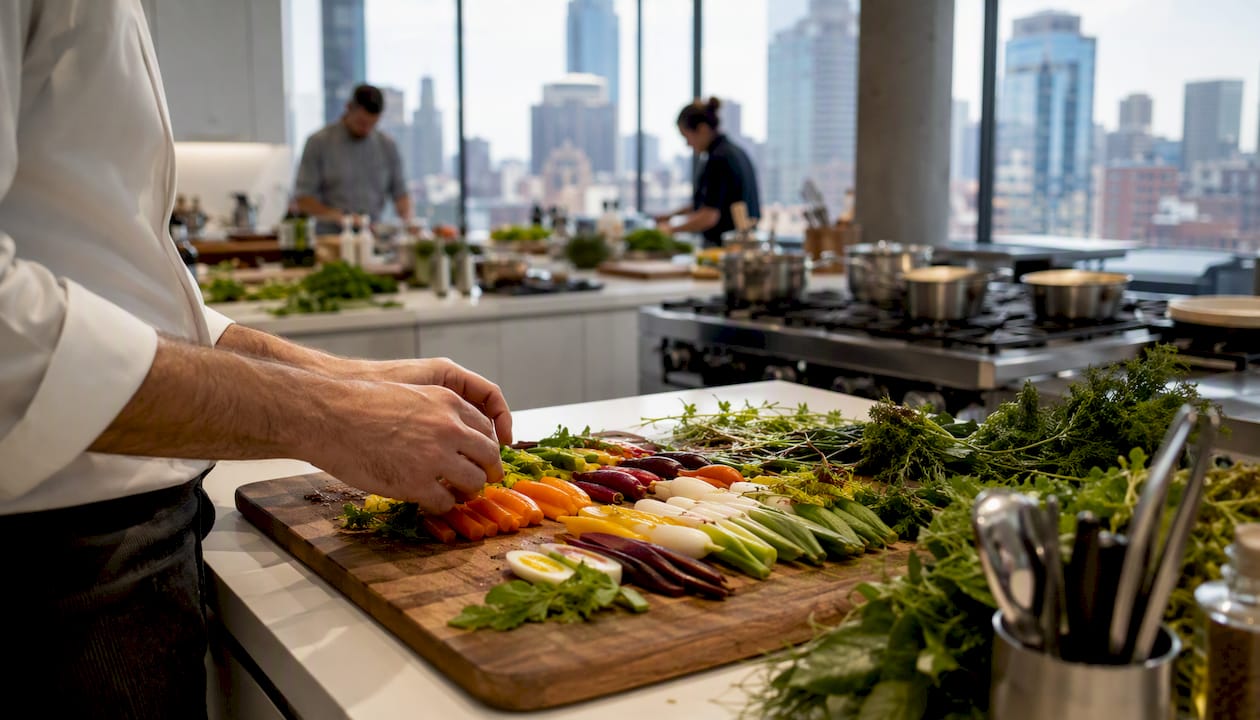
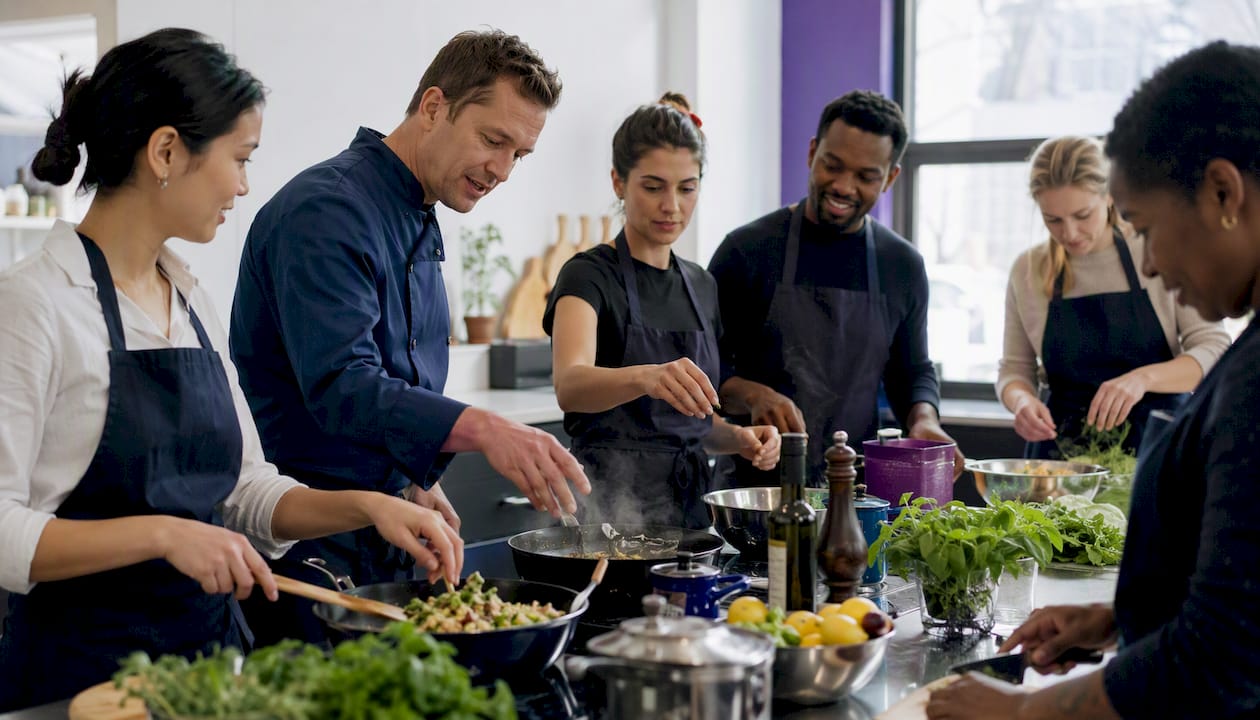
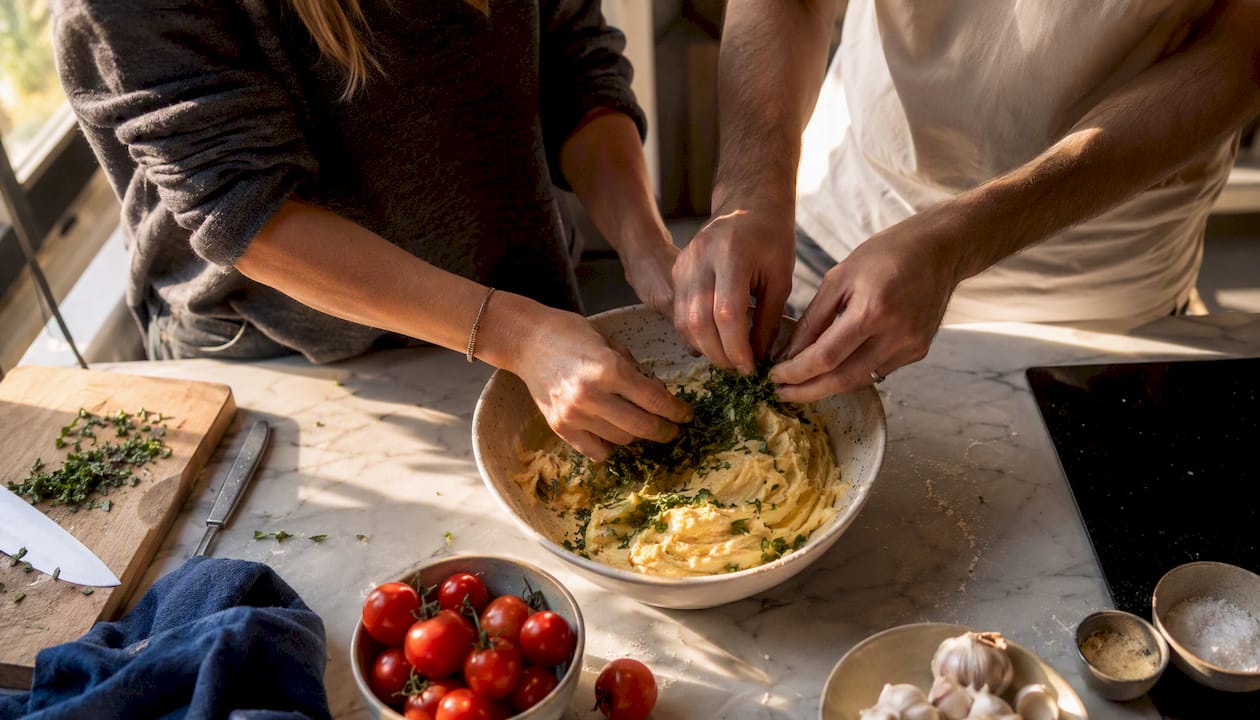
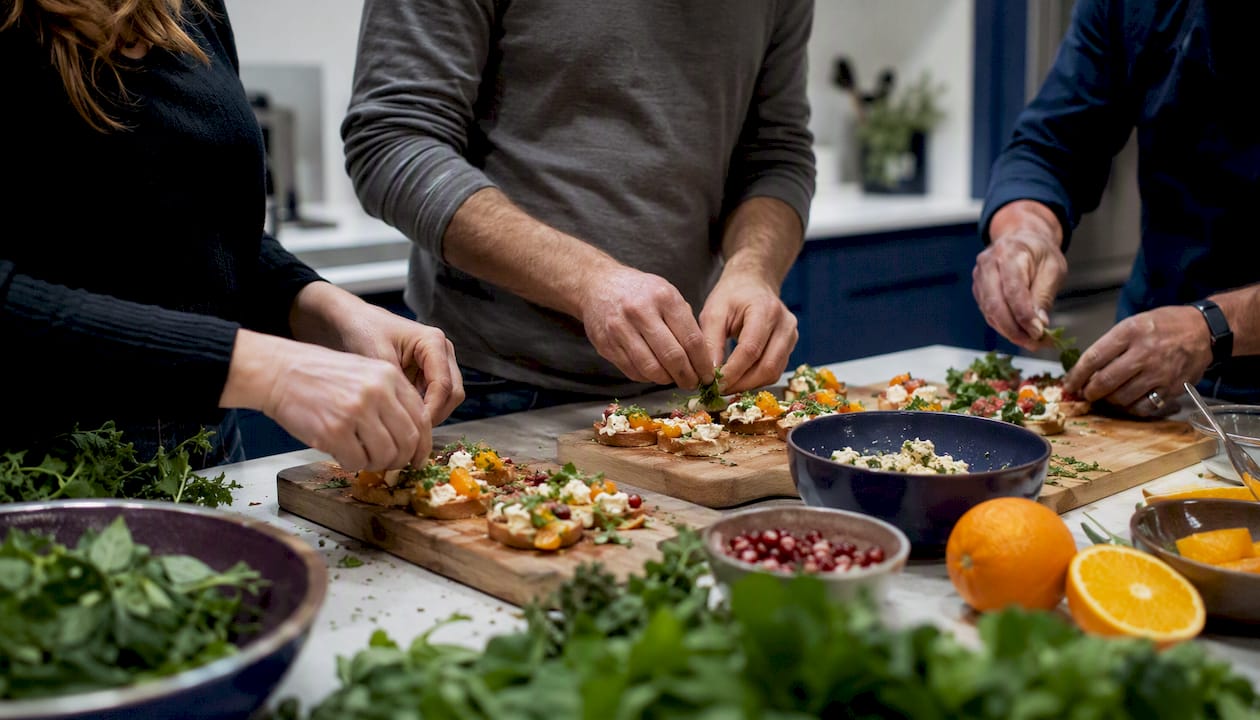
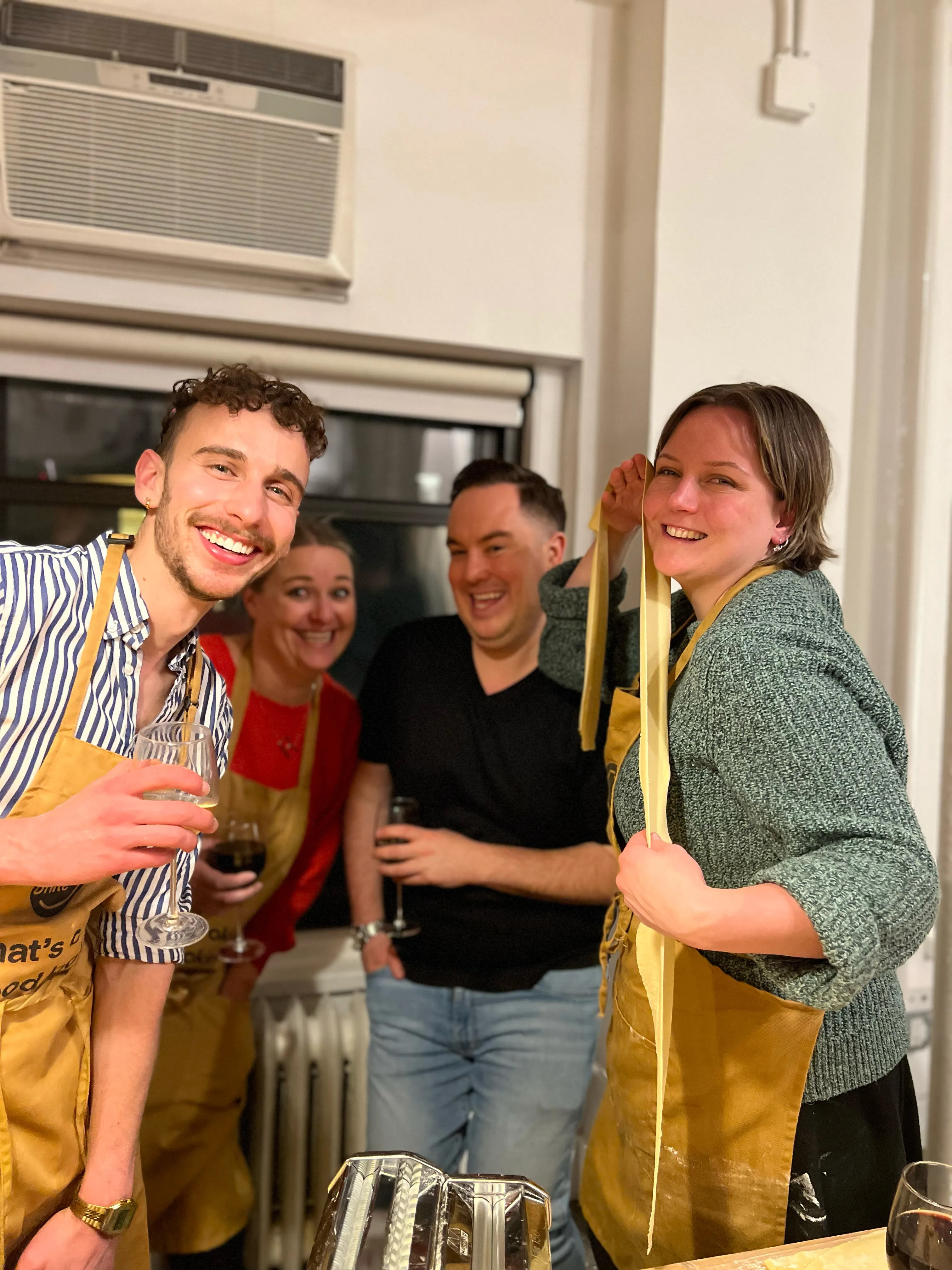
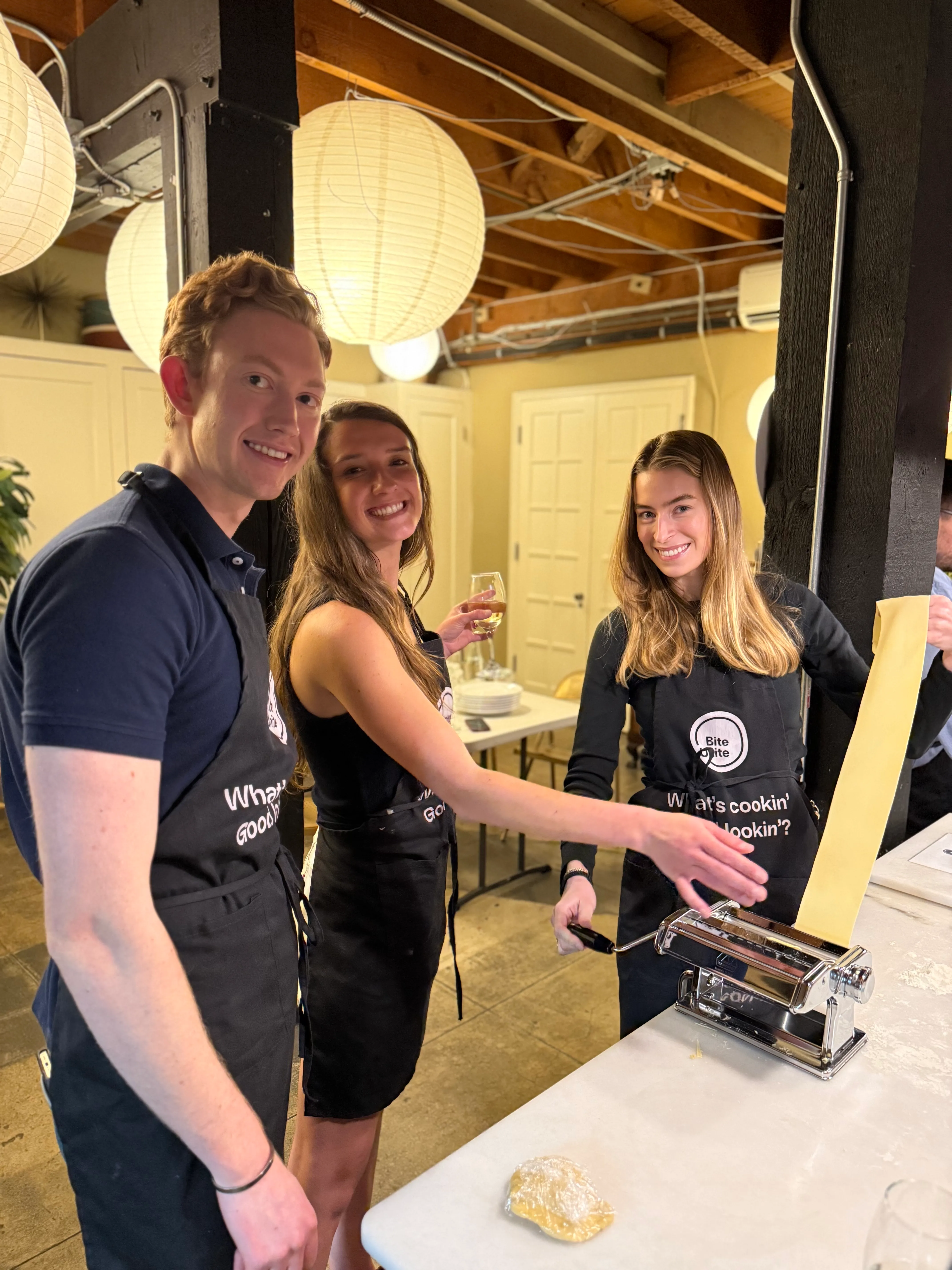
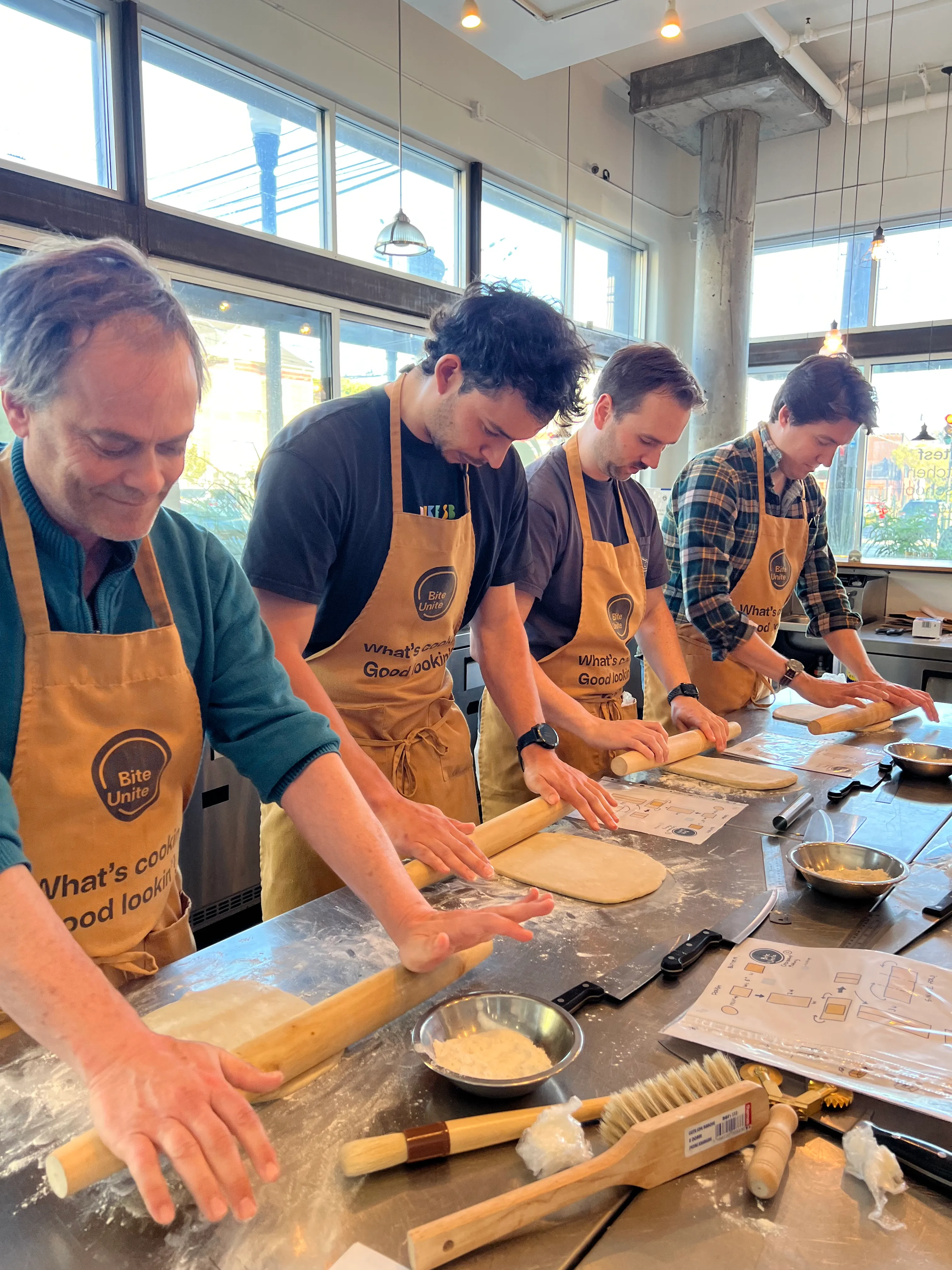
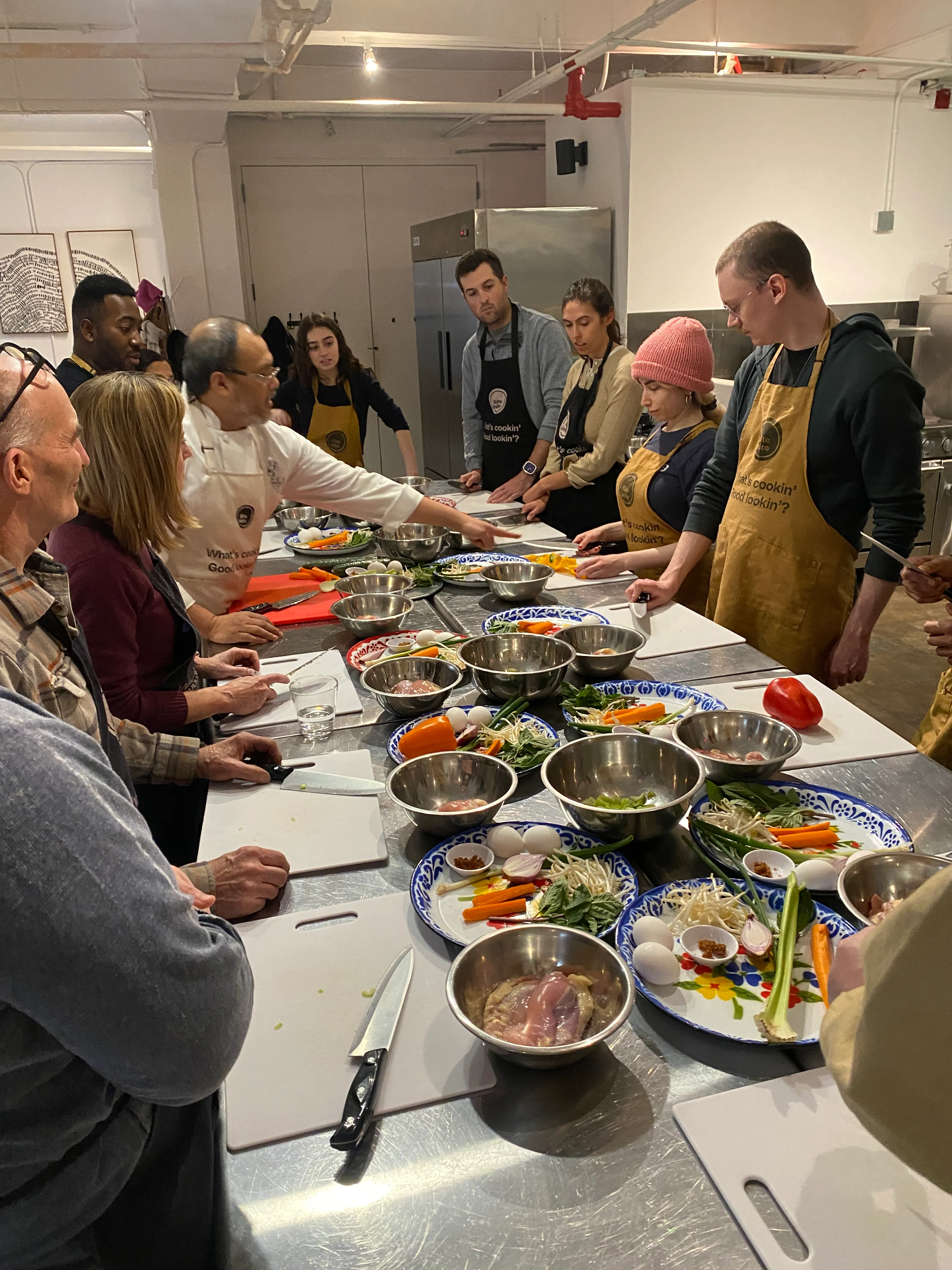
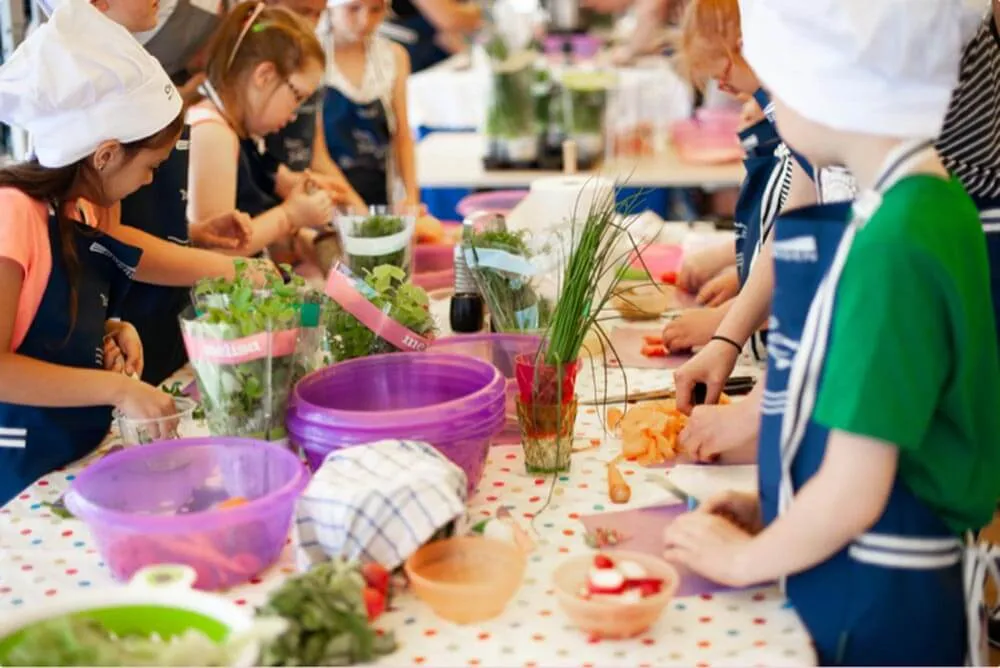
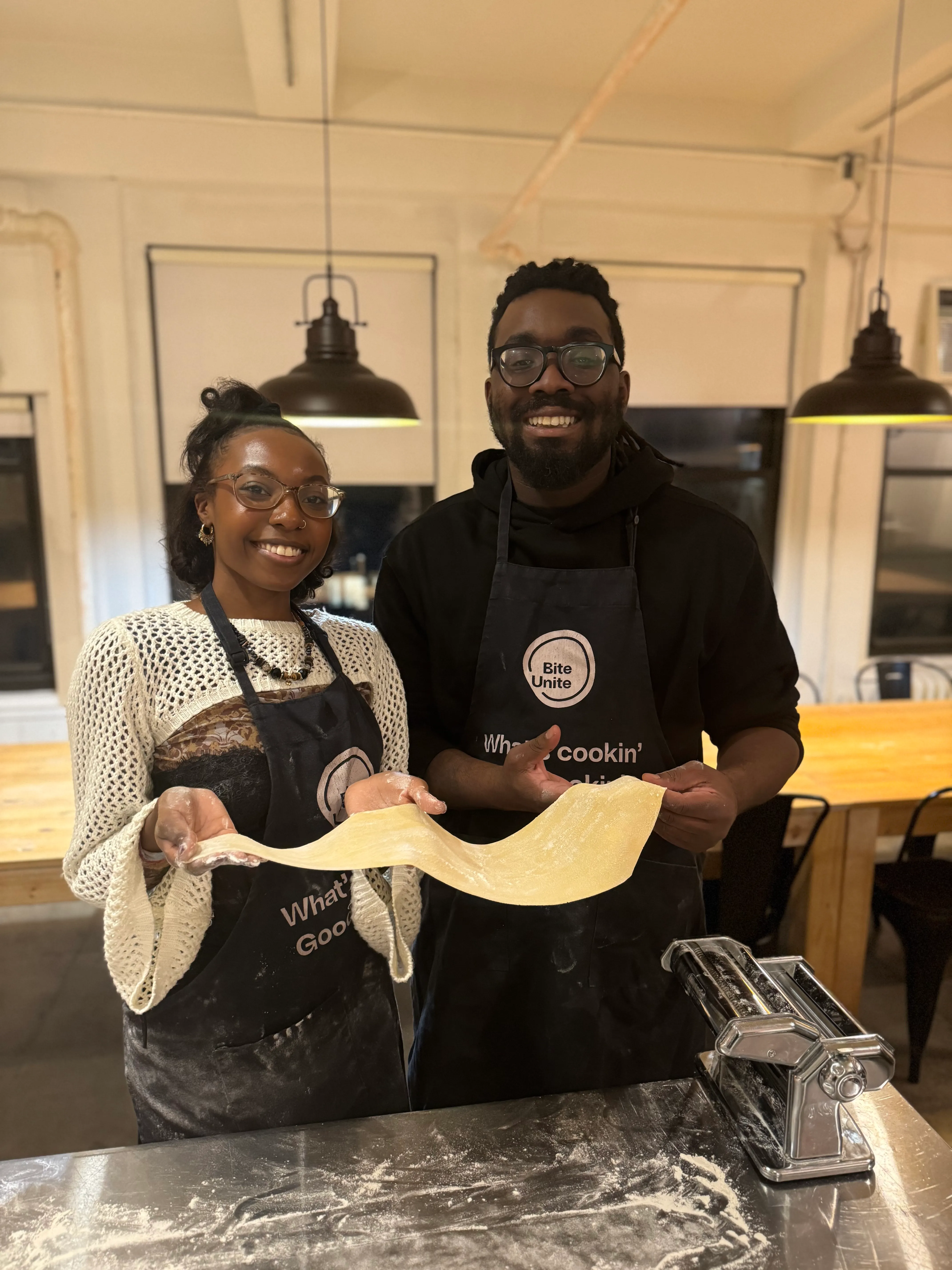
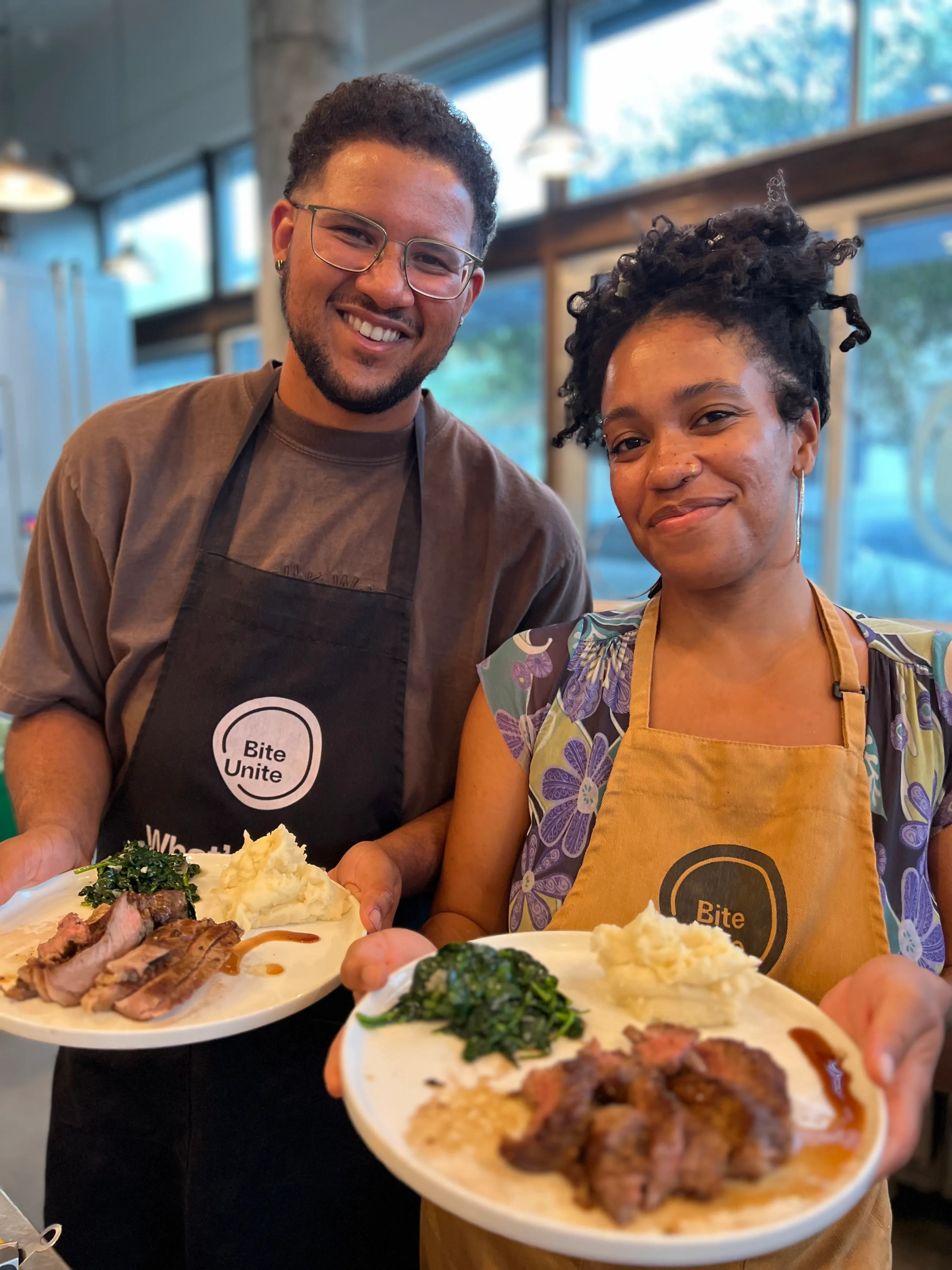
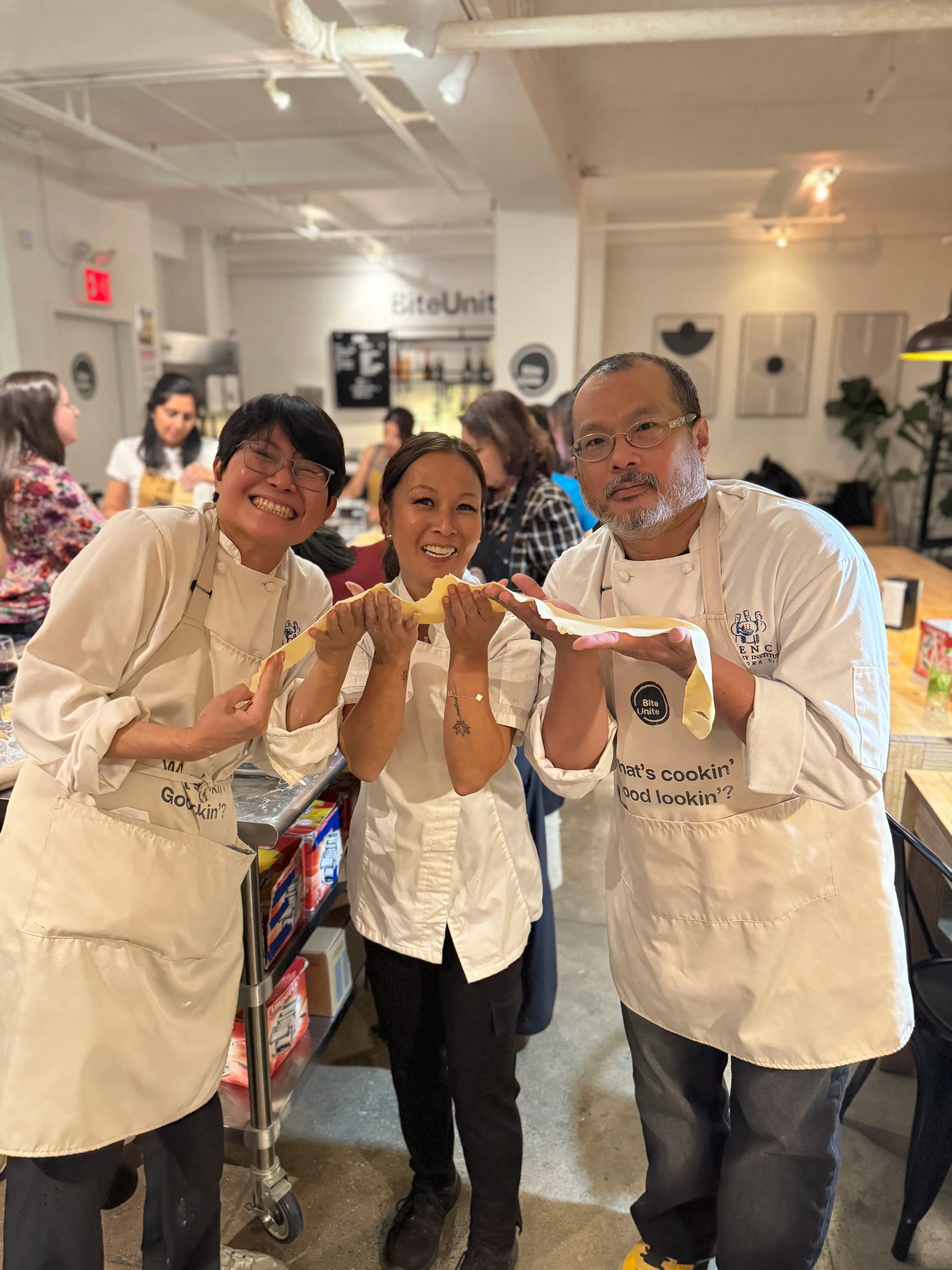
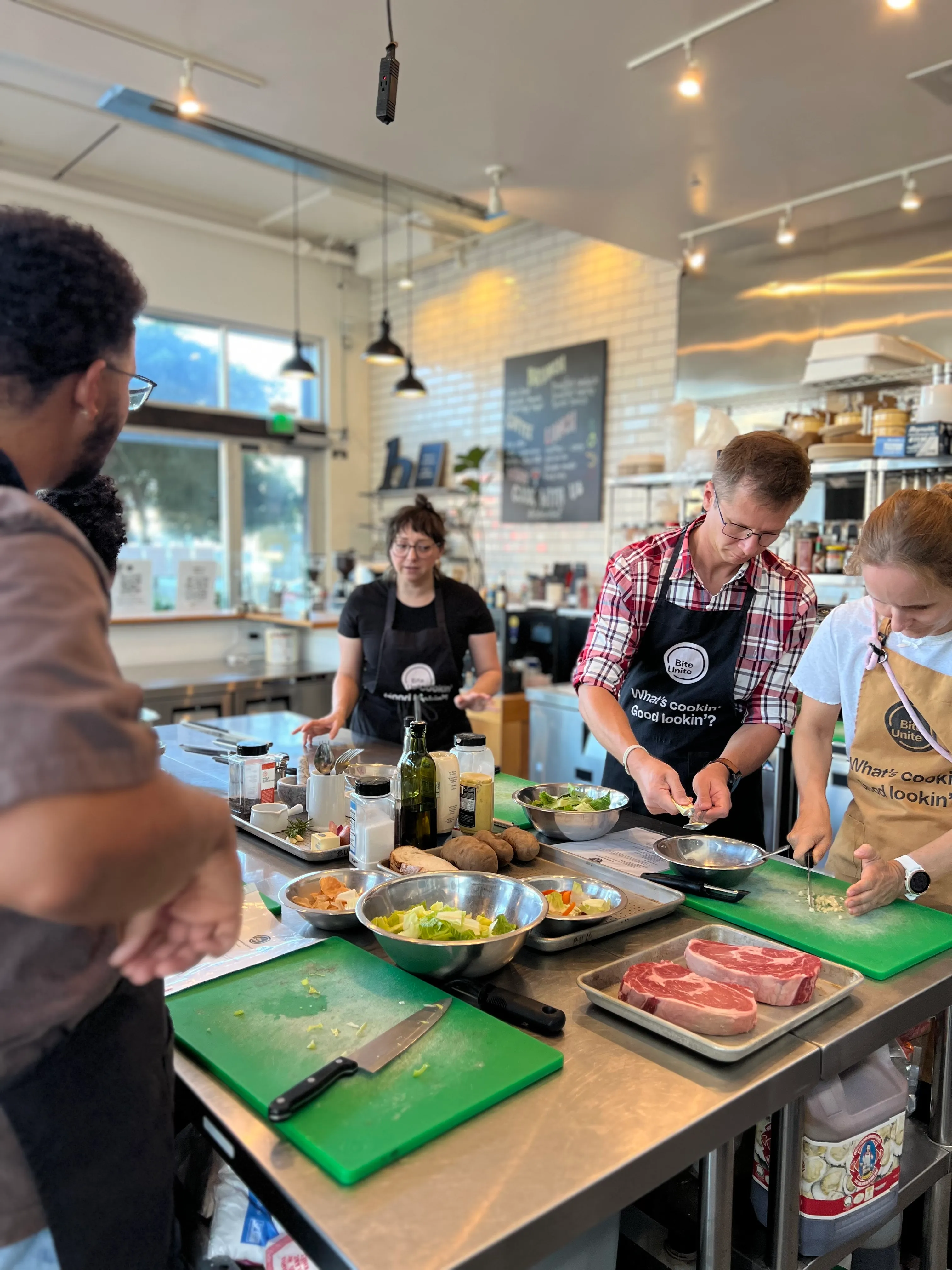
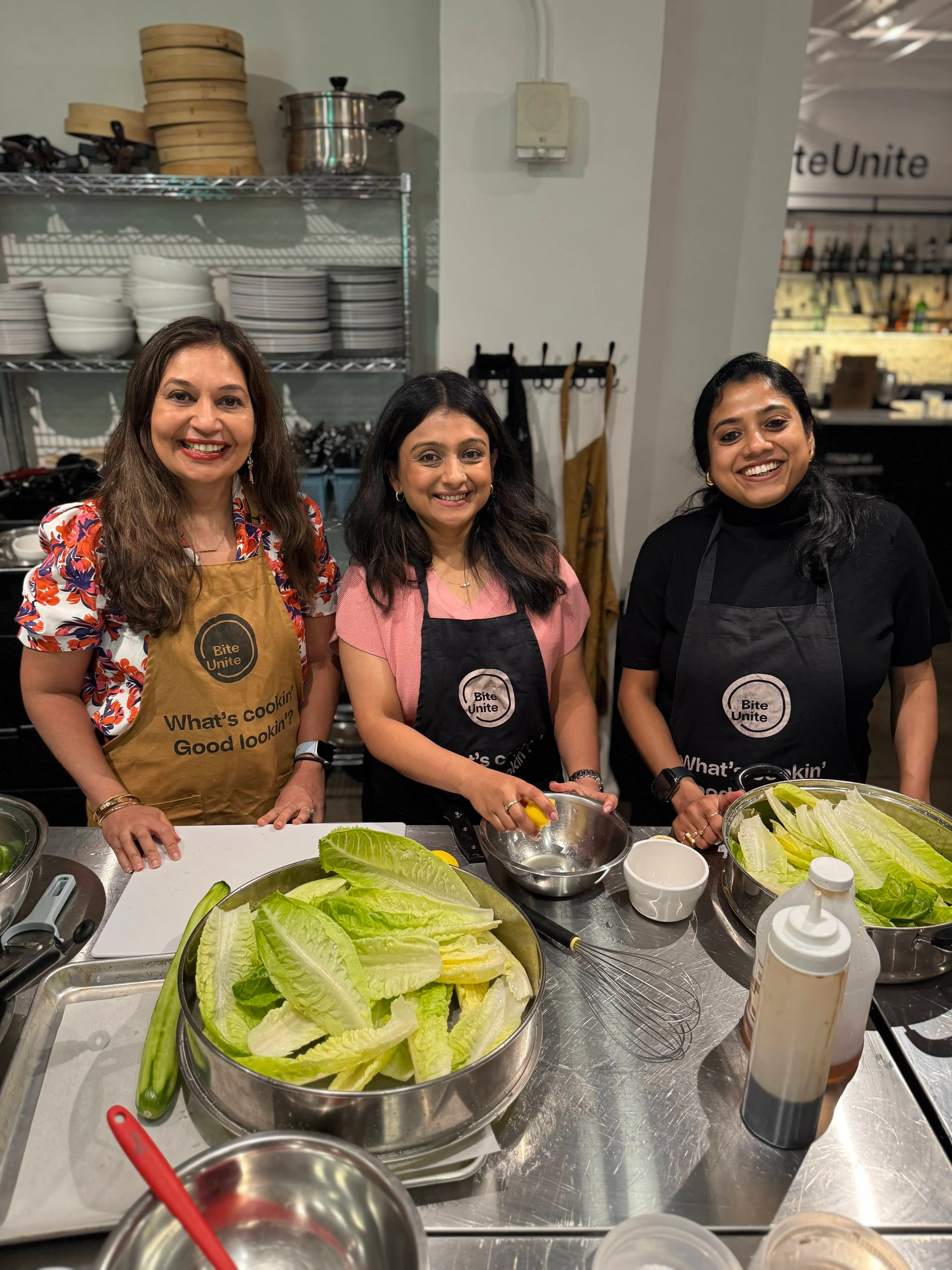
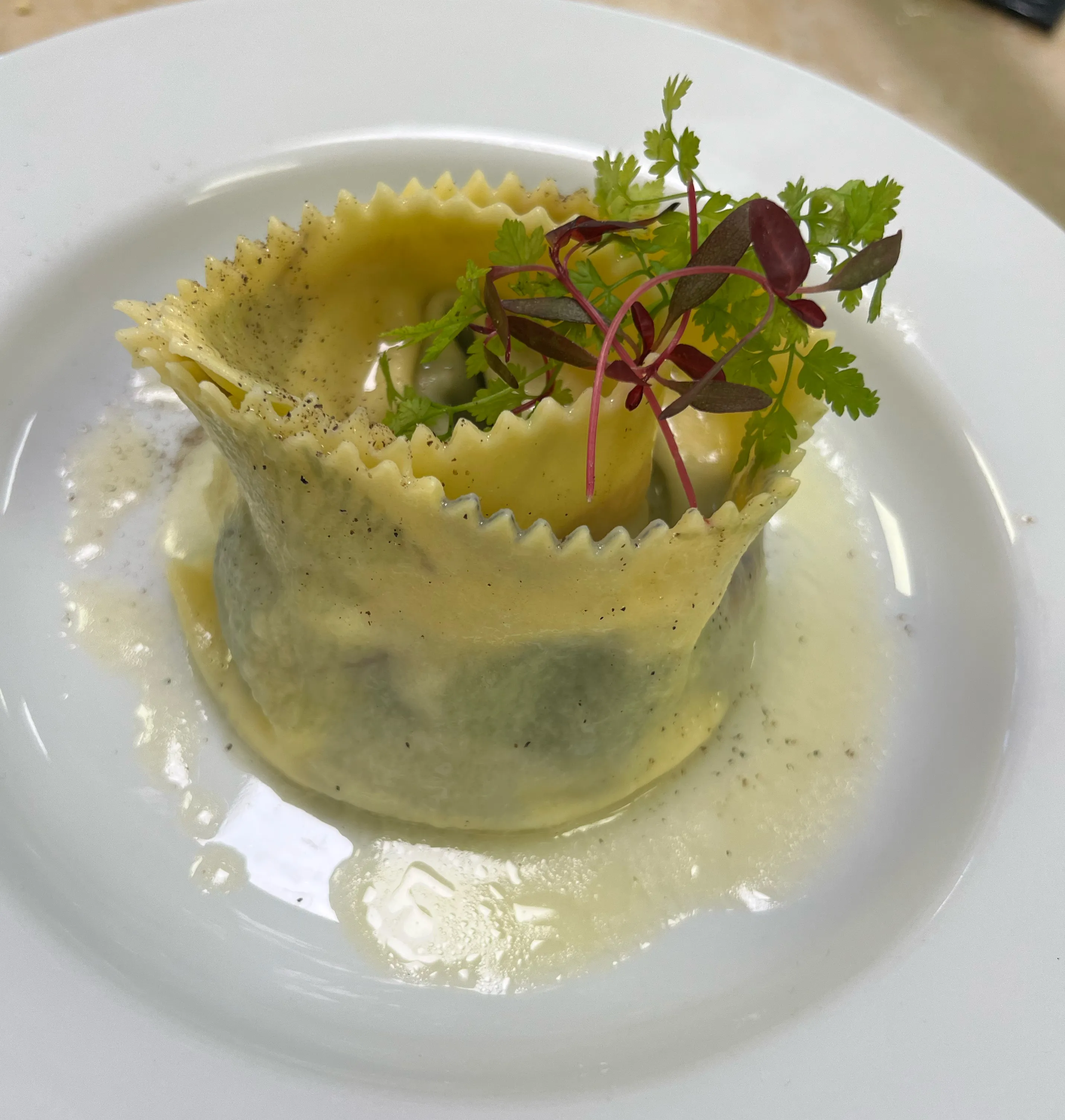
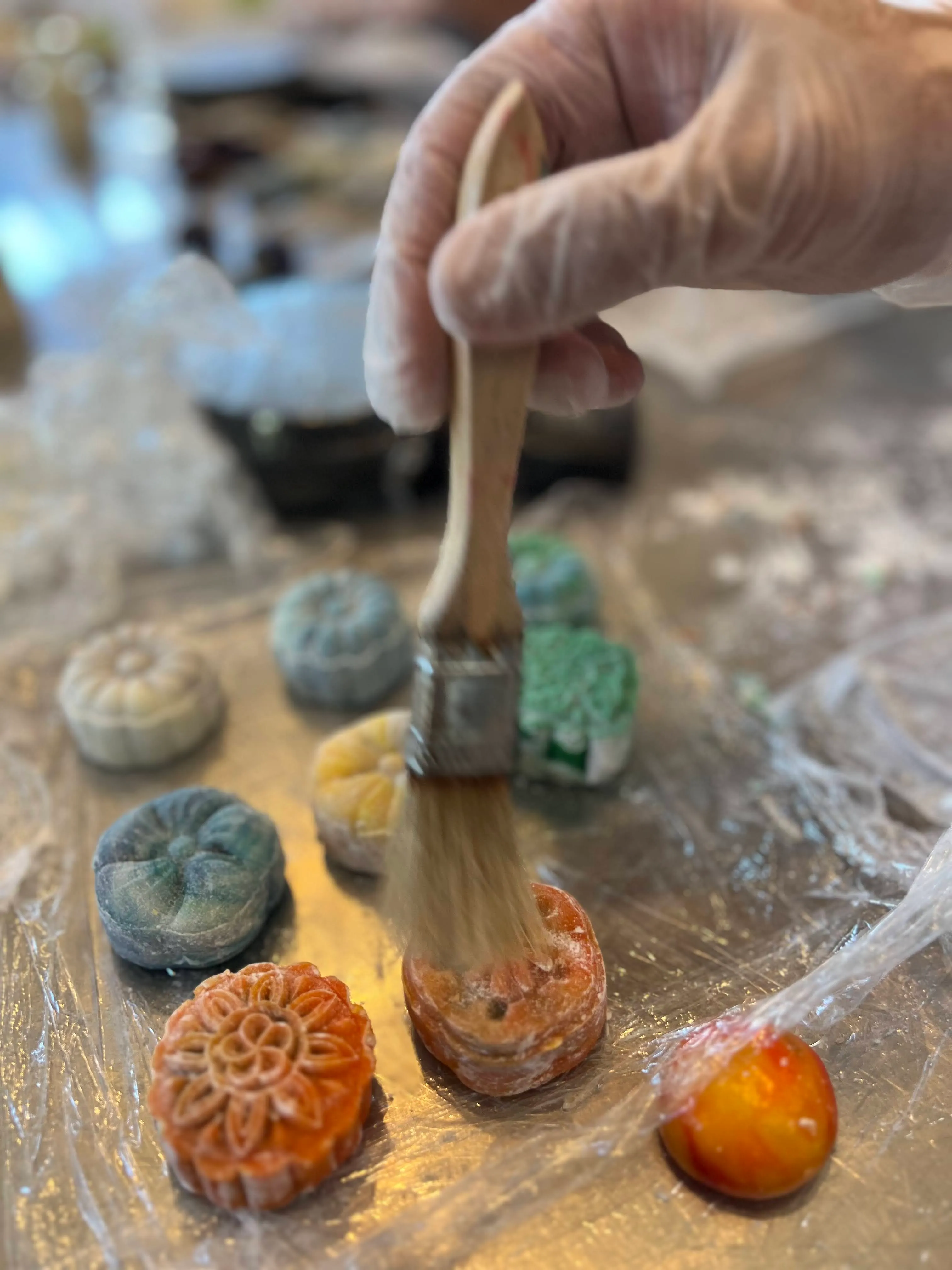
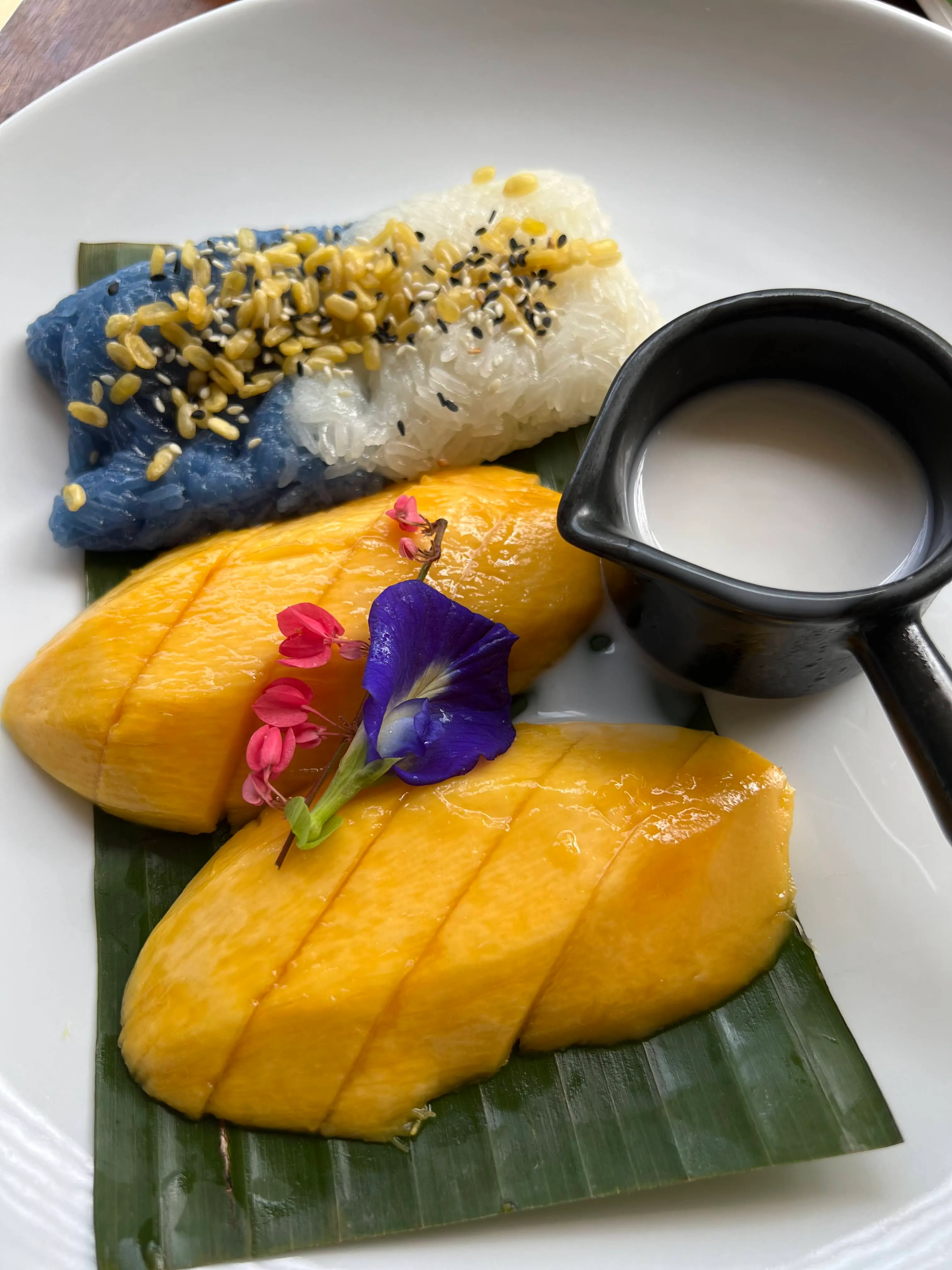
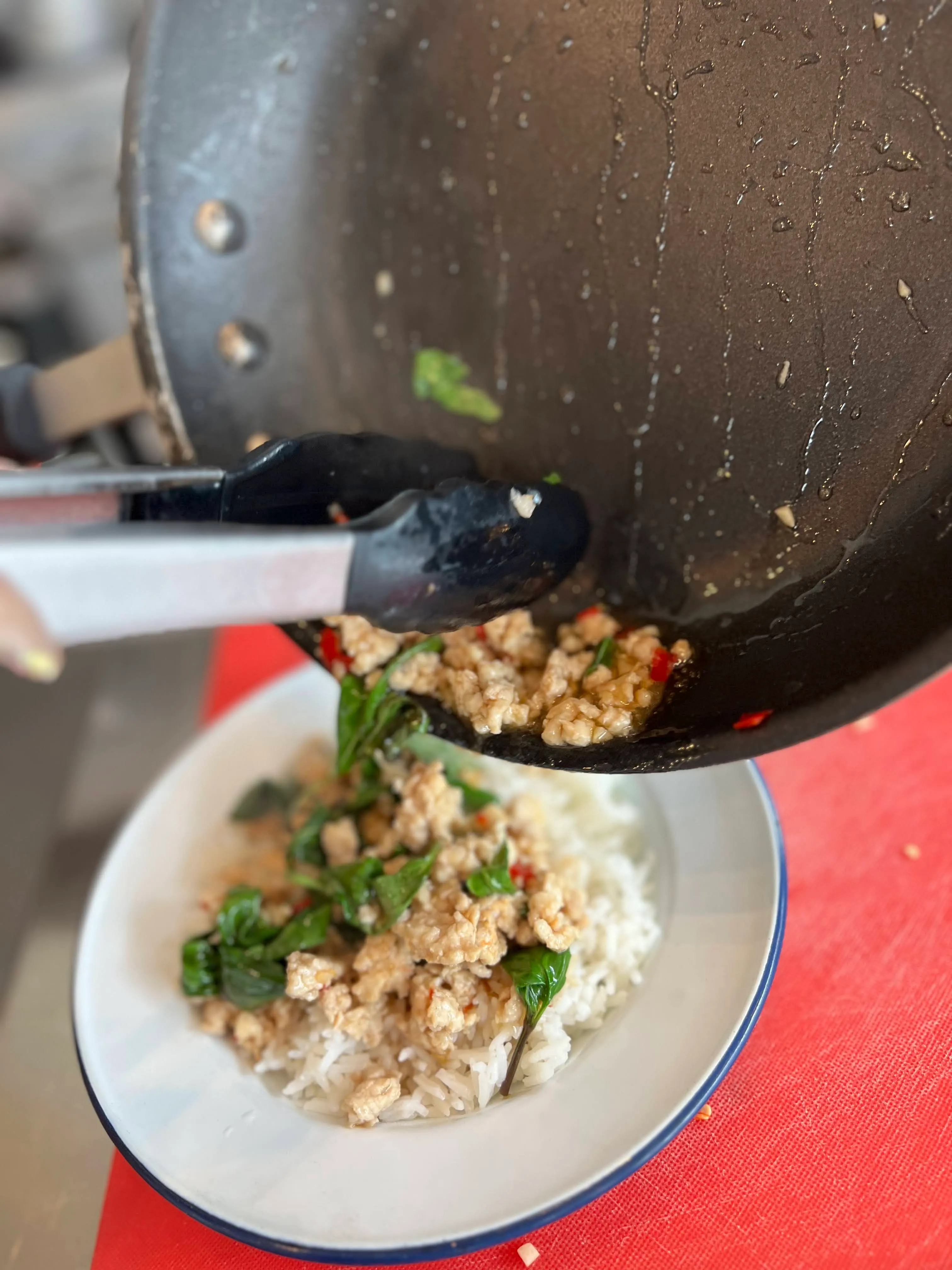
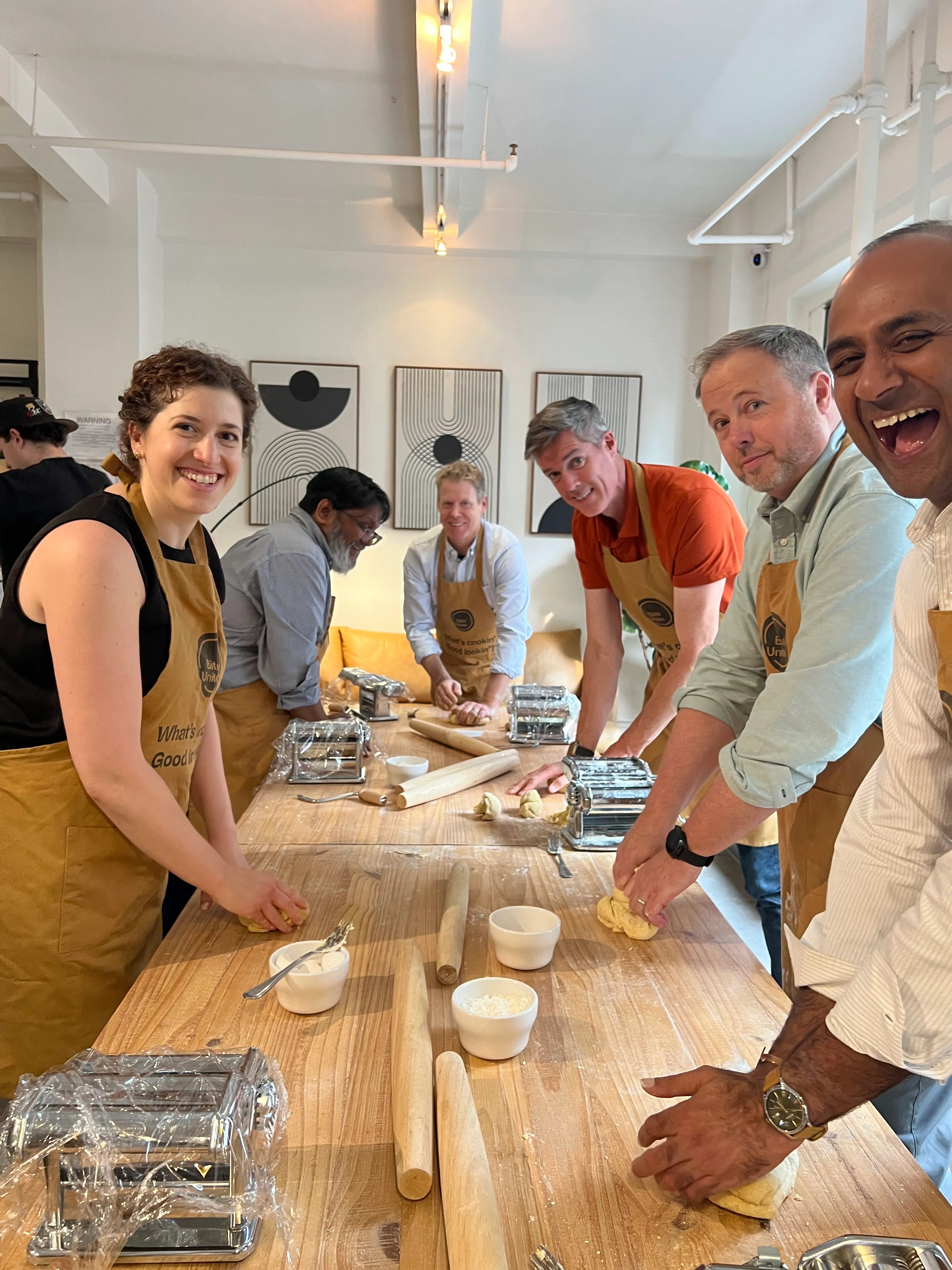
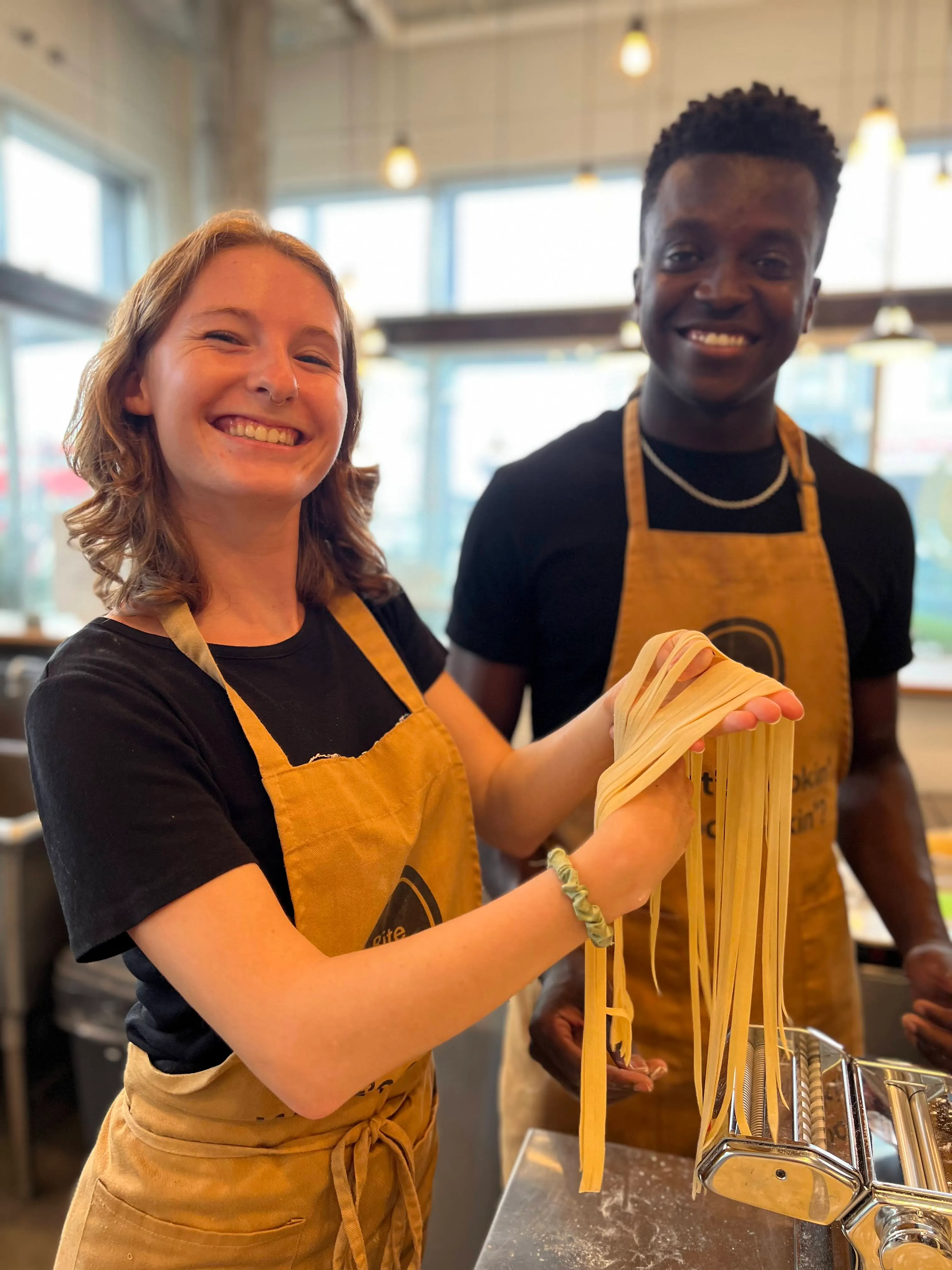
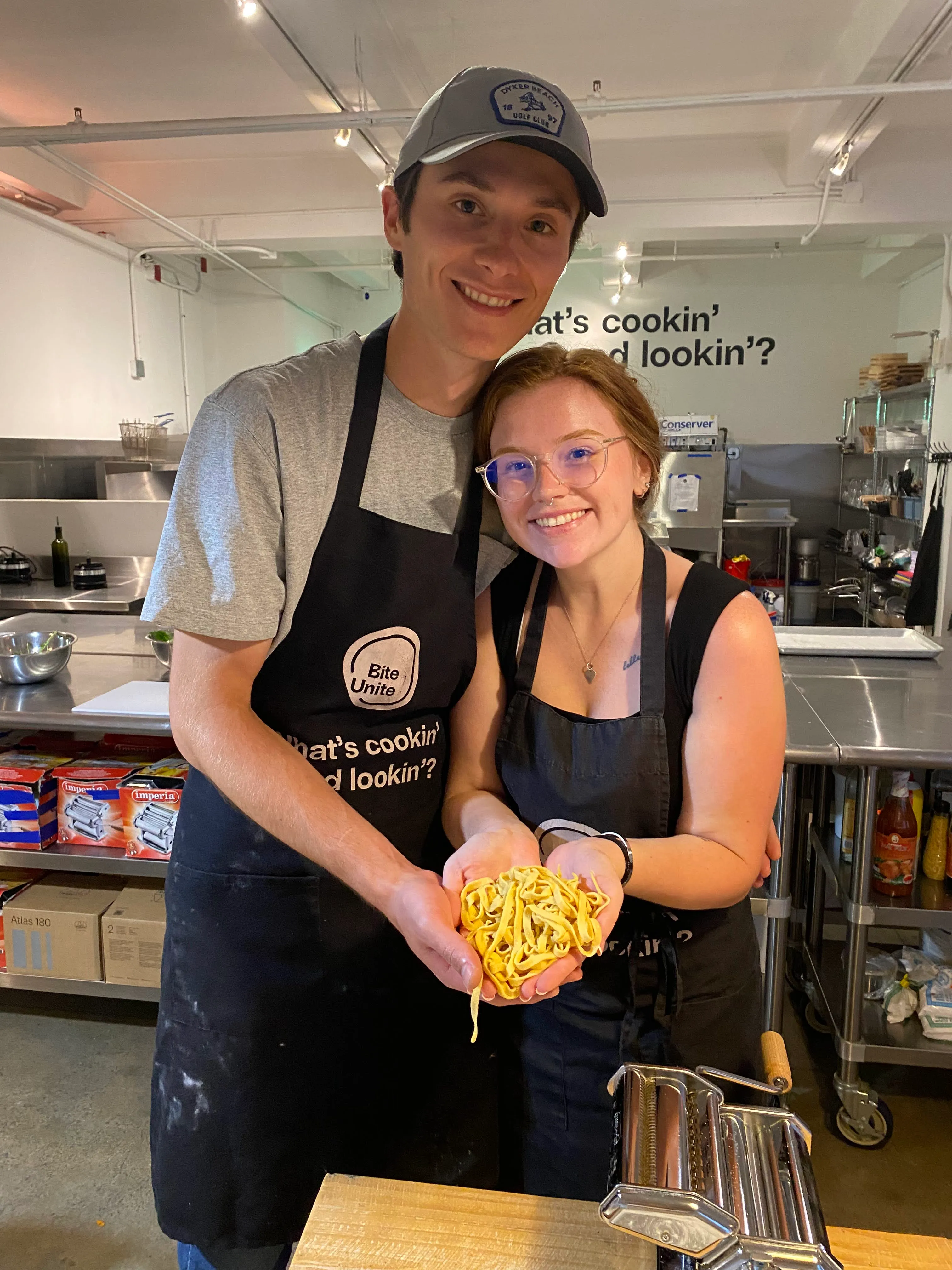
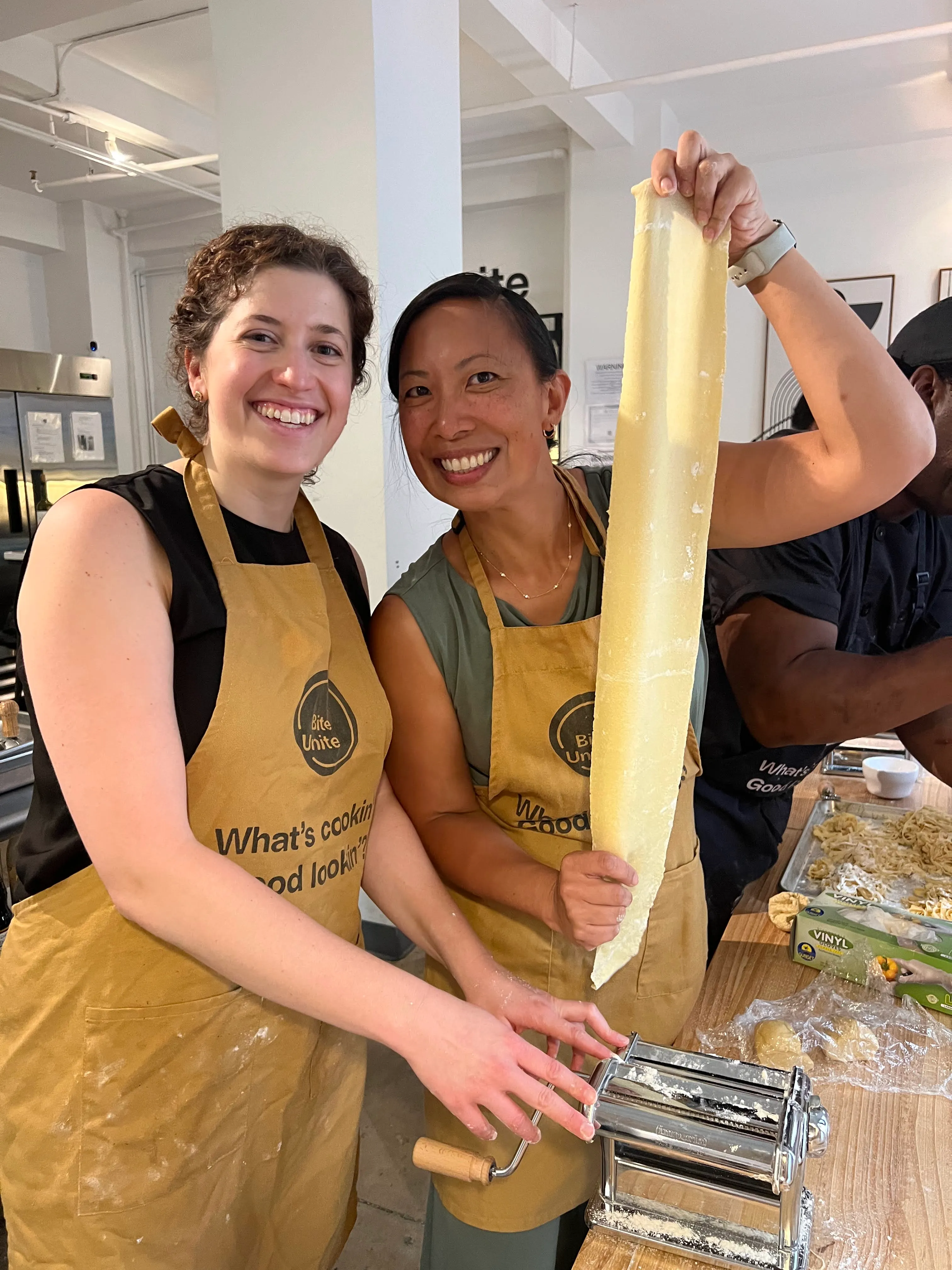
Chef-Led Culinary Experiences stand out among modern team-building ideas because they combine tactile learning, cultural exchange, and built-in dietary accommodation. Groups of 10–60, 90–120 minutes. Culinary formats are uniquely suited to inclusion because dietary adaptations, cultural food stories, and low-physical-demand tasks can be designed in from the start, not bolted on afterward.
Skills-Share Workshops let team members teach a skill they hold outside their job title: calligraphy, a language phrase, a coding trick, a recipe. Groups of 8–30, 60–90 minutes. Works especially well for multigenerational teams because knowledge flows in both directions across career stages.
Service and volunteering activities
Community Service Projects connect teams to a shared external purpose: packing meals, building sensory kits for schools, or assembling care packages. Groups of 10–100, 2–4 hours. Accessible formats exist for most mobility levels. Pairing service with a structured debrief (“What did you notice? What surprised you?”) converts a good experience into a lasting team memory.
| Activity | Group size | Time | Materials | Accessibility note |
|---|---|---|---|---|
| Two Truths and a Twist | 6–30 | 20–30 min | None | Low-pressure, self-directed |
| Cultural Object Show-and-Tell | 8–25 | 30–45 min | None | Centers lived experience |
| Empathy Mapping | 8–24 | 45–60 min | Sticky notes or digital board | Works seated, screen-reader adaptable |
| Accessible Escape Room | 4–20 | 45–75 min | Portable kit | Designed for full disability inclusion |
| Brainwriting Circles | 6–20 | 20–30 min | Paper or shared doc | Equalizes quiet and vocal contributors |
| Chef-Led Culinary Experience | 10–60 | 90–120 min | Kitchen, ingredients | Dietary and mobility adaptations built in |
| Skills-Share Workshop | 8–30 | 60–90 min | Varies by skill | Multigenerational, self-paced |
| Community Service Project | 10–100 | 2–4 hrs | Project-specific | Accessible task options available |
Research on inclusive workplace facilitation consistently shows that activities combining storytelling, structured listening, and deliberate follow-up move teams beyond performative sessions into real behavior change.
How do you design and facilitate a truly inclusive team-building session?
The core design principle is Challenge by Choice: every participant controls their own level of exposure. No one is required to share personal history, perform physically, or speak in front of the group. That one rule, applied consistently, protects psychological safety and keeps participation rates high.
Facilitator checklist
Pre-event preparation:
- Send a pre-event accessibility survey at least five days out (mobility, sensory, dietary, language needs).
- Review the venue or platform for physical access, caption availability, and screen-reader compatibility.
- Prepare a microaggression-awareness briefing for yourself using a concrete reference like the University of Minnesota’s microaggression example table, which gives facilitators specific language to recognize and address in debriefs.
- Build opt-out language into every prompt (“Feel free to pass or share as much as you’re comfortable with”).
- Share the agenda and any pre-work prompts 48 hours in advance so participants can prepare mentally.
During the session:
- Open with explicit ground rules: confidentiality, opt-in participation, and one speaker at a time.
- Use a talking object or timer to equalize speaking time.
- Offer both verbal and written response options for every prompt.
- Monitor energy and pacing; build in a five-minute break every 45 minutes.
- Close with a structured debrief: “What did you notice? What will you carry forward?”
Accessibility checklist
- Physical access: step-free entry, accessible restrooms, adjustable seating, adequate lighting
- Sensory adjustments: captions on all video, microphone use in rooms larger than 15 people, printed materials in at least 14-point font
- Neurodiversity accommodations: agenda shared in advance, quiet opt-out space available, no timed performance tasks without warning
- Language and captioning: live captions for virtual sessions, glossary of any jargon or acronyms sent ahead
- Digital accessibility: screen-reader-compatible slides, alt text on all images, high-contrast color schemes
Pro Tip: Recommend the Project Implicit IAT as optional pre-work for DEI-focused sessions. Participants take it privately and bring their reflections, not their scores. This shifts the opening conversation from abstract concepts to personal experience without forcing disclosure.
Pro Tip: Avoid scheduling sessions that require full-group verbal participation in the first 15 minutes. Open with a written or paired activity instead. This gives introverts and non-native English speakers a warm-up before the room gets loud.
Cultural assumptions are one of the most common pitfalls. An activity that feels playful in one cultural context can feel invasive or disrespectful in another. When your team spans multiple nationalities, run your activity design past at least one person from each represented culture before the session.
How do you adapt team-building activities for remote and hybrid teams?
Remote and hybrid sessions can be just as inclusive as in-person ones, but only when you design for the lowest-bandwidth participant and the most distant time zone from the start, not as an afterthought.
Low-bandwidth and asynchronous options
- Slack or Teams prompts: Post a daily or weekly reflection question in a shared channel. Participants respond when it suits them, and the thread becomes a living record of team perspectives.
- Shared Google Doc brainstorms: A running document where everyone adds ideas asynchronously before a live session. This gives quieter contributors time to think and levels the playing field before the meeting even starts.
- Micro-experiences: A five-minute “show your workspace” or “share one thing you’re proud of this week” at the top of a regular meeting. Low lift, high connection.
Technology tips for virtual inclusion
- Enable live captions on Zoom, Google Meet, or Microsoft Teams for every session, not just when someone requests them.
- Use breakout rooms of 3–4 people for any discussion activity; large virtual rooms silence quieter participants faster than large in-person rooms do.
- Share all materials as screen-reader-compatible PDFs or Google Docs with alt text on images, sent at least 24 hours before the session.
- Record sessions and post transcripts for participants in different time zones who cannot attend live.
- Rotate meeting times across time zones so the same group is never always the one joining at 7 AM or 10 PM.
Pro Tip: For hybrid sessions where some participants are in a room and others are remote, give every remote participant their own video tile on a screen visible to the in-room group. The moment remote participants become a single “gallery view” box on one screen, they functionally disappear from the conversation.
Two adaptation examples
Icebreaker: Virtual Photo Challenge (remote version) In-person format: participants bring a physical object. Remote adaptation: post a prompt in Slack 48 hours before the session (“Share a photo of something in your space that represents a value you bring to work”). Participants post photos asynchronously. During the live session, the facilitator shares a gallery of photos and invites brief, optional verbal descriptions. No camera required for the async phase, which removes a significant barrier for participants with bandwidth issues or camera anxiety.
Problem-solving: Brainwriting Circle (hybrid version) In-person format: paper sheets passed around a table. Hybrid adaptation: use a shared Google Jamboard or Miro board. In-room participants type on tablets or laptops; remote participants type directly into the same board. The facilitator sets a three-minute timer for each round. Everyone sees every idea in real time, and no one can tell who is in the room and who is remote.
Ready-to-use agendas, timing, and facilitator scripts
Choose your agenda length based on your goal: 30 minutes for a quick connection boost, 60 minutes for a structured activity with debrief, 90 minutes for a full experience with skill-building and reflection.
| Agenda | Duration | Best for | Facilitator role | Note-taker | Timekeeper |
|---|---|---|---|---|---|
| Quick Connect | 30 min | Regular team meetings, warm-ups | Guides prompts | Optional | Facilitator |
| Structured Activity | 60 min | Monthly team events, new team onboarding | Active facilitation | Recommended | Dedicated |
| Full Experience | 90 min | Quarterly events, DEI programming | Expert facilitation | Required | Dedicated |
30-minute Quick Connect agenda:
- Welcome and ground rules (3 min)
- Paired icebreaker with opt-in prompt (10 min)
- Full-group share-out, two volunteers only (7 min)
- Written reflection: “One word for how you’re feeling right now” (5 min)
- Facilitator close and next steps (5 min)
60-minute Structured Activity agenda:
- Welcome, ground rules, and accessibility check (5 min)
- Warm-up icebreaker (10 min)
- Main activity with opt-in language (30 min)
- Debrief in pairs (5 min)
- Full-group debrief: three questions (8 min)
- Close and action commitments (2 min)
90-minute Full Experience agenda:
- Welcome, ground rules, and pre-work reflection (10 min)
- Icebreaker (10 min)
- Main activity, e.g., culinary experience or skills-share (45 min)
- Paired debrief (10 min)
- Full-group debrief and behavior-change commitments (10 min)
- Close, survey distribution, and next steps (5 min)
Sample facilitator scripts:
- Opening: “Welcome, everyone. Before we start, a few ground rules: everything shared here stays here, every prompt is an invitation not a requirement, and we’ll make sure everyone has a chance to contribute.”
- Opt-in language: “I’d love to hear from you on this, and it’s completely fine to pass or share just as much as feels right.”
- Debrief prompts: “What did you notice during that activity?” / “What surprised you?” / “What’s one thing you’ll carry into your work this week?”
Budget ranges:
- Low ($0–$15 per person): DIY icebreakers, brainwriting, virtual photo challenges, Slack-based async activities
- Medium ($15–$75 per person): Facilitated workshops, accessible escape room kits, skills-share with materials
- High ($75–$200+ per person): Chef-led culinary experiences, external facilitators, community service projects with materials and transport
For food-centered events, a planner’s guide to food in company events covers dietary accommodation planning and menu strategy in detail, which is worth reviewing before finalizing any culinary activity.
How do you measure the impact of inclusive team-building activities?
Measure three things: participation rate, perceived psychological safety, and behavior change intent. Those three metrics give you a short-term signal (did people show up and engage?), a mid-term signal (did they feel safe?), and a long-term signal (will anything change?).
Sample post-event survey (send within 24 hours)
- “I felt comfortable participating in today’s activity.” (1–5 scale)
- “I felt that my perspective was valued during the session.” (1–5 scale)
- “The activity was accessible to me.” (Yes / No / Partially, with an open comment field)
- “What was the most valuable part of today’s session?” (open text)
- “What would make future sessions more inclusive for you?” (open text)
- “As a result of today, I intend to change one behavior at work.” (Yes / No / Maybe)
Metrics to track
- Attendance rate: percentage of invited participants who attended
- Participation rate: percentage who engaged with at least one prompt (verbal or written)
- Psychological safety score: average of questions 1 and 2 above
- Accessibility satisfaction: percentage who answered “Yes” to question 3
- Behavior change intent: percentage who answered “Yes” or “Maybe” to question 6
- Qualitative themes: recurring words or phrases in open-text responses
| Metric | How to collect | Reporting cadence | Target |
|---|---|---|---|
| Attendance rate | Calendar / RSVP data | Per event | high participation rate |
| Psychological safety score | Post-event survey | Per event, trended quarterly | positive participant rating |
| Accessibility satisfaction | Post-event survey | Per event | 90%+ “Yes” |
| Behavior change intent | Post-event survey | Per event, follow-up at 30 days | 60%+ “Yes/Maybe” |
| Qualitative themes | Open-text coding | Quarterly | Positive themes increasing |
Research on diversity and inclusion activities confirms that pairing short activities with concrete follow-up actions, rather than letting the session stand alone, is what produces lasting behavior change. Schedule a 15-minute team check-in 30 days after any major activity to revisit the commitments participants made in the debrief.
A culinary team-building session that put inclusion principles into practice
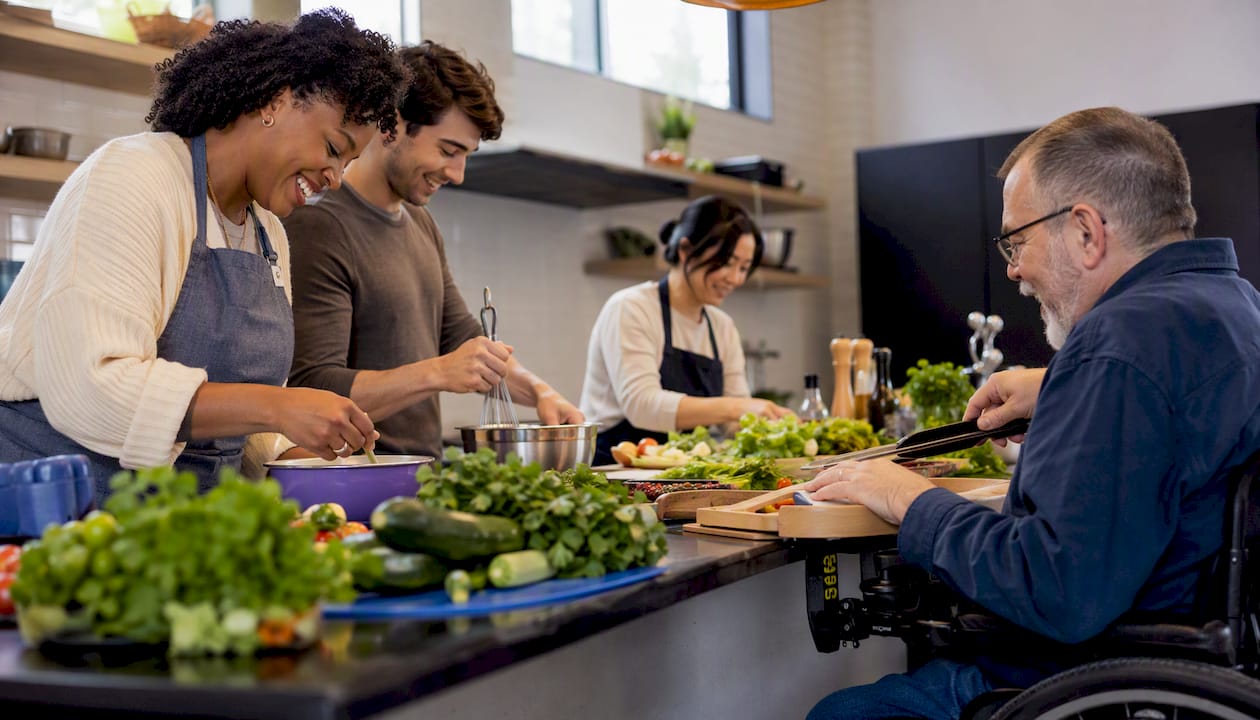
A technology company with employees across multiple U.S. offices ran a chef-led culinary team-building session as part of a quarterly all-hands. The team included participants with celiac disease, a participant who uses a wheelchair, two non-native English speakers, and several self-identified introverts. The goal was to build cross-functional connection after a year of fully remote work.
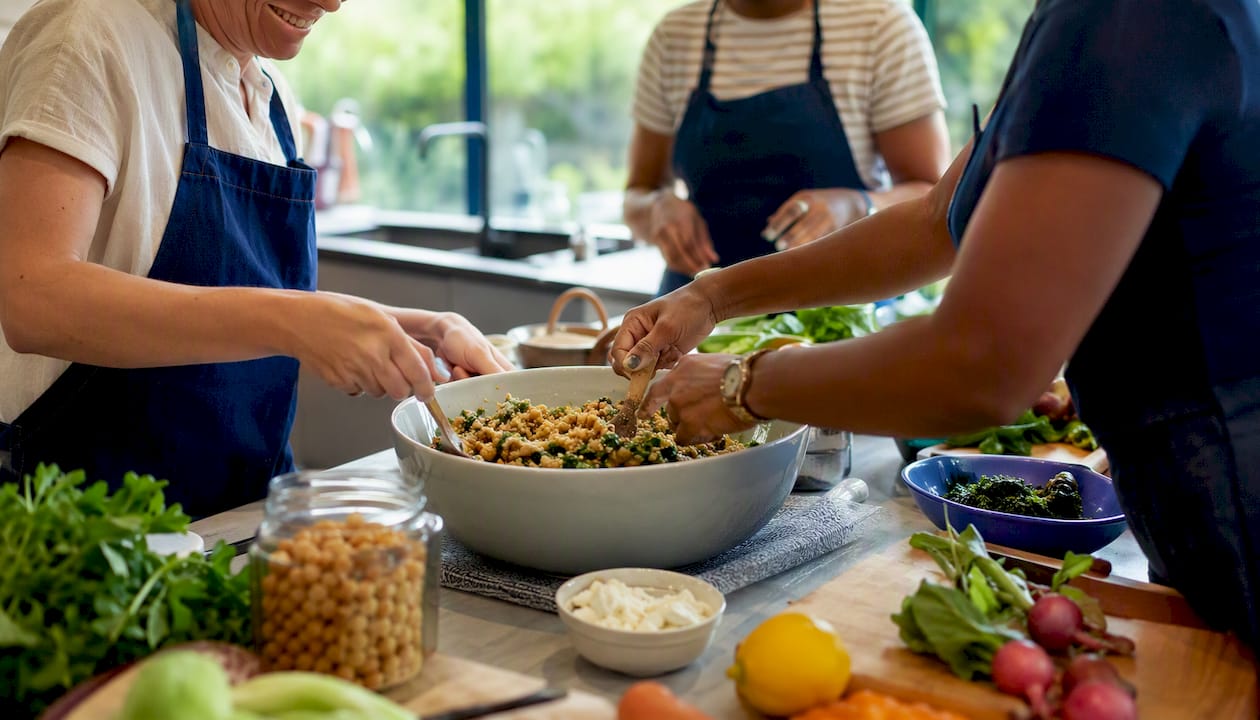
Outcome summary: Post-event surveys showed high scores for psychological safety and feeling that perspectives were valued, with very high attendance. Every participant answered “Yes” to the accessibility question.
How the session was designed:
- Pre-event survey collected dietary restrictions, mobility needs, and language preferences two weeks out.
- The menu was designed around naturally gluten-free dishes, with a dedicated prep station for the participant with celiac disease.
- The kitchen layout was confirmed step-free and the prep stations were at adjustable heights.
- All verbal instructions were paired with printed recipe cards in plain language, with key terms translated into Spanish for the two non-native English speakers.
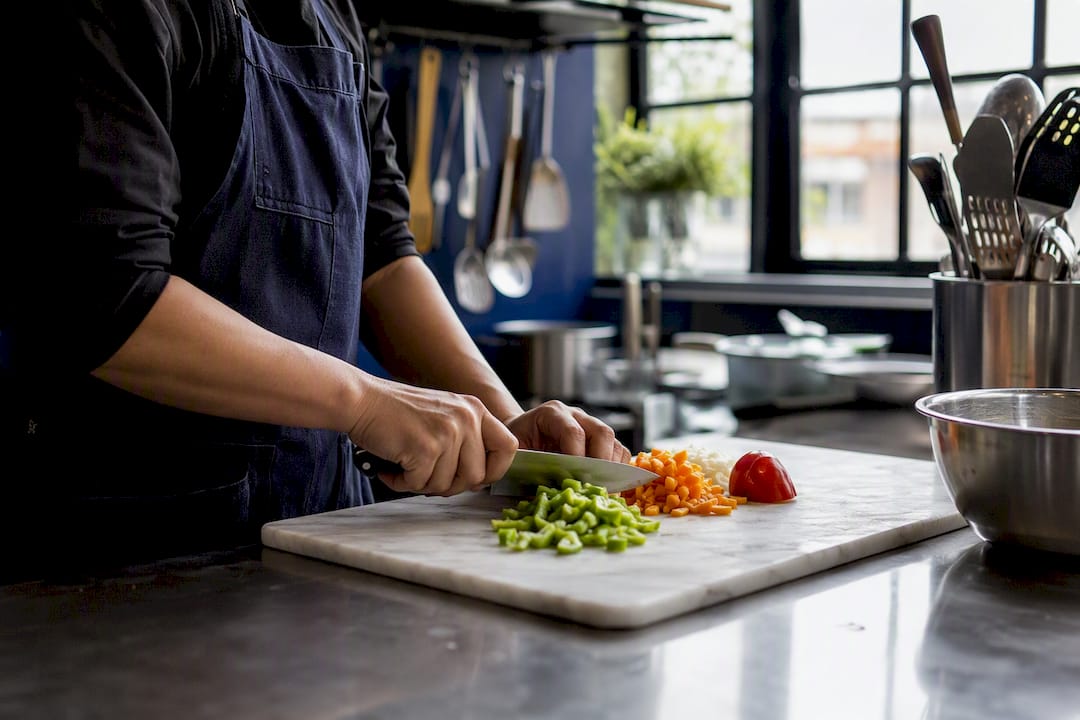
- Tasks were designed so that every role (chopping, mixing, plating, narrating the dish’s cultural story) required no standing or fine motor precision, giving participants genuine choice about which role to take.
Sample anonymized agenda:
| Time | Activity | Facilitator action |
|---|---|---|
| 0:05–0:10 | Welcome, ground rules, kitchen safety | State opt-in language explicitly |
| 0:10–0:25 | Cultural story: the dish’s origin and significance | Invite, don’t require, personal food stories |
| 0:25–1:00 | Hands-on cooking in mixed teams of 4–5 | Rotate roles every 15 minutes |
| 1:00–1:15 | Shared meal and open conversation | Facilitate with light prompts only |
| 1:15–1:30 | Debrief and survey | Three debrief questions, survey link sent |
Culinary team-building works particularly well for multicultural corporate groups because food carries cultural meaning that sparks genuine conversation without requiring anyone to speak abstractly about identity. The accessible cooking program model that uses plain-language instructions, adapted utensils, and ongoing support demonstrates how culinary formats can be structured for full inclusion from the ground up.
For teams that want to explore how cooking classes build team morale before committing to a full event, that resource walks through the engagement mechanics in detail.
When should you DIY vs. hire a facilitator?
DIY works well when your team is small (under 15 people), the activity is low-stakes (icebreakers, virtual photo challenges, brainwriting), you have an internal champion with facilitation experience, and your budget is tight.
Hire an external facilitator when the content is emotionally sensitive (identity, privilege, trauma-adjacent topics), your group is large (20+ people), participants have complex accessibility needs that require specialist knowledge, or you need a neutral third party to hold the space safely.
Decision checklist
- Team size over 20? Lean toward hiring.
- Topics involve identity, bias, or personal history? Hire.
- Multiple participants with accessibility needs? Hire or co-facilitate.
- Budget under $500 total? DIY with a strong internal facilitator.
- Desired outcome is behavior change, not just fun? Hire or use a structured toolkit.
Questions to ask any vendor or external facilitator
- Can you share a sample run-sheet from a previous inclusive session?
- How do you handle accessibility needs, and what is your process for collecting them in advance?
- What is your opt-in and opt-out policy for sensitive prompts?
- Do you carry liability insurance, and what does it cover?
- How do you debrief emotionally charged moments?
- What is your experience facilitating multicultural or multigenerational groups?
Red flags to watch for:
- No mention of opt-in language or psychological safety in their pitch
- A run-sheet that has no debrief time built in
- Vague answers about accessibility (“we can accommodate most needs”)
- Overemphasis on “getting people out of their comfort zone” without a safety framework
For outdoor or active formats, corporate team-building programs that specialize in low-barrier outdoor activities can be a useful reference point when evaluating vendors who offer physical activity options.
How do you bring introverted or less vocal team members into the conversation?
The most common mistake is treating introvert-friendly design as a nice-to-have. It isn’t. When quieter team members disengage, you lose the perspectives that are often most different from the dominant group voice, which is exactly what inclusive activities are supposed to surface.
Three tactics that work consistently:
Send prompts in advance. When participants know the questions before the session, they arrive with considered responses rather than having to think on their feet in front of the group. A 48-hour advance send is the minimum; a week out is better for complex topics.
Use written response options alongside verbal ones. For every discussion prompt, offer a parallel written path: a shared doc, a sticky note, a chat message. Some people articulate their best thinking in writing. Giving them that option isn’t a workaround; it’s good facilitation.
Protect airtime structurally. A talking object, a round-robin format, or a timer that gives each person 90 seconds removes the social pressure of self-selection. Quieter participants don’t have to compete for the floor; the structure hands it to them.
Practitioner guidance on introvert-inclusive facilitation also recommends brainwriting over brainstorming as a default for idea-generation activities. The written format produces more ideas, more diverse ideas, and more equitable contribution than verbal brainstorming in almost every group setting.
One more thing worth naming: not every quiet person is an introvert. Some participants are quiet because they don’t feel psychologically safe, because English is their second language, or because they’ve learned that their ideas aren’t always welcomed. Introvert-friendly design helps all of them, which is why it belongs in every session, not just the ones labeled “DEI.”
Legal and ethical considerations for inclusive team-building activities
Inclusion in team building isn’t just good practice. In the United States, several legal frameworks shape what employers can and cannot do in workplace activities.
The Americans with Disabilities Act (ADA) requires employers to provide reasonable accommodations for employees with disabilities in workplace programs, which includes team-building events. If an activity is inaccessible to a participant with a disability and no accommodation is offered, that can constitute a violation. The practical implication: collect accessibility needs before every event and document your accommodation process.
Title VII of the Civil Rights Act prohibits workplace discrimination based on race, color, religion, sex, and national origin. Activities that single out individuals based on these characteristics, even with good intentions, can create legal exposure. Privilege Walk exercises, for example, require careful facilitation and explicit opt-in language precisely because they ask participants to publicly identify aspects of their identity.
Religious and cultural sensitivity is both a legal and ethical obligation. Mandatory activities scheduled on religious holidays, food-centered events that don’t account for religious dietary laws (halal, kosher, fasting periods), or activities that assume a shared cultural reference point can all create exclusion and, in some cases, legal risk.
Psychological safety is an ethical floor, not a ceiling. Activities that pressure participants to disclose personal history, perform vulnerability, or compete in ways that disadvantage certain groups can cause real harm, even when the intent is positive. The “challenge by choice” principle isn’t just good facilitation; it’s the ethical standard for any activity that touches identity or personal experience.
Data privacy applies when you collect pre-event surveys that include health, disability, or dietary information. Treat that data as sensitive: store it securely, share it only with the people who need it to plan accommodations, and delete it after the event.
A practical rule of thumb: if you wouldn’t be comfortable explaining the activity’s design and opt-in process to your legal team, revise it before you run it.
What experienced facilitators actually do differently
Three habits separate facilitators who consistently run inclusive sessions from those who run sessions that merely intend to be inclusive: they send pre-work, they build in silence, and they debrief every single time, even when the session felt perfect.
Here are the rapid-fire practices that make the biggest difference:
- Pre-send the agenda and prompts at least 48 hours out. Participants who need processing time, translation help, or accommodation planning can’t do that in the moment.
- Open with a two-minute written reflection before any verbal sharing. It equalizes the room before anyone speaks.
- Use explicit opt-out language in every prompt, every time. “Feel free to pass” is not a weakness in your facilitation; it’s what makes the room safe enough for honest participation.
- Rotate roles in any activity with defined tasks. The person who always ends up as note-taker is usually not the person who needs more practice listening.
- Name the debrief before the activity starts. When participants know a reflection is coming, they engage more intentionally during the activity itself.
- Follow up in writing within 24 hours with a summary of what was shared and any commitments made. This signals that the session mattered beyond the hour.
- Build in a quiet opt-out space for any in-person session longer than 60 minutes. Sensory overload is real, and having a designated low-stimulation area keeps participants who need it from simply leaving.
One quick pivot that saved a session: during a culinary team-building event, a participant arrived and disclosed that a hand injury made chopping impossible. The facilitator immediately reassigned them to the “cultural narrator” role, tasked with researching and sharing the dish’s origin story while the team cooked. That participant later said it was the most engaged they’d felt in a team event in years. The accommodation wasn’t planned; the flexibility was.
Biteunite brings inclusive culinary experiences to your team
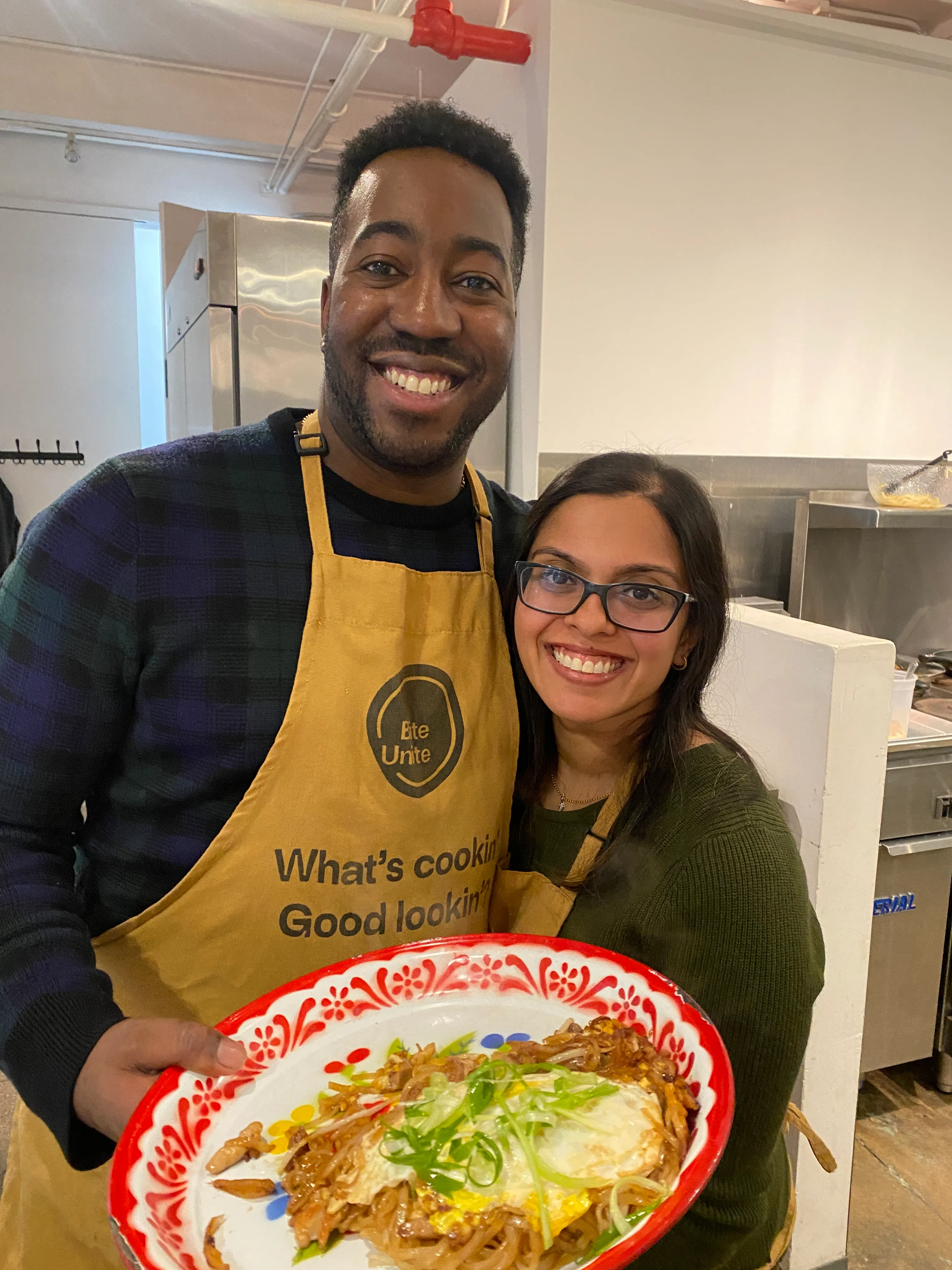
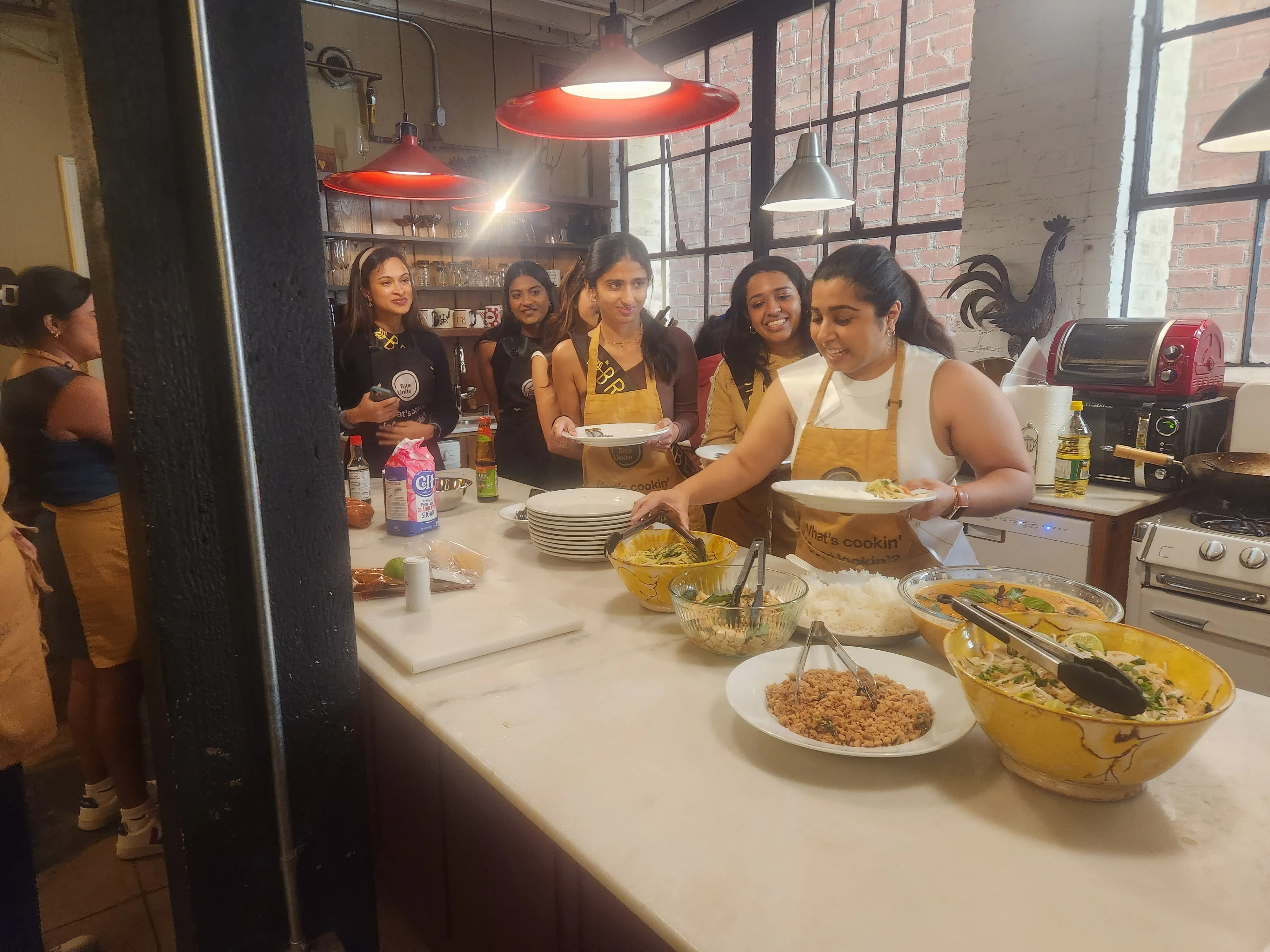
Chef-led cooking classes are one of the most naturally inclusive formats available for corporate teams, and Biteunite has built its entire offering around making them work for diverse groups. Every session comes with built-in dietary accommodation planning, accessible kitchen formats, and expert chefs who know how to facilitate a room, not just a recipe.
Three reasons HR managers and team leaders choose Biteunite for inclusive team events: dietary restrictions are handled as a standard part of booking, not an afterthought; the hands-on format gives every participant a genuine role regardless of cooking experience; and the cultural dimension of each cuisine creates conversation that no icebreaker prompt can replicate. Sessions are available in New York, San Francisco, and Hong Kong, with online options for remote and hybrid teams.
Ready to bring your team together around something delicious? Browse group cooking classes in Manhattan or San Francisco culinary team events and request a corporate proposal directly from the booking page.
Sources
- Microaggression example table
- Project Implicit — Take a test
- Accessible Escape Room
- Unlocking the benefits of multigenerational workforces





































.webp)