Private Chef Dinner Cost: What Hosts Should Budget
Hiring a private chef for dinner typically runs $85–$200 per person in the U.S., with most hosts spending $500–$1,500 total for a standard dinner party. A romantic dinner for two can be significantly more expensive per person, while larger guest events vary widely in total cost depending on menu tier and service level. According to per-person pricing data, the national average for an 8–10 guest dinner sits around $110–$140 per person.
A typical all-in quote covers:
- Chef fee (labor): the fixed cost you pay regardless of guest count
- Groceries: usually passed through at cost or with a small markup
- Setup and cleanup: sometimes bundled into the chef fee, sometimes listed separately
Final cost depends most on three things: how many guests you’re feeding, which menu tier you choose, and where you’re located.
Key Takeaways
Most hosts should budget a moderate range per person for a private chef dinner, with total event costs ranging from a few hundred dollars for an intimate dinner to a few thousand dollars for a premium dinner party of 10–15 guests.
| Point | Details |
|---|---|
| Per-person cost range | Expect $85–$200 per person; the national average for 8–10 guests is $110–$140. |
| Fixed chef fee effect | Chef fees of $350–$800 are fixed, so adding guests lowers your per-person cost. |
| Tipping standard | Budget 15–20% gratuity on top of the invoice; confirm if a service charge is already included. |
| Book early | Reserve 2–4 weeks out for standard events; 6–8 weeks for holidays and peak dates. |
| Biteunite option | Biteunite offers chef-led private dining in New York, San Francisco, and Hong Kong for groups of all sizes. |
Table of Contents
- How private chefs price dinners
- What you’re actually paying for on a private-chef invoice
- What drives the price up or down
- Sample budgets by guest count and menu style
- Tipping etiquette and service charges
- Booking timeline and 10 questions to ask before you commit
- Private chef, personal chef, or caterer: which fits your event?
- Practical ways to lower the bill without cutting corners
- The real value of a chef-led private dinner
- Biteunite makes chef-led private dining easy to book
- Sources
How private chefs price dinners
Private chef meal pricing follows a few distinct models, and knowing which one a chef uses changes how you read their quote.
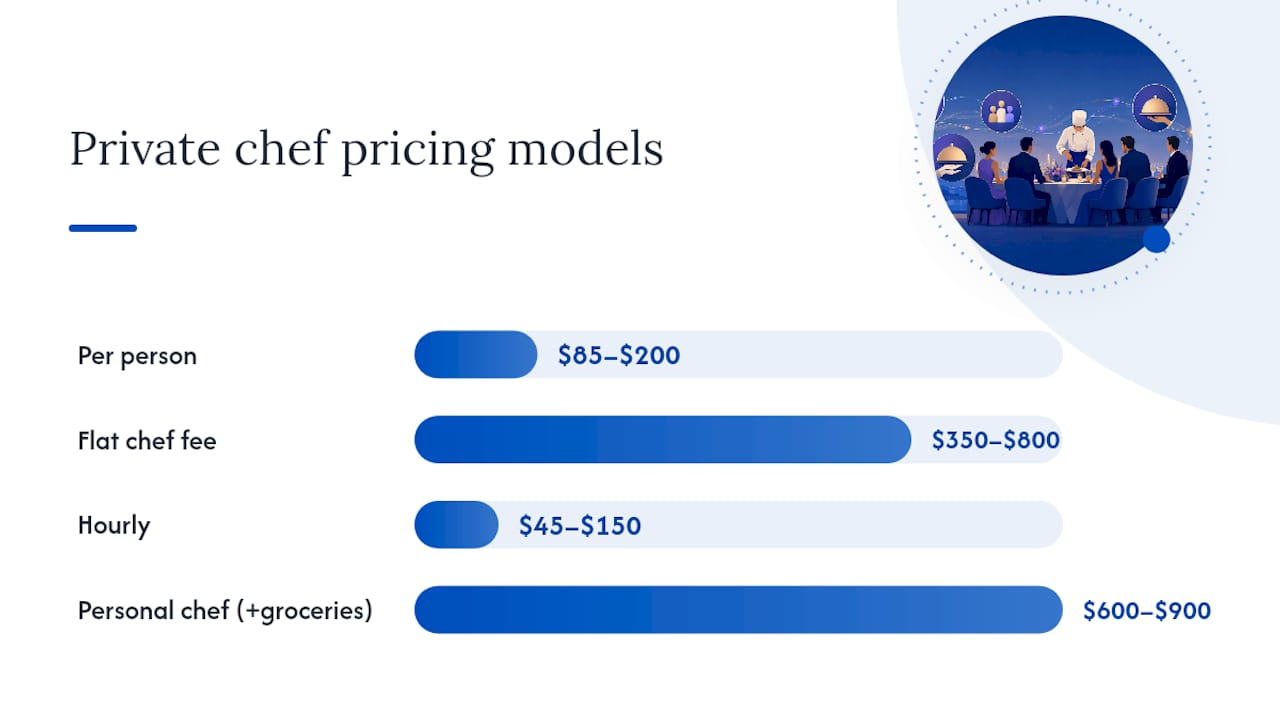
Per-person pricing is the most common model for dinner parties. The chef sets a rate per guest that bundles labor and sometimes groceries. Typical ranges run $50–$200 per person, with the lower end covering casual family-style meals and the upper end reflecting multi-course tasting menus with premium ingredients.
Flat-rate / event fee separates the chef’s labor from food costs. You pay a fixed chef fee (often $350–$800 for a standard dinner) plus the grocery bill at cost. This model suits hosts who want full transparency on food spend and works well when you’re sourcing specialty ingredients yourself.
Hourly billing at $45–$150 per hour applies mainly to meal prep, partial-service events, or situations where the scope isn’t fully defined upfront. A chef might charge three hours of prep plus one hour of service, then add groceries separately.
Chef minimums matter most for small groups. Many chefs set a floor of $400–$600 per event regardless of guest count, which is why a dinner for two often costs nearly as much per person as a dinner for eight.
| Pricing Model | Typical Range | Best Fit |
|---|---|---|
| Per person | $85–$200/person | Dinner parties, set menus |
| Flat chef fee | $350–$800/event | Hosts who want cost transparency |
| Hourly | $45–$150/hour | Meal prep, partial service |
| Personal chef (event) | $600–$900/event + groceries | Part-time recurring service |
What you’re actually paying for on a private-chef invoice
Every quote breaks down into predictable line items. Knowing what each one covers tells you which costs are negotiable and which are fixed.
- Chef fee: labor for planning, shopping coordination, cooking, and service. This is the fixed anchor of any quote.
- Groceries: almost always passed through at cost, sometimes with a 10–15% sourcing markup. Ask upfront.
- Staffing: servers or kitchen assistants typically add $25–$50 per hour per person. A plated four-course dinner for ten usually needs at least one server.
- Rentals: tableware, linens, chafing dishes, and serving equipment. Custom rental and refreshment packages can add $100–$300 to a mid-size event.
- Travel and parking: many chefs waive travel within 15–20 miles; beyond that, expect a mileage fee or flat travel charge.
- Taxes and service charges: some chefs add a mandatory service charge (often 18–20%) on top of the subtotal. This is not the same as a tip.
- Insurance or licensing fees: rare but present for permitted events or venues that require proof of liability coverage.
- Cleanup: sometimes bundled, sometimes billed at an hourly rate after service ends.
Here’s how a $1,200 total might split across line items for a dinner party of eight:
| Line Item | Estimated Cost |
|---|---|
| Chef fee (labor) | $500 |
| Groceries | $400 |
| Server (3 hours) | $150 |
| Rentals | $130 |
| Travel | $50 |
| Cleanup | $50 |
| Total | $1,200 |
What drives the price up or down
Some cost drivers are in your control. Others are fixed the moment you pick a date and a location.
- Guest count is the single biggest lever. Because the chef fee is fixed, spreading it across more guests lowers the per-person cost. Adding four guests to a dinner of six can drop per-person cost by $20–$30.
- Menu complexity changes the grocery line dramatically. A three-course dinner built around seasonal vegetables and a single protein costs far less than one featuring A5 wagyu, truffles, or imported seafood. Personalized menu choices are the main driver of grocery cost variation.
- Service format affects staffing needs. Family-style service requires fewer hands than individually plated courses. Passed canapés during cocktail hour add both prep time and server hours.
- Location logistics: a chef traveling to a remote property, a rooftop with no freight elevator, or a kitchen missing basic equipment will price in that friction. City-center locations with well-equipped kitchens are the most cost-efficient.
- Dietary restrictions and specialty sourcing: gluten-free, vegan, or allergen-specific menus rarely cost more in labor, but rare ingredients do. Specialty sourcing for one guest’s dietary needs usually adds $15–$40 to the grocery line.
- Seasonal sourcing: chefs increasingly build menus around what’s in season, which can work in your favor. Seasonal and local sourcing keeps ingredient costs lower than importing out-of-season produce.
Pro Tip: The fastest way to lower your per-person cost is to invite a few more guests. Going from six to ten people can reduce per-person cost by $25–$40 without changing the menu at all.
Sample budgets by guest count and menu style
These estimates assume a standard chef fee, grocery pass-through at cost, and basic setup. Staffing and rentals are noted where they typically apply.
A 6–8 guest dinner party typically costs $600–$1,500 total, while a 10–15 guest dinner usually runs $1,000–$2,500. Premium tasting menus sit at $80–$150 per person before staffing and rentals.
- Casual: family-style service, two to three courses, seasonal proteins and vegetables, no dedicated server
- Standard: plated service, three to four courses, one server for groups of 8+, moderate ingredient quality
- Premium: multi-course tasting menu, specialty ingredients, full service staff, wine pairing optional
For intimate dinners for two, private dining ideas often center on a four-course format with a single chef, which keeps labor costs contained even when ingredient quality is high.
Tipping etiquette and service charges
Gratuity for a private chef event works differently than at a restaurant, and the distinction between a mandatory service charge and a voluntary tip matters.
- Standard gratuity: 15–20% of the total bill is the norm for a private chef dinner. For exceptional service, large on-site teams, or events that ran longer than planned, 20–25% is appropriate.
- Service charges vs. tips: if the chef’s invoice includes a mandatory service charge (common at 18–20%), that amount goes to the chef and staff. A separate cash tip on top is always appreciated but not expected.
- Splitting the tip: for events with a chef and one or more servers, many hosts tip the chef and servers separately. A common split is 60% to the chef, 40% to the service team, though you can ask the chef how they prefer to handle it.
- Cash vs. included gratuity: cash tips handed directly to staff at the end of the evening are the most appreciated. If you prefer to add gratuity to a card payment, confirm with the chef that the platform or payment method allows it.
Booking timeline and 10 questions to ask before you commit
Lead time: book a private chef dinner at least two to four weeks in advance for a standard event. Holiday weekends, Valentine’s Day, New Year’s Eve, and graduation season require six to eight weeks of lead time, sometimes more for sought-after chefs.
Here are the ten questions that get you an accurate, comparable quote:
- What’s your availability for my date, and how far in advance do you book?
- What’s included in your base fee, and what’s billed separately?
- Can you share sample menus at different price tiers?
- How do you handle groceries — at cost, with a markup, or bundled?
- Will I need to hire servers, or is that included?
- Do you bring your own equipment, or do you need specific kitchen tools?
- Do you offer a tasting session before the event?
- Are you licensed and insured, and can you provide documentation?
- How do you handle dietary restrictions or allergies?
- When is the final guest count due, and when is the balance payment expected?
Pro Tip: When comparing two quotes, ask both chefs to itemize groceries separately from labor. A lower headline price that bundles groceries at a markup can end up costing more than a higher flat fee with pass-through food costs.
Private chef, personal chef, or caterer: which fits your event?
These three service models solve different problems, and picking the wrong one usually means overpaying or under-delivering.
A private chef (household or full-time) works exclusively for one family or individual. Full-time private chef costs run $130,000–$260,000+ per year in salary alone, making this model relevant only for households with ongoing, daily needs. Indeed salary data shows wide regional variance, with top-market chefs in New York and San Francisco commanding significantly higher compensation.
A personal chef works part-time across multiple clients, cooking batch meals or handling occasional dinner parties. They typically charge $65–$120+ per hour or $600–$900 per event, with groceries billed separately. This is the model most hosts mean when they search for a private chef dinner.
A caterer handles volume. They’re the right call for weddings, corporate lunches, and events above 30–40 guests where individual attention to each plate matters less than consistent execution at scale.
| Service Type | Pricing Shape | Best Guest Count | Lead Time |
|---|---|---|---|
| Full-time private chef | Annual salary | Household / daily | Placement process |
| Personal chef (event) | Per event or hourly | 2–20 guests | 2–4 weeks |
| Caterer | Per head or package | 20–200+ guests | 4–8 weeks |
For a dinner party of 4–20 guests, a personal chef booked for a single event is almost always the right fit.
Practical ways to lower the bill without cutting corners
Small adjustments to format and menu tier can save $200–$500 without guests noticing a difference in quality.
- Go seasonal: chefs who build menus around what’s local and in-season spend less on ingredients and often cook with more enthusiasm. Local chef sourcing keeps grocery costs down and supports fresher flavors.
- Choose family style over plated: sharing platters reduce server hours and simplify kitchen logistics. For a casual dinner of 8–10, this alone can save $100–$200 in staffing.
- Book a weeknight: Friday and Saturday evenings carry a premium with many chefs. A Thursday dinner often books at the same rate with better chef availability.
- Trim the course count: a three-course dinner (starter, main, dessert) costs meaningfully less than a five-course tasting menu in both labor and ingredients. Your guests will still leave happy.
- Negotiate add-ons, not the base fee: ask whether the chef will waive the travel fee for your location, skip a rental item you don’t need, or handle dessert as a simple shared platter rather than individually plated.
- Use festive seasonal menus as a starting point: event planners increasingly use pre-built seasonal menus that keep ingredient costs predictable.
Pro Tip: Ask your chef for a “restaurant-style” menu: the same technique and presentation quality, but built around two or three hero ingredients instead of six. It’s often the format chefs enjoy most, and it consistently delivers the best value per dollar.
The real value of a chef-led private dinner
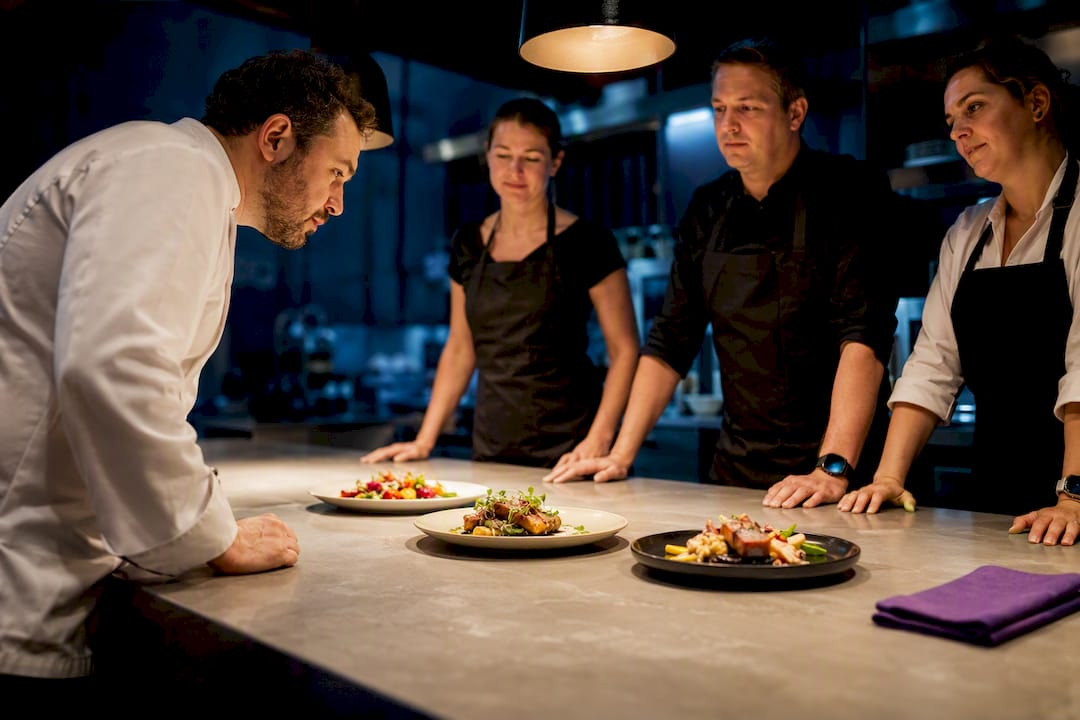
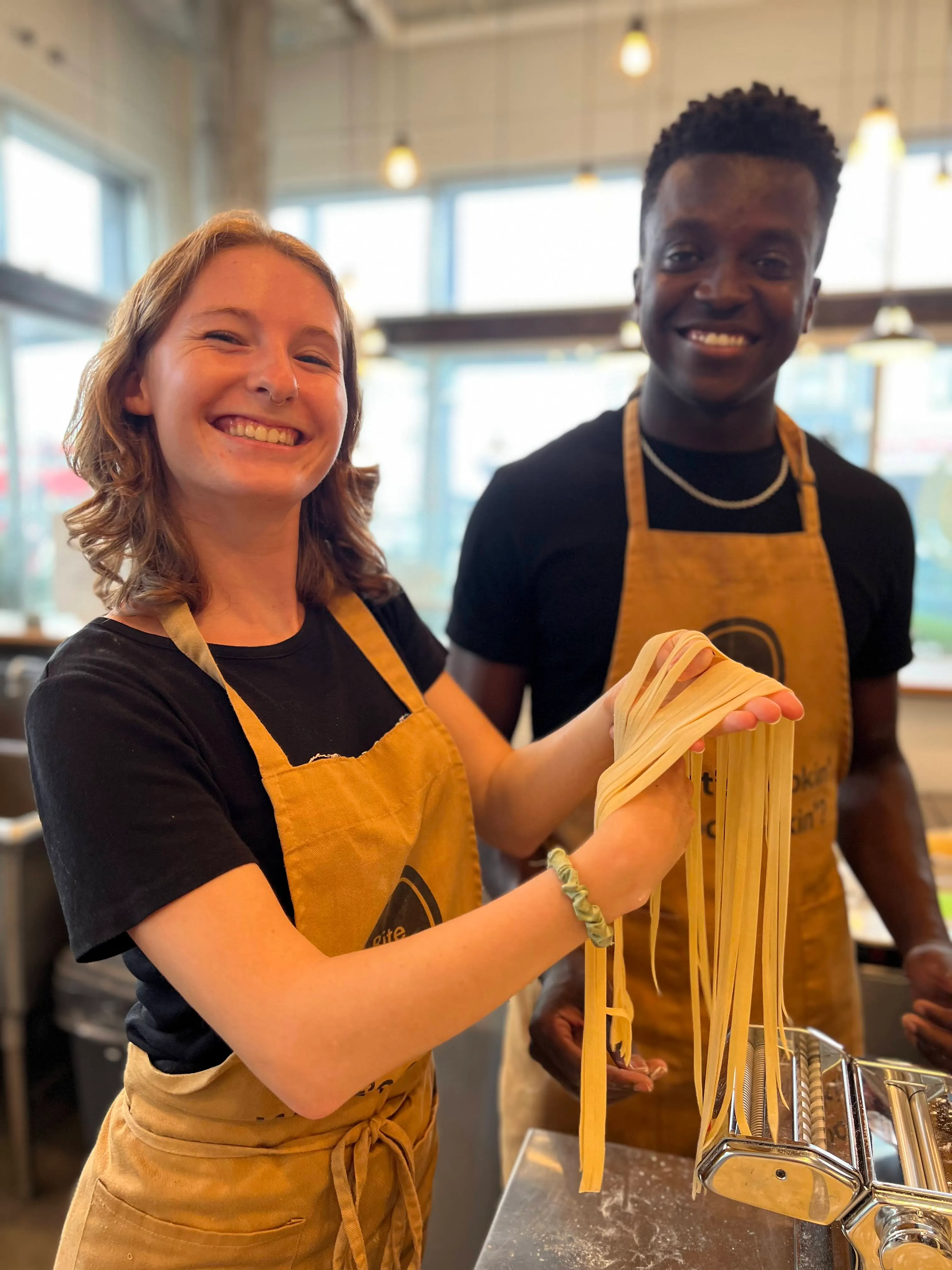
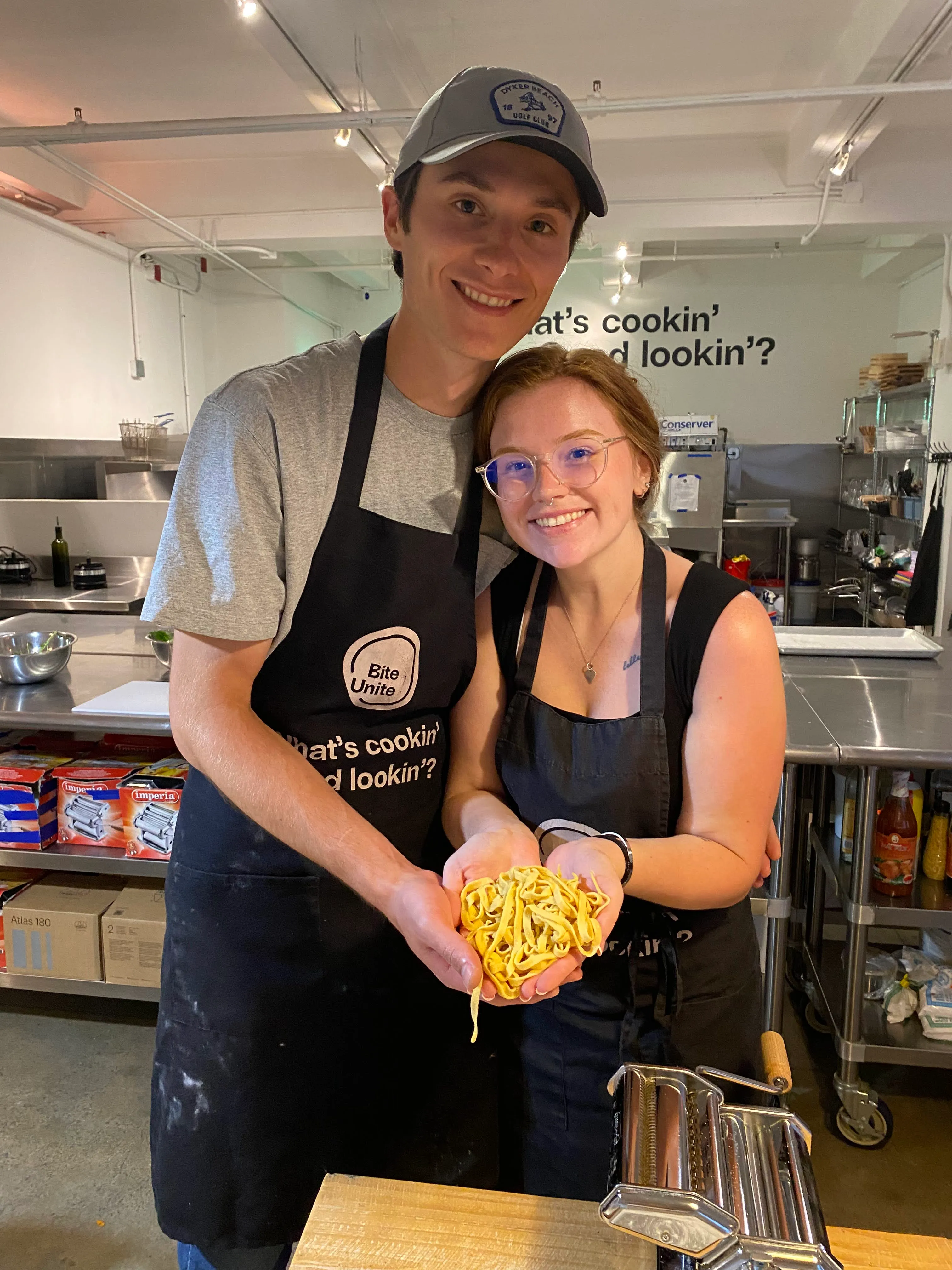
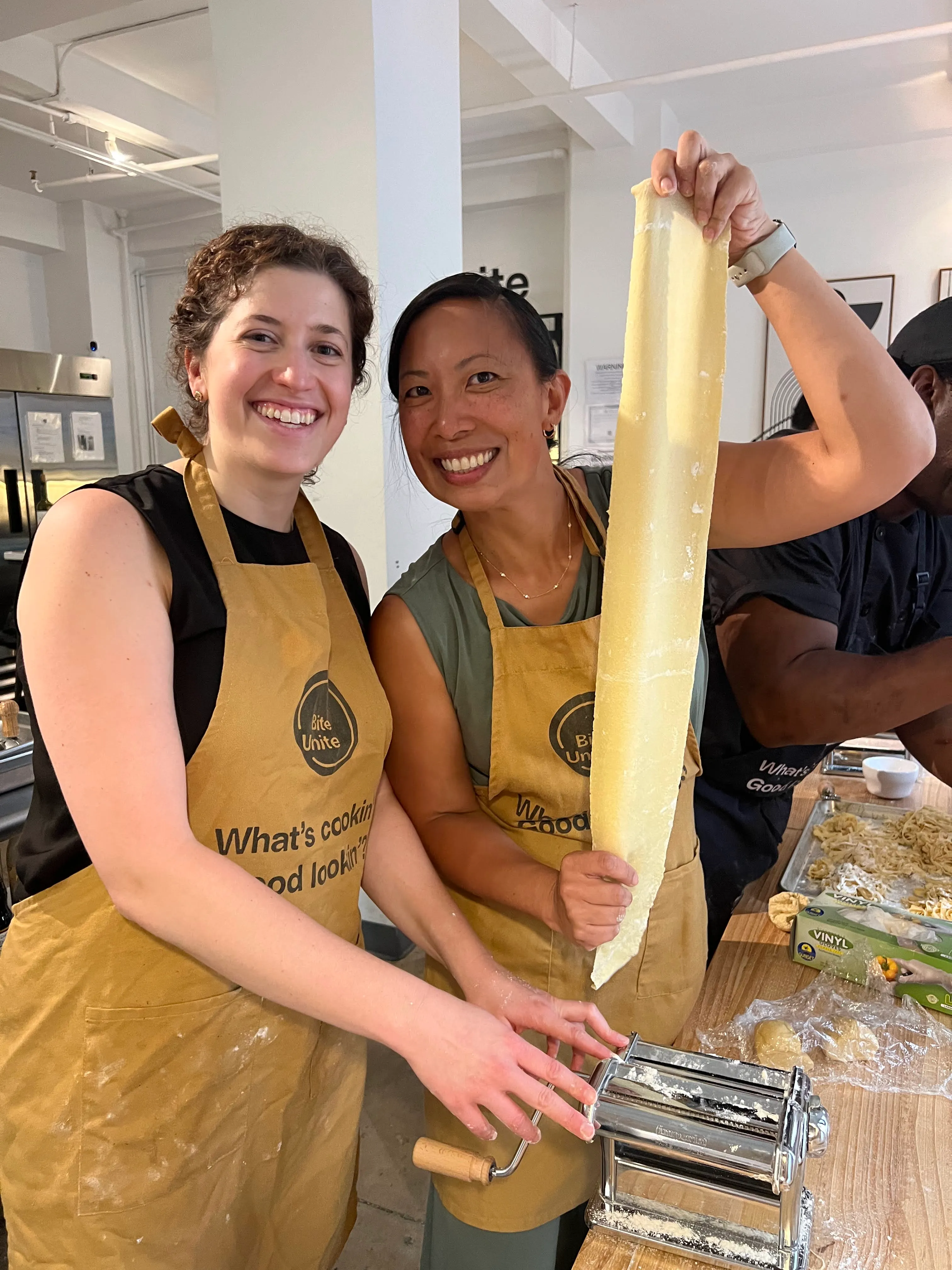
Most hosts who’ve done both will tell you the same thing: a private chef dinner isn’t just a meal, it’s the whole evening. You’re not waiting for a table, managing a noisy restaurant, or rushing through courses because the next reservation is waiting. The food comes to you, timed to your conversation, in your own space.
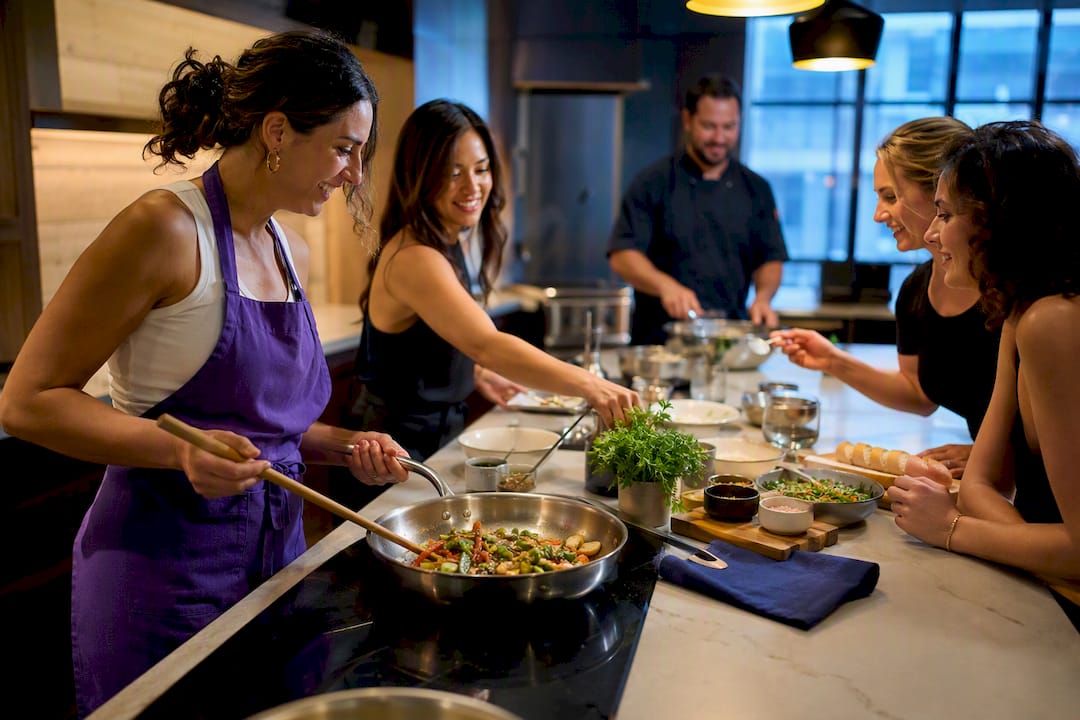
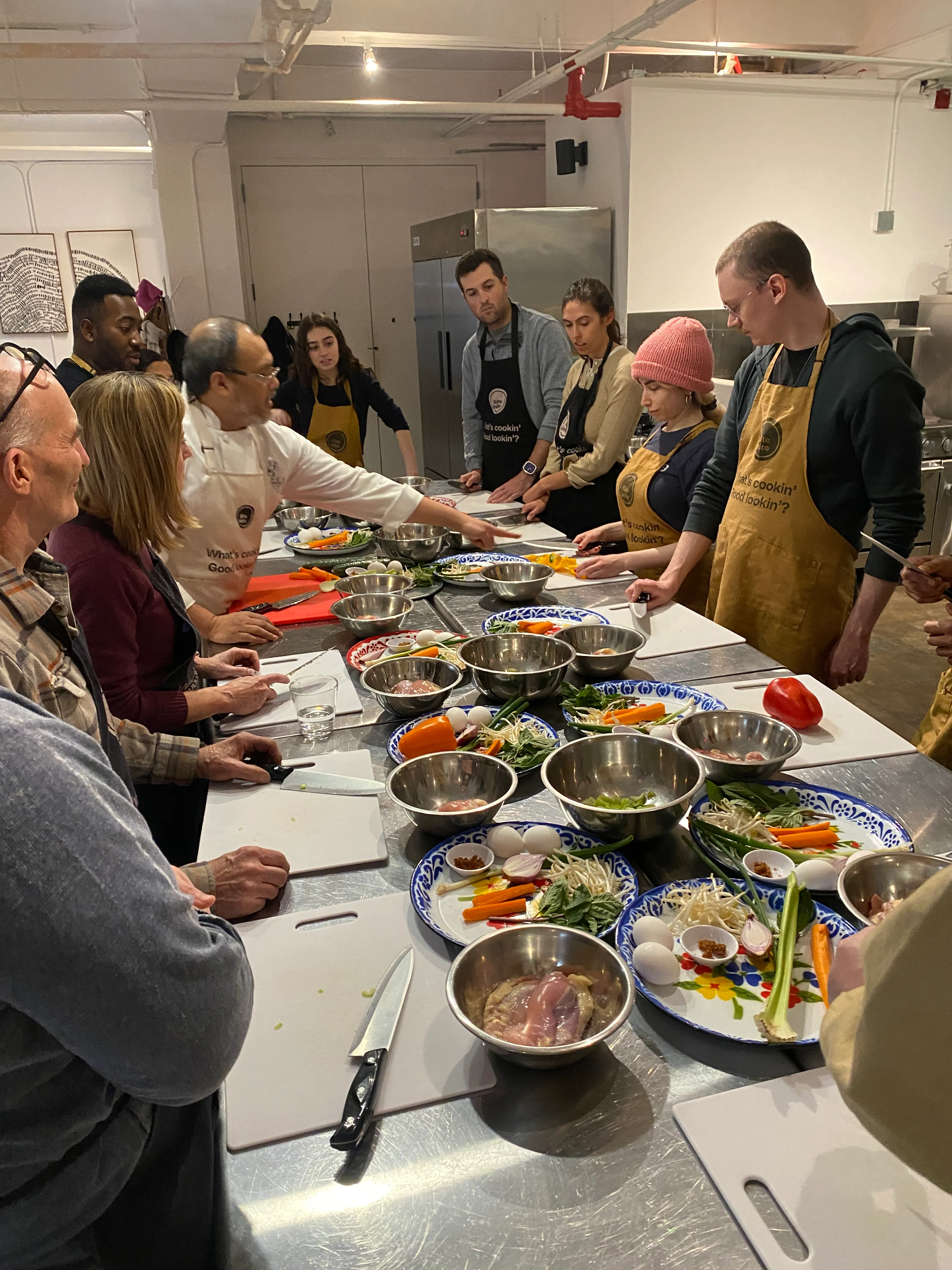
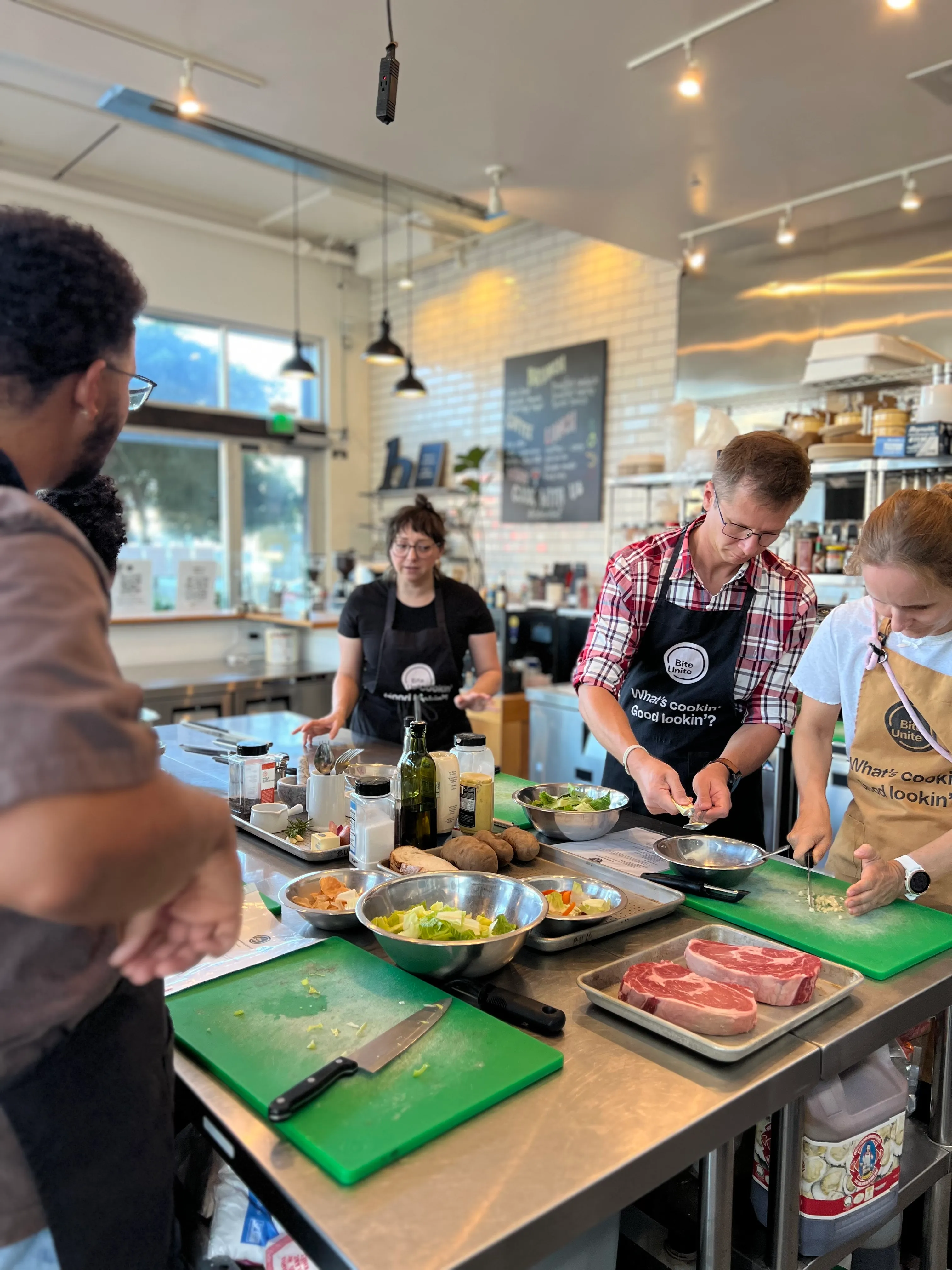
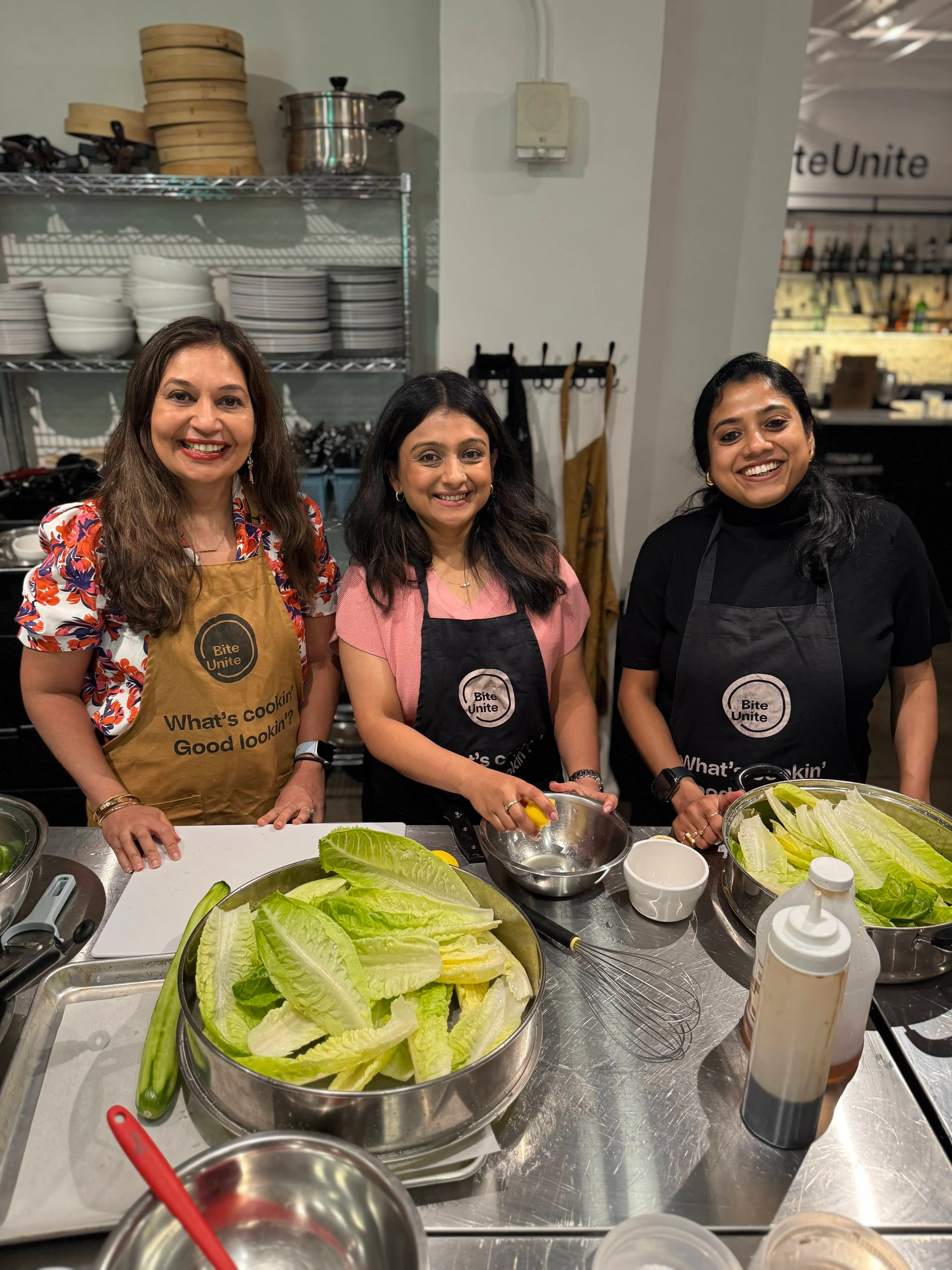
What often surprises first-timers is how much the experience changes the dynamic of a gathering. Guests tend to linger in the kitchen, ask questions, and feel genuinely hosted rather than just fed. That shift in atmosphere is hard to put a price on, but it’s consistently what hosts report as the reason they book again.
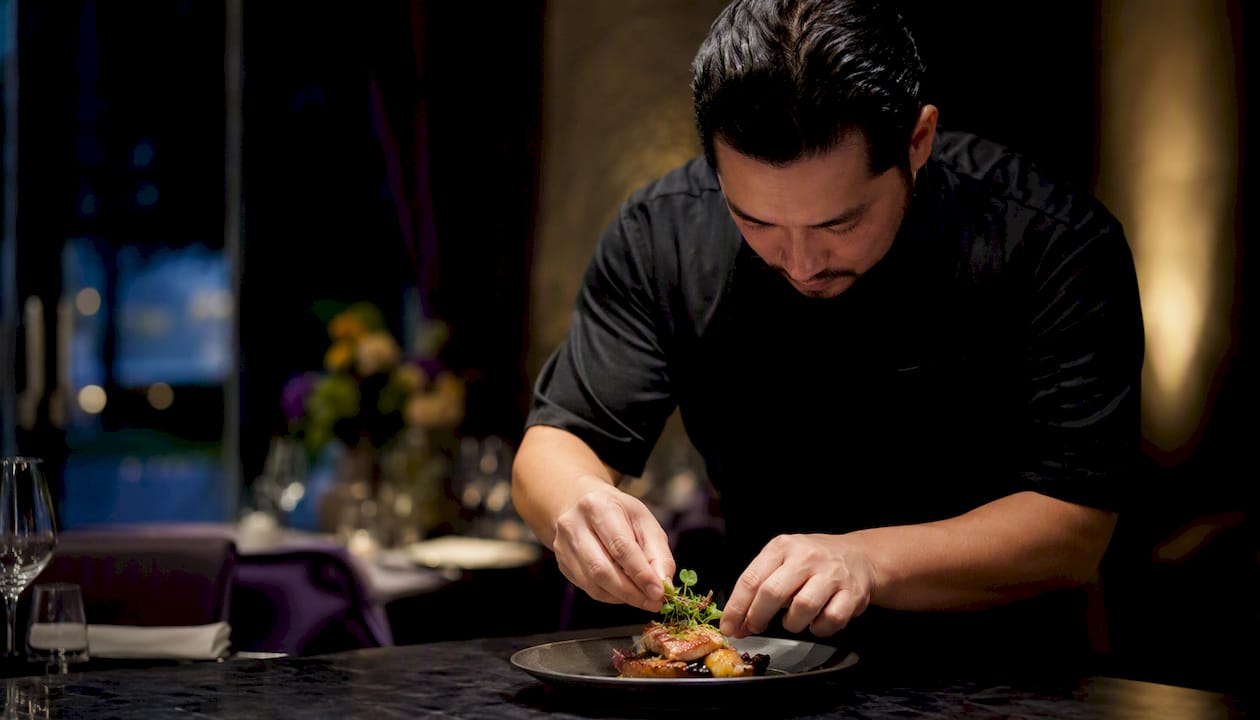
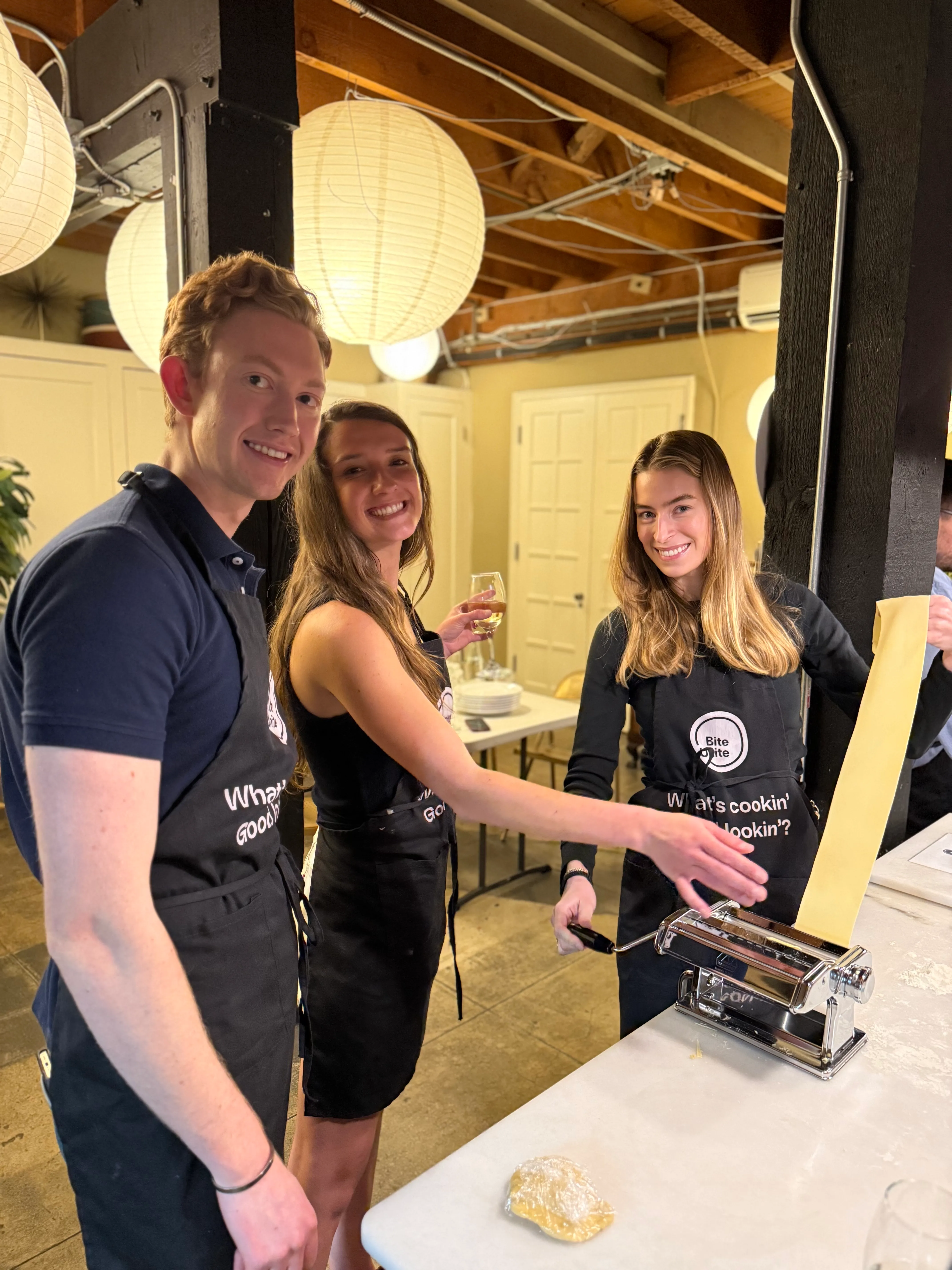
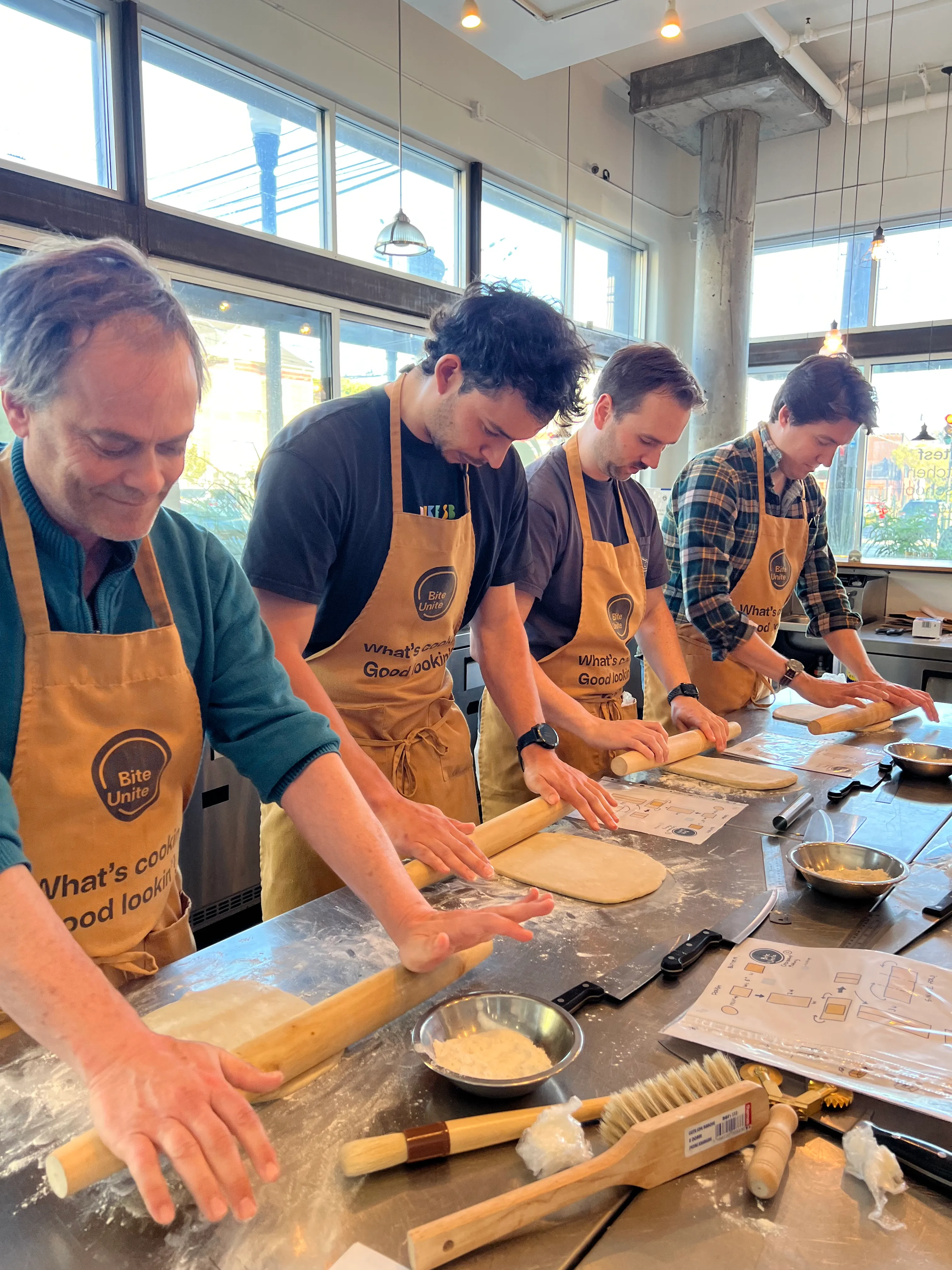
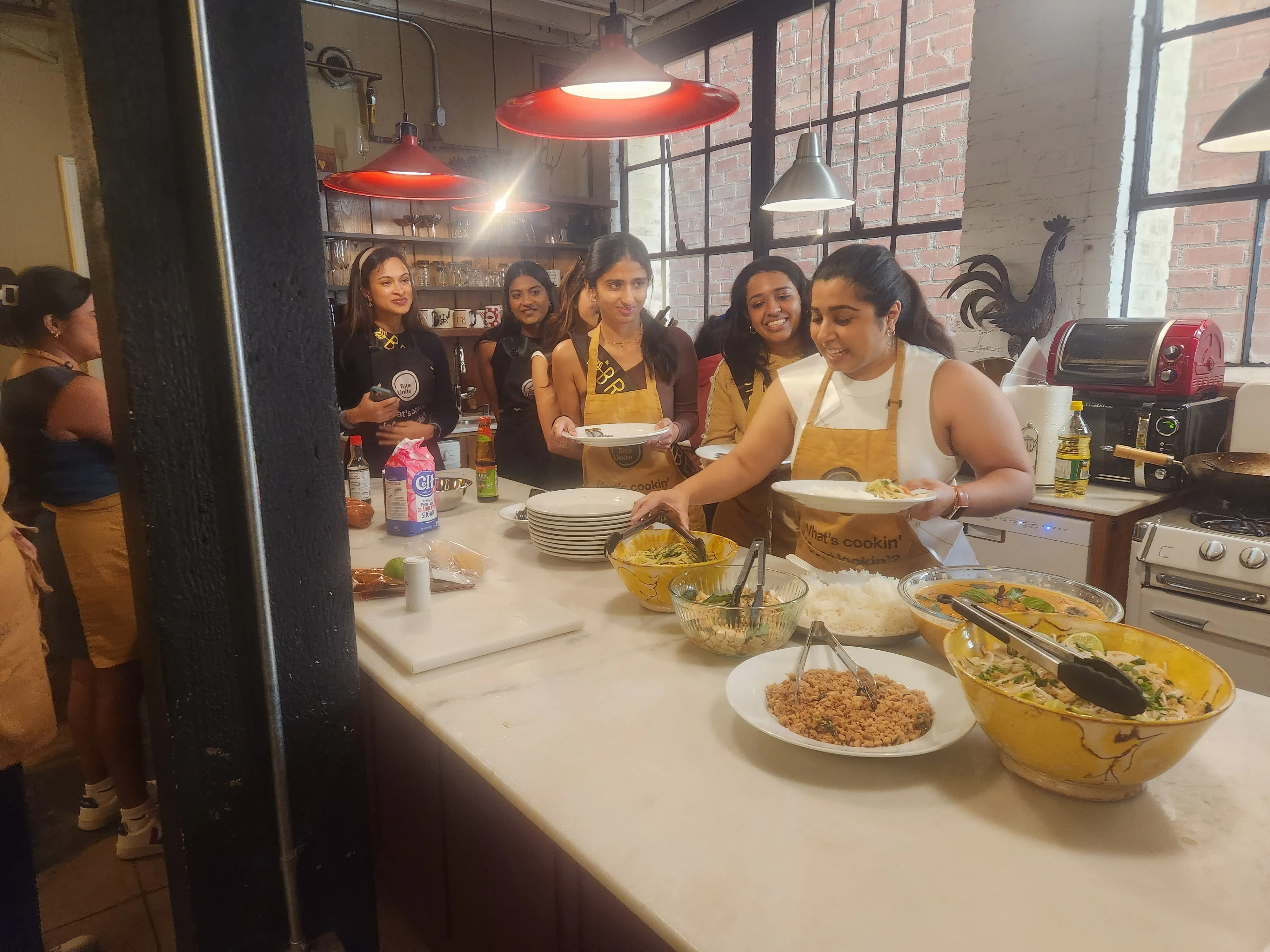
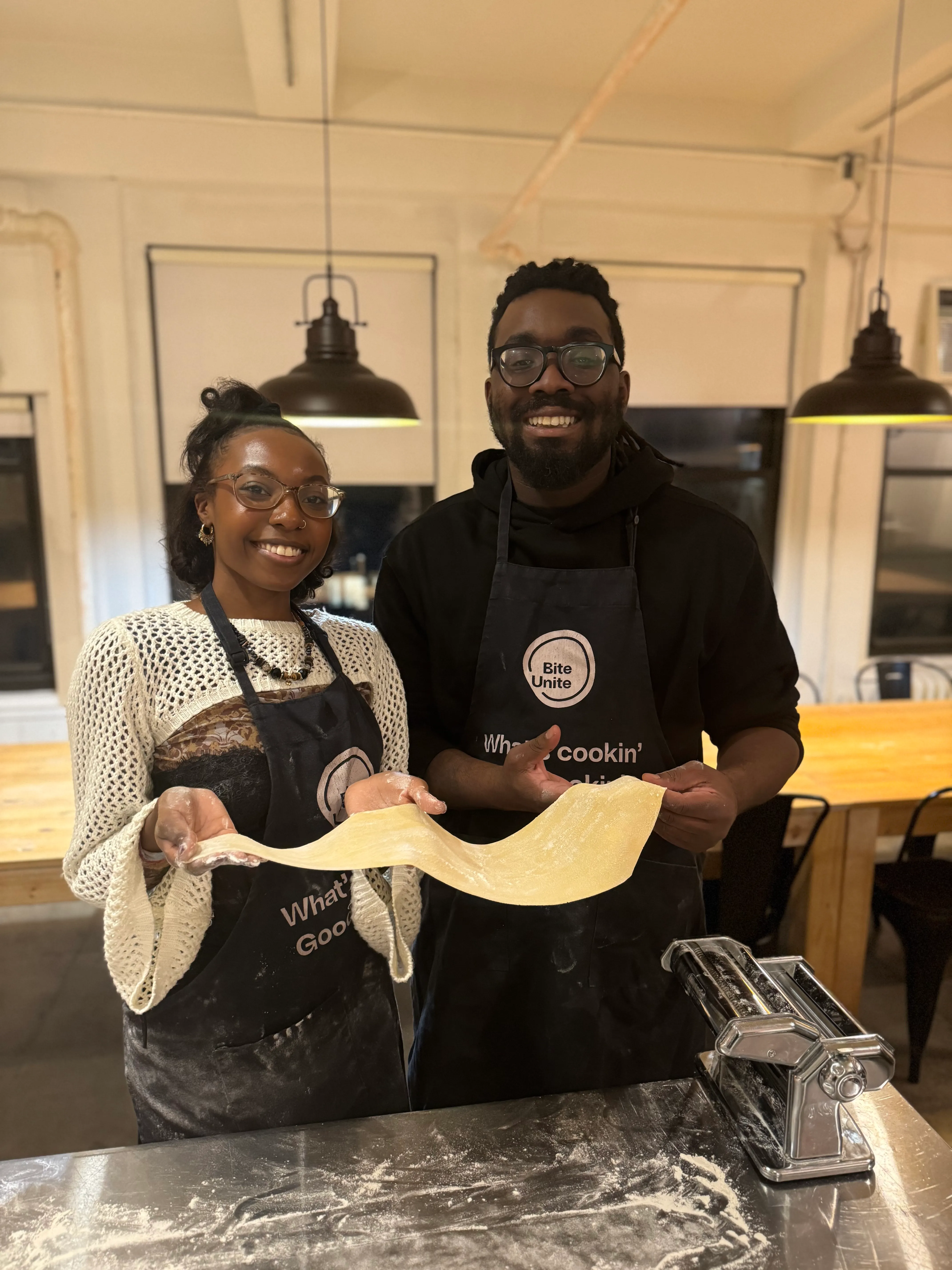
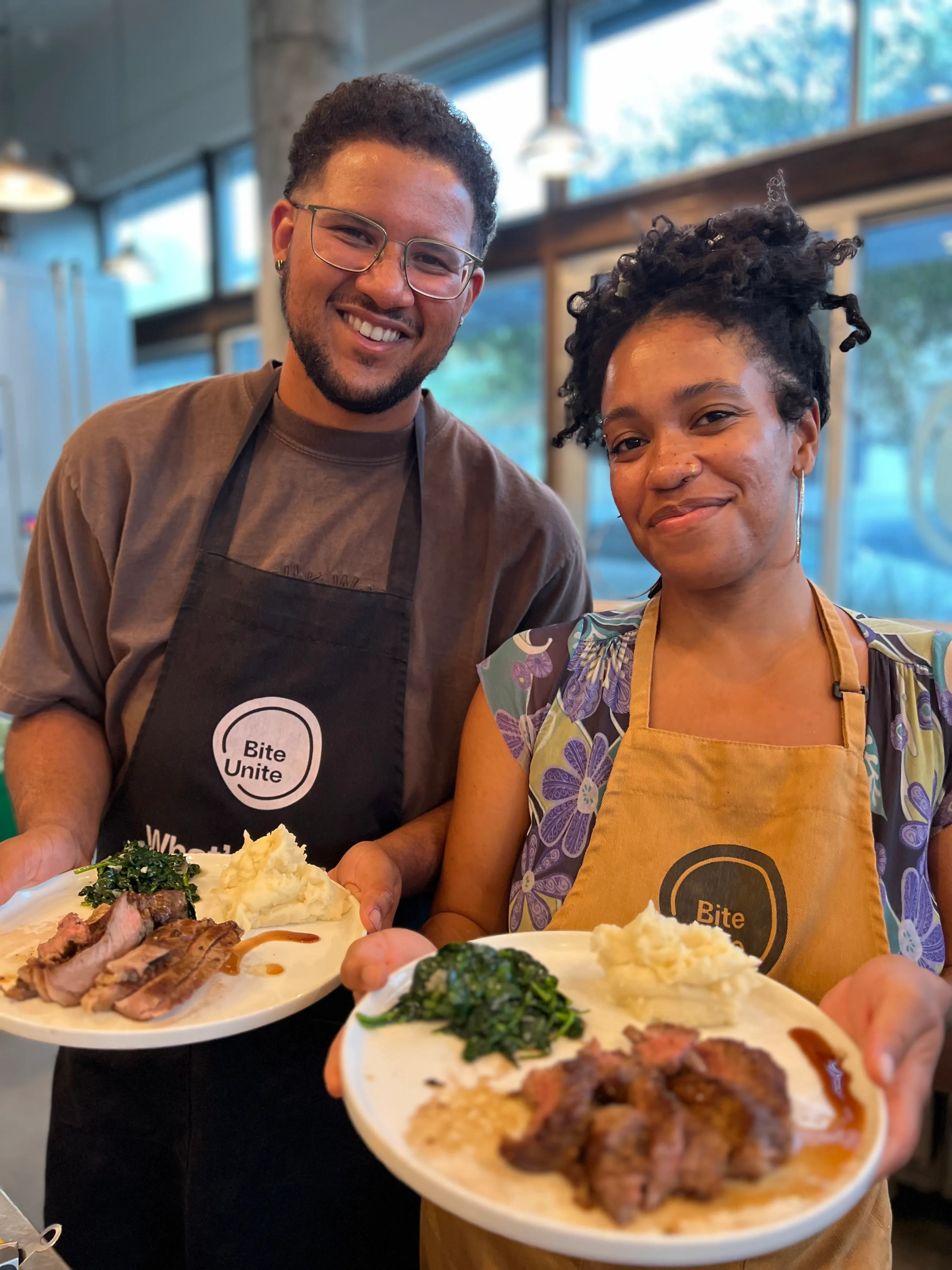
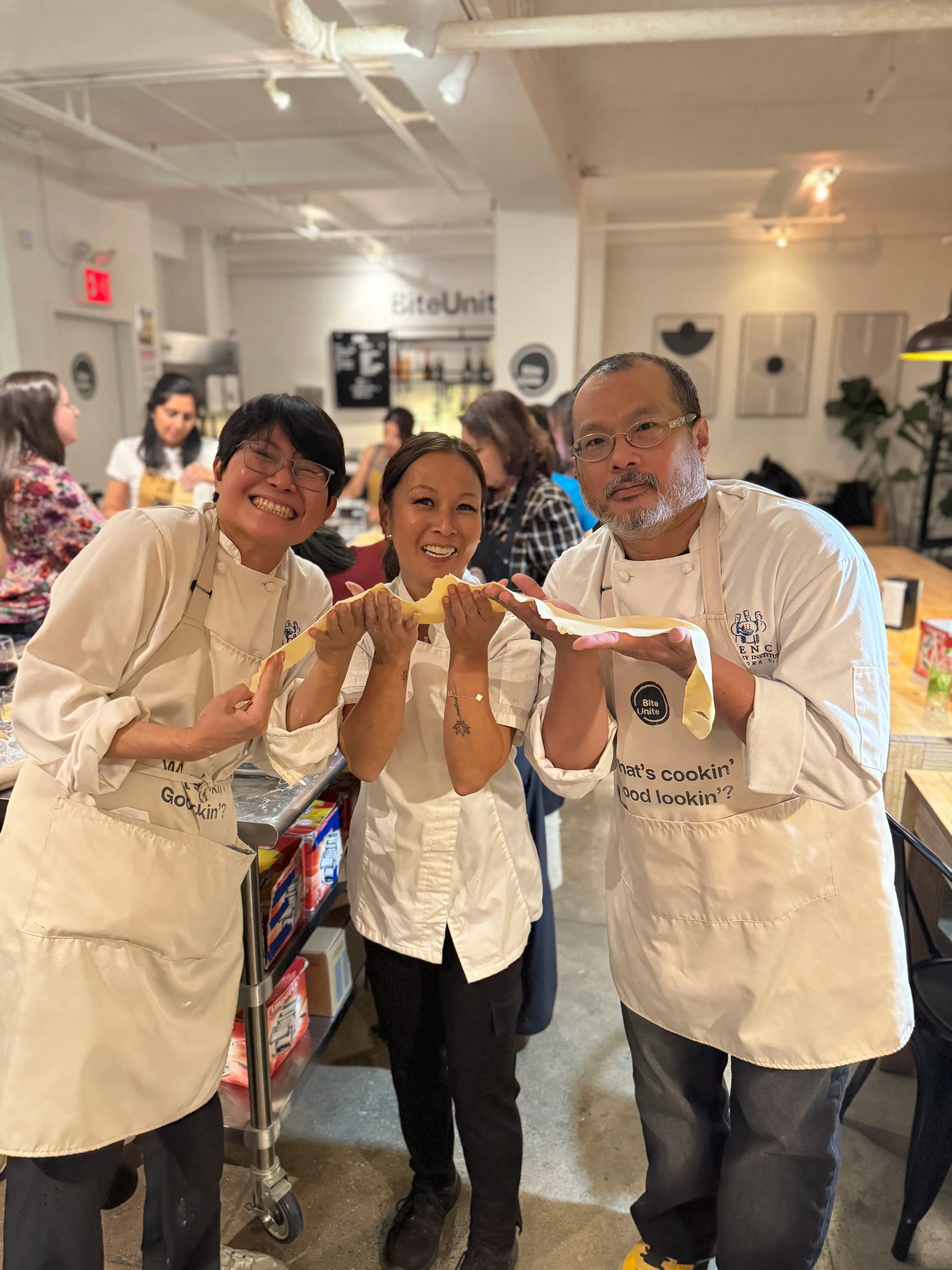
Biteunite runs chef-led private dining experiences in New York, San Francisco, and Hong Kong, designed for exactly this kind of intimate, memorable evening. Whether you’re planning a date night or a small group celebration, the format is built around connection and great food in equal measure.
Biteunite makes chef-led private dining easy to book
Searching for private chef dinner ideas and a team that handles the details? Biteunite brings expert chefs directly to your group for hands-on, chef-led dining experiences that feel personal from the first course to the last bite.
- City availability: New York, San Francisco, and Hong Kong, with flexible group sizes from intimate dinners to corporate team events
- Private chef-led events: fully managed experiences where the chef leads the cooking, the conversation, and the fun
- Flexible formats: date nights, group celebrations, team-building dinners, and private cooking events
- Transparent booking: clear pricing, sample menus, and a straightforward inquiry process
Ready to plan something memorable? Explore Biteunite’s New York experiences or check out San Francisco private events to see what’s available for your date and group size.
Sources
- How Much Does a Private Chef Cost Per Person? 2026
- How Much Does a Private Chef Cost? Full Pricing Breakdown (2026) | Chefry
- Personal Chef Cost Calculator — 2026 Dinner Party & Weekly Meal Prep Rates | UseCalcPro
- How Much Does a Private Chef Cost? (2026 Pricing Guide) | PCI
















































.webp)