Bookable San Francisco Team Outings That Beat the Fog for 6–30 People
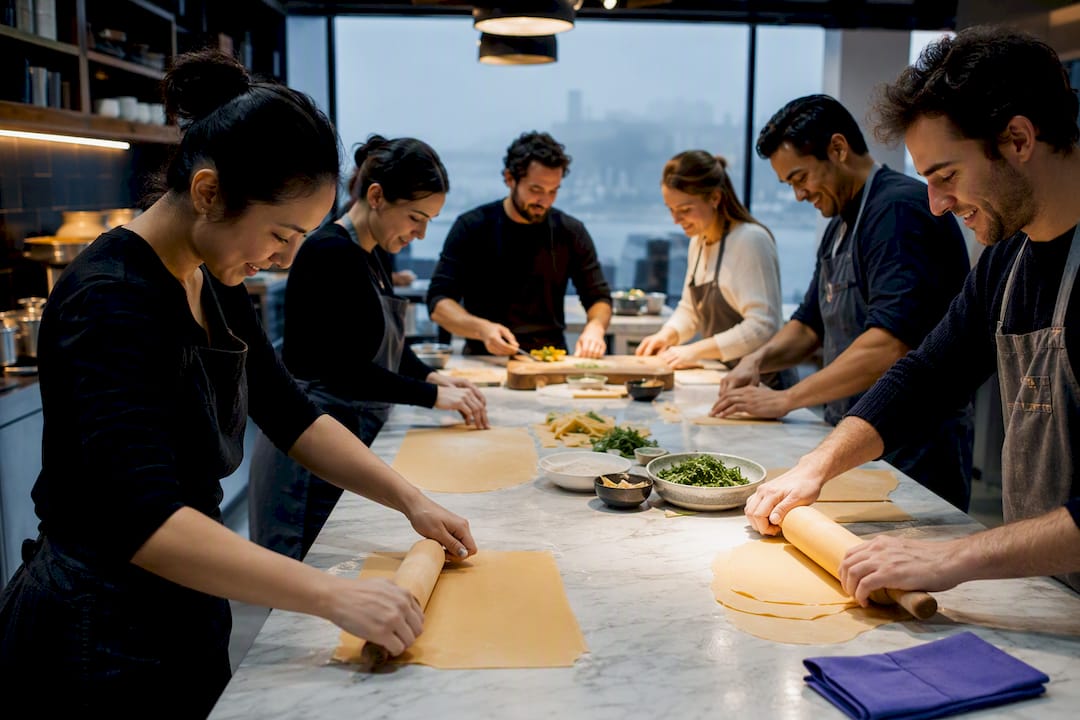
The best San Francisco team outings fall into five categories: hands-on cooking classes, guided food tours, city-wide scavenger hunts, Bay-area outdoor adventures, and creative workshops. Choose a cooking class like the ones Biteunite runs for groups of 6 to 30 who want a shared, collaborative outcome, a food tour for visiting teams who’d rather mingle over Mission burritos; sailing for high-energy groups of 20 to 50; and a scavenger hunt for teams spread across a big office who need friendly competition.
TL;DR:
- Smaller groups of 6 to 30 benefit most from hands-on cooking classes that promote collaboration through shared tasks and tangible outcomes.
- Outdoor Bay activities like sailing and kayaking require good weather conditions and teams comfortable with physical challenges, making indoor alternatives safer during bad weather.
- For large groups over 30, scavenger hunts and city-wide quests are scalable options that avoid venue limitations but demand careful logistics and permit clearance.
- Organizers should allocate extra transit time, confirm venue accessibility, and have contingency plans for weather to prevent logistical failures.
- Budget considerations depend on facilitation, food quality, venue costs, staffing, and whether the session is customized, with larger groups needing more tailored and costly arrangements.
Table of Contents
- What Makes a Great Team Outing in San Francisco?
- Planning Your Team Outing: San Francisco Logistics to Know
- What Should You Budget for a San Francisco Team Outing?
- How Do You Choose the Right Team Outing?
- Sample Itineraries You Can Copy
- Why Cooking Together Builds Stronger Teams
- What I’ve Learned Running Team Outings in San Francisco
- Book a Culinary Team Outing With Biteunite
- Helpful Local Resources for Organizers
- Sources
- FAQ
What Makes a Great Team Outing in San Francisco?
San Francisco doesn’t lack for team outing options. It has an oversupply of them, which is exactly why so many HR managers end up defaulting to the same tired happy hour or bowling night. The real skill is matching the activity to your team’s actual goal, not just picking whatever looks good on Instagram. Here’s how the major categories break down.
Culinary and cooking classes
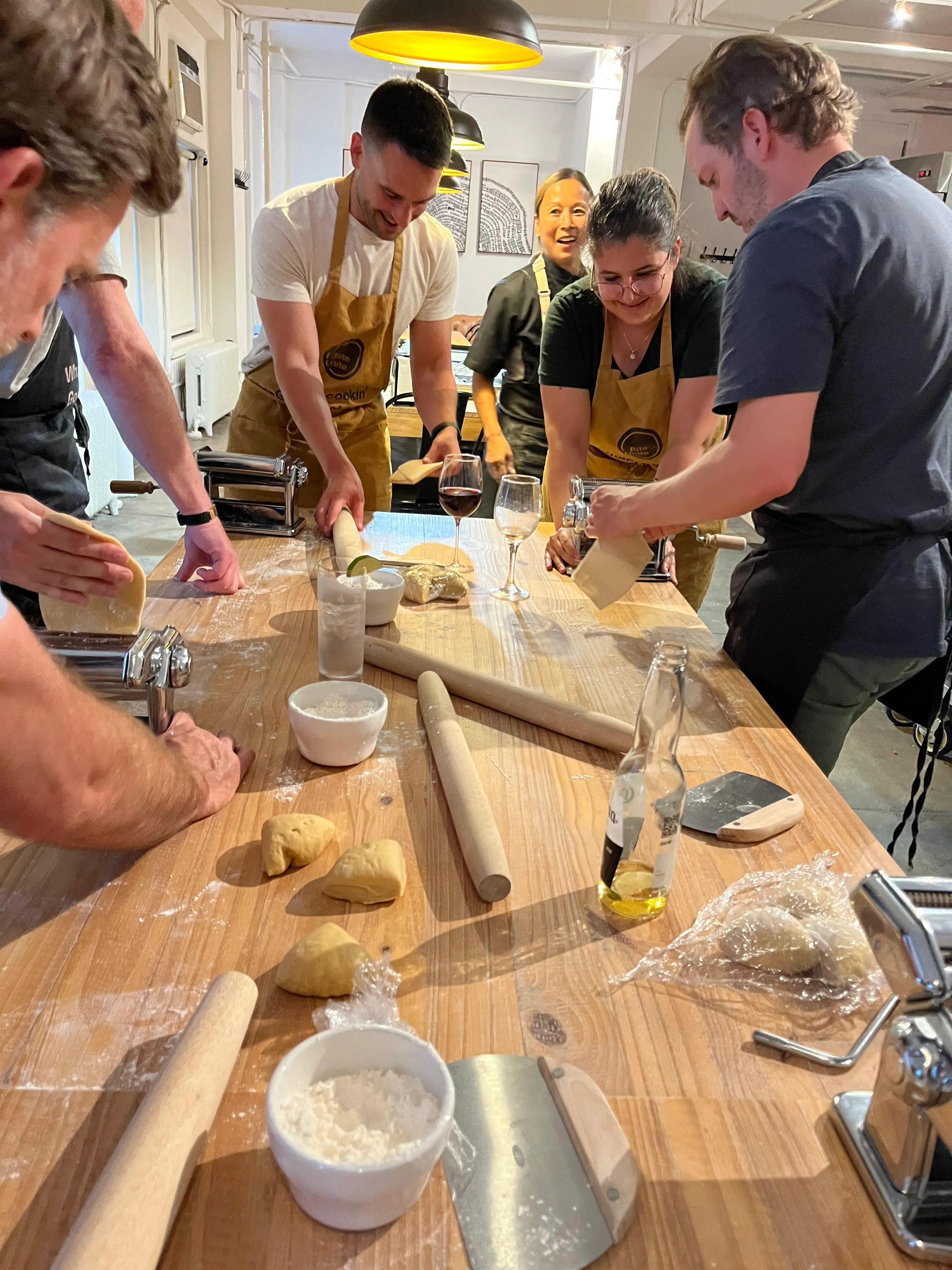
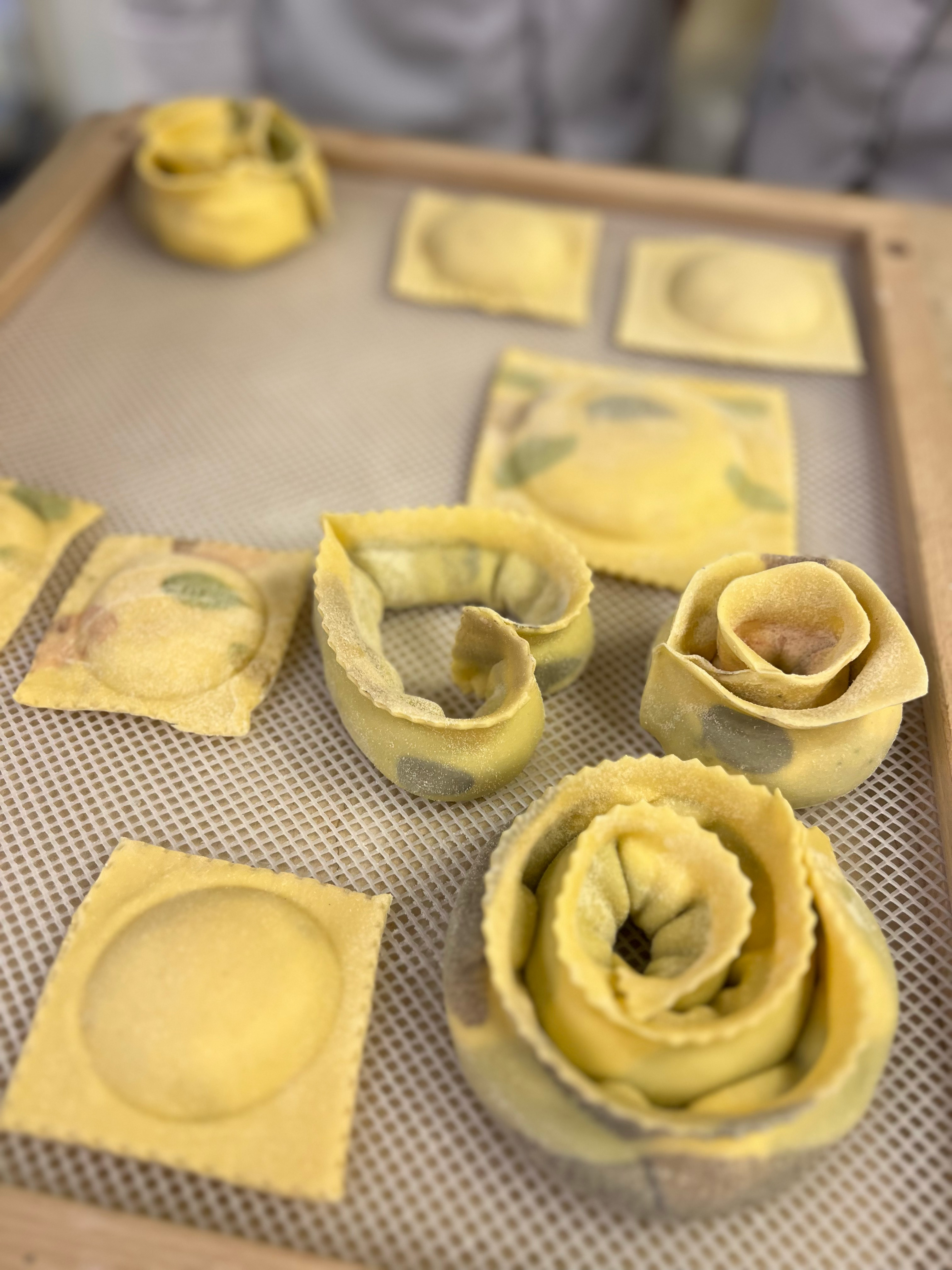
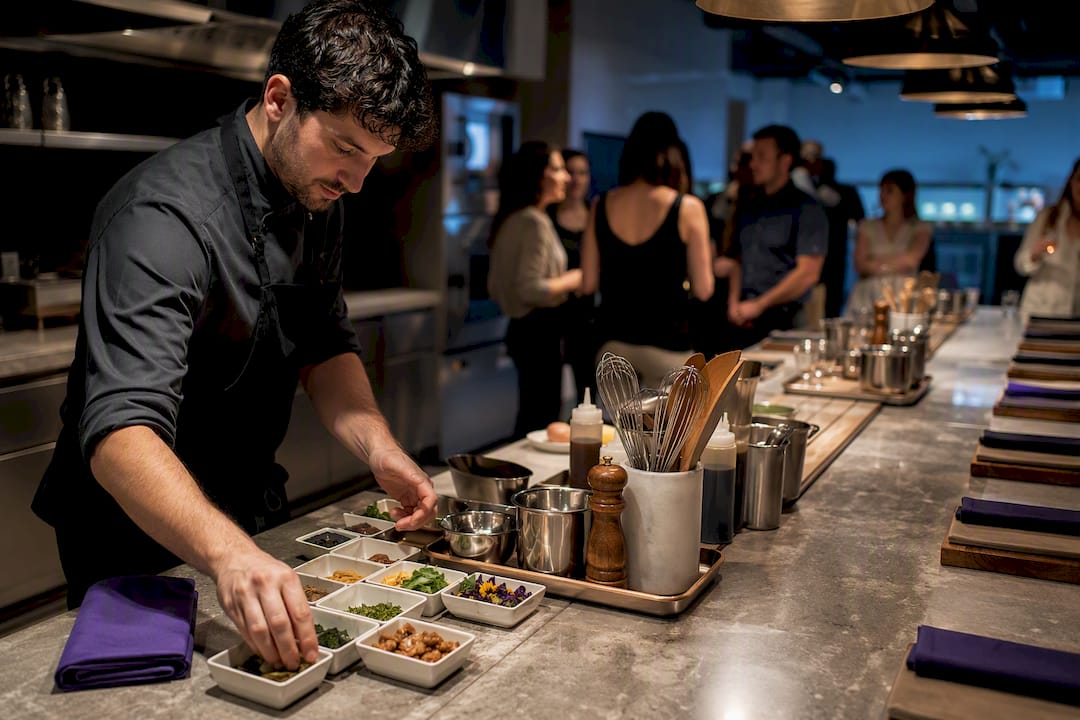
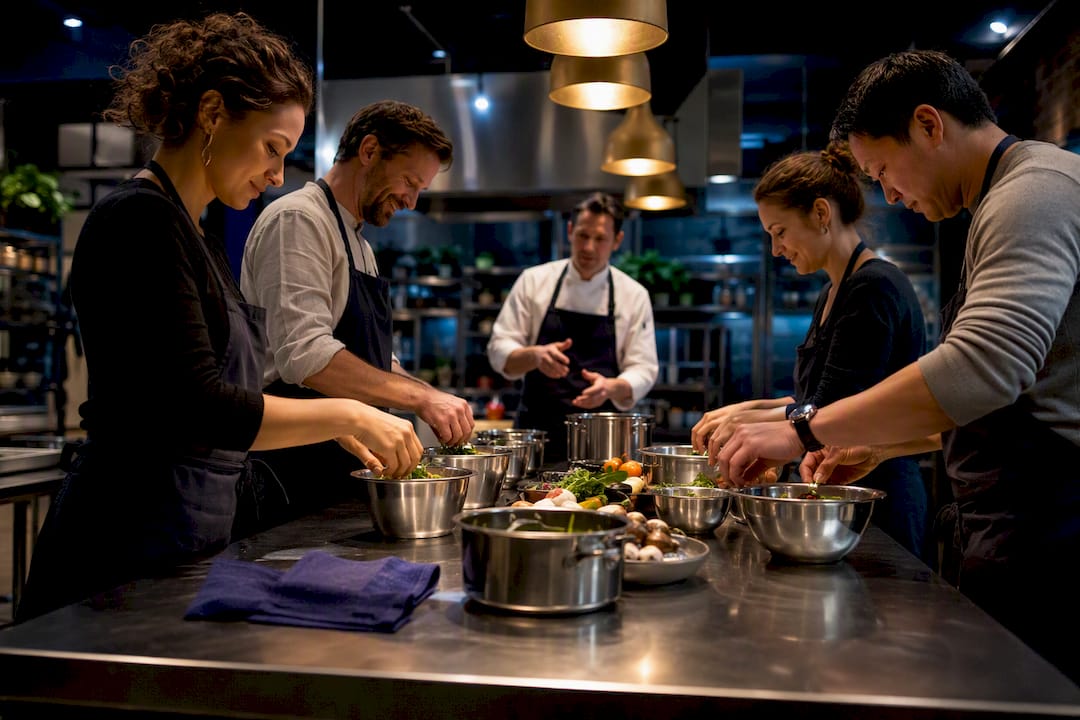
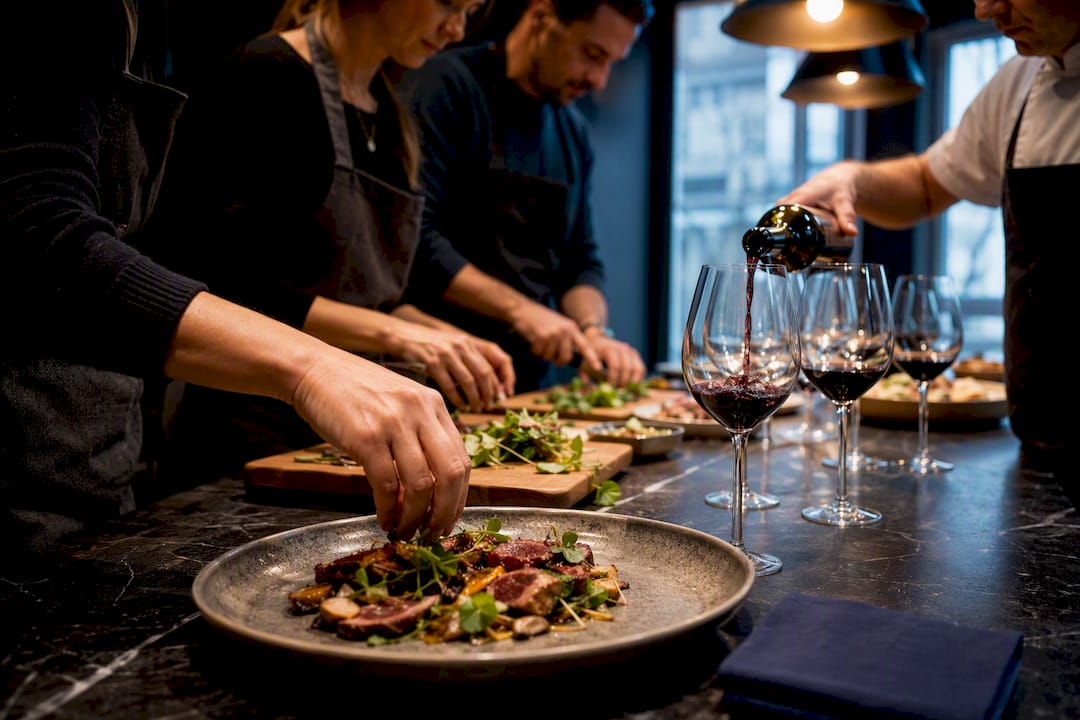
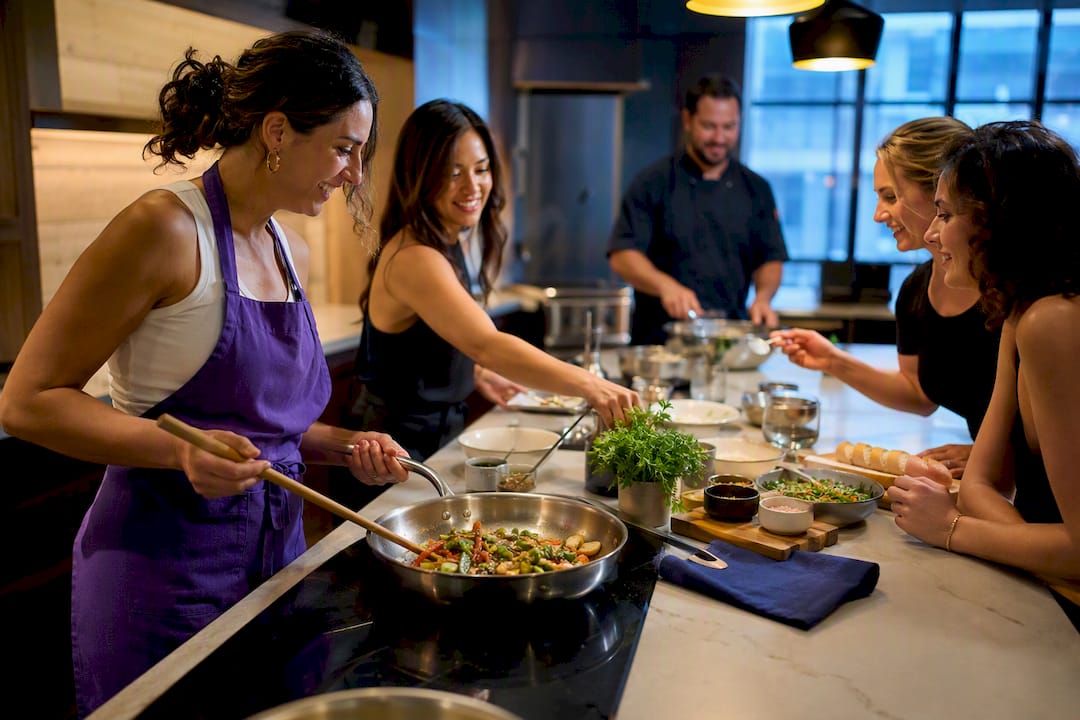
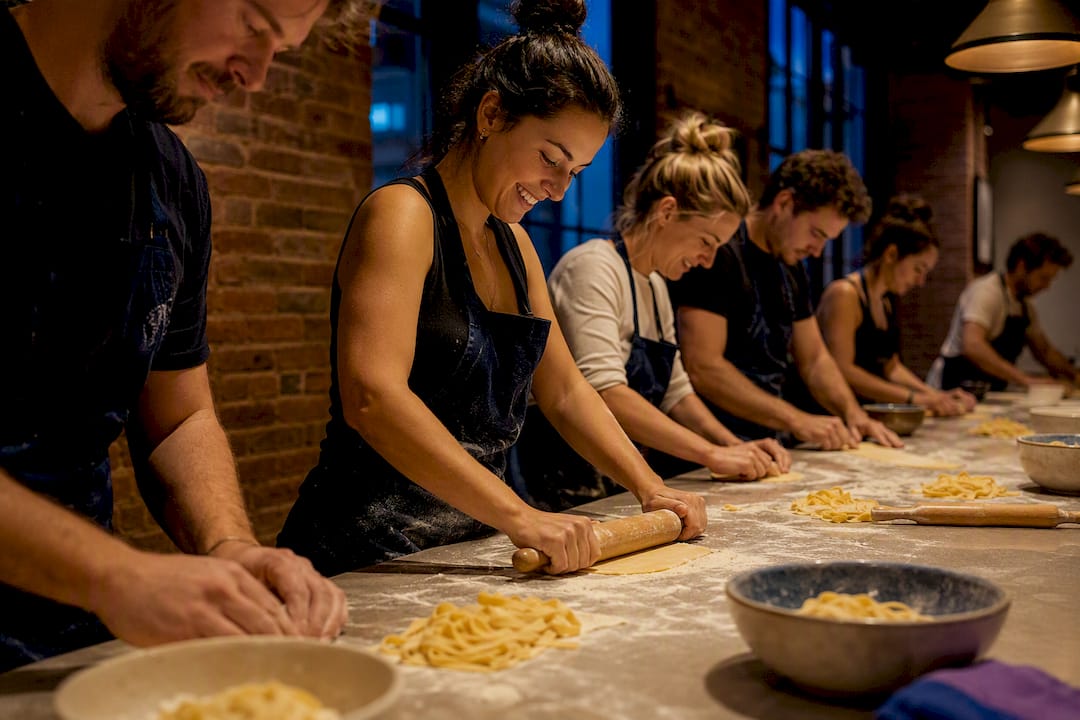
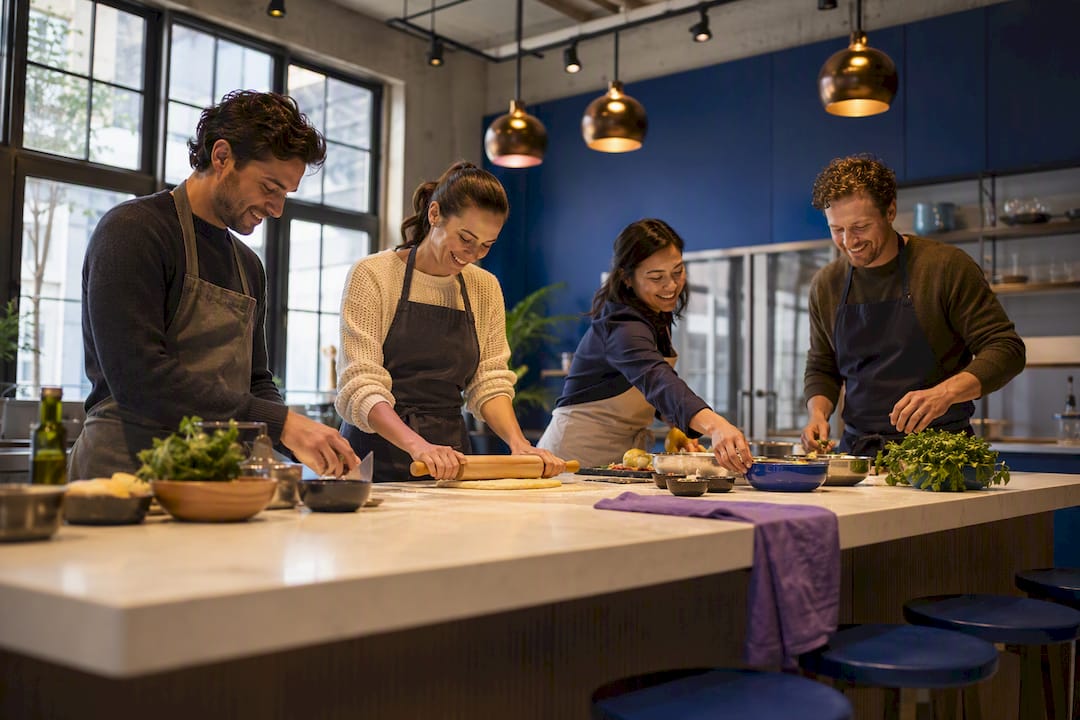
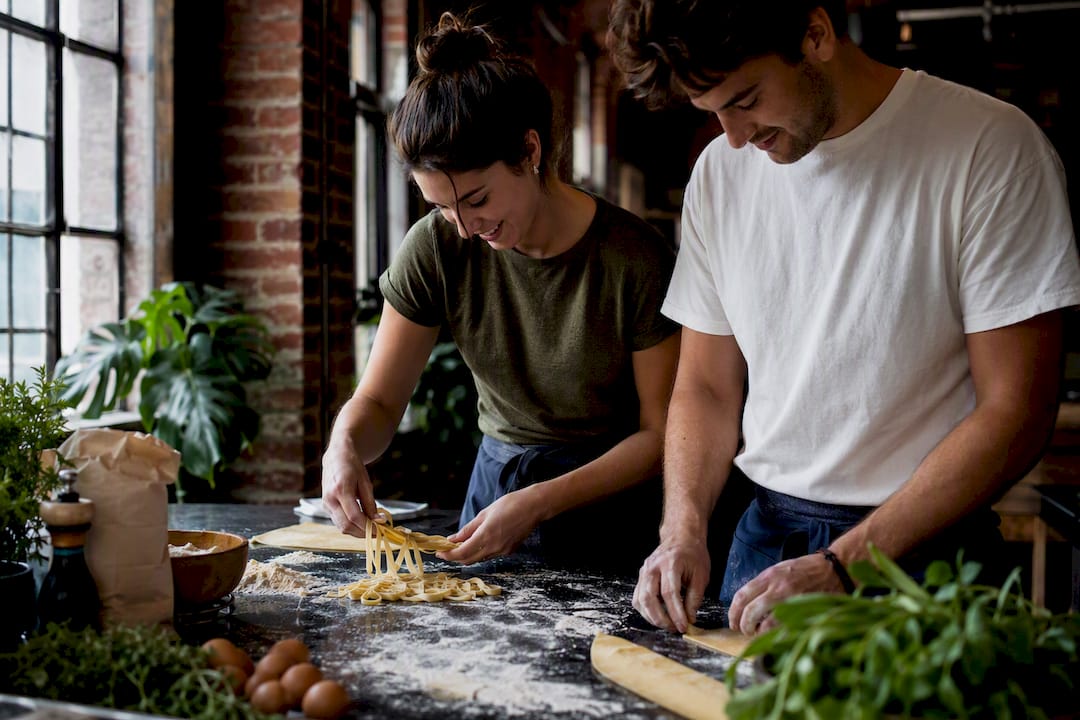
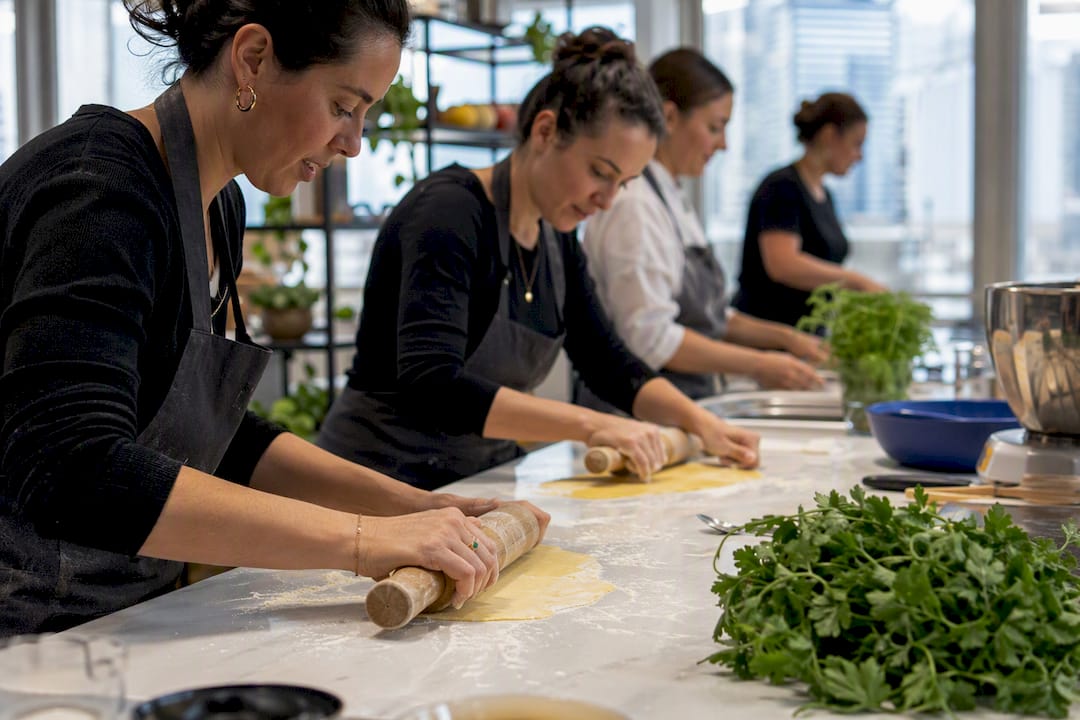
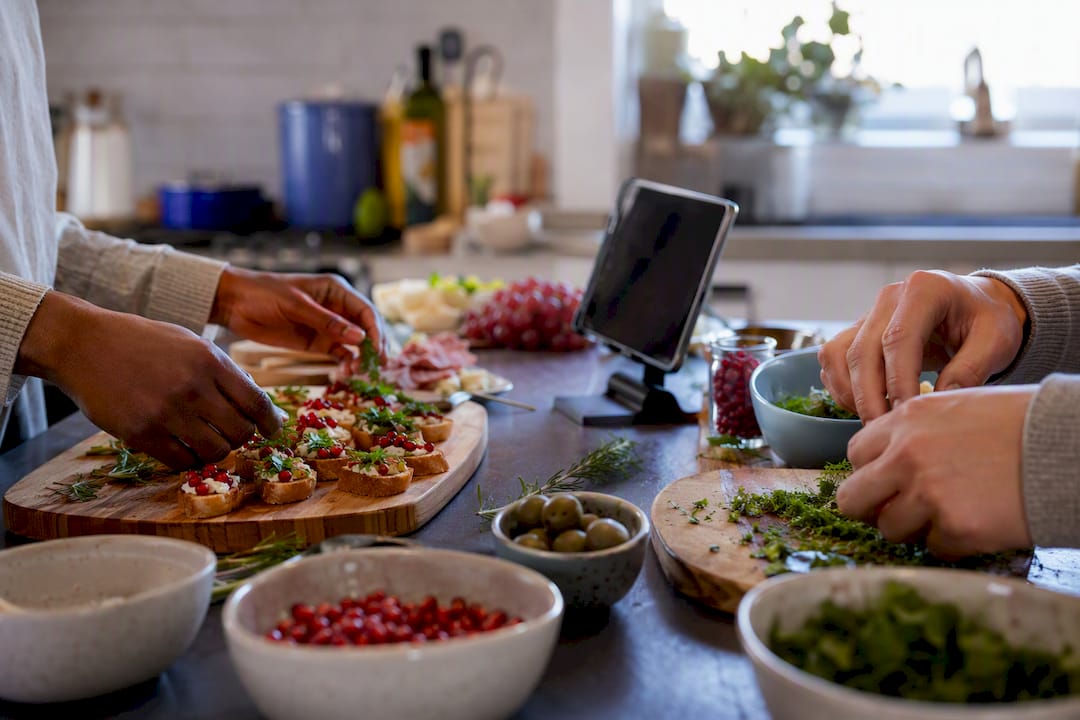
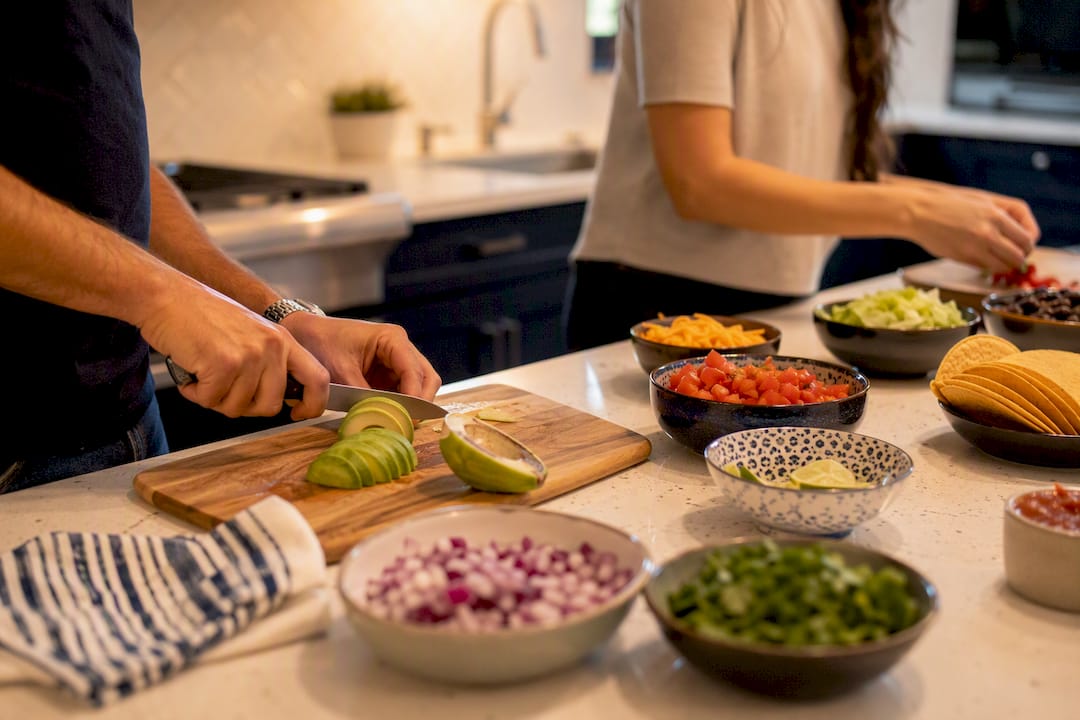
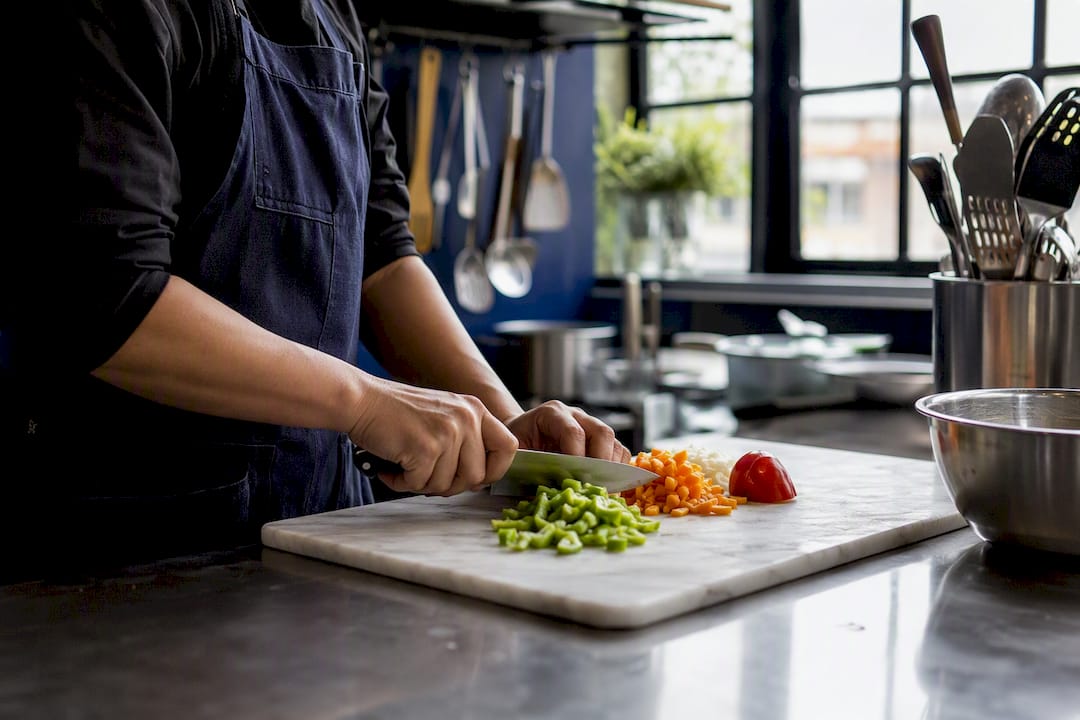
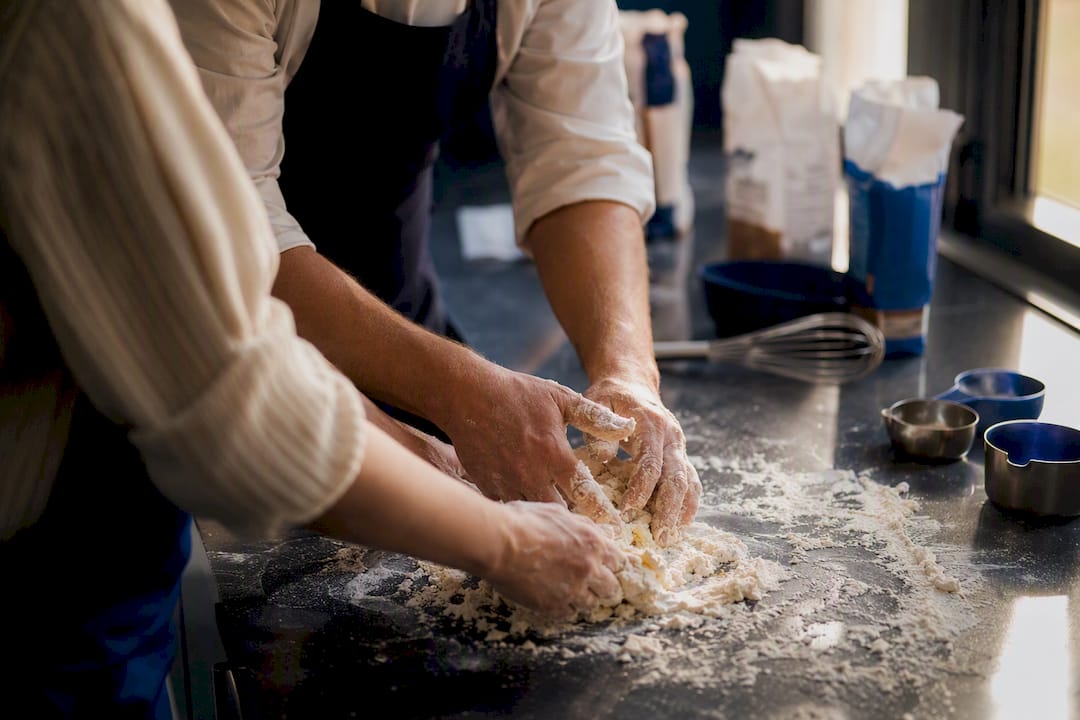
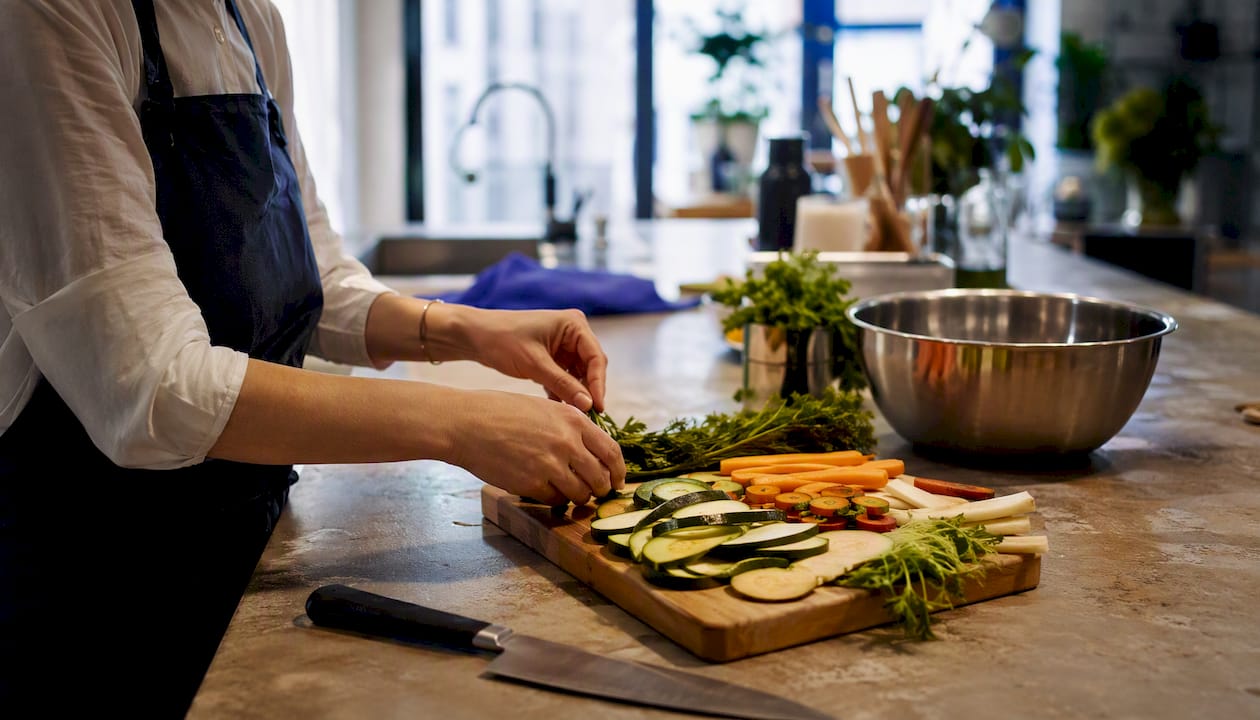
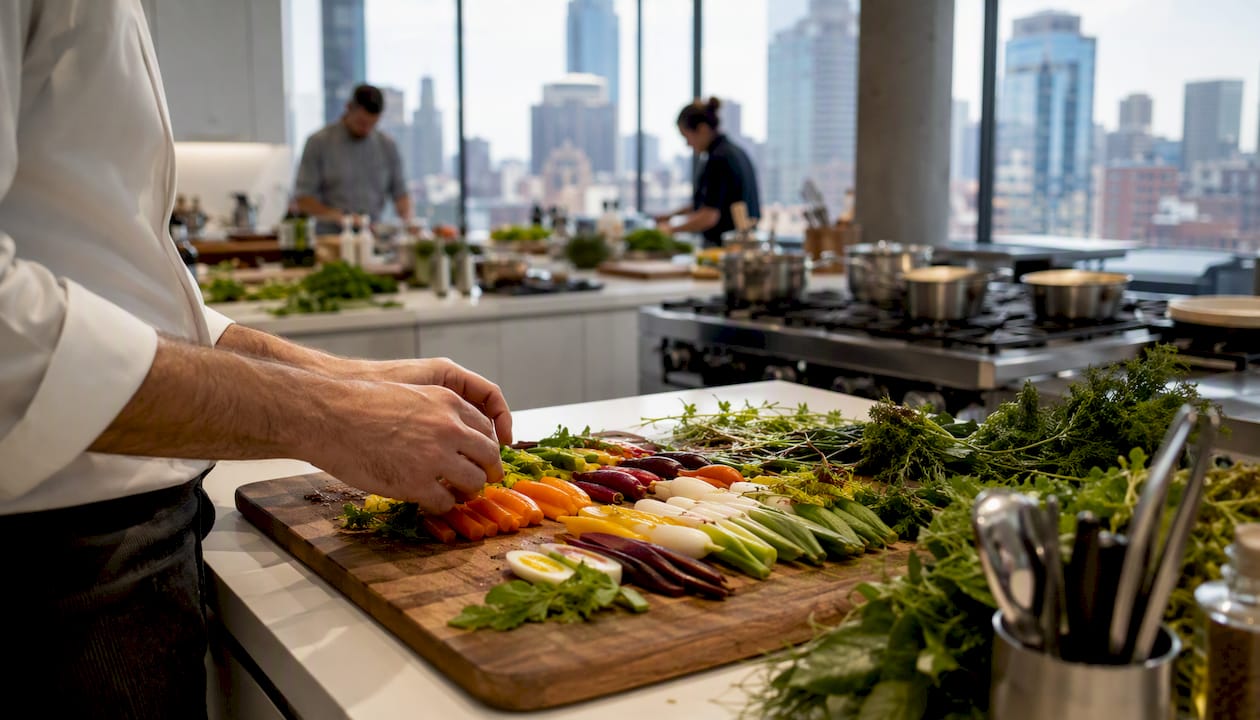
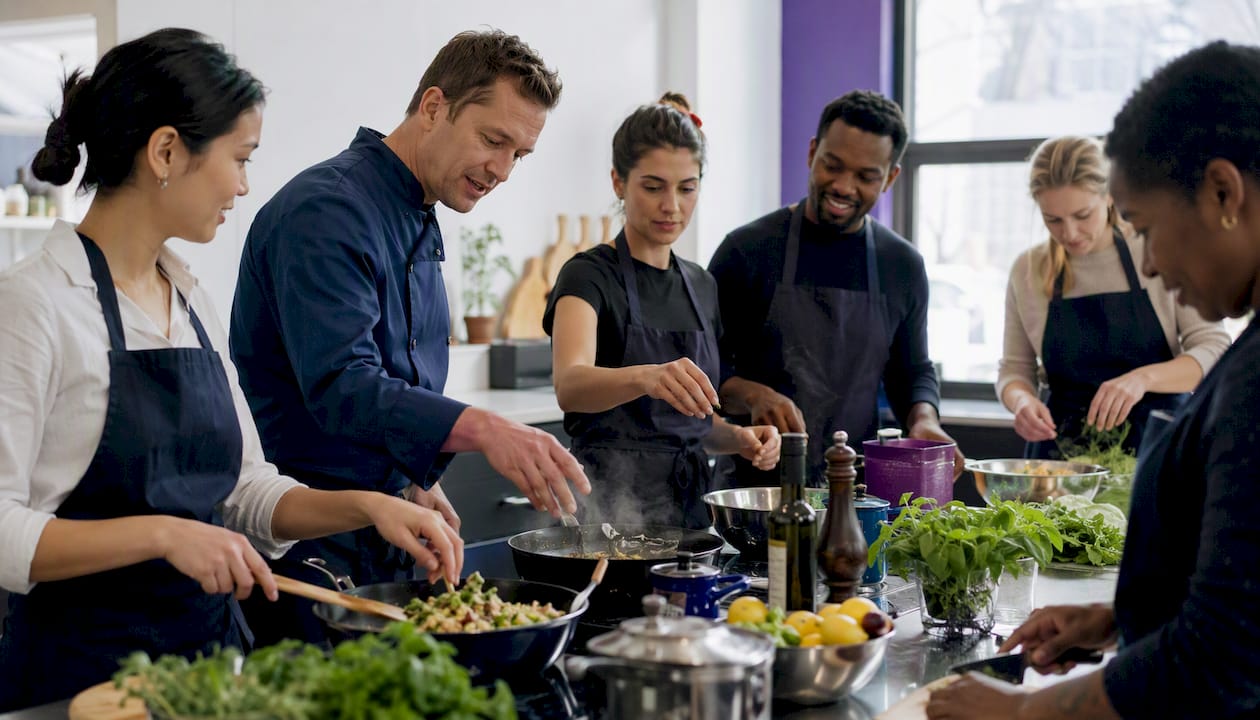
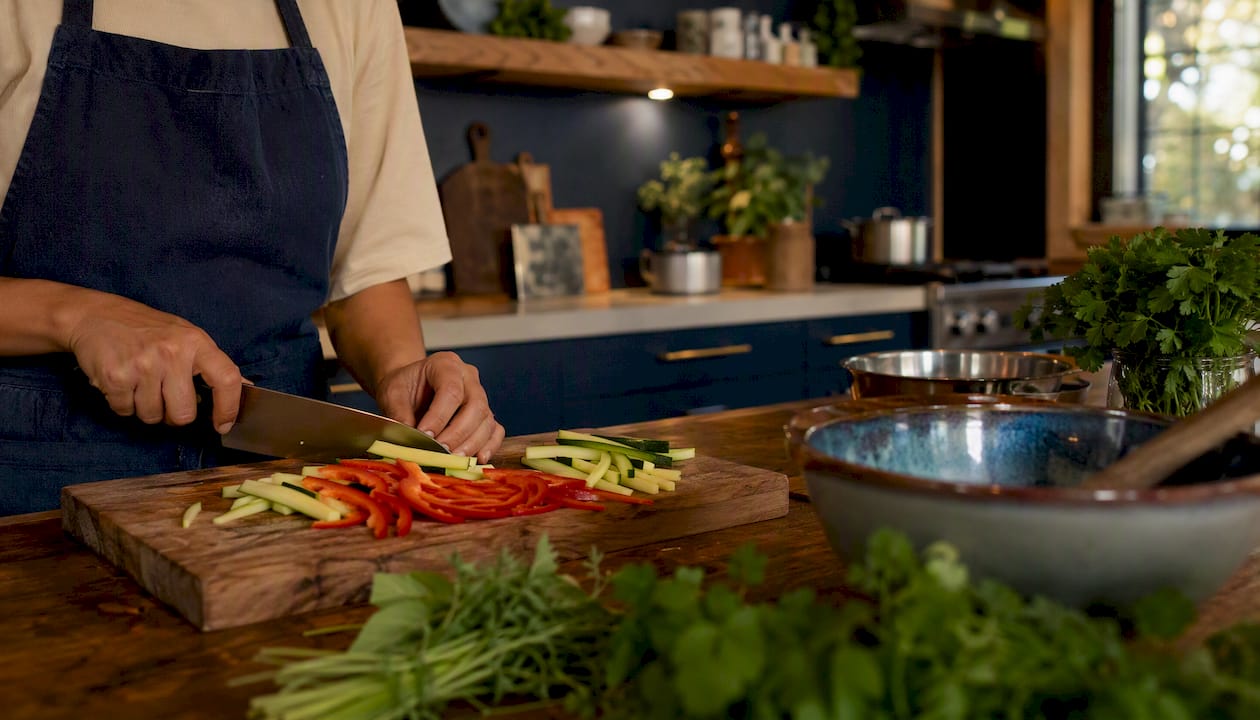
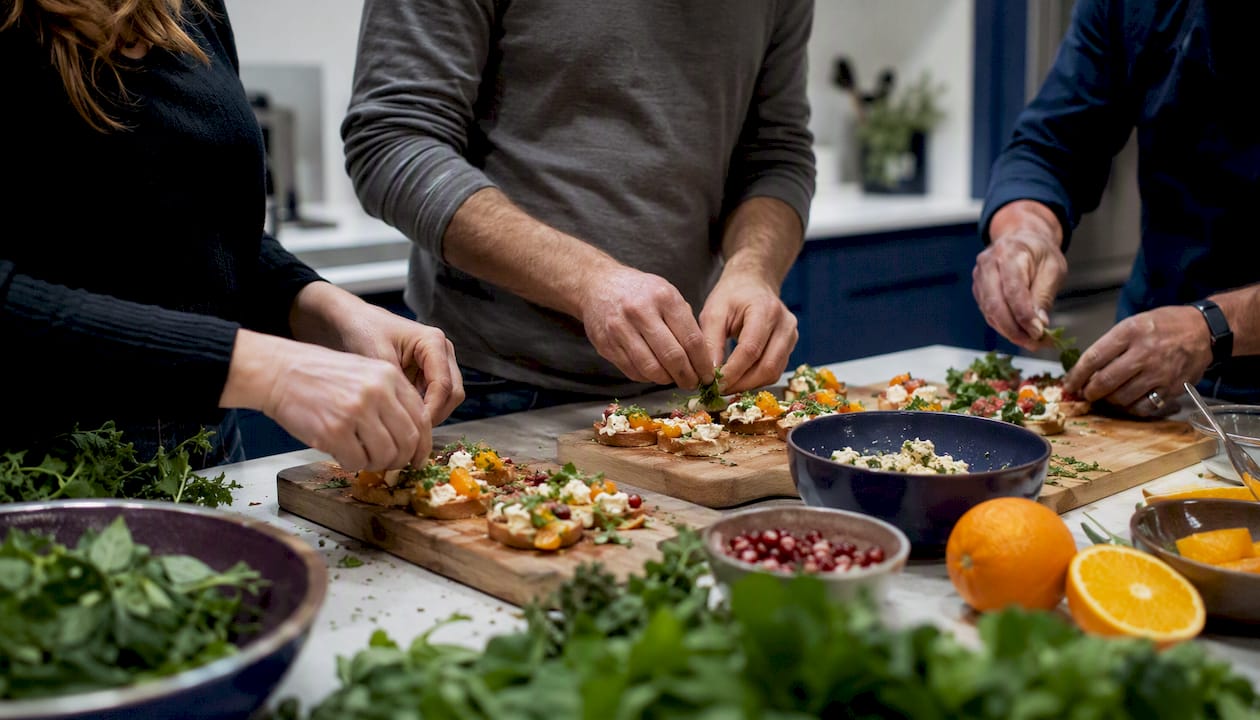
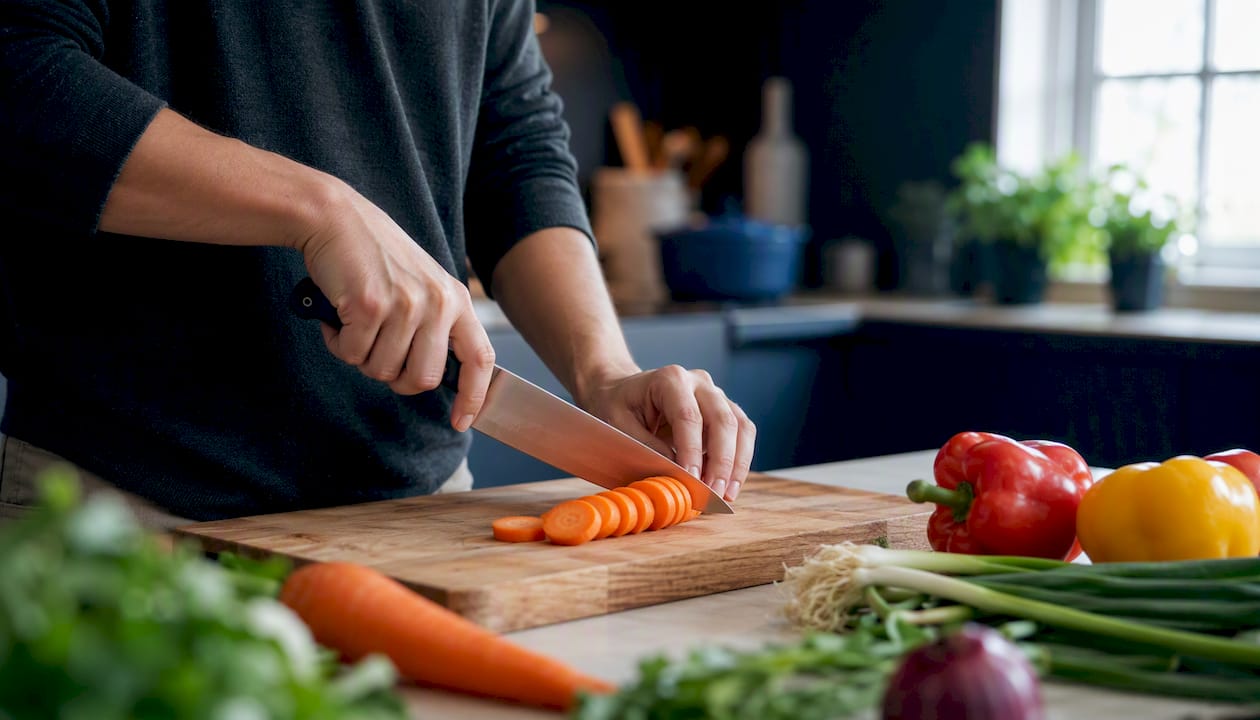
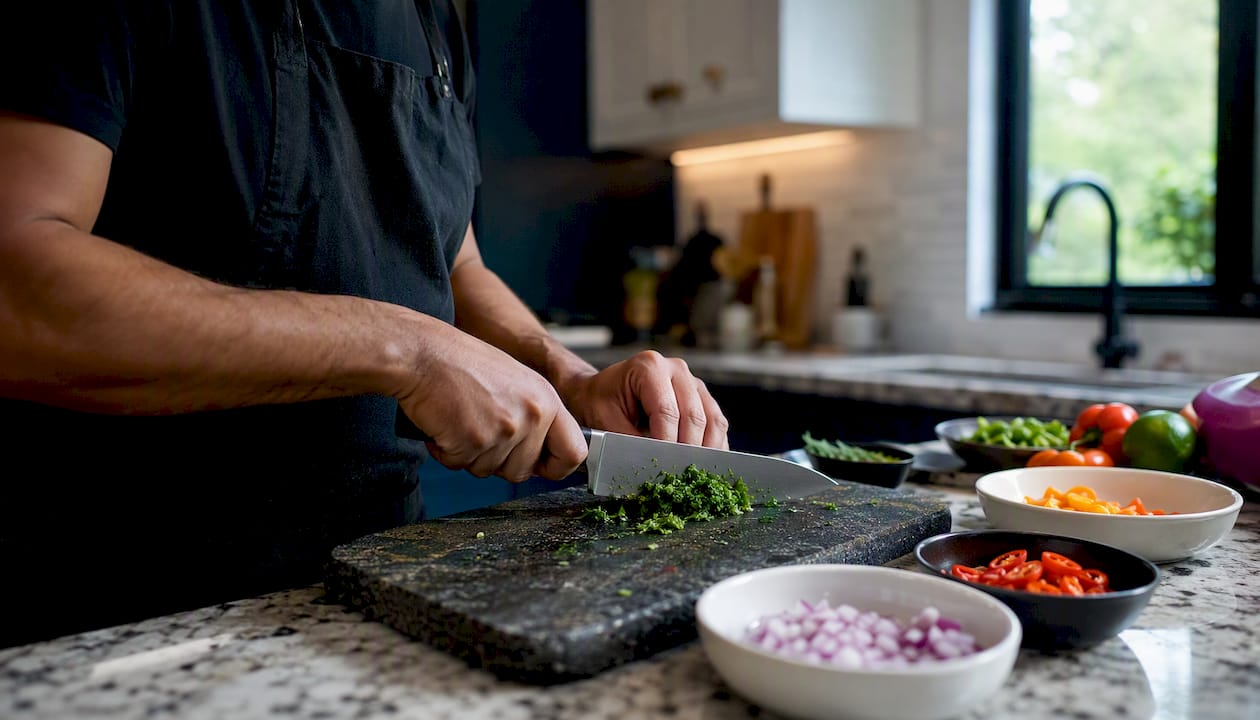
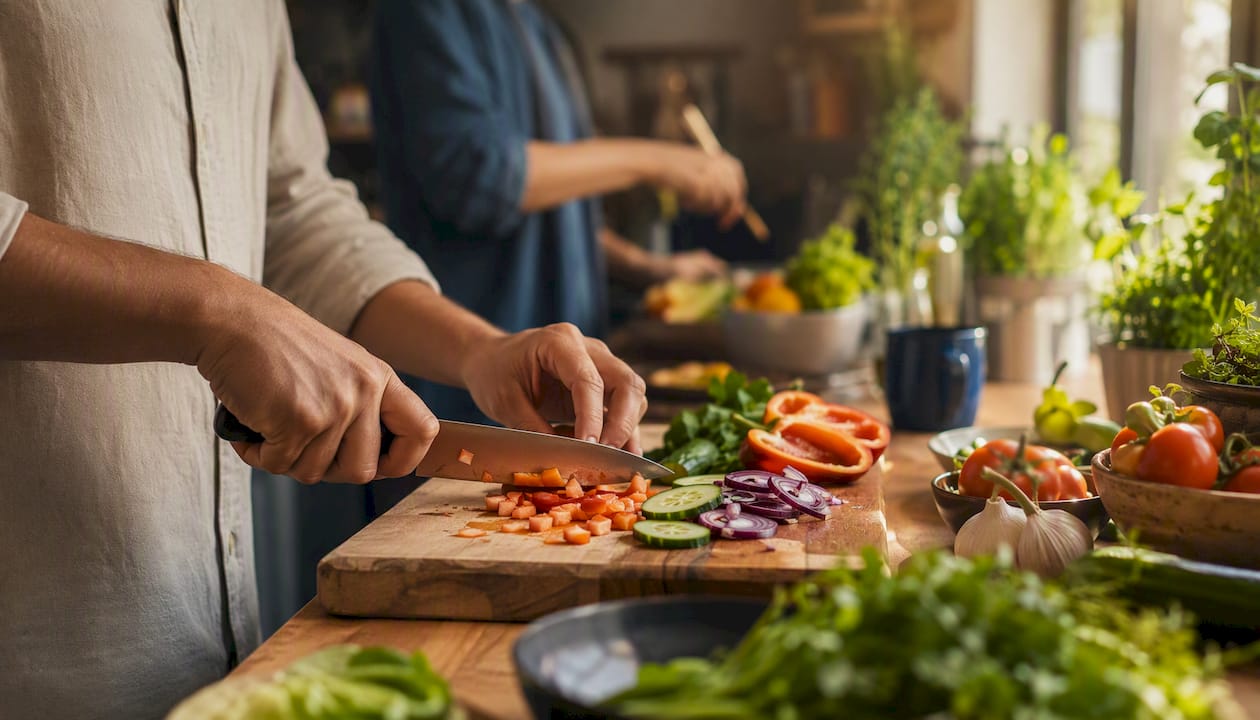
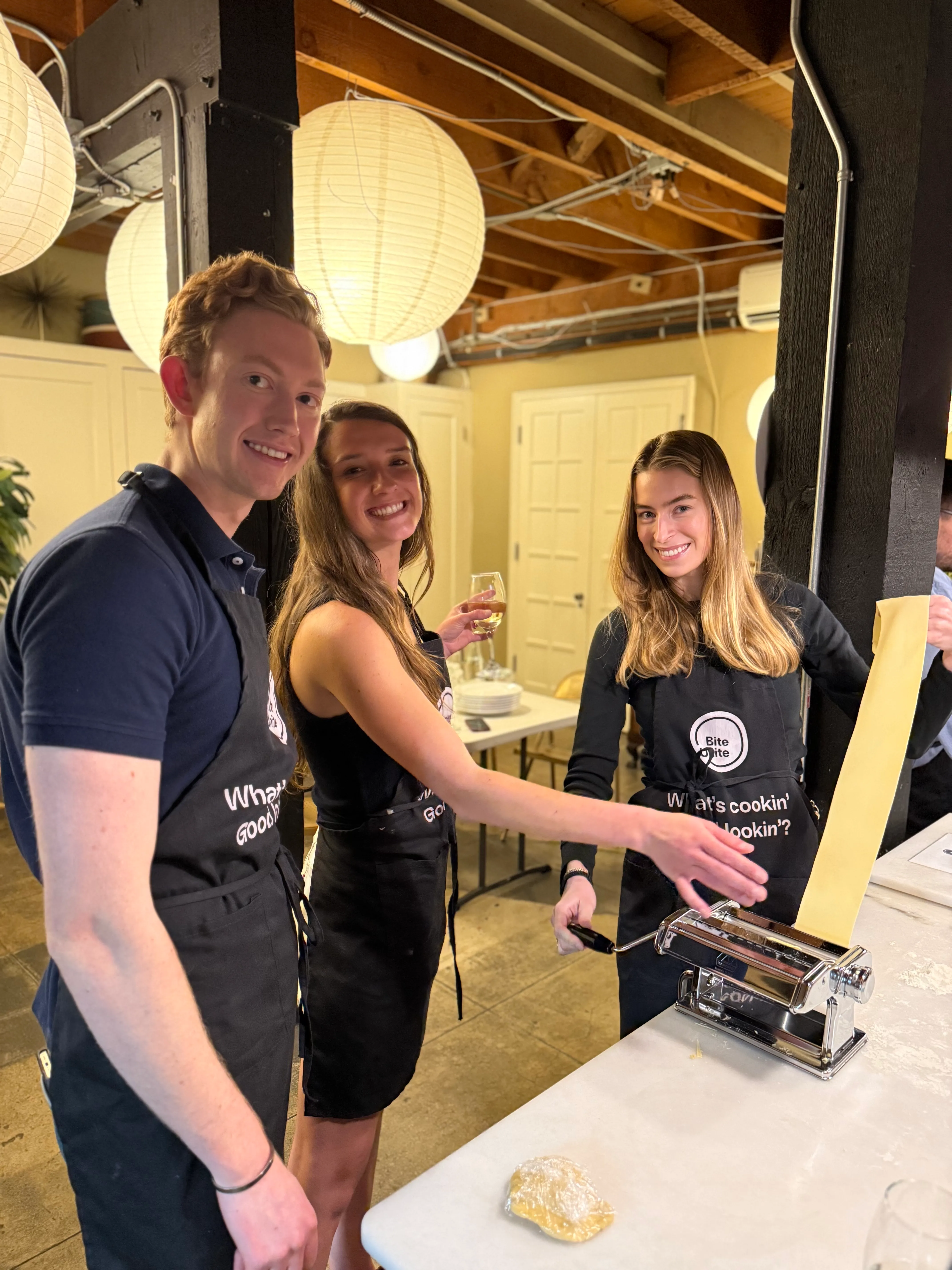
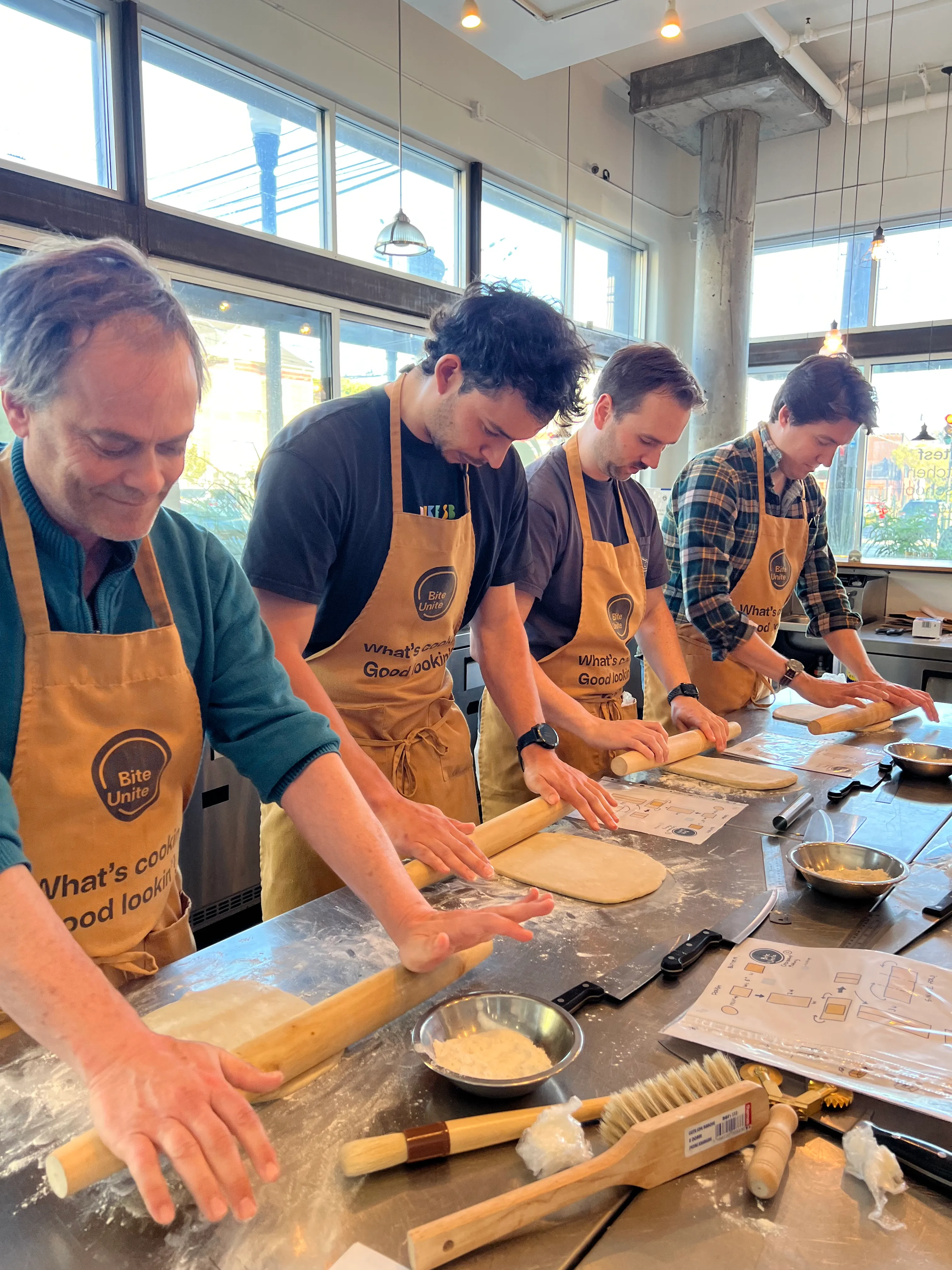
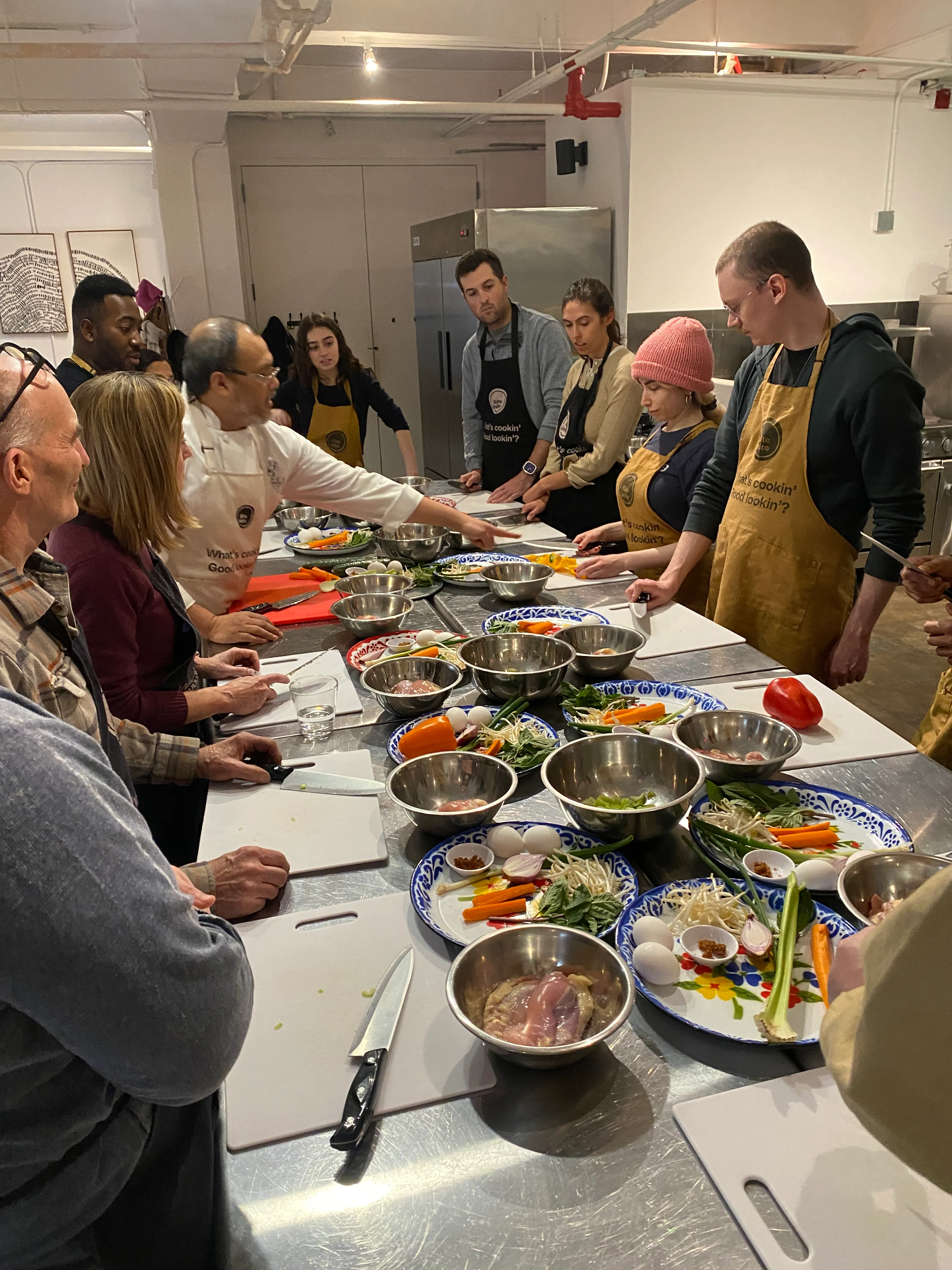
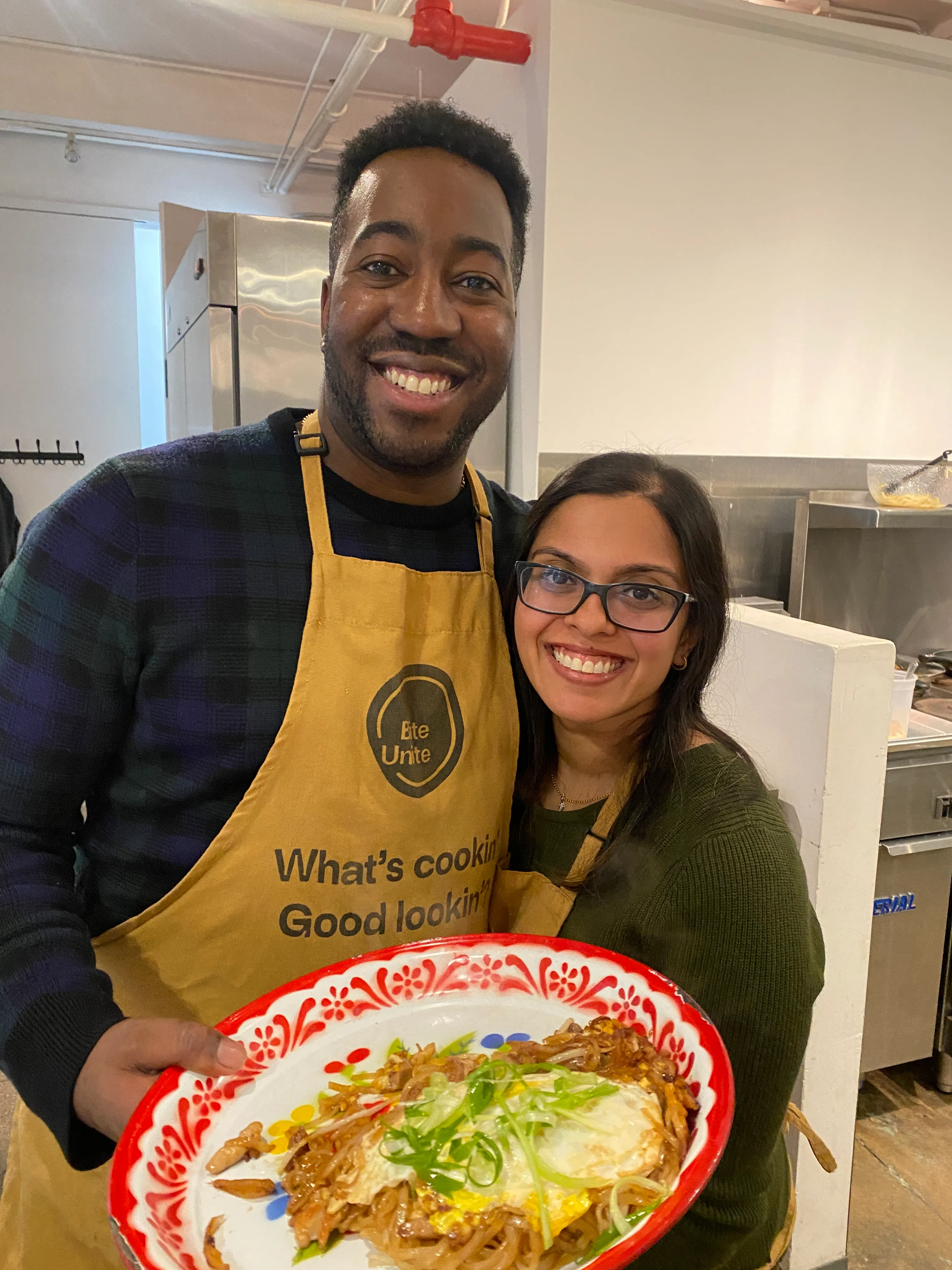
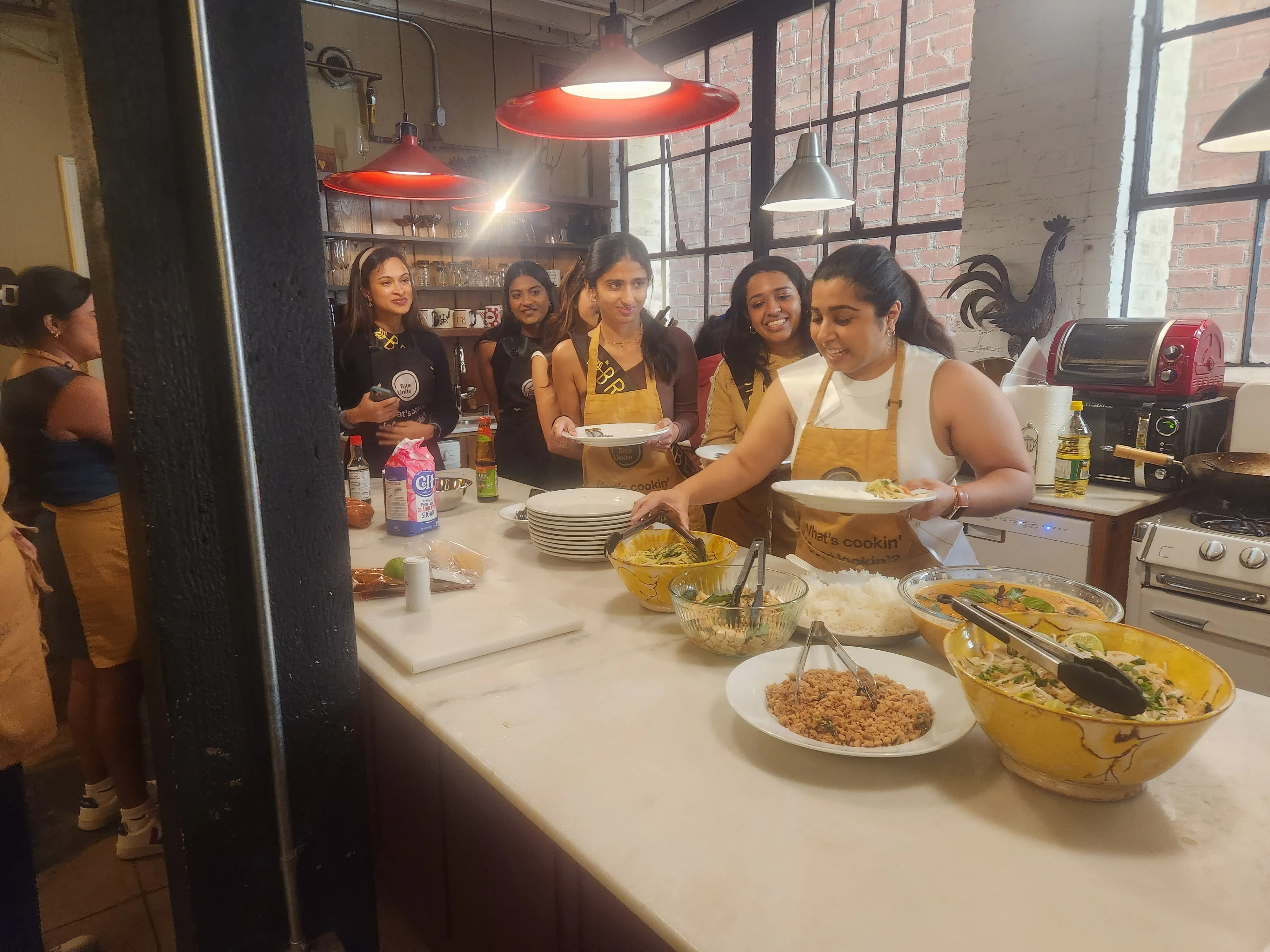
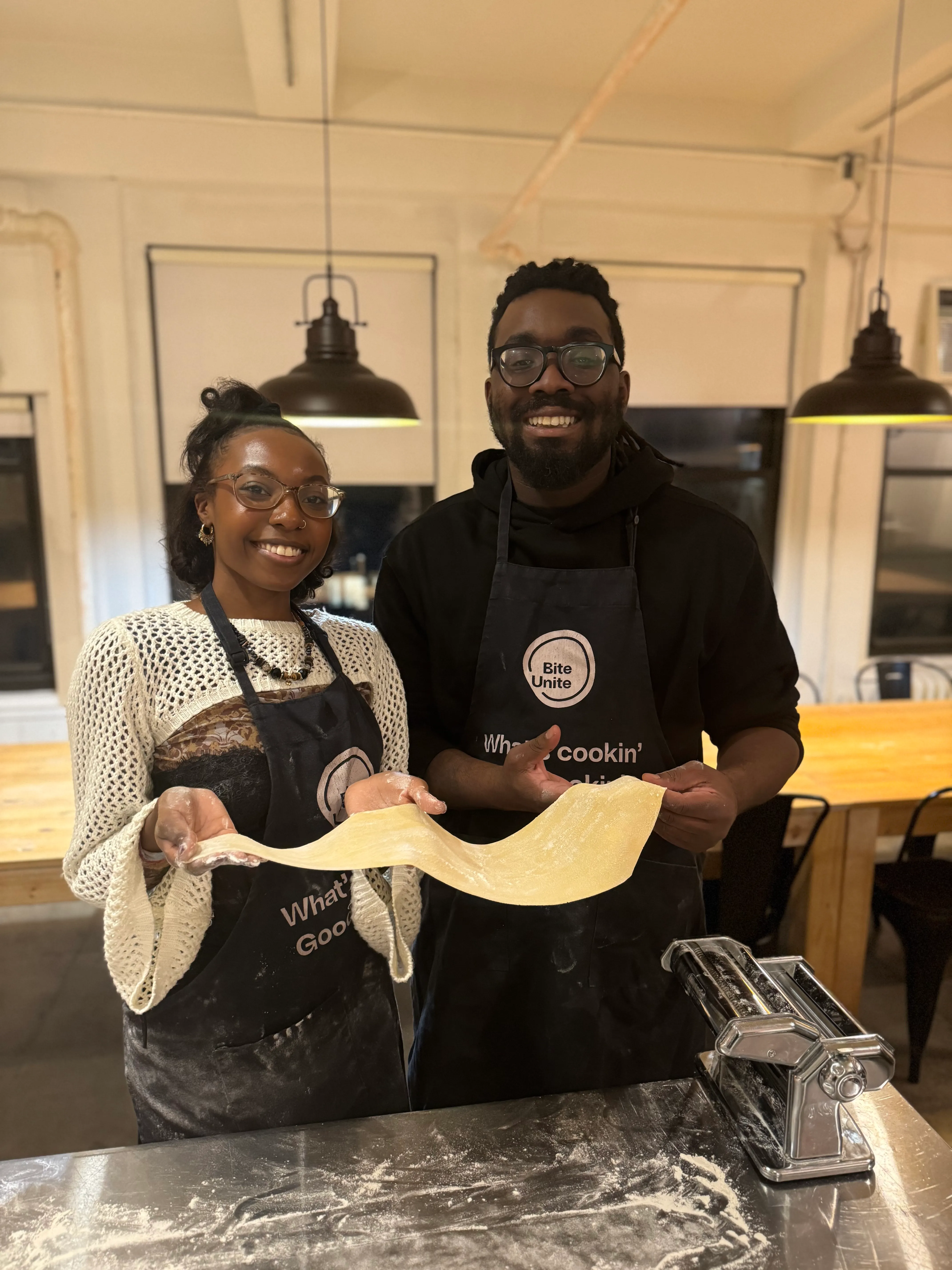
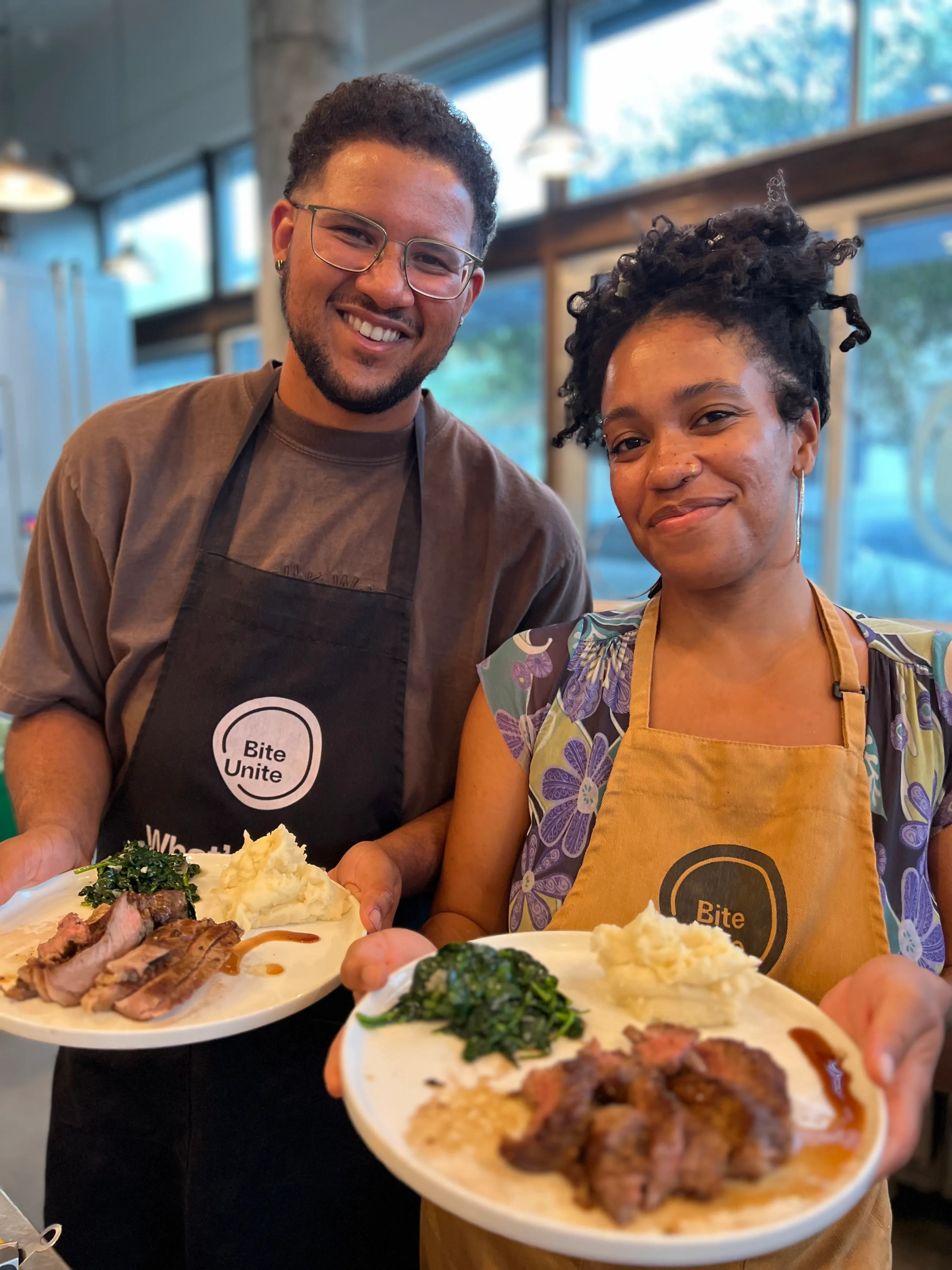
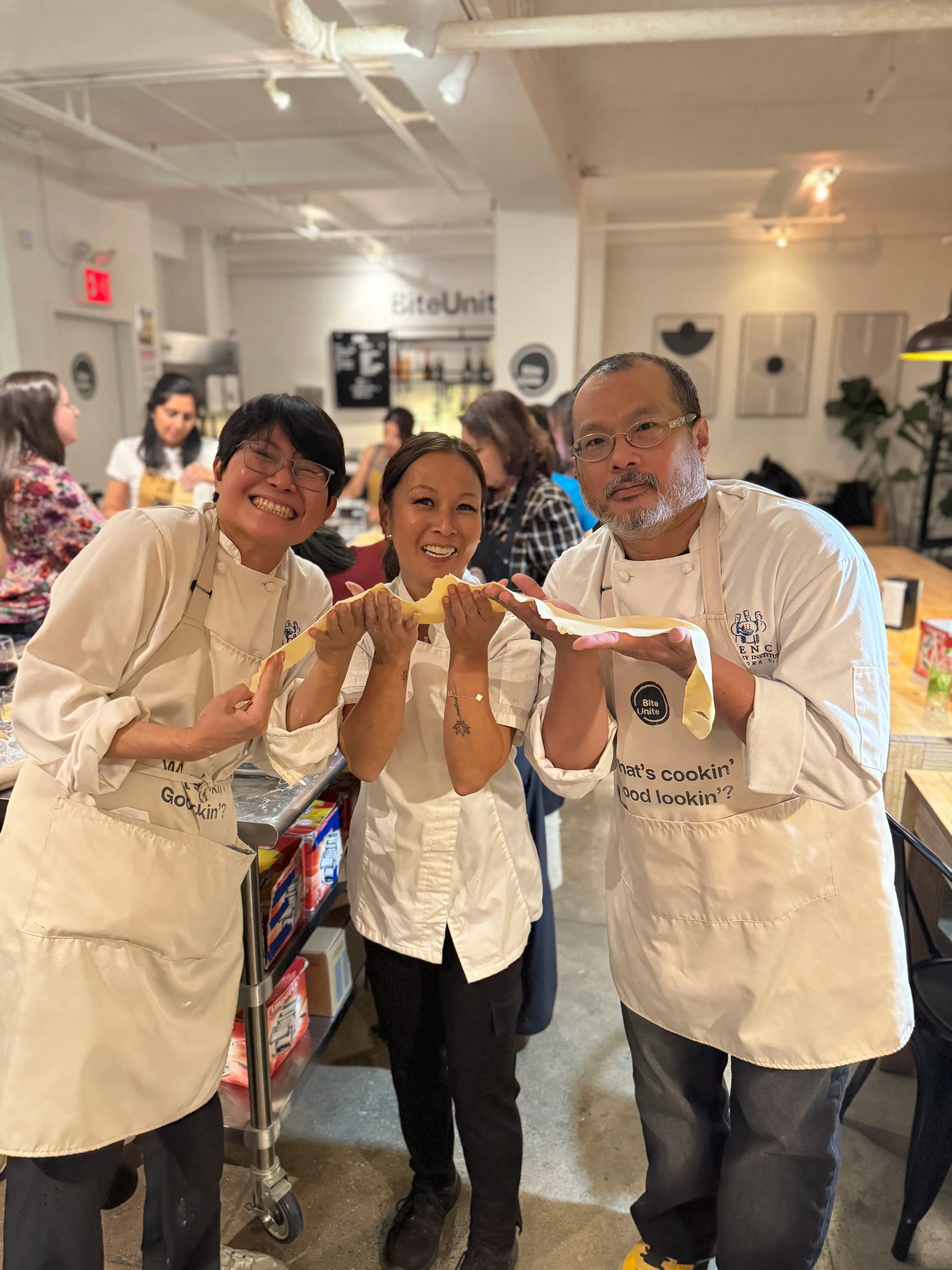
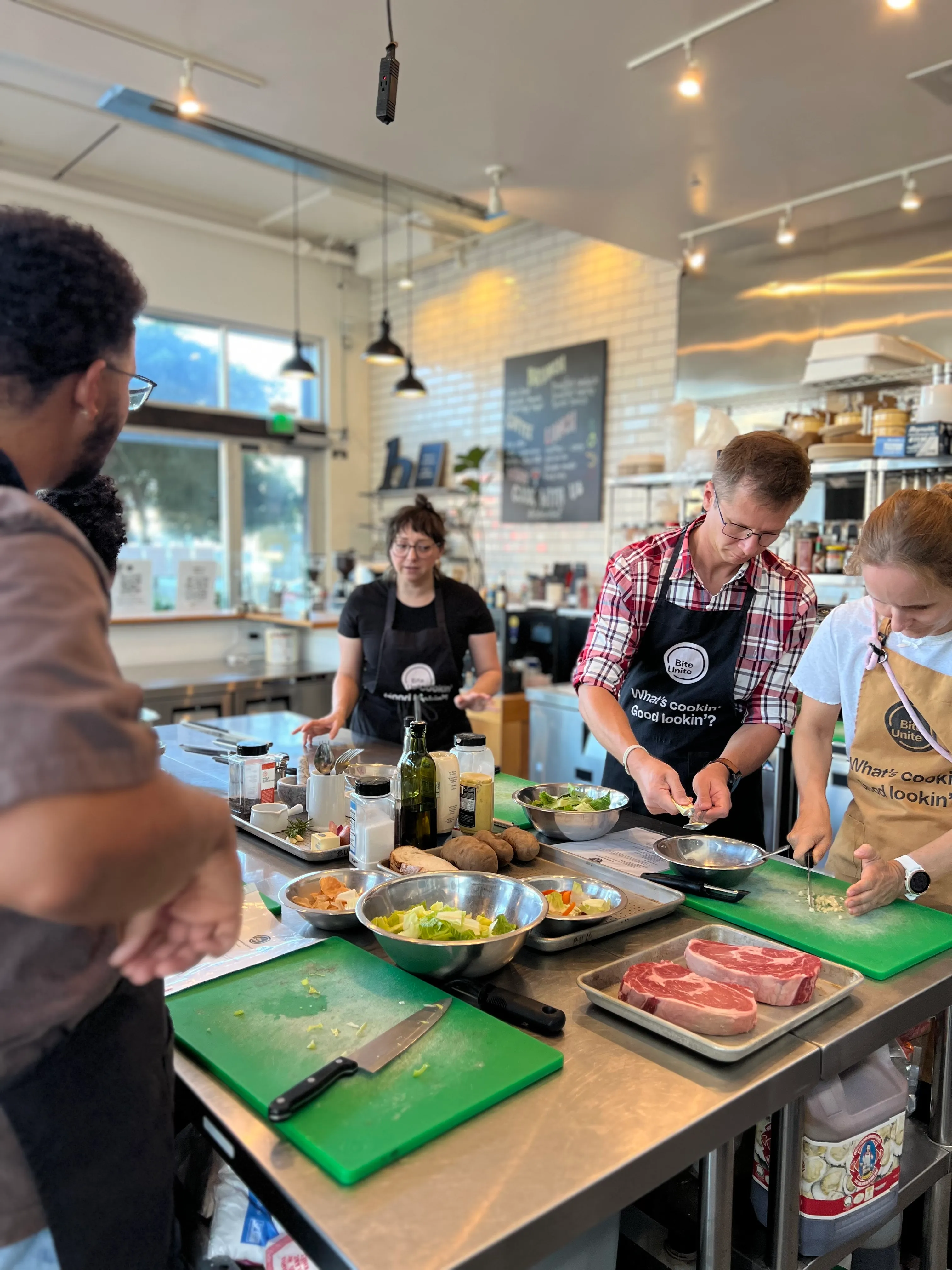
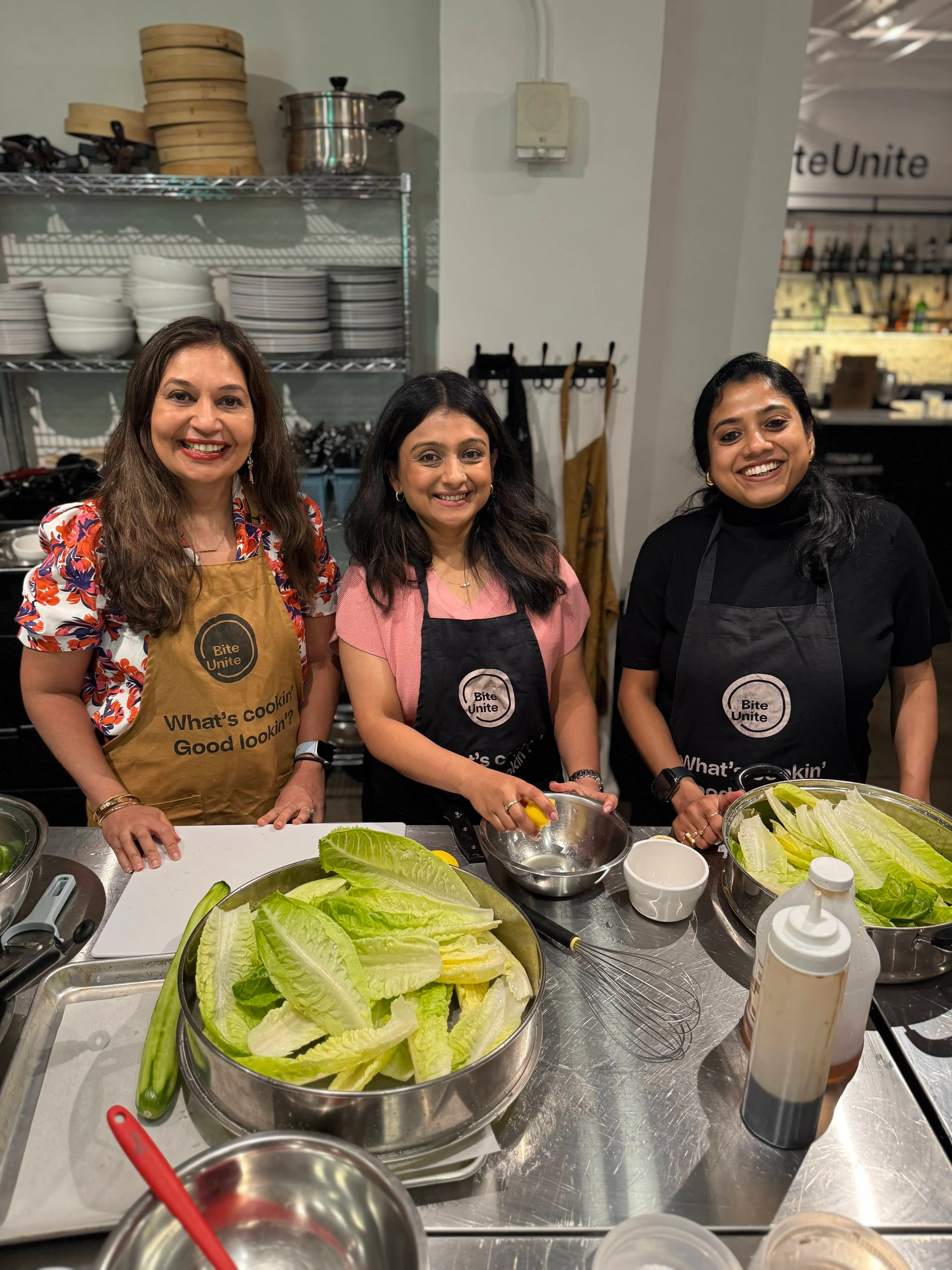
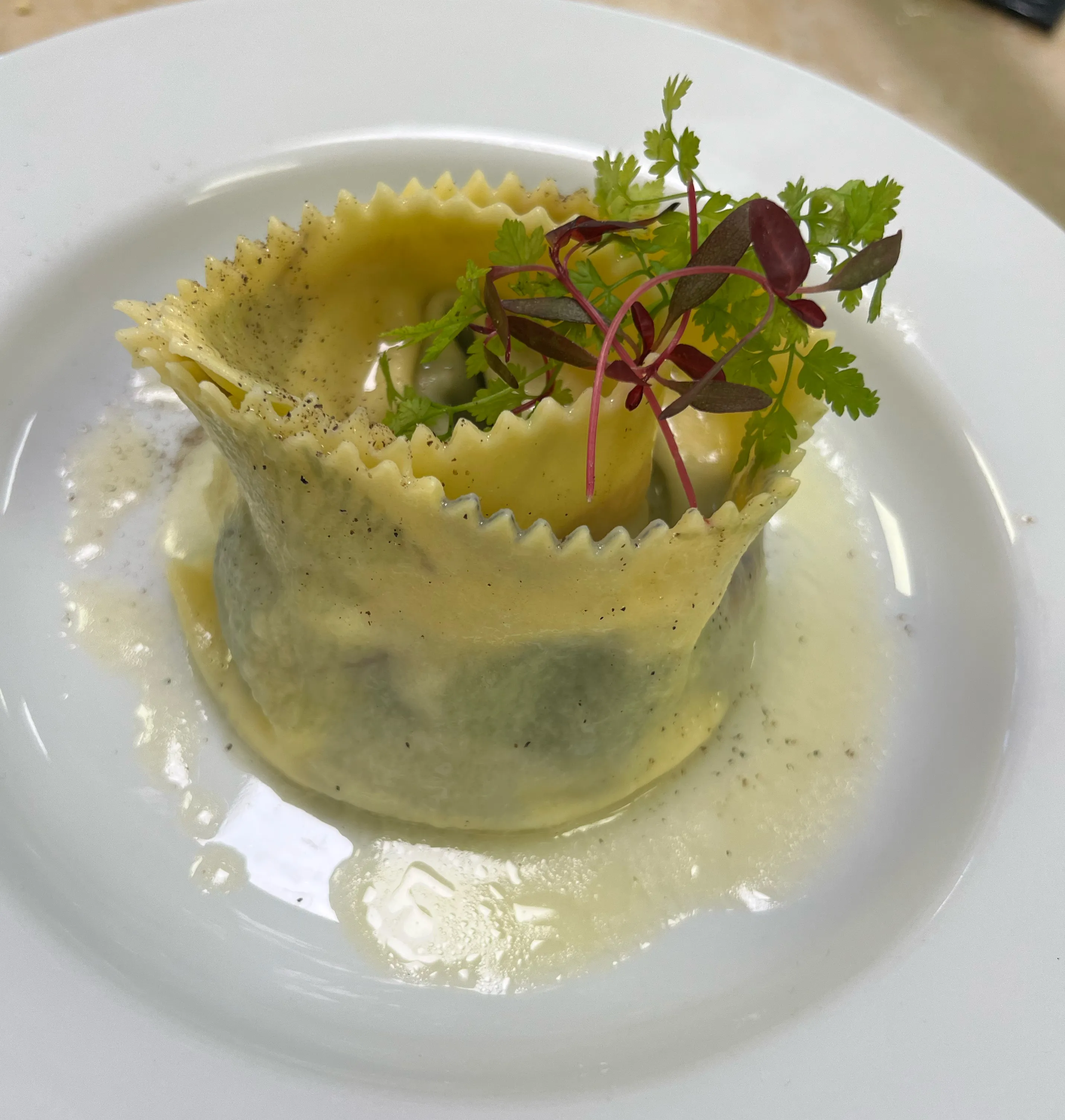
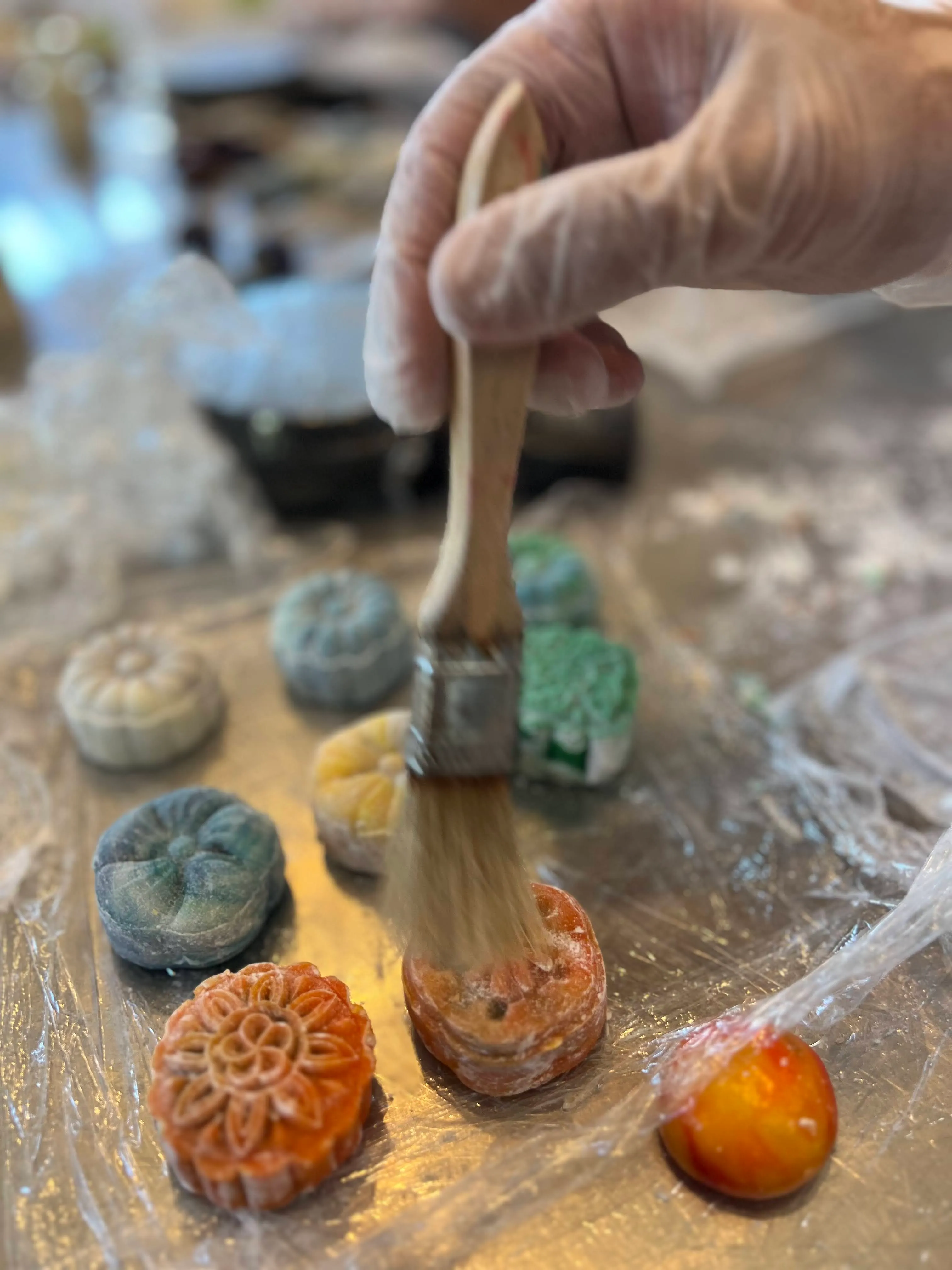
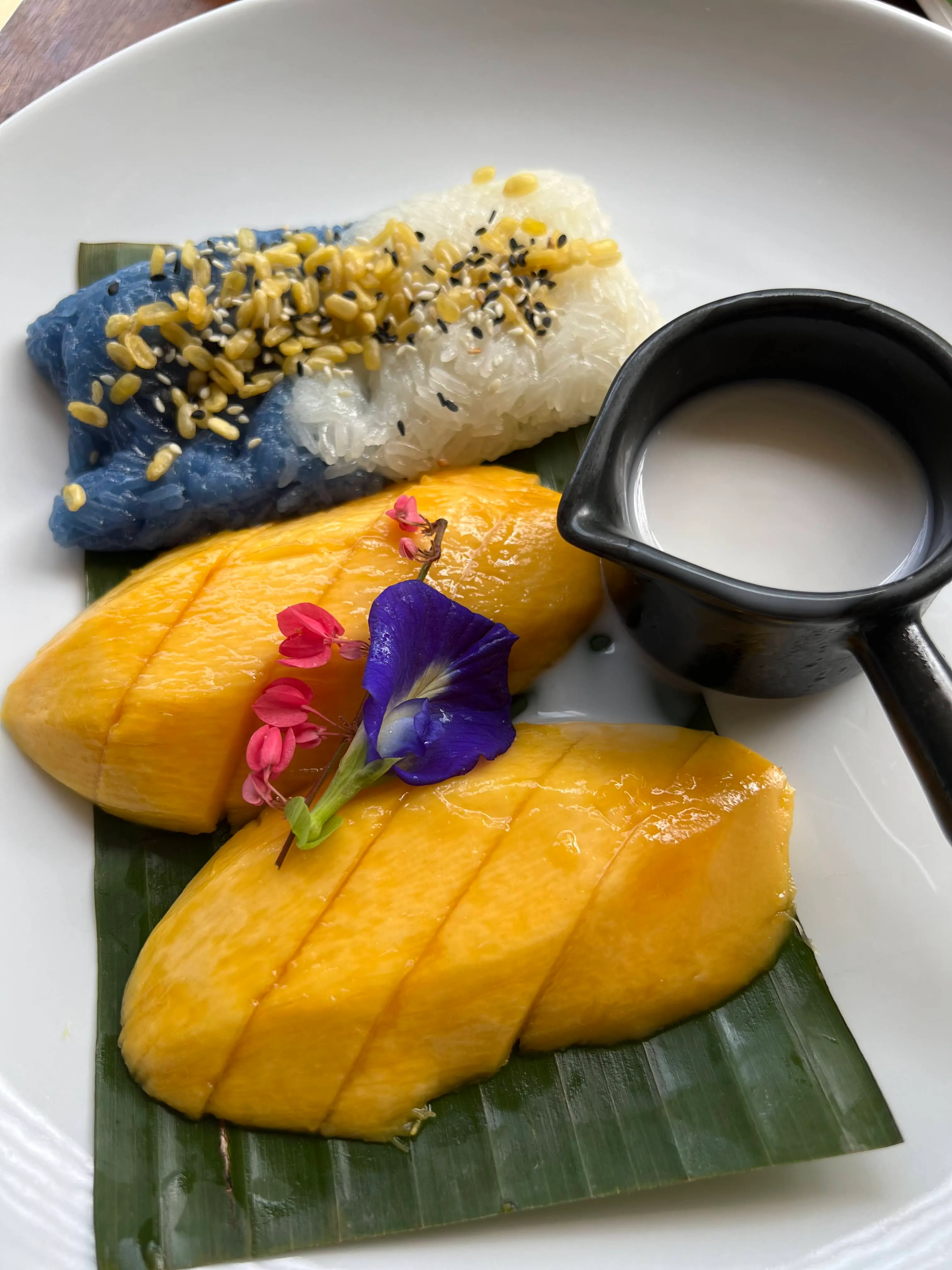
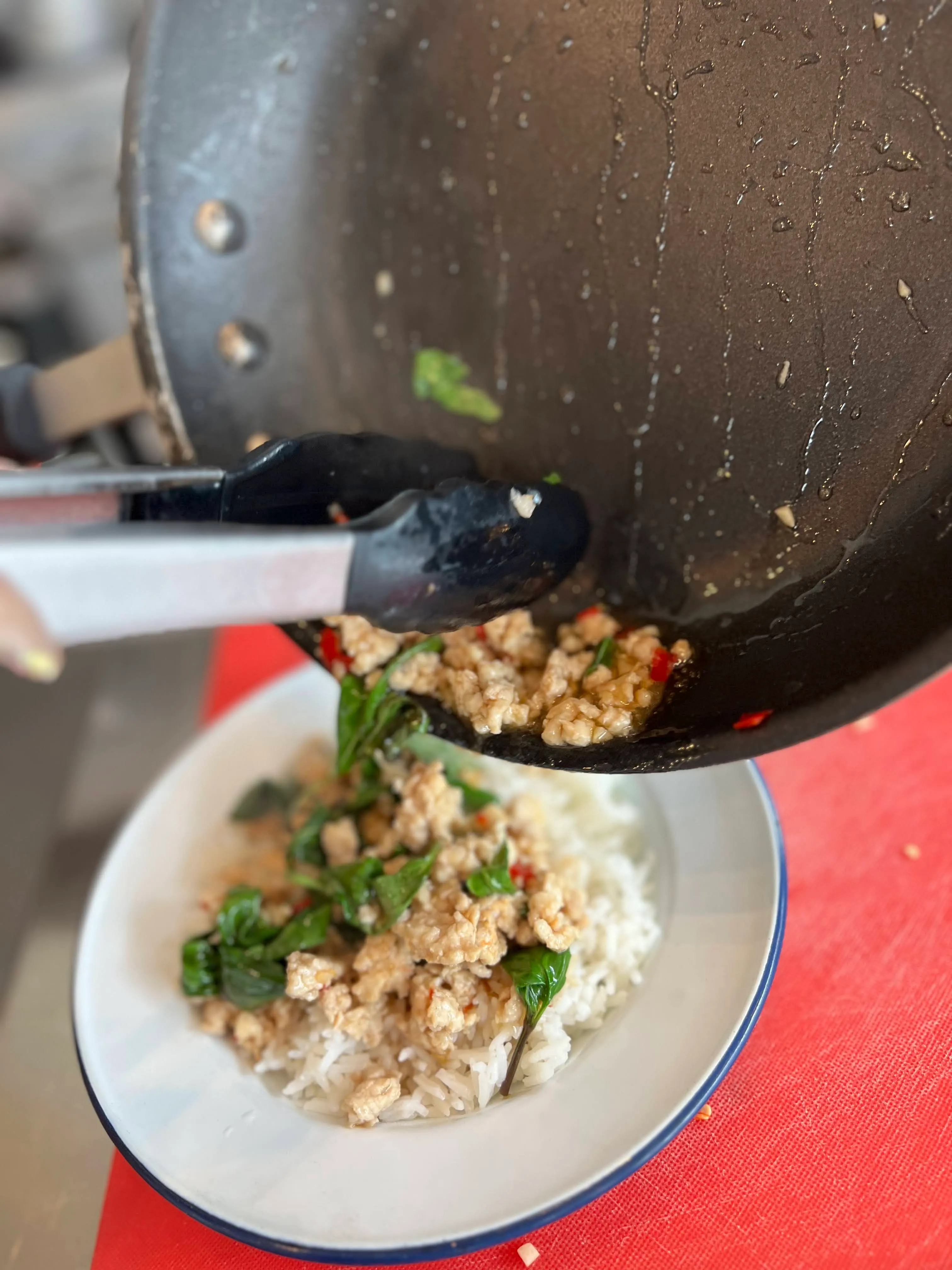
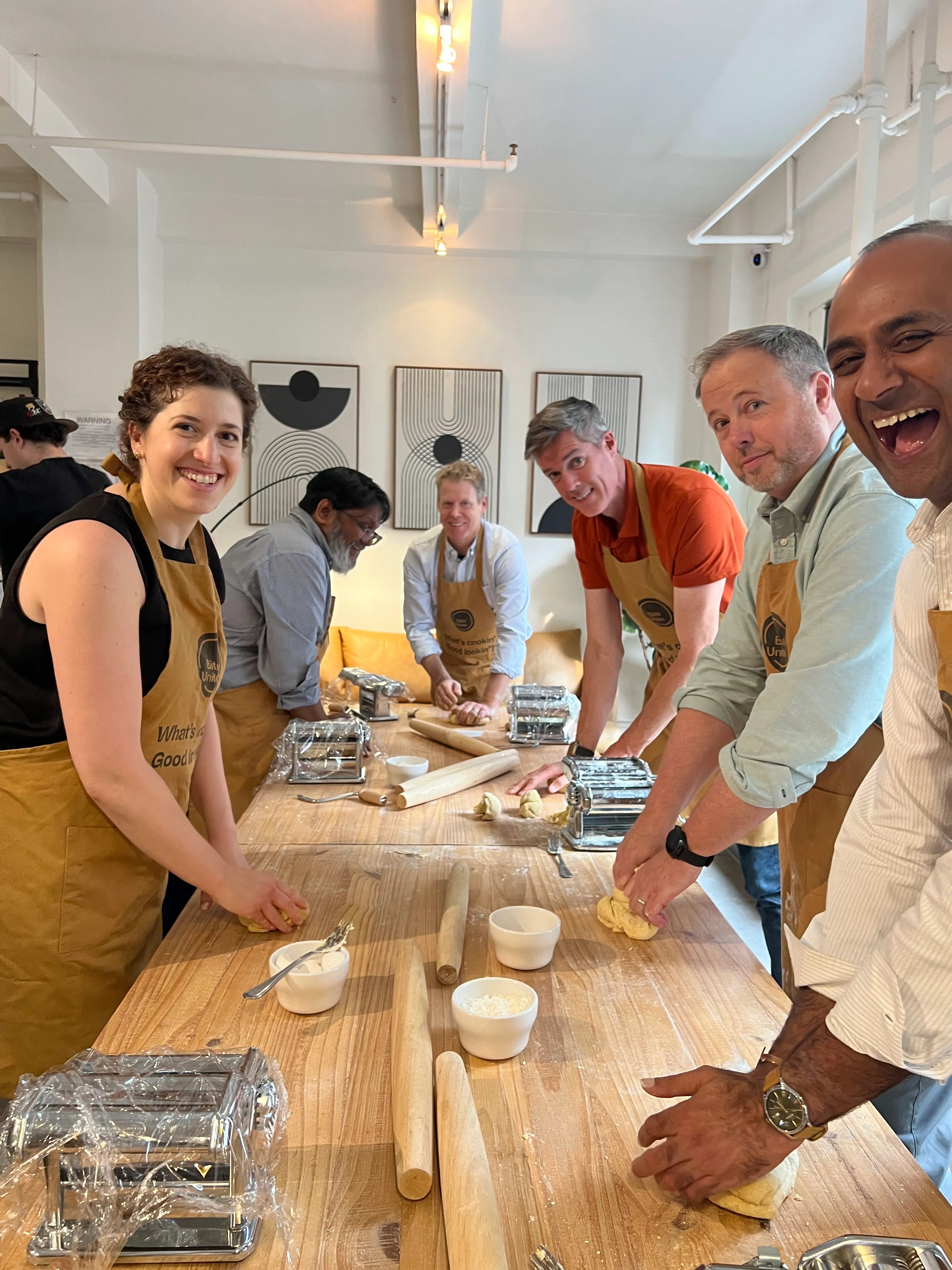
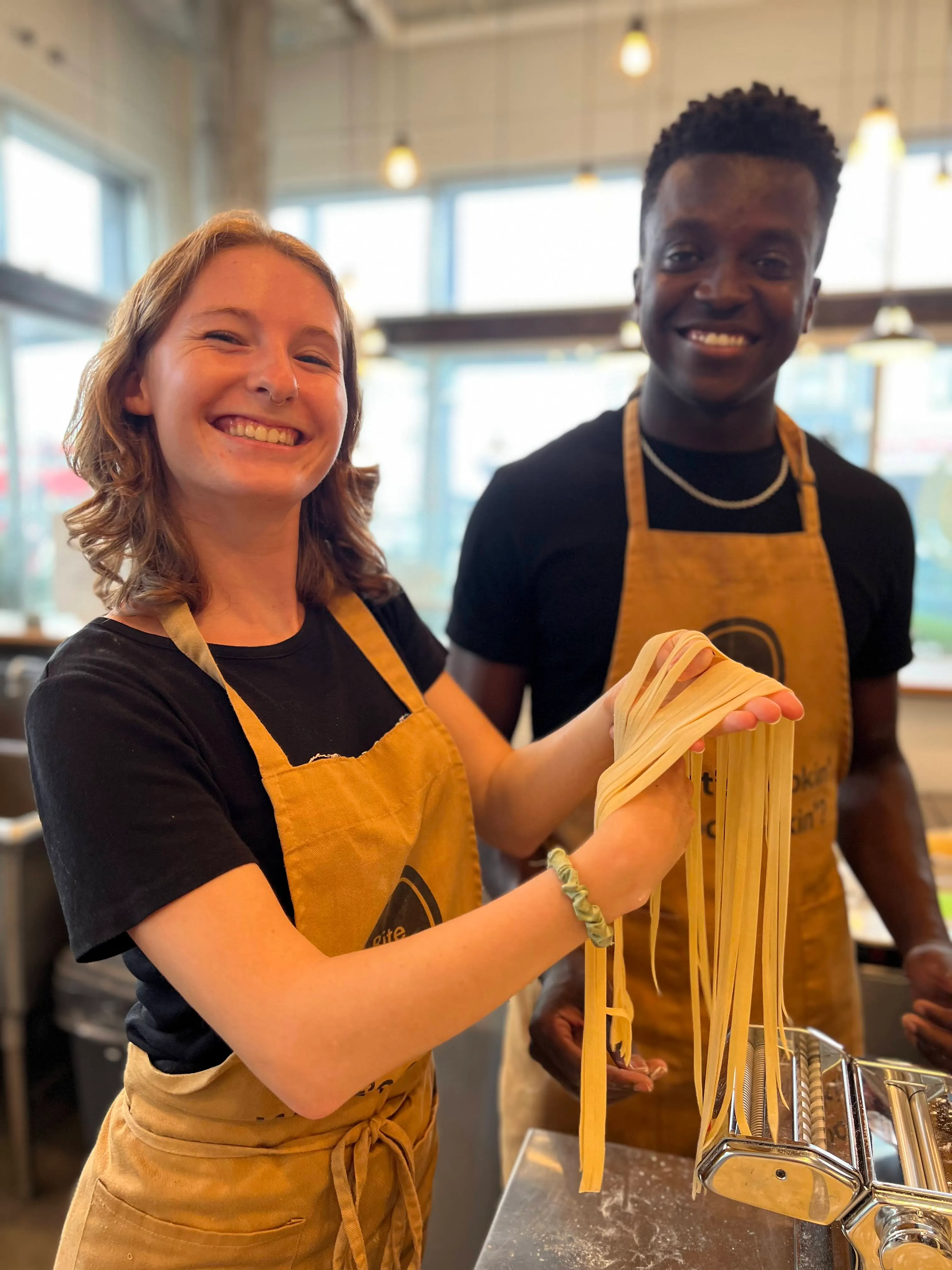
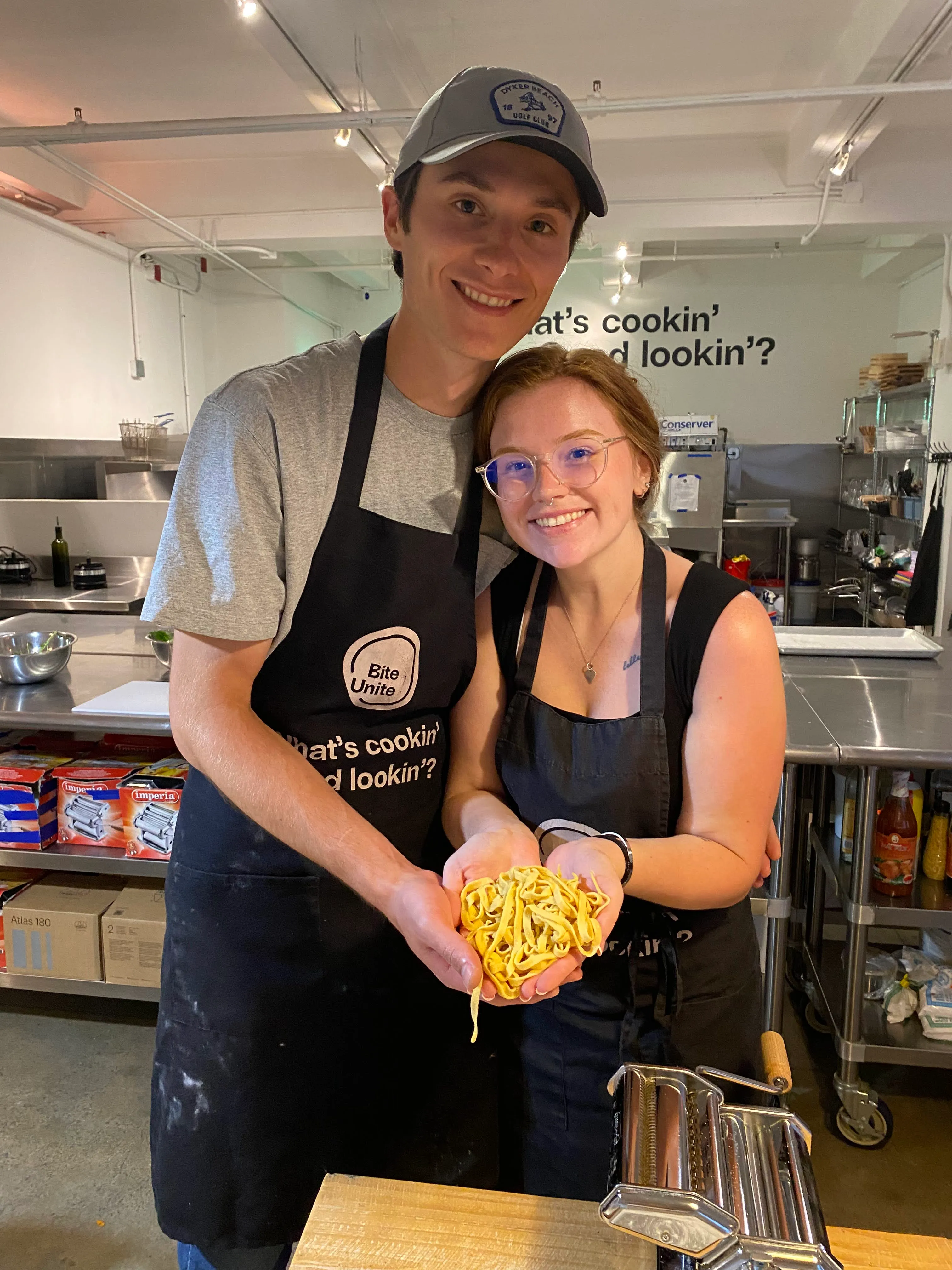
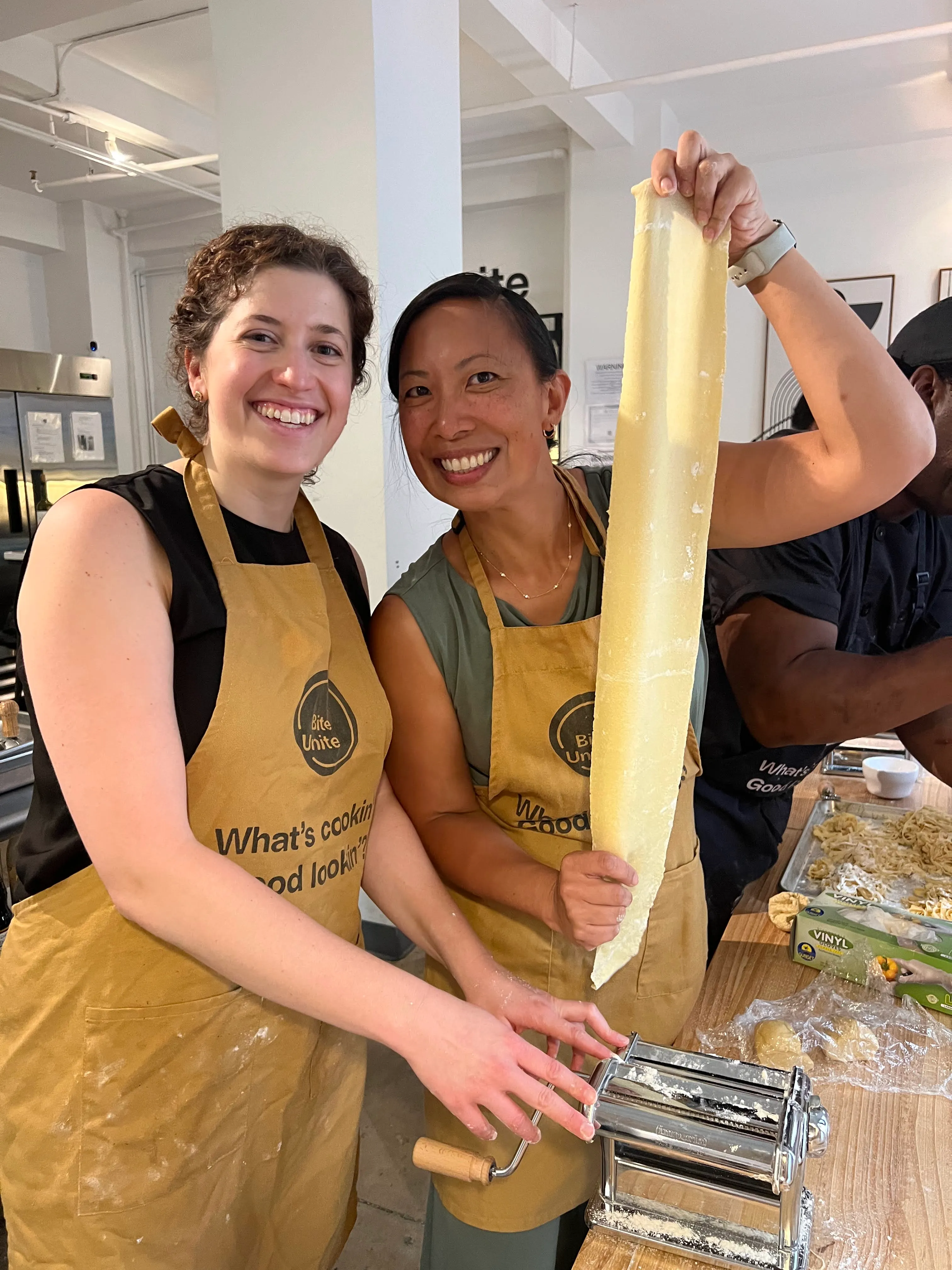
A hands-on cooking class works because everyone is handed a task, a knife, and a reason to talk to the person next to them. Groups tend to get the most out of a class structured around teams cooking one course each, which forces coordination without forcing anyone into an icebreaker circle. Most sessions run long enough to build and plate a full meal but short enough to fit into a workday afternoon. Teams walk away with a shared dish, a few new kitchen skills, and usually a lot of ribbing about whoever burned the garlic. Biteunite’s corporate cooking classes in San Francisco are built around exactly this format, with chefs guiding teams through cuisines from pasta to Thai.
Guided food tours
A food tour suits teams who want a lower-effort, higher-mingling afternoon. The Mission, North Beach, and the Ferry Building each offer distinct food tour circuits, and all three are walkable for most fitness levels, though North Beach’s hills mean you should ask about grade before booking a team with mobility concerns. Private tours typically cap between 10 and 20 people so guides can manage pacing and dietary substitutions on the fly. Tripadvisor’s list of group-friendly San Francisco activities includes several food-focused options alongside bay cruises and museum visits, useful for organizers comparing formats before they commit.
Scavenger hunts and city quests
App-driven scavenger hunts scale well because they don’t require a fixed venue, just a defined neighborhood radius. Providers like Im-Puzzled’s Heist Society run immersive quests where teams solve clues across a tight downtown grid, with pricing and time windows that flex by ticket type. These work best for larger groups, 30 people and up, because you can split into competing squads without anyone standing around waiting for their turn.
Outdoor Bay activities
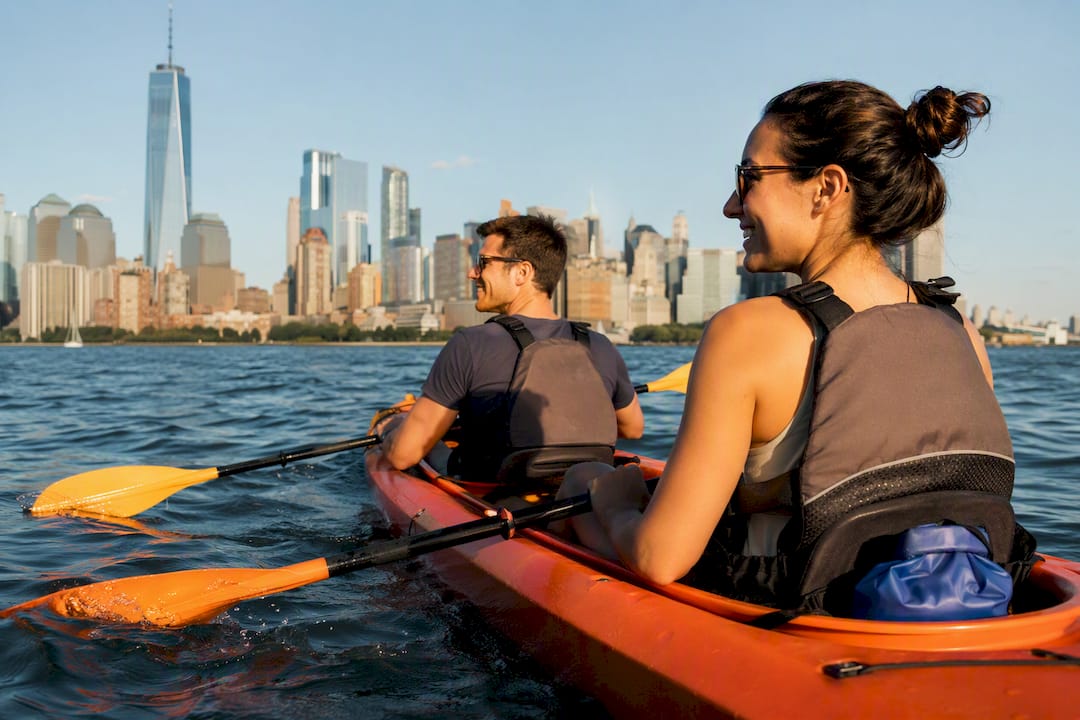
Sailing, kayaking, and paddleboarding put a premium on weather flexibility and safety planning. AC Sailing SF runs corporate charters on America’s Cup class yachts that hold roughly 20 to 50 people depending on fleet setup, complete with a mandatory safety briefing before departure. These outings demand more physical comfort with wind and water than a cooking class or workshop, so poll your team before booking, especially if anyone gets seasick or has mobility restrictions that make boarding a boat difficult.
Creative workshops and maker classes
Pottery, terrarium building, kintsugi repair, and printmaking classes ask almost nothing of the body and a lot of the imagination. Public Glass offers glassblowing team sessions for corporate groups, complete with private-session options and safety gear built into the price. WorkshopSF maintains a flexible makerspace that doubles as an indoor venue when you need a creative activity with a weather backup built in.
Indoor competitive formats
Escape rooms and game-show style competitions move fast, usually 60 to 90 minutes per session, which makes them efficient for back-to-back groups splitting a large team into shifts. Most venues are ground-floor or elevator-accessible, but always confirm ADA accommodations before booking multiple sessions, since older buildings downtown sometimes have narrow stairwells that weren’t built with wheelchairs in mind.
A few things to weigh before locking in a category:
- Group size: cooking classes and creative workshops flex well from small teams to 30 plus; sailing and scavenger hunts favor bigger groups.
- Weather exposure: outdoor Bay activities are the most weather-dependent; indoor options are the safest bet for winter or rainy-season bookings.
- Physical demand: creative workshops and cooking classes ask the least of the body; sailing and walking food tours ask the most.
- Goal fit: collaborative deliverables point toward cooking classes; light mingling points toward food tours; competitive energy points toward hunts or escape rooms.
Planning Your Team Outing: San Francisco Logistics to Know
San Francisco’s geography and traffic patterns trip up more outings than bad weather does. Plan for these five logistics categories before you finalize a date.
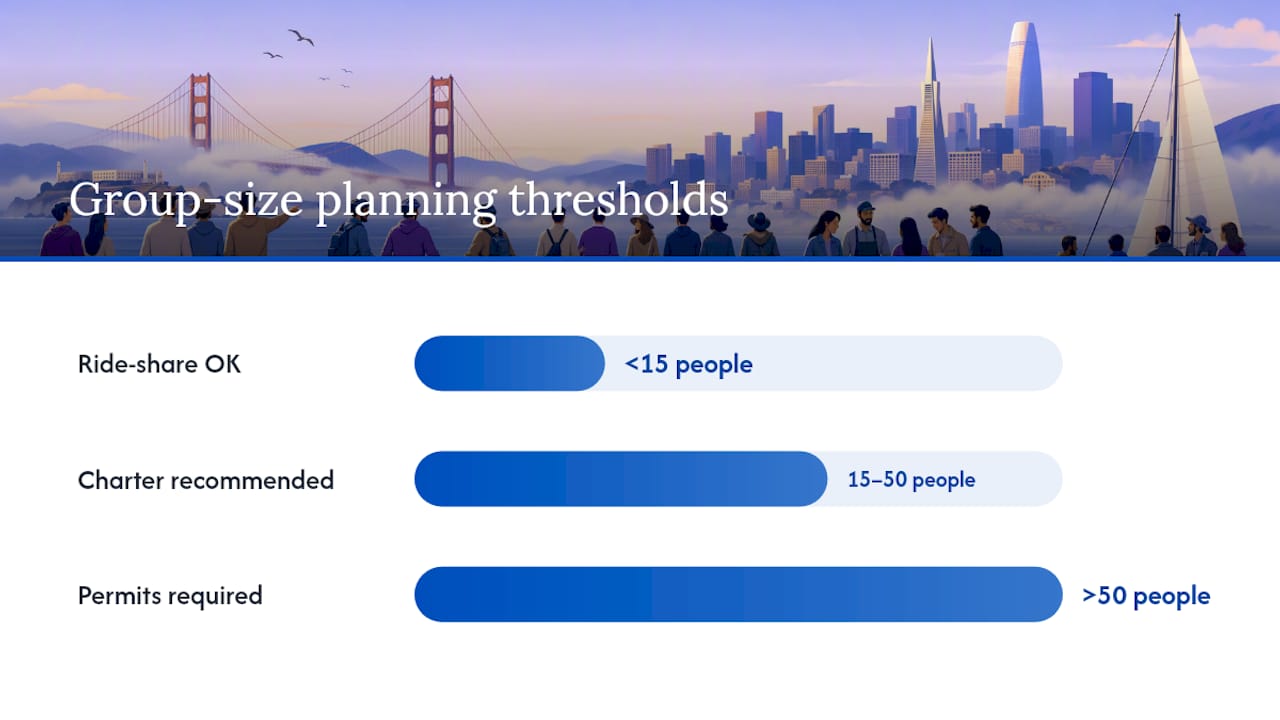
- Transit timing. Rush hour on 101 and 280 can turn a 20 minute ride into 50. For groups under 15, ride-share works fine outside peak hours; for anything larger, book a charter van or bus with a designated loading zone, since street parking near most venues disappears fast.
- Venue load-in. Many of the city’s most charming venues sit in buildings from the 1900s with narrow stairwells, freight-only elevators, or no elevator at all. Ask specifically about load-in access if your activity involves equipment, catering carts, or AV gear.
- Weather contingencies. San Francisco’s microclimates mean the Marina can be sunny while the Presidio sits under fog thirty minutes later. Outdoor activities need a rain plan built into the contract, not an afterthought you scramble for the morning of.
- Permits for public space. Large scavenger hunts or outdoor gatherings in parks and plazas sometimes require a city permit, particularly for groups over 50. Contact the venue or activity provider at least three to four weeks ahead to confirm what’s needed.
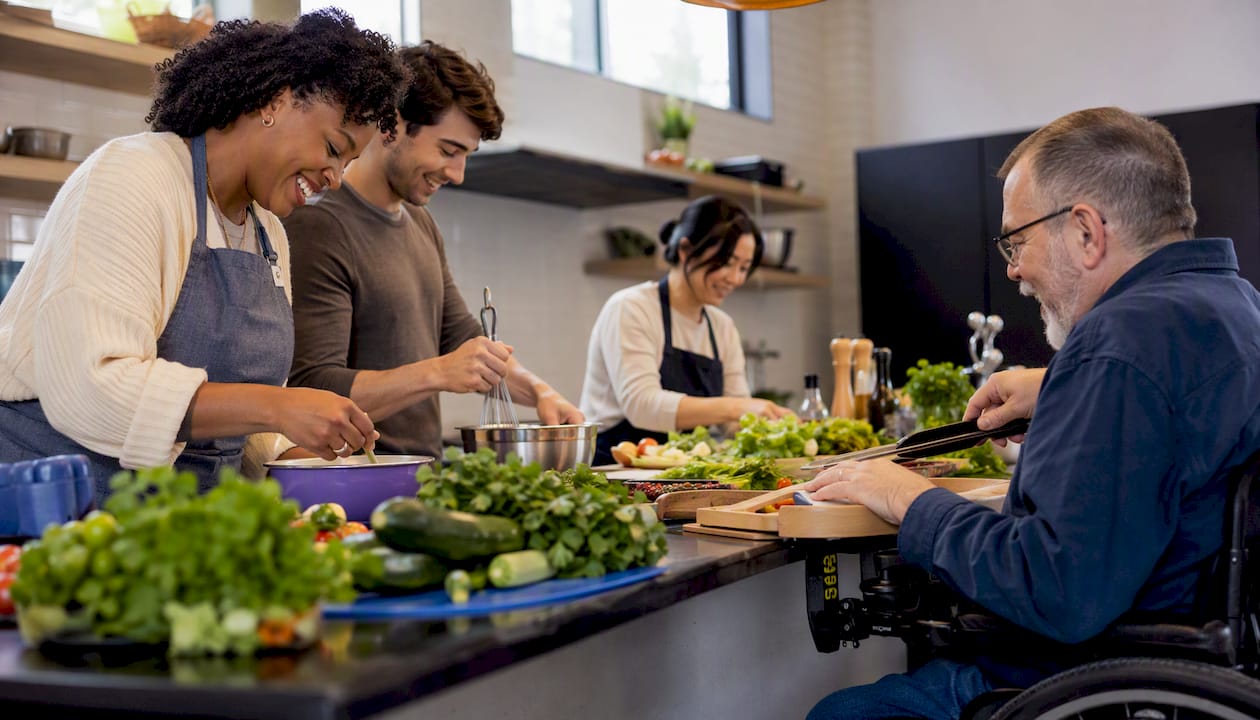
- Dietary and ADA needs. Collect dietary restrictions and accessibility requirements during registration, not the week before, and confirm in writing that your vendor can accommodate them.
Event logistics specialists point out that San Francisco’s transit patterns and neighborhood access create one of the most common coordination headaches for corporate events, and organizers do best when they pick vendors who manage logistics end-to-end rather than piecing together transport, venue, and catering separately.
Pro Tip: Build a 15 minute buffer into every transit leg of your itinerary. San Francisco blocks that look identical on a map can take twice as long to walk if there’s a hill, a Muni delay, or a street fair blocking the route.
What Should You Budget for a San Francisco Team Outing?
Pricing shapes around three tiers. Self-guided scavenger hunts and casual walking tours sit at the low end. Guided food tours and hands-on cooking classes occupy the mid-range. Fully facilitated half-day workshops with custom content and dedicated staff sit at the top.
What actually drives the number on your invoice:
- Facilitation and custom content: a generic session costs less than one built around your team’s specific goals or inside jokes.
- Food and alcohol: cooking classes and food tours scale directly with ingredient quality and whether you’re adding wine pairings.
- Venue rental: private spaces cost more than a shared makerspace slot.
- Staffing ratio: more chefs, guides, or facilitators per group means smoother sessions but a higher bill.
- After-hours or overtime staffing: evening bookings often carry a premium.
- Travel and load-in: waterfront and hillside venues sometimes tack on delivery or parking fees.
When you’re comparing quotes from multiple vendors, hold three things constant across every request: headcount, timing, and the specific goal of the outing. A quote that assumes 20 people and 90 minutes isn’t comparable to one built for 35 people and a full afternoon, even if the per-person number looks similar on paper.
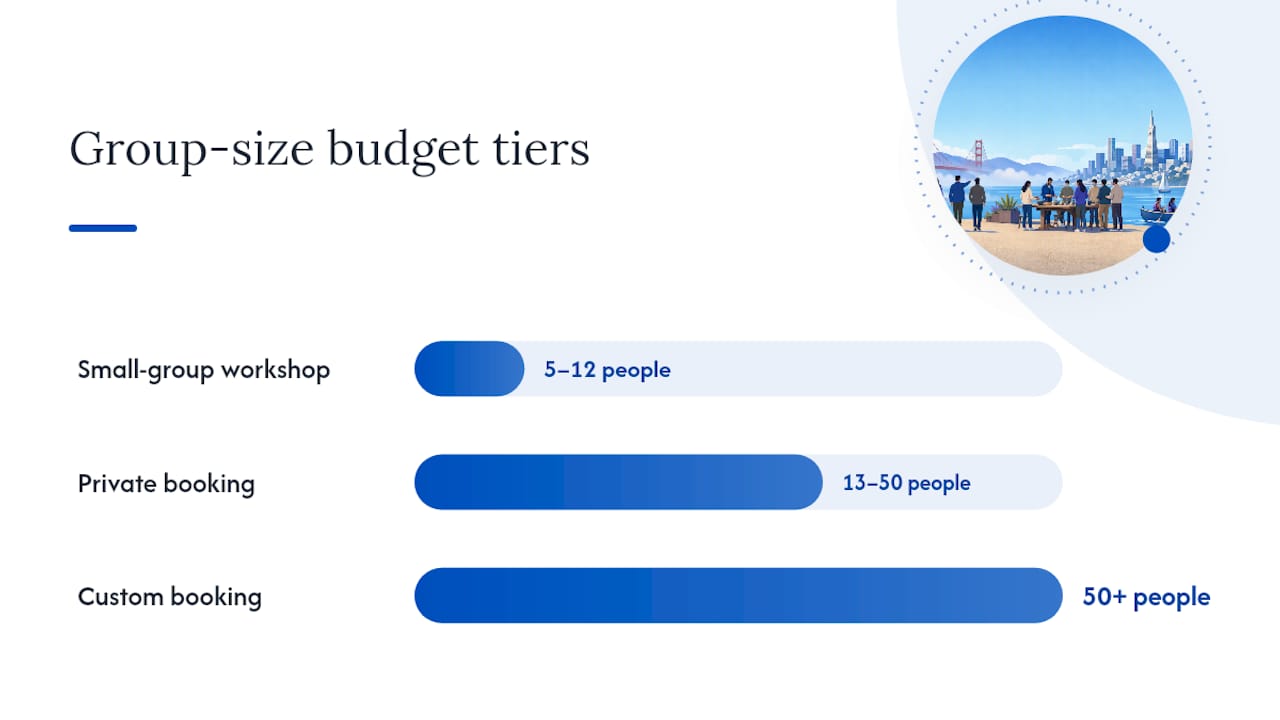
For budgeting templates, a team of 5 to 12 typically fits inside a single small-group workshop rate with minimal add-ons. A team of 13 to 50 usually needs a private booking with a dedicated facilitator or chef team. Groups over 50 almost always require a custom quote, split sessions, or a larger venue rental. Whatever tier you land in, build in a contingency for price volatility, since San Francisco venue fees and last-minute AV costs have a way of creeping upward between the quote and the invoice.
How Do You Choose the Right Team Outing?
Start with the goal, not the activity. A celebration calls for something indulgent and low-stakes, like a wine-paired cooking class. An icebreaker for a newly merged team calls for something that forces small-group collaboration, like a scavenger hunt or a shared cooking task. Building leadership skills calls for a workshop with a facilitator trained to draw out reflection, not just deliver fun. Cross-functional collaboration calls for an activity that mixes departments into working pairs rather than letting existing cliques sit together.
Once you know the goal, run every vendor through the same set of questions:
- What’s your cancellation and rescheduling policy if weather or an emergency forces a change?
- Can you provide a certificate of insurance for our venue or building management?
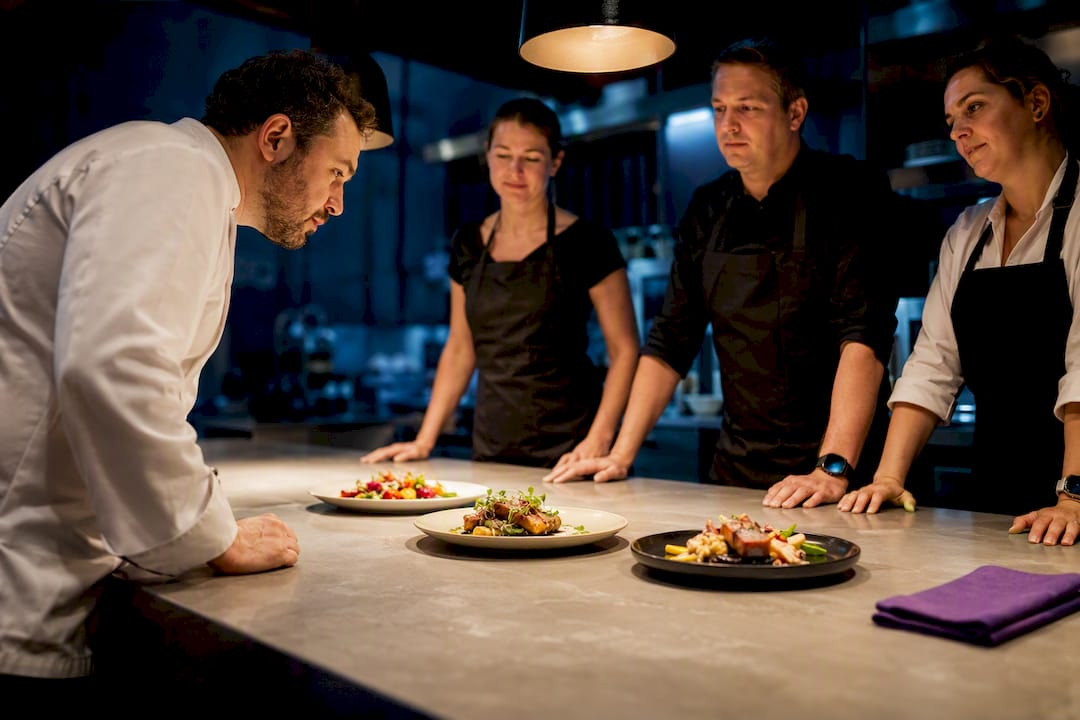
- What’s your staffing ratio, and who is actually running the session?
- Can you share a sample run-of-show so we know exactly what happens minute by minute?
- What’s your contingency plan if the activity is outdoors and the forecast turns?
Watch for a few red flags while you’re on that call. Vague answers about “team bonding outcomes” with no specifics on what actually happens during the session. No real contingency plan for weather beyond “we’ll figure it out.” Pricing that shifts every time you ask a follow-up question. And no references or photos from a group close to your actual size, since a vendor who’s only run sessions for 8 people may struggle with your 40 person team.
Sample Itineraries You Can Copy
A half-day in-city outing works well for teams who can’t take a full day away from the office. Start with a 90 to 120 minute cooking class, build in a 15 minute transit buffer before and after, then close with a 60 minute seated lunch featuring the dishes the team just made. If you’d rather keep people moving, swap the seated lunch for a walking food tour with two or three snack stops.
A full-day offsite gives you room to layer formats. Open with a morning facilitated workshop, whether that’s a creative maker class or a leadership-focused session, followed by a catered lunch around midday. Spend the afternoon on something higher-energy, like an outdoor Bay activity or a neighborhood scavenger hunt, and close with a short debrief before everyone heads home.
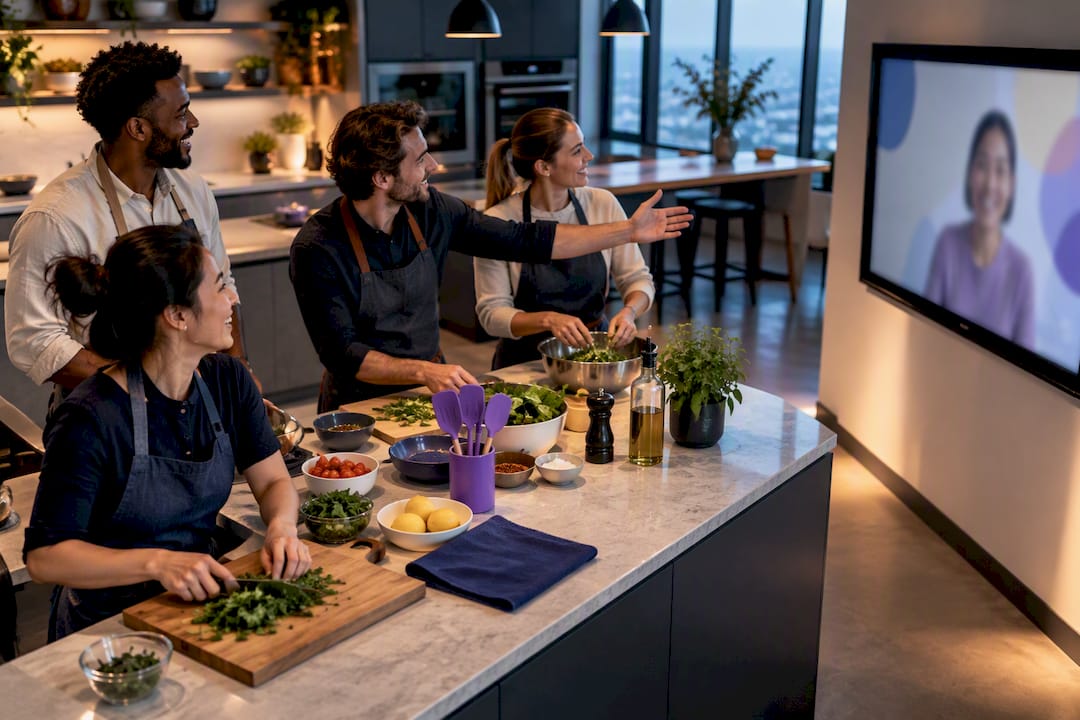
A hybrid model solves the problem of distributed teams. Run an in-person cooking class at a local hub for the Bay Area staff, then connect remote teammates through a virtual cooking session happening in parallel, followed by a joint video debrief once both groups finish plating. Confirm your tech checklist ahead of time: reliable Wi-Fi at the venue, a dedicated laptop for the video call, and a facilitator on each end who knows how to loop remote voices into the room.
Whatever format you choose, pad transit time generously, build a 10 minute window for last-minute dietary checks before food service starts, and keep the end-of-day debrief under 15 minutes. Nobody wants a 45 minute reflection circle after a full day of activity. For more structured options across formats, Biteunite’s list of top San Francisco team-building events is a useful starting point when you’re comparing full-day versus half-day structures.
Why Cooking Together Builds Stronger Teams
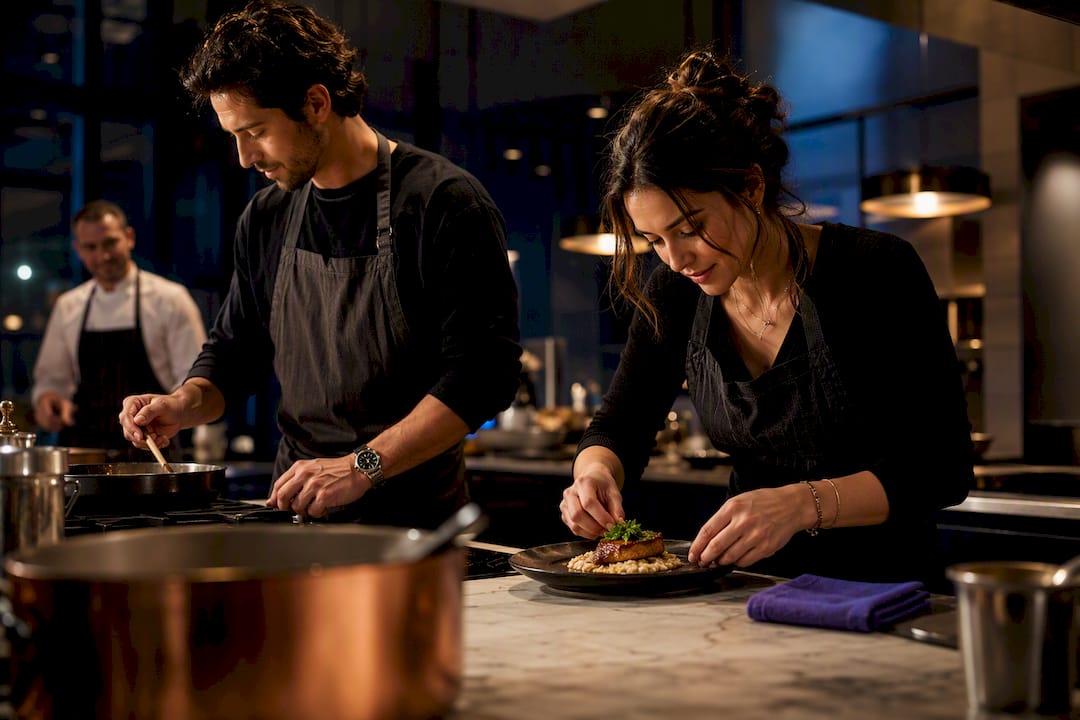
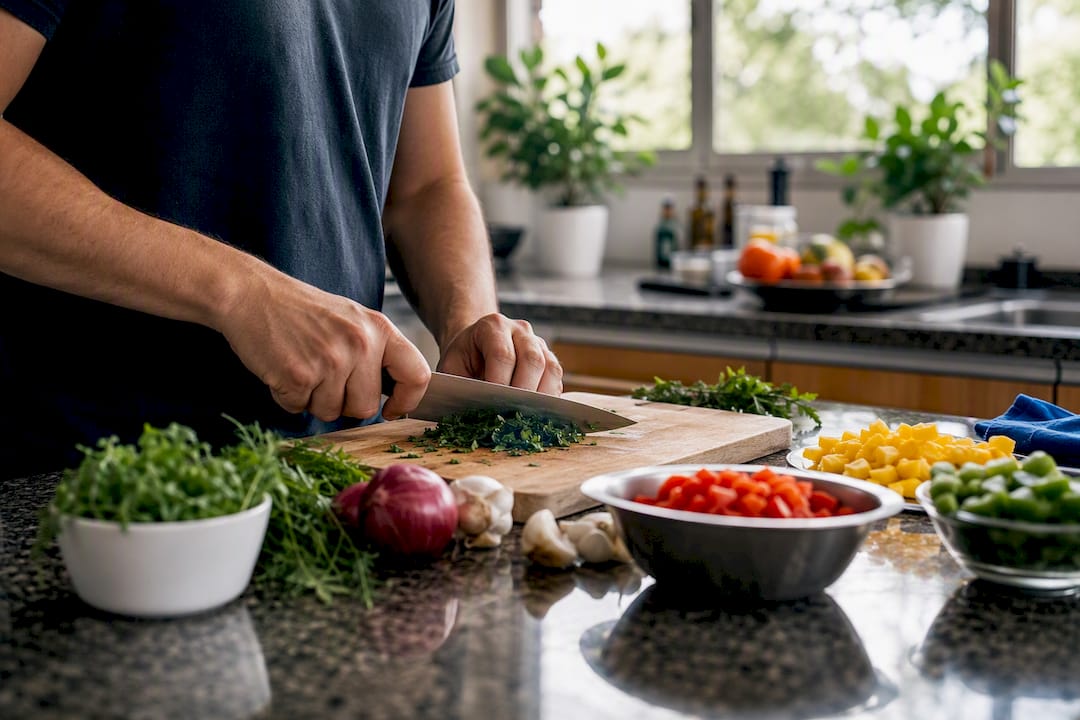
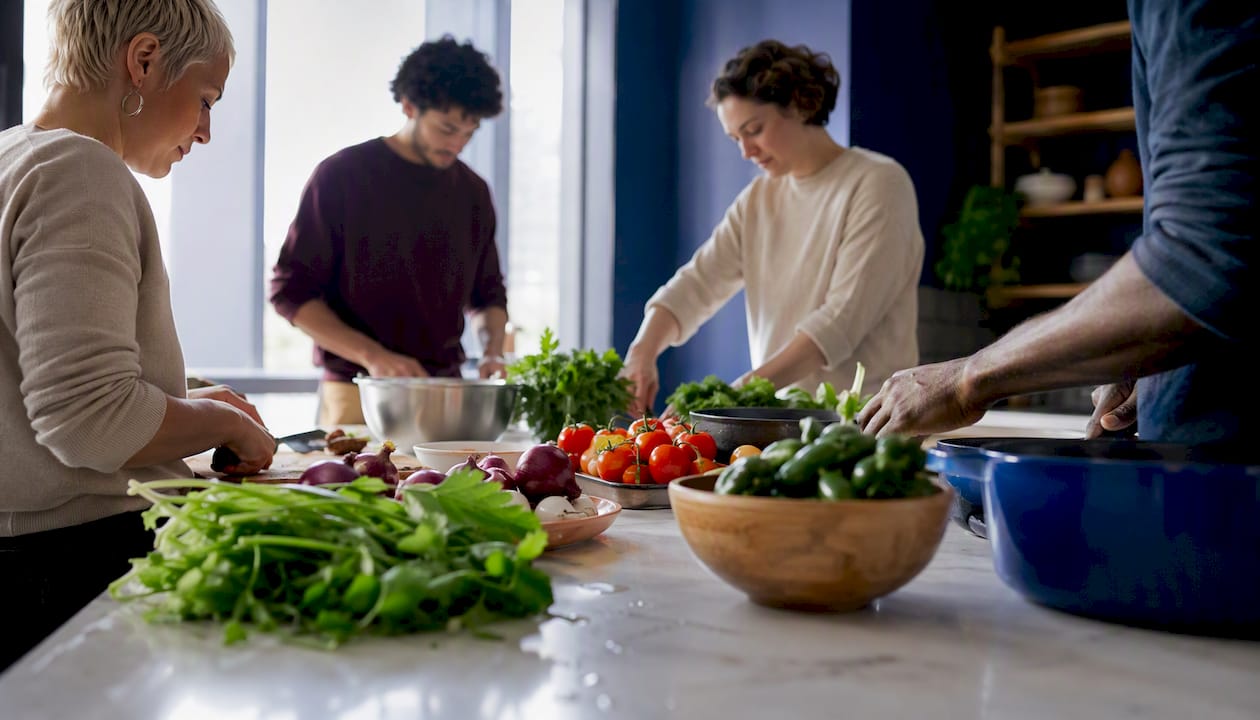
Cooking as a team works because it forces a shared deliverable in real time. Nobody can hide behind a laptop or scroll through email while the sauce is reducing. Everyone at the cutting board has a job, and the meal only comes together if each task gets done, which creates a low-barrier, high-participation structure that’s harder to fake than a trust fall. Specialist facilitators who design team-building experiences often aim beyond pure entertainment, building sessions meant to surface trust and conversations that carry back into the office the next Monday.
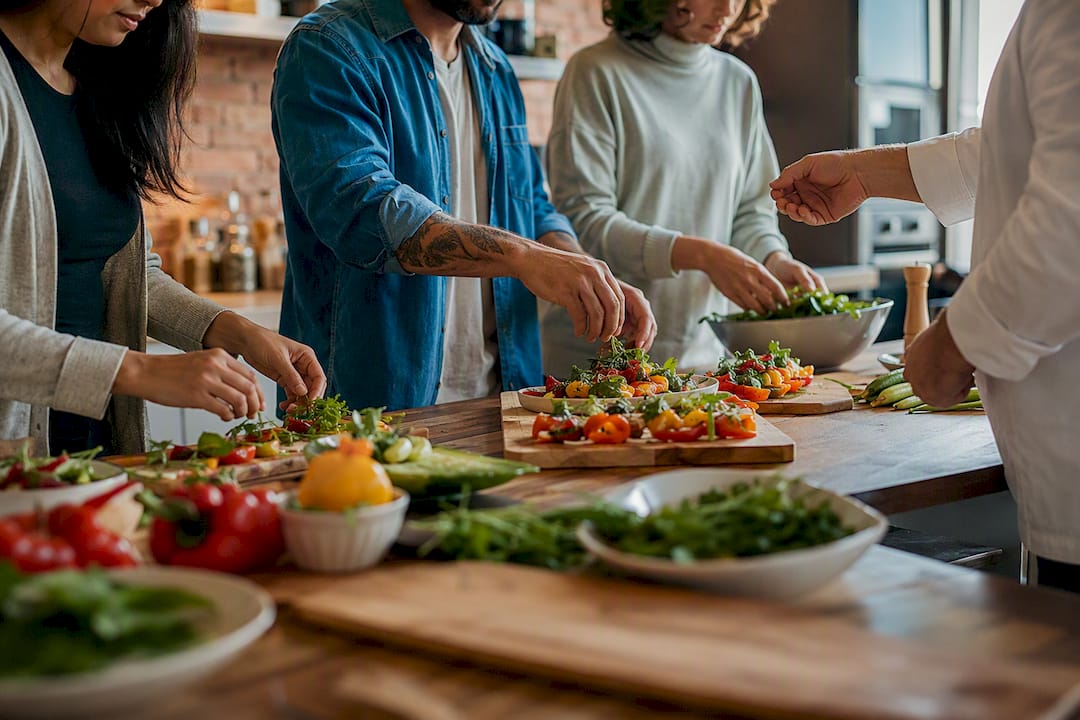
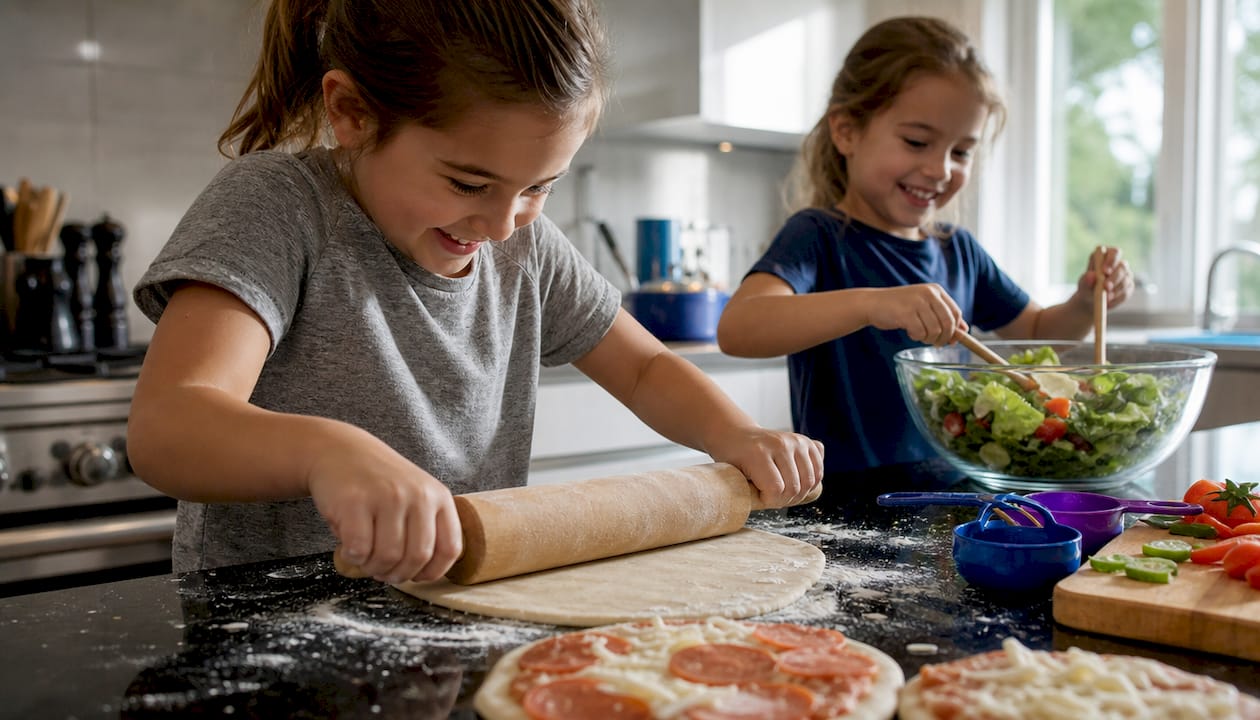
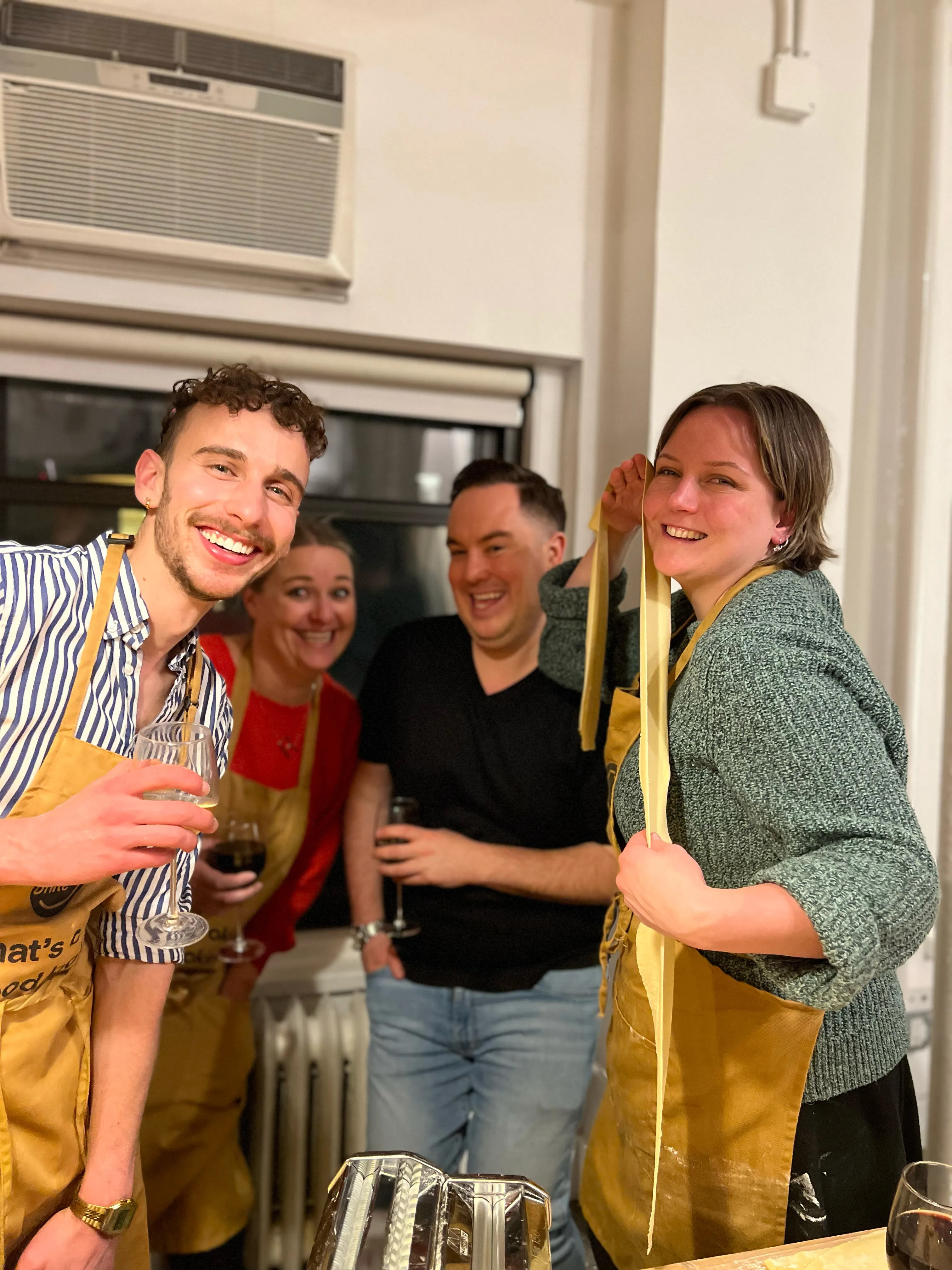
Some cooking class providers run hands-on experiences with expert chefs leading sessions that foster collaboration so every participant cooks, not just watches. The format works well both in-person and online, which matters for teams split across San Francisco and beyond. A culinary outing is a good choice when your group values a tangible, shared outcome and wants an activity that scales well for small to medium groups. For larger teams, spread across multiple offices, or with unpredictable weather concerns, an indoor cooking class offers more reliability than sailing or scavenger hunts.
Pro Tip: Ask your cooking class provider how they collect dietary restrictions. The good ones build it into registration, not a last-minute email the day before your event.
What I’ve Learned Running Team Outings in San Francisco
Most outing failures trace back to logistics, not the activity itself. A great scavenger hunt falls apart if the group can’t find parking. A fantastic cooking class gets a lukewarm response if half the team is still commuting in when it starts. The activity matters, but the schedule around it matters just as much, and most organizers underestimate how much San Francisco’s geography will fight them if they don’t plan for it.
A few things I’d tell any organizer before their next booking. Prefer Mission and SoMa venues for daytime events since parking and transit are more forgiving there than the Marina or North Beach. Send dietary and accessibility surveys at least a week out, never the morning of. Build a 20 minute float into any schedule involving more than one venue. And when weather is even slightly uncertain, book something with a real indoor option, not a vague promise that “we’ll adjust if it rains.”
— Patta
Book a Culinary Team Outing With Biteunite
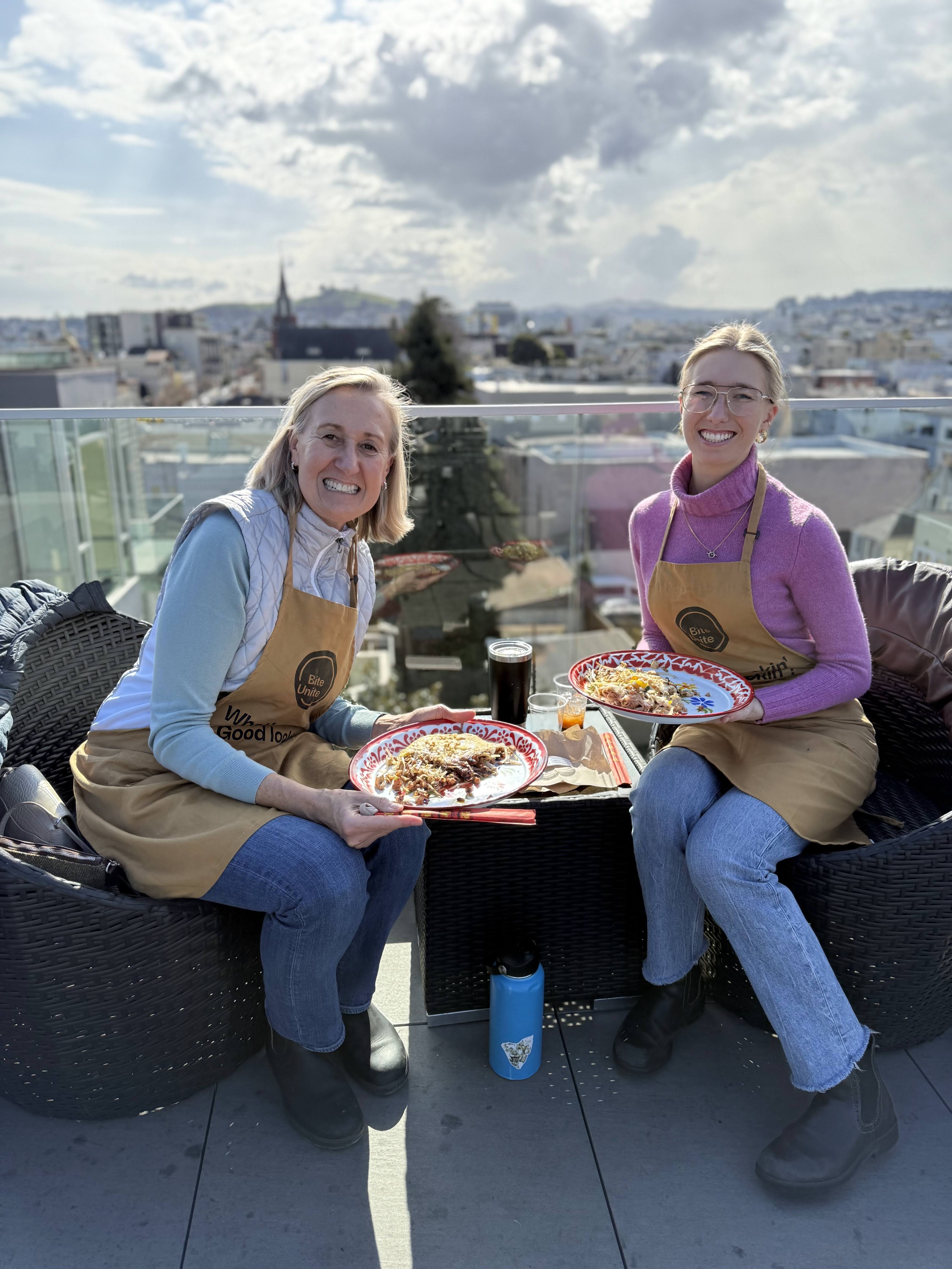
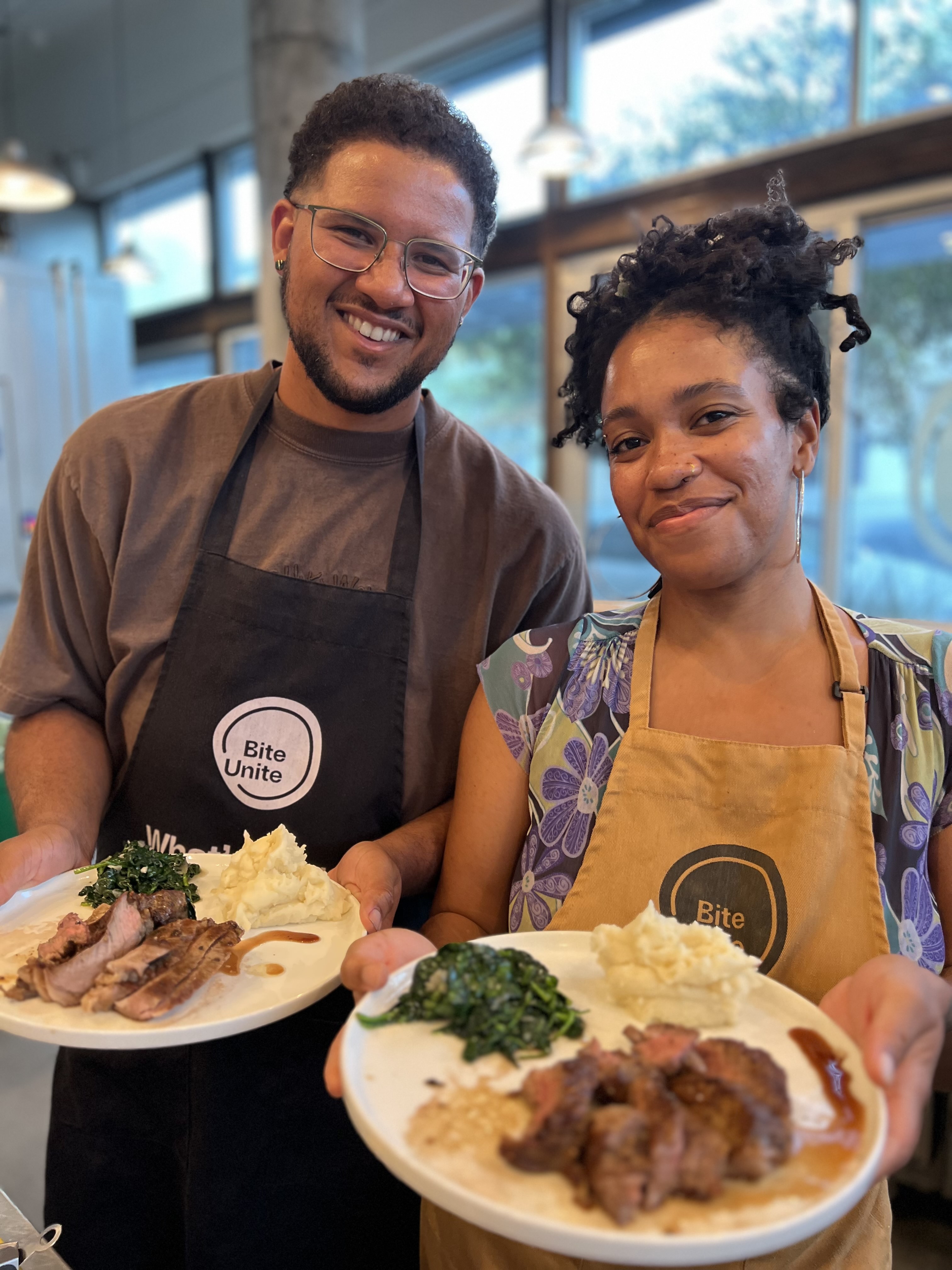
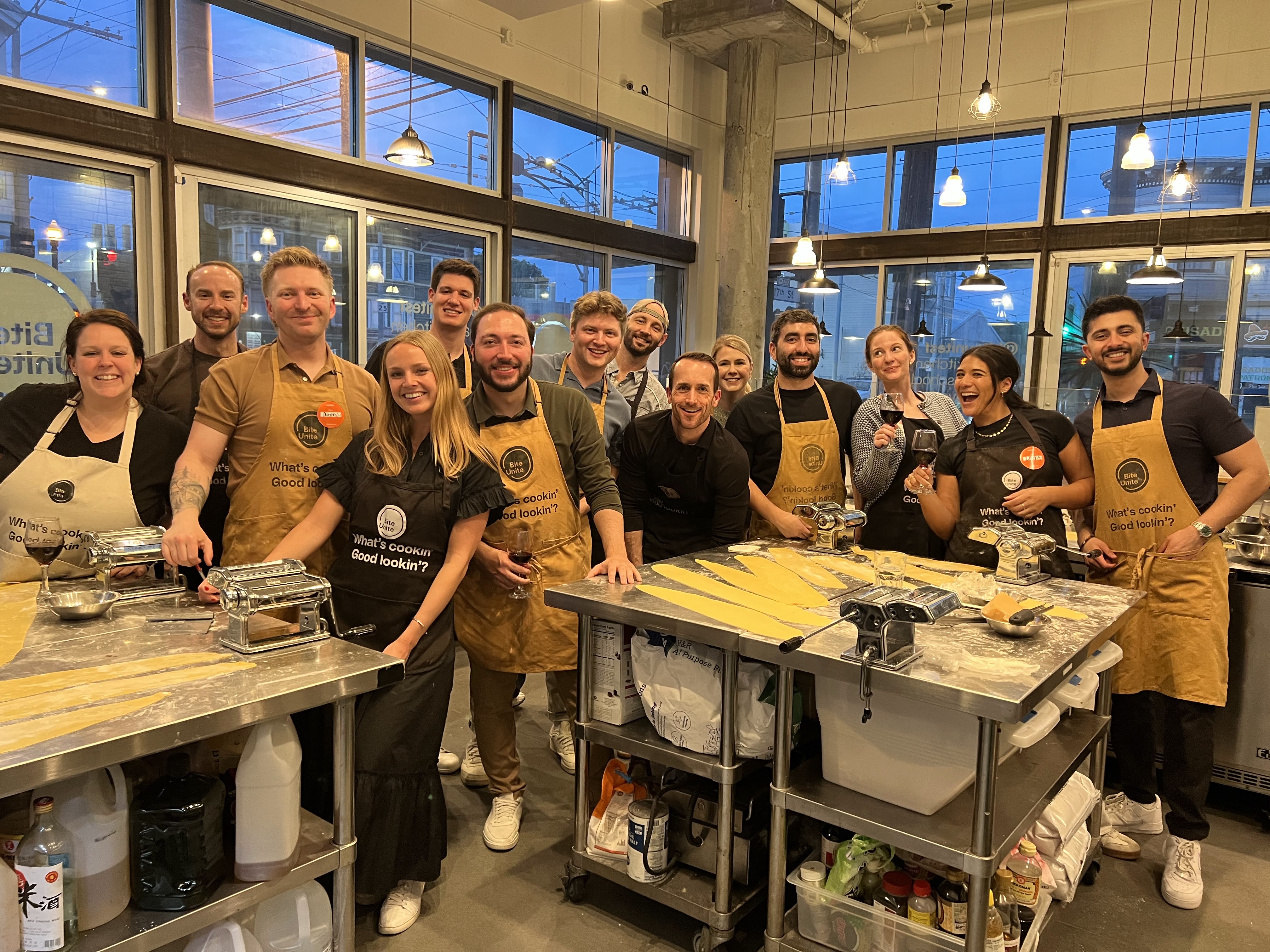
If you’re weighing a scavenger hunt against a sailing charter against a pottery class, there’s a simpler option that often delivers the collaborative, hands-on outcome most teams seek: a hands-on cooking class. It fits small-to-medium teams of 6 to 30 best, since everyone gets a real task at the cutting board instead of watching from the sidelines.
Booking is typically straightforward. Many cooking class providers share a sample run-of-show ahead of time, include a dietary accommodation process in registration, and recommend a lead time of a few weeks for larger groups so the chef team can plan menu and staffing. Sessions often run 90 to 180 minutes and can be scheduled for weekday afternoons or evenings depending on the team’s calendar.
Check availability and lock in dates on the Team Building Workshops in San Francisco page, or browse all Biteunite experiences if you’re comparing cuisines before you commit. For culinary experiences beyond the city, Biteunite also runs sessions in Marin County and the East Bay.
Helpful Local Resources for Organizers
- Rebuilding Together Peninsula coordinates volunteer team projects across the Peninsula and South Bay.
- Habitat for Humanity Greater San Francisco organizes group volunteer builds for teams wanting a giving-back outing.
- Public Glass hosts glassblowing workshops with private group sessions.
- WorkshopSF offers a flexible indoor makerspace for creative team events.
- Tripadvisor’s group activity guide rounds up popular San Francisco experiences for teams and visitors.
- A traveler’s guide to culinary experiences breaks down what makes a food-based outing memorable.
Sources
- Rebuilding Together Peninsula — Contact
- Public Glass — Team building
- WorkshopSF — photos and space info
- Tripadvisor — Best group activities in San Francisco
FAQ
How far in advance should I book a San Francisco team outing?
Book several weeks ahead to ensure availability, especially for larger groups or activities requiring permits, such as large outdoor scavenger hunts.
What’s the typical price range for a team outing in San Francisco?
Self-guided hunts and casual tours sit at the low end, guided food tours and cooking classes occupy the mid-range, and fully facilitated half-day workshops with custom content sit at the top, with cost driven mainly by facilitation, food, venue, and staffing ratio.
Which neighborhoods work best for team outings?
The Mission, North Beach, and the Ferry Building are strong choices for food-based outings, while SoMa and the Mission tend to offer easier parking and transit access for daytime corporate events.
How do I handle dietary restrictions and accessibility needs?
Collect dietary and ADA requirements during registration, at least a week before the event, and confirm accommodations with your vendor in writing before the day arrives.
Is a cooking class a good option for a large team?
Yes, cooking classes like the ones Biteunite runs work well for groups of 6 to 30 organized into small cooking teams, though groups over 50 usually need a custom booking with multiple stations or split sessions.






























.webp)