Thai Cooking Class for Beginners: What to Expect

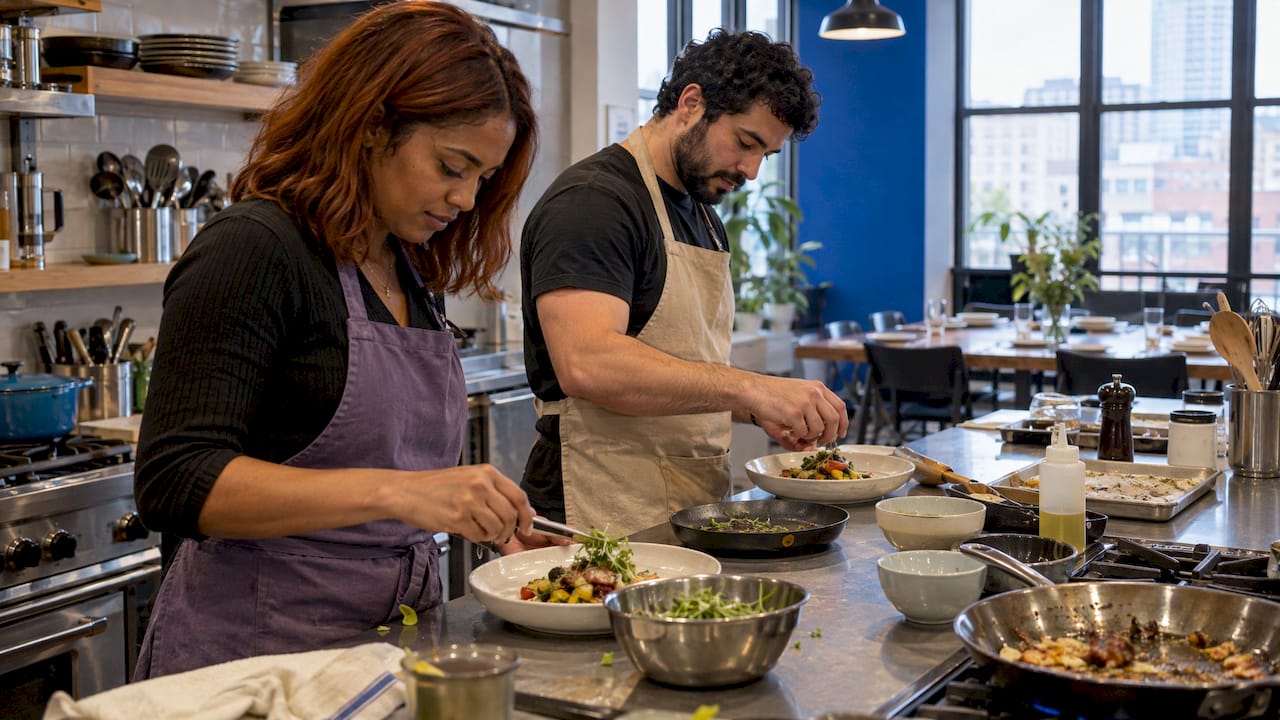
A beginner Thai cooking class is a hands-on session where a chef walks you through a few classic dishes, you cook them yourself at your own station, and you sit down to eat what you made. You don’t need any experience. You need curiosity, an appetite and a little willingness to get your hands messy. Below you’ll find what the session looks like from the first minute to the last bite, which dishes and techniques usually come up, what to ask before you book, and how to choose a class for a date, a team or a family outing.
TL;DR
- A beginner Thai class is built around a handful of dishes, usually a soup, a curry and a stir-fry or noodle dish, cooked step by step with a chef guiding you.
- The big lesson is balance: spicy, sour, salty and sweet working together, not one flavor shouting over the rest.
- Before you book, check the format (demo or hands-on), the group size, whether the meal is included and whether the level matches yours.
- Dates, friends and teams all do well in hands-on classes, because cooking side by side gives everyone something to do and talk about.
- Ready to cook up some memories? Browse BiteUnite classes and pick your city or go online.
Table of Contents
- What actually happens in a beginner Thai cooking class
- Dishes, ingredients and techniques beginners usually meet
- The real lesson: balancing flavor
- What to know and bring before you go
- Choosing the right class for your group
- Thai classes by city
- Not into Thai yet? Beginner pasta and sushi classes
- Perspective
- Ready to cook? Pick your class
- FAQ
- Sources
What actually happens in a beginner Thai cooking class
Most beginner classes follow the same easy rhythm, and knowing it takes the nerves out of the first visit. Here’s the typical flow.
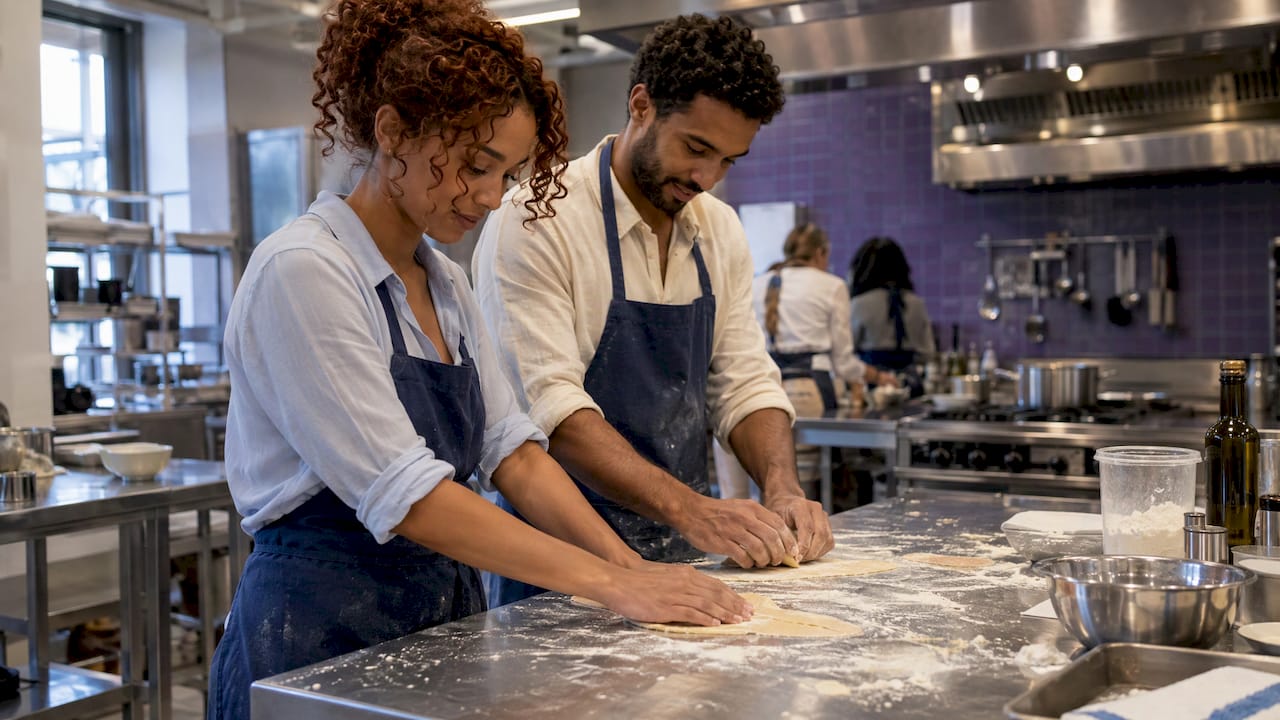
- Arrival and welcome. You meet your chef and the other guests, get an apron and find your station. Nobody expects you to know a wok from a skillet.
- A quick tour of the ingredients. The chef introduces the herbs, aromatics and sauces you’ll use. You smell, taste and ask questions. This is often the moment people say, “So that’s what galangal smells like.”
- Prep. You slice, pound, chop and measure. Good prep is half of Thai cooking, because the cooking itself moves fast once the heat is on.
- Cooking, dish by dish. The chef demonstrates a step, then you do it. You’ll hear what the food should look and smell like at each stage, which teaches you far more than a written recipe.
- Tasting and adjusting. This is the heart of the class. You taste, decide whether the dish needs more lime, sugar or salt, and learn how to correct it.
- Sitting down to eat. You enjoy the dishes you made, usually together. It’s the part everyone remembers.
The pace is relaxed. A good beginner class is designed so first-timers finish with a delicious meal and the confidence to repeat it at home.
Dishes, ingredients and techniques beginners usually meet
Thai cuisine is famous for big, bright flavors, but the building blocks are approachable. Here are the ones that tend to show up in a first class.
Soups, curries and noodles
Tom yum goong is often described as a dish that sums up Thai cooking: spicy, sour, salty and sweet at once, scented with lemongrass, galangal and makrut lime leaves. That makes it a perfect teaching dish, because you can taste each element come together in one pot. If you’re curious about the story behind it, read our piece on the history and origins of tom yum soup.

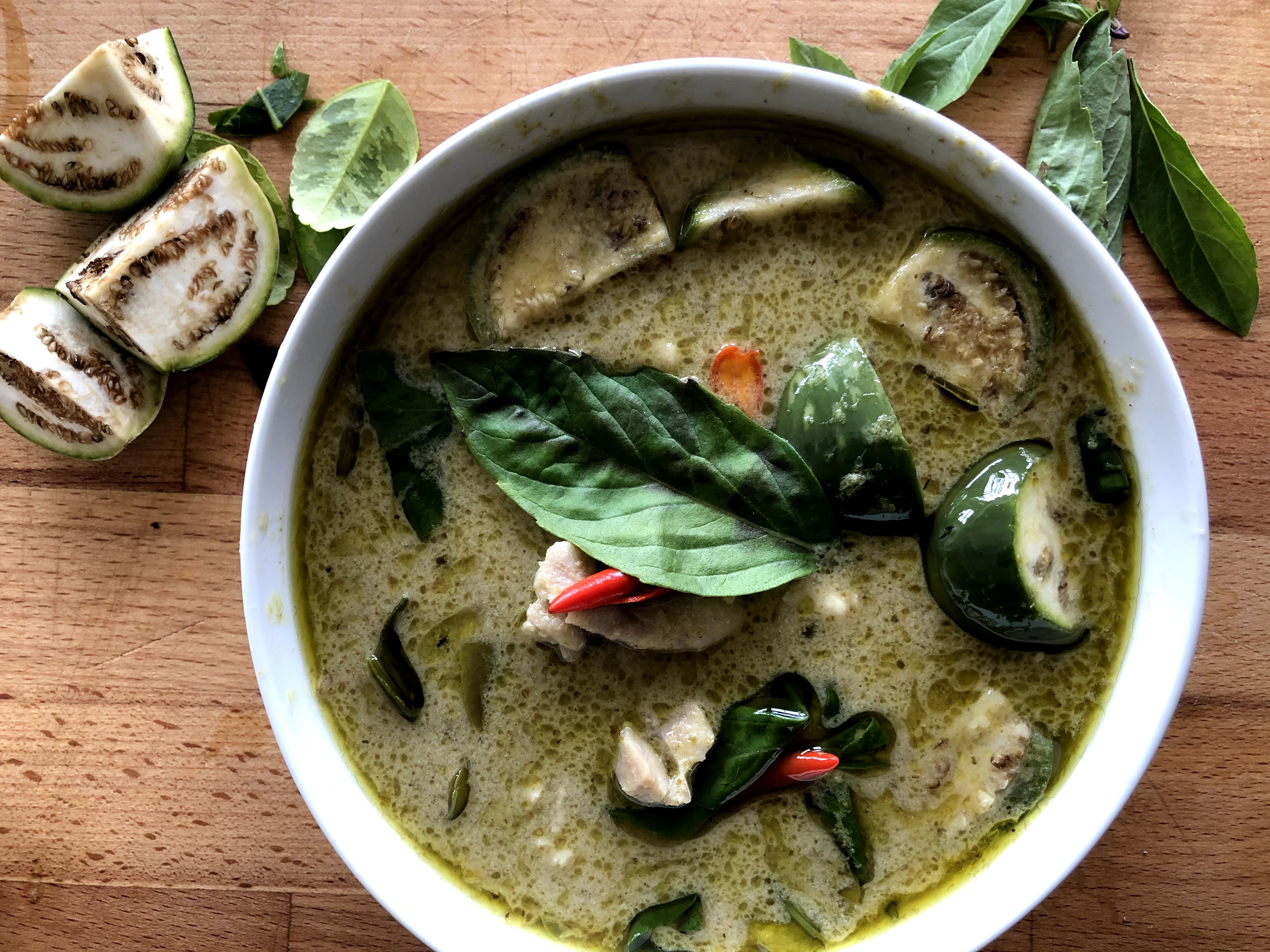
Curries are another beginner favorite. Green curry, for example, is a popular starting point, and it can be made without grinding a curry paste from scratch, which keeps a first lesson from feeling overwhelming. When you’re ready to go deeper, our authentic Thai curry recipes are a good next step, and our fall guide on learning to make Thai curries explains why curry is such a cozy choice when the weather cools.
Noodle dishes round out the menu. Pad Thai is the one most guests have heard of, and it teaches fast, high-heat wok cooking and the sweet-sour-salty sauce balance. Try our classic pad Thai recipe at home to warm up before class.
The ingredients you’ll get to know
- Lemongrass: a citrusy stalk you bruise or slice to release its aroma.
- Galangal: a pungent, peppery cousin of ginger.
- Makrut lime leaves: fragrant leaves that perfume soups and curries.
- Thai basil: an anise-scented herb added near the end of cooking.
- Fish sauce, palm sugar, lime and chilies: the salty, sweet, sour and hot corners of the flavor square.
- Coconut milk: the creamy base for many curries and soups.
The techniques behind the dishes
You won’t leave a beginner class as a master of every skill, but you’ll practice a few that carry over to all your cooking:
- Slicing and pounding aromatics so they release their flavor.
- Controlling heat in a wok or pan, including knowing when to add ingredients in order.
- Building a sauce and tasting as you go.
- Timing a meal so several dishes reach the table together.
The real lesson: balancing flavor
The single most useful thing a Thai class teaches is how to taste and adjust. Thai dishes are rarely finished when the recipe says they are. You add a squeeze of lime, a pinch of sugar, a splash of fish sauce, and you taste again. After a few rounds, you start to understand why a dish feels flat or too sharp, and how to fix it.

That skill works outside Thai cooking too. If you like seeing the same idea in a quick, fresh format, these light bowl sauces for texture and protein show how a bright sauce can transform a simple bowl.
What to know and bring before you go
A few small questions answered in advance make the evening smoother.
- Is the meal included? Some commercial cooking schools provide meals as part of the class, while community programs may ask you to bring your own lunch or snacks. For longer sessions, confirm this on the booking page.
- Is it demo or hands-on? Formats range from watching an expert to fully hands-on sessions where you prepare every dish. If you want to learn by doing, look for hands-on.
- What’s the level? Check that the curriculum matches your skill. A class labeled for all levels or beginners is the safe choice for a first time.
- Dietary needs and allergies. Tell the host when you book, especially for shellfish, peanuts or fish sauce, which appear in many Thai dishes. Ask how the menu can be adapted.
- What to wear. Closed-toe shoes, hair tied back if it’s long, and clothes you don’t mind splashing. Aprons are usually provided, but confirm on the class page.
- Arrive hungry. You’ll taste as you go and then eat a full meal.
Choosing the right class for your group
The best class depends on who’s coming. Use this quick guide.
| If you’re planning… | Look for | Why it works |
|---|---|---|
| A date night | Small group, shared stations, a relaxed evening time | Cooking side by side gives you something to do together and plenty to talk about |
| A team outing | Hands-on format with room for your headcount | Everyone participates, and working toward a shared meal builds connection |
| Friends’ celebration | Private or group booking | You set the vibe, and the whole table eats what you cooked |
| Learning solo | Beginner level, hands-on | You’ll get plenty of chef attention and meet other food lovers |
| A family activity | Age-appropriate format | Kids can join a camp or family-friendly session |
Whatever the group, consider class size and participation style. Smaller groups mean more time with the chef, while larger ones bring more energy and are great for celebrations.
In-person or online?
In person gives you the sizzle, the aromas and the shared table. Online gives you flexibility: you cook in your own kitchen, with your own pans, and the chef guides you live. If you’re traveling, living far from a city or just prefer pajamas, online cooking classes are a fun way to start. For a Thai-focused look at finding a session near you, see our guide to Thai cooking classes near you, and for the full beginner walk-through, read the ultimate Thai food cooking class guide.
Thai classes by city
We run hands-on classes in New York, San Francisco, Los Angeles, Boston and Hong Kong, and we also teach online. Here are good places to start:
- New York: our group cooking classes in New York and the group class guide for NYC are great for dates and team outings.
- Los Angeles: read about real Thai cooking classes in Los Angeles.
- Boston: see the cooking classes guide for Boston.
- Hong Kong: explore the Thai cooking classes in Hong Kong or the pad Thai class.
- Traveling to Thailand? Our guide to Thai cooking classes in Phuket helps you plan a food-focused stop.
For current menus, dates and availability in each city, check the class page directly.
Not into Thai yet? Beginner pasta and sushi classes
Many people who enjoy a Thai class go on to try something else. Two popular beginner choices are pasta and sushi.
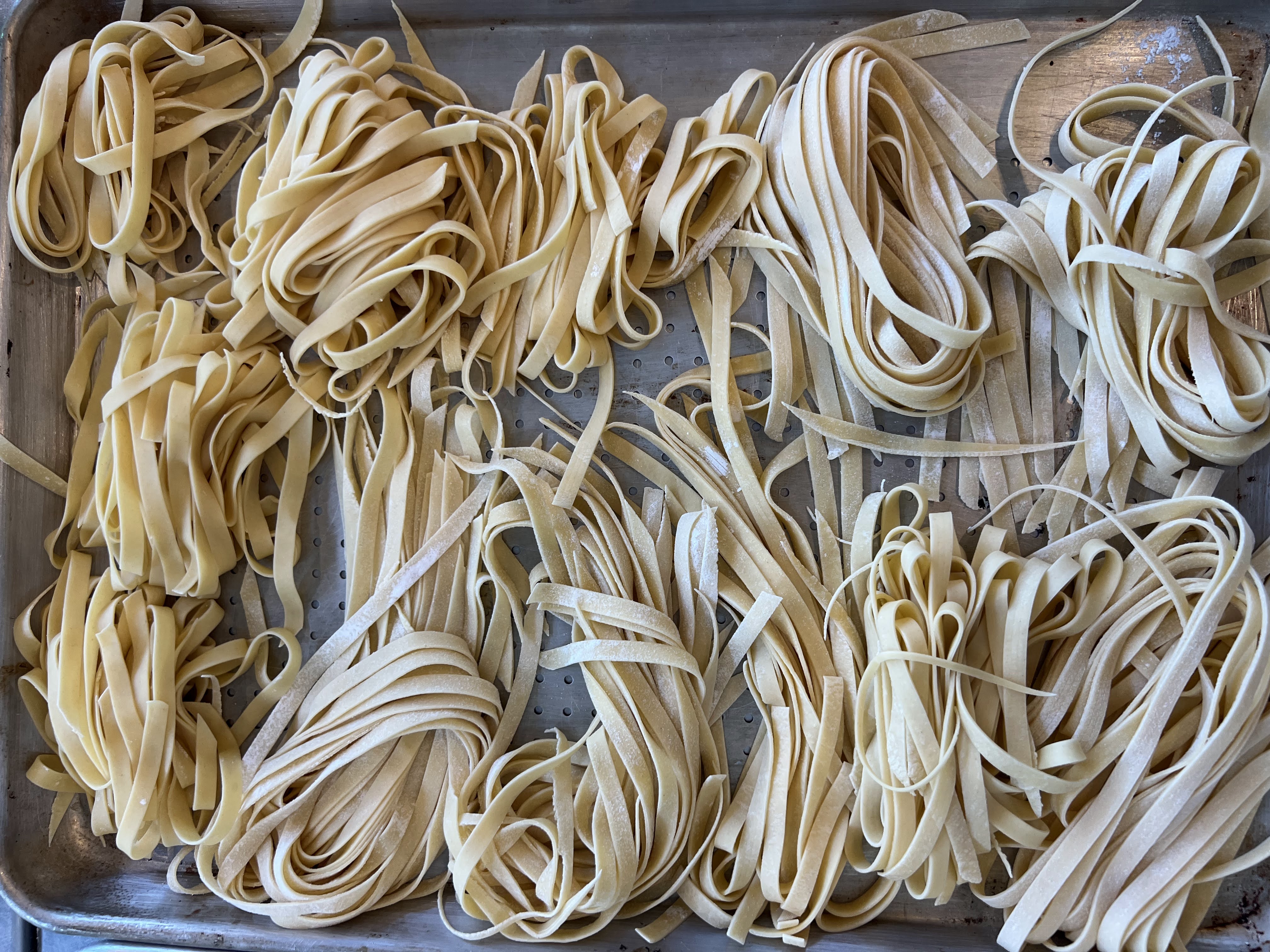
Pasta. A beginner pasta class typically focuses on working dough by hand, shaping it and pairing it with a sauce. The satisfaction is immediate: you start with flour and finish with a plate of pasta you made. Look for a class where everyone gets their own dough and shaping time.
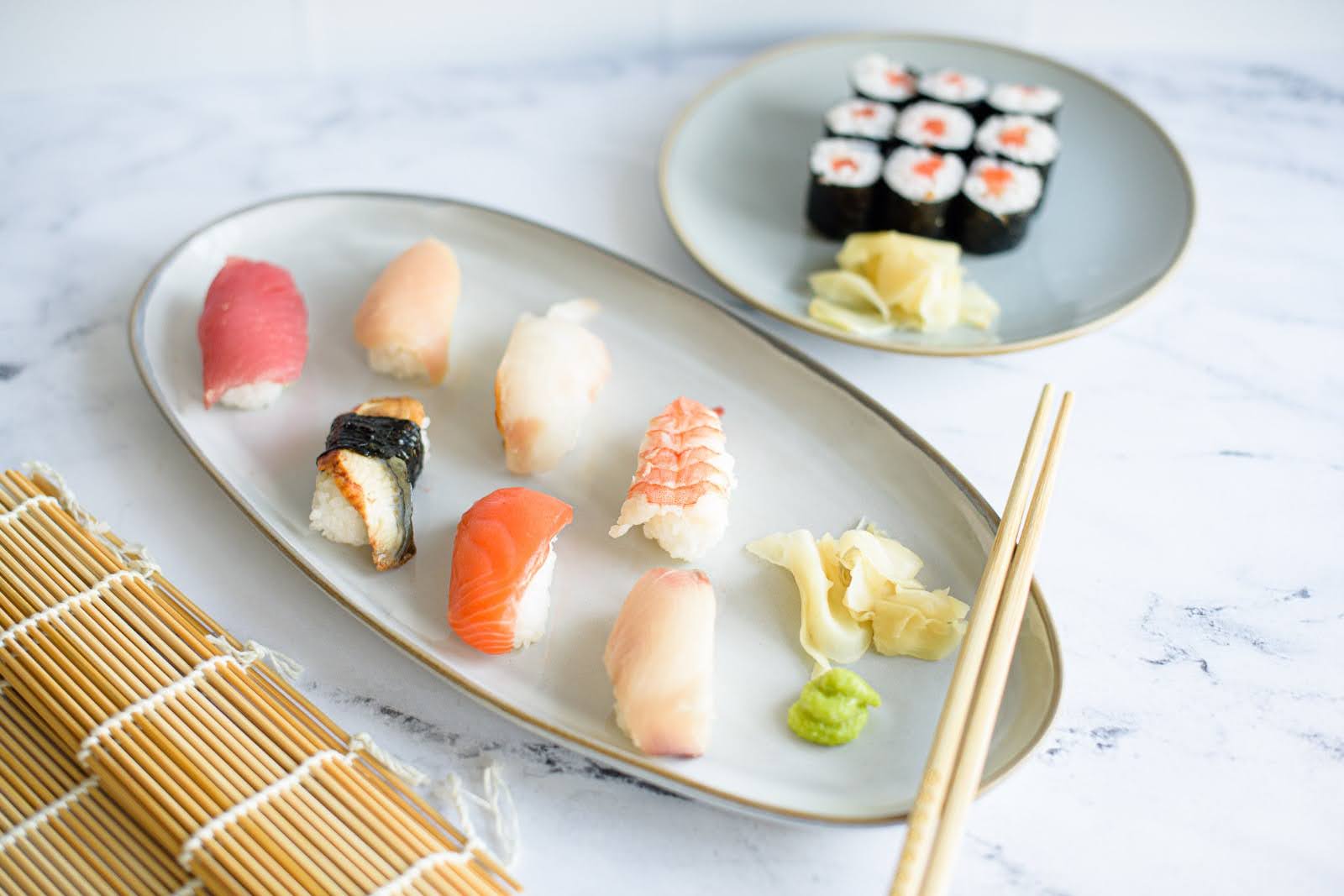
Sushi. In a beginner sushi class, rice handling is the first skill. A useful trick: keep a bowl of water mixed with vinegar nearby, about 3 parts water to 1 part vinegar, and moisten your hands so the rice doesn’t stick. From there you practice spreading rice, adding fillings and rolling.
Like Thai, both reward patience and tasting, and both are perfect for dates and groups.
Perspective
We built BiteUnite around a simple idea: people connect when they cook together. A class shouldn’t feel like school. It should feel like a night out where you happen to learn something delicious.
Thai food is a wonderful place to begin, because the flavors are so expressive. Within the first hour, guests are tasting, laughing and arguing happily over whether the dish needs more lime. That’s when learning turns into fun.
Our approach is hands-on and interactive, led by expert chefs who guide you without taking over. Beginners, couples, friends and corporate teams all cook side by side, and everyone leaves with new skills and a good story. Whether you join us in person or online, our goal is the same: to help you cook up some memories together.
Patta
Ready to cook? Pick your class
Whether you’re planning a date night, a team-building outing or a celebration with friends, we make it easy to get started. Browse our hands-on classes with expert chefs in New York, San Francisco, Los Angeles, Boston and Hong Kong, or cook with us online. Book an experience on the BiteUnite site.
Planning something bigger? We also host private dinners, event space gatherings and corporate team events. Explore our corporate cooking options, or give the gift of a class with a digital gift card.
FAQ
Do I need experience to take a Thai cooking class?
No. Beginner classes assume you’re starting from scratch, and the chef shows each step before you try it. Look for a class marked for beginners or all levels, and you’ll be fine.
What will I cook in a beginner Thai class?
Menus vary by class, but beginners often meet dishes like tom yum soup, green curry and pad Thai. Each one teaches a different skill, from building a fragrant broth to stir-frying noodles over high heat. Check the class page for the exact menu.
Is a Thai cooking class good for a date?
Yes. You cook side by side, taste together and share the meal, which makes conversation easy. A hands-on class with a small group is especially good for couples.
Should I eat before I go?
Usually not. You’ll taste along the way and sit down to enjoy what you cooked. Confirm on the booking page whether the full meal is included.
Can I take a class online instead?
Yes. Online classes let you cook in your own kitchen while a chef guides you live. They’re a flexible way to try Thai cooking before joining an in-person session.
Sources
- 27 Authentic & Easy Thai Recipes for Beginners, Hot Thai Kitchen
- What should I look for in a cooking class?, Cooking Stack Exchange
- Sushi Week Part 2: How to Make Makizushi, Serious Eats
- Light bowl sauces for texture and protein, Wild Foodz