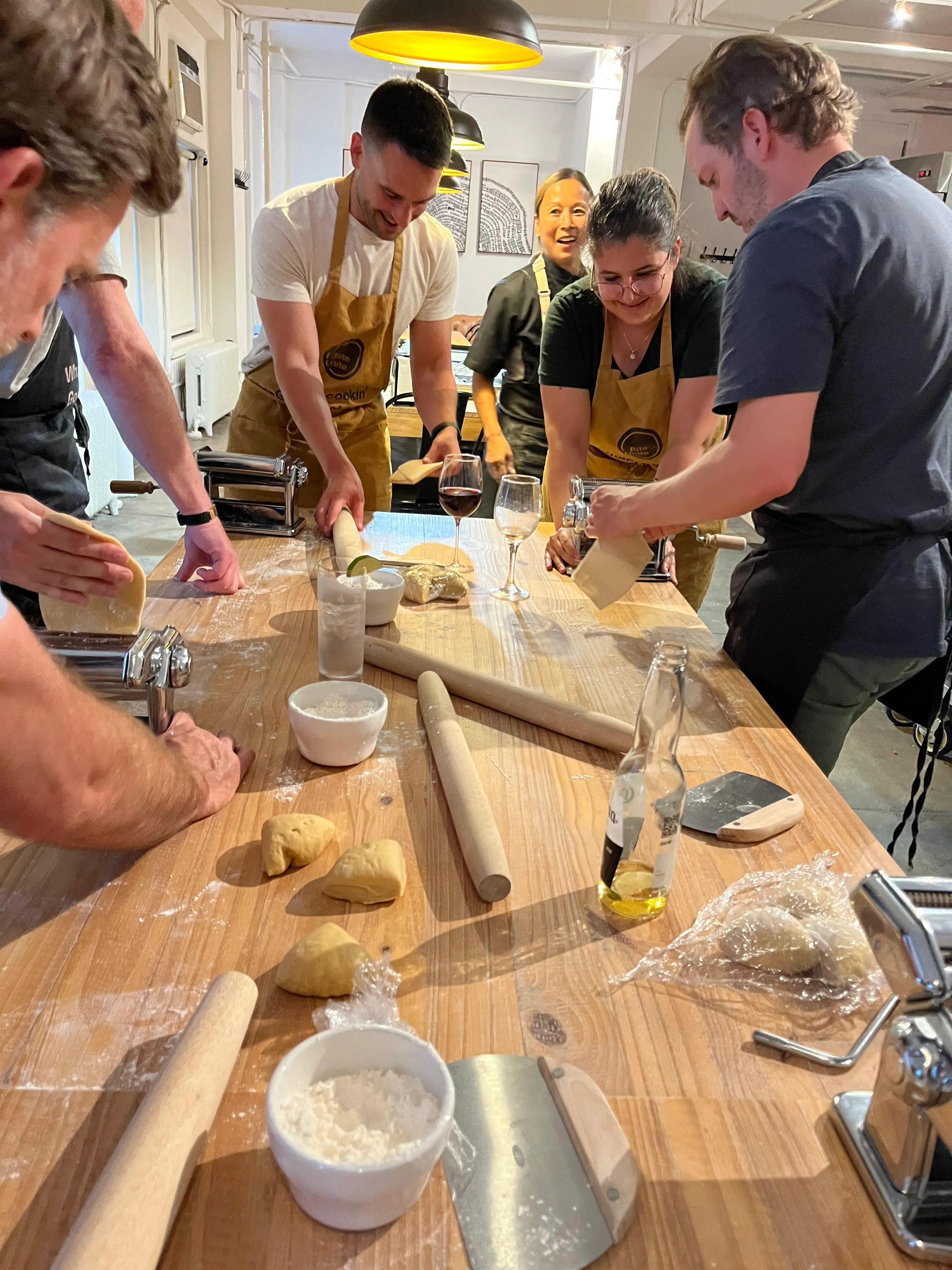
Why Parents Should Enroll Their Children in Cooking Camps in NYC
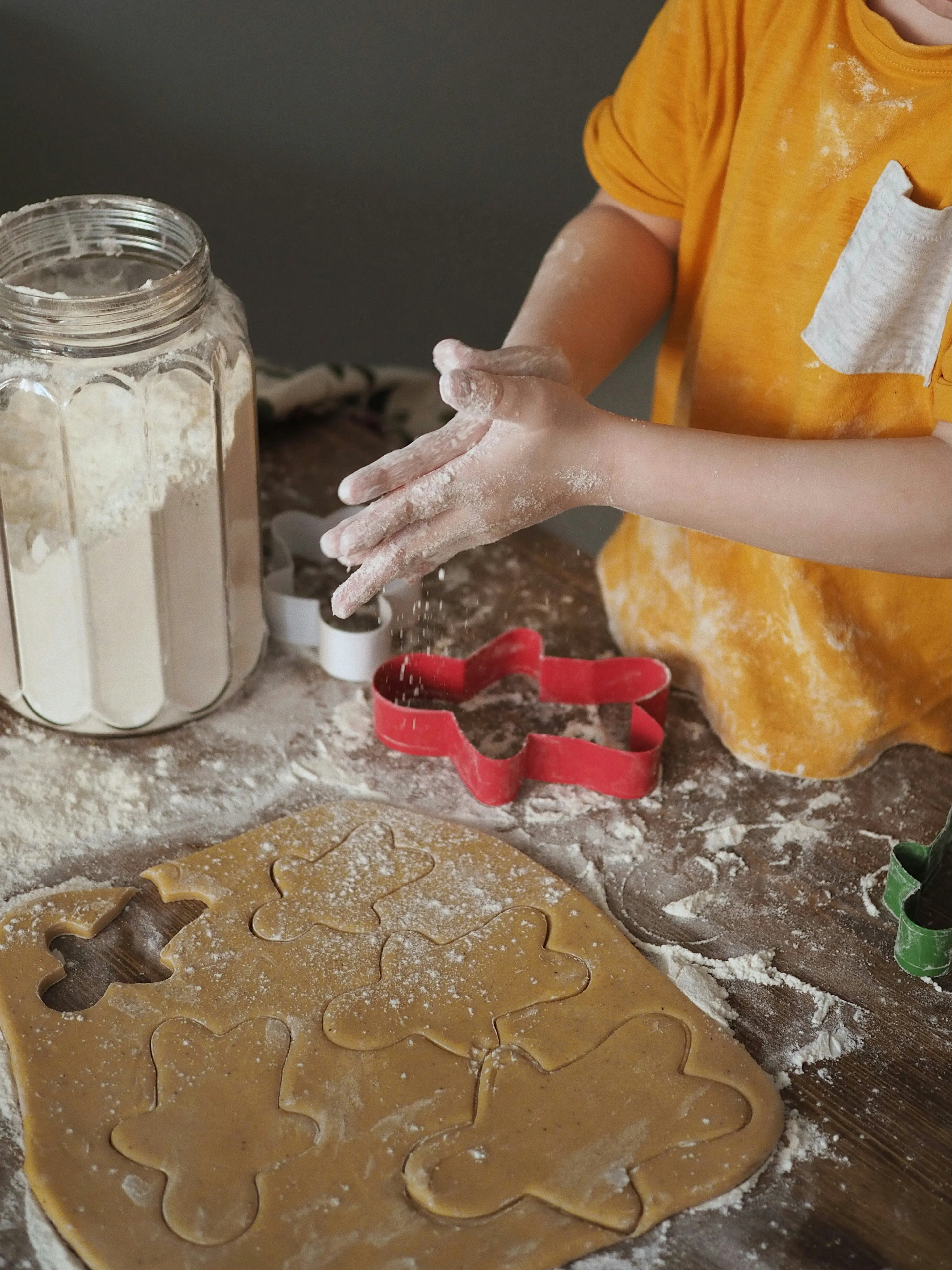
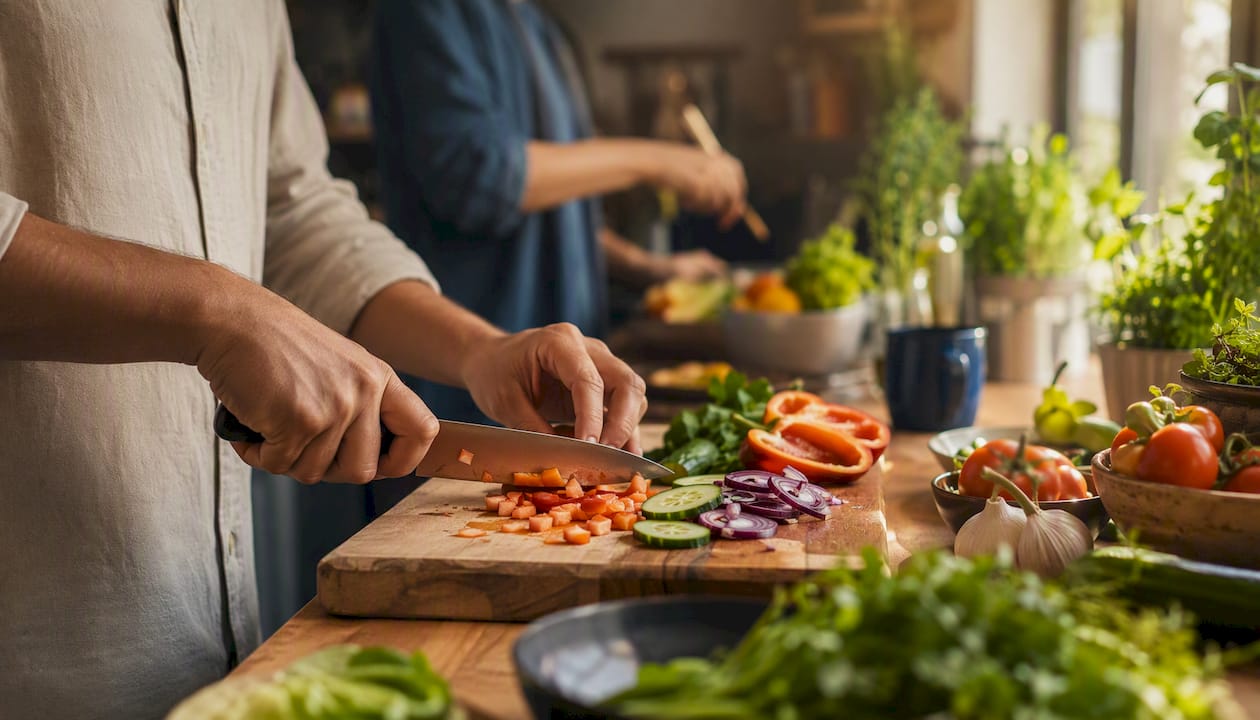
In a city like New York City, where culture, cuisine, and creativity collide, there’s no shortage of activities for kids. But if you strip away the noise and actually ask, “What’s going to benefit my child long-term?” cooking camps quietly rise to the top.
This isn’t just about keeping kids busy during summer break. It’s about equipping them with real-world skills, confidence, discipline, and a healthier relationship with food, all while they’re having fun. And if you think cooking is just a “nice-to-have” skill, you’re underestimating how powerful it is.
Let’s break it down.
Cooking Camps Build Real-Life Skills Most Schools Ignore
Schools teach math, reading, and science. Useful, sure. But they often skip the practical stuff that actually shapes independence.
Cooking camps fill that gap.
Kids learn how to:
- Follow step-by-step processes
- Measure and manage time
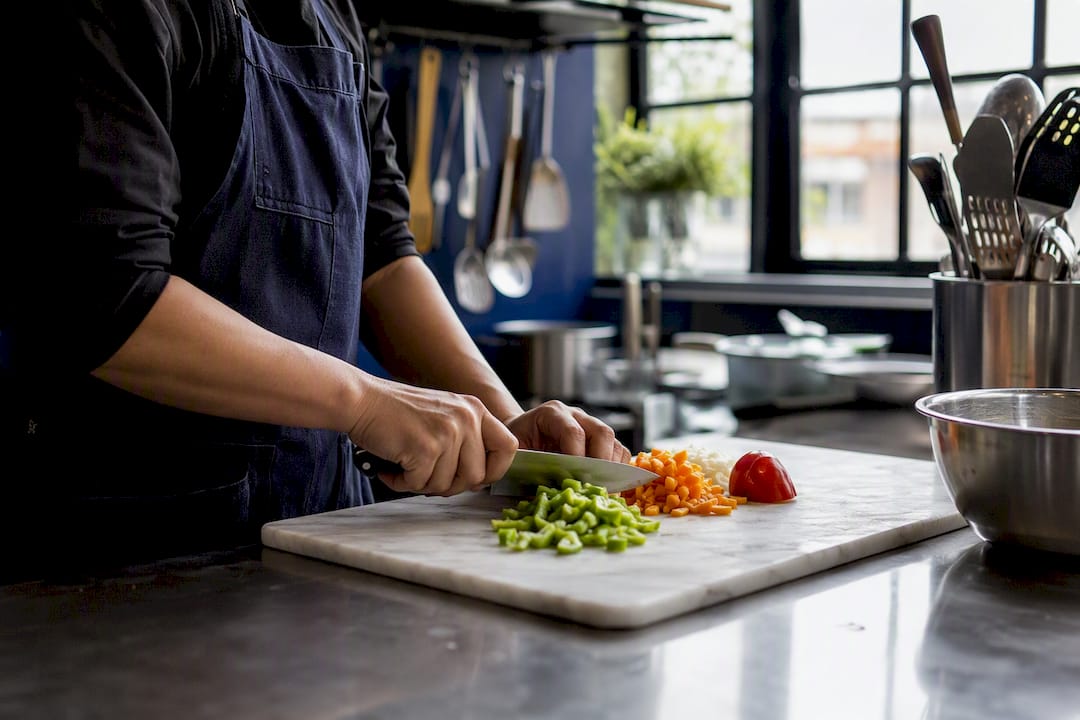
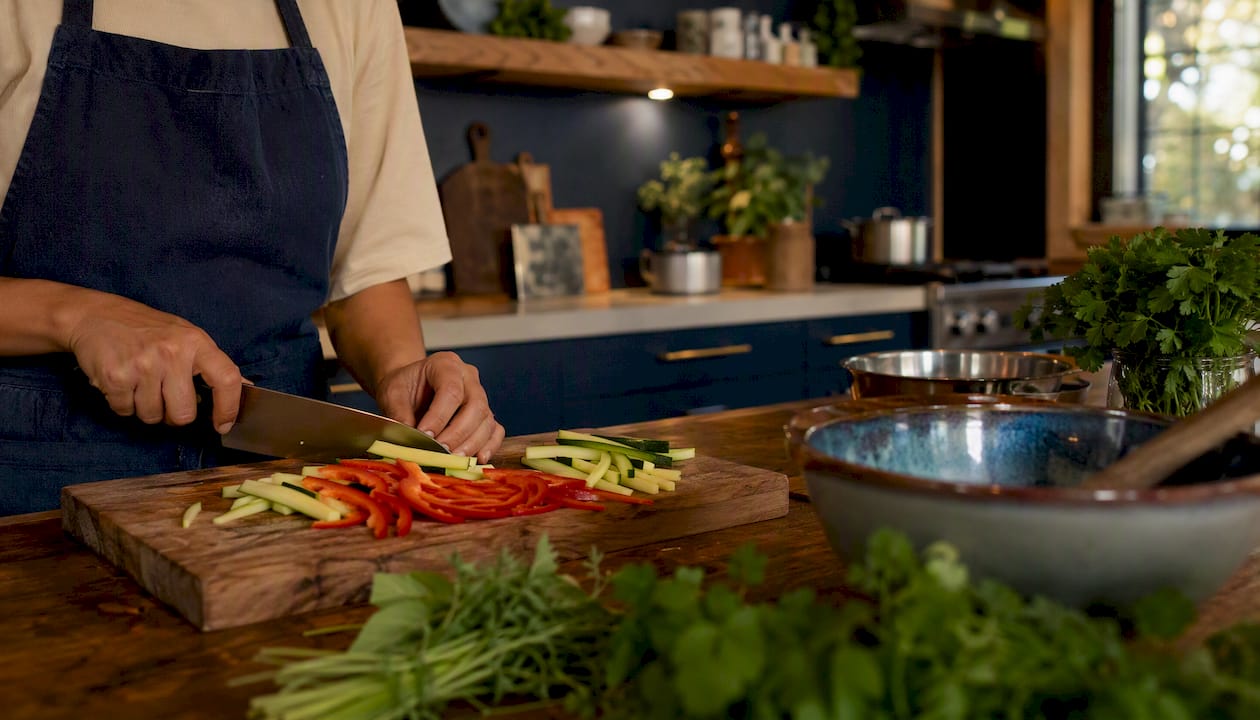
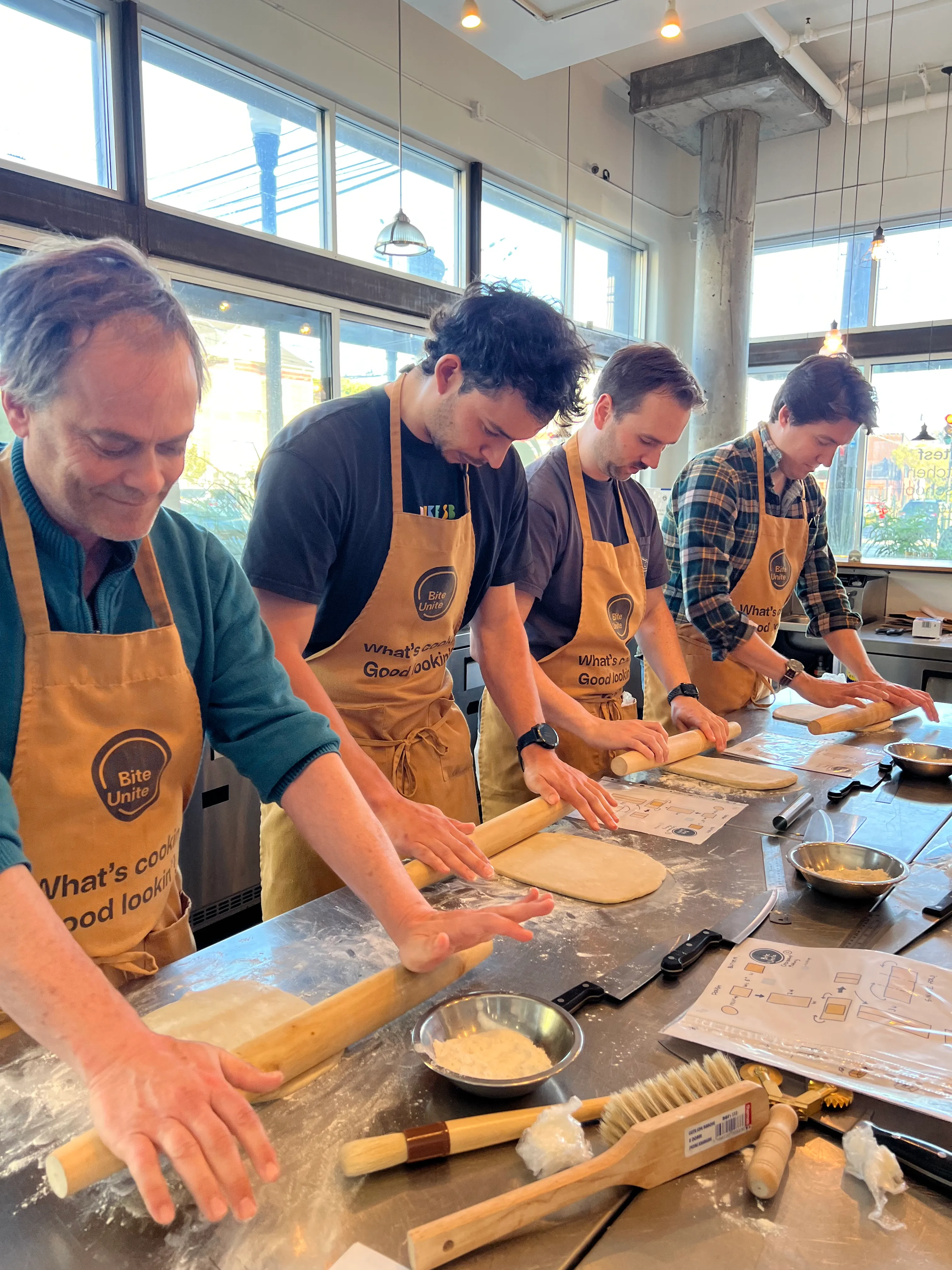
- Handle tools safely
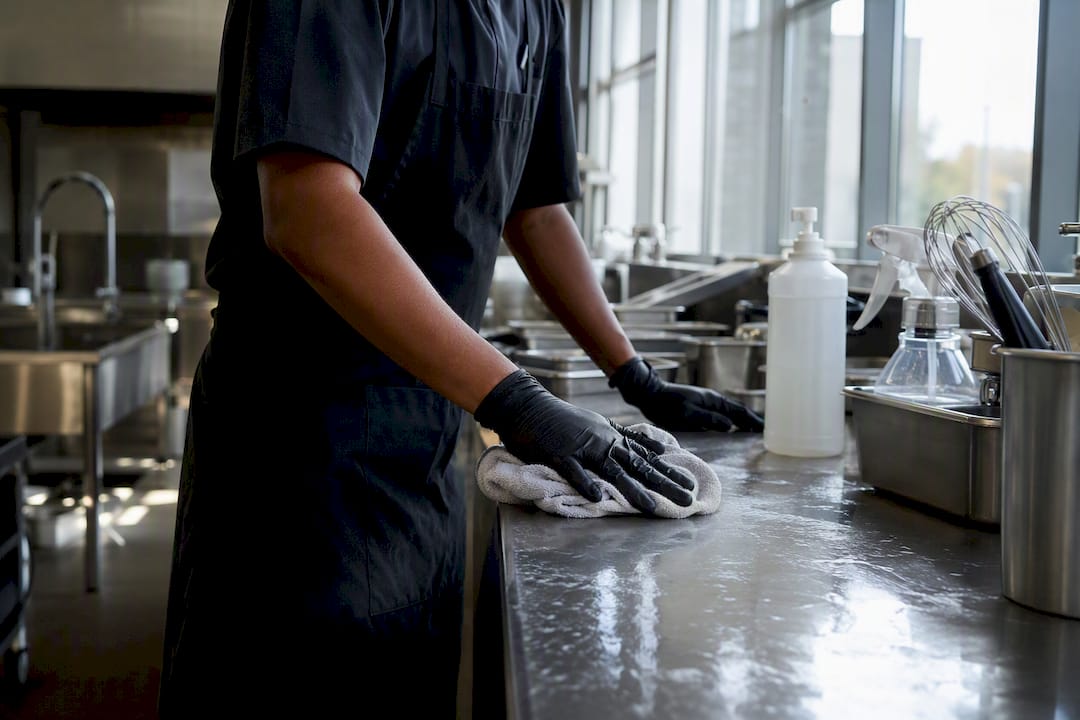
- Clean up after themselves
These aren’t small wins. These are foundational life skills.
Research backs this up. Studies on children’s cooking programs show that hands-on cooking significantly improves skills, knowledge, and self-efficacy, meaning kids feel more capable and confident doing things on their own. (PubMed)
That confidence compounds. A child who can cook a meal at 12 is operating on a completely different level of independence than one who can’t boil pasta.
It Rewires Their Relationship With Food
Let’s be honest, most kids today grow up on ultra-processed food. Convenience wins, and habits form early.
Cooking camps disrupt that pattern.
When kids actively participate in making meals:
- They become more open to trying new foods
- They understand ingredients instead of fearing them
- They develop healthier eating habits
Evidence shows cooking programs can increase vegetable intake, improve diet quality, and reduce reliance on unhealthy foods. (OUP Academic)
Even better, kids don’t just learn, they apply. In one camp-based study, parents reported their children started asking to help cook at home and wanted to recreate recipes. (Springer)
That’s the shift you want. Not forced discipline, but internal motivation.
Cooking Camps Turn Creativity Into Something Tangible
Most “creative” activities for kids are abstract. Drawing, music, maybe sports.
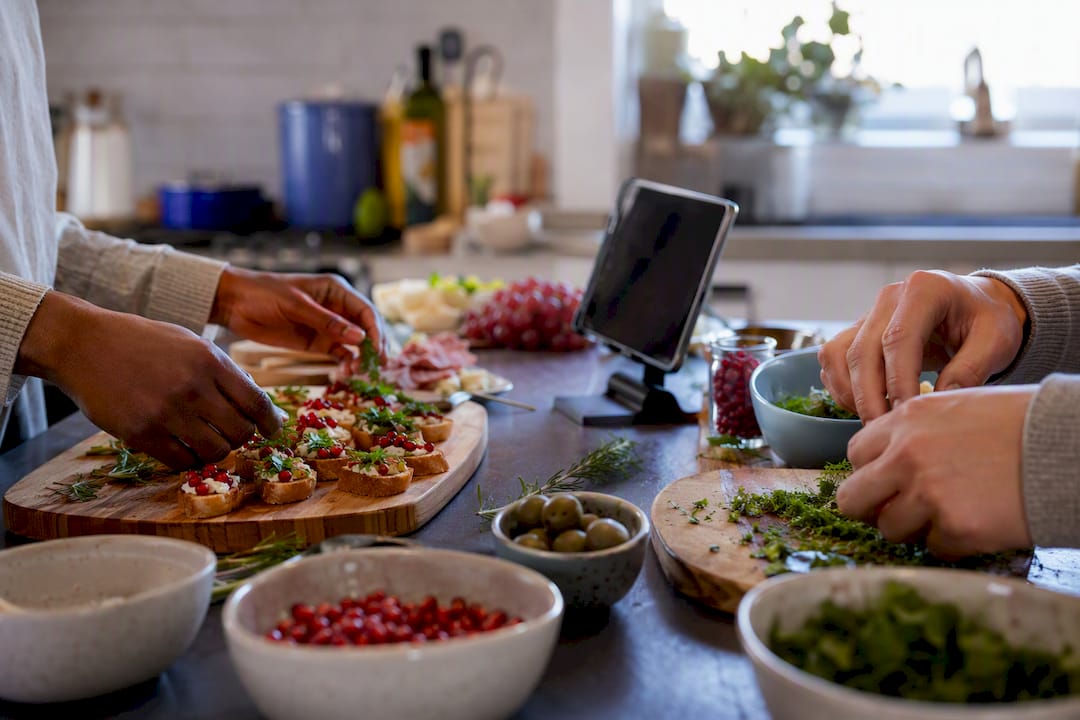
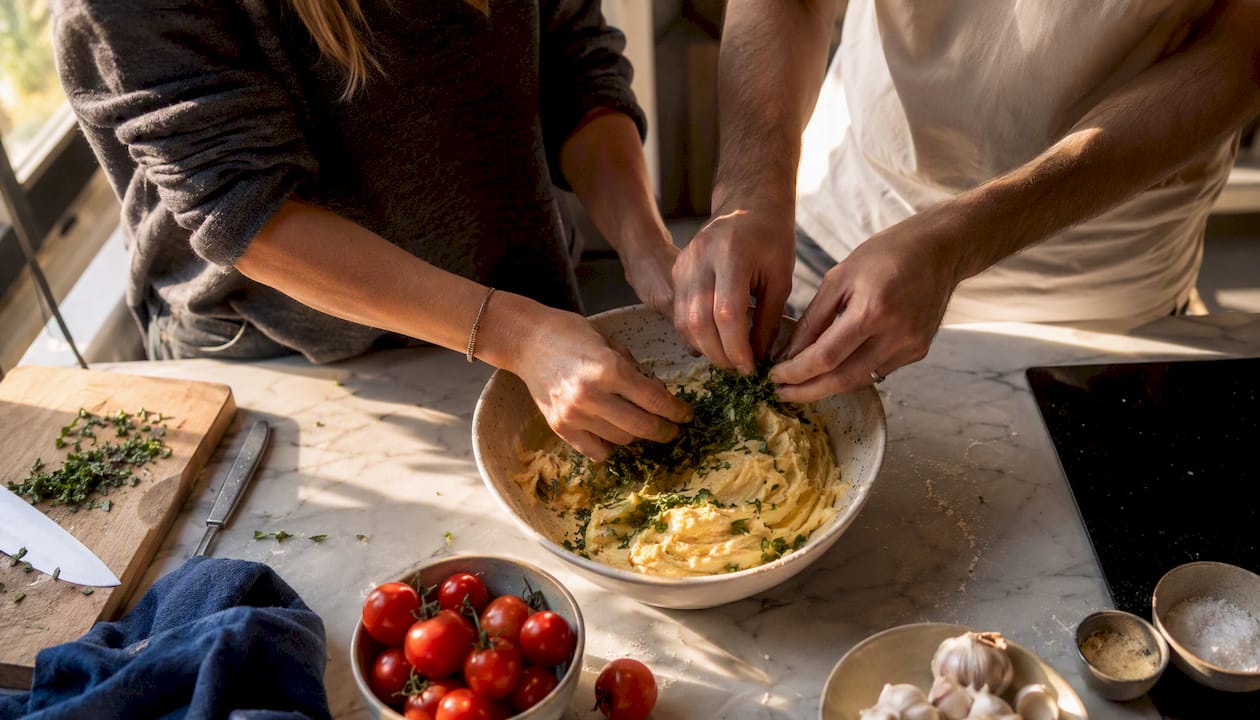
Cooking is different. It’s creativity you can taste.
Kids:
- Experiment with flavors
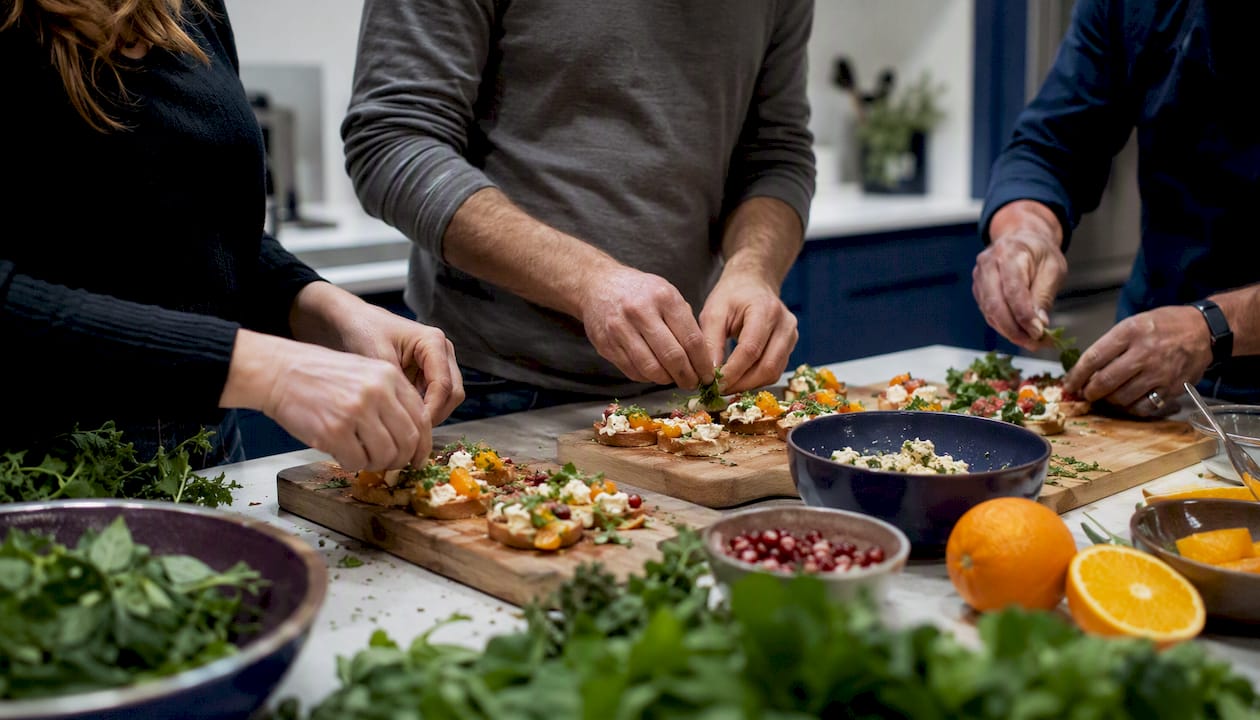
- Plate dishes visually
- Adjust recipes and see immediate results
That instant feedback loop is powerful. It teaches cause and effect in a way textbooks never can.
And here’s the underrated part, cooking blends creativity with structure. Kids aren’t just “expressing themselves,” they’re learning to do it within constraints. That’s exactly how real-world problem solving works.
Social Skills Improve Without It Feeling Forced
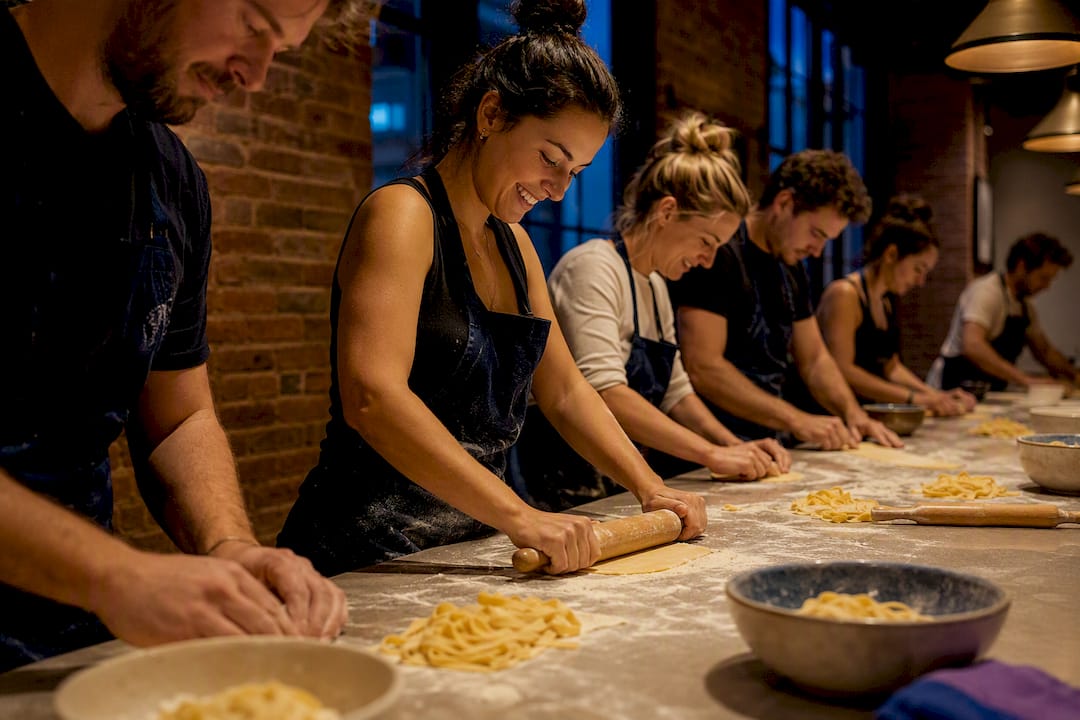
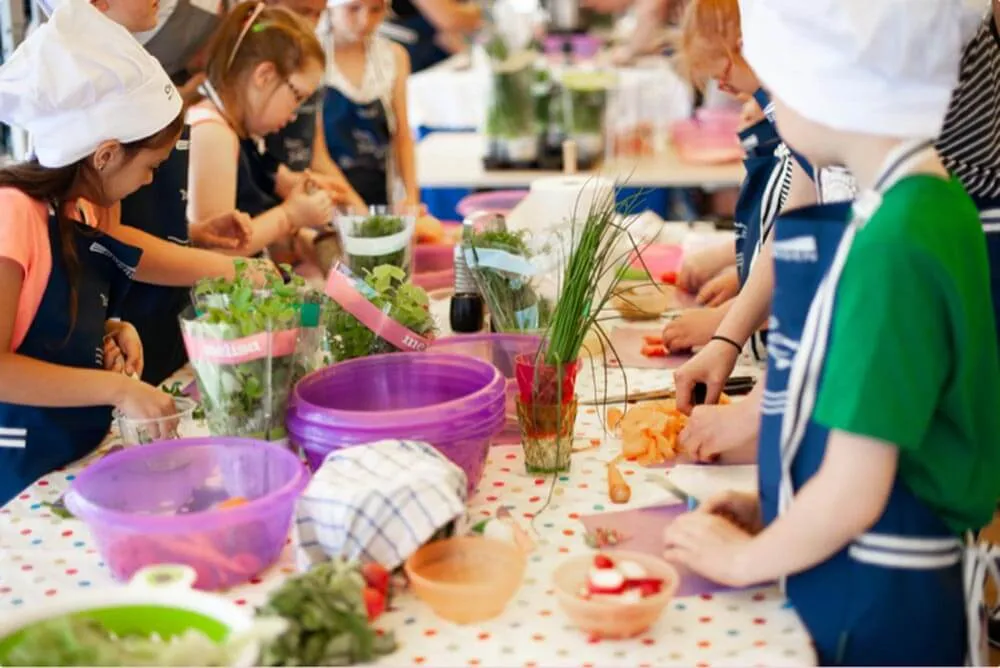
Group cooking environments naturally build:
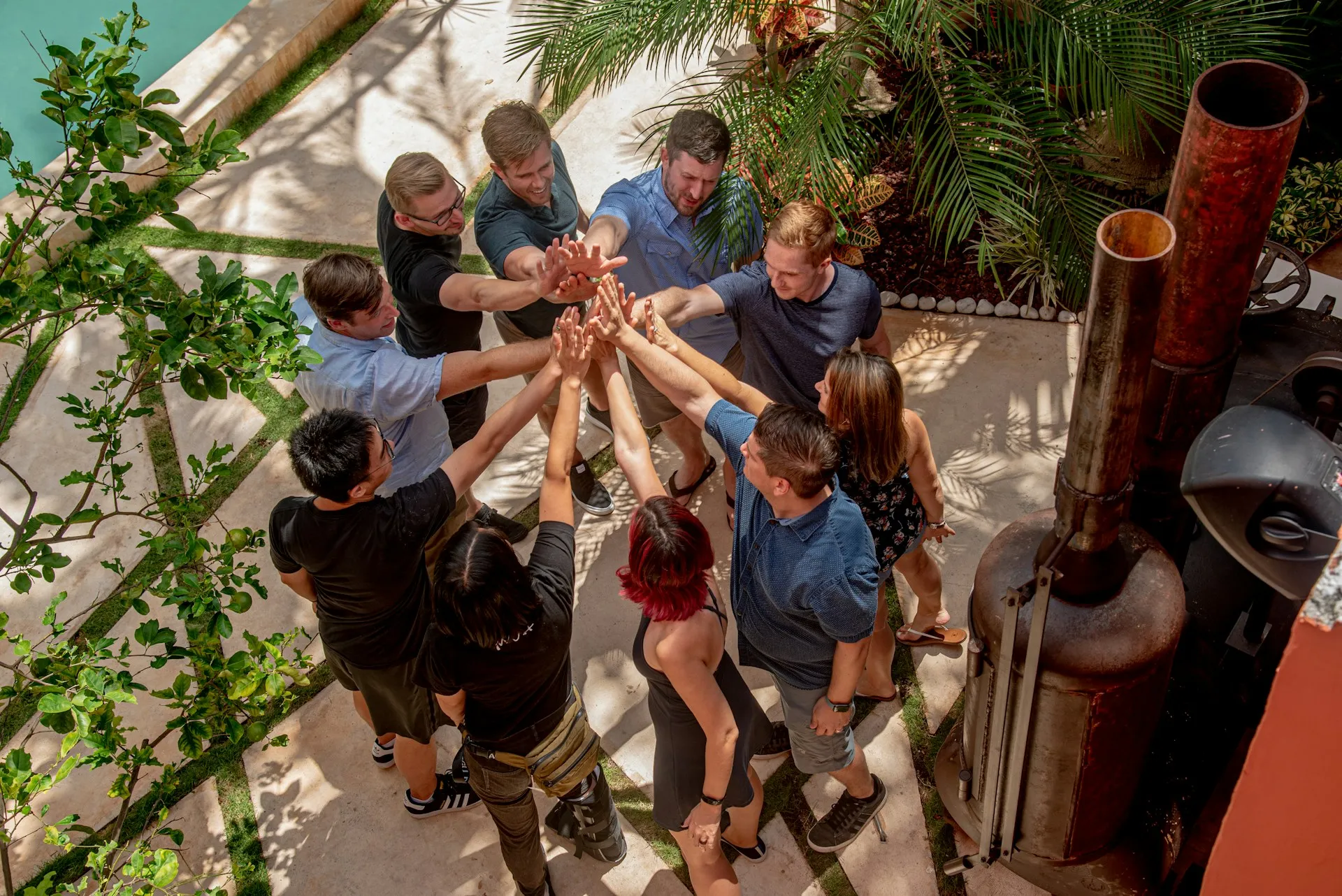
- Teamwork
- Communication
- Leadership
But here’s why it works better than most group activities, there’s a shared goal.
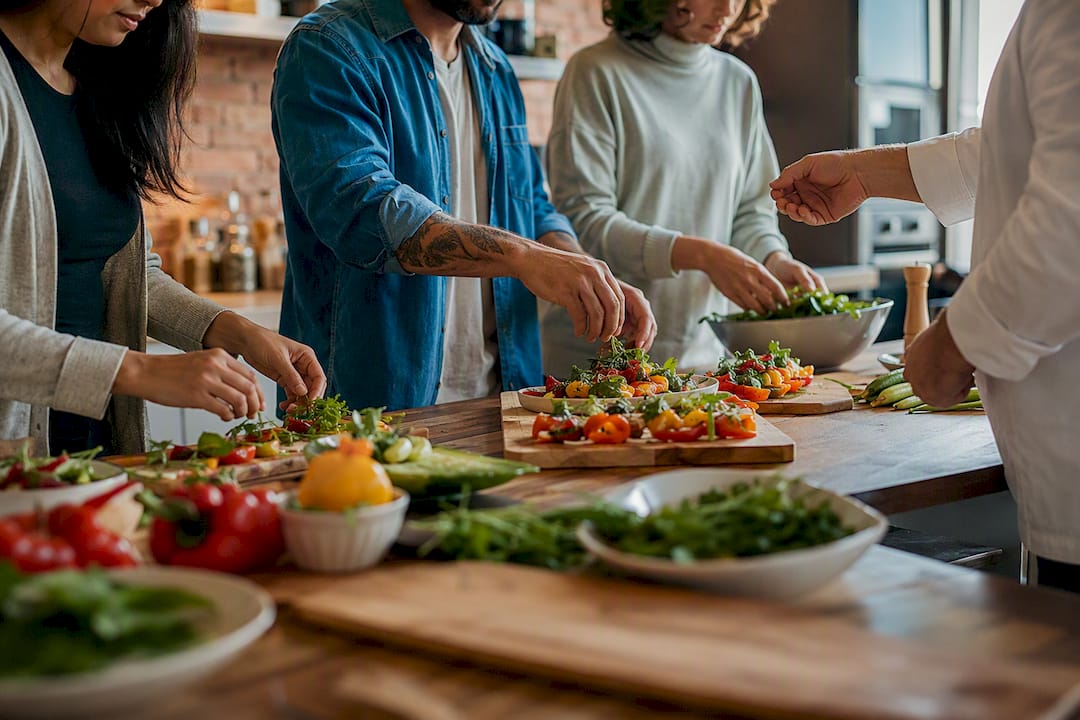
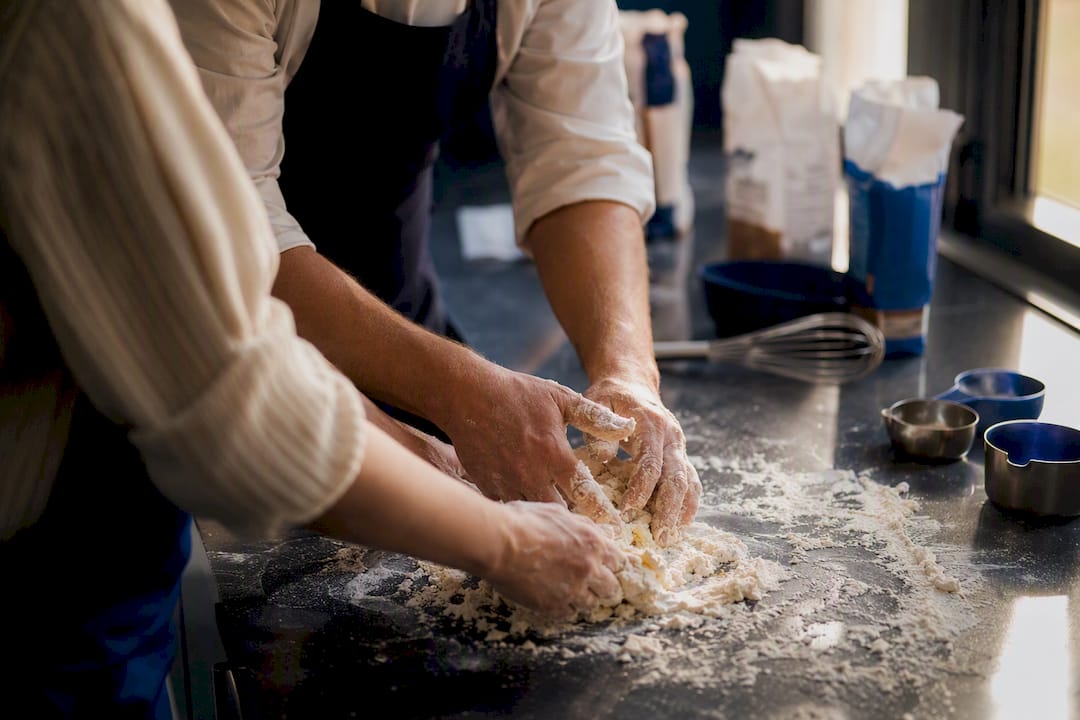
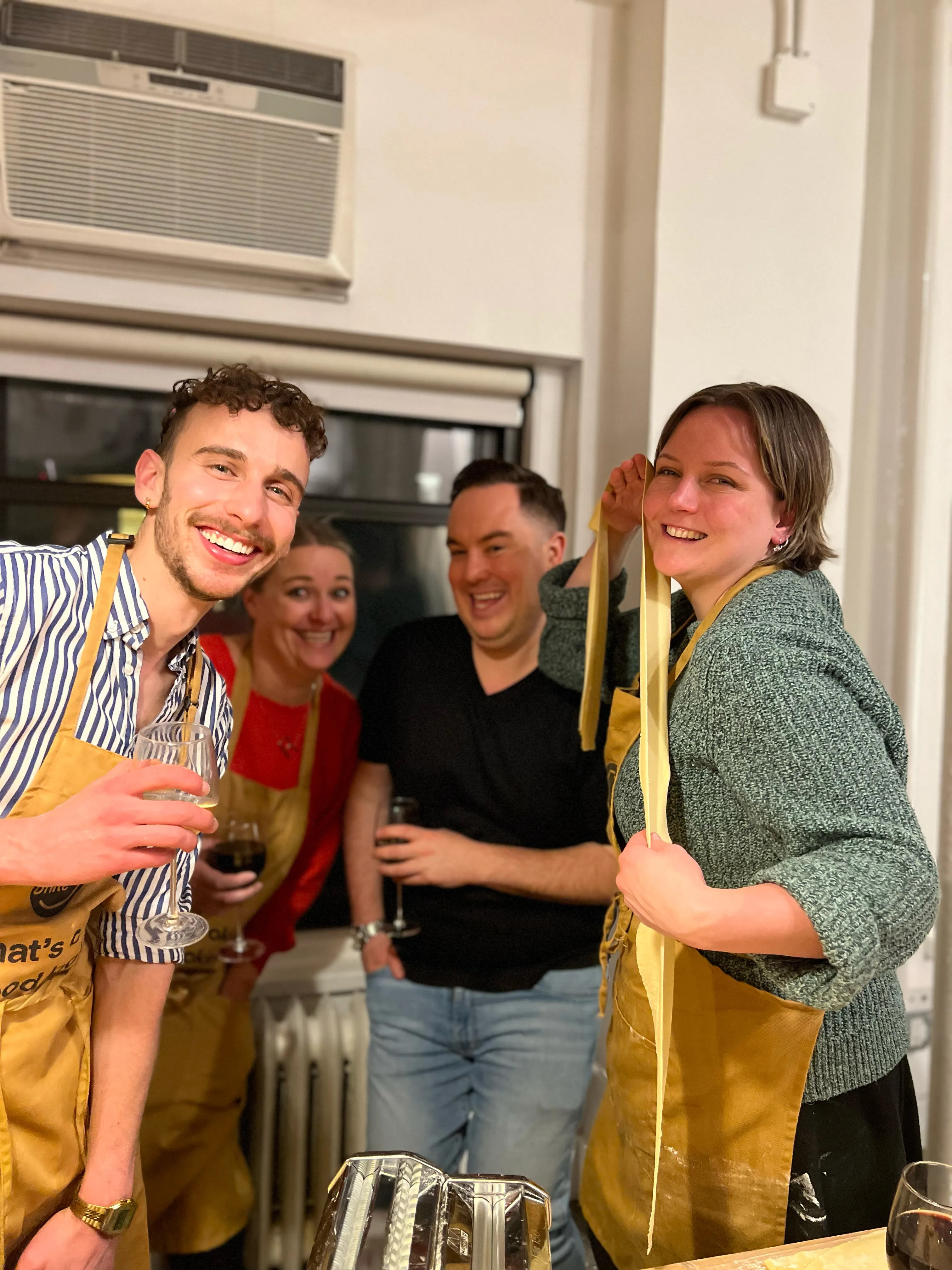
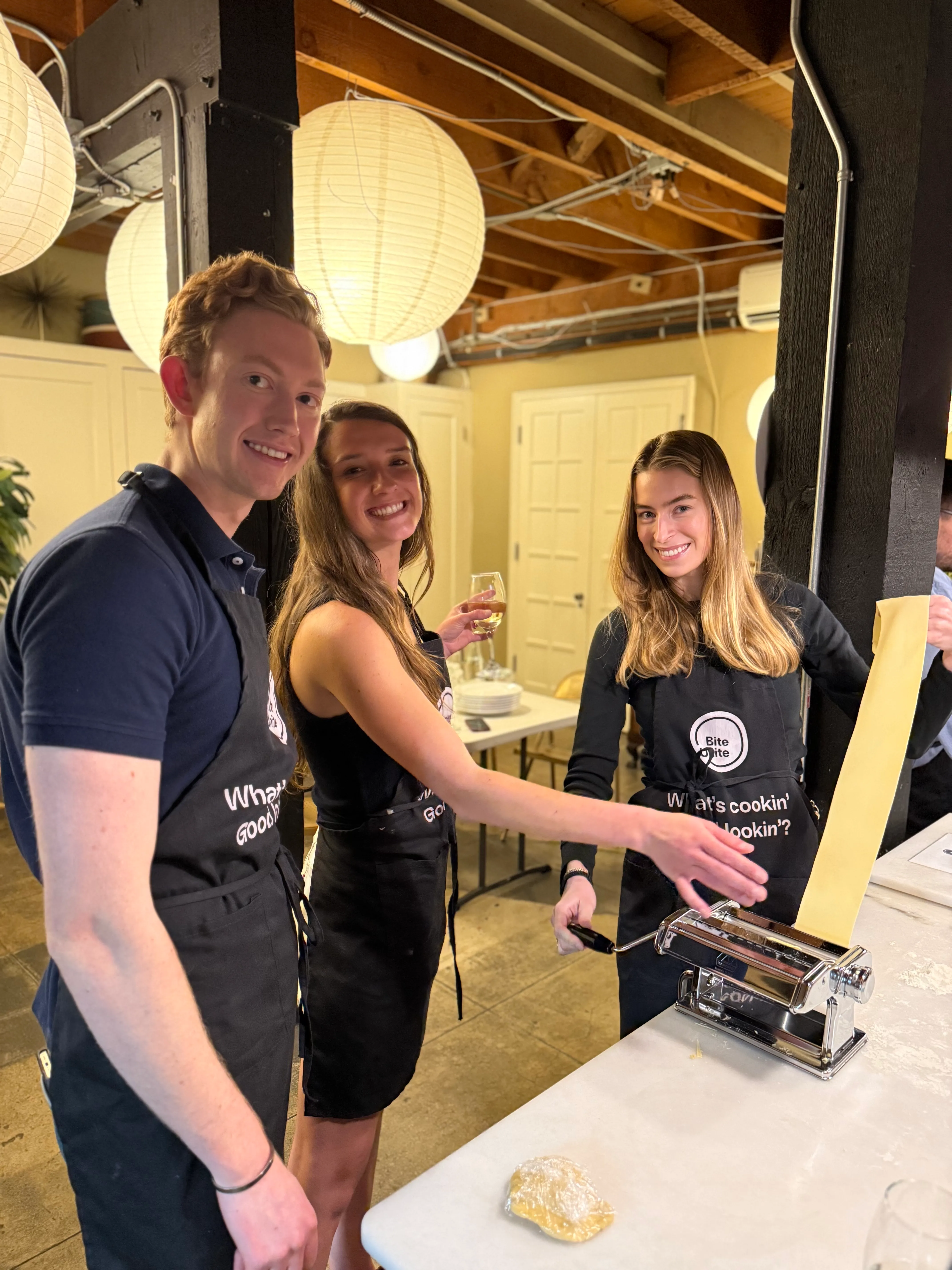
Kids aren’t just “talking,” they’re collaborating to produce something real. A finished dish. A shared meal.
That dynamic removes awkwardness and creates organic interaction.
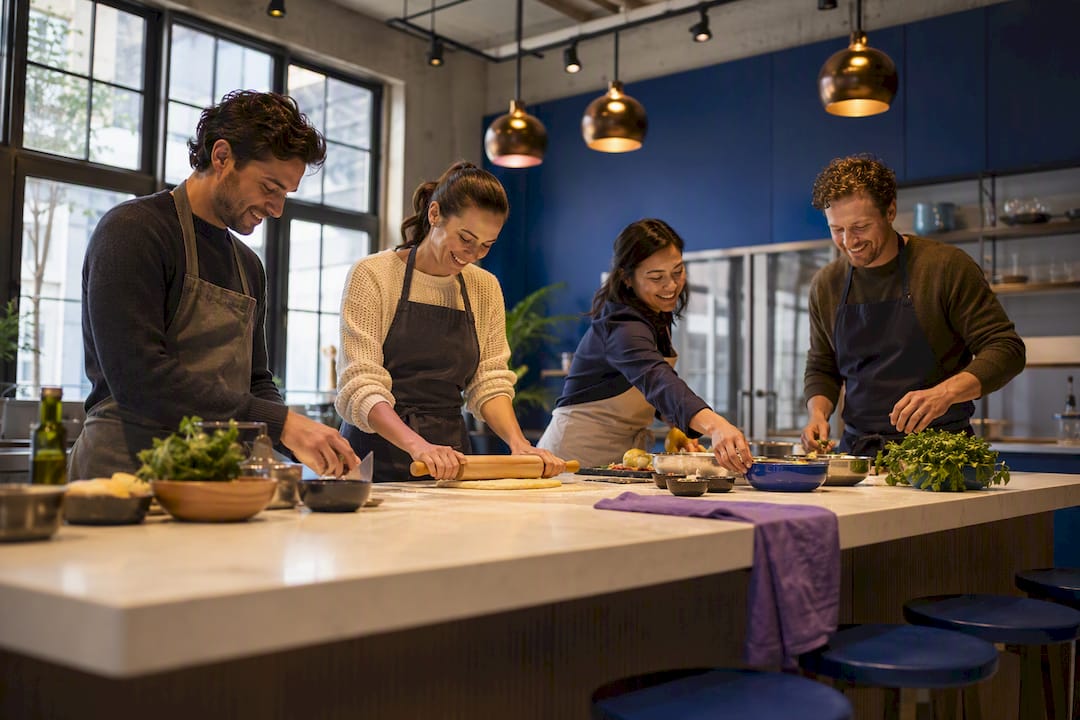
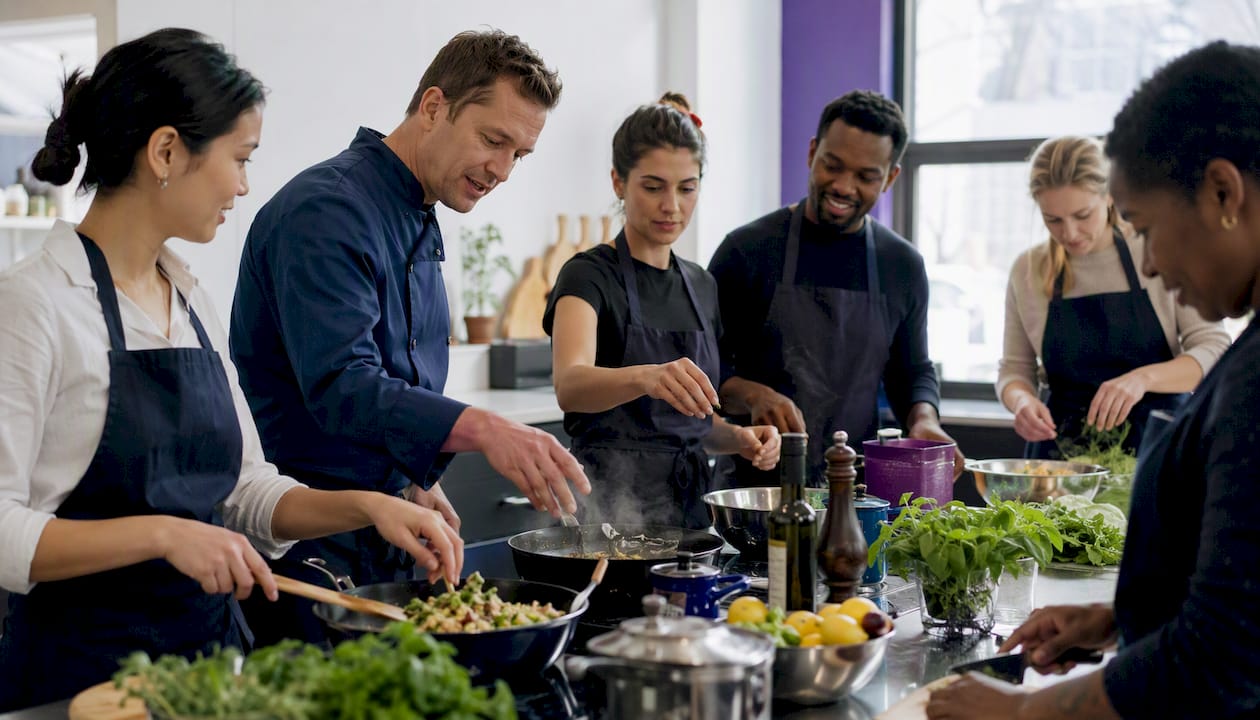
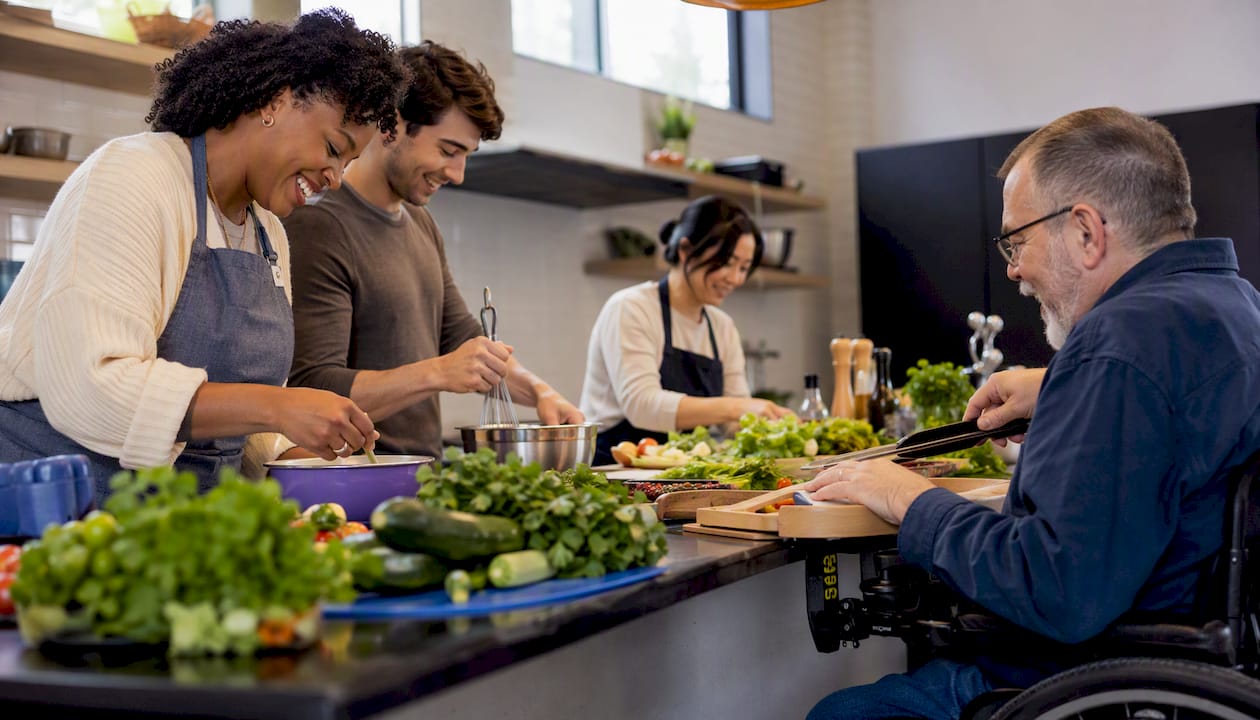
And in a place like New York City, where kids come from diverse backgrounds, cooking camps expose them to new cultures through food. That’s social development with depth, not just surface-level interaction.
It Builds Confidence Fast, Not Over Years
Confidence usually takes time. But cooking accelerates it.
Why?
Because results are immediate.
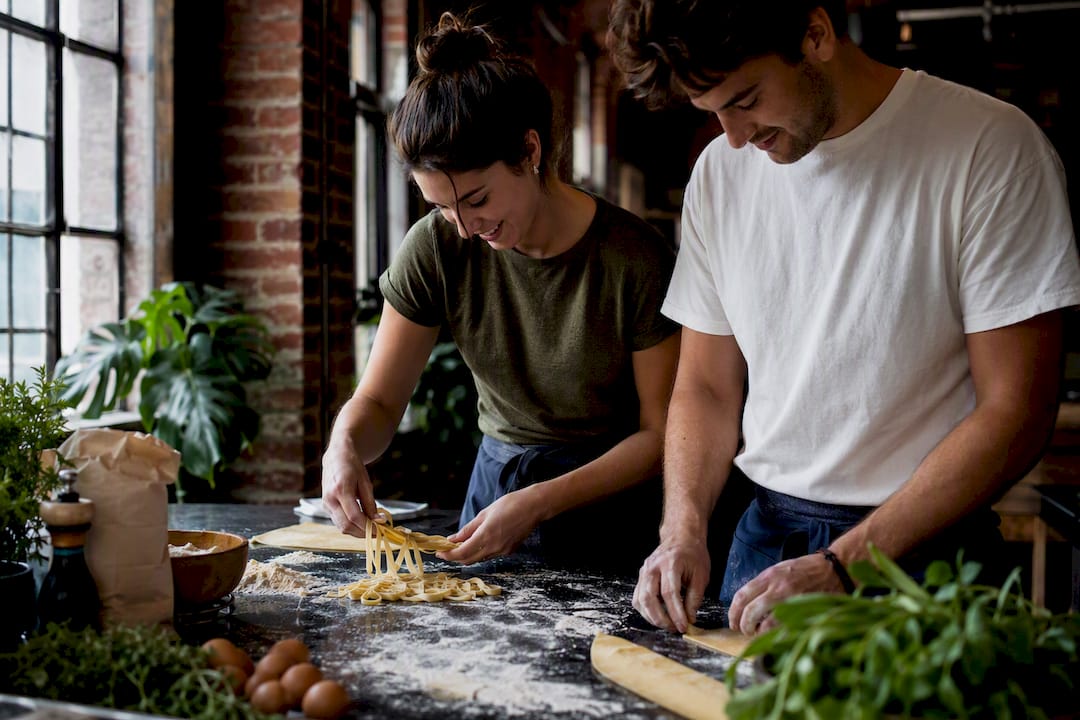
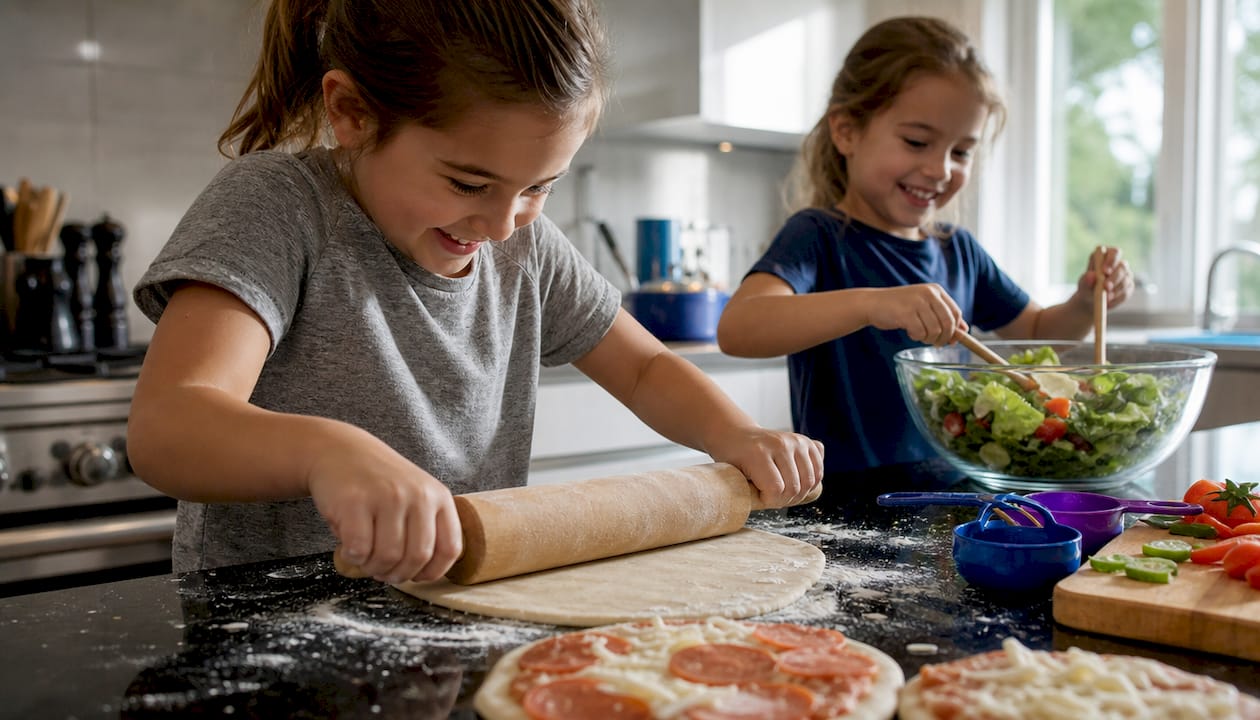
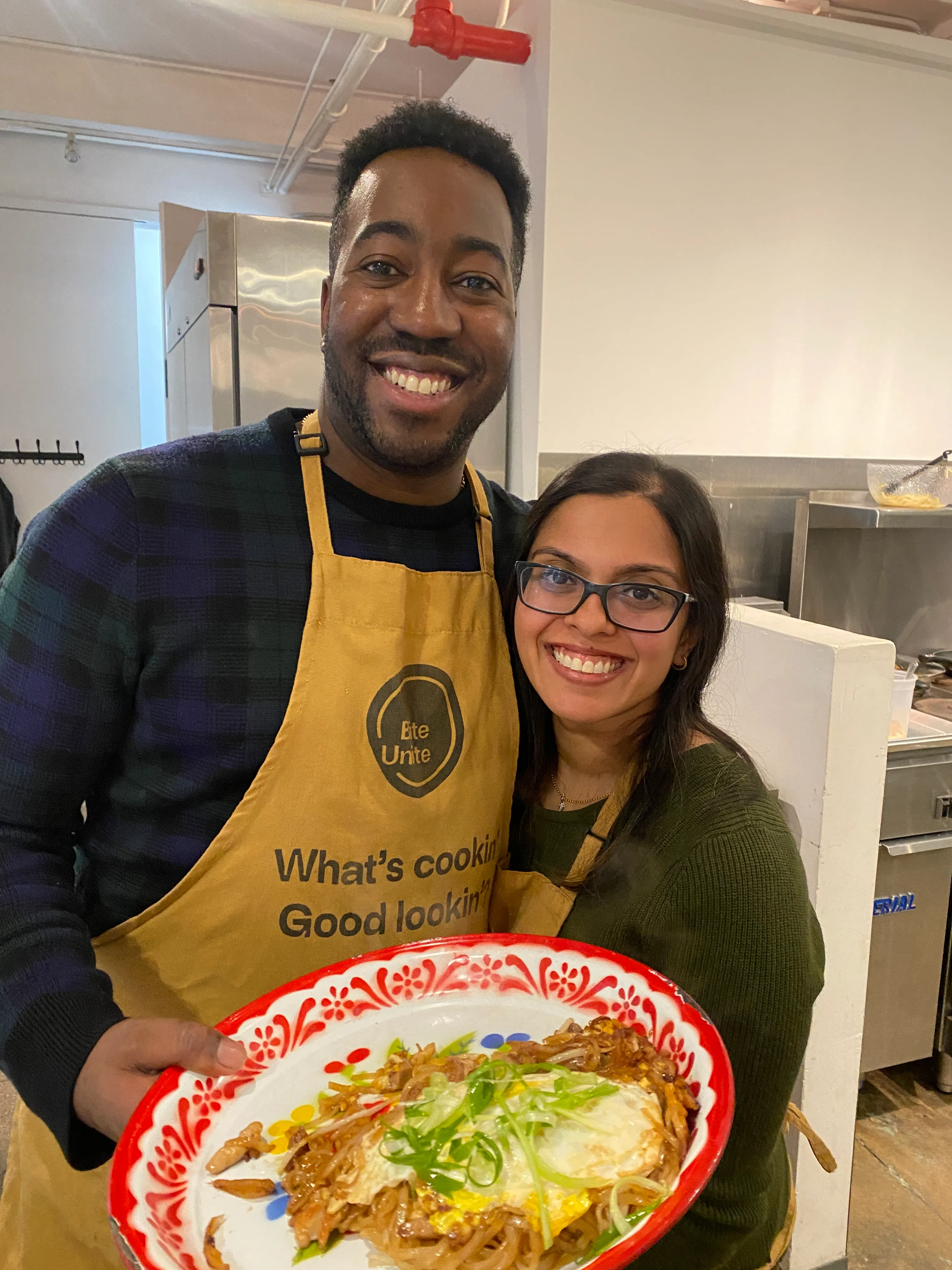
A kid walks into a kitchen unsure. A few hours later, they’ve made something from scratch. That’s a tangible win.
Programs consistently show improvements in self-confidence and attitudes toward cooking and healthy eating after just a few sessions. (ScienceDirect)
That’s not theory, that’s transformation in real time.
And once a child realizes, “I can do this,” it spills into everything else, school, social situations, even future ambitions.
Cooking Camps Encourage Independence, Not Dependence
Here’s where most parents get it wrong.
They try to protect their kids from failure, mess, and frustration.
Cooking camps do the opposite.
Kids:
- Make mistakes
- Burn things
- Over-season
- Fix their own errors
That’s how independence is built.
Instead of relying on adults, they learn to problem-solve. They learn resilience. They learn that messing up isn’t the end, it’s part of the process.
Those lessons stick far longer than anything taught in a lecture.
It’s a Strategic Way to Reduce Screen Time
You don’t need another lecture about screen addiction. You already know.
The real question is, what replaces it?
Cooking camps work because they’re:
- Hands-on
- Engaging
- Reward-driven
Kids are too busy creating to think about screens.
And unlike passive entertainment, this is active engagement that builds something useful.
NYC Offers a Unique Advantage for Cooking Camps
Not all cities are equal when it comes to culinary exposure.
New York City is on another level.
Kids in NYC cooking camps get access to:
- Global cuisines
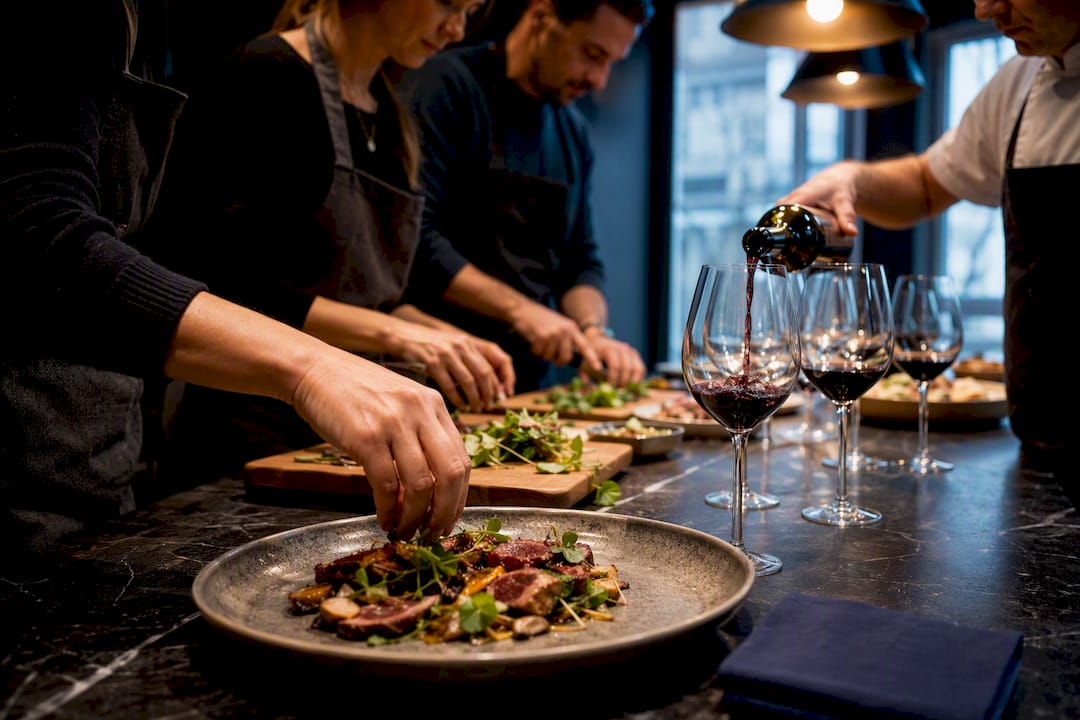
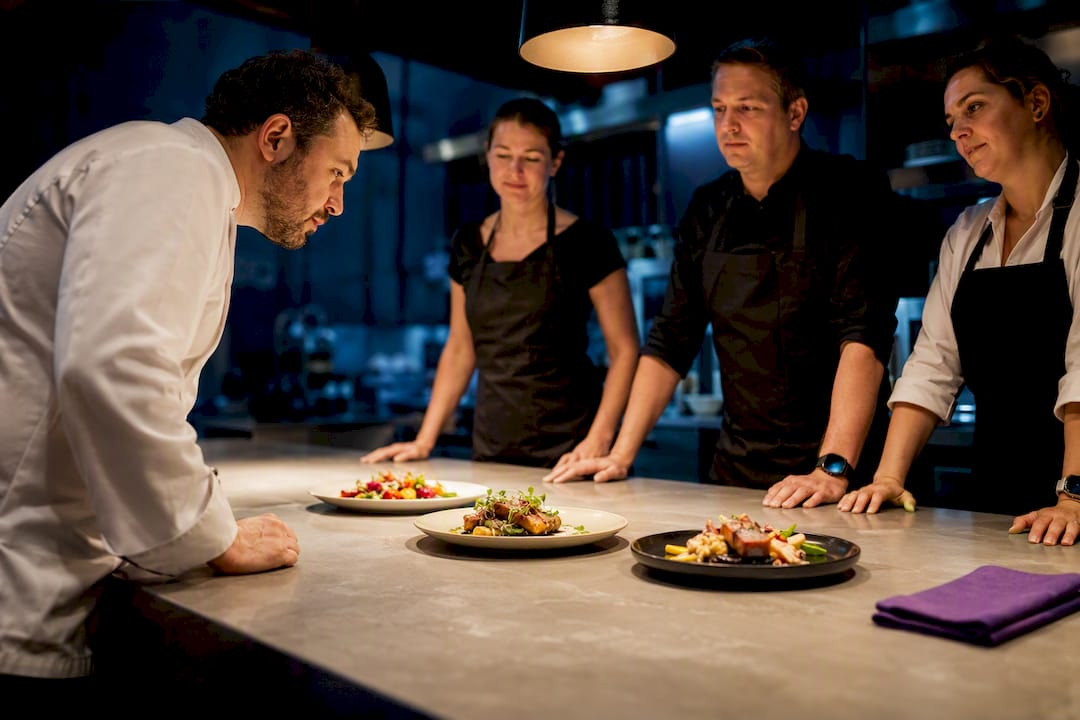
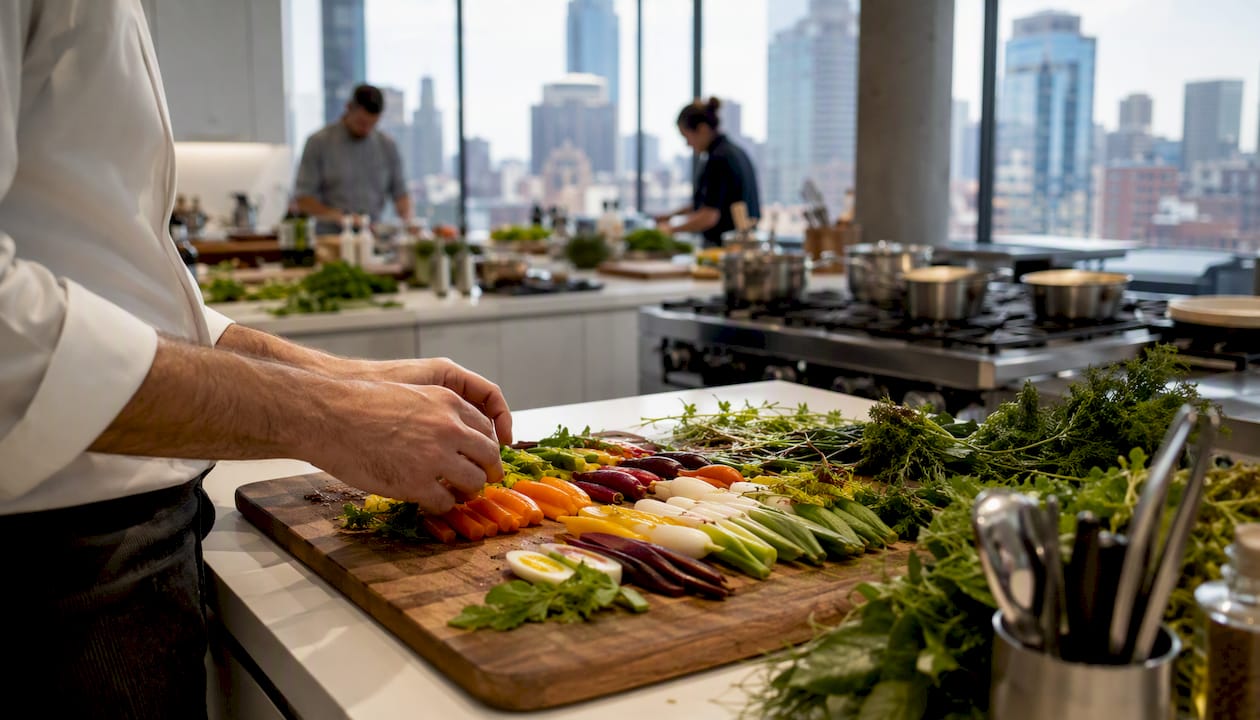
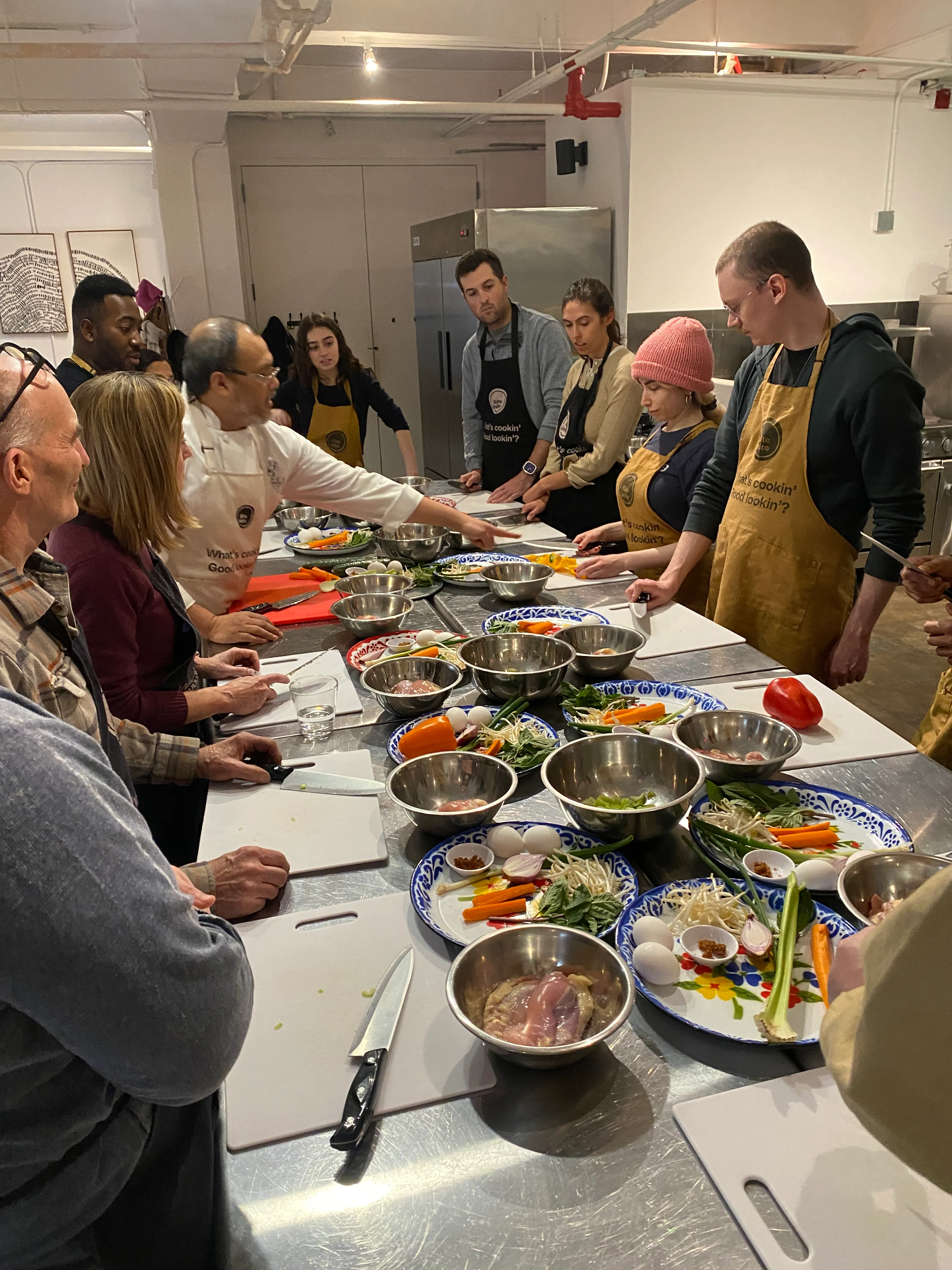
- Professional-grade kitchens
- Experienced chefs
- Cultural diversity in ingredients and techniques
That environment accelerates learning.
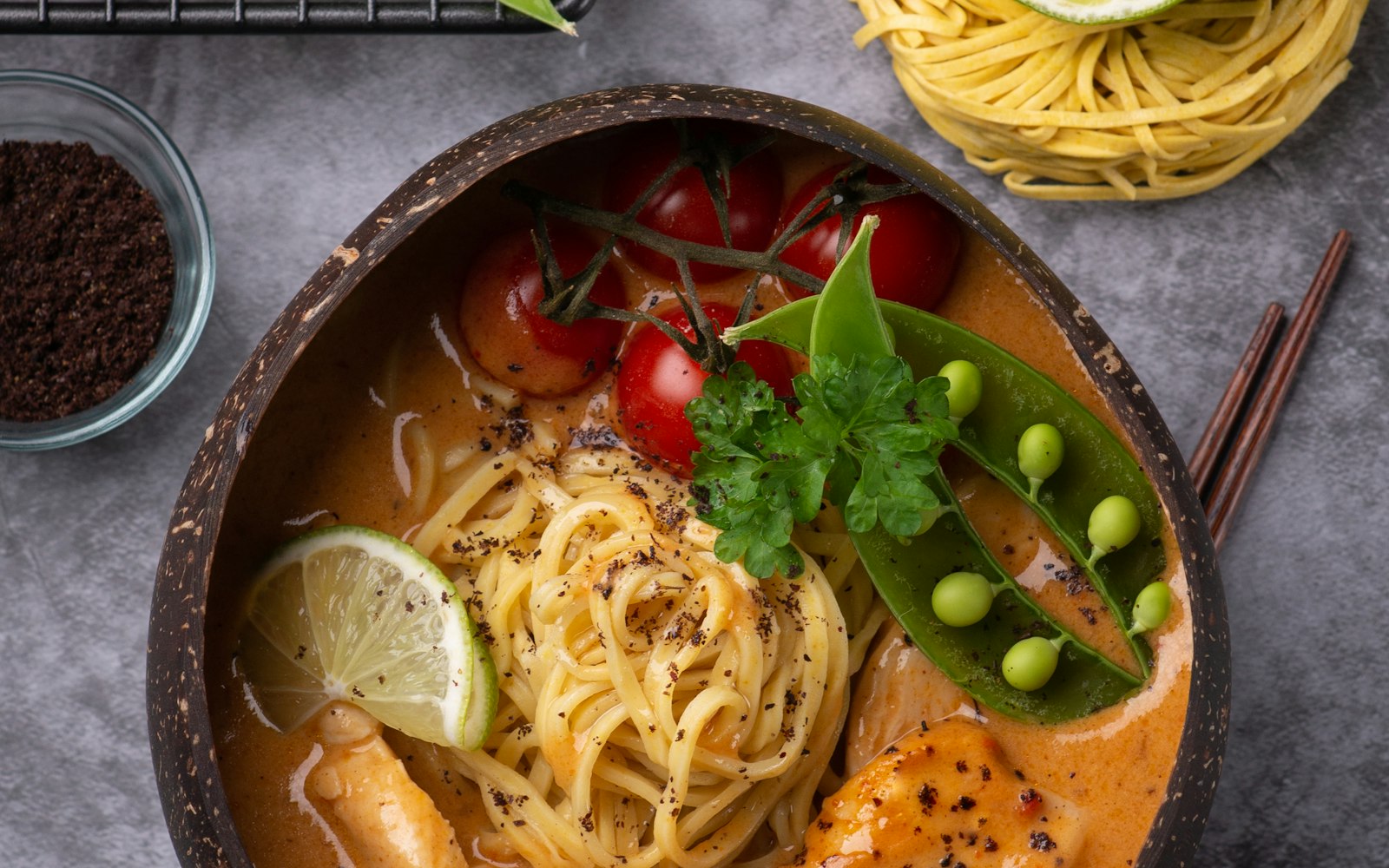
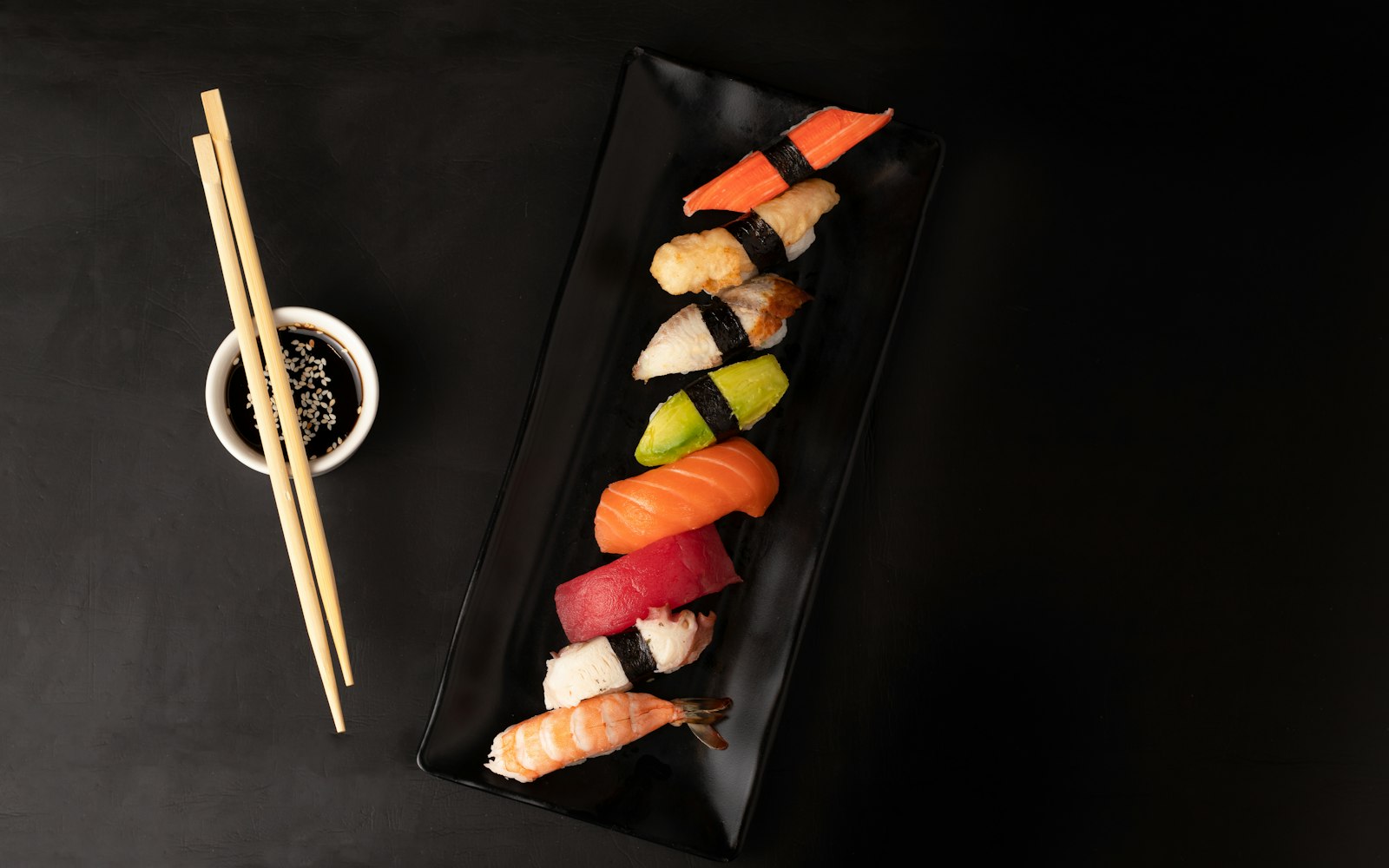
A kid learning to cook in NYC isn’t just making basic meals. They’re being exposed to Italian, Thai, Japanese, and more, all in one place.
That kind of exposure shapes taste, curiosity, and cultural awareness early.
A Structured Program Makes All the Difference
Not all cooking experiences are equal.
Throwing your kid in the kitchen at home is chaotic. No structure, no progression, no guidance.
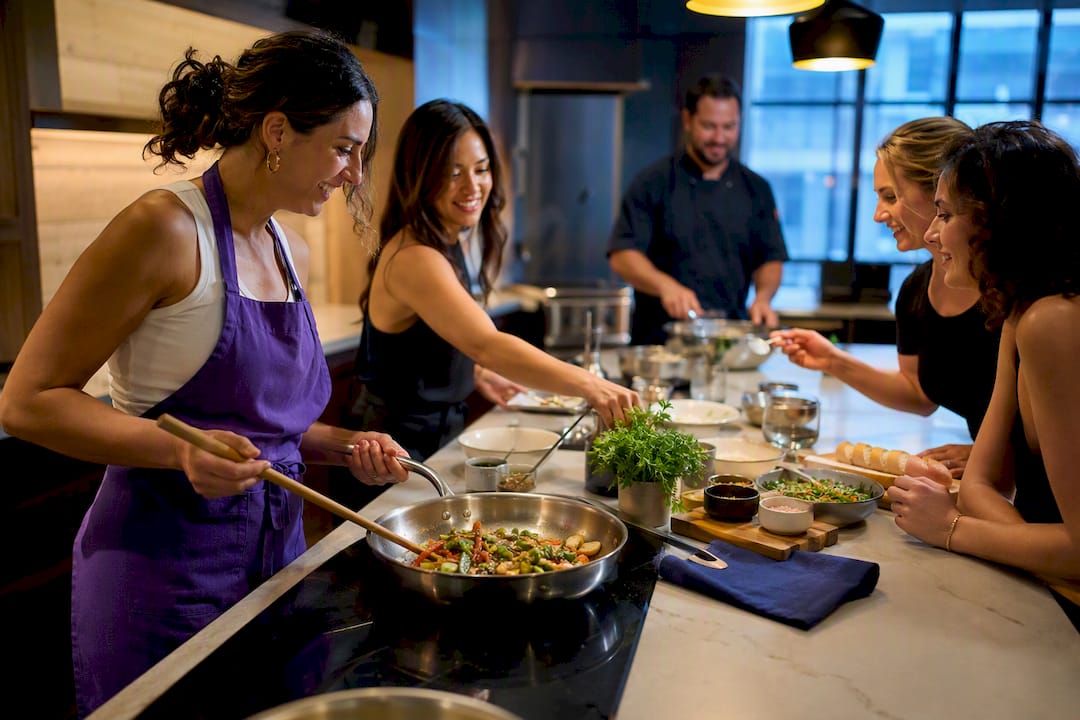
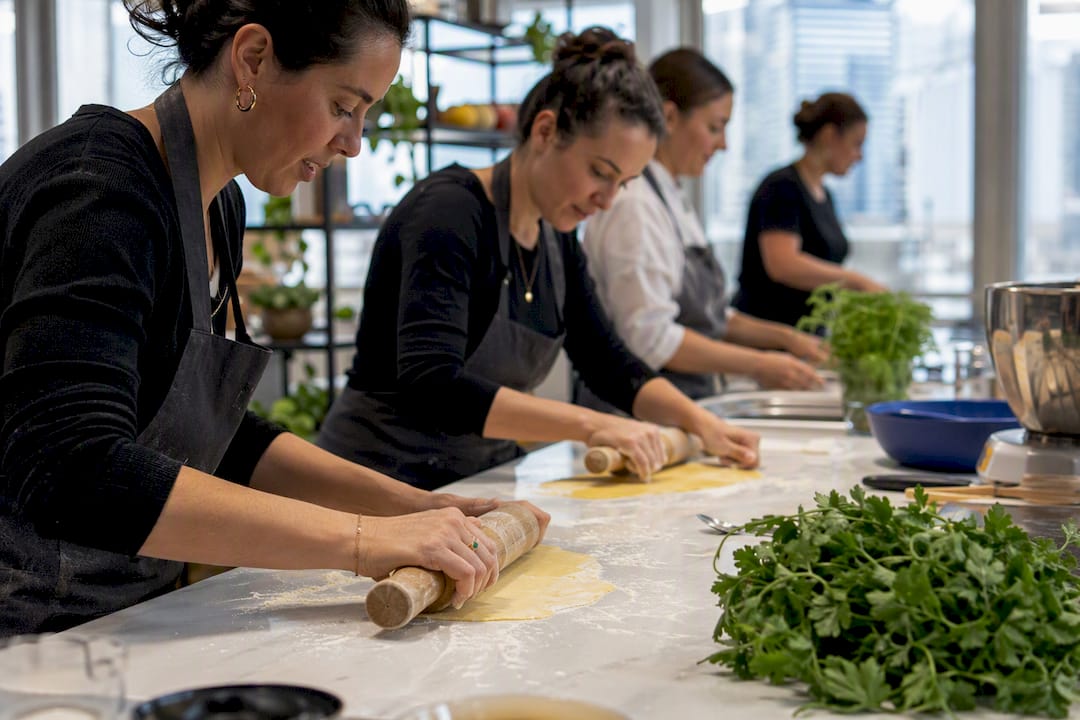
A well-designed cooking camp provides:
- Curriculum-based learning
- Step-by-step skill development
- Supervised, safe environments
- Peer interaction
That structure is what turns a fun activity into a developmental tool.
If you’re serious about giving your child that edge, a program like this
👉 kids cooking camp in NYC
is worth looking into.
It’s not just babysitting disguised as an activity. It’s a condensed, immersive experience designed to build real skills in a short time.
The Long-Term Payoff Is Bigger Than You Think
Here’s the part most parents overlook.
Cooking isn’t just about food. It’s about capability.
Kids who learn to cook early tend to:
- Be more self-sufficient as adults
- Make healthier lifestyle choices
- Save money by not relying on takeout
- Feel more confident in everyday life
And in a world that’s increasingly automated and convenience-driven, practical skills are becoming rare.
That makes them valuable.
The Reality Check Most Parents Need
A lot of parents treat summer like a holding period. Just keep the kids occupied until school starts again.
That mindset is costing your child growth.
Every summer is an opportunity window. You can either:
- Let it pass with passive activities
- Or use it to build something meaningful
Cooking camps fall into the second category.
They’re not flashy. They’re not trendy. But they work.
And if you stack a few of these experiences over the years, you’re not just raising a kid who can cook, you’re raising someone who can think, adapt, and take care of themselves.
That’s the real goal.





























.webp)