Creative Summer Camps to Spark Your Child’s Imagination
Creative Summer Camps to Spark Your Child’s Imagination
Summer break is a double-edged sword for parents. On one hand, it’s a chance for kids to decompress, explore, and enjoy life outside the classroom. On the other, it can quickly turn into weeks of screen time, boredom, and wasted potential if there’s no structure. The solution isn’t to overload your child with rigid programs, it’s to plug them into environments that fuel creativity, curiosity, and real-world skills.
That’s where creative summer camps come in. The right camp doesn’t just “keep kids busy”, it builds confidence, problem-solving ability, and a sense of identity. If you choose wisely, your child comes out of summer more capable, more expressive, and more self-aware.
Let’s break down what actually makes a summer camp worth your time and money, and which types of camps truly spark imagination instead of just babysitting.
Why Creativity-Focused Camps Matter More Than You Think
Most parents underestimate how critical creative development is. Schools tend to prioritize structure, testing, and memorization. Creativity often gets pushed to the side unless your child actively seeks it out.
But creativity is not just about art or music. It’s about how your child thinks.
- Can they solve problems without being told exactly how?
- Can they express ideas clearly?
- Can they adapt when things don’t go as planned?
Creative camps train these skills in a way traditional education doesn’t. They put kids in environments where experimentation is encouraged, failure is part of the process, and imagination is rewarded instead of corrected.
That’s a huge advantage long term.
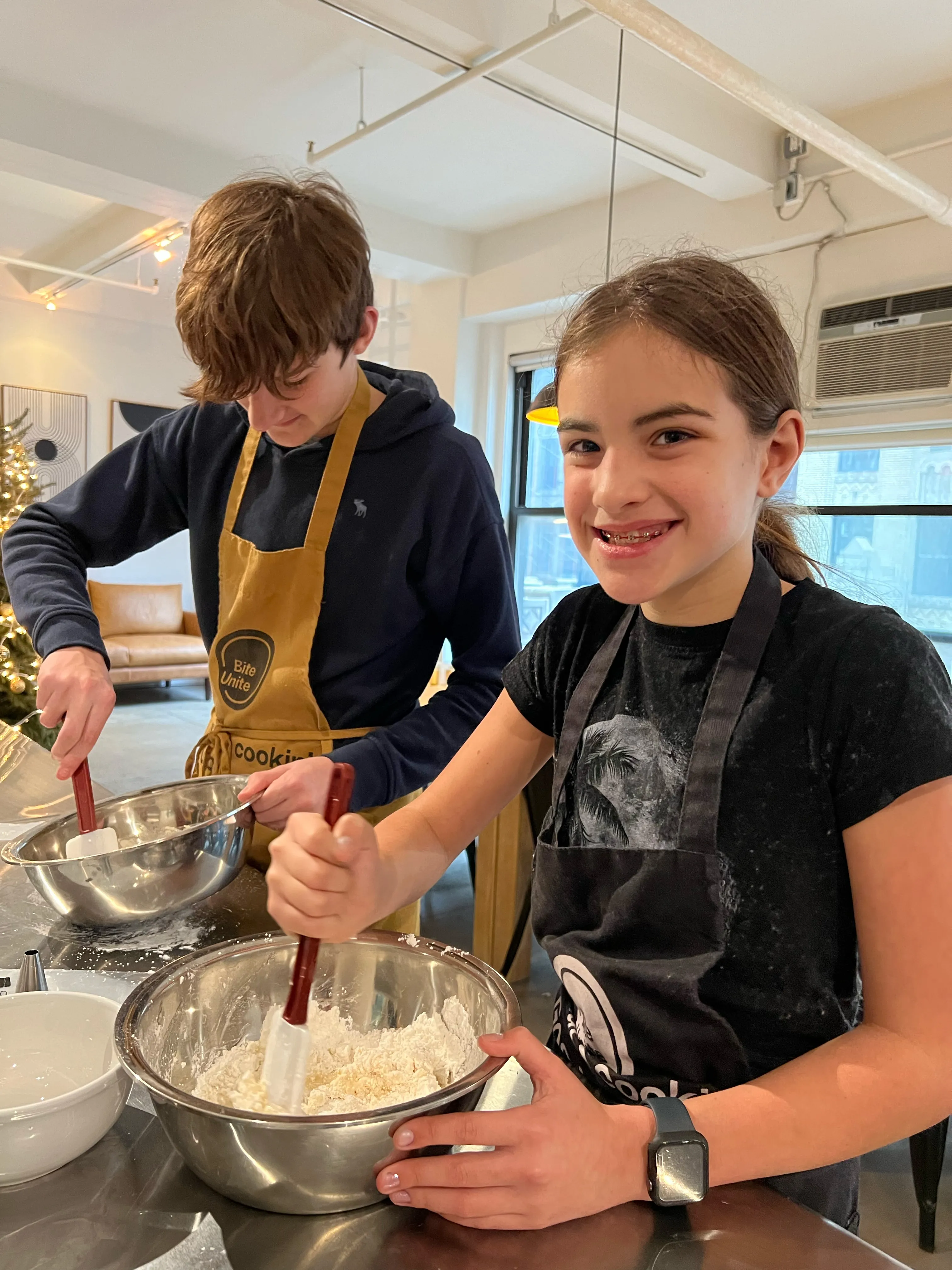
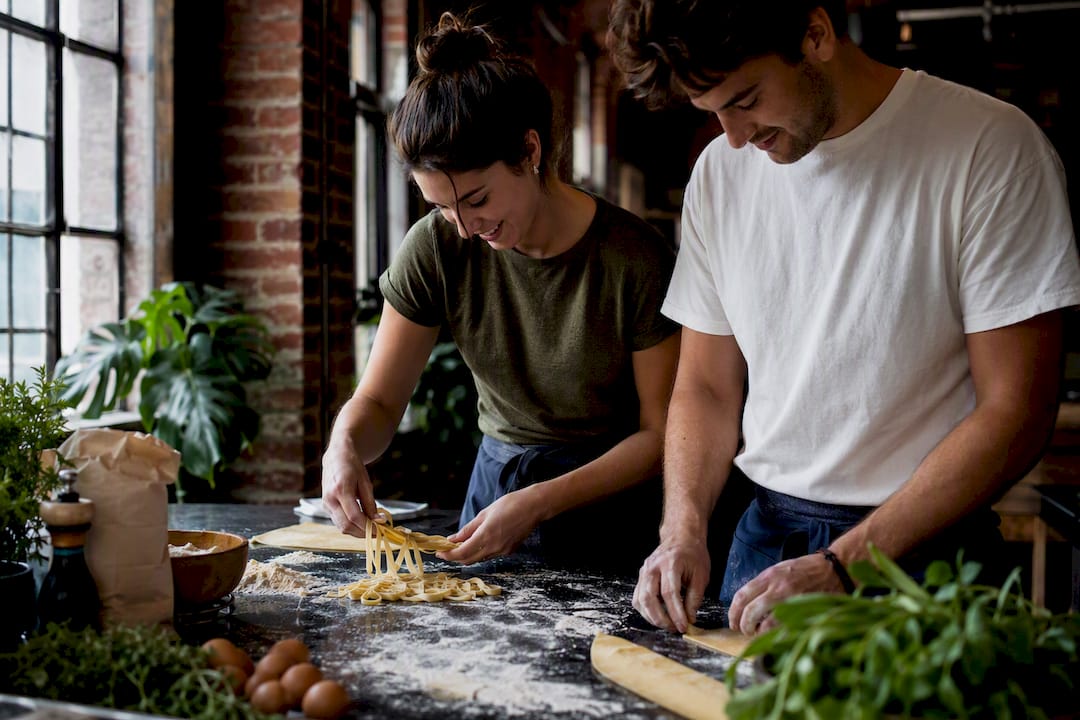
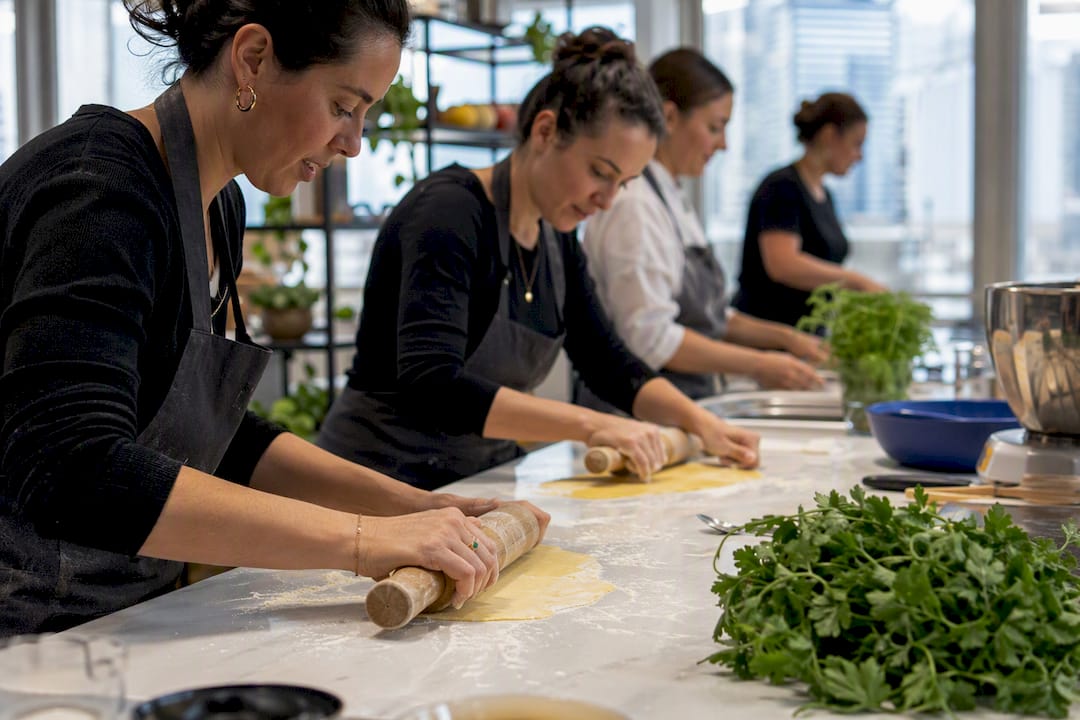
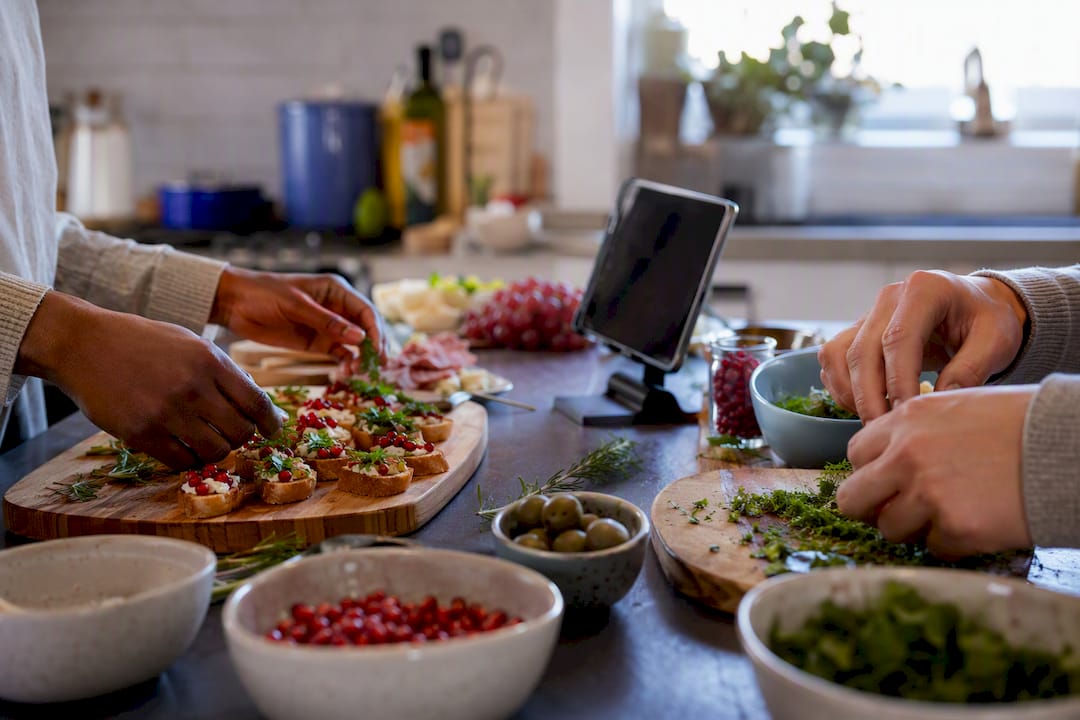
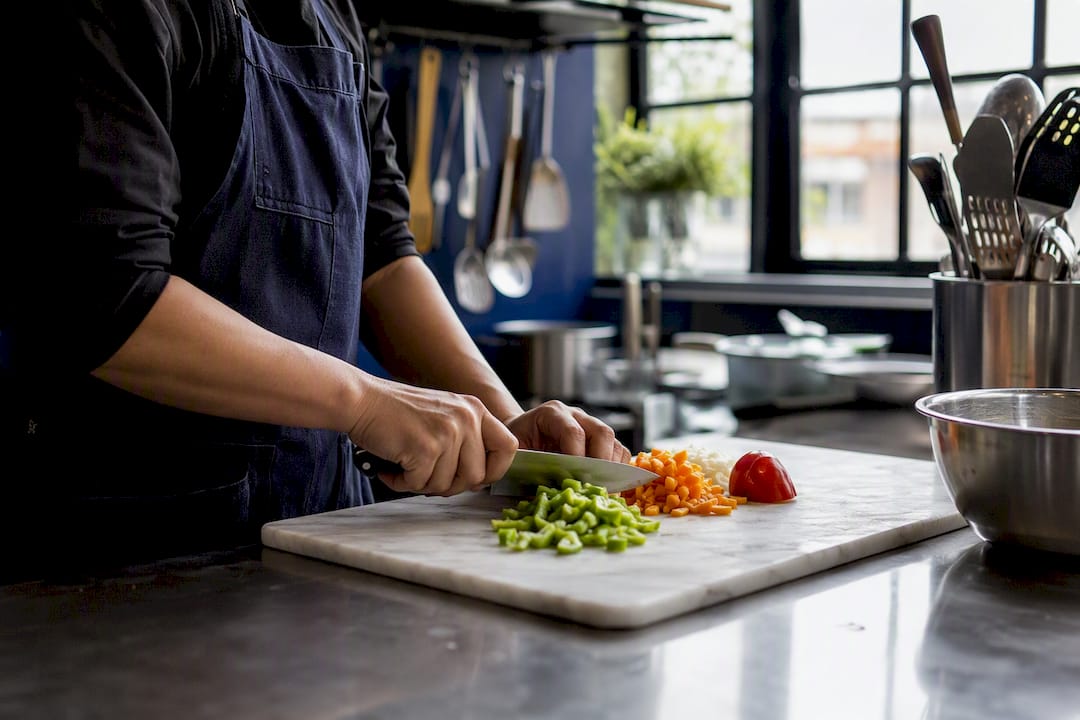
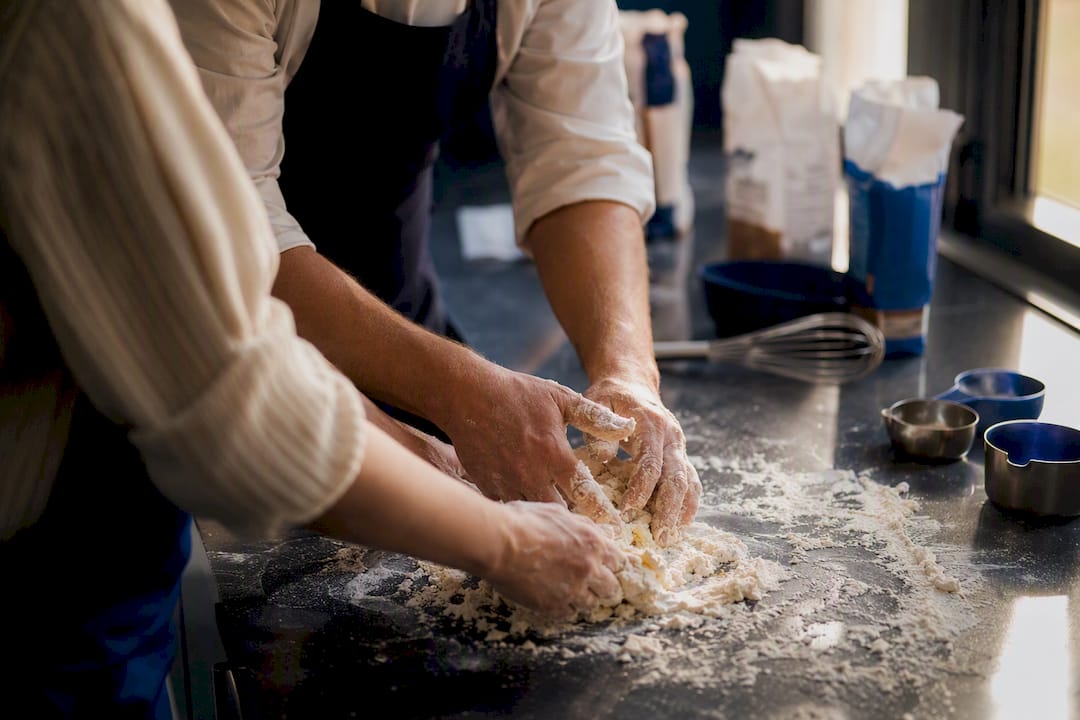
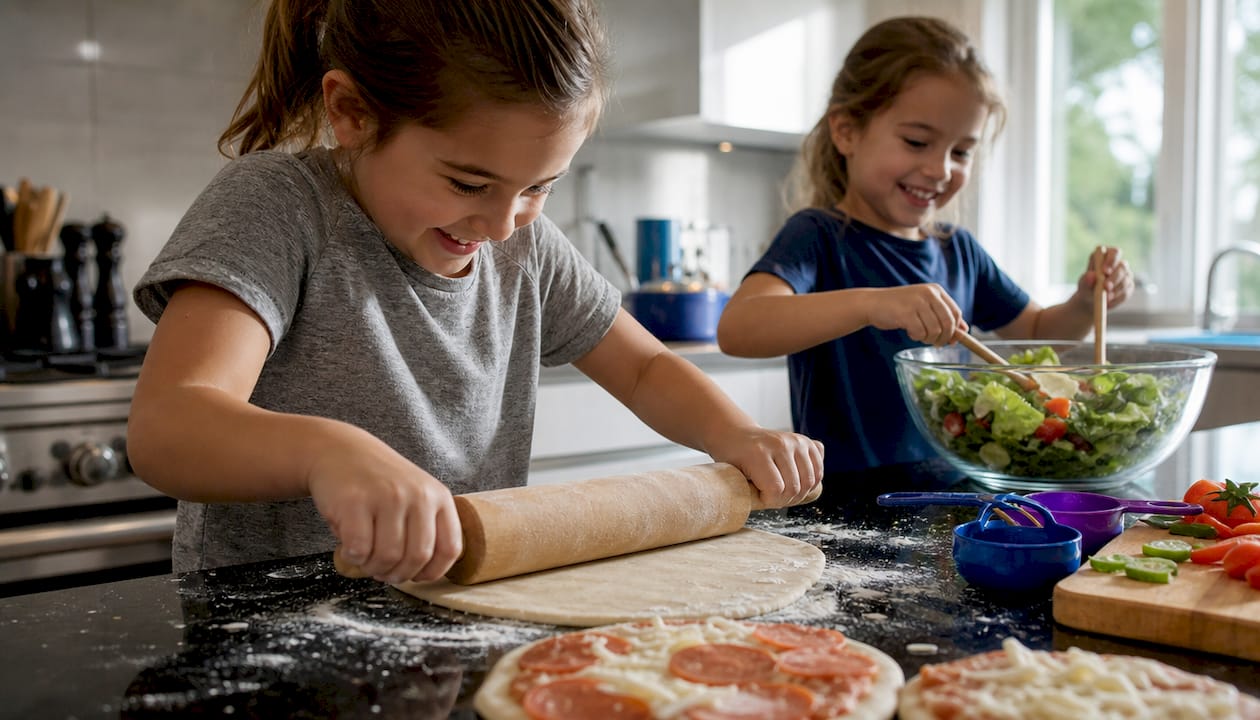
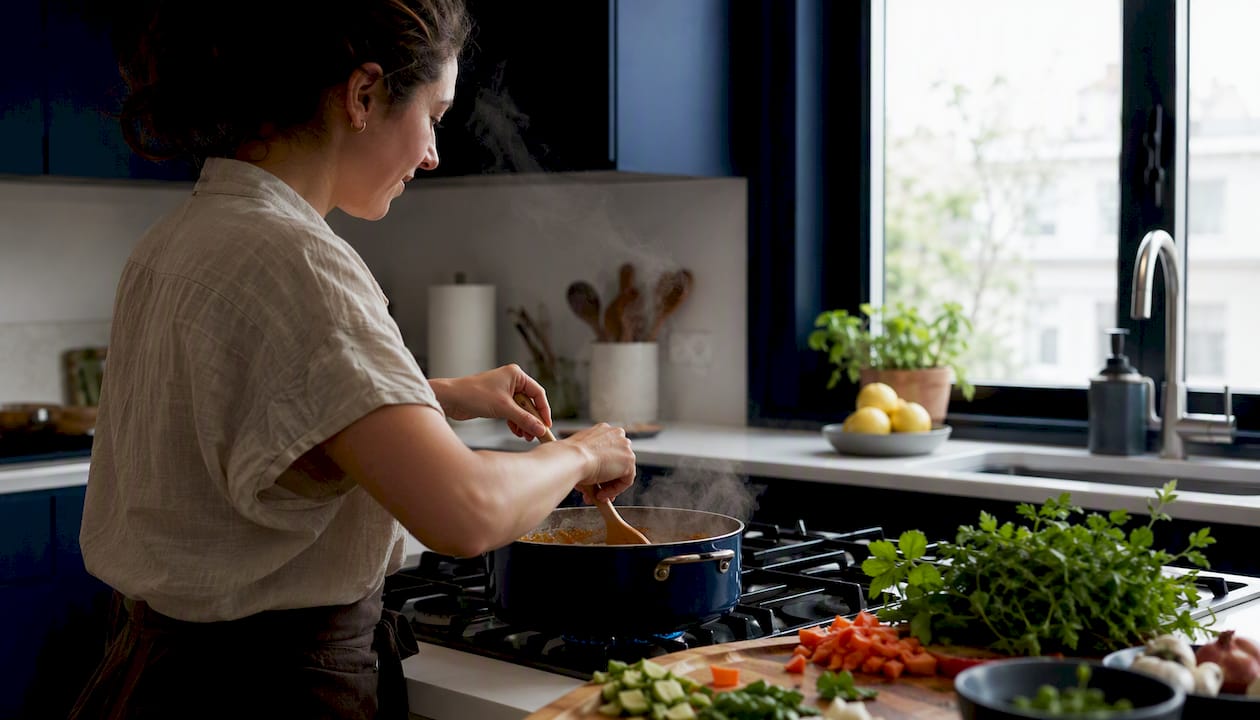
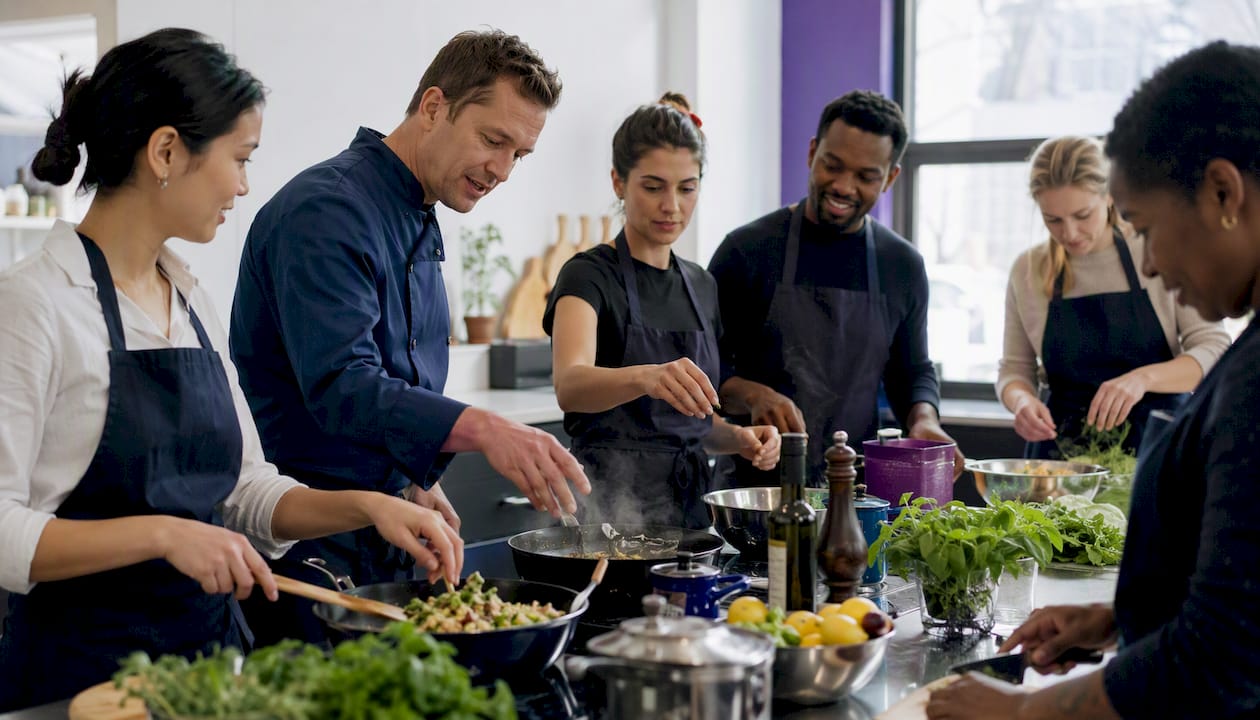
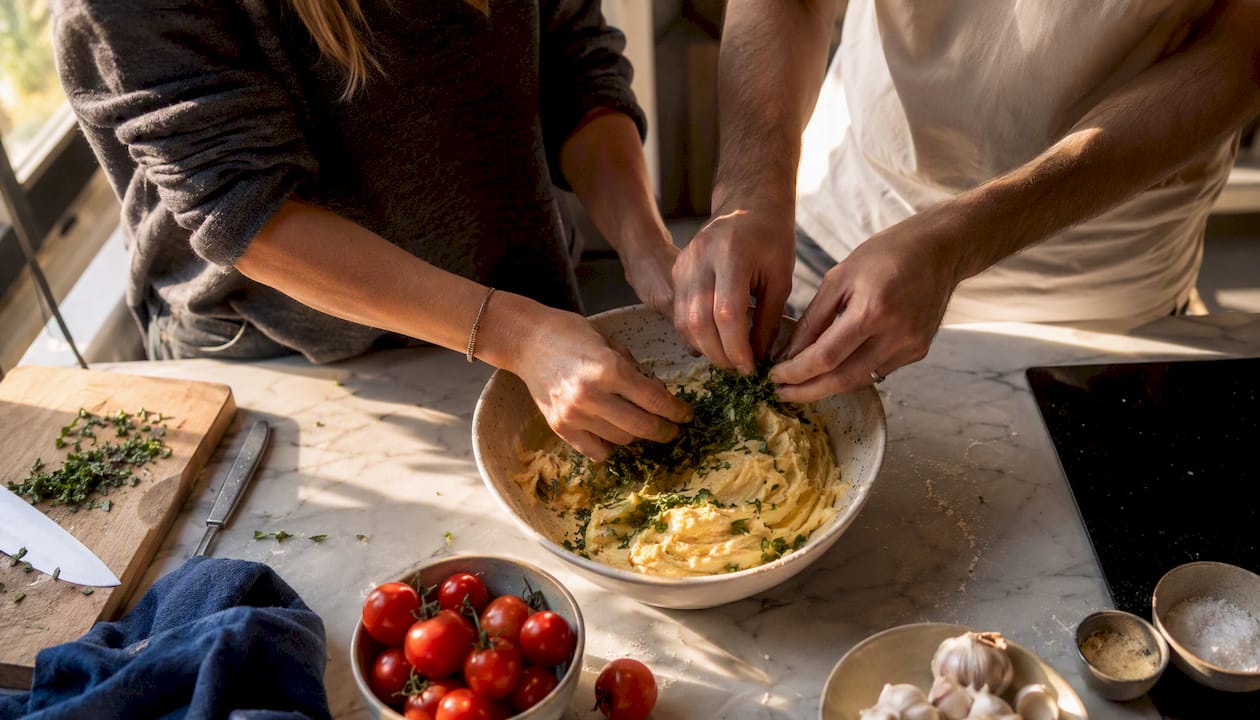
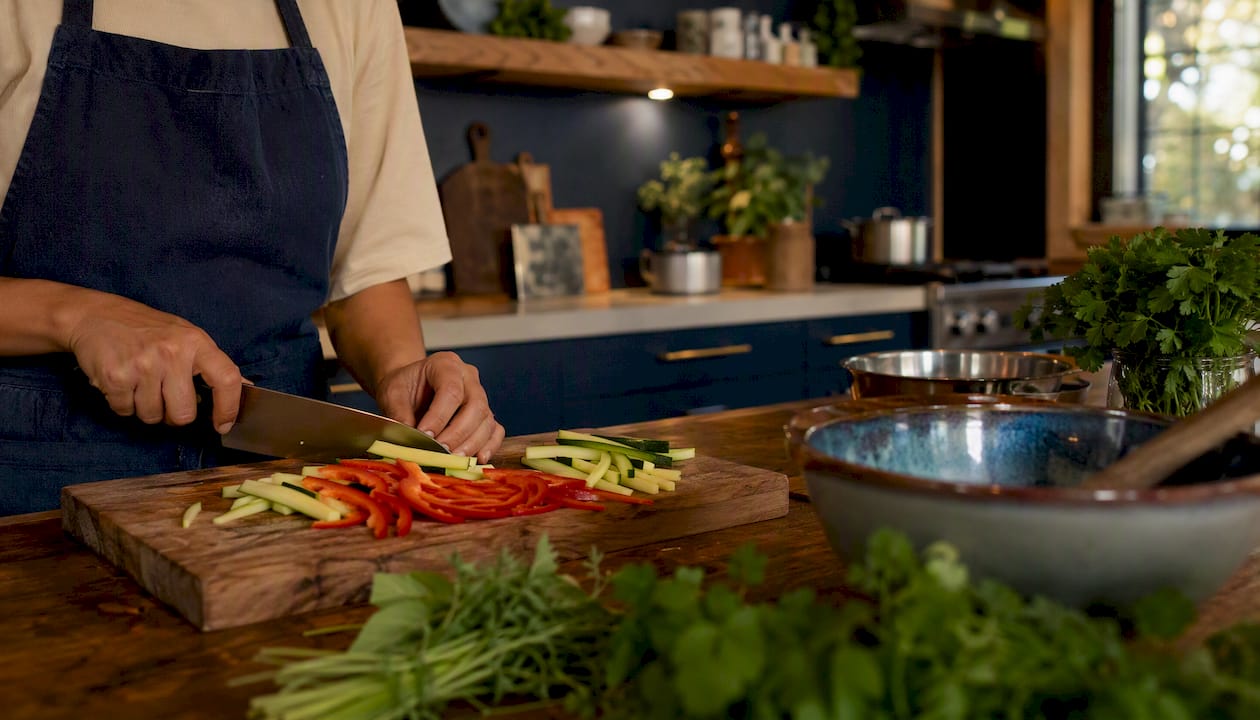
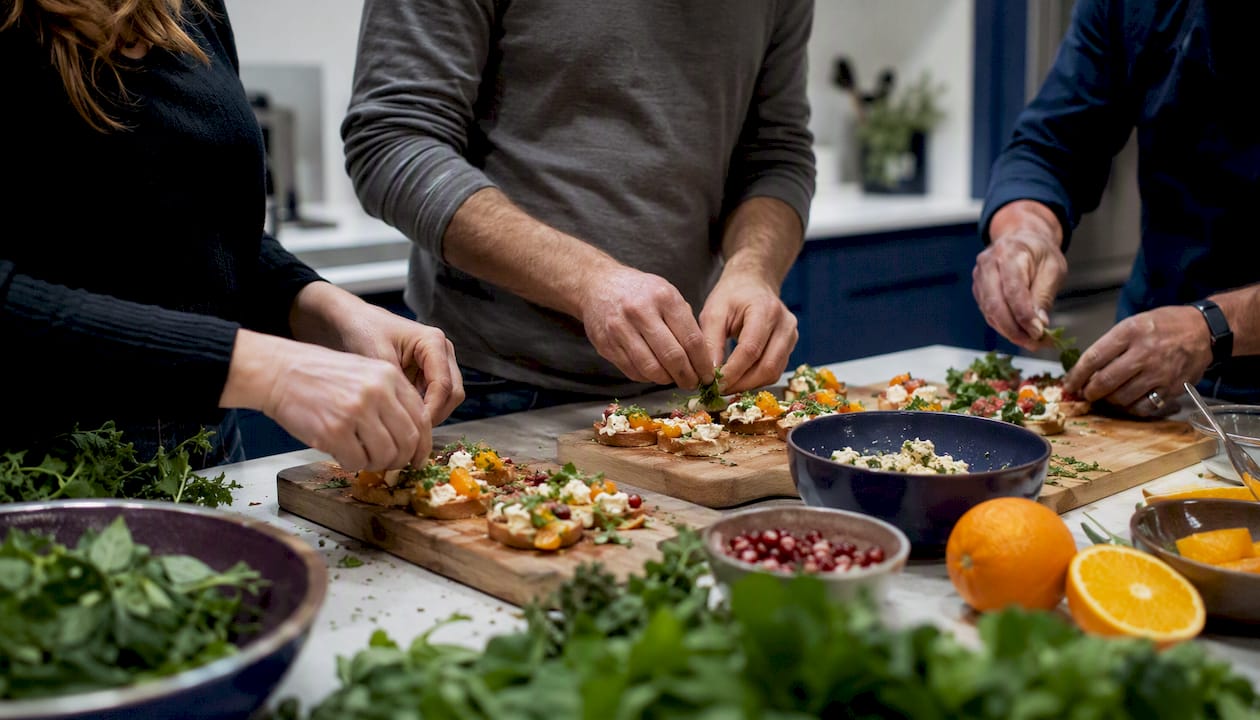
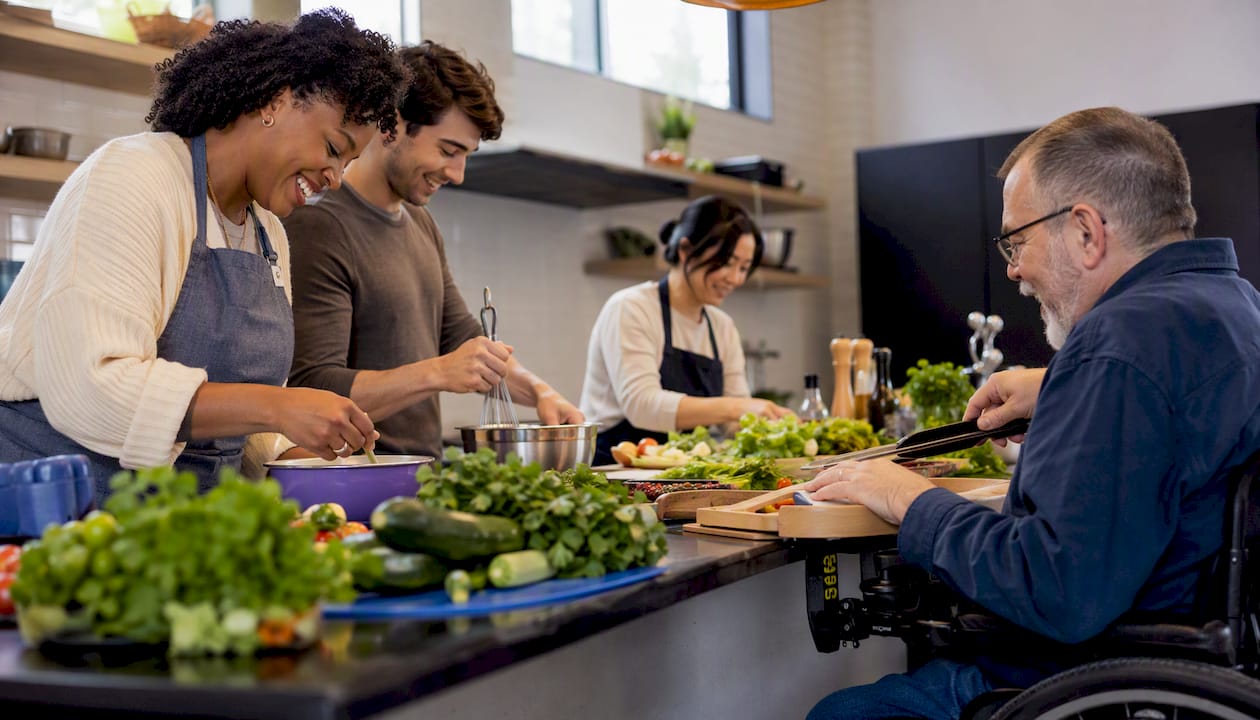
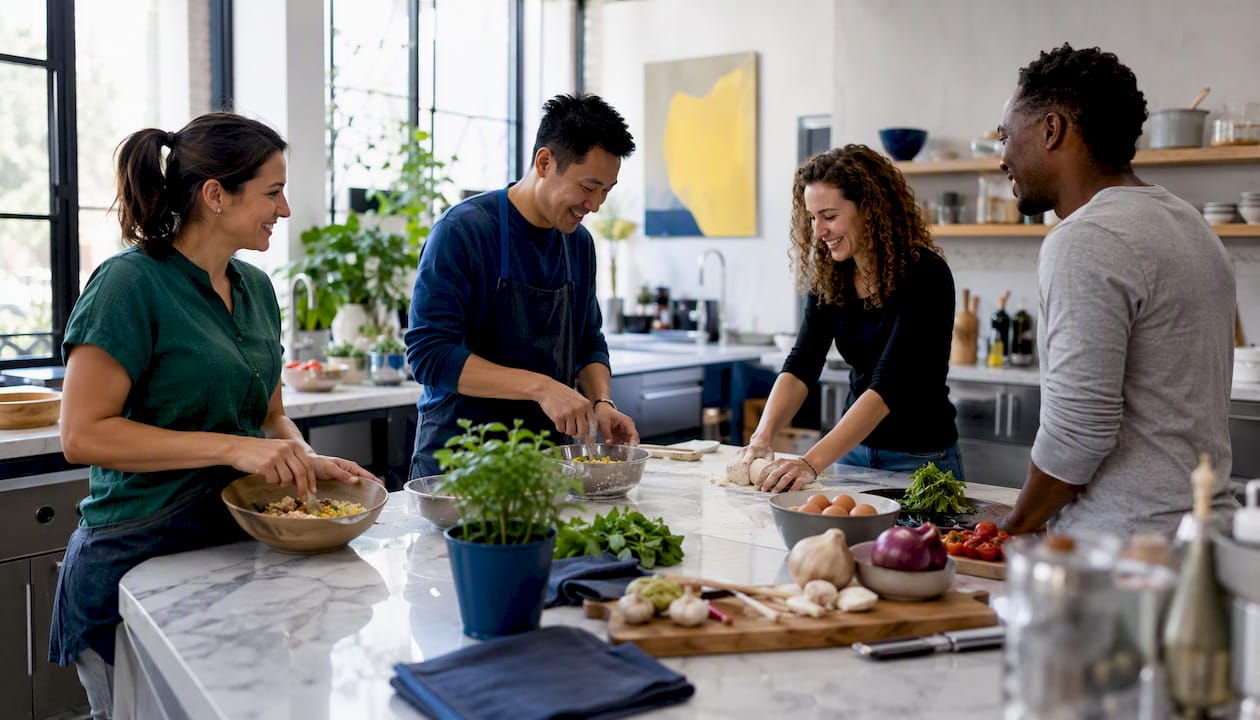
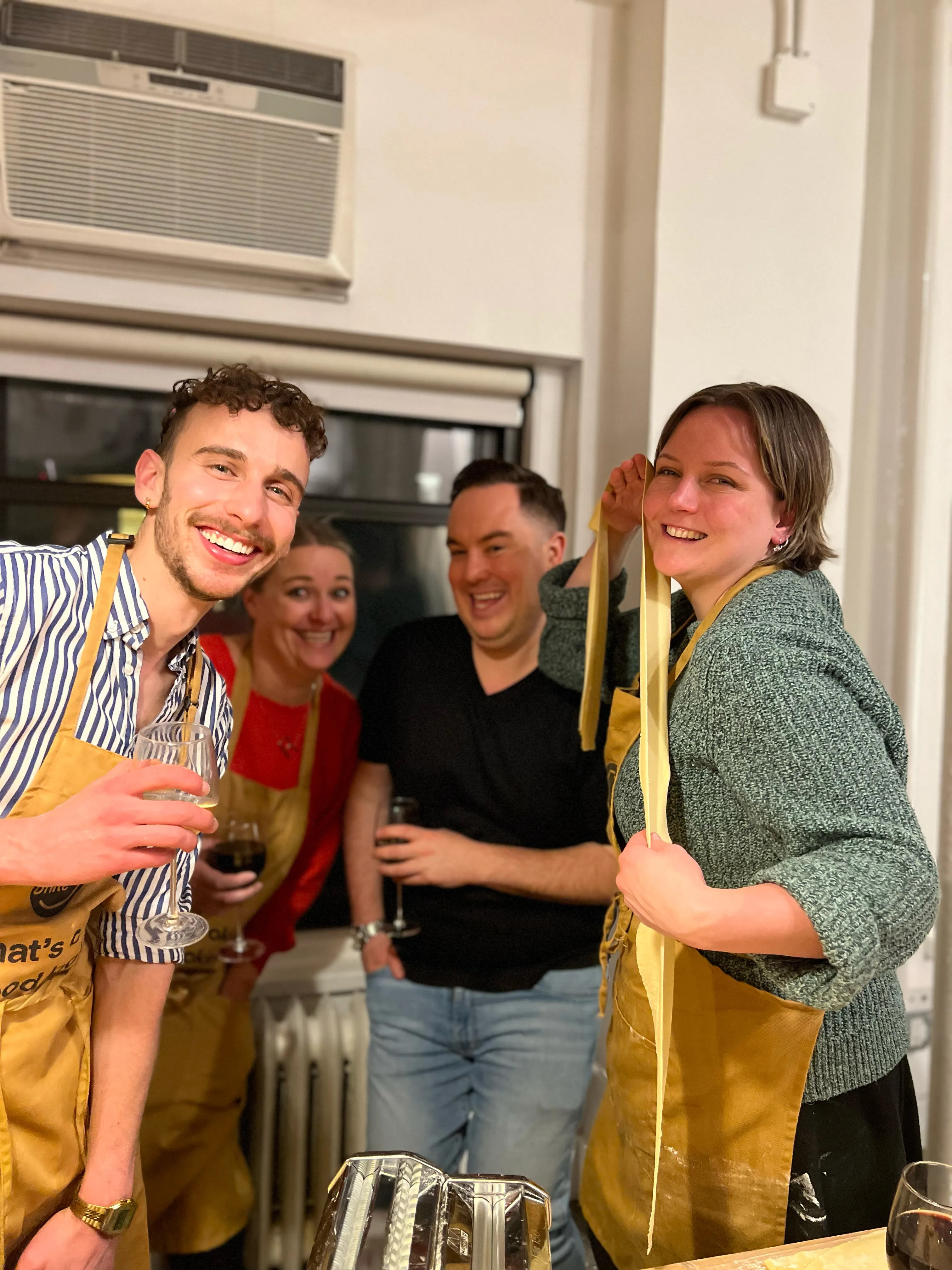
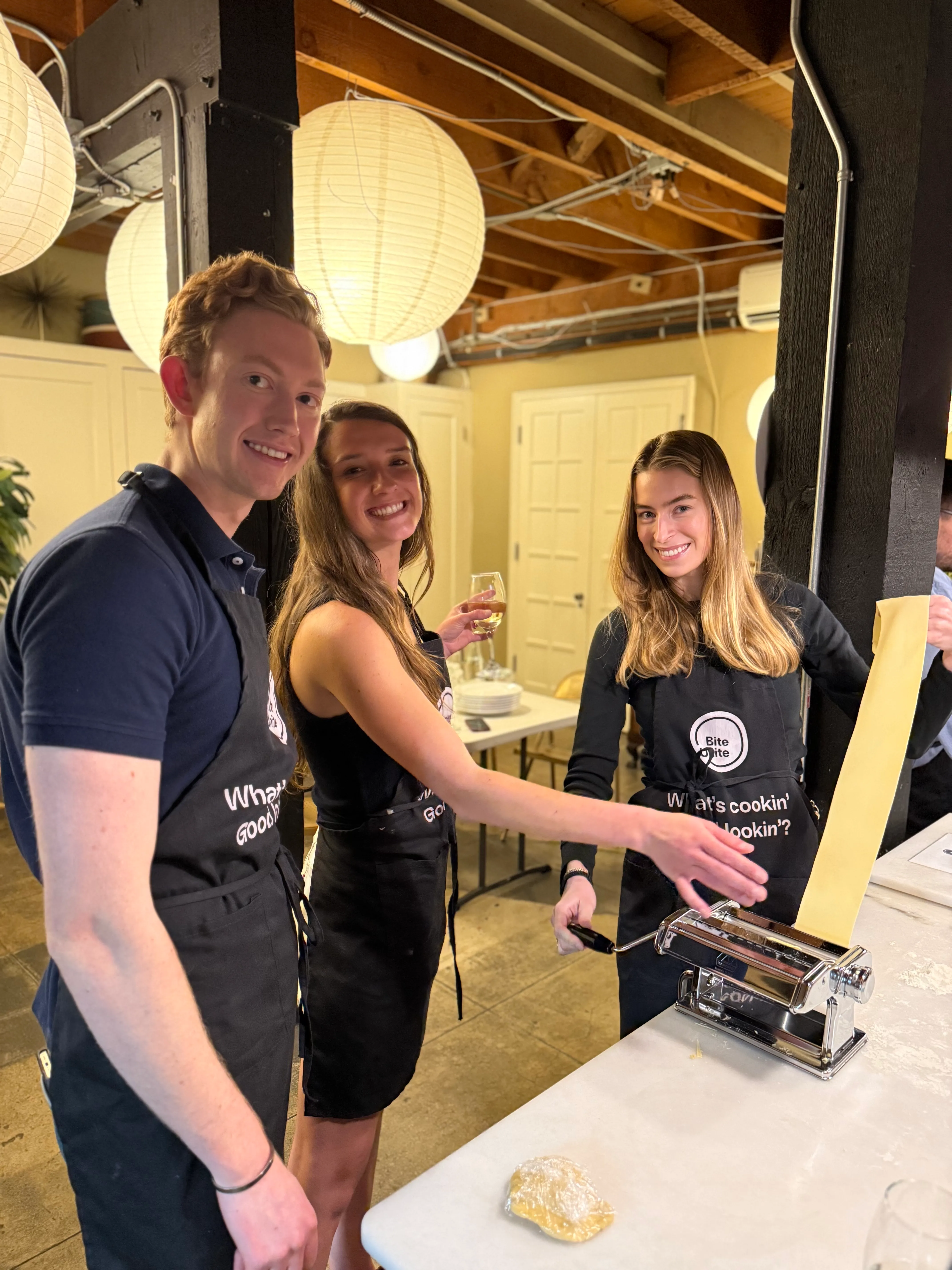
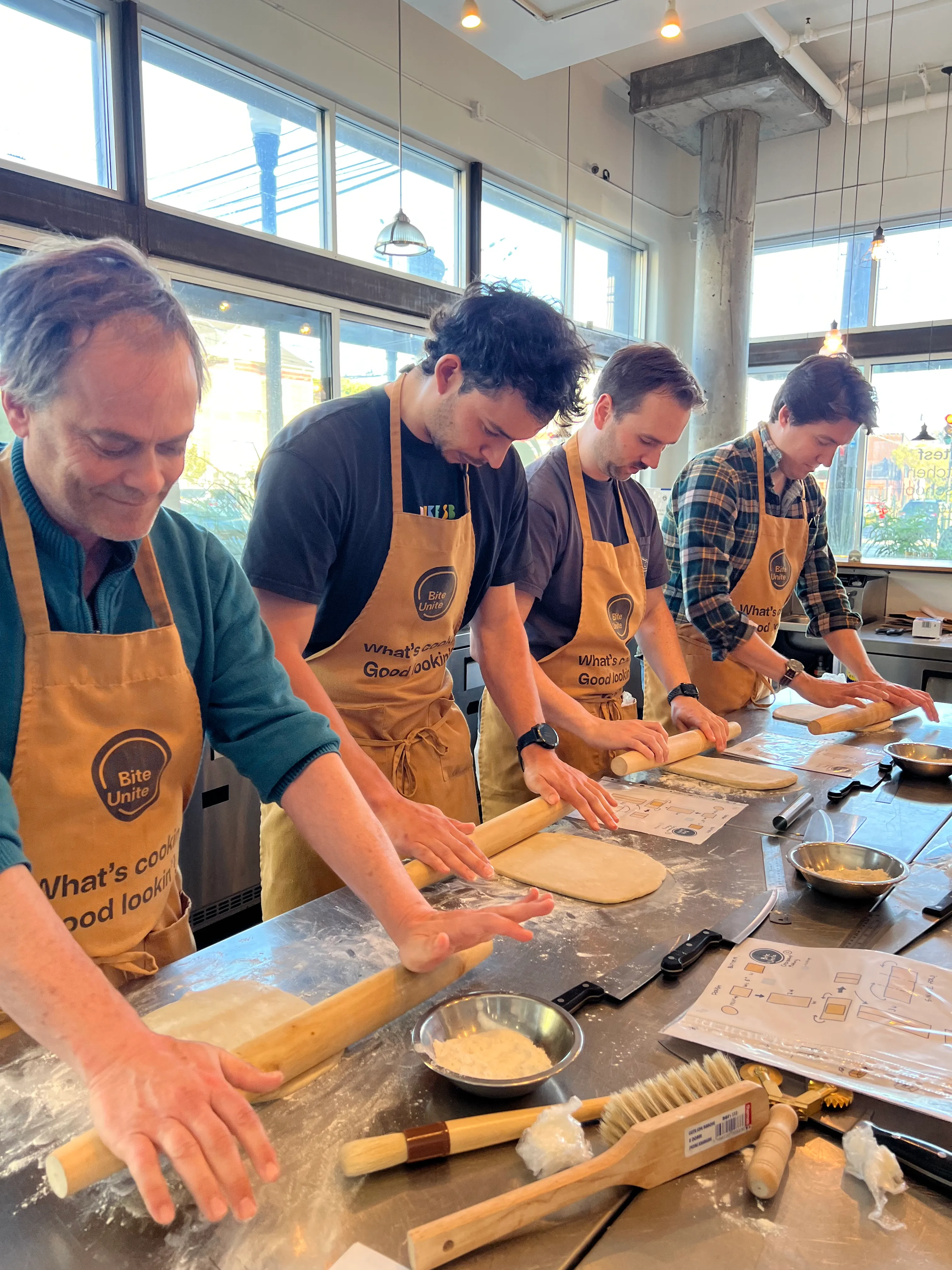
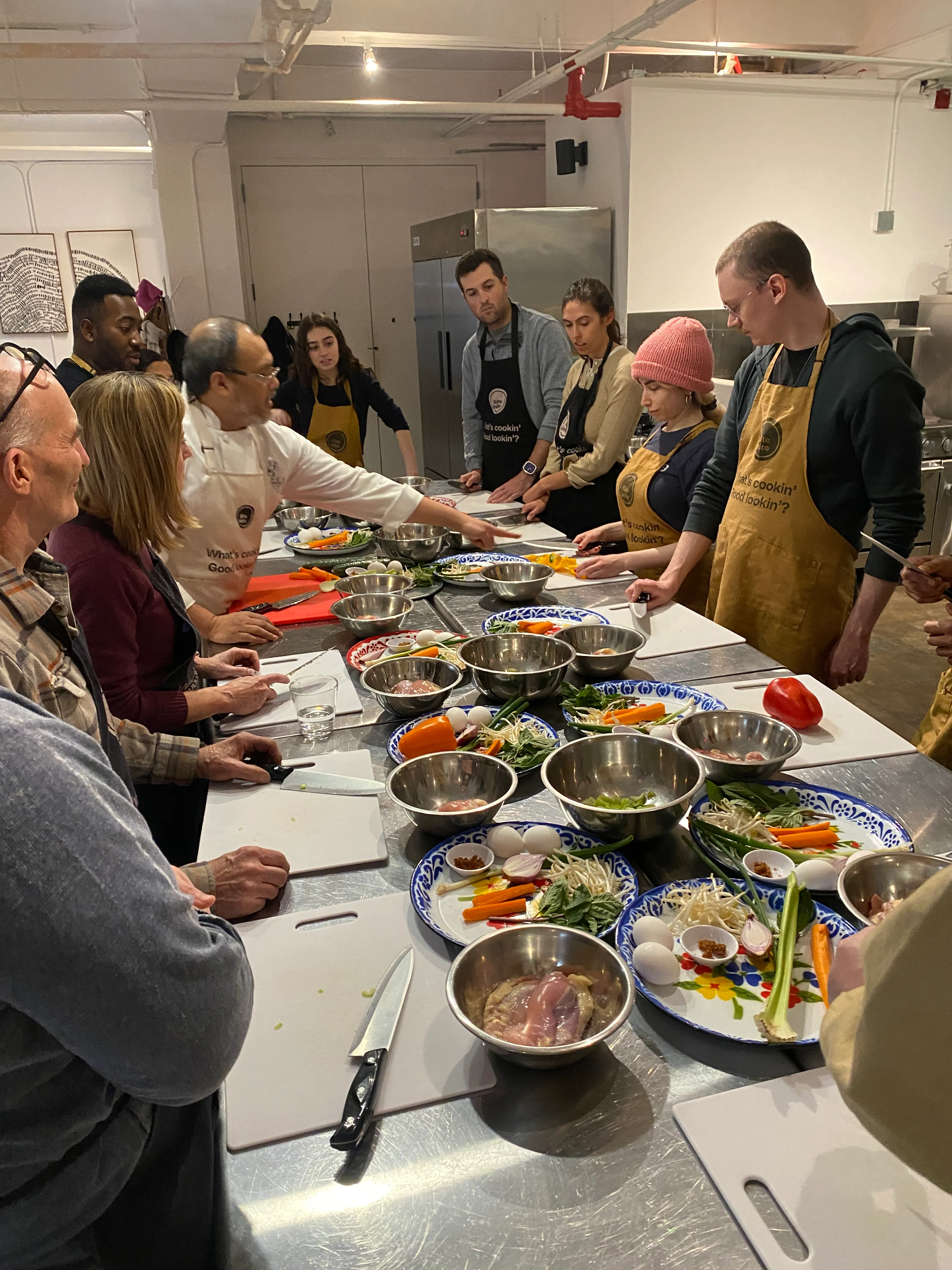
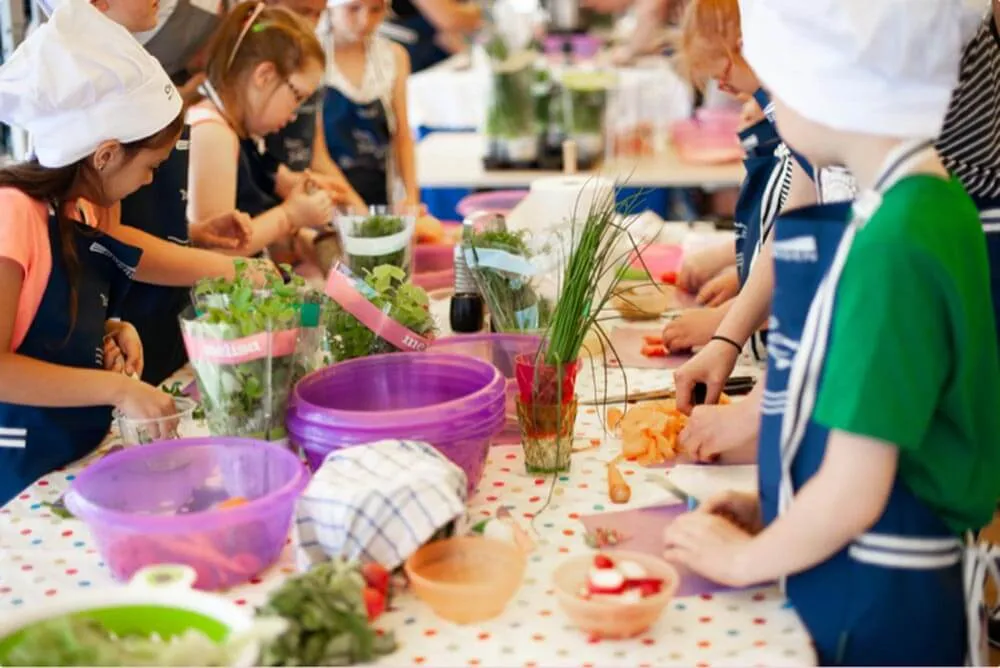
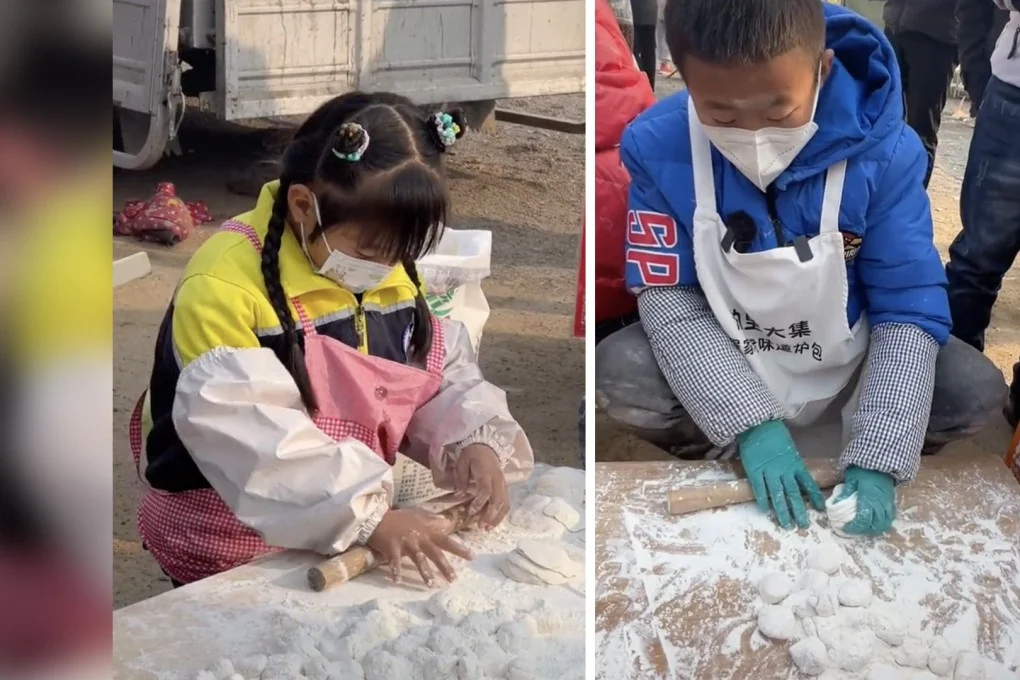
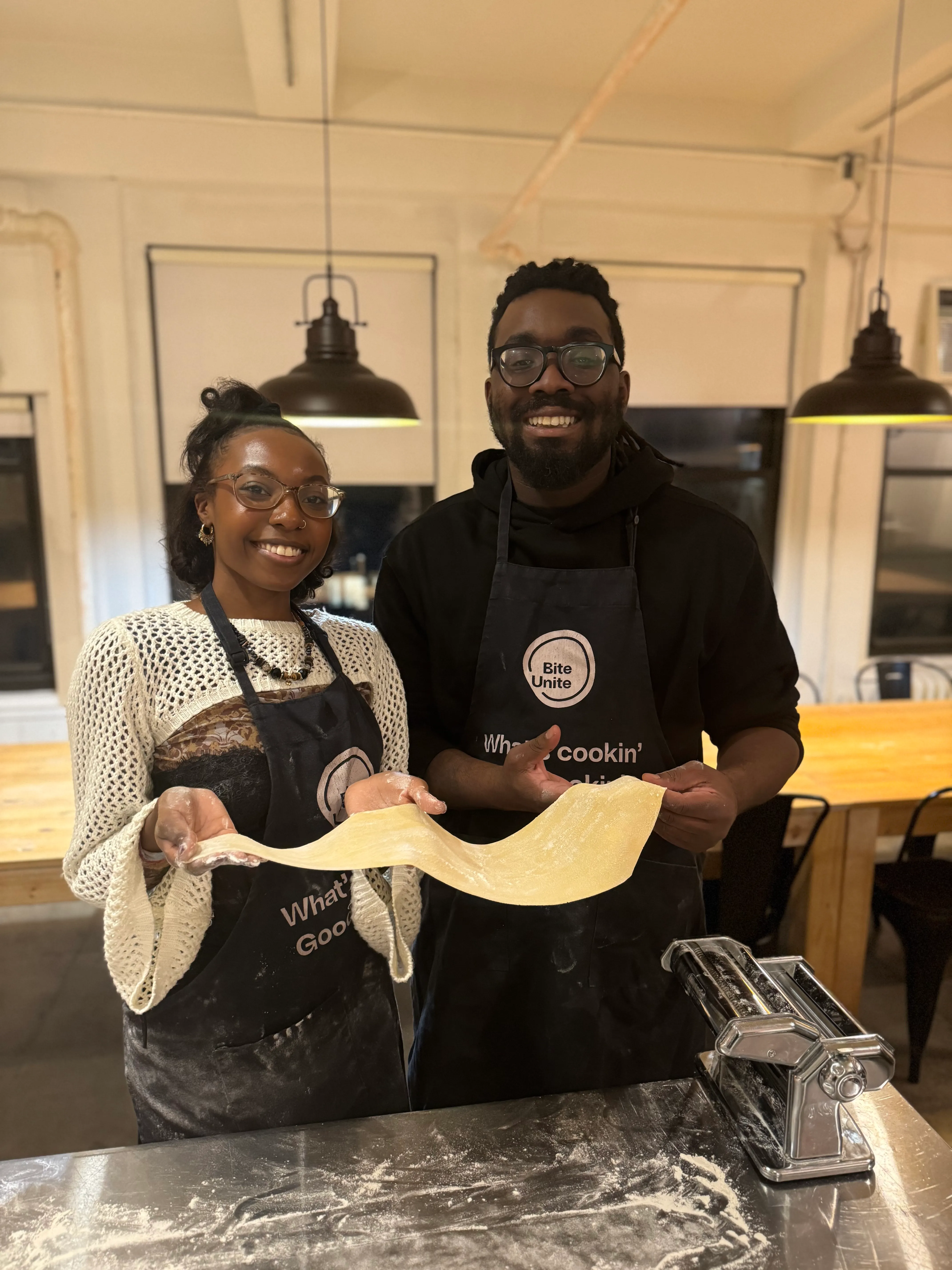
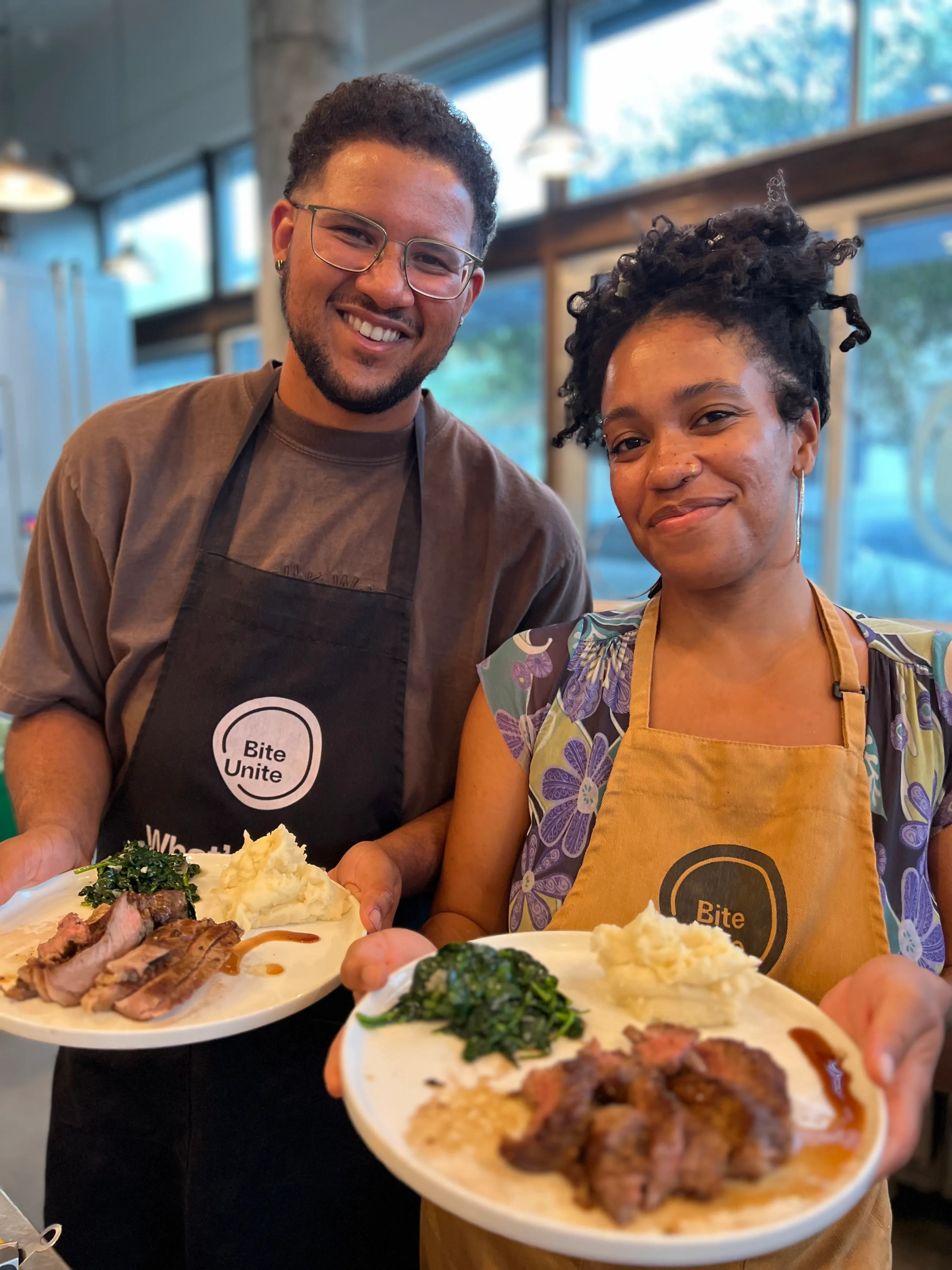
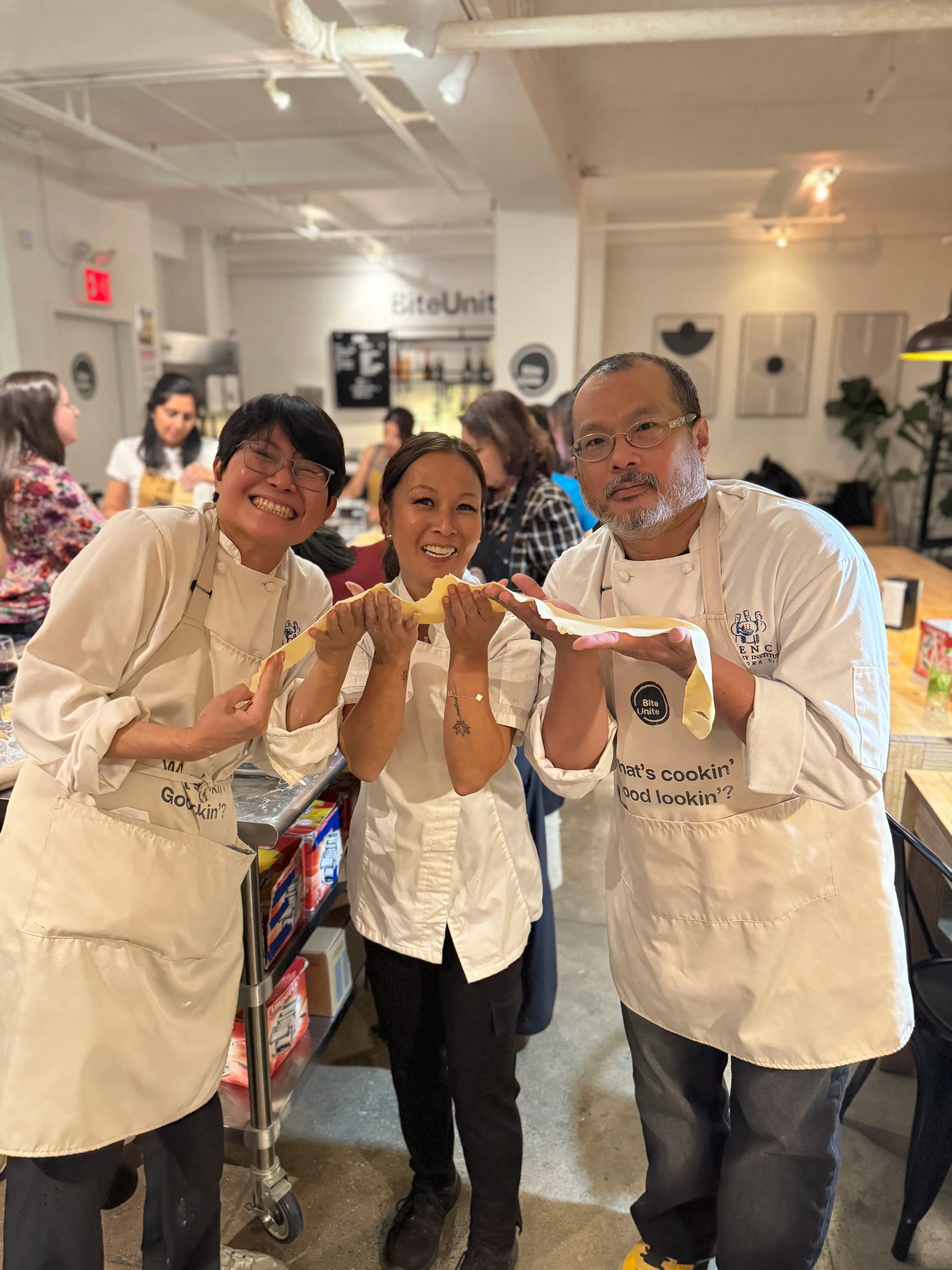
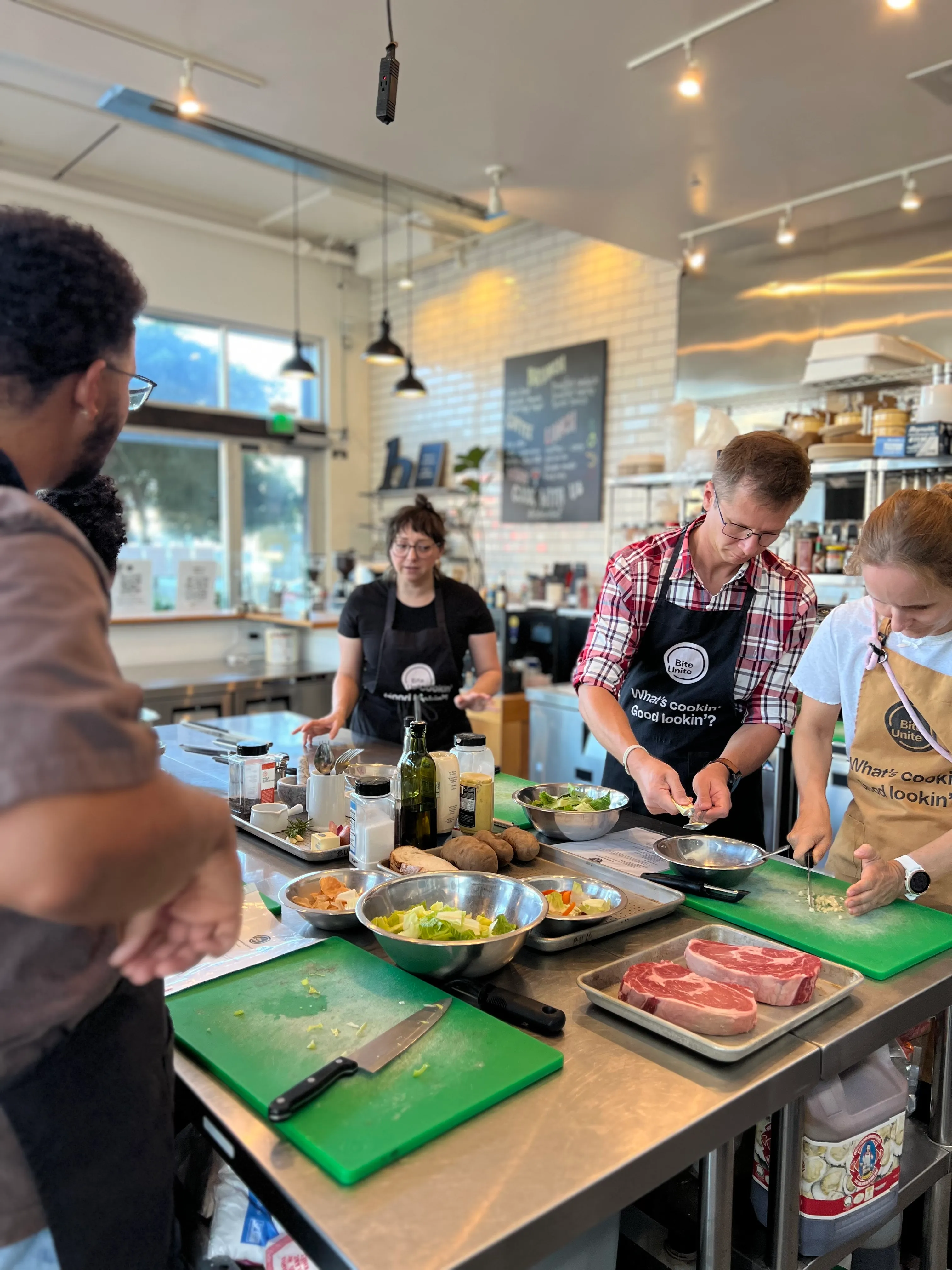
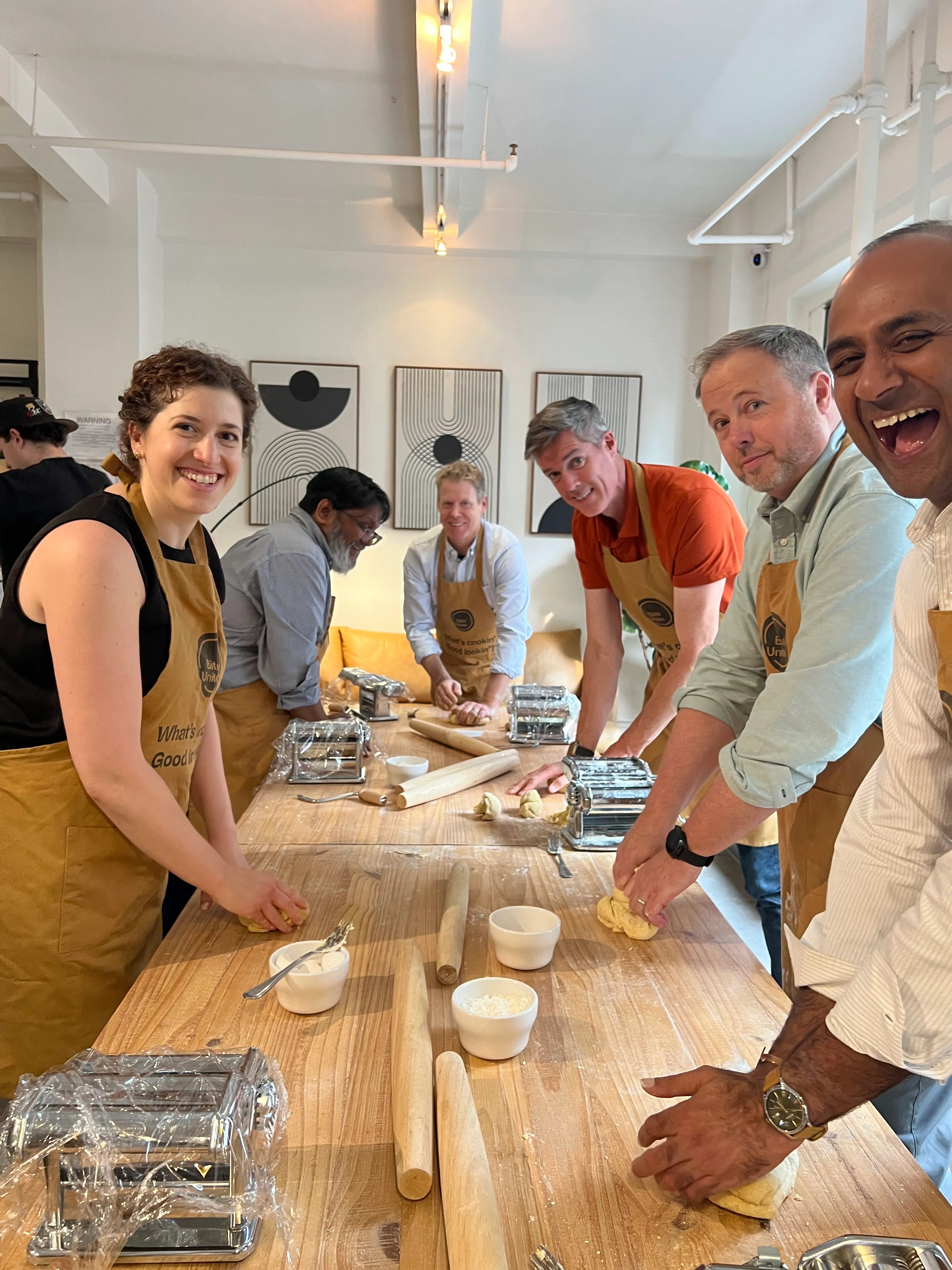
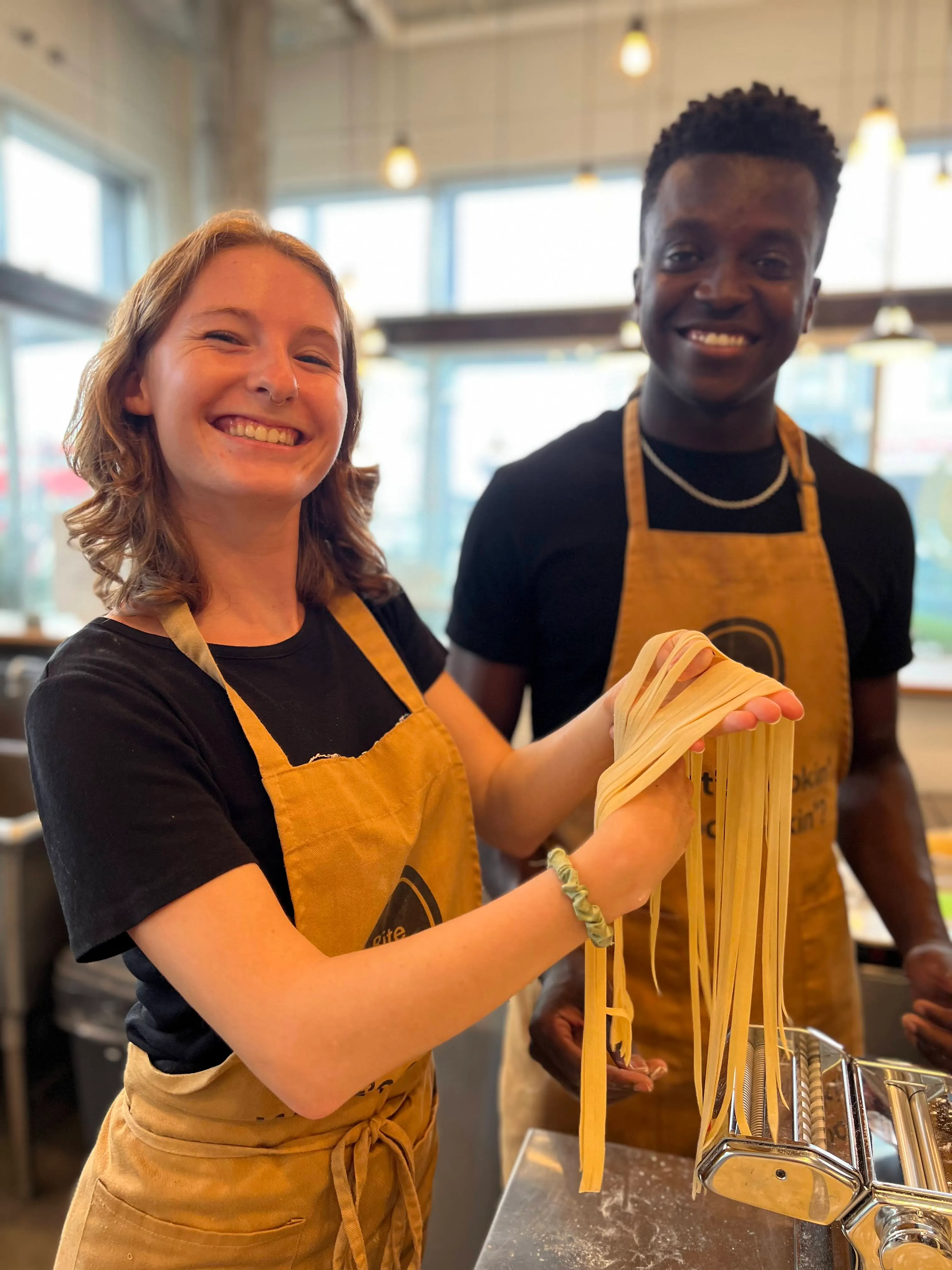
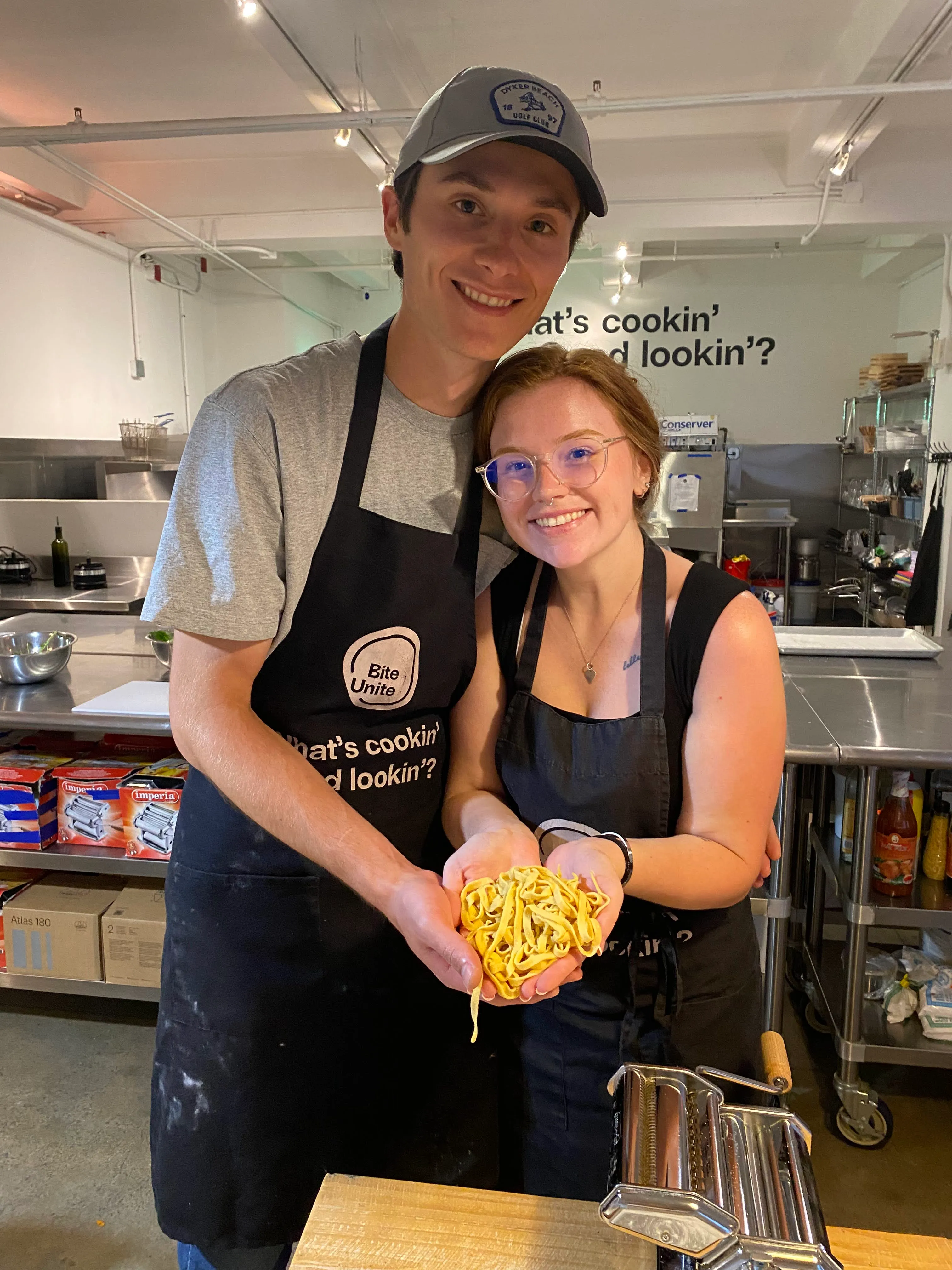
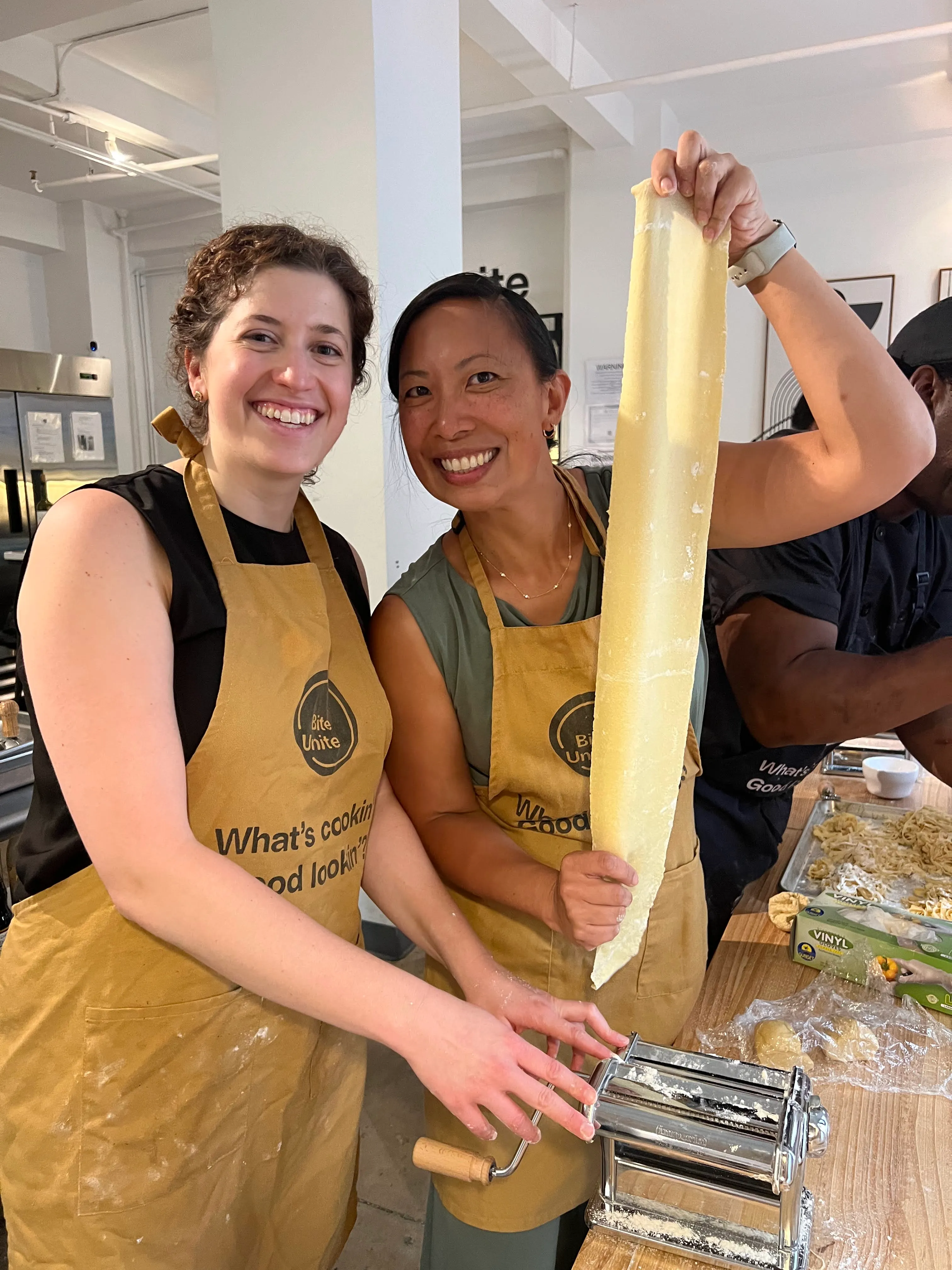
1. Cooking and Baking Camps: Creativity You Can Taste
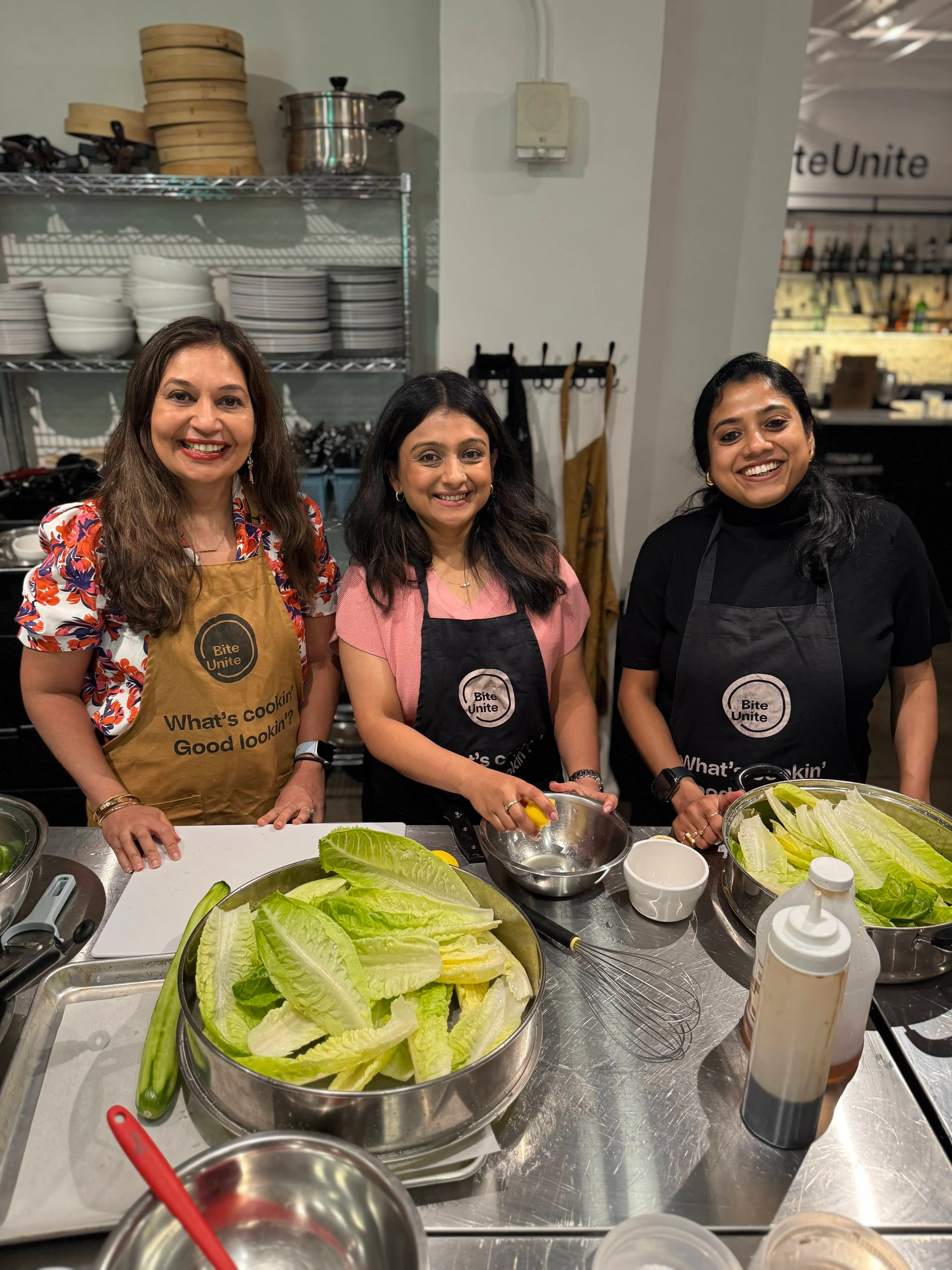
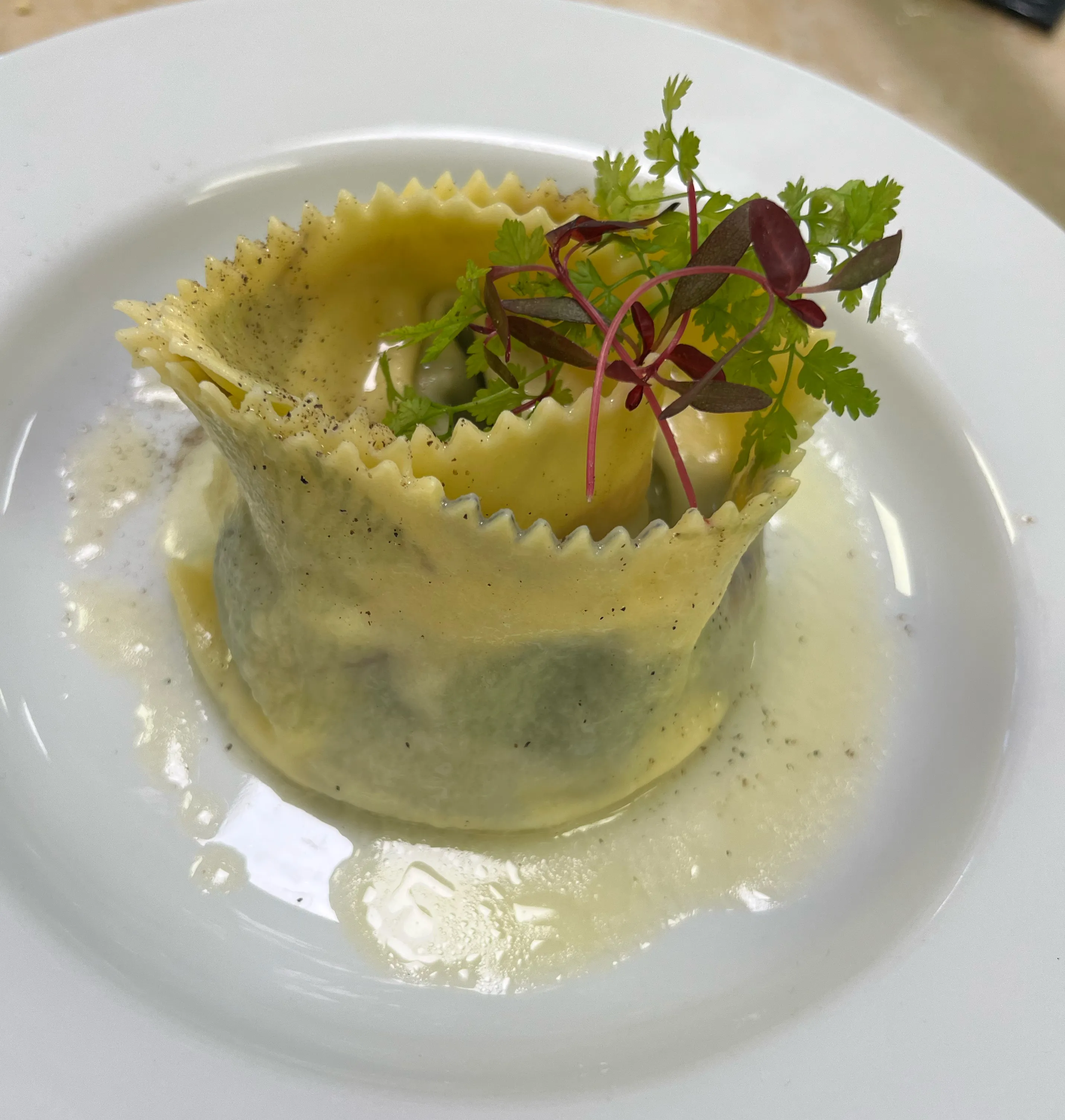
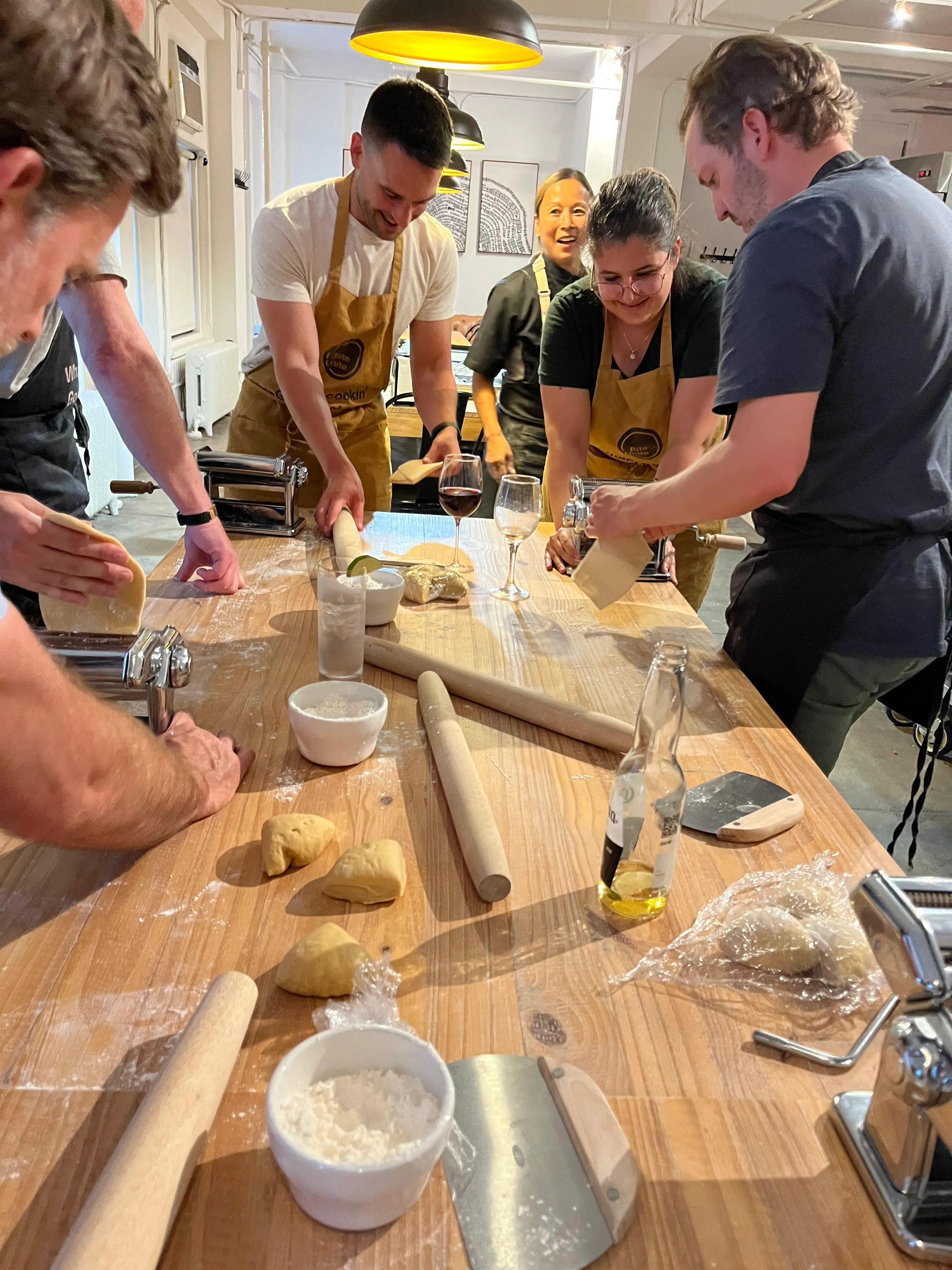
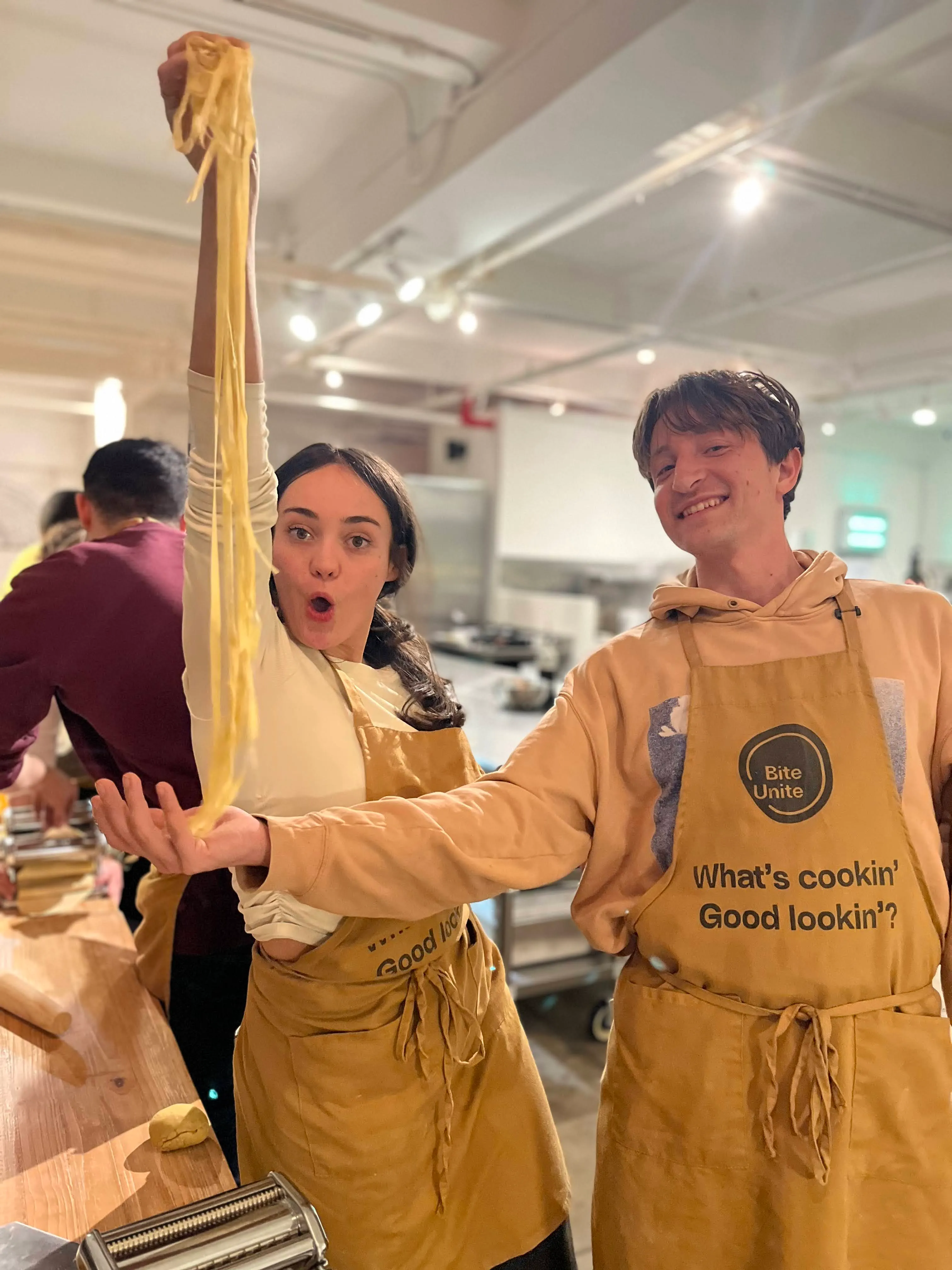
Cooking camps are one of the most underrated options out there. People assume they’re just about following recipes, but the good ones go far beyond that.
Kids learn:
- Measurement and precision
- Creativity in flavor and presentation
- Patience and sequencing
- Independence in the kitchen
More importantly, they create something tangible. There’s immediate feedback. If it tastes good, they did it right. If not, they adjust.
That kind of loop builds confidence fast.
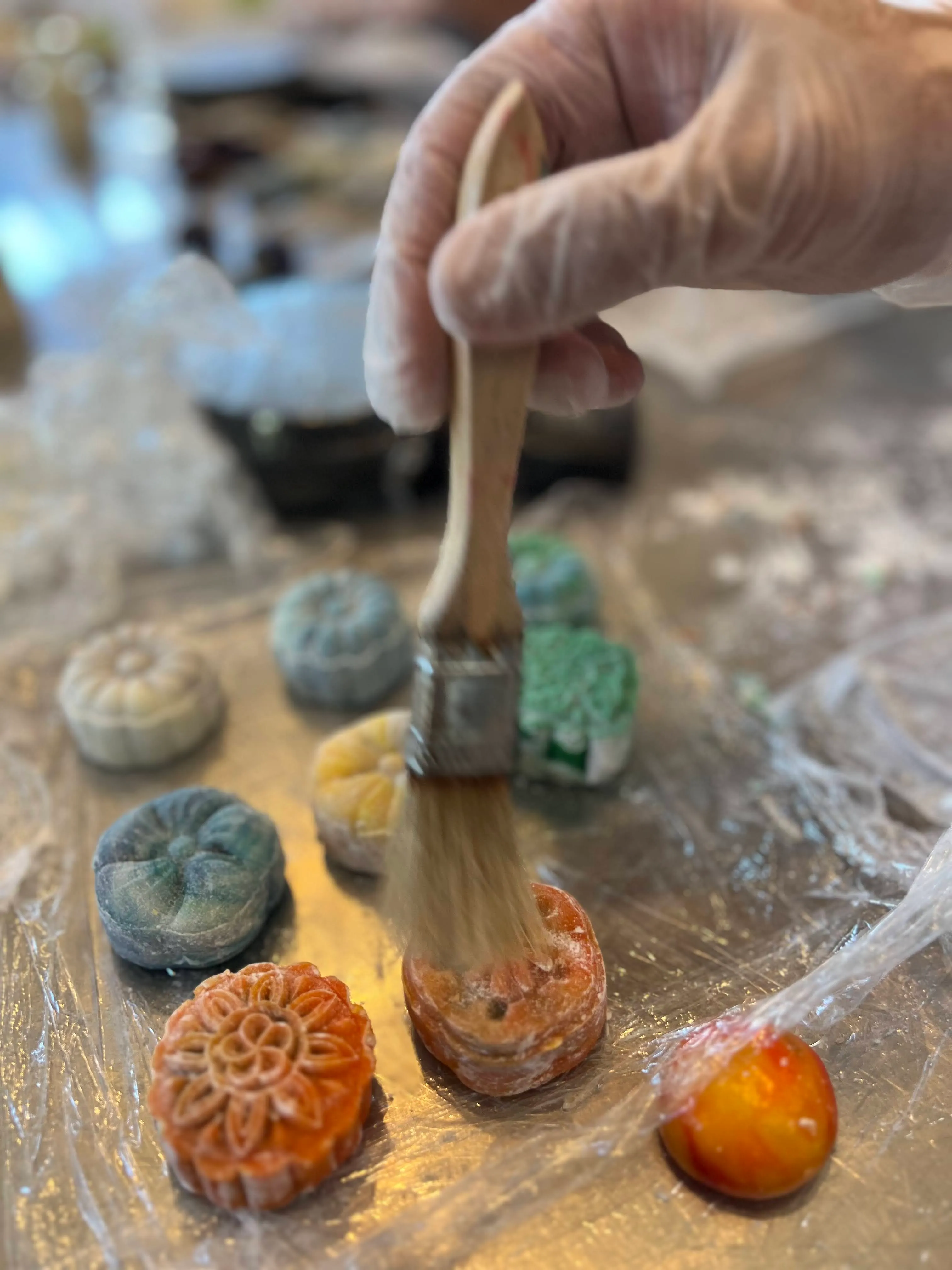
A standout option is this creative baking camp for kids, designed specifically for younger children. It blends hands-on baking with artistic expression, meaning kids aren’t just following instructions, they’re decorating, experimenting, and making each creation their own.
This is where imagination meets execution. And that’s a rare combination.
2. Art and Design Camps: Building Visual Thinkers
Art camps are the obvious choice, but not all of them are equal. Some are structured like school, others actually let kids explore.
The best art camps focus on:
- Mixed media experimentation
- Personal style development
- Creative storytelling through visuals
- Hands-on, project-based learning
Kids might work with painting, sculpture, digital art, or even fashion design. The goal isn’t perfection, it’s expression.
Here’s the reality, kids who learn to visually communicate ideas early have an edge. Whether they go into design, marketing, tech, or business, being able to “show” instead of just “tell” is powerful.
3. STEM + Creativity Camps: Where Logic Meets Imagination
STEM camps have evolved. The best ones aren’t just coding drills or robot assembly lines, they’re creative problem-solving environments.
Think:
- Building games instead of just learning code
- Designing robots to complete unique challenges
- Engineering solutions to real-world problems
This combination is where future entrepreneurs are built.
Creativity without structure can lead to chaos. Structure without creativity leads to rigidity. STEM camps that balance both create kids who can think, build, and execute.
4. Performing Arts Camps: Confidence on Another Level
If your child struggles with confidence, performing arts camps are a cheat code.
Theater, dance, and music camps force kids to:
- Step outside their comfort zone
- Collaborate with others
- Express emotion openly
- Perform in front of an audience
That last one alone is transformative.
Kids who can confidently present themselves will outperform others in interviews, leadership roles, and social situations later in life. It’s not even close.
Even if your child never pursues the arts long-term, the confidence boost alone makes this category worth considering.
5. Outdoor Adventure + Creative Camps
Not every creative camp happens indoors. Some of the most impactful programs combine nature with imagination.
These camps might include:
- Storytelling in outdoor settings
- Nature-based art projects
- Survival challenges that require creative thinking
- Team-based exploration games
There’s something about being outside that unlocks a different level of creativity. Less distraction, more presence.
Kids start thinking differently when they’re not surrounded by screens and structured environments.
What Most Parents Get Wrong When Choosing Camps
Here’s where things usually go sideways.
Parents often choose camps based on:
- Convenience
- Price alone
- What other parents are doing
That’s a mistake.
Instead, ask:
- Does this camp encourage creativity or just structure?
- Will my child actually engage with this?
- Are they creating something, or just consuming activities?
A camp can look great on paper and still be a bad fit if it doesn’t align with your child’s personality.
How to Choose the Right Camp for Your Child
Let’s make this practical.
1. Match the Camp to Their Natural Interests
If your child already leans toward certain activities, double down on that. Interest fuels engagement, and engagement drives growth.
2. Prioritize Hands-On Learning
Passive camps don’t work. If your child is just watching, listening, or following rigid steps, they’re not developing creatively.
3. Look for Small Group Environments
Smaller groups mean more personalized attention and more opportunities for your child to participate.
4. Check the Balance of Structure and Freedom
Too much freedom leads to chaos. Too much structure kills creativity. The best camps sit right in the middle.
5. Evaluate the Outcome
What will your child walk away with? A skill? A project? A new level of confidence?
If the answer is “not much,” keep looking.
The Long-Term Payoff
Creative summer camps are not just about filling time. They shape how your child thinks, communicates, and approaches challenges.
Kids who go through strong creative programs tend to:
- Take more initiative
- Solve problems faster
- Express themselves more clearly
- Adapt better to new situations
That’s not just helpful in school, it’s valuable in life.
And here’s the part most people miss, creativity compounds. The earlier it’s developed, the more it influences everything else.
A Smarter Way to Approach Summer
You don’t need to pack the entire summer with camps. That’s another mistake.
A better approach:
- Choose 1–2 high-quality creative camps
- Leave room for unstructured play
- Reinforce what they learn at home
For example, if your child attends a baking camp, let them experiment in the kitchen afterward. If they go to an art camp, give them space to keep creating.
The camp should be the spark, not the entire fire.
Final Reality Check
Not all camps are created equal, and not all are worth your money.
If a camp feels like glorified childcare, it probably is.
If it challenges your child, encourages creativity, and produces real outcomes, that’s where the value is.
Programs like the baking-focused experience mentioned earlier stand out because they combine creativity with real-world skills. That’s the sweet spot most camps miss.
At the end of the day, your goal isn’t just to keep your child occupied this summer. It’s to help them grow into someone who can think, create, and adapt.
Choose accordingly.




































.webp)






.webp)
.webp)
.webp)


