Top Summer Cooking Classes for Corporate Team Building in NYC
I. Introduction
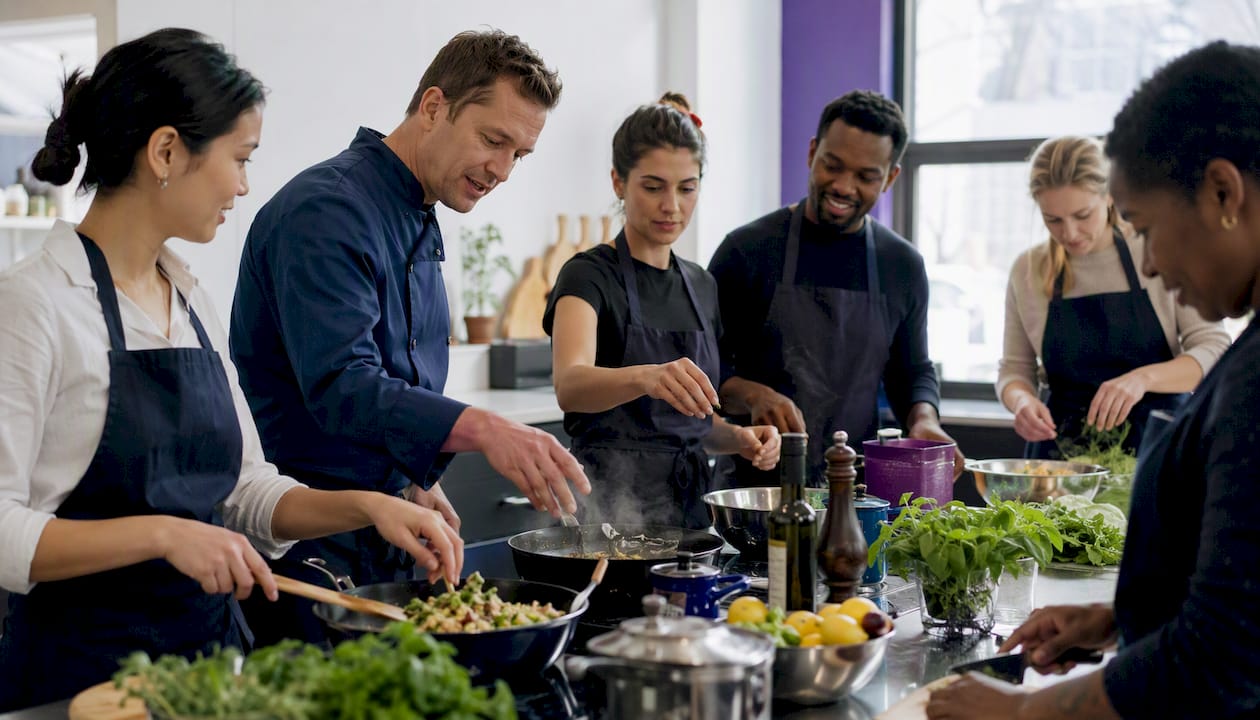
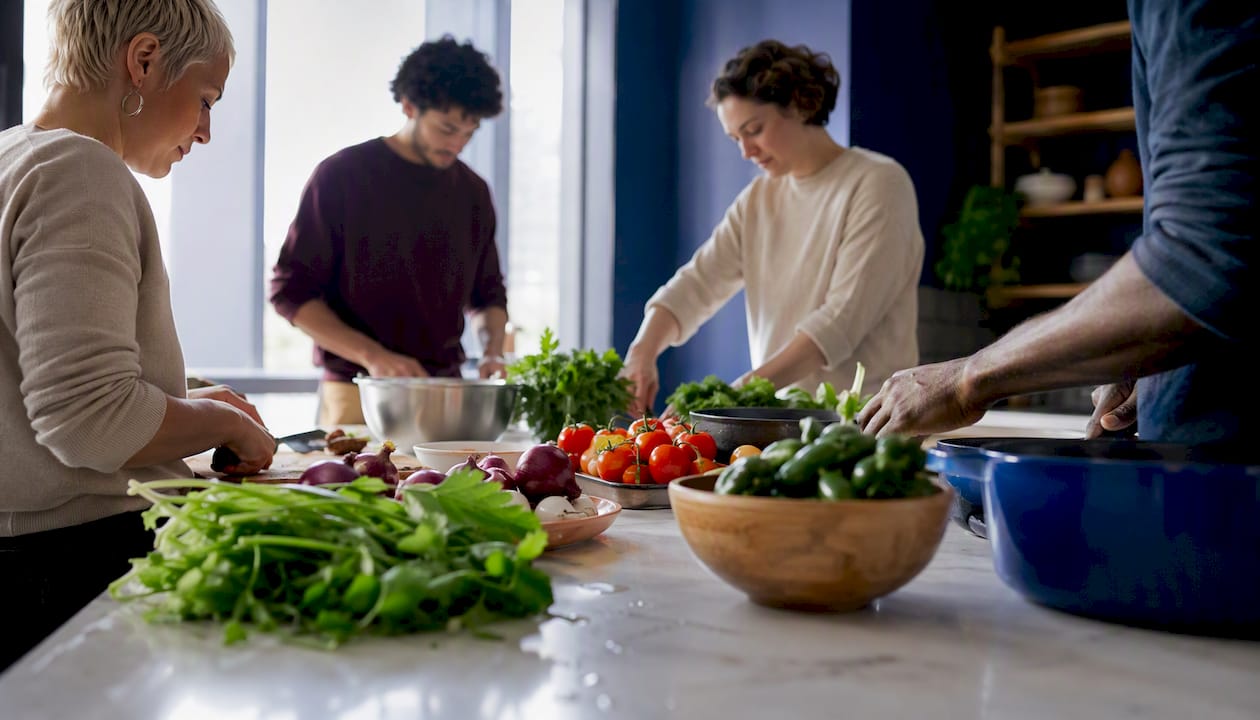
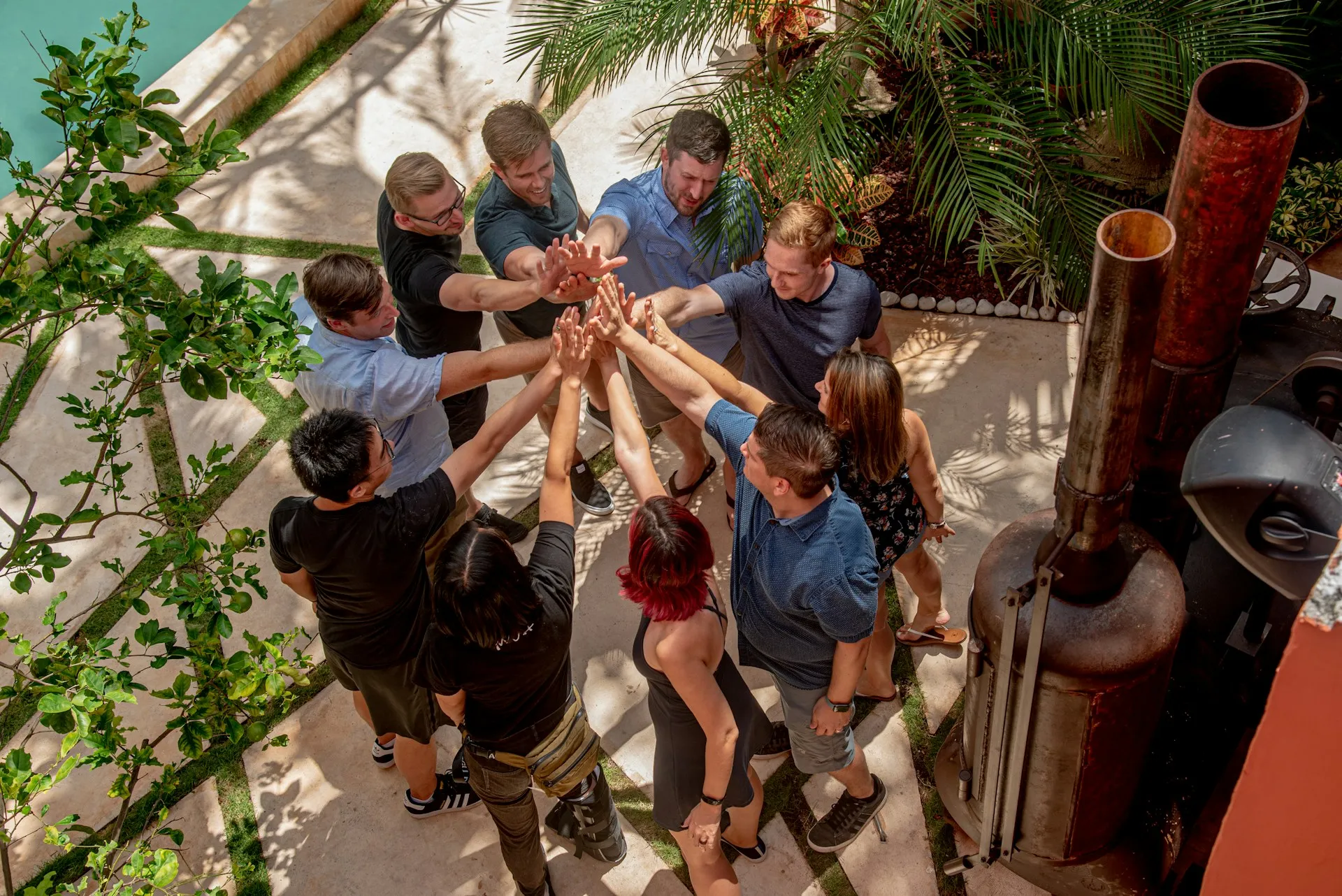
When the summer sun kisses the skyscrapers of New York City, there's no better way to stir up corporate camaraderie than by swapping boardrooms for cutting boards. Picture this: your team, aprons on, laughing over a sizzling skillet, and bonding over freshly kneaded dough. Welcome to the world of summer cooking classes in NYC—where corporate team-building meets culinary creativity.
In today's fast-paced work culture, companies are constantly searching for fresh ways to engage employees and foster collaboration. Enter the innovative solution: corporate cooking events. These hands-on experiences combine fun, food, and teamwork, offering a deliciously different approach to corporate bonding.
In this article, we’ll whisk you through the rising trend of culinary team-building, why summer is the perfect season for it, highlight NYC’s top venues, and serve up tips to make your event a recipe for success.
II. The Rise of Culinary Team-Building Events
Gone are the days when trust falls and awkward icebreakers defined team-building. Today’s companies crave experiences that are engaging, interactive, and—let’s be honest—tasty. That’s why team-building culinary classes are heating up across corporate calendars.
Why Cooking Classes Are the New Go-To for Corporate Teams
- Enhances Communication & Collaboration
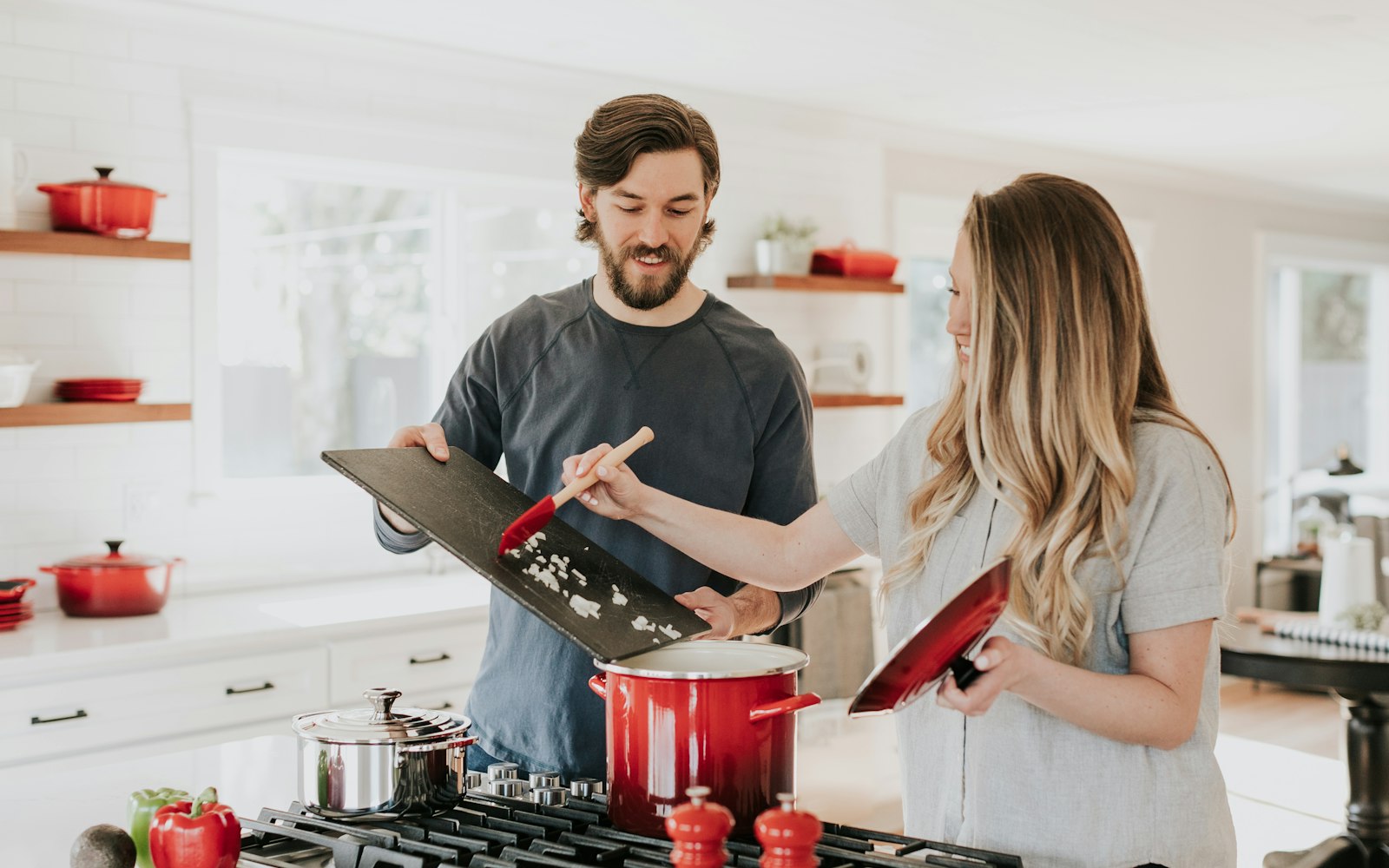
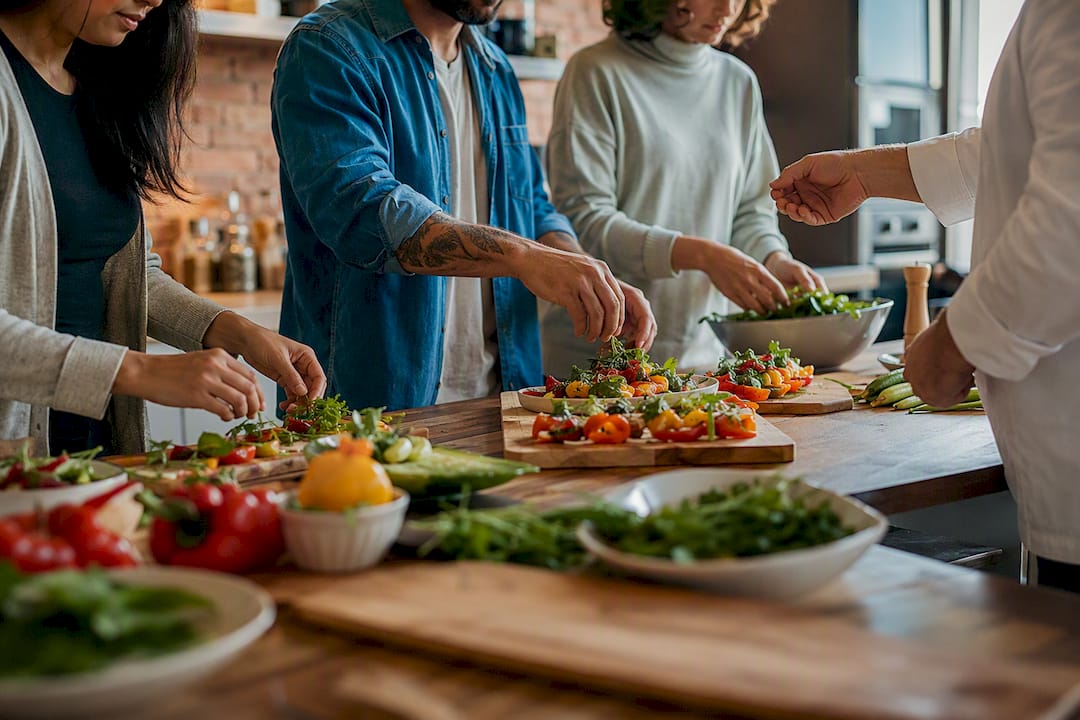
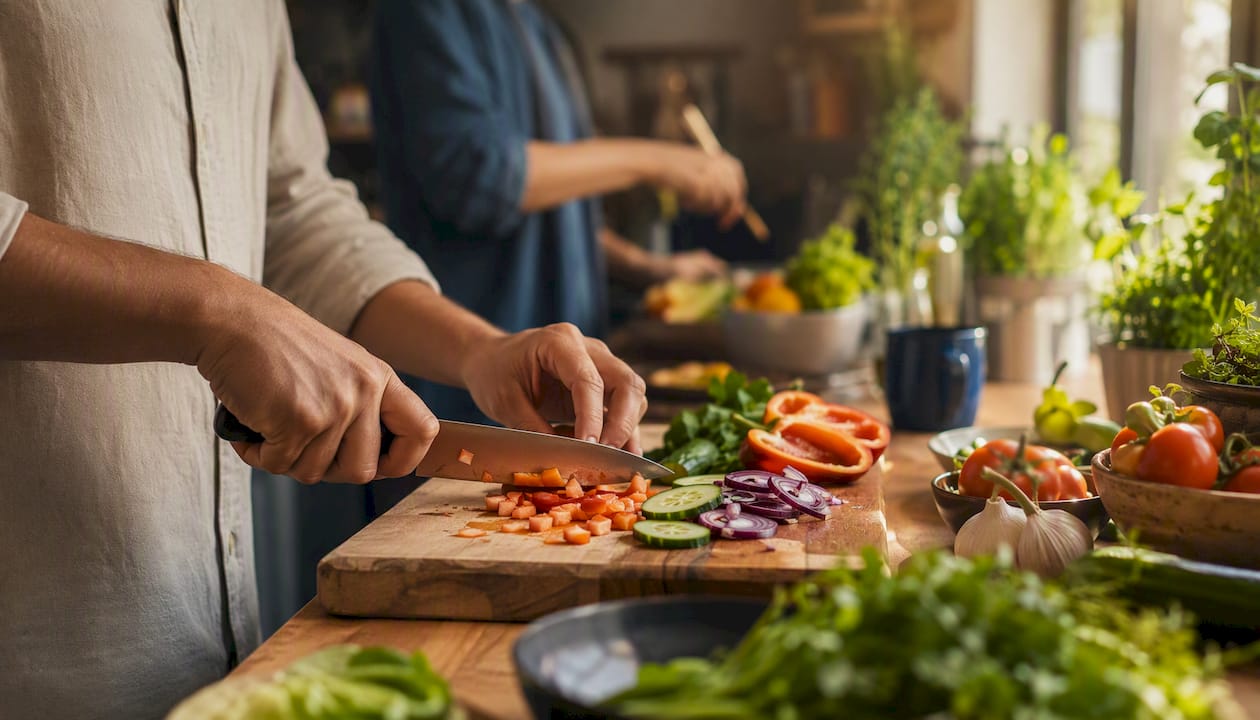
Cooking is a symphony of timing, teamwork, and clear communication. Whether chopping vegetables or coordinating a sauce, team members must work together seamlessly—skills that translate beautifully back to the office. - A Relaxed Environment for Networking
Swap formal meeting rooms for kitchens filled with laughter and the aroma of garlic butter. Cooking classes naturally break down hierarchical barriers, allowing colleagues to connect in a casual setting. - Boosts Creativity & Problem-Solving
Recipes offer a framework, but creativity thrives when teams improvise. Whether adjusting flavors or plating dishes, employees flex their creative muscles in ways that PowerPoint never could. - A Memorable Shared Experience
Let’s face it—no one reminisces about that quarterly review meeting. But a pasta-making contest where Dave from accounting accidentally floured the CEO? That’s a story for the ages.
Publications like The New Yorker, The Spruce Eats, and platforms like ICE, Taste Buds Kitchen, and BiteUnite have all spotlighted this trend, cementing cooking classes as a corporate must-do.
III. Why Summer is Ideal for Corporate Cooking Classes in NYC
New York City in the summer is practically begging for unique corporate outings. Here's why summer cooking classesare the crème de la crème:
Seasonal Advantages
- Fresh, Local Ingredients
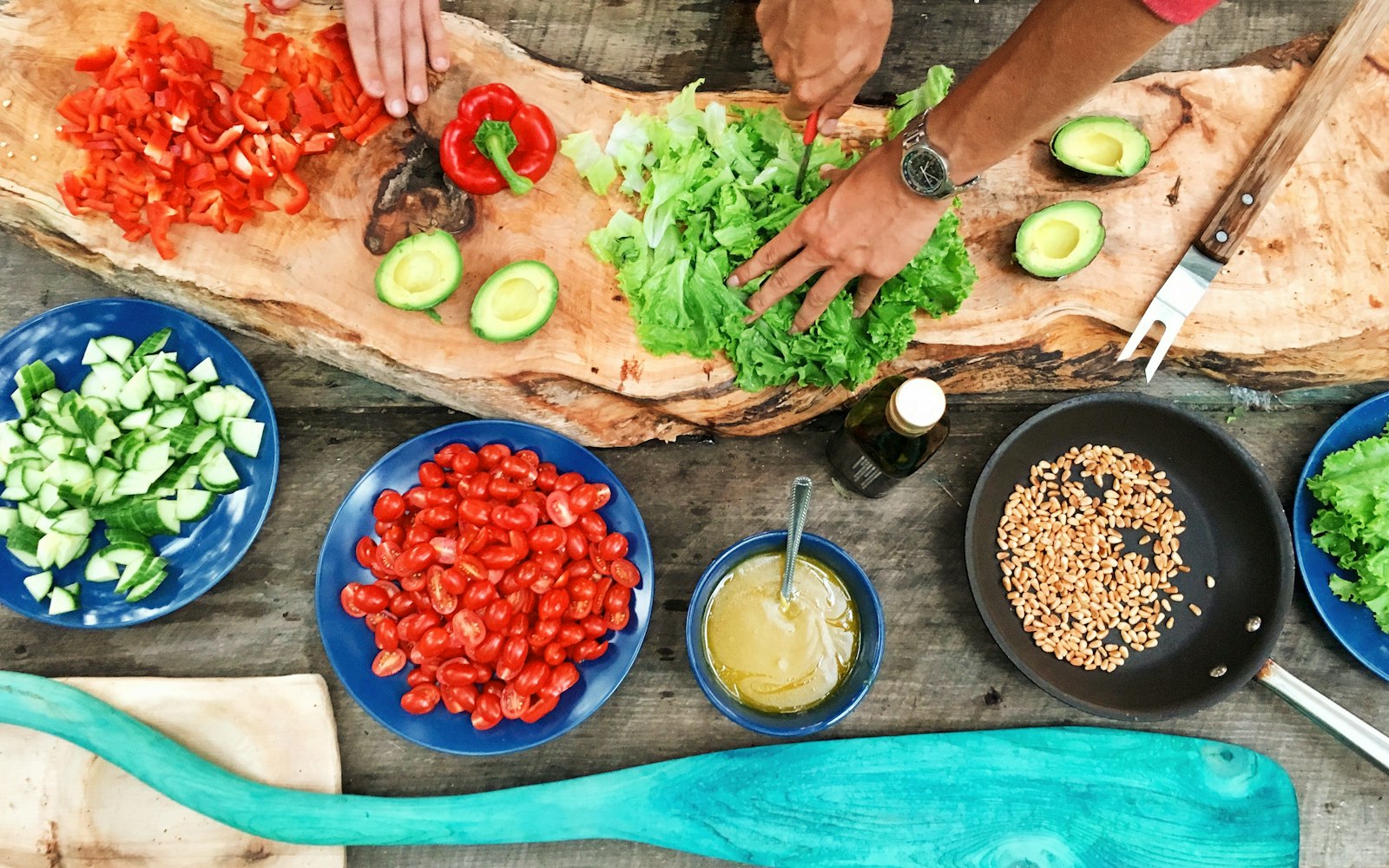
Summer is a foodie’s paradise in NYC. Think farmers' market tomatoes, fragrant basil, and sweet strawberries—ingredients that transform simple dishes into gourmet masterpieces. - Outdoor & Open-Air Venues
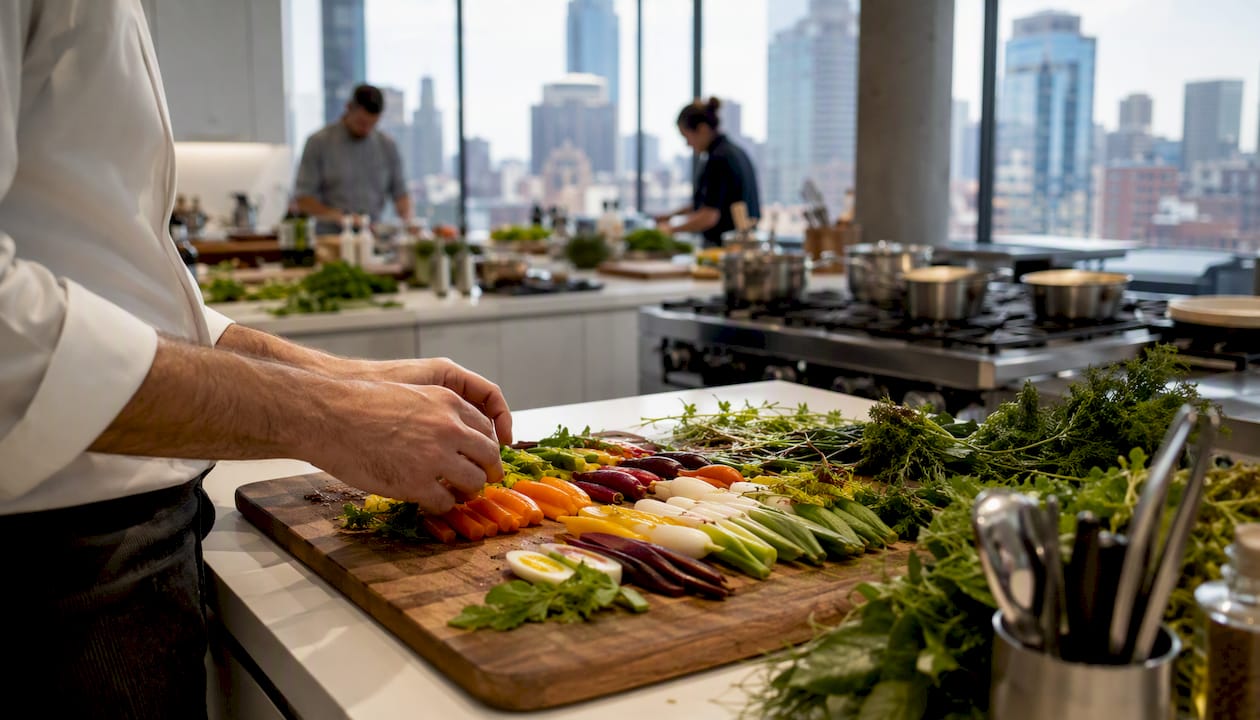
Many cooking venues embrace the season with rooftop kitchens or open-air spaces. Imagine making wood-fired pizzas with skyline views or crafting cocktails under twinkling lights. - Festive Corporate Vibes
Summer naturally invites a more laid-back, celebratory atmosphere. Employees are more open to fun activities, making participation rates soar.
IV. NYC's Top Venues for Summer Corporate Cooking Classes
A great cooking class lives and dies by its venue. The right space sets the tone before the first onion hits the cutting board, and it quietly determines whether your team actually gets hands-on or just stands around watching one person stir. Here's where to point your group this summer.
BiteUnite NYC
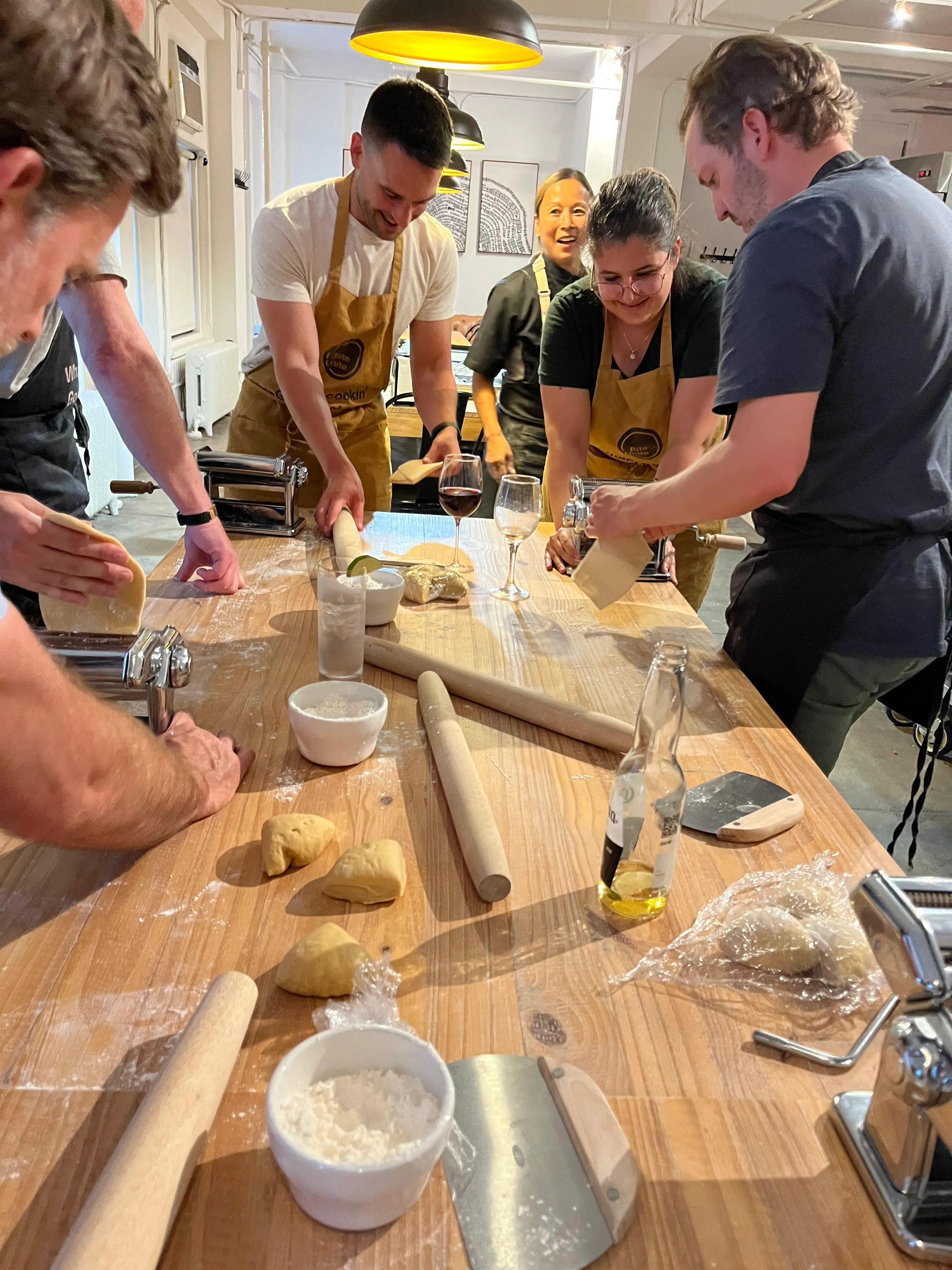
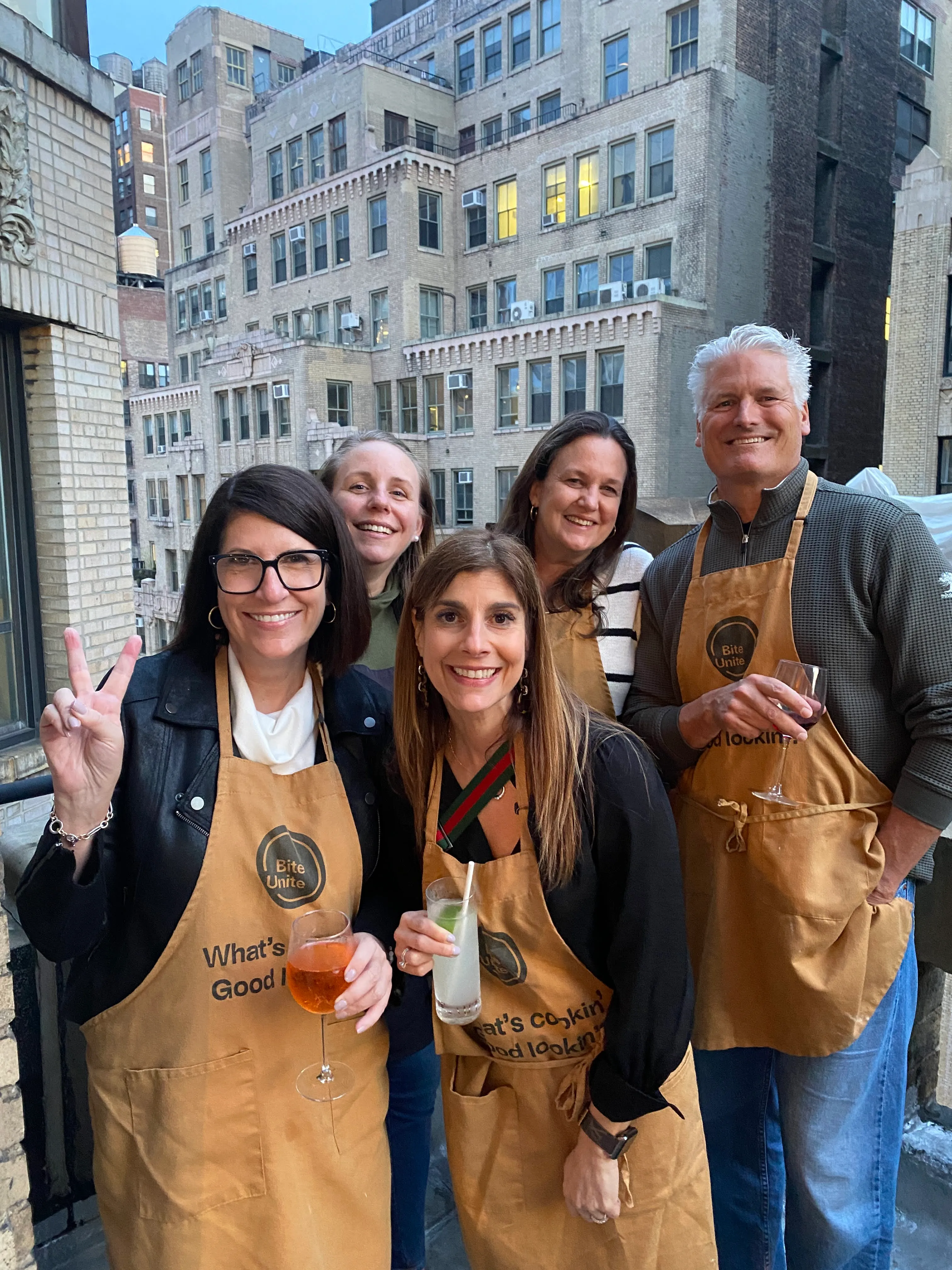
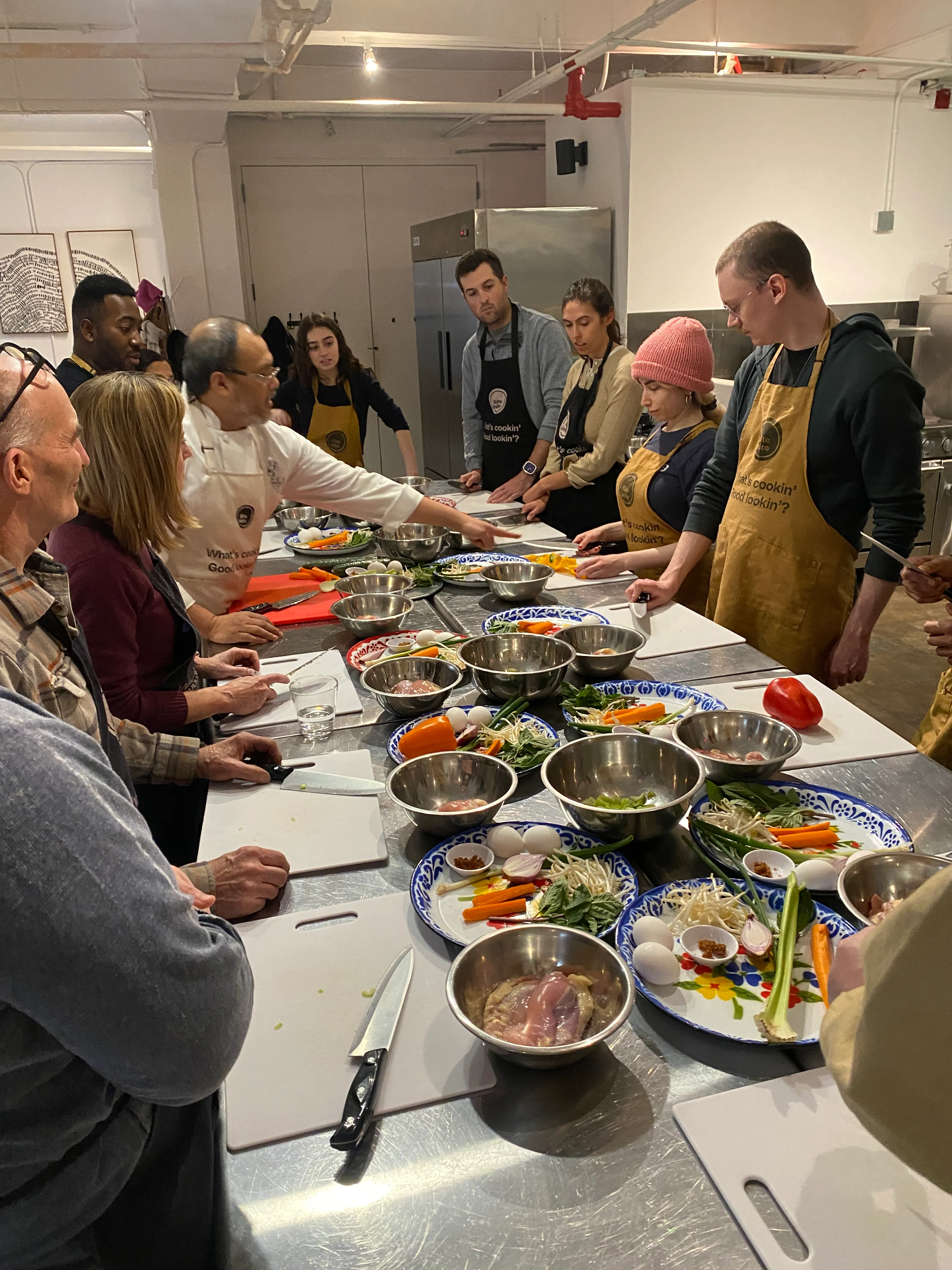
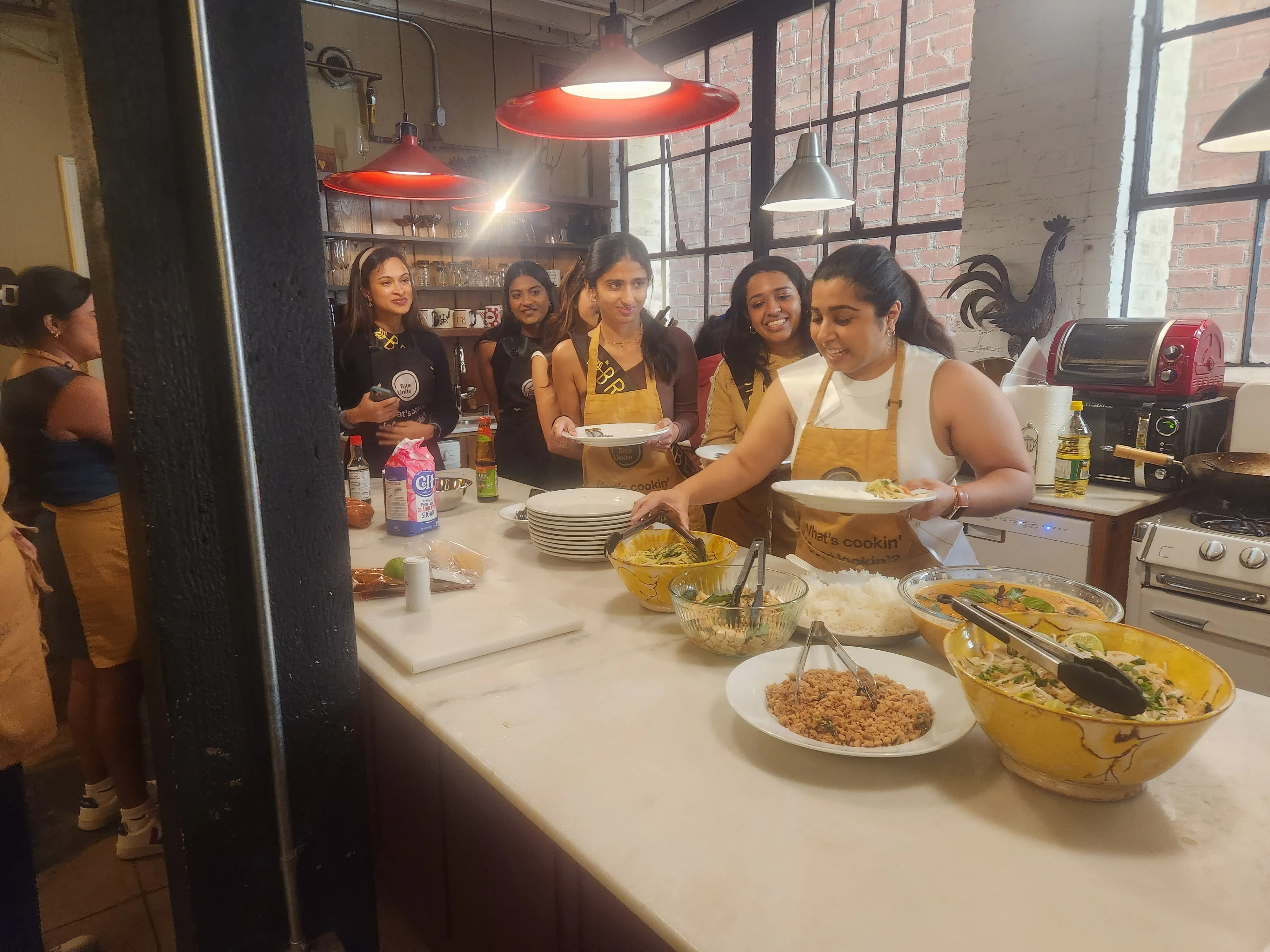
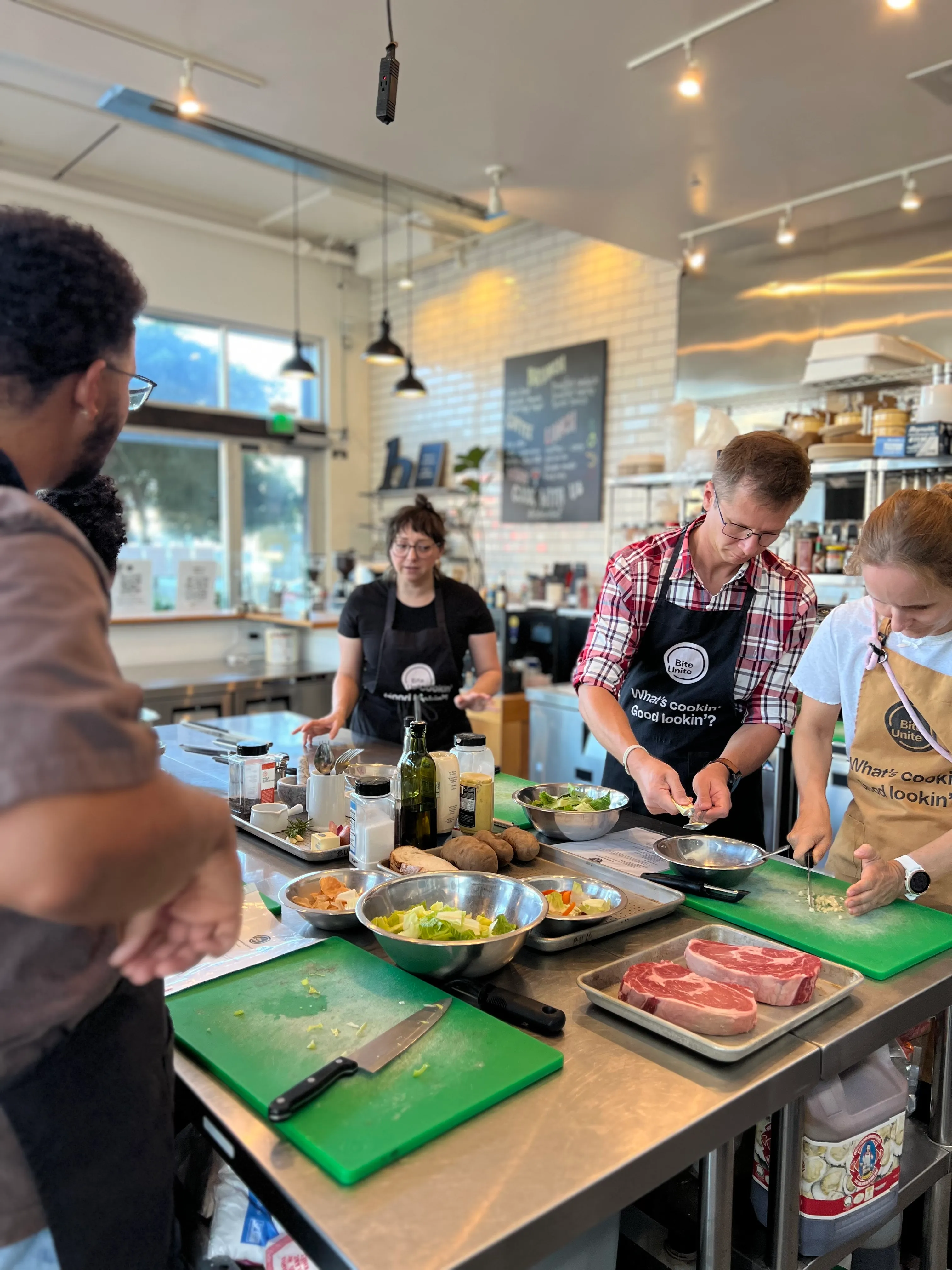
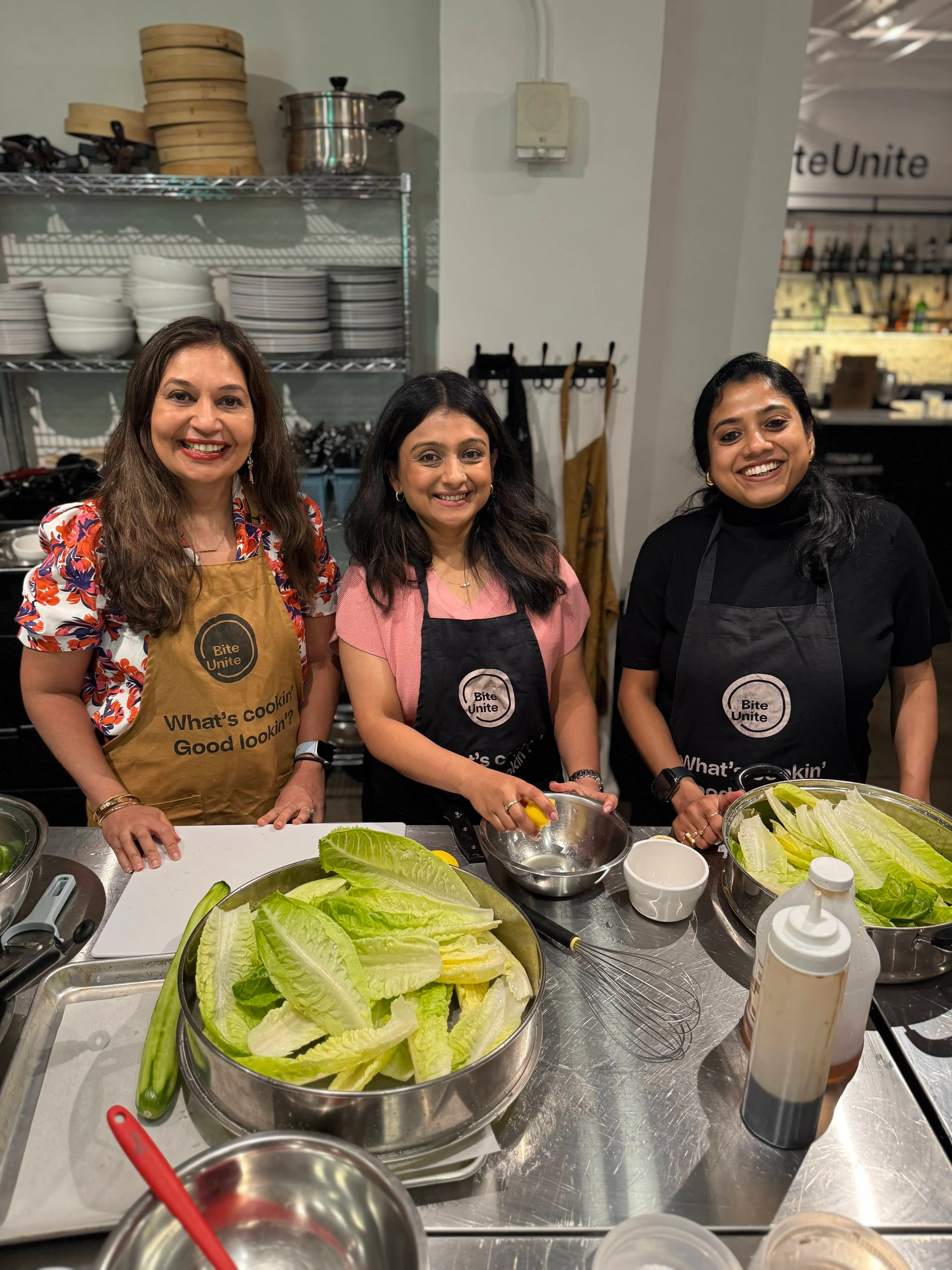
If the goal is connection rather than just instruction, BiteUnite NYC is built for exactly that. The space is a Midtown loft at 247 W 30th Street, complete with a balcony that hands your team skyline views between courses. It comfortably scales from a tight squad to a full department: private bookings start at a 10 to 15 person minimum and the room handles up to 30 seated or 60 standing, depending on the format. Plan on 2 to 3 hours start to finish, since the experience is built to include a proper sit-down meal after the cooking, not a rushed taste-and-run.
The cuisine lineup is where it earns its keep for groups with mixed palates and skill levels:
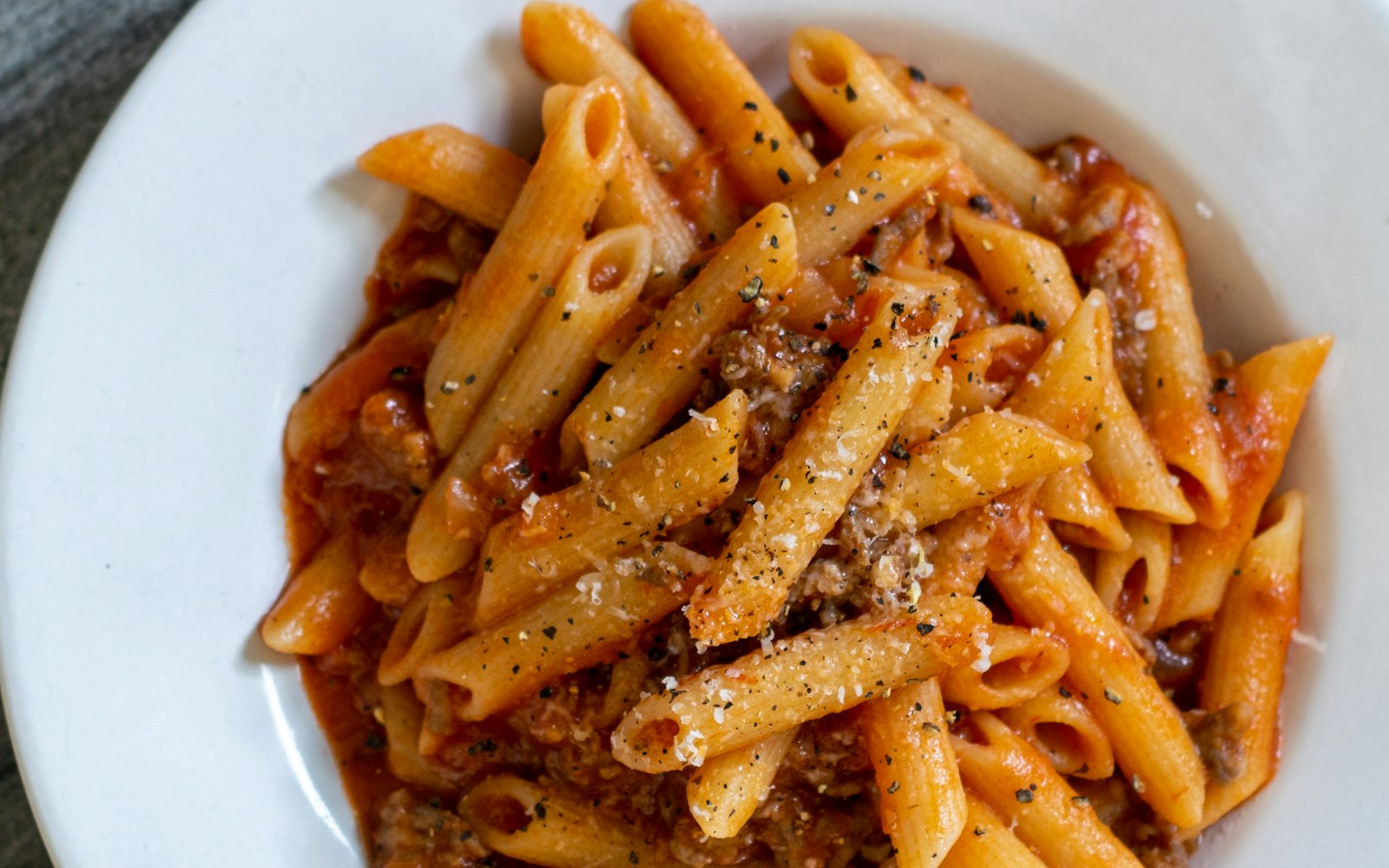
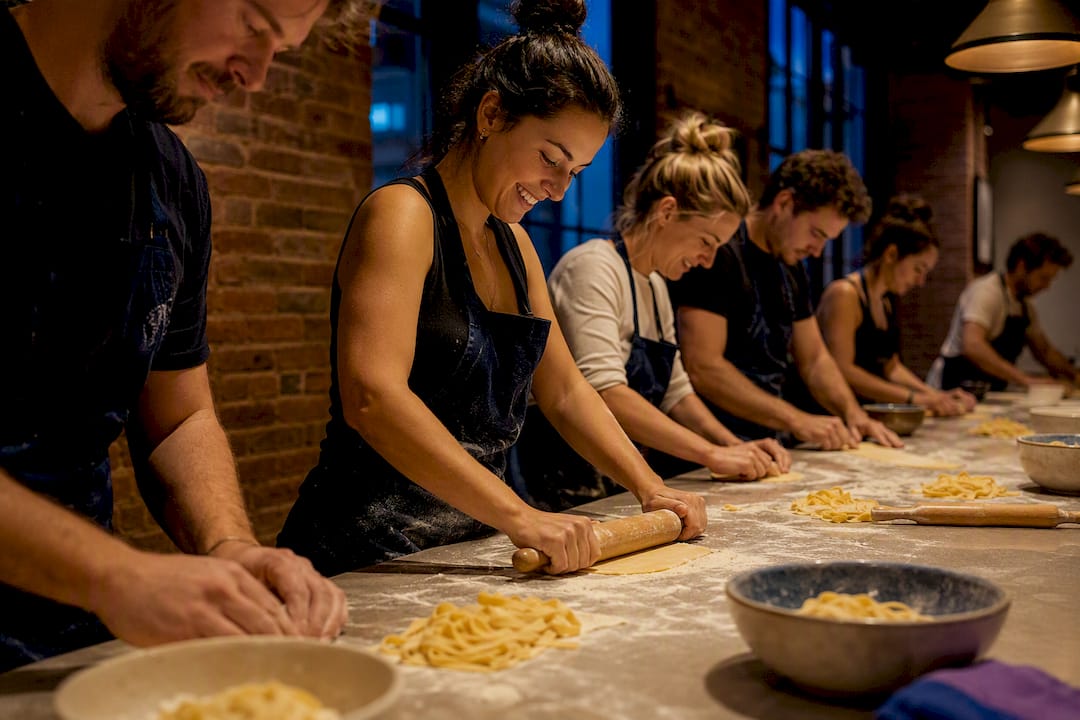
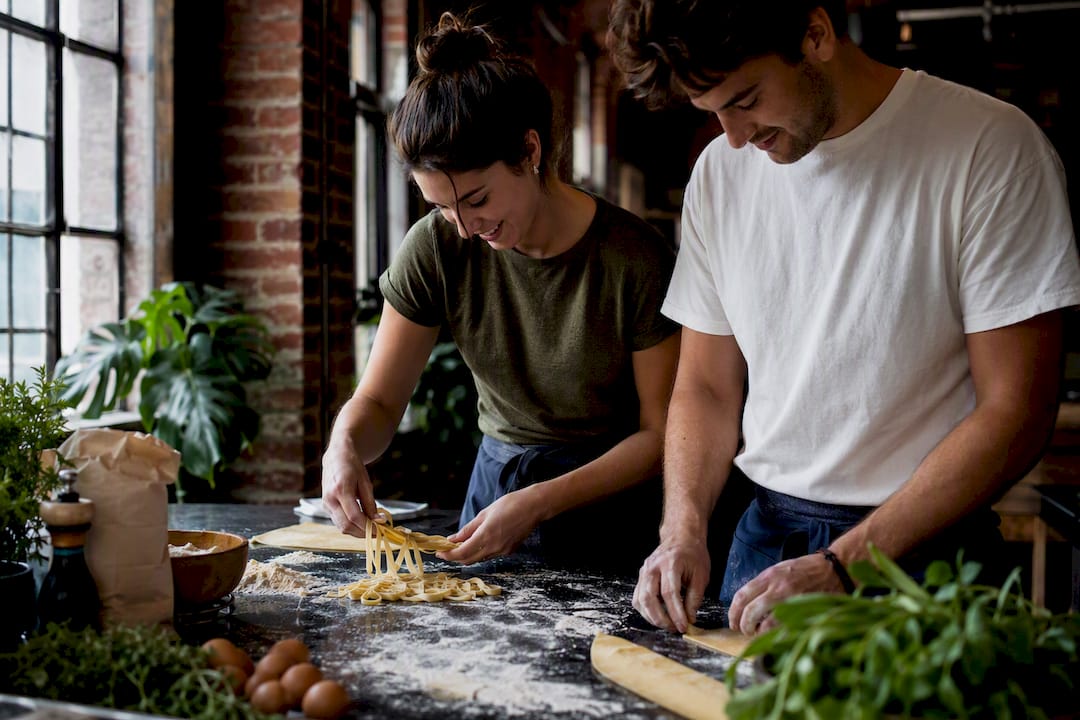
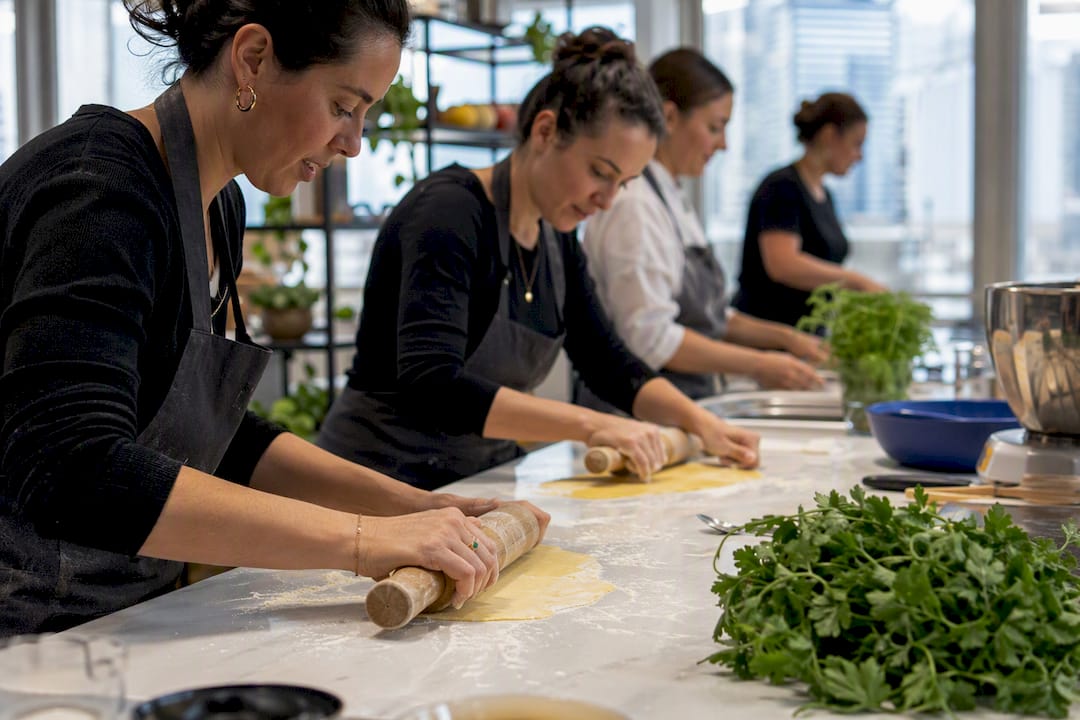
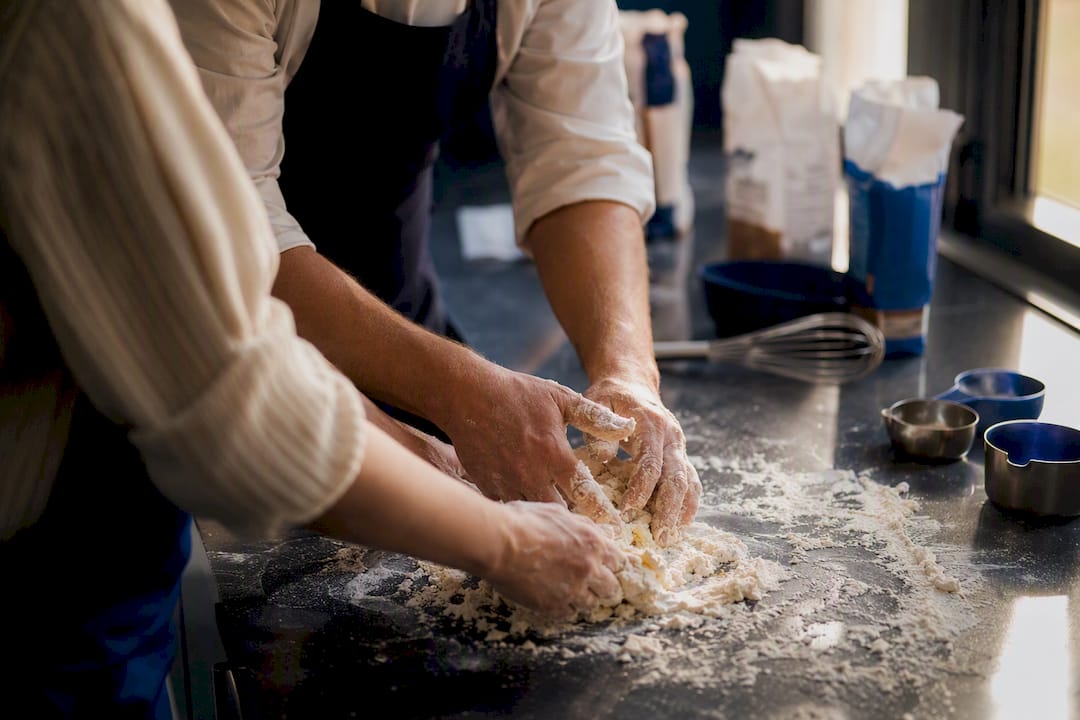
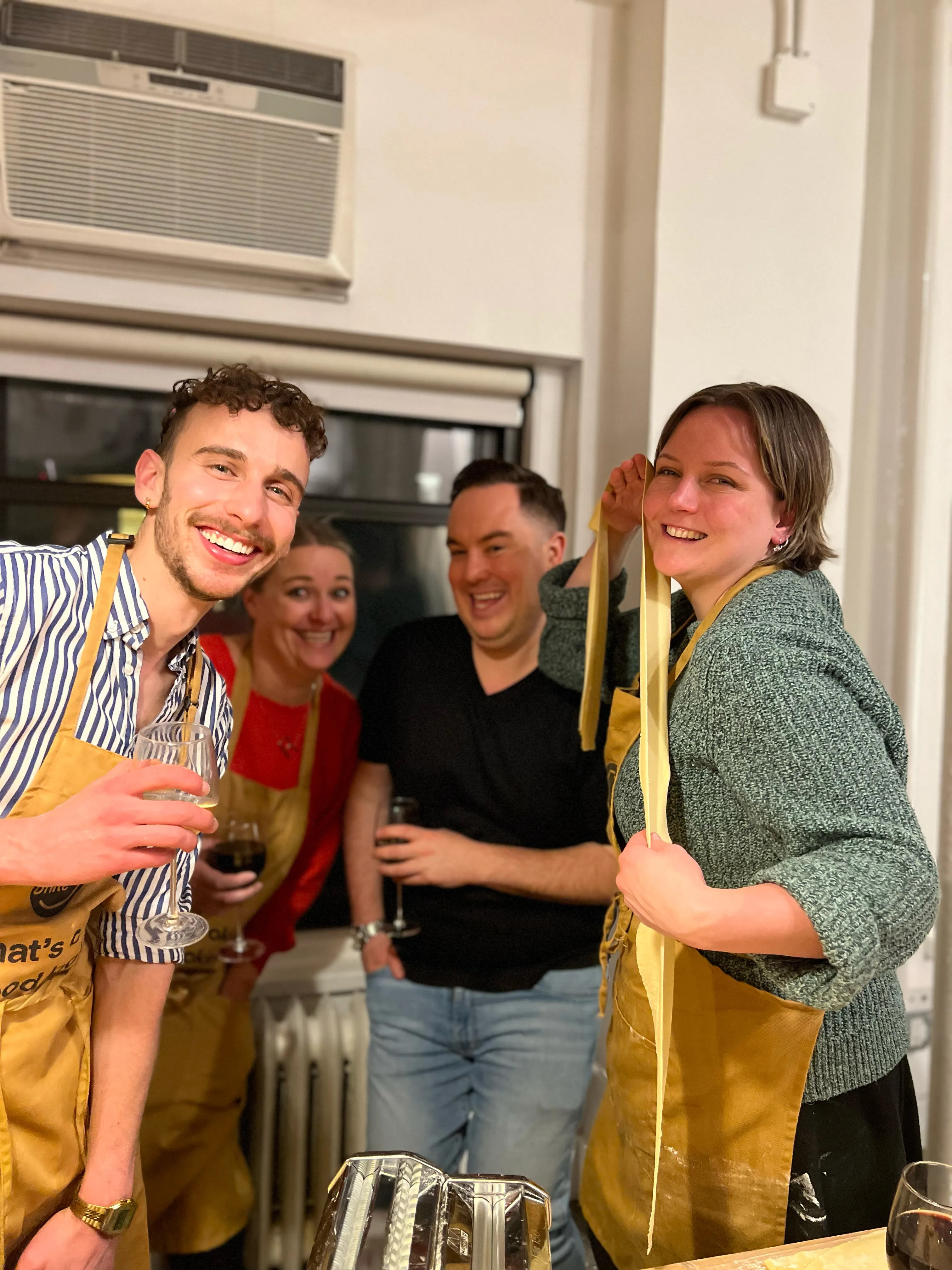
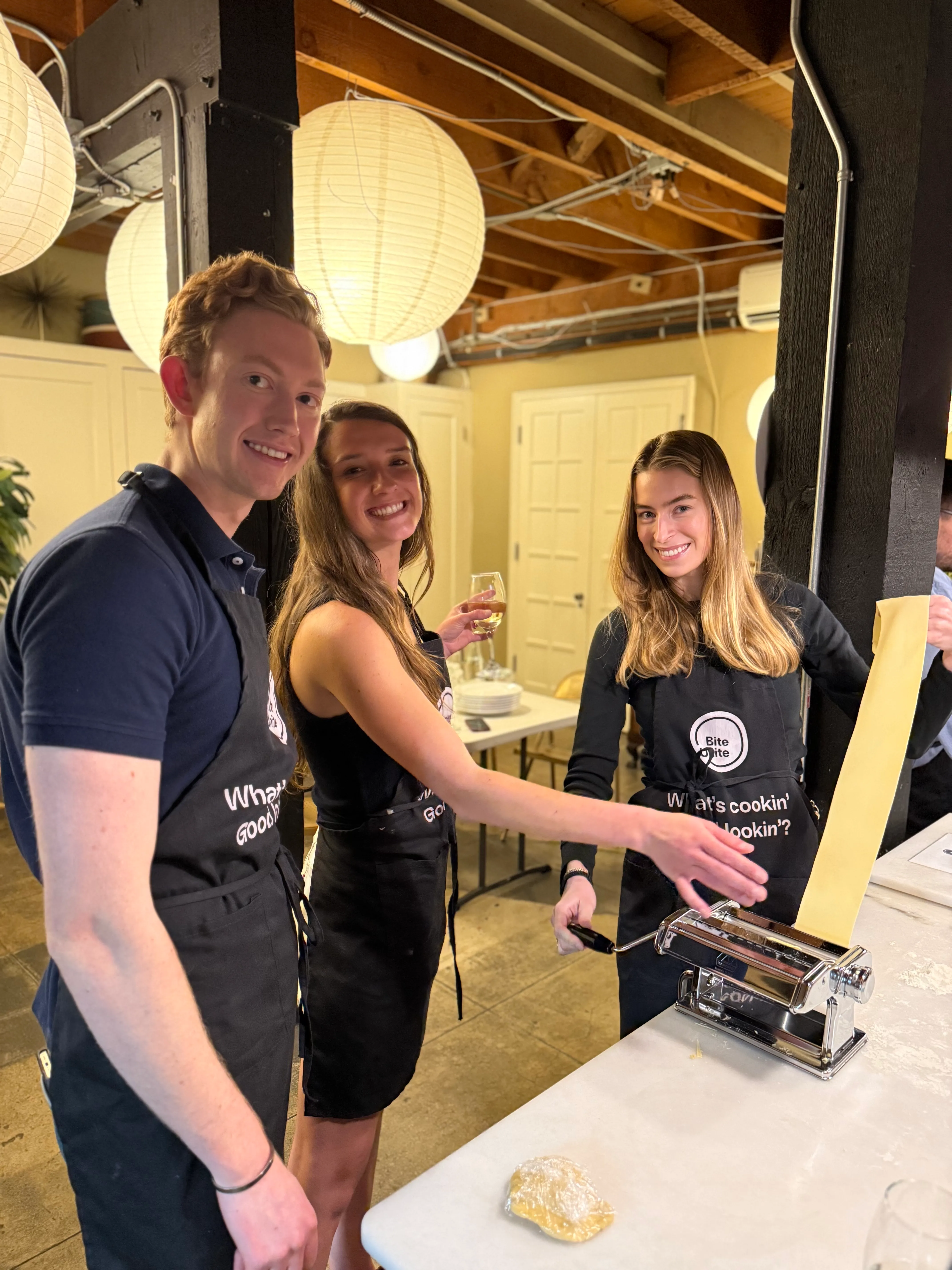
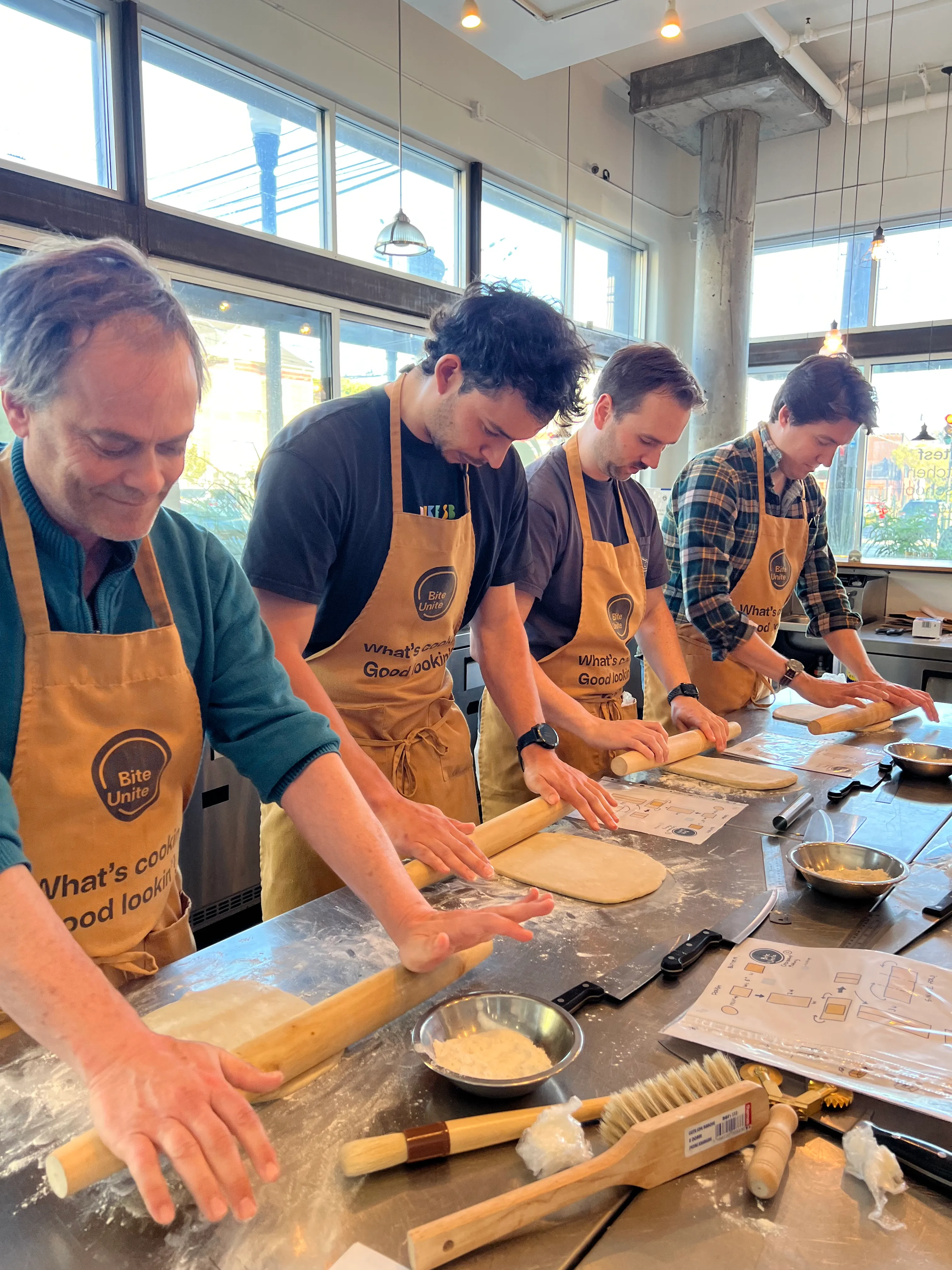
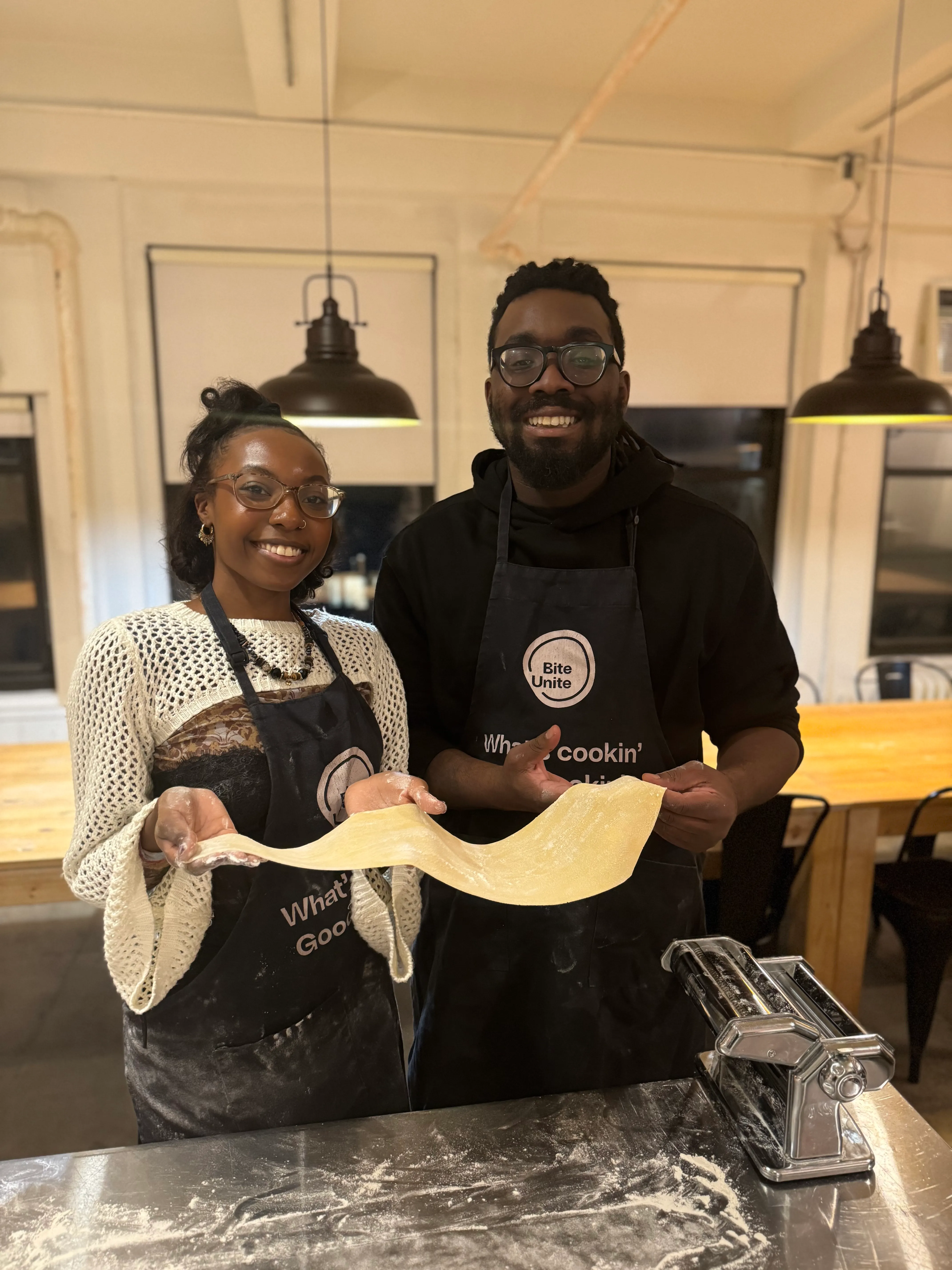
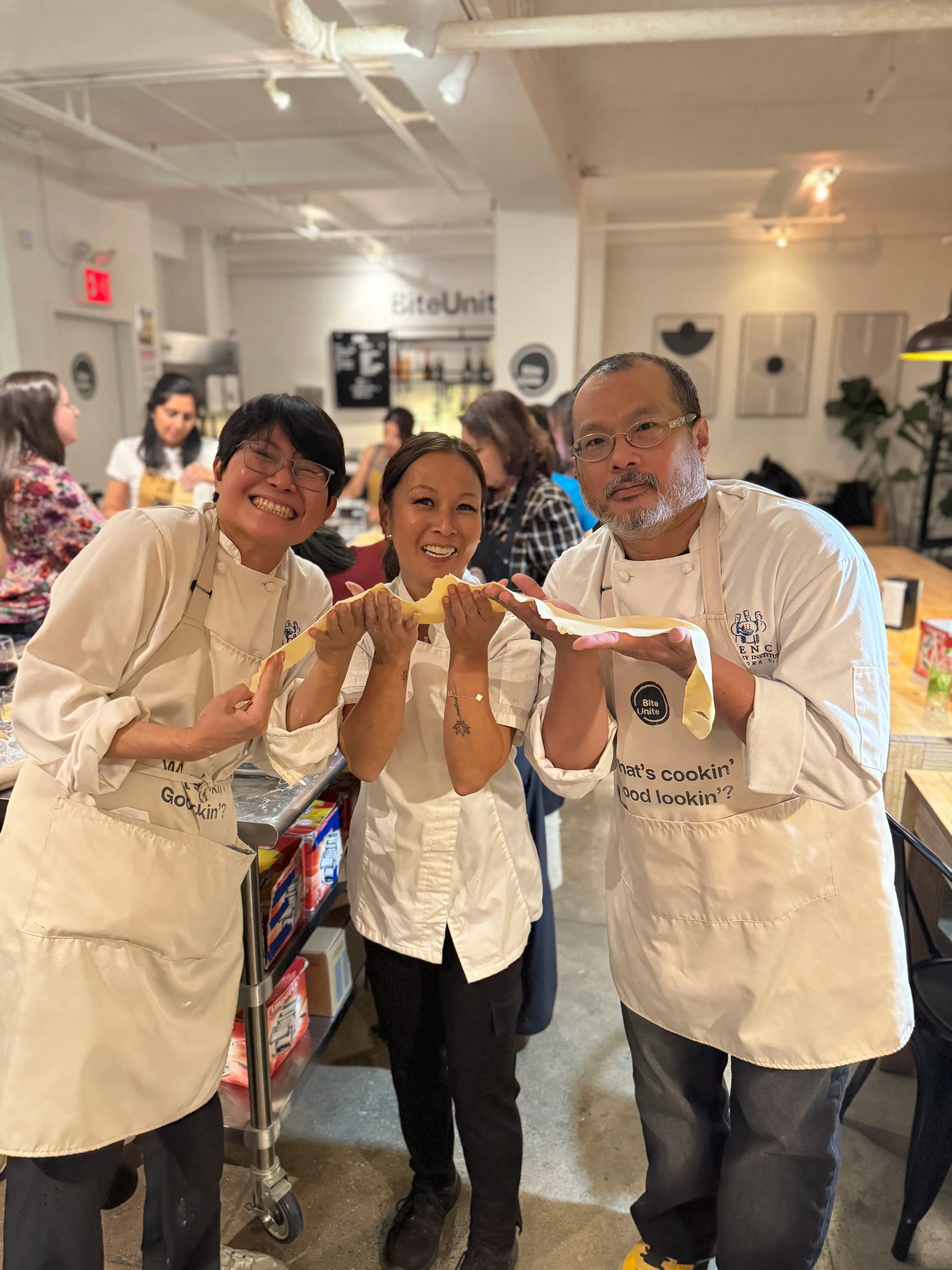
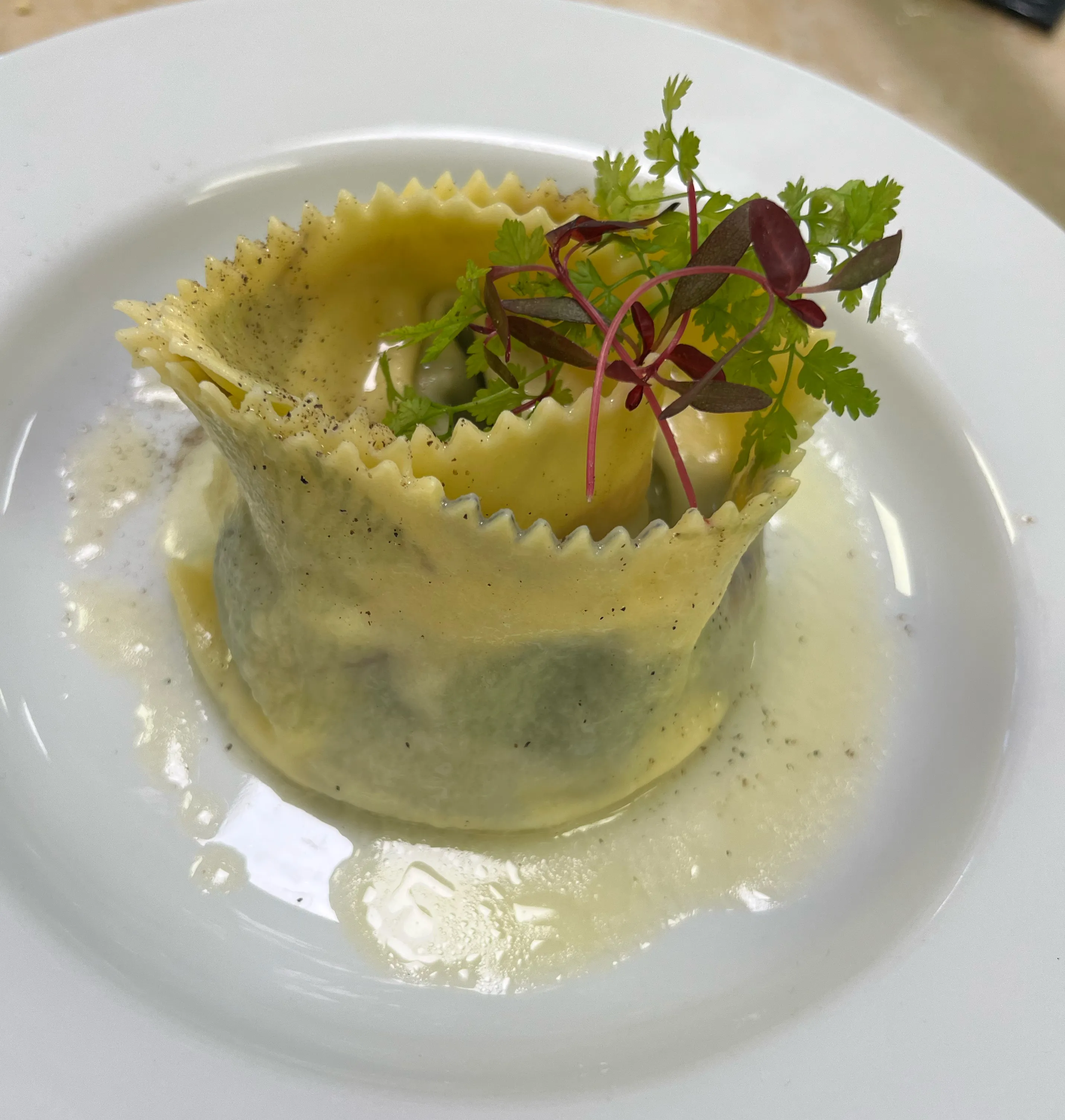
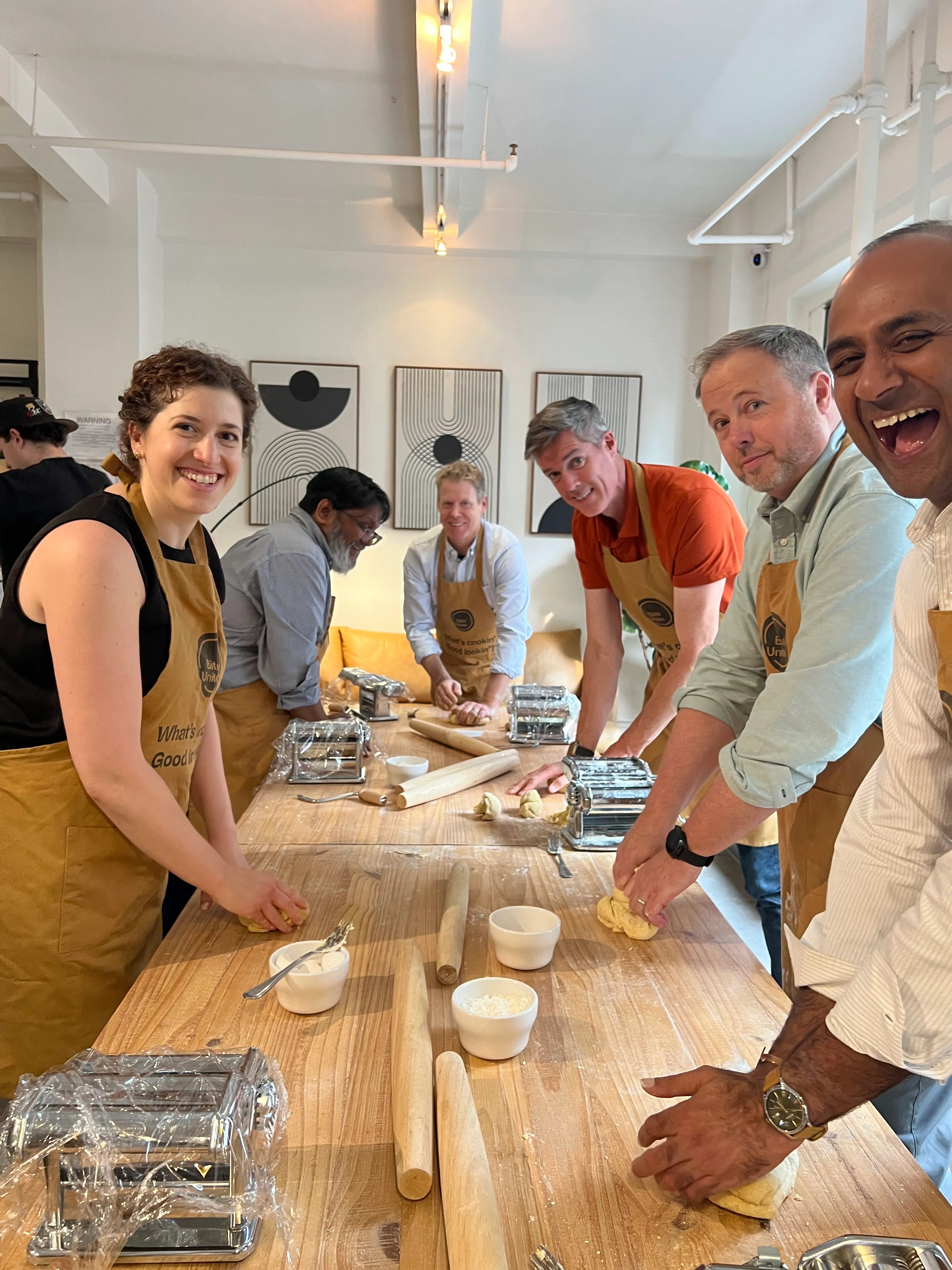
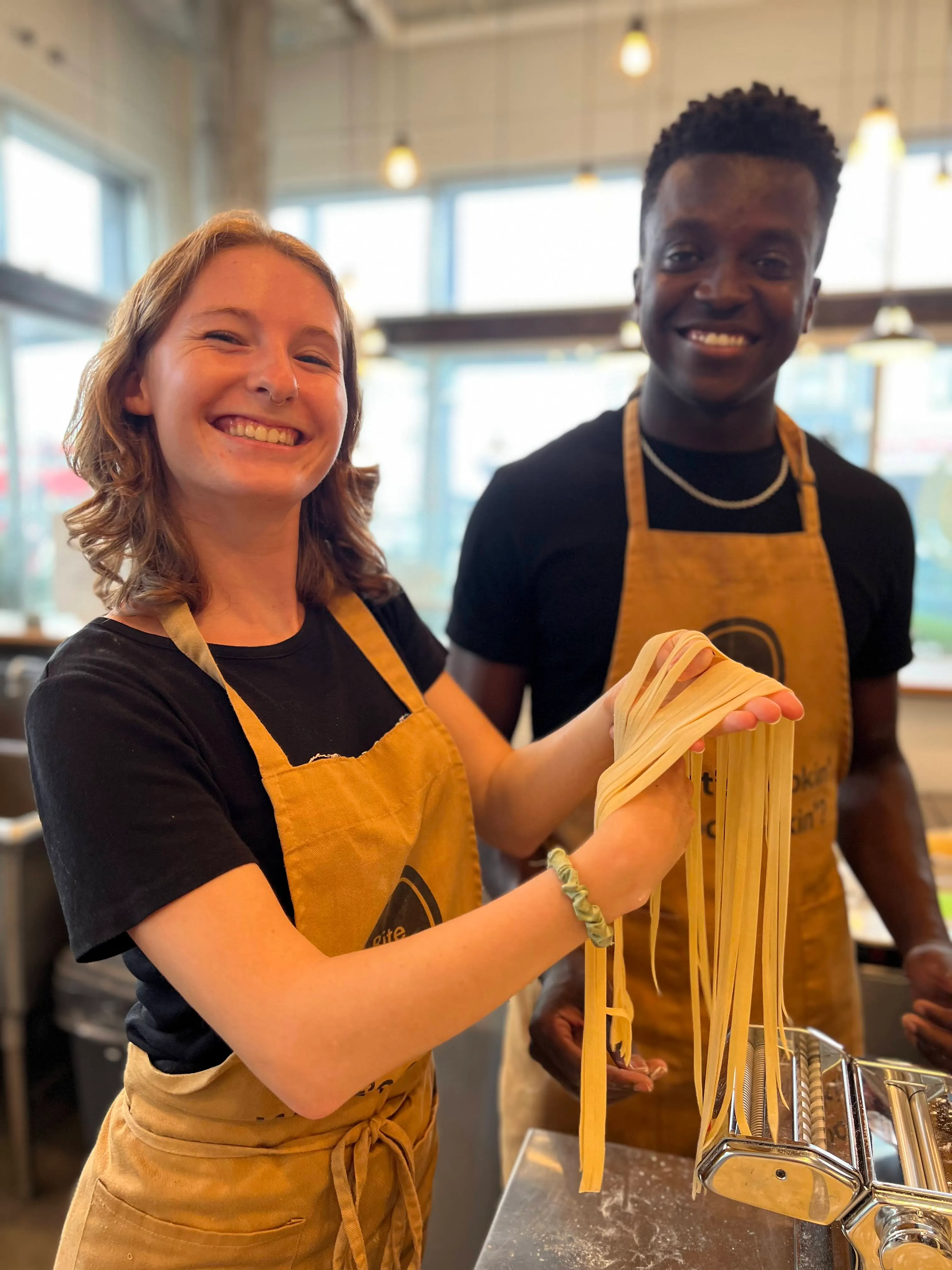
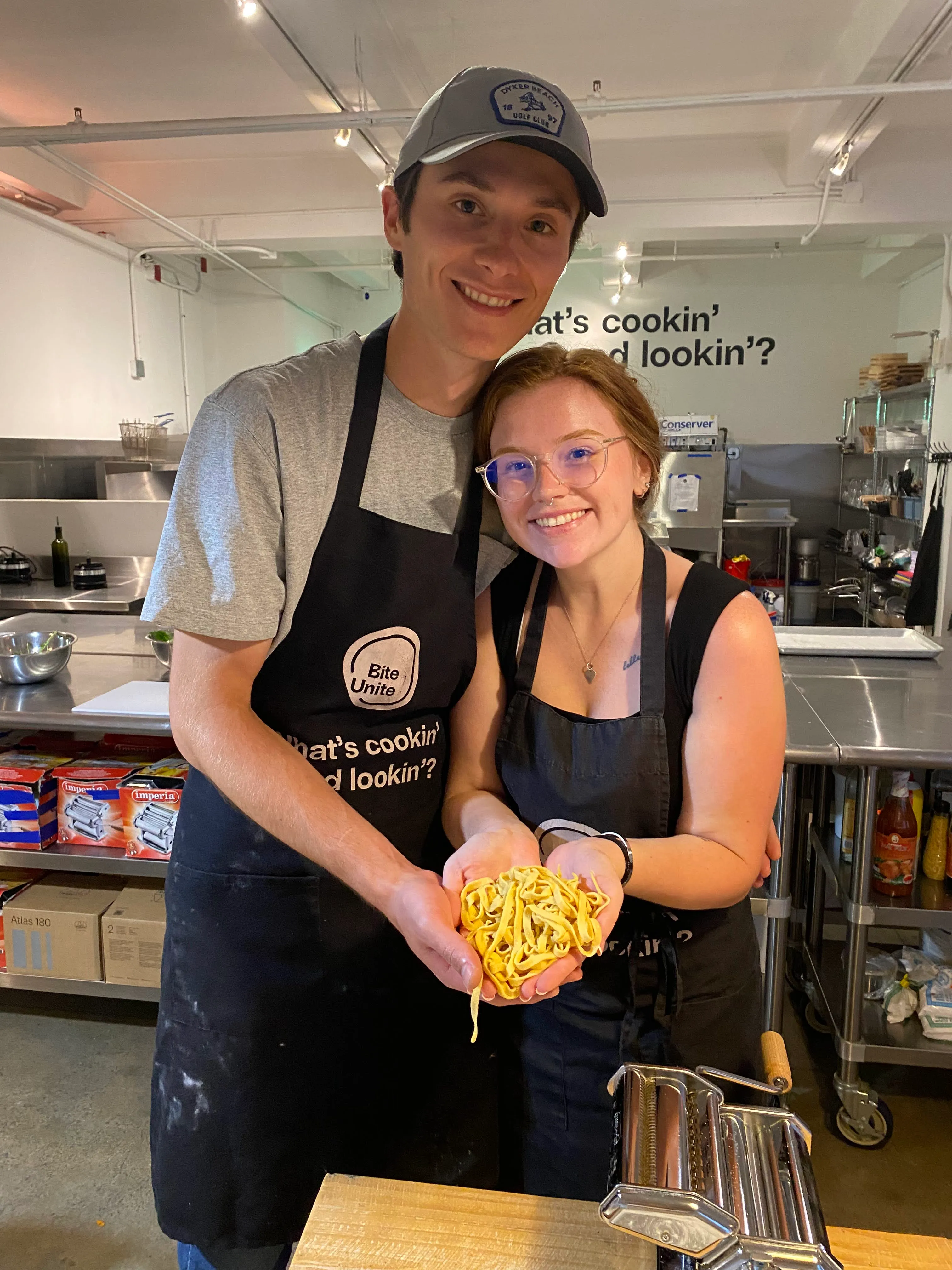
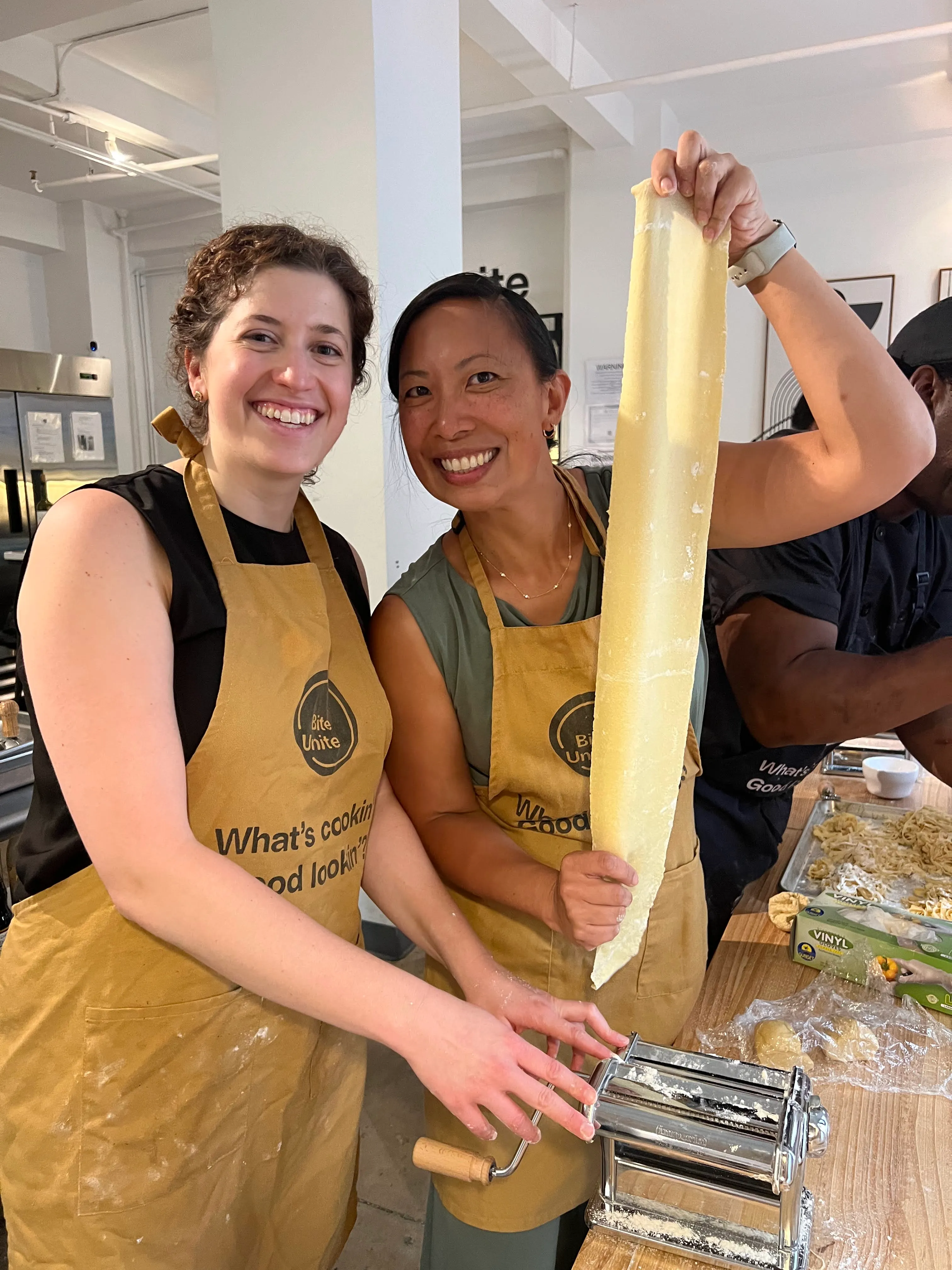
- Pasta making. Fresh dough from scratch, kneaded, rolled, and shaped by hand. The crowd-pleaser, and forgiving enough for the half of your team that has never touched a chef's knife.
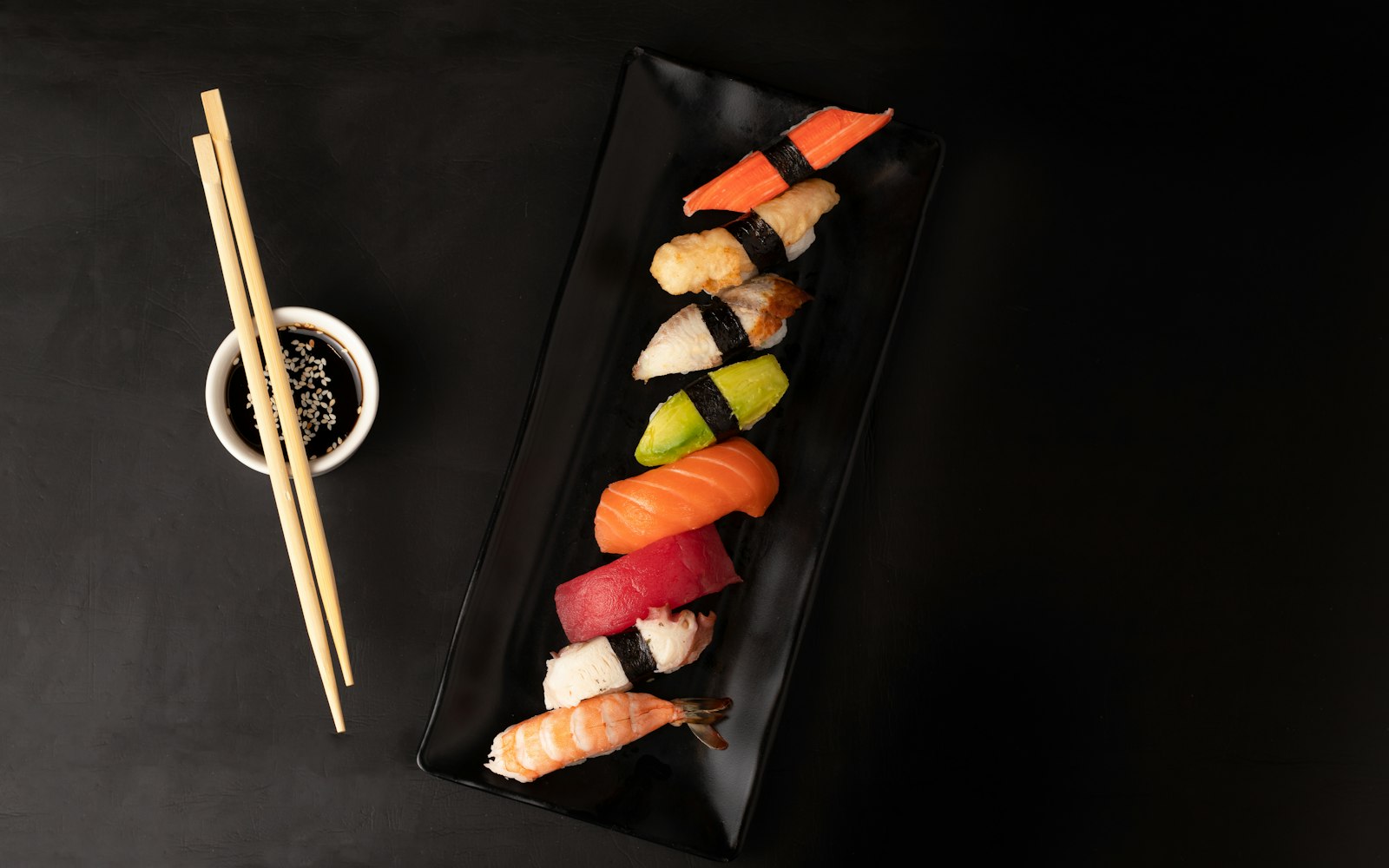
- Sushi. A genuine technique class covering sushi rice, tamagoyaki, and a full range of rolls including hosomaki, uramaki, nigiri, and hand rolls, built on responsibly sourced seafood. This is the pick for a detail-oriented team that likes precision.
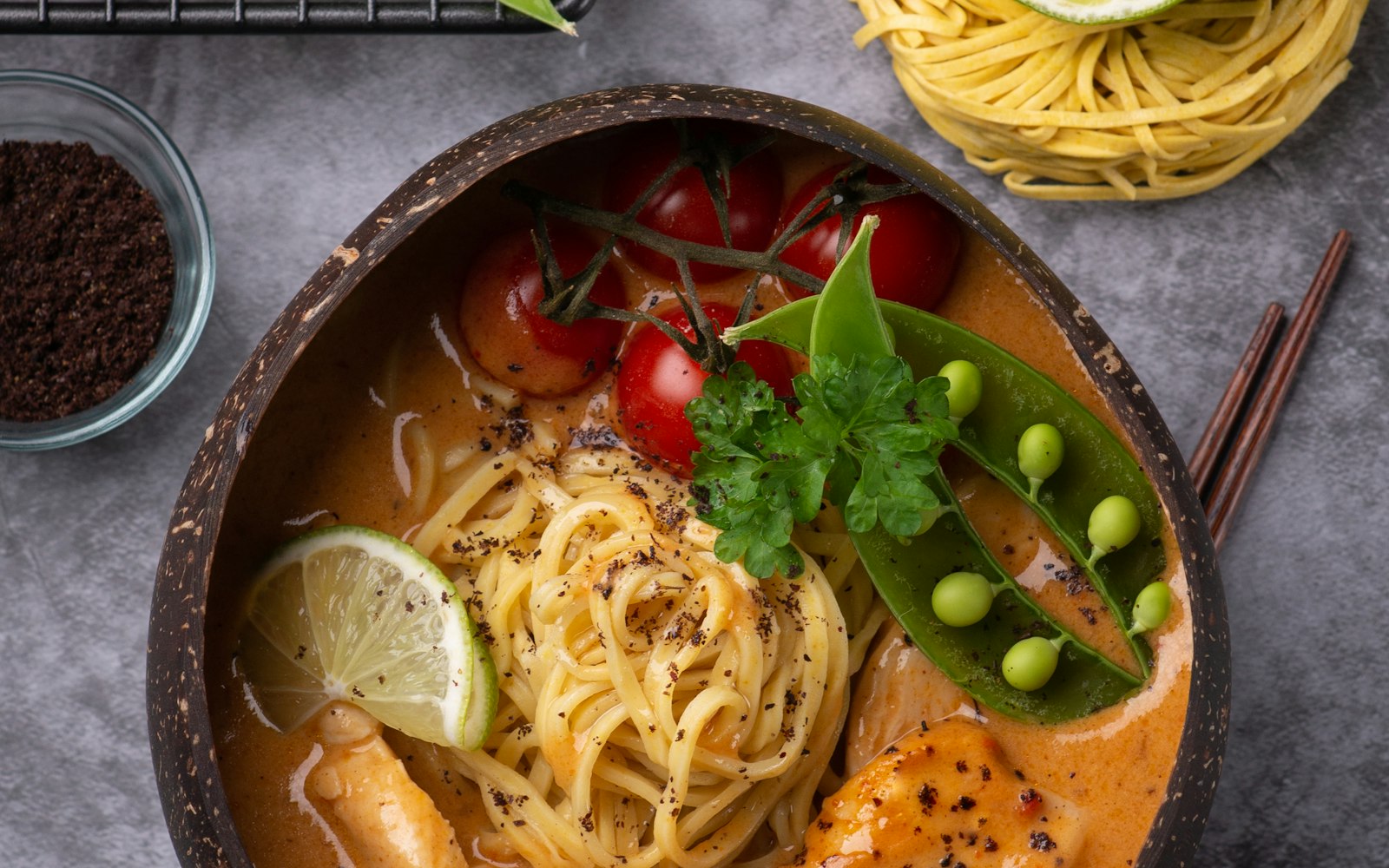
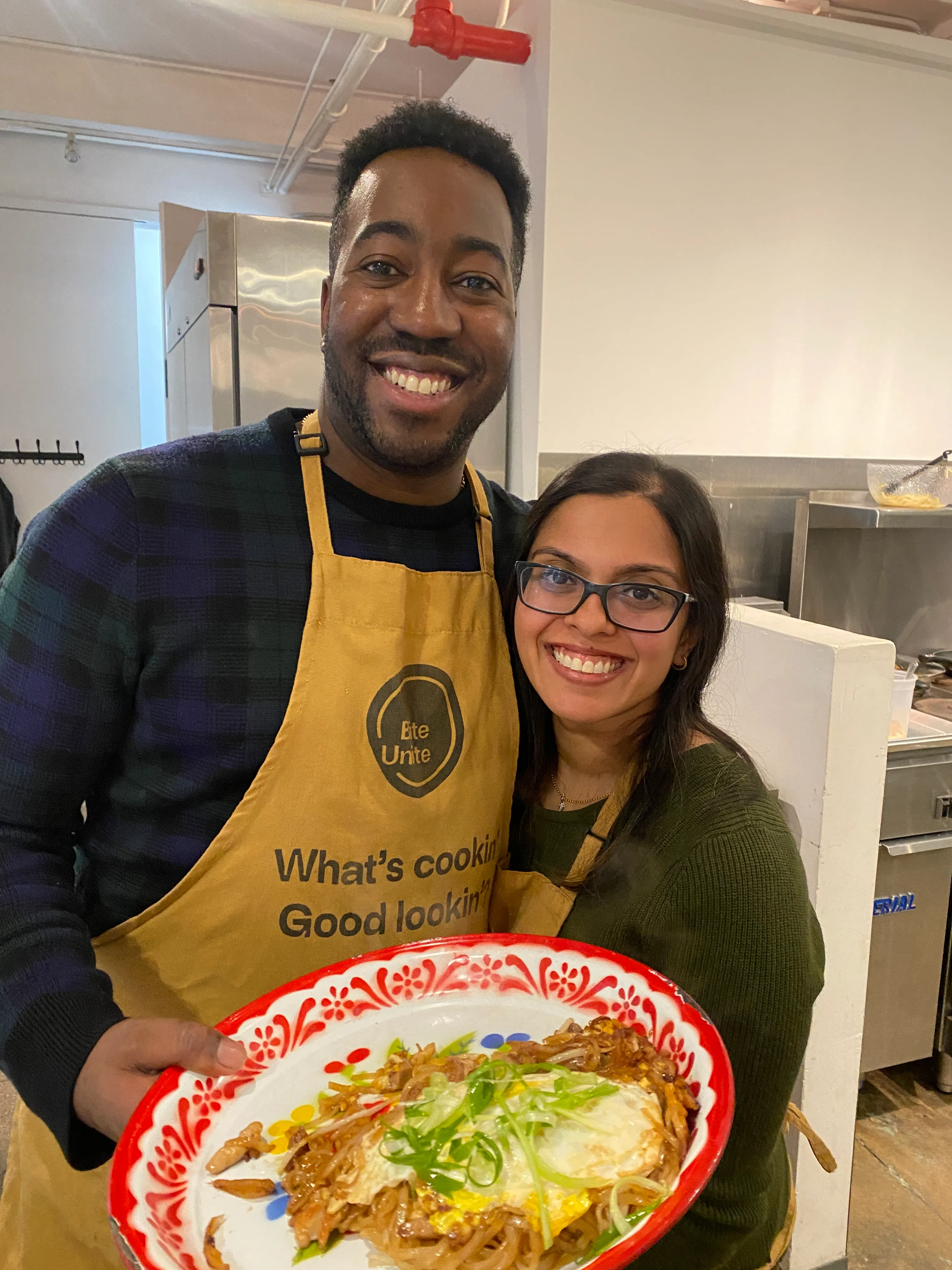
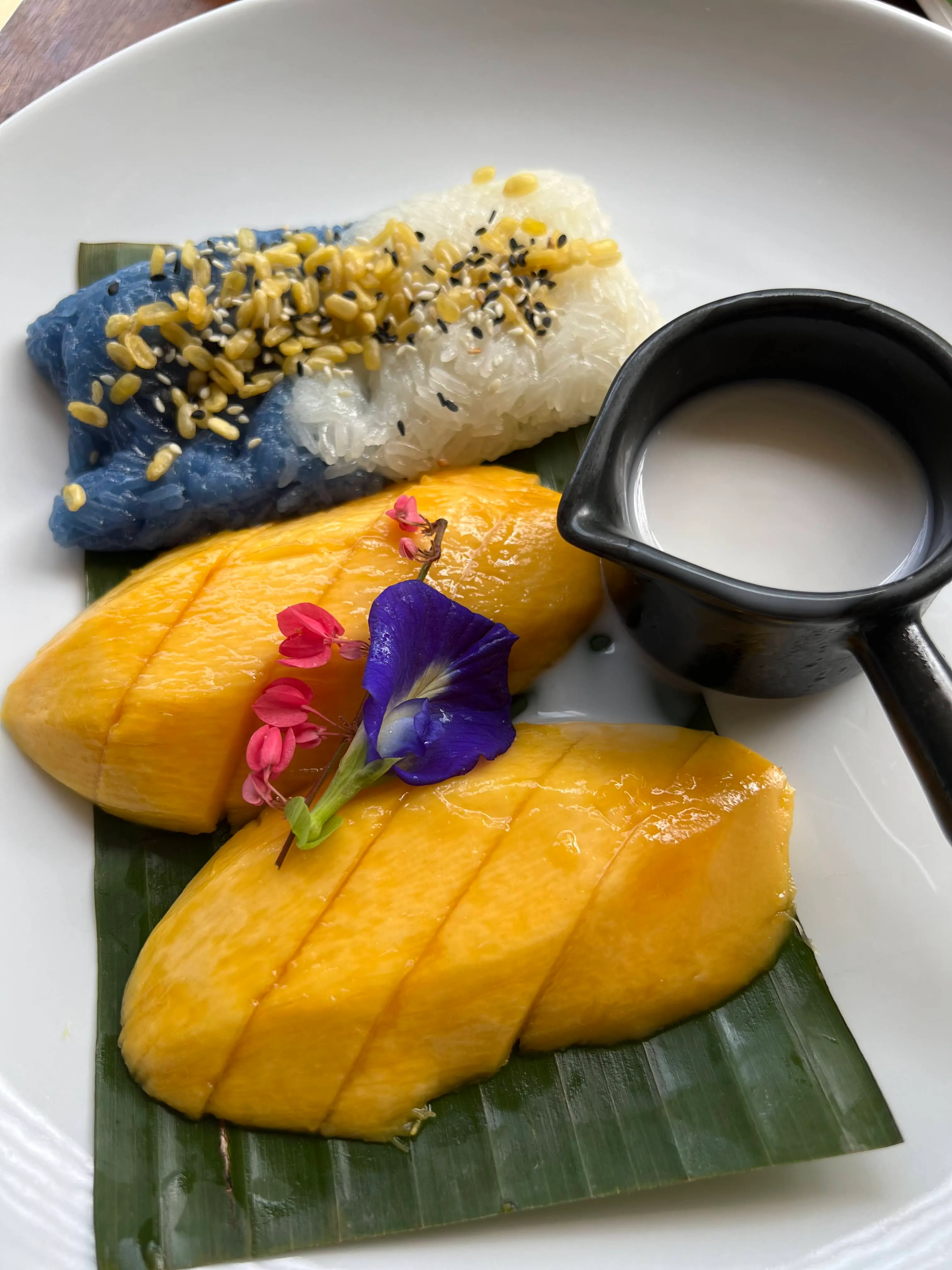
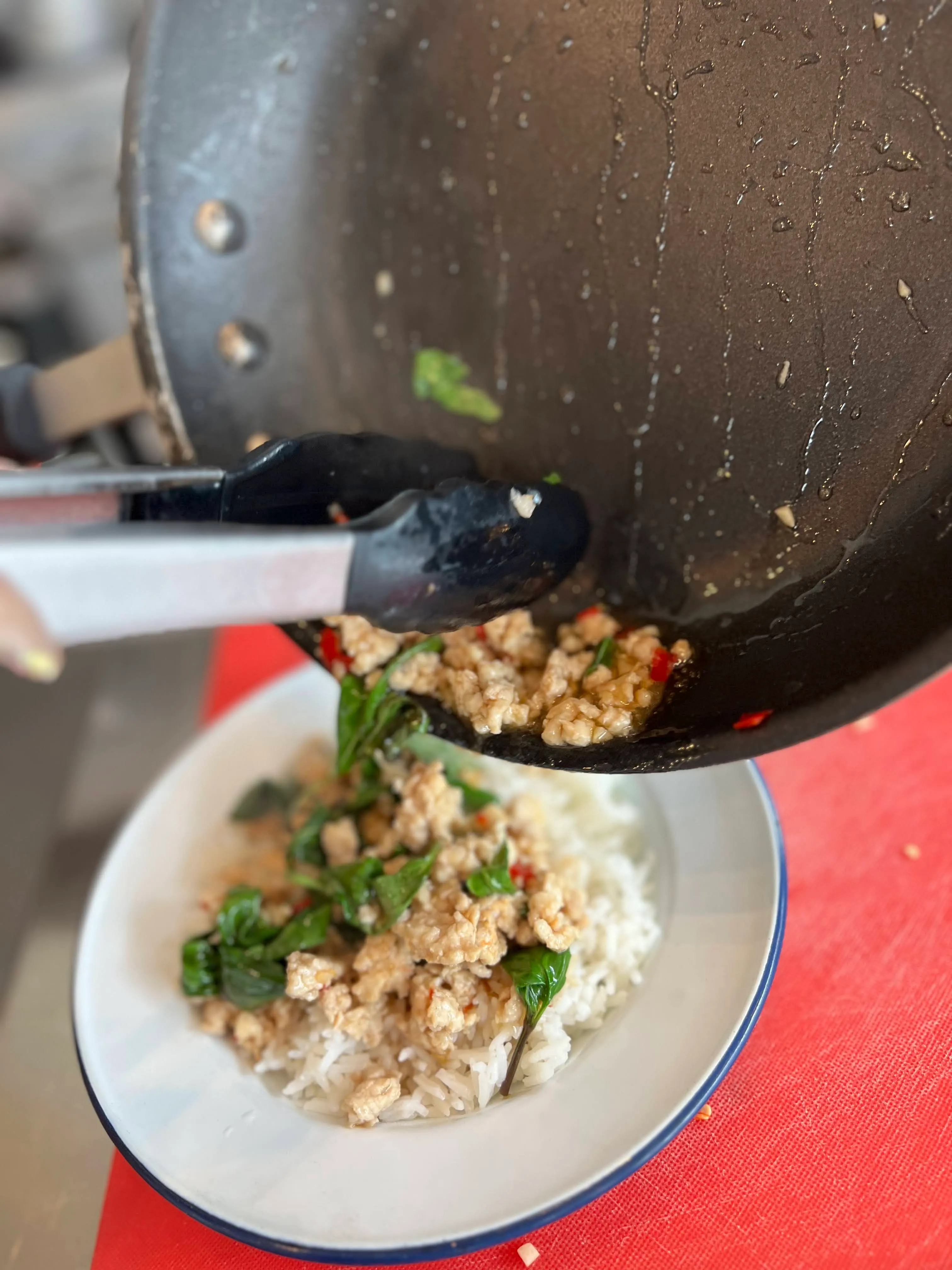
- Thai. Bold, aromatic, and hands-on, with curry and pad thai built from scratch rather than poured from a jar.
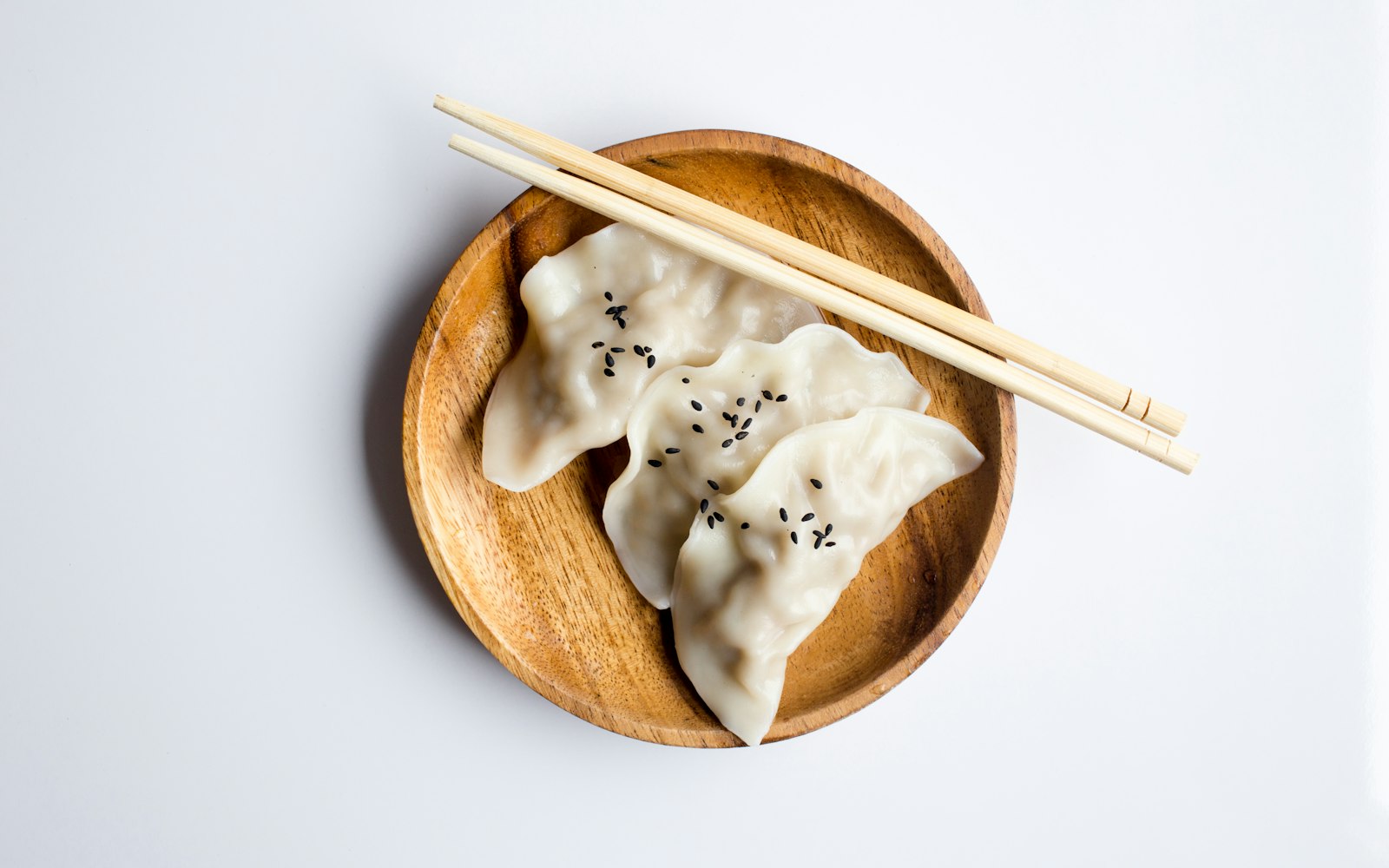
- Dumplings. From Japanese gyoza to soup dumplings (xiao long bao), a patient, satisfying class about technique and repetition.
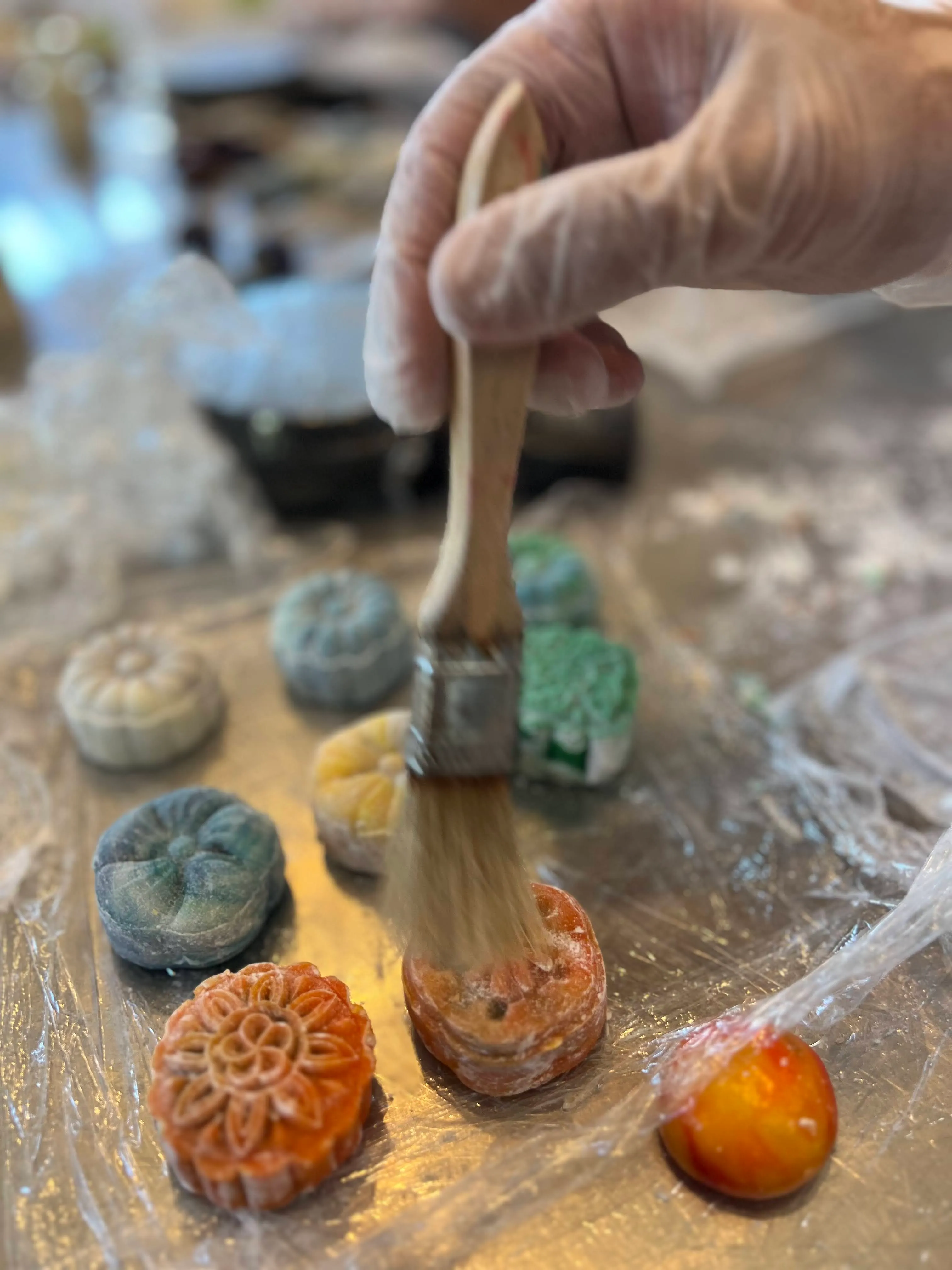
- Baking. Macarons, bagels, and other sweet projects for teams that would rather end on dessert than dinner.
Classes are led by 1 to 2 chefs from BiteUnite's local community, many of whom teach the cuisine of their own heritage, so your team gets the cultural context alongside the knife work. For distributed companies, BiteUnite runs the same model in San Francisco and Hong Kong, so every office can have a comparable experience, and its white-label kitchen offeringgives larger brands a route to fully custom, branded culinary events. Wider corporate wellbeing and team-buildingprograms slot in naturally here too.
Institute of Culinary Education (ICE)
A heavyweight name with the credentials to match. ICE runs structured, chef-led corporate sessions for teams that want their team-building with a side of serious, classroom-grade technique. Best for groups that respond to rigor over informality.
Taste Buds Kitchen
Bright, social, and built for low pressure and high fun. A solid pick when half the room has never cooked and would like to keep all ten fingers.
The honest read: pick the venue based on your team's appetite for structure. A sales floor that thrives on competition wants something playful and fast (pasta or dumplings). An engineering team might prefer the methodical precision of a sushi class. Match the room to the people, and tell the venue your goal up front so they can shape the session around it.
V. Recipe for Success: Planning Your Corporate Cooking Event
A cooking class can fall flat the same way a soufflé does, usually because of something avoidable. A few things to get right before you book.
- Size the group to the space. Cramming 40 people into a room set up for 30 seated turns "team bonding" into "team bottleneck." Confirm capacity honestly, and ask how many people actually get hands-on versus watching. At BiteUnite NYC, the working numbers are a 10 to 15 person minimum for private events and up to 30 seated or 60 standing, so it scales cleanly for most departments.
- Collect dietary needs early. Vegetarian, vegan, gluten-free, allergies, all of it goes to the venue before the event, not at the stove. Worth knowing: BiteUnite's Thai and sushi classes offer vegan, vegetarian, and gluten-free options, and pasta offers a vegetarian option. There is no kosher meat available, so if that matters to your team, plan around it rather than getting surprised on the day.
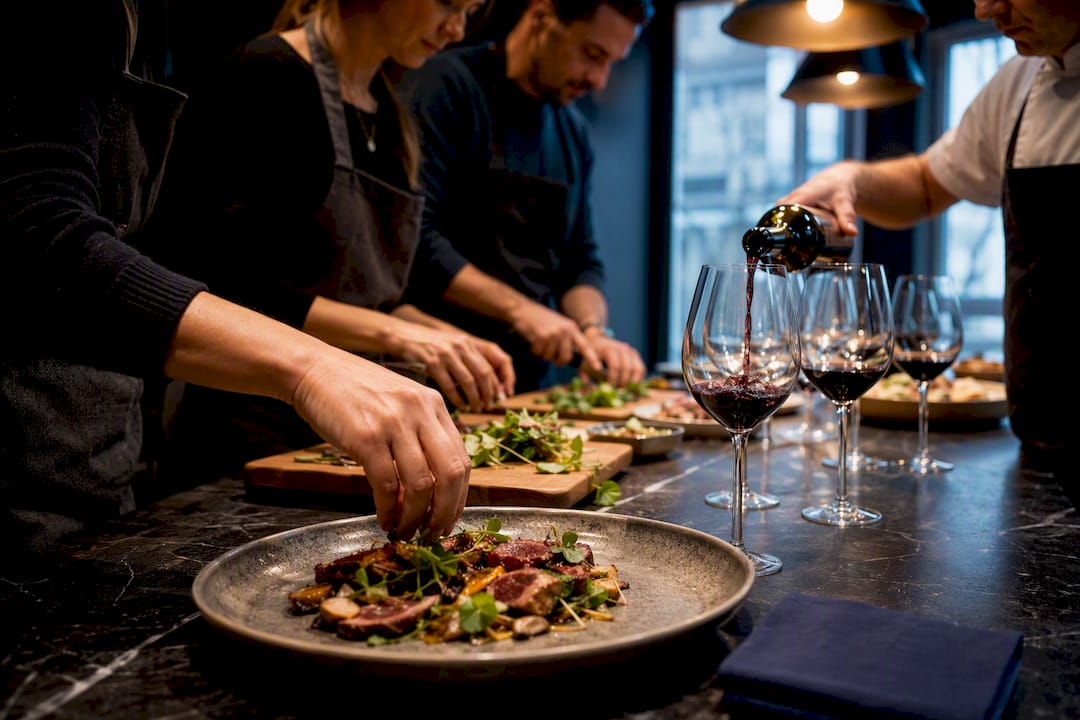
- Sort the drinks in advance. BiteUnite holds an alcohol permit and lets you bring up to 3 bottles of wine per event for a corkage fee, but outside drinks otherwise are not allowed. Flag your wine plan ahead of time so they can prepare. A toast over the food you just made beats a vending-machine soda every time.
- Know what you can add on. Extra hours, branded brand-event setups, floral arrangements, appetizers, dessert courses, custom menus, and wine pairings can all be layered on request. If this event is a reward after a brutal quarter, the add-ons are where you make it feel like one.
- Build in unstructured time. The magic usually happens in the gaps: waiting for the sauce to reduce, plating together, eating what you made. The 2 to 3 hour format already accounts for a real meal afterward, so resist the urge to over-schedule. Leave room for the conversations you actually came for.
- Understand the booking flow. Use "Check Availability" to scout dates without committing, and "Book a Private Event" when you're ready. You're charged once the host accepts, which can be immediate or within 24 hours depending on availability. Gift cards are also on the table for client or employee rewards, and they don't expire.
VI. Beyond the Kitchen: The Lasting Business Payoff
It's easy to write a cooking class off as a fun afternoon and nothing more. But the better ones leave a residue that outlasts the dishes.
Shared, slightly chaotic experiences build trust faster than another offsite slideshow ever will. When people problem-solve together under low stakes, where nobody's promotion rides on whether the risotto sticks, they carry that ease back to the high-stakes work. A team that coordinated a sushi line or raced to plate fresh pasta has practiced the exact muscles of communication and timing that the office runs on. That's the real return.
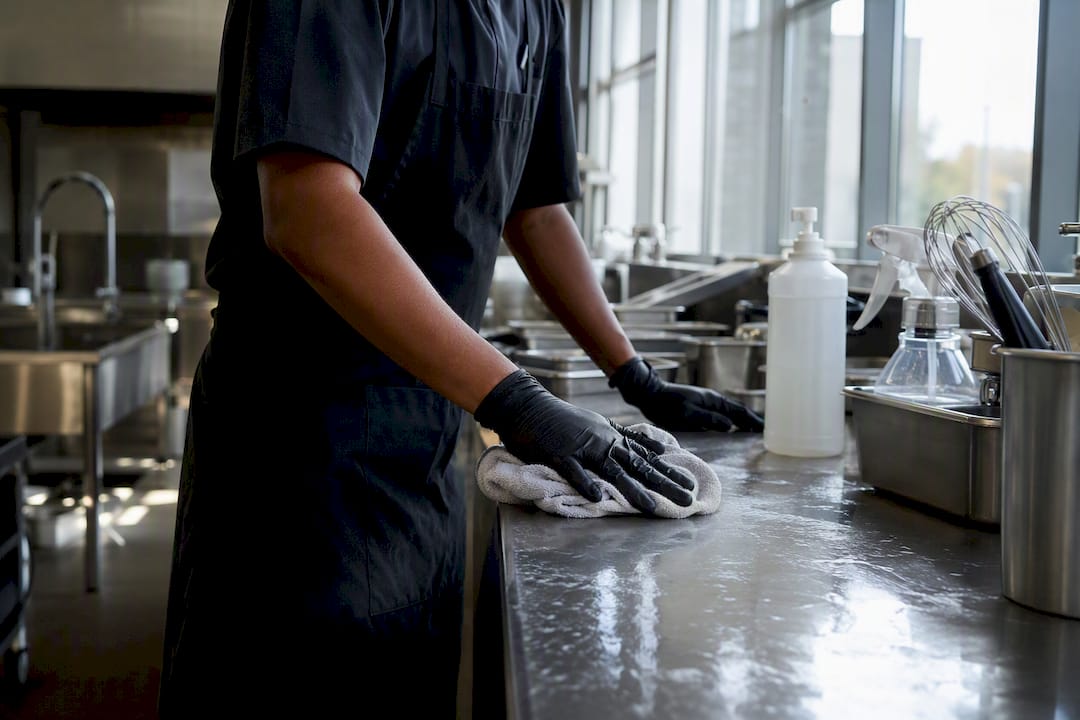
There's also a wellbeing angle that's hard to fake. Stepping away from screens, working with your hands, and eating a good meal with colleagues does something for morale that a gift card alone doesn't. It's why more companies are folding experiences like this into their broader corporate wellbeing and team-building programs rather than treating them as one-off perks. The kitchens are run as proper commercial spaces, sanitized before and after every event with food-handler-certified staff, so the experience feels considered rather than improvised, and a team that feels genuinely looked after tends to stick around. Recruiting is a lot more expensive than a cooking class.
VII. Conclusion: Your Team's Next Great Story Starts in the Kitchen
The best team-building doesn't feel like team-building. It feels like a good night out that happens to leave your team closer than it started. A summer cooking class in NYC delivers exactly that: real food, real laughter, and the kind of shared story that gets retold at the holiday party long after the last all-hands is forgotten.
So trade the conference room for the kitchen. Knead the dough, roll the sushi, fold the dumplings, and let the team remember the meal they built together. When you're ready to plan it, BiteUnite NYC and its Midtown loft are a strong place to start. Check a date, pick a cuisine, and let the city views handle the rest.






























.webp)