Popular Team Building Cooking Classes in New York City

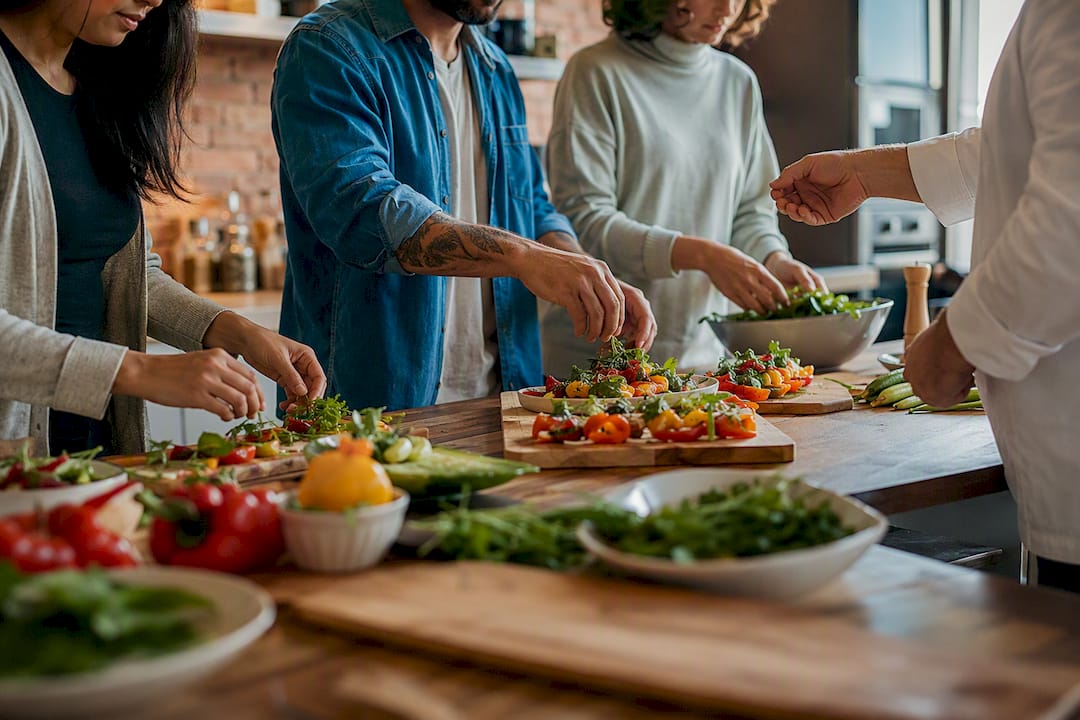
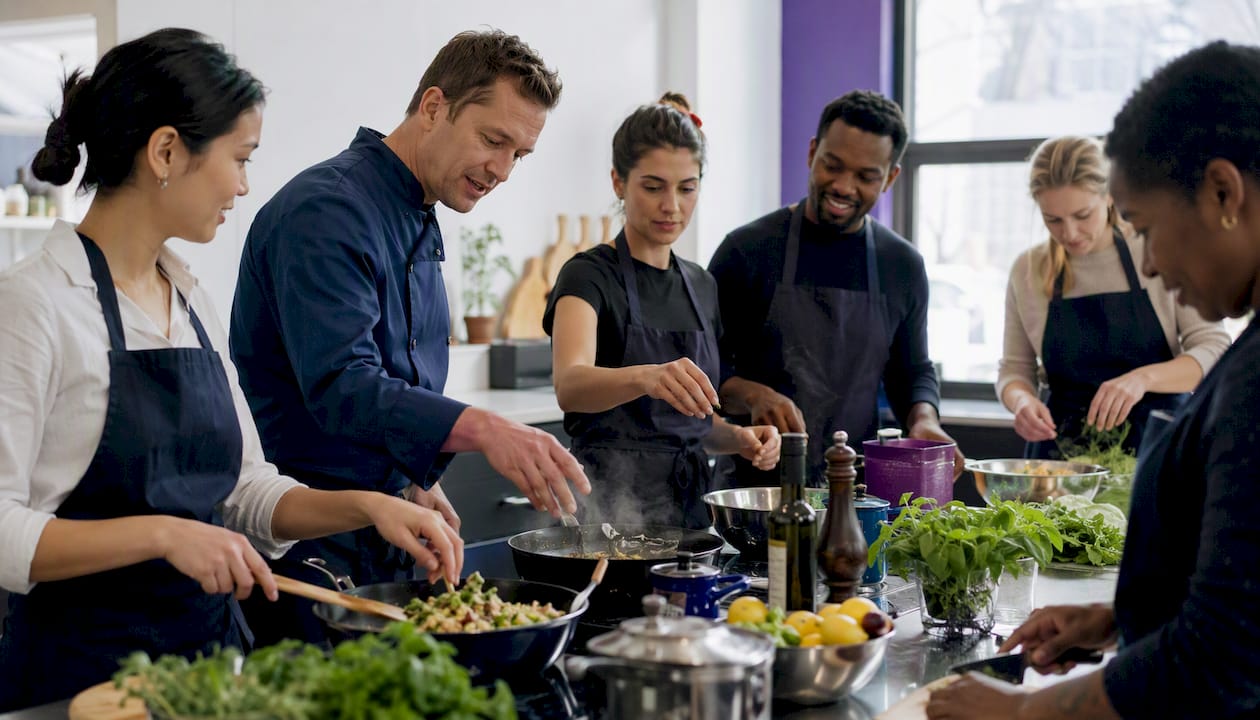
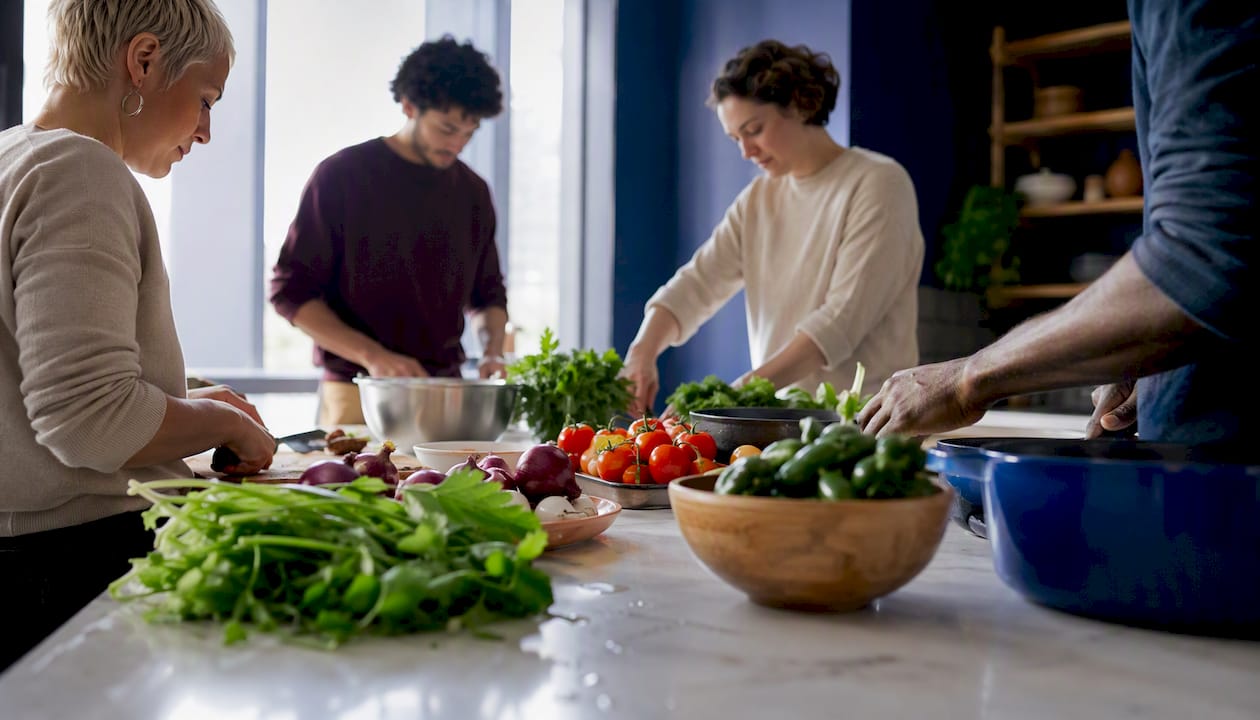
Trust falls and escape rooms have had their moment. The teams that actually remember their outings six months later are the ones who cooked together — sleeves rolled up, knives out, somebody's manager wearing flour on their forehead. New York City has built itself into a serious hub for corporate culinary team building, and the options range from intimate Chelsea kitchens to full-blown competition-style "battle" formats.
Here's an honest breakdown of where to send your team, what each venue actually does well, and what to watch out for before you book.
BiteUnite (Chelsea)
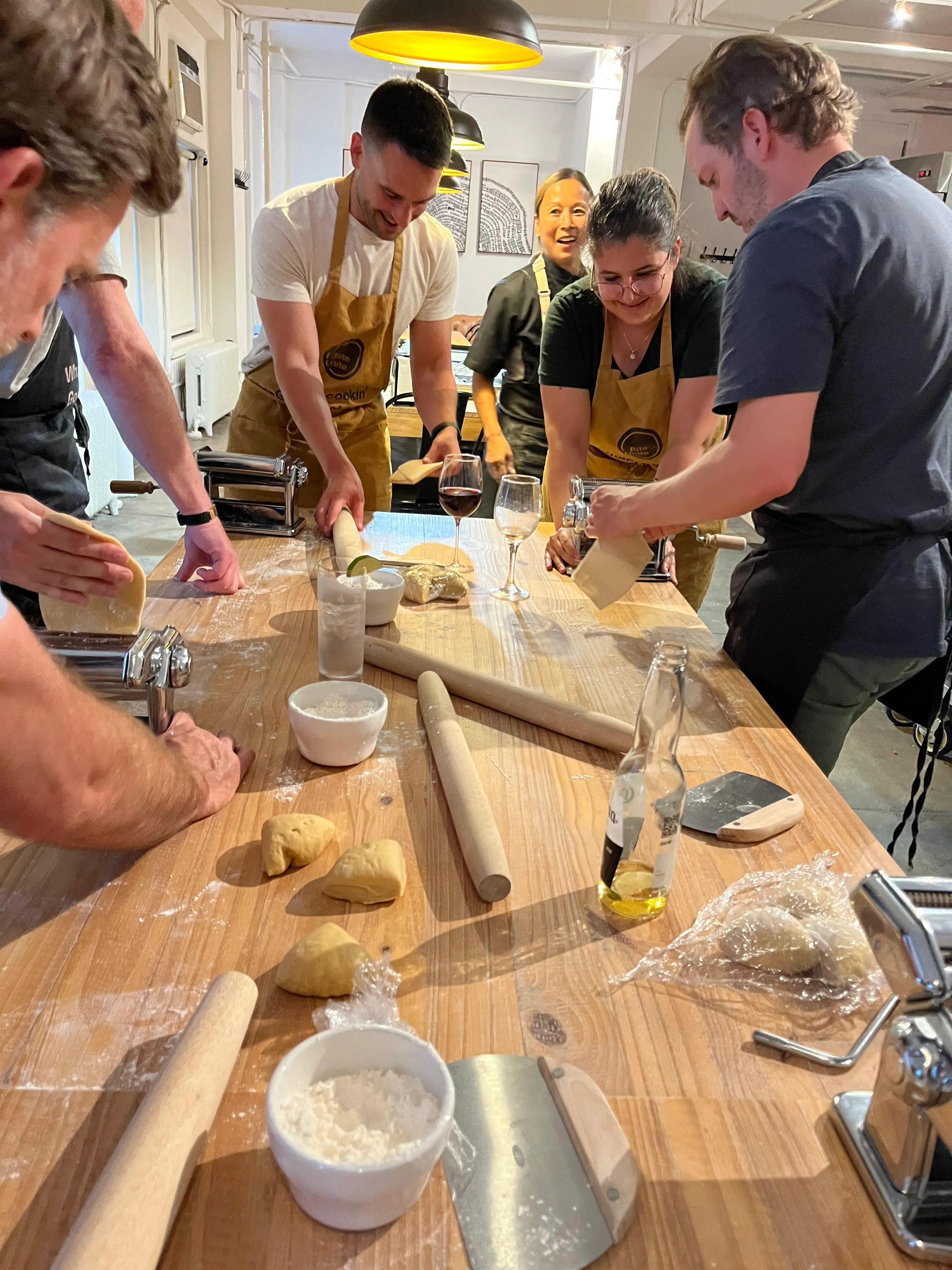
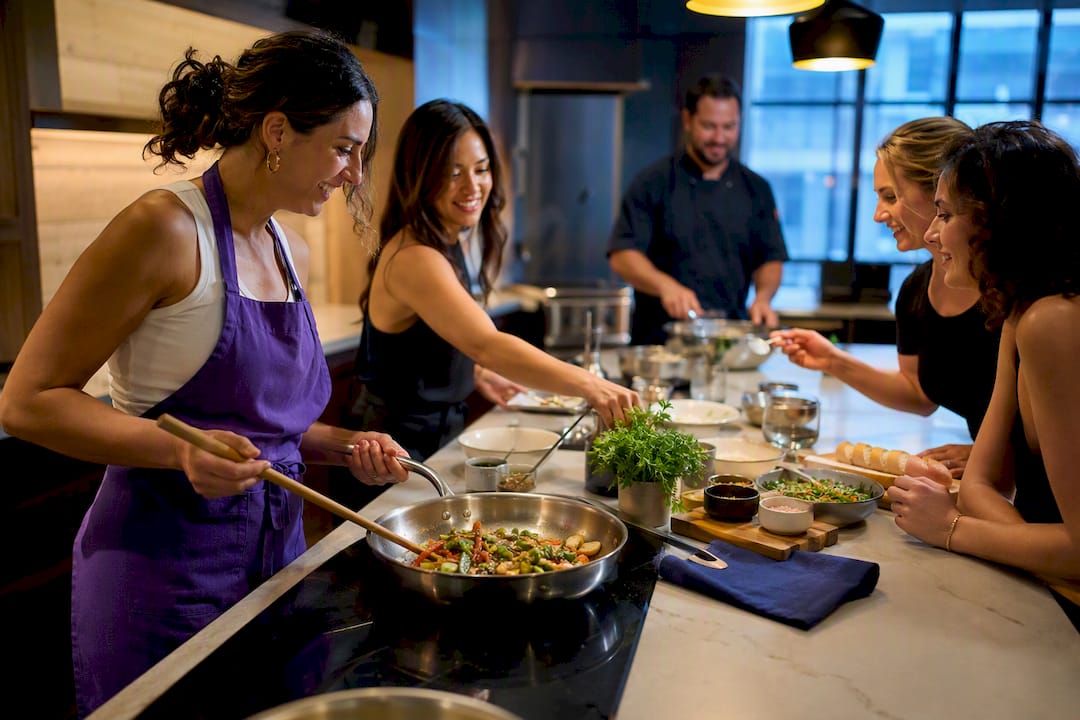
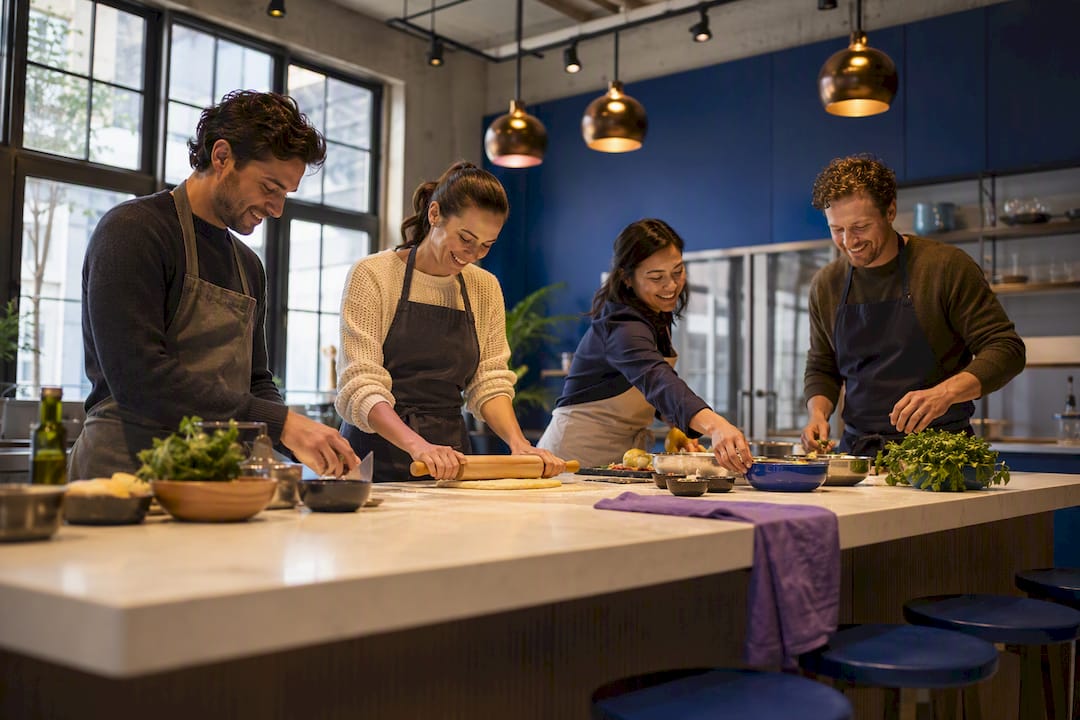
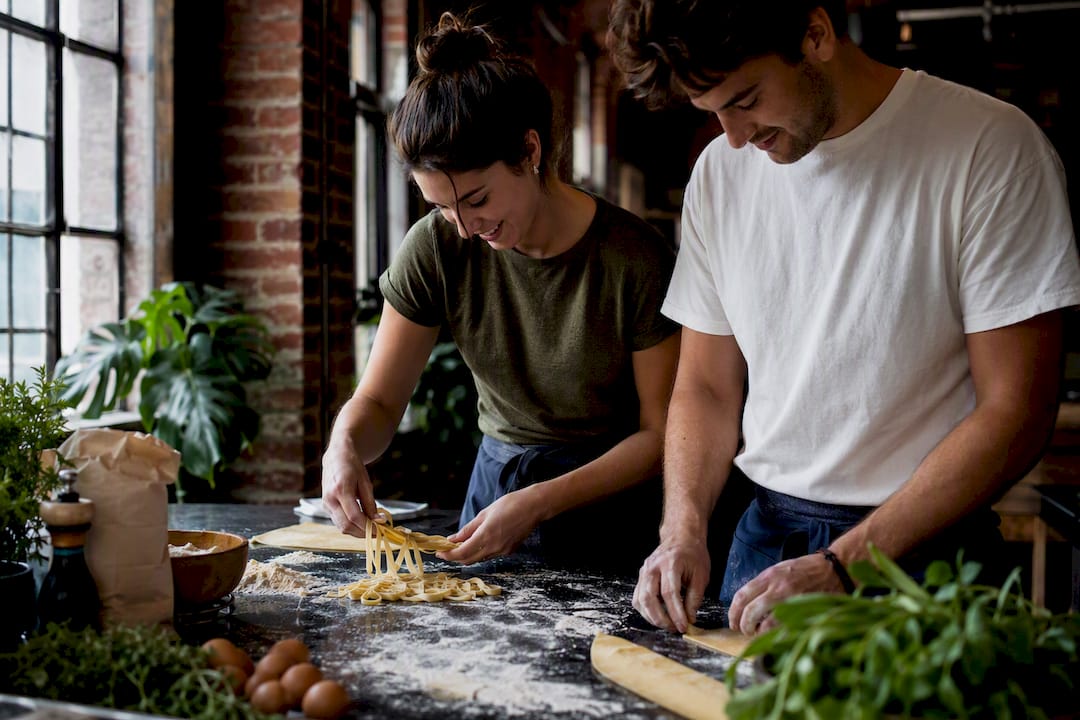
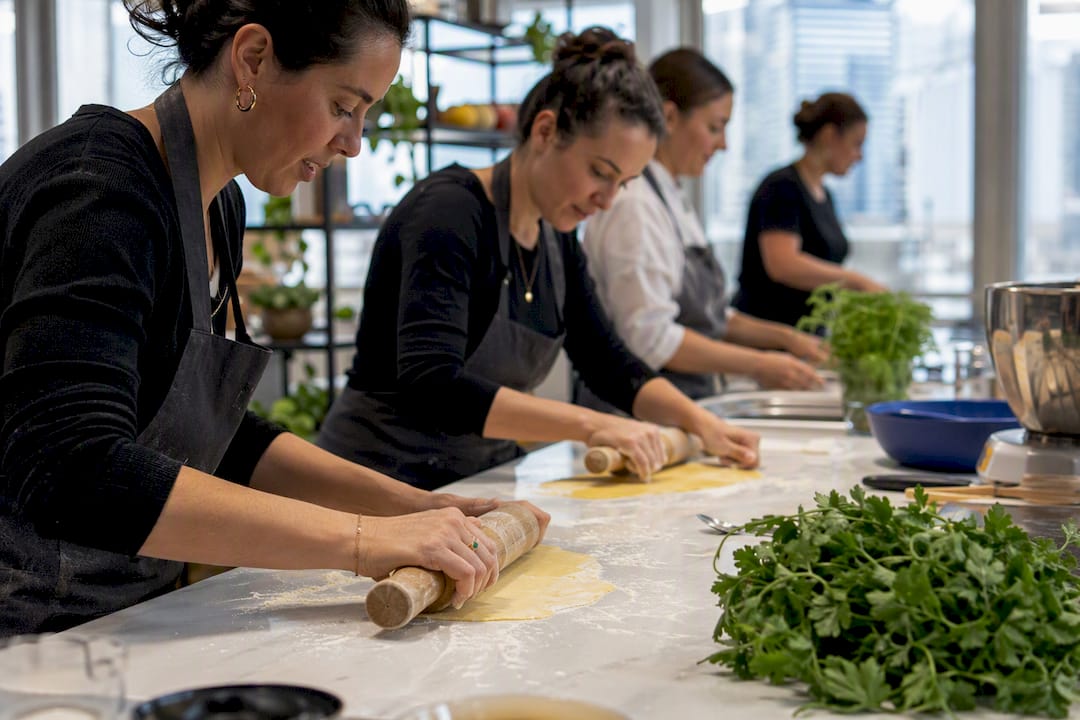
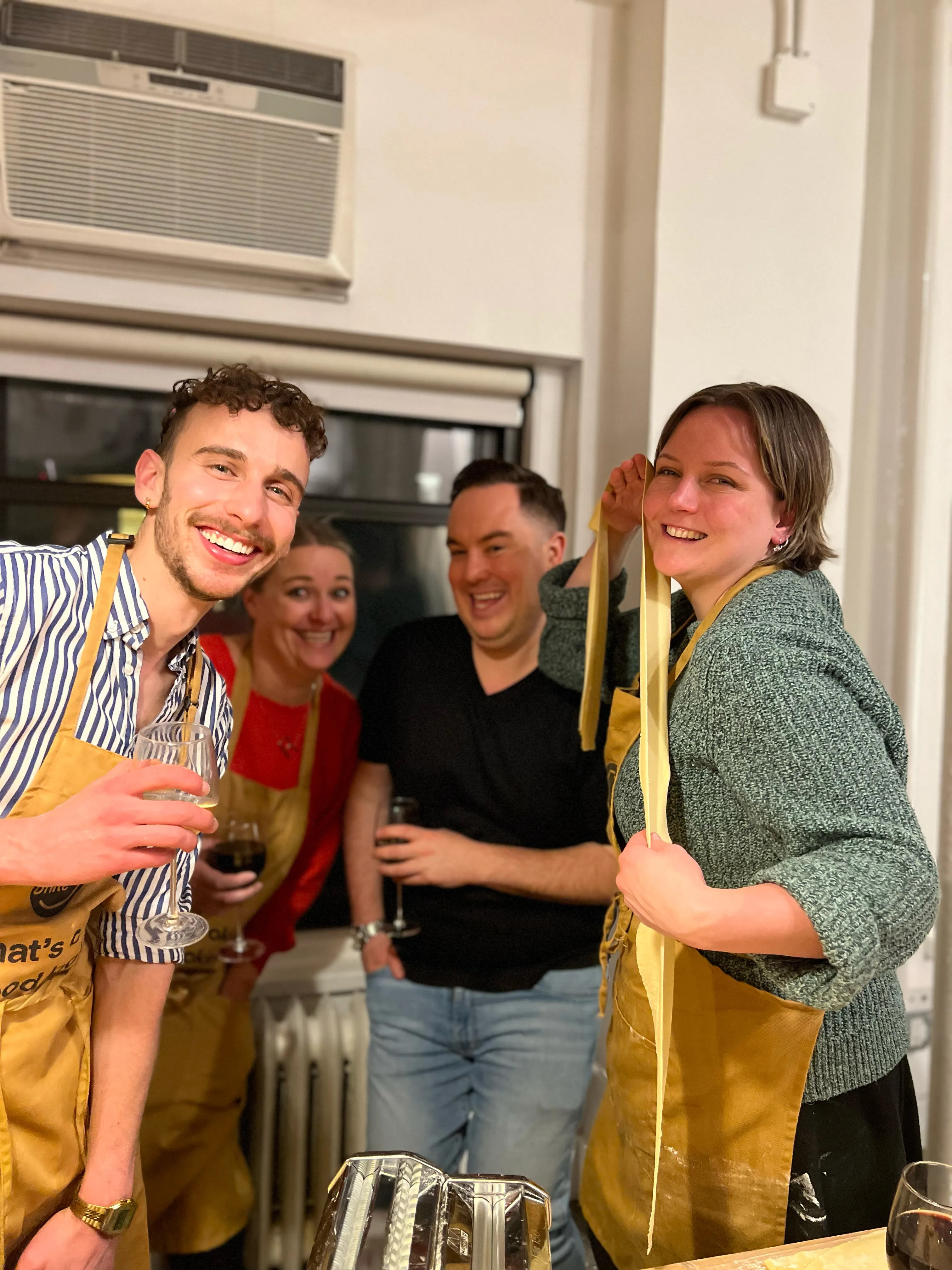
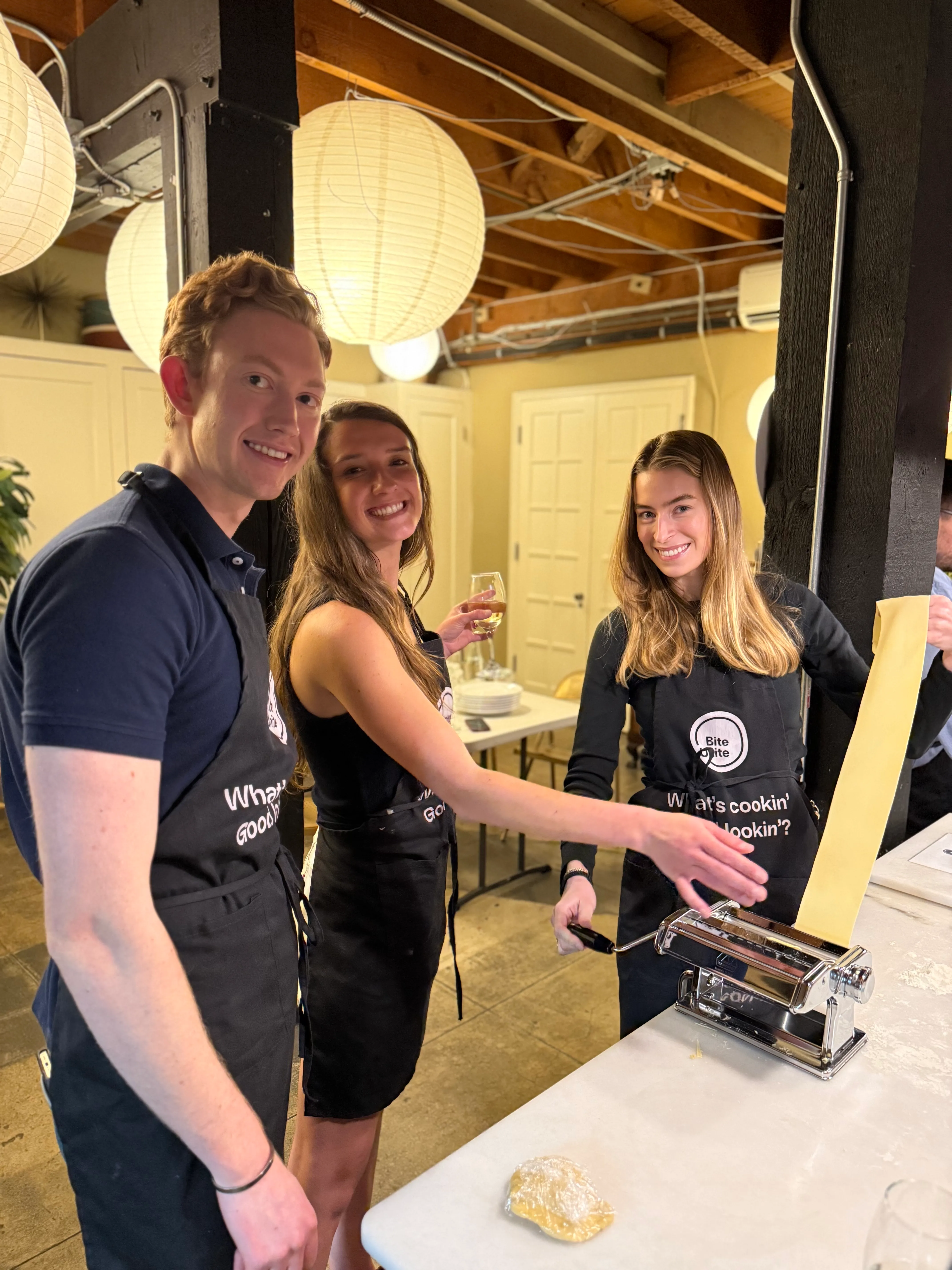
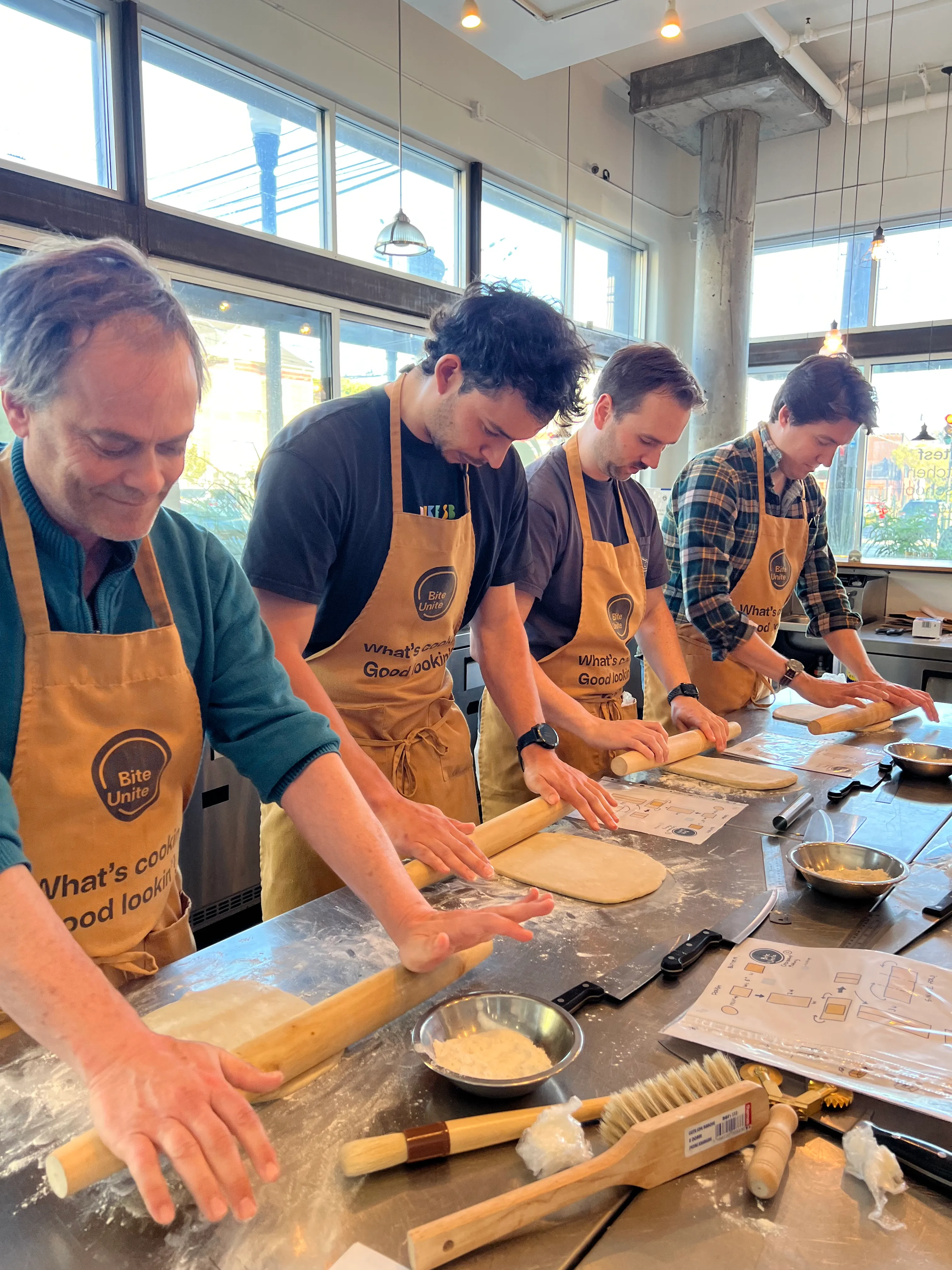
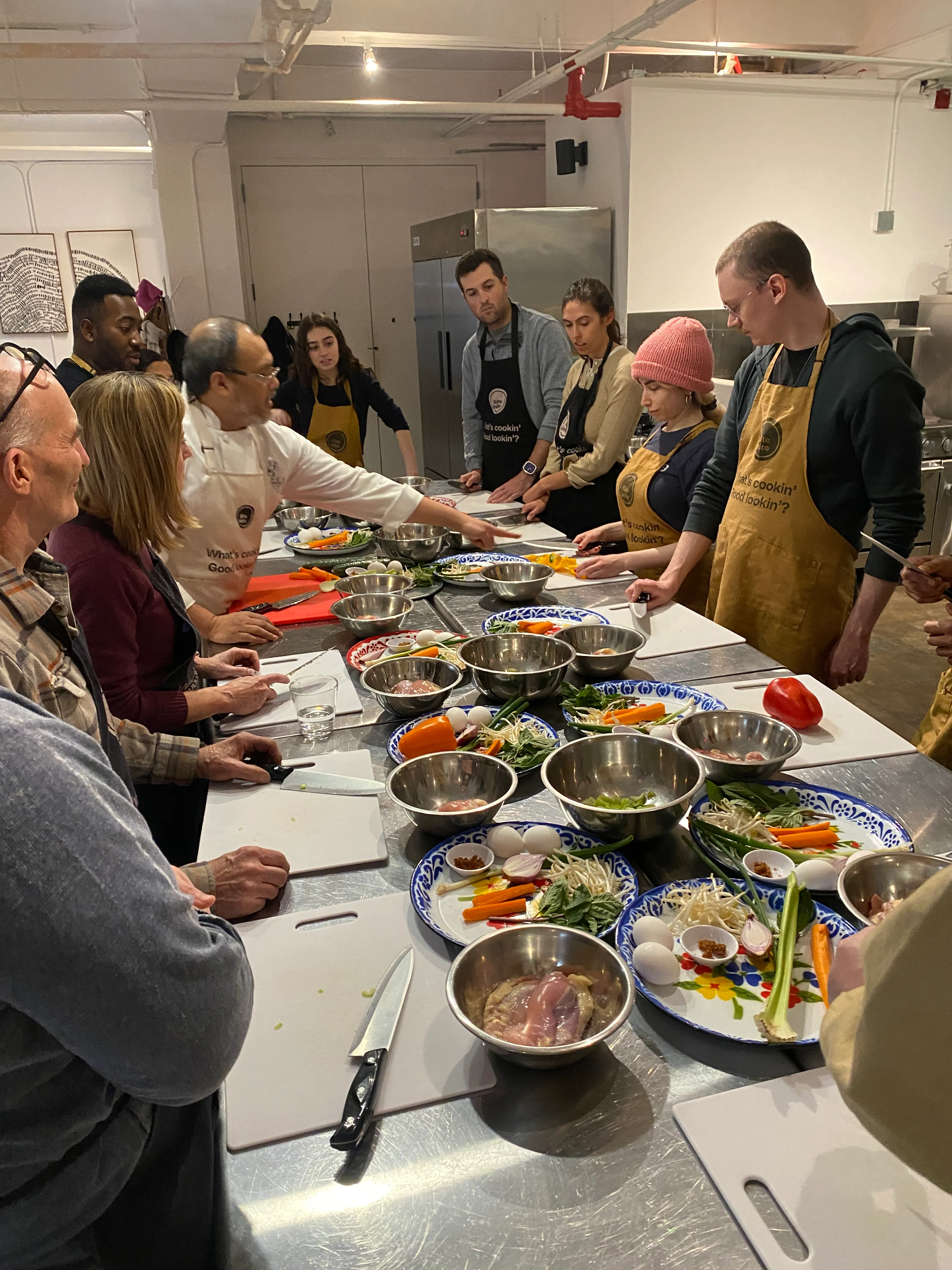
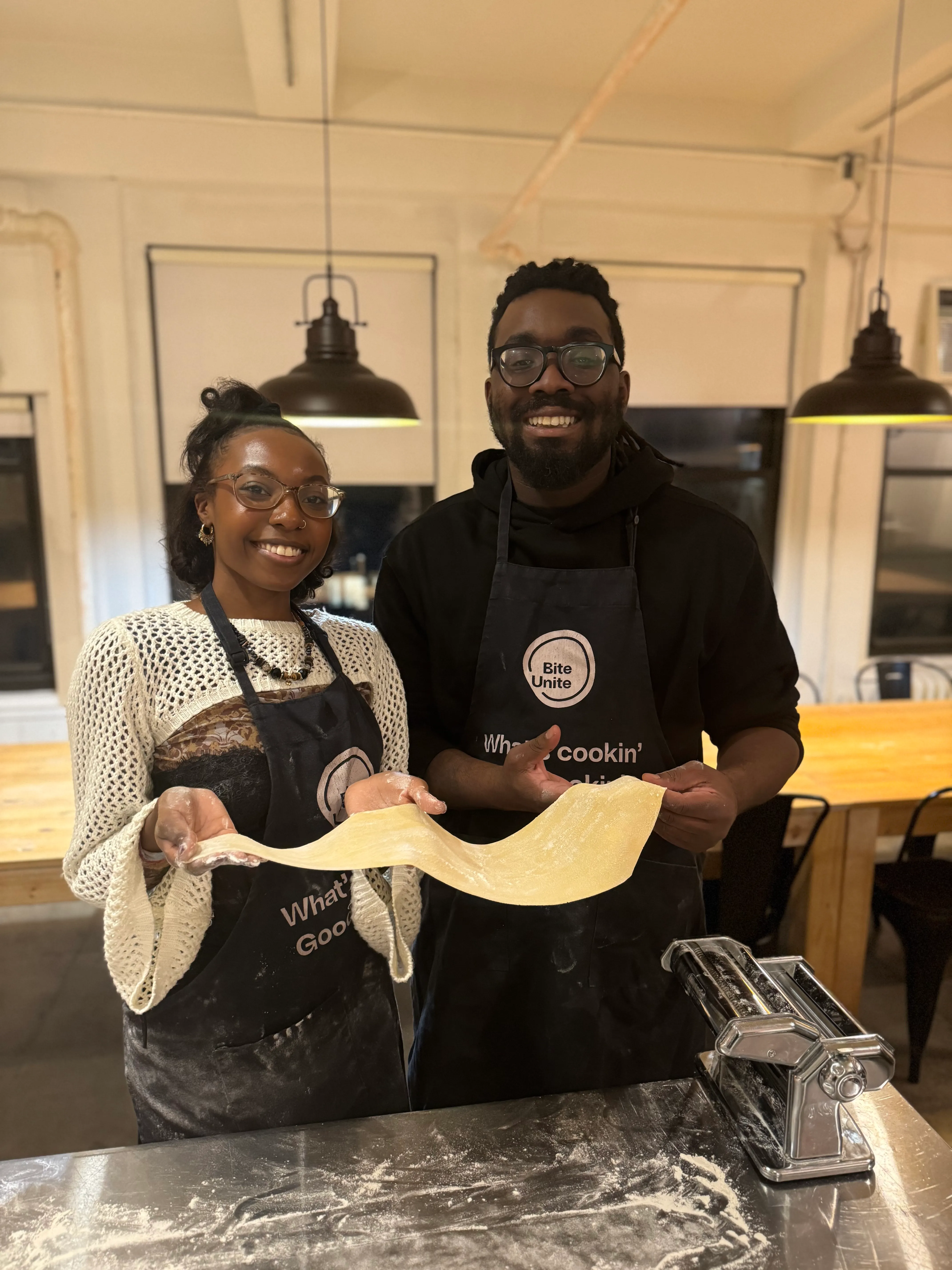
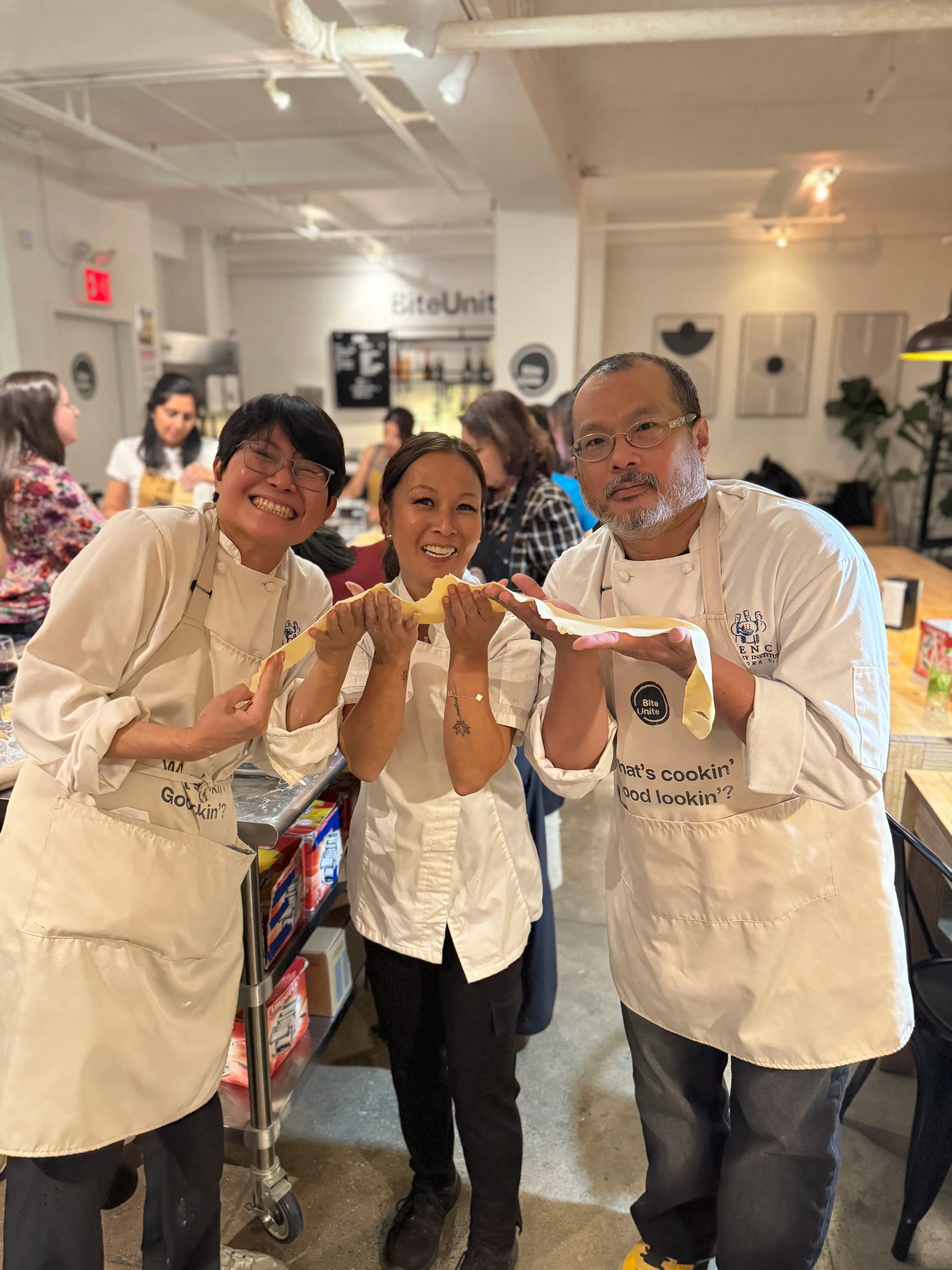
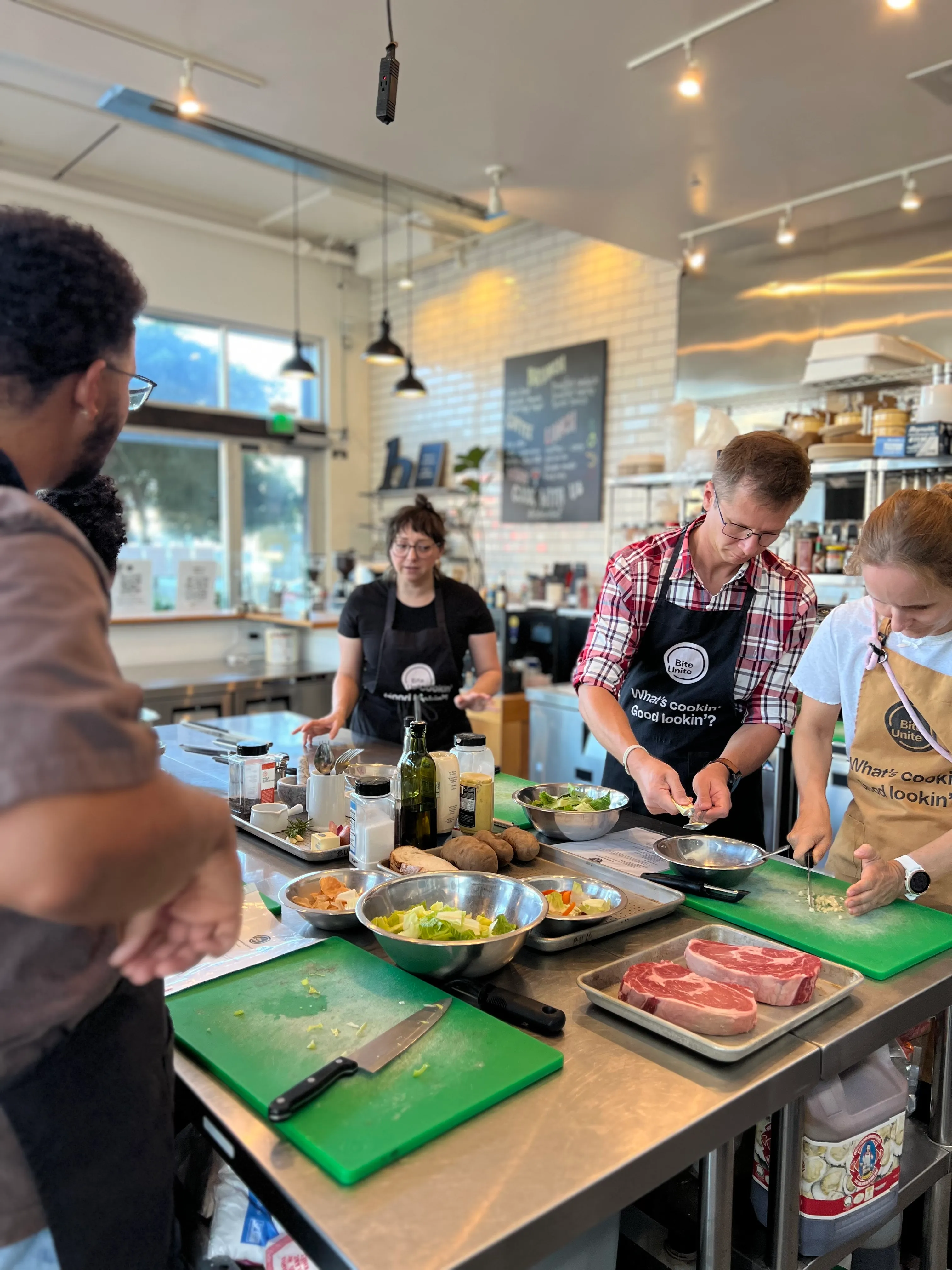
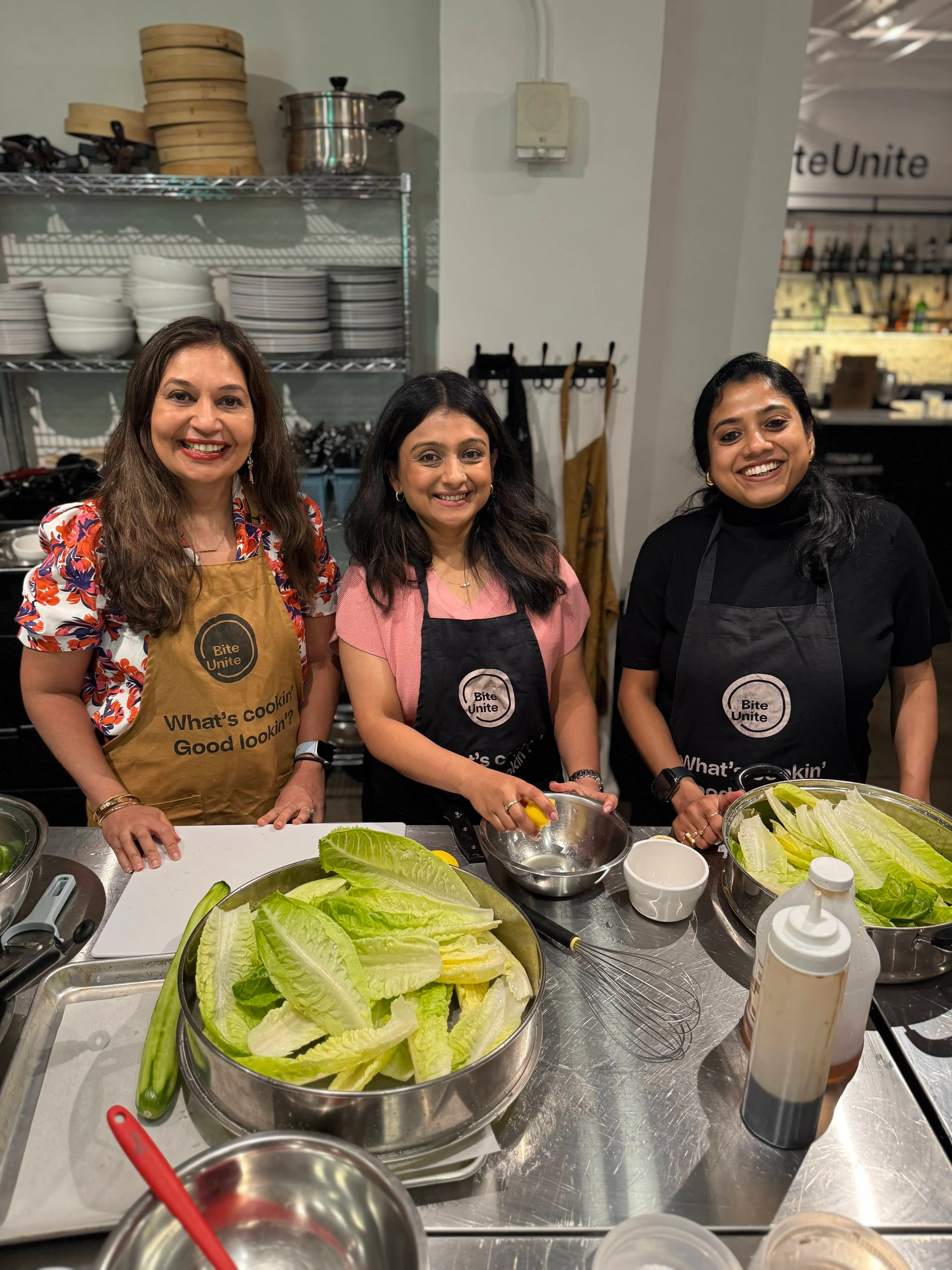
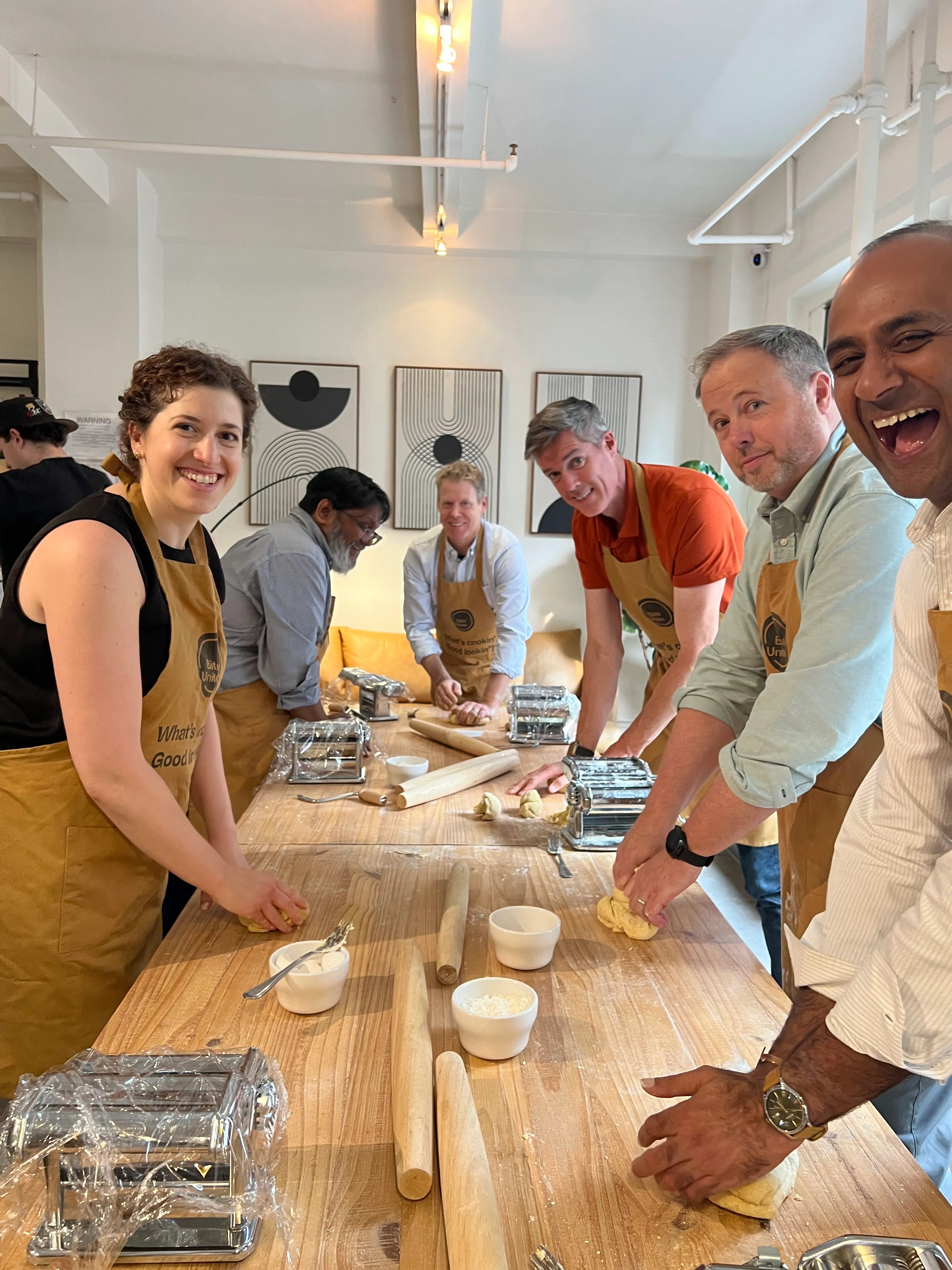
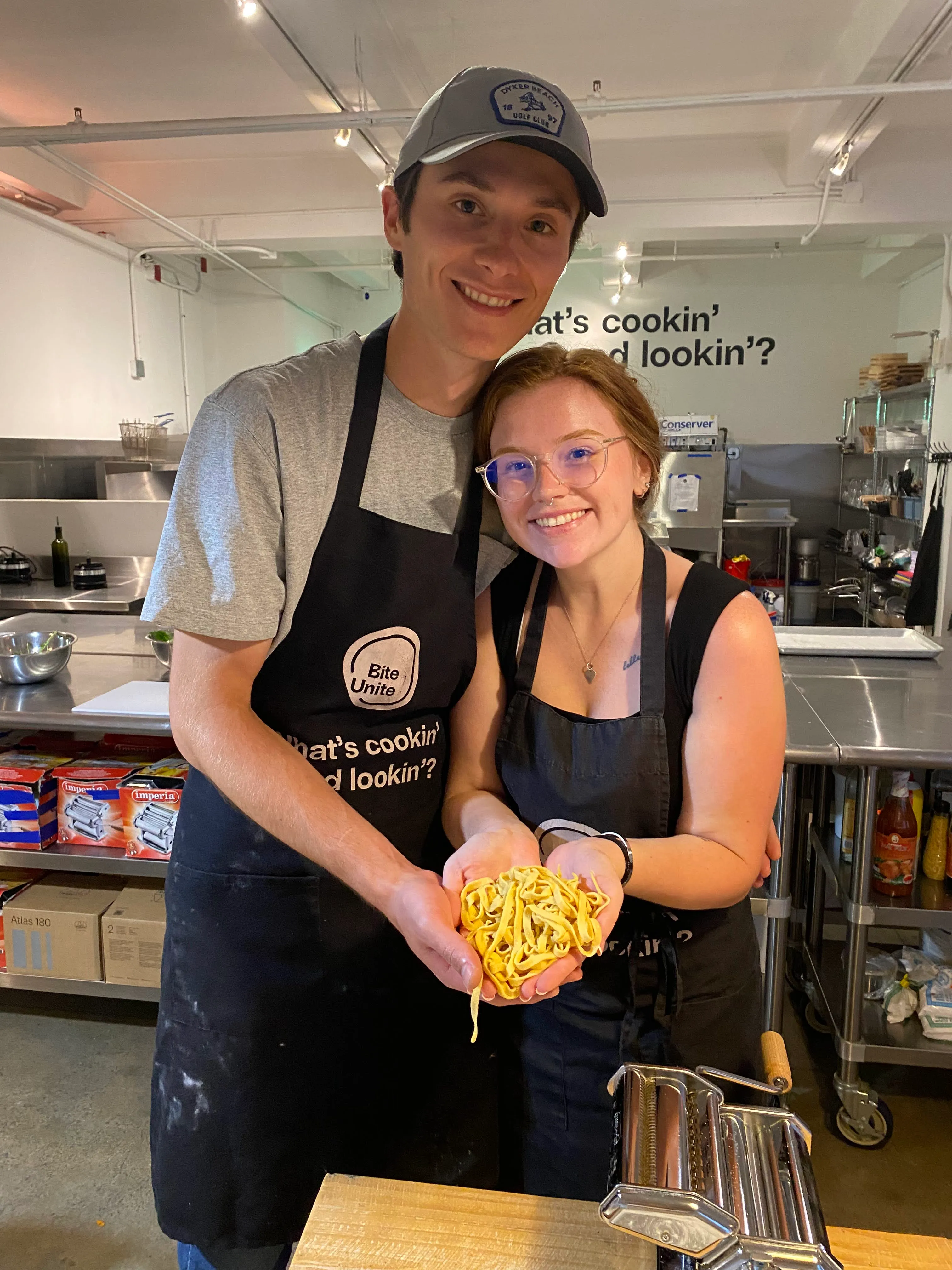
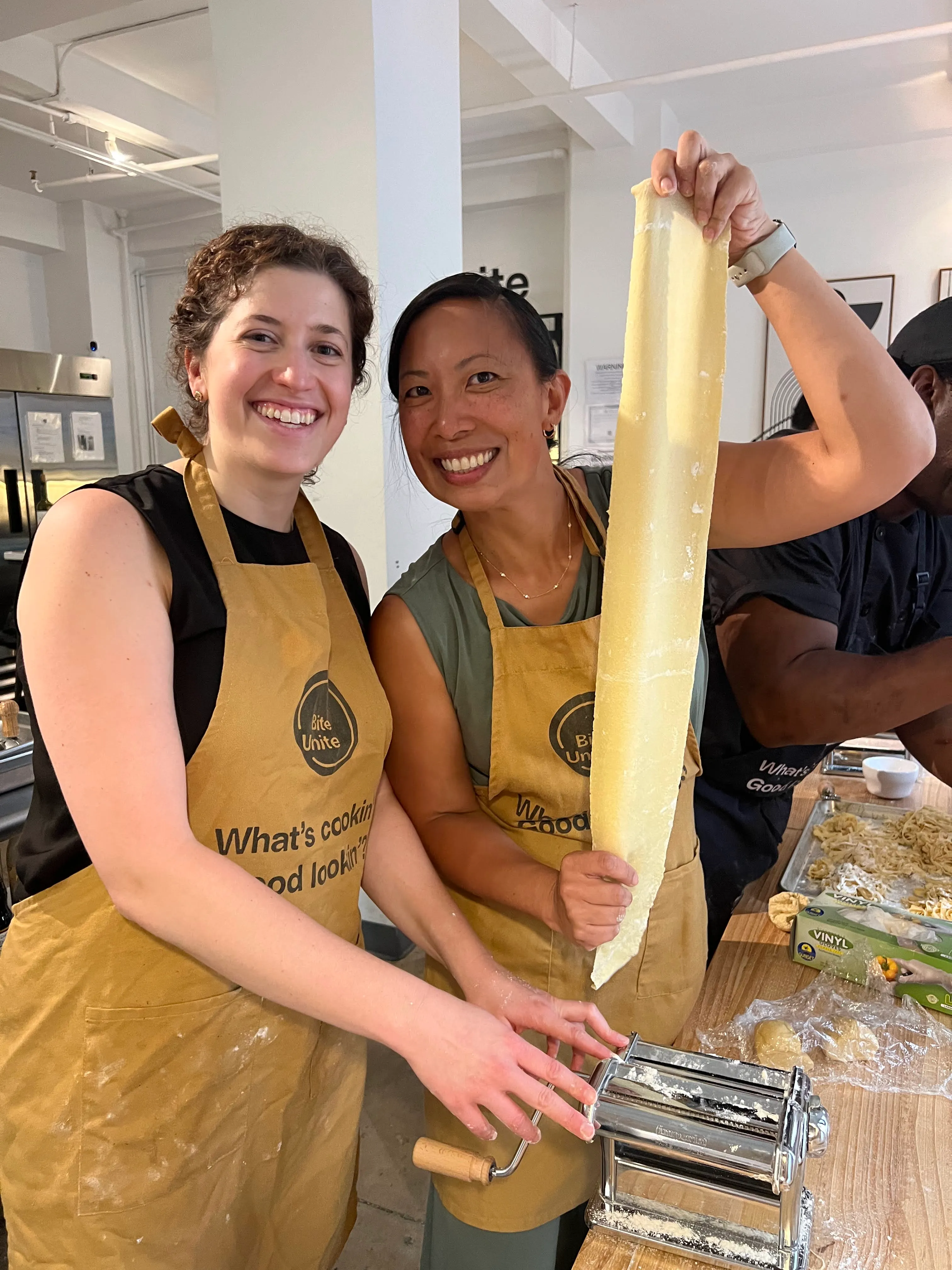
BiteUnite leads the pack for companies that want a hands-on, authentic experience without the corporate sterility. The Chelsea kitchen is bright, welcoming, and built for intimate group sizes — which matters more than people think. Oversized classes turn into demos with a few people lucky enough to touch dough. Small groups mean every team member is actually cooking.
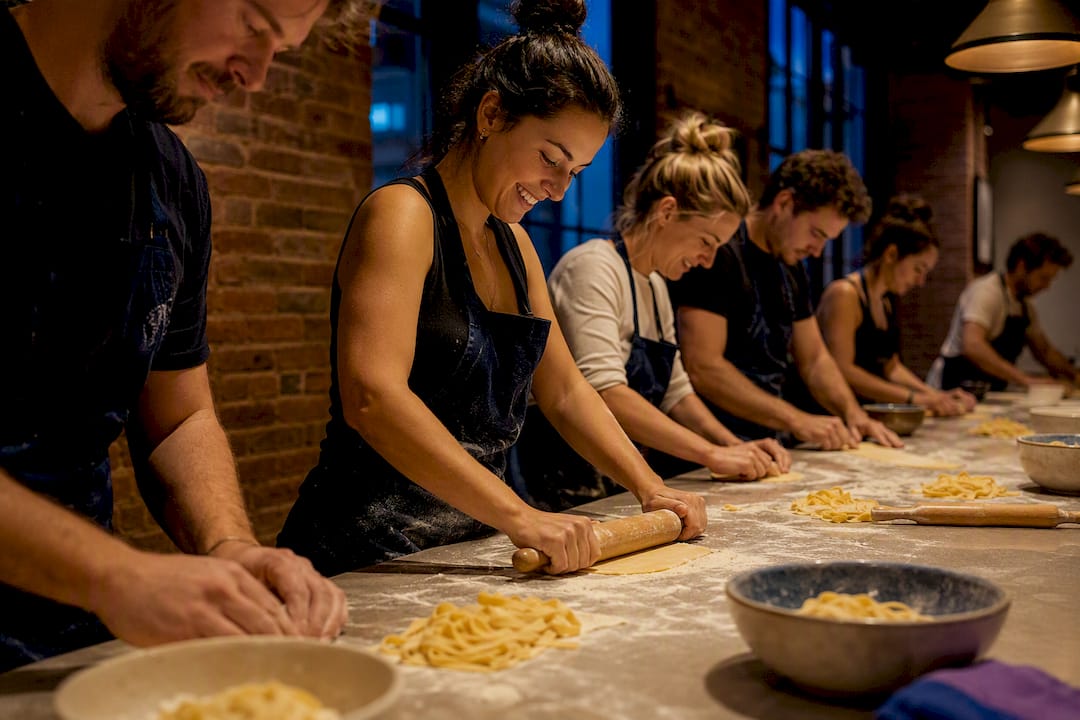
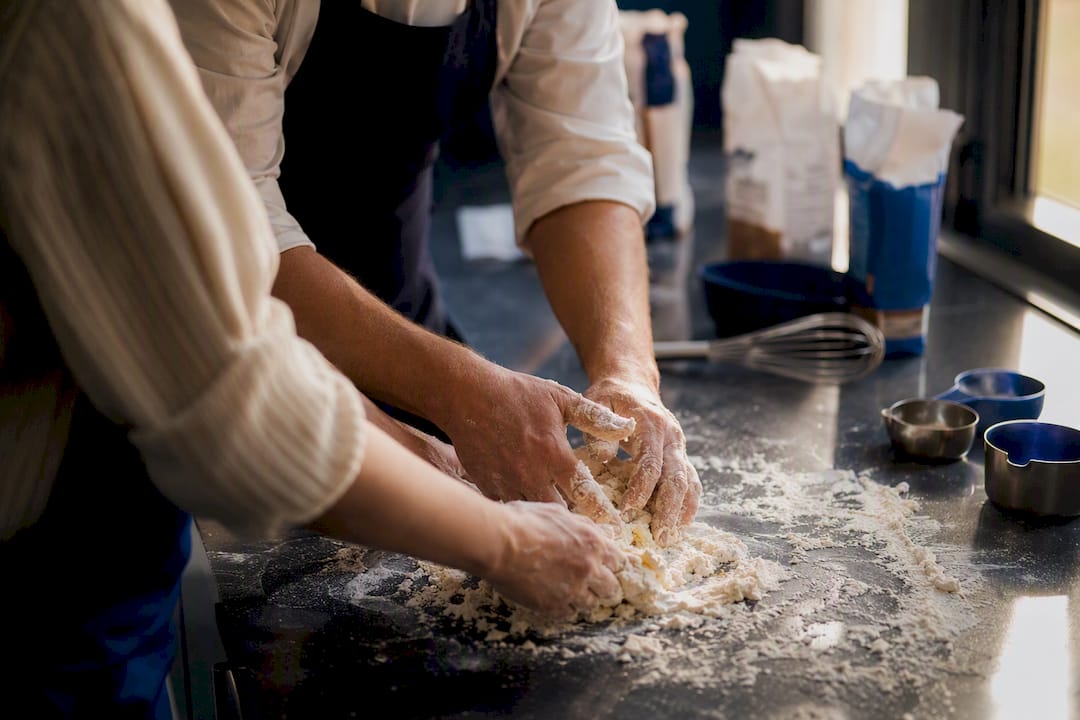
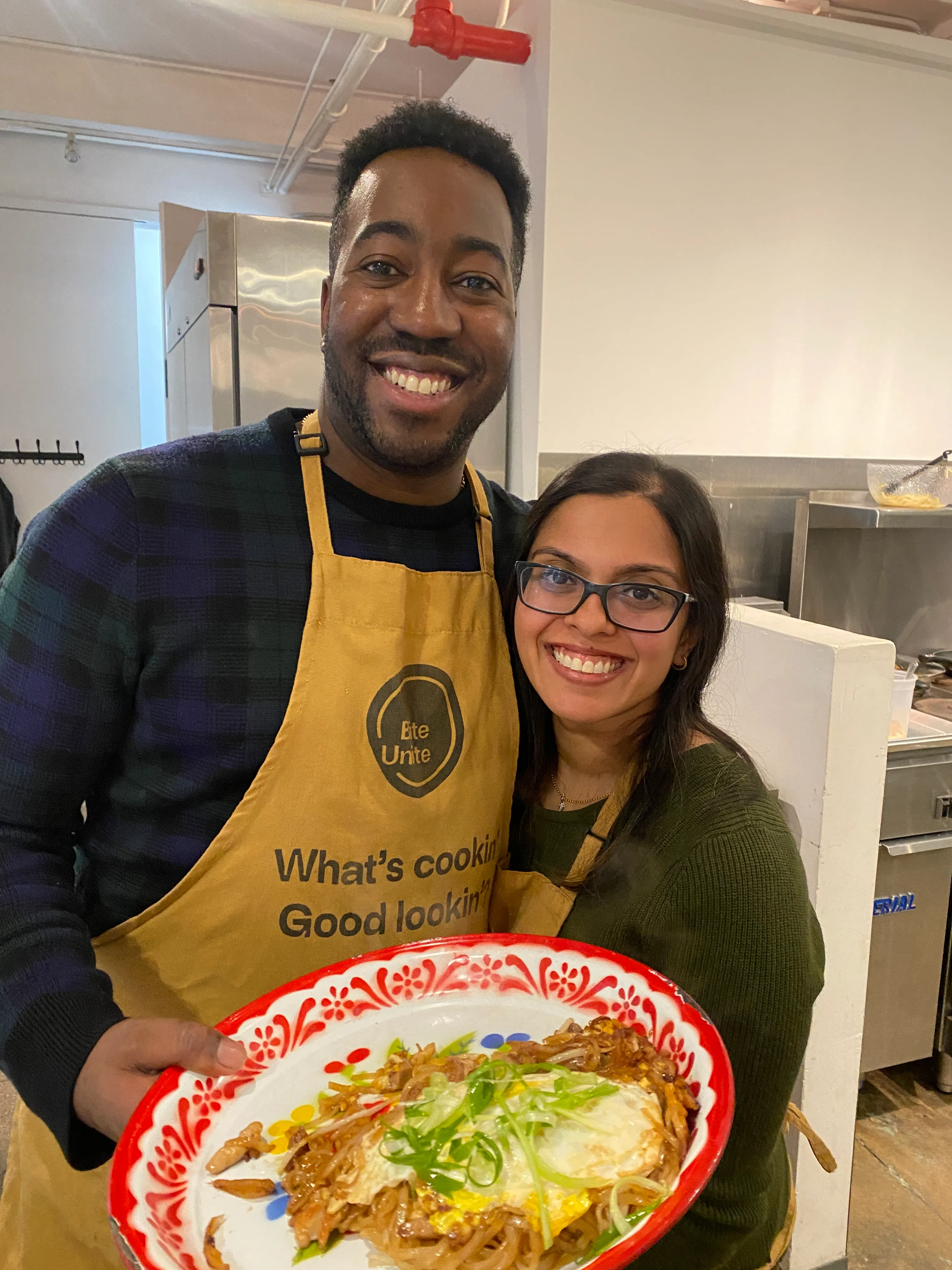
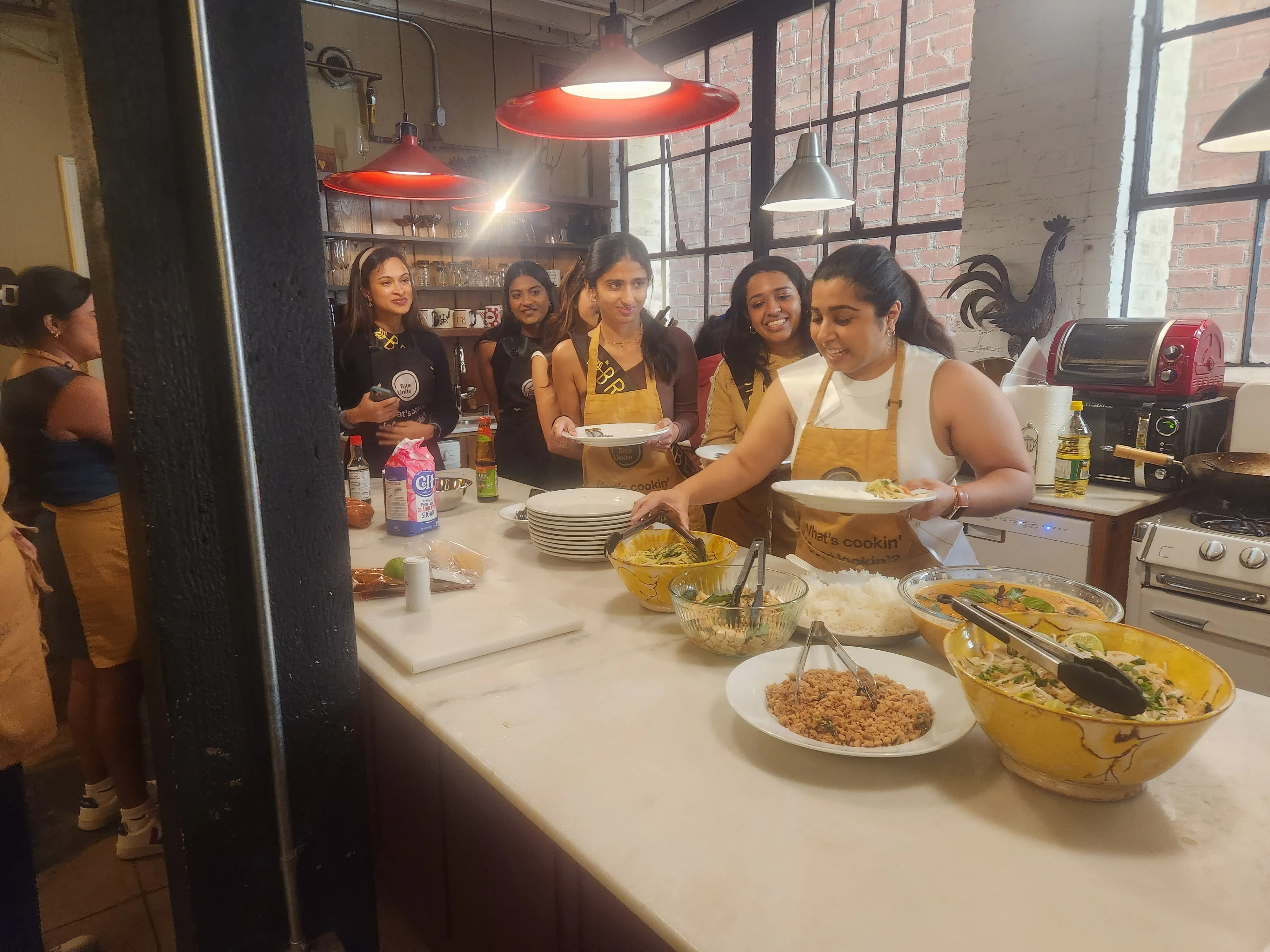
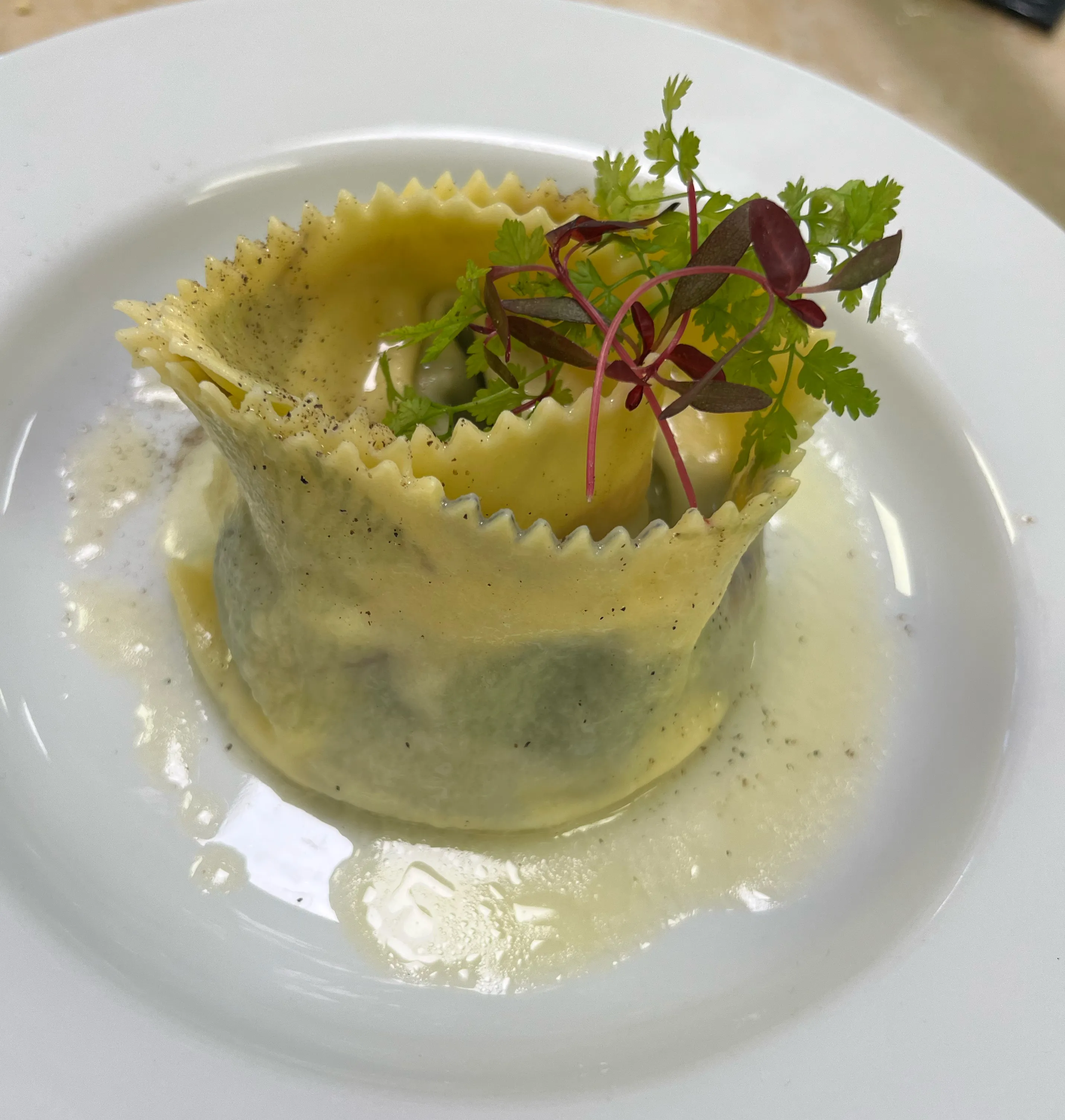
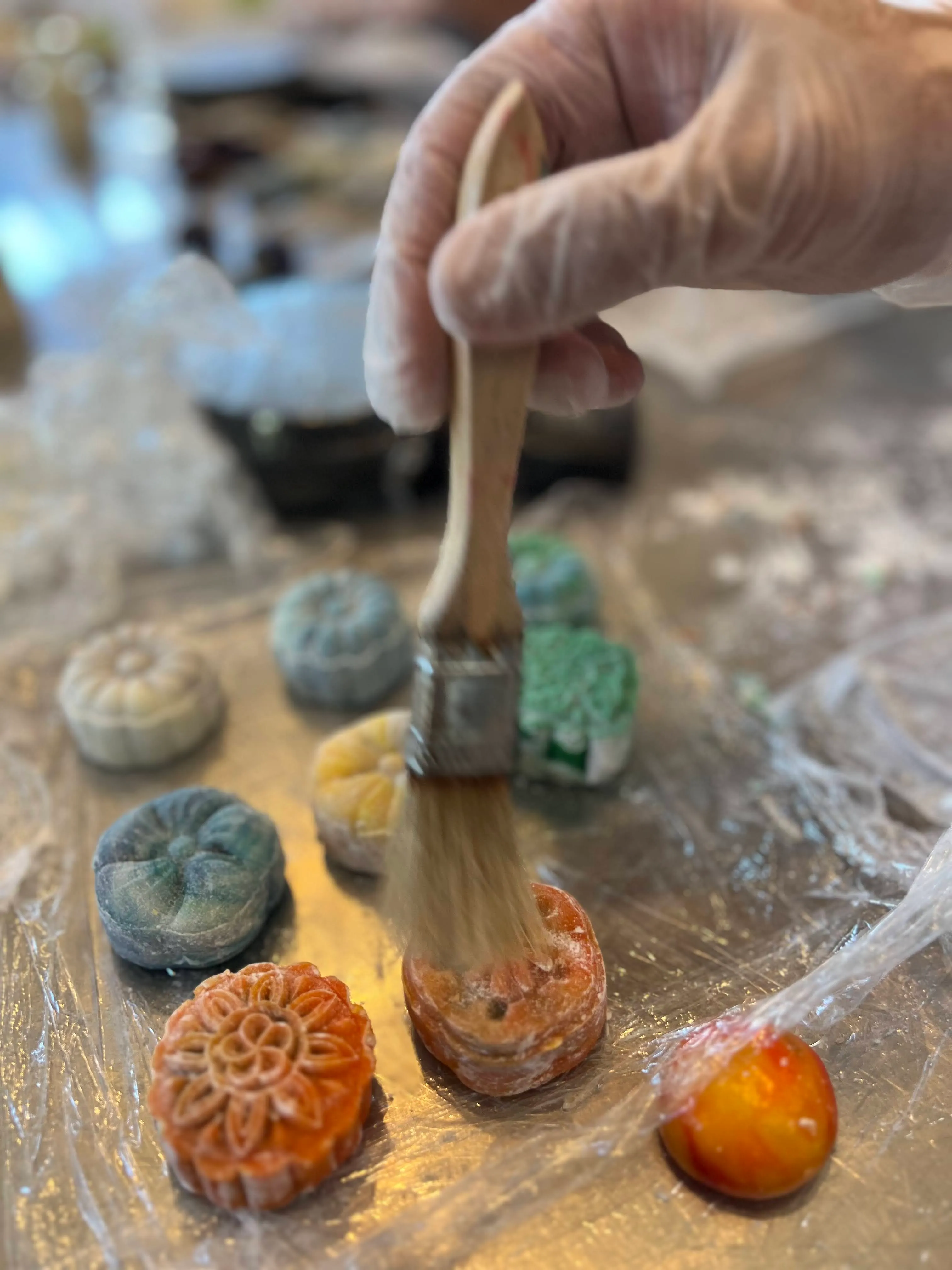
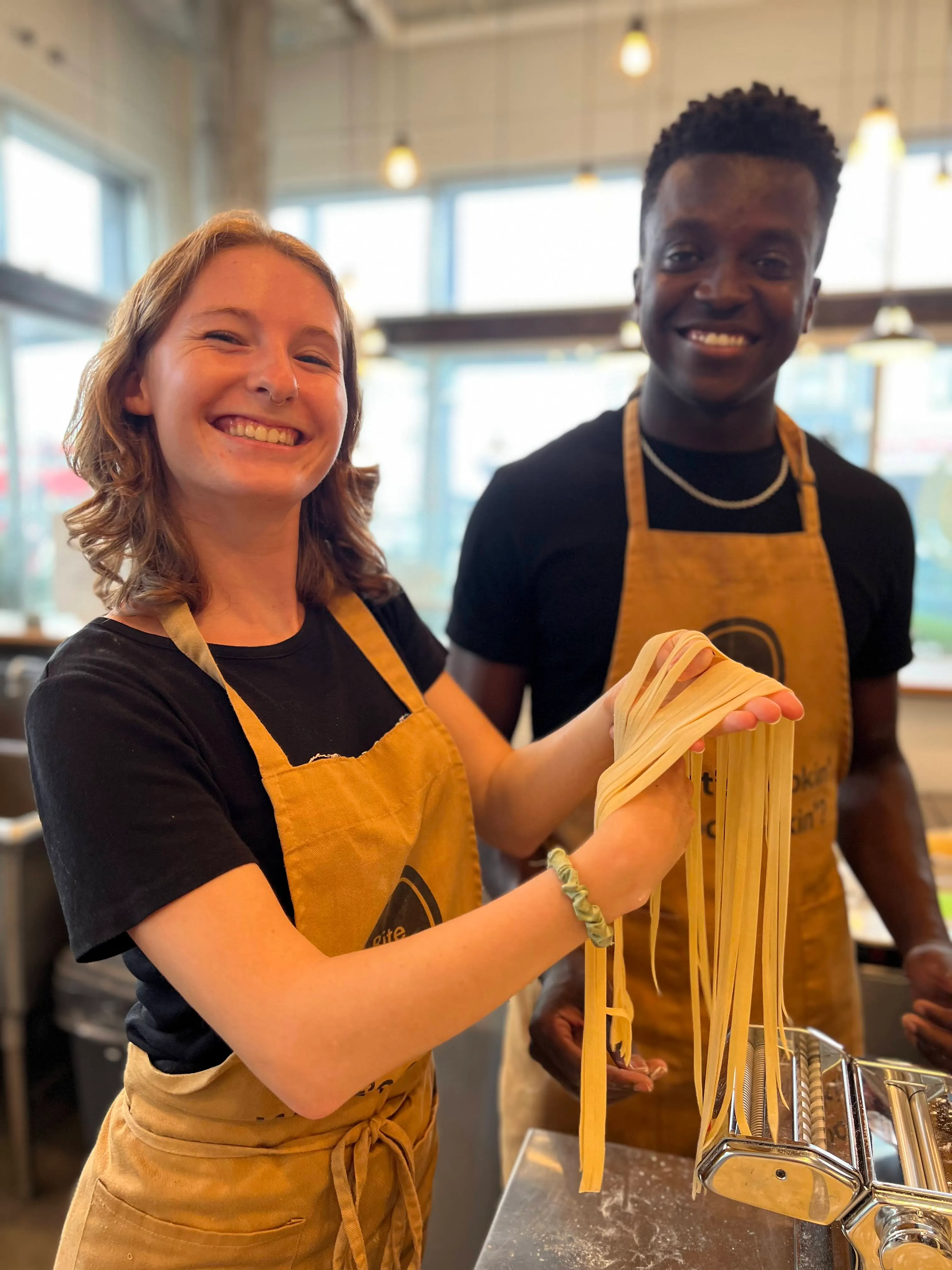
BiteUnite's pasta-making, dumpling, and dim sum workshops translate well to team building because they're collaborative by design: you need partners to roll, fold, and shape. The company also runs dedicated [corporate wellbeing and team-building experiences] and offers [white-label kitchen rentals] for companies that want to host their own event. If your team has remote members in other cities, BiteUnite operates in [San Francisco], [Hong Kong], and across [NYC], making it one of the few options that can run consistent experiences across distributed offices.
Taste Buds Kitchen (Multiple Locations)
Taste Buds is the polished, well-oiled option. They host private corporate events with a chef for roughly two hours, build custom menus from pasta to sushi to dumplings, and run their adult classes as BYOB — beer, wine, or bubbly only, no liquor. Good fit for teams that want structure and a wide menu range without micromanaging the logistics.
The tradeoff: it can feel more like a polished entertainment experience than a deep culinary lesson. That's fine if your goal is morale, not skill-building.
My Cooking Party (Chelsea and Flatiron)
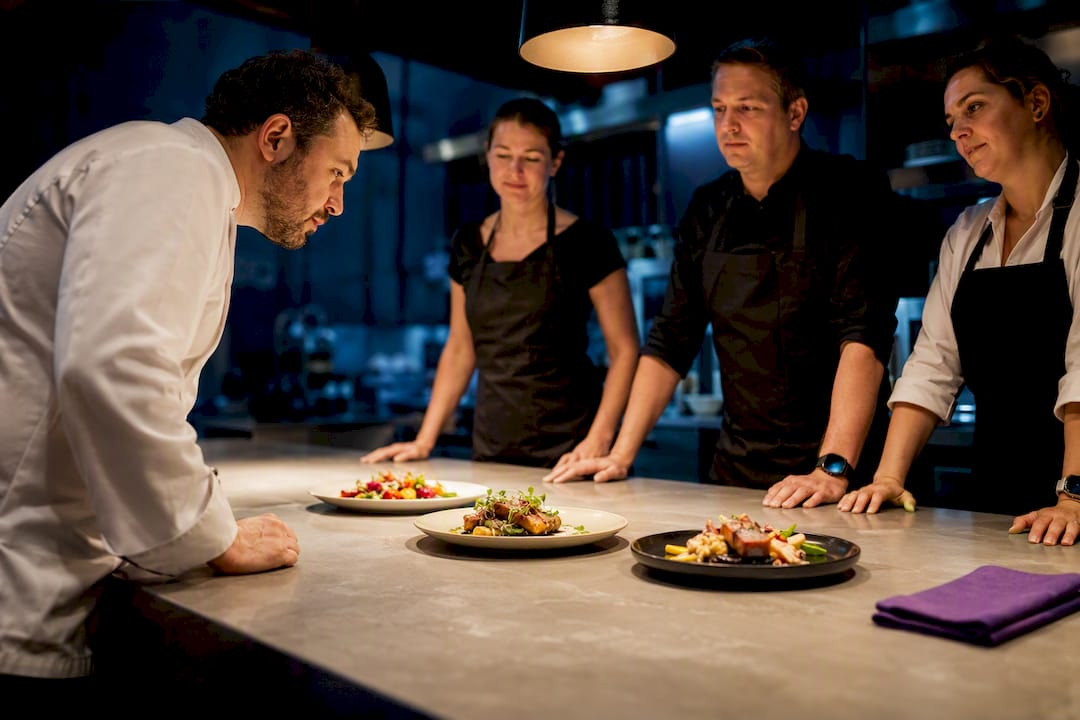
My Cooking Party has been running NYC cooking classes and corporate team building events for more than 20 years, with two Manhattan venues in Chelsea and Flatiron. Their menus span African, Asian Fusion, French, Hispanic, Italian, and Lebanese cooking, plus a pizza-making party and Japanese sushi class. They also run their "Battle of the Bites" competition format, which works well for sales teams or anyone who responds to friendly rivalry.
This is a strong pick for larger groups. Their venues are built to handle scale without the experience feeling assembly-line.
Home Cooking New York (SoHo)
A smaller, more chef-school feel. Their SoHo location at 158 Grand Street runs three-hour events that include a hands-on class plus a sit-down meal, with an 8-person minimum and pricing at $155 per person for groups of 8–24, or $165 per person for groups of 25–36. A 15% gratuity gets added on top.
The transparent pricing is refreshing. Most competitors make you fill out a contact form to get a number. Worth a look if your team values craft over spectacle.
Battle of Tables (Lower East Side)
If your team thrives on competition, this is your spot. Located on the Lower East Side near Grand St and Bowery, Battle of Tables charges $1,200 for up to 8 people, with $149 per additional guest, and offers 16 different menus to choose from. The format runs 1.5 to 2 hours of guided cooking with the chef, followed by an hour of dining and celebration, and they don't charge corkage if you bring your own alcohol.
The "Battle of Tables" name isn't decorative — the experience leans into healthy rivalry between groups, which works for teams that need an icebreaker more than a culinary education.
Selfup NY (Manhattan)
Selfup offers a range of corporate options beyond cooking — including mixology workshops, wine tastings, and private culinary events tailored to team dynamics — and only charges your card upon confirmation, with a 100% refund satisfaction guarantee. That flexibility is valuable if your event timing is uncertain.
How to Actually Pick One
Stop letting the loudest marketing win. Match the venue to your team's actual personality:
- Small, tight-knit teams (under 20) — BiteUnite or Home Cooking New York. Intimacy is the point.
- Larger groups (30+) needing structure — My Cooking Party or Taste Buds Kitchen.
- Sales teams or competitive cultures — Battle of Tables or My Cooking Party's Battle of the Bites.
- Distributed teams across multiple cities — BiteUnite, given their NYC, SF, and HK footprint.
- Skill-building over spectacle — Home Cooking New York.
A few practical notes before you book. Confirm dietary accommodations upfront — most venues handle vegetarian and gluten-free well, but cross-contamination policies vary. Ask about BYOB rules; some kitchens allow beer and wine only, others charge corkage, and a few include curated wine selections. And if you're hosting clients alongside employees, lean toward venues with private event spaces rather than mixed public classes.
The team that cooks together doesn't necessarily stay together — but they will remember the night your CFO burned the garlic. That's worth more than another generic happy hour.





























.webp)