Why Cooking Classes Are the Most Underrated Team Building Experience in Los Angeles

Los Angeles is a city obsessed with novelty, yet corporate teams keep recycling the same tired playbook for morale building. Bowling. Escape rooms. Tapas and cocktails at the same rooftop bar. If the goal is to bond your team, develop a little grit, and not watch half the room check email waiting for the night to end, you need something that actually forces people to collaborate. Cooking classes do that, and they do it well. Los Angeles companies are slowly waking up to the fact that shared kitchen experiences deliver a different level of engagement than passive entertainment. If you want a team that communicates better, builds trust faster, and has something real to talk about on Monday, you need to get them cooking.
This article breaks down why culinary experiences crush the traditional team building model, why it works specifically in an LA environment, what to expect when you book one, and how to choose the right experience for your group size, culture, and goals.
The Problem With Traditional Team Building in LA
LA has a work culture problem that nobody likes to say out loud. It is professional, ambitious, creative, and fast moving, but it is also siloed. Half the city is remote or hybrid. The rest of the city is scattered across Santa Monica, West Hollywood, Glendale, DTLA, Culver City, and the Valley. If you tell everyone to meet at 6 PM for a forced fun event after a long week, the enthusiasm will never exceed medium. Traffic kills vibes and so does low intention planning.
Traditional team building events usually suffer from three problems:
- They do not build shared skills
Teams stand next to each other and consume something. Drinks. Food. An escape room puzzle that has nothing to do with real life. It is surface level bonding. - They do not promote real communication
Small talk dominates. People stick to the coworkers they already know. There is no dynamic that requires true collaboration. - They are forgettable
Name the last corporate bowling event that people referenced a month later. You cannot because there is nothing there to anchor the memory.
Ask any manager in LA who has tried to boost morale through generic outings and they will tell you the same thing. People show up, they laugh a bit, they go home, and the workplace dynamic on Monday is unchanged. If your goal is to build a team and not just fill a calendar, you need an activity with structure and stakes.
Why Cooking Works for Teams
Cooking checks every box that normal team building misses. It requires communication, decision making, delegation, time management, and shared responsibility for the final result. You are putting a group of people under a mild time constraint with a tangible reward that everyone eats together at the end. This is a perfect formula for group cohesion.
Here is why culinary experiences outperform passive activities:
Collaboration is baked into the format
Someone has to chop vegetables. Someone has to season proteins. Someone has to plate dishes. No one can disappear into the background. Team members have to communicate or the dish fails. There is no passive observer role.
Immediate feedback exists
When a team nails a dish, they know it. When something is overcooked, under seasoned, or missing components, they know that too. It is real feedback without judgment or corporate politics.
Shared meals are primal bonding
Eating together is one of the most ancient human bonding mechanisms. It creates familiarity, comfort, and trust. There is no equivalent in a bowling alley.
It scales to different personalities
Extroverts get to lead and socialize. Introverts get tasks and ownership without being forced into awkward spotlight moments.
It fits dietary and cultural diversity
LA teams are multicultural. Culinary experiences reflect that instead of fighting it.
If you combine all of that with the fact that people love food and love learning skills they can use at home, it is obvious why cooking outperforms passive team events.
Types of Companies That Benefit Most
Some teams get more out of cooking classes than others. If you lead one of these groups, you are leaving money on the table by not using culinary experiences for bonding or off-sites.
Early stage startups need trust quickly. Kitchens force honest communication and problem solving, which binds people faster than corporate icebreakers.
Tech companies often have cross functional teams that barely interact beyond Slack threads. Shared cooking breaks down silos and creates human context that makes collaboration smoother.
Sales teams benefit because cooking is practical competition. Closing a deal and getting the timing right on a protein are weirdly similar. Both require pace, adaptation, and confidence.
Remote teams flying into LA for quarterly meetups need more than bar tabs. Cooking gives them story, memory, and shared wins.
Hospitality groups love culinary experiences because they sharpen curiosity and culture, which translates to better customer interactions.
If you run any of these types of teams, your current team building is probably below the productivity ceiling. You can fix that.
What To Expect From a Group Cooking Class in Los Angeles
People get intimidated by anything culinary because they assume they need cooking experience. That is not the case. The modern cooking class format is built for beginners, intermediate hobbyists, and pros who want to mess around.
A typical team experience looks something like this:
Check in and setup
Groups gather, names get sorted, beverages might be served, and the chef briefs the class on the menu and game plan.
Skills and demos
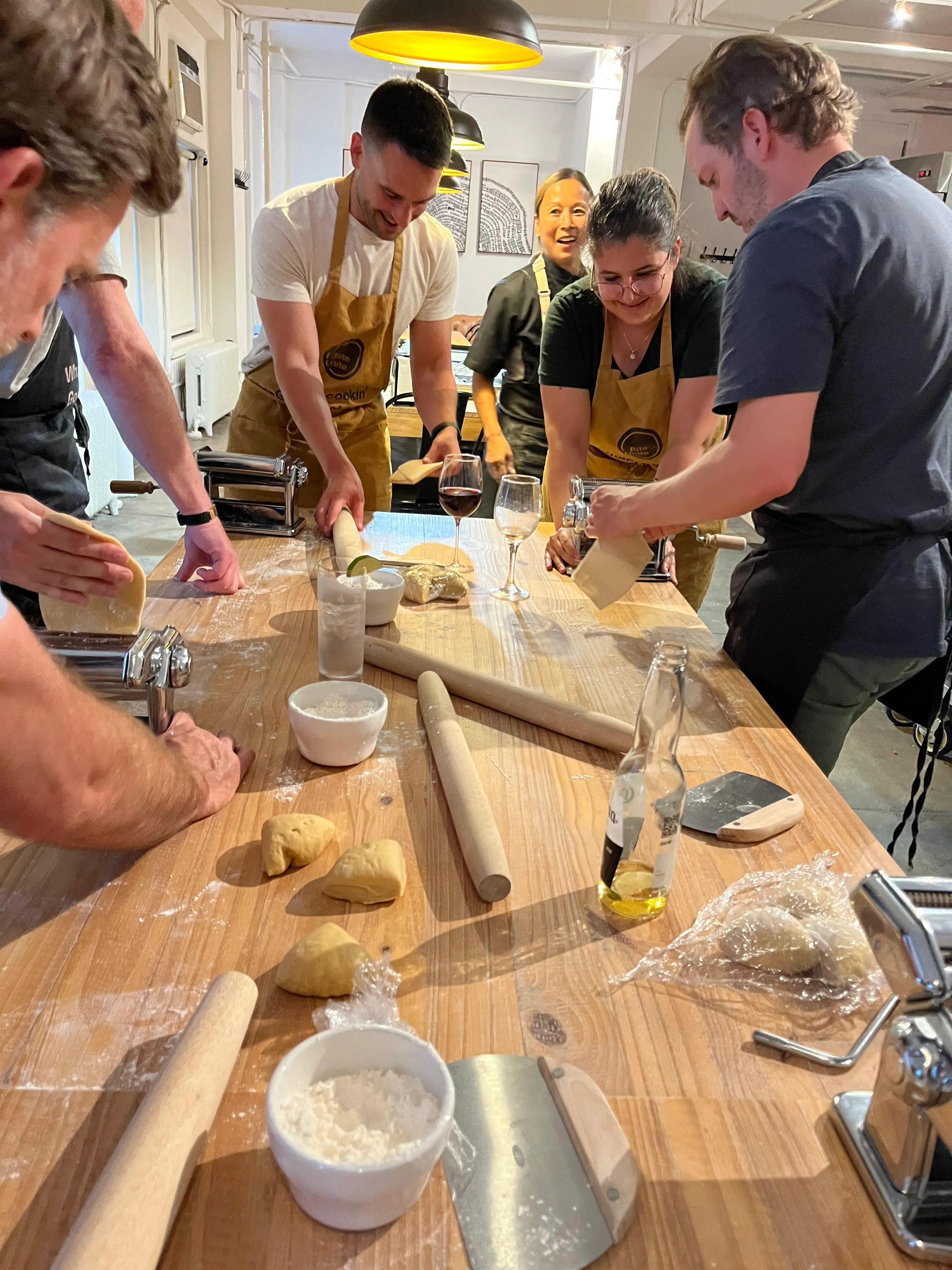
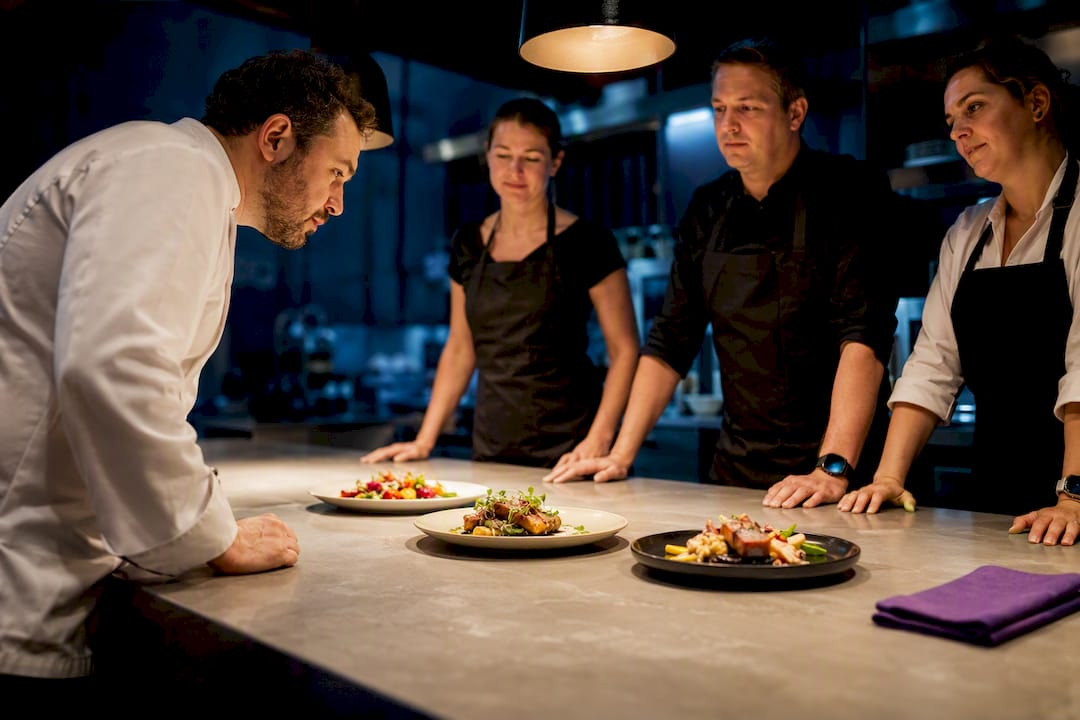
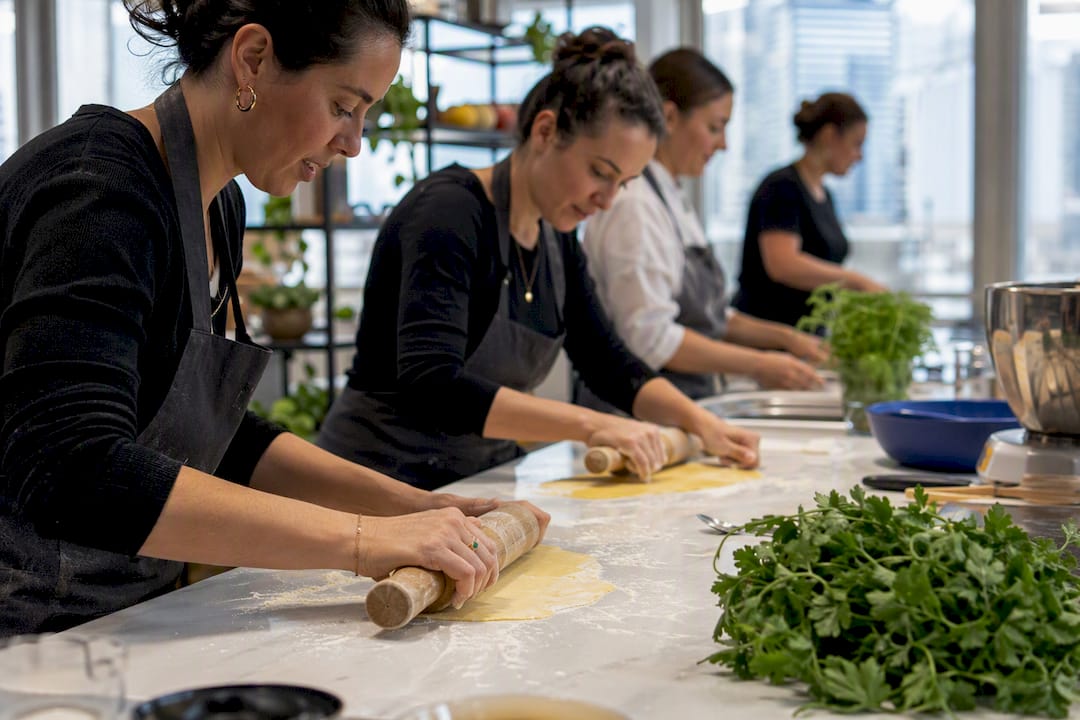
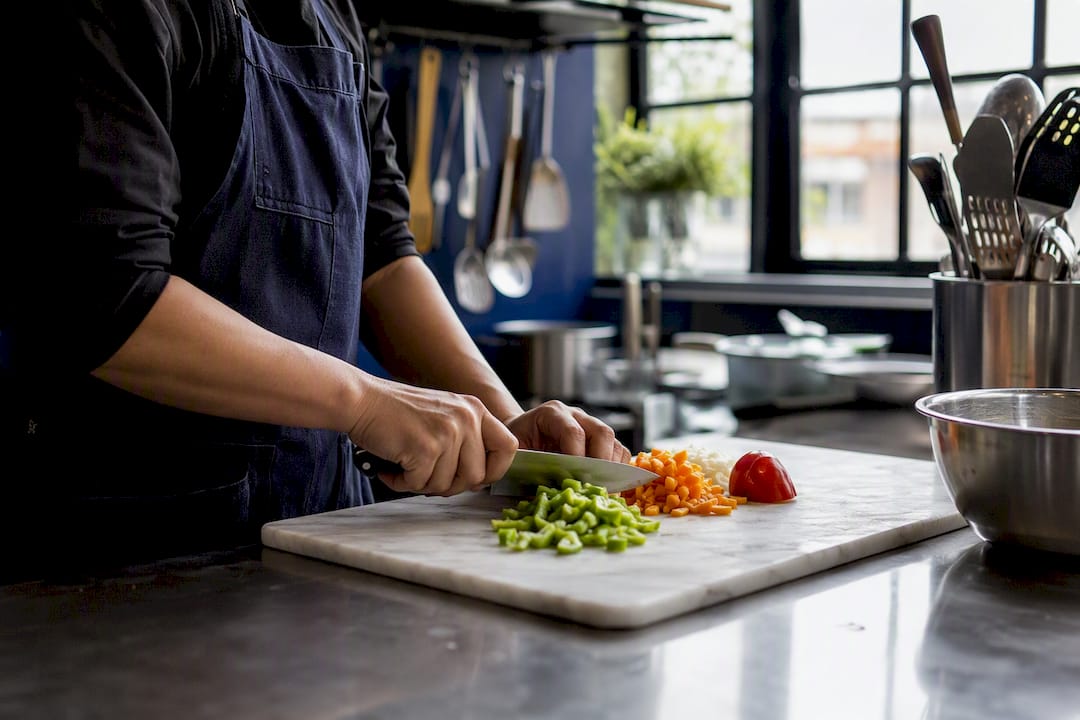
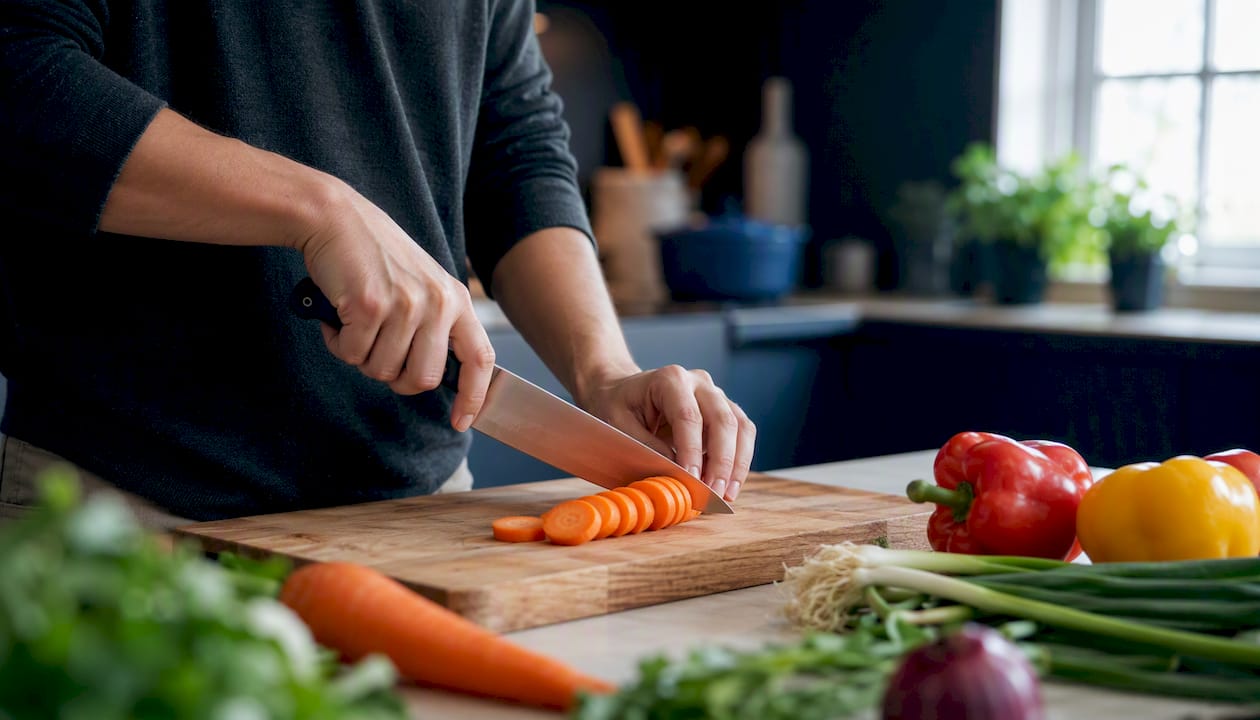
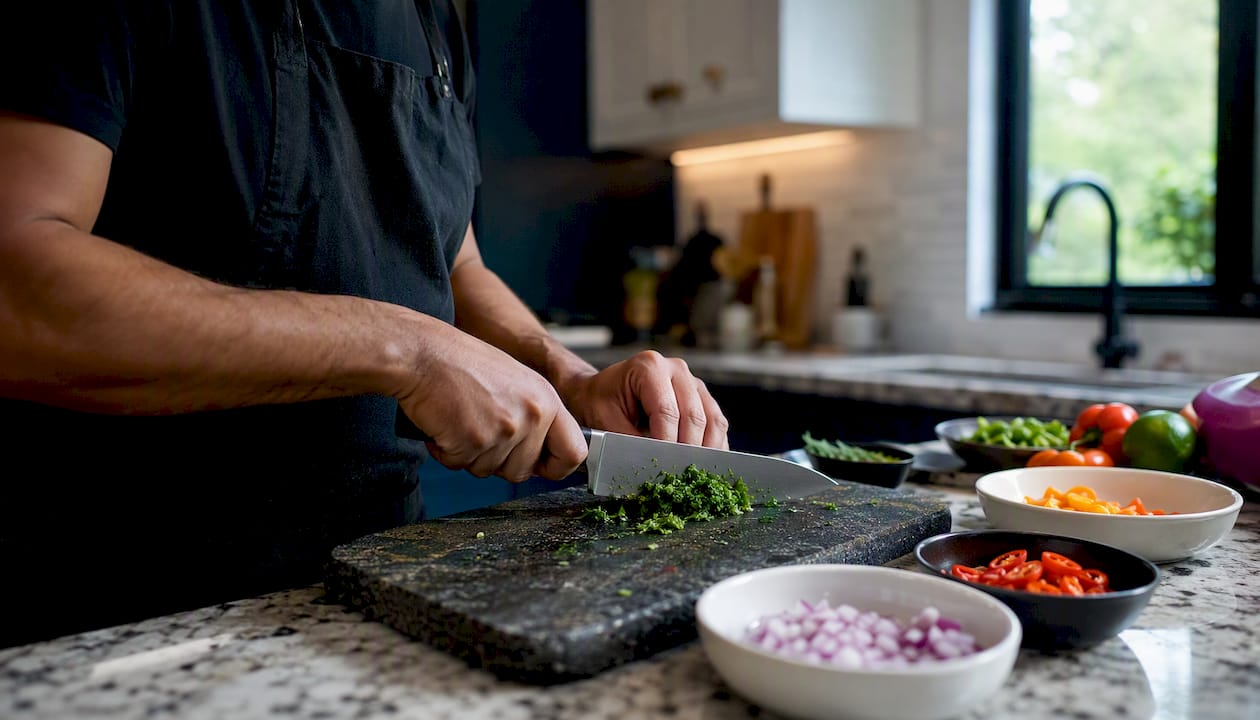
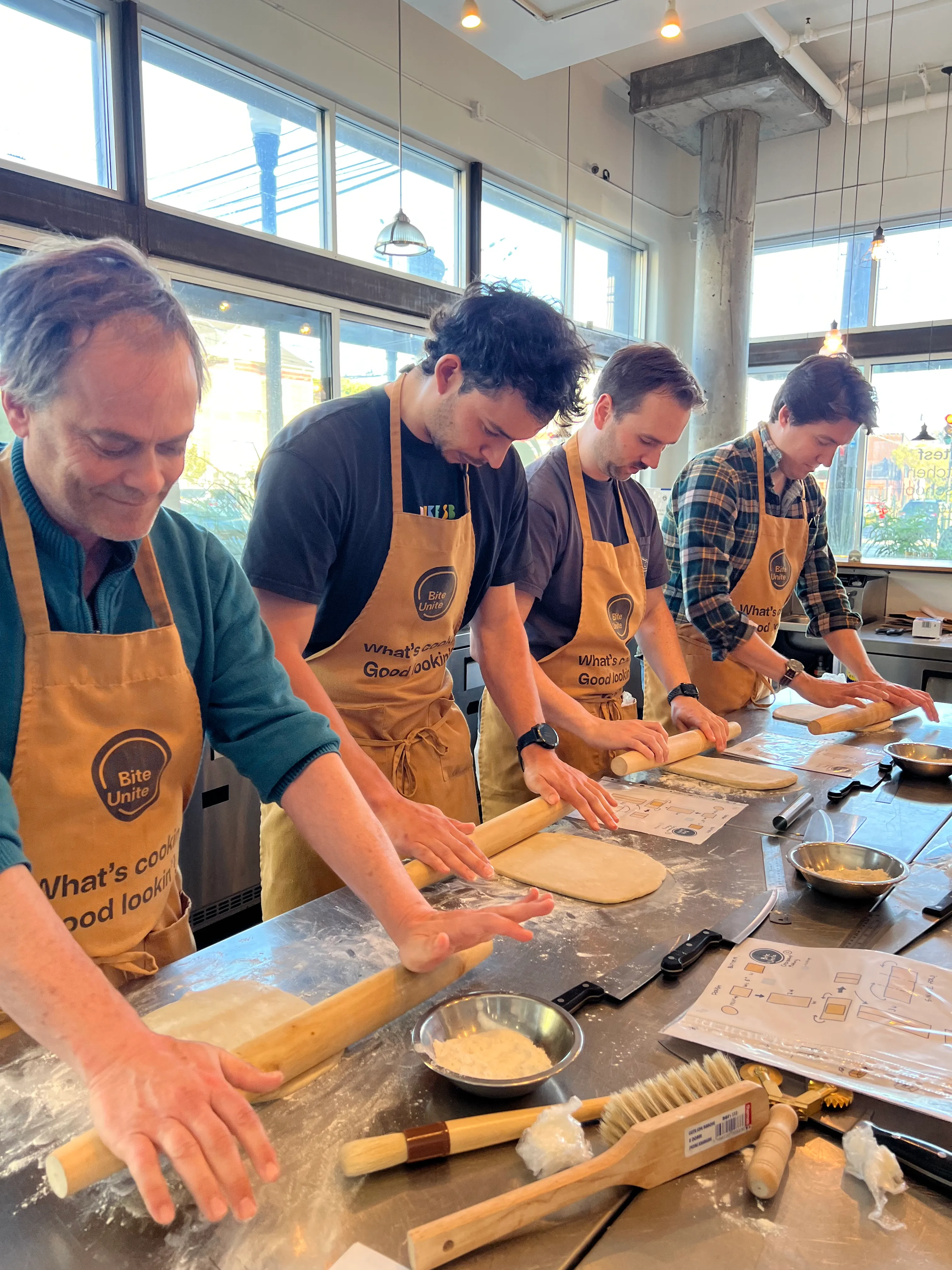
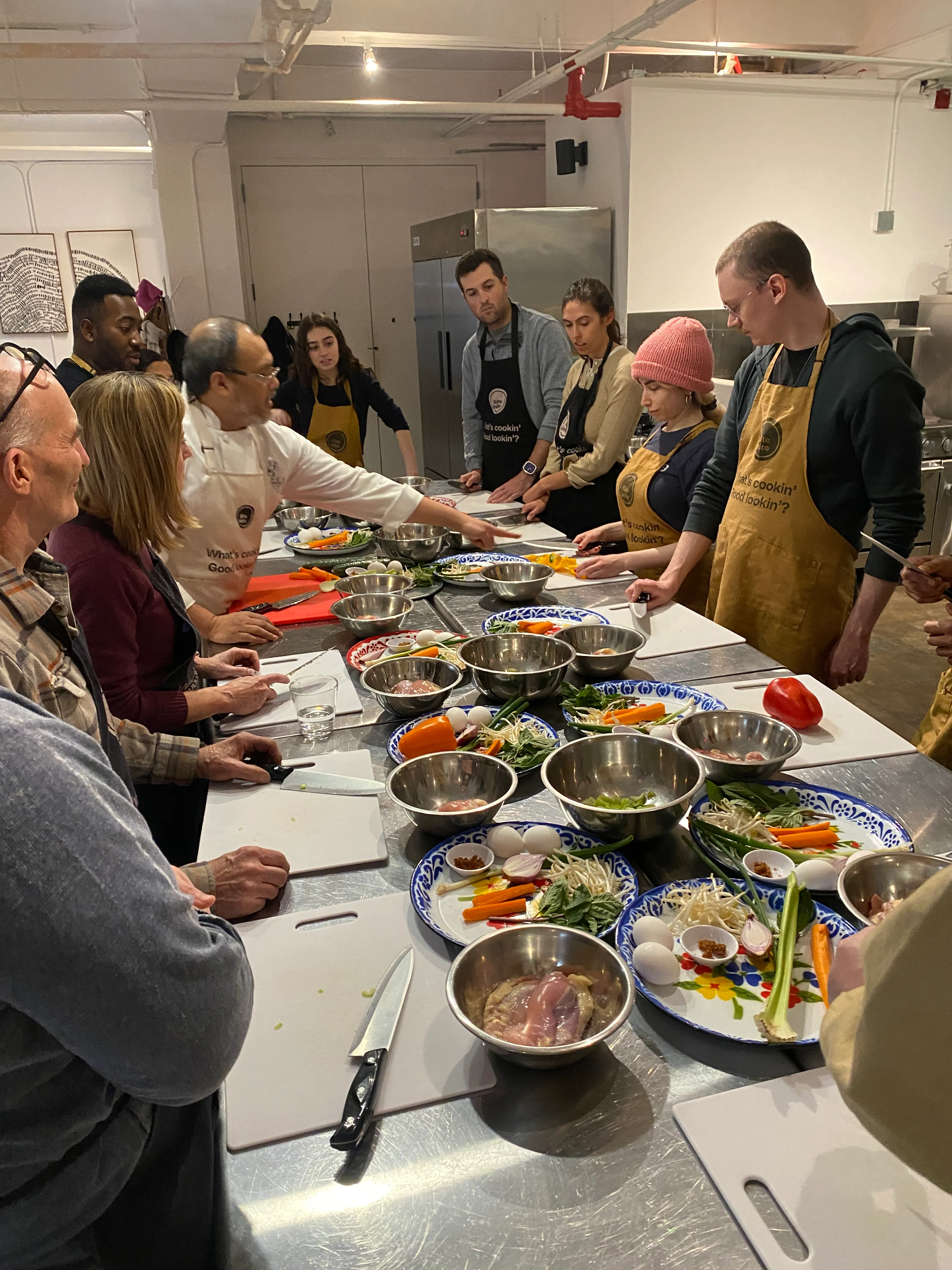
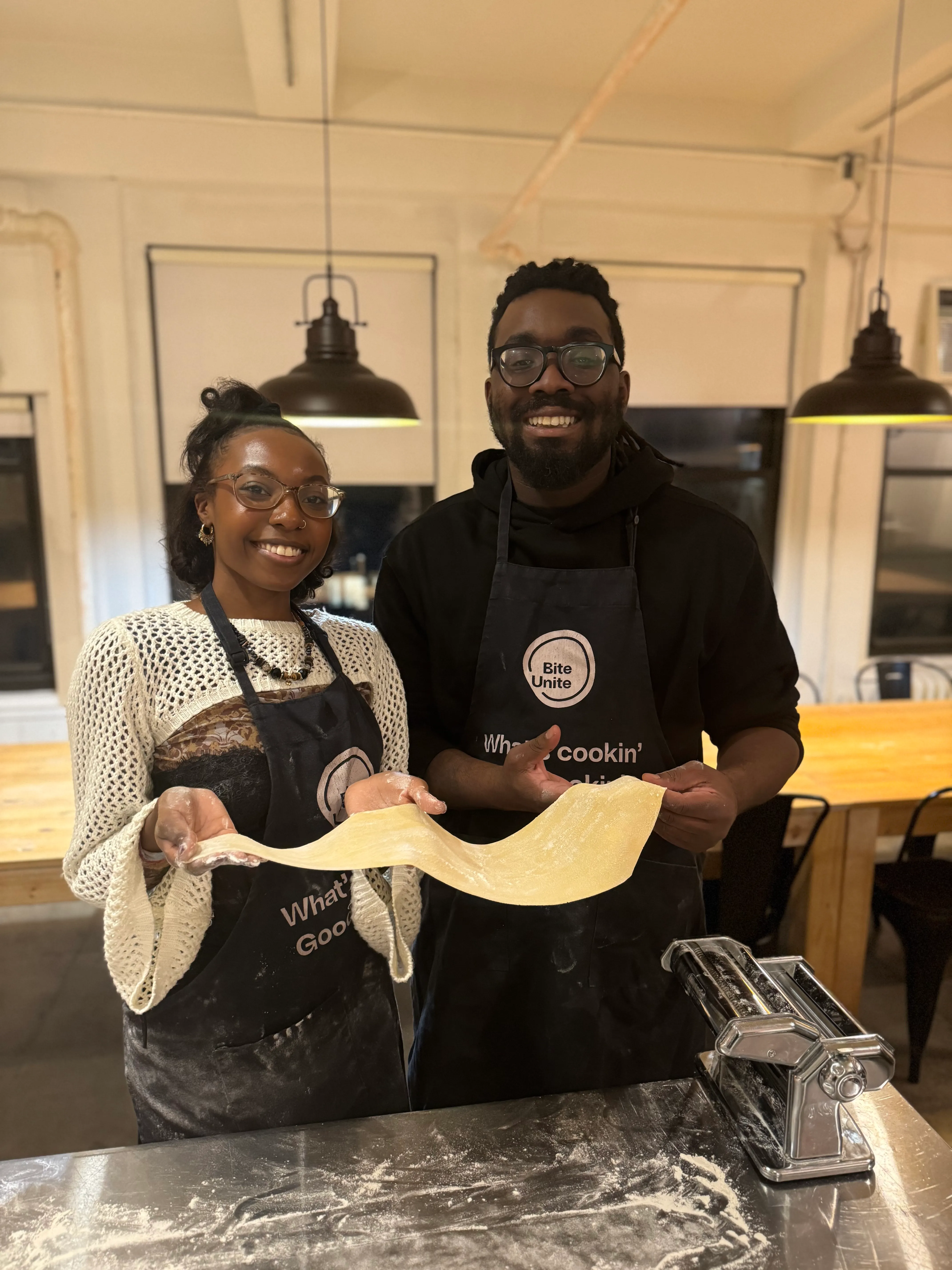
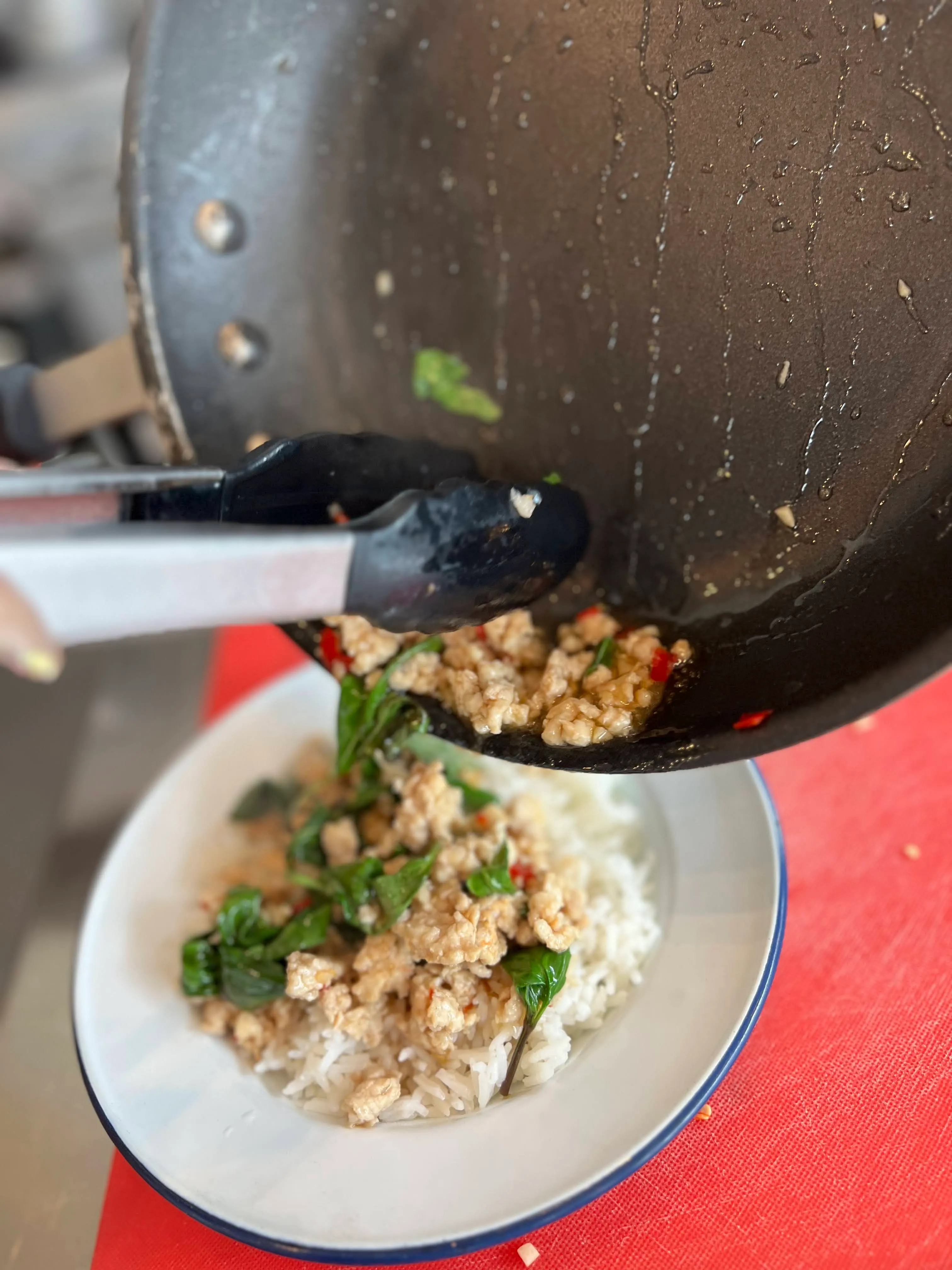
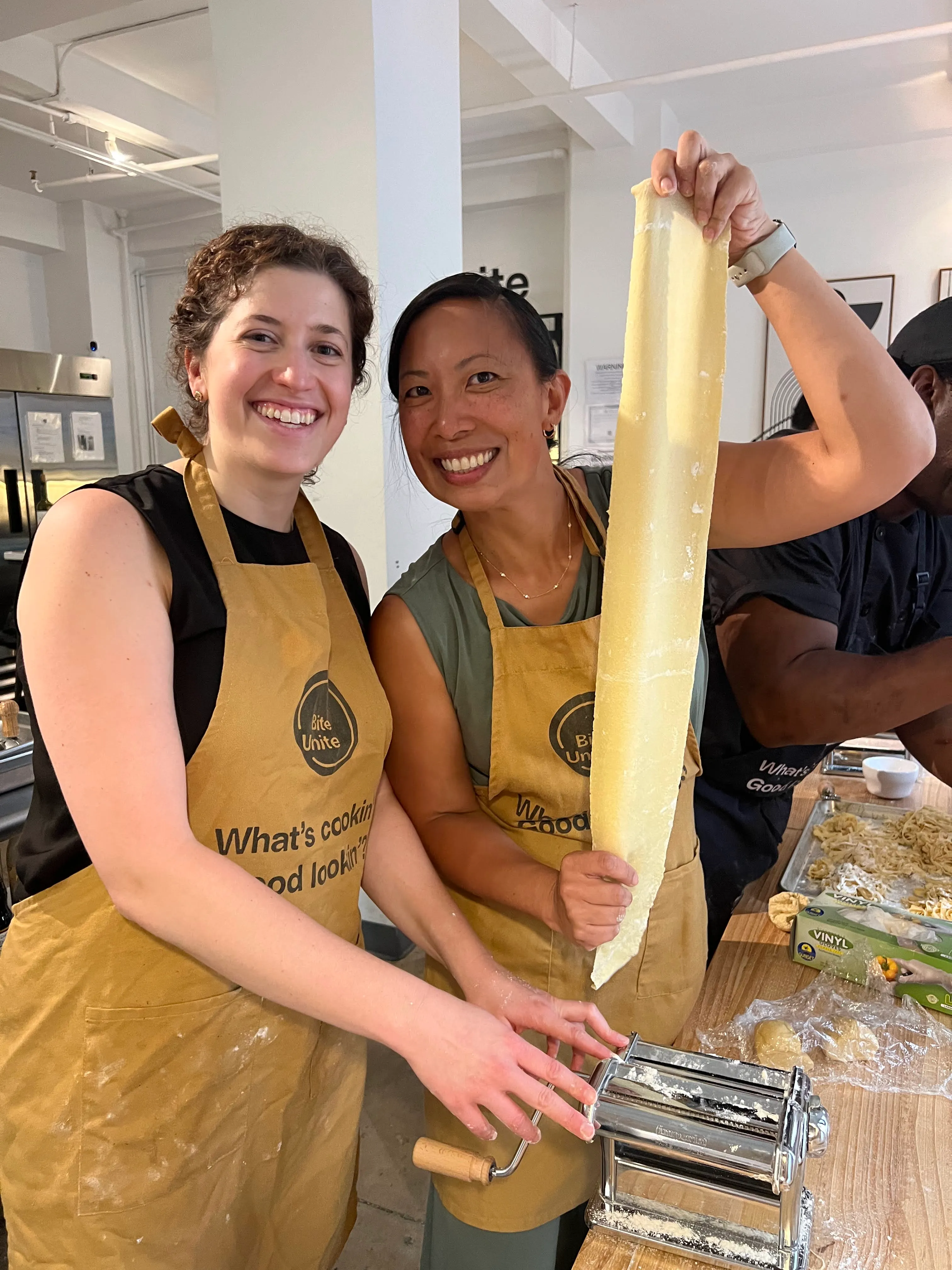
The chef demonstrates techniques such as knife skills, seasoning, dough forming, wok handling, or plating. Teams take notes or jump straight in.
Hands-on cooking
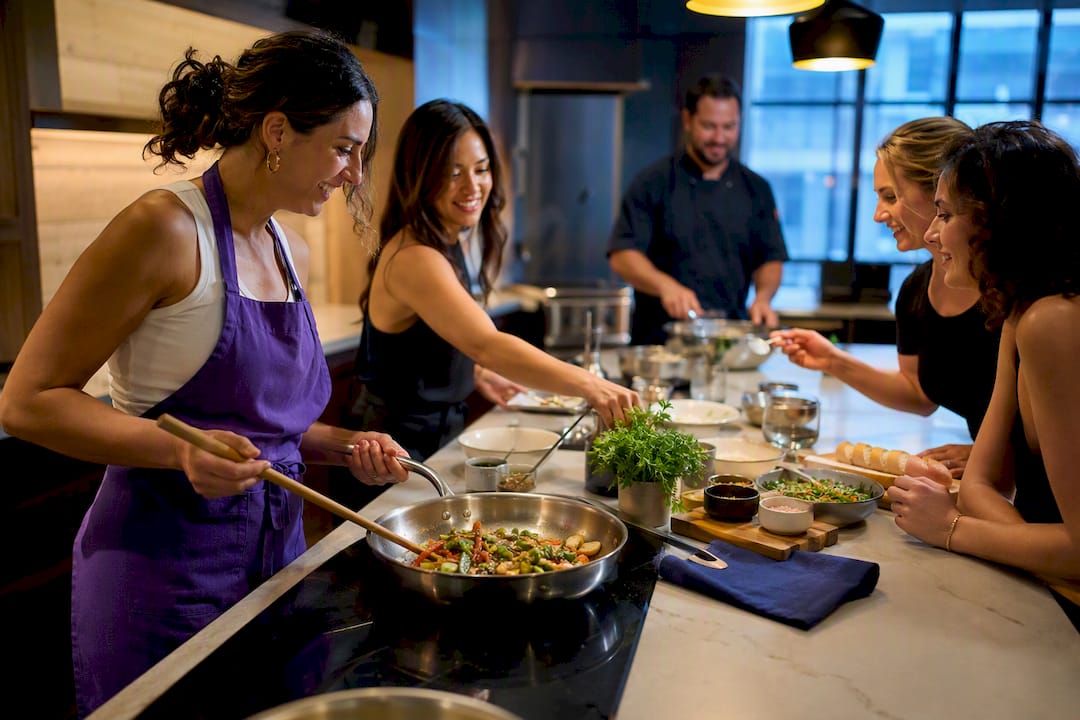
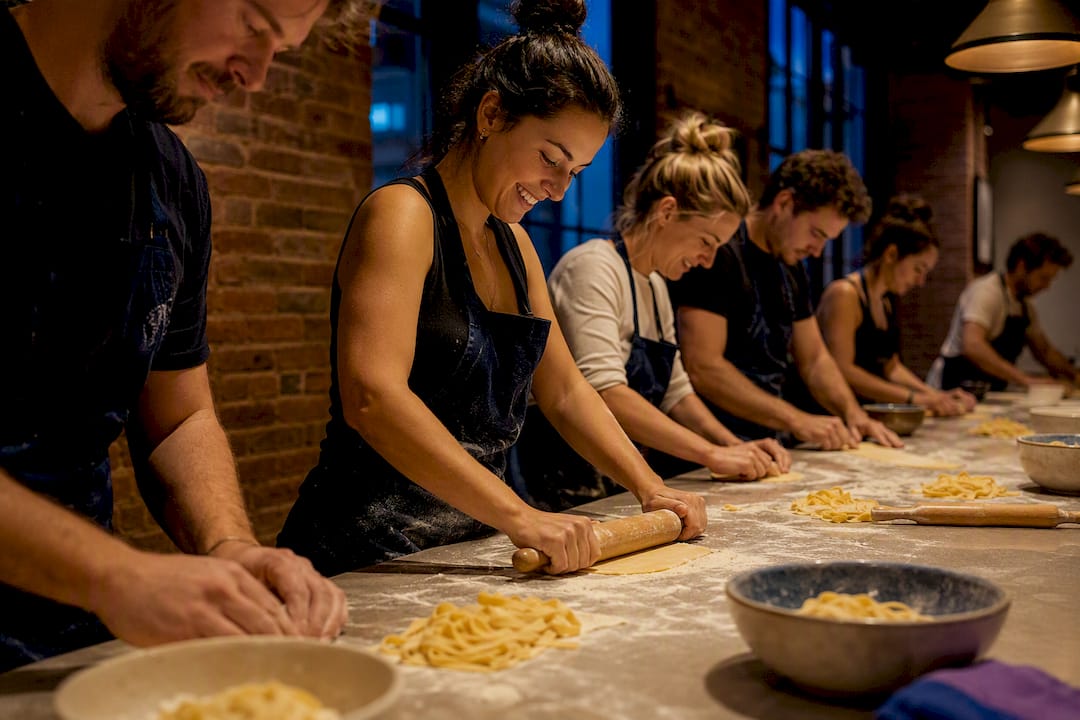
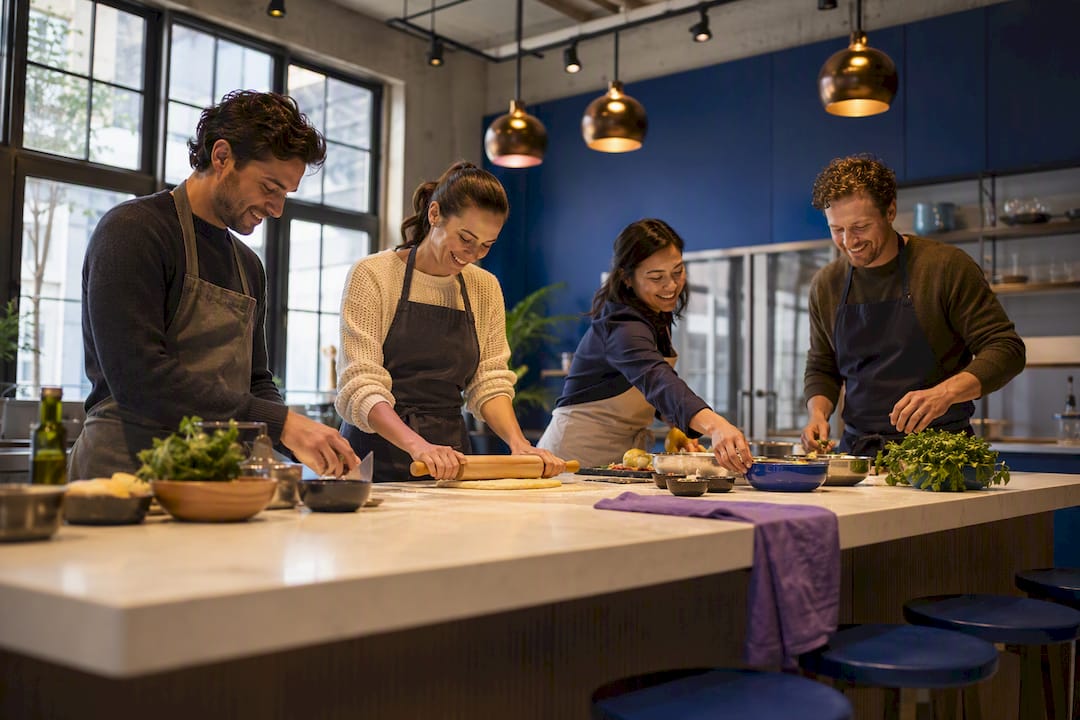
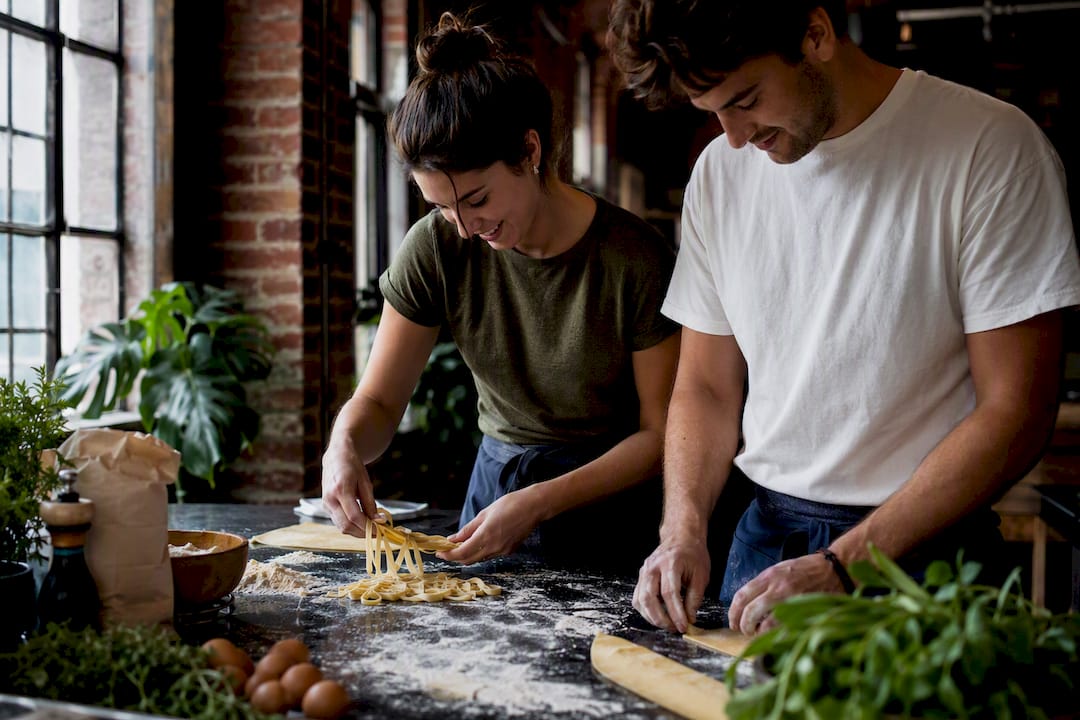
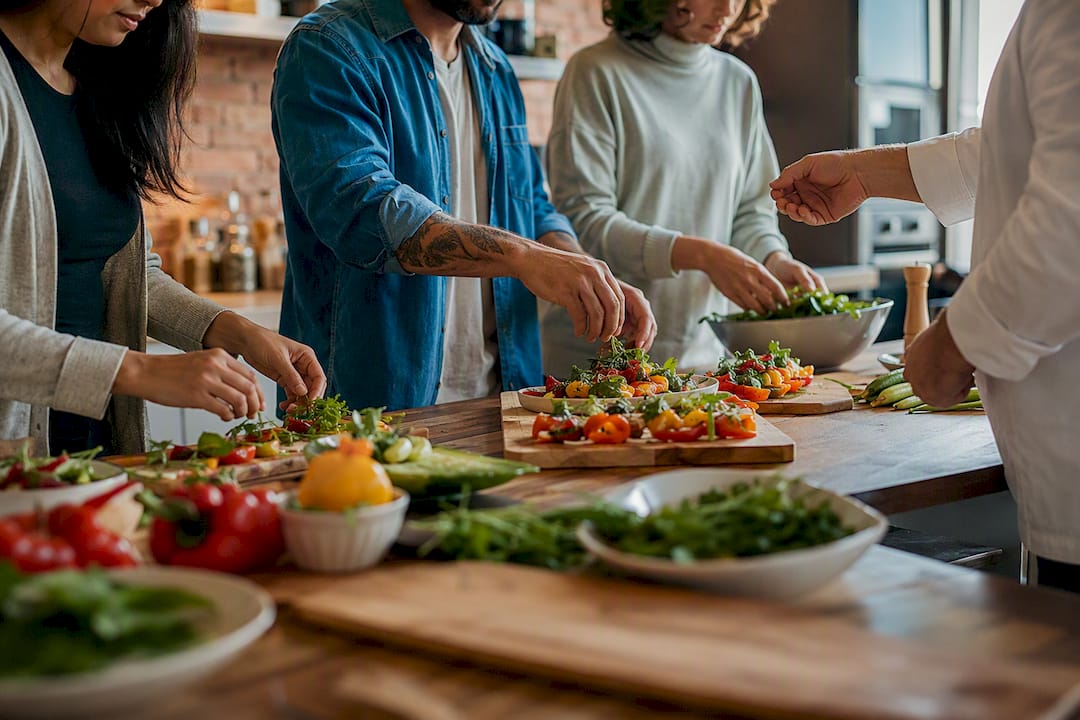
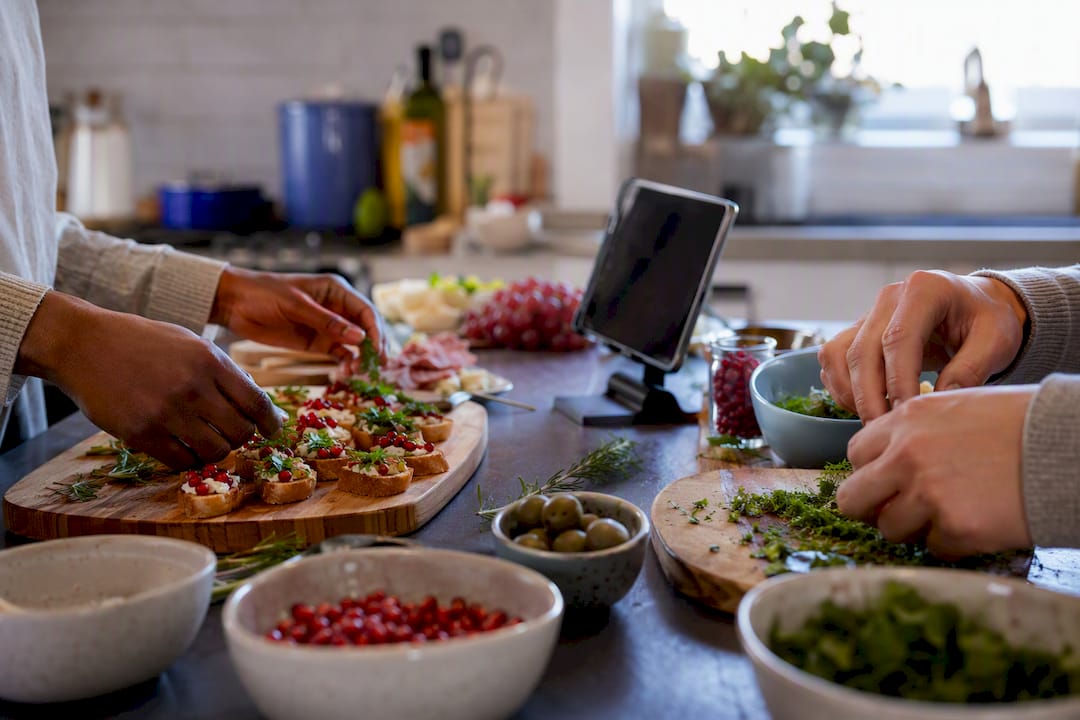
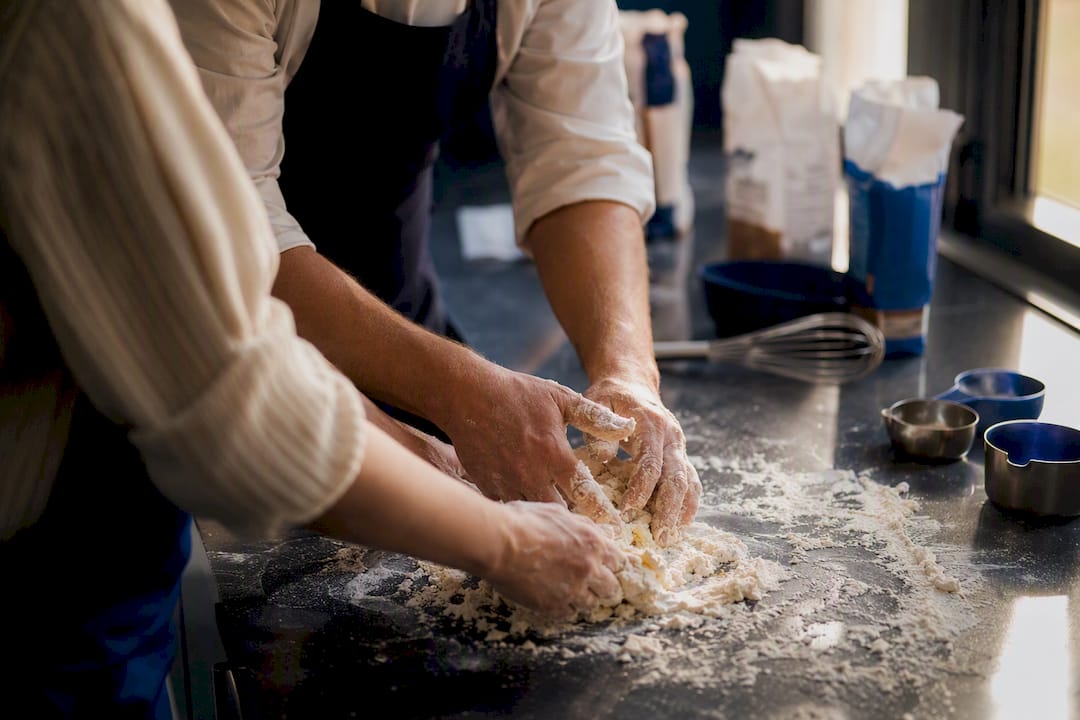
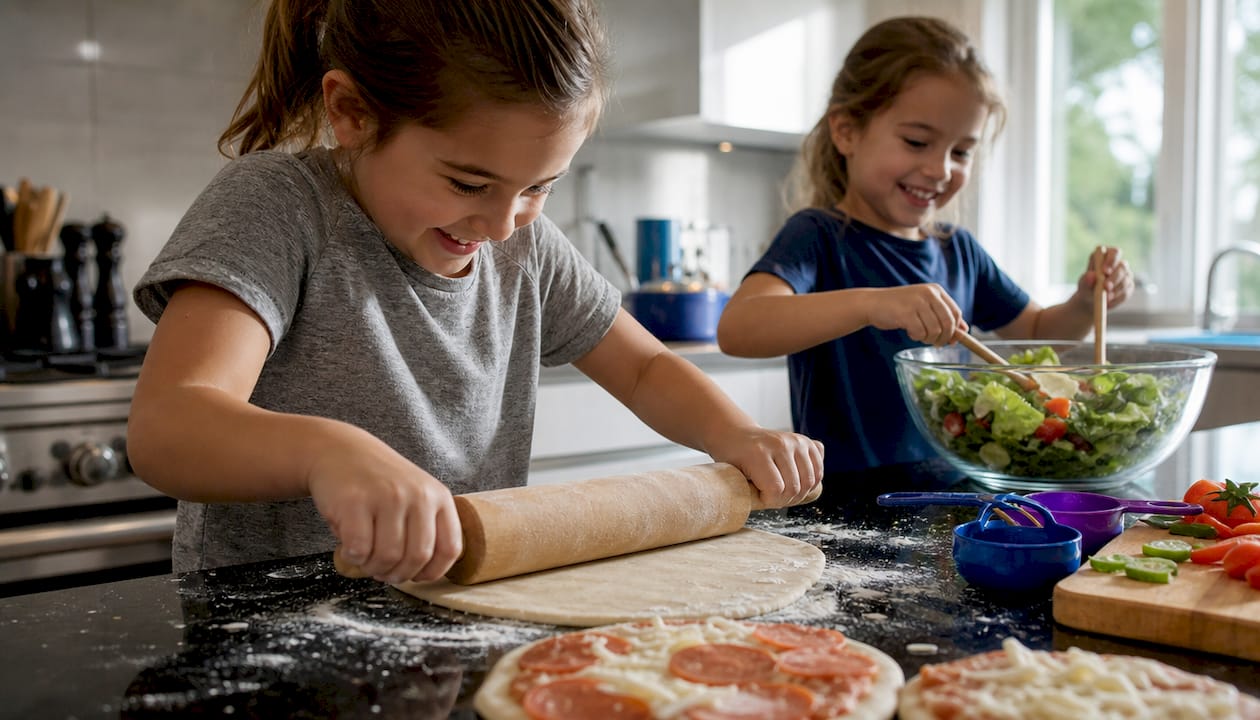
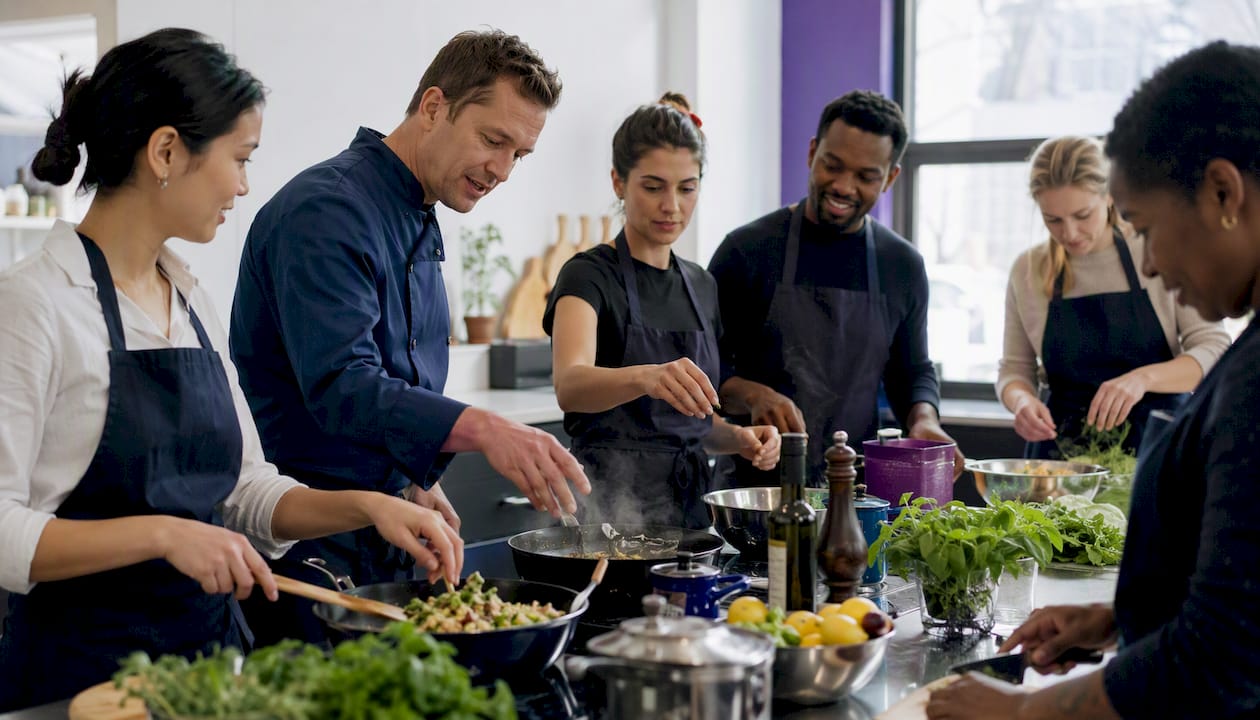
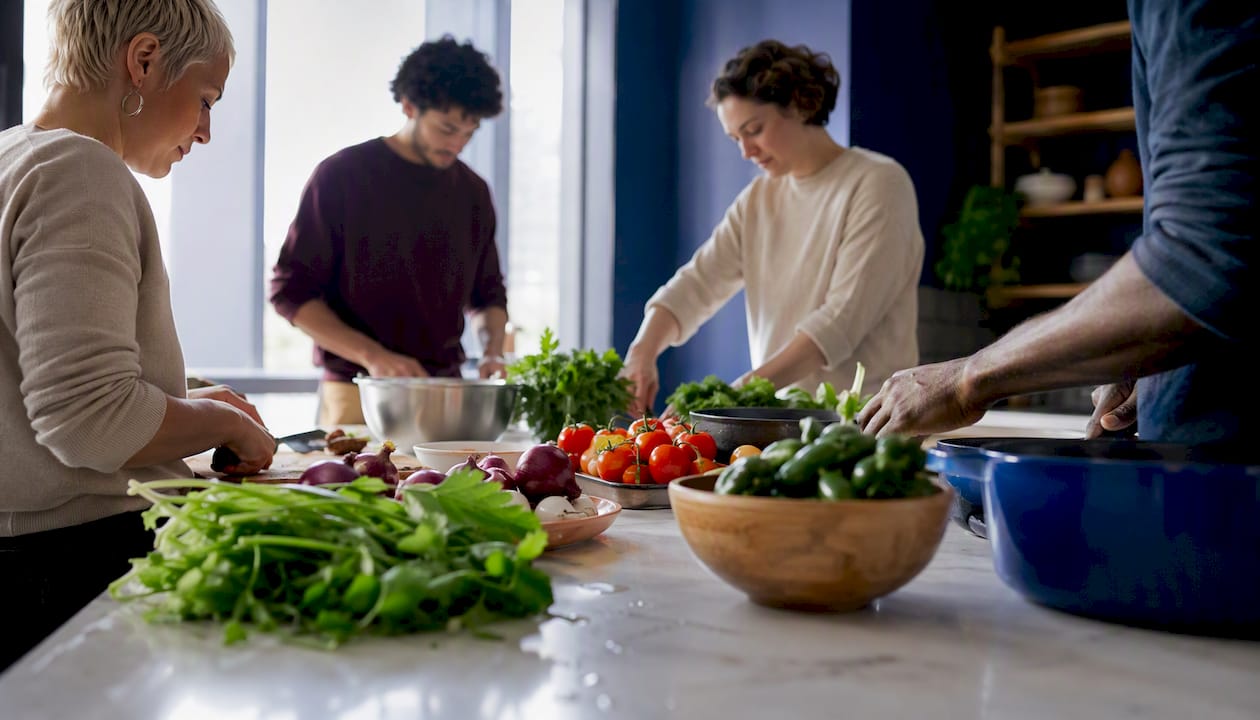
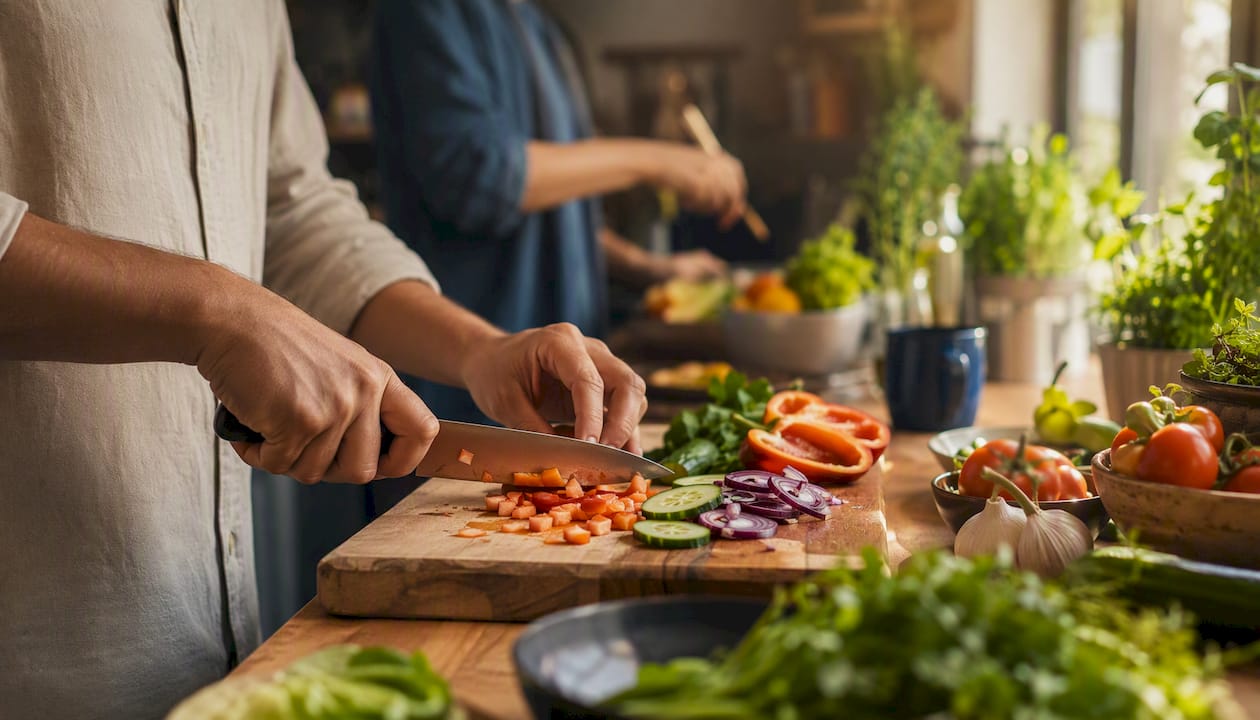
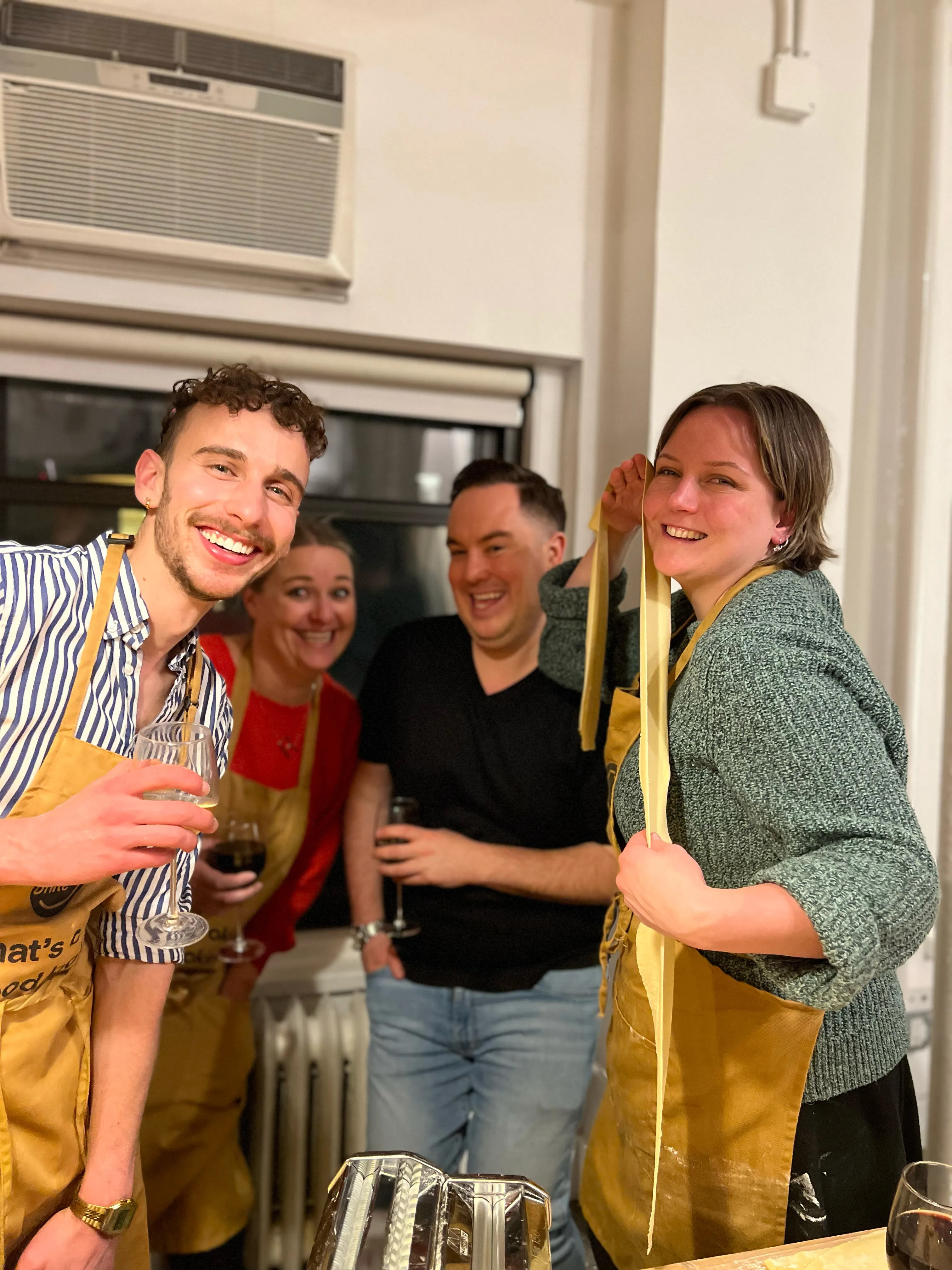
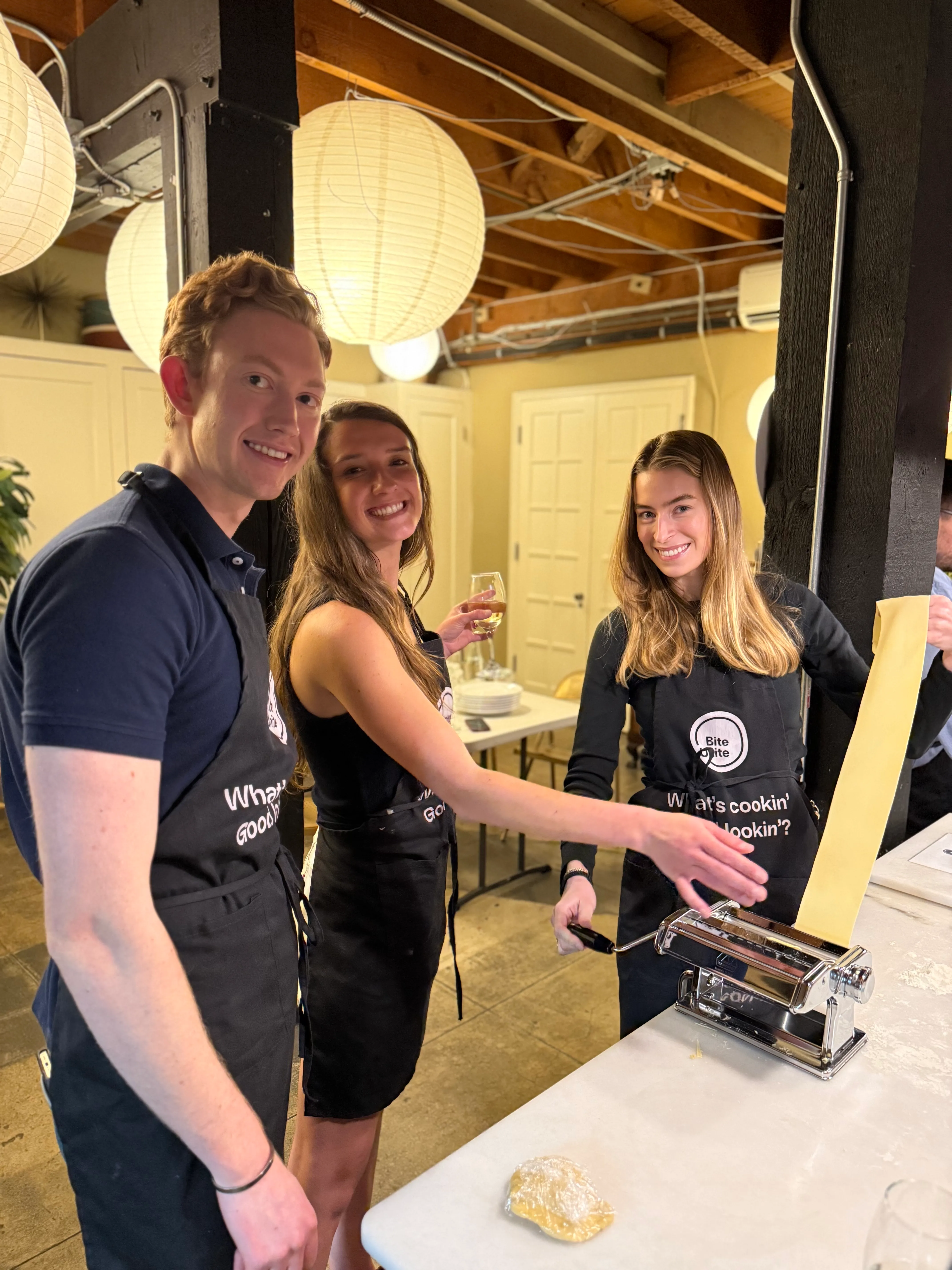
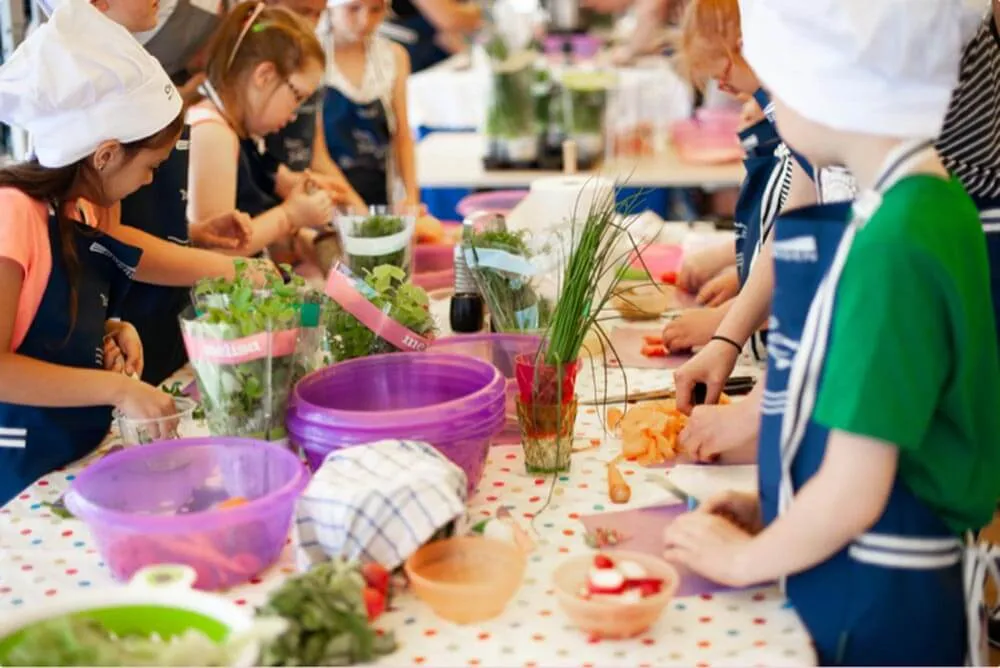
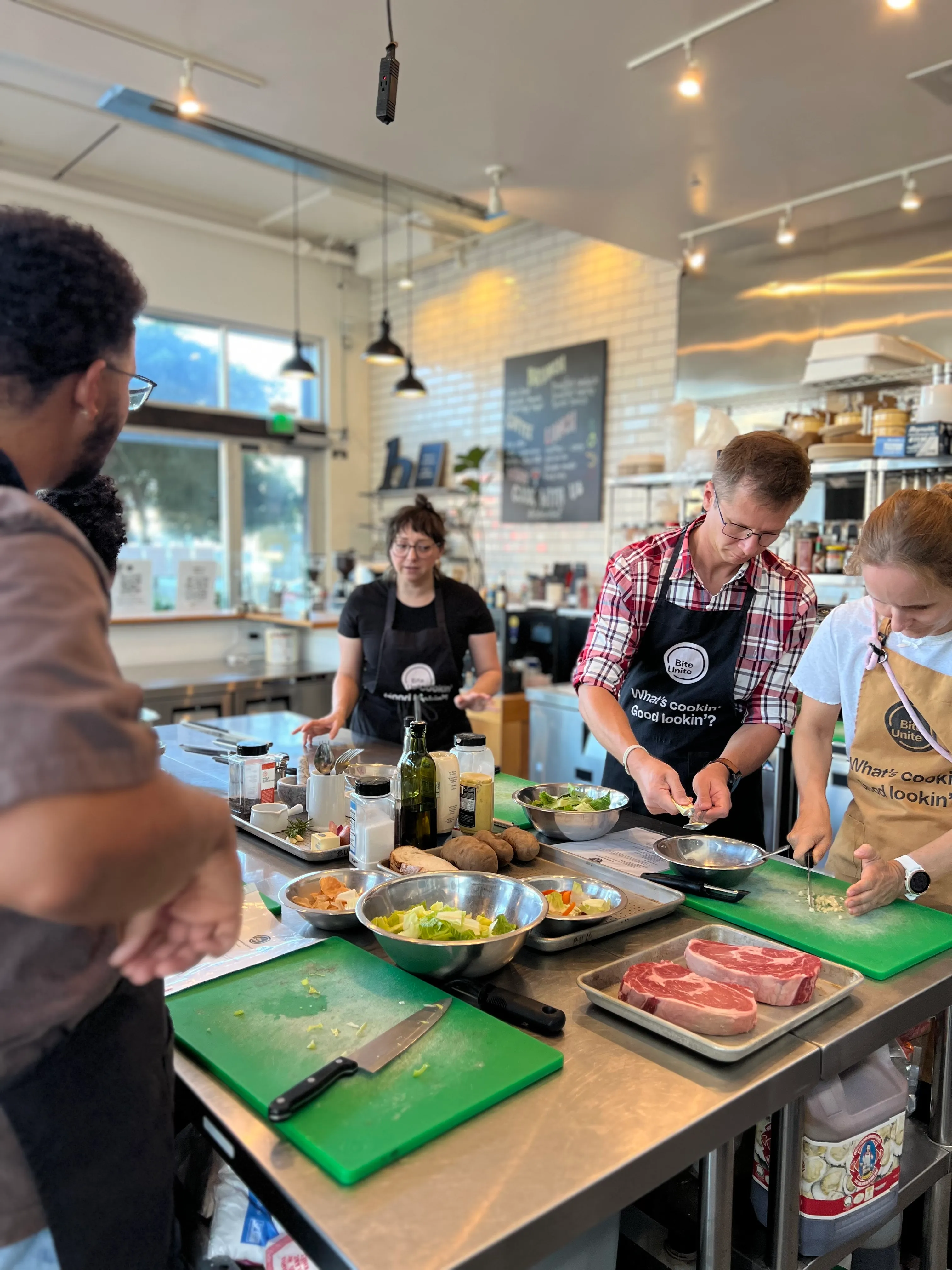
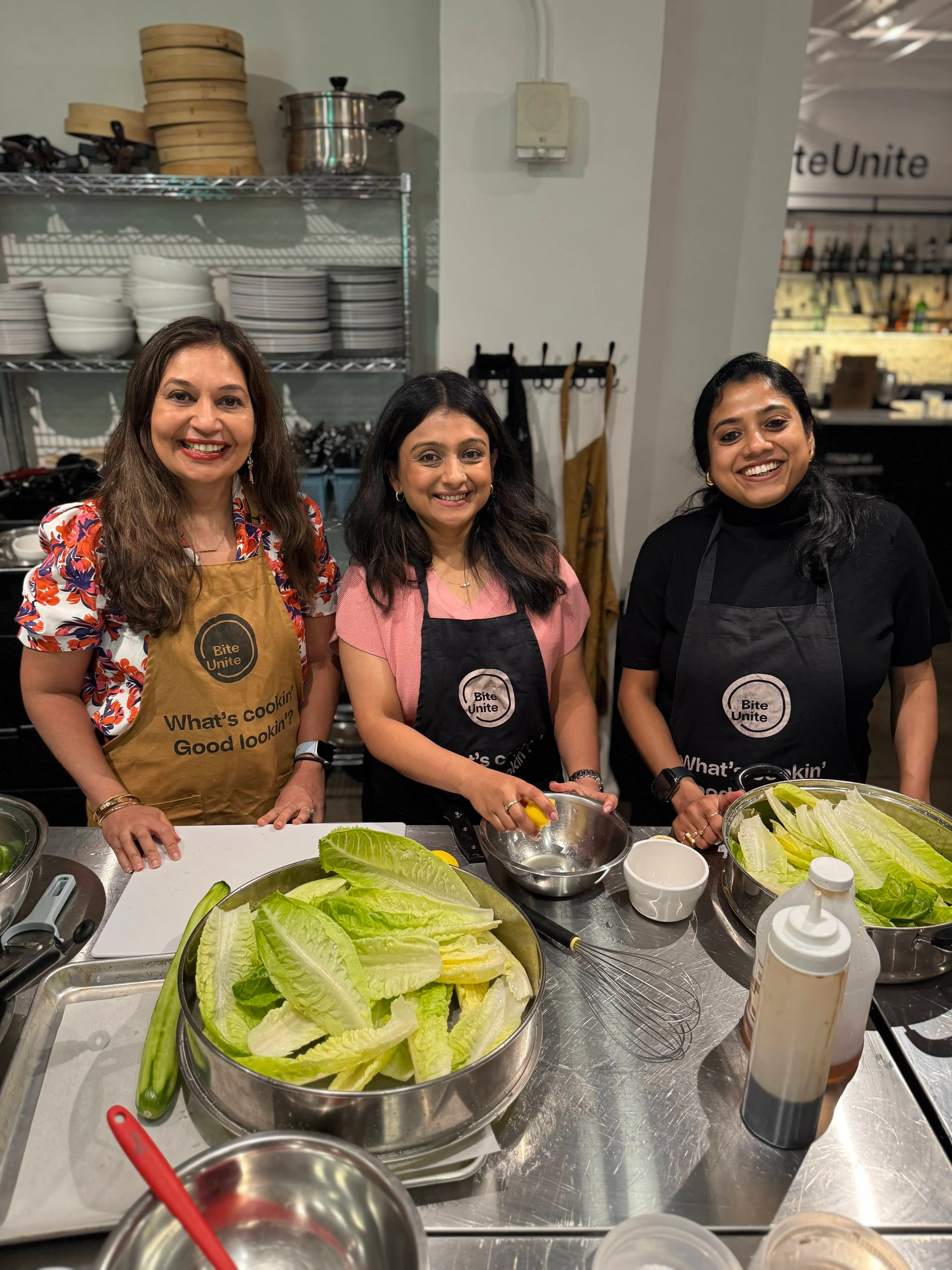
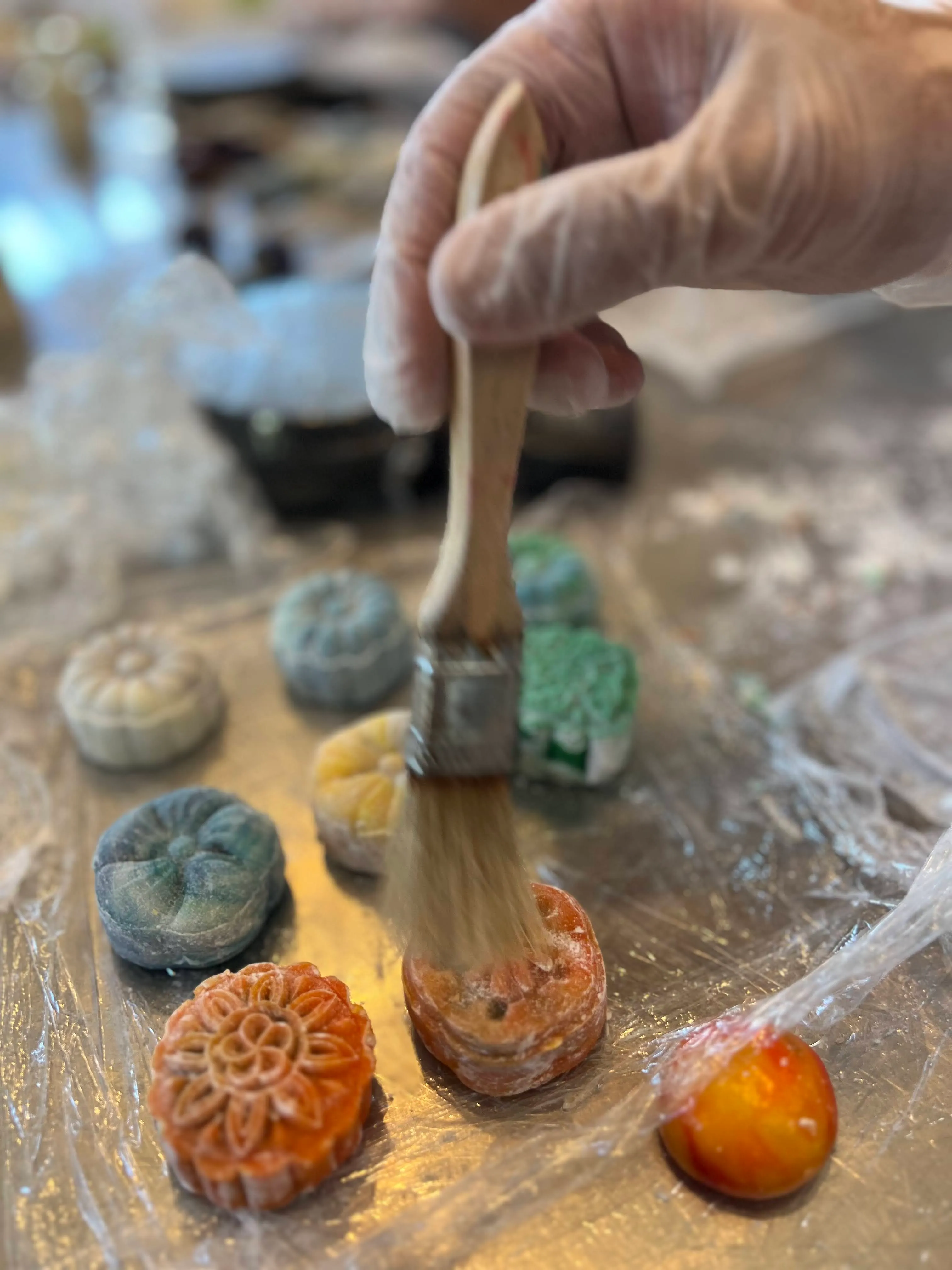
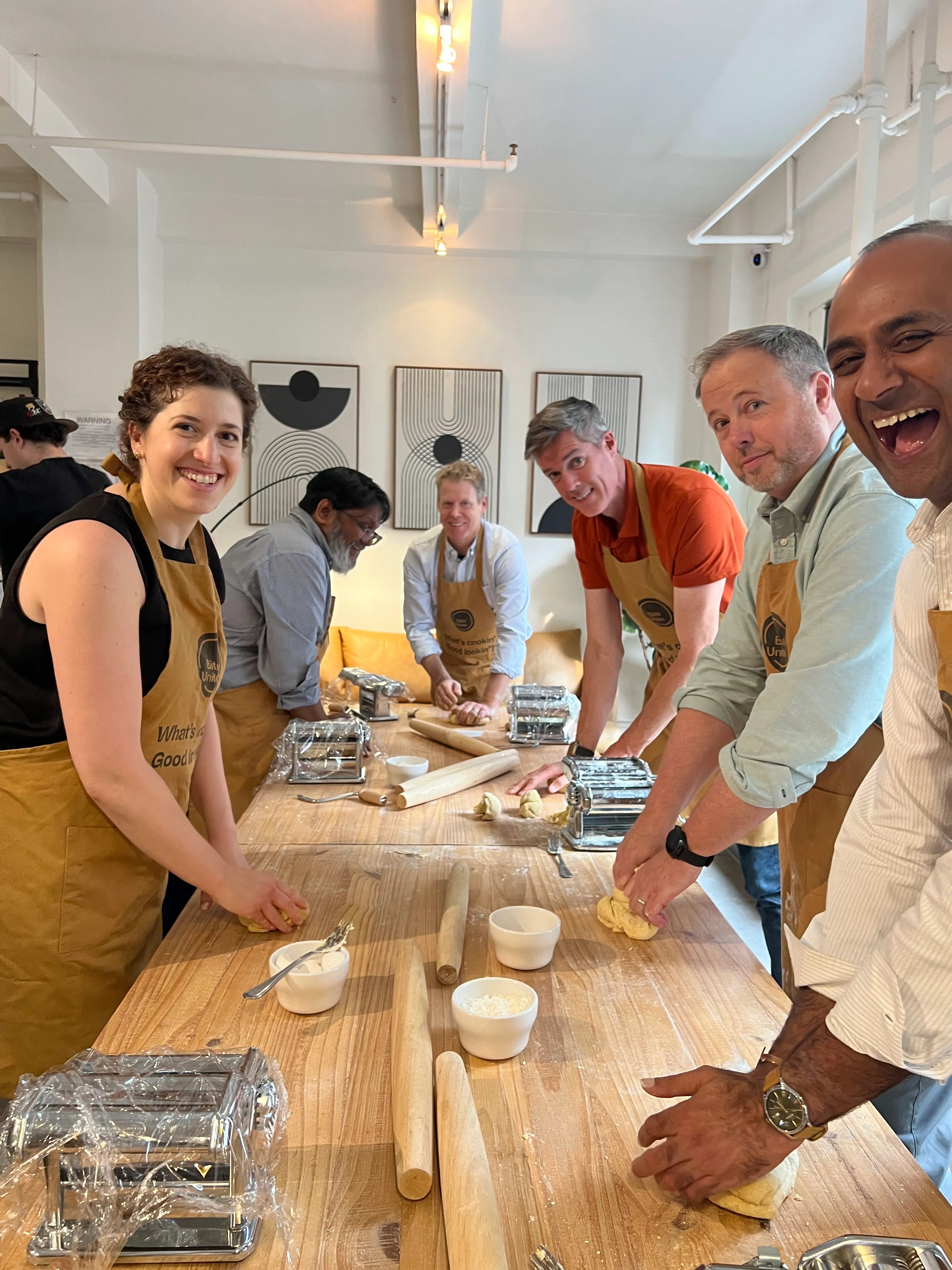
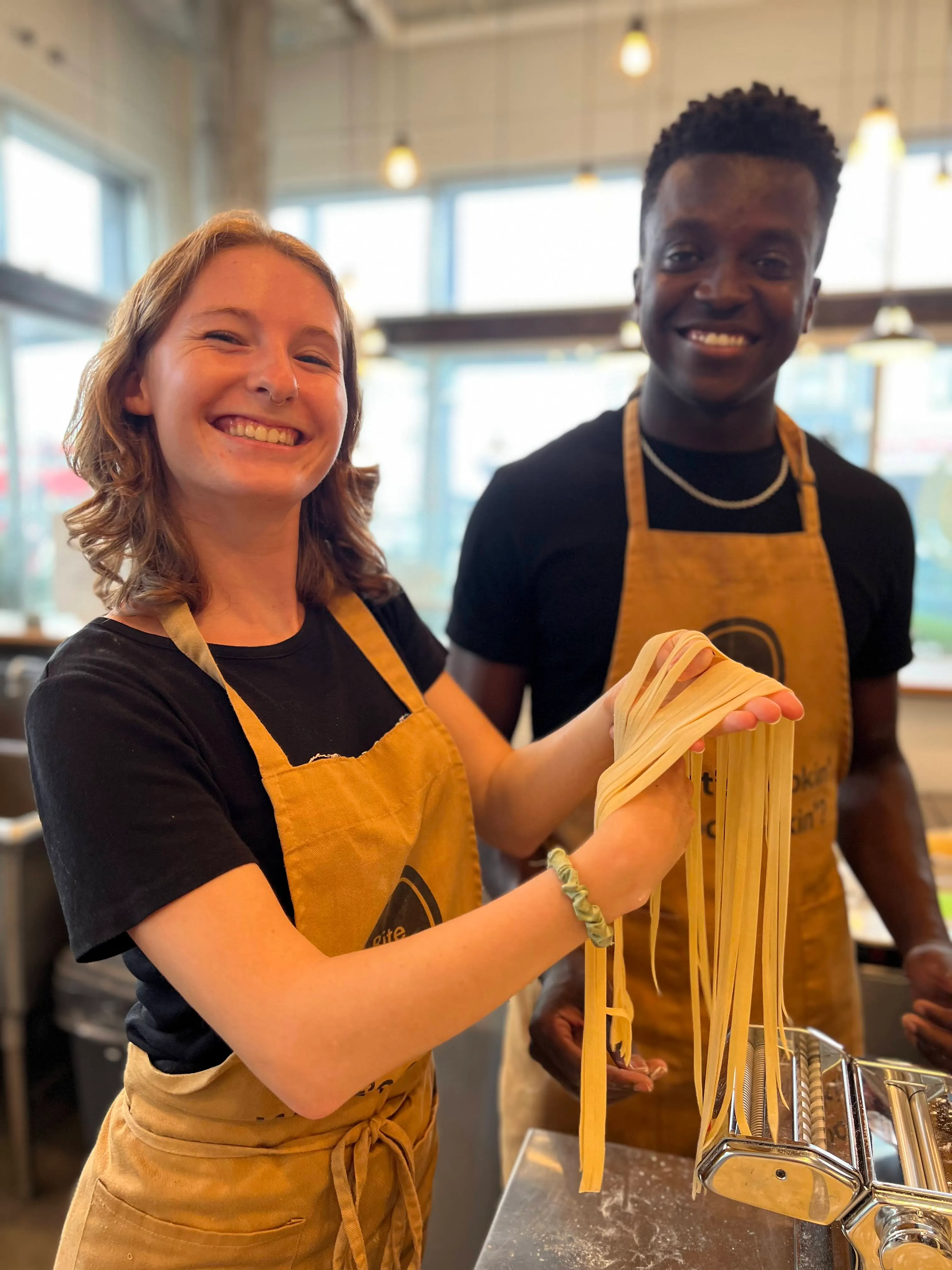
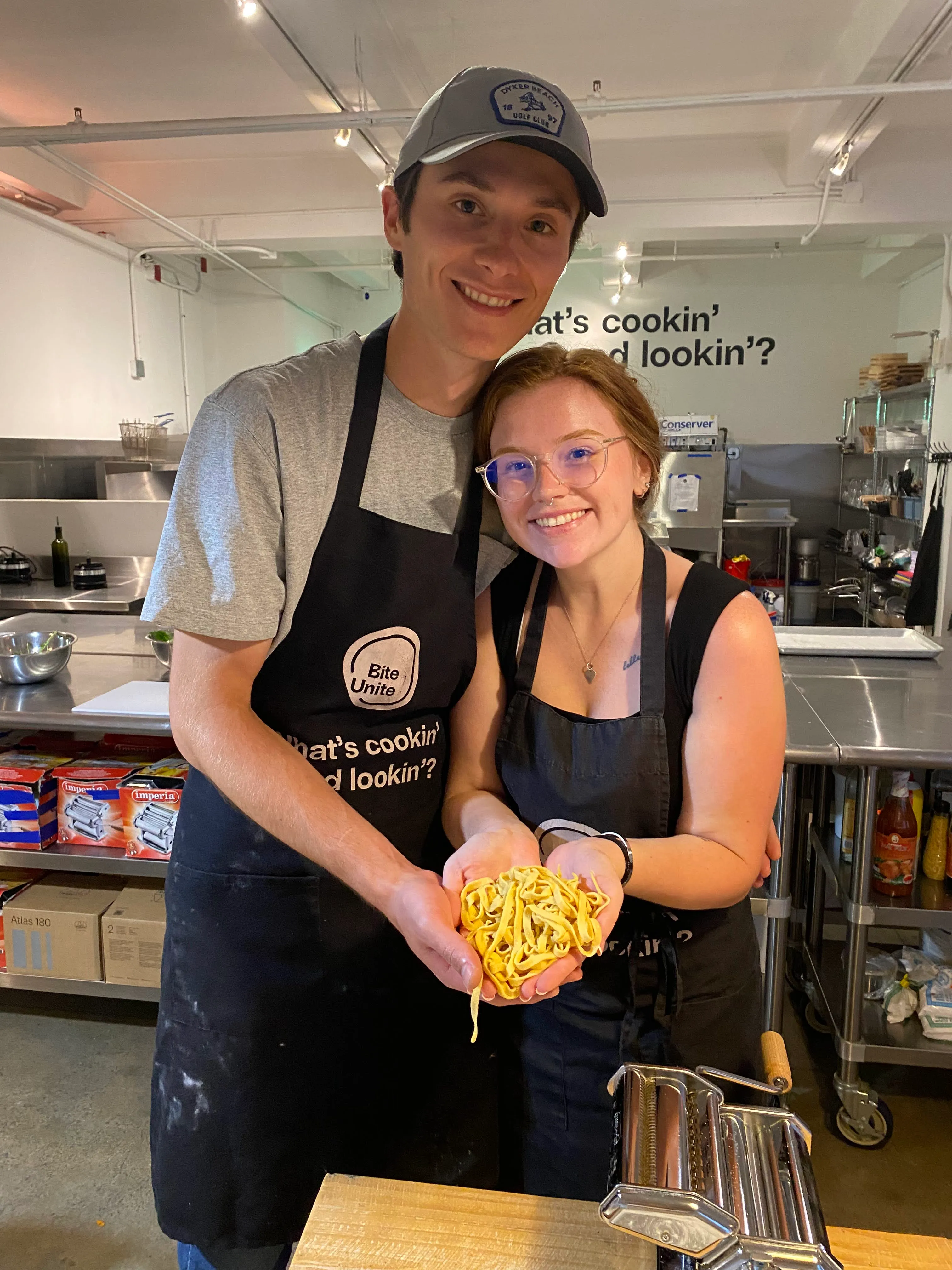
Groups divide tasks. Some handle proteins, others handle vegetables, sauces, dough, dumplings, or plating. This is where the real bonding happens. People talk, laugh, argue, and improvise.
Competition or collaboration
Some classes introduce contests for best dish, best plating, or fastest prep. Others are collaborative and focus on family style cooking. Both work, it depends on your culture.
Shared meal
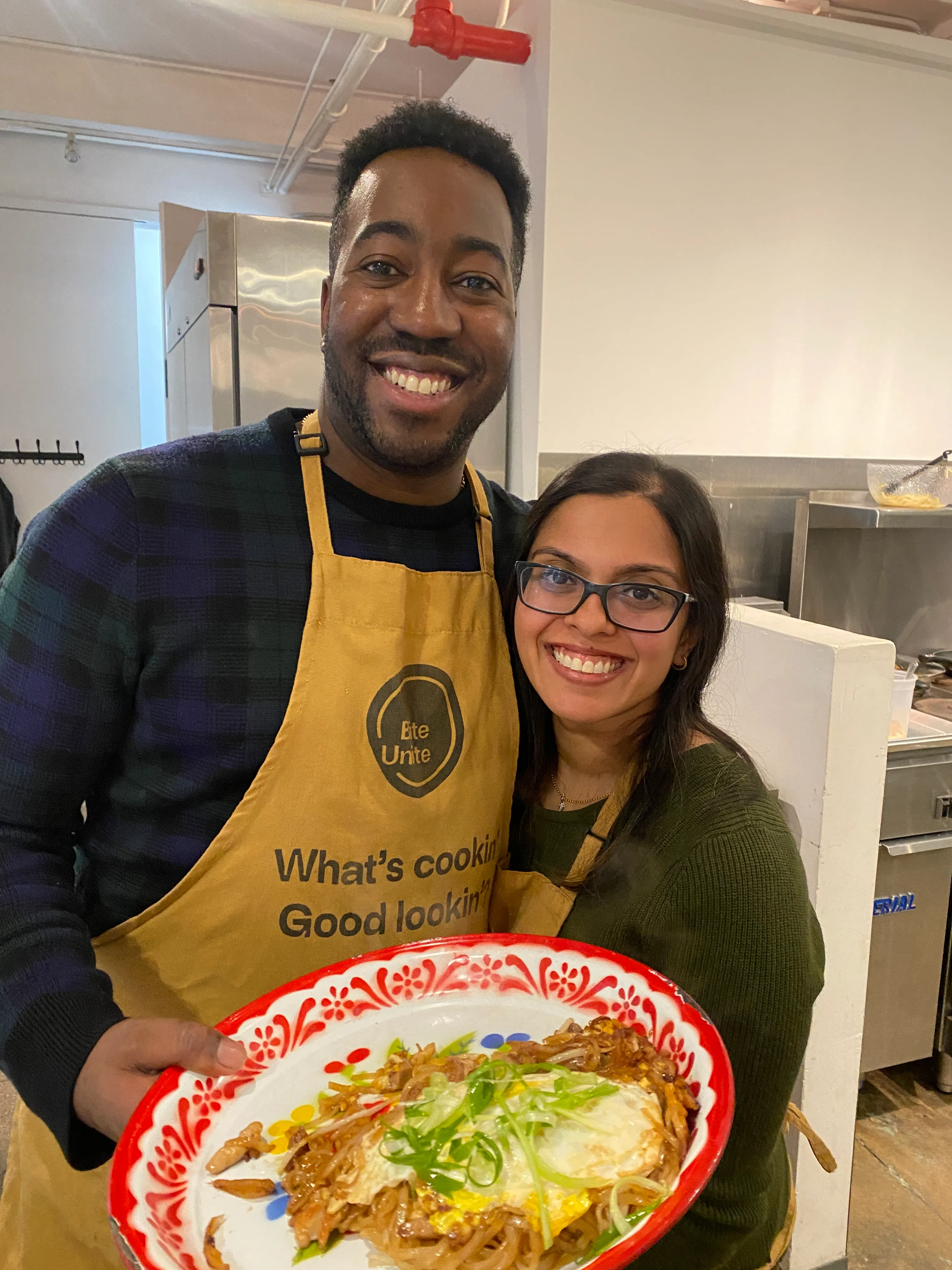
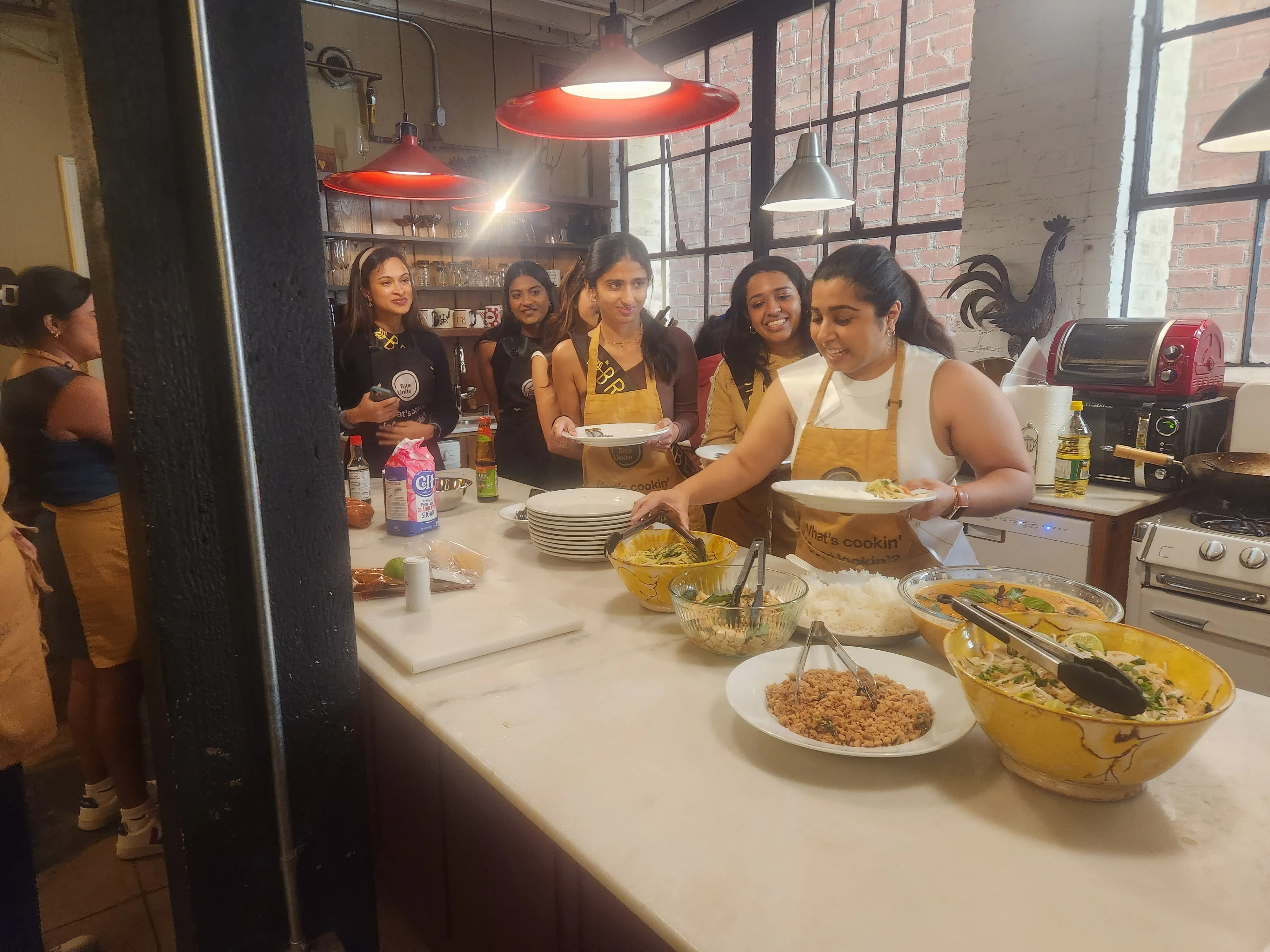
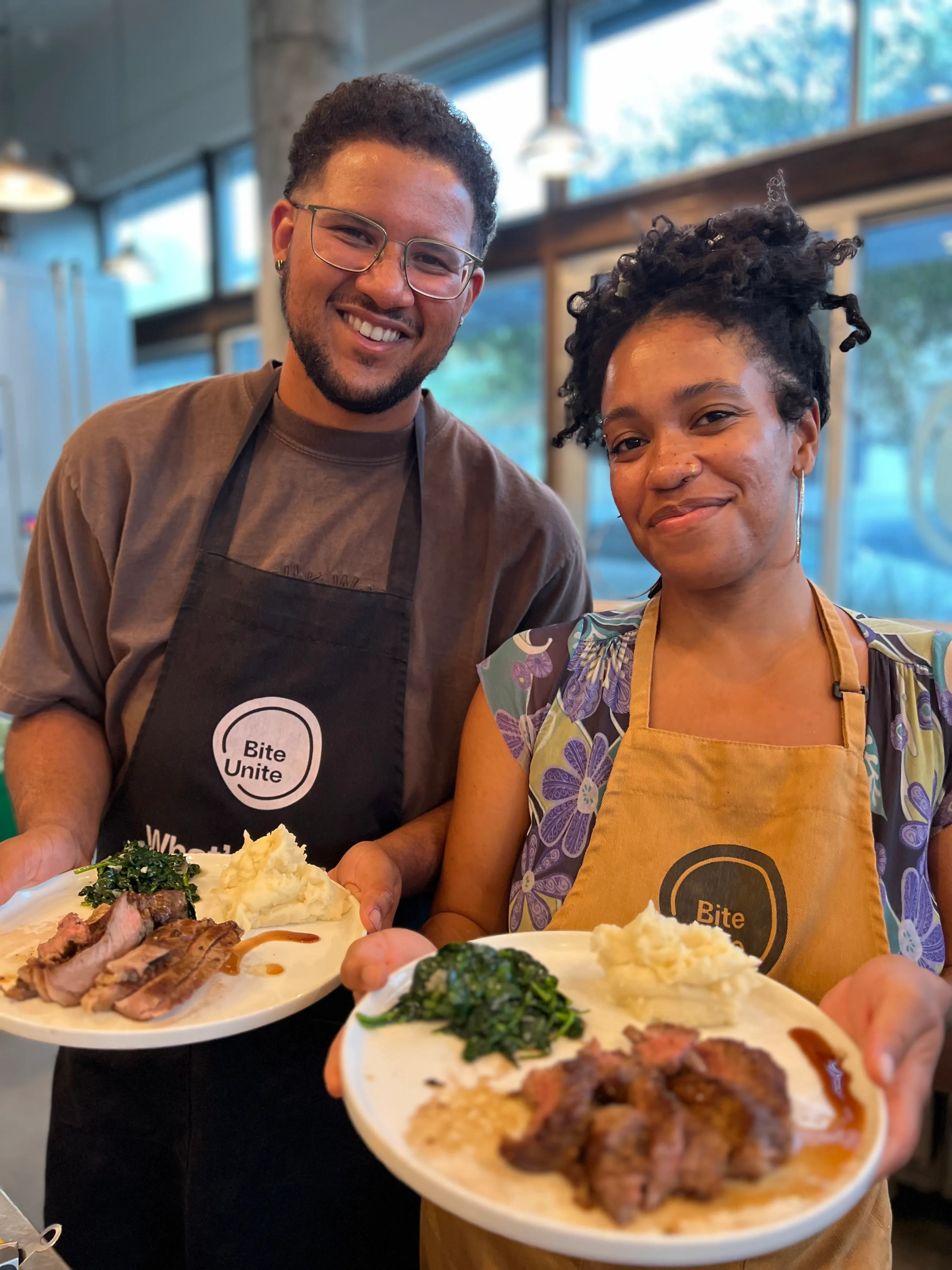
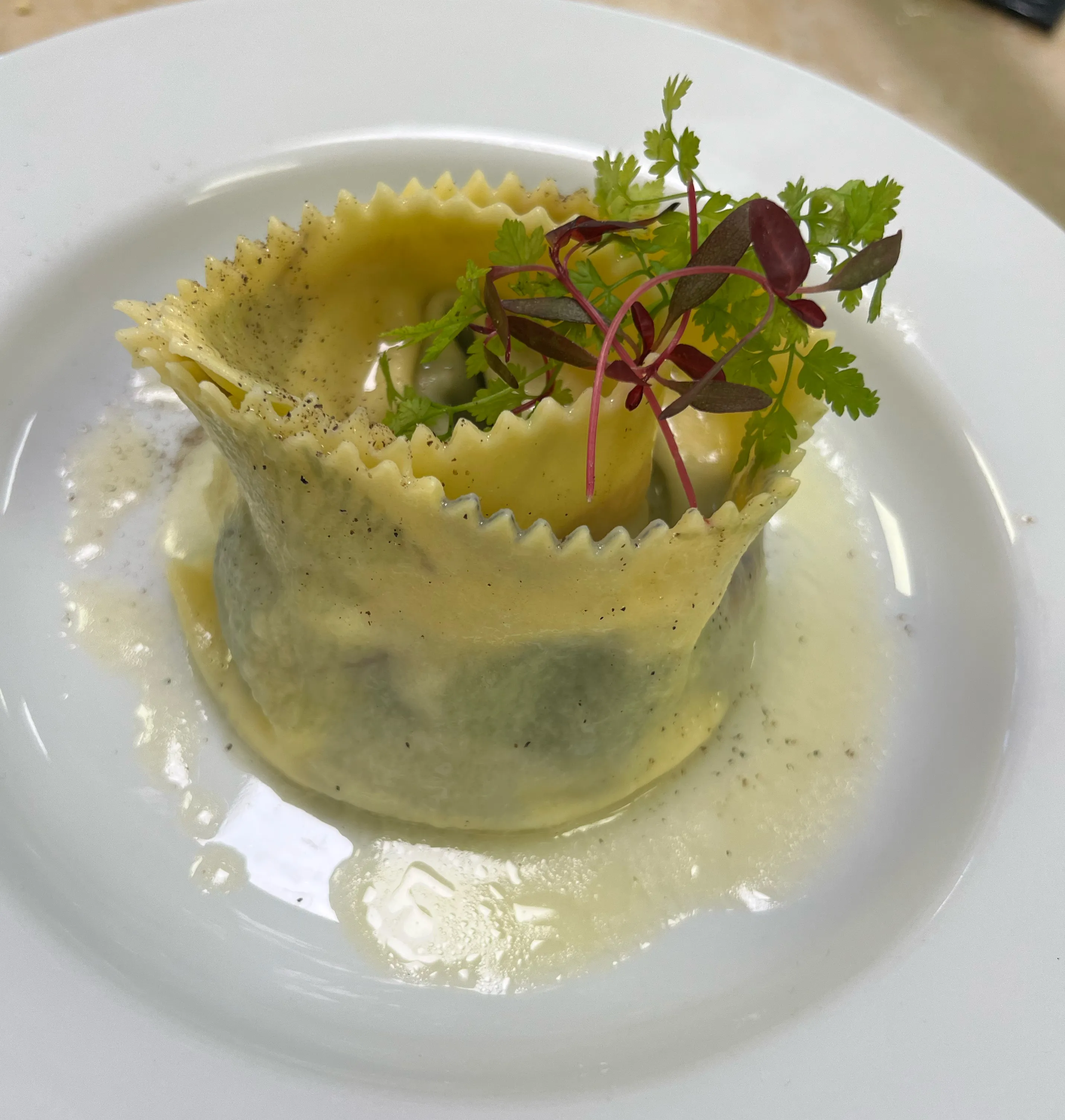
Teams sit down and eat what they just created. This is where the customer feedback loop kicks in. The experience lands because you taste the result of your effort.
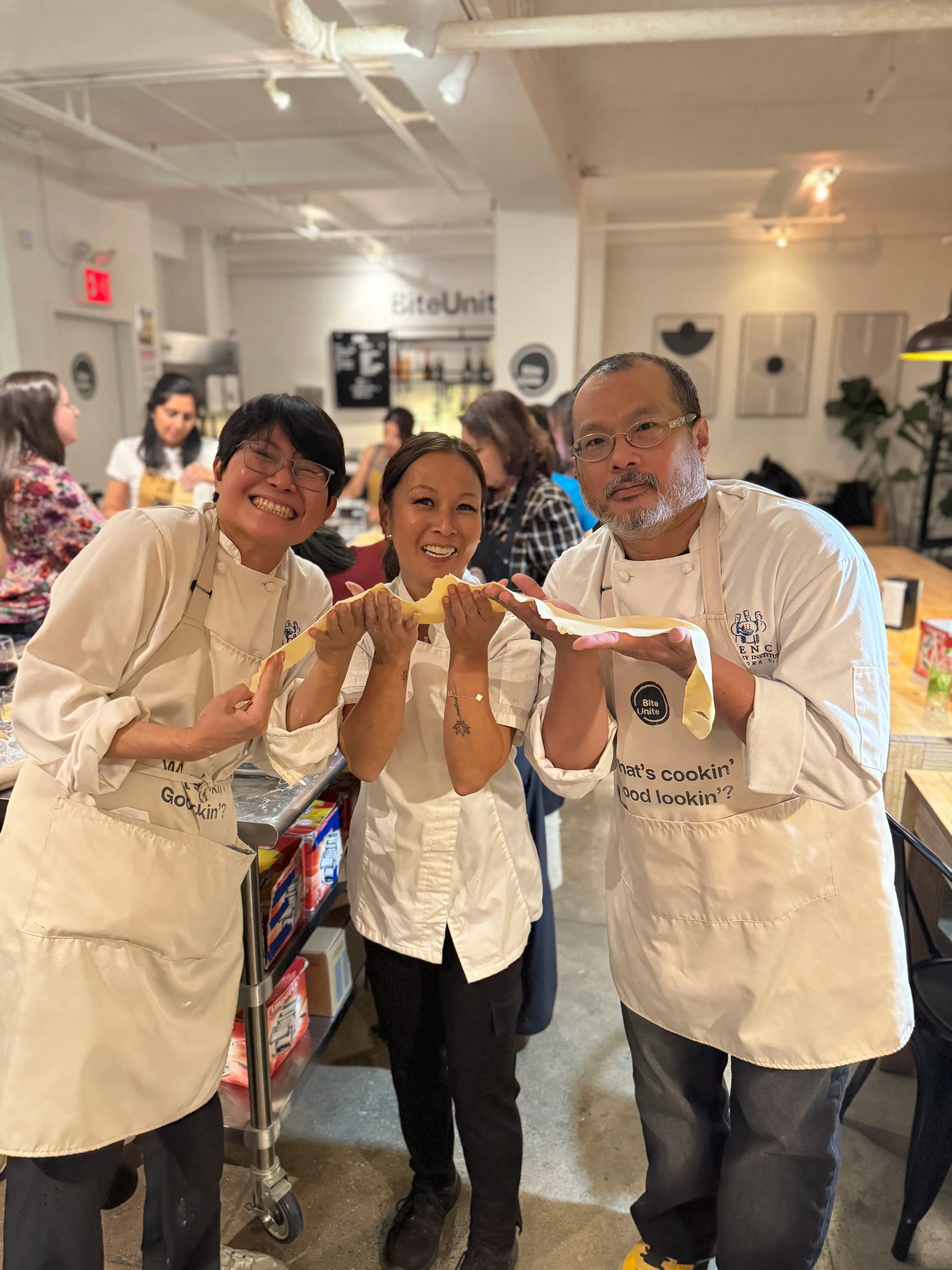
Photos and wrap-up
People take pictures, ask questions about doing the recipes at home, and the chef gives sourcing tips for ingredients in LA.
The entire experience typically runs between two and three hours. Nobody leaves bored and nobody leaves without something to talk about.
Why This Works Specifically in Los Angeles
LA has unique variables you need to acknowledge if you plan events here. Culinary experiences solve for most of them.
Traffic fatigue
If you make someone drive from Playa Vista to Silver Lake for a forced activity that lasts one hour with no substance, you deserve the eye rolls. Cooking classes justify the commute.
Multi cultural workforce
LA teams are international. Food is the easiest cultural connector on earth. It builds understanding without awkward HR games.
Hybrid and remote environments
People need to feel like a team in person because most of their workday is spent alone behind a screen. Cooking makes the in person part meaningful, not obligatory.
LA lifestyle brand alignment
LA workers care about wellness, creativity, and experience based living. Cooking classes sit cleanly in that value system.
Booking an LA Team Building Cooking Event
If you are picking a culinary experience for your team, here is what you need to consider so you do not botch it.
Group size
Most LA kitchens support anywhere from 8 to 40 attendees comfortably. If you have more, you may need private splits or multiple stations.
Menu structure
Pick menus that balance approachability and challenge. Dumplings, pasta, Thai stir fry, tacos, and gnocchi are reliable. Do not choose anything too niche unless your team is full of food nerds.
Dietary flexibility
Check for vegetarian, gluten free, halal, kosher, or allergy friendly adjustments. Good kitchens handle this quietly and without drama.
Pricing expectations
Corporate culinary events in LA generally run higher than standard cooking classes because you are renting time, space, staffing, ingredients, and planning. Expect a realistic budget and do not nickel and dime your culture.
Location
Choose a location that minimizes the worst commute for the most employees. Westside, Eastside, and Ktown are common home bases for culinary experiences. Centrality matters.
Scheduling
Weekdays after work are common but lunch sessions are underrated and often better for energy and retention.
Where to Book Cooking Classes for Teams in Los Angeles
Los Angeles has a handful of cooking options popping up, but you want one that handles corporate groups without chaos or gimmicks. A solid example is the Los Angeles Group Cooking Class and Team Building experience offered by BiteUnite. They run sessions designed for collaboration, skill learning, and private group formats that do not feel rushed or touristy.
How to Tell If a Team Building Event Is Actually Working
Most managers never measure team building impact. They just budget it, book it, and hope morale improves. If you want to know if the investment landed, look for these signals:
Cross departmental chatter increased
If people are talking to teams they never interacted with before, the event did its job.
Inside references emerged
Shared stories are social glue. If a team jokes about who over salted or who dominated plating, that is valuable.
Managers observed new dynamics
Events reveal leadership traits you never see in structured work settings.
People requested the activity again
Nobody asks for bowling twice. People ask for cooking again because it has layers.
Monday atmosphere shifted
If the room feels more familiar and less transactional on Monday, you won.
Why Underrated Matters
LA companies chase flashy. They host events that look good on camera but do not change anything in the workplace. Cooking classes are underrated because they are practical, human, and skill based. They do not get the hype of axe throwing or VR arenas because they are not spectacle. They are substance. Substance scales culture better than spectacle.
If you want your team to function as more than individual specialists sharing a Slack workspace, give them an experience that requires collaboration, trust, and shared reward. Kitchens are the oldest team building environment in history. LA just forgot that for a while.





























.webp)