Valentine’s Day Cooking Classes in San Francisco
San Francisco turns into a Hallmark battlefield every February. Couples fight for reservations at restaurants that switch to expensive prix fixe menus, servers are stressed, tables flip fast, and the entire thing feels more transactional than romantic. Meanwhile the point of Valentine’s Day is connection, not performance. The city has finally started waking up to the fact that a holiday built around intimacy and chemistry works better when you do something together instead of sitting across from each other pretending to be impressed.
San Francisco is a food city with cultural diversity, culinary talent, and couples who are tired of playing restaurant roulette. That is why culinary experiences are taking over Valentine’s Day. They are hands on, social, creative, and full of sensory overlap. They let you build something together instead of consuming something separately. More importantly, they remove the pressure that makes Valentine’s Day feel like an audition for both people.
This article breaks down three Valentine’s Day friendly cooking experiences that actually give you connection, skill building, and fun in the Bay Area: sushi making, pasta making, and group cooking events for friend groups or teams who do not want the standard romantic script. Each one solves a different Valentine’s problem and each one pairs perfectly with the city’s lifestyle and neighborhoods.
The Case for Experience Based Valentine’s Day in SF
Before diving into the specific classes, it is worth pointing out why experience based Valentine’s Day has momentum in San Francisco.
Here are the practical reasons:
1. San Francisco cares about food culture
This city takes restaurants seriously. It also takes food skills seriously. Culinary dates are just an extension of that identity.
2. Couples want meaningful activities, not just dining
Dining is passive. Activities are participatory. Participation is where chemistry shows up.
3. Valentine’s Day amplifies restaurant stress
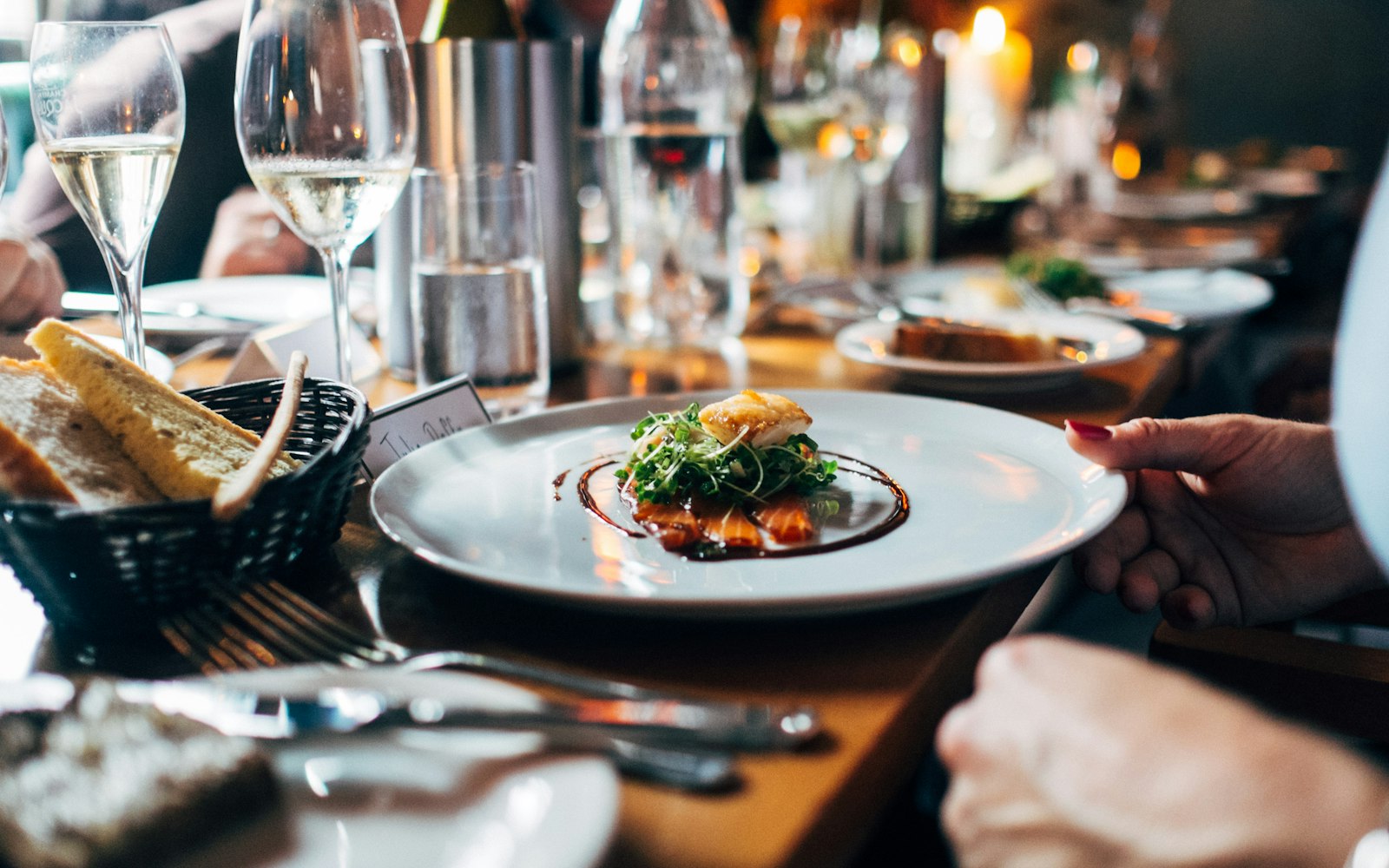
Restaurants are slammed, menus shrink, prices go up, and ambiance suffers. Cooking solves that by flipping the script.
4. Culinary experiences are personal without being cringe
Art classes can feel performative, dancing can feel awkward, but cooking is practical and social.
5. It is one of the few dates where you actually learn something
Learning during a date creates story, vulnerability, and shared context. That is worth more than a wine pairing.
This trend is not seasonal. It is structural. Now let’s get specific.
Option 1: Sushi Making for Couples Who Want Precision and Play
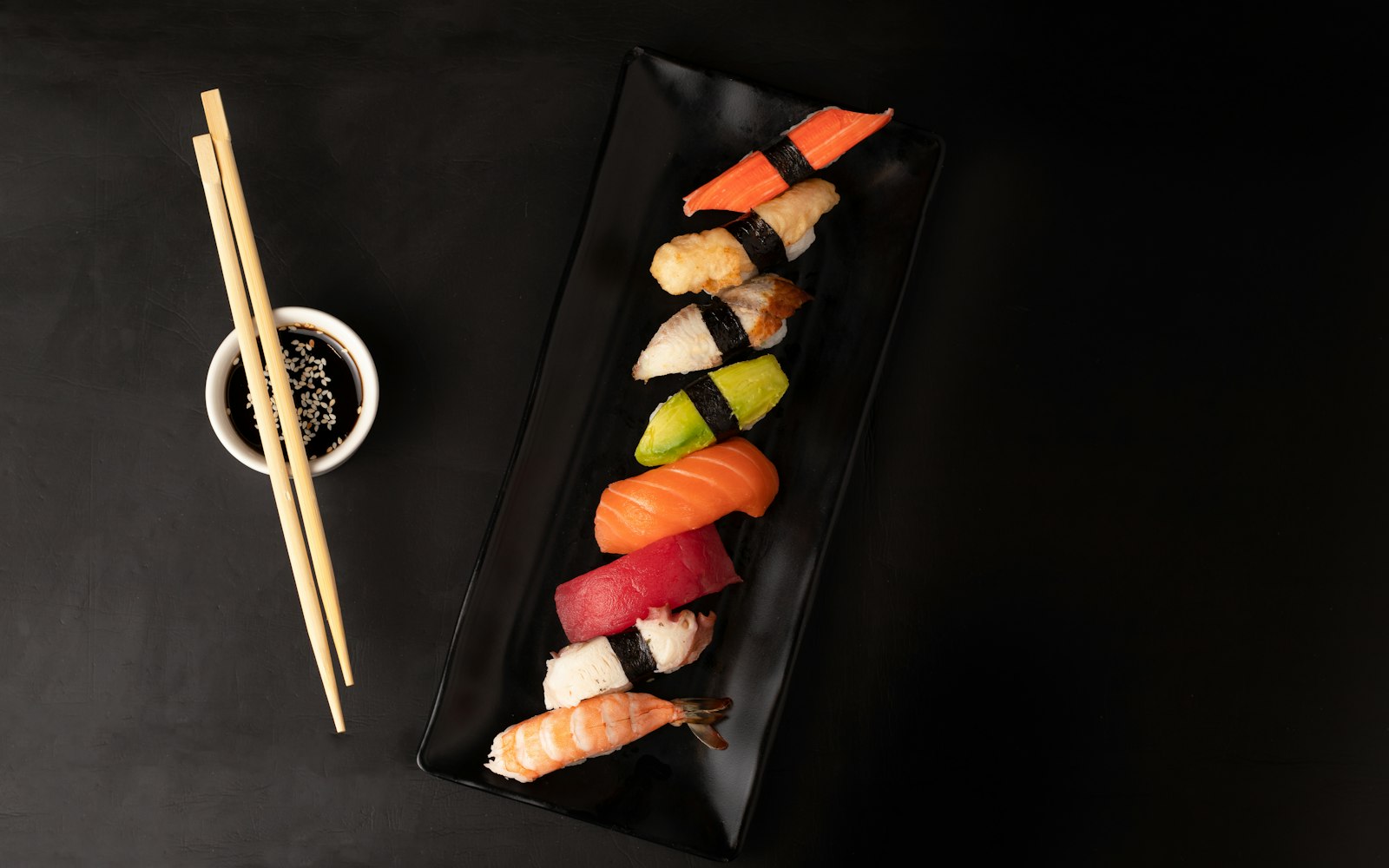
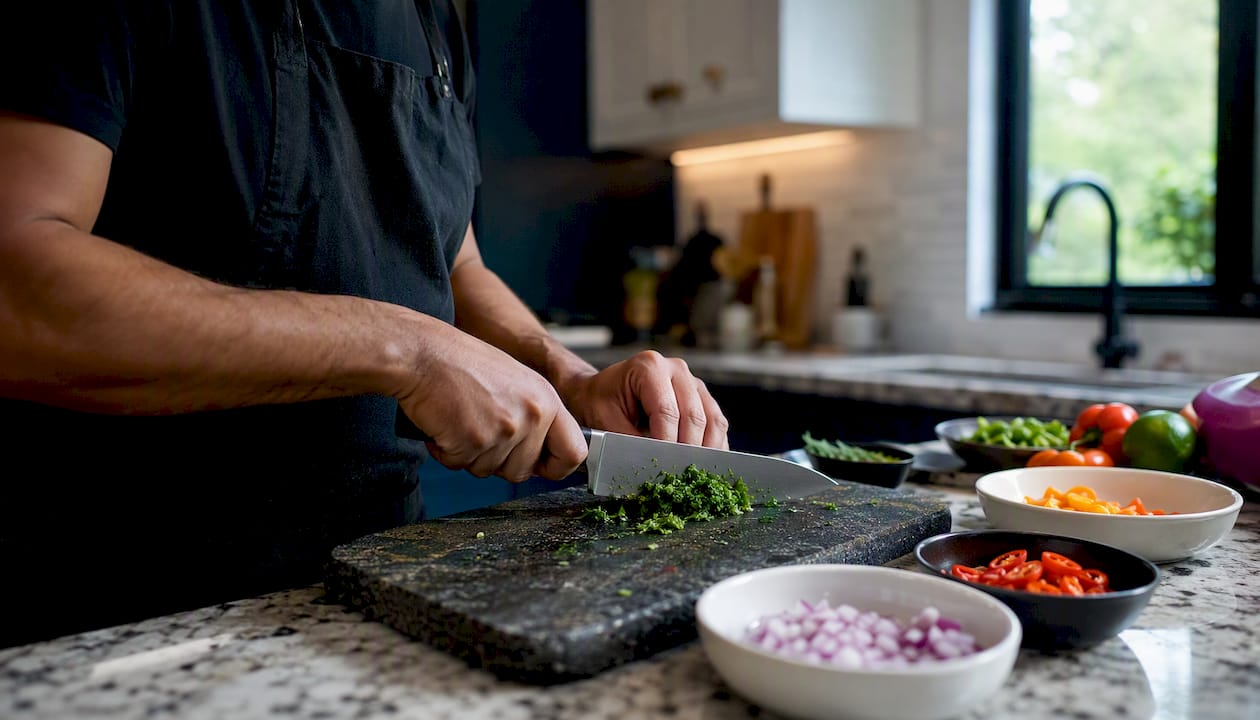
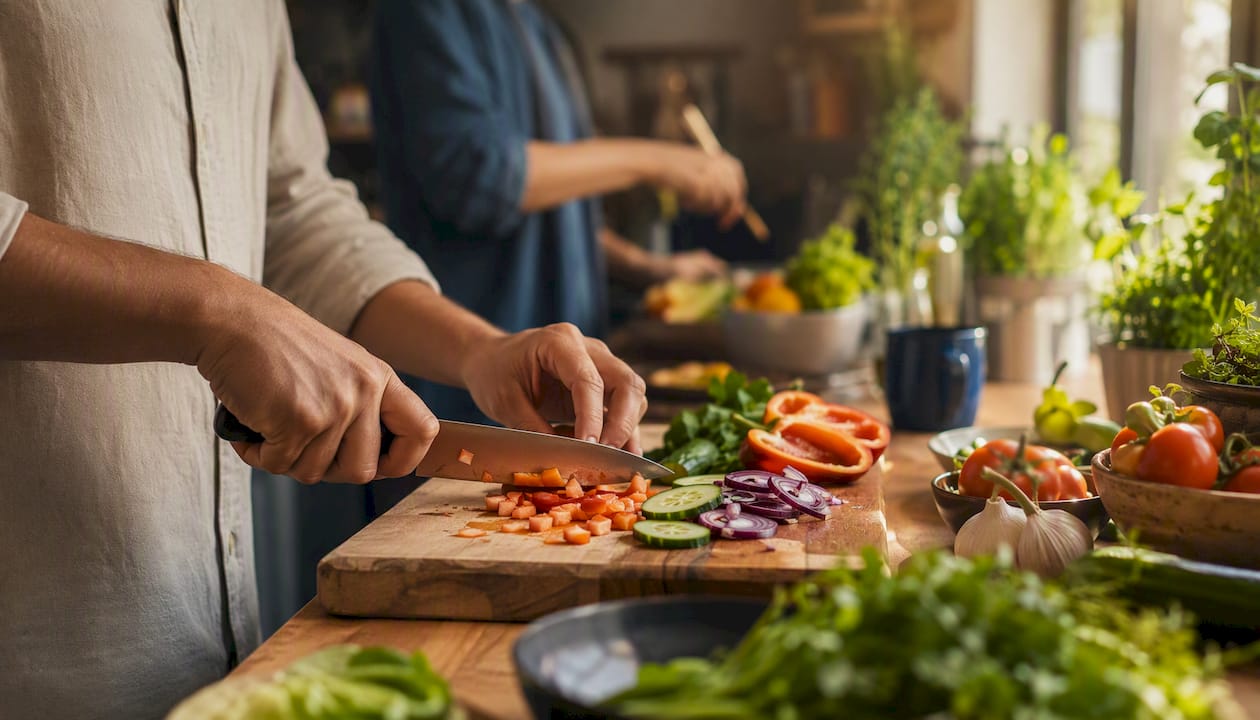
Sushi making is a Valentine’s Day move for couples who want something elegant that does not feel heavy. Sushi is also a compatibility filter disguised as a date. Knife techniques reveal patience. Rice seasoning reveals attention to detail. Rolling reveals adaptability and humor. If you want to understand someone beyond surface level conversation, put a bamboo mat and a piece of nori in front of them.
San Francisco is an ideal setting for sushi making because the Bay Area has access to solid fish markets, ingredient diversity, and people who already respect Japanese technique. It also fits couples who want a date that is visually appealing and skill intensive without being pretentious.
What You Do in a Sushi Class
A proper sushi class will walk you through:
• Selecting and seasoning rice
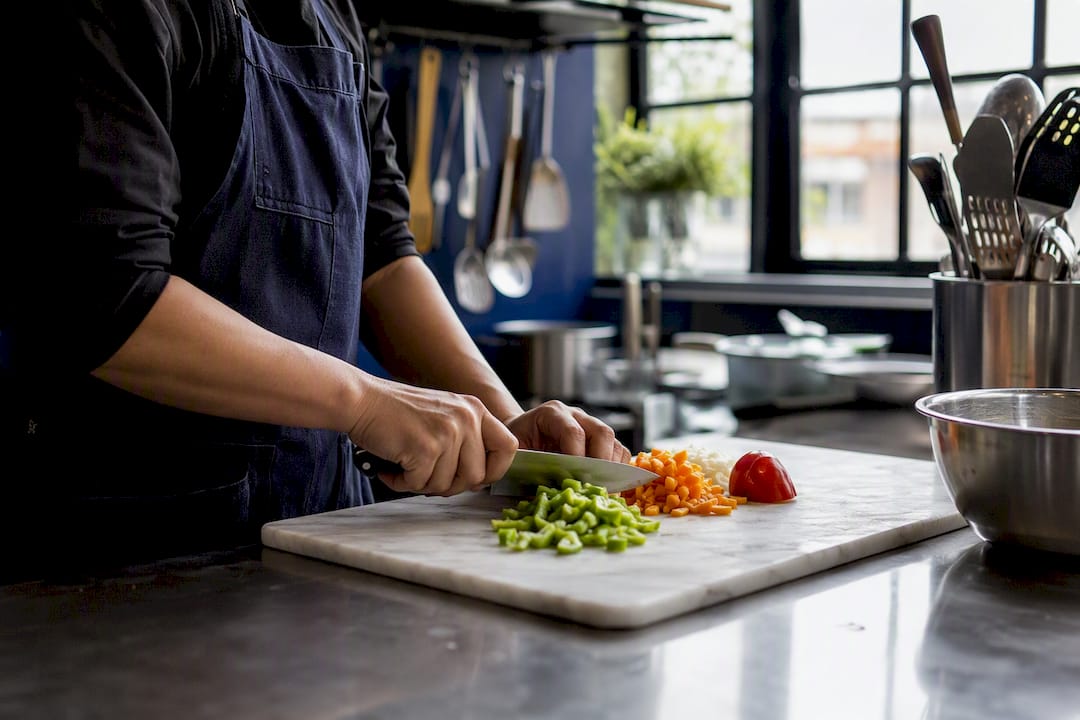
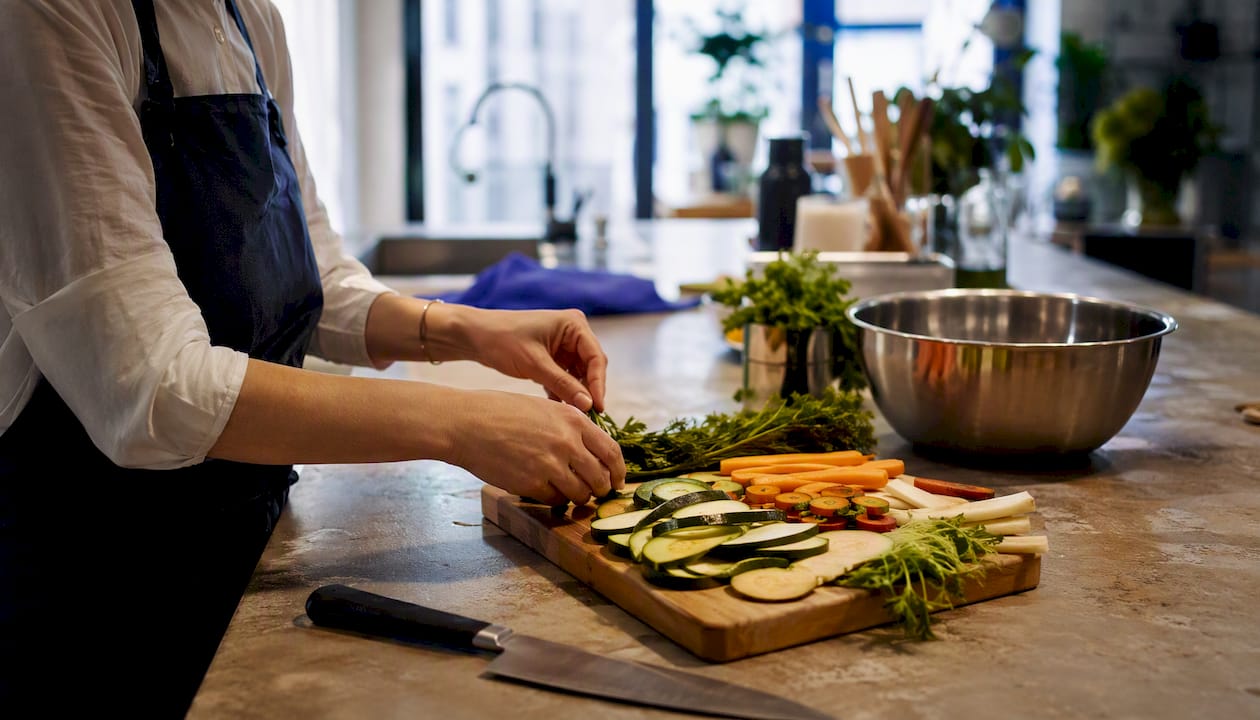
• Knife handling for fish and vegetables
• Rolling techniques for maki, uramaki, and hand rolls
• Ingredient sourcing around the Bay
• Sauce pairing with soy, ponzu, and spicy mayo
• Plating with intention instead of chaos
This is a date where you work with your hands, taste constantly, and talk without forcing conversation.
A Valentine’s Itinerary That Works
A simple but effective Valentine’s flow looks like this:
- Start the evening with a sushi class
- Learn, roll, and plate together
- Eat your creations instead of staring at a menu
- Grab sake or dessert afterward in a quiet spot
Short, interactive, tasty, and human.
Where to Book It
For couples who want to try sushi making without being judged or rushed, the San Francisco sushi class offered through BiteUnite delivers a structured but relaxed environment. It works for first dates, long term couples, or anyone who wants to escape the prix fixe trap.
Option 2: Fresh Pasta Making for Couples Who Want Chemistry and Skill
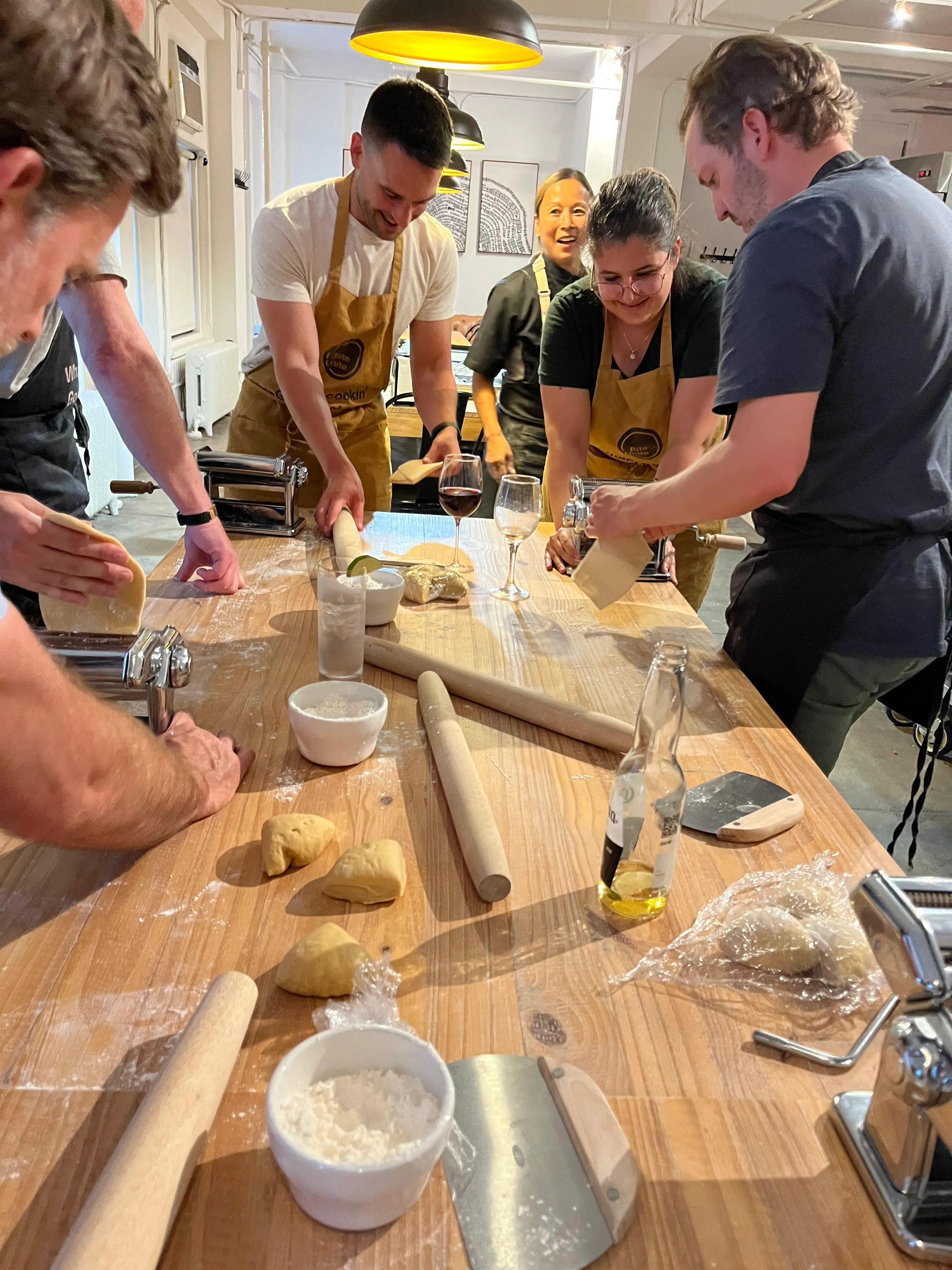
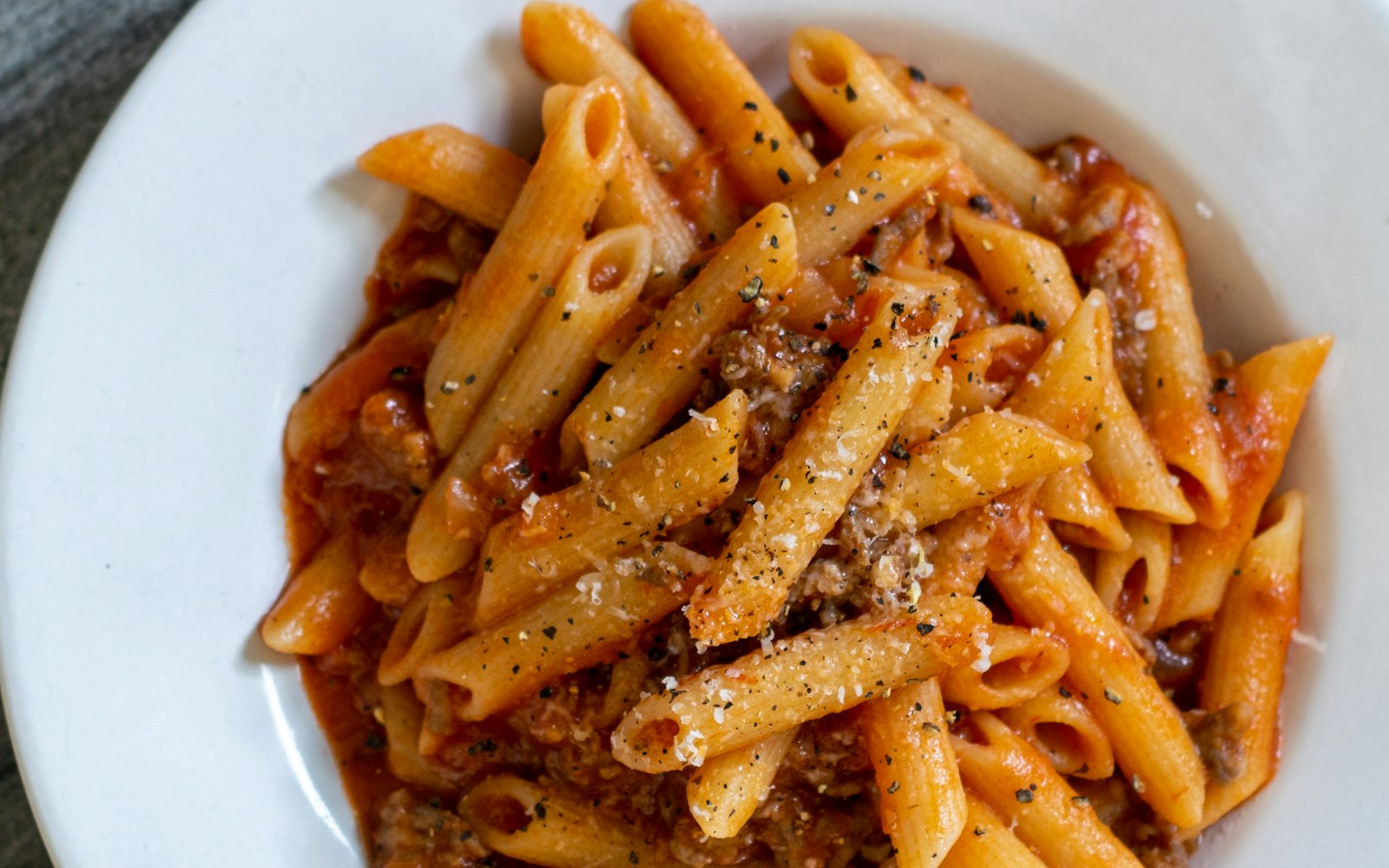
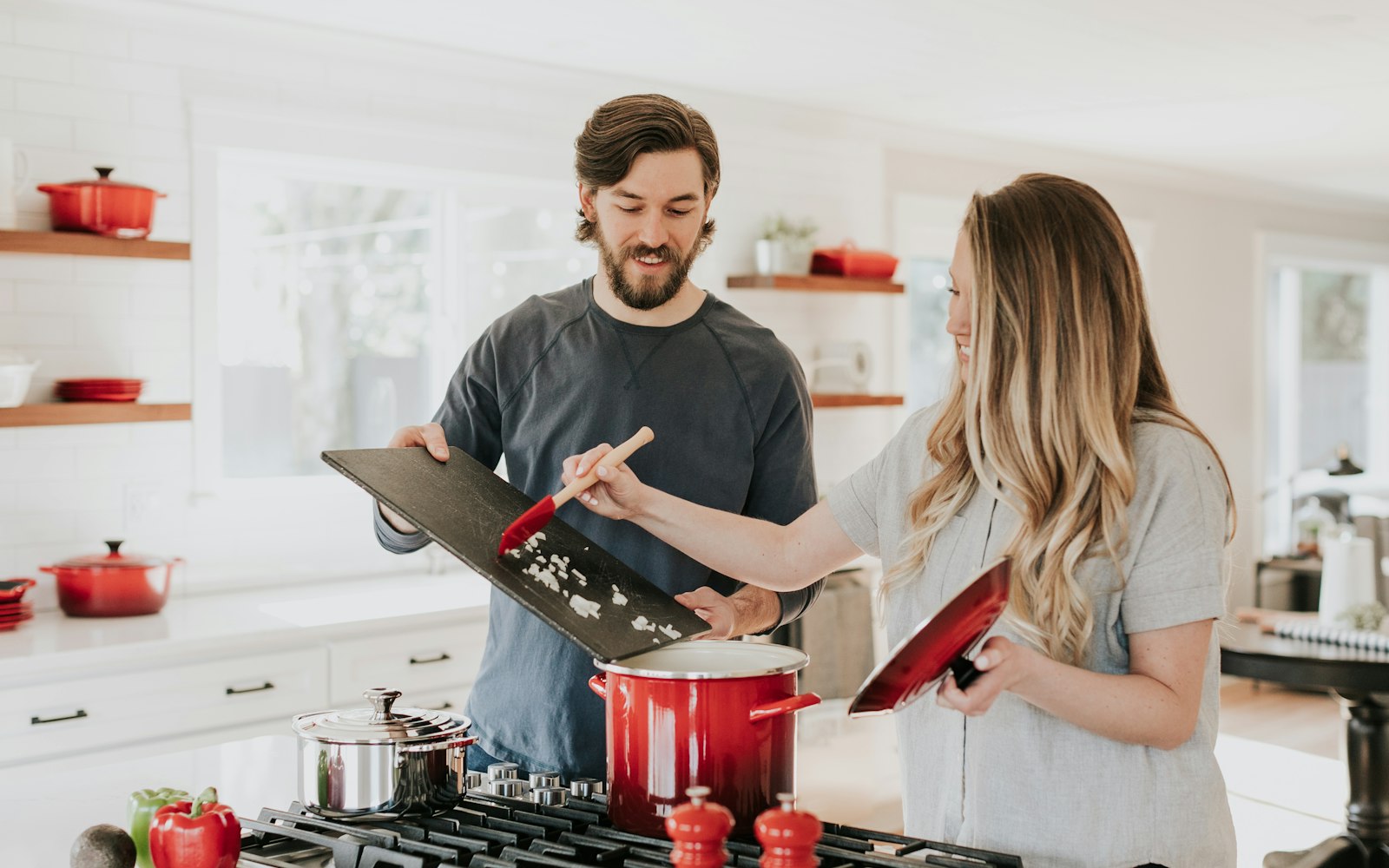
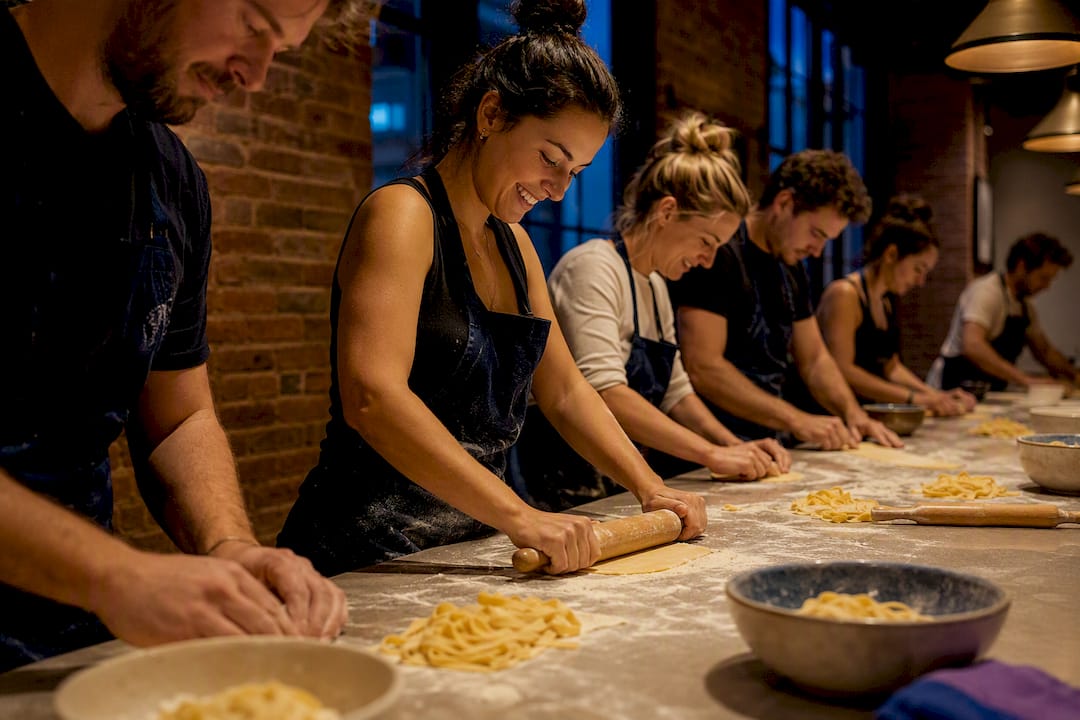
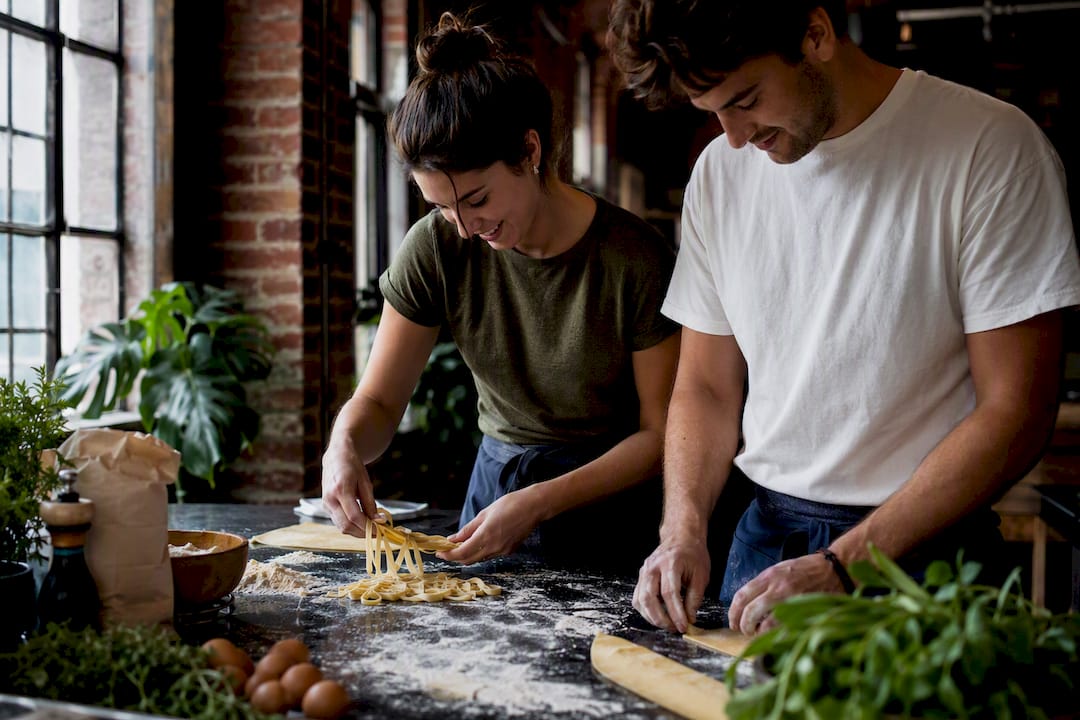
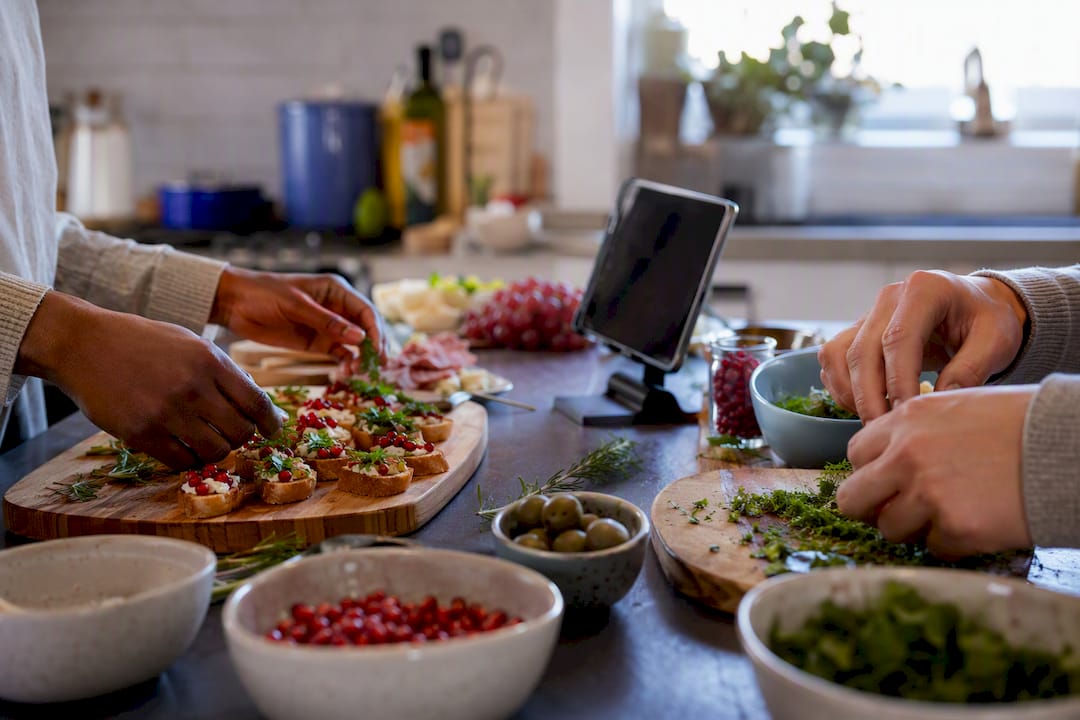
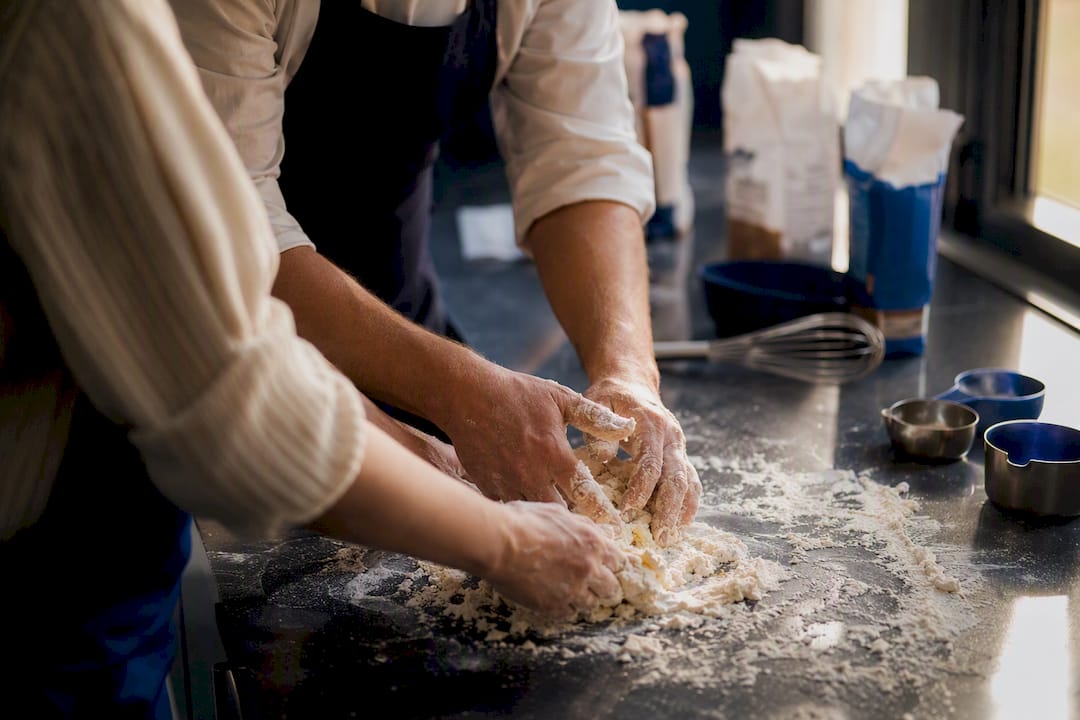
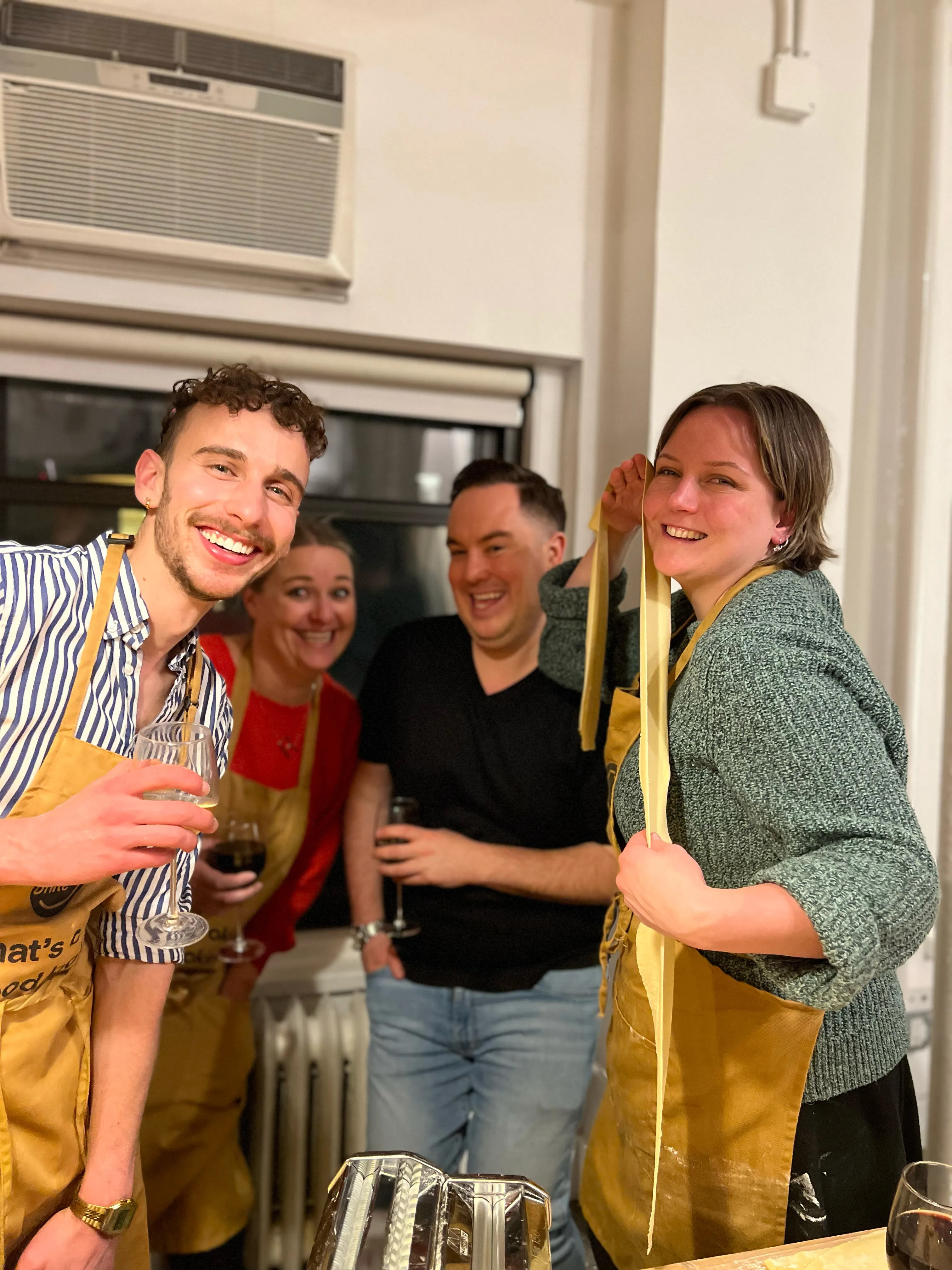
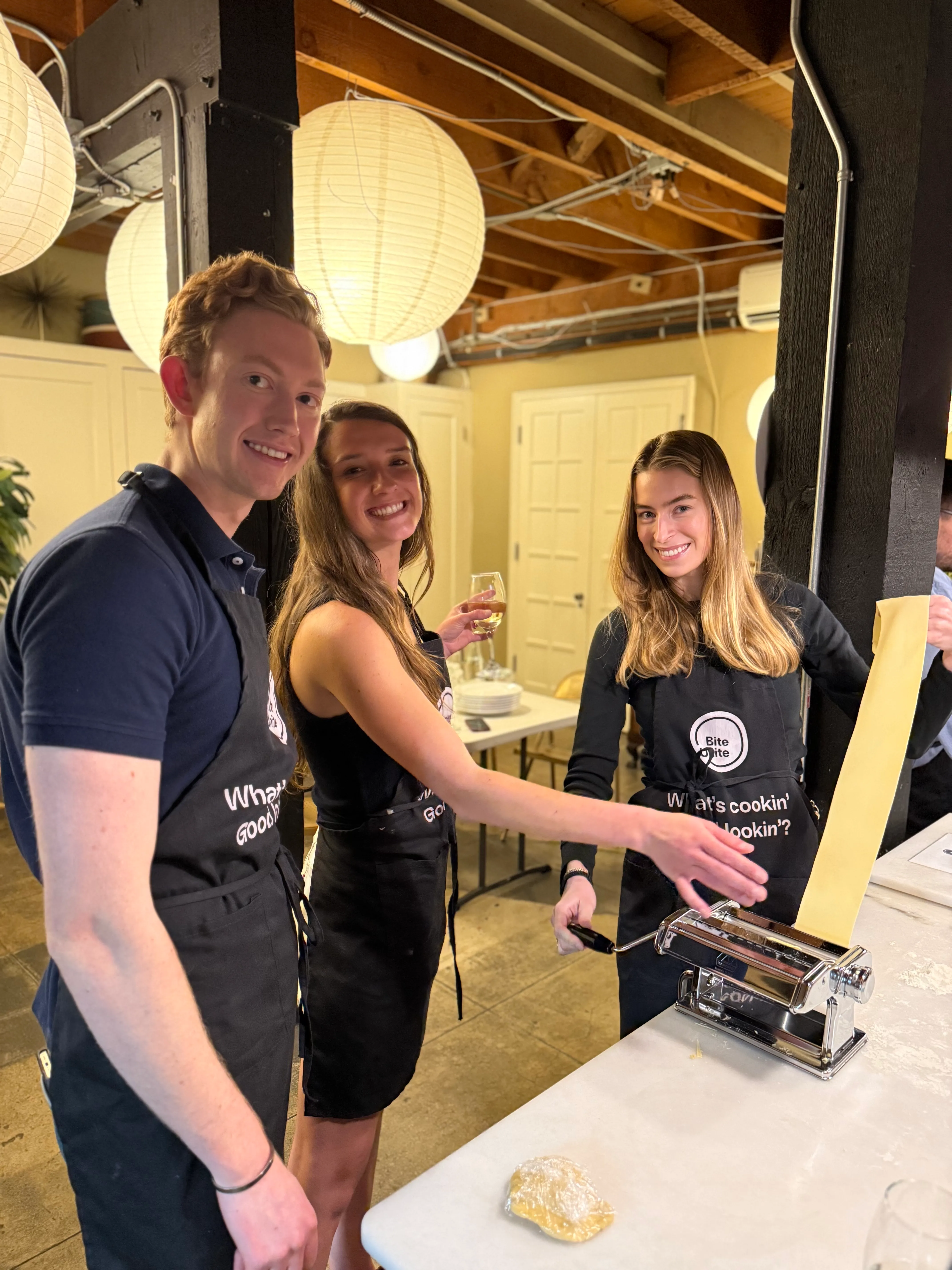
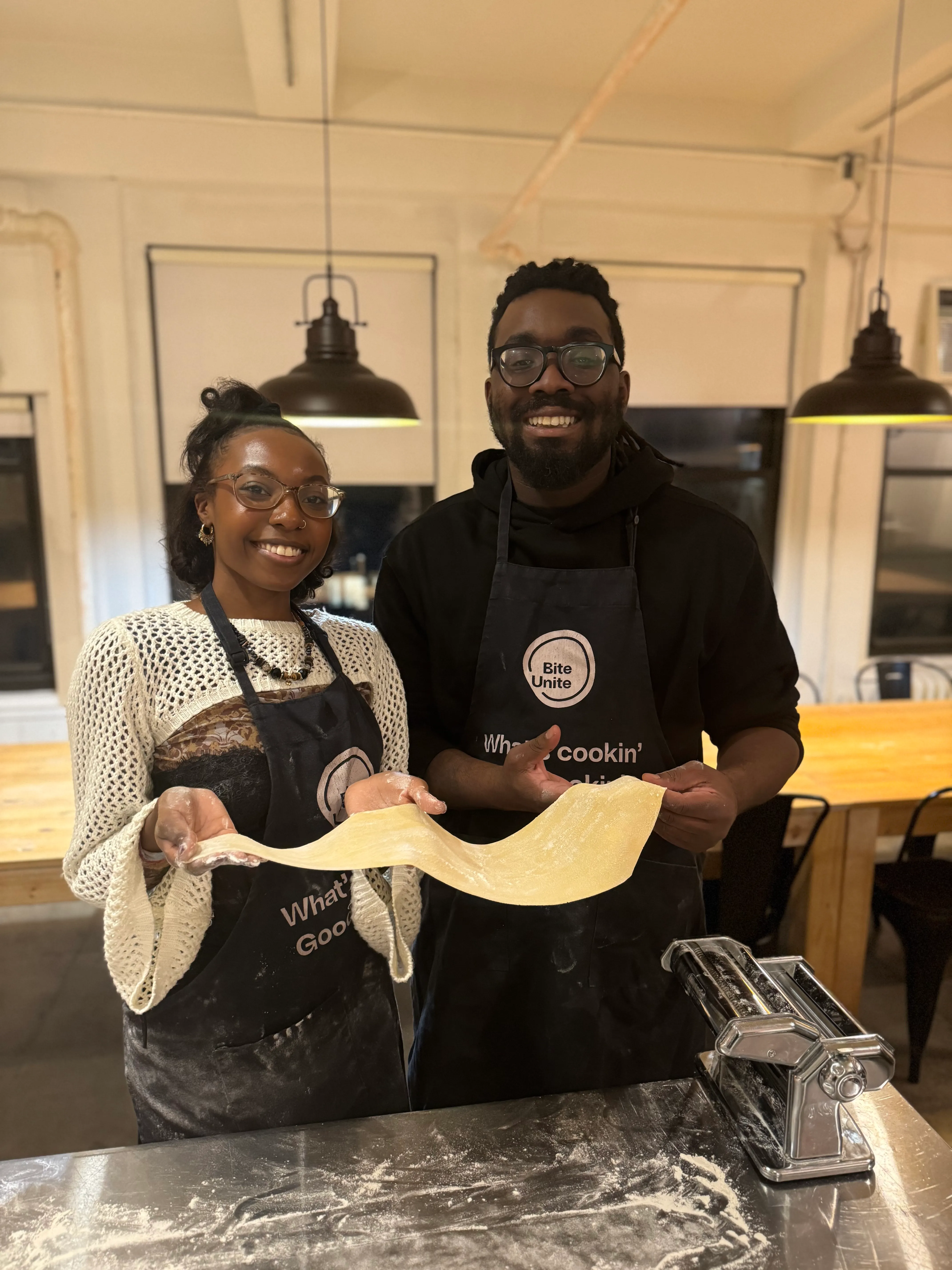
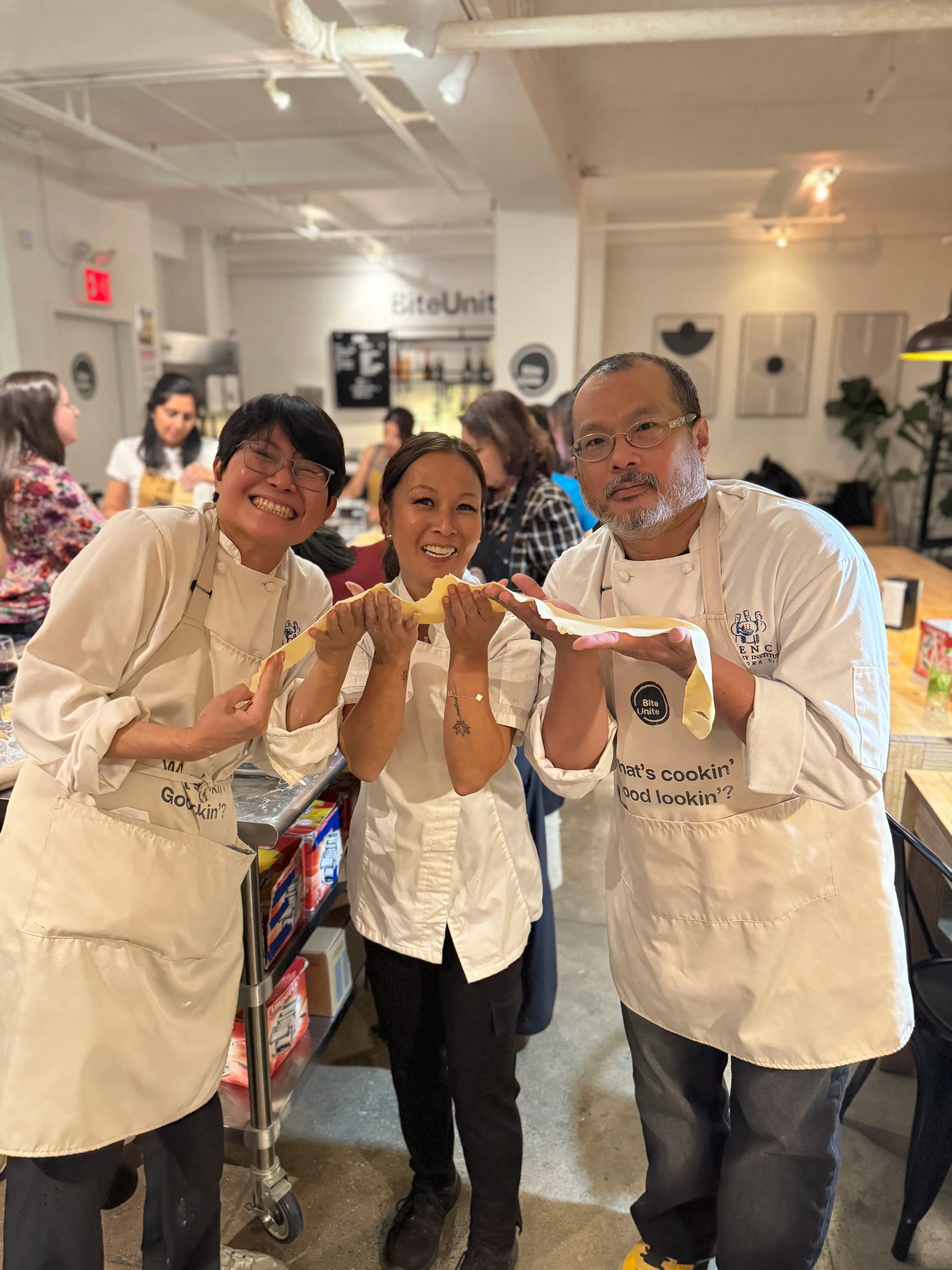
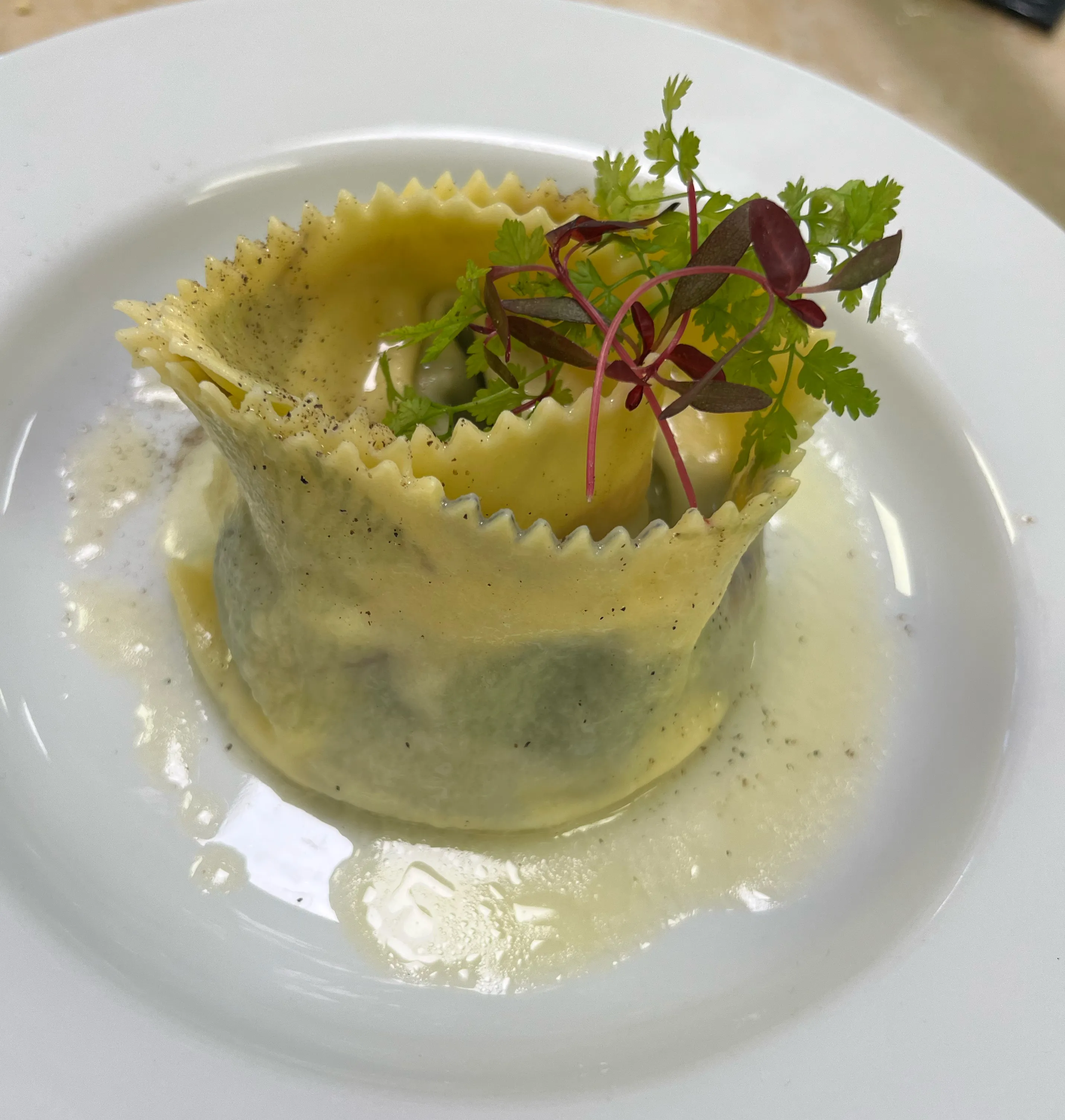
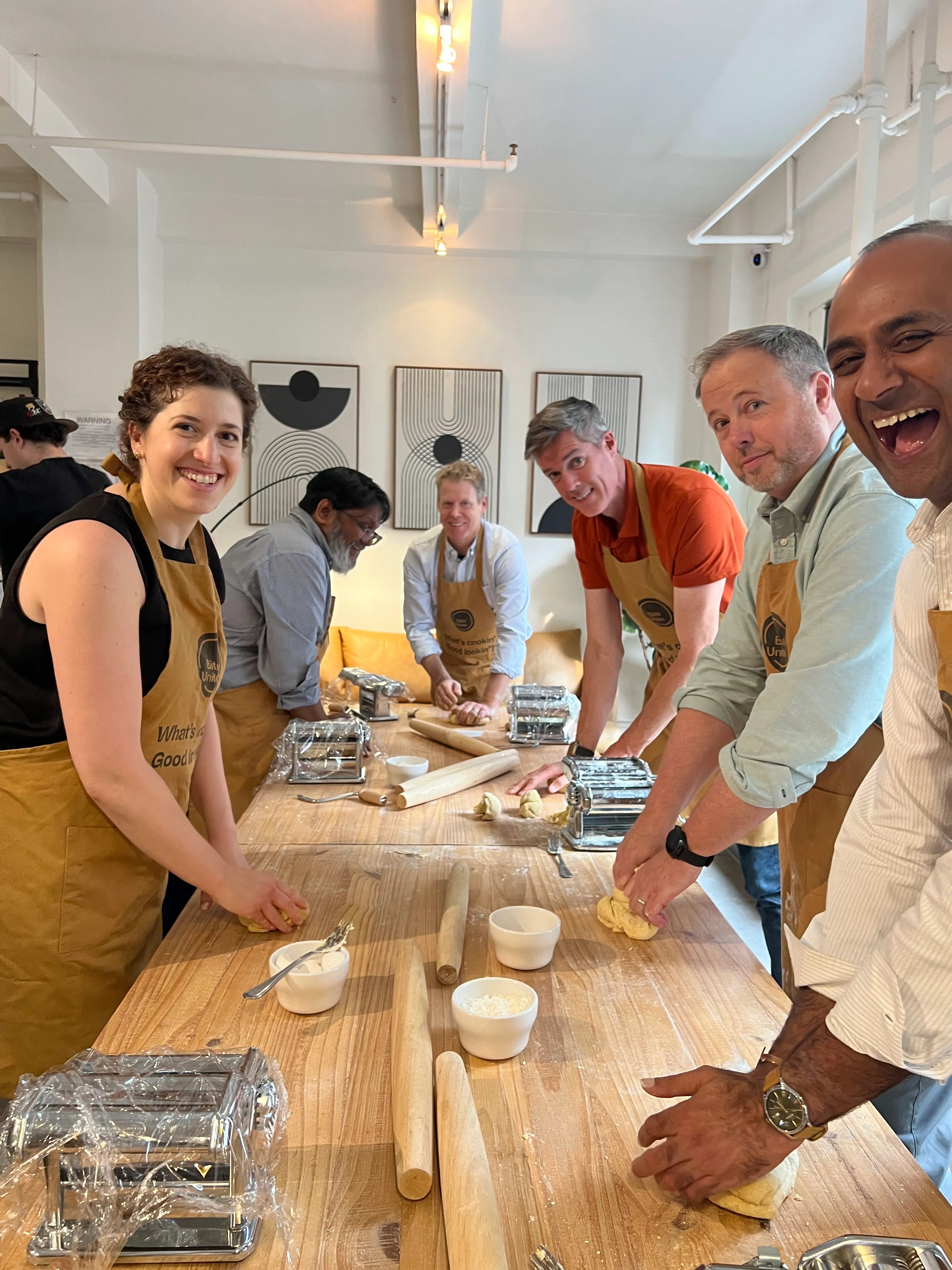
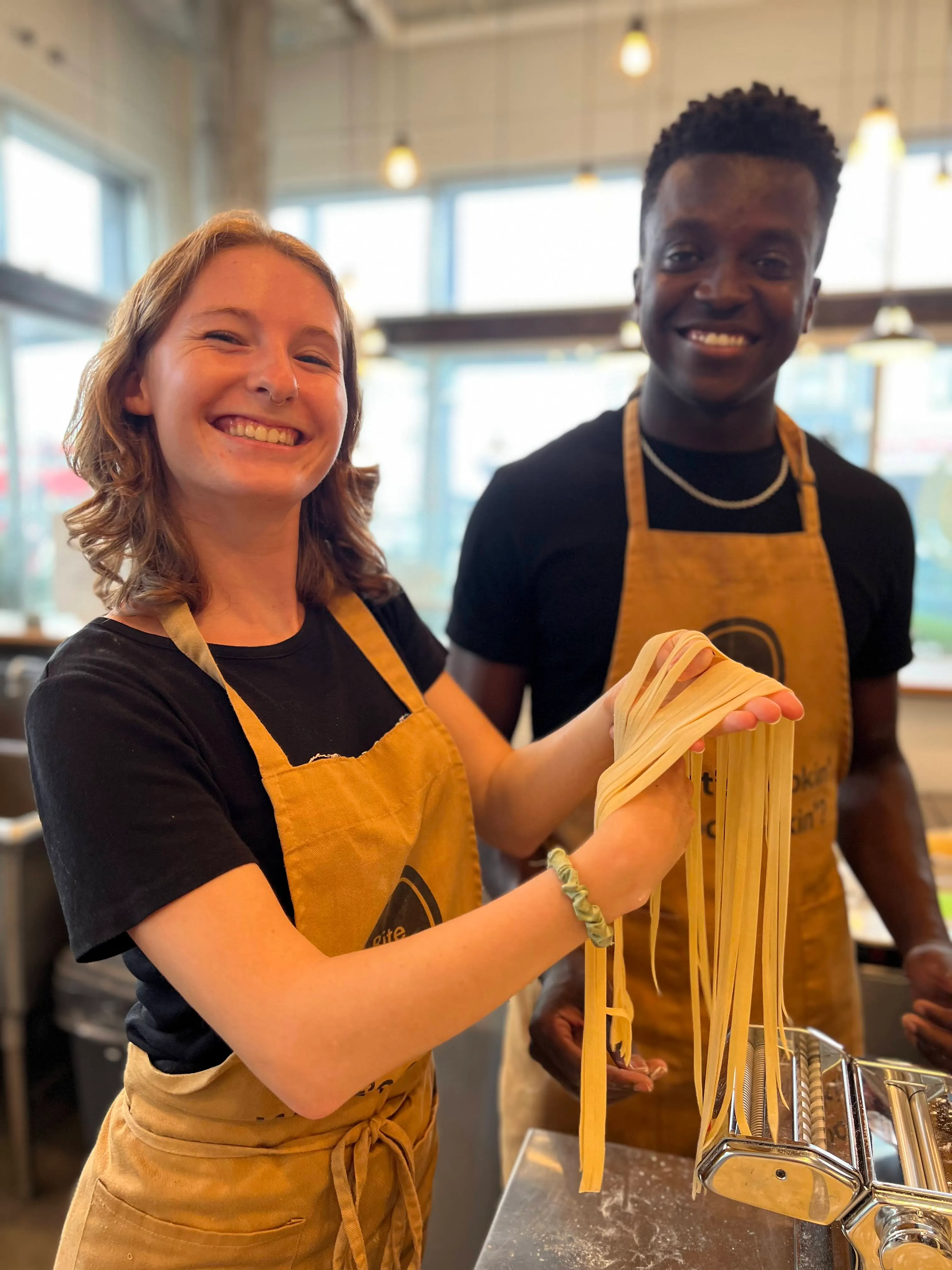
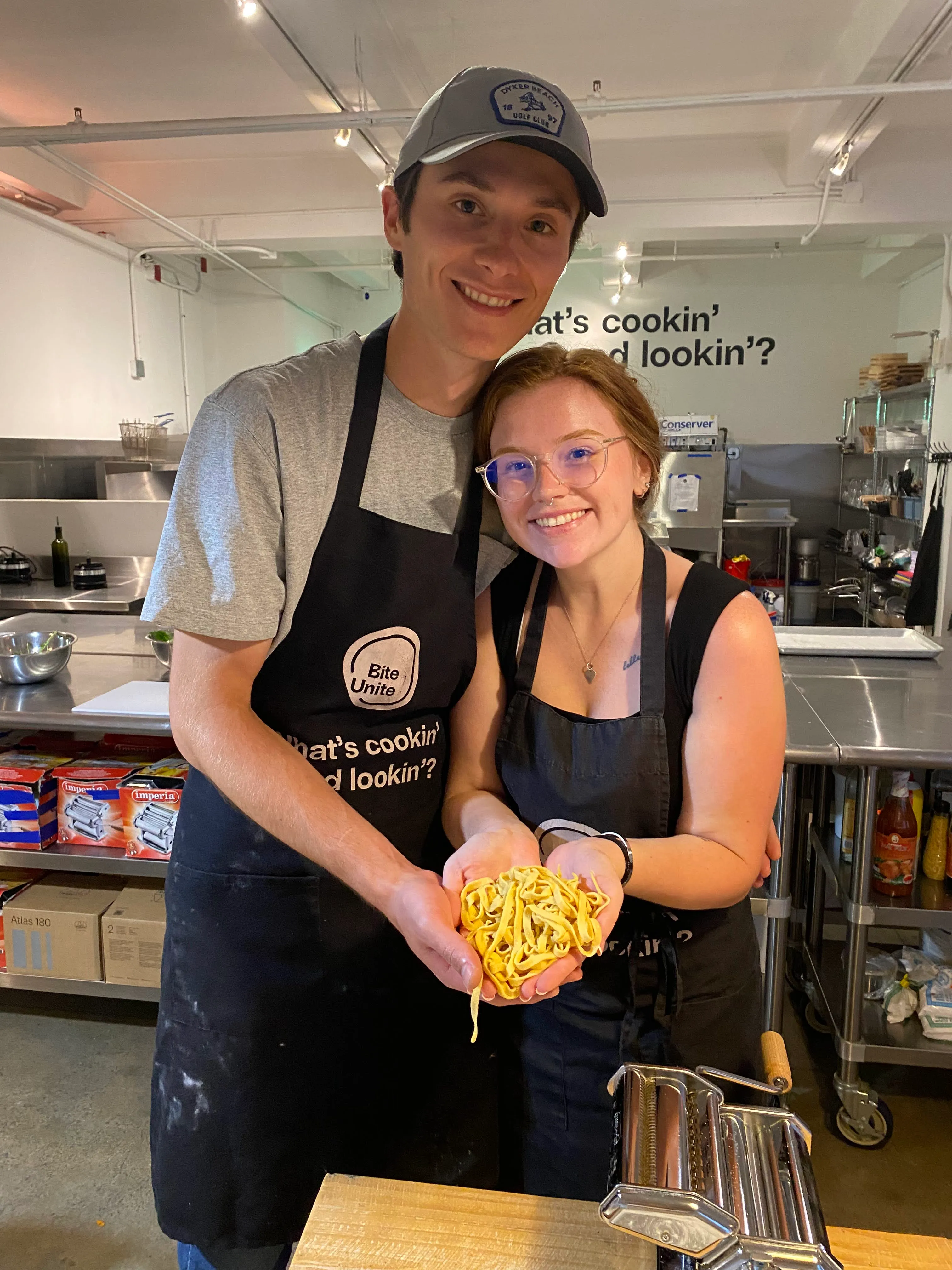
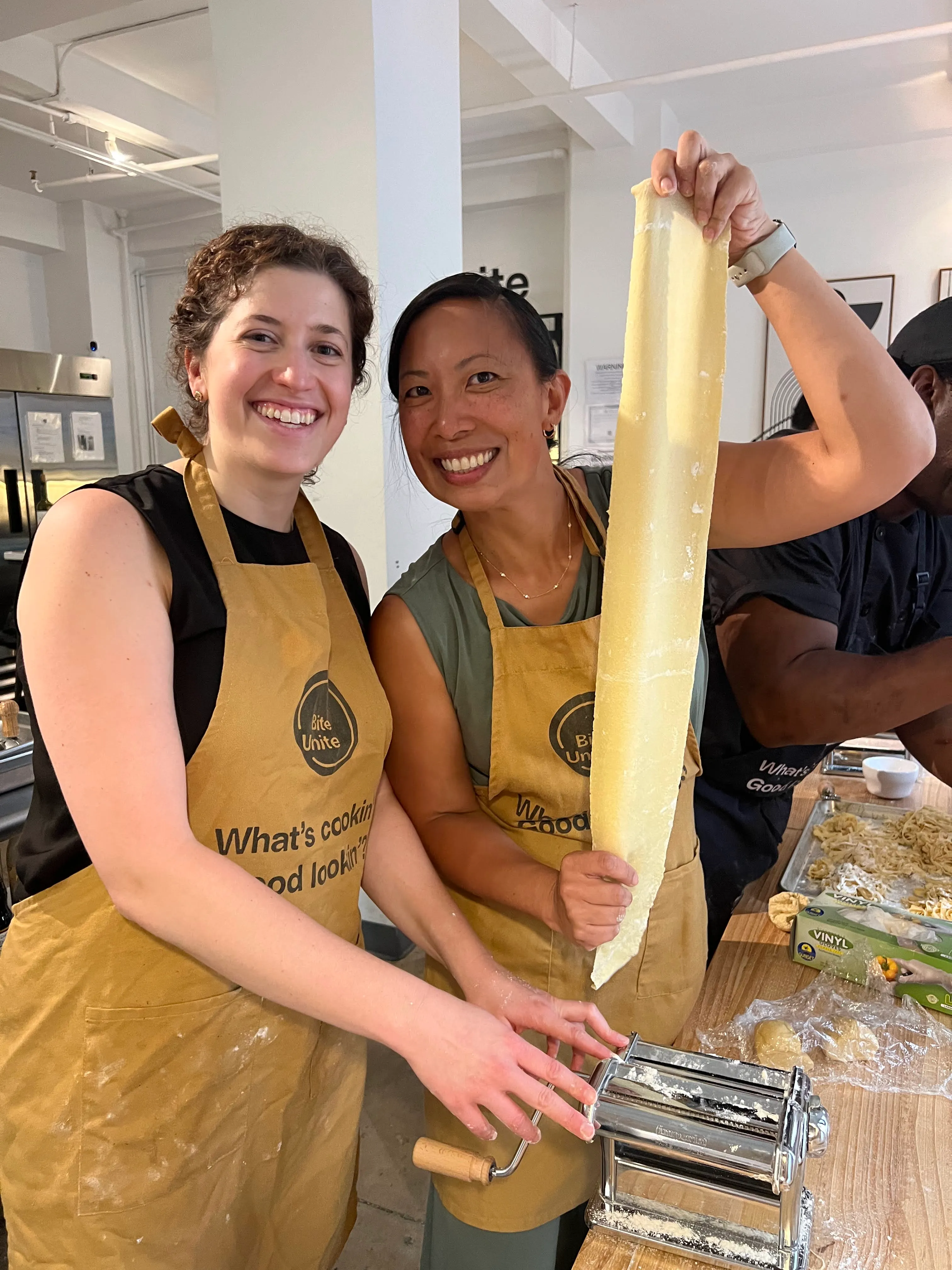
Pasta making might be the most foolproof Valentine’s Day date in San Francisco because it hits every romantic marker without being cheesy. Fresh pasta is tactile, aromatic, visually appealing, and deeply satisfying to eat. The process is sensual without being awkward. You crack eggs into flour, knead dough, shape noodles, build sauces, and eat what you made. There is challenge, collaboration, laughter, and mild chaos. That chaos is what makes it romantic.
Pasta making is also the perfect counter to high pressure dining. Instead of performing good manners at a candlelit table, you are rolling out dough and figuring things out together. Someone will mess up a shape. Someone will ask too many questions. Someone will secretly get competitive about their tortellini seams. All of that is connection.
What You Learn in a Pasta Class
A serious pasta class teaches you:
• Dough hydration and kneading
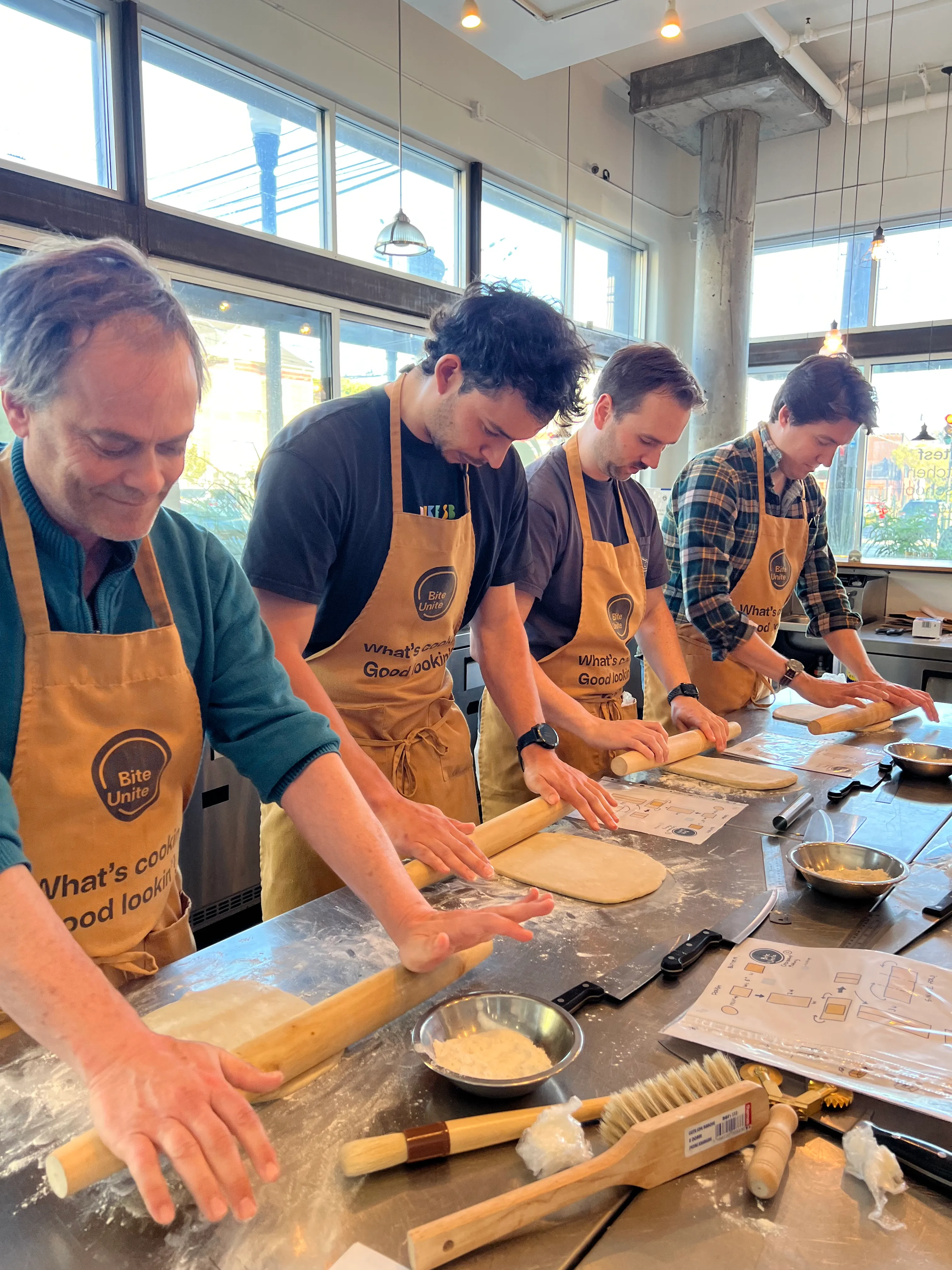
• Rolling and cutting techniques for multiple shapes
• Basic ravioli stuffing
• Emulsifying sauces like tomato, browned butter, or cream reductions
• Proper pasta cooking and saucing methods
• Ingredient sourcing in San Francisco
These are real skills you can use beyond Valentine’s Day.
Why It Works for Valentine’s Day
Pasta making patches the cracks in the holiday. It solves awkward silences because your hands are busy. It removes pressure because everyone is learning. It reveals personality because cooking is vulnerability disguised as craft. It ends with a shared meal which is primal bonding.
It also fits the city. San Francisco already has an Italian culinary culture, farmers markets, and people who care about technique. Pasta classes fit right in.
Where to Book It
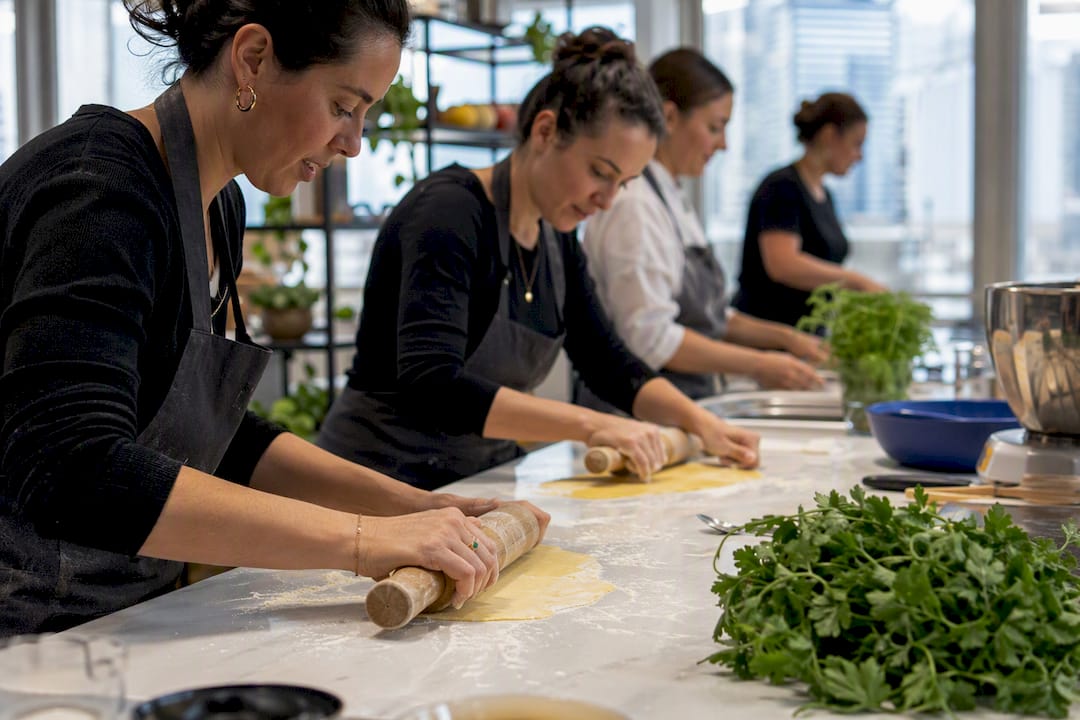
Couples can book the hands on pasta class which is built for beginners and hobbyists, making it perfect for date night because nobody wants to feel like they are failing in front of a stranger. You learn, make shapes, build sauces, and eat together at the end.
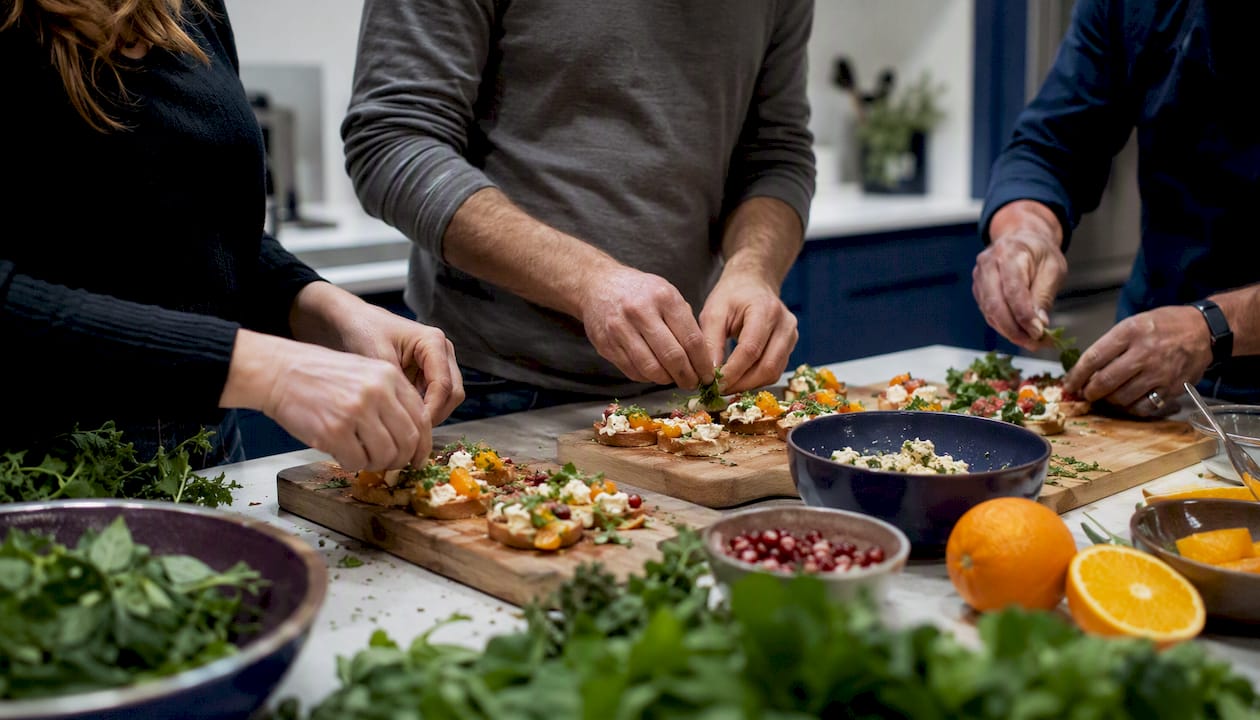
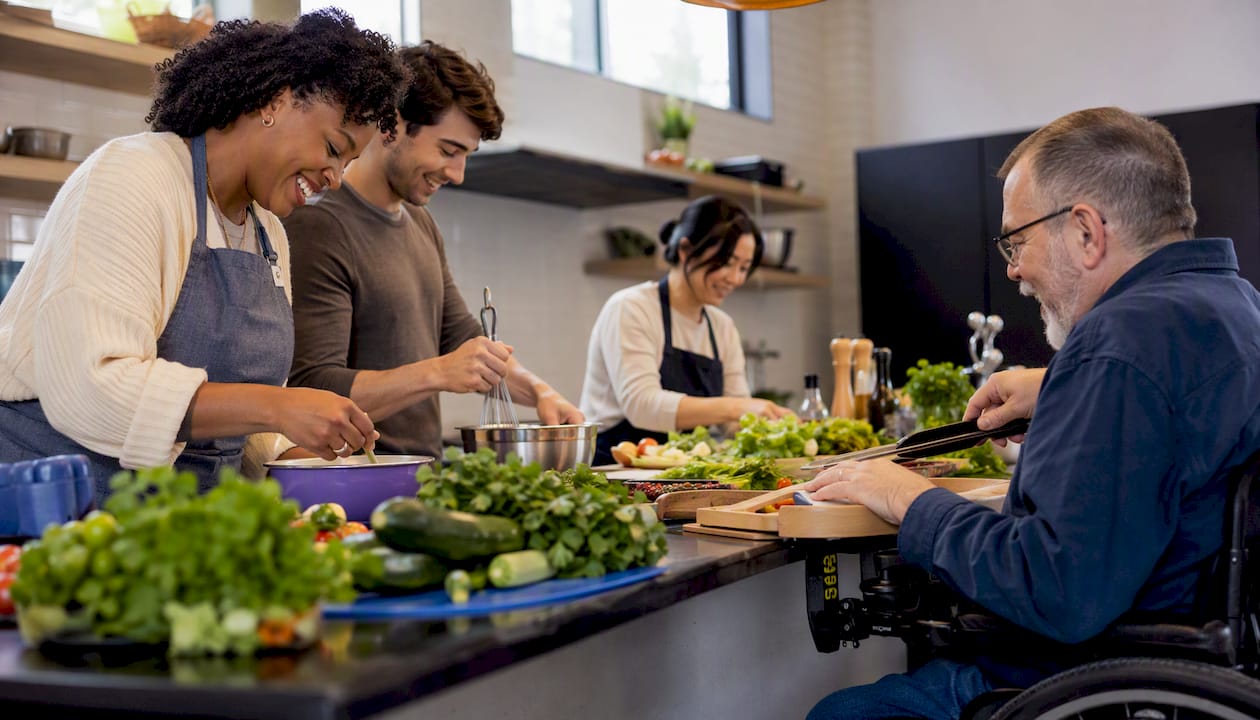
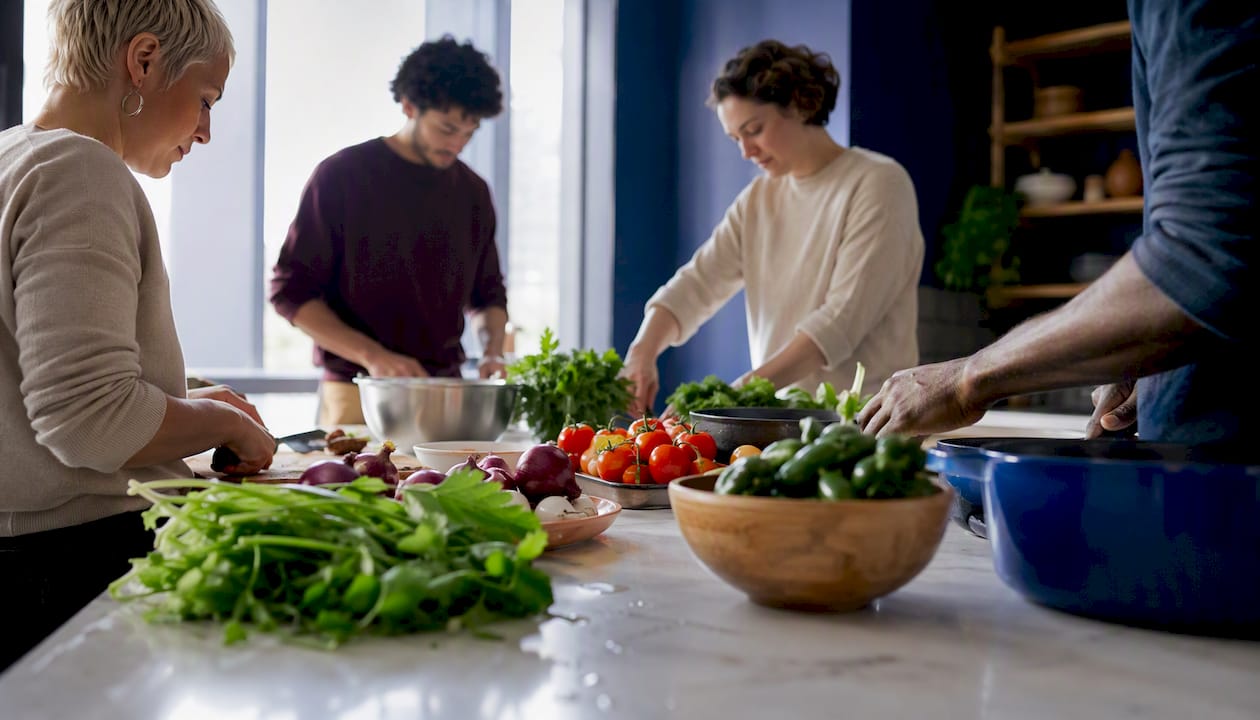
Option 3: Group Cooking for Friends, Singles, and Teams Who Hate the Valentine’s Script
Not everyone wants a two person Valentine’s Day. Some people want to celebrate friendship, avoid romantic pressure, or simply refuse to participate in the Valentine’s cliché machine. Others are single and want an activity that is actually social instead of desperate. Some companies even leverage Valentine’s week as a morale booster because employees happily show up for food and collaboration.
For all of those cases, group cooking events beat group dining every time.
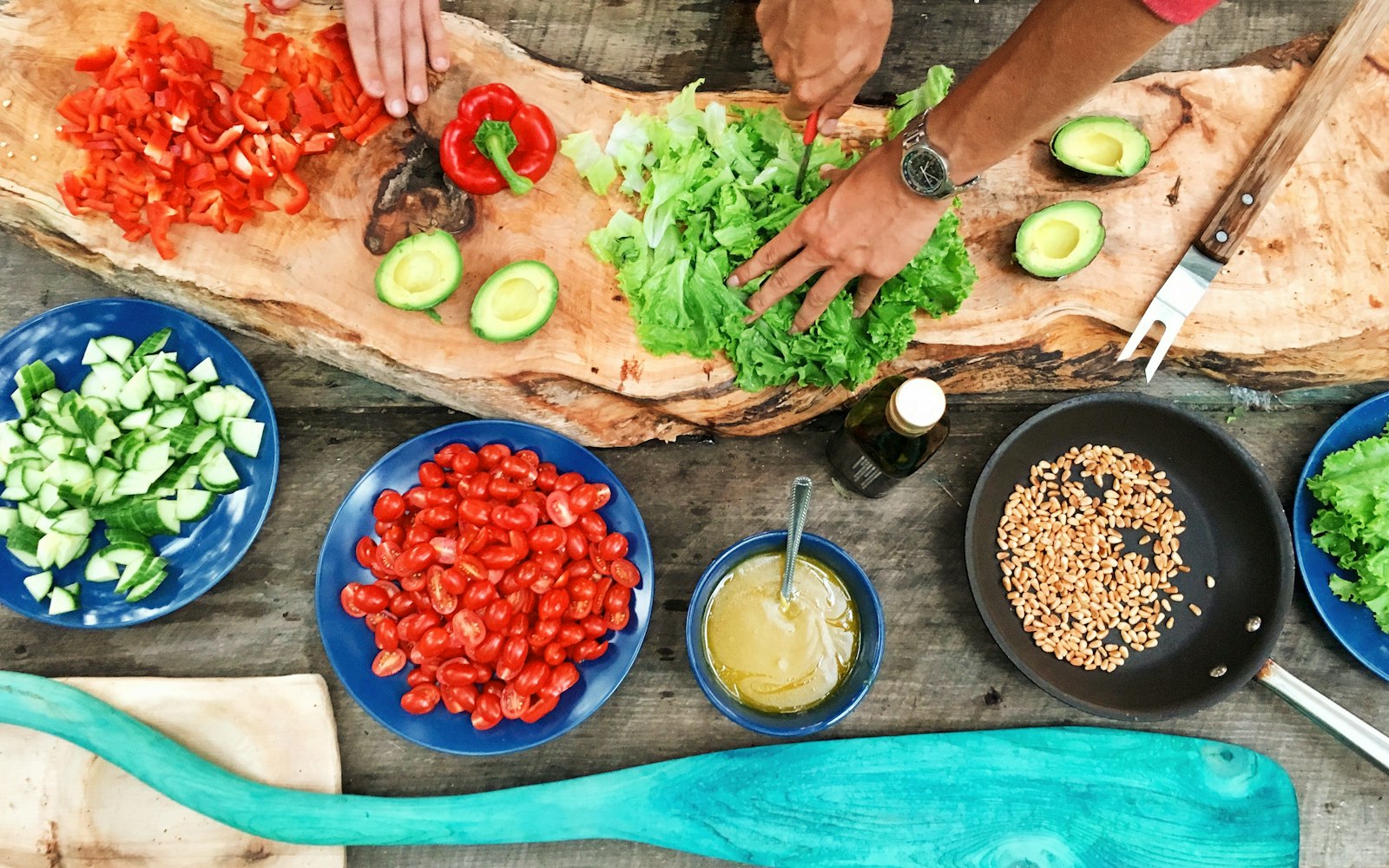
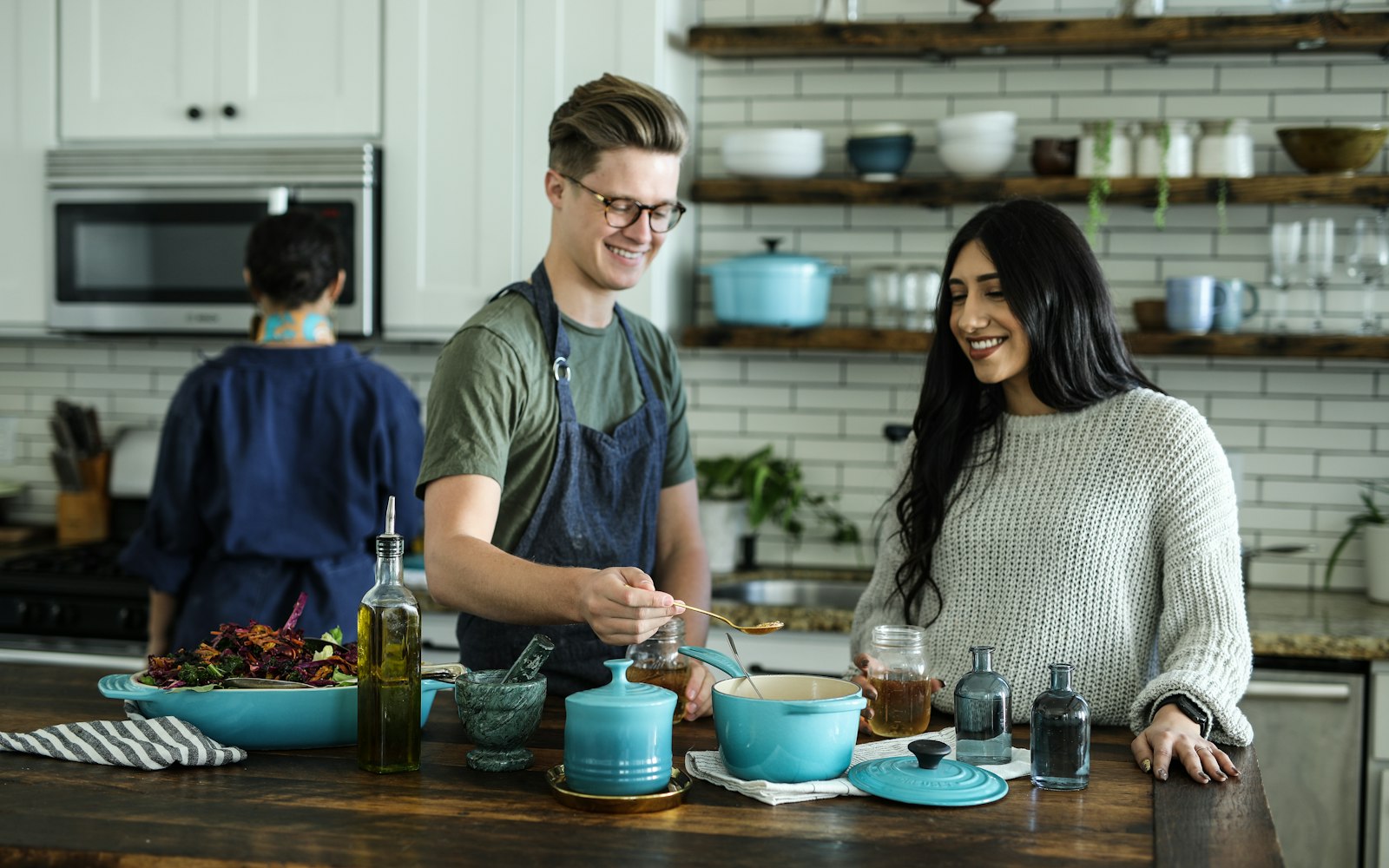
Group dining on Valentine’s week is terrible. Restaurants are packed, servers are overwhelmed, and long tables separate people into side conversations. Group cooking fixes the structure. Everyone participates, nobody feels left out, and there is a shared sense of project and outcome.
Who This Works For
Group culinary experiences are perfect for:
Anti Valentine’s friend groups
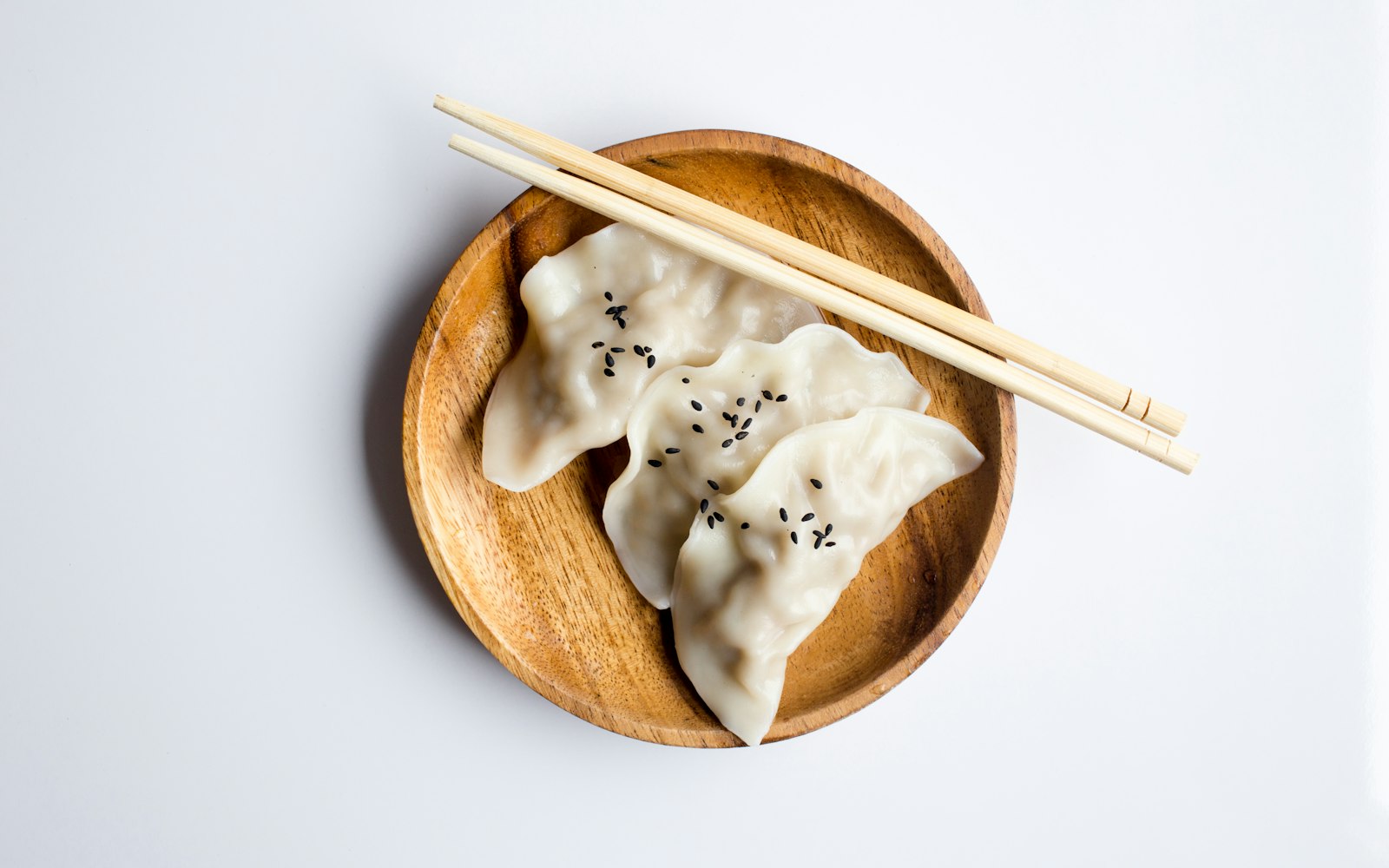
Laughing over dumplings or stir fry beats doom scrolling romance content.
New couples hiding from pressure
Group dynamics remove the microscope effect.
Corporate teams
HR gets morale points without resorting to corny themed events.
Singles
Cooking reveals personality better than speed dating.
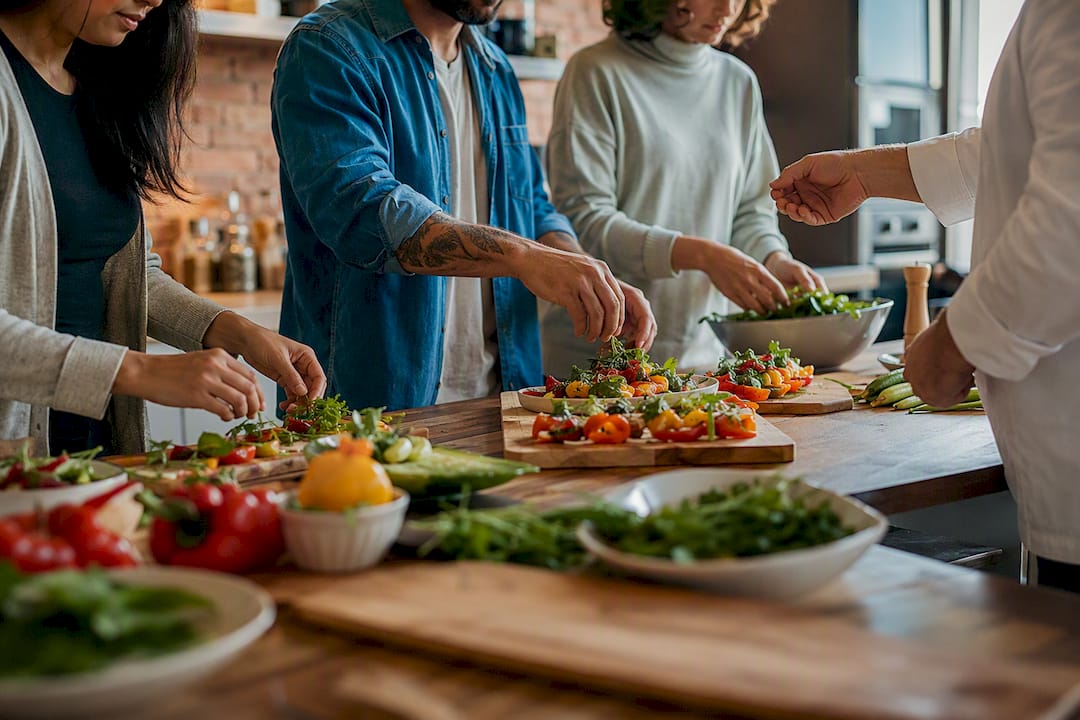
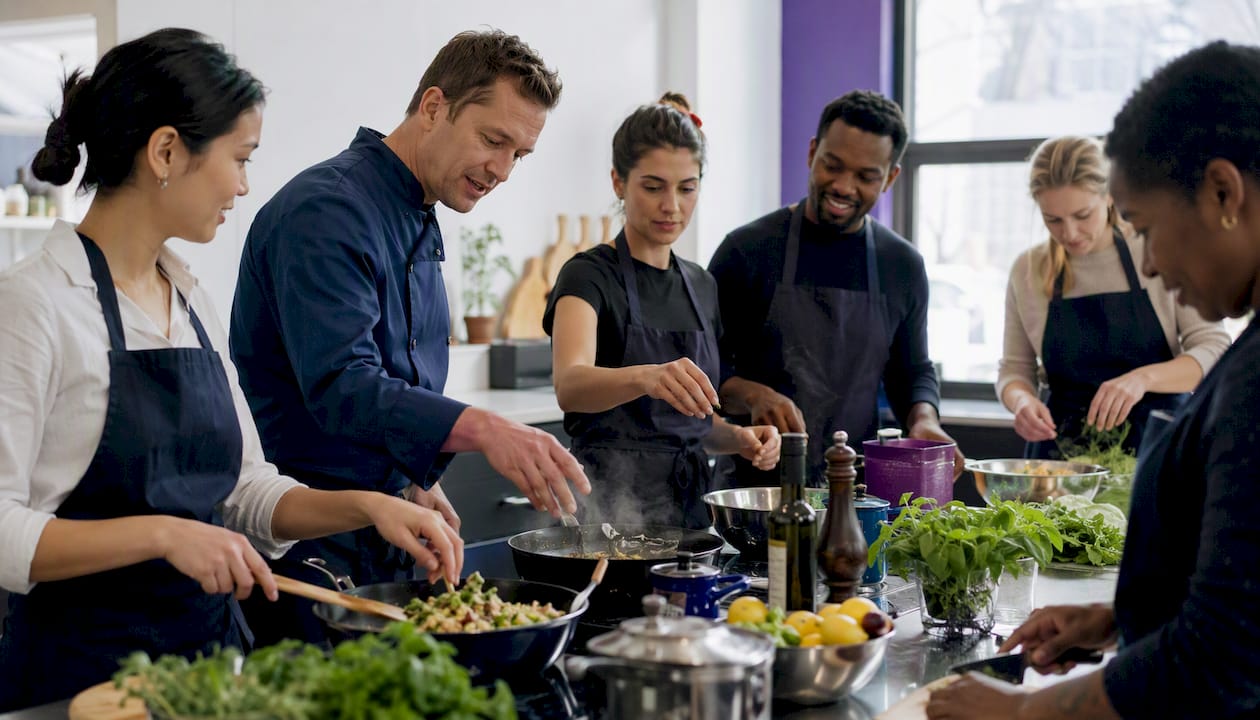
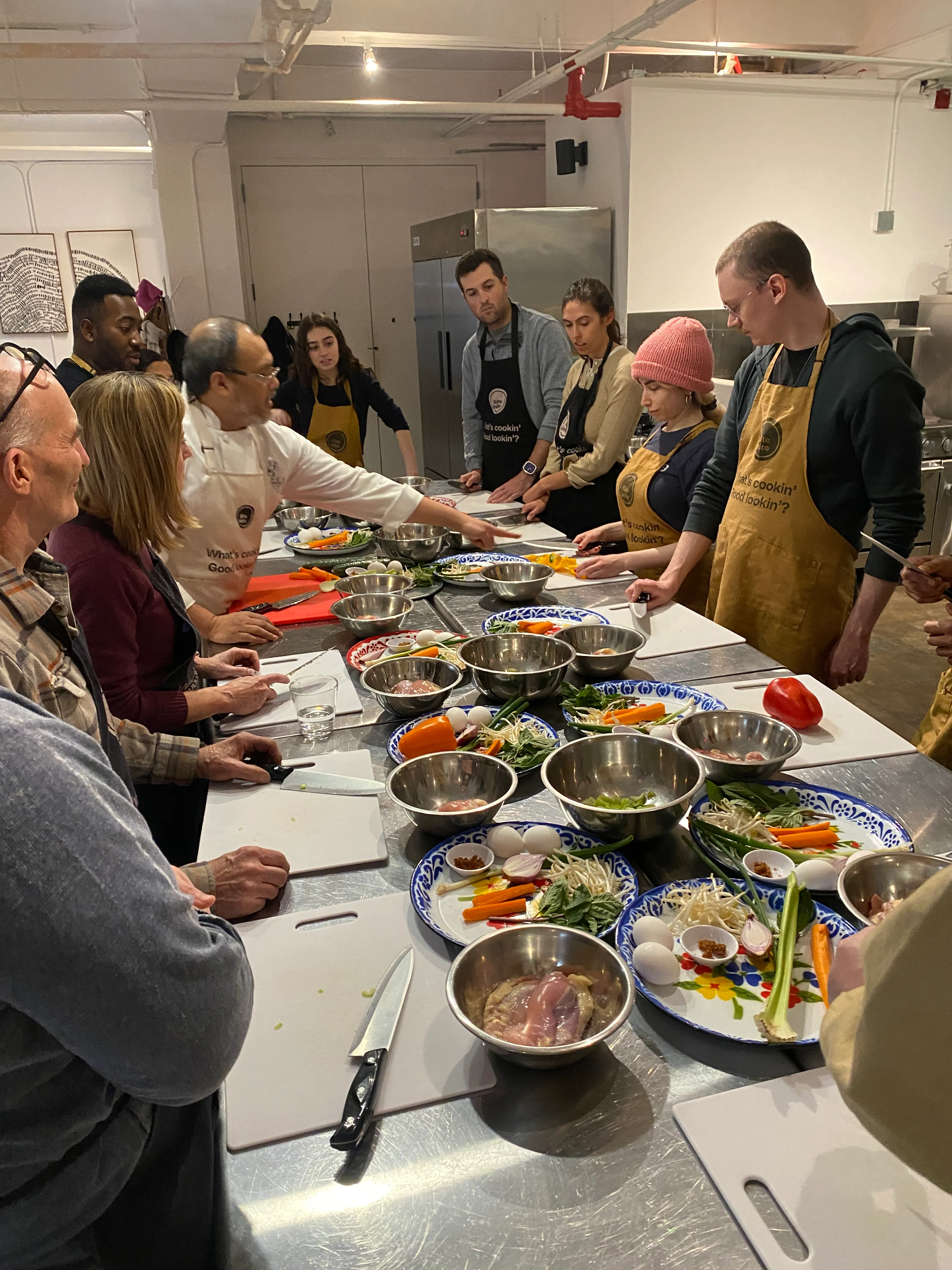
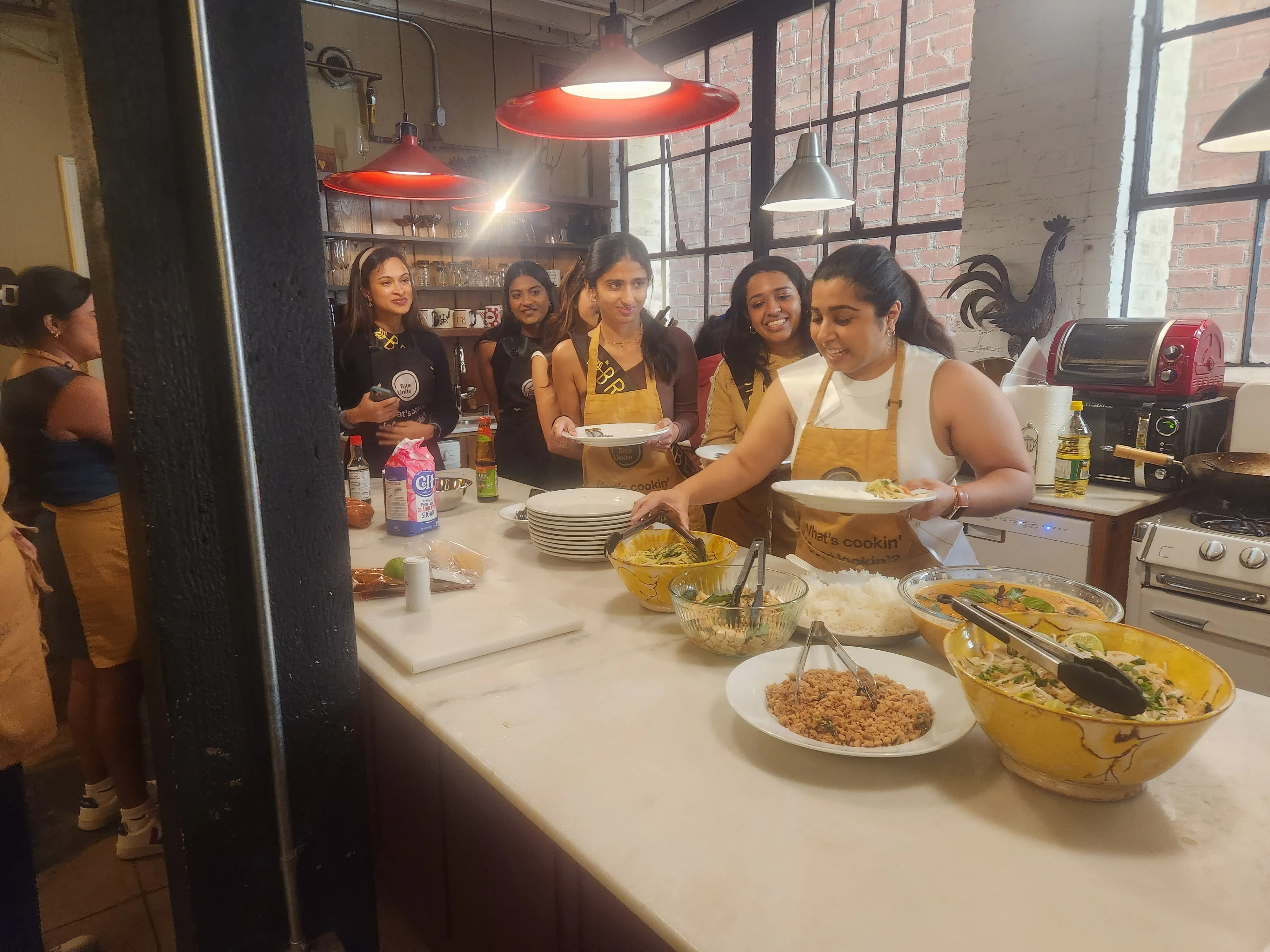
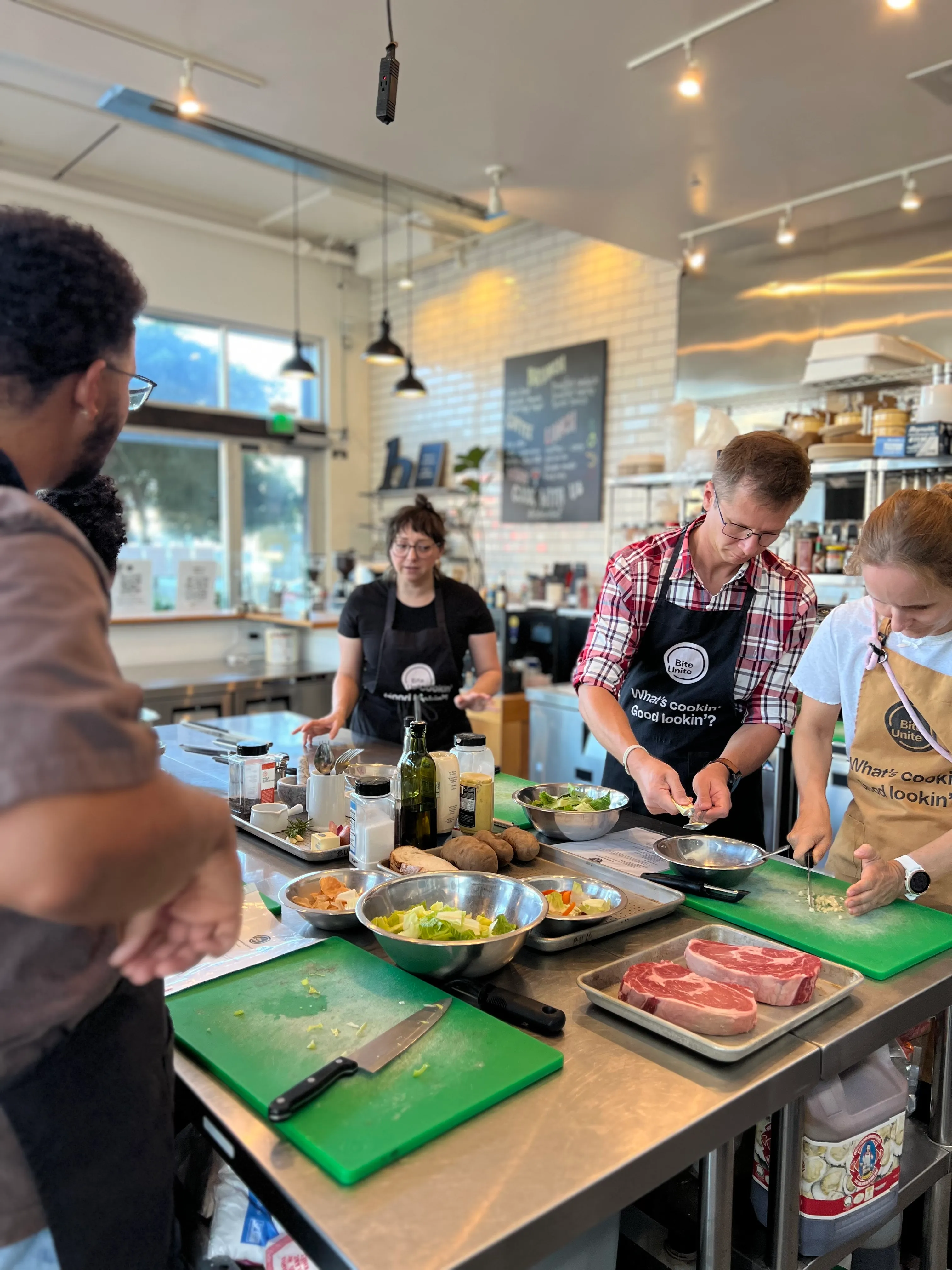
What Happens in a Group Cooking Event
The format is simple:
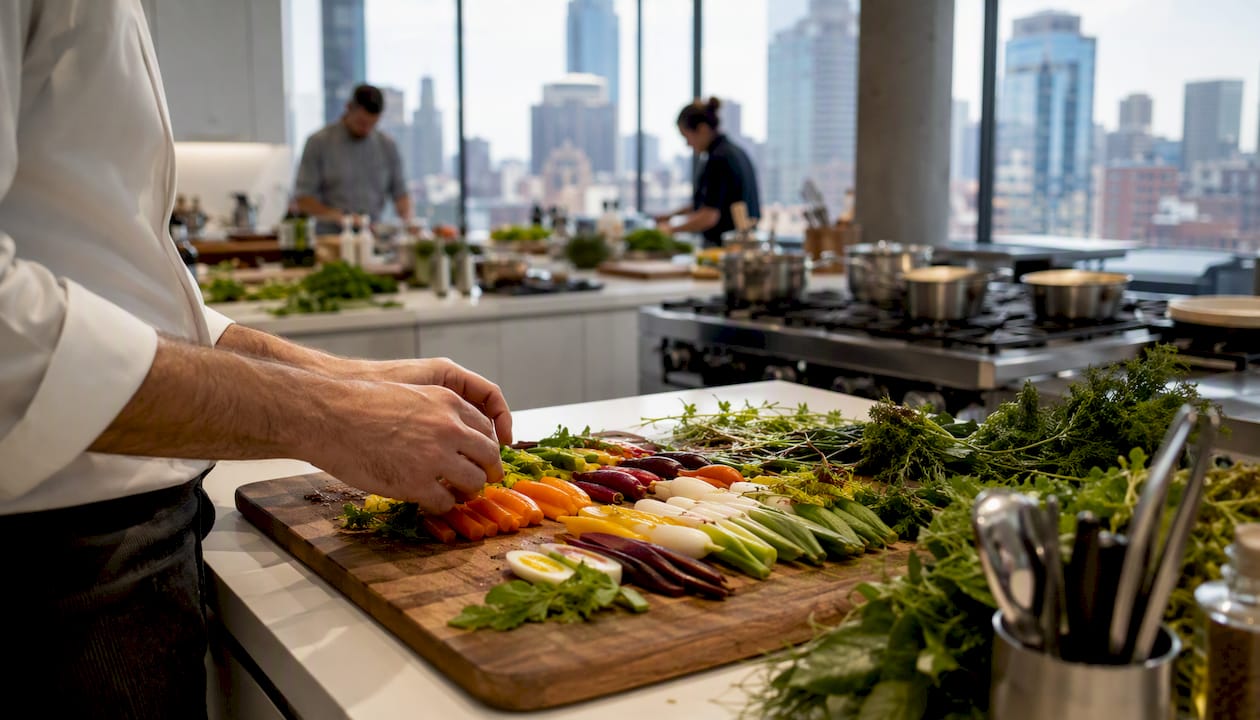
• Arrival and setup
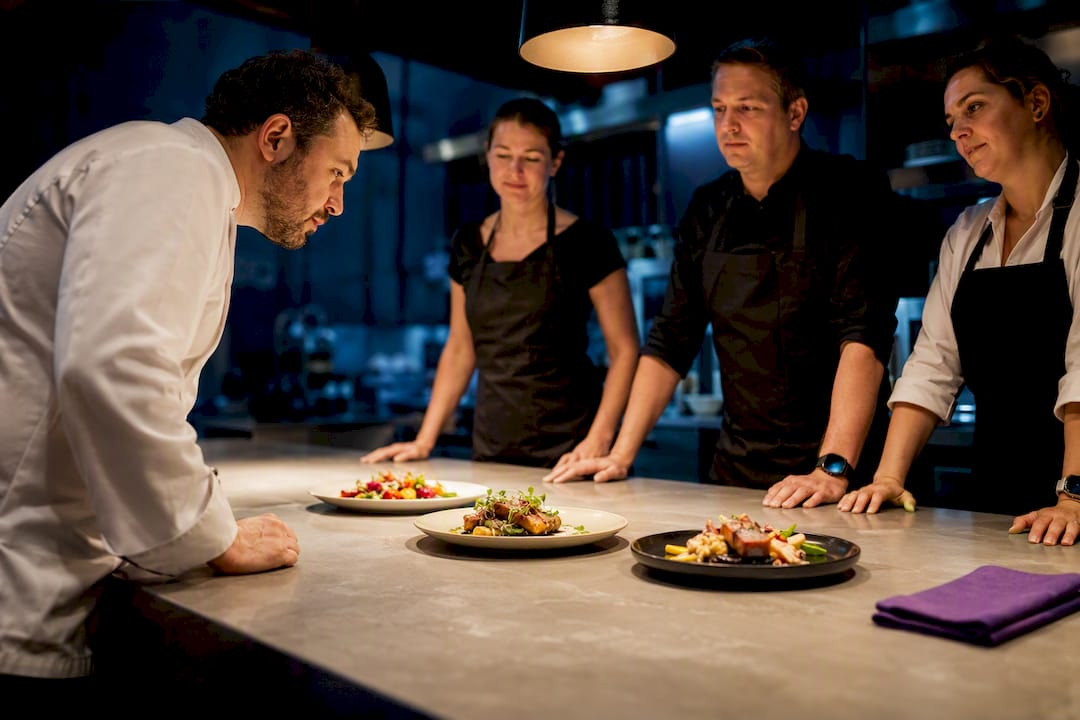
• Chef introduces menu and techniques
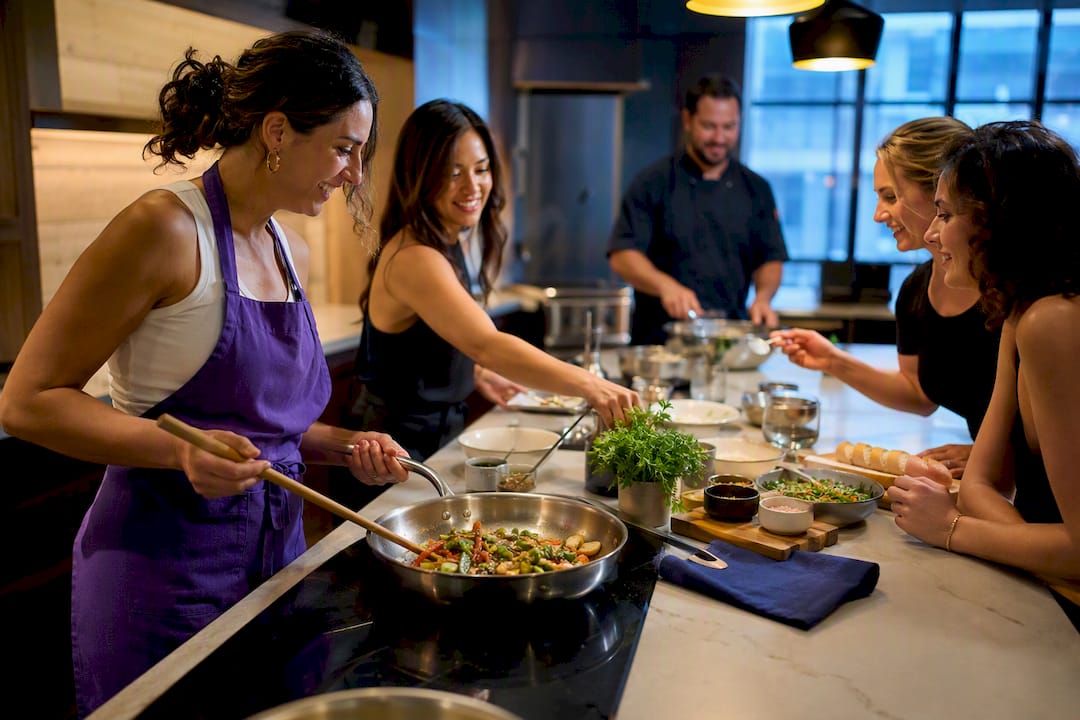
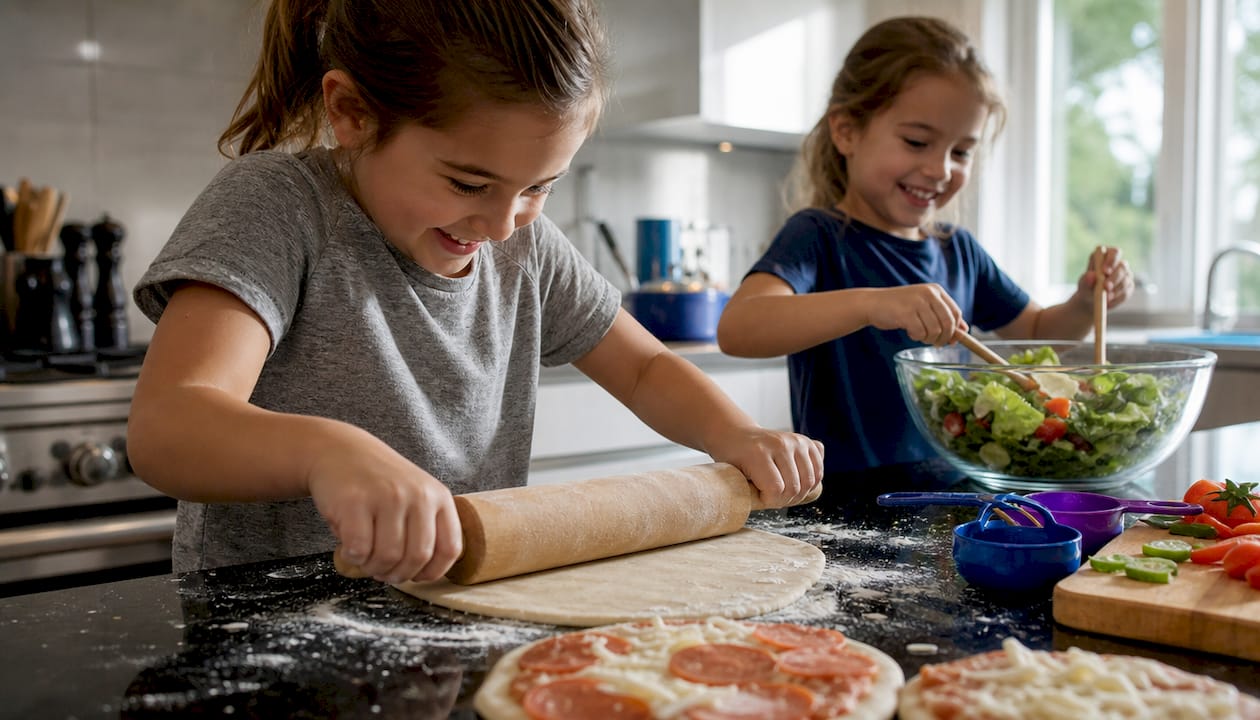
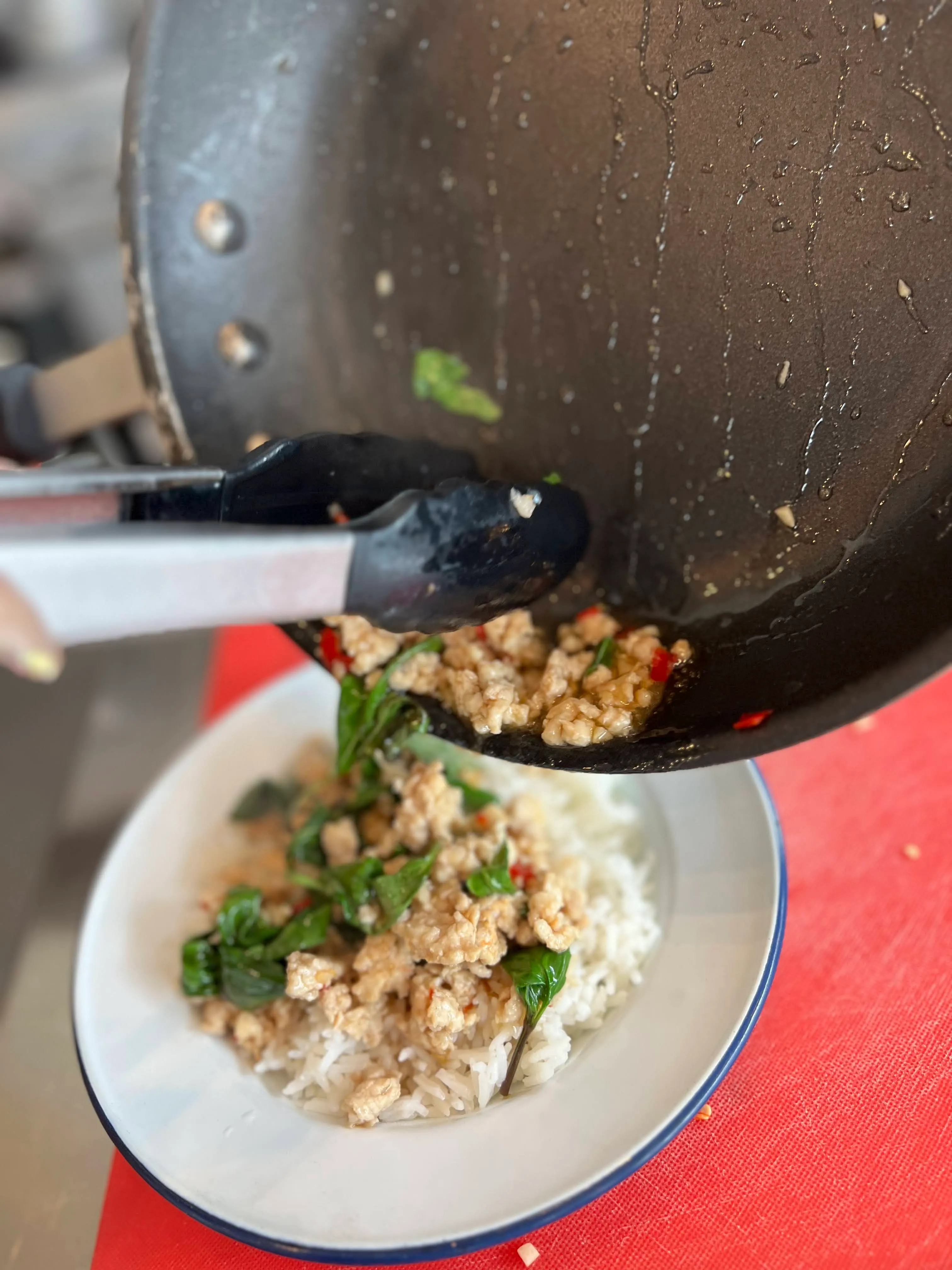
• Groups divide tasks and start cooking
• Chaos, laughter, small mistakes, and wins happen naturally
• Everyone sits down to eat together
It is structured, memorable, and social.
Why This Fits Valentine’s Week
Valentine’s Day amplifies awkwardness for many people. Group cooking neutralizes that with purpose, movement, teamwork, and food. Nobody feels like a third wheel at a cutting board. That is rare on February 14.
Where to Book It
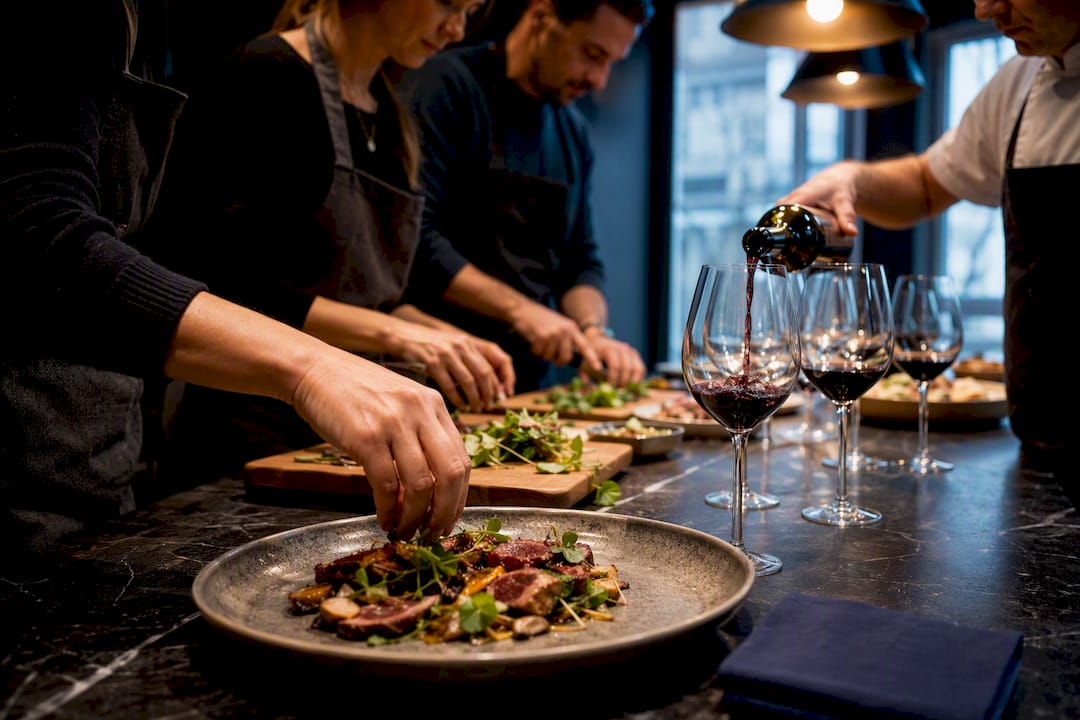
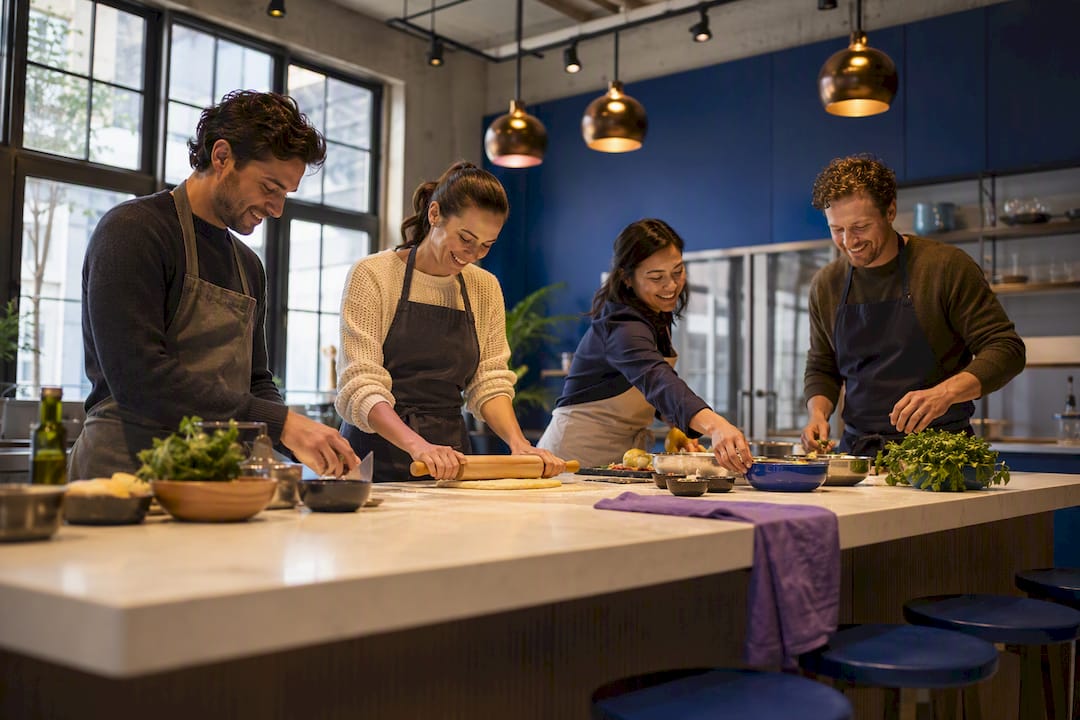
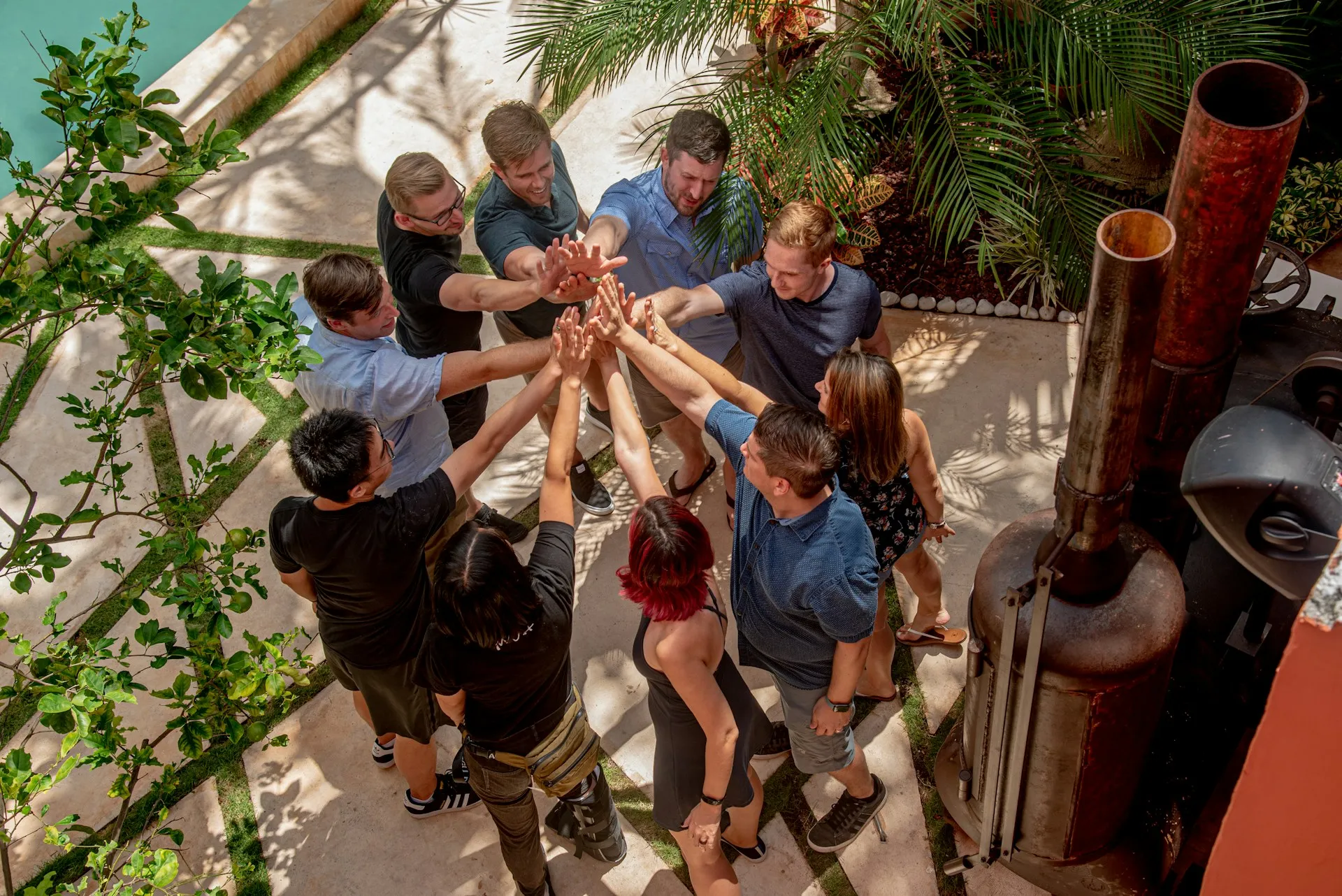
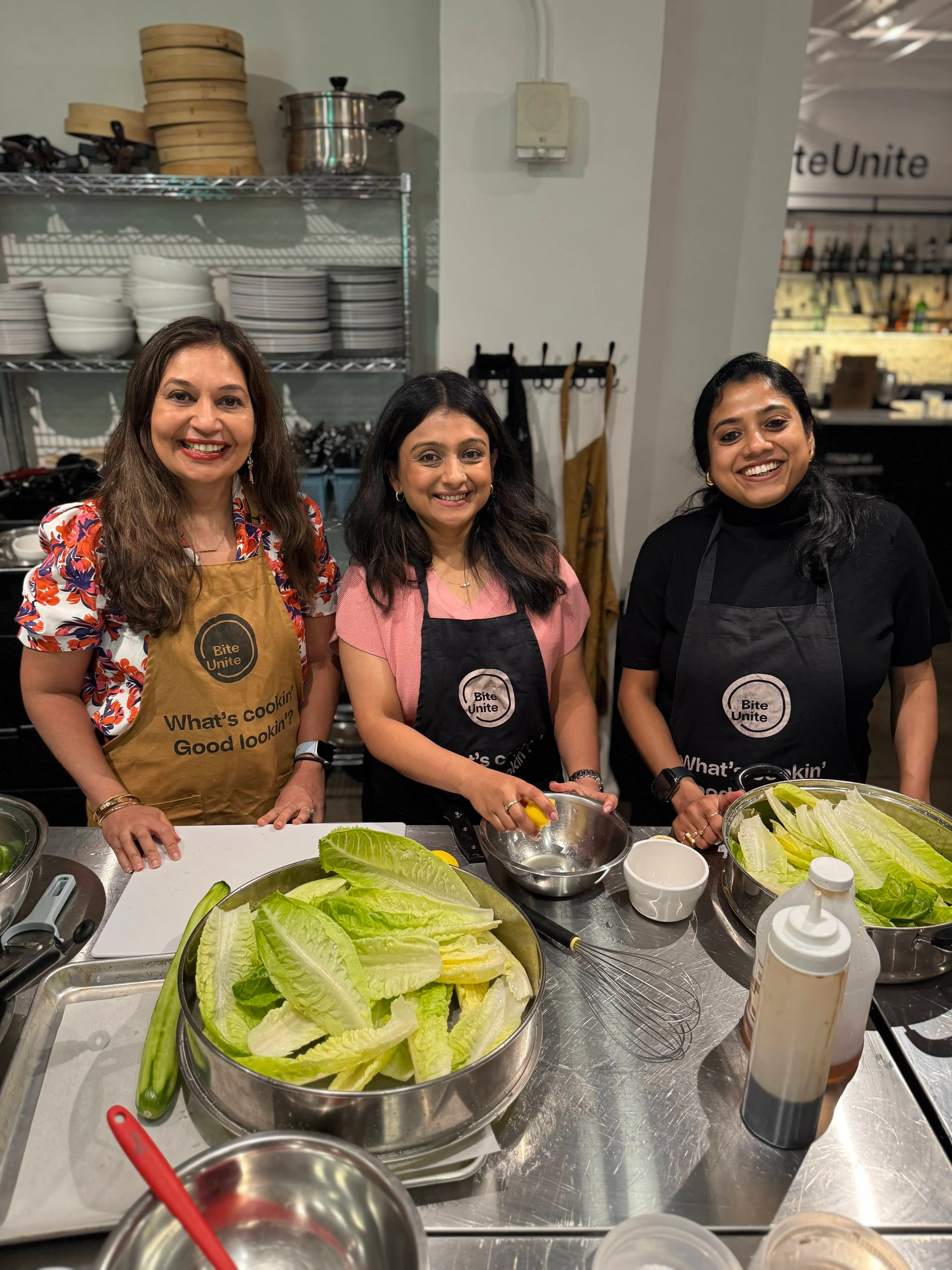
Groups looking for a Valentine’s week alternative can book the Group Cooking Class, Private Dinner Party, and Team Building experience which scales for friend groups, private parties, and corporate teams without turning into a cheesy singles mixer.
San Francisco is filled with couples and friend groups who are tired of being herded into crowded restaurants on Valentine’s Day for overpriced prix fixe menus and predictable chocolate lava cake. Culinary experiences give people something better to talk about than work, something better to laugh about than bad table service, and something better to remember than a receipt.
Sushi making gives precision and elegance without ego. Pasta making gives chemistry and creativity without pressure. Group cooking gives social connection without romantic awkwardness. All three give you sensory engagement, storytelling, and skill building. That is what Valentine’s Day should create.
If you want, I can expand this into a full SEO landing page for San Francisco Valentine’s Day cooking classes, or generate NYC and LA versions for your cluster strategy. Just tell me how aggressive you want to go.




























.webp)