Team Building Cooking Classes Los Angeles Companies Actually Enjoy
Los Angeles companies are done with the same stale team building options. You know the drill: escape rooms that feel stressful not fun, bowling nights where the team spends more time checking phones than tossing balls, or cocktail hours that feel awkward and clingy. The truth is, corporate team building in LA has been in desperate need of an upgrade, and the best one is happening in kitchens, not conference rooms.
Enter team building cooking classes in Los Angeles — the activity that finally bridges collaboration, creativity, fun, and real connection in a way everyone remembers. And the experience is exactly that: a group cooking class designed for teams that want to do something different and actually walk away feeling like a unit.
Let’s break down why this matters, how it works, and why it genuinely delivers.
The Problem With Typical Team Building in LA
Before we talk about solutions, let’s be honest about the problem.
Los Angeles is a massive, sprawling city where time is a currency. People here do not want to waste hours sitting through forced fun or staged scavenger hunts. Teams want activities that:
• Build real communication
• Provide a shared challenge
• Feel social, not awkward
• Offer takeaway skills, not just memories of discomfort
Too many team building options in LA fall into the “check-the-box” category. They are designed around quantity over quality, with low retention and even lower morale impact. A 30-minute trust fall only tells your team that you can catch someone, not that you can work better together.
Cooking changes that. It introduces real tasks, real goals, and real results — a dynamic that’s substantive and social.
What Makes a Team Building Cooking Class Different
A cooking class isn’t just a fun afternoon activity. It’s a group experience that involves:
Communication
No one can succeed in a kitchen without talking through tasks, timing, and workflow. A team cooking challenge forces folks to verbalize strategy, assign roles, and adjust in real time.
Collaboration
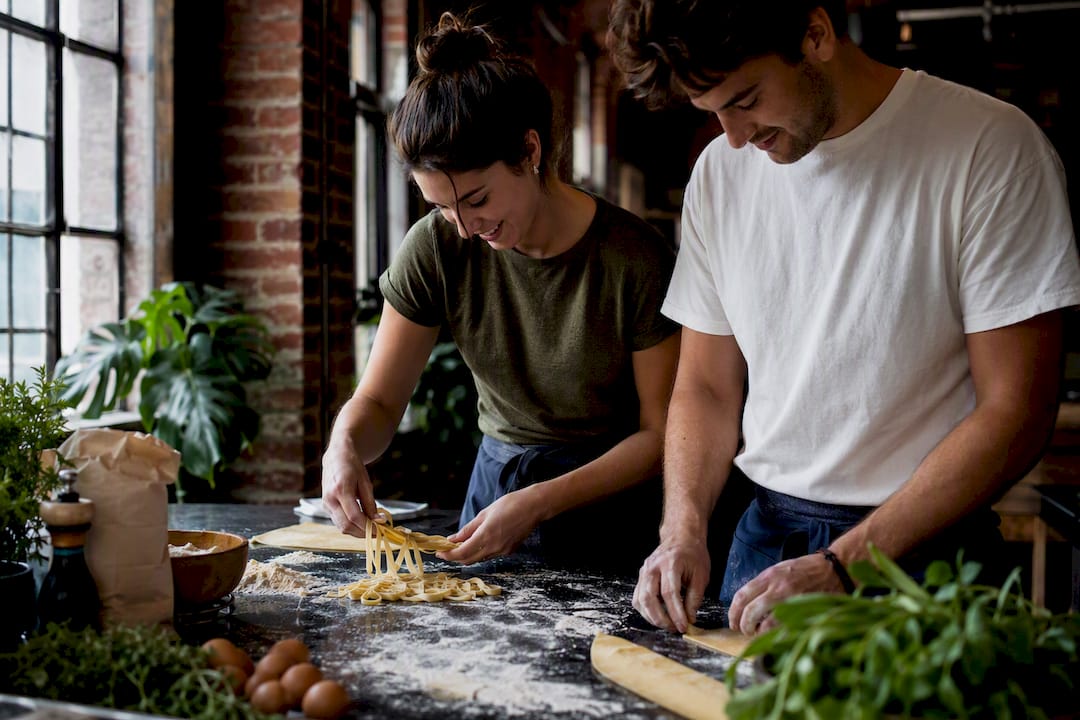
Cooking together means dividing responsibilities — prep, heat control, seasoning — and synchronizing them to hit the finish line together.
Creativity Under Pressure
A kitchen is a dynamic environment. Flavors change, timing matters, and improvisation counts. Teams get to experience controlled pressure with a fun outcome.
Shared Achievement
When a dish turns out great, everyone owns a piece of that success. That’s a tangible morale boost you can’t get from most team building gimmicks.
Why Los Angeles Teams Are Turning to Cooking Class Experiences
Los Angeles professionals are busy. Traffic is a real villain. Time with coworkers outside work feels valuable and limited. Companies want meaningful activities that feel like time well spent.
Here’s why team building cooking classes are catching on:
1. They Beat Standard Happy Hours
LA happy hours are packed enough, and they rarely build connection beyond small talk. A cooking class gives purpose to the time together and keeps energy high.
2. They Scale With Team Size
Whether it’s a team of 6 or 60, cooking classes can accommodate adaptable group setups. Stations, group tasks, and shared kitchens work no matter the scale.
3. They Offer Location Flexibility
From Culver City to Downtown LA to Santa Monica, cooking classes can be brought into local culinary spaces that are convenient for teams across the metro.
4. They Lean Into LA’s Food Culture
Angelenos eat with curiosity. They appreciate authenticity. A cooking class taps into that culture by being about food and experience, not just group entertainment.
What to Expect at a Team Building Cooking Class
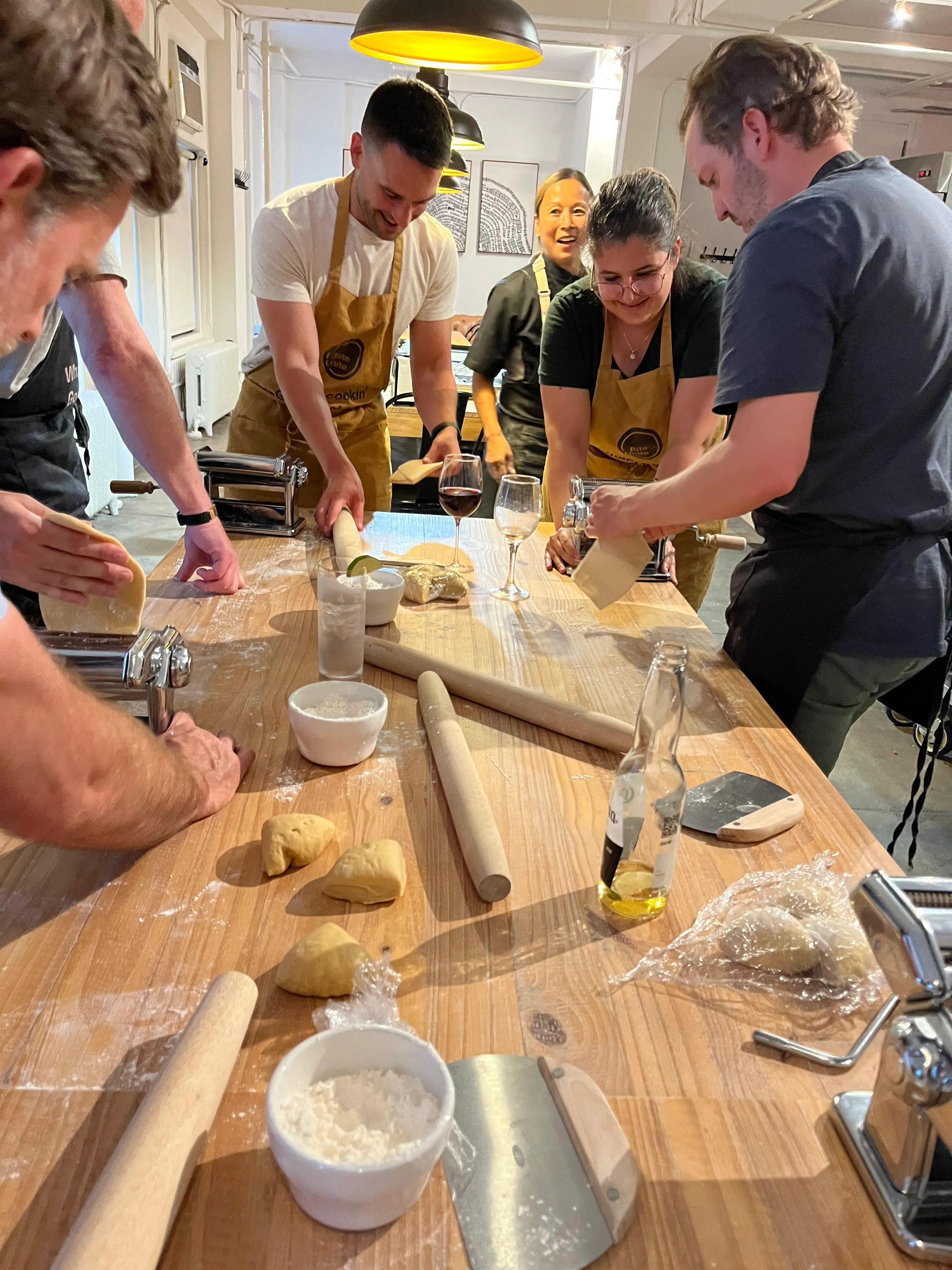
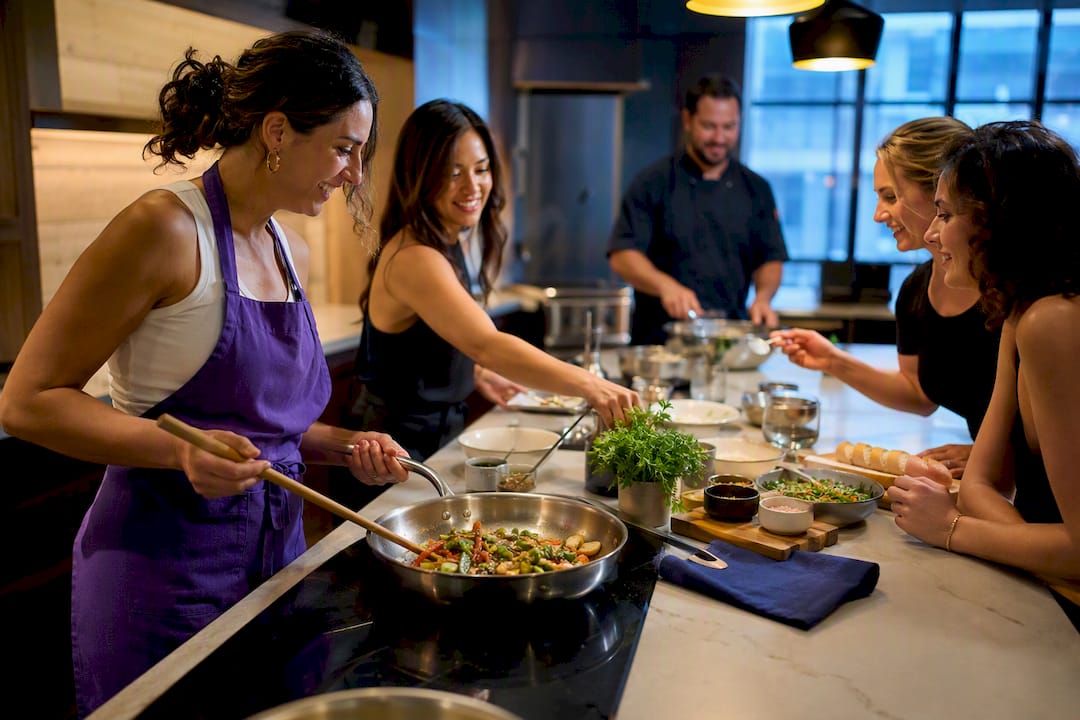
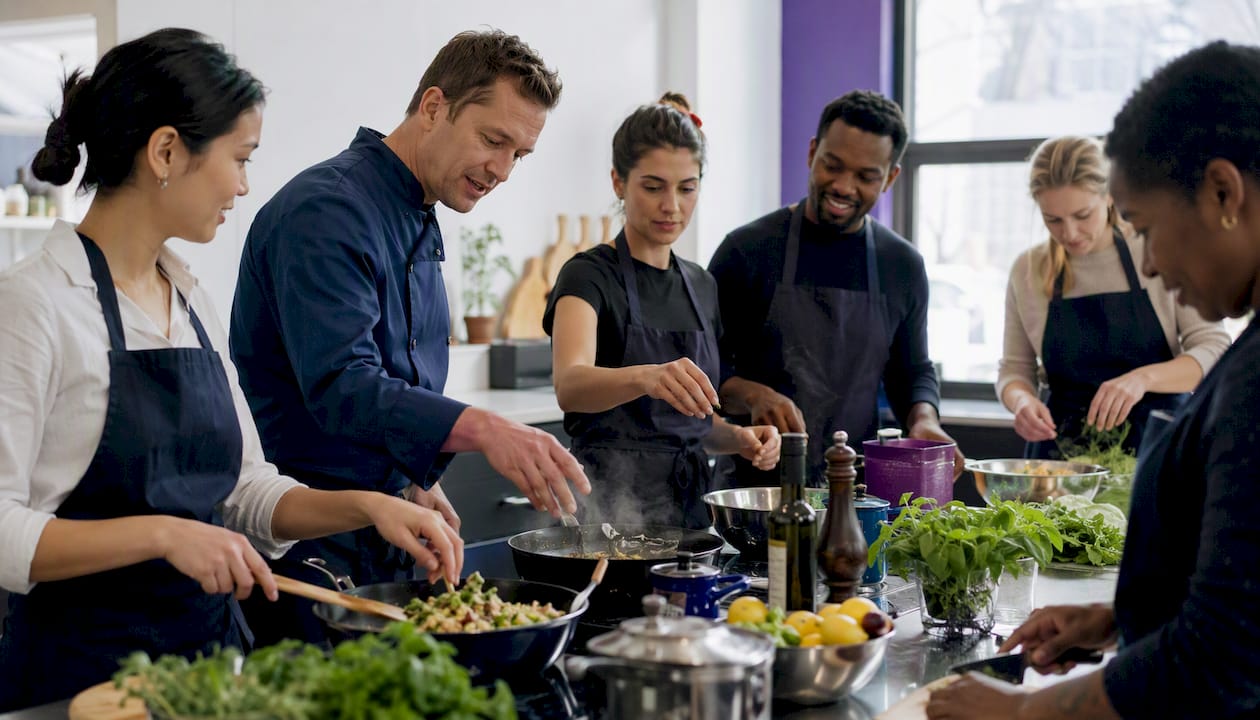
When you show up for one of these classes, you’re not sitting back watching a chef for two hours. You’re in the kitchen. You’re part of the process. And that’s where the real value lives.
Most structured team building cooking classes involve:
Welcoming and Warm-Up
Teams gather, meet each other in a relaxed space, and get introduced to the plan for the day. This includes team goals and outcomes for the class.
Station Assignments or Team Splits
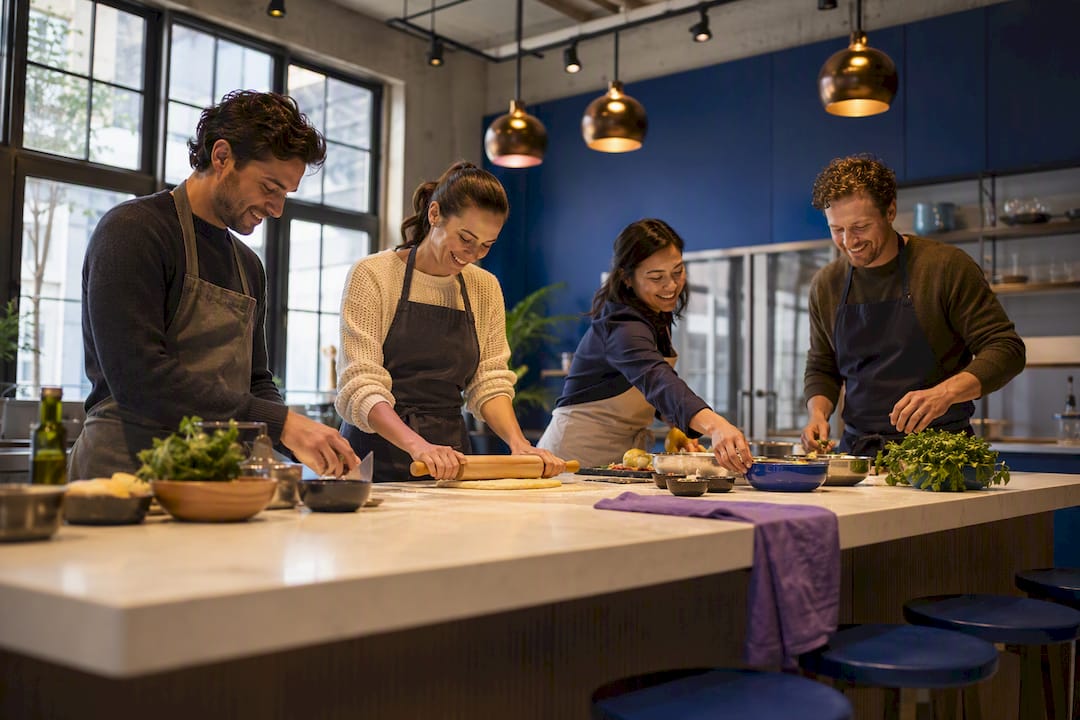
Groups divide into sub-teams or work together on shared tasks. This builds quick collaborative energy.
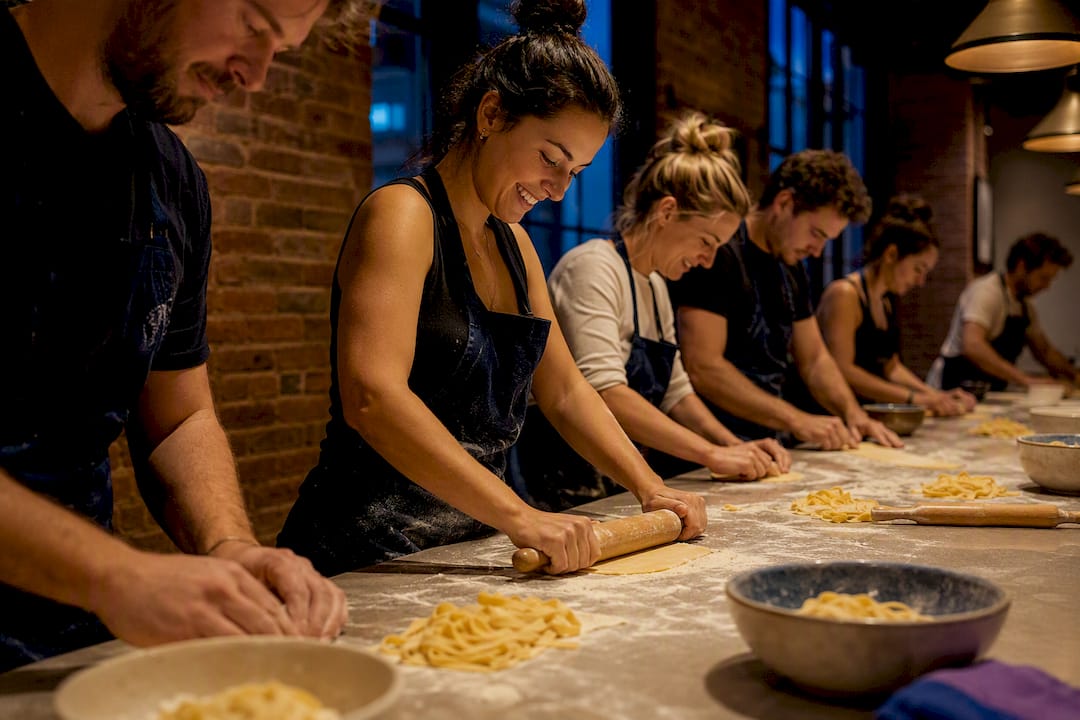
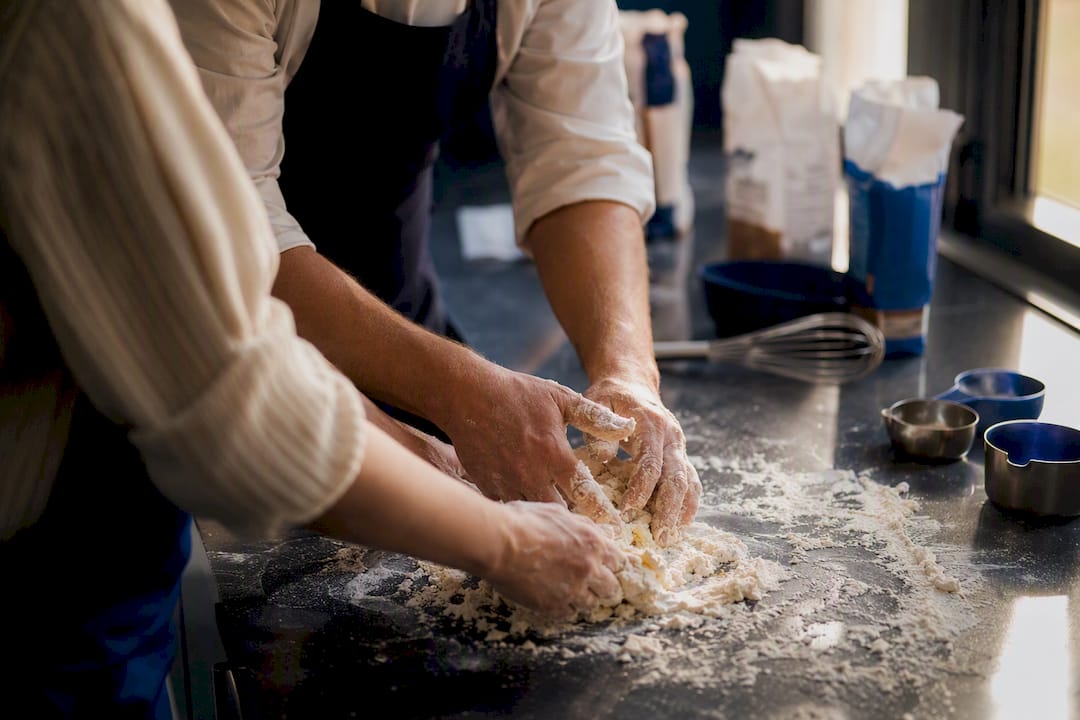
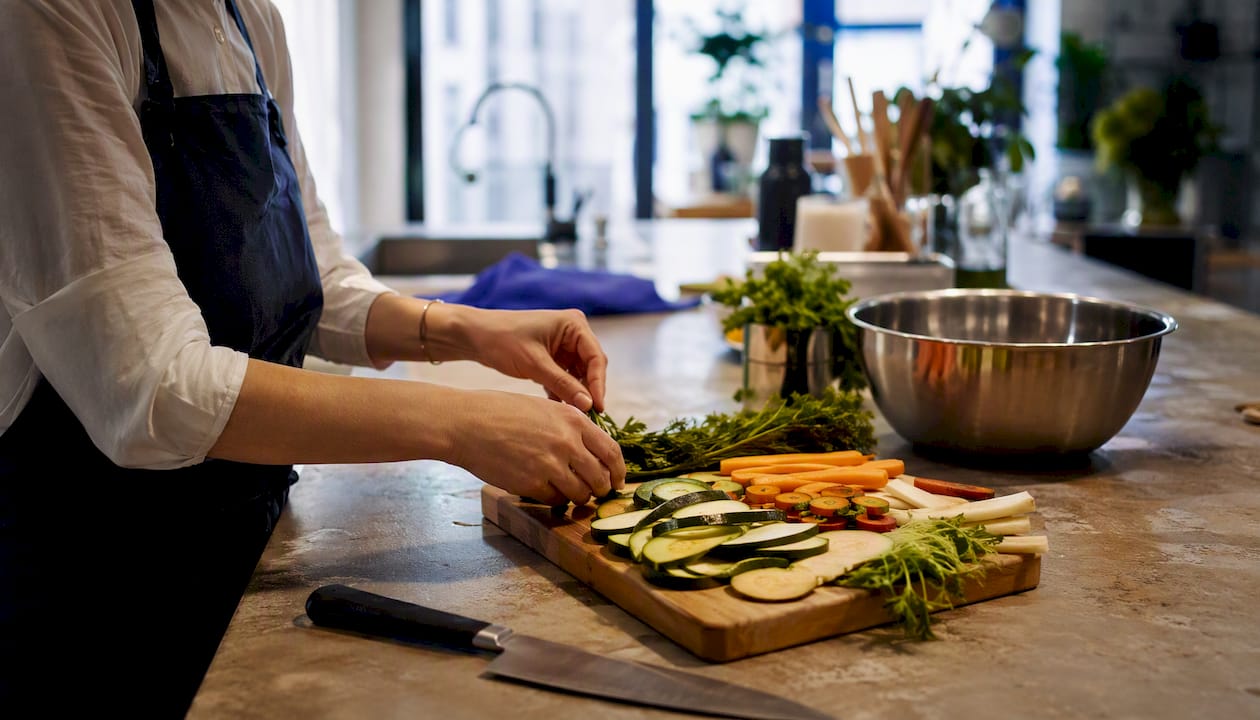
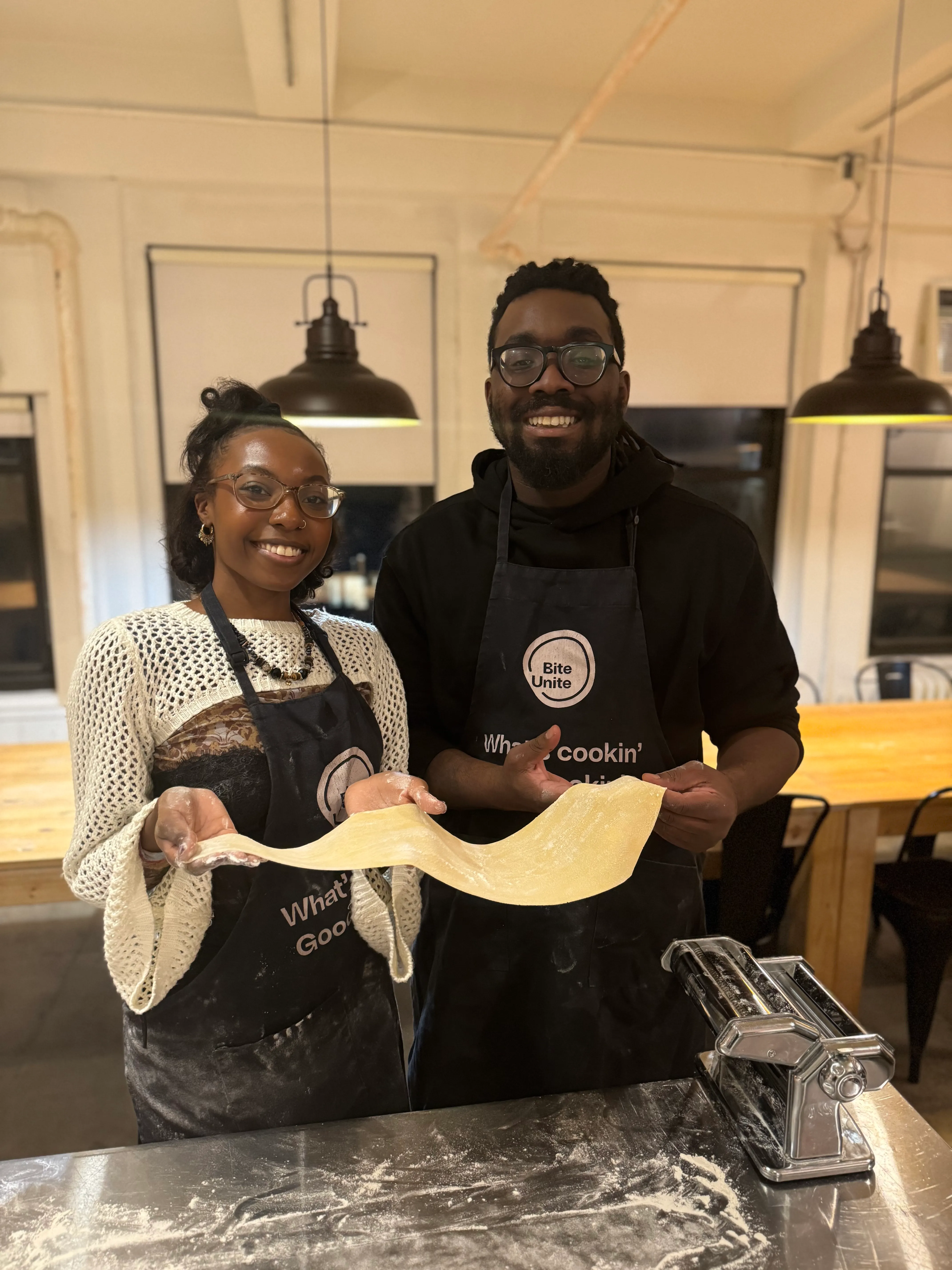
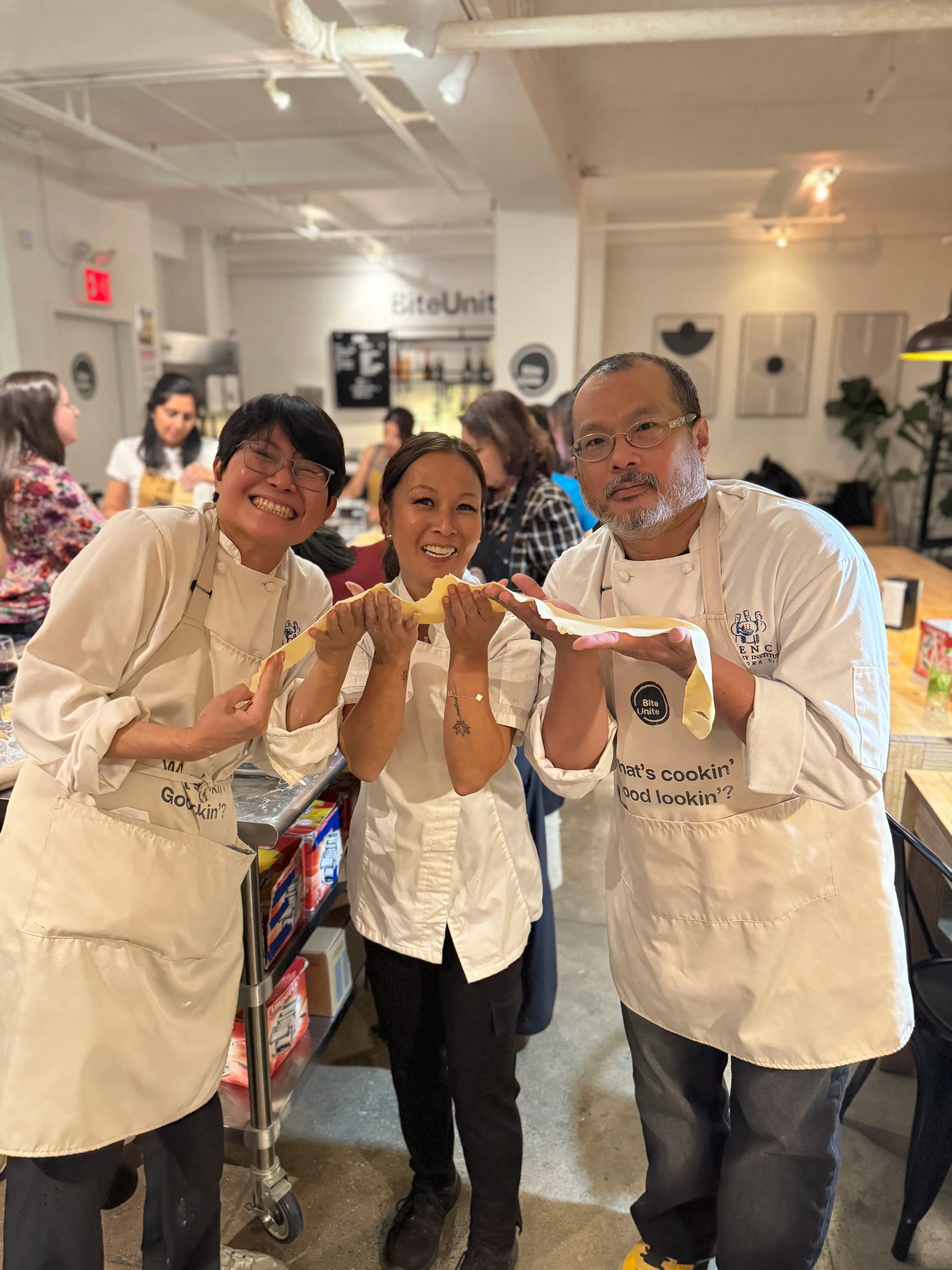
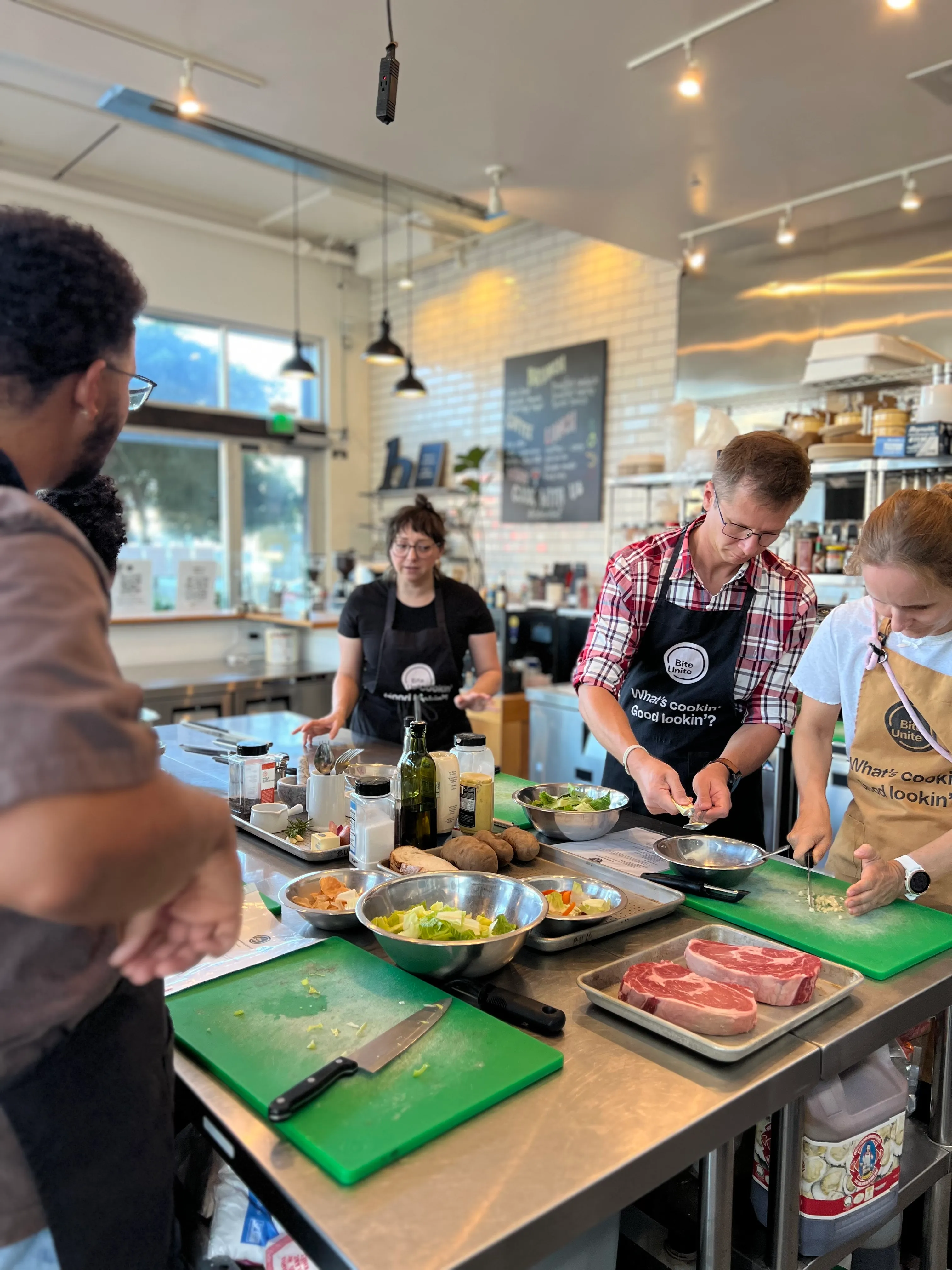
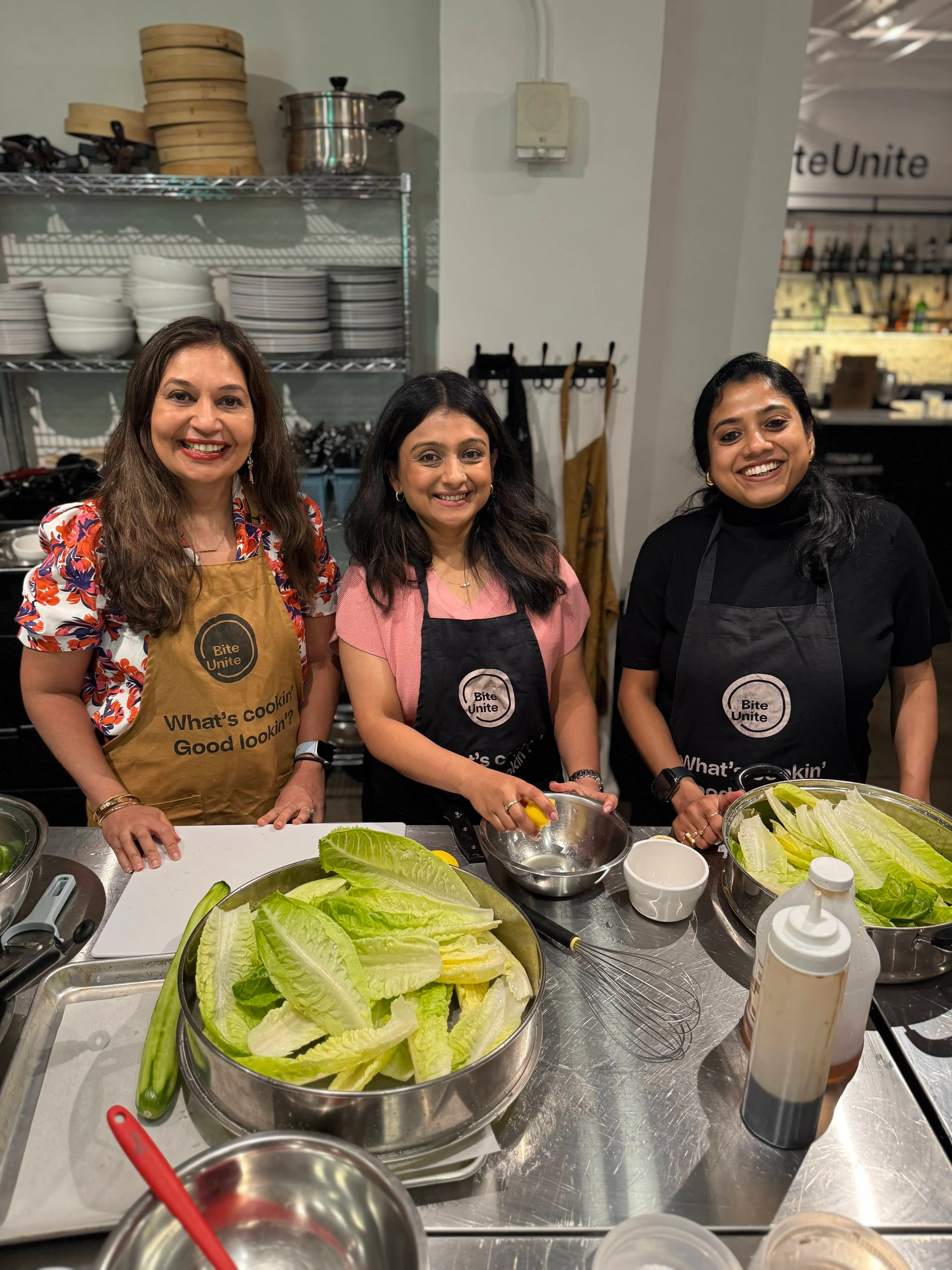
Hands-On Cooking
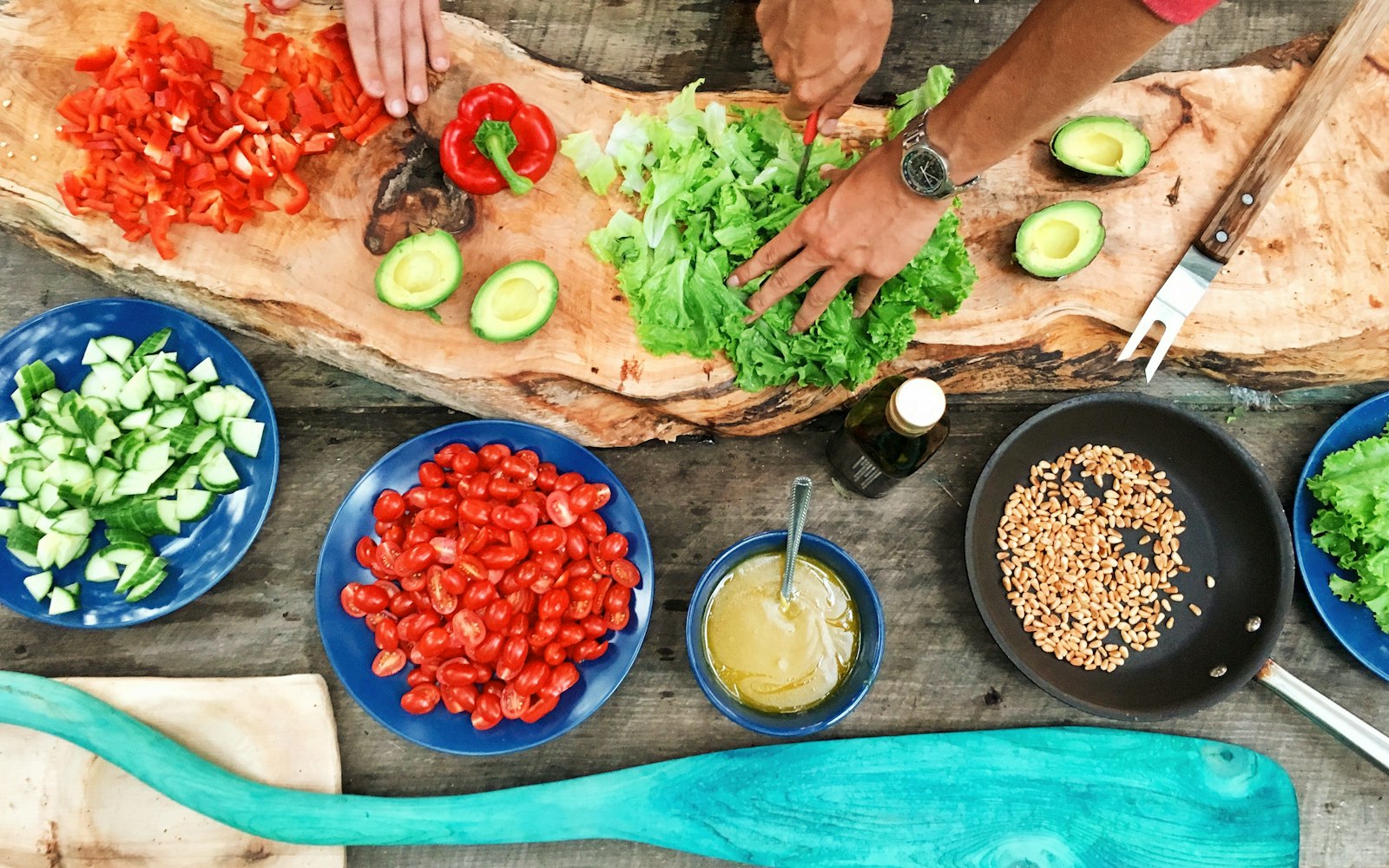
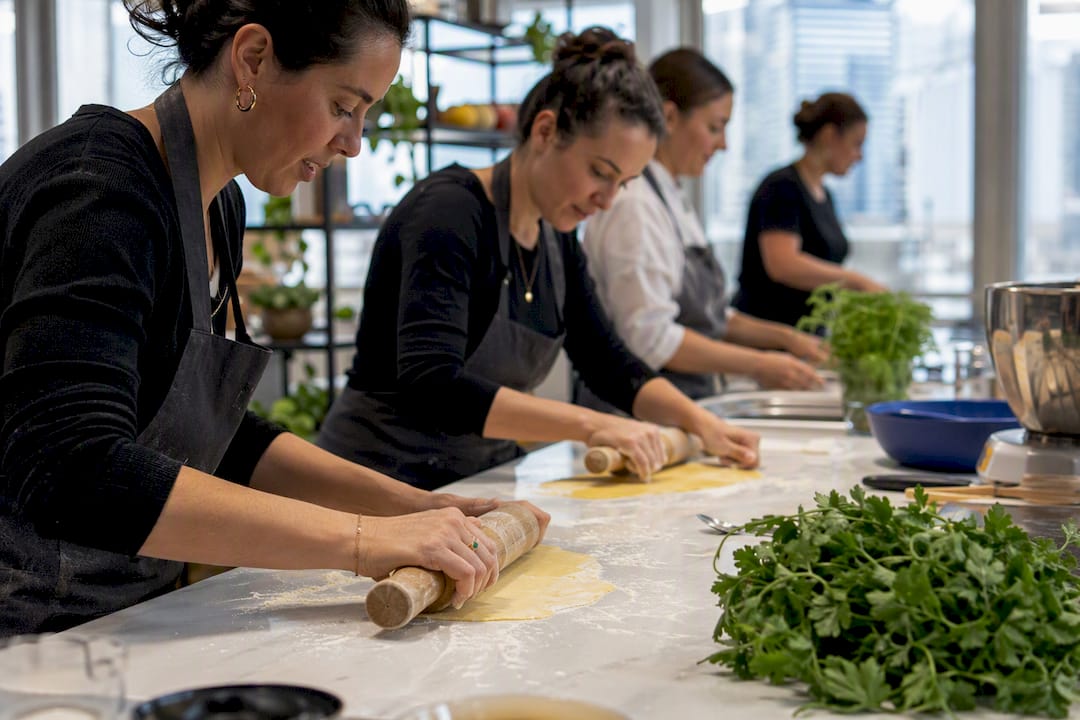
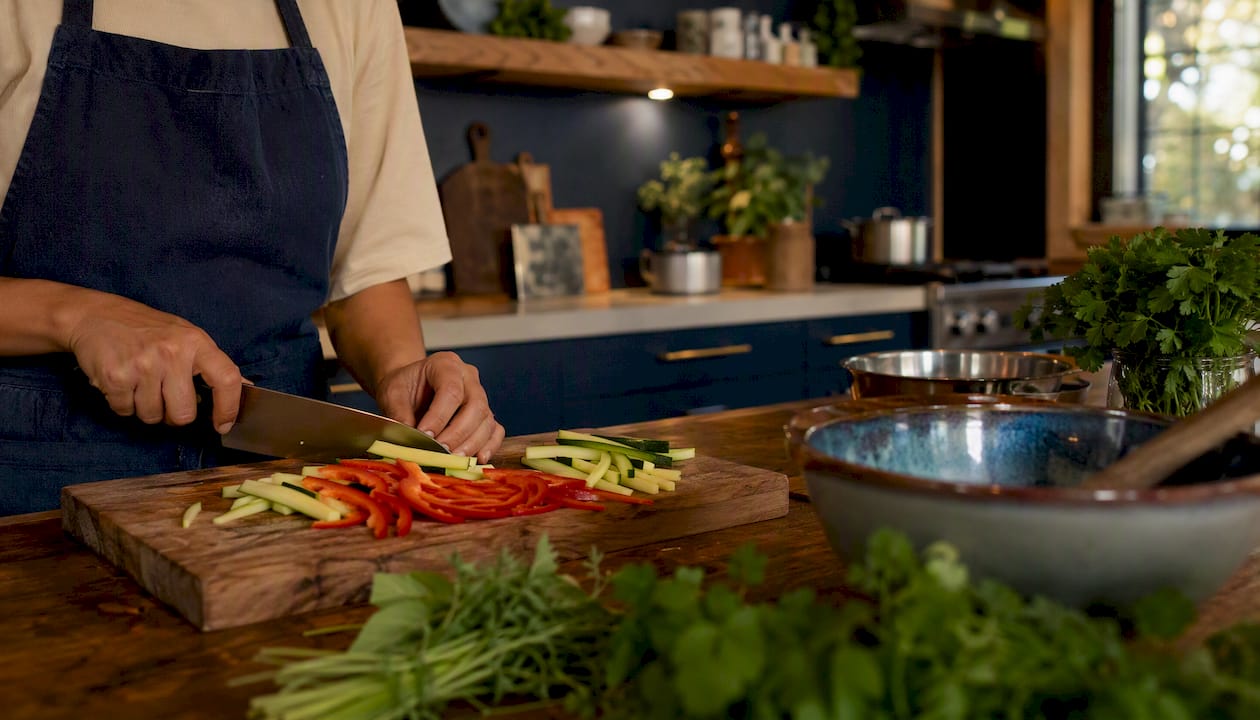
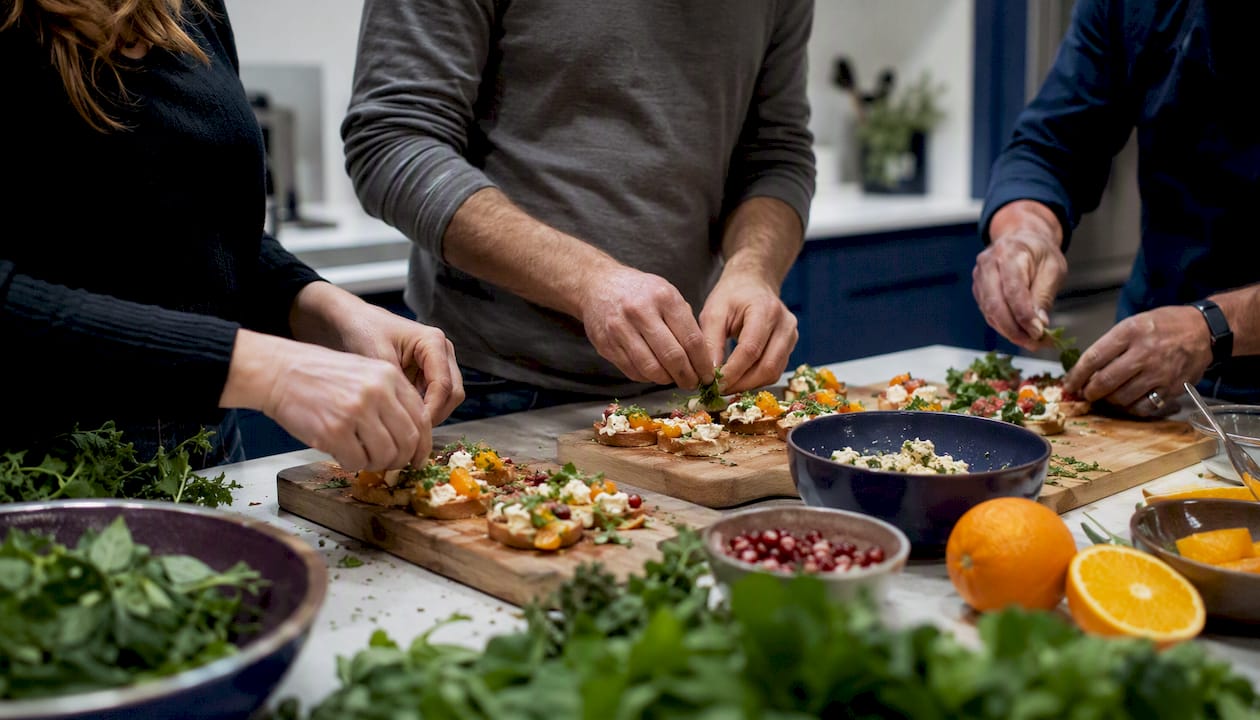
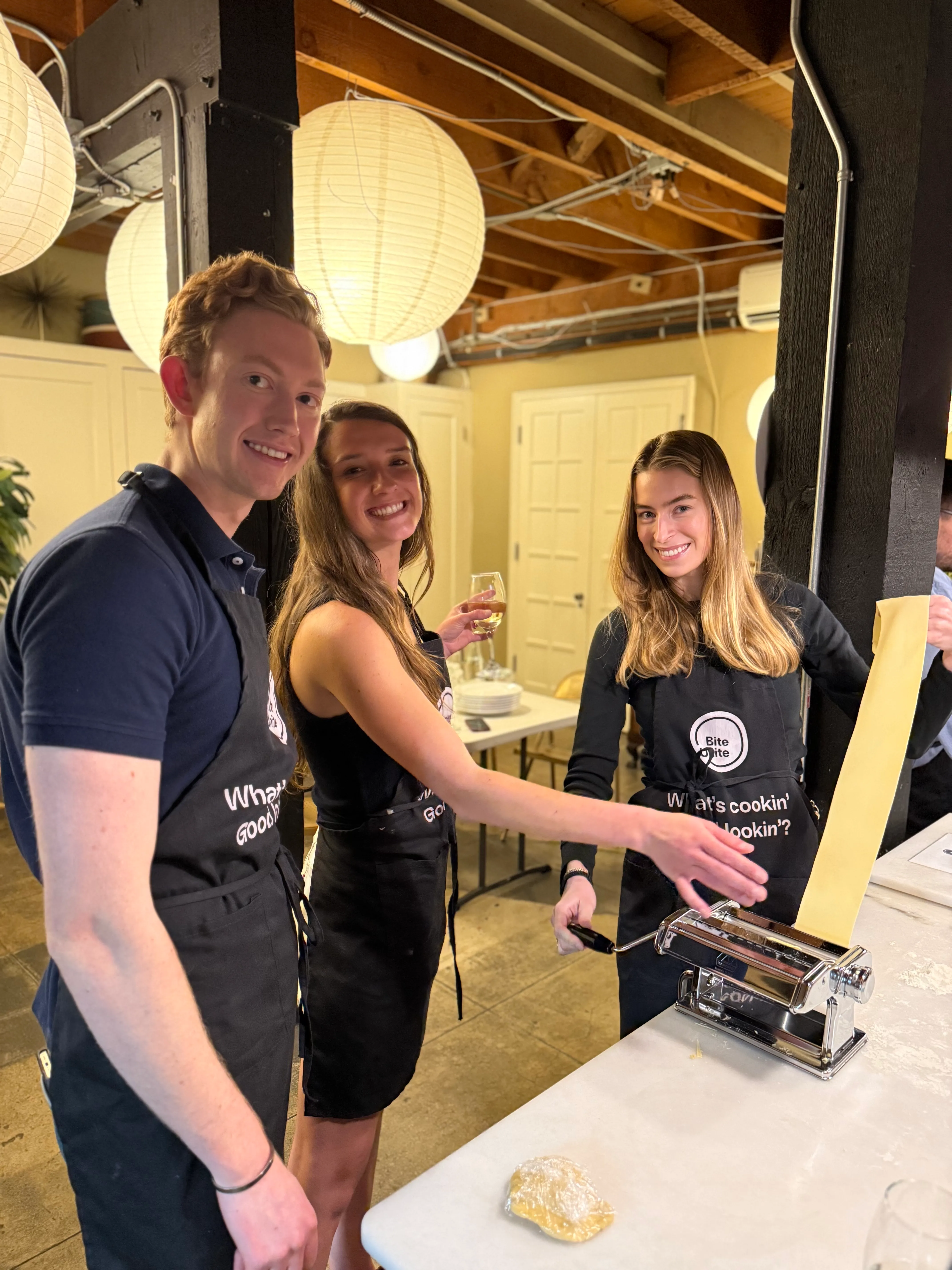
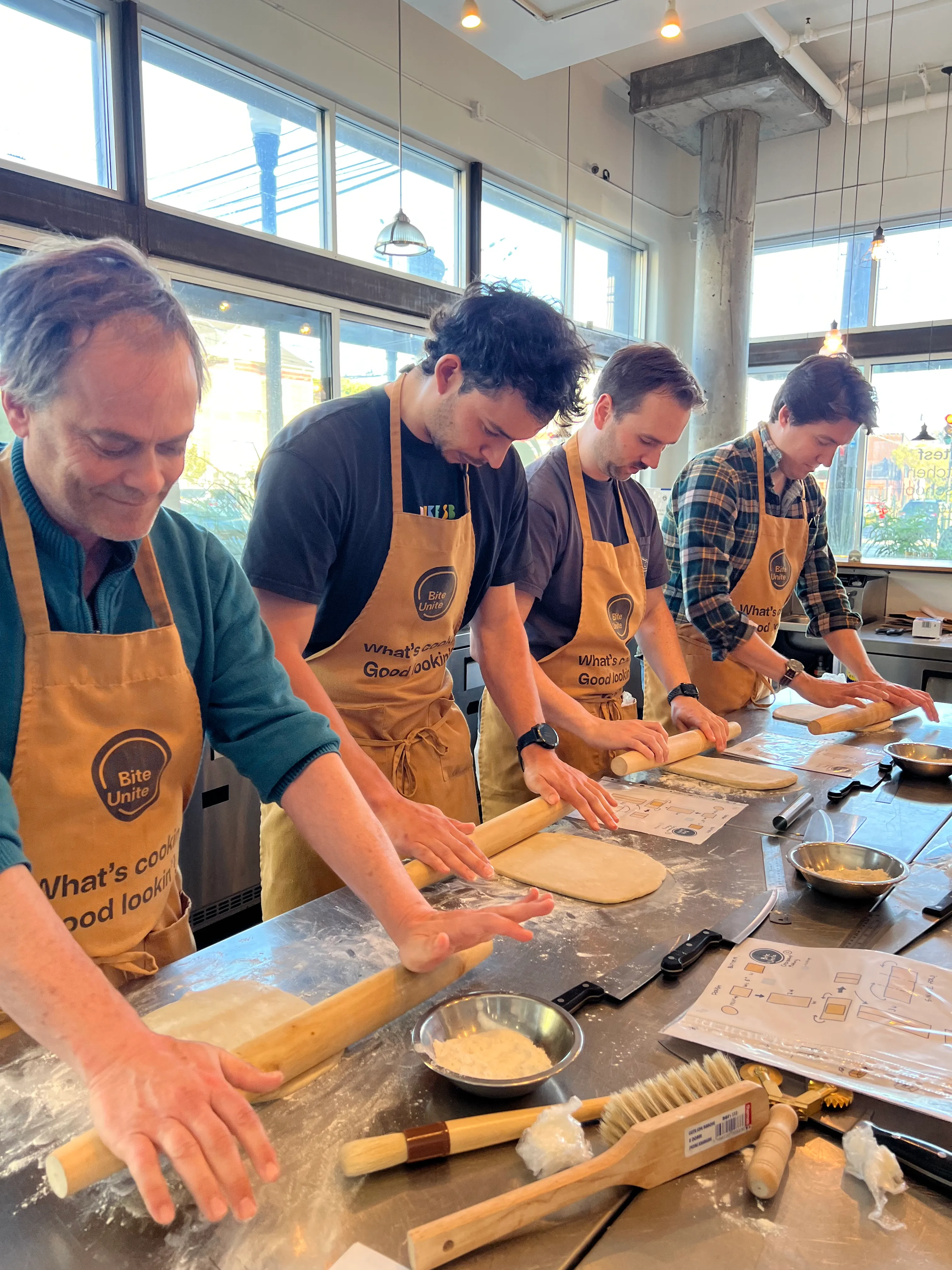
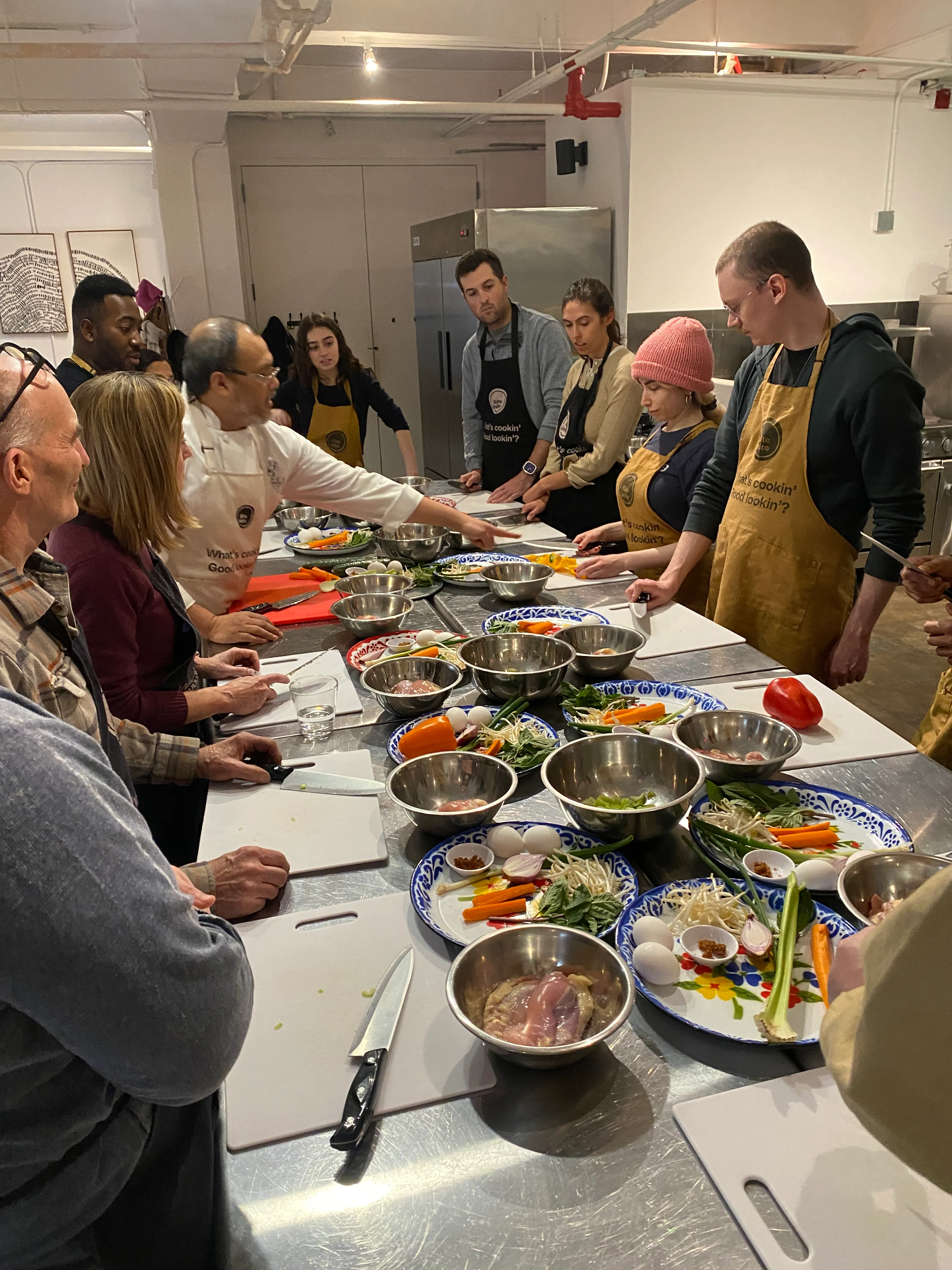
Teams prepare real dishes under professional guidance. This means brainstorming decisions, asking questions, and executing techniques together.
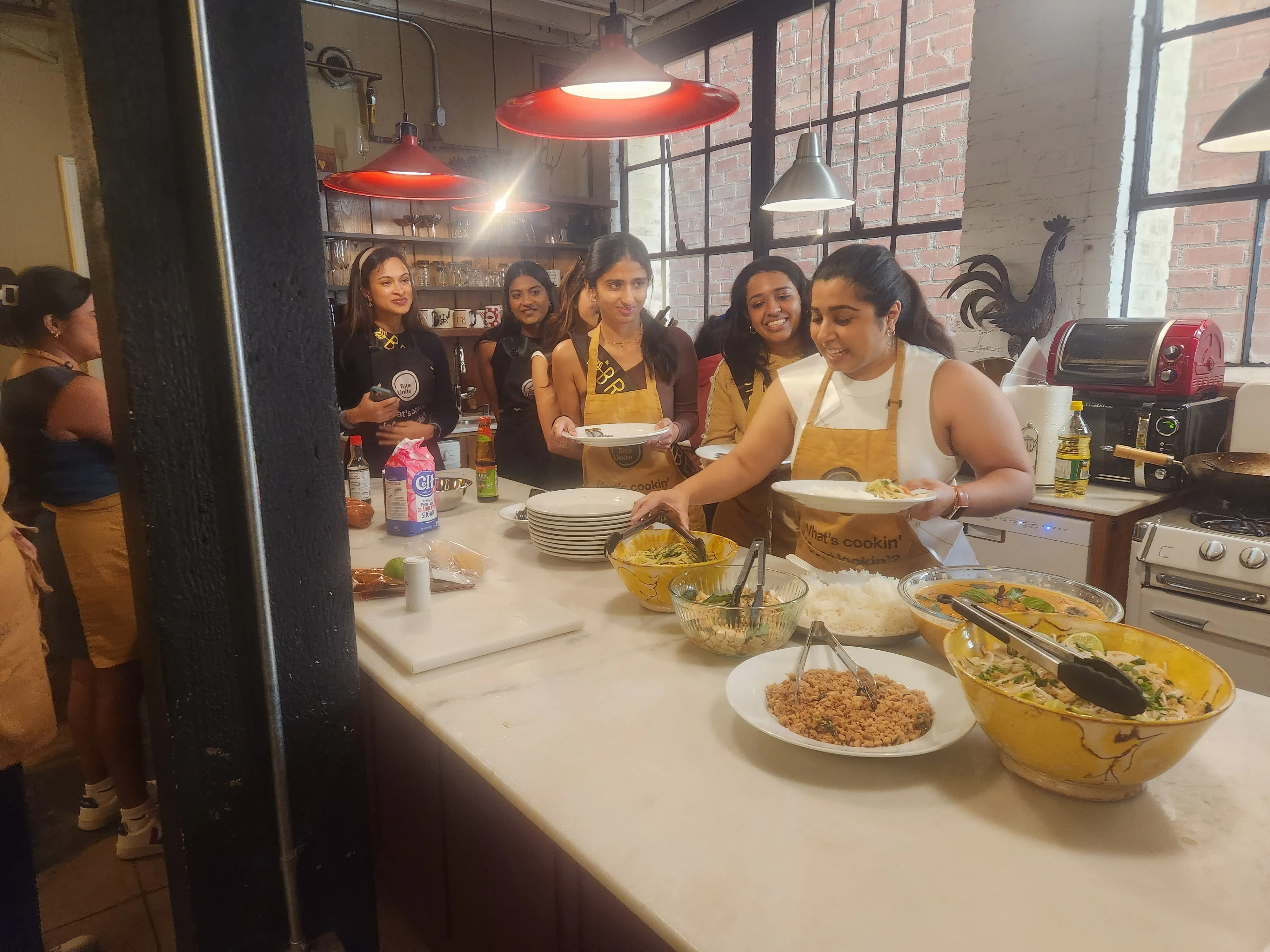
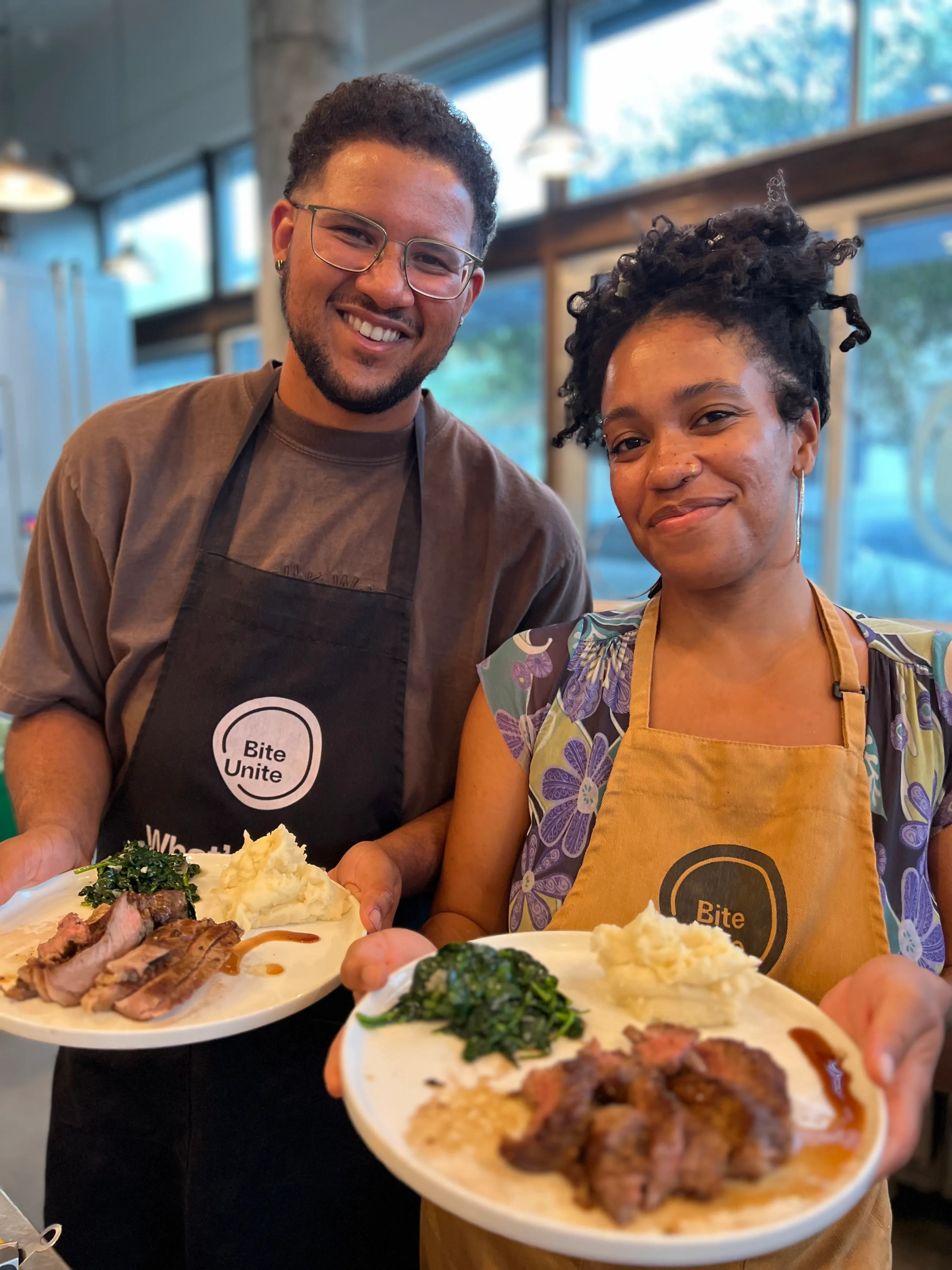
Tasting and Presentation
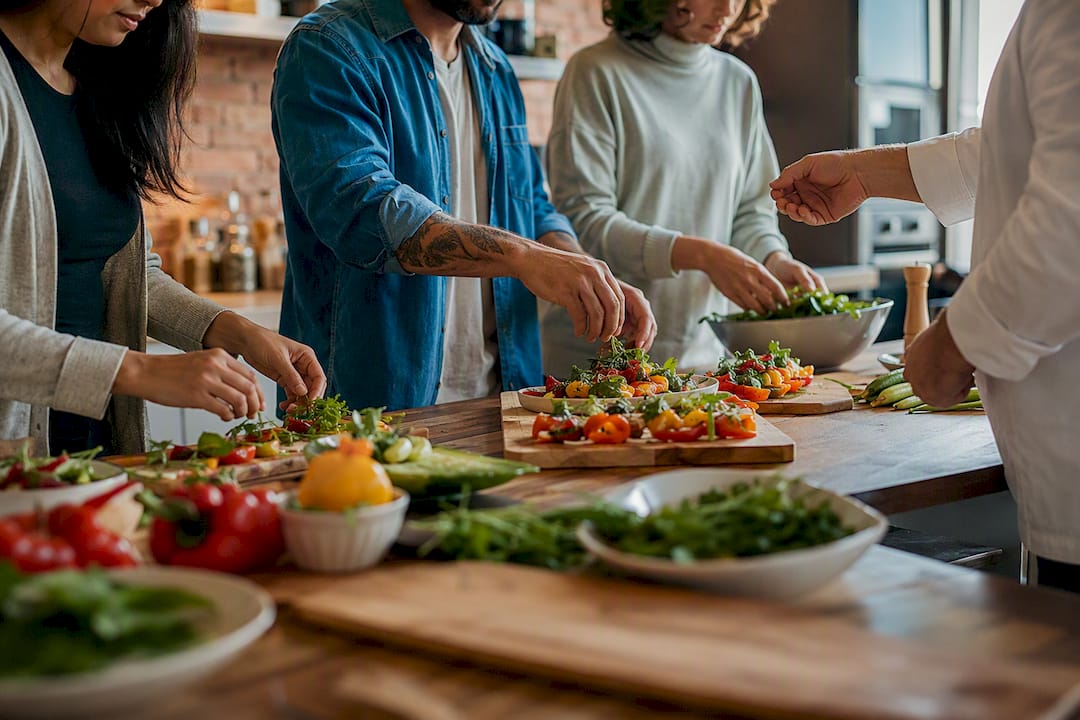
Once the food is done, teams plate and present. This part is vital — it’s where teamwork becomes celebration.
Reflection and Wrap-Up
A quick reflection helps teams tie their kitchen lessons back to workplace takeaways.
This flow isn’t just structured, it’s strategic.
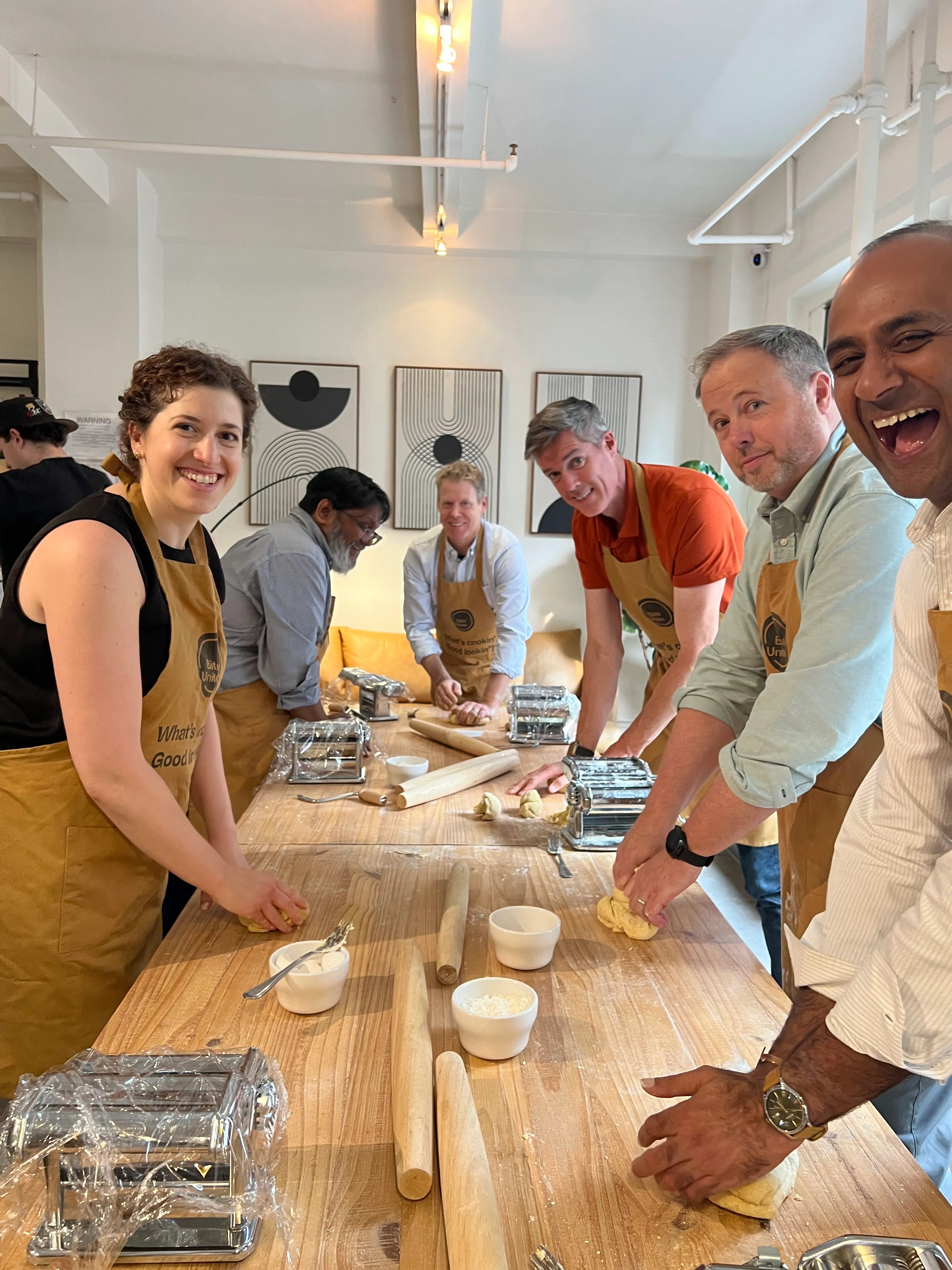
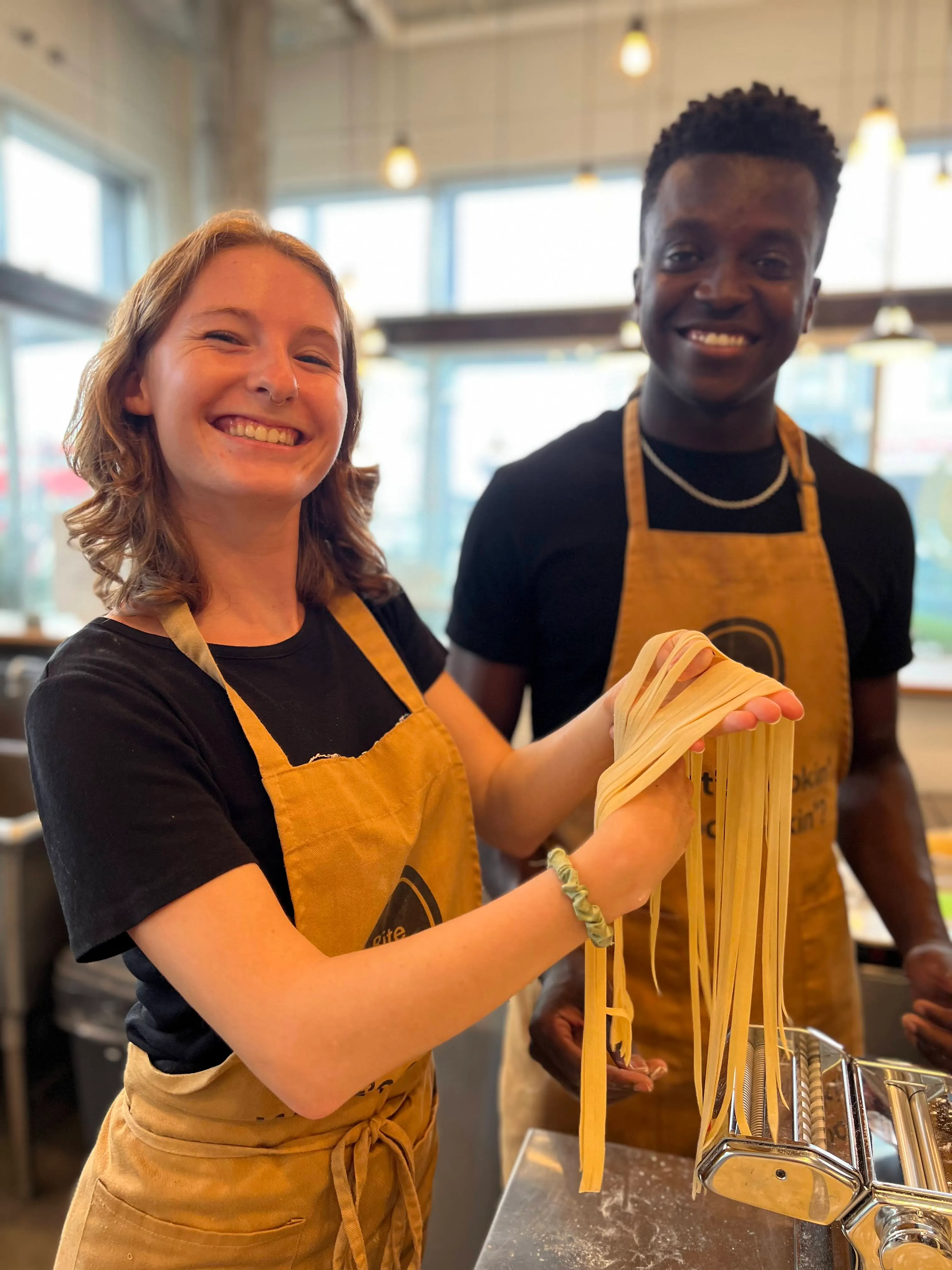
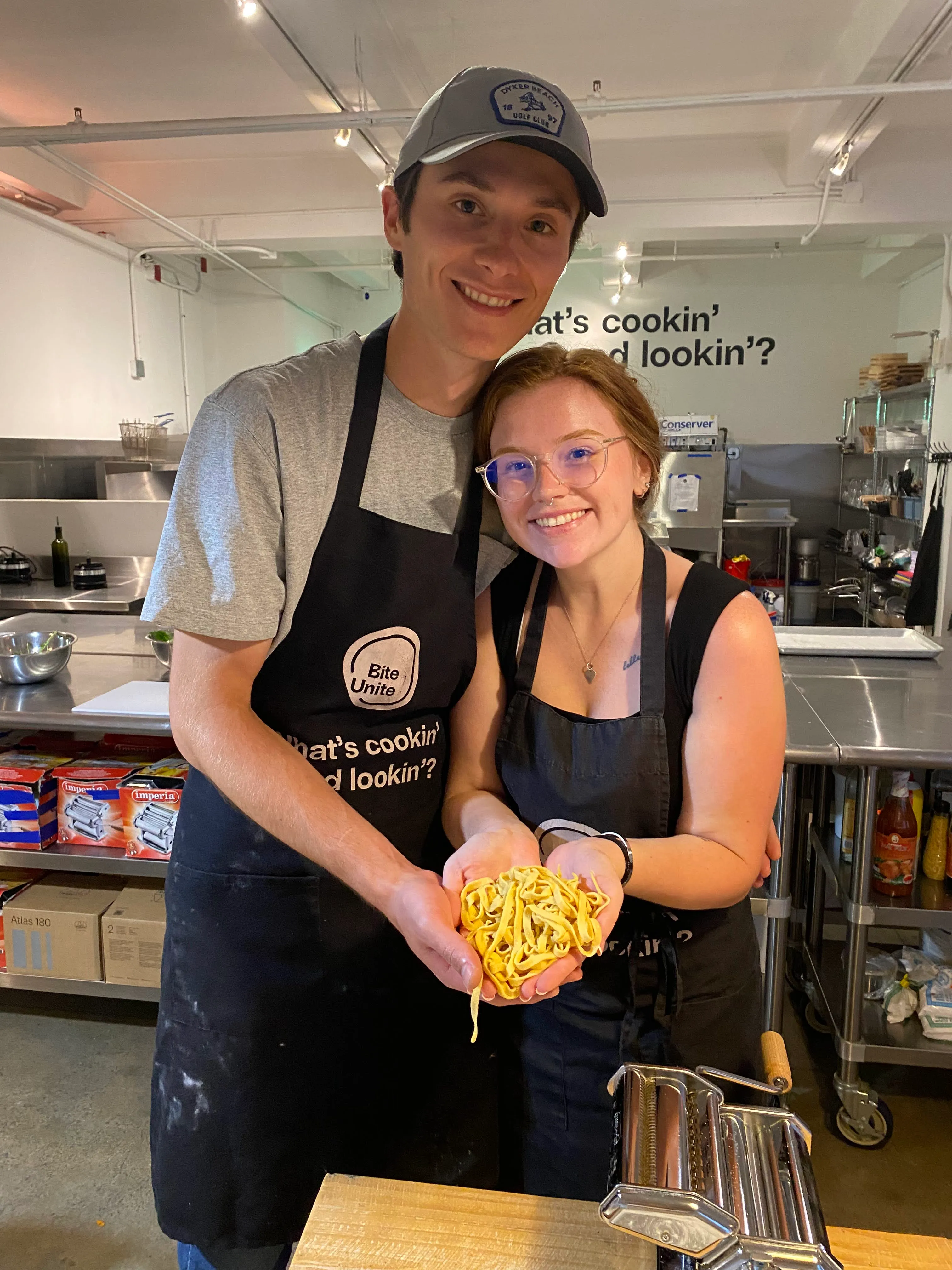
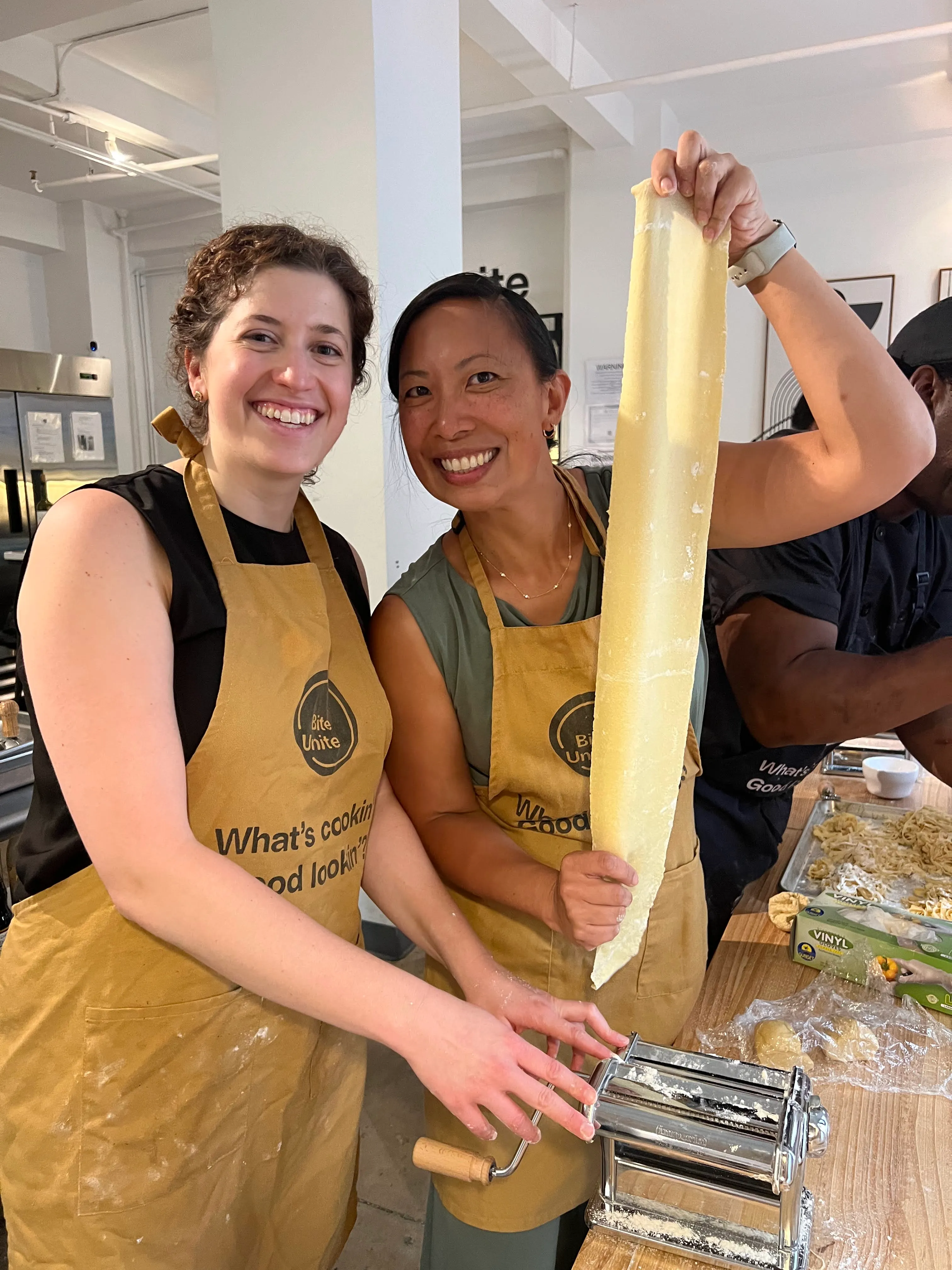
A Real Example: Group Cooking Class and Team Building in Los Angeles
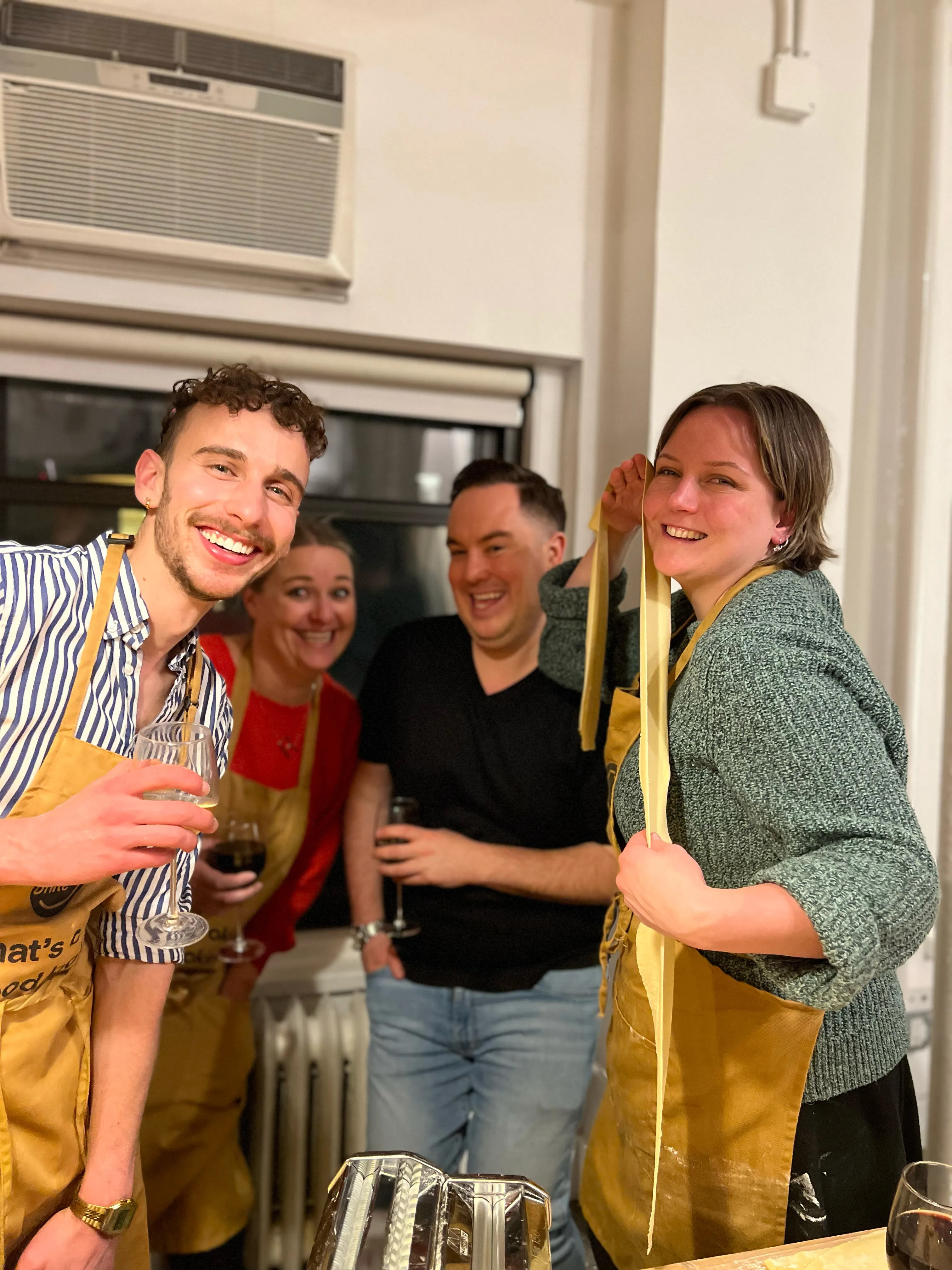
If your goal is to organize something with real bite and real impact, this experience is built for exactly that.
Instead of another happy hour, here’s what you get:
Purpose
Teams aren’t just “doing something.” They’re achieving, creating, and learning.
Connection
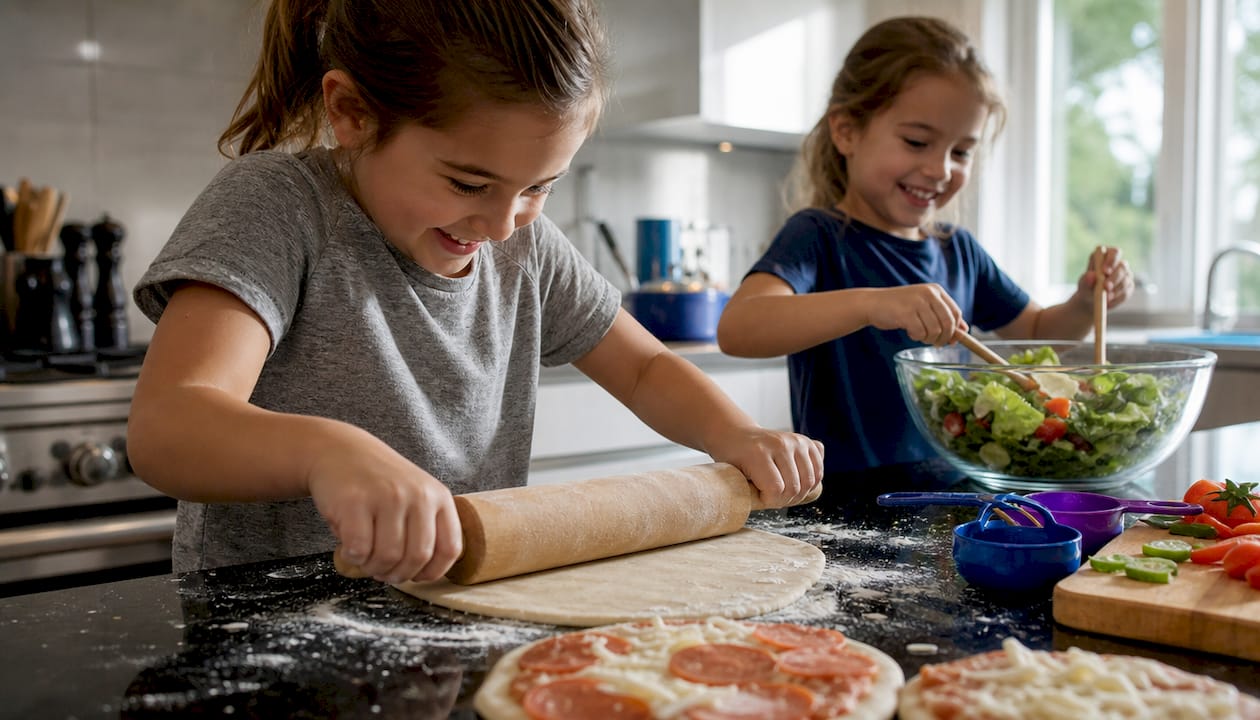
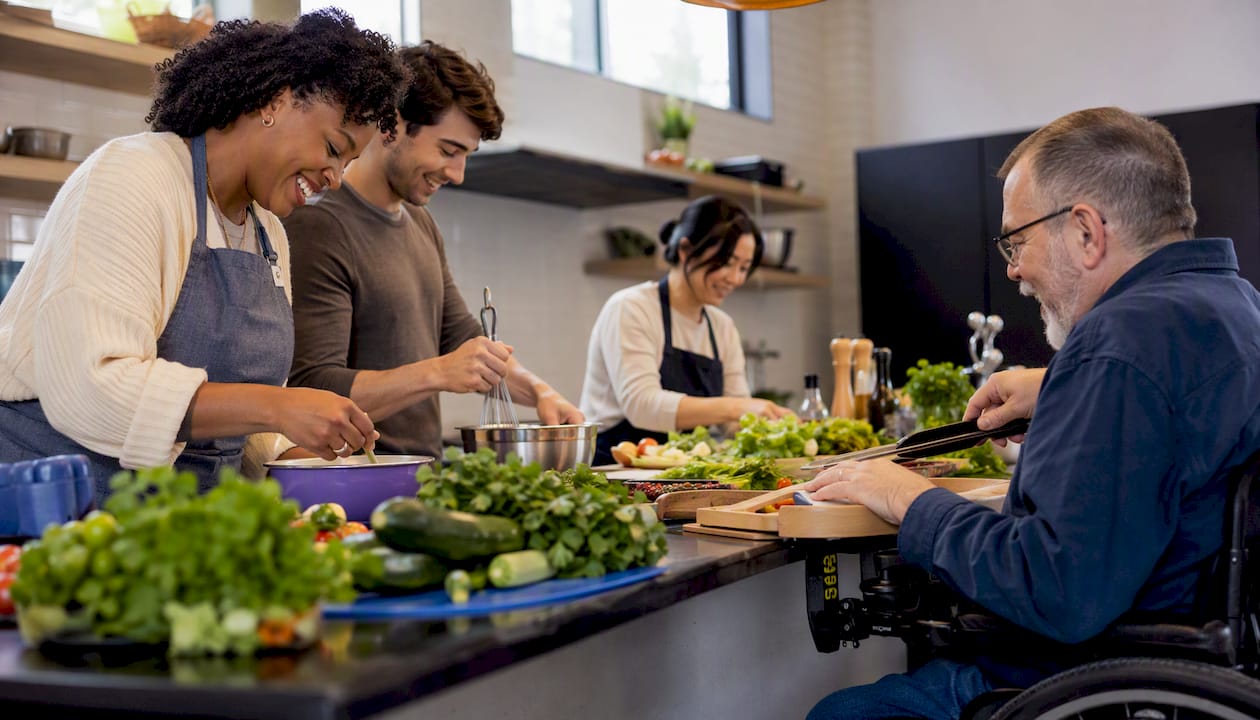
Everyone participates. No spectators. That breaks down cliques and encourages collaboration.
Skill Development
People walk away with culinary knowledge and team strengths they didn’t know they had.
Memories
This matters more than you think. Teams remember what they did, not just where they went.
This experience is built to balance structured guidance with room for teams to build their own strategies. It’s an adult environment that still feels fun, not forced.
The Leadership Angle
Great leaders know team building isn’t about fun in isolation. It’s about real outcomes:
• Better communication
• Stronger trust
• More shared perspective
• Practical collaboration
Cooking classes bring those outcomes without feeling like “work.” That’s valuable.
Leaders in LA are choosing these experiences because they realize that great teams don’t happen by accident. They are cultivated, and experiences like cooking classes accelerate that.
Teams Don’t Need Competition, They Need Collaboration
Some team building ideas go heavy on competition. Others feel soft and forced.
LA teams are discovering that collaboration under slight pressure is the sweet spot. A cooking class delivers that balance. It’s not wildly competitive like a scavenger hunt. It’s not passive like a group meditation. It’s active, shared, and goal oriented.
Here’s how it plays out:
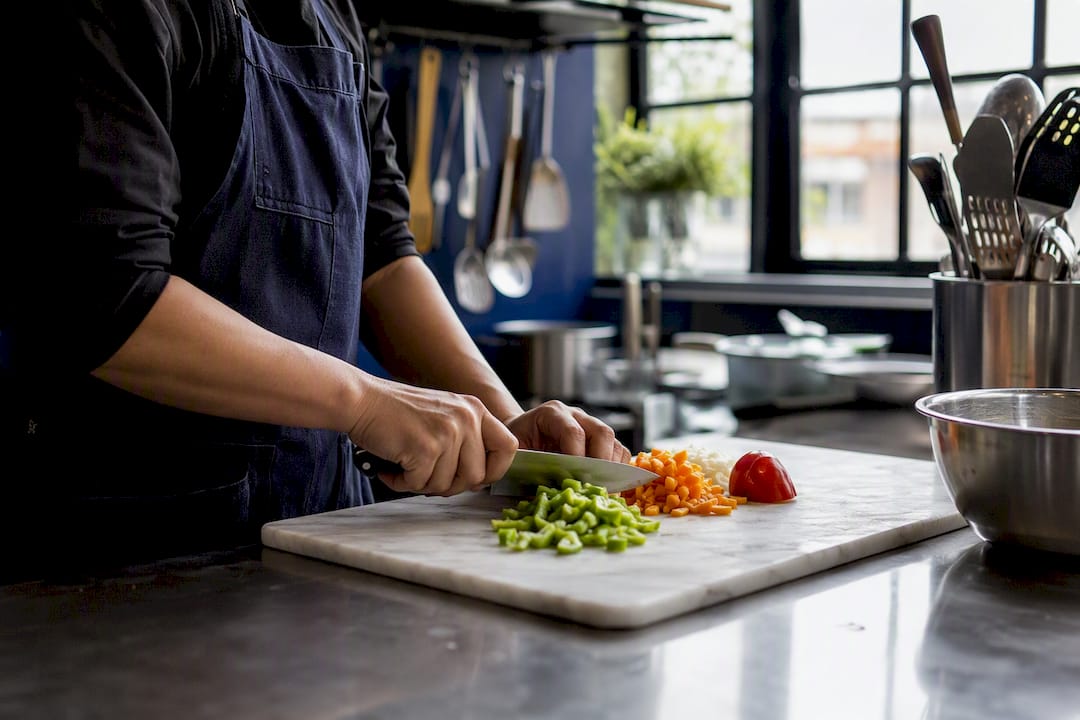
Task Breakdown
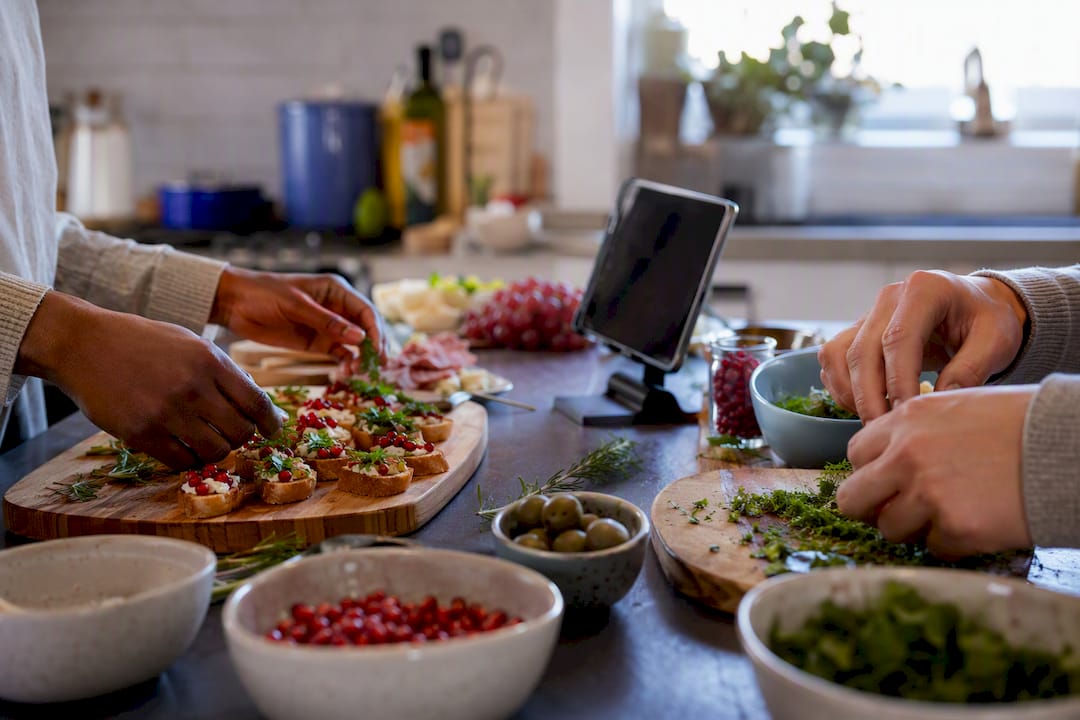
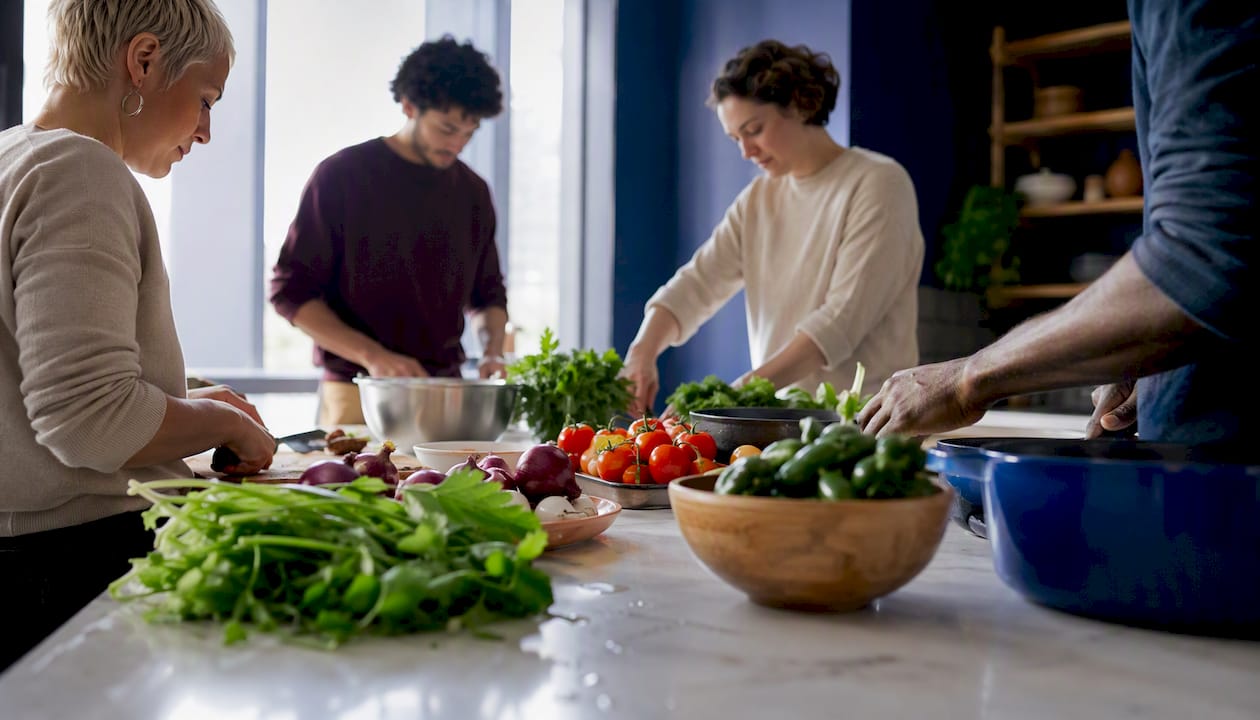
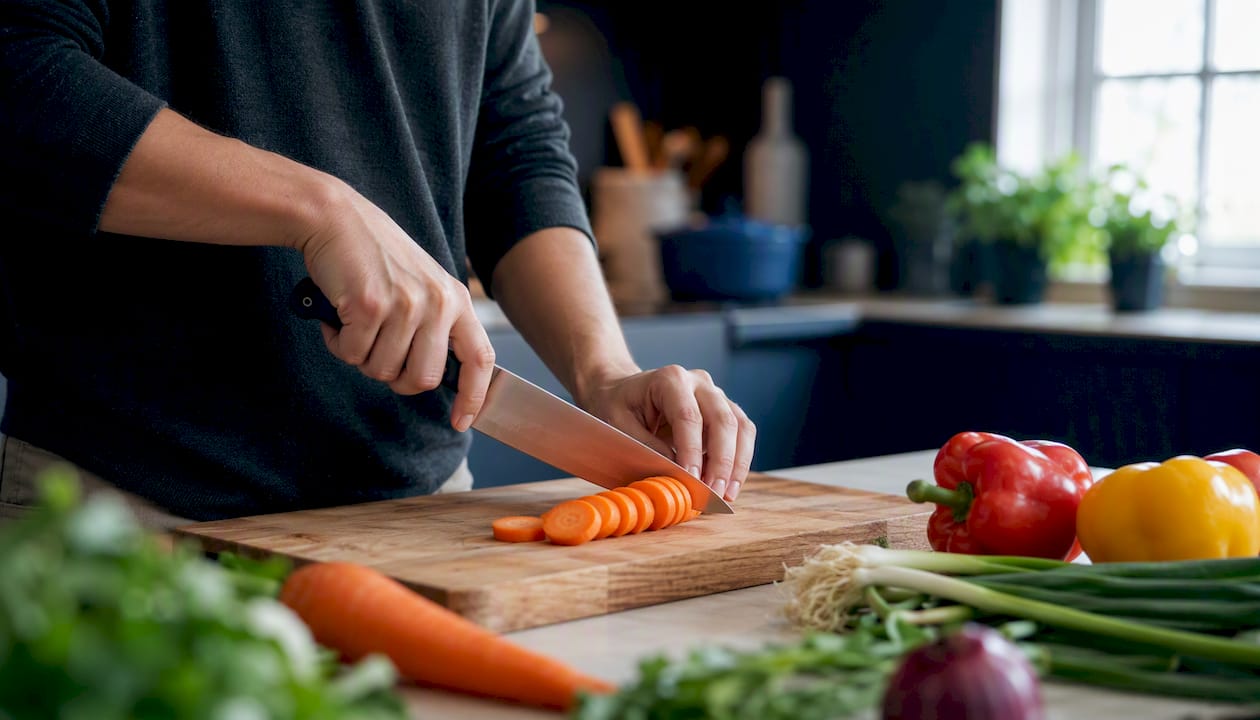
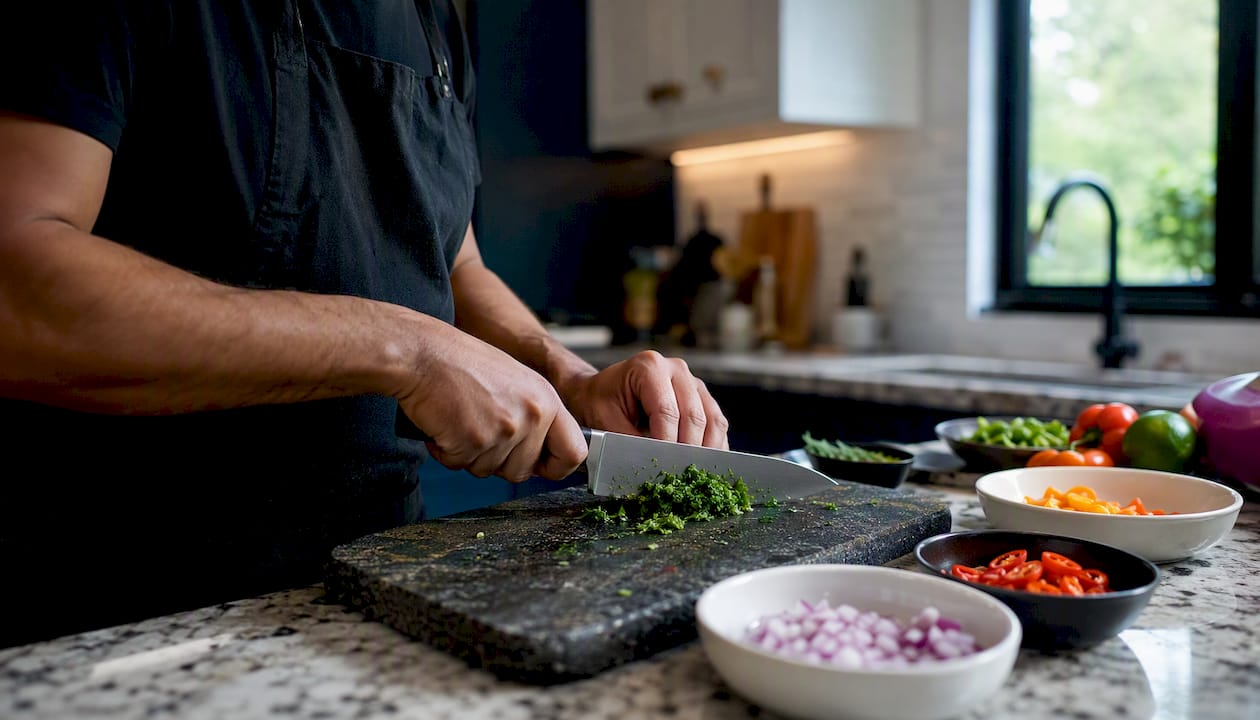
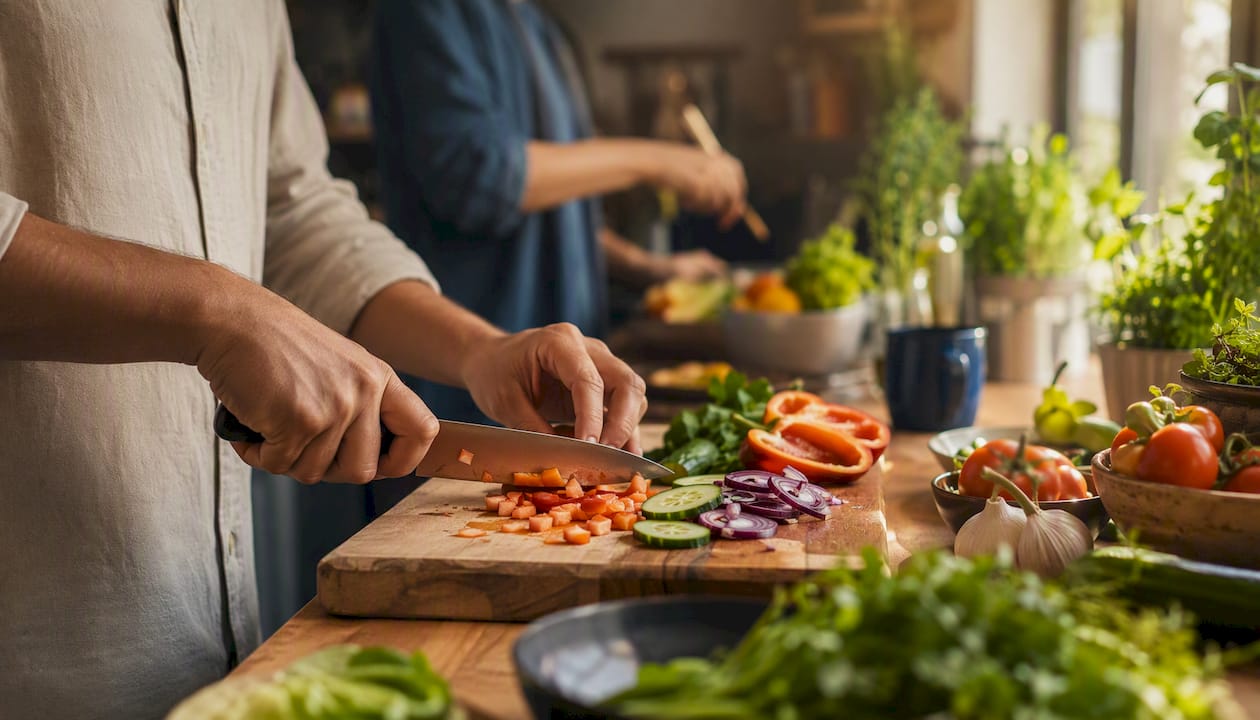
Someone chops, someone stirs, someone tastes. That division of labor mirrors workplace roles.
Time Sensitivity
Cooking is about timing. Teams learn to negotiate and adapt.
Creative Problem Solving
Ingredients don’t always behave as expected. Teams learn to adjust.
These lessons transfer directly to workplace interactions.
What Los Angeles Teams Are Saying
When teams actually enjoy an activity, morale increases. People spend time talking about it afterward. They bring up highlights. They recommend it.
Los Angeles companies appreciate that cooking classes:
Feel Real, Not Forced
Employees don’t roll their eyes. They engage.
Create Shared Stories
Later conversations reference kitchen triumphs, not awkward trust falls.
Build Confidence
Participants leave feeling accomplished, not relieved it’s over.
That’s the kind of feedback leaders want and teams embrace.
Incorporating Team Building Into Your Culture
If you’re reading this as a leader or organizer, you’re probably asking a practical question: Okay, how do we actually do this?
Here’s a framework:
1. Determine Objectives
Are you focusing on communication? Morale uplift? New team integration?
2. Choose the Right Format
Half-day, full afternoon, or a lunchtime session. Different teams need different levels of immersion.
3. Set Expectations
Tell participants this is interactive, not passive.
4. Debrief After
Take 10 minutes after the session to connect what happened in the kitchen with workplace dynamics.
5. Celebrate Results
Share photos, moments, laughs — good experiences deserve amplification.
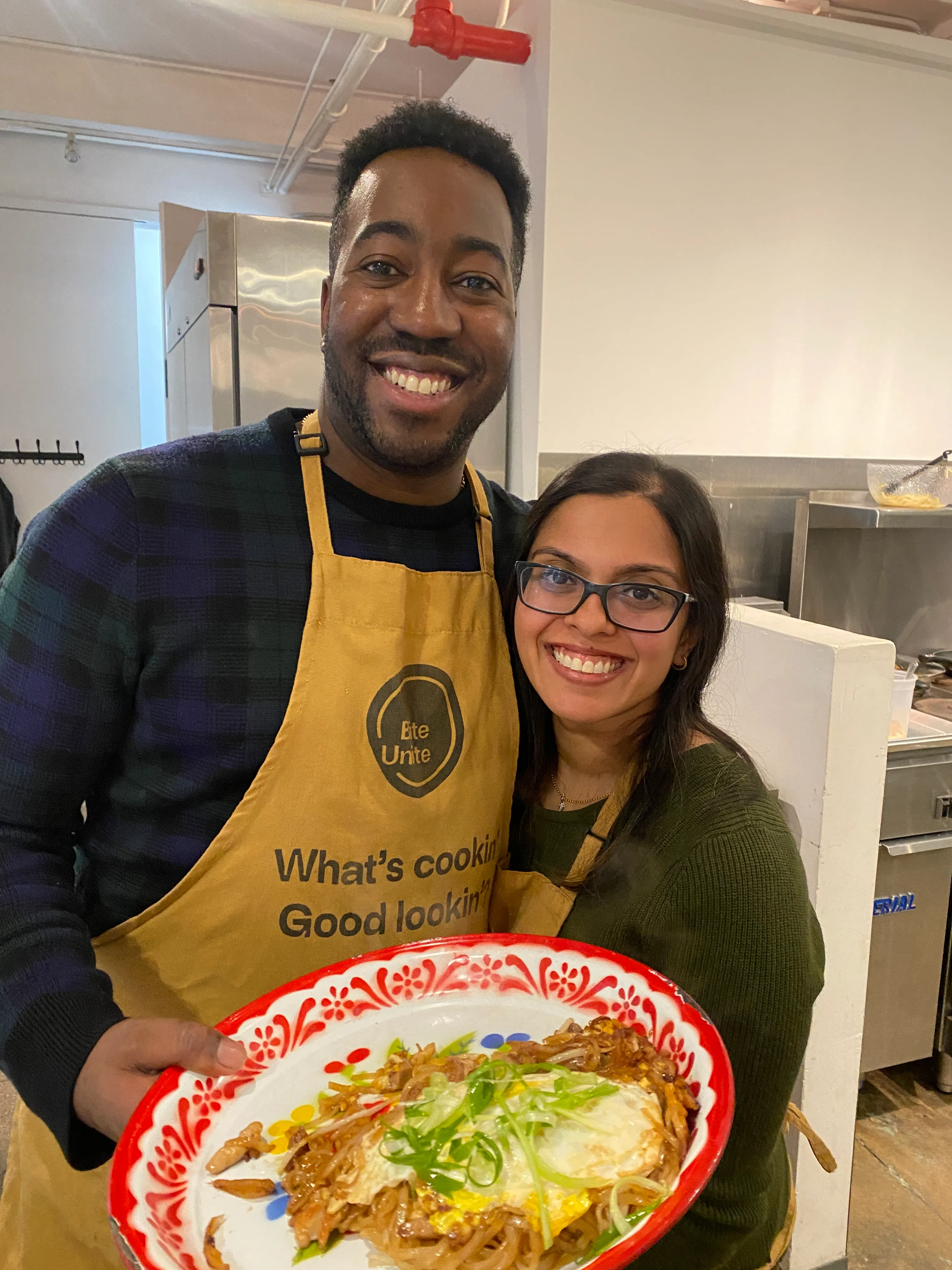
And that experience at Biteunite Los Angles gives teams an easy way to start because the structure is ready, the space is prepared, and the facilitators know how to keep things moving.
The ROI Is Real
We’re not talking about a fun afternoon. We’re talking measurable business outcomes:
Improved Communication
Teams have to talk through tasks effectively.
Better Trust
When people rely on each other in an unfamiliar environment, trust grows.
Enhanced Group Cohesion
Shared experience builds connection.
Stronger Morale
People look forward to collaboration, not just deadlines.
These are tangible benefits that go beyond the day itself.
Questions Leaders Ask Before Booking
Let’s answer what most leaders really want to know:
Is this suitable for all skill levels?
Yes. These classes are designed to engage any team member, regardless of culinary experience.
Does it feel cheesy or forced?
Not at all. The structure keeps things purposeful and fun without clunkiness.
Can it fit into an afternoon schedule?
Yes. This can be a half-day session, a morning kickoff, or even a lunch experience.
Is it easy to coordinate?
Absolutely. With the right provider you get logistics support and clear guidance, so you don’t spend weeks planning it.
A Final Look at the Value
Los Angeles teams don’t need more superficial experiences. They need something that:
• Builds real connection
• Encourages engagement
• Offers shared accomplishment
• Feels fun without being chaotic
• Scales with team size
Cooking classes hit every one of these.
And the group experience at Biteunite is built to deliver exactly that for LA teams who are ready to try something that actually works.
If you want your team to remember an activity for reasons that matter, not just for the sake of doing something, this is worth serious consideration. It’s collaborative, it’s creative, it’s social, and it respects everyone’s time — which, in Los Angeles, is the rarest currency of all.





























.webp)