Discover Real Thai Cooking Classes in Los Angeles From Chefs Who Know Their Craft

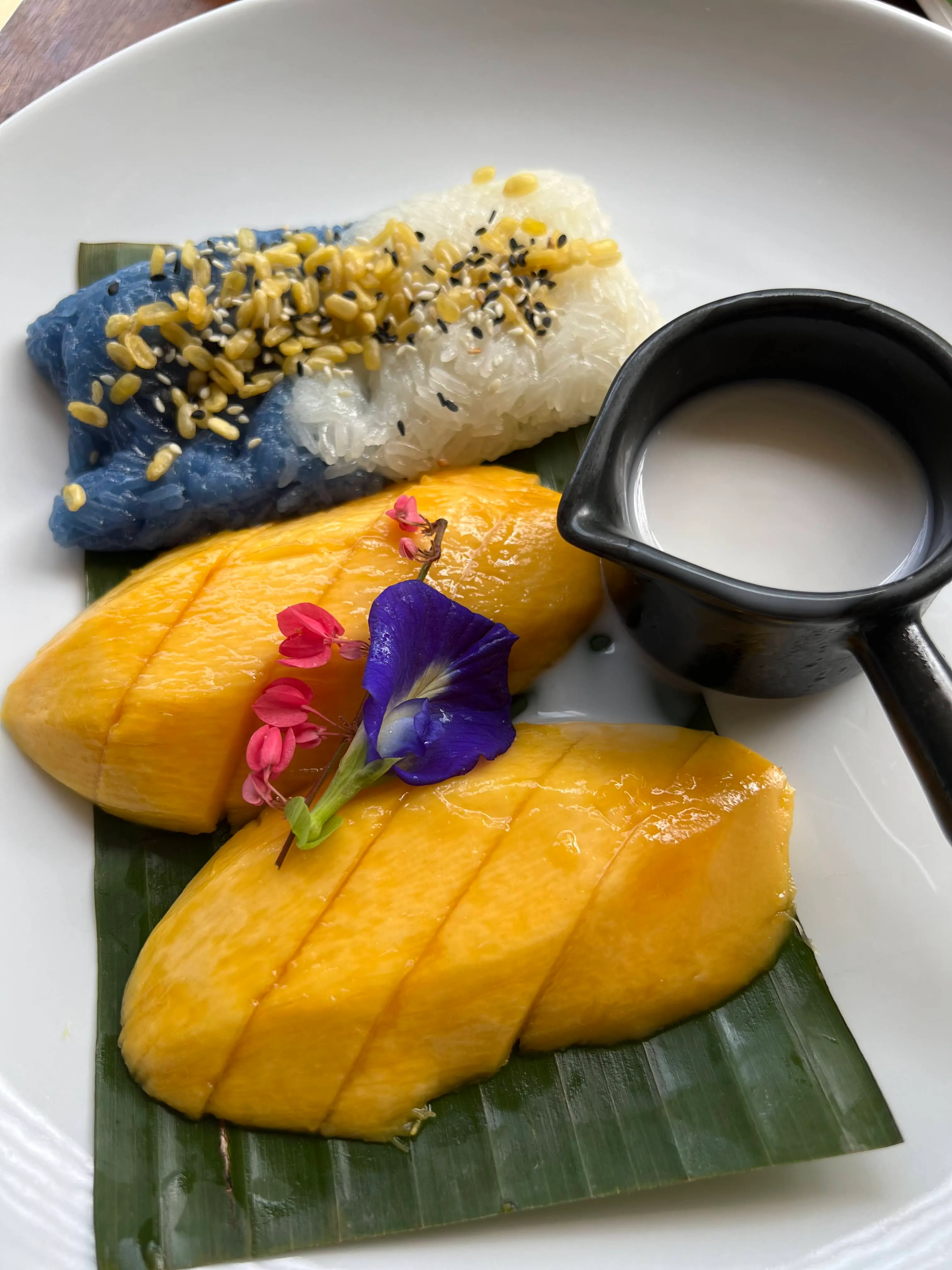
Los Angeles is a food city with a short attention span. Every week a new restaurant opens, everyone floods Instagram with pictures, and six months later the cycle repeats. Meanwhile, a massive portion of LA residents still do not know how to make a proper stir fry without drowning it in soy sauce. Thai cuisine is especially guilty of being eaten often but understood rarely. People love pad thai, green curry, and mango sticky rice, but ask them what makrut lime leaves do or why fish sauce is essential and you get blank stares.
If you live in Los Angeles and you are serious about becoming a better home cook, you need to learn Thai techniques from real chefs. Thai cooking hits every dimension modern LA eaters care about: flavor balance, visual appeal, lightness, spice, aromatics, and plant forward versatility. This is why cooking classes in Los Angeles are becoming a legitimate skill investment rather than a novelty activity.
This article will break down why Thai cuisine is perfectly engineered for teaching, why LA is an ideal environment for it, what skills you actually learn in a class, how to prepare before booking, and where to find Thai cooking experiences that are worth your money instead of Instagram content bait.
Why Thai Cuisine Works So Well for Cooking Classes
Most cooking classes fail because they try to teach boring fundamentals like knife skills and pan searing without giving context or flavor payoff. Thai cooking does the opposite. It jumps straight into flavor theory, balance, and aromatics, then layers in technique and cultural context. It hits both the mind and the palate.
Here is why Thai cuisine is ideal for instruction:
Balanced Flavor System
Thai food is built on balancing salty, sweet, sour, and spicy elements. This gives students instant feedback when tasting. They can adjust lime juice, palm sugar, fish sauce, or chili to reach harmony. You learn by tasting and correcting, not by memorizing.
Fast Techniques With Quick Wins
Most Thai dishes cook quickly. Stir fry takes minutes. Curry paste takes time to grind but the cooking part is fast. Students get the dopamine payoff of completing full dishes within a single class.
Aromatics and Fresh Herbs
Thai cuisine is heavy on aromatics: lemongrass, galangal, makrut lime leaves, Thai basil, bird’s eye chili, garlic, shallots. This introduces students to ingredients they do not use at home and shows them how to shop smarter.
Vegetarian and Vegan Friendly
Los Angeles is full of dietary restrictions. Thai cuisine transitions well for plant based cooks because tofu, vegetables, and mushrooms integrate easily. Fish sauce can be swapped for soy based alternatives.
Minimal Equipment
Thai dishes do not require fancy cookware beyond a wok or sauté pan, mortar and pestle, chef knives, and cutting boards. Students can replicate everything at home.
High Relevance
People in LA already eat Thai food weekly. Teaching them how to cook what they already crave builds retention.
Thai cuisine turns cooking class students into actual home cooks. That is rare.
LA’s Unique Relationship With Thai Food
Los Angeles is the only city in the West with a designated Thai Town. It sits on Hollywood Boulevard between Western and Normandie. Thai Town has been operating as a culinary and cultural anchor for decades, making Thai food a legitimate pillar in the LA food landscape rather than a trendy niche.
The LA Thai relationship works for a few reasons:
Cultural density
Thai restaurants, markets, dessert shops, and cultural events are clustered close enough that people get exposed repeatedly instead of stumbling across one isolated restaurant every six months.
Regional diversity
LA Thai cuisine is not just pad thai and red curry. You can find Northern Thai sausages, khao soi, som tam, larb, kanom jeen, and specialty desserts. This builds curiosity for learning.
Ingredient availability
Markets like Bangkok Market, Silom Supermarket, and Hollywood Thai Grocery have stocked Thai ingredients for decades. Students can replicate dishes at home after a cooking class without hunting across the county.
Plant based compatibility
LA has a massive vegan scene and Thai cuisine is one of the few Asian cuisines that adapts without losing integrity. That matters here.
Because of this ecosystem, Thai cooking classes in Los Angeles are not just party tricks. They are cultural bridges that make sense at scale.
Skills You Actually Learn in Thai Cooking Classes
If you have never taken a Thai cooking class, you probably assume it is just pad thai and curry. Good classes go far deeper than that. Here are the layers you actually walk away with:
1. Knife and prep skills
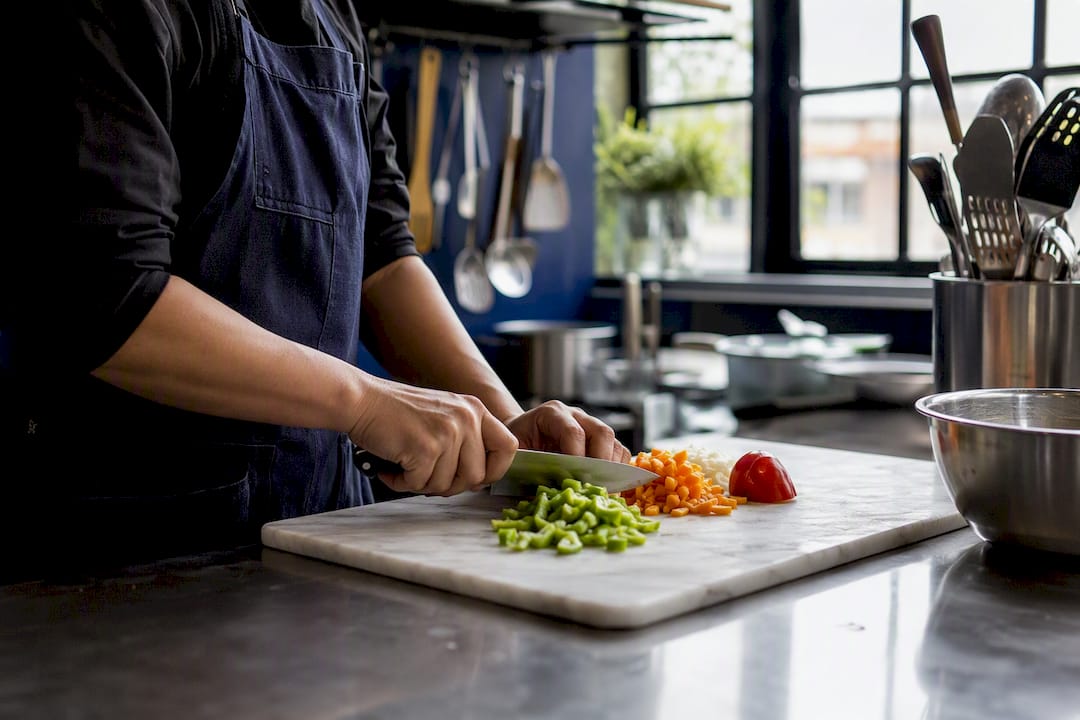
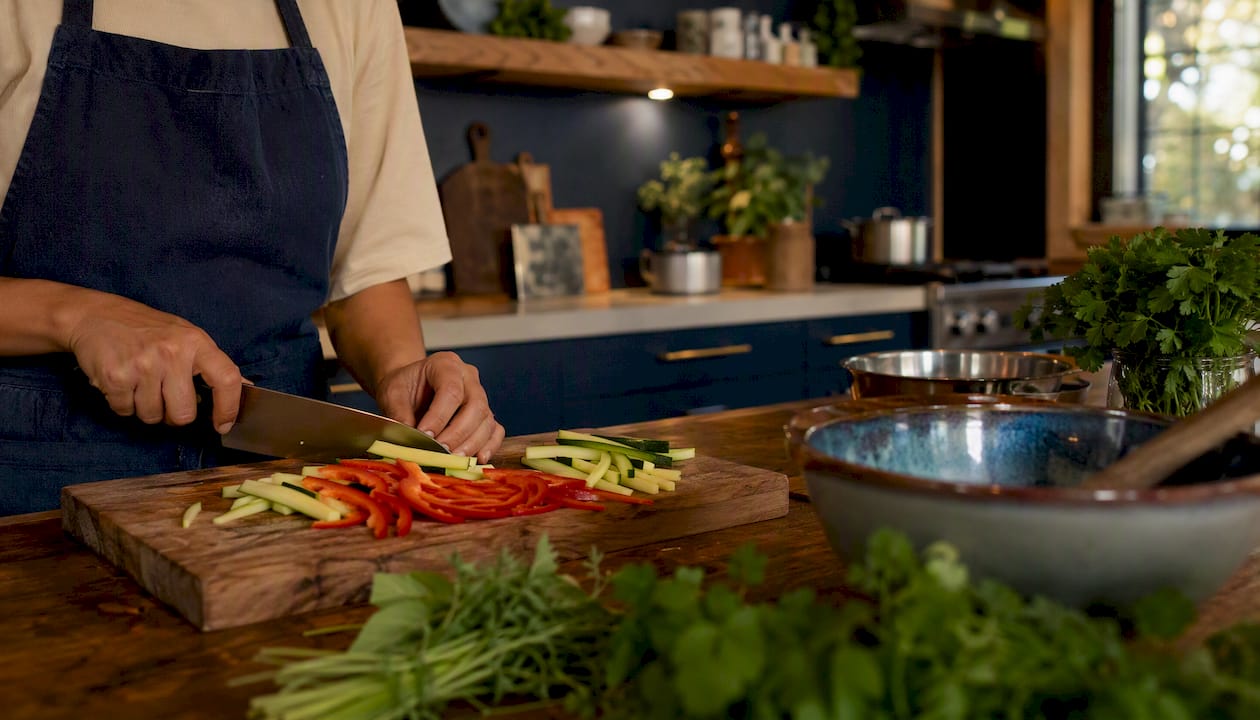
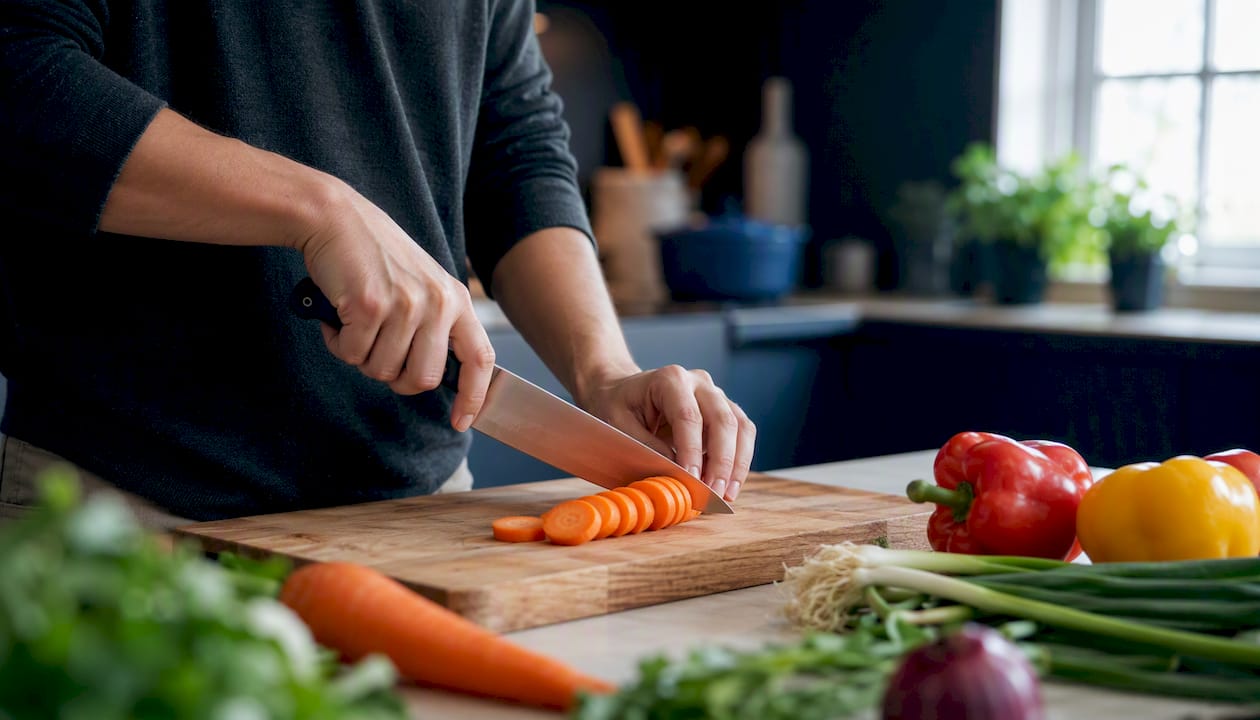
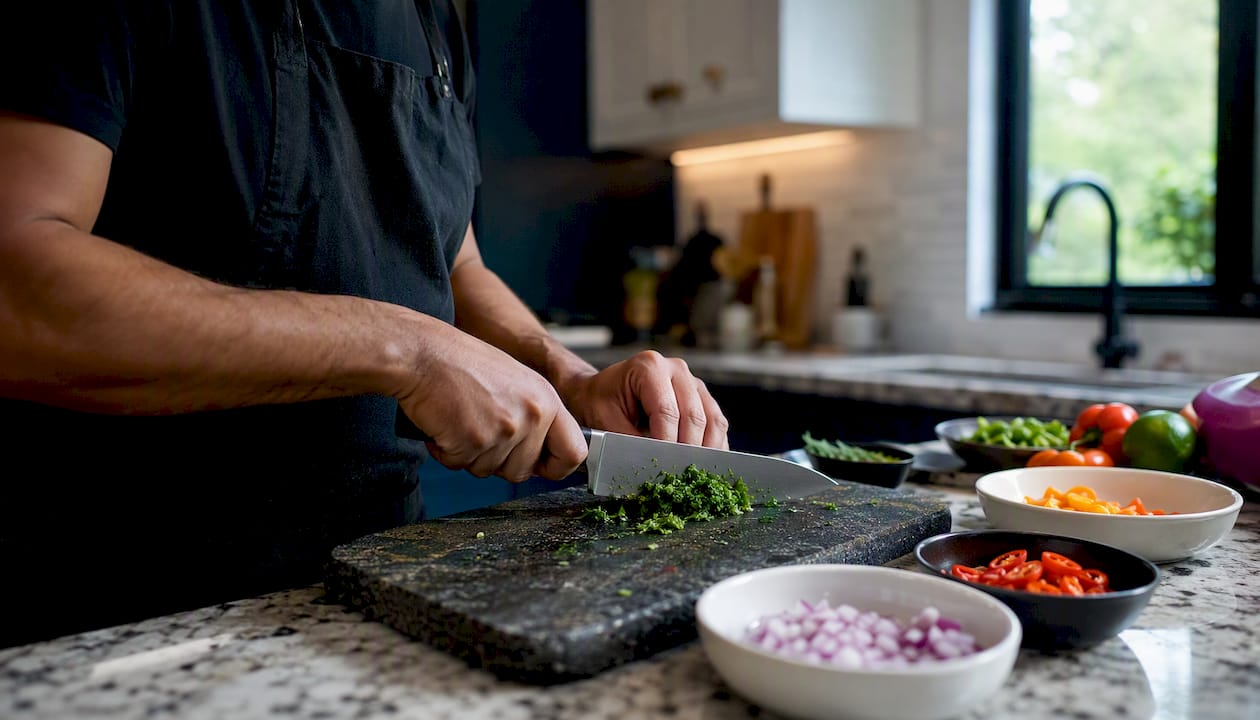
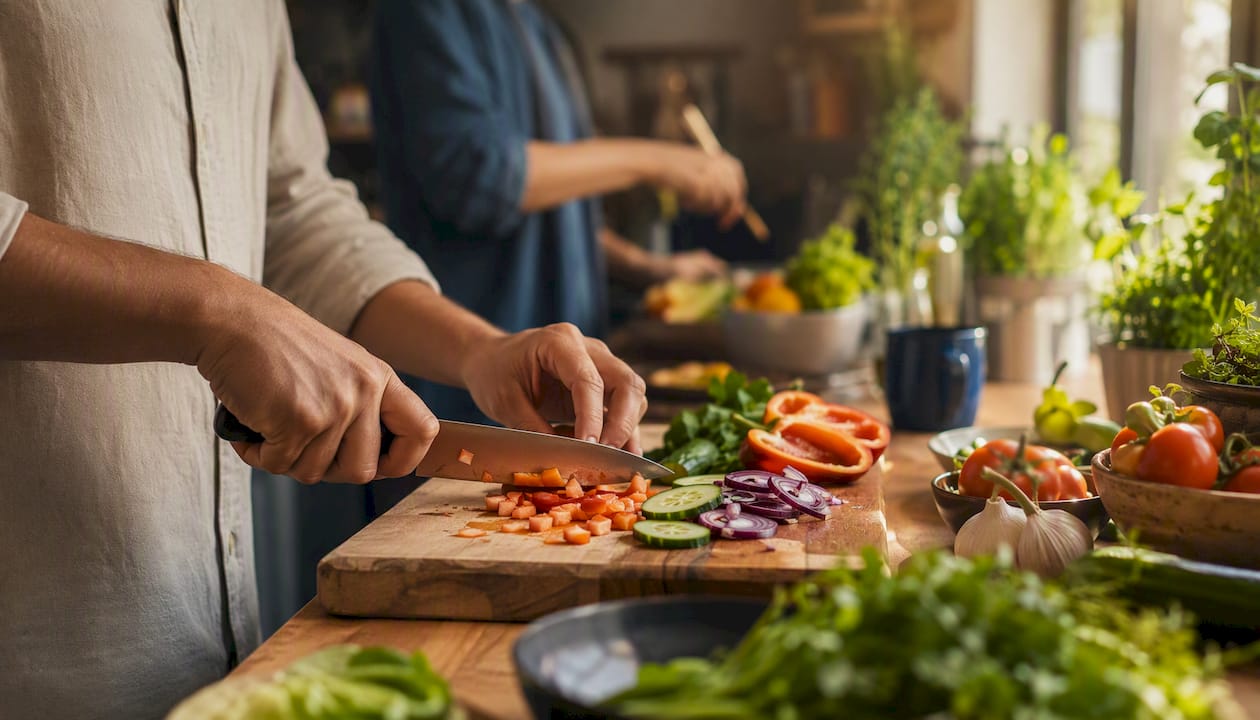
Thai dishes require uniform cuts for even cooking. Students learn slicing, chiffonade for herbs, and proper chili handling. You learn speed and precision without feeling like you are in culinary school.
2. Mortar and pestle Techniques
Pounding curry paste by hand is humbling but informative. You learn how aromatics break down and why fresh paste tastes different than canned. Most students never forget the smell of lemongrass and galangal getting smashed into paste.
3. Wok and heat control
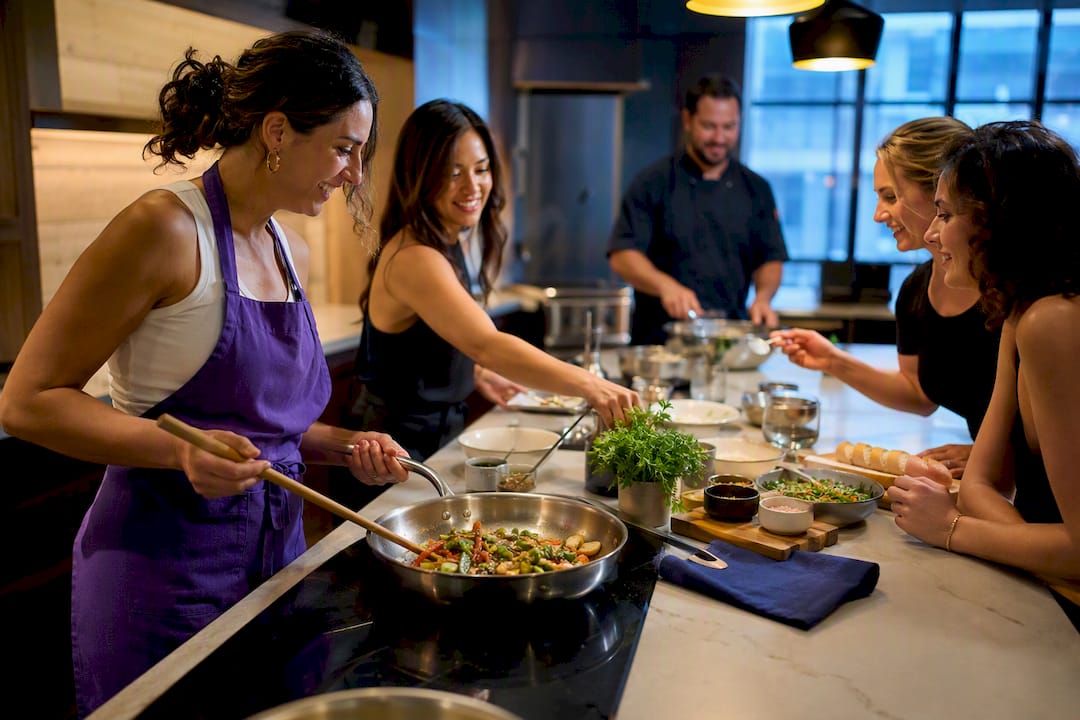
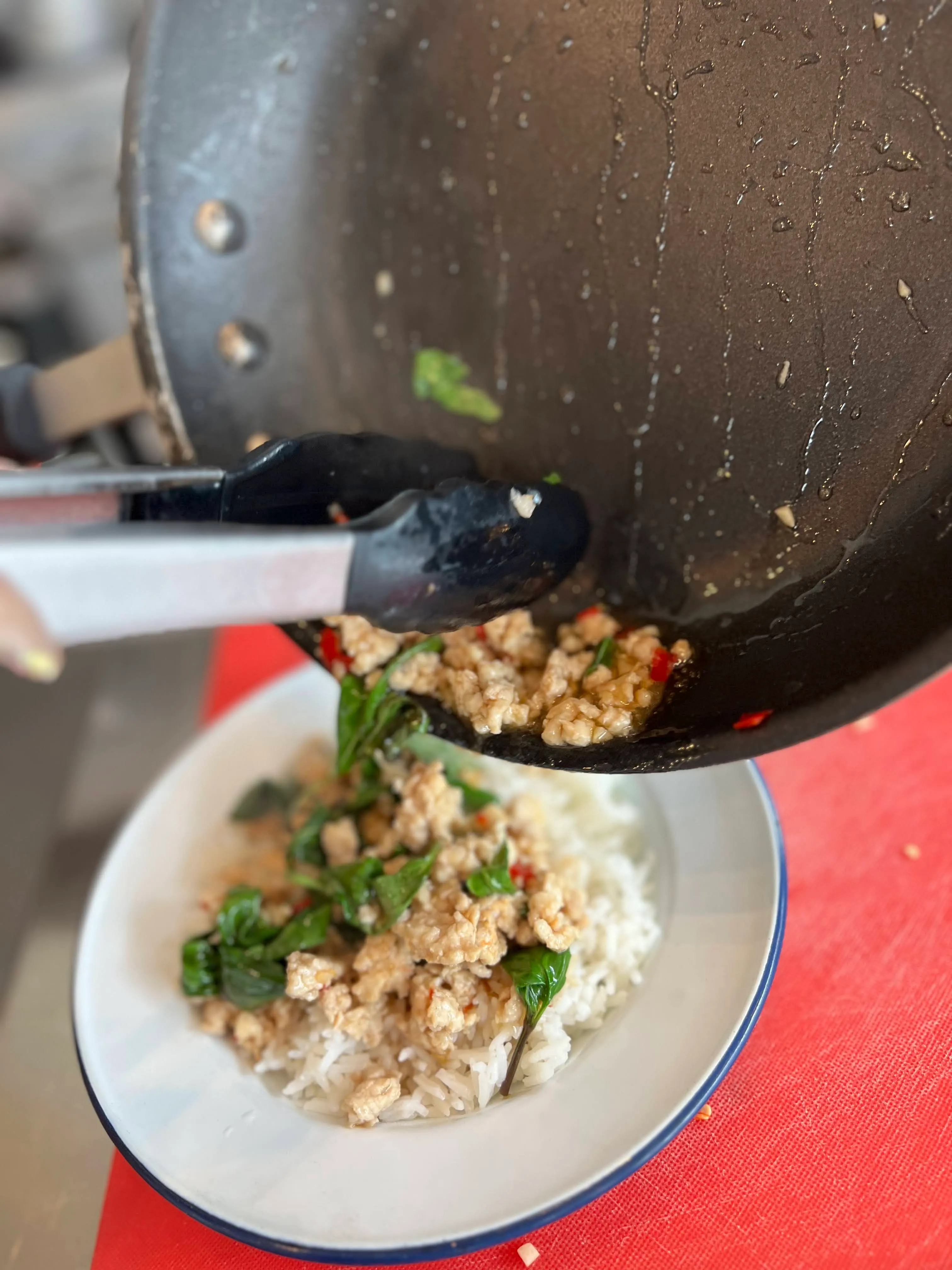
Thai stir fry is all about speed and heat. Students learn how to oil the wok, when to add protein, when to add sauce, and how to avoid steaming vegetables by overcrowding the pan. This skill alone makes home cooks dramatically better.
4. Sauce and curry structure
Students learn the building blocks of green curry, red curry, and pad thai sauce, along with tasting and adjusting. You do not get that nuance from cookbooks.
5. Ingredient shopping and substitutions
Good instructors explain where to buy makrut lime leaves, Thai basil, palm sugar, or rice noodles in LA and what substitutions work if you cannot find something.
6. Plating and aromatic finishing
Thai food uses fresh herbs at the end, not just during cooking. Students learn how basil, cilantro, lime zest, or scallions change the final dish.
These skills translate outside Thai cuisine too. Students become better cooks overall, not just better at Thai.
Who Should Take These Classes
Thai cooking classes attract a surprisingly wide audience. Here are the groups that get the most out of it:
Beginner home cooks learn foundational skills in a flavorful context instead of boring textbook cooking.
Intermediate hobbyists unlock new ingredients and techniques they never learned from Western YouTube channels.
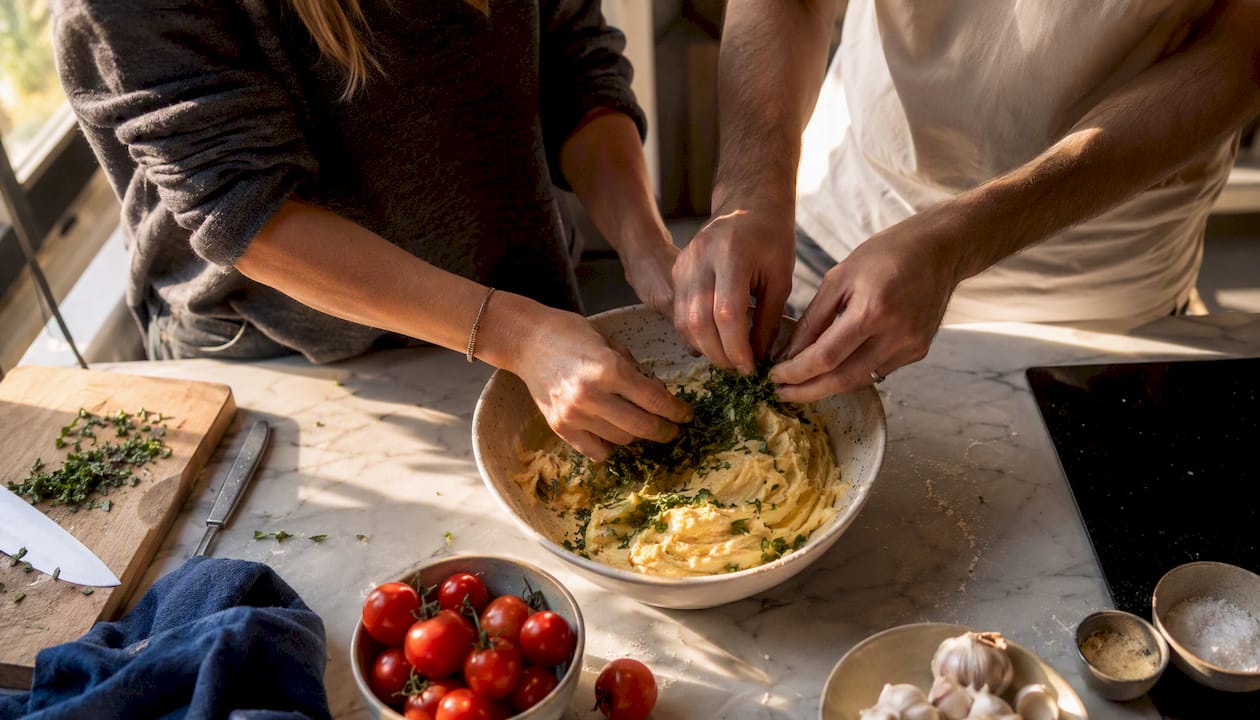
Couples get a shared sensory experience instead of restaurant small talk.
Foodies get deeper cultural context and bragging rights for making their own curry paste.
Plant based eaters find a cuisine that respects vegetables and aromatics instead of treating them like side dishes.
Tourists use cooking classes as a cultural souvenir instead of buying useless trinkets.
LA attracts all of these archetypes which is why the demand is growing.
What To Expect in a Thai Cooking Class
If you have never taken one, here is a realistic breakdown of how they run:
Arrival and setup
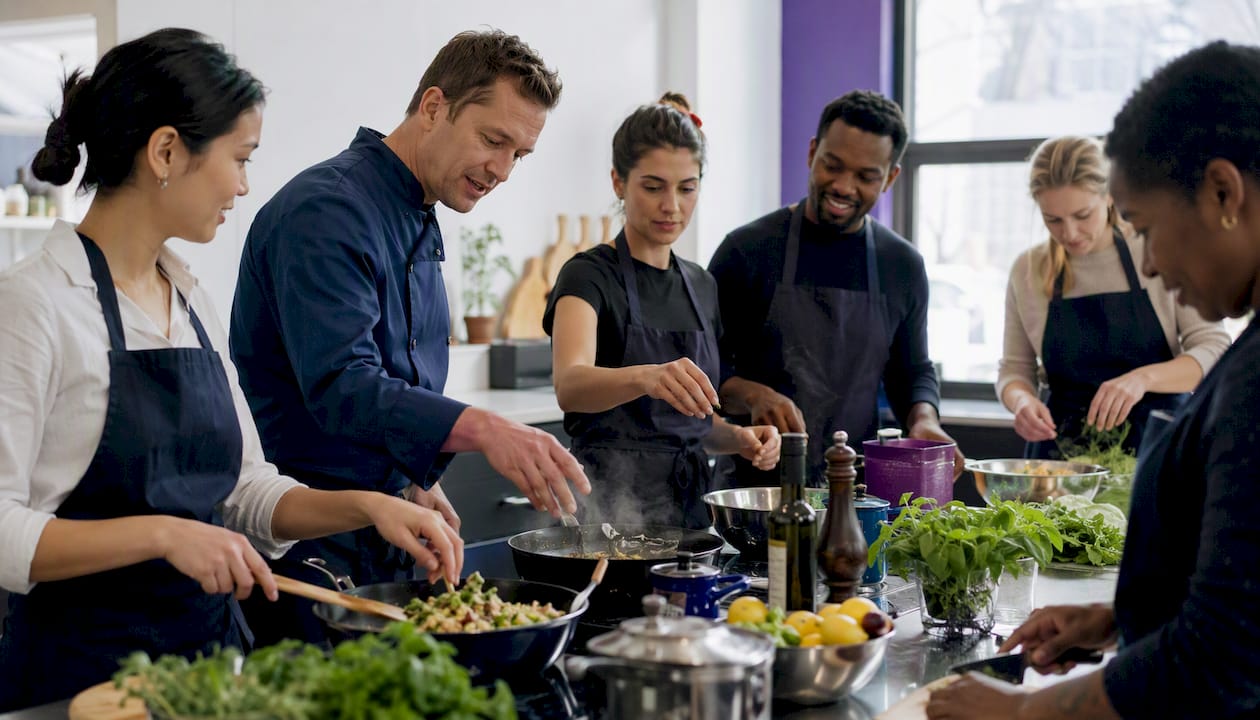
Students are checked in, introduced to the instructors, and given an overview. Classes are usually structured around two or three main dishes.
Ingredient brief
Instructors explain aromatics, herbs, proteins, sauces, and rice. Students touch, smell, and sometimes taste raw ingredients. This sets the stage for technique.
Demonstration
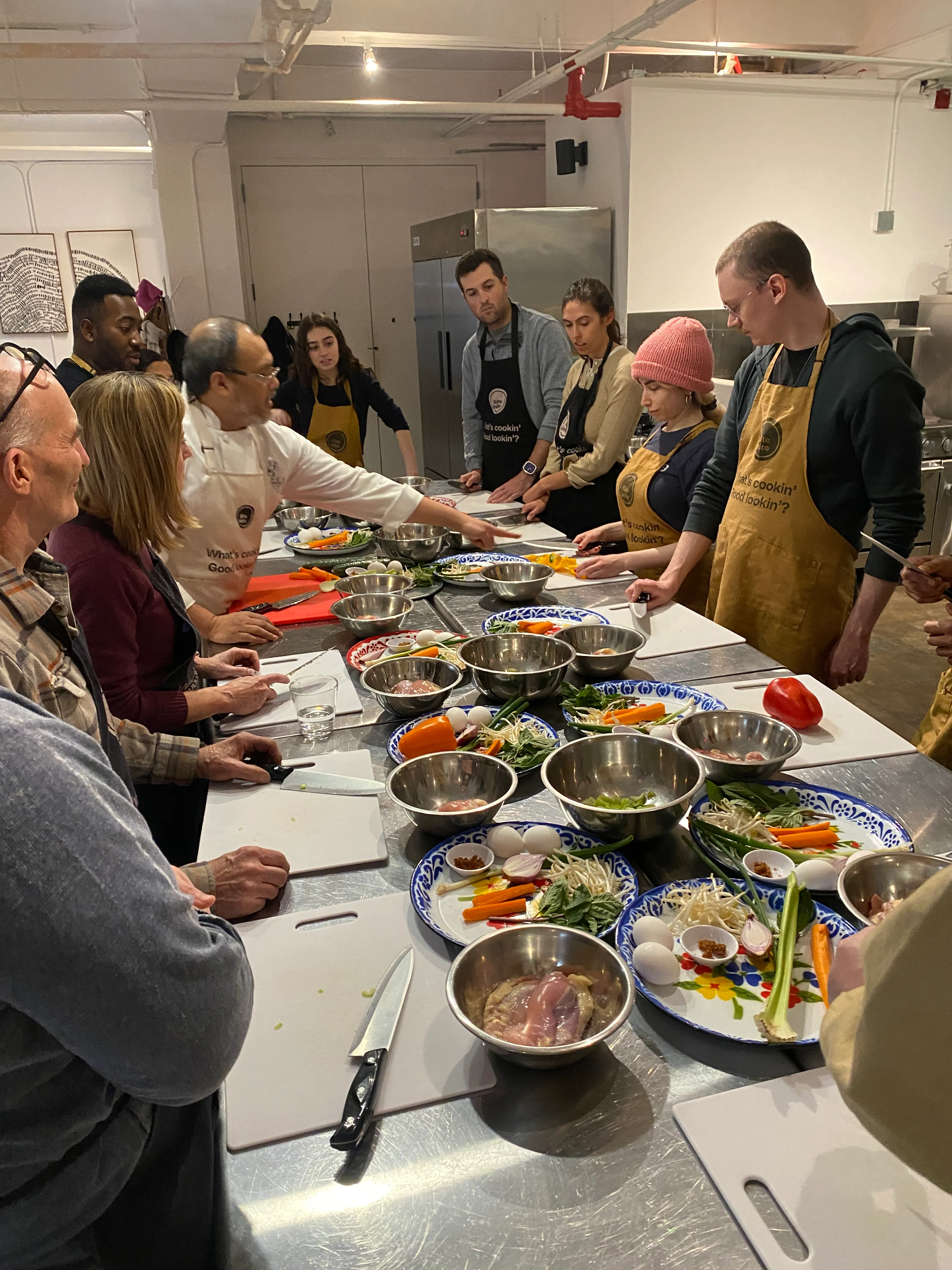
Chefs show students how to prep ingredients and manage heat. They demonstrate knife work, curry paste grinding, and stir fry timing.
Hands on cooking
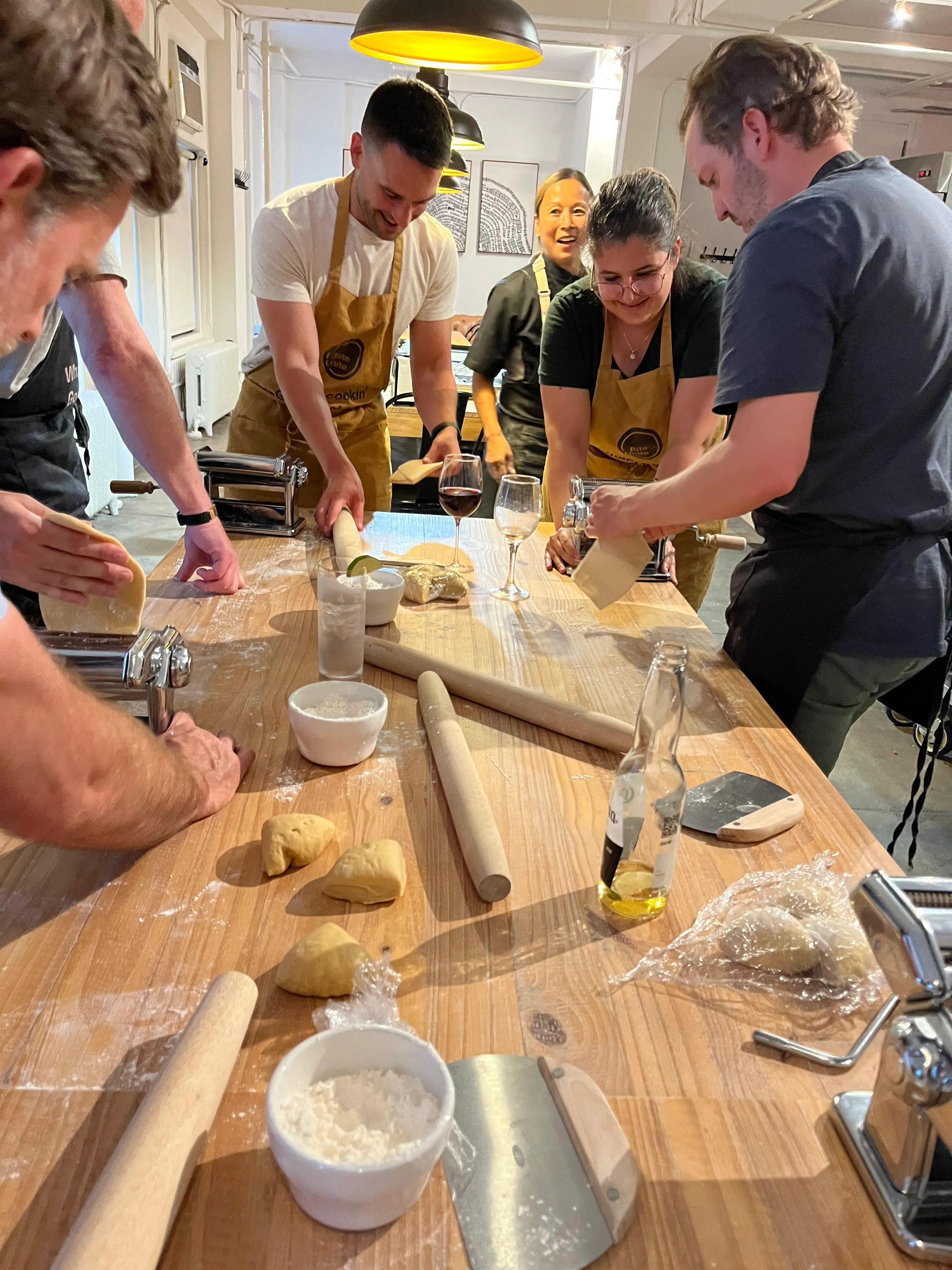
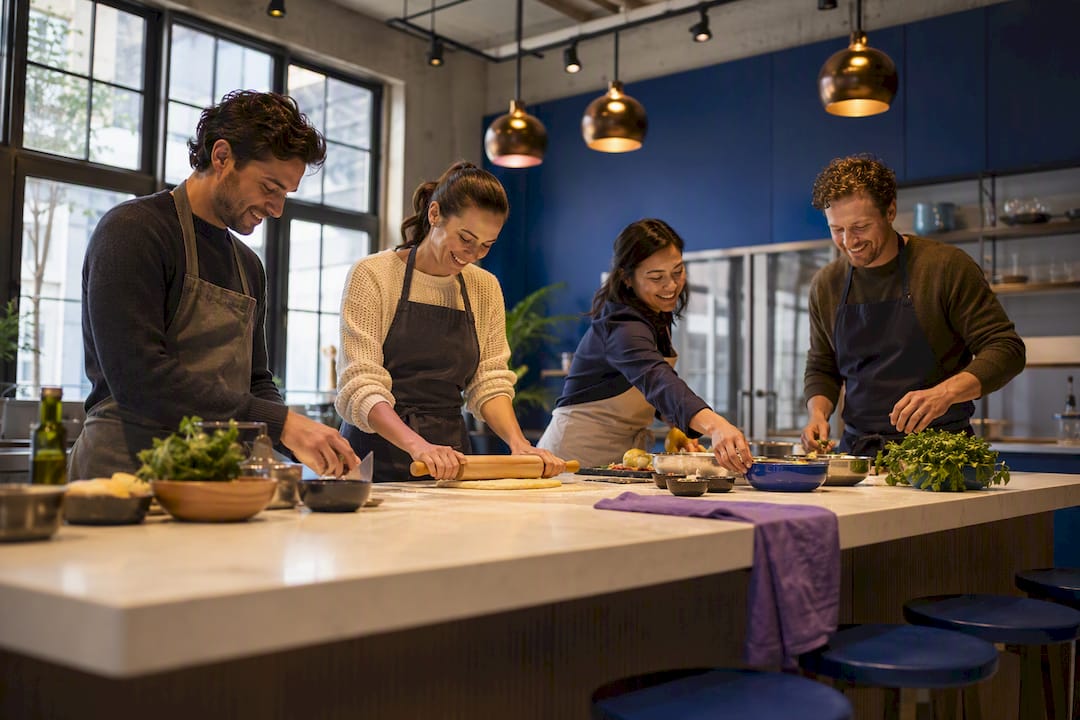
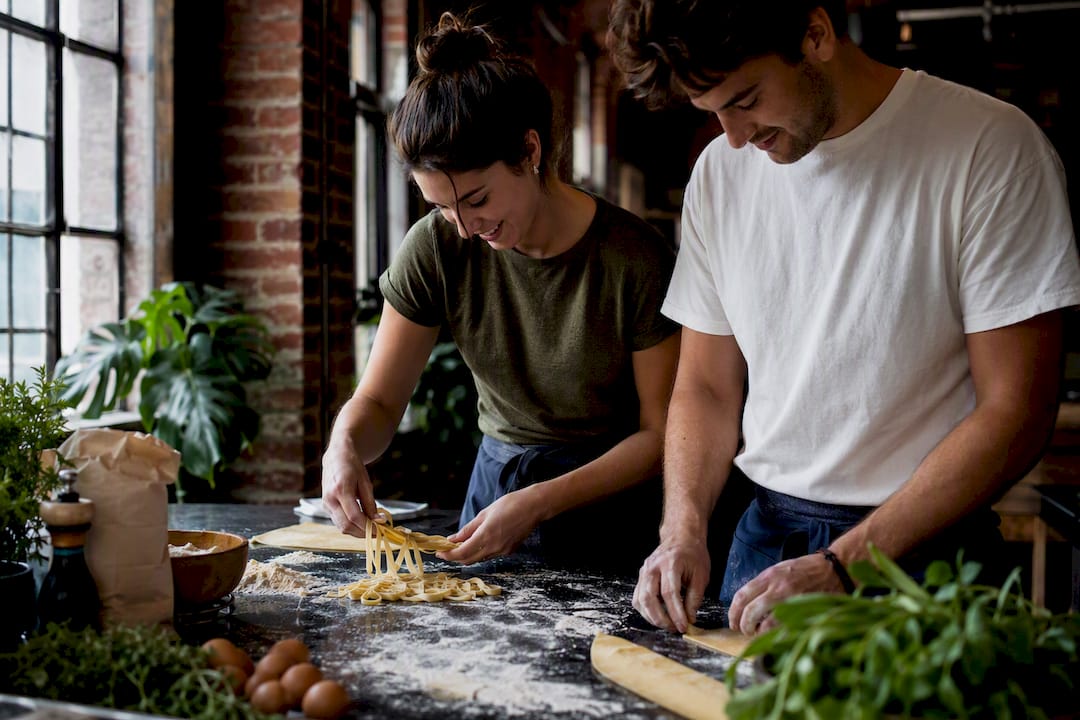
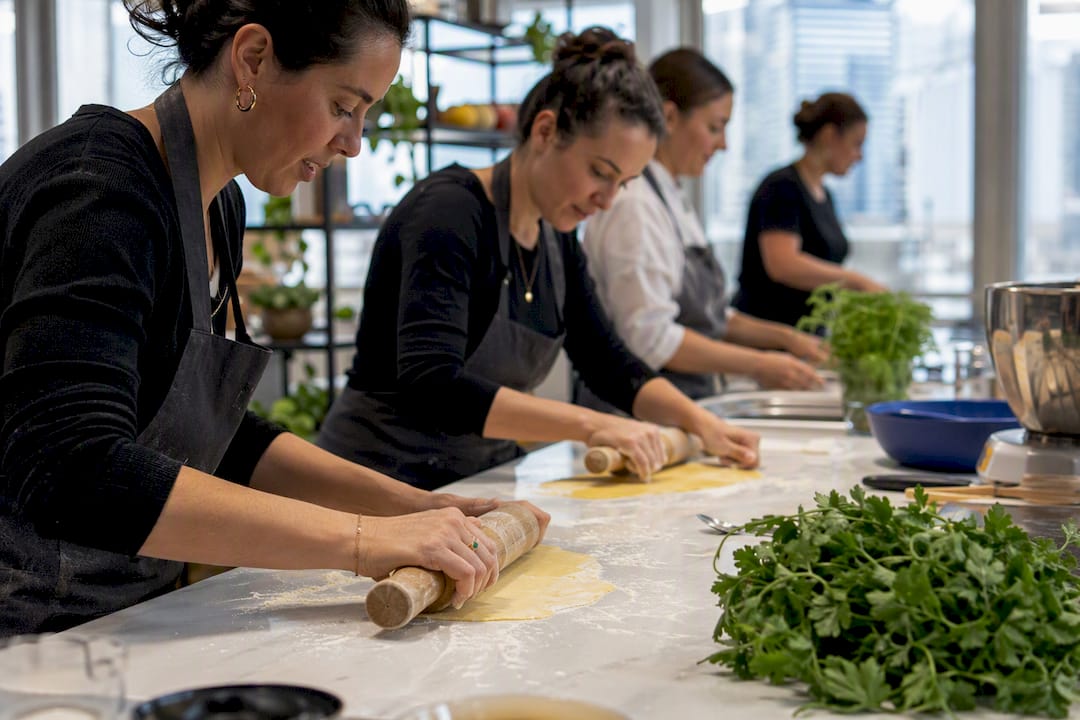
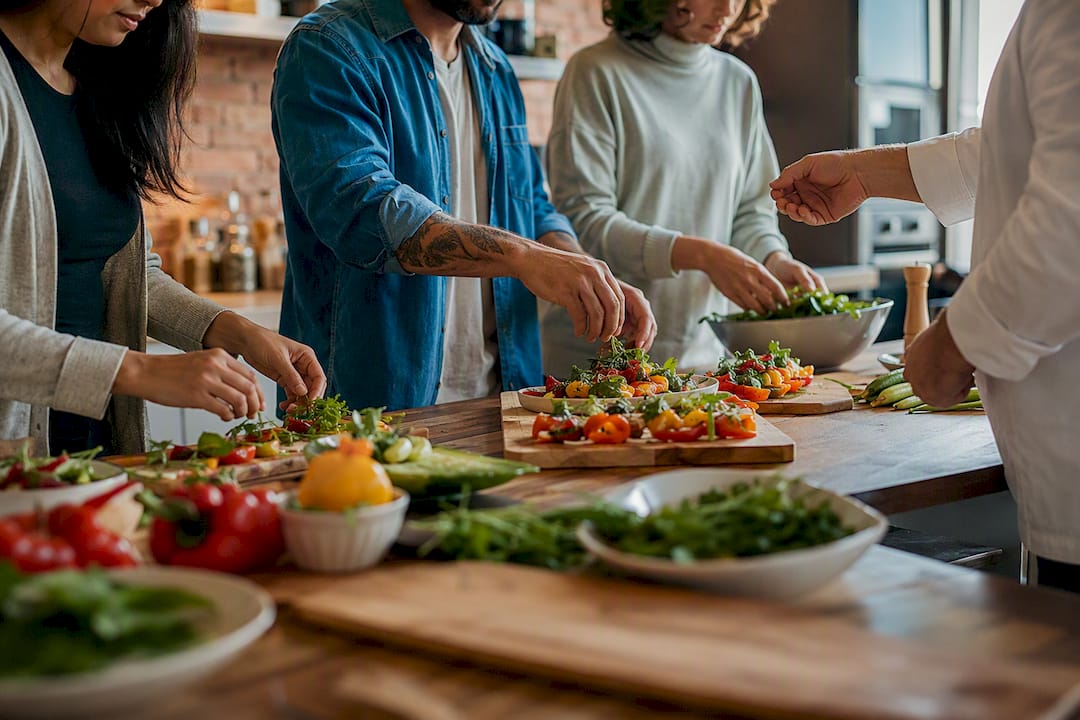
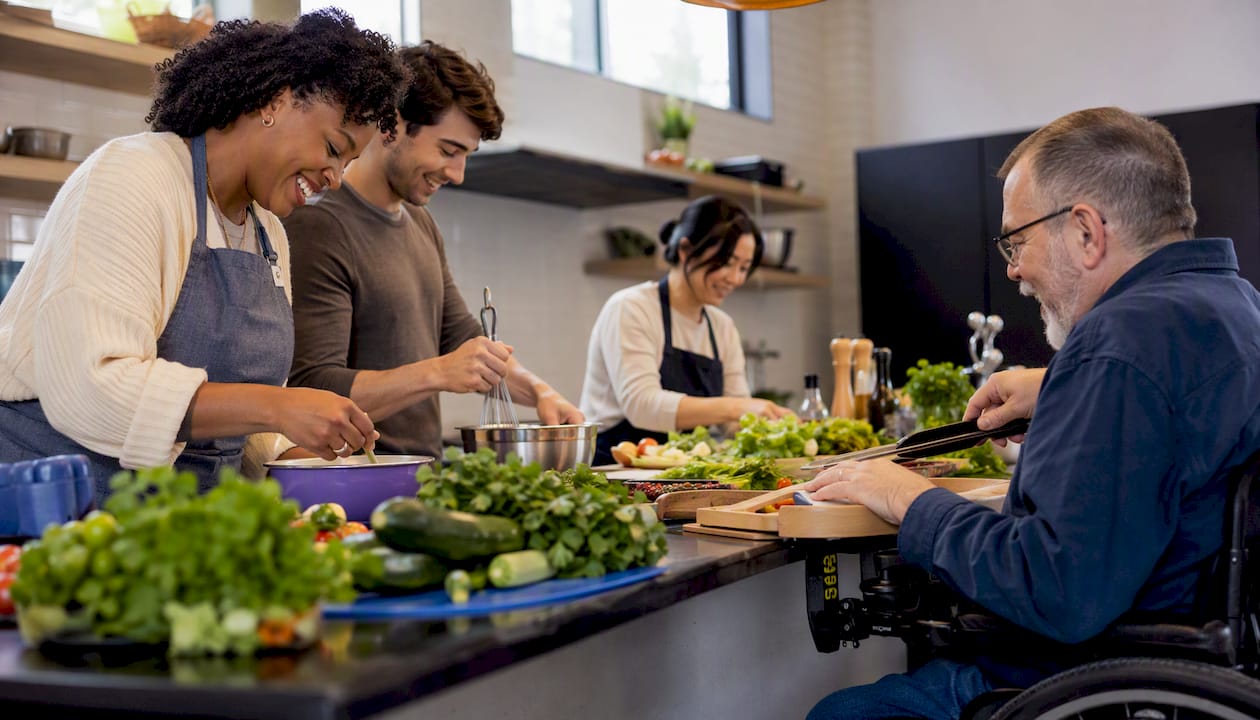
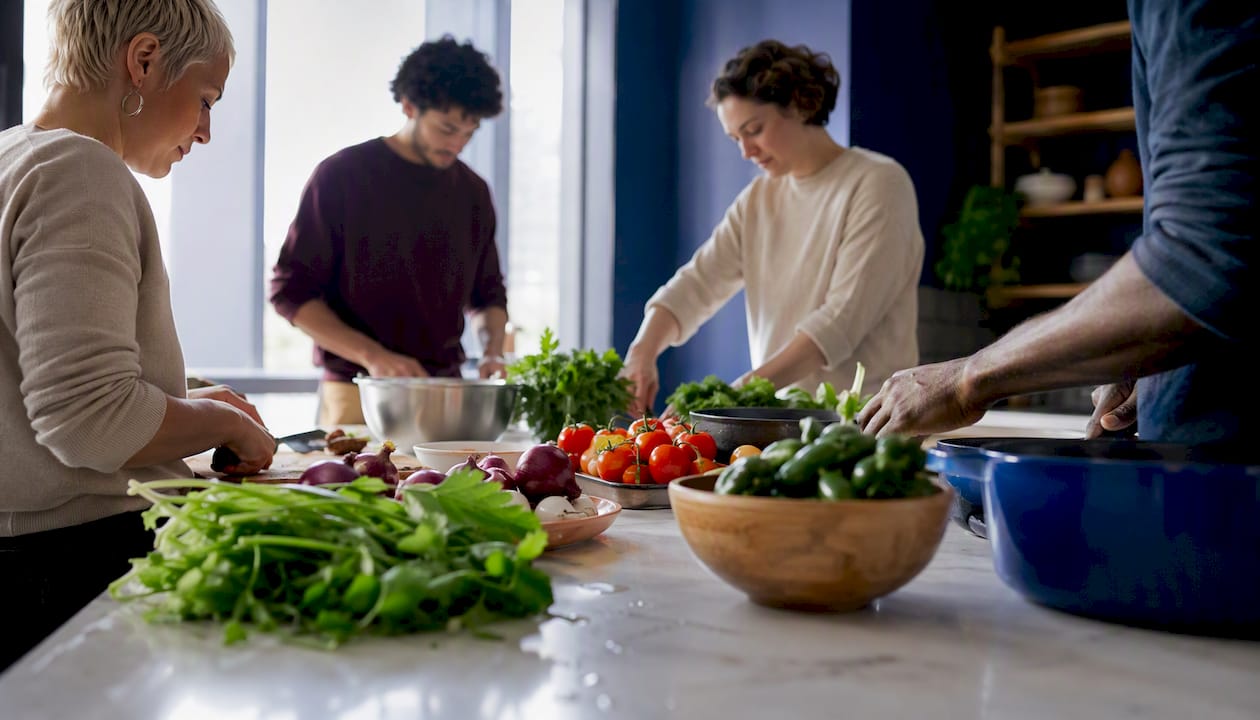
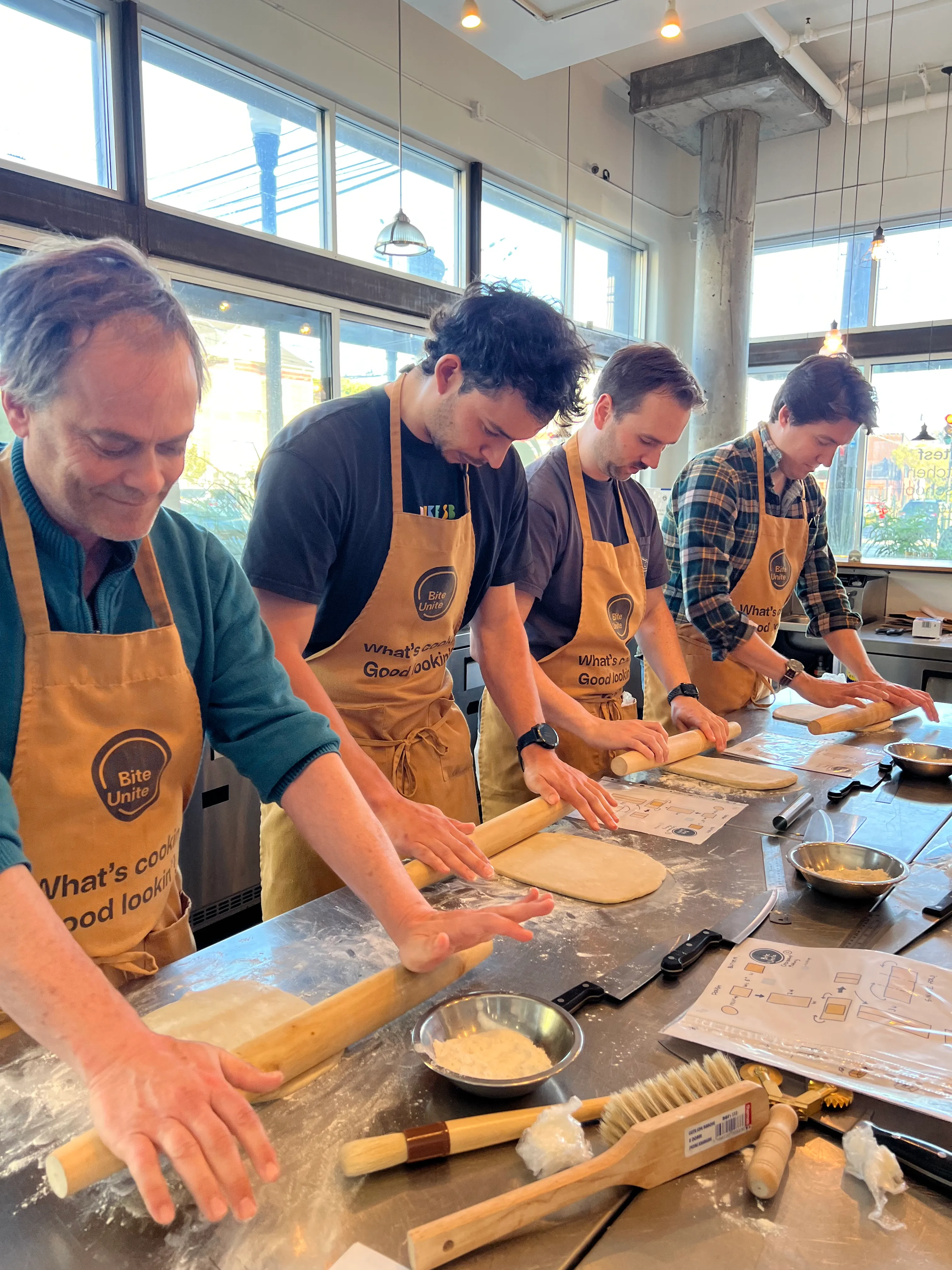
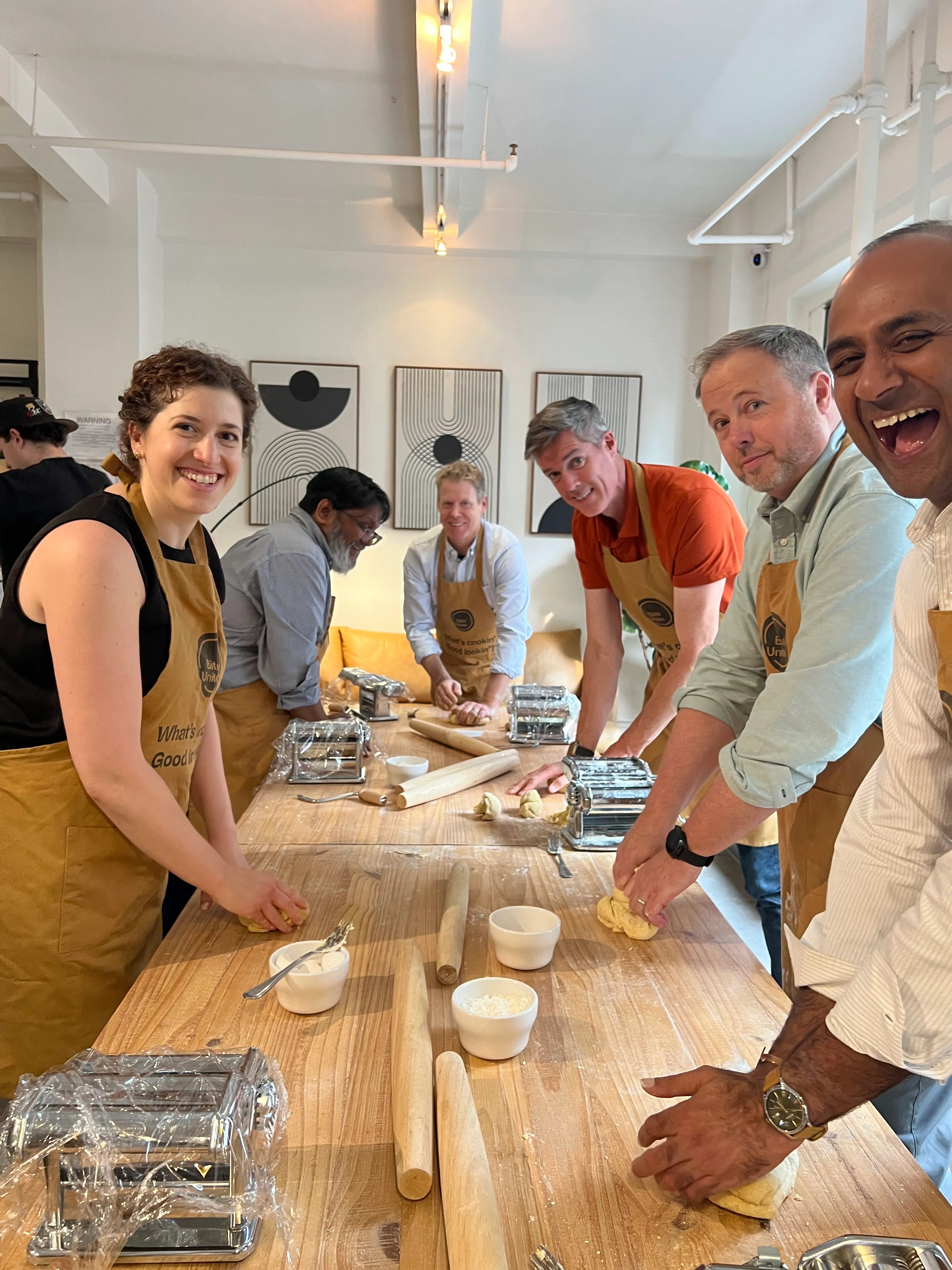
This is the main event. Students chop, sauté, grind, season, adjust, plate, and taste. Mistakes are common and encouraged because they generate learning.
Tasting and critique
Students taste their dishes and get feedback. The feedback loop is fast and honest, which builds confidence.
Meal and conversation
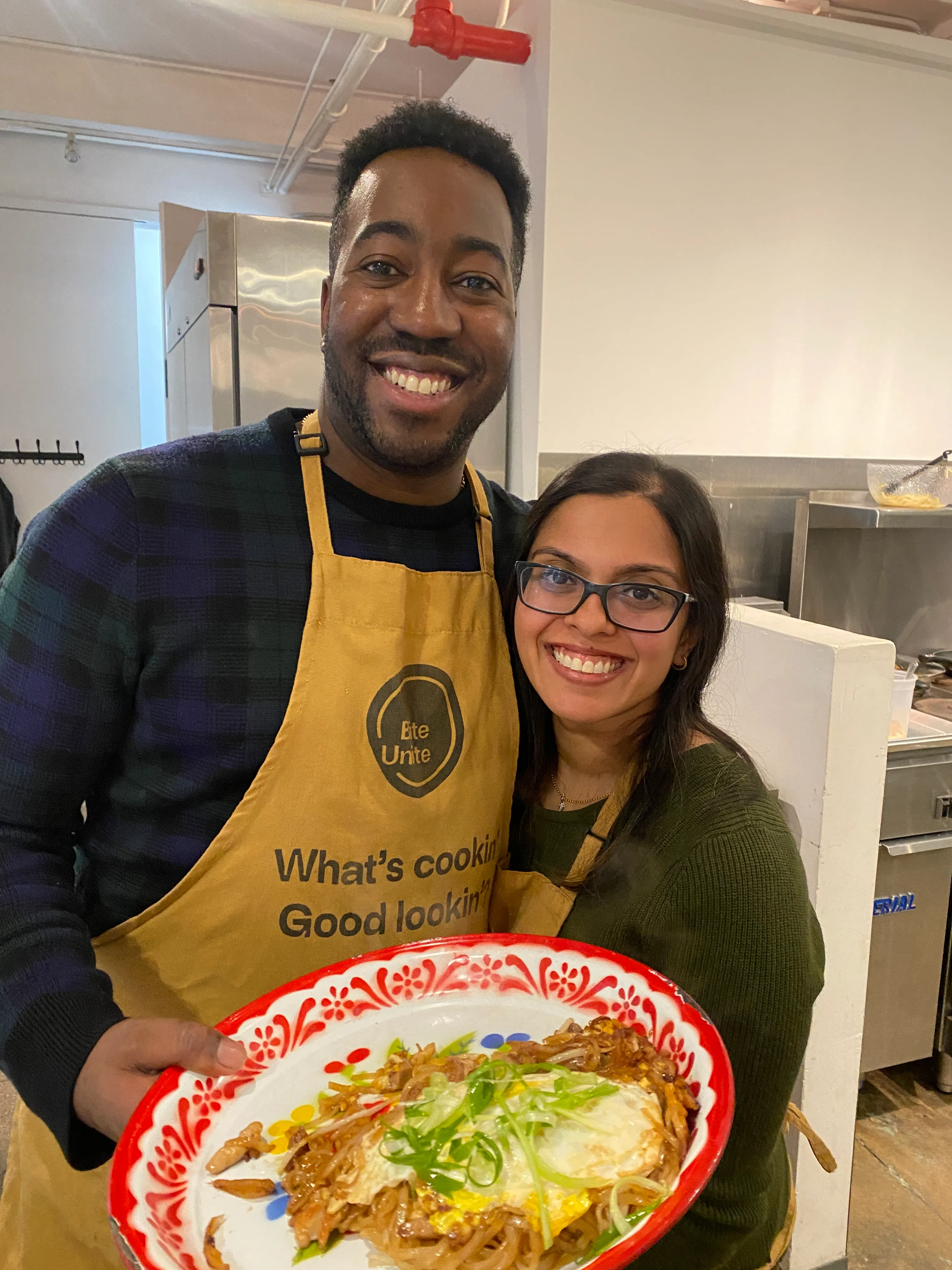
Everyone sits down to eat what they made. This part is social and educational.
A full Thai cooking class lasts about two to three hours depending on menu complexity. Nobody leaves hungry or confused.
How to Prepare Before Booking
Preparation makes the experience smoother and more useful. Here are some tips:
Wear practical clothing
There is oil, steam, spices, and mess. Do not wear something you care about.
Avoid heavy perfumes
Aromatics matter in Thai cuisine. Do not drown them out.
Arrive on time
Heat control and pacing are real. Showing up late means missing instruction that makes everything harder.
Ask questions
Chefs have knowledge that does not fit in cookbooks. Use it.
Pay attention to substitutions
Ingredient substitutions are the difference between making Thai food once and making it regularly at home.
Be willing to fail
If your curry splits or your noodles clump, who cares. You are there to learn.
Preparation is about mindset as much as logistics.
Where to Book a Thai Cooking Class in Los Angeles
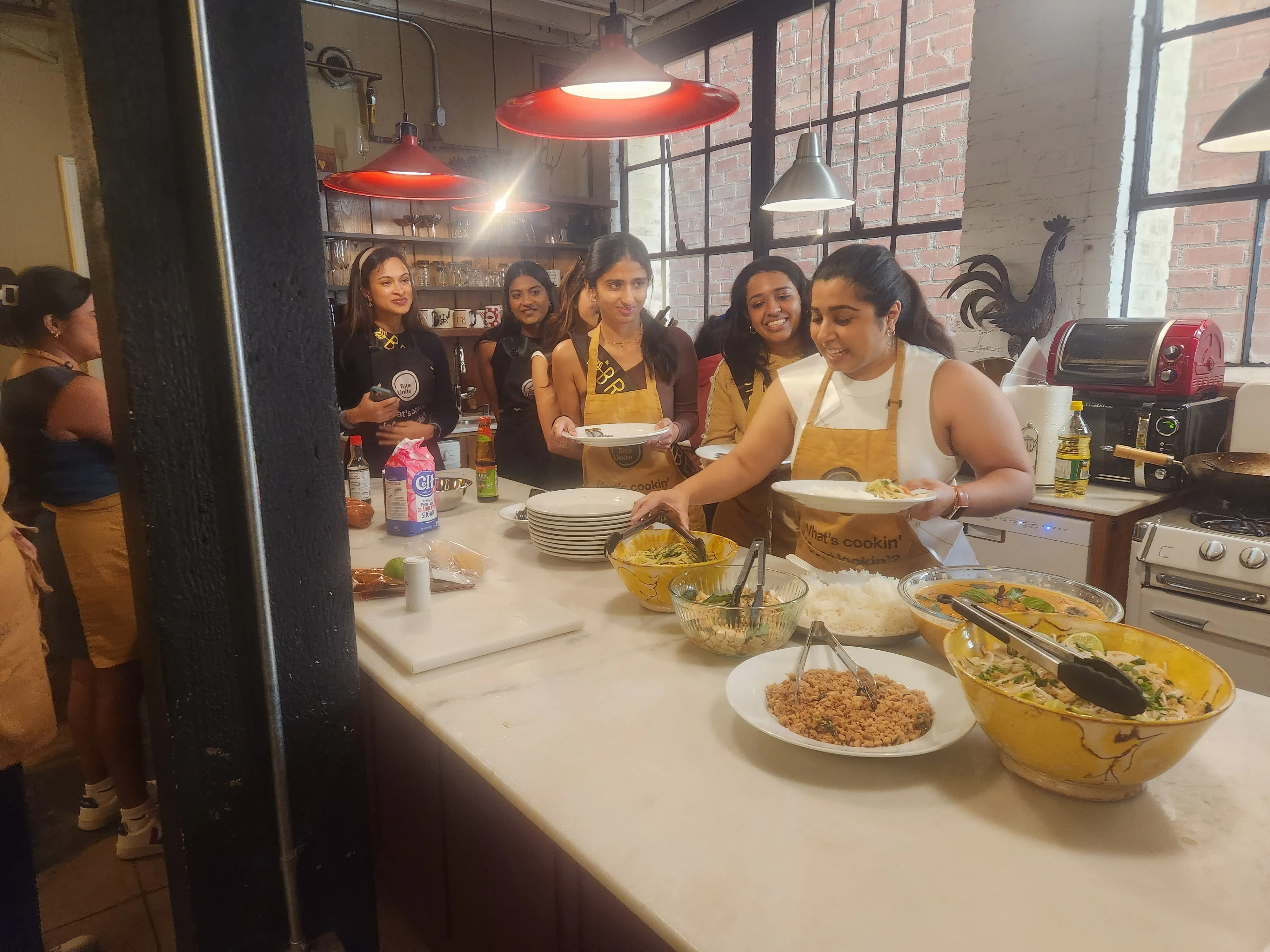
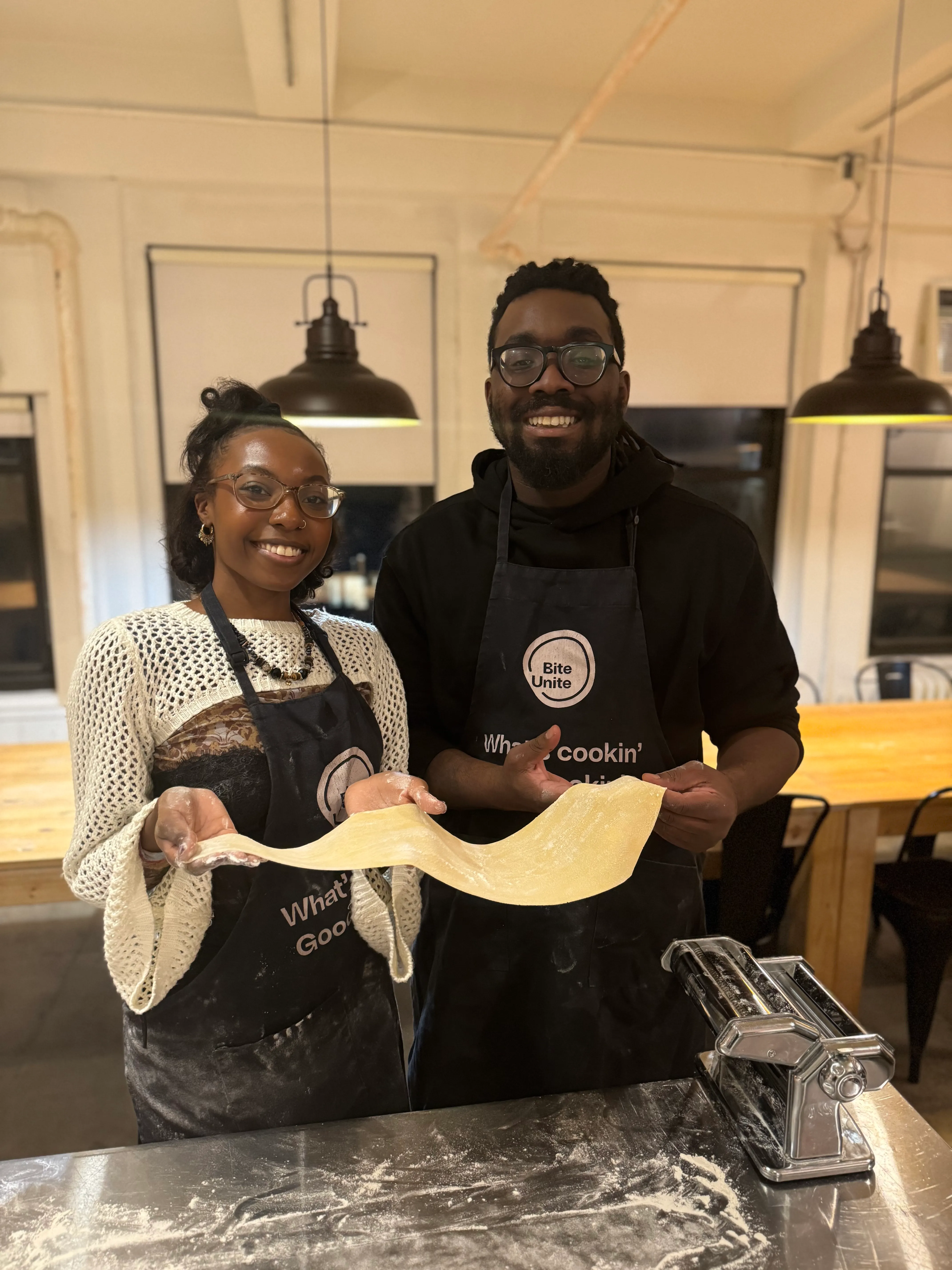
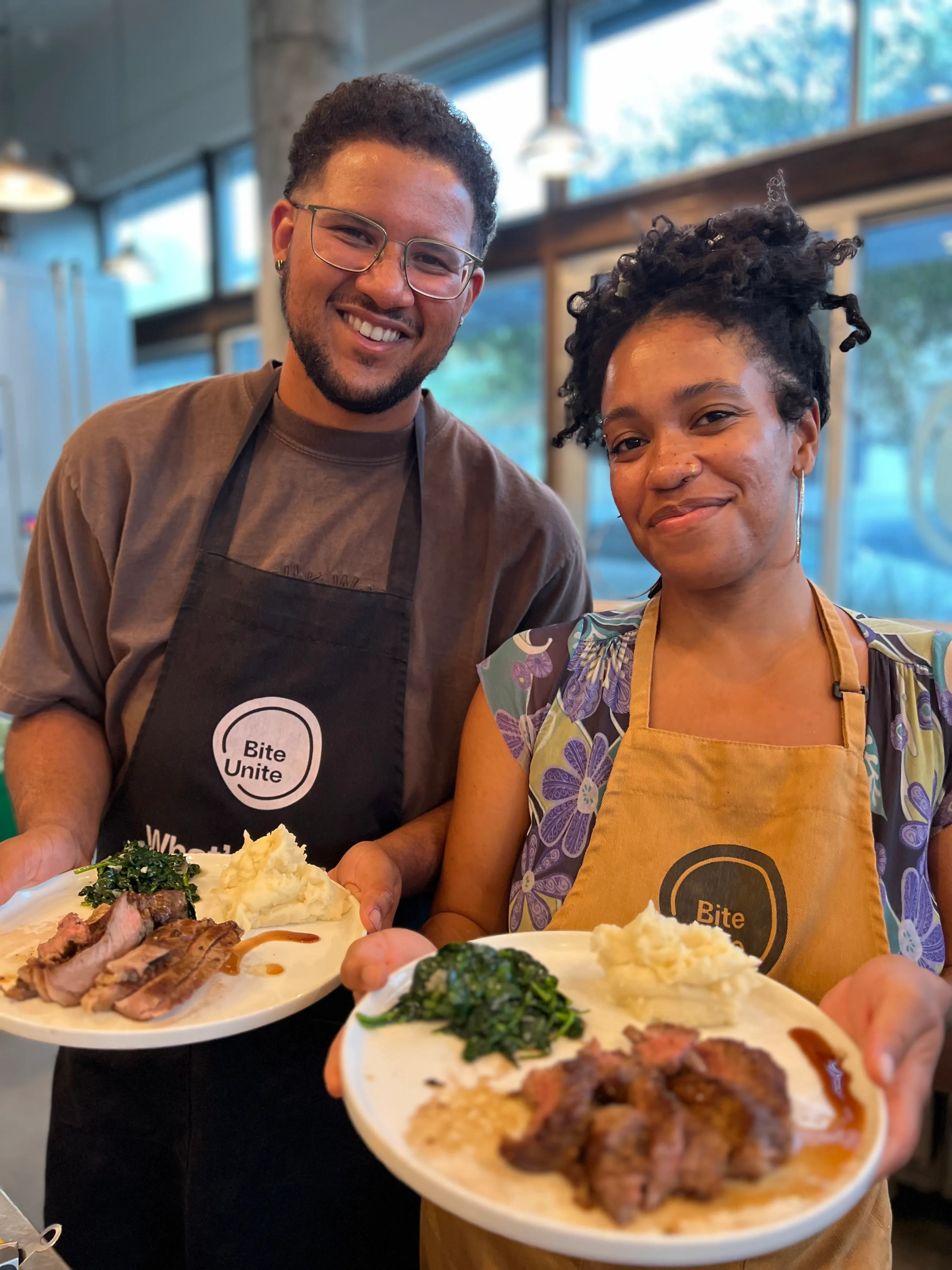
Los Angeles has plenty of culinary experiences, but Thai specific classes are less common than general cooking schools. A reliable example is the Los Angeles Thai Cooking Classes . These classes focus on teaching foundational Thai techniques in a format that works for beginners, hobbyists, and couples without turning it into a gimmicky tourist activity.
This matters because some cooking classes in LA are built only for Instagram photos. You want instruction that teaches you how to cook Thai food on a Tuesday, not just perform for a camera.
Why This Matters Right Now
LA is full of people who claim to love good food but rely entirely on restaurants for flavor. That is expensive and limiting. Thai cooking empowers people to create explosive, balanced, aromatic meals at home with minimal equipment and reasonable ingredients.
It also creates cultural awareness. You understand Thailand more when you taste how lemongrass interacts with galangal and chili in a curry paste you made yourself. That is better than reading a travel blog.
If you are someone who says you love Thai food but you cannot name a single herb beyond cilantro, you are not respecting the cuisine. Taking a class fixes that by giving you context, skill, and confidence.




























.webp)