Why Pasta Making Classes Are Los Angeles’s Next Big Date Night Trend
Los Angeles is a city full of good looking people on bad dates. If you have ever sat at a trendy restaurant on a Saturday night and listened to the conversations around you, you know exactly what I mean. Surface level questions, calculated laughter, everyone pretending to care about each other’s creative projects. LA dating often feels like networking with cocktails. That is why people are bailing on the standard dinner date and looking for experiences that actually create chemistry instead of performance. One experience is gaining traction fast: pasta making classes.
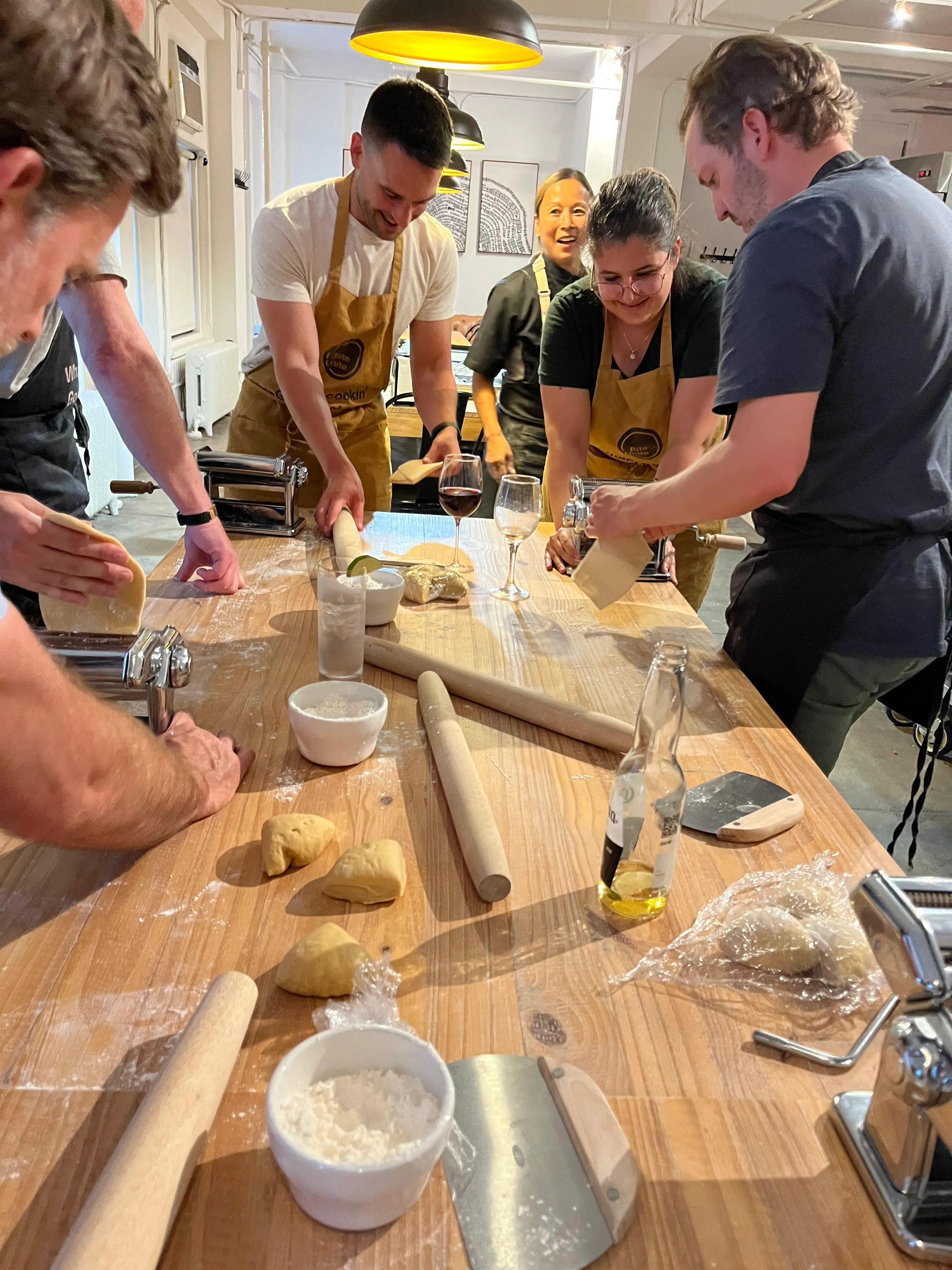
Pasta making is intimate without being cheesy, creative without being pretentious, and hands on without being weird. You work, you talk, you learn, you eat, and you actually get to see how the other person behaves under mild pressure, which is more revealing than listening to them brag about their dog and their screenplay. If you want to know someone, put them in front of flour, eggs, and a rolling pin.
This article breaks down why pasta making is becoming the date night format of choice in Los Angeles, what skills you actually learn, how to prepare for it, and where to book a class that is worth the time and money instead of being a gimmick.
The Problem With Typical LA Dates
Let’s be honest about the standard dinner date. It is choreographed, repetitive, and often boring. You show up, you order a drink, you ask the same introductory questions, you hope the food is not mid, and you pray the check dance does not turn awkward. The entire format is predictable. Predictability kills chemistry.
LA also compounds the issue with its culture. You meet at a restaurant that is louder than a nightclub, surrounded by influencers taking photos of their $24 salad, and by the time the food arrives, neither of you knows what to say because you have covered every question about work, family, and hobbies in the first 30 minutes. Then you go home, and the experience evaporates.
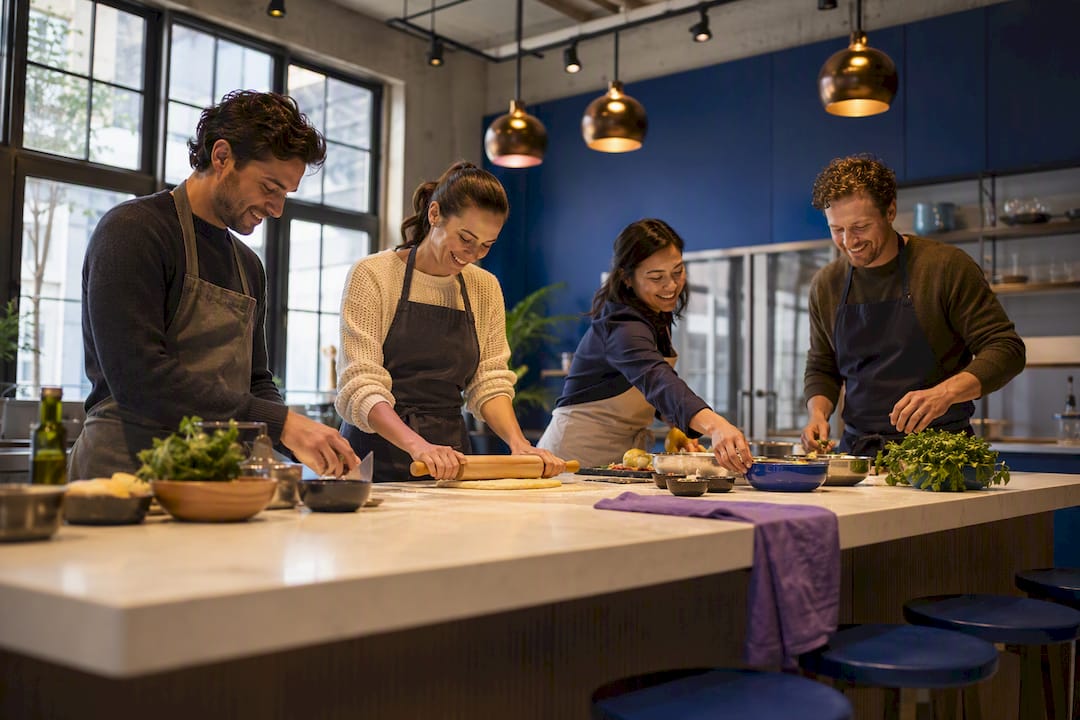
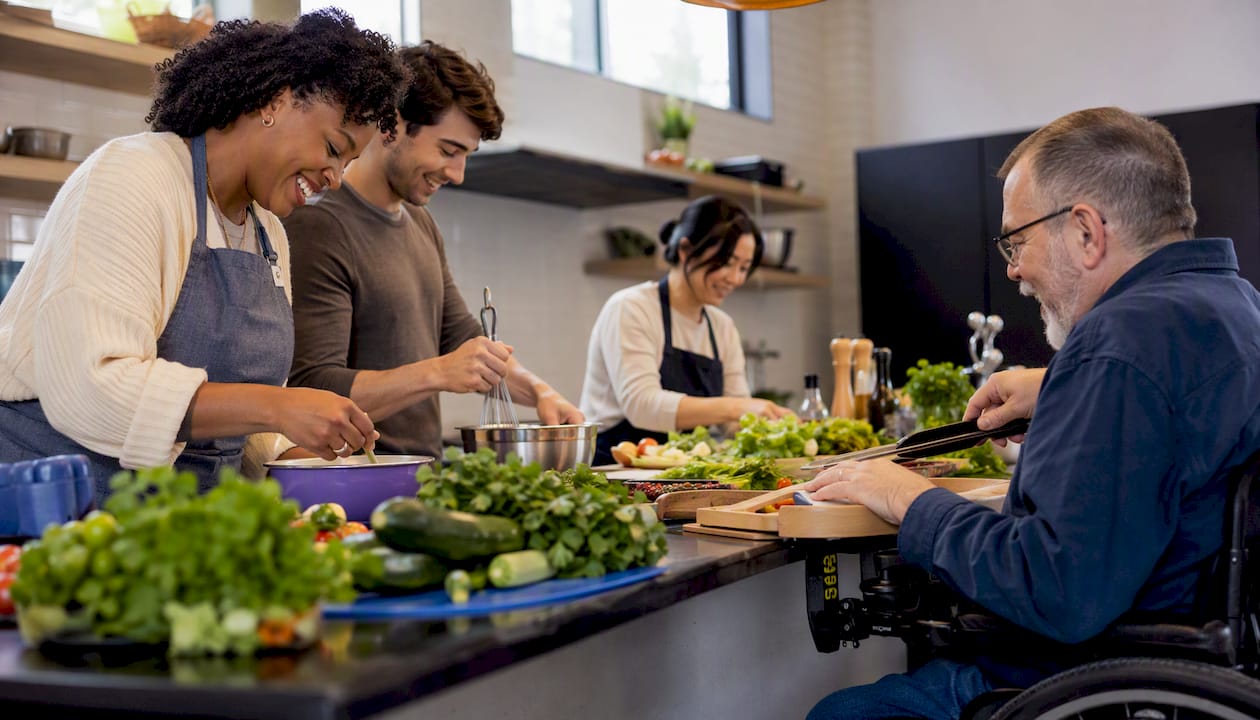
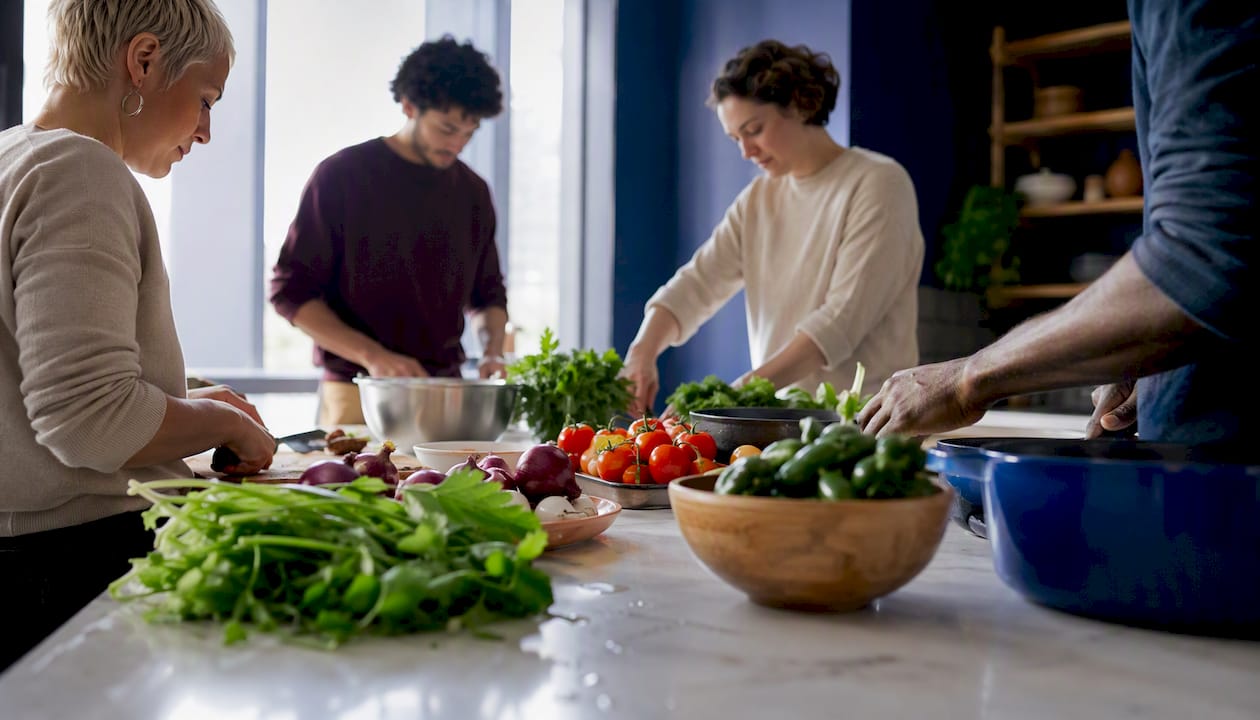
Pasta making solves this problem by replacing passive consumption with shared activity. You are not just sitting, you are doing. Shared doing builds connection faster than shared eating. This matters in a city where people are always busy, always calculating, and always in some stage of career transition.
Why Pasta Making Works for Couples
Most people do not know how long it takes to make fresh pasta or how satisfying it is to transform flour and eggs into something restaurant quality. Pasta making is tactile, visual, aromatic, and rewarding. In other words, it is sensory. Sensory experiences make people feel alive and connected.
Here are the specific advantages pasta making has over traditional dates:
1. Built-in conversation prompts
There is no awkward silence when you are learning how to knead dough, cut shapes, or build sauces. The task creates topics, questions, jokes, and reactions. You are not trying to force chemistry, you are letting it happen.
2. Collaboration instead of competition
You work together toward a tasty result. You plan, you divide tasks, you help or tease each other. Collaboration creates connection. If someone gets competitive about tortellini, that tells you something useful too.
3. Creativity without cringe
Art classes can feel forced. Dance classes can feel awkward. Pasta making is creative but grounded. There is no performance pressure and no talent requirement.
4. Built-in reward
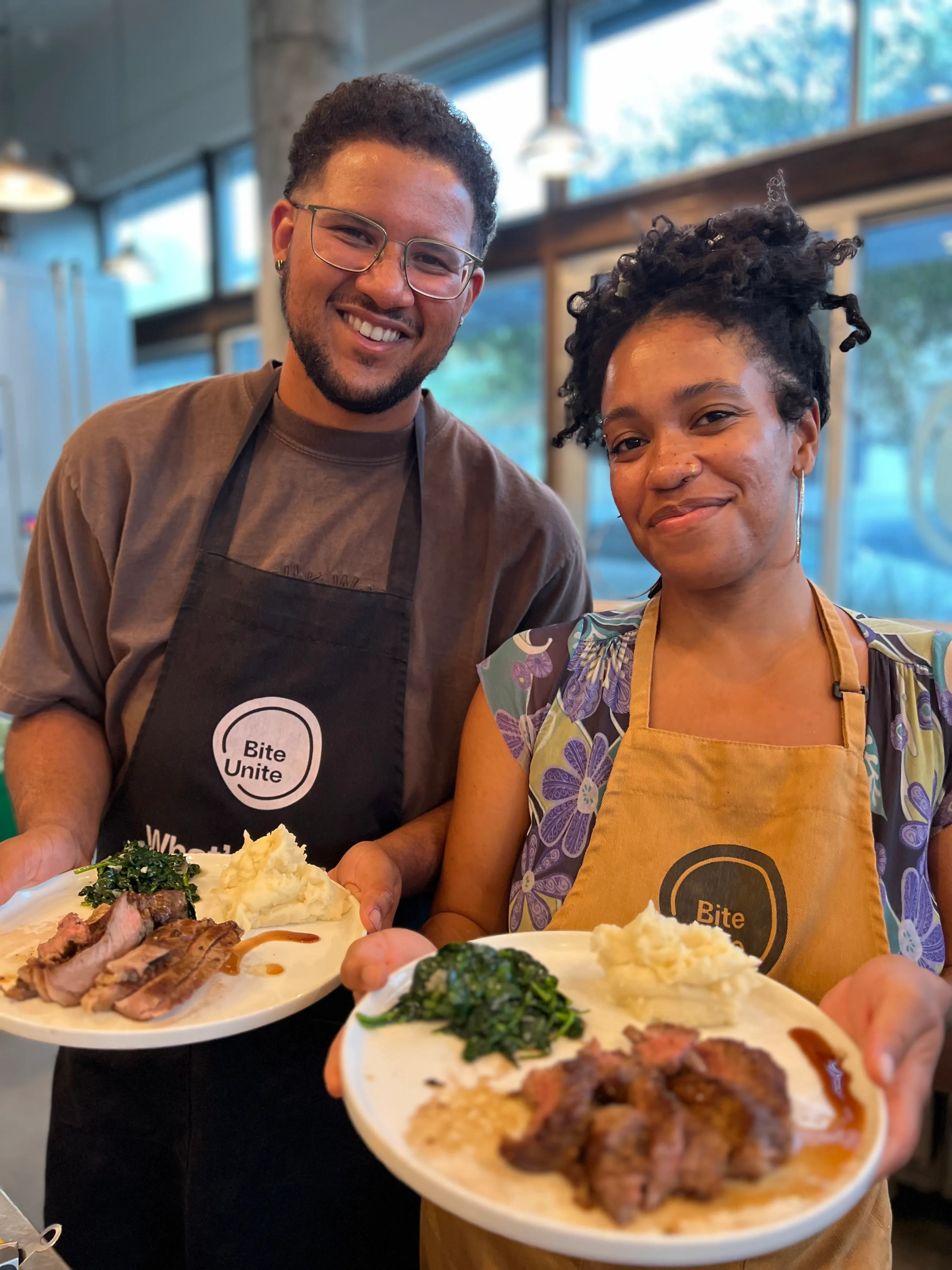
You eat what you made. It is satisfying and symbolic. A shared meal you created together beats any overpriced restaurant dish that someone else plated.
5. Chemistry test
Watching how someone approaches a new skill tells you a lot. Do they complain. Do they laugh. Do they panic. Do they adapt. This is better data than any hinge profile.
If a date cannot handle kneading dough, they probably cannot handle life.
What You Actually Learn in a Pasta Class
People assume pasta making is just flour and eggs. That is like assuming film making is just pointing a camera. There are layers. A good pasta making class will teach you skills that translate beyond the date night and into your home kitchen.
Here are the core skills:
1. Dough fundamentals
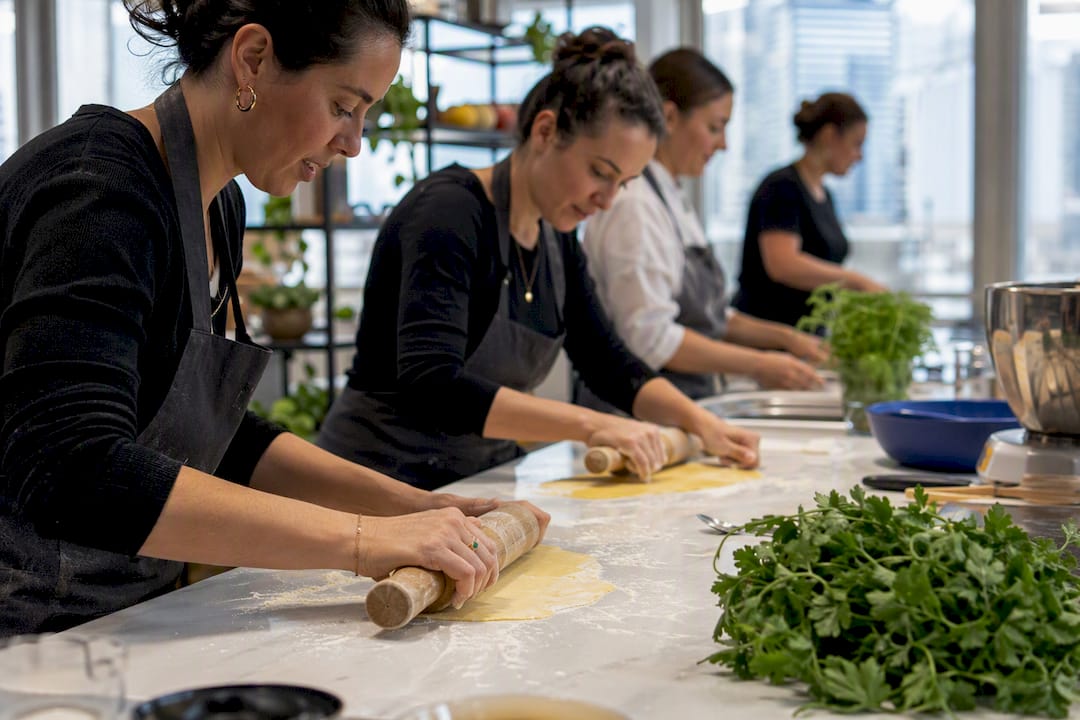
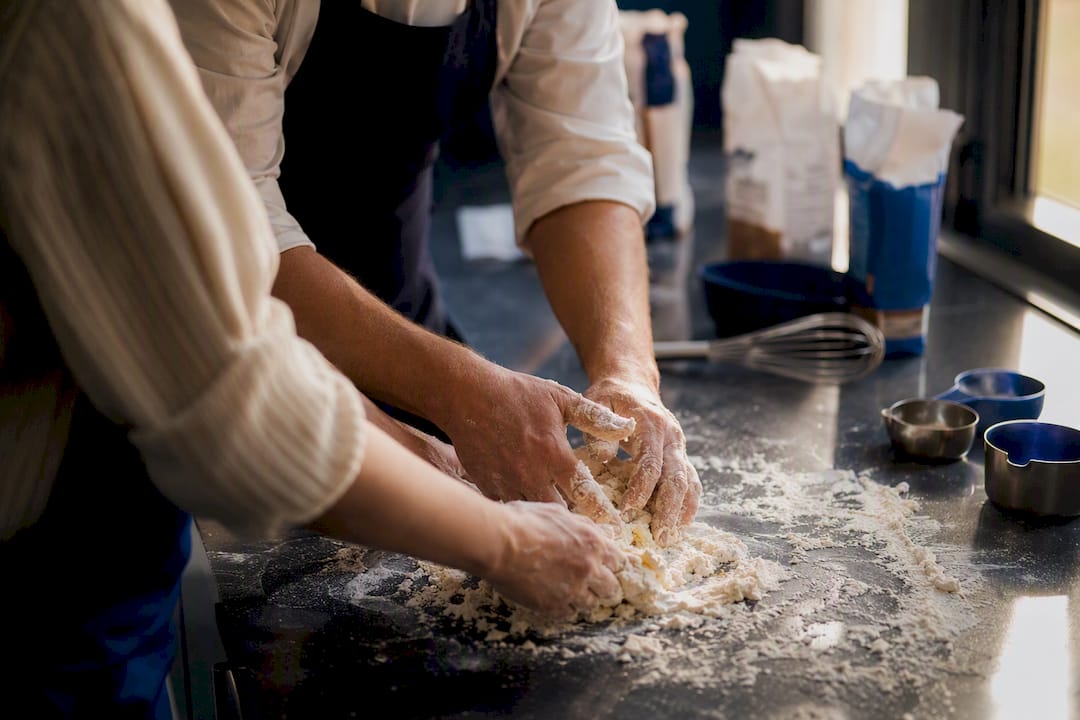
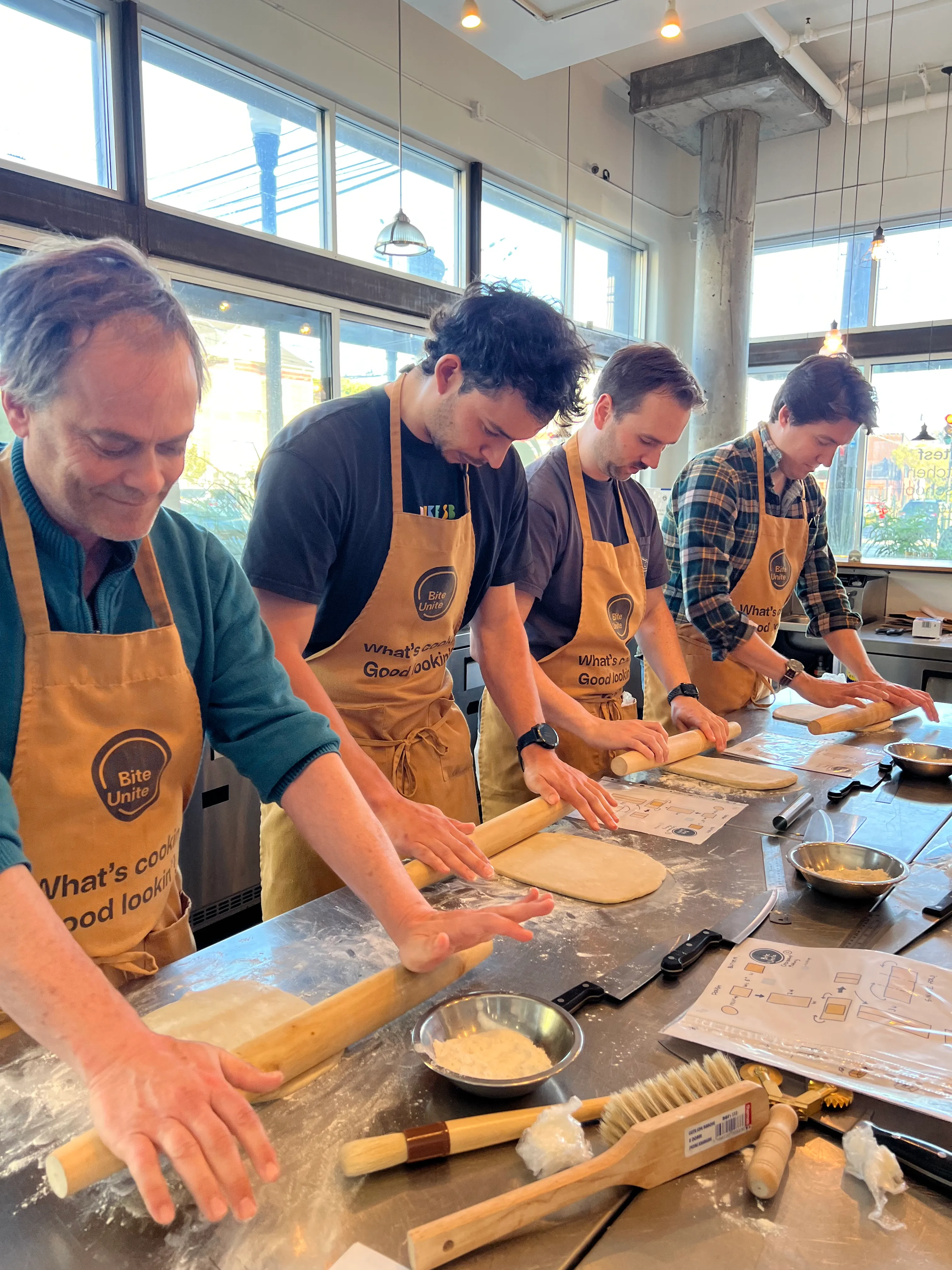
You learn how hydration, flour type, and egg ratio affect texture. You learn about gluten development through kneading. You also learn how to rescue dough that is too wet or too dry.
2. Shape formation
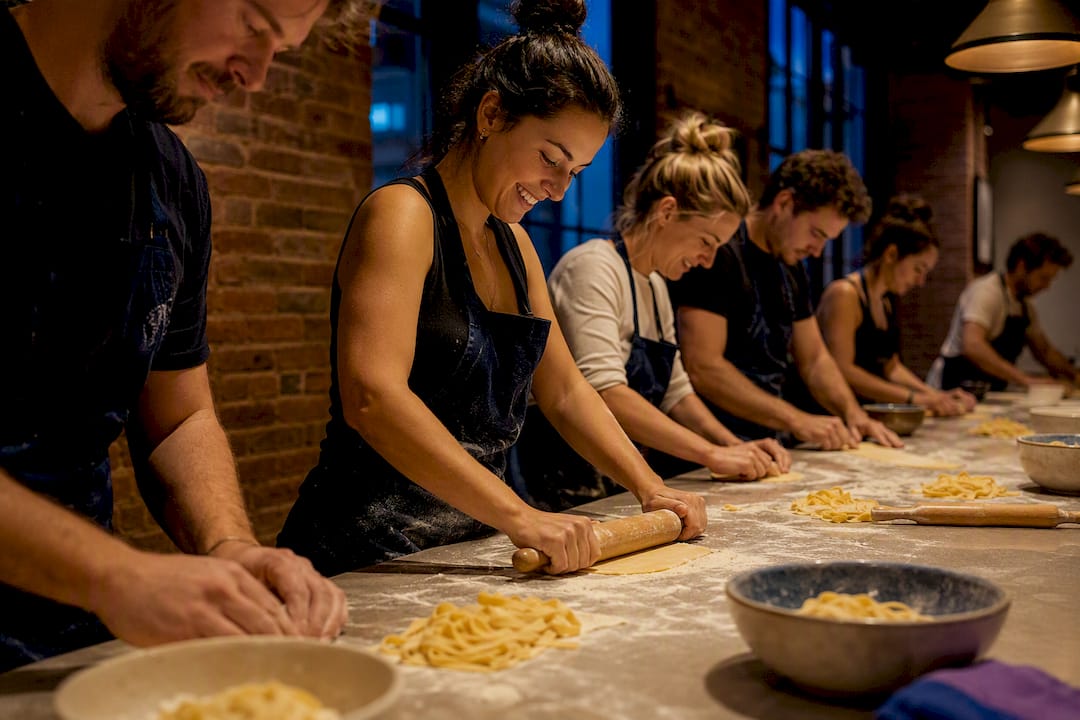
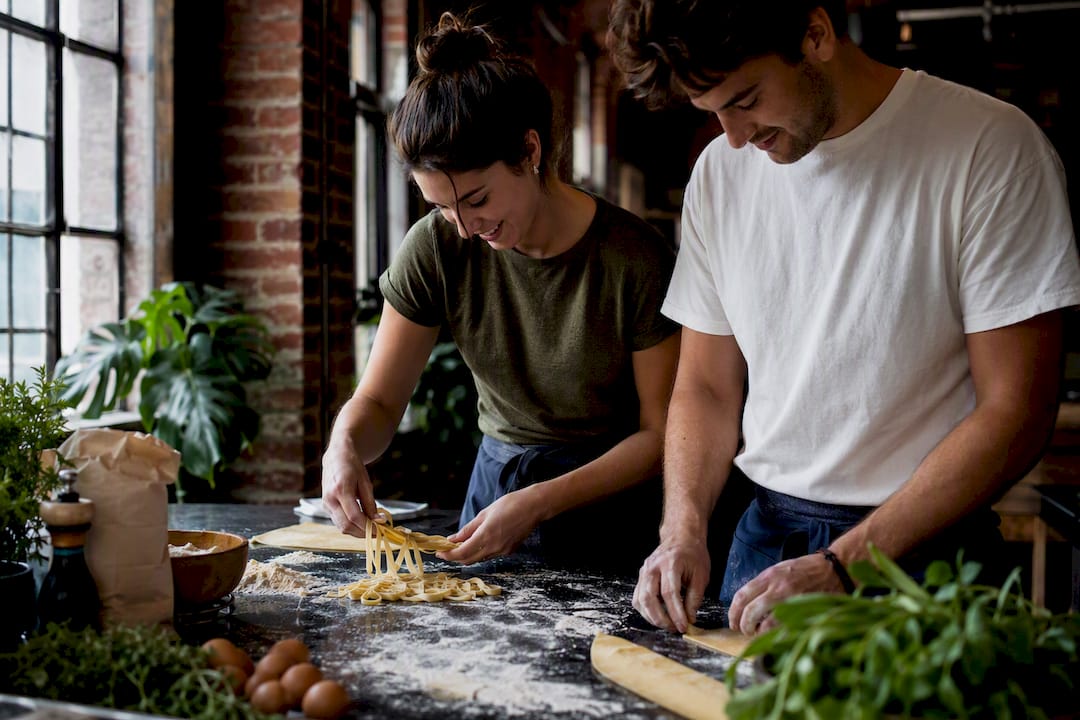
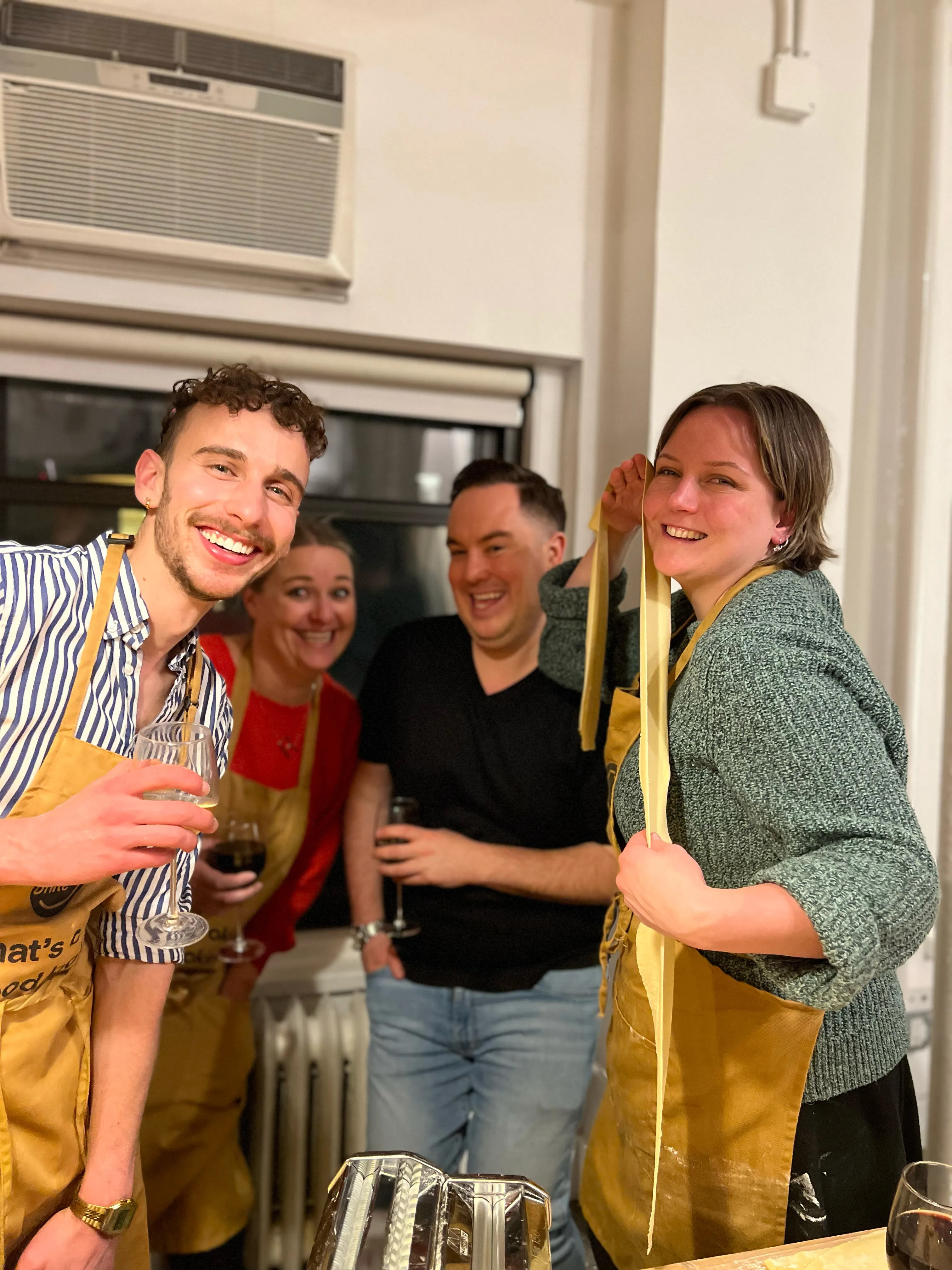
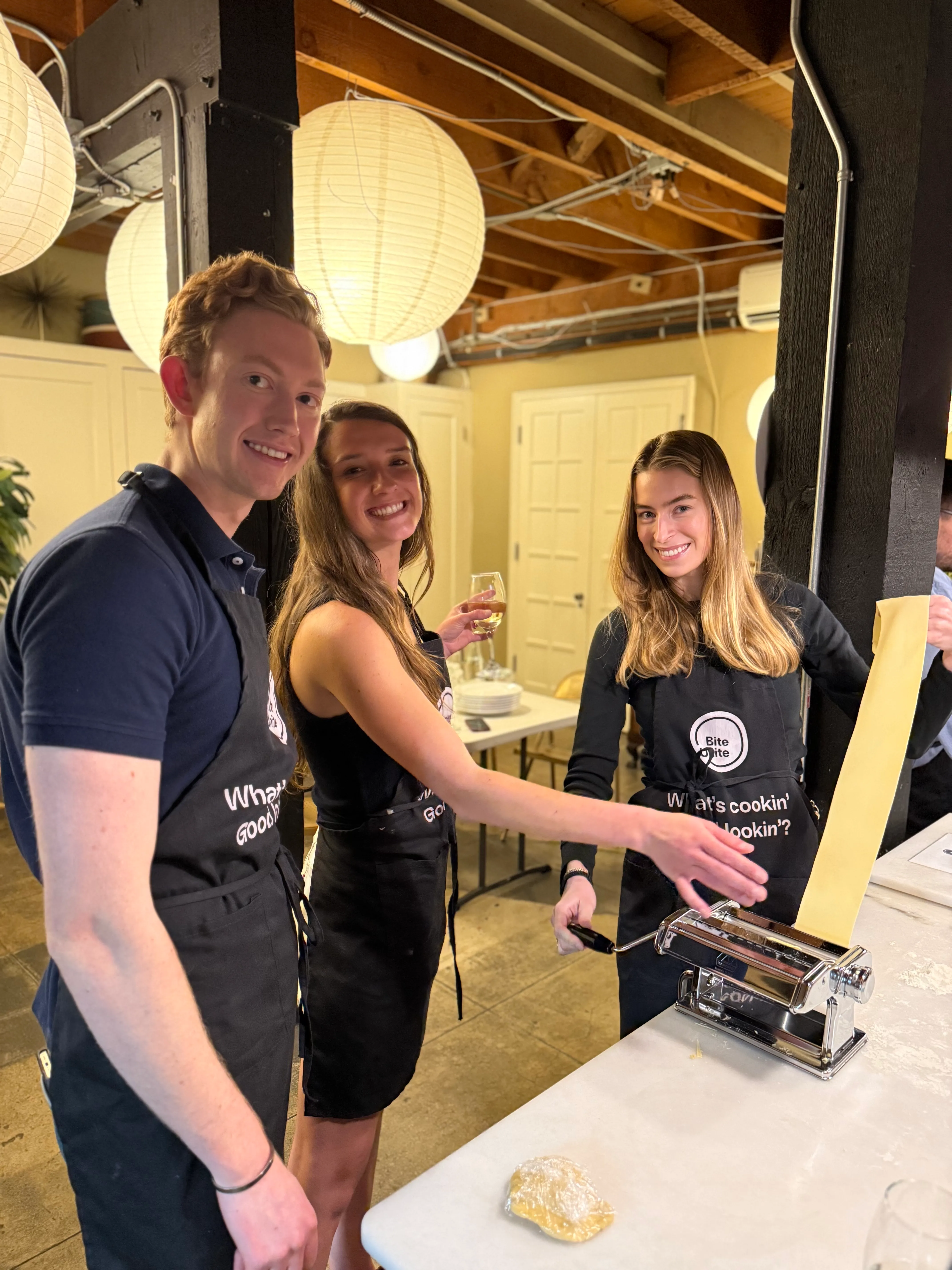
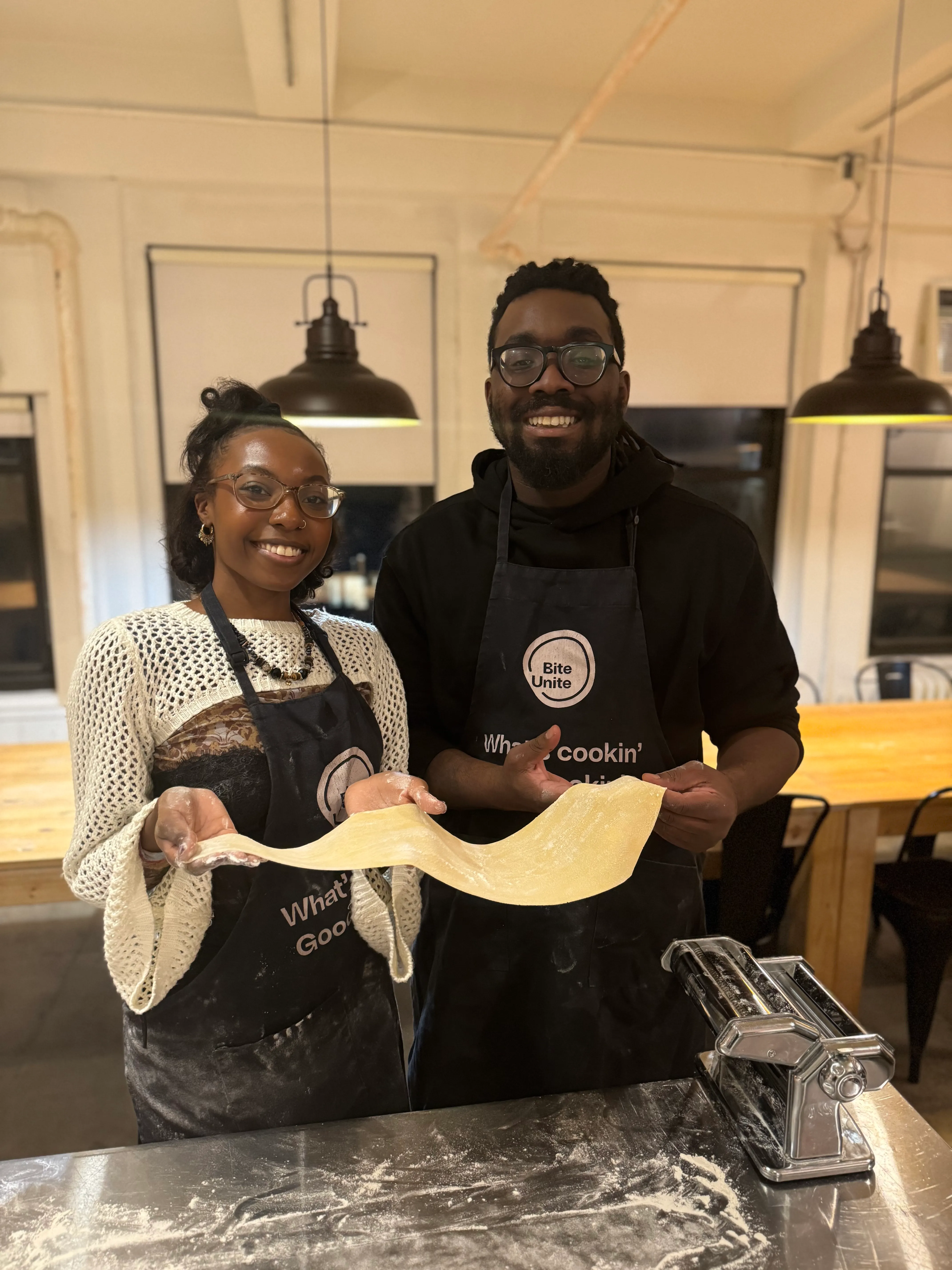
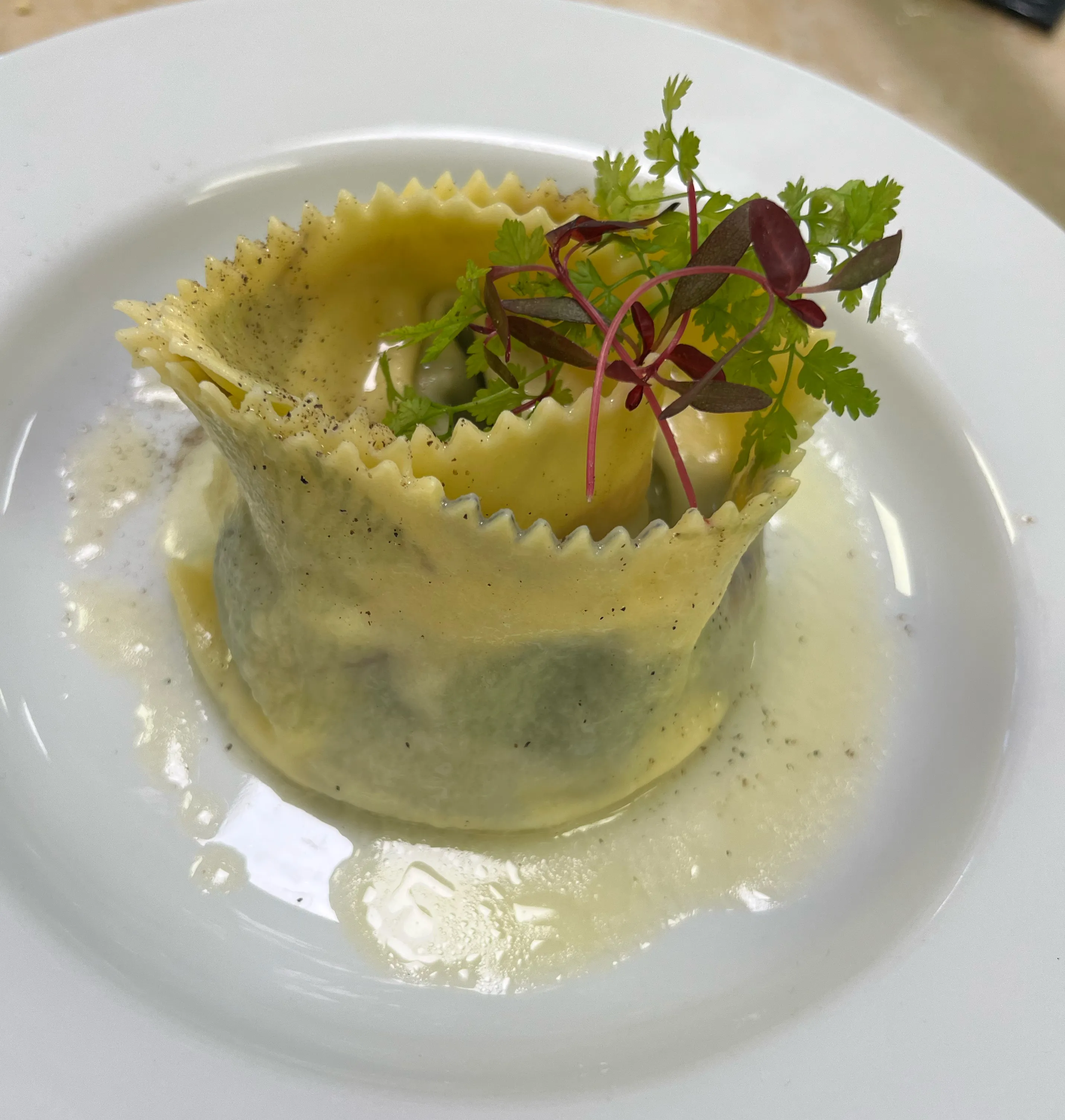
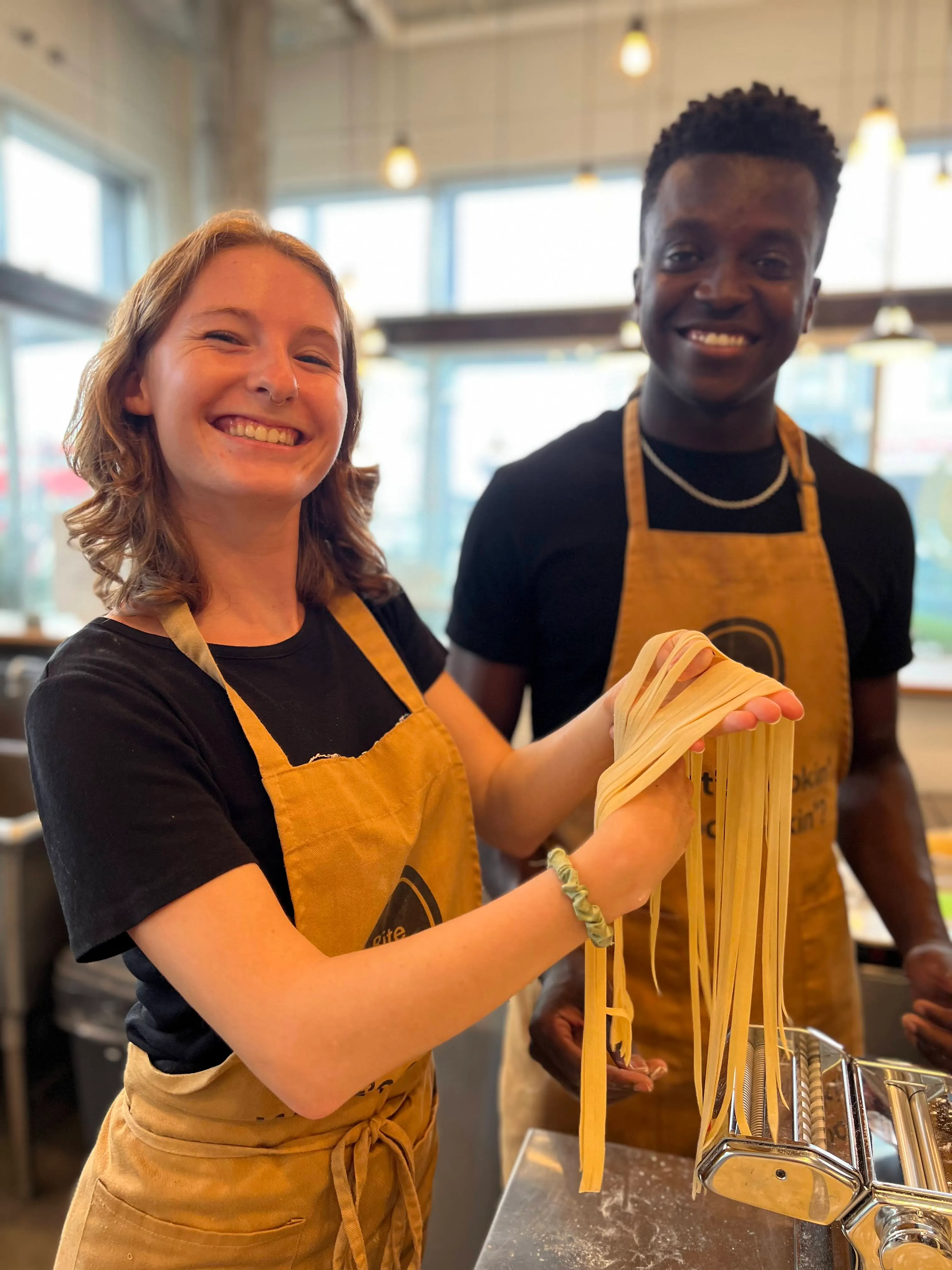
You learn how to roll sheets and cut them into typical shapes like tagliatelle, pappardelle, or fettuccine. Some classes introduce stuffed pasta like ravioli or tortellini. This is where the precision and humor show up.
3. Sauce building
Sauces are the underestimated part of pasta. You learn emulsification for butter based sauces like brown butter sage, reduction for tomato based sauces, and how to avoid breaking a cream sauce. This is valuable beyond pasta night.
4. Texture control
Cooking pasta properly is a skill. Salt levels, timing, and saucing technique (mixing sauce and pasta in the pan, not on the plate) change the dish dramatically.
5. Ingredient sourcing
Good instructors show you where to buy flour like 00, semolina, or durum in LA, how to pick good eggs, and how to store dough. This builds cook confidence.
Once you know this stuff, you can host dinner parties without being a clown. You also become far more interesting than the average Angeleno who only knows how to use Postmates.
How Pasta Classes Fit the LA Lifestyle
LA is obsessed with wellness, aesthetics, and experiences. Pasta making fits that perfectly.
Here is why:
LA likes skill based hobbies
People are ditching passive nightlife and accepting that skill stacking actually feels meaningful.
LA likes visually appealing experiences
Fresh pasta is photogenic. It is honest photogenic too, not fake staged photogenic.
LA likes culinary culture
Restaurants like Bestia, Felix, and Jon & Vinny made handmade pasta aspirational. People want to create what they eat.
LA is tired of small talk
Classes kill small talk. They replace it with memorable context. That is a competitive edge in a city drowning in shallow conversation.
Pasta making lines up with the psychological and cultural evolution of LA nightlife: more meaning, less performance.
How to Prepare For a Pasta Class Date
Preparation helps avoid embarrassment and makes the experience better. Here are some guidelines:
Wear sensible clothes
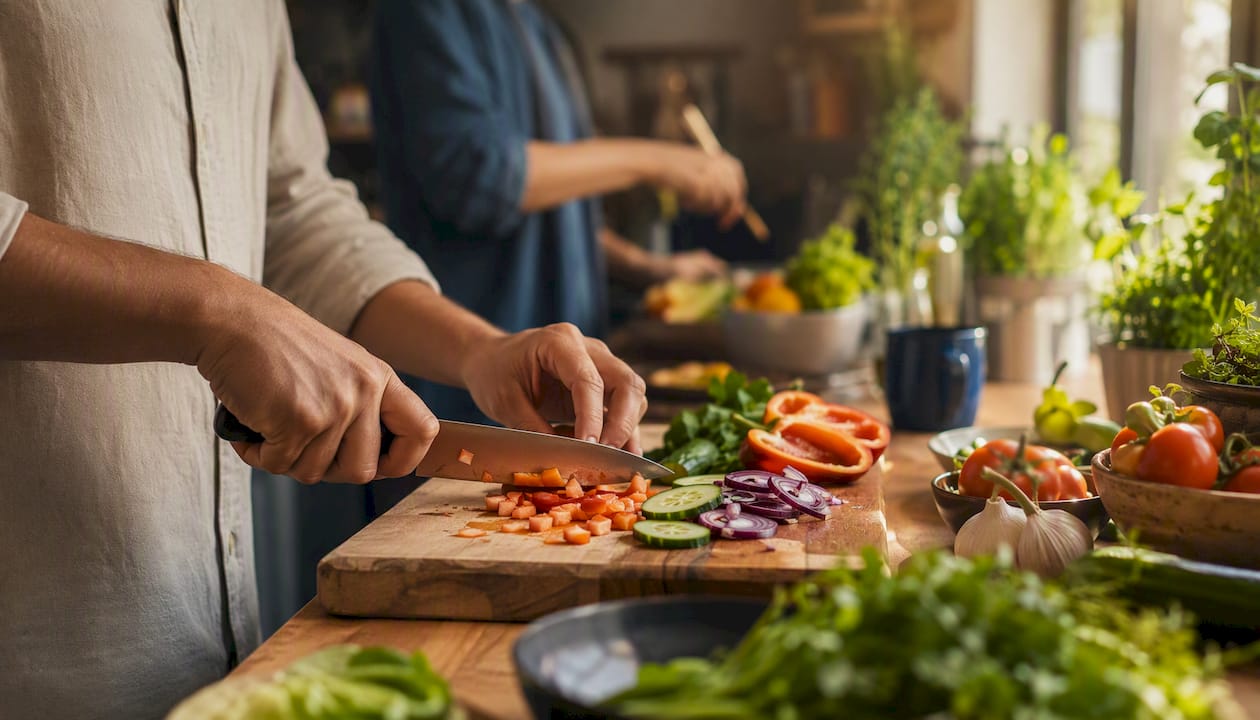
You will be rolling, cutting, kneading, dusting, and saucing. Wear something you do not mind getting flour on. If you show up in designer suede, that is a rookie move.
Do not wear heavy perfume
Sauces and aromatics matter. Do not sabotage your own senses.
Eat a small snack beforehand
Classes take time before eating. Do not show up starving and cranky.
Be curious instead of insecure
Cooking classes expose your skill gaps. The point is learning, not pretending you already know.
Ask ingredient questions
You will impress your date more by learning than performing.
Accept that mistakes are part of the experience
If your ravioli busts open in the water, laugh. That is memorable.
Preparation is not complicated. It is about mindset.
Choosing the Right Pasta Class in Los Angeles
Not all cooking classes are equal. Some exist purely for Instagram. Others are run by actual chefs who care about technique and teaching. You want the second category.
Here is what to look for:
Instructor credibility
Are they chefs or brand ambassadors. Chefs teach. Ambassadors entertain.
Class structure
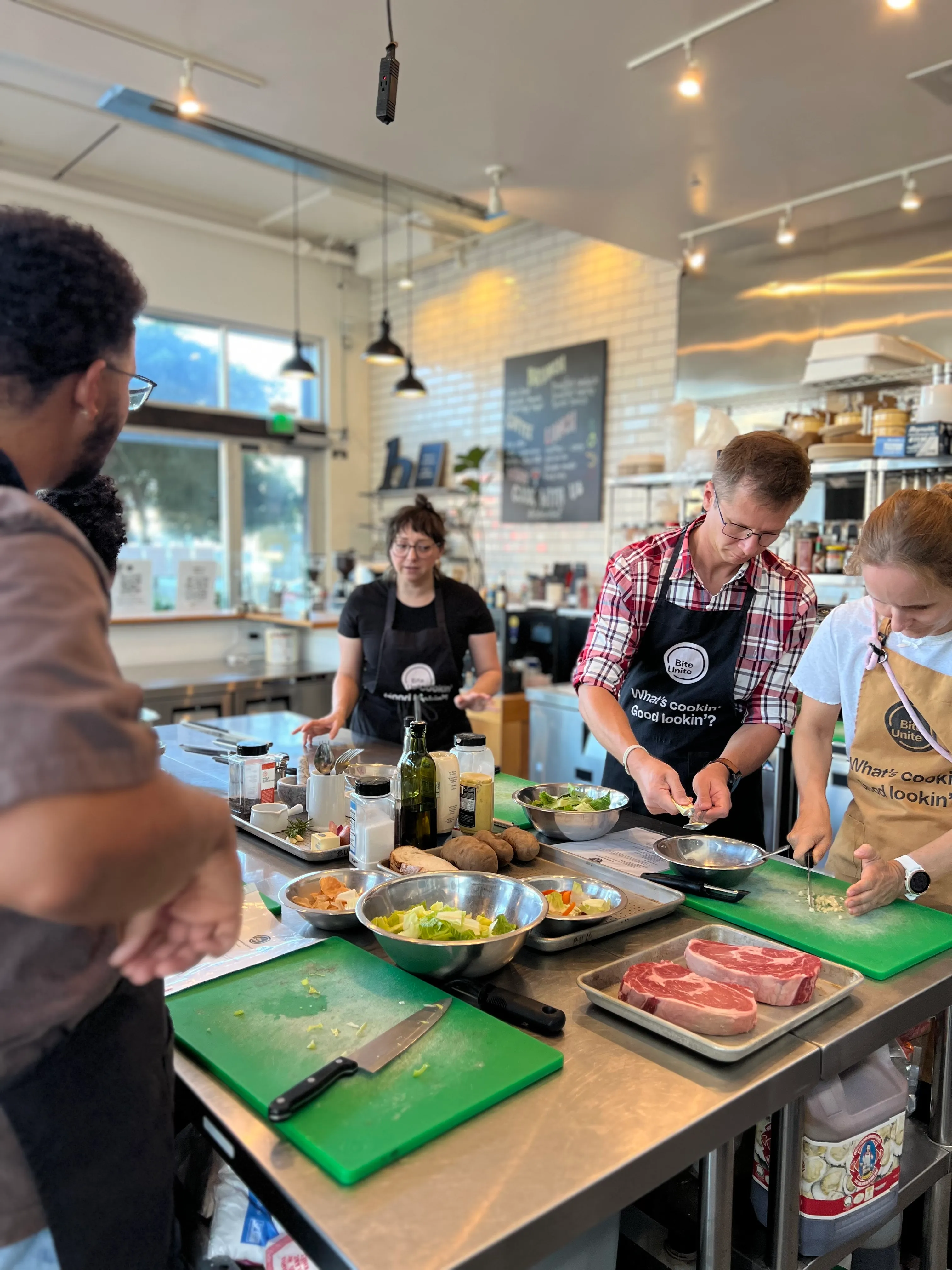
A real class has demos, hands-on work, instruction, tasting, and feedback.
Group size
Smaller groups mean better instruction and less crowding.
Menu balance
You want dough formation, shaping, and sauce. If a class only gives you one of those, skip it.
Atmosphere
Avoid anything that feels like a corporate mixer. You want focused fun, not forced networking.
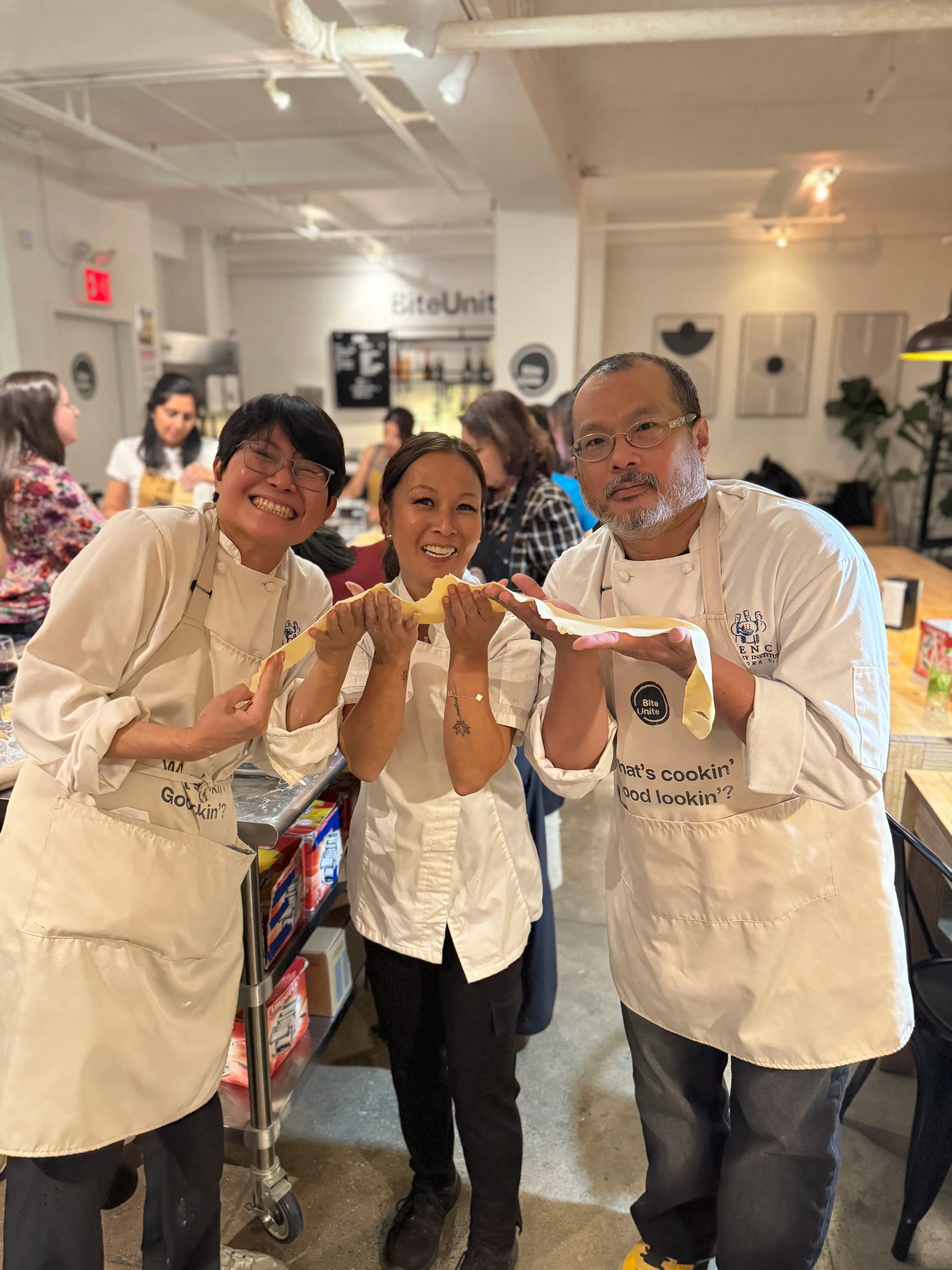
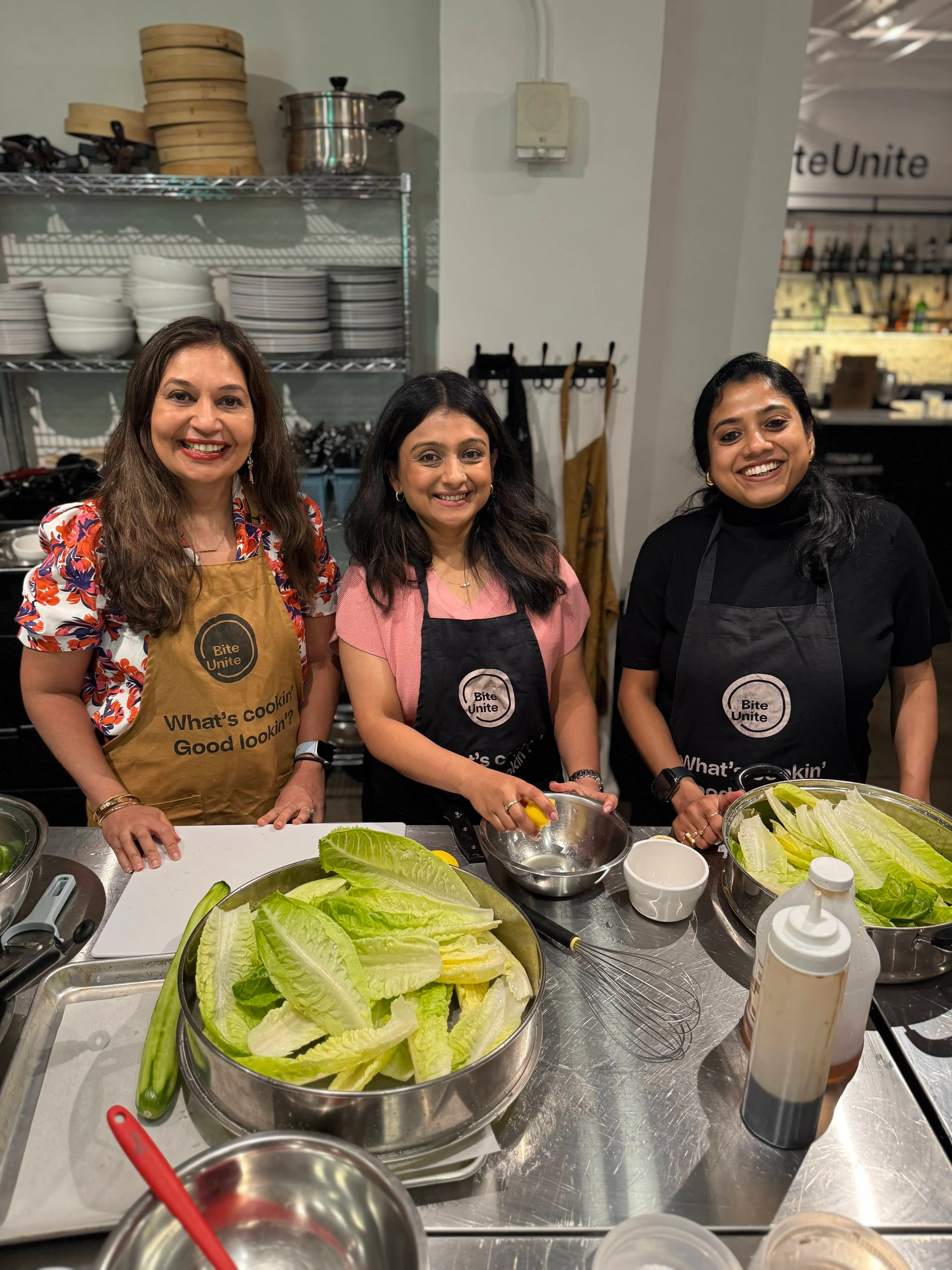
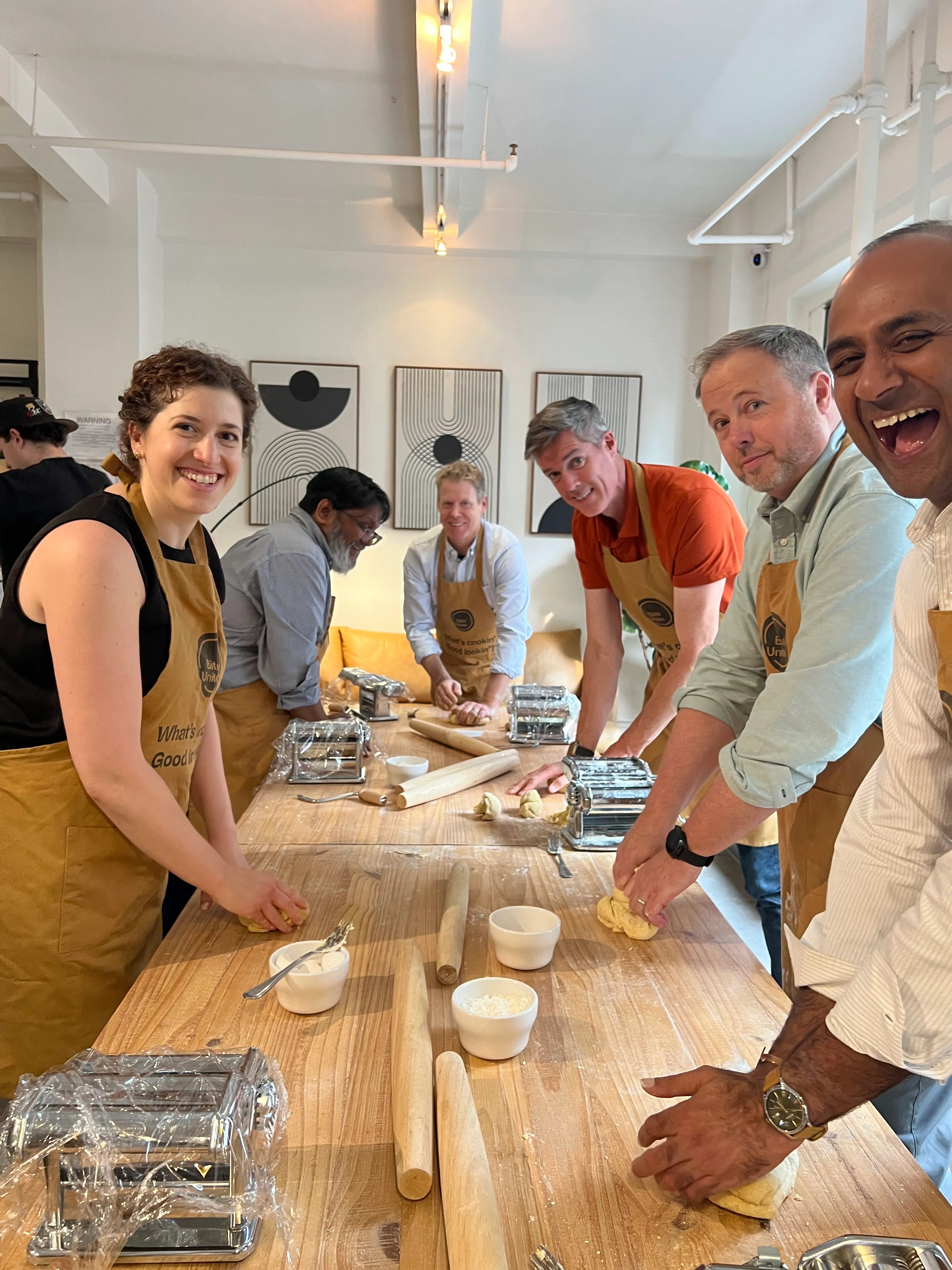
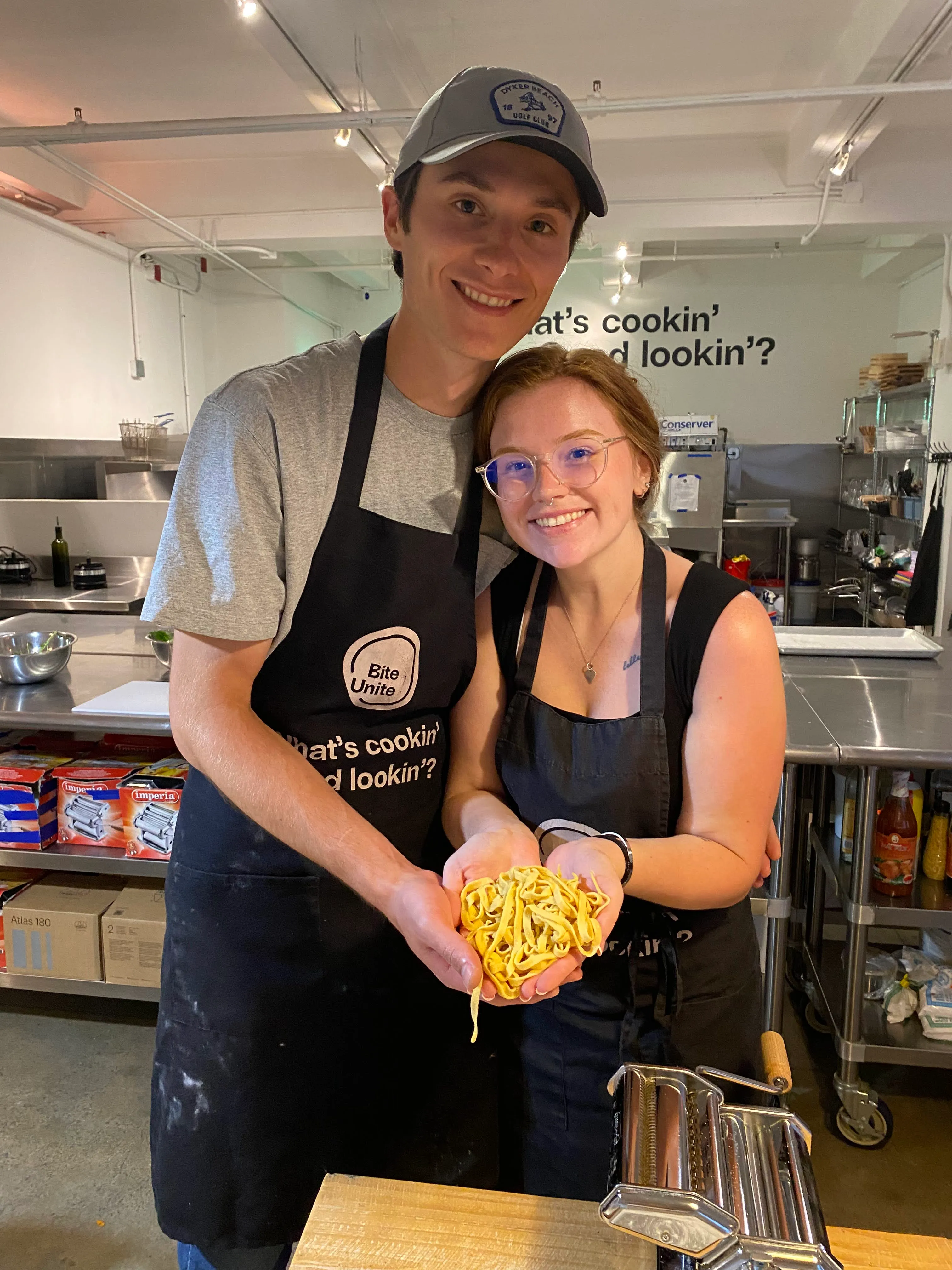
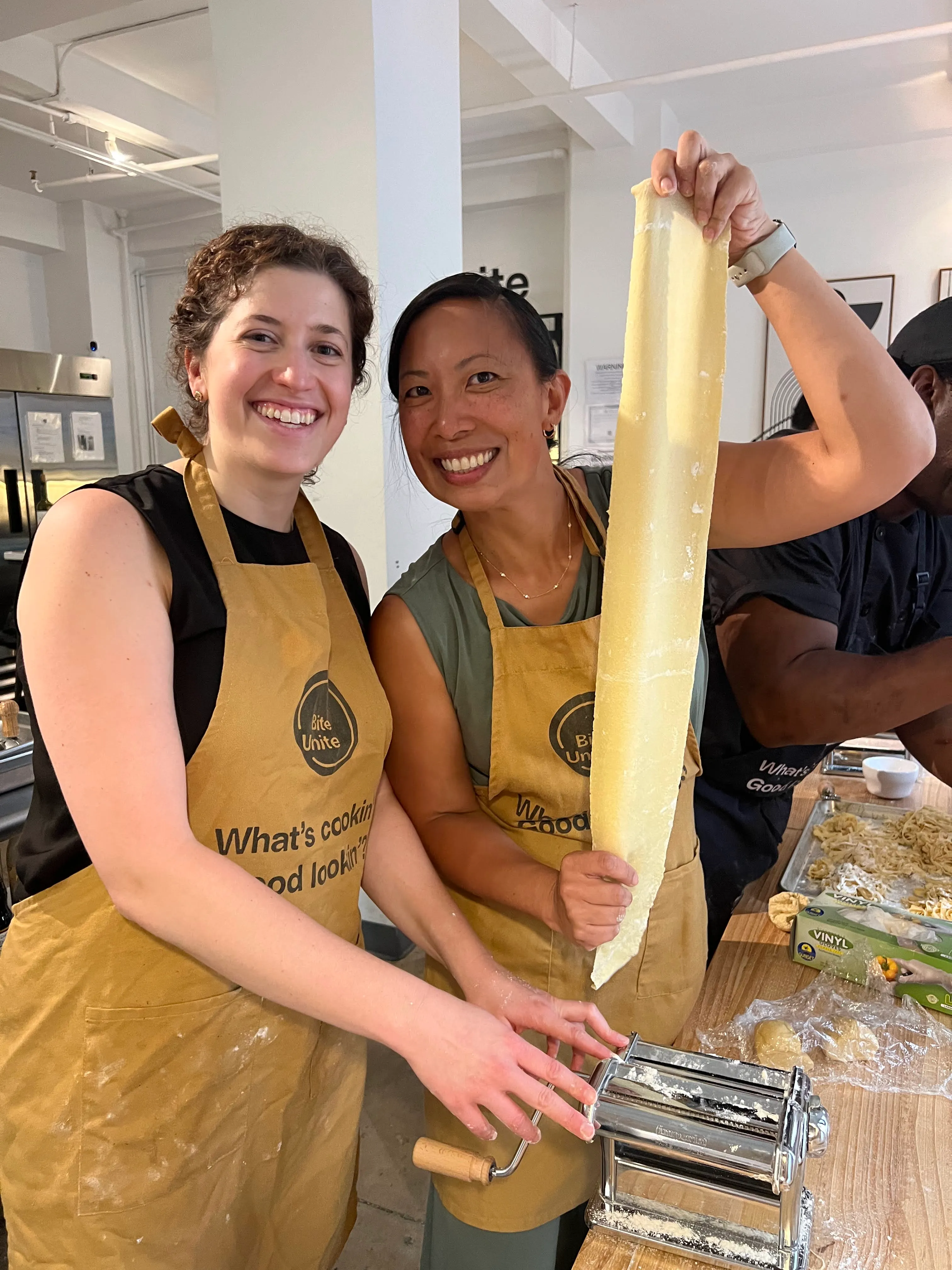
A reliable option that fits that criteria is the Los Angeles Pasta Making Classes at BiteUnite which offers structured instruction, real dough shaping, sauce building, and a date friendly format that does not compromise on technique. It is one of the few LA culinary experiences that makes both beginners and skilled cooks feel engaged without turning it into a tourist trap.
How Pasta Class Dates Reveal Compatibility
Pasta dates are a stealth personality test. Here is what you learn:
Patience
Dough needs time and attention. People with zero patience show their colors fast.
Adaptability
Dough that fights back or noodles that clump are common. Watch how they handle minor chaos.
Teamwork
Some people hog the tasks and pretend they are in a cooking show. Others share. That matters.
Sense of humor
Nothing breaks tension like a lopsided ravioli. If they cannot laugh, that is a red flag.
Curiosity
Some people ask good questions. Curious people make better partners.
You can learn more from two hours in front of a cutting board than two months of shallow texting.
How to Impress Your Date After the Class
If you want to play the long game, here is how you win:
Recreate one dish at home
If you can make fresh pasta for someone in Los Angeles, you immediately stand out. You do not need a machine. A rolling pin works.
Learn simple sauces
Master three sauces: tomato reduction, brown butter sage, and a cream based sauce. Each takes under fifteen minutes and costs under ten dollars.
Buy the right ingredients
00 flour, quality eggs, fresh herbs, and real parmesan transform your cooking. You do not need to shop at Erewhon either. Any decent Italian or specialty market works.
Plate with intention
Use bowls, not flat plates. Sauced pasta belongs in curvature, not spread like paint.
Small effort, big impression.
Los Angeles is overdue for date night formats that are actually fun, human, and memorable. Pasta making checks every box. It gets people off their phones, out of their performance personas, and into a shared creative flow. It teaches skills that outlast the date. It reveals personality traits that dinner hides. It feeds you in a literal and metaphorical sense.
If you are tired of mediocre first dates or you want to deepen an existing relationship with something other than Netflix and takeout, book a pasta class. The worst case scenario is you learn a new skill. The best case scenario is you meet someone who makes your life better and your meals relevant.
If you want me to handle the SEO cluster around pasta classes for LA neighborhoods like Santa Monica, Downtown LA, Hollywood, Silver Lake, or Culver City, I can map the content strategy next.






























.webp)