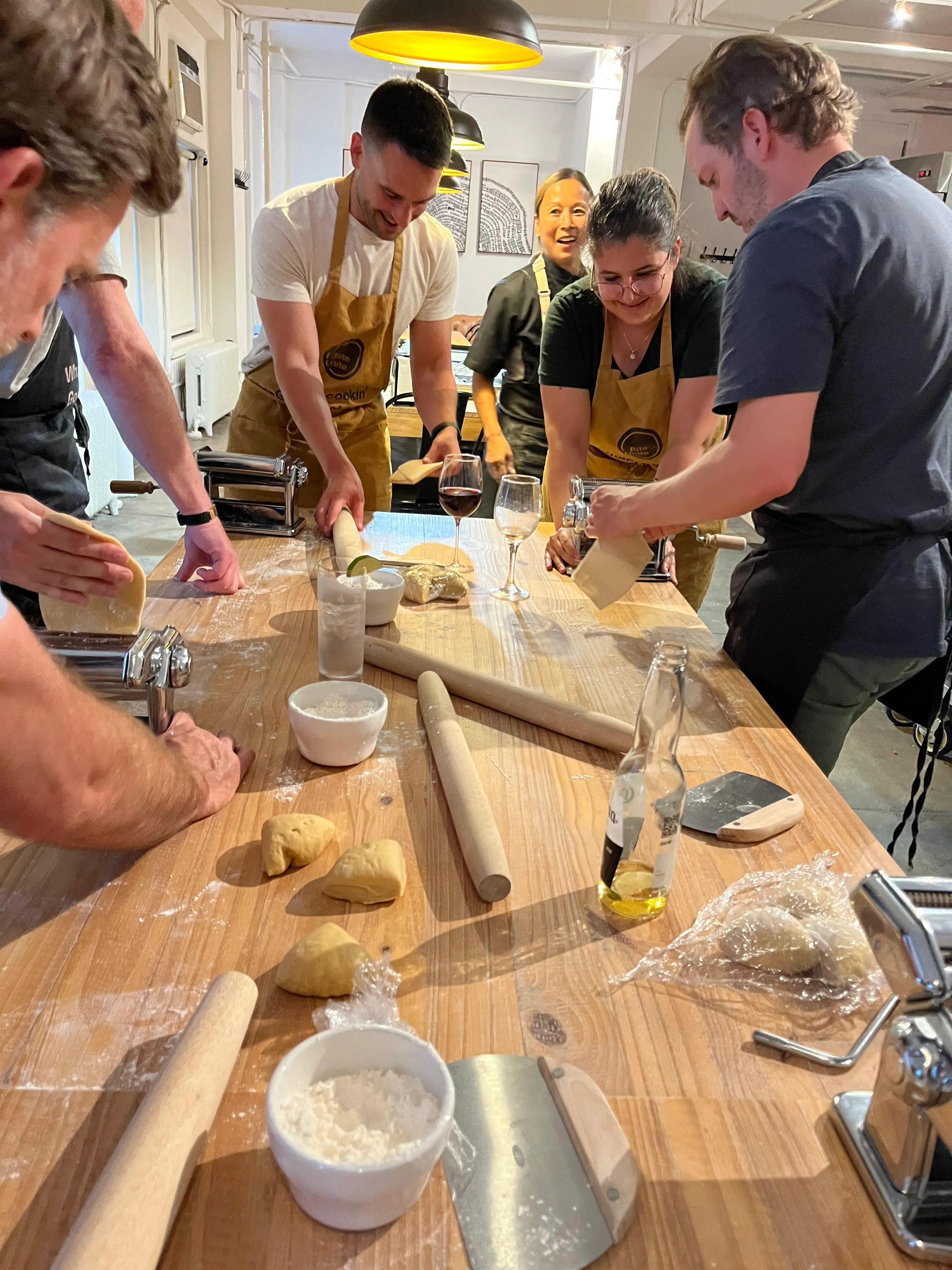
7 Benefits of Booking a Team Building Cooking Class in Boston for Your Employees
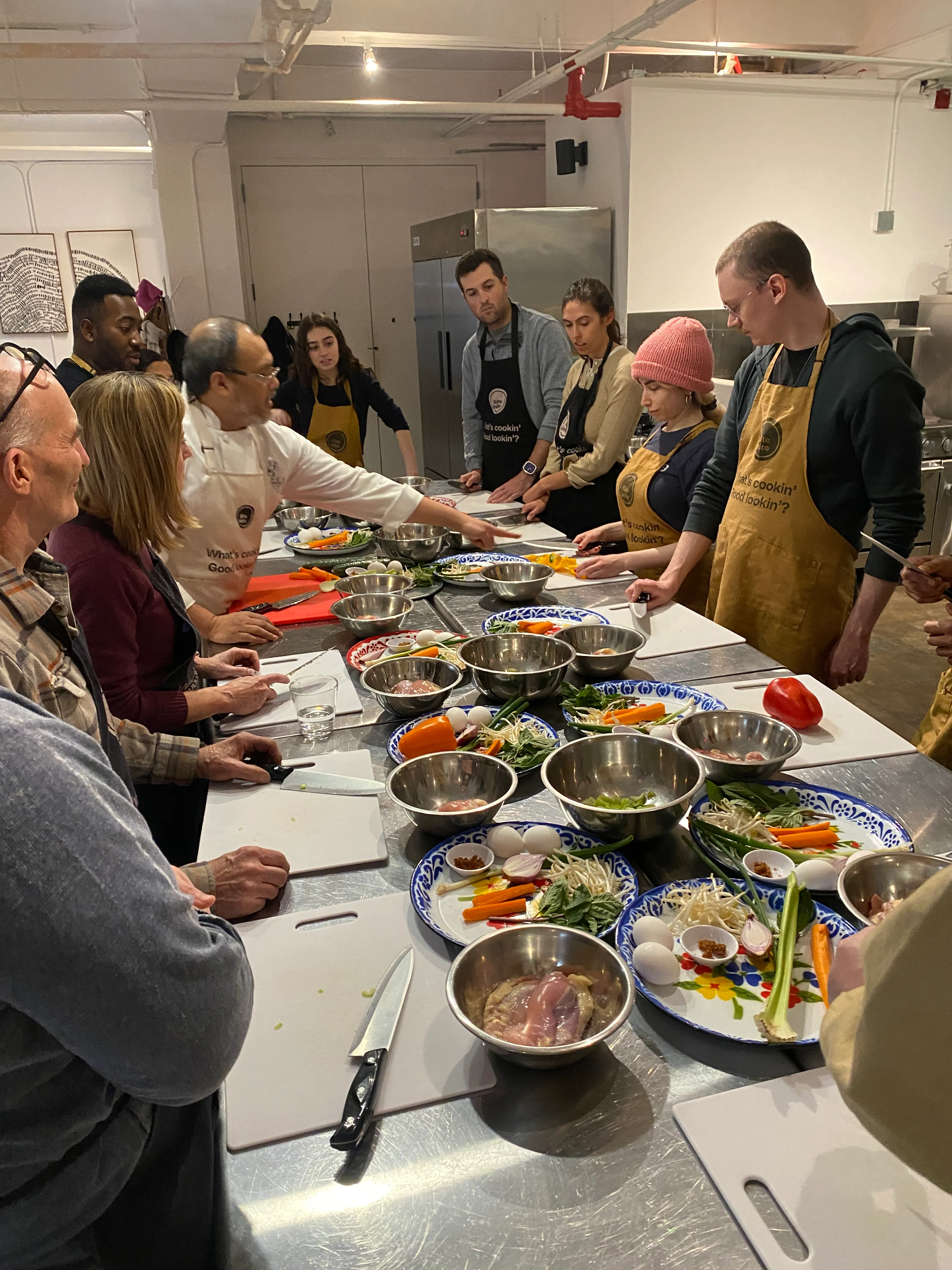
Building a strong workplace culture takes more than occasional meetings and office lunches. Employees perform better when they feel connected to their coworkers, valued by leadership, and engaged with the company culture. That is why more businesses are moving away from traditional team outings and choosing interactive experiences that create real connection.
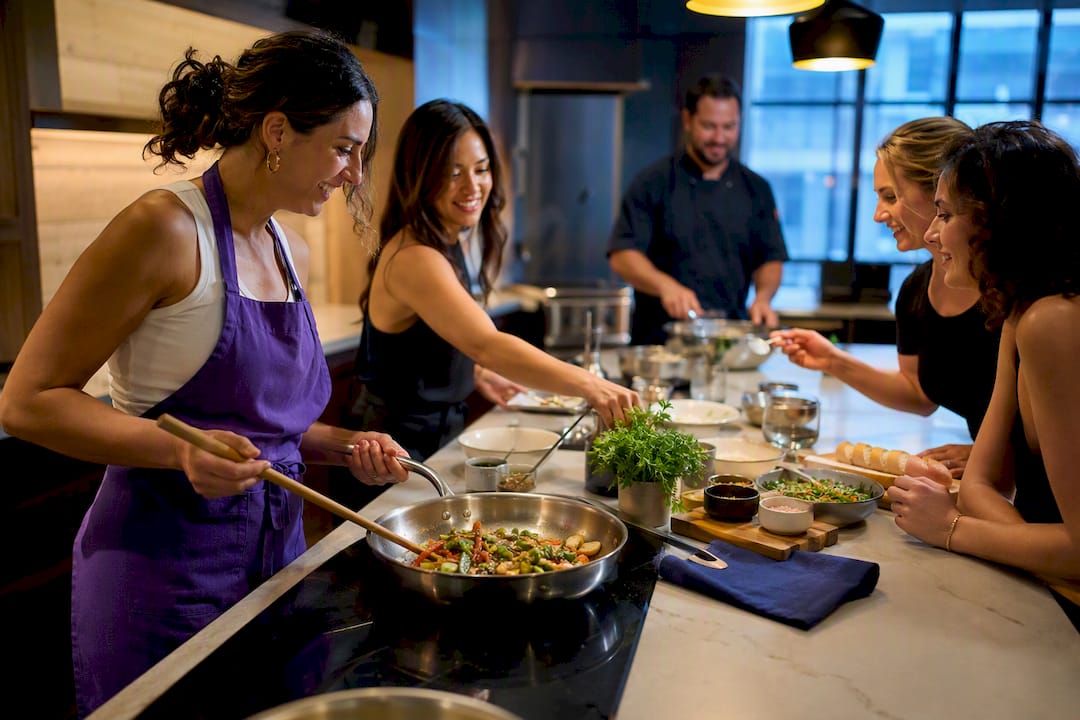
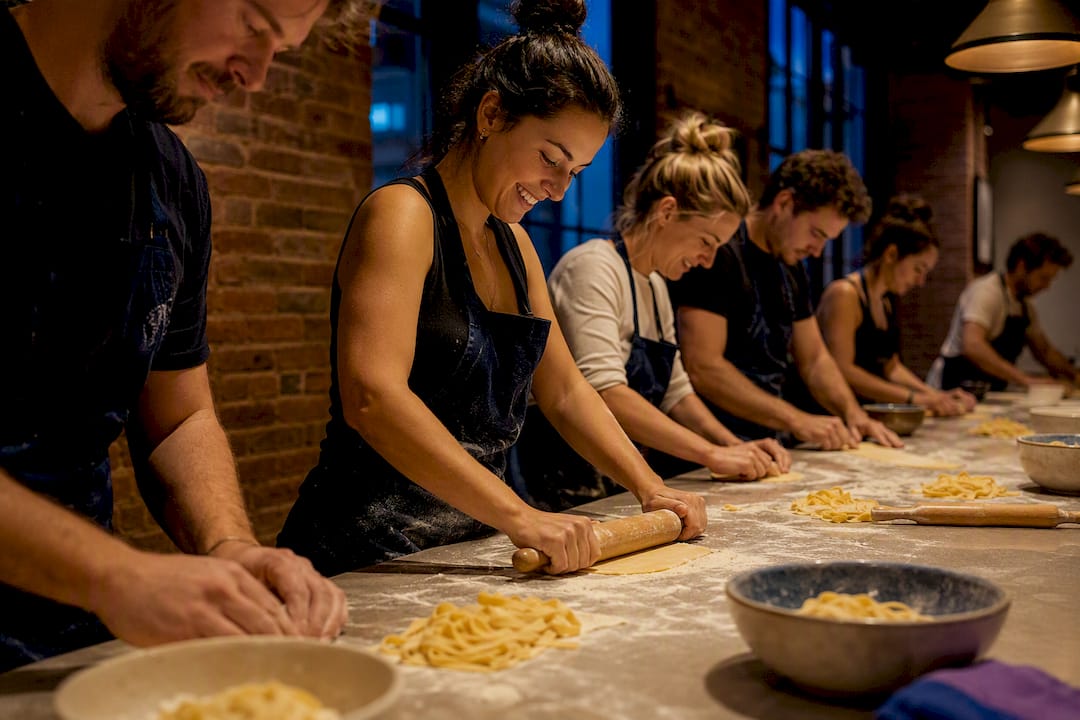
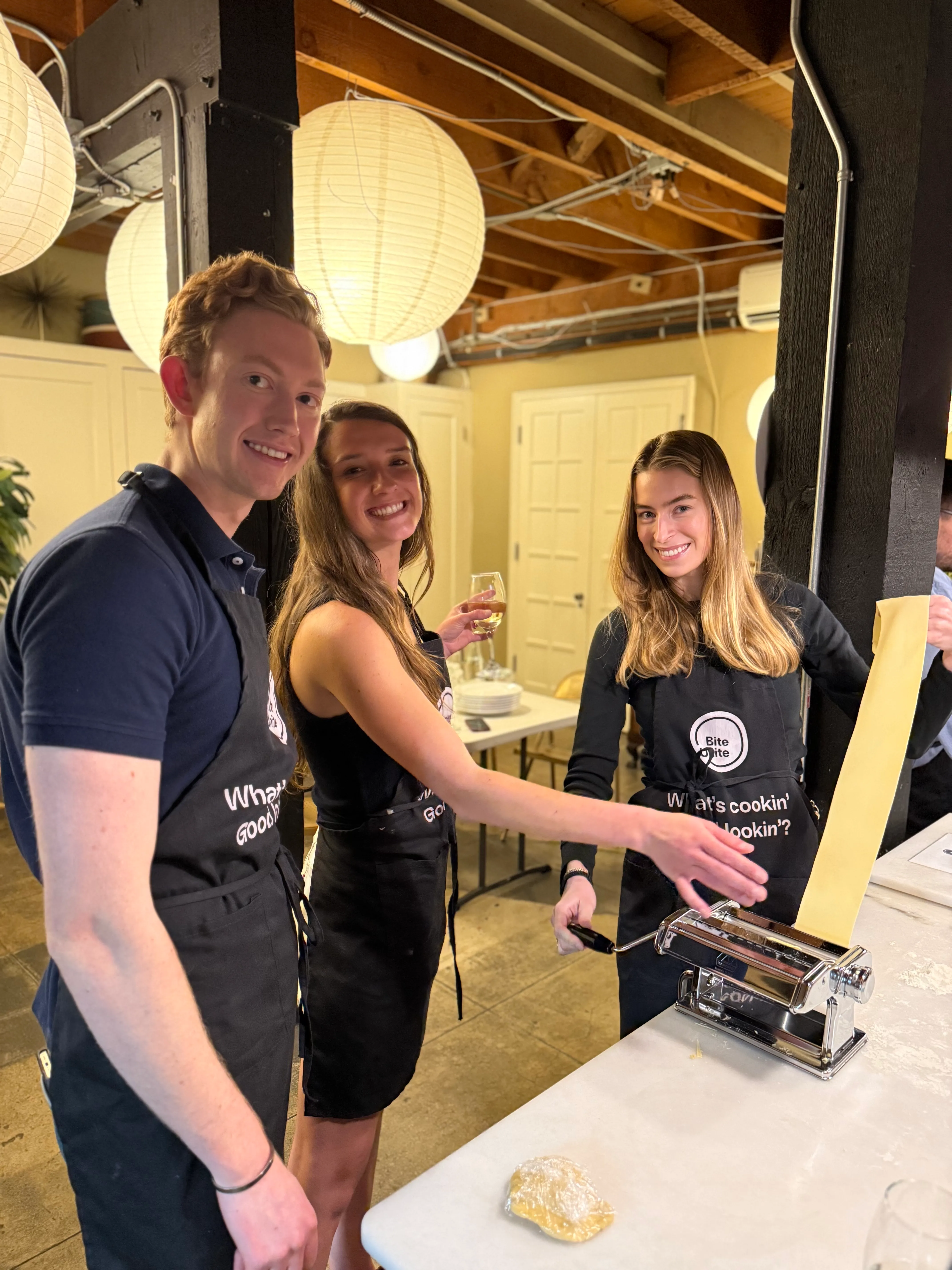
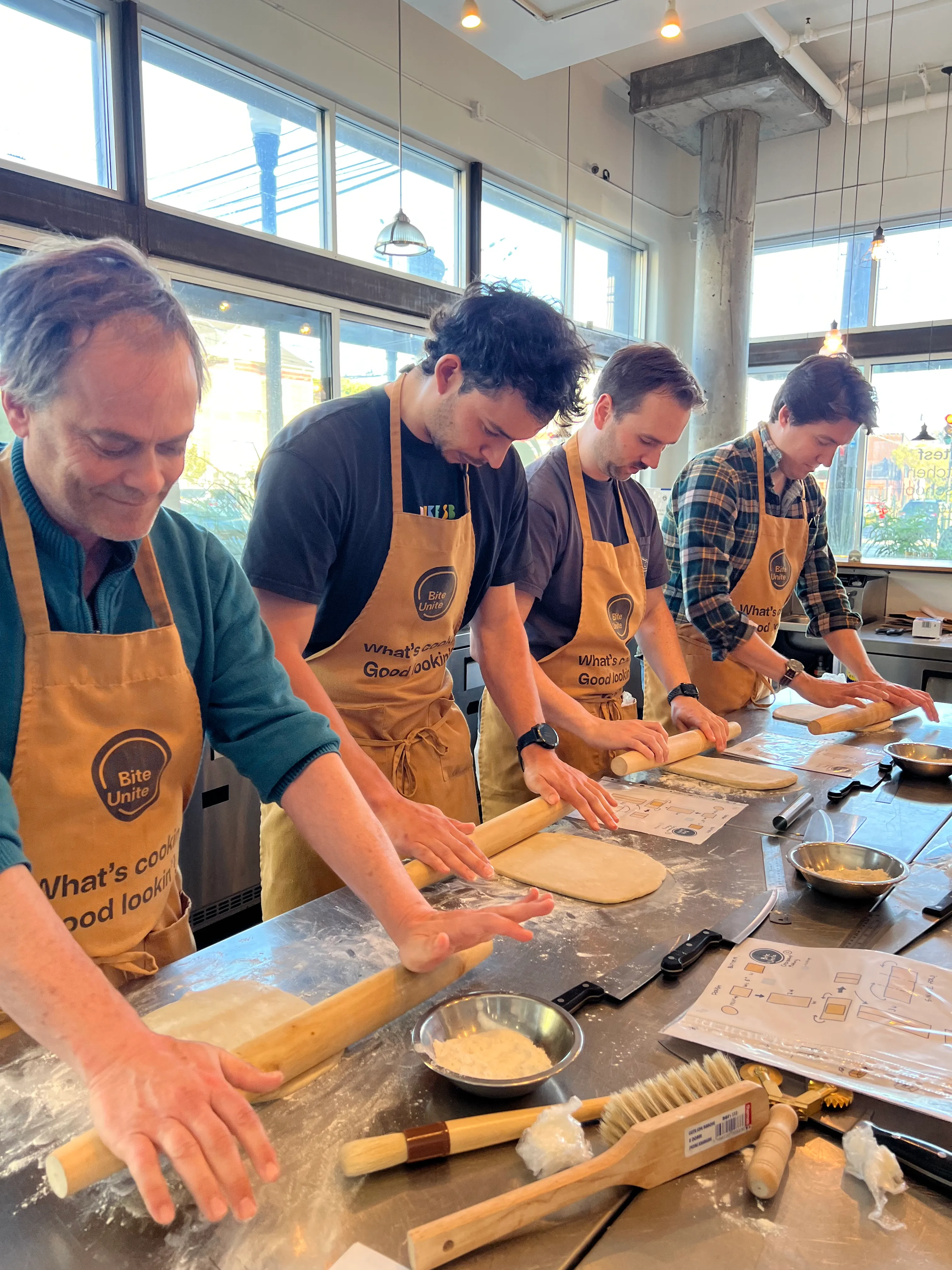
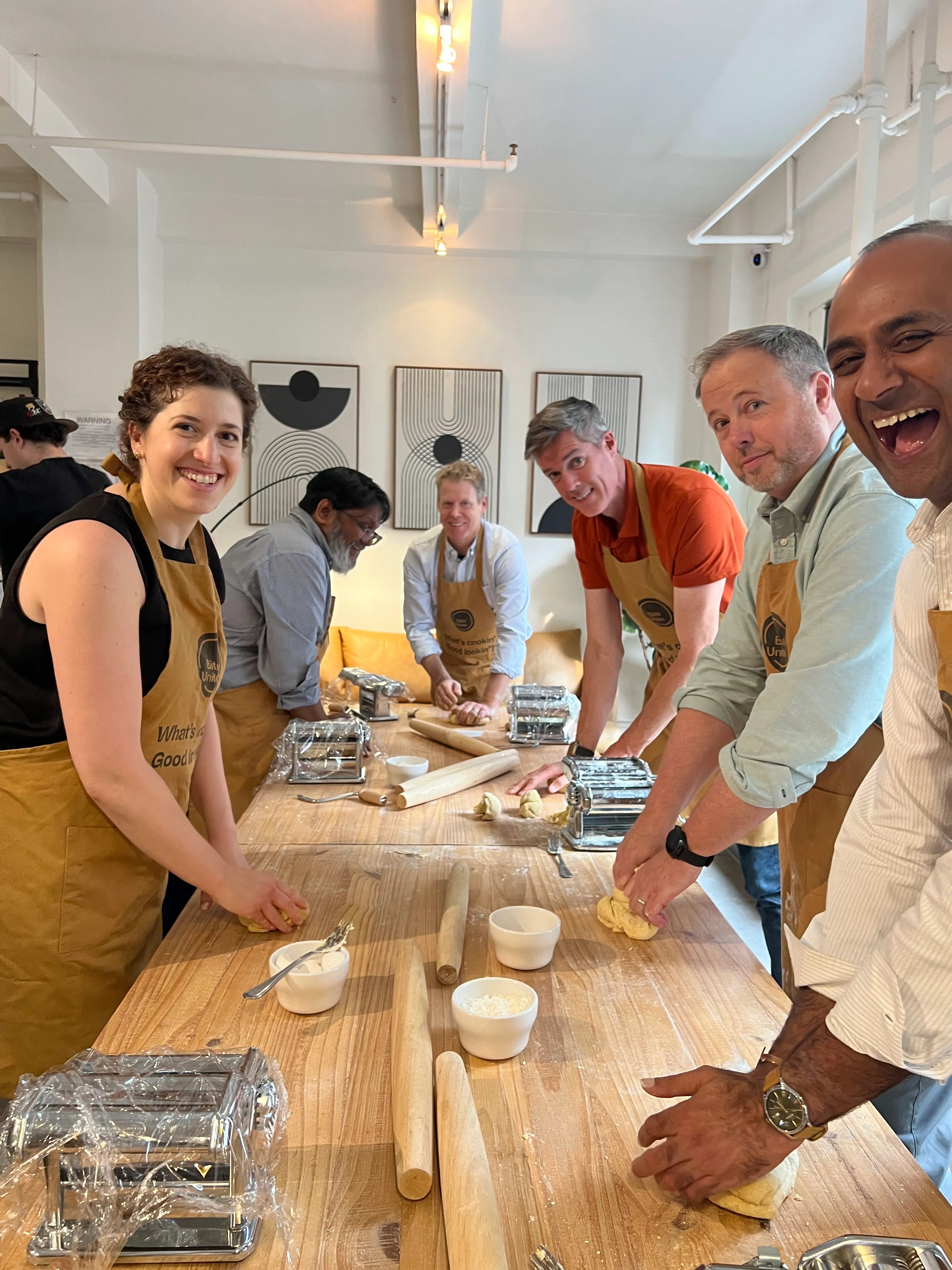
One of the most effective and memorable ways to strengthen workplace relationships is through team building cooking classes in Boston. These hands-on experiences give employees the opportunity to collaborate in a relaxed environment while developing practical workplace skills like communication, trust, leadership, and problem-solving.
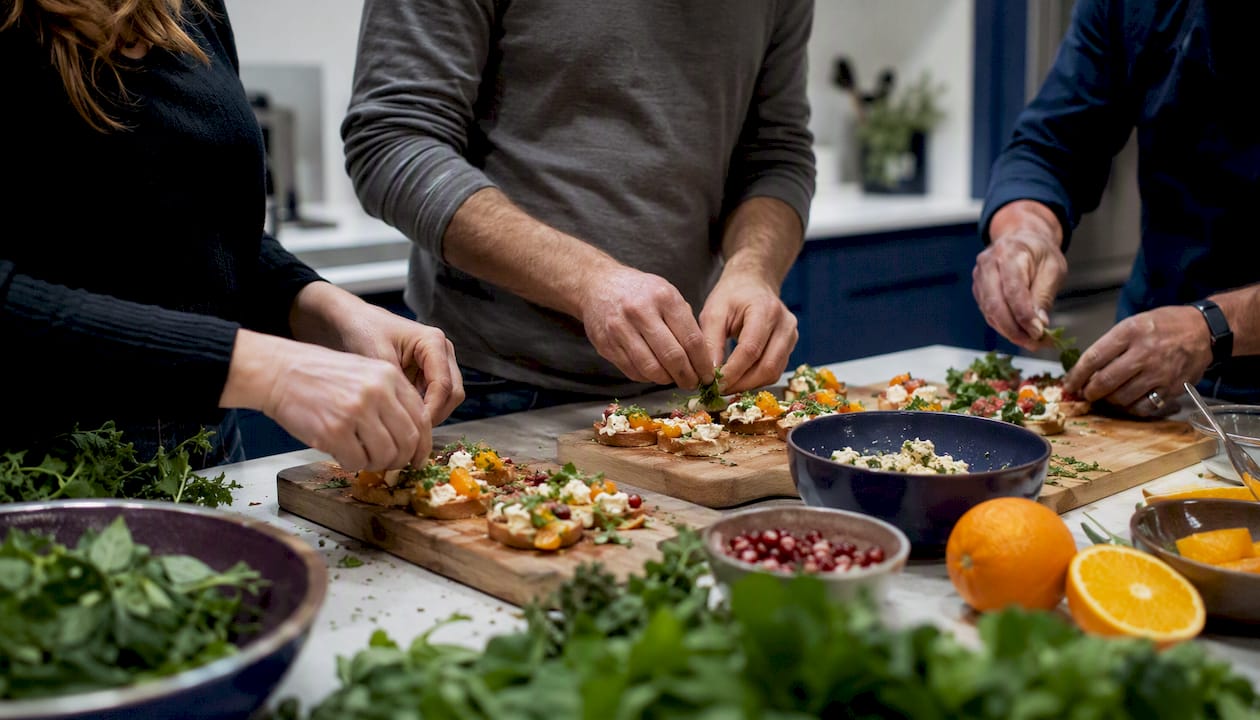
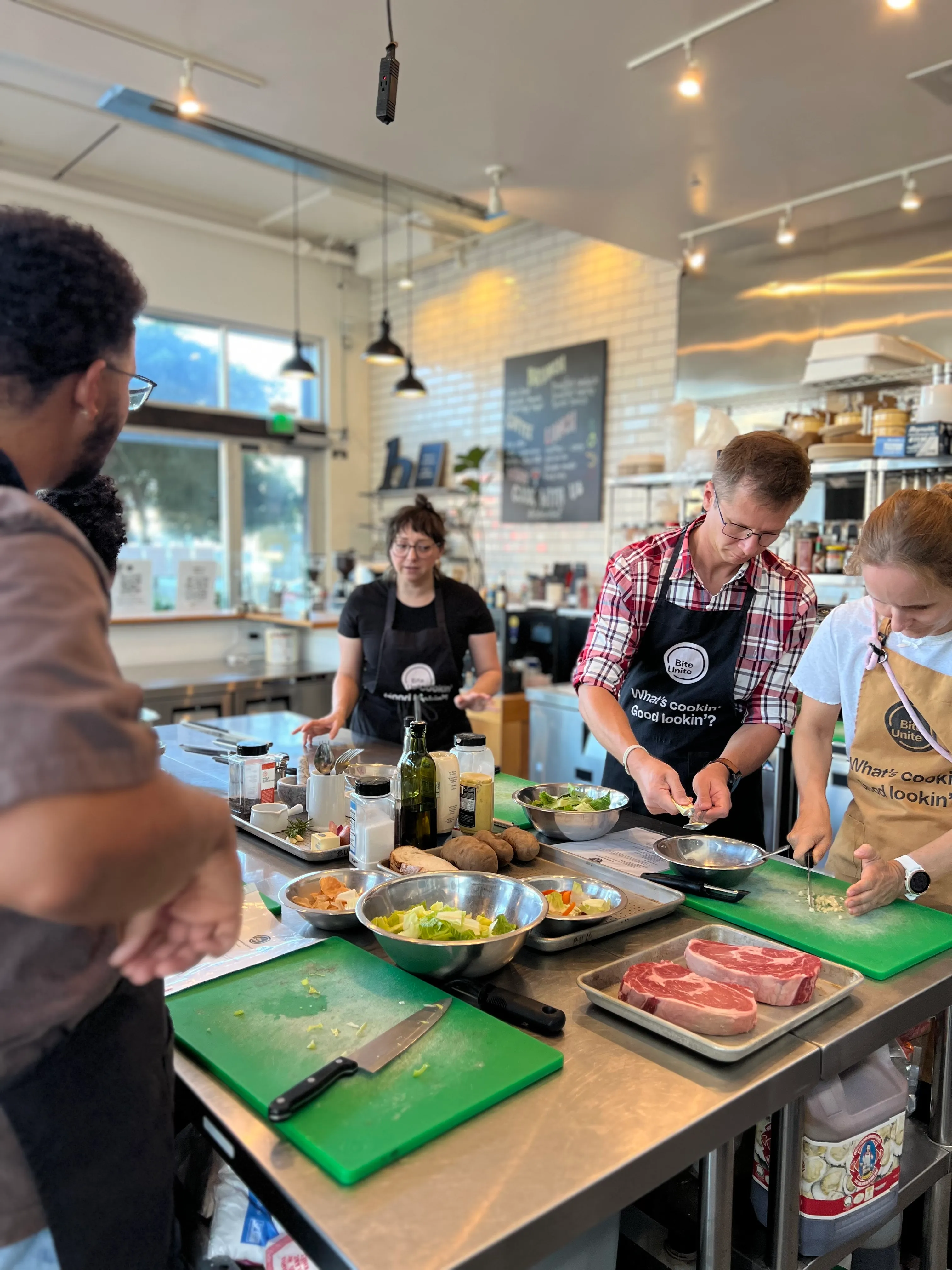
Unlike passive events where employees simply show up, cooking classes require participation. Teams must work together, share responsibilities, adapt under pressure, and celebrate a shared accomplishment. The result is a team-building experience that is fun, rewarding, and impactful.
Boston’s thriving culinary scene makes the city an ideal destination for corporate cooking events. Whether your team is looking to improve morale, strengthen communication, or simply enjoy a unique outing, Boston team building cooking classes offer an engaging solution with lasting benefits. Providers like BiteUnite’s Boston cooking classes make it easy to plan an experience that employees will enjoy and remember.
Here are seven of the biggest benefits of booking a team building cooking class in Boston for your employees.
1. Improves Team Communication
Communication is one of the foundations of every successful team. When employees communicate effectively, projects move faster, mistakes are reduced, and collaboration improves. But communication can be difficult to develop through meetings alone.
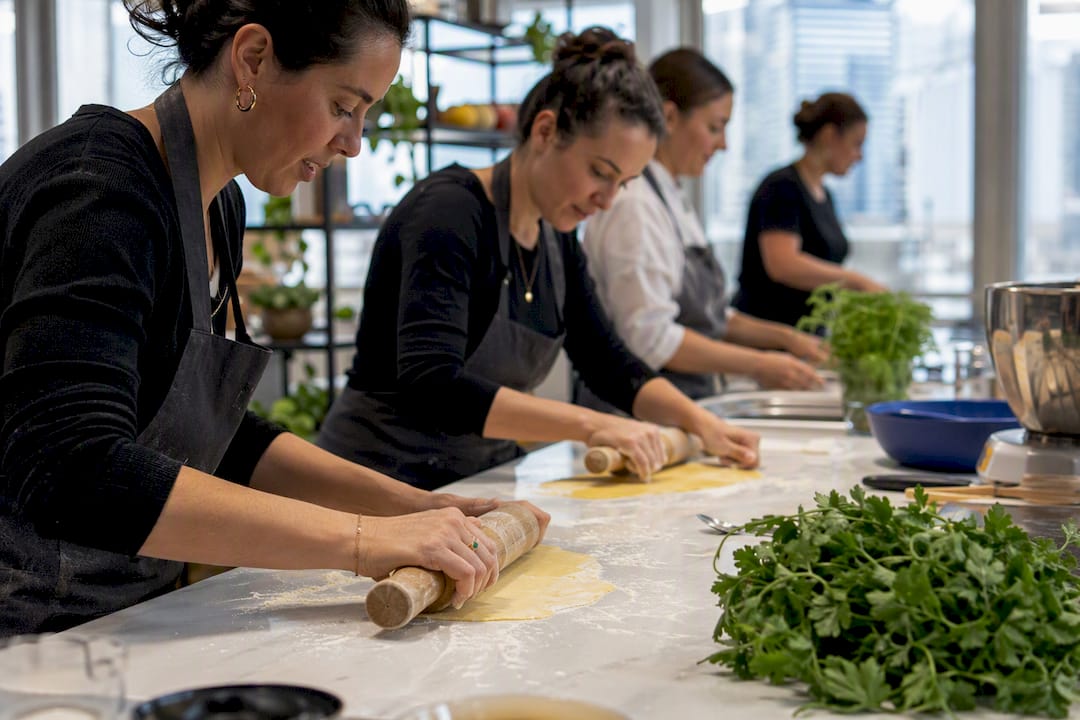
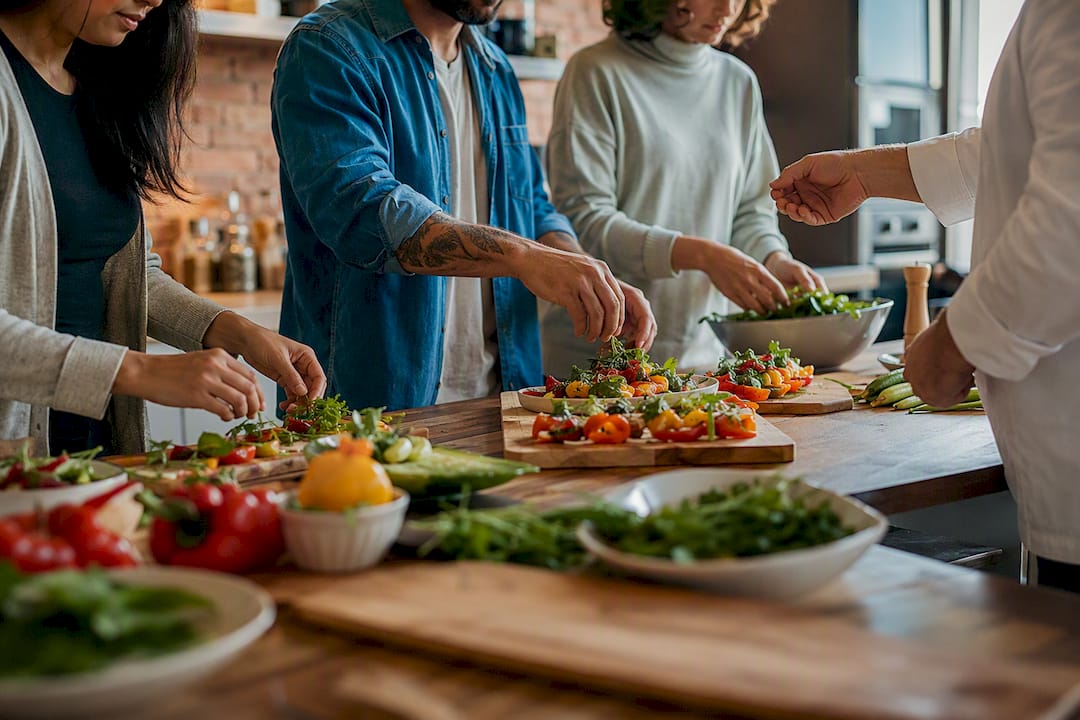
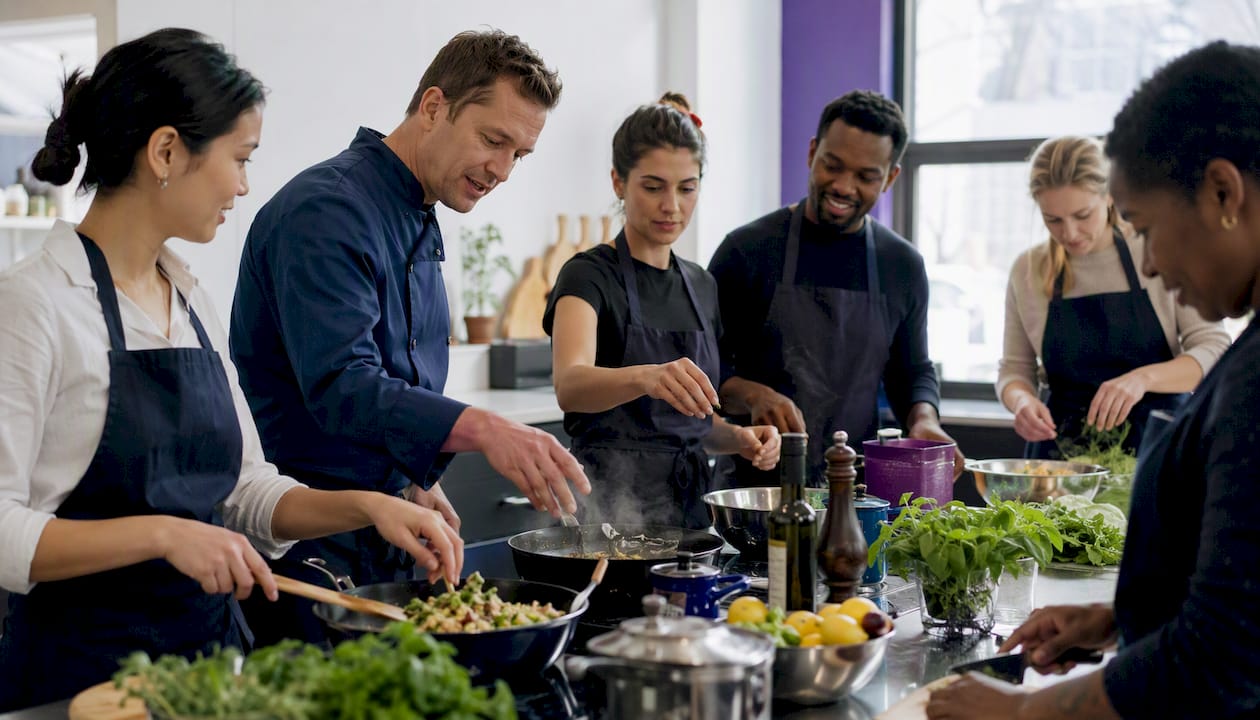
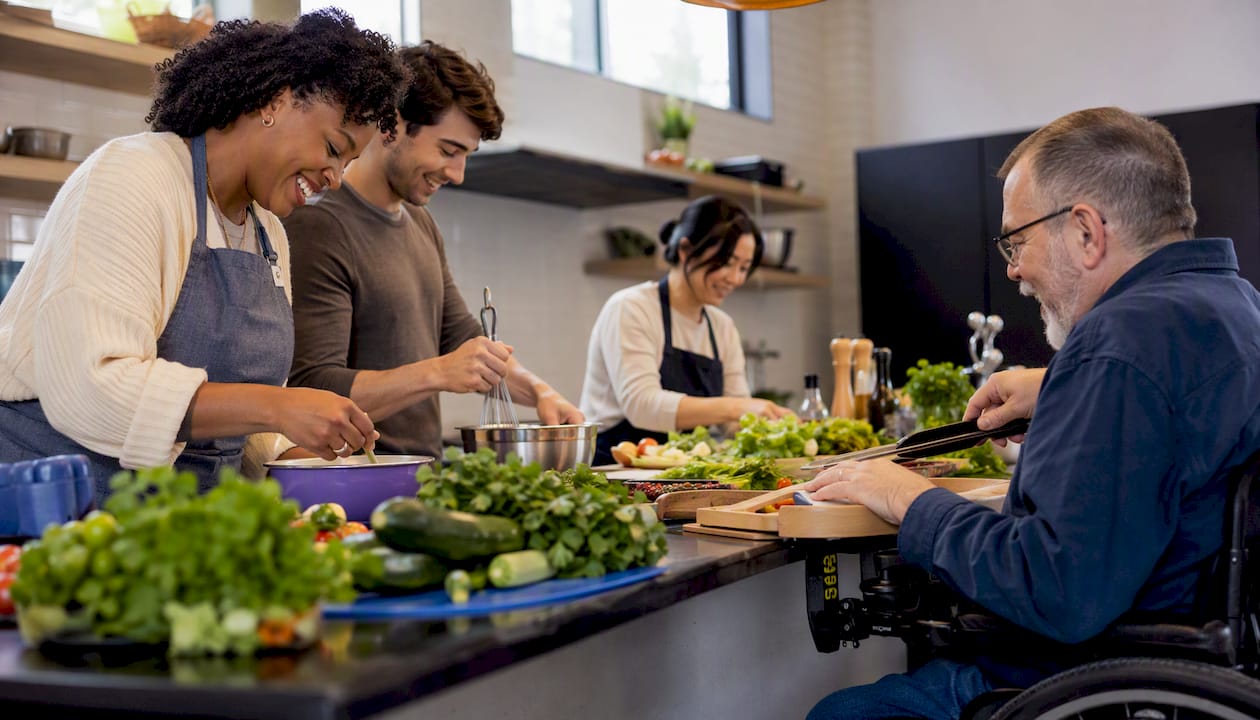
Cooking classes create a natural environment for employees to practice communication skills in real time. Participants must coordinate tasks, ask questions, share updates, and work together to complete each dish. This kind of interaction feels natural because the team is focused on a common goal.
In the kitchen, poor communication has immediate consequences. Missing ingredients, timing mistakes, or duplicated efforts can affect the final dish. These small challenges teach employees to communicate more clearly and listen more effectively.
Because the experience is enjoyable and low pressure, employees practice these skills without the stress of workplace expectations. The communication habits they develop during the class often carry back into the office, improving teamwork in day-to-day operations.
2. Boosts Employee Morale
Employees want to feel appreciated. When organizations invest in meaningful experiences for their teams, morale improves. Team building cooking classes offer employees a break from daily routines while showing that leadership values their well-being.
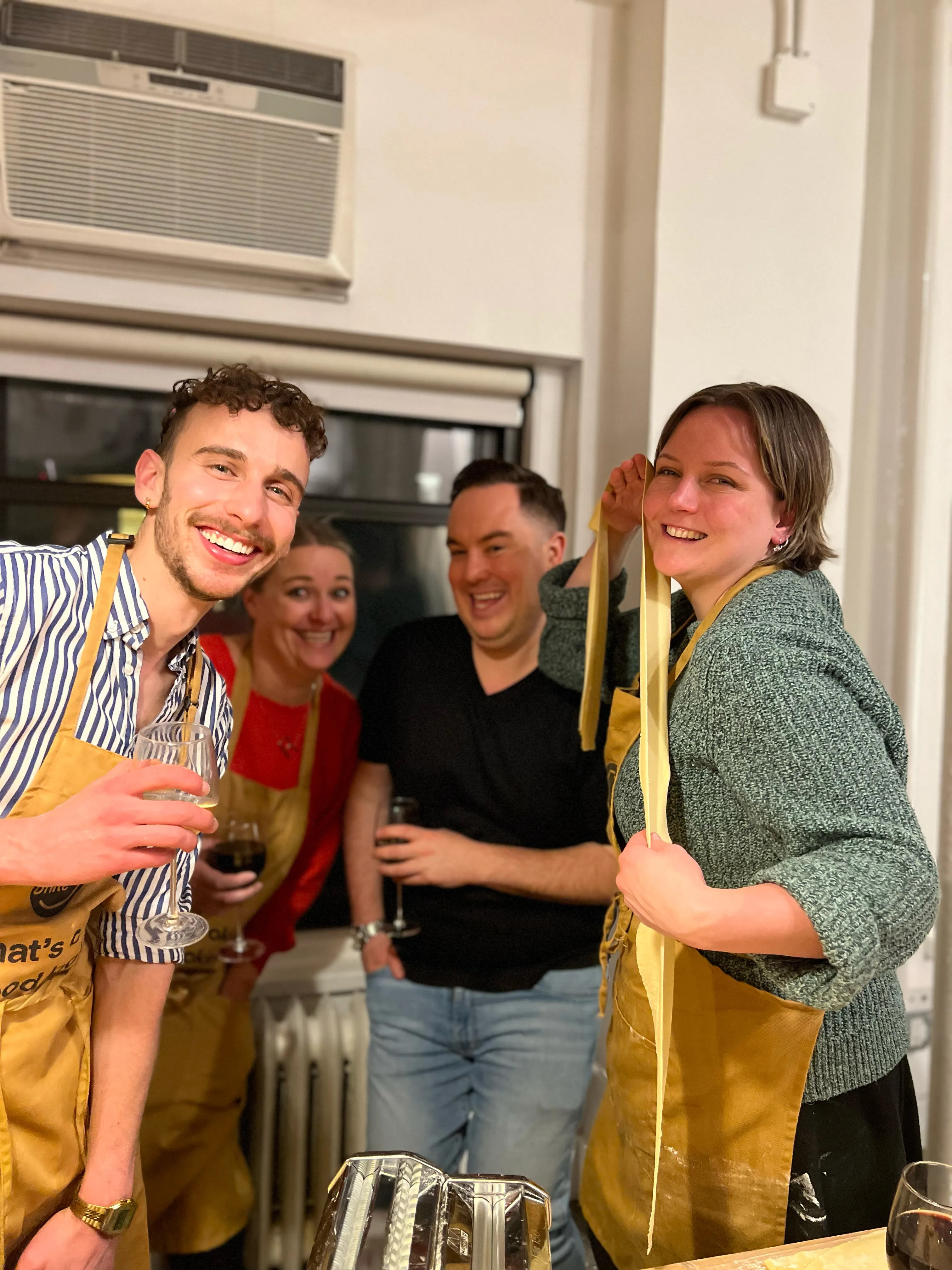
A shared cooking experience allows employees to relax, laugh, and connect outside of their normal responsibilities. This creates positive emotions that can improve overall workplace satisfaction.
High morale affects more than mood. Employees who feel valued are often more engaged, motivated, and loyal. They are more likely to contribute positively to the workplace culture and support their teammates.
Booking a fun and interactive cooking class shows employees that the company is committed to creating enjoyable experiences, not just focusing on productivity.
3. Encourages Leadership Development
Leadership skills often emerge in environments where employees must work together to solve challenges. Cooking classes provide an ideal setting for this.
As teams prepare dishes, natural leaders often step forward to organize tasks, guide others, and keep the group focused. These moments allow employees to demonstrate leadership abilities they may not regularly show in the office.
Some employees excel at decision-making, while others thrive in motivating teammates or coordinating tasks. Cooking classes reveal these strengths organically.
This can be valuable for managers looking to identify leadership potential within their teams. Employees also gain confidence as they take initiative in a supportive environment.
Leadership development is most effective when it happens through experience, and team building cooking classes create those opportunities in an engaging and memorable way.
4. Builds Cross-Department Relationships
In many workplaces, employees stay within their departments. Marketing interacts with marketing, sales works with sales, and operations focuses on operations. Over time, these silos can limit collaboration across the organization.
A team building cooking class helps break those barriers.
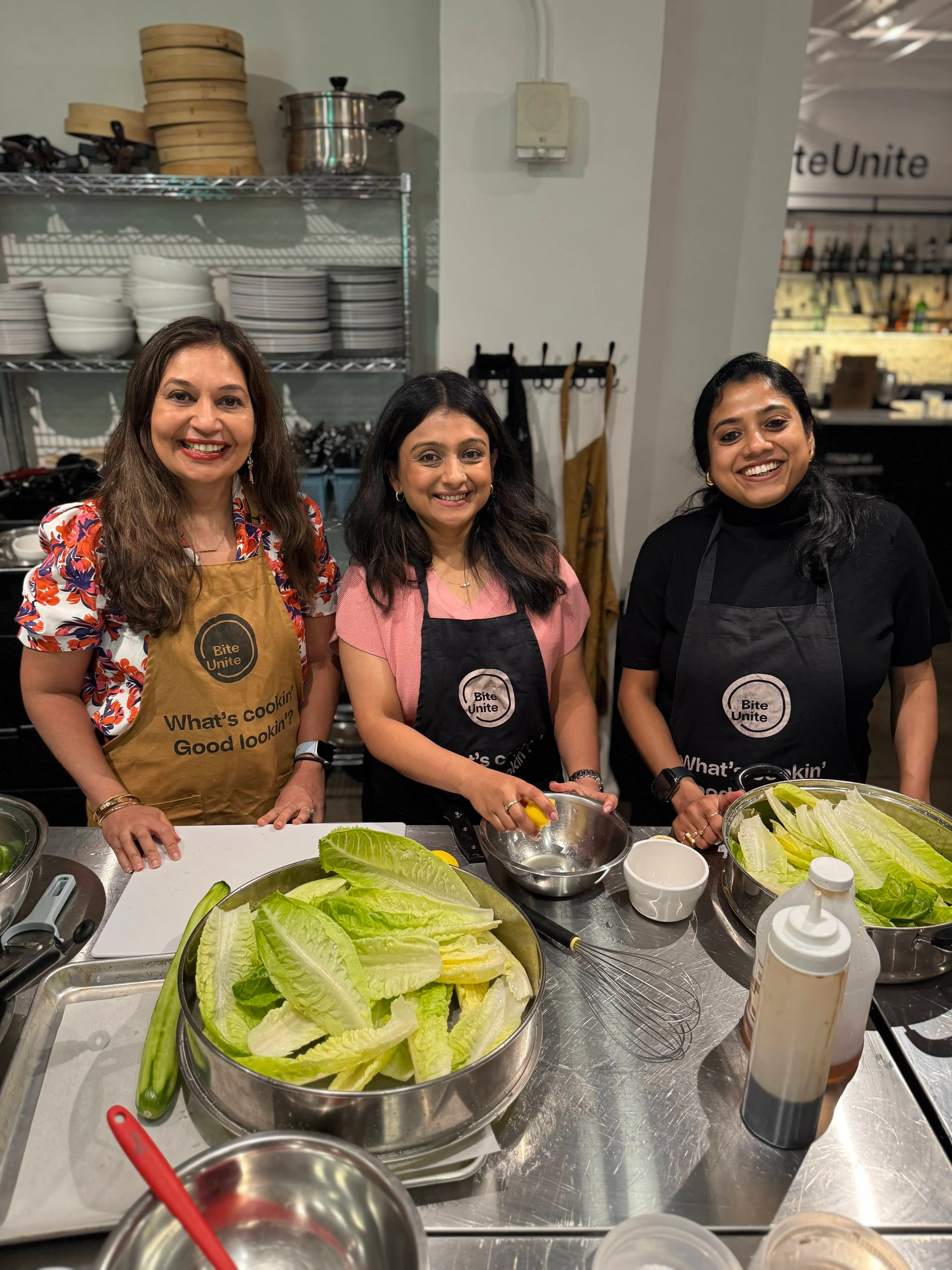
By mixing employees from different departments into small teams, companies create opportunities for people to interact in ways they normally would not. Employees learn about each other’s personalities, communication styles, and strengths outside the structure of workplace roles.
These relationships matter because cross-department collaboration becomes easier when employees already have personal connections.
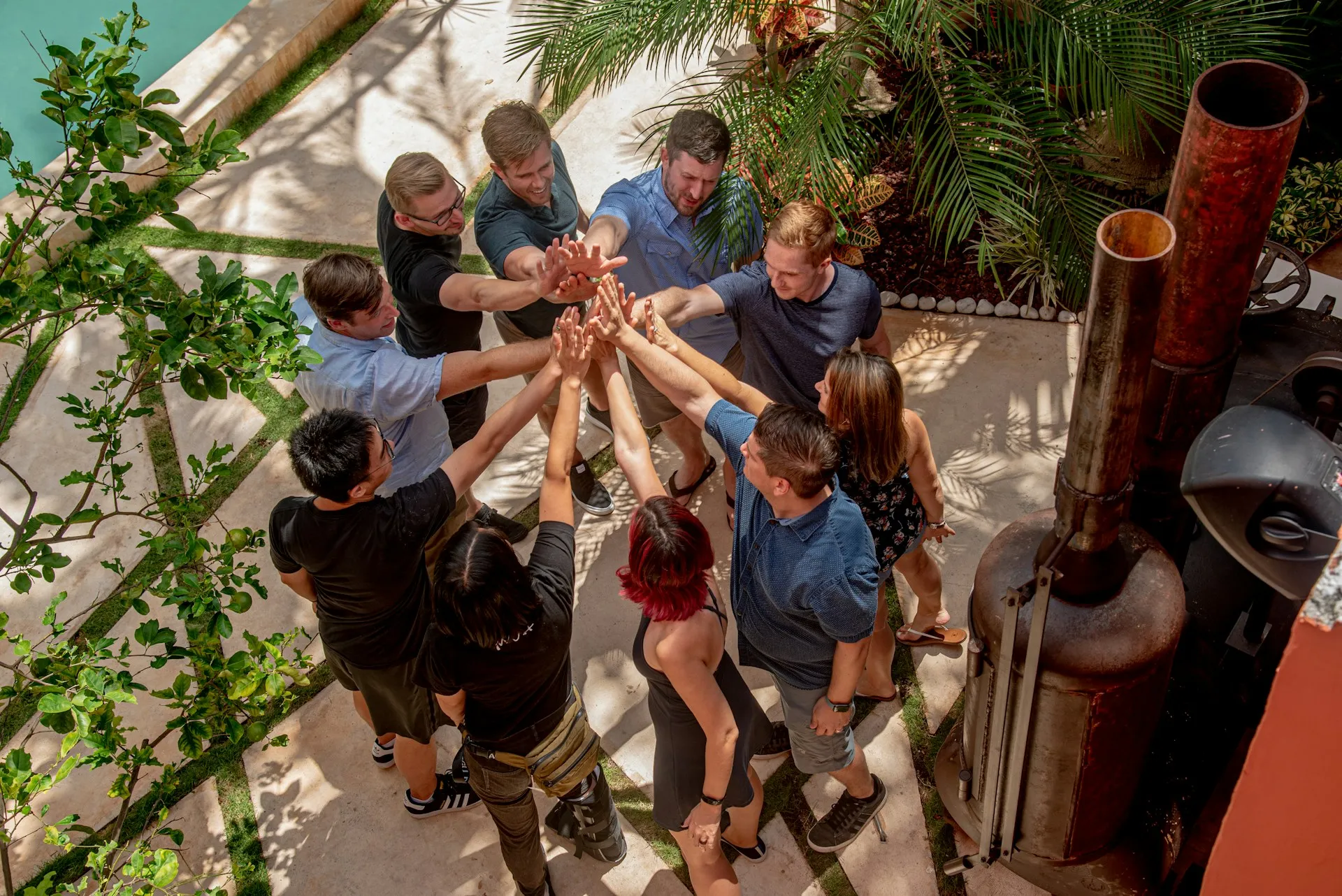
When people have cooked together, laughed together, and succeeded together, it becomes easier for them to communicate and collaborate back at work.
5. Supports Creativity and Innovation
Creativity is not limited to artistic roles. Every team benefits when employees can think creatively, solve problems, and adapt to changing circumstances.
Cooking encourages creative thinking. Teams must follow instructions, but they also make decisions, adjust strategies, and sometimes improvise. These moments strengthen flexible thinking.
For example, a team may need to adjust timing to complete a dish or work around small mistakes. Solving these challenges encourages innovation in a practical setting.
Creative collaboration in the kitchen can inspire more innovative thinking in the workplace. Employees become more comfortable sharing ideas, adapting plans, and solving problems together.
That kind of creative confidence benefits teams long after the event ends.
6. Creates Lasting Shared Experiences
People remember shared experiences more than routine meetings or office lunches. Team building works best when it creates meaningful memories that employees carry with them.
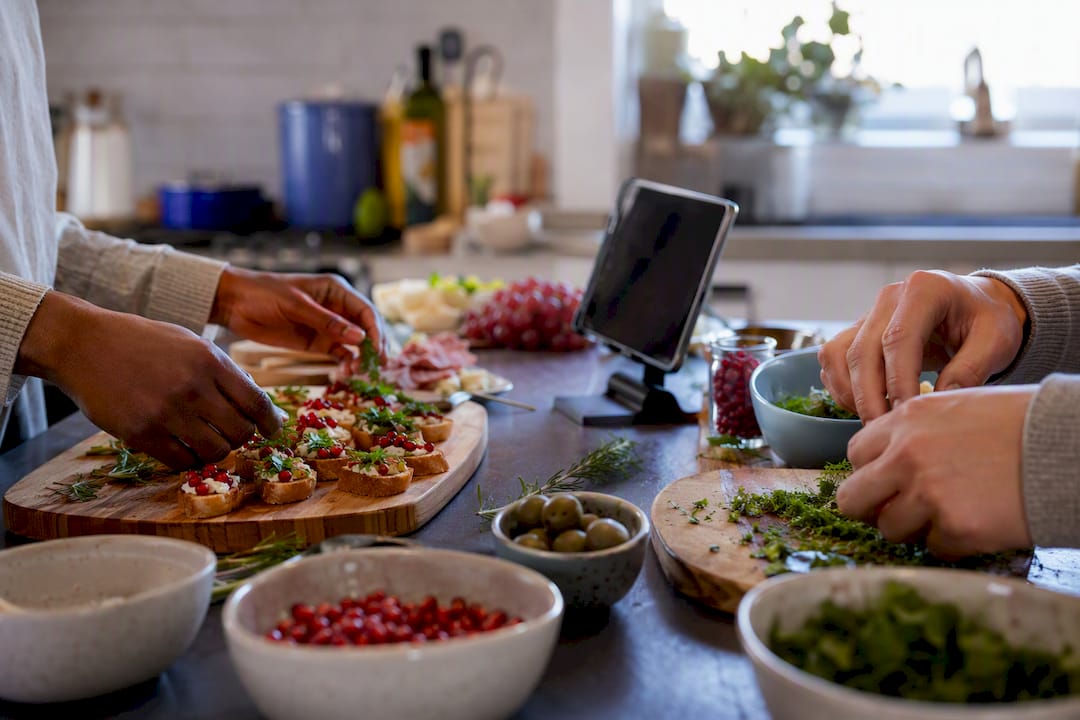
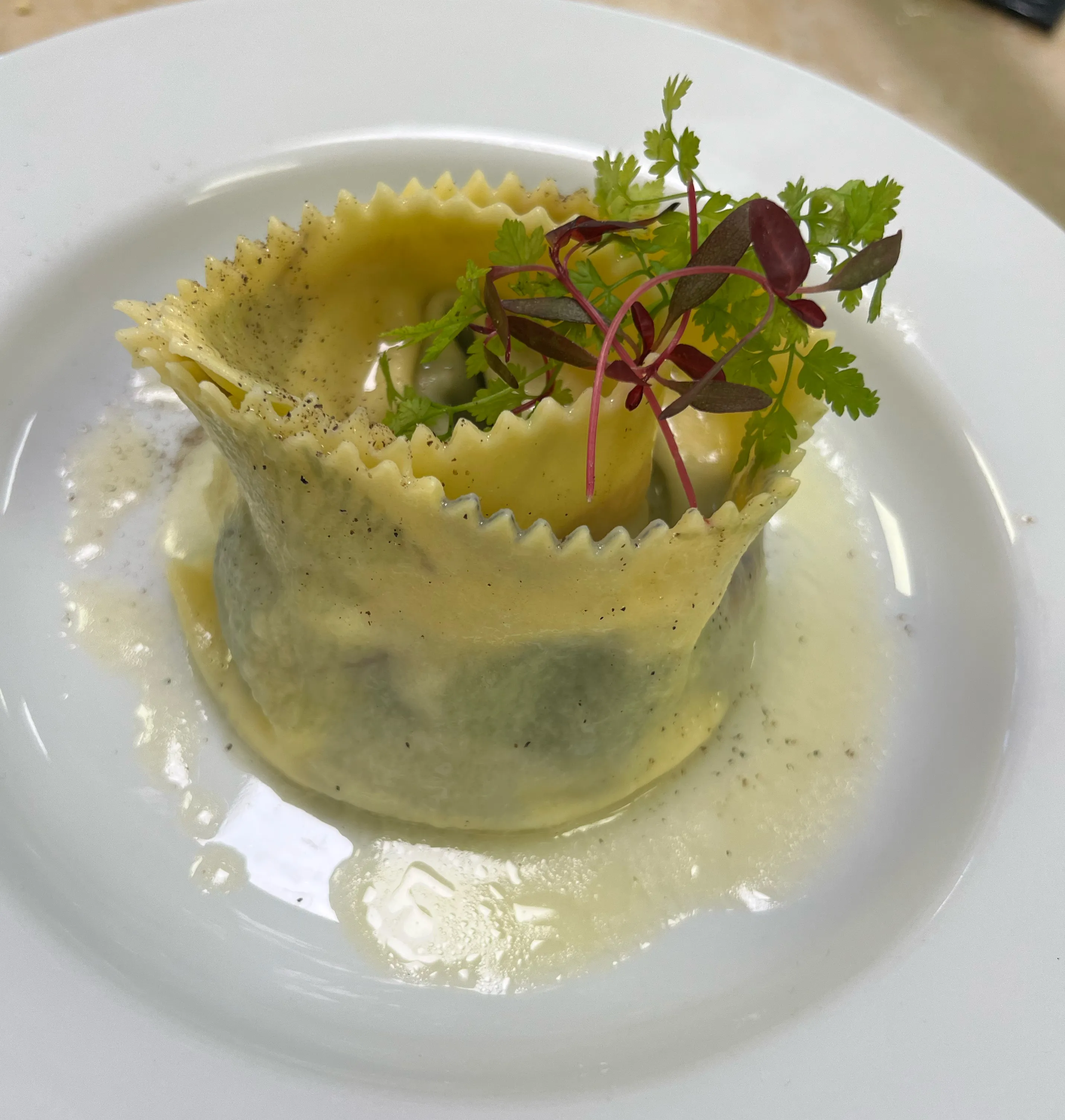
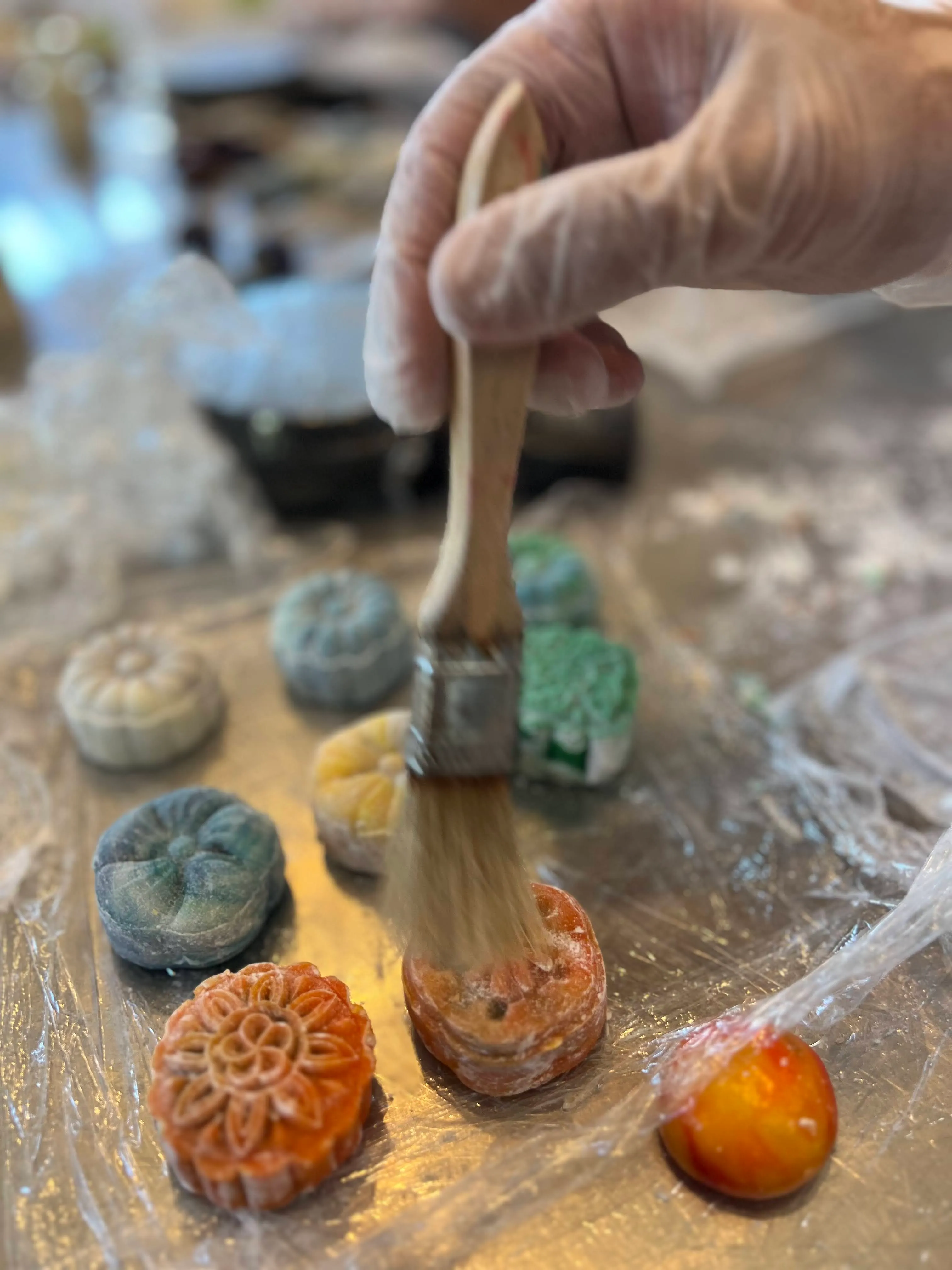
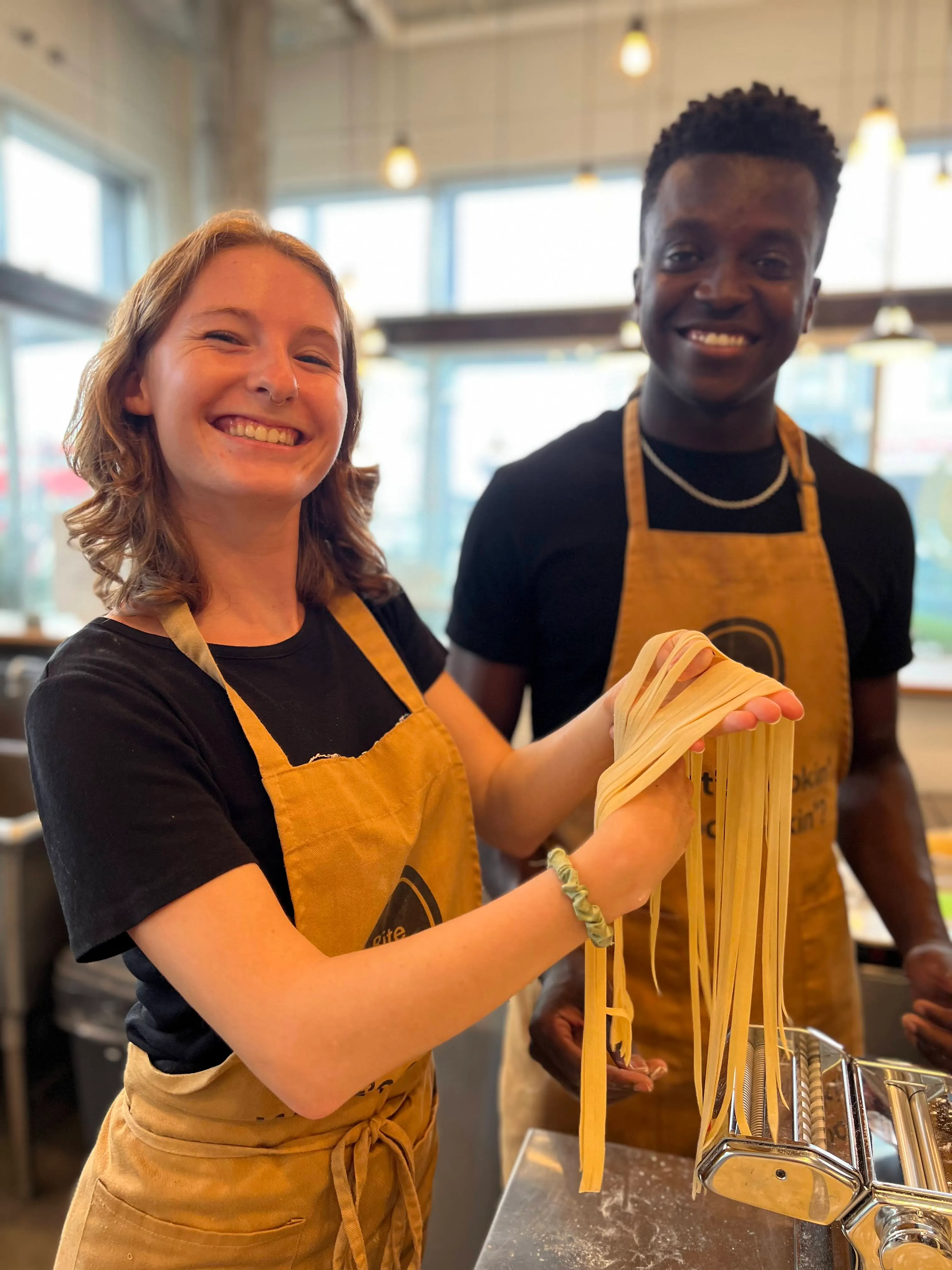
Cooking classes are memorable because they engage multiple senses and require active participation. Employees are not just attending an event, they are creating something together.
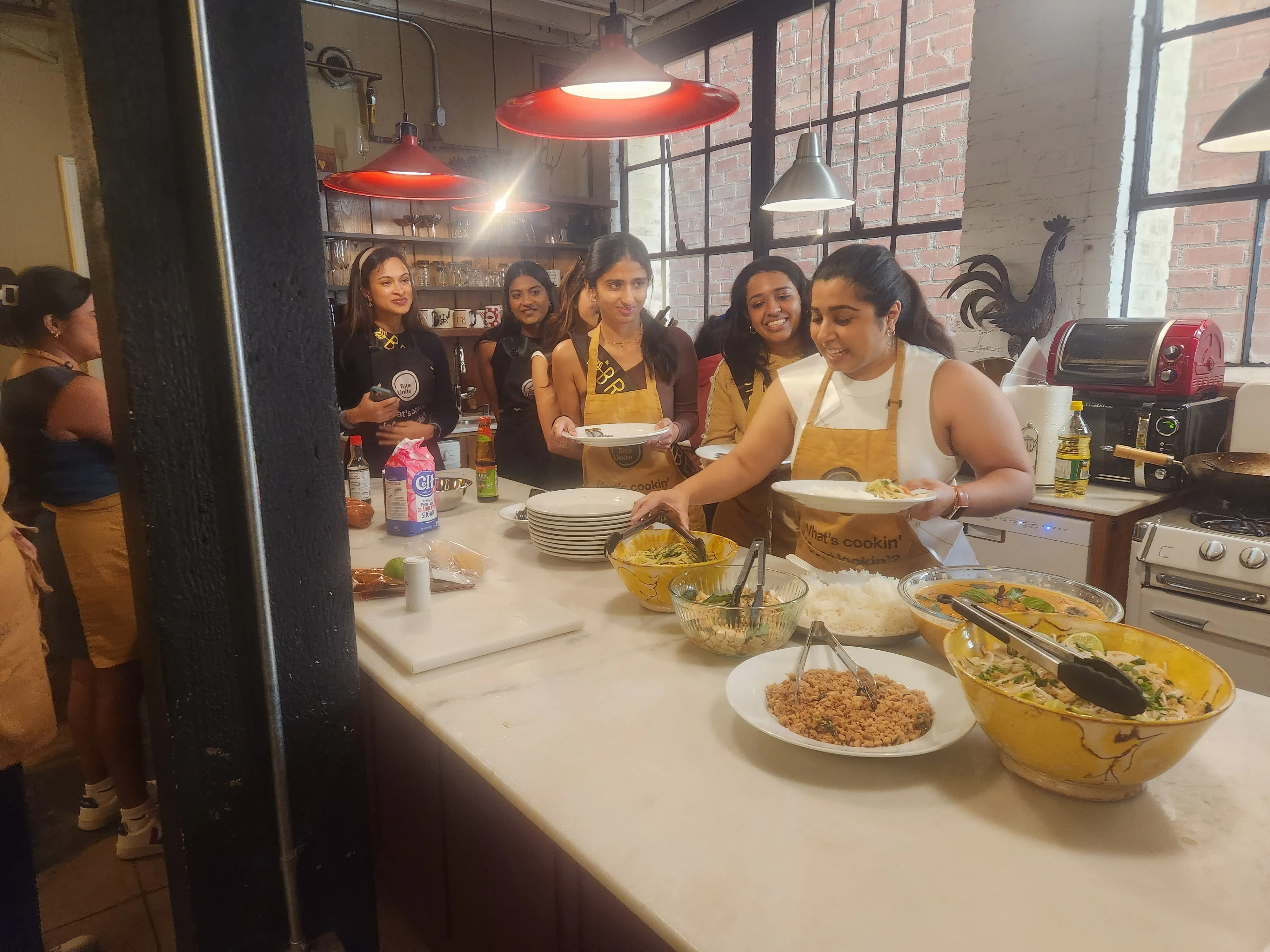
The process of preparing a meal, overcoming challenges, and enjoying the final result creates a strong sense of accomplishment. These moments build emotional connection between coworkers.
Shared experiences create stories teams talk about later. Those memories strengthen bonds and reinforce a sense of belonging.
This is one reason why team building cooking classes in Boston have such a lasting impact on company culture. The experience becomes part of the team’s shared history.
7. Offers a Unique Boston Experience
Boston is a city known for its rich culture, innovation, and culinary excellence. Hosting a cooking class in Boston gives employees access to a memorable local experience that feels special.
Whether your team includes local employees or remote workers visiting the city, a cooking class offers an authentic way to enjoy Boston’s culinary atmosphere.
Unlike generic corporate outings, a cooking class feels immersive. Employees leave with more than a fun memory, they gain a meaningful experience connected to the city itself.
This makes team building cooking classes especially valuable for:
- company retreats
- onboarding events
- team celebrations
- client appreciation events
With BiteUnite’s Boston cooking classes, companies can offer a premium team-building experience that combines Boston’s culinary energy with professional team development.
Where to Book the Best Team Building Cooking Classes in Boston
If your business wants to create stronger employee relationships while offering a memorable experience, booking a professional cooking class is one of the smartest choices available.
BiteUnite’s Boston cooking classes provide expertly guided culinary experiences designed to strengthen teamwork, improve morale, and create lasting connections.
Whether you are planning a team celebration, corporate retreat, or employee engagement event, BiteUnite offers customizable experiences that fit teams of all sizes.
You can explore available experiences here:
https://www.biteunite.com/cooking-classes/boston
Conclusion
Strong teams are built through shared experiences. Team building cooking classes in Boston give employees the chance to communicate, collaborate, and connect in a fun and meaningful environment.
From improving communication to boosting morale, encouraging leadership, and building stronger workplace relationships, the benefits go far beyond the kitchen.
For Boston companies looking to invest in culture, strengthen teamwork, and create memorable employee experiences, a cooking class offers the perfect blend of fun and professional value.





































.webp)