When the World Cup Comes to North America, Food Experiences Become Part of the Celebration

The FIFA World Cup has always been about more than football. Every tournament transforms host cities into international gathering places where culture, entertainment, and human connection become just as memorable as the matches themselves. With the 2026 FIFA World Cup being hosted across the United States, Canada, and Mexico, millions of visitors are expected to travel throughout North America, creating one of the largest tourism events in modern history.
The scale of the tournament is historic. The expanded competition features 48 teams and more than one hundred matches spread across multiple cities, bringing together supporters from every corner of the world. Industry experts expect the World Cup to generate billions in tourism spending and deliver a major economic boost to cities throughout North America.
For many travelers, however, the trip is no longer solely about attending a match. Today's tourists increasingly seek immersive experiences that allow them to engage with local communities and create memories that go beyond stadiums and attractions. Food has become one of the most powerful ways to build those connections.
The Rise of Experiential Travel During Major Sporting Events
Culinary tourism has evolved into one of the fastest-growing segments of the travel industry. Travelers want experiences that are interactive, educational, and memorable. Rather than simply eating at restaurants, visitors increasingly seek activities that allow them to understand a destination's culture firsthand. Cooking classes have emerged as one of the experiences that perfectly meet this demand.
This trend becomes even more evident during major sporting events. The World Cup schedule naturally creates downtime between matches, giving visitors opportunities to explore host cities in ways that extend beyond football. Fans spend days between games searching for experiences that feel authentic while allowing them to interact with other travelers who share their excitement for the tournament.
Cooking classes offer precisely that experience.
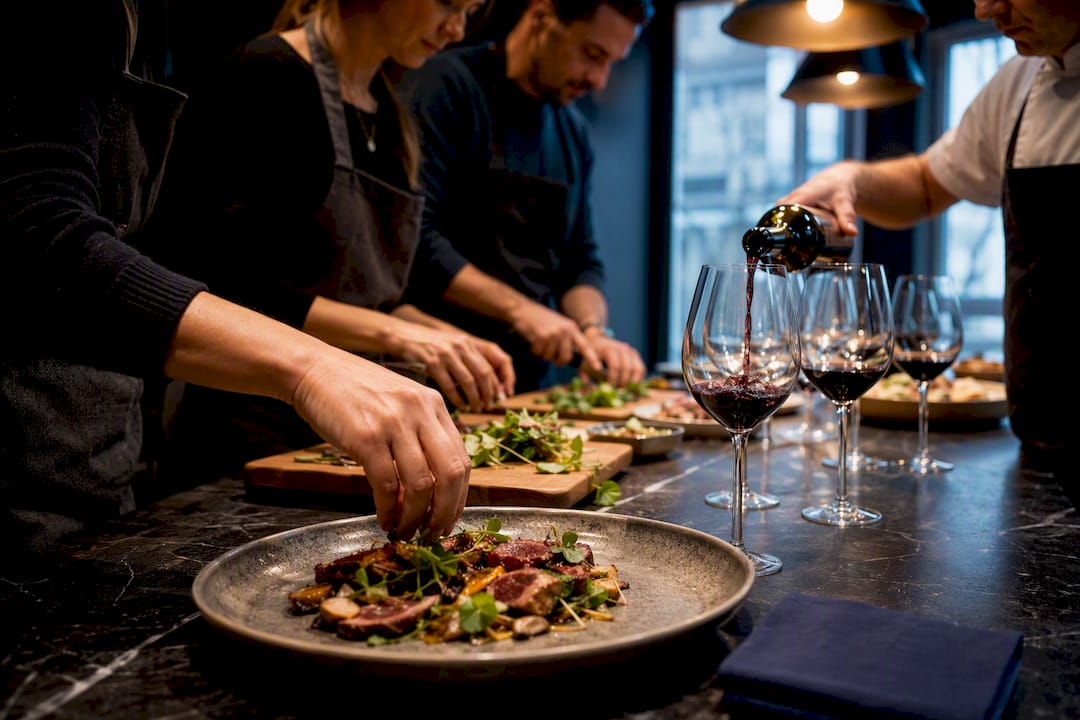
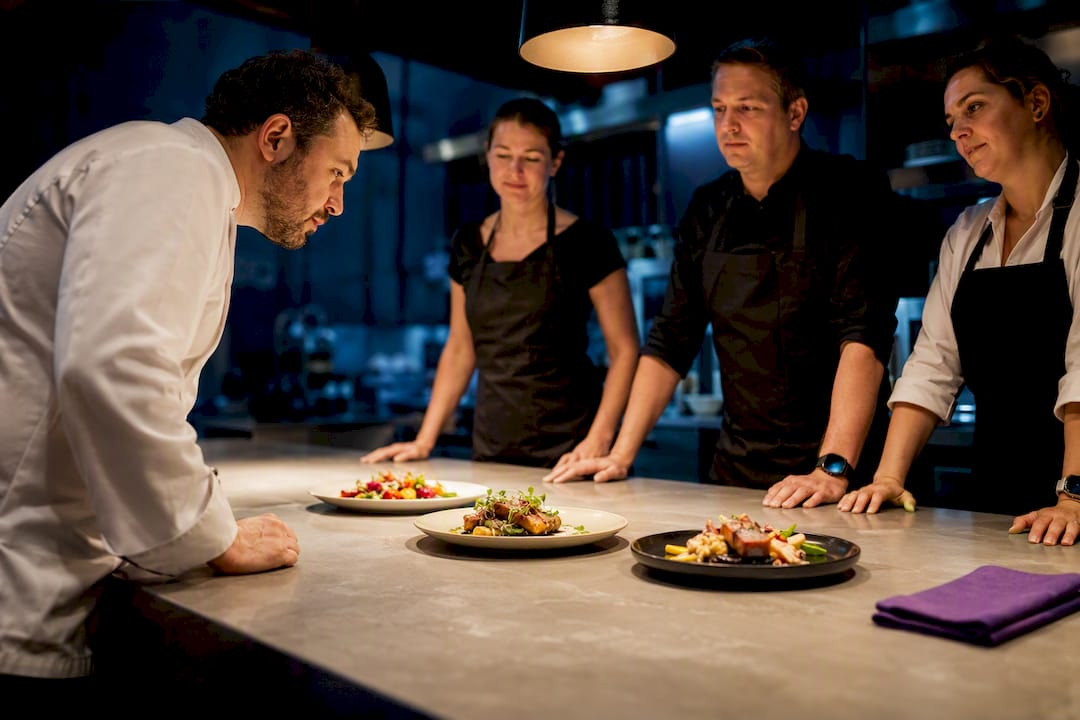
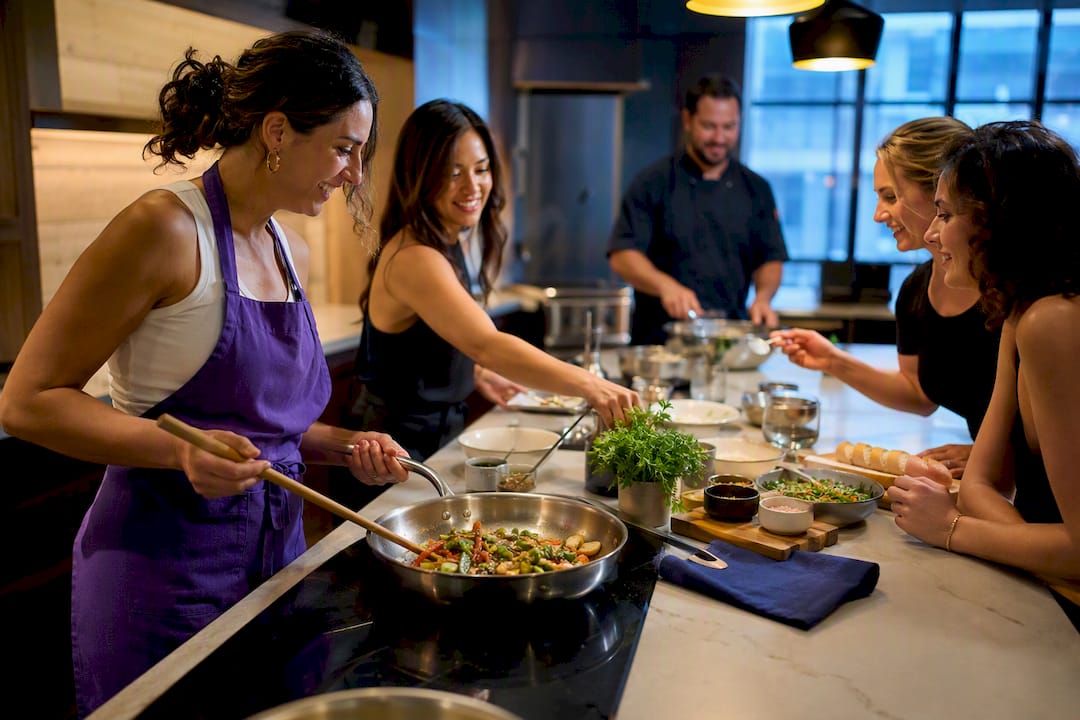
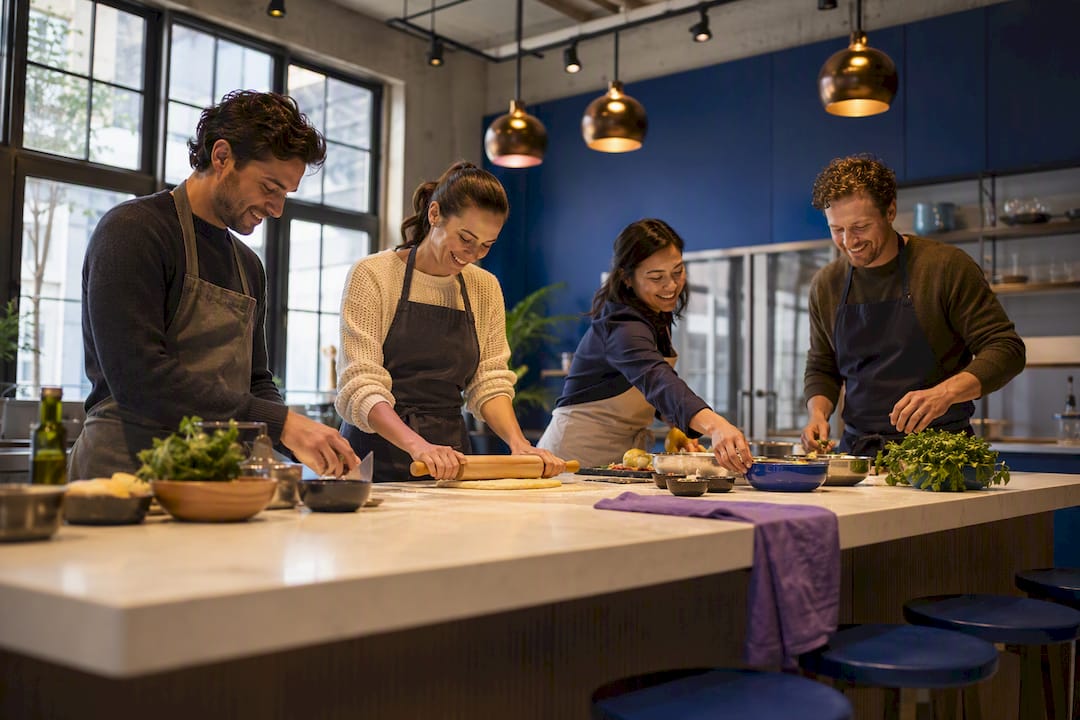
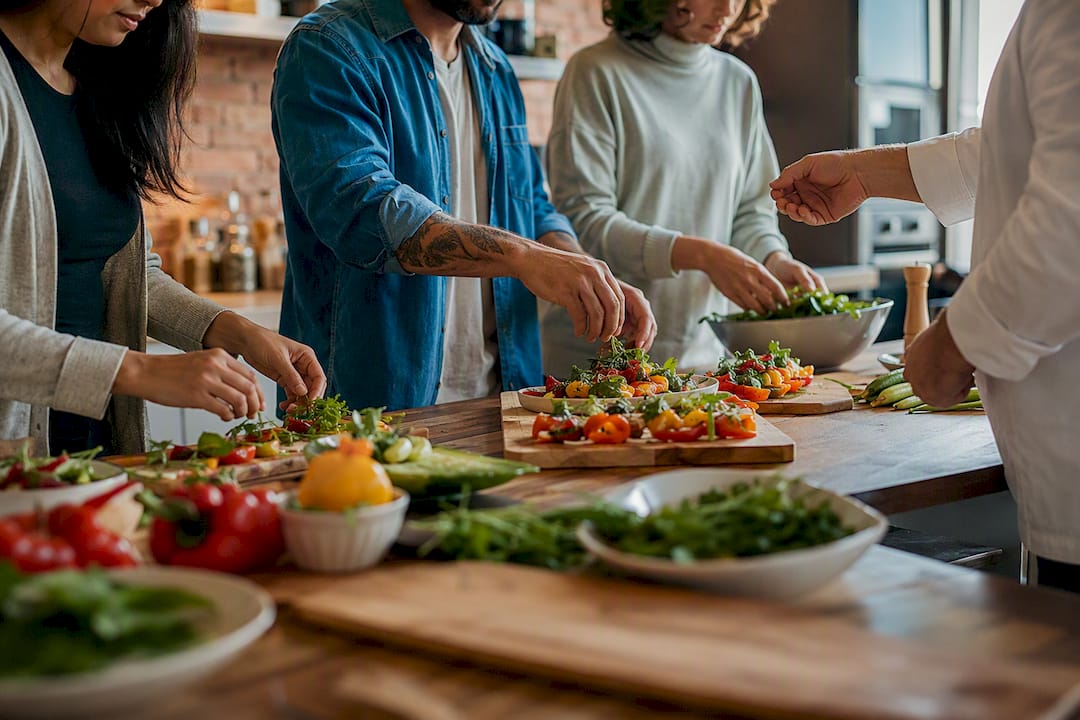
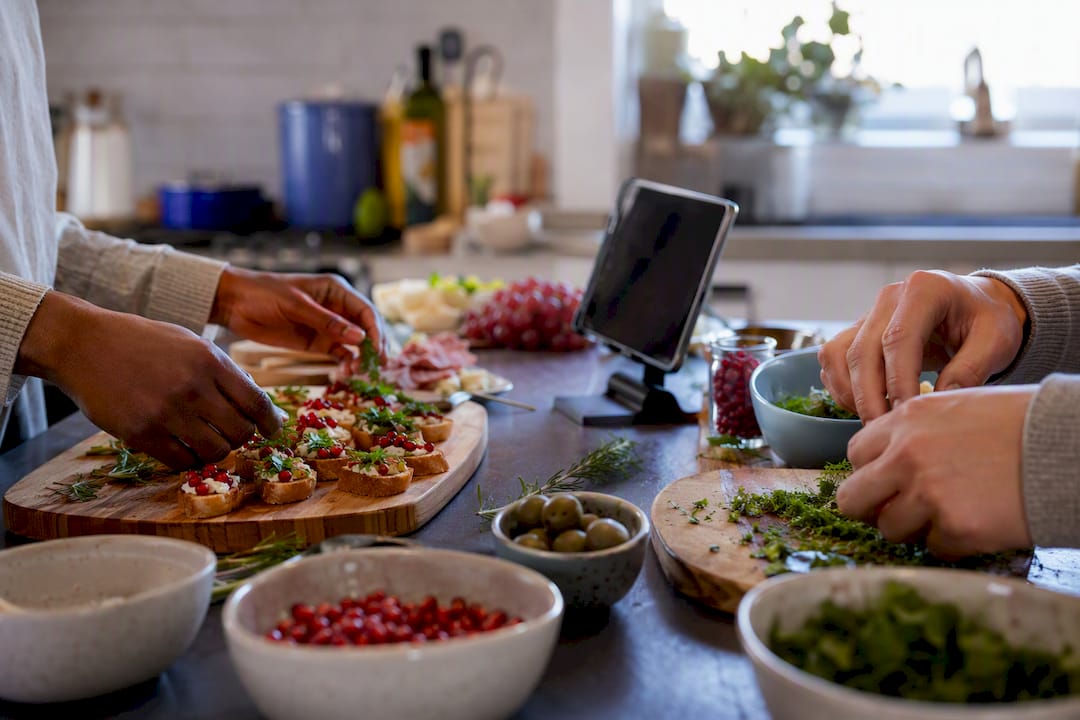
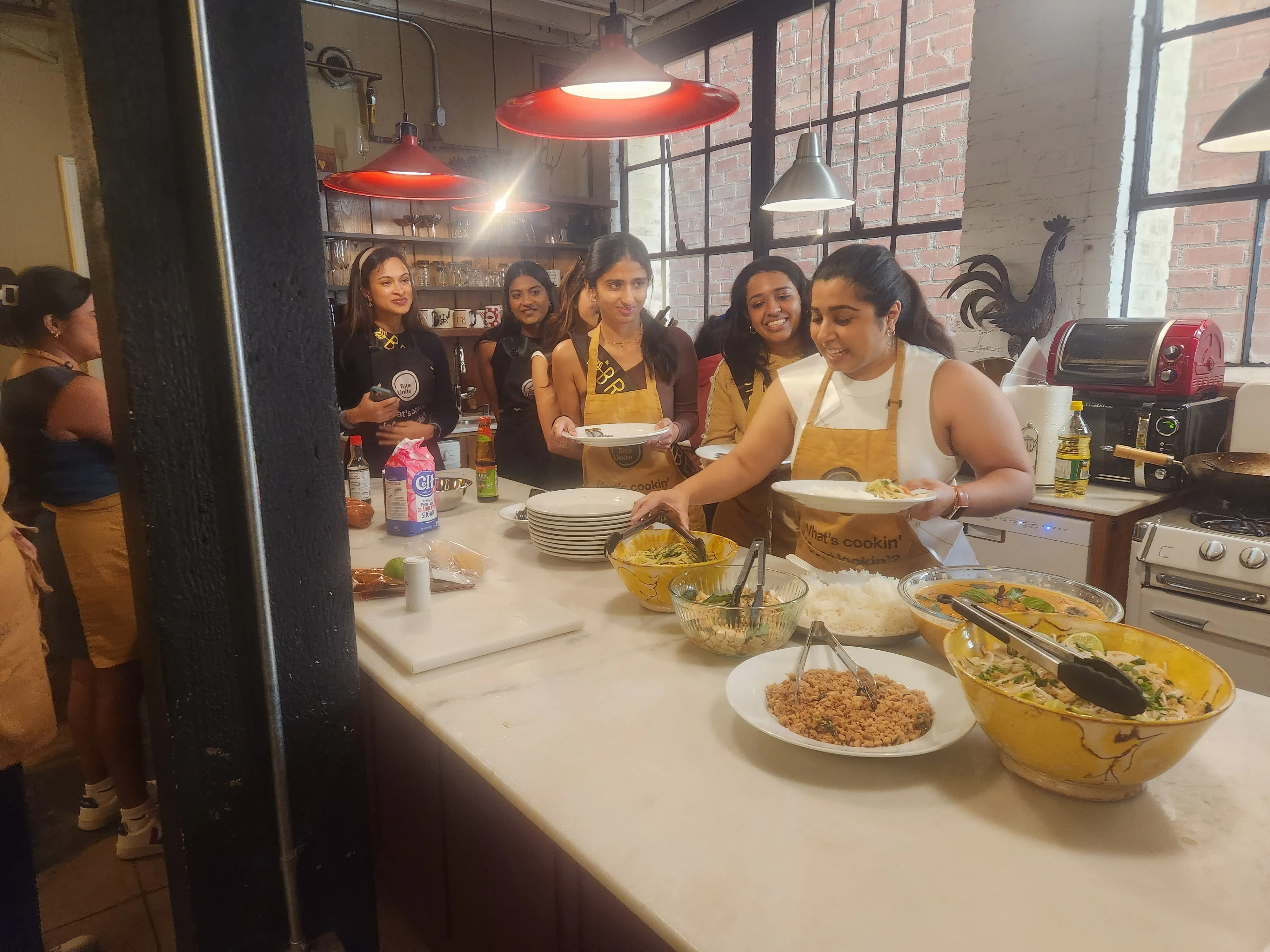
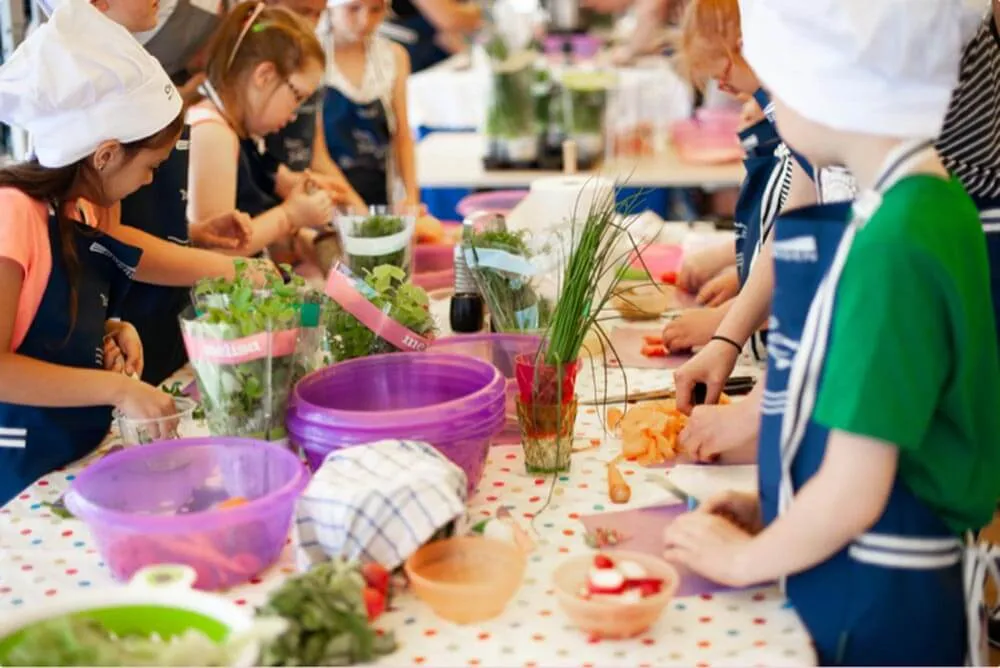
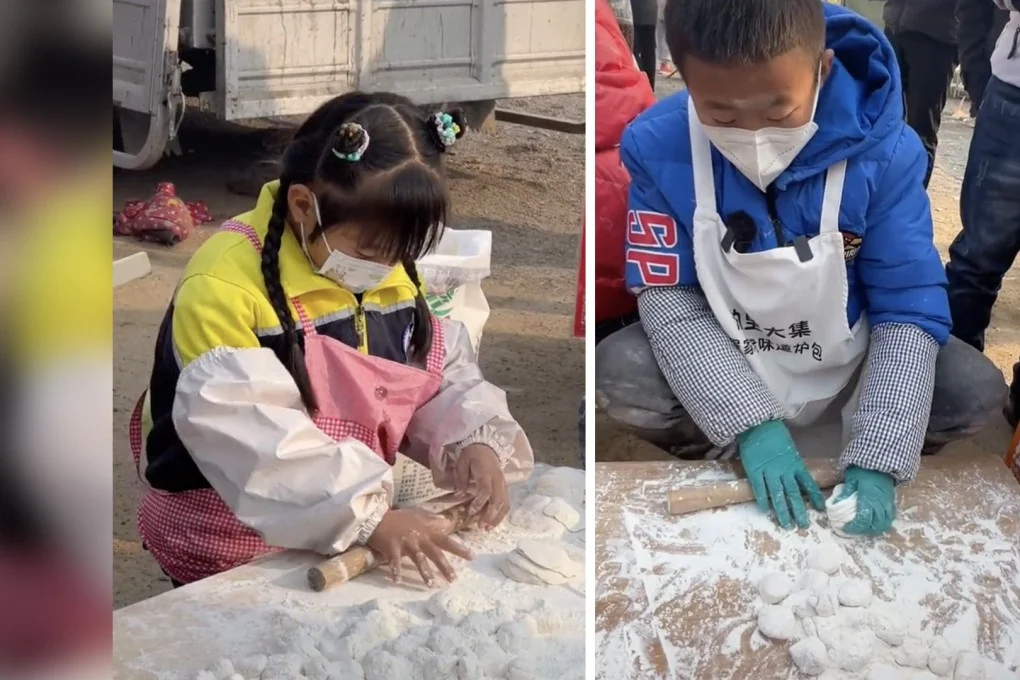
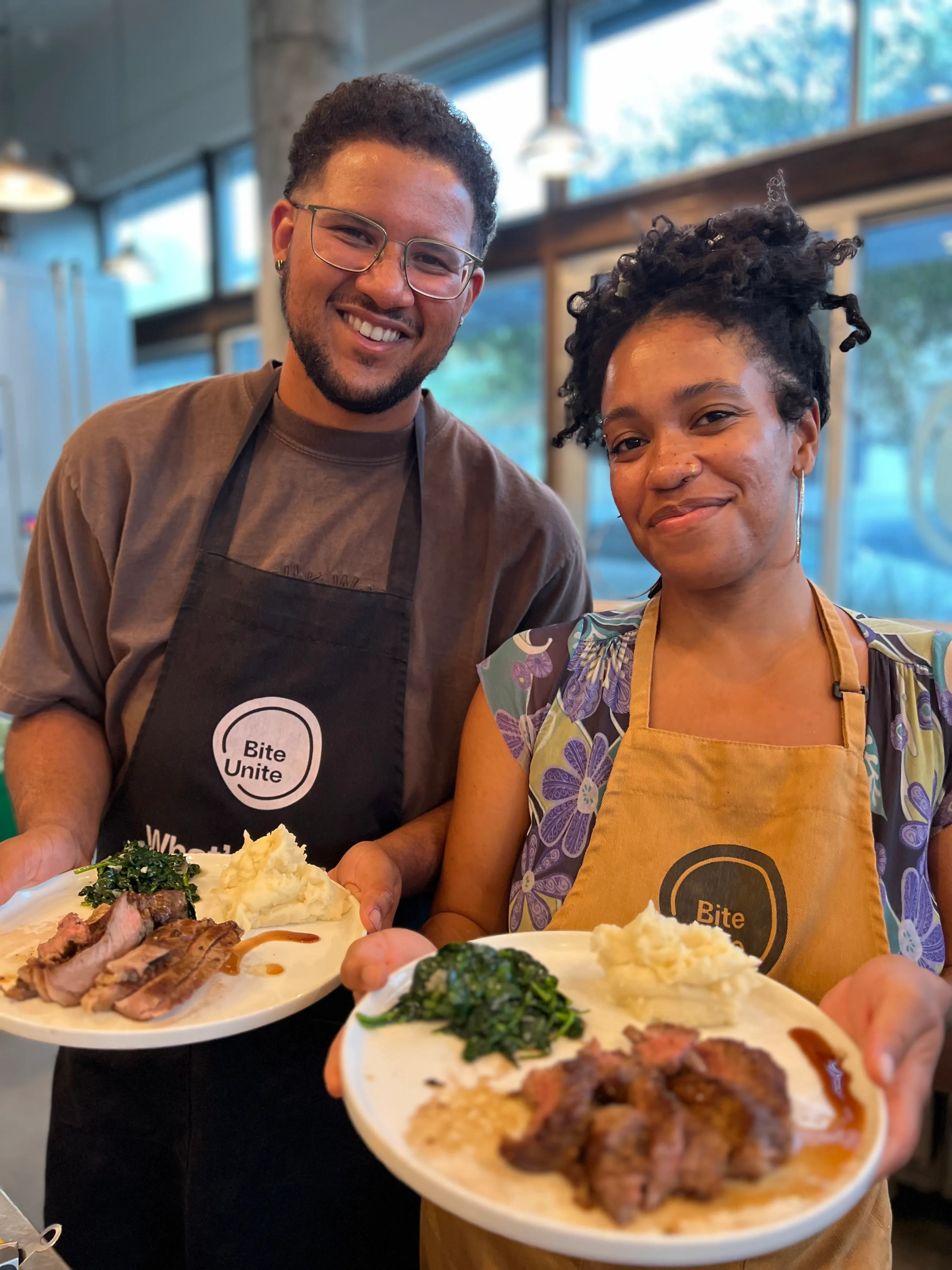
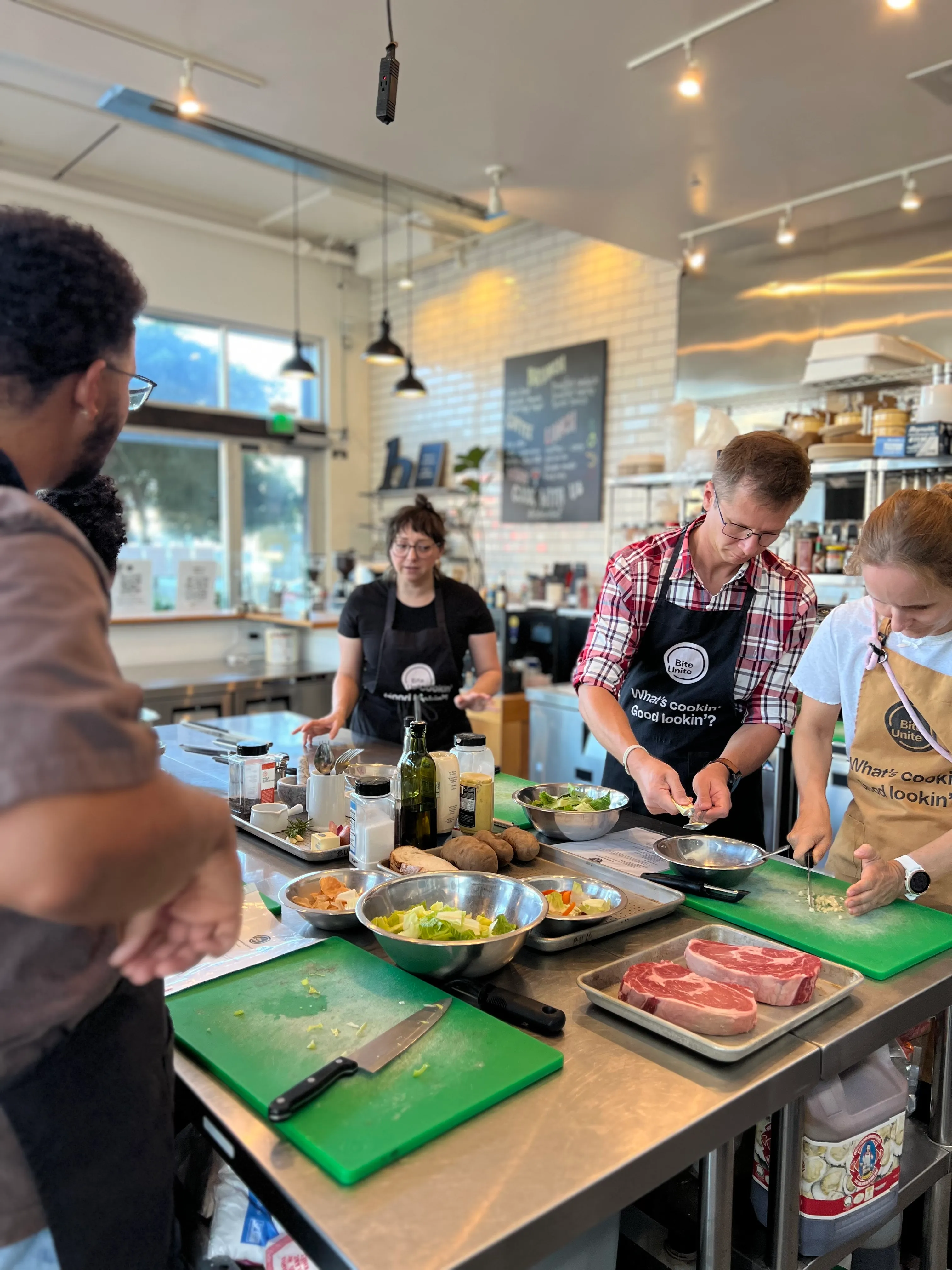
Unlike many traditional attractions, cooking experiences are participatory by nature. Guests are not passive observers. They learn techniques from experienced chefs, prepare meals together, and enjoy the social atmosphere that naturally develops around food. The activity itself becomes part of the travel memory.
The connection between sports and food is also remarkably natural. Football supporters have always celebrated through meals, whether gathering at pubs in England, sharing barbecues in Argentina, enjoying tacos in Mexico, or sitting down for pasta in Italy. Food and sports both create opportunities for people to come together and share experiences.
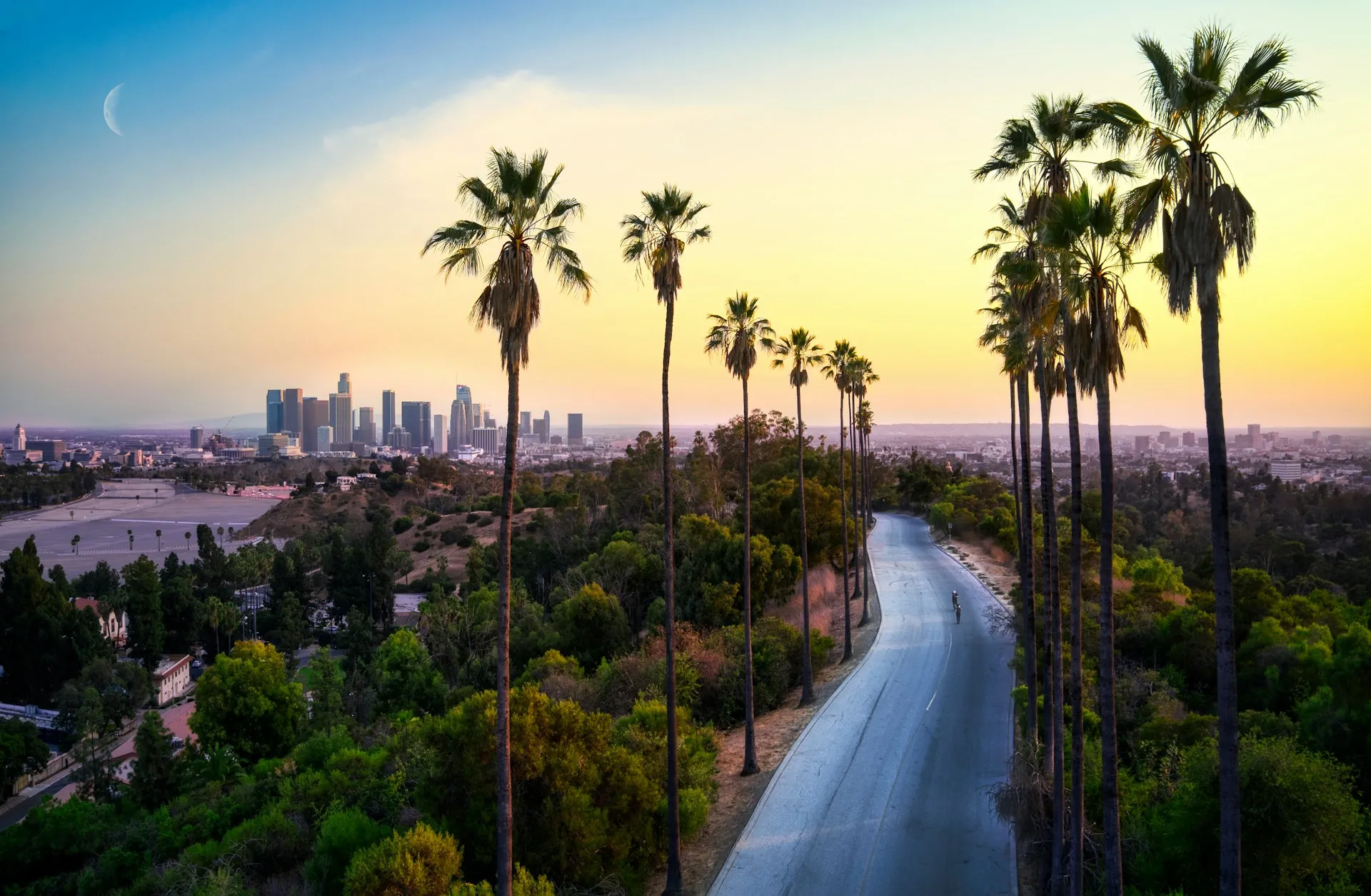
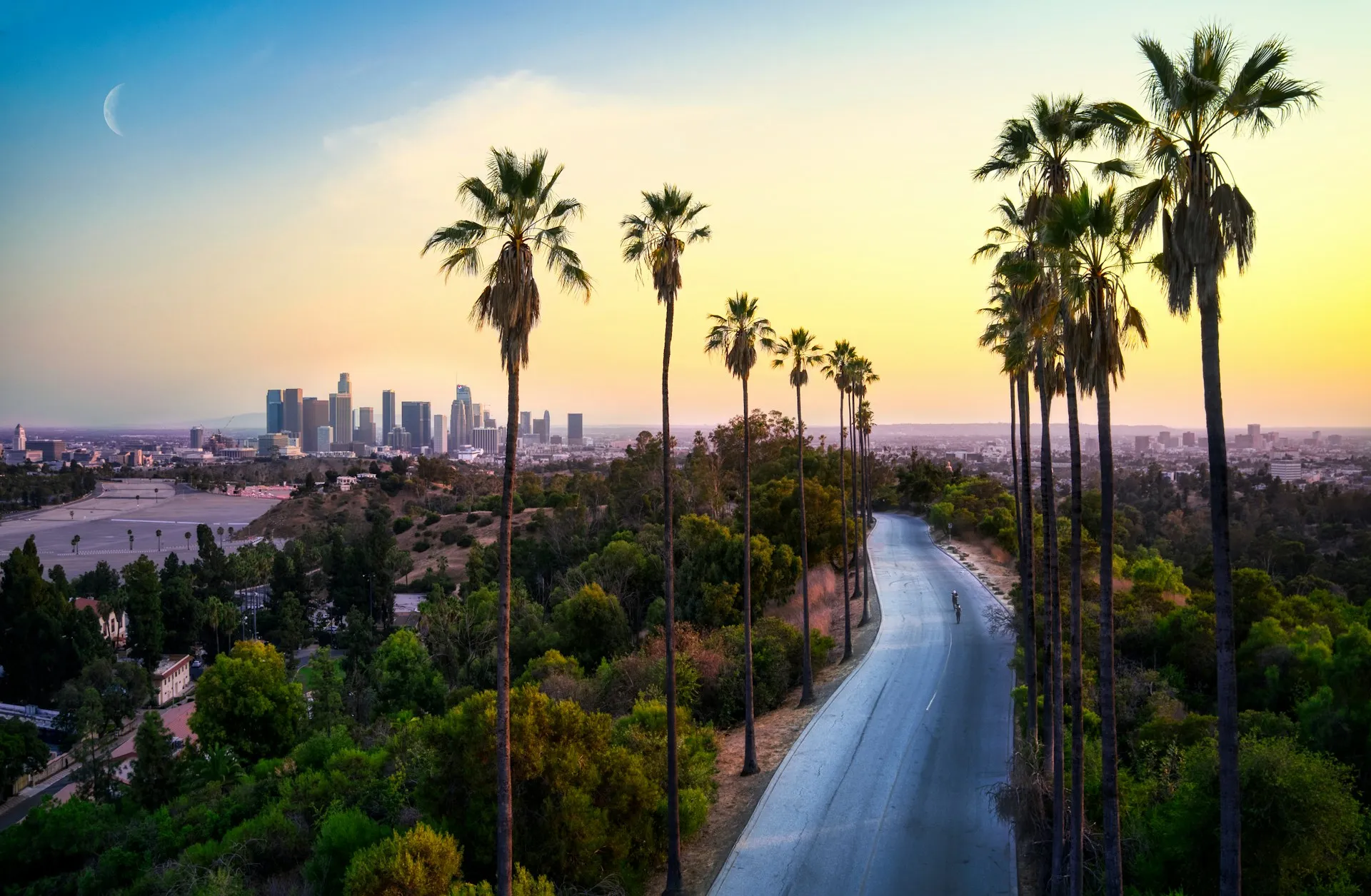
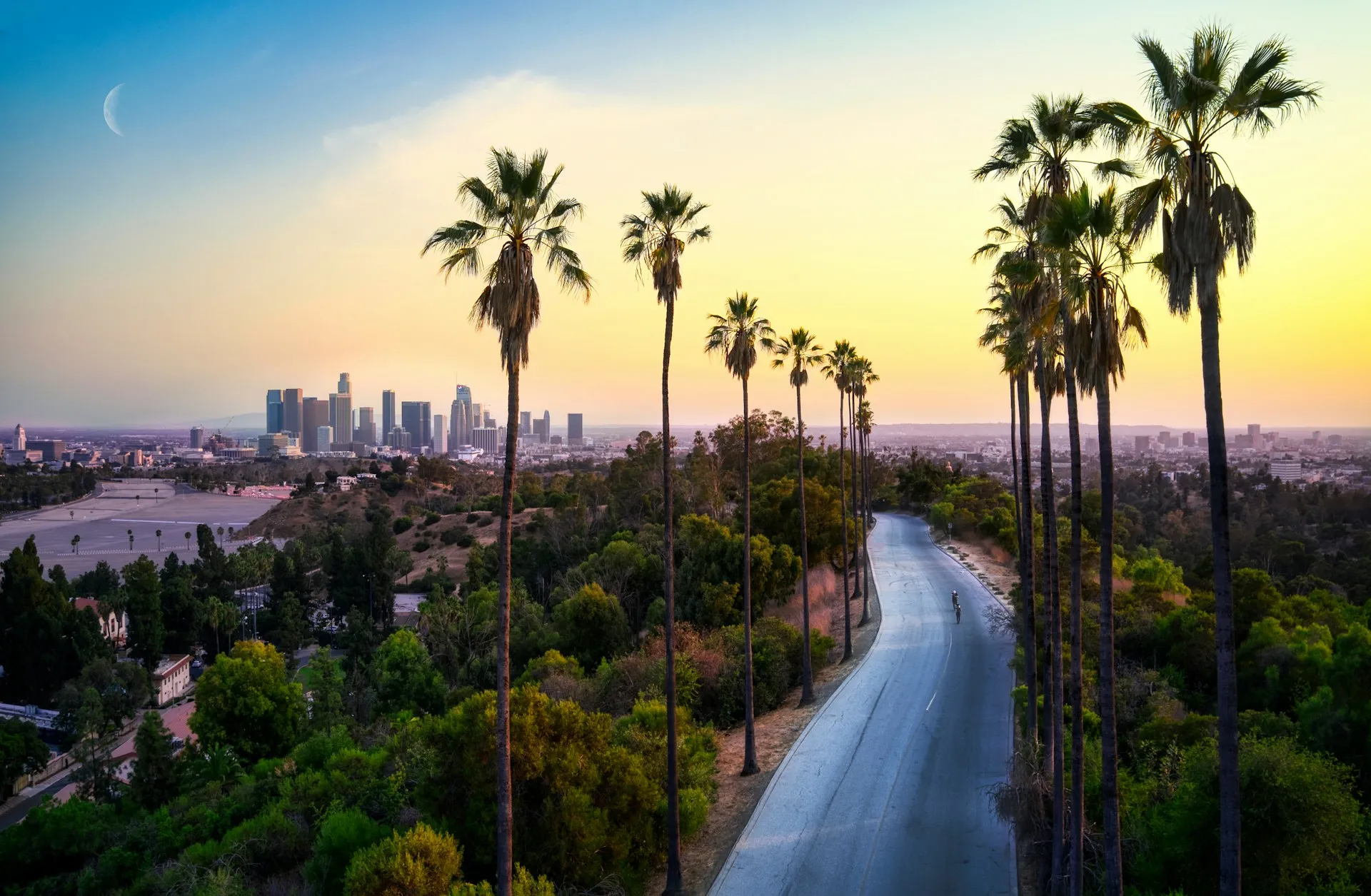
The 2026 World Cup presents a unique opportunity for visitors to experience this intersection of sport and culture in North America. Fans traveling to cities such as New York, Los Angeles, Miami, Toronto, and Mexico City will likely spend several days in each destination. During that time, many will actively seek activities that feel personal and culturally meaningful.
Hands-on culinary experiences are uniquely positioned to satisfy that demand.
Why Cooking Classes Are Becoming a Must-Do Activity for World Cup Tourists
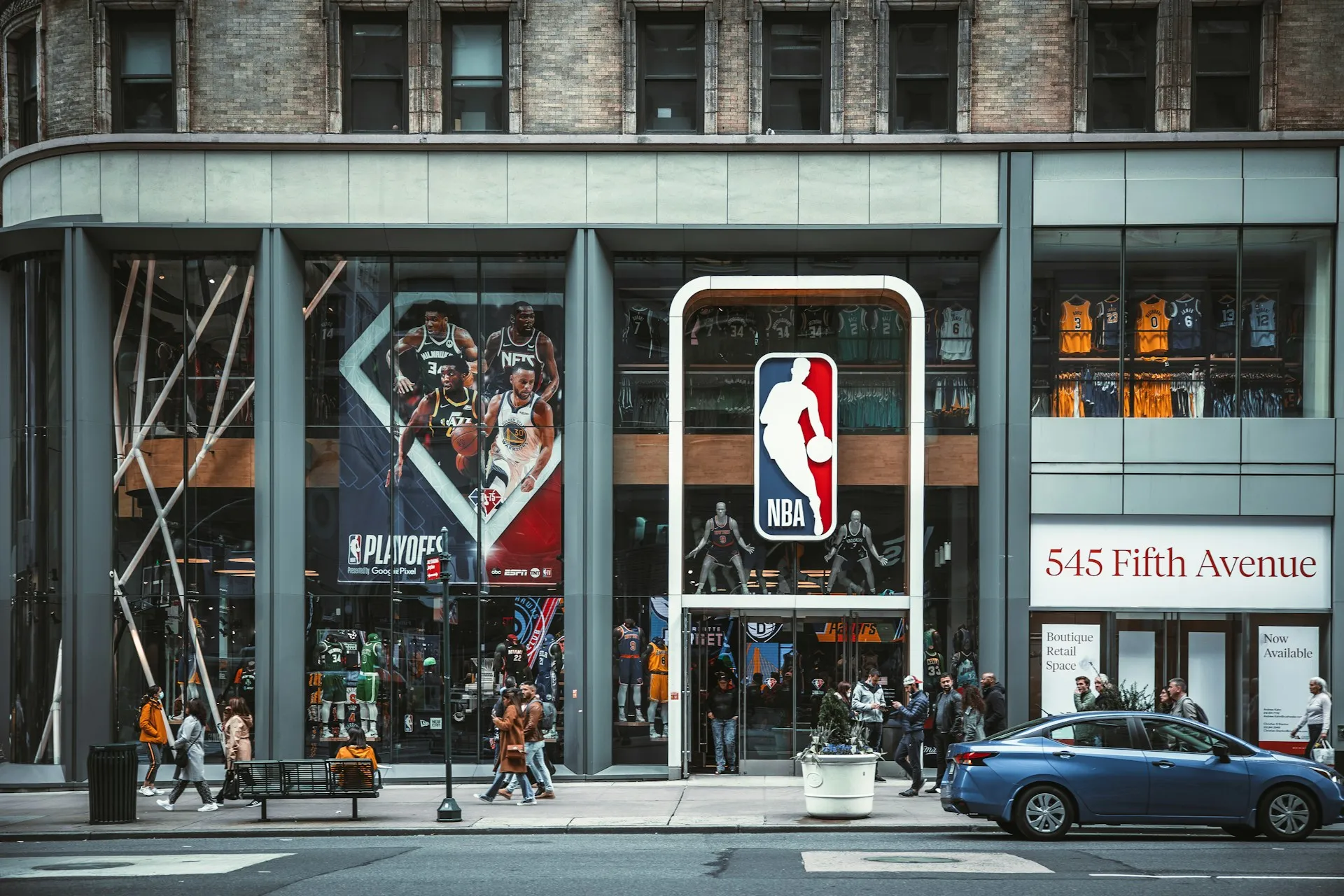
New York City provides an excellent example of how food experiences can complement sports tourism. Already one of the world's most visited destinations, the city is renowned for its diversity, international cuisine, and vibrant atmosphere. During major sporting events, visitors often discover that some of their favorite memories occur away from the arena or stadium.
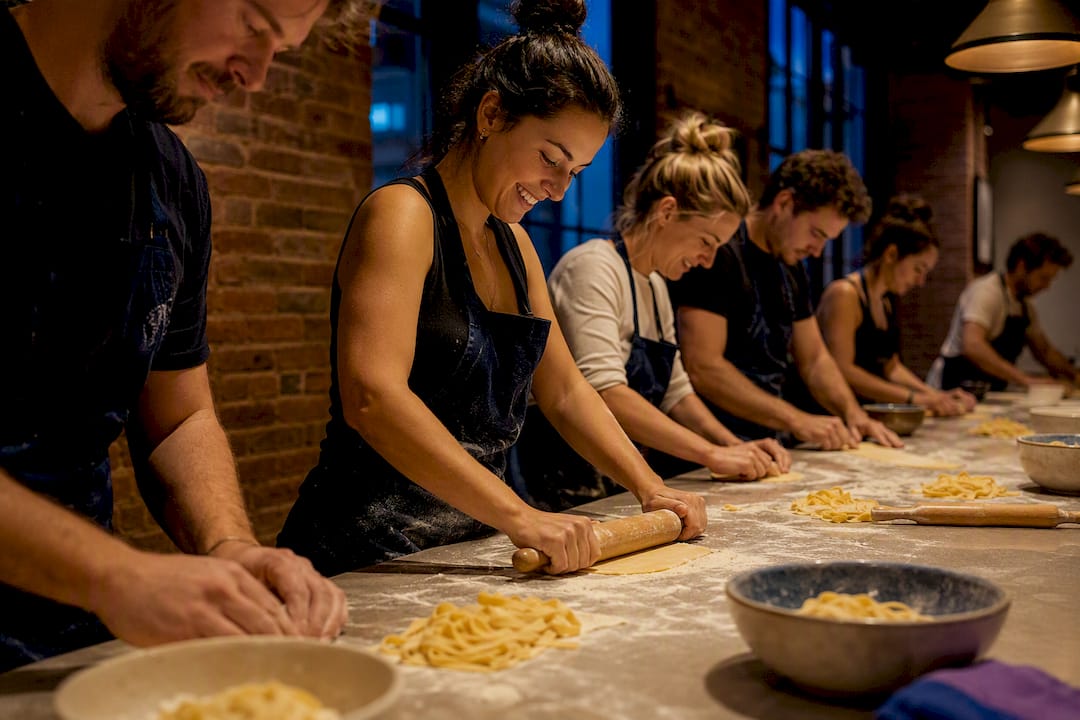
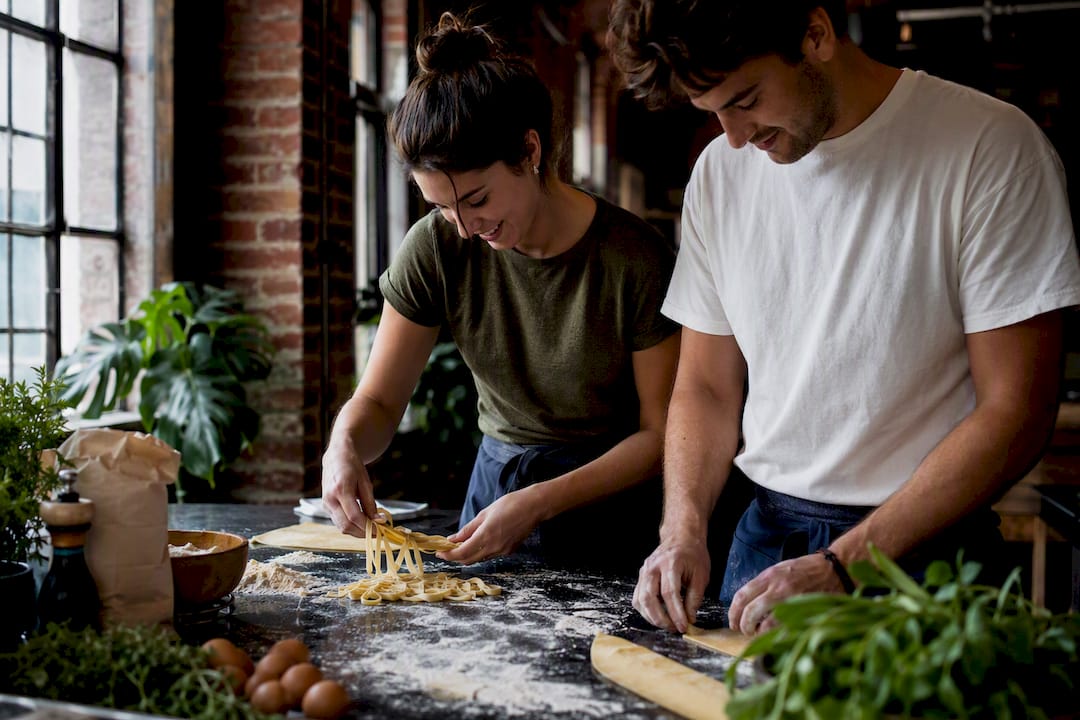
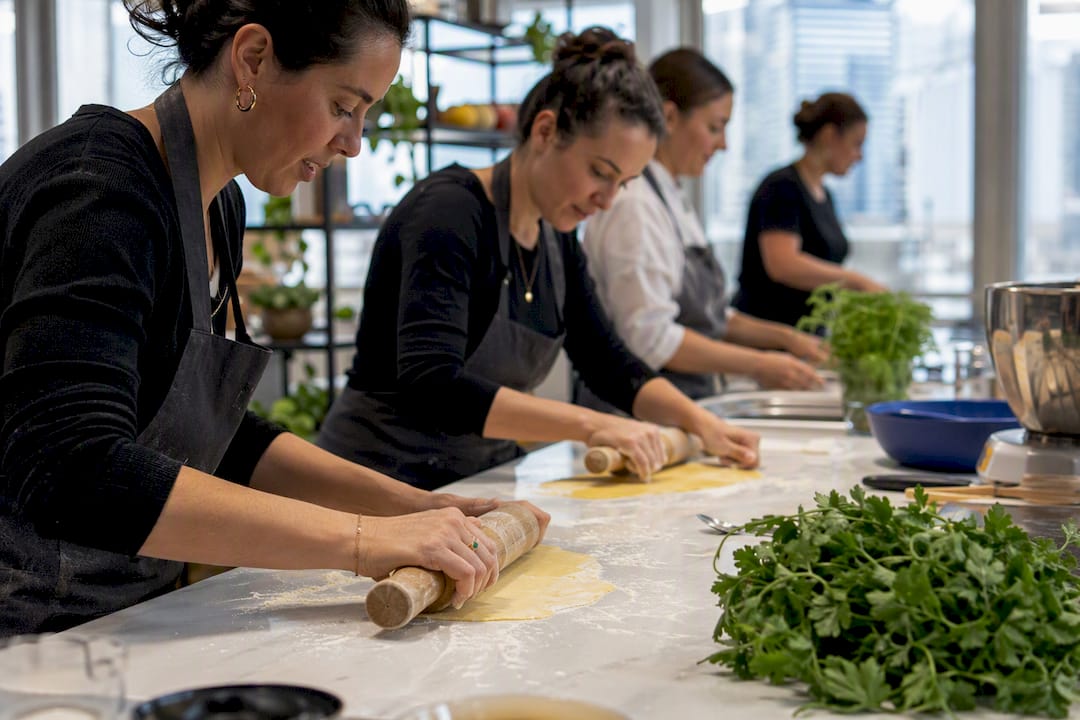
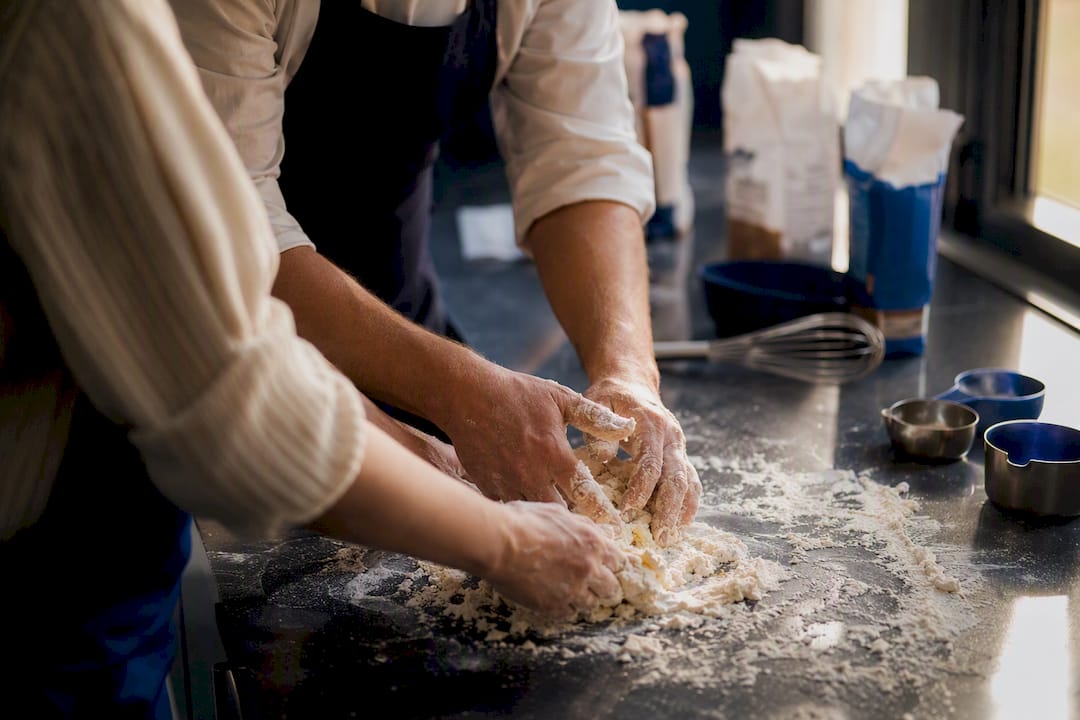
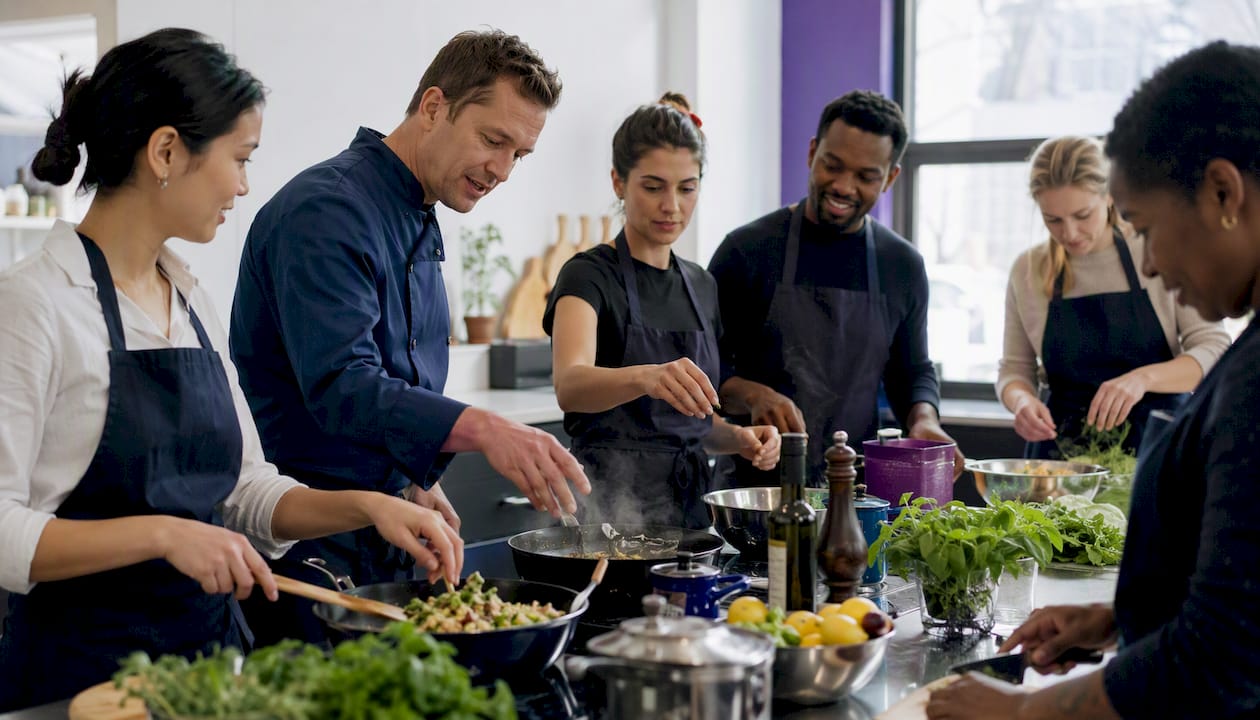
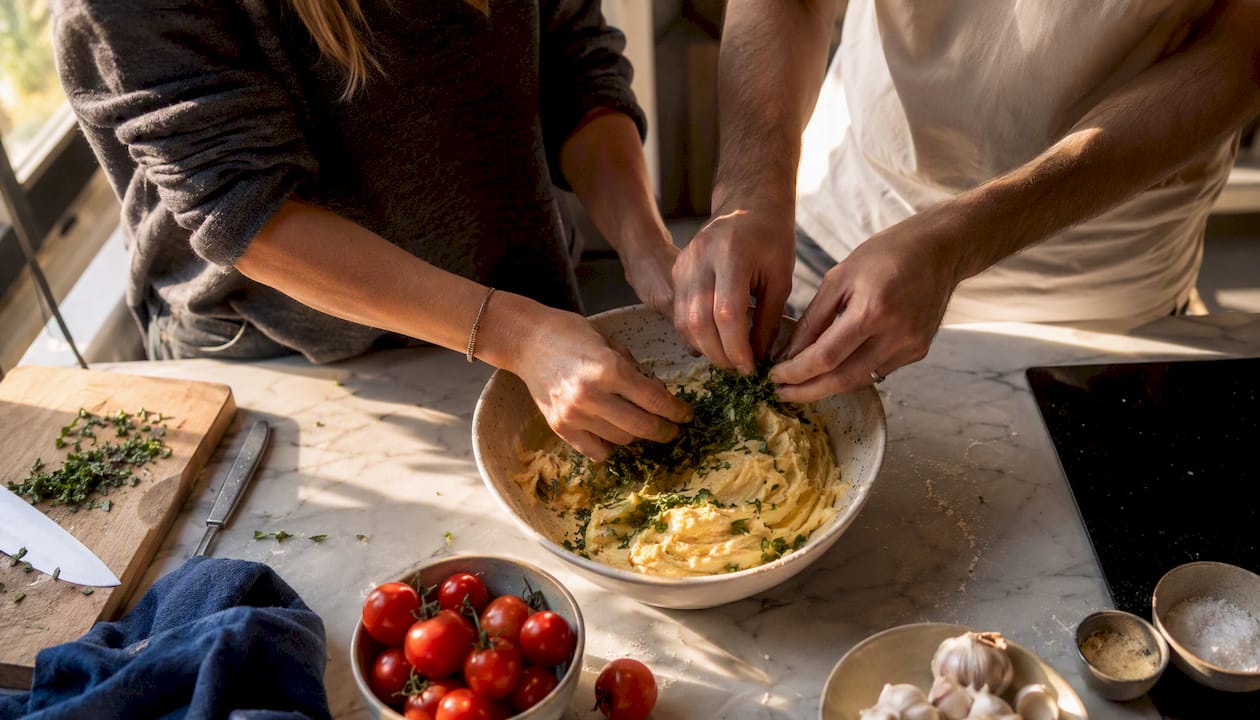
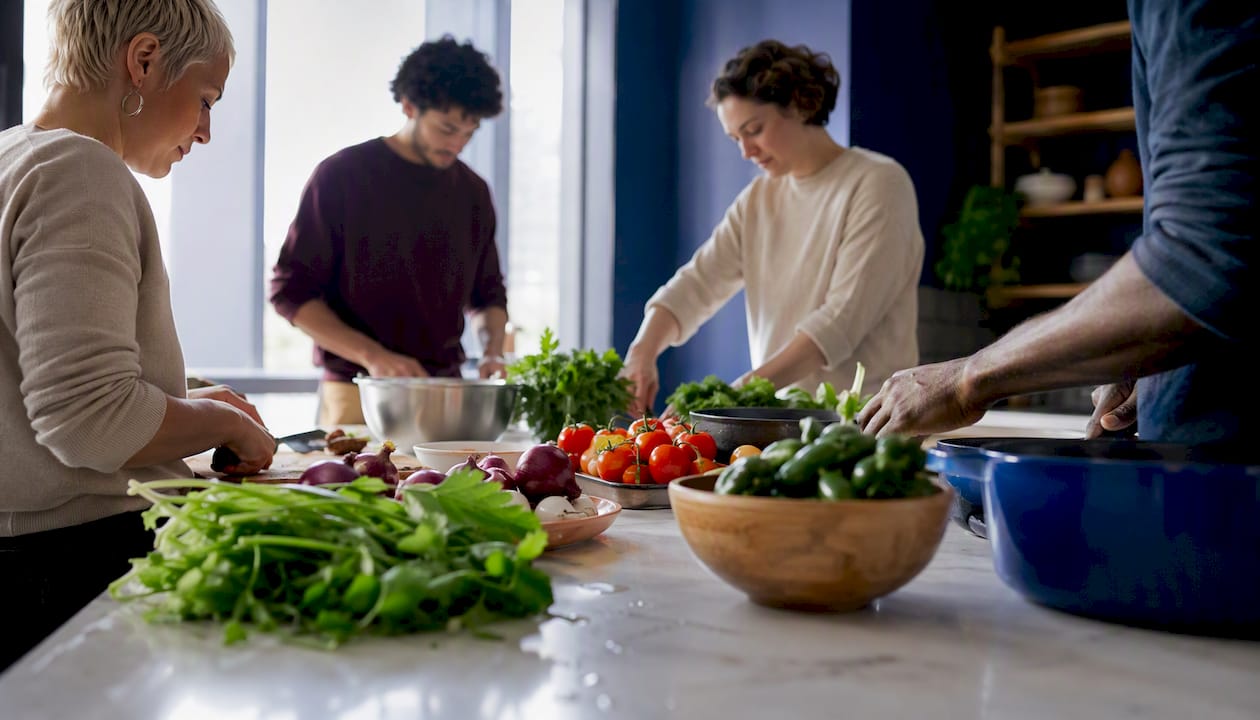
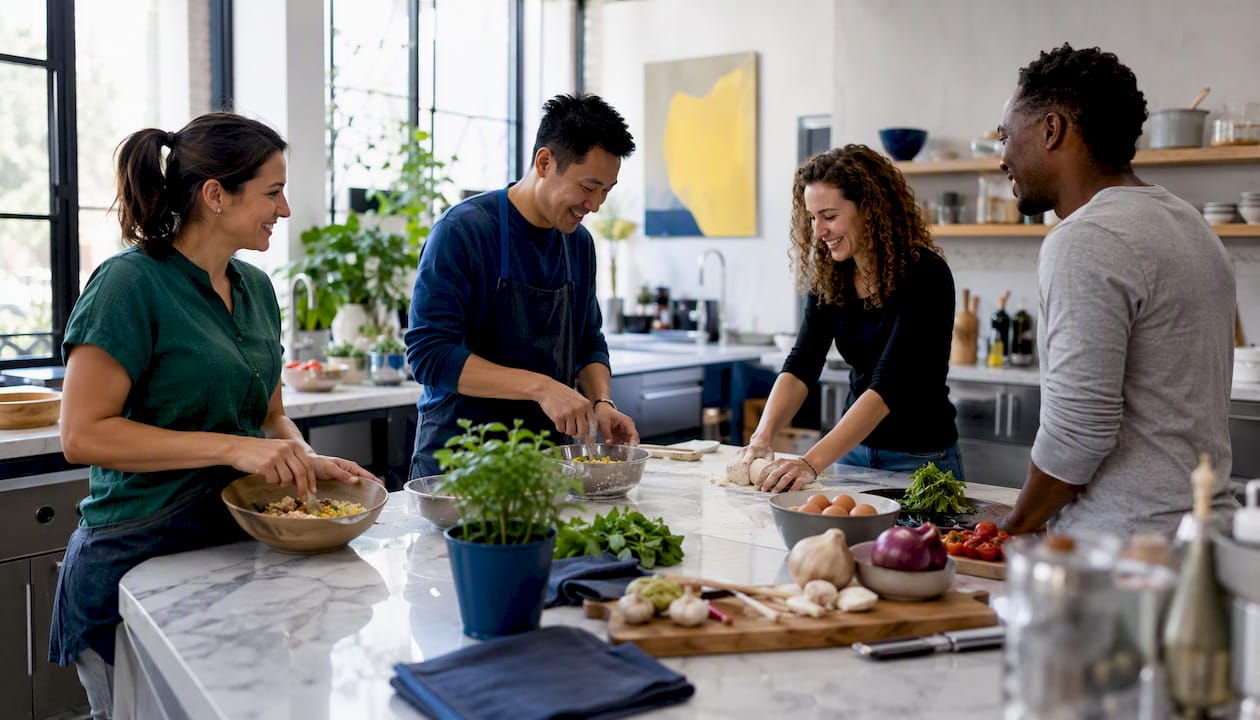
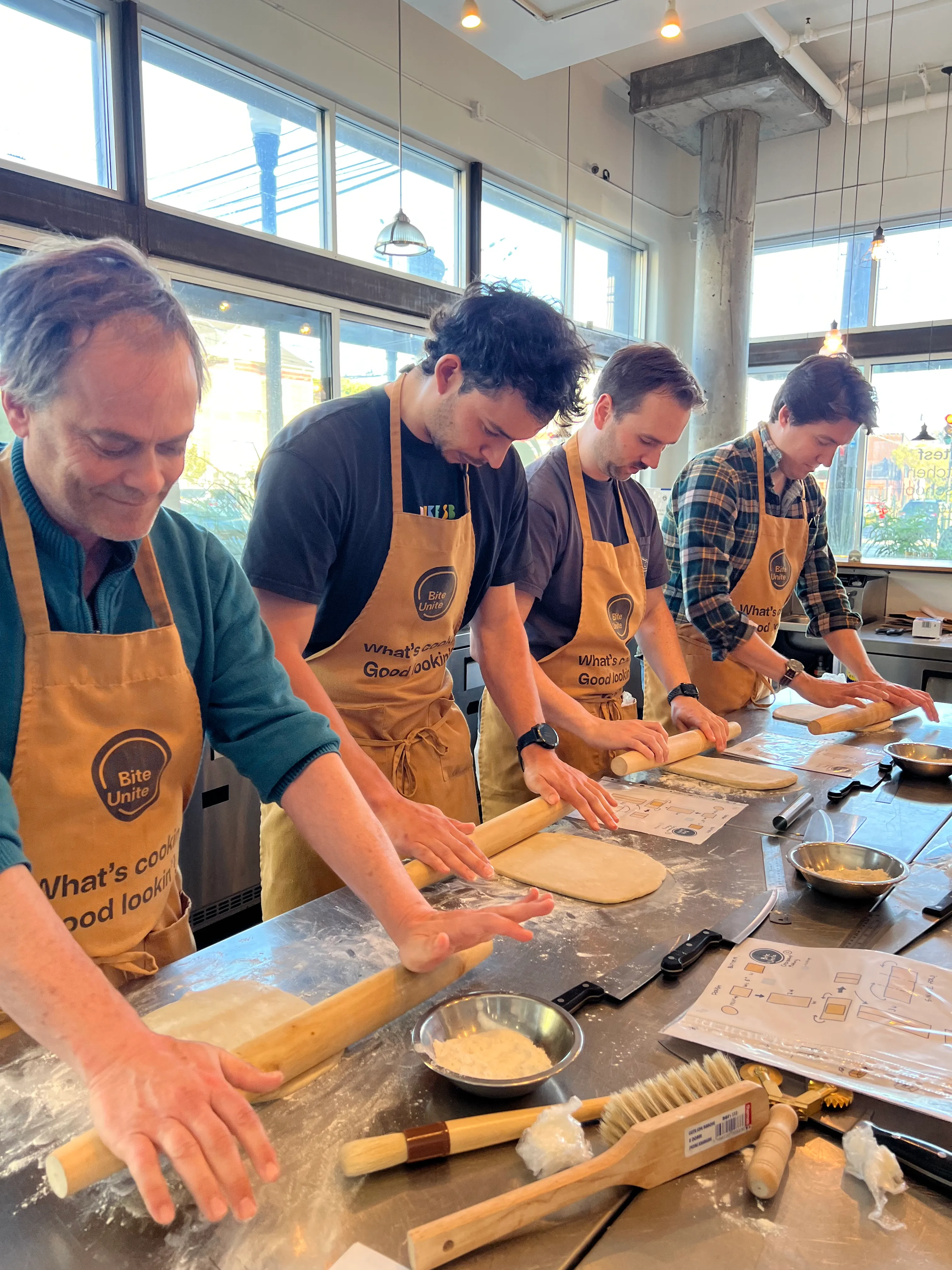
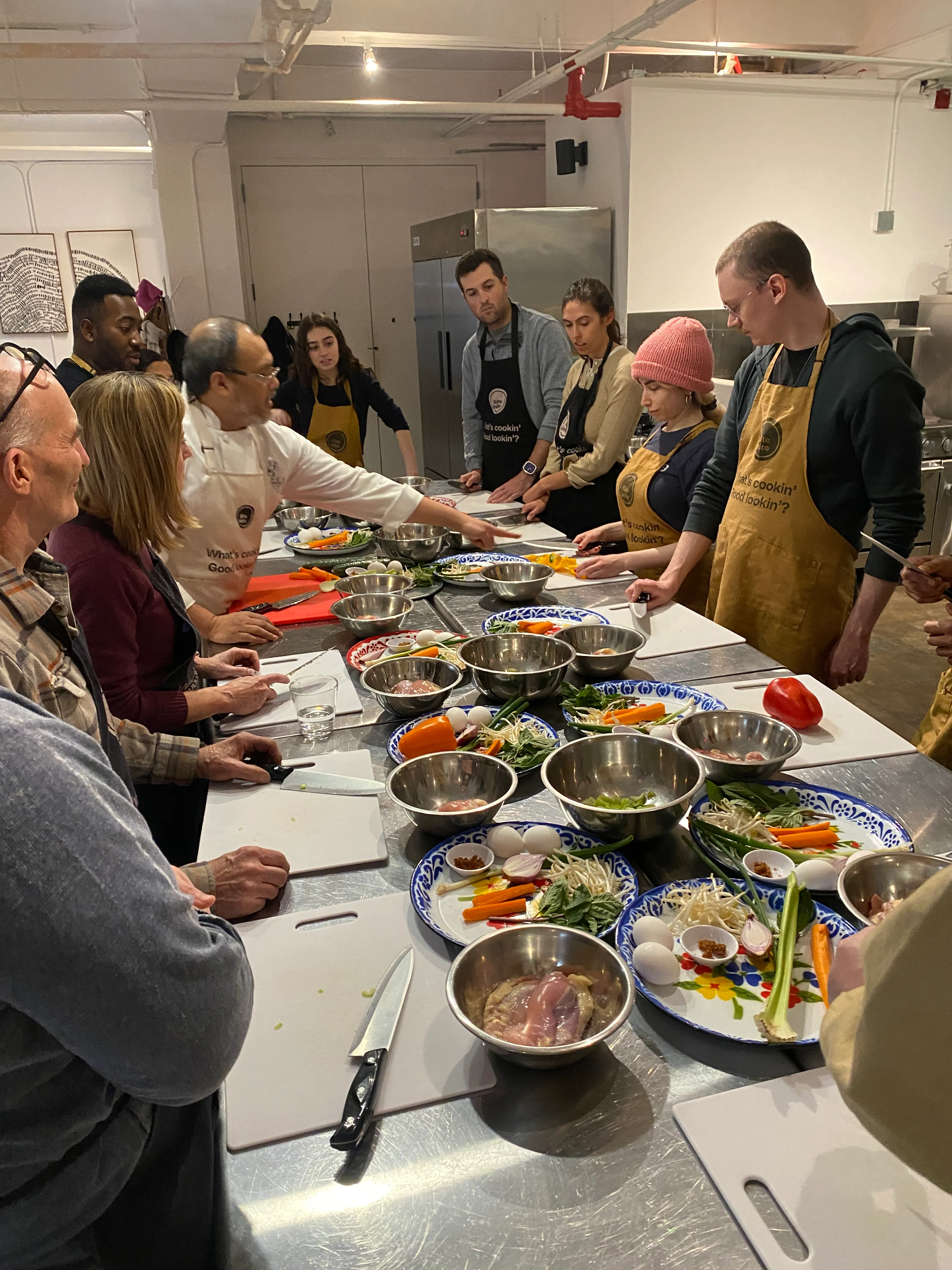
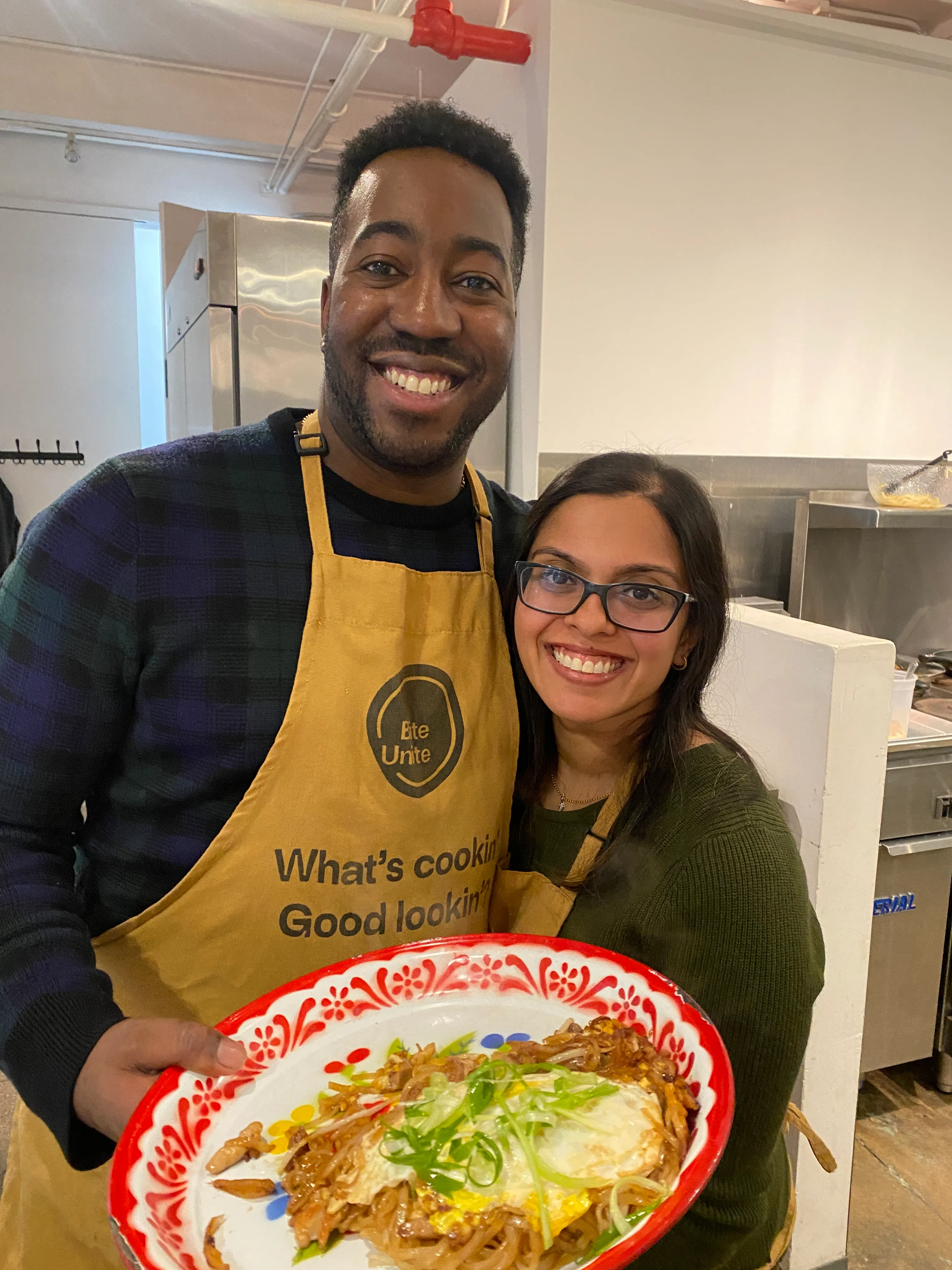
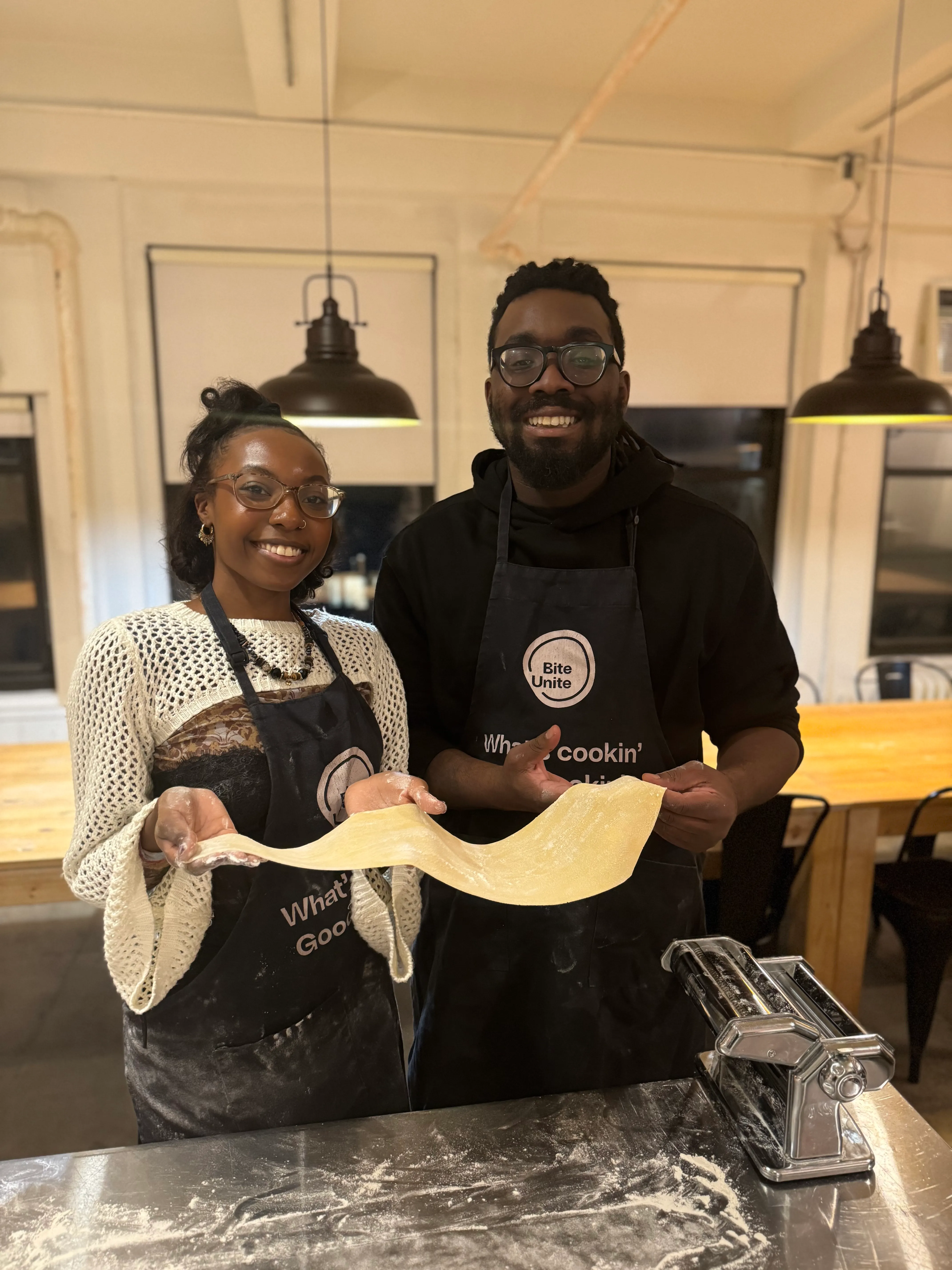
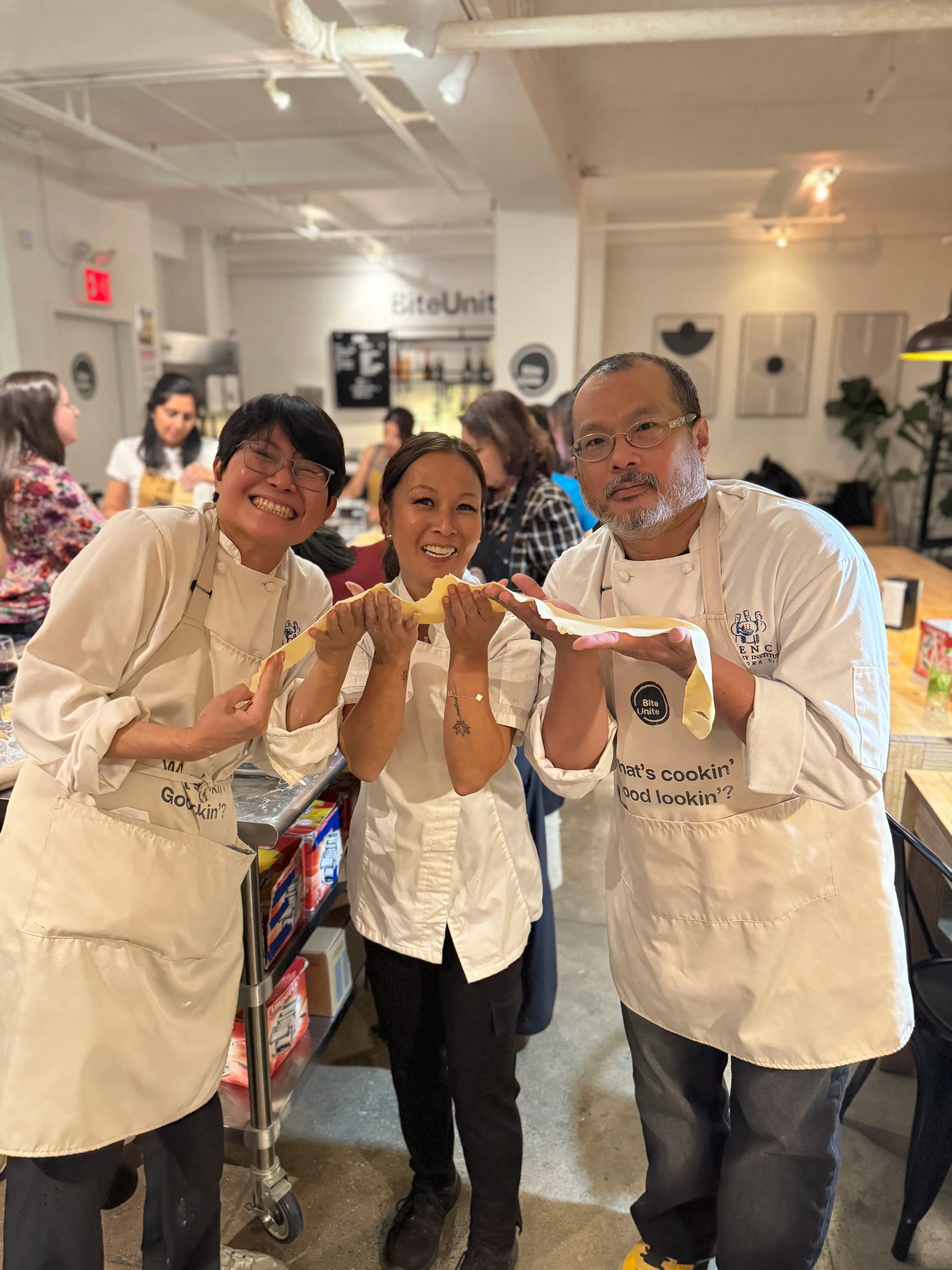
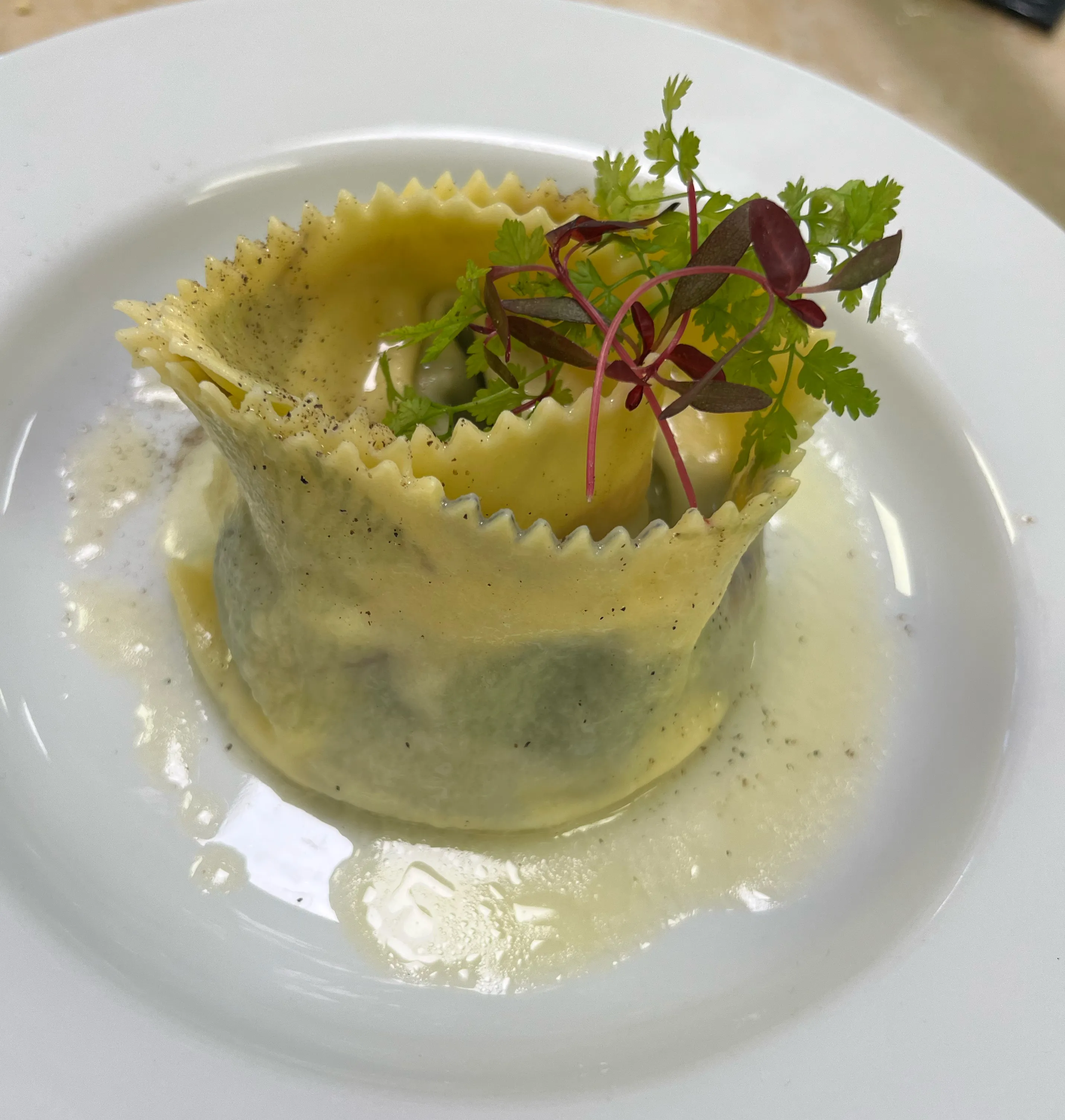
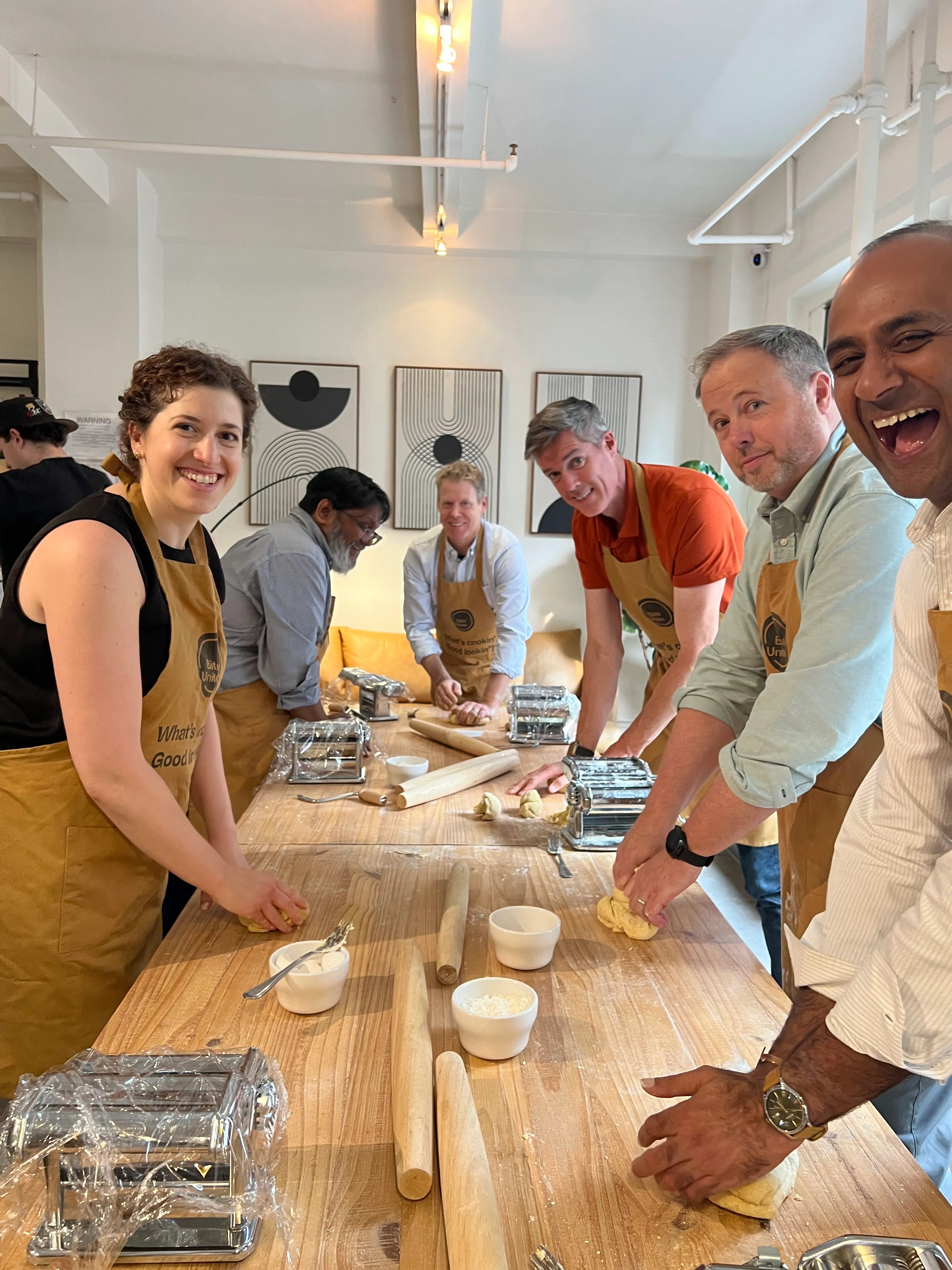
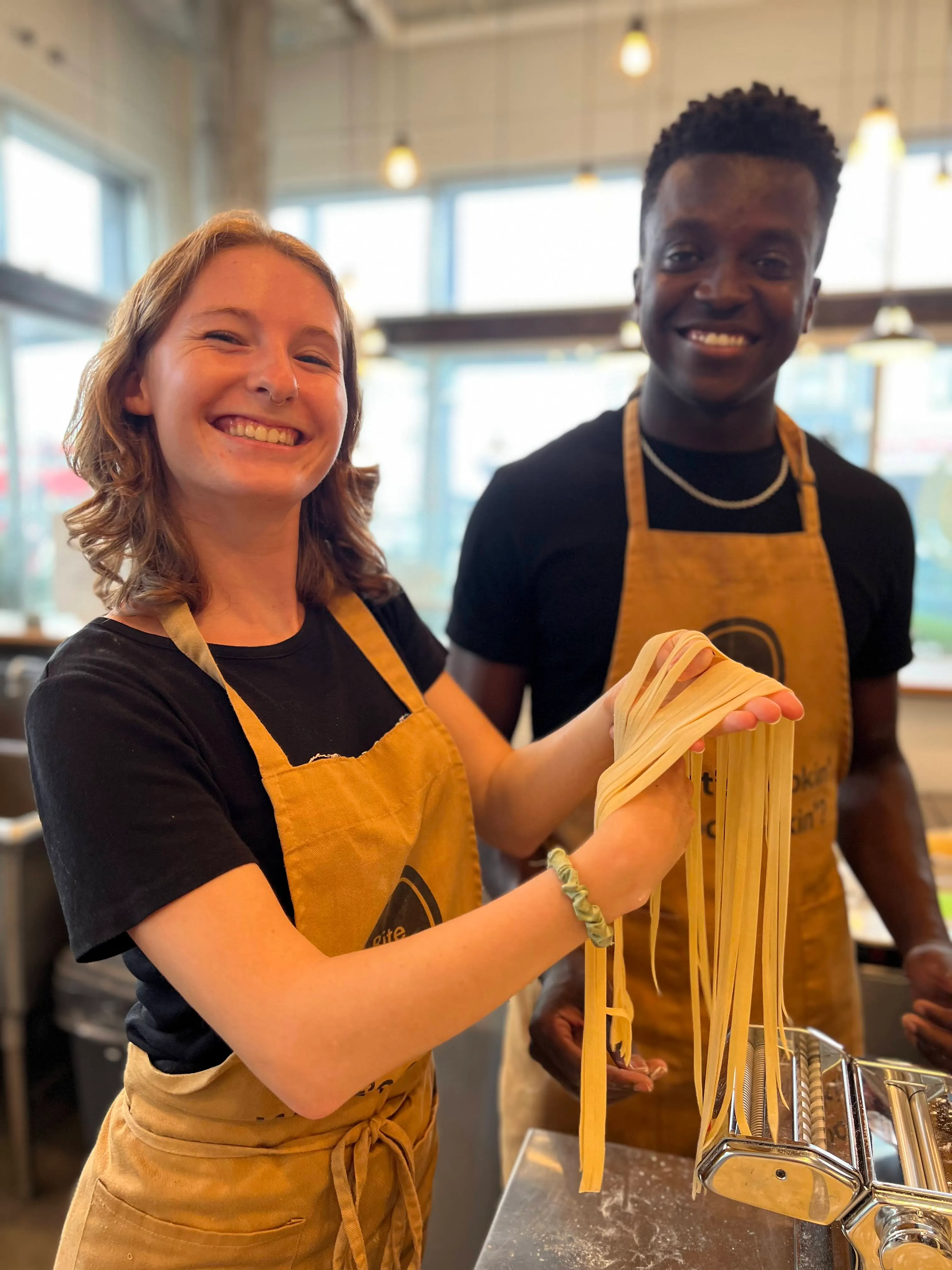
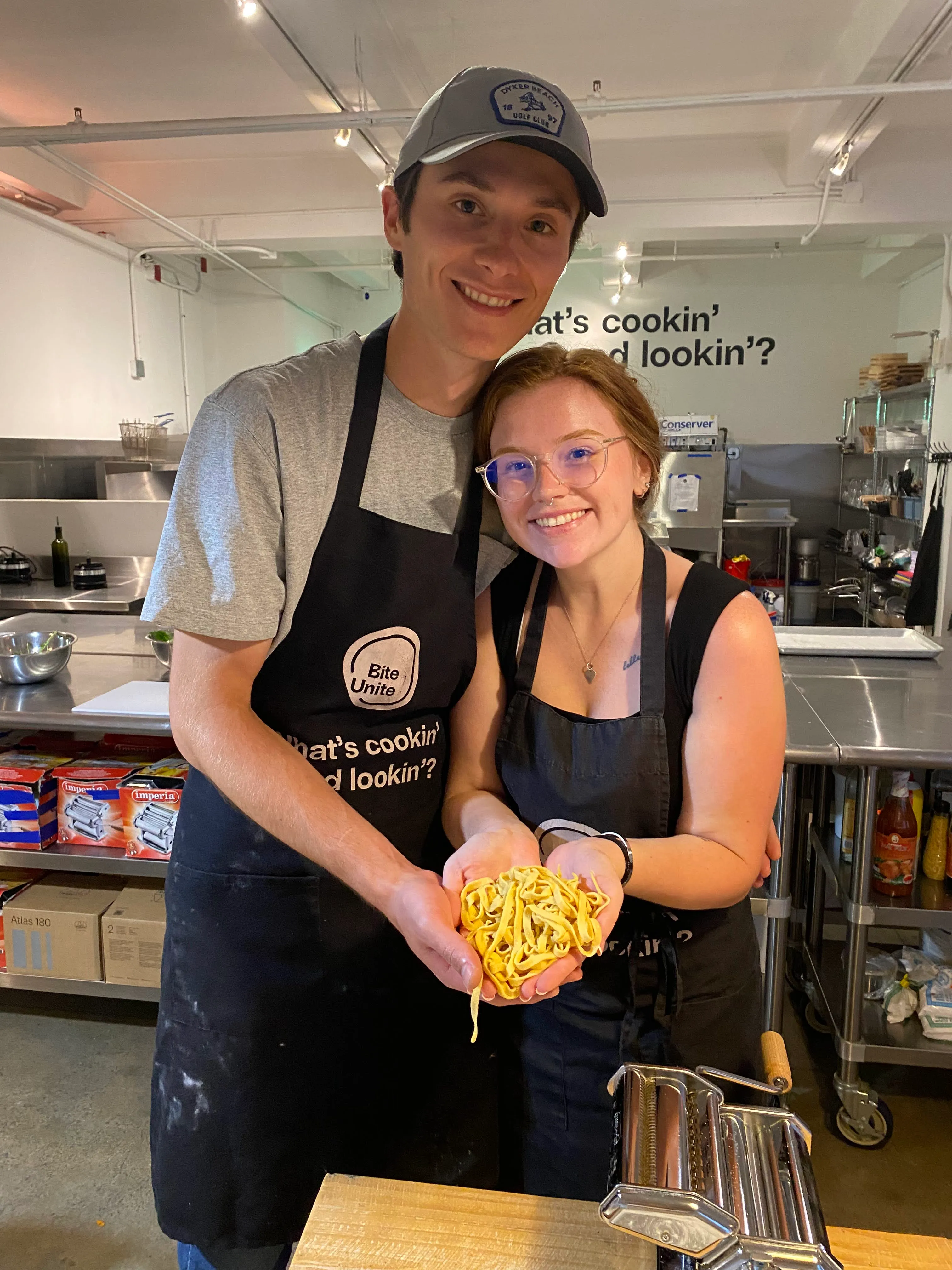
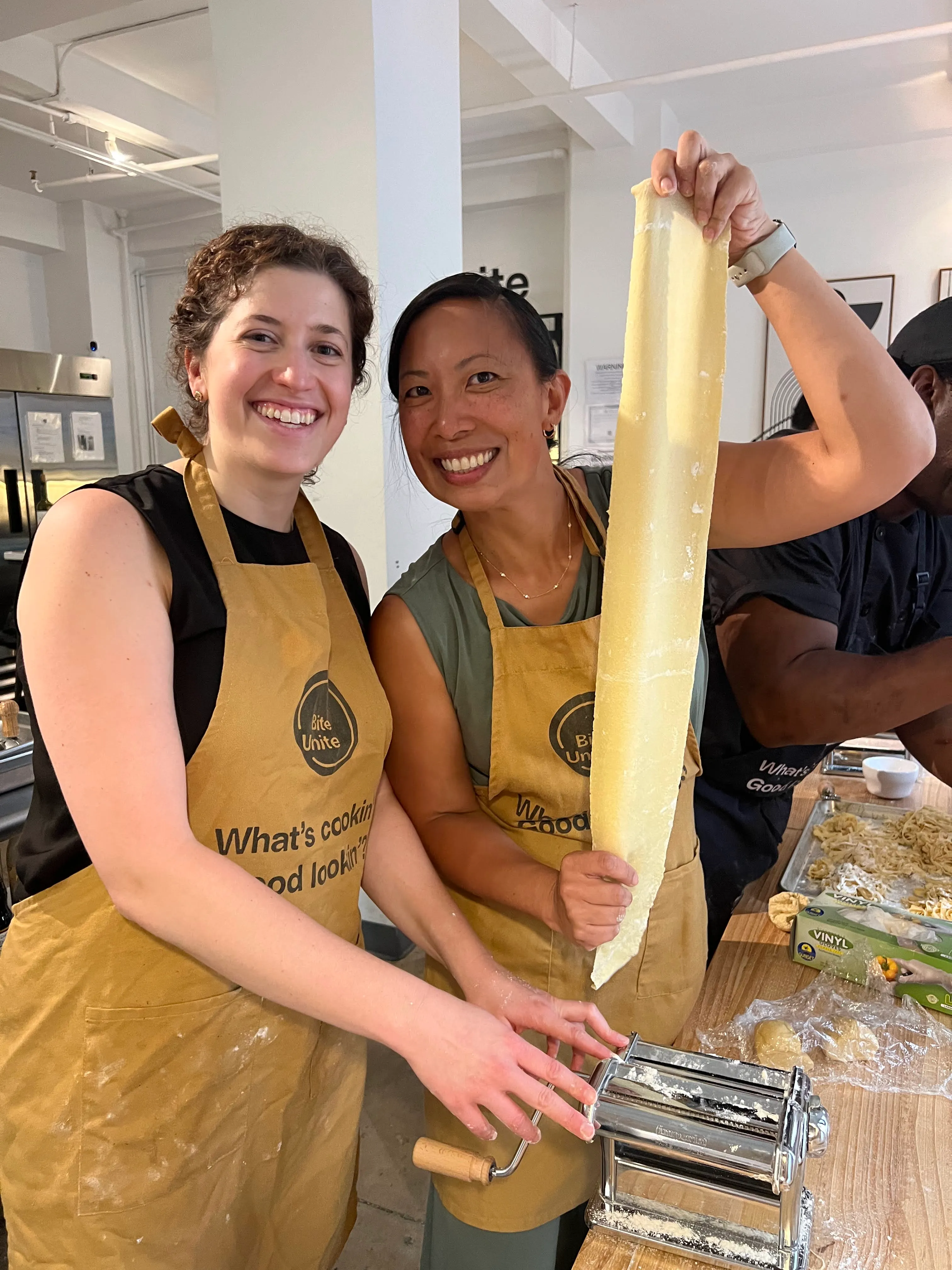
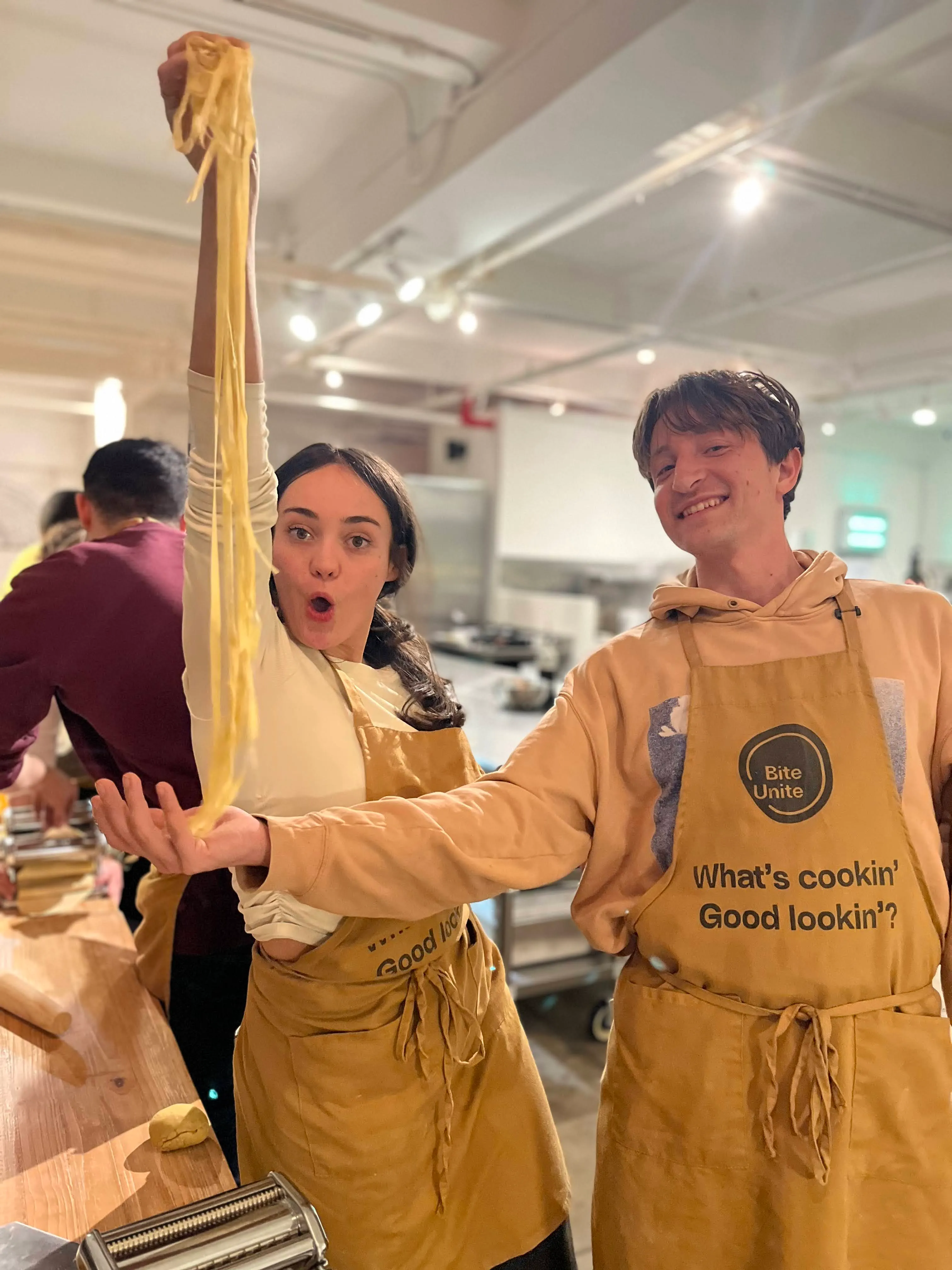
A cooking class gives tourists the opportunity to step away from crowds and immerse themselves in an experience that feels distinctly local. Learning to make fresh pasta, mastering new techniques, and preparing dishes alongside fellow travelers creates memories that extend well beyond the final score of any match.
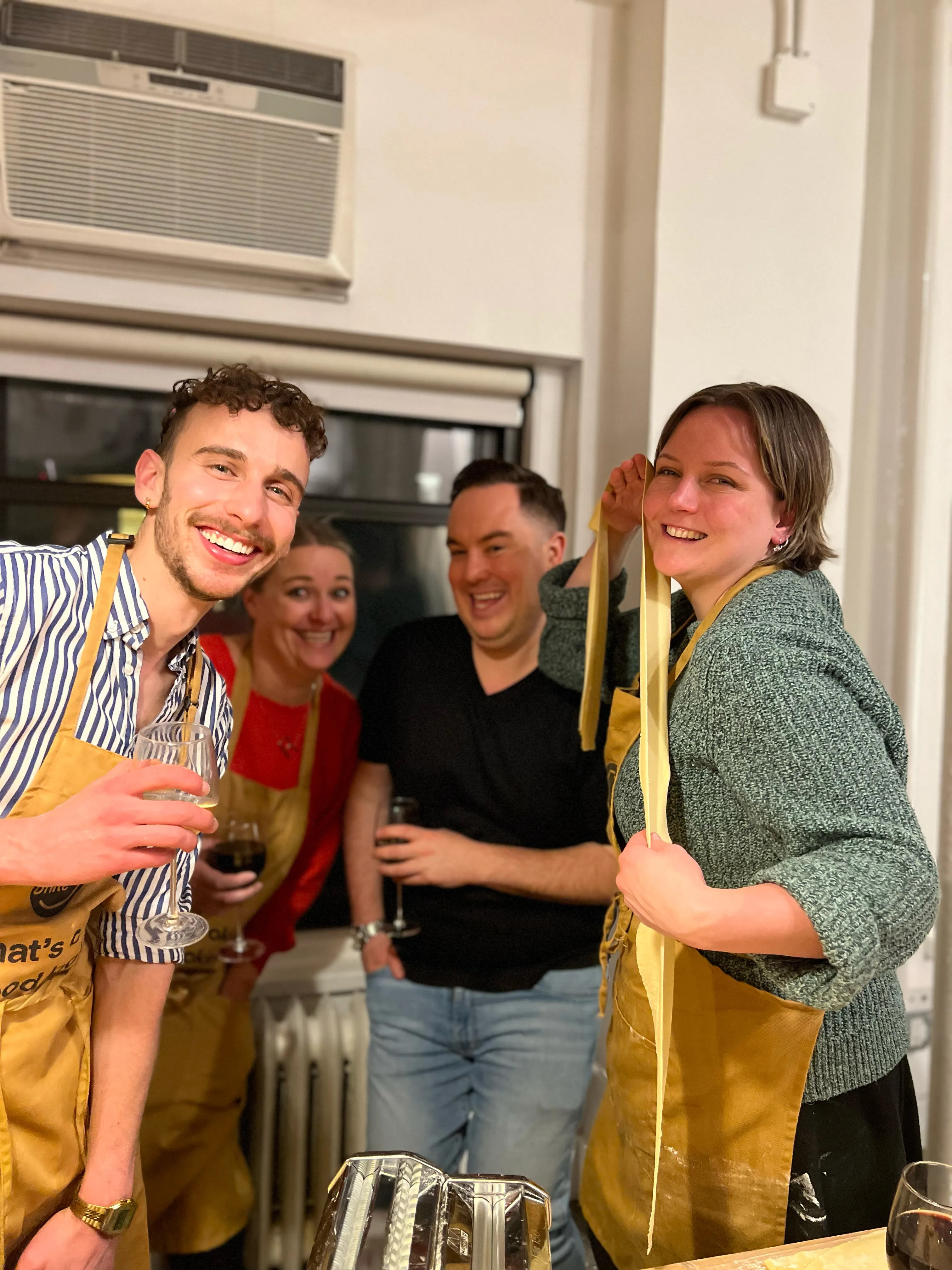
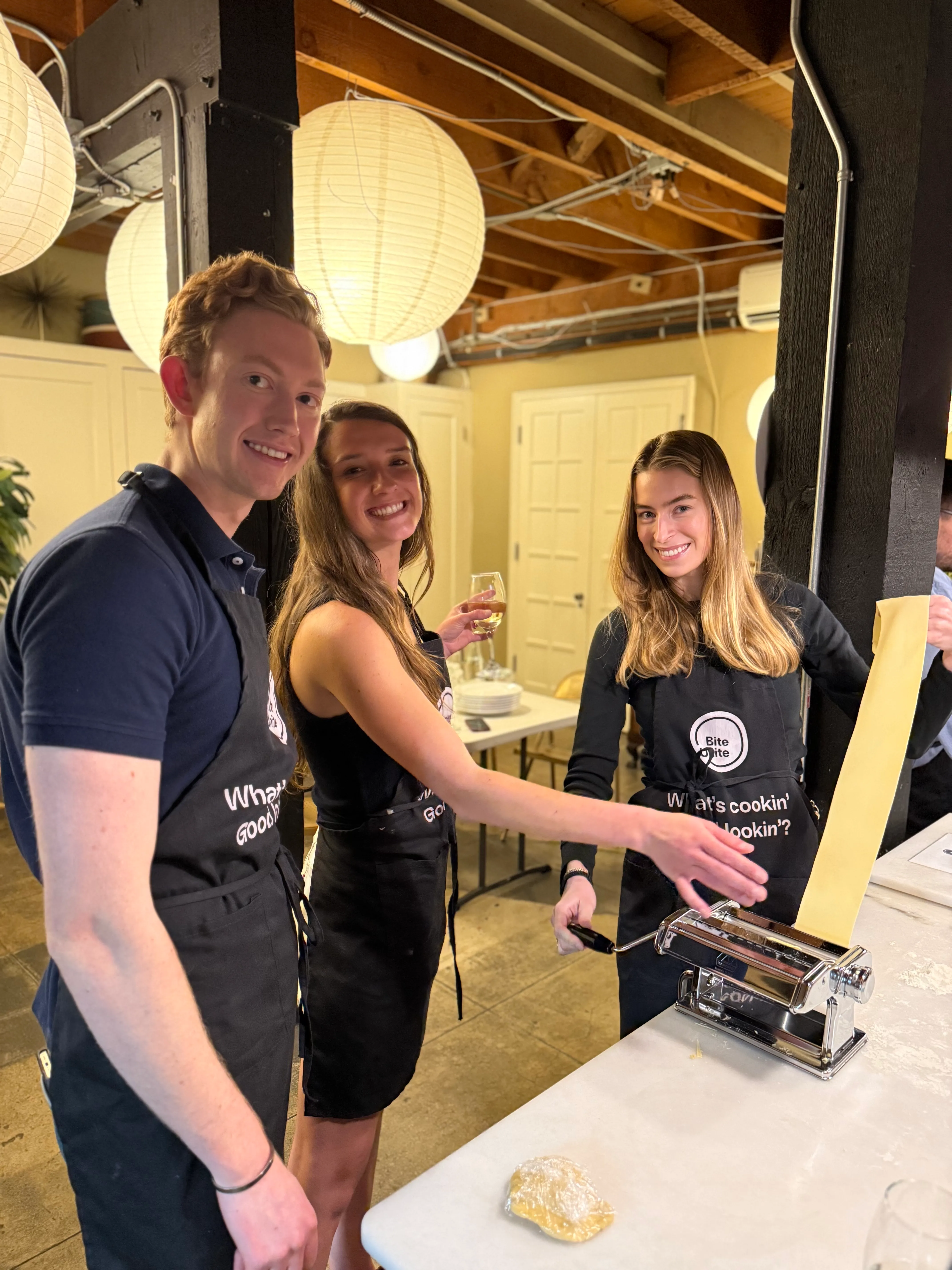
For visitors looking to experience New York's culinary scene in an interactive way, the NYC Pasta Making Experience from BiteUnite offers an opportunity to learn handmade pasta techniques while connecting with other food enthusiasts and travelers. Experiences like these transform a simple meal into an engaging cultural activity.
These experiences also align with another growing trend in tourism, experiential spending.
Increasingly, travelers are prioritizing experiences over possessions. Rather than purchasing traditional souvenirs, many prefer activities that create stories they can share long after returning home. A memorable meal prepared alongside new friends often becomes one of the defining moments of an entire trip.
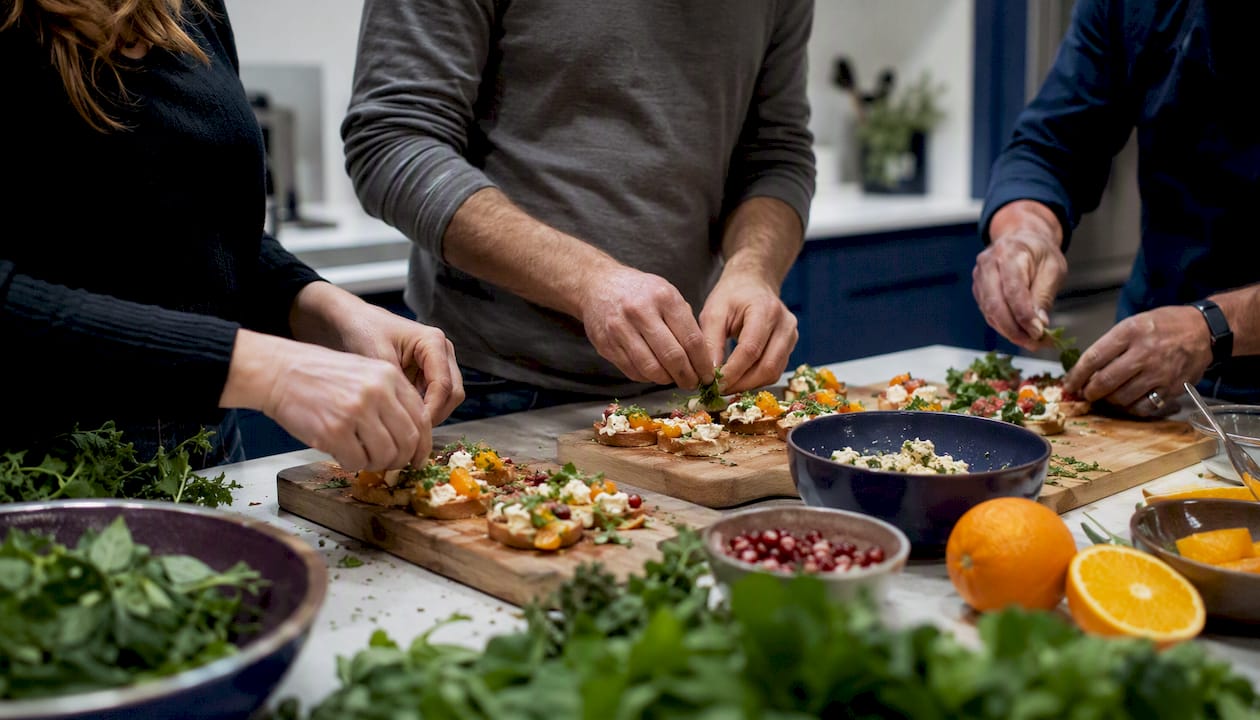
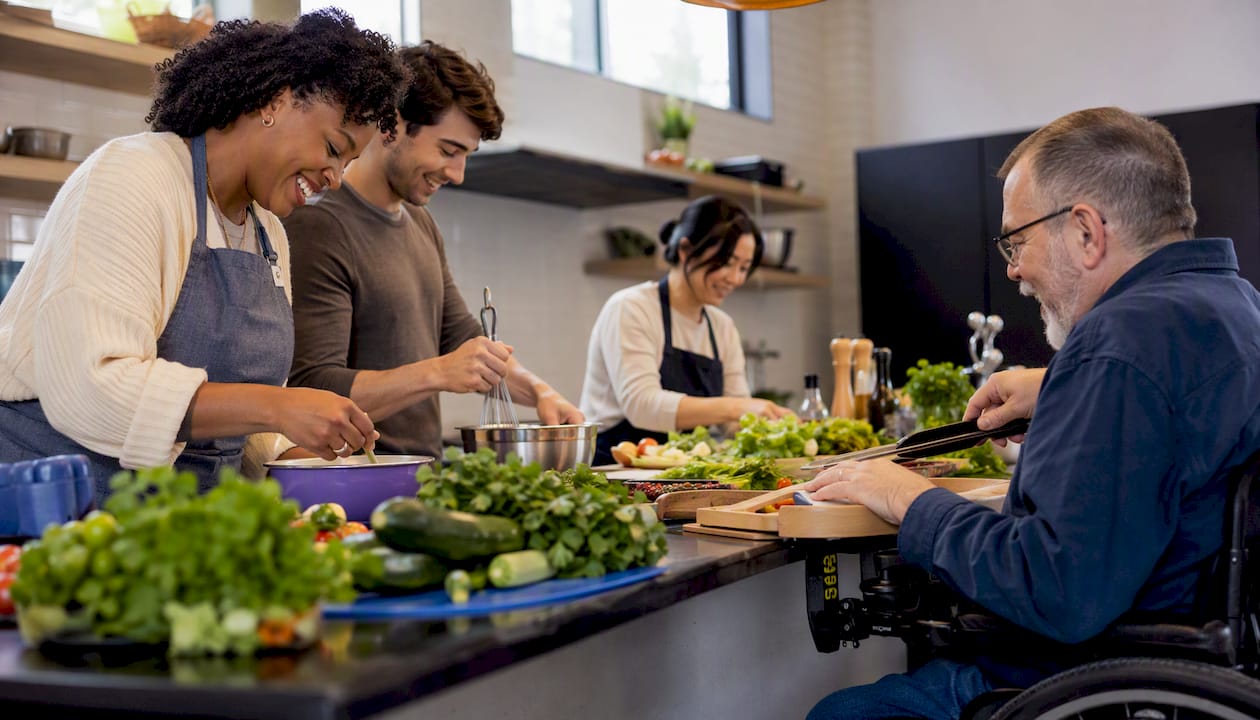
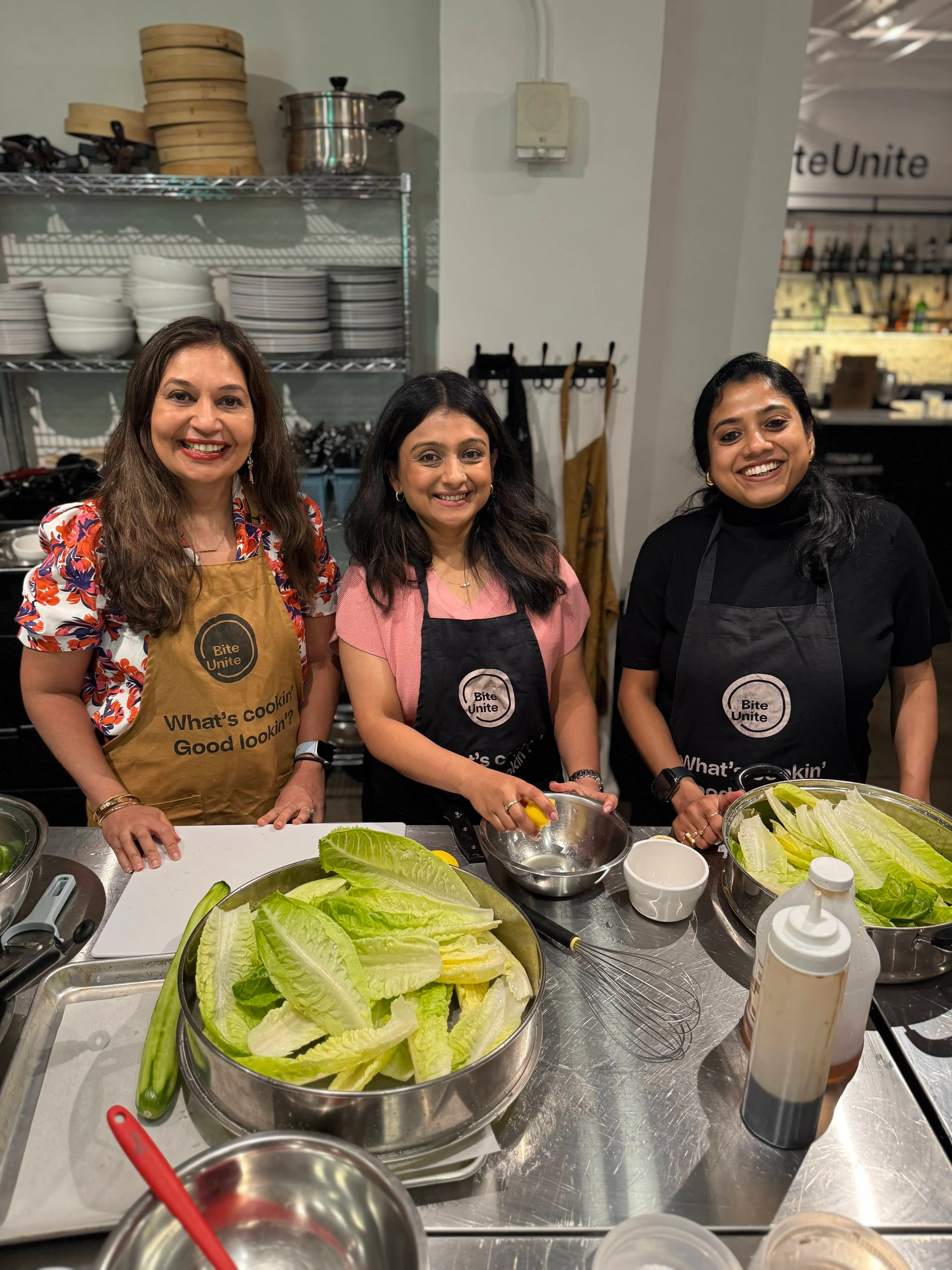
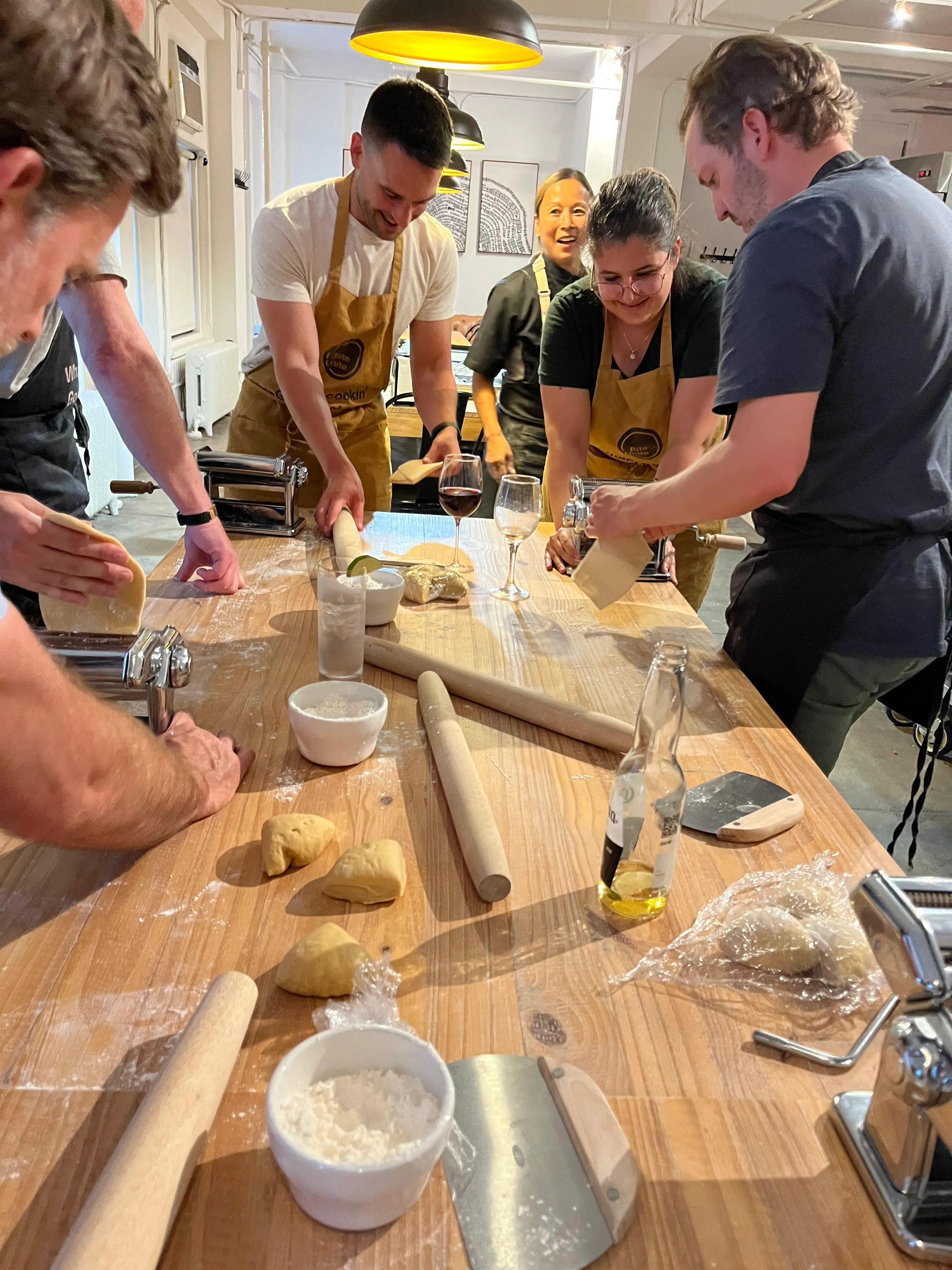
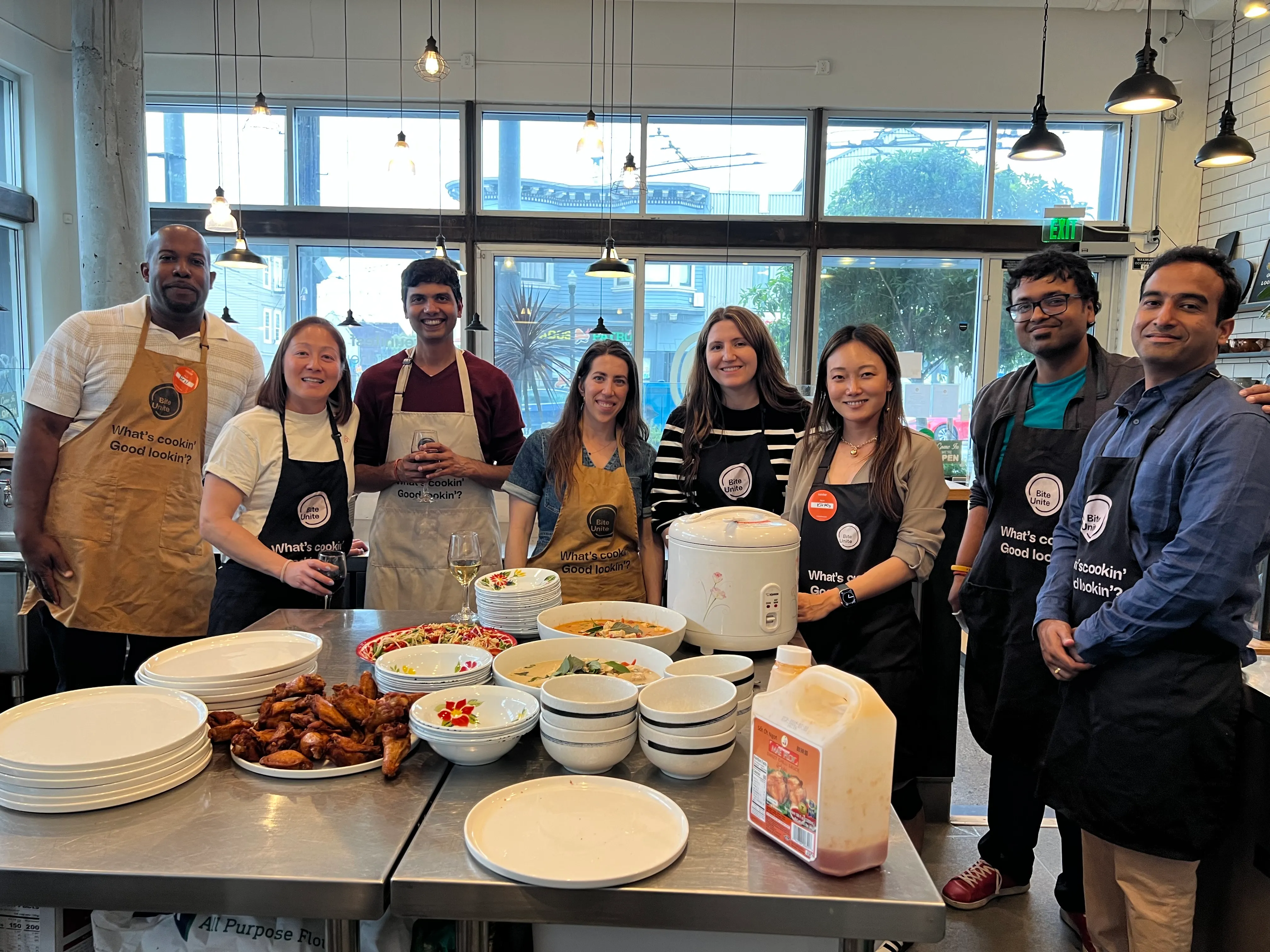
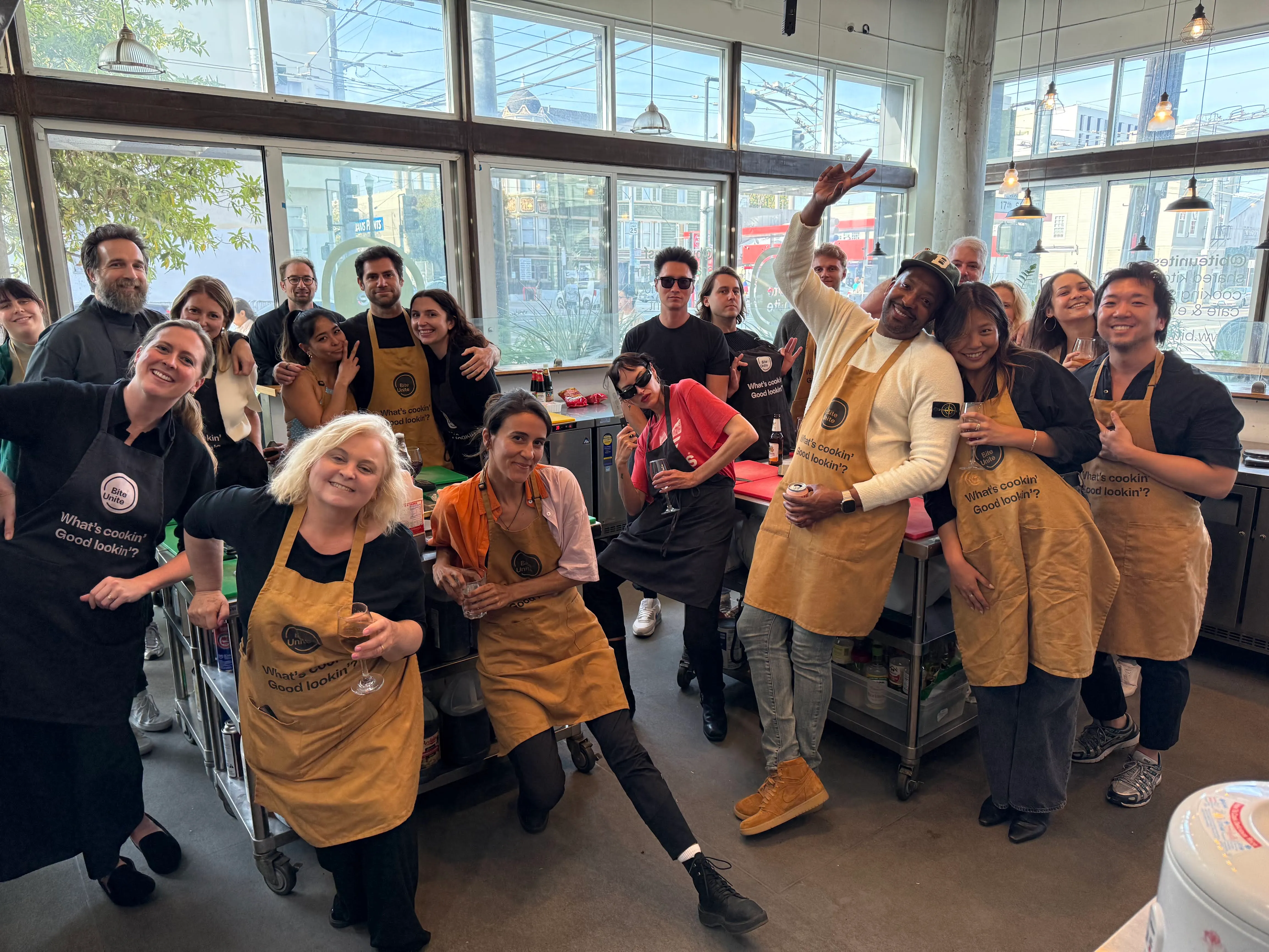
Cooking classes also provide something that many tourist attractions struggle to offer, genuine human interaction. World Cup visitors arrive from dozens of countries and cultures. In a cooking class, participants naturally work together, exchange stories, discuss football, and form connections around a shared activity.
That social element makes culinary experiences especially attractive during global events like the World Cup.
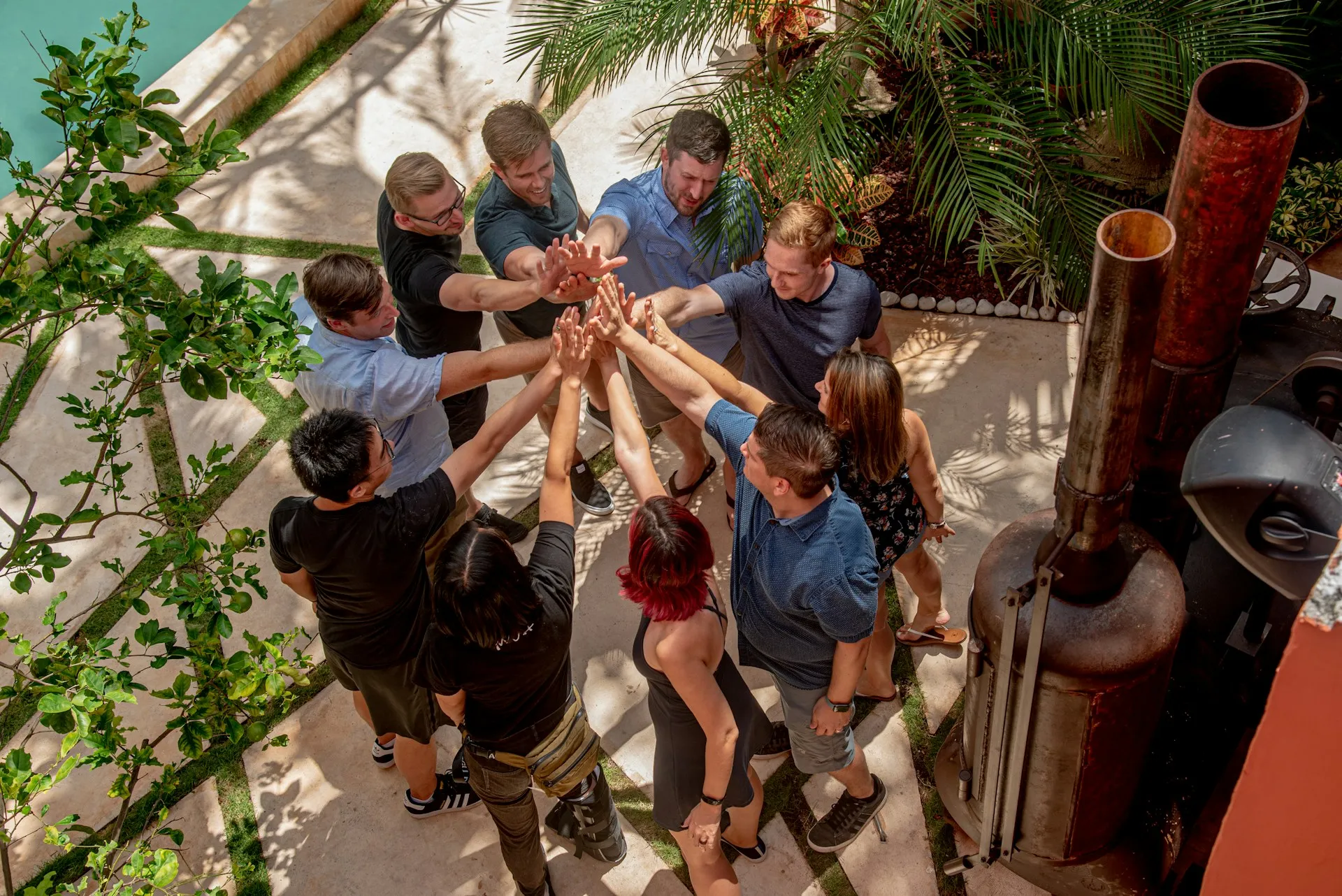
Food provides a universal language that transcends national boundaries. While supporters may cheer for different teams inside the stadium, they often discover common ground around the dinner table. Preparing and sharing a meal becomes an experience that encourages conversation and cultural exchange.
For travel businesses and tourism operators, this represents a significant opportunity.
The economic benefits of sports tourism increasingly depend on encouraging visitors to participate in experiences throughout their stay rather than simply attending matches. Activities such as culinary workshops, food tours, and hands-on cooking classes can extend visitor engagement while helping travelers develop a deeper appreciation for their destination.
The tourism industry has increasingly recognized that modern travelers want experiences that allow them to feel like participants rather than spectators. Cooking classes fit perfectly within this expectation because they combine entertainment, education, and cultural immersion in a single activity.
The World Cup's arrival in North America will undoubtedly create unforgettable moments inside stadiums. Goals will be scored, champions will emerge, and millions of supporters will celebrate together. Yet some of the most meaningful memories may happen elsewhere.
For many visitors, the moments they remember years later may involve sitting around a table with new friends from different countries, rolling fresh pasta, learning recipes from local chefs, and sharing stories about the matches they attended.
Those experiences capture the spirit of both travel and the World Cup itself.
At its core, the tournament is a global celebration of connection. It brings together people who may speak different languages, come from different backgrounds, and support different teams, yet share a common enthusiasm for experiencing something extraordinary together.
Food has always possessed the same power.
As millions of visitors arrive across North America during the FIFA World Cup, the destinations that leave the deepest impressions may be those that invite travelers to participate rather than simply observe. Culinary experiences and cooking classes provide exactly that opportunity, transforming ordinary meals into lasting memories and turning tourism into genuine cultural exchange.
For travelers looking to make the most of their World Cup adventure, discovering a city's culinary traditions may become just as rewarding as attending the match itself.

























.webp)





.webp)
.webp)
.webp)

