Bringing a Team to San Francisco After Summer? Hands-On Team-Building Cooking Classes That Actually Land

San Francisco has spent the better part of two decades as the place distributed companies come to be in the same room. The offices may be half-empty on any given Tuesday, but when a remote-first team decides it is finally time to gather, the Bay Area is still the natural meeting point — and fall, once the summer travel lull clears, is when a striking number of them do it. The flights get booked, the hotel block goes up, and then the planner runs into the question that has quietly defeated better-funded offsites than theirs: once the working sessions end, what does the group actually do together?
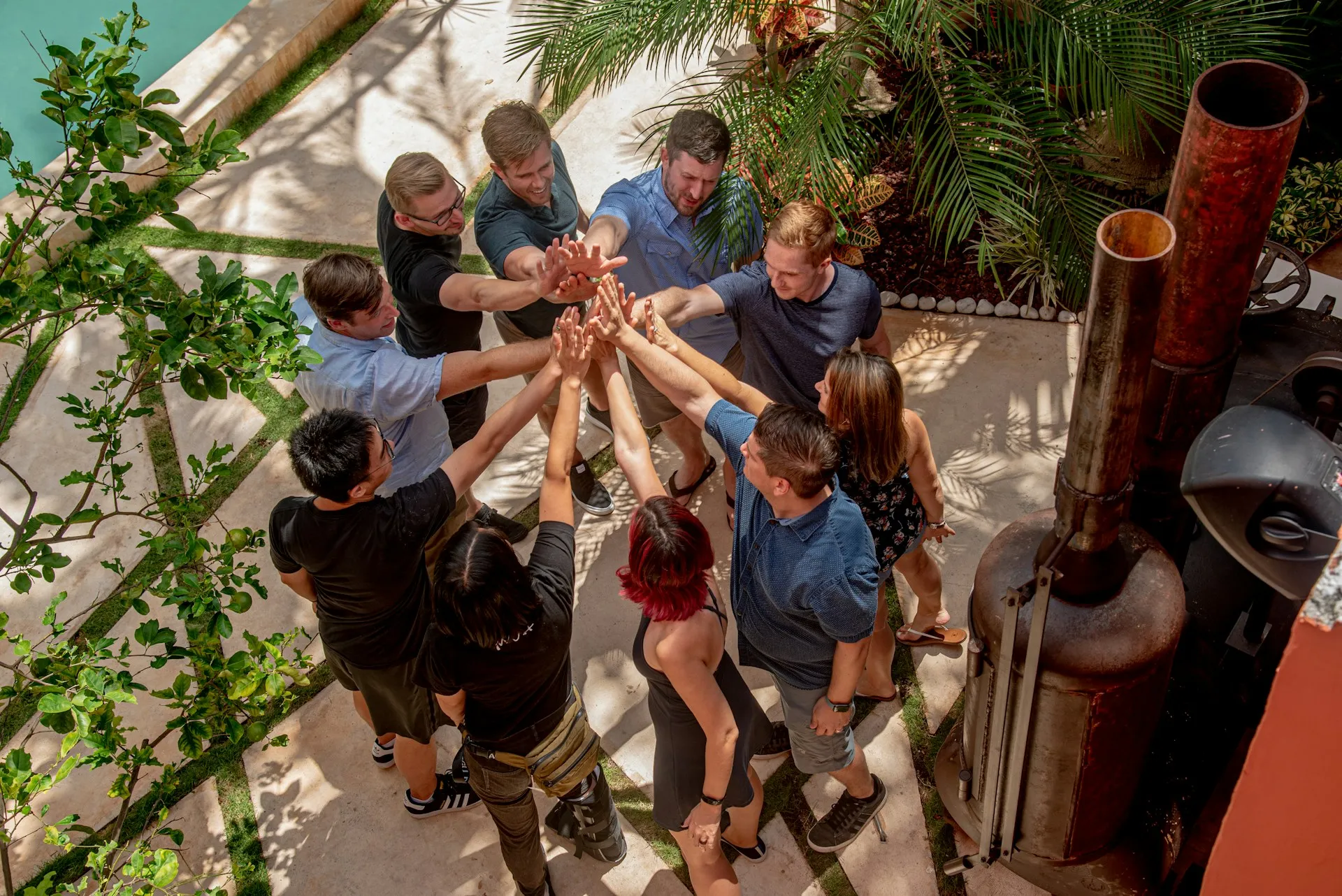
It is a harder question than it looks, and the difficulty is specific to teams that live online. A group that has never shared a meal — let alone a kitchen — does not loosen up because you put them at a nicer table. Familiarity has to be built, not booked, and most default evening plans are designed to do the opposite.
The Trouble With the Obvious Options
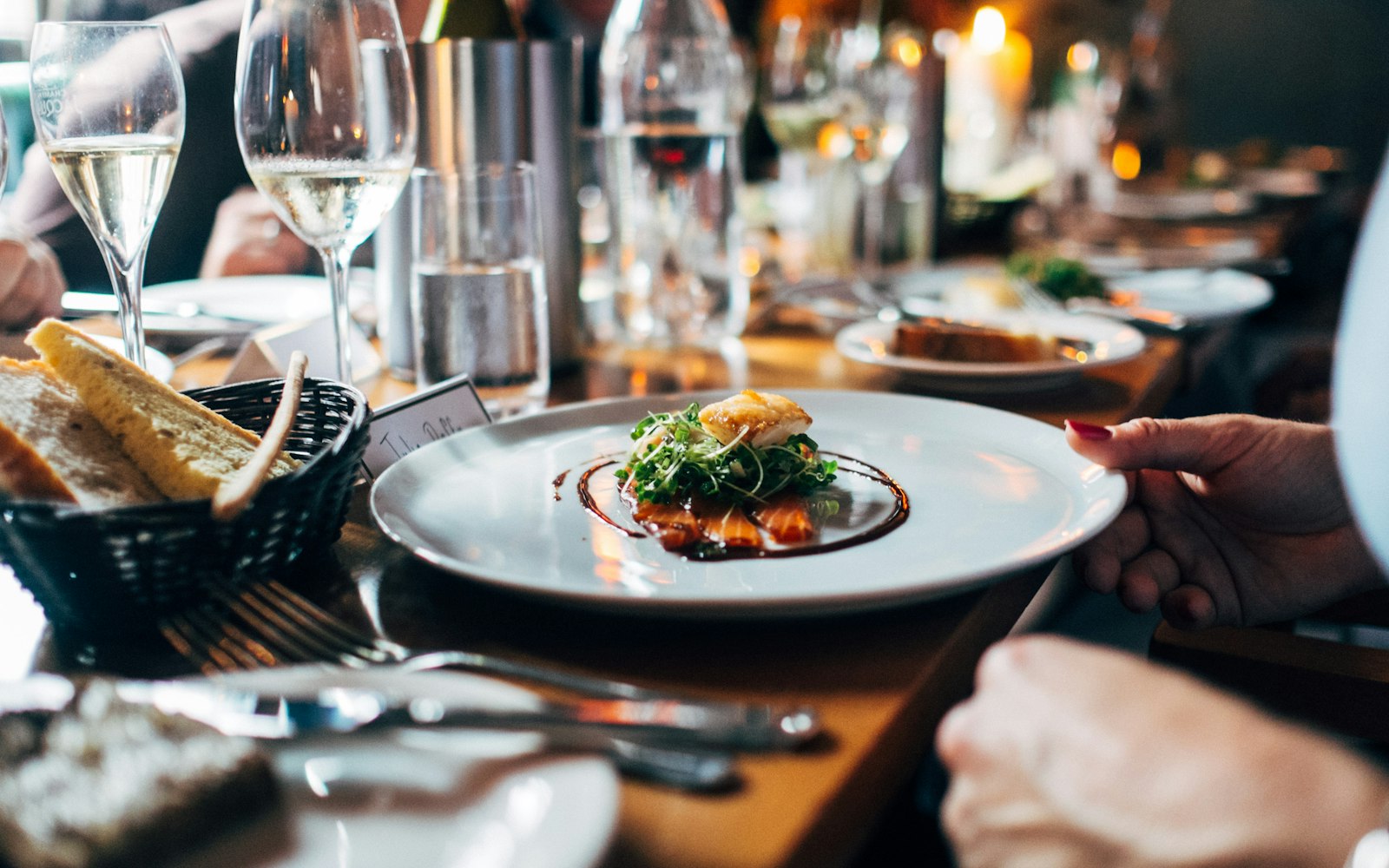
Consider the group dinner, the reflex choice for nearly every offsite. Twelve or twenty people at one long table produces exactly one good conversation and several stranded ones. The people who already knew each other cluster; the newer or quieter colleagues end up talking to the person to their left about the flight in. A night out fares worse, scattering the team across a loud room and leaving the introverts to quietly plan their exit. Both cost real money and deliver a strange result: everyone was technically together, and almost no one connected.
The missing ingredient is a reason to interact that is not small talk. Small talk is a tax people pay to be polite; it rarely builds anything. What a visiting team needs is a shared task with a deadline and a payoff — something that mixes people up and gives them a concrete reason to rely on one another before they have decided whether they want to.
Why a Cooking Class Does the Work
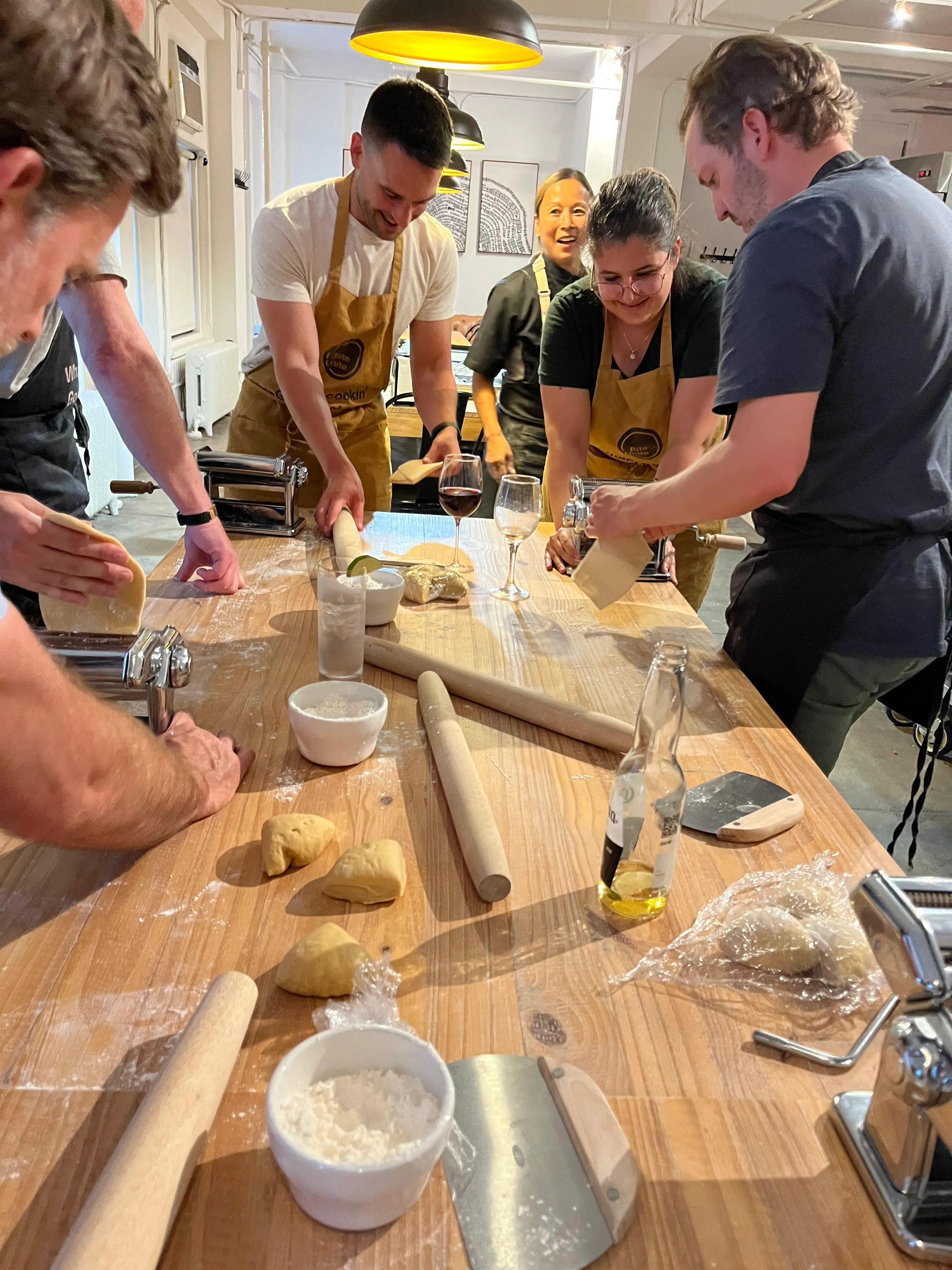
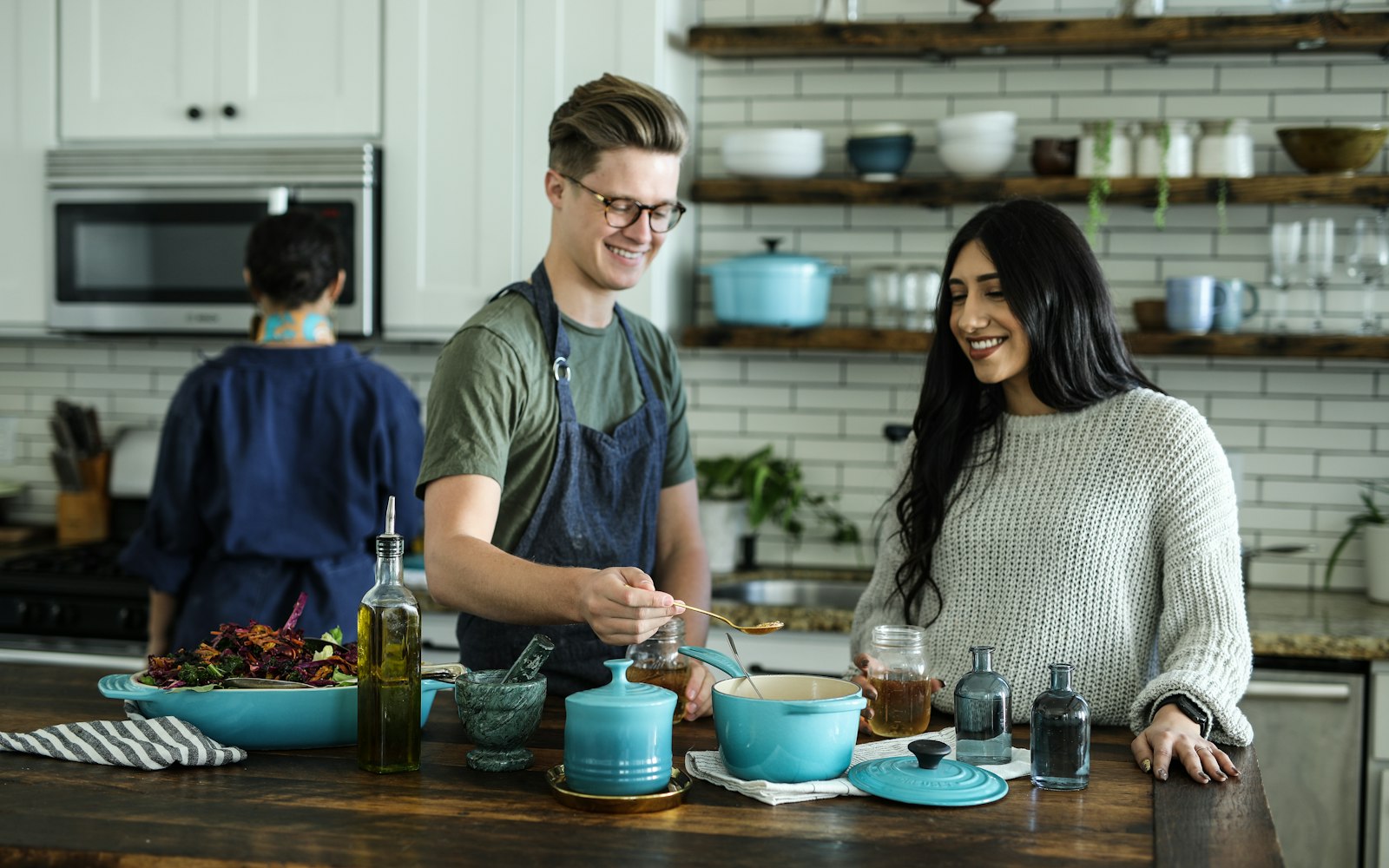
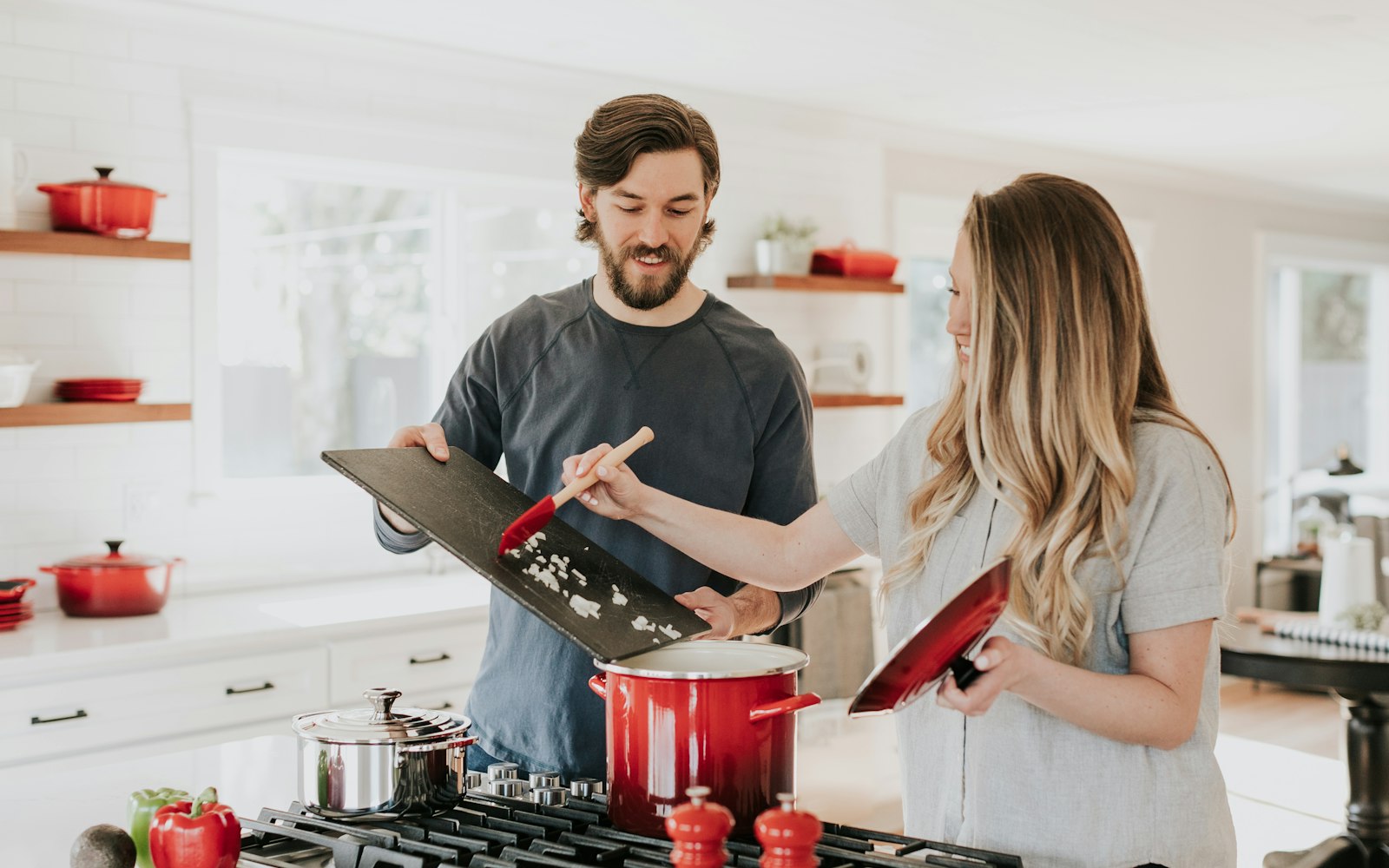
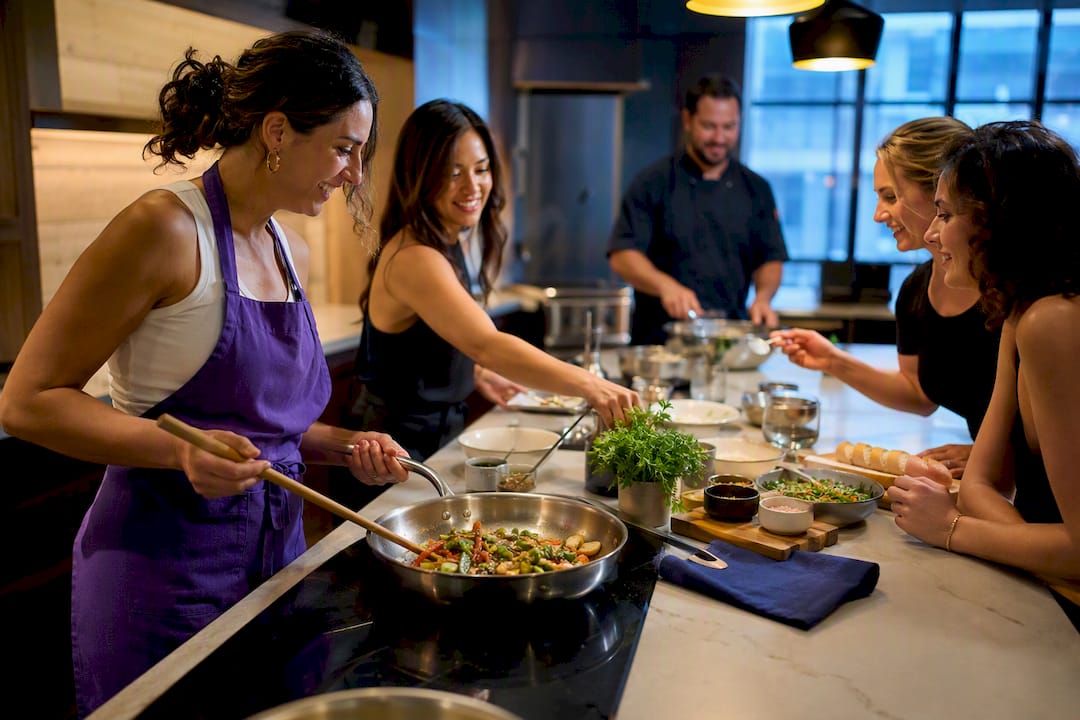
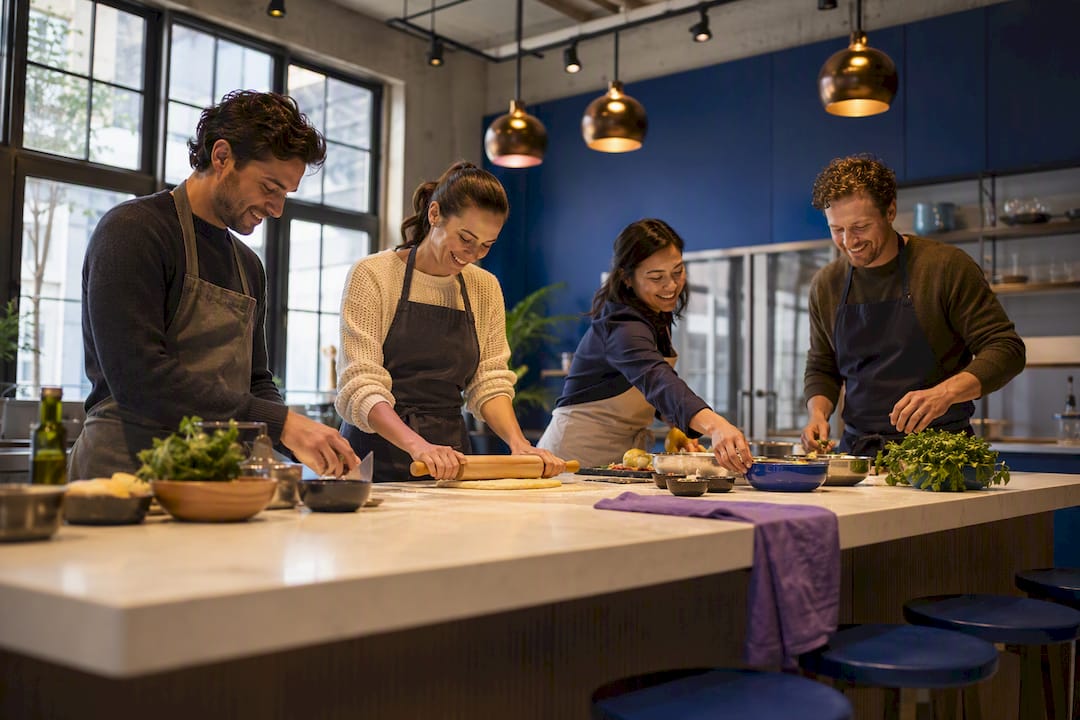
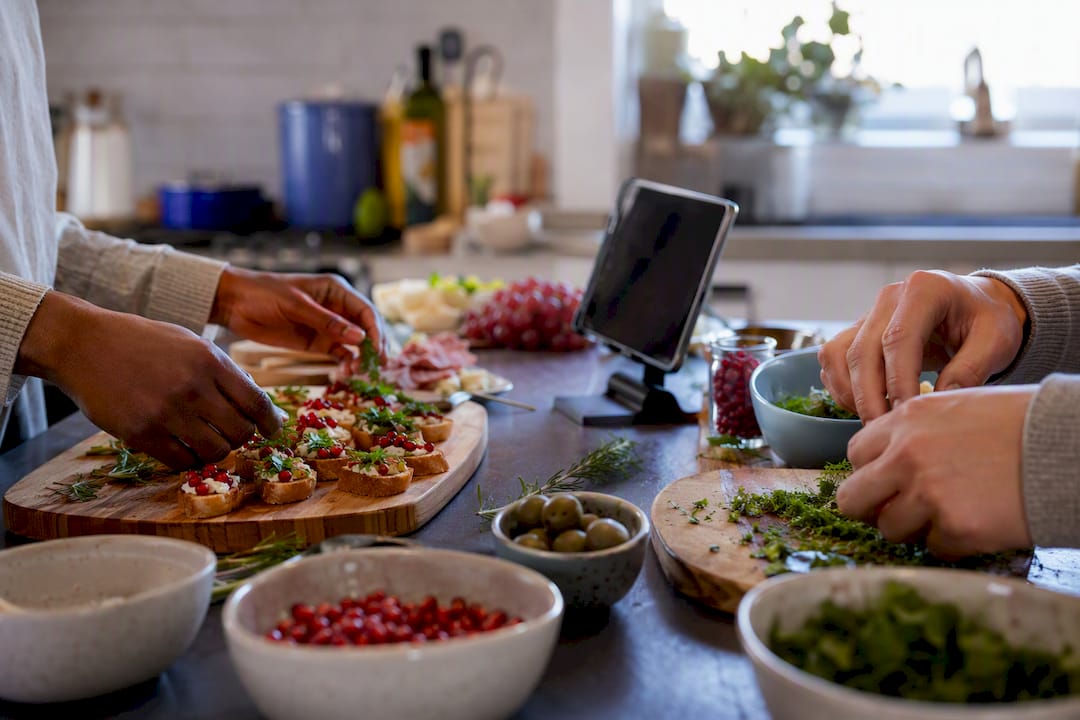
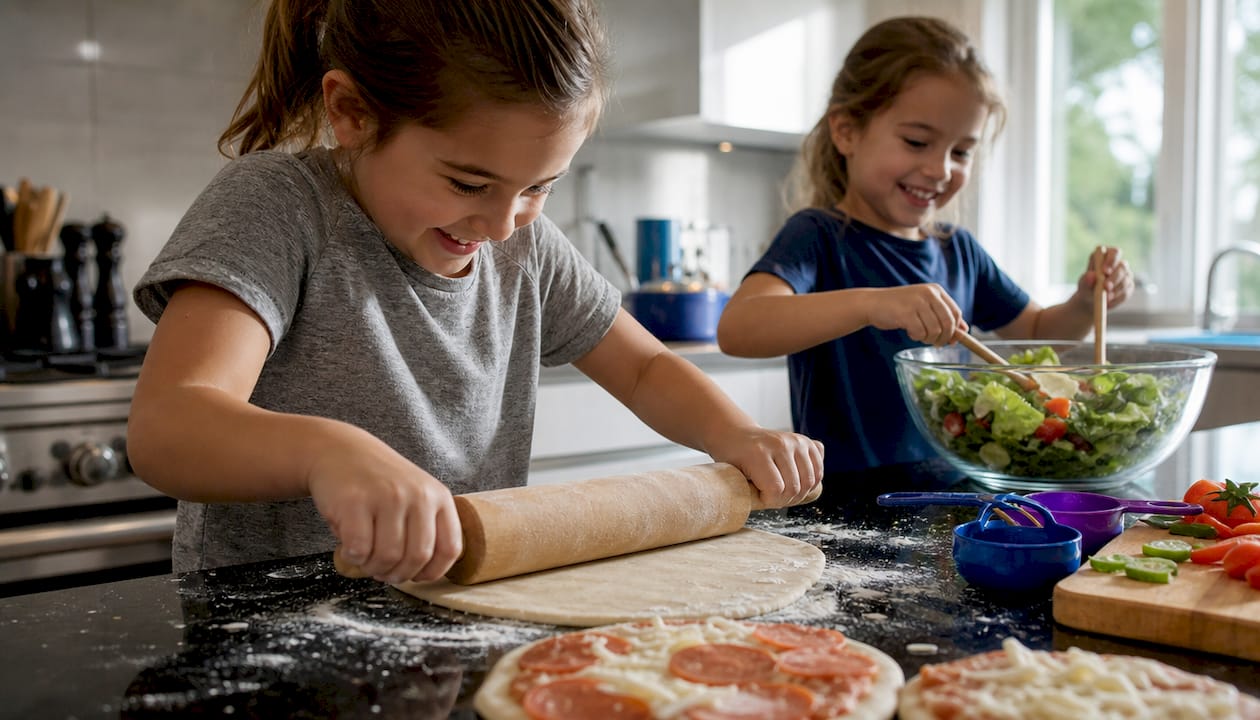
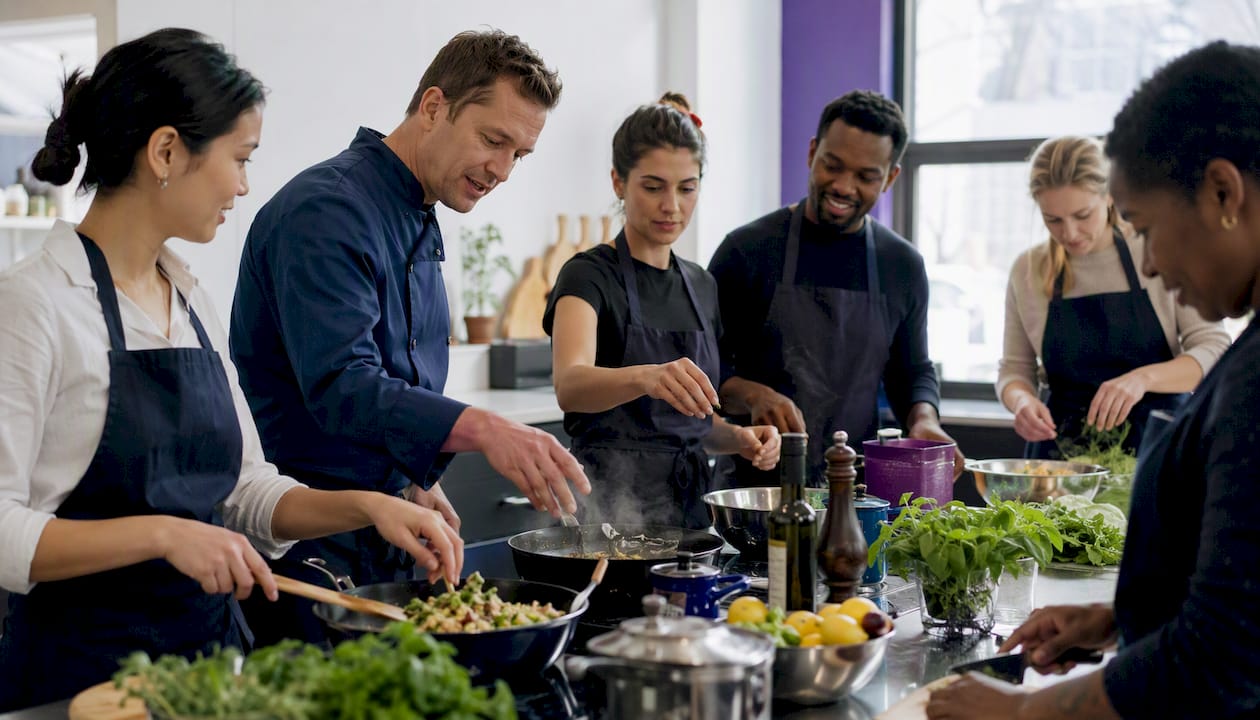
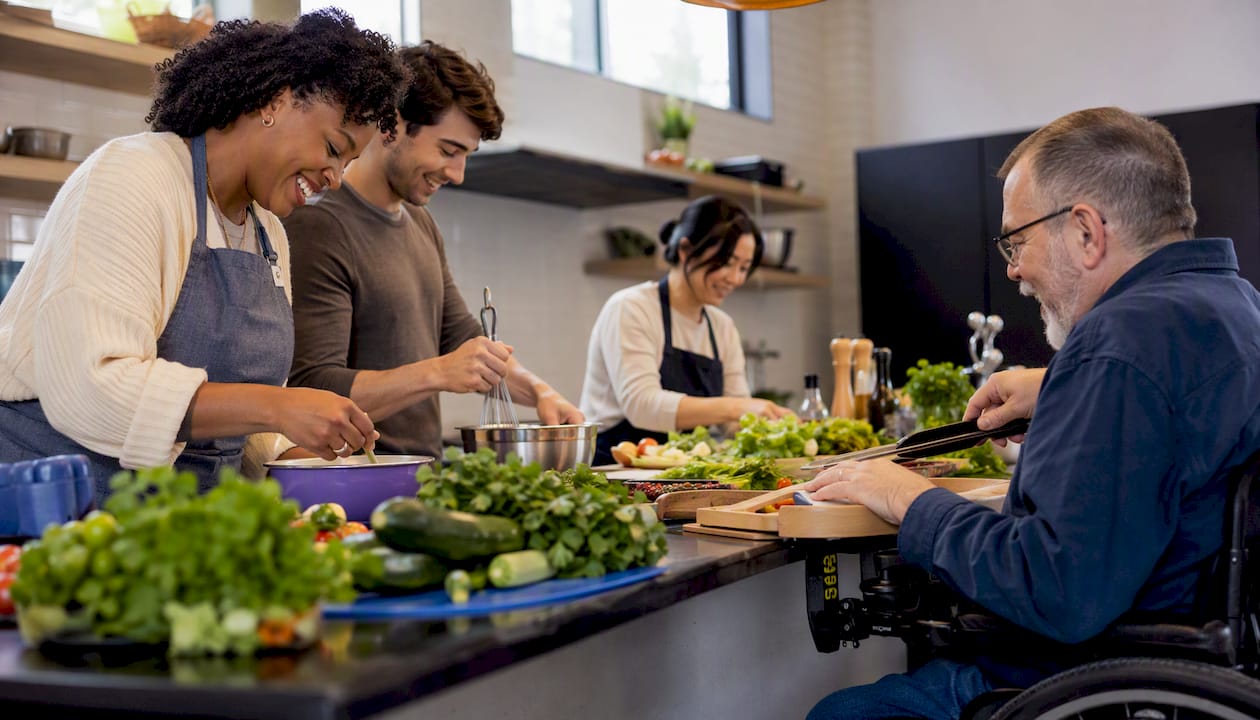
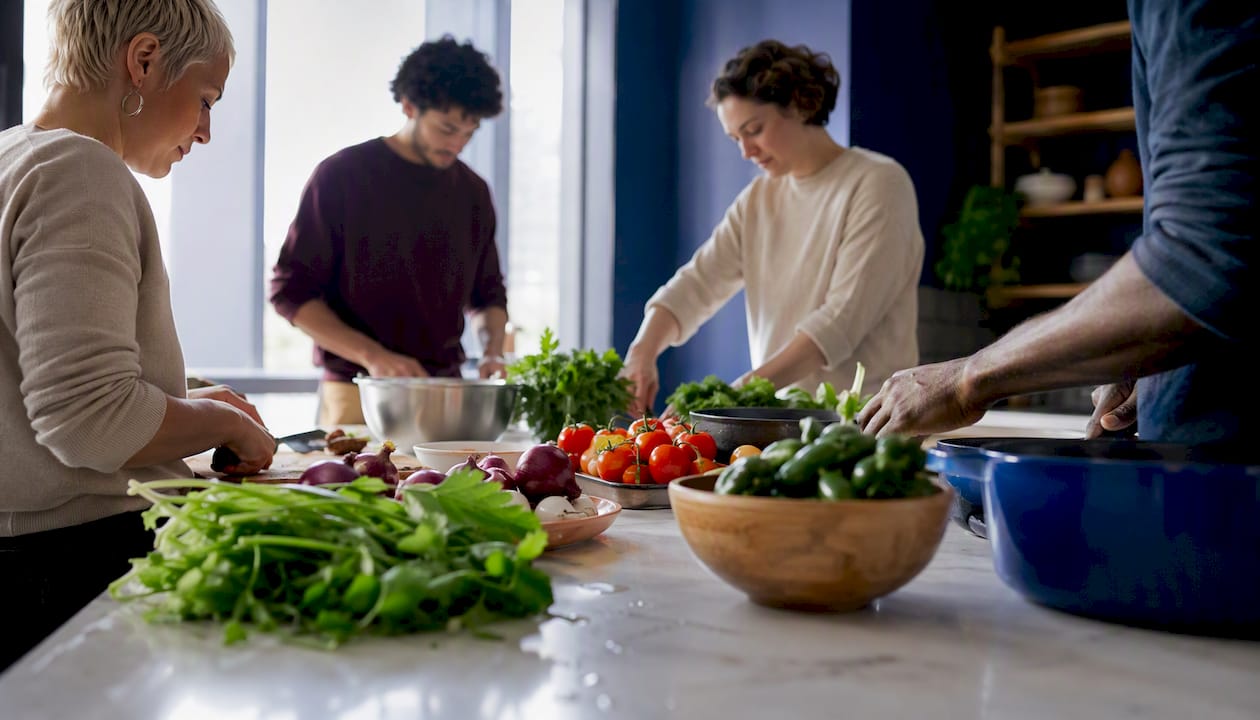
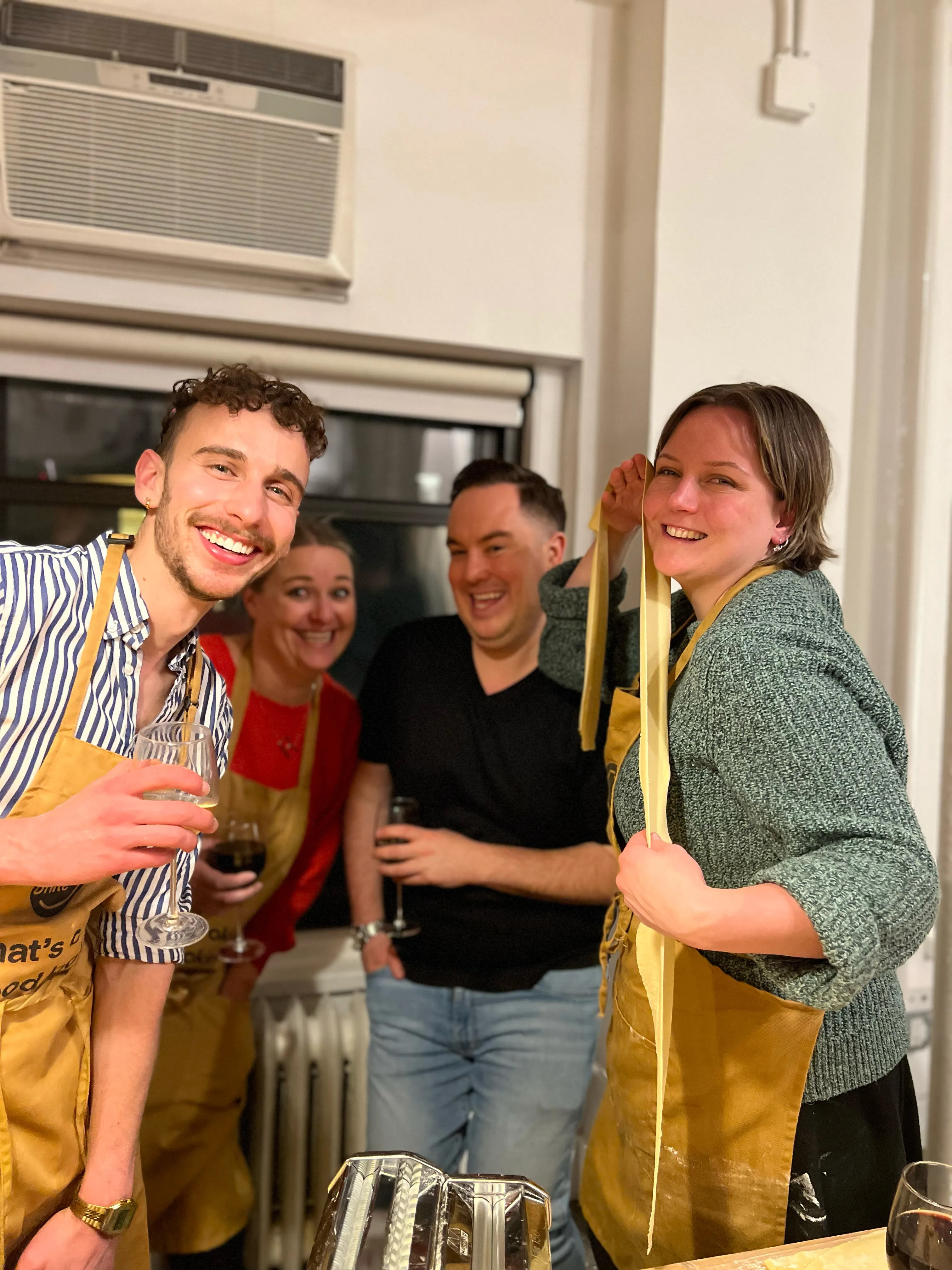
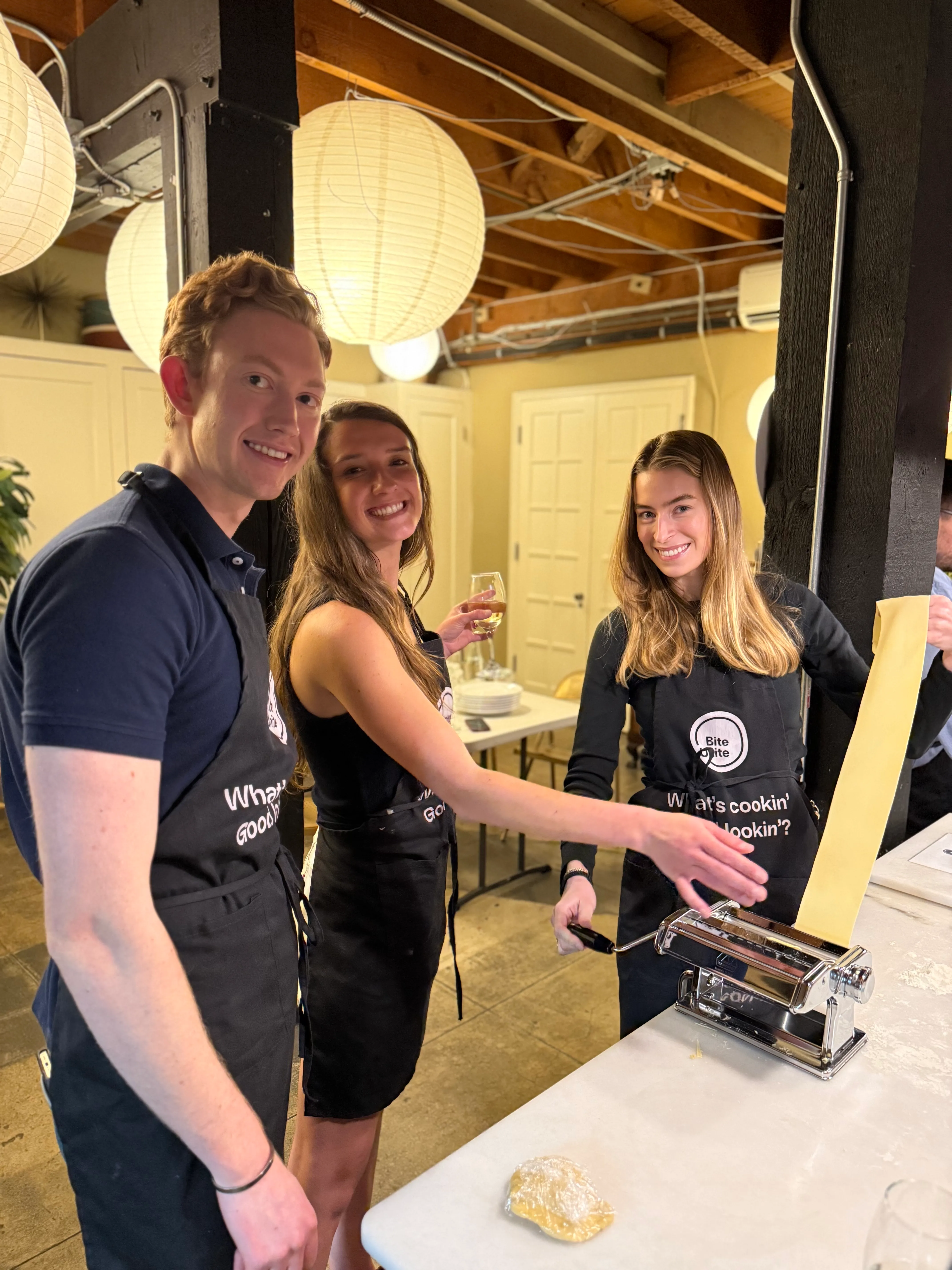
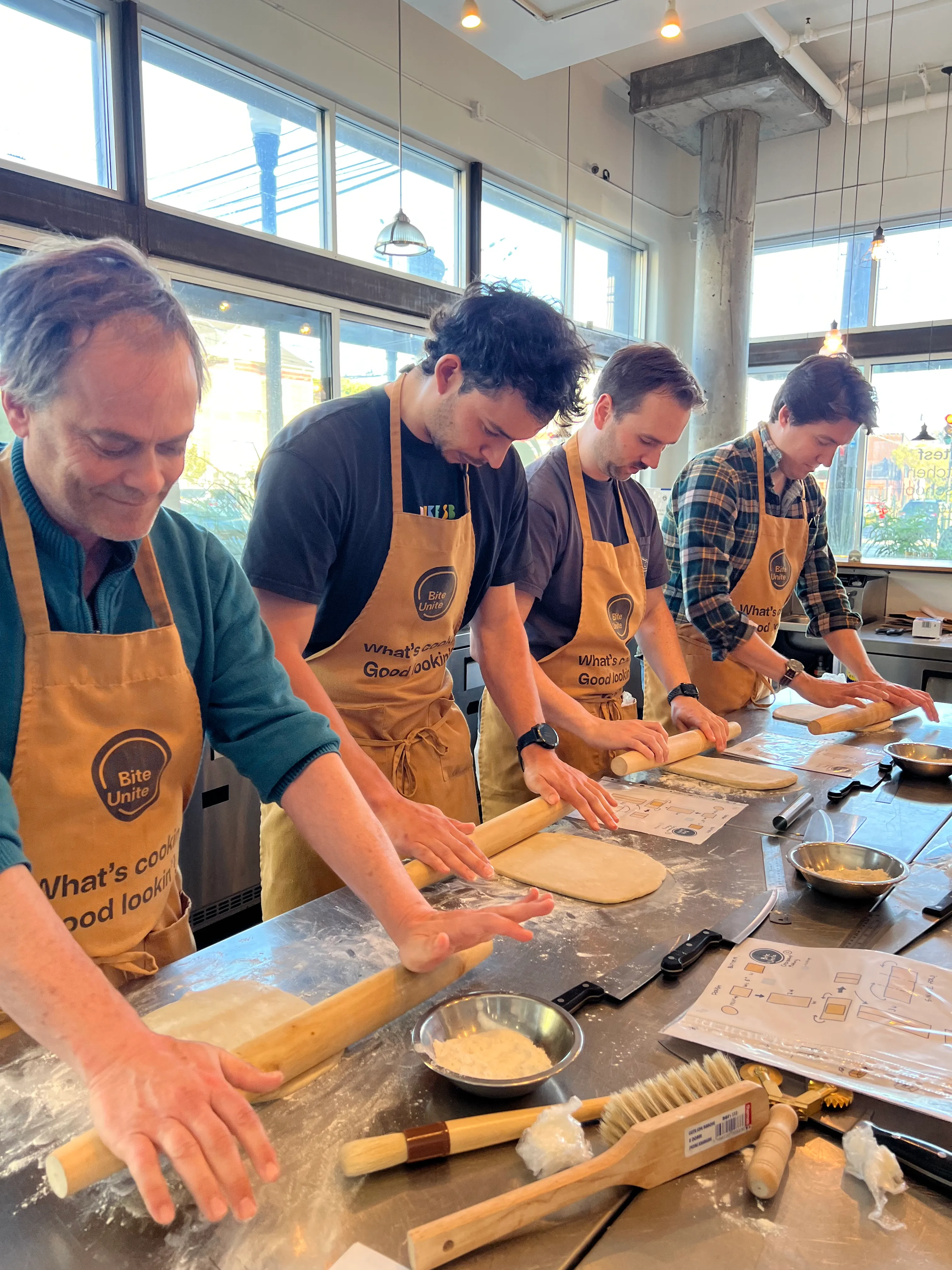
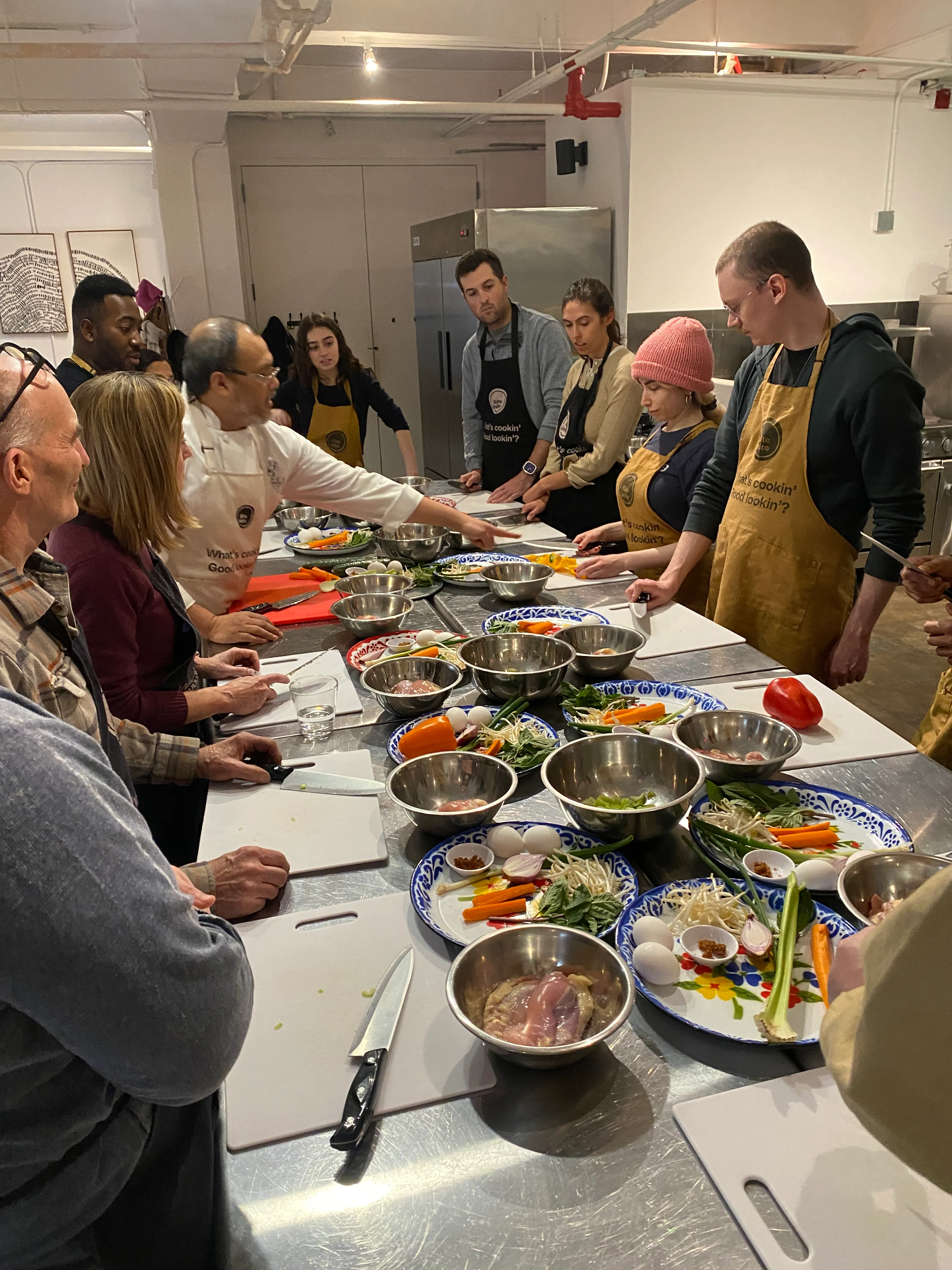
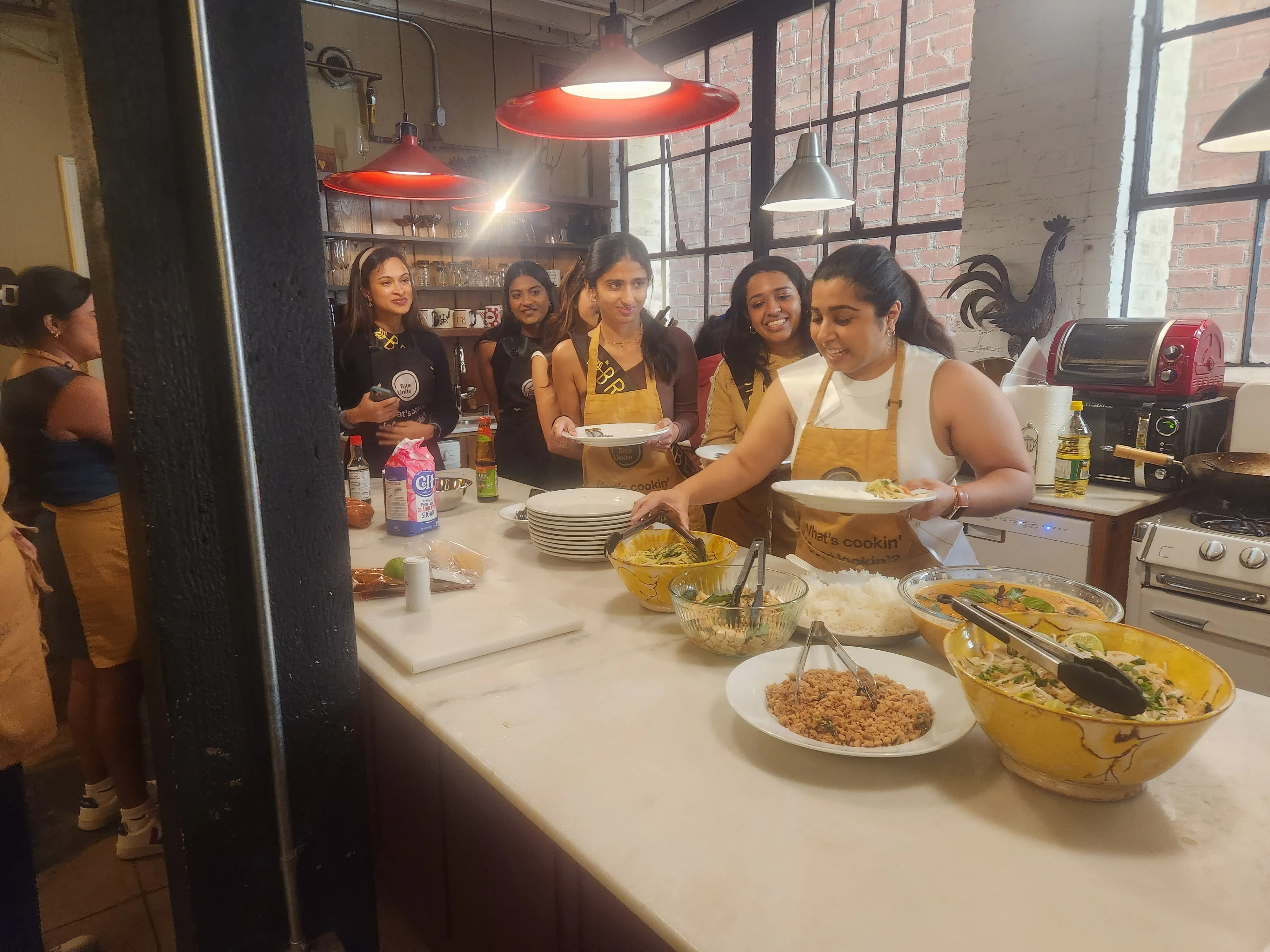
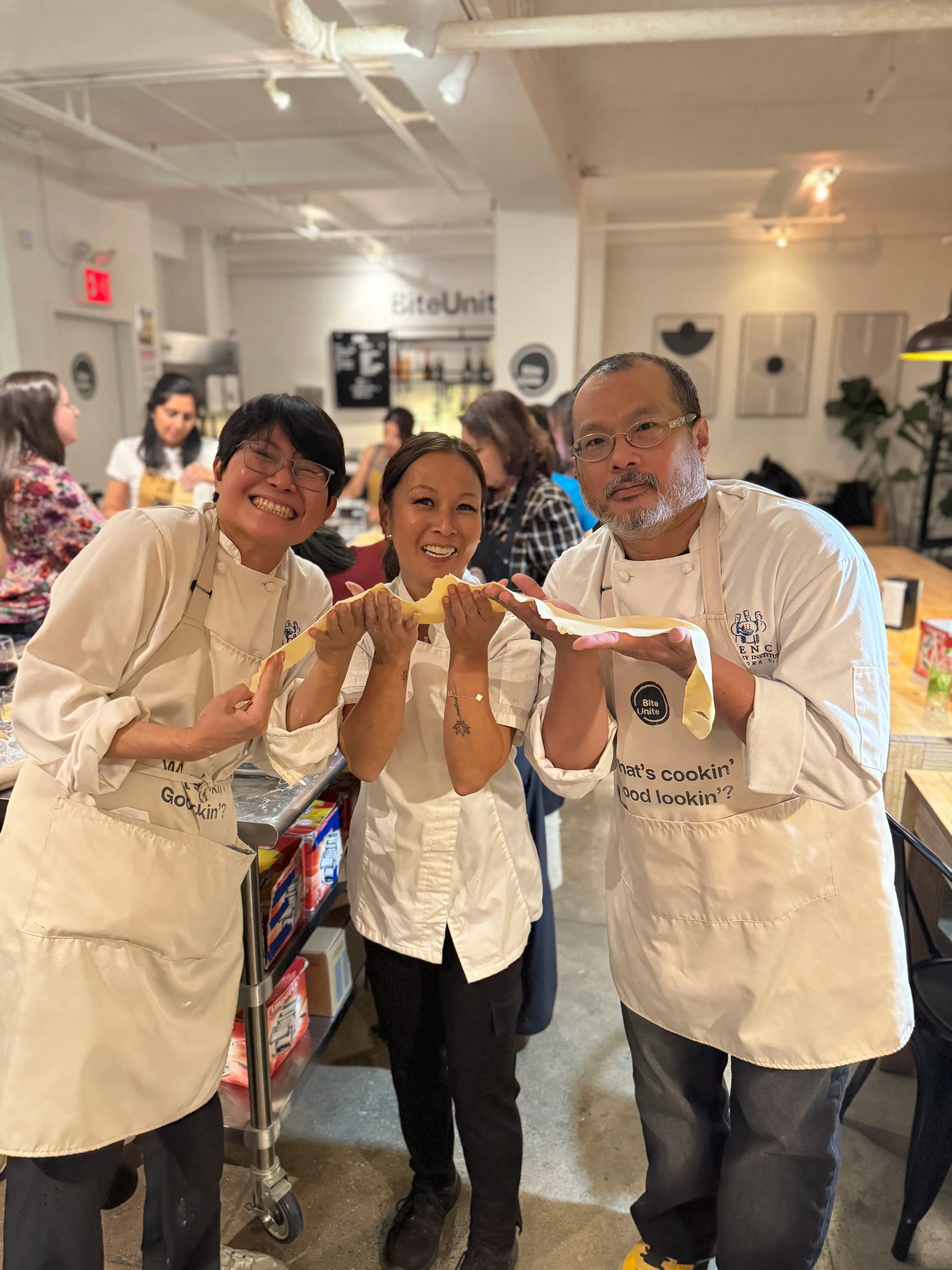
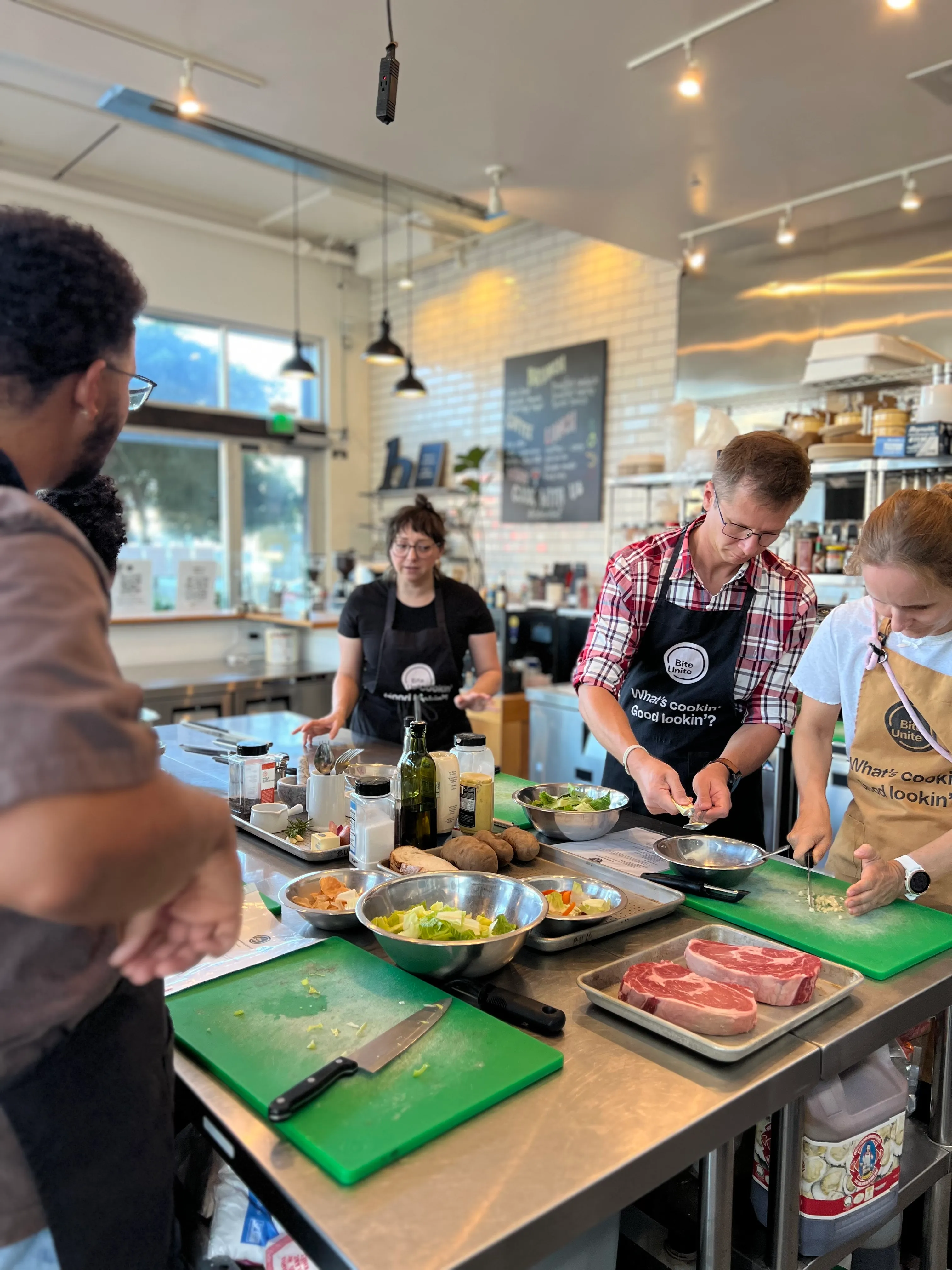
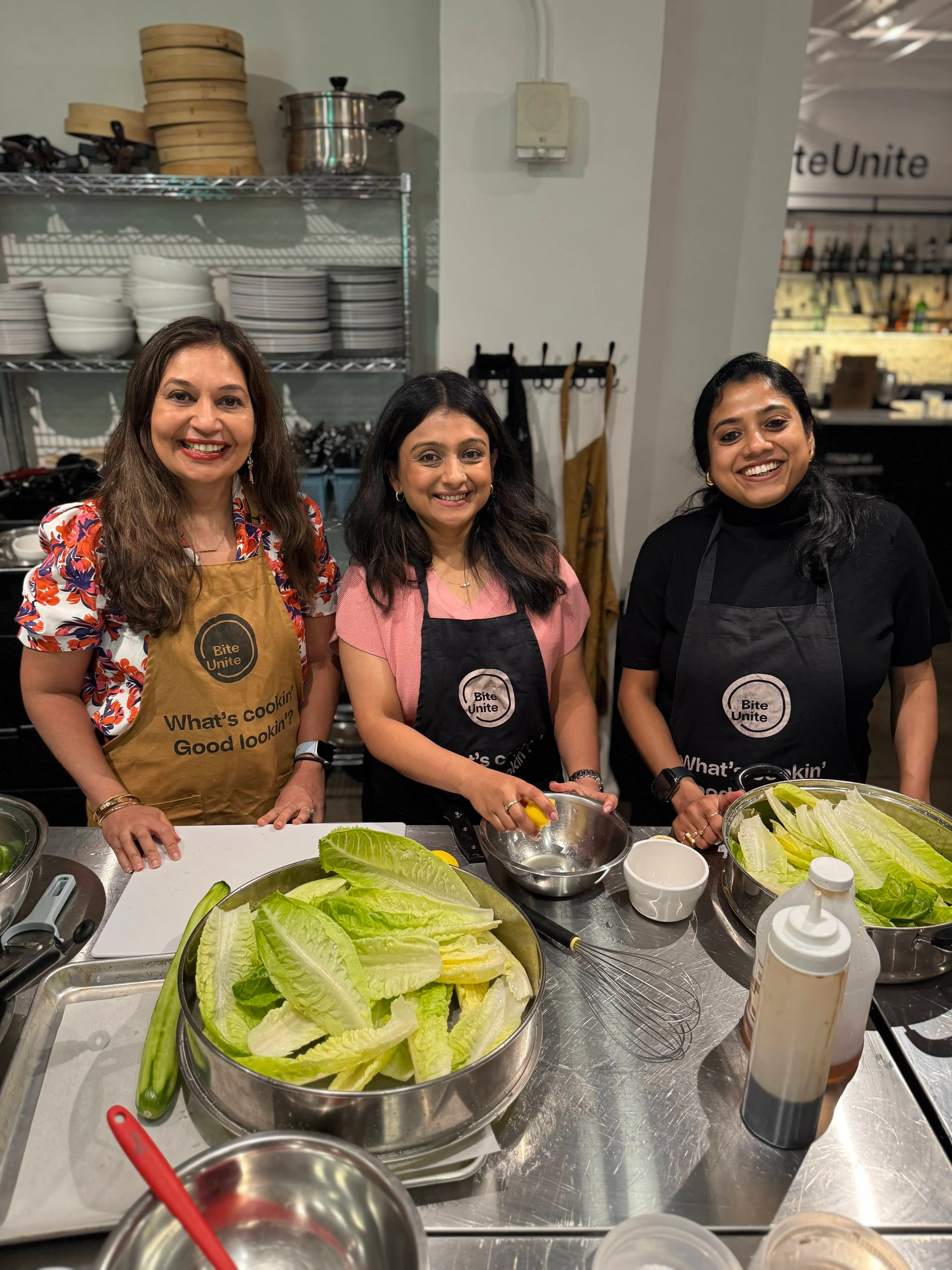
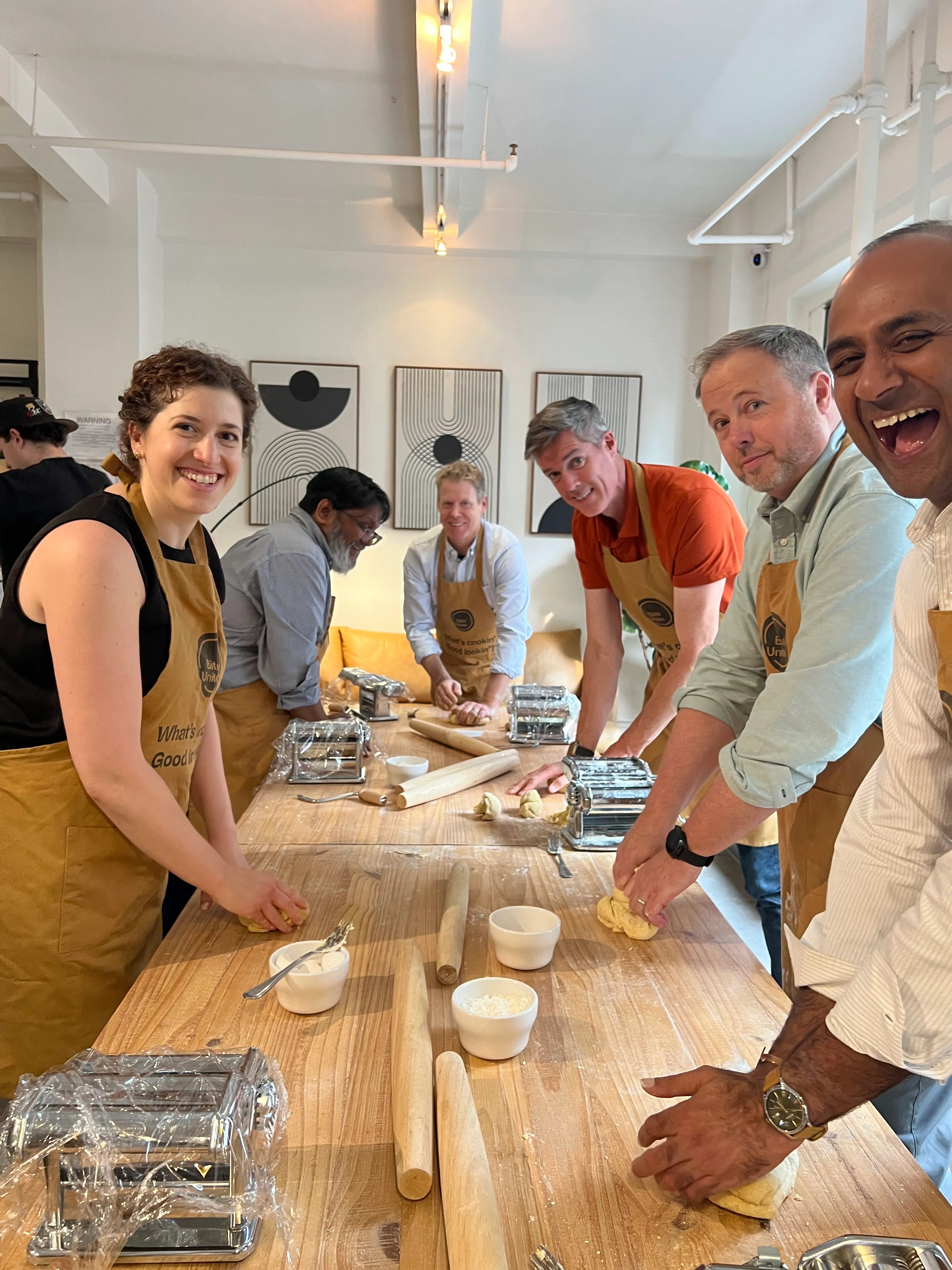
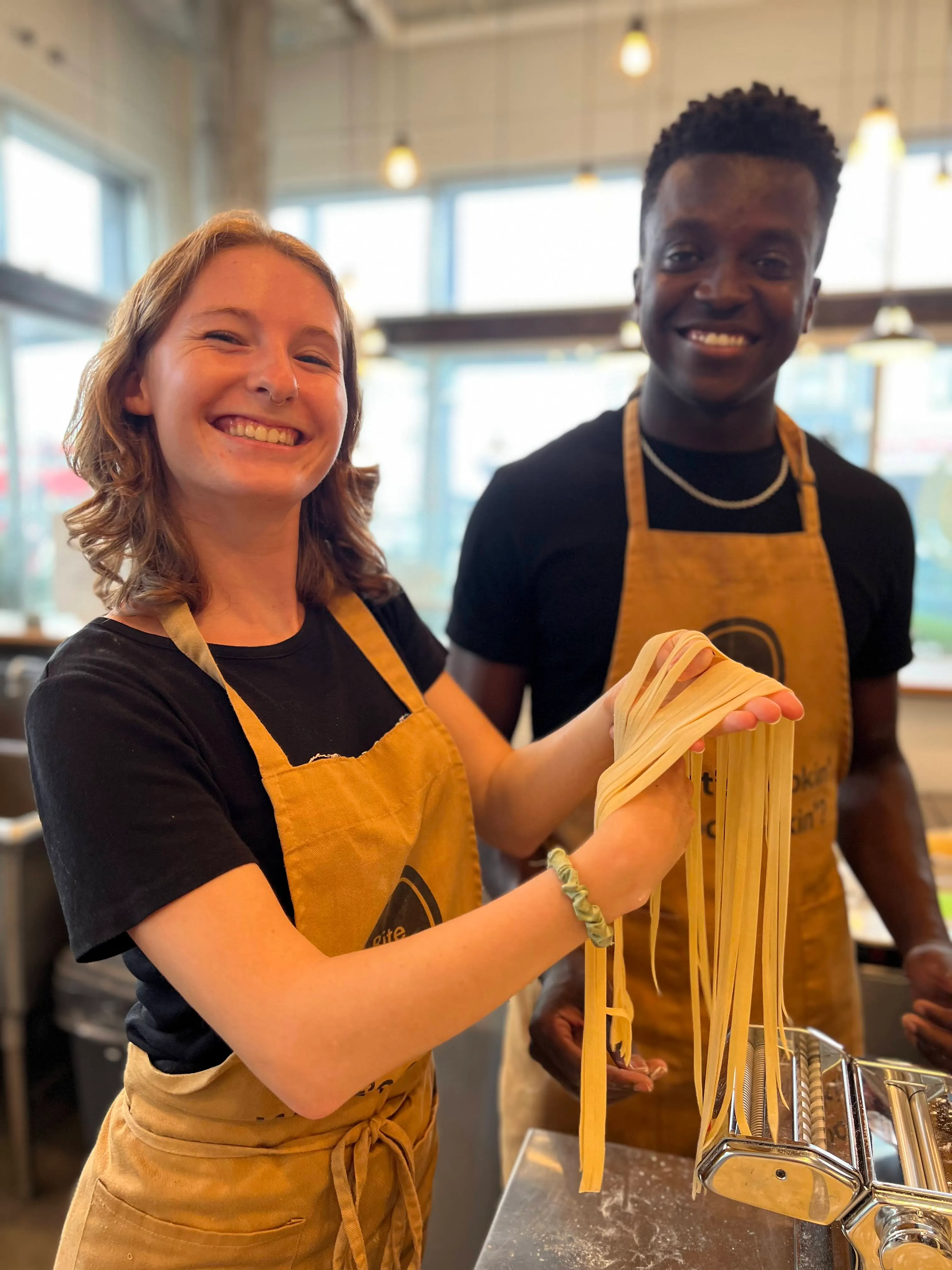
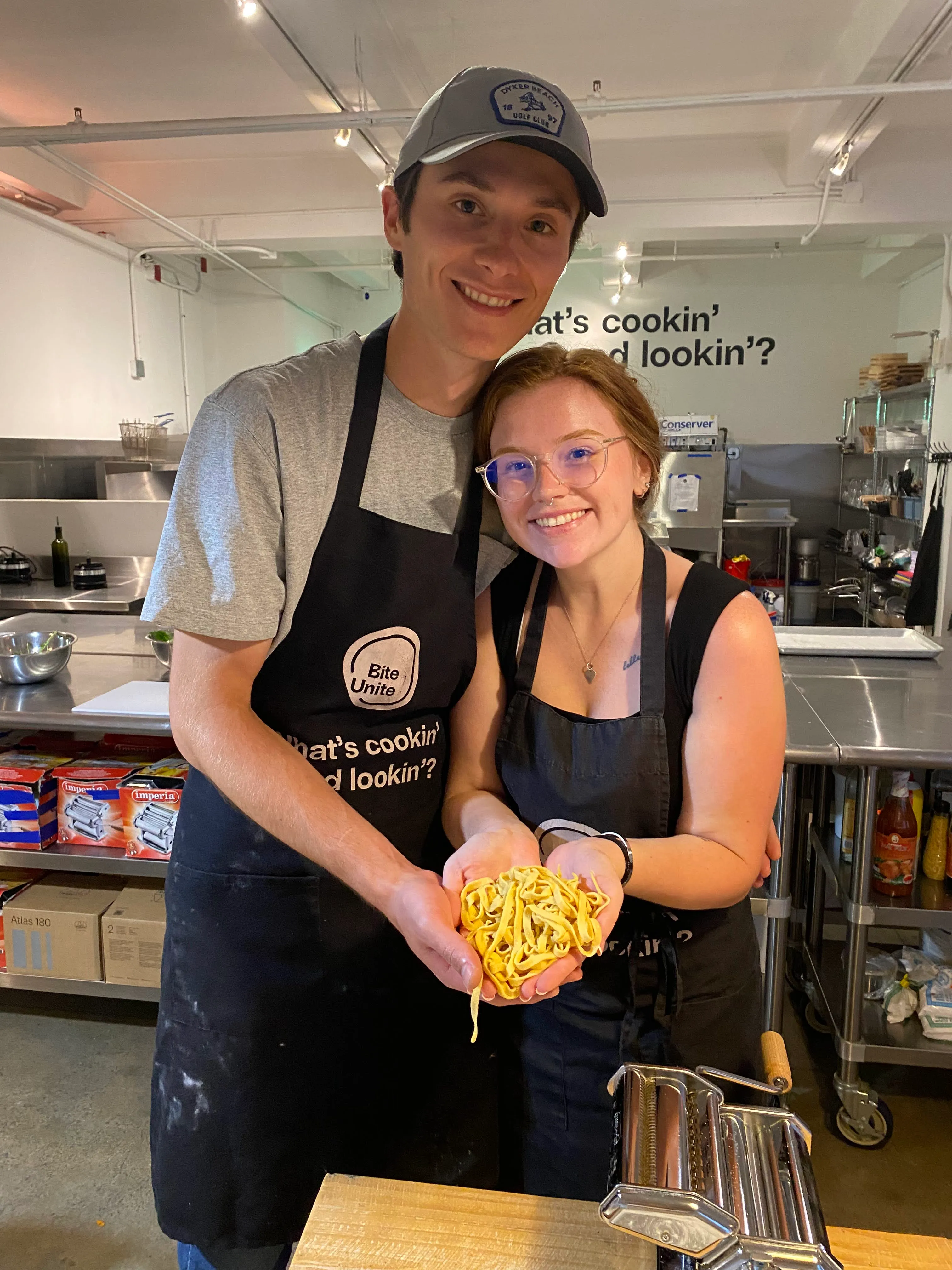
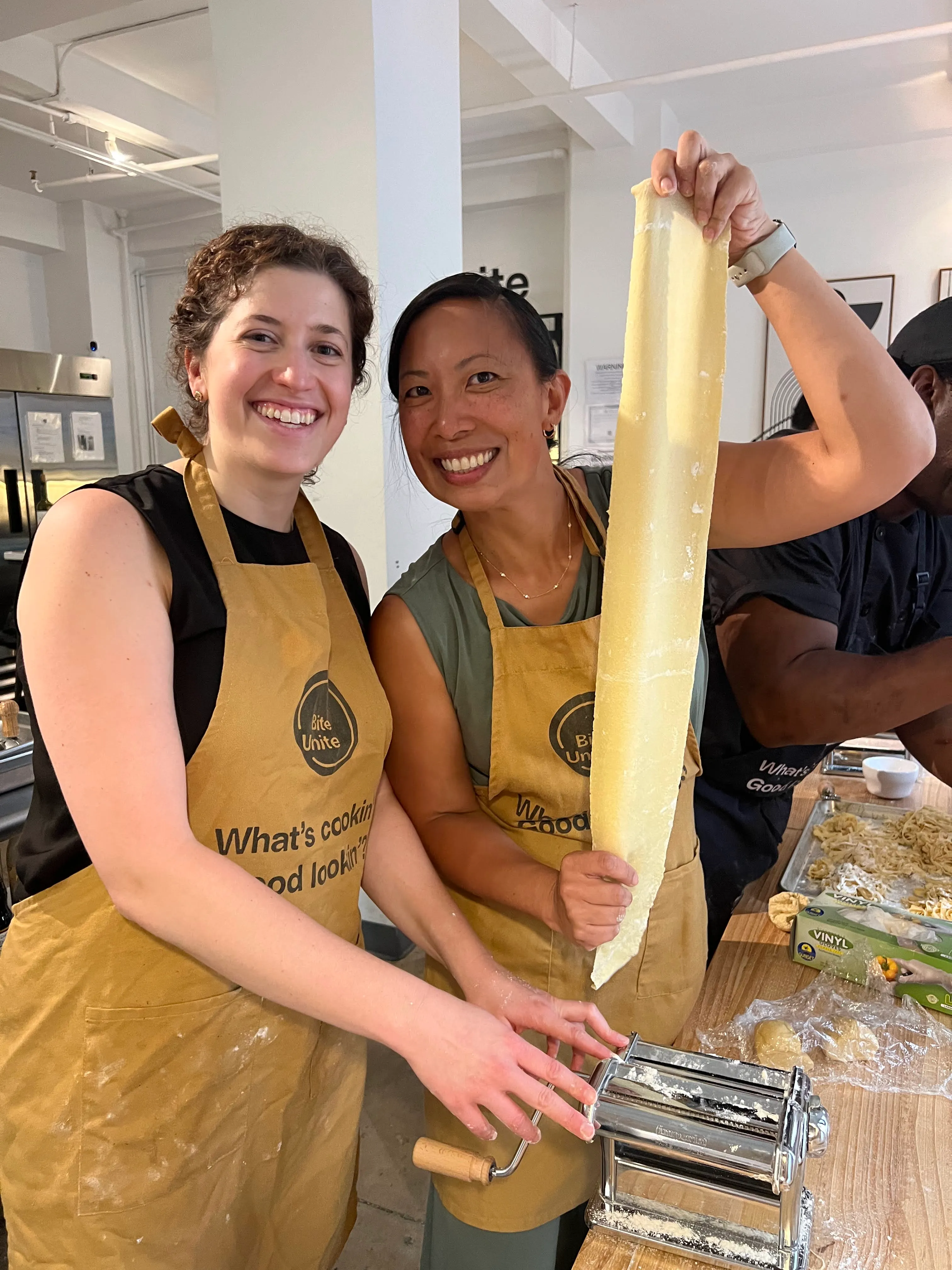
Put a team in a kitchen and the format does the heavy lifting. Participation is not encouraged; it is required. Every person has a station and a job, and the meal simply does not happen unless the group makes it happen together. There is no audience to hide in and no back of the room to drift toward. Within twenty minutes, people who have only ever met as faces in a video grid are standing hip to hip, passing ingredients, comparing technique, and negotiating who handles the heat.
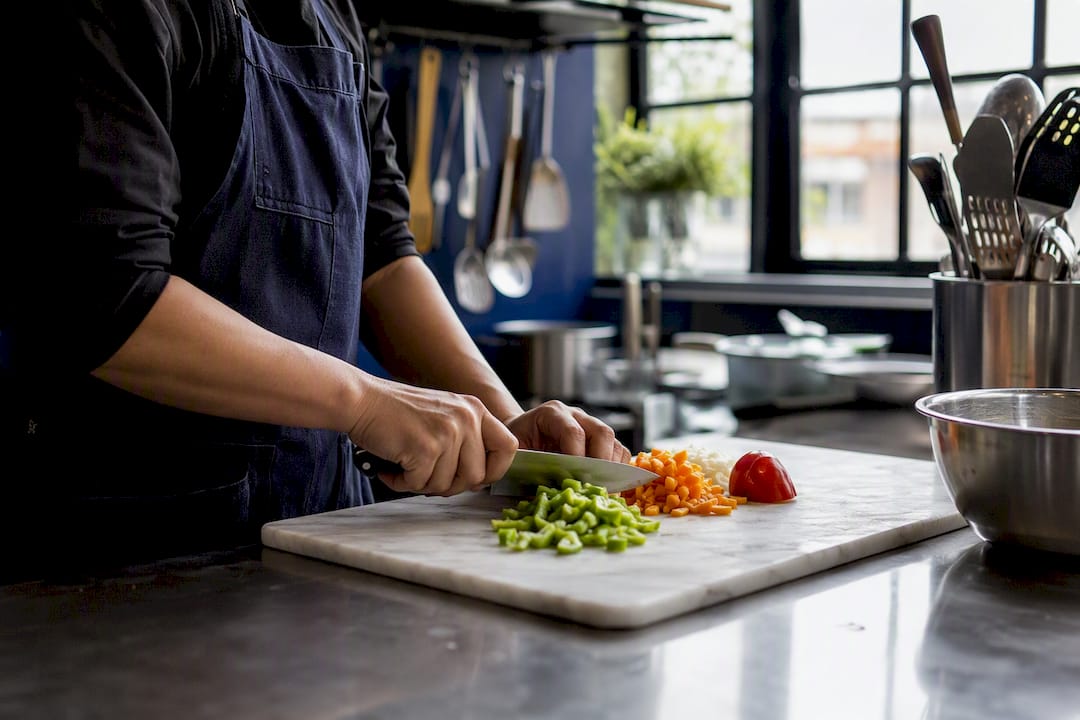
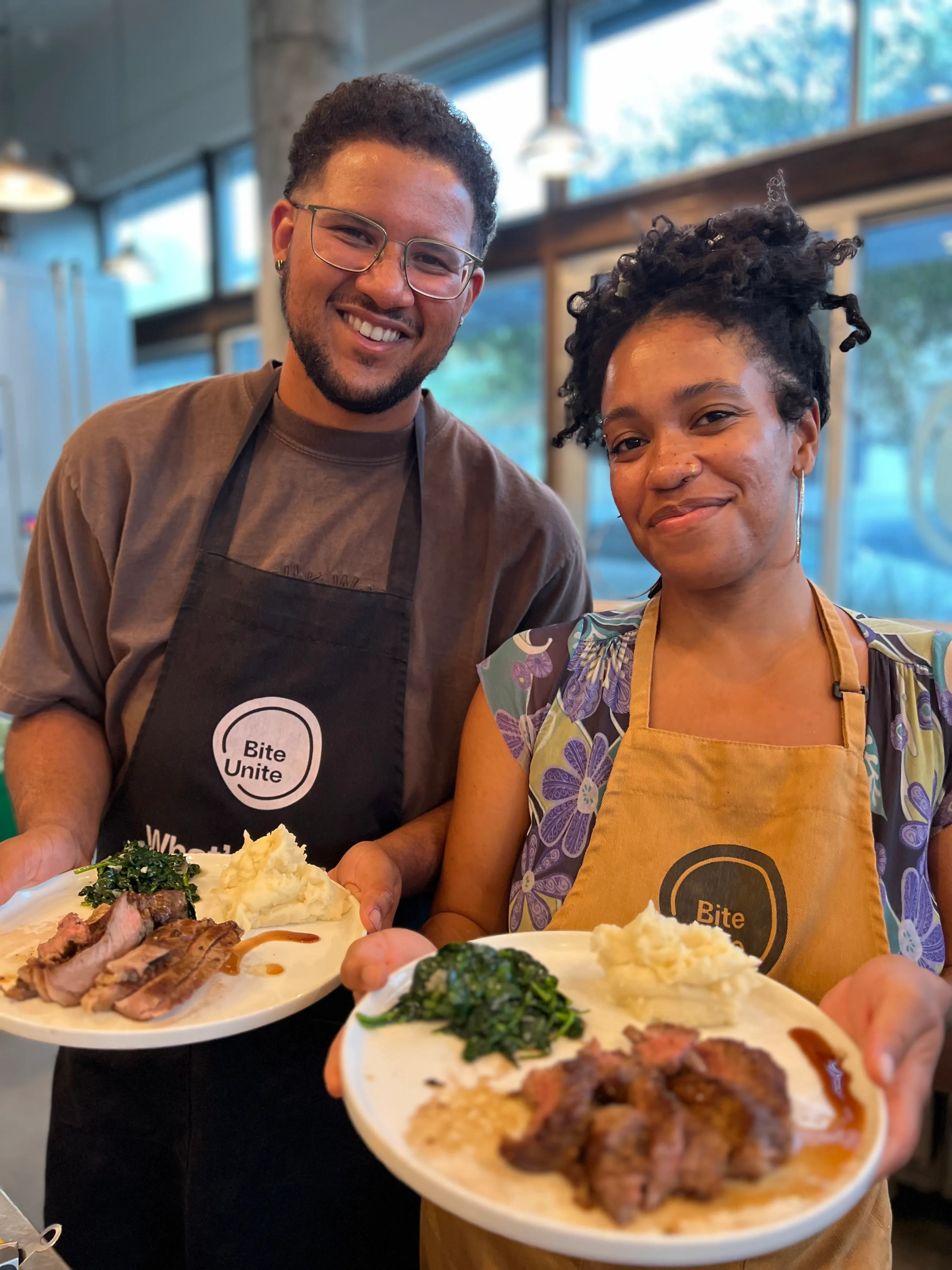
The dynamic tends to catch teams off guard. The colleague who barely speaks in meetings turns out to be methodical and calm at the cutting board, and suddenly the group sees them differently. Two people who have never exchanged a word end up paired on a dish and spend the rest of the trip trading notes about it. None of it feels forced, because the cooking gives everyone something legitimate to focus on. The bonding is a side effect of making dinner — which is precisely why it works when a facilitated exercise would curdle. Our piece on unique team-building ideas with cooking classes in San Francisco digs further into why the format resonates with Bay Area teams in particular.
San Francisco Sets a Different Table
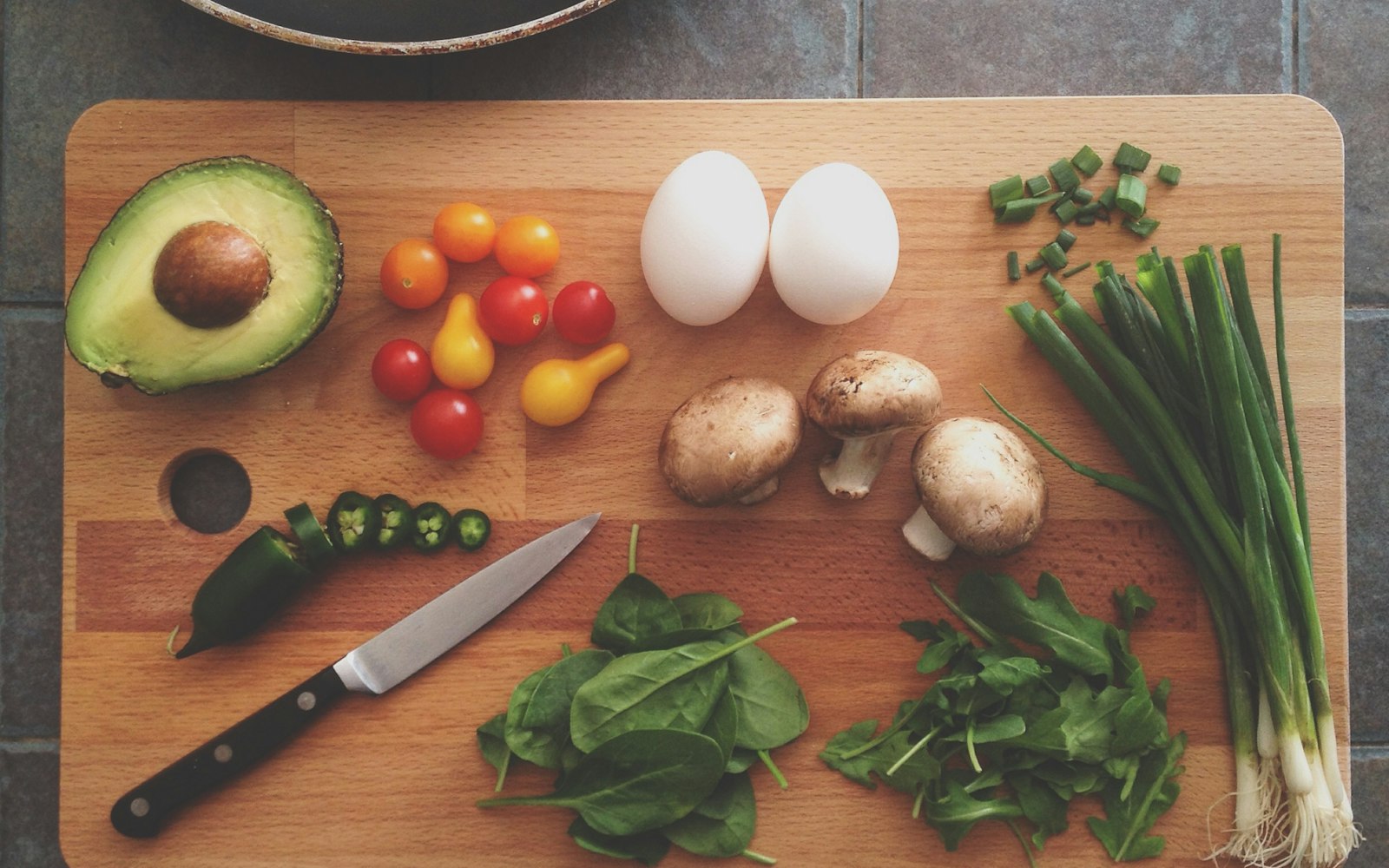
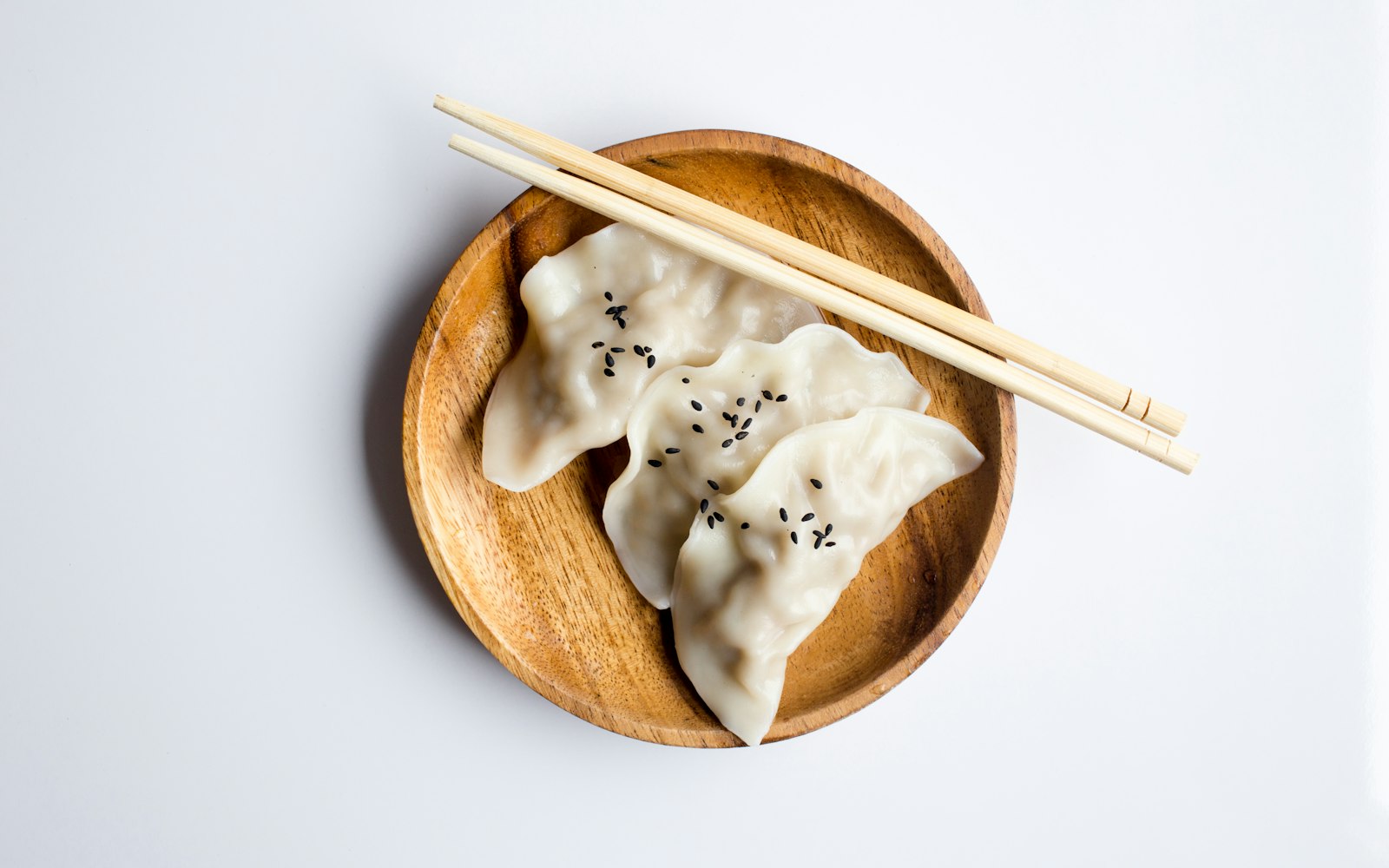
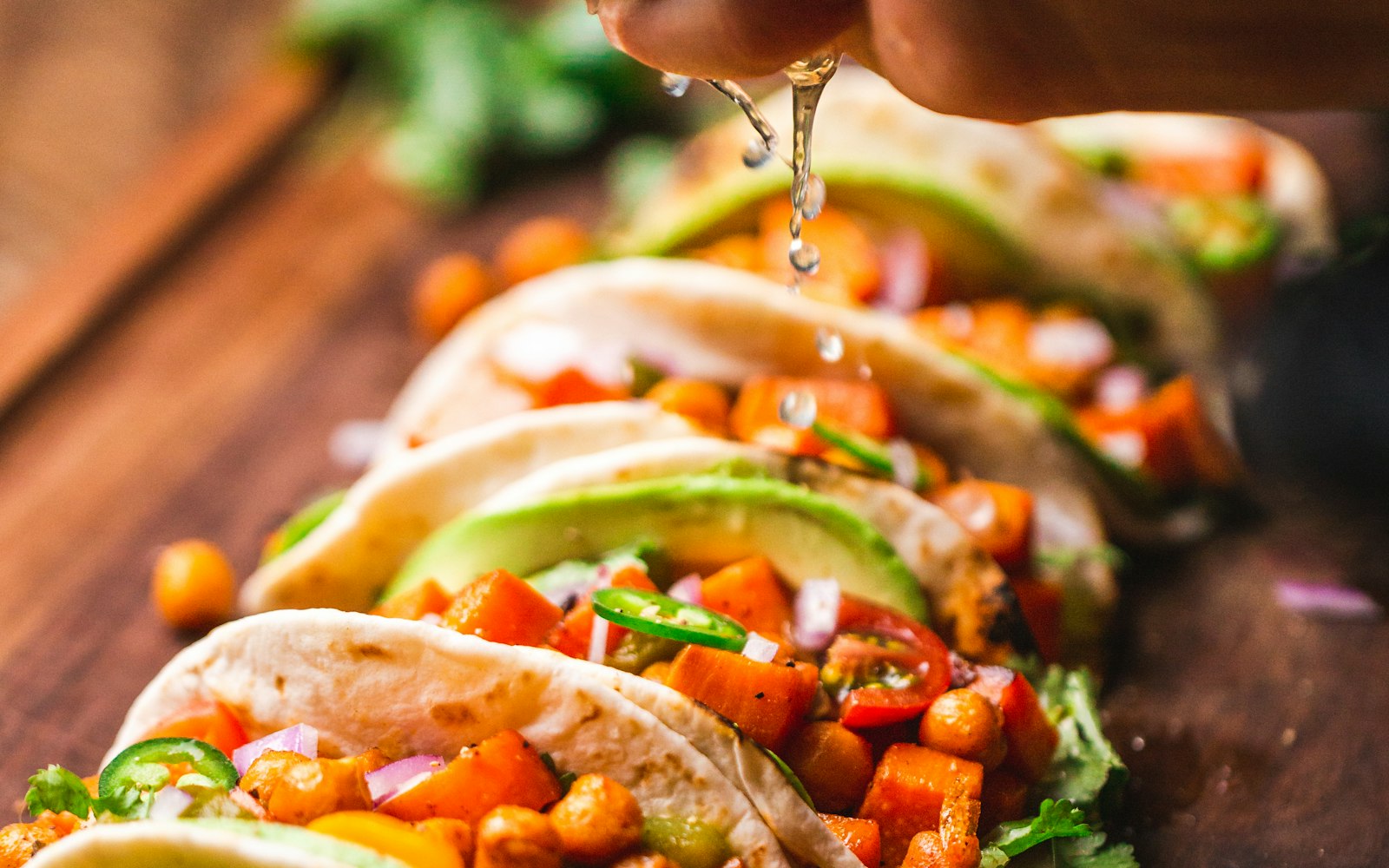
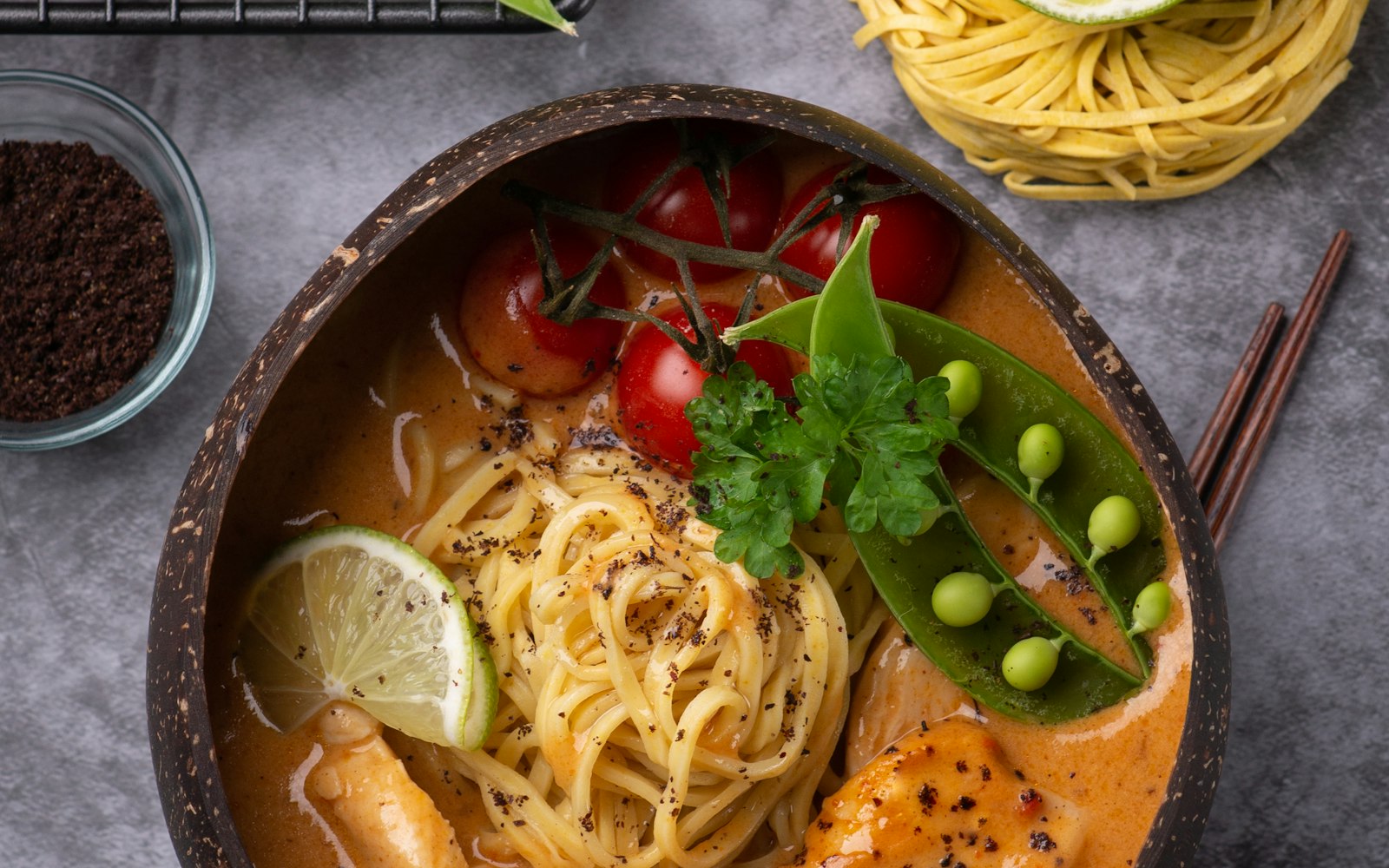
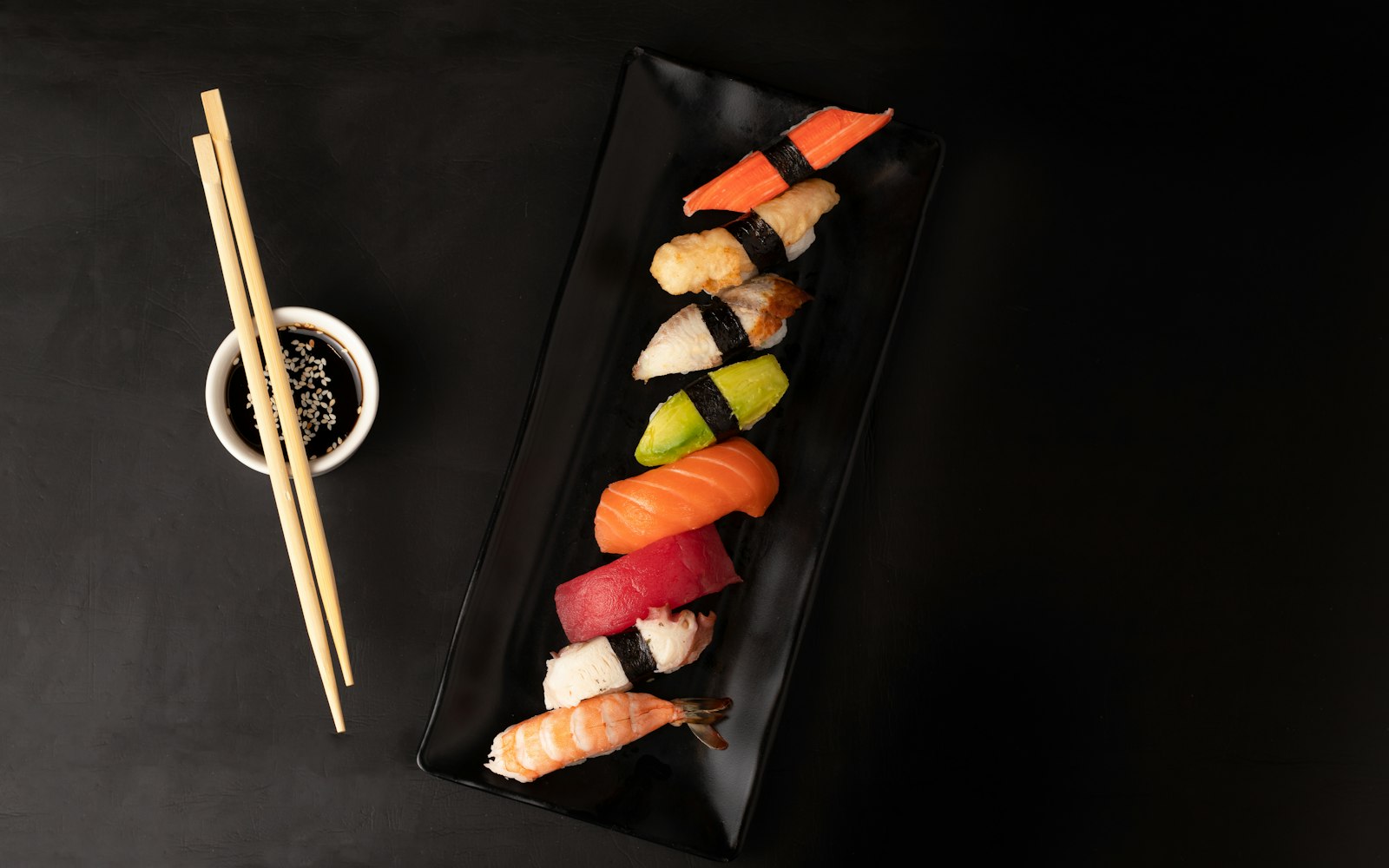
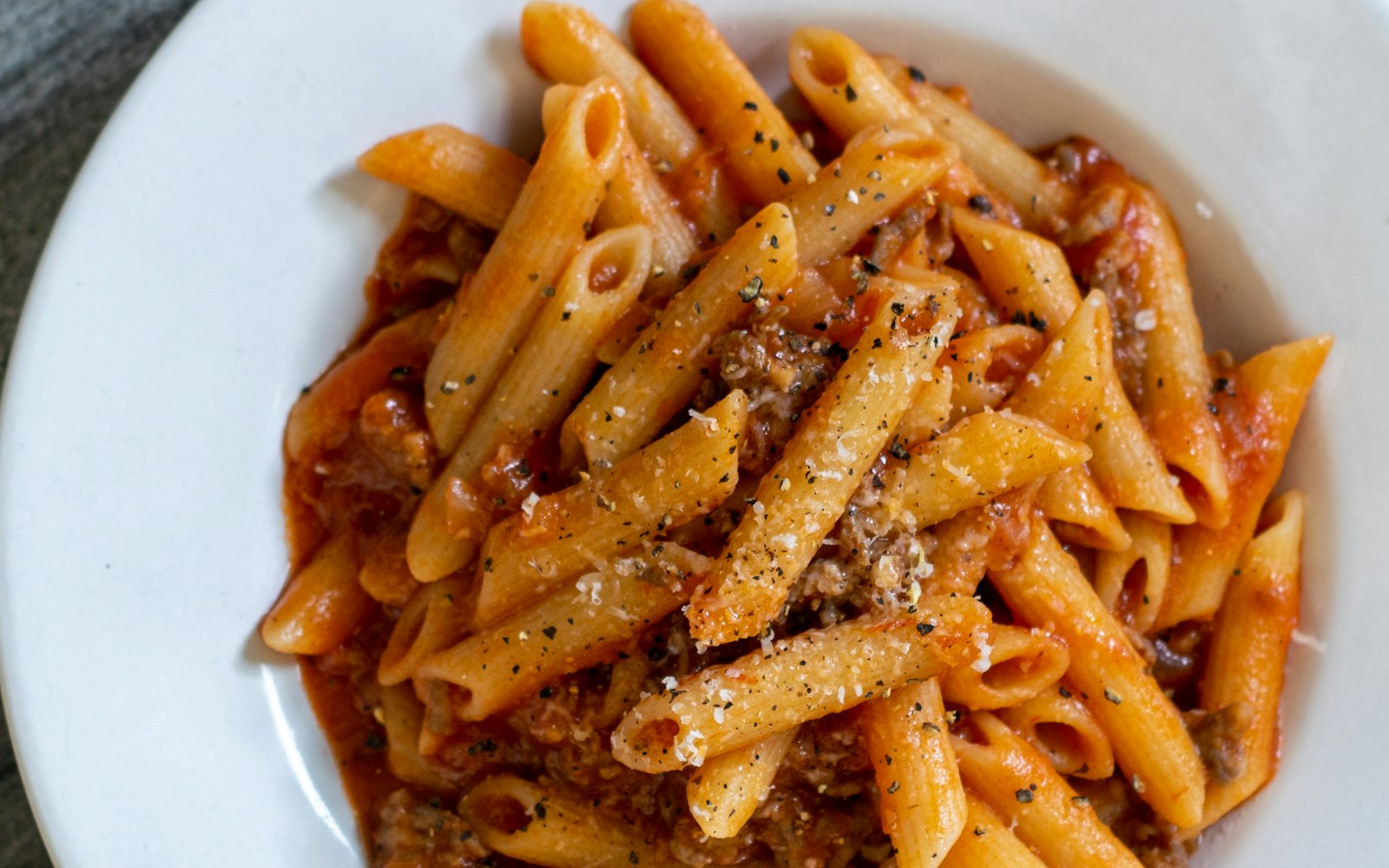
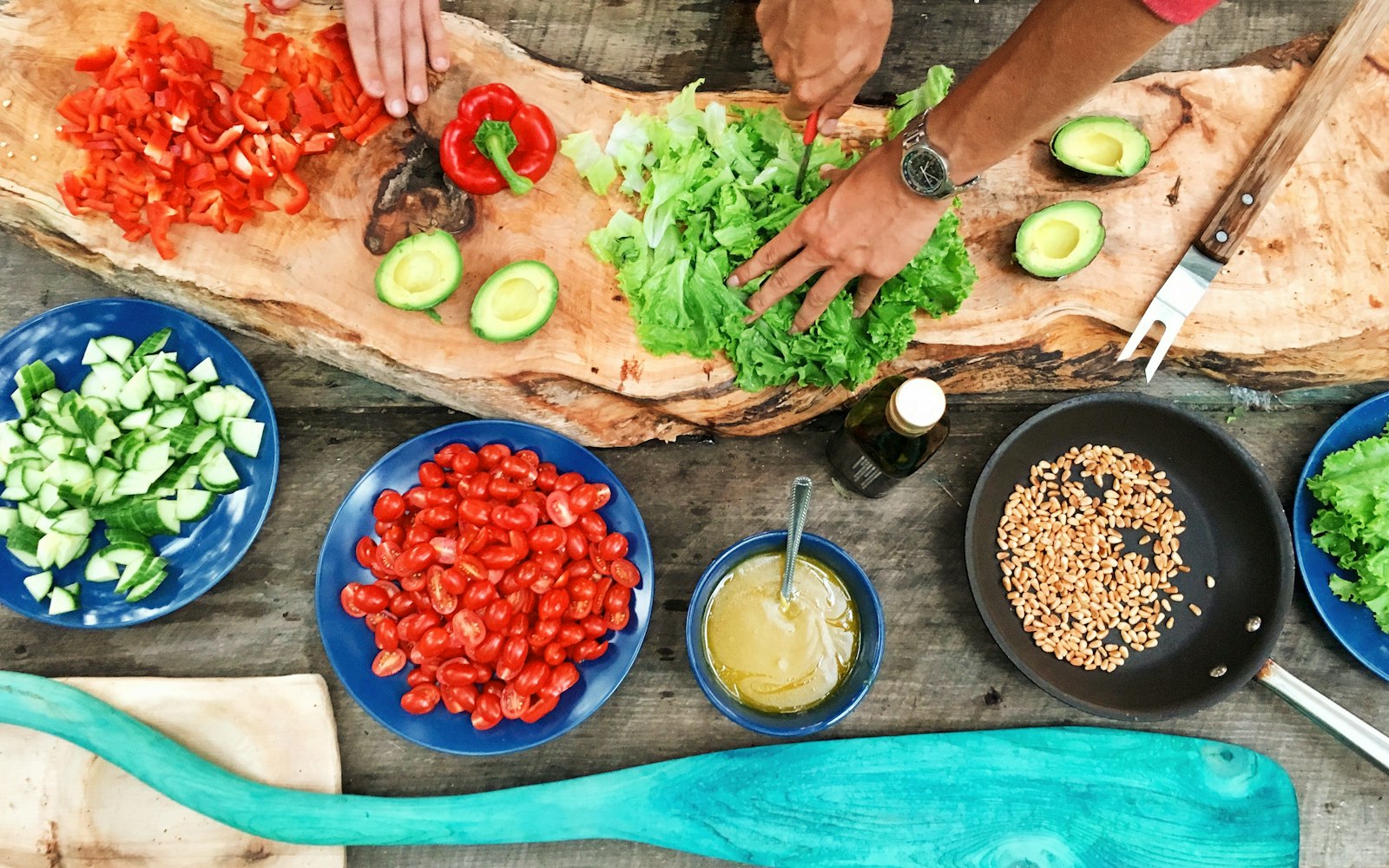
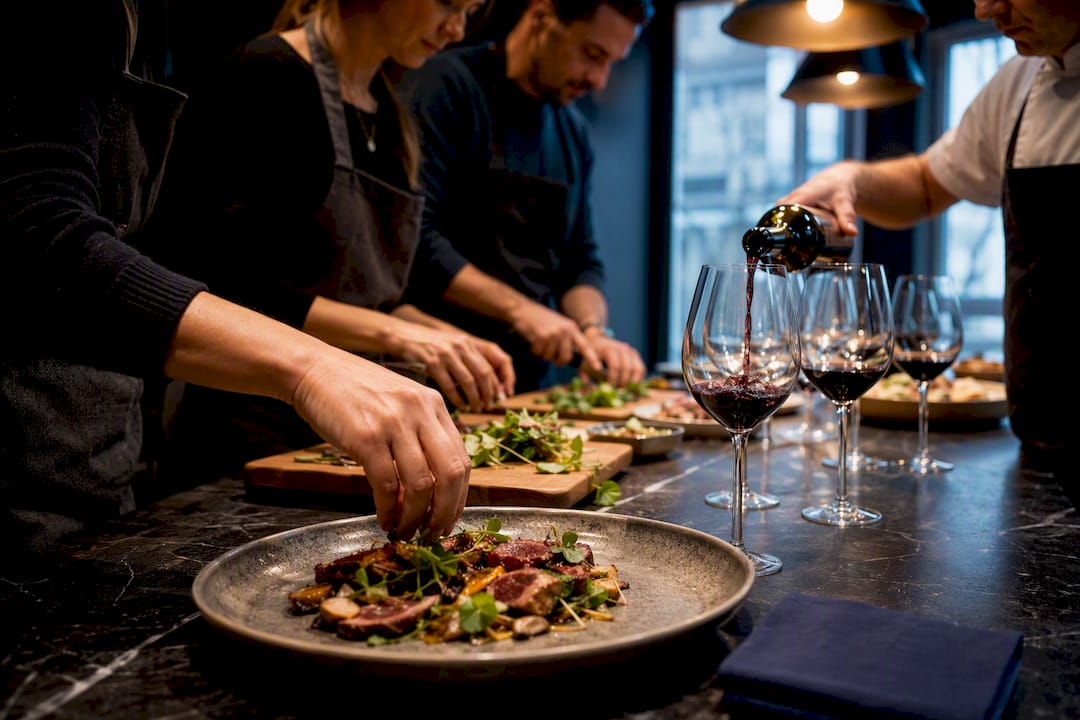
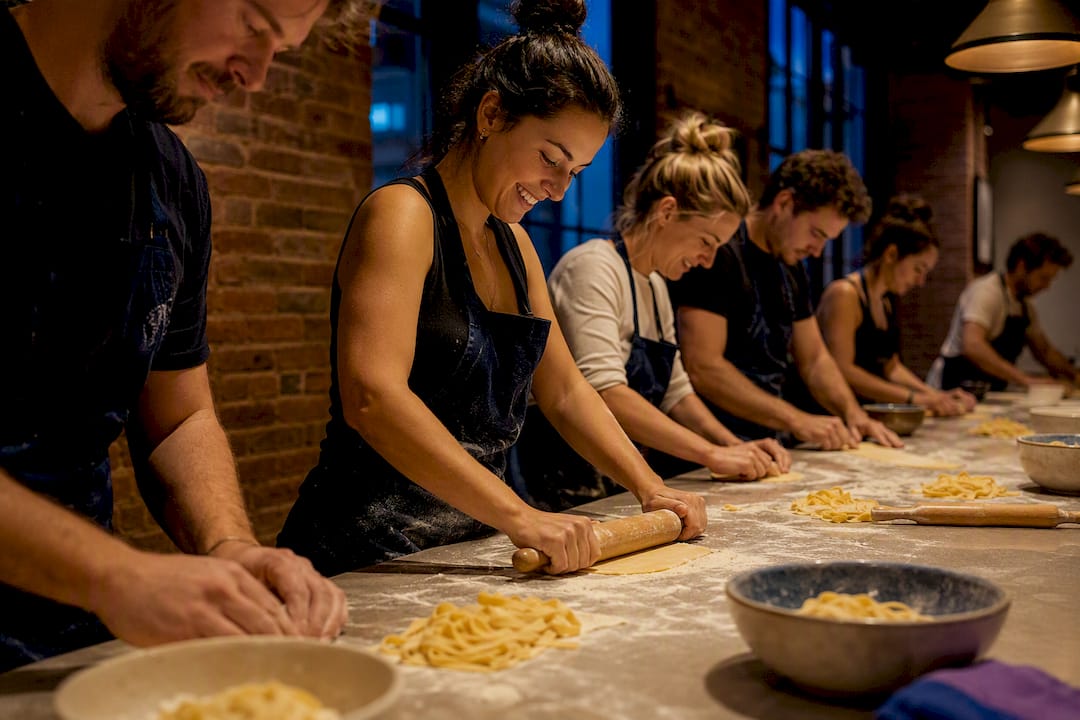
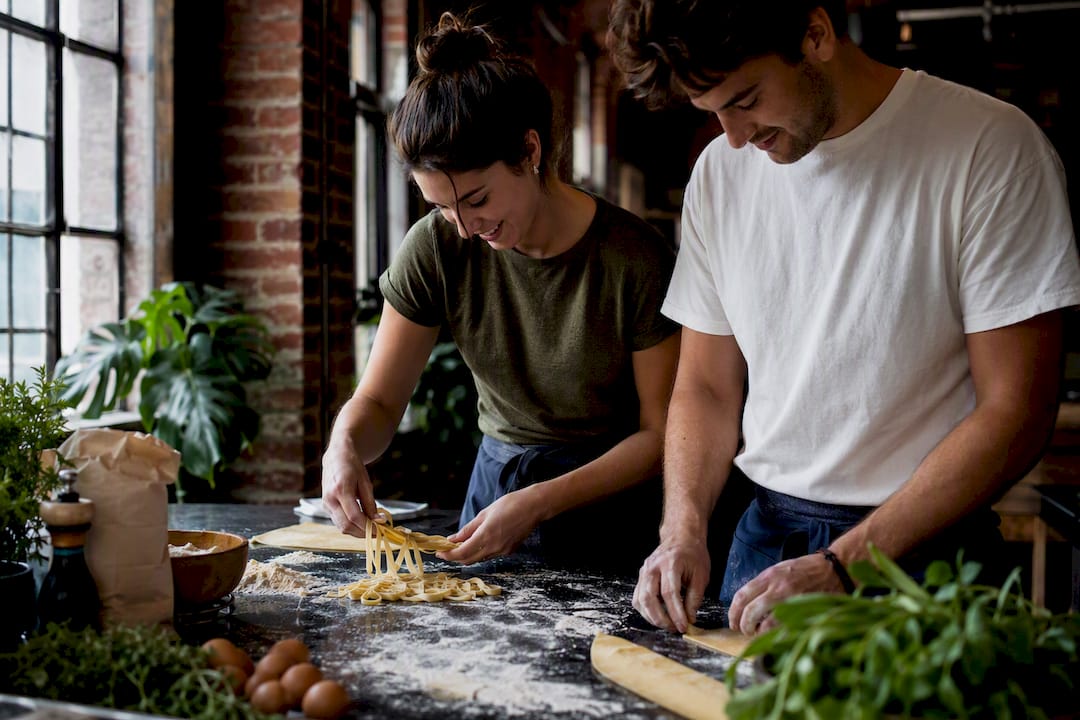
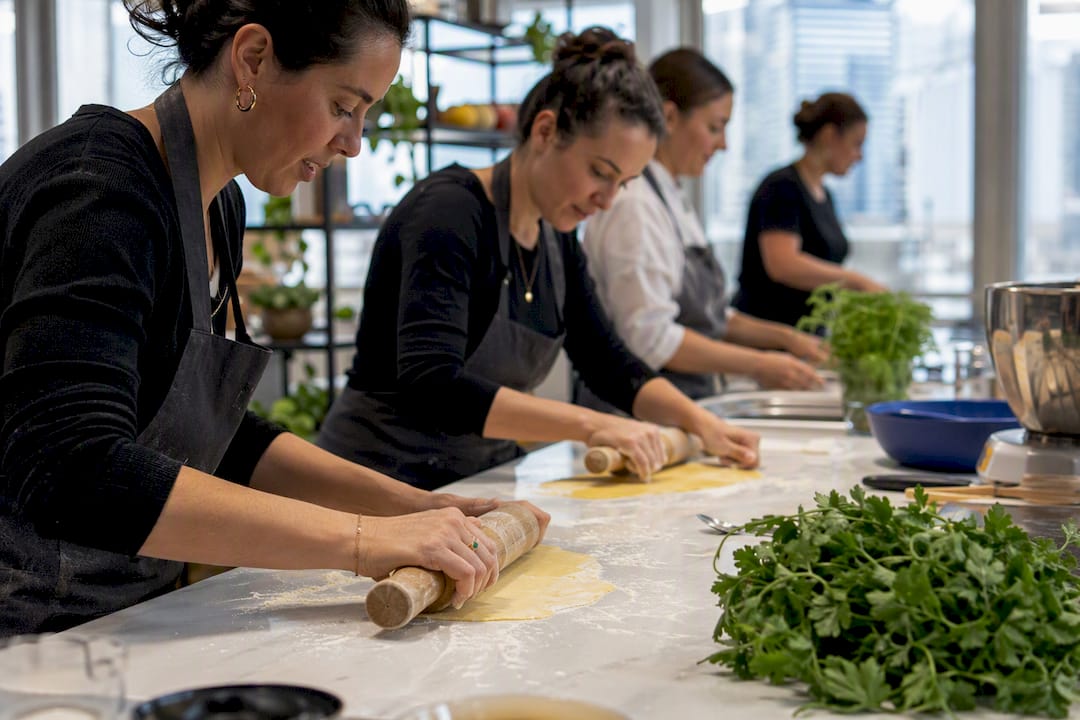
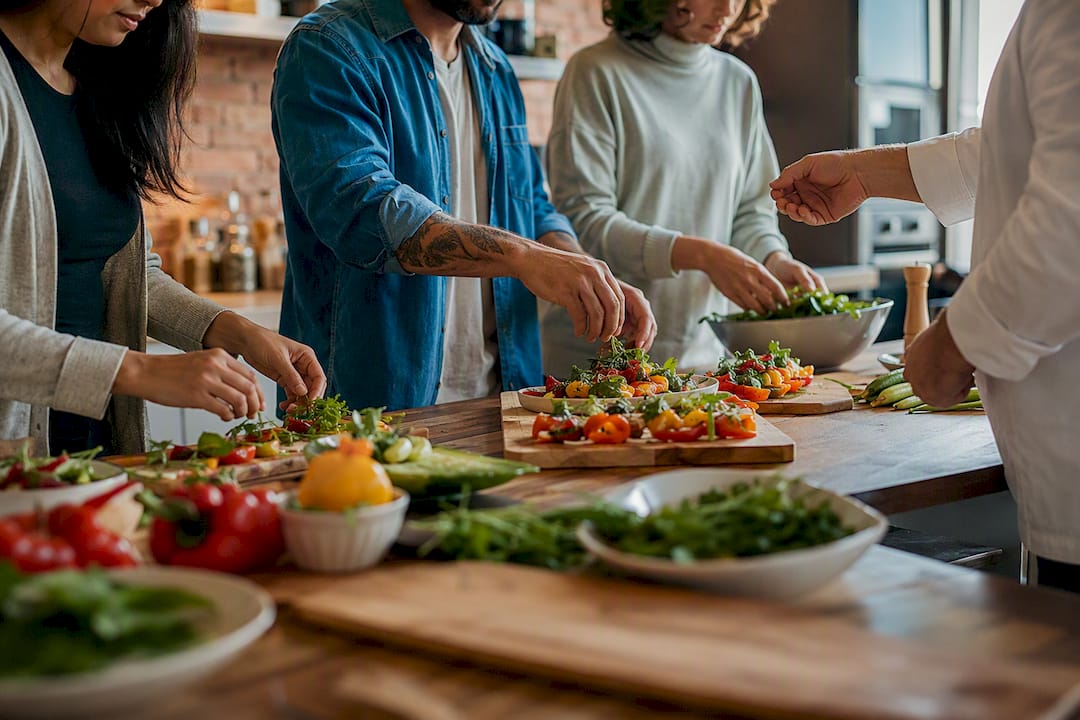
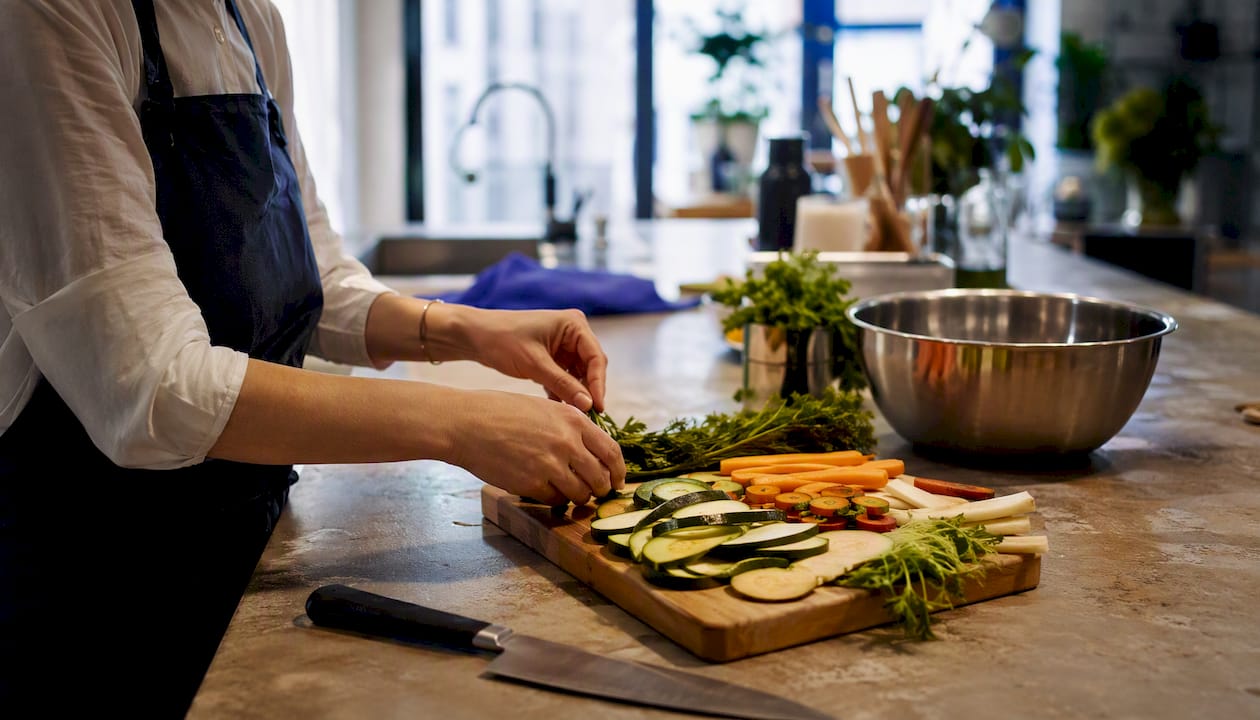
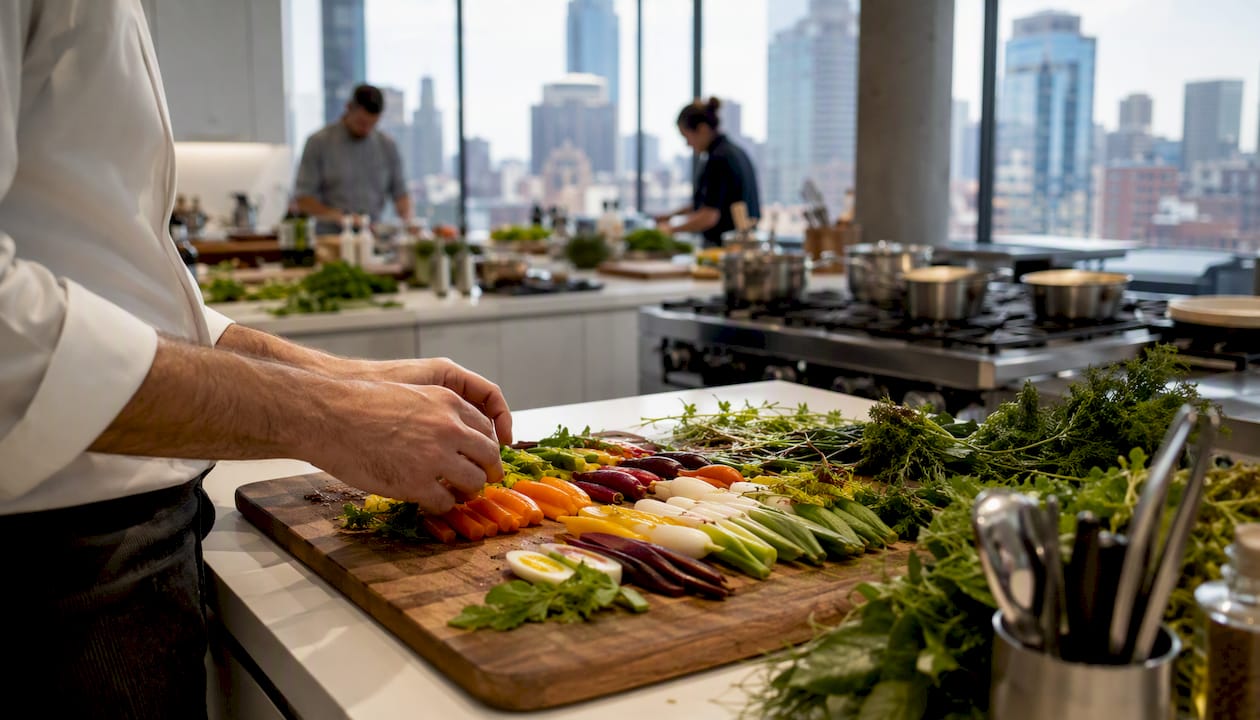
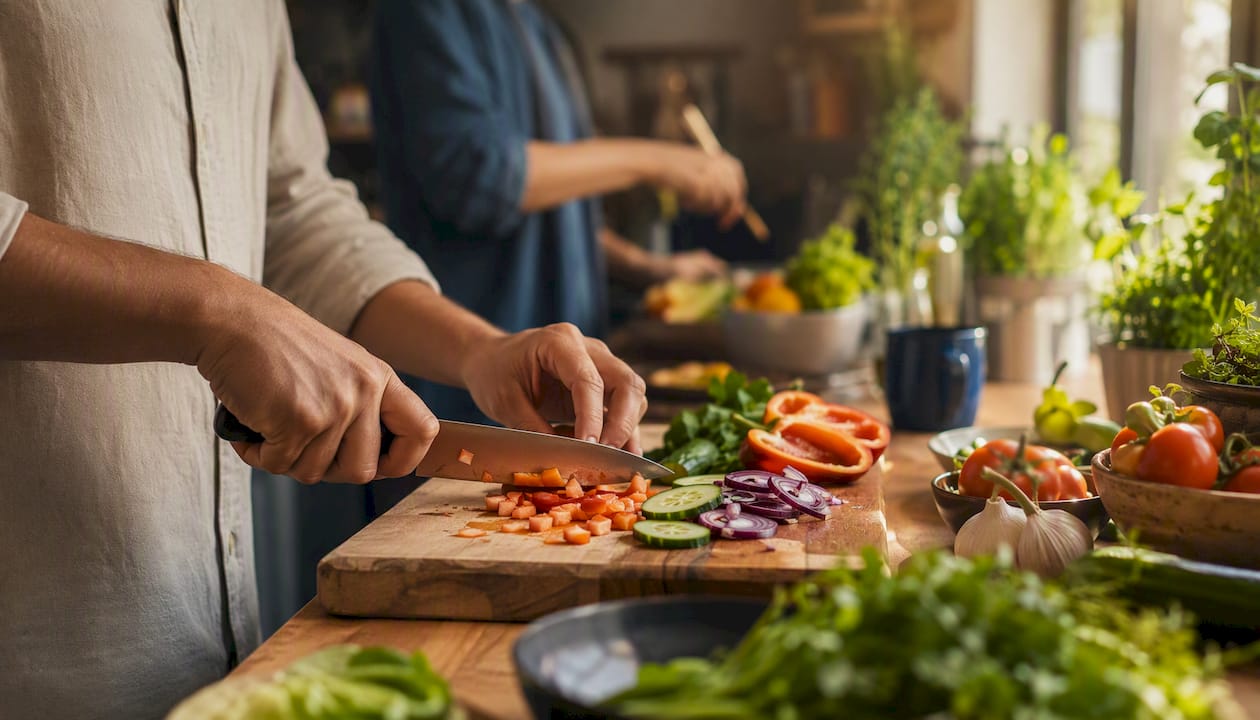
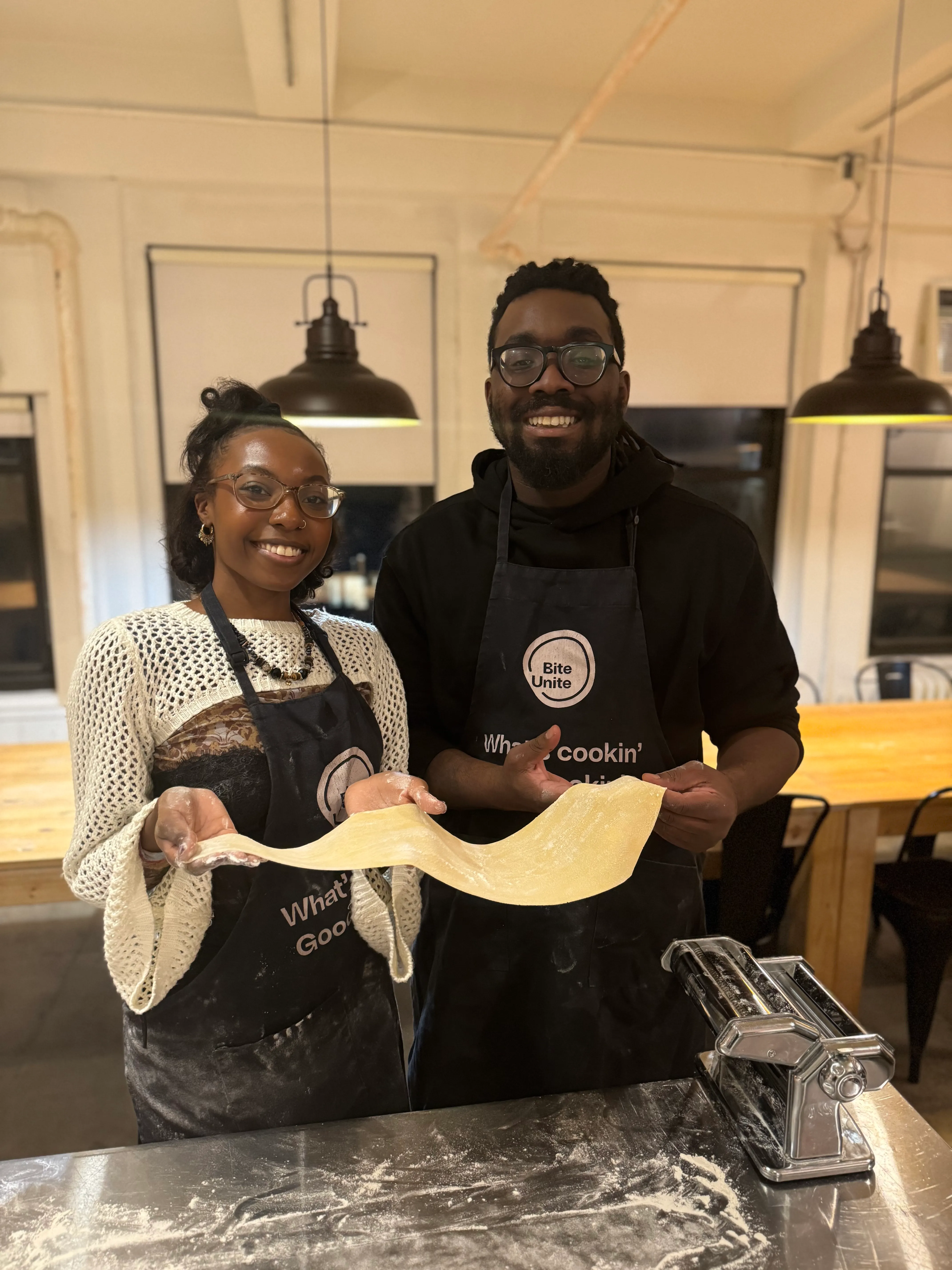
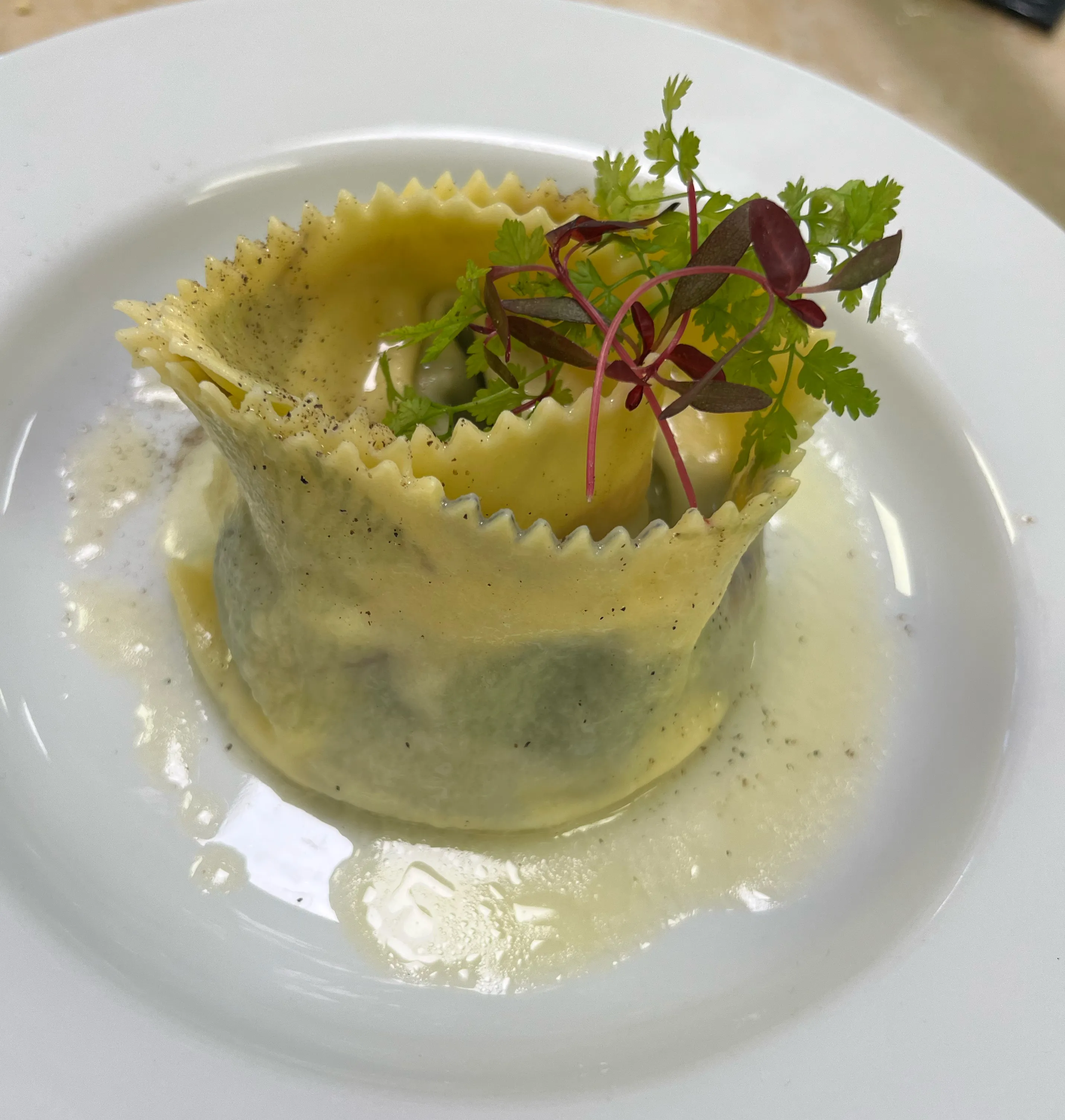
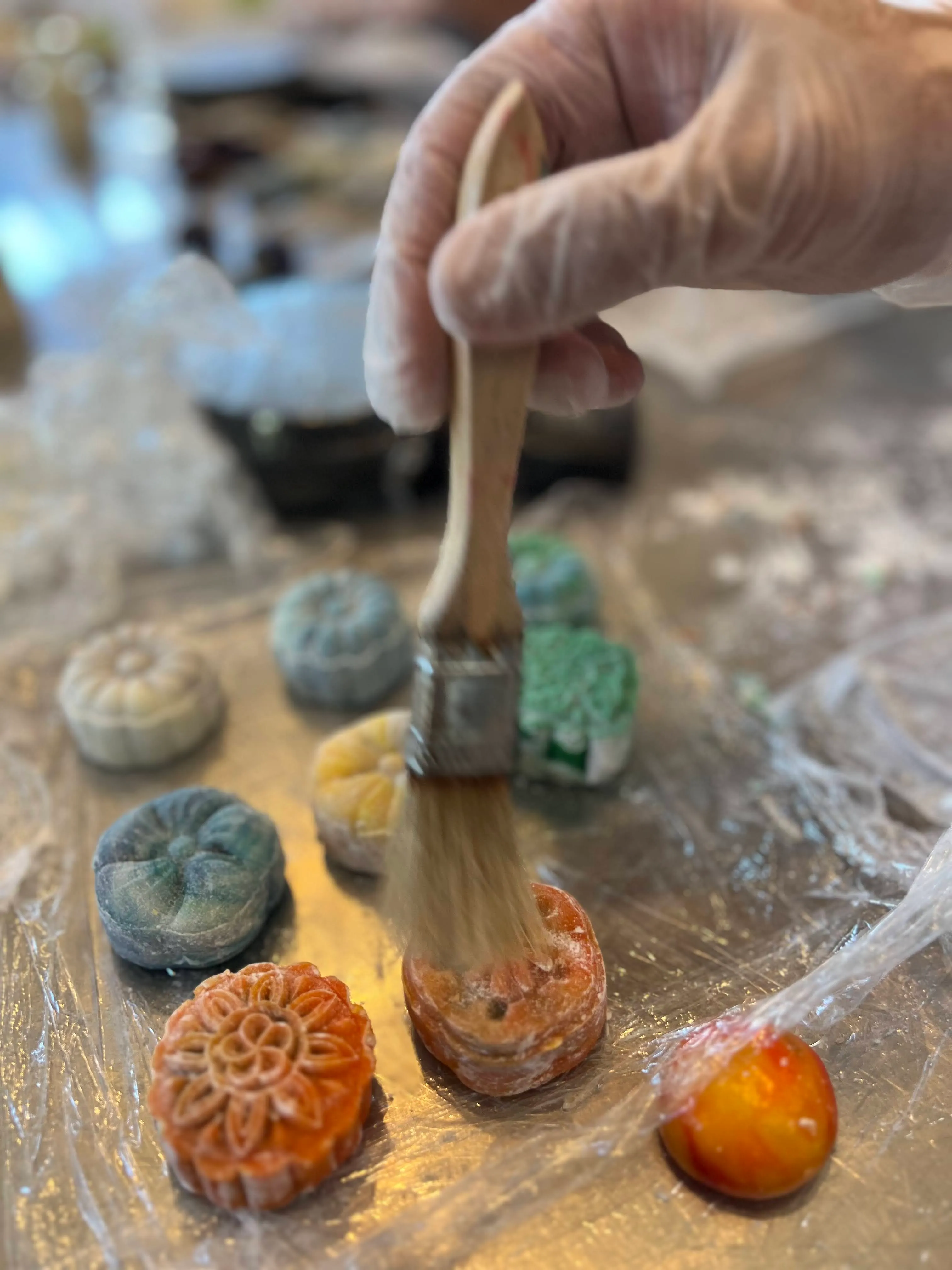
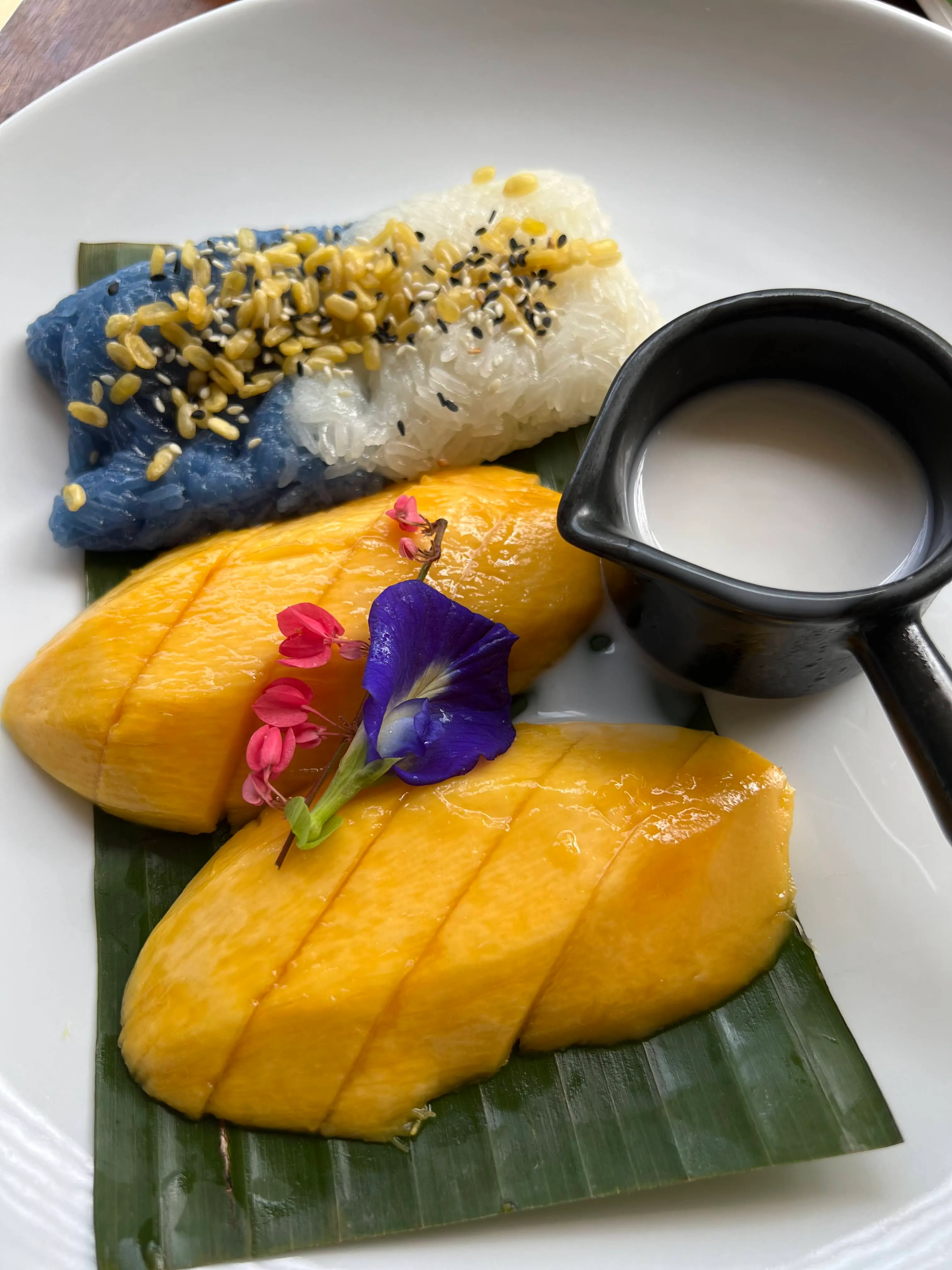
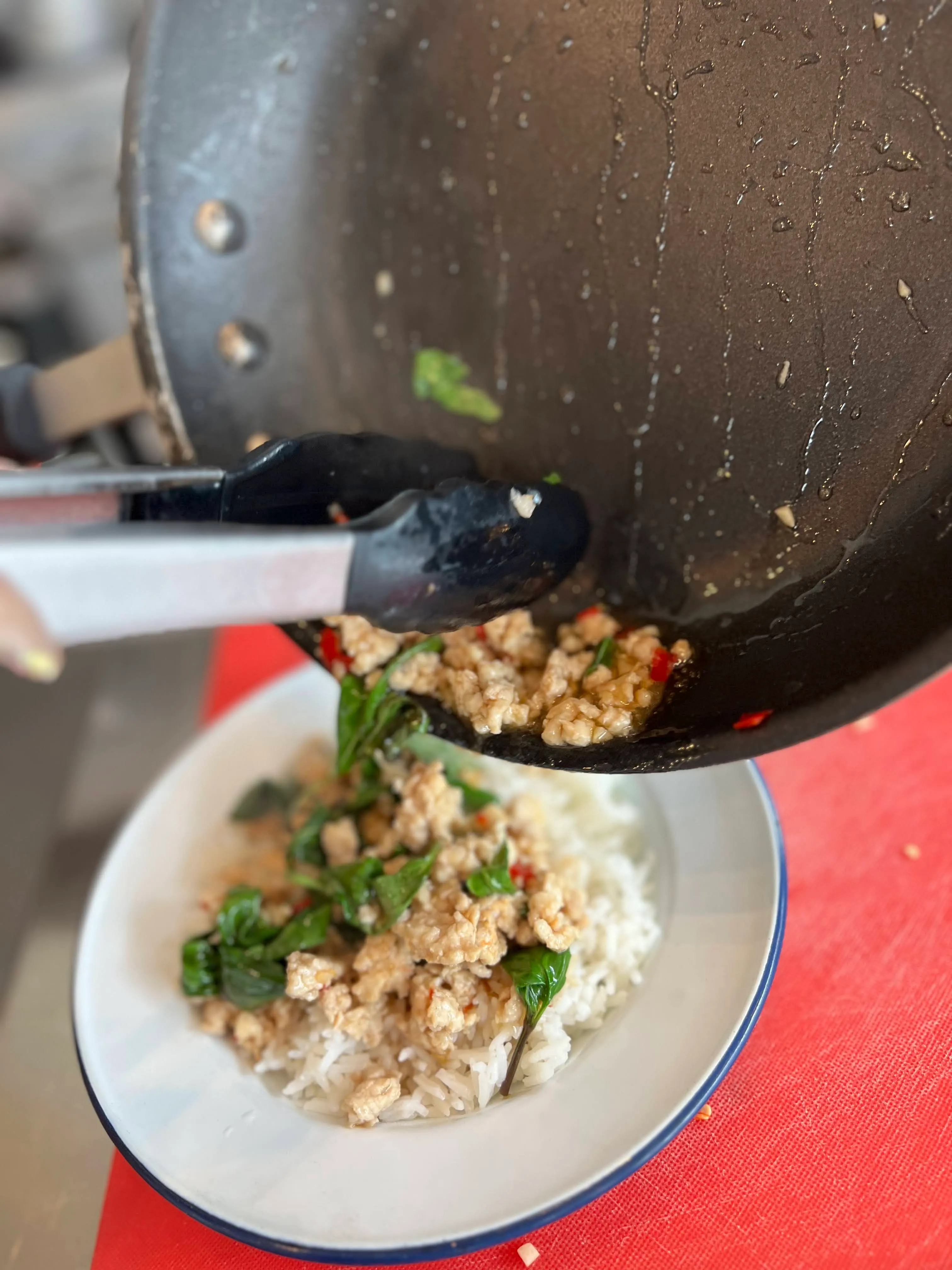
The city shapes the experience in ways worth planning around. San Francisco's food culture is built on produce and season, on the idea that the best cooking starts with what is good right now — and that ethos runs straight through a hands-on class. Groups can work through fresh pasta, dumplings, sushi, or a market-driven seasonal menu in a real kitchen led by an instructor who actually teaches, so people leave with a technique they can repeat at home rather than a photo of someone else cooking.
Fall is a smart time to be doing this here. The Bay Area's warmest, clearest stretch tends to arrive in September and October, and there is something well matched about a season that prizes what is fresh and a format that celebrates it. The full range of what a group can cook is on the BiteUnite San Francisco cooking classes page, and teams organizing around a work trip should start with the corporate and team-building options, which are set up for private group bookings. If you want a sense of the breadth on offer before you commit, the best cooking classes in San Francisco for food lovers is a useful place to browse.
Reading Your Group Before You Book
The organizers who get the most out of the night think about the people first. A team with a wide spread of kitchen experience — a few serious home cooks, a few who genuinely cannot boil water — does best with a forgiving format where the process carries the fun and nobody is exposed for lacking technique. A group that wants to be challenged, or one that has cooked together before, can handle something more demanding. Dietary requirements should be settled in advance rather than negotiated at the door; a good kitchen will adapt the menu, but it needs the heads-up to do it well.
Size matters as much as skill. A private class keeps your team in one room, paced by the instructor around your people rather than shared with a rotating cast of strangers. For a company of any real headcount, that privacy is often what separates an evening that gels from one that splinters into the same cliques the offsite was supposed to break up.
The Details Visiting Teams Forget Until It Is Too Late
For a group that flew in, logistics are not a footnote — they are the difference between a smooth night and a stressful one. A private booking gives everyone a single address, a single arrival time, and a single shared experience, which is worth a great deal when half the team is figuring out a rideshare in an unfamiliar city. A class runs a defined stretch of a couple of hours, so it drops neatly into an agenda that already has a full day behind it: late enough to feel like the reward, early enough that nobody is fading.
Teams that want the entire evening in one place — cooking, the meal, and any remarks or recognition — do well to pair a class with a private space rather than herding a group across town mid-night. The San Francisco event spaces can hold that kind of evening end to end, from the first knife cut to the last shared plate.
The Skill Outlasts the Trip
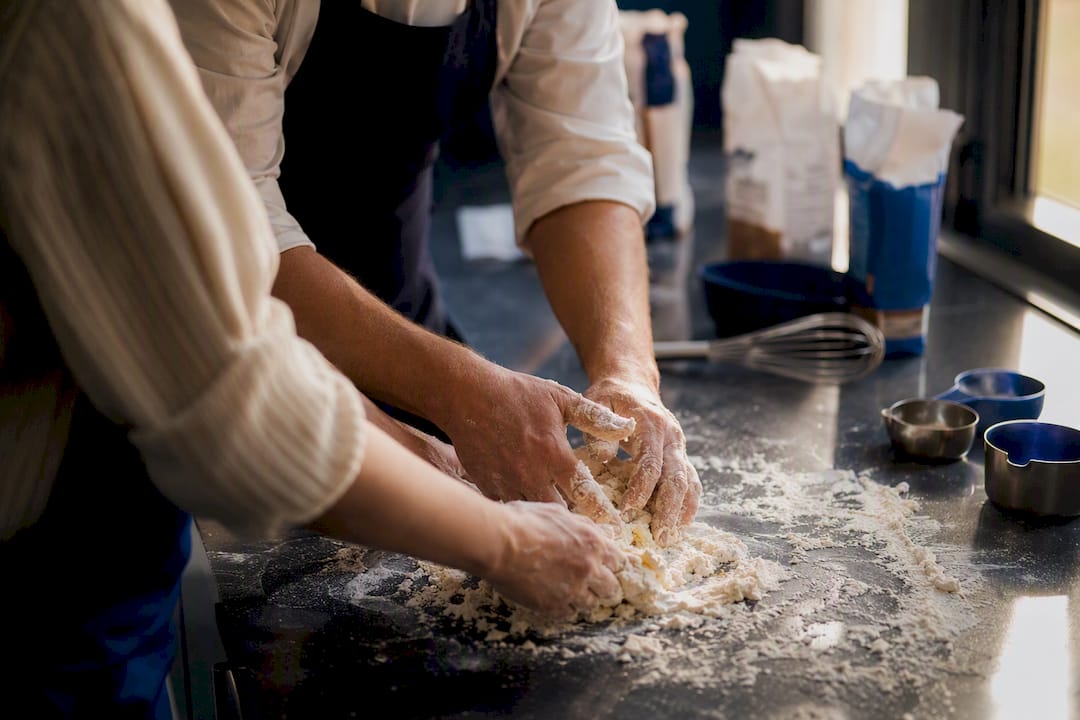
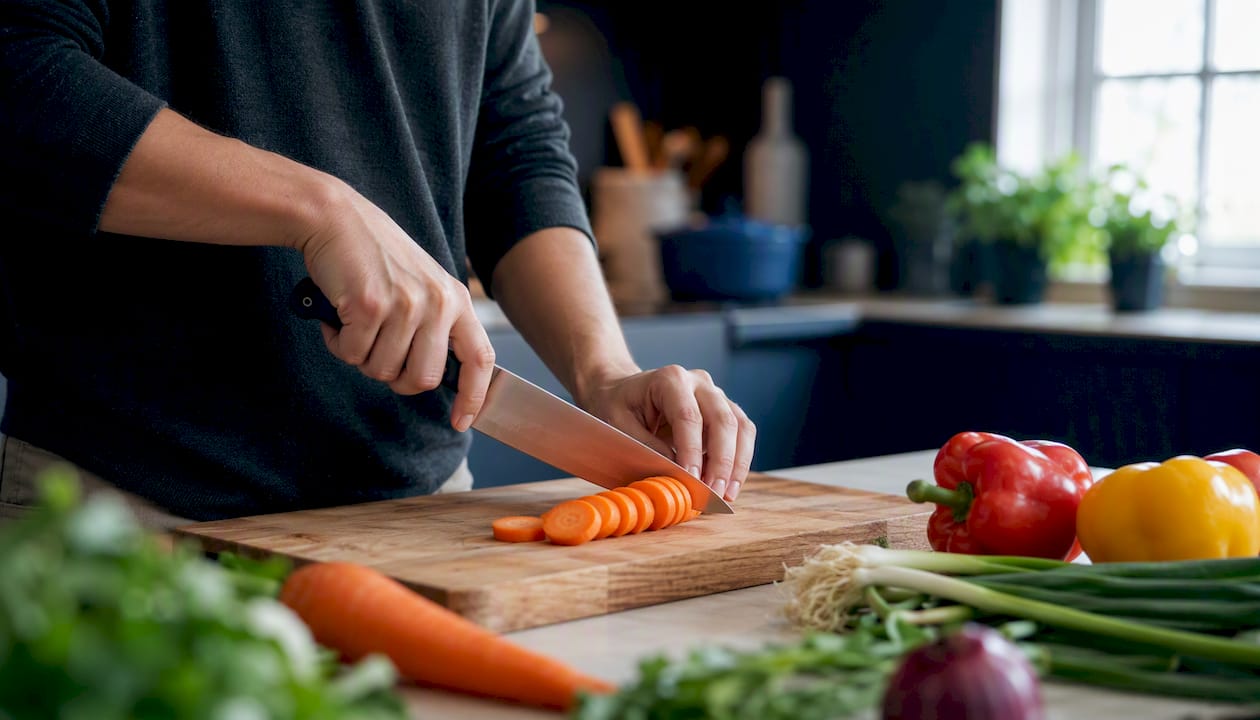
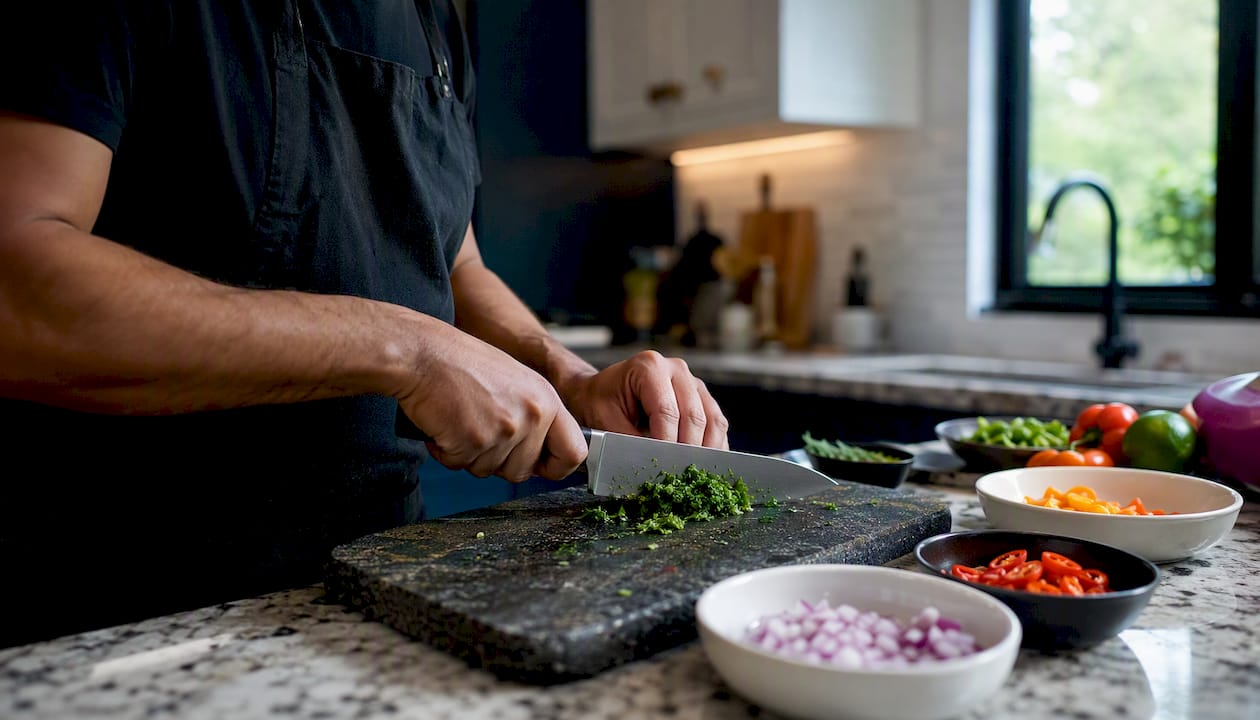
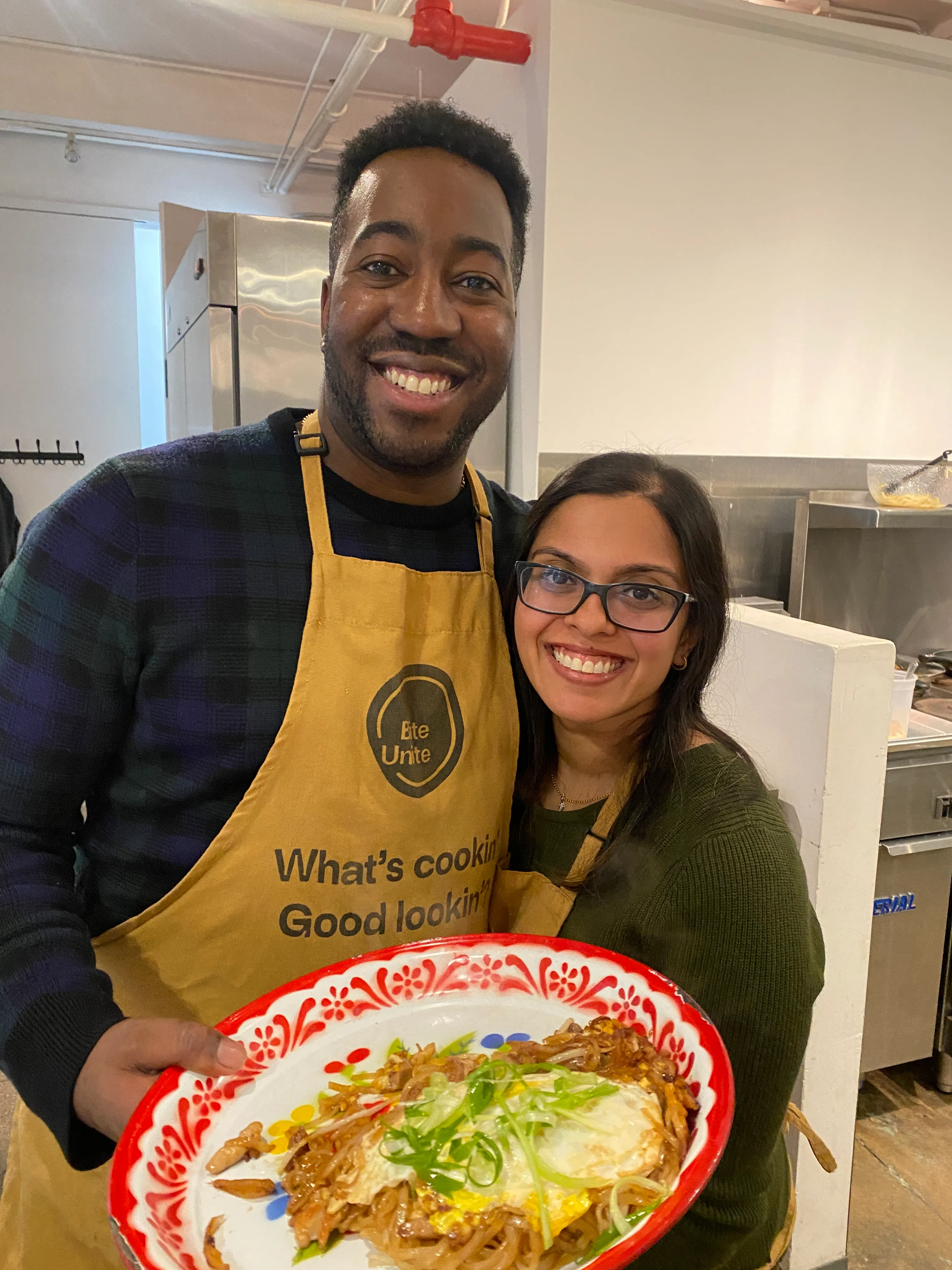
One of the quieter advantages of a cooking class over the usual offsite fare is that it does not evaporate at checkout. An escape room is over the moment you escape; a wine flight is a pleasant fog by morning. A class hands each person a technique they actually keep — how to bring a dough together, how to hold a knife without flinching, how to build a sauce that tastes like it came from somewhere. Weeks later, back in their own kitchens in a dozen different cities, people find themselves making the thing they learned, and for a moment the team is together again in a way a shared document never manages.
That durability matters more for a distributed company than most realize. The entire point of gathering is to create shared reference points strong enough to survive the return to isolation — the inside jokes, the small shared wins, a common memory to reach for on the next hard call. A meal the group cooked together, badly and then better, is exactly that kind of reference point. It is the rare offsite activity that keeps paying out long after everyone has flown home.
Reserve Early, Then Relax
One practical rule outranks the rest: lock the class in the moment your dates are firm. Fall is a busy stretch for group bookings across San Francisco, and the weekday-evening slots most offsites want go first. Booking early is not just about availability — it buys you the freedom to shape the night, to match the menu to your group, to confirm accommodations, to choose between an approachable session and a more ambitious one. Wait, and you cook whatever is left; plan ahead, and you get the evening you actually intended.
A team that crossed the country to finally share a room has one thing no amount of video conferencing can replace: real time together, spent doing something that matters. A hands-on cooking class turns that time into a shared act rather than a shared audience — and for a group that came this far to feel like a team, that is worth considerably more than one more reservation.




























.webp)