Flying a Team Into NYC This Fall? Team-Building Cooking Classes Built for Out-of-Town Crews
There is a particular week every autumn when the emails start. Labor Day is in the rearview mirror, the out-of-office replies have stopped, and somewhere in a shared calendar a date gets circled: the fall offsite. For companies whose people are scattered across the map the rest of the year, this is the trip that finally puts everyone in the same building — and for a lot of them, that building is in New York.
Booking the flights is the easy part. So is the conference room, the hotel block, the catering for the working sessions. The part that quietly derails more offsites than anyone admits is the evening. You have twenty people who spend their days as thumbnails on a video call, now standing in a hotel lobby at 6 p.m. with nothing on the agenda and a whole city outside. What you do with those two or three hours is, more often than not, what people actually remember about the trip.
The Default Evening Is Where Offsites Go to Stall
The instinct is to book a dinner. It feels safe, and it is — safely forgettable. A long table for twenty seats becomes three separate conversations that never mix; the four people in the middle carry the night while everyone at the ends talks to whoever they already knew. A bar is worse. The music climbs, the group splits into clusters, and by the second round half the team has drifted onto their phones. Neither one does the single thing the trip was booked to do: turn a roster of names into a group of people who actually know each other.
The problem is not the venue. It is the format. Dinners and drinks are things you watch happen to you. They ask nothing of the group, so the group gives nothing back. What a visiting team needs is the opposite — a reason to work shoulder to shoulder before anyone has decided who they like.
What Happens When You Put a Team in a Kitchen
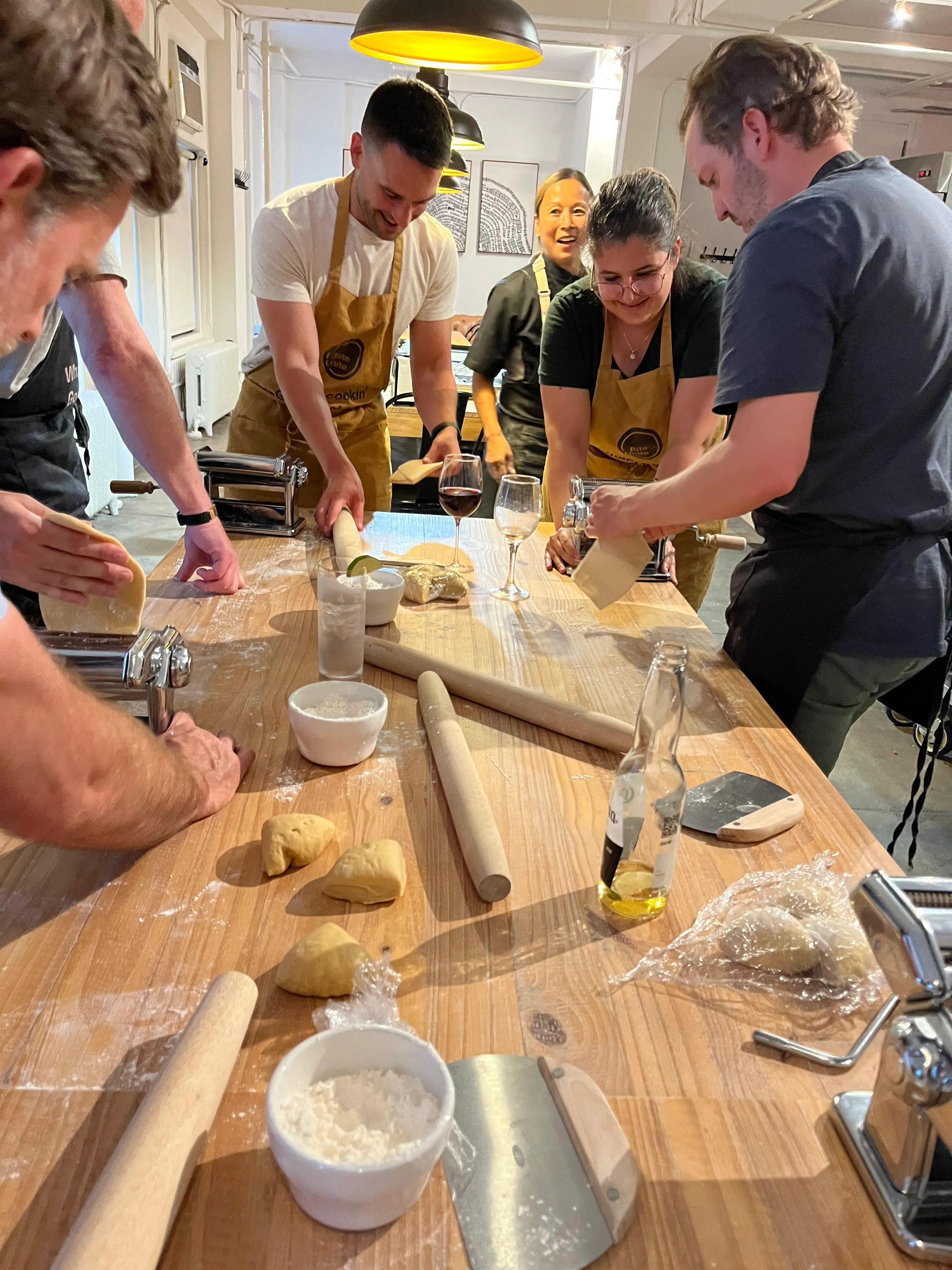
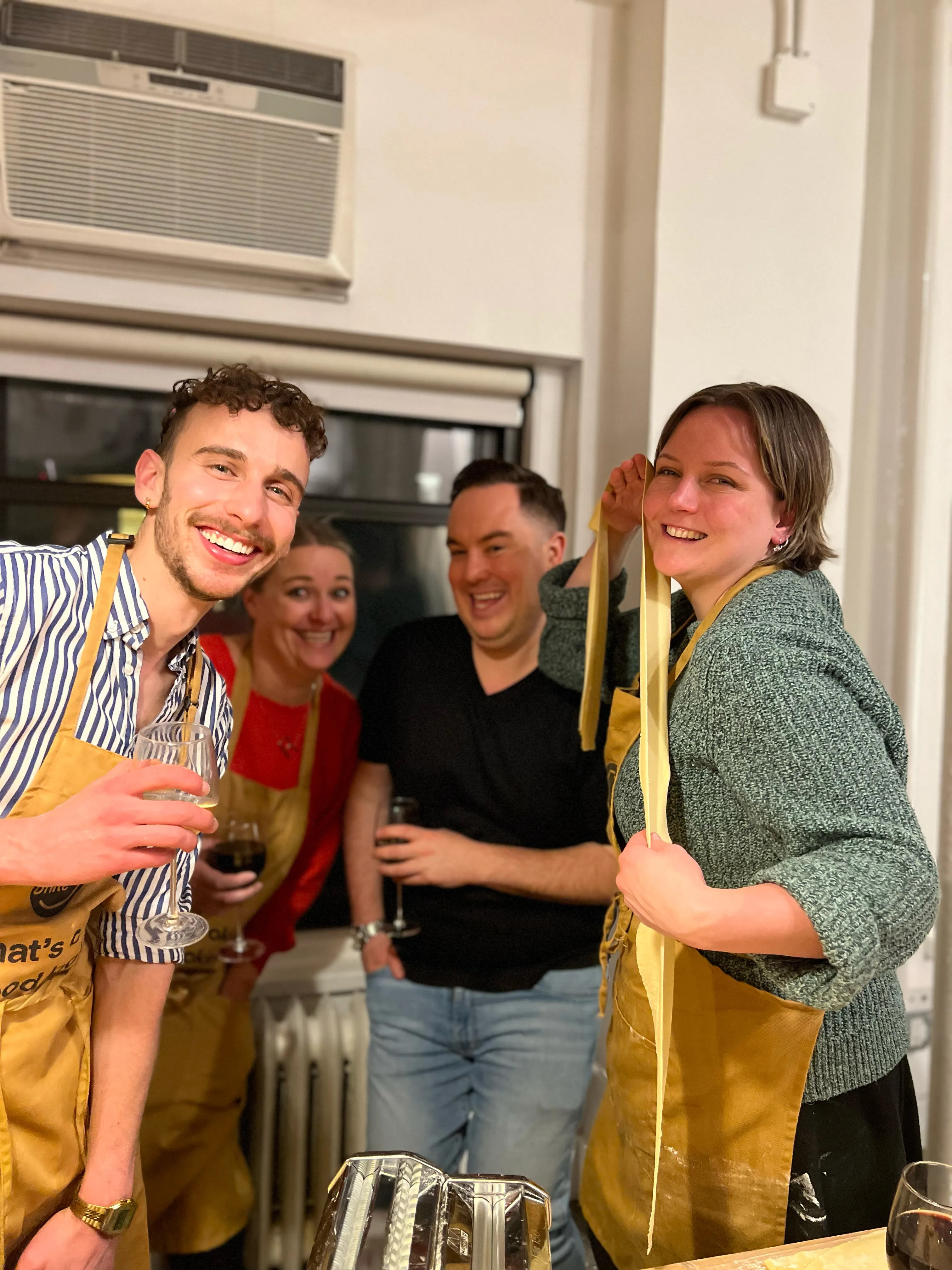
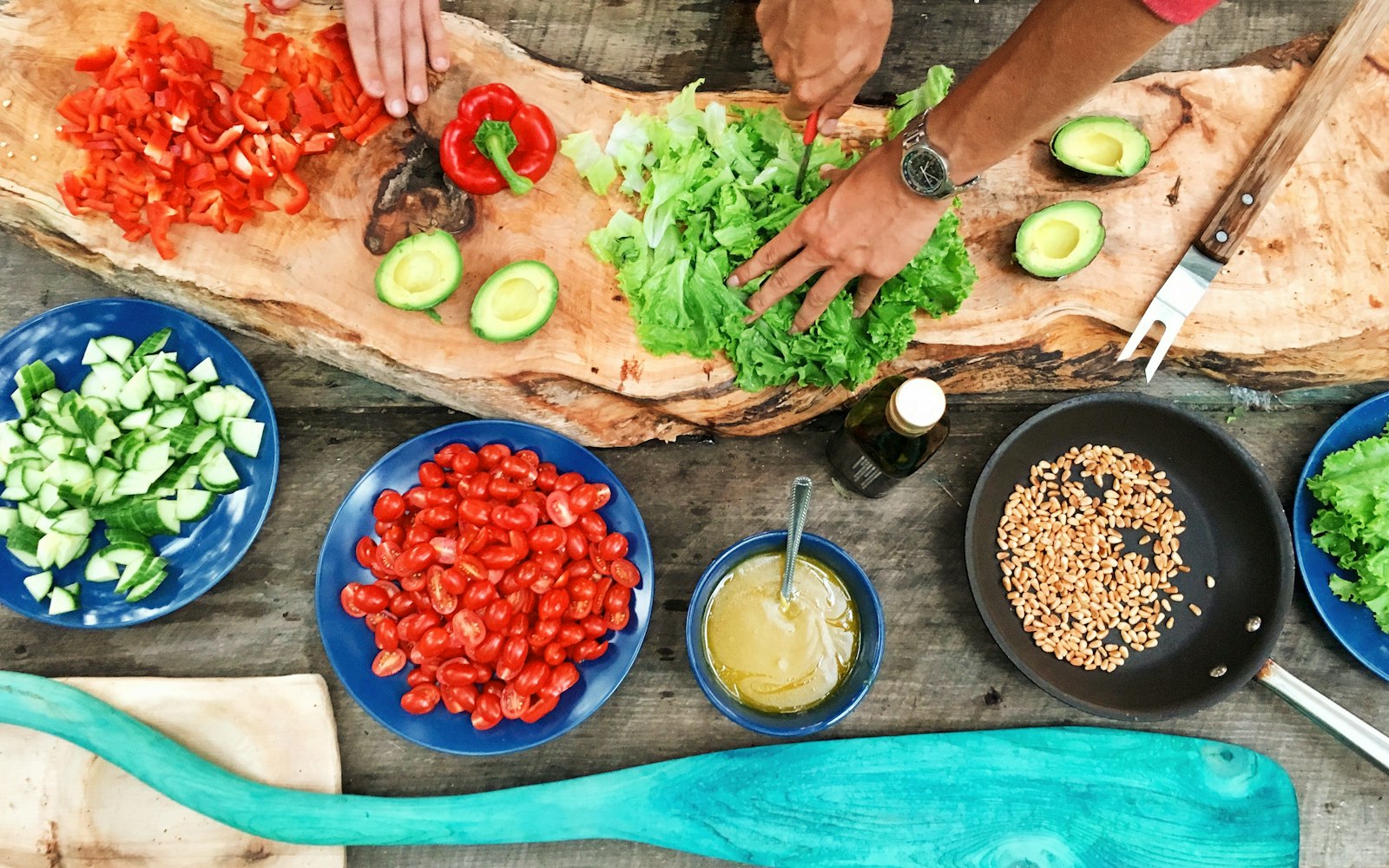
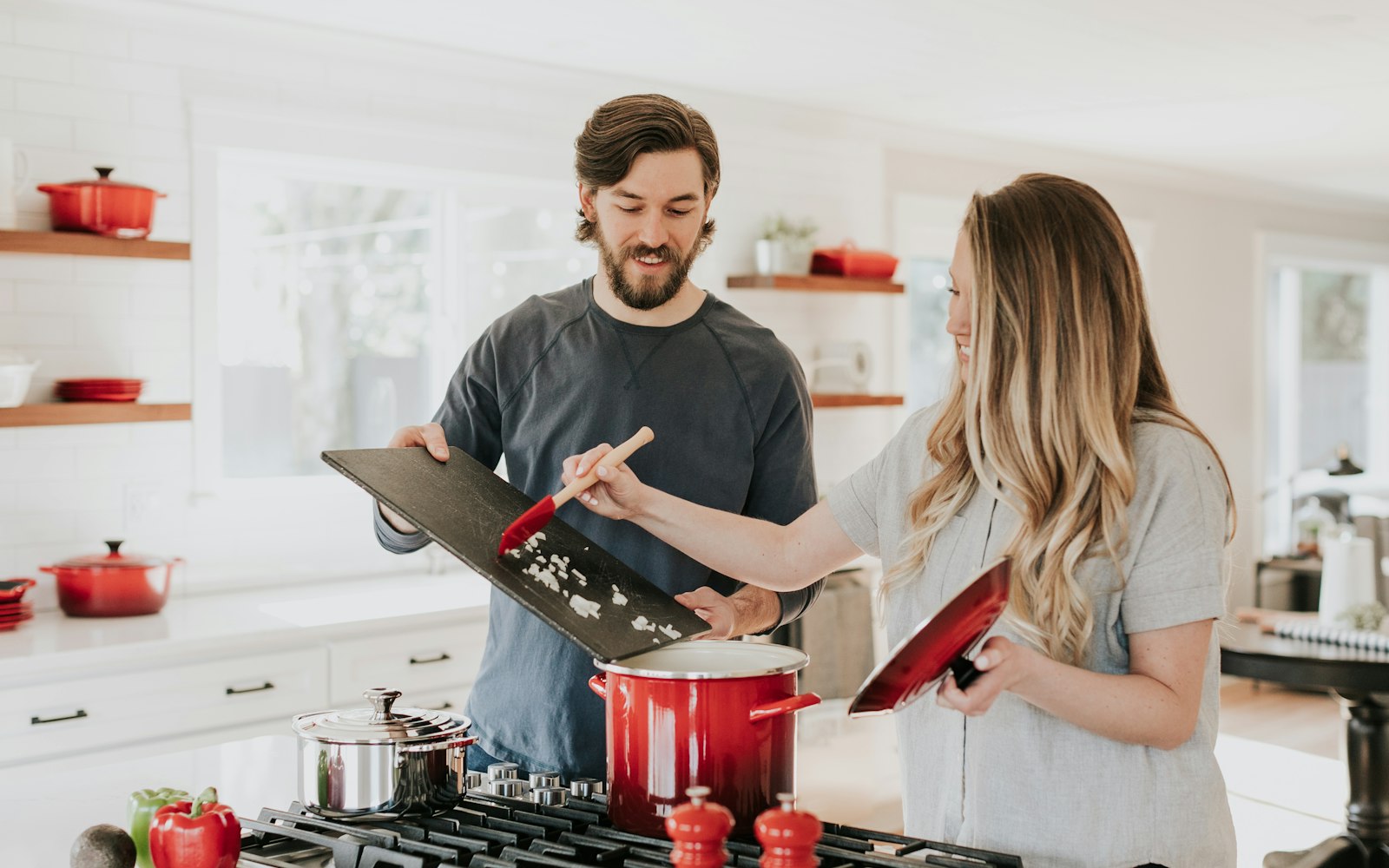
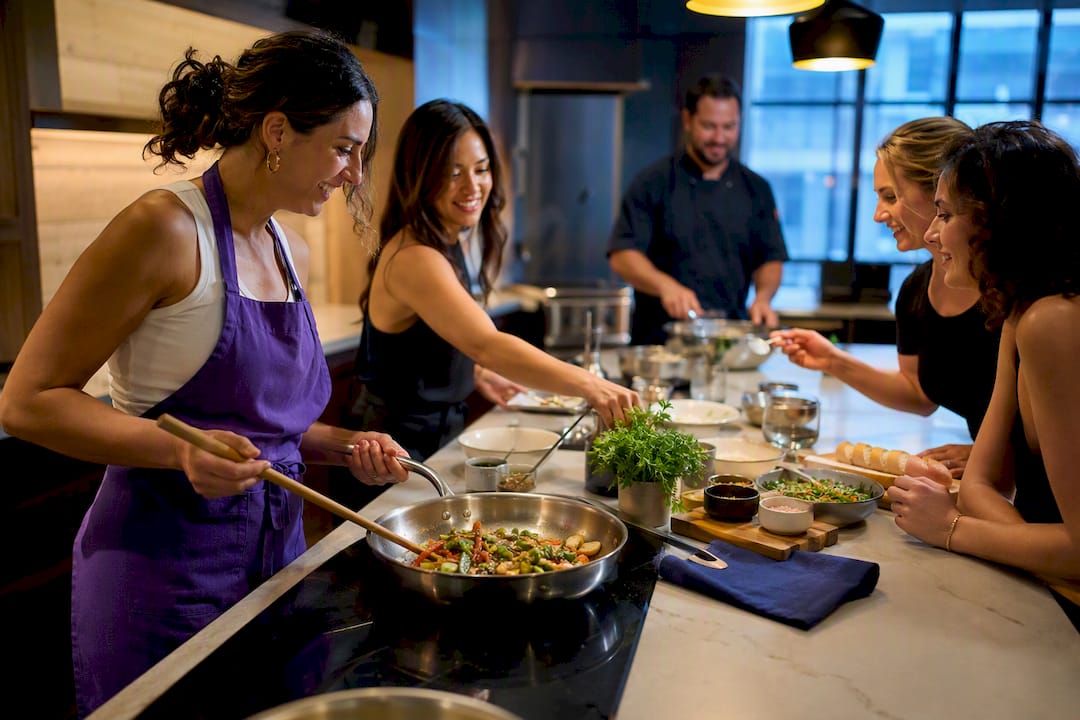
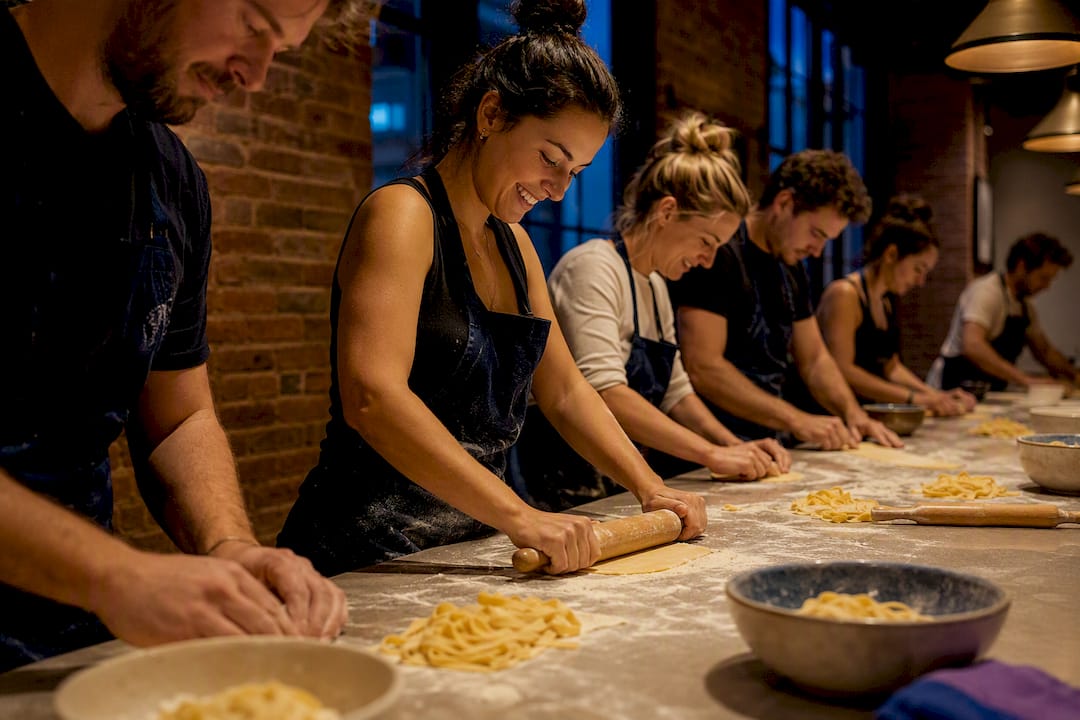
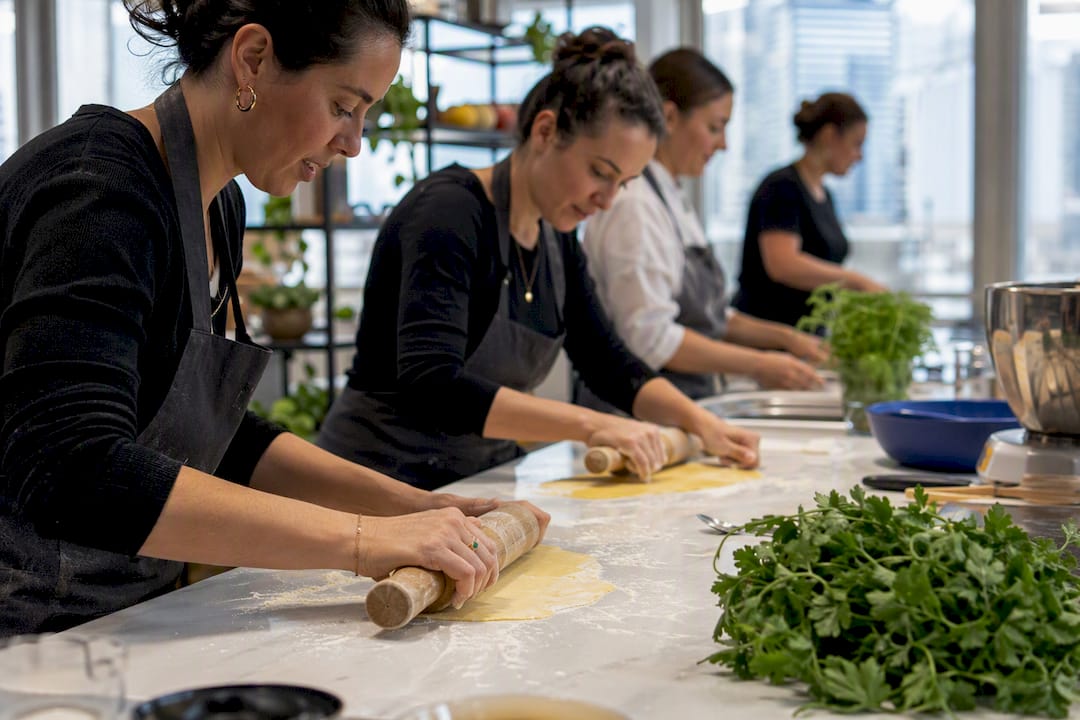
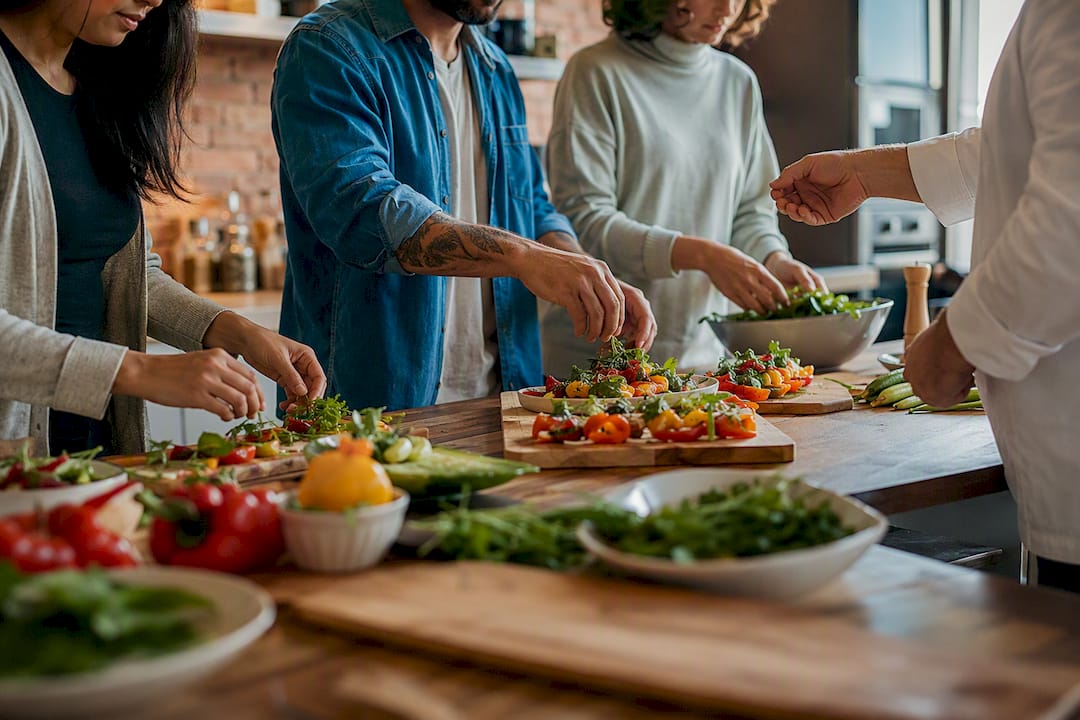
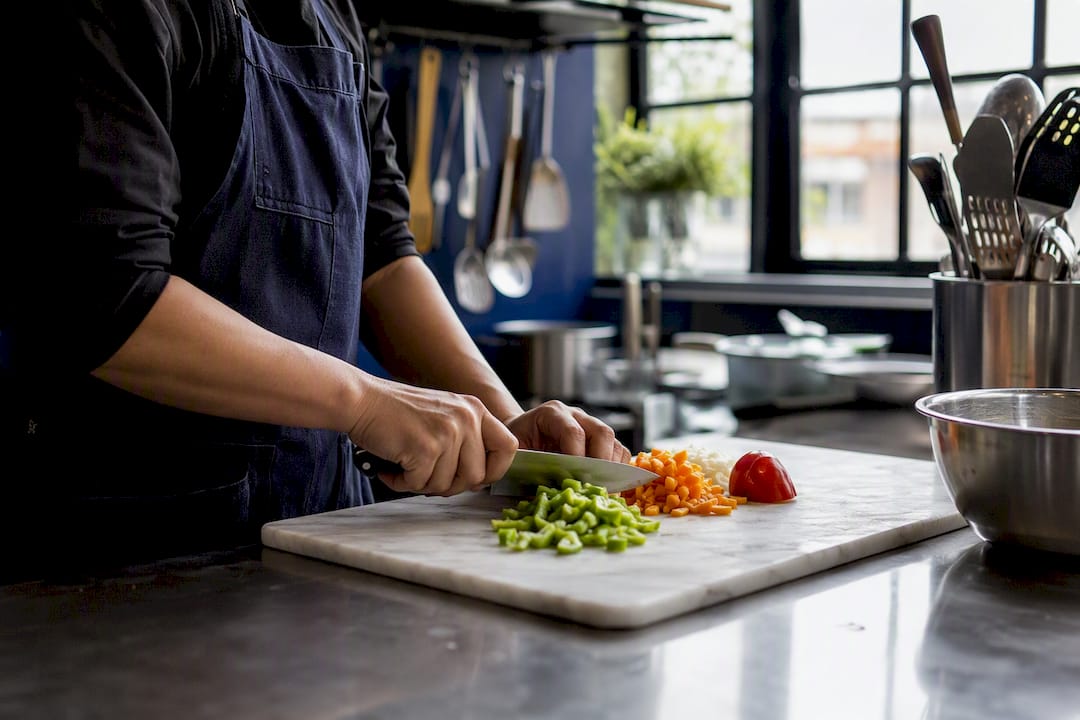
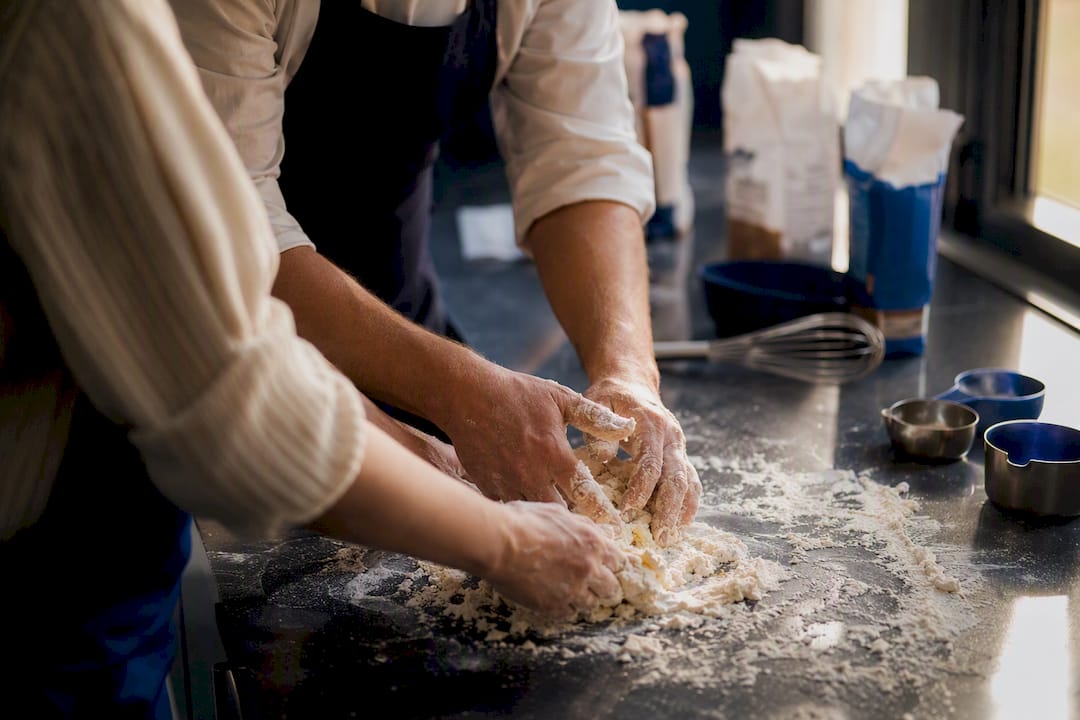
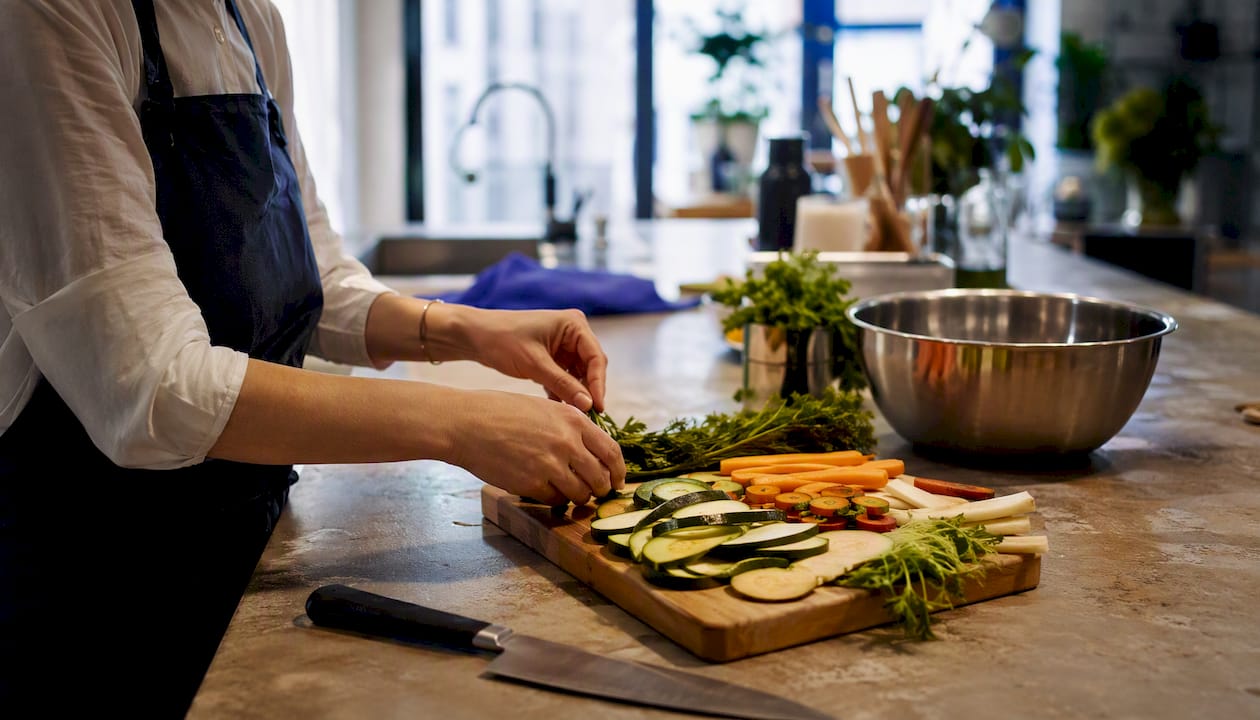
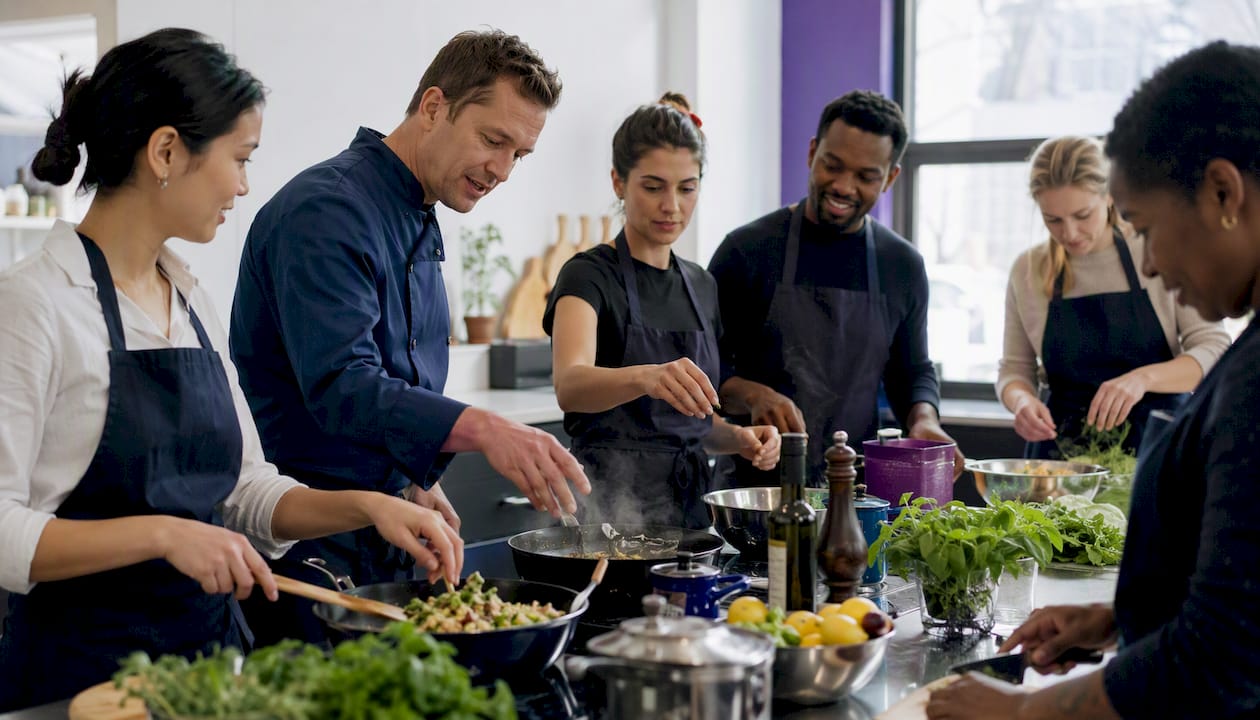
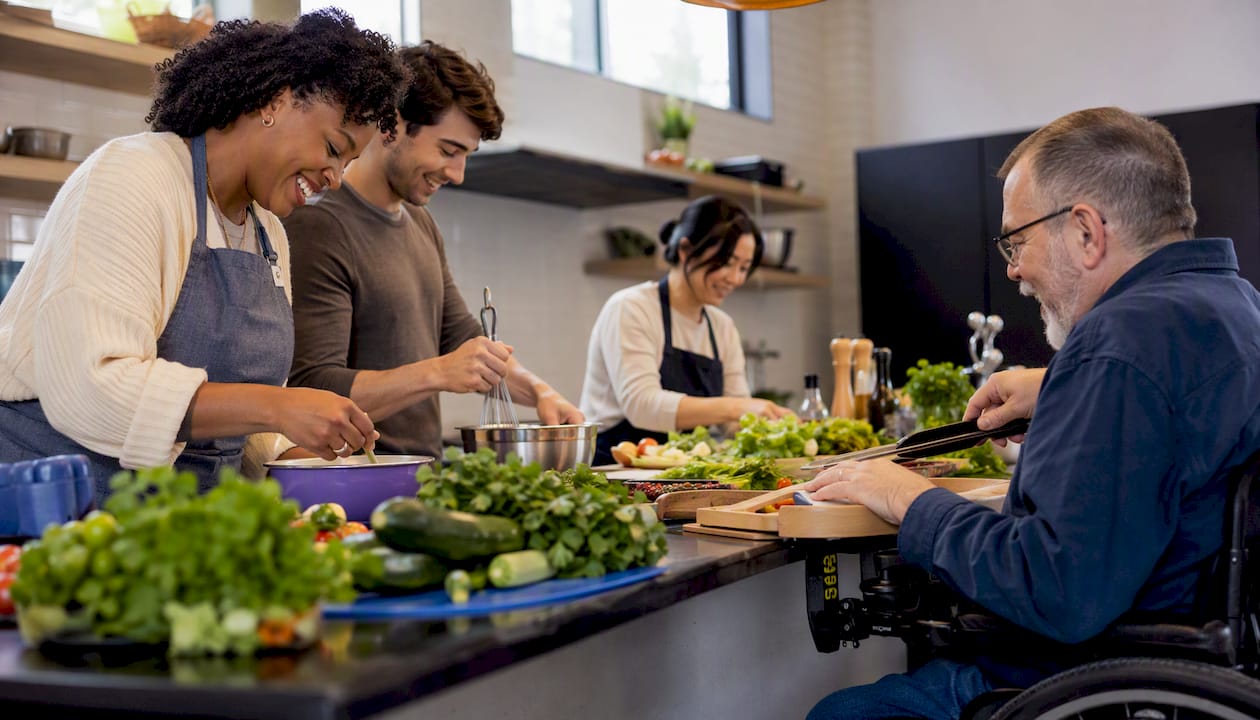
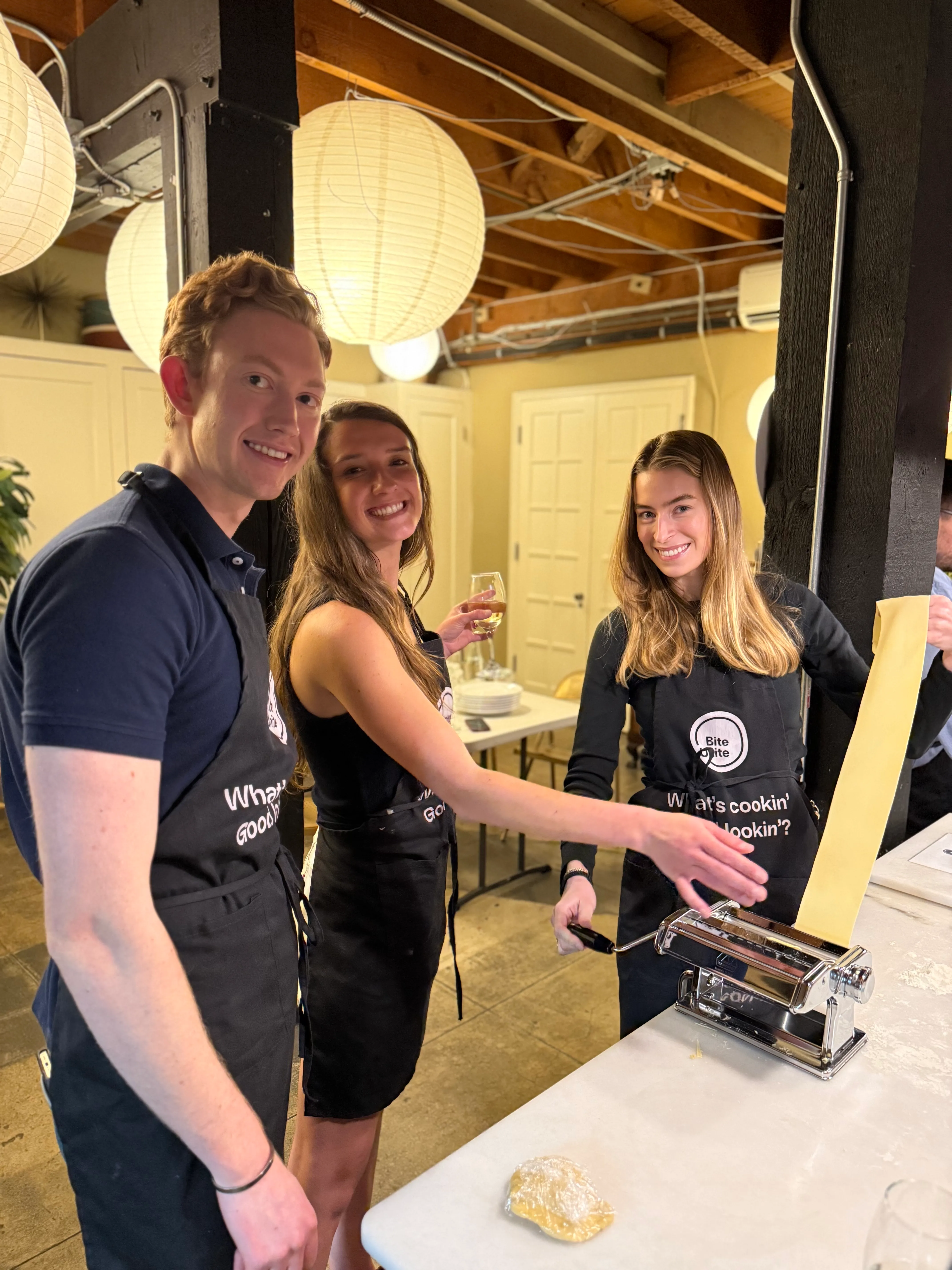
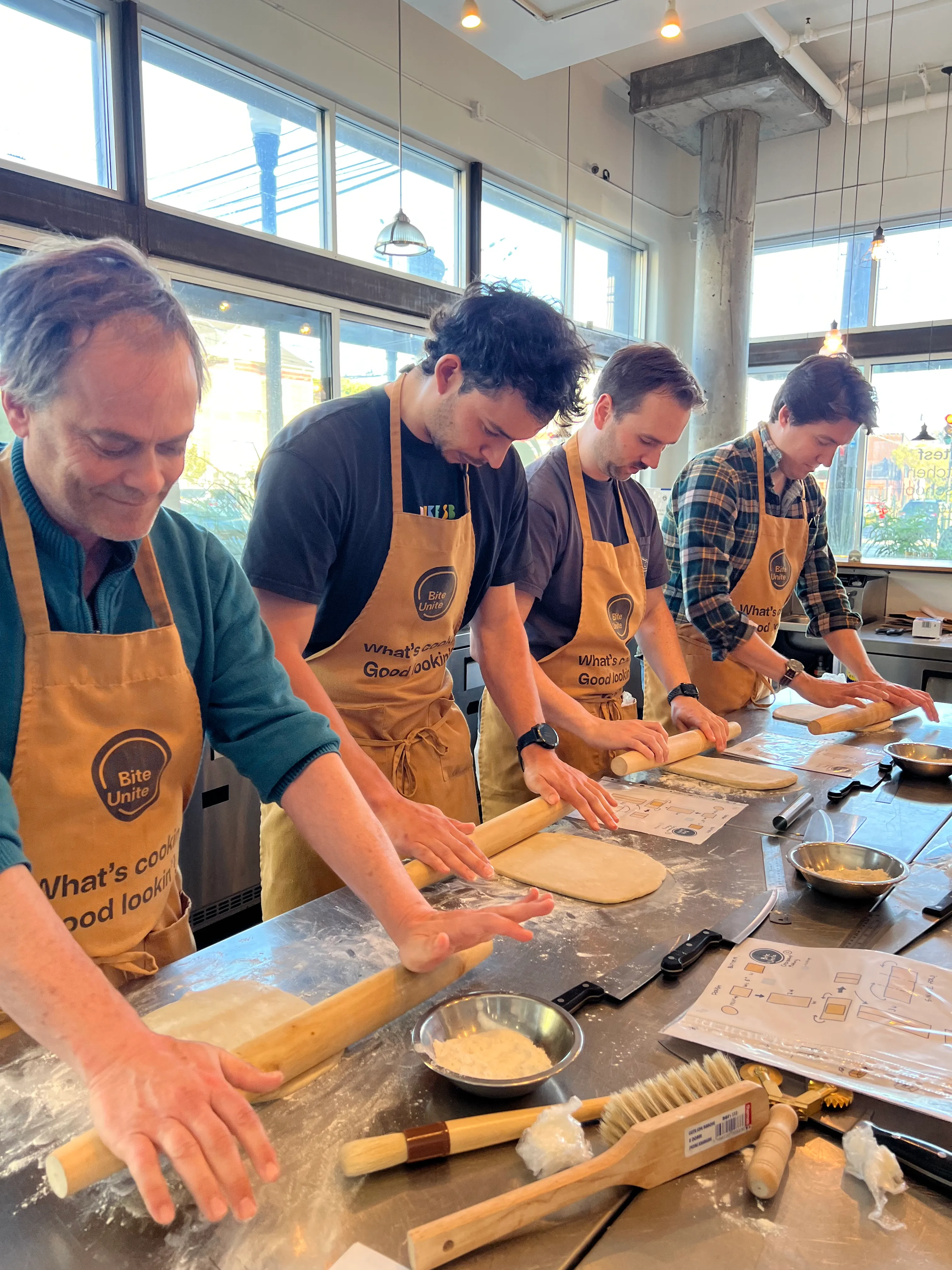
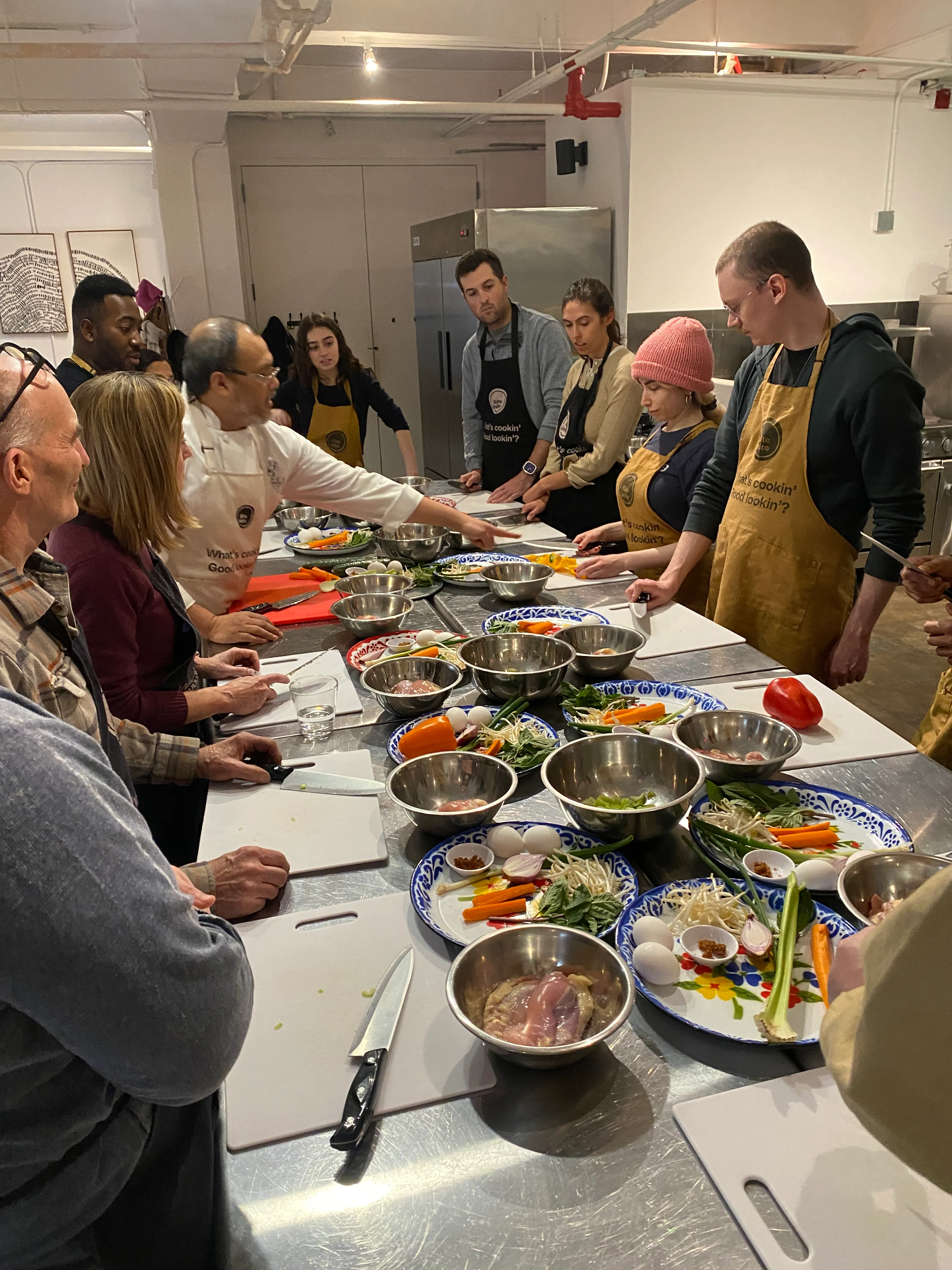
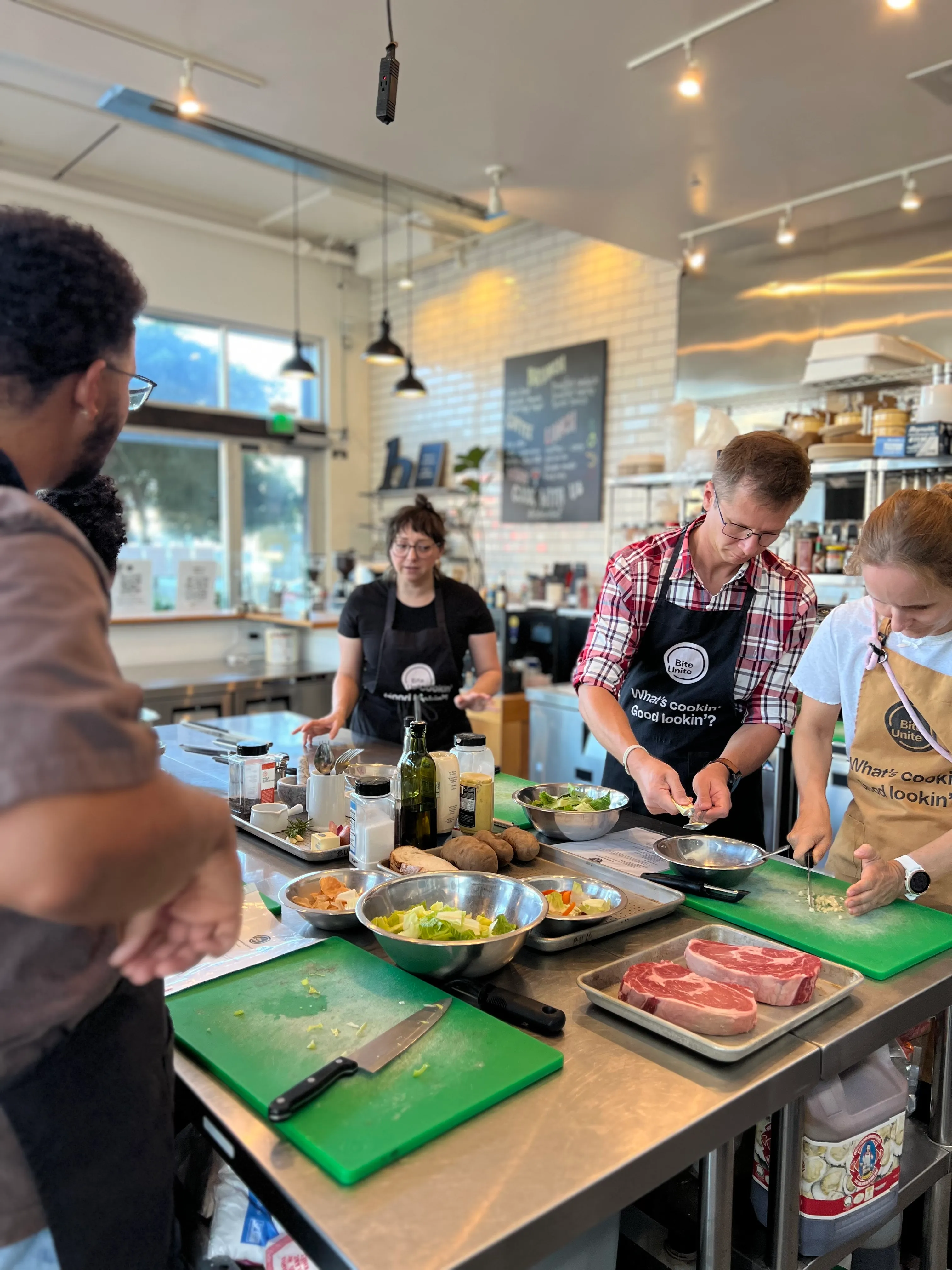
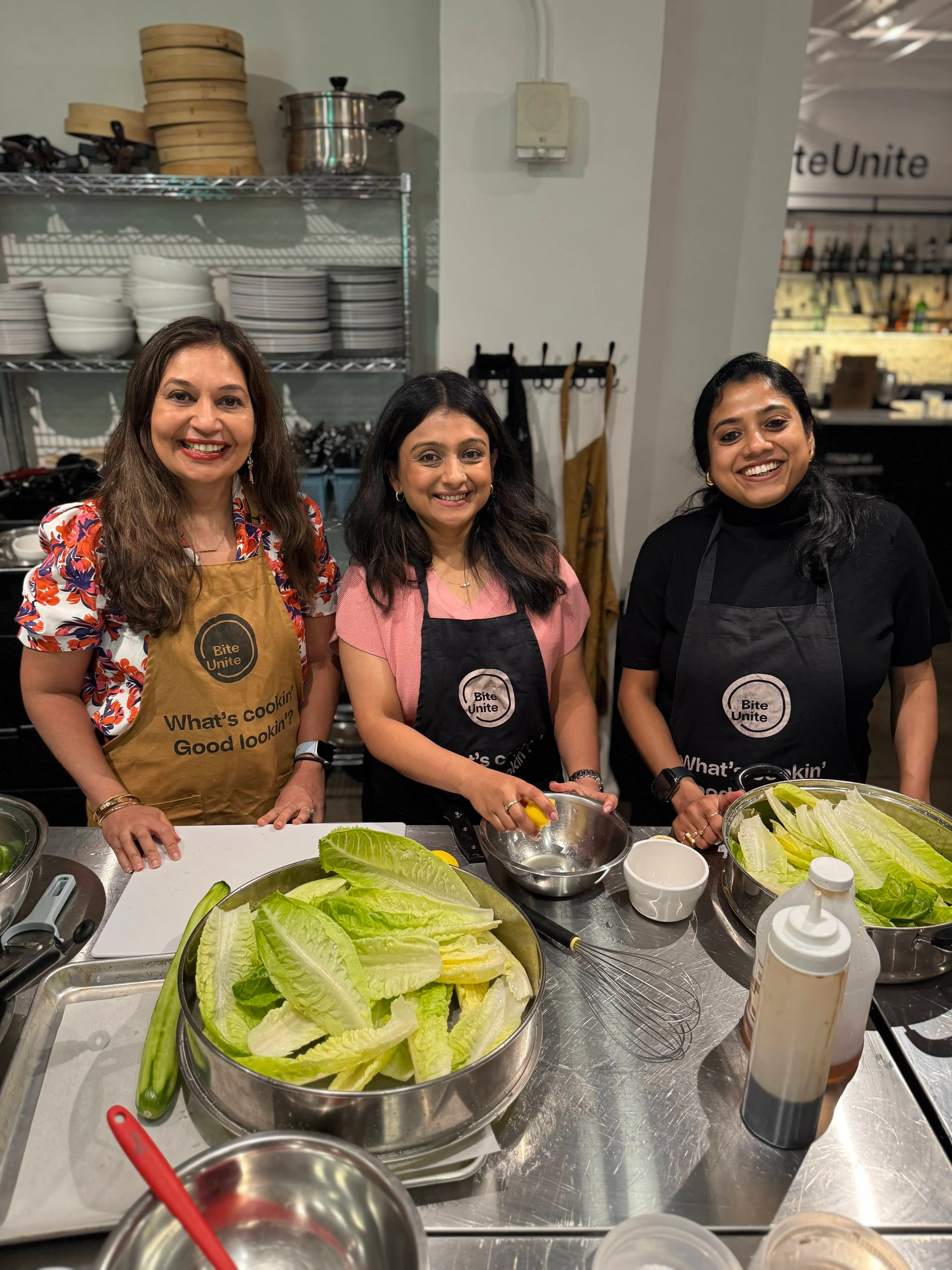
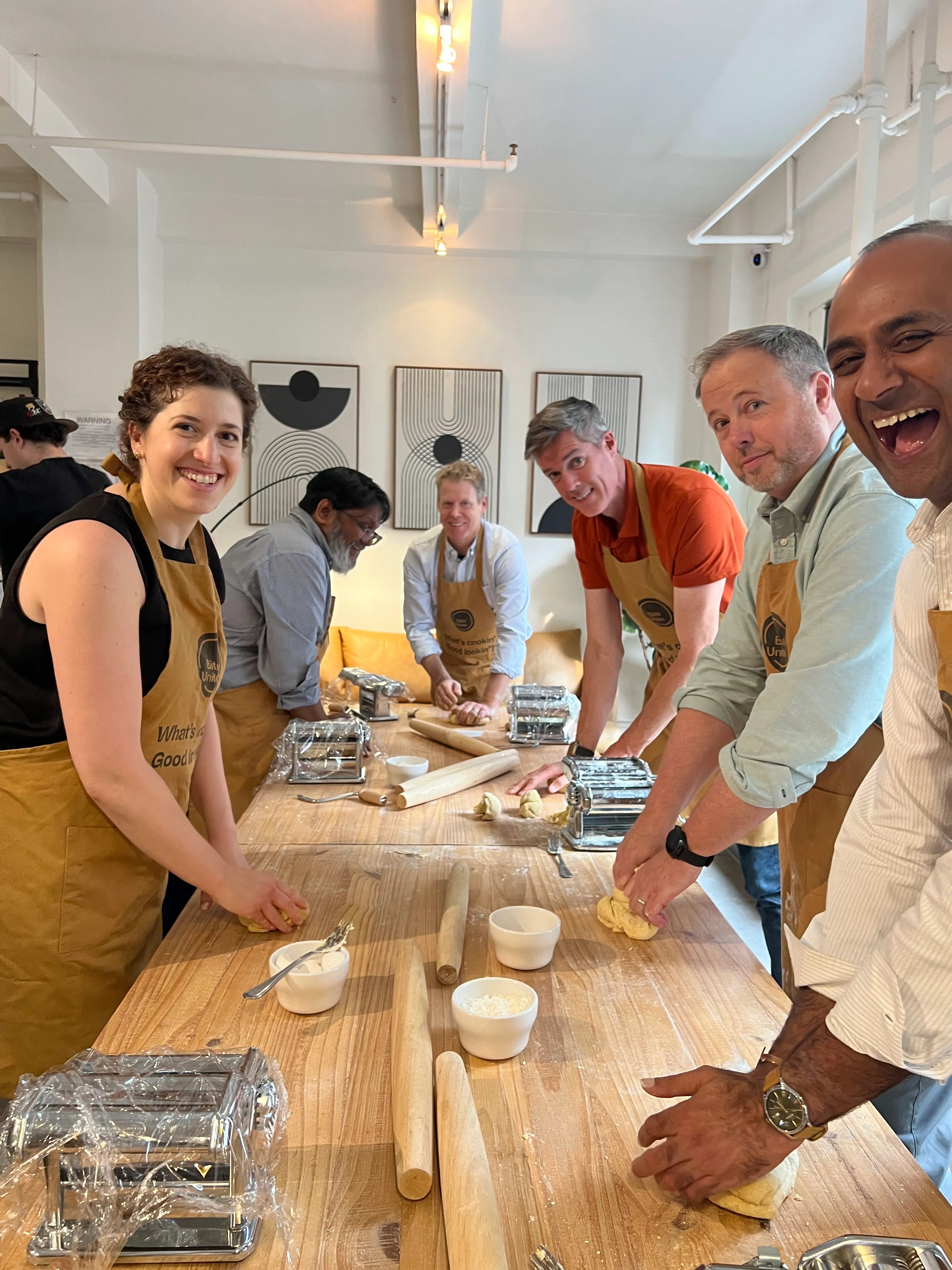
A cooking class inverts the dynamic. There is no head of the table and no back row, because the room is built around stations and everyone has one. The meal does not arrive; it gets made, and it only gets made if people talk to each other. Someone has to hand off the dough. Someone has to admit they have never held a chef's knife. Someone who has said maybe four words all week turns out to be quietly excellent at rolling dumplings, and for the next hour that is what the group knows them for.
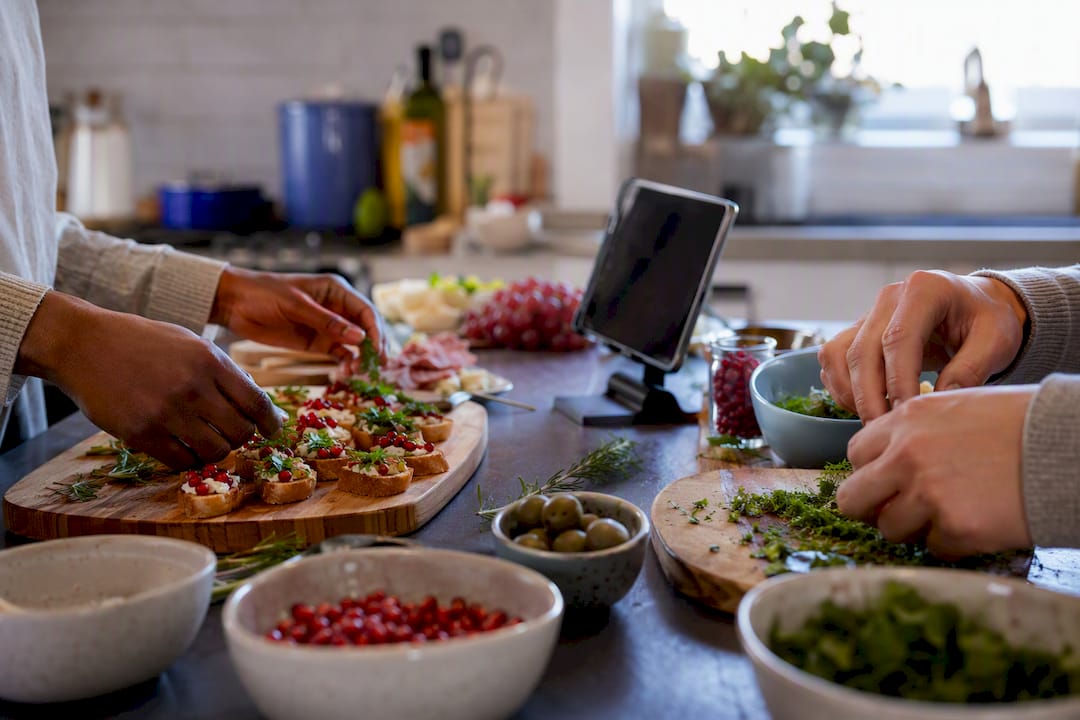
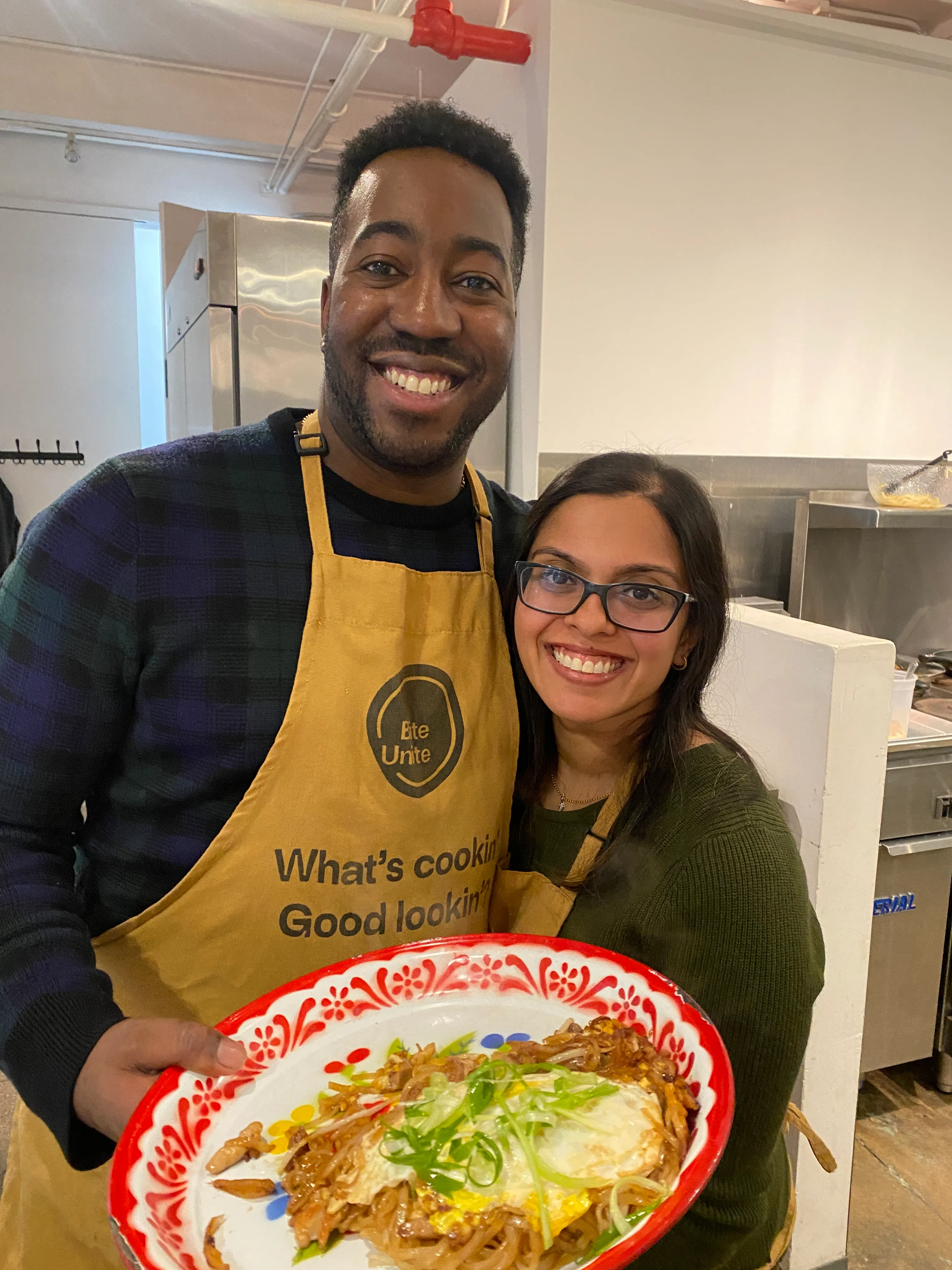
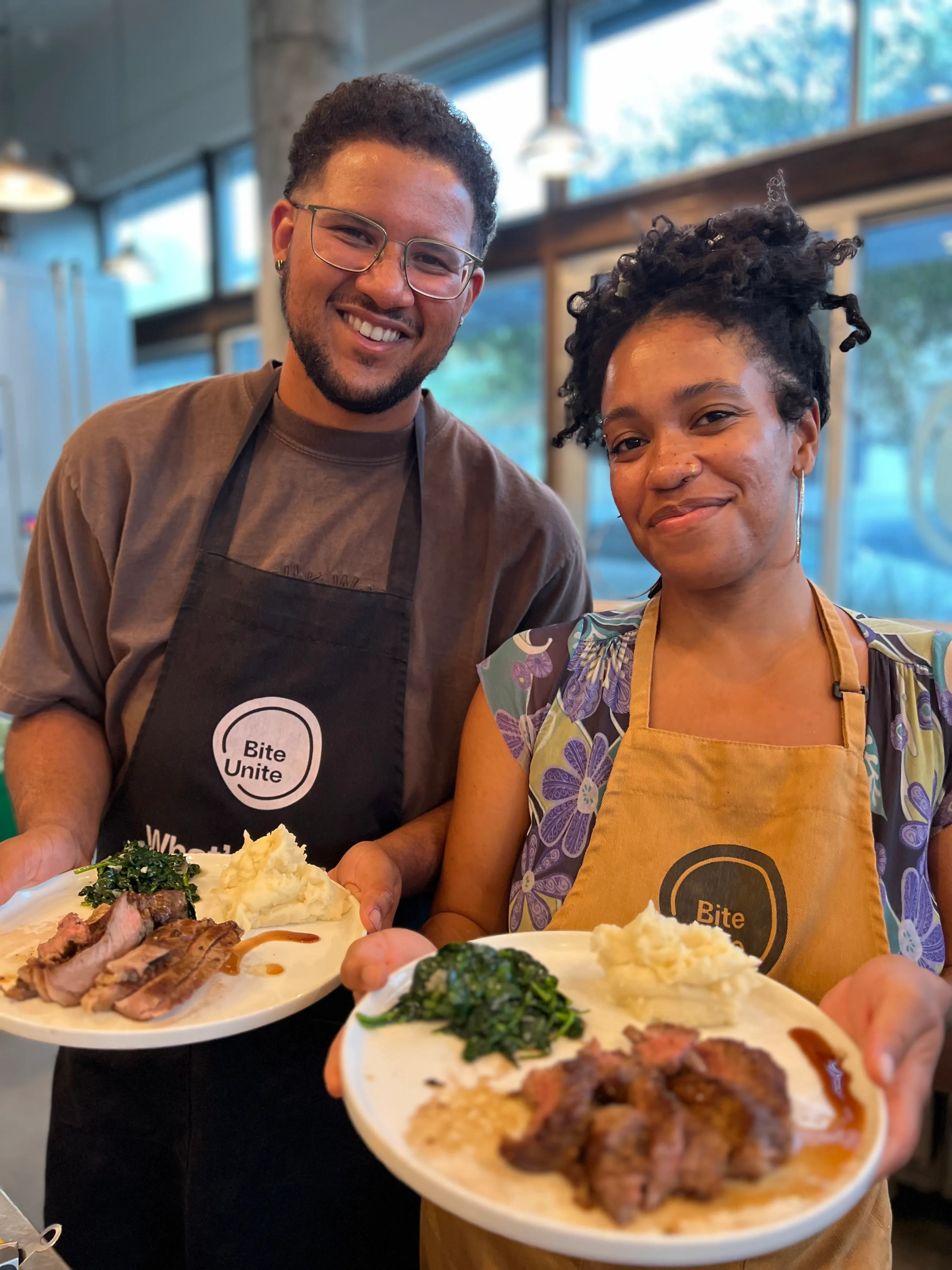
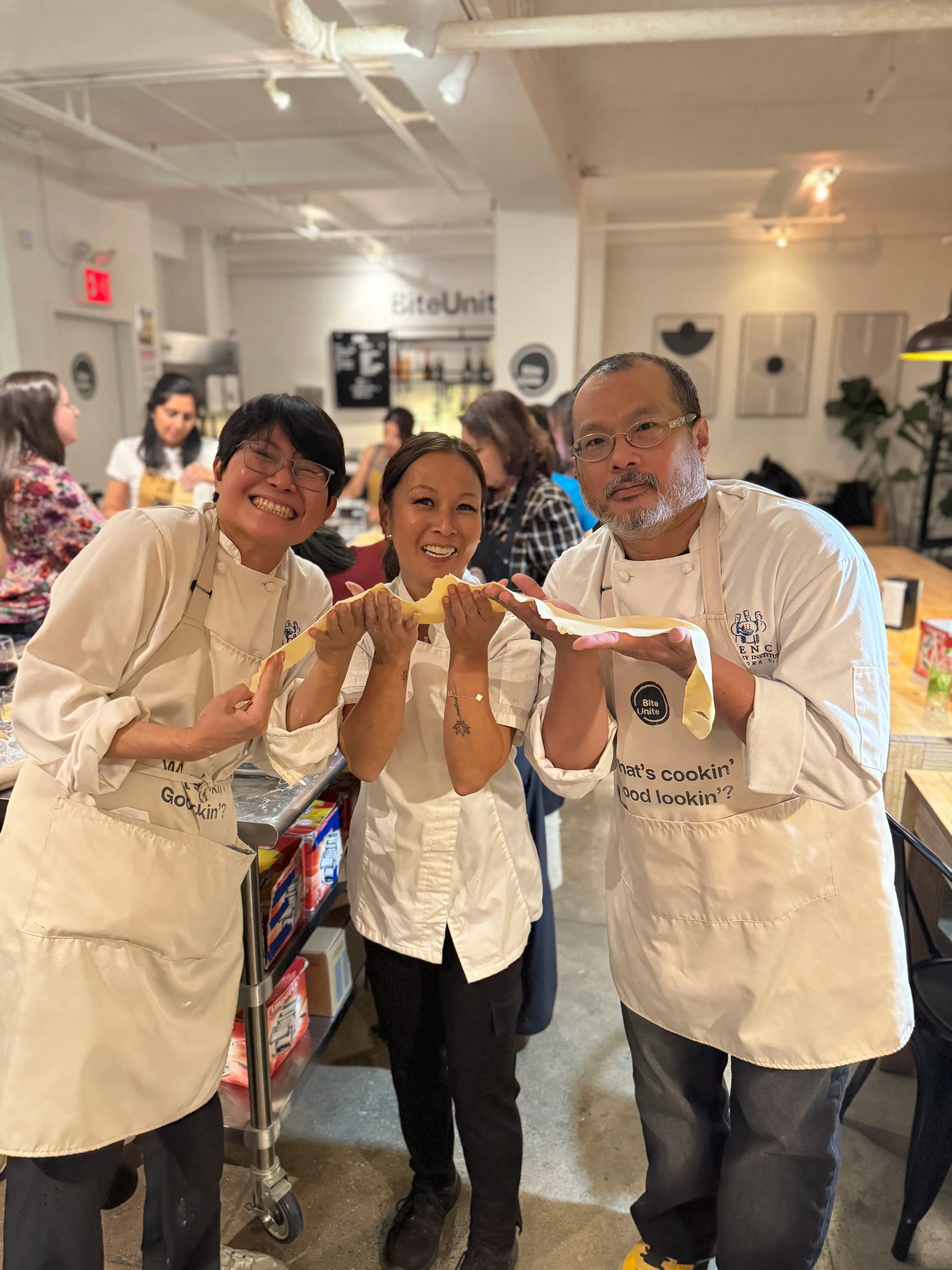
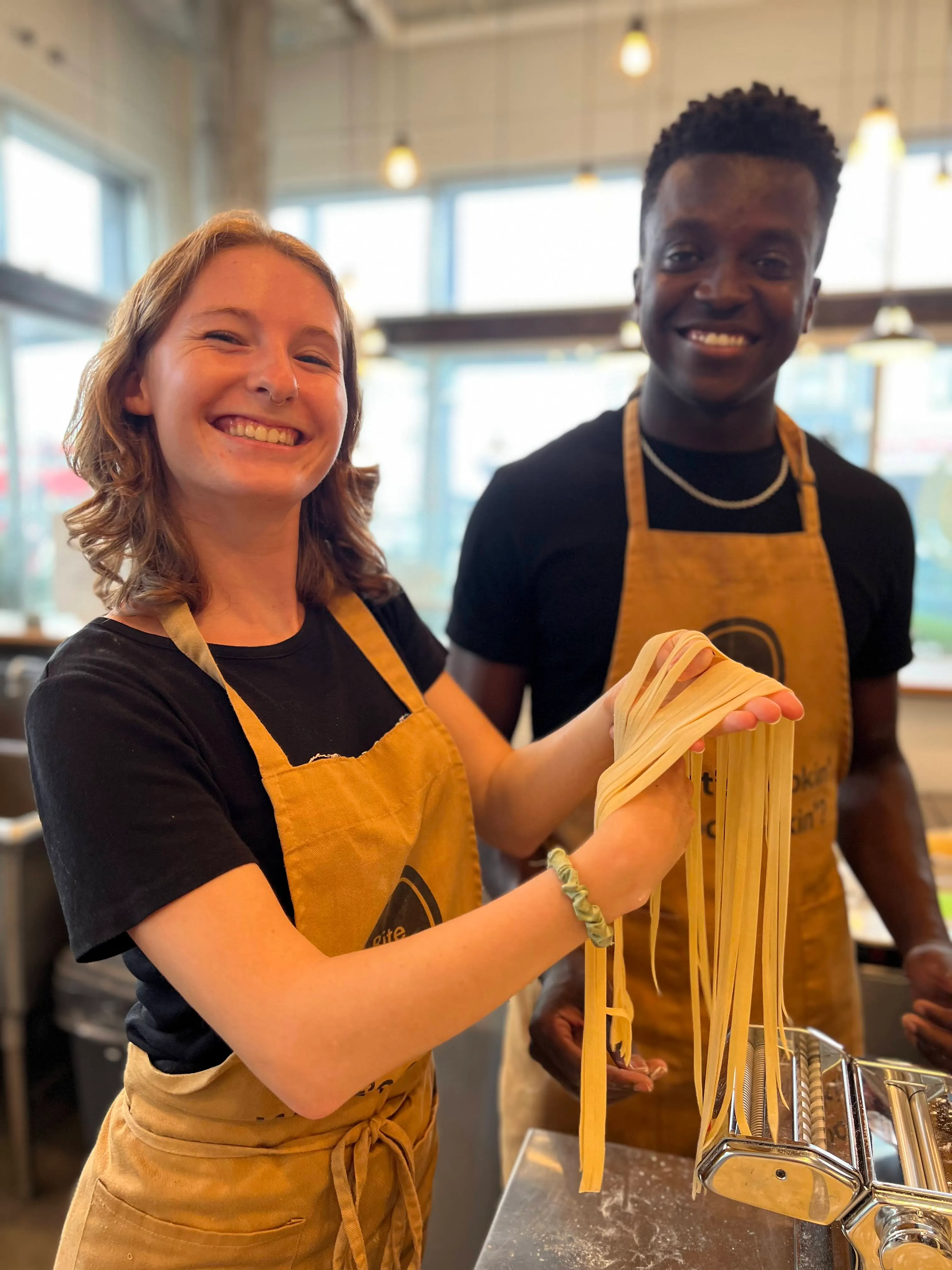
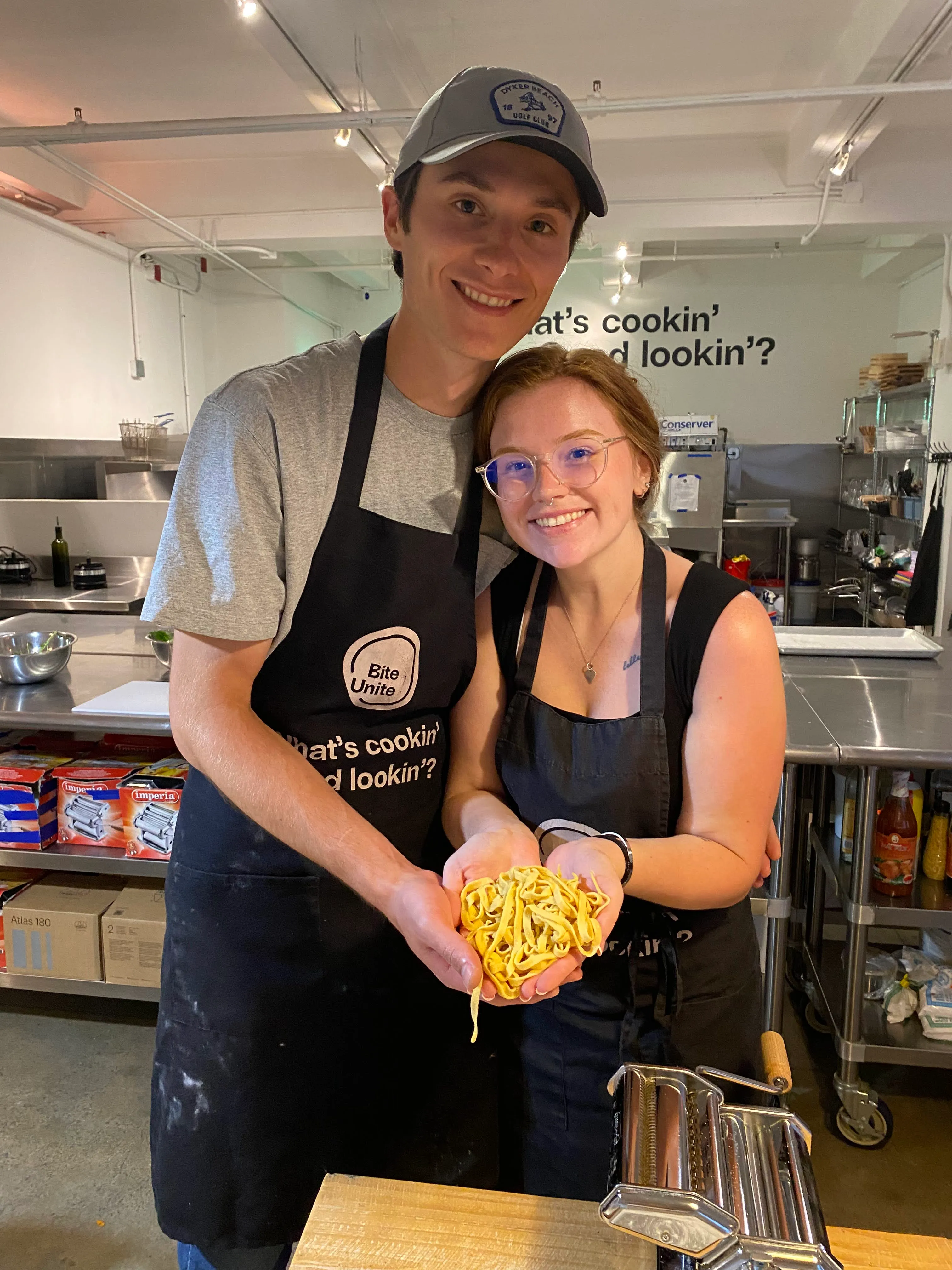
This is the part that surprises managers. The team-building is not announced, and there is no facilitator asking everyone to share a fun fact. It happens sideways, as a byproduct of trying to get dinner on the table before the instructor calls time. People problem-solve together, laugh at the pan that is smoking, and taste something they built with their own hands. Shared effort does in ninety minutes what a name-tag icebreaker never manages, because it is real work with a real result — and everyone eats the evidence.
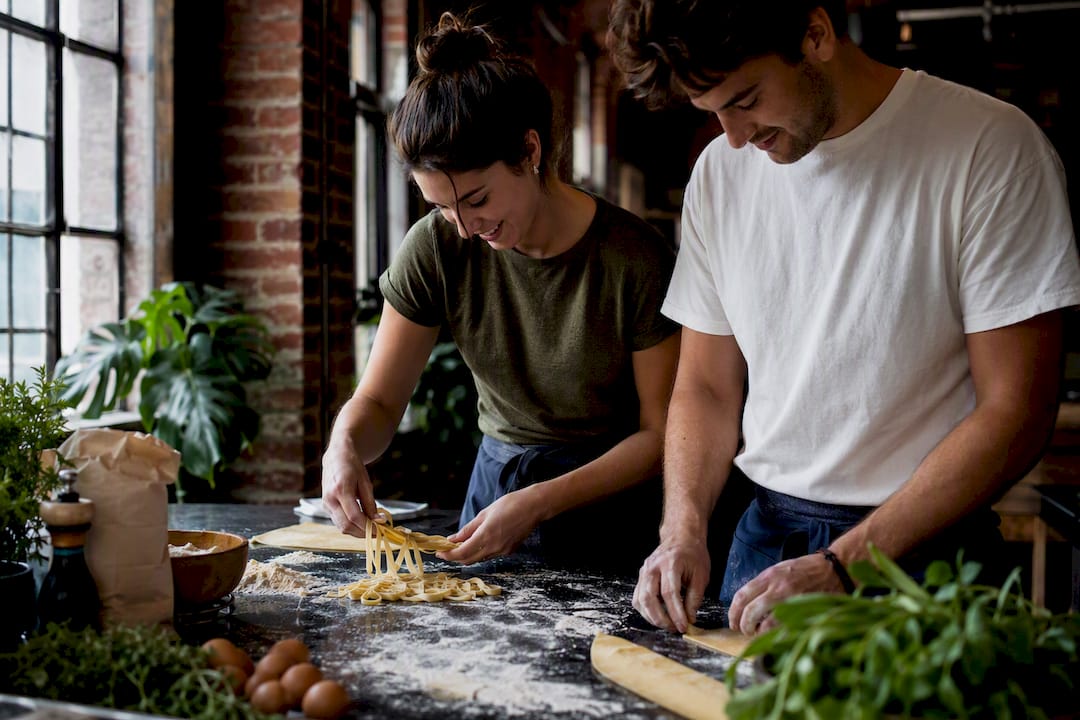
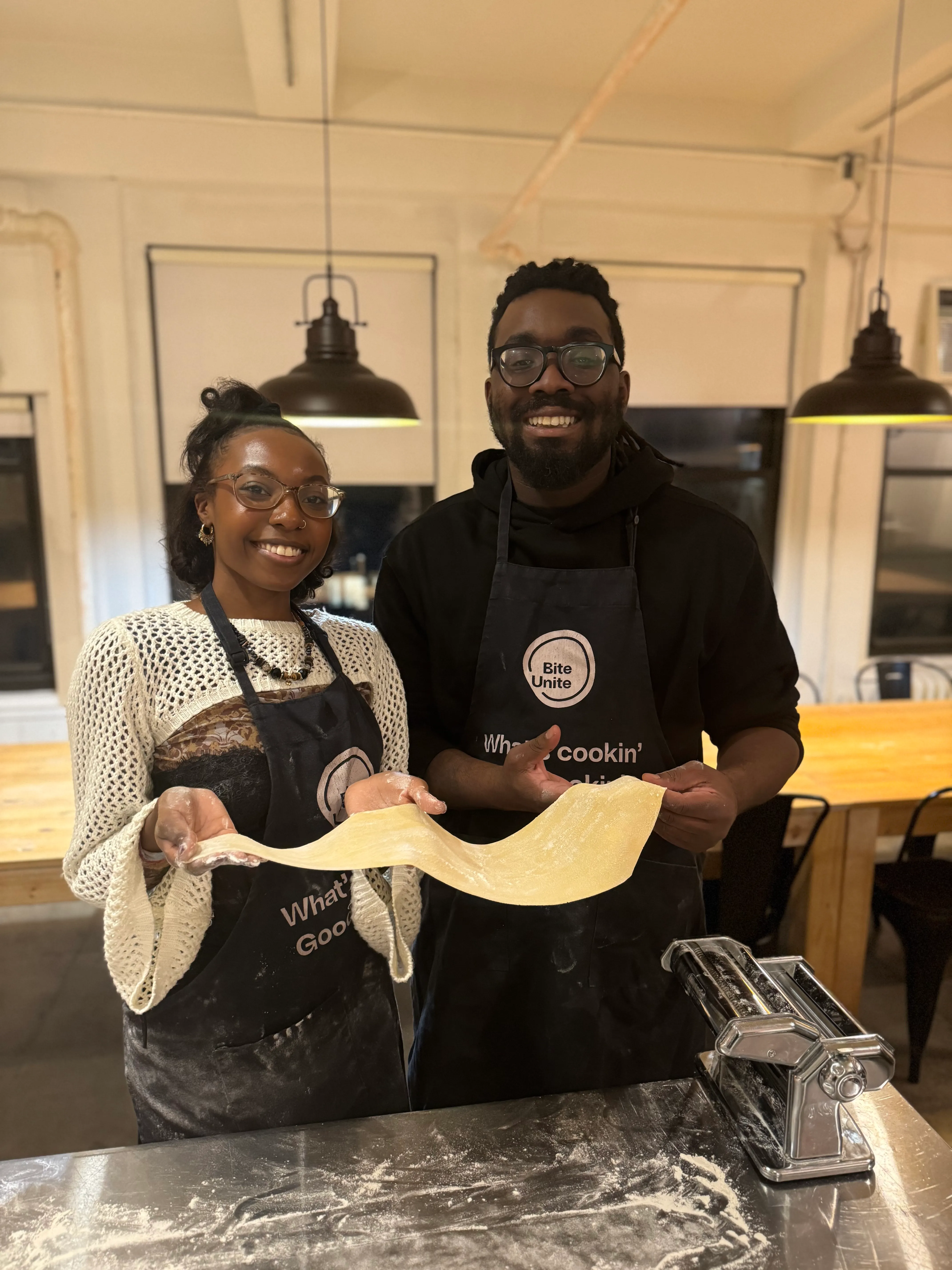
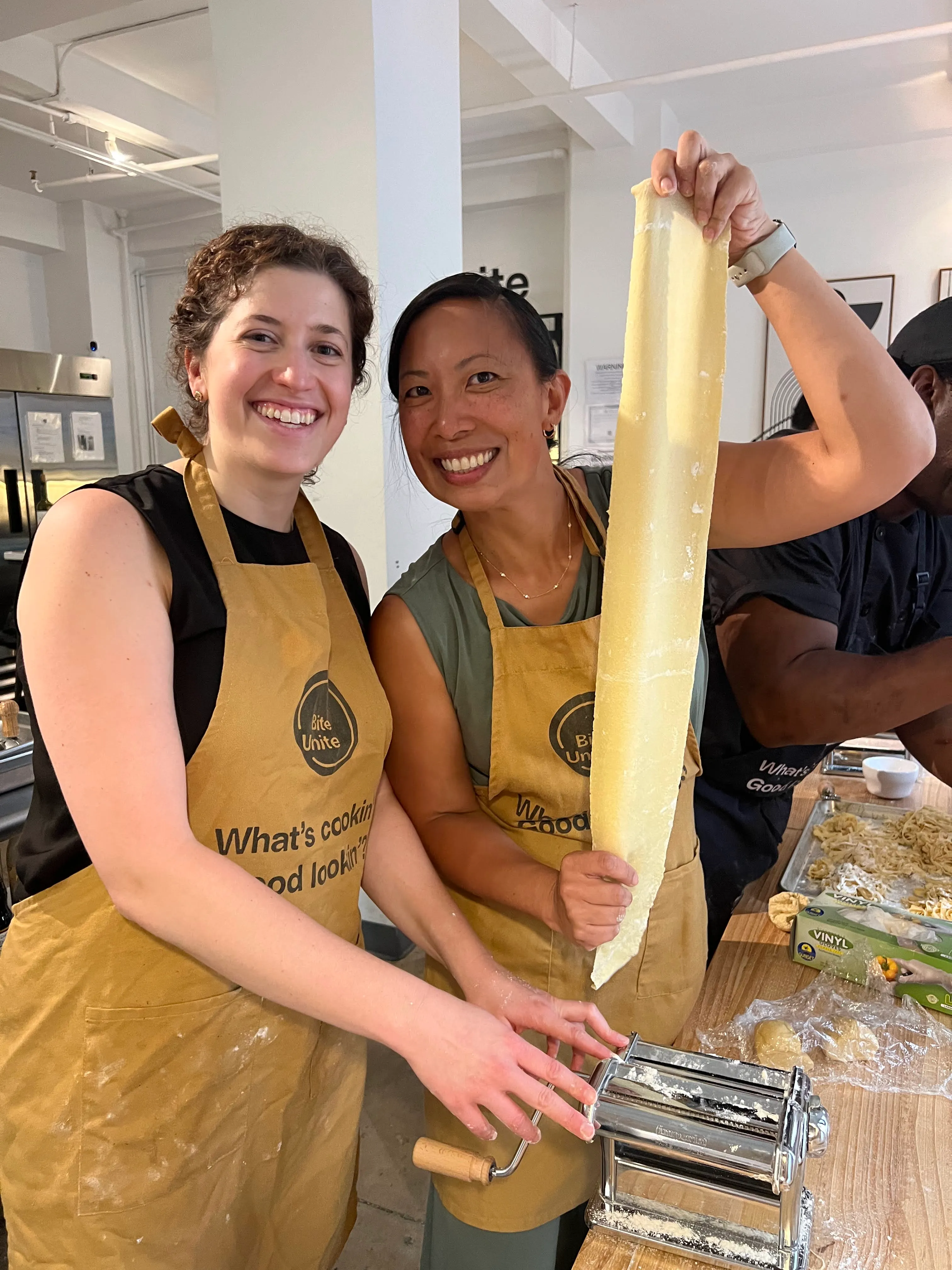
It also flattens the org chart in a way that is hard to engineer on purpose. Titles do not help you laminate pasta. The intern and the VP are equally likely to overwork the dough, and there is something genuinely useful about a senior leader being visibly, cheerfully bad at something in front of the team. It gives everyone else permission to try.
Why New York Is Built for This
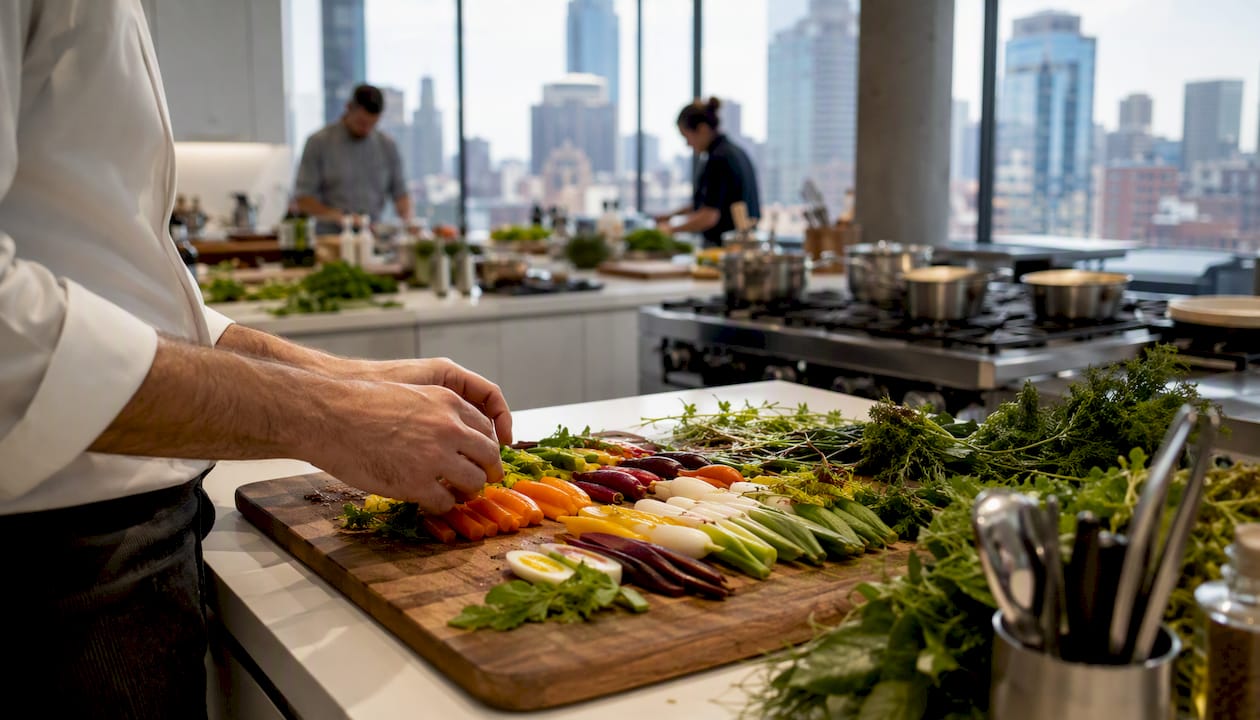
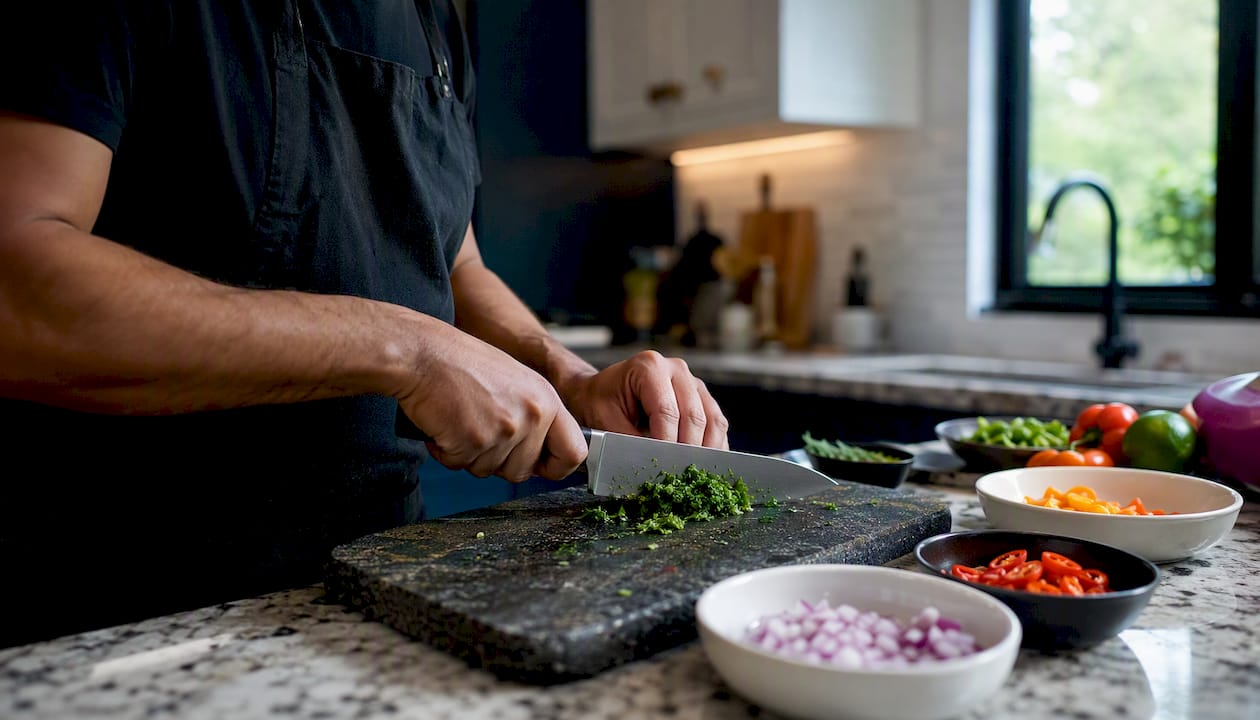
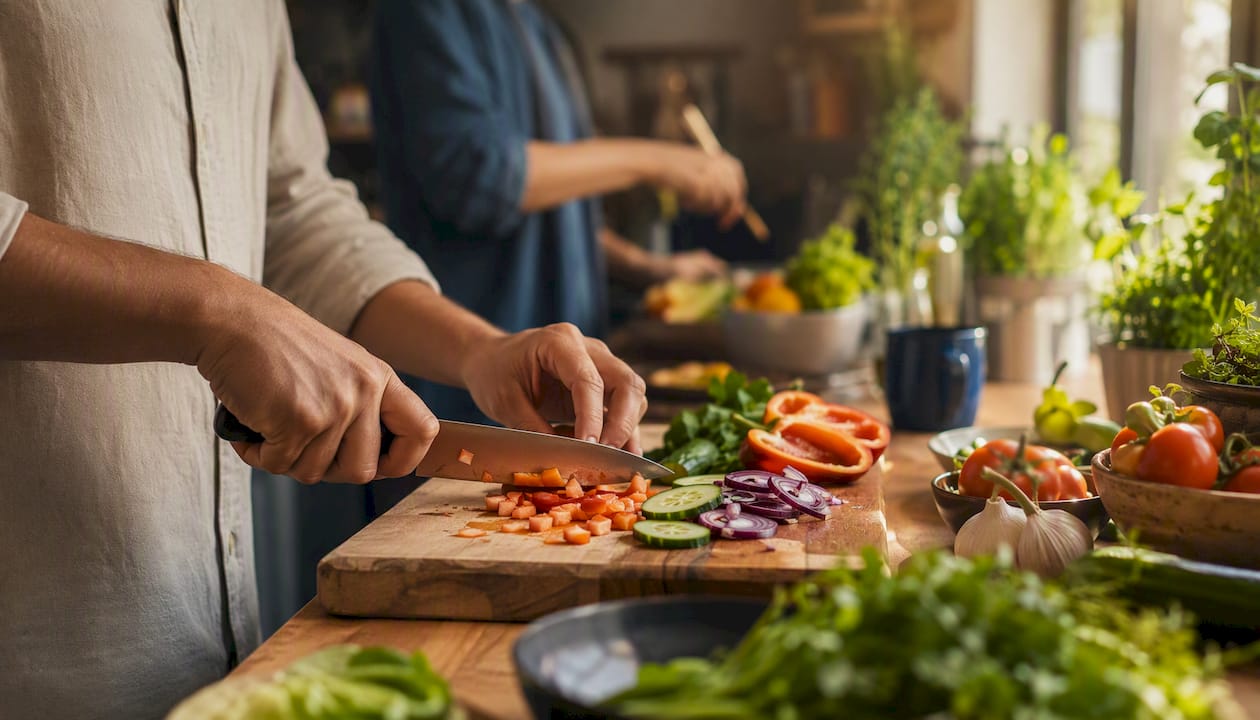
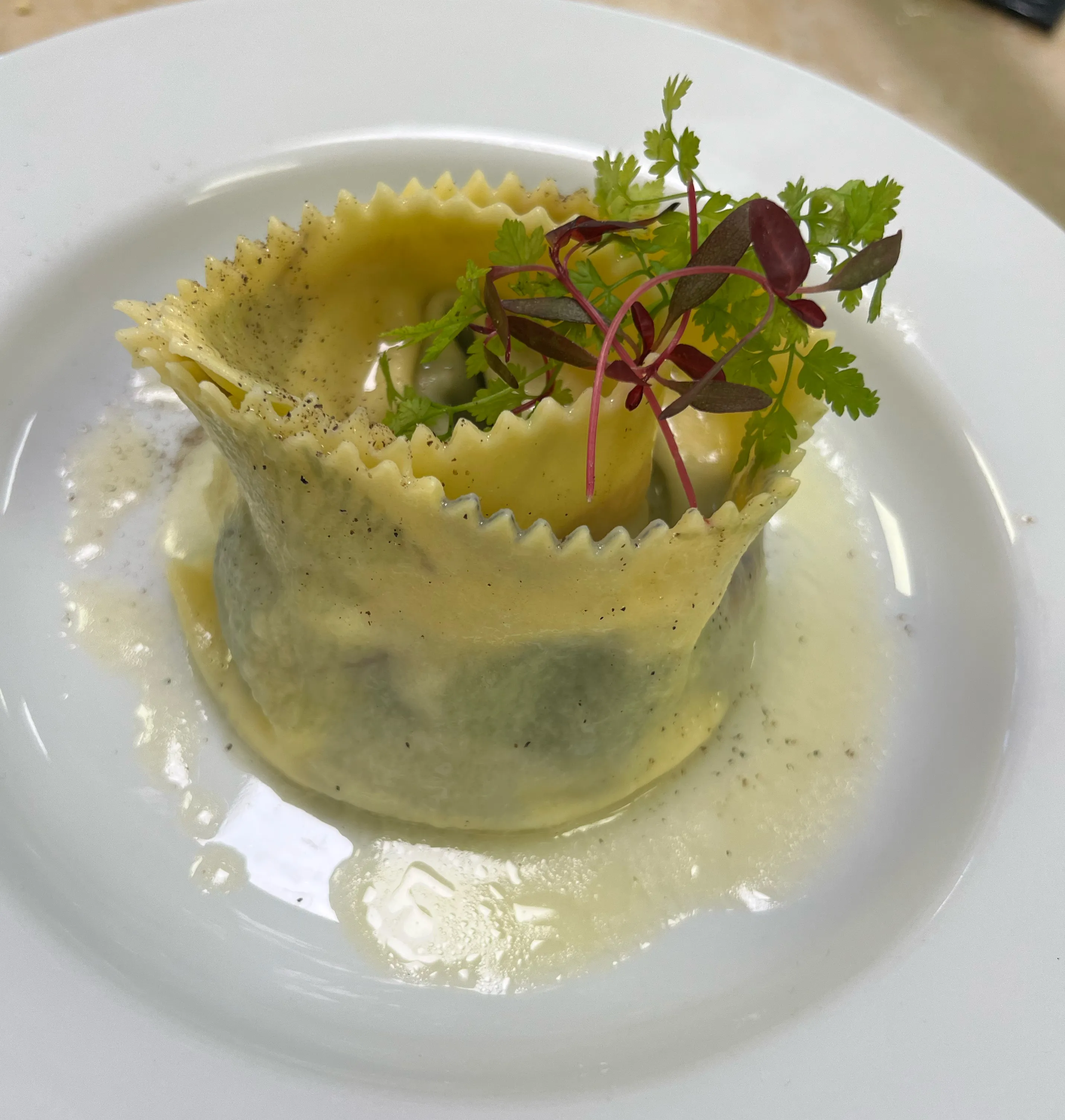
New York earns its reputation here. The range of what a group can cook in a single city is unmatched, and it lets you tailor the night to who is in the room. One trip your team laminates fresh pasta and plates it with a sauce they reduced themselves; the next, they are folding soup dumplings or pressing sushi rice, learning knife work that holds up long after the flight home. These run in real working kitchens with instructors who teach rather than perform, which matters — nobody flies across the country to watch a demonstration from the cheap seats.
The city cooperates in another way, too. Fall is New York at its best: the summer humidity breaks, the light gets long and gold in the late afternoon, and a group can step out of a class into a neighborhood that feels alive rather than sweltering. You can browse the full lineup of hands-on formats on the BiteUnite NYC cooking classes page, and if you are organizing specifically around a work trip, the corporate and team-building options are structured for exactly this kind of visiting-group booking. If you want a clearer picture of what a session actually involves before you pitch it internally, our guide to where to take a fresh pasta-making class in NYC walks through the formats and what to expect on the night.
Match the Class to the Team You Actually Have
The best offsite organizers think about the room before they book. A team with a wide range of kitchen confidence — some who cook nightly, some who own a single pan — does better with a forgiving format like fresh pasta or dumplings, where the process is the fun and perfection is beside the point. A group that likes a challenge, or one that has done a class before, can be pushed toward something with more technique. Dietary needs are worth sorting in advance, not at the door; a good kitchen will flex the menu, but only if it knows.
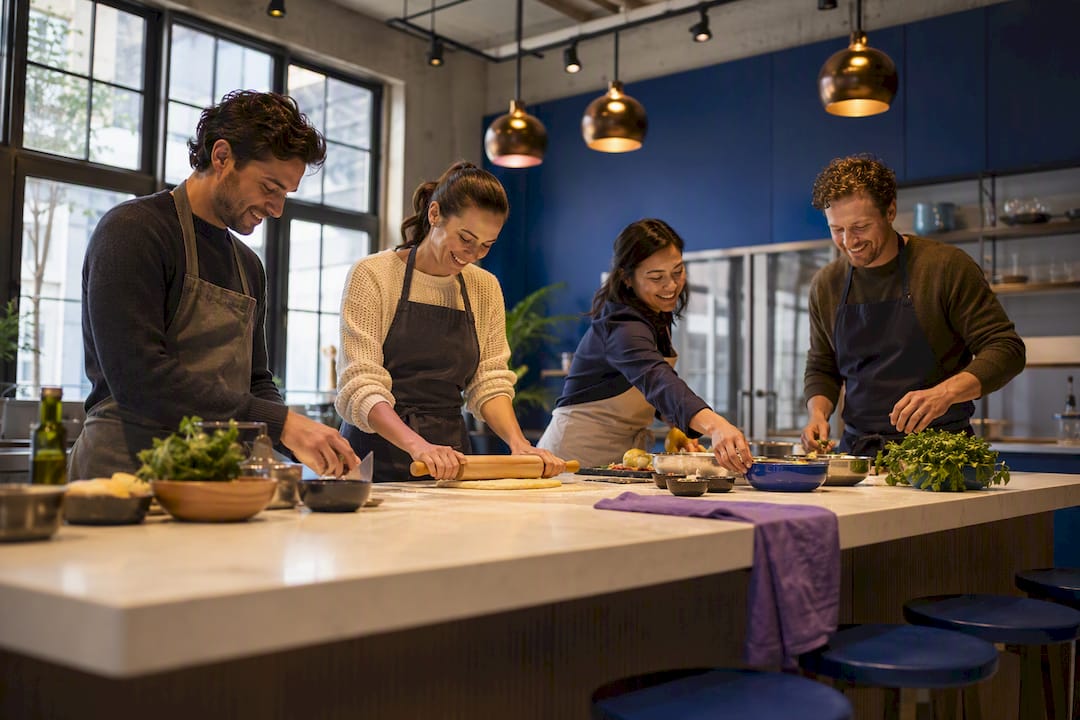
Group size shapes the feel as much as the menu. A private class for your team keeps everyone in one room rather than scattered among strangers, and it lets the instructor pace the night around your people. For larger companies, that private format is often the difference between an evening that coheres and one that fractures into cliques. If you are still building the case for hands-on over the usual agenda, these modern team-building ideas lay out why the format lands with employees who have grown allergic to trust falls and forced fun.
The Logistics That Quietly Make or Break the Night
For a visiting team, the unglamorous details are the ones that matter. A private booking means the whole group has one address to find, one arrival time, and one shared experience instead of a reservation that seats them in shifts. That simplicity is worth a lot when half your people are navigating the subway for the first time. A class runs a defined couple of hours, which slots cleanly into an agenda that already has a full day of sessions behind it — late enough to be the reward, early enough that nobody is falling asleep in their risotto.
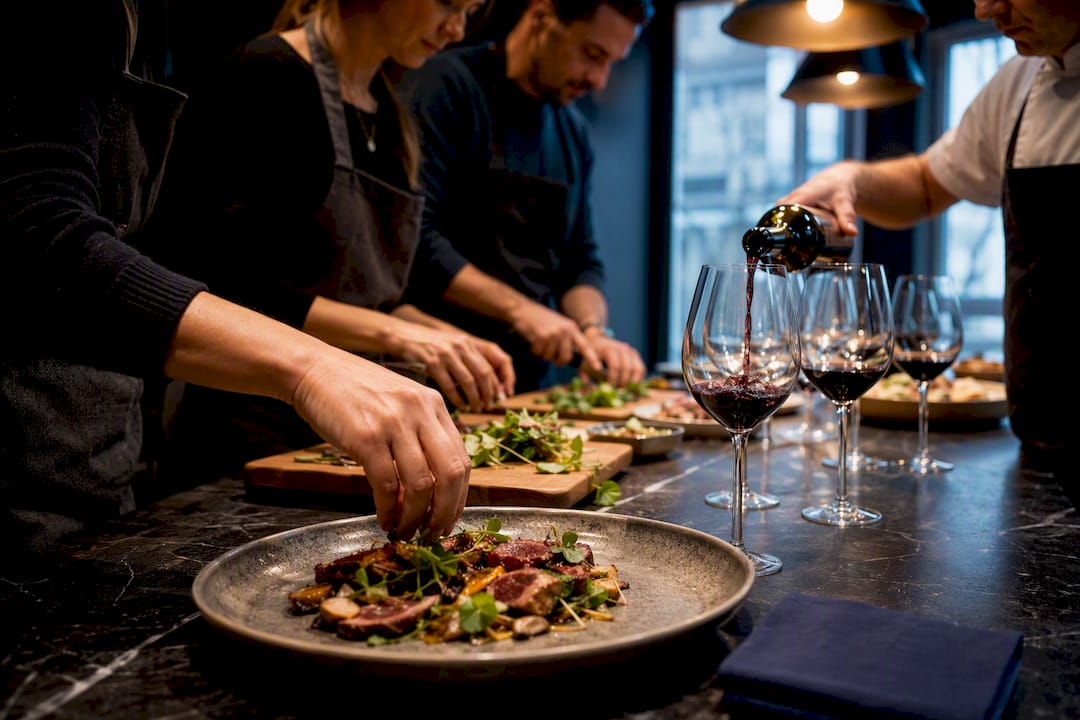
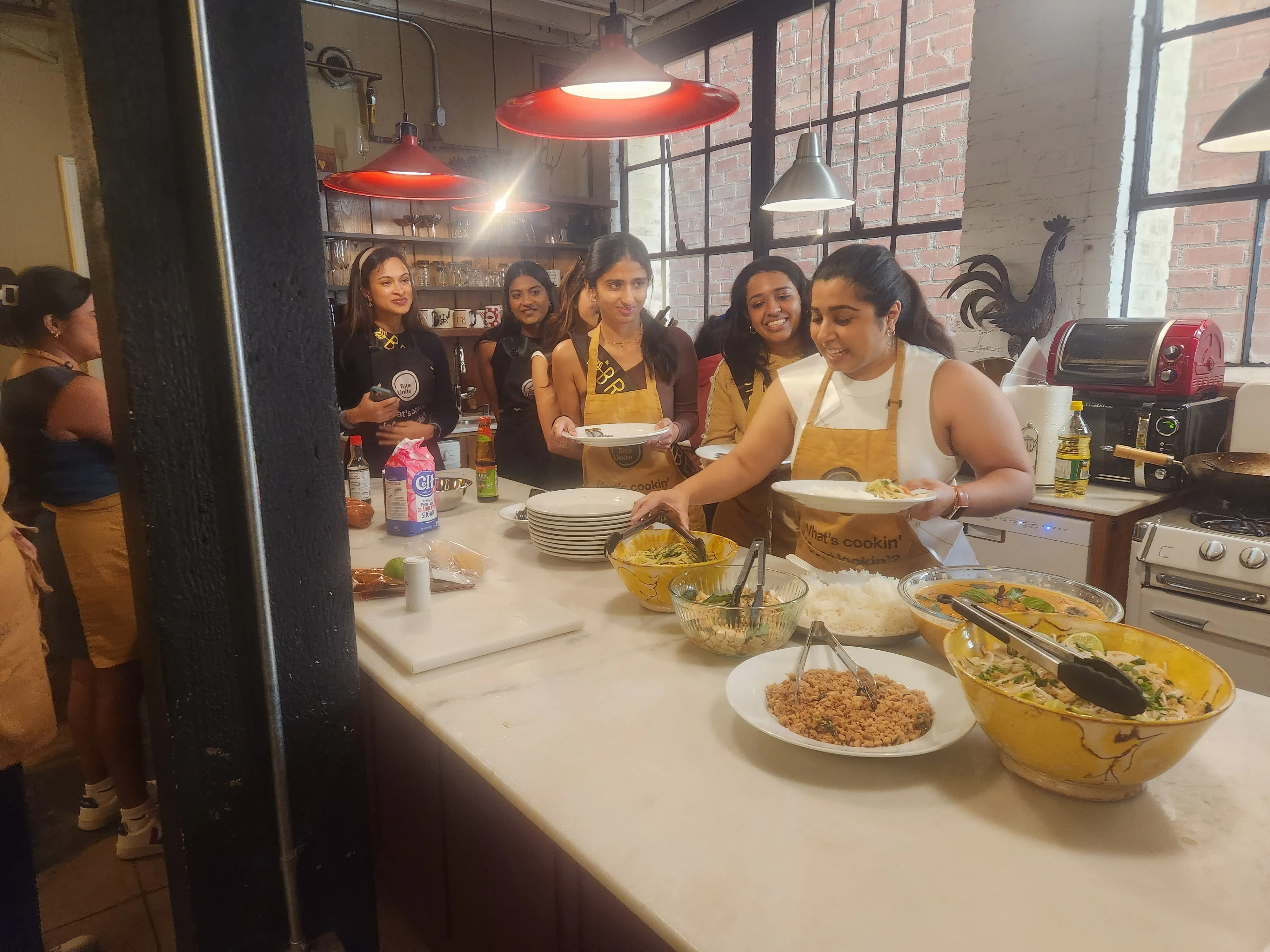
Some teams want the whole evening under one roof, and that is where pairing a class with a private space earns its keep: the cooking, the meal, and any short remarks or awards all happen in the same room, with no scramble to relocate a group of twenty across town. The New York event spaces can carry that kind of night from the first knife cut to the last toast.
The Part People Talk About on the Flight Home
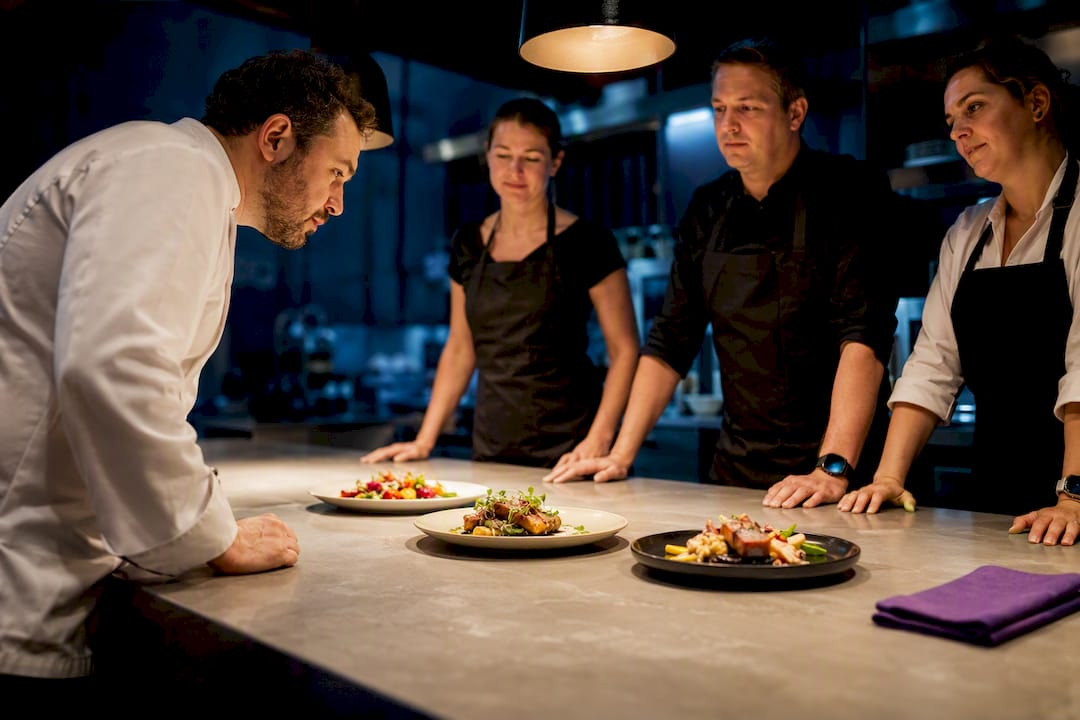
Ask anyone what they remember from a good offsite and they rarely mention the working sessions. They mention the night something happened — the toast that landed, the colleague who turned out to be hilarious, the shared moment that made the whole trip feel worth the airfare. A cooking class is engineered, almost by accident, to produce that moment. The near-disasters become the running joke. The dish that came out beautifully becomes a point of collective pride. And because everyone had a hand in it, the memory belongs to the whole group rather than to whoever happened to be sitting near the funny person at dinner.
That shared ownership is the quiet payoff. Long after the flights home, a team that cooked together has something specific to point back to — not a vague "the offsite was nice," but a concrete evening they built with their hands. For a group that spends most of the year apart, a memory that solid is worth more than almost anything else on the agenda.
Book Around the Calendar, Not the Other Way Around
The one piece of timing advice worth taking seriously: reserve as soon as your dates are firm. Fall is peak season for group bookings in New York, and private classes for larger teams — especially on the weekday evenings most offsites want — fill first. Booking early does more than secure a slot. It gives you room to shape the night: to match the menu to your group, to confirm dietary accommodations, to decide whether you want a straightforward pasta session or something with more ambition. Left to the last minute, you take what is available; planned ahead, you get the evening you actually pictured.
A team that flew across the country to be in the same place for once has exactly one thing it cannot get on a call: time together, doing something real. Most of the ways to spend a New York evening ask the group to sit and watch. A cooking class asks them to build something, together, and hand each other the results. For a group that came a long way to feel like a team, that is not a nice-to-have on the agenda. It is the point of the trip.



































.webp)