Visiting New York From Across the Country This Fall? Cooking Classes Worth Building Your Trip Around

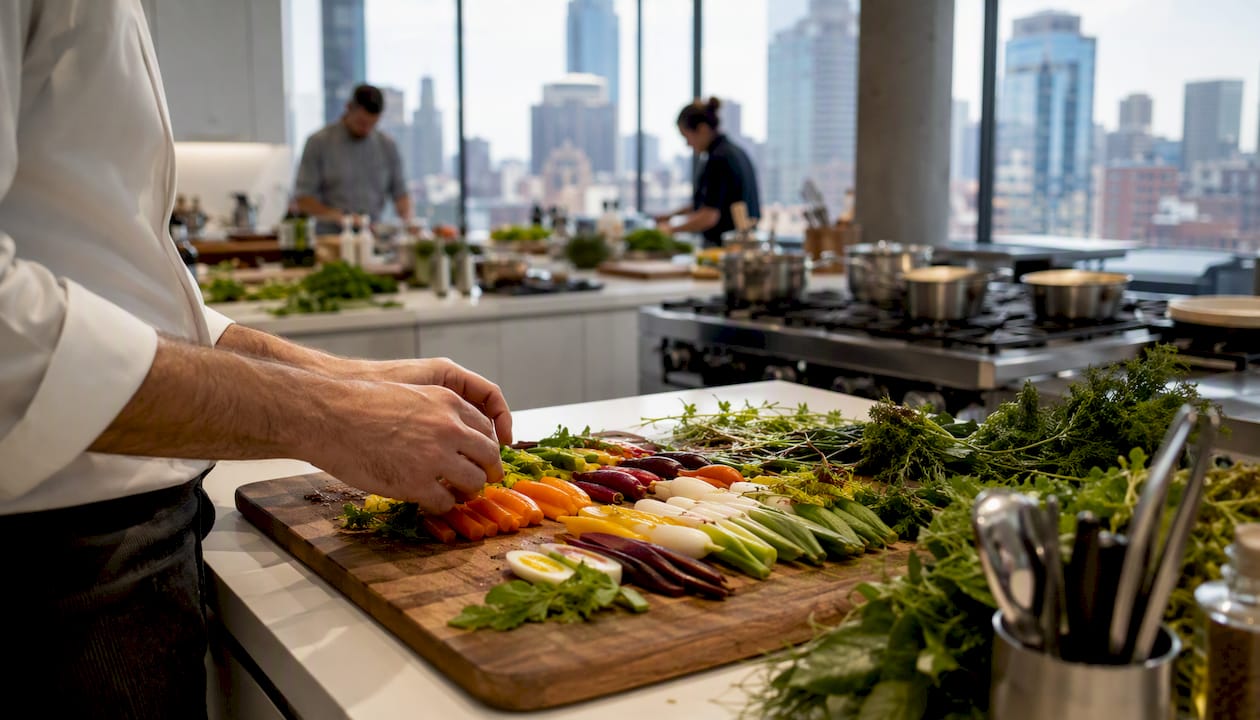
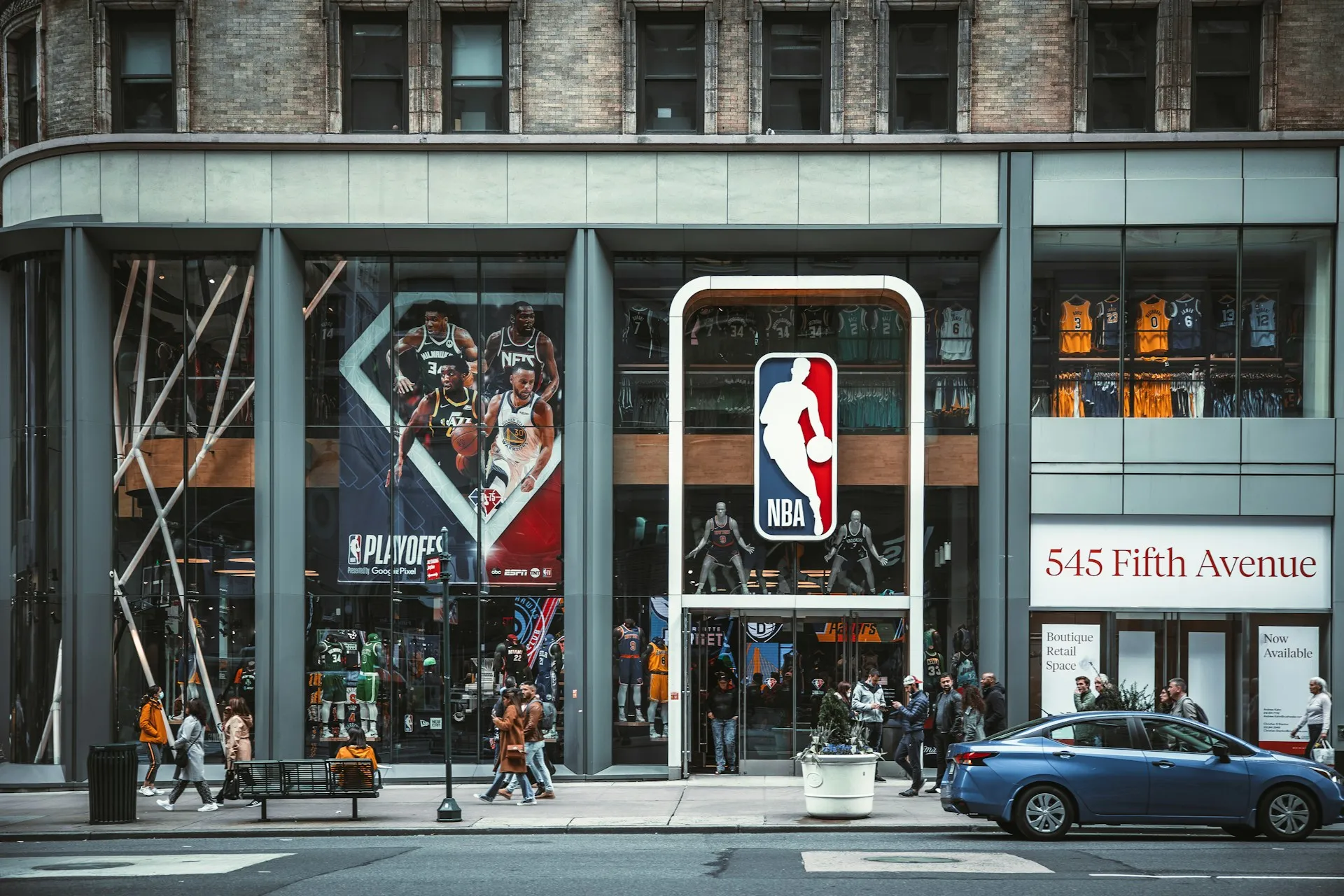
Ask a New Yorker when the city is at its best and a surprising number will say the same thing: right now, in the fall. The brutal humidity of August finally lifts, the light turns gold in the late afternoon, and the whole place seems to exhale and get back to work. It is also, not coincidentally, when the visitors arrive — for a game, a show, a wedding, a reunion, or simply because the timing finally lined up. If you are one of them this season, flying in from somewhere across the country, the real question is not whether to come. It is what to do with the hours that are not already spoken for.
The classic checklist will still be there: Times Square, the High Line, the walk across the Brooklyn Bridge, the obligatory photo in front of something famous. Do them once and you have earned your tourist stripes. But most travelers, somewhere around day two, start wanting something the checklist cannot give them — an afternoon or evening that feels like the actual city rather than a postcard of it, something they did rather than merely saw.
The Two Ways to Experience New York Food
New York's culinary identity is one of the strongest on earth, and there are essentially two ways to meet it. You can consume it — reservation after reservation, a parade of great meals you had no hand in — or you can get your hands into it. A growing number of visitors are choosing the second, and the reason is simple: a cooking class sends you home with a skill instead of a receipt.
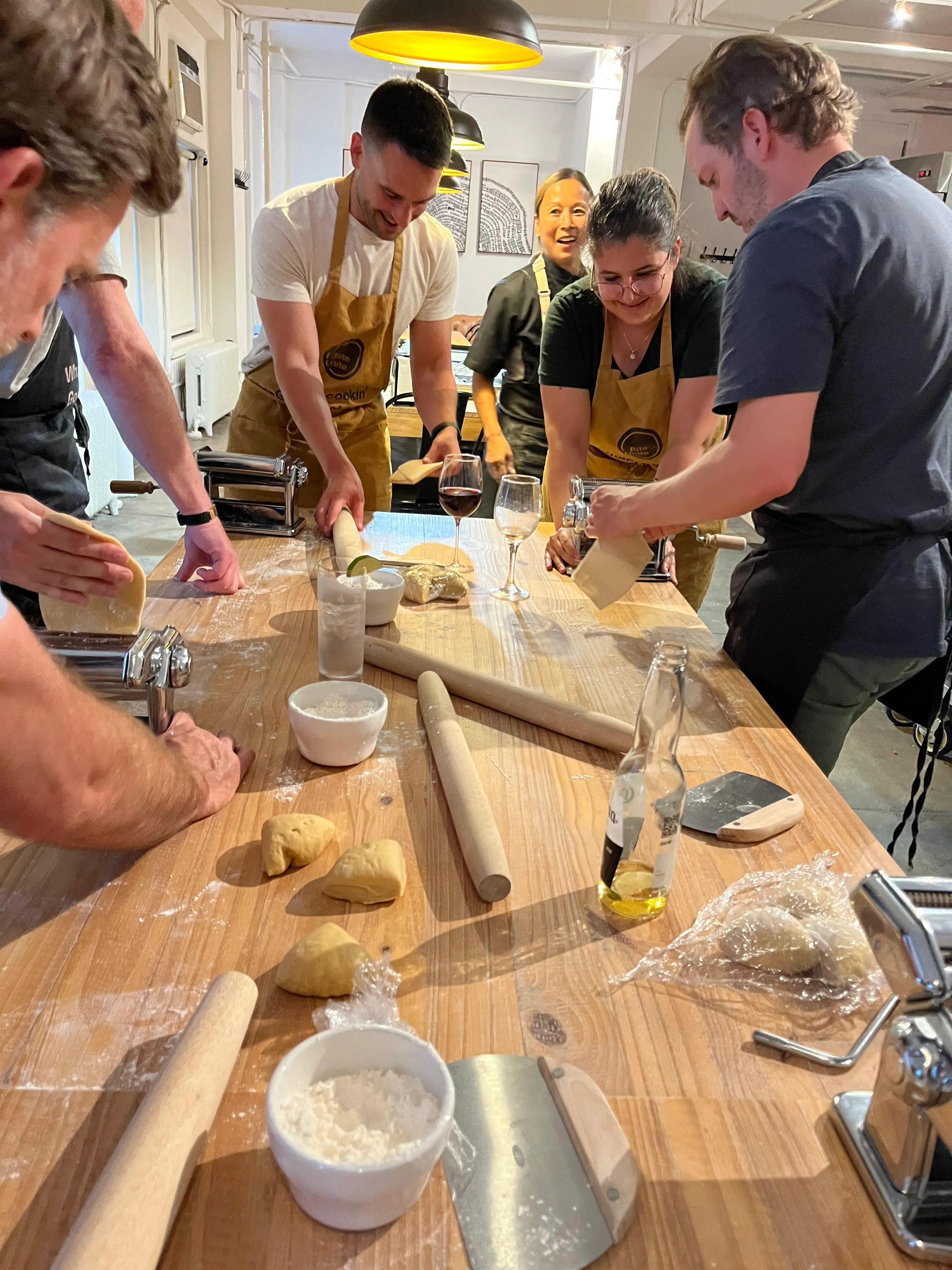
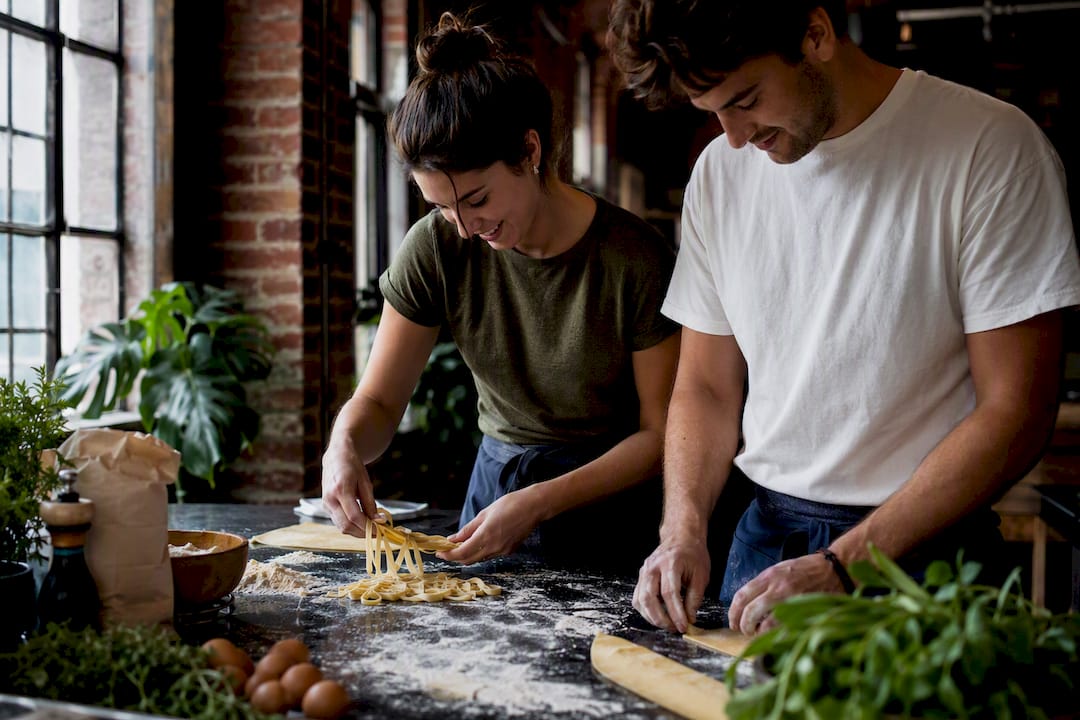
That distinction matters more than it sounds. A superb dinner ends the moment the check lands; a week later it is a pleasant blur. An afternoon spent learning to laminate fresh pasta or fold a proper dumpling stays with you — it becomes a story you tell, a technique you pull out in your own kitchen, a memory anchored to a specific room in a specific city. It is also one of the more genuinely social things a traveler can do, which counts for something whether you came with friends, family, or a partner who is tired of eating in silence across a candle.
Why the Timing Is Right
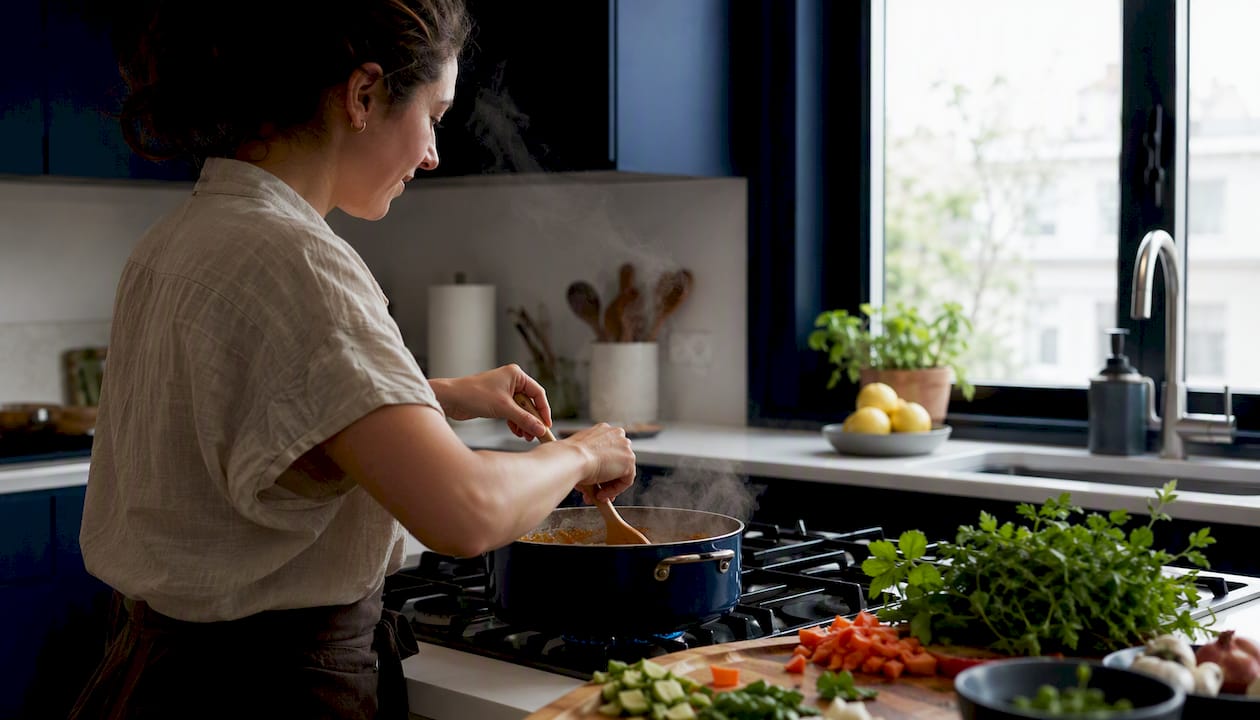
Fall suits this kind of trip in a way summer never quite does. The city is not sweating; the kitchens are not fighting the heat; and there is a natural pleasure in ducking into a warm, busy room as the evenings start to cool. Seasonal cooking leans into what New York does well in autumn — richer sauces, heartier plates, the comfort food the city has always excelled at — and a class timed to the season tends to feel less like a summer diversion and more like a small, deliberate ritual. It is the difference between killing an afternoon and actually spending one.
What New York Does Better Than Anywhere
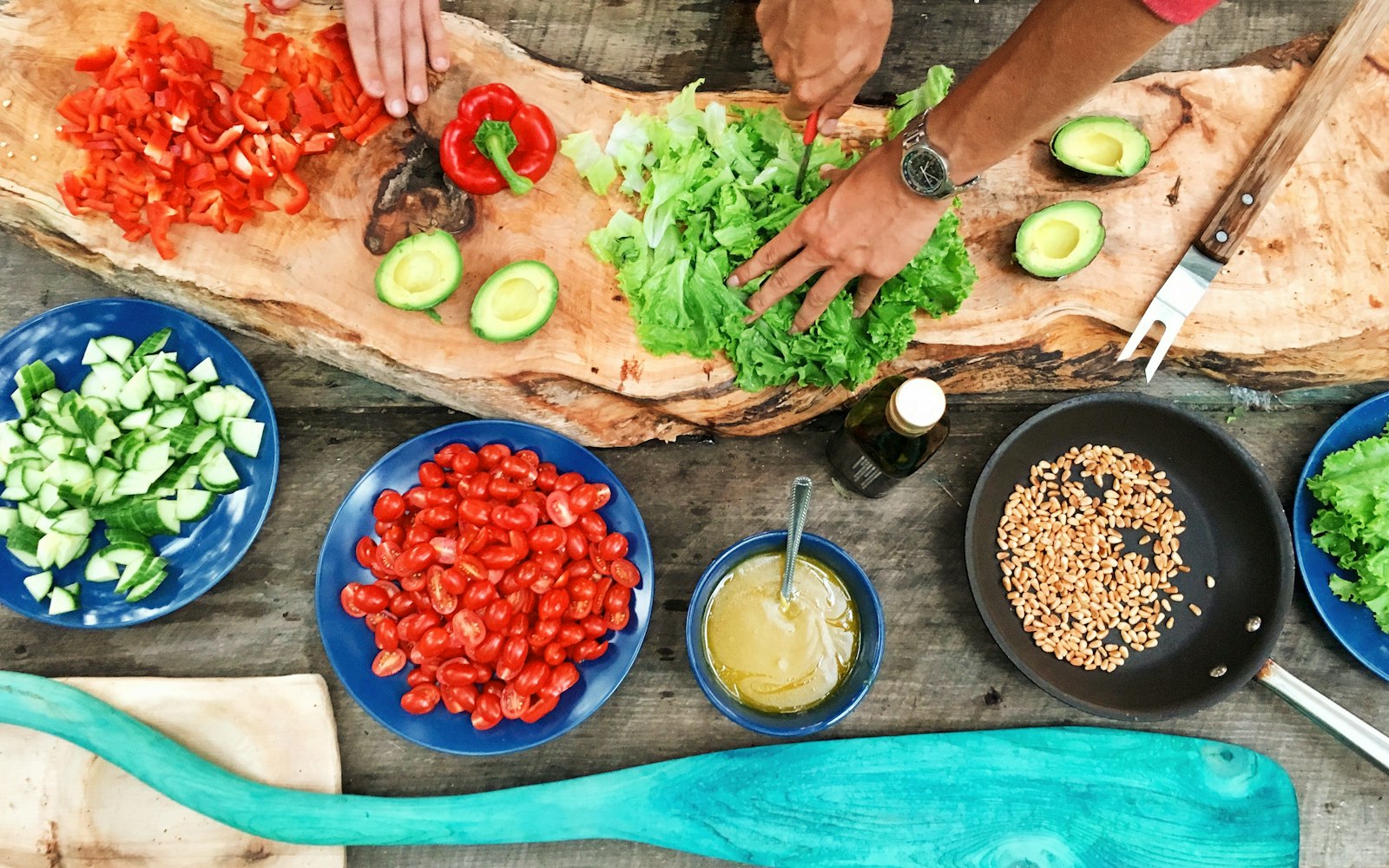
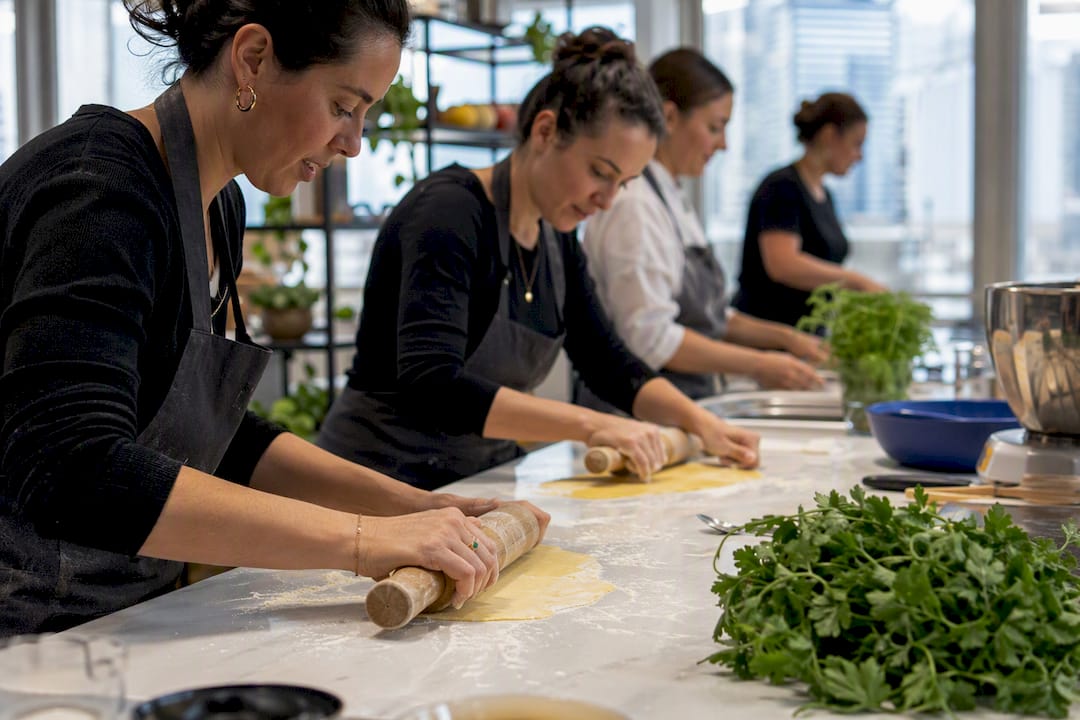
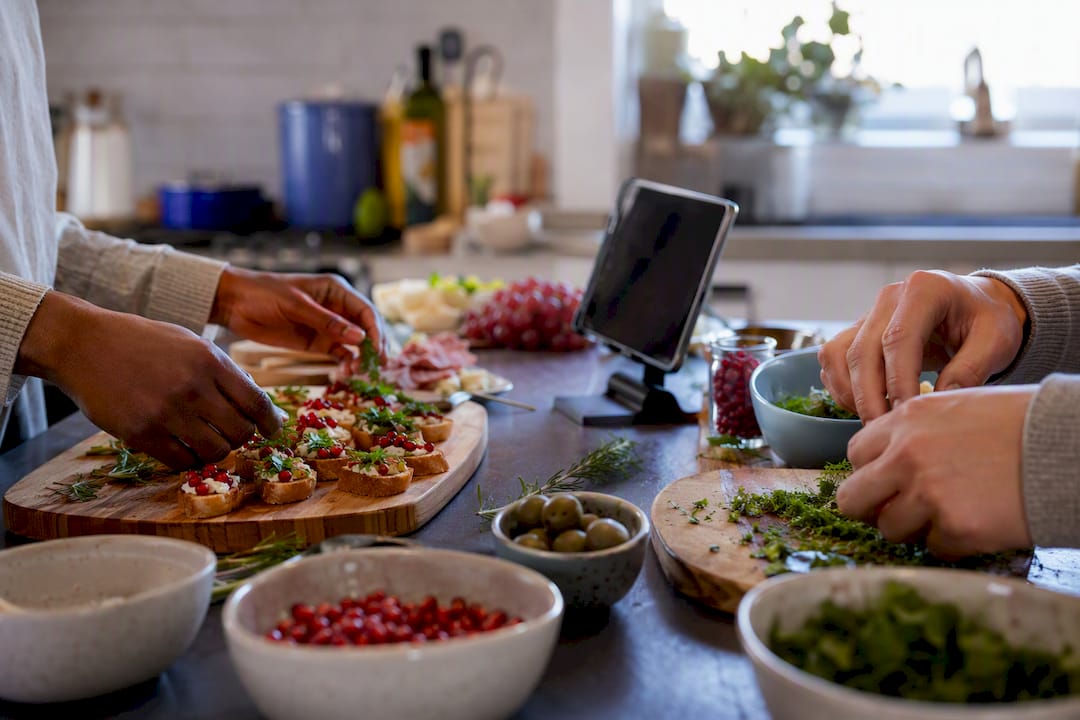
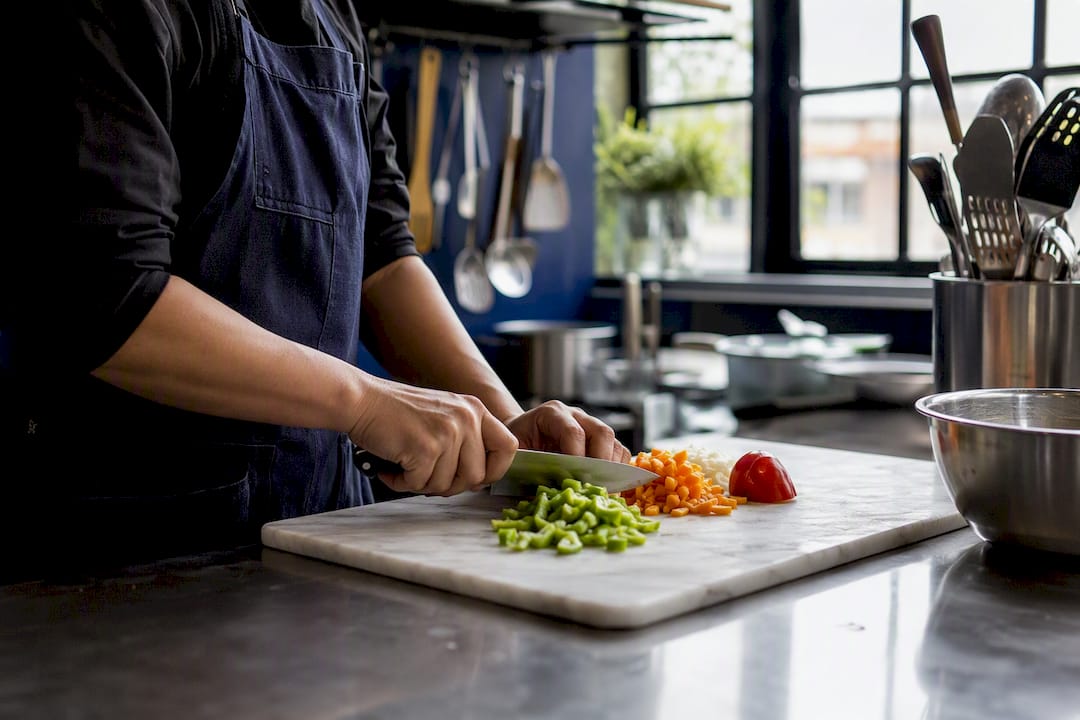
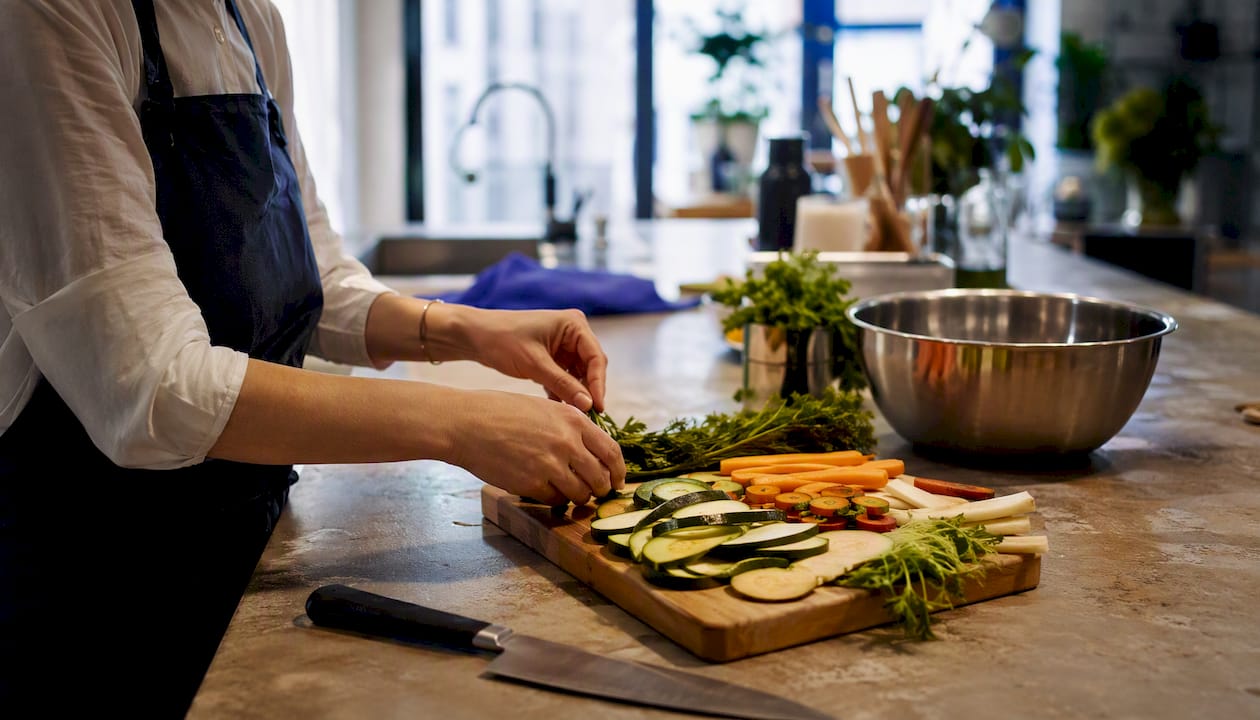
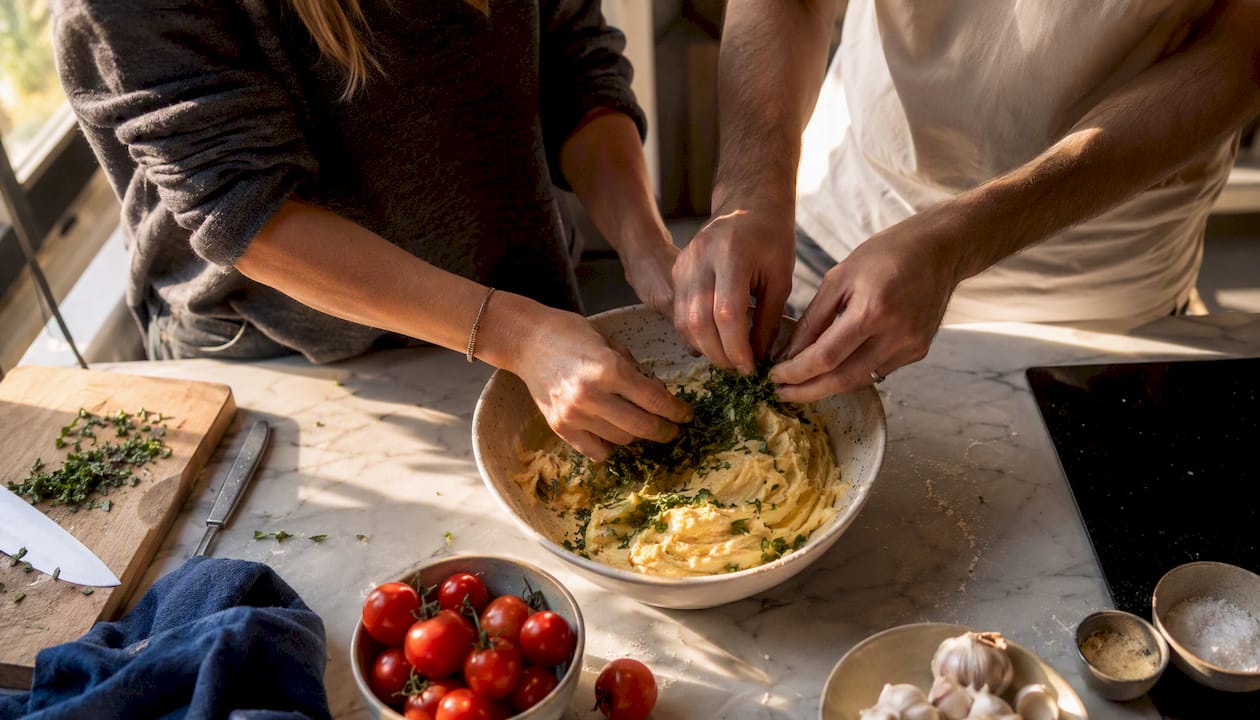
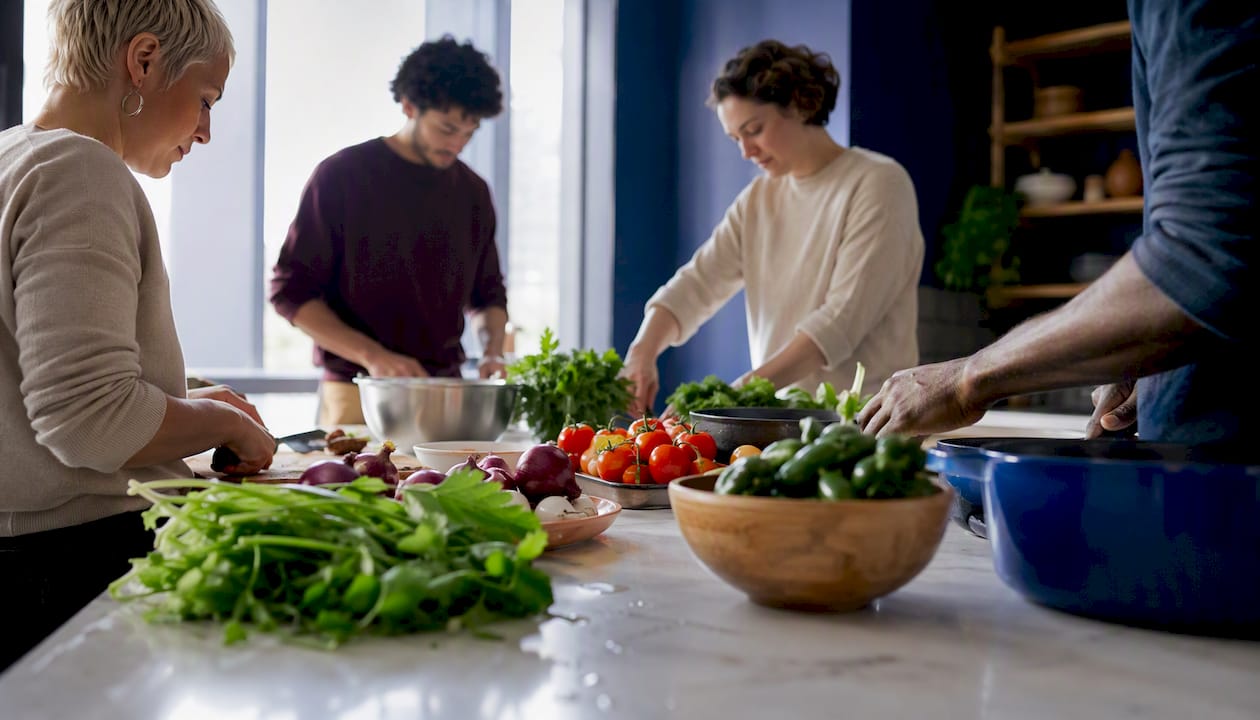
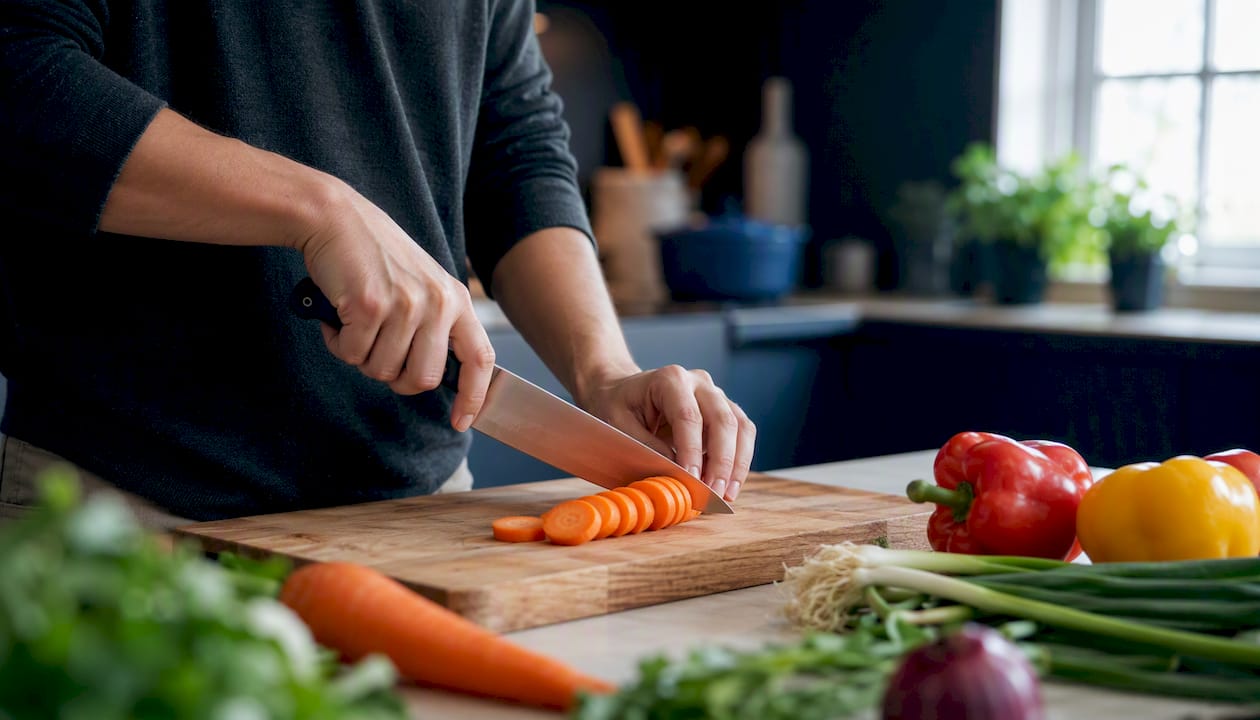
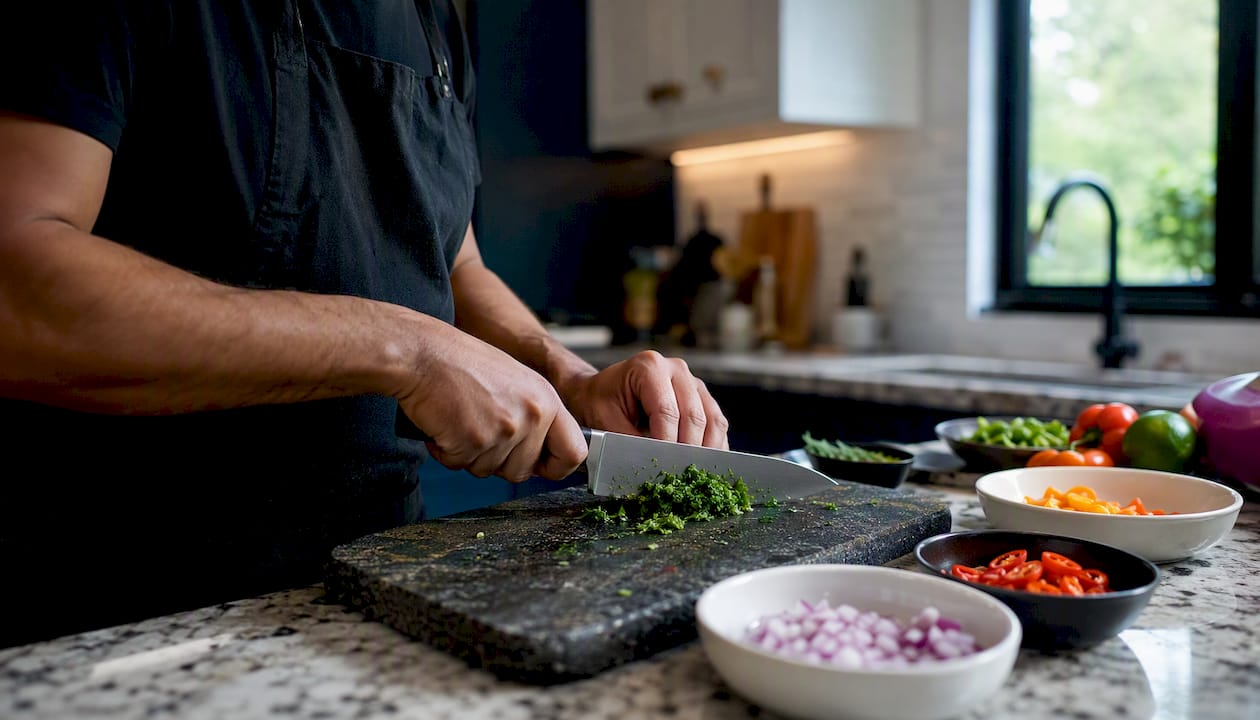
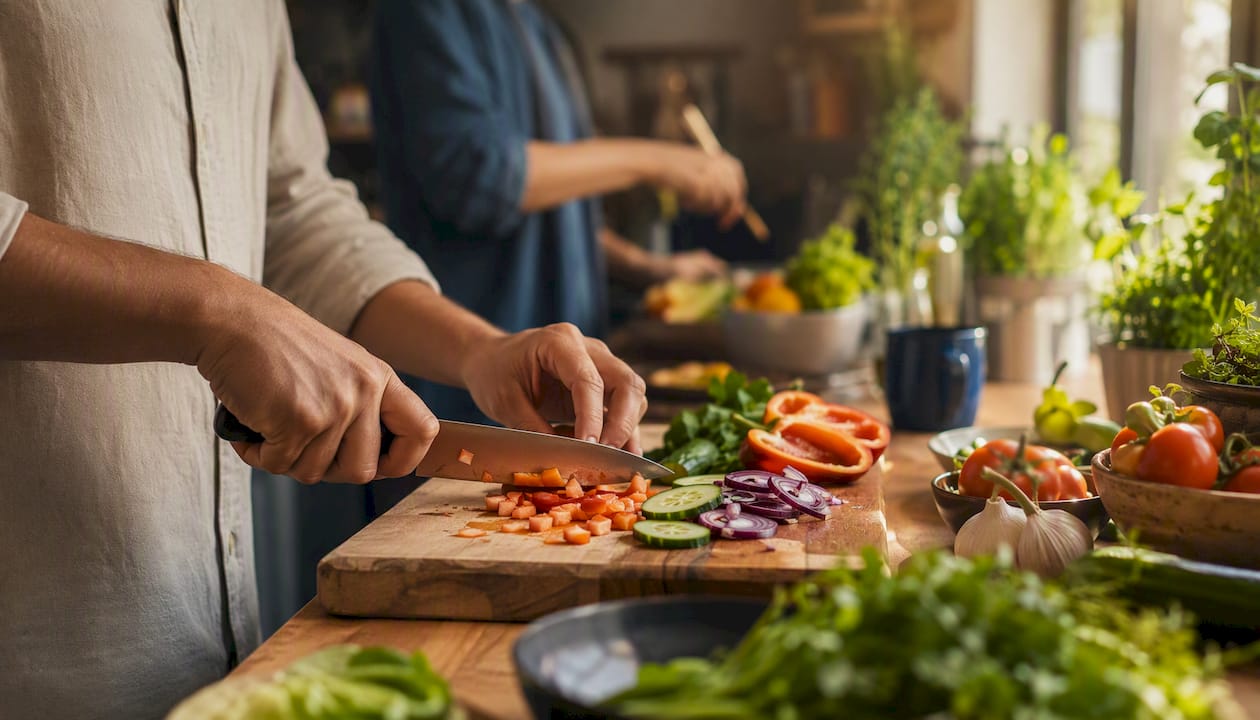
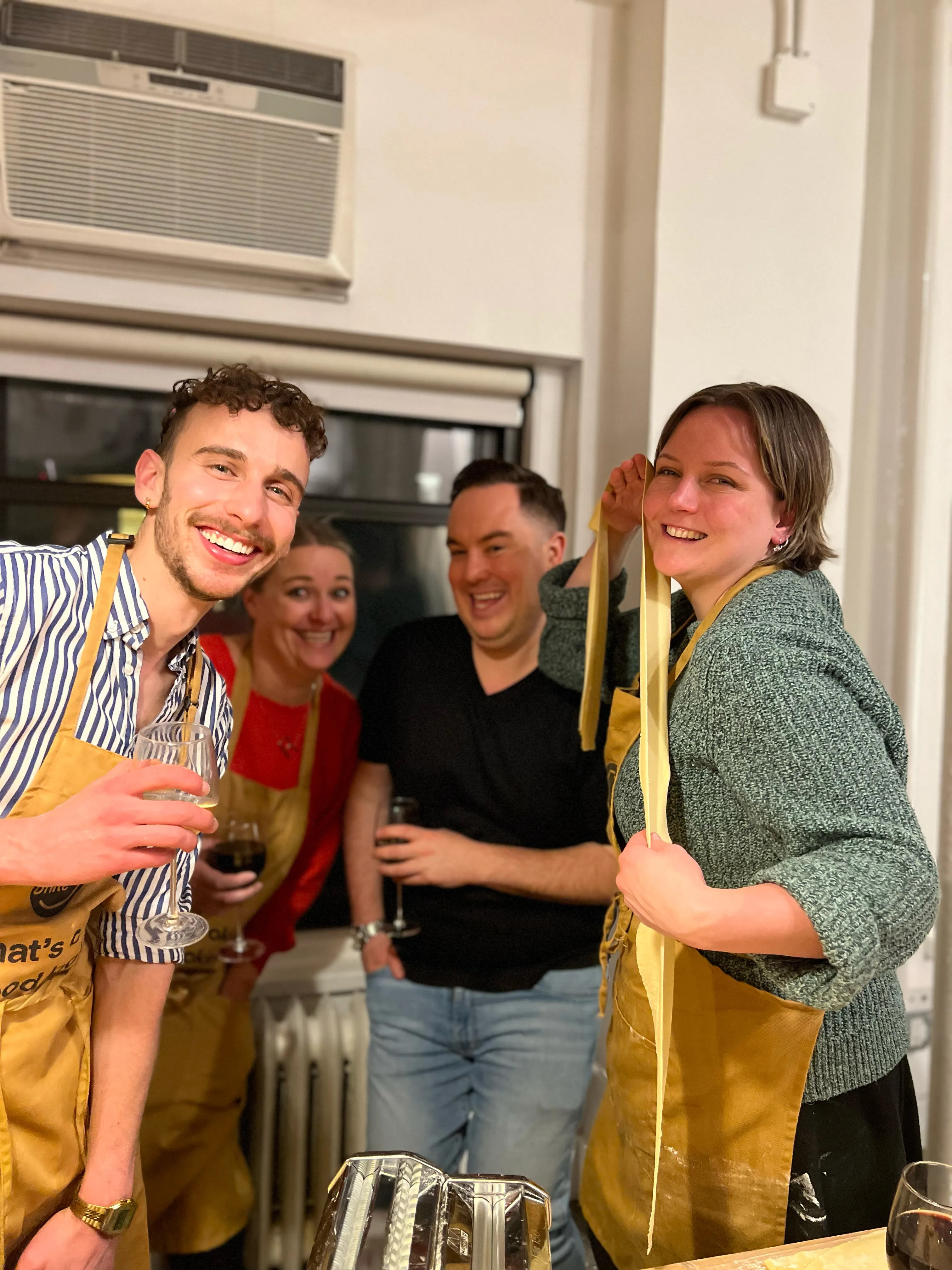
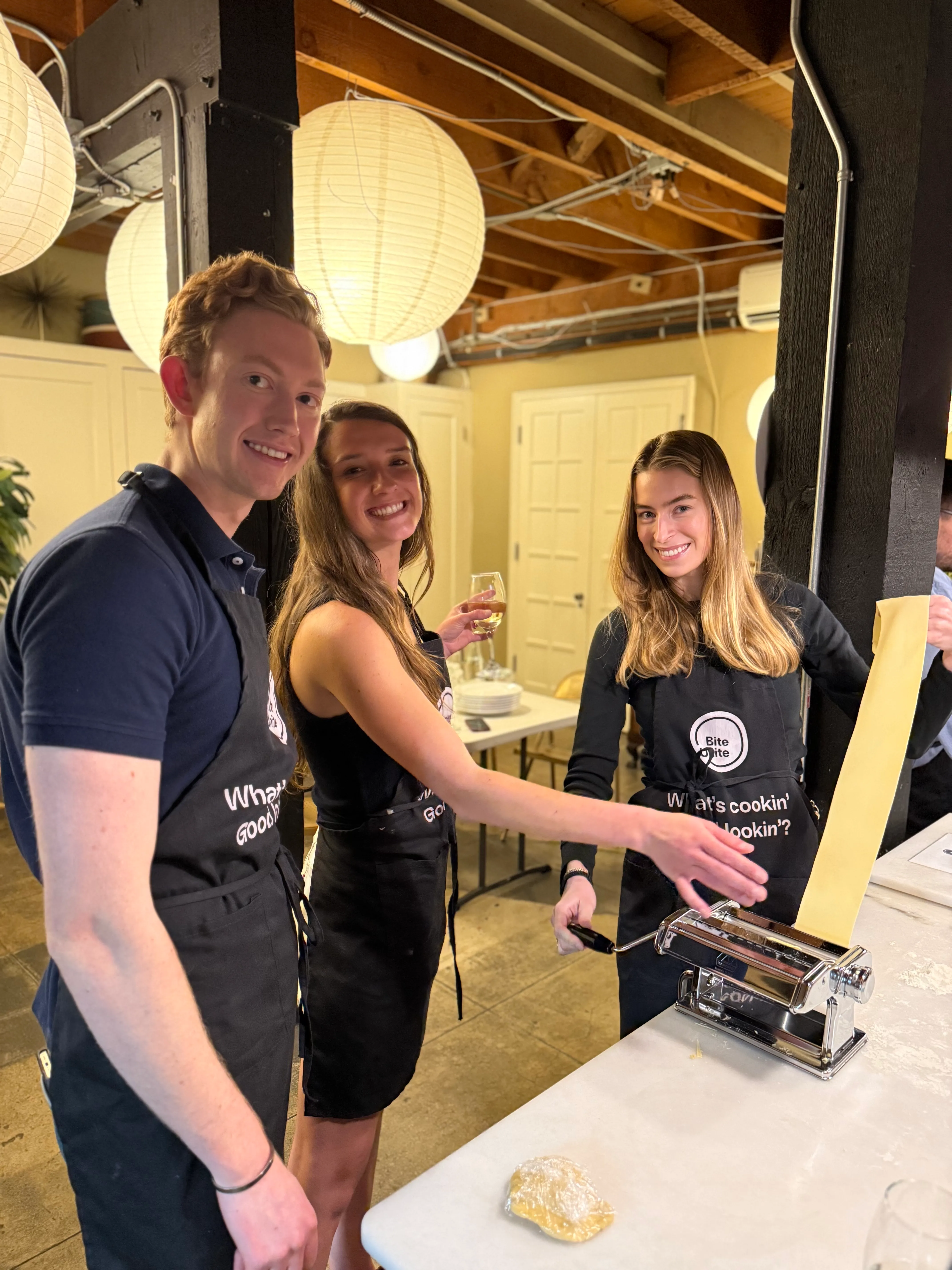
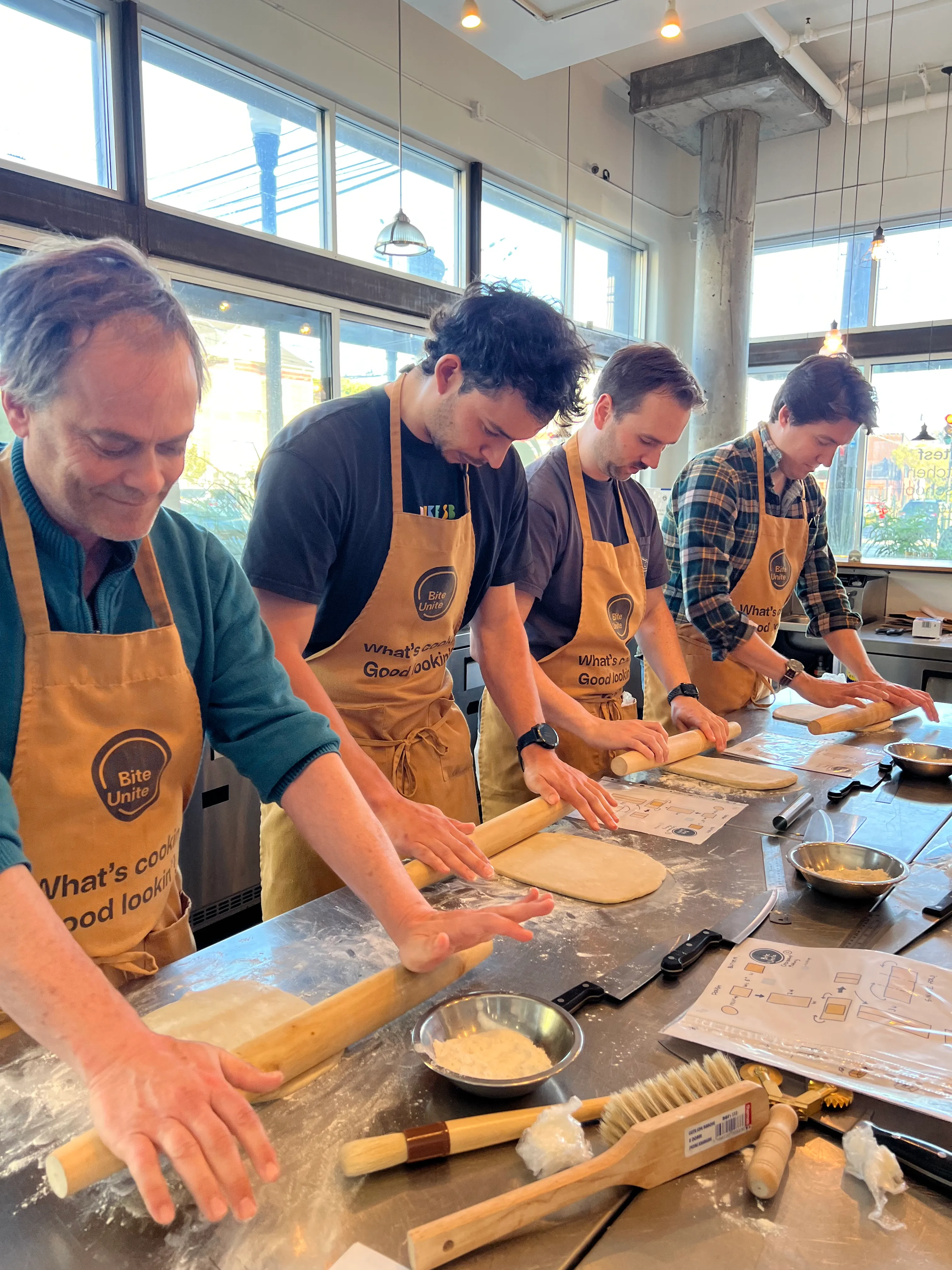
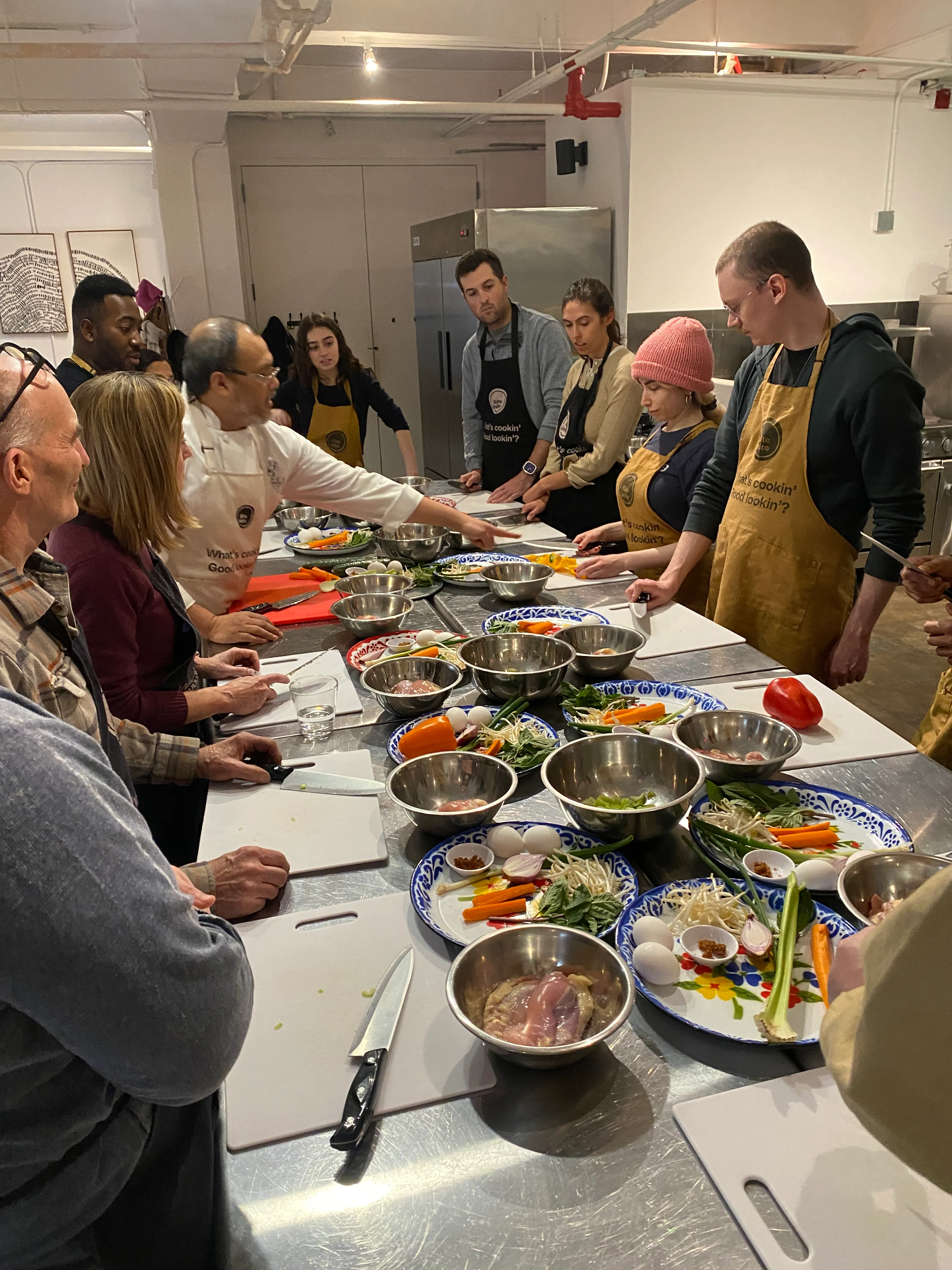
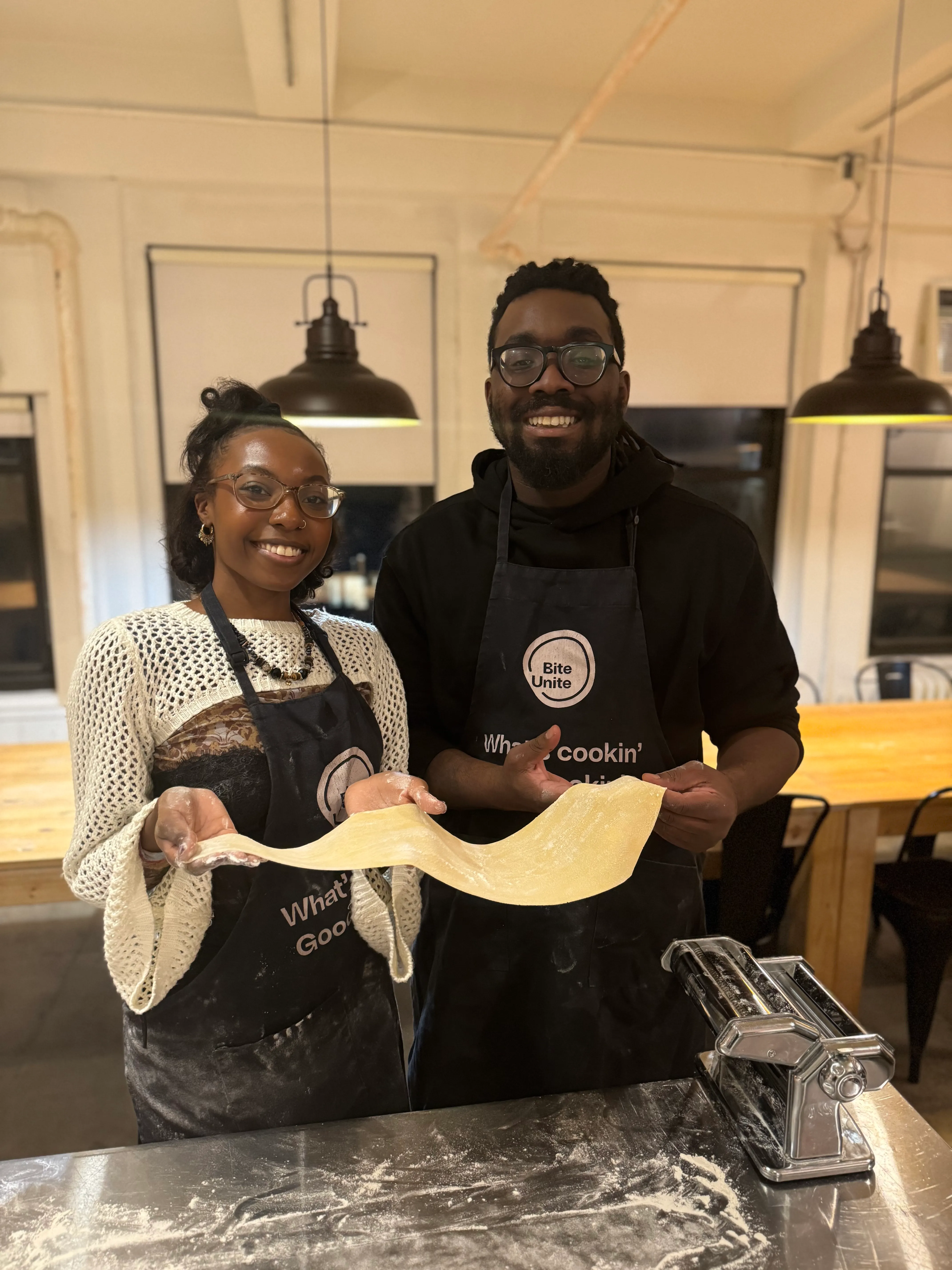
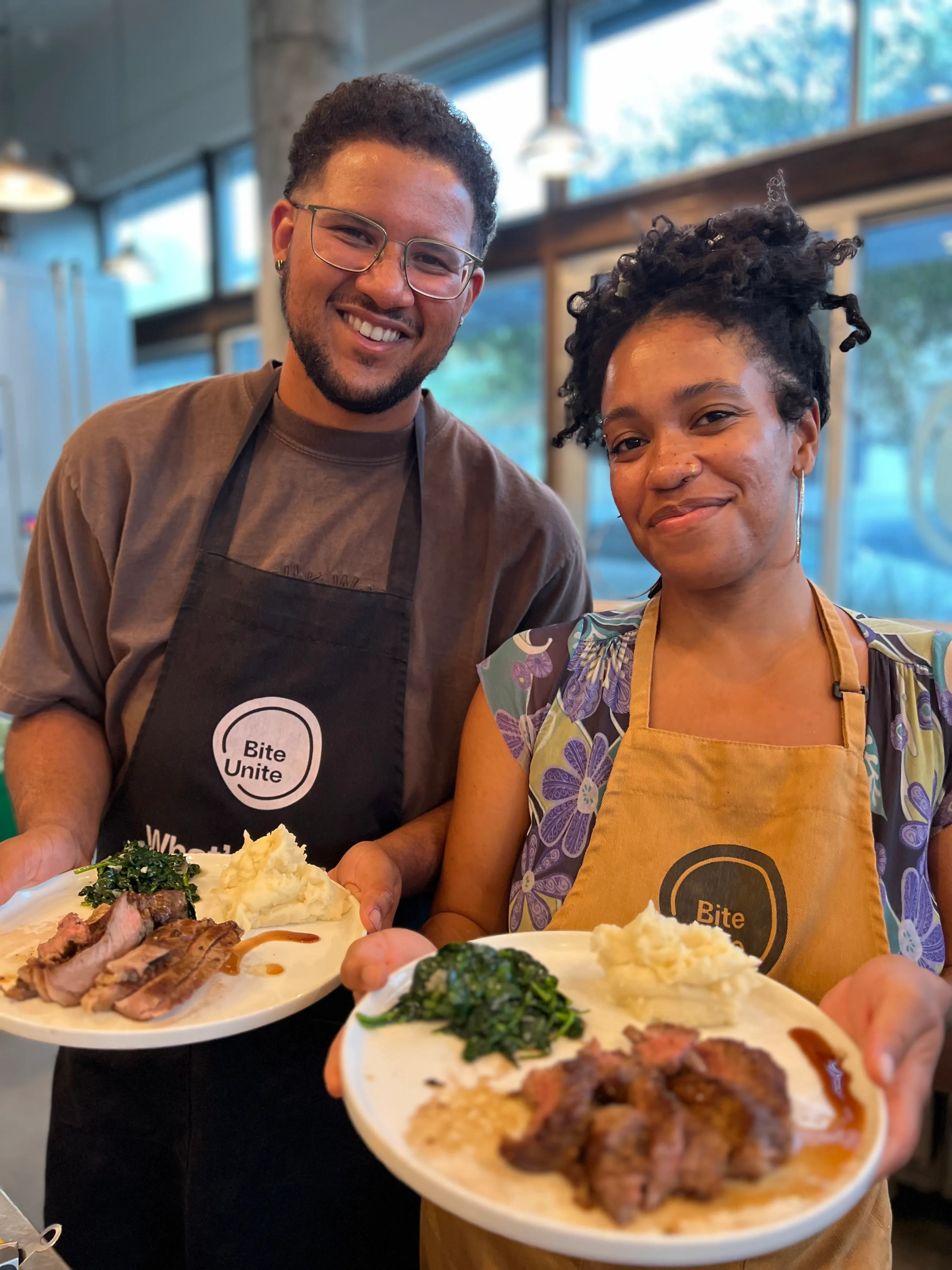
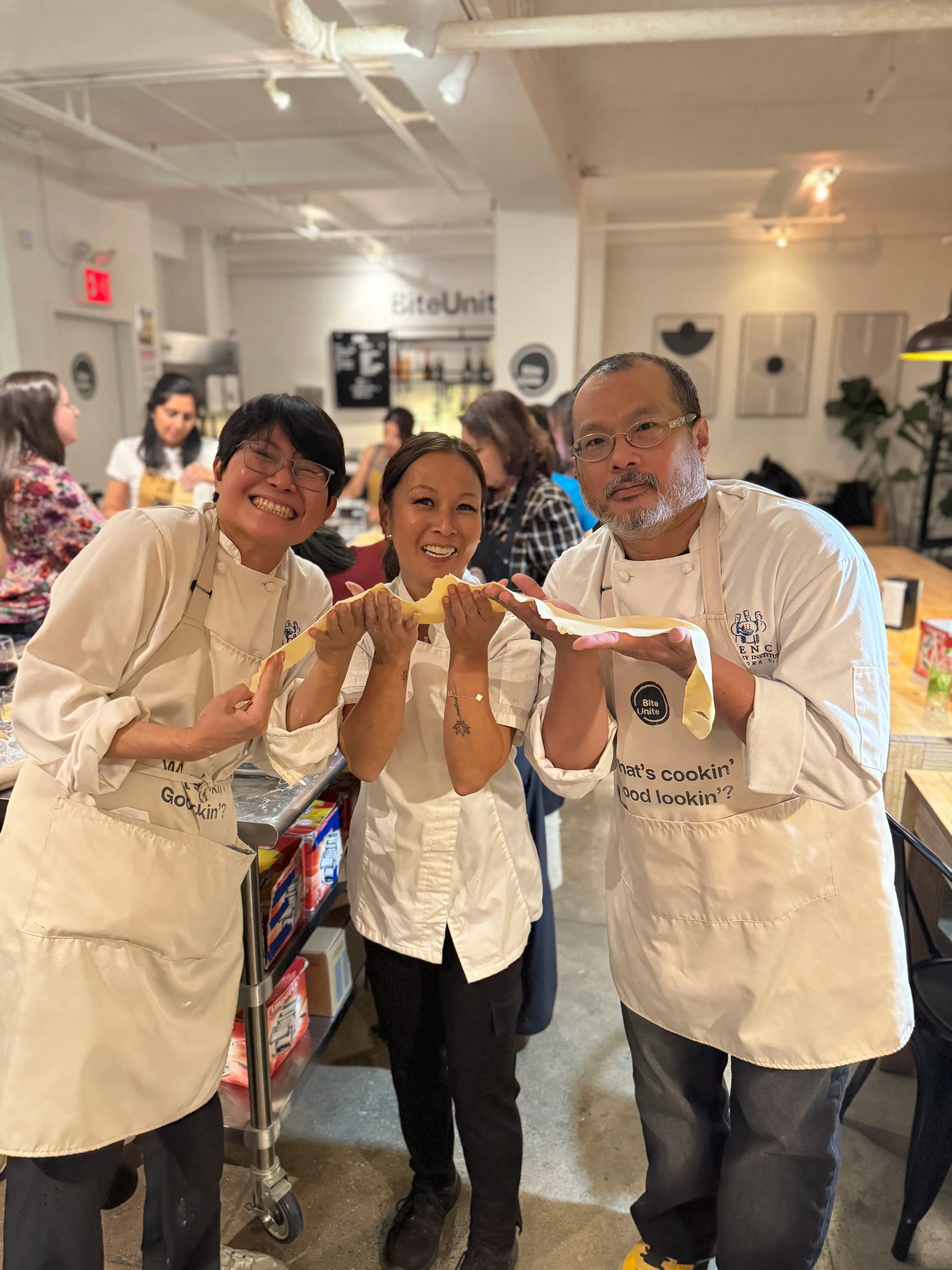
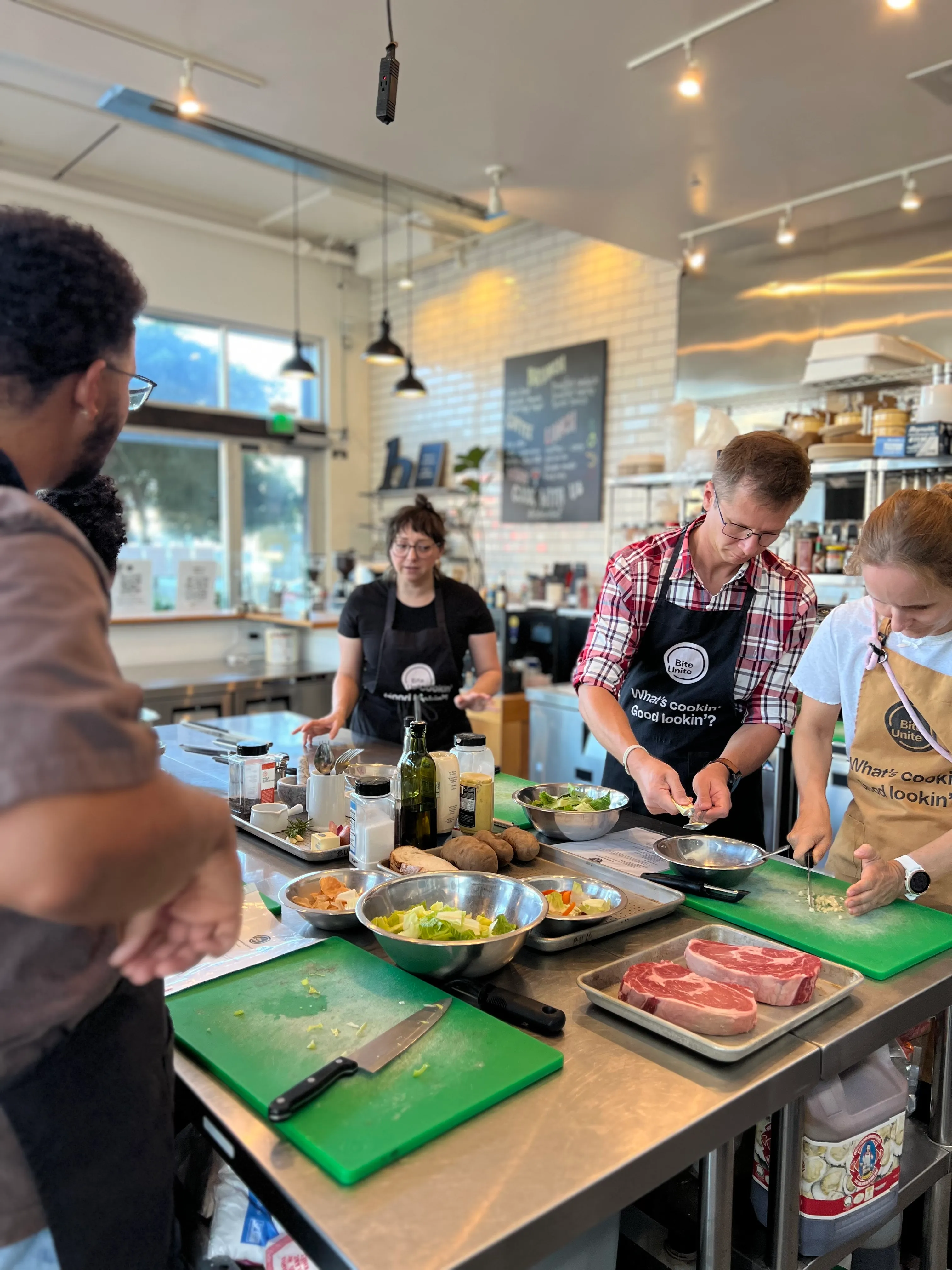
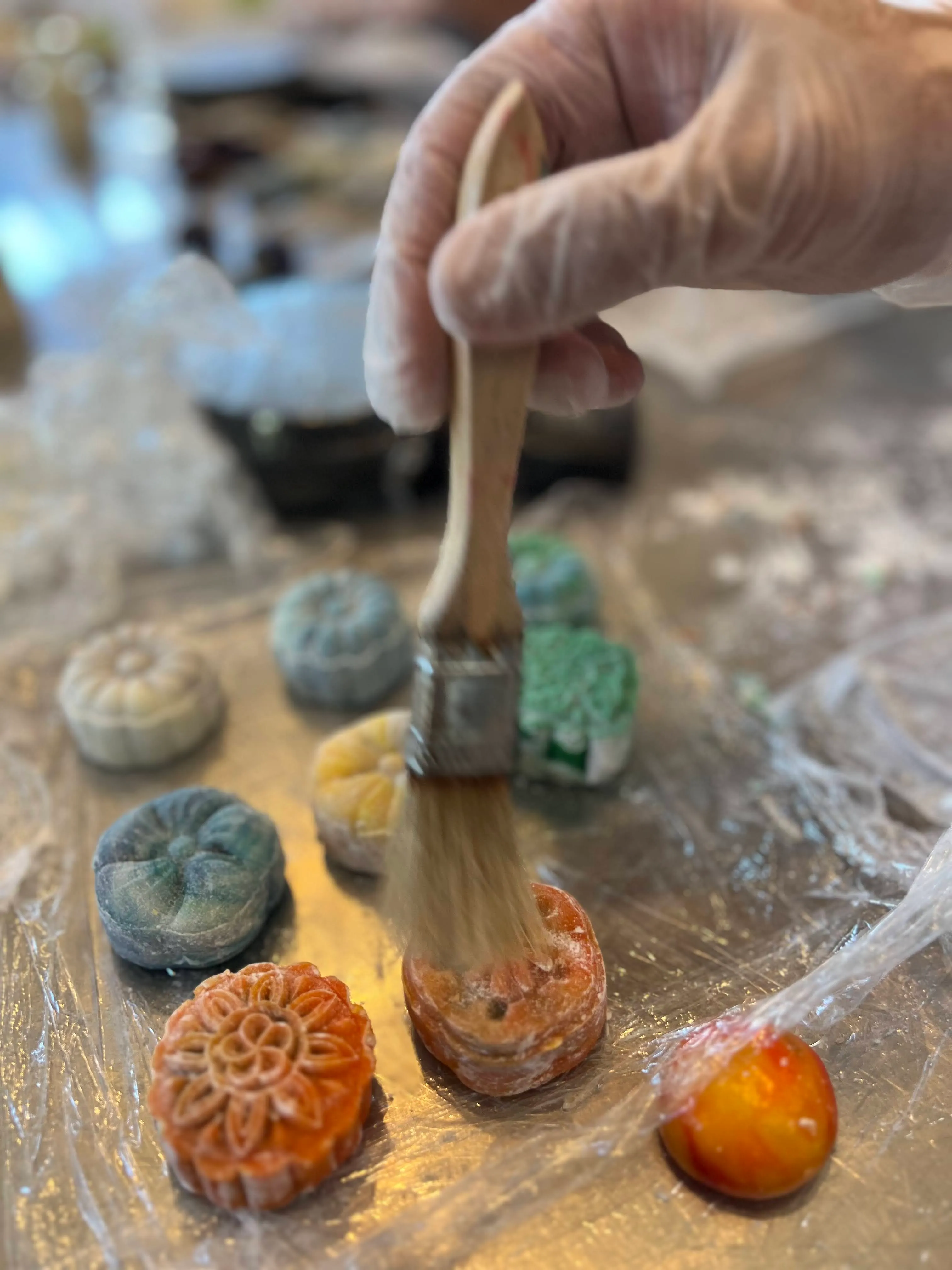
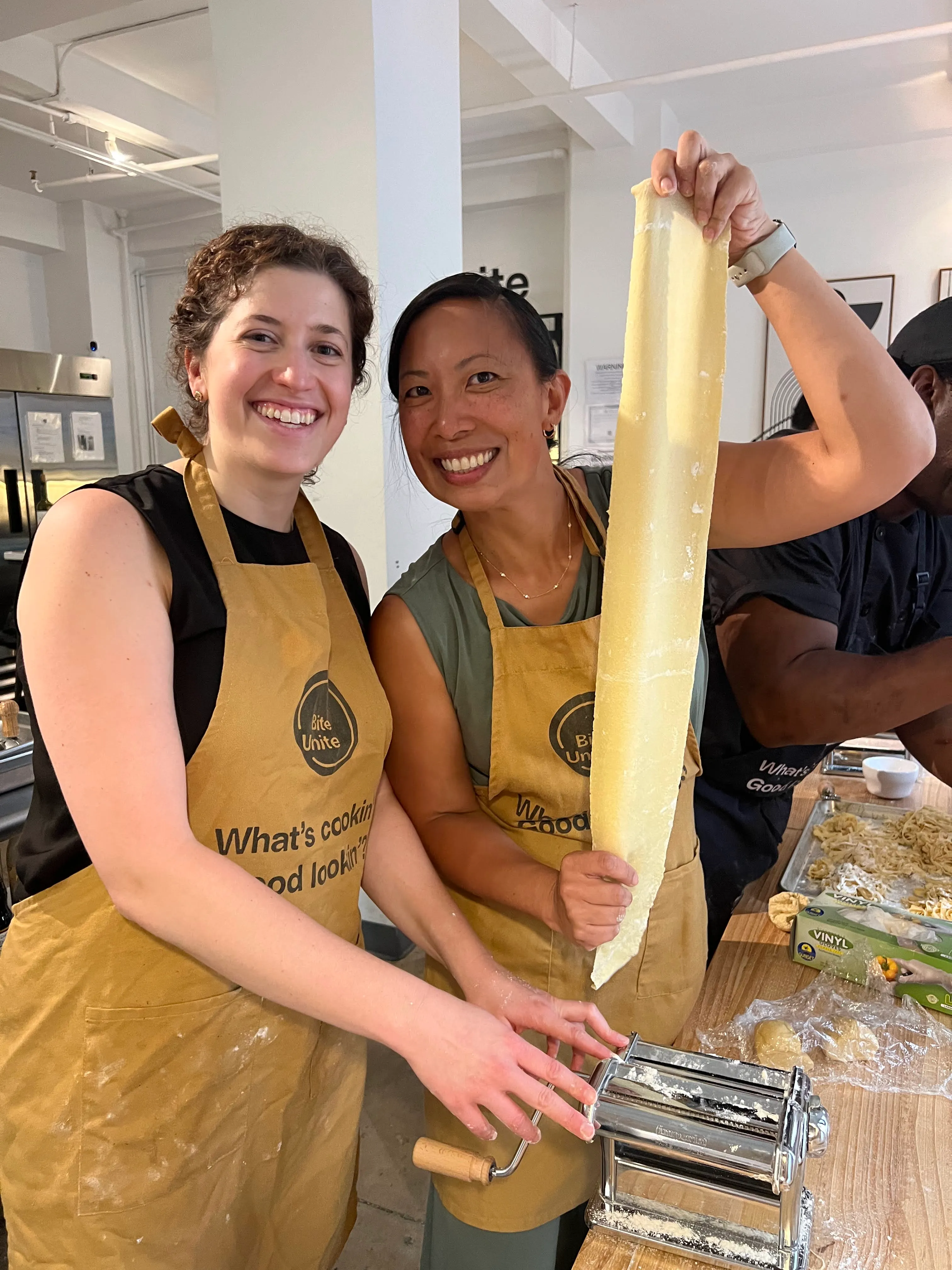
Range is the whole point. In a single visit you can work through handmade pasta, dumplings, sushi, or a dessert workshop, each led by an instructor who teaches rather than simply demonstrates. The formats meet you where you are: a nervous first-timer and a confident home cook can stand at neighboring stations and both walk away with something. Nobody is graded, and the goal is never perfection — it is the pleasure of making something with your hands and eating it while it is still warm.
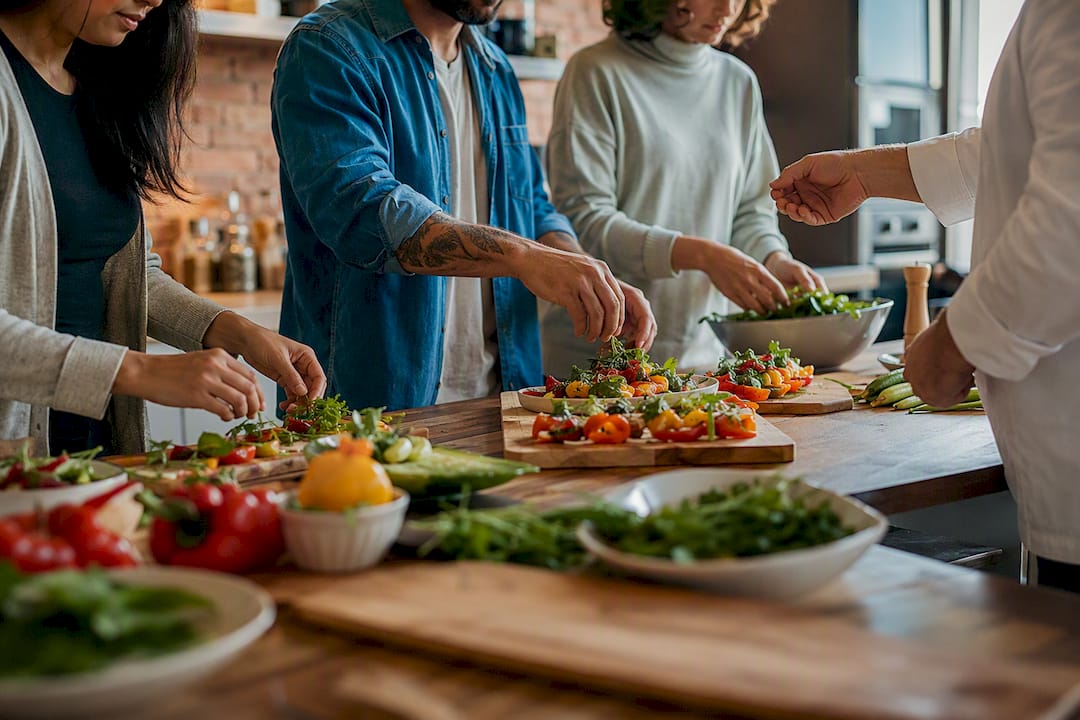
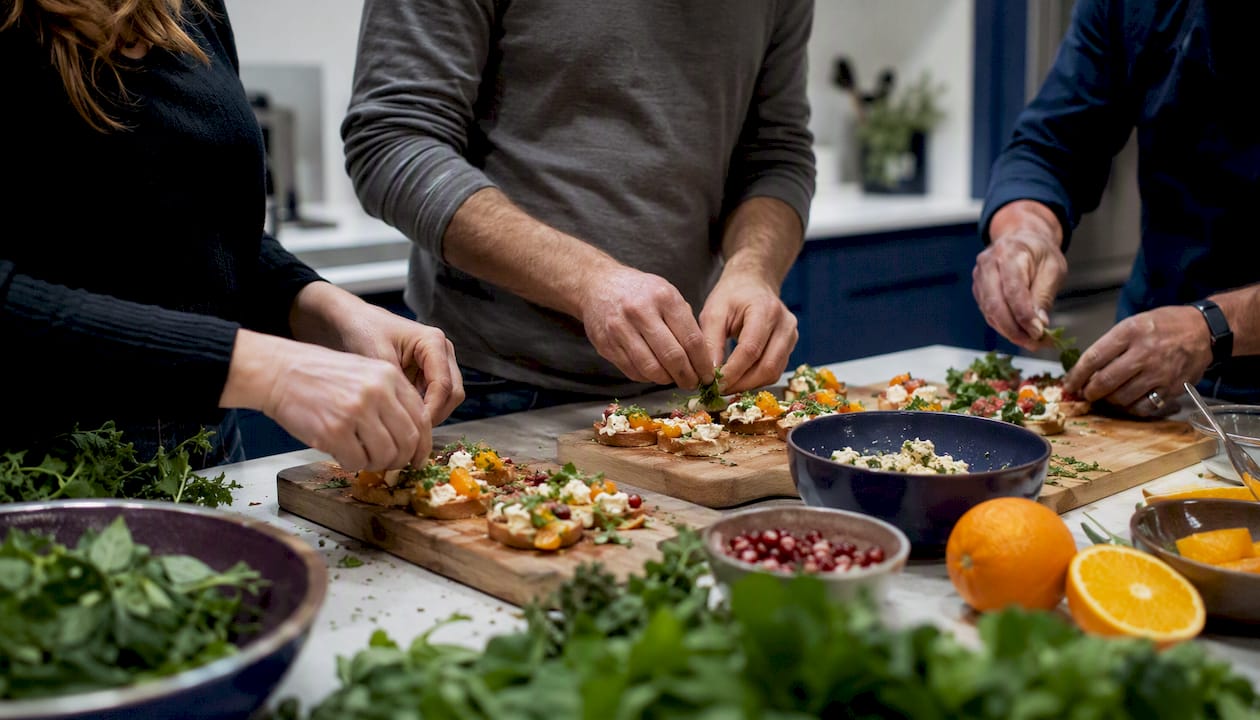
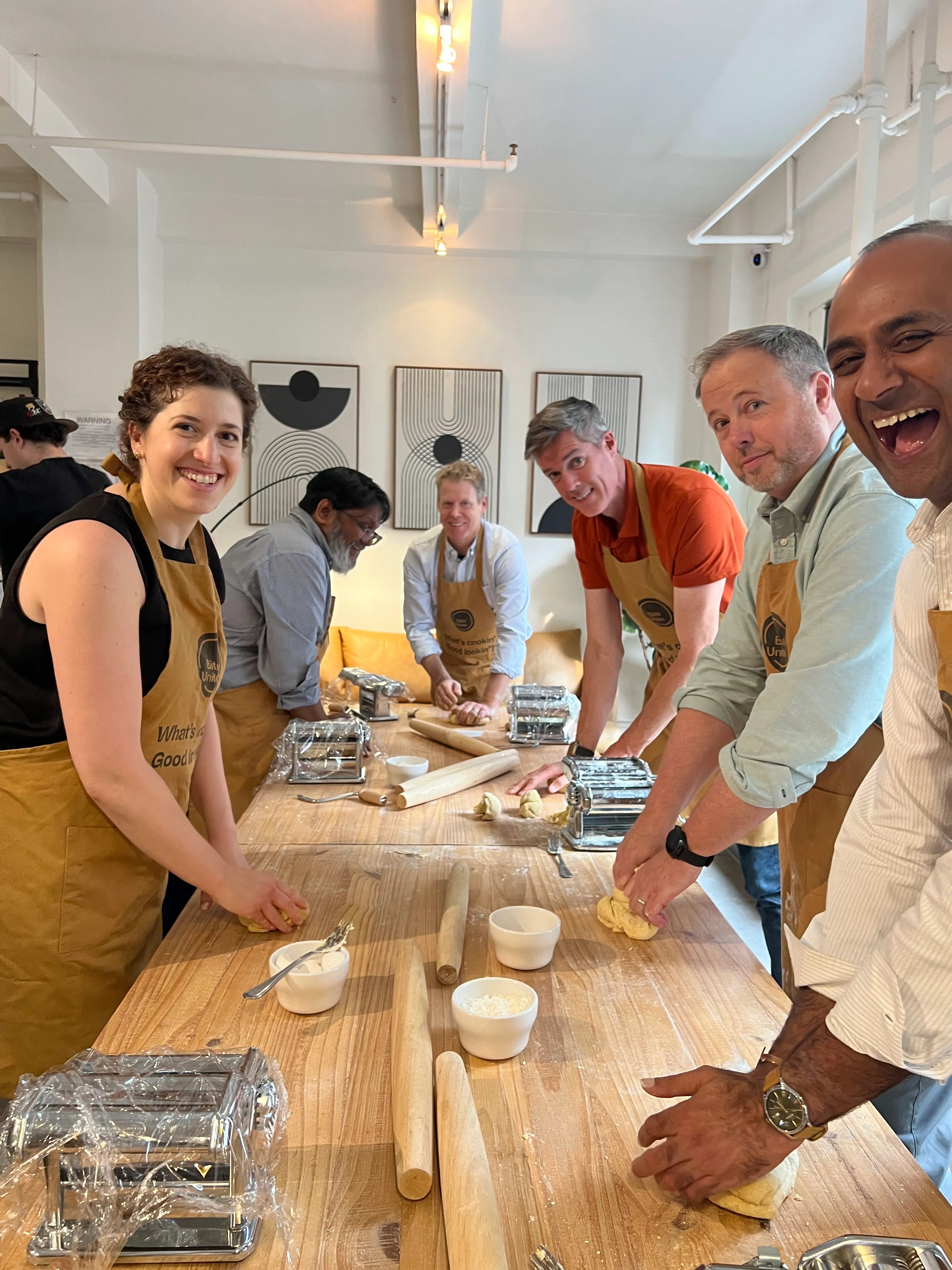
The experience also bends to however you are traveling. Solo visitors slot into a class and meet people; couples get an evening far more memorable than dinner and a show; groups can book together and turn the class into the anchor of the whole trip. You can browse the full set of hands-on options on the BiteUnite NYC cooking classes page and pick the one that fits your dates and your appetite for a challenge.
Where to Start If You Have Never Done This
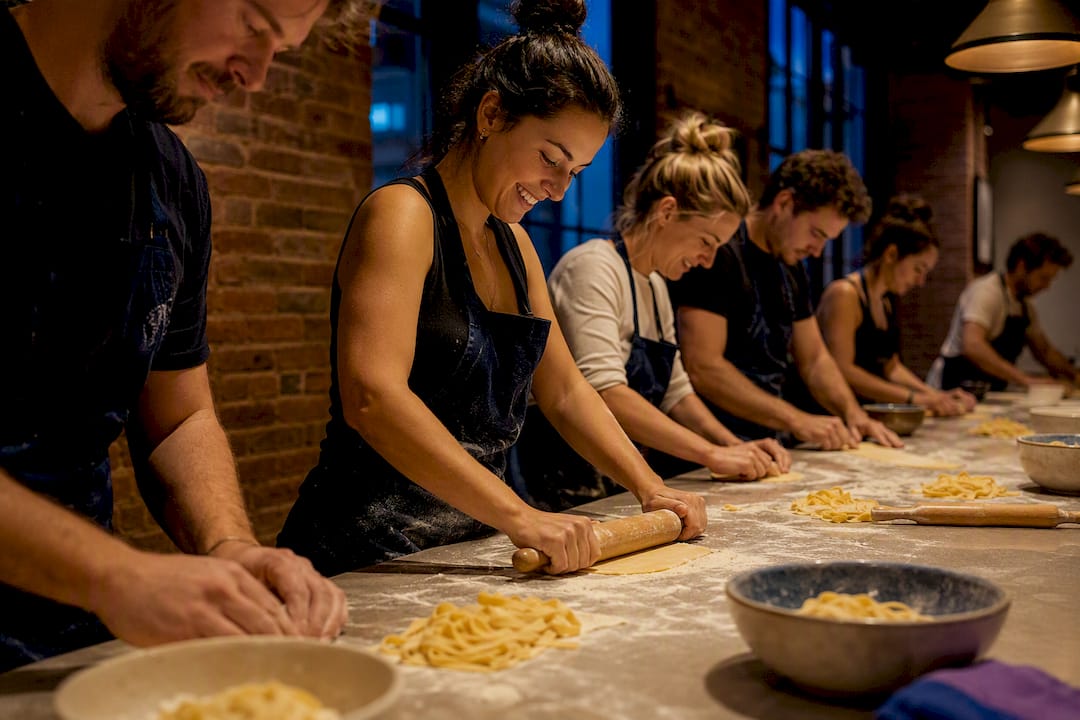
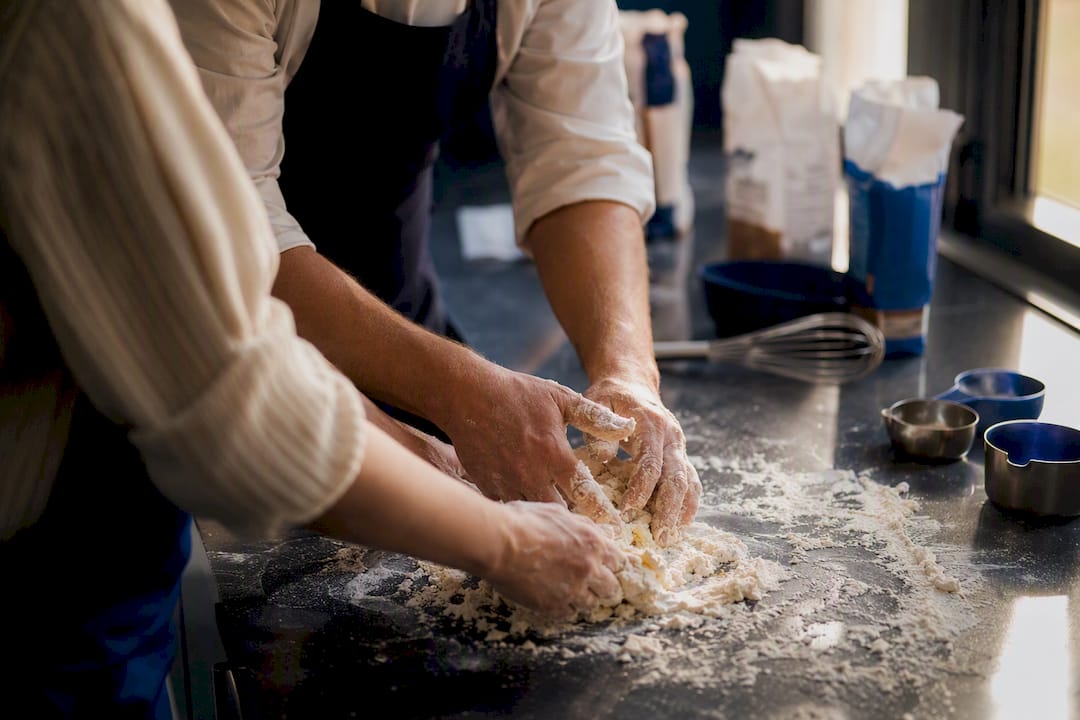
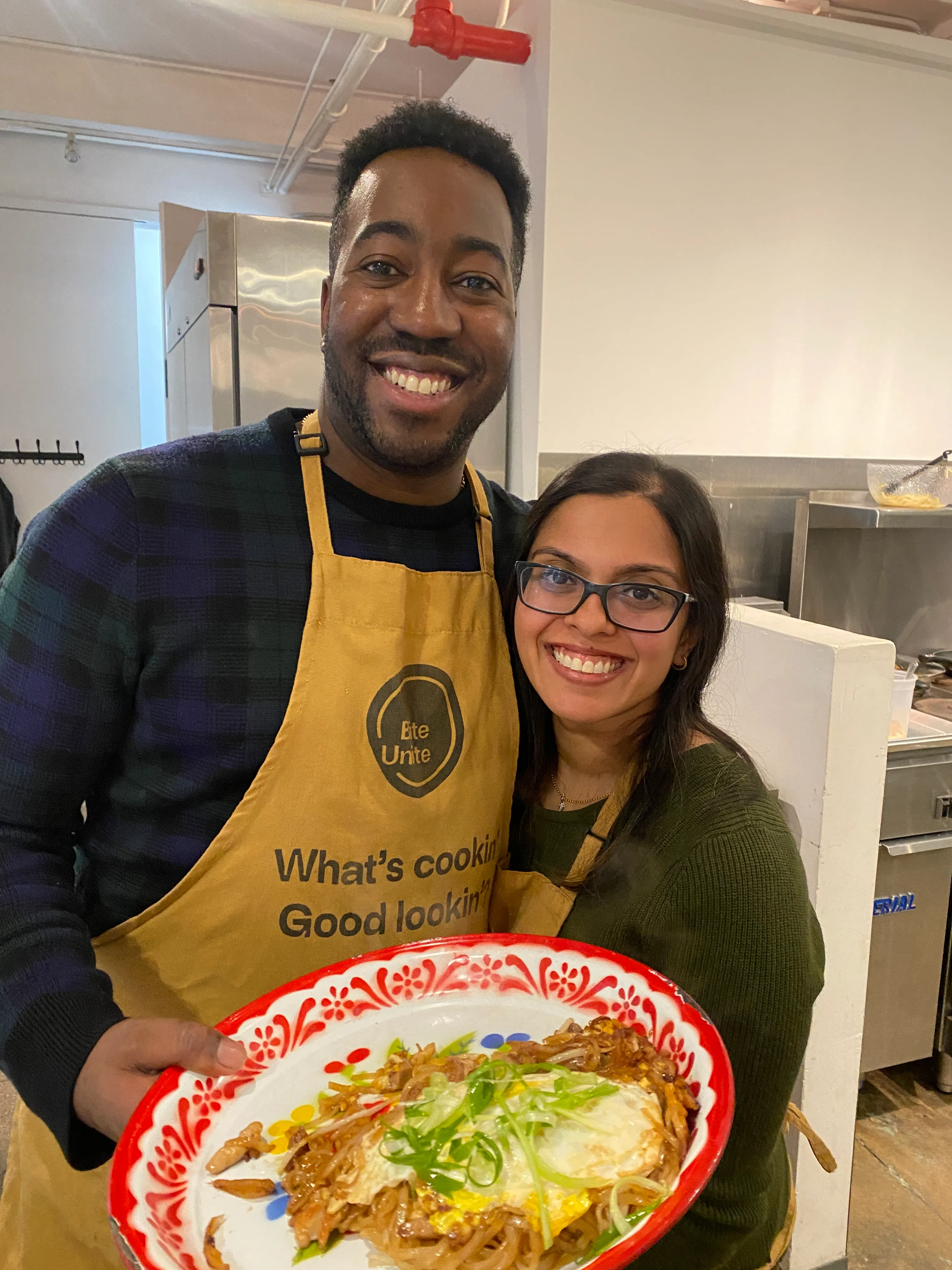
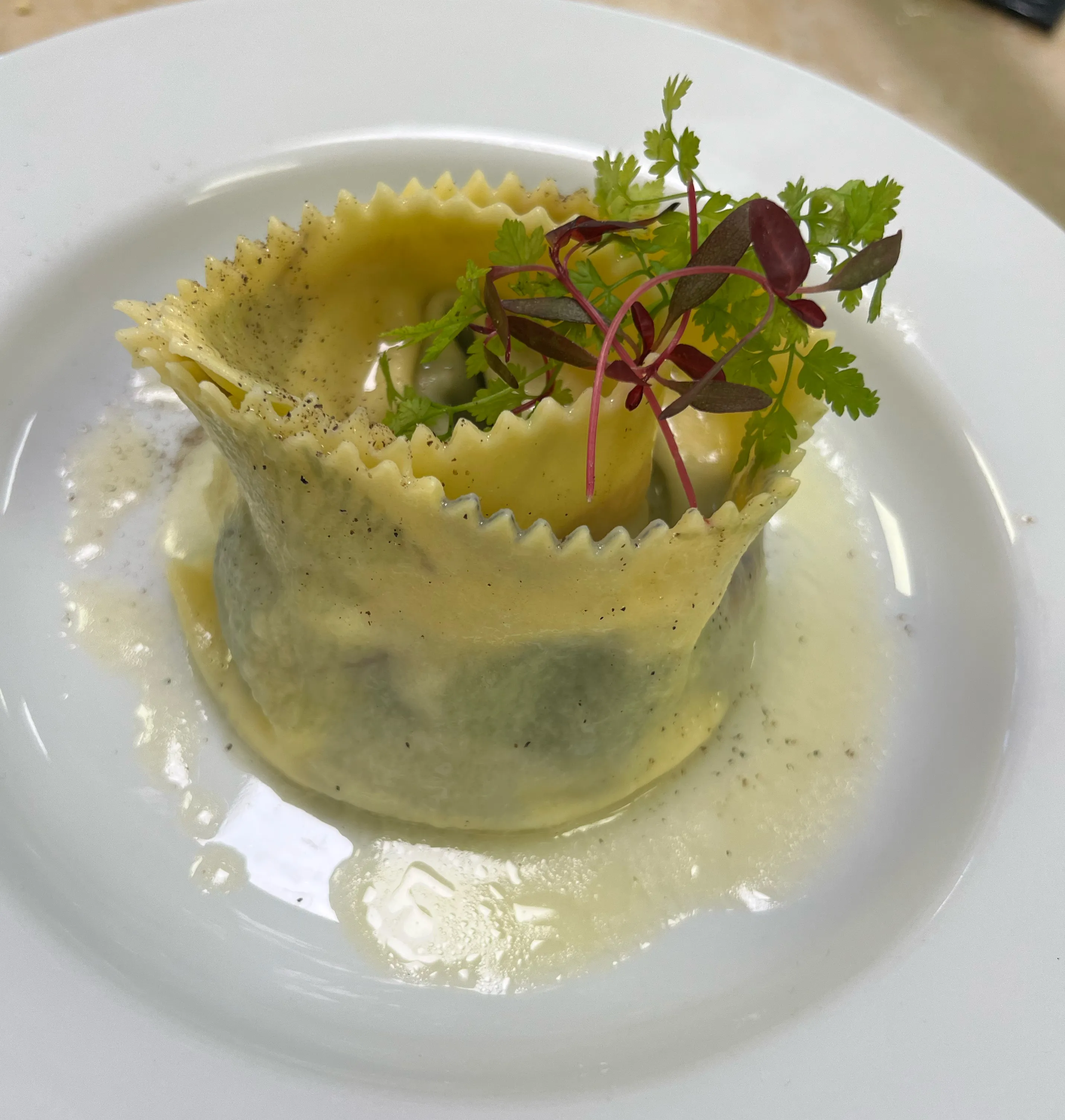
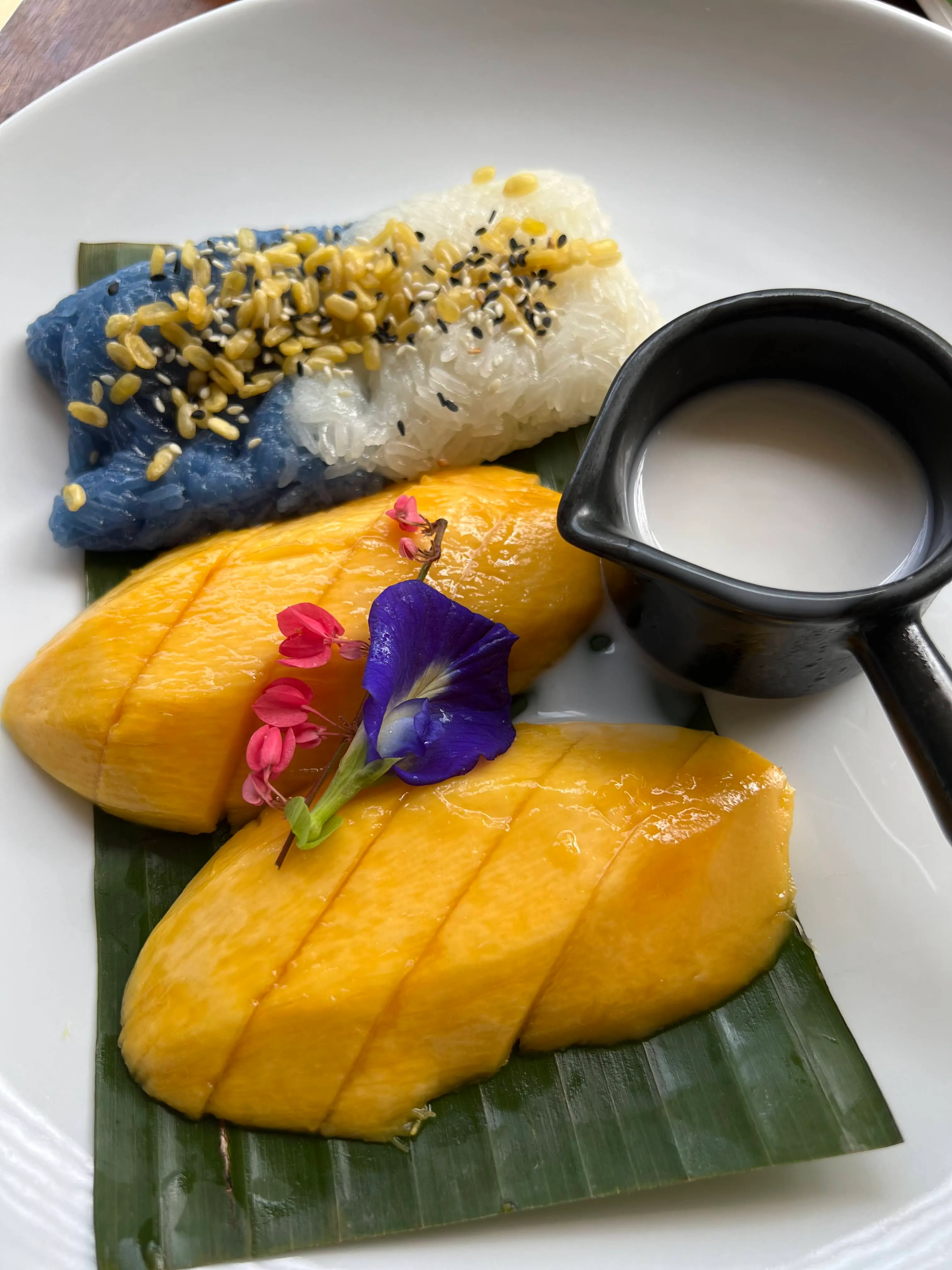
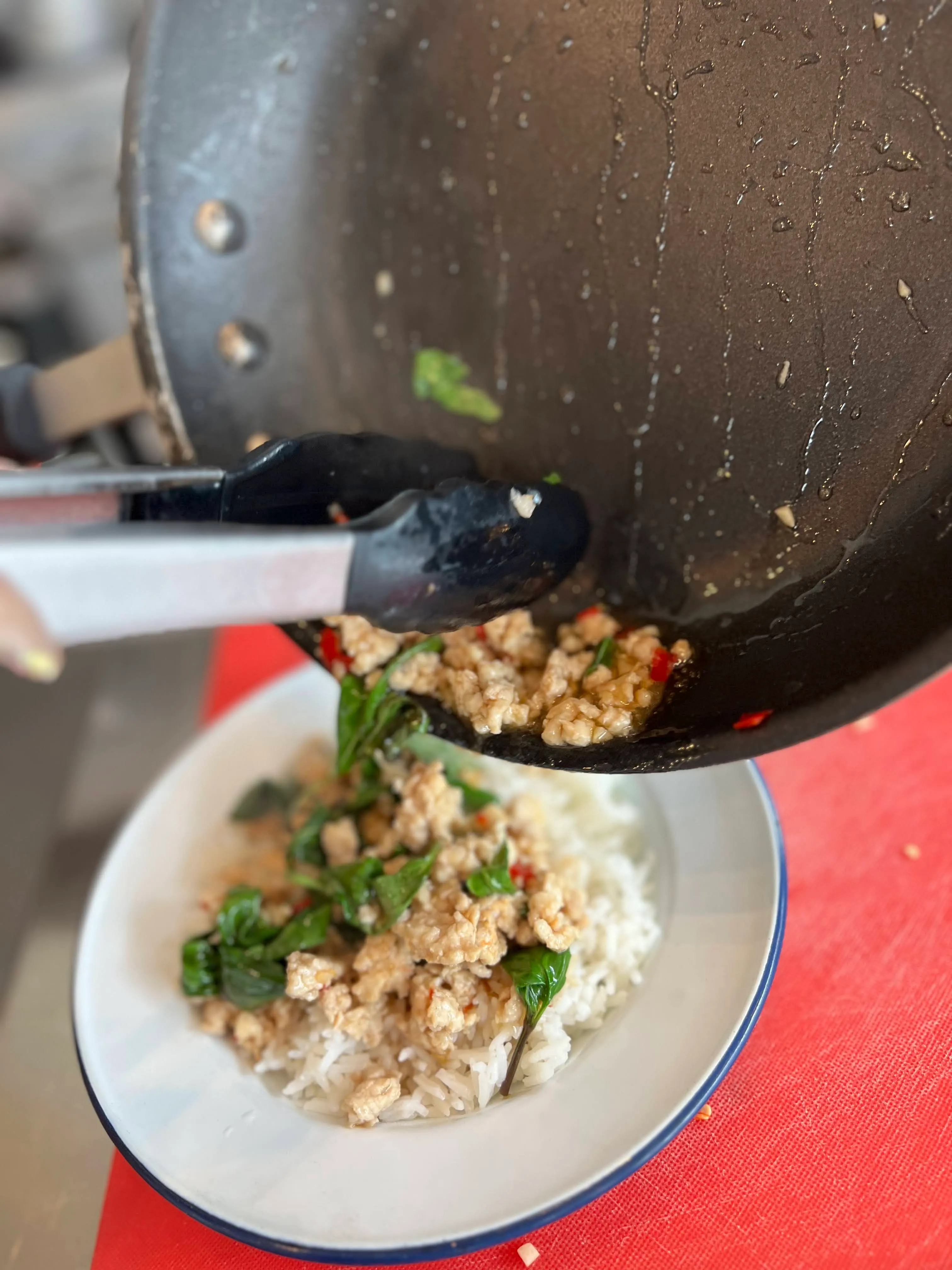
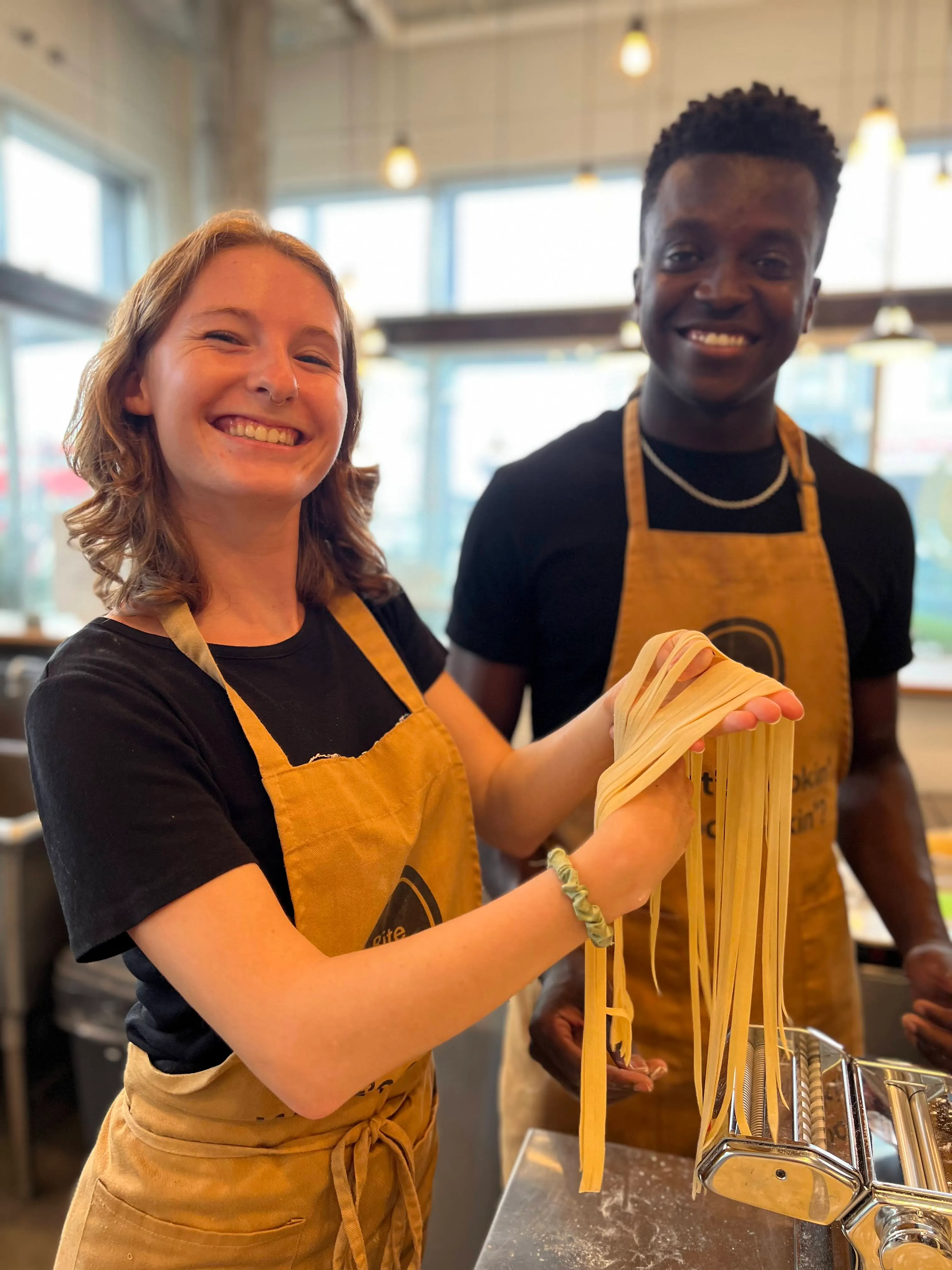
If the idea appeals but you have never taken a class, the honest advice is to start forgiving and build from there. Fresh pasta is the reliable first move — the process is the fun, the room is warm and social, and the bar for a good result is refreshingly low. Our beginner's guide to pasta-making classes in NYC lays out what a first session actually looks like, from what to wear to how much you will really be doing with your own hands. And if your tastes run hotter and more aromatic, the top Thai cooking classes in NYC foodies are raving about are a strong second course once you have the basics down.
A Class for Every Kind of Visitor
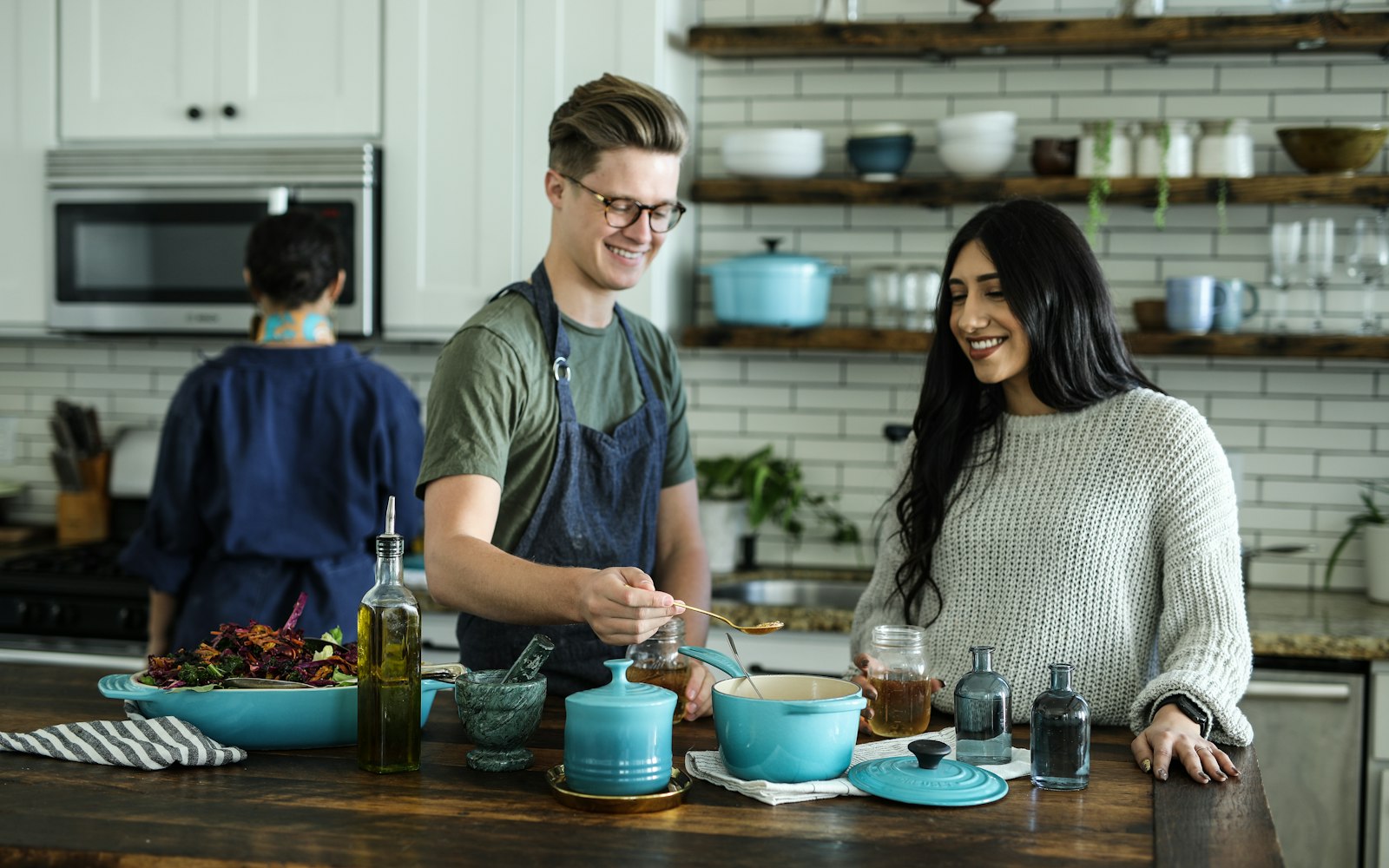
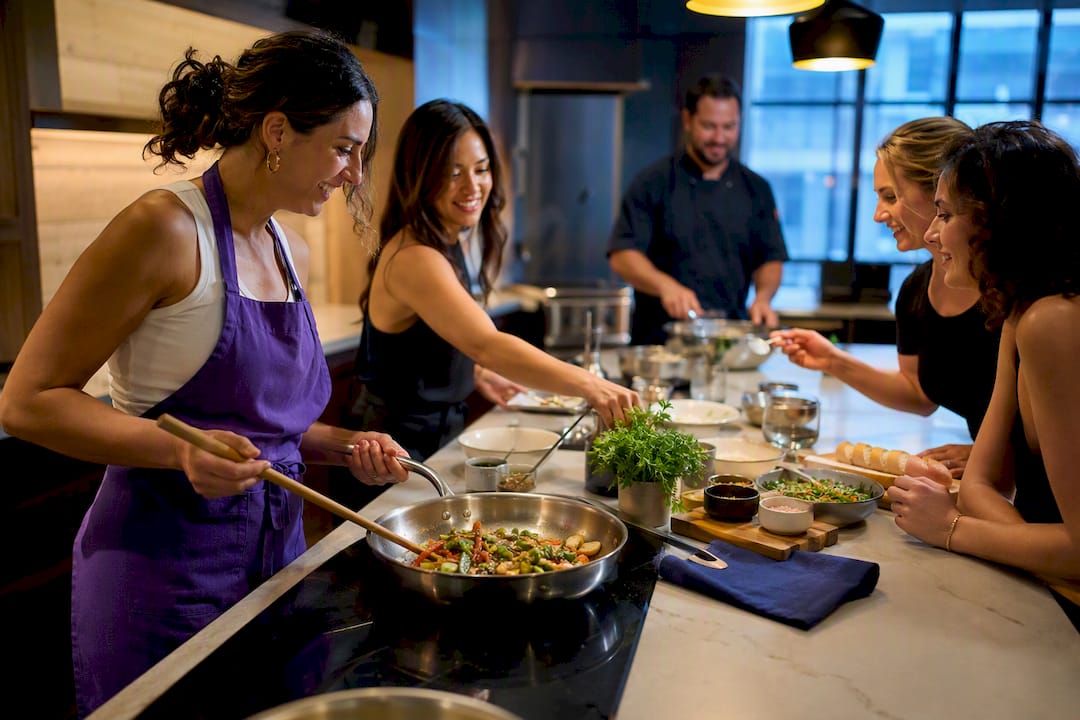
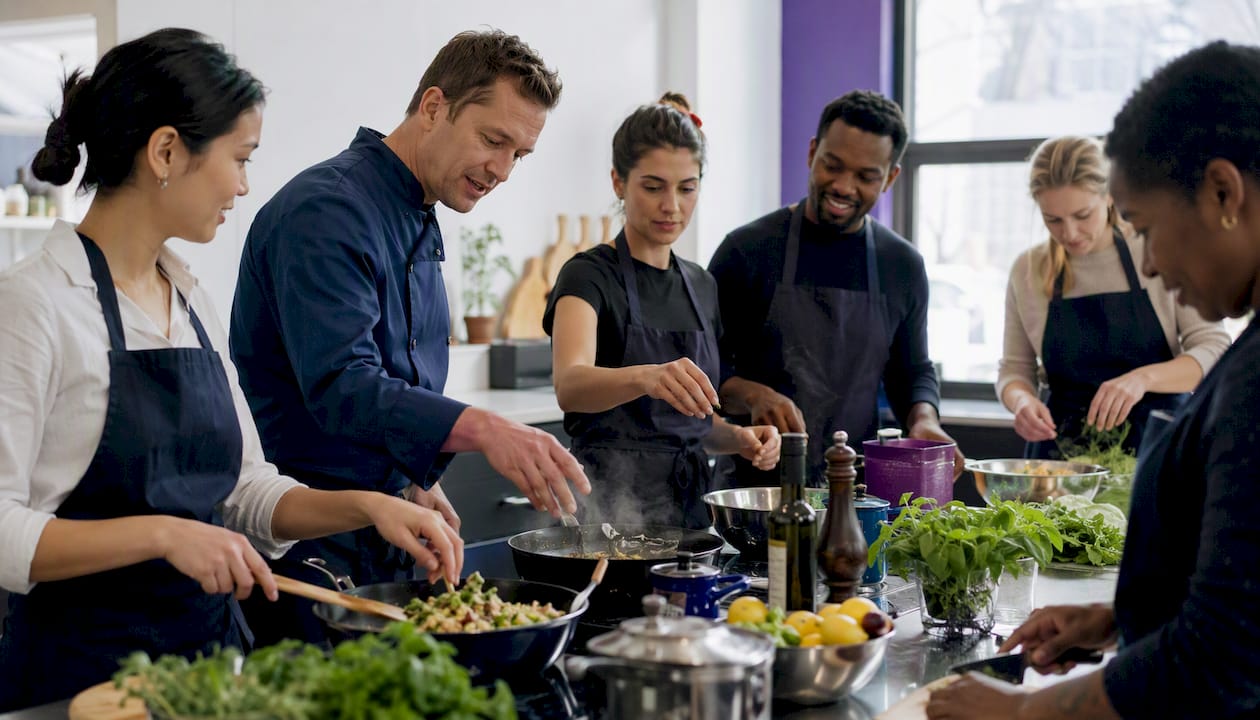
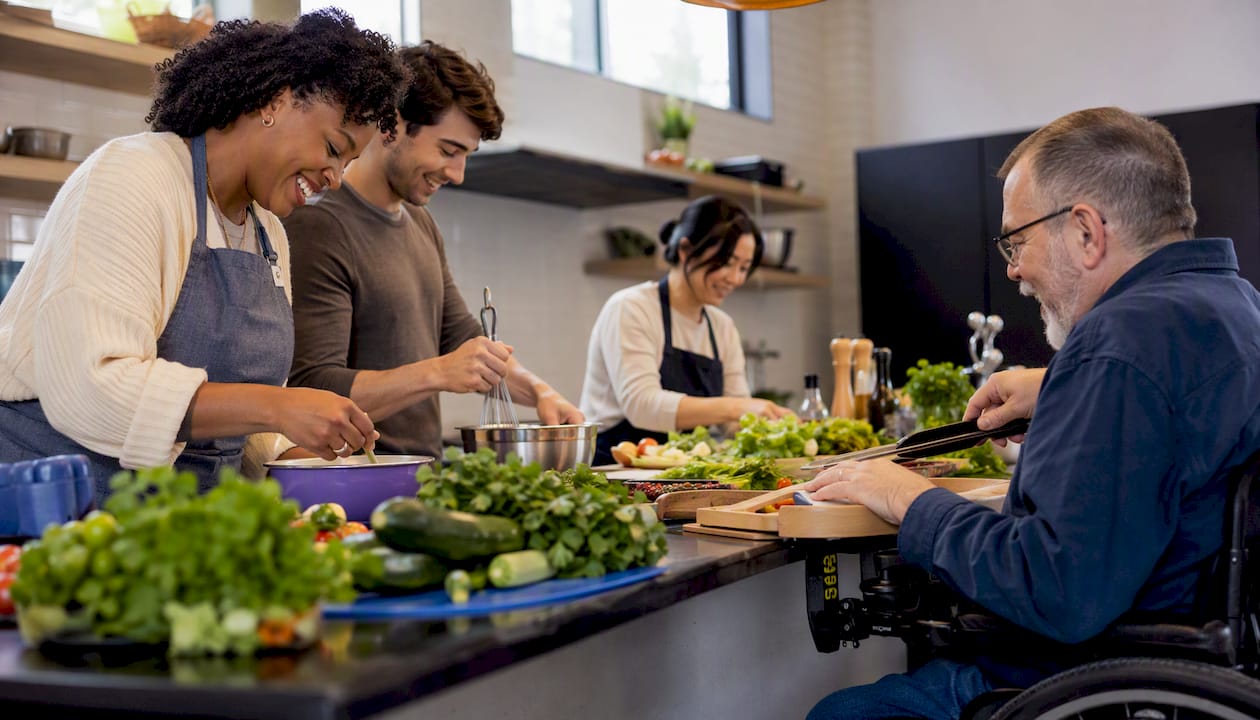
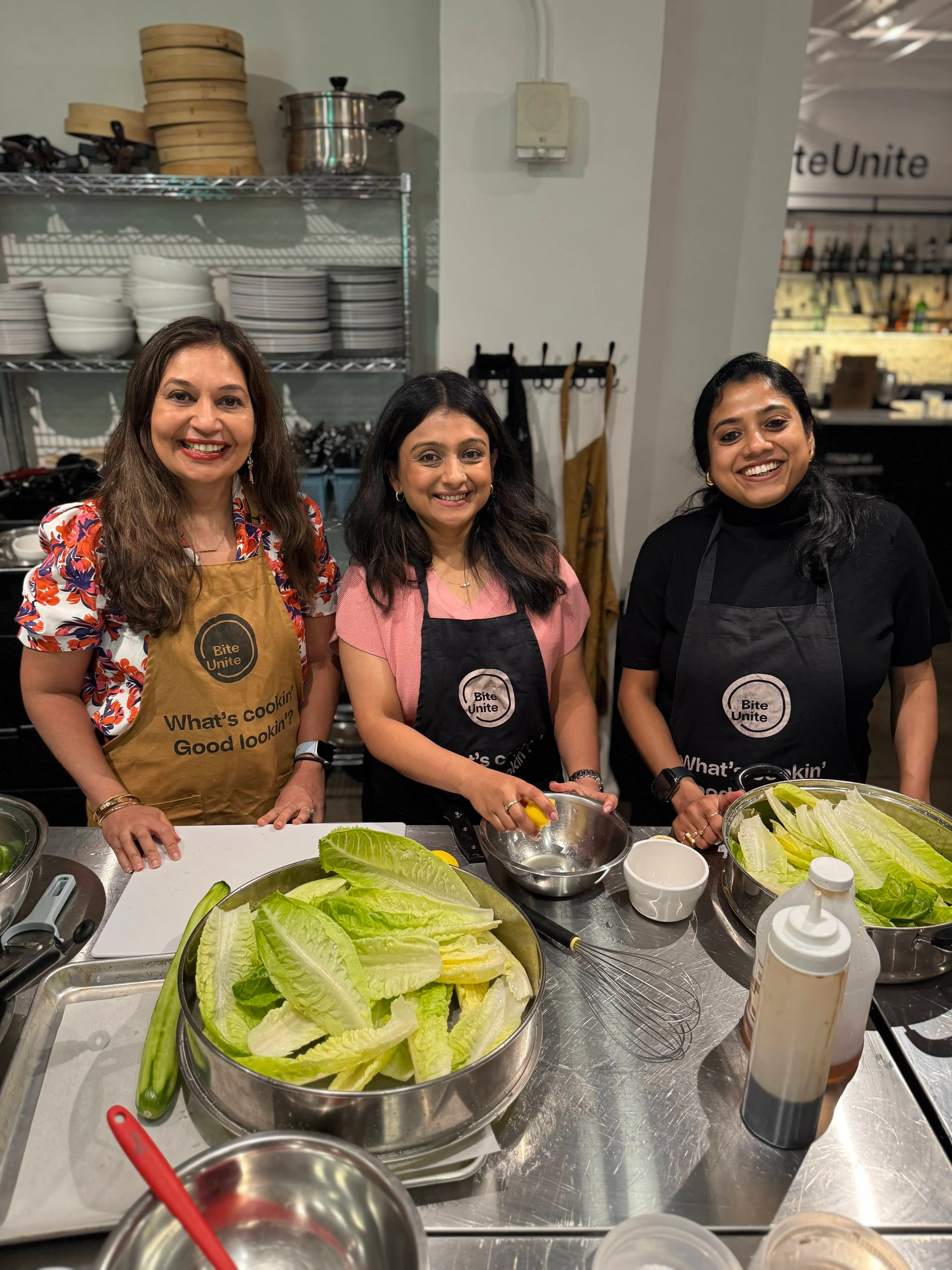
Part of what makes a cooking class such a dependable pick is how readily it bends to the shape of your trip. The solo traveler — in town for a conference, a marathon, a stretch of working remotely — gets an evening with built-in company, a room of strangers who become, for two hours, a team with a shared task. There is no easier way to talk to people in an unfamiliar city than to stand beside them and fold dumplings.
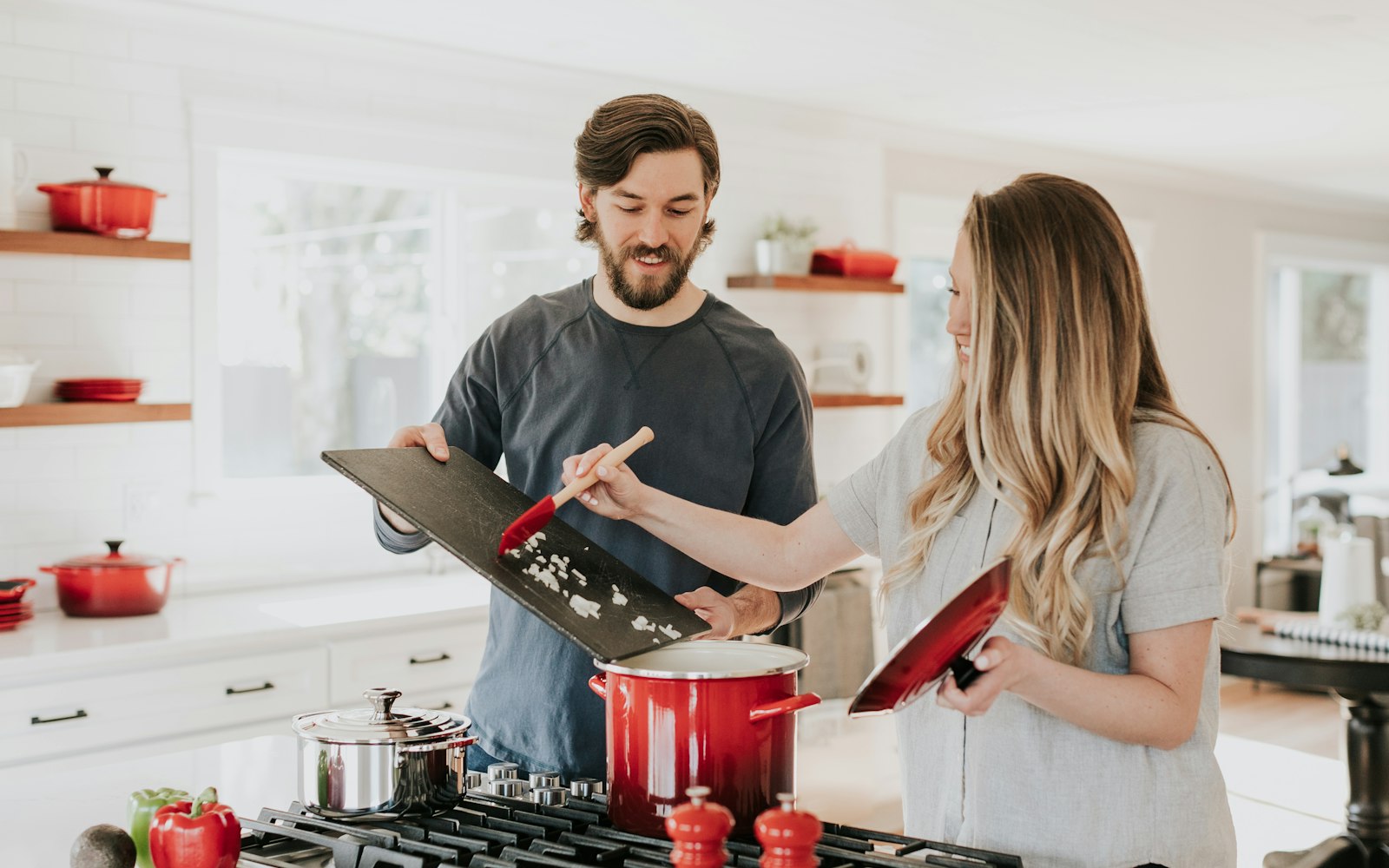
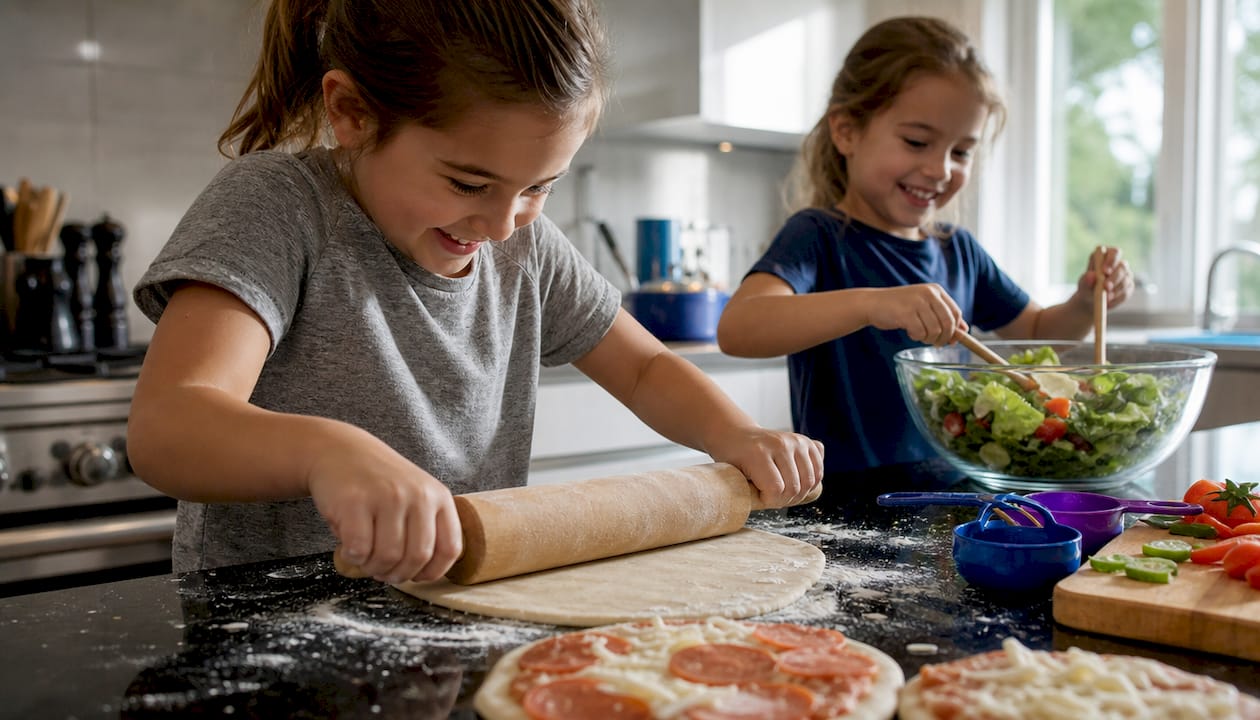
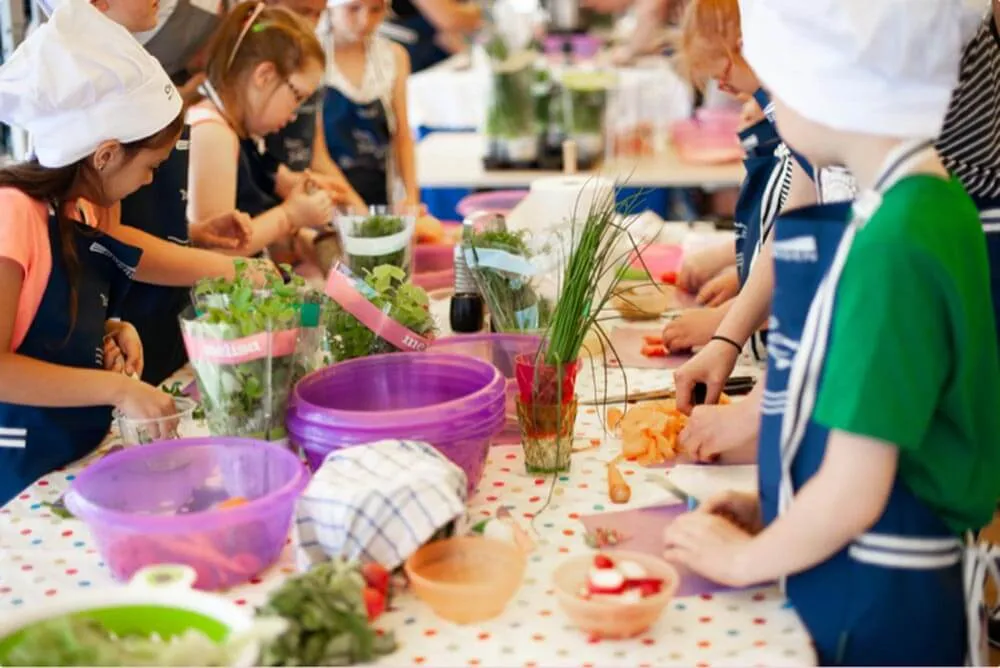
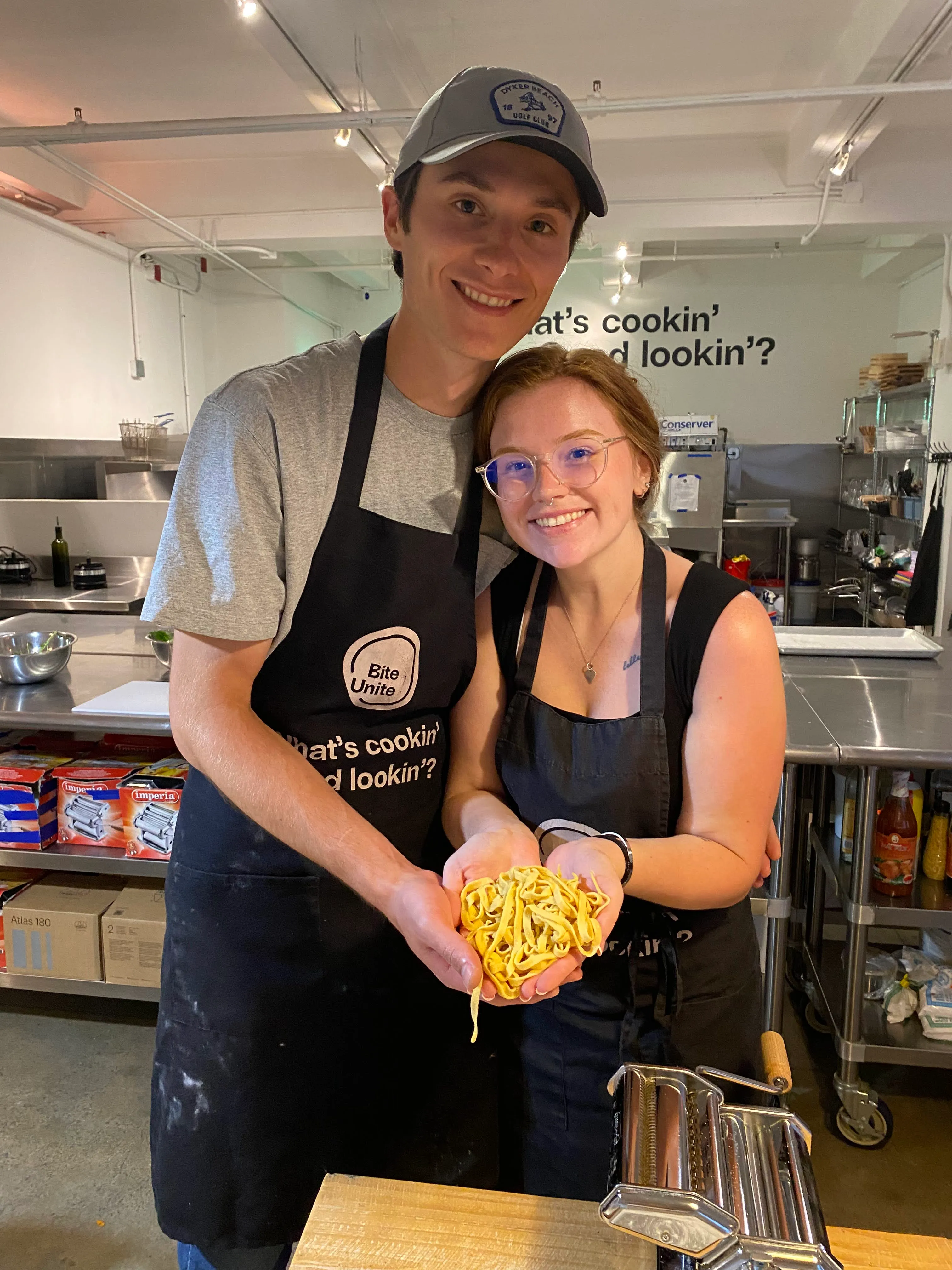
Couples get something a dinner reservation cannot offer: a night spent doing rather than performing, side by side instead of across a table, with something to laugh about when the pasta comes out uneven. It is the antidote to the polite, slightly stiff dinner date, and it tends to be the story that outlasts the weekend. Families find a rare activity that genuinely works across ages — hands-on enough to hold a restless kid's attention, rewarding enough that the adults are not merely supervising. And groups of friends who flew in together get an anchor for the whole trip, a shared event that beats one more crowded bar and gives everyone the same thing to remember.
A Souvenir You Can't Buy in a Gift Shop
There is a reason experiential travel has steadily eclipsed the old model of buying trinkets to prove you went somewhere. A magnet on the fridge says you were in New York; knowing how to make fresh pasta because you learned it in a Manhattan kitchen says something more. The skill is the souvenir, and unlike the magnet, it comes back out — at a dinner party, on a quiet Sunday, the next time someone asks what you did on your trip. You do not just tell them about New York. You make them the thing New York taught you.
That is the quiet argument for building at least one hands-on afternoon into a trip that could easily be spent entirely as a spectator. The meals you eat will blur together within a week. The evening you spent learning to make one of them, in the city where the technique belongs, tends not to.
Fitting It Into a Real Itinerary
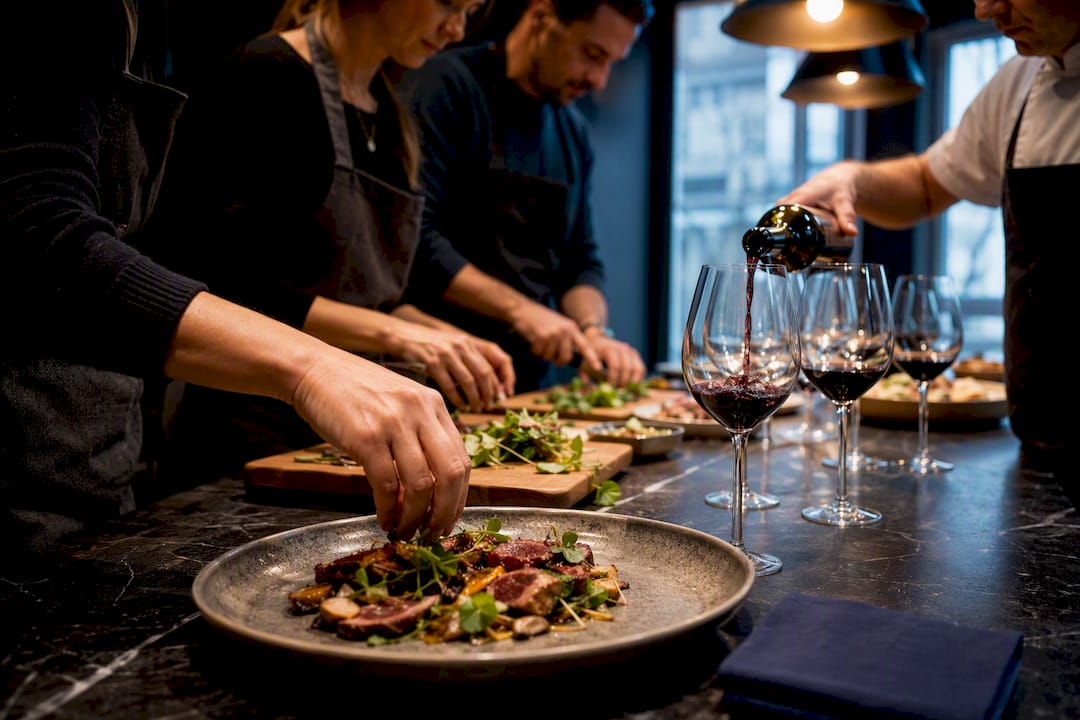
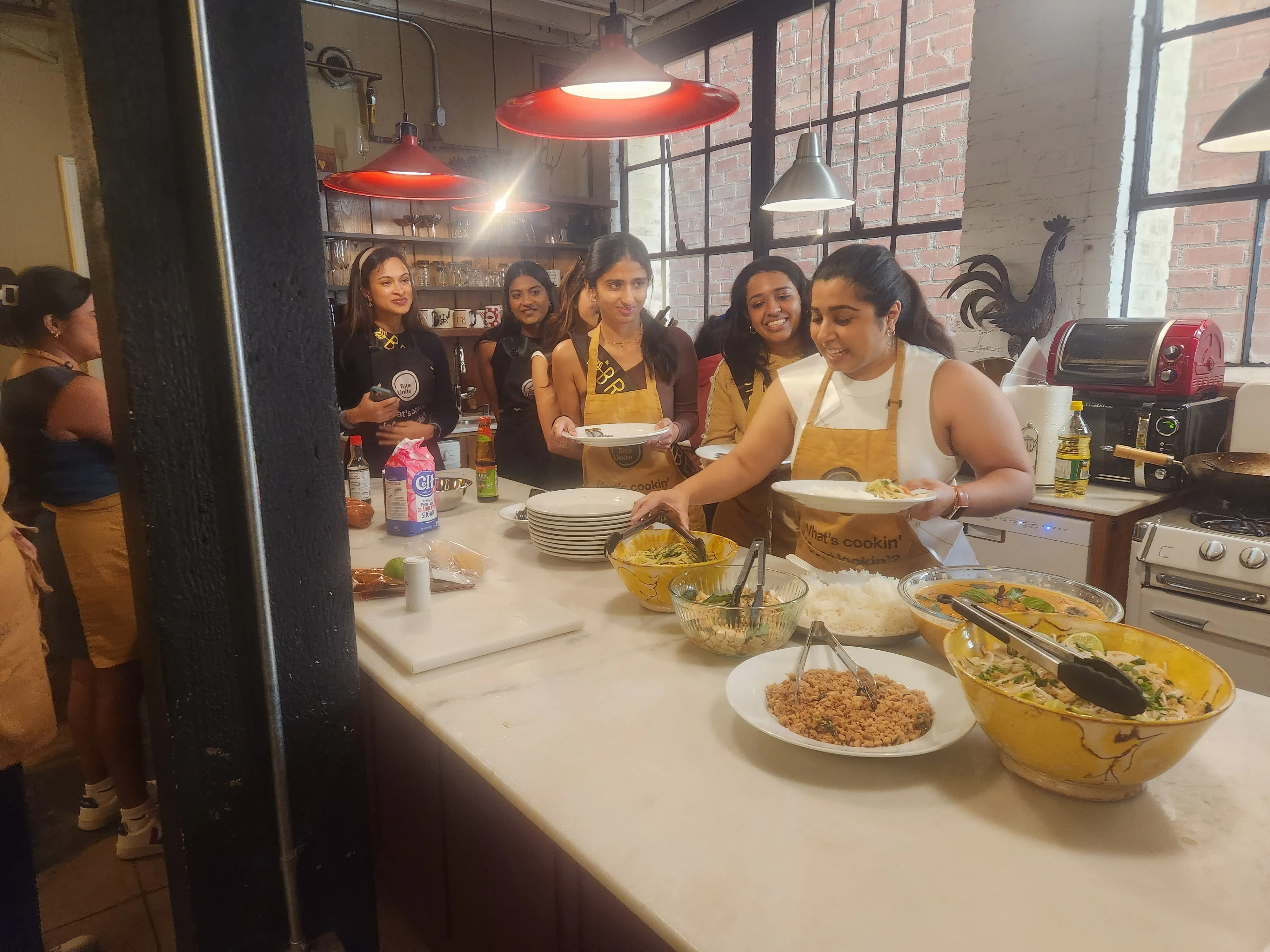
The practical beauty of a cooking class is that it does not demand a whole day. A session runs a defined couple of hours, which means it drops neatly into an itinerary that already has a museum in the morning and a show at night. Book it for the evening and you have solved dinner and the activity in a single stop — you cook it, you eat it, and you are back out into the city by a reasonable hour. For visitors traveling in a larger group, a family in for the weekend or a crew of friends who flew in together, the private and group options make it easy to keep everyone in the same room instead of chasing a table for eight. If your trip has a work component, the corporate and group booking options handle the same logistics for teams.
There is a version of a New York trip that is entirely spectatorial — you watch the game, watch the show, watch the skyline slide past the cab window, and fly home with a camera roll and not much else. There is nothing wrong with it. But the trips people describe years later almost always include a moment when they stopped watching and did something: got their hands dirty, made a mess, learned a thing, and ate the result in the city where they learned it. This fall, with New York at its most inviting, that moment is easy to plan and hard to forget. It travels home with you — which is more than you can say for the check.





























.webp)