The Best Gluten Free Cooking Class for Beginners to Book First
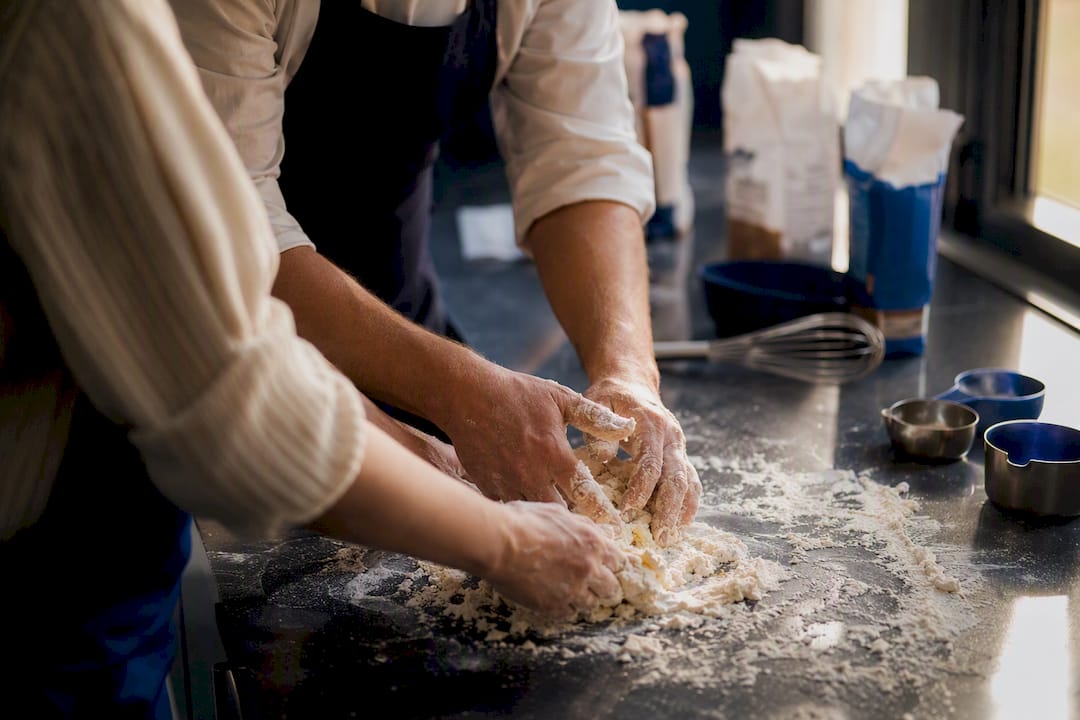
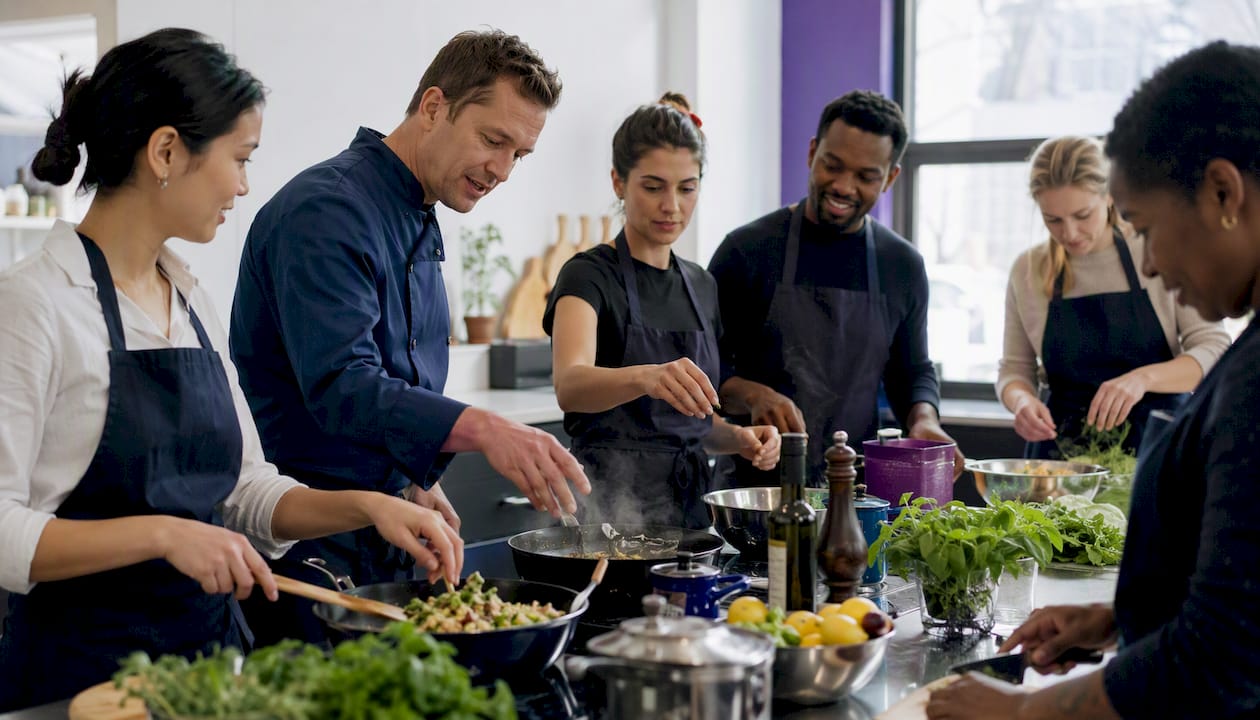
If you’re picking your first gluten free cooking class, book a hands-on, small-group session led by an experienced chef who teaches technique, not just recipes. You get live feedback on binders, hydration, and texture the moment something goes sideways, which is exactly when you learn fastest. Two solid backup options exist if hands-on doesn’t fit your calendar or budget:
- Live online classes for scheduling flexibility with real-time Q&A
- On-demand video for low cost and unlimited repeat practice
Key Takeaways
Beginners learn gluten-free cooking fastest in small, hands-on classes where an experienced chef corrects binder, hydration, and texture mistakes in real time.
| Point | Details |
|---|---|
| Book hands-on first | Choose a small-group, chef-led class for live correction on binders, hydration, and texture. |
| Learn technique, not swaps | Understand what job each ingredient replaces before substituting anything in a tested recipe. |
| Weigh, don’t scoop | Use a kitchen scale for flour and binders since volume measuring varies significantly between cooks. |
| Ask about cross-contact | Confirm dedicated utensils, storage, and kitchen setup before booking if you have celiac disease. |
| Start with Biteunite | Biteunite offers small, hands-on gluten-free-friendly classes with expert chefs across multiple cities. |
Table of Contents
- Hands-On, Live Online, or On-Demand: Which Gluten-Free Class Format Fits You?
- What Does a Gluten-Free Cooking Class Actually Teach?
- Why Gluten-Free Baking Isn’t Just a Flour Swap
- What to Bring and How Classes Handle Cross-Contamination
- What Does a Gluten-Free Cooking Class Cost?
- How to Choose the Right Gluten-Free Cooking Class for You
- Why Hands-On Correction Builds Gluten-Free Confidence Faster
- Book a Hands-On Gluten-Free Class With Biteunite
- Frequently Asked Questions
- Sources
Hands-On, Live Online, or On-Demand: Which Gluten-Free Class Format Fits You?
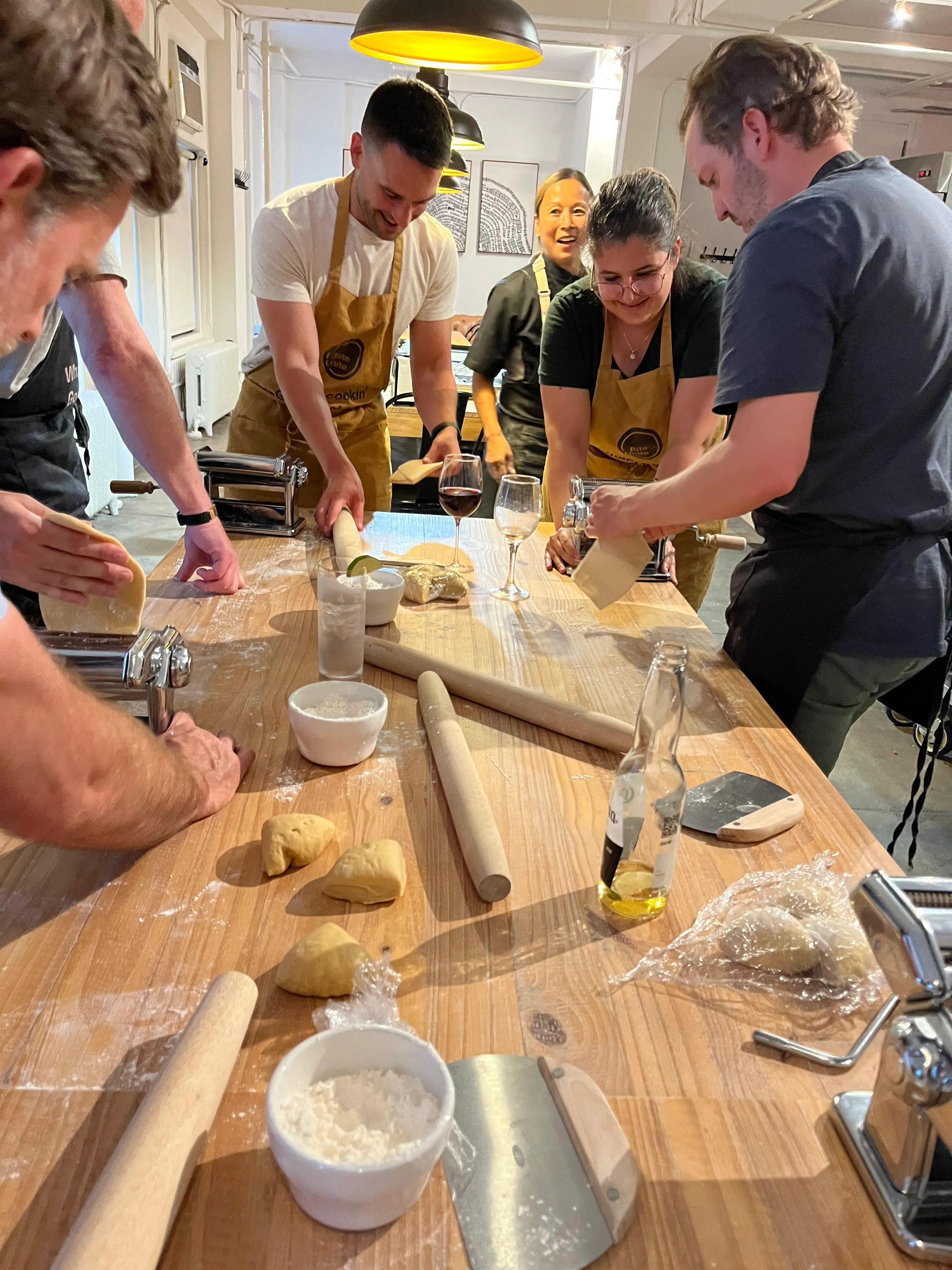
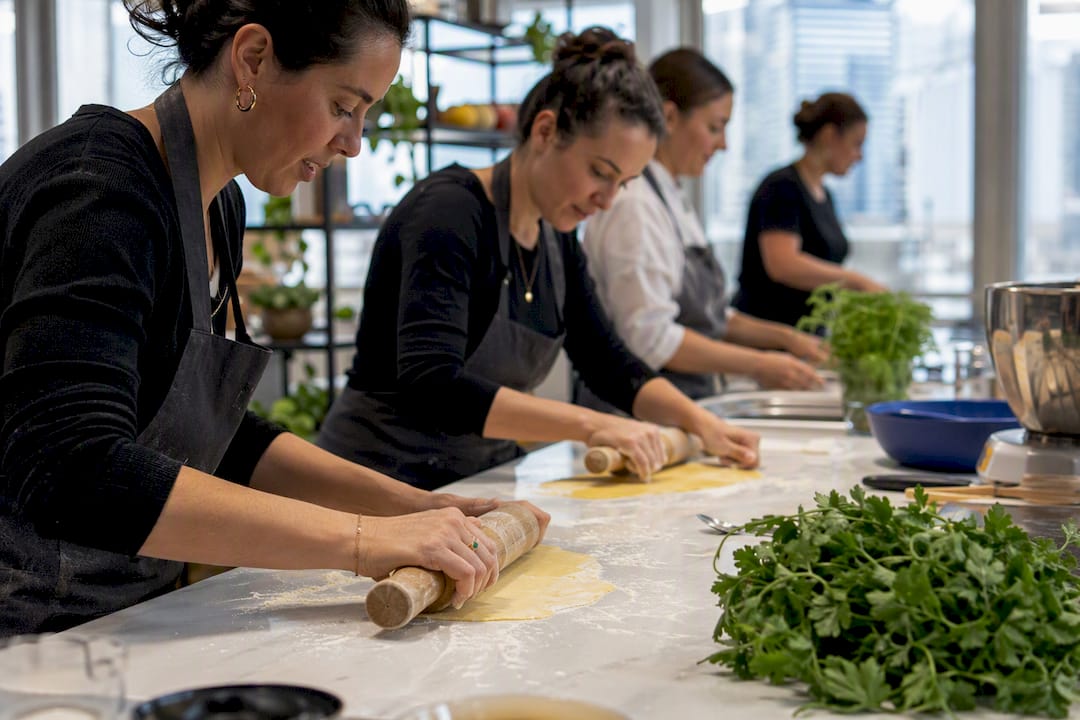
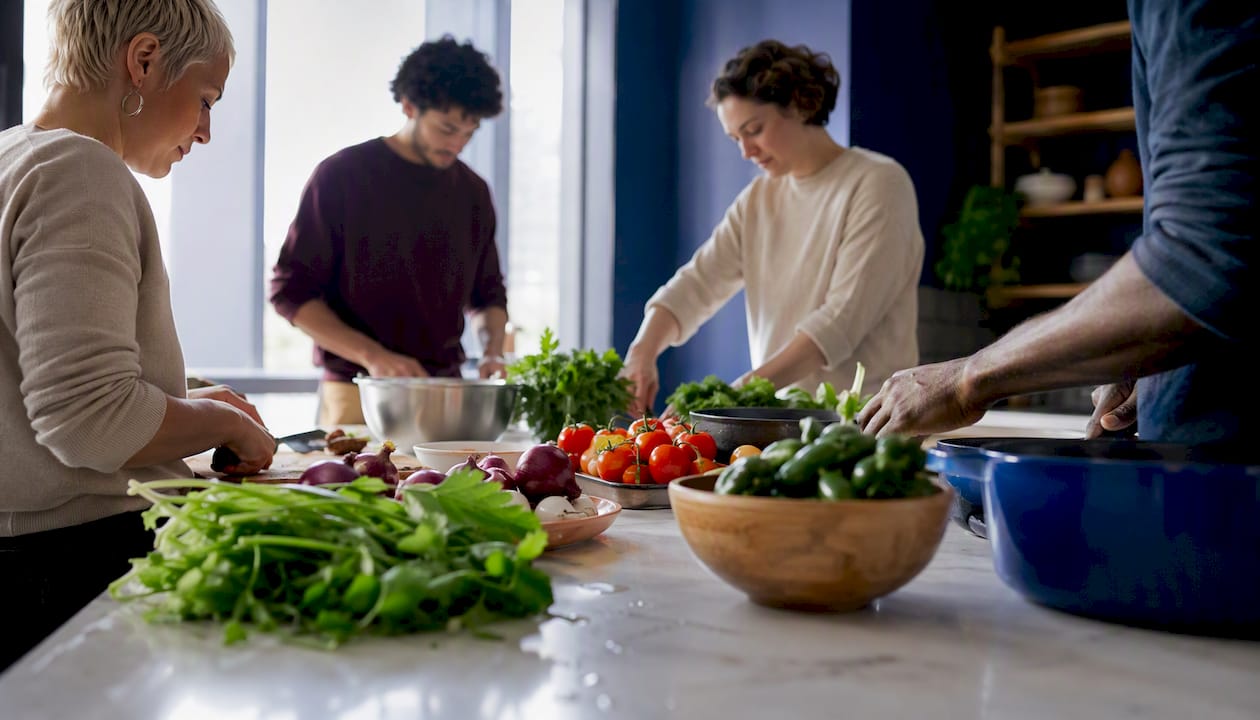
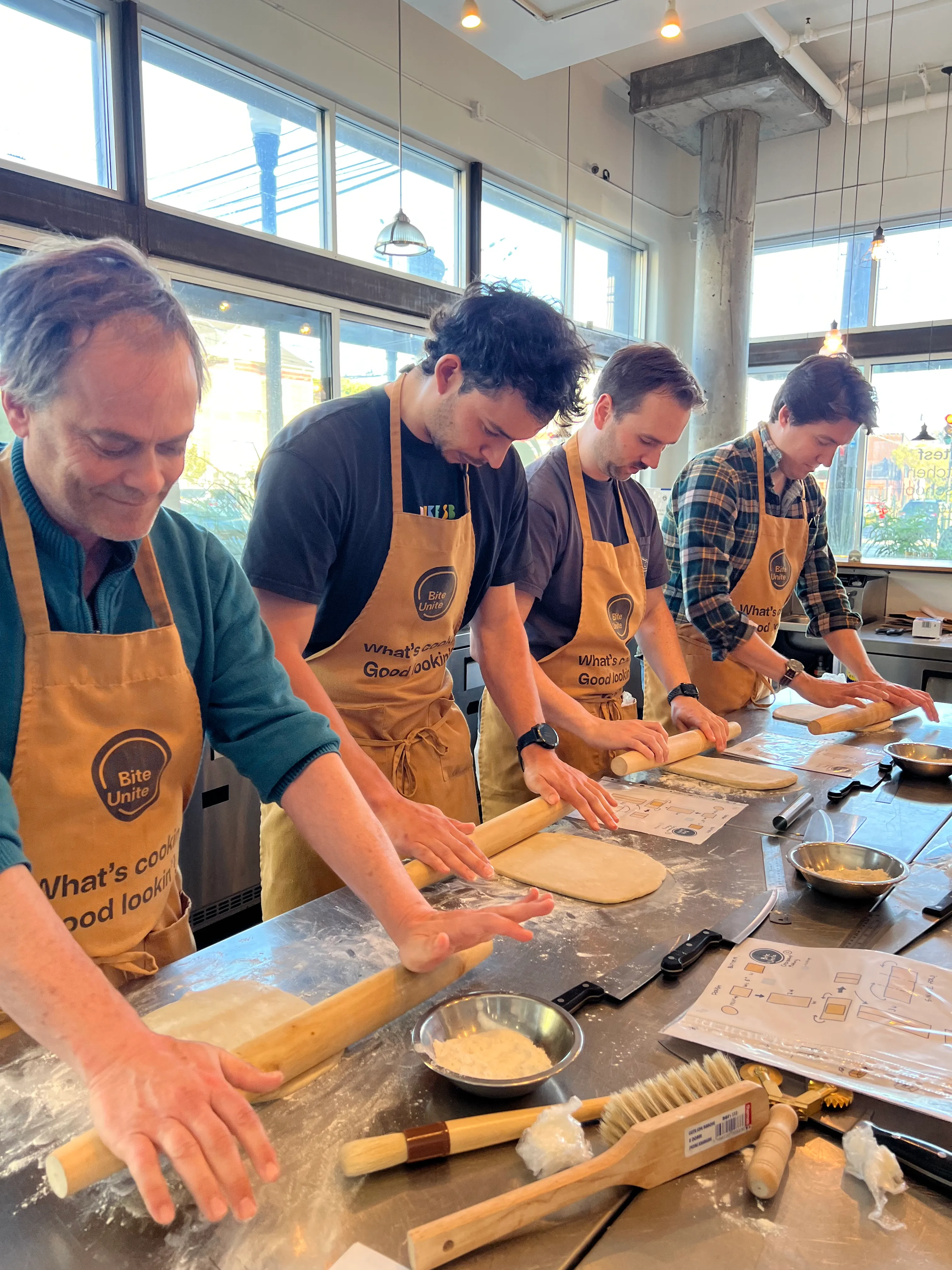
A hands-on in-person class works best when you need someone watching your dough and catching mistakes before they become habits. Look for small class sizes and an instructor with real gluten-free technique experience, not just a general pastry background. Cross-contamination handling matters here too, since you’re sharing a physical kitchen.
Live online classes suit you if location or scheduling gets in the way of showing up somewhere. You still get real-time questions answered, though a chef can’t physically correct your dough consistency through a screen. Programs like ICE’s recreational gluten-free workshops show how single-session, instructor-led formats translate well to this setup.
On-demand video is the cheapest way in and lets you rewind a tricky step as many times as you need. The tradeoff: no live troubleshooting and no one checking that your kitchen setup is actually gluten-free.
Pro Tip: If you have celiac disease, prioritize hands-on or live classes where you can directly ask about dedicated equipment and cross-contact controls. If you have non-celiac gluten sensitivity, on-demand video is a perfectly reasonable, budget-friendly starting point.
What Does a Gluten-Free Cooking Class Actually Teach?
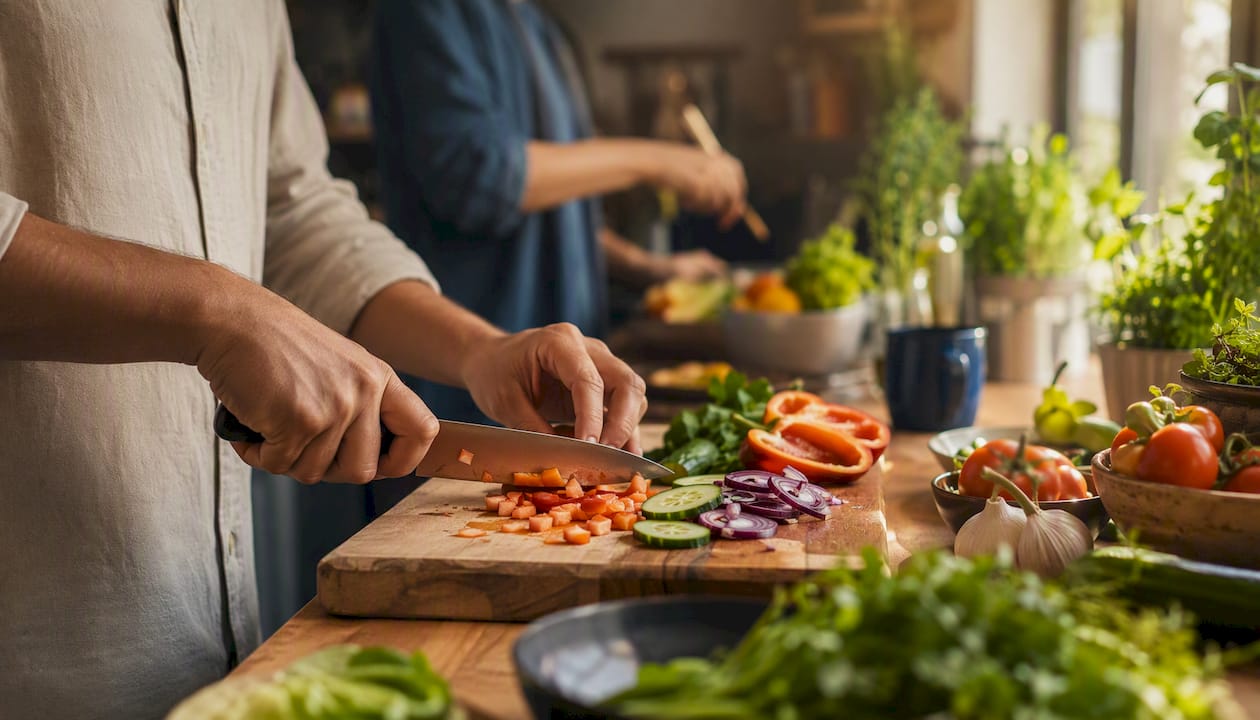
Most classes follow the same rhythm: an instructor demo, then hands-on practice, then tasting and troubleshooting, then a take-home recipe with notes on what to adjust at home.
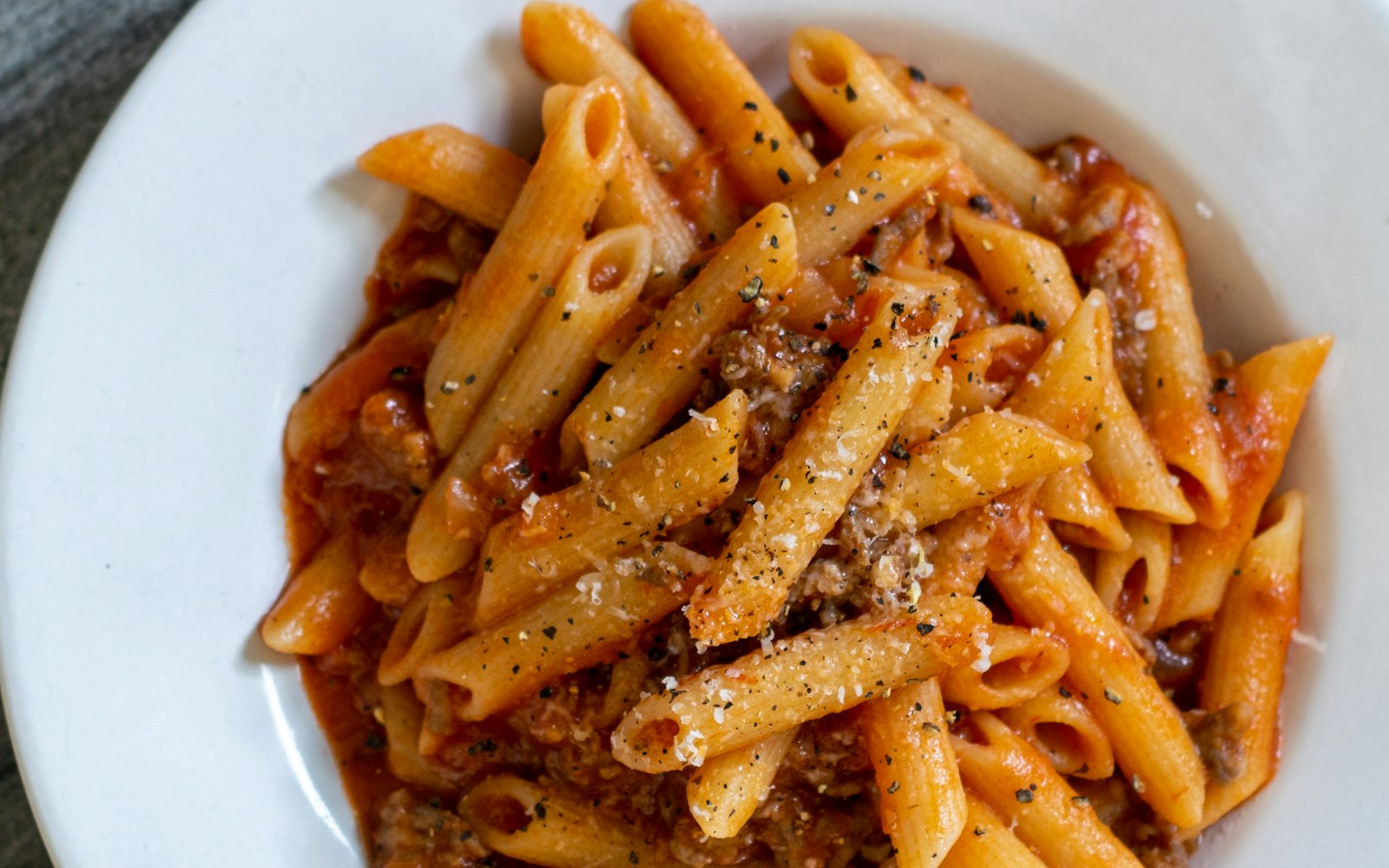
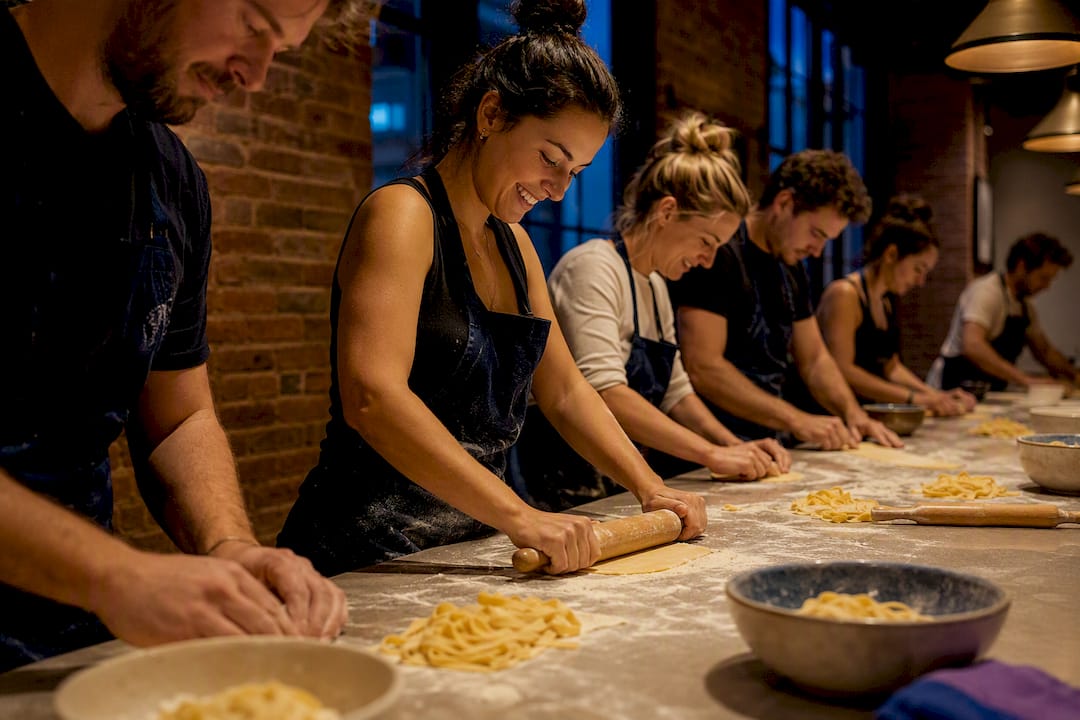
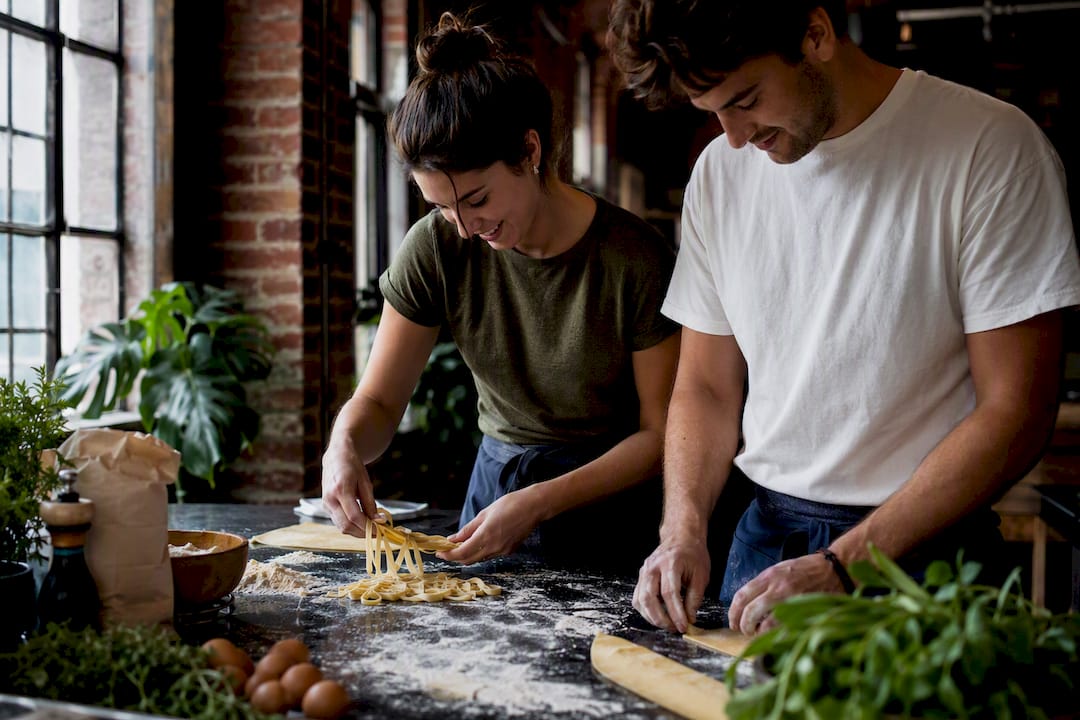
The recipe lineup typically spans three tiers of difficulty. You’ll find naturally gluten-free dishes like pasta, risotto, and grilled proteins that build confidence early. Quick baked goods, muffins and cookies, teach binder behavior without the complexity of yeast. More advanced modules tackle yeasted gluten-free bread, pizza dough, and laminated pastry, which is where technique really gets tested.
Technique-wise, expect instructors to cover:
- Binder selection and how much liquid each one needs to hydrate properly
- Weighing ingredients instead of scooping by volume
- Managing starch ratios so baked goods don’t turn gummy or crumbly
- Dough handling, proofing windows, and bake timing for gluten-free structures
A beginner-friendly sample menu often looks like a flourless chocolate cake, a batch of fresh gluten-free pasta, and a quick loaf or dinner rolls. Sequencing forgiving recipes before yeasted bread is a strategy BakingSubs recommends for anyone newly navigating gluten-free baking, since it builds comfort with hydration and binders before you add yeast into the mix.
Why Gluten-Free Baking Isn’t Just a Flour Swap
Gluten does several jobs at once. It traps gas so bread rises, it stretches so dough holds its shape, and it gives baked goods chew and structure. Swap in a gluten-free flour without replacing those jobs, and you get a dense, crumbly, or gummy result. This is the single biggest misunderstanding new gluten-free cooks bring into a kitchen, and it’s why technique mastery matters more than the recipe itself.
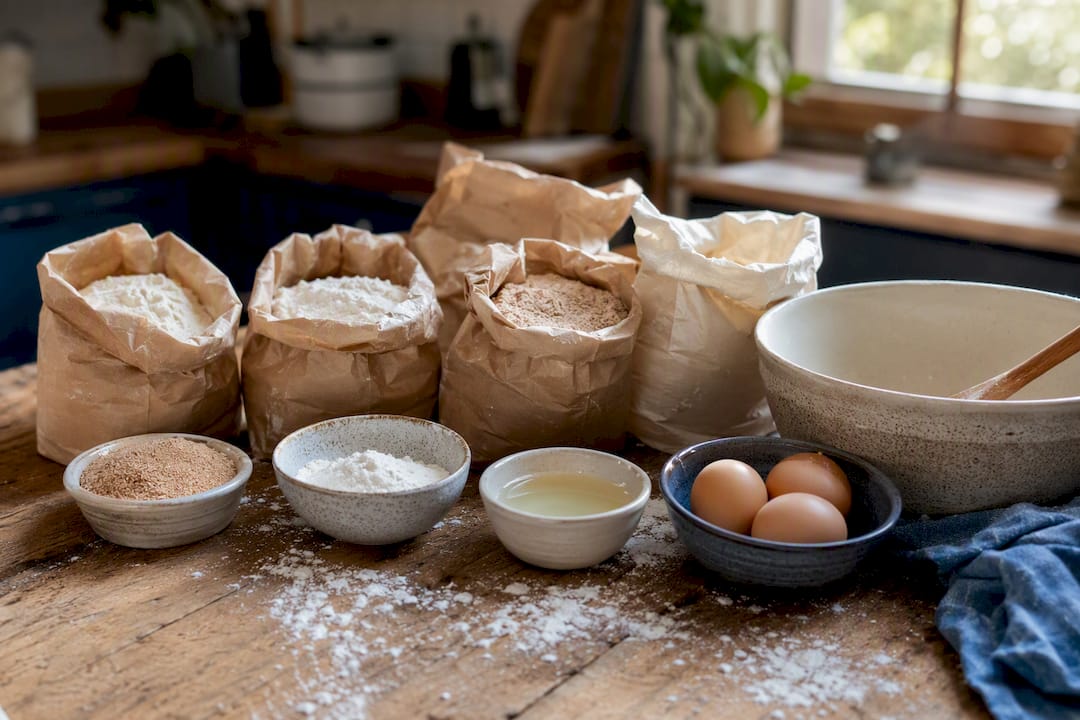
Three binders do most of the heavy lifting. Psyllium husk forms a gel that mimics gluten’s gas-trapping and elastic qualities, making it the standard choice for yeasted gluten-free bread. Xanthan gum works well in cookies and cakes where you need a bit of stretch without a bread-like chew. Eggs and aquafaba add lift and structure in recipes that lean less on binders and more on air.
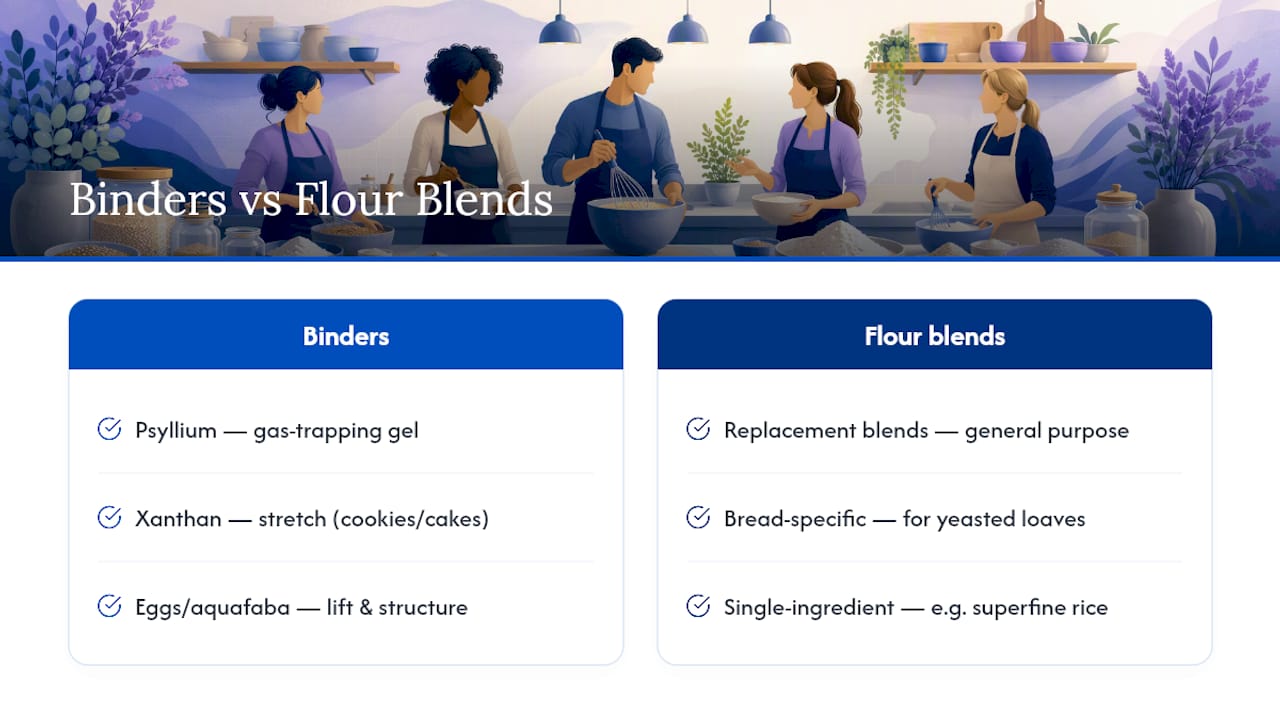
Flour systems matter just as much. An all-purpose gluten-free blend behaves differently than a bread-specific blend, and superfine rice flour paired with the right starch ratio changes texture more than most beginners expect. King Arthur Baking sorts flours into three useful categories: replacement blends, bread-specific flours, and naturally gluten-free single-ingredient flours, and recommends measuring everything by weight with a kitchen scale rather than by volume. Strong instructors go a step further, teaching you to build your own flour ratios instead of leaning on a single store-bought 1:1 mix, since commercial blends vary in grind and starch composition from brand to brand.
Pro Tip: Never substitute ingredients in a tested recipe until you understand what job each one is doing. A recipe that calls for both xanthan gum and eggs is using both for structure, and dropping one without adjusting the other usually collapses the bake.
Common mistake: Swapping a bread-flour blend into a cookie or cake recipe (or vice versa) because “it’s all gluten-free flour anyway.” The fix: Match the blend to the bake type, and when in doubt, weigh your flour instead of scooping, since volume measurements can vary by up to 20% between two people scooping the same flour.
What to Bring and How Classes Handle Cross-Contamination
Pack light but pack right: a kitchen scale, mixing bowls, spatulas, whatever pans the class specifies, and a proofing basket if bread is on the menu. Most instructors will tell you exactly what to bring ahead of time, and if they don’t, ask.
On safety, look for dedicated utensils, separate ingredient storage, and sanitized prep surfaces. Some specialty programs, like dedicated gluten-free cooking experiences in Florence, build entire kitchens around zero shared equipment, which shows how far safety measures can go when a venue commits to it.
No public cooking space, however careful, can guarantee zero cross-contact risk if gluten-containing ingredients are used anywhere in the building. Ask directly about shared equipment, airborne flour dust, and whether the instructor has handled a strict celiac diet before.
If you have celiac disease, confirm dedicated tools and storage, ask whether the venue holds any third-party gluten-free certification, and check Celiac Disease Foundation guidance on what cross-contact actually means before you book. If you have non-celiac gluten sensitivity, the bar is lower, but it’s still worth asking whether shared equipment gets cleaned between uses.
What Does a Gluten-Free Cooking Class Cost?
A single hands-on session typically runs shorter and cheaper than a multi-week course, while private workshops sit at the top of the price range because you’re paying for a dedicated instructor and often a dedicated kitchen. Expect most single classes to run several hours, with hands-on formats pacing slower than demo-heavy ones since you’re actually doing the work yourself.
Before you book, check the fine print:
- Deposit and cancellation policies, especially how close to the date you can reschedule
- Class size limits and the student-to-instructor ratio, since a 6:1 ratio gets you far more individual correction than 20:1
- Whether ingredient lists or recipes are sent ahead so you can prep questions in advance
Ask about ingredient sourcing too. A class that can name its flour brands and binder sources is usually more careful across the board than one that can’t.
How to Choose the Right Gluten-Free Cooking Class for You
Run through this before you book anything:
- Check instructor credentials. Look for real gluten-free technique experience, not just general baking or cooking credentials.
- Confirm class size. Smaller groups mean more hands-on correction, especially for binder and hydration troubleshooting.
- Review the sample menu. A published menu tells you whether the class covers forgiving recipes, technical bakes, or both.
- Ask about safety measures. Dedicated kitchen space, separate utensils, and a clear cross-contact policy are non-negotiable if you have celiac disease.
- Pick your format. Choose hands-on if you need correction, live online if scheduling is tight, or on-demand if budget and repetition matter most.
Watch for red flags: vague cancellation terms, no stated safety policy, or an instructor who can’t explain their flour ratios beyond “we use a gluten-free blend.” Inconsistent answers about ingredient sourcing are usually a sign the rest of the class experience will be inconsistent too.
Why Hands-On Correction Builds Gluten-Free Confidence Faster
Watching a video teaches you what should happen. Standing at a counter while a chef fixes your dough teaches you why it didn’t happen and how to catch it next time. That gap is the real reason hands-on classes accelerate learning for gluten-free cooking specifically, where small hydration and binder errors compound fast.
The turning point for most home cooks isn’t finding the perfect flour blend. It’s understanding what each ingredient is doing structurally, so substitutions become deliberate instead of guesswork. Once that clicks, gluten-free baking stops being a gamble and starts being repeatable.
Book a Hands-On Gluten-Free Class With Biteunite
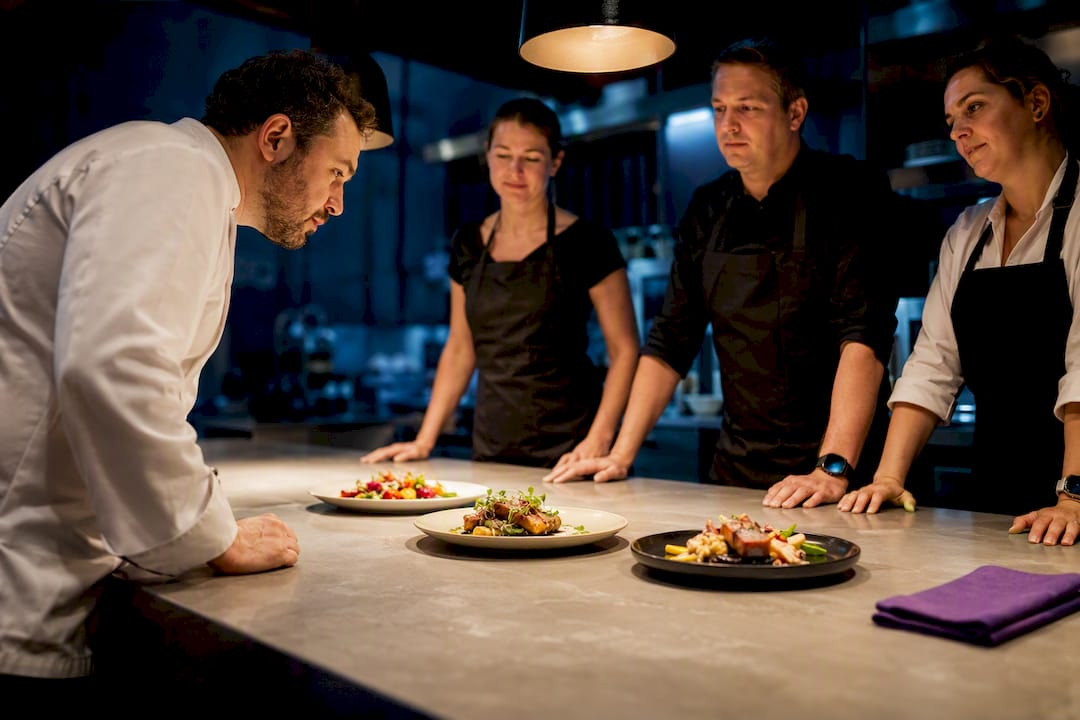
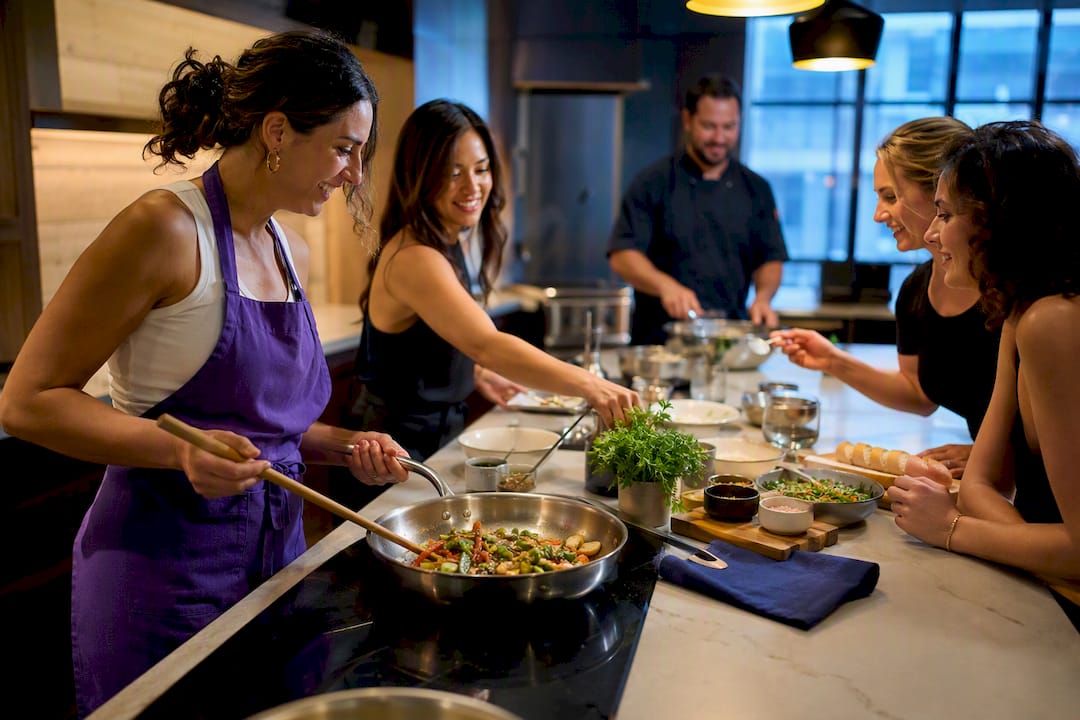
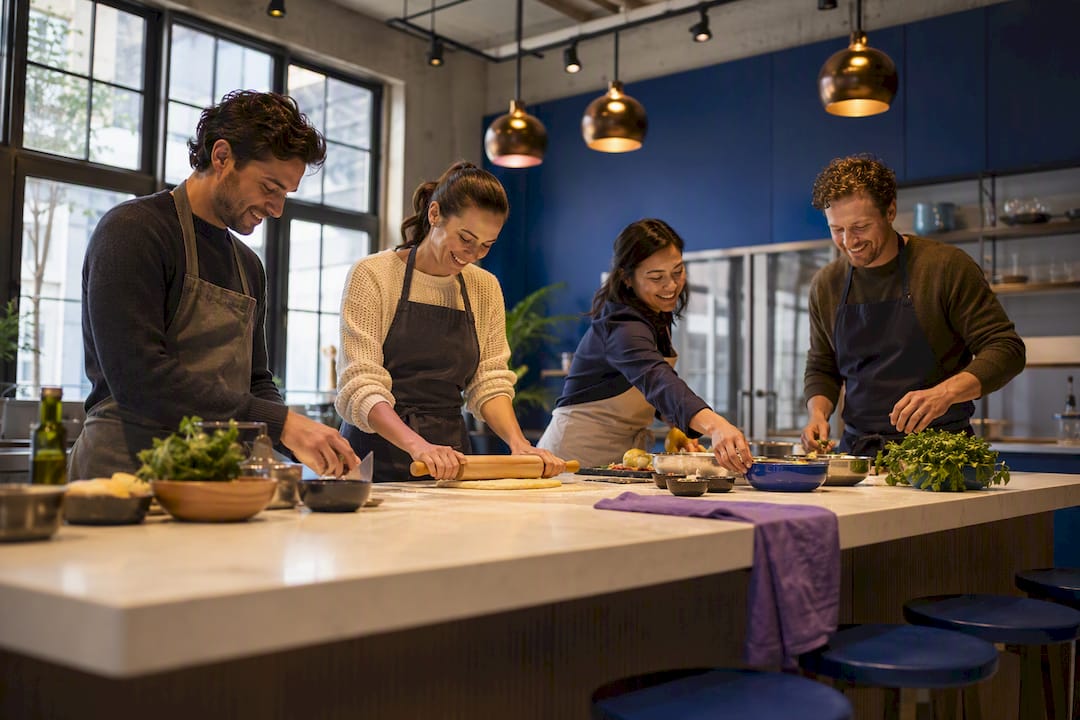
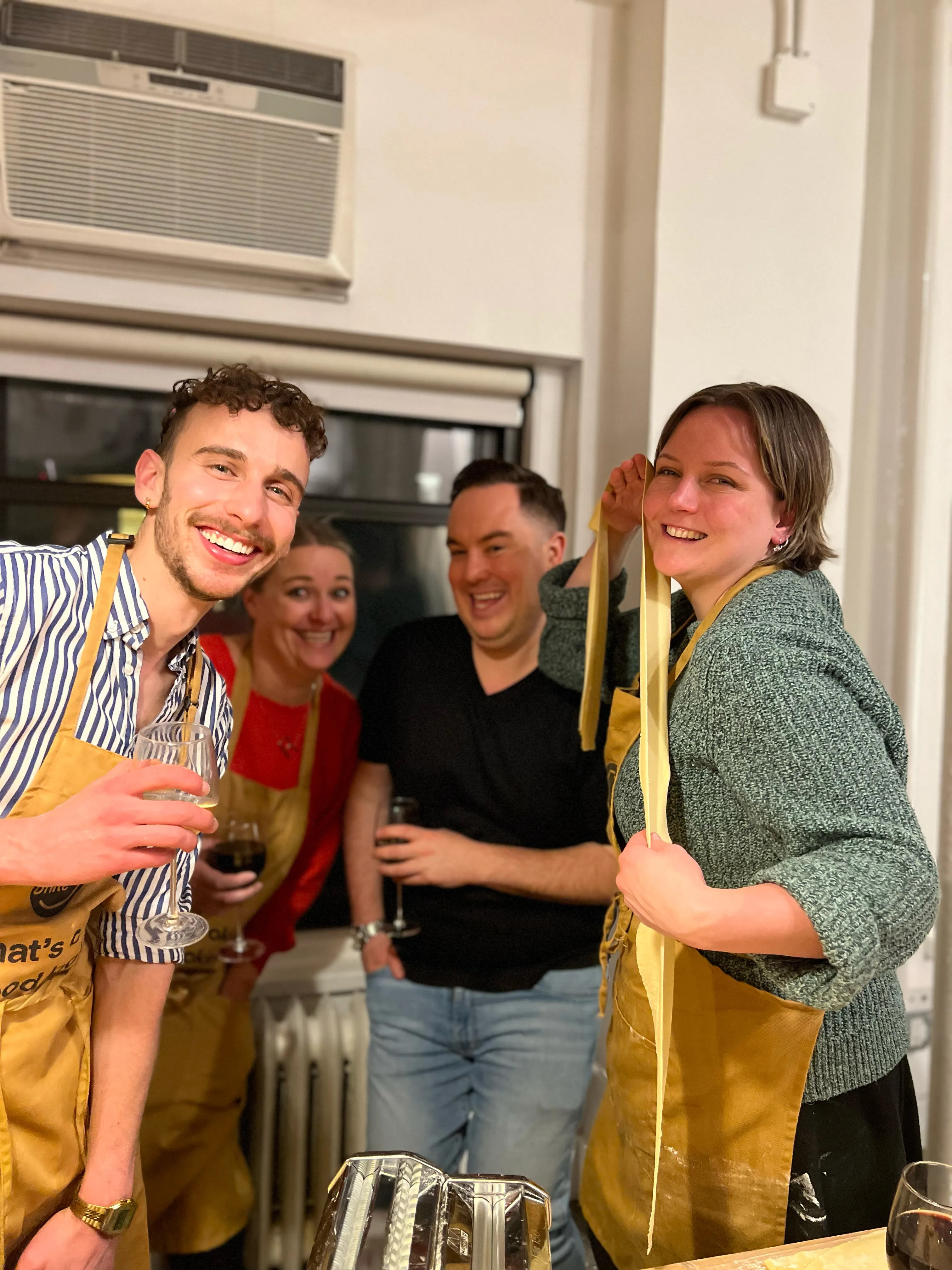
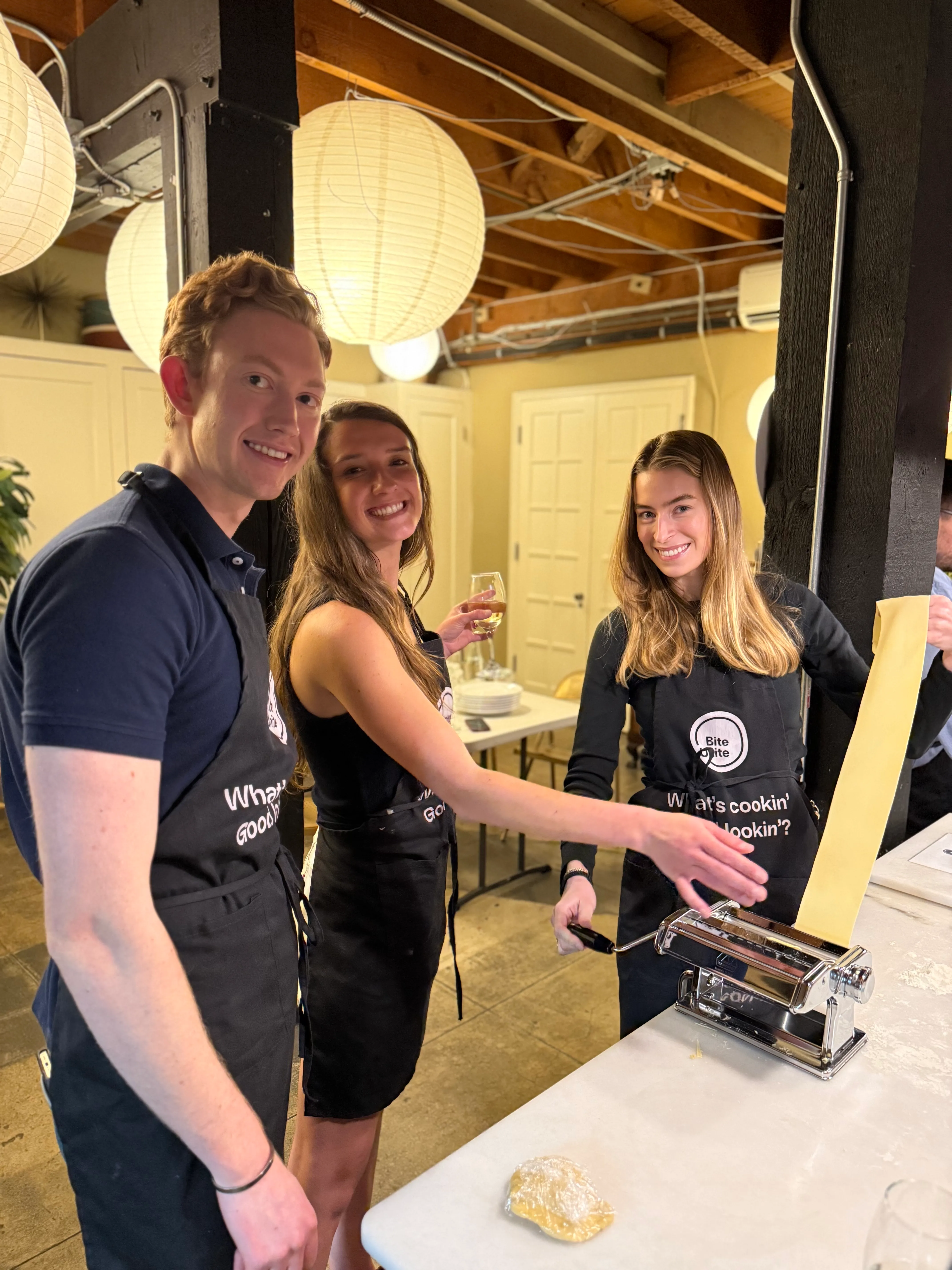
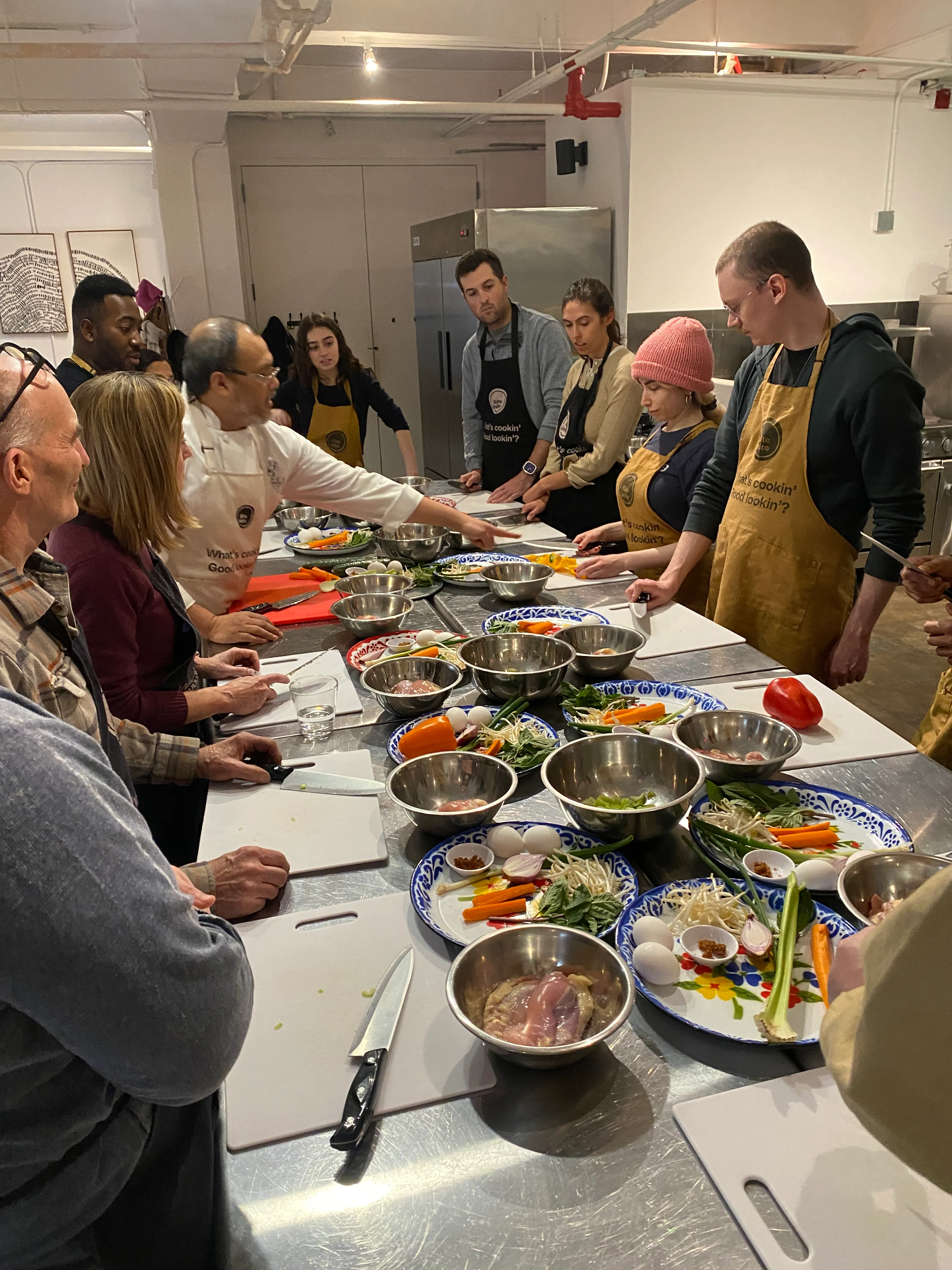
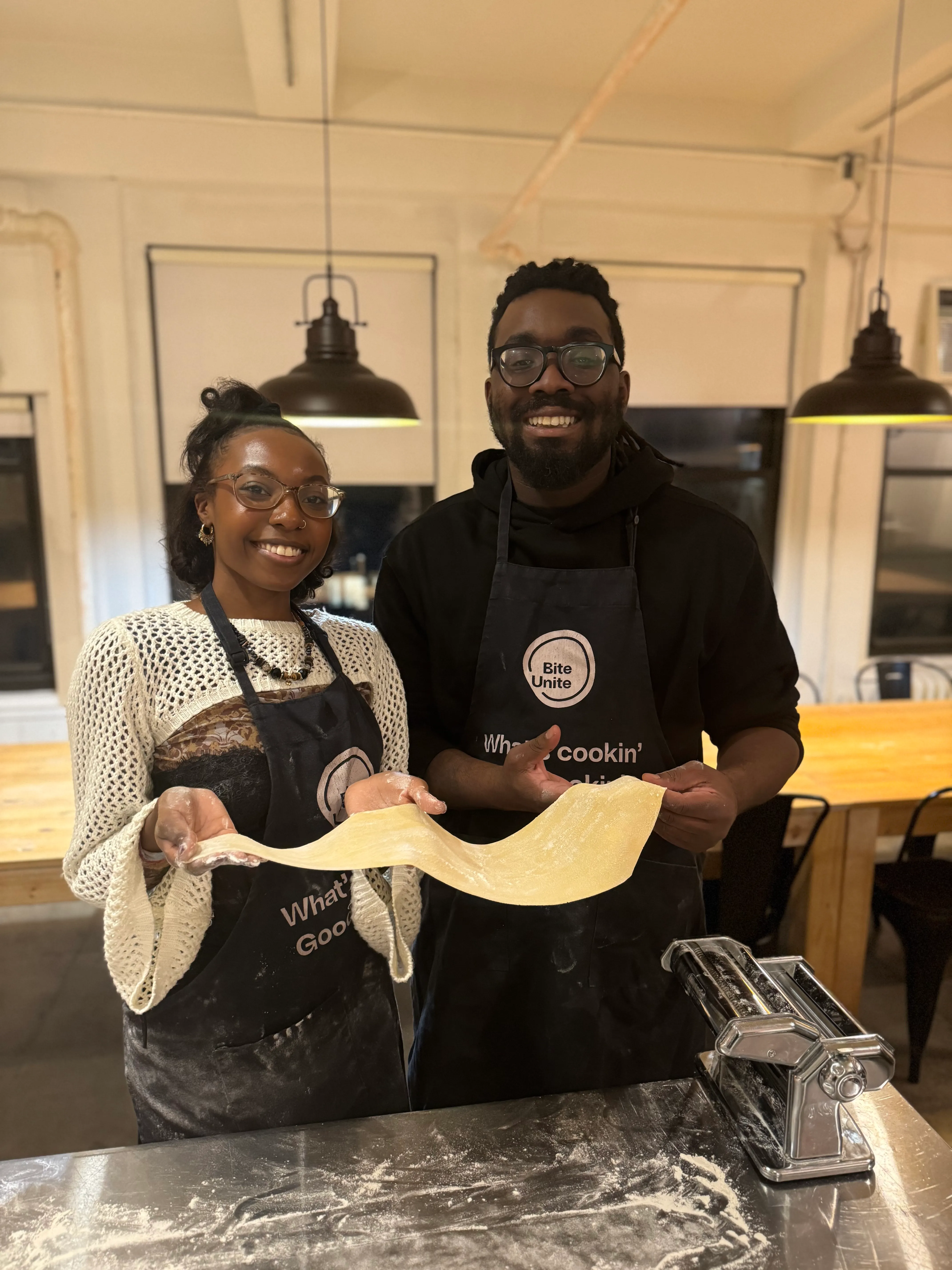
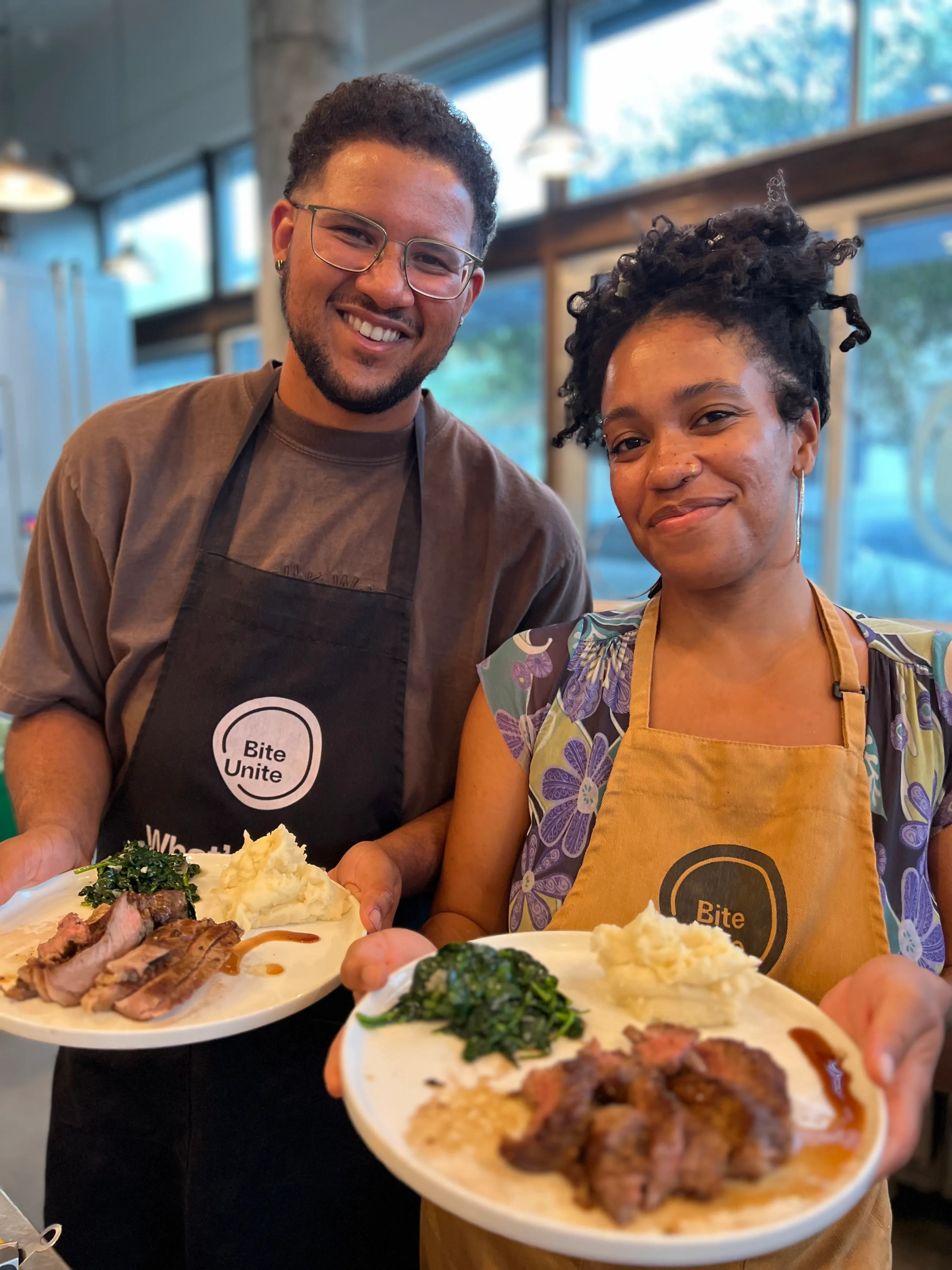
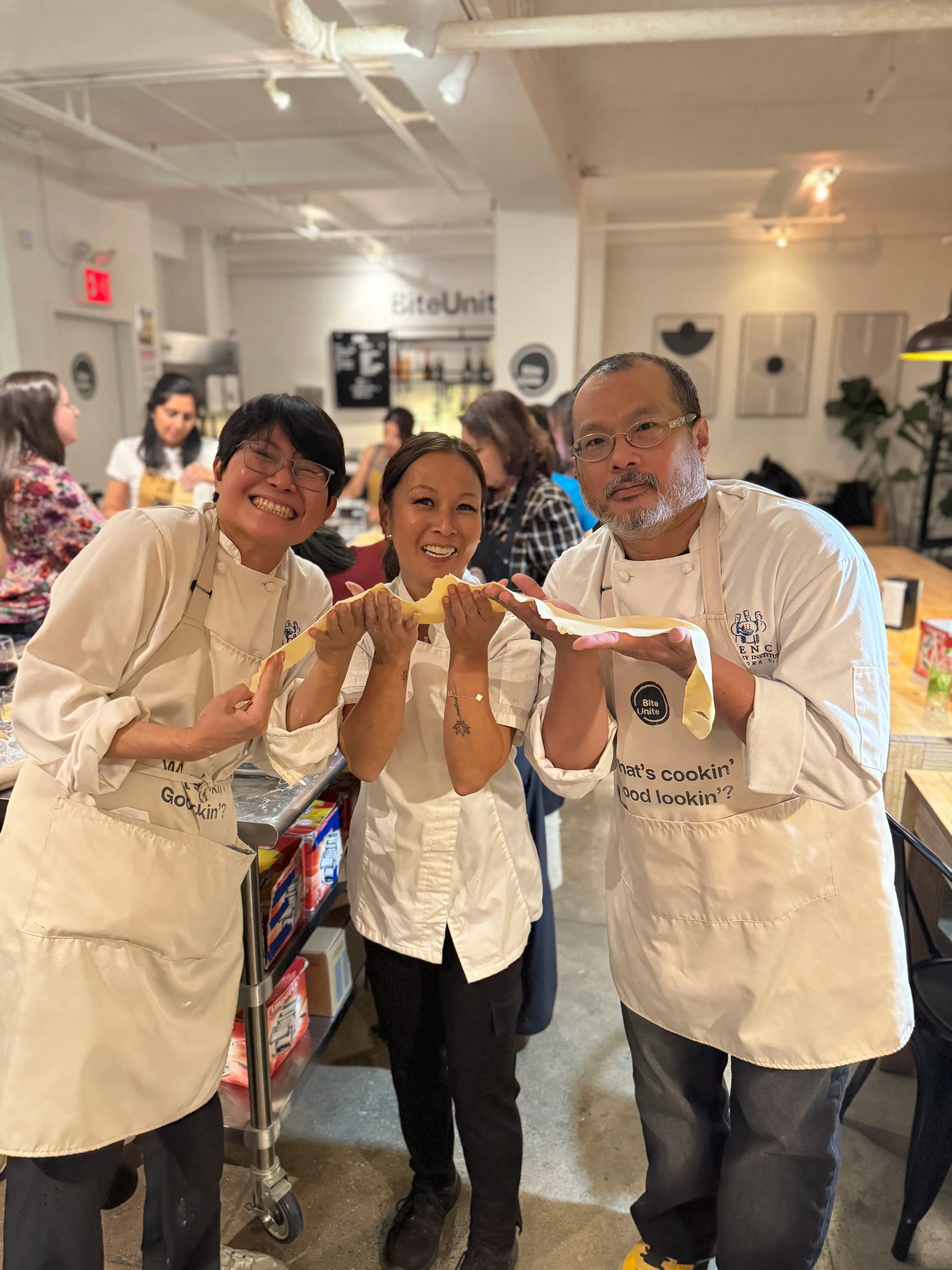
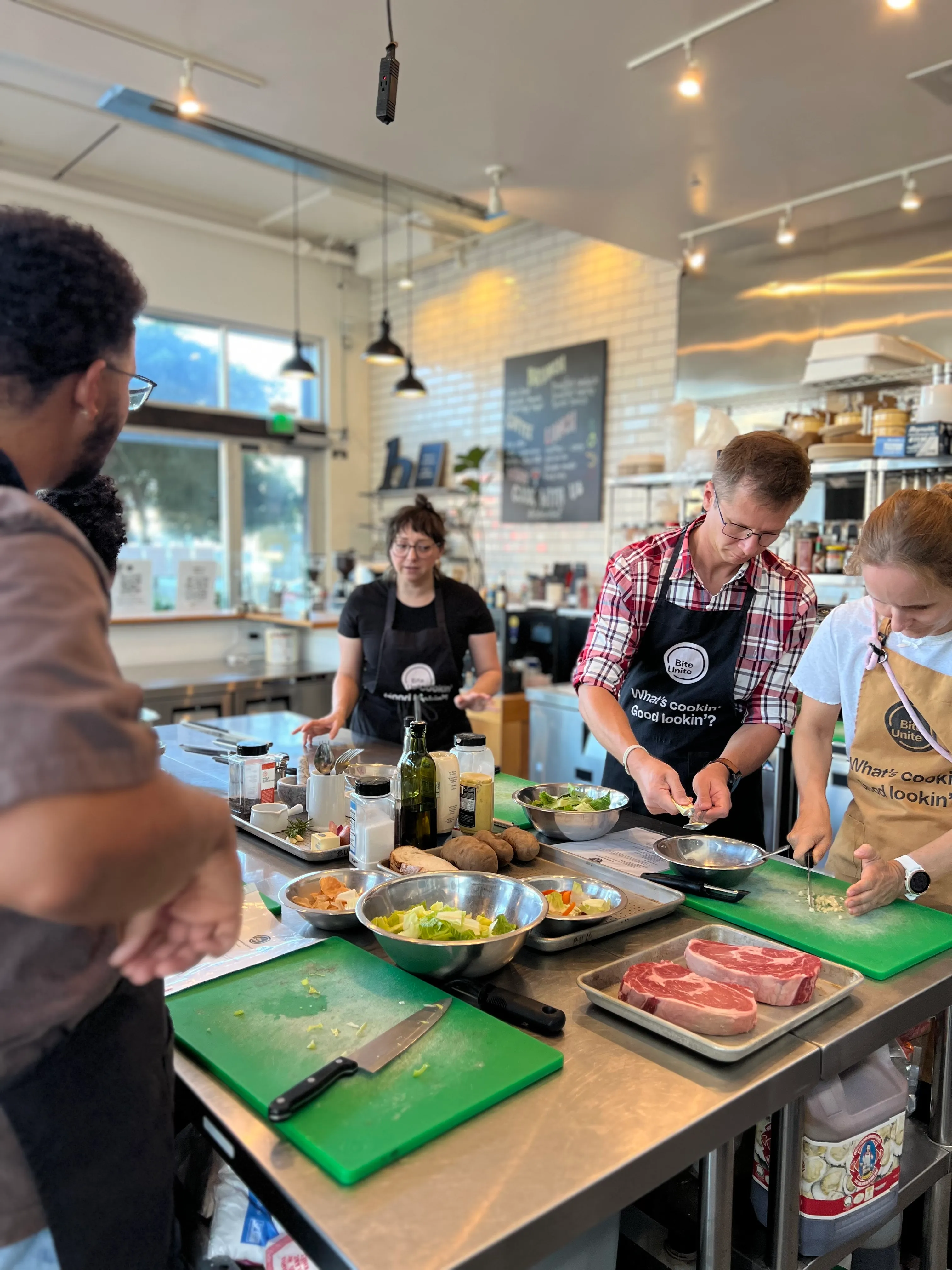
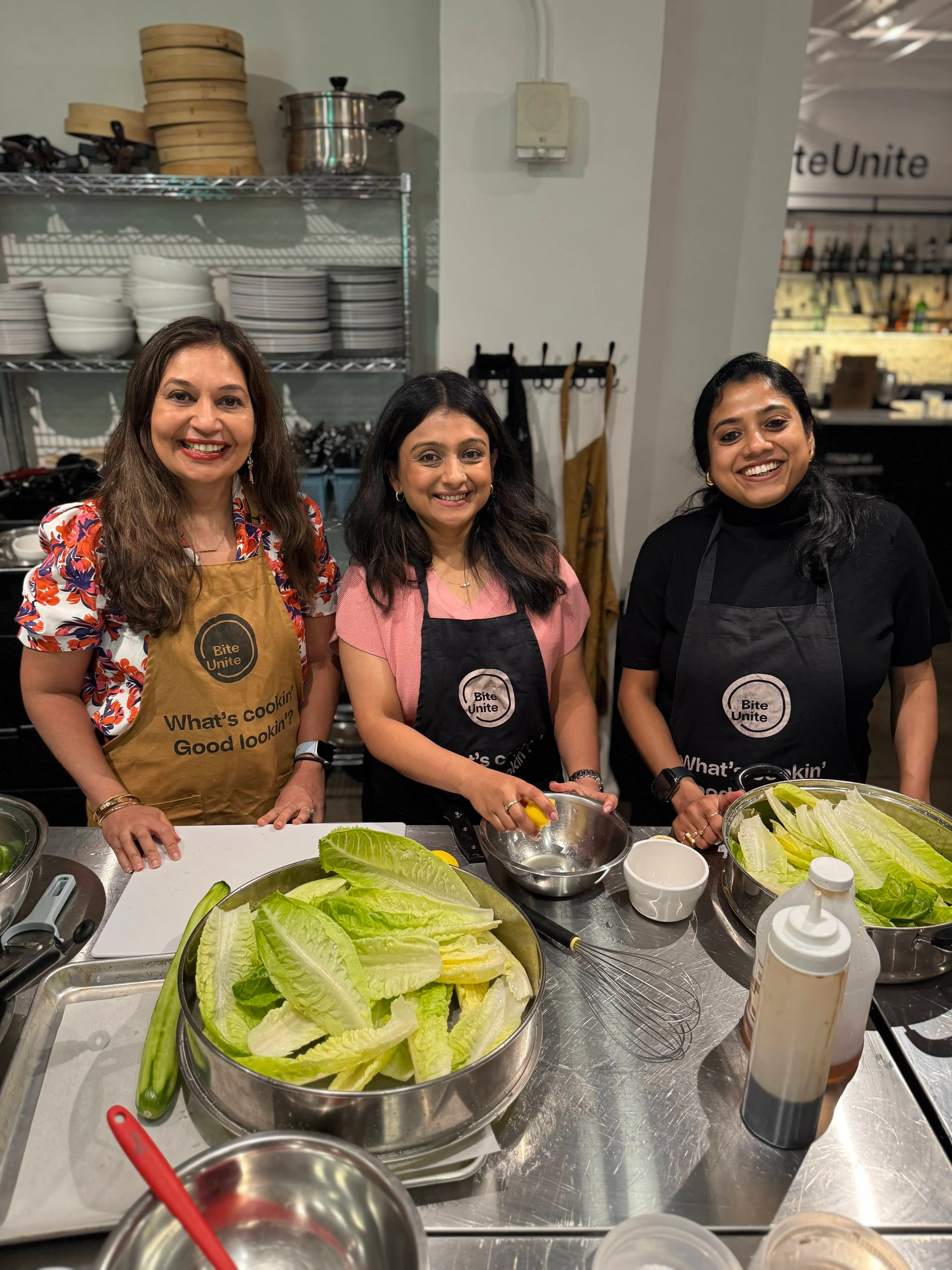
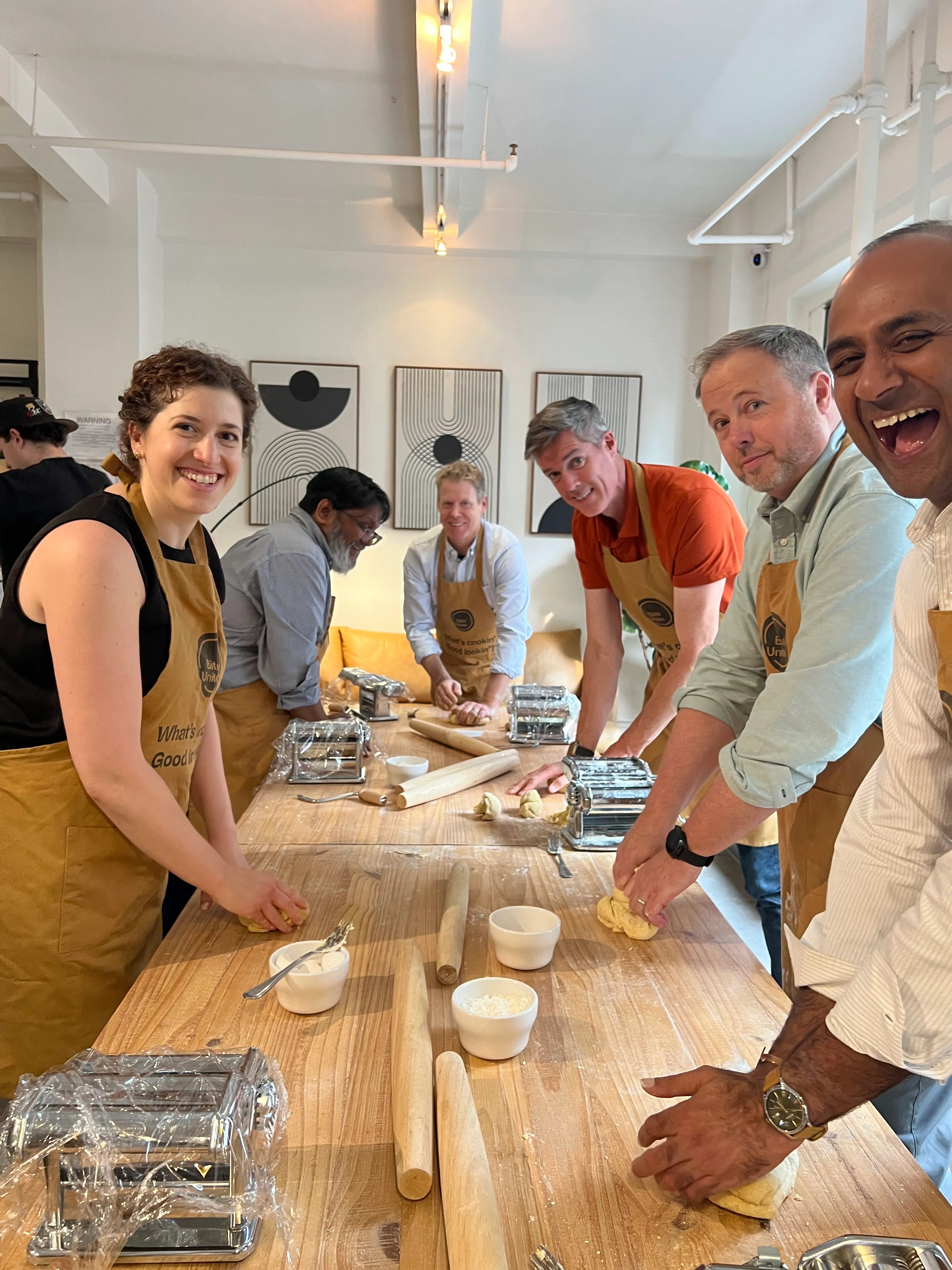
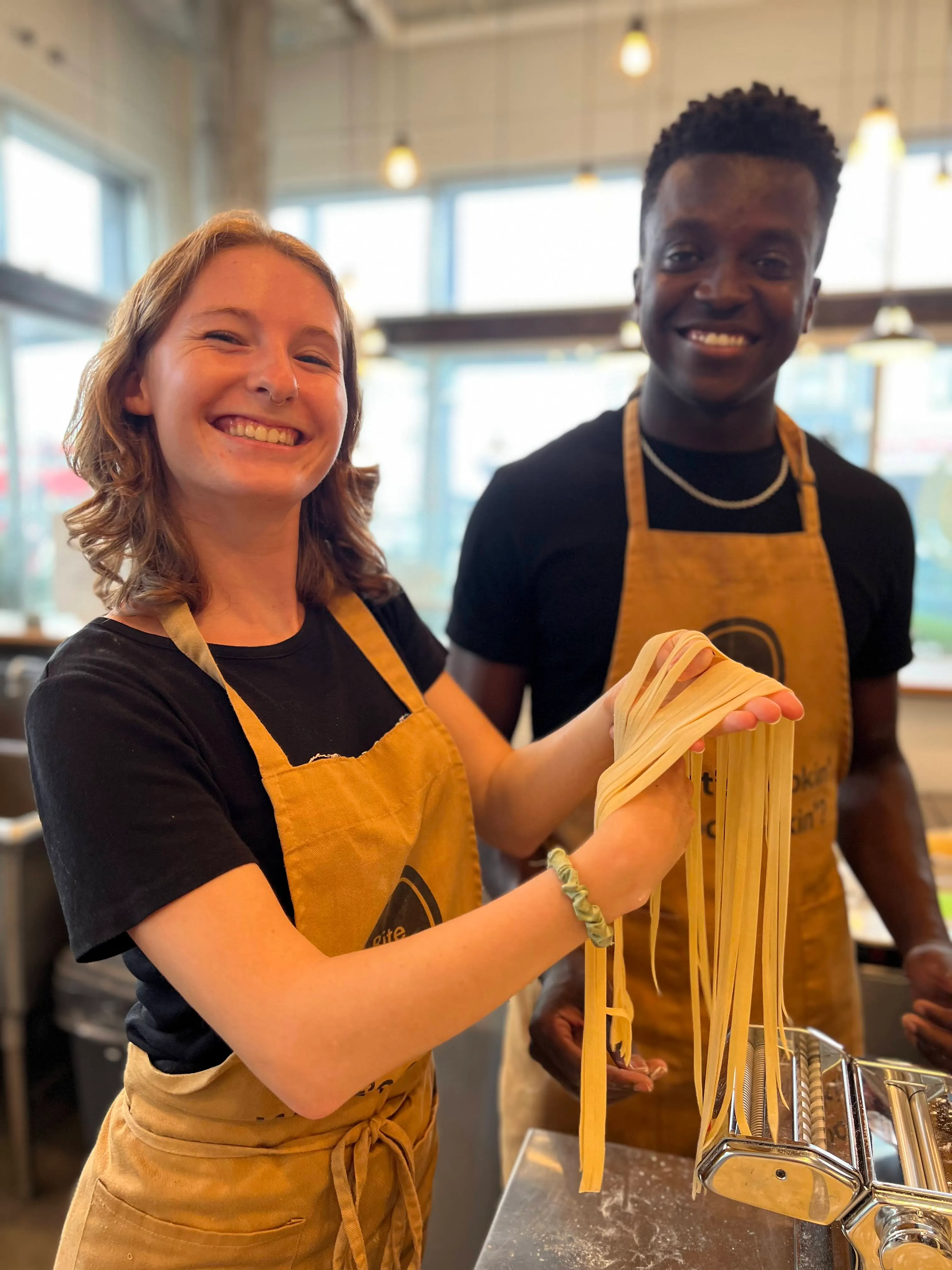
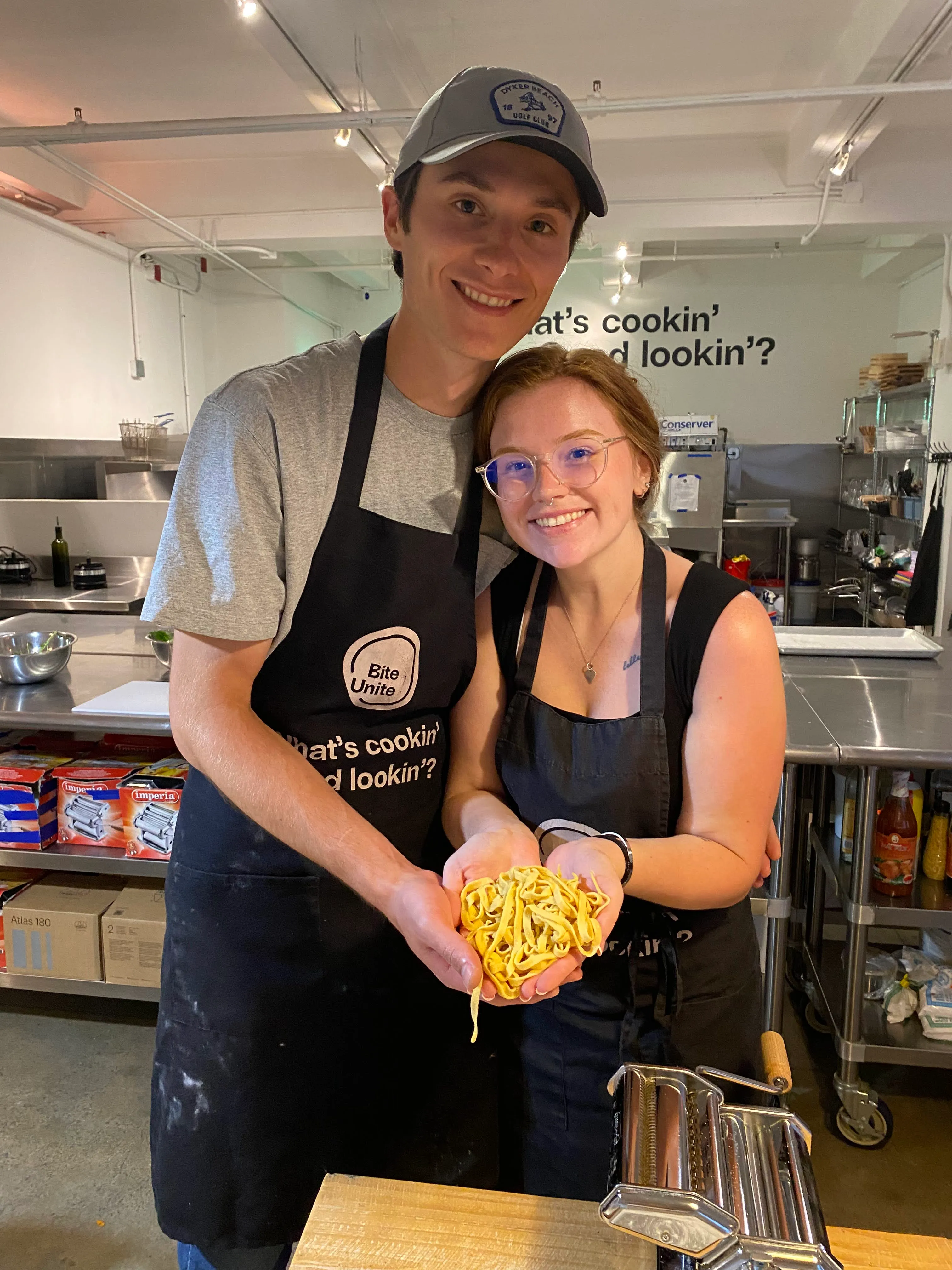
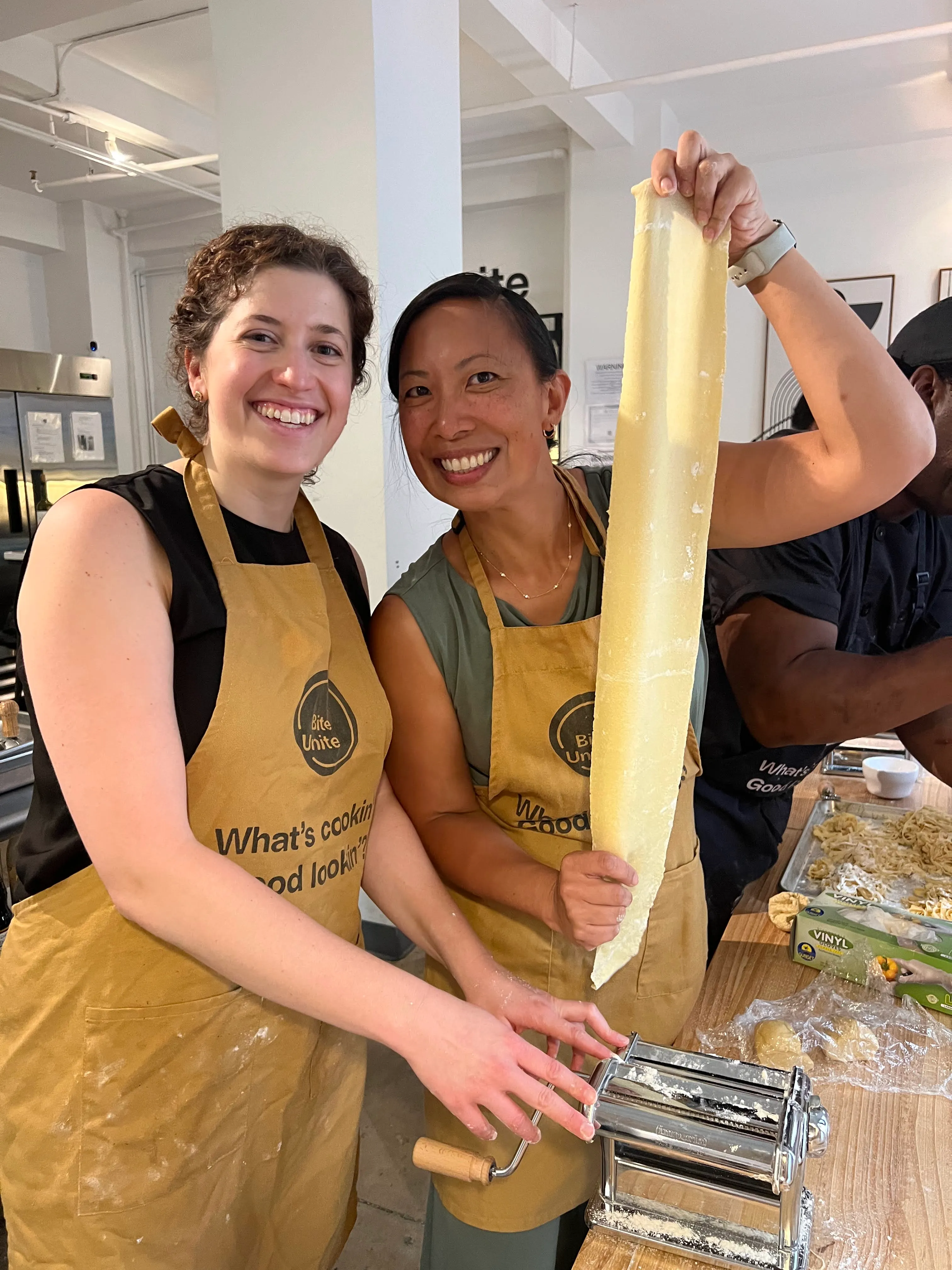
Biteunite runs hands-on cooking classes led by expert chefs in cities including New York, San Francisco, and Hong Kong, with small class sizes built for exactly the kind of live correction beginners need most.
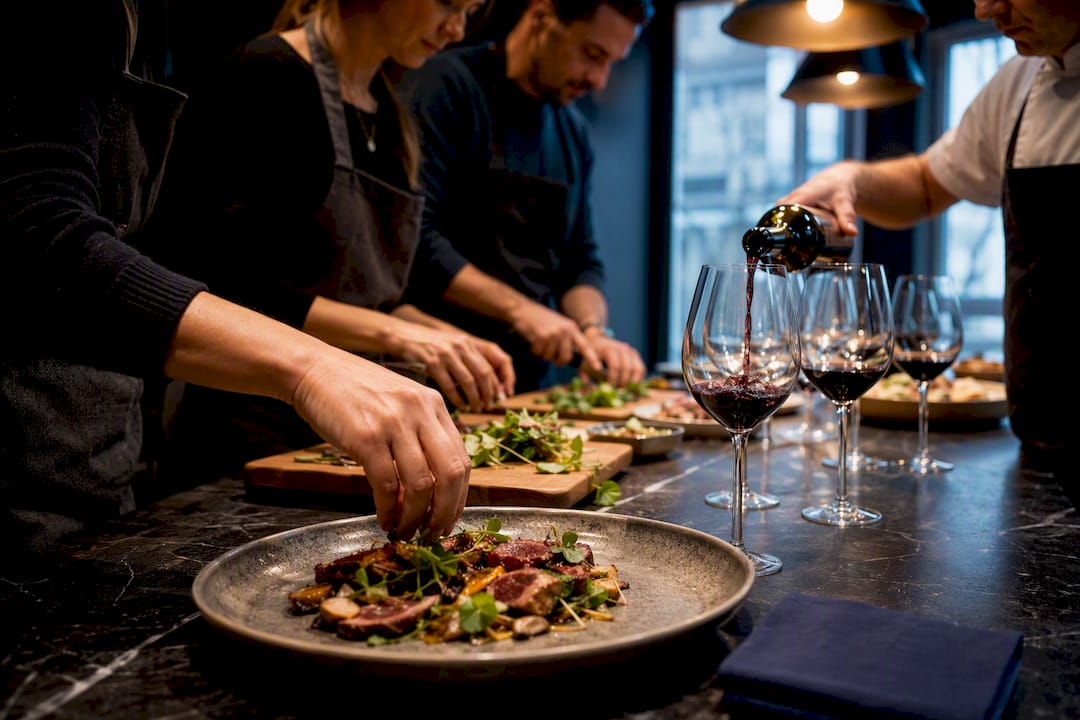
For gluten-free and allergy-accommodating sessions, Biteunite classes keep groups small and pair you with chefs trained to handle ingredient substitutions and safe handling in real time, whether you’re booking solo, as a couple, or as a private group, or consider scheduling a Private Classes experience for personalized wine pairing and gluten-free education. Scheduling stays flexible across locations, and private bookings are available for celiac attendees who want more control over the kitchen setup. If you’re weighing hands-on against a private workshop, the Manhattan team-building and private class page breaks down group options, or check the San Francisco class listings if you’re on the West Coast. International readers can browse the Hong Kong group class page for local scheduling. Pick a city, check open dates, and book a session that fits your calendar.
Frequently Asked Questions
Is a hands-on gluten-free cooking class worth it for a total beginner? Yes. Live correction on binder ratios and dough handling helps you avoid the most common early mistakes faster than watching video alone.
Can I take a gluten-free culinary workshop if I have celiac disease? You can, but confirm dedicated equipment, separate storage, and cross-contact policies with the instructor before booking, since no shared kitchen can guarantee zero risk.
What’s the difference between a beginner gluten-free cooking class and a general baking class? A gluten-free class specifically covers binder selection, hydration adjustments, and flour ratios, technical details a general baking class typically skips entirely.
Do I need special equipment before my first class? A kitchen scale is the one tool worth owning before class, since weighing flour and binders matters more in gluten-free cooking than in standard baking.
How long does it take to get comfortable cooking without gluten? Most students see real improvement after a single hands-on session plus a few rounds of home practice, especially once binder behavior starts making sense.
Sources
- Gluten-free baking: a beginner’s guide | King Arthur Baking
- Newly diagnosed celiac? How to start baking gluten free | BakingSubs
- Celiac Disease Foundation




























.webp)