8 Double Date Ideas With Costs, Timing, and Hosting Tips
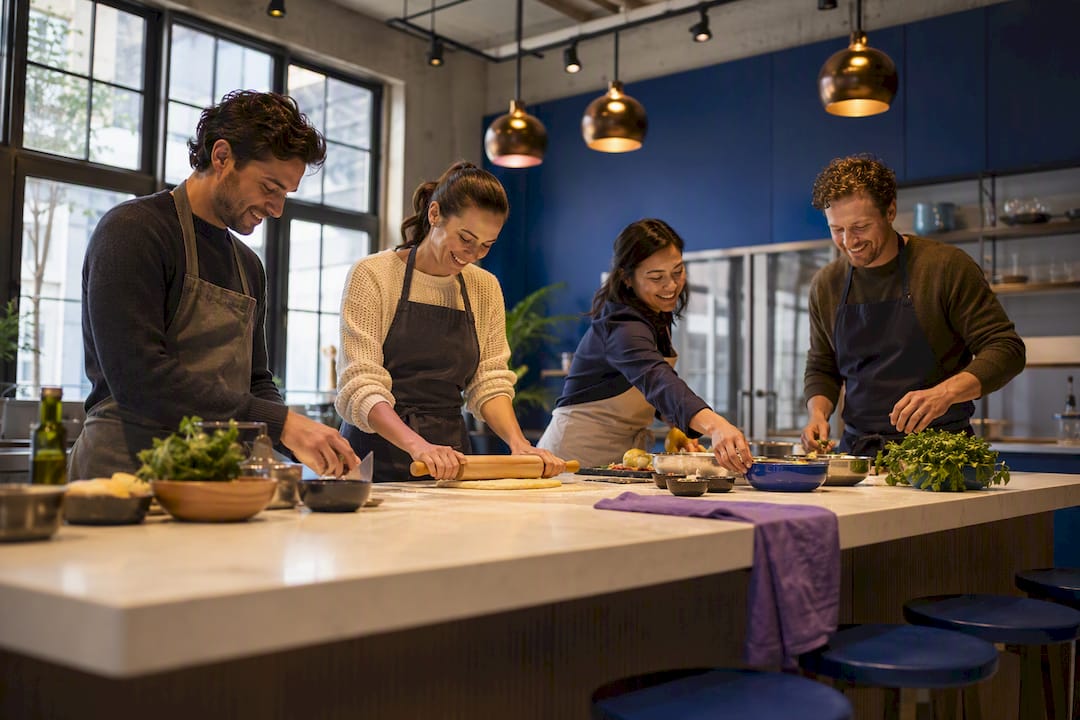
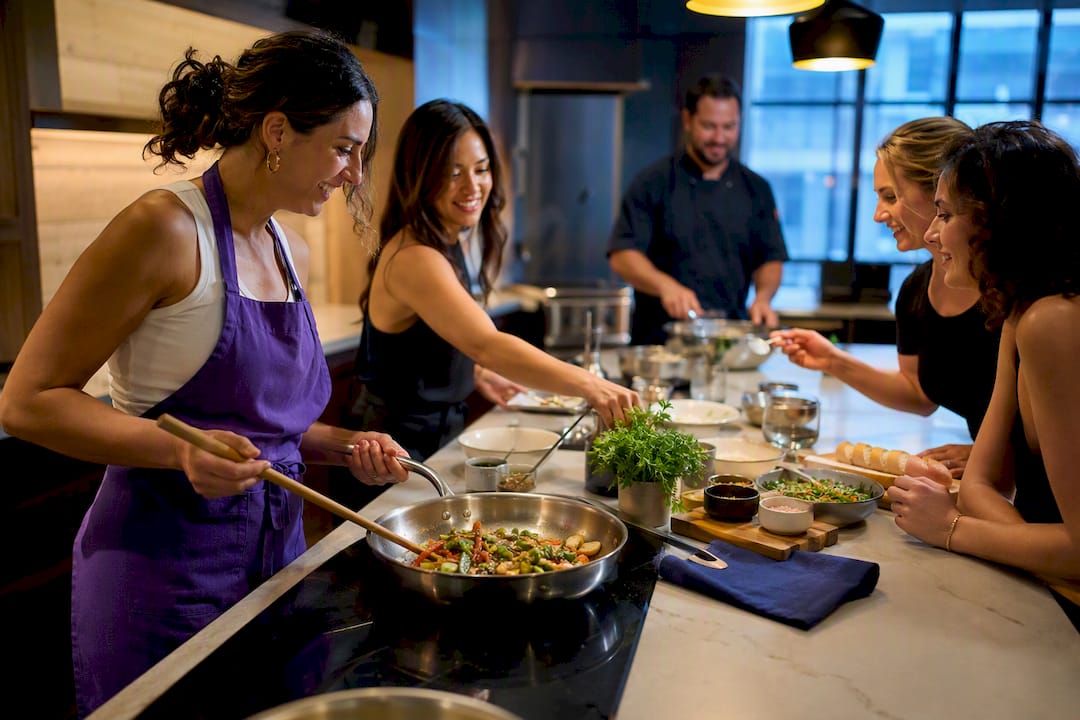
The easiest high-return double dates are hands-on cooking classes, trivia night, an escape room, a wine or beer tasting, and a hike paired with a picnic. Each one works because it hands the group a shared goal, a little novelty, and enough built-in structure that conversation flows without anyone forcing it. BiteUnite’s cooking classes hit all three at once, but the shortlist below covers every energy level and budget.
TL;DR:
- Double dates involving active, structured activities like cooking classes or hikes tend to foster better conversation and shared experiences than passive outings.
- Booking in advance is essential for activities such as cooking classes or seasonal events, as slots fill quickly on weekends or peak times.
- Activities should match the group’s energy level and goals, with low-pressure options like picnics or wine tastings suited for more relaxed groups.
- For low-cost, easy-to-organize options, at-home challenges or themed movie nights can create meaningful interaction without reservations.
- Combining movement with shared tasks or conversations increases comfort and bonding, especially for groups with limited mobility or newer acquaintances.
Table of Contents
- Quick Shortlist: 8 Best Double Date Ideas and When to Pick Them
- At-Home and Low-Prep Double Date Ideas
- Outdoor and Active Double Date Ideas
- Night-Out and Entertainment Double Date Ideas
- Seasonal and Special-Occasion Double Date Ideas
- How to Choose the Right Double Date
- Why Activity-Based Double Dates Work
- Why I Keep Recommending Cooking Classes for Double Dates
- Book a Cooking Class for Your Next Double Date
- Sources
Quick Shortlist: 8 Best Double Date Ideas and When to Pick Them
Not every double date fits every group, so match the activity to what your foursome actually wants that night. Here’s the fastest way to sort your options:
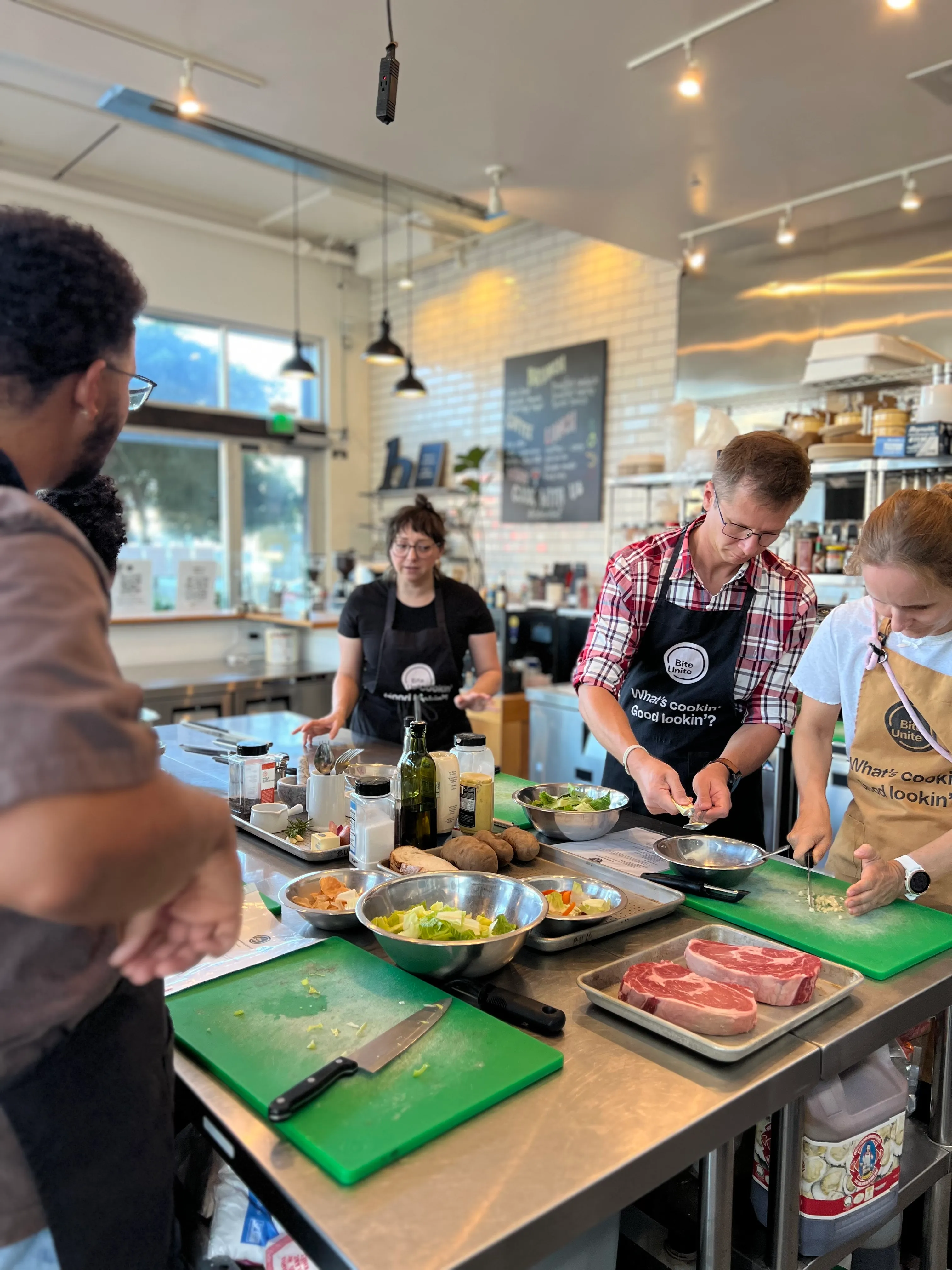
- Hands-on cooking class ($40 to $100+ per person, about 2 to 2.5 hours): best when both couples want a real souvenir at the end, like a finished meal to eat together. Book ahead since these fill fast on weekends.
- Trivia night ($10 to $30 per person, 1.5 to 2 hours): best for groups who like light competition without the stakes feeling personal. Low prep, just show up.
- Escape room ($25 to $40 per person, 1 hour): best when you want forced teamwork fast. Skip this if either couple gets stressed under time pressure.
- Wine or beer tasting ($20 to $50 per person, 1.5 hours): best for a slower, seated pace where talking matters more than doing. Reserve a tasting flight in advance.
- Hike plus picnic (roughly $10 to $20 per person for supplies, 2 to 3 hours): best for a free-flowing, no-pressure afternoon. No reservation needed, just a trail and a cooler.
- Bowling or arcade bar ($15 to $35 per person, 1.5 to 2 hours): best when the group wants movement and noise, not deep conversation.
- Karaoke private room ($20 to $40 per person, 1.5 hours): best for groups already comfortable being a little silly together.
- Farmer’s market brunch ($10 to $25 per person, 1.5 hours): best as a low-key morning option that leaves the rest of the day open.
A small hosting tweak that helps almost every option: rotate who sits next to whom halfway through, so the night doesn’t split into two separate couple conversations.
At-Home and Low-Prep Double Date Ideas
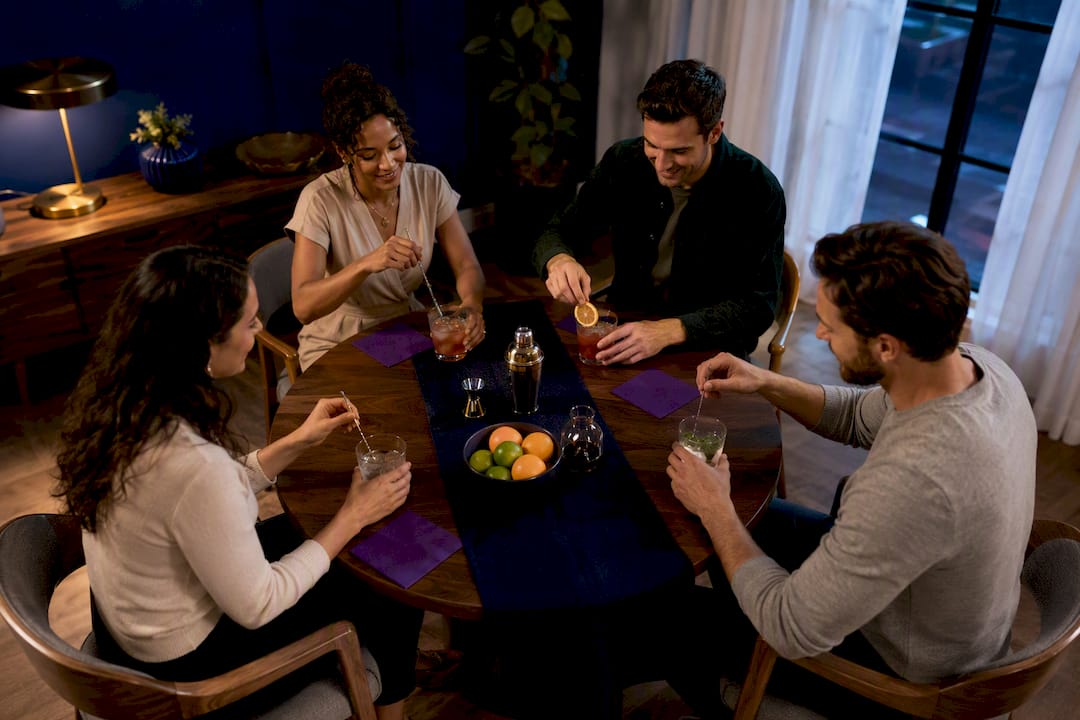
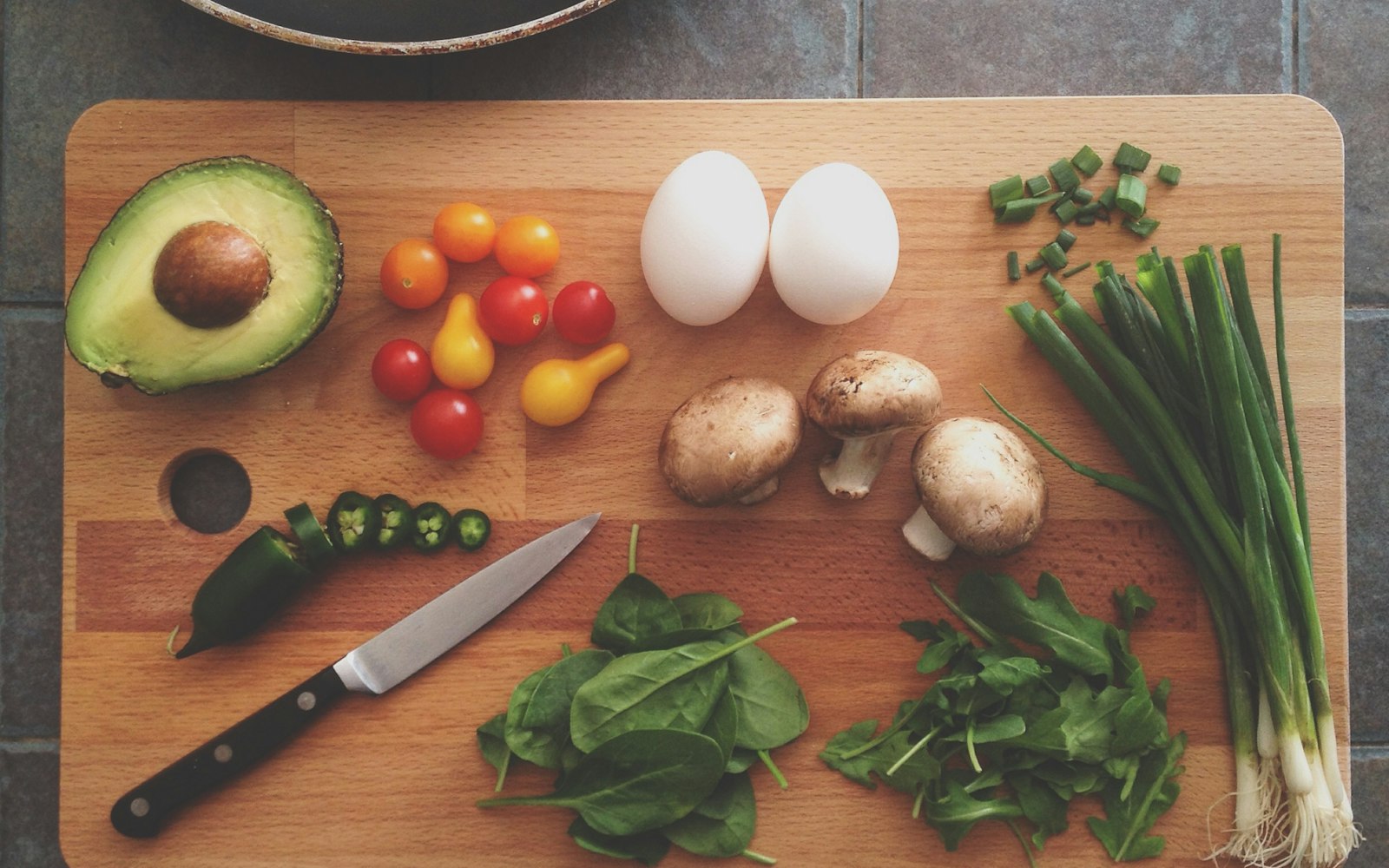
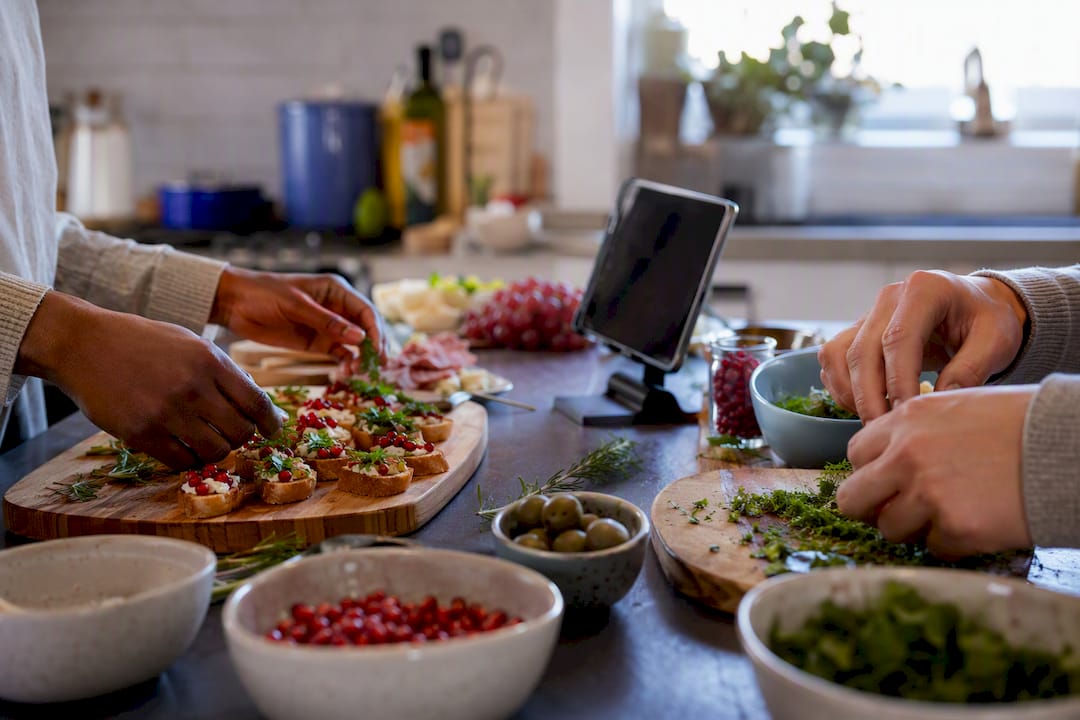
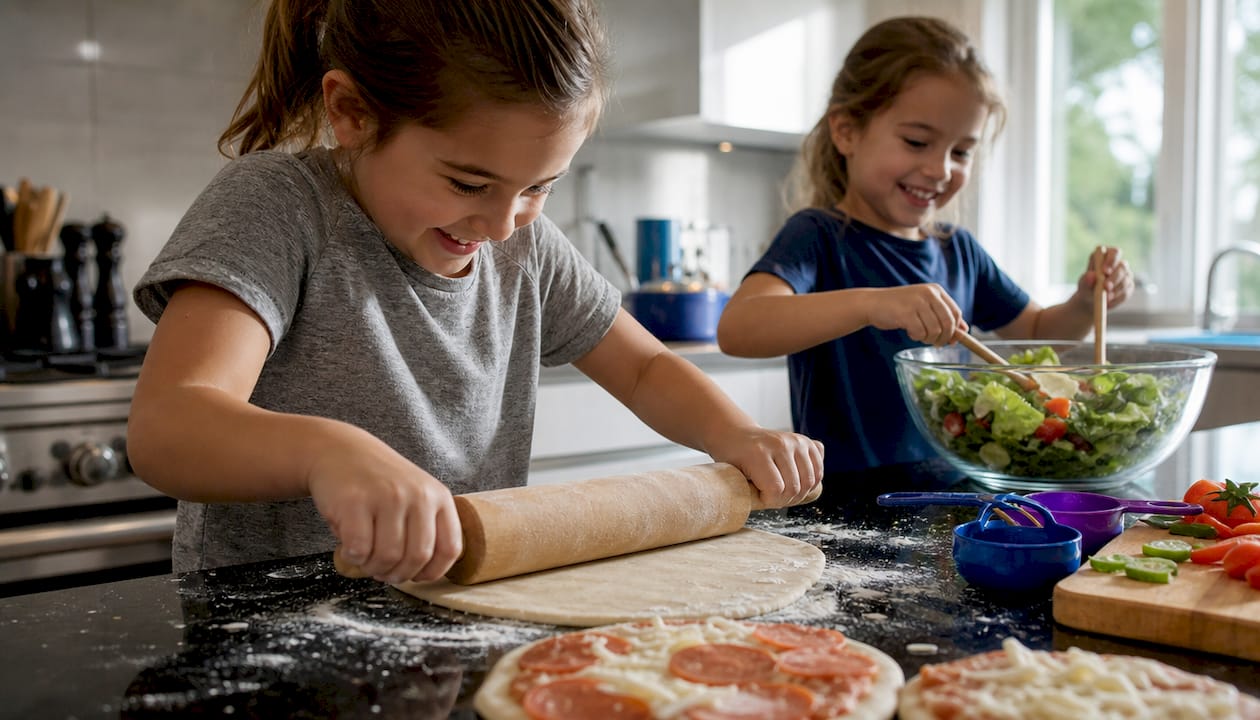
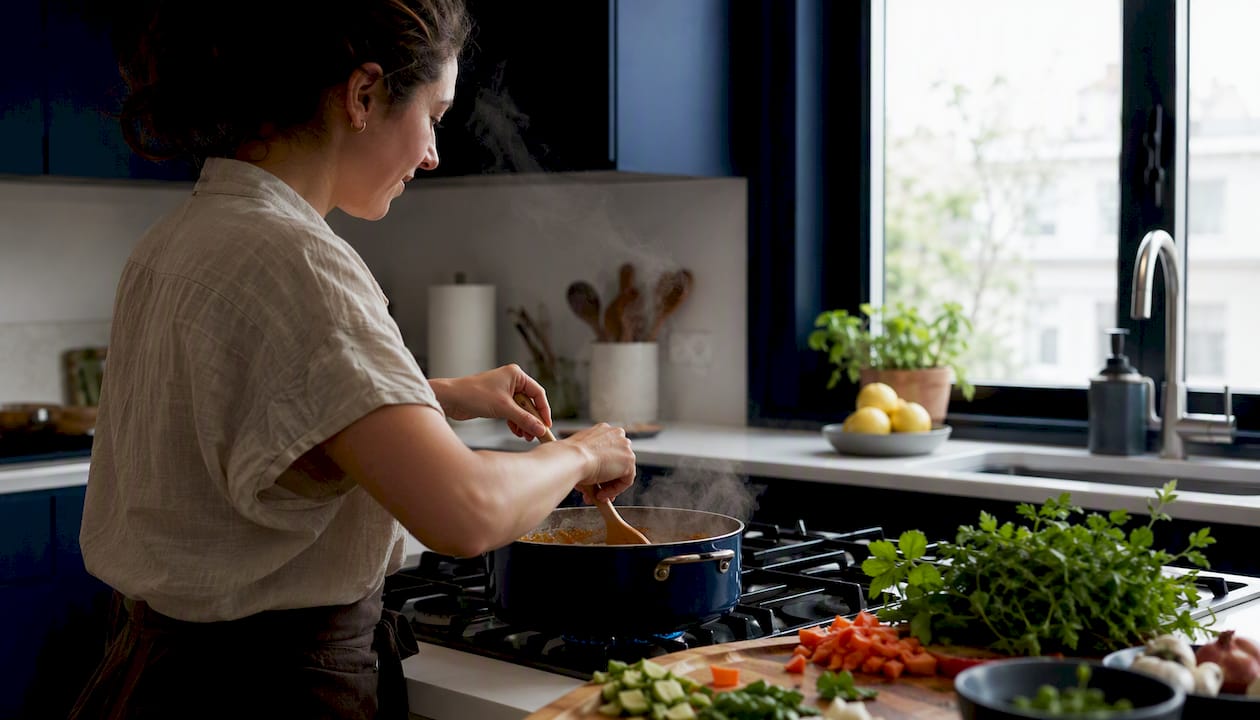
Some of the best double dates cost almost nothing and need zero reservations. An at-home cooking challenge, where each couple gets an ingredient basket and 30 minutes to cook a dish, turns a Tuesday night into a mini competition with a shared meal at the end (about $15 to $25 per person, 90 minutes total). Board games with a twist, swapping partners between rounds, break up the usual pairing and force new conversations. A themed movie night with a short discussion afterward works well for a lower-energy group. Cocktail or mocktail kits let everyone mix drinks together instead of one person playing bartender all night.
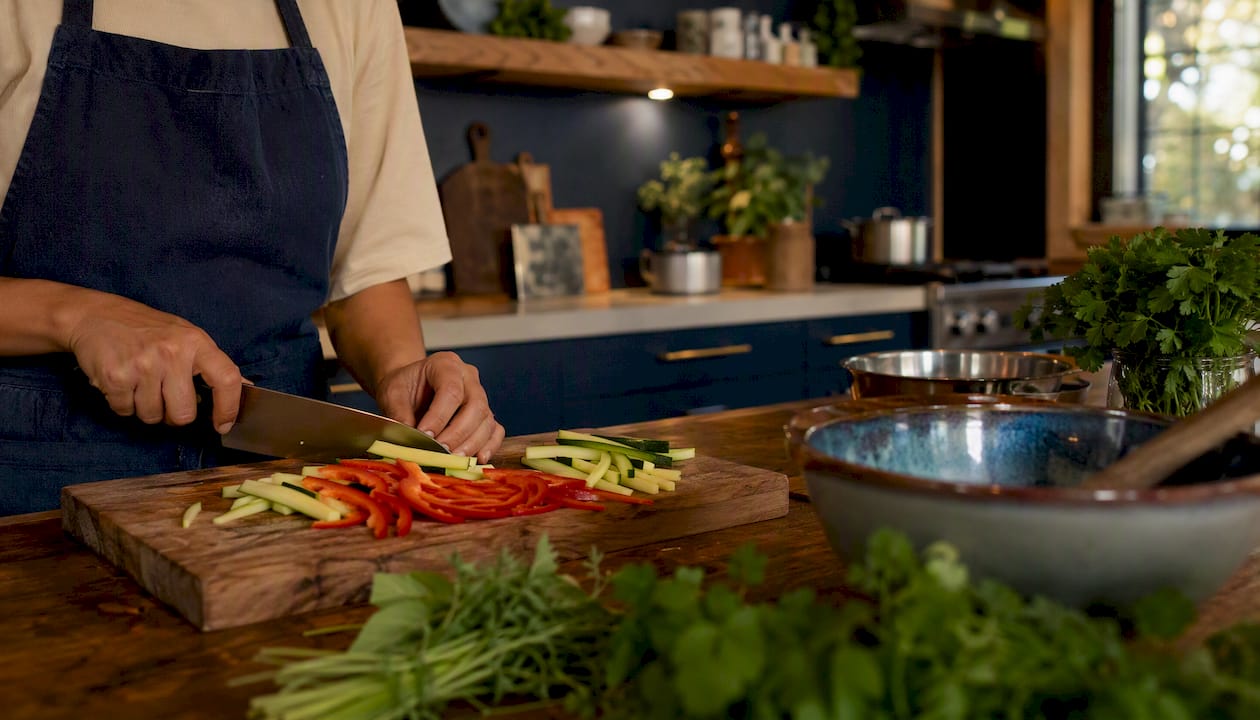
- At-home cooking challenge: $15 to $25 per person, 90 minutes, needs a kitchen table and two cutting boards.
- Board games with partner swaps: under $10 per person, 1 to 2 hours, works for any living room.
- Themed movie plus discussion: free to $15 per person, 2 to 3 hours, dim lighting and comfortable seating matter most.
- Cocktail or mocktail kit night: $20 to $30 per person, 1 hour, keep the recipe cards simple.
Pro Tip: Put on background music at a volume where two people can talk without leaning in. Silence makes new groups self-conscious; loud music makes them shout instead of chat.
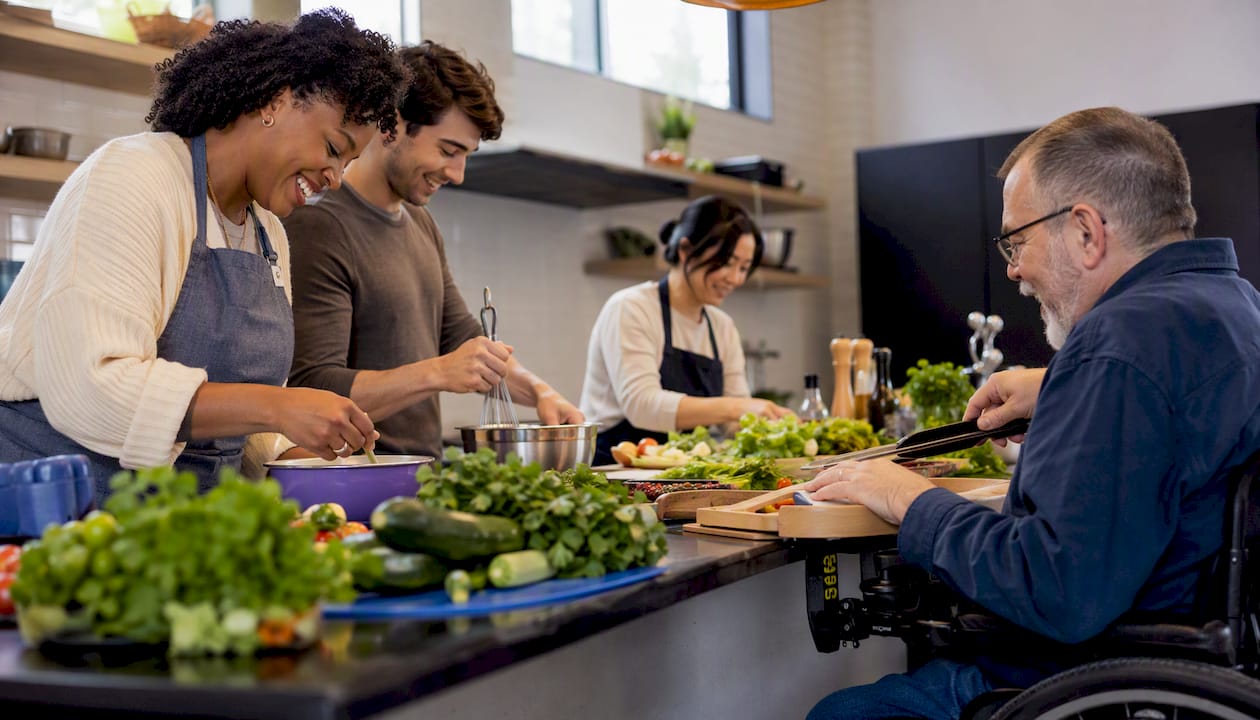
For guests with limited mobility, seated activities like the cooking challenge or cocktail night beat anything that requires standing for long stretches.
Outdoor and Active Double Date Ideas
Movement changes the rhythm of a conversation in a good way. Walking side by side removes the pressure of constant eye contact, which is part of why a hike plus picnic ranks among the most reliable double date ideas for couples who don’t know each other well yet. A visit to a local botanical garden or workshop-style class offers a similar low-pressure structure, and community institutions like botanical gardens often run adult classes built specifically for small groups.
- Hike plus picnic: pack a blanket, water, and simple food; budget 2 to 3 hours and check trail difficulty against everyone’s fitness level.
- Paddleboarding or kayaking: 1.5 to 2 hours, rentals often run $25 to $50 per person; confirm swimming comfort ahead of time.
- Botanical garden stroll or workshop: $10 to $25 per person, 1 to 2 hours, mostly flat and stroller or wheelchair friendly.
- Beach sunset walk: free, 1 hour, easy to adjust pace for anyone less mobile.
- Food-hall crawl: $20 to $40 per person, 2 hours, lets people sit whenever they need a break.
For mixed-ability groups, swap the hike for a flat garden path and keep the picnic. Nobody notices the substitution once the food comes out.
Night-Out and Entertainment Double Date Ideas
Evening activities work best when they’re built around a shared task instead of a shared table. Trivia nights and escape rooms both give groups something to solve together, which sidesteps the awkward silence that sometimes hits four people over dinner alone. Karaoke private rooms and bowling alleys add a bit of performance and light competition, while comedy shows and live music keep things looser for groups that just want to laugh.
- Trivia night: $10 to $30 per person, 1.5 to 2 hours, reserve a table if the venue is popular.
- Escape room: $25 to $40 per person, 1 hour, book at least a few days out.
- Karaoke private room: $20 to $40 per person, 1.5 hours, split the room fee evenly before ordering drinks.
- Comedy show: $20 to $50 per person, 2 hours, arrive early for good seats.
- Bowling or arcade bar: $15 to $35 per person, 1.5 to 2 hours, alternate lanes so no one dominates the scoreboard.
Split tabs by pre-agreeing on a flat per-person amount rather than itemizing every drink. It’s faster and it avoids turning the night into a math problem. Keep games mildly competitive rather than winner-take-all. Research on group-friendly date formats points out that overly competitive setups can sour the mood for couples who just met.
Seasonal and Special-Occasion Double Date Ideas
The calendar hands you built-in double date material almost every few months. Fall means a pumpkin patch followed by a backyard bonfire, an easy combination that costs little and photographs well. Winter shifts naturally toward ice skating or a hot pot dinner, both of which force people to sit close and share utensils or blades, which speeds up bonding. Spring and summer open up rooftop dinners, outdoor concerts, and farmer’s market brunches that take advantage of longer daylight.
- Fall: pumpkin patch plus bonfire, $10 to $20 per person, half a day.
- Winter: ice skating or hot pot dinner, $15 to $40 per person, 2 hours.
- Spring or summer: rooftop dinner, outdoor concert, or farmer’s market brunch, $20 to $50 per person, 1.5 to 2 hours.
Book seasonal venues at least two weeks ahead since pumpkin patches and skating rinks fill fast on weekends. If weather turns, swap outdoor plans for an at-home cooking date instead of canceling outright. A Valentine’s-style cooking session also works as a cheap substitute when a rooftop reservation falls through.
How to Choose the Right Double Date
Picking the right activity comes down to three quick checks before anyone books anything.
- Align on energy and goal. Ask both couples if they want to talk, move, or compete tonight. Mismatched expectations, one couple wanting a quiet dinner while the other wants trivia, cause most double-date flops.
- Confirm logistics. Lock in budget range, total time, and any accessibility needs before picking a venue. A 3-hour cooking class doesn’t work if one couple has a babysitter deadline.
- Pick the activity and assign light roles. One person books the reservation, another handles the group chat for reminders. Simple roles prevent the “who’s in charge of this” confusion.
Watch for these red flags: an activity that splits into two isolated conversations instead of one group, anything hyper-competitive when the couples don’t know each other well, and bookings that run longer than everyone’s patience for small talk.
Pro Tip: When coordinating over text, send one message with three options and a deadline: “Trivia, escape room, or cooking class, Friday or Saturday, let us know by Wednesday.” Fewer choices get answered faster. Once you’re there, rotate seats halfway through the night so conversation doesn’t calcify into two separate pairs.
Why Activity-Based Double Dates Work
The science backs up what good hosts already sense. Couples who build novel, exciting activities into their routine, with guidance suggesting roughly 90 minutes a week, tend to sustain higher relationship satisfaction than couples who stick to familiar routines. Socializing with another couple adds a second layer: a 2014 research summary found that shared novel activities paired with meaningful conversation increased passionate love in long-term partners.
The best double dates avoid isolating one-on-one setups and skip hyper-competitive formats unless everyone genuinely wants to compete. Activity-based, low-pressure formats work better across mixed groups.
That framing, drawn from science-backed double date research, explains why cooking classes and hikes consistently outperform stiff dinner reservations for groups still getting comfortable with each other.
Why I Keep Recommending Cooking Classes for Double Dates
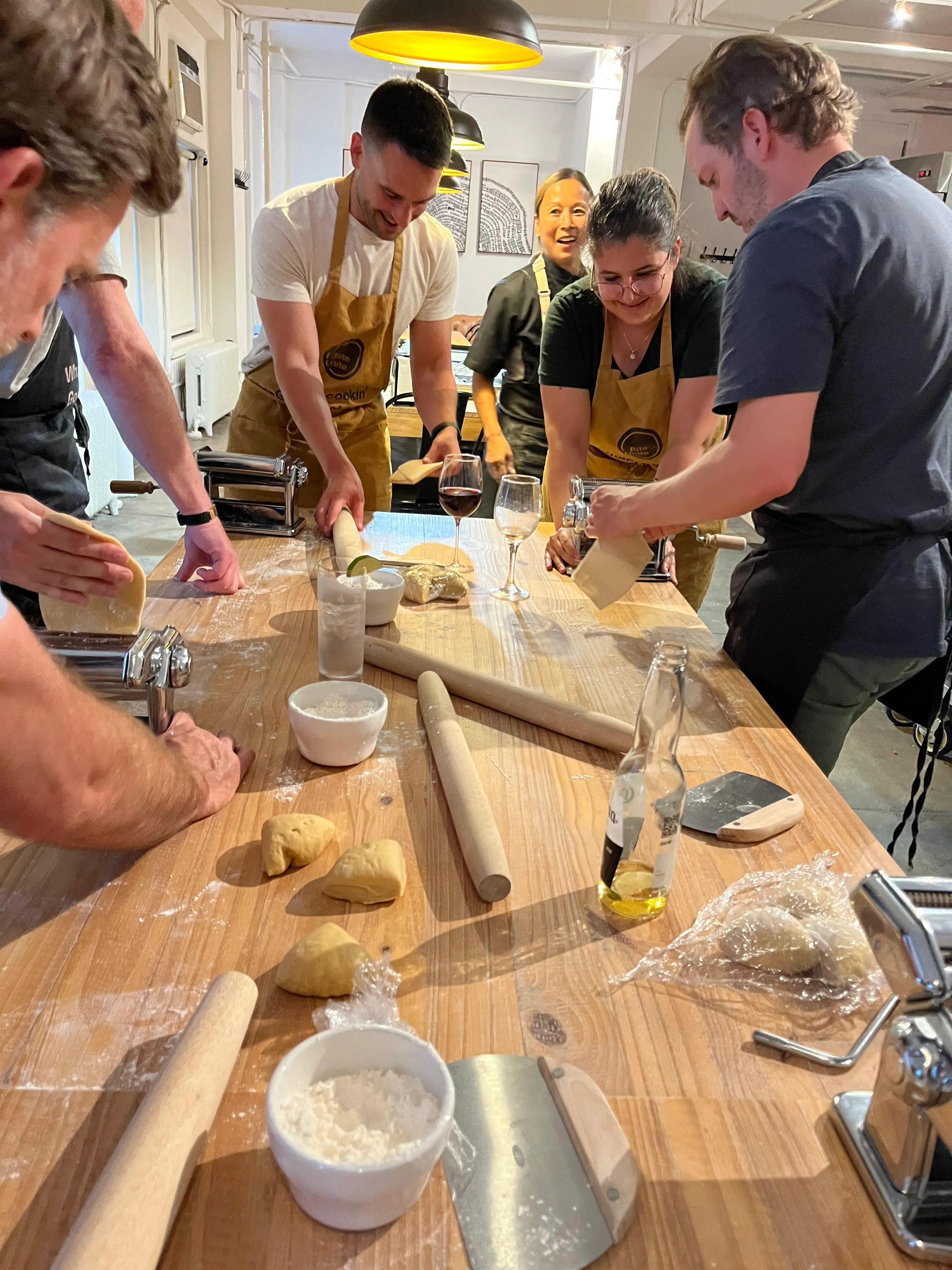
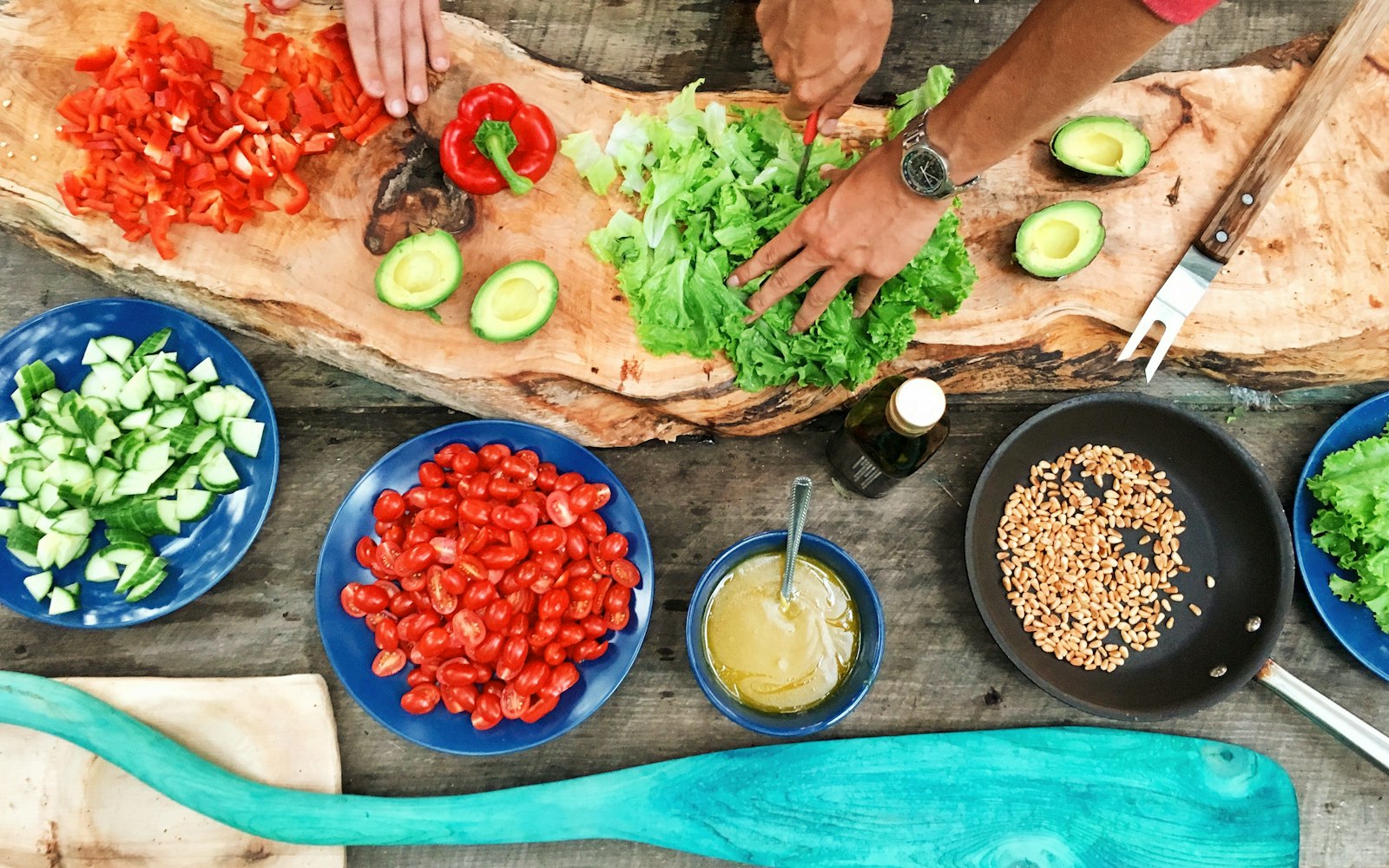
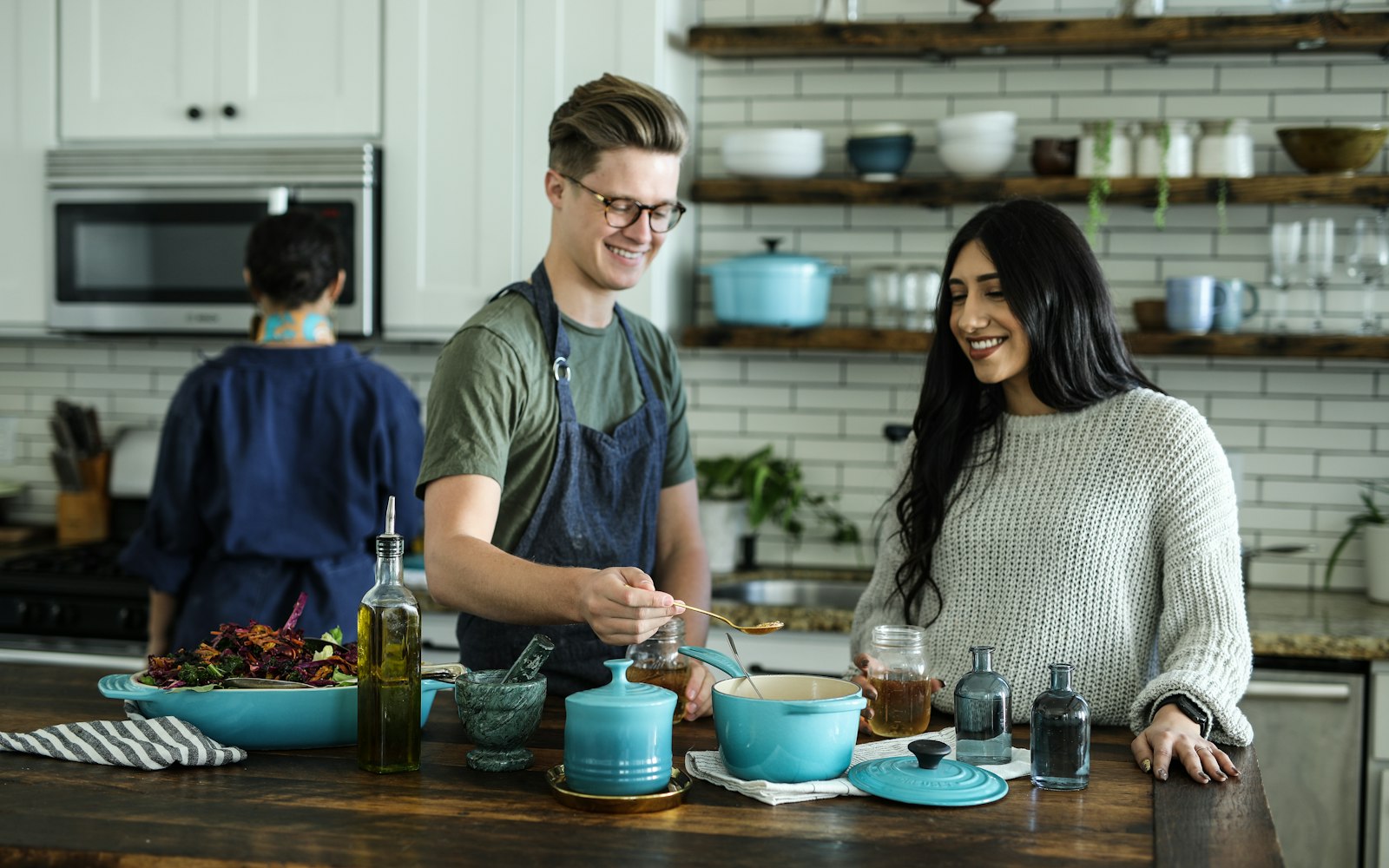
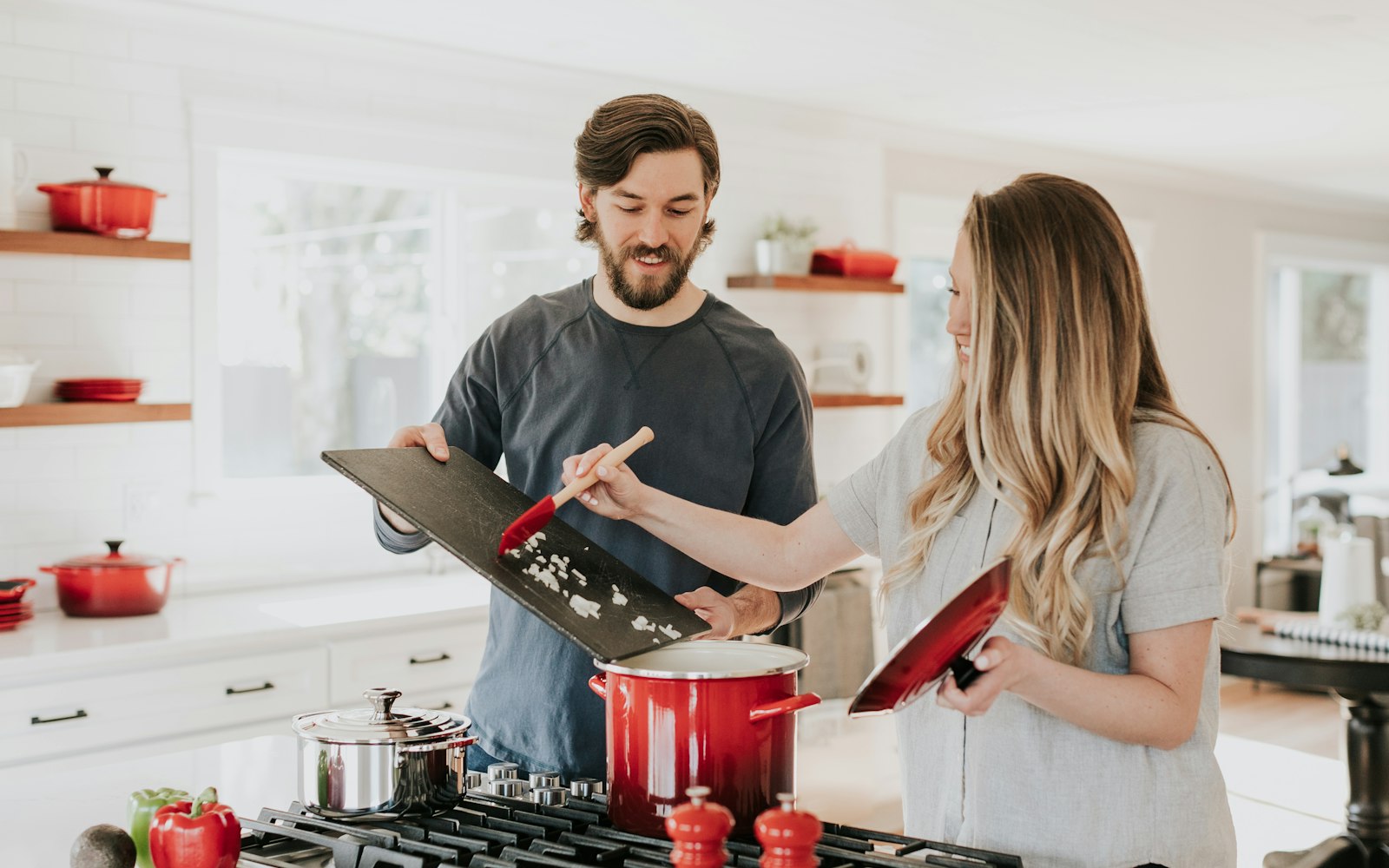
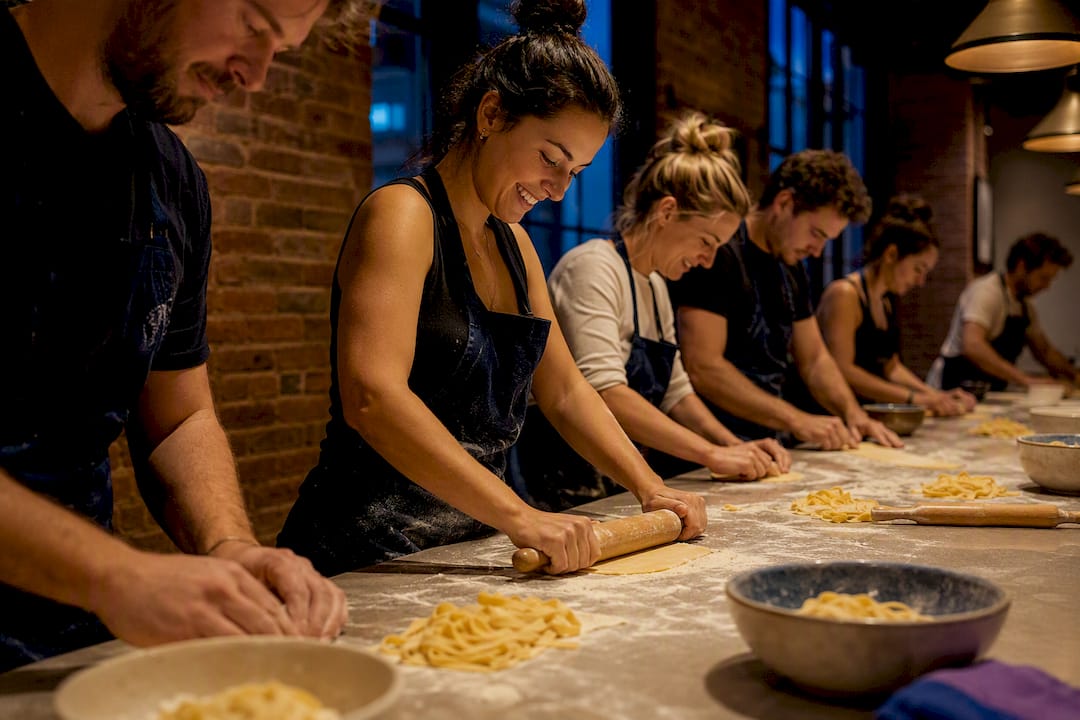
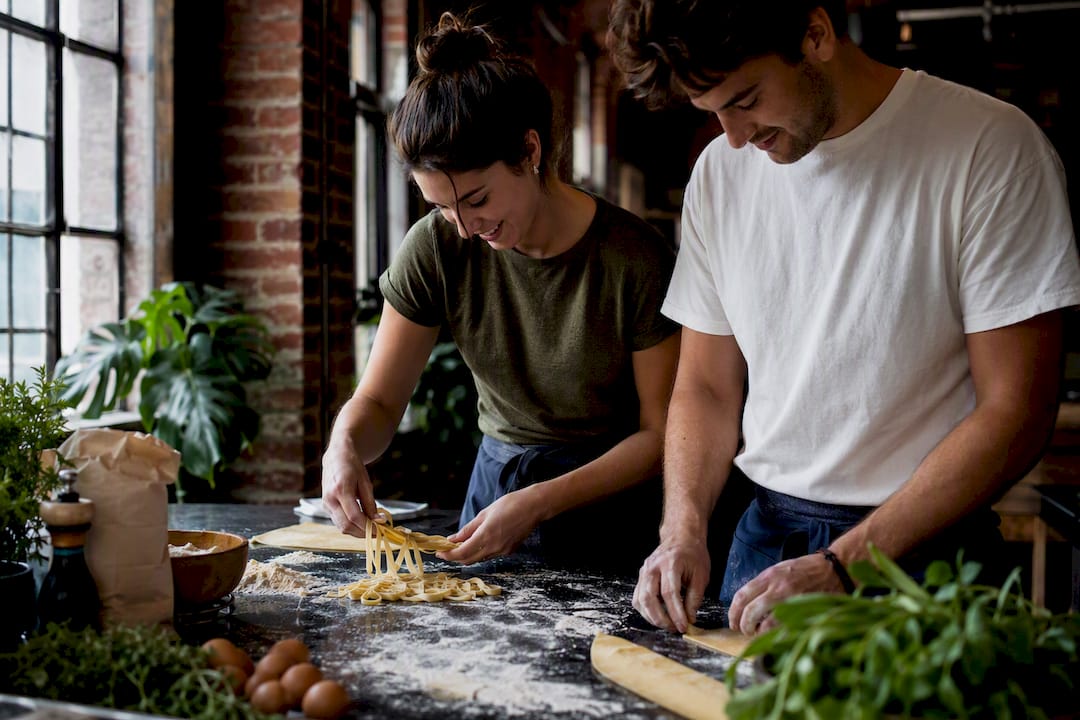
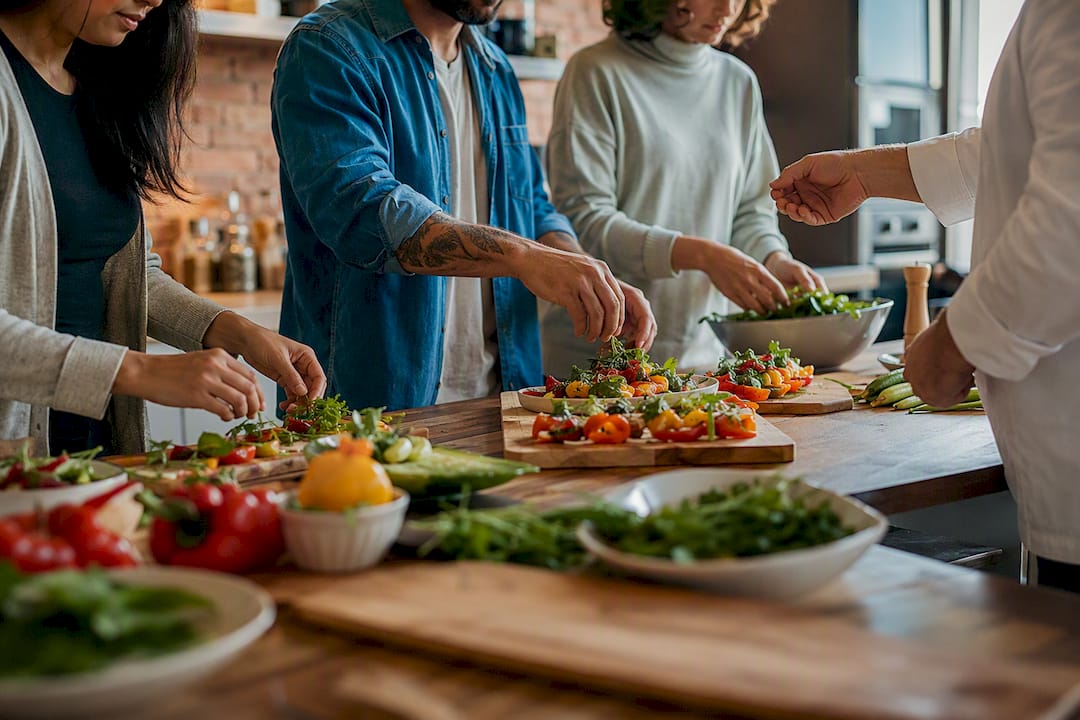
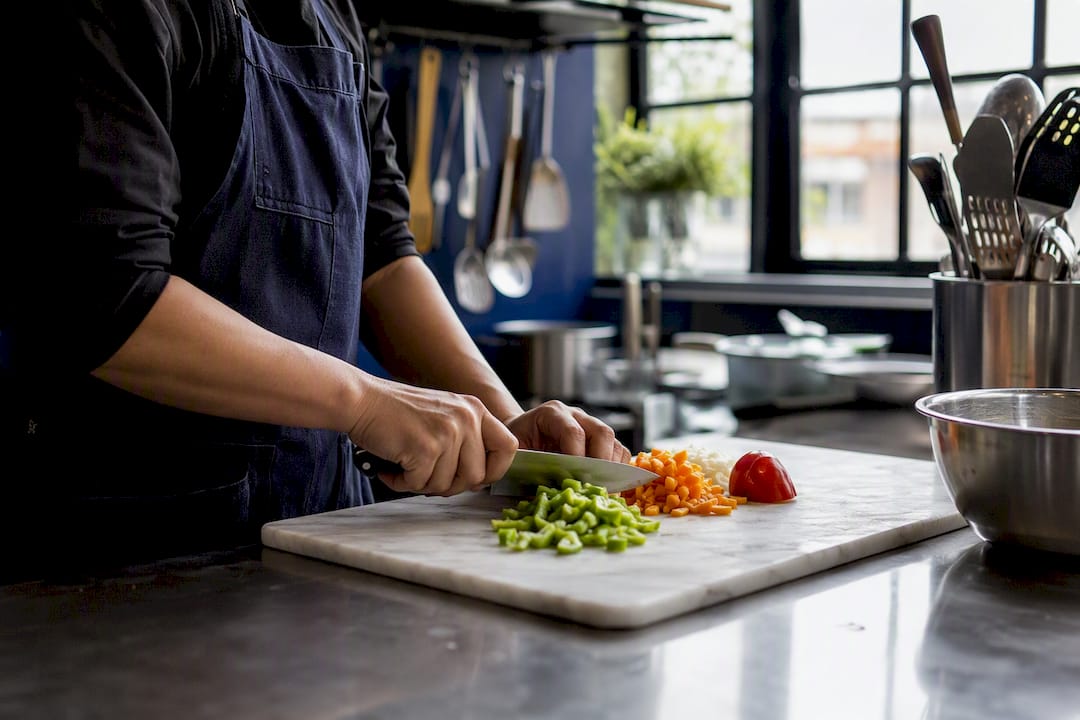
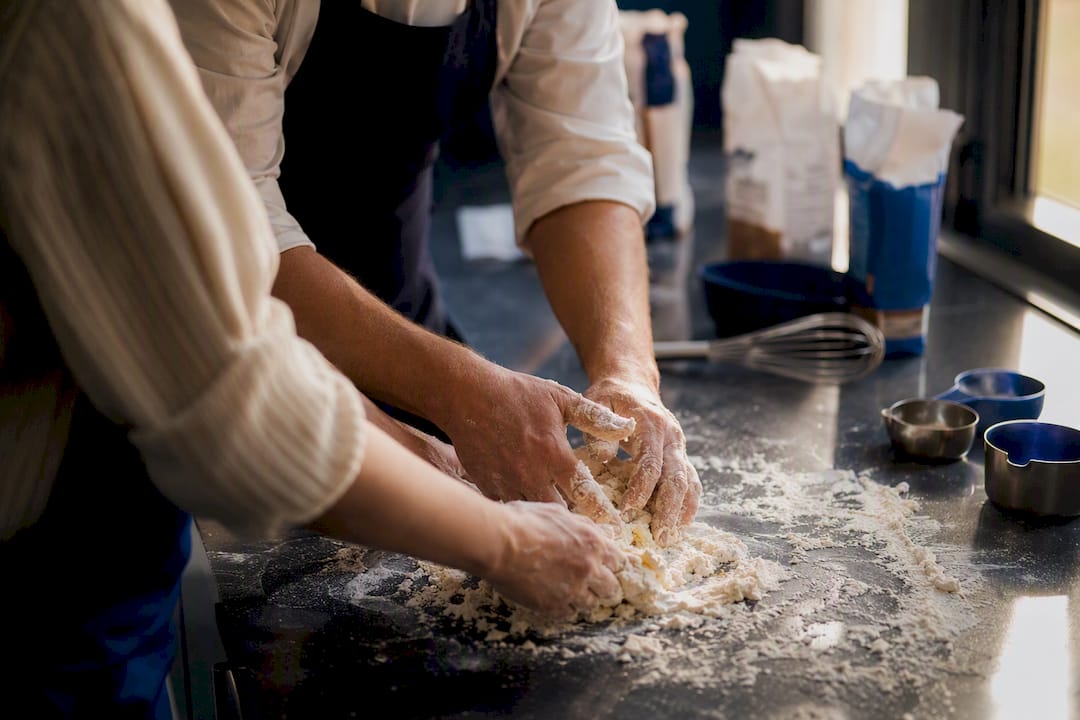
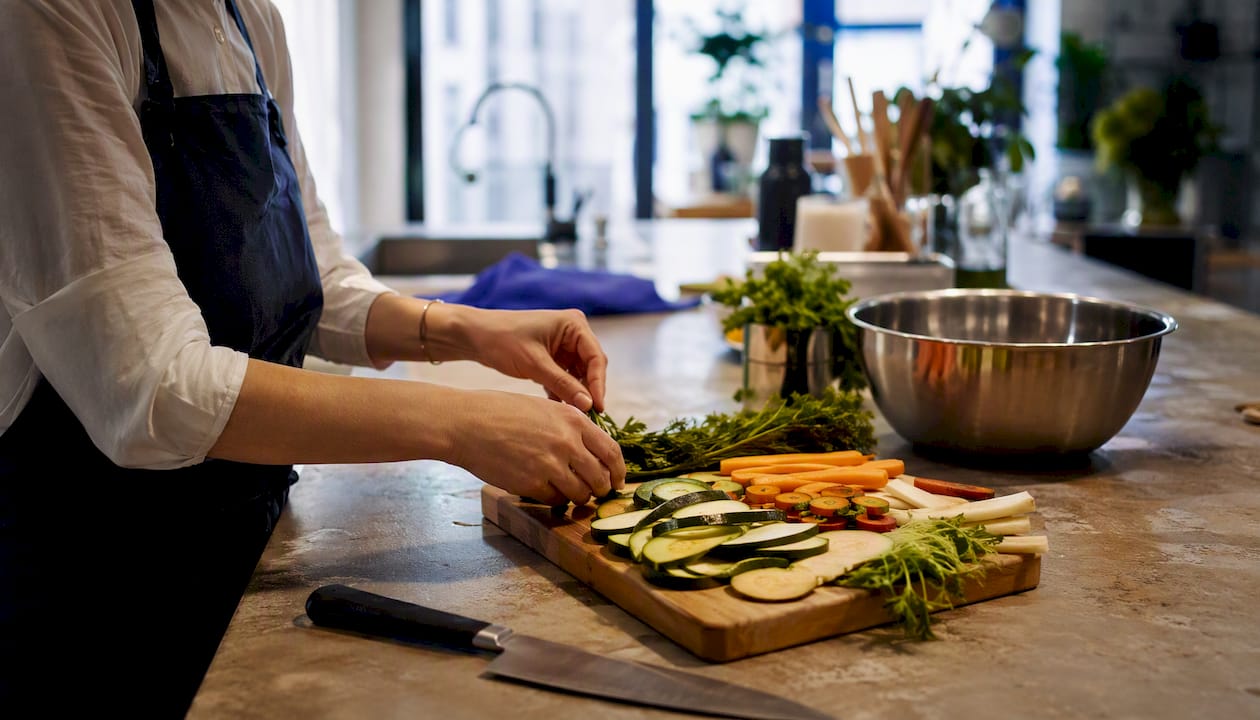
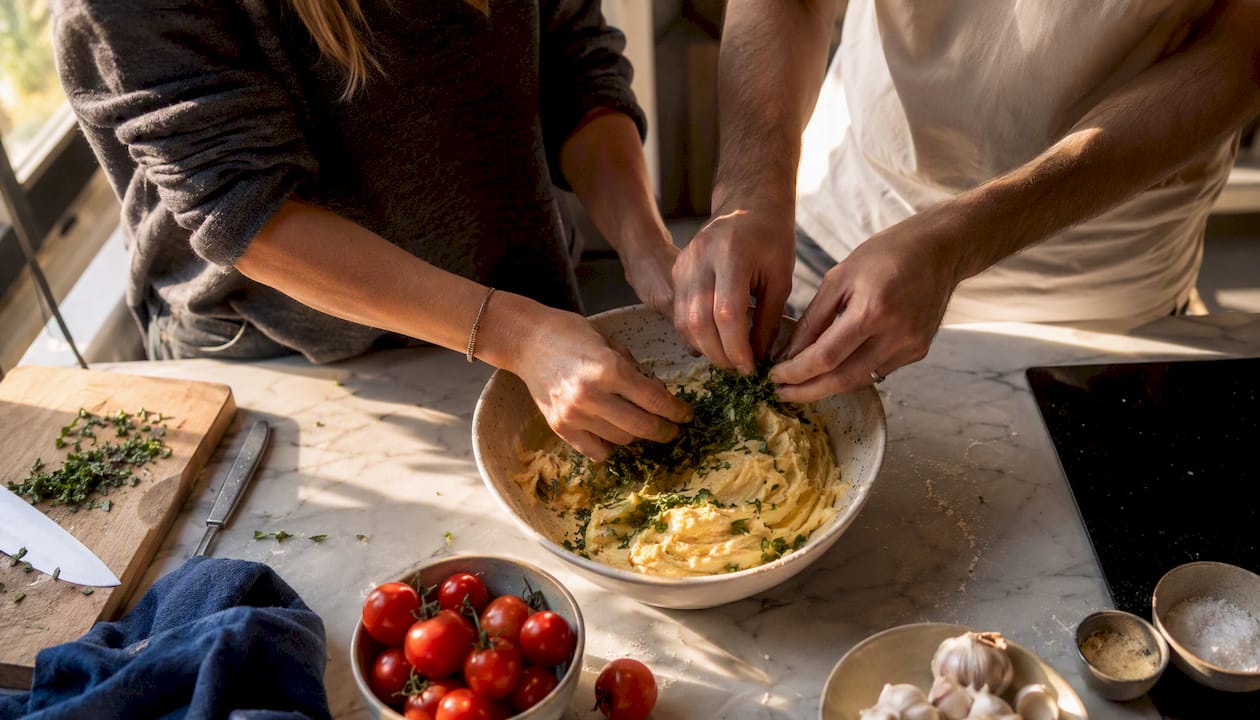
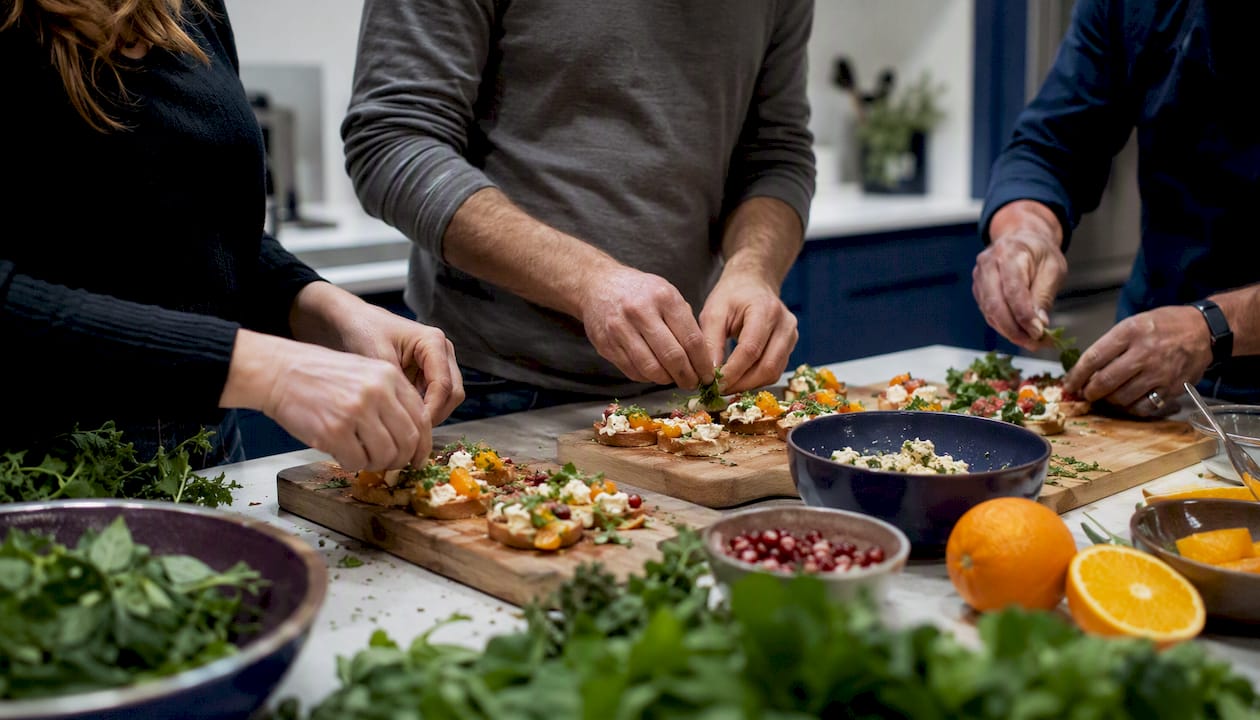
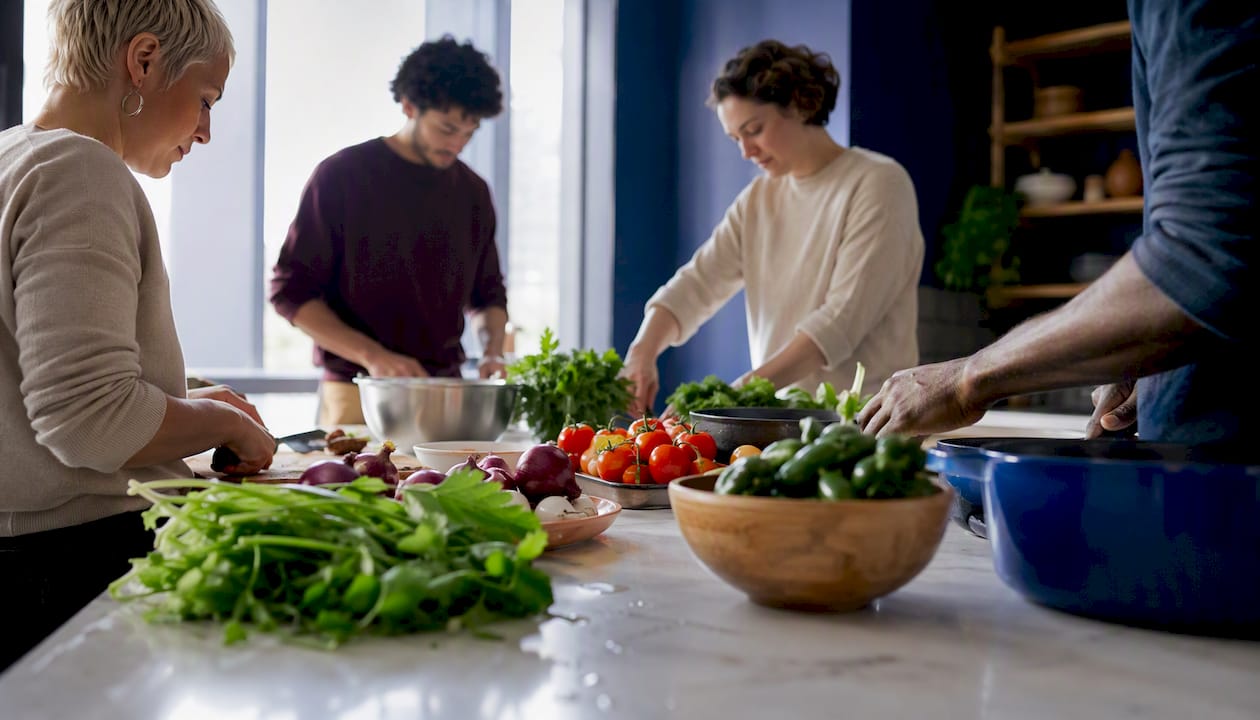
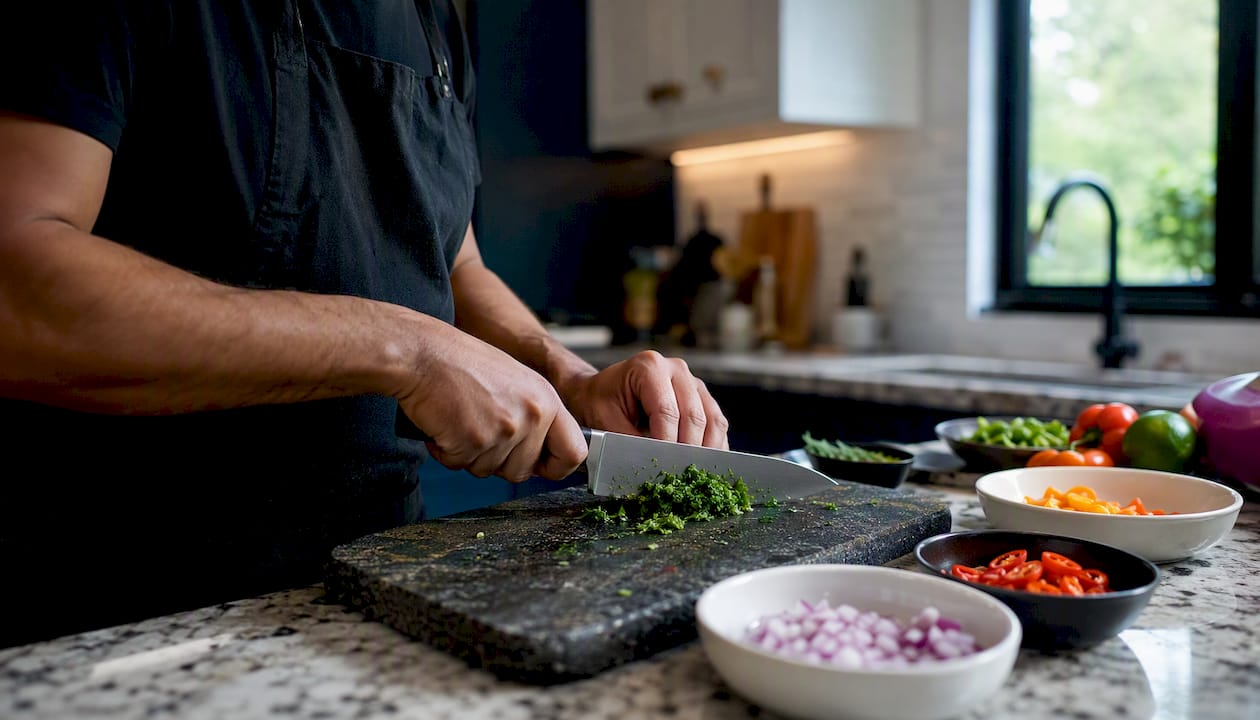
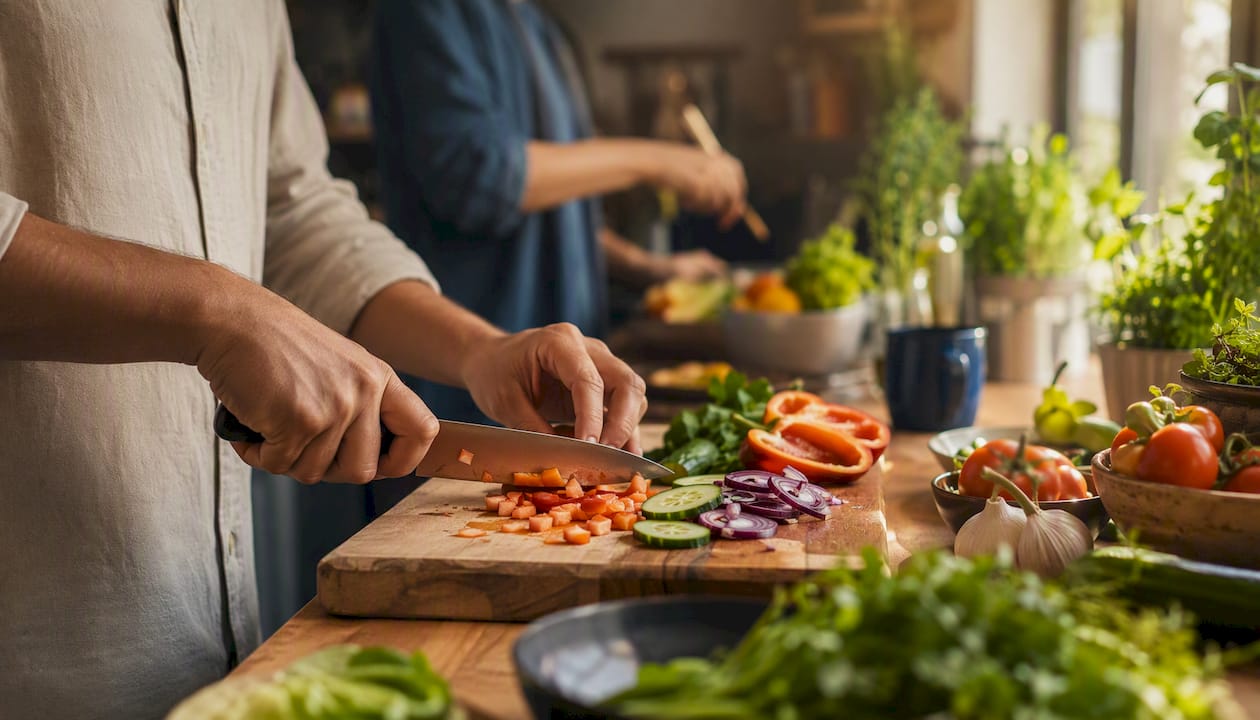
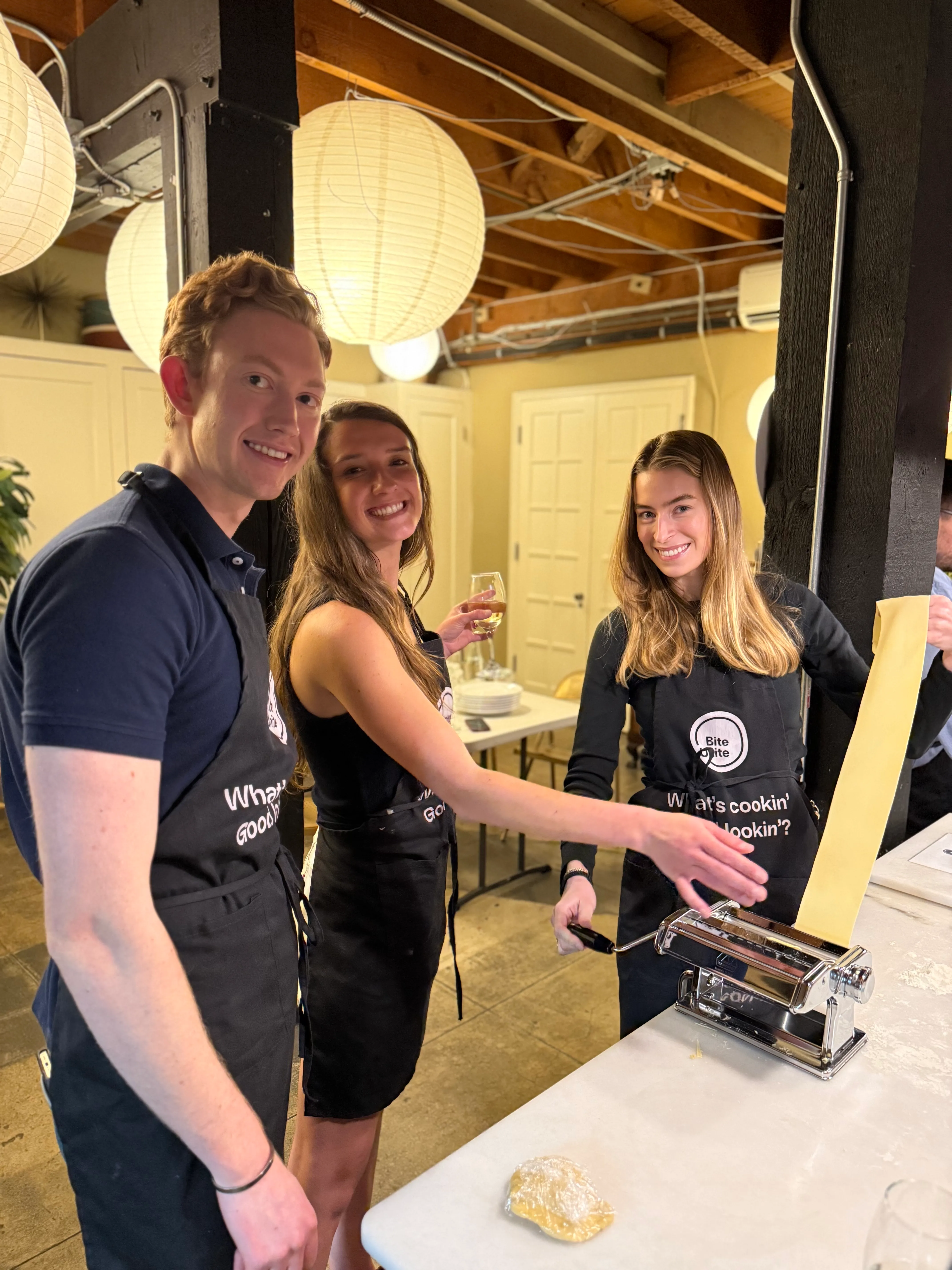
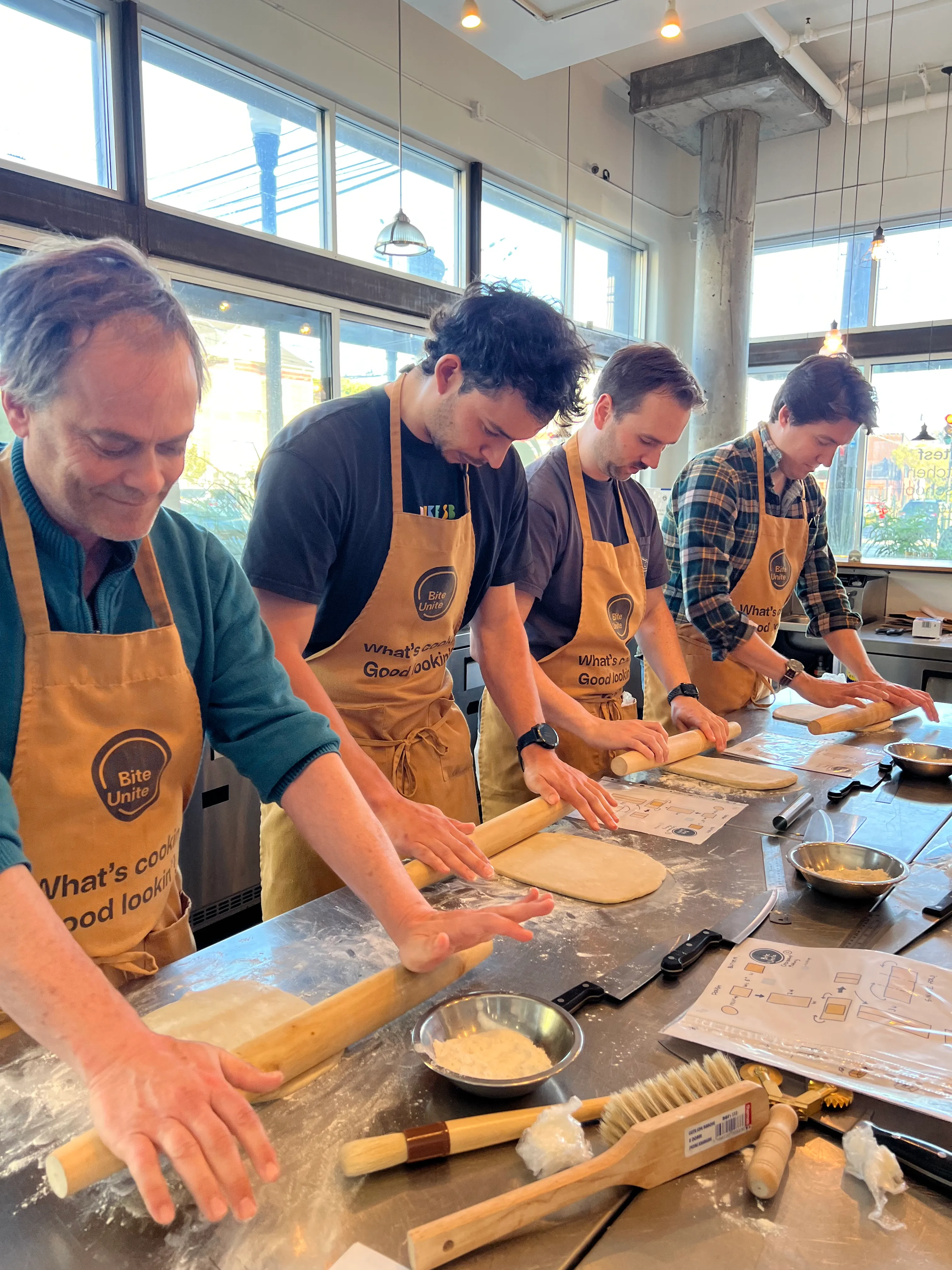
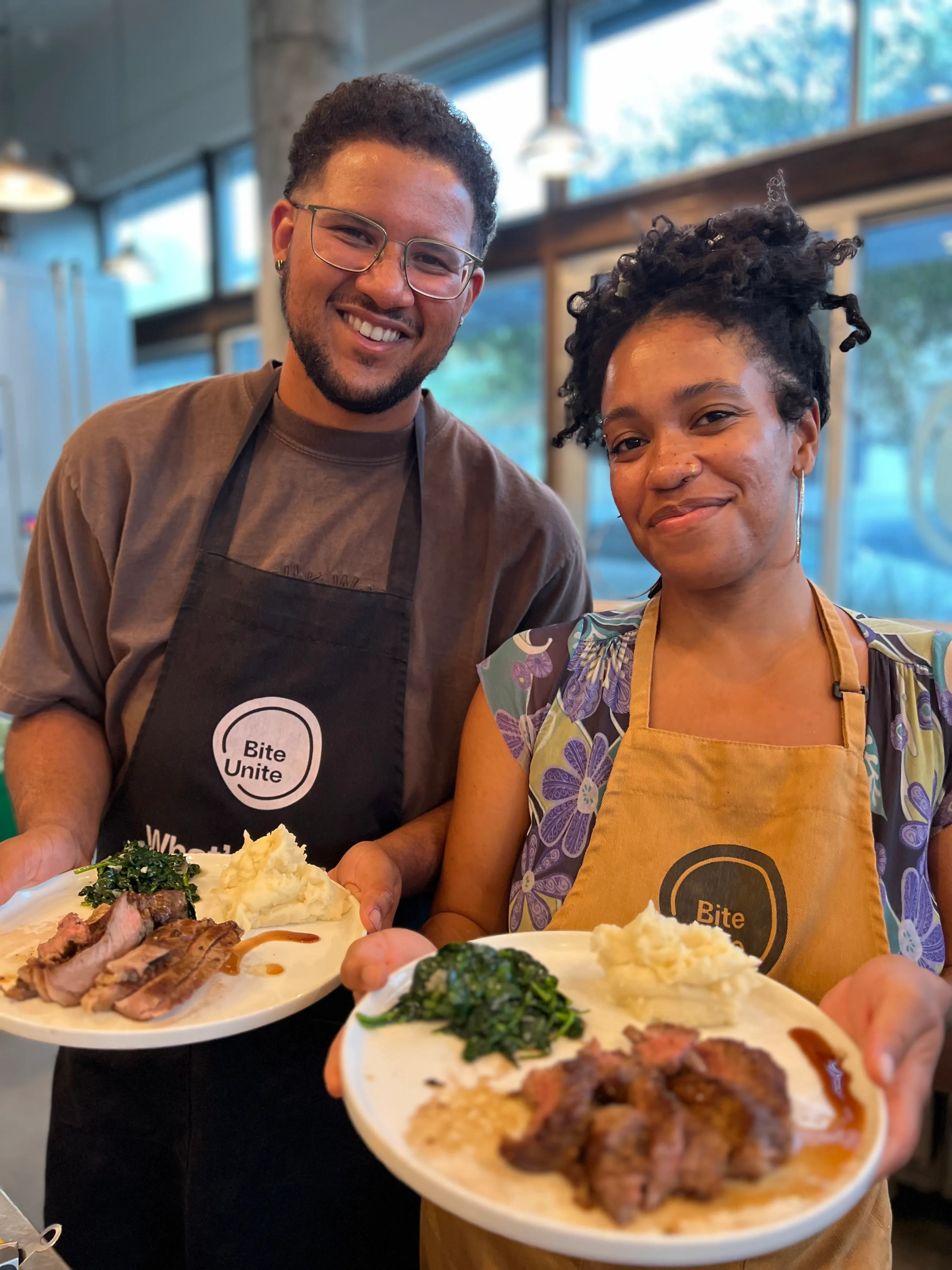
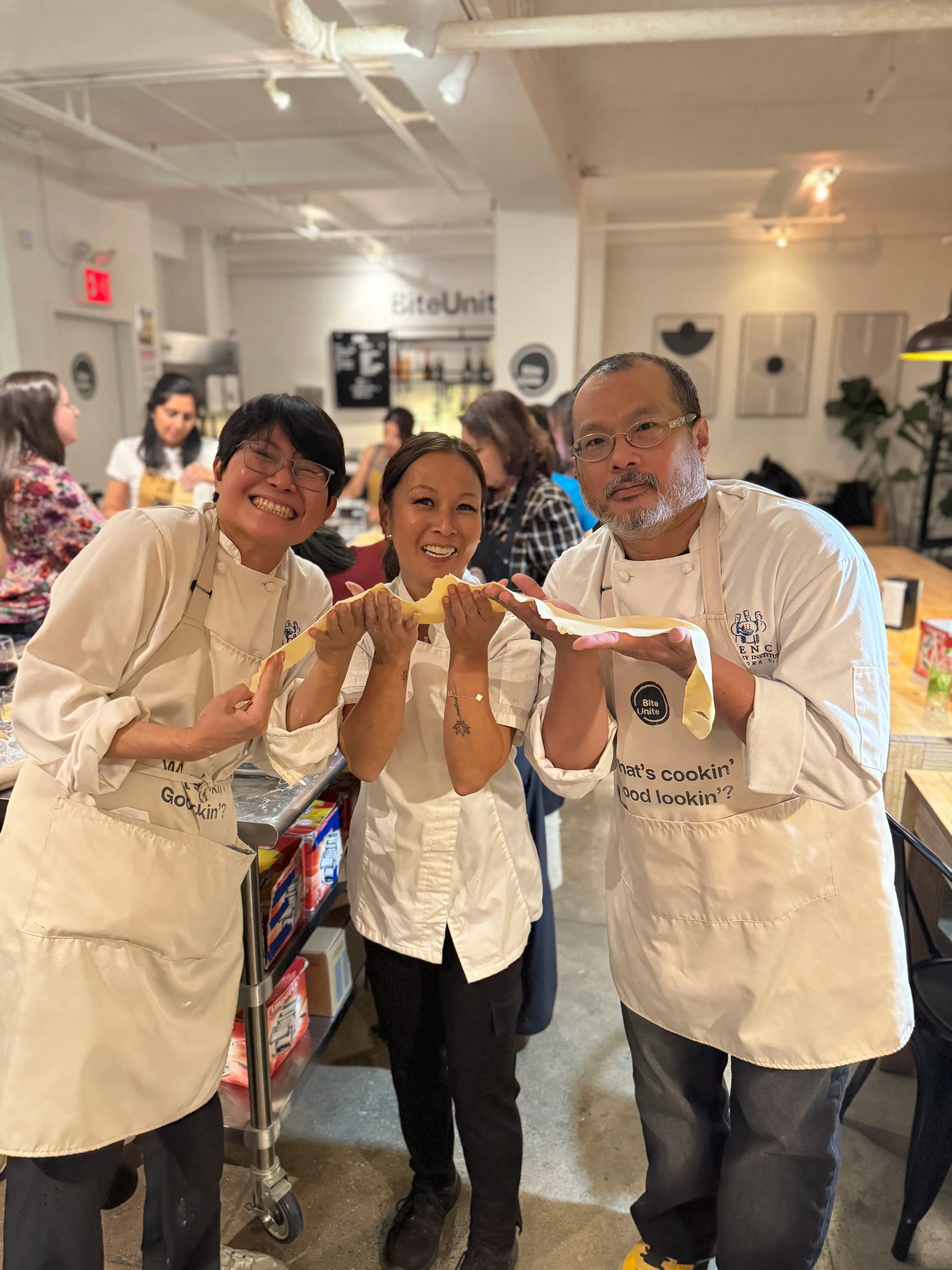
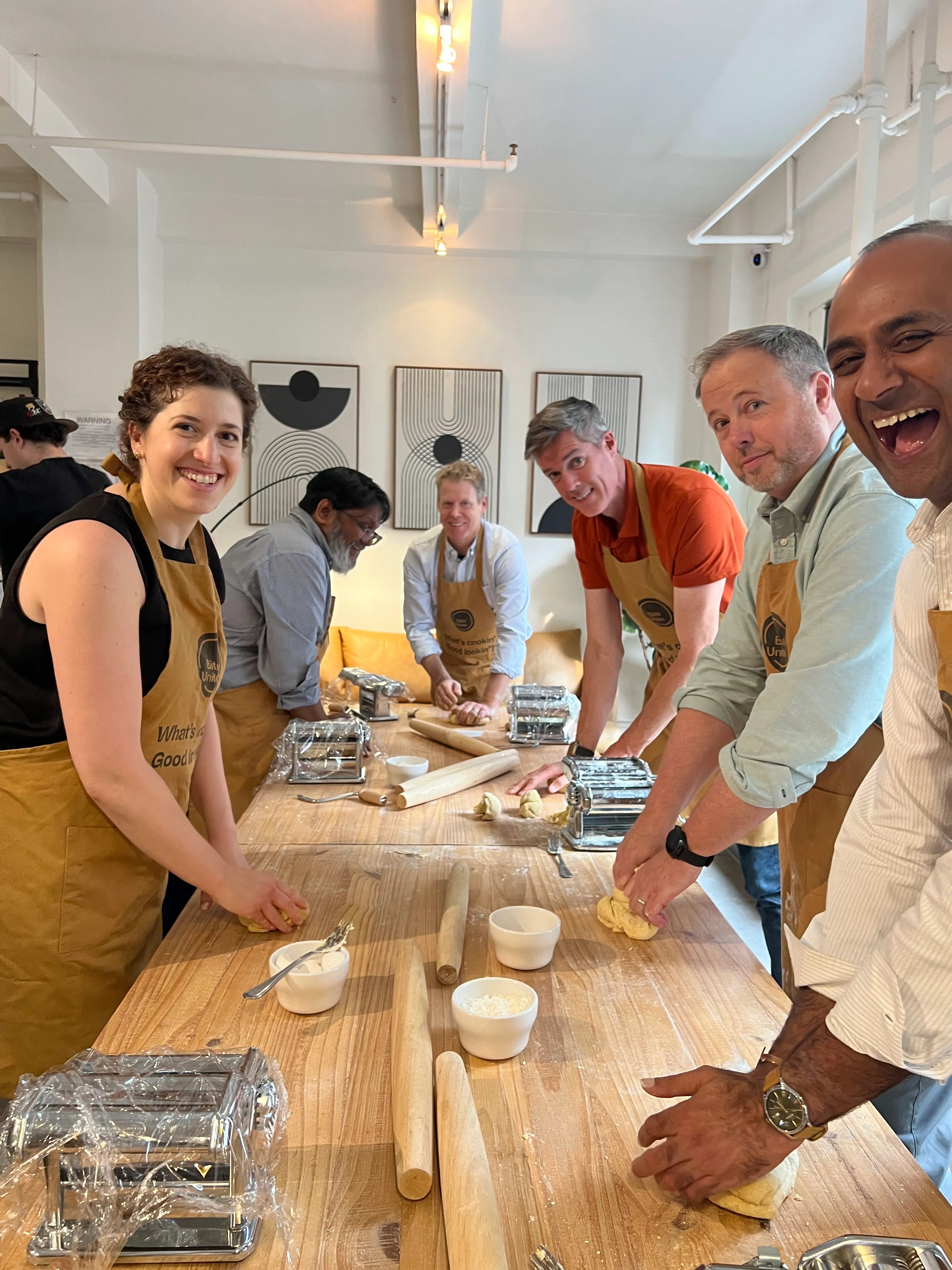
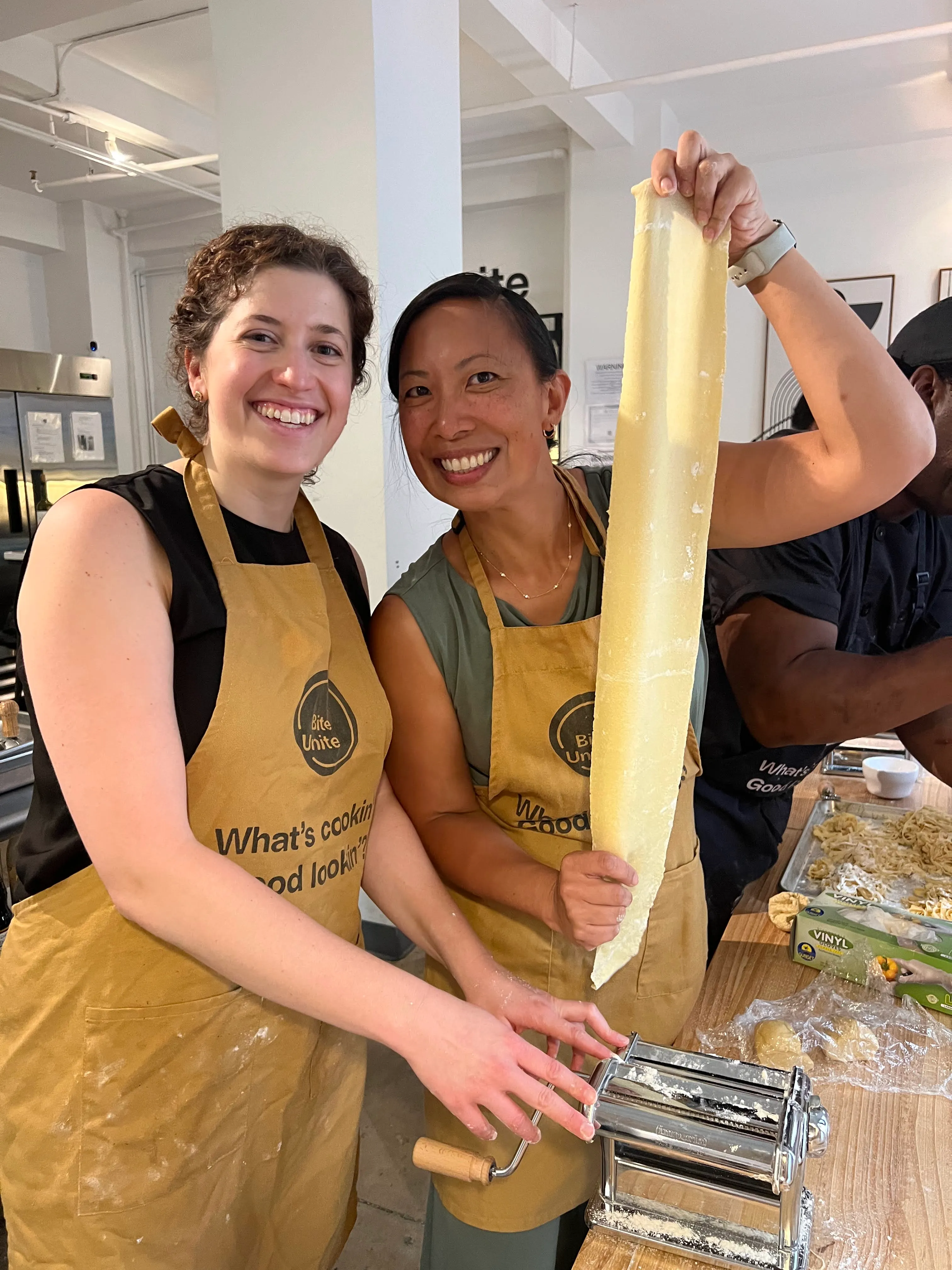
Cooking together strips away the pressure of making conversation from nothing. You’re chopping, tasting, and laughing at whoever burns the garlic first, and somewhere in that process four people who barely knew each other an hour ago are sharing a table they built themselves. That’s the real value: a shared task gives people permission to talk without performing.
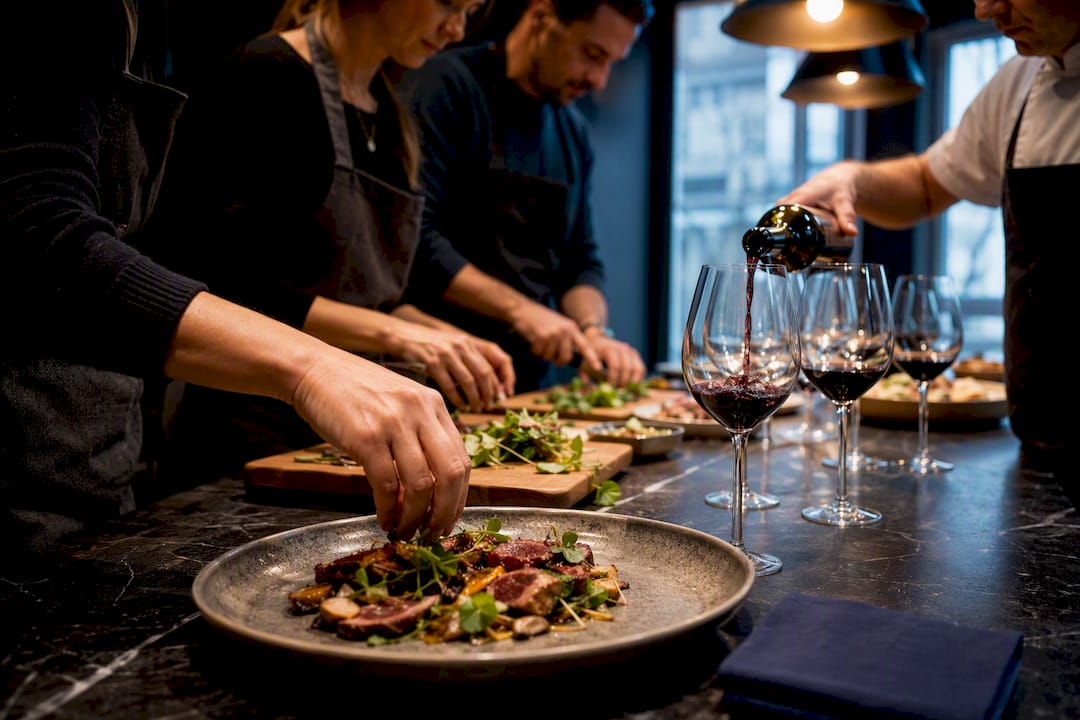
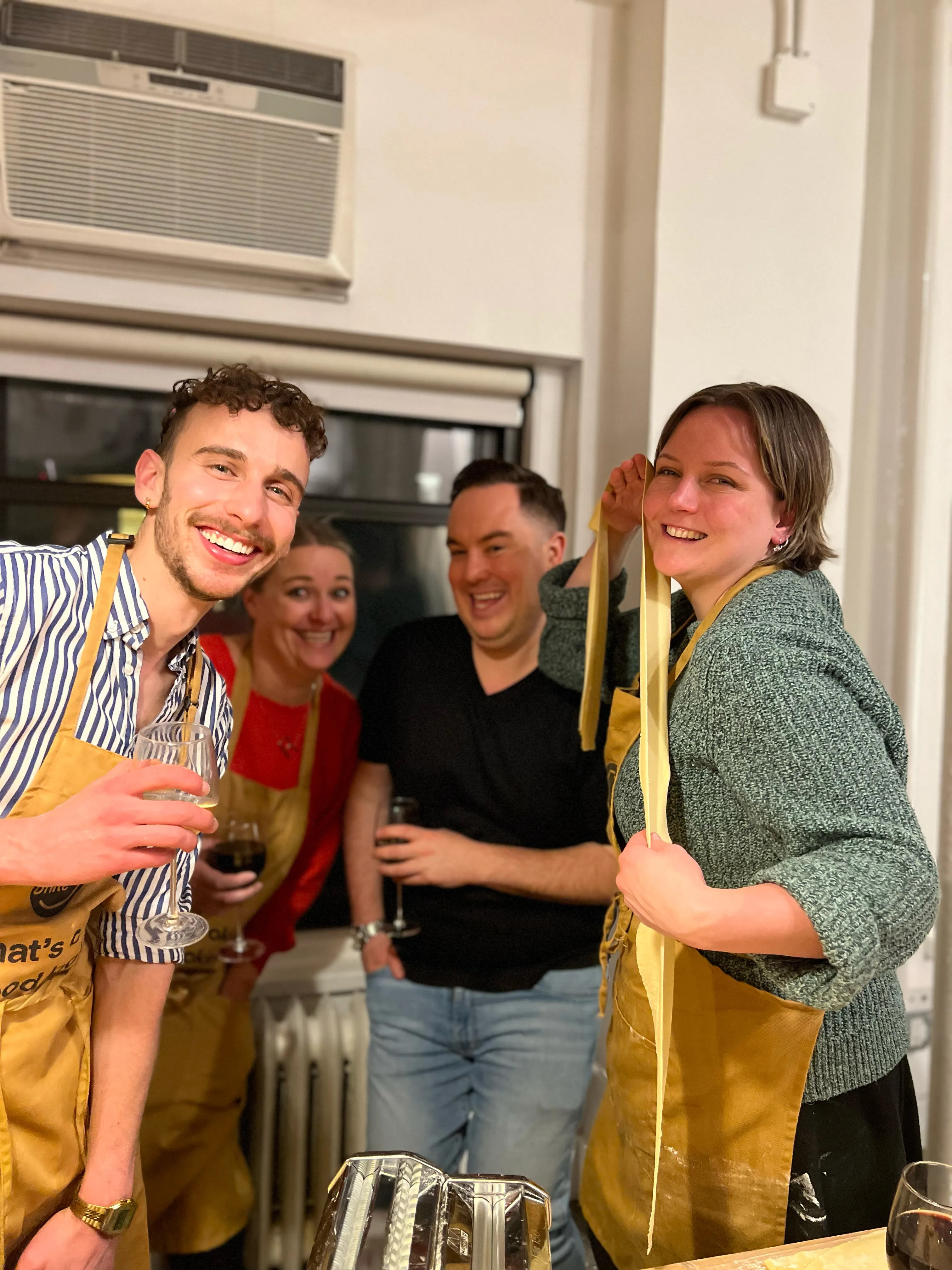
BiteUnite’s classes work because the structure does the heavy lifting. Nobody’s staring at a menu wondering what to say next. Everyone’s hands are busy, the goal is obvious, and the payoff is a plate you all made together.
— Patta
Book a Cooking Class for Your Next Double Date
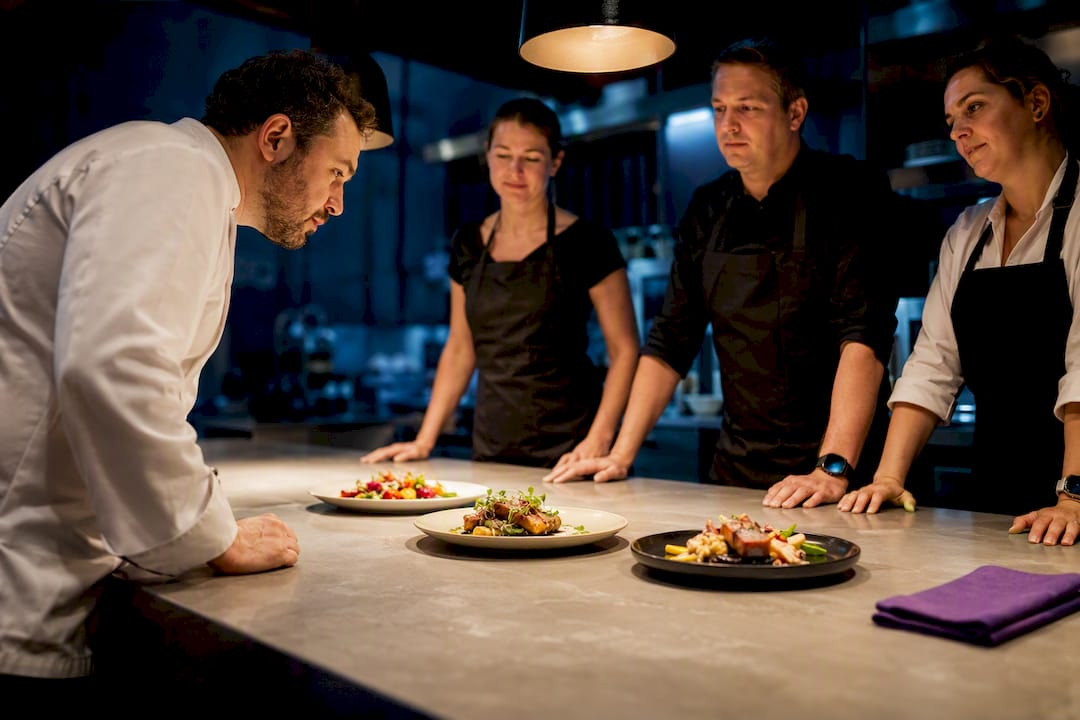
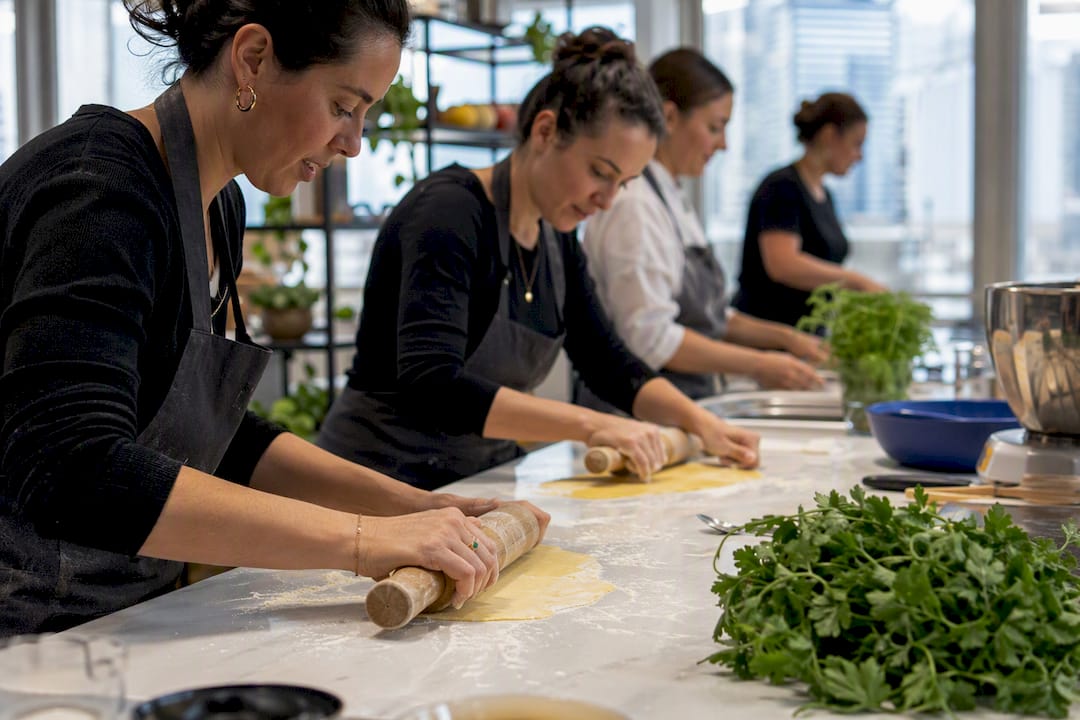
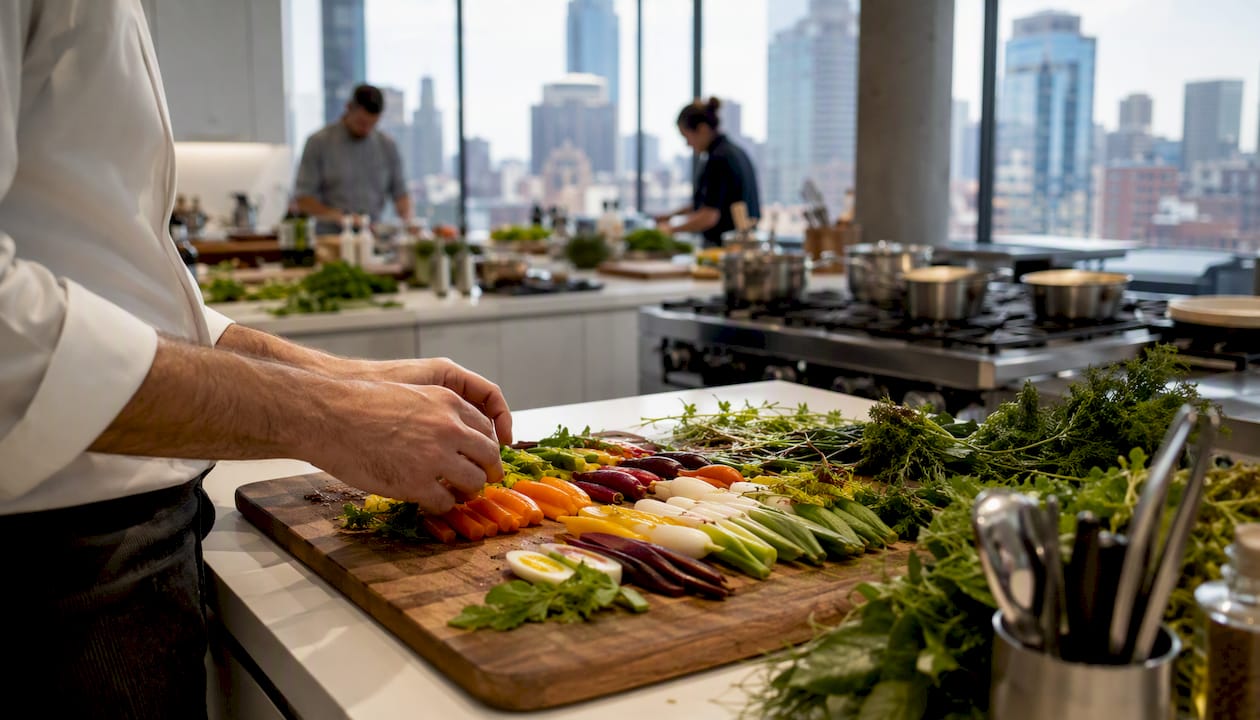
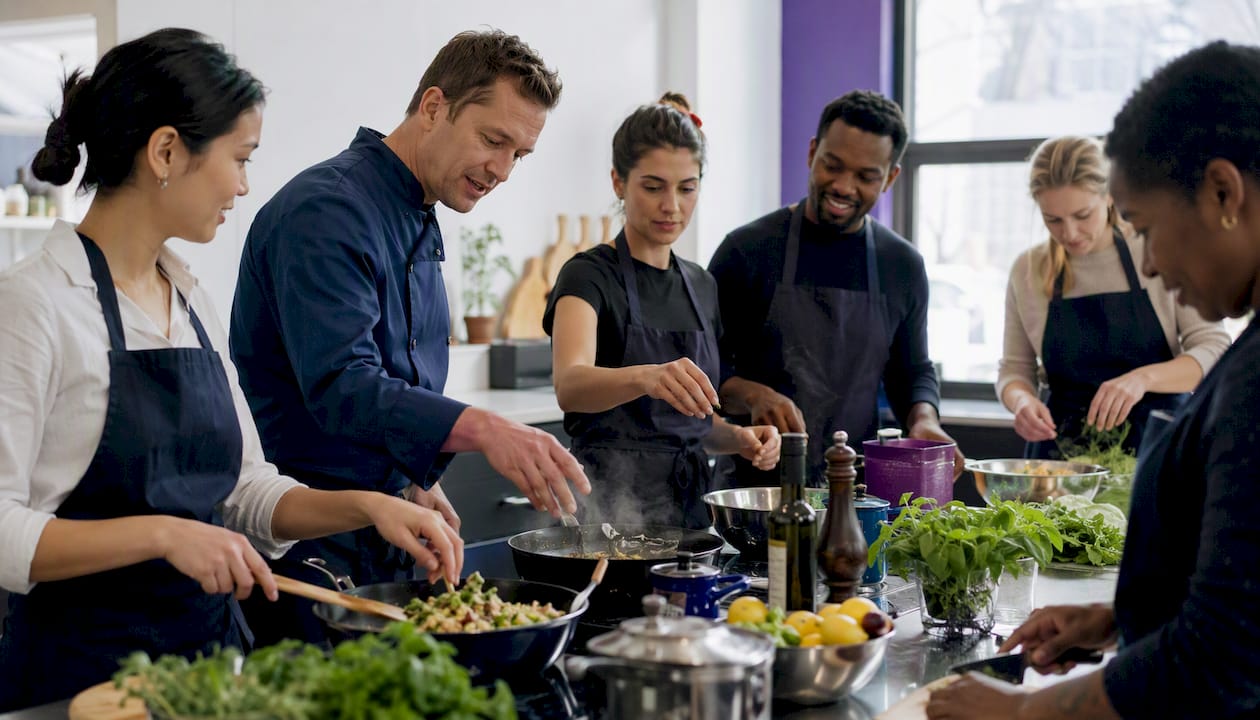
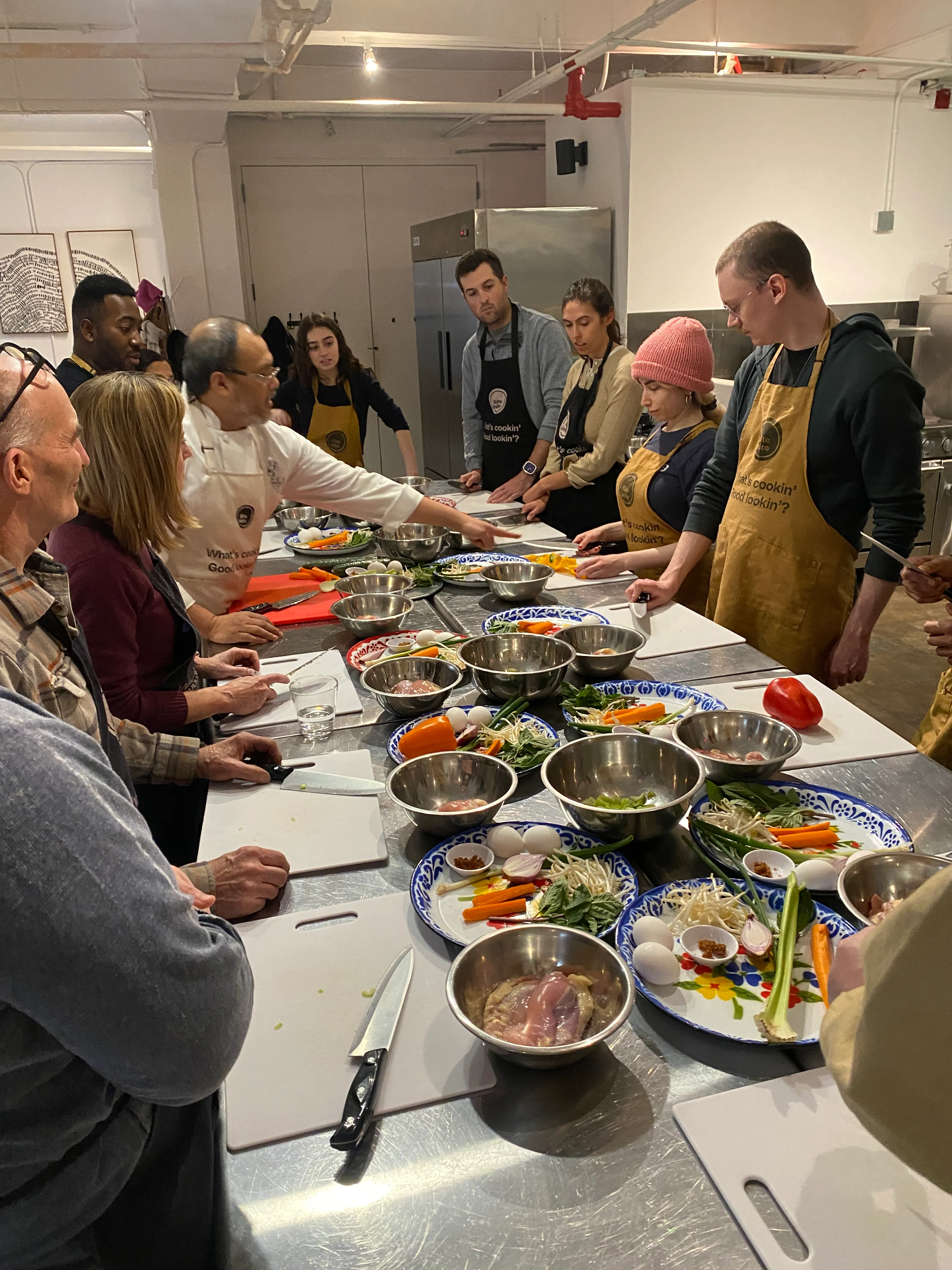
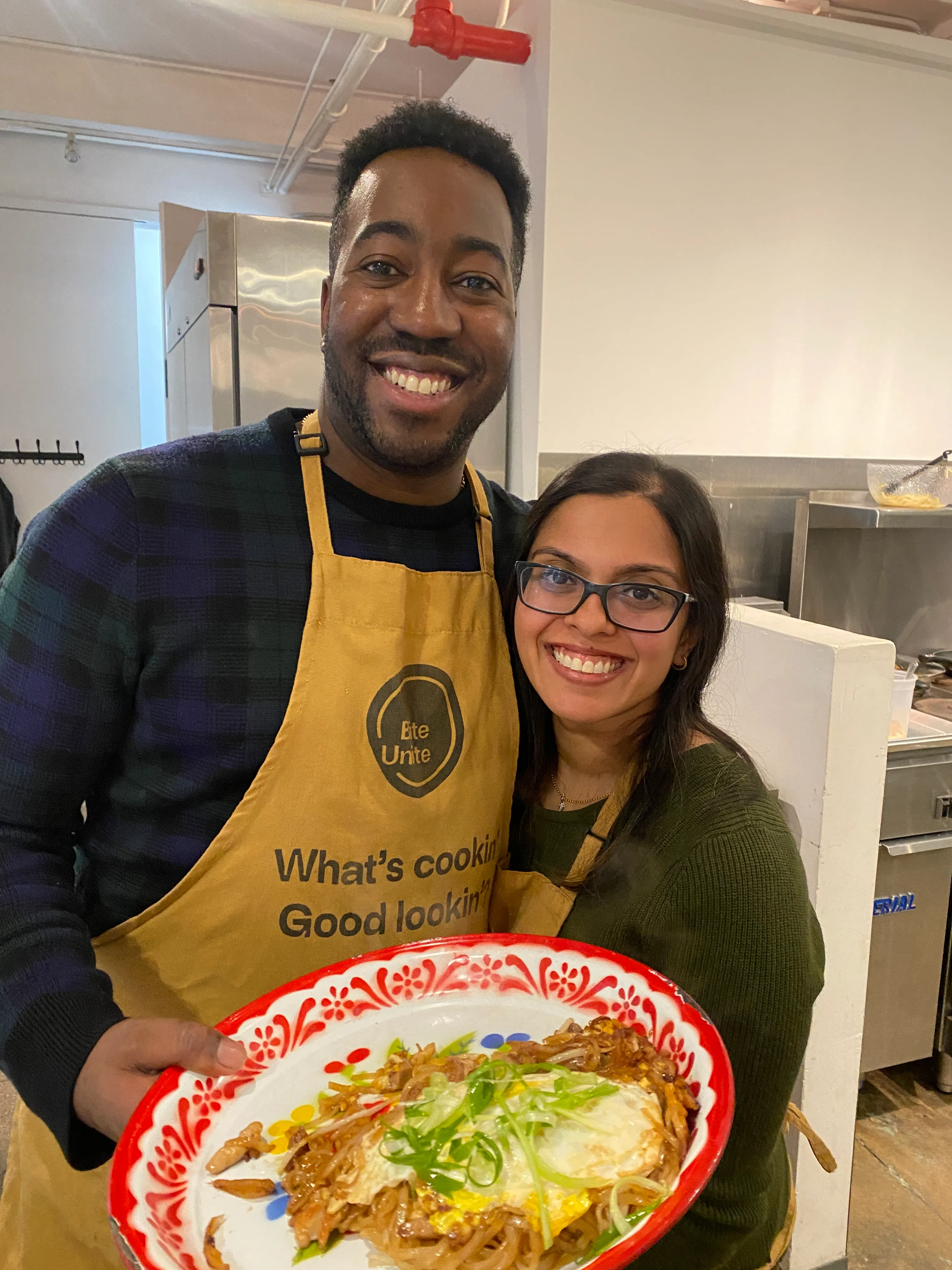
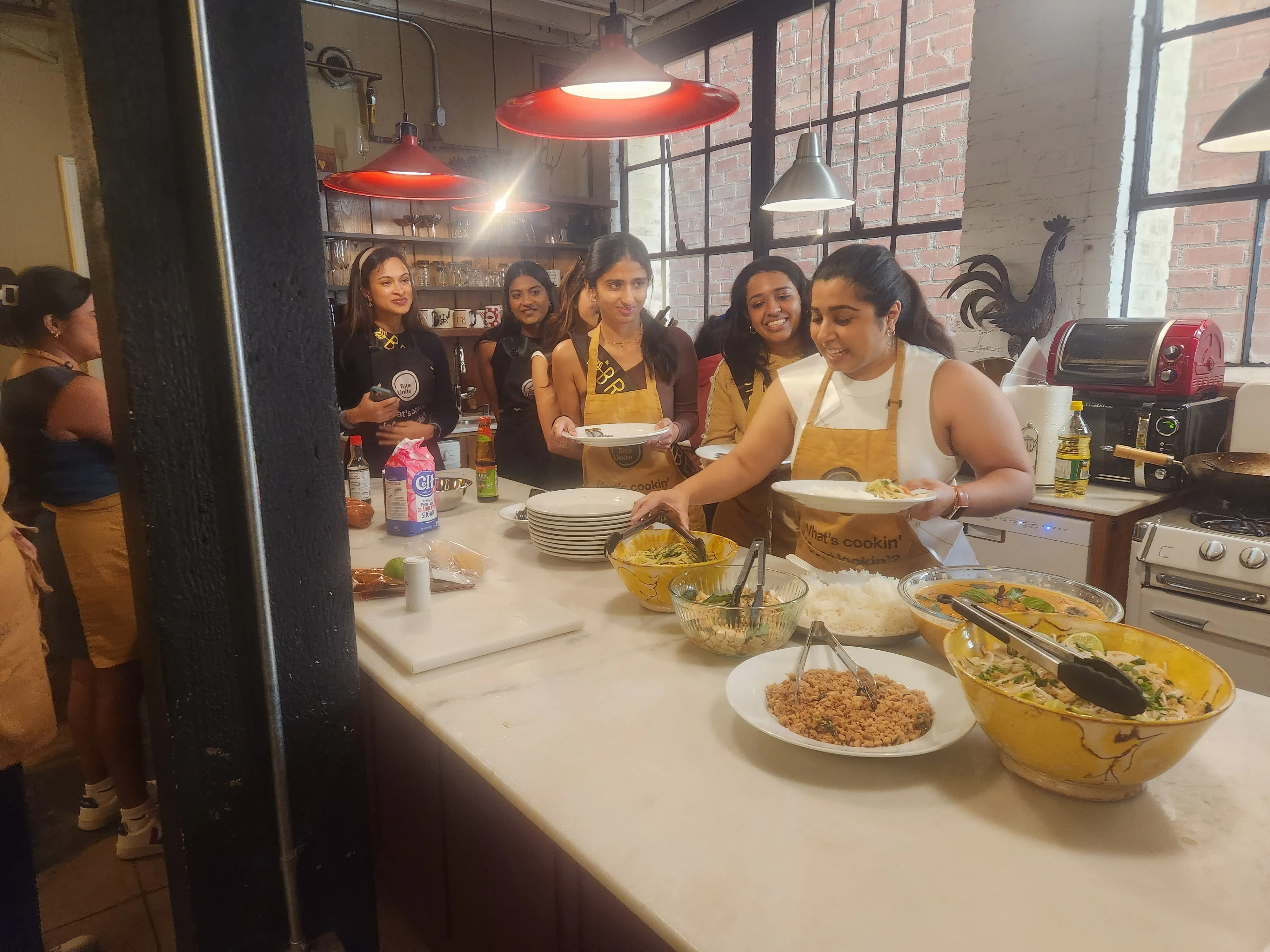
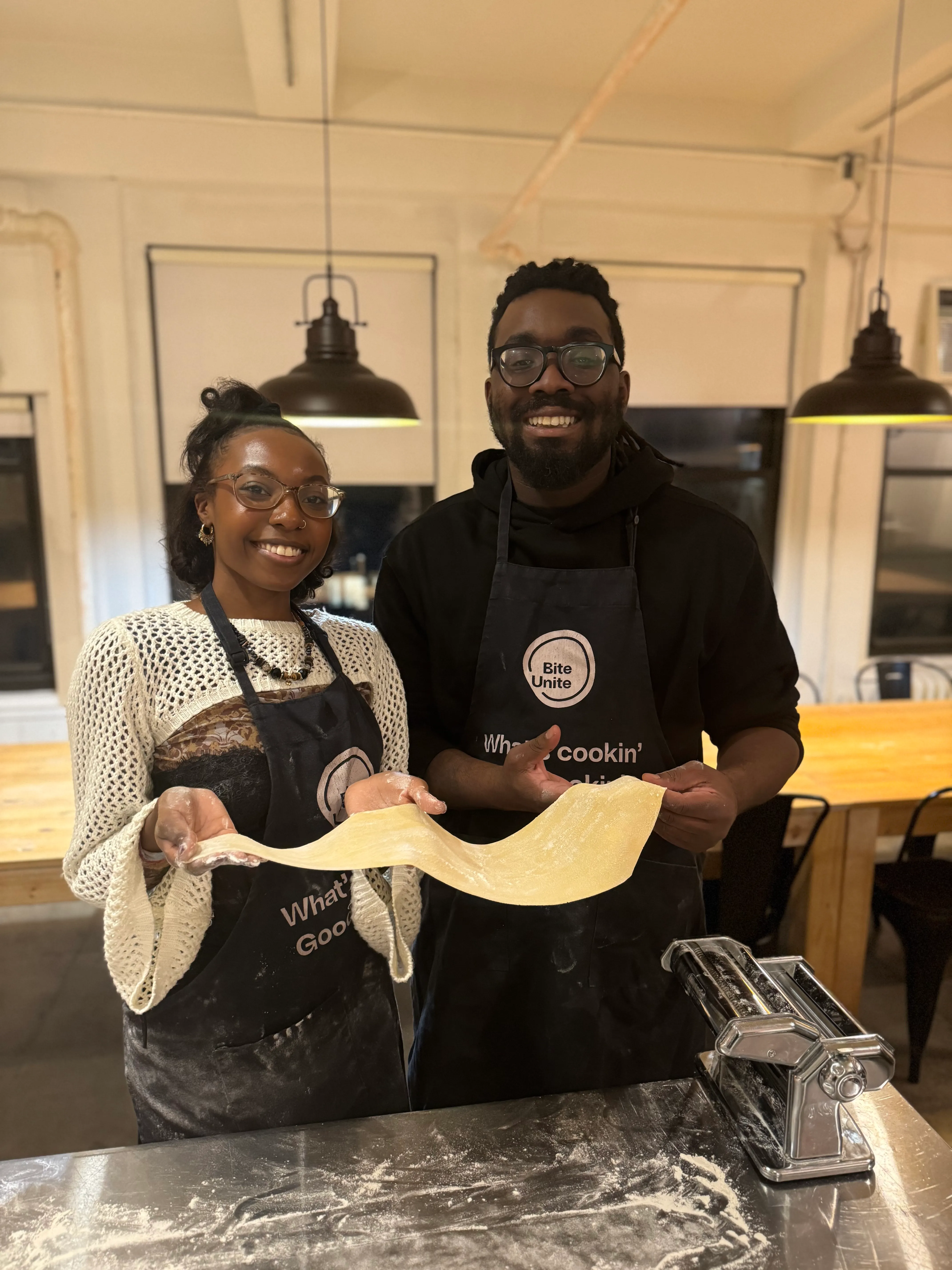
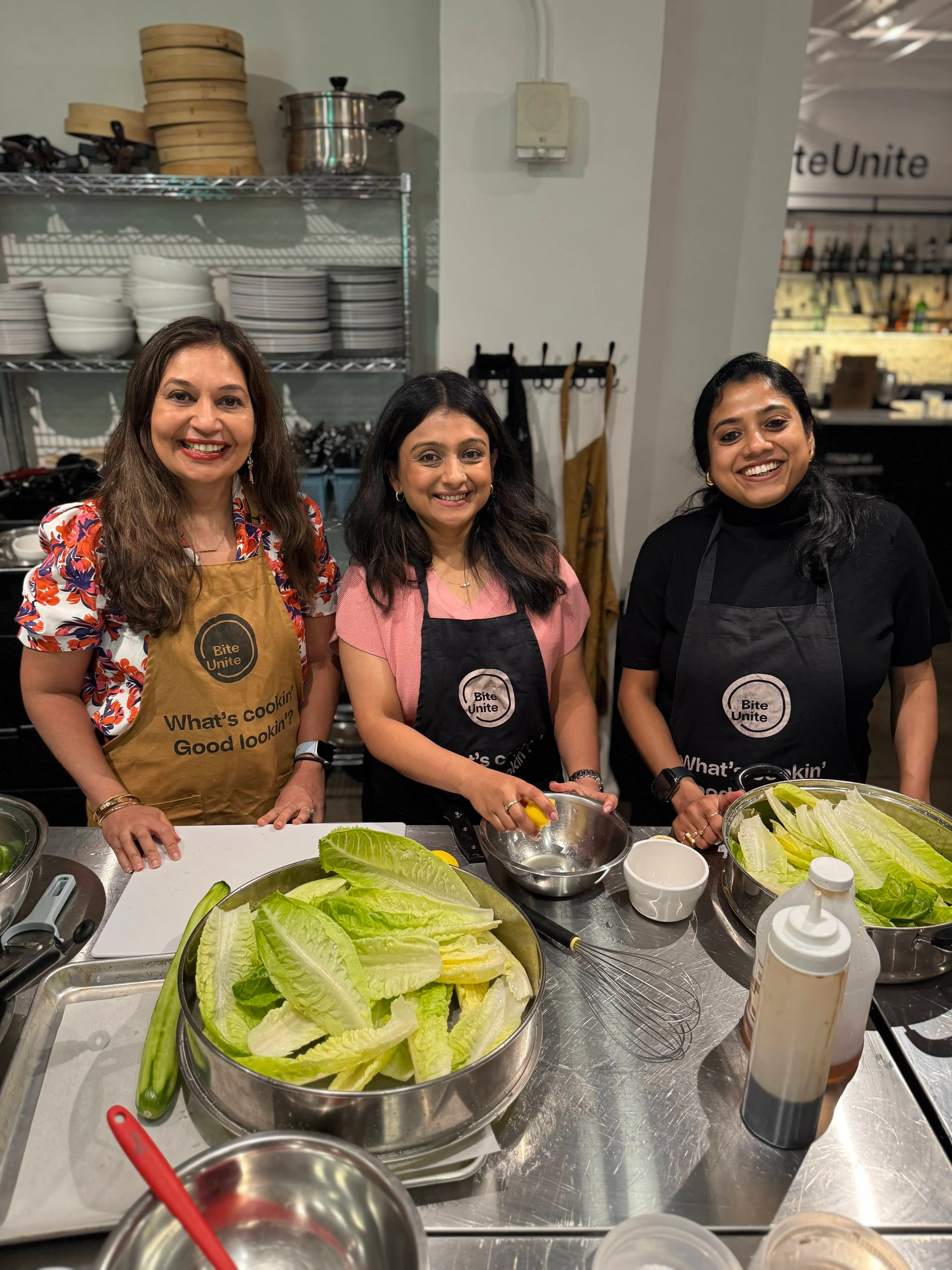
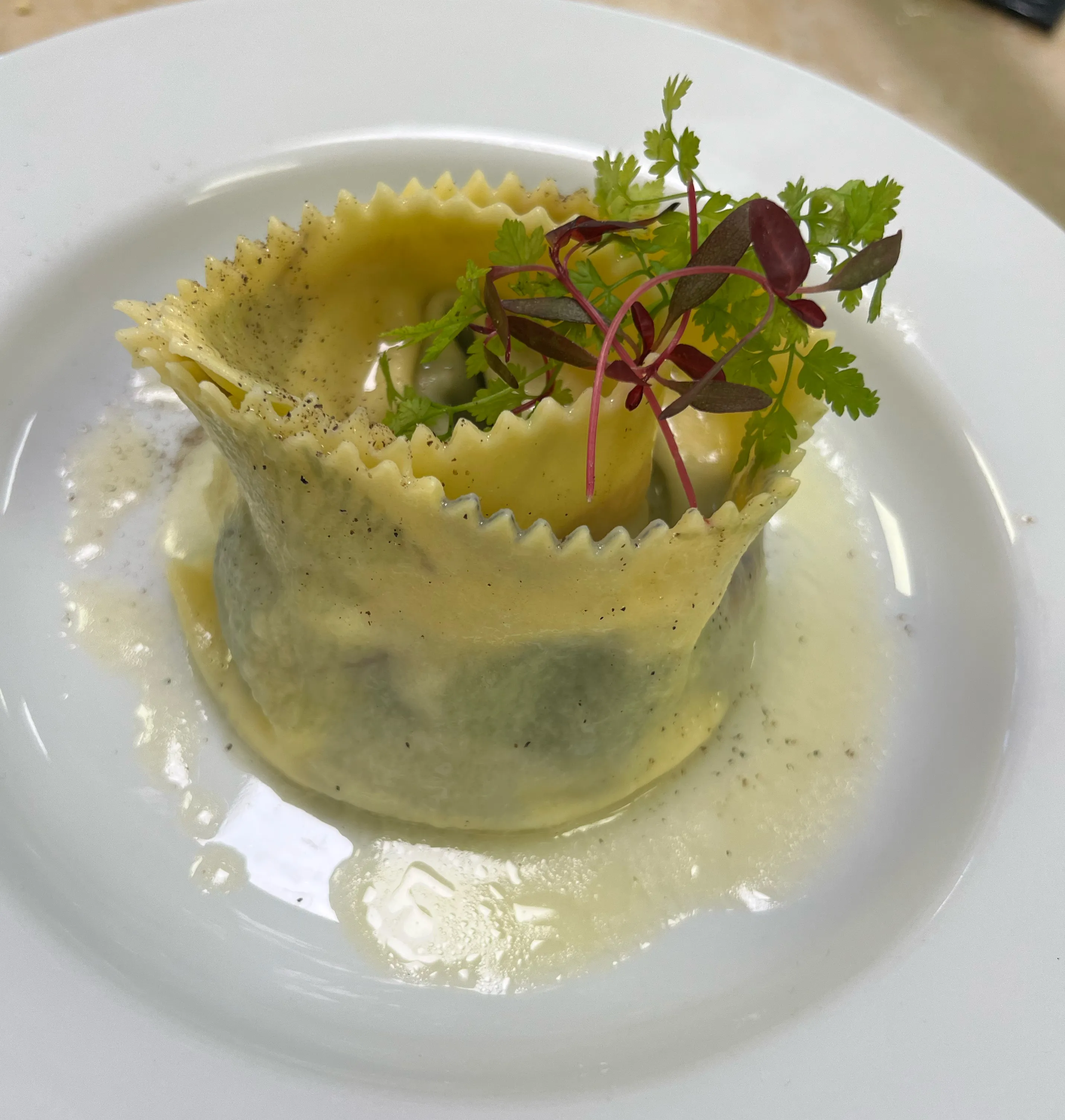
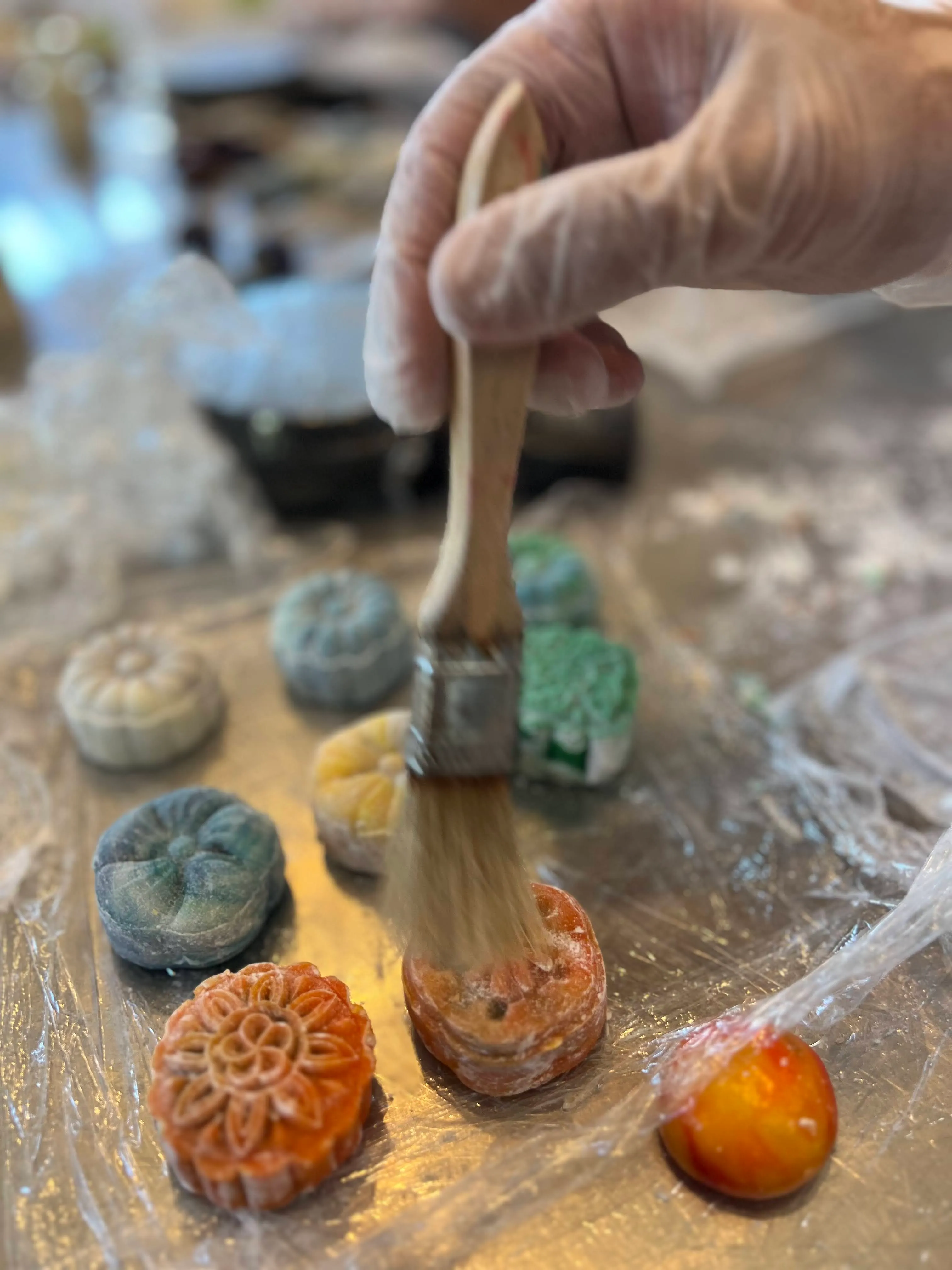
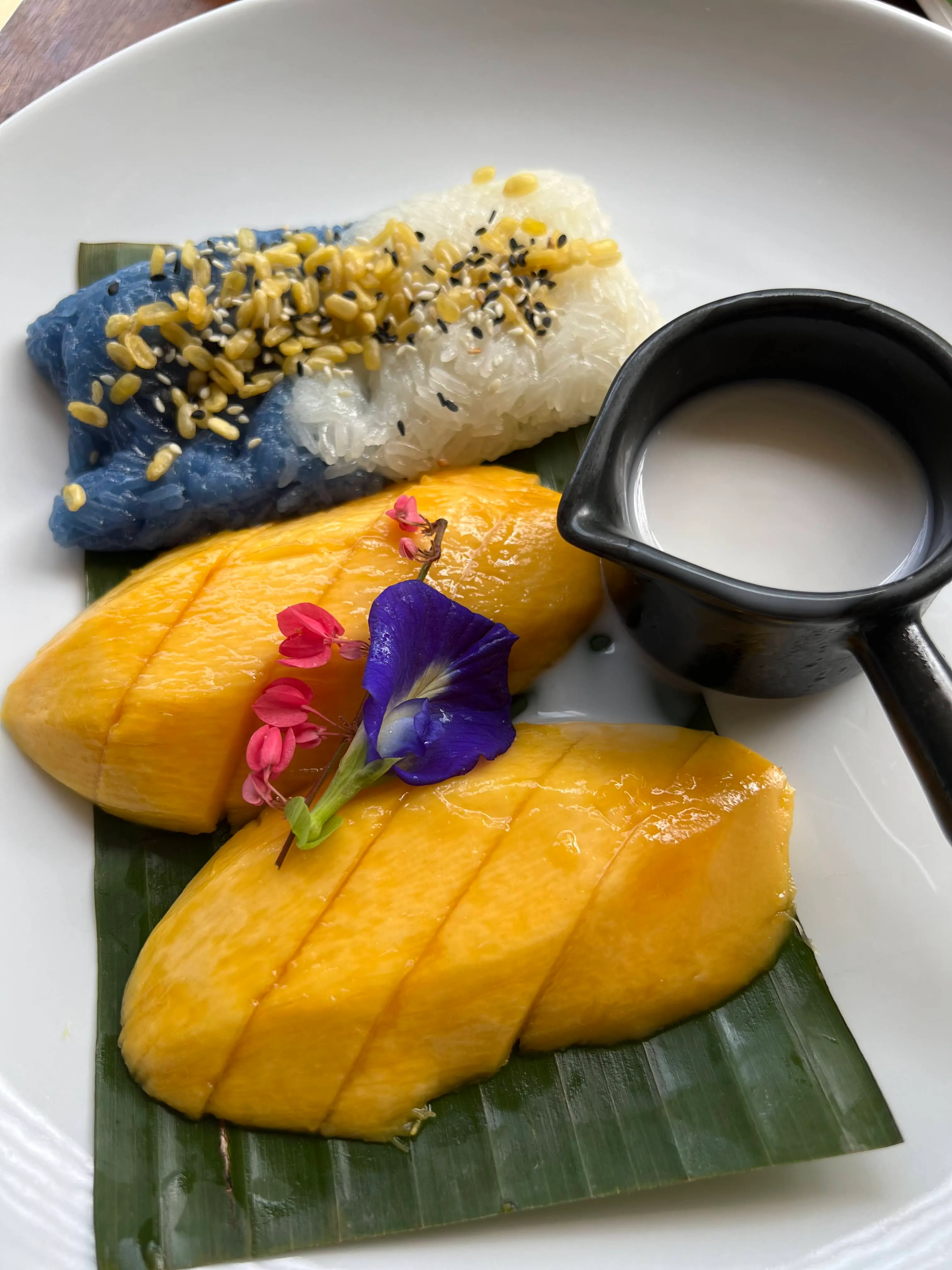
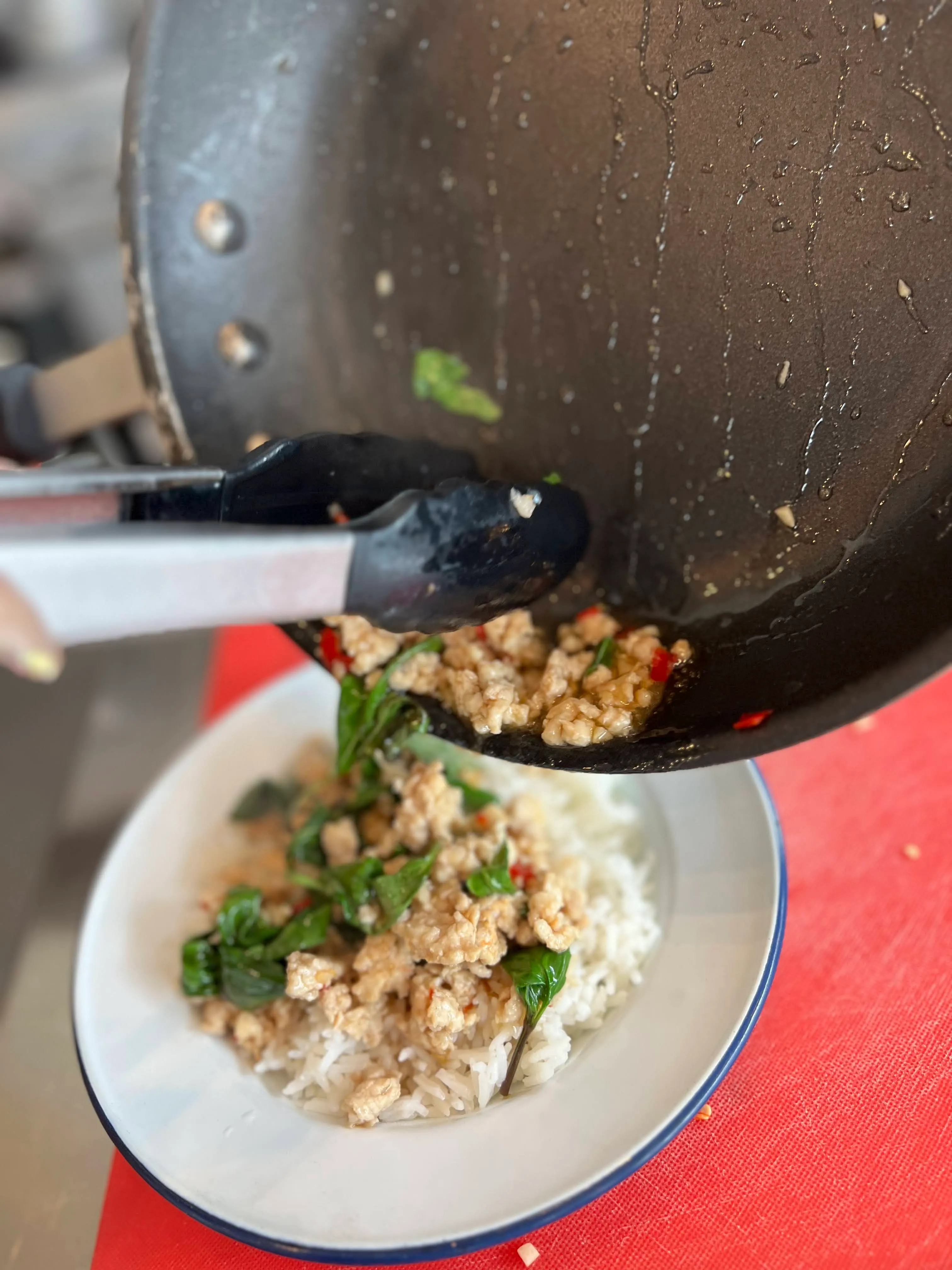
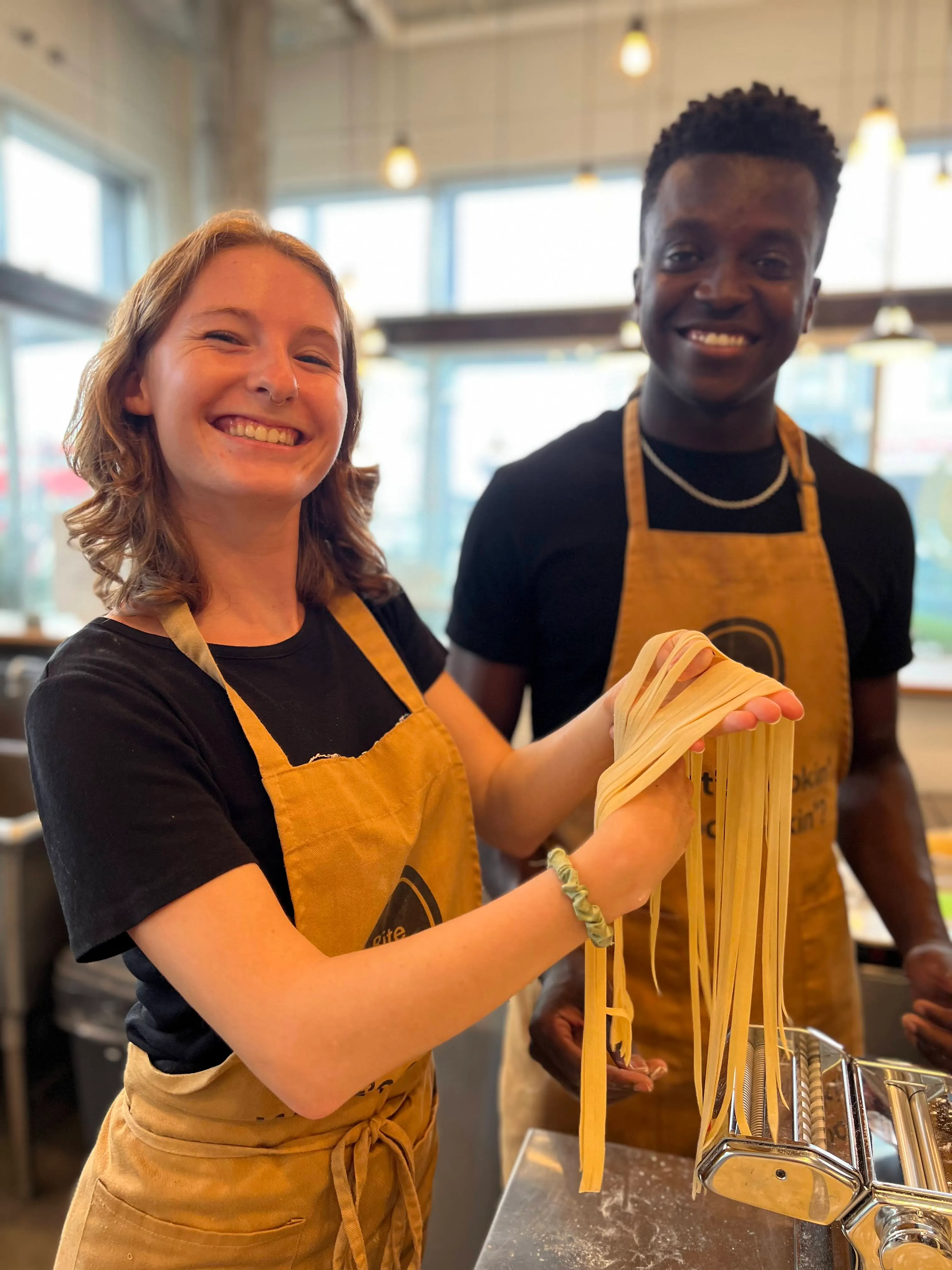
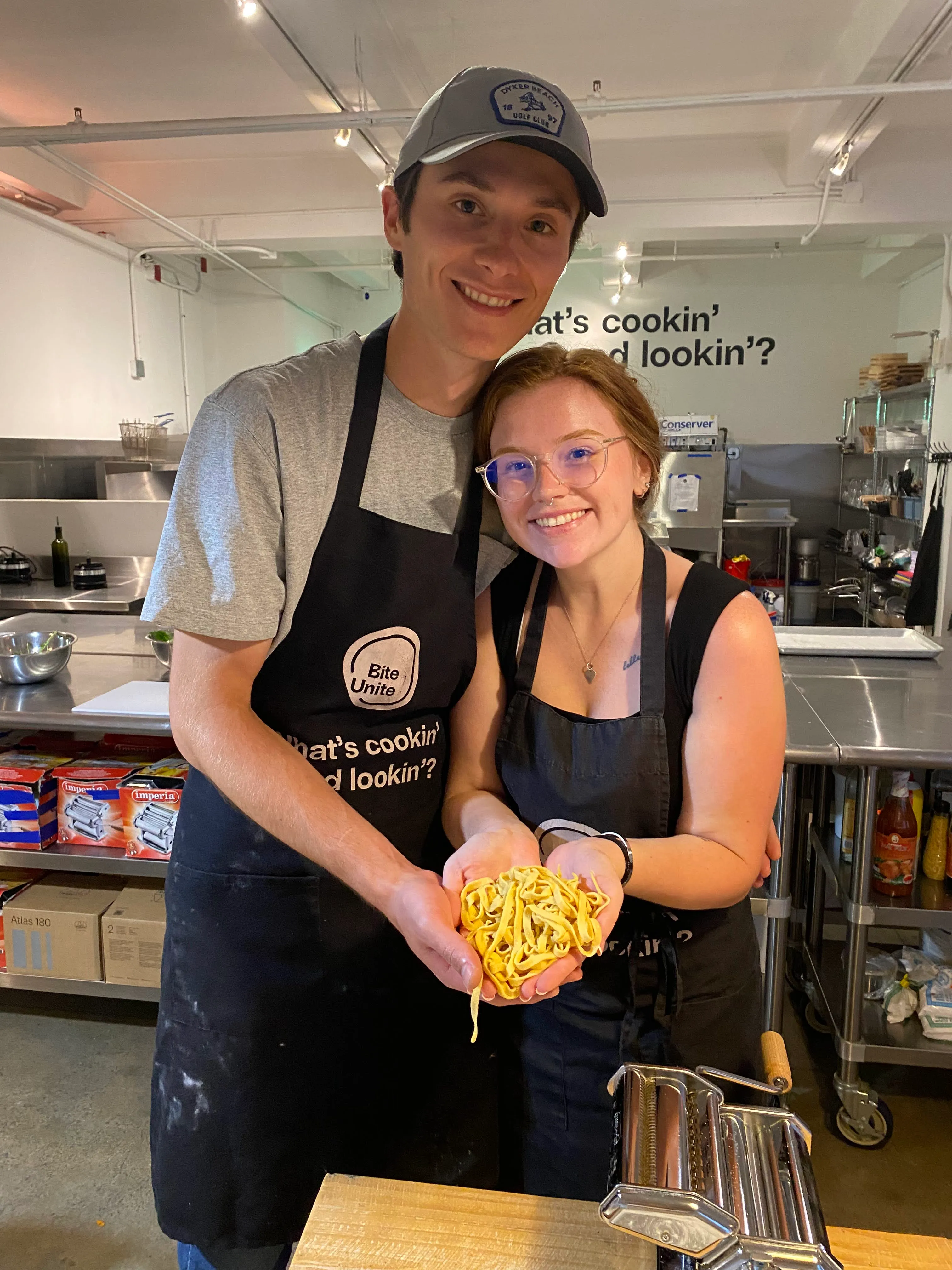
A hands-on cooking class checks every box a good double date needs: a shared goal, real novelty, and structure that keeps four people moving toward the same finish line instead of staring at each other over empty small talk, creating a true culinary experience. BiteUnite runs these classes for groups of four and up, typically in the 2 to 2.5 hour range, with expert chefs guiding you through everything from pasta to Thai cooking.
If you’re in New York, the group cooking classes in NYC are a solid weekend pick for two couples who want to actually cook, not just watch. Boston couples can check the cooking class guide for Boston for similar group-friendly formats. Both let you book a private session so it’s just your foursome, no strangers, no awkward mixing with other groups. Pick a date, grab the other couple, and book a class before the good weekend slots fill up.
Sources
- Greater Good Science Center — Exciting activities for couples (practice PDF)
- Science of People — 62 double date ideas backed by science
- ScienceDaily — Study: Novel shared activities boost relationships (2014 summary)




























.webp)