Small Team Building Activities That Actually Get Used

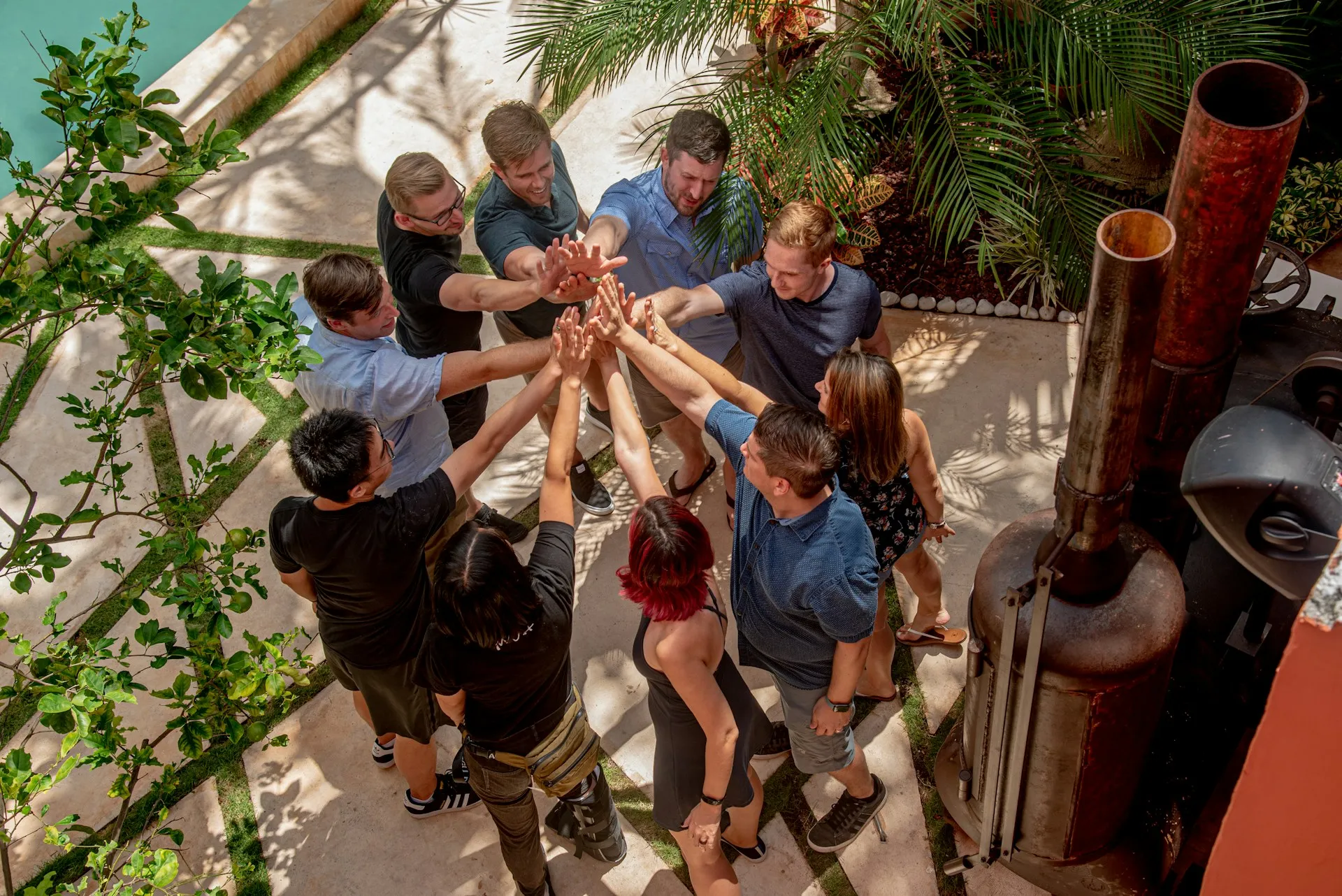
For small teams, the highest-return moves are a short weekly micro-ritual and a monthly hands-on activity built around one specific team goal. Skip the elaborate annual retreat that eats a full day of planning and delivers a single afternoon of connection.
The best small-group formats fall into five buckets: micro-rituals for energy, icebreakers for trust, hands-on creative work for shared outcomes, problem-solving challenges for communication, and virtual-friendly options for distributed teams. Pick based on what you actually need to build right now:
- Need energy fast? Run a 5-minute meeting opener.
- Need trust? Run a 20-minute icebreaker with real disclosure.
- Need better collaboration? Run a 60-minute problem-solving challenge.
- Need to celebrate a milestone? Book a hands-on activity like a cooking class.
- Team is remote or hybrid? Use a structured virtual format with equal airtime.
Research on micro-connections shows that small, structured interactions shift teams from individual focus into coordinated group performance, which is exactly why brief, consistent rituals outperform rare, elaborate ones. Pick one micro-ritual to start this week and one monthly activity to schedule soon. That’s it. Start there.
Key Takeaways
Small teams build lasting trust through a weekly micro-ritual and a monthly hands-on activity matched to a single, specific goal, not through rare elaborate events.
| Point | Details |
|---|---|
| Layer your cadence | Run weekly 5 to 15 minute rituals, monthly 45 to 90 minute sessions, and quarterly offsites, never just one tier. |
| Name the goal first | Pick trust, energy, problem-solving, or celebration before choosing a format, not after. |
| Always debrief | Ask three questions after every activity: what worked, what didn’t, what to carry forward. |
| Match space to activity | Confirm your room or venue supports the activity’s needs before you book it, and keep an indoor mirror plan for anything outdoors. |
| Book hands-on when it counts | For a monthly anchor activity, a guided cooking session through Biteunite delivers a shared outcome with minimal organizer prep. |
Table of Contents
- Quick Wins: 5 to 15 Minute Team Building Activities for Meetings
- Icebreakers and Connection-Building Exercises for Small Groups
- Problem-Solving Challenges That Build Real Collaboration Skills
- Creative and Hands-On Team Building Activities
- Outdoor and Offsite Team Building Ideas (and What to Do When It Rains)
- Virtual and Hybrid Team Building That Doesn’t Feel Forced
- Choosing and Running the Right Activity: A Practical Checklist
- Why Hands-On Culinary Sessions Work So Well for Small Teams
- How Often Should You Run Team Building Activities?
- How Do You Know If Team Building Activities Are Actually Working?
- Matching Activities to Your Team’s Actual Personality Mix
- Common Mistakes That Sink Small Team Building Efforts
- Using Participant Feedback to Improve Future Sessions
- Book a Turnkey Culinary Team Building Session With Biteunite
- Sources
Quick Wins: 5 to 15 Minute Team Building Activities for Meetings
These meeting openers cost nothing and take almost no setup. Each one below lists what it develops, how long it runs, and a debrief question to ask right after.
- Two Truths and a Lie (5 min, 4 to 10 people). Each person shares two true statements and one false one; the group guesses. Builds informal familiarity. Debrief: “What surprised you most?”
- High-Low-Buffalo (5 min, any size). Everyone shares one high, one low, and one weird thing from their week. Builds emotional check-in habits. Debrief: “Anything you need support with this week?”
- One-Word Check-In (3 min, any size). Go around and each person says one word for how they’re feeling. Builds emotional awareness without pressure. No materials needed.
- Desk Show-and-Tell (10 min, 5 to 12 people). Each person shows one object at their desk and explains its story. Builds personal connection. Debrief: “What did you learn about a teammate?”
- Would You Rather (5 min, any size). Ask a lighthearted either/or question and go around the room. Builds quick energy for a heavy meeting. Materials: none.
- Gratitude Round (5 min, 4 to 10 people). Each person names one person or thing they’re grateful for at work. Builds morale and recognition culture.
- Guess the Emoji Story (10 min, any size). One person tells a work update using only emojis; others guess the meaning. Builds humor and lightens tense weeks.
- Rose, Thorn, Bud (10 min, 5 to 10 people). Share one win, one struggle, and one thing you’re looking forward to. Builds honest reflection habits.
- Speed Compliments (5 min, 6 to 12 people). Pair up for 60 seconds and exchange one genuine compliment about recent work. Builds peer recognition.
- This or That Poll (5 min, any size, virtual-ready). Use a poll tool to run rapid-fire preference questions. Works identically on video calls.
- Virtual Show of Hands Trivia (10 min, remote-friendly). Ask quick trivia about the team or company; use reactions or chat to answer. Builds shared knowledge and levels the playing field for remote members.
For remote teams, swap physical objects for screen shares and keep every prompt short enough to answer in one breath. Nobody wants to type a paragraph in chat while six people wait.
Pro Tip: Pick one micro-ritual and run it at the same point in the same meeting every week. Repetition is what turns an activity into a habit your team actually looks forward to, not a novelty that fades after two tries.
Icebreakers and Connection-Building Exercises for Small Groups
Small groups can go deeper than large ones. A team of six can share personal histories in twenty minutes; a team of sixty cannot. Use that advantage instead of running generic large-group icebreakers scaled down. Guidance on small-group formats points out that activities shrunk from big-group templates often lose the depth that makes small teams effective in the first place.
These six work well for groups of four to twelve, once trust already exists at a baseline level:
- Personal Timeline (20 min). Each person draws three career or life milestones and shares the story behind one. Builds mutual understanding of what drives teammates.
- User Manual for Me (30 min). Everyone writes how they like to receive feedback, their pet peeves, and their working style. Builds practical collaboration norms, not just warm feelings.
- Appreciation Circle (15 min). Each person receives specific, genuine praise from every other team member. Builds morale, especially after a hard project.
- Two Questions Deep (20 min). Pair up and ask a scripted follow-up question after each answer, going past the surface response. Builds one-on-one trust fast.
- Origin Story Swap (25 min, groups of 4 to 8). Share how you ended up in your current career or role. Builds context that explains behavior teammates otherwise misread.
- Values Auction (30 min). Each person “bids” fake currency on values that matter most to them at work. Builds shared vocabulary for what the team prioritizes.
Every one of these needs an opt-out. Some people process personal disclosure poorly in group settings, and forcing it backfires. Offer a lighter alternative prompt (a favorite book instead of a career low point) and never require anyone to answer a question they skip. Set a confidentiality norm before you start: what’s said in the room stays in the room unless someone chooses to repeat it themselves.
Pro Tip: After any connection-focused activity, ask one bridging question: “How does knowing this change how we work together next week?” That single line converts a nice moment into something the team can actually use.
Problem-Solving Challenges That Build Real Collaboration Skills
Cooperative challenges expose how a team actually communicates under mild pressure, which is more diagnostic than any survey. A practitioner taxonomy of indoor activities lists dozens of these by time, group size, and skill developed, and the pattern holds across most of them: constraints force communication that normal work doesn’t.
- DIY Escape Room (60 to 90 min, 6 to 10 people). Set up locked boxes with riddles tied to inside jokes or company trivia. Develops delegation and time pressure management. Debrief: “Who ended up leading, and did that feel natural?”
- Marshmallow Challenge (20 min, groups of 3 to 4). Teams build the tallest freestanding structure from spaghetti, tape, string, and a marshmallow. Develops rapid prototyping and iteration. Materials cost under $10 per team.
- Tower Build with Constraints (30 min, 4 to 6 people). Same idea, but add a twist: one person can only speak, one can only build. Develops role clarity under communication limits.
- Office Scavenger Hunt (45 to 60 min, any size). Teams solve clues that lead them around the building or neighborhood. Develops cross-team interaction if you mix departments into hunting groups.
- Blindfolded Obstacle Course (30 min, pairs). One partner guides a blindfolded teammate through a simple obstacle path using only verbal instructions. Develops precise verbal communication.
- Reverse Pyramid Puzzle (45 min, 5 to 8 people). Give the team a jigsaw puzzle with no reference image and a time limit. Develops patience and division of labor.
Every one of these can run for under $30 in materials if you build them yourself instead of buying a kit. Assign one person as timekeeper and one as debrief lead before you start, so nobody has to switch mental gears mid-activity. After the exercise, ask the group to name one communication habit from the challenge that would help in real meetings, and write it down somewhere visible. That’s the step most organizers skip, and it’s the one that actually changes behavior.
Creative and Hands-On Team Building Activities
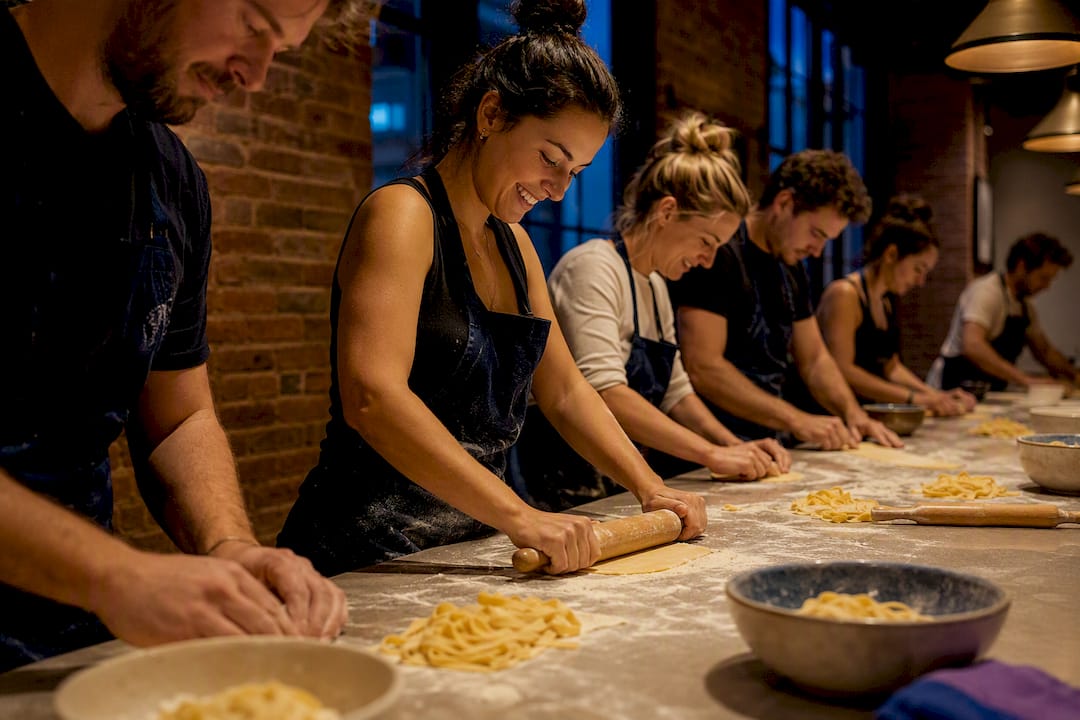
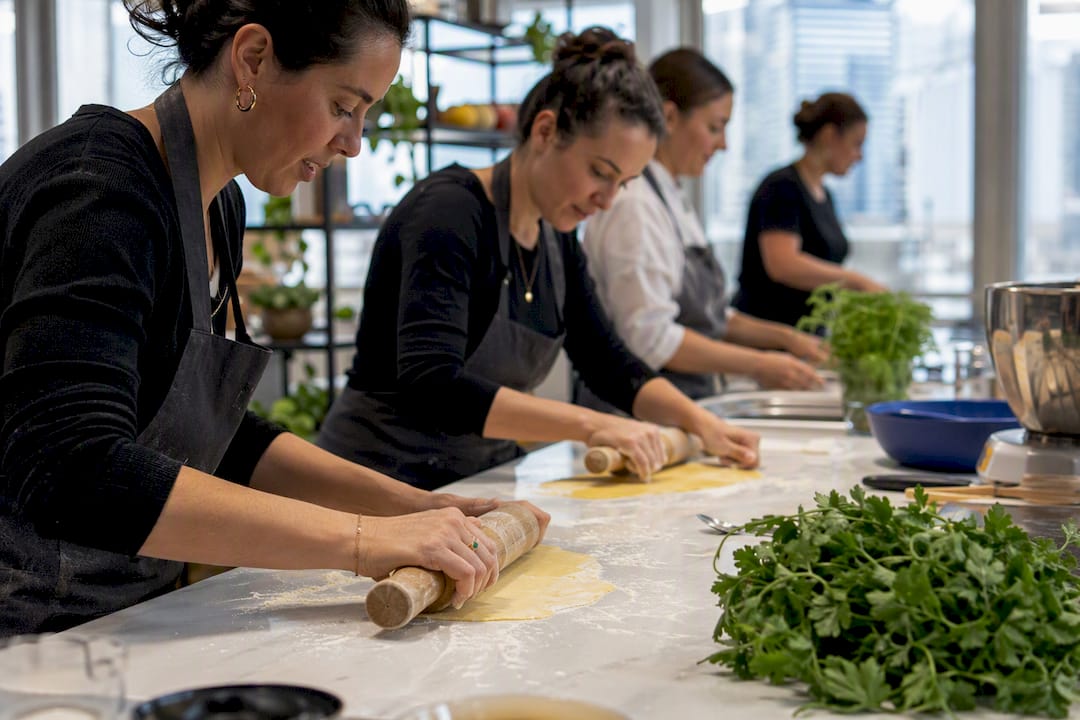
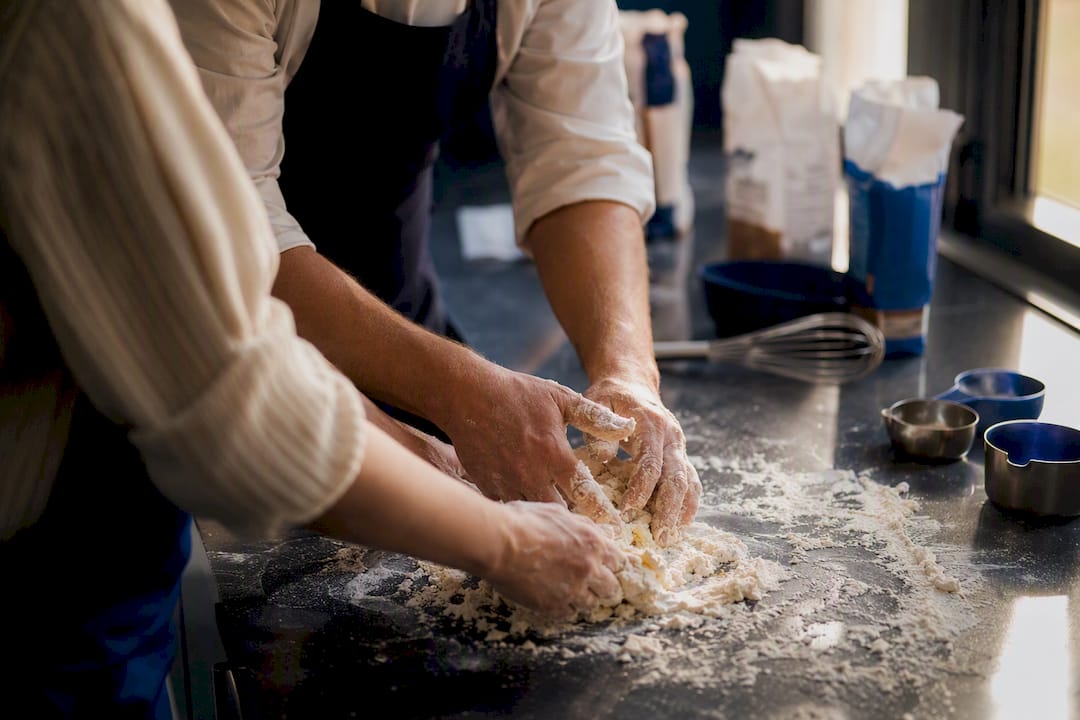
Making something together produces a different kind of bonding than talking together does. When a team divides tasks to cook a meal or build an object, they get the automatic feedback of a shared, tangible result. Guidance on small-group formats points to cooking sessions and collaborative builds specifically because the division of labor happens naturally, without a facilitator assigning roles.
Strong options in this category, each running 45 to 120 minutes for 6 to 15 people:
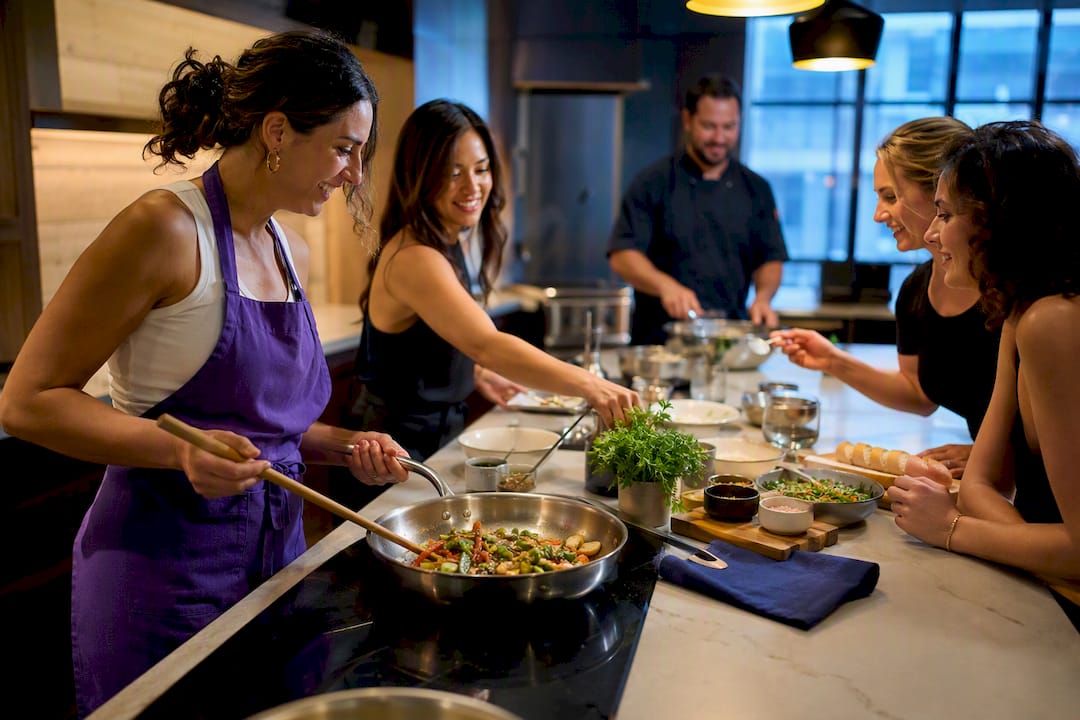
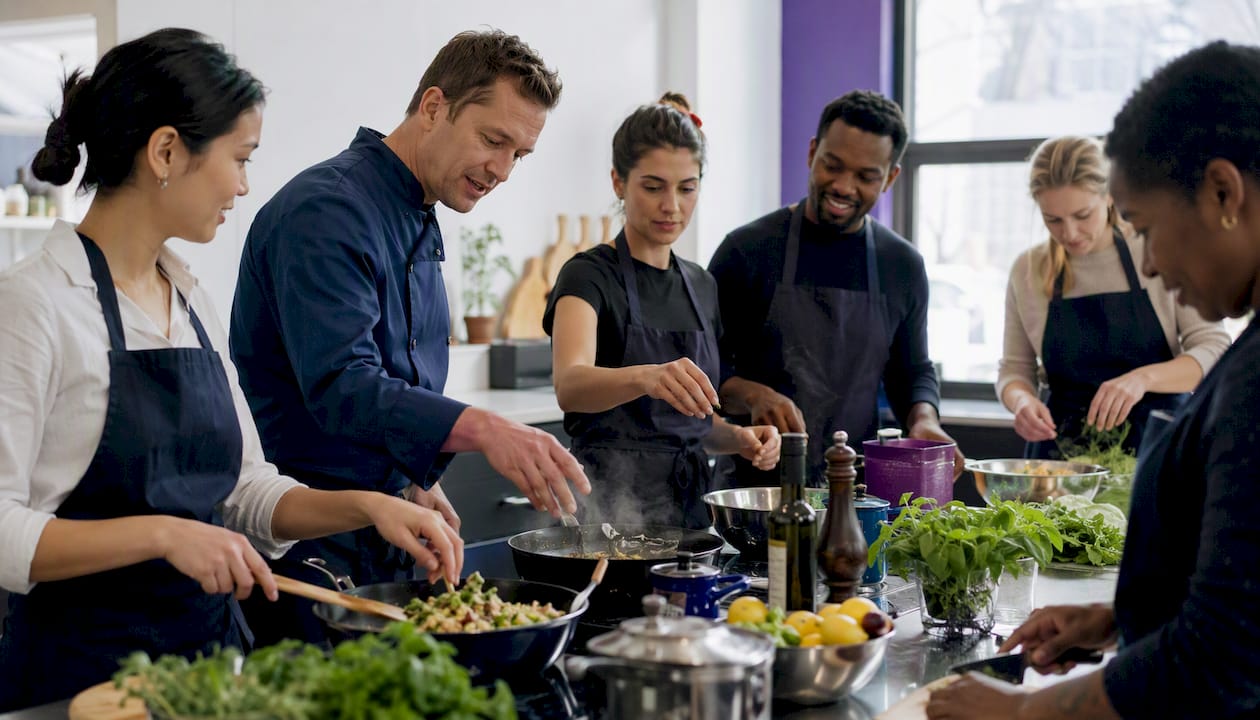
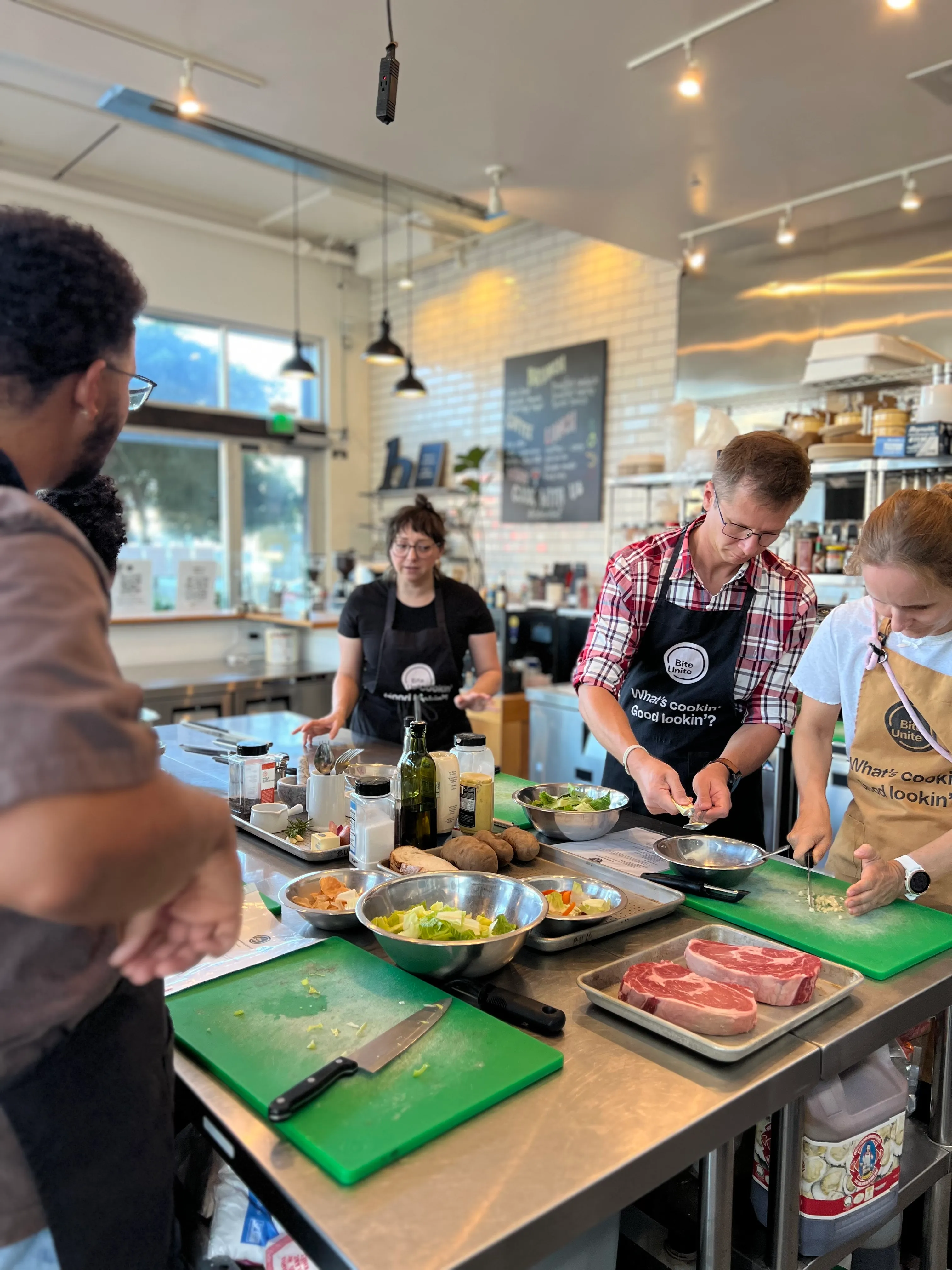
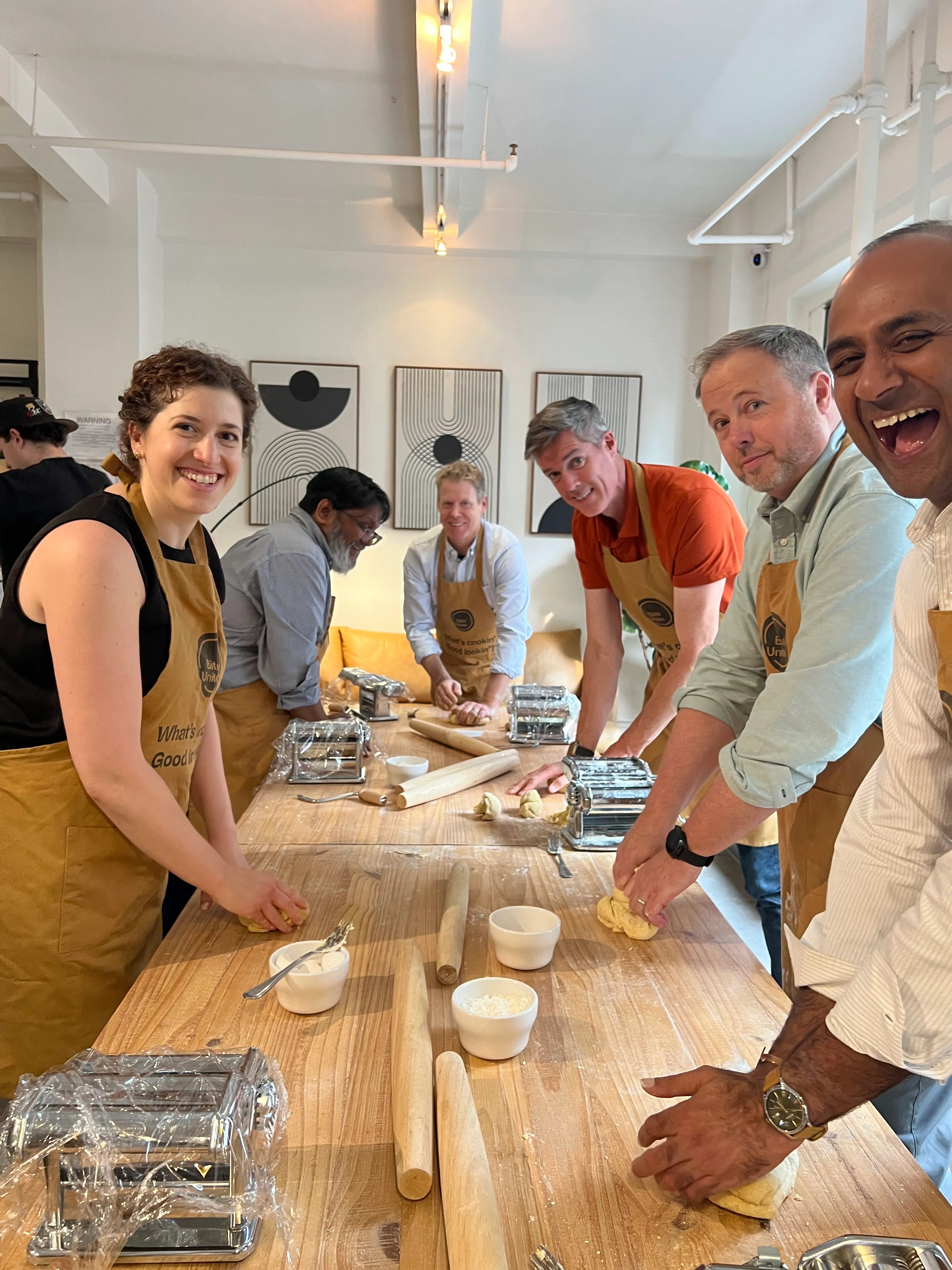
- Group cooking class with a chef guiding stations, roles split across prep, cooking, and plating.
- Collaborative art mural where each person paints one section that combines into a whole.
- Terrarium or planter build for a quieter, lower-energy creative option.
- Team recipe cook-off split into small competing squads.
- Simple woodworking or craft kits assembled in pairs.
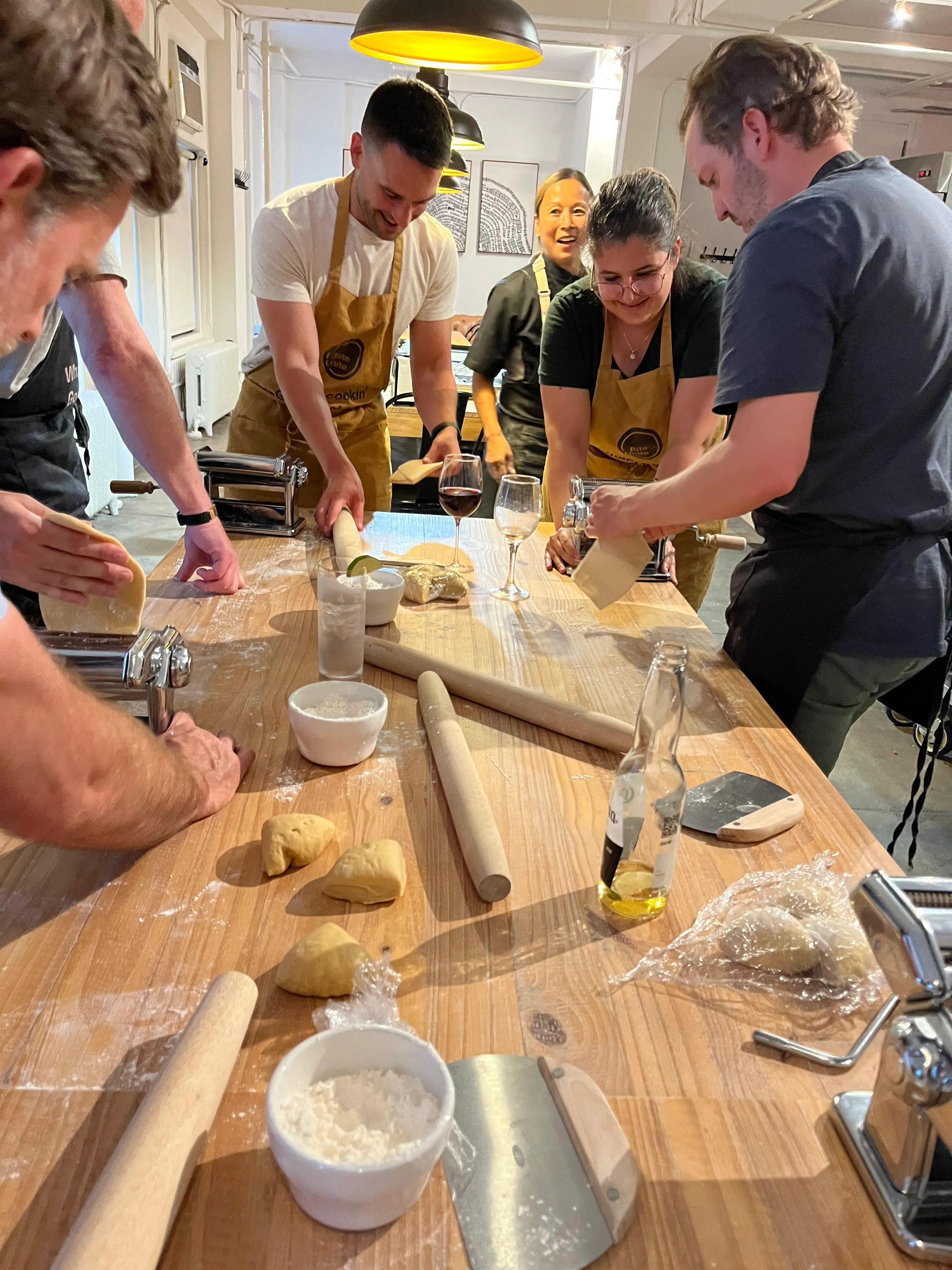
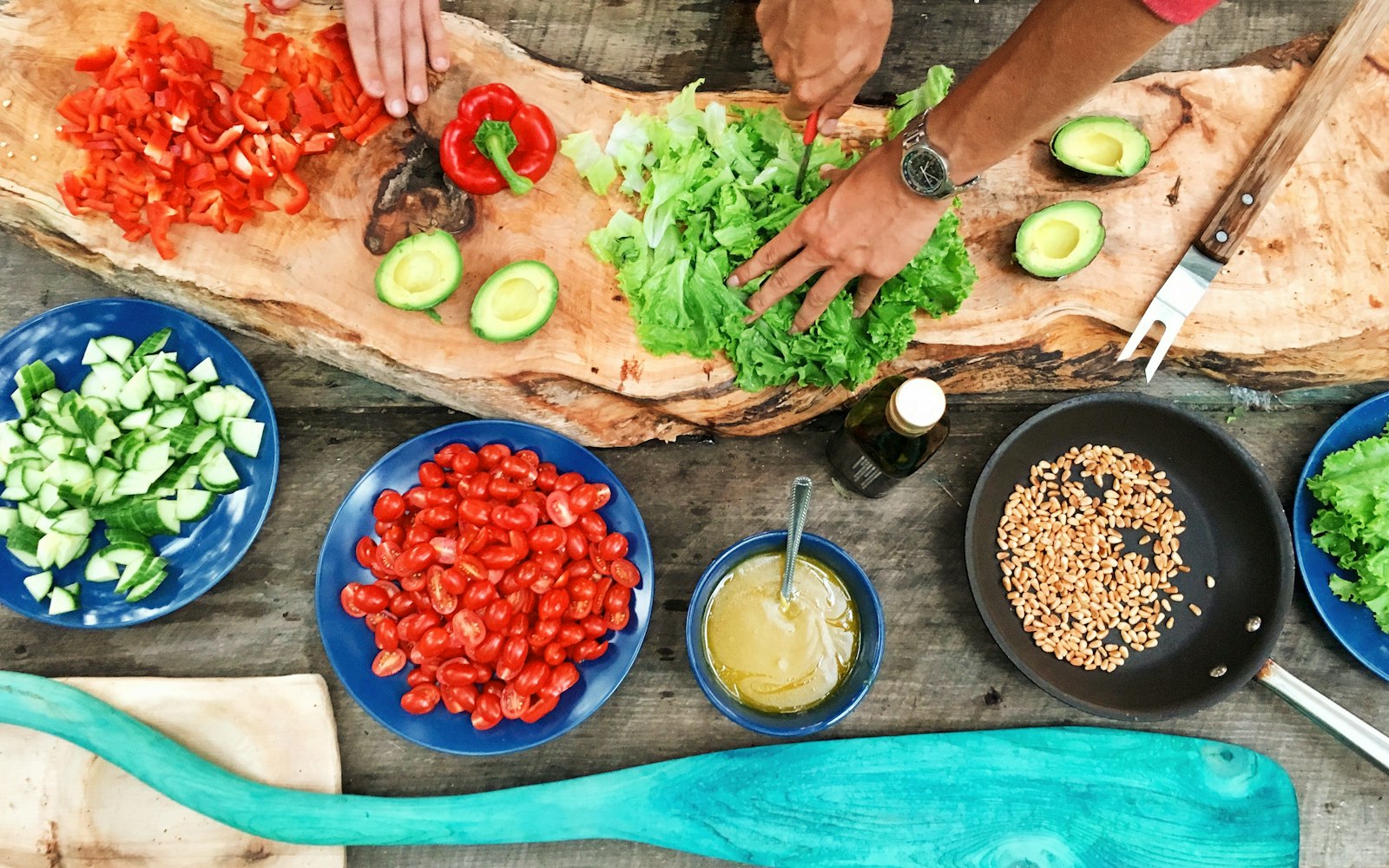
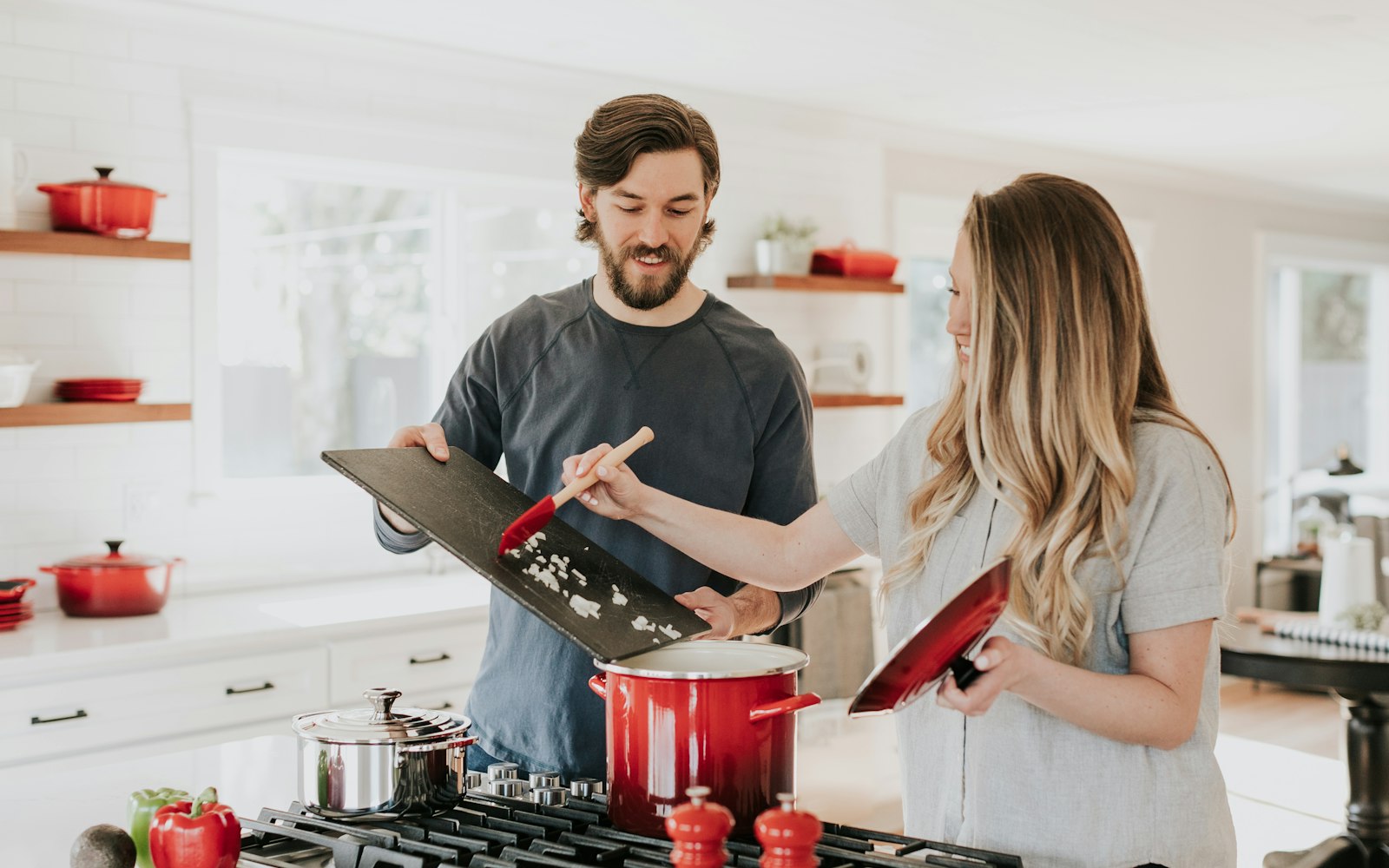
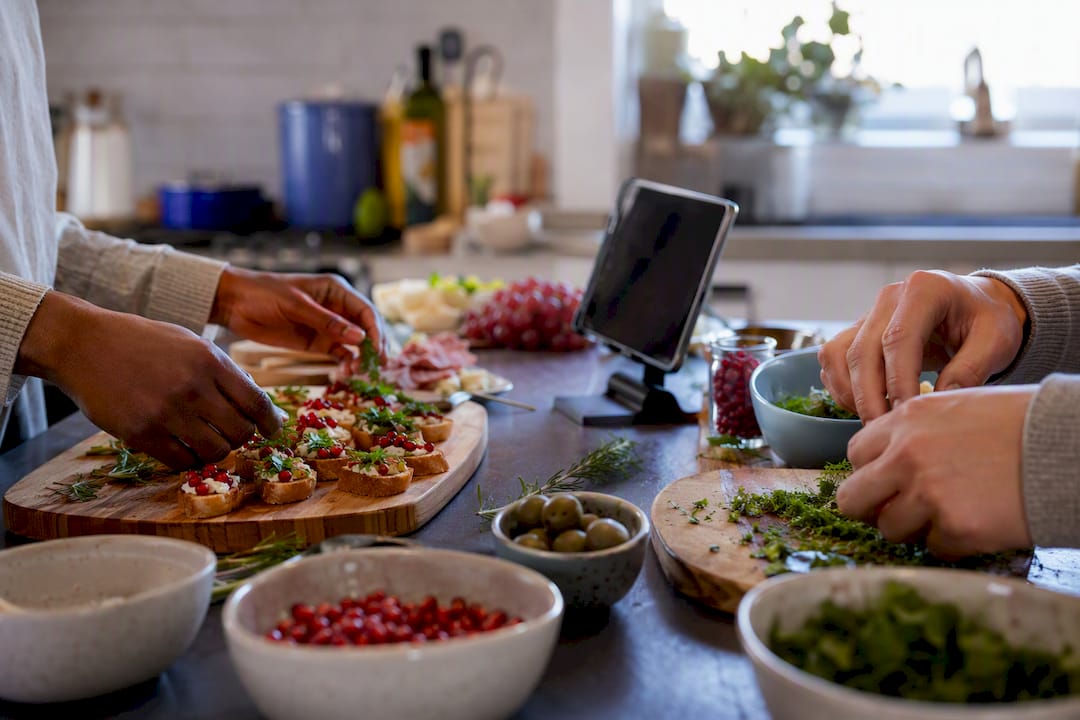
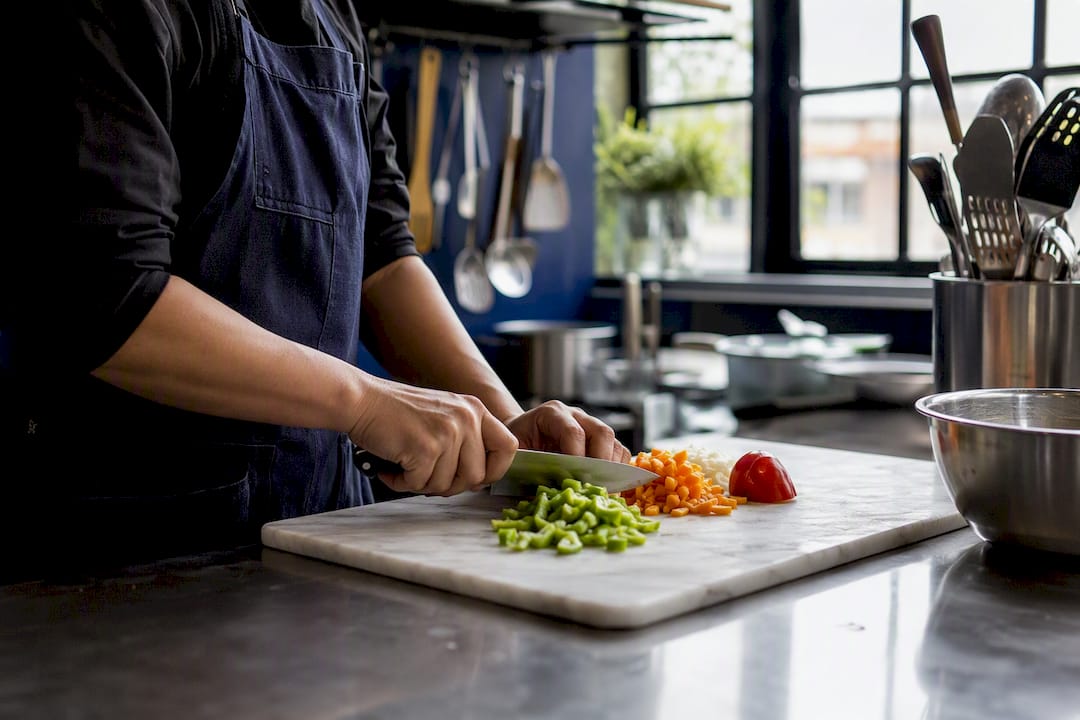
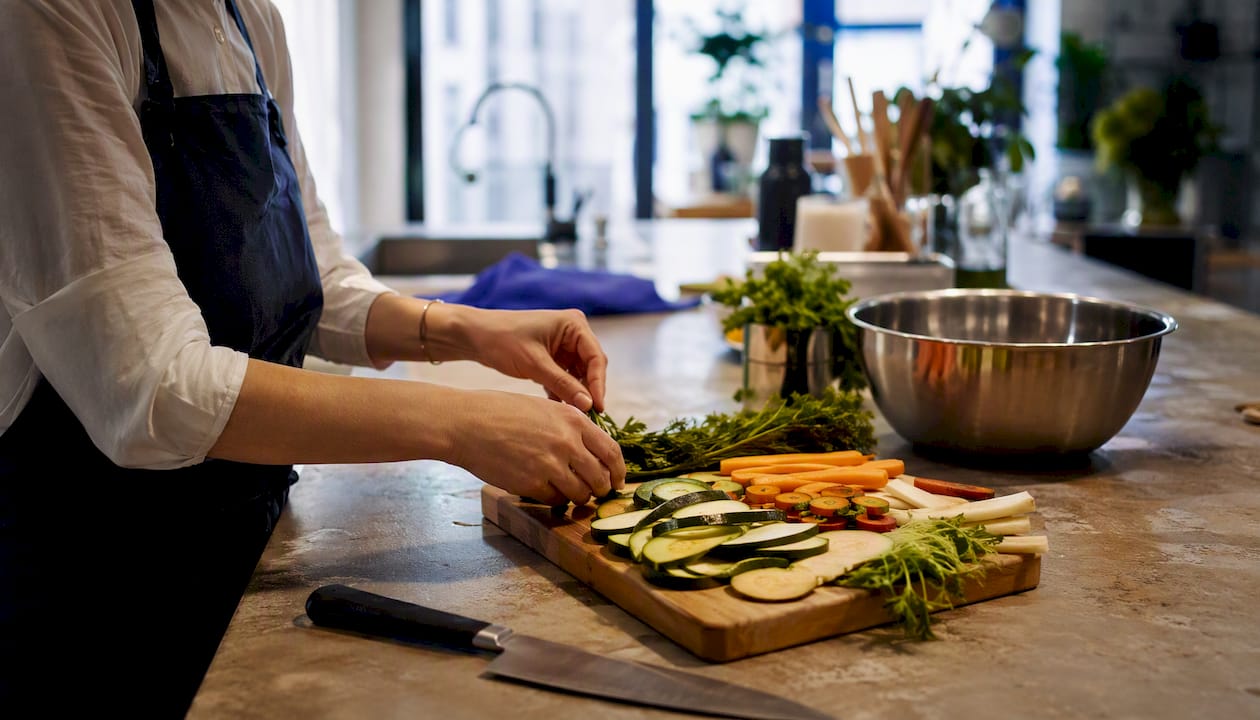
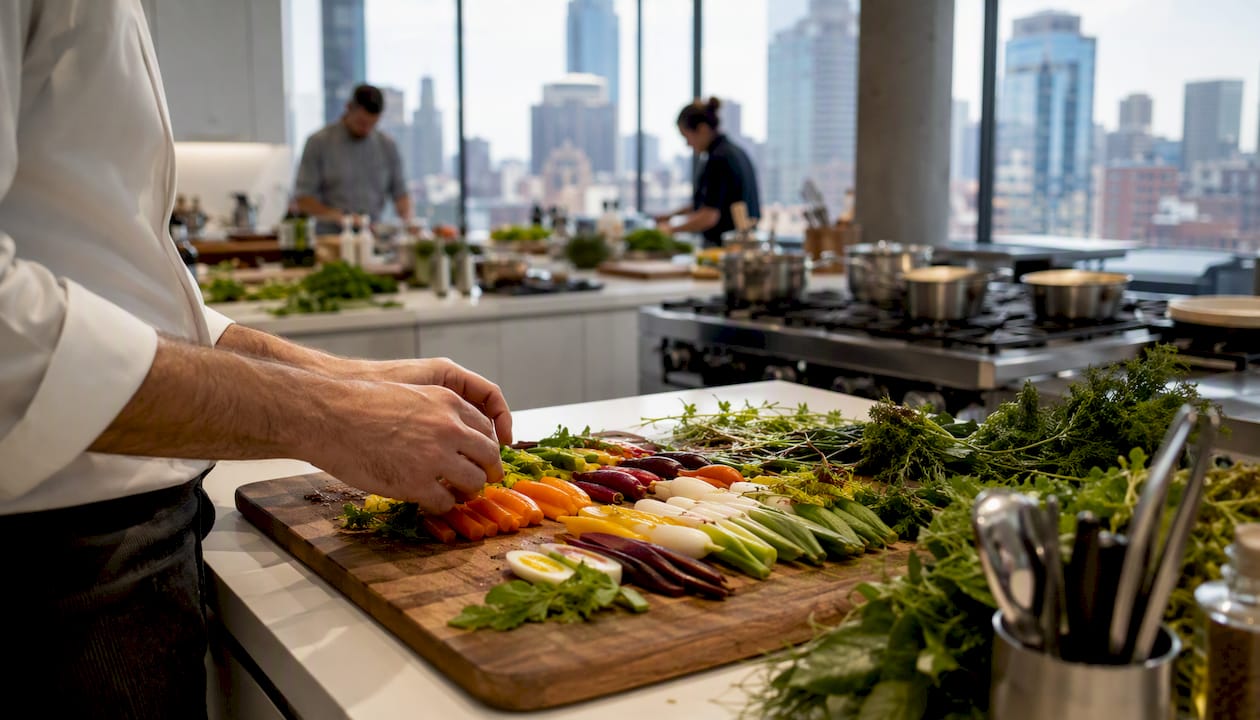
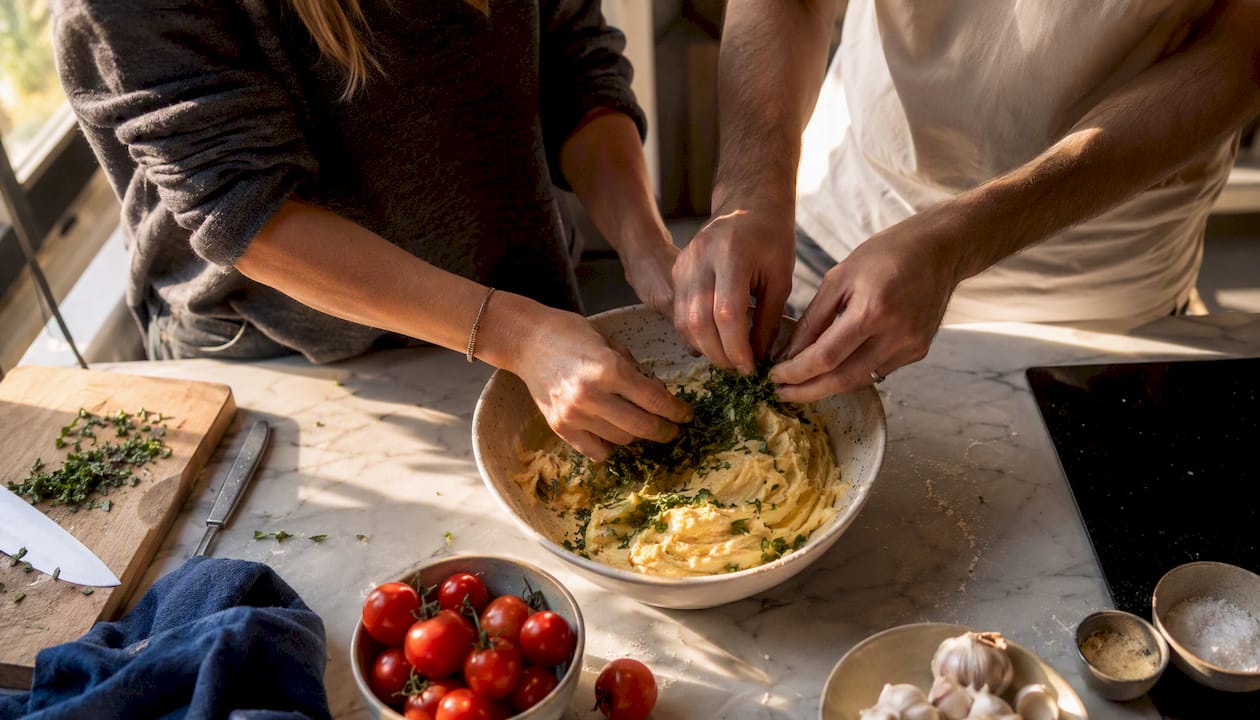
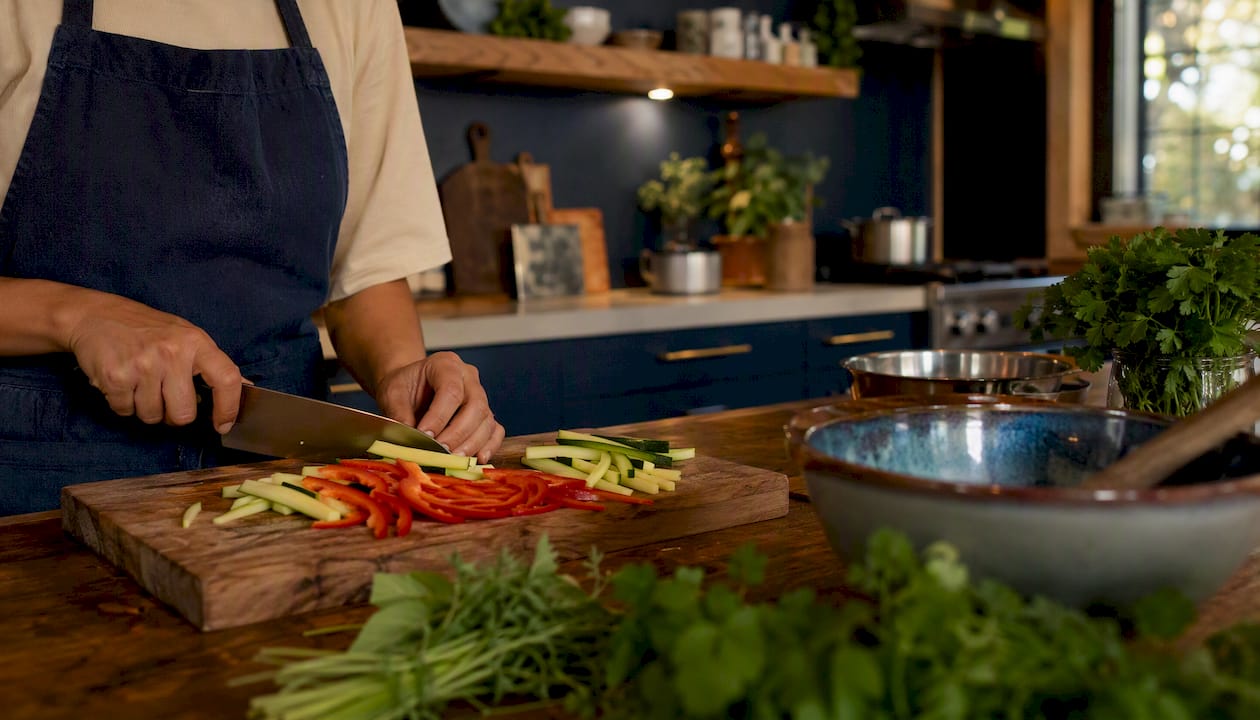
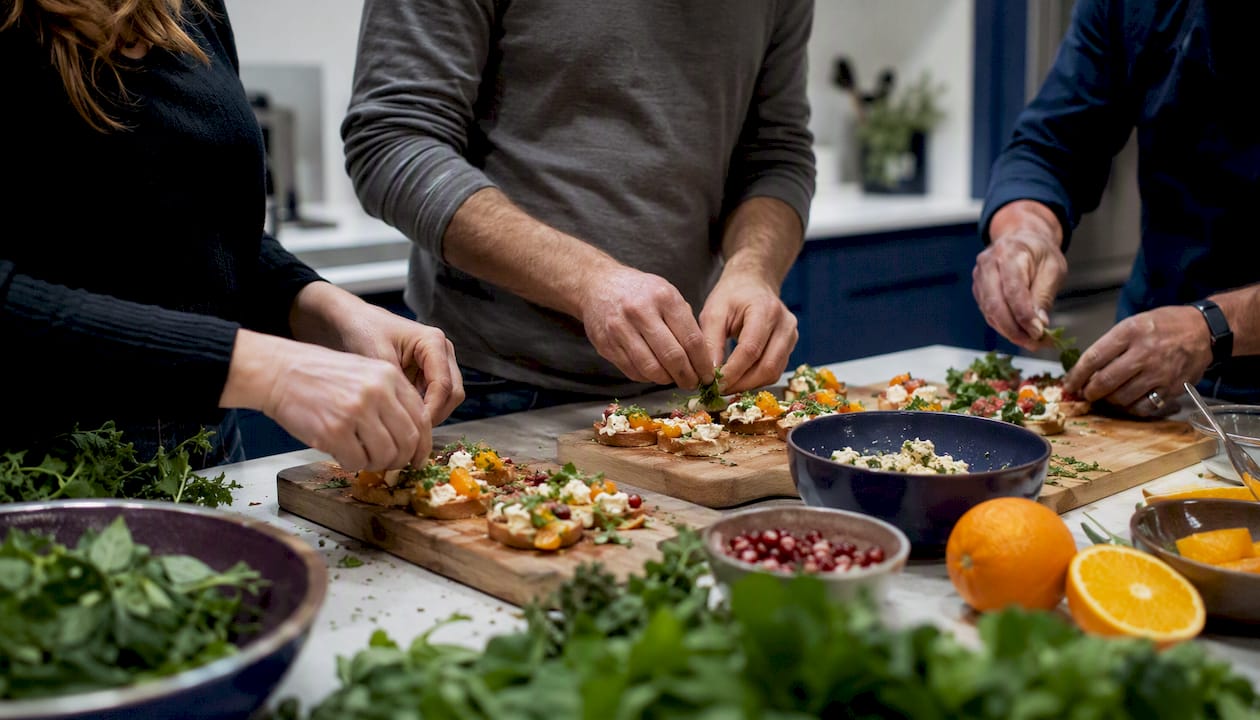
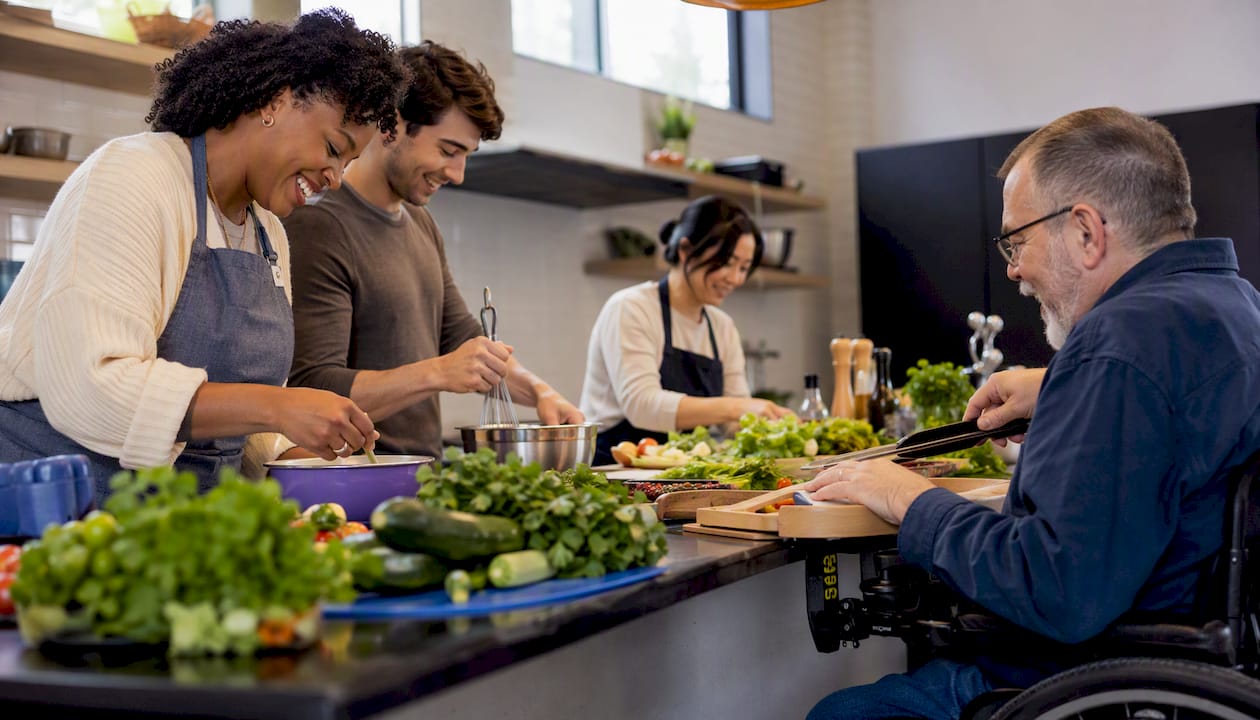
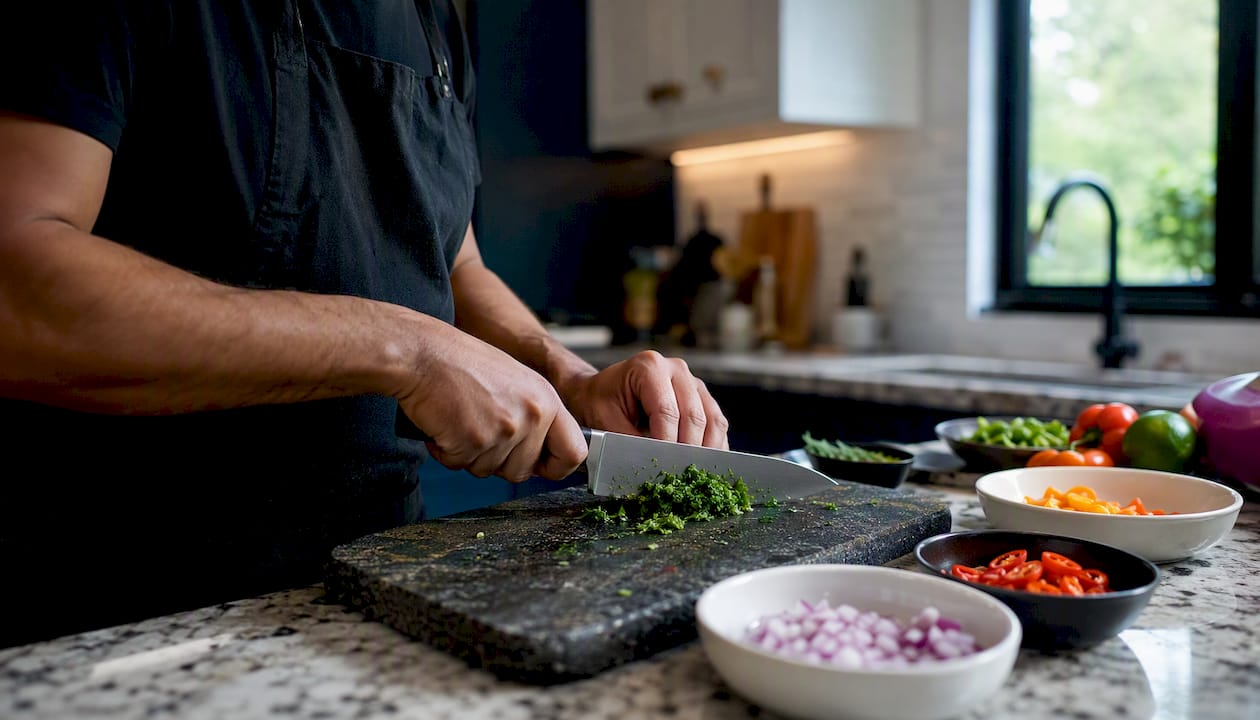
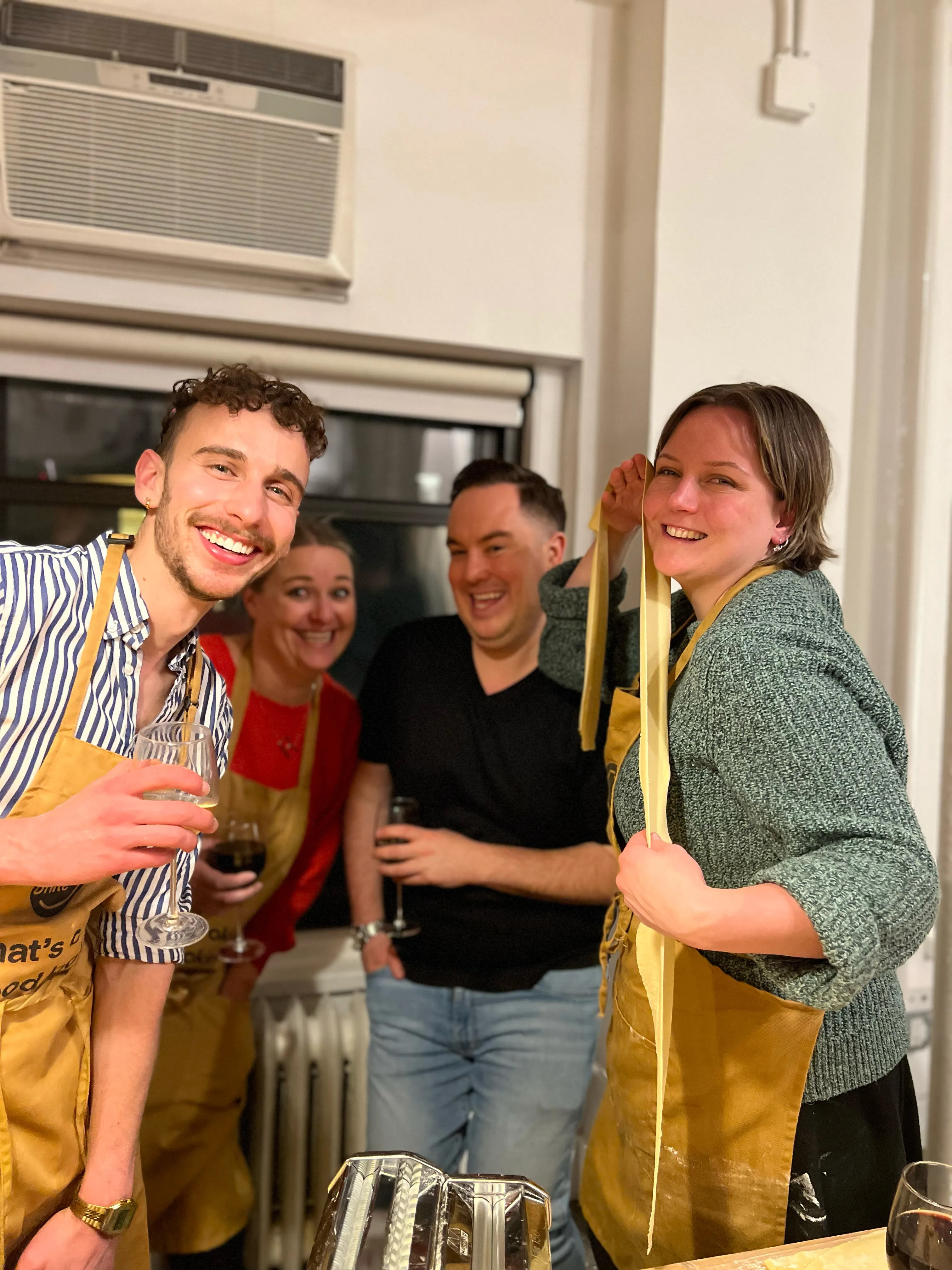
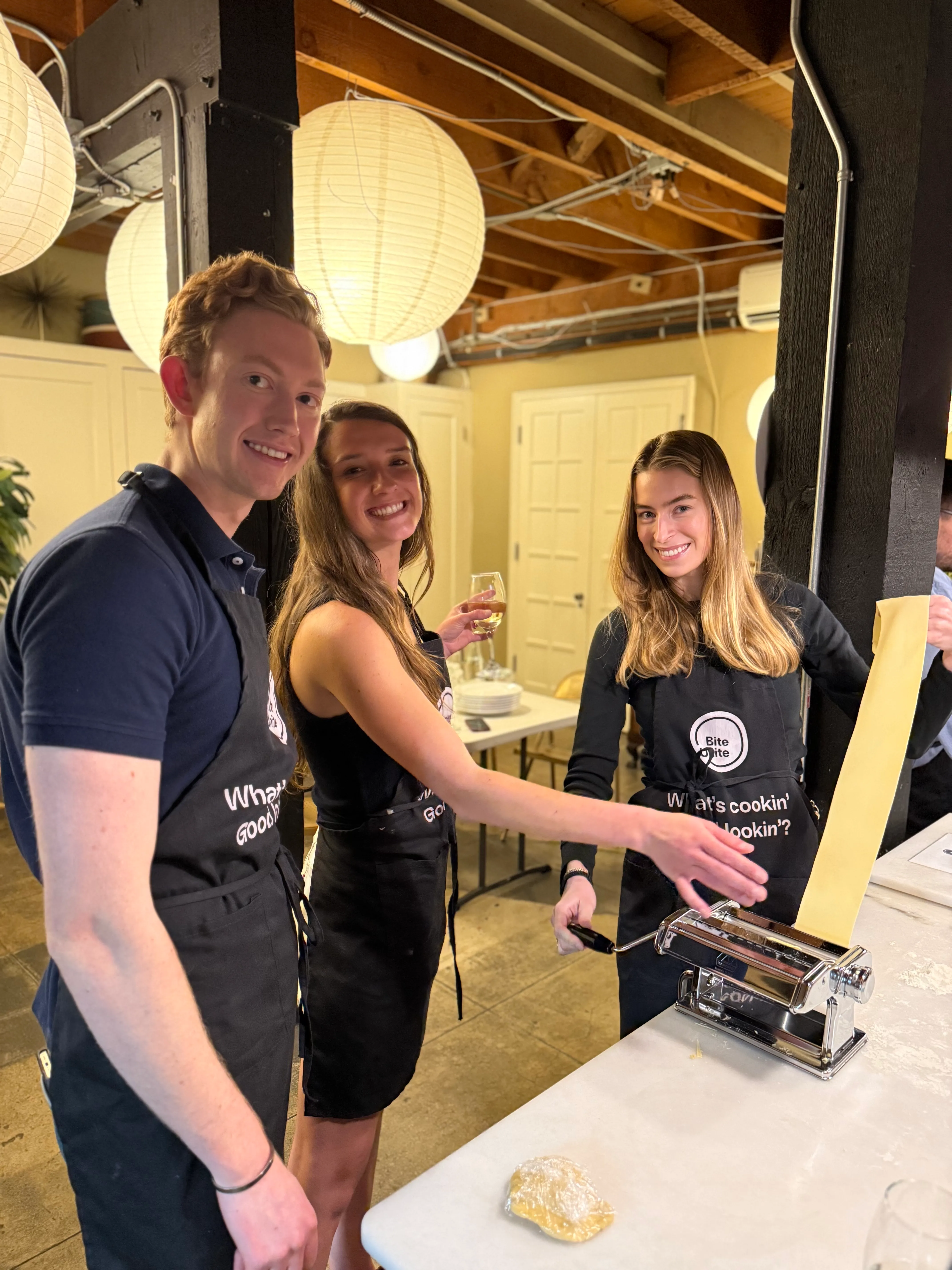
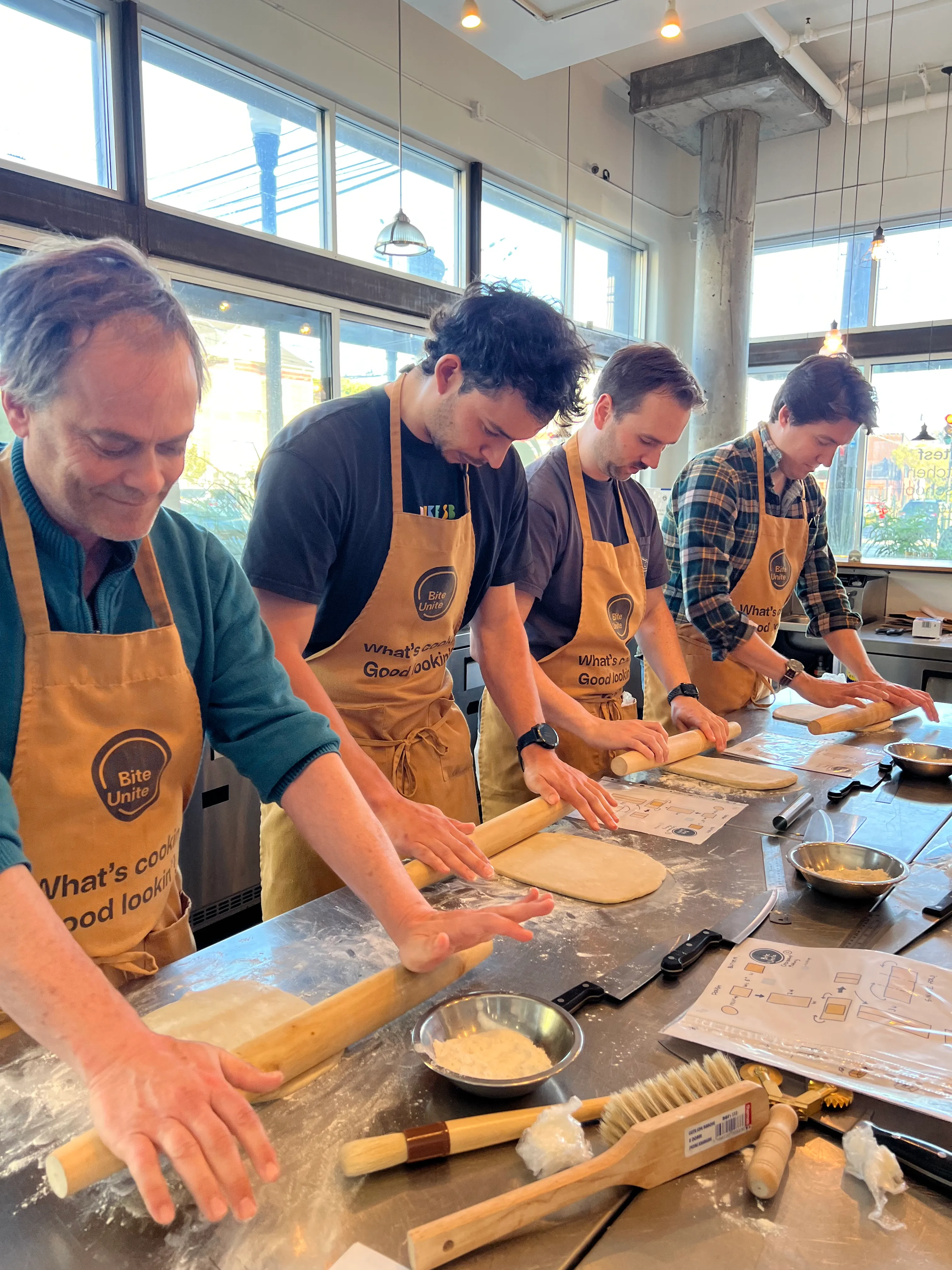
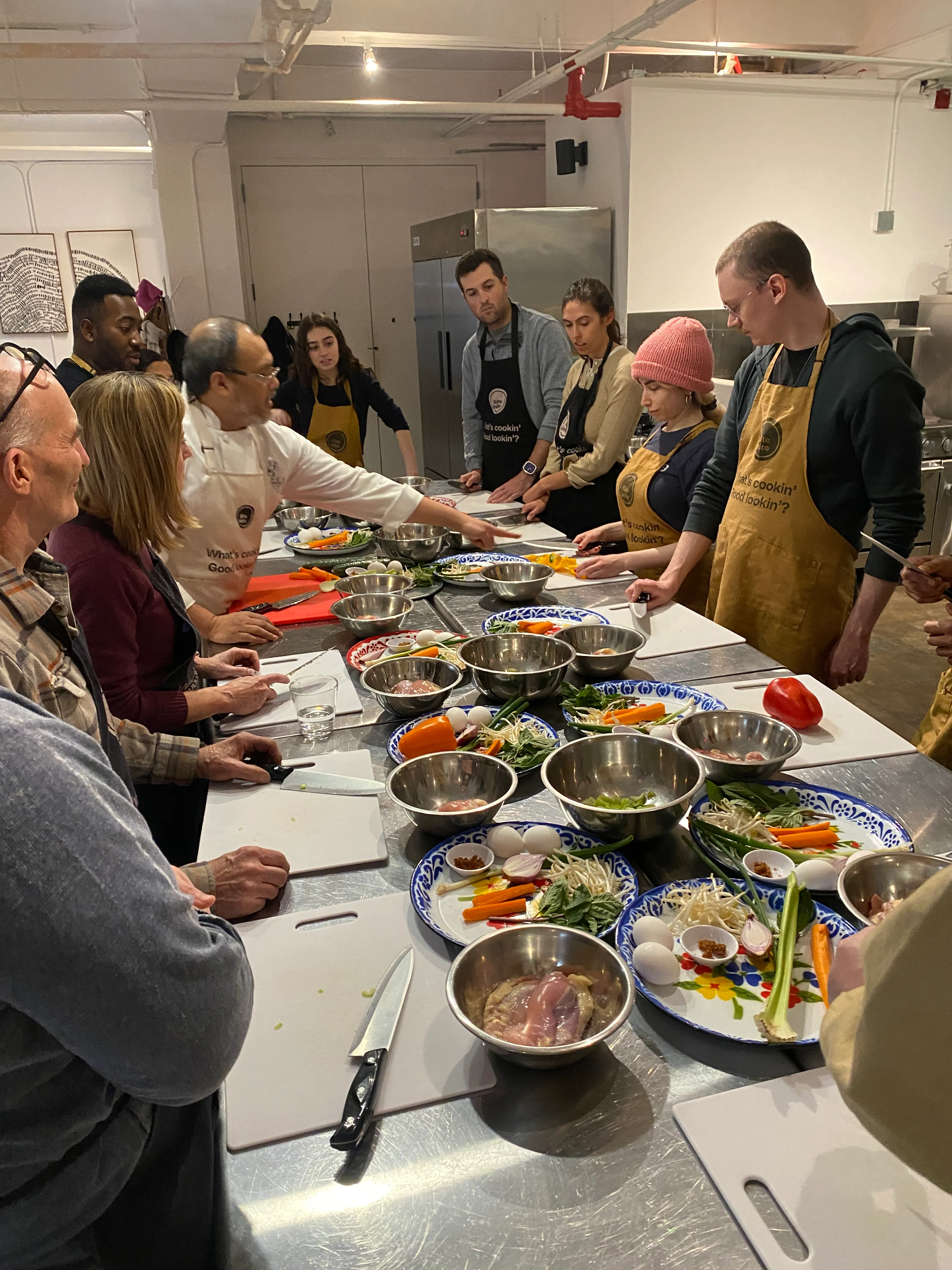
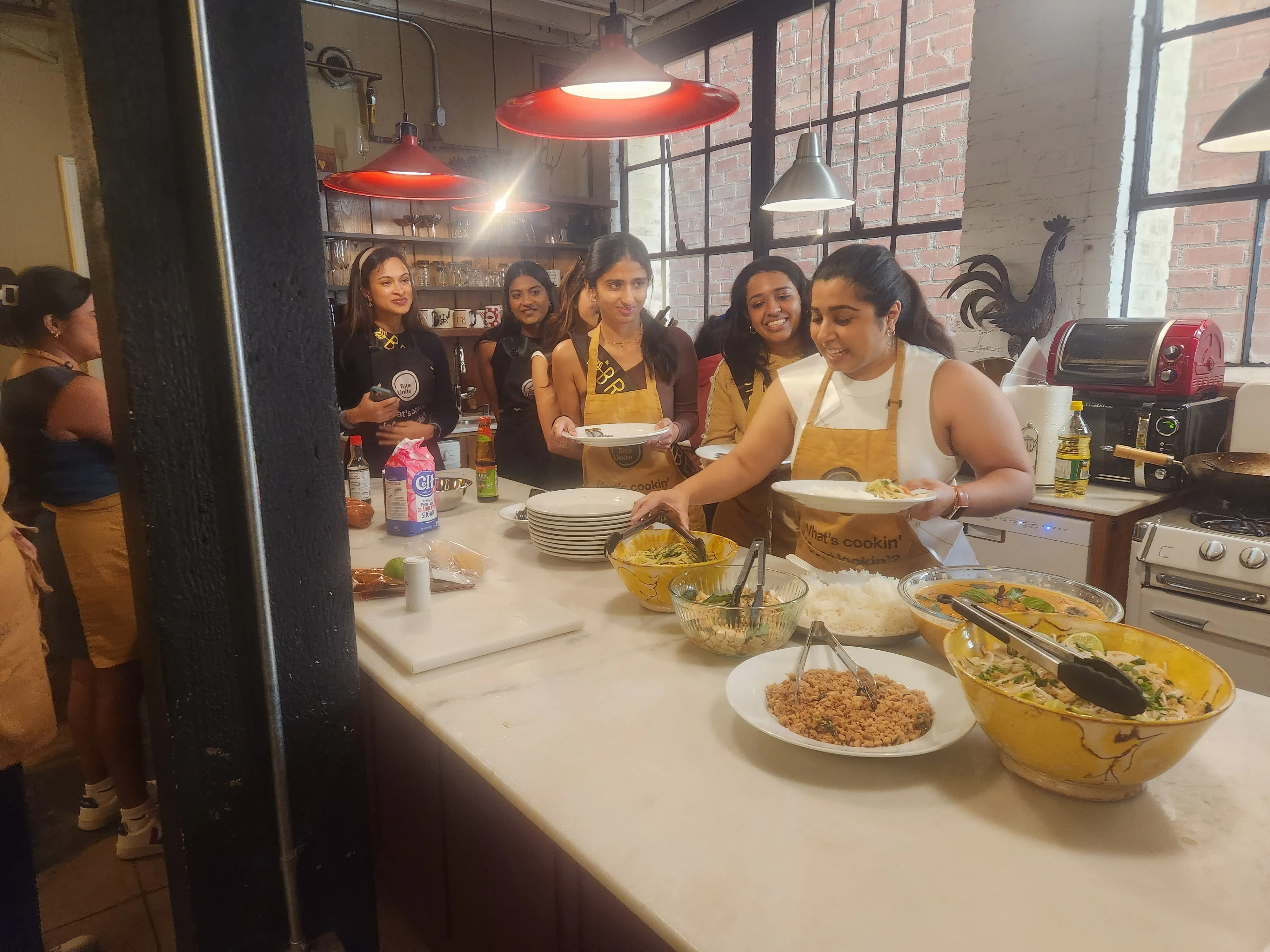
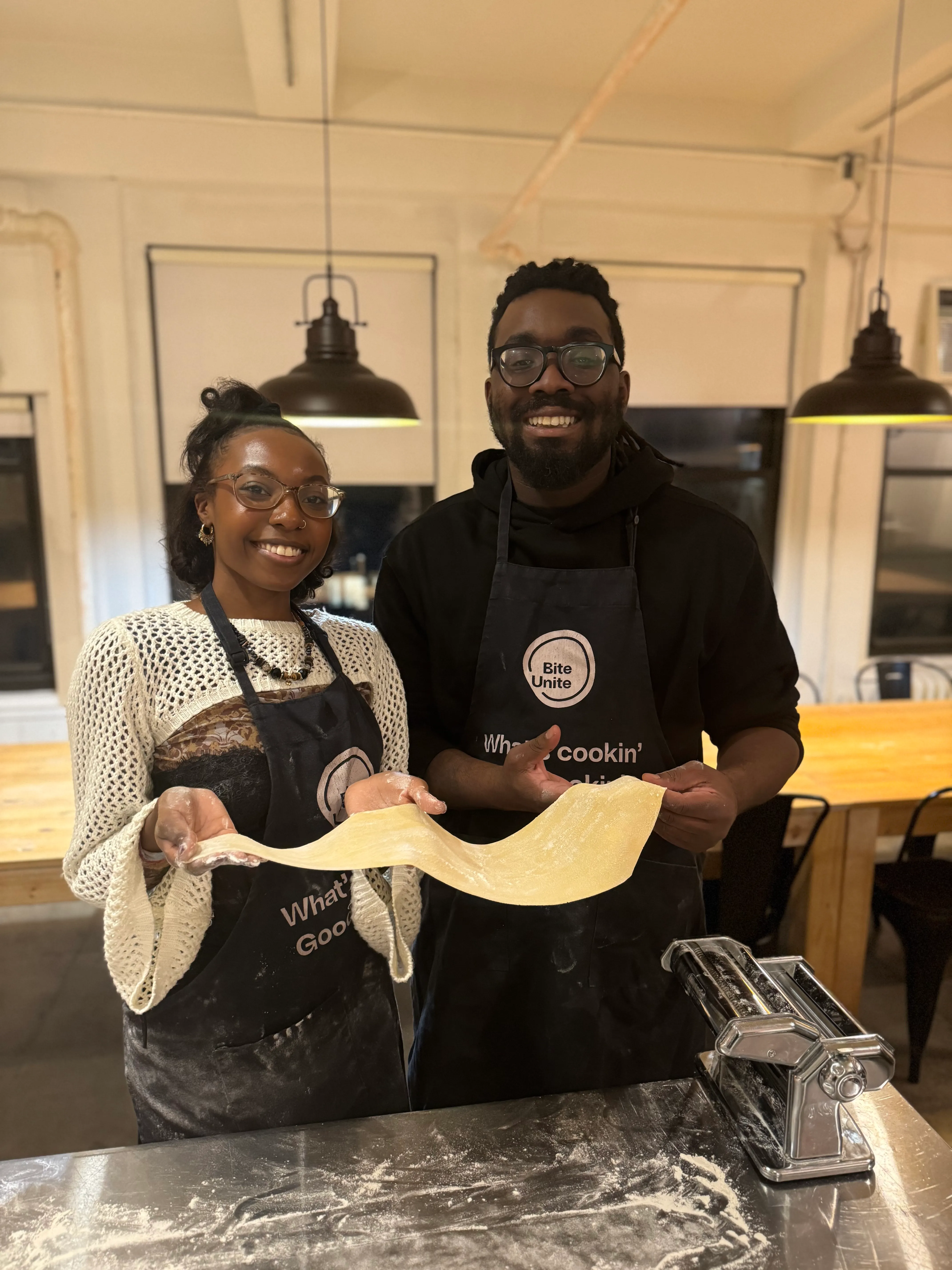
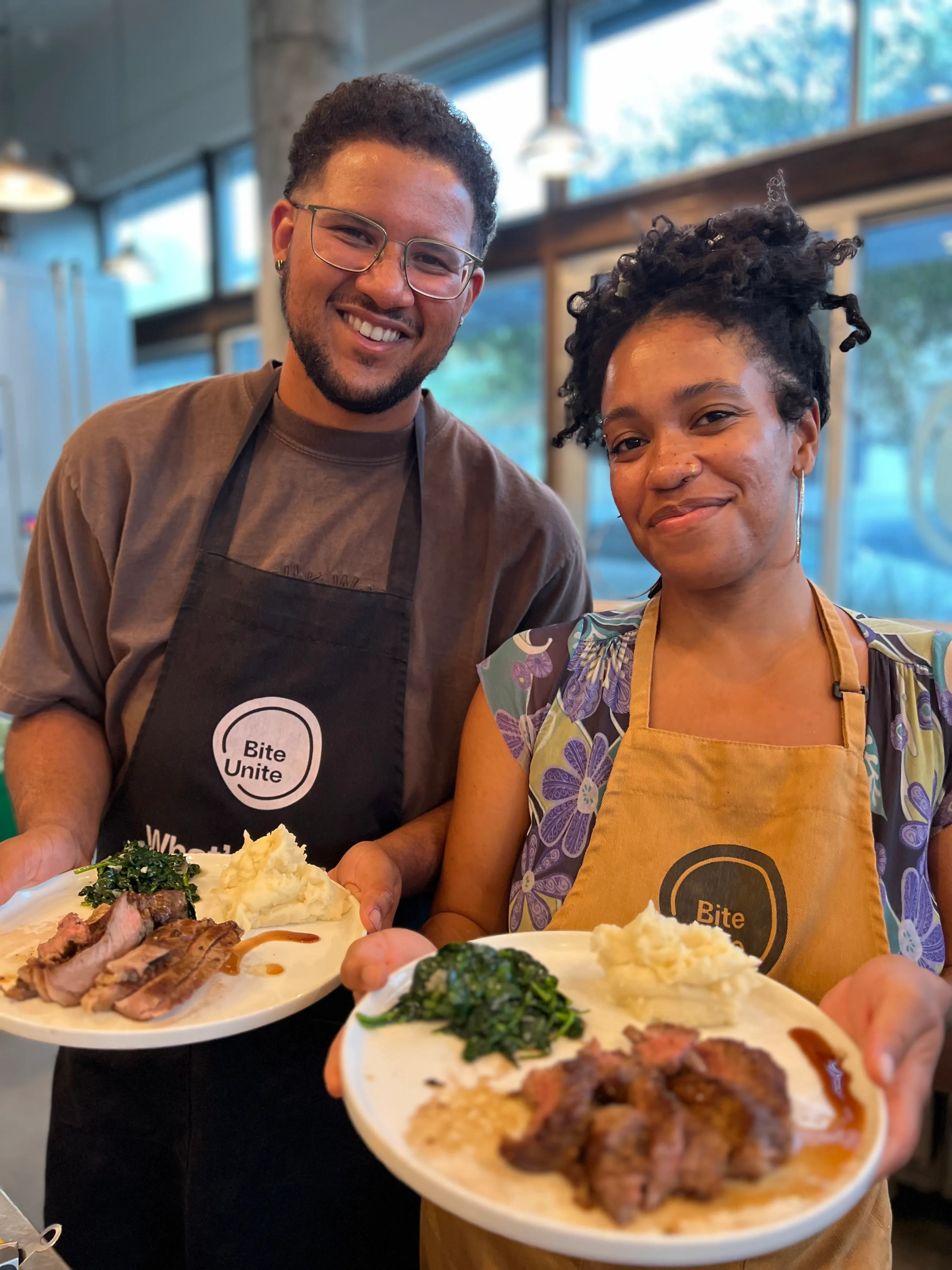
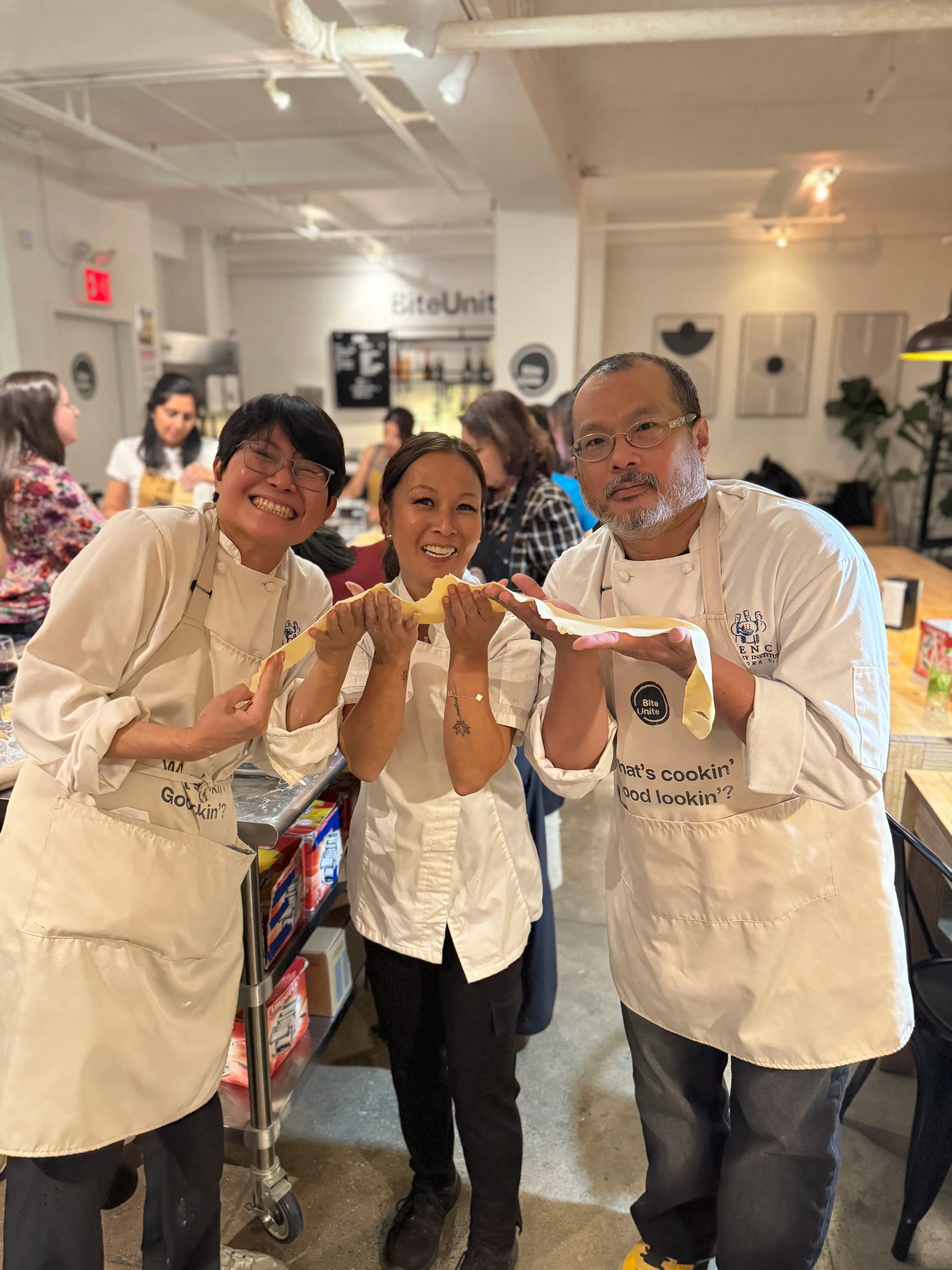
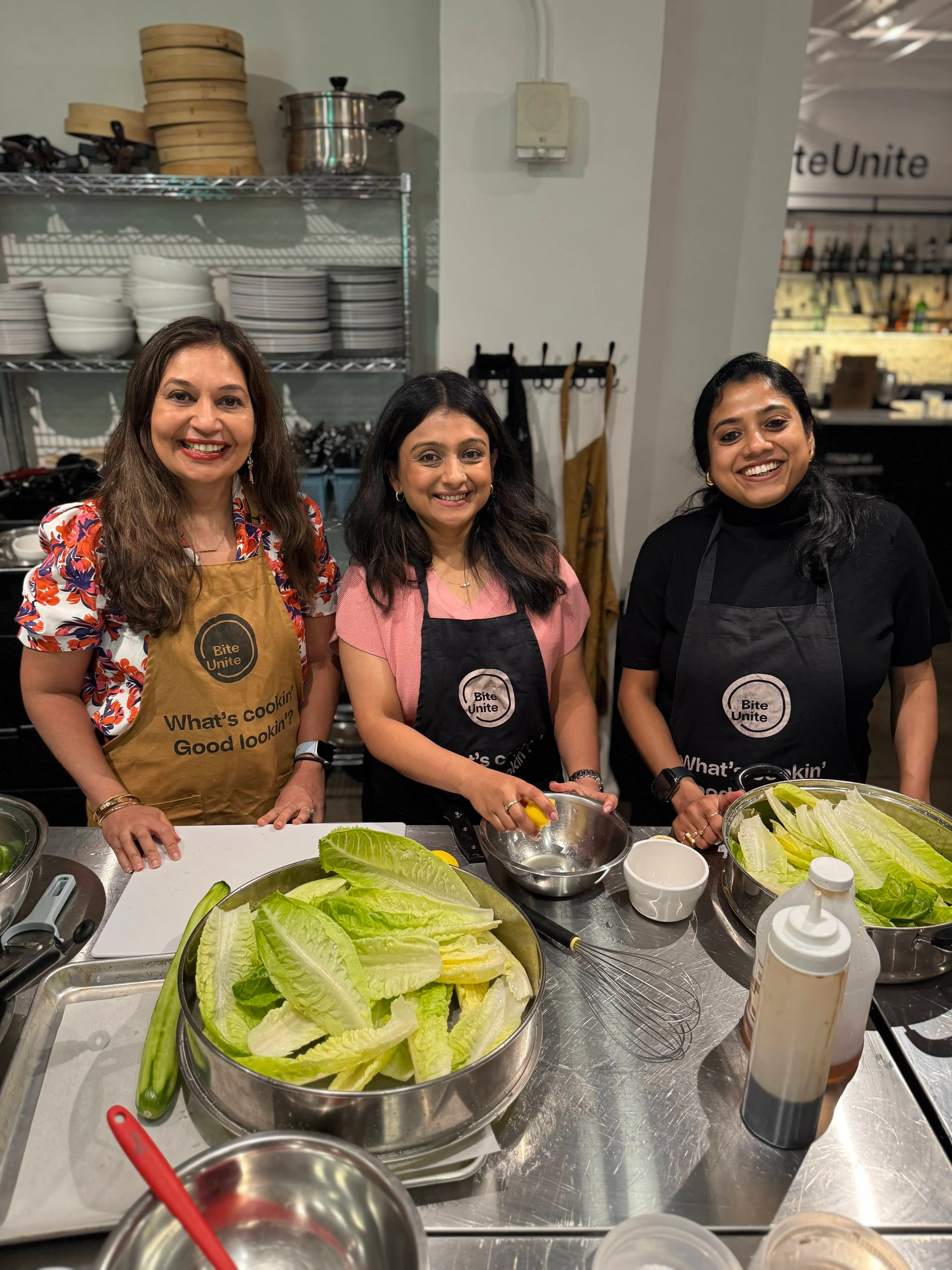
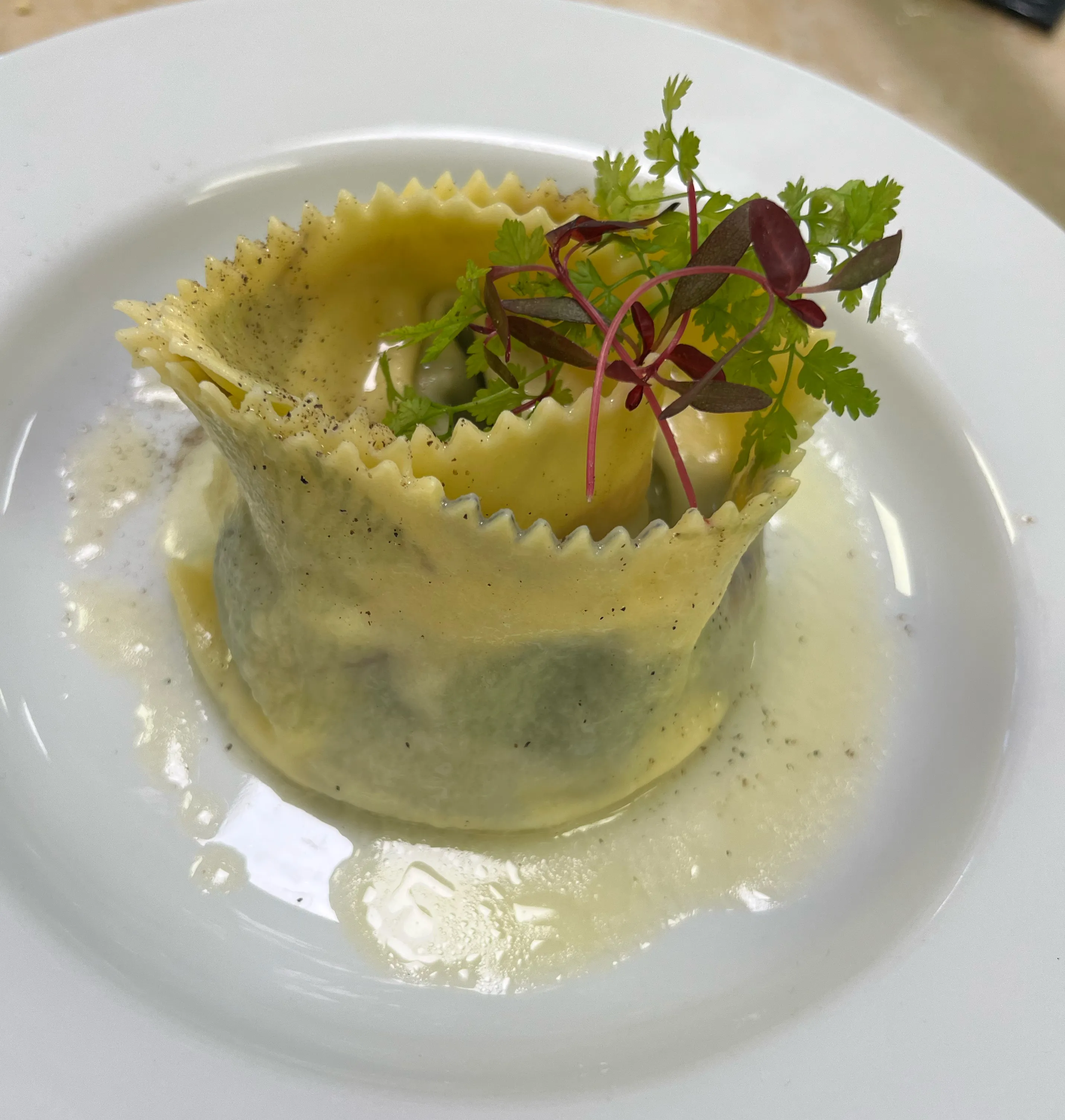
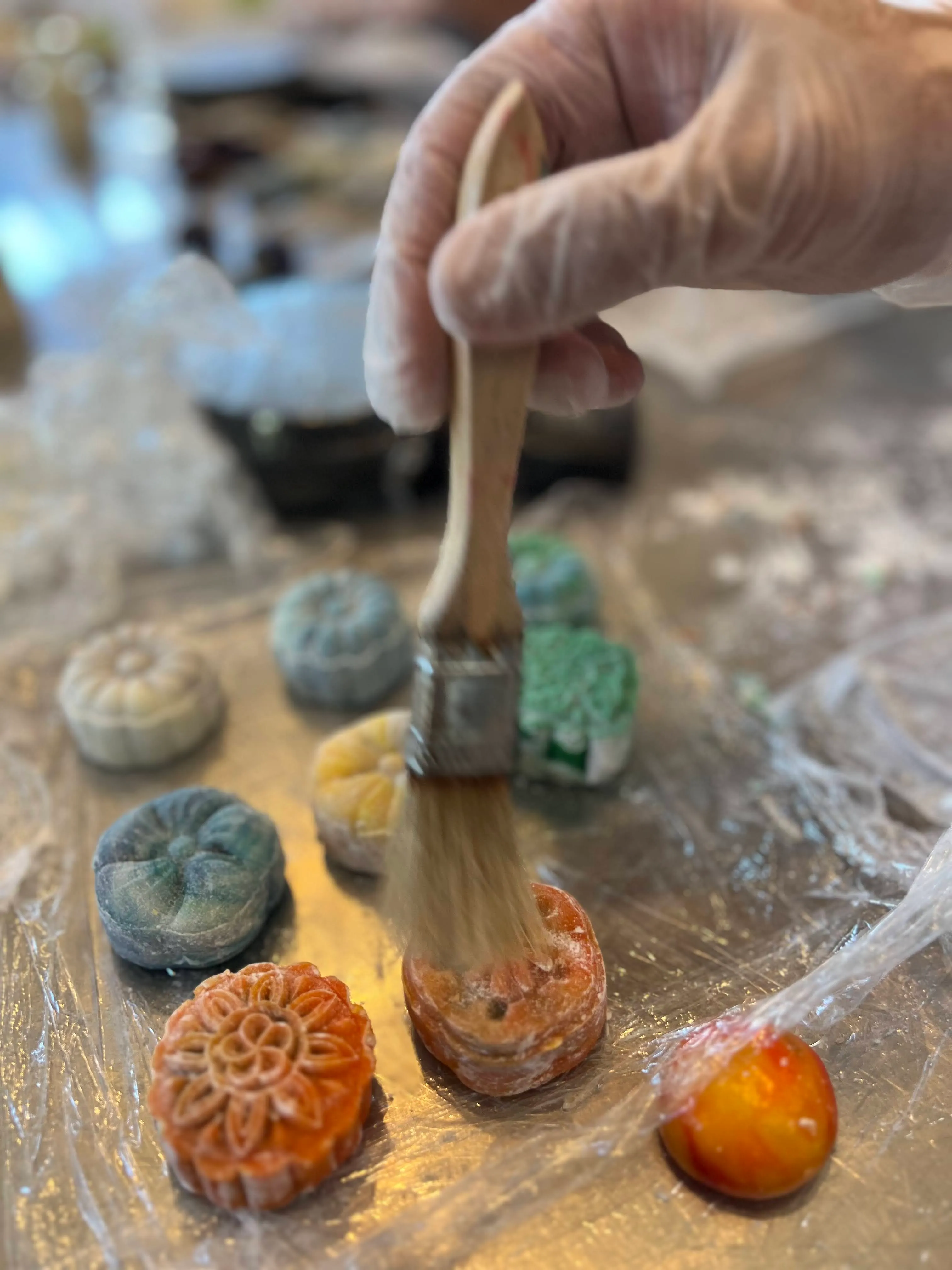
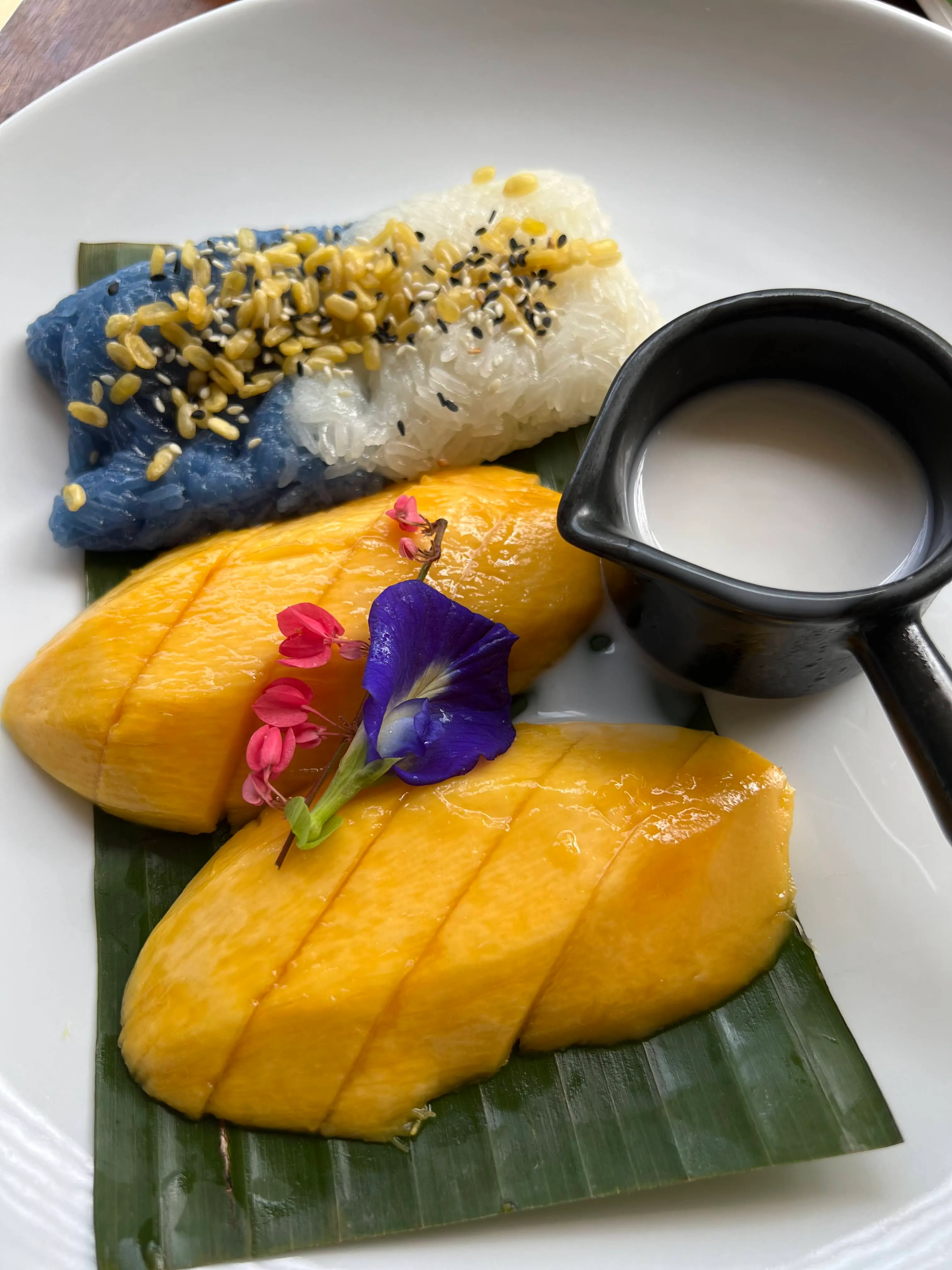
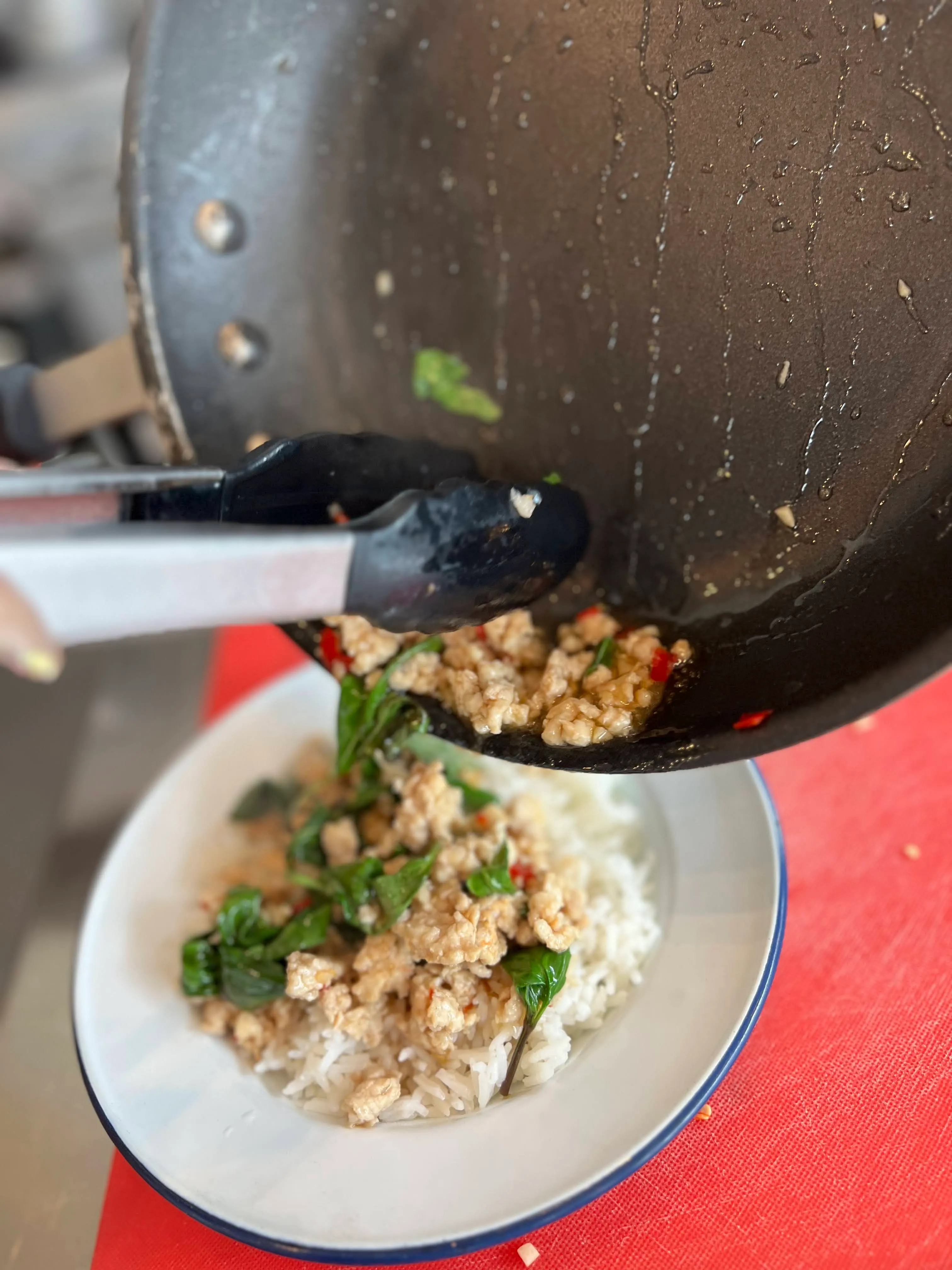
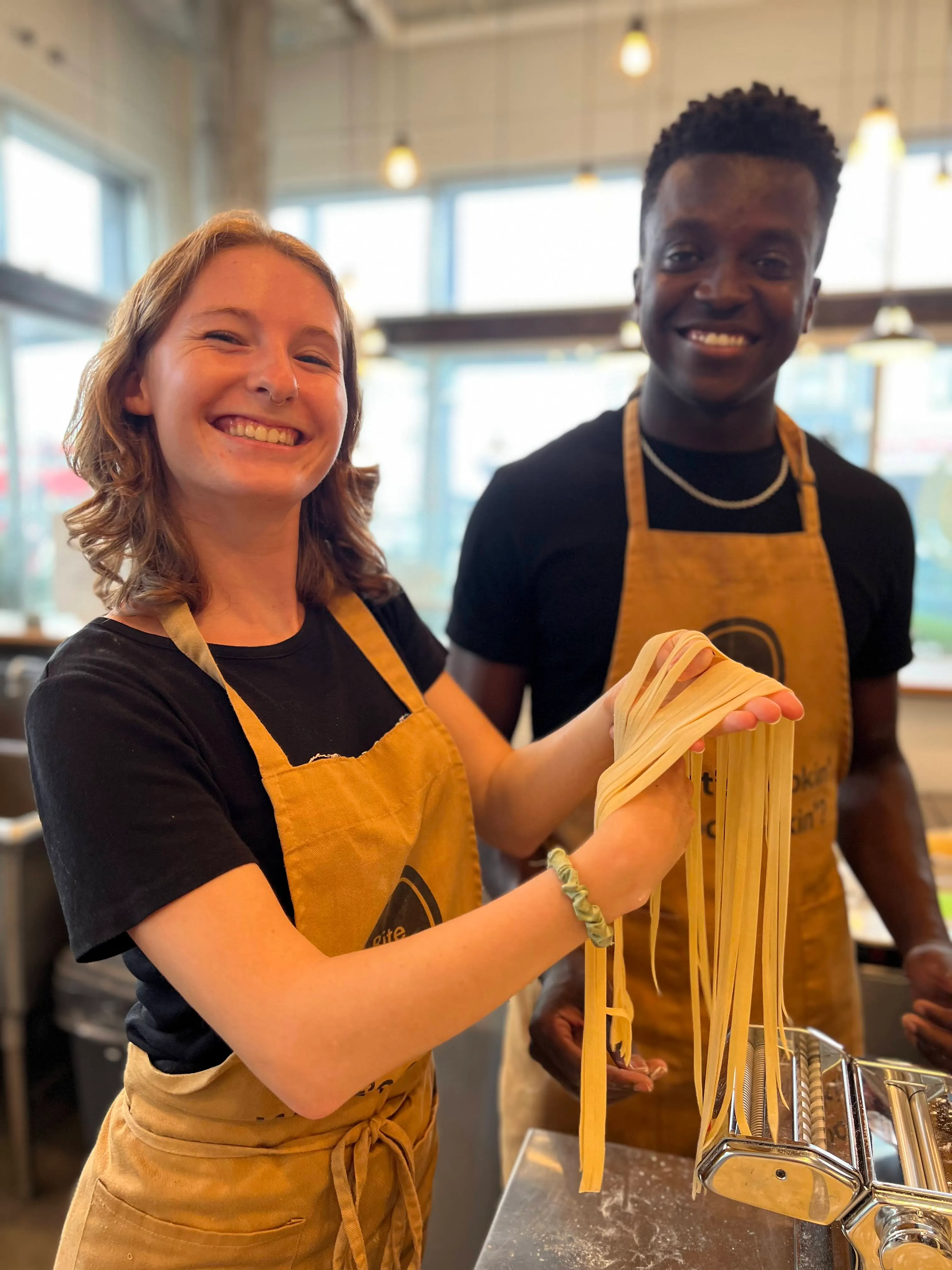
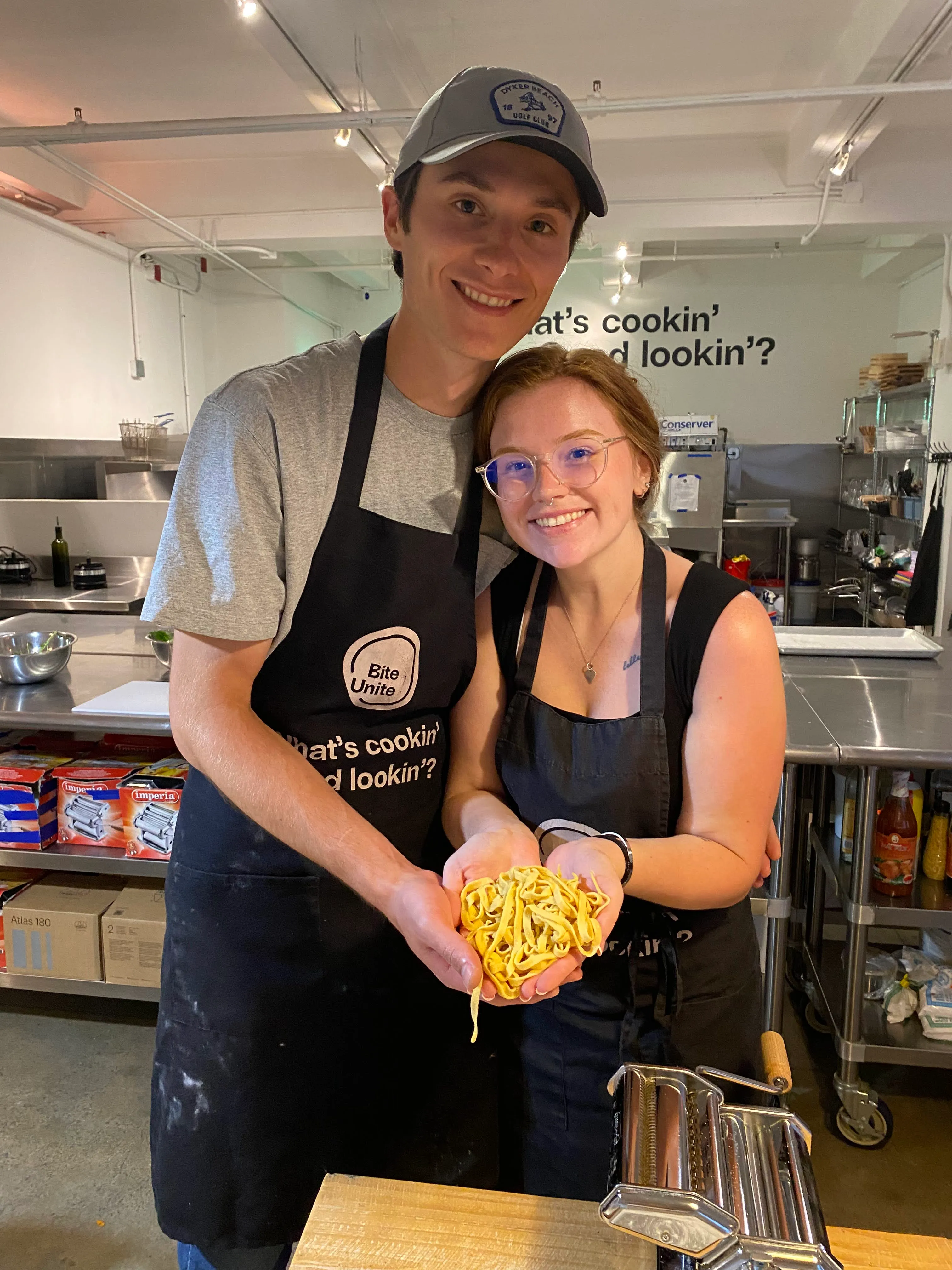
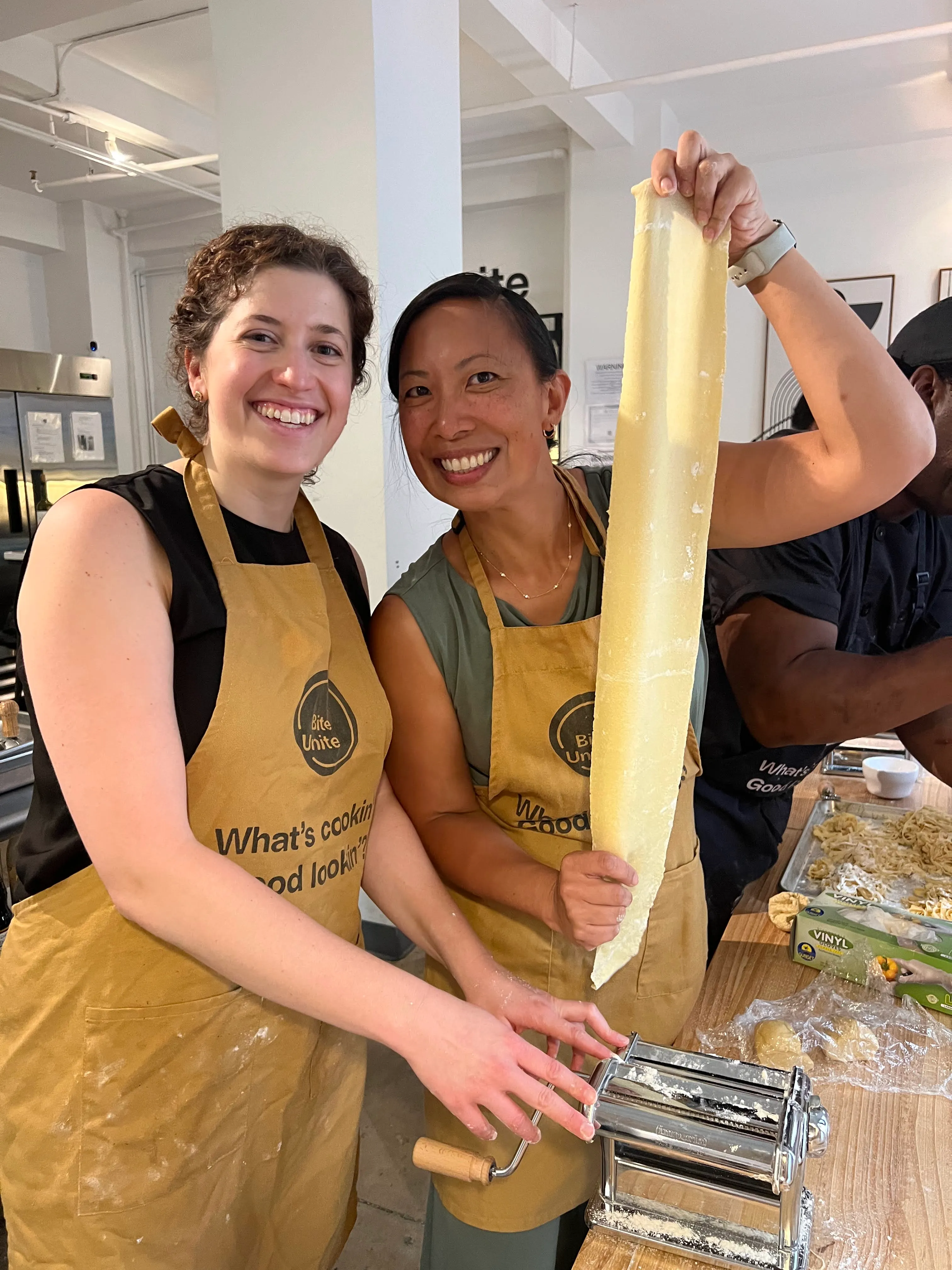
Cooking sessions in particular scale well because the sensory reward (an actual meal) gives everyone something to talk about immediately afterward, which makes the debrief happen naturally. A typical structure includes welcome, station assignment, hands-on cooking time, and then a shared meal with informal conversation. Check accessibility ahead of time: confirm dietary restrictions, standing tolerance, and whether any station needs adapting for mobility. A culinary team-building session run by an outside chef removes the facilitation burden entirely from whoever’s organizing it.
Pro Tip: Assign stations by comfort level, not seniority. Put your most anxious team member on a lower-pressure task like plating rather than the timed sauté station, so the activity builds confidence instead of exposing skill gaps.
Outdoor and Offsite Team Building Ideas (and What to Do When It Rains)
Outdoor activities earn their extra planning effort when the goal is genuinely different from what an indoor room can deliver, mainly space, movement, or a change of scenery that resets team energy. Operational guidance on matching activity to space makes the point directly: pick the format your physical environment can actually support, rather than forcing an outdoor concept into a cramped room, or vice versa.
Five solid offsite options for small teams:
- Group hike with a shared checkpoint challenge (2 to 3 hours, needs trail access and moderate fitness levels for all participants).
- Volunteer half-day at a local nonprofit (3 to 4 hours, builds shared purpose alongside connection).
- Outdoor cooking or grilling class (1.5 to 2 hours, needs an outdoor kitchen space or park permit).
- City scavenger hunt across a few blocks (1 to 2 hours, needs only a smartphone and a list of clues).
- Park picnic with lawn games (2 hours, needs minimal equipment and a reserved shelter as backup).
Always build a weather contingency before you book anything outdoors. Mirror each outdoor plan with an indoor version: the hike becomes an office scavenger hunt, the outdoor cooking class moves to an indoor culinary studio, the picnic becomes a potluck. If you can’t name the indoor mirror format in one sentence, the outdoor plan isn’t ready to book yet.
Virtual and Hybrid Team Building That Doesn’t Feel Forced
Distributed teams need structure that a casual “let’s all hop on a call” never delivers. Camera fatigue and unequal airtime kill most unplanned virtual attempts within ten minutes.
- Virtual Cooking Class (60 to 90 min). Everyone cooks the same recipe on camera with a chef guiding remotely. Kits shipped ahead solve the ingredient problem.
- Online Trivia Battle (30 min). Split into breakout teams of three or four and compete on shared trivia questions.
- Collaborative Playlist Building (15 min, async-friendly). Everyone adds three songs to a shared team playlist with a one-line reason.
- Virtual Museum Tour (45 min). Explore a museum’s online collection together with a guide, then discuss favorites.
- Remote Pictionary or Skribbl (20 min). Use a free drawing-and-guessing tool in breakout pairs.
- Async Show-and-Tell Thread (ongoing). Post one photo a week in a shared channel with a short story behind it.
A 30-minute virtual session works well structured as: 5 minutes of welcome and warm-up question, 15 minutes of the core activity in breakout rooms, 7 minutes of full-group debrief, and 3 minutes for next steps. Rotate who leads each session so facilitation doesn’t fall on the same person every time, and set a norm that cameras are encouraged but never mandatory, since bandwidth and home situations vary more than people admit out loud.
Pro Tip: Assign a “chat monitor” role in every virtual session, someone whose only job is to read chat messages aloud so quieter typers get heard as much as talkers.
Choosing and Running the Right Activity: A Practical Checklist
Most organizers pick an activity because it’s convenient, not because it matches what the team actually needs. Fix that by naming the goal first: trust, energy, problem-solving, or celebration. Everything else follows from that one decision.
Before you book, check:
- What’s the specific goal (not “team building” in general, but the actual gap you’re addressing)?
- How much time do you realistically have, including setup and debrief?
- What space do you have, and does the activity fit it without modification?
- What’s the budget, and does it need to be zero-cost or can you spend on materials or a facilitator?
- What’s the group’s energy level right now (burned out teams need lower-intensity formats)?
- Does everyone have equal ability to participate, physically and otherwise?
When running it:
- Assign a timekeeper so the activity doesn’t run long and eat into work hours.
- Assign a debrief lead separate from whoever ran the activity itself.
- Set a clear start and end time and stick to both.
- Close with three debrief questions: What worked? What surprised you? What’s one thing we should carry into our normal workflow?
Weekly micro-rituals need no facilitator. Monthly hands-on activities benefit from one, especially cooking sessions or complex builds, since an outside guide frees your organizer to actually participate instead of managing logistics the whole time.
Pro Tip: If you find yourself planning the same spreadsheet of logistics every month, that’s your signal to hire a facilitator or book a done-for-you format instead of rebuilding the wheel each time.
Why Hands-On Culinary Sessions Work So Well for Small Teams
A shared meal gives a team something concrete to point at afterward: “we made that.” That tangible outcome does a lot of the bonding work that abstract trust exercises struggle to deliver on their own.
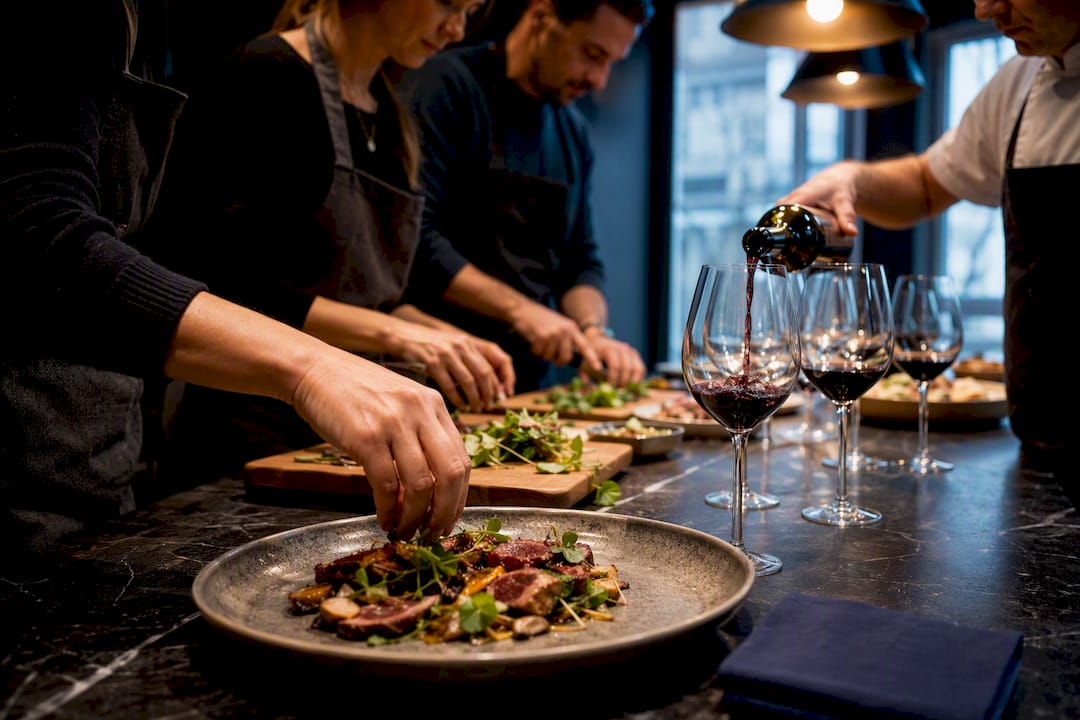
For groups of 6 to 15, a culinary session typically runs 90 to 120 minutes, splits naturally into prep, cook, and plate roles, and produces a group meal that doubles as the debrief setting. Organizers need to confirm dietary restrictions and mobility needs ahead of time, but beyond that, the chef handles instruction and pacing.
- Group size: 6 to 15 people, ideal for one to three cooking stations.
- Timeline: 90 to 120 minutes, including a shared meal at the end.
- Roles: Rotate prep, cooking, and plating across the group rather than assigning by seniority.
- Outcome: A finished meal, natural conversation, and a debrief that happens over food instead of in a forced circle.
A sample agenda: 10 minutes of station assignment, 60 minutes of guided cooking, 30 to 40 minutes of eating together with two debrief prompts woven into conversation, “What role did you enjoy most?” and “What would you want to cook next time?” Evidence on culinary team events backs up what most organizers notice anecdotally: shared cooking produces morale gains that outlast the session itself.
How Often Should You Run Team Building Activities?
Run micro-rituals weekly, structured activities monthly, and reserve bigger offsites for quarterly anchors. This layered cadence beats a single annual event by a wide margin because trust compounds through repetition, not intensity.
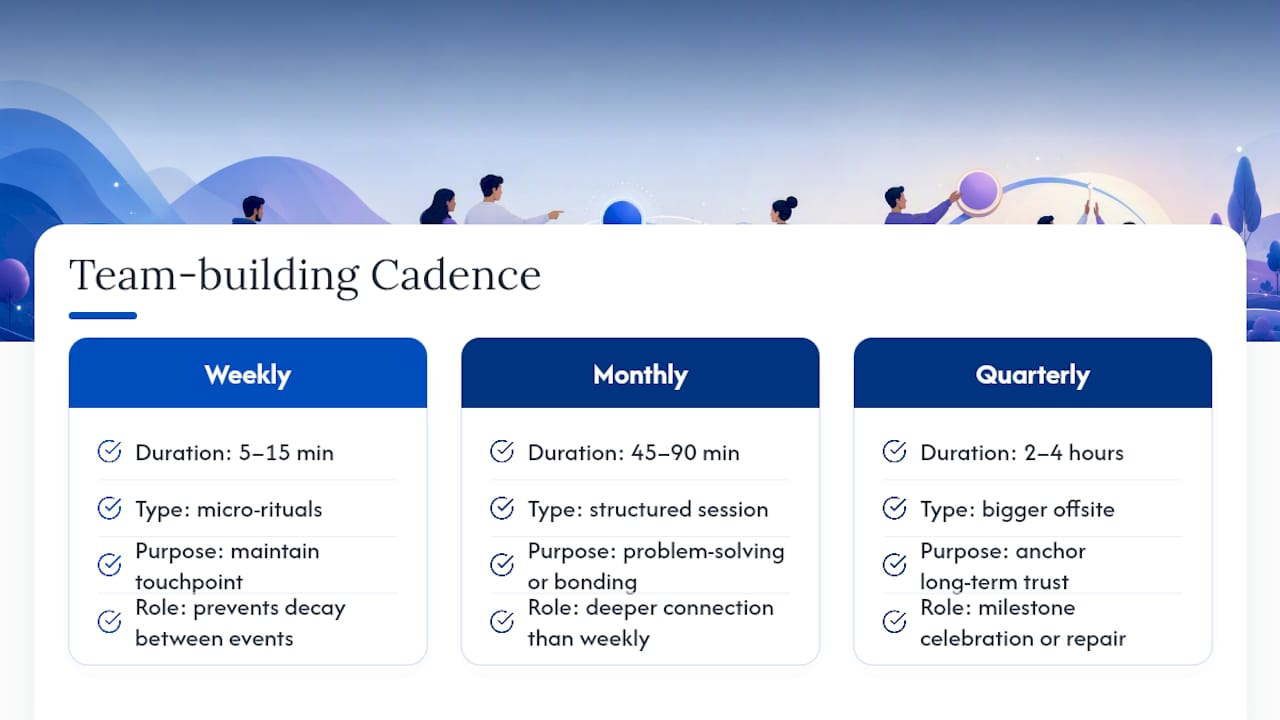
The complete guide to small group team building recommends exactly this structure: weekly 5 to 15 minute rituals, monthly 45 to 90 minute sessions, and quarterly 2 to 4 hour anchors. Each tier serves a different purpose, and skipping tiers weakens the whole system. A team that only does quarterly offsites has long stretches of nothing in between, so the goodwill from the offsite fades before the next one arrives. A team that only does weekly check-ins never gets the deeper bonding that a longer, focused activity provides.
Scale duration to the goal, not the calendar slot you happen to have open. A trust-building goal needs at least 20 minutes of real disclosure time. A problem-solving goal needs 45 to 90 minutes to let a challenge actually develop tension and resolution. A celebration goal can run 90 to 120 minutes because the point is savoring the experience, not efficiency.
New teams or teams recovering from conflict benefit from tightening the cadence temporarily: weekly rituals plus a monthly session for the first quarter, then relaxing to the standard rhythm once trust stabilizes. Established teams with strong existing rapport can stretch structured sessions to bimonthly without losing ground, as long as the weekly micro-ritual never lapses. That weekly touchpoint is the piece that keeps everything else from decaying.
How Do You Know If Team Building Activities Are Actually Working?
Watch behavior change in regular meetings, not just enjoyment during the activity itself. A well-run session that nobody references again in the following weeks probably didn’t move anything.
Track a few concrete signals over 60 to 90 days:
- Participation shifts. Are quieter team members speaking up more in regular meetings after connection-focused sessions?
- Conflict resolution speed. Do disagreements get raised and resolved faster after a trust-building activity?
- Debrief callbacks. Does anyone reference the activity unprompted weeks later (“this feels like the marshmallow challenge again”)? That’s a strong signal it stuck.
- Simple pulse surveys. A two-question survey (one on trust, one on energy) run quarterly gives you a trend line without survey fatigue.
- Retention and morale check-ins. Combine with regular one-on-ones rather than treating team building as a separate measurement system.
Avoid over-engineering this. You don’t need a dashboard for a six-person team. The most reliable measurement tool is simply asking people directly: “Did that feel useful? What would you want differently next time?” Written answers over several sessions reveal patterns that a formal survey often misses because people answer more honestly in casual conversation than on a form with their name attached.
The real test is whether an activity’s language or lessons show up organically in unrelated meetings. If your team still references the tower-build exercise three months later when talking about a real project bottleneck, that activity worked. If nobody mentions it again by the following week, the format probably needs to change even if everyone smiled during it.
Matching Activities to Your Team’s Actual Personality Mix
A team of extroverts and a team of introverts need different formats to reach the same outcome. Running one universal icebreaker format across every team ignores this, and it’s why some sessions fall flat despite good intentions.
For introvert-heavy teams, favor smaller breakout pairs over full-group sharing, written or async prompts over put-on-the-spot verbal answers, and activities with a clear task (a build challenge, a cooking station) over open-ended discussion. Extroverts often read quiet as disengagement when it’s actually just a different processing style, so give introverts a written option to contribute alongside any verbal one.
For newly formed teams, stick to lower-disclosure activities first. A brand-new team asked to share career lows in week one will produce forced, shallow answers. Build up through lighter icebreakers for the first month before introducing anything that asks for real vulnerability.
For teams with visible tension or recent conflict, avoid competitive formats initially, since competition can reopen old friction. Choose cooperative challenges instead, where success depends on working together rather than beating another subgroup.
For mixed-seniority teams, rotate roles deliberately so junior members aren’t always following and senior members aren’t always leading. A marshmallow challenge or cooking session naturally does this if you assign stations randomly instead of letting people self-select, since self-selection tends to recreate existing hierarchy.
Read the room before locking in a format. If half your team groans visibly when you announce an activity, that’s useful data, not something to push through. Swap it for a lower-stakes option and save the deeper format for when trust is further along.
Common Mistakes That Sink Small Team Building Efforts
The most common failure is picking an activity for convenience instead of purpose. An organizer defaults to whatever worked at a previous job or whatever a quick search suggests, without asking what this specific team actually needs right now.
Forcing disclosure. Requiring everyone to share something personal, with no opt-out, backfires with teams that haven’t built baseline trust yet. Always offer an alternative, lighter prompt.
Wrong space for the activity. An activity built for open floor space crammed into a small conference room loses its energy immediately. Match the format to the room you actually have, not the room you wish you had.
No debrief. Running an activity and moving straight to the next agenda item wastes the exercise’s value. Even 90 seconds of “what did we notice?” makes the difference between an isolated event and a lesson the team carries forward.
Treating it as a one-off. A single annual offsite generates a short-term morale bump that fades within weeks. Compounding gains come from a consistent cadence, not intensity.
Ignoring accessibility. Mobility limitations, dietary restrictions, and sensory sensitivities get overlooked until someone can’t participate. Ask ahead, every time, not just when someone raises a hand.
Over-scripting. Some organizers over-plan every minute and leave no room for organic conversation. A little unstructured time after a structured activity is often where the real bonding happens.
Ignoring past feedback. Running the same format repeatedly after the team has clearly said it’s not landing shows a lack of listening more than it builds culture.
Using Participant Feedback to Improve Future Sessions
The fastest way to improve your next activity is asking three short questions right after the current one, while it’s still fresh. Delay a week and the specific details fade into a vague “it was fine.”
Ask: What worked? What didn’t? What would you want next time? Keep it to those three, written down somewhere the team can see the answers get read (a shared doc, not a void).
Look for patterns across sessions, not single comments. If one person disliked the marshmallow challenge, that’s a data point. If four out of six people mention wanting less competition and more collaboration, that’s a real signal worth acting on for your next pick.
Separate feedback about the activity from feedback about the timing or format. A team member frustrated that a session ran during a busy sprint week isn’t necessarily criticizing the activity itself, just the scheduling. Ask a follow-up if the feedback is ambiguous rather than guessing.
Close the loop publicly. When you change the next activity based on specific feedback, say so out loud: “Last time a few of you mentioned wanting more hands-on options, so this month we’re doing a cooking session instead of trivia.” That visible response is what makes people actually bother giving honest feedback going forward, since they see it lead somewhere.
Build feedback collection into your cadence rather than treating it as an afterthought. A 60-second pulse check after every monthly activity, paired with a slightly longer conversation after quarterly anchors, gives you enough signal to keep refining without turning feedback into its own burdensome process.
What I’ve Learned Facilitating Small Teams
The biggest lesson: the activity matters less than the debrief. I’ve watched a five-minute icebreaker land harder than a two-hour escape room, simply because someone asked a sharp follow-up question afterward. The shortcut that saves the most time is prepping ingredients or materials the night before rather than the morning of, since rushed setup bleeds into rushed facilitation. If you want the setup handled entirely, Biteunite’s group classes are built to run without your involvement.
— Patta
Book a Turnkey Culinary Team Building Session With Biteunite
If you’ve read this far, you already know the pattern: hands-on activities with a shared outcome build connection faster than most alternatives, and the biggest barrier is usually organizer time. That’s exactly the gap Biteunite closes. Instead of you sourcing ingredients, writing a script, and playing facilitator on top of your actual job, a Biteunite chef runs the entire session while your team cooks, laughs, and eats together.
Sessions typically run about 90 to 120 minutes for groups of 6 to 15, structured around hands-on stations that rotate roles naturally, allowing participants to focus on collaboration rather than logistics. Biteunite runs these in-person in New York and the San Francisco Bay Area, plus Hong Kong, with online options for distributed teams who can’t gather in one room. It’s the right fit for organizers who want the outcome of a hands-on team activity without spending hours building one from scratch. Check available dates for your city and book a session for your next monthly team activity.
Sources
- 50 team-building activities to do indoors (Gusto)
- The power of the micro-connection (Teesside University research)









































.webp)