Book a Bridal Shower Cooking Class in 15 Minutes, Planner Ready

Yes, a cooking class is one of the best interactive bridal shower ideas for a bride who loves food and good company, and booking one is simpler than most hosts expect. You get built-in bonding, a meal nobody has to cook alone, and a genuine icebreaker for guests who barely know each other. The fastest move: check a provider’s availability for your date and headcount, then request a quote for a private event.
TL;DR:
- Hands-on cooking classes are better suited for small groups of up to 40 guests and may pose challenges with larger parties or guests with mobility issues.
- Opt for demonstration formats for bigger groups or when guests prefer a relaxed experience without active participation in the kitchen.
- Menu choices should align with the time of day and guest preferences, ranging from light finger foods for brunch to more structured dishes for dinner, while accommodating dietary needs.
- Booking costs vary, with demonstration classes generally being cheaper per person, and booking on weekdays can reduce expenses without sacrificing fun.
- Confirm staffing ratios, menu customization, dietary accommodations, and cancellation policies before finalizing a booking with a provider.
Table of Contents
- What Makes a Bridal Shower Cooking Class Different From a Regular Party?
- Which Cooking Class Formats and Themes Work Best?
- What Should You Actually Cook? Sample Menus and Dietary Swaps
- How Long Should the Class Run, and How Many Guests Can Join?
- What Does a Bridal Shower Cooking Class Typically Cost?
- What Should You Ask Before Booking a Provider?
- Why Biteunite Fits a Bridal-Shower Cooking Class
- What’s Overrated (and Underrated) in Bridal-Shower Planning
- How to Book Your Bridal Shower Cooking Class With Biteunite
- Where Else to Look for Menu Inspiration
- Sources
What Makes a Bridal Shower Cooking Class Different From a Regular Party?
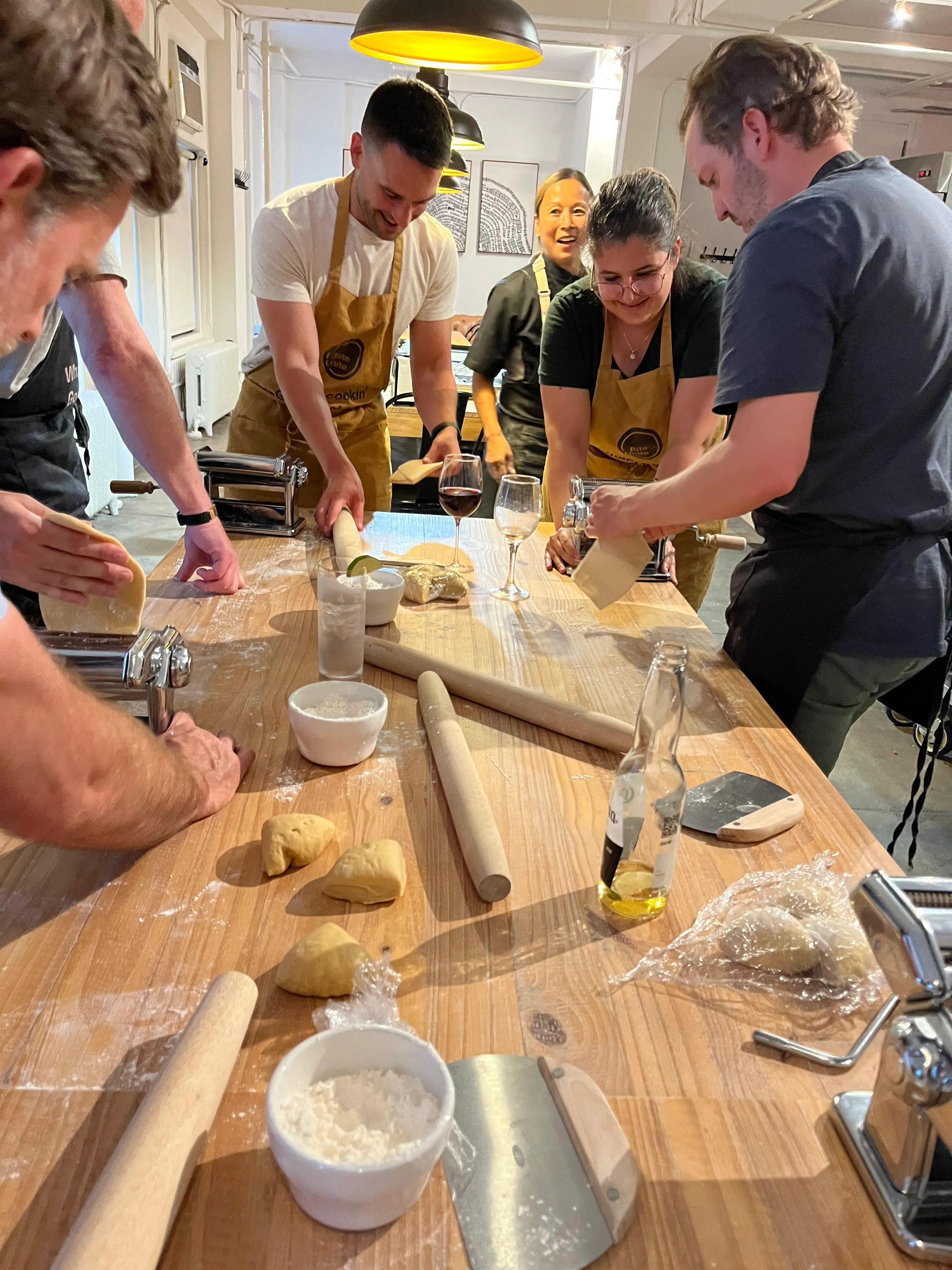
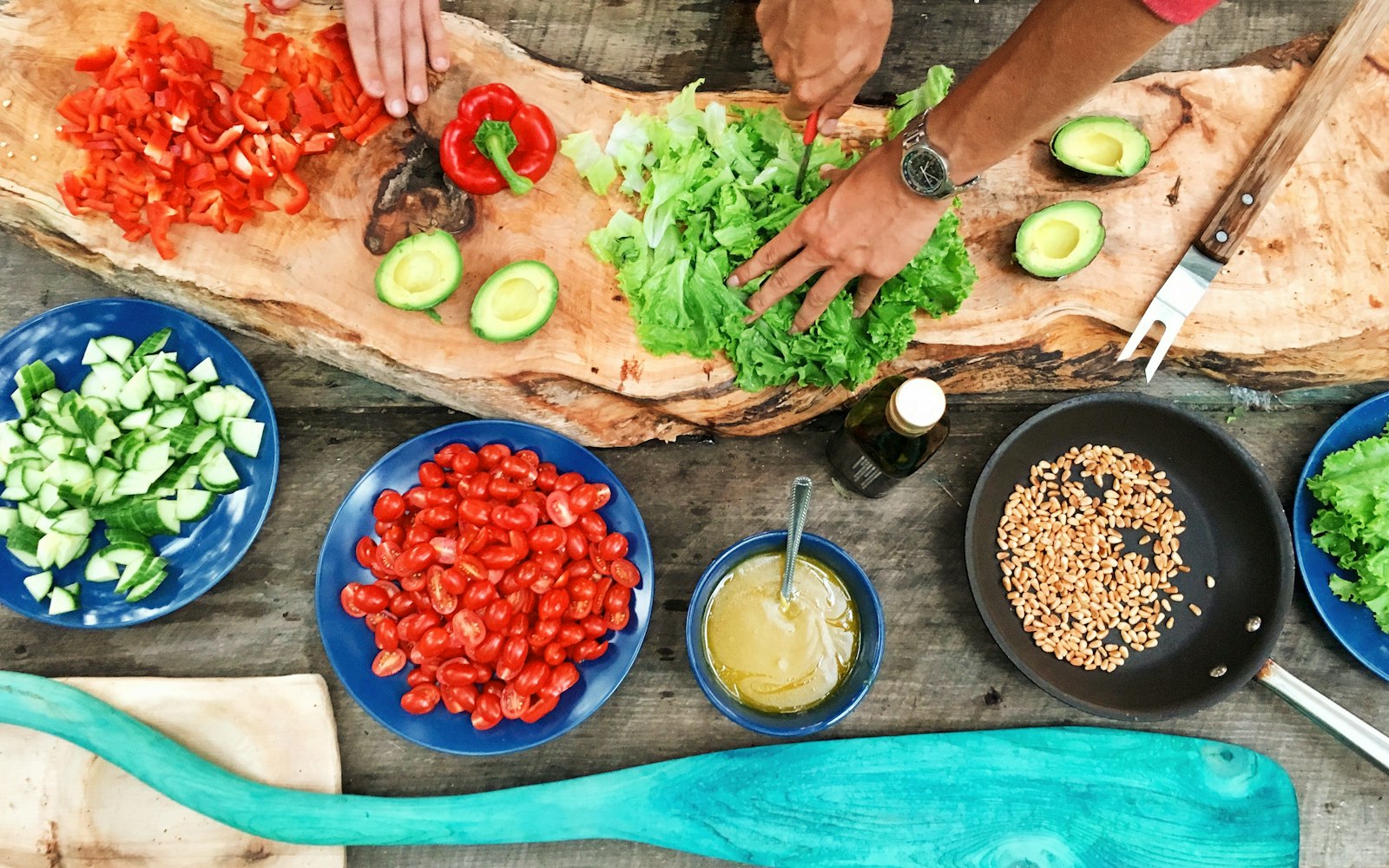
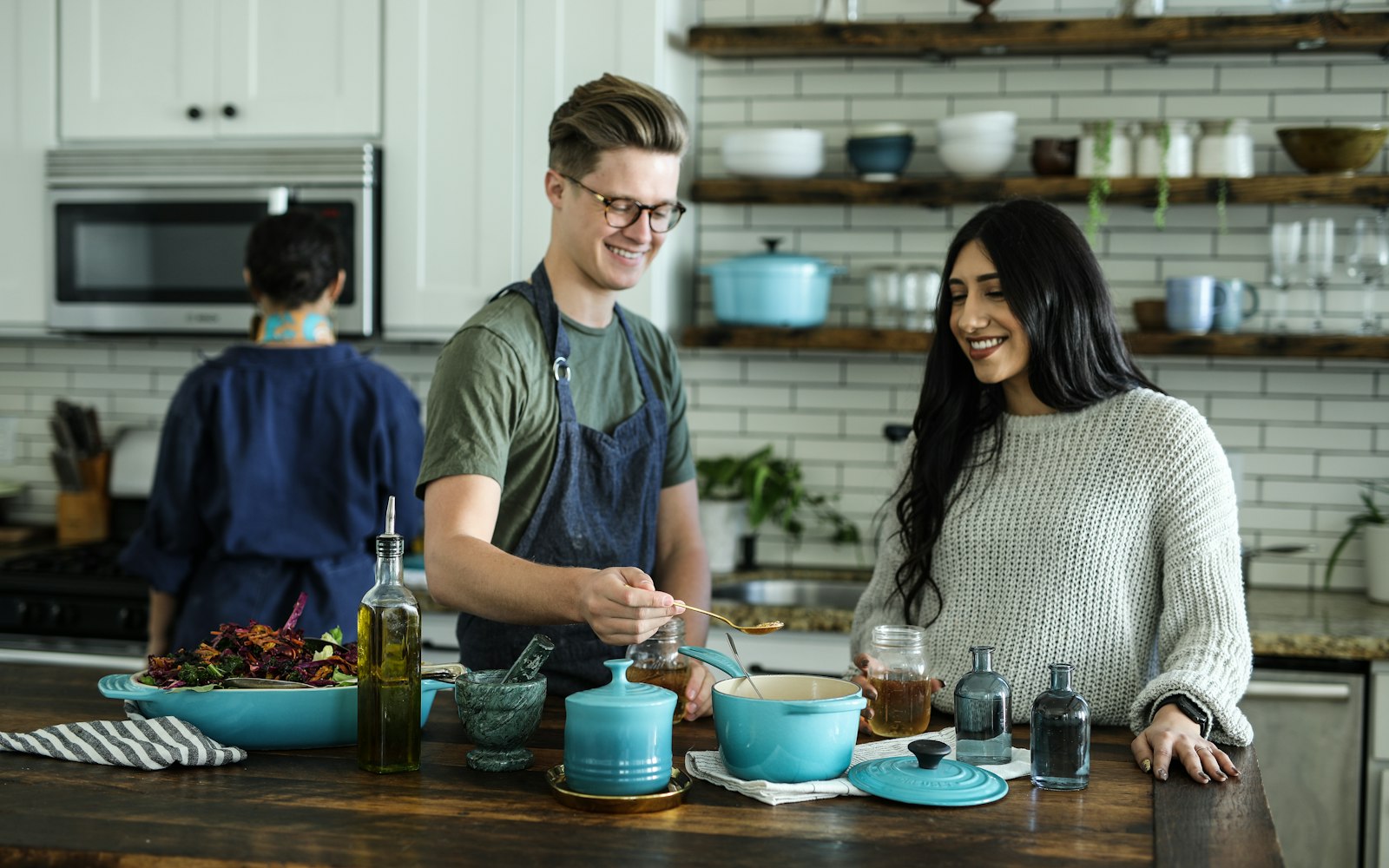
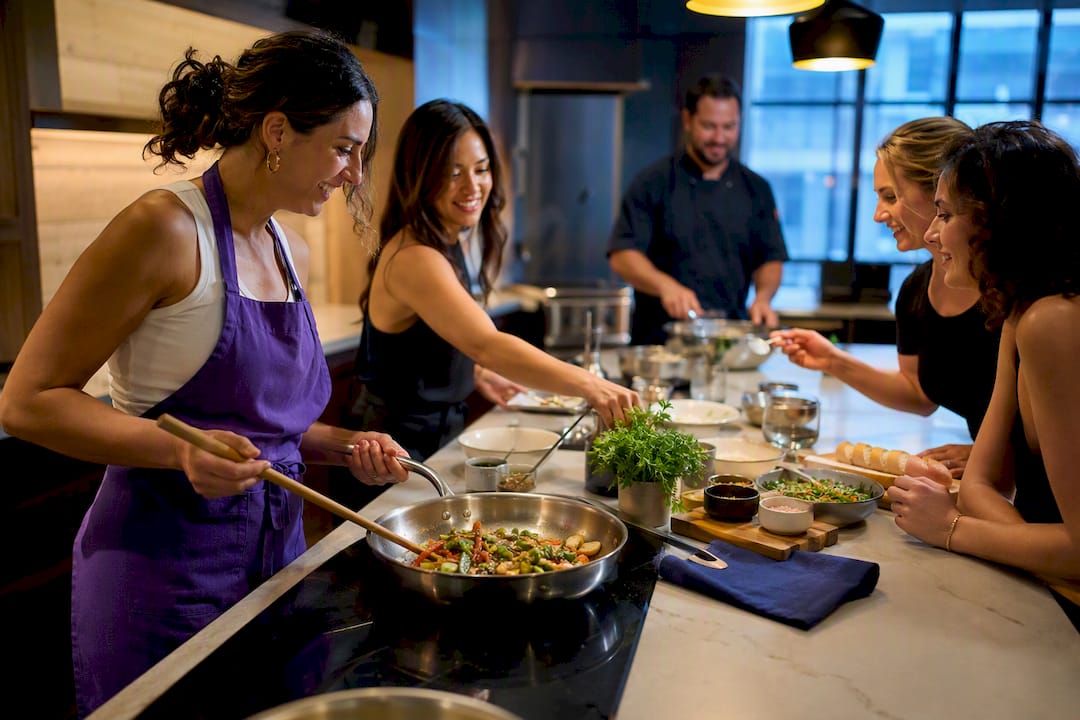
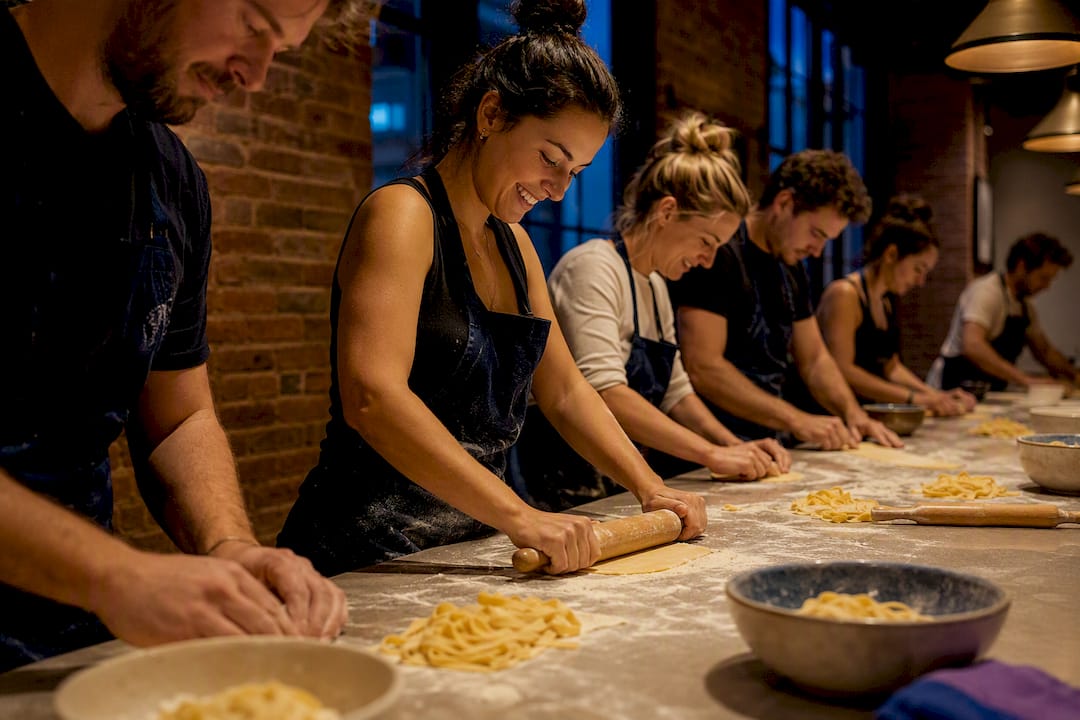
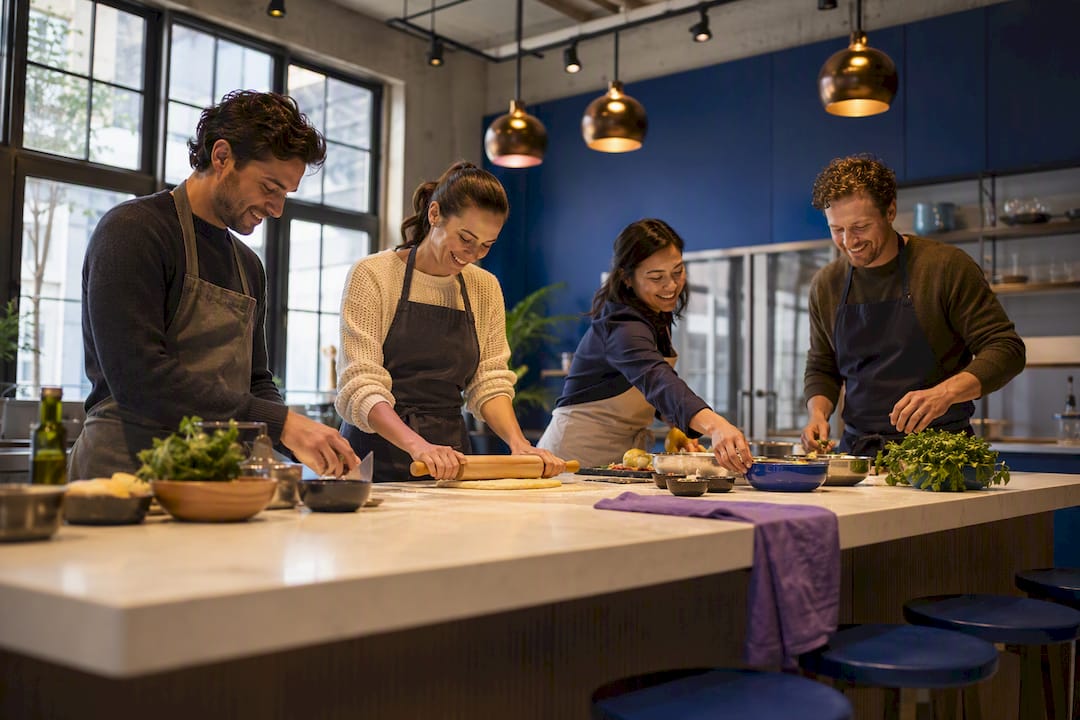
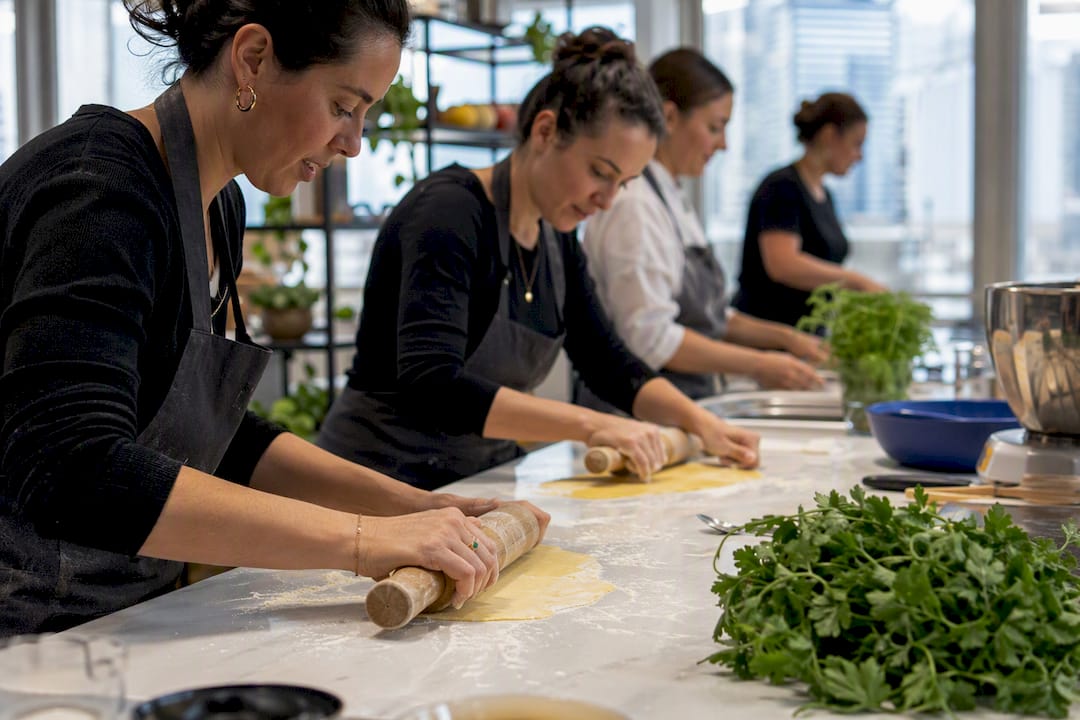
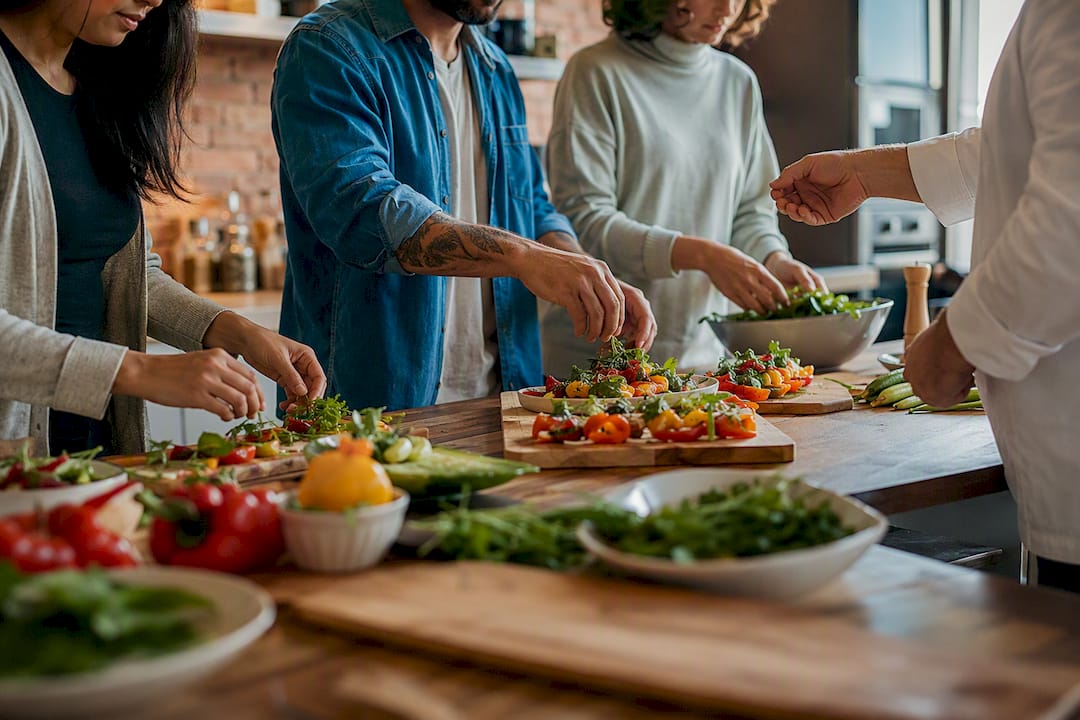
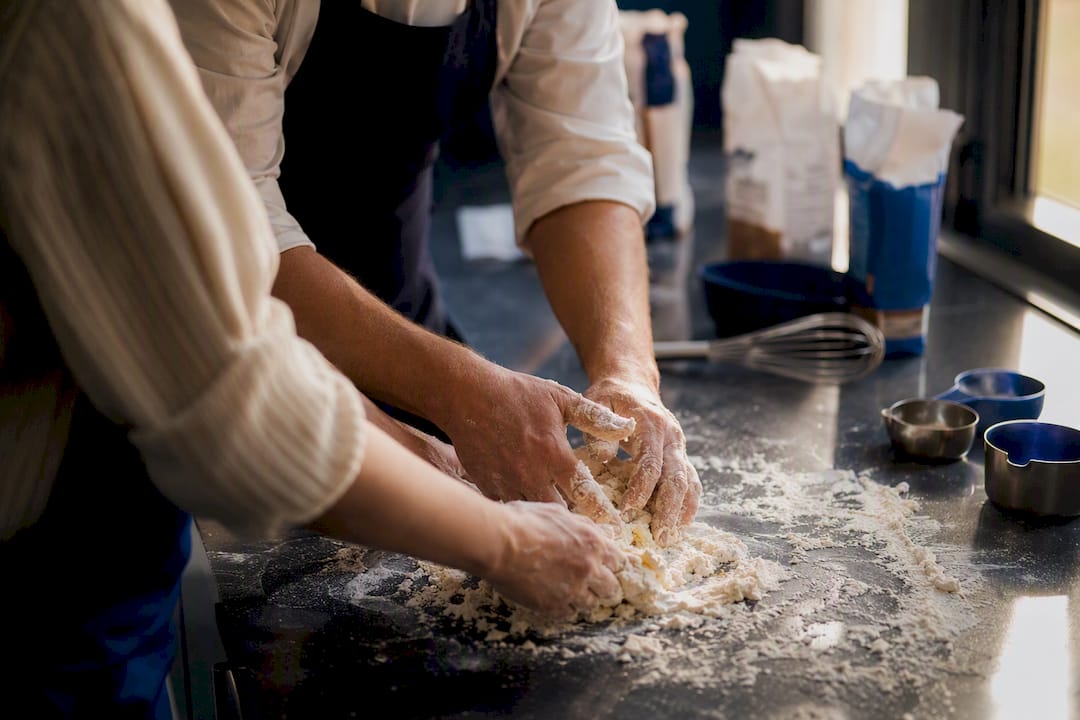
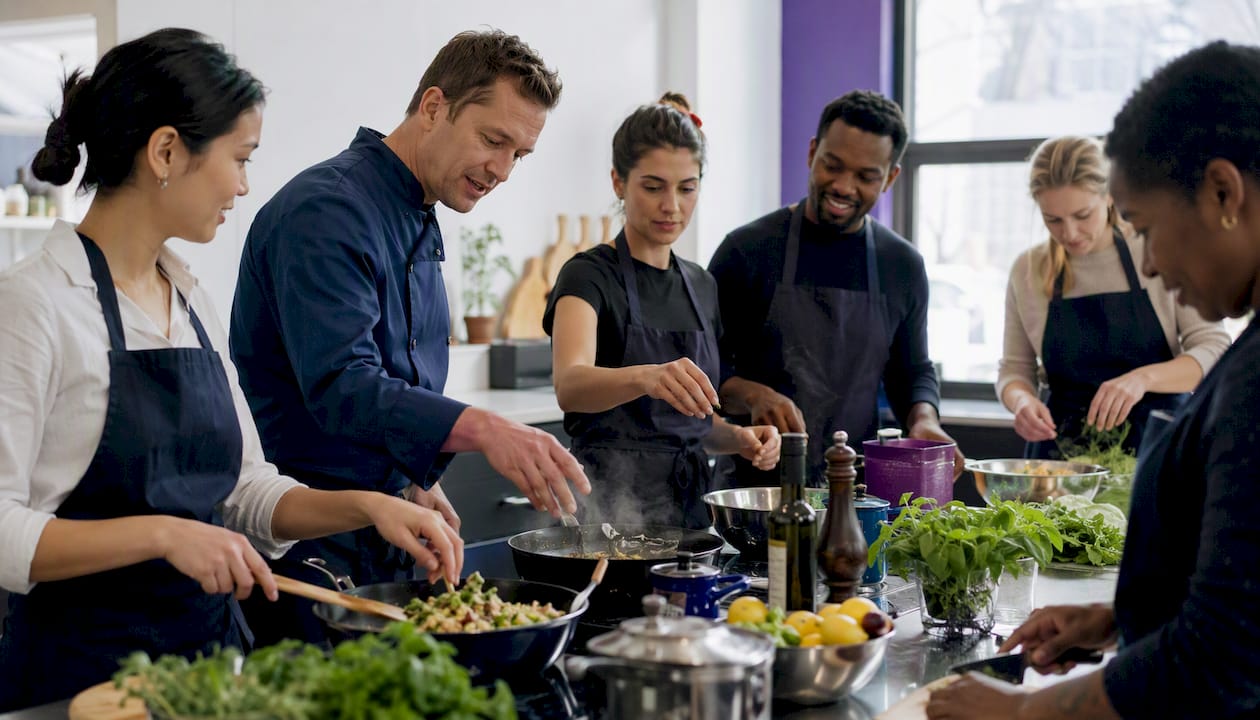
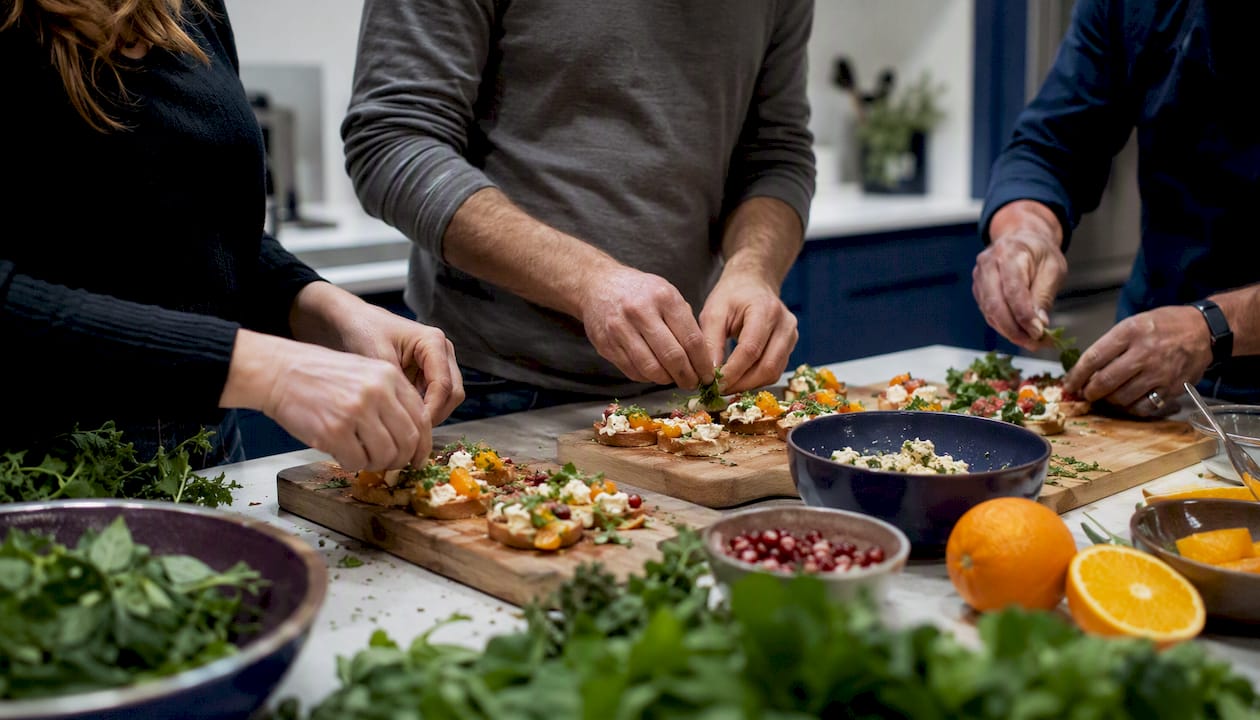
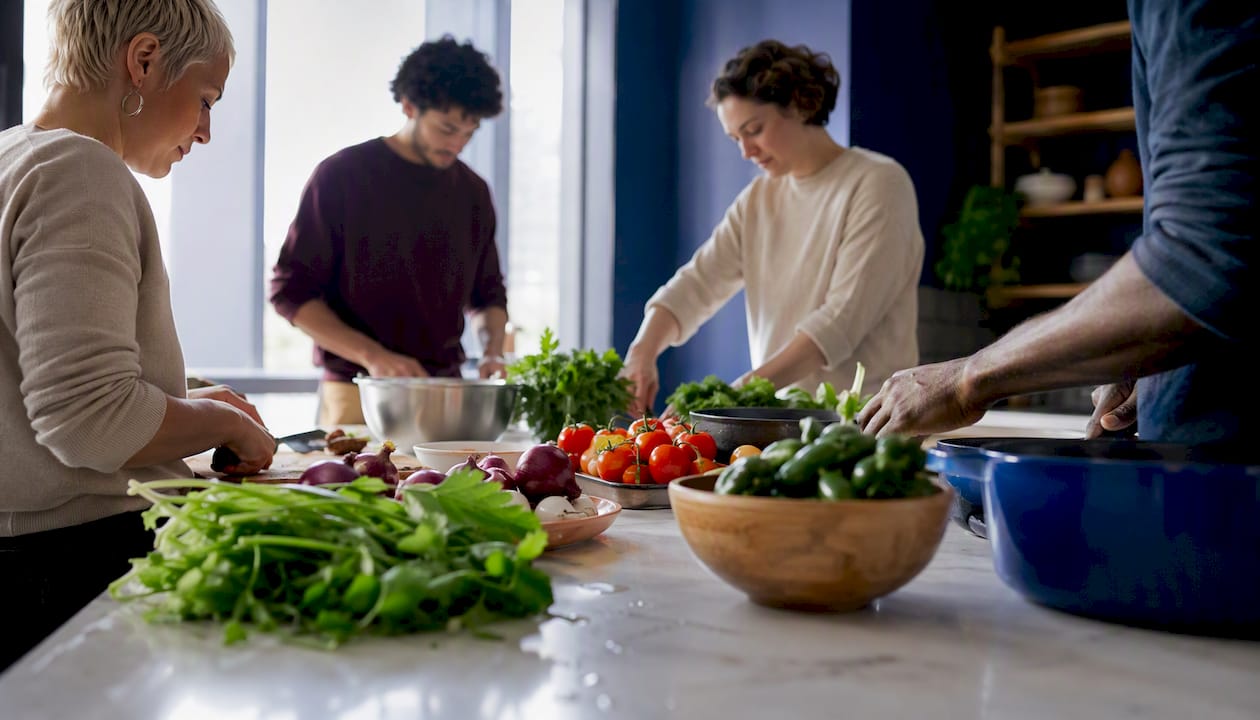
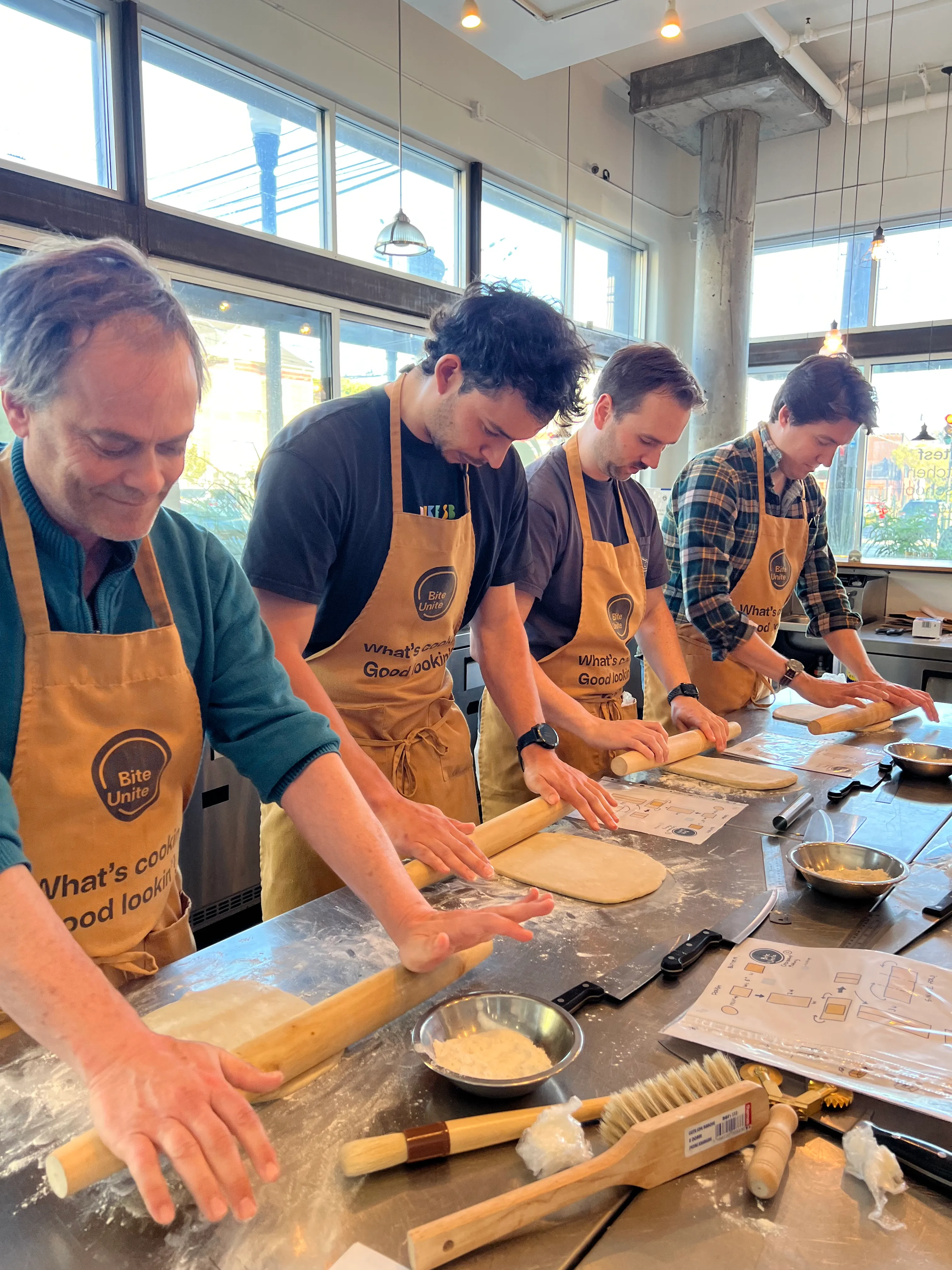
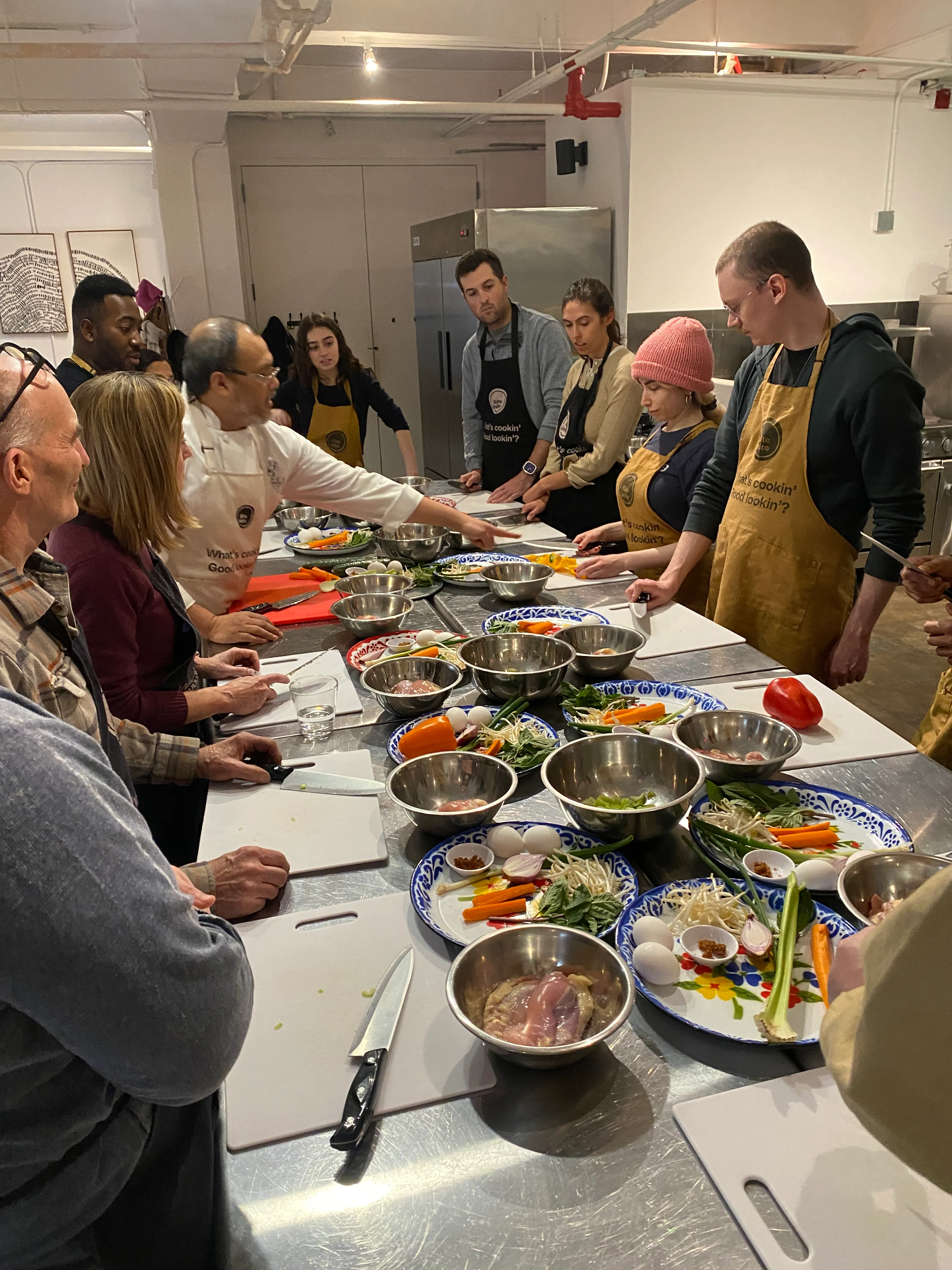
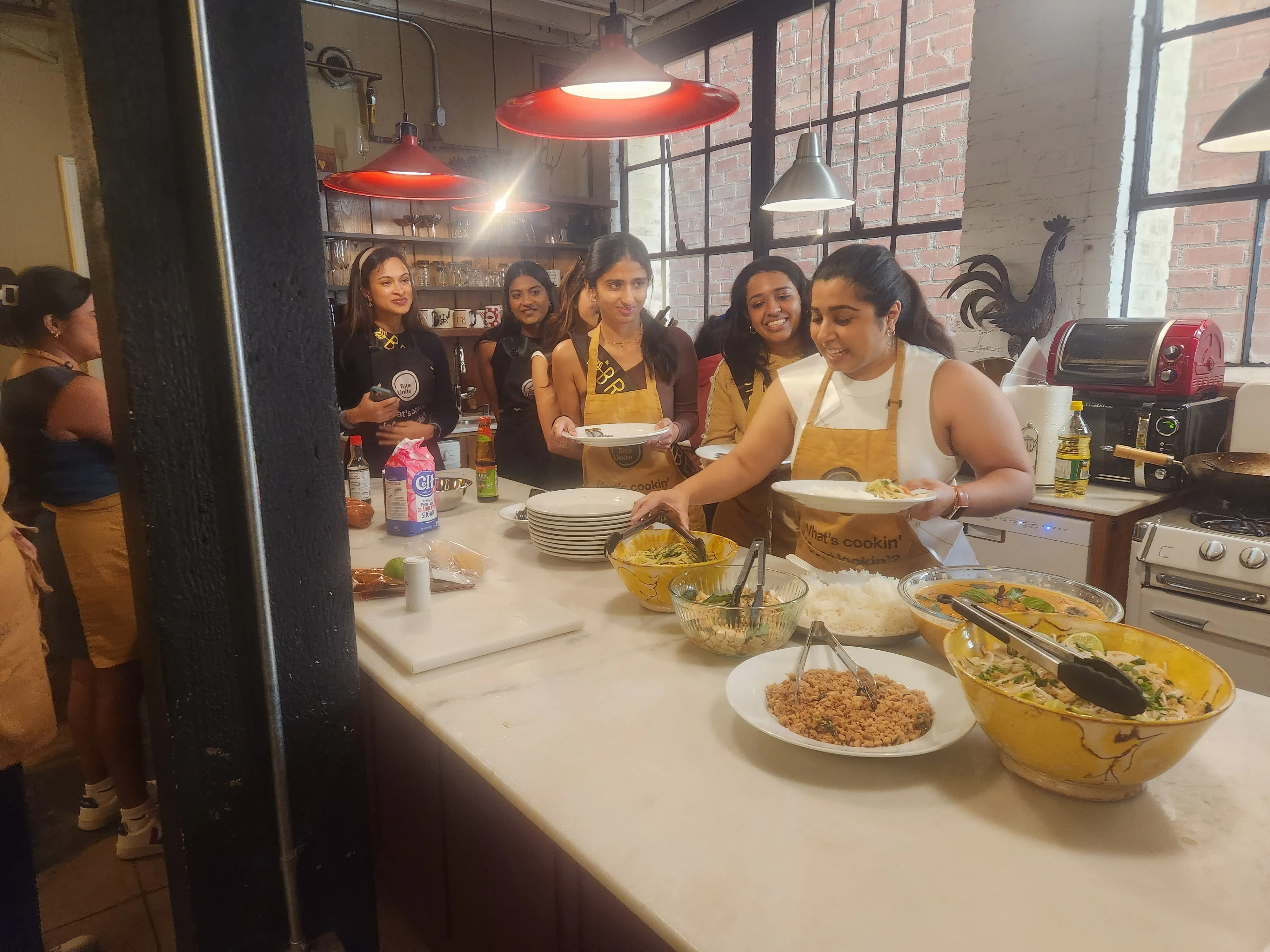
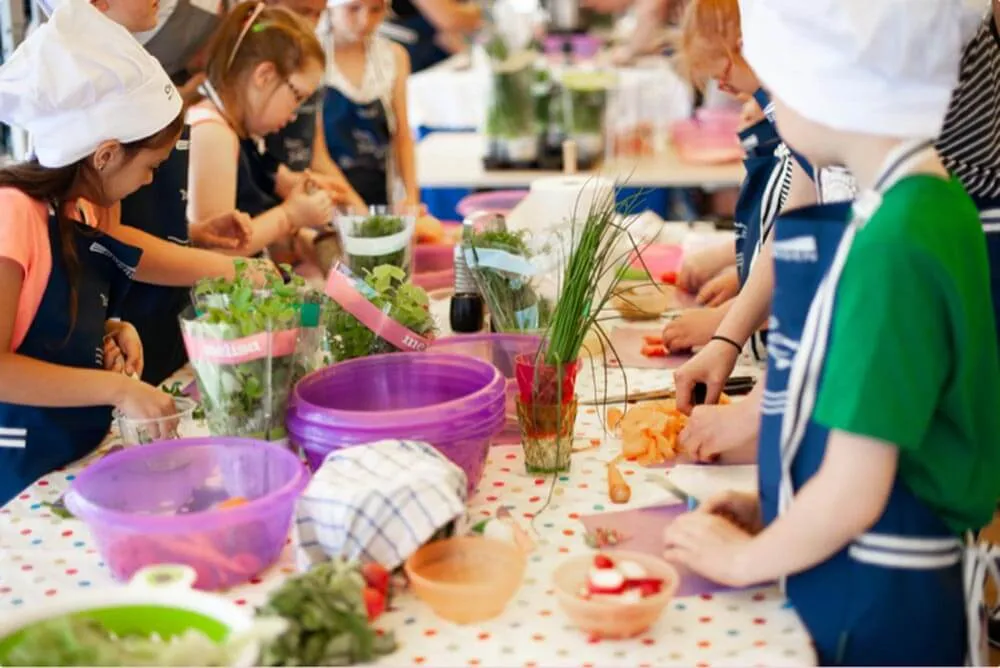
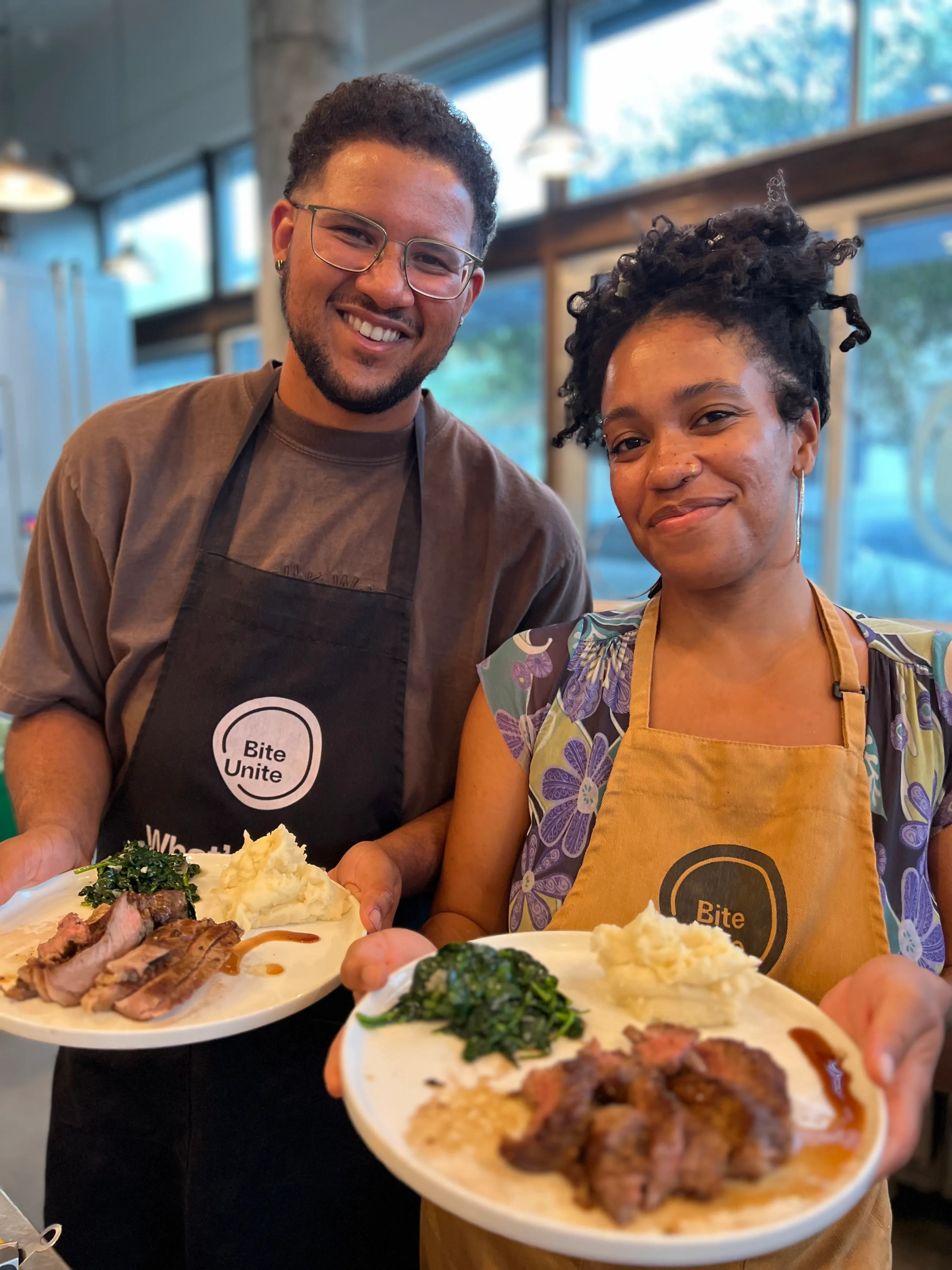
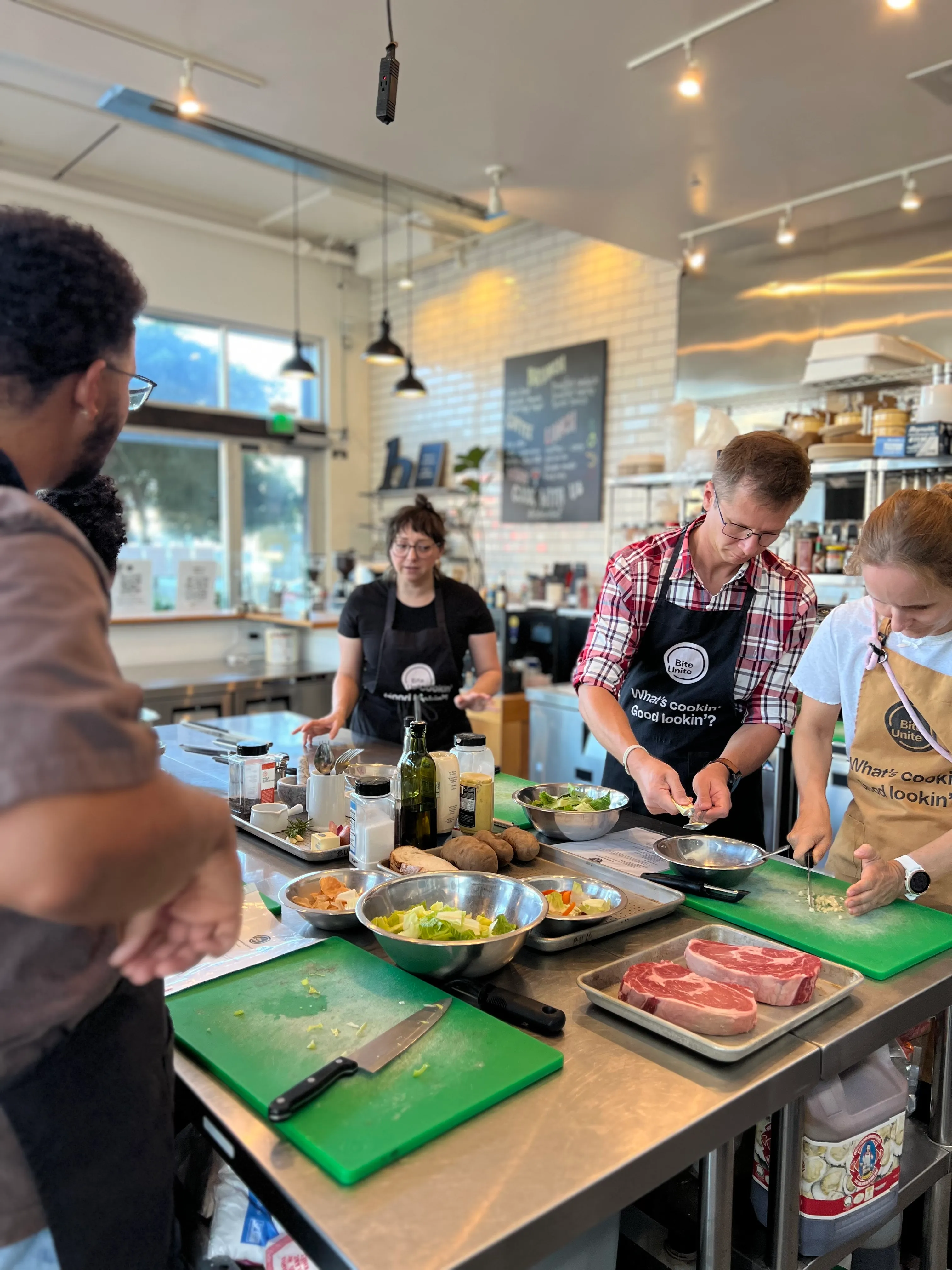
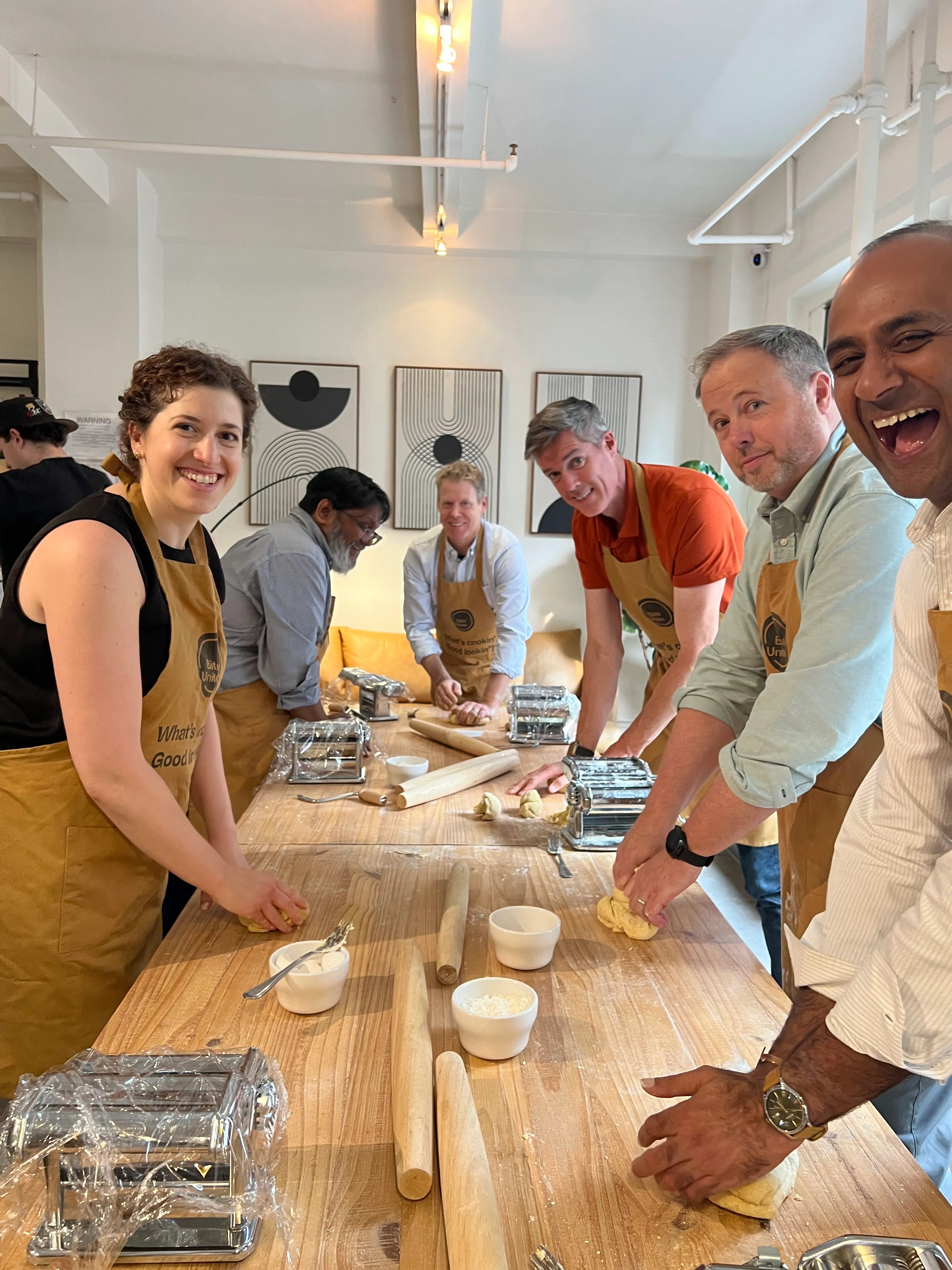
A bridal shower cooking class comes in two flavors: hands-on and demonstration. In a hands-on class, every guest cooks, chops, plates, and eats what she made. In a demonstration class, a chef cooks in front of the group while guests watch, sip, and occasionally help with easy tasks. Both count as fun cooking activities, but they deliver very different energy.
Hands-on works best when the bride wants a true group project, something guests will talk about long after the cake is gone. It’s an instant icebreaker for a mixed crowd of college friends, coworkers, and family who’ve never met. Martha Stewart names hiring a chef to lead a class as a top pick for foodie brides, noting that guests get to sit down and eat the meal they built together.
Skip the hands-on format if:
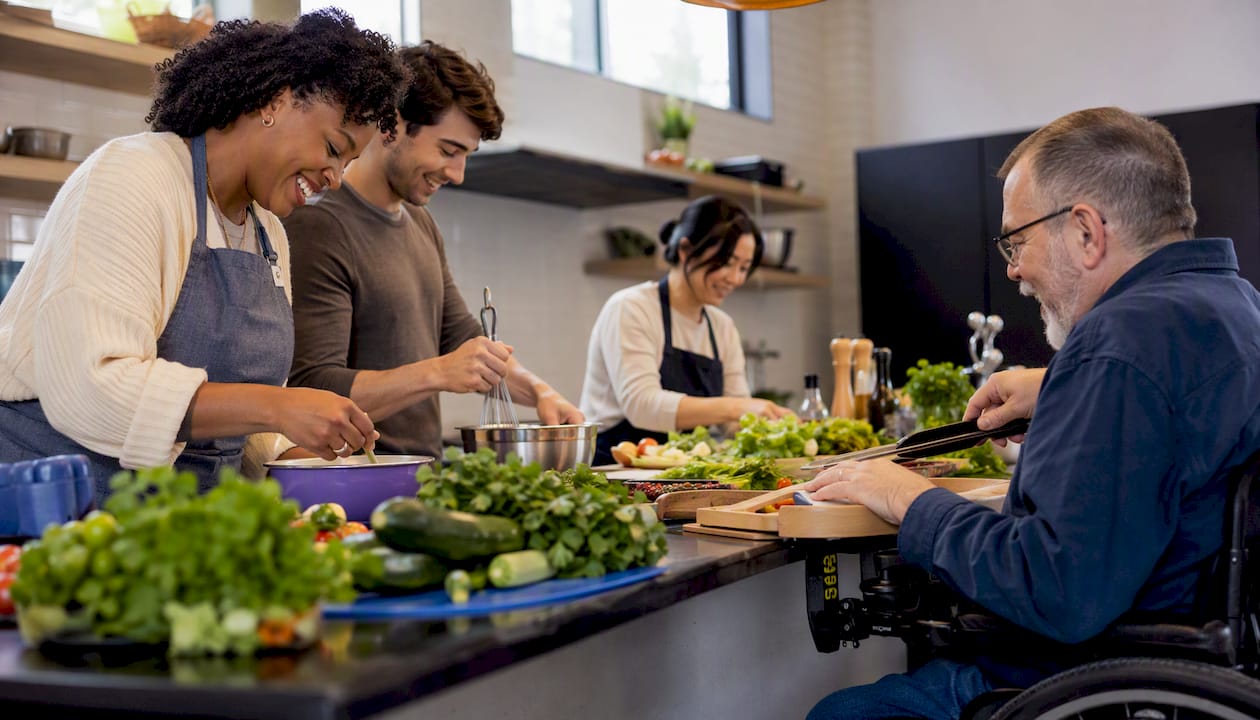
- Several guests have mobility limitations that make standing at a stove tough
- Your guest list runs past 40 people, since hands-on stations lose intimacy at scale
- You want a low-effort afternoon with more lounging than labor
Which Cooking Class Formats and Themes Work Best?
The theme should match the bride’s personality, not just what’s trending. Consider these formats when you’re brainstorming bridal shower cooking ideas:
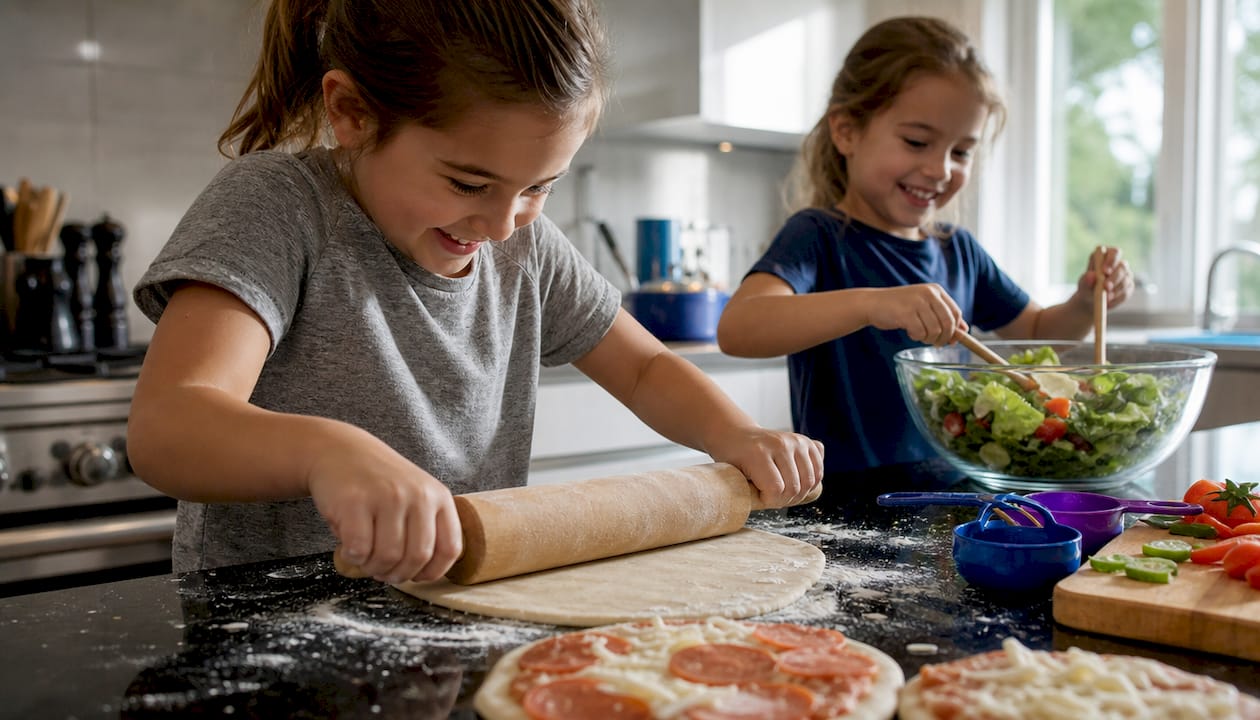
- Hands-on pizza making suits casual groups who want a low-pressure, hands-in-dough experience with plenty of laughs.
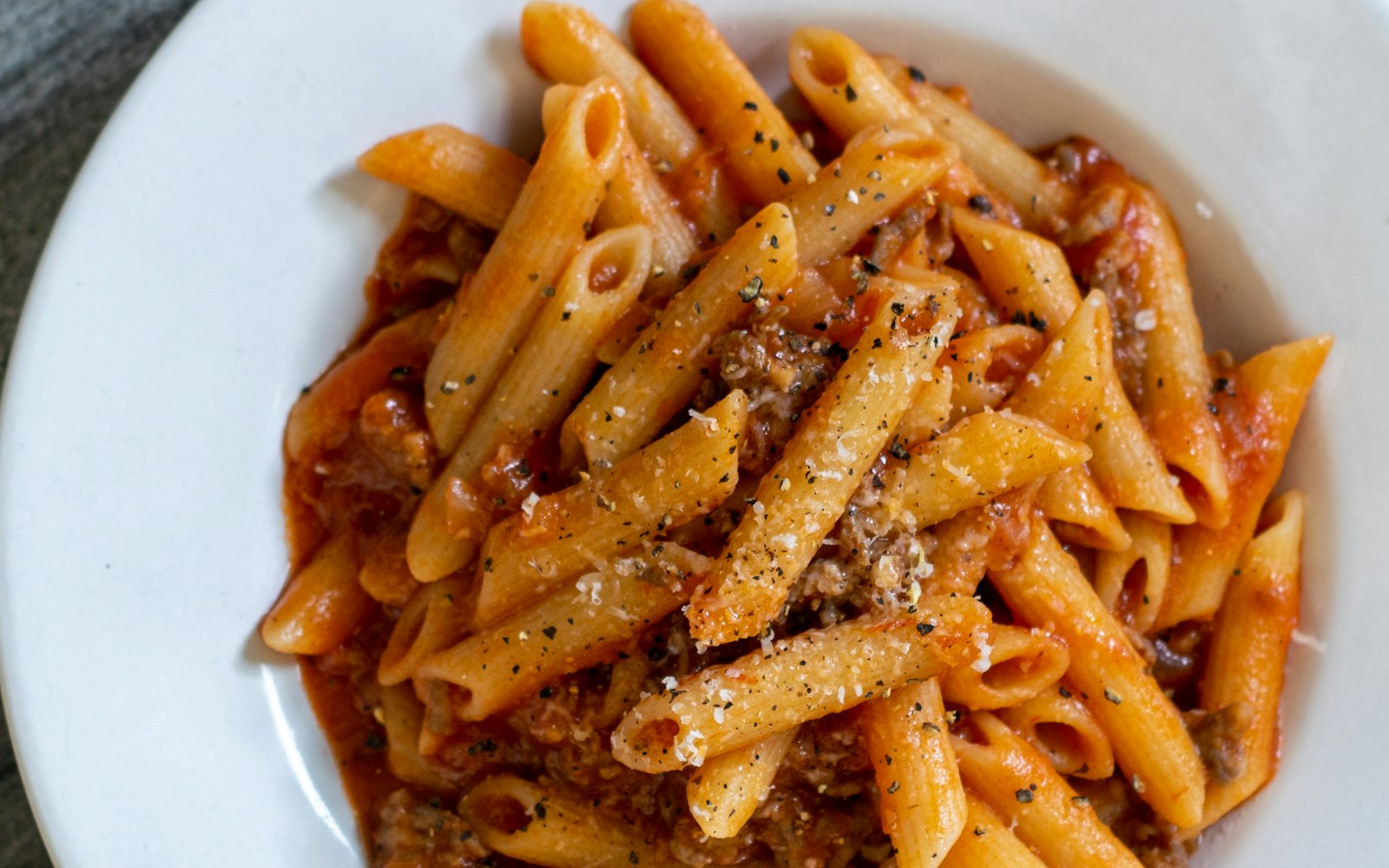
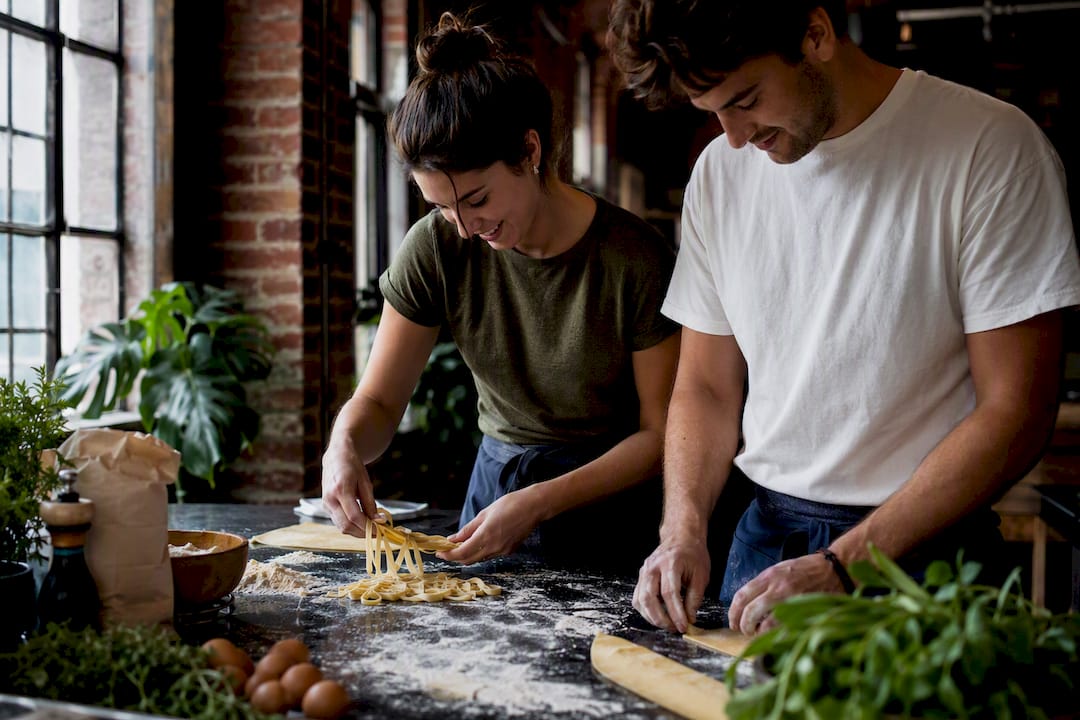
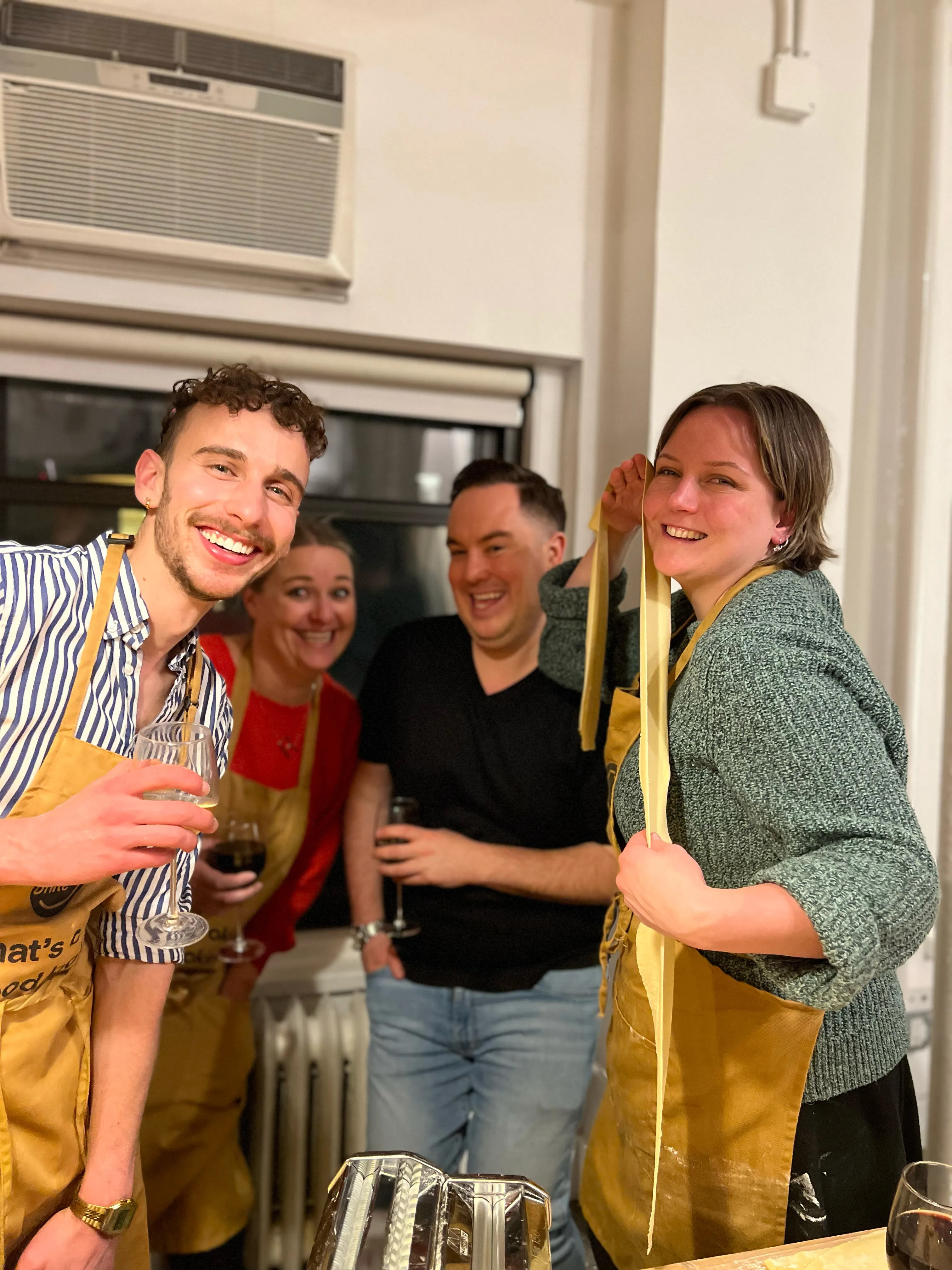
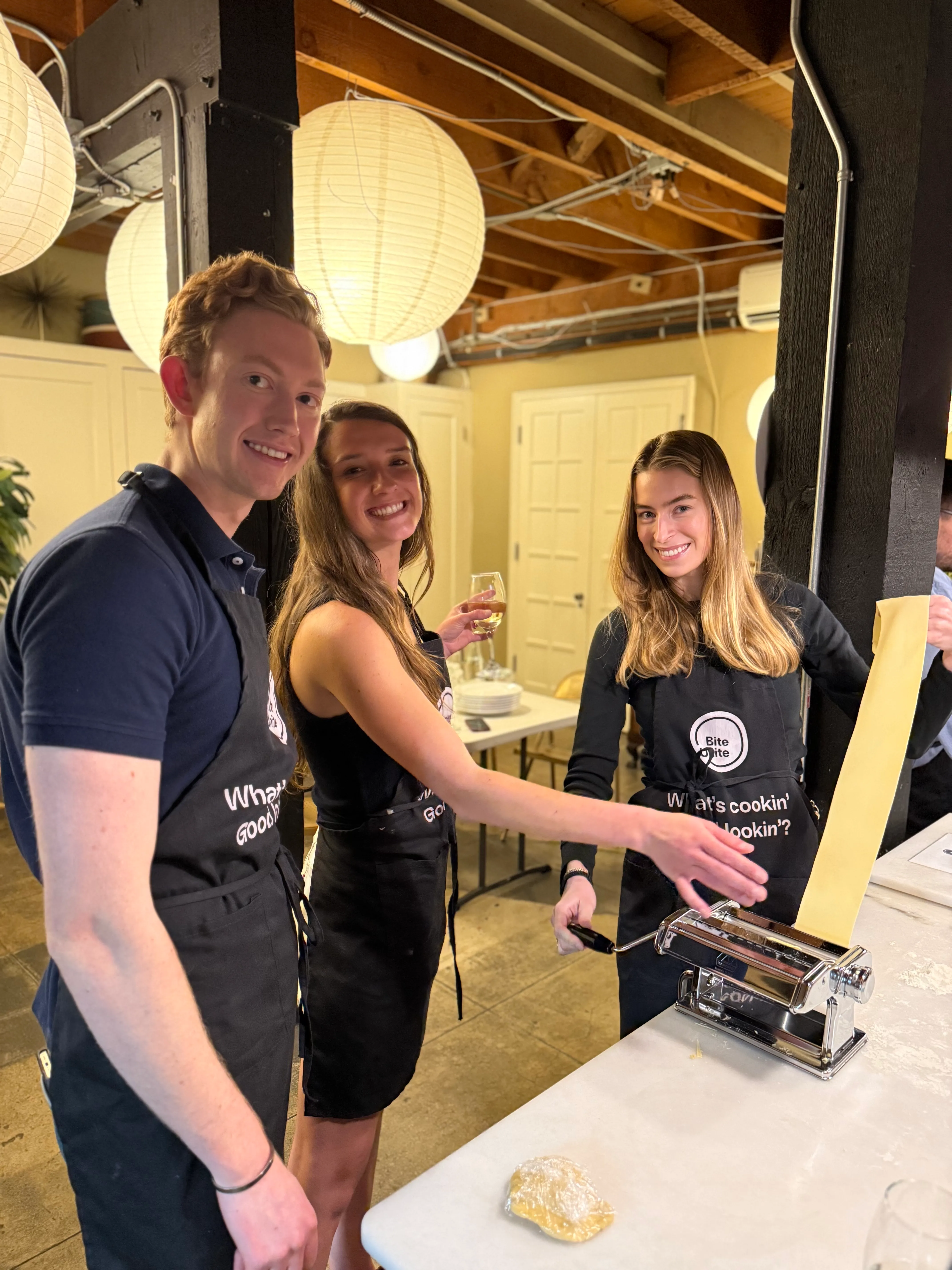
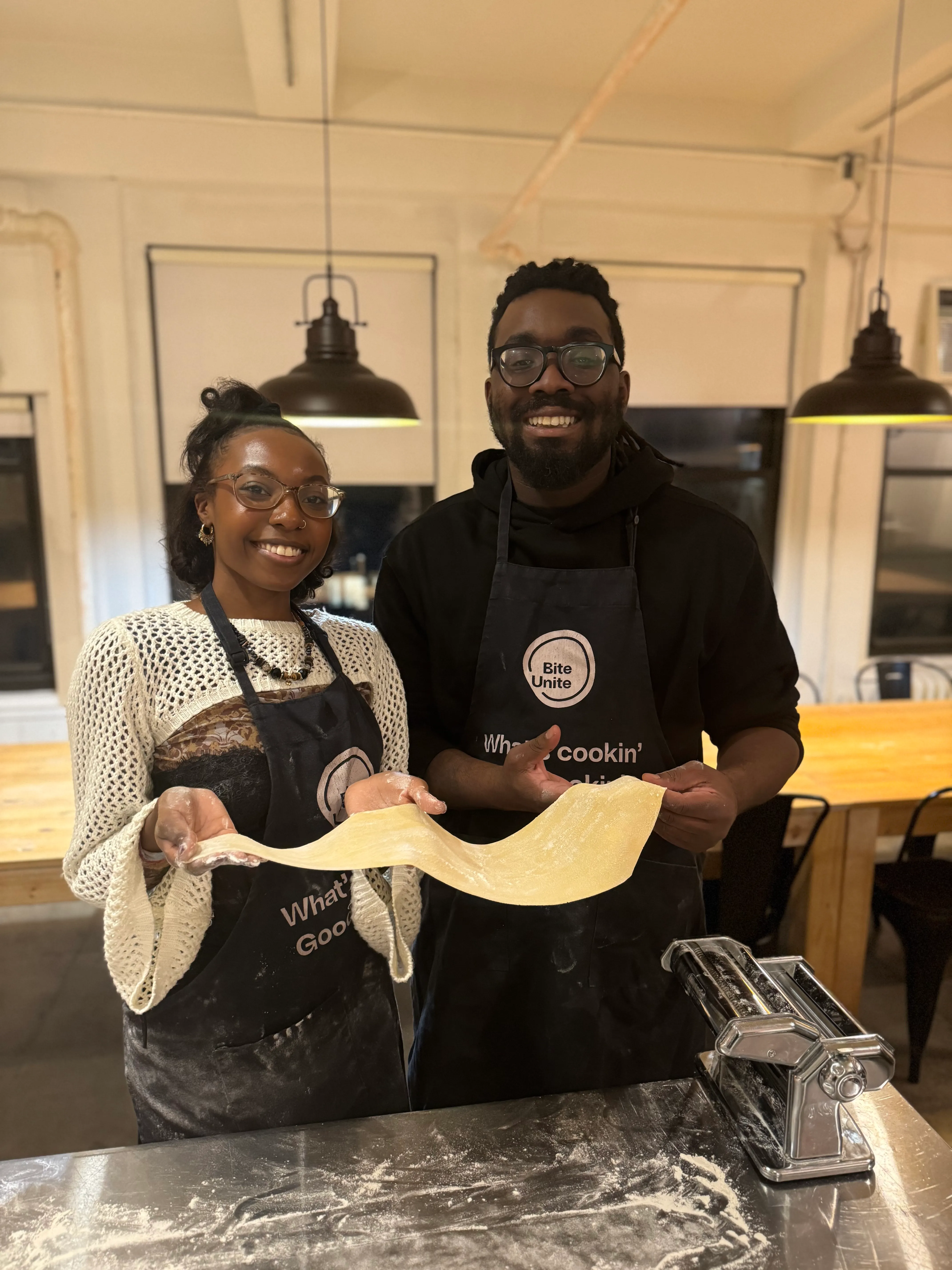
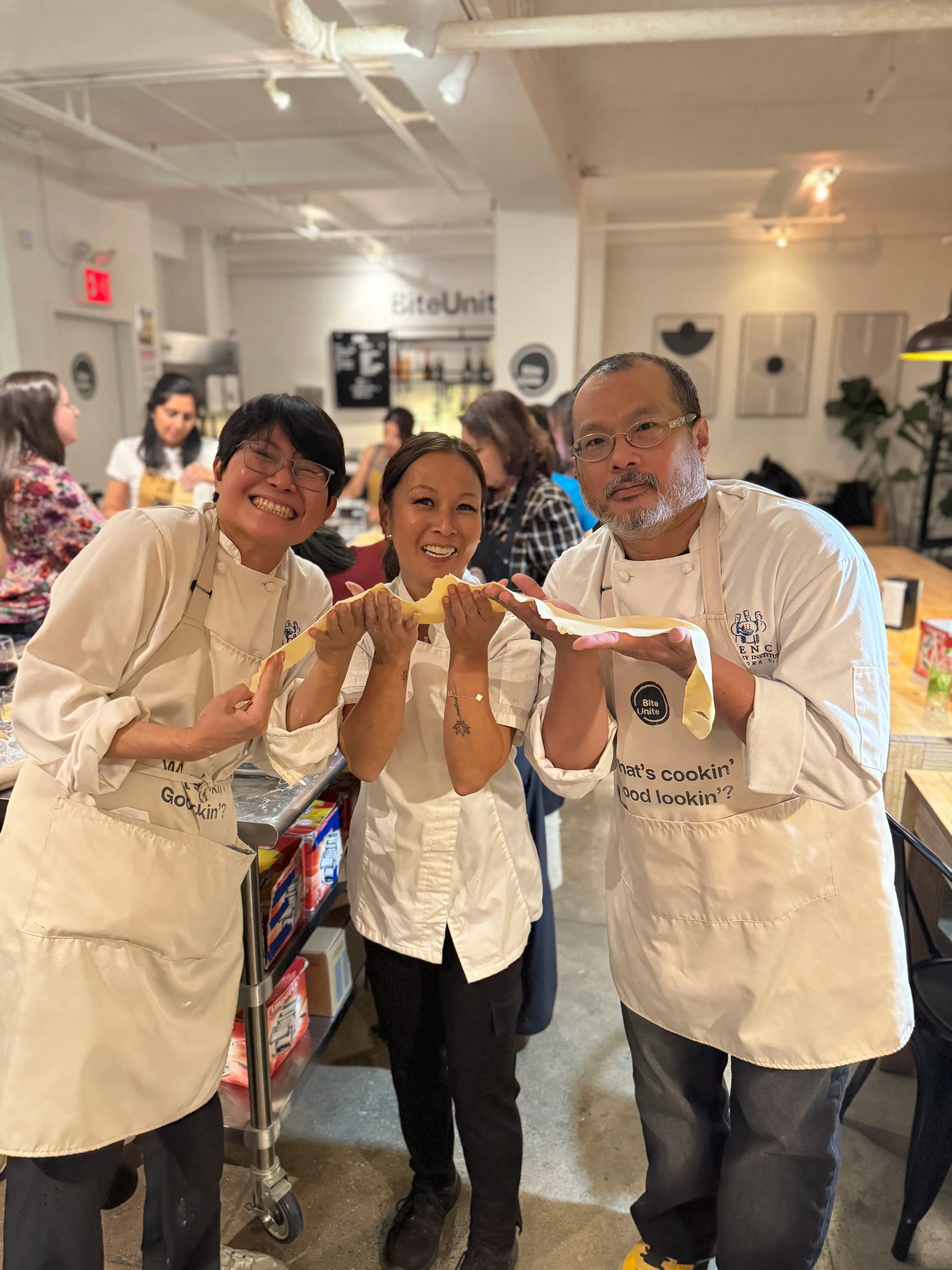
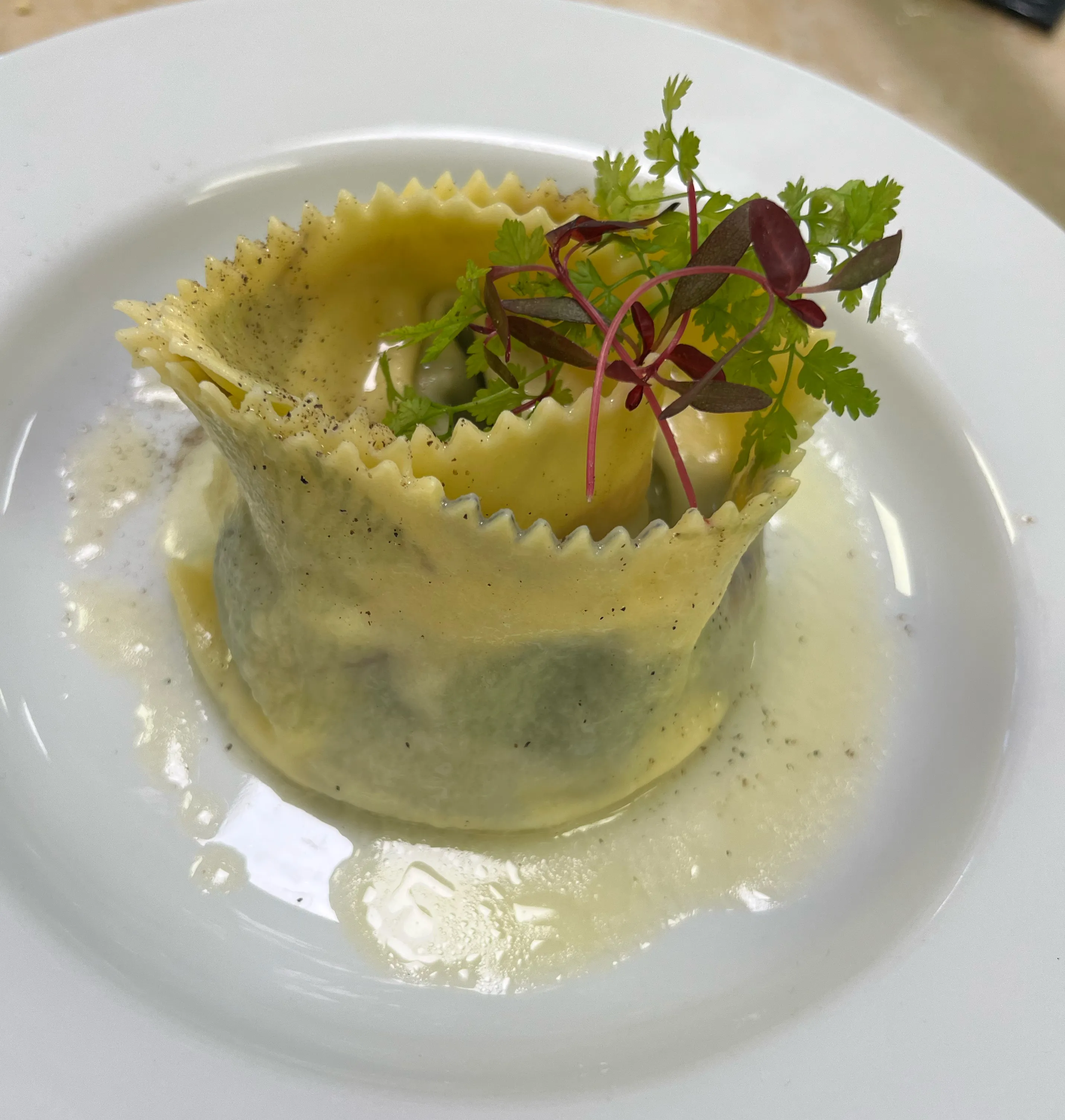
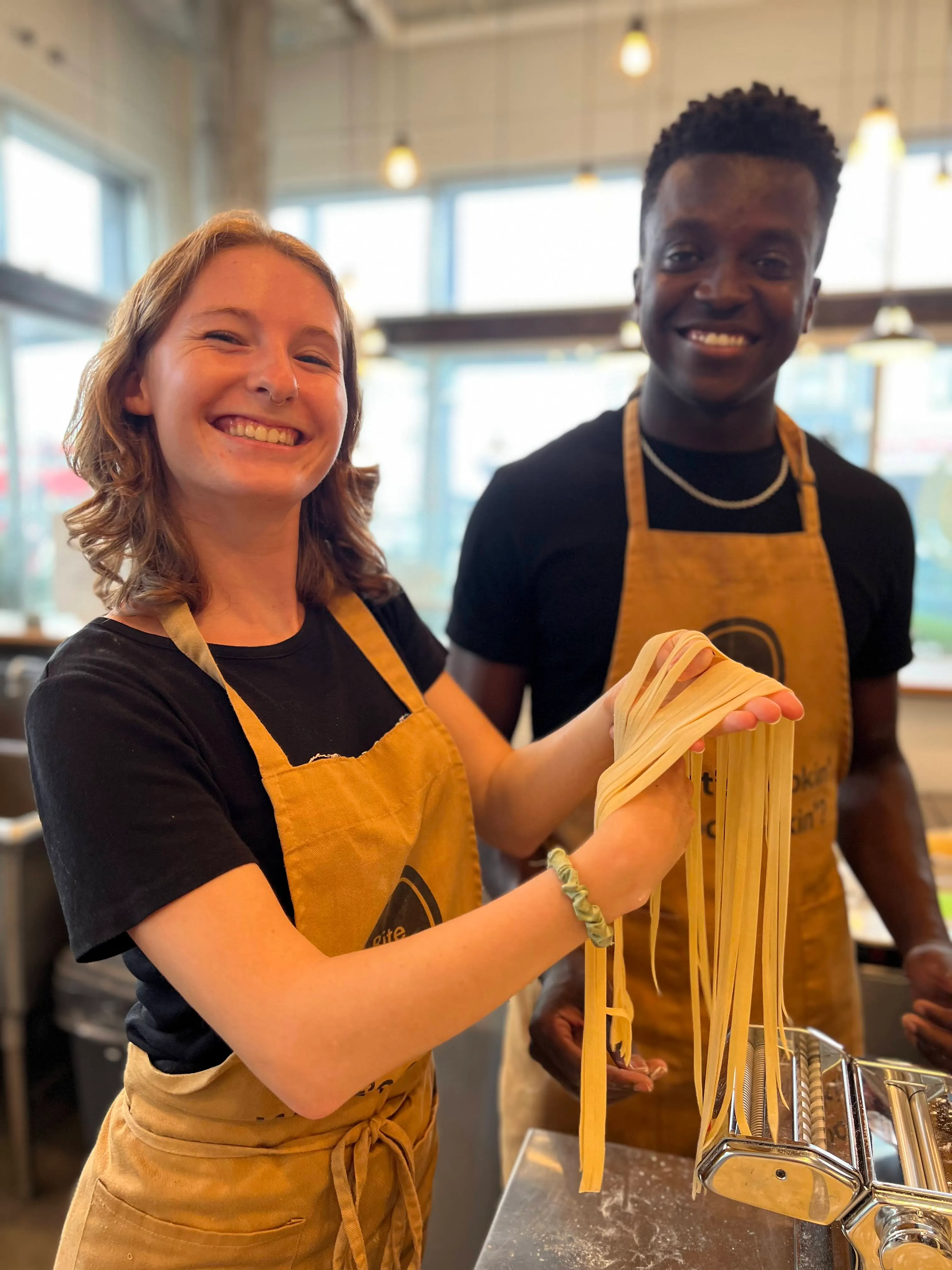
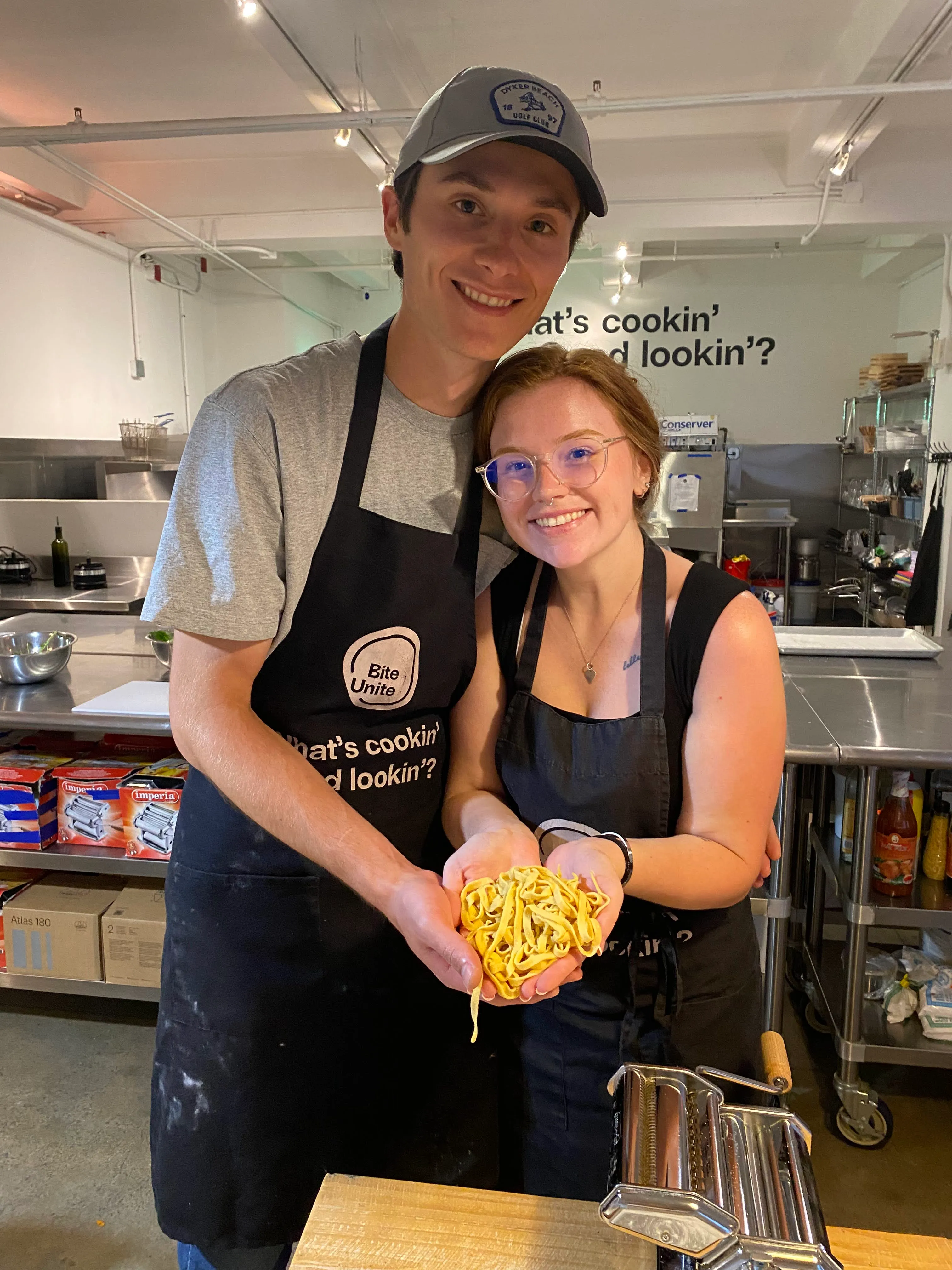
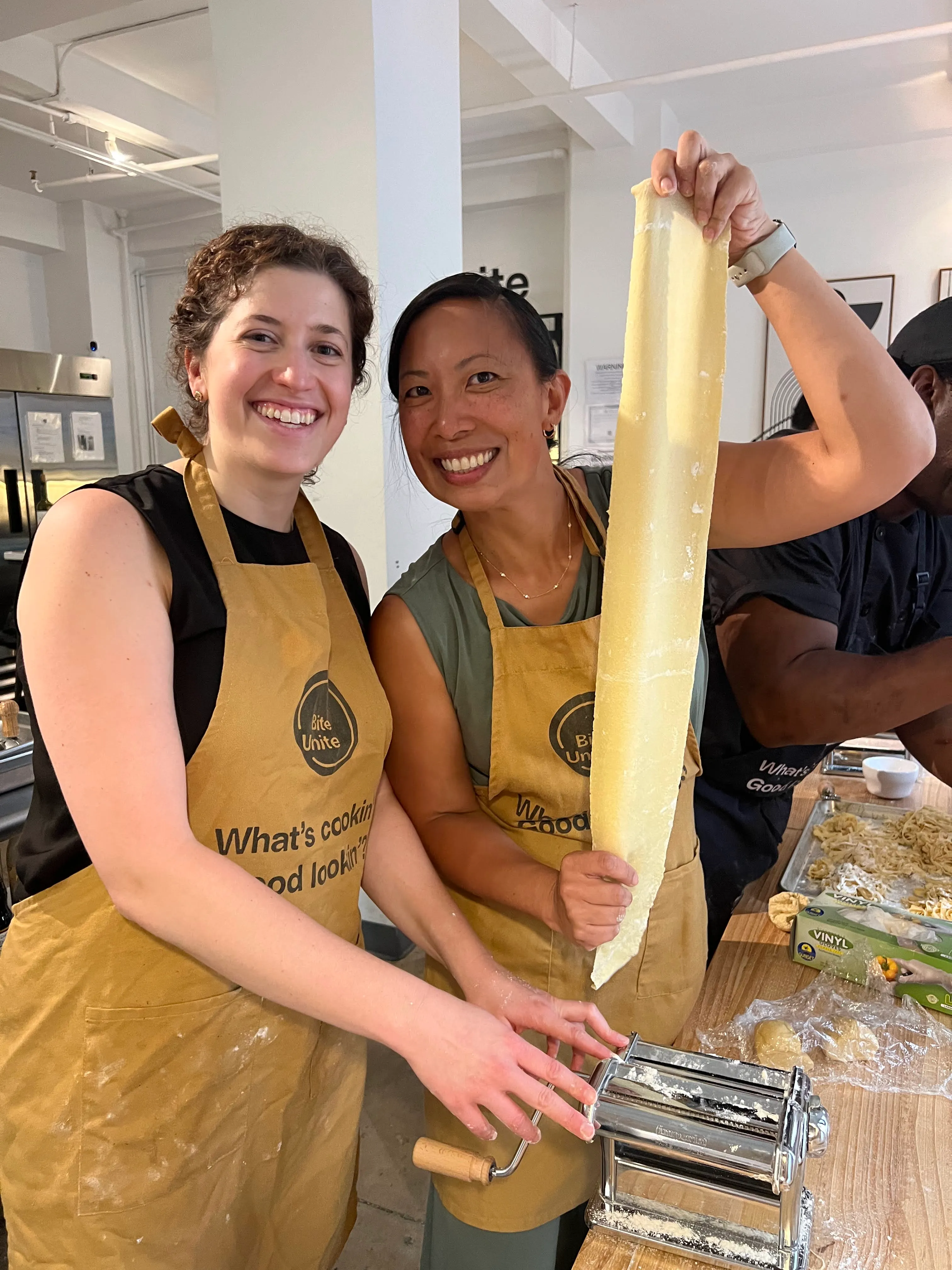
- Pasta from scratch appeals to a foodie bride who wants to actually learn a technique she’ll repeat at home.
- Brunch and bubbles demonstration fits a relaxed morning crowd that wants mimosas more than a workout in the kitchen.
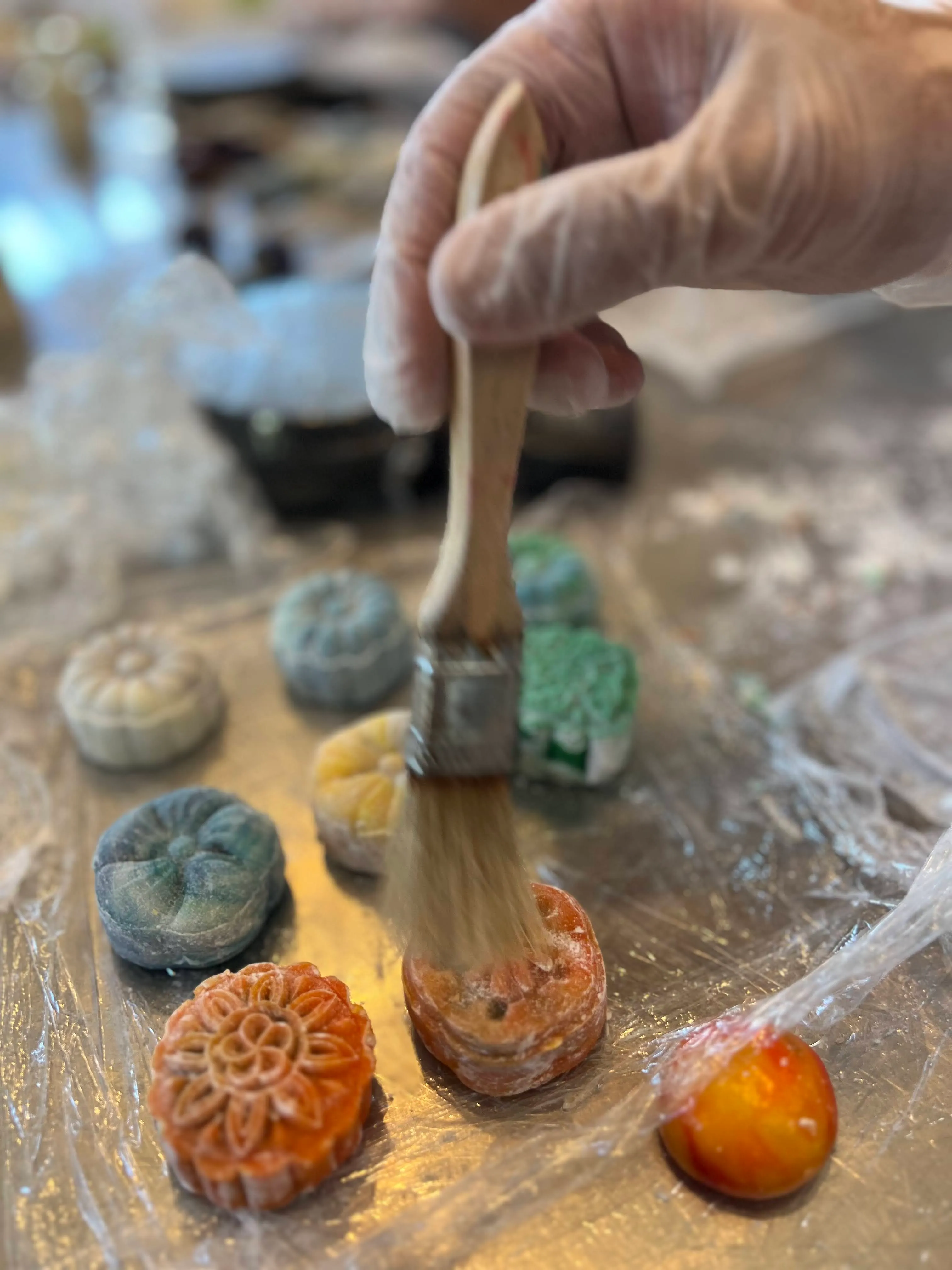
- Dessert decorating works for a sweet-toothed bride and photographs beautifully for the shower album.
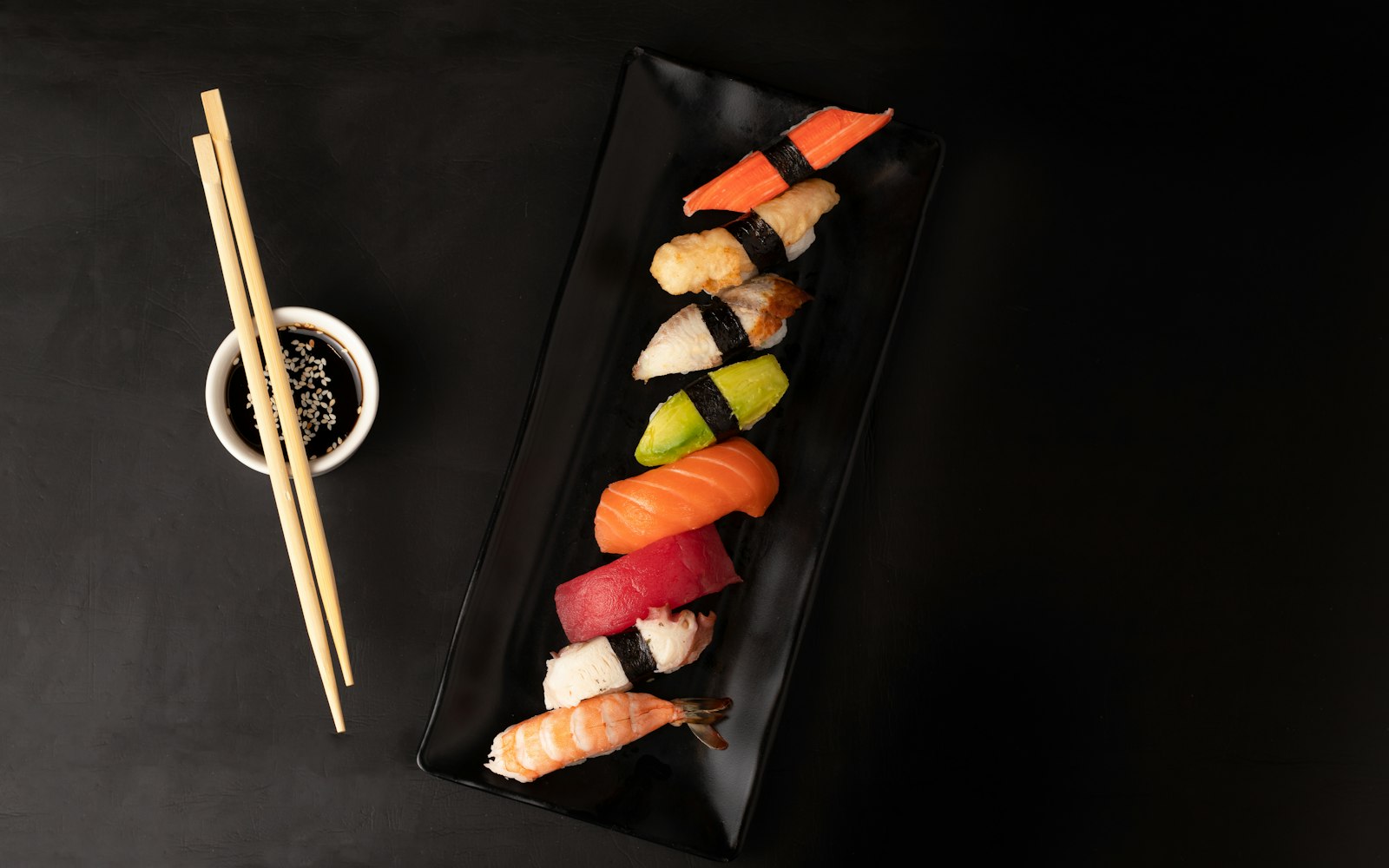
- Sushi rolling gives a competitive group something new to master together, since nobody starts as an expert.
- Tapas or small-plates stations suit larger groups because guests rotate between dishes instead of cooking one meal start to finish.
Add interactive extras to raise the energy further: split guests into small teams for a friendly bridal shower cook-off, hand out personalized aprons as keepsakes, or send everyone home with printed recipe cards. These touches turn a simple activity into a genuine event, not just background noise while people wait for cake.
What Should You Actually Cook? Sample Menus and Dietary Swaps
Menu choice depends heavily on timing. The Knot recommends lighter, buffet-style finger foods for morning and early-afternoon showers, while dinner events call for fuller, multi-course spreads. A cooking class can produce either, depending on what the group actually makes.
For a brunch-timed class, good options include:
- Caprese skewers as a quick starter guests can assemble themselves
- Mini quiches or frittatas, easy to portion and photogenic on a platter
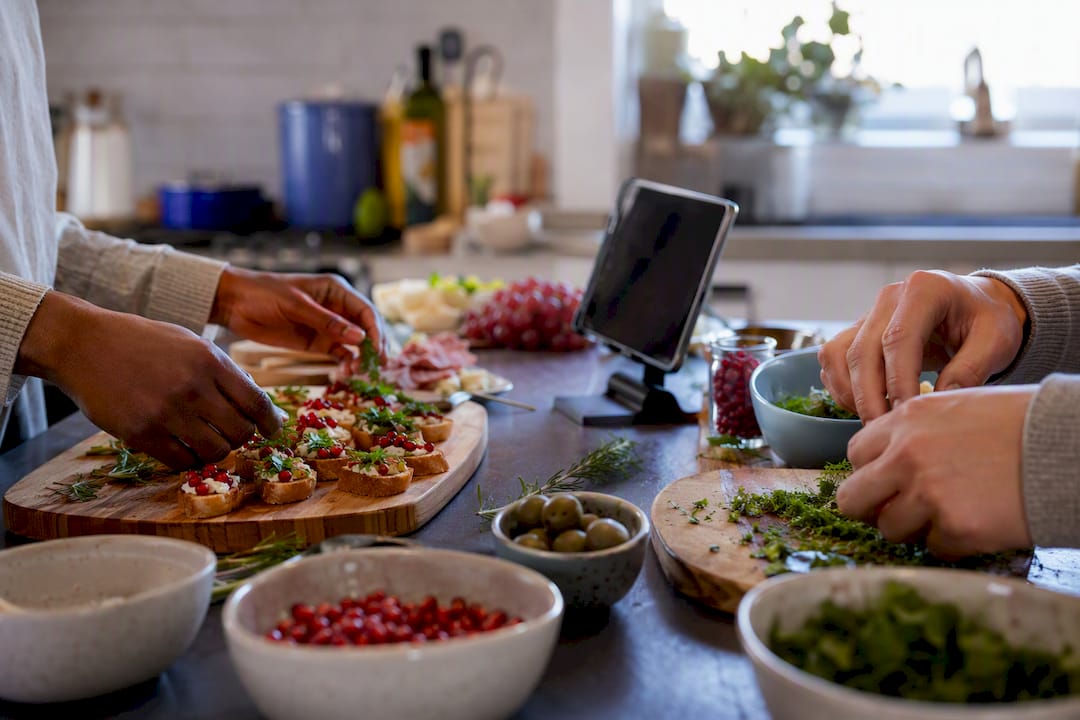
- Bruschetta stations with three or four topping choices
For a dinner-timed class, lean into dishes with more structure:
- A simple risotto that teaches real technique without punishing timing errors
- A pasta-making station where guests roll and shape their own noodles
- A shared dessert-decorating finale to close the meal on a sweet note
Delish recommends balancing sweet and savory dishes rather than loading the menu with one or the other, and matching choices to the season for better flavor and cost.
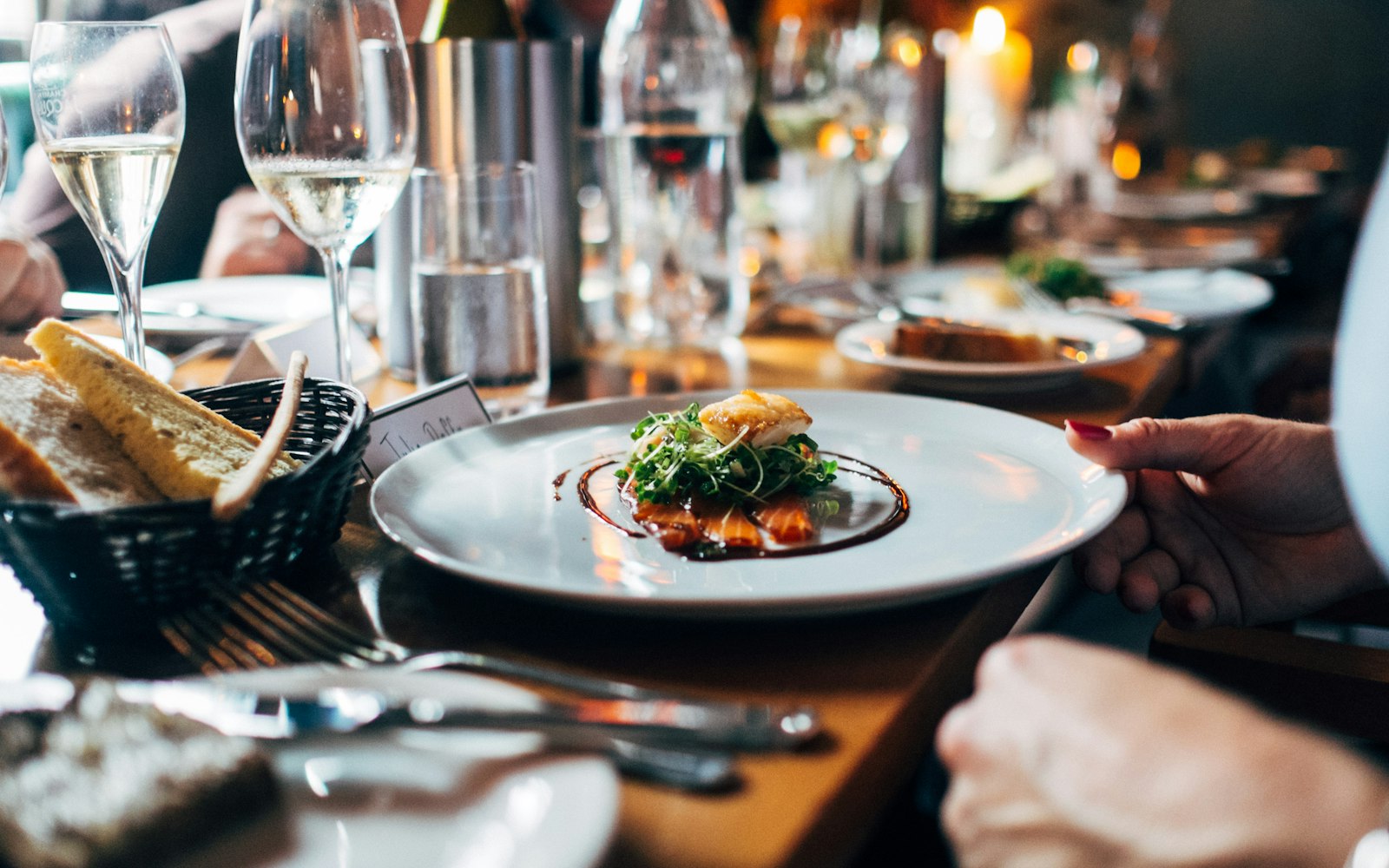
Dietary note: label every dish clearly for vegan, gluten-free, and nut-free guests, and confirm substitutions with your provider at least a week ahead. For mingling-style events, favor bite-sized, hand-held food; for a sit-down dinner, plate individual portions so the meal feels intentional rather than improvised.
How Long Should the Class Run, and How Many Guests Can Join?
Most private cooking classes for brides run for a few hours, depending on the menu’s complexity and whether guests are cooking or watching. Hands-on formats work best with a moderate-sized group of guests; demonstrations can comfortably handle larger groups, since watching scales better than active cooking does. Instructor ratio matters more than most hosts realize: a hands-on class typically needs one assistant chef for every 12 to 16 guests on top of the lead chef, or the pacing drags and stations back up.
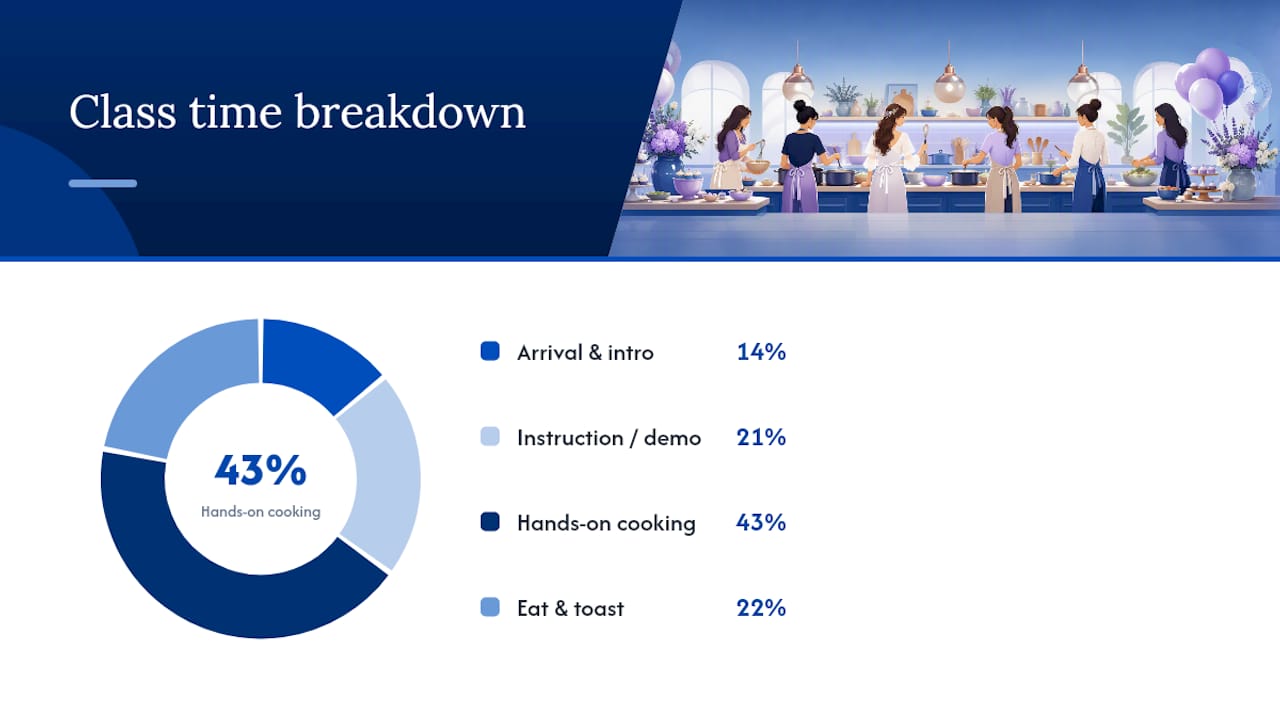
A workable timeline for a three-hour event looks like this:
- Arrival and intro (20 to 30 minutes): name tags, welcome drink, quick chef introduction
- Instruction (30 to 45 minutes): technique demo before guests touch a single ingredient
- Cooking (60 to 90 minutes): hands-on stations or team-based prep
- Eat and toast (30 to 45 minutes): the payoff, where everyone sits down to enjoy what they made
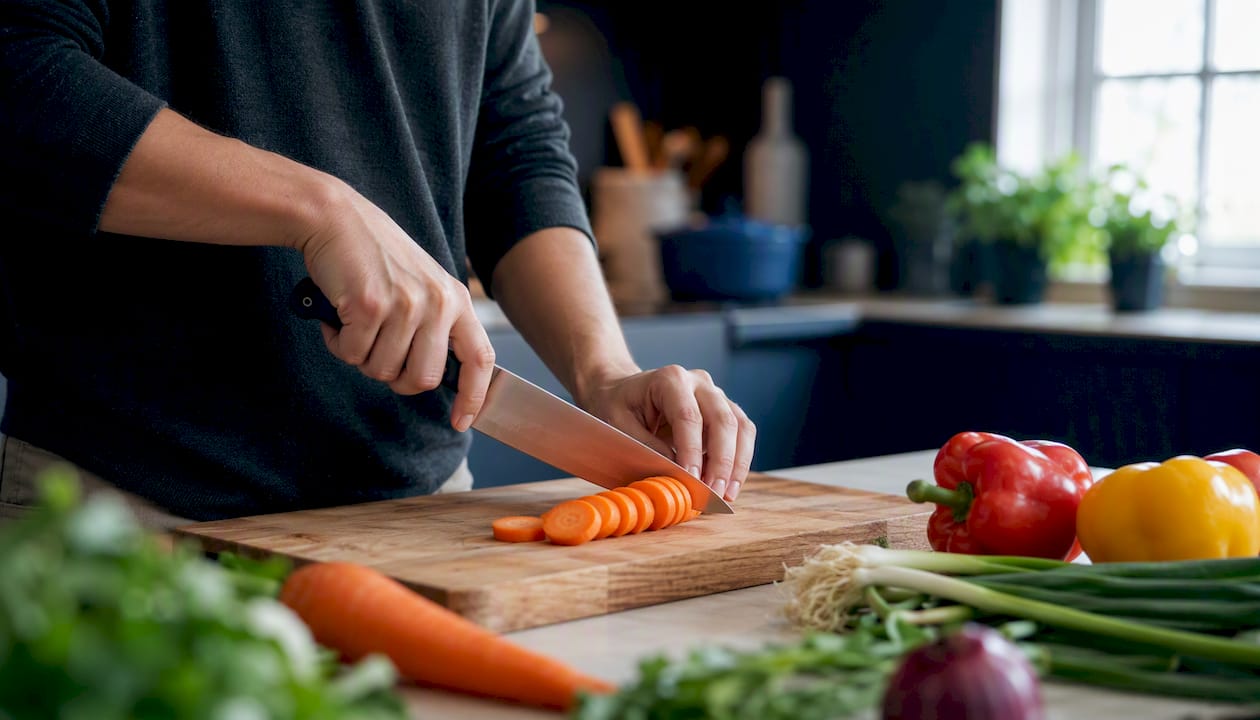
For guests who’d rather not chop or stir, give them a role that doesn’t require kitchen skills: plating, pouring drinks, or running the music. Nobody should feel sidelined, but nobody should be forced to hold a knife either.
What Does a Bridal Shower Cooking Class Typically Cost?
Pricing swings based on format and city, but general ranges hold across most markets. Demonstration classes tend to run cheaper per person since one chef can serve a larger group efficiently. Hands-on classes cost more because they require more staff, more ingredients per guest, and more one-on-one instruction time. Most providers set a minimum guest count or a flat event minimum, so a very small group may pay more per head than a group of 15.
Most quotes include:
- The lead chef and any assisting staff
- All ingredients and kitchen equipment
- Recipe cards or a printed menu to take home
- Aprons, sometimes personalized for the bridal party
Common add-ons that cost extra include specialty cocktails, a dedicated photographer, upgraded proteins like lobster or filet, and off-site venue delivery fees.
Pro Tip: Book on a weekday afternoon instead of a Saturday if your budget is tight. Weekday slots often run cheaper, and a simpler menu, think pasta instead of a multi-course tasting, cuts costs without cutting the fun.
What Should You Ask Before Booking a Provider?
Before signing anything, run through this checklist with your provider:
- What’s your maximum and minimum guest capacity for this format?
- How much kitchen experience does the lead chef have, and who’s assisting?
- Can the menu be customized around the bride’s favorite cuisine?
- How do you handle vegan, gluten-free, or allergy requests?
- What’s the staff-to-guest ratio, and does it change with headcount?
- What’s the cancellation and rescheduling policy?
On logistics, confirm venue access, parking, equipment provided versus what you supply, and total cleanup time. Get the final headcount, total price, and cancellation terms in writing before the deposit. A provider who’s vague about staffing ratios or dodges the cancellation question is a red flag worth taking seriously.
Why Biteunite Fits a Bridal-Shower Cooking Class
Biteunite runs hands-on private cooking classes led by expert chefs across cities including New York, San Francisco, Boston, and beyond, which means you’re not settling for a generic party-food spread when you could be cooking real dishes as a group. Private-event bookings come with the essentials already handled:
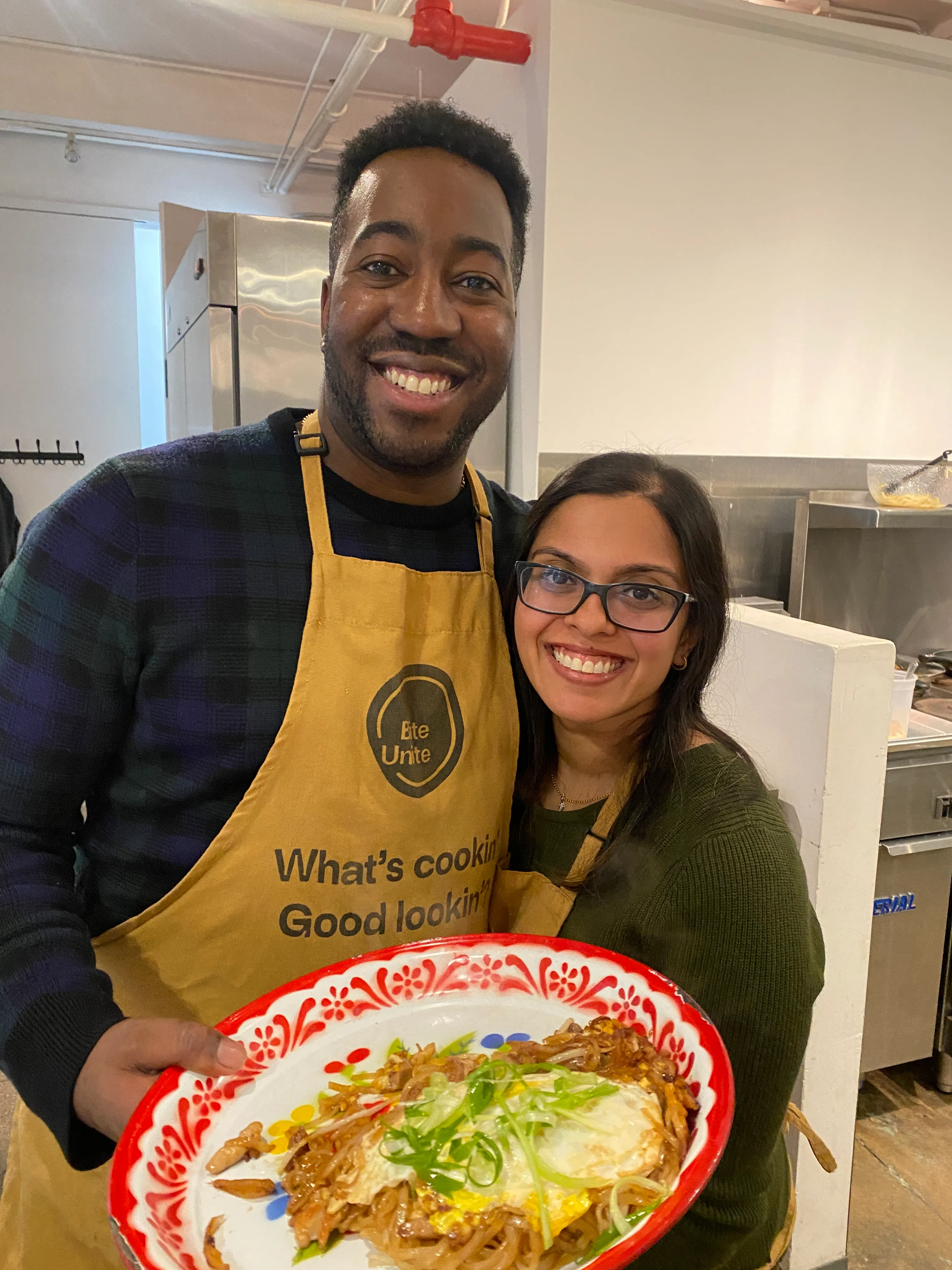
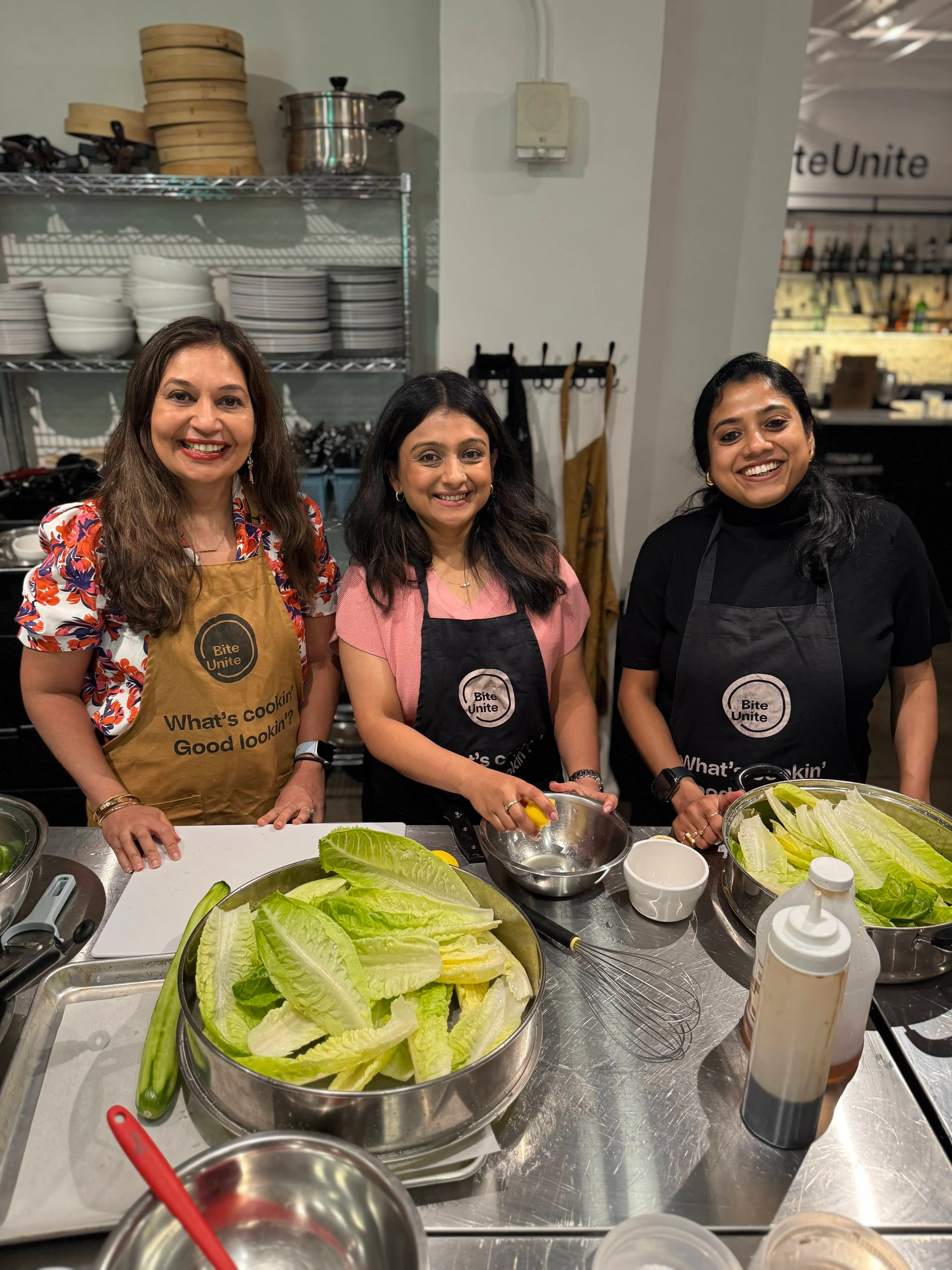
- Personalized aprons for the bridal party
- Take-home recipe cards for every dish the group makes
- Staffing scaled to your guest count, not a one-size-fits-all ratio
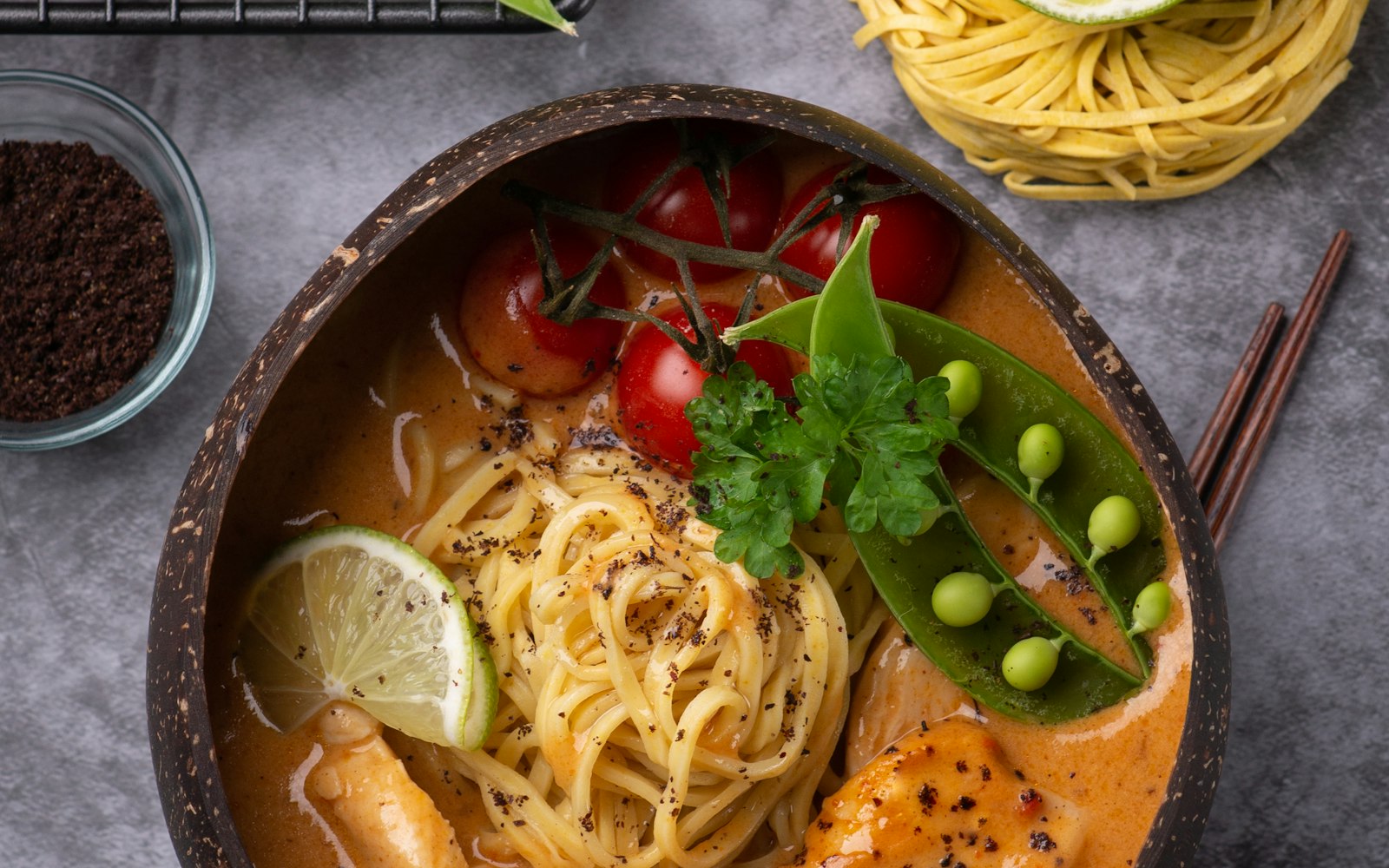
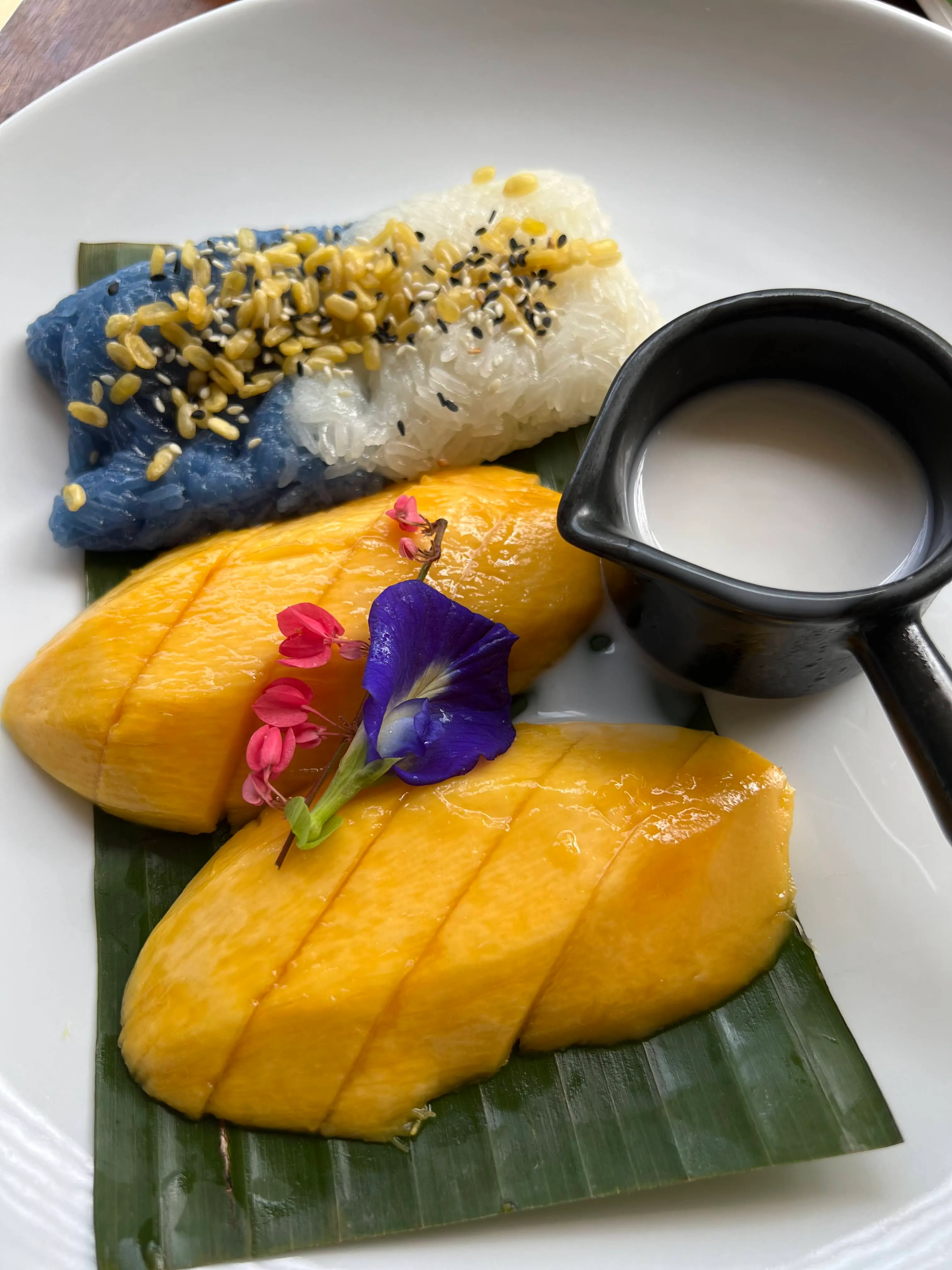
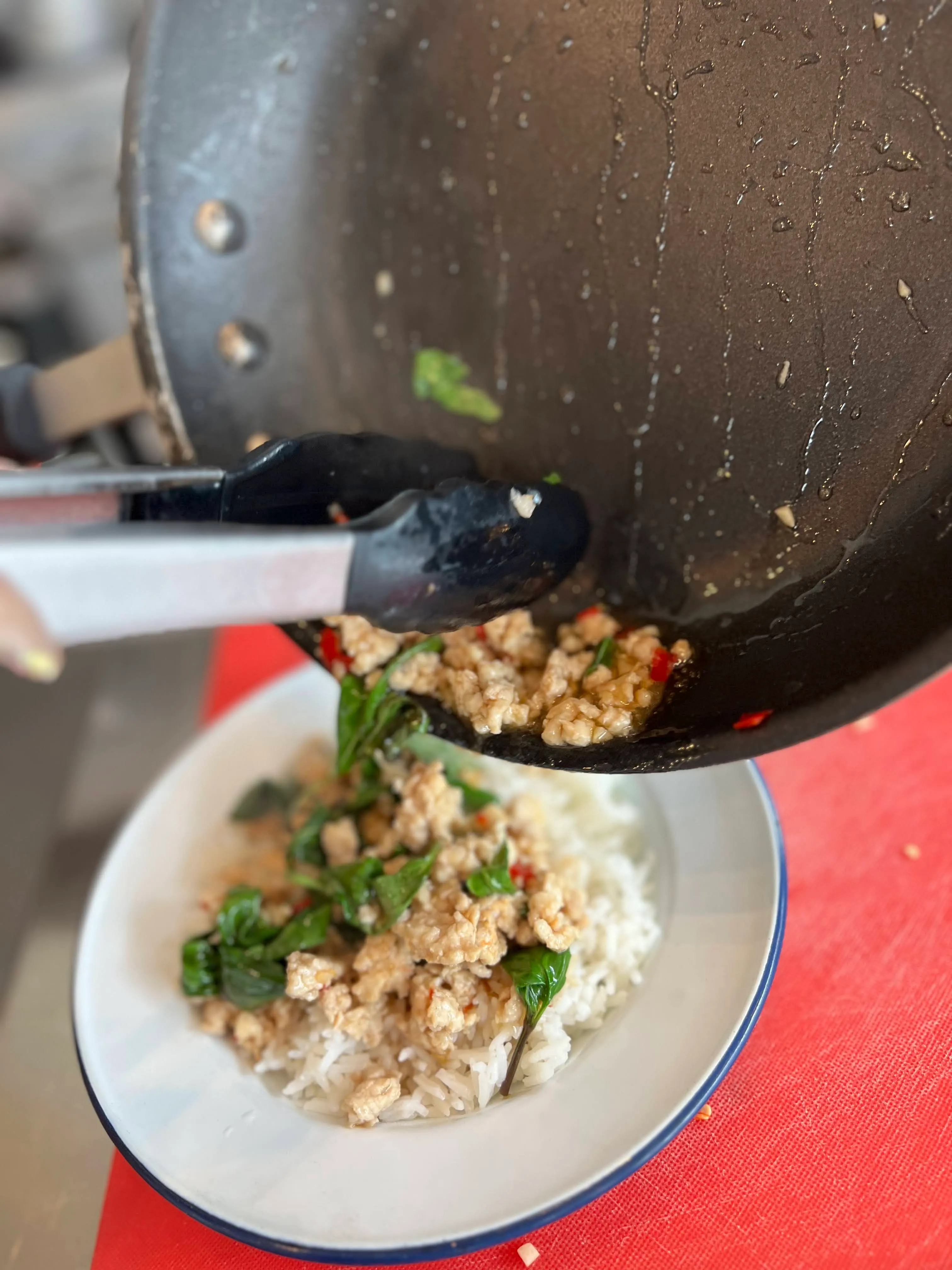
- Menu customization built around cuisines the bride actually loves, from pasta to Thai cooking
Dietary requests get sorted before the event, not improvised in the kitchen, and private-event logistics, venue setup, equipment, cleanup, get coordinated ahead of time so the host isn’t managing details on the actual day. That combination of flexible menu design and structured event support is what separates a memorable private class from a generic party rental.
What’s Overrated (and Underrated) in Bridal-Shower Planning
Most planning advice fixates on decor: matching napkins, a photo backdrop, a coordinated color palette. It’s fine, but it’s forgettable. What guests actually remember six months later is whether they laughed with people they didn’t know well going in. A shared cooking activity does that job better than almost any other bridal shower format, because it gives strangers a task instead of small talk.

The advice that undersells the format is the assumption that hands-on cooking only works for tiny, intimate groups. That’s not quite right. With the right staffing ratio, a hands-on bridal shower cook-off scales to 20 guests without losing its personal feel. What matters more than group size is matching the format to the bride: a competitive team challenge for a bride who loves games, a quiet pasta-making session for one who wants calm.
If there’s one thing to prioritize first, it’s not the theme. It’s confirming the instructor ratio and menu customization options before you fall in love with a Pinterest board. Get those two answers locked, and everything else, decor included, falls into place around them.
— Patta
How to Book Your Bridal Shower Cooking Class With Biteunite
Booking should take you fifteen minutes, not fifteen emails back and forth. Start by checking your city’s landing page for availability and sample formats.
If you’re planning in New York, browse the group cooking class options in NYC or the dedicated New York private event page for date openings. Boston hosts should look at the Boston cooking class guide for chef-led private event details. Planning something further out, like a wine-country shower? The Napa cooking classes page covers that market specifically.
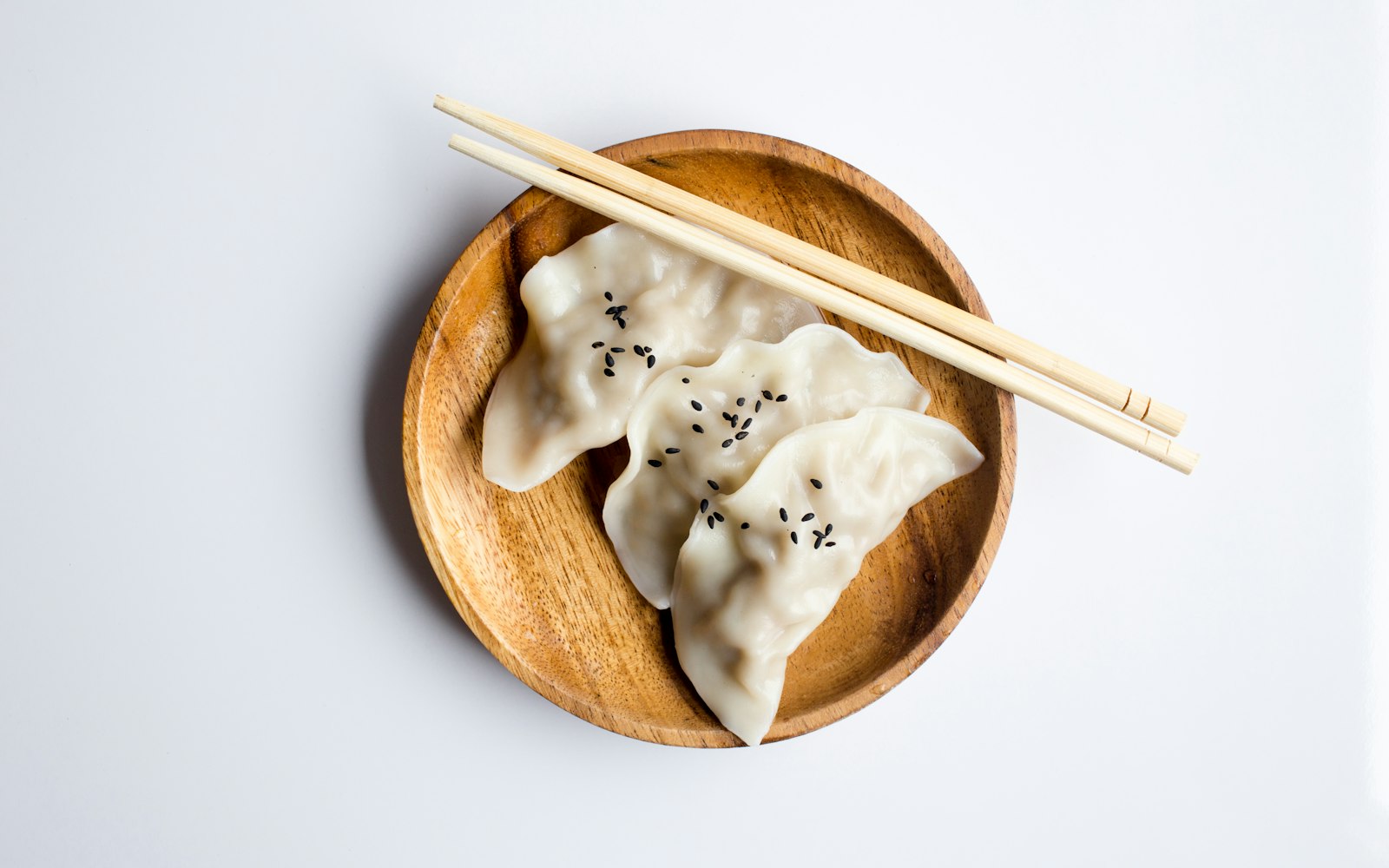
Once you’ve picked a city and rough date, request a private event quote and confirm your guest count so staffing gets sized correctly from the start. Not sure which cuisine fits the bride? Ask for a sample menu, whether that’s a hands-on pasta night or a Japanese curry and gyoza station for a bride who loves Asian flavors, and Biteunite will build a custom proposal around her taste, not a generic package.
Where Else to Look for Menu Inspiration
For more recipe ideas beyond your class menu, The Knot’s bridal shower food guide and Delish’s bridal shower recipe collection offer strong starting points. Brides covers presentation and station setup, and the Wild Foodz event menu list adds seasonal ideas worth adapting for your own class.
Sources
- Bridal shower food ideas — The Knot
- 50 Best Bridal Shower Food Recipes — Delish
- Bridal shower food ideas — Brides
- Bridal shower games and activities — Martha Stewart




























.webp)