Book Tonight: 10 Interactive Boston Night Out Ideas From $30–$140
The best friends night out in Boston pairs one interactive, bookable activity with a shared meal and a flexible backup plan nearby, so no one is stuck waiting on a reservation or a rideshare. A hands-on cooking class from BiteUnite and other culinary experiences, a Boda Borg Quest, or a piano-bar singalong at The 88 Club all fit that formula. Pick your neighborhood, lock the paid activity first, and book it now.
TL;DR:
- Booking a popular activity like a Quest or cooking class requires scheduling two to three weeks in advance, especially during peak summer months.
- Most experiences are designed for groups of three to eight people; larger parties should call ahead for arrangements.
- Combining an interactive activity with flexible dining options, such as food halls or dessert stops, keeps the night smooth and adaptable.
- Staying within one neighborhood minimizes transit costs and time, with North End, Seaport, and Back Bay being the best options for different energy levels.
- Planning the activity first and allowing a 30 to 45-minute buffer for travel and breaks ensures a relaxed, enjoyable group experience.
Table of Contents
- Friends Night Out Ideas in Boston You Can Book Tonight
- Group Outing Ideas by Boston Neighborhood
- How Do You Plan a Friends Night Out in Boston?
- Getting Around Boston for a Night Out With Friends
- Sample Boston Night Out Itineraries for Groups
- Where to Eat Before or After Your Night Out
- Planning a Night Out That Works for Every Friend
- A Local Take on Picking the Right Boston Night
- Book Your Boston Friends Night Out With BiteUnite
- Sources
Friends Night Out Ideas in Boston You Can Book Tonight
Group nights fall apart when everyone stands around a phone deciding what to do next. The fix is picking one anchor activity that gives the night shape, then letting the rest flow around it. Here are ten options that work for groups of three to eight, ranked by how much energy and interaction they bring to the table.
- Boda Borg Boston Quests. Multi-room challenge courses built for teams, where you solve puzzles and physical challenges together. Boda Borg Boston recommends booking ahead because slots for groups fill fast, especially on weekends.
- Indoor mini-golf and cocktails. Venues like Swingers Back Bay combine retro arcade games, competitive mini-golf, and a full bar, which suits groups who want to move around rather than sit still.
- Piano bar singalongs. The 88 Club runs request-driven evening shows in Back Bay where the crowd calls the songs, a format that works especially well for birthdays and reunions.
- Trivia night at a neighborhood bar. Low commitment, walk-in friendly, and forgiving if half your group shows up late.
- Board-game cafes. A quieter alternative to trivia that still gets everyone talking and competing.
- Rooftop bars. Boston has a short but strong rooftop season, and a sunset drink before dinner sets a mood that a basement bar never will.
- Sunset kayaking or paddleboarding on the Charles. A daylight-into-dusk option that works best from late spring through early fall.
- Brewery hall with communal tables. Great for groups with fluctuating headcounts since nobody needs a reservation.
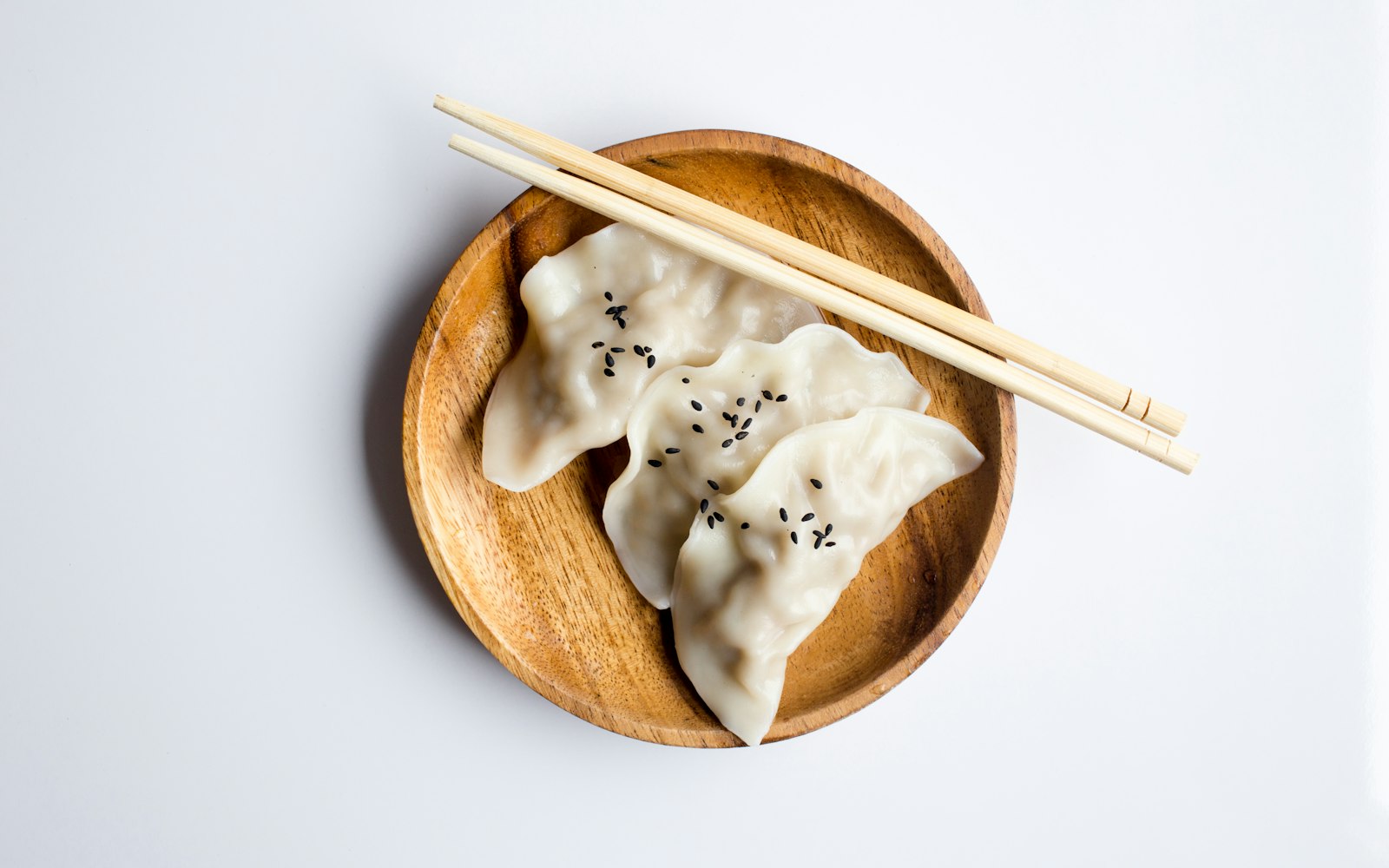
- Late-night Chinatown food run. After a show or a bar crawl, a shared table of dumplings and noodles closes the night on the right note.
Escape-room style Quests and cooking classes stand out from this list for a reason: interactive, hands-on activities tend to create stronger social bonding and more memorable takeaways than a standard dinner-and-drinks night, because everyone is doing something together instead of just talking across a table.
Group Outing Ideas by Boston Neighborhood
Bouncing across the city eats up your night in rideshares and waiting on the T. The smarter play is picking a neighborhood and building the whole evening inside it.
North End works well for a food-forward night. Narrow streets packed with Italian restaurants make it easy to wander from dinner to dessert to a bar without ever checking a map.
Seaport and Fenway suit groups chasing bigger, louder energy. Seaport’s waterfront bars and Fenway’s game-day crowds pair naturally with an anchor activity like a Quest or an arcade bar, since both neighborhoods have late-night food halls nearby to fall back on.
Back Bay is the pick for a polished evening. It’s home to The 88 Club, plenty of upscale cocktail bars, and enough restaurants that a last-minute dinner change is never a crisis.
Local itinerary guides covering Boston weekends built around food halls, live music, and outdoor activity consistently point to these three areas for exactly this reason: everything you need for a full night sits within a short walk or a quick ride.
How Do You Plan a Friends Night Out in Boston?
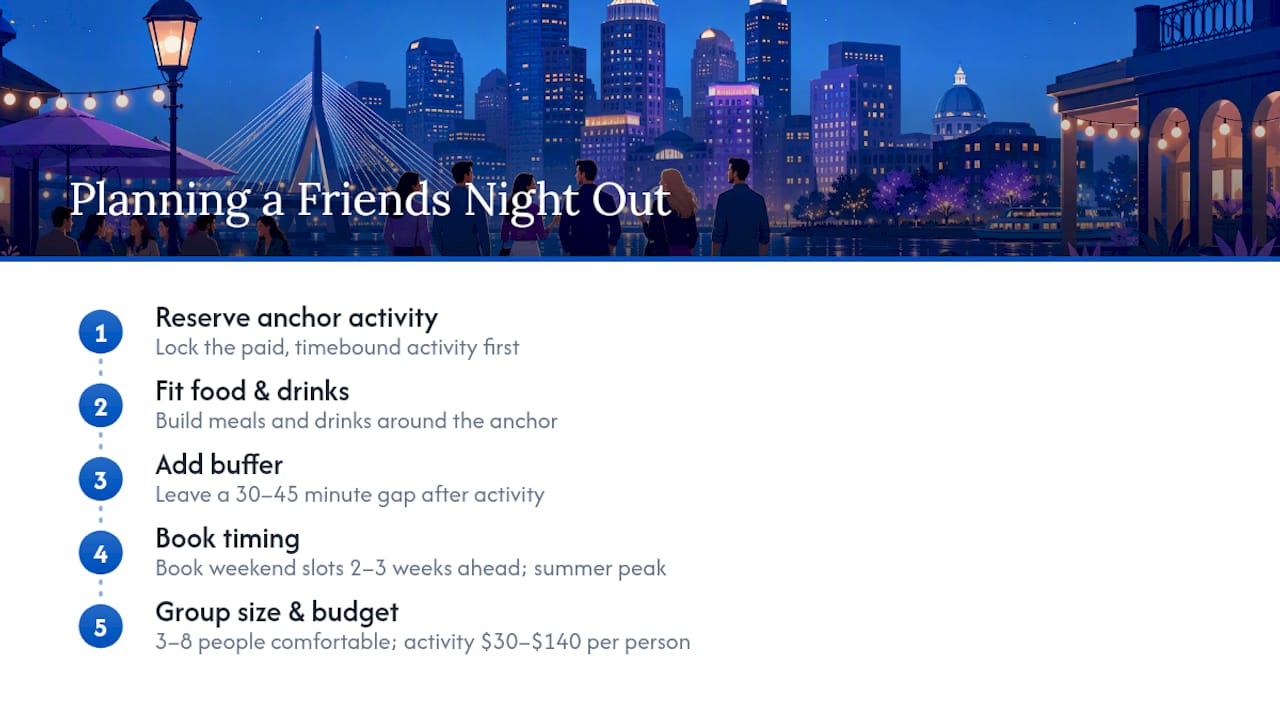
Start with the one thing that needs a reservation, then build outward. Practitioners who run group experiences suggest locking the paid, timebound activity first, whether that’s a Quest, a class, or concert tickets, and treating everything else as flexible padding around it.
For group size, most bookable experiences comfortably handle three to eight people. Above eight, call ahead. Boda Borg and cooking-class venues alike often need a heads-up for larger parties.
Budget for a full night typically breaks into three pieces: the anchor activity ($30 to $140 per person depending on the option), food, and drinks. A BiteUnite class runs $129 to $139, which usually covers the meal itself, so you’re really just budgeting drinks afterward.
Timing matters more than people expect. Book weekend evening slots two to three weeks out for popular activities. Summer is peak season for anything outdoor or harbor-related, so June through August books up fastest, while spring and fall shoulder months are better for mixing a rooftop happy hour with an indoor music venue later.
Pro Tip: Leave a 30 to 45 minute buffer between your activity’s end time and any dinner reservation. That gap covers transit, bathroom stops, and the inevitable “wait, let’s get a photo” delay.
Getting Around Boston for a Night Out With Friends
Driving into the city for a group night usually costs more in stress than it saves in dollars. Street parking near North End, Back Bay, and Seaport is scarce after 6 PM, and garage rates in those areas often run $20 to $40 for an evening.
The MBTA is the simpler call for most groups. The Green Line and Silver Line both reach Back Bay and Seaport directly, and the Orange or Green Line gets you close to North End. A round-trip subway fare costs a few dollars per person, far less than parking.
For groups of four or more, splitting an Uber or Lyft often beats transit on cost per person and definitely beats it on convenience if you’re moving between neighborhoods mid-evening. Just factor in surge pricing on weekend nights, particularly after 10 PM when bars start closing.
If your group is staying inside one neighborhood, as recommended above, walking becomes the best option by default. It also means nobody has to be the designated navigator, checking a rideshare app between activities. Whichever way you get in, agree on one meeting point before anyone leaves home. A single decided starting spot avoids the fifteen-minute group text where everyone tries to find each other outside three different bars.
Sample Boston Night Out Itineraries for Groups
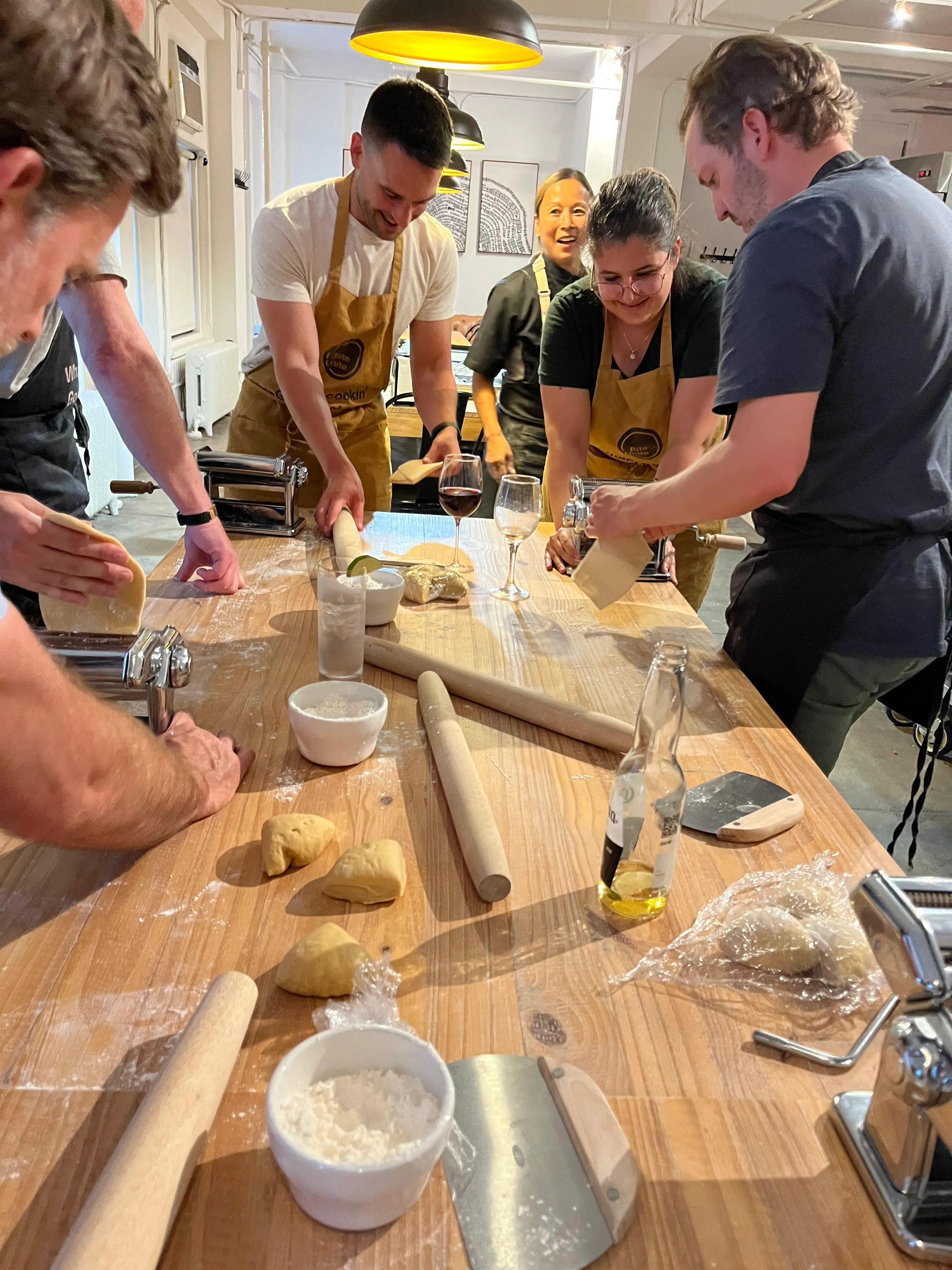
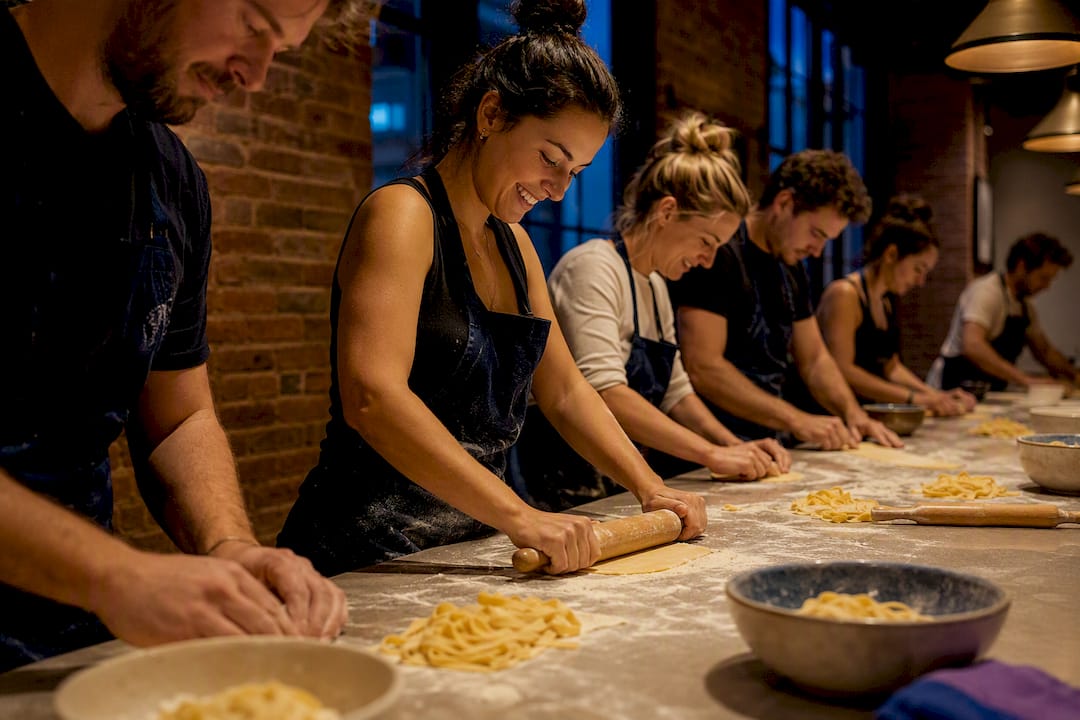
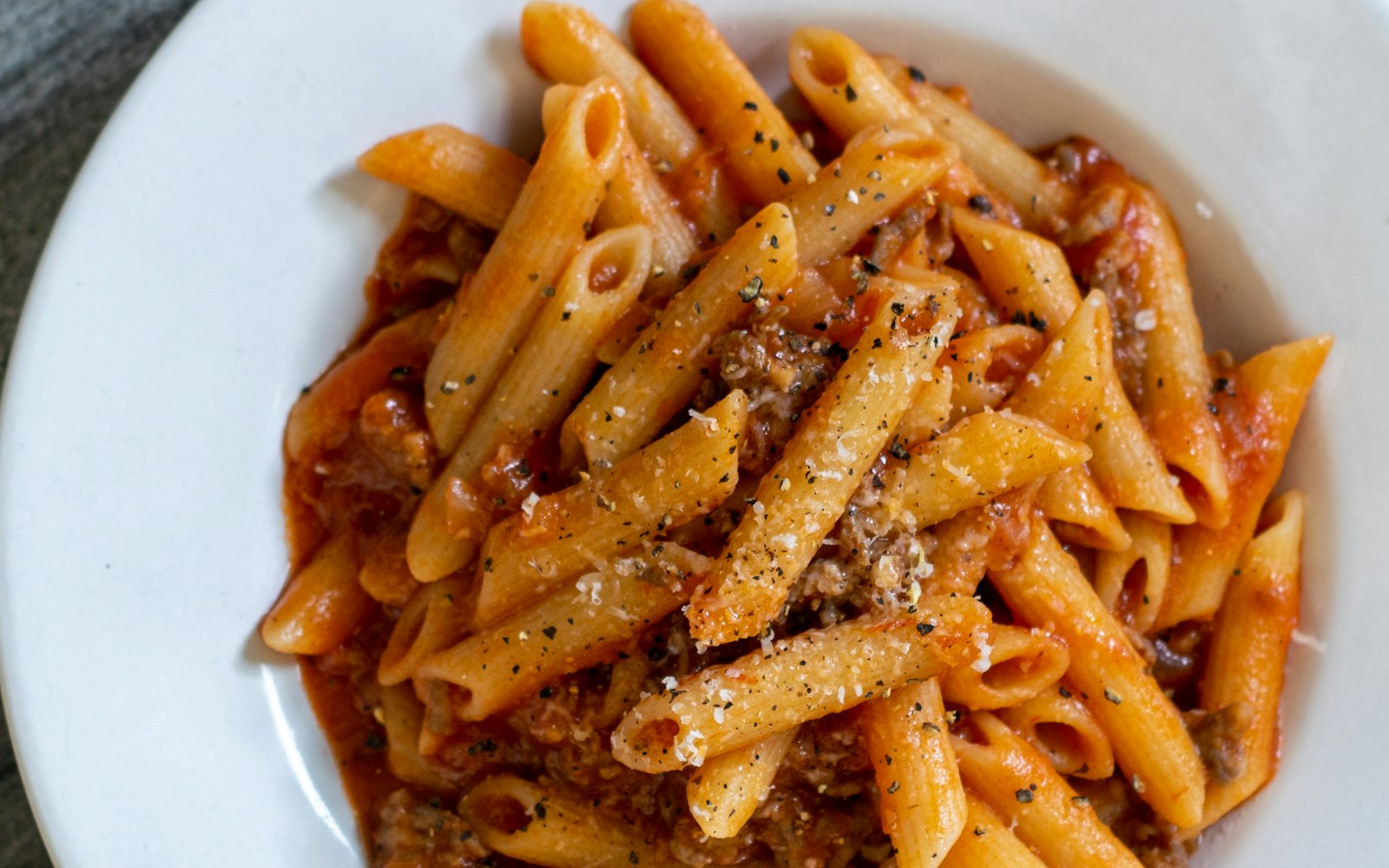
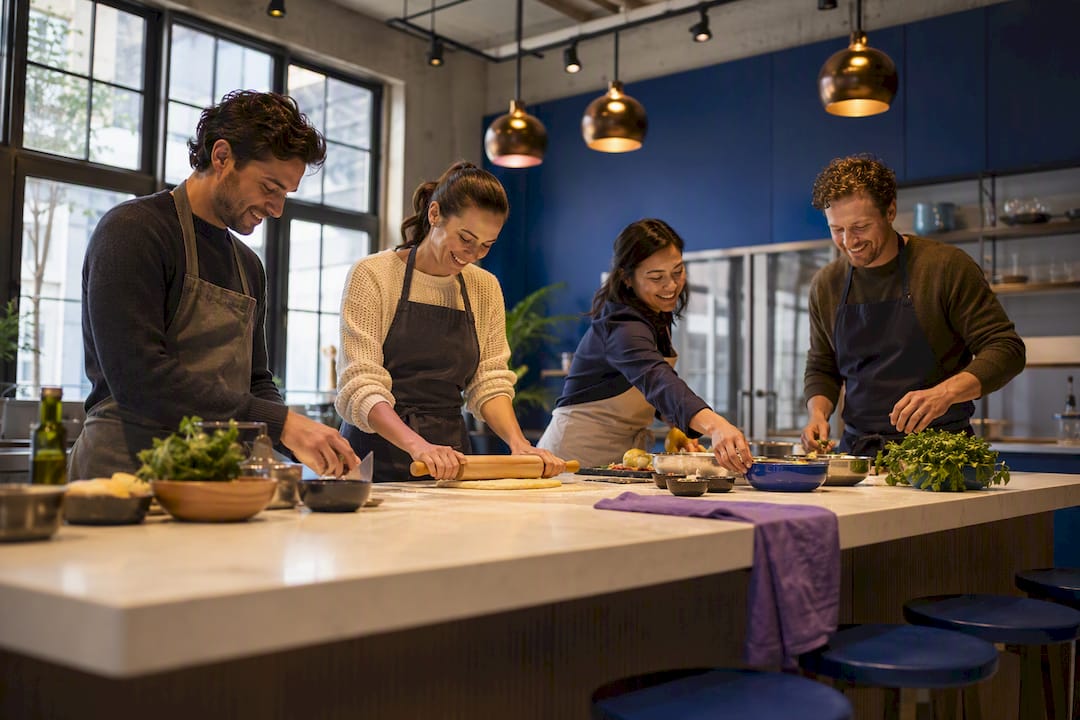
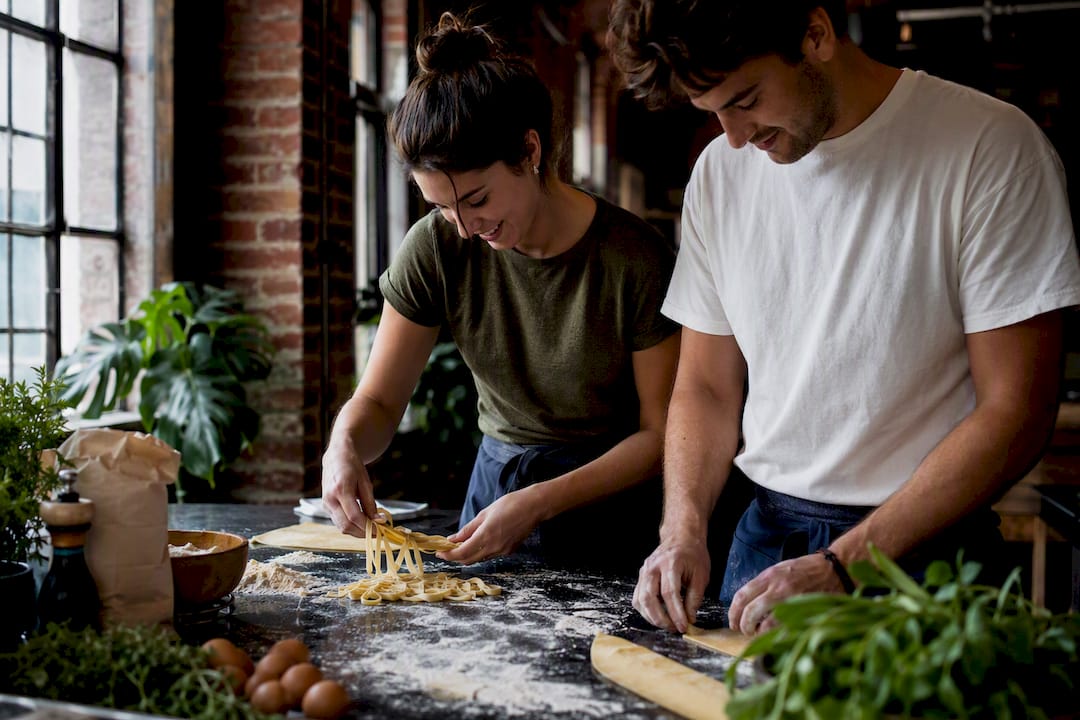
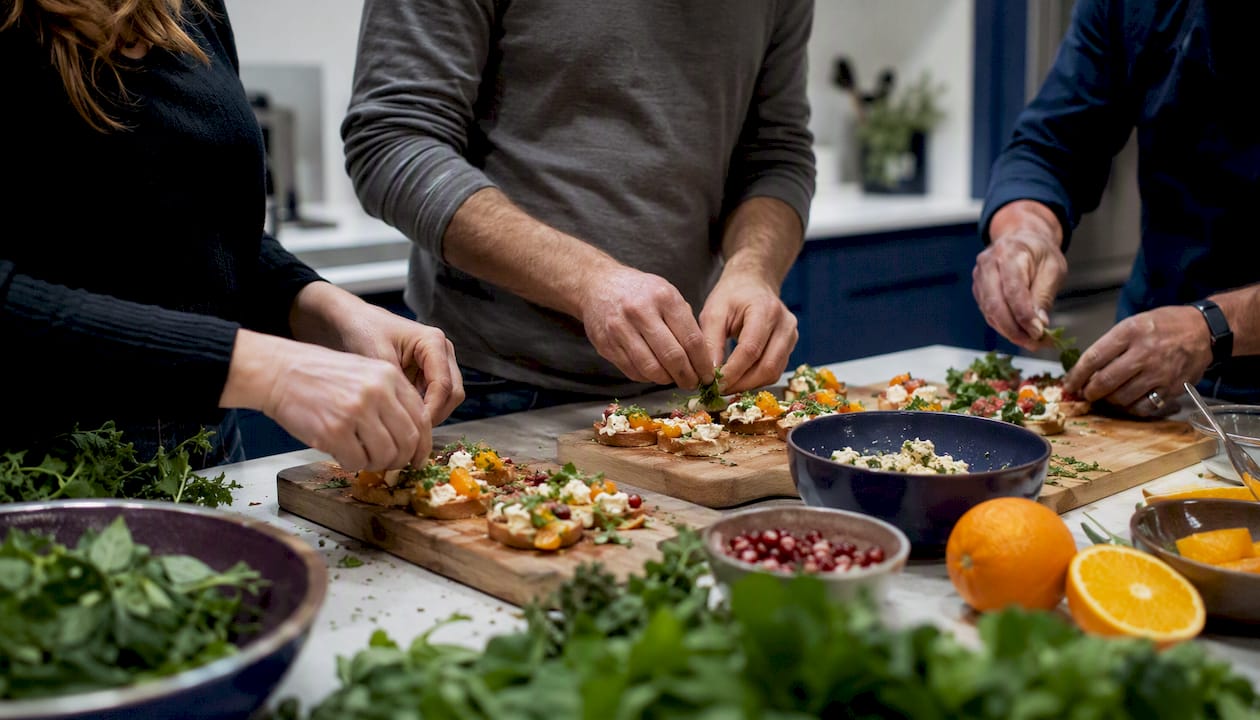
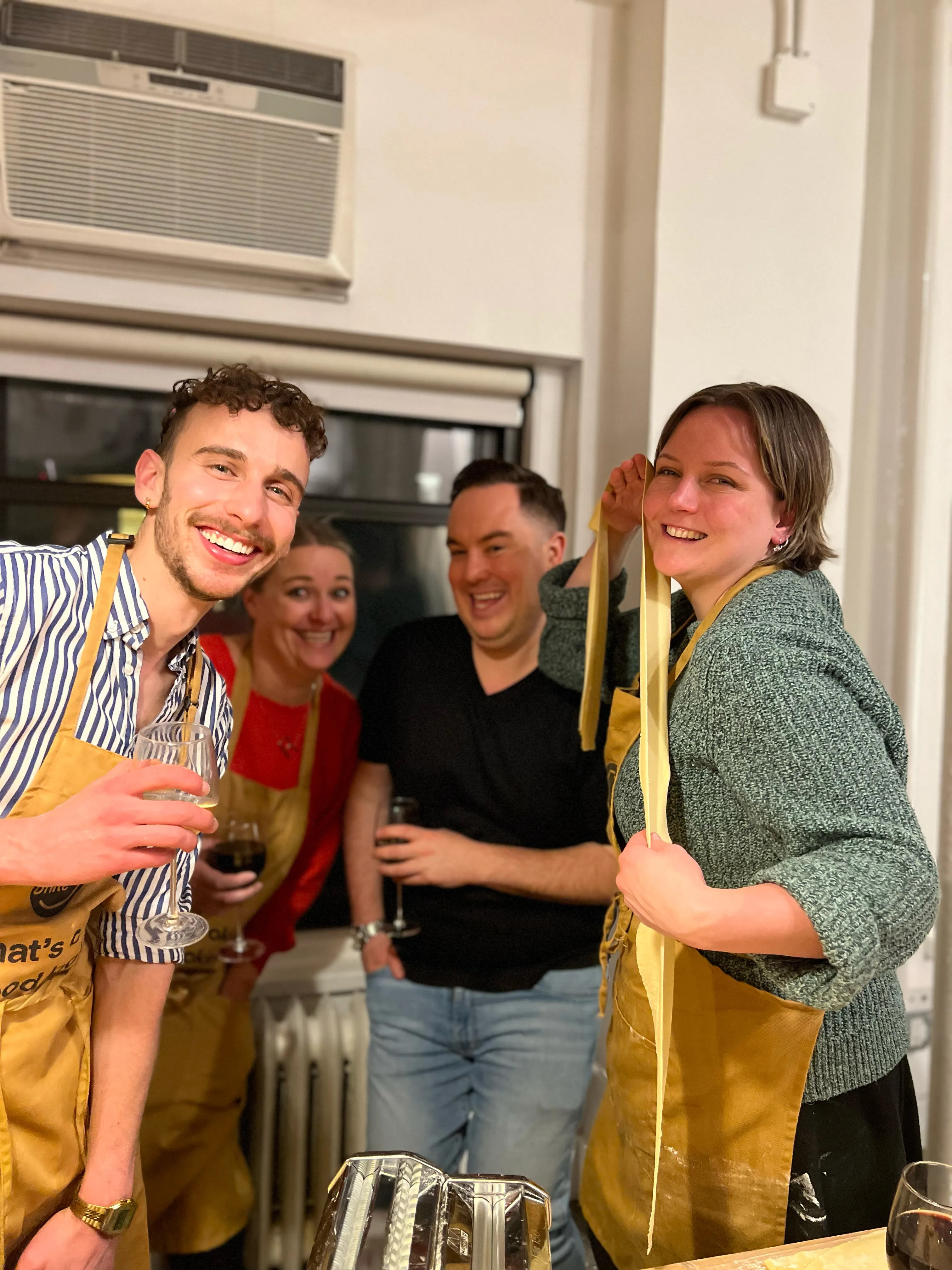
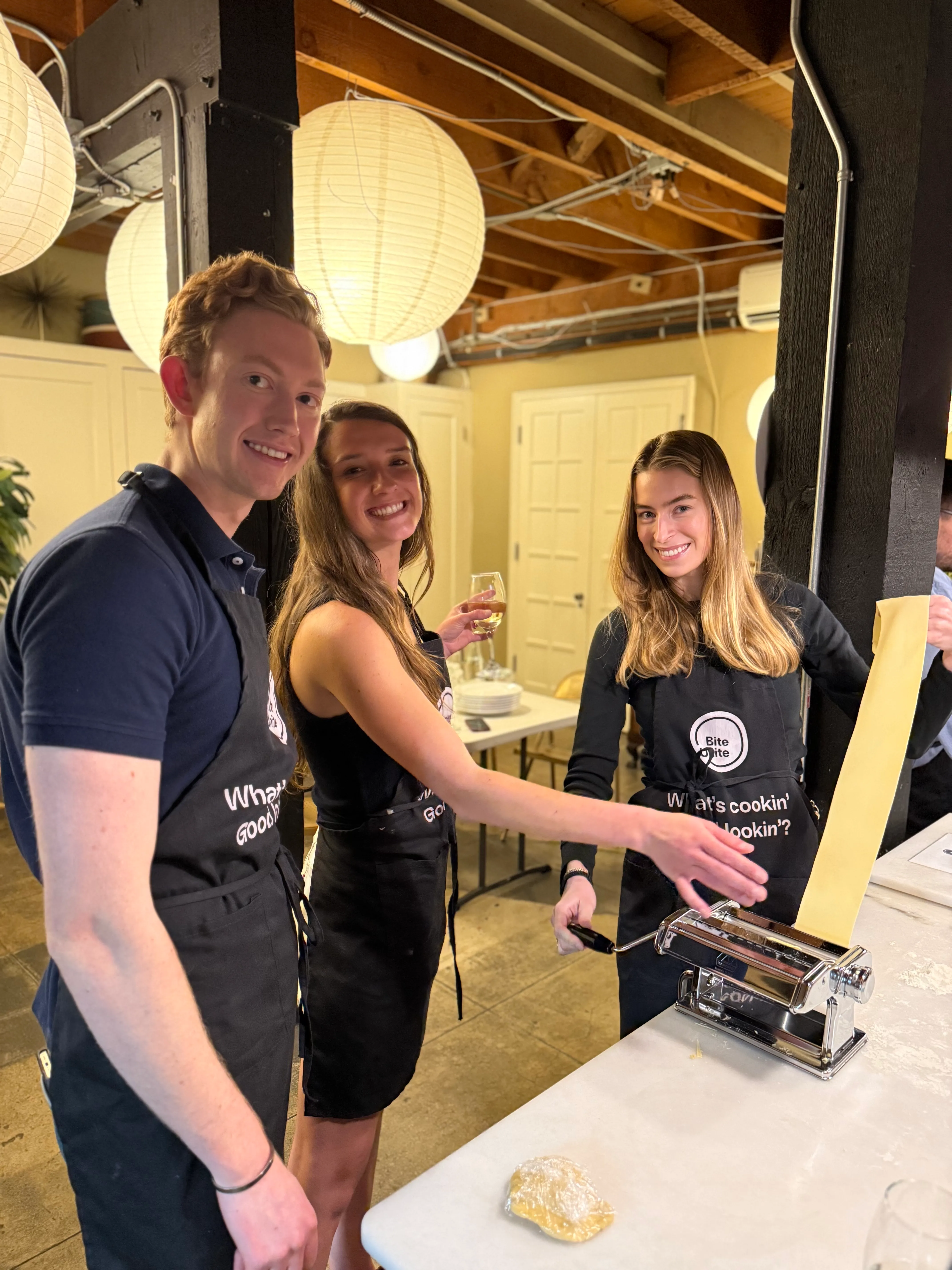
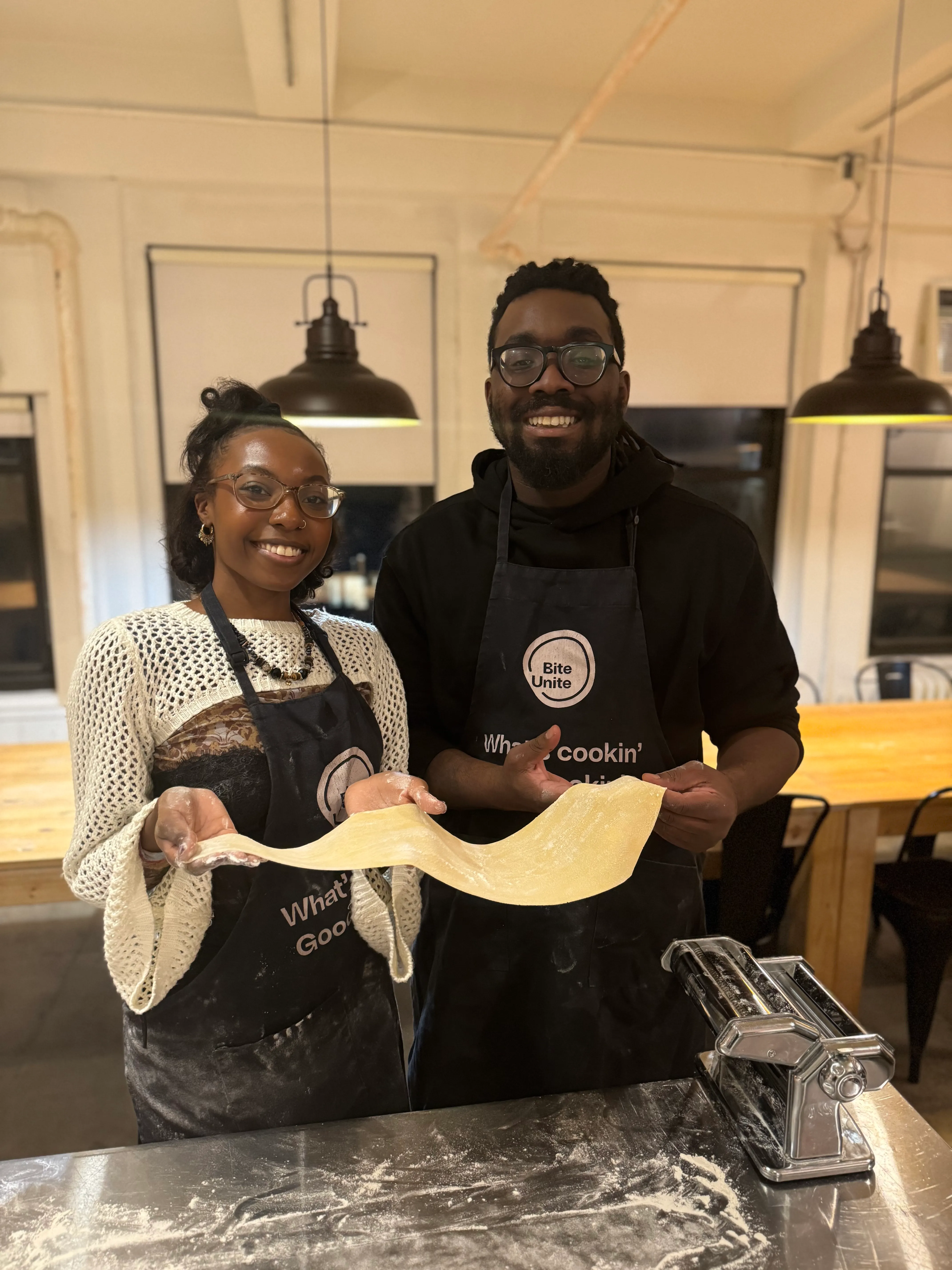
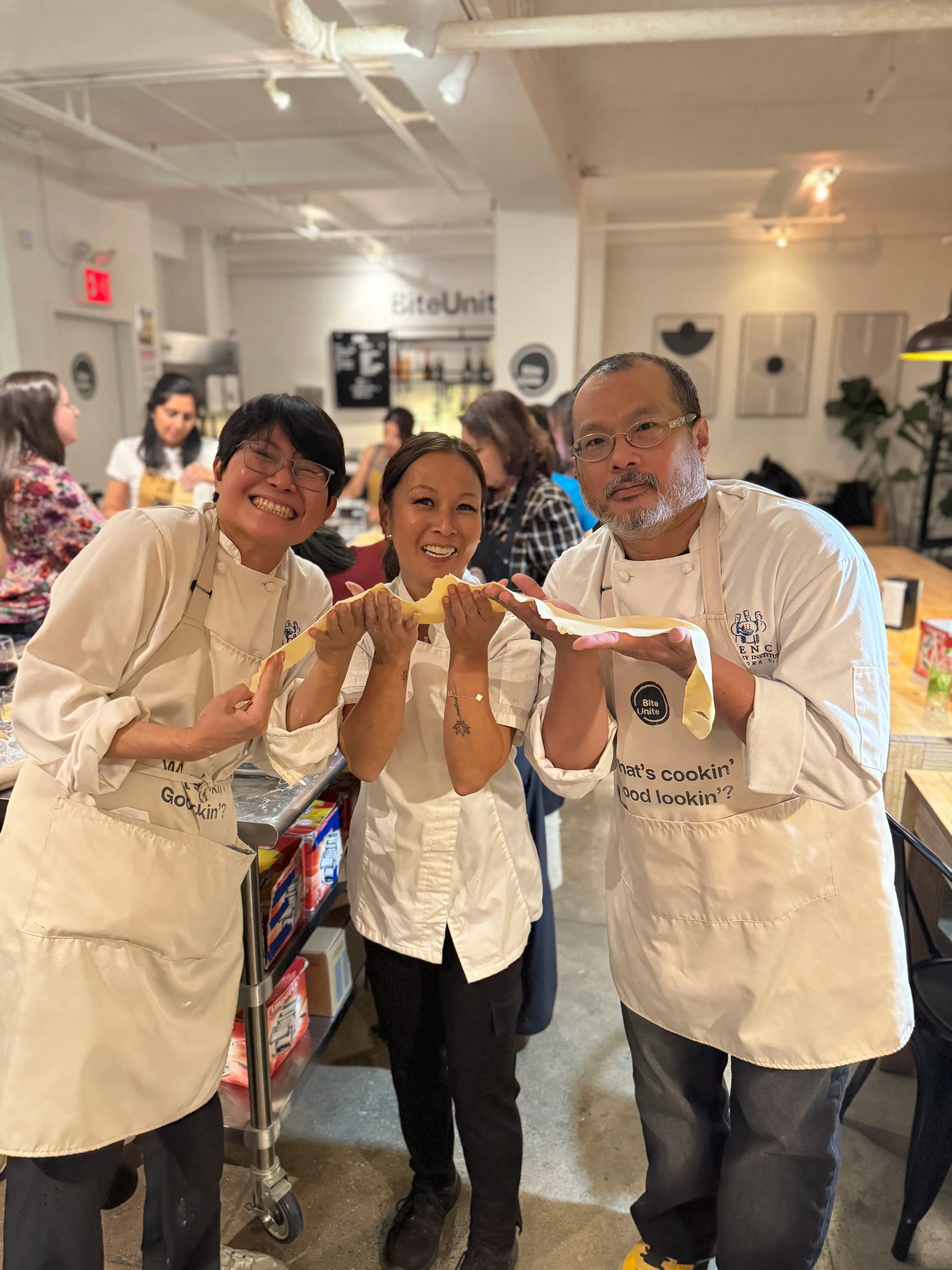
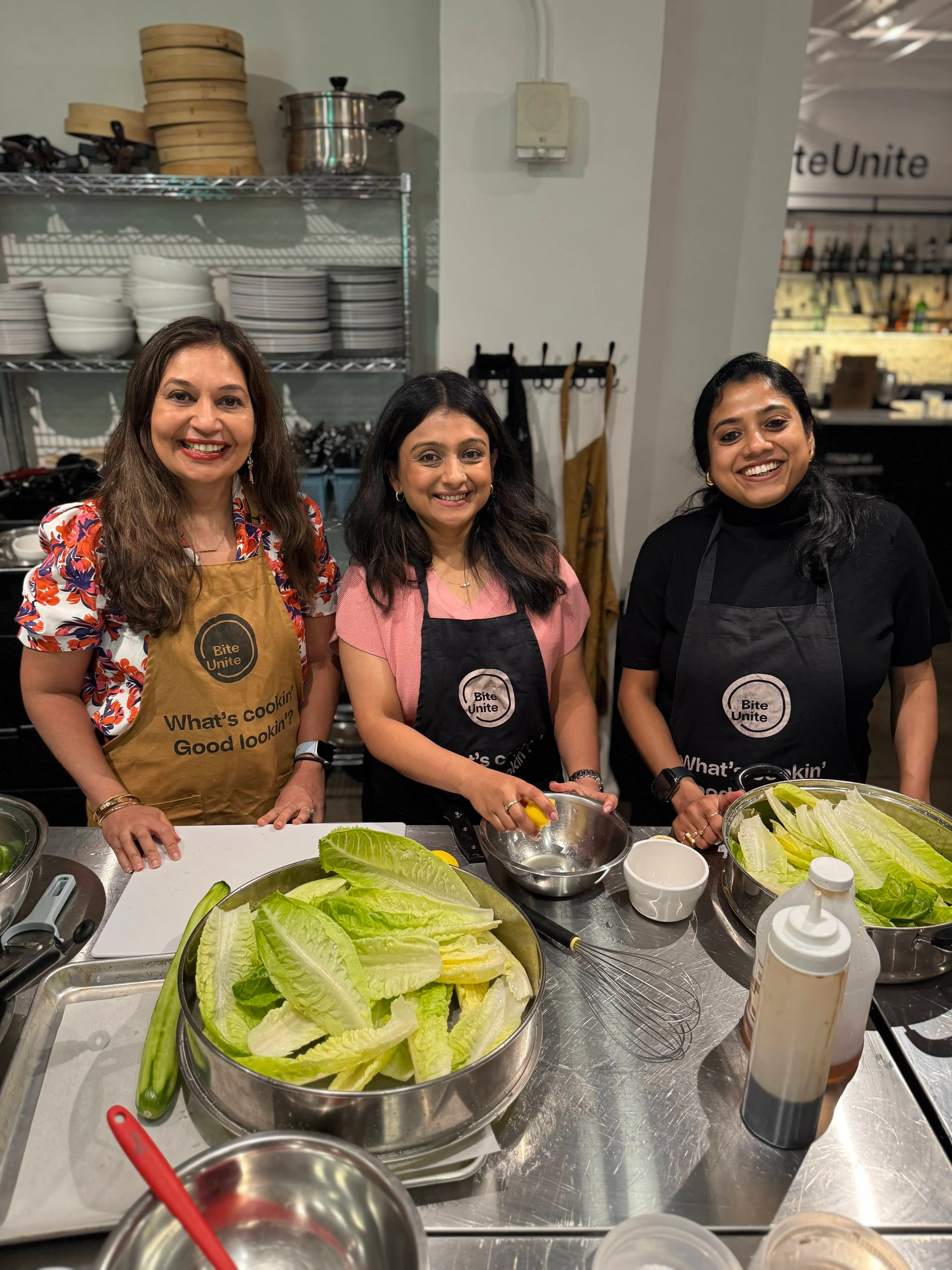
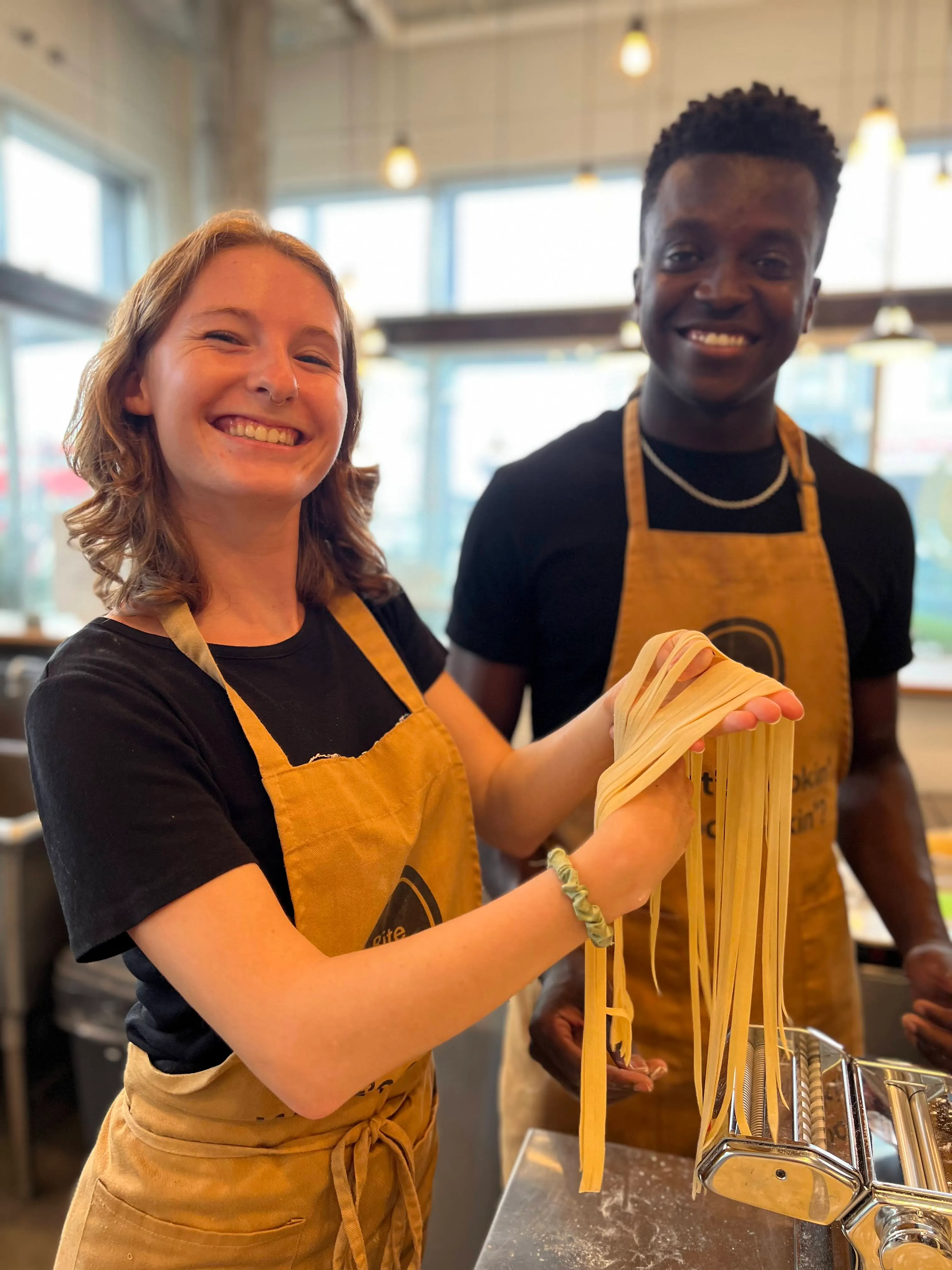
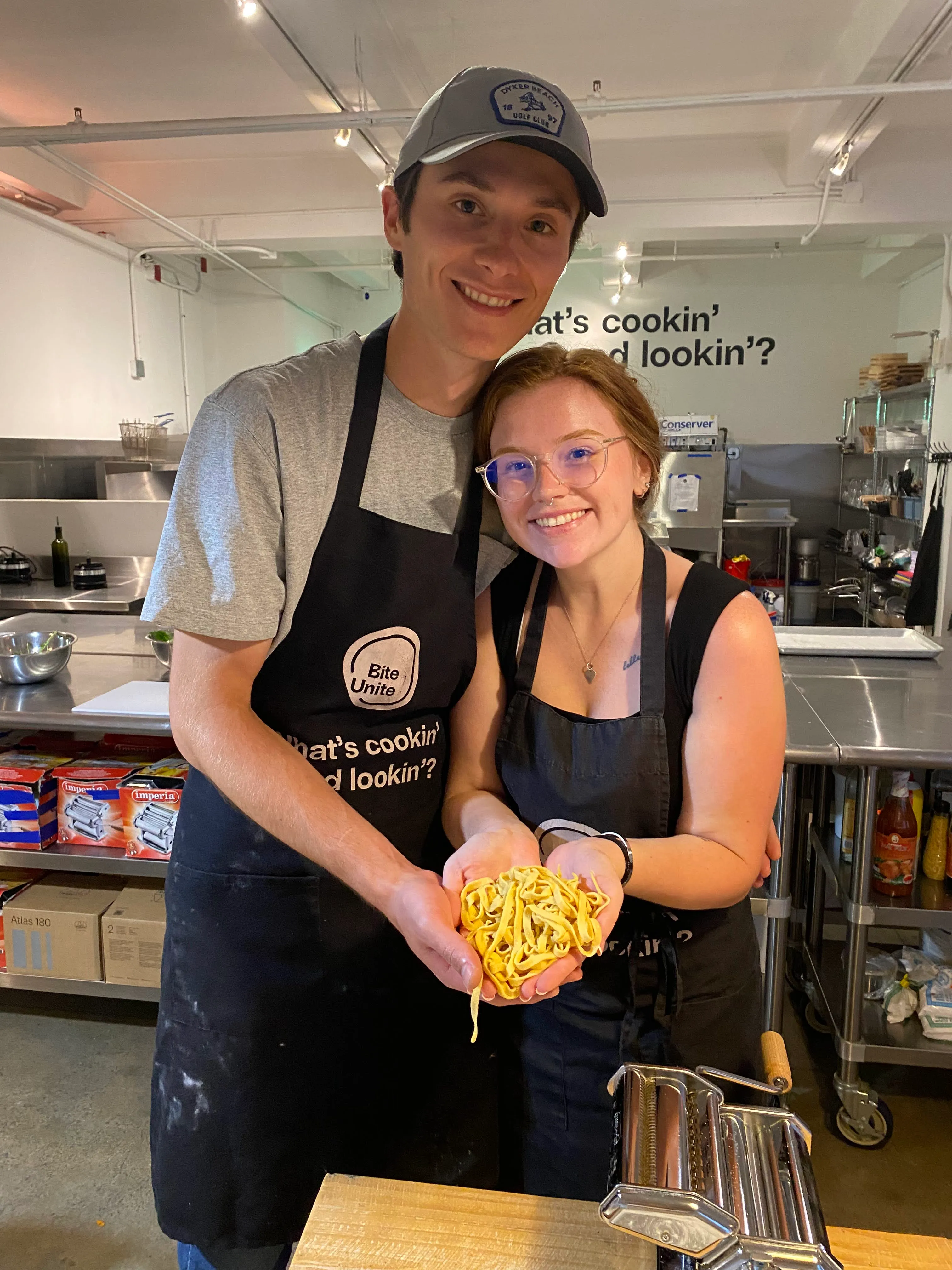
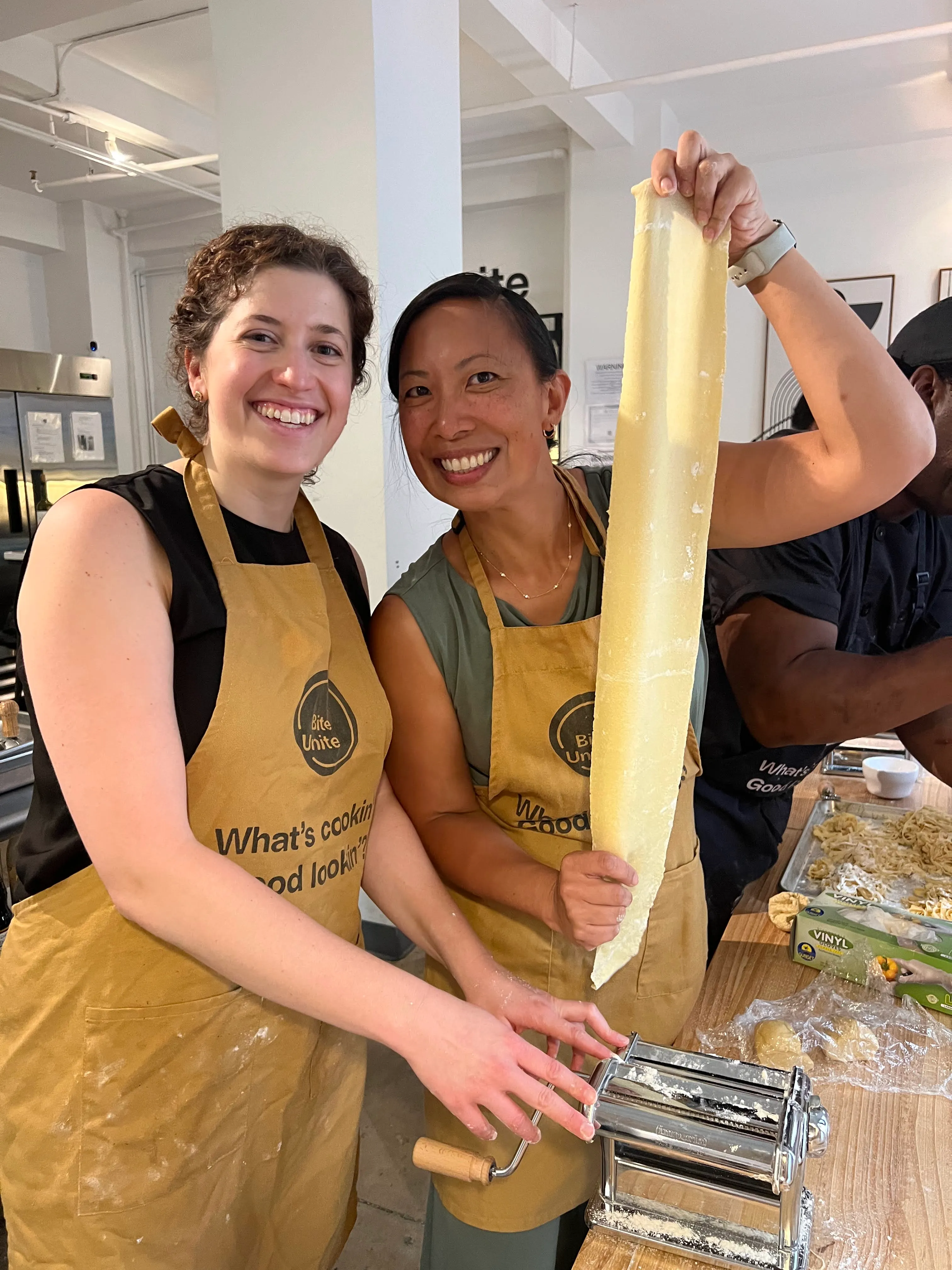
The North End Food Crawl. Start with a 6 PM hands-on pasta class at BiteUnite, which handles dinner and gives your group something to actually do together before the eating starts. Walk to a nearby dessert spot for cannoli, then finish at a low-key wine bar. Total time: about four hours, all on foot.
The Seaport Competition Night. Book a 6:30 PM Quest at Boda Borg Boston, which typically runs 60 to 90 minutes depending on how many rooms your group tackles. Head to a nearby food hall for a casual dinner, then close at a waterfront bar for drinks with a harbor view.
The Back Bay Sing and Sip. Grab an early dinner reservation, then head to The 88 Club for a piano-bar set once shows start in the evening. Request the songs your group actually wants to hear, and treat the bar next door as your overflow plan if the club gets full.
Each of these follows the same logic: one paid anchor, one flexible food option, and a buffer window so nobody’s rushing a subway platform mid-song.
Where to Eat Before or After Your Night Out
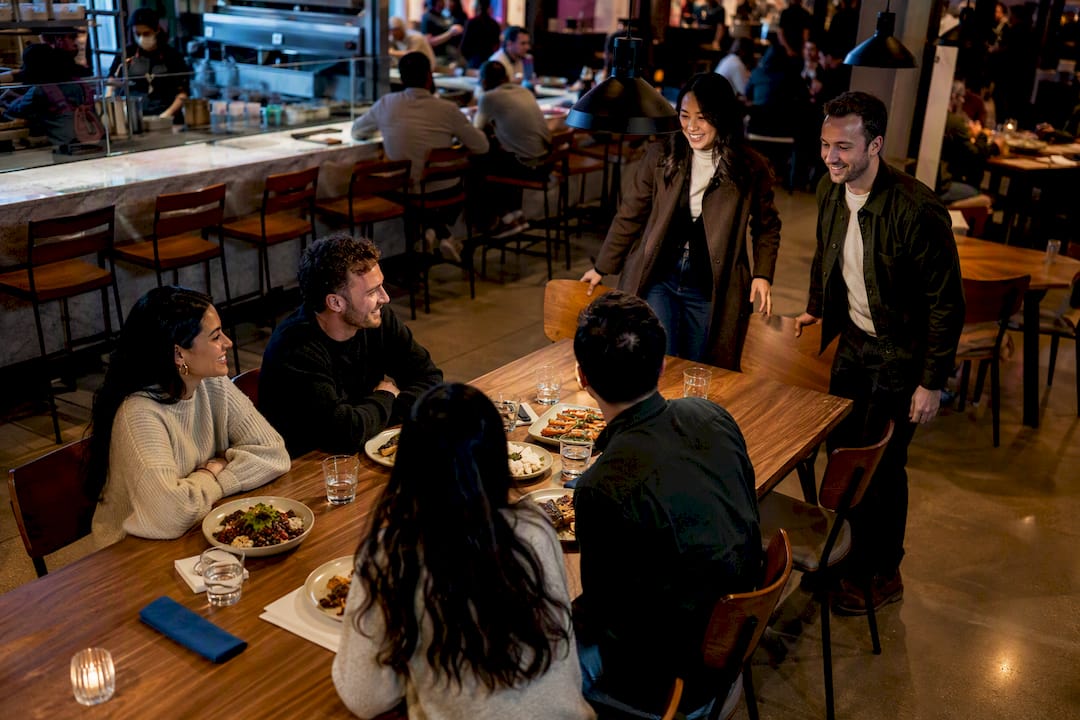
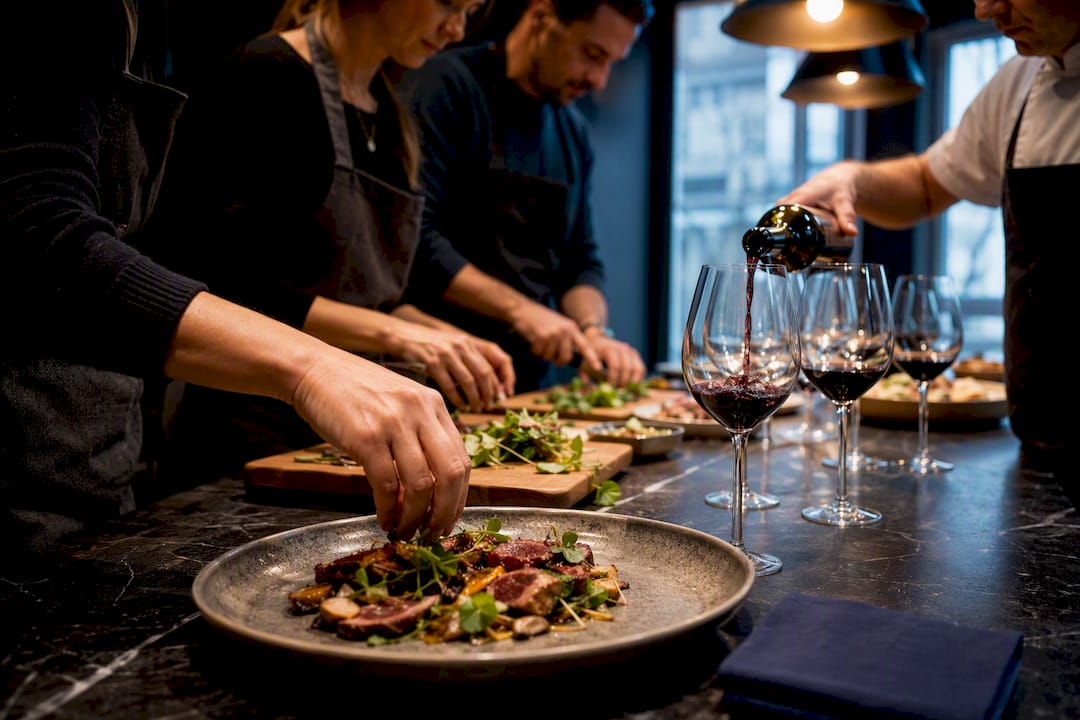
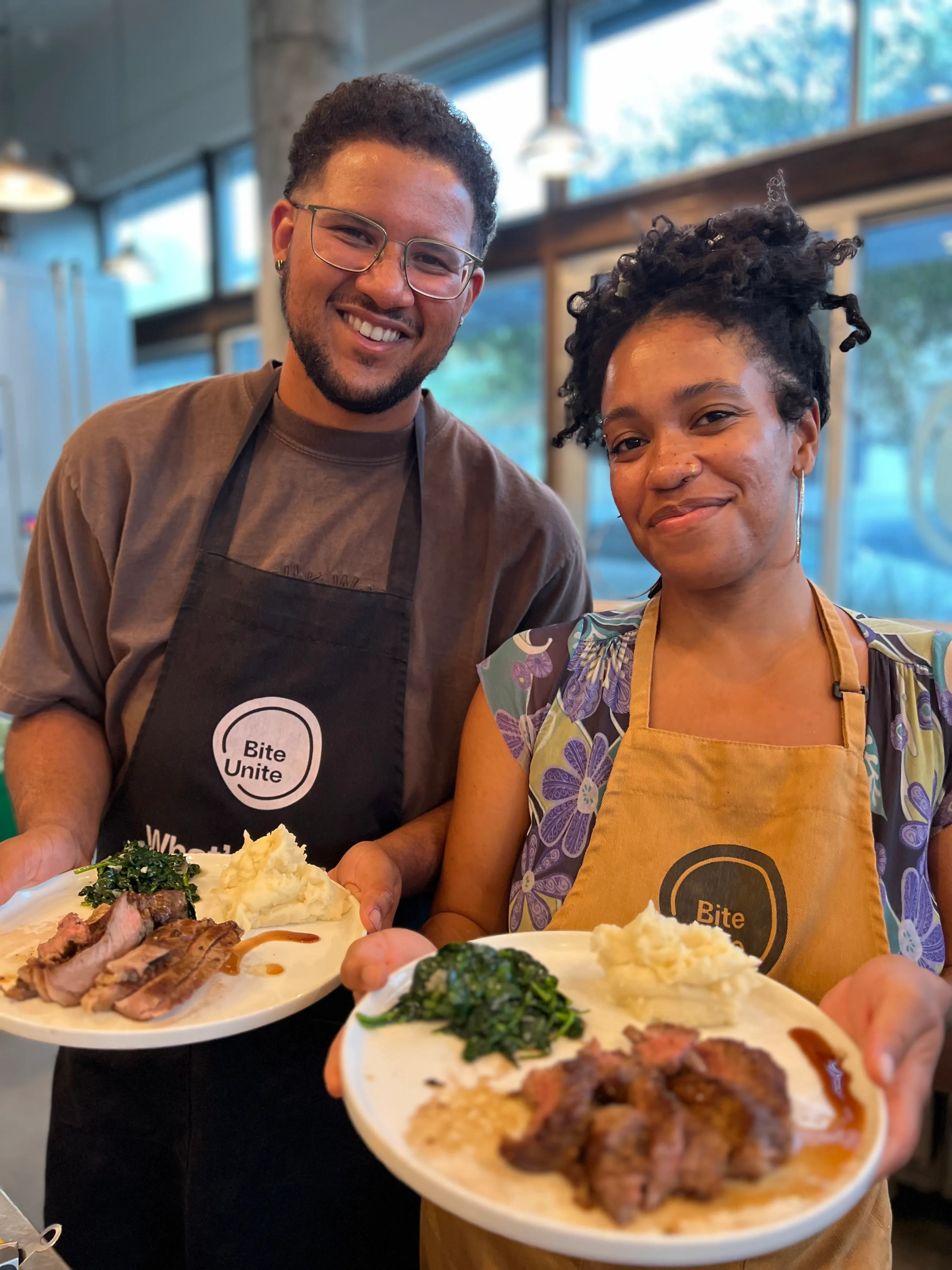
The right dinner spot depends on what comes next. If your anchor activity already includes food, like a BiteUnite class where the meal is the point, you can skip dinner planning entirely and just line up a dessert or drinks stop afterward.
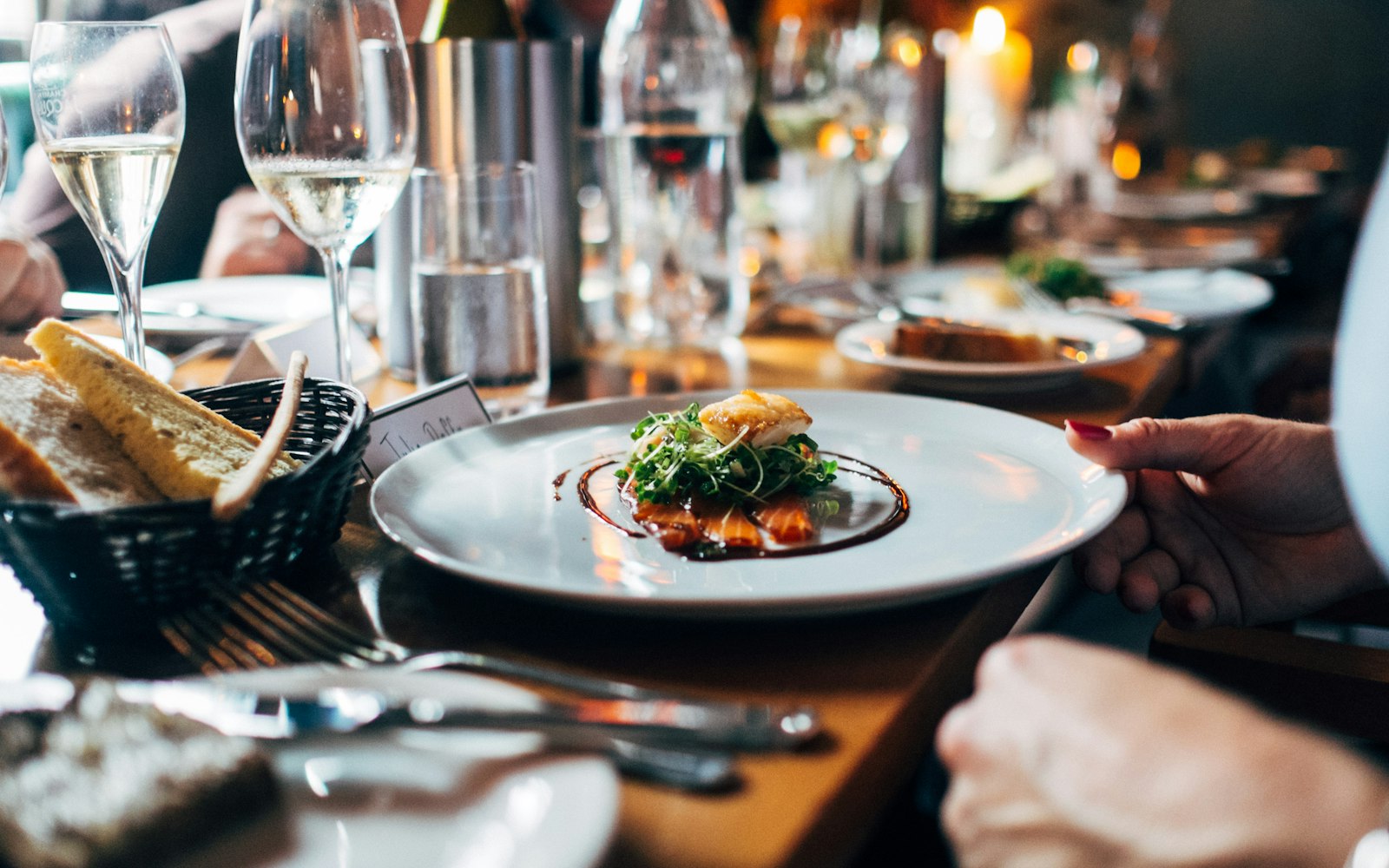
If your activity doesn’t include a meal, match the restaurant to the energy level you want. A sit-down reservation before a Quest or arcade bar makes sense since you’ll want the fuel, but book a table that won’t rush you out the door if your group runs long over apps and conversation.
Food halls and brewery halls deserve a specific mention here: venues with flexible or communal seating handle fluctuating group sizes far better than a formal restaurant, which matters when two friends are running fifteen minutes behind and you don’t want to hold up a reservation for six. That flexibility is exactly why food halls near Seaport and North End show up so often in group-night recommendations.
Late-night eaters should keep Chinatown in mind. It’s one of the few areas in Boston with real options after 11 PM, which makes it a natural landing spot after a show or a long bar night.
Planning a Night Out That Works for Every Friend
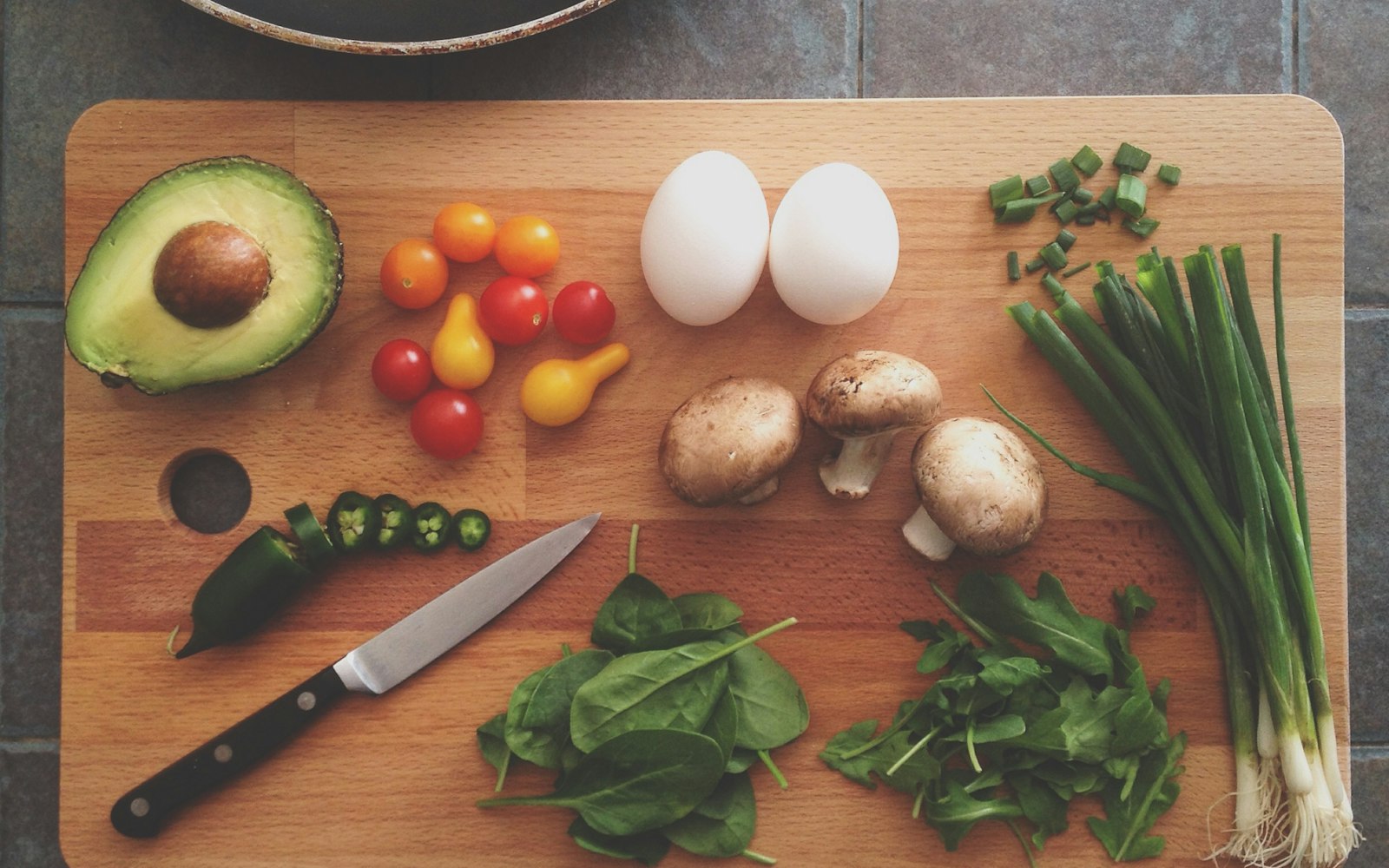
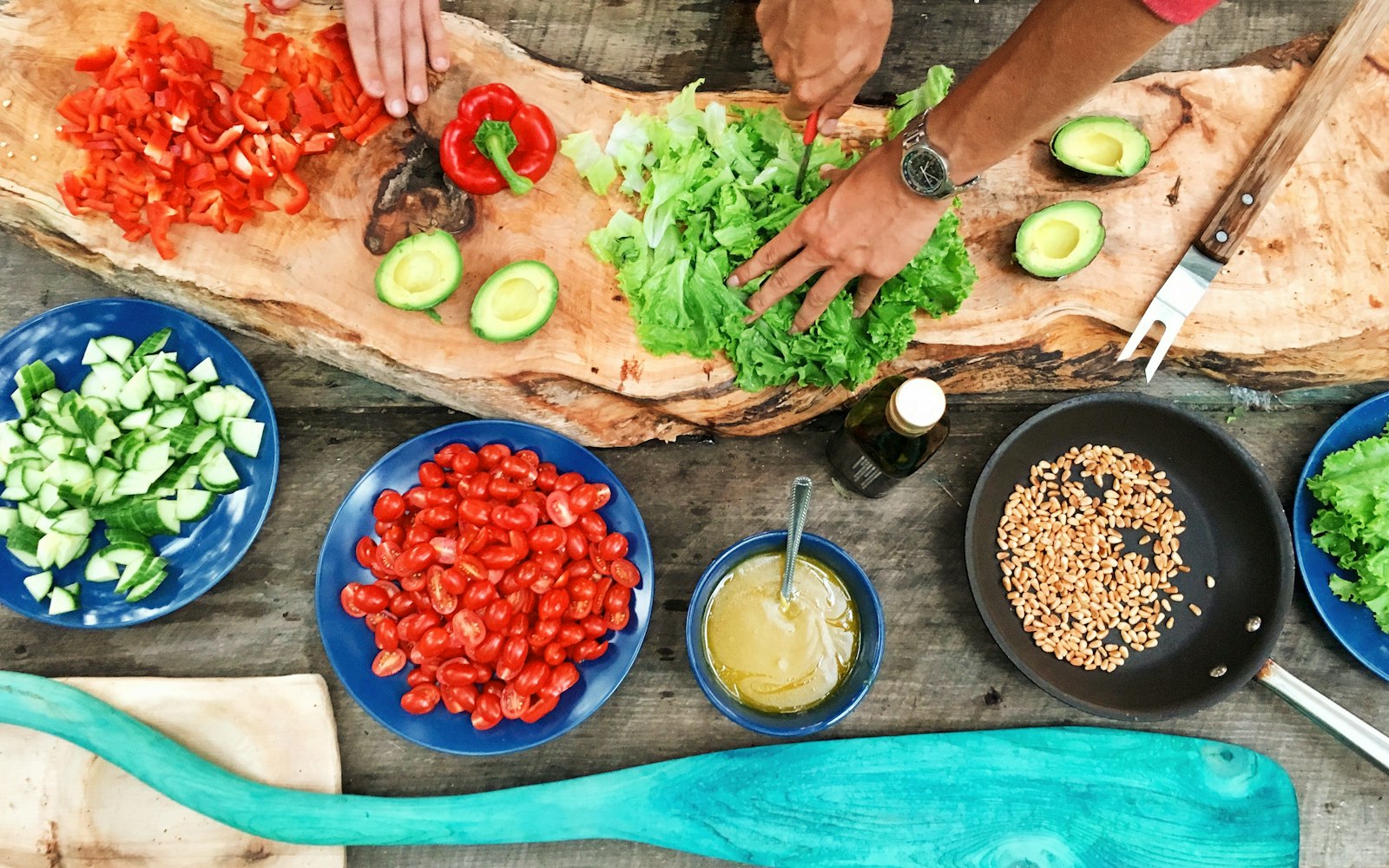
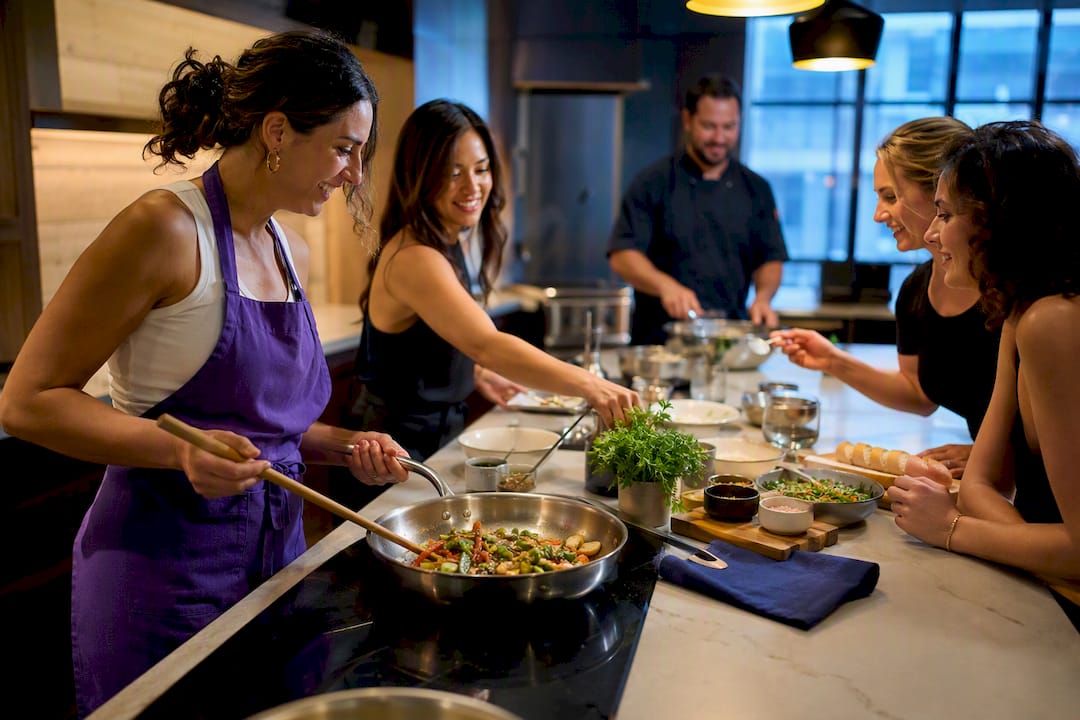
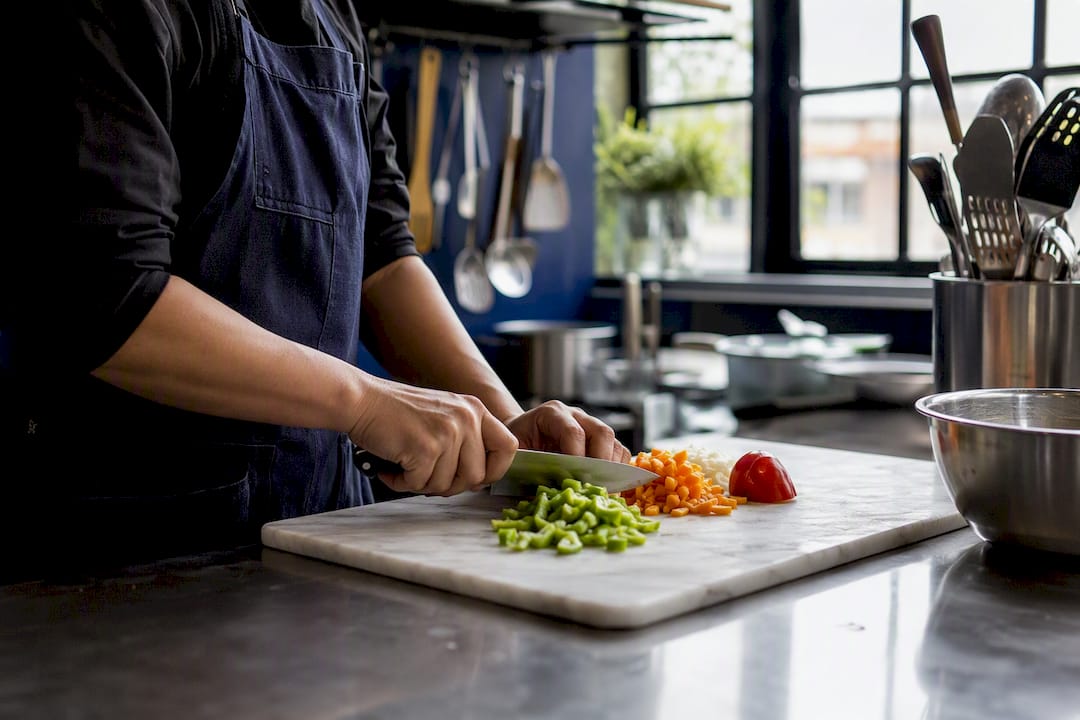
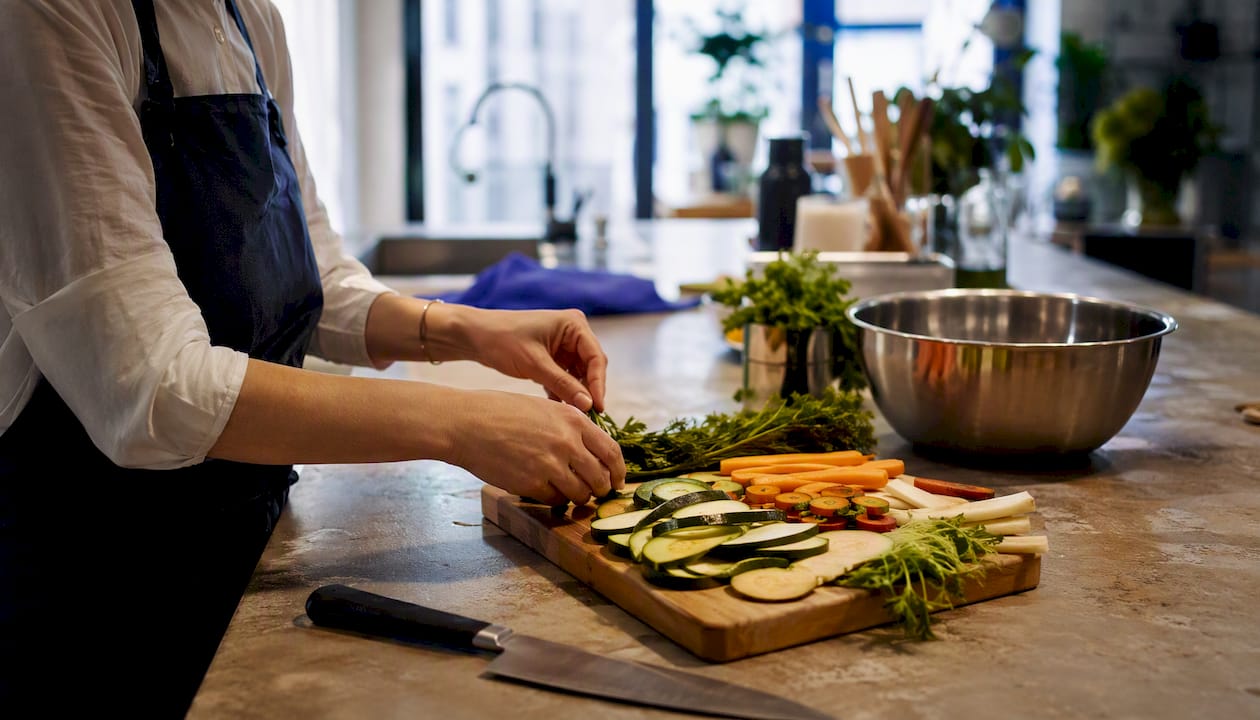
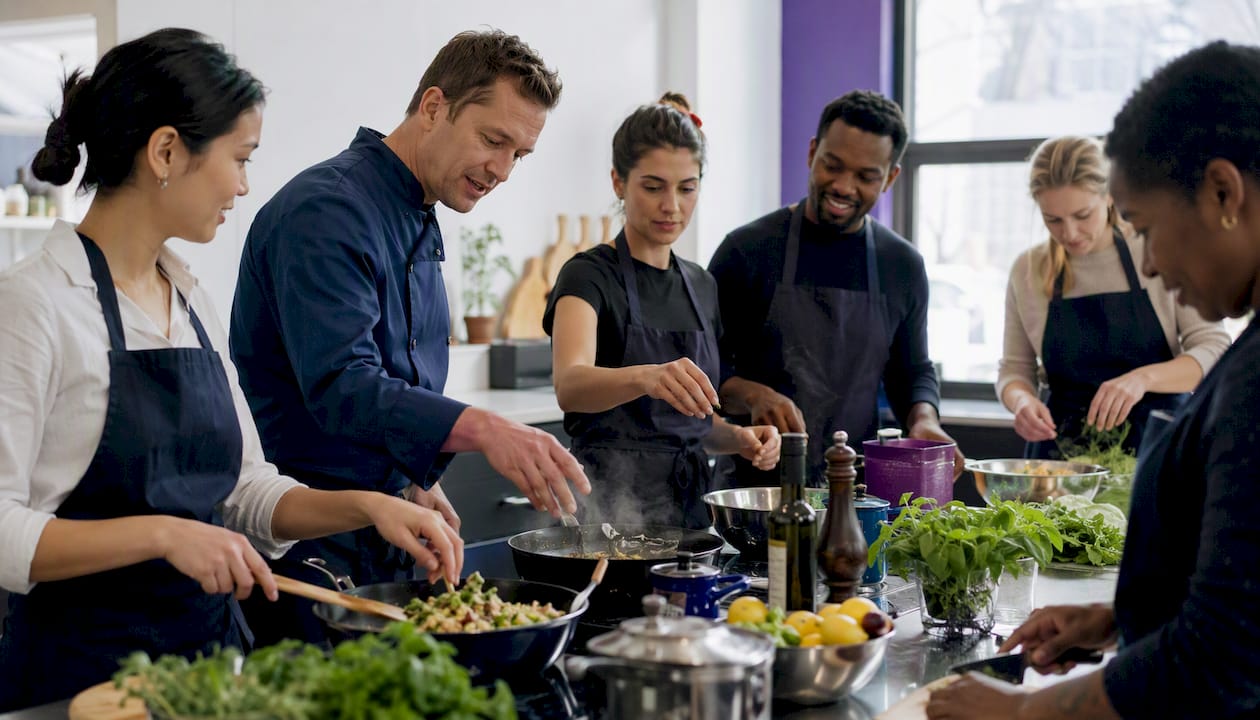
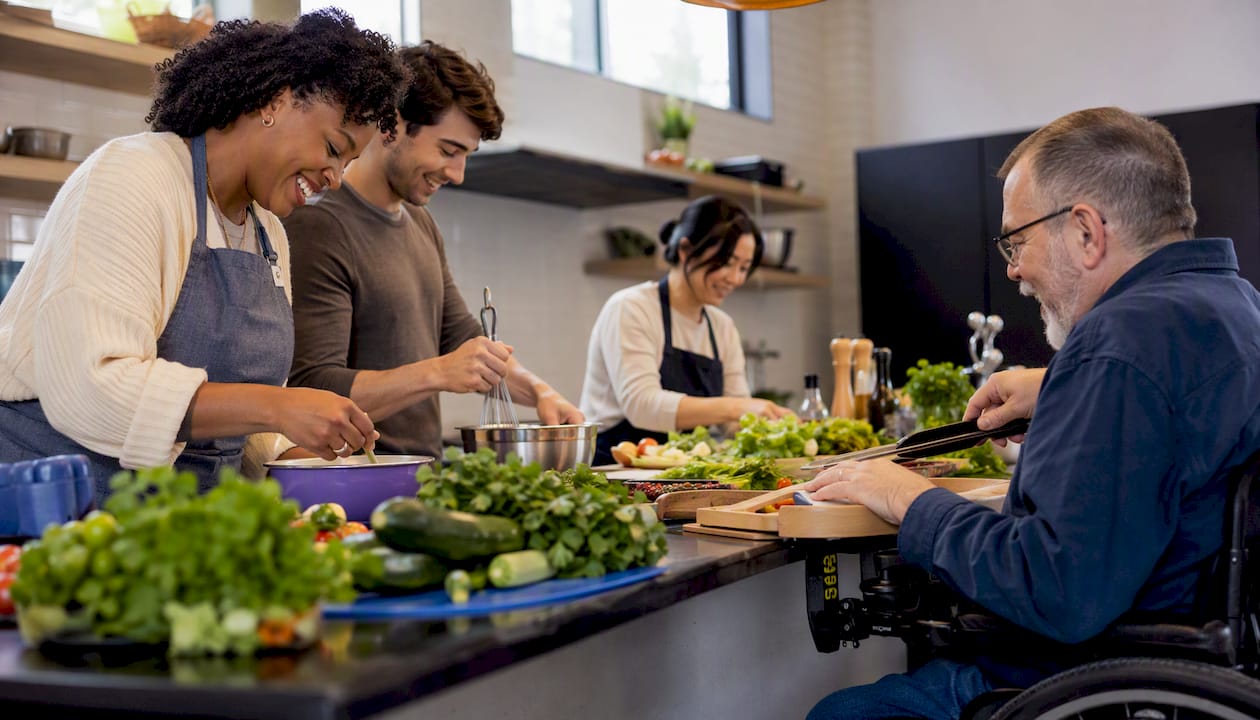
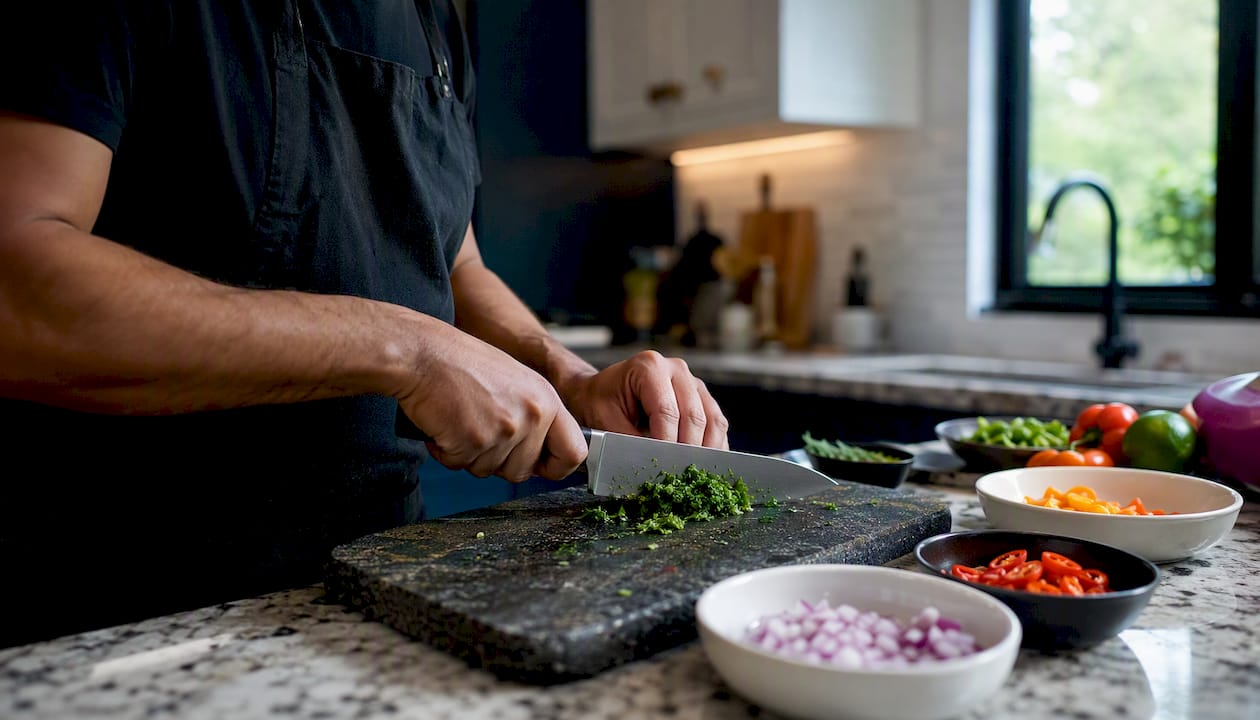
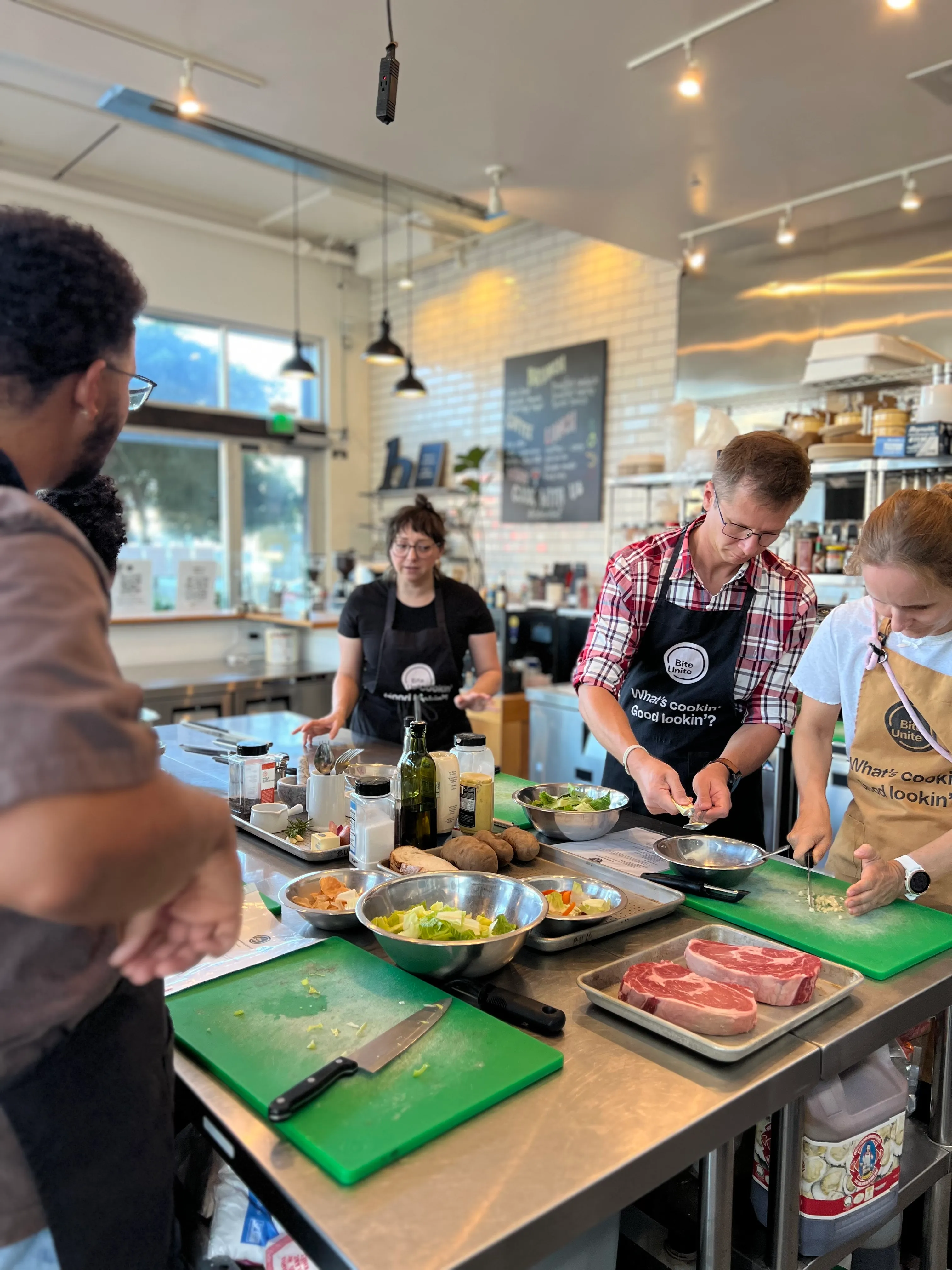
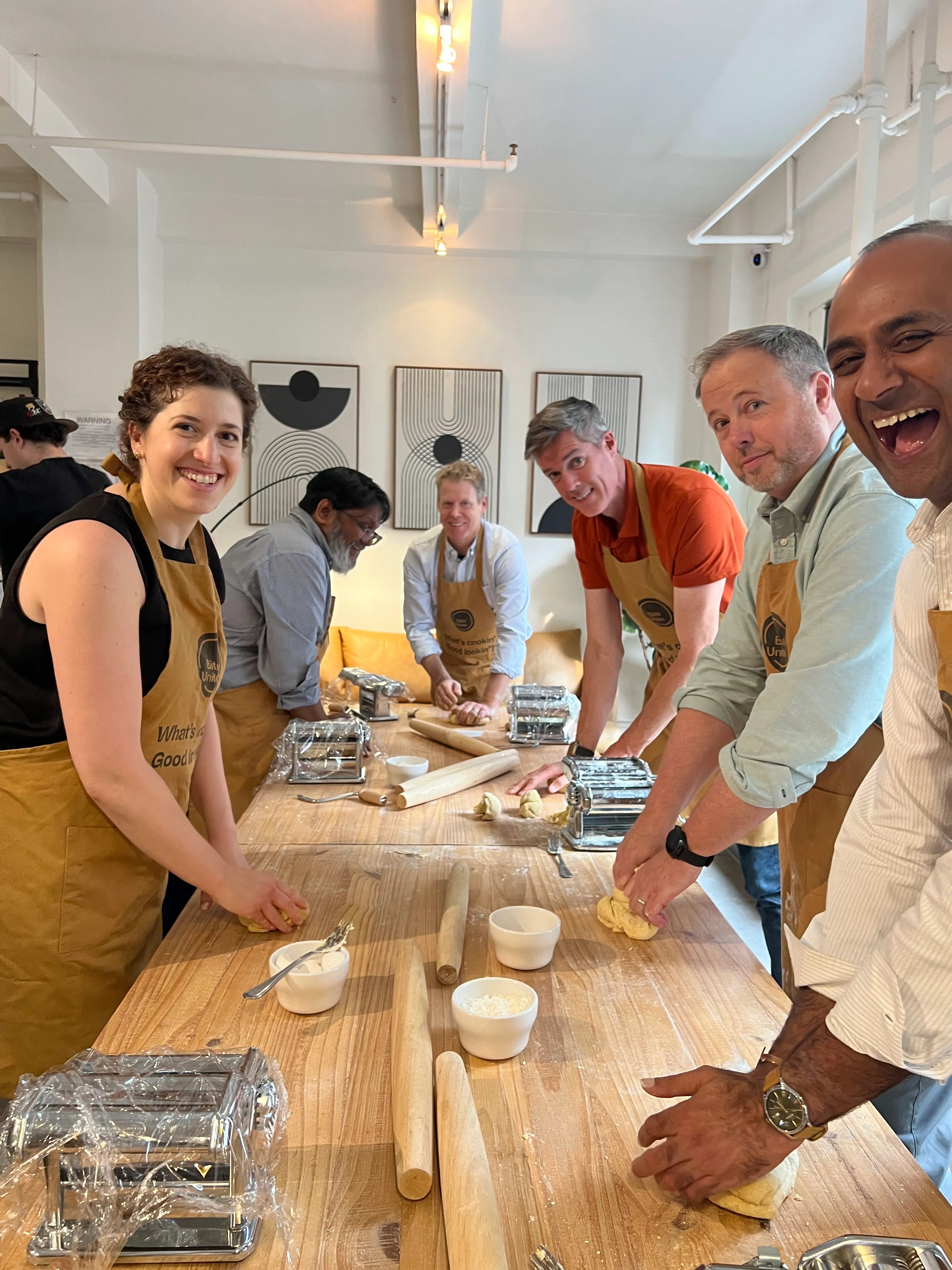
Not every group wants the same night, and a good plan accounts for that before anyone shows up. Mixed-energy groups, where some friends want competition and others want conversation, tend to do best with an activity that has built-in downtime, like a cooking class where chopping and plating naturally slows the pace between bursts of teamwork.
Accessibility matters more than most planning guides mention. Call ahead about step-free entry, seating availability, and noise levels if anyone in your group has mobility needs or is sensitive to loud environments. Piano bars and cooking classes tend to be easier on this front than multi-level arcade venues or physically demanding Quests.
Budget-conscious groups should lean toward trivia nights, brewery halls, or a shared cooking class, all of which put a fixed, known cost per person, rather than an open bar tab that can spiral by round three.
For groups who don’t drink, or who have a mix of drinkers and non-drinkers, activity-first plans age better than bar crawls. A Quest, a class, or a mini-golf night gives everyone something to do regardless of what’s in their glass.
A Local Take on Picking the Right Boston Night
Most people over-plan the wrong part of the night. They spend an hour picking the perfect restaurant and five minutes deciding what happens after dinner ends, which is exactly backward. The activity is what people remember; the meal is what fills the gaps around it.
My favorite low-effort, high-reward combo for a Boston friend group is a BiteUnite class followed by a short walk to a rooftop bar. It costs less mental energy than a bar crawl, gives everyone a shared story to tell, and still leaves room for a spontaneous second stop if the night’s going well. Pace matters more than people think: book the anchor activity for early evening, not late, so a slow start doesn’t compress everything else into a rush.
— Patta
Book Your Boston Friends Night Out With BiteUnite
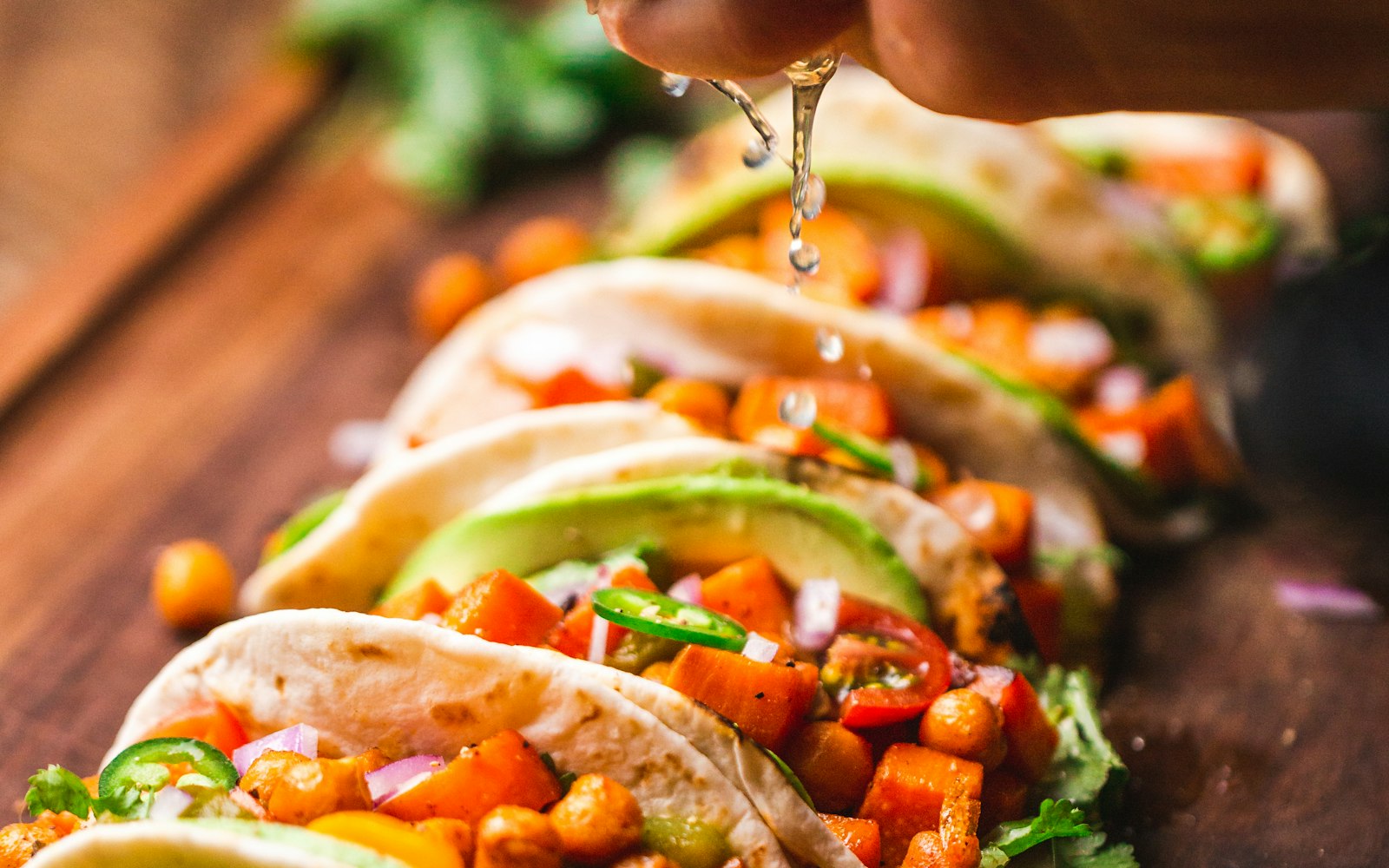
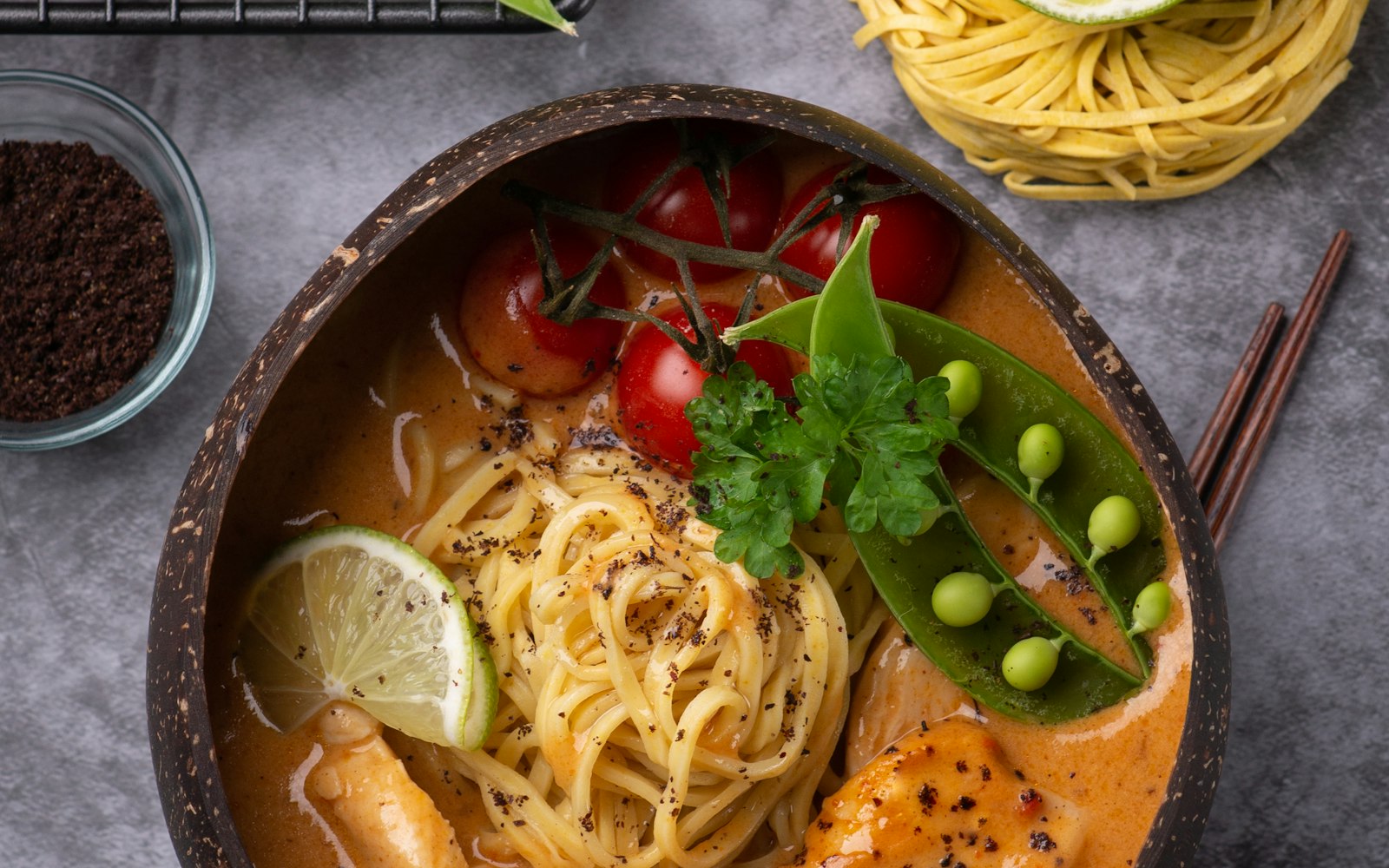
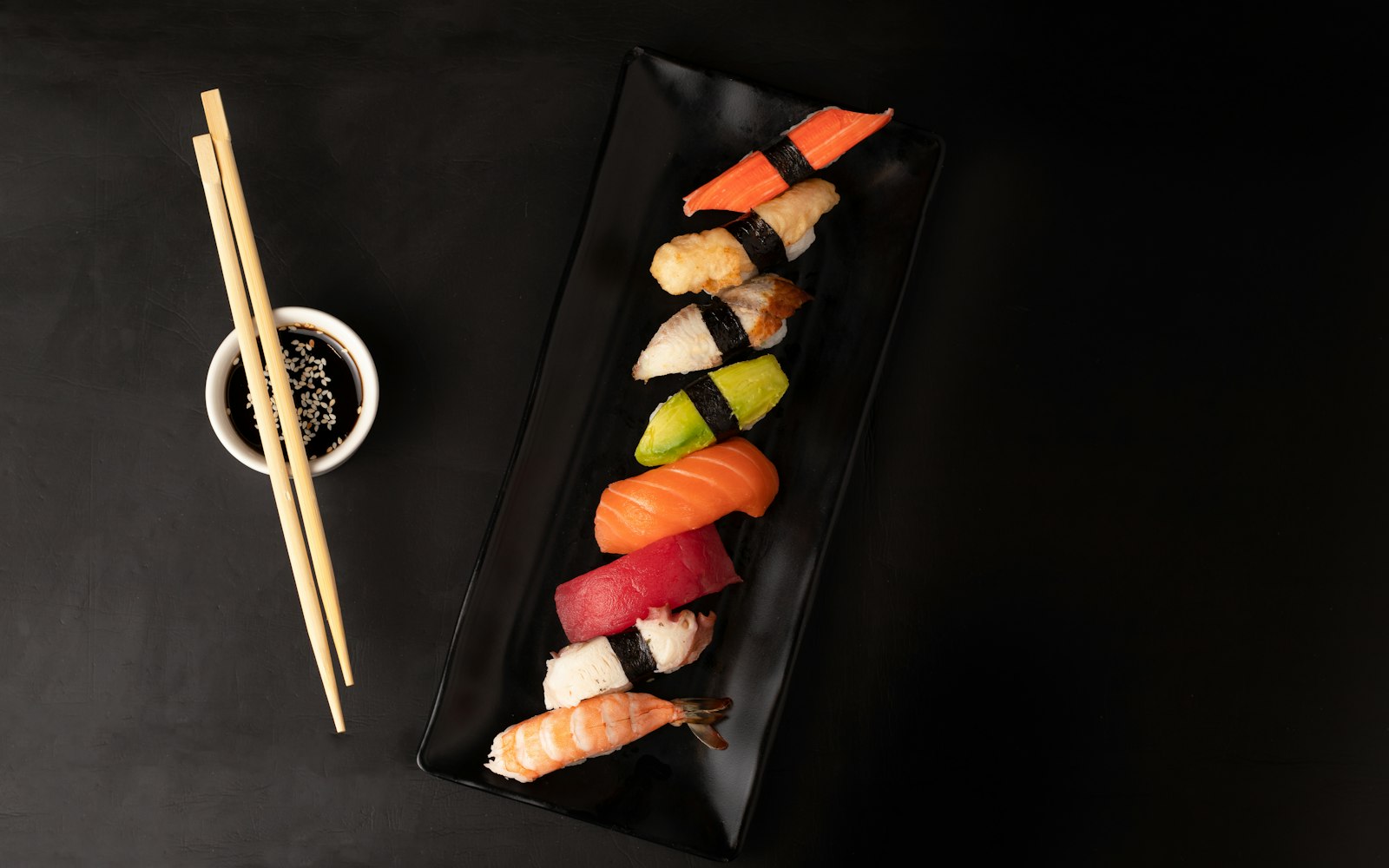
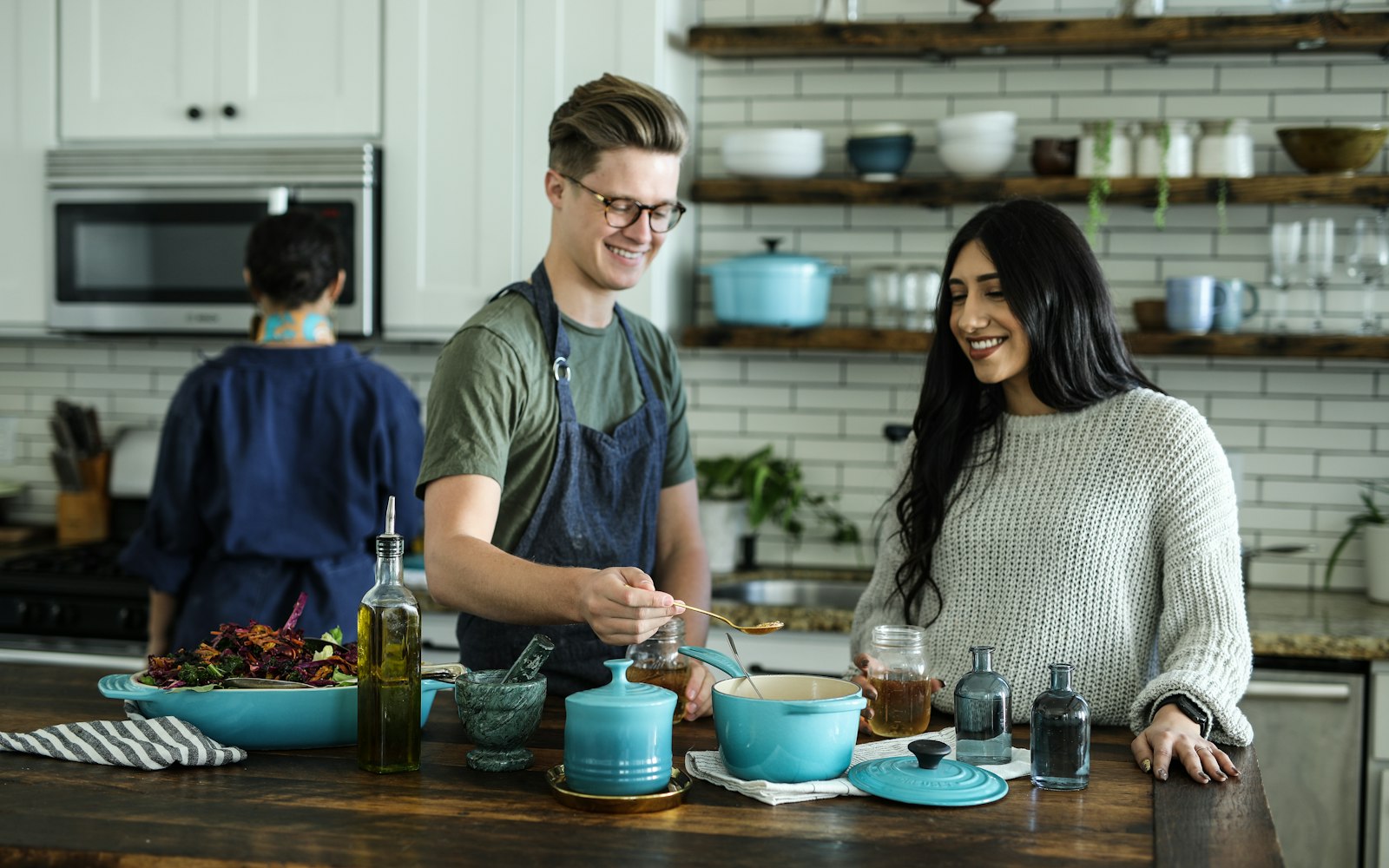
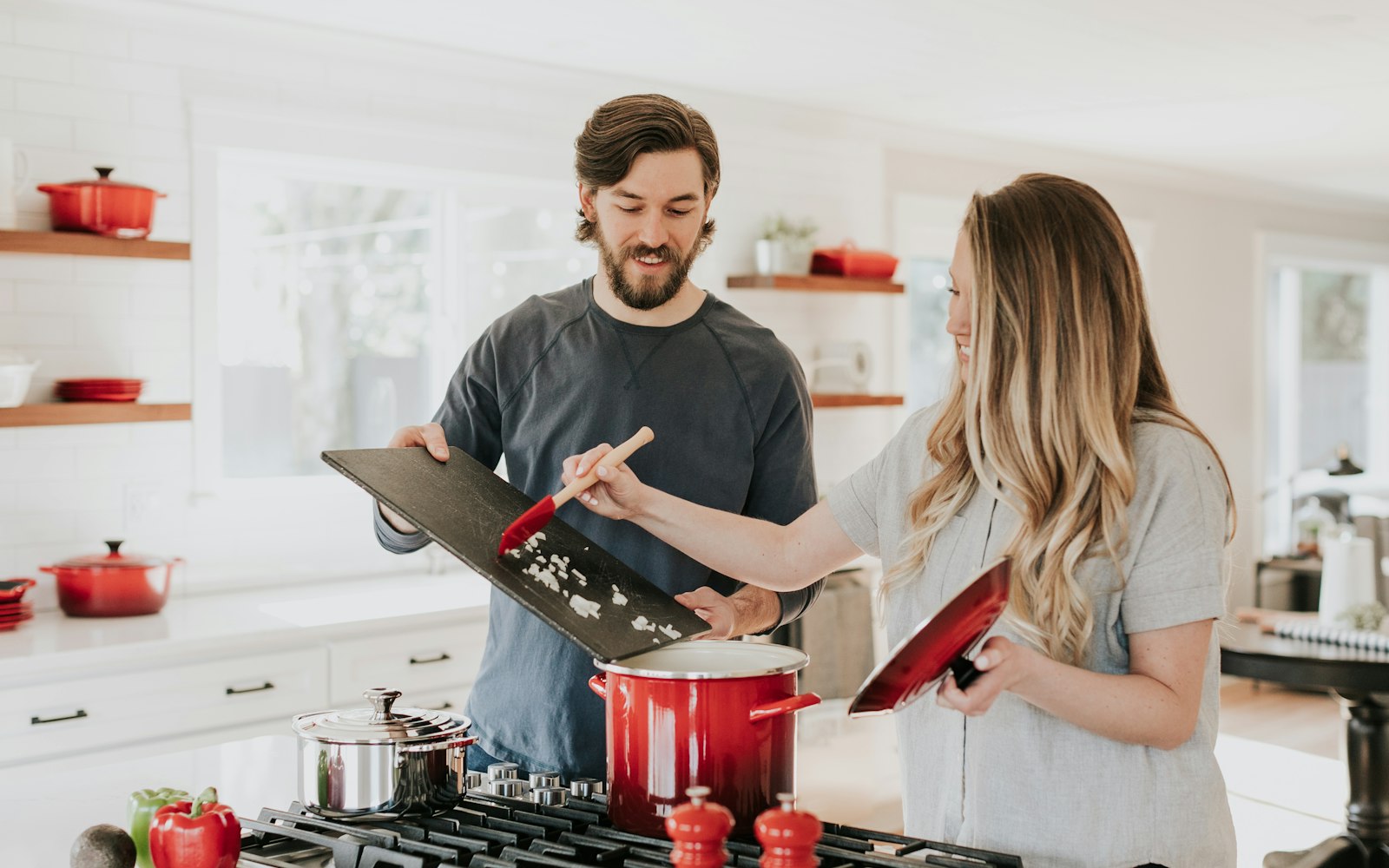
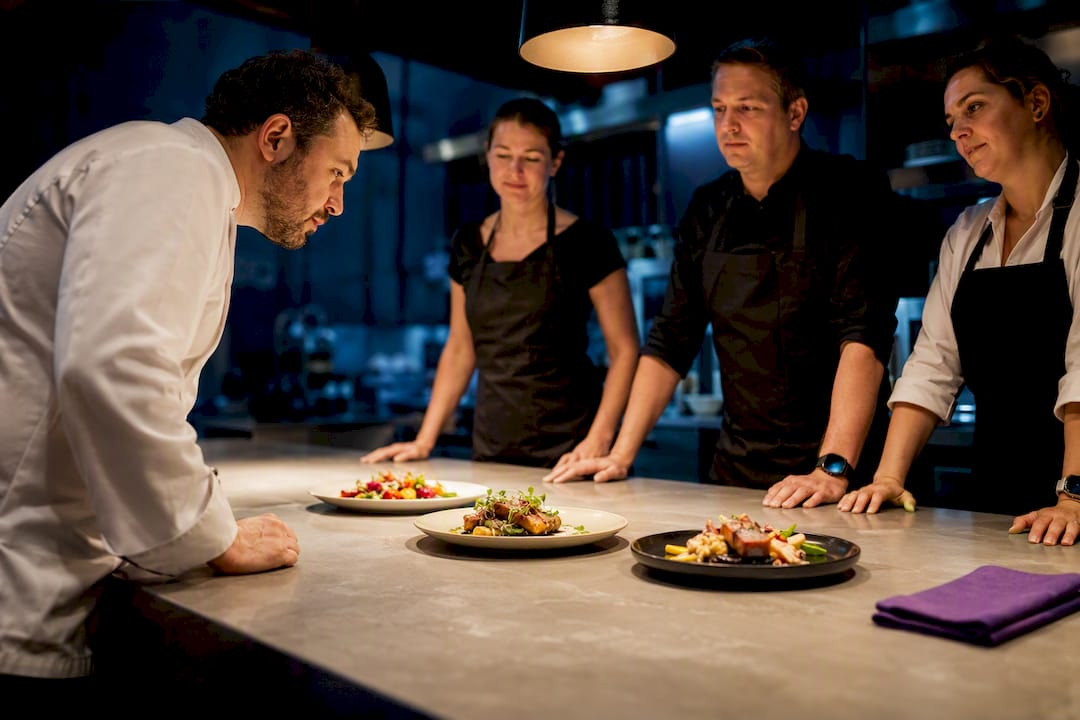
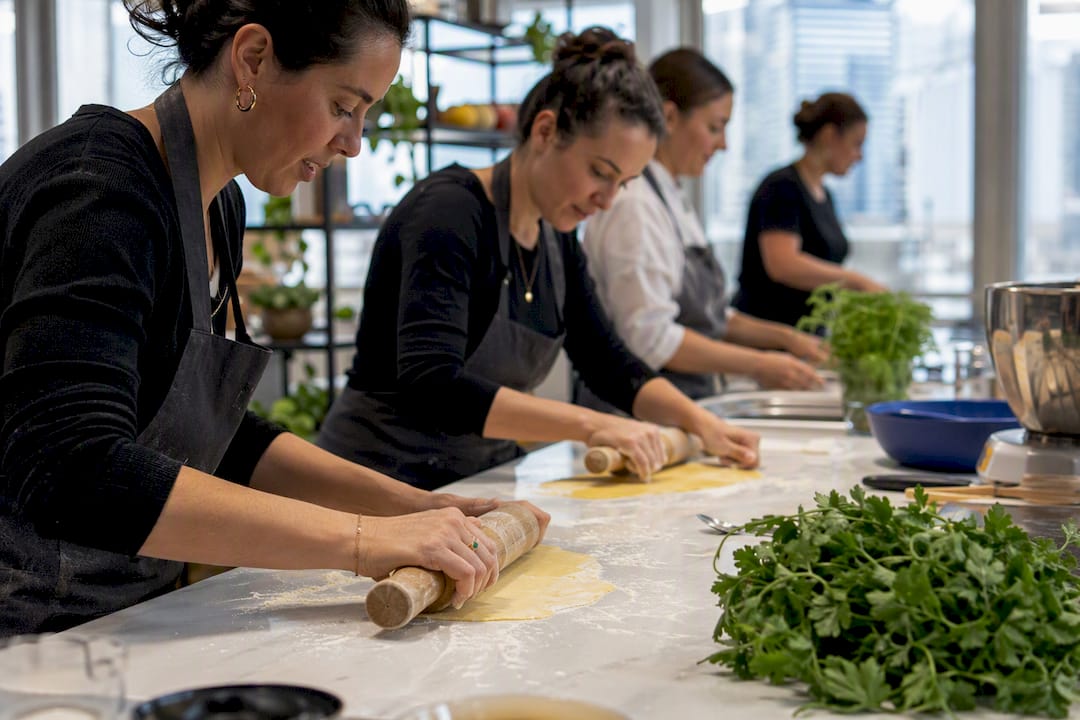
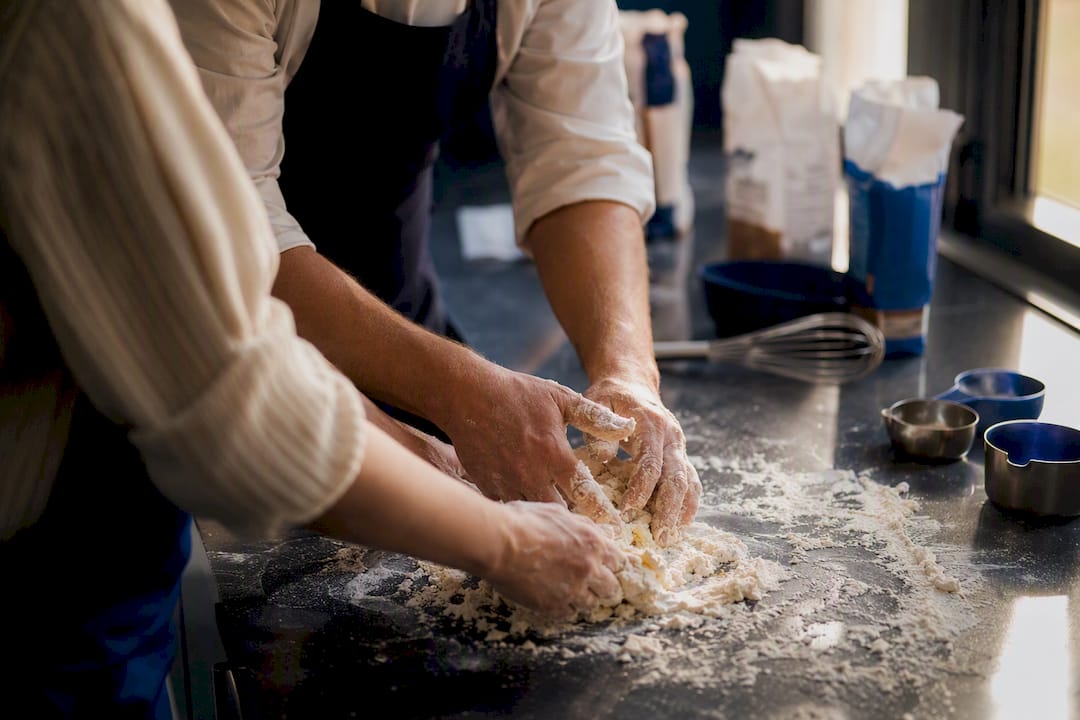
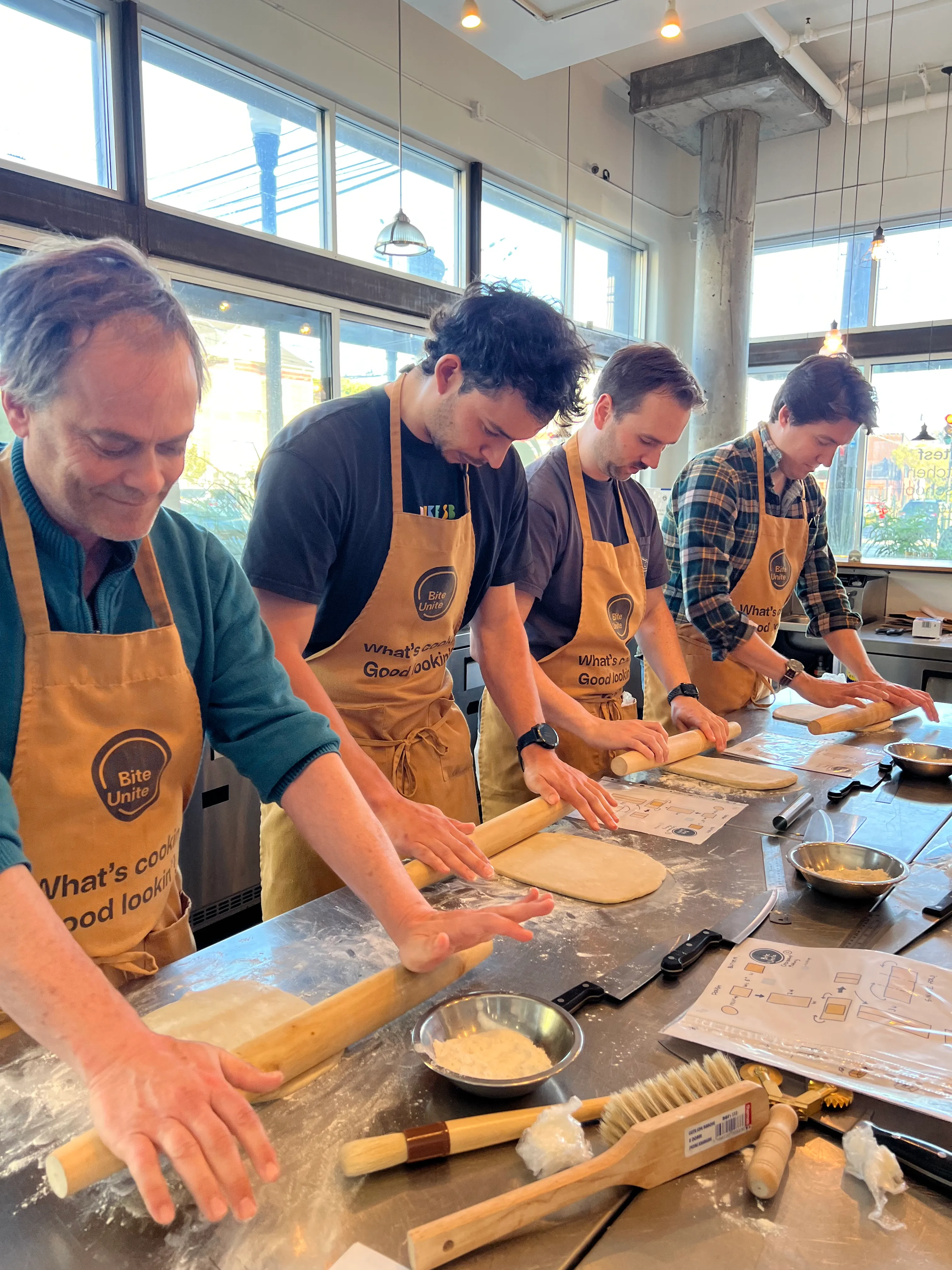
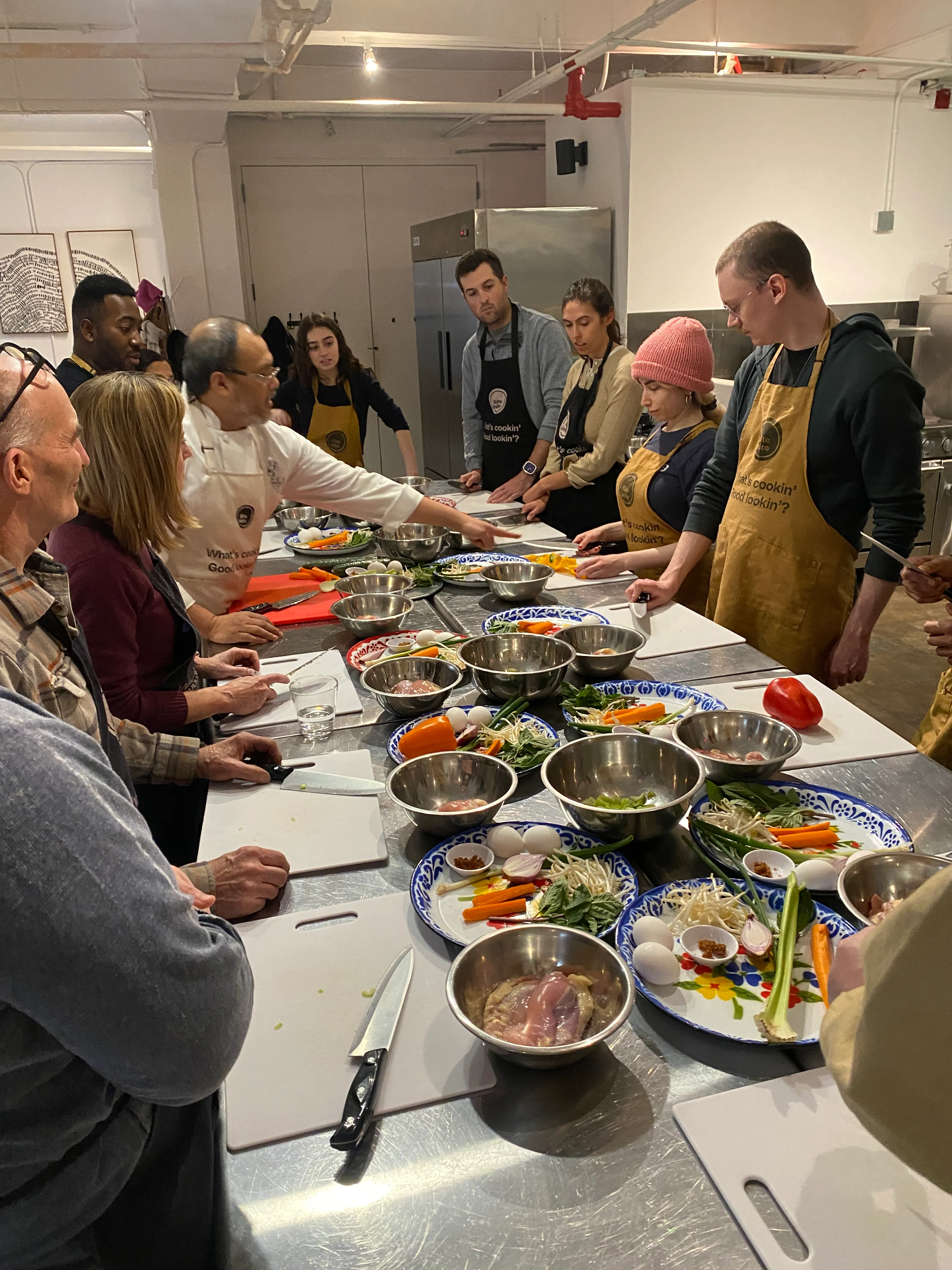
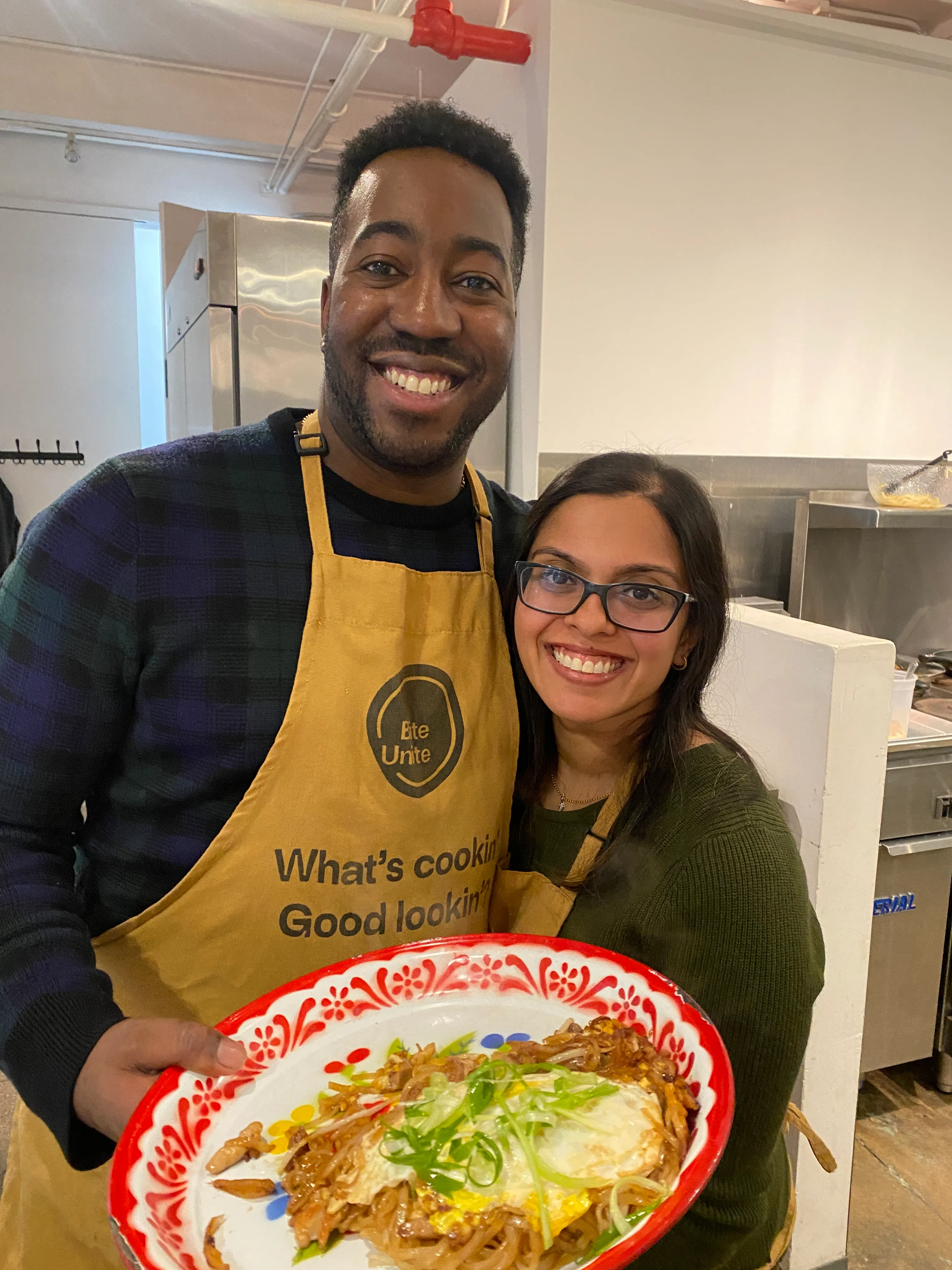
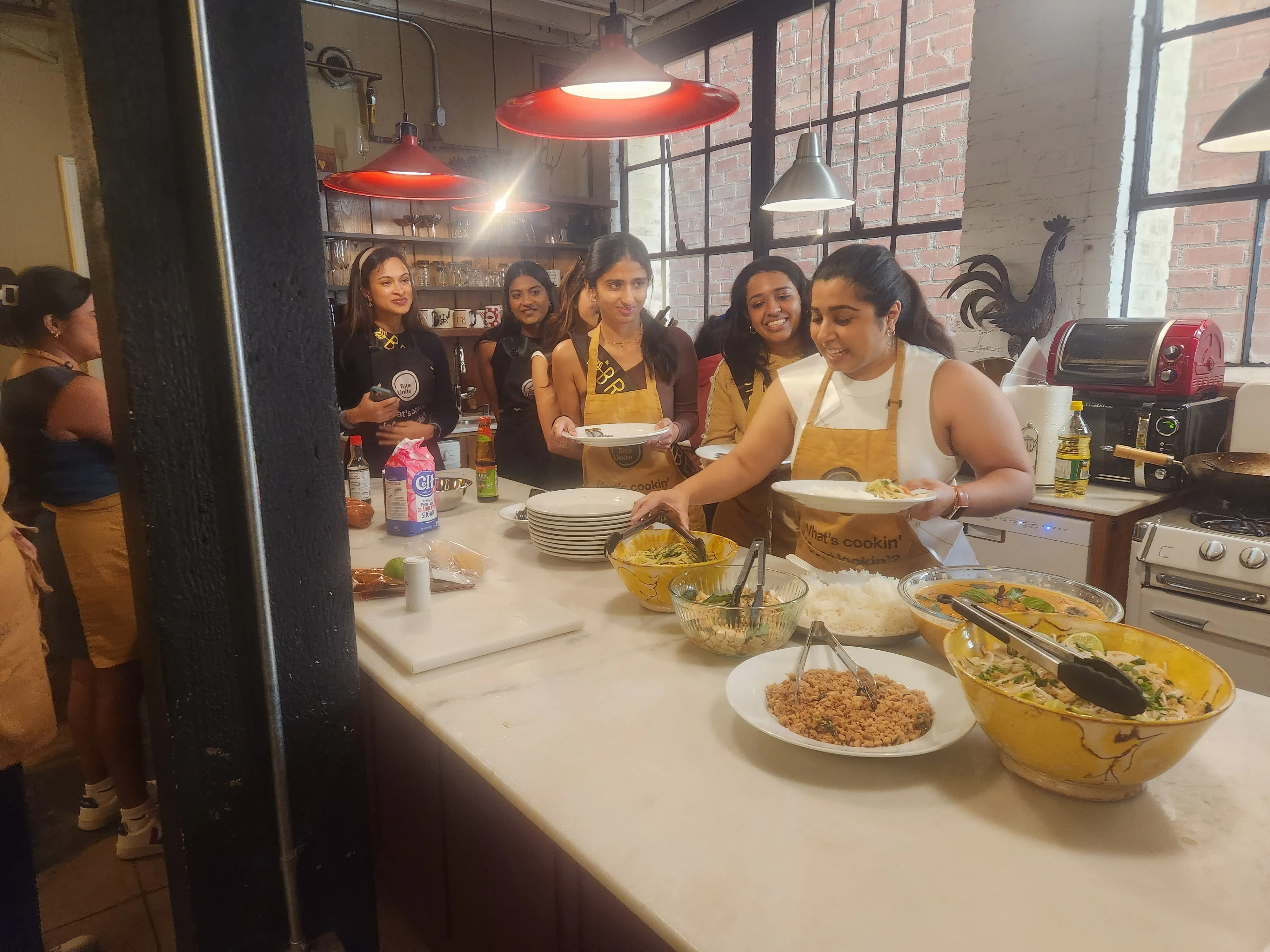
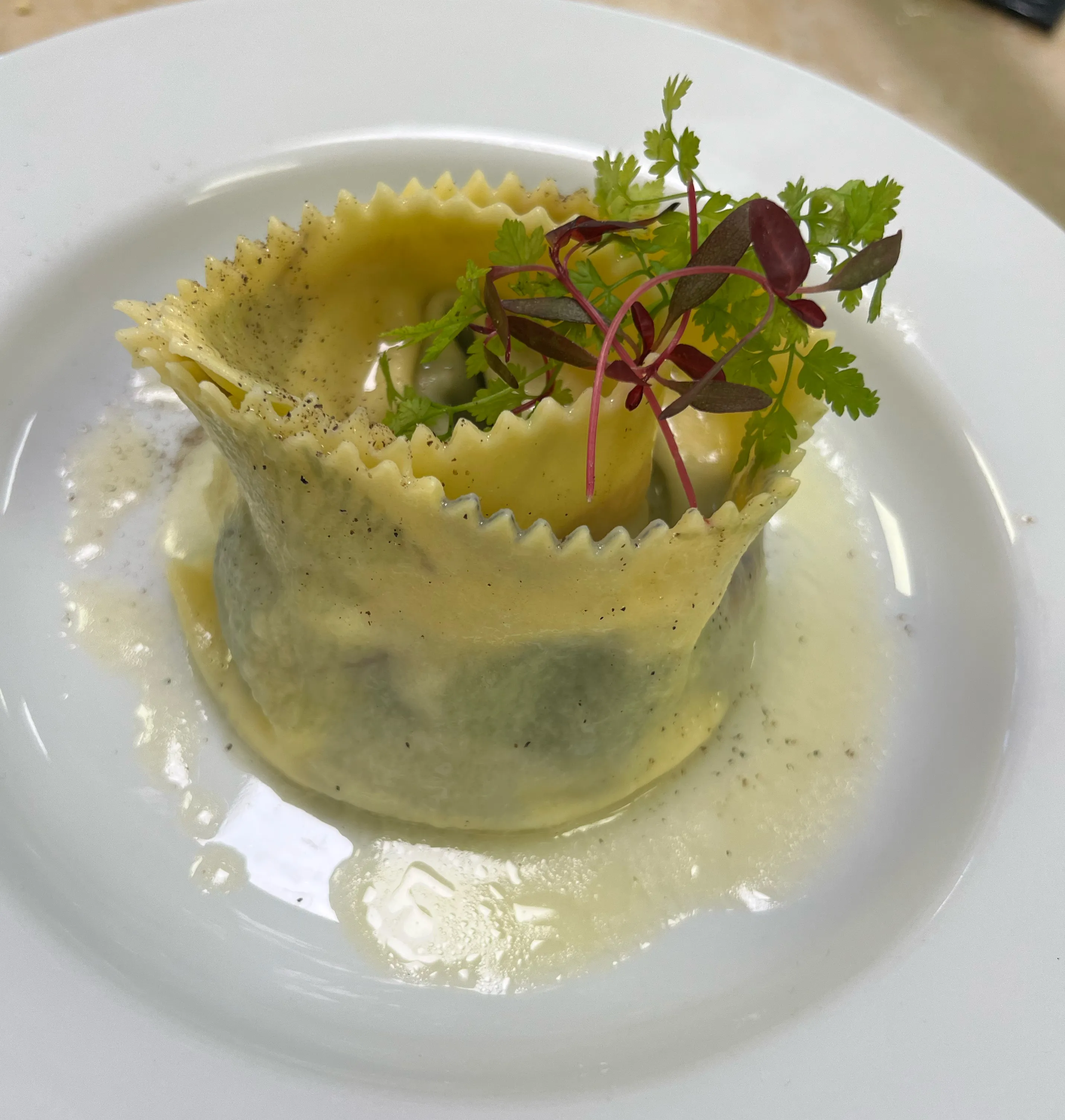
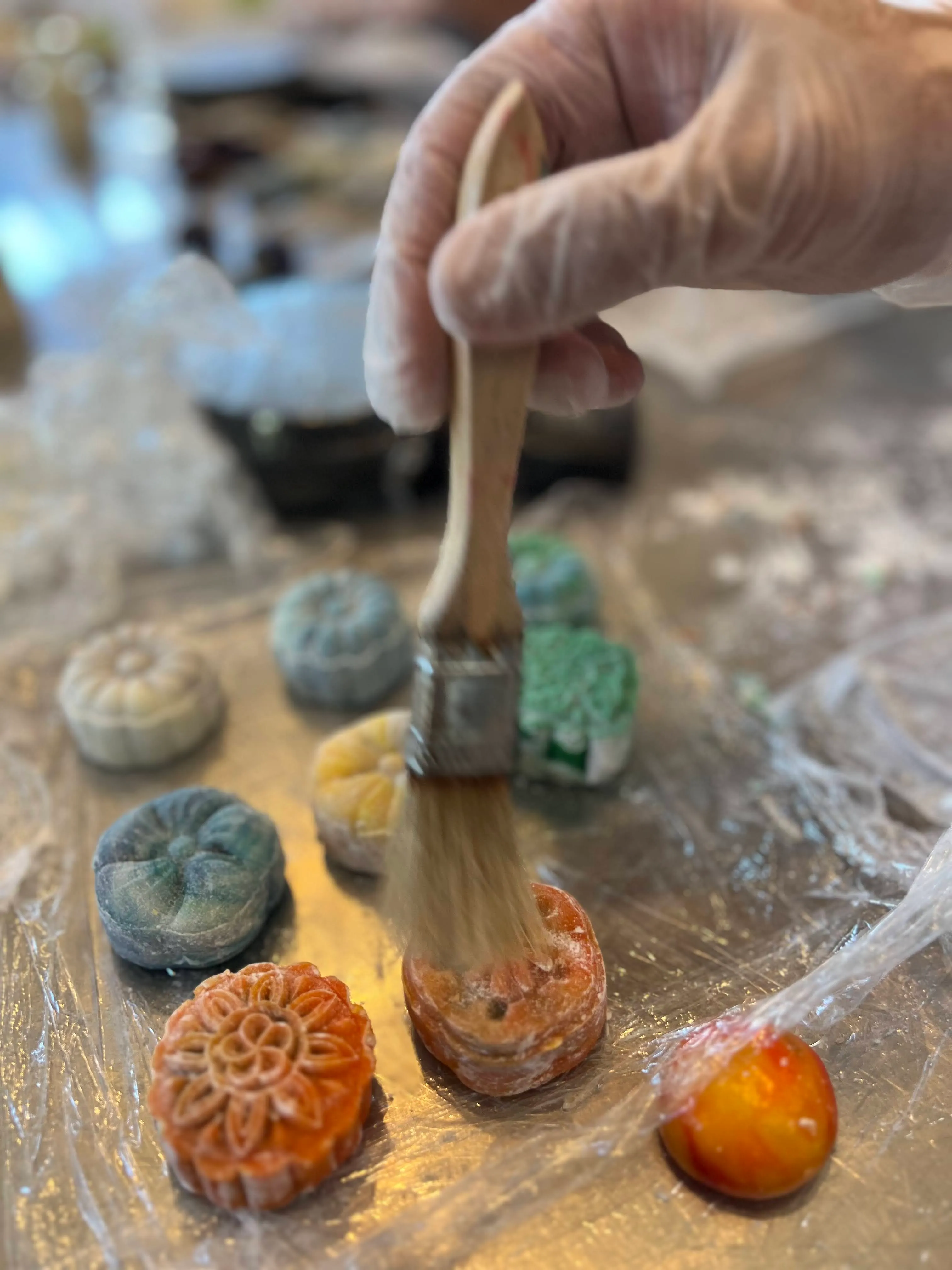
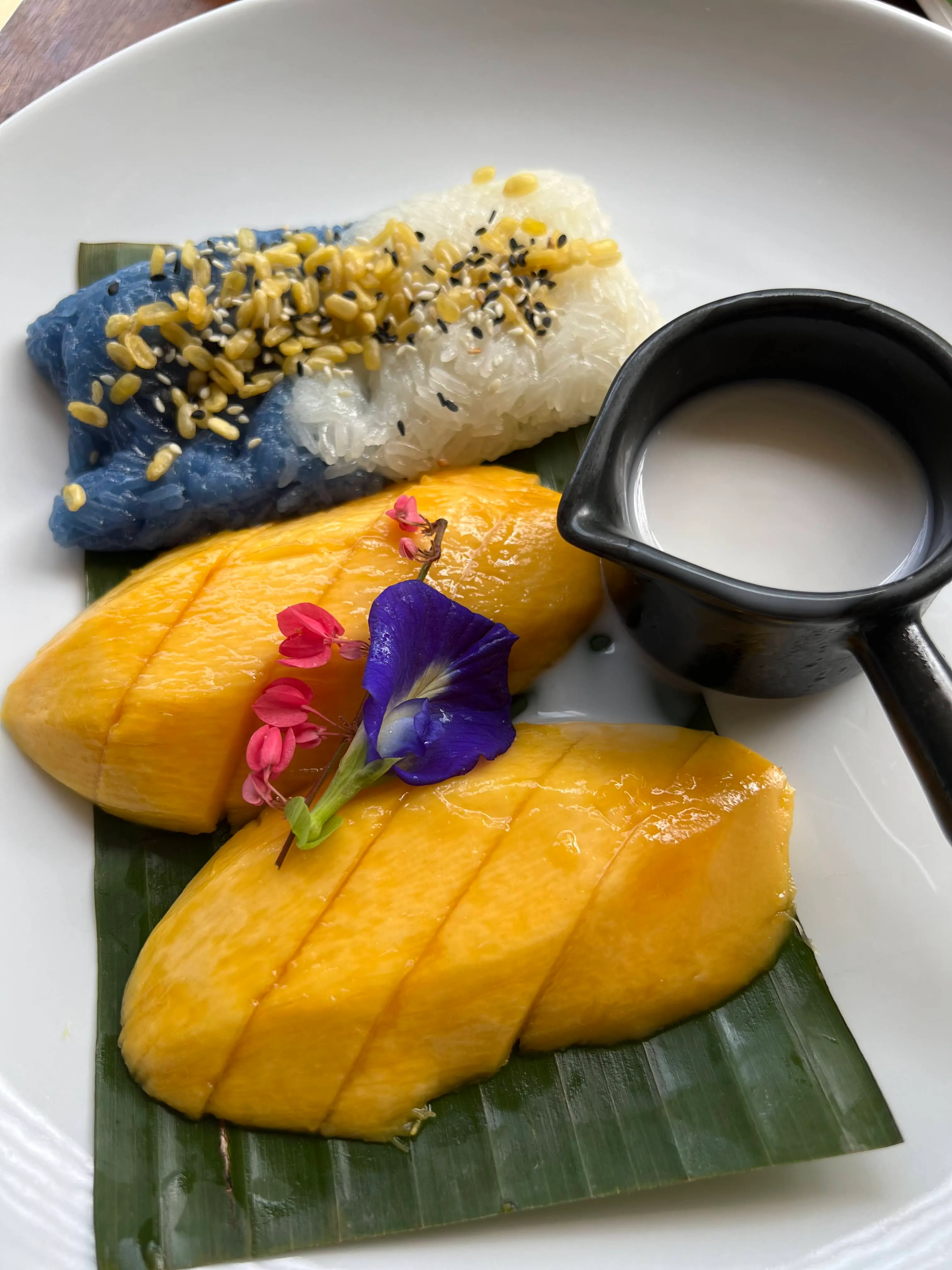
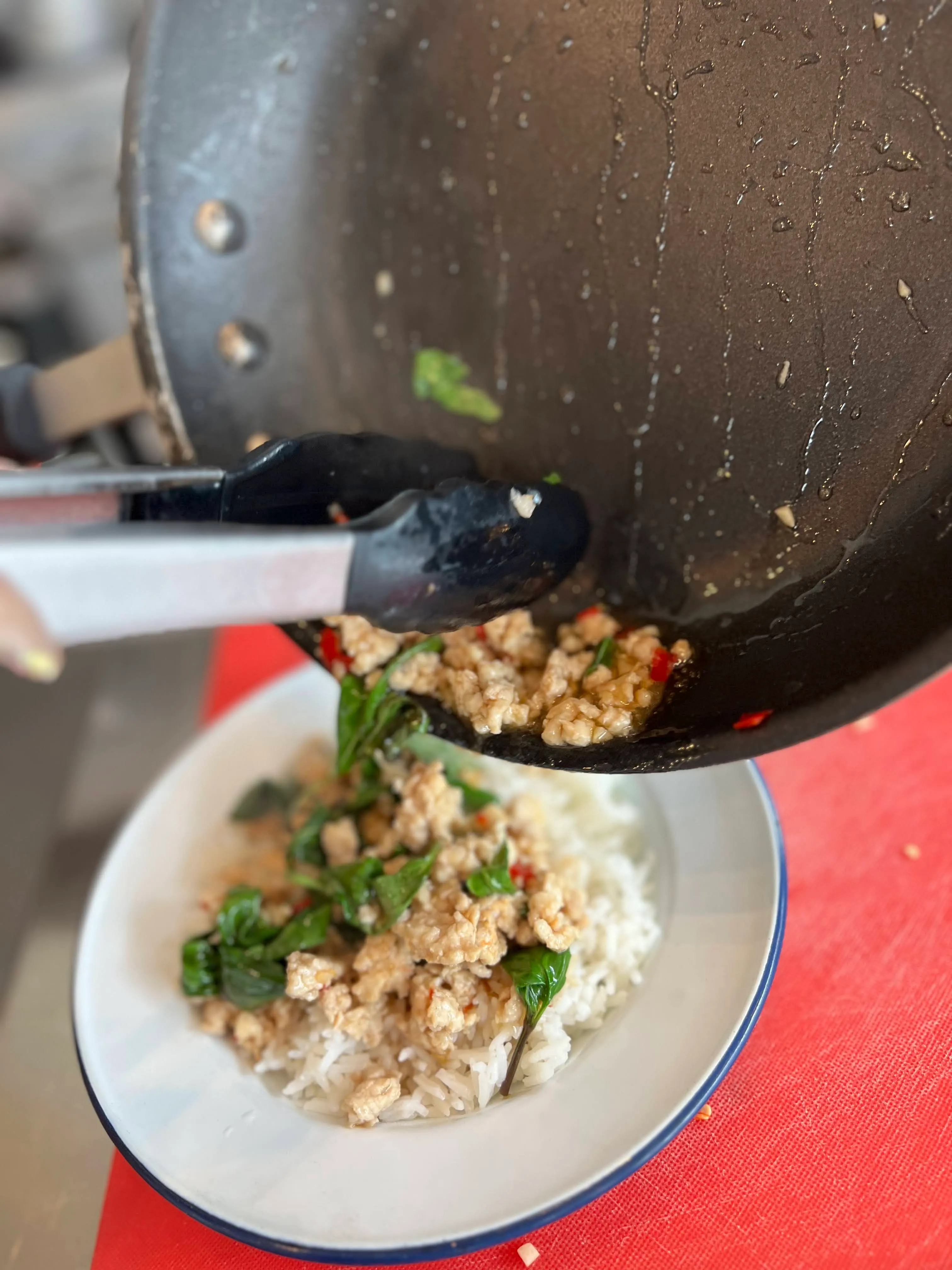
BiteUnite fits this whole plan better than a standard bar crawl because it solves the two hardest parts of a group night at once: giving everyone something to do together and putting dinner on the table without a separate reservation. A hands-on class in pasta, Thai, or sushi turns “what should we do tonight” into an actual answer, and it scales from a small friend group to a full private party if you want the whole room to yourselves.
If you’re ready to lock in a date, check available class times on the Boston cooking class page and book directly for your group. Private bookings and digital gift cards are both available if you’re planning around a birthday or a reunion rather than a random Friday. For a broader look at what’s on offer citywide, the Boston class booking page lists current openings by date and class type.
Sources
- Fun Quests & group activities Boston | Boda Borg Boston
- Boston in 48 hours — friends’ fun & vibrant weekend | TheNextGuide
- The 88 Club — piano bar (Back Bay)


































.webp)