Master Wine Pairing in 1–4 Hours With Hands On Cooking Classes
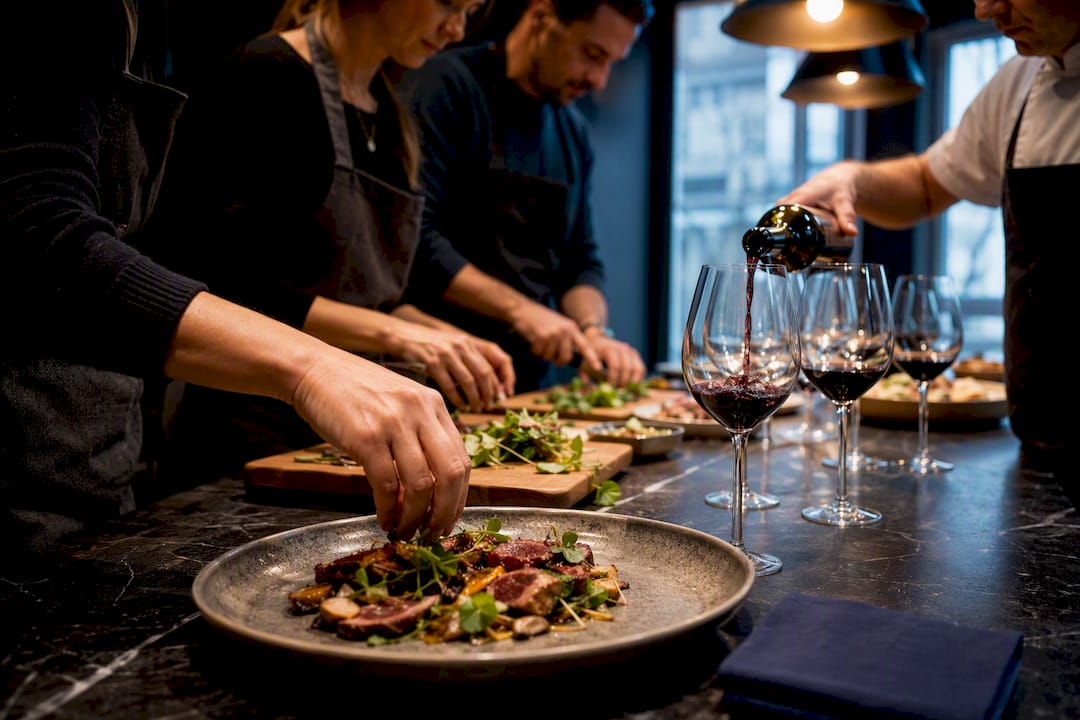
Wine pairing cooking classes combine hands-on cooking with guided wine tastings to teach practical pairing rules and cooking techniques you’ll actually use again. You cook a real meal, taste wine alongside each course, and walk away knowing why a crisp white cuts through cream sauce or why tannin needs fat. They suit beginners, couples looking for a fun date night, and teams who want a shared activity that feels more like a party than a seminar.
TL;DR:
- Using high-acidity wines is crucial as they cut through rich, creamy, or fried dishes and are the most reliable pairing tool.
- Pairing focus should be on the structure of the dish, such as acidity balancing fat or tannin matching protein and fat, rather than just on color.
- Cooking with wine concentrates its flaws, so selecting a good drinkable wine is essential to avoid extracting undesirable flavors in sauces and reductions.
- Small, interactive, hands-on classes with expert guidance offer the fastest way to develop wine pairing intuition through immediate tasting feedback.
- Dietary restrictions like vegetarian or gluten-free options require pairing based on preparation and texture, not just main ingredients or labels.
Table of Contents
- What Happens in a Wine Pairing Cooking Class?
- What Are the Different Class Formats?
- What Pairing and Cooking Skills Will You Learn?
- How Much Do These Classes Cost, and How Long Do They Run?
- How Do You Choose the Right Class?
- What Mistakes Do People Make When Pairing Wine and Food?
- How Do You Pair Wine With Vegetarian and Gluten-Free Meals?
- Why Hands-On Wine Pairing Classes Actually Work
- Book a Hands-On Class With Biteunite
- Sources
What Happens in a Wine Pairing Cooking Class?
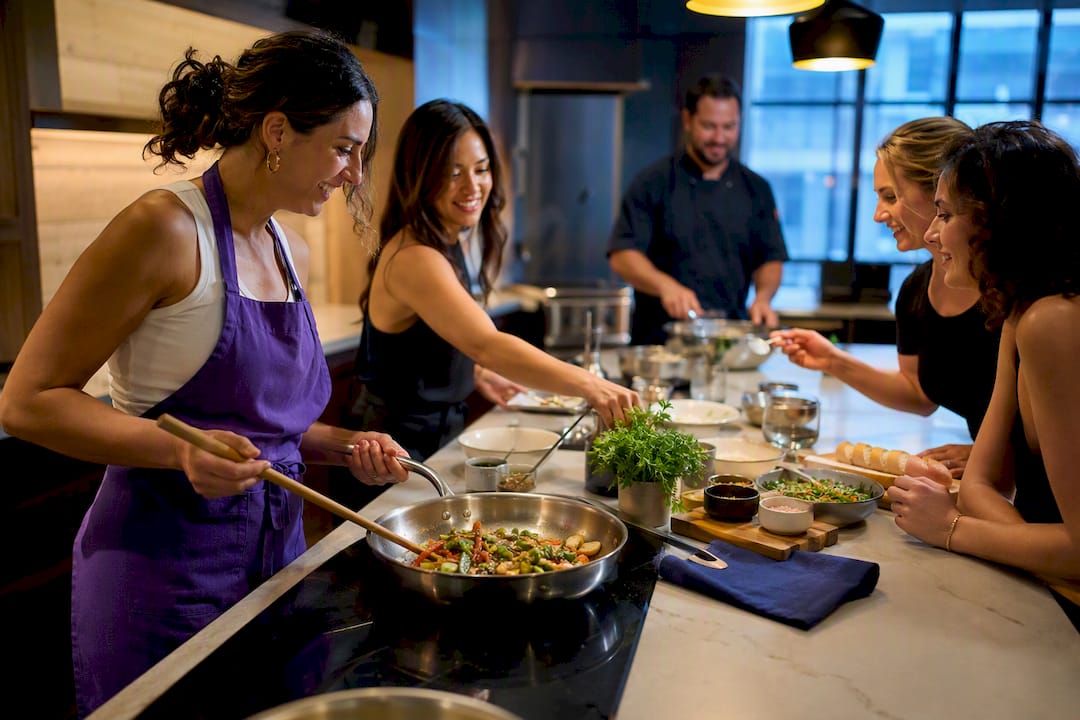
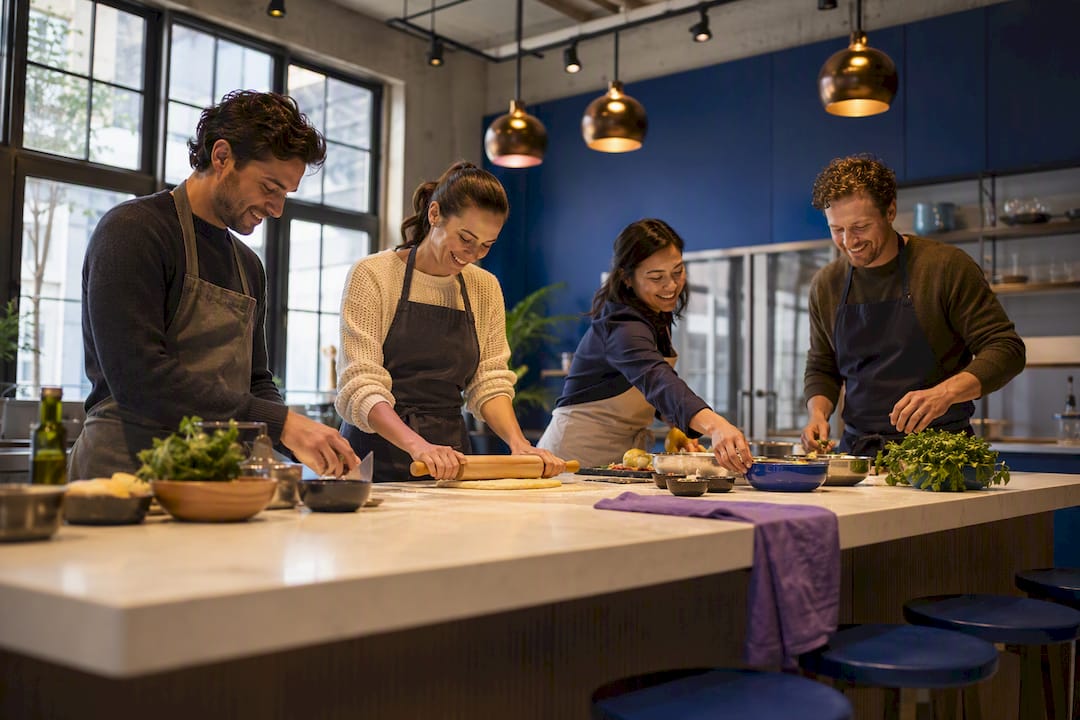
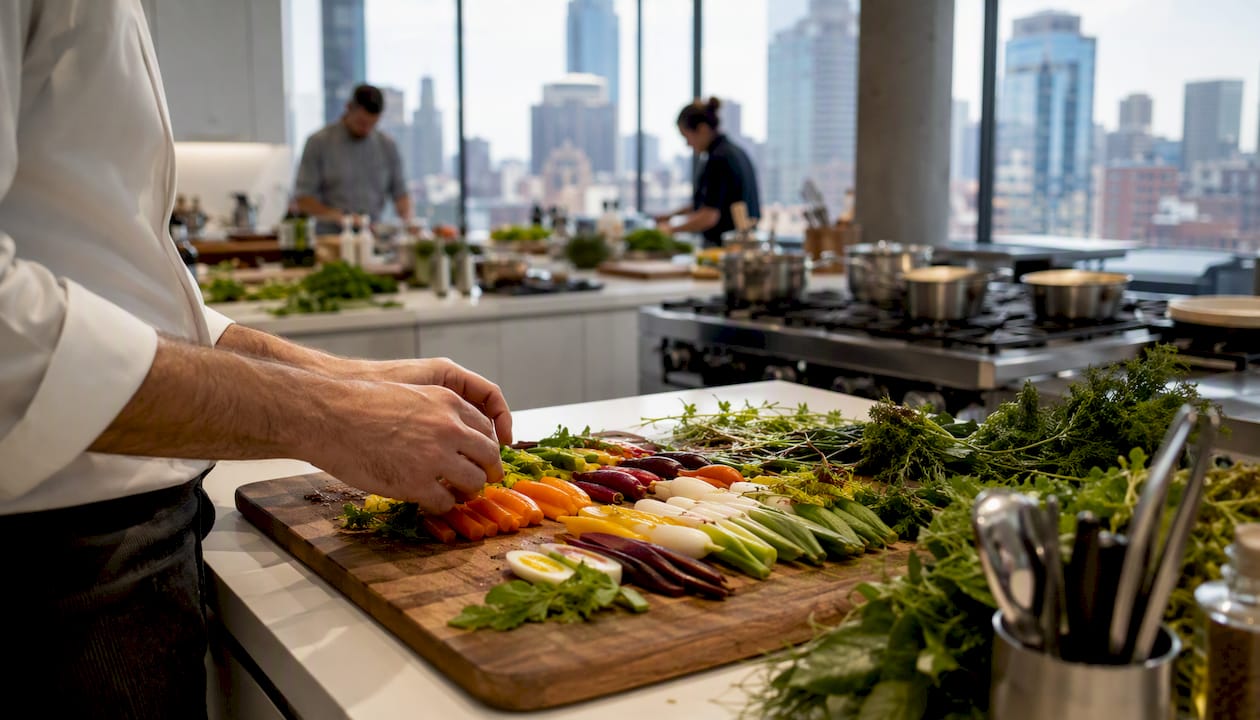
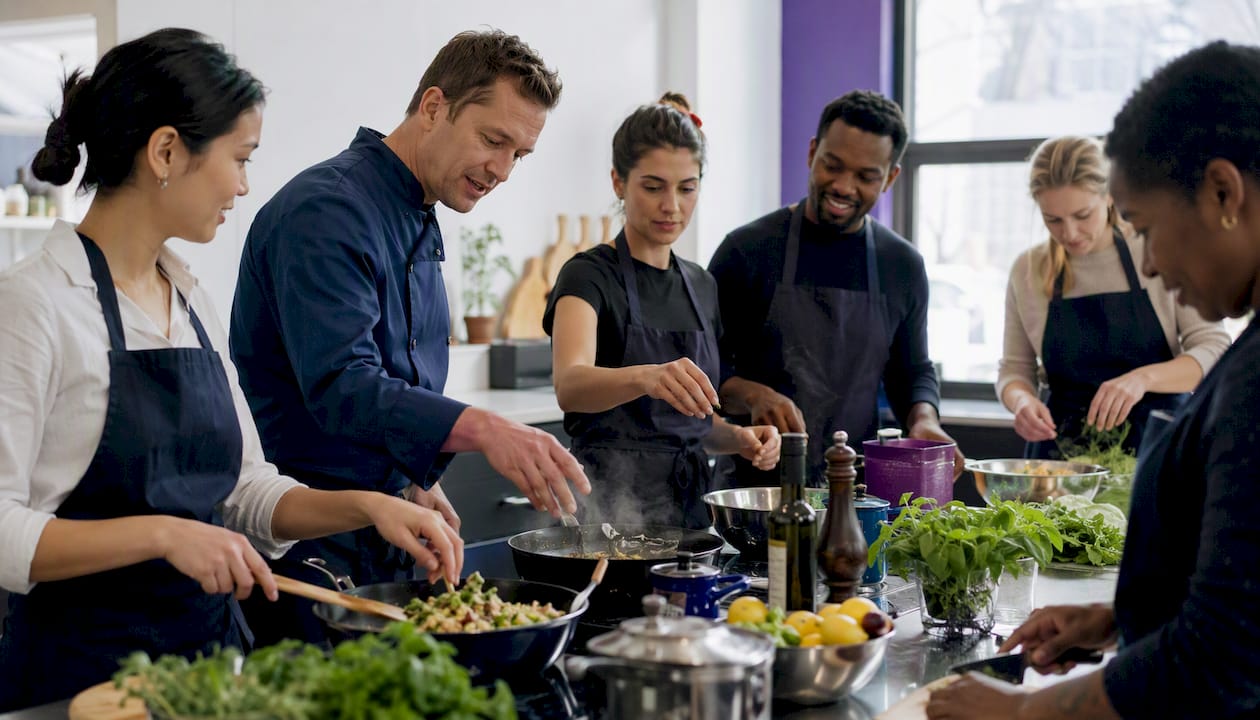
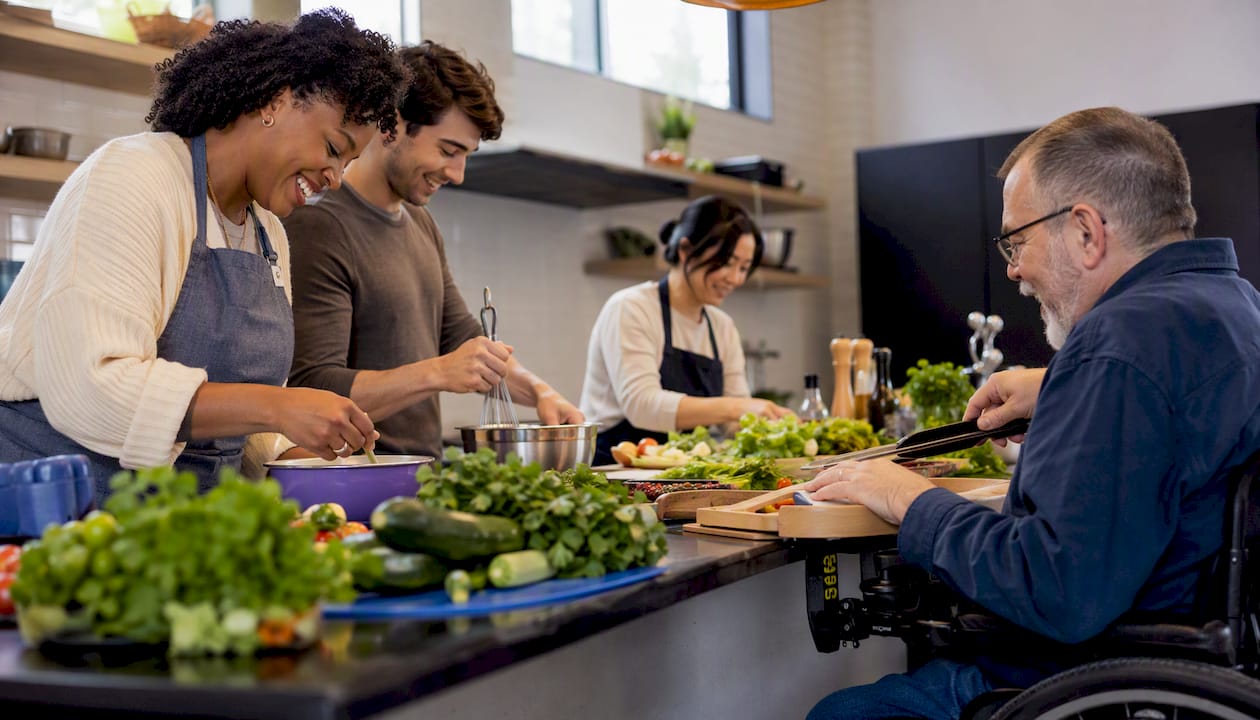
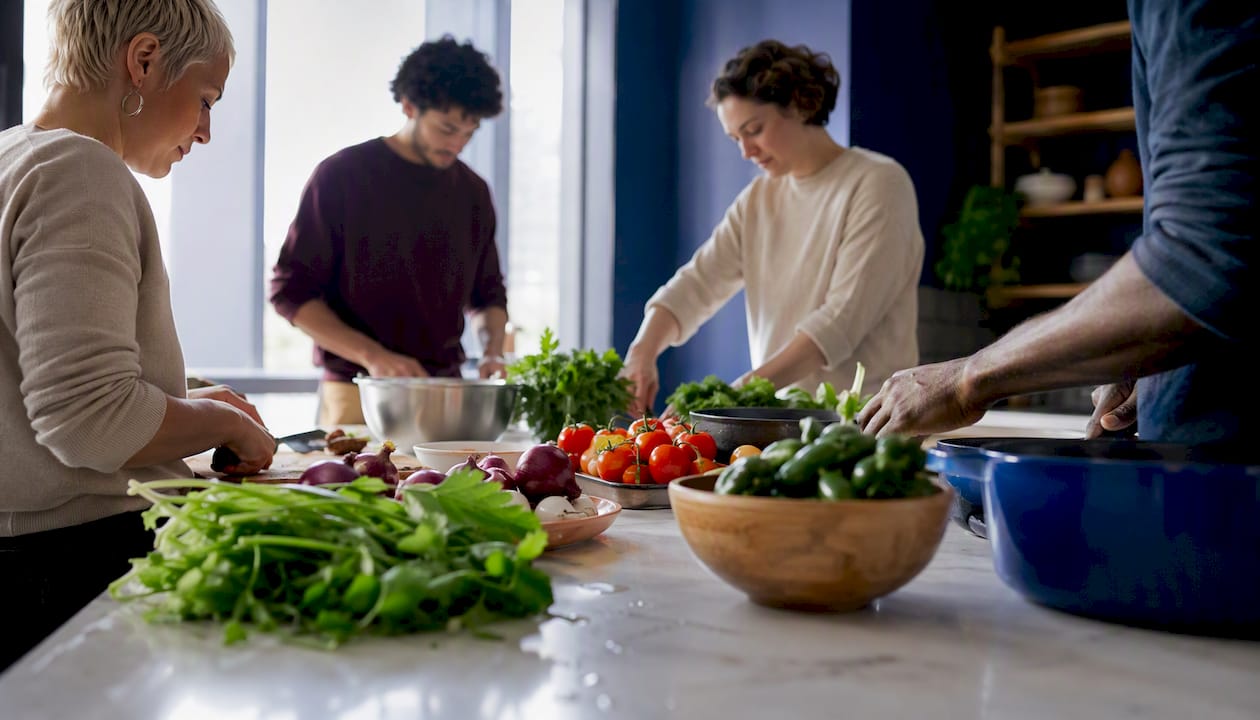
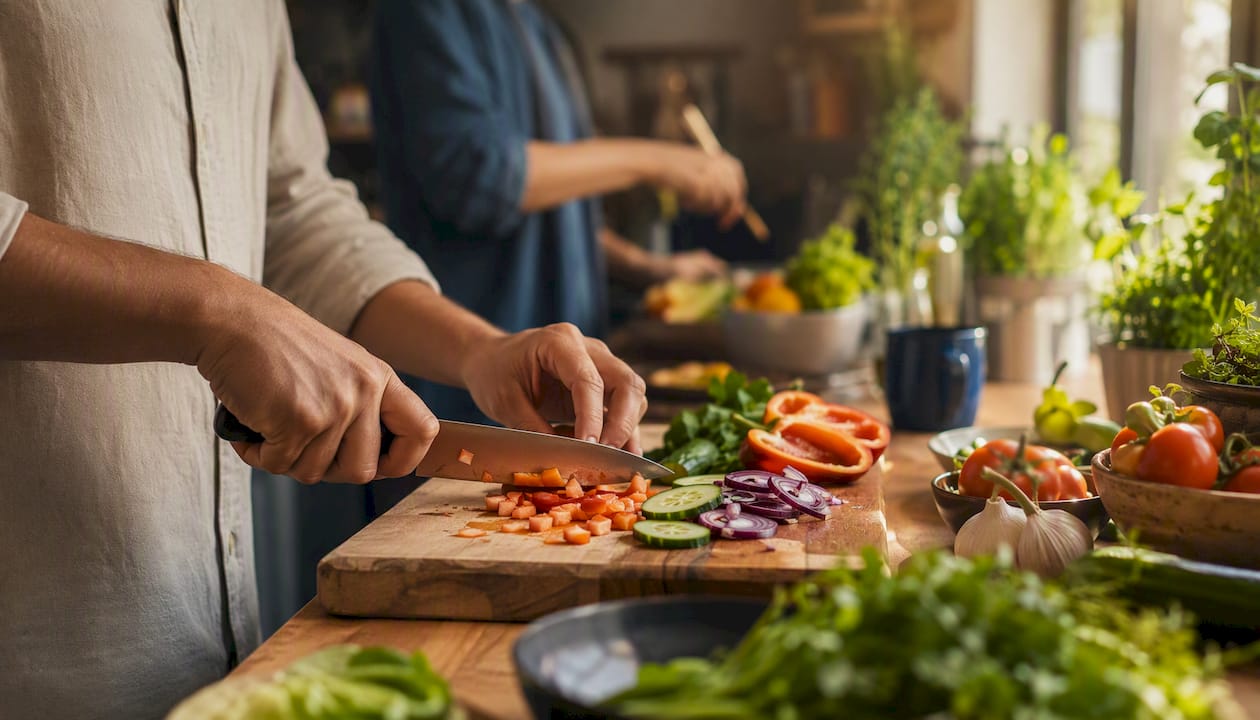
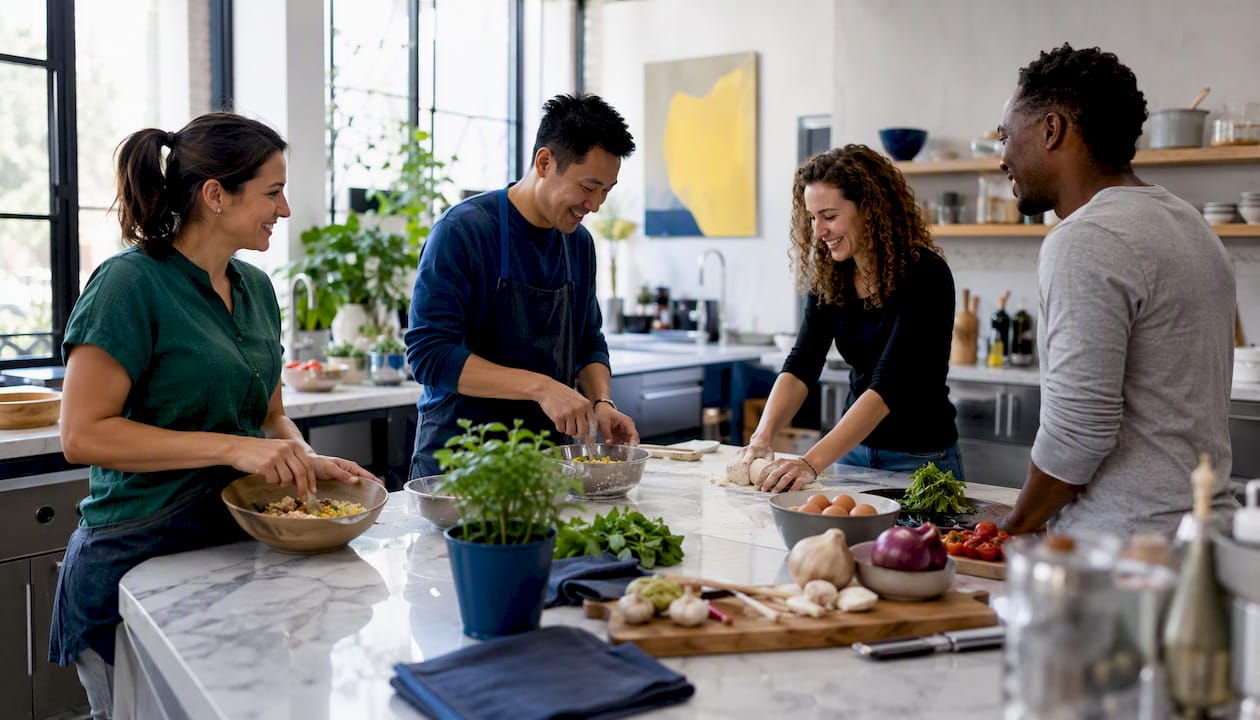
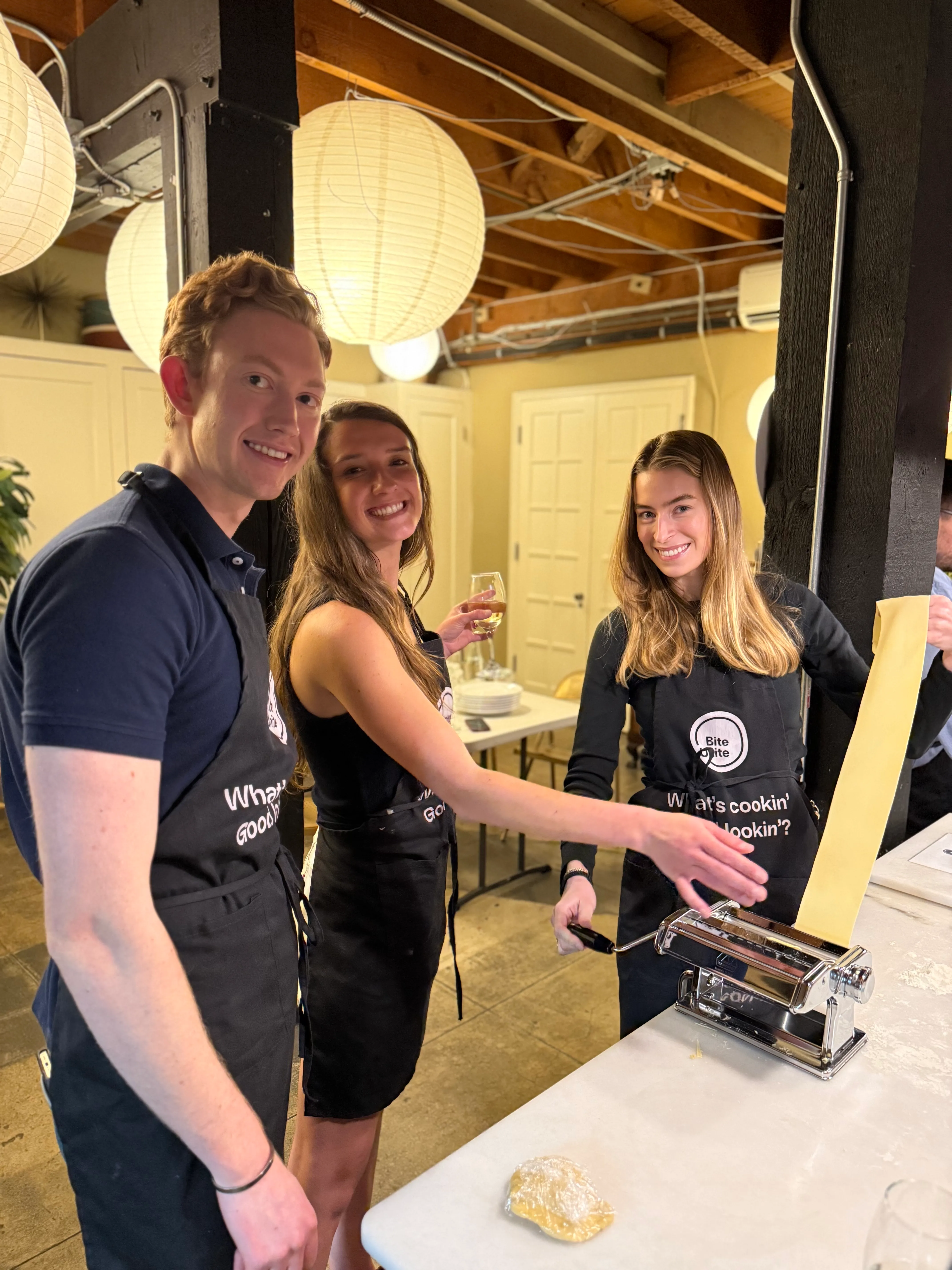
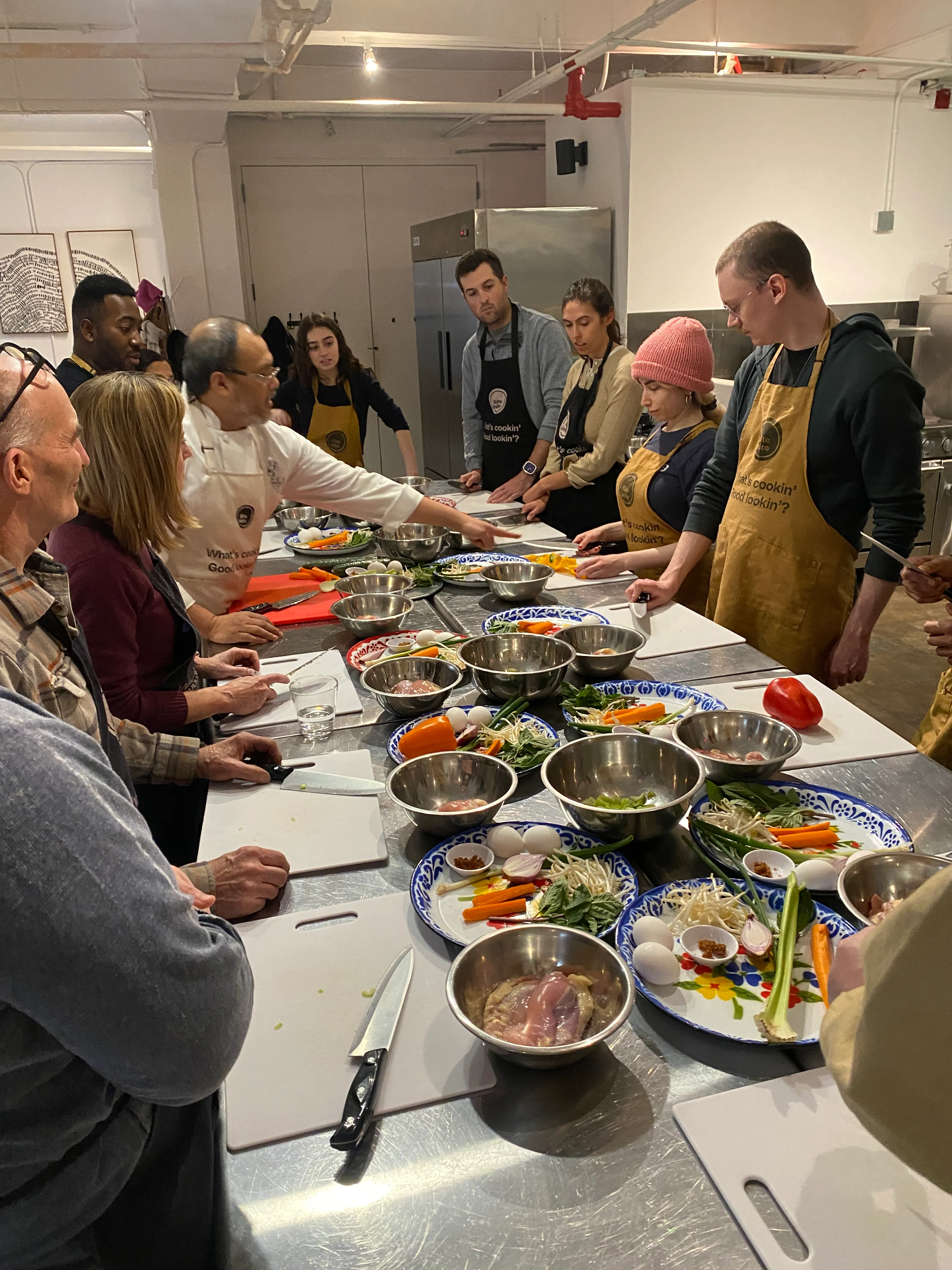
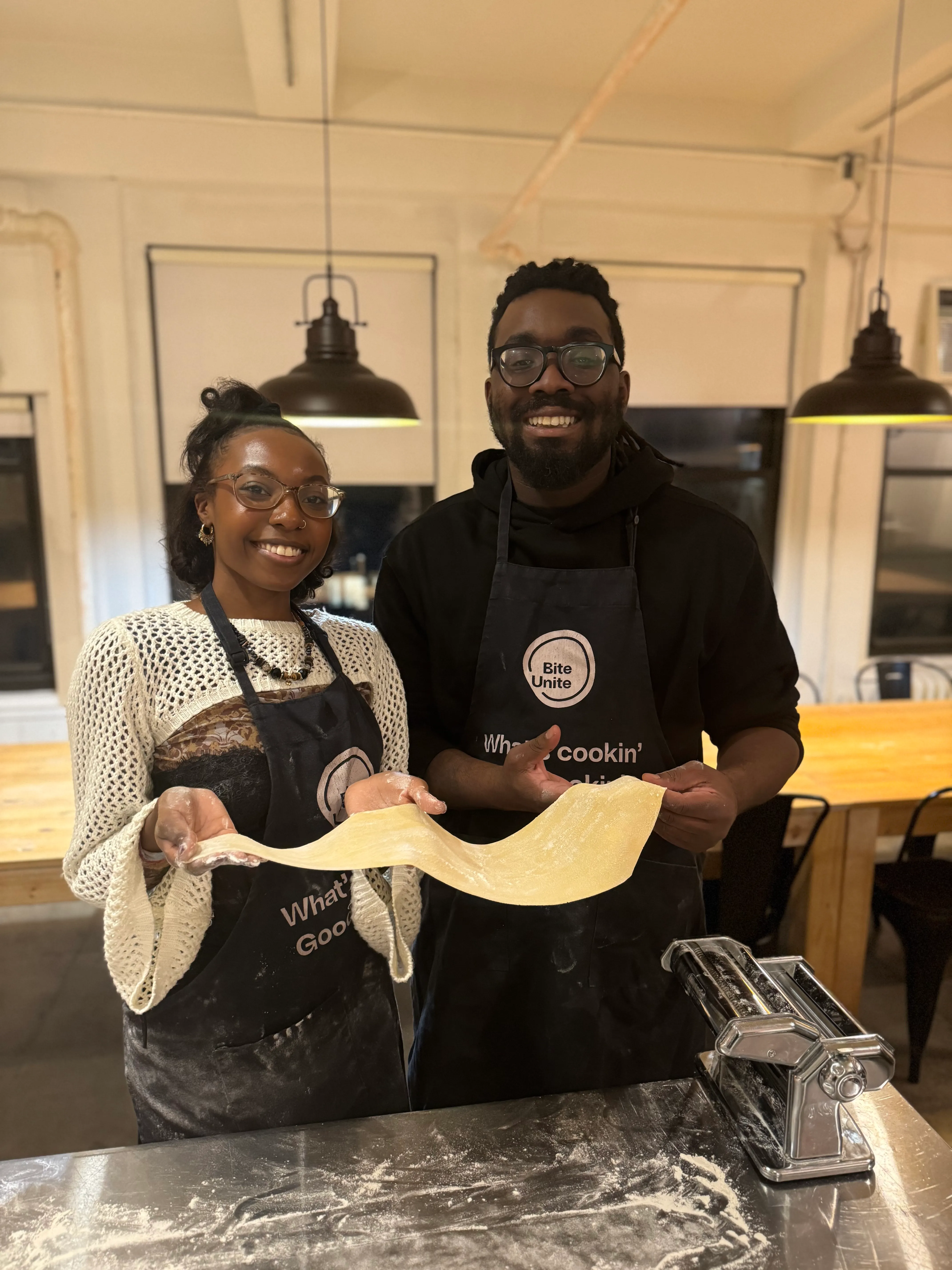
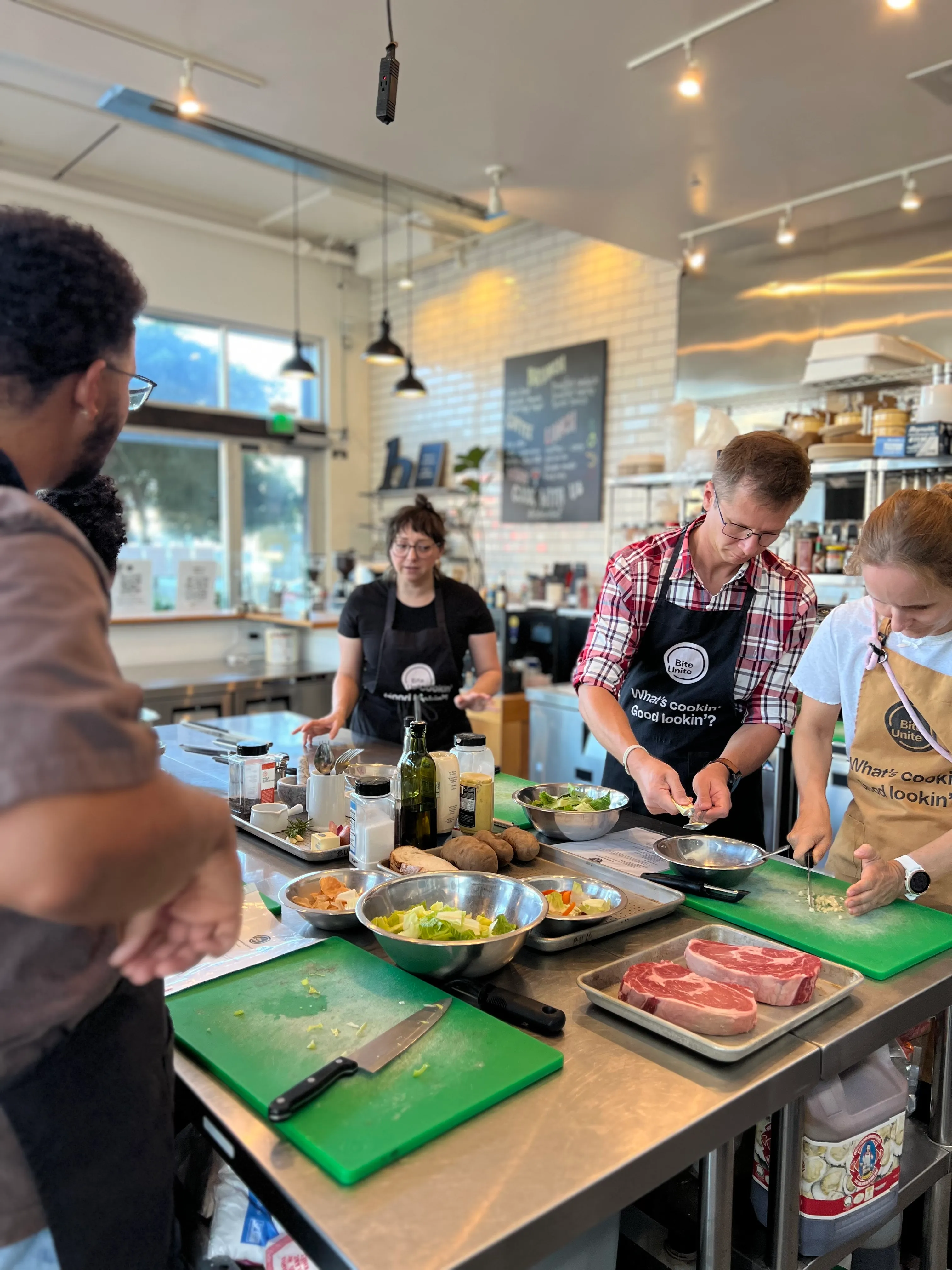
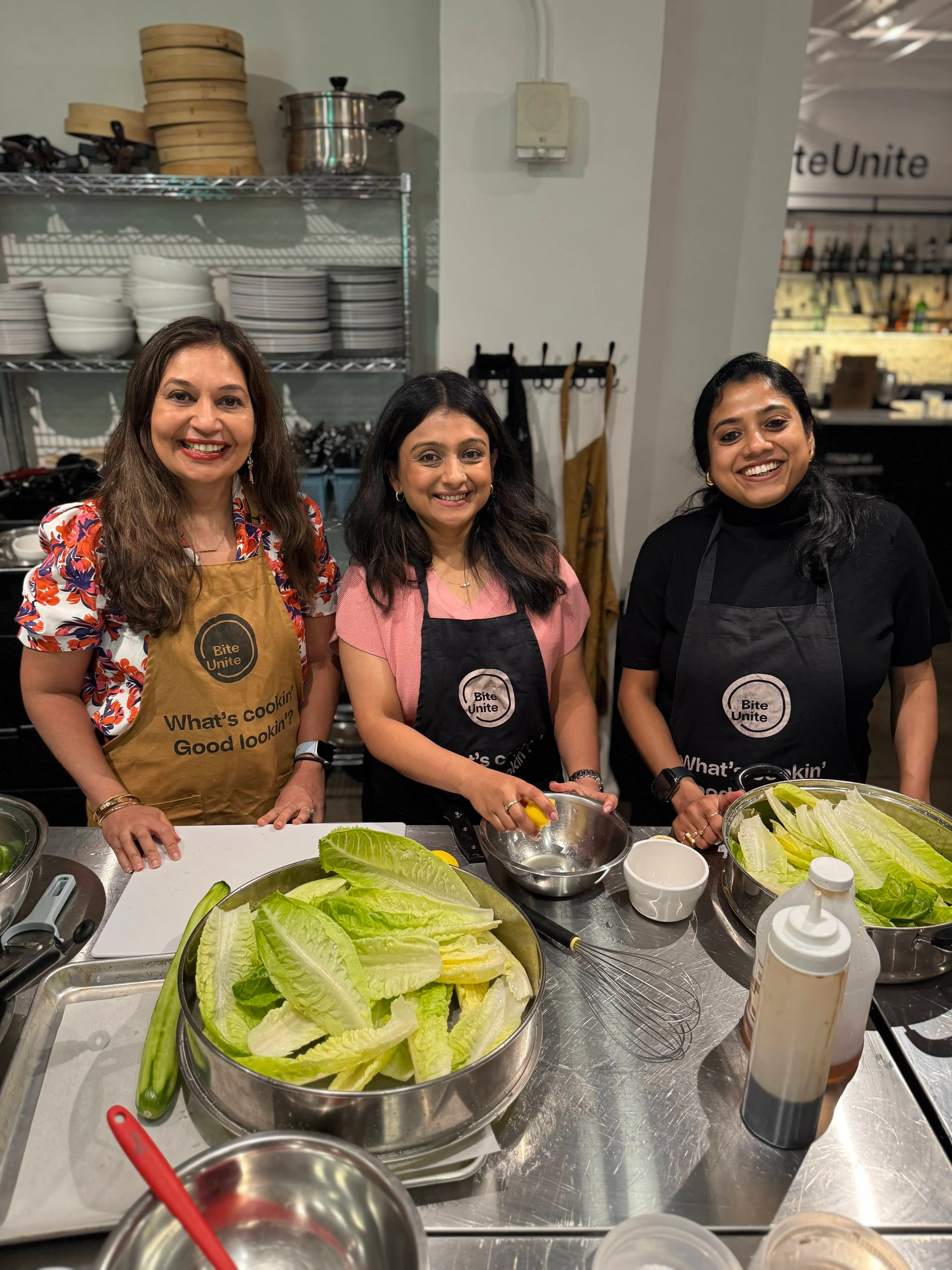
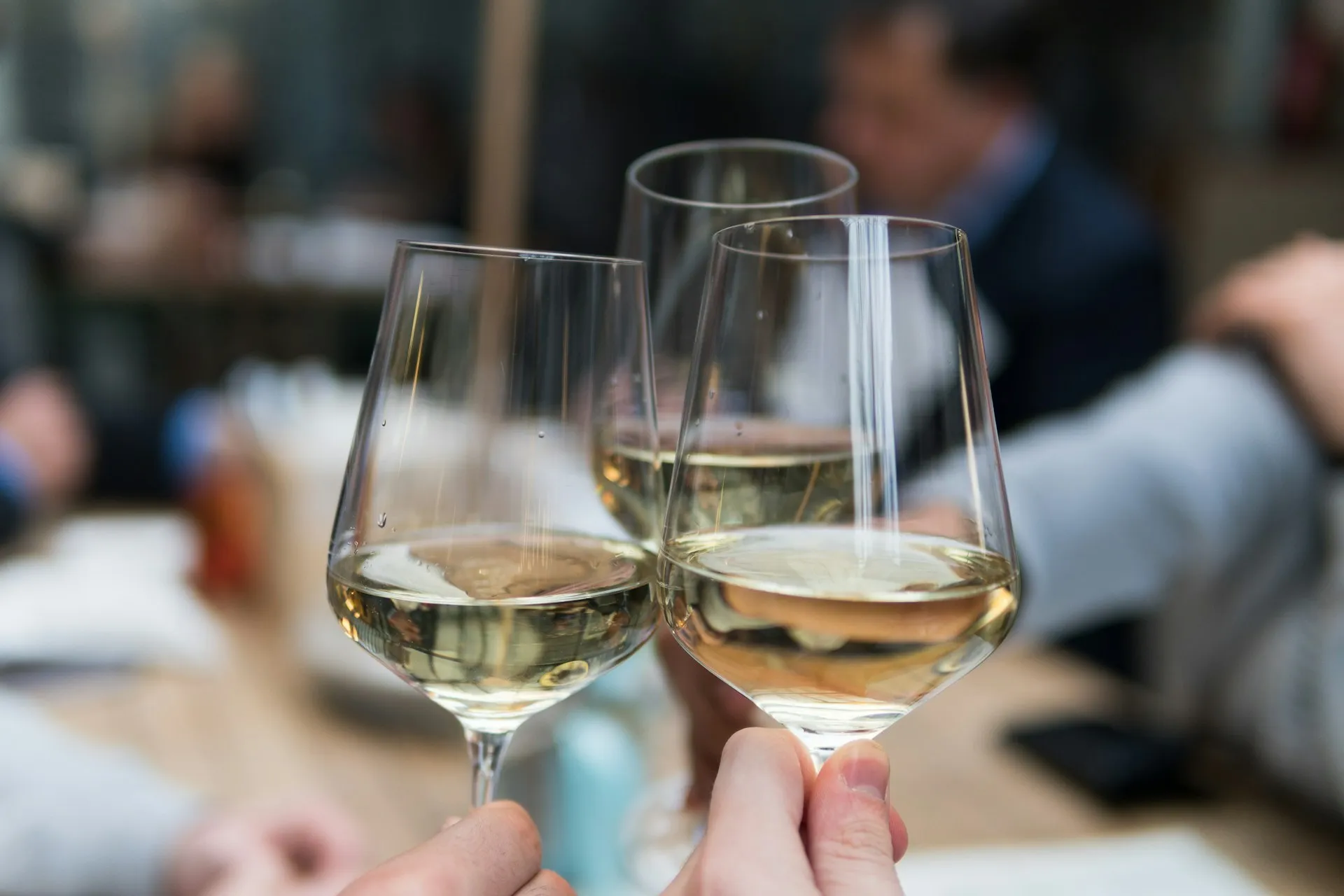
The flow is consistent across most programs, even when the menu changes. You start with a quick introduction where the chef outlines the dishes and wines for the night. Then you move straight into hands-on prep, chopping, searing, and building components side by side with other guests. Once the food starts coming together, a guided tasting breaks in, and this is where the real learning happens: the instructor pours a wine, explains what’s in your glass, and connects it to what’s on your plate.
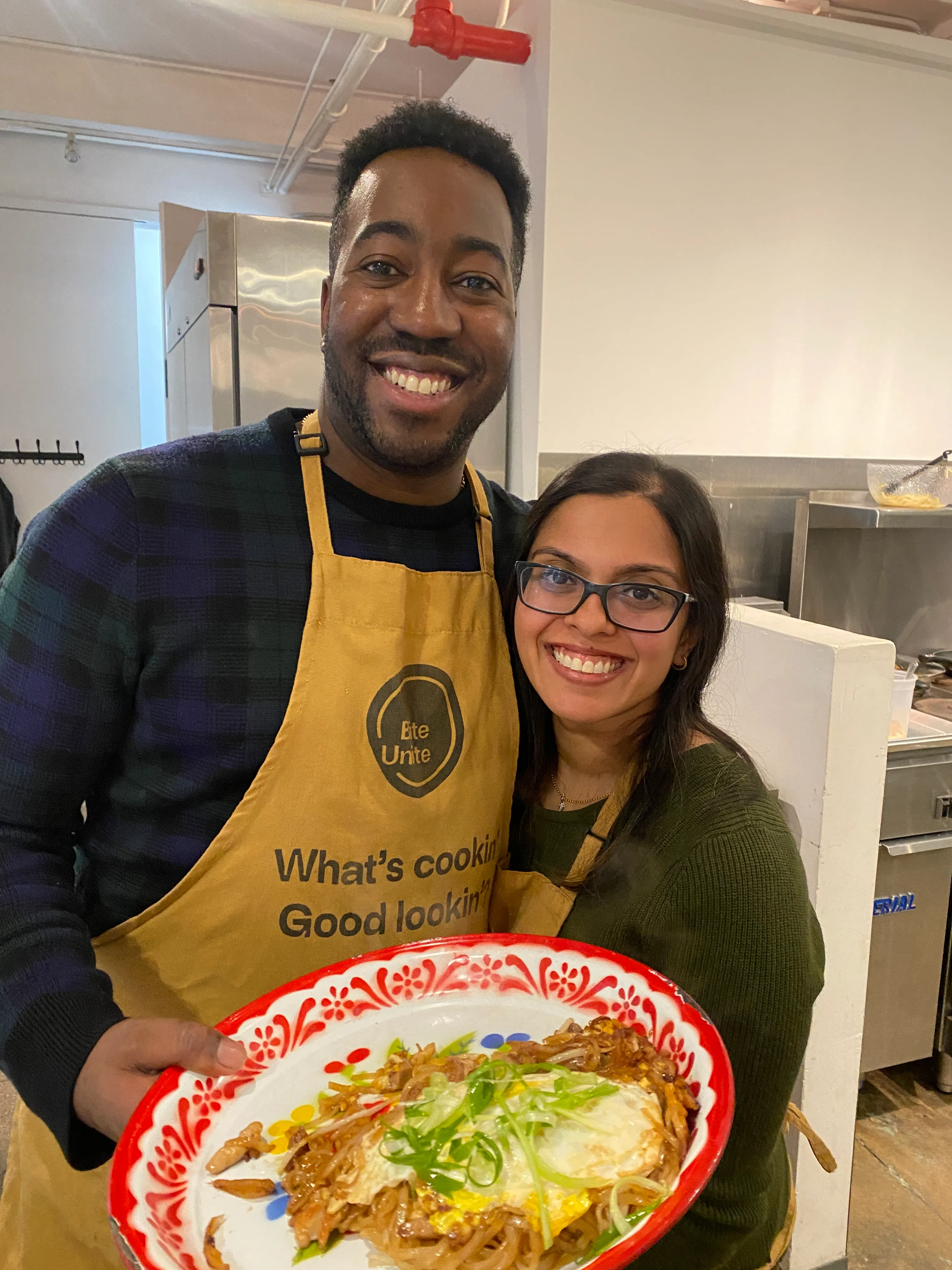
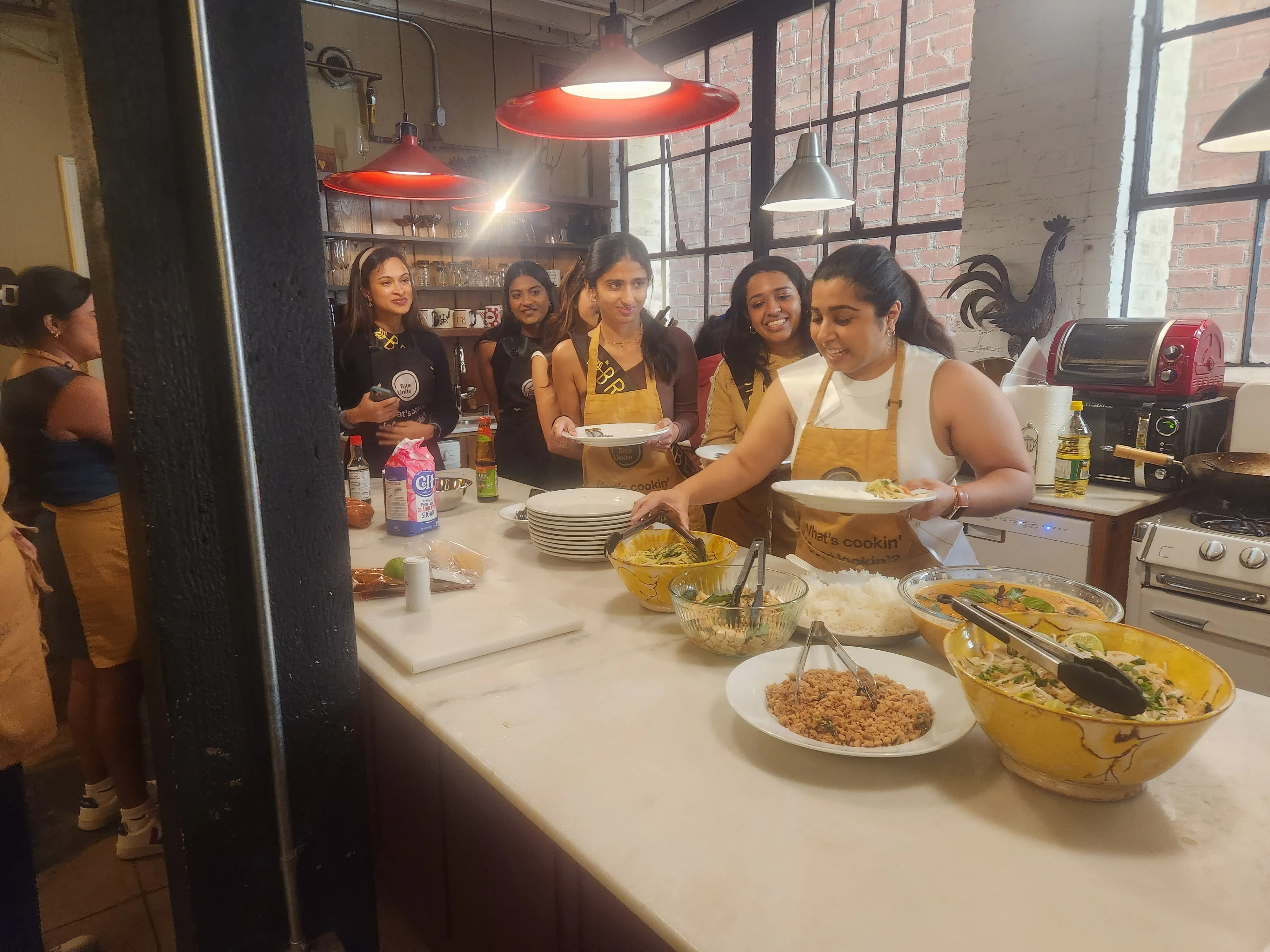
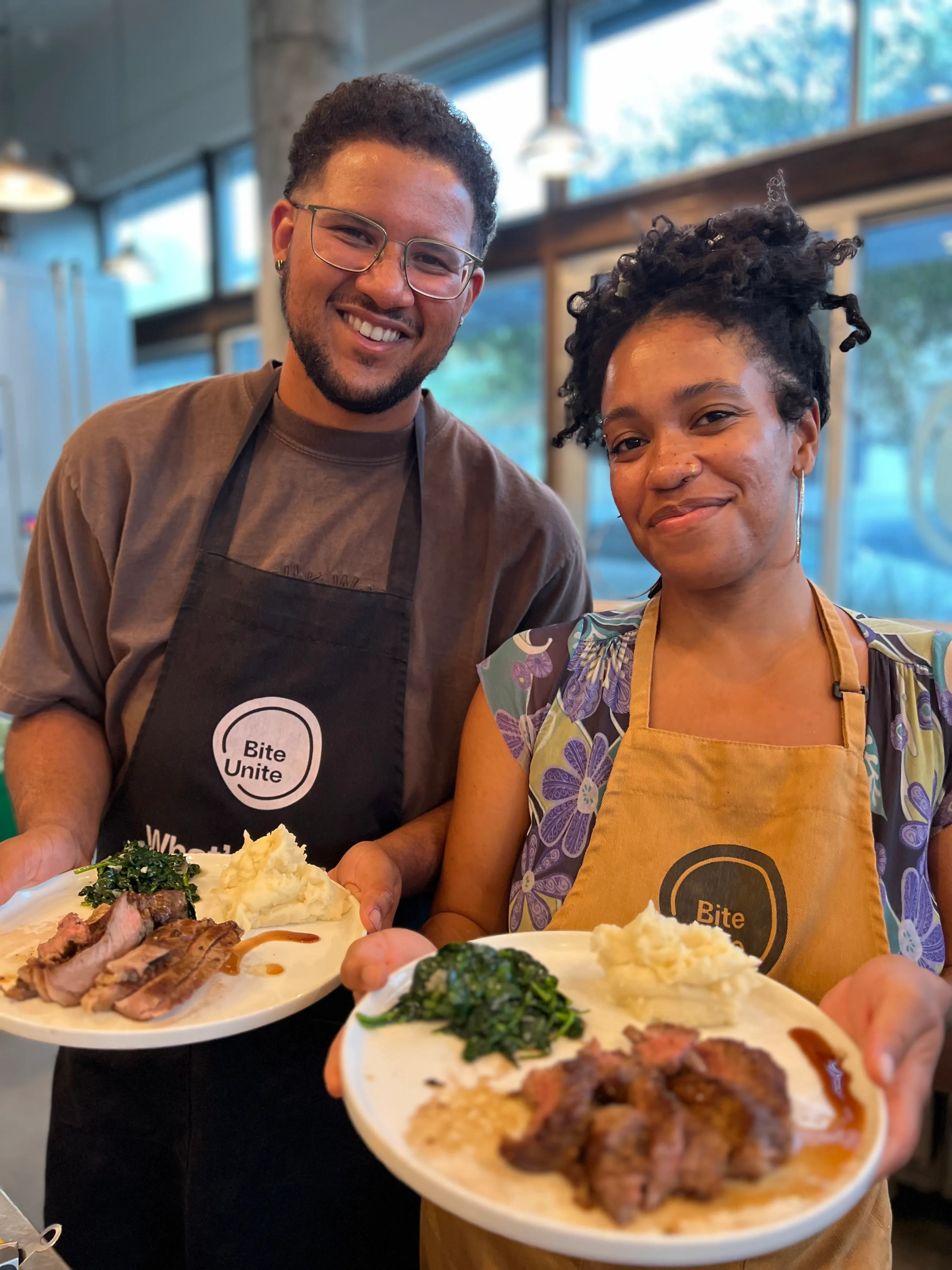
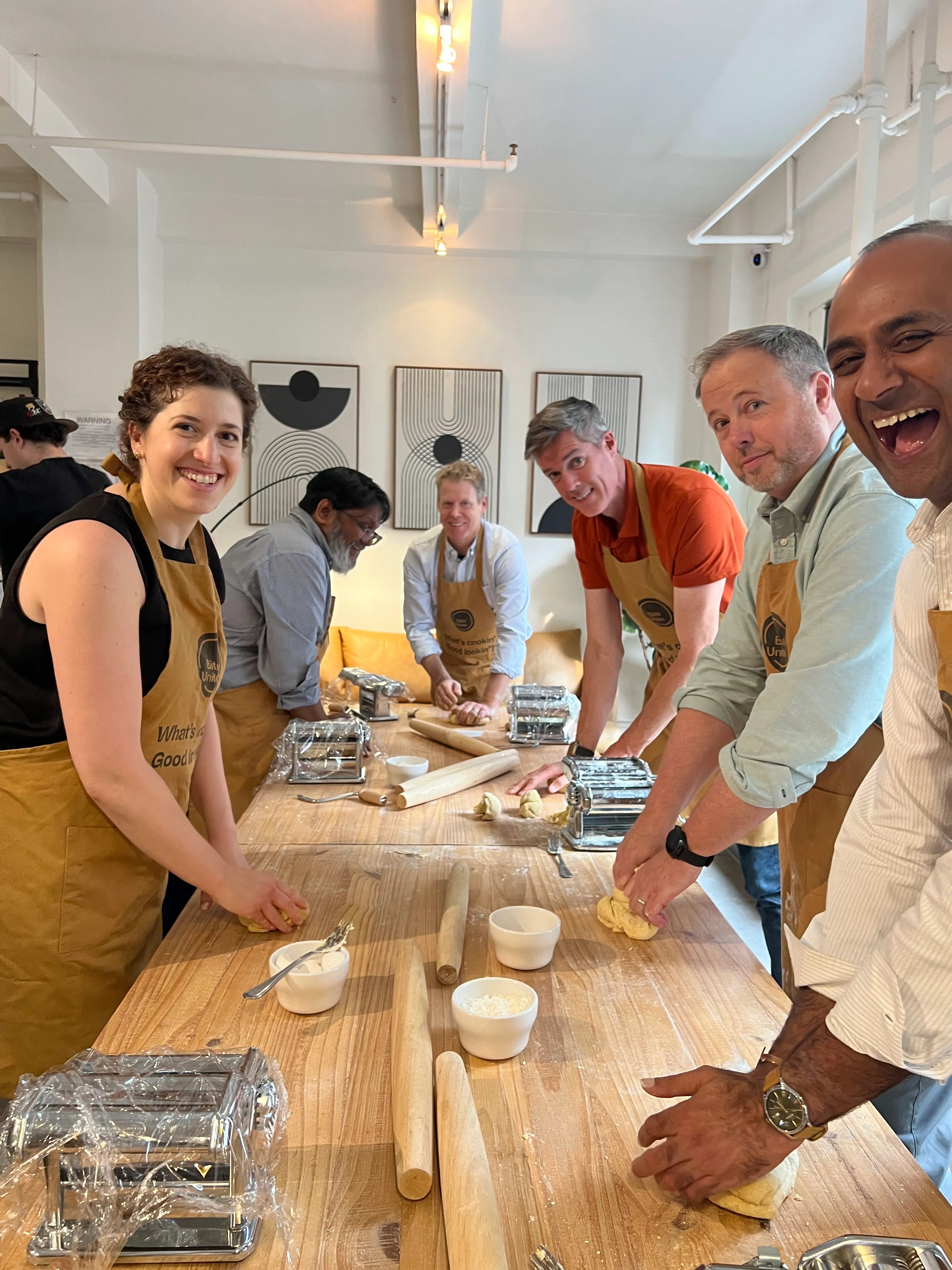
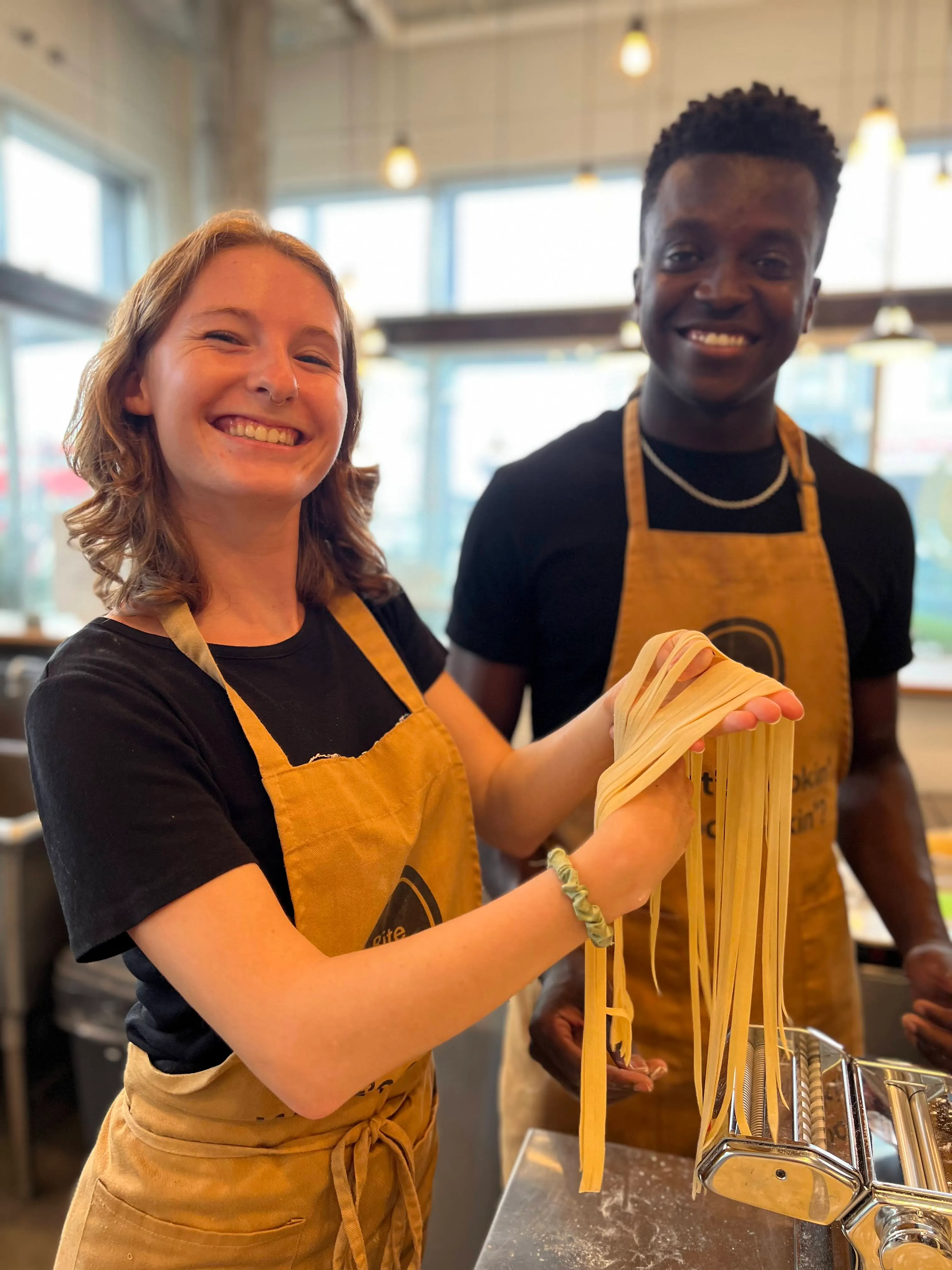
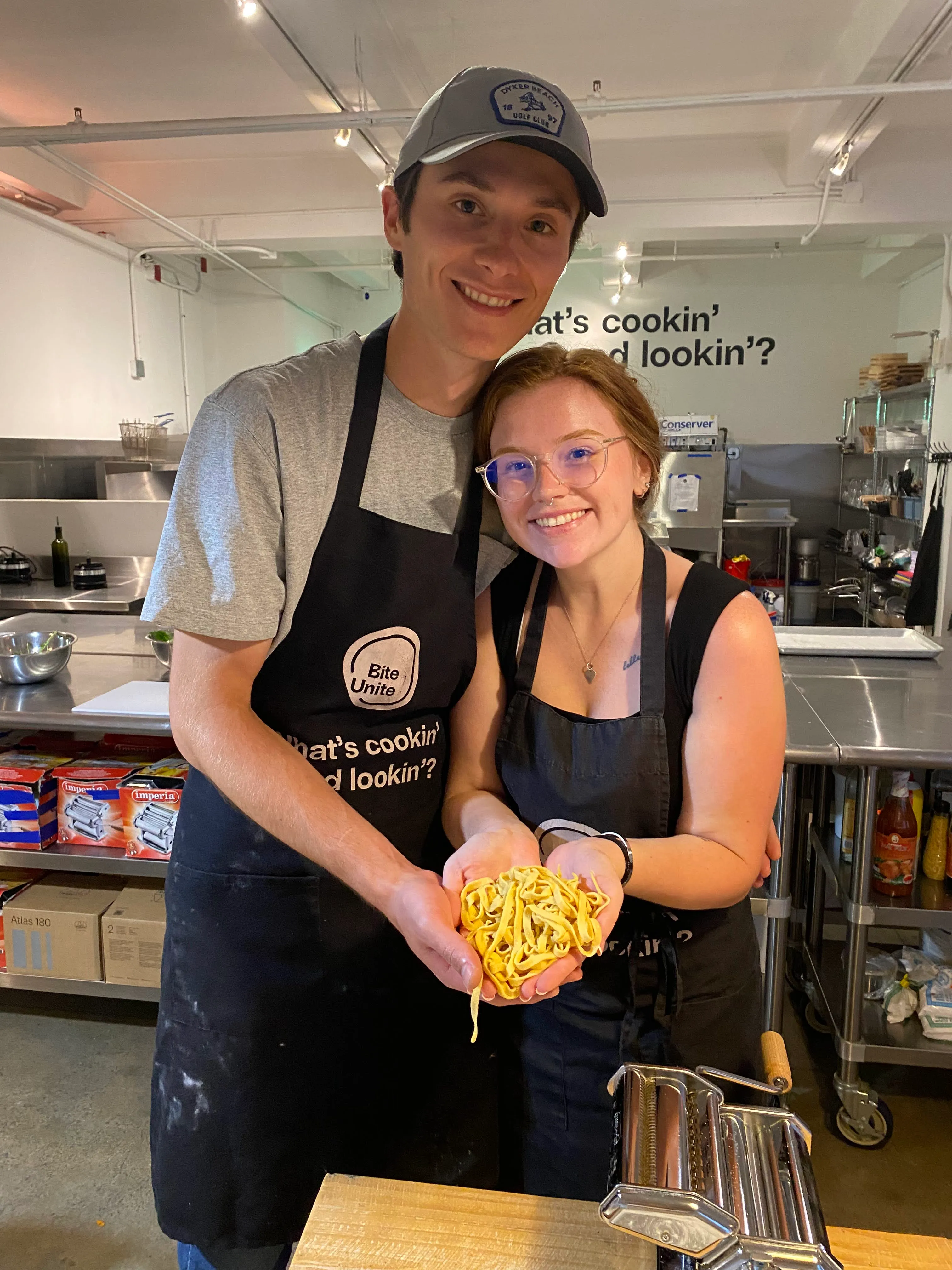
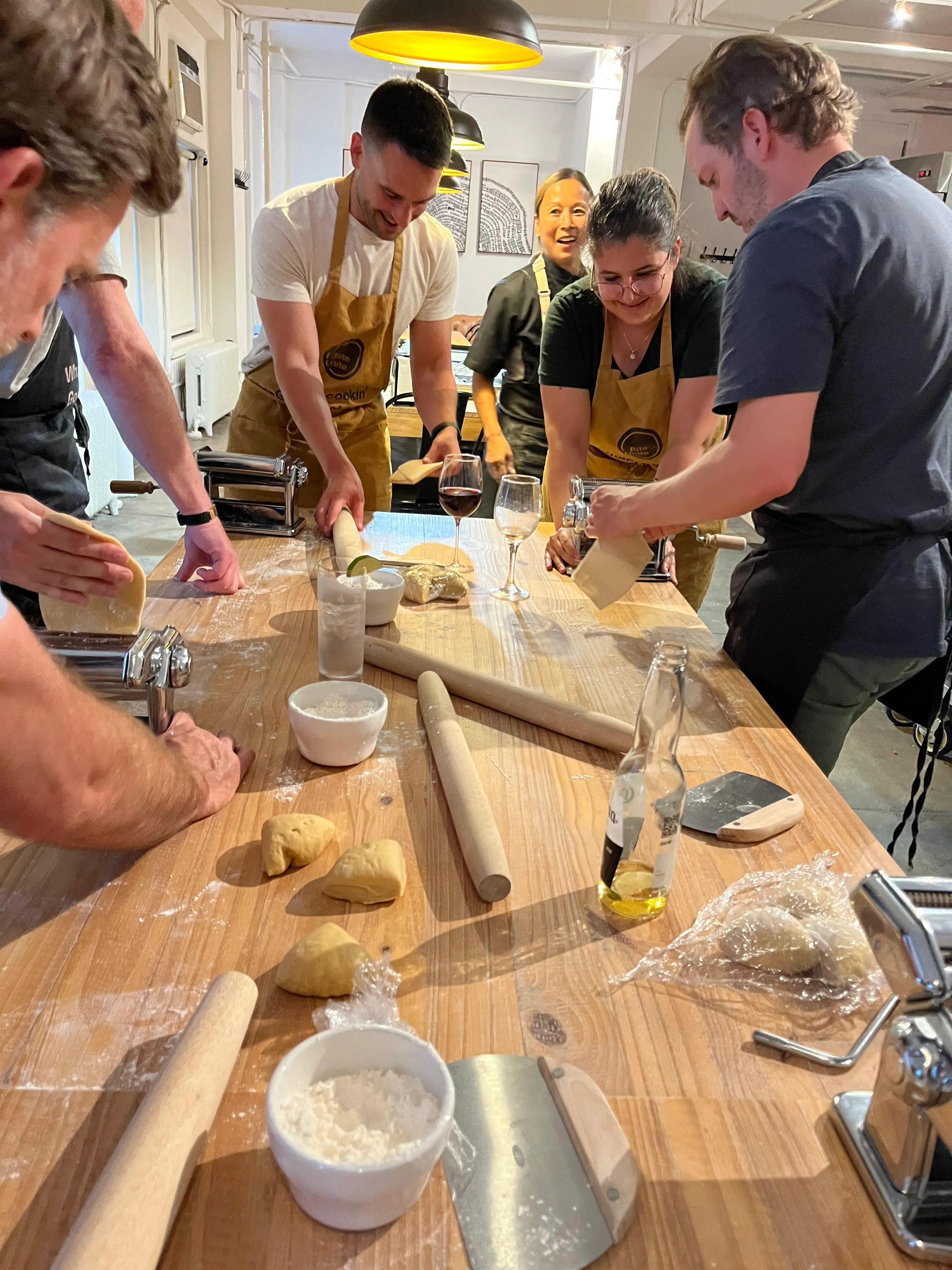
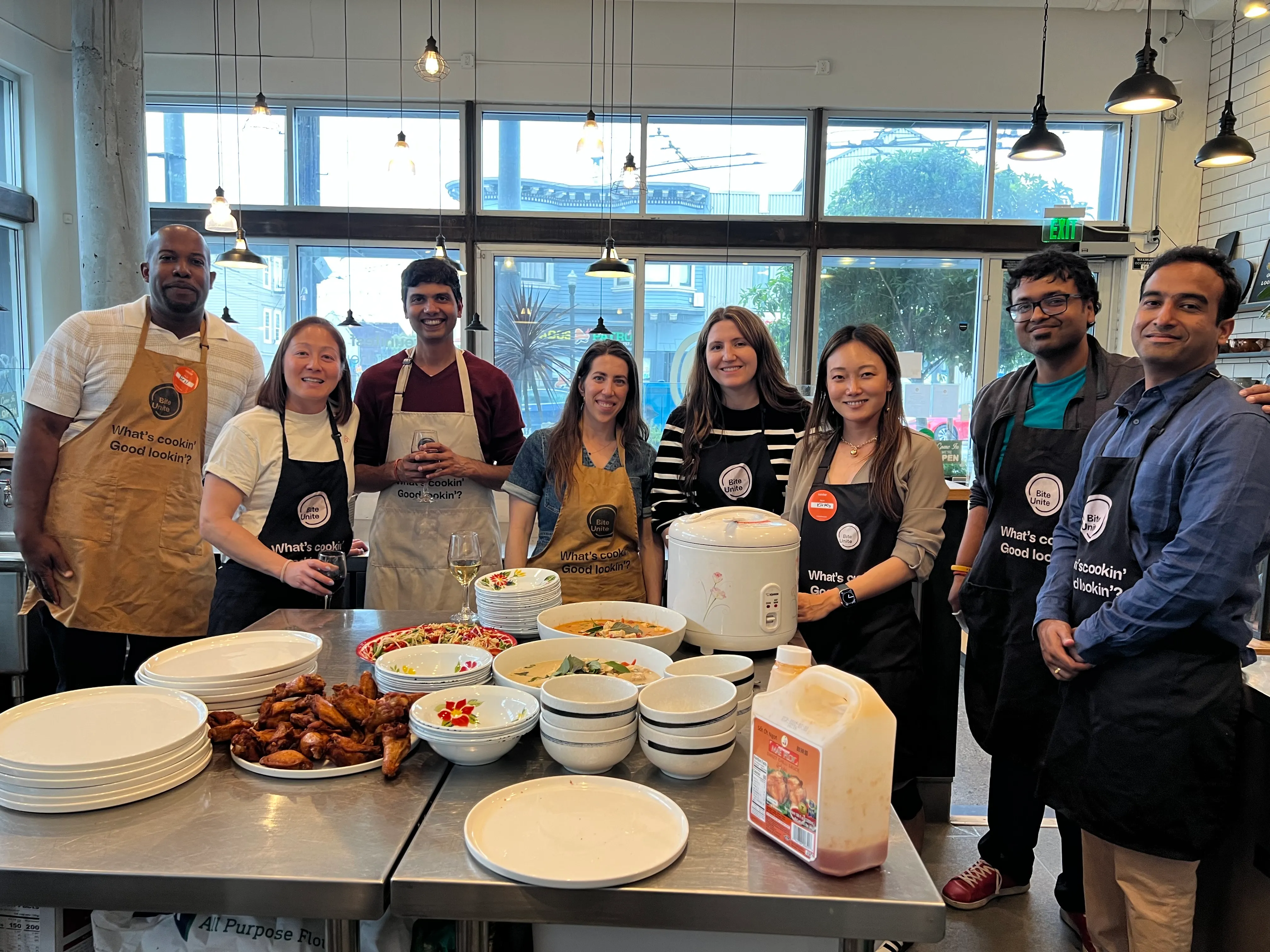
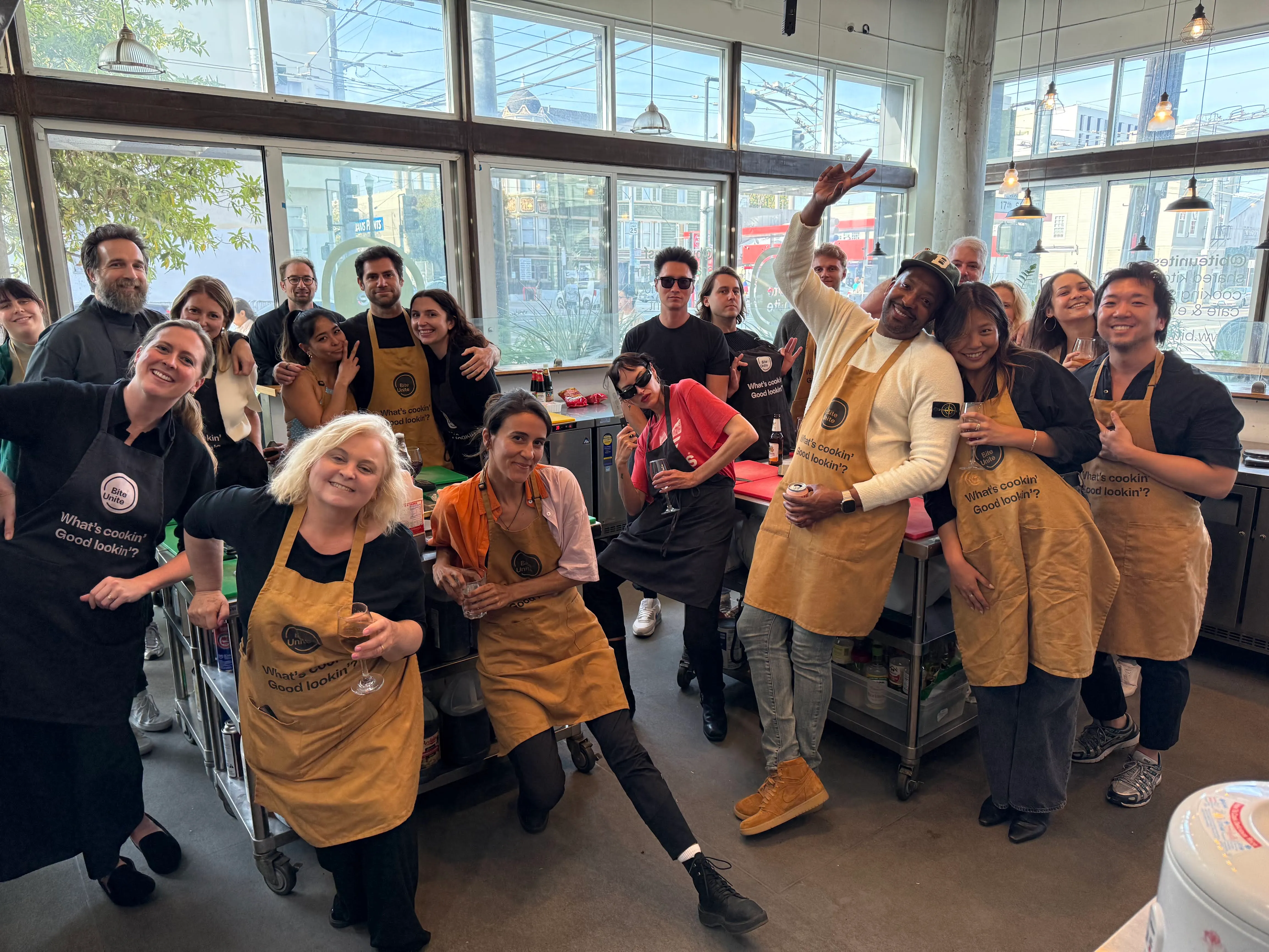
Most programs pair a chef with a sommelier or wine educator, since the two skill sets rarely live in one person. Classes stay small, often under twenty guests, which keeps everyone within arm’s reach of the stove and the pouring station. That size matters more than people expect. Participants in wine pairing cooking classes get an interactive experience built around hands-on preparation and guided tasting, and it typically wraps with a shared meal where the group eats what it just made.
You leave with more than a full stomach. Expect:
- Printed or emailed recipe cards for every dish you cooked
- Tasting notes explaining why each wine was chosen
- A short list of pairing rules you can apply at your own dinner table
- Contact info or a recap sheet if the class included a sommelier Q&A
What Are the Different Class Formats?
Not every wine and food class runs the same way, and picking the right format matters more than picking the right menu.
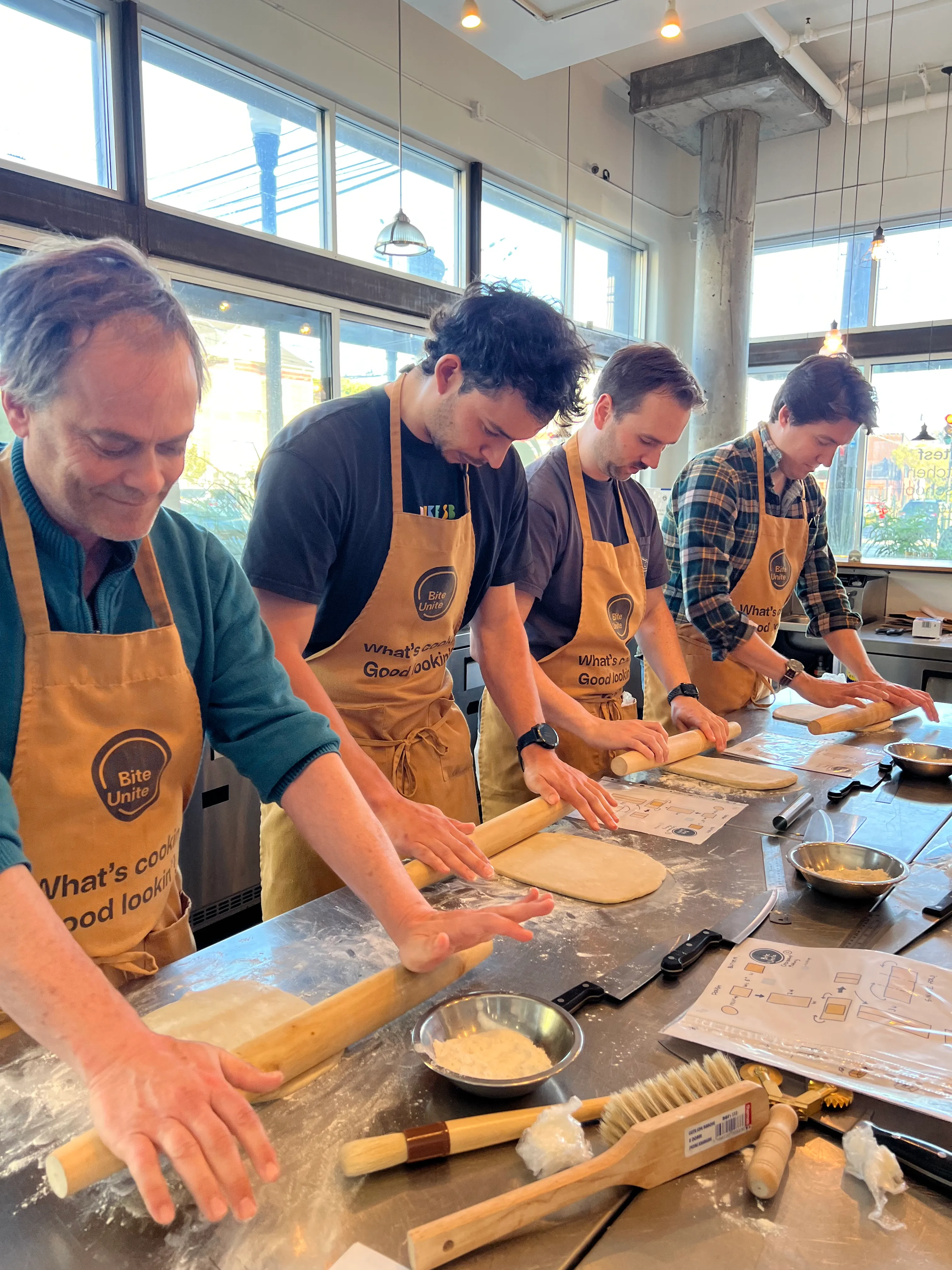
- Hands-on cooking classes. You cook every dish yourself, station by station, with a chef circulating for guidance. This format teaches the most technique per hour.
- Demonstration classes. The chef cooks, you watch and taste. Good for large groups or corporate events where kitchen space is limited.
- Winemaker or chef dinners. A multi-course tasting menu paired with wines, often introduced by the winemaker themselves or a visiting sommelier. Some programs pair local wines with dishes prepared on-site, sometimes using vineyard-sourced ingredients.
- Virtual or online workshops. You cook from your own kitchen with wine shipped or sourced ahead of time, following a chef over video.
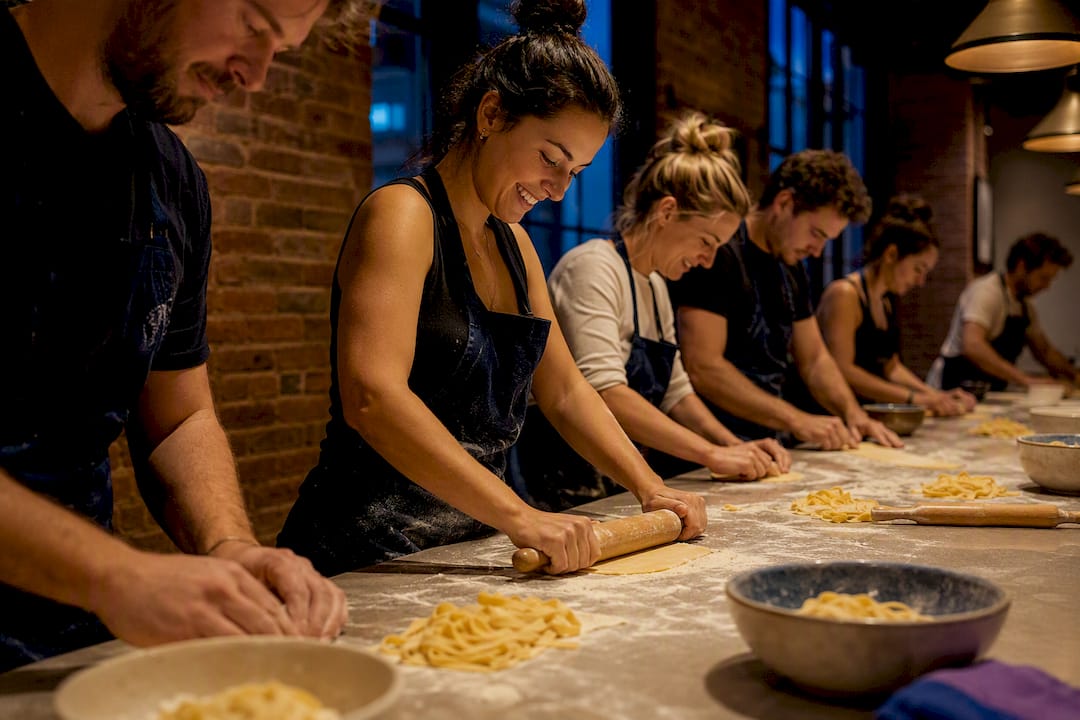
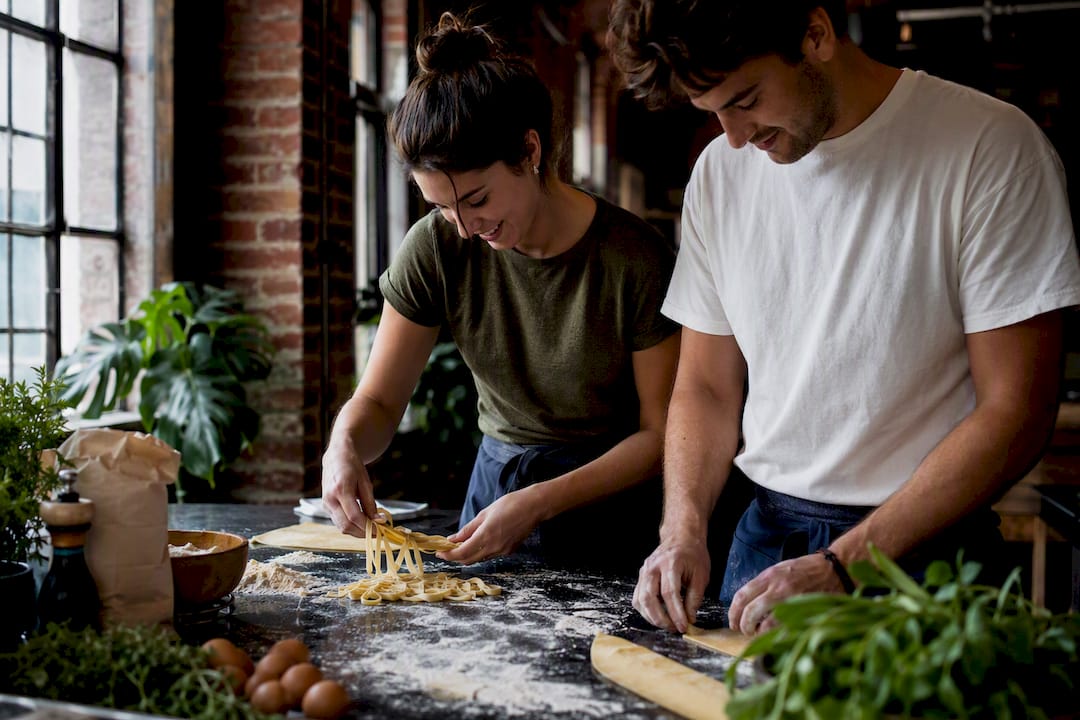
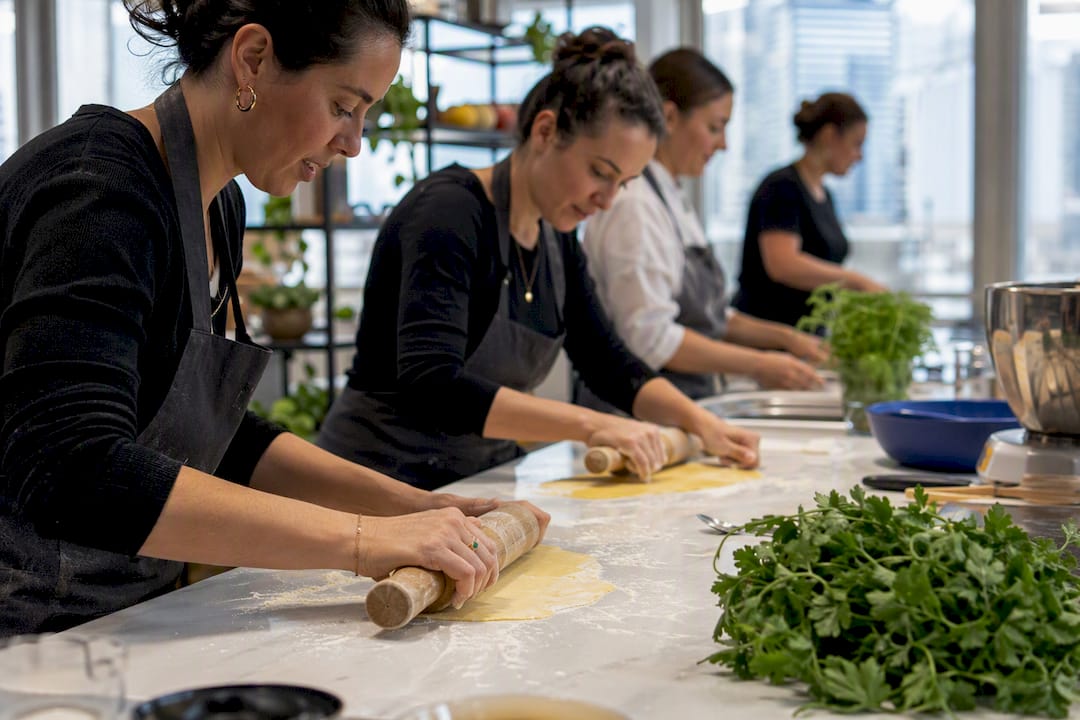
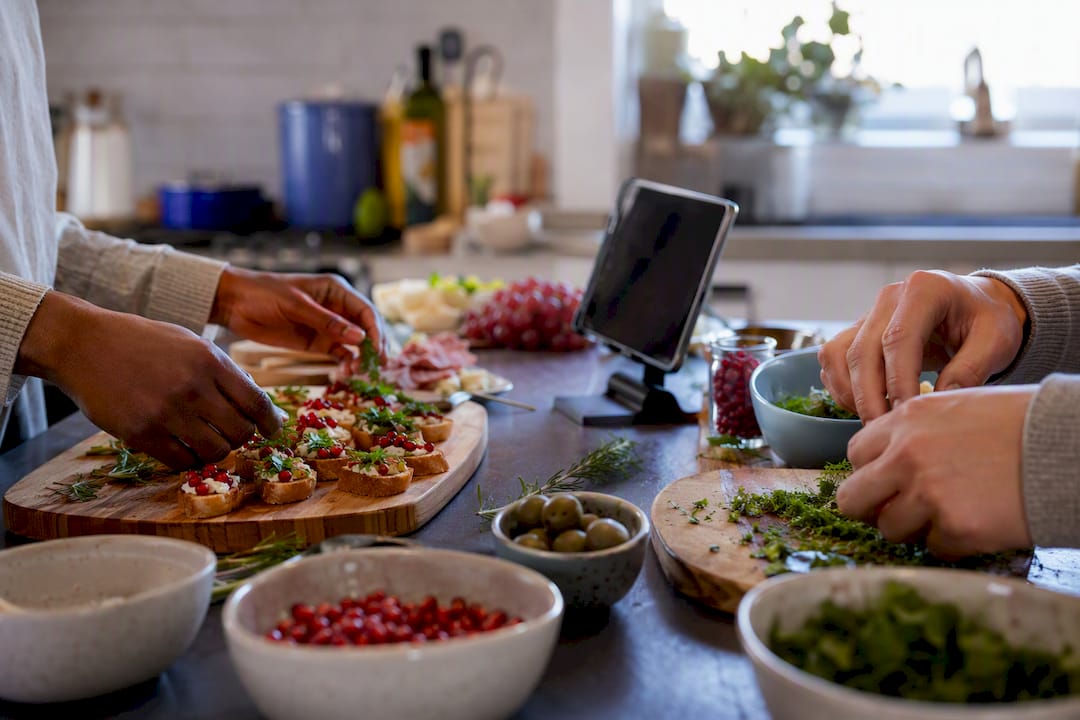
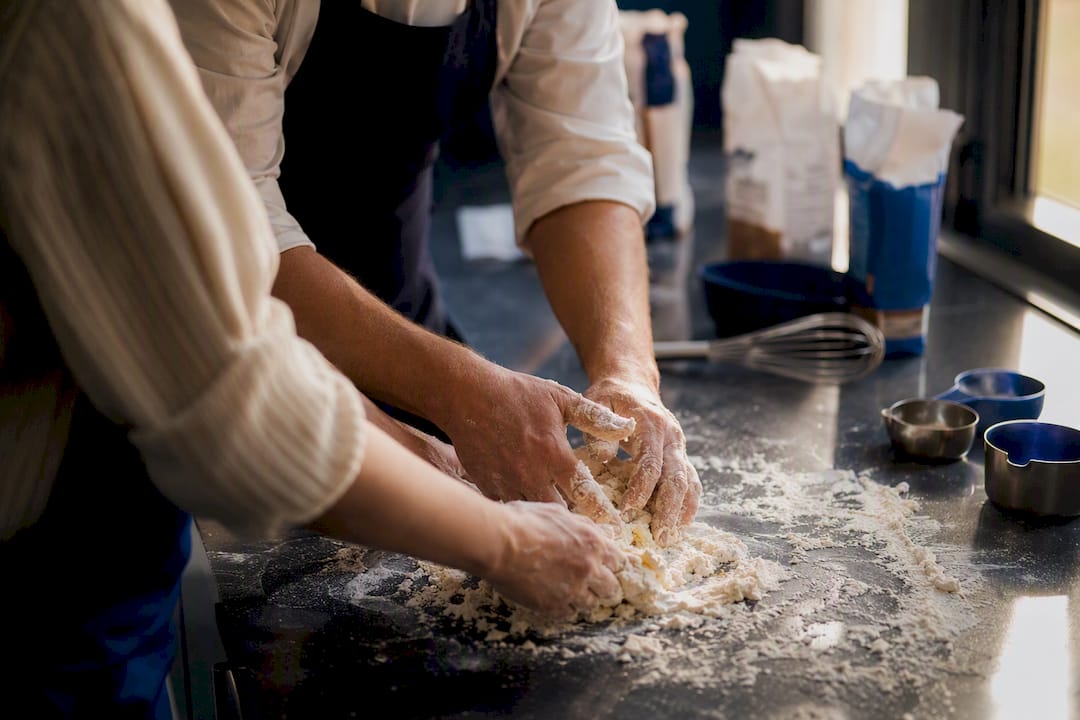
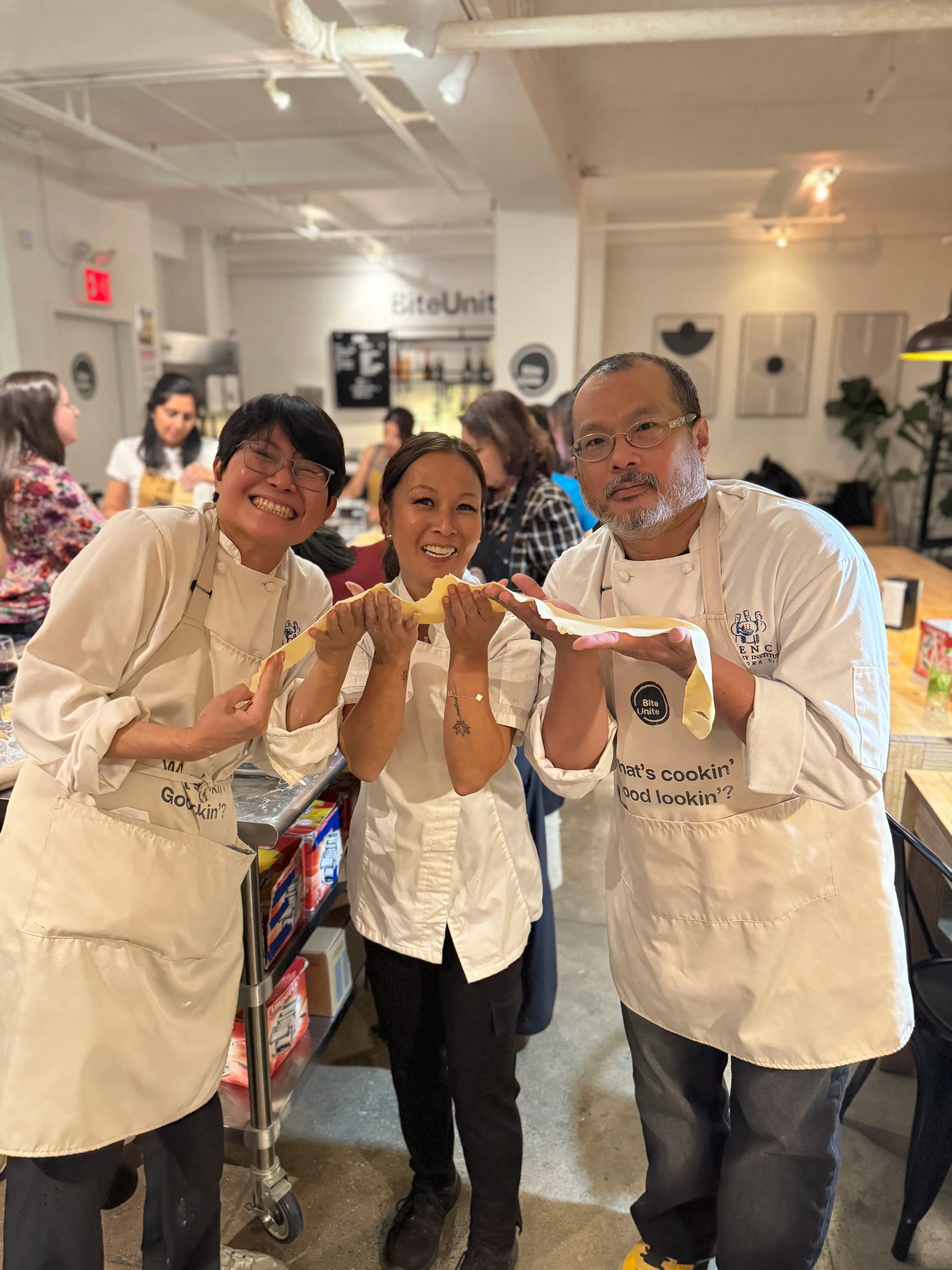
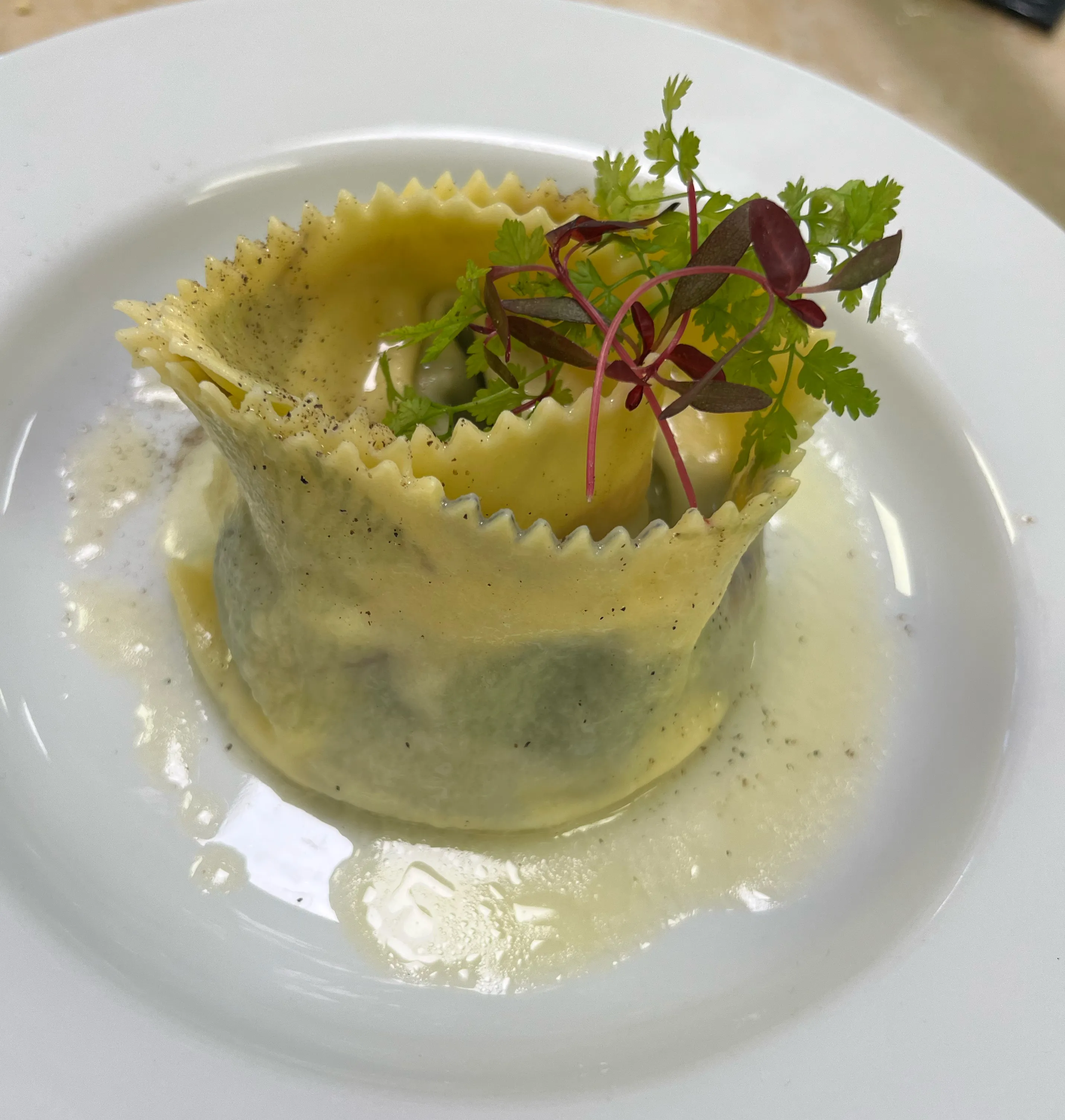
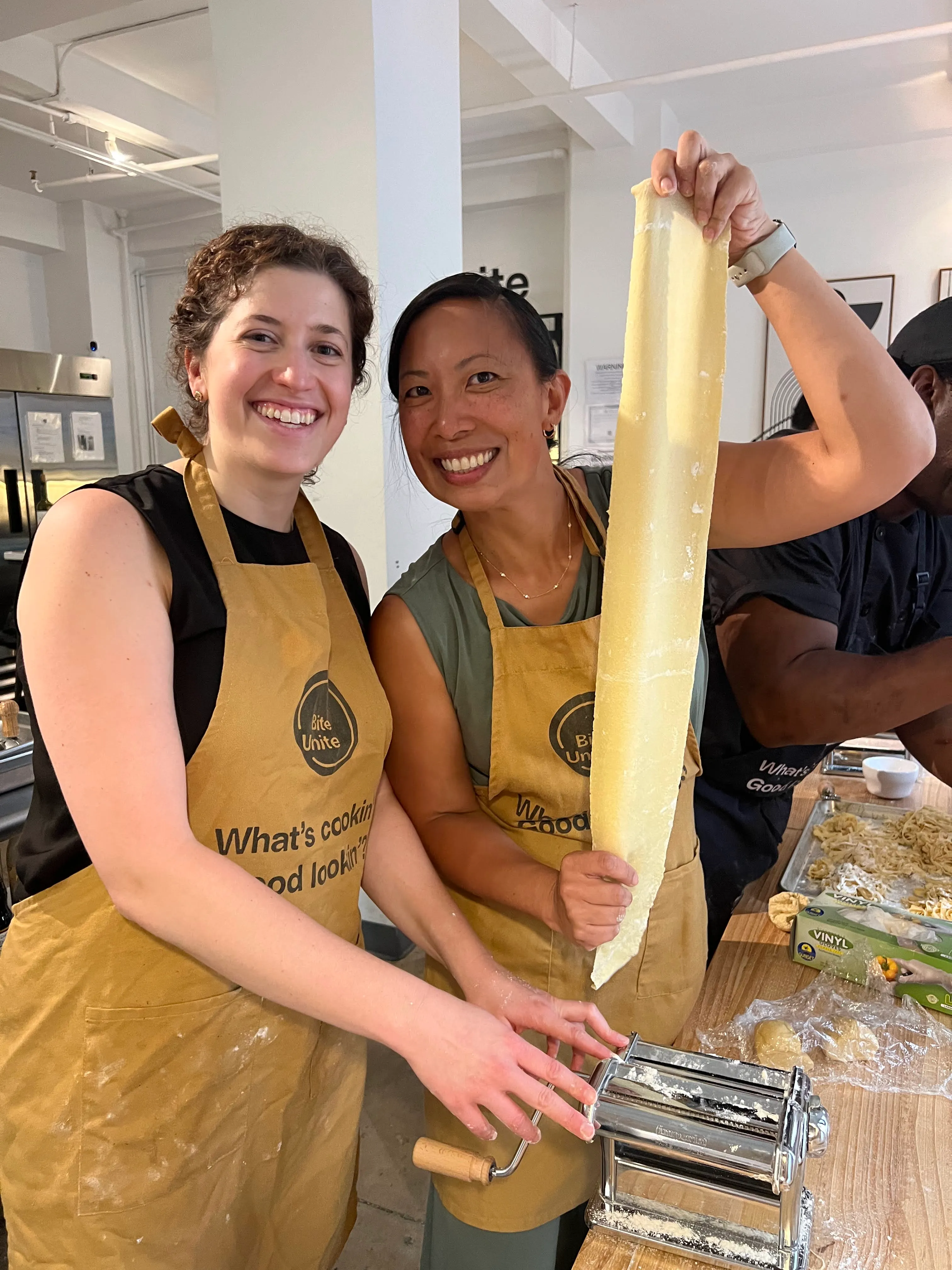
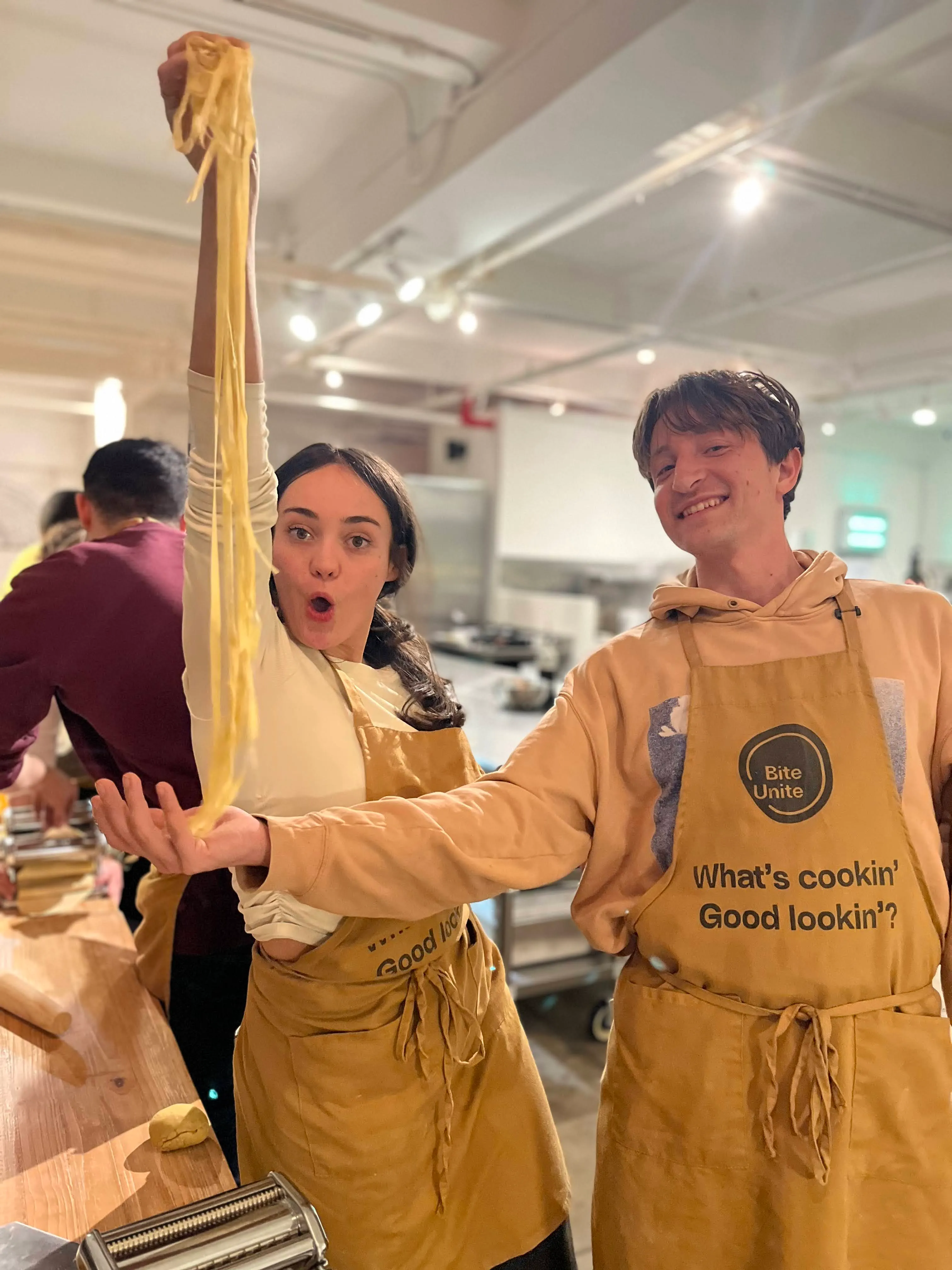
Sample activities vary by format but tend to circle the same core skills: building a charcuterie board, rolling fresh pasta by hand, braising short ribs in red wine, and deglazing a hot pan for a quick sauce. Some advanced sessions add a tasting flight, pouring two or three wines against the same dish to show how much a single swap changes the meal. Alcohol service in the United States is regulated by each venue’s liquor license, so pour sizes and “bottomless” tasting formats vary by location and by state.
What Pairing and Cooking Skills Will You Learn?
Every good class teaches the same handful of principles, just dressed up in different menus. Once you understand them, you can walk into any restaurant and order with confidence, instead of guessing.
- Acidity balances fat. A squeeze-bright white or a high-acid red cuts through cream, butter, or fried food. Wine educators consider acidity the most reliable pairing tool because it cleans the palate and keeps rich dishes from feeling heavy.
- Tannin needs protein or fat. A tannic red served against a lean, delicate dish tastes harsh and bitter.
- Weight should match weight. Light dishes want light wines; a hearty braise wants a fuller-bodied pour.
- Sweetness and salt play off each other. A touch of sugar in the wine can tame a salty or spicy dish.
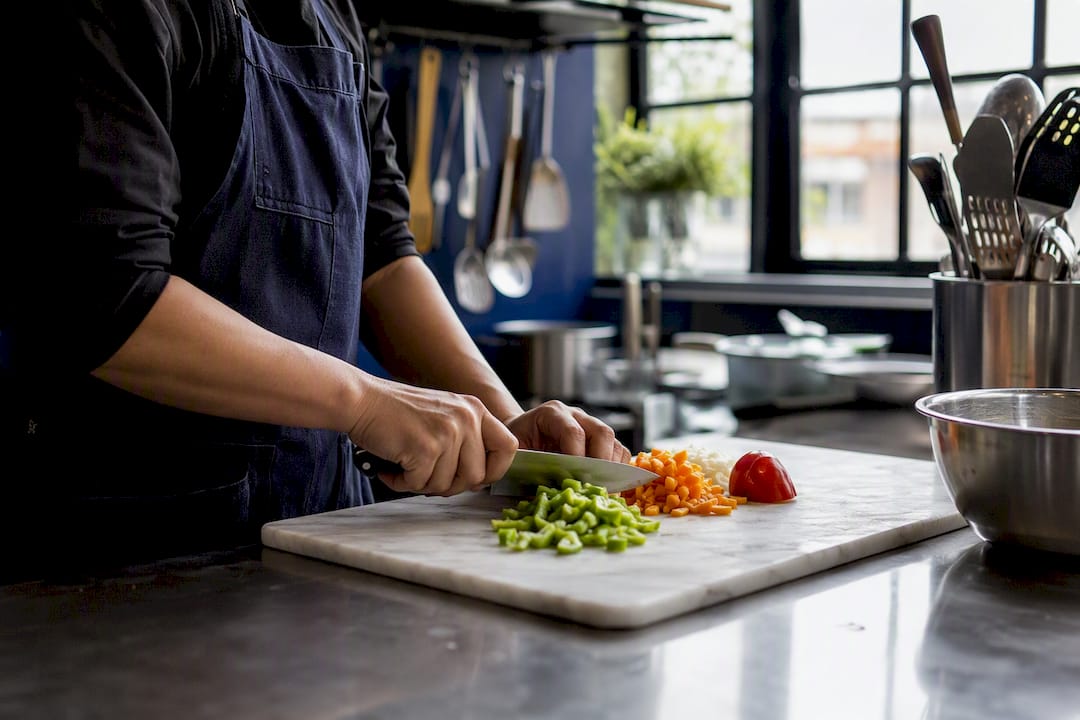
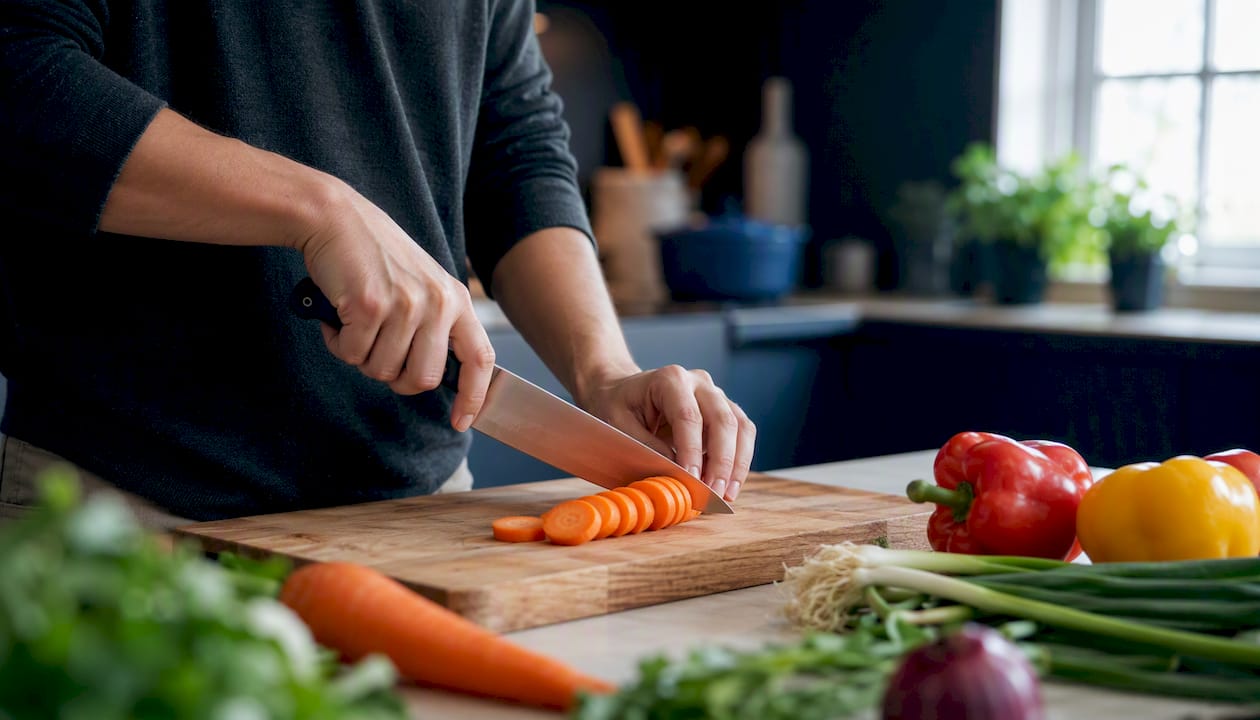
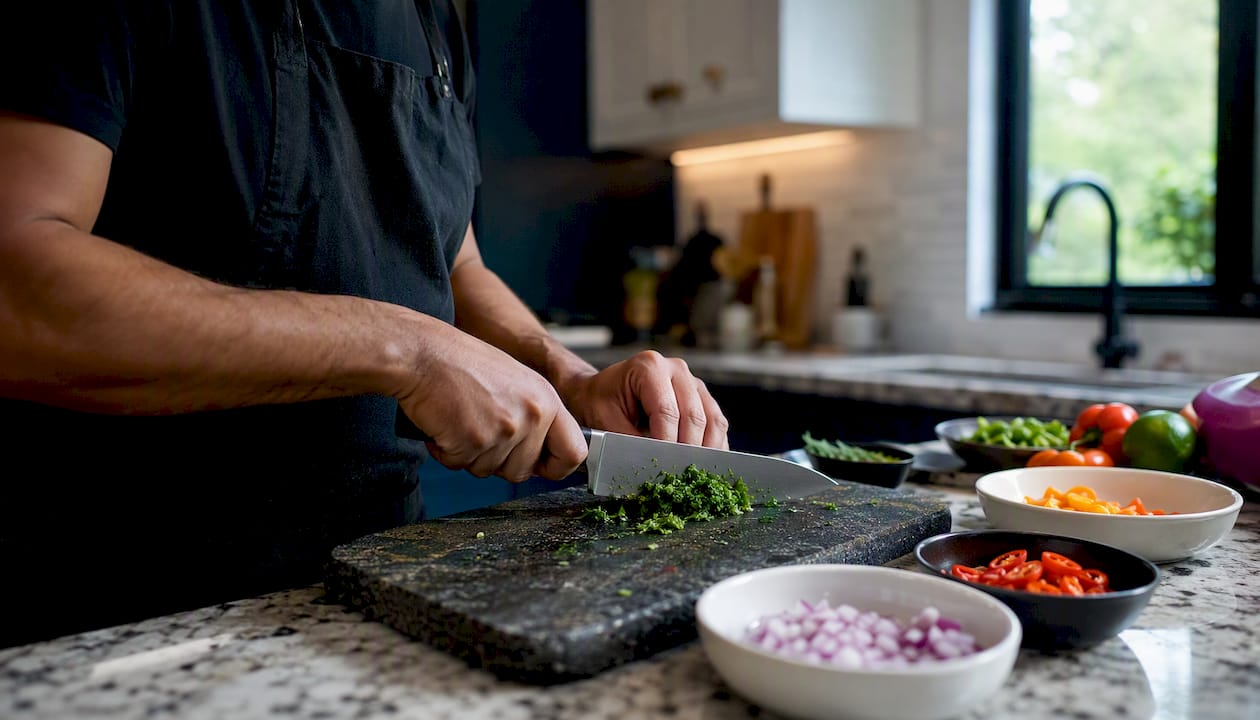
On the cooking side, classes typically demonstrate deglazing, reducing pan drippings into a sauce, braising with wine over low heat, and marinating with wine’s acid to tenderize. Wine’s acidity, tannin, and alcohol all concentrate as it cooks down, which is exactly why reduction sauces taste so much bolder than the wine did straight from the bottle.
Pro Tip: Never cook with a wine you wouldn’t happily drink. Chefs at the Culinary Institute of America warn that reduction concentrates flaws along with flavor, so a bad bottle only gets worse in the pan.
How Much Do These Classes Cost, and How Long Do They Run?
Price depends on a handful of predictable factors: who’s teaching, how much wine is included, the venue, and whether pours are a fixed flight or a more generous “bottomless” setup. A casual weeknight class with a chef and a curated flight is generally priced affordably. Add a certified sommelier, a private venue, or a multi-course winemaker dinner, and the price climbs accordingly.
Duration usually runs between one and four hours. Shorter sessions focus on one or two techniques with a quick tasting; longer ones build a full multi-course meal with several pairings along the way. Group size affects how much hands-on time you actually get, since a class of eight gets far more stove time per person than a class of thirty.
Before booking, check:
- Minimum age or ID requirements for alcohol service
- Whether dietary needs (vegetarian, gluten-free, allergies) can be accommodated
- The cancellation and refund policy, especially for group or private bookings
- What’s actually included in the price: wine, recipes, tax, gratuity
How Do You Choose the Right Class?
Start with your goal. Are you there to build real cooking skills, or is the wine and the company the main draw? That answer should drive every other decision.
- Decide if you want hands-on cooking or a demonstration. Hands-on teaches more; demonstration is easier for large groups.
- Check who’s teaching. A chef alone can run a great cooking class, but a chef paired with a sommelier delivers a stronger pairing education.
- Ask about group size. Smaller groups mean more stove time and more direct feedback.
- Confirm what’s included: recipes, tasting notes, and the number of wines poured.
- Read the cancellation policy before you pay a deposit.
Small-group formats matter more than most people assume. Active, hands-on involvement paired with immediate tasting feedback builds pairing intuition faster than sitting through a passive demonstration, which is exactly why the best programs cap their class size instead of maximizing it.
Before you book, ask directly: “Will I be cooking or watching?” “Is a sommelier present, or just the chef?” “Are recipes and tasting notes provided afterward?” “What happens if I need to cancel?” Vague answers to any of these, or no listed instructor at all, are red flags worth walking away from.
What Mistakes Do People Make When Pairing Wine and Food?
The most common mistake is pairing by color instead of by structure. Red wine with red meat is a reasonable starting point, but it ignores acidity, tannin, and how the dish is prepared. A tomato-heavy pasta needs a high-acid red regardless of the protein on the plate, because a low-acid wine will taste flat and dull against the sauce.
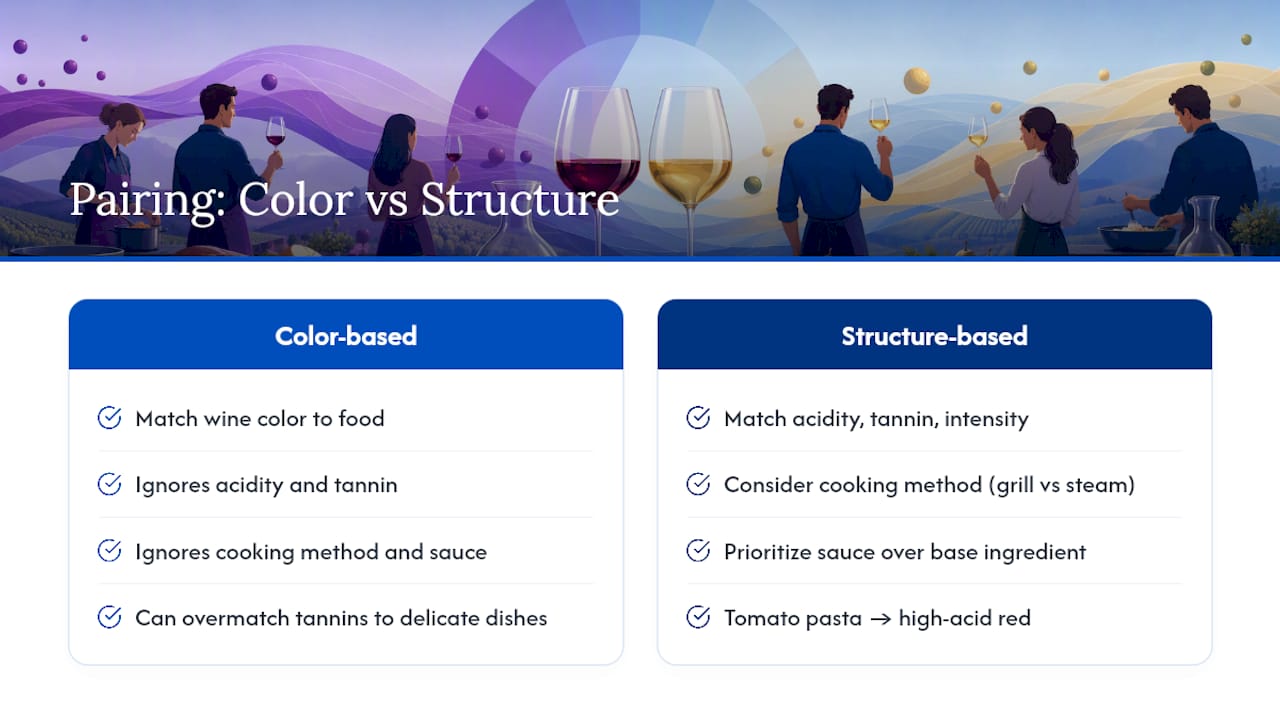
Another frequent error is over-pouring a big, tannic red with a delicate dish. The tannin overwhelms anything subtle, flattening flavors instead of complementing them. The fix is simple: match intensity to intensity, and save the bold reds for bold, fatty, or well-charred food.
People also underestimate how much cooking method changes a pairing. A dish grilled over open flame develops smoky, charred notes that call for a different wine than the same ingredient steamed or poached. Sauce matters more than the base ingredient, too. Chicken in a cream sauce and chicken in a spicy tomato sauce need entirely different bottles, even though the protein never changes.
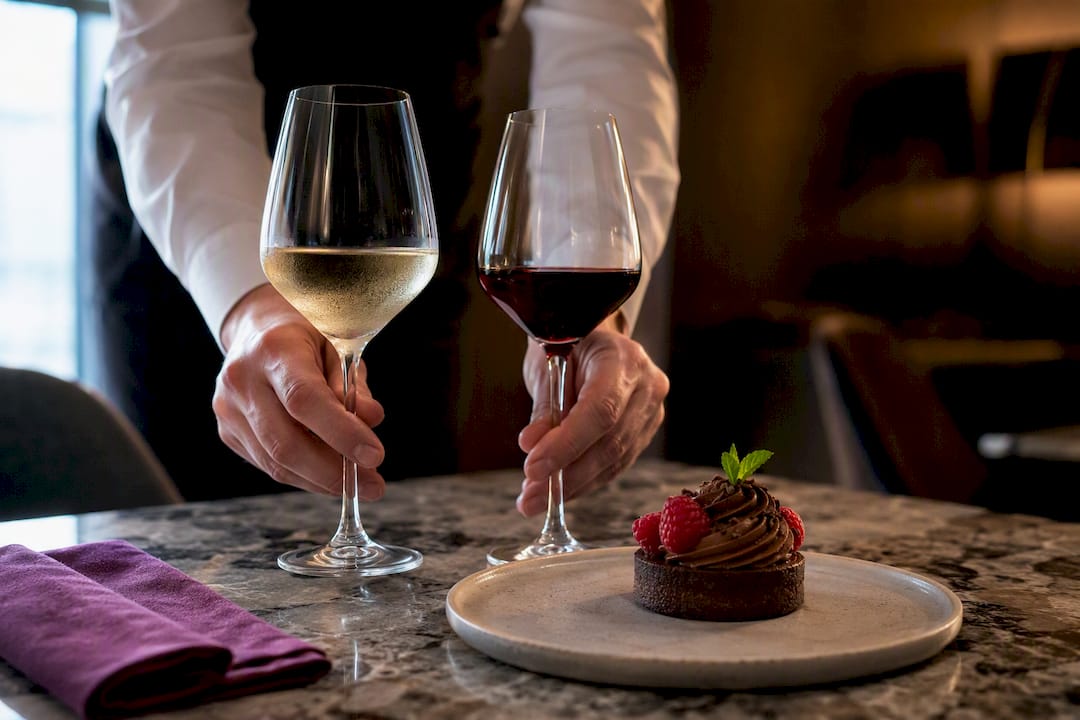
Serving temperature trips people up constantly. A red served too warm tastes boozy and flabby; a white served ice-cold mutes its own aromatics. Finally, don’t ignore sweetness. A wine that’s less sweet than the dish it’s paired with will taste sharp and thin by comparison, which is why dessert wines exist as their own category rather than an afterthought.
How Do You Pair Wine With Vegetarian and Gluten-Free Meals?
Classic pairing rules don’t disappear for dietary restrictions, they just shift focus from protein to preparation. Vegetarian dishes often lack the fat and richness that red wine tannin is built to cut through, so the better move is usually leaning into a dish’s cooking method and seasoning instead of its main ingredient. A charred, smoky portobello behaves more like meat at the table than a delicate steamed vegetable does, and it can carry a medium-bodied red just fine.
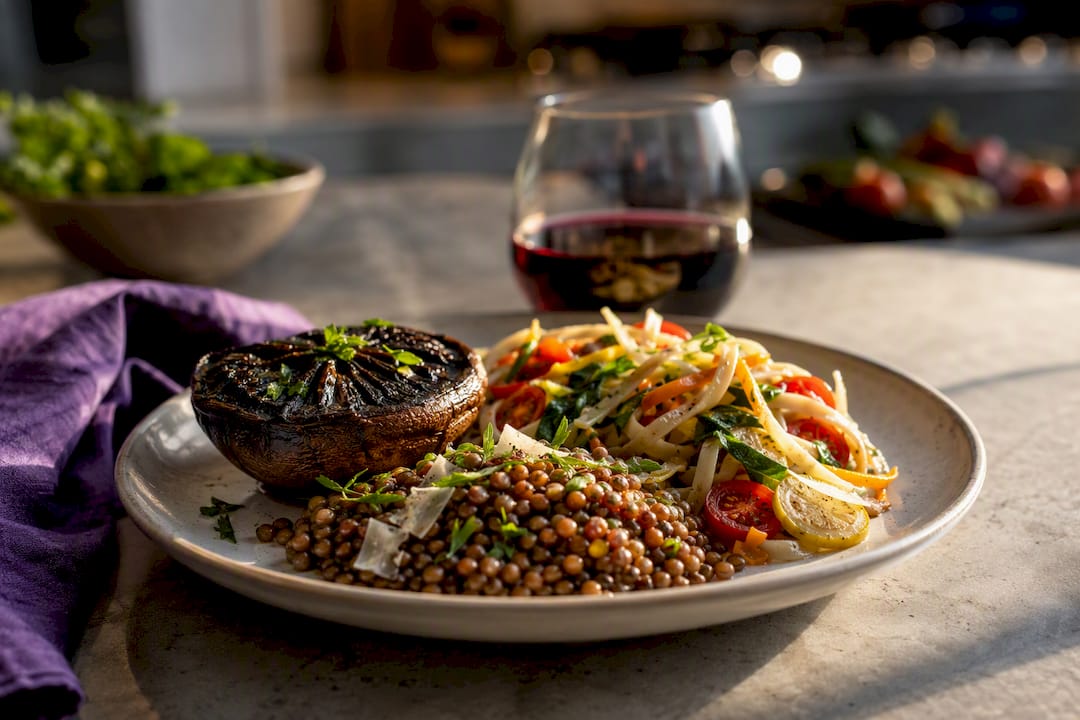
Earthy vegetables like mushrooms and lentils pair naturally with earthy, lighter reds. Bright, acidic vegetarian dishes, think grain bowls with citrus or a vinegar-forward salad, want an equally high-acid white to avoid tasting muted. Creamy vegetarian mains, like a mushroom risotto or a baked cheese dish, respond to the same fat-cutting acidity that works on any rich, dairy-heavy plate.
Gluten-free eating rarely affects the wine at all, since wine itself doesn’t contain gluten in its finished form. The real consideration is what the gluten-free substitution does to a dish’s texture and weight. A gluten-free pasta made from rice or chickpea flour often has a denser, heavier mouthfeel than traditional wheat pasta, which can call for a slightly fuller-bodied wine to match. The safest approach in any adapted menu is to taste the dish as it’s actually prepared and pair to what’s in front of you, not to a generic category label.
Why Hands-On Wine Pairing Classes Actually Work
Passive tasting teaches you almost nothing compared to cooking a dish yourself and tasting it against two different wines in the same sitting. The immediate feedback loop, taste the sauce, taste the wine, understand instantly why they clash or click, builds intuition in a way that reading a pairing chart never will.
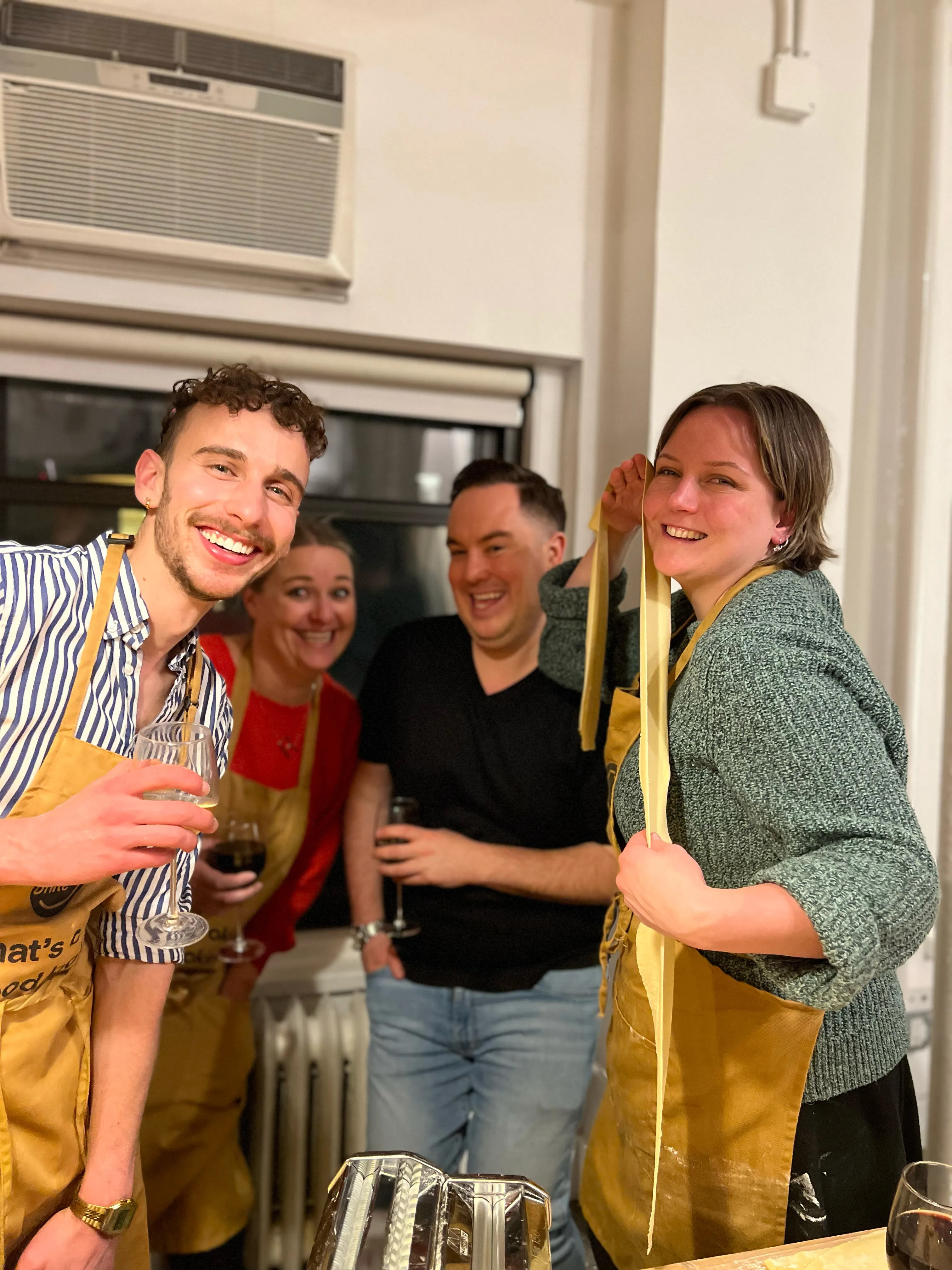
There’s a social payoff too. A room full of people chopping, laughing, and comparing notes over a shared braise creates a different kind of memory than a lecture-style tasting. That’s exactly why these formats work so well for date nights and team-building outings alike. If you want to study the theory in more depth between classes, The Ultimate Wine Pairing Guide breaks down the sensory framework behind everything an instructor teaches you at the stove.
— Patta
Book a Hands-On Class With Biteunite
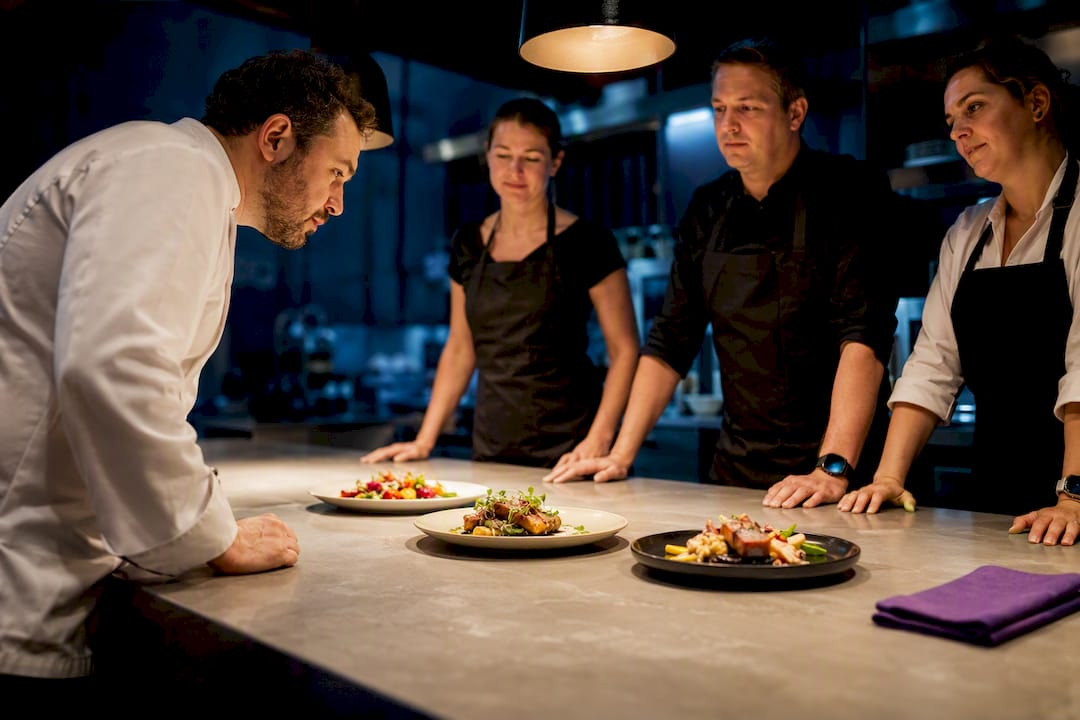
Biteunite turns pairing theory into something you actually taste, cook, and remember, without hunting down a venue, a sommelier, and a recipe on your own. Classes run in major cities with chefs guiding every step, and formats flex to fit a date night, a friend group, or a corporate team looking to bond over something other than a conference room.
A Biteunite class hands you the recipes, walks you through the pairing logic in real time, and leaves you with skills you’ll use long after the dishes are cleared. Wine country flavors are on the menu at Napa Cooking Classes, where hands-on cooking meets guided tastings built around the region’s own wines. Teams in the Bay Area can build the same kind of connection at a team-building workshop in San Francisco, and both in-person and virtual sessions are available if your group is scattered across cities. Check available dates and book your spot to see what you’ll be cooking next.
Sources
For more on pairing terminology and experience design, see Wild Foodz’s guide to culinary experiences and Biteunite’s own Ultimate Wine Pairing Guide for deeper study.
- Le Cordon Bleu — Wine pairing evening cooking course
- Food & Wine — Cooking with Wine
- CIA — Cooking wine: 2 things you need to know


























.webp)




.webp)
.webp)
.webp)

