Interactive Dinner Party Ideas That Get Everyone Involved
Pick one format based on your crowd: food-assembly bars for low-prep fun, murder mystery for high payoff with more planning, table games for quick laughs between courses, or live entertainment when you want a wow moment without lifting a spoon. Each one trades screen time for conversation, and studies on dinner engagement show that’s exactly the point. Here’s how to match the format to your guest list:
- Pizza, taco, or poke bars — low-prep, works for kids and adults, great for 8 to 20 people
- Murder mystery dinners — high prep, high payoff, best for 6 to 12 adults who like to play
- Table games (Salad Bowl, Werewolf) — zero prep, slots between courses, works at any table size
- Live entertainment (magician, musician) — moderate cost, minimal host effort, scales to any group
Key Takeaways
Interactive dinner parties work best when the format matches the group, hosts prep for allergies and pacing in advance, and role-play formats get invites out weeks early.
| Point | Details |
|---|---|
| Match format to group size | Food bars suit 8 to 20 guests; murder mystery works best for 6 to 12 adults. |
| Send invites early for role-play | Character assignments and costumes need 4 to 6 weeks; DIY bars need only 1 to 2 weeks. |
| Prep stations, not just food | Batch sauces and proteins ahead, label allergens, and hold hot items above 140°F. |
| Keep games low-prep | Salad Bowl, Werewolf, and secret-mission formats add fun without stopping conversation. |
| Book a pro for larger or complex groups | Biteunite’s chef-led events handle menu customization and staffing so you can host stress-free. |
Table of Contents
- Interactive Dinner Party Ideas Grouped by Type
- Running Food Stations Without the Chaos
- Games and Entertainment That Keep the Table Talking
- Your Planning Checklist and Timeline
- Common Pitfalls and How to Skip Them
- When Hosting It Yourself Isn’t the Right Call
- What Actually Matters More Than the Theme
- Book a Hands-On Night Instead of Hosting One
- Sources
Interactive Dinner Party Ideas Grouped by Type
Not every host wants to run a scavenger hunt between the salad and the entrée. Some just want guests to build their own tacos and talk to each other. Grouping ideas by what drives the fun, food, activity, or entertainment, makes it easier to pick what fits your crowd and your energy level.
Food-first concepts
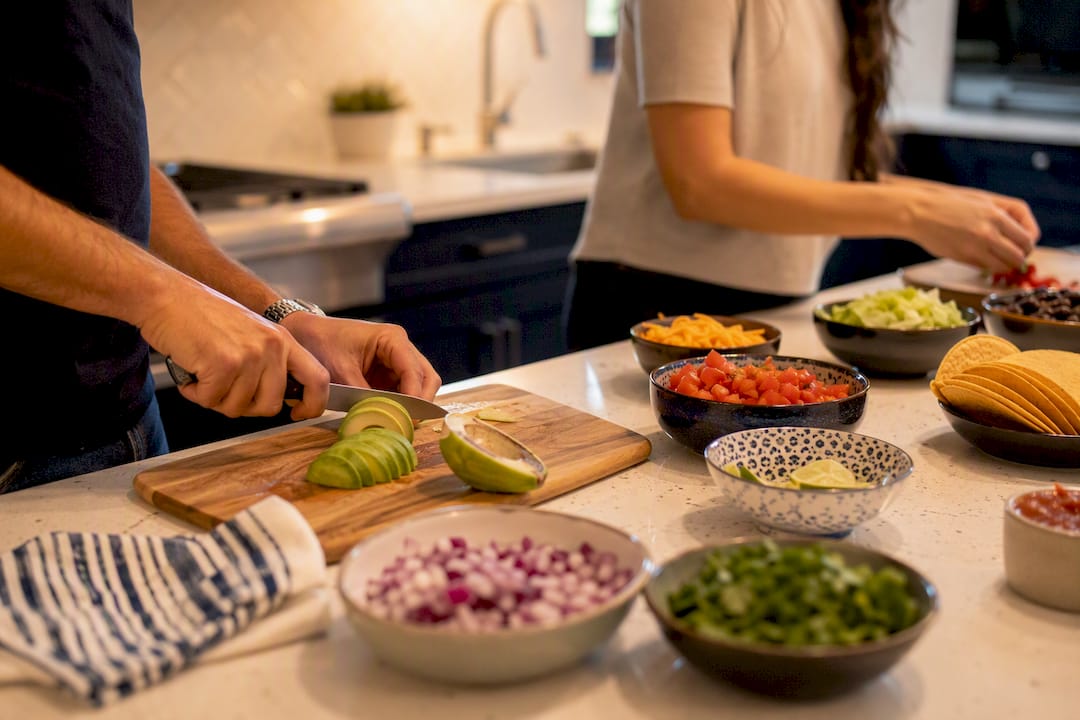
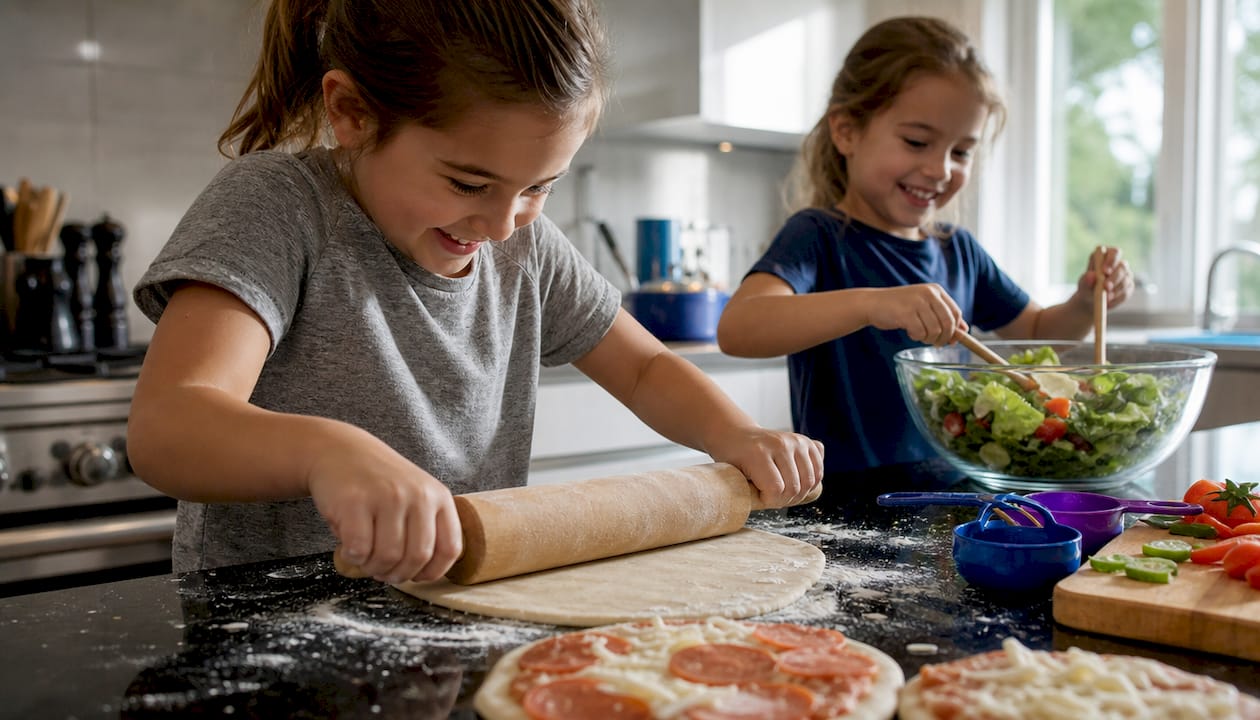
- Make-your-own pizza bar. Fits 8 to 16 guests. Pre-stretch dough and set out sauce, cheese, and toppings in labeled bowls; guests build, you bake in batches. Swap gluten-free crusts for guests who need them.
- Taco or handroll bar. Fits 10 to 20 guests. Batch-cook proteins ahead, keep warm in a slow cooker, let guests assemble. Offer a vegetarian filling like seasoned jackfruit or marinated tofu.
- Waffle or dessert bar. Fits any size. Keep a waffle iron running and let guests pile on fruit, whipped cream, and syrup. Works well as a late-night second act.
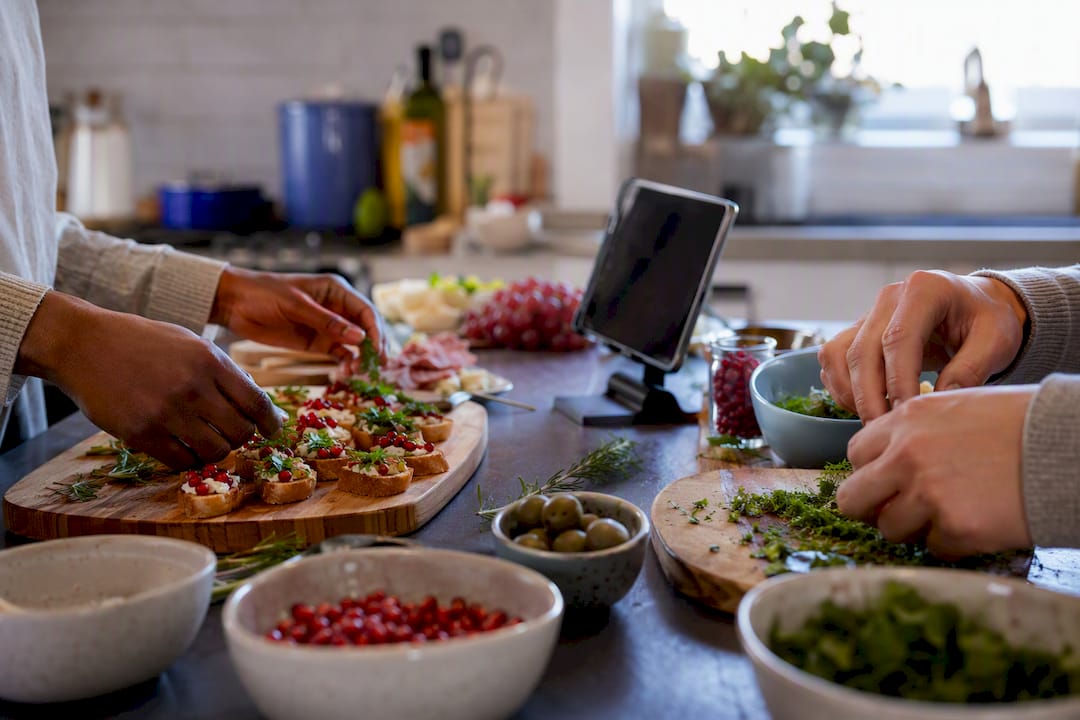
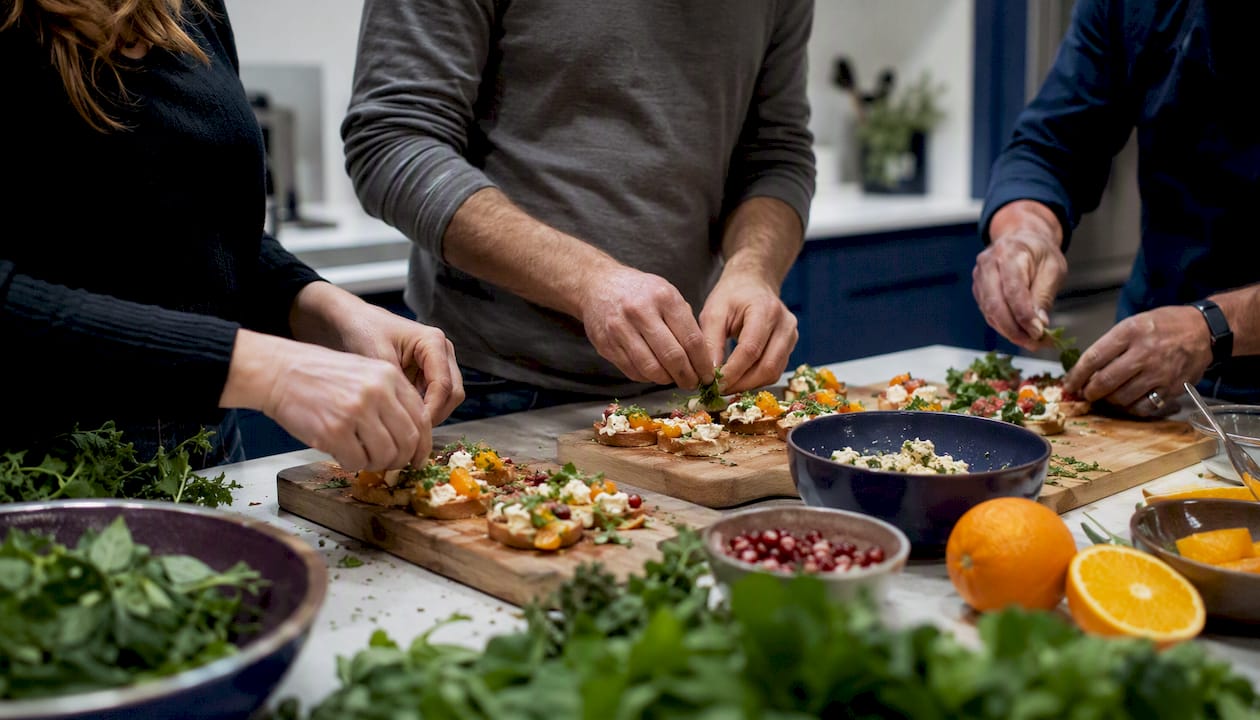
- Charcuterie build-off. Fits 6 to 12 guests. Split ingredients into two identical spreads and let two teams compete to plate the better board.
Activity-first concepts
- Murder mystery dinner. Fits 6 to 12 adults. Assign characters weeks ahead so guests arrive in costume and ready to play, a detail that Martha Stewart’s hosting guide flags as the difference between a flop and a hit.
- Don’t Get Got secret missions. Fits any group. Each guest gets a silly, secret task (get someone to say a certain word) that runs quietly all night.
- Collaborative cook-off. Fits 6 to 10 guests. Split into teams, hand each a mystery basket, and judge the results together after dinner.
- Cook-the-Book club. Fits 6 to 14 guests. Everyone cooks one dish from the same cookbook and brings it potluck-style, then discusses the book over the meal.
Entertainment-first concepts
- Table magician. Fits any size. Book 45 to 60 minutes of close-up magic that moves table to table during the appetizer course.
- Live acoustic trio. Fits larger groups (15 plus). Keep volume low enough for conversation, not background wallpaper.
- Silhouette artist. Fits any size. A fun favor guests take home, works well as a cocktail-hour opener.
- Cocktail or mocktail lab. Fits 8 to 20 guests. Set up a self-serve station with two or three mocktail recipes alongside the alcohol so nondrinkers aren’t an afterthought.
Pro Tip: Pair one food-first idea with one low-effort entertainment piece. A taco bar plus a magician working the room covers both hunger and boredom without doubling your workload.
Running Food Stations Without the Chaos
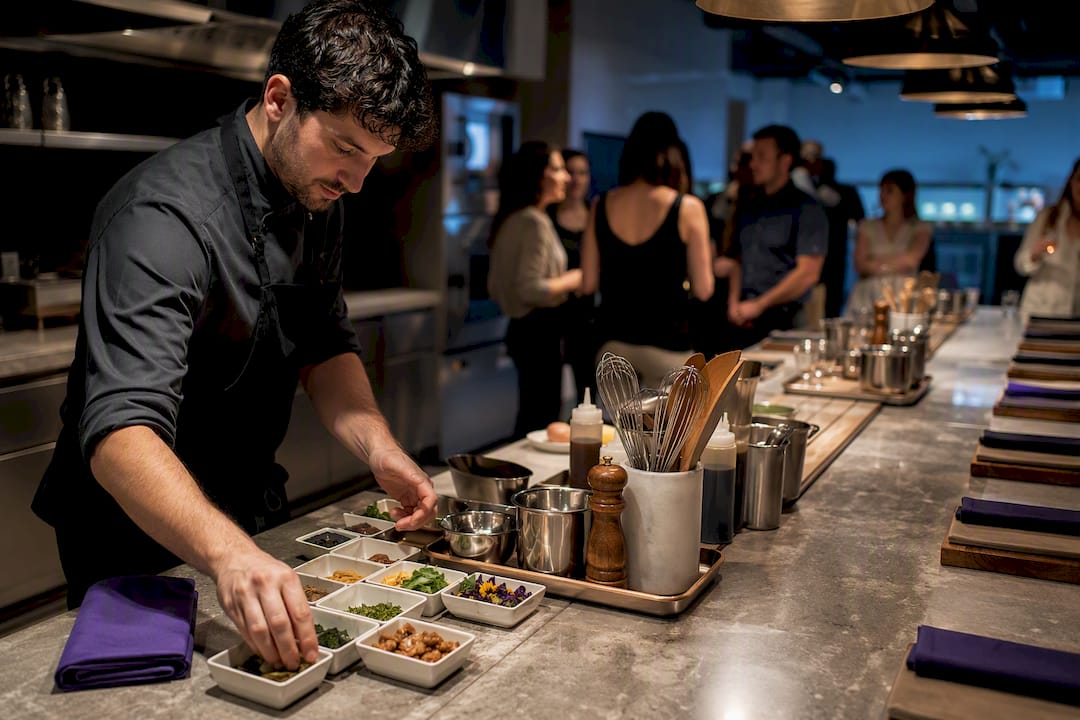
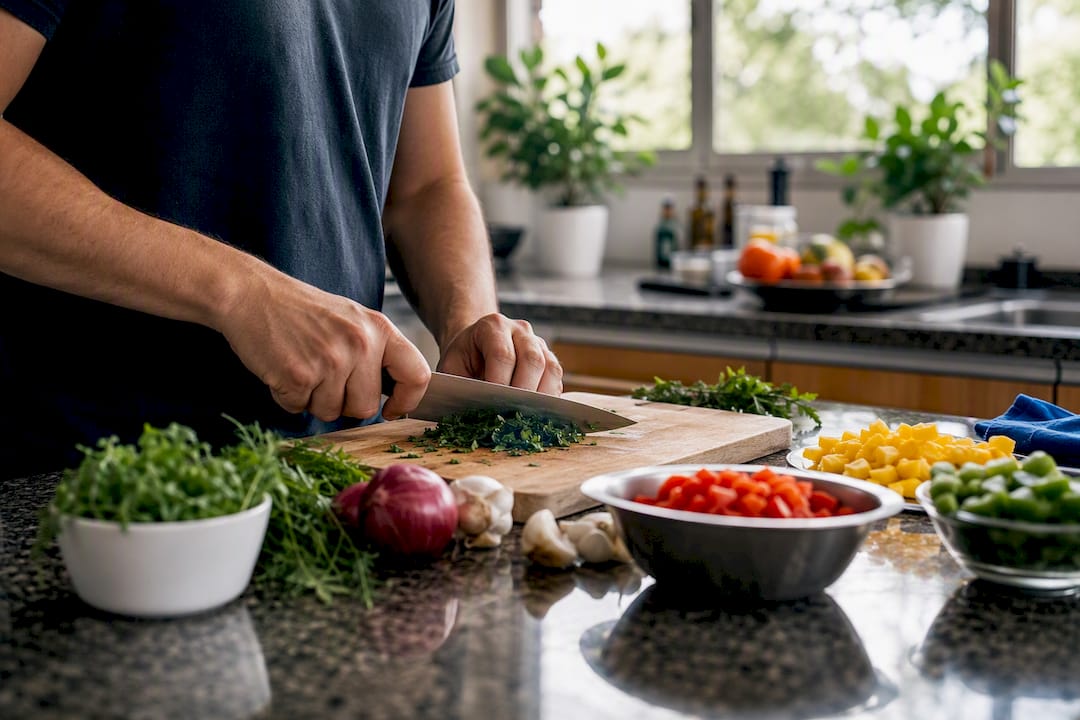
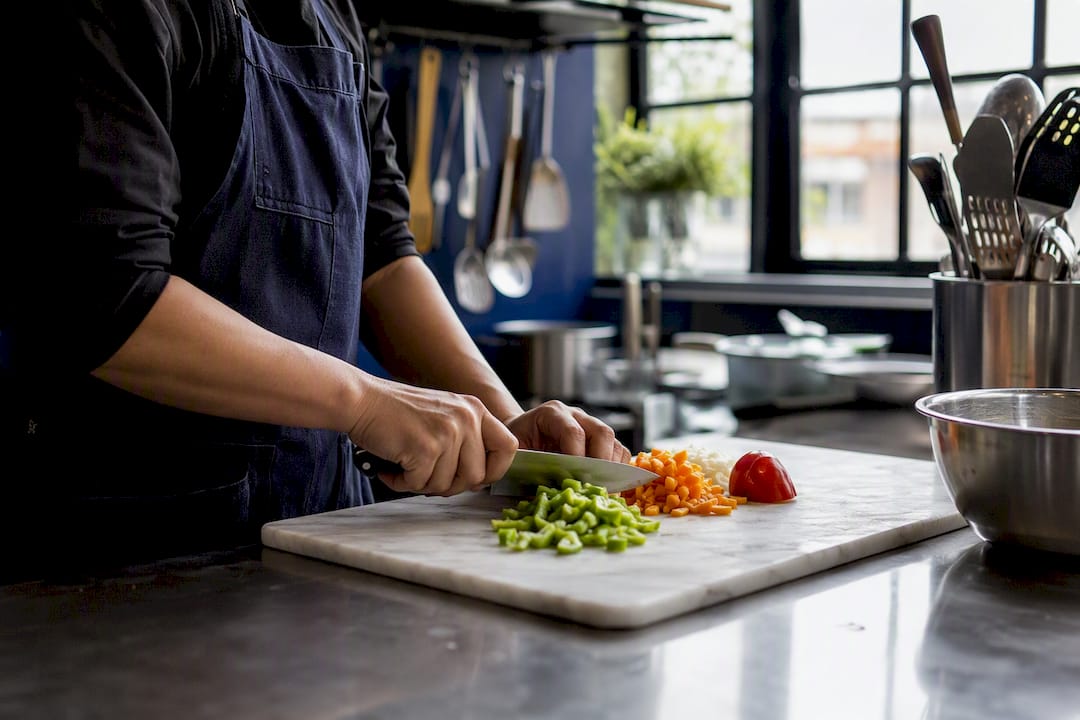
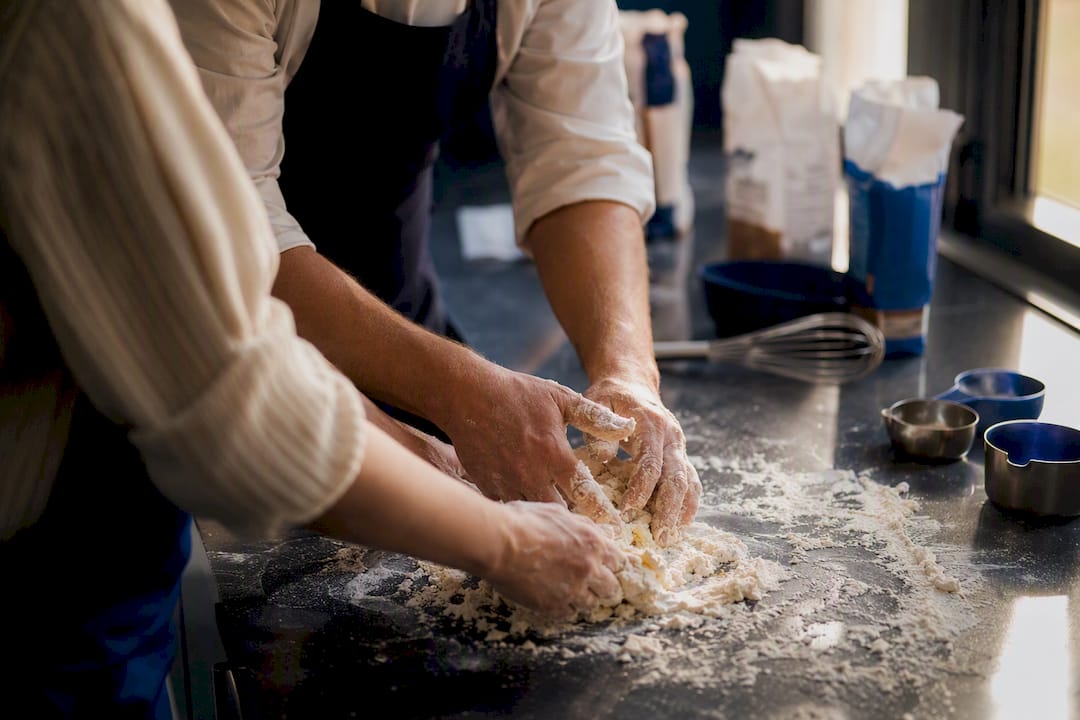
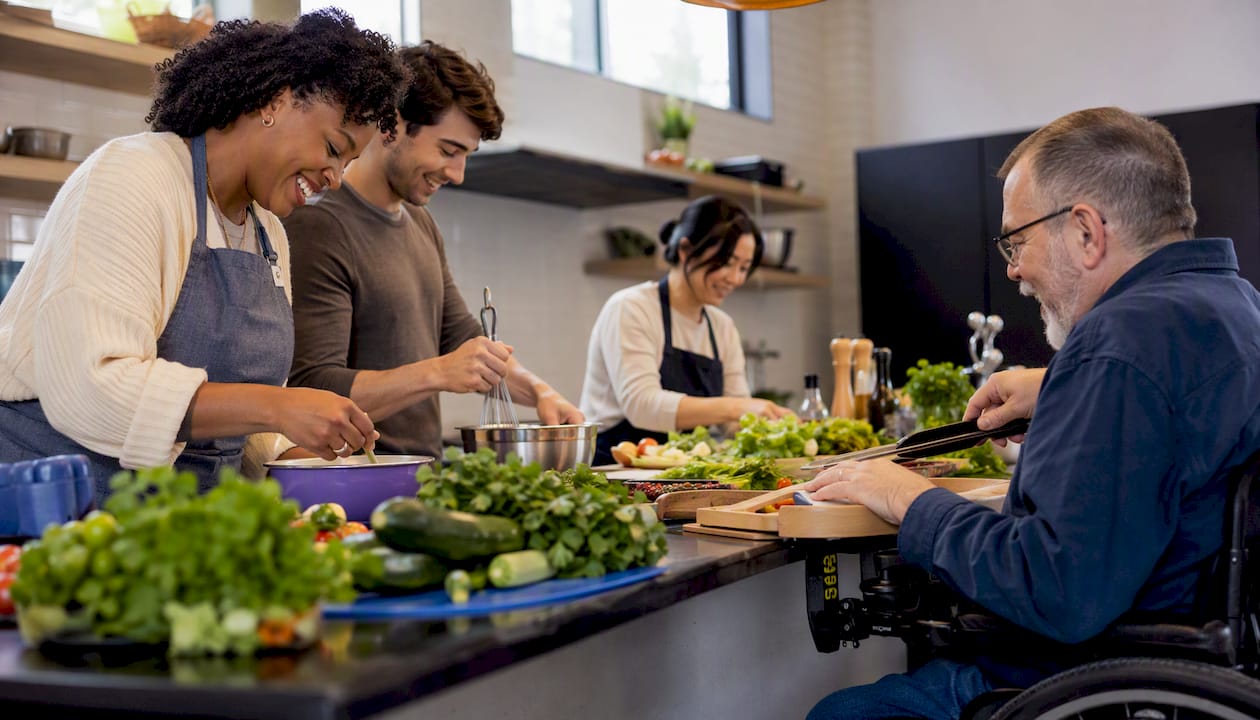
A DIY bar only feels effortless to guests if the host has done real prep work behind the scenes. Batching key components ahead of time, sauces, proteins, doughs, is what lets a taco or pizza station run smoothly instead of turning into a bottleneck at 7 p.m.
Start with a portion rule of thumb: plan for a moderate serving of protein per person and ample toppings, as guests tend to take more than expected. Buy proteins and produce the day before for anything perishable, but sauces, doughs, and dry toppings can be made two to three days out and refrigerated.
Safety and labeling matter more at a self-serve station than a plated dinner, since guests are handling shared utensils and reading ingredient lists on the fly:
- Label every dish with common allergens (nuts, dairy, gluten, shellfish)
- Keep hot items above 140°F using a slow cooker or chafing dish, and cold items below 40°F
- Offer at least one vegetarian and one vegan option per station, not just a side salad
- Use tongs or serving spoons per dish to avoid cross-contact
| Station | Make-ahead time | Hold temp | Key swap |
|---|---|---|---|
| Pizza bar | Dough 1 day ahead | Serve hot, bake in batches | Gluten-free crust |
| Taco/handroll bar | Protein 1 day ahead | Warm, 140°F+ | Tofu or jackfruit filling |
| Waffle/dessert bar | Batter same day | Serve hot off iron | Dairy-free toppings |
| Charcuterie build-off | Assemble morning-of | Room temp, under 2 hours | Nut-free board option |
Keep a small supplies kit ready: tongs, labels, a chafing dish or two, disposable plates for messy stations, and a trash bin within reach so the buffet line doesn’t back up.

Games and Entertainment That Keep the Table Talking
The best dinner party games run underneath the meal rather than stopping it. A round of trivia between courses works. A 45-minute board game does not.
- Murder mystery. Best for a dedicated evening, since it structures the whole night around a reveal at dessert. Use a printable kit with pre-written clues if you don’t want to write your own script.
- Don’t Get Got. No rules to explain at the table. Hand out secret missions before guests arrive, and let the game unfold on its own; this quiet, ongoing format often works better than a single big production because it never interrupts eating or conversation.
- Salad Bowl. A word-guessing game played in three rounds with the same slips of paper. Best between the main course and dessert when energy dips.
- Werewolf or One Night Ultimate Werewolf. Fifteen minutes per round, best for groups of 8 or more who don’t mind a little chaos.
- Quick trivia or Wits & Wagers. Low prep, works for any group size, and simple table games like these are reliable icebreakers even for guests who’ve never met.
If you’re bringing in outside talent, brief them clearly. Tell a table magician exactly when to start (right after appetizers are cleared) and how long to spend per table (5 to 7 minutes). Tell a musician what volume works for conversation, not a concert.
Pro Tip: Print secret missions or trivia questions on index cards and tuck them under each place setting. Guests discover them naturally without you having to explain anything out loud.
Your Planning Checklist and Timeline
A little sequencing turns an ambitious idea into a party that actually comes together.
- Four to six weeks out: Send invites for role-play formats like murder mystery, since character assignments and costume prep take guests time. For casual DIY bars, one to two weeks is plenty.
- When you send invites: Collect RSVPs and dietary notes together, so you’re not chasing allergy info the week of.
- Two weeks out: Finalize your menu, order any specialty ingredients, and confirm entertainers or game kits.
- Three days out: Shop for perishables, prep sauces and doughs, and print any game materials or character sheets.
- Day of: Set up stations two hours before guests arrive, plate anything that holds well, and keep proteins warming.
A few shortcuts stretch your budget and your energy:
- Turn one course into a potluck ask, dessert is the easiest to delegate
- Recruit a friend to run the bar or mocktail station so you’re not stuck serving all night
- Build a simple 3-hour timeline: 30 minutes mingling and drinks, 90 minutes dinner with one game slotted between courses, and a final hour for dessert and a bigger group activity
Common Pitfalls and How to Skip Them
Most interactive dinners go sideways for the same handful of reasons, and every one of them has an easy fix.
- Too many moving parts. Pick one big interactive element (a food bar or a game), not three. Layering a mystery, a cocktail station, and a live musician into one night usually overwhelms the room instead of energizing it.
- Slow equipment. One waffle iron for 16 people creates a bottleneck. Borrow a second one or stagger arrival times.
- Unclear game instructions. Print rules on a card instead of explaining verbally, guests forget spoken rules within minutes.
- Forgetting mixed-age or mixed-ability guests. Offer a quiet corner away from loud games, and swap trivia categories or costume requirements for anything a kid or older relative can join without feeling left out.
- Cleanup dread. Batch-cook anything freezable a week ahead, and use disposable liners in serving dishes so cleanup is a five-minute job, not an hour.
Pro Tip: Assign one “quiet zone” chair or corner at every party, no exceptions. It gives anyone overwhelmed by a loud game or a big group a low-key place to reset.
When Hosting It Yourself Isn’t the Right Call
Sometimes the smartest interactive dinner party idea is skipping the DIY route entirely. If your group tops 20 people, spans several dietary needs you can’t confidently manage, or you’d honestly rather be a guest at your own party, booking a professional experience solves the logistics for you.
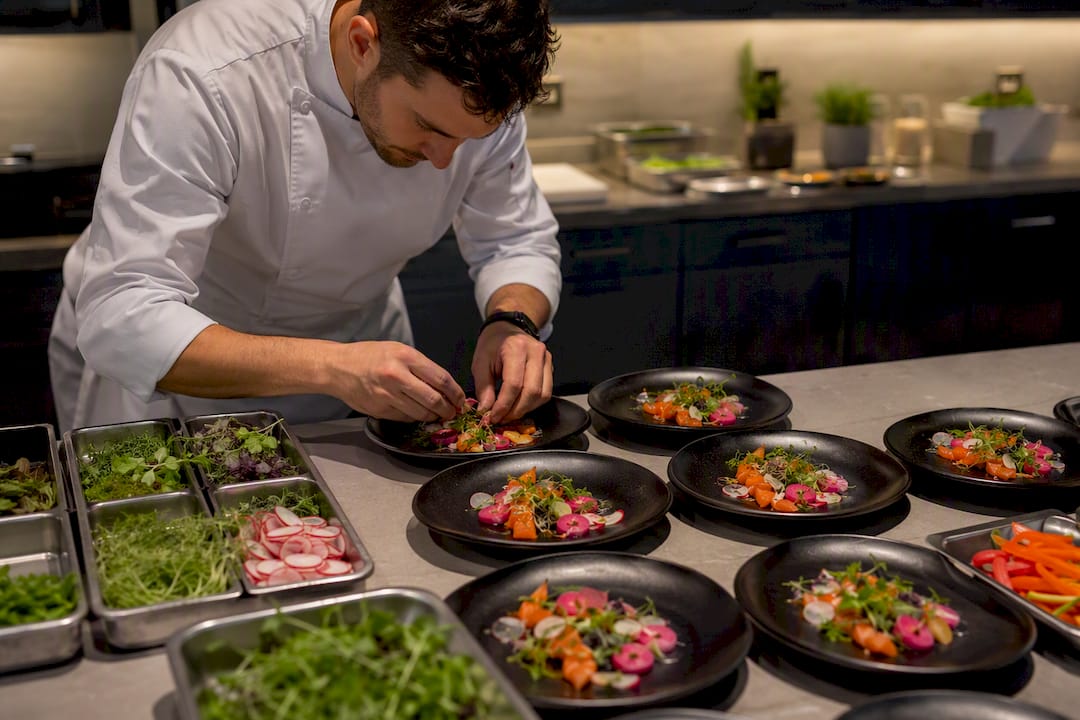
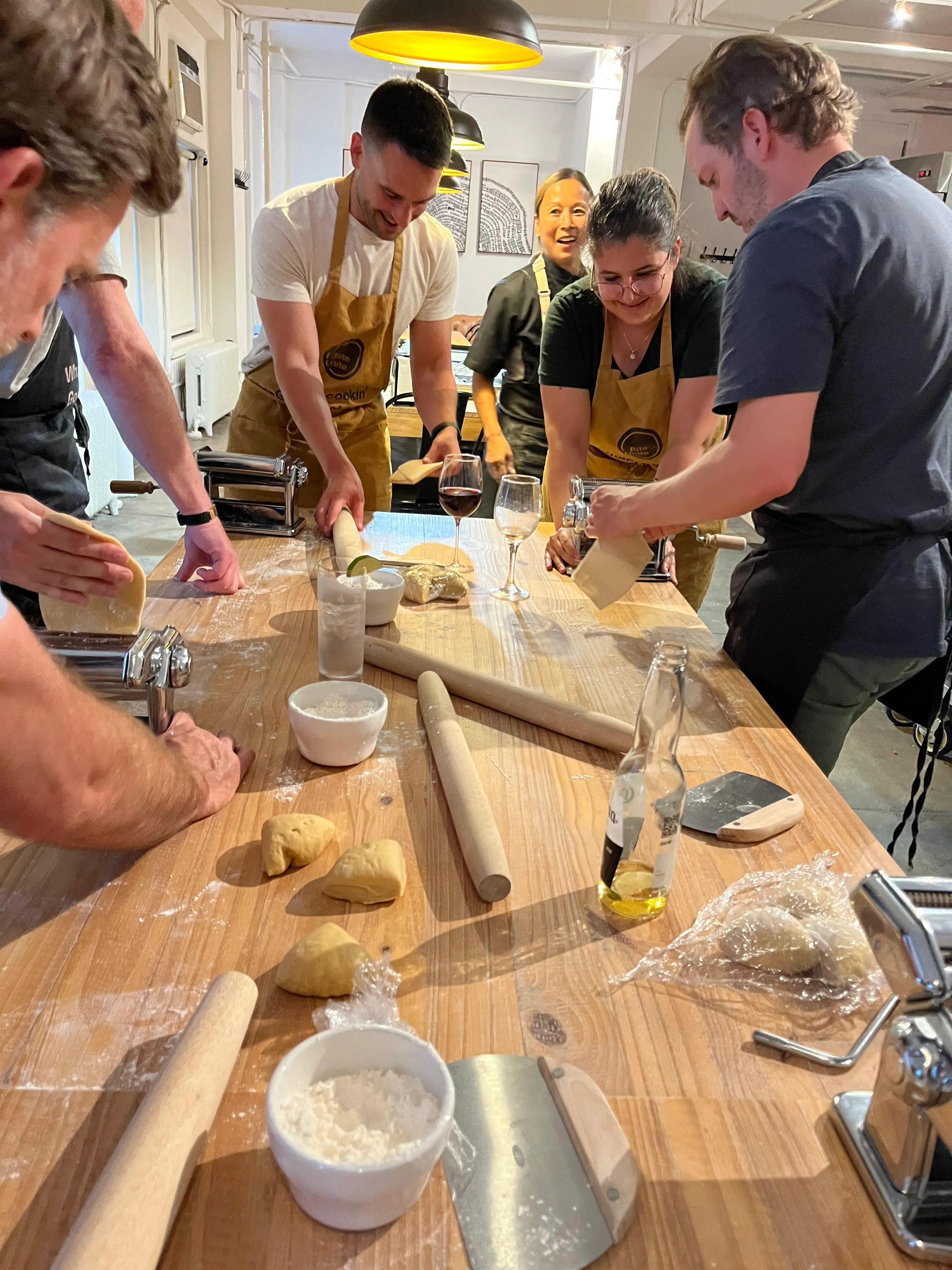
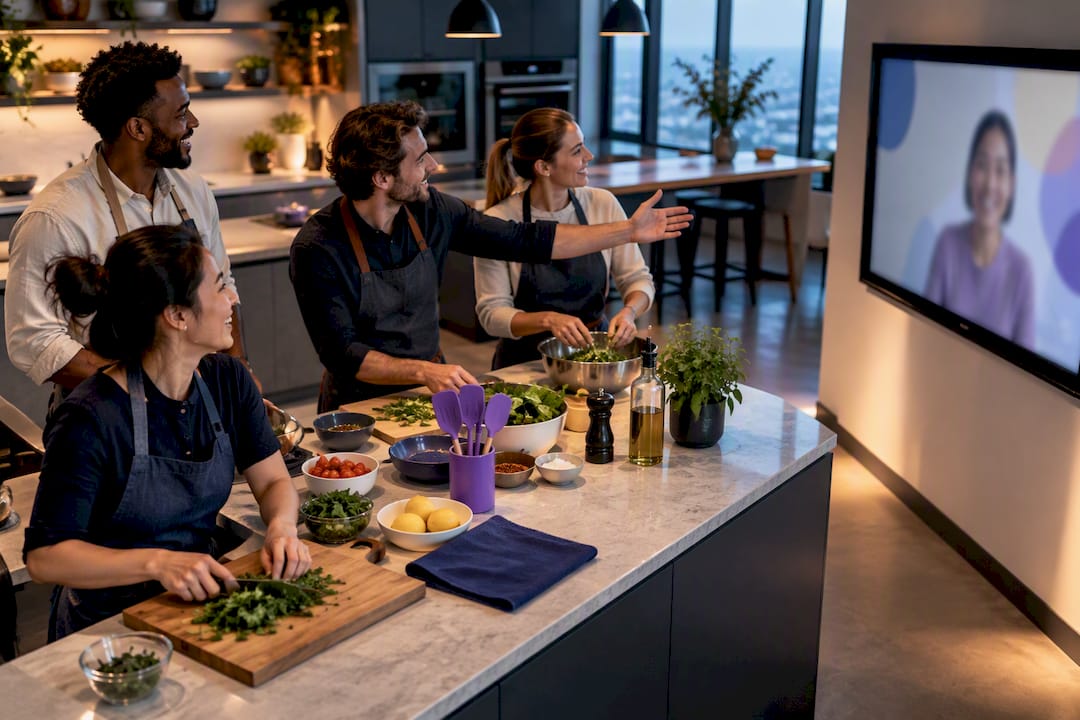
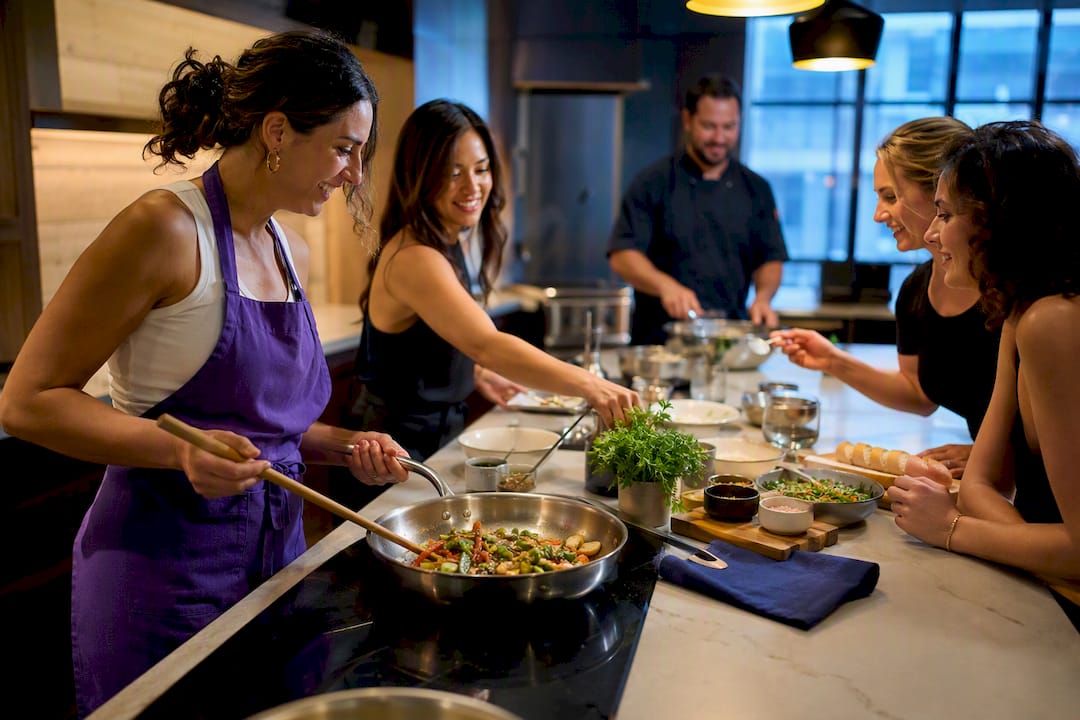
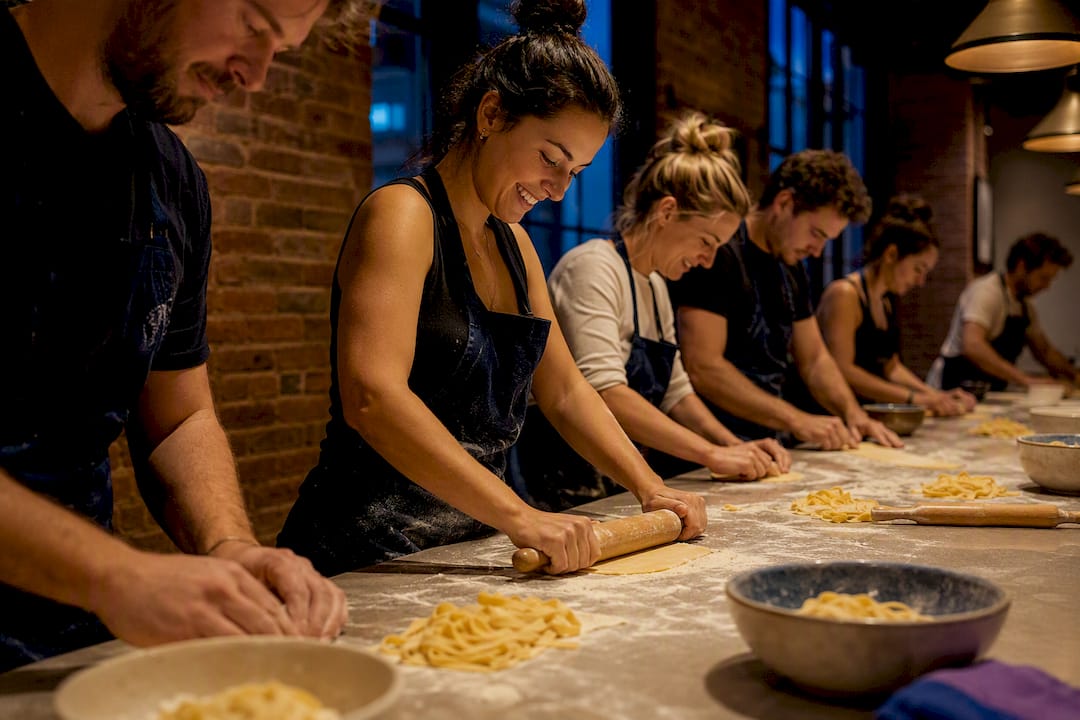
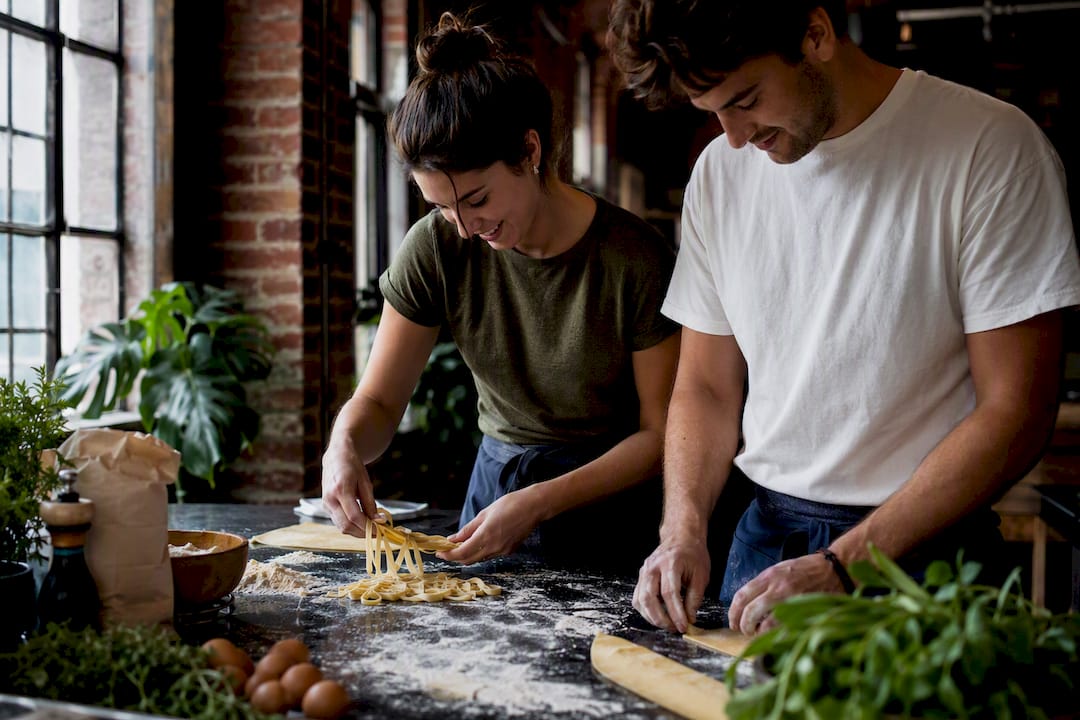
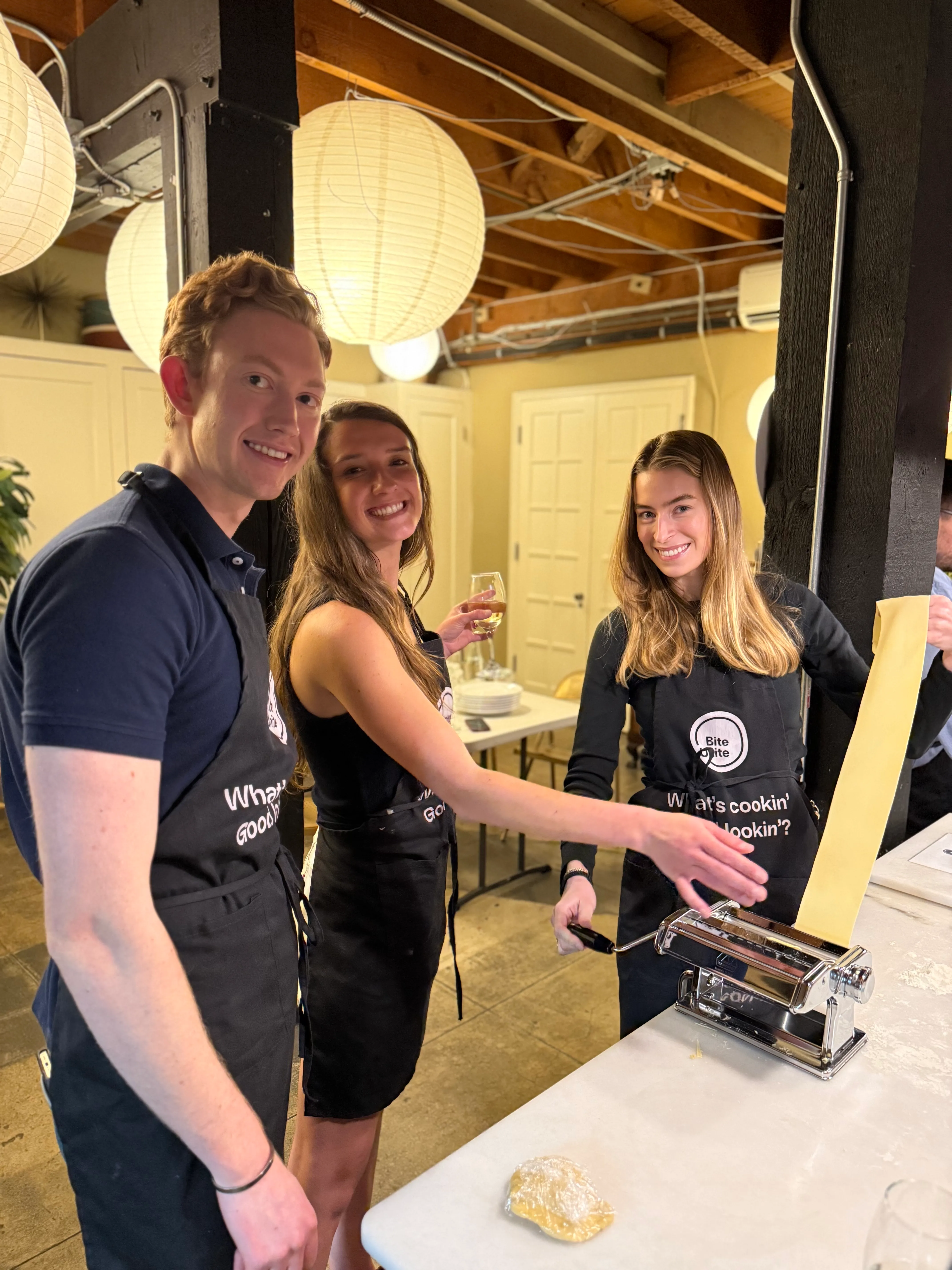
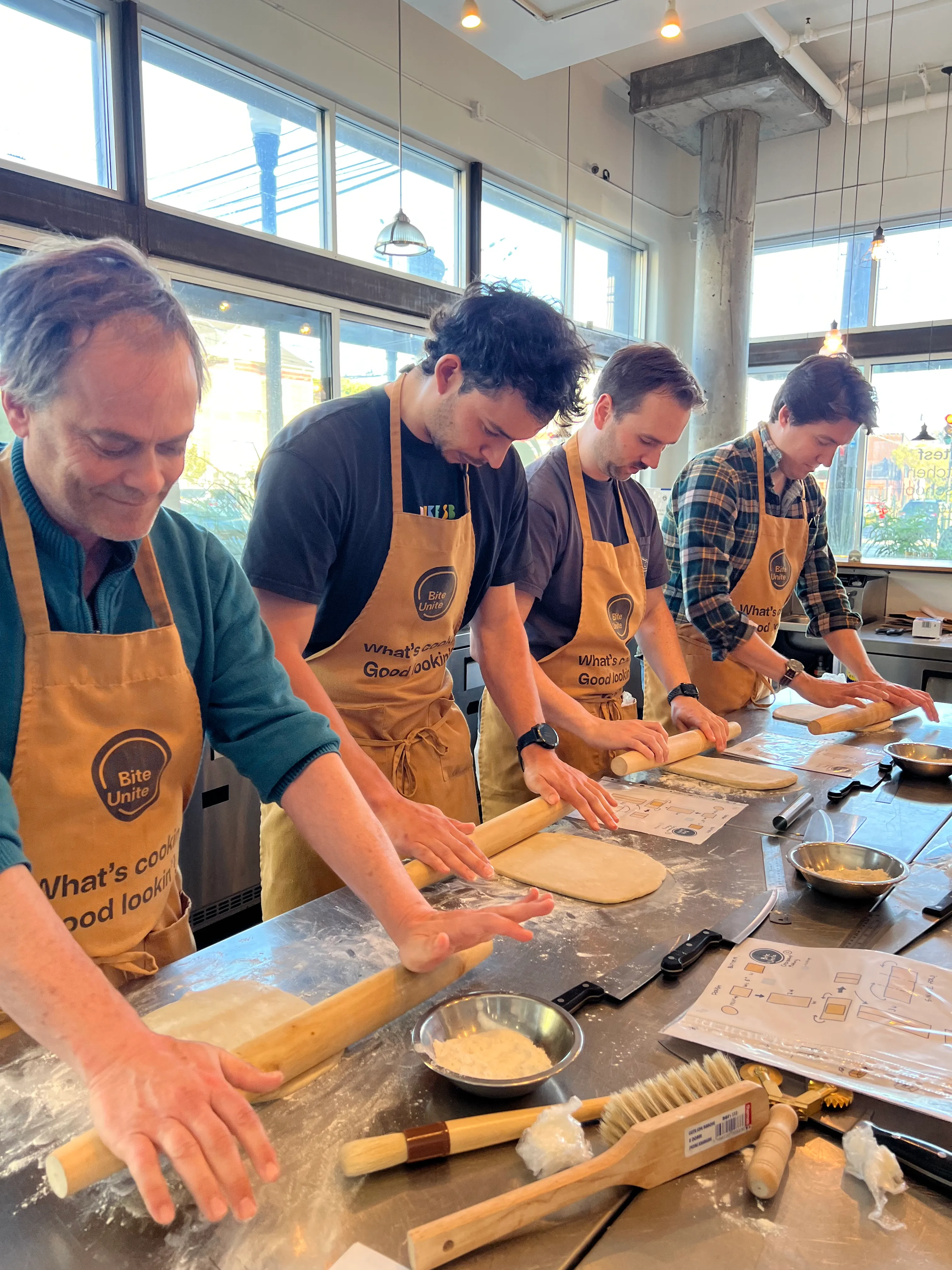
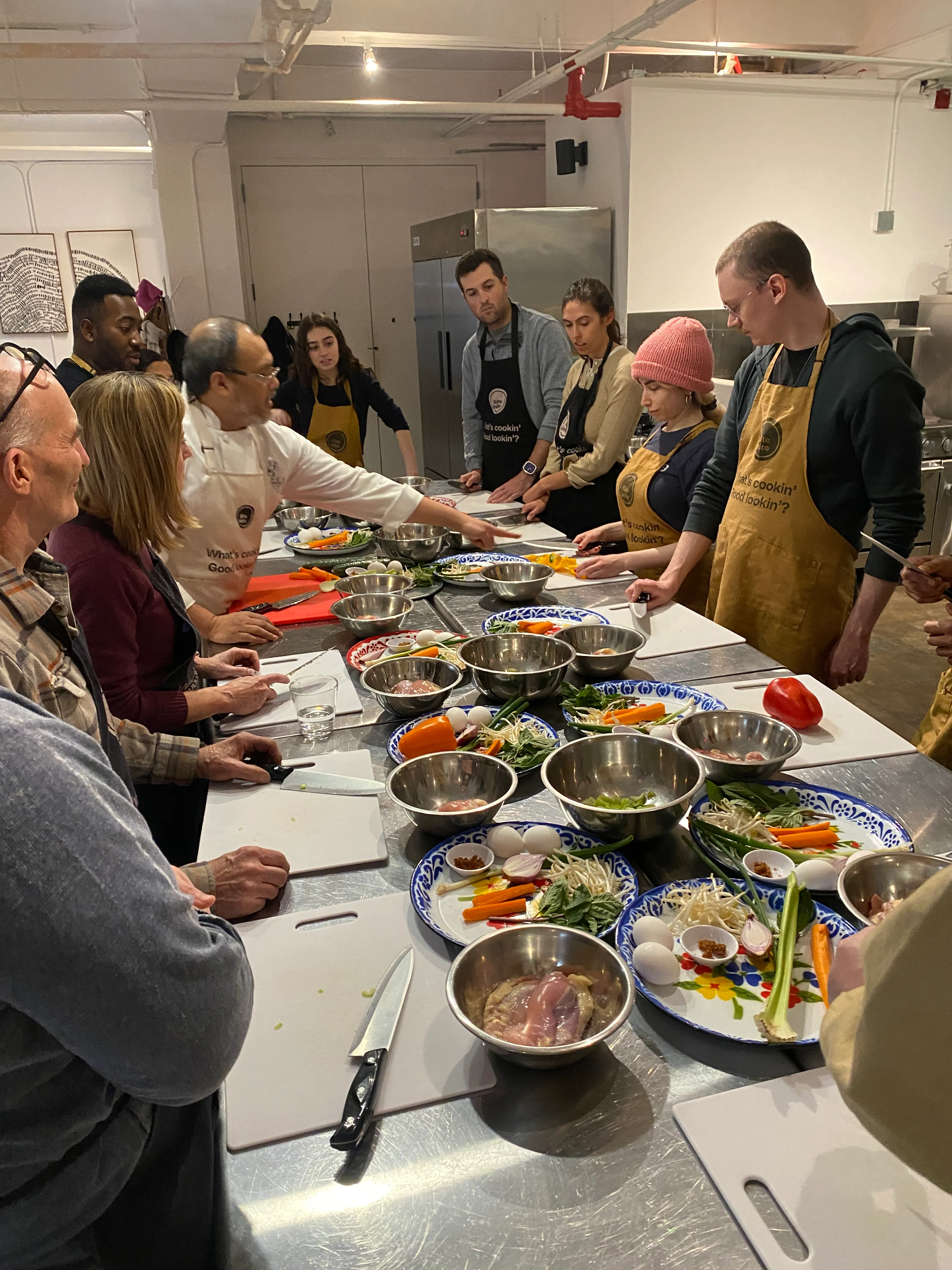
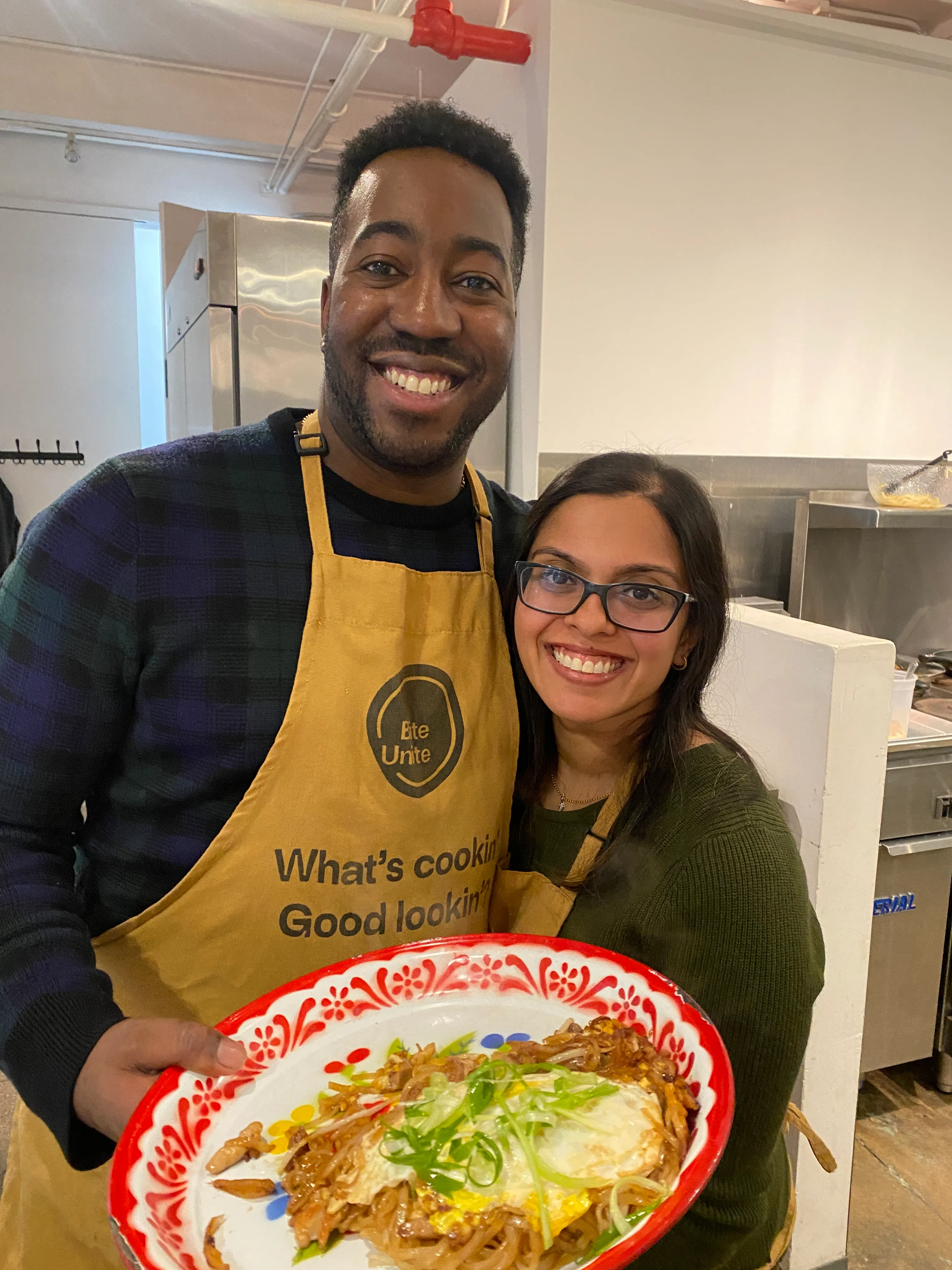
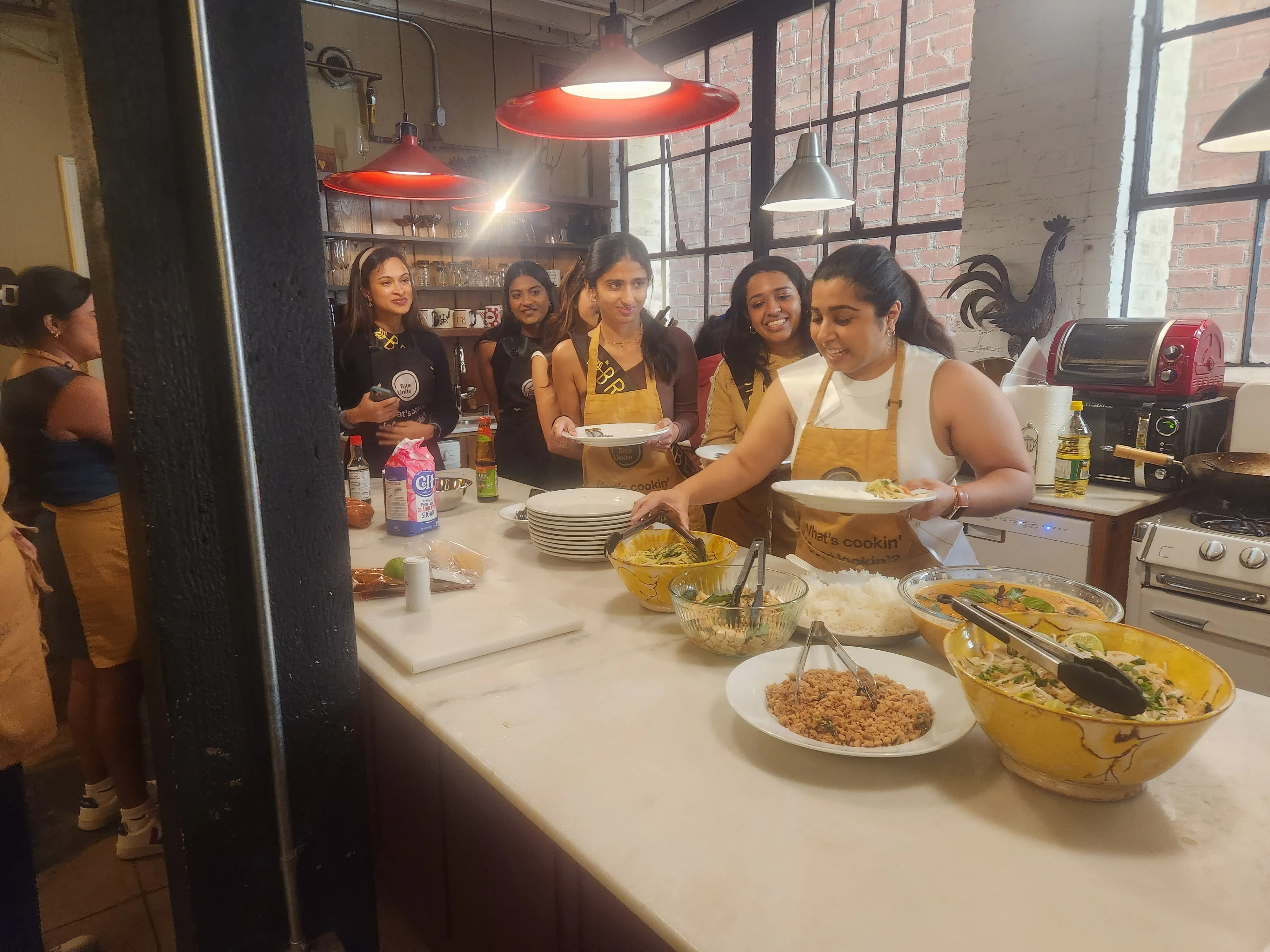
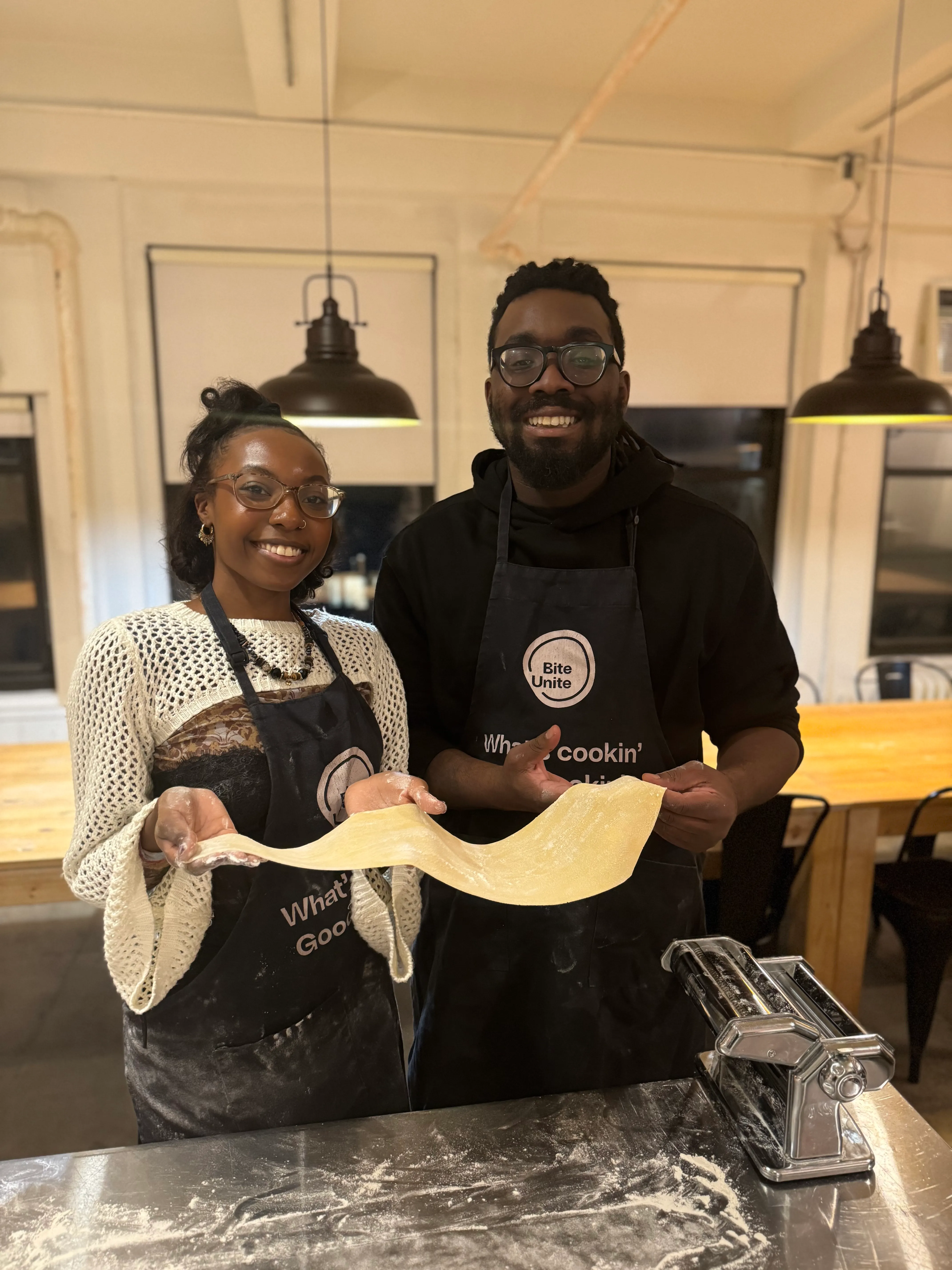
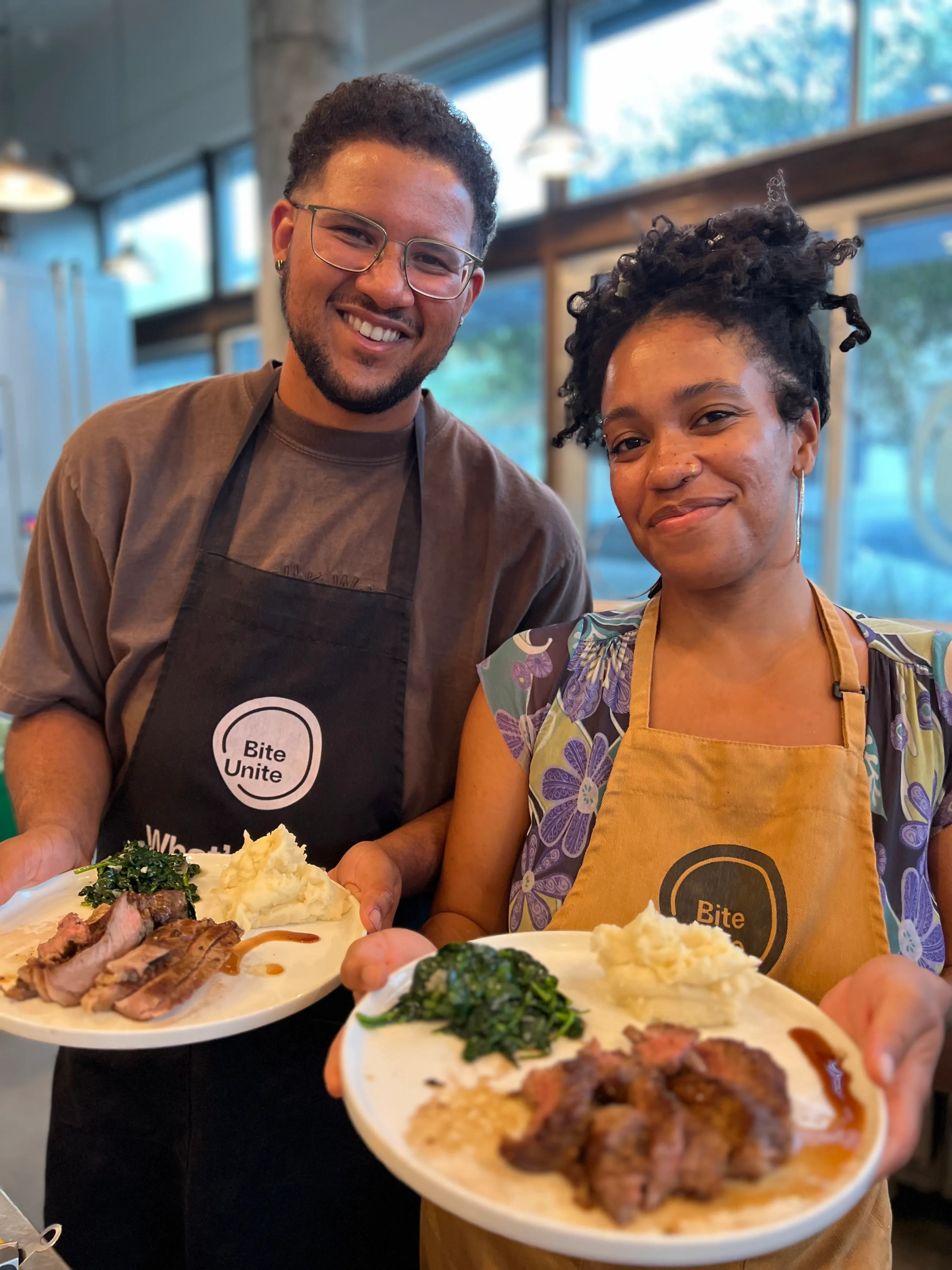
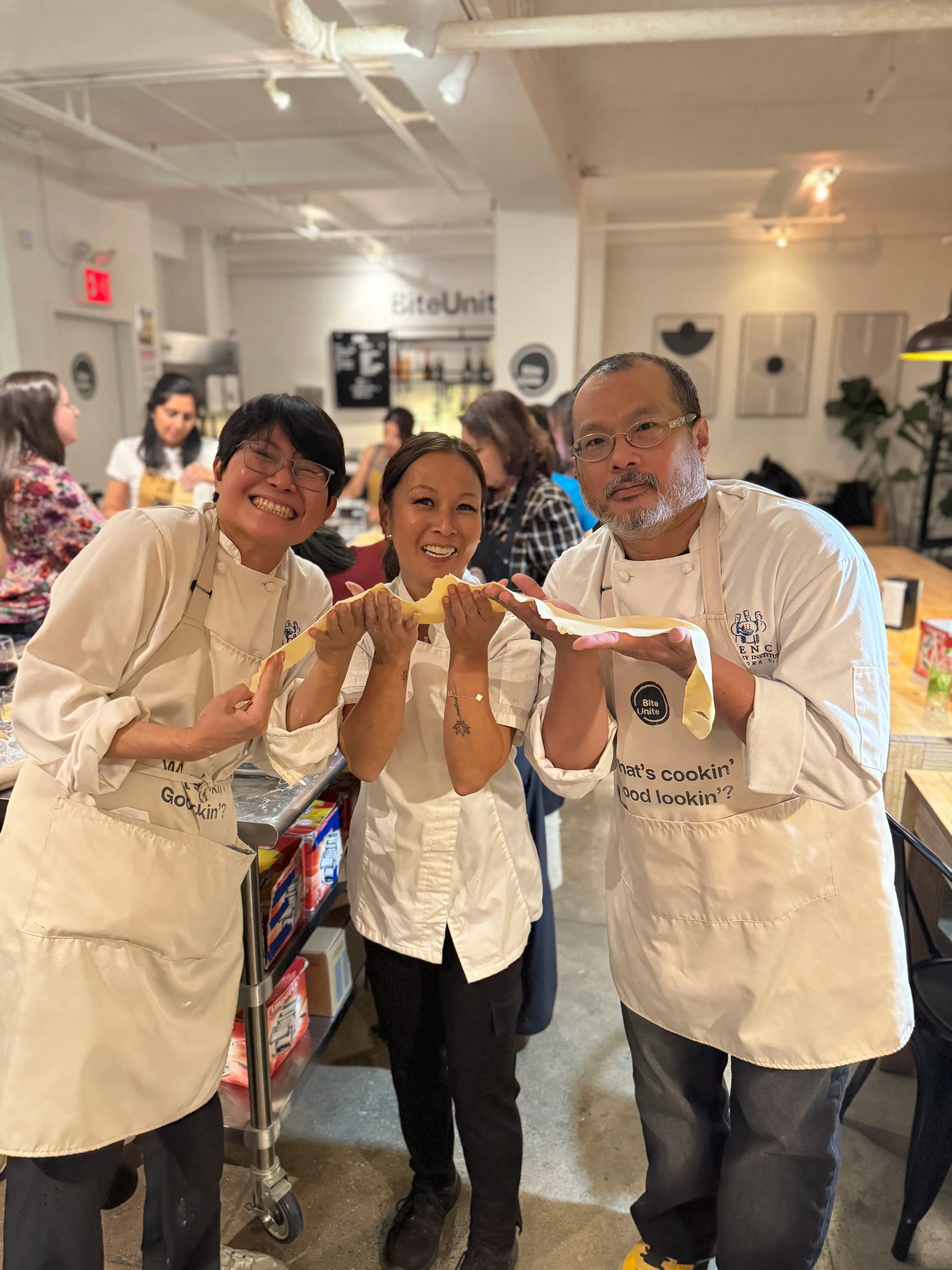
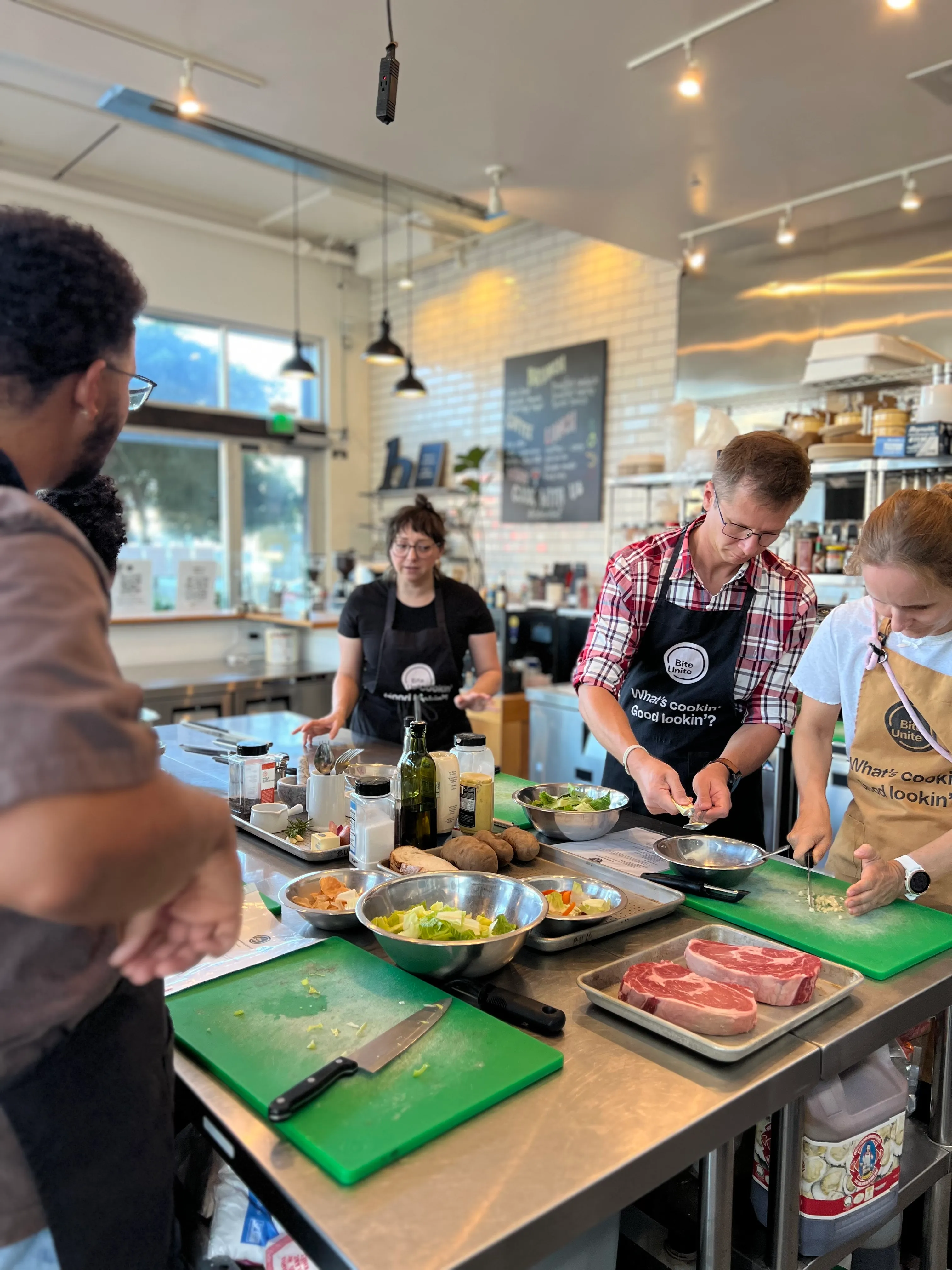
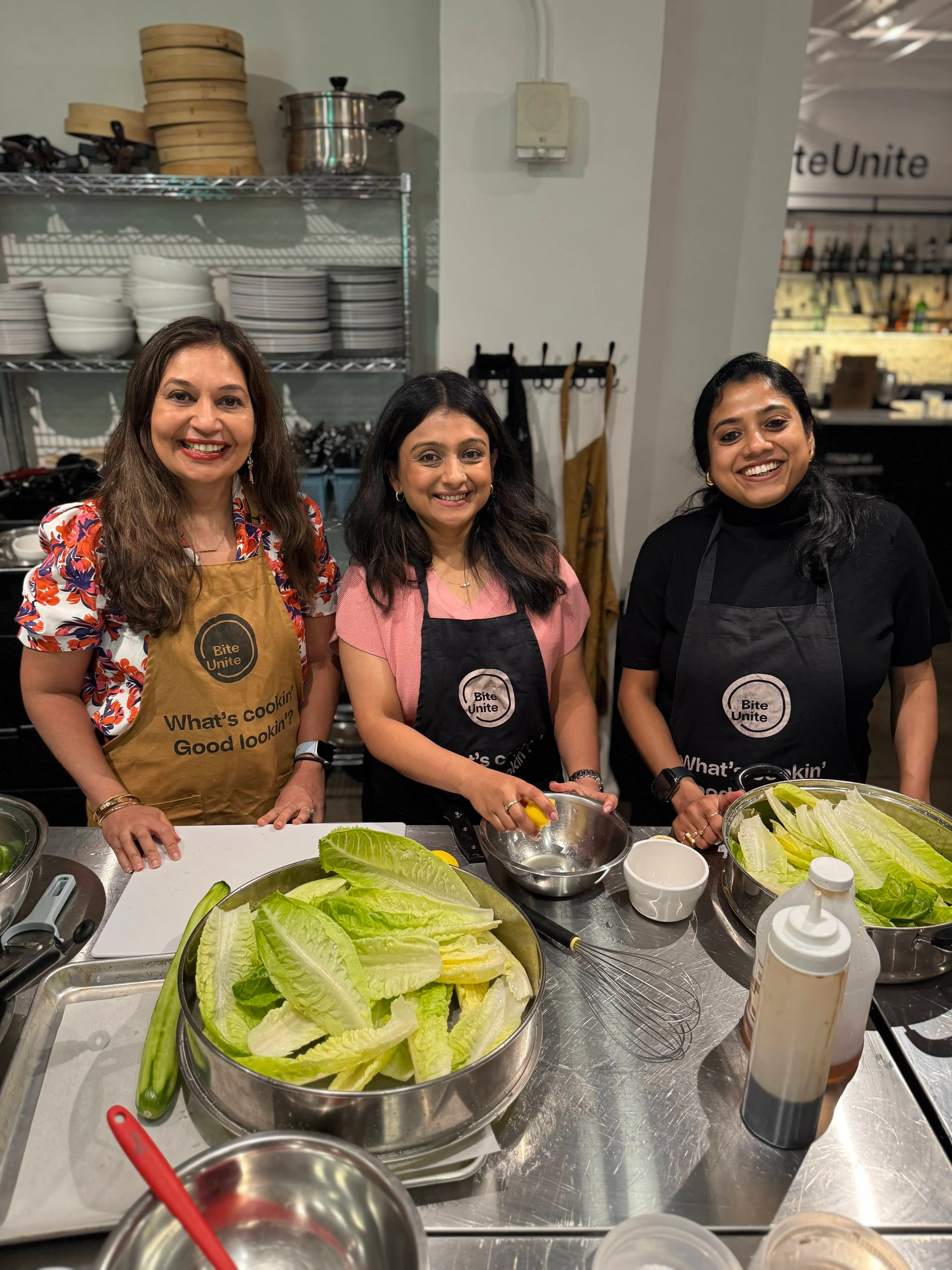
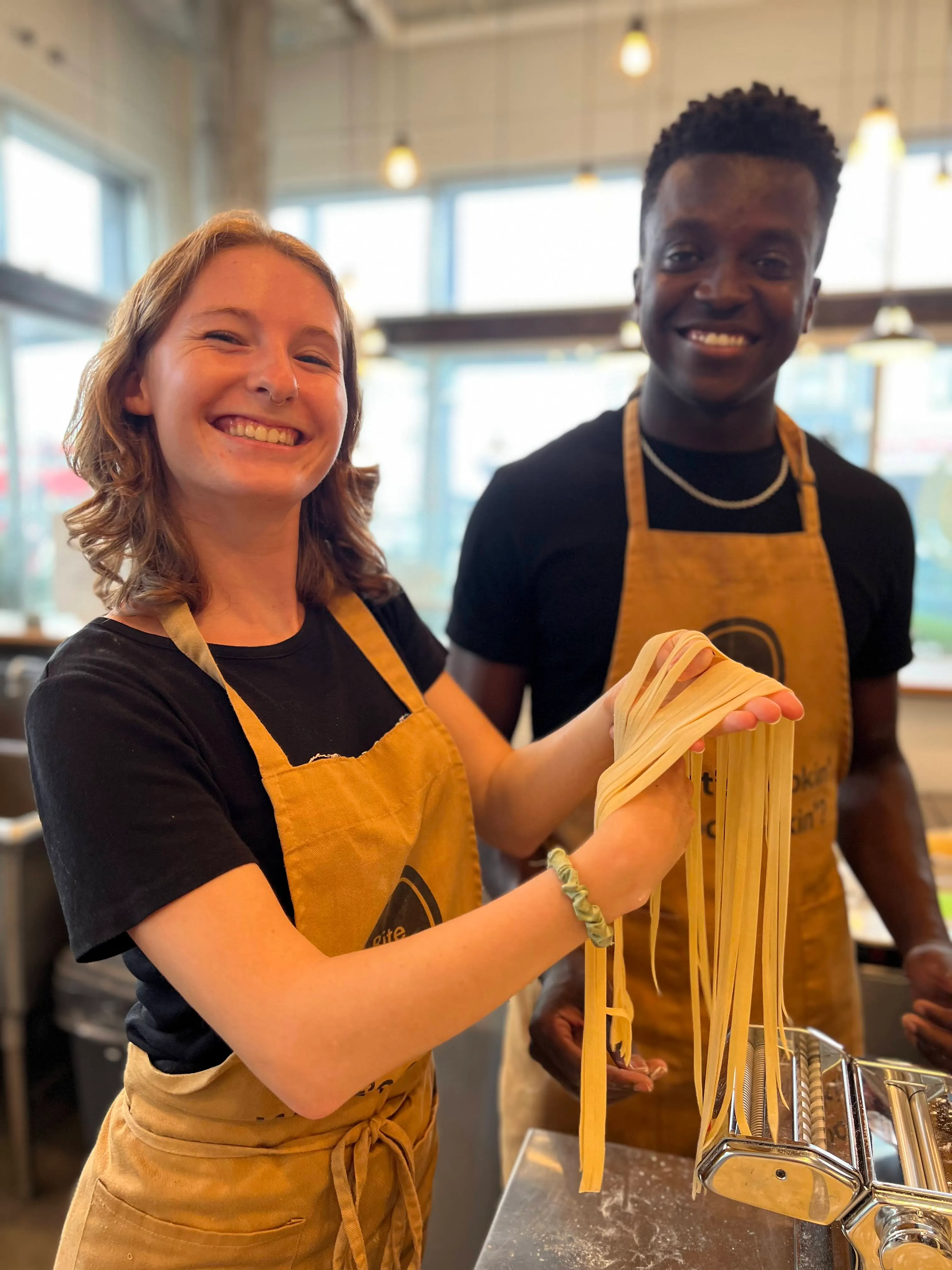
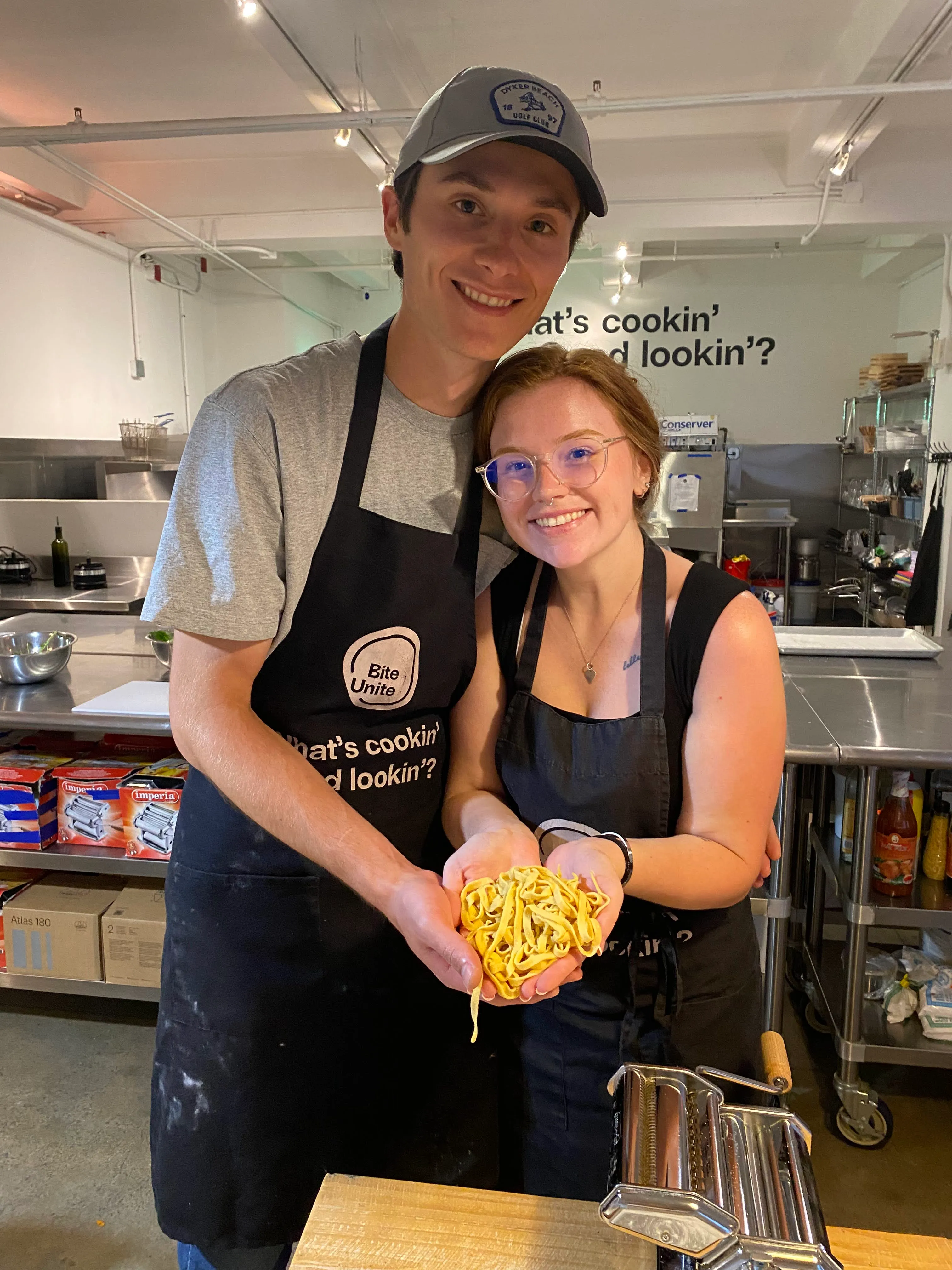
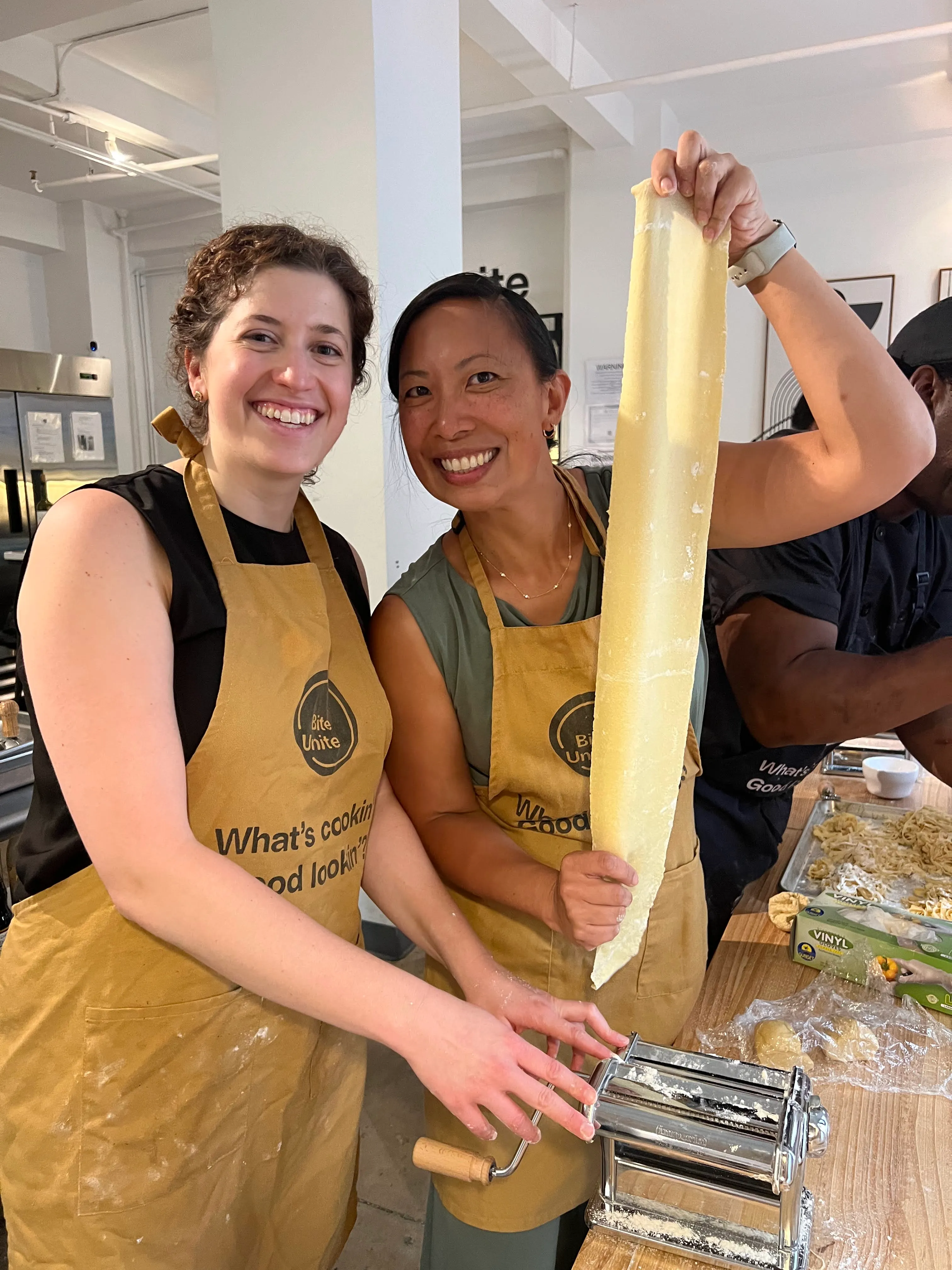
Biteunite runs chef-led, hands-on cooking classes and private events in cities including New York, San Francisco, and Hong Kong, built around the same idea driving this whole list: people connect more over food they make together than food handed to them. A culinary experience built around all five senses tends to leave a stronger impression than a plated dinner ever could.
Before booking, ask about:
- Menu customization for dietary restrictions across your whole group
- Staffing ratio for larger private parties, so no table feels unattended
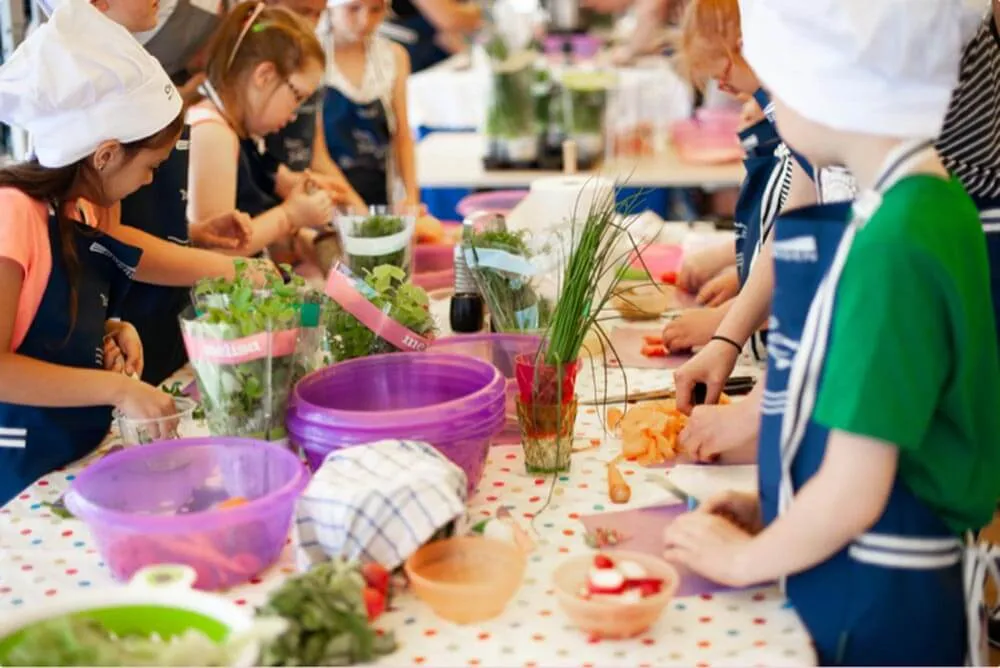
- Options for kid-friendly stations if your group spans generations
What Actually Matters More Than the Theme
Most advice on interactive dinner parties fixates on the concept, murder mystery versus taco bar versus magician, as if the idea itself does the heavy lifting. It doesn’t. The rest is pacing and inclusion.
A murder mystery with a confusing script kills a room faster than a plain dinner would. A taco bar where half the guests can’t eat the fillings isn’t interactive, it’s alienating. The conventional wisdom oversells the “big idea” and undersells the boring logistics: sending invites early enough for costumes, labeling allergens clearly, briefing a hired magician on timing.
If you take one thing from this list, prioritize the swap, not the setup. Every idea here has a lower-effort or more inclusive version. Use it. A quiet secret-mission game beats a scavenger hunt nobody understood. A vegetarian taco filling beats an awkward apology at the table. Match the format to your actual guests, not the version of the party you saw online.
Book a Hands-On Night Instead of Hosting One
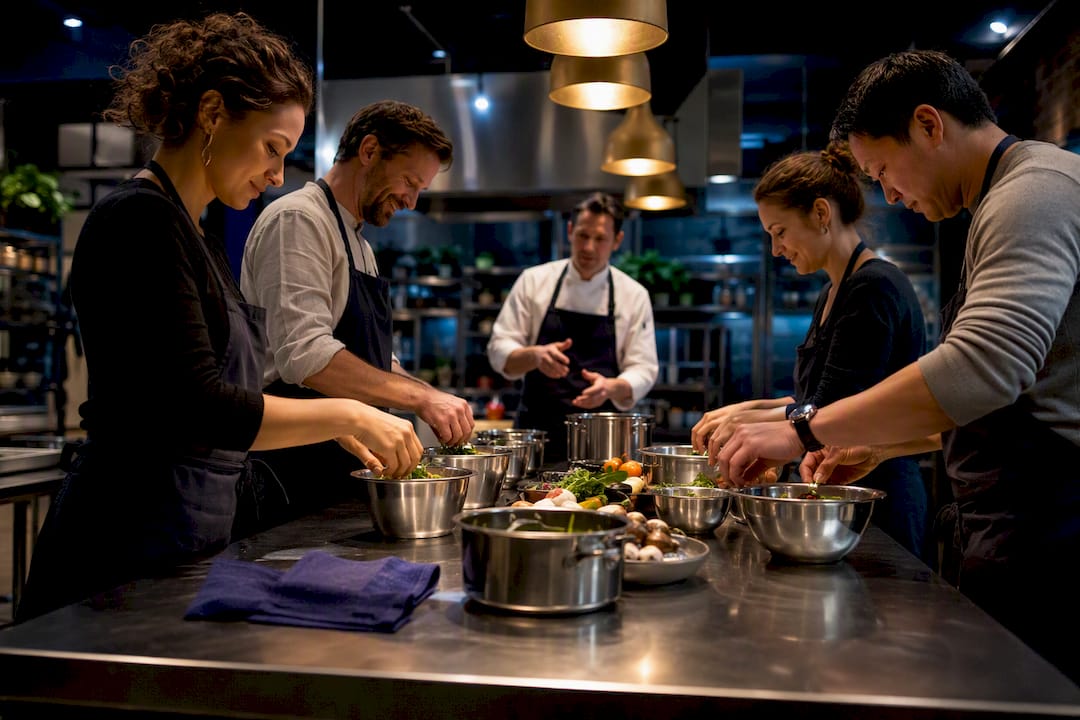
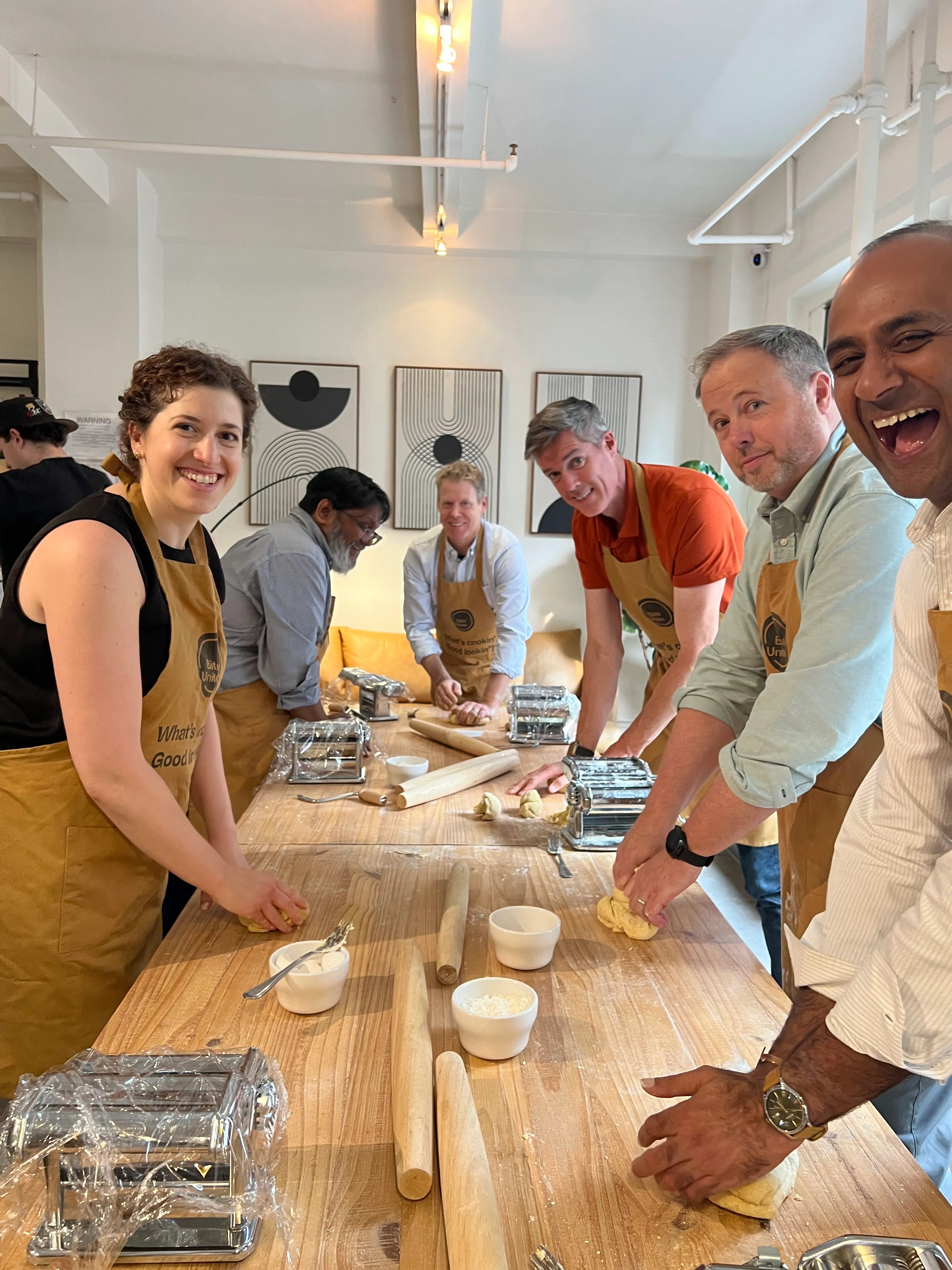
If everything above sounds fun but exhausting to execute solo, that’s the exact gap Biteunite fills. Instead of scripting a murder mystery or babysitting a waffle iron for 16 people, you book a chef-led experience where the interactive part, the hands-on cooking, the shared table, the built-in conversation, is already designed for you.
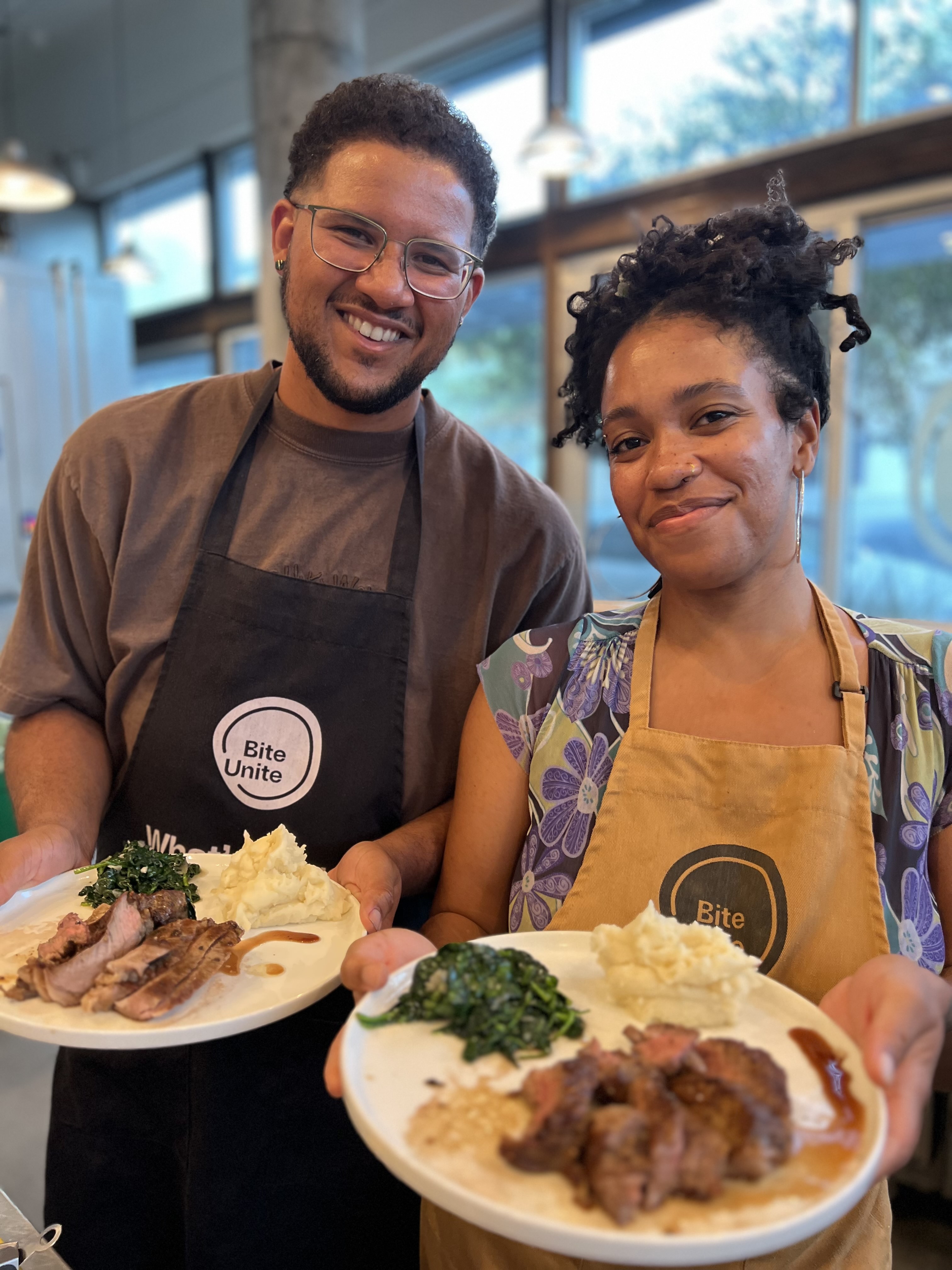
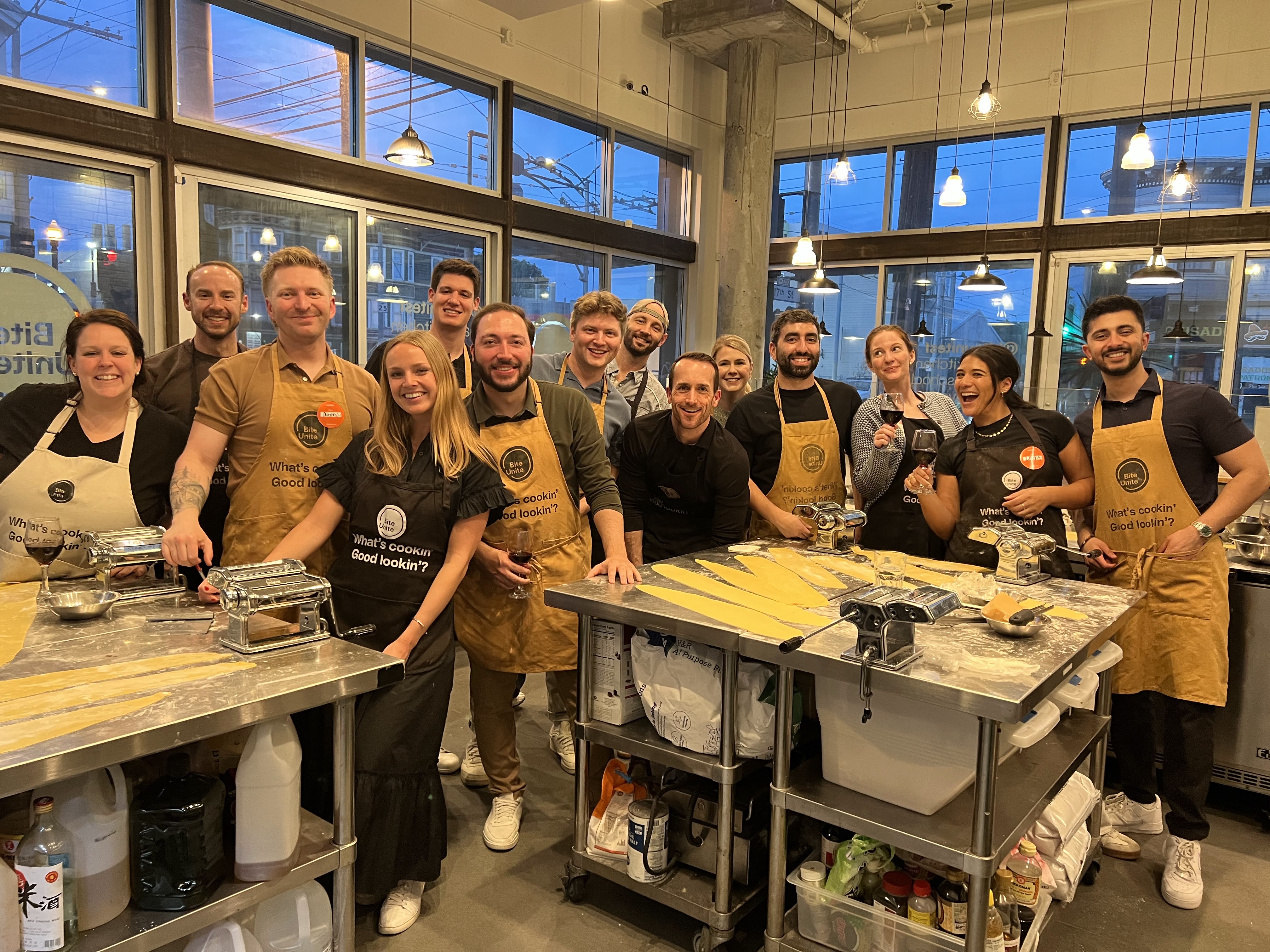
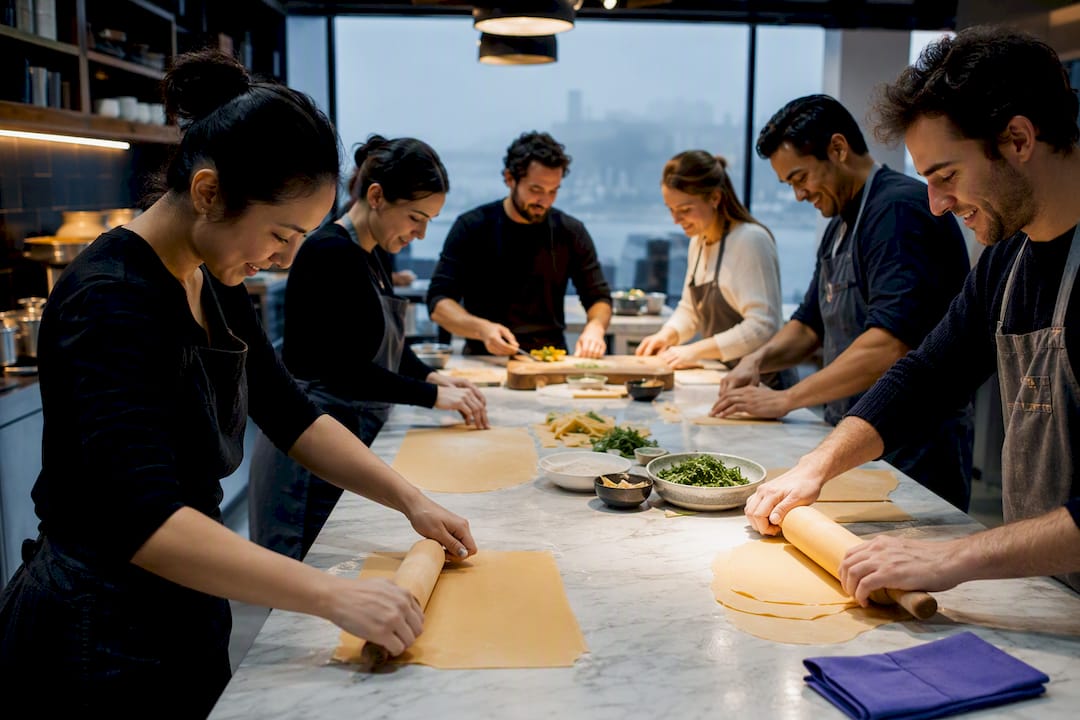
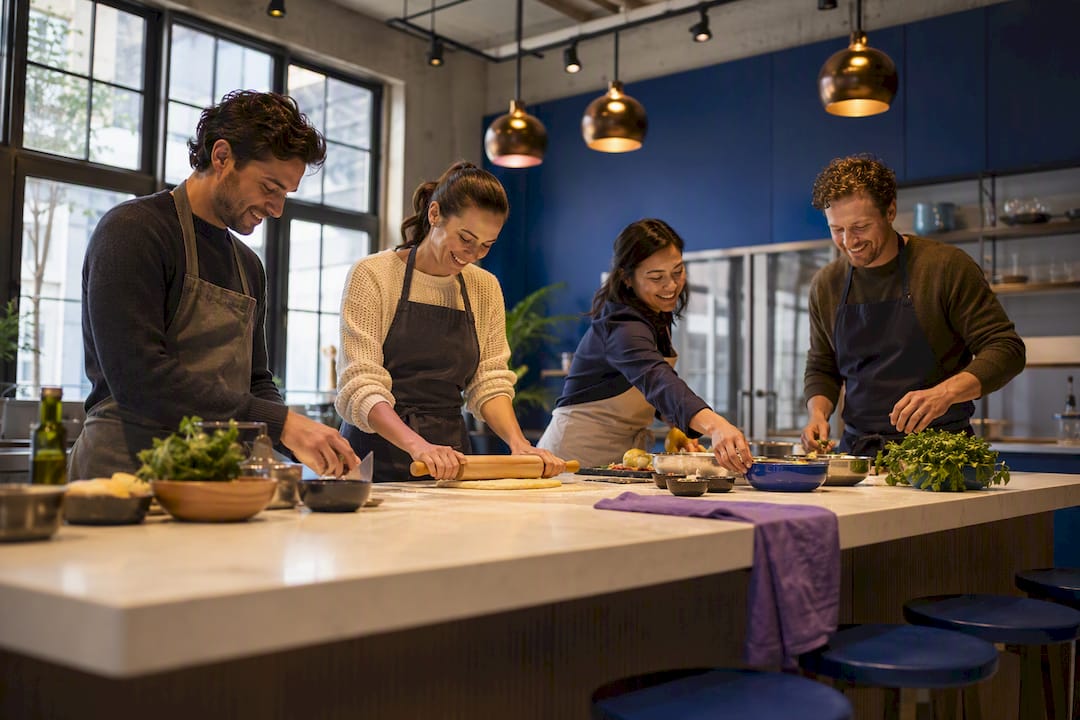
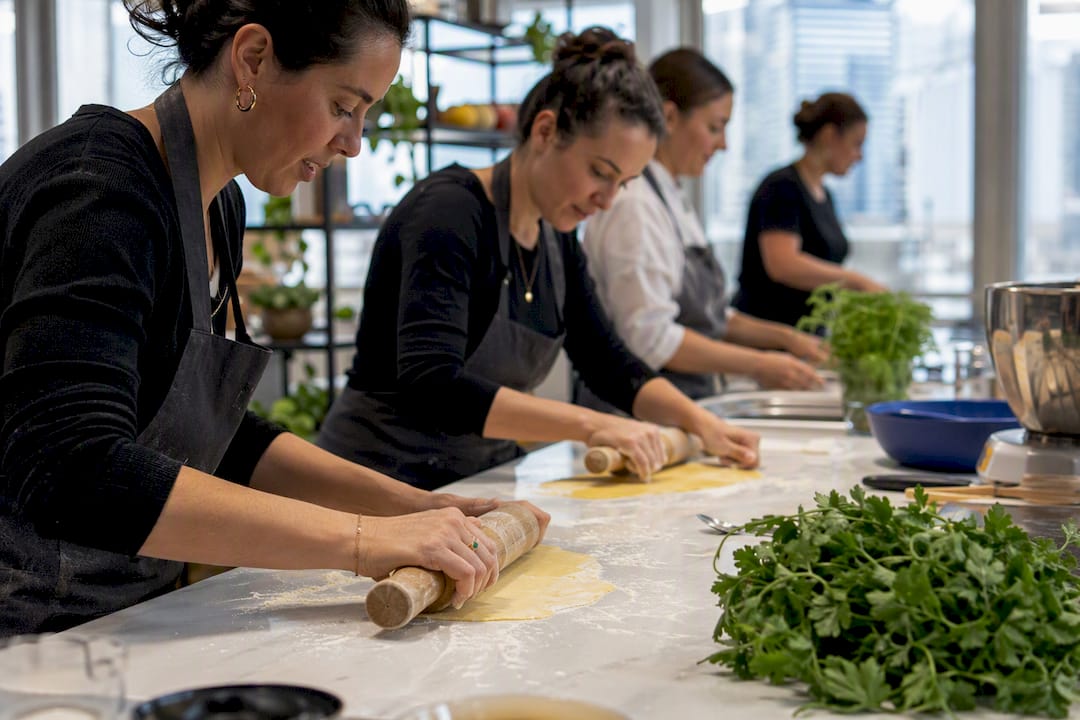
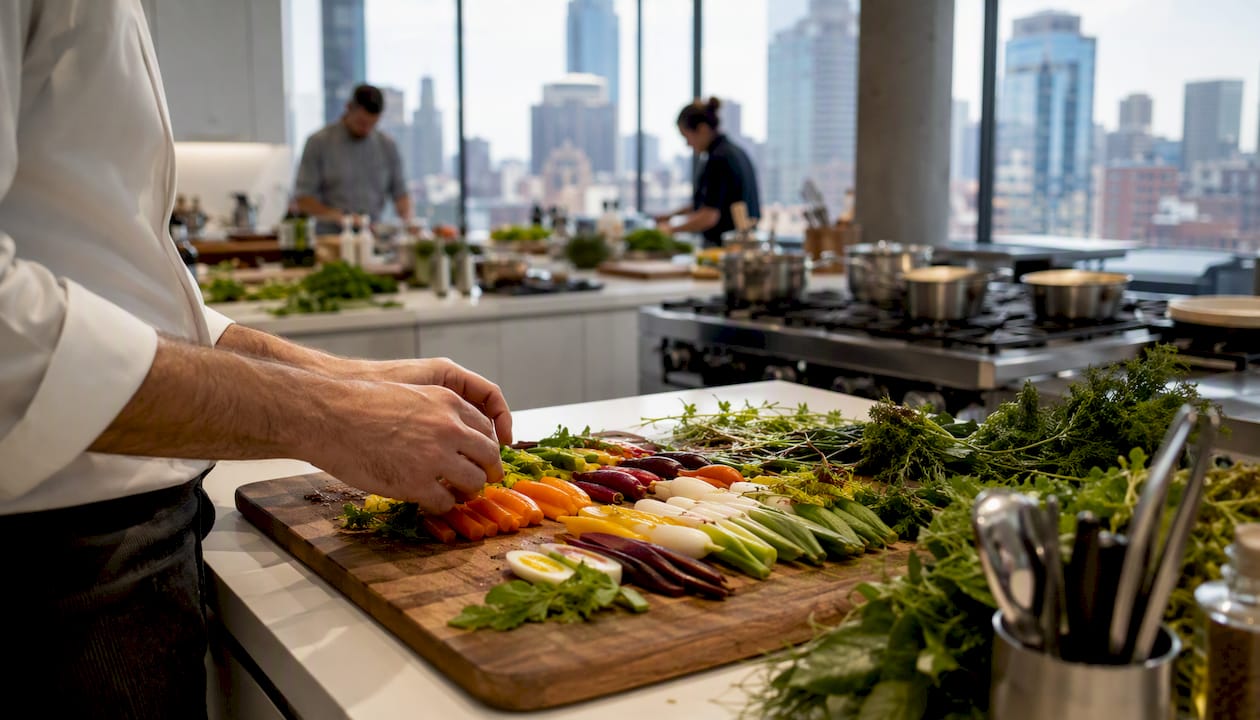
A private group class in Manhattan works especially well for hosts who want the “everyone cooks together” energy of a food station without sourcing ingredients or managing allergy swaps themselves. The chef handles dietary substitutions, the pacing, and the mess. You just show up and enjoy being a guest at your own party. Check current dates and group sizes for your city, or browse gift card options if you’re planning a celebration further out.
Sources
- 5 Dinner Party Ideas That Make Dinner the Show
- How to Host a Murder Mystery Dinner Party
- DIY Murder Mystery Kit for a Dinner Party | HGTV
- Simple dinner party games to play with friends | House & Garden








































.webp)