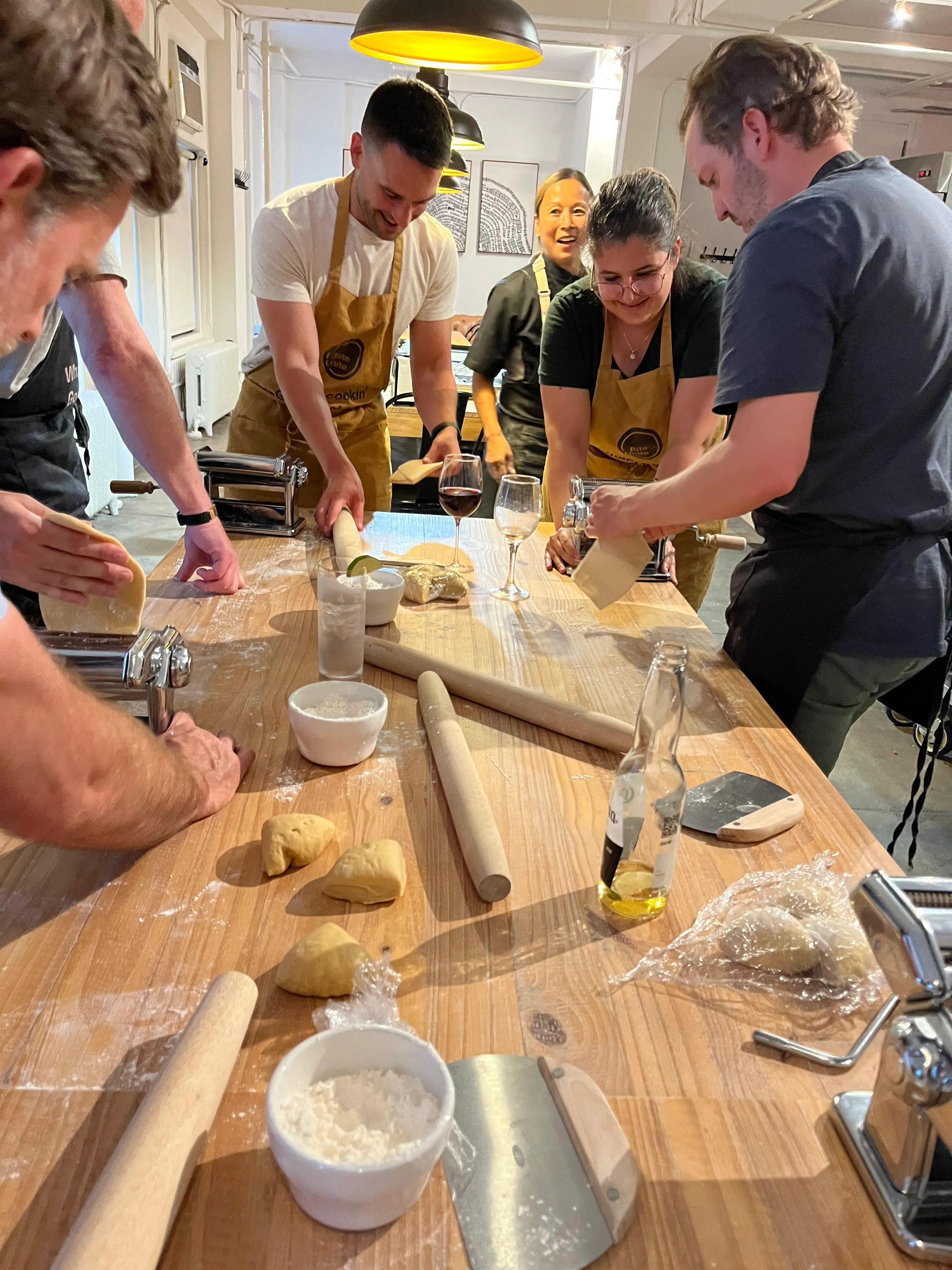
San Francisco Italian Food History and Where to Learn Fresh Pasta
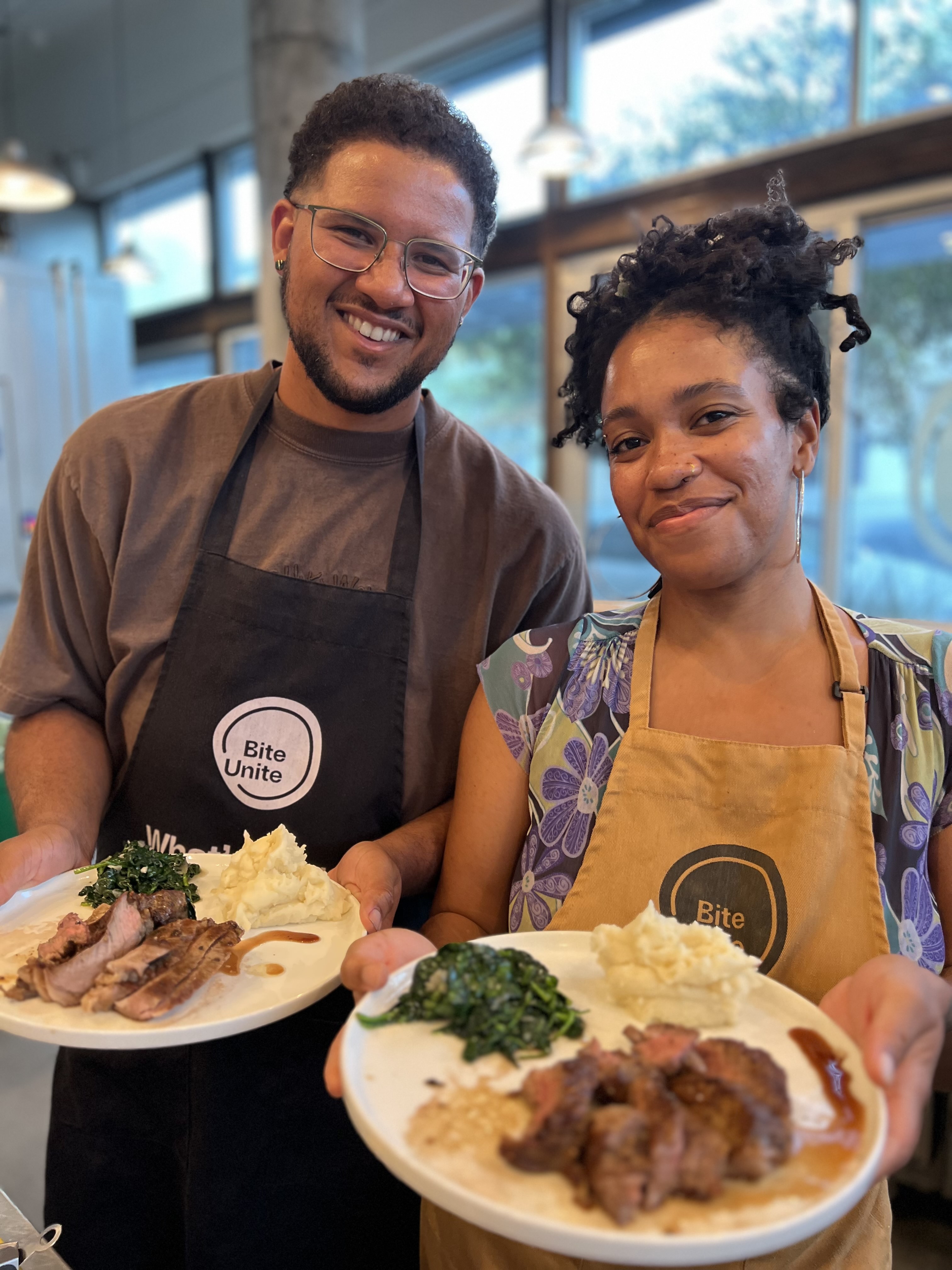
Ask anyone to name San Francisco's great food traditions and you will hear about sourdough and the Mission burrito. Italian food belongs on that list too. For more than a century, Italian immigrants and their families have shaped how this city eats. Their influence shows up in local seafood dishes and in the fresh pasta now served all over town.
This post takes a short walk through that history. We will look at where the community settled and how its legacy lives on today. Then we will cover how you can join the tradition yourself with a hands on pasta making class in San Francisco.
North Beach and the Roots of Italian San Francisco
The story of Italian San Francisco starts in North Beach. The neighborhood sits between Chinatown and Telegraph Hill. It is often called the city's Little Italy.
Italian immigrants lived in the area during the second half of the 1800s. Many worked as fishermen along the waterfront. After the 1906 earthquake and fire, the neighborhood was rebuilt, and a large wave of Italian families settled there. Many came from Northern Italy. Together they gave North Beach the Italian character it still has today.
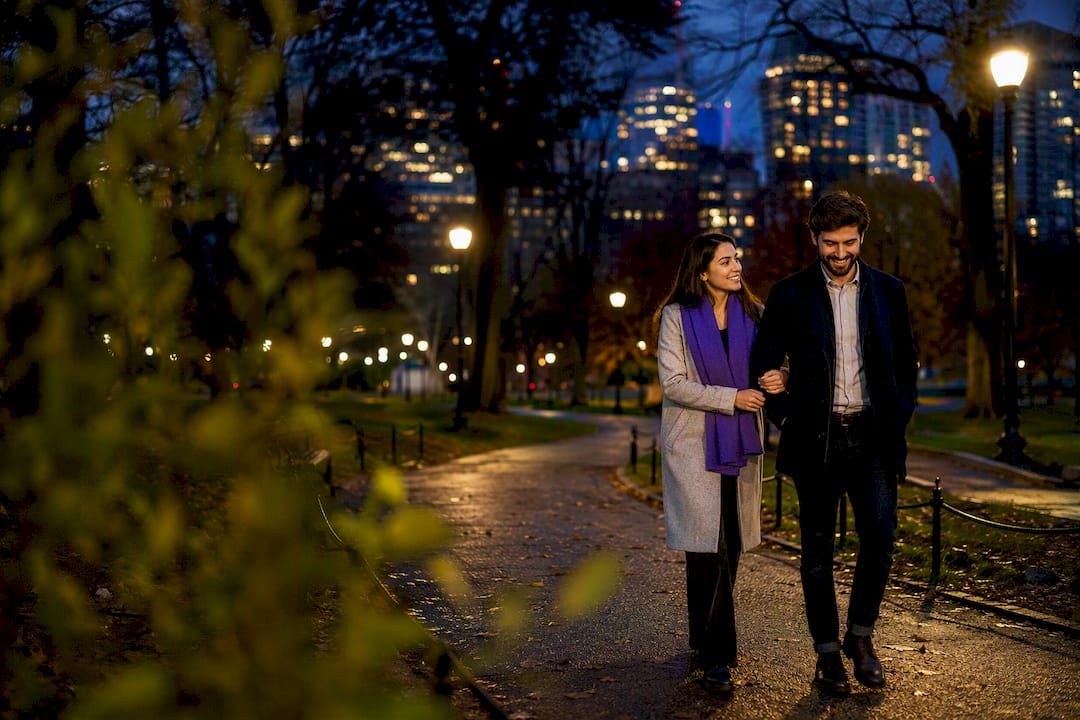
Walk through the neighborhood now and you can still feel that history. Washington Square is the heart of the area. Across the park stands Saints Peter and Paul Church, known as the Italian Cathedral of the West. Cafes and bakeries line Columbus Avenue, and many restaurants still serve family recipes passed down for generations.
The Dishes Italian Immigrants Made Famous in SF
Italian cooks in San Francisco did more than recreate the food of home. They adapted it to local ingredients and created new dishes along the way.
Cioppino and the Fishing Fleet
The best known example is cioppino, a hearty seafood stew made with tomato and wine. It was developed in the late 1800s by fishermen who worked off the city's wharves and lived in North Beach. Many of them came from the port city of Genoa. The dish was a practical way to use whatever the day's catch provided, from crab to clams to fish.
Today cioppino is one of San Francisco's signature dishes. It is a reminder of how Italian cooking and California ingredients came together to create something new.
Pesto and the Ligurian Connection
Genoa is also the home of pesto, the bright green sauce made from basil, garlic, pine nuts, cheese, and olive oil. With so many Ligurian families in early San Francisco, it is no surprise that pesto became a local favorite. California's climate is also great for growing basil, which made it easy to find fresh ingredients.
Pesto is still one of the most popular sauces taught in pasta classes. If you want to try it at home, our basil pasta pesto recipe is simple and quick.
Fresh Pasta in Family Kitchens
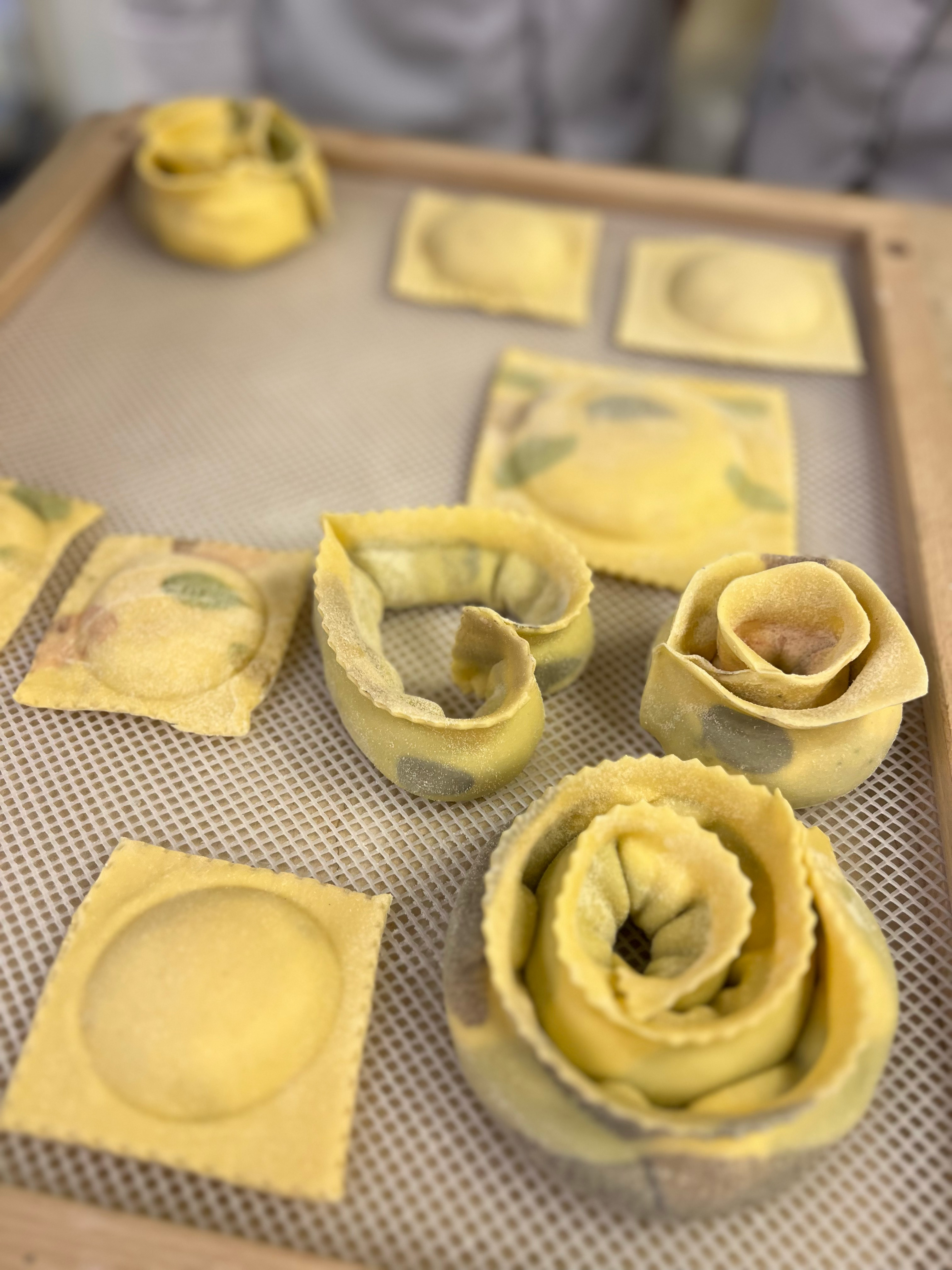
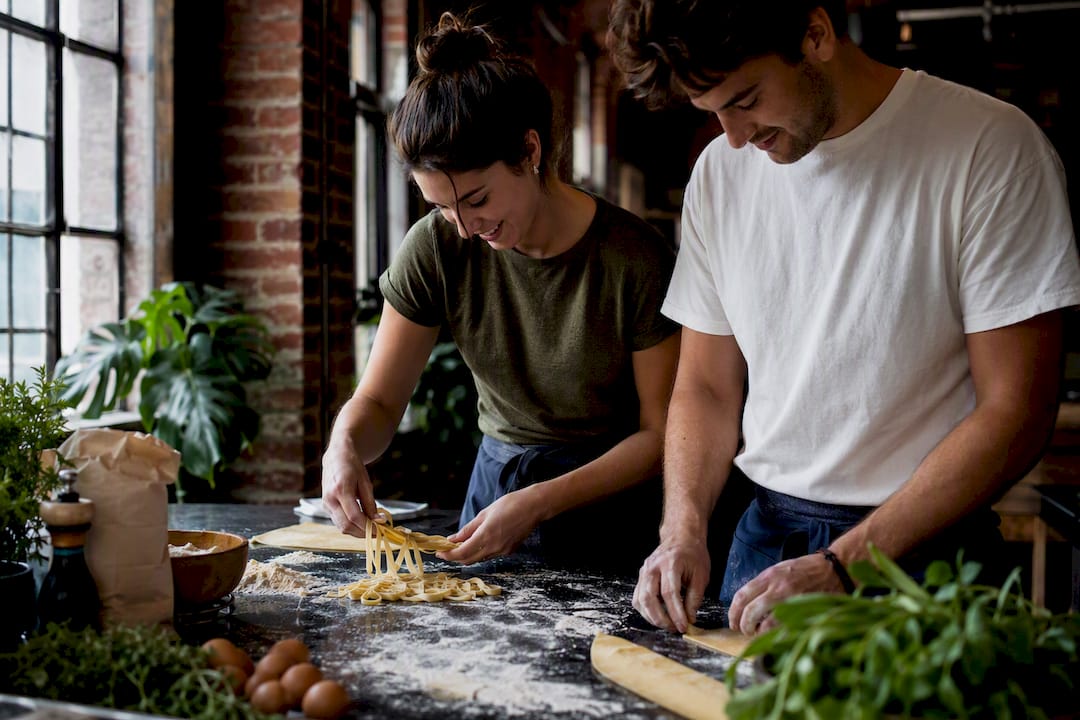
In many Italian American homes, fresh pasta was not a restaurant luxury. It was Sunday dinner. Families rolled dough on the kitchen table and cut noodles by hand. For holidays, they folded filled pasta like ravioli and tortellini by the dozen.
That home tradition is at the core of what a modern pasta class teaches. You learn the same basic steps those families used, with a skilled instructor to guide you.
How Italian Food Evolved in Modern San Francisco
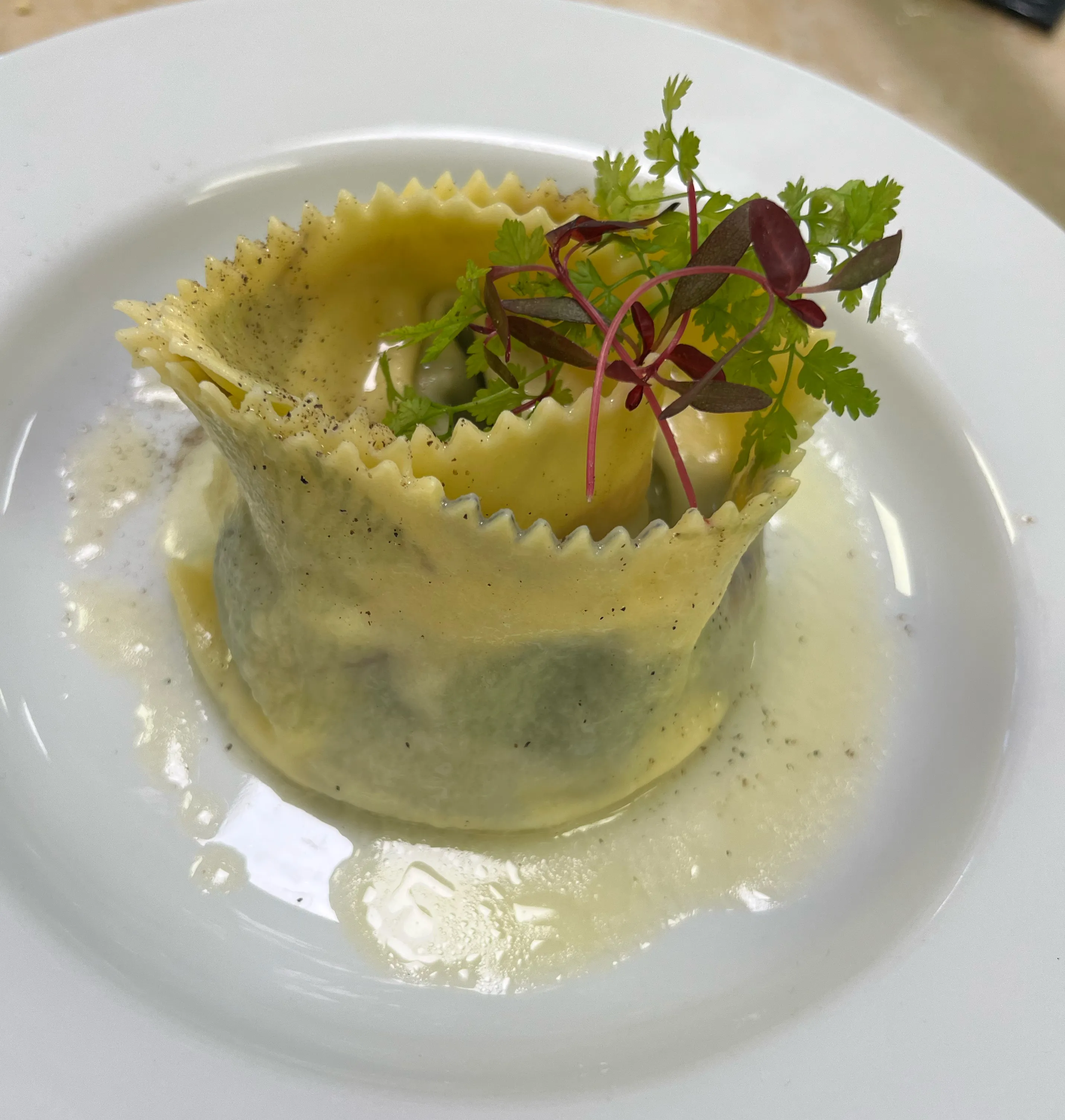
Over time, Italian food spread far beyond North Beach. Today you can find fresh pasta in almost every part of the city. Modern chefs mix Italian technique with California produce. A spring menu might feature pea and mint agnolotti. A fall menu might include squash ravioli with brown butter.
San Francisco's farmers markets play a big role here. Markets like the one at the San Francisco Ferry Building give chefs and home cooks access to fresh herbs and eggs. Those ingredients make a real difference in fresh pasta, where every component matters.
The city's diversity has shaped Italian food too. Chefs from many backgrounds now cook Italian dishes and bring their own ideas. The result is a pasta scene that respects tradition while still trying new things.
What Makes San Francisco Fresh Pasta Unique
San Francisco pasta has its own personality. It borrows from Italian tradition but uses the ingredients and ideas of Northern California.
Local produce is a big part of that. The region grows great greens and herbs almost all year. Chefs use them in fillings and sauces, which gives local pasta a fresh, seasonal feel. A ravioli in spring may be filled with peas and ricotta. A fall dish may feature roasted squash.
Seafood plays a role too. The city's fishing history still shows up on menus. Dungeness crab season is a highlight each winter, and crab pasta is a local favorite during those months. That connection between pasta and the sea goes all the way back to the Genoese fishermen of North Beach.
The city's mix of cultures also shapes its pasta. Chefs trained in many cuisines bring new flavors to Italian dishes. You might see Asian greens in a pasta sauce or Mexican chiles in a ravioli filling. Traditionalists may raise an eyebrow, but these ideas keep the pasta scene fresh and exciting.
Tips for Exploring Italian San Francisco
A few simple tips can make your food day smoother and more fun.
Wear good walking shoes. North Beach sits between steep hills, and the best way to see it is on foot. Cable cars and Muni buses can help you skip the steepest climbs.
Go early on weekends. Popular cafes and bakeries get busy by late morning. Arriving early means shorter lines and a calmer visit.
Pace your eating. It is tempting to snack all day, but save room for your pasta class. You will want to enjoy the meal you make.
Ask questions. Many shop owners and staff in North Beach are proud of the neighborhood's history. A friendly question can lead to a great story or a local tip.
Check transit before you go. Our kitchen in the Mission is easy to reach from downtown by BART, which makes it simple to connect a North Beach morning with an afternoon class.
Why a Pasta Class Connects You to This History
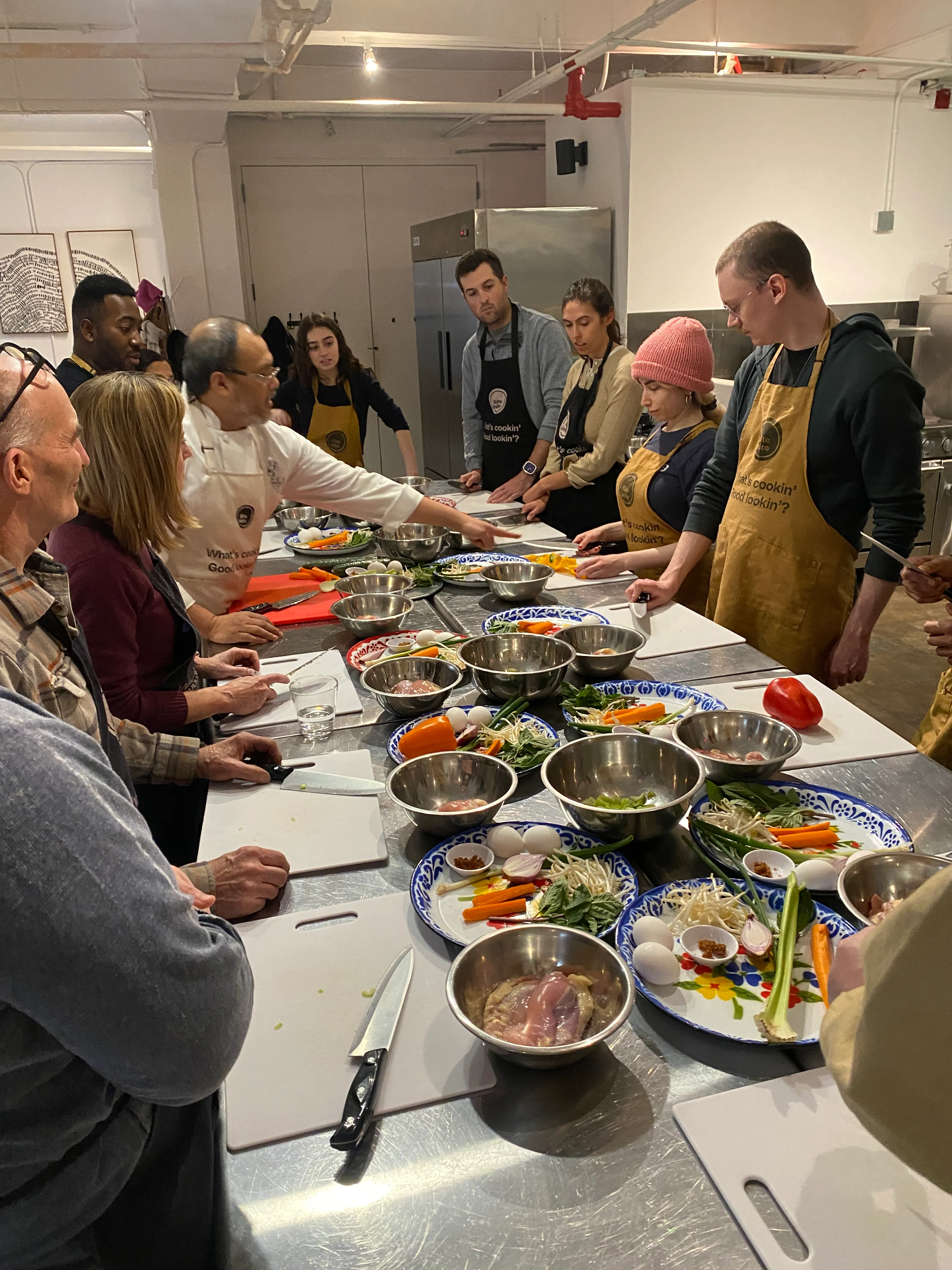
Reading about food history is interesting. Getting your hands in the dough is better. A pasta making class gives you a direct connection to the traditions that shaped San Francisco's food culture.
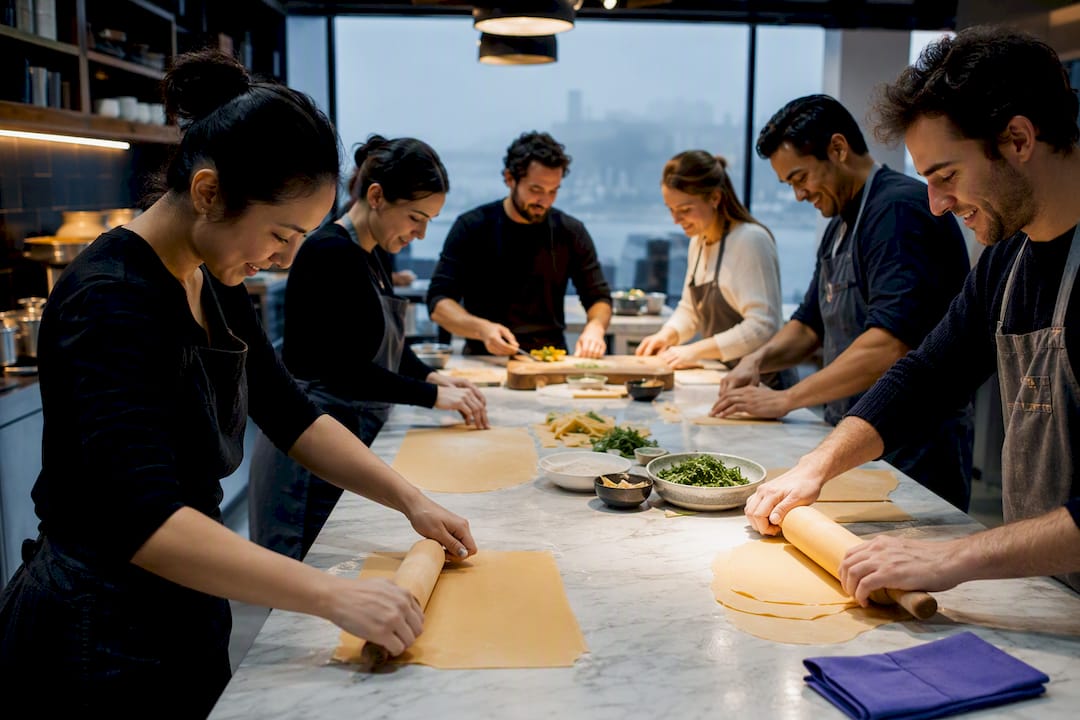
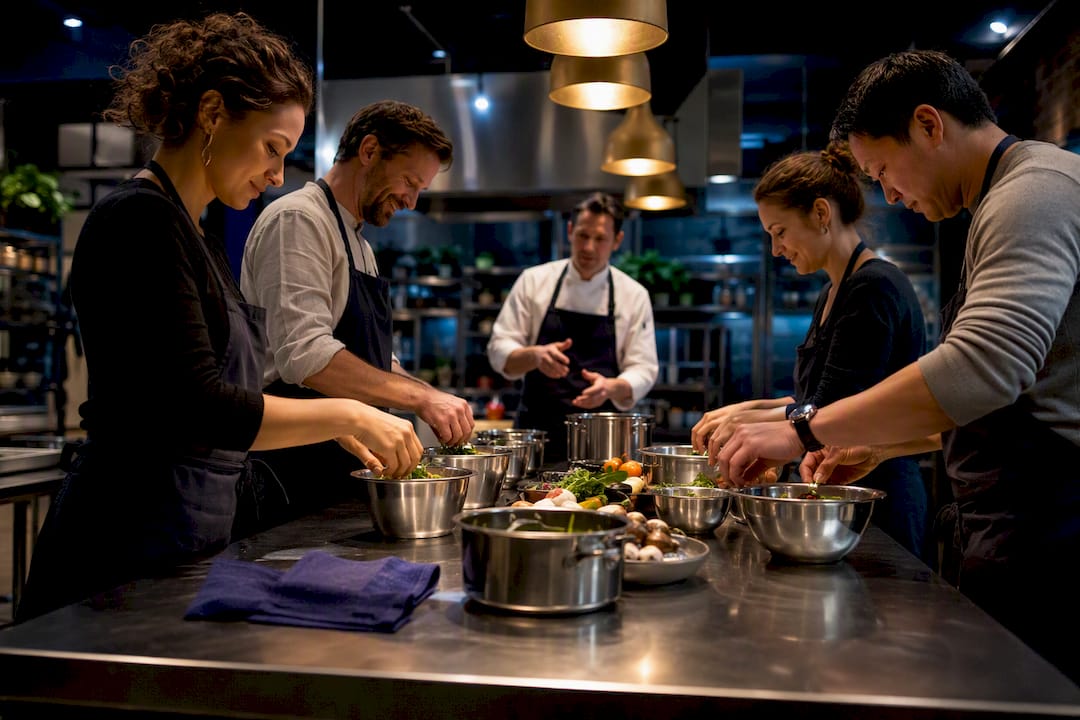
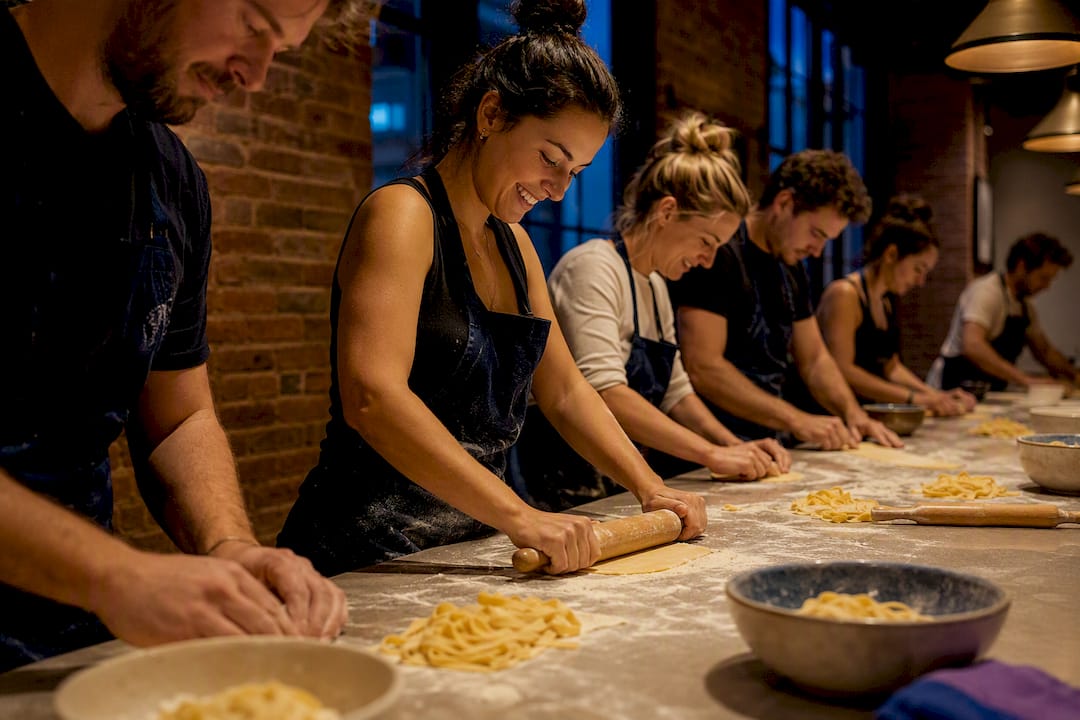
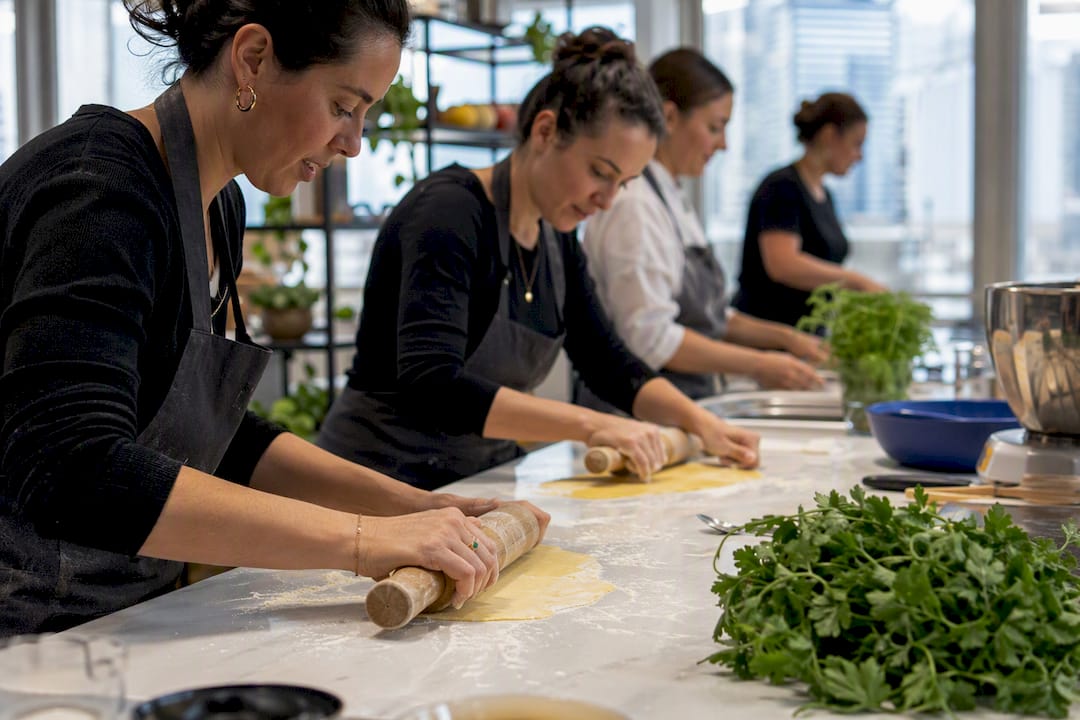
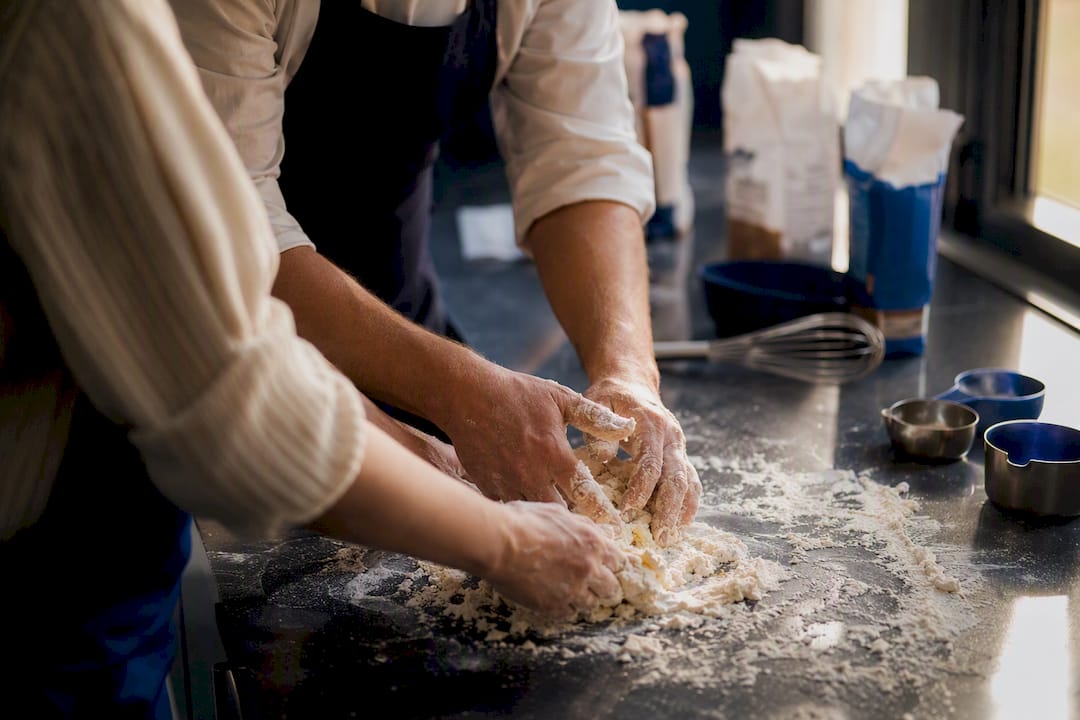
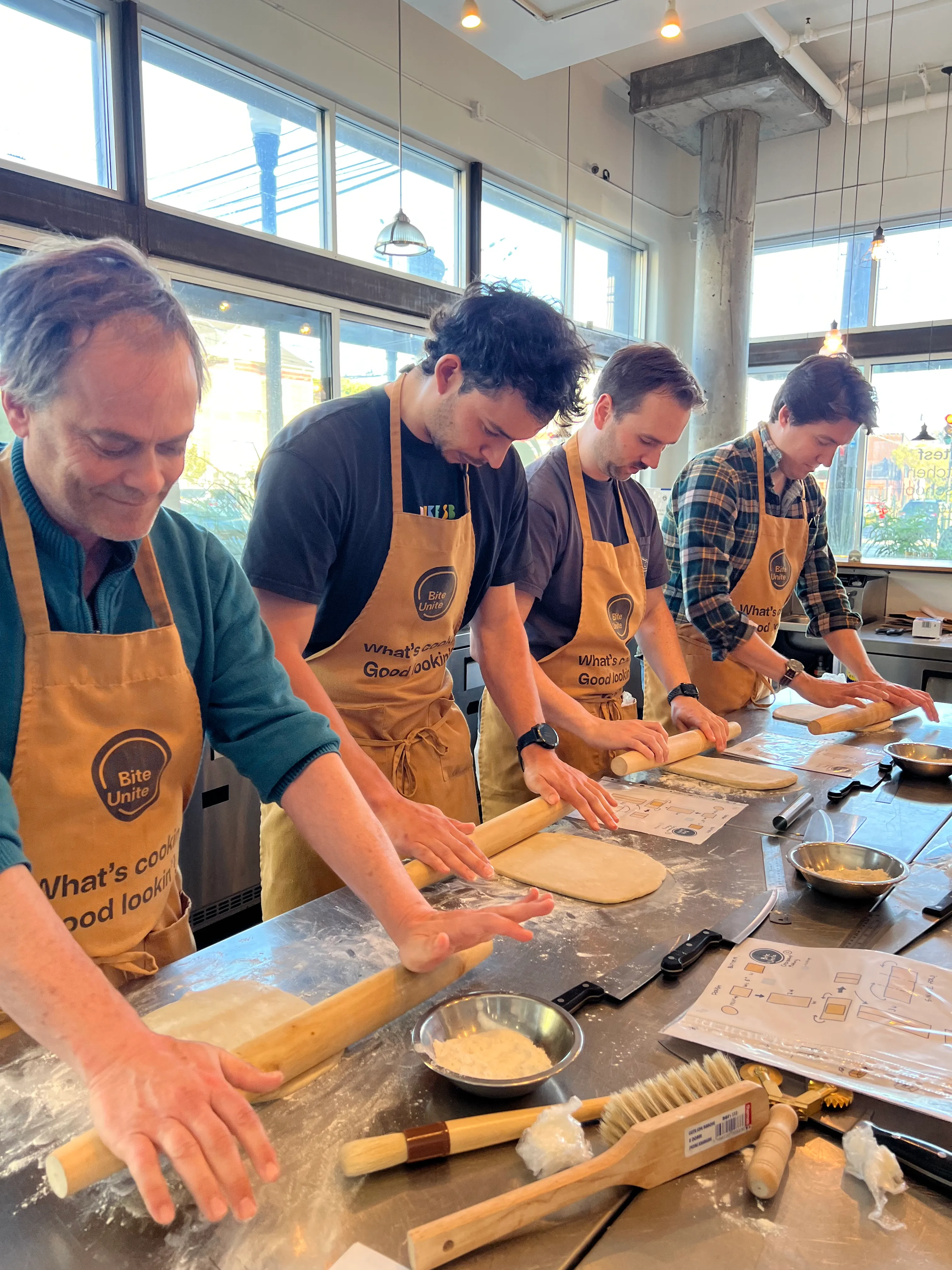
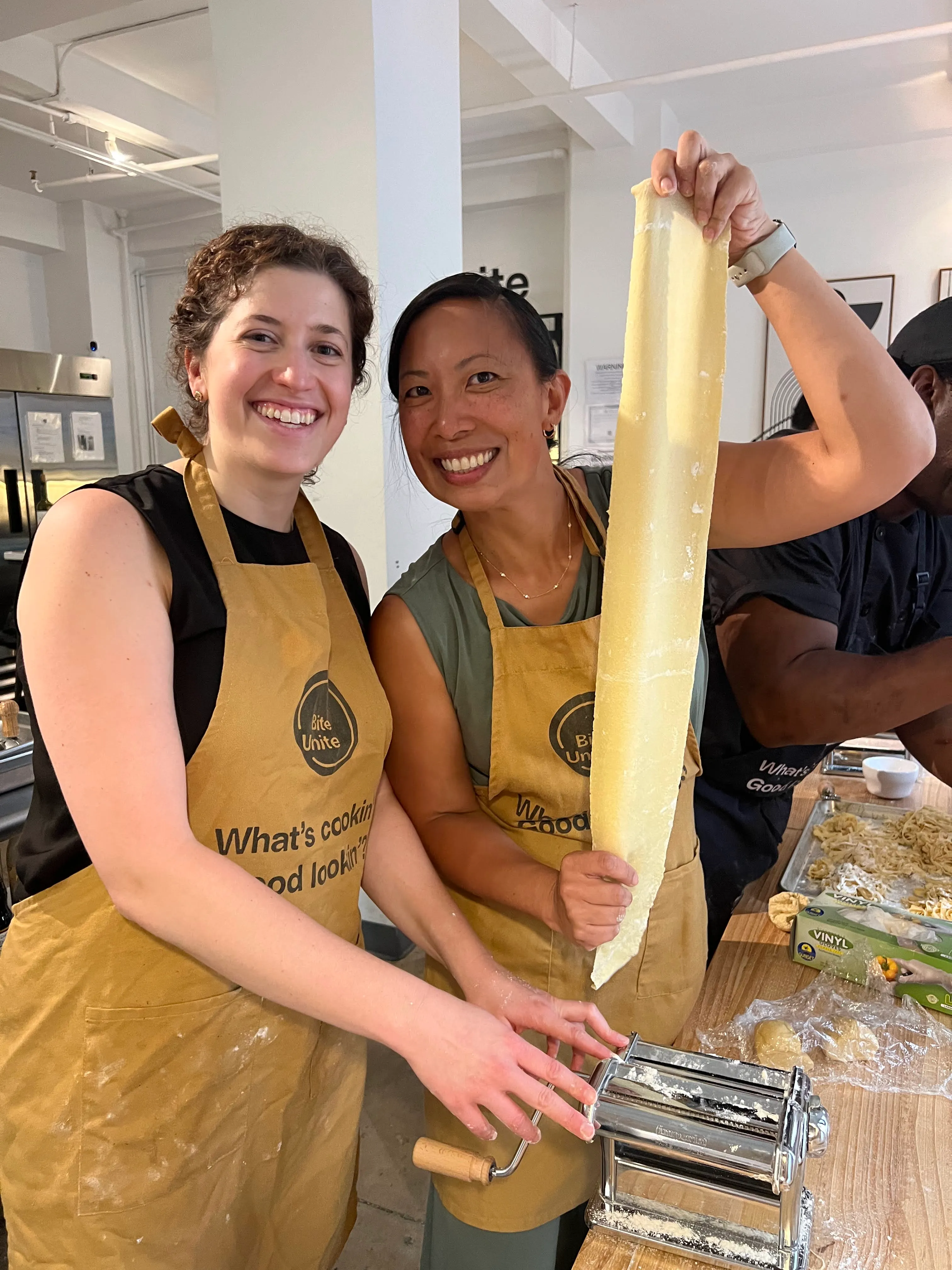
In class, you build dough the same way Italian families have done for generations. You feel how the dough changes as you knead it. You learn why resting matters and how thin the sheets should be. Those lessons are hard to pick up from a video or a cookbook. They are much easier to learn when someone shows you in person.
You also learn how to match pasta with sauce. Long ribbons pair well with rich ragu. Small shapes hold chunky sauces. Filled pasta often needs only butter and herbs. These are the same choices Italian cooks have made for centuries. For a closer look, see our guide to fresh pasta shapes you can learn in San Francisco.
Plan a Day Around Italian San Francisco
If you are visiting the city, or just want a fun local day out, you can build a full itinerary around Italian food.
Morning in North Beach
Start with coffee and a pastry at one of the cafes near Washington Square. Walk the park and visit Saints Peter and Paul Church before wandering along Columbus Avenue. Take your time. The neighborhood is best explored slowly.
Midday at the Waterfront
Head toward the Embarcadero and the Ferry Building. Browse the market stalls and look for local cheeses and fresh produce. If you are hungry, it is a great spot for a light lunch. Save room, though, because you have a big meal ahead.
Afternoon or Evening Pasta Class
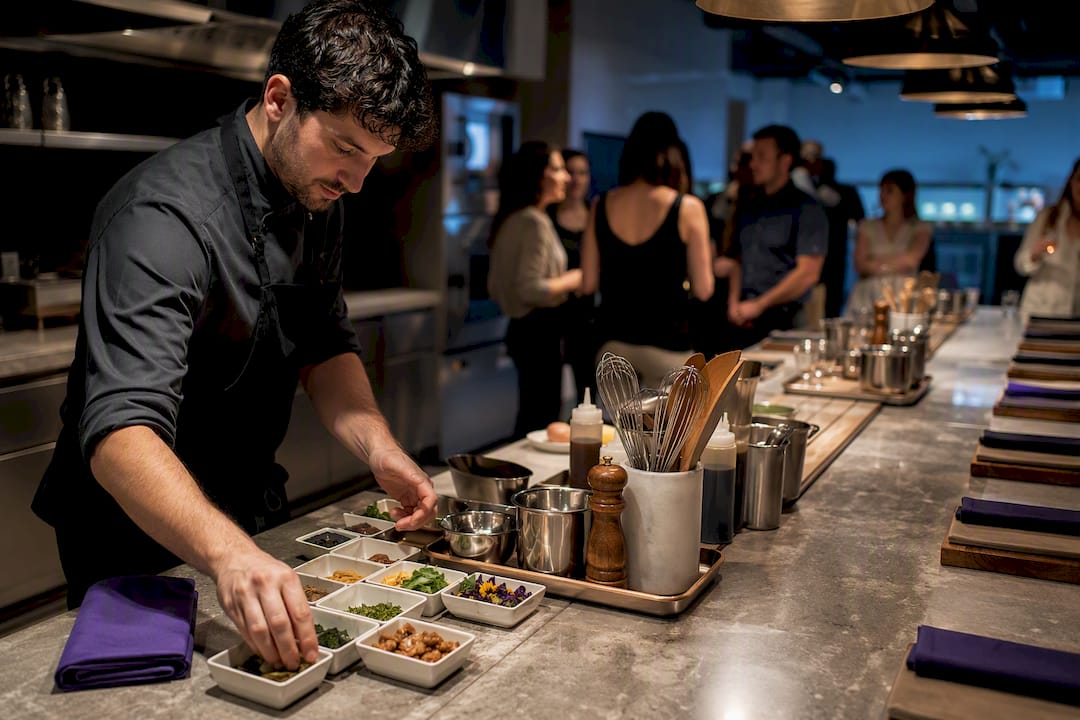
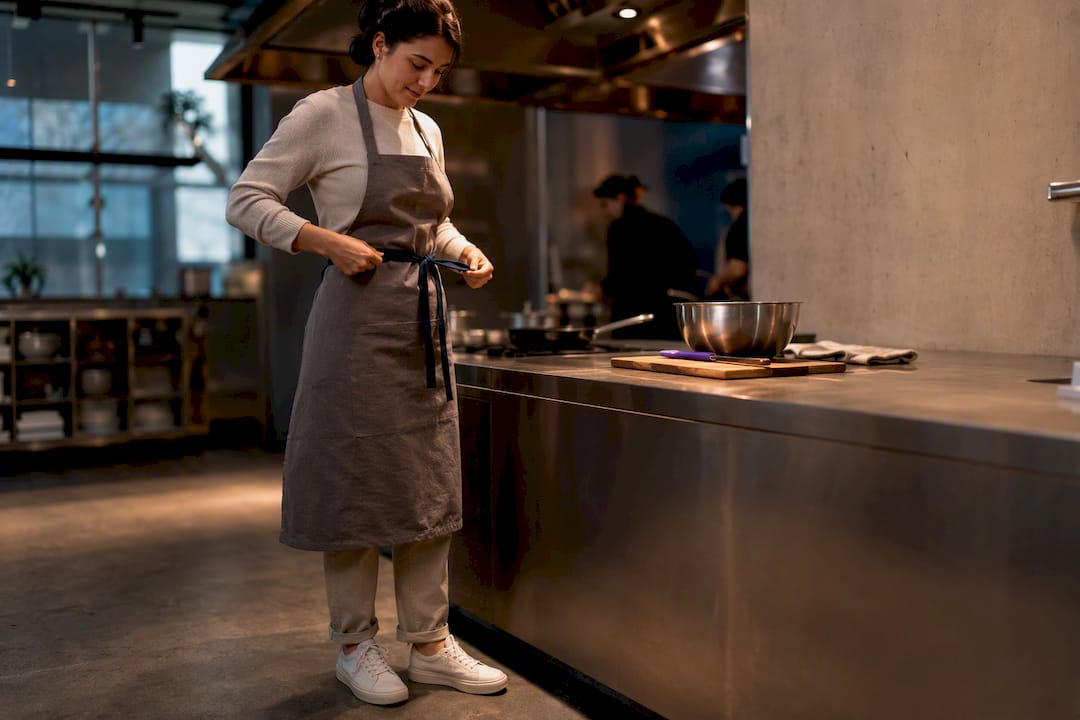
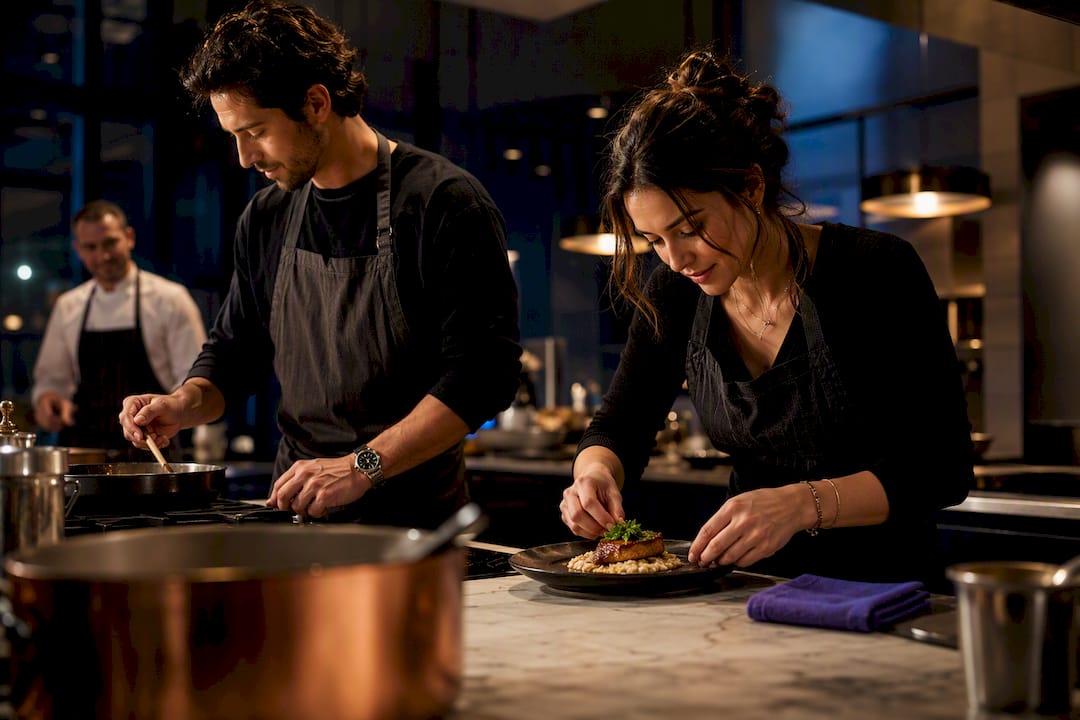
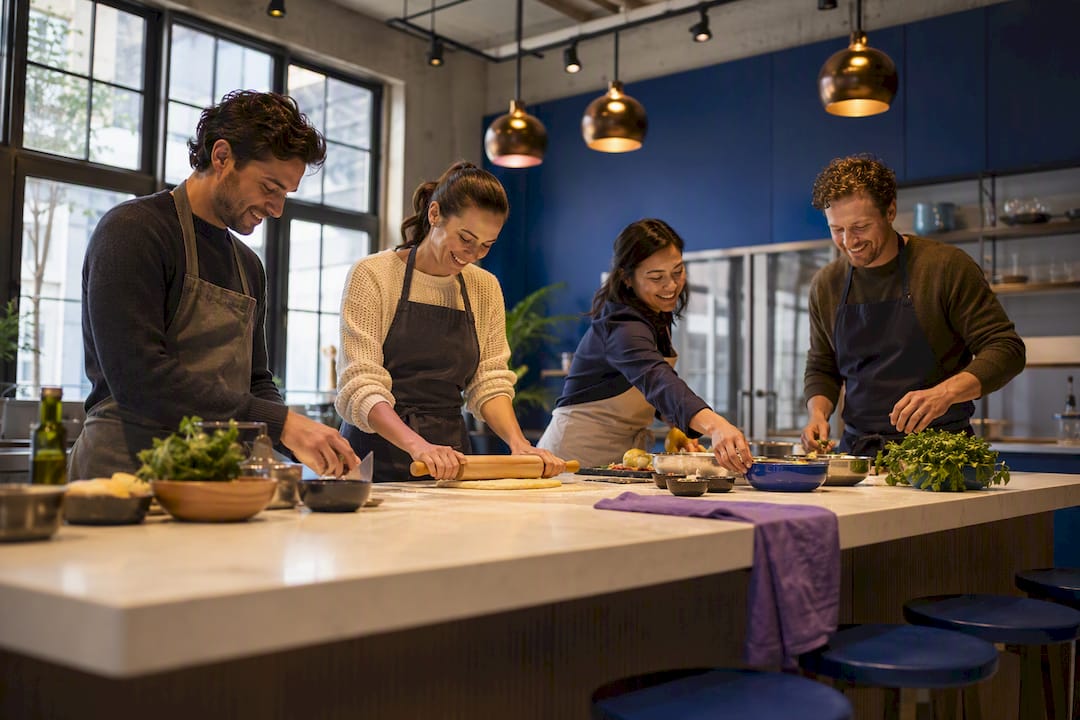
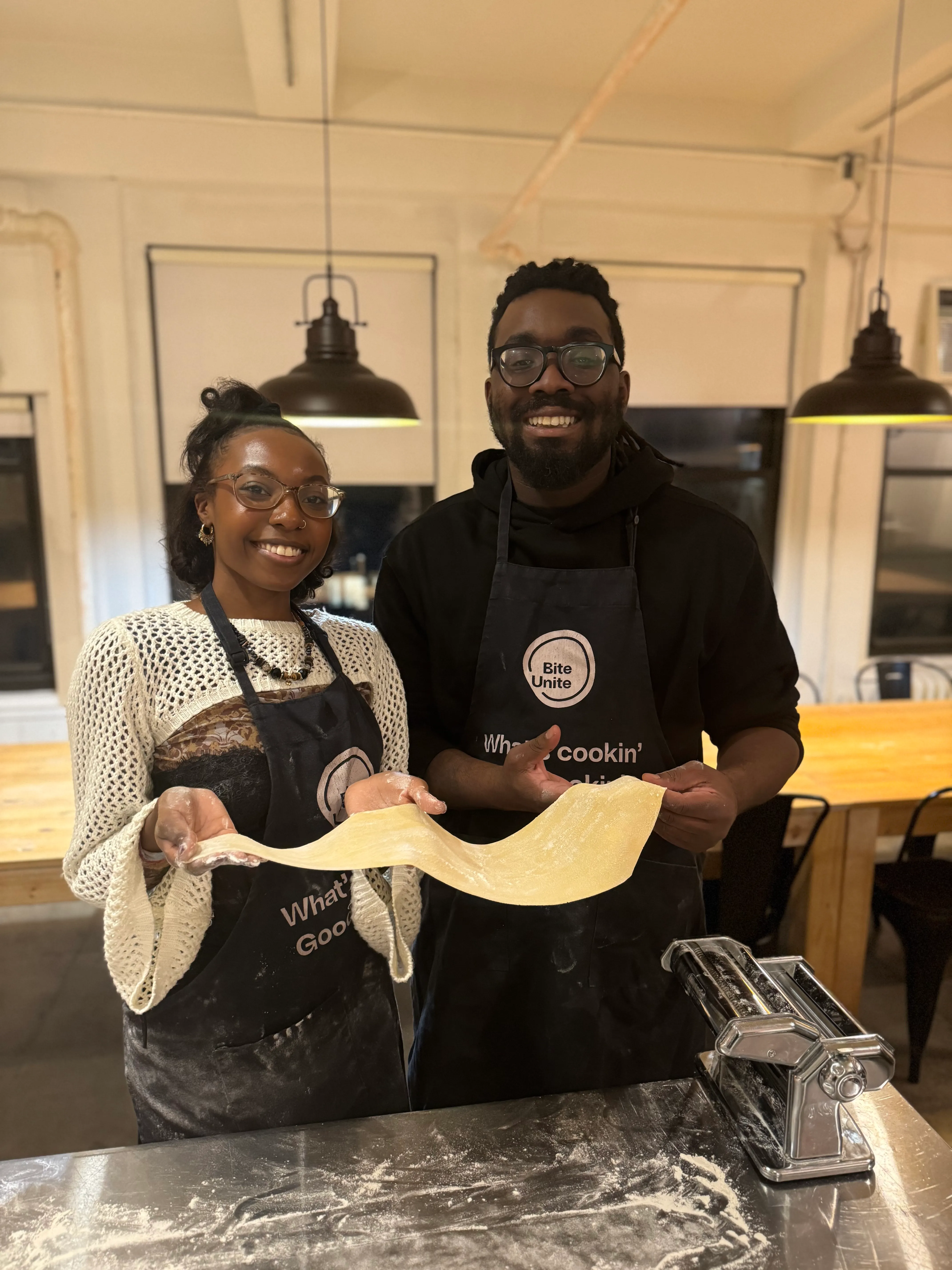
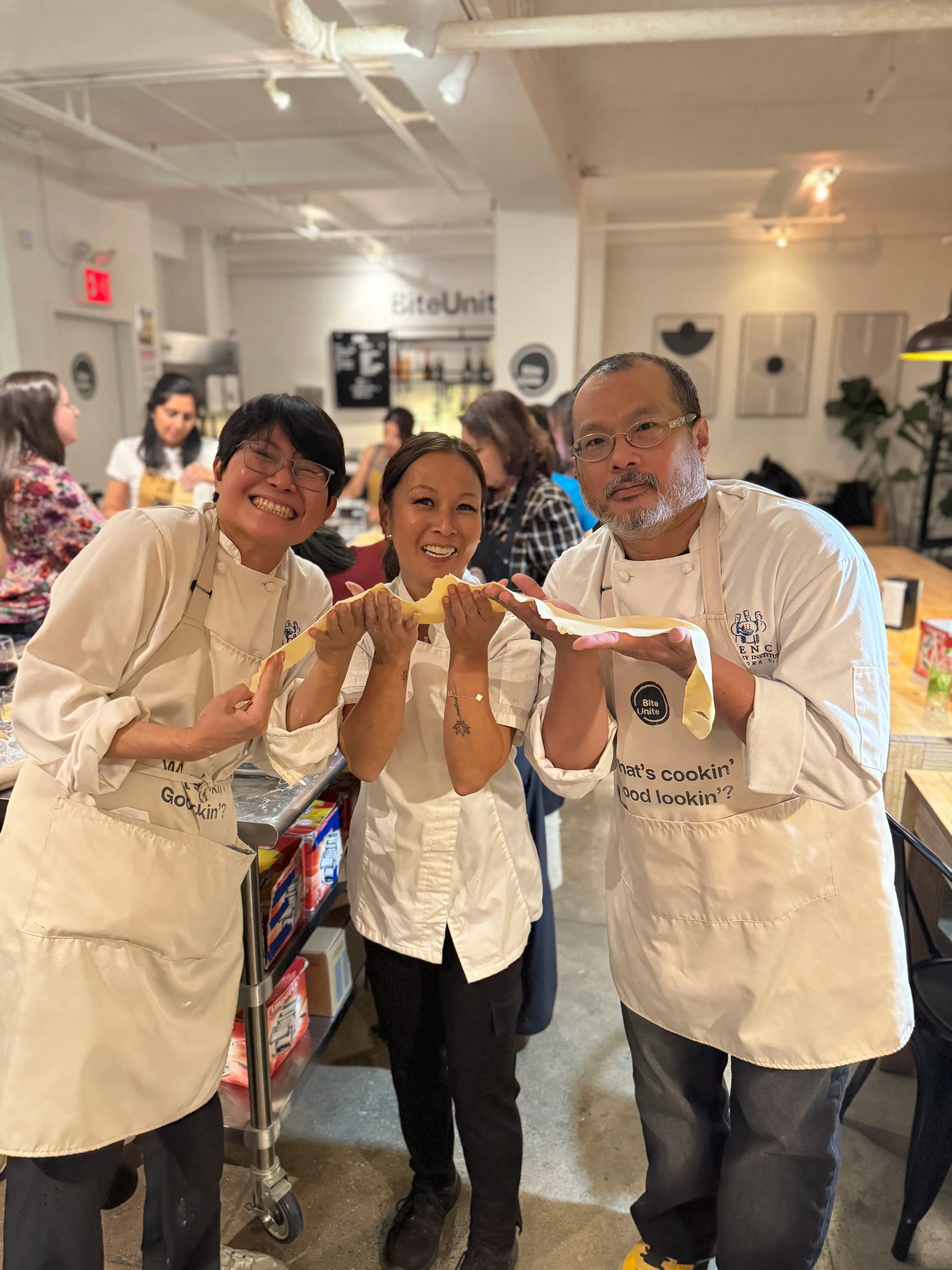
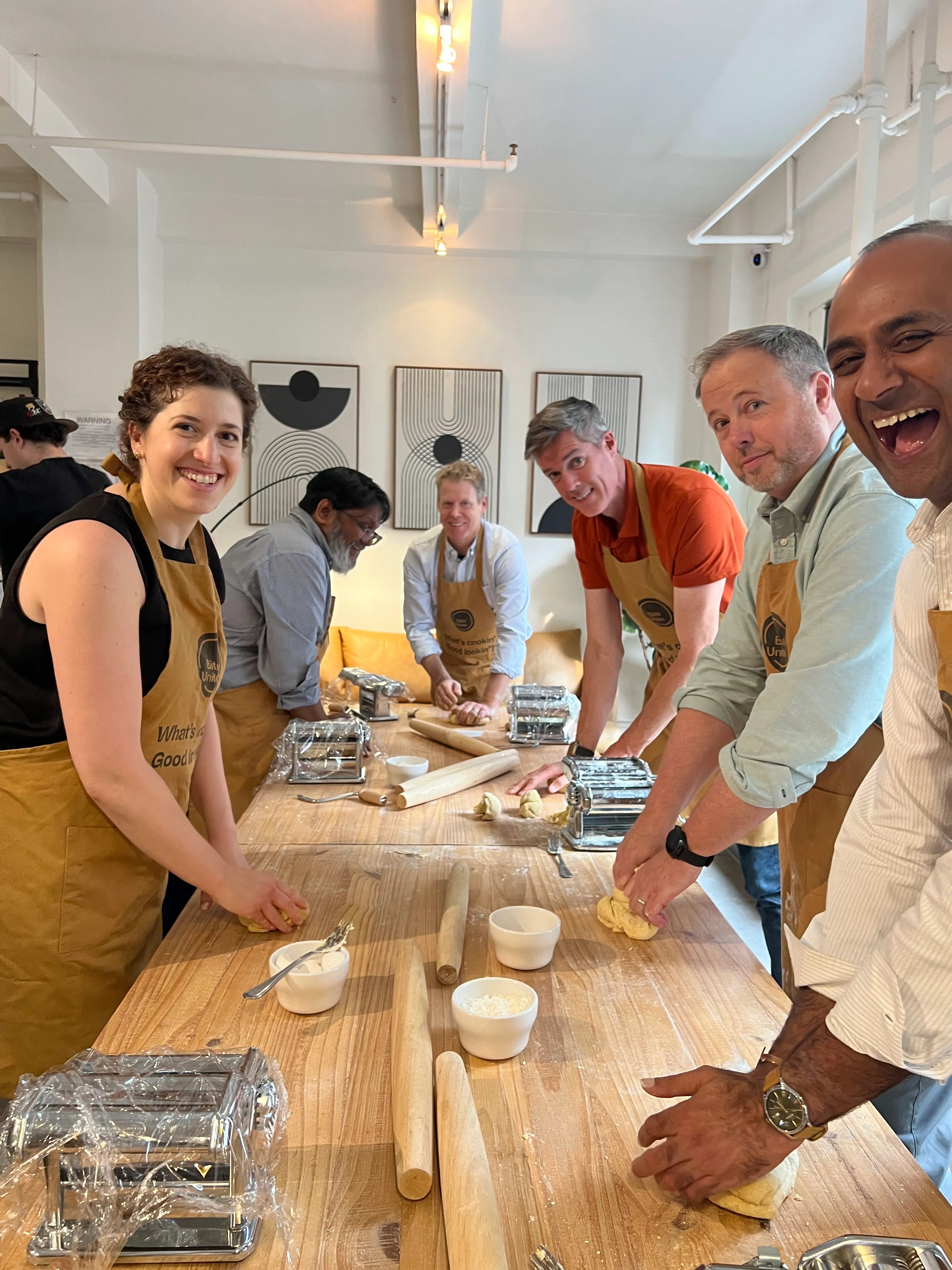
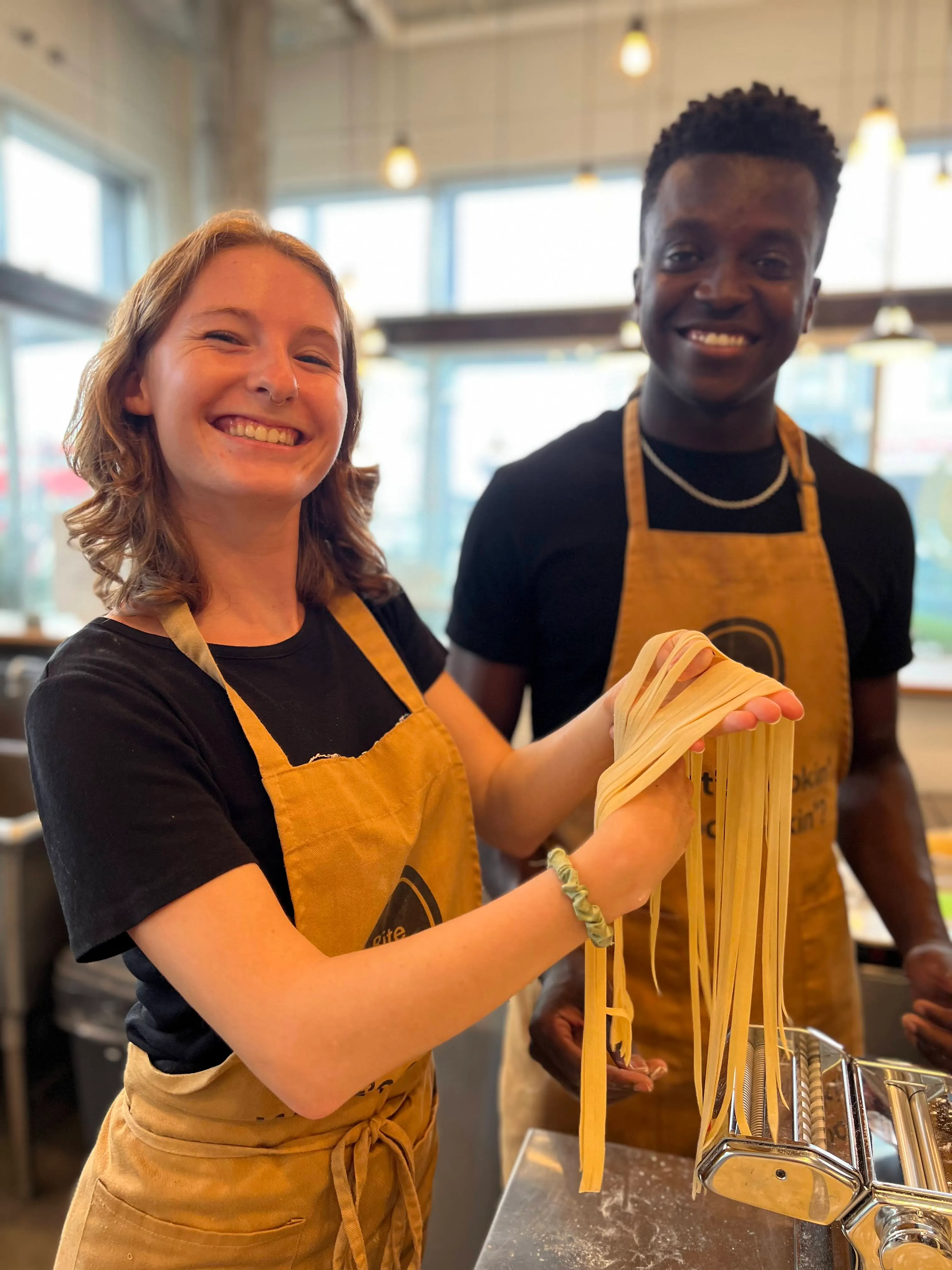
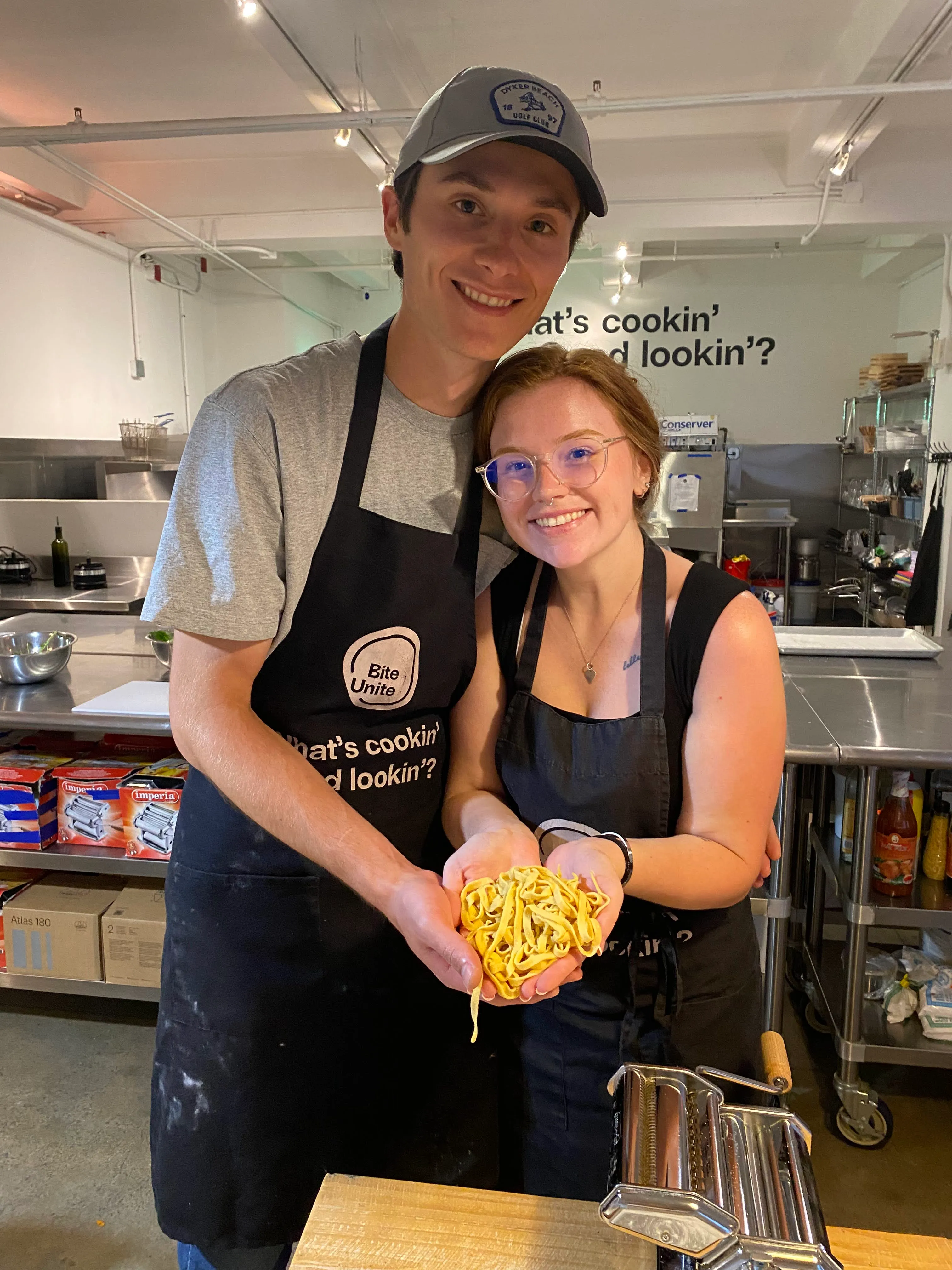
Finish the day with a hands on pasta class. Our kitchen is in the Mission District, which is a short ride from downtown by BART or Muni. You will make dough from scratch and shape your own pasta before sitting down to eat what you made. It is the perfect way to end a day spent exploring the city's Italian roots.
Visitors who want more ideas can read our post on culinary adventures for tourists in San Francisco.
Choosing a Pasta Class in San Francisco
When you look for a pasta class, focus on a few key things. Make sure the class is hands on so you get to do the work yourself. Check that it fits your schedule and your group. Look for clear information about what you will cook.
Our hands on pasta making class in San Francisco is built for beginners and covers dough and sauce in one session. If you are new to cooking, our guide to pasta making classes for beginners in SF will help you prepare.
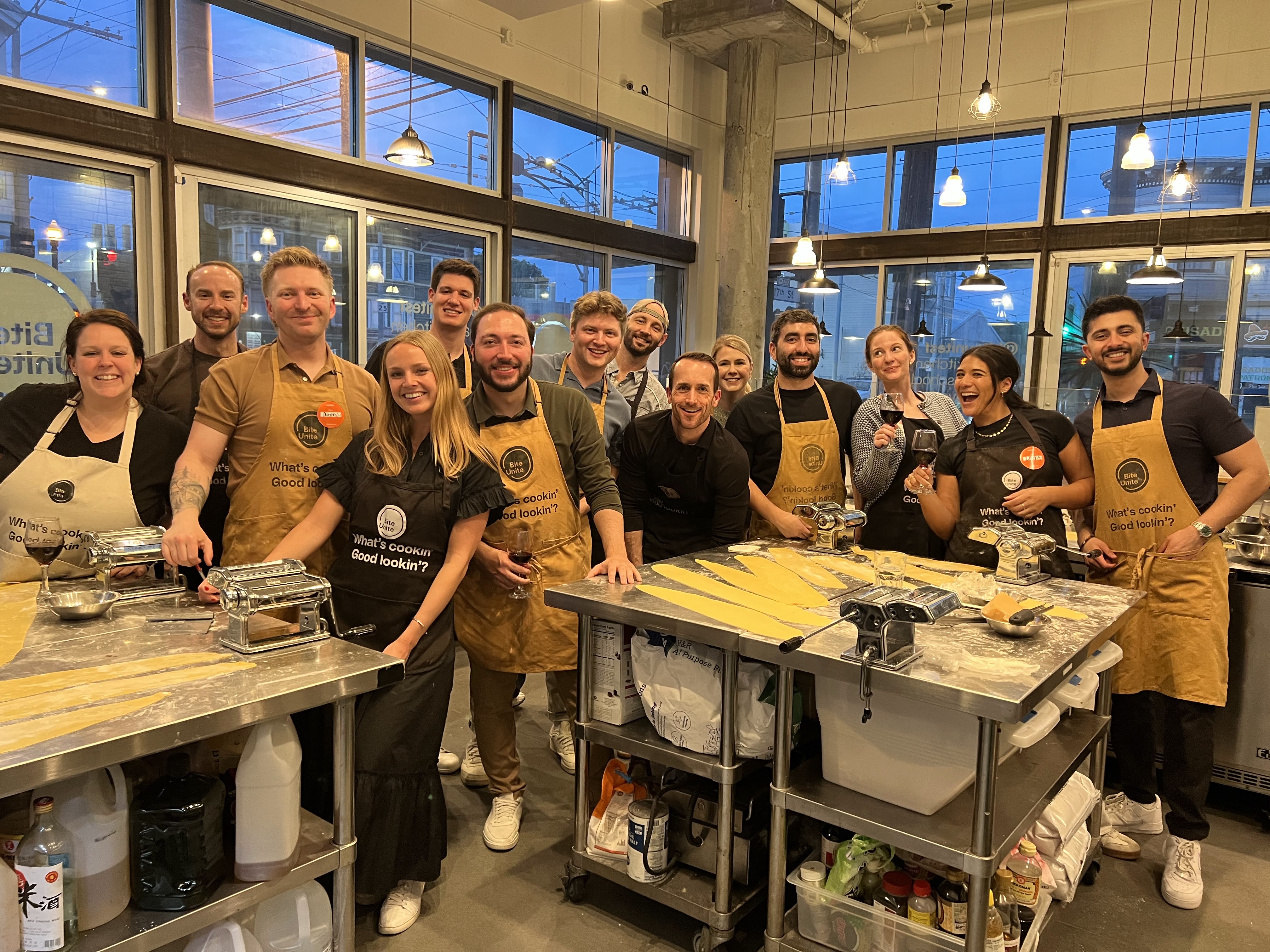
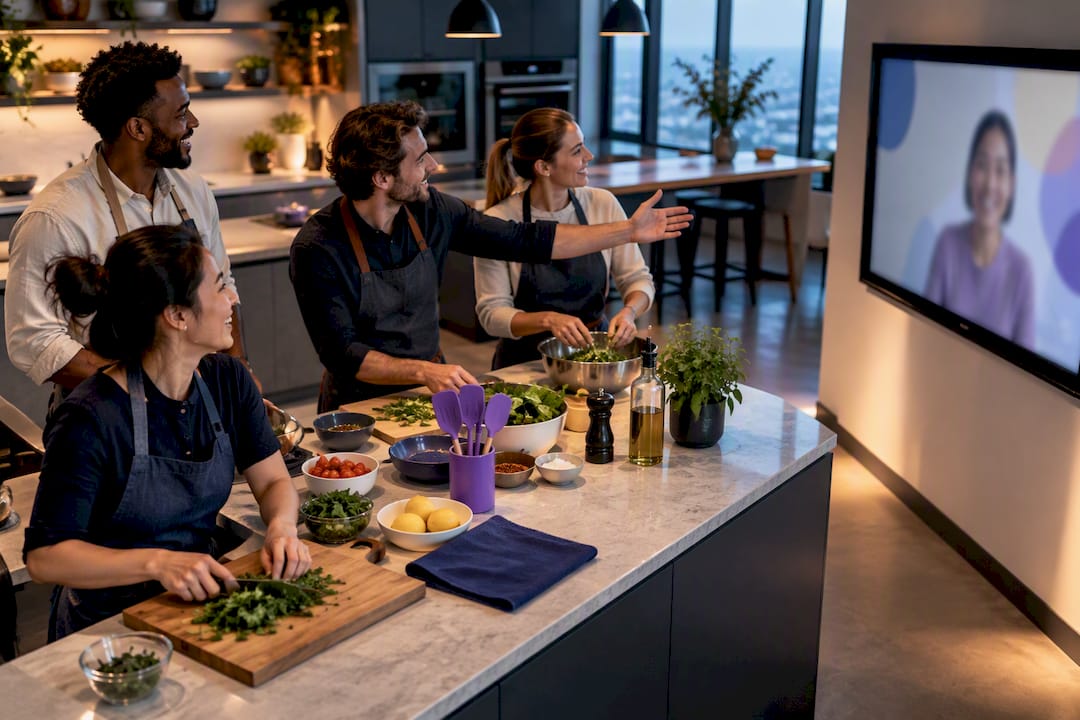
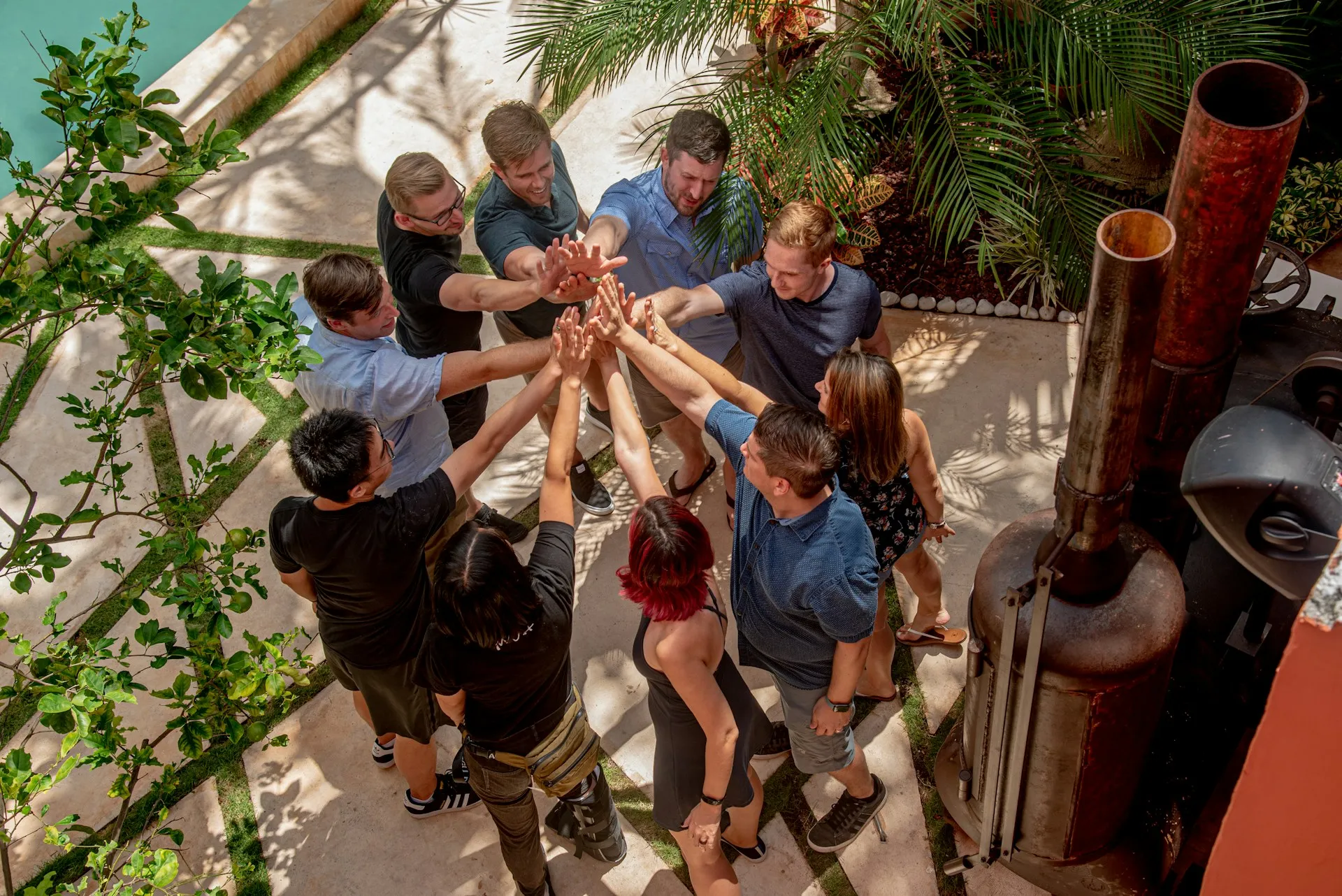
Groups celebrating a special occasion should look at private pasta making classes in San Francisco. Companies can book team building cooking classes in San Francisco for a hands on group event.
Serious cooks who want to go deeper can join our professional pasta making program in the Bay Area. It covers advanced techniques over five days.
Bringing Italian San Francisco Home
The best way to honor a food tradition is to keep cooking it. After your class, try making pasta at home once a week. Start with a basic egg dough and long ribbons. Our homemade tagliatelle recipe is a great place to begin.
When you are ready for more, try a classic Northern Italian sauce like our Bolognese ragu. Or make a batch of pesto with fresh basil from the farmers market. Browse our full Italian recipe collection for more ideas.
You might even start a new family tradition. Many Italian families made pasta together every Sunday. There is no reason you cannot do the same.
San Francisco Italian Food and Pasta FAQs
Is North Beach still an Italian neighborhood?
Yes. North Beach still has many Italian restaurants and bakeries, along with a strong Italian American community.
What Italian dish is San Francisco known for?
Cioppino is the most famous. It was created in the city by Italian fishermen in the late 1800s.
Where can I take a pasta making class in San Francisco?
BiteUnite offers a hands on pasta class at our kitchen in the Mission District. You can see all current options on our San Francisco cooking classes page.
Do I need experience to take a pasta class?
No. Most classes are designed for beginners, and the instructor guides you through every step.
Where does San Francisco pesto come from?
Pesto comes from Genoa in the Liguria region of Italy. Many early Italian families in San Francisco had Ligurian roots, which helped make pesto a local favorite.
Is the Mission District far from North Beach?
Not very. The two neighborhoods are connected by several Muni lines and a short BART ride from downtown, so you can easily visit both in one day.
Can I take a pasta class with a group of friends?
Yes. Groups can join a shared class or book a private session. See our guide to private pasta making classes in San Francisco for details.
Join San Francisco's Pasta Tradition
Italian food has been part of San Francisco's story for well over a century. From the fishing fleet of North Beach to modern pasta counters, it has shaped how this city cooks and eats. Taking a pasta class is a hands on way to become part of that story.
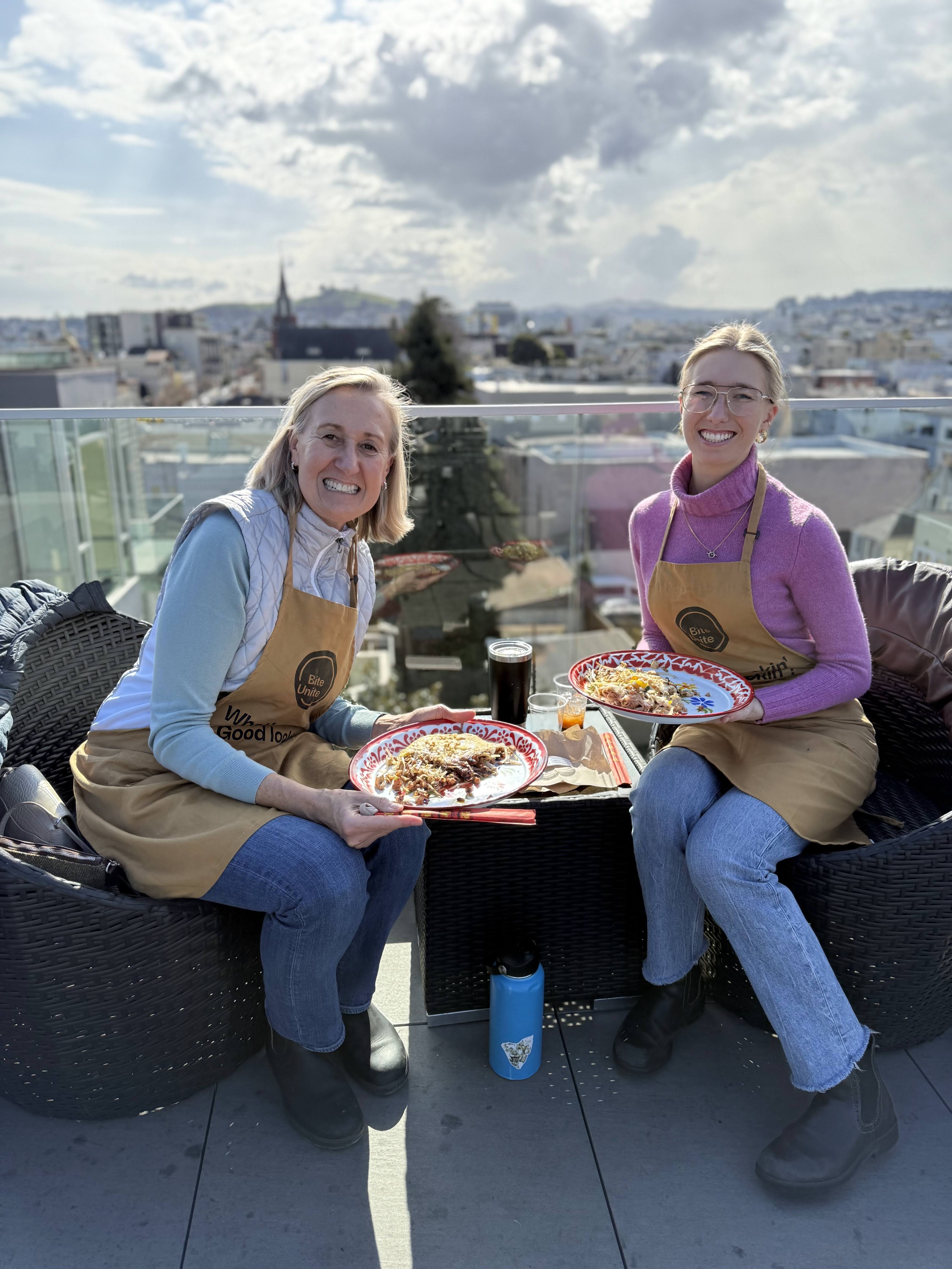
Ready to try it? Book a pasta making class in San Francisco and learn to make fresh pasta the way generations of Italian families have. For a full overview of your options, read our complete guide to pasta making classes in San Francisco.

























.webp)