5 Moves to Lock a Private Cooking Party: Timeline First Checklist
Planning a private cooking party comes down to five moves: pick a format, lock the guest count, date, and budget, book your chef or provider, finalize the menu and logistics, and confirm a written timeline. Do these in order and you avoid the back-and-forth that stalls most bookings. Start today by shortlisting three possible dates, nailing down your headcount, and scheduling a 30 to 45 minute consultation call with your chosen provider.
TL;DR:
- Booking two to four weeks in advance is ideal for most typical events, while six to eight weeks is necessary during busy seasons for better chef availability.
- Costs vary widely based on cuisine complexity, group size, and format, with additional fees for rentals, alcohol, travel, and rush bookings, so reviewing full quotes is essential.
- The event format determines staffing needs and pacing; hands-on classes suit small groups, while demos or team challenges work better for larger or corporate gatherings.
- Menus should be adaptable with built-in substitutions to accommodate dietary restrictions, and send dietary lists at least one week before the event for proper sourcing.
- A detailed written contract with clear policies on dates, guest count, payments, cancellations, and liability safeguards both parties and ensures smooth execution.
Table of Contents
- What Event Format Fits Your Cooking Party?
- How Much Does a Private Cooking Party Cost?
- When Should You Start Planning Your Cooking Party?
- How Do You Plan the Menu and Handle Dietary Needs?
- Should You Host at Home or Book a Venue?
- What Should Your Cooking Party Contract Include?
- How Do You Run the Event-Day Timeline?
- The BiteUnite Perspective on Planning a Cooking Party
- Let BiteUnite Handle Your Cooking Party Planning
- Sources
- FAQ
What Event Format Fits Your Cooking Party?
Your format decision shapes everything downstream, from staffing to pricing, so nail this first.
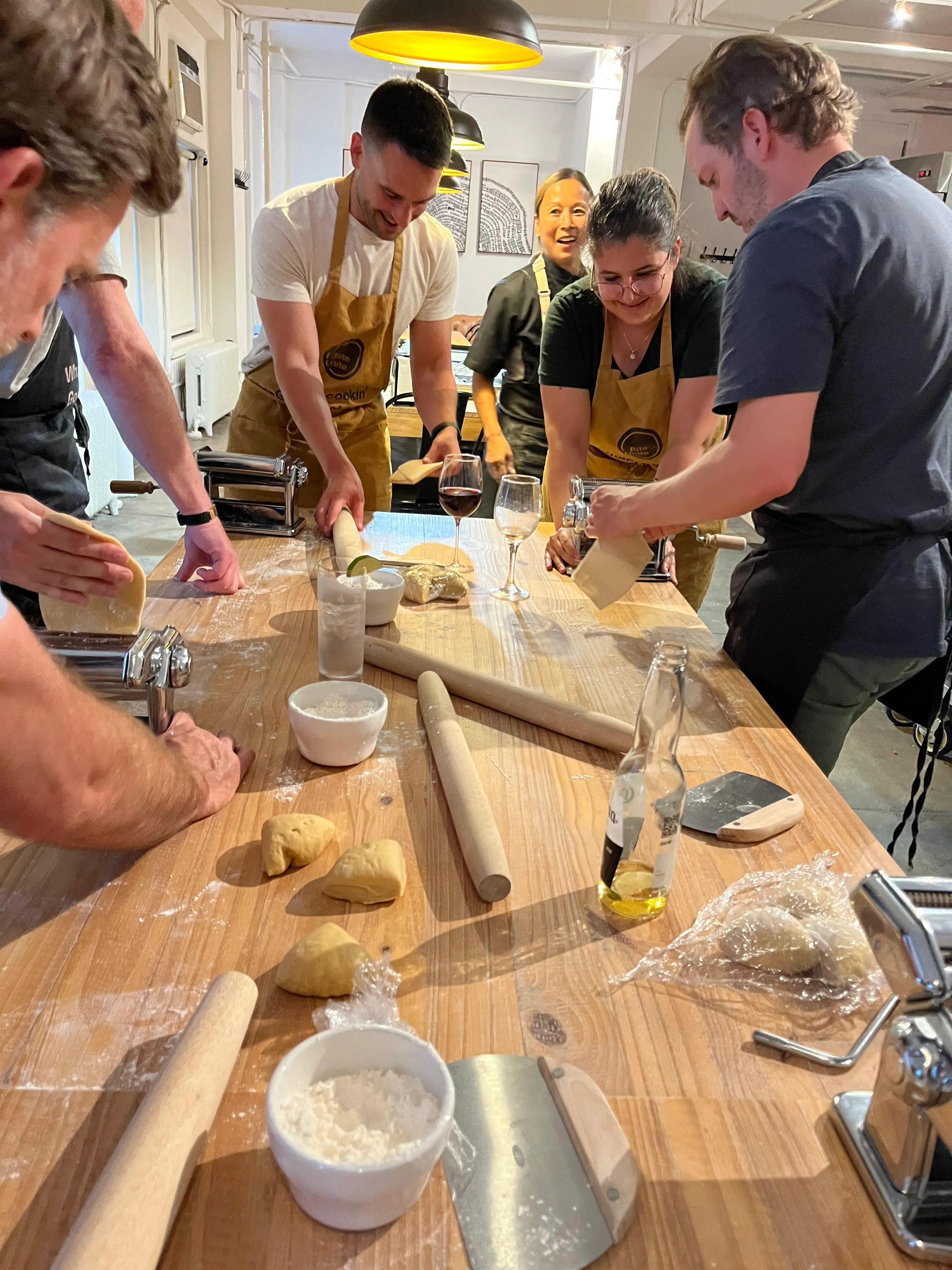
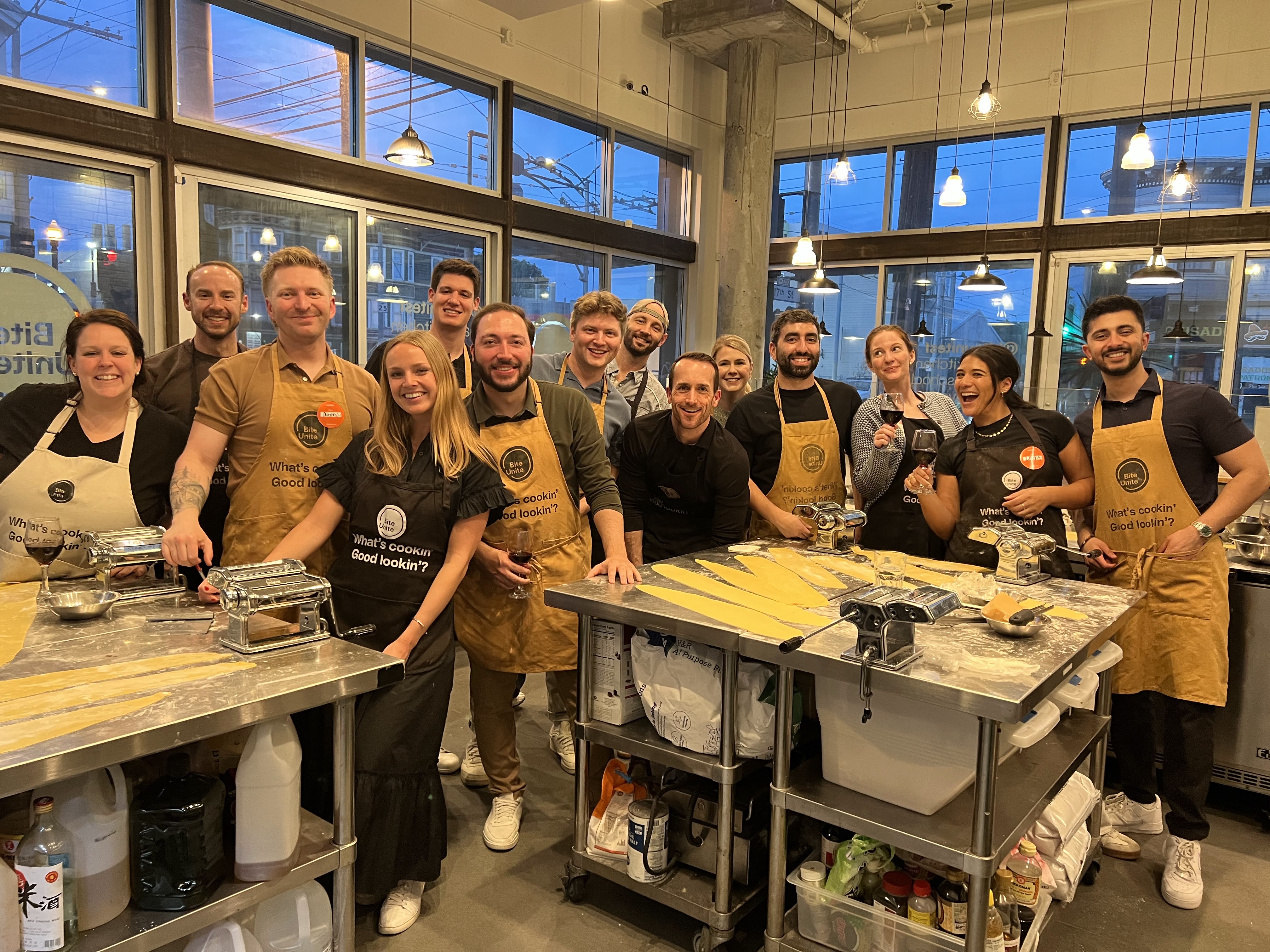
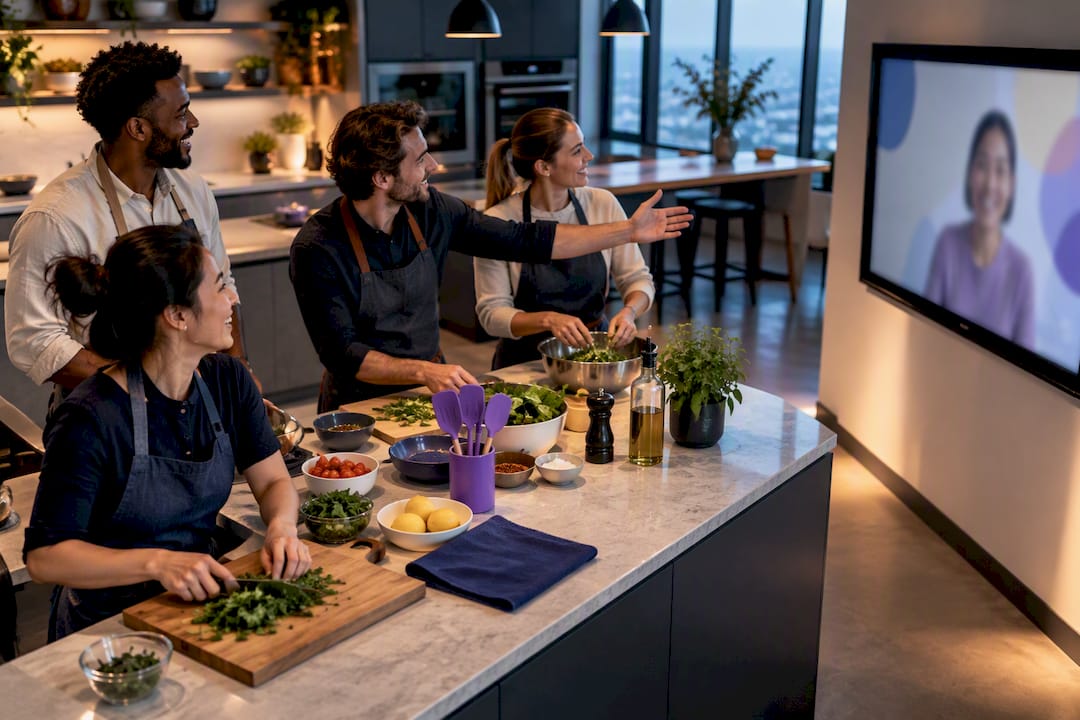
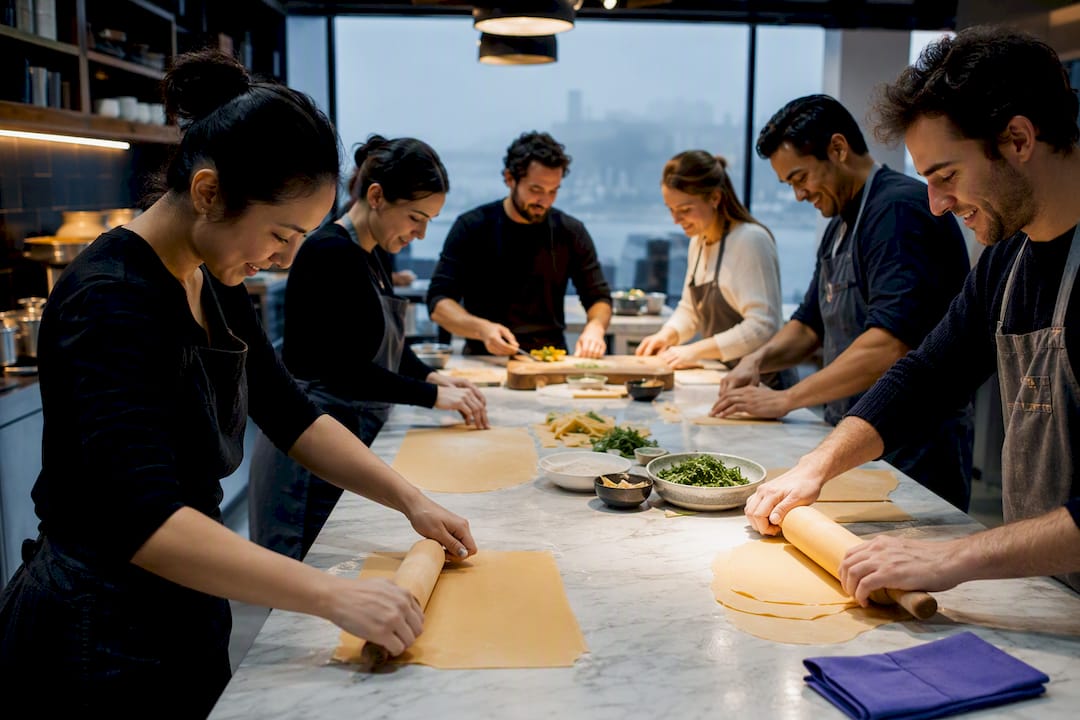
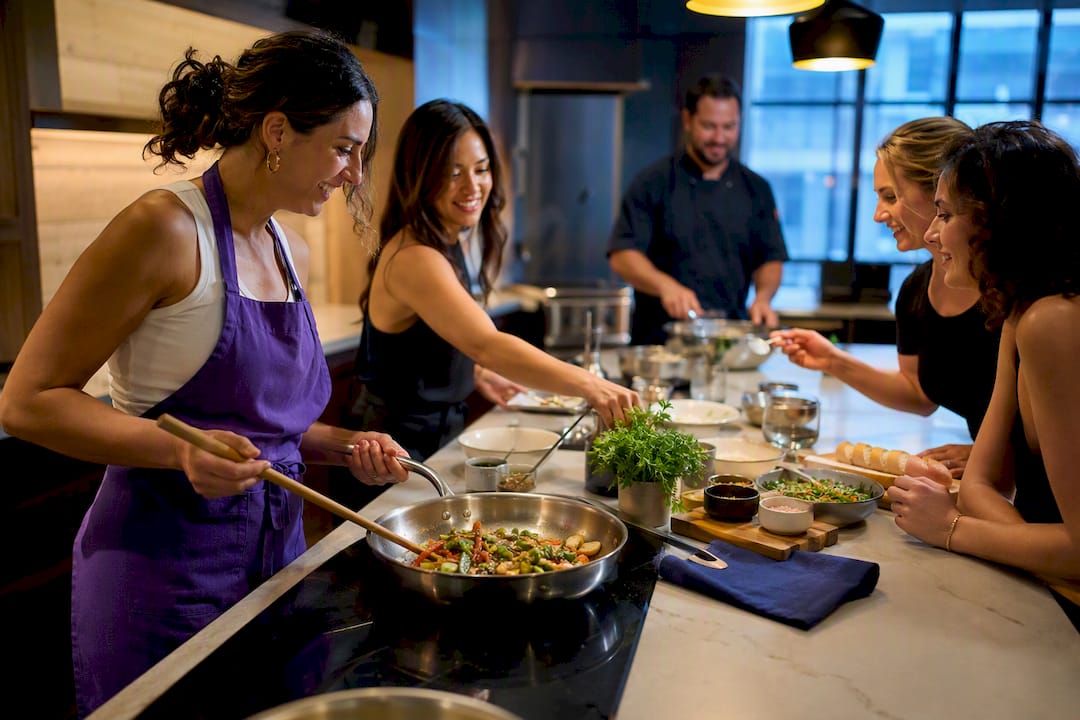
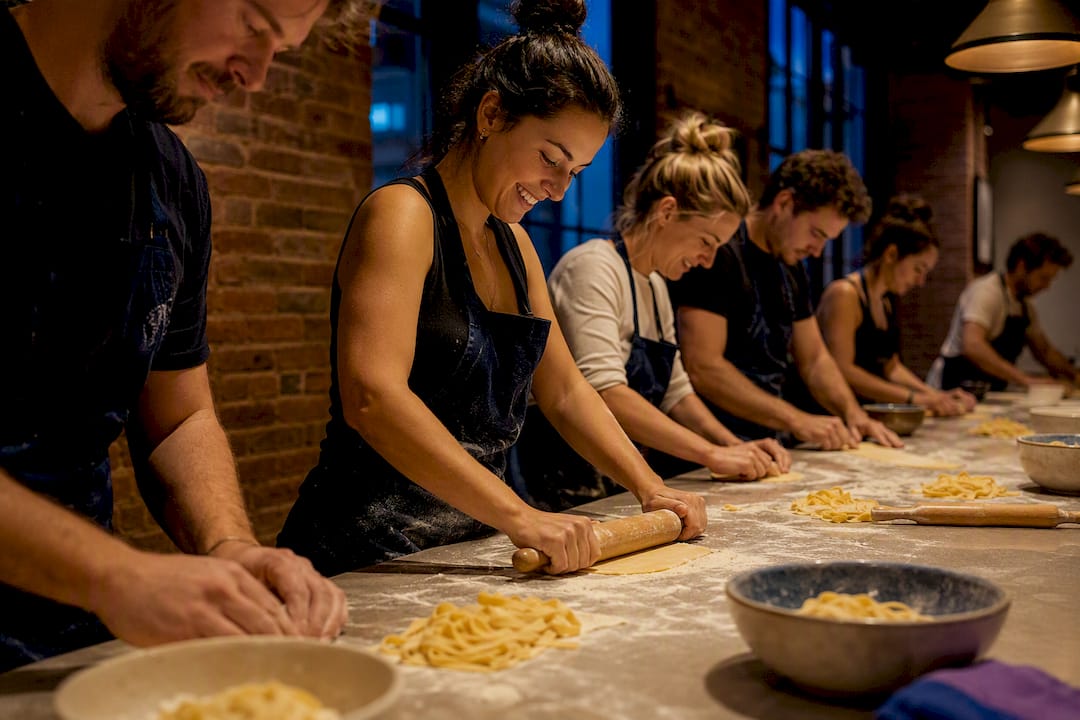
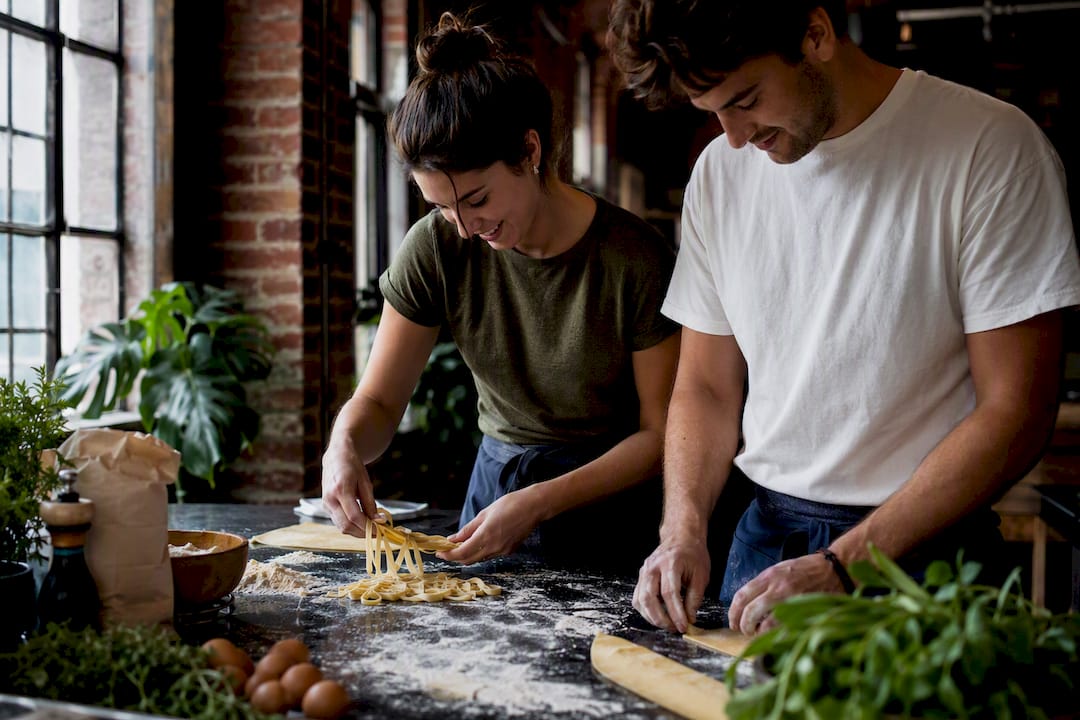
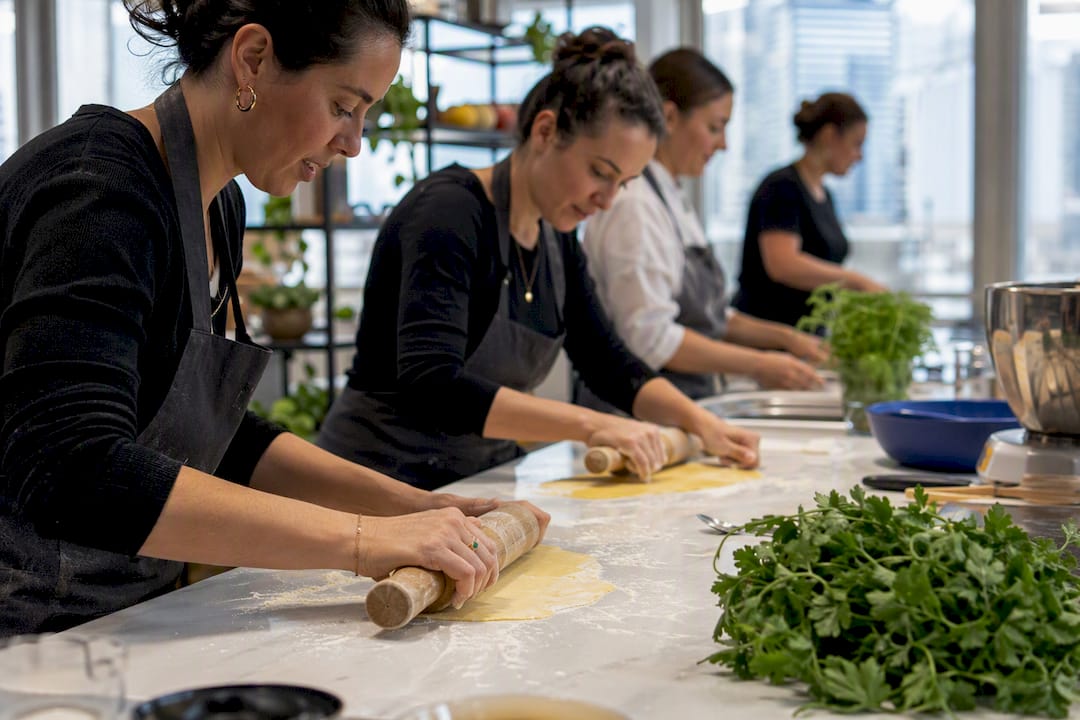
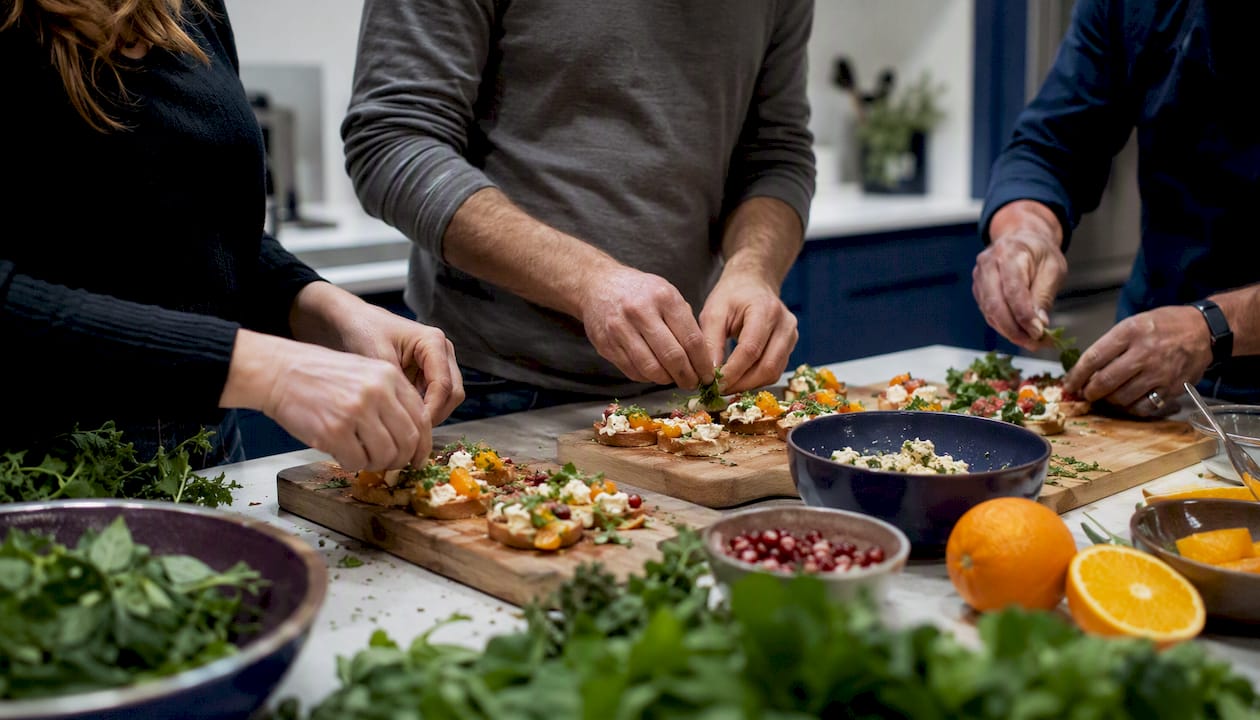
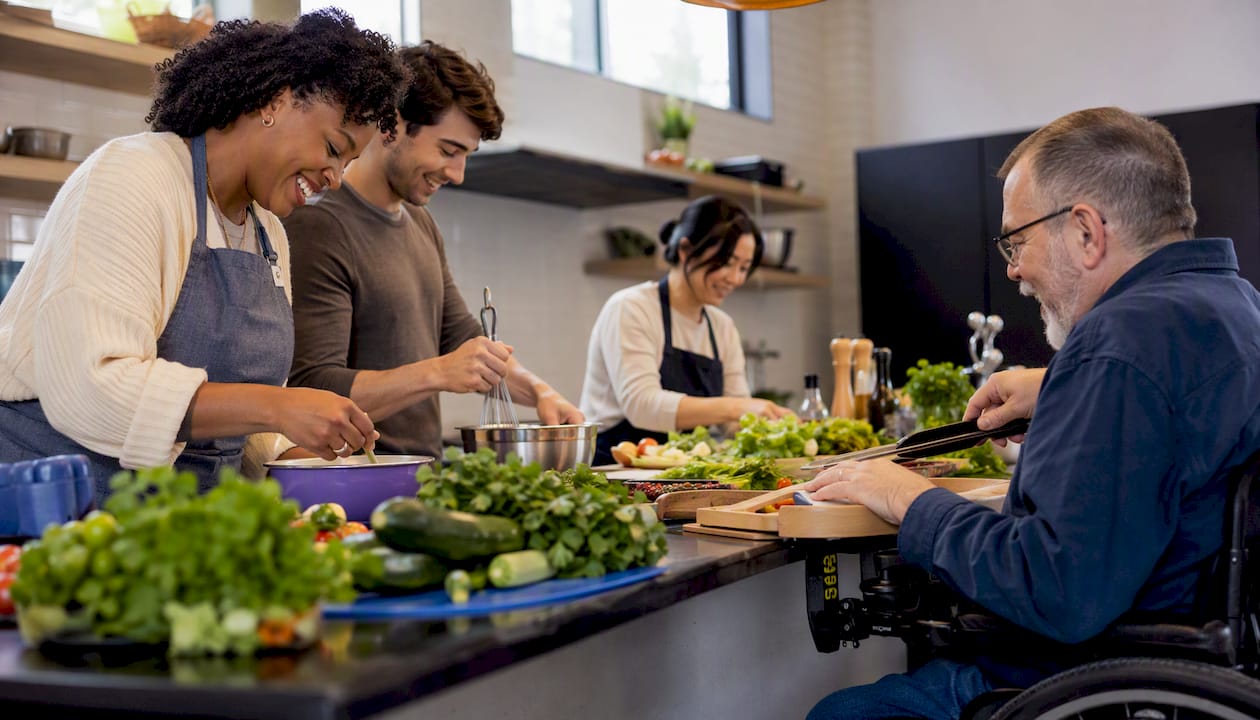
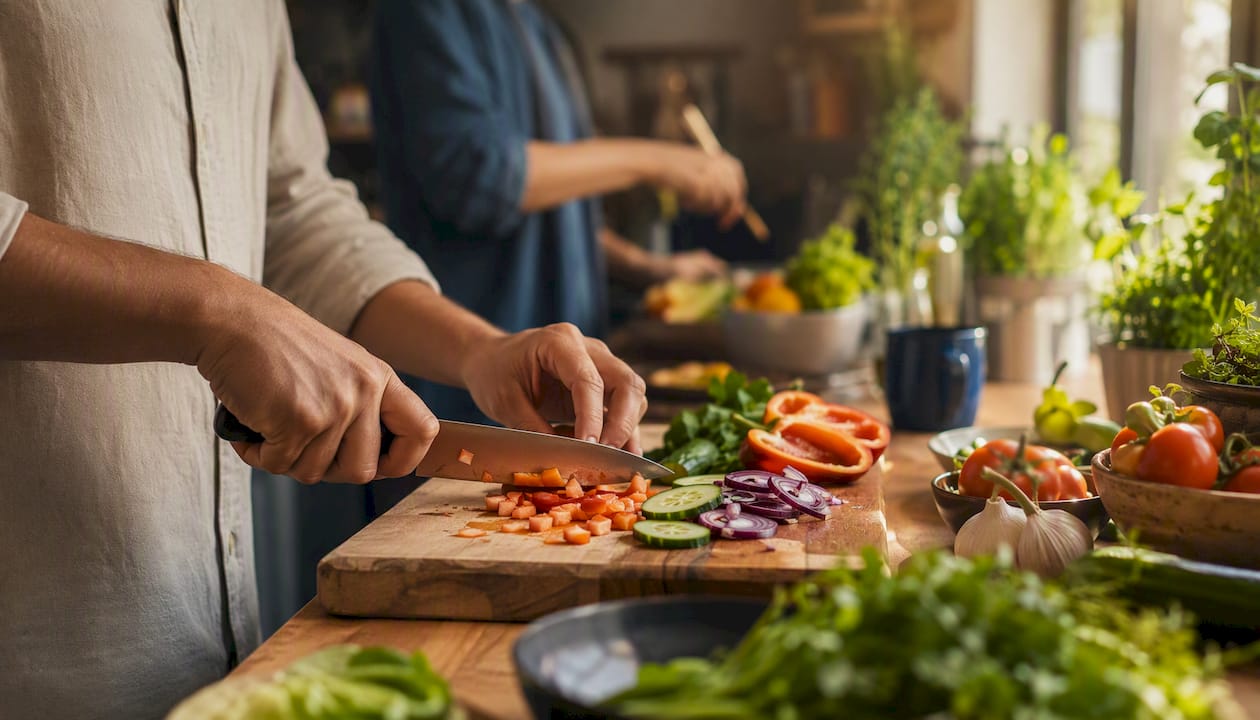
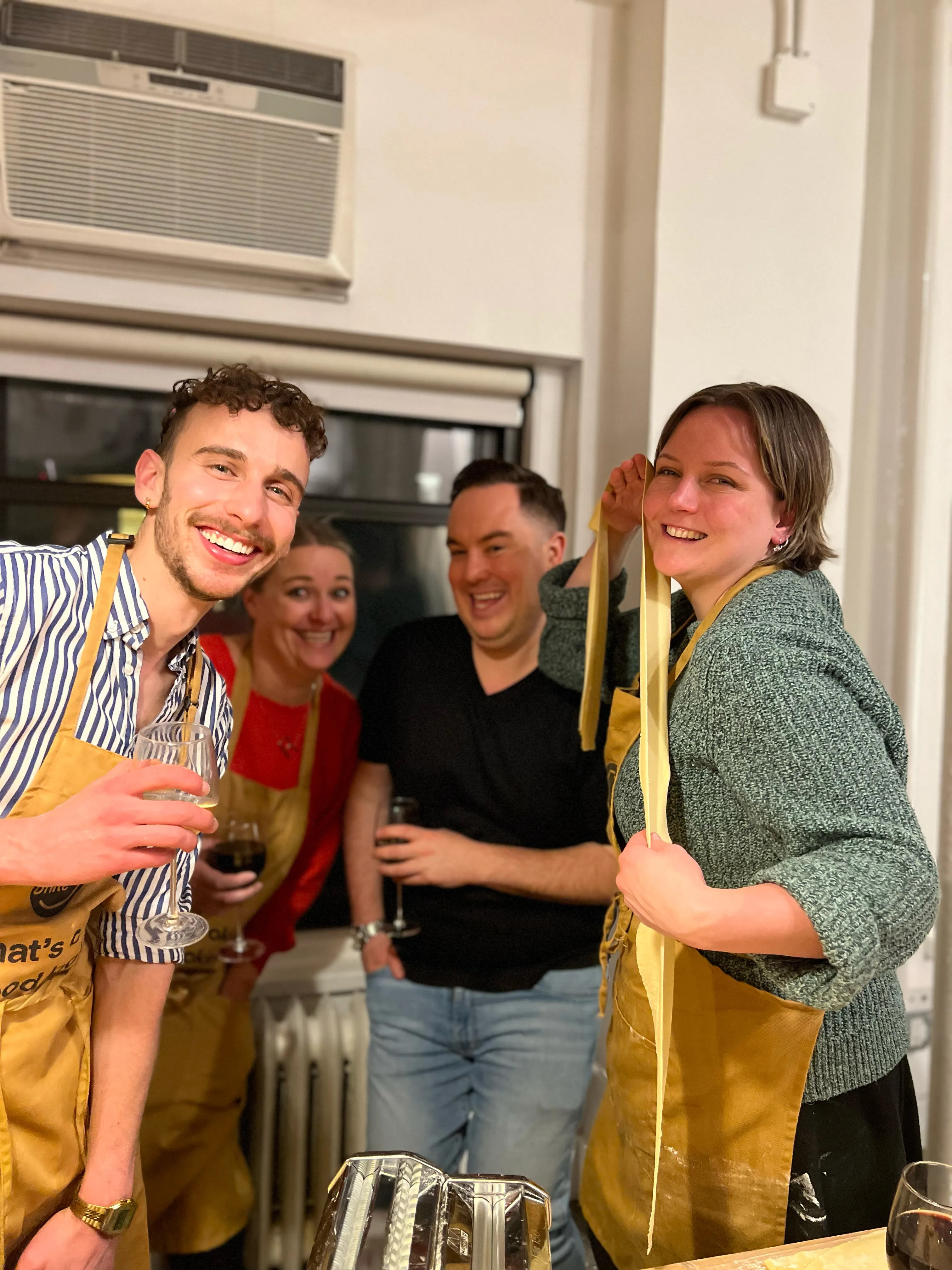
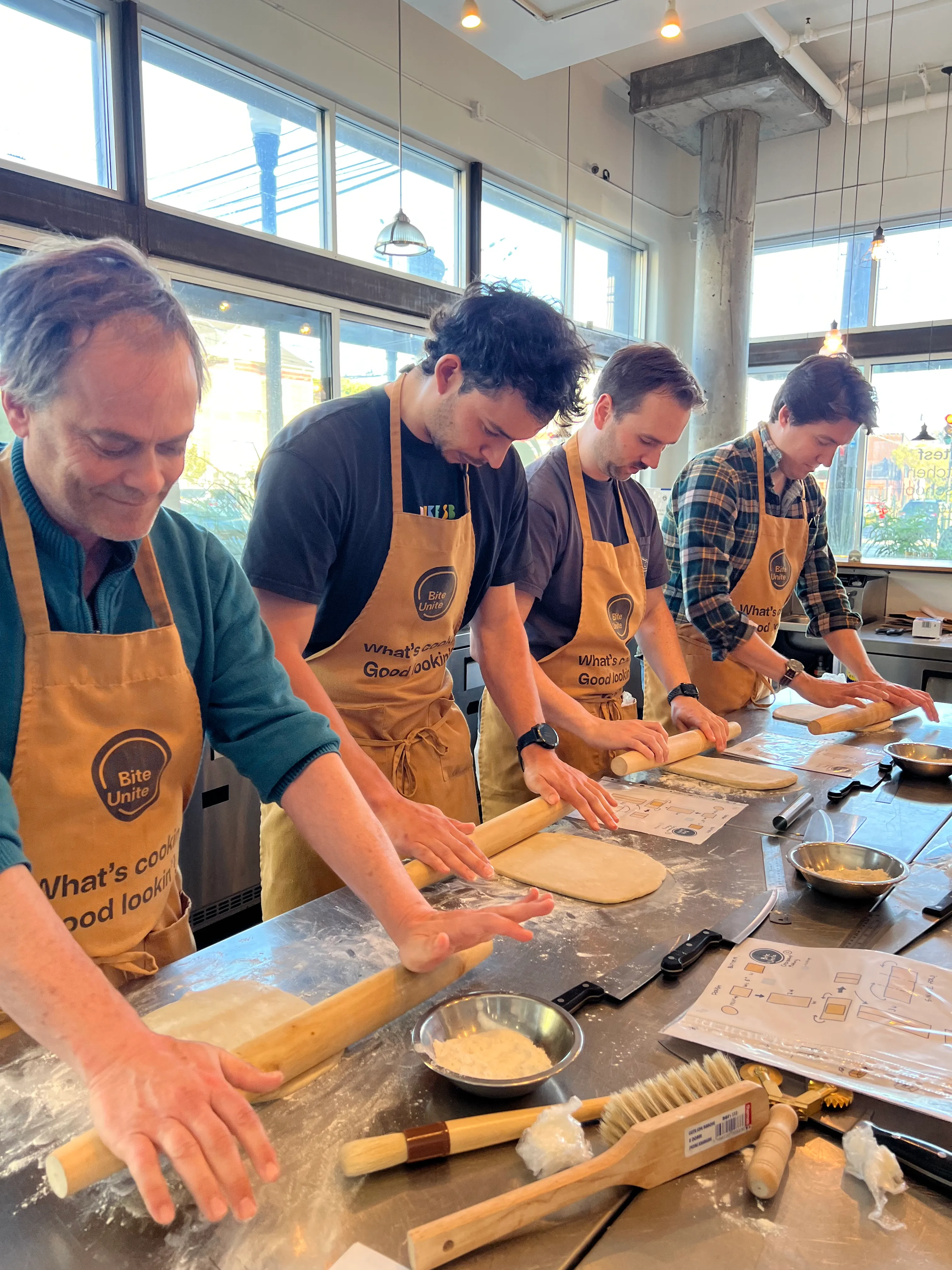
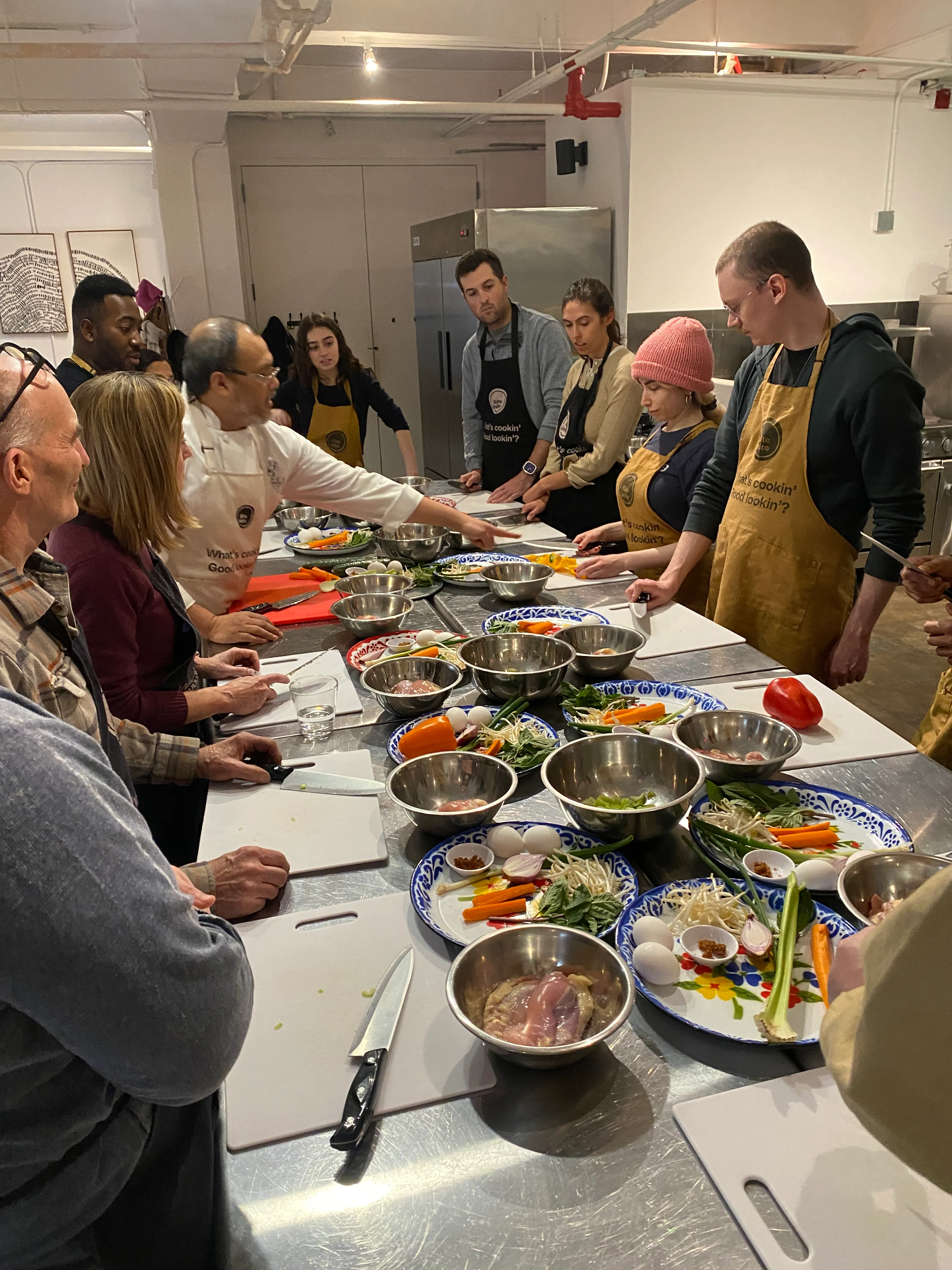
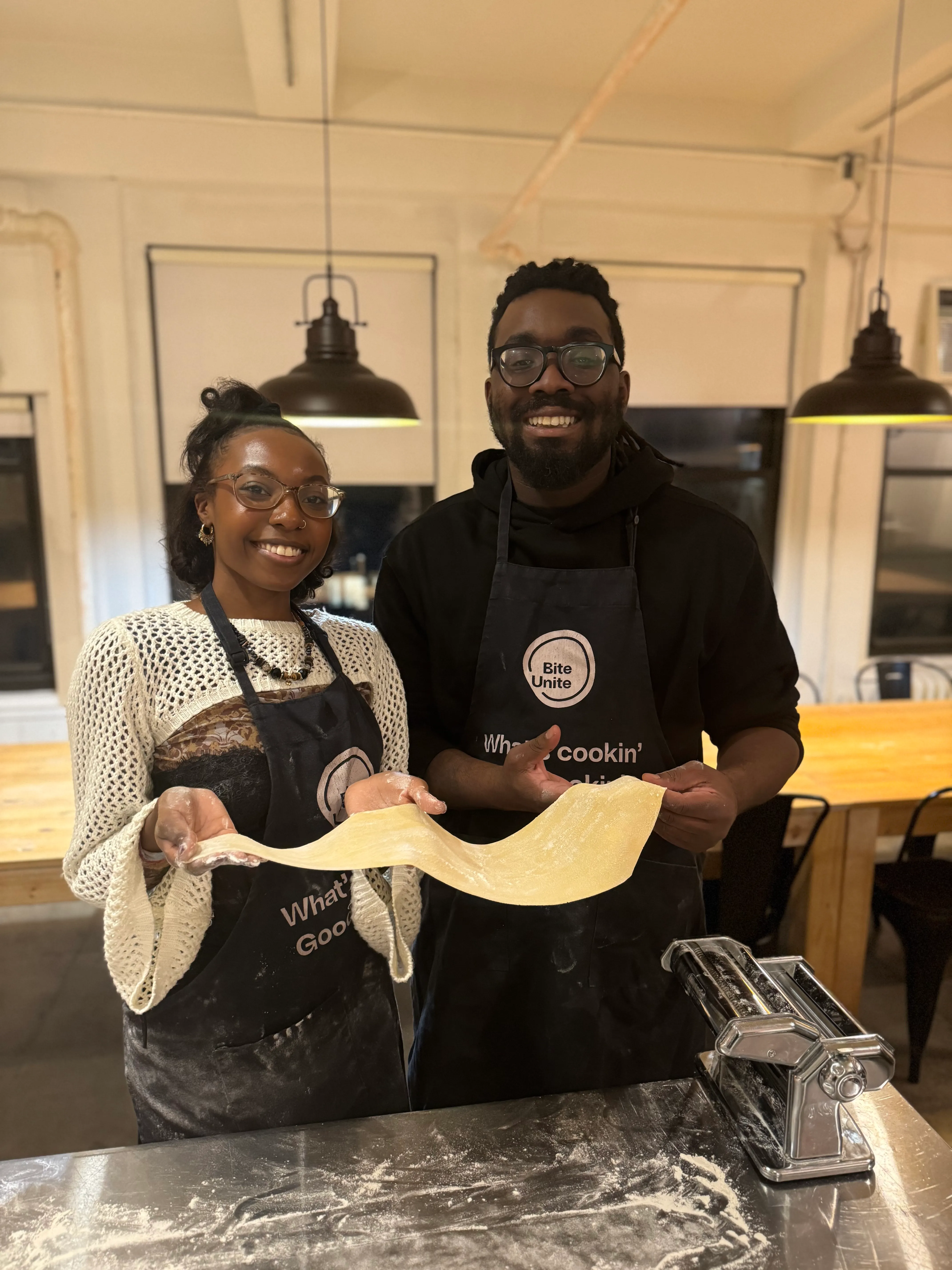
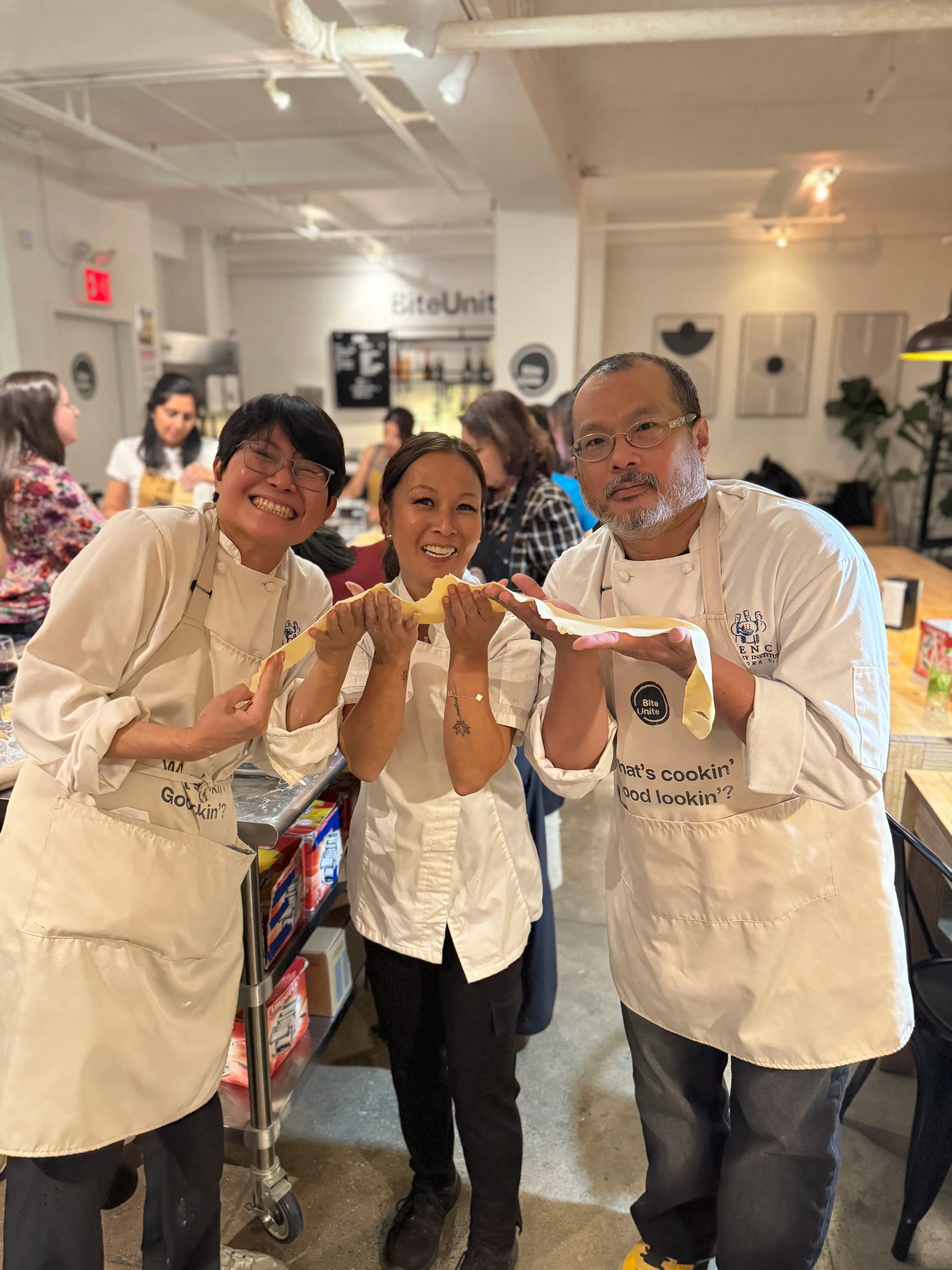
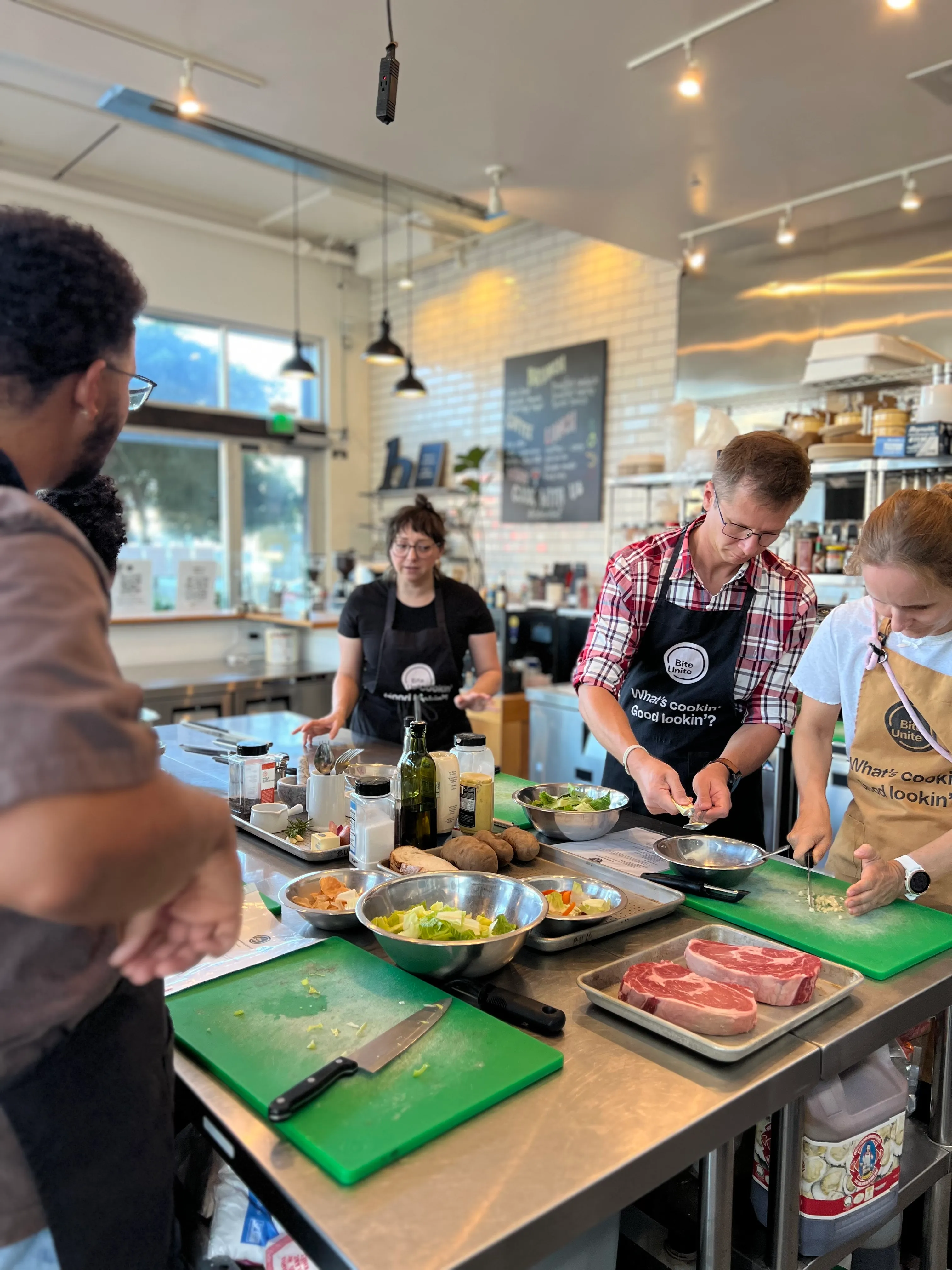
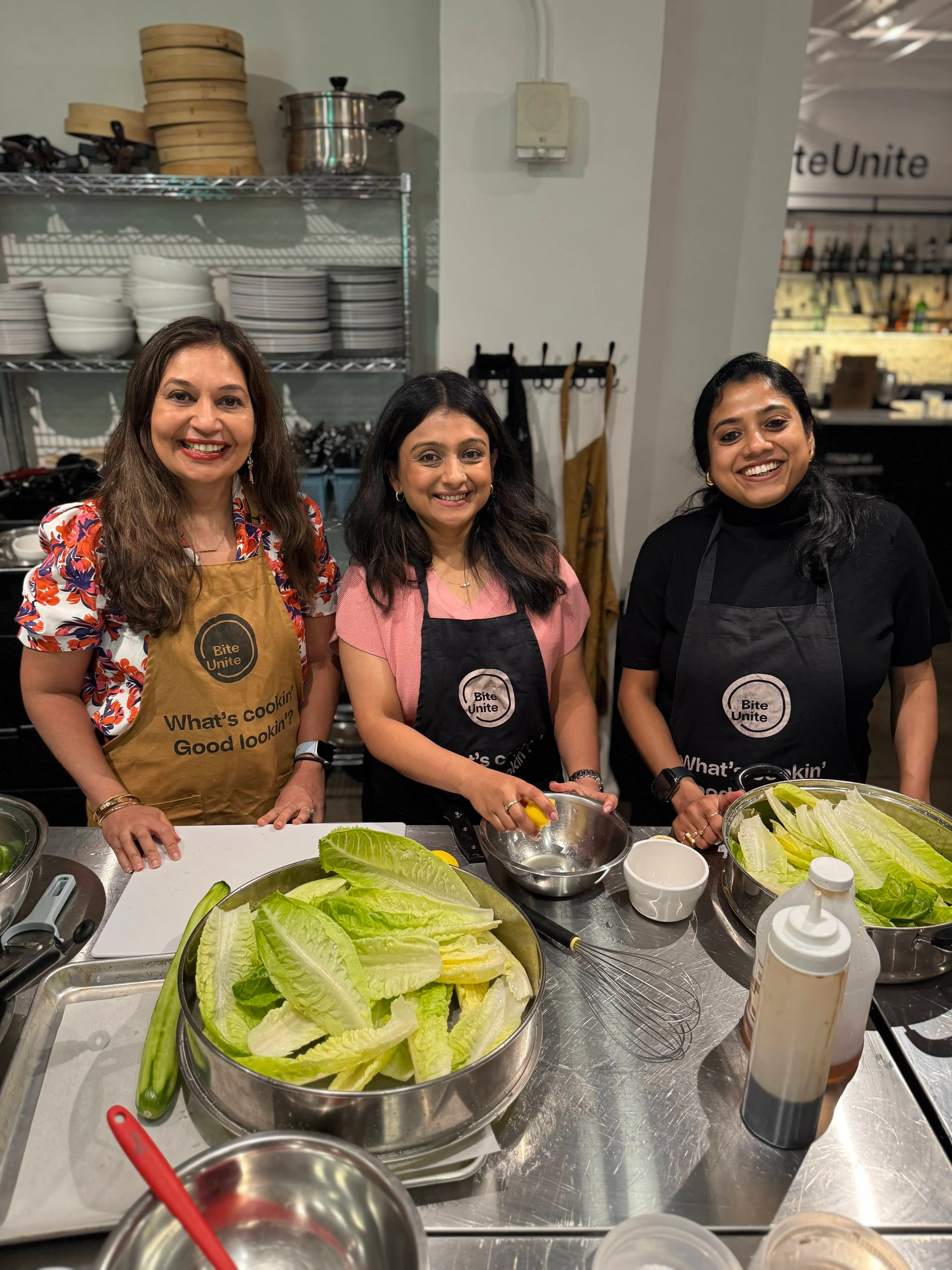
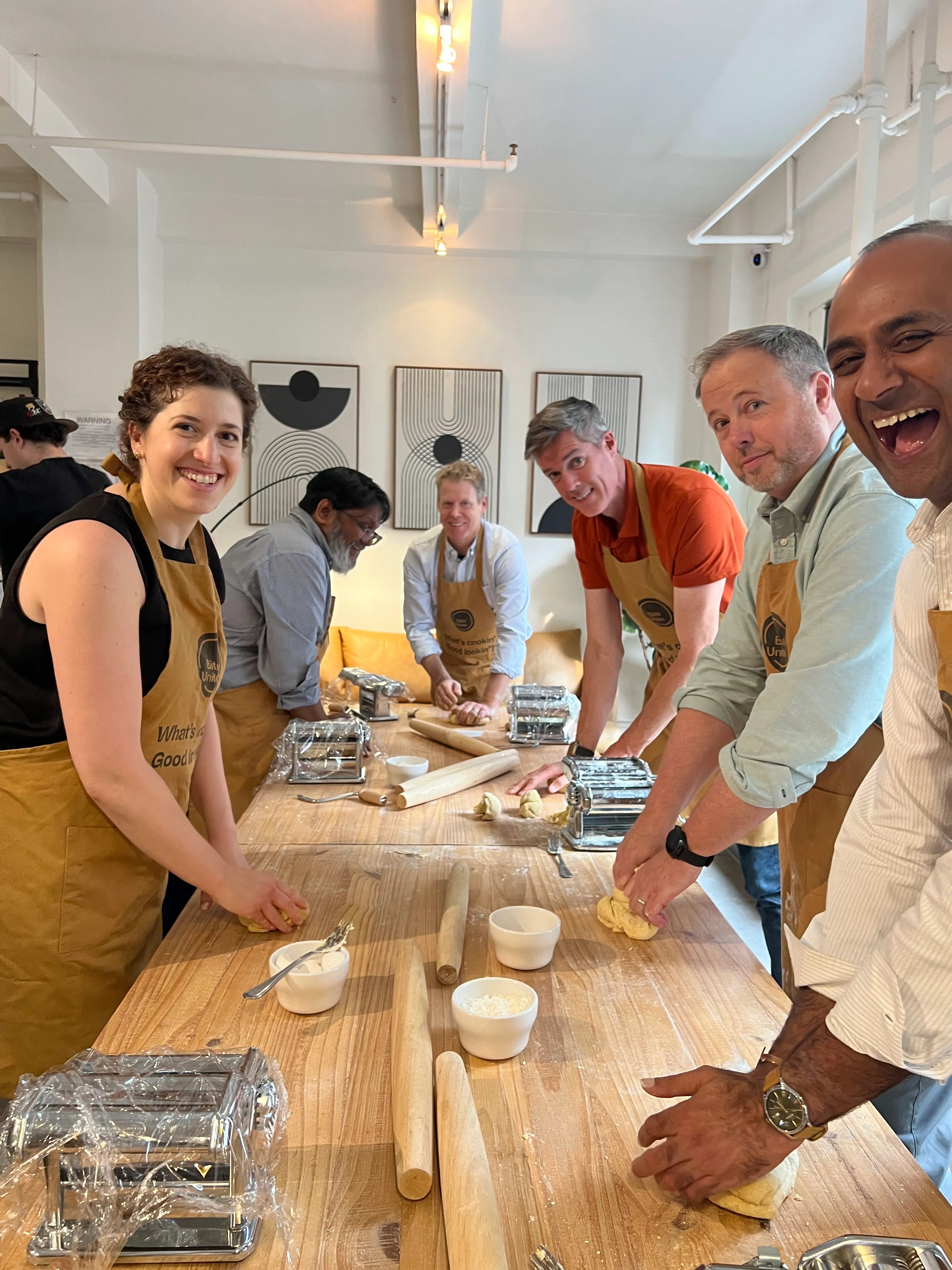
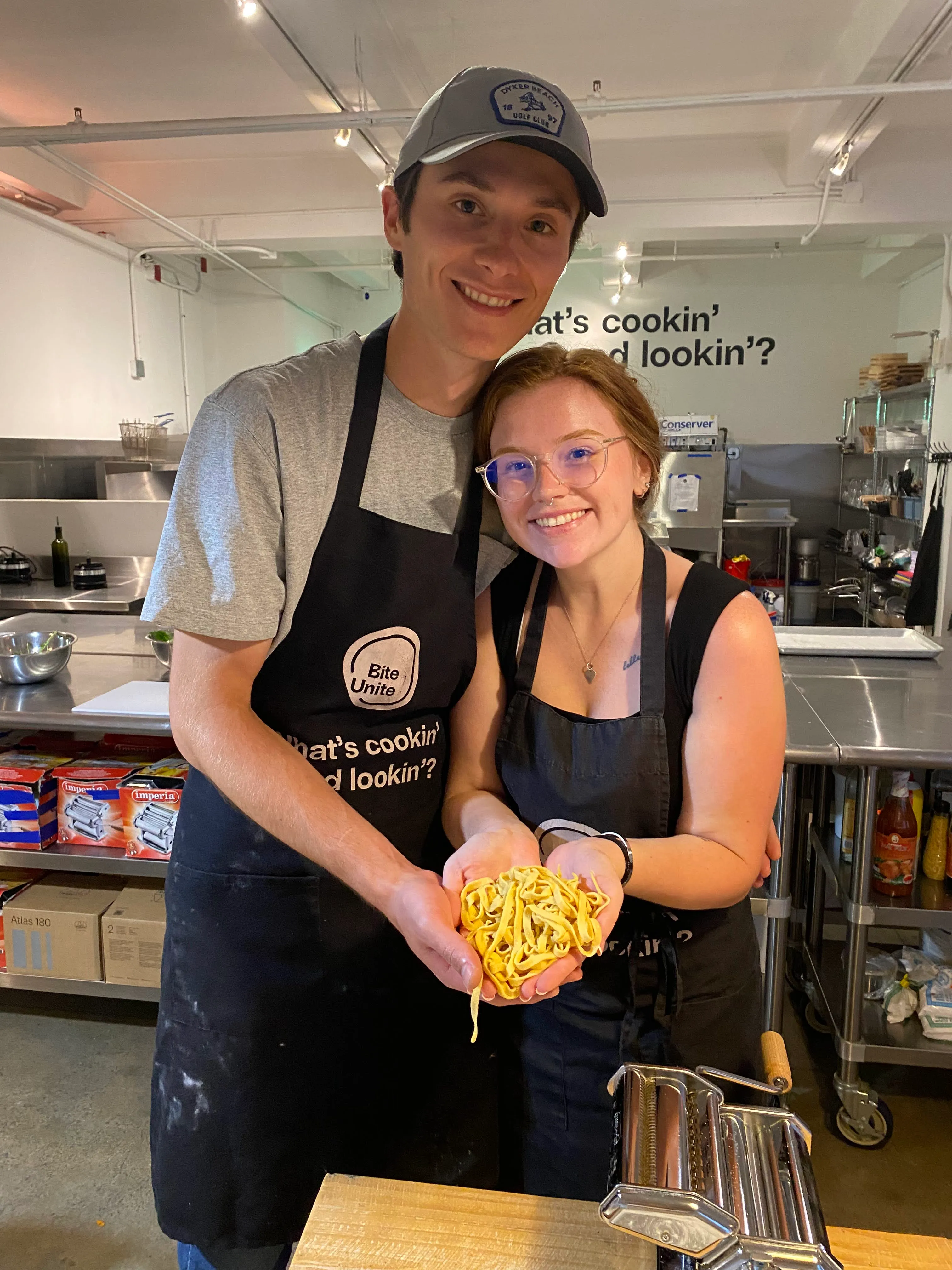
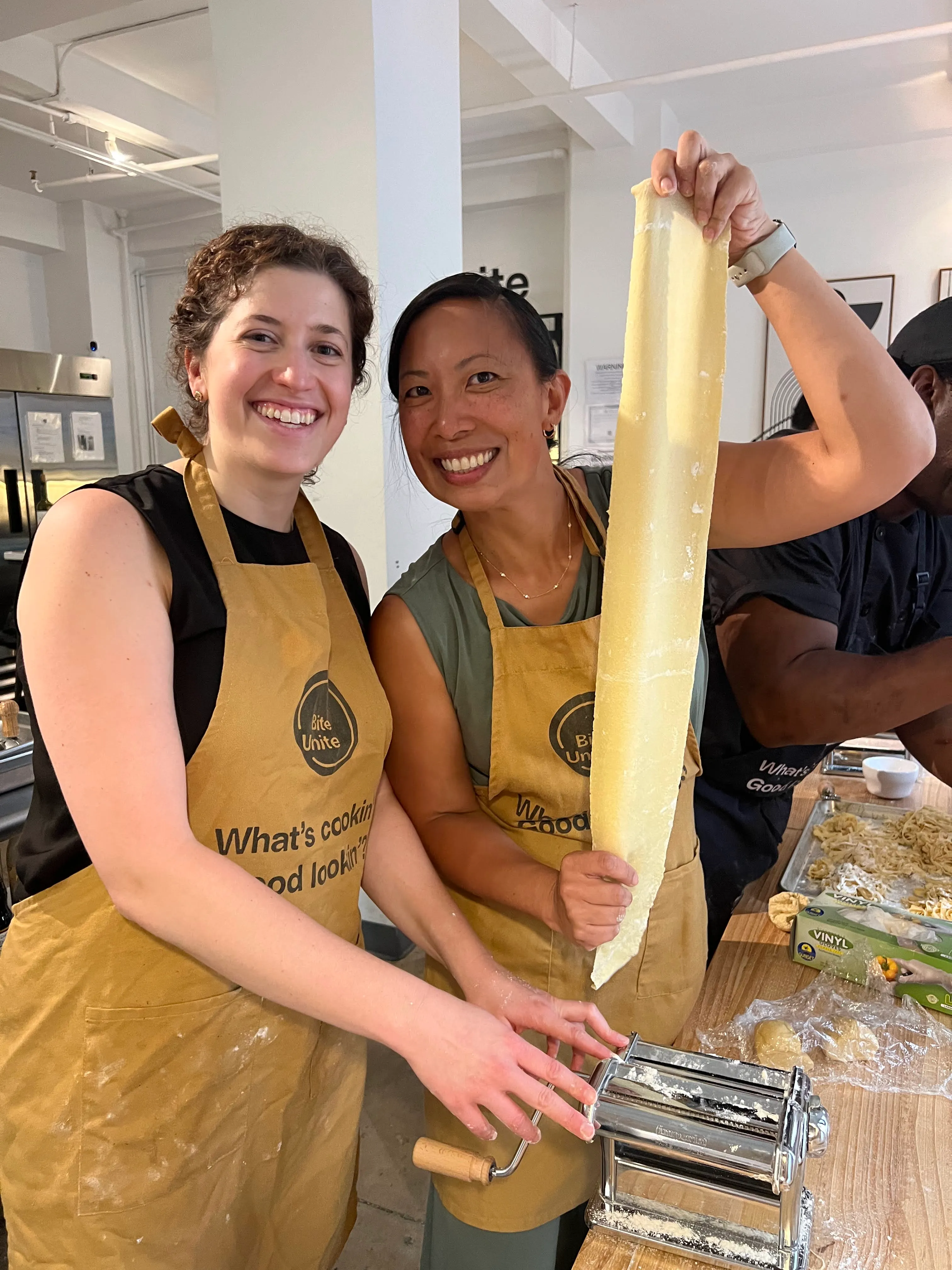
- Hands-on class: Guests cook in pairs or small groups, usually 8 to 20 people, with a chef guiding each station. Best for team-building and friends’ nights where interaction is the point.
- Demo plus tasting: The chef cooks, guests watch and sample, scaling comfortably to 30 or more. Good for larger corporate groups or when kitchen space is tight.
- Team challenge: A friendly competition format, splitting groups into cooking teams. Corporate audiences love this for energy and bonding.
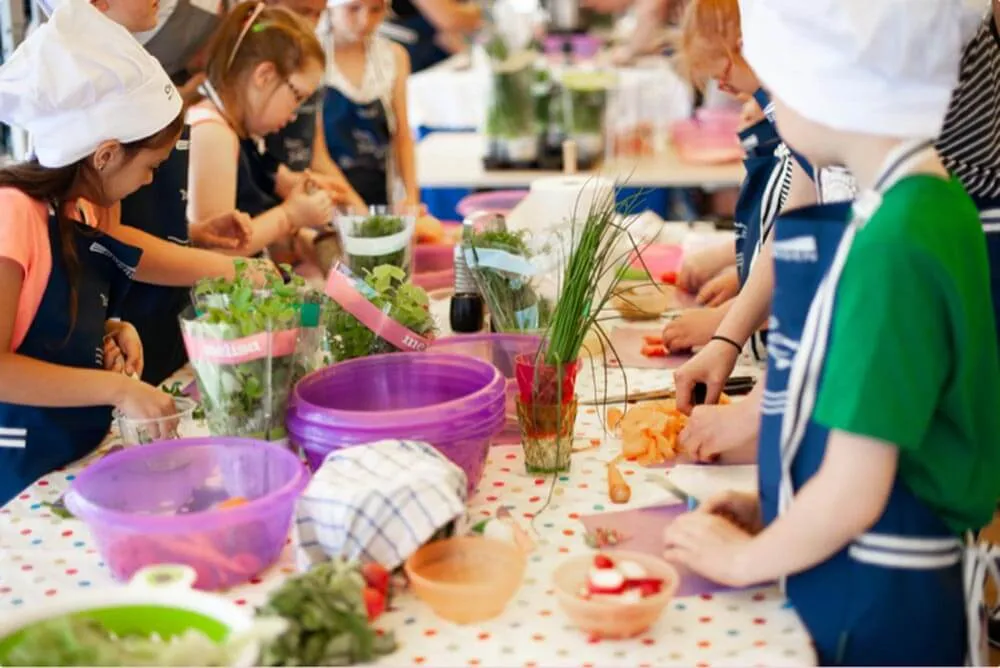
- Kids’ party: Simplified recipes, shorter attention spans, more supervision per station.
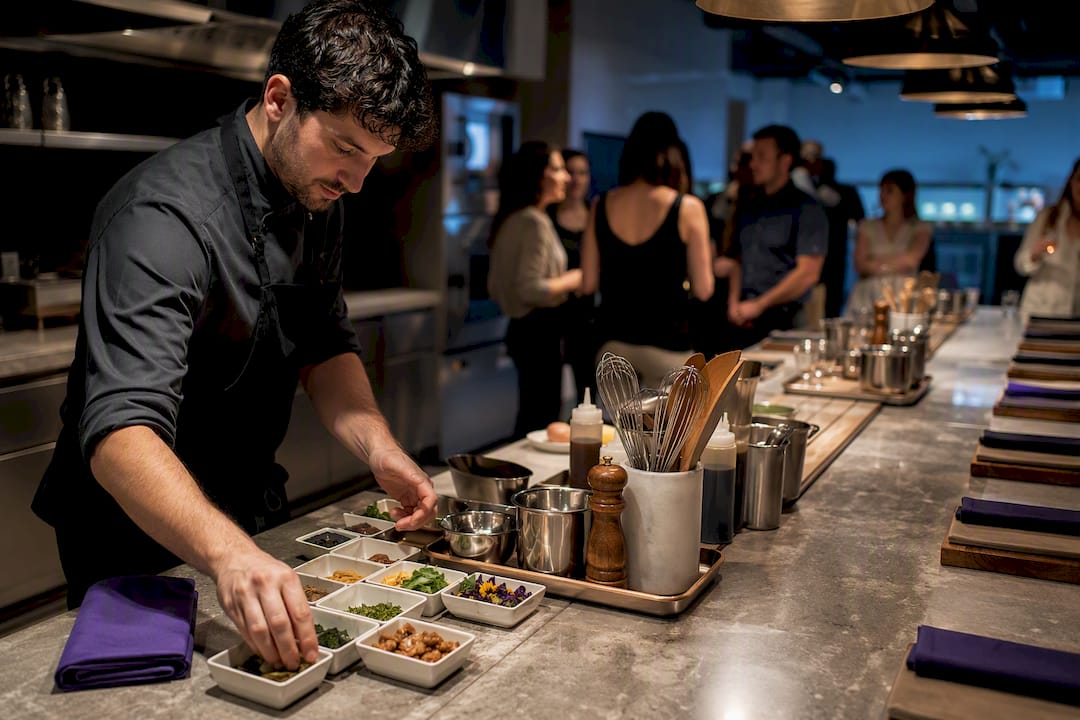
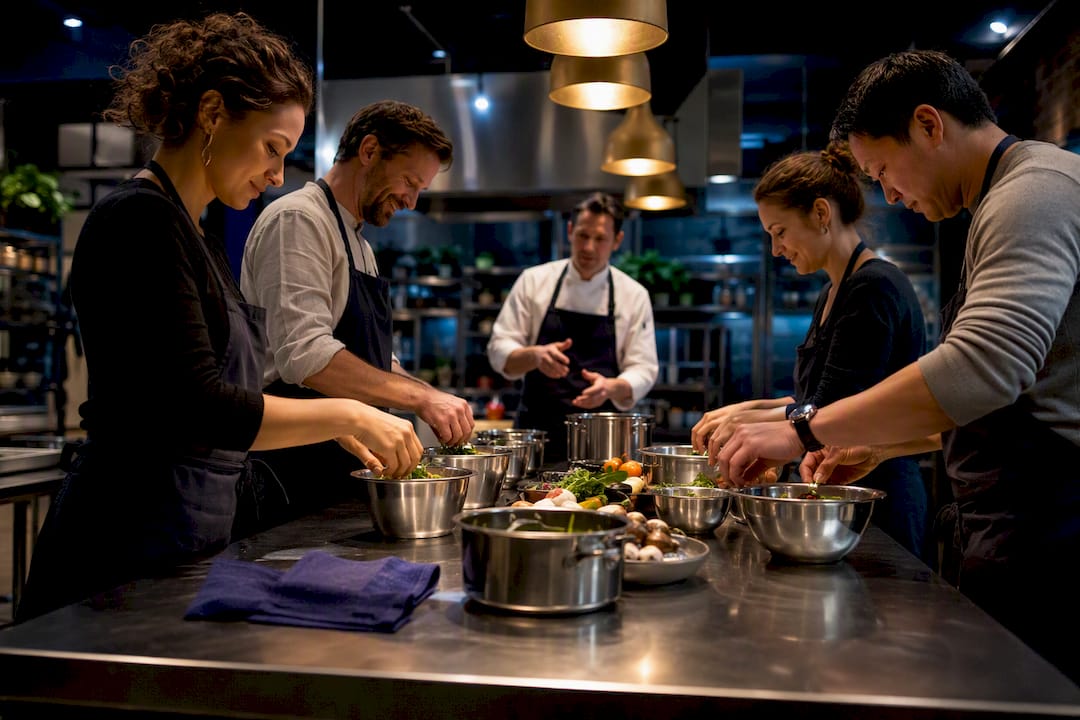
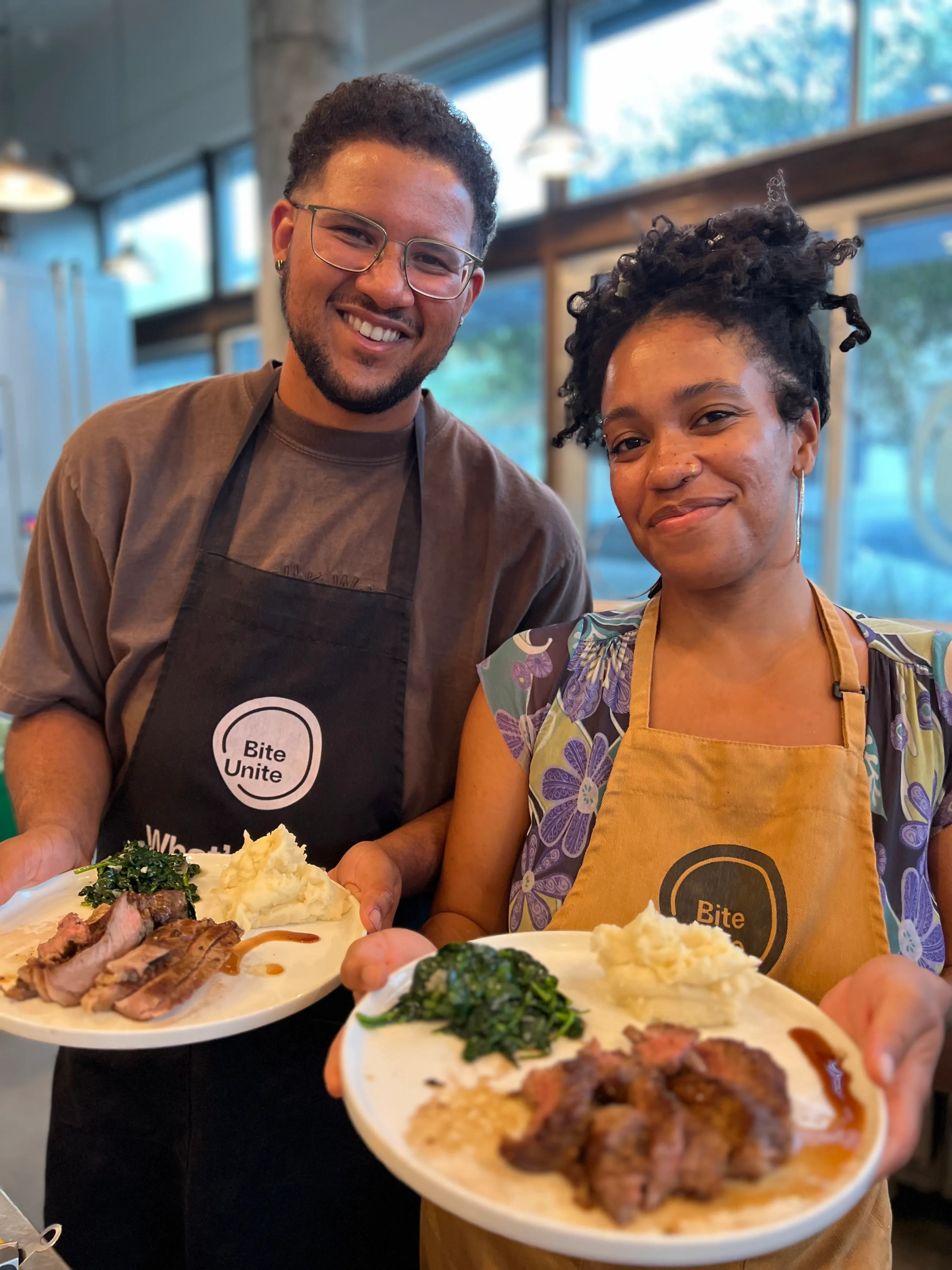
- Private dinner: A chef cooks a multi-course meal for an intimate group, typically 4 to 12, with minimal guest participation.
Most events last a few hours, and staffing scales with format. A group cooking activity built for 20 corporate guests needs more chef support than a private dinner for six. Practical run-throughs, like a proven party structure covering welcome, demonstration, hands-on cooking, and tasting, keep any format moving without dead air.
How Much Does a Private Cooking Party Cost?
Per-person pricing typically bundles chef time, ingredients, and basic service into one rate, though the range swings widely based on cuisine complexity and group size. Some providers itemize planning hours separately, or add travel fees once you’re beyond a set radius from their base.
- Villa and private-location classes often run 4 to 4.5 hours with per-person pricing plus a minimum total booking amount, a structure worth checking before you assume the quoted rate is the final number.
- Expect extras for rental equipment, alcohol pairings, staff travel, and rush-booking surcharges.
- Deposits commonly run a portion of the total, with the balance due shortly before or on the event date.
Sample pricing note: Chef Justin Jennings’ event planning guide notes that pricing structures vary enough between providers that reading the full breakdown, not just the headline per-person number, matters more than shopping by price alone.
Booking shortly before your event date almost always triggers a rush fee and limits your menu choices, since chefs need lead time to source ingredients properly.
When Should You Start Planning Your Cooking Party?
Timing determines whether your chef has room to customize your menu or has to default to whatever ingredients are on hand.
- Two to four weeks out: The sweet spot for most standard bookings. Enough time for menu customization without premium rush pricing.
- Six to eight weeks out: Book this early during holiday season or peak wedding months, when good chefs get reserved fast.
- Under 72 hours: Doable, but expect a rush surcharge and a narrower menu.
- Initial consultation call: Book this as soon as you have a rough date in mind. A standard consultation runs 30 to 45 minutes and should cover your date, guest count, dietary restrictions, kitchen setup, service style, and budget.
- Proposal and deposit: Expect a written proposal within a few days of your call, followed by a deposit to lock your date.
- Final guest count: Lock this a few days before the event so your chef can finalize shopping.
- Shopping and prep schedule: Your chef builds this backward from your event start time.
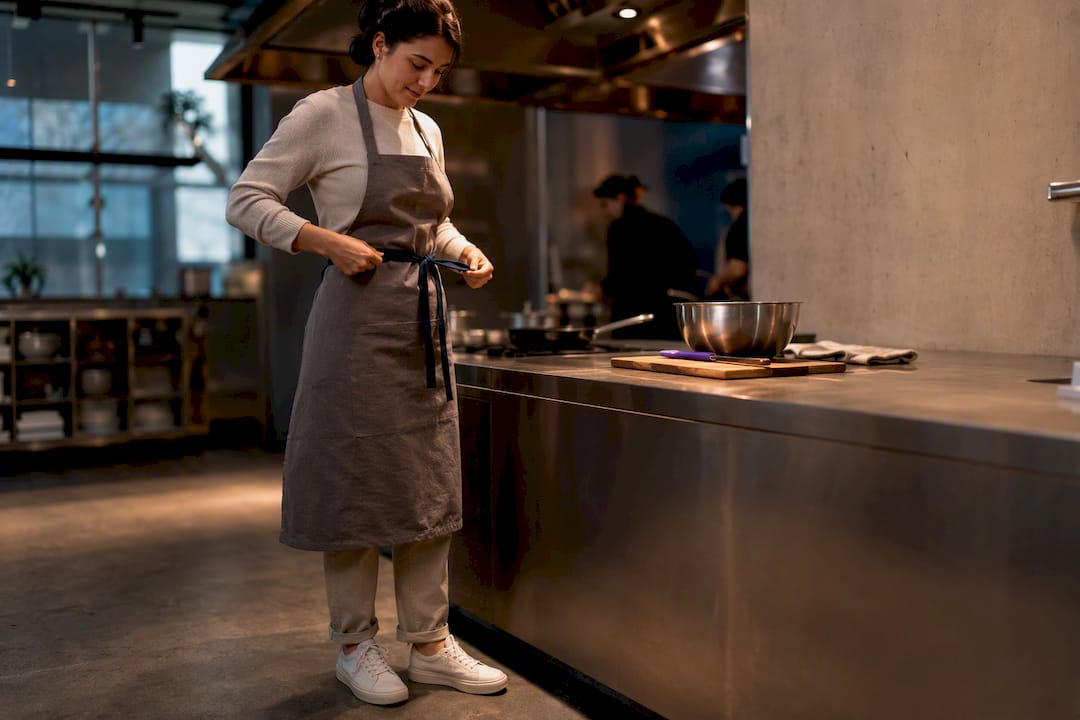
- Arrival and setup: Confirm this window in writing so nobody’s standing in the kitchen wondering when service starts.
How Do You Plan the Menu and Handle Dietary Needs?
Your menu style should match your format. A hands-on class needs recipes simple enough to teach in real time, while a private dinner can lean into more technical dishes since the chef does the cooking.
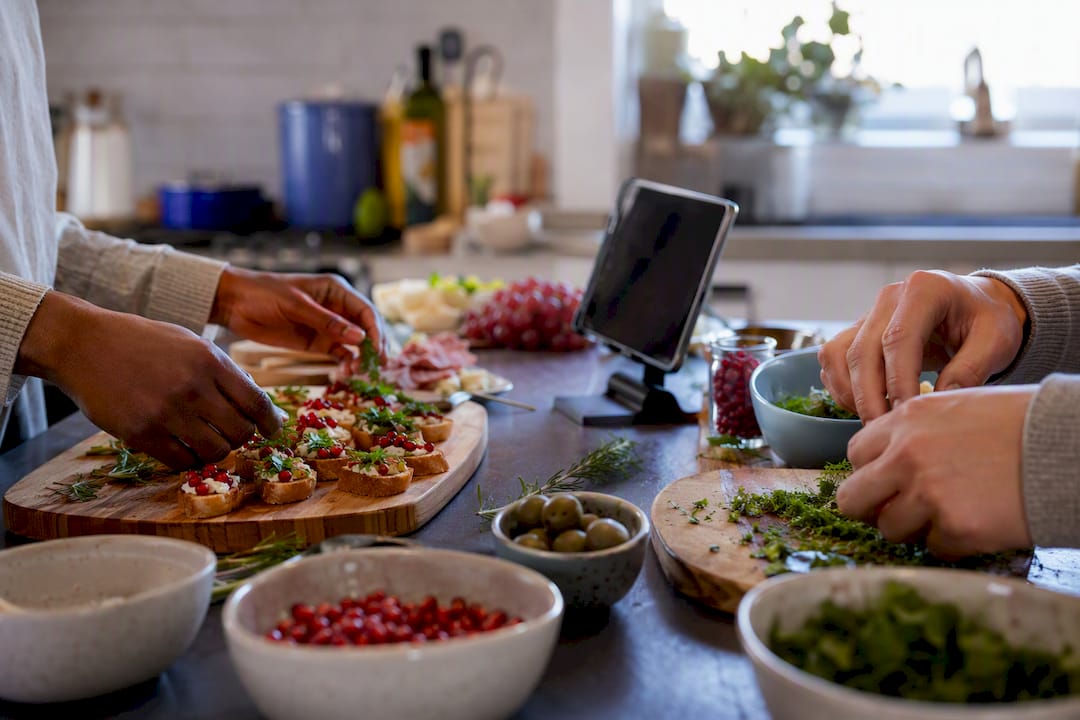
- Family style works for informal gatherings and keeps pacing loose.
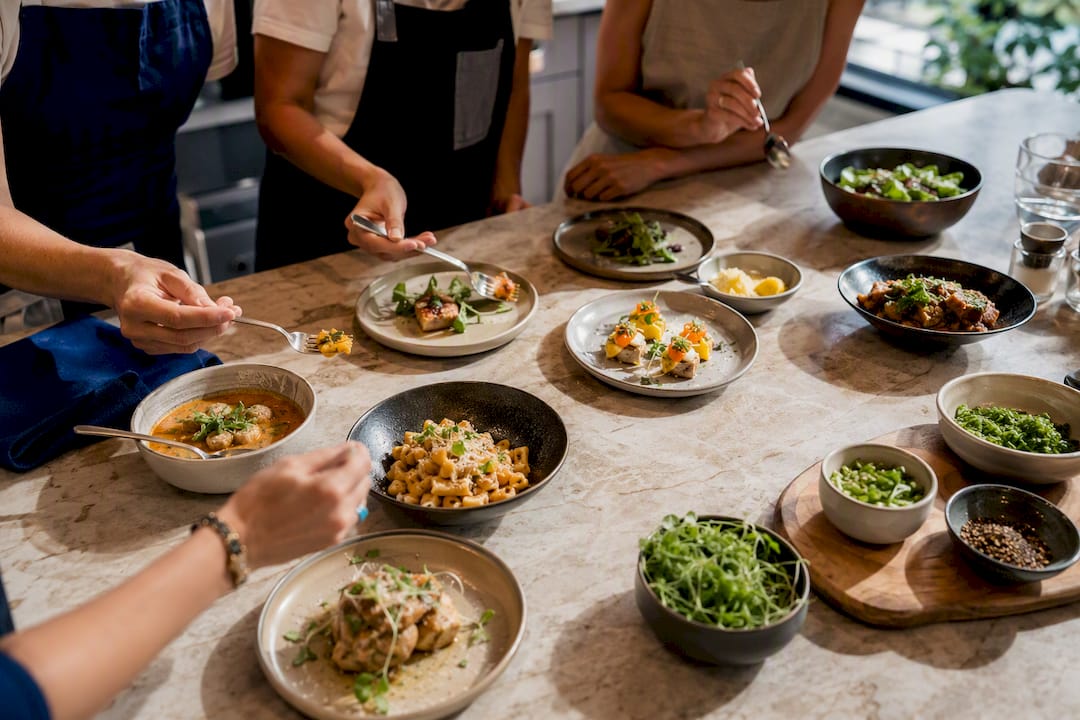
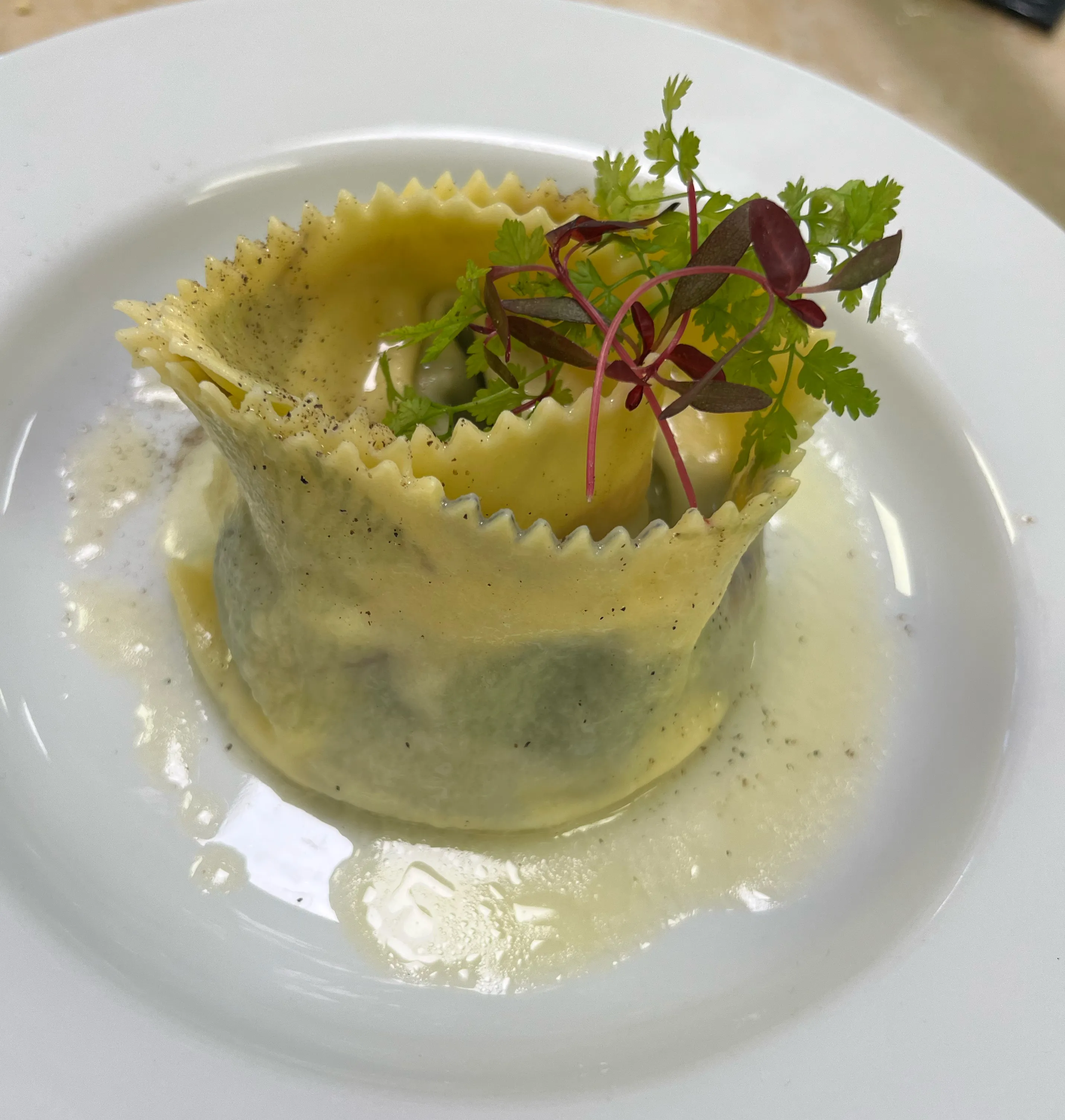
- Plated courses suit private dinners where presentation matters.
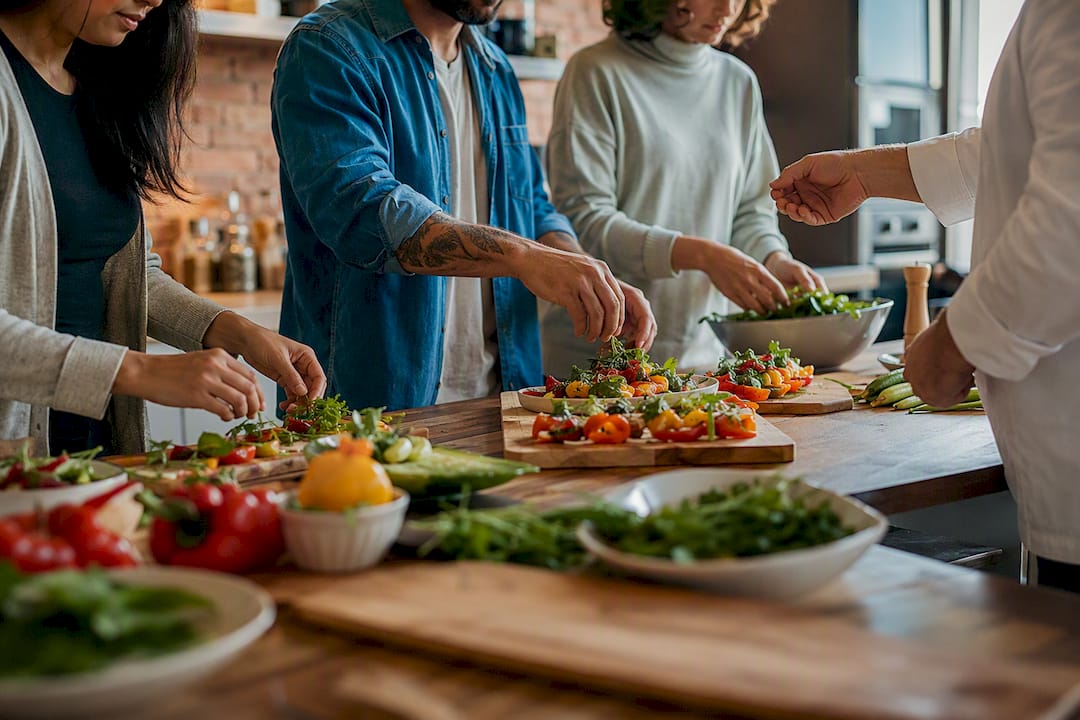
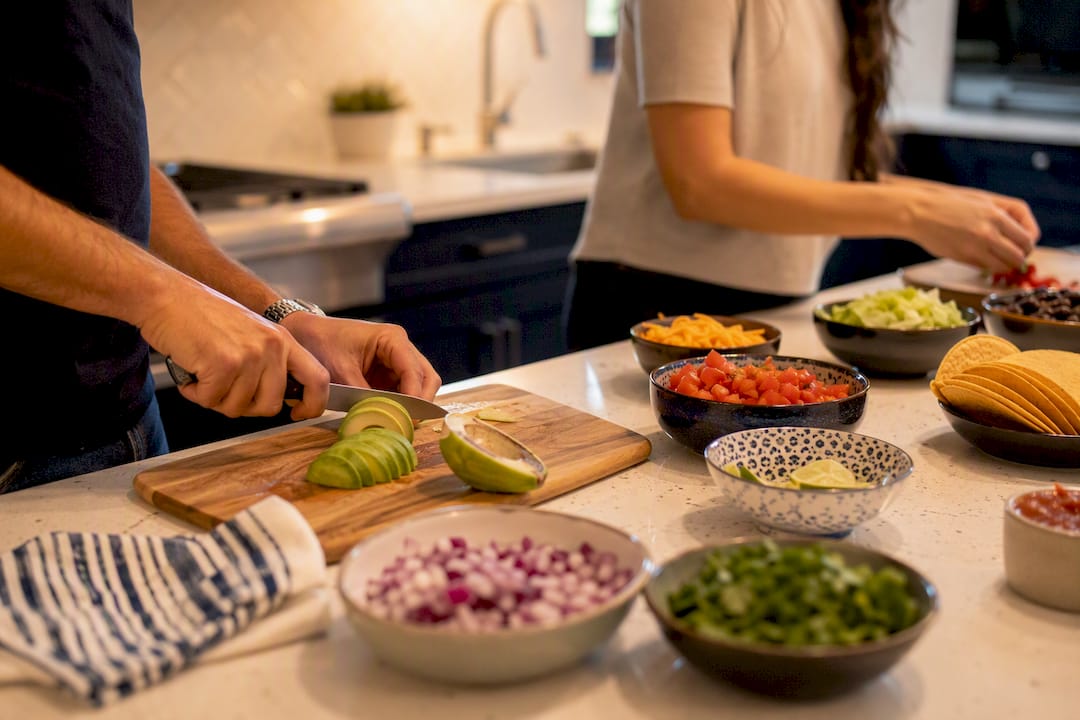
- Build-your-own stations (tacos, pasta, dumplings) handle mixed skill levels gracefully.
Rather than building five separate menus for five different dietary needs, ask your chef to design one base menu with built-in substitutions, swapping a protein or a sauce rather than reinventing a dish. This keeps prep manageable and lets everyone eat roughly the same meal.
Pro Tip: Send your final dietary list at least a week before the event, not the morning of. Chefs need time to source substitute ingredients, especially for allergies that require separate prep surfaces.
Sample dishes before the big day if your provider offers a tasting option, and confirm portion sizes match your guest count plus a reasonable buffer, not an exact headcount match.
Should You Host at Home or Book a Venue?
Home hosting keeps things intimate and often costs less, but it demands real prep. Hosting a cooking party at home means checking your burner count, counter space, and whether your oven can realistically handle a multi-course timeline for the group size you’re planning.
- Confirm burner count, oven capacity, and counter space during your booking call, not on event day.
- Ask whether the chef brings specialty equipment or expects you to supply it.
- Professional venues cost more, but they hand off setup, cleanup, and equipment entirely.
- A dedicated event venue with a working kitchen solves space problems fast for groups over 15 or homes with galley kitchens.
- Build a short rental list into your proposal: extra serving ware, additional burners, and dedicated plating space if your kitchen is tight.
What Should Your Cooking Party Contract Include?
A verbal agreement is not a plan. Professional chefs consistently recommend written contracts that spell out exactly what happens if something changes.
- Dates and arrival/departure times, spelled out to the minute where possible.
- Guest-count policy, including an overage fee if your final headcount climbs past what you booked.
- Payment schedule, typically a deposit at signing with the balance due before or at the event.
- Cancellation policy, covering what you lose if you cancel at various lead times.
- Liability and damage clause, protecting both you and the provider.
A signed agreement and a clear setup window protect everyone involved. Skip this step and you’re relying on memory when a dispute comes up.
How Do You Run the Event-Day Timeline?
Build a written run sheet and share a simplified version with your chef so everyone works from the same clock. Most events need a 2 to 4 hour arrival and setup window before guests show up, depending on menu complexity.
- Arrival and equipment check, confirming everything works before prep starts.
- Mise en place by station, getting ingredients portioned and organized.
- Cook windows, timed backward from your planned service start.
- Plating windows, tight and specific for multi-course events.
- Service start, with guests seated or gathered on time.
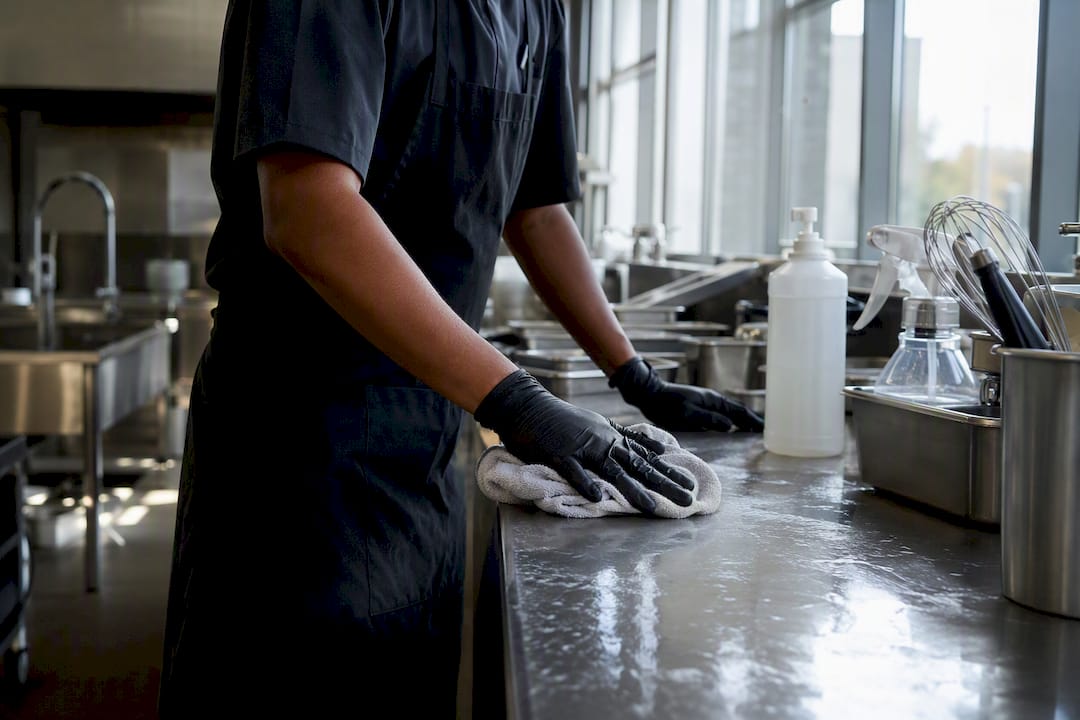
- Cleanup, handled by the provider in most packages, confirmed in your contract.
Pro Tip: Many event pros prep 70 to 80% of the food in advance, so on-site time focuses on finishing and plating rather than starting from scratch. Ask your chef if this is their approach. If equipment fails or guests arrive late, a chef with a flexible prep schedule absorbs the delay far better than one who planned every minute with no cushion.
The BiteUnite Perspective on Planning a Cooking Party
Hosts who confirm format, guest count, and timeline early tend to get smoother events across various locations. Most requests we see fall into two buckets, corporate teams wanting bonding without babysitting logistics, and groups wanting a genuinely personalized cooking class rather than a canned demo. A concierge approach can handle proposals and venue matching so hosts aren’t juggling multiple vendors. If your event has more than 20 guests or needs a kitchen you don’t have, consider booking a professional planner rather than trying to DIY the venue search.
— Patta
Let BiteUnite Handle Your Cooking Party Planning
BiteUnite is the alternative to piecing together venues, chefs, and rental gear yourself. Tell us your city, cuisine, and guest count, and our concierge service builds a full proposal, menu options included, so you’re not chasing separate quotes from separate vendors.
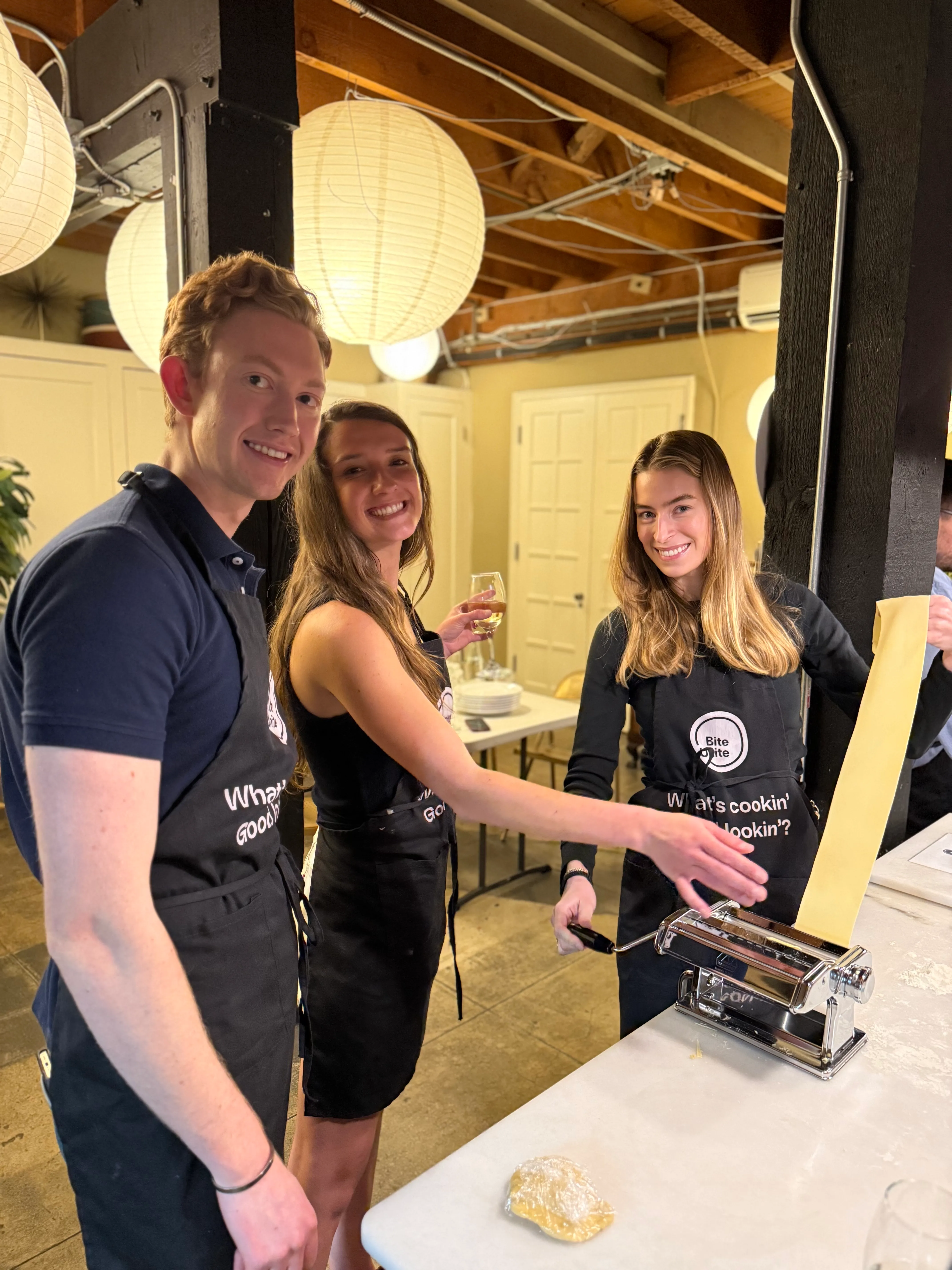
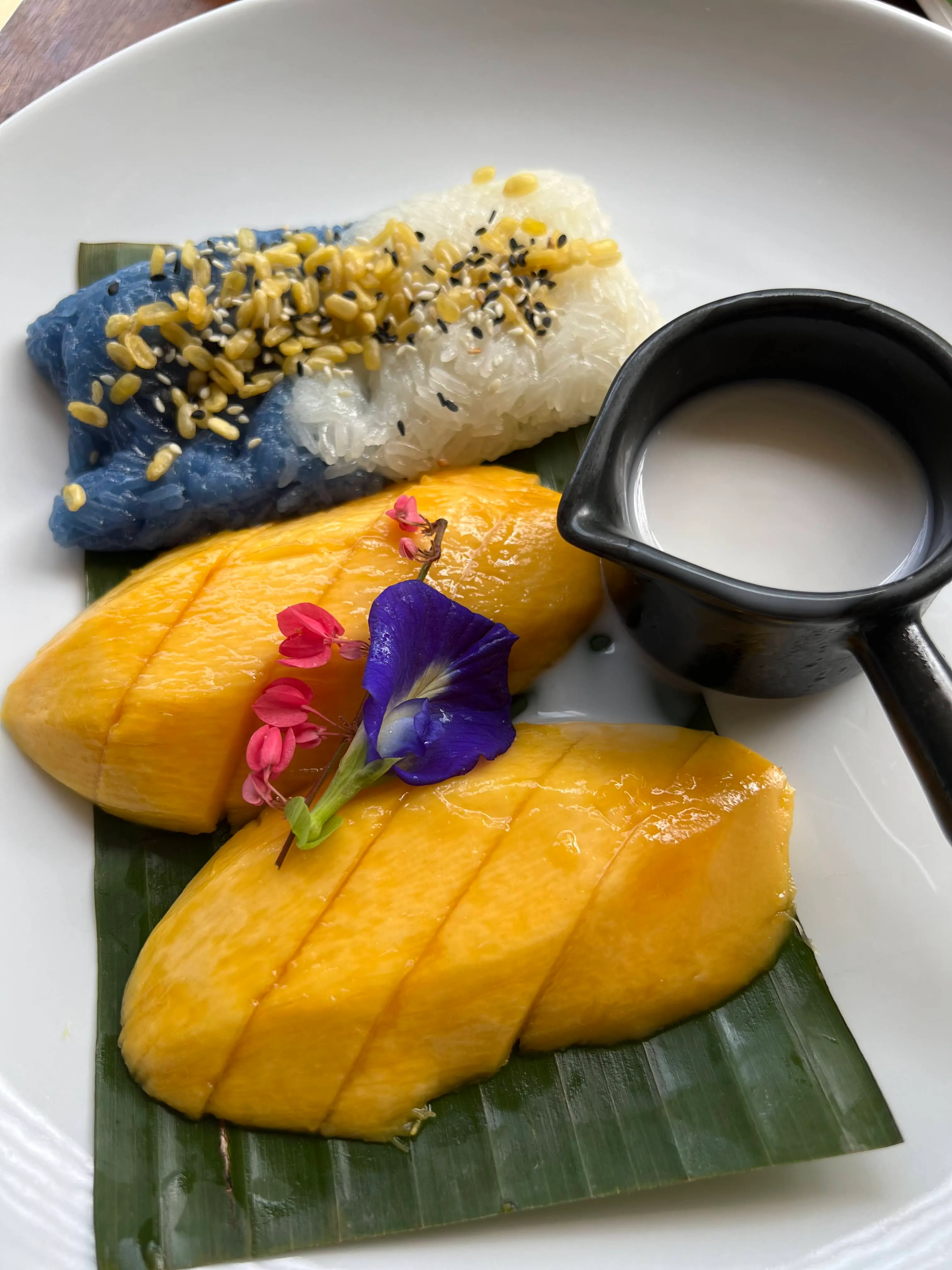
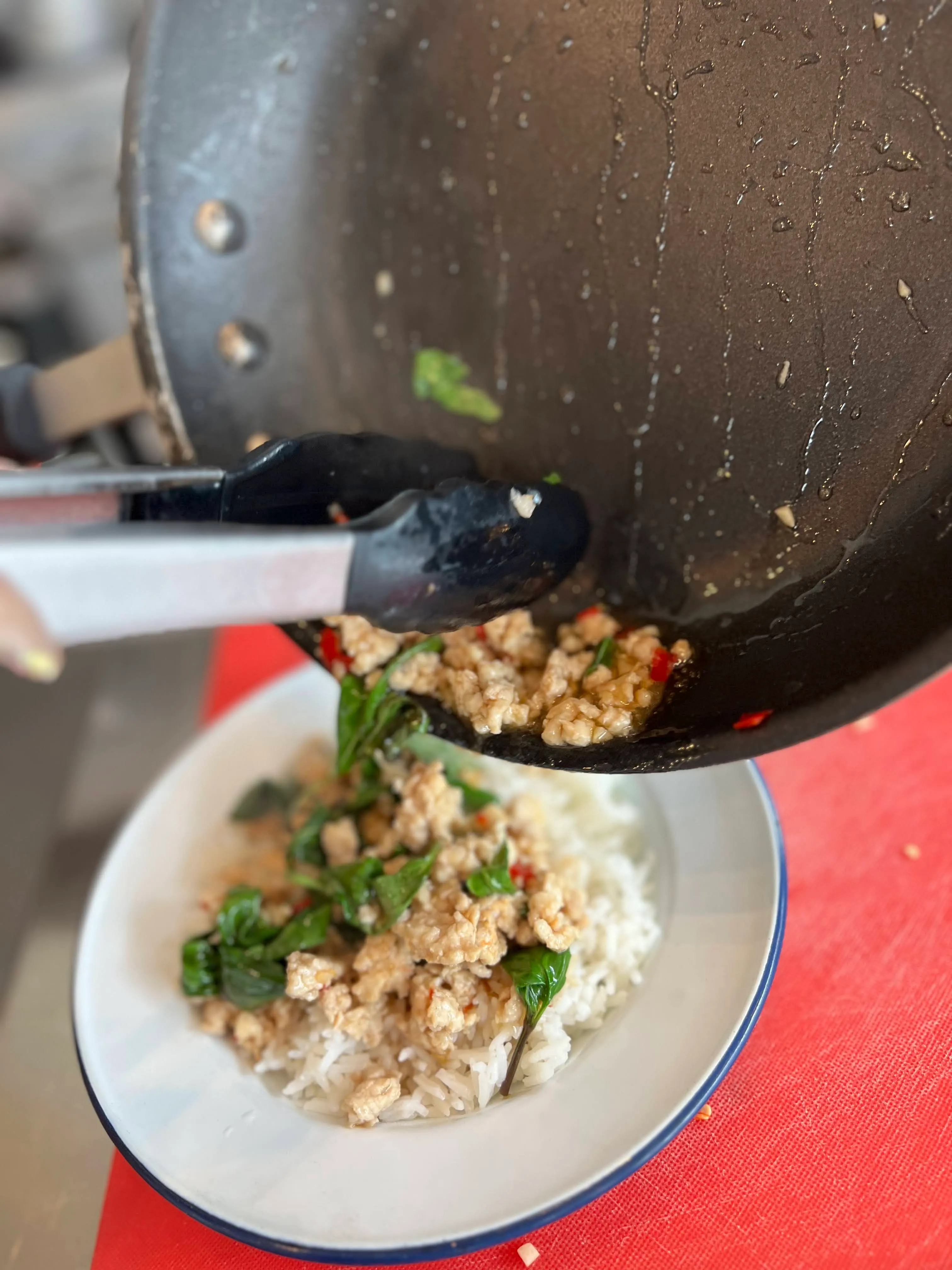
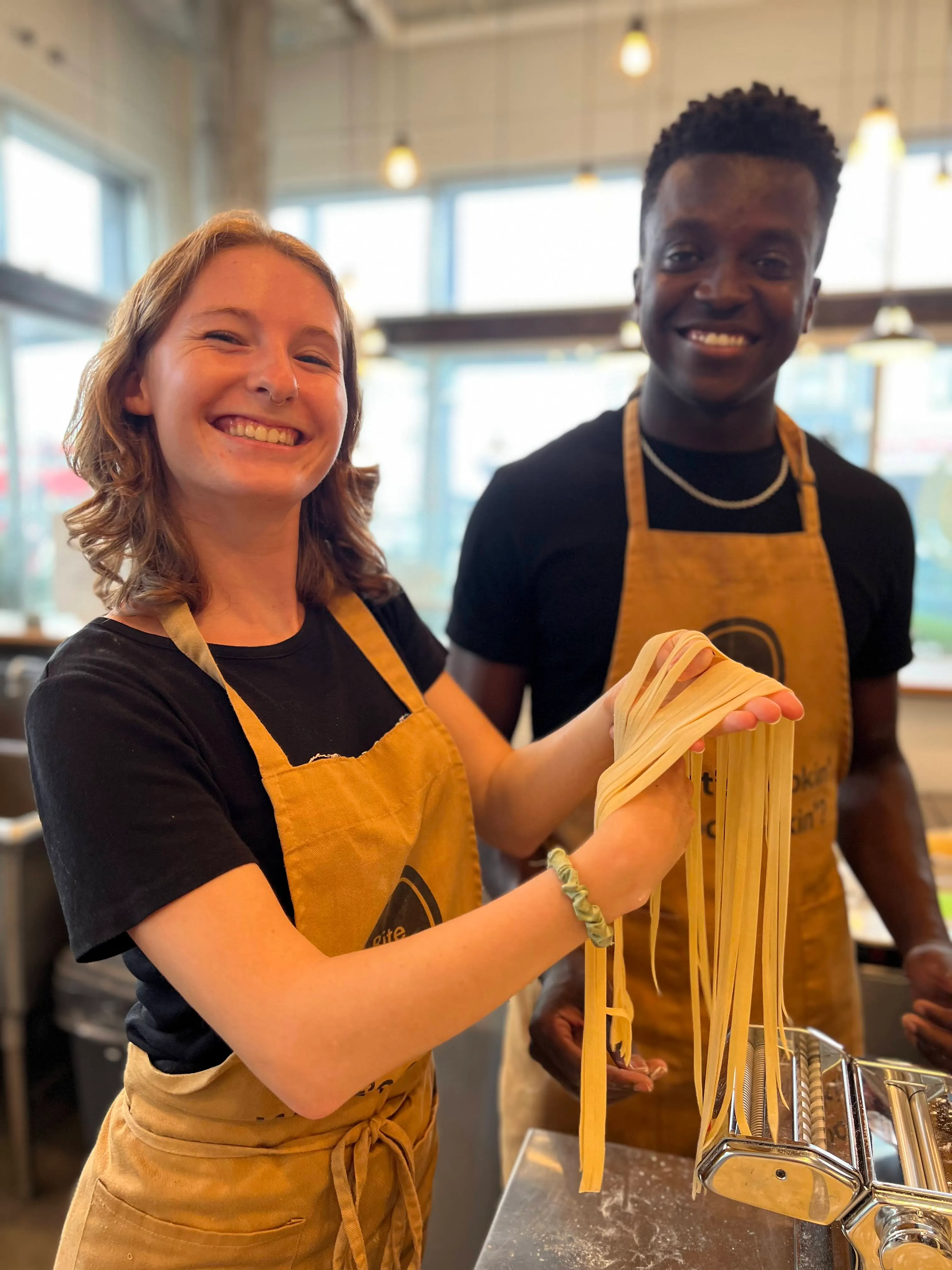
If you’re planning a corporate outing, our team packages for groups up to 100 or 150 guests cover venue, chef, and equipment in one booking. Smaller groups and private dinners fit naturally into our full class and event lineup, whether you want hands-on pasta-making, a Thai cooking night, or a plated private dinner. To learn about pricing for your date and guest count, contact the concierge service to get a quote.
Sources
For a deeper dive into contract language and day-of timing, Chef Justin Jennings’ planning guide breaks down proposal structure and cancellation terms. For advance-prep strategies that keep event day calmer, see these holiday meal-prep tips for busy hosts.
- Private Chef Event Planning: From First Call to Final Cleanup (2026)
- Private chef service timeline: what to expect from booking to cleanup
- How to host a cooking class at home
- How to throw a cooking party
FAQ
How Much Does a Private Chef Cost per Hour?
Private chefs rarely charge a flat hourly rate for events. Instead, pricing typically bundles chef time, ingredients, and service into a per-person rate, so ask for a full breakdown rather than an hourly figure.
How Much Will a Private Cooking Party Cost Overall?
Total cost depends on guest count, menu complexity, and format, with some private-location classes using per-person pricing plus a minimum total booking amount. BiteUnite’s corporate packages list annual pricing for groups up to 100 or 150 guests, while individual class and private dinner pricing is available directly on the booking page.
What Are Good Menu Ideas for a Private Chef Event?
Family-style pasta nights, build-your-own taco or dumpling stations, and plated multi-course dinners all work well, with the right choice depending on your format and guest skill levels. A Friendsgiving-style menu built around one shared dish per guest is an easy entry point for casual gatherings.
How Far in Advance Should I Book a Cooking Party?
Book two to four weeks ahead for standard events and six to eight weeks ahead during holiday or peak season, since chefs need lead time to source ingredients and finalize menus. Rush bookings inside 72 hours are possible but usually carry a surcharge.
Do I Need a Written Contract for a Private Cooking Party?
Yes. A signed agreement covering dates, guest-count policy, payment schedule, and cancellation terms protects both you and your provider, and most professional chefs treat this as standard practice before confirming any booking.




































.webp)