Fresh Pasta Shapes You Will Learn in a San Francisco Pasta Class
Walk into any Italian market and you will see dozens of pasta shapes. Some are long and flat. Others are stuffed with cheese or meat. Each one exists for a reason, and each one pairs best with certain sauces.
The good news is that you do not need to learn them all at once. A pasta making class in San Francisco usually focuses on a handful of classic shapes that teach the core skills. Once you master those, the rest become much easier. This guide walks through the shapes you are most likely to learn and what to serve with them.
Why Pasta Shape Matters
It is easy to think of pasta shapes as a matter of looks. In reality, shape changes how pasta eats. It affects how much sauce clings to each bite and how long the pasta takes to cook.
Wide, flat noodles have lots of surface area. They pair well with rich sauces that coat every inch. Small cupped shapes catch chunky sauces in their hollows. Filled pasta carries flavor inside, so it often needs only a light sauce.
Italian cooks have matched shapes and sauces for centuries, often based on the ingredients of their region. Learning these pairings is one of the most useful parts of a pasta class. It helps you cook better at home even when you are using boxed pasta.
Long Ribbon Pasta Shapes
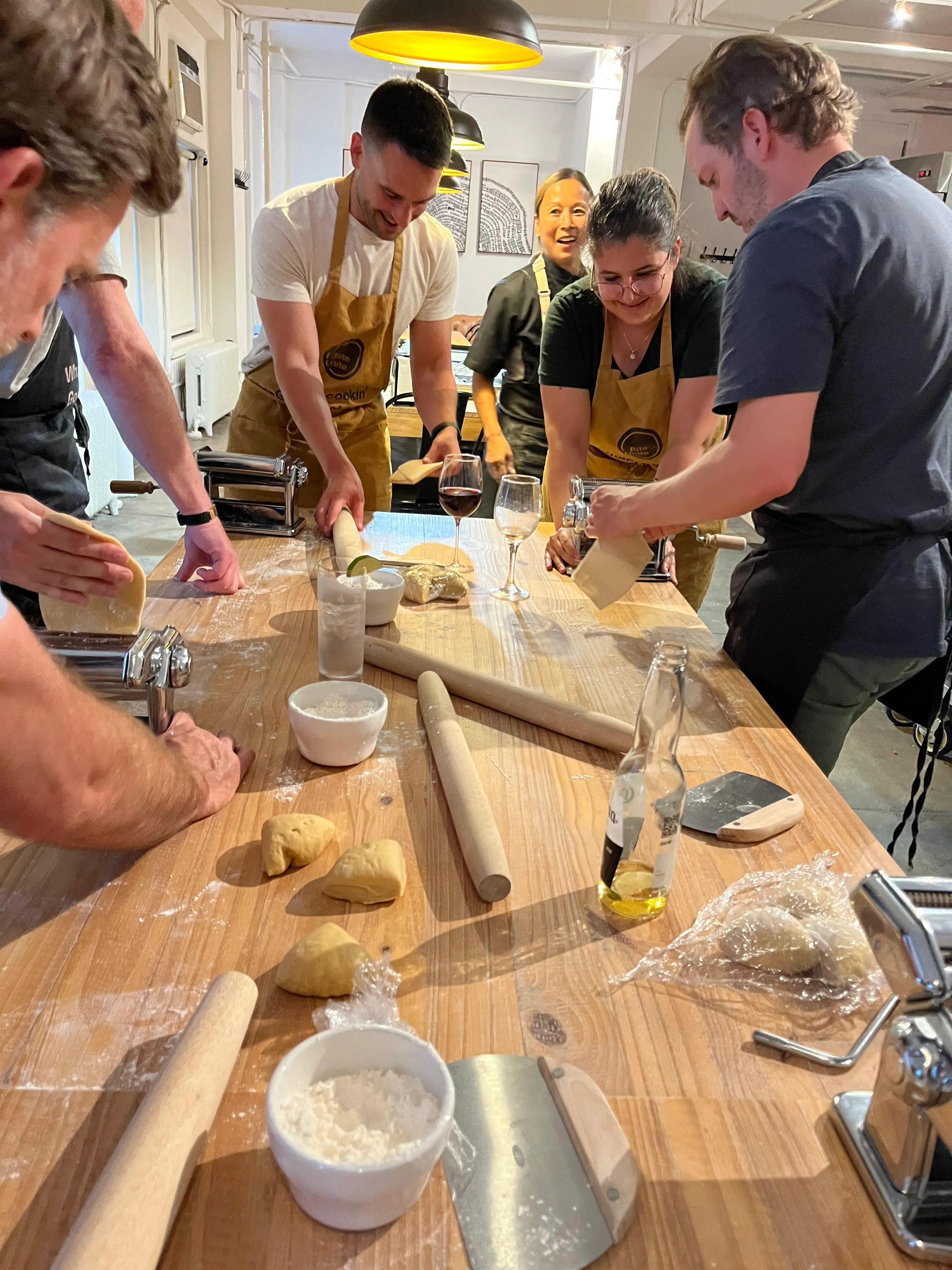
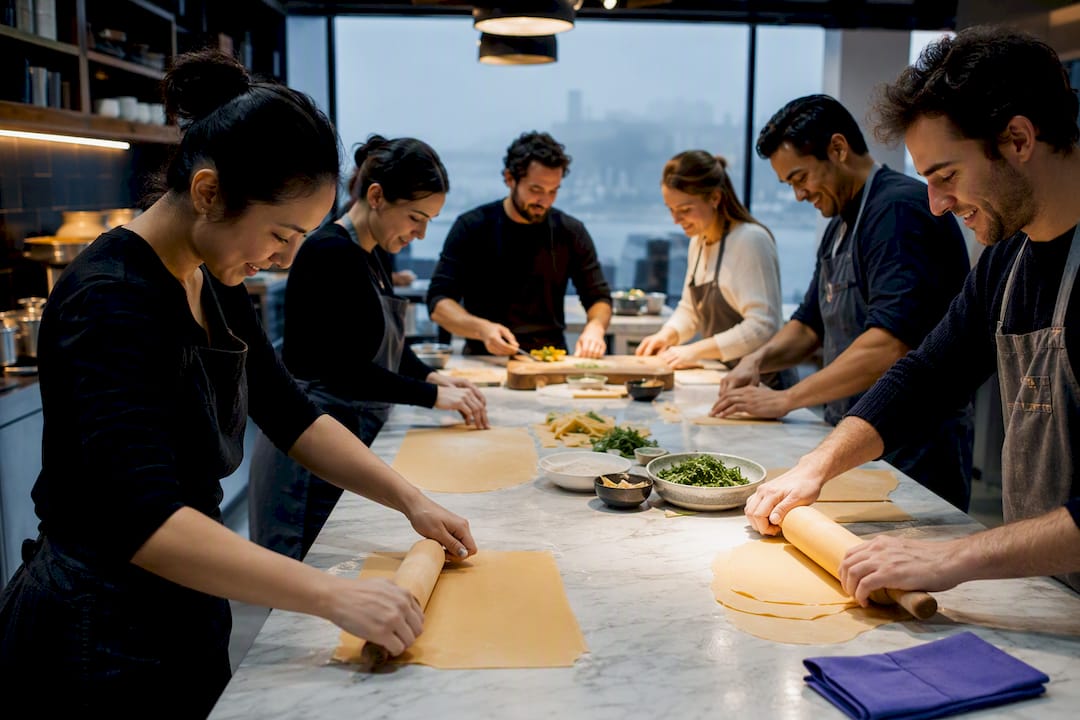
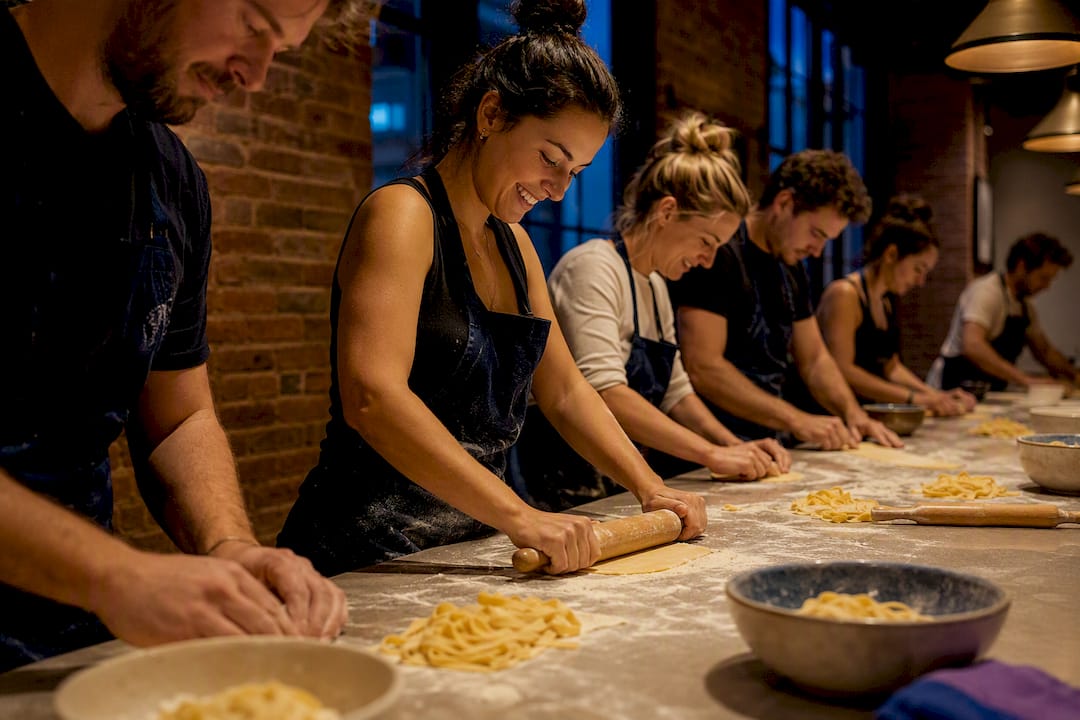
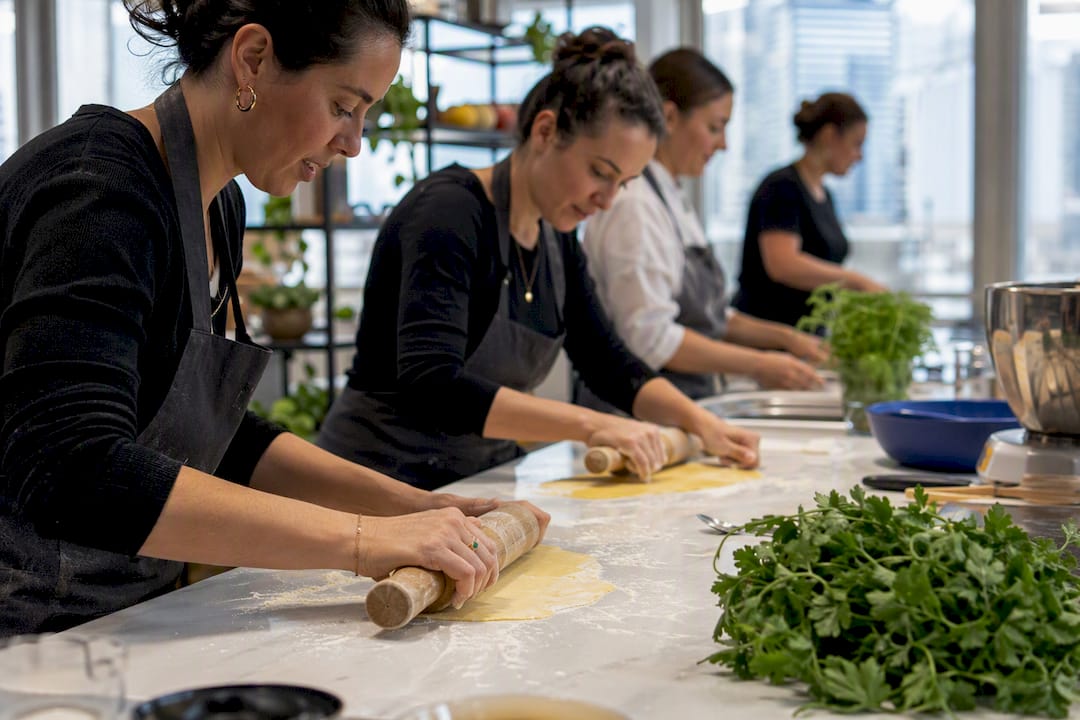
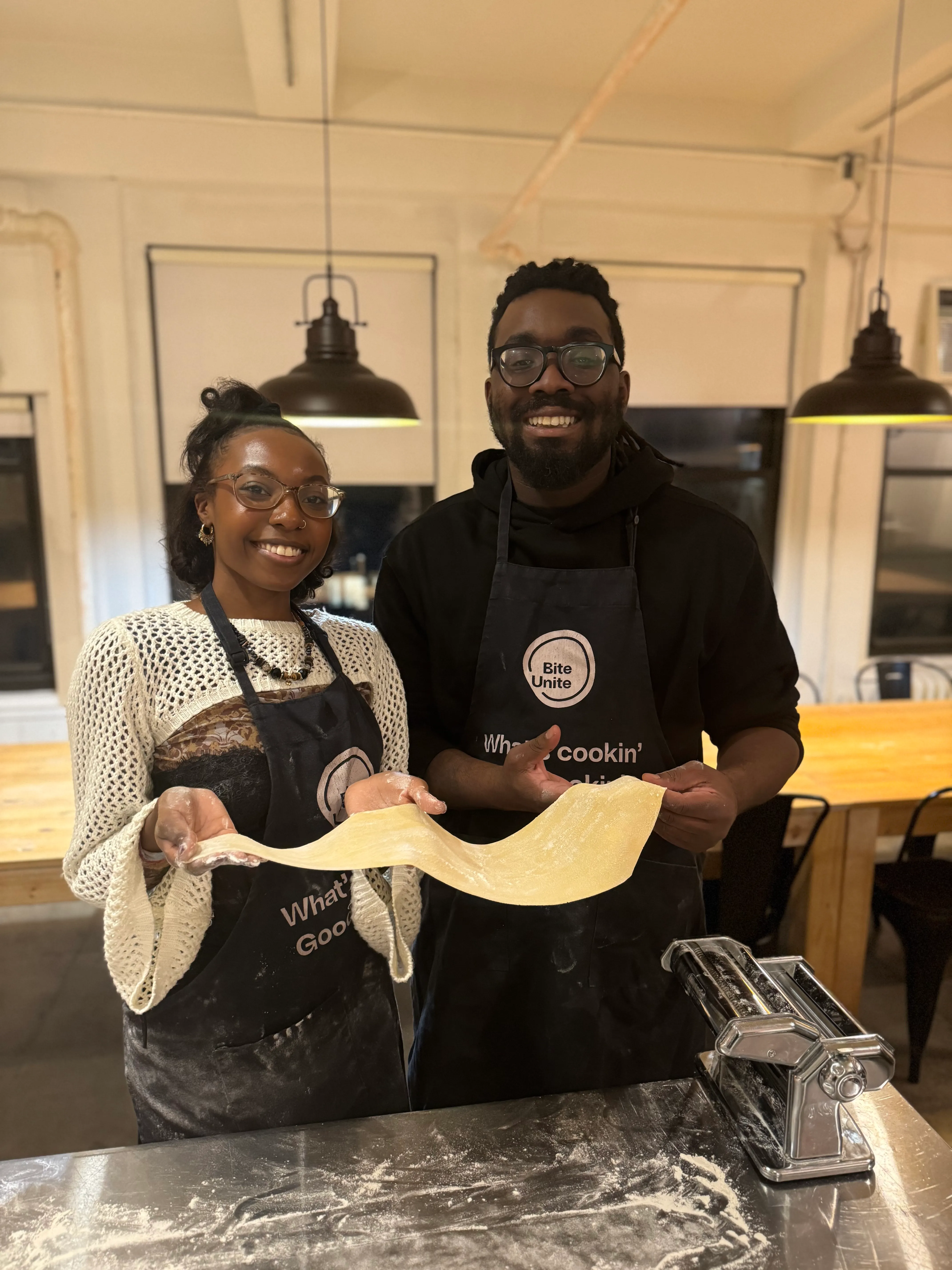
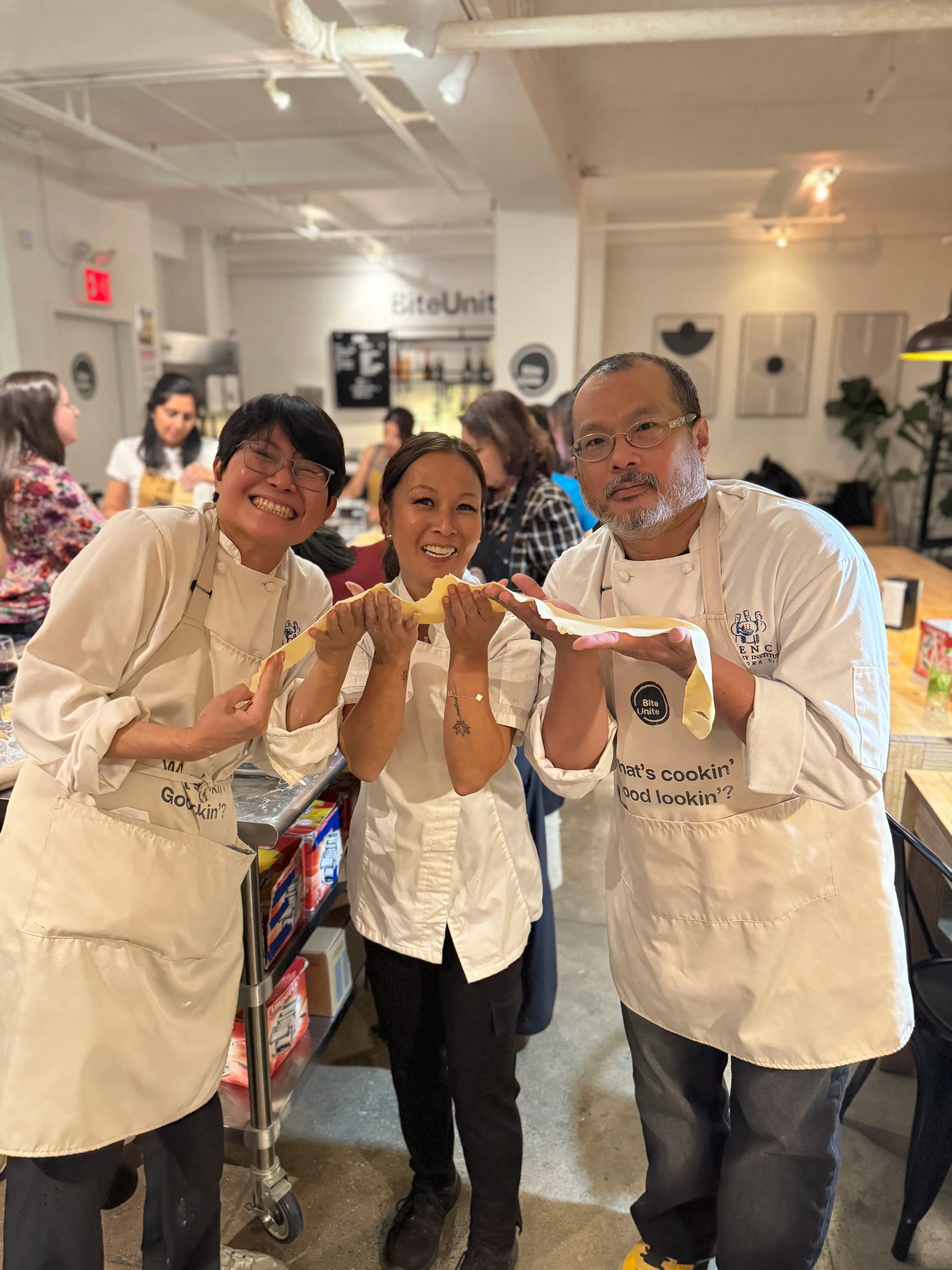
Long ribbons are where most beginner classes start. They teach you how to roll dough thin and even, which is the base for almost every other shape.
Tagliatelle
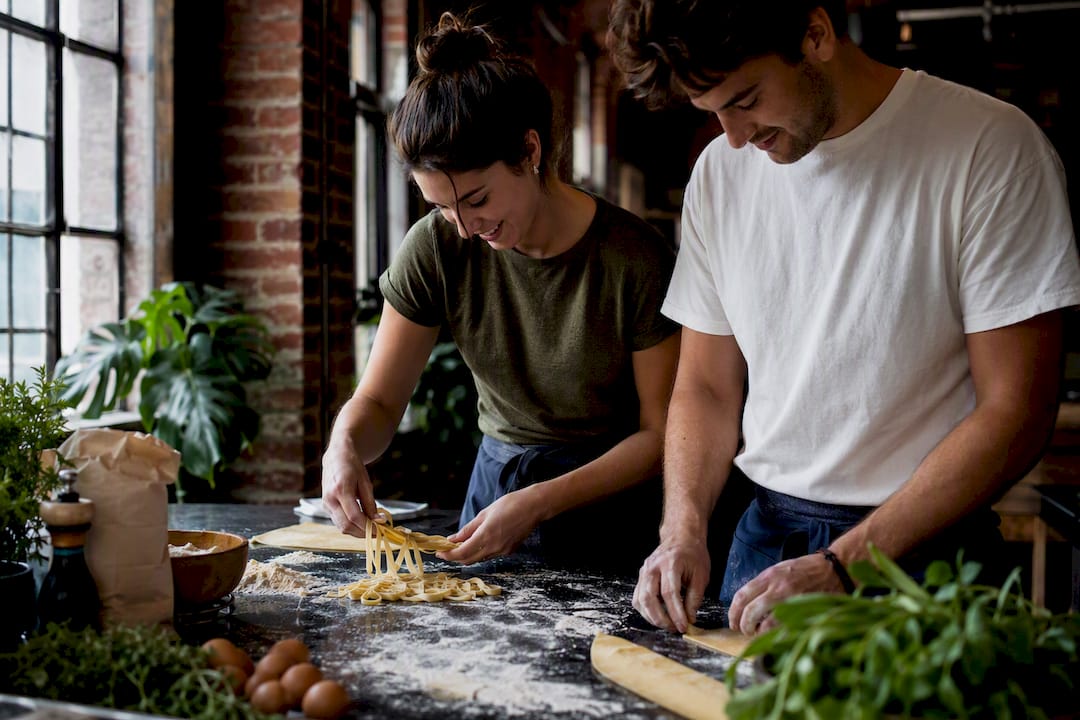
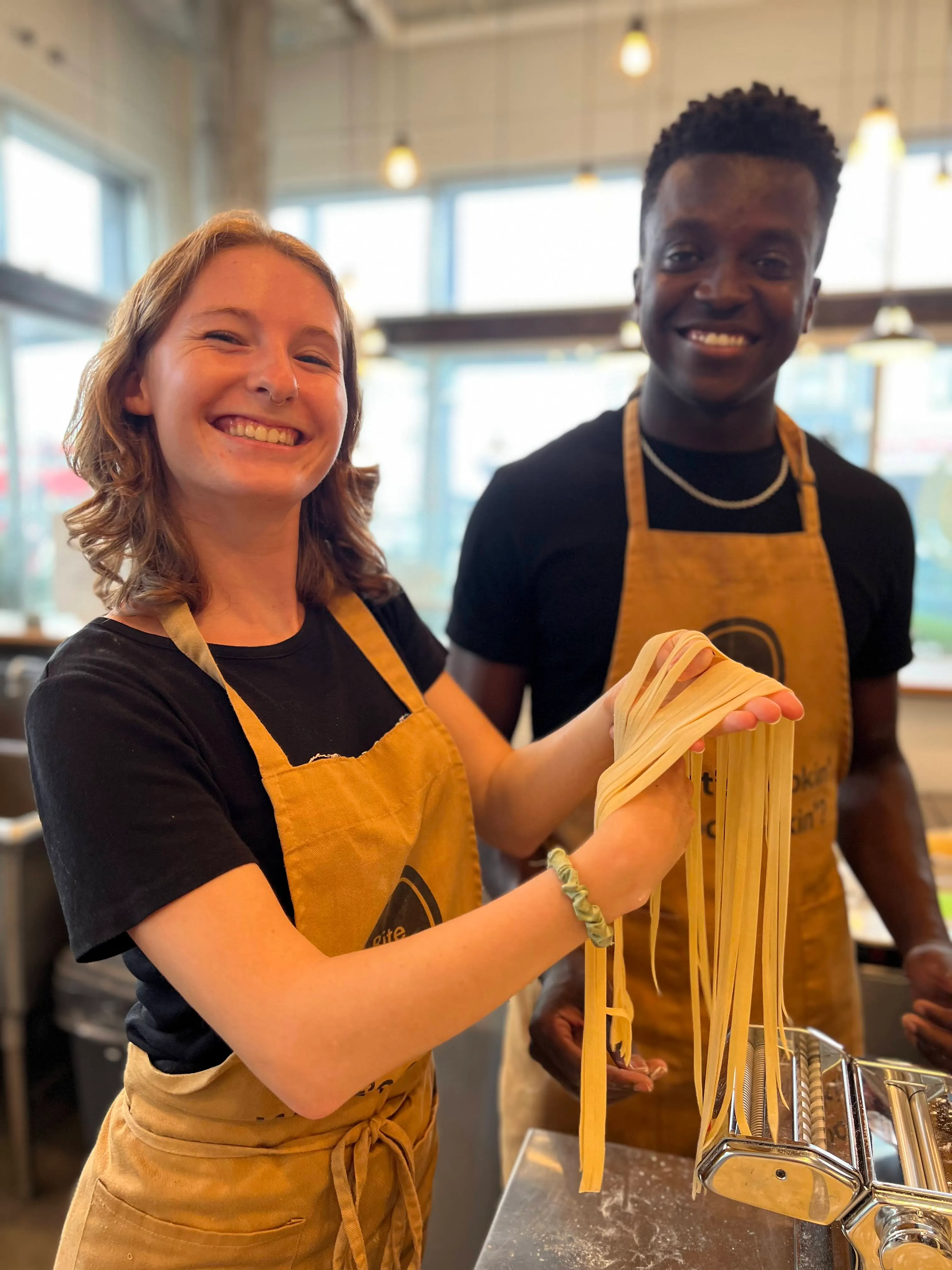
Tagliatelle are long, flat ribbons about as wide as a pencil is thick, or a bit wider. They are closely tied to the Emilia Romagna region, especially Bologna. You roll a sheet of egg dough and fold it loosely. Then you cut it into strips with a knife and shake the strips loose into nests.
Tagliatelle pair best with rich meat sauces. The classic match is ragu alla Bolognese. You can try that pairing at home with our homemade tagliatelle recipe and our Bolognese ragu sauce.
Fettuccine
Fettuccine are similar to tagliatelle but often slightly narrower and thicker. The name means little ribbons. They are a great all purpose noodle and work well with butter and cheese sauces or simple tomato sauces.
Pappardelle
Pappardelle are the widest of the ribbon shapes, often an inch or more across. They come from Tuscany, where they are commonly served with slow cooked meat sauces. In fall and winter, pappardelle with a mushroom or braised beef sauce makes a perfect cozy dinner.
Because they are so wide, pappardelle are very forgiving for beginners. Even if your cuts are a bit uneven, they still look rustic and beautiful.
Hand Formed Pasta Shapes
Hand formed shapes do not need a rolling pin or machine. Instead, you shape each piece with your fingers or a simple tool. These shapes often use eggless dough made from semolina and water.
Orecchiette
Orecchiette means little ears. This shape comes from Puglia in southern Italy. You roll dough into a rope, cut it into small pieces, then drag each piece across the counter with a knife or your thumb. The piece curls into a small cup with a rough surface.
That cupped shape is perfect for catching chunky sauces. The classic pairing is broccoli rabe with garlic and chili, but orecchiette also work well with sausage and greens.
Cavatelli
Cavatelli look like tiny hot dog buns. You roll small pieces of dough against the counter with two fingers so they curl into a shallow hollow. They are popular across southern Italy and pair well with tomato sauces and hearty vegetables.
Potato Gnocchi
Gnocchi are soft dumplings, not noodles, but they are often taught in pasta classes. Most common versions are made with potato and flour, sometimes with egg. You roll the dough into ropes and cut it into pieces. Then you roll each piece across a fork or ridged board to create grooves.
Those grooves help sauce cling. Gnocchi are great with brown butter and sage or with pesto. Try our potato gnocchi recipe to practice at home.
Filled Pasta Shapes
Filled pasta is where many cooks feel they have truly leveled up. It takes more patience, but the results are impressive.
Ravioli
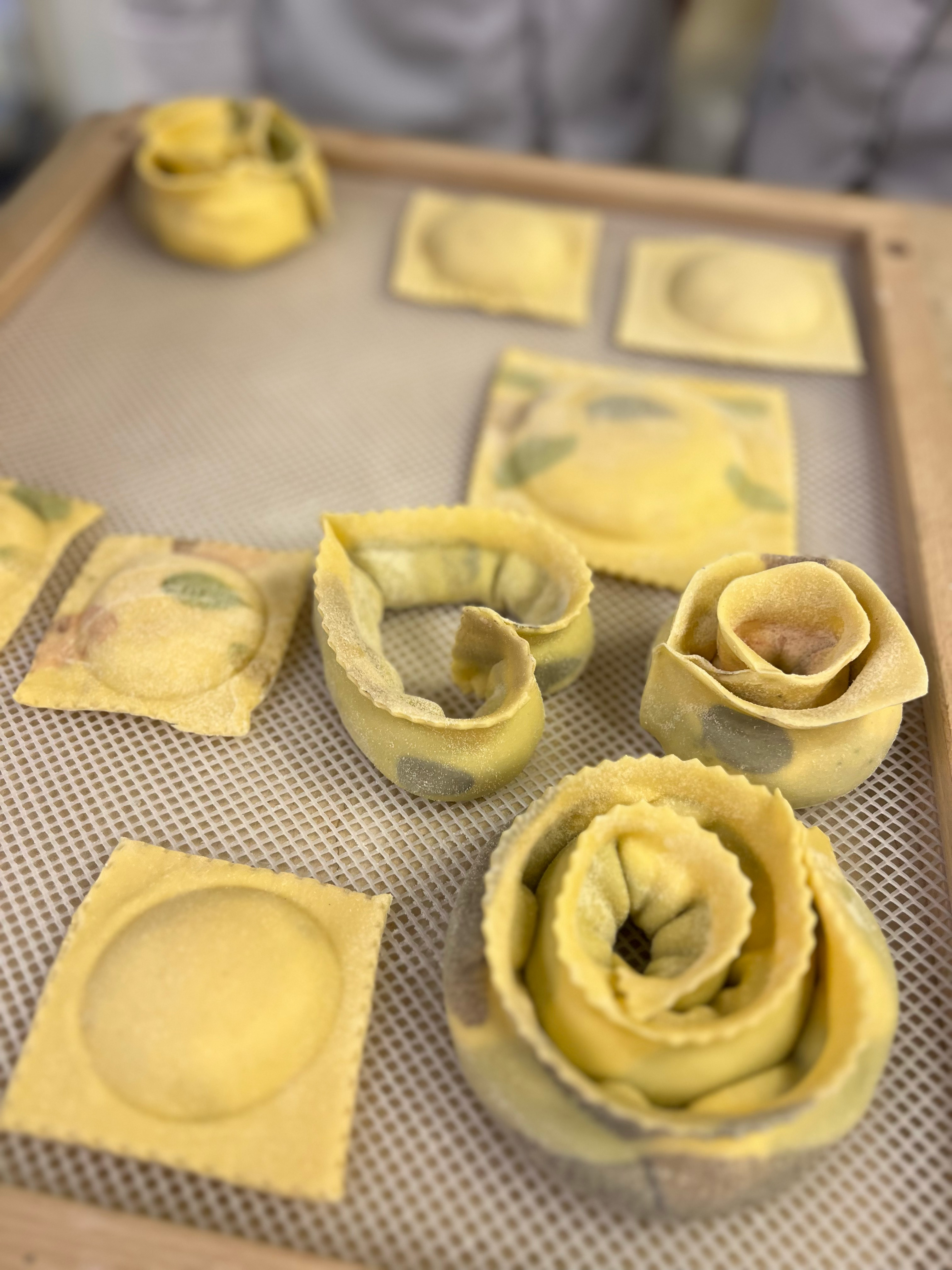
Ravioli are square or round pockets filled with cheese or vegetables. You roll two thin sheets of dough, place small spoonfuls of filling on one sheet, cover it with the second, and press out the air before cutting.
The biggest beginner mistake is overfilling. Too much filling makes ravioli hard to seal and likely to burst. Ricotta and spinach is a classic filling for a first try. Serve ravioli with butter and sage or a light tomato sauce so the filling can shine.
Tortellini
Tortellini are small ring shaped pasta from the Emilia region, around Bologna and Modena. You cut small squares of dough, add a tiny bit of filling, fold them into triangles, and wrap the ends around your finger. The shape takes practice, but it becomes relaxing once you get the rhythm.
Traditionally, tortellini are served in a clear broth, especially during the holidays. They also work well with cream sauces.
Agnolotti
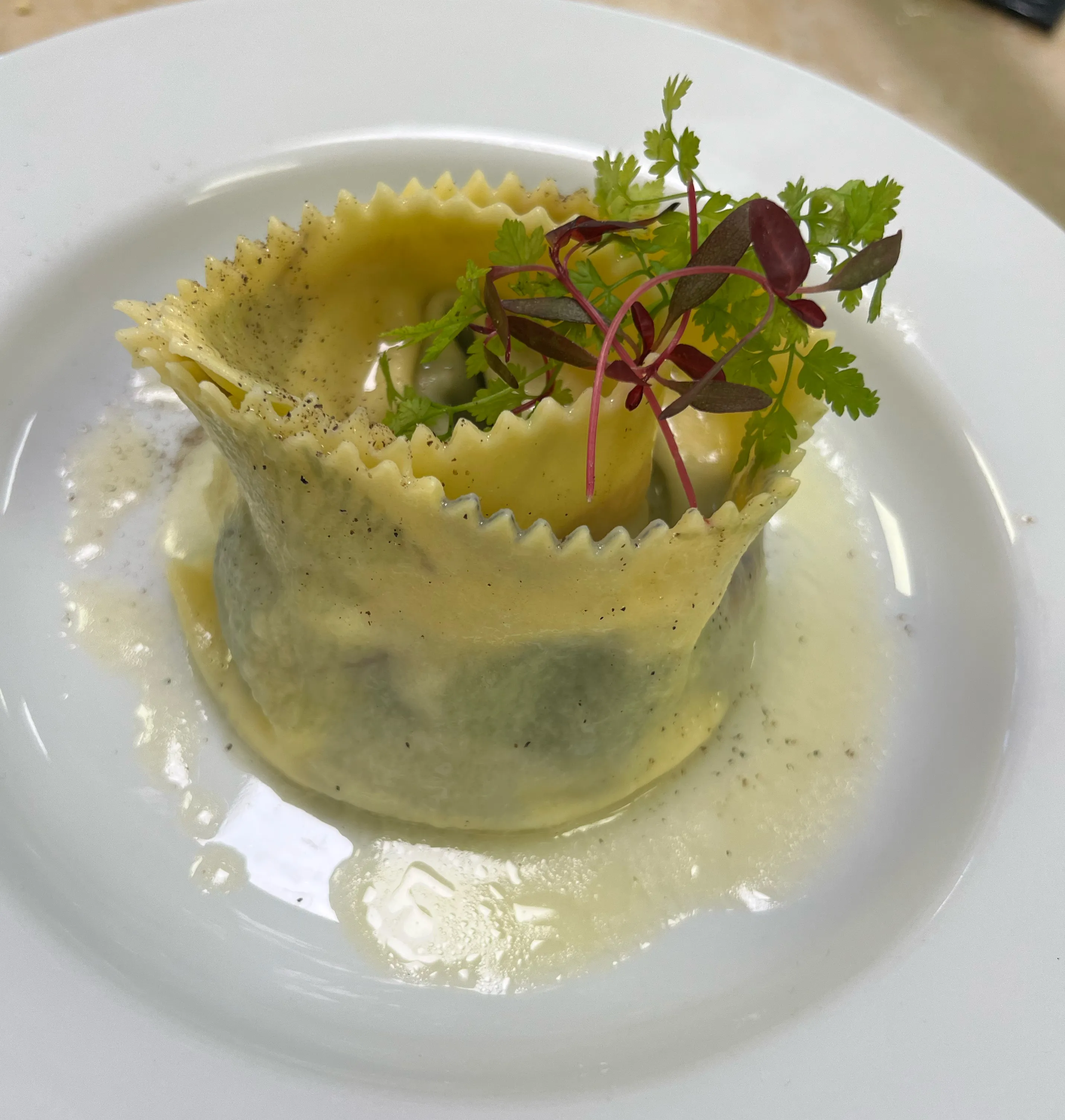
Agnolotti come from Piedmont in northern Italy. They are small pinched pillows, usually filled with meat or vegetables. You pipe a line of filling along a strip of dough and fold the dough over. Then you pinch it into small pockets.
Agnolotti are popular in upscale restaurants because they look elegant on the plate. They pair beautifully with butter based sauces and seasonal vegetables.
Matching Shapes and Sauces
Once you know a few shapes, pairing them with sauces becomes simple. Here are some easy rules to follow.
- Long, flat ribbons like tagliatelle and pappardelle work best with rich, clingy sauces such as ragu or cream.
- Thin long shapes like spaghetti suit lighter sauces with oil and cheese. Roman dishes like cacio e pepe and carbonara are classic examples.
- Cupped or ridged shapes like orecchiette and gnocchi hold chunky sauces and pesto well.
- Filled pasta needs only a light sauce so the filling stays the star.
You can break these rules, of course. But they are a great starting point when you are planning a meal. Our basil pasta pesto recipe works with almost any shape if you want an easy sauce.
Which Shapes You Will Learn in a San Francisco Class
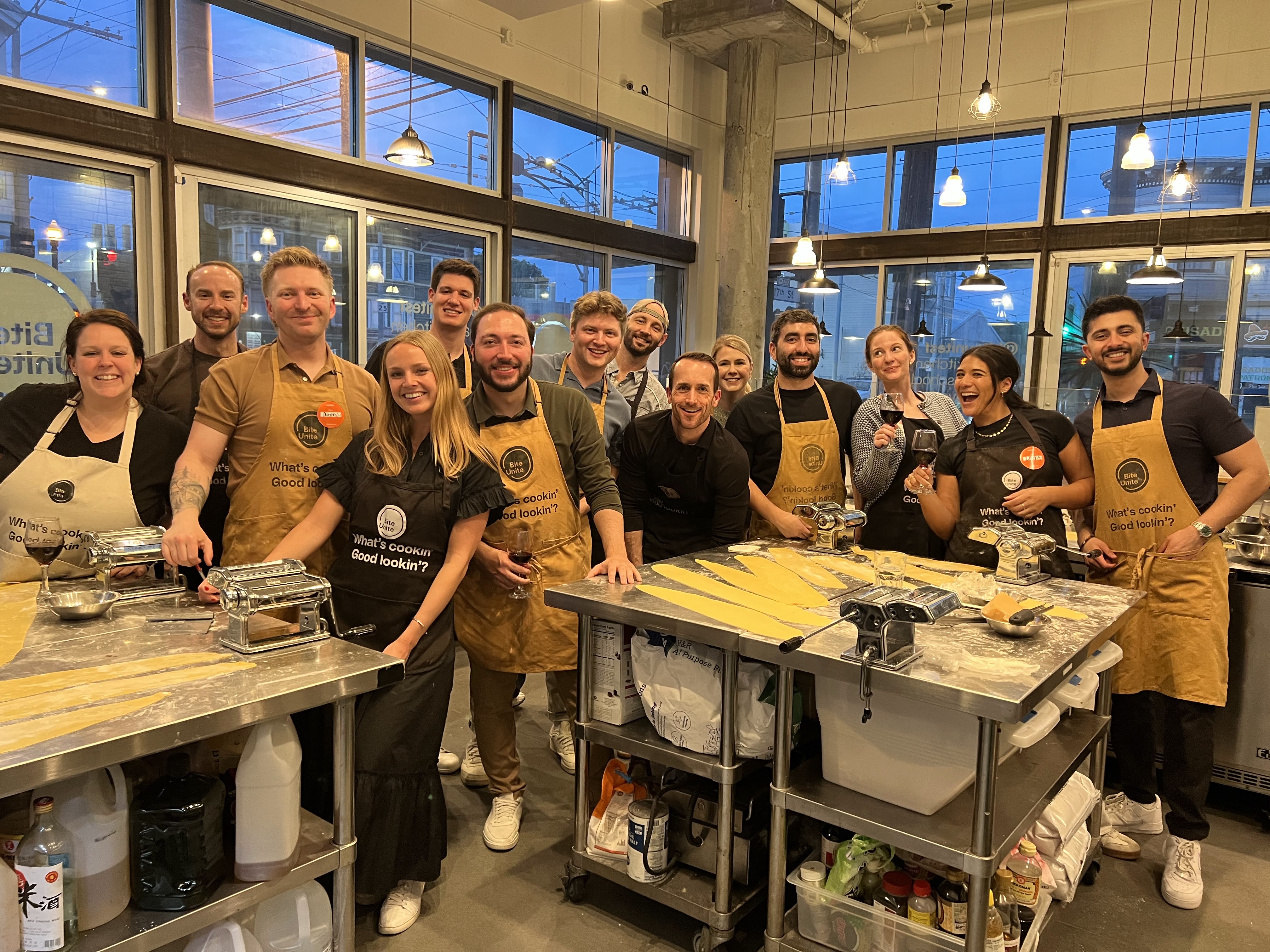
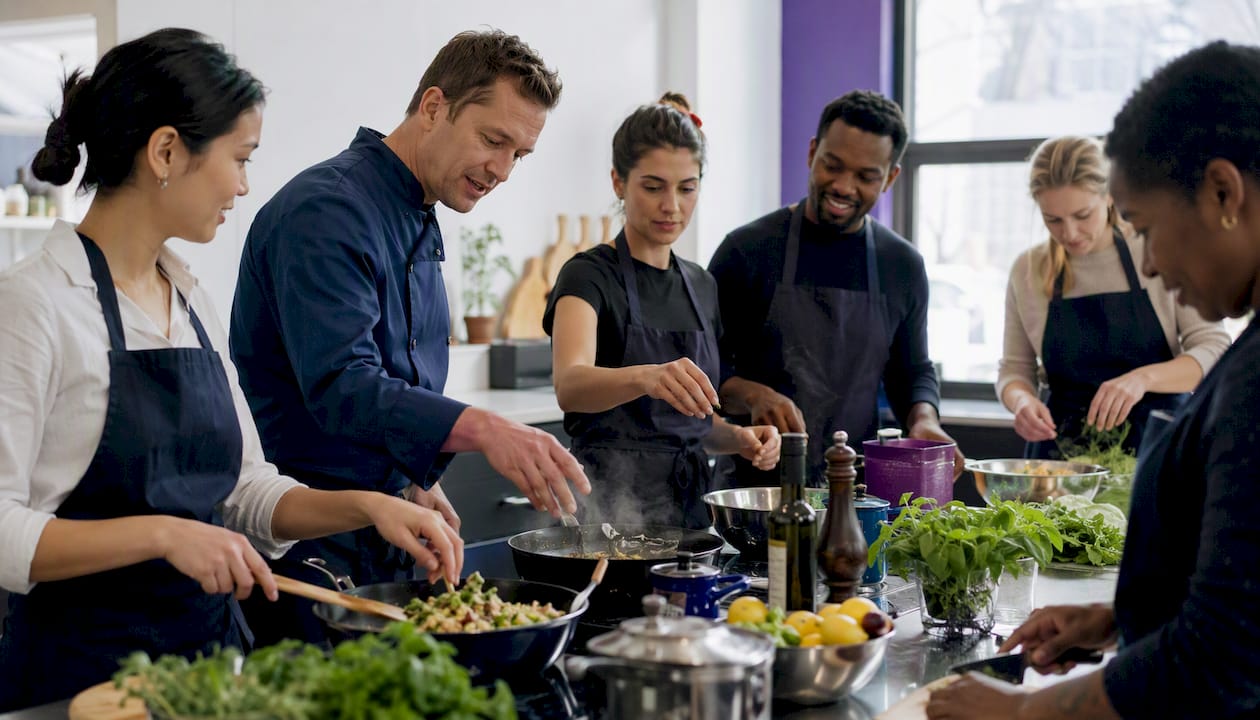
Most beginner classes cover one ribbon shape and one filled or hand formed shape. That combo teaches you rolling and sealing in a single session. Our hands on pasta making class in San Francisco is built around those core skills.
If you want to learn many shapes in depth, look at a longer program. Our professional pasta making program in the Bay Area covers cutting, extruding, filled pasta, and laminated doughs over five days. You can read more in our breakdown of advanced pasta bootcamp techniques.
New to pasta? Start with our guide to pasta making classes for beginners in SF. It covers what to expect and the mistakes to avoid.
Tools That Help With Pasta Shapes
You do not need many tools to make fresh pasta, but a few can make shaping easier.
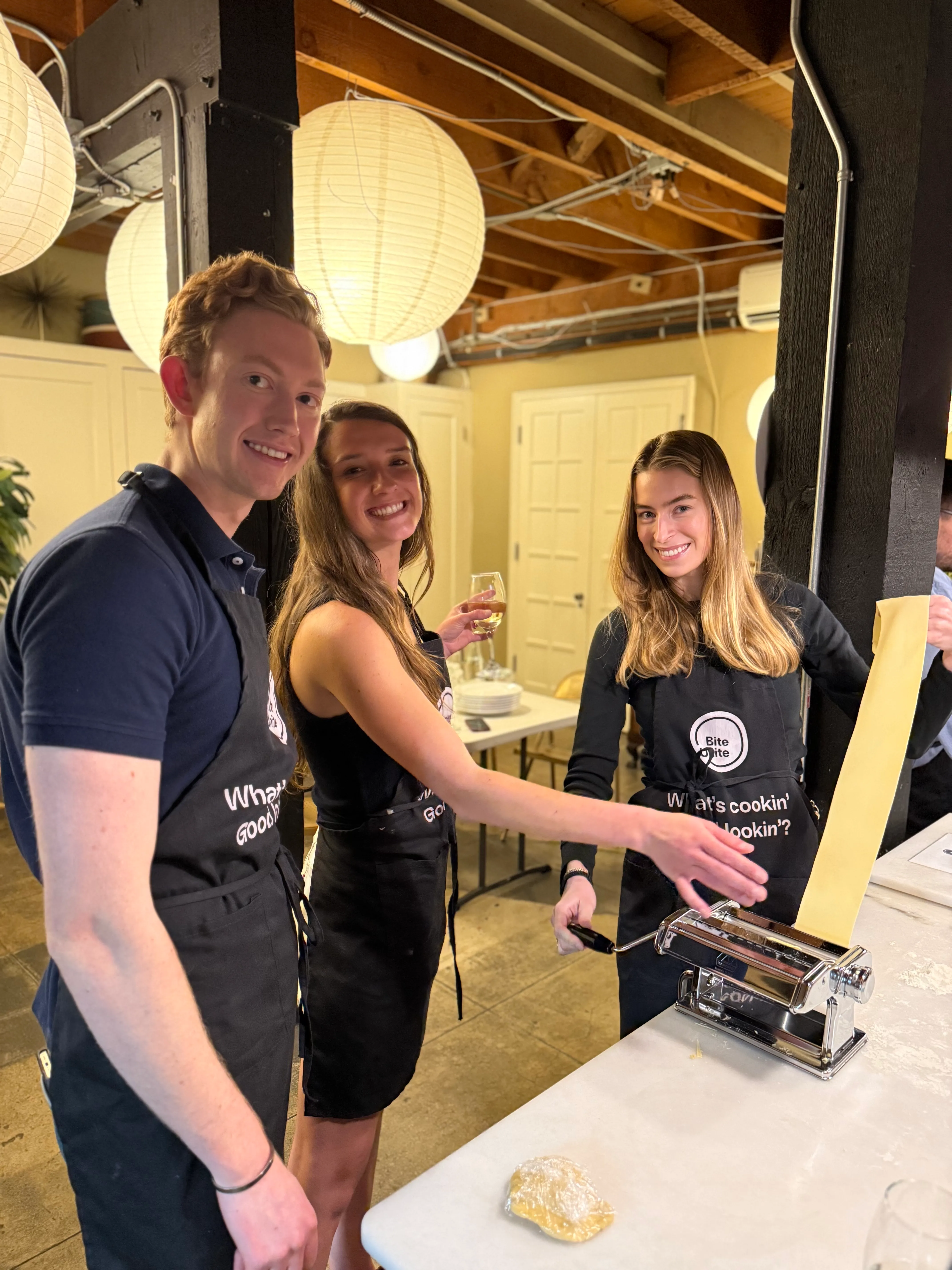
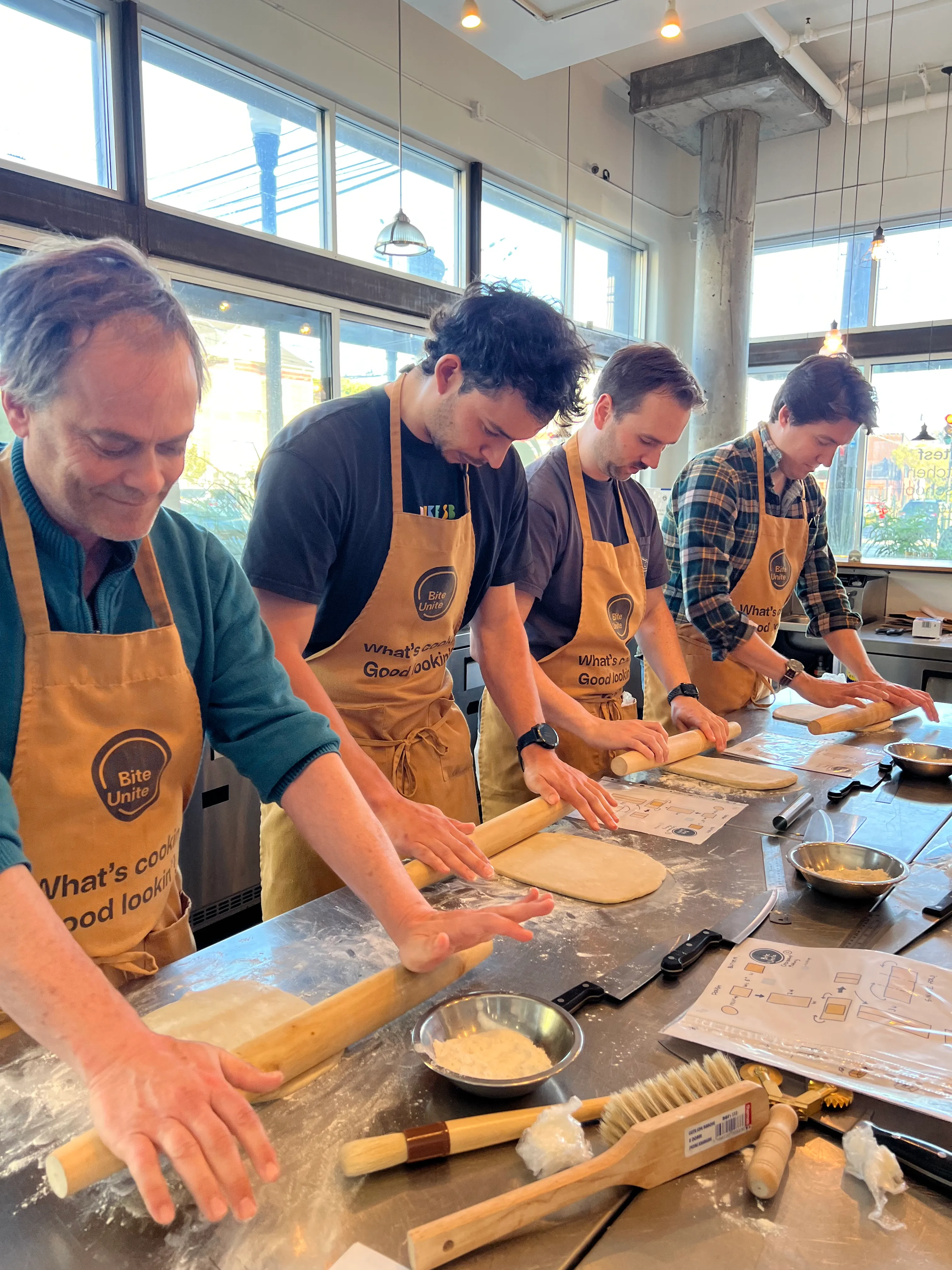
A long wooden rolling pin helps you roll sheets by hand. A pasta machine makes rolling faster and more even. A sharp knife or a fluted pastry wheel is useful for cutting ribbons and ravioli. A ridged gnocchi board helps create grooves on gnocchi and cavatelli, though a fork works too.
For filled pasta, a small spoon or piping bag makes it easy to portion filling. A spray bottle of water helps seal edges if the dough dries out.
If you want to learn more about flour and dough, King Arthur Baking's fresh pasta recipe is a helpful reference for home cooks.
Colored and Flavored Pasta Doughs
Once you know the basic shapes, you can play with color and flavor in the dough itself. This is one of the most fun parts of fresh pasta.
Spinach is the classic choice for green pasta. Cooked and finely chopped spinach blends into the dough and gives it a bright color with a mild flavor. Beet puree makes a deep pink dough that looks great for special occasions. Squid ink turns pasta black and adds a light taste of the sea, which pairs well with seafood sauces.
Herbs can be added in two ways. You can chop them finely and mix them into the dough, or you can press whole leaves between two thin sheets. The second method is called lamination. When you roll the sheets together, the leaves stretch into beautiful patterns. It is a showstopper for ravioli and wide ribbons.
When you add wet ingredients like spinach or beet, you may need a little extra flour. Add it slowly until the dough feels smooth and not sticky. Longer programs like our professional bootcamp cover these techniques in depth.
How to Cook and Store Fresh Pasta
Fresh pasta cooks much faster than dried pasta. Most ribbons need only two or three minutes in boiling salted water. Filled pasta may take a little longer, depending on thickness. The best test is to taste a piece.
Use plenty of water and salt it well. The water should taste lightly salty. Before draining, save a cup of the cooking water. Its starch helps sauces cling and turn glossy when you toss everything together in the pan.
If you are not cooking right away, dust the pasta with semolina so it does not stick. Ribbons can be twisted into loose nests. For storage longer than a day, freeze the pasta on a floured tray, then move it into a bag. Cook it straight from frozen, adding a minute or so to the cooking time.
Practicing Shapes at Home
The best way to get better at pasta shapes is to practice one at a time. Pick a shape and make it several times before moving on. Each time, you will notice small improvements.
Start with ribbons. Once you can roll a thin, even sheet, move to ravioli. Then try a hand formed shape like orecchiette. Save tortellini and agnolotti for last, since they take the most practice.
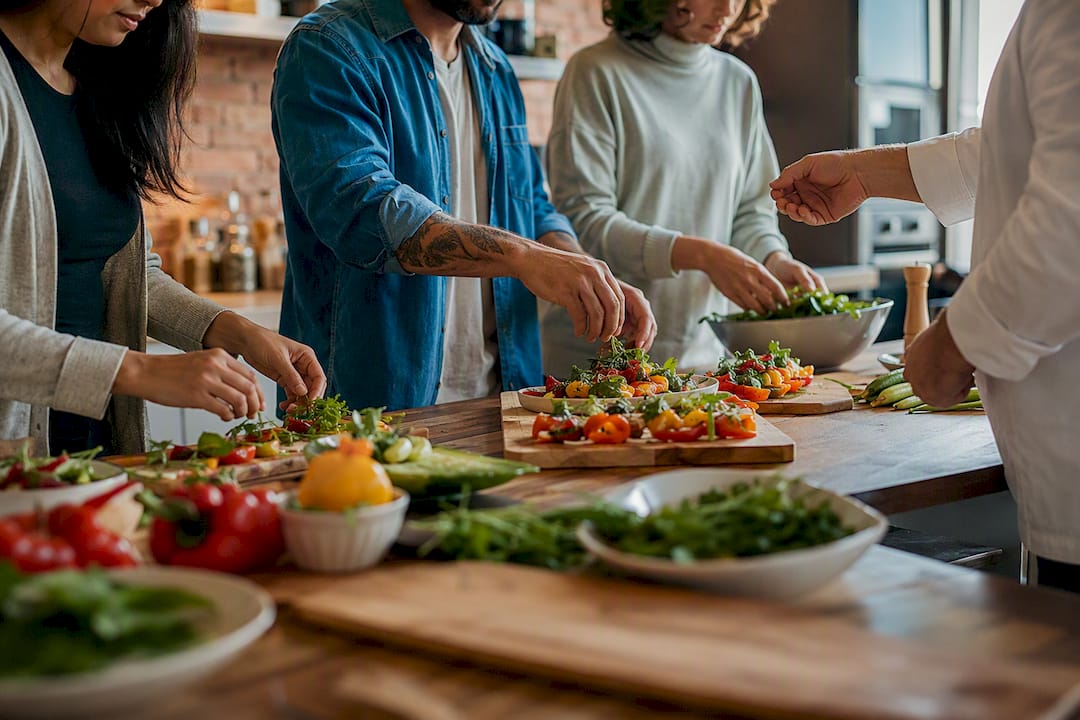
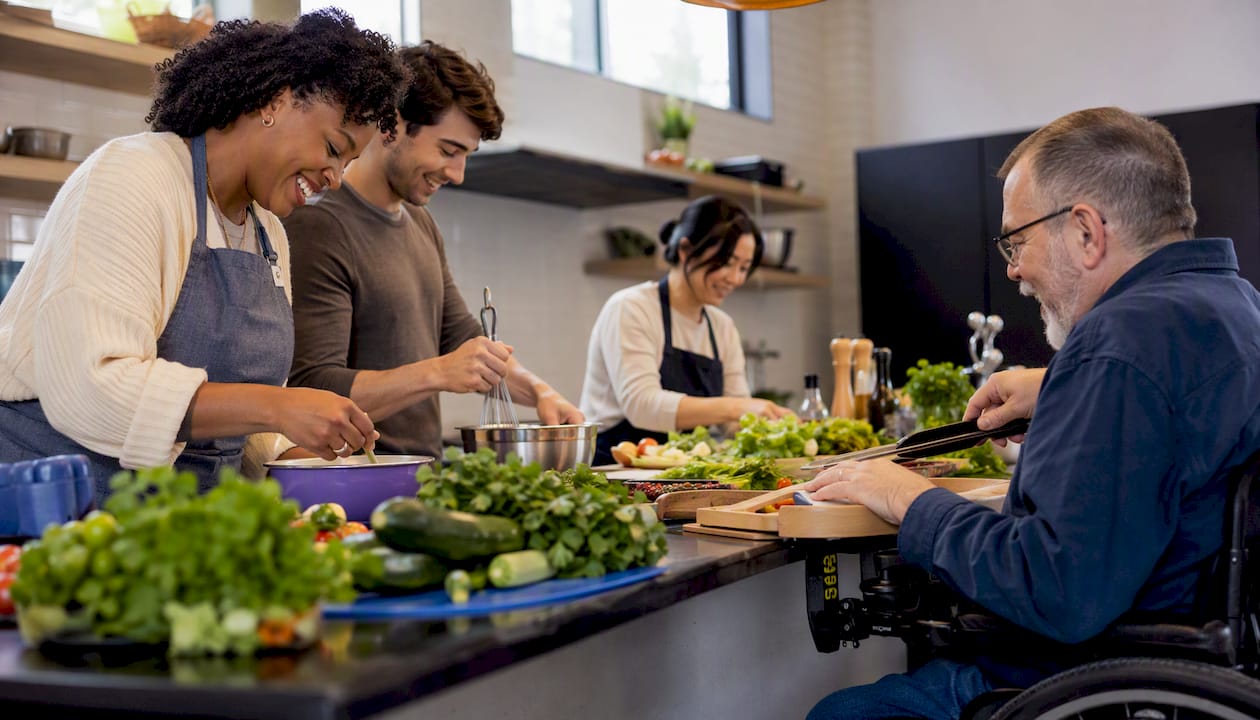
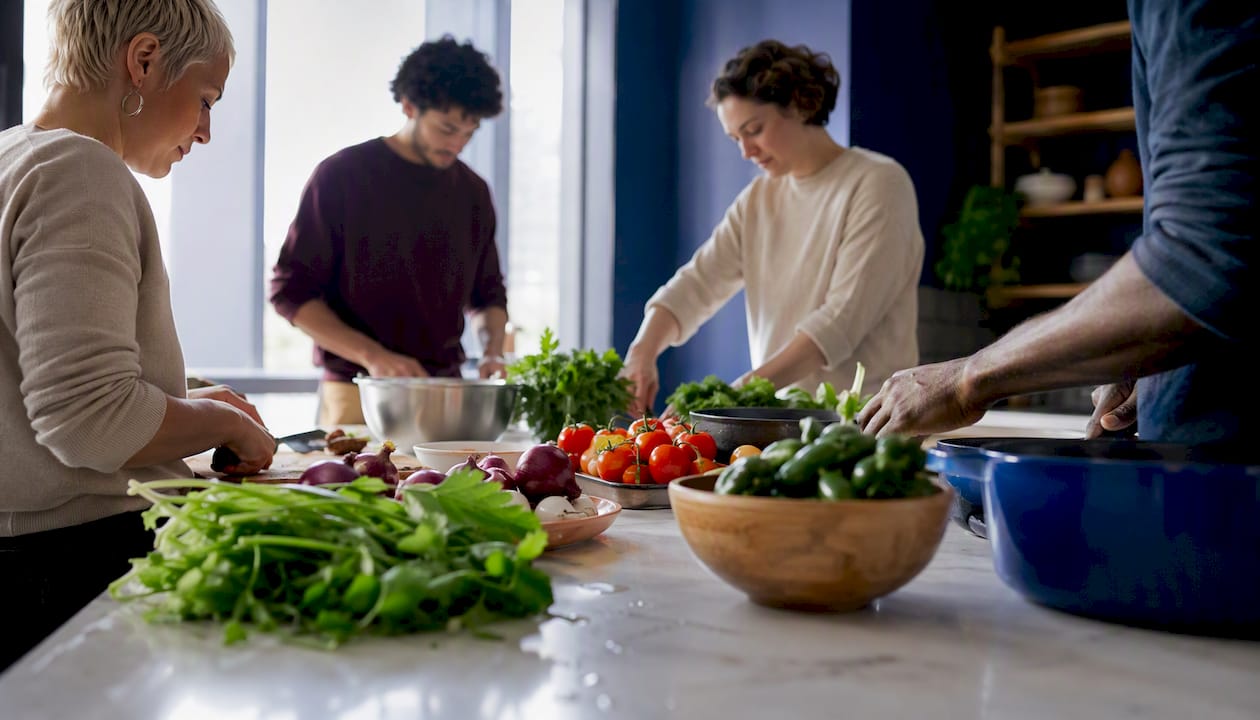
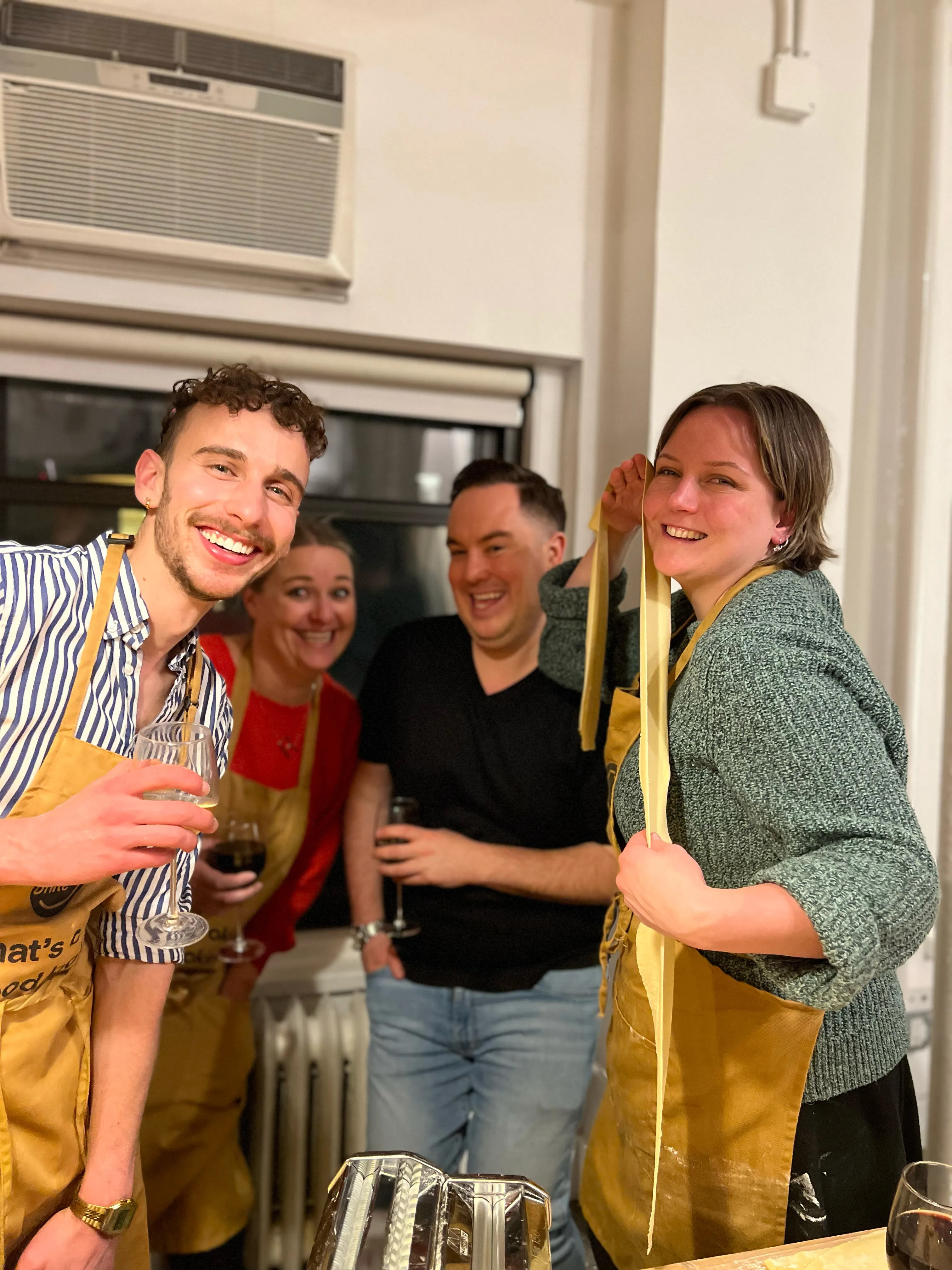
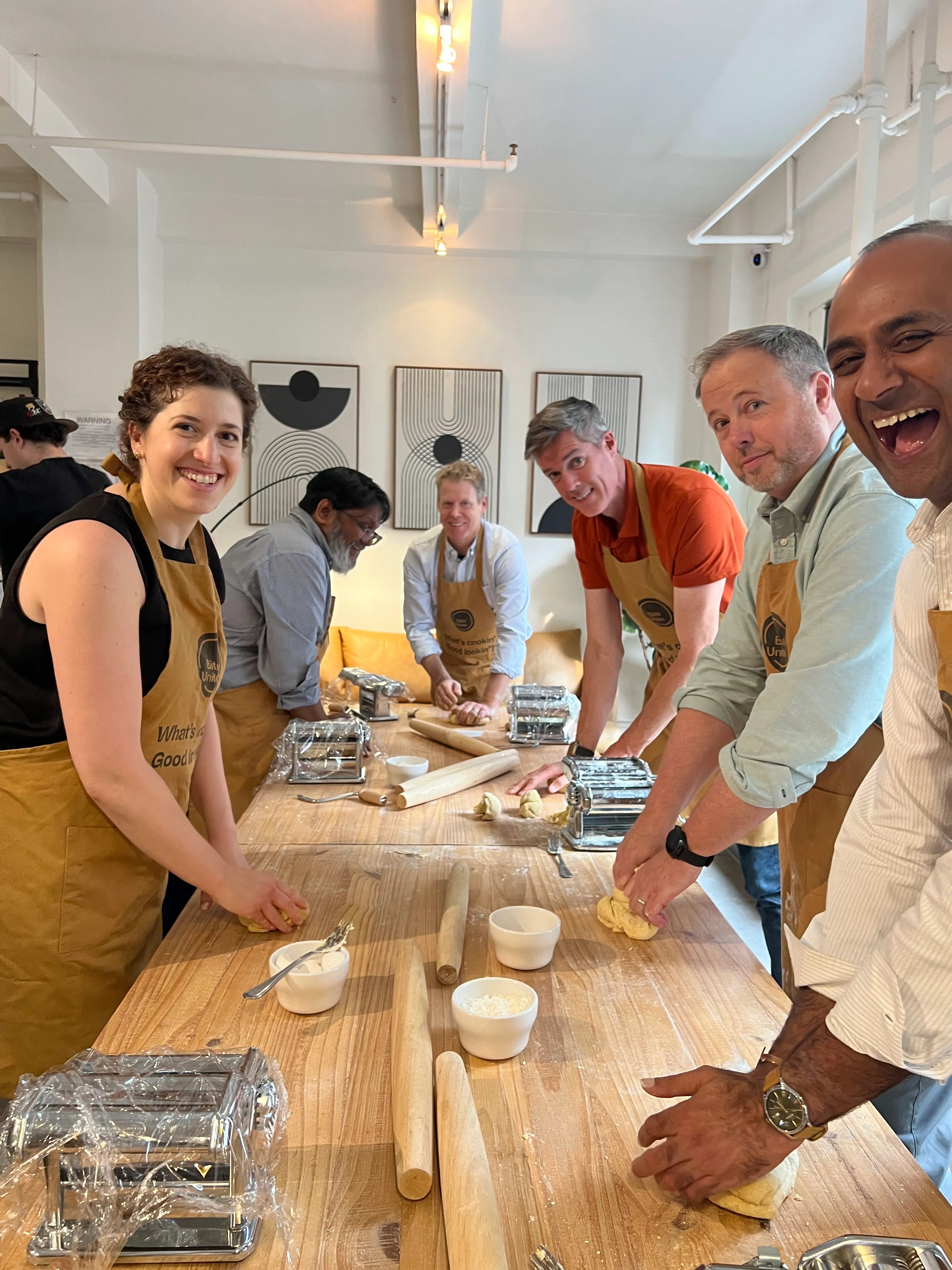
Invite friends to help. Shaping pasta goes much faster with extra hands, and it turns a solo project into a fun evening. If you want to host a bigger pasta night, our guide on how to host a fall themed dinner party has great ideas.
Fresh Pasta Shape FAQs
What is the easiest pasta shape for beginners?
Pappardelle and tagliatelle are the easiest. They only require rolling and cutting, and uneven cuts still look good.
What is the hardest pasta shape to make?
Tortellini and agnolotti take the most practice because of the folding and sealing.
Do I need a pasta machine?
No. A rolling pin and a knife are enough for most shapes. A machine just makes rolling faster.
Can I freeze fresh pasta?
Yes. Freeze shaped pasta on a floured tray, then move it to a bag once it is frozen. Cook it straight from the freezer.
Why does my ravioli burst when I cook it?
Usually it is overfilled or has trapped air inside. Use less filling and press out the air before sealing the edges.
Which shape should I learn first?
Start with a ribbon like tagliatelle. It teaches rolling, which is the base for almost every other shape.
Start Shaping Fresh Pasta in San Francisco
Learning pasta shapes opens up a whole new world of cooking. Each shape teaches a different skill, and each one pairs with its own favorite sauces. The fastest way to learn is with a teacher by your side.
Ready to try? Book a hands on pasta making class in San Francisco and start building your shape collection. For more on what to expect, read our complete guide to pasta making classes in San Francisco, or browse every option on our San Francisco cooking classes page.


































.webp)