Team Building Costs: Price Ranges, ROI, and a Planner Worksheet
Budget somewhere between a low amount for a simple virtual session and a premium rate for an international retreat, with most in-person programs landing between moderate and higher per-person costs. Small groups of 10 to 20 people typically start around several thousand dollars for a half-day program.
TL;DR:
- Small groups of 10 to 20 typically start at several thousand dollars for a half-day program, with fixed costs remaining relatively unchanged as size decreases.
- Virtual team building events cost between $45 and $150 per person, mainly covering shipping and facilitator fees rather than platform expenses.
- Full-day off-site programs with venue and catering generally run $200 to $500 per person, while multi-day retreats can exceed $6,500 per attendee.
- Key cost drivers include venue (15–25%), food and drinks (20–35%), facilitation (20–40%), and travel expenses, with hidden fees potentially adding 10–20%.
- Protect the experience line item, such as hands-on activities like cooking classes, which offer higher emotional engagement and lastingly impact team cohesion.
Table of Contents
- How Much Does a Team Building Event Cost by Format?
- What Drives the Price: Six Line Items and Hidden Fees
- A Budgeting Worksheet You Can Actually Use
- Turning the Budget Into a Case Leadership Will Approve
- Why Hands-On Experiences Earn Their Line Item
- Budgeting for Accessibility and Inclusion
- Planner Perspective: Where the Real Money Gets Wasted
- Ready to Book the Experience Line Item?
- Sources
- FAQ
How Much Does a Team Building Event Cost by Format?
Team building event cost swings wildly depending on format, and that’s actually good news. It means you have real levers to pull.
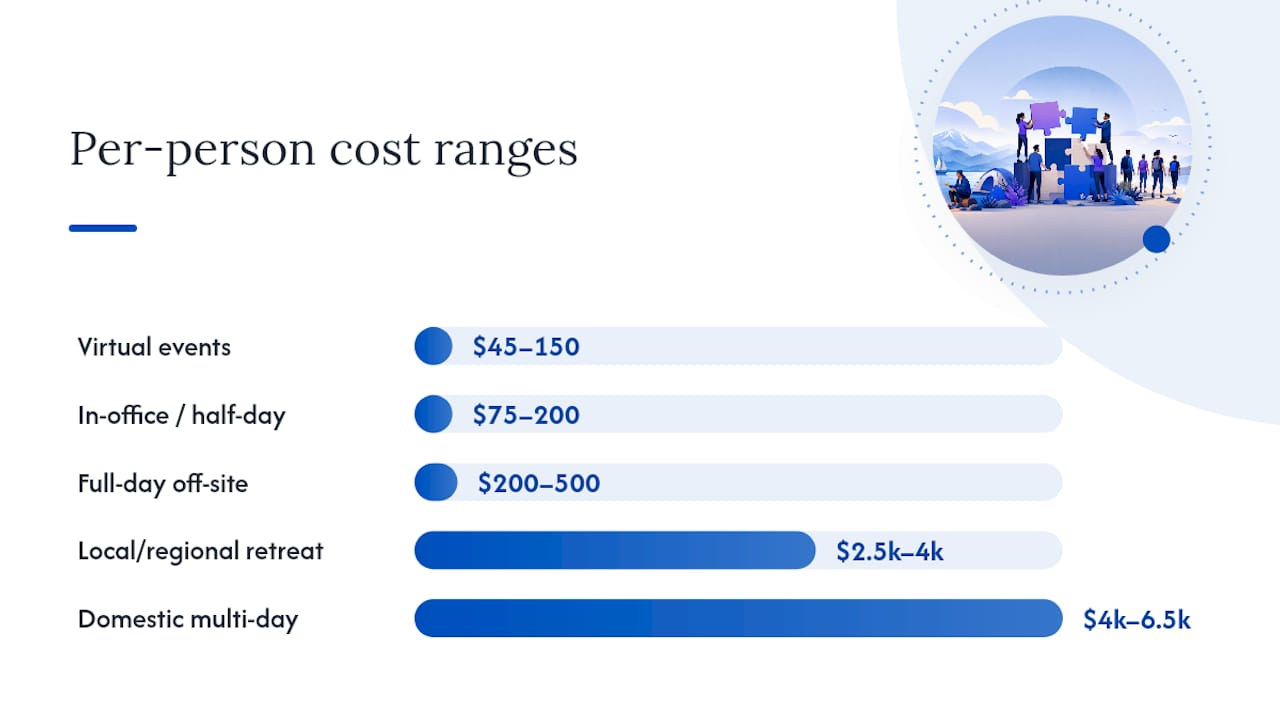
Virtual events run $45 to $150+ per person, with most of that going to kit shipping and facilitator time rather than the platform itself, according to TeamBonding’s pricing breakdown. In-office or half-day sessions land in the $75 to $200 per person range for mid-tier facilitated activities. Full-day, off-site programs typically run $200 to $500 per person once you add venue and catering. Local or regional retreats (one night, close to home) often start around $2,500 to $4,000 per person, per Moniker Partners’ retreat cost analysis. Domestic multi-day retreats commonly land between $4,000 and $6,500 per person, and international or executive retreats can exceed $8,000 per person.
Group size changes the math fast. Fixed costs like venue rental, AV setup, and a lead facilitator get divided across fewer heads in a small group, which is why per-person price generally falls as headcount grows.
Three worked examples make this concrete:
- A 20-person half-day in-office program with a hands-on activity: roughly $4,500 to $6,000 total, or $225 to $300 per person.
- A 50-person full-day off-site with catering and a professional facilitator: roughly $18,000 to $28,000 total, or $360 to $560 per person.
- A 25-person, two-night domestic retreat: roughly $100,000 to $160,000 total, or $4,000 to $6,400 per person, in line with the Buildingteams.
What Drives the Price: Six Line Items and Hidden Fees
Every team building budget breaks into the same six categories, and knowing where the money actually goes is what lets you make smart trade-offs instead of blind cuts.
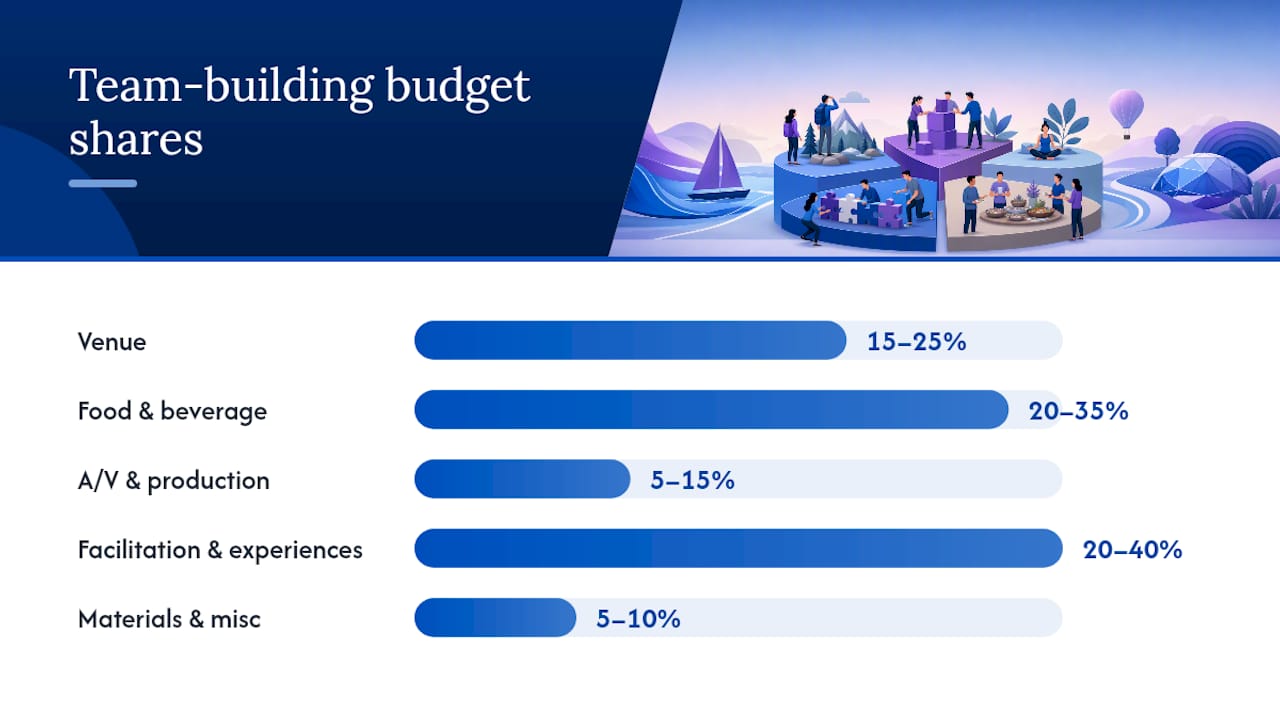
- Venue — 15 to 25% of budget. Ranges from a free conference room to $50+ per person for a private event space.
- Food and beverage — 20 to 35% of budget, often the single largest line item after venue for full-day and multi-day formats.
- A/V and production — 5 to 15%, higher for hybrid events needing streaming or recording.
- Facilitation and experiences — 20 to 40%, the line item that determines whether the day actually feels memorable.
- Travel and lodging — highly variable, from $0 for in-office events to thousands per person for international retreats.
- Materials and miscellaneous — 5 to 10%, covering supplies, gifts, and printed materials.
Statistic to know: Hidden and volatile costs including resort fees, attrition penalties, shipping, AV technician labor, and dietary accommodation surcharges can add a significant percentage on top of a base quote, typically around 10 to 20%, according to source. Airfare and hotel pricing carry their own volatility too; Seasonality alone can cause property rates to vary substantially, sometimes swinging by significant margins as noted in source.
Build a straight 10% contingency into every proposal, per wearespin.com’s cost guidance, and treat the extra 10 to 20% in fee volatility as a separate risk buffer rather than folding it into your base numbers.
A Budgeting Worksheet You Can Actually Use
Here’s a six-line-item worksheet with low, mid, and high per-person ranges you can paste straight into a spreadsheet and adjust for your group.
Worked example 1: 30-person full-day off-site, mid-tier. Total per-person before contingency: roughly $450. Total for 30 people: $13,500.
Worked example 2: 15-person domestic two-night retreat, low-mid tier. Total per-person before contingency: roughly $2,800 (mostly driven by travel and lodging). Total for 15 people: $42,000.
If you need to trim, cut materials and A/V production first. Both categories have the least connection to how the day actually feels. Facilitation and the shared experience should be the last thing you cut, not the first.
Turning the Budget Into a Case Leadership Will Approve
Leadership doesn’t approve line items, they approve outcomes. Before you build the numbers, name the specific goal: better cross-team communication, higher retention, stronger collaboration on a specific project. Then connect your budget to a metric that goal actually moves.
Voluntary turnover typically costs 6 to 9 months of an employee’s salary once you count recruiting, onboarding, and lost productivity. A $15,000 retreat that measurably reduces attrition on a team with a $75,000 average salary pays for itself if it prevents even one departure.
Structure the actual proposal around five elements:
- Program overview tied to the stated business goal
- Line-item budget breakdown with your 10% contingency shown explicitly
- ROI projection linking spend to turnover savings or engagement-score movement
- Concrete deliverables (what happens, who’s involved, what people walk away with)
- A measurement plan (pre/post engagement survey, retention tracking at 6 and 12 months)
Pro Tip: Never submit a number without the outcome attached to it. “$14,850 for a full-day retreat” gets scrutinized. “$14,850 to close a communication gap our last engagement survey flagged as our lowest-scoring category” gets approved.
Why Hands-On Experiences Earn Their Line Item
The line item most planners cut first, the actual experience, is usually the one worth protecting most. Professional facilitators and well-designed activities produce measurably higher emotional engagement than generic mixers, and that connection is what people remember and talk about weeks later, according to research on entertainment’s role in business events.
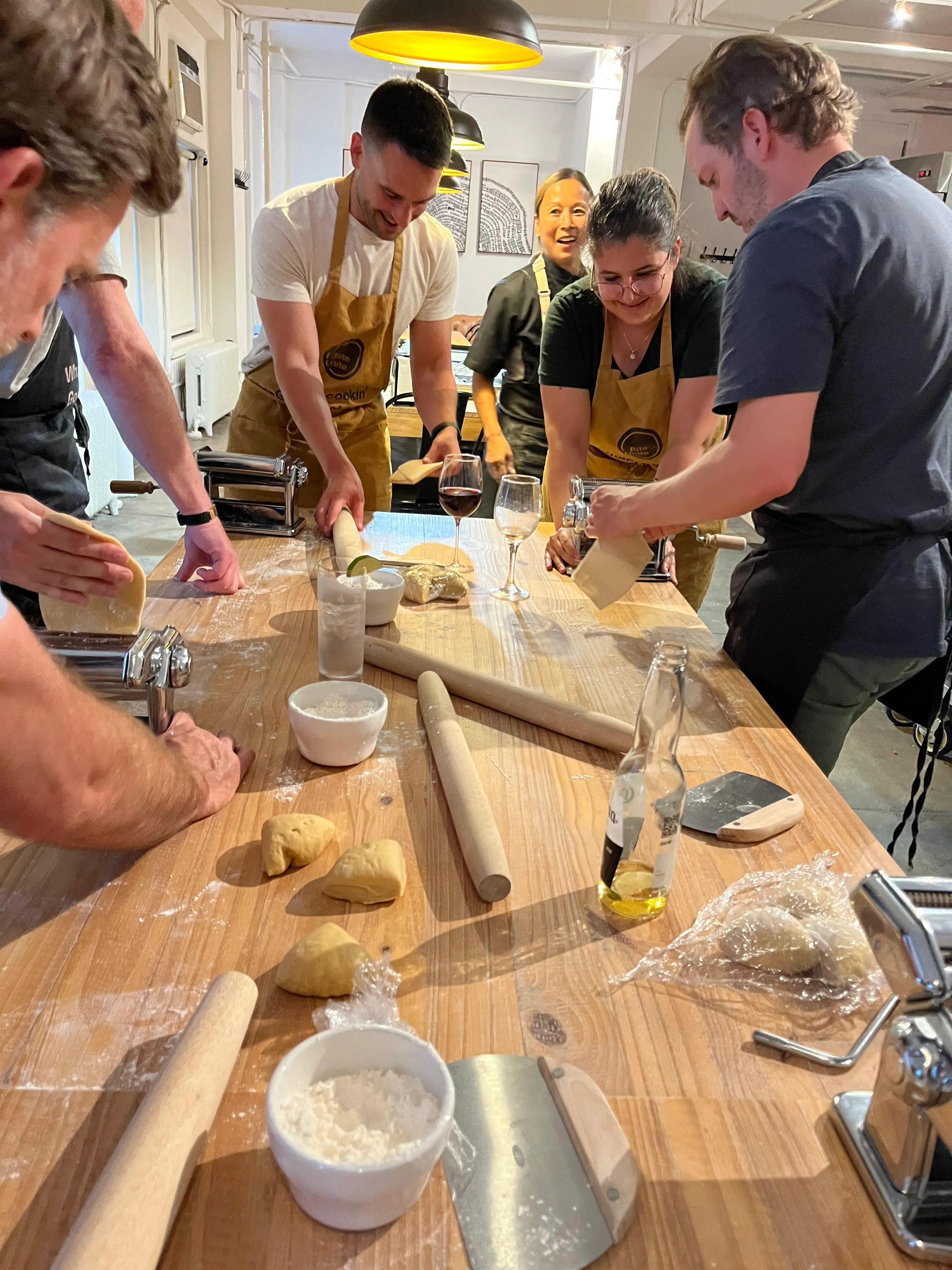
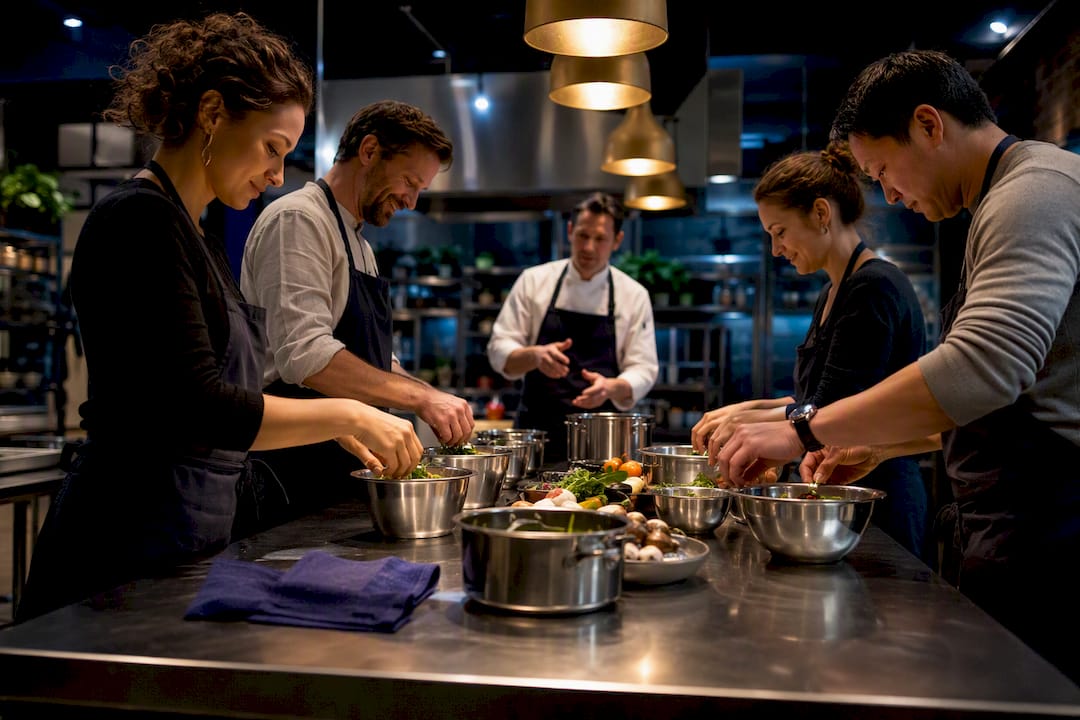
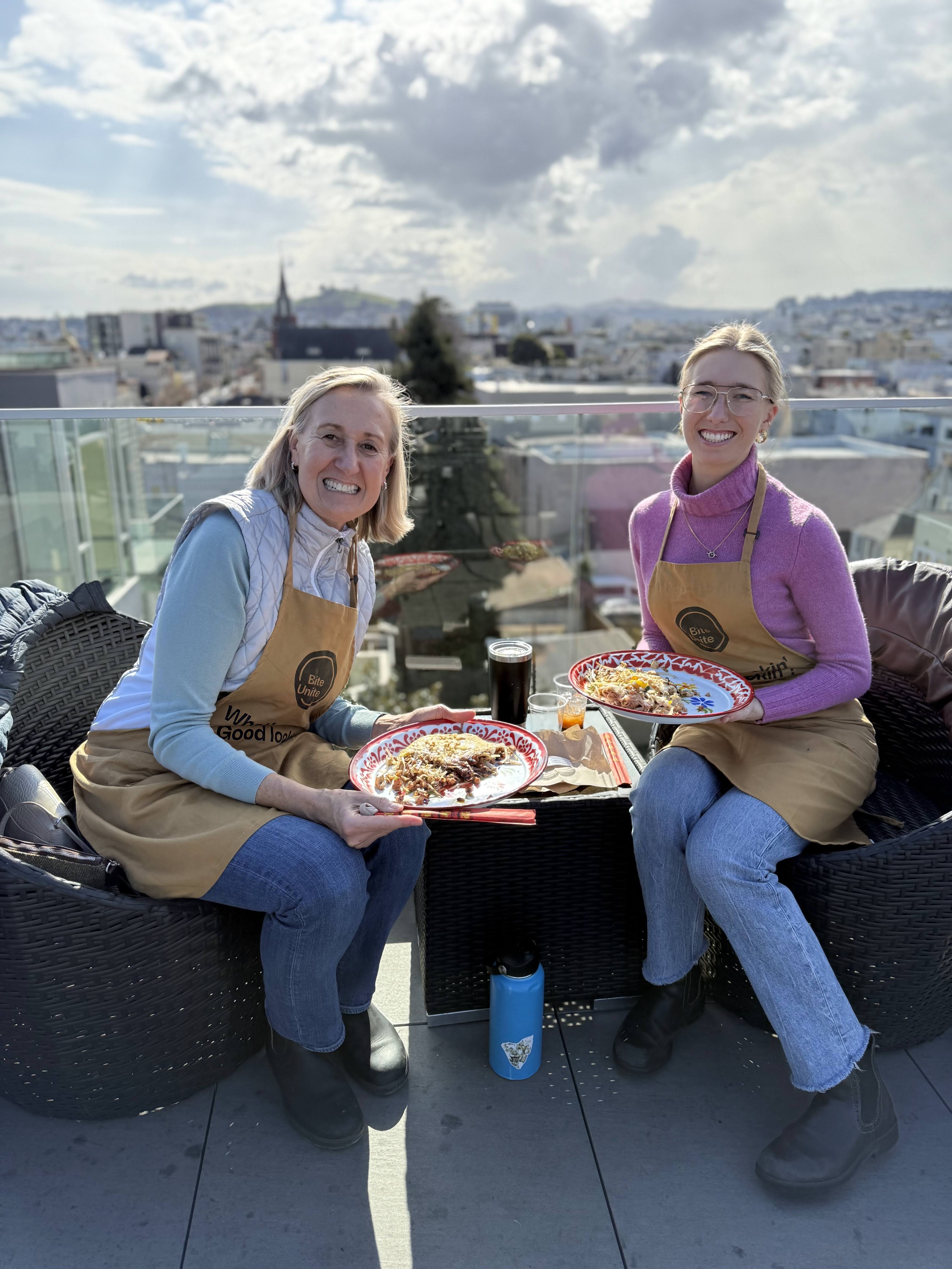
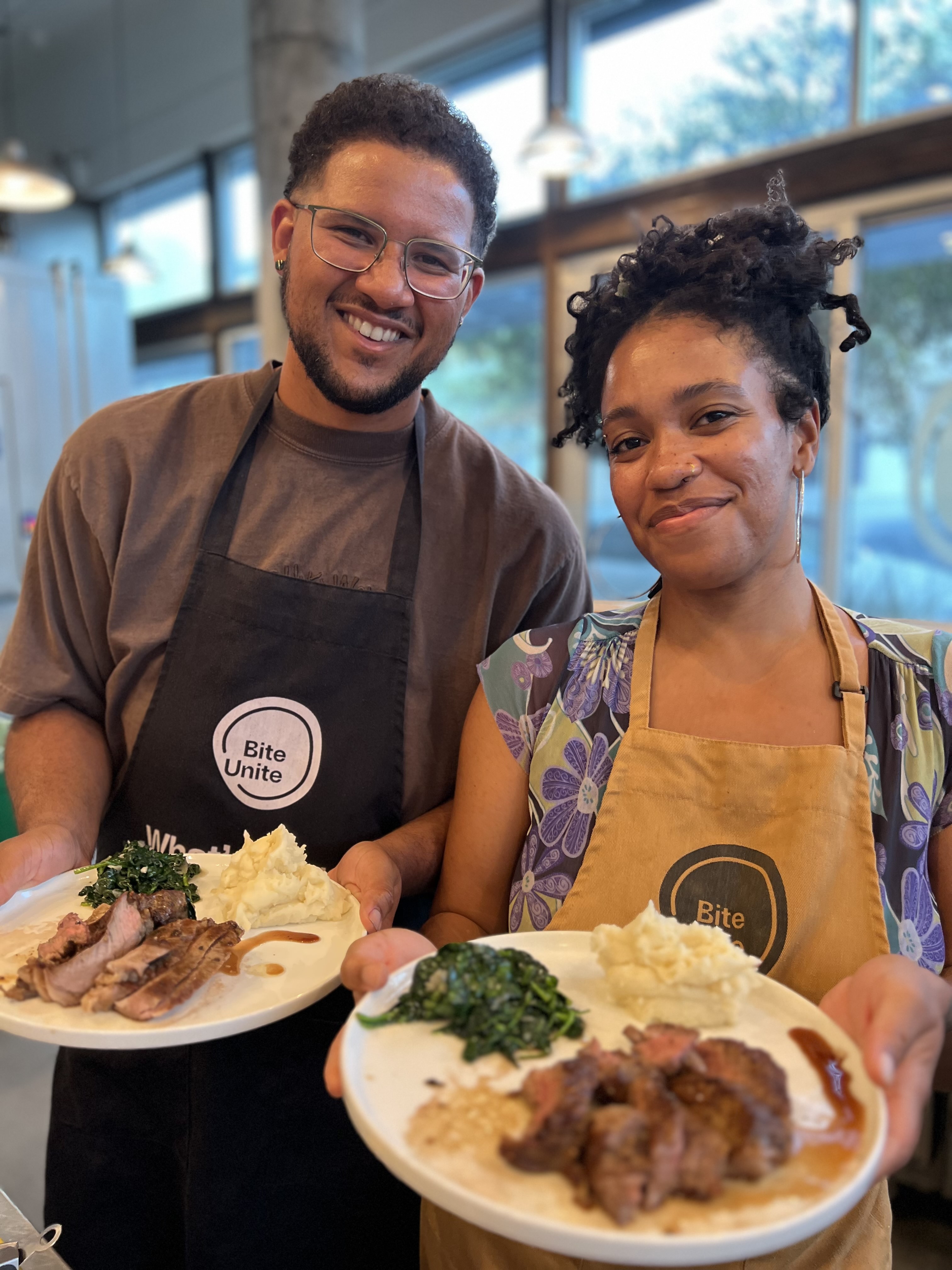
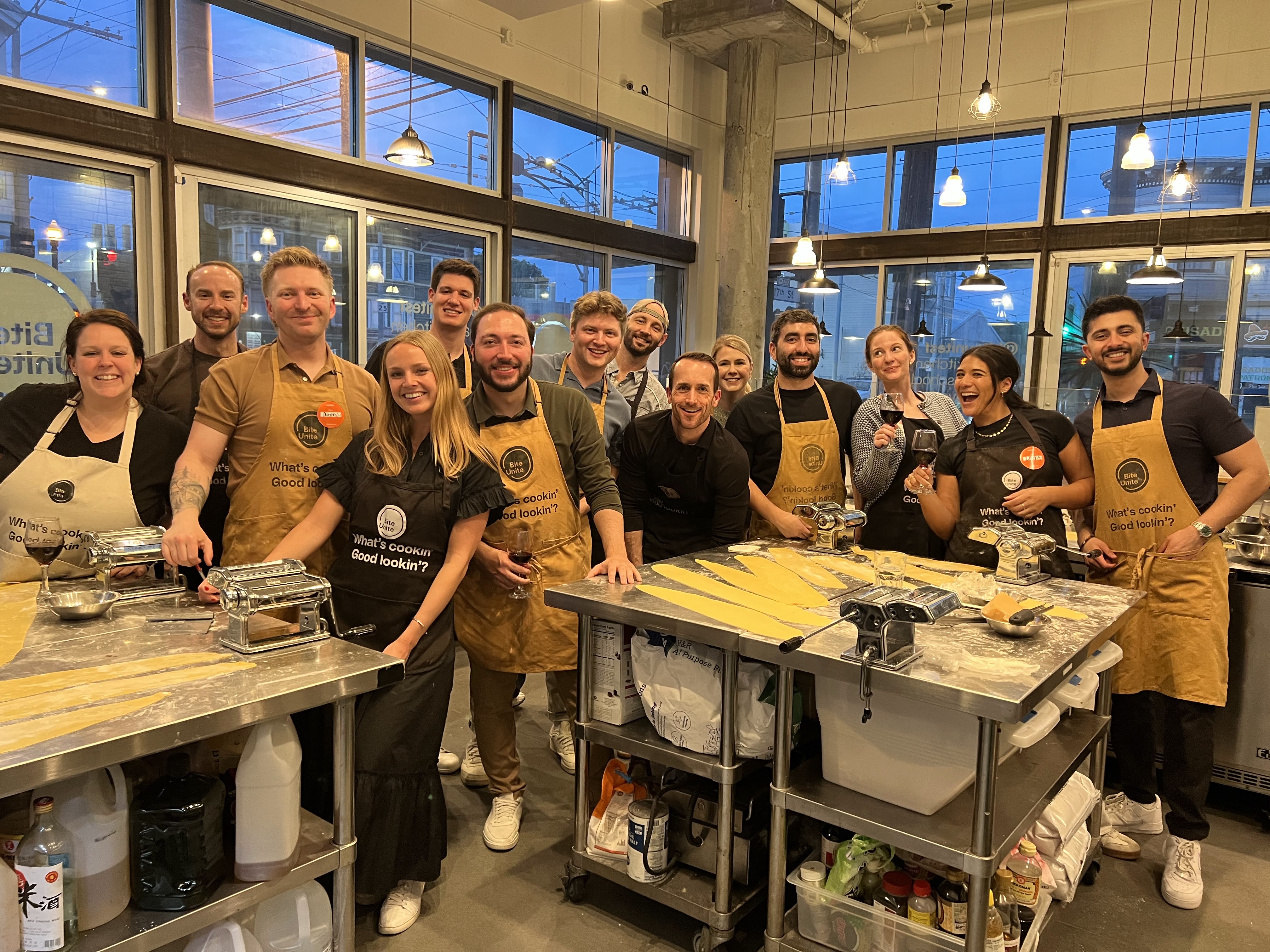
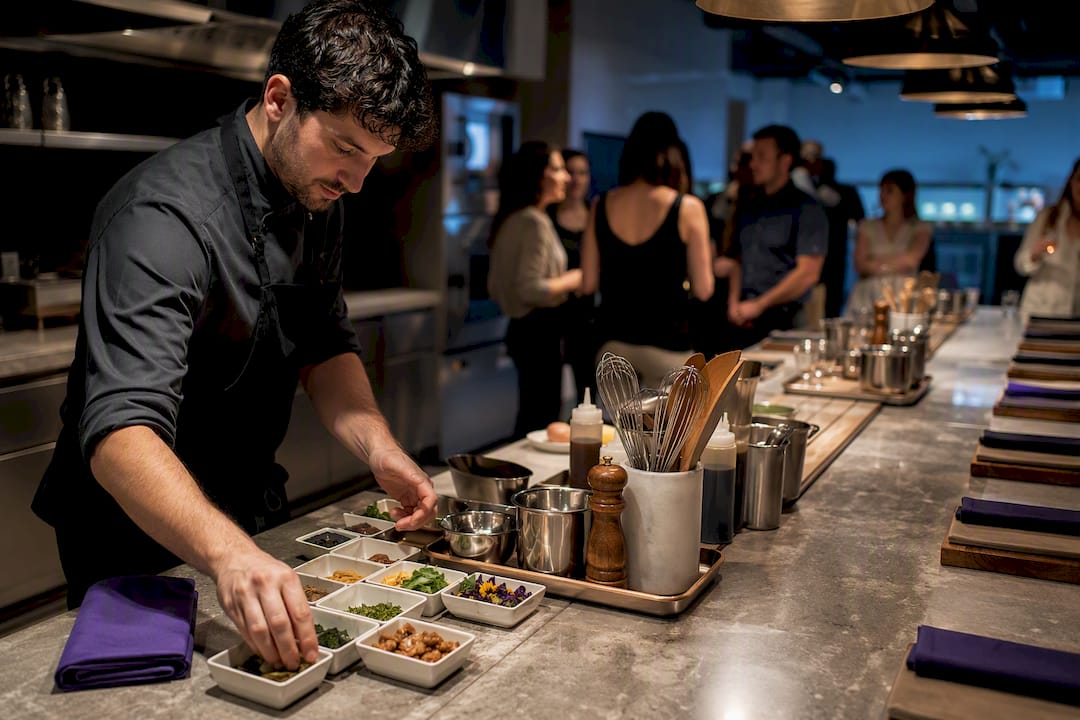
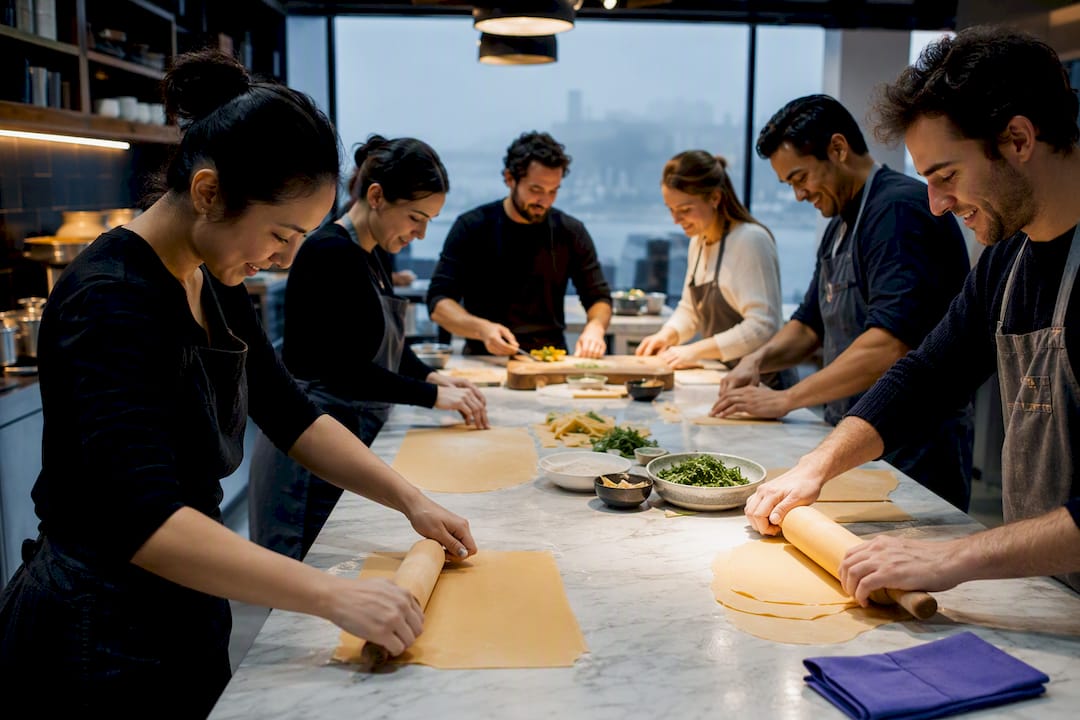
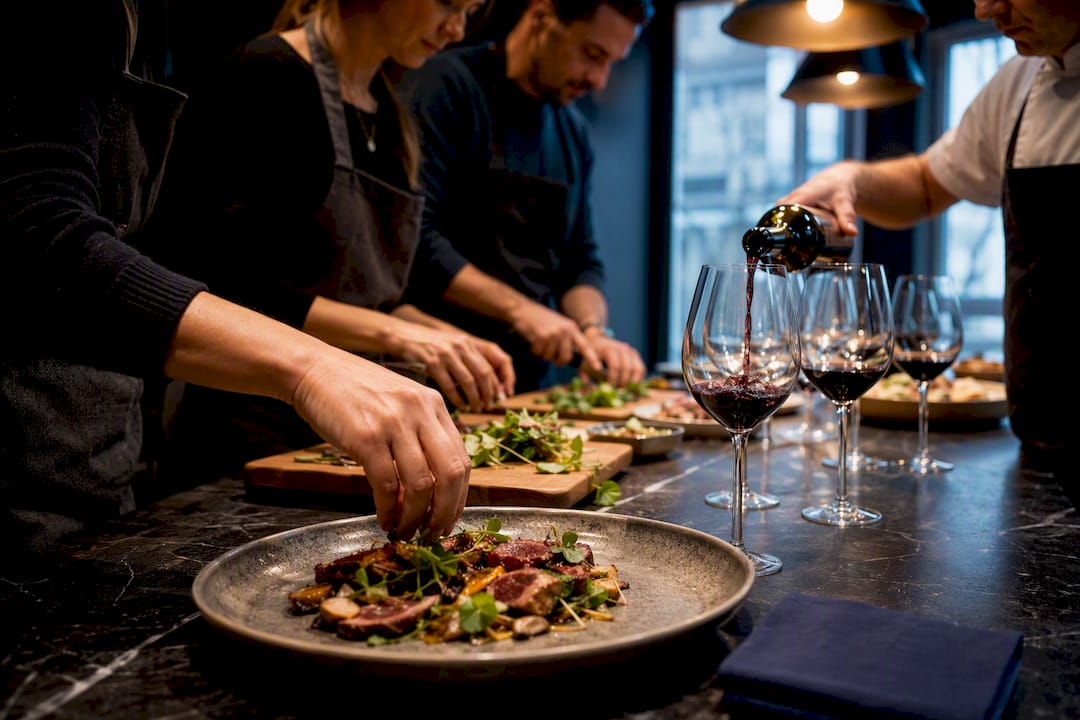
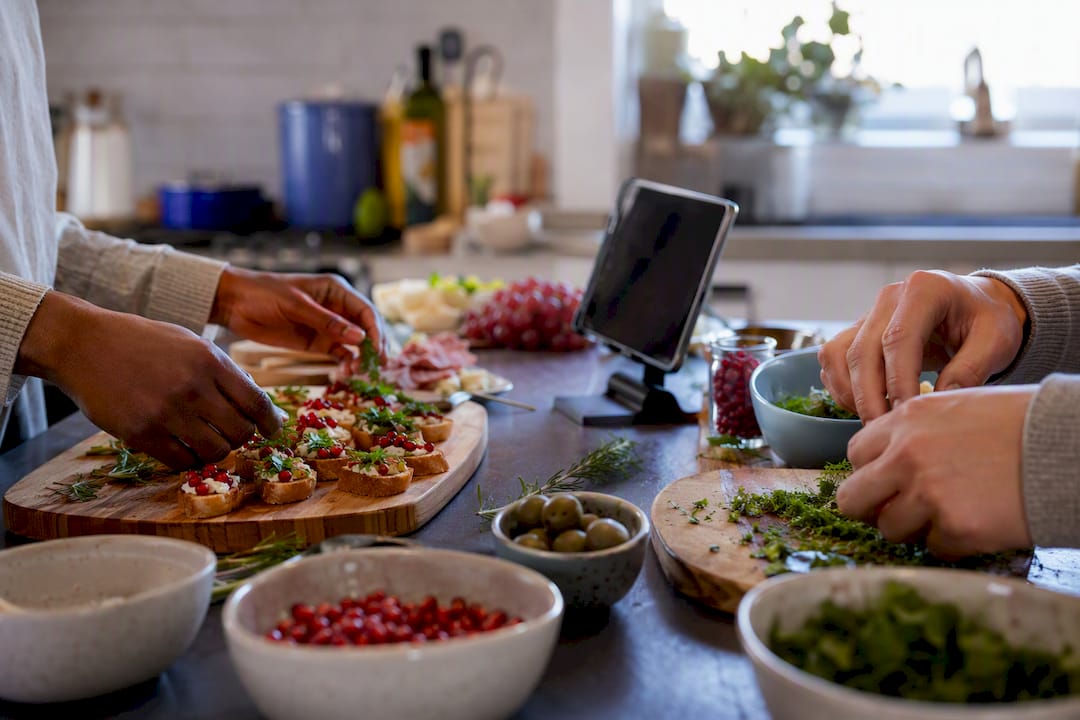
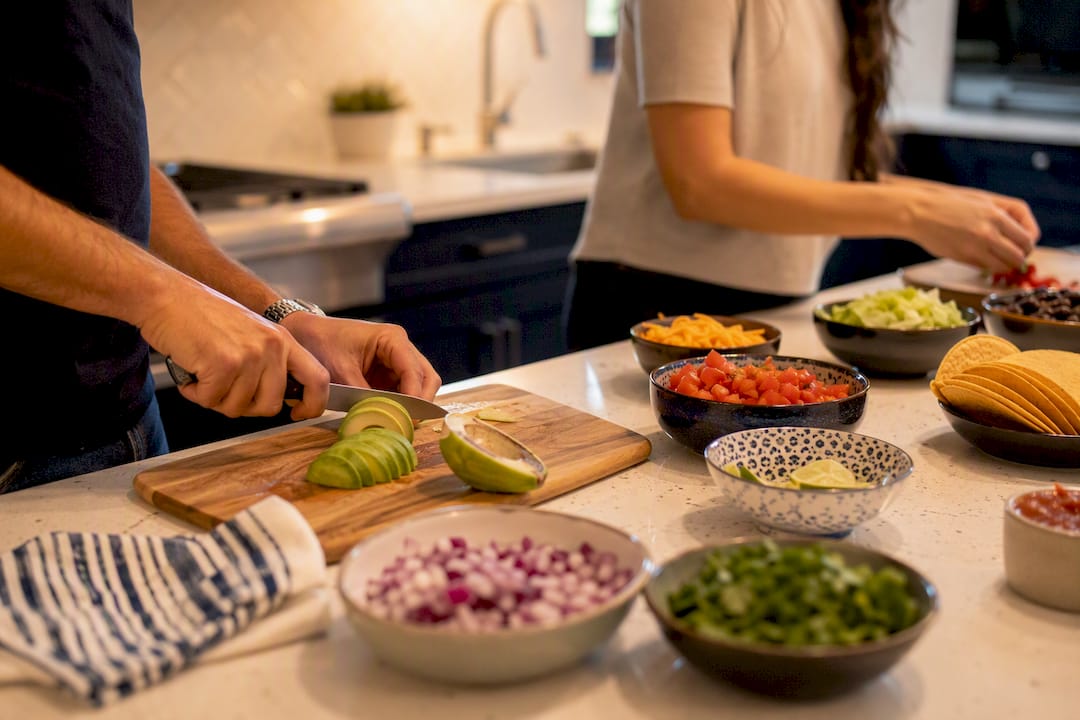
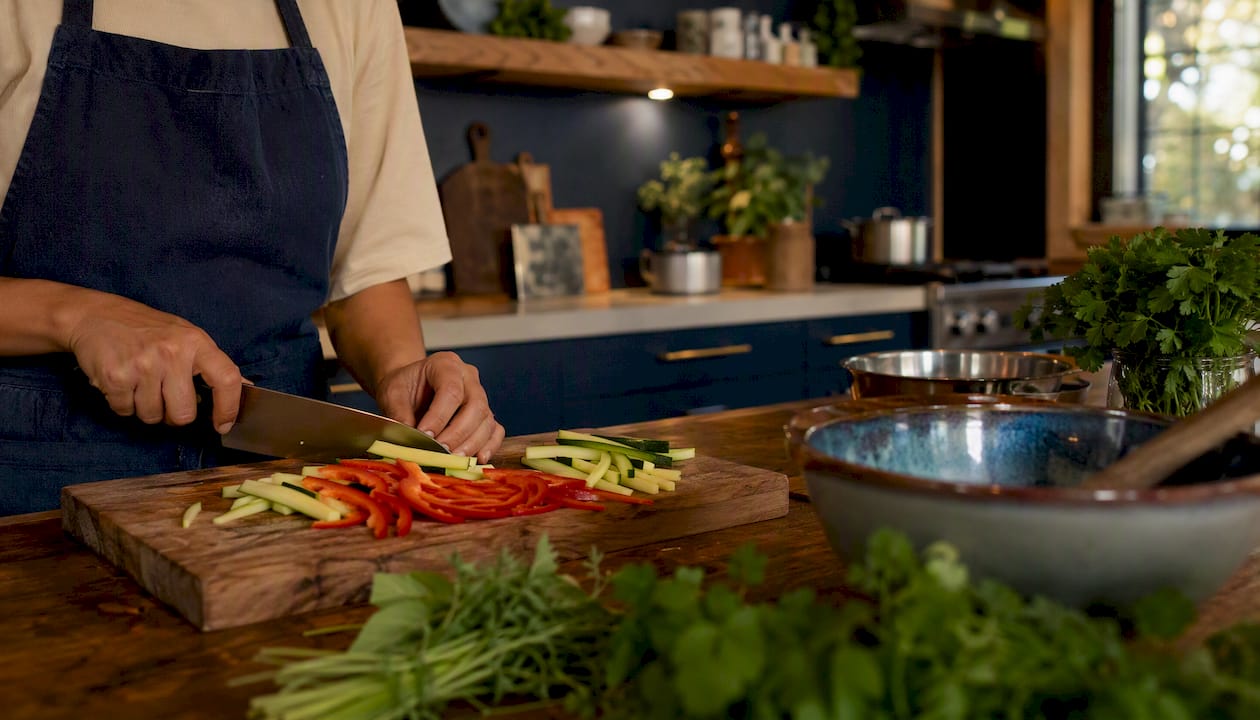
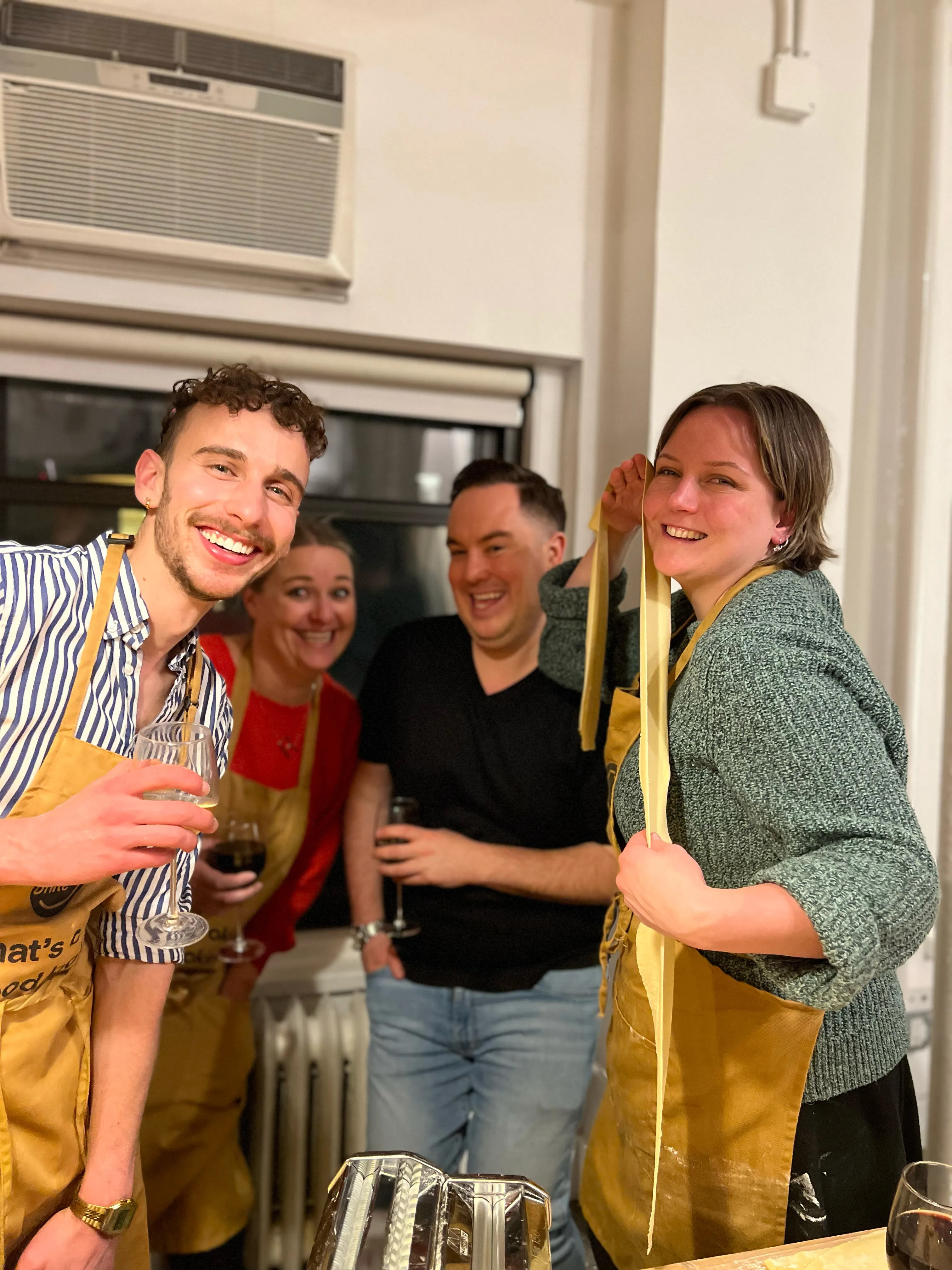
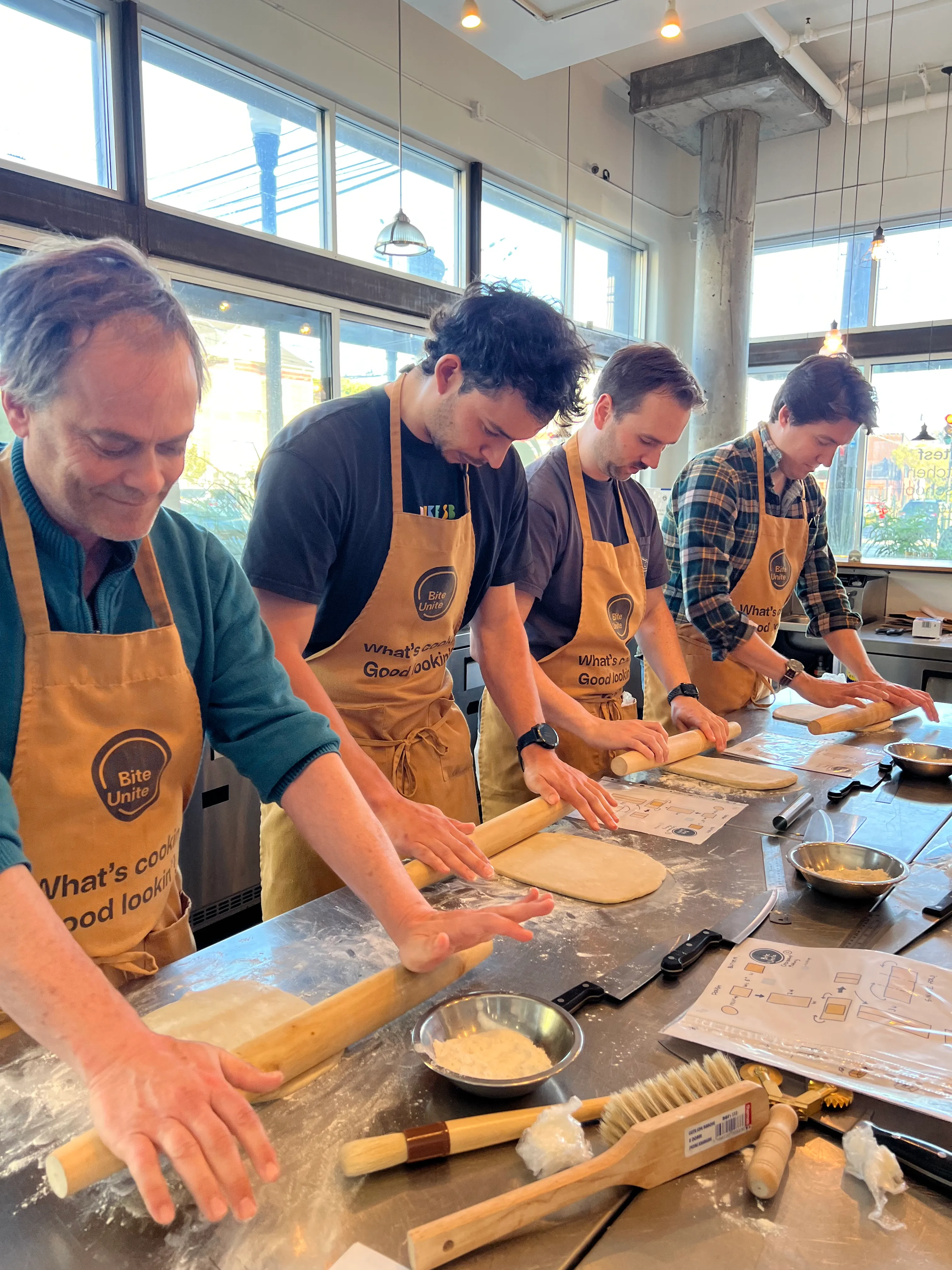
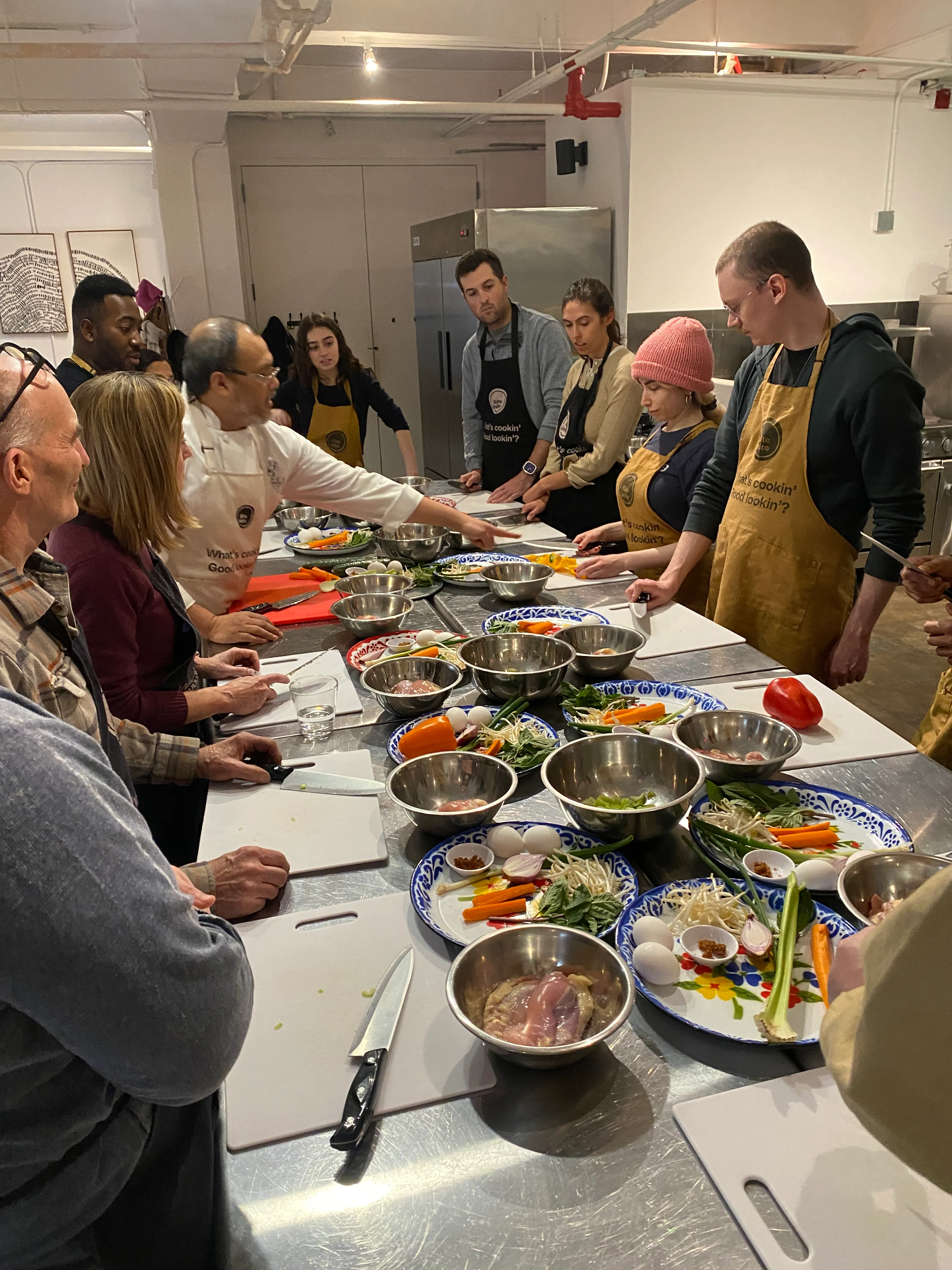
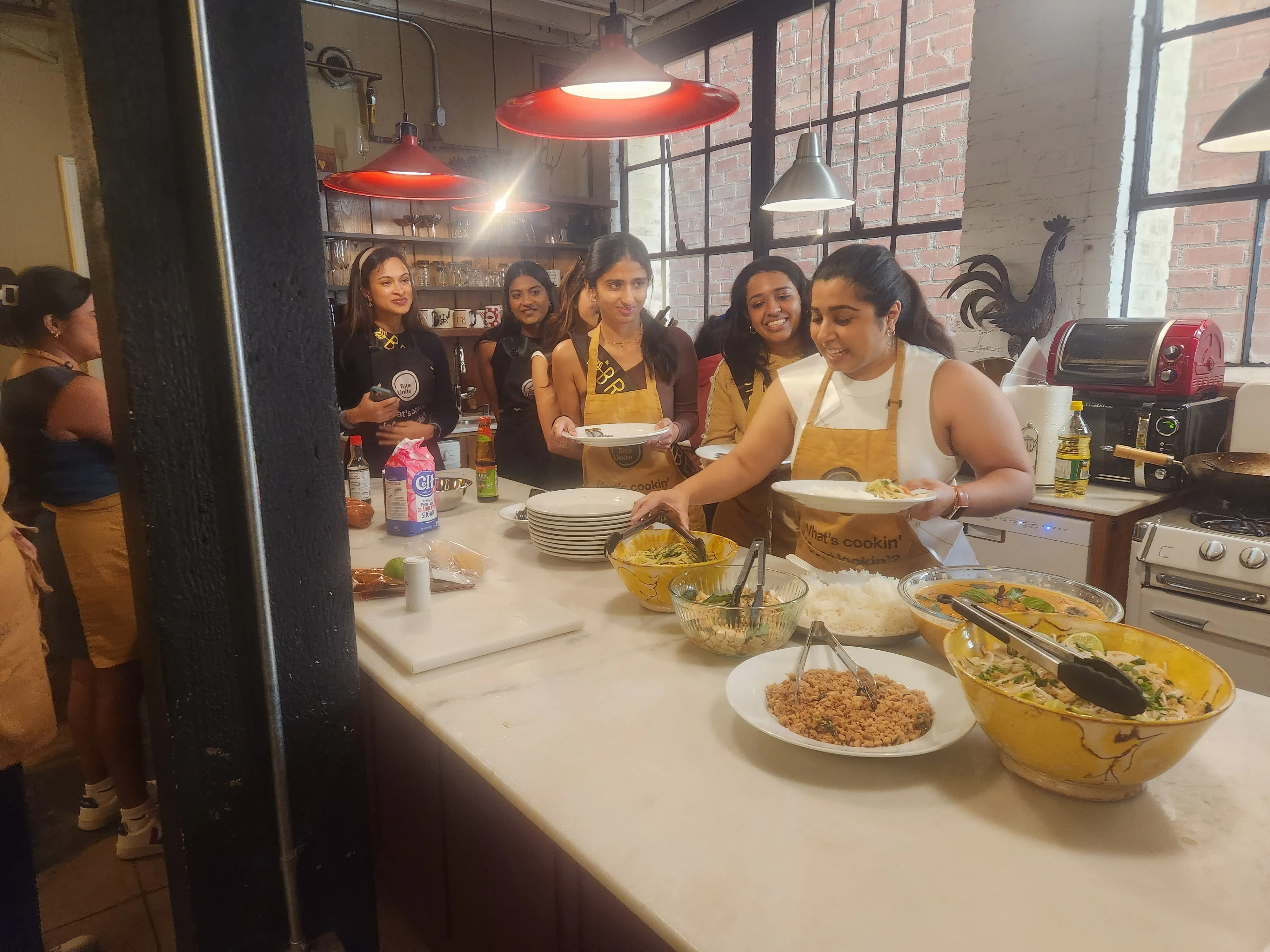
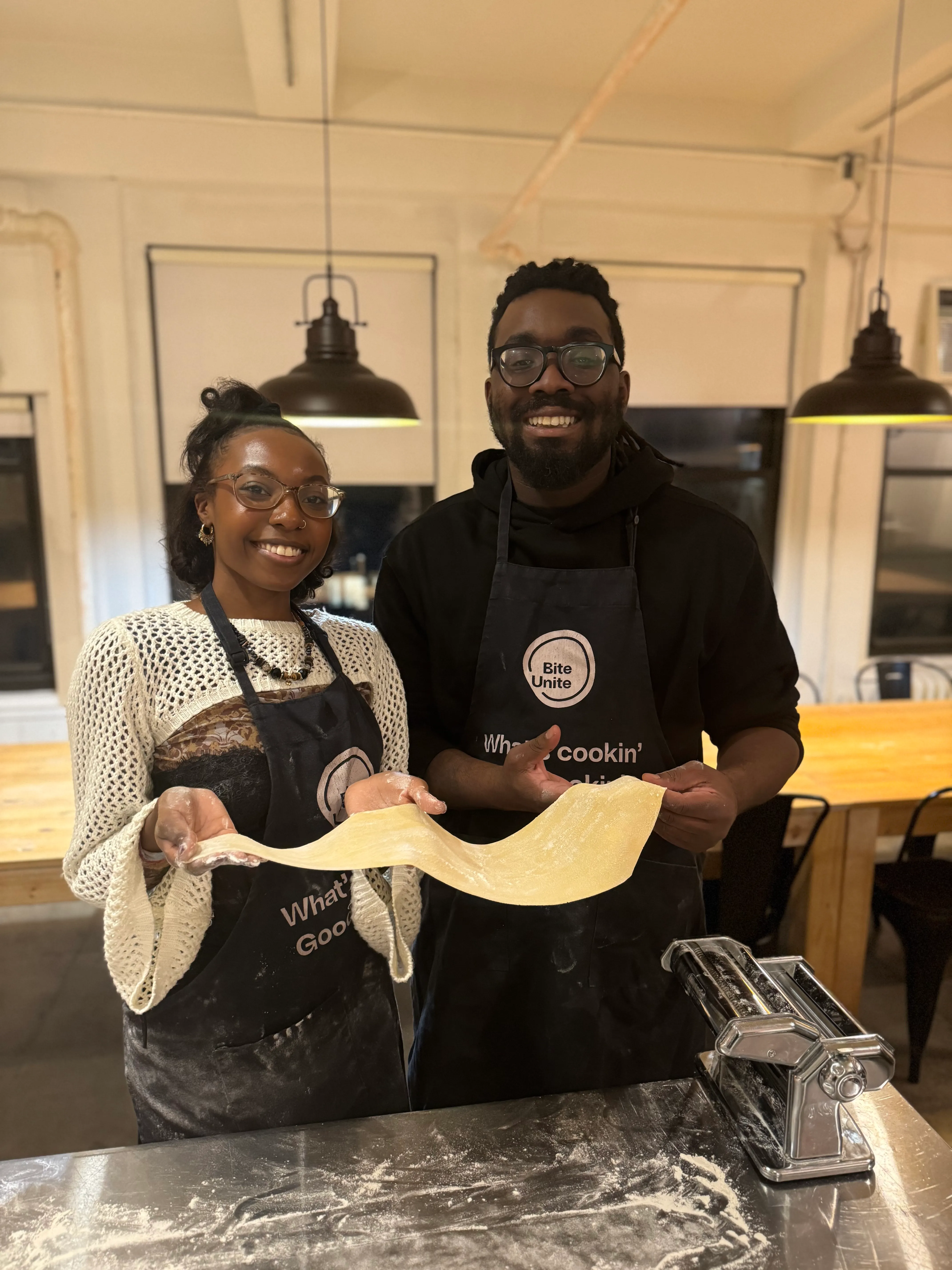
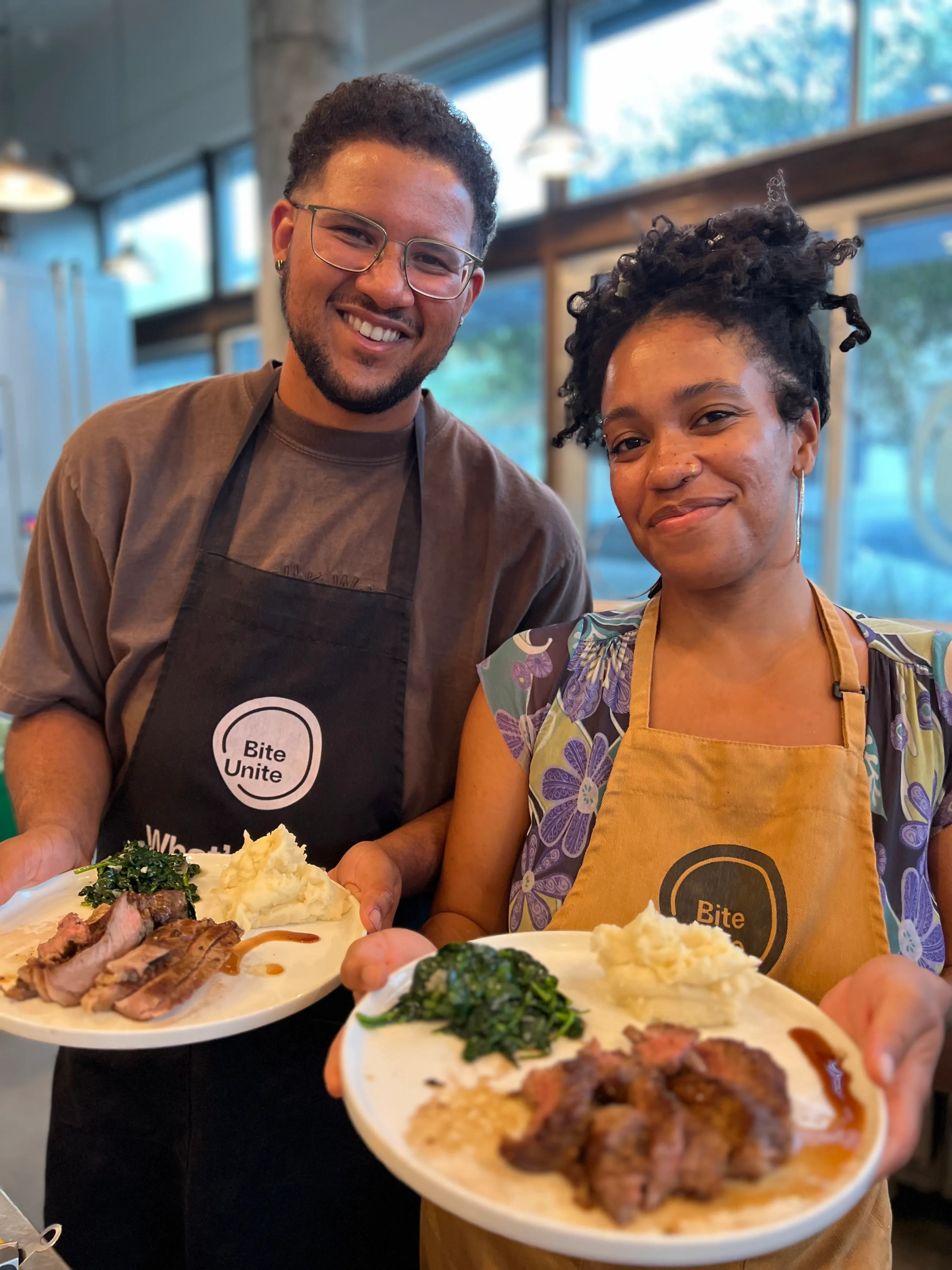
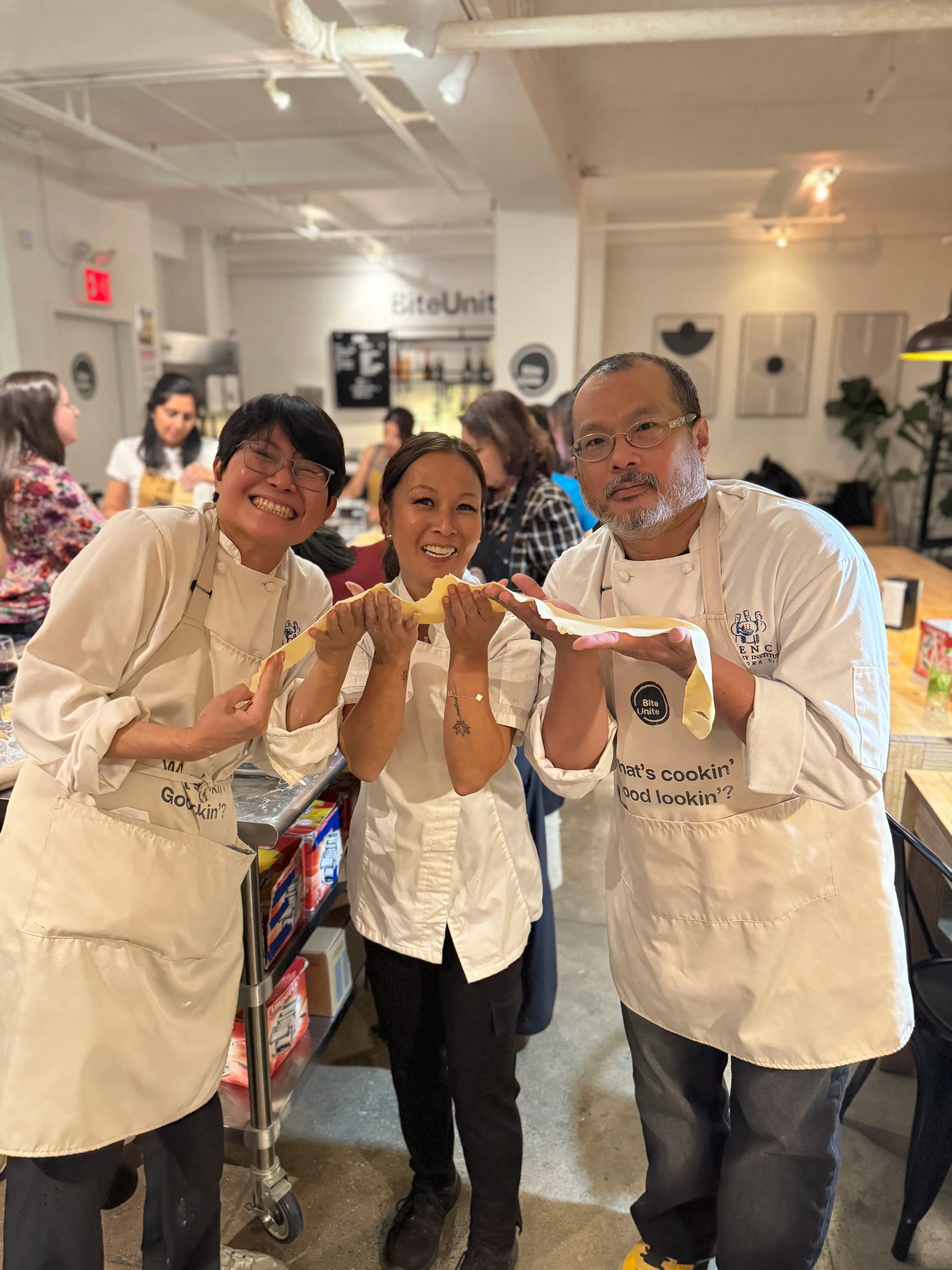
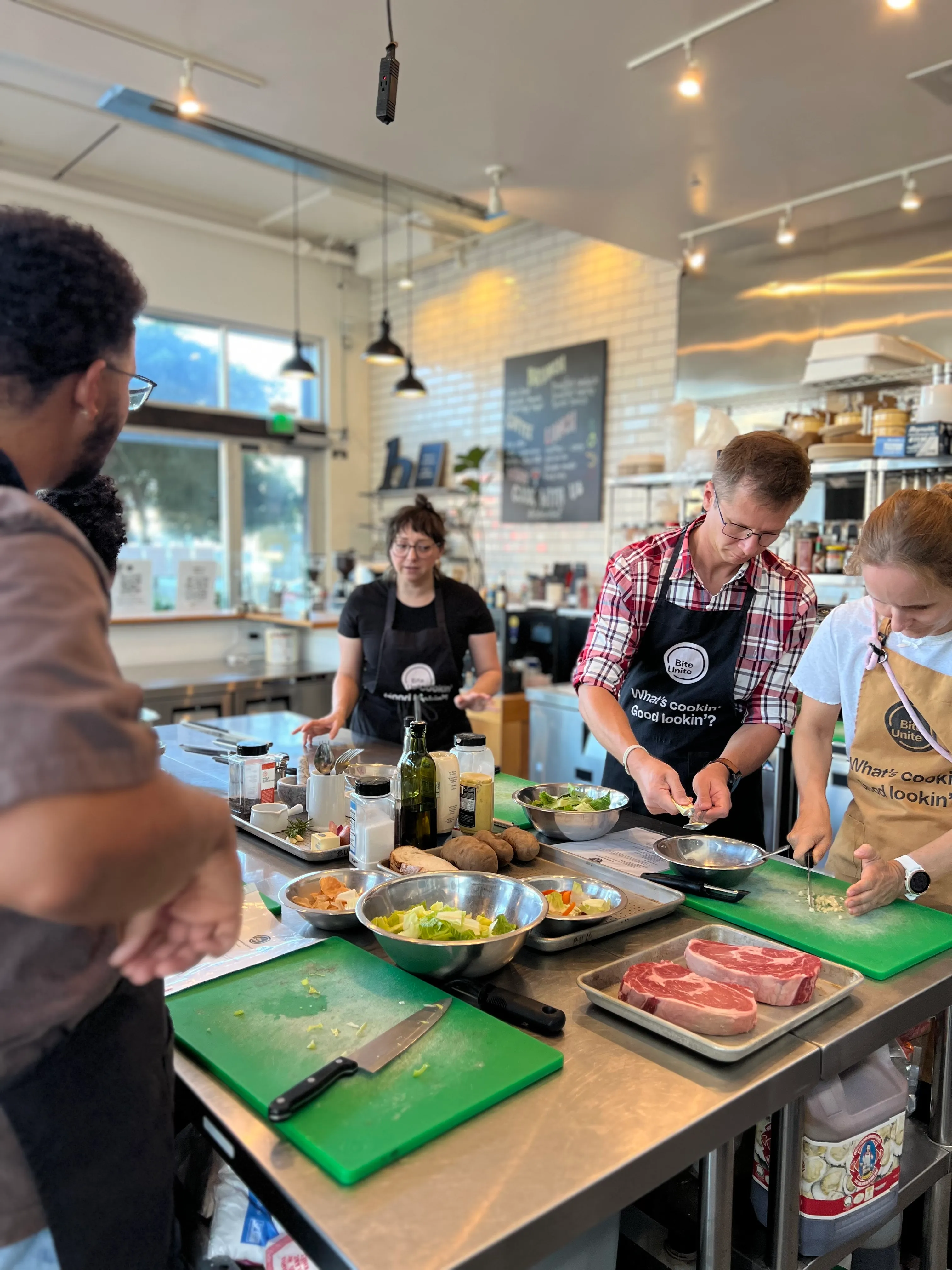
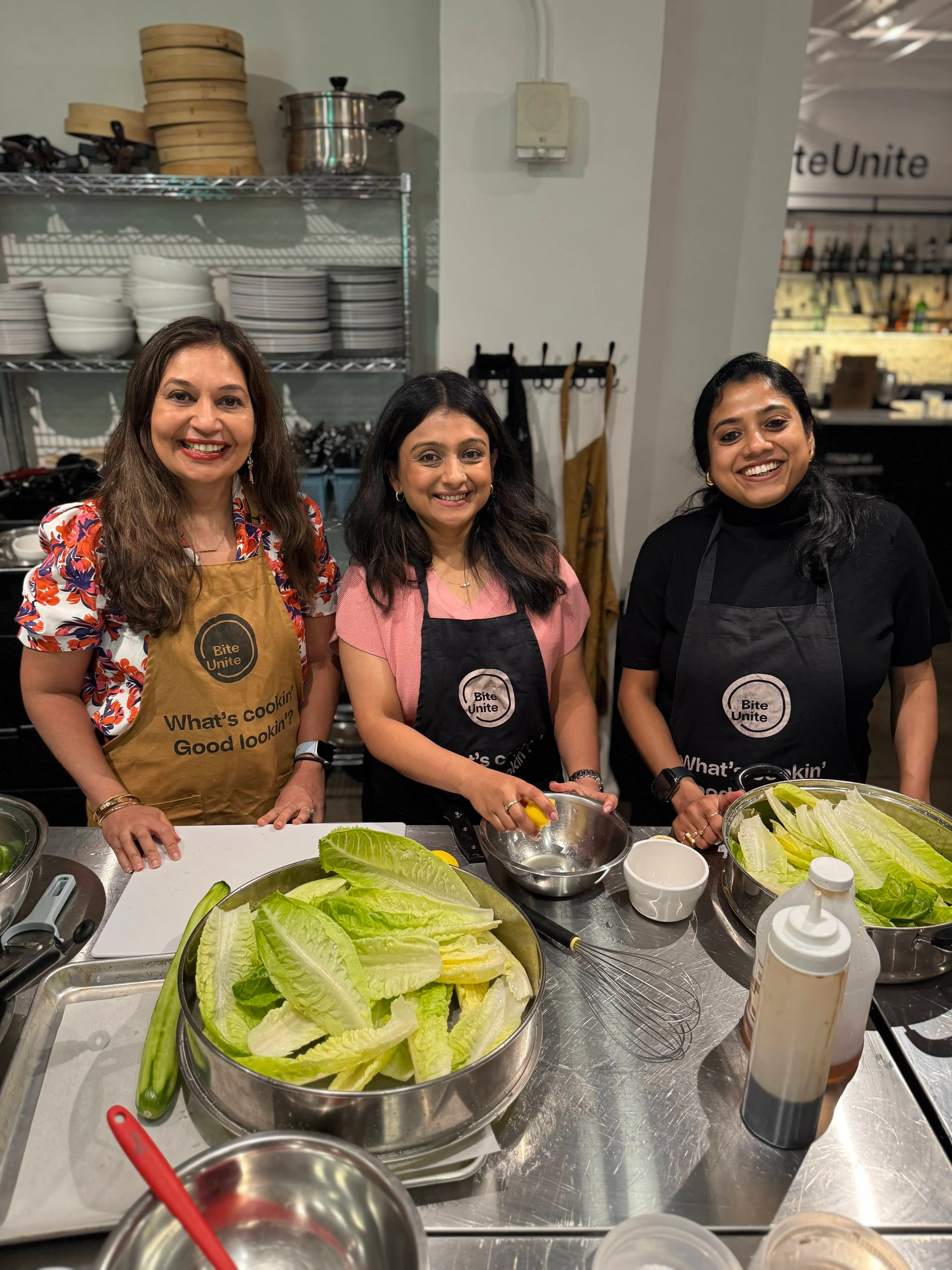
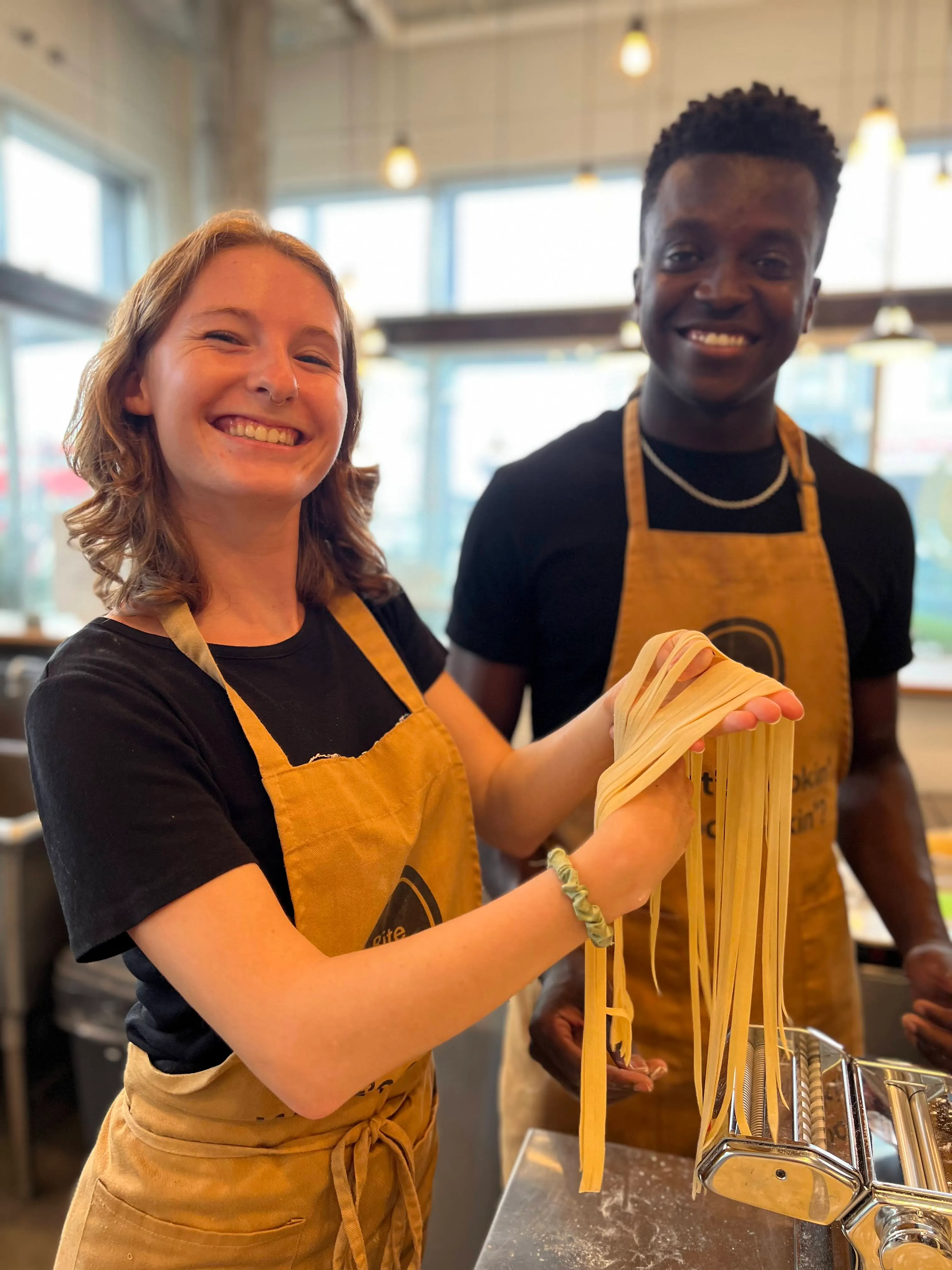
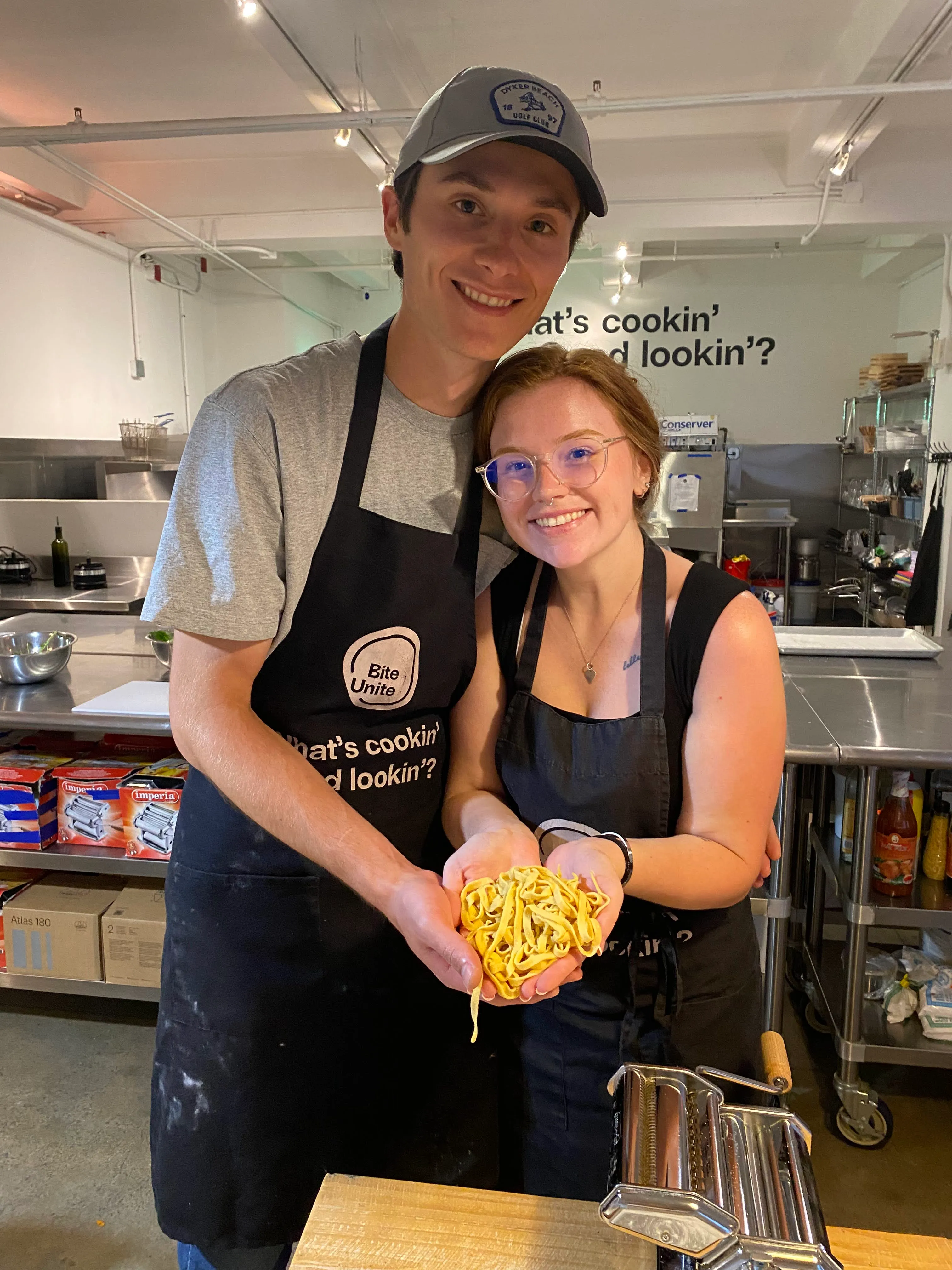
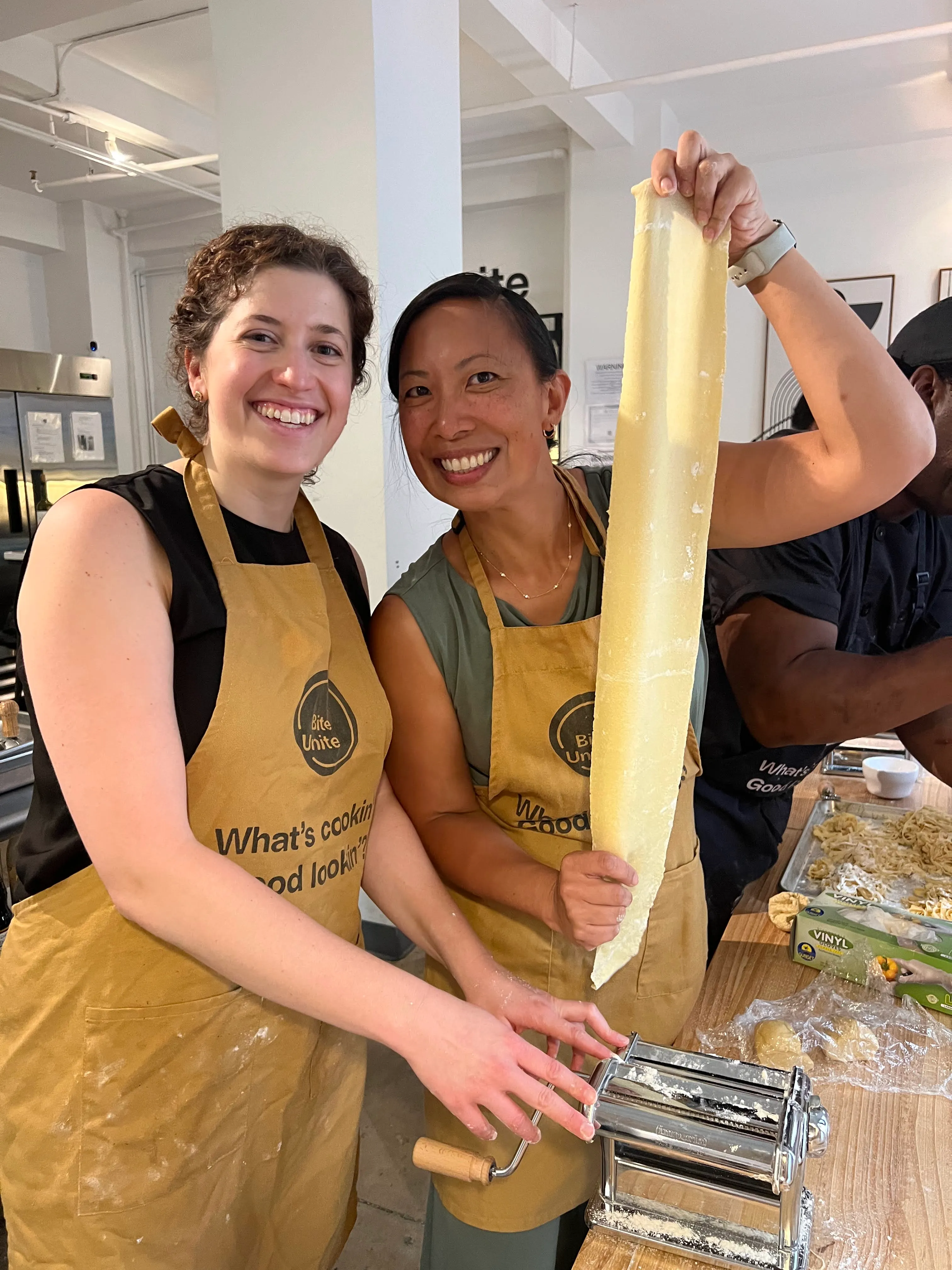
Cooking sessions work particularly well for this because the format forces collaboration by design: someone chops, someone plates, and the team succeeds or stumbles together in real time. That shared, low-stakes struggle builds the kind of psychological safety that team-building consultants spend entire workshops trying to manufacture artificially.
The highest-return line item is usually the shared experience people remember. Cut the nice-to-haves before you touch the facilitated activity itself.
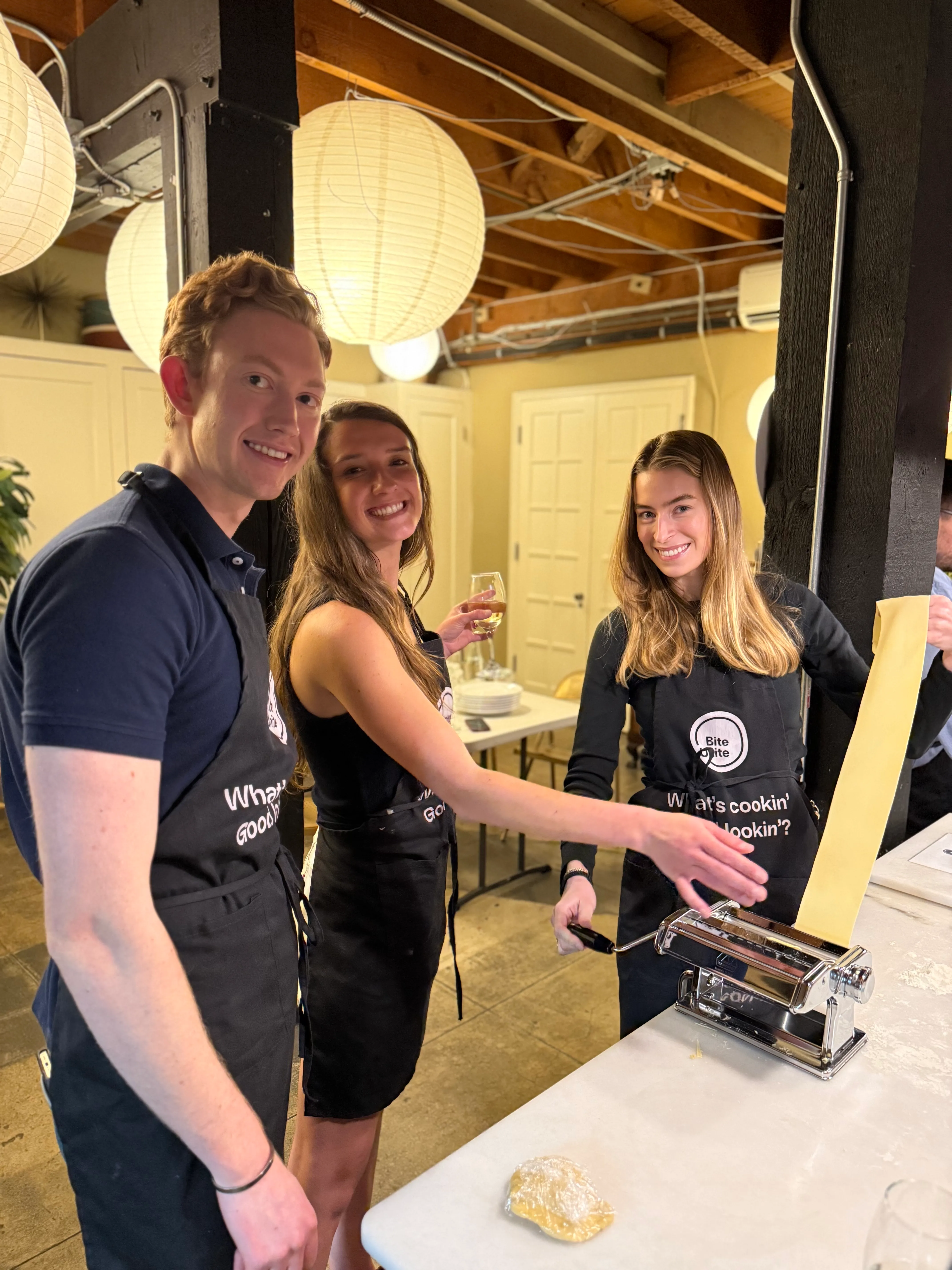
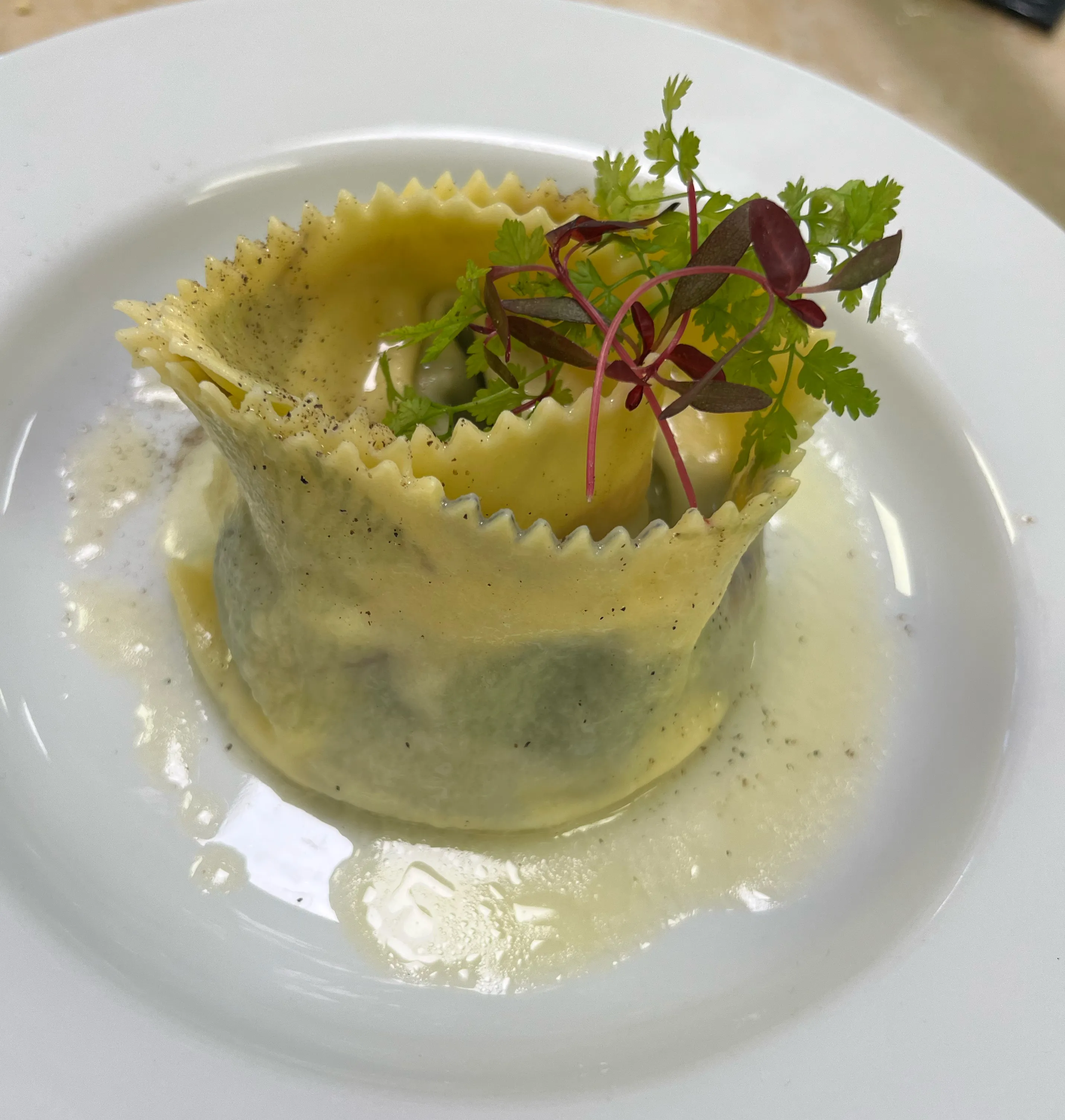
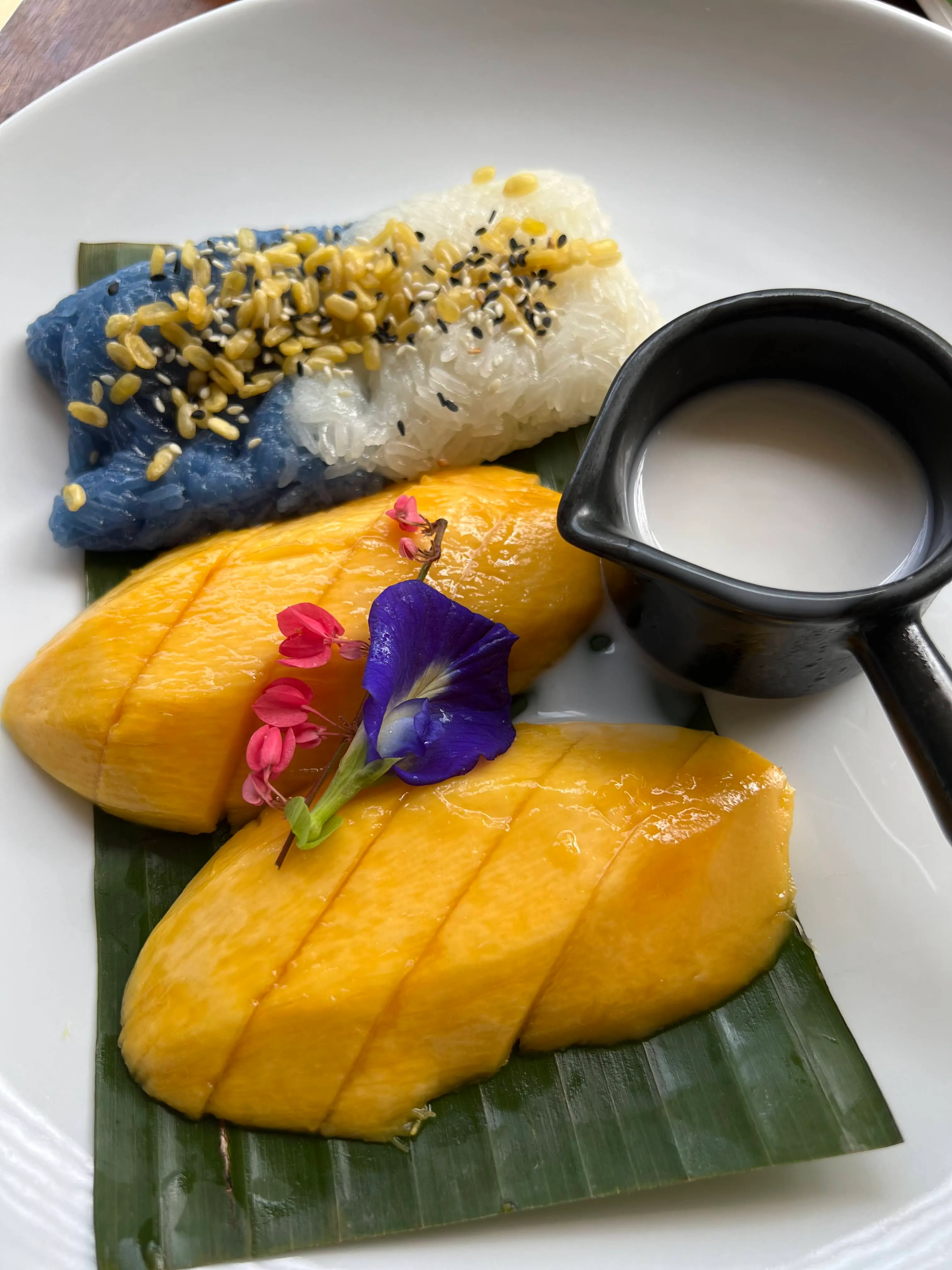
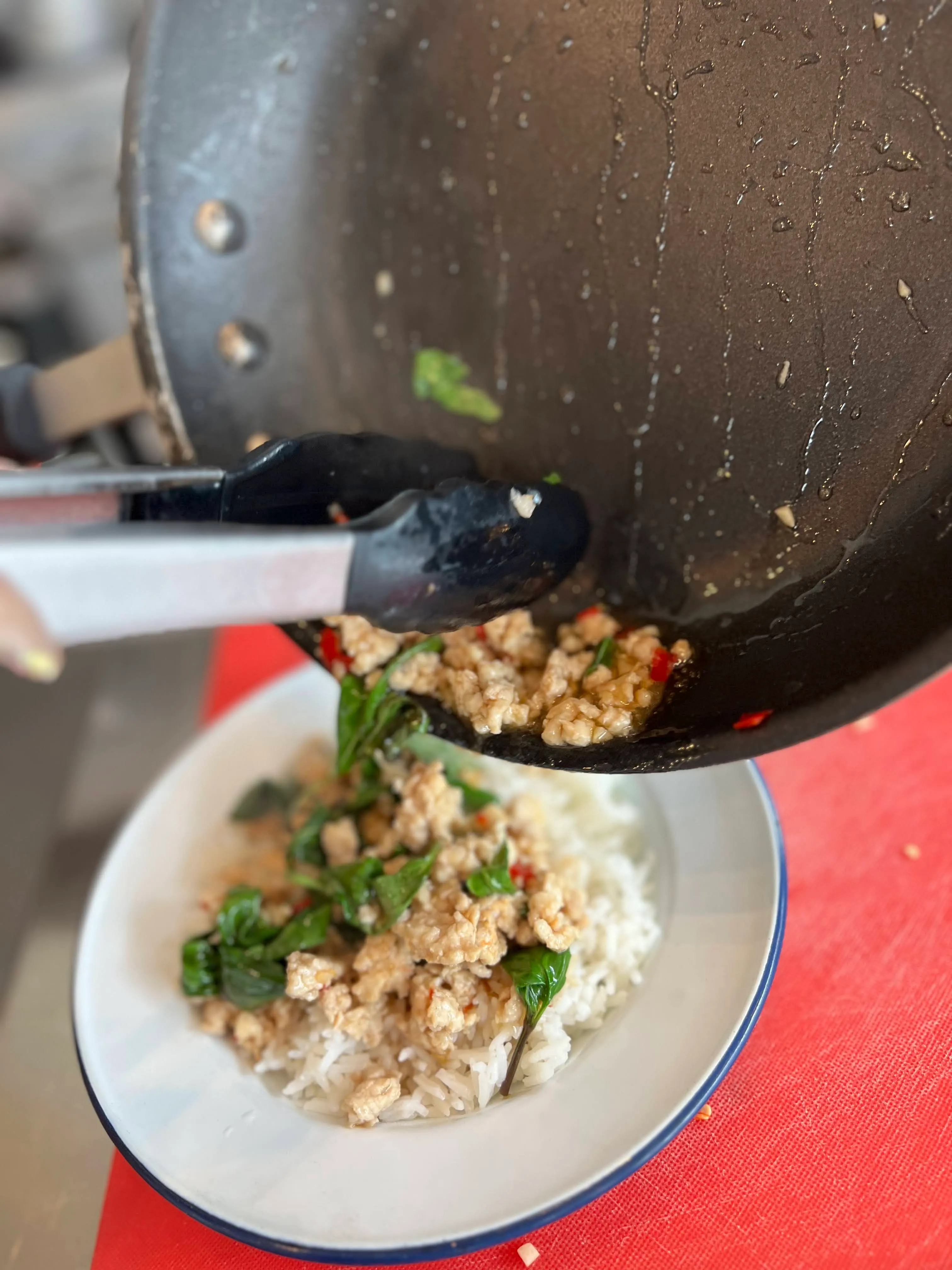
Hands-on culinary sessions like these typically sit squarely in the facilitation and experience tier of the worksheet above, often falling in the mid-range bracket for a half-day or full-day program.
Budgeting for Accessibility and Inclusion
Skipping accessibility planning almost always costs more later, in rebooked venues, rushed catering swaps, or a team member who simply can’t participate. Build it into the line-item budget from the start instead of treating it as an add-on.
On the venue side, confirm step-free access, accessible restrooms, and elevator availability before you sign a contract, not after. That belongs in your venue line item at the quoting stage, not as a change order later.
Food and beverage needs a dietary buffer beyond the standard vegetarian option: allergies, religious dietary requirements, and medical restrictions all need advance notice to caterers, and last-minute dietary accommodation requests routinely carry surcharges. Ask every attendee for dietary and accessibility needs at registration, not at check-in.
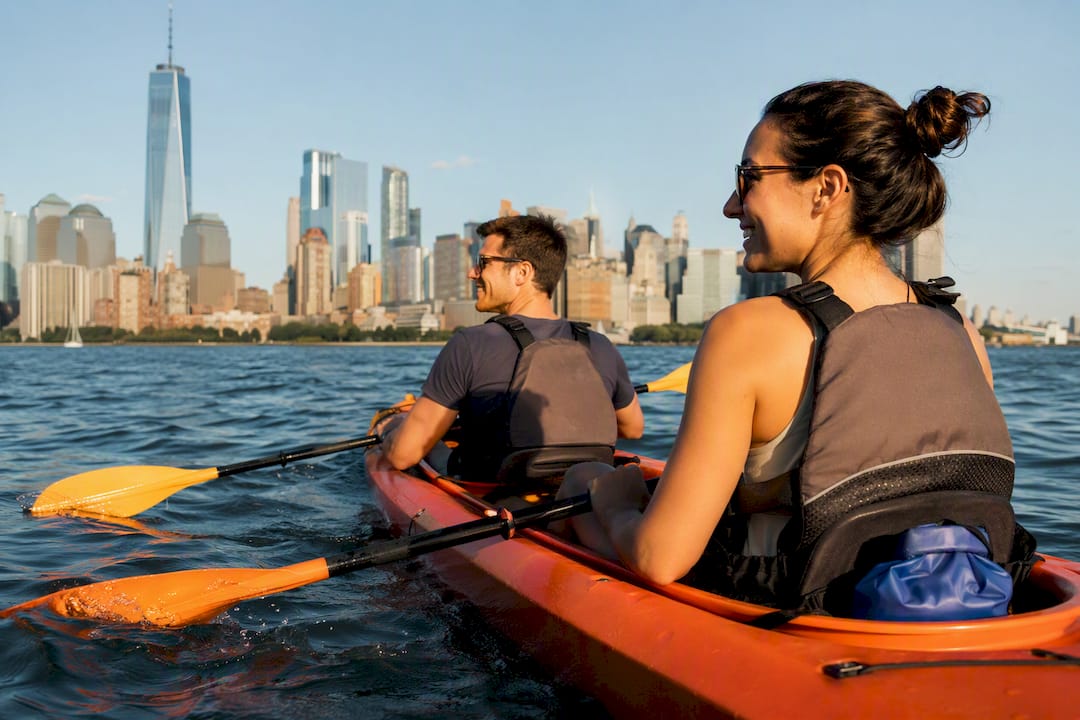
For the facilitation line item, choose activities with built-in flexibility. Hands-on formats like cooking classes generally accommodate mobility differences, sensory sensitivities, and varying skill levels better than physically demanding outdoor activities, since roles within a kitchen team (prep, plating, tasting, coordinating) can flex to fit who’s in the room. Budget a small materials allowance for adaptive equipment if needed, and always confirm interpretation or captioning needs for any virtual component well before the event date.
Planner Perspective: Where the Real Money Gets Wasted
Most budget overruns come from three predictable mistakes: cutting facilitation to save 15%, then losing the entire point of the day; ignoring attrition clauses in hotel contracts; and eating last-minute AV or shipping fees that a locked quote would have avoided. Negotiate room-block release dates and F&B minimums before you sign, not after.
— Patta
Ready to Book the Experience Line Item?
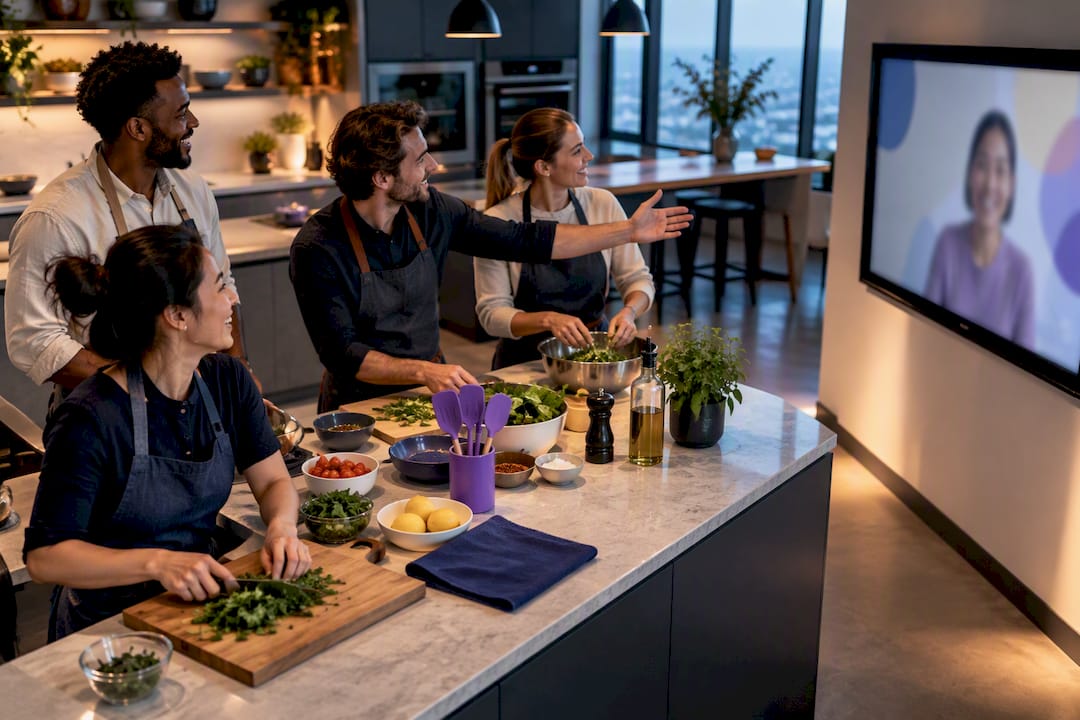
Once you’ve built your worksheet and locked your facilitation budget, the next question is simple: what actually delivers on that line item? Hands-on, chef-led cooking classes built specifically for corporate teams are available in several major cities, plus online sessions for distributed teams who can’t gather in one city.

A cooking class solves the exact problem the worksheet above is built around: it forces real collaboration (someone chops, someone plates, everyone eats together) at a price that fits squarely in the mid-tier facilitation bracket, without the venue hunting and vendor juggling a full retreat demands. It works well for groups from 10 to 75+, and it scales cleanly from a half-day in-office booking to a full private event.
If your team is based in the Bay Area, check corporate team building workshops in San Francisco. Distributed teams can book the online culinary experience instead. Everyone else can start at the corporate cooking and team-building page to check dates and get a quote for your group size.
Sources
For citable numbers in your own budget document, lean on the corporate retreat budget worksheet, turnover-cost research from wearespin.com, and pricing benchmarks from TeamBonding. For sensory design principles behind memorable group activities, see this culinary experience guide.
FAQ
What Is the Average Cost of a Team Building Event?
Most in-person events run $75 to $500 per person depending on format, while virtual sessions typically cost $45 to $150 per person. Multi-day retreats range from $2,500 to $8,000+ per person depending on destination and duration.
Are Team Building Events Worth the Cost?
They’re worth it when tied to a specific outcome like retention or communication, since voluntary turnover can cost 6 to 9 months of an employee’s salary. A facilitated, hands-on experience like a cooking class tends to deliver more measurable engagement than a generic mixer at a similar price point.
How Much Should I Budget per Person for a Corporate Event?
Budget in the moderate to higher per-person range for in-office programs, and a broader range for retreats depending on venue, food, and travel included.
How Do I Charge or Budget for a Group of 10 to 20 People?
Groups this size typically start with a total of several thousand dollars for an in-person program, since fixed costs like facilitation and venue don’t shrink much with a smaller headcount. Per-person cost drops noticeably once your group grows past 25 to 30 attendees.



























































.webp)