Pasta Making Class in San Francisco Guide and Booking Tips
San Francisco is one of the best food cities in the country, and fresh pasta has a special place in it. You can find handmade tagliatelle on menus from the Marina to the Mission. But eating great pasta and making it yourself are two very different things. A pasta making class in San Francisco closes that gap. In a few hours you go from a pile of flour to a plate of noodles you made with your own hands.
This guide covers everything you need to know before you book. You will learn what actually happens in a class and how to pick the right format. We also share tips to help you get the most out of the experience, plus ideas for what to do once you are home.
Why Take a Pasta Making Class in San Francisco
There are plenty of ways to spend an evening in this city. So why pick a pasta class over dinner out or a show? The biggest reason is that you leave with a real skill. A restaurant meal ends when the check comes. A pasta class keeps paying off every time you cook at home.
Pasta is also one of the most forgiving foods to learn. It uses simple ingredients, and the steps are easy to follow once someone shows you. You do not need special knife skills. You do not need expensive tools. Most first timers are surprised by how good their pasta turns out on the very first try.
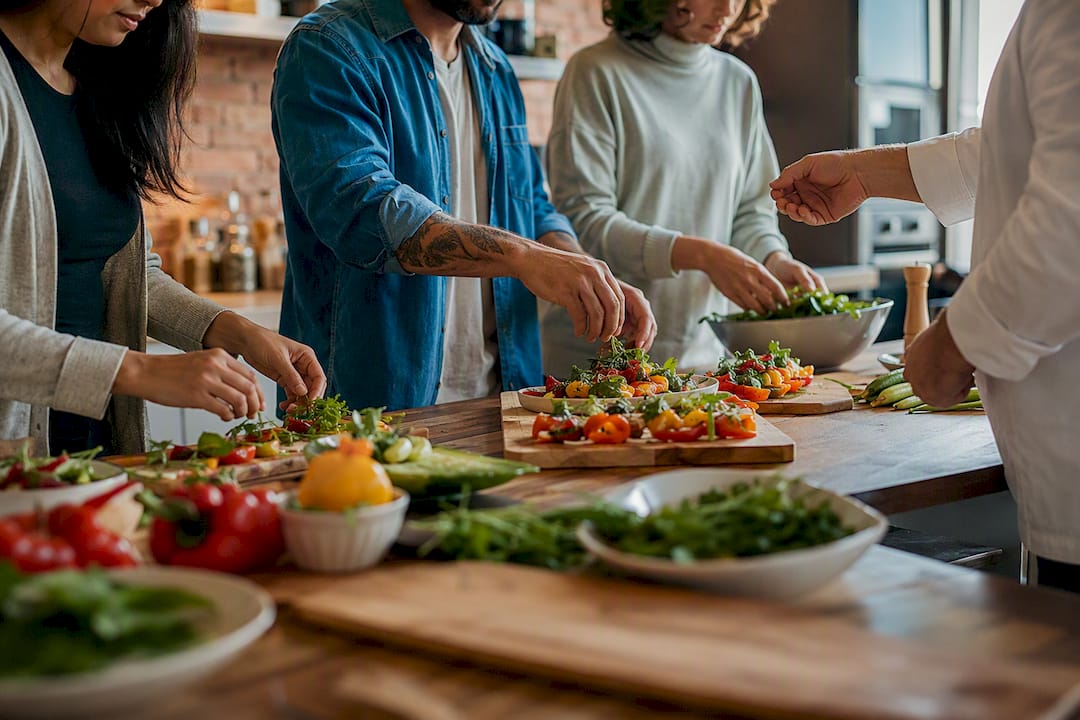
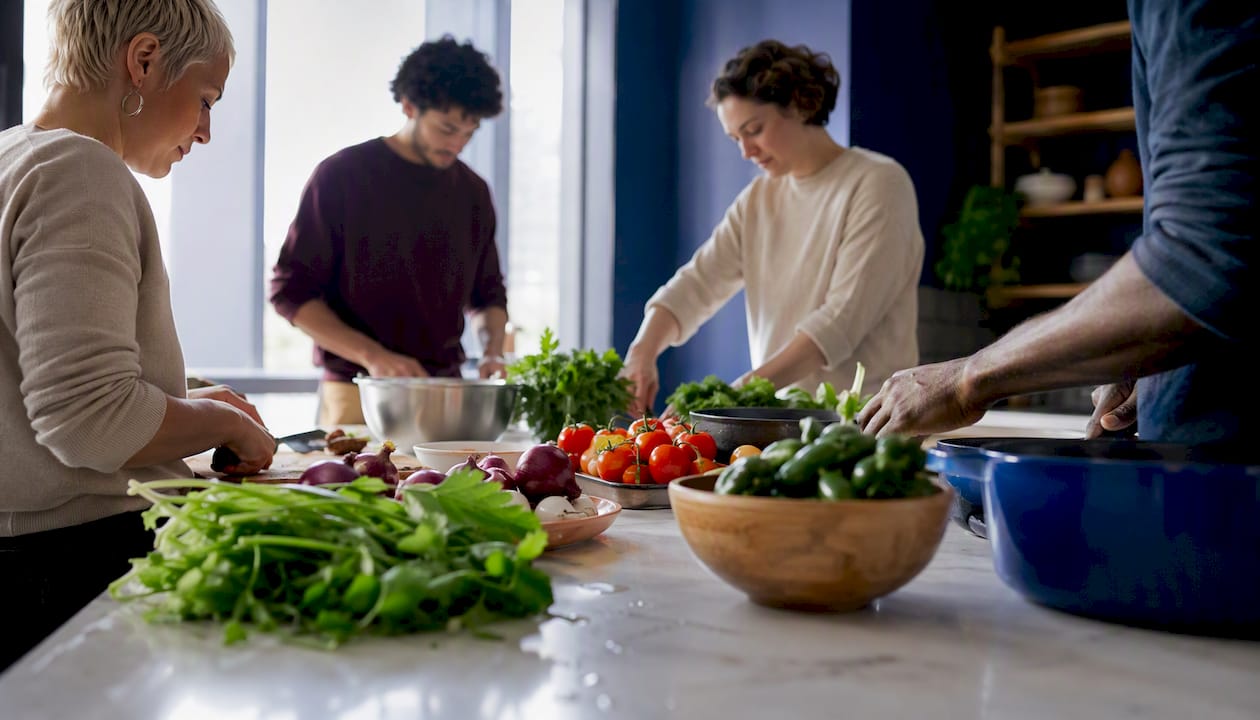
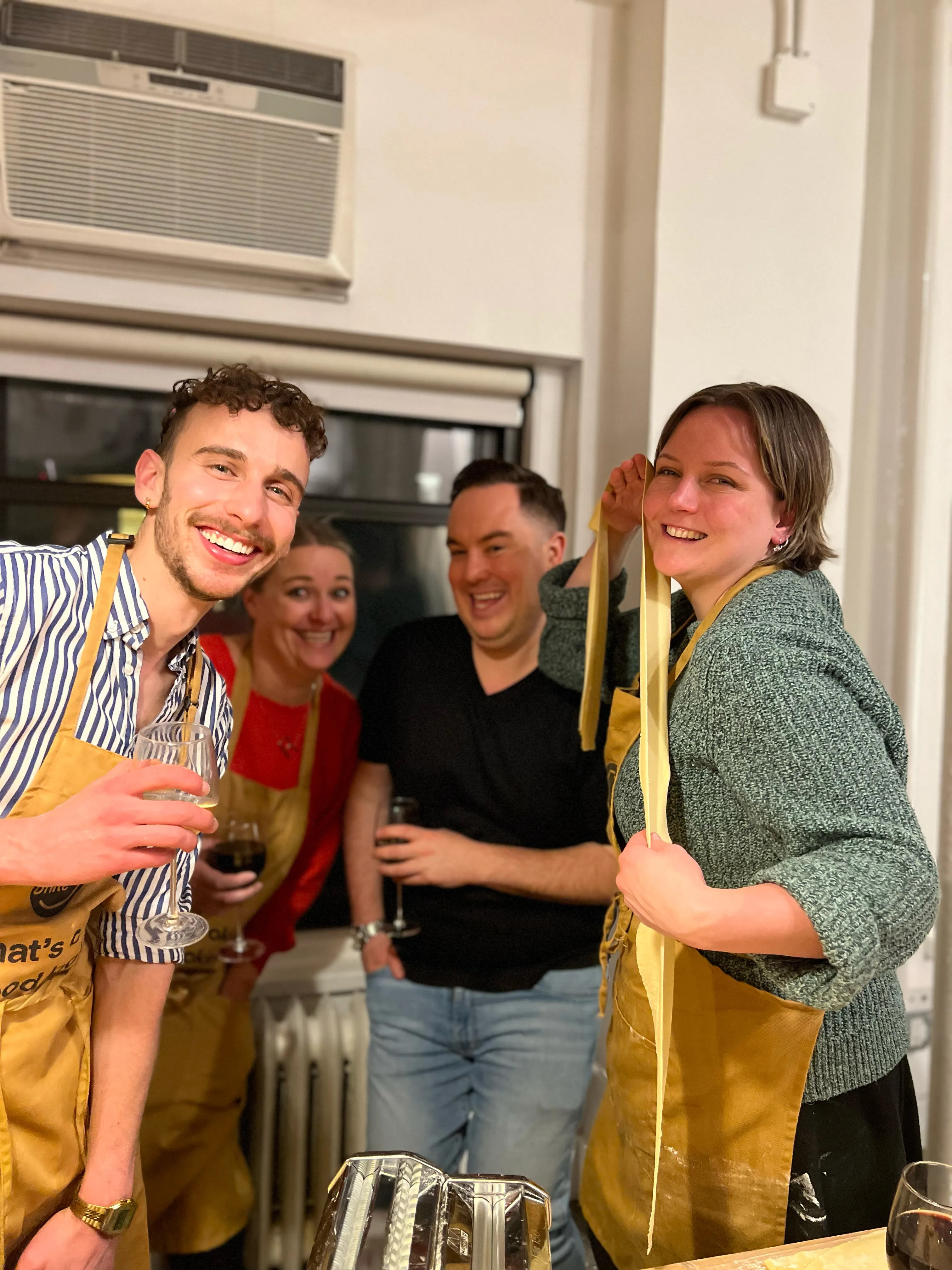
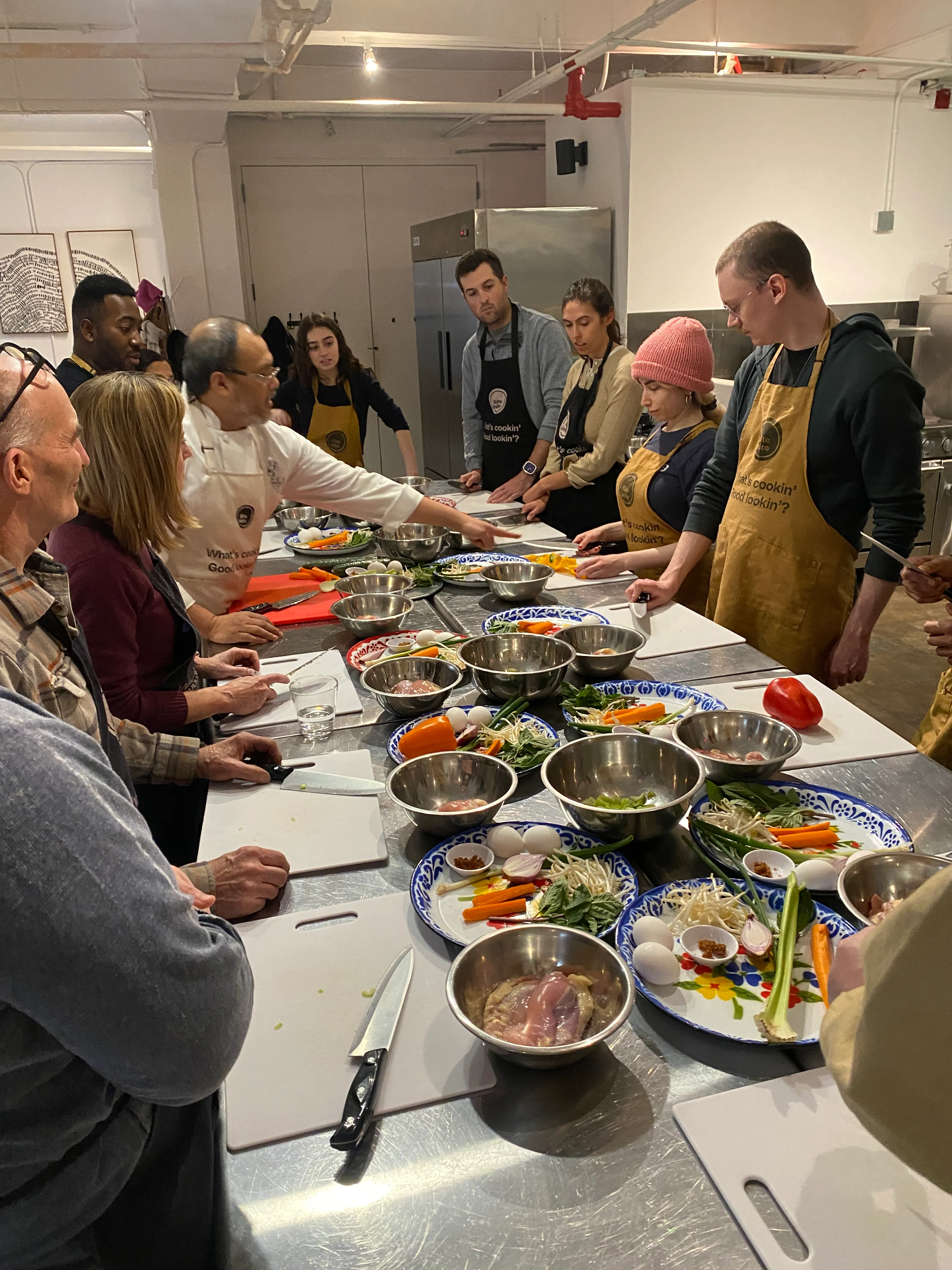
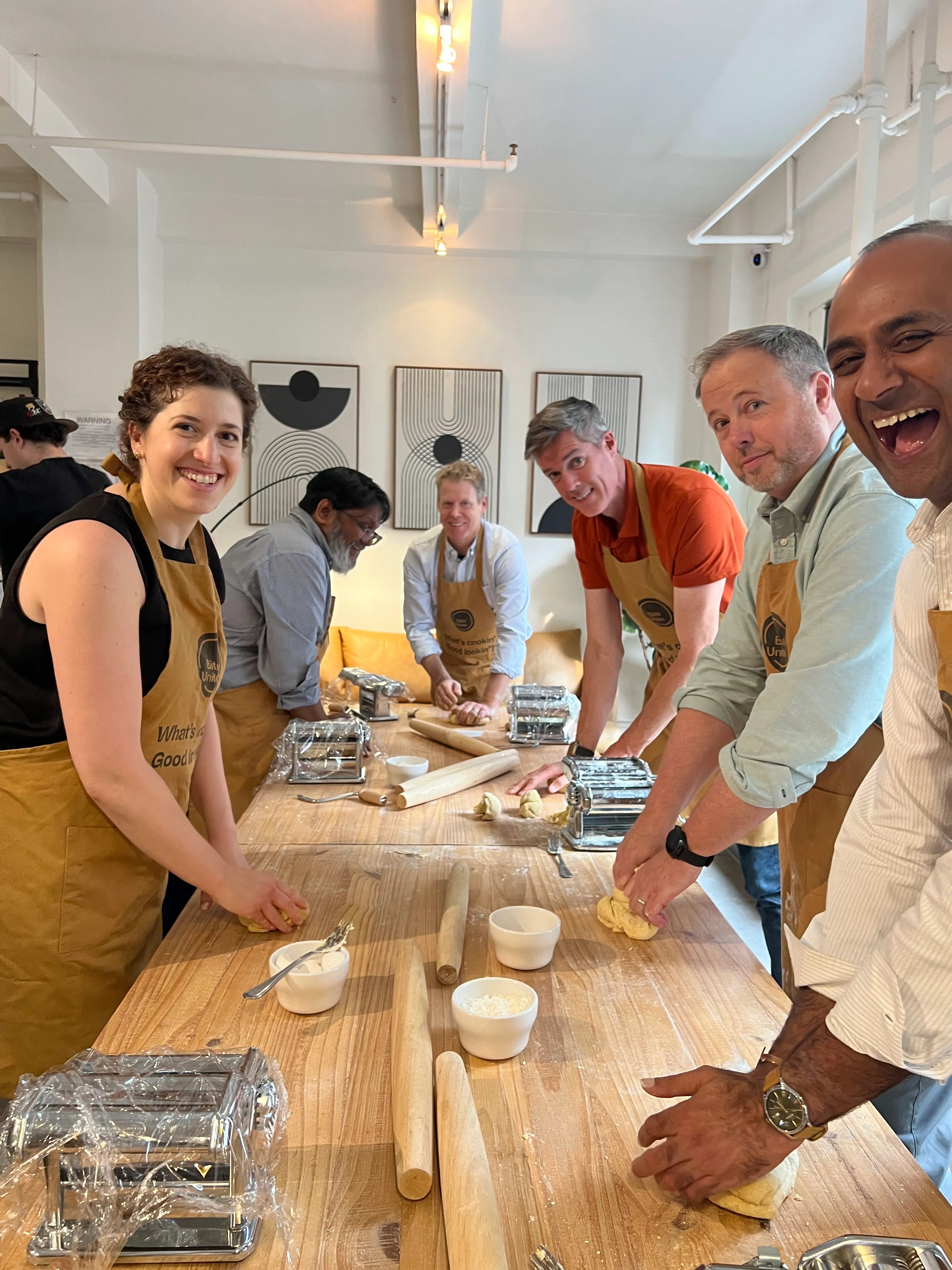
The social side matters too. Cooking with other people breaks the ice in a way that sitting at a table does not. You compare shapes and laugh at the mistakes. By the end, the room feels more like a dinner party than a class.
Finally, San Francisco has deep Italian roots. The city's historic Italian neighborhood, North Beach, grew into the heart of the local Italian American community after the 1906 earthquake. Learning to make pasta here connects you to more than a century of local food culture.
What Happens in a Typical Pasta Class
Every class is a little different, but most follow the same basic flow. Knowing what to expect helps you relax and enjoy it.
Making the Dough From Scratch
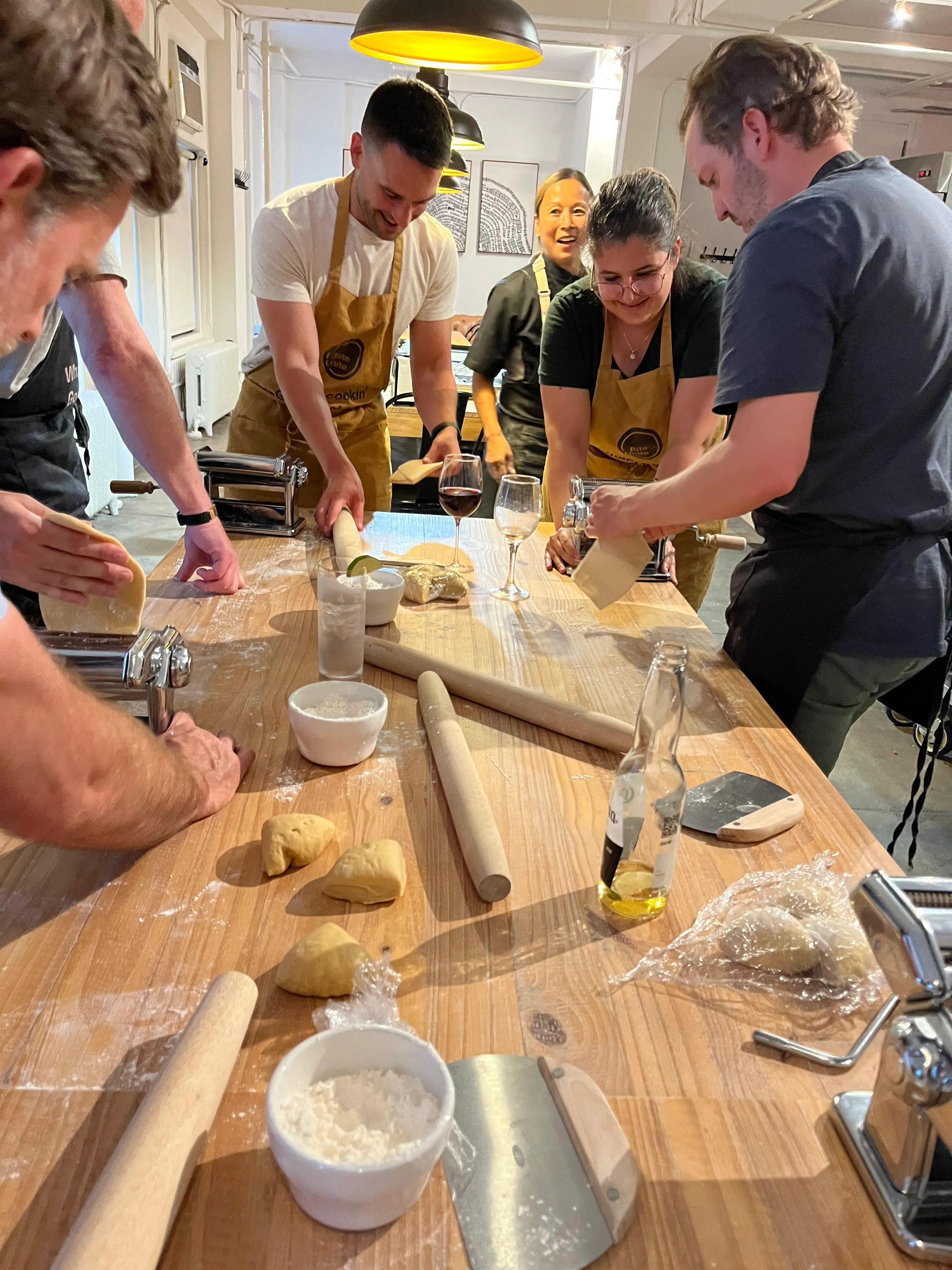
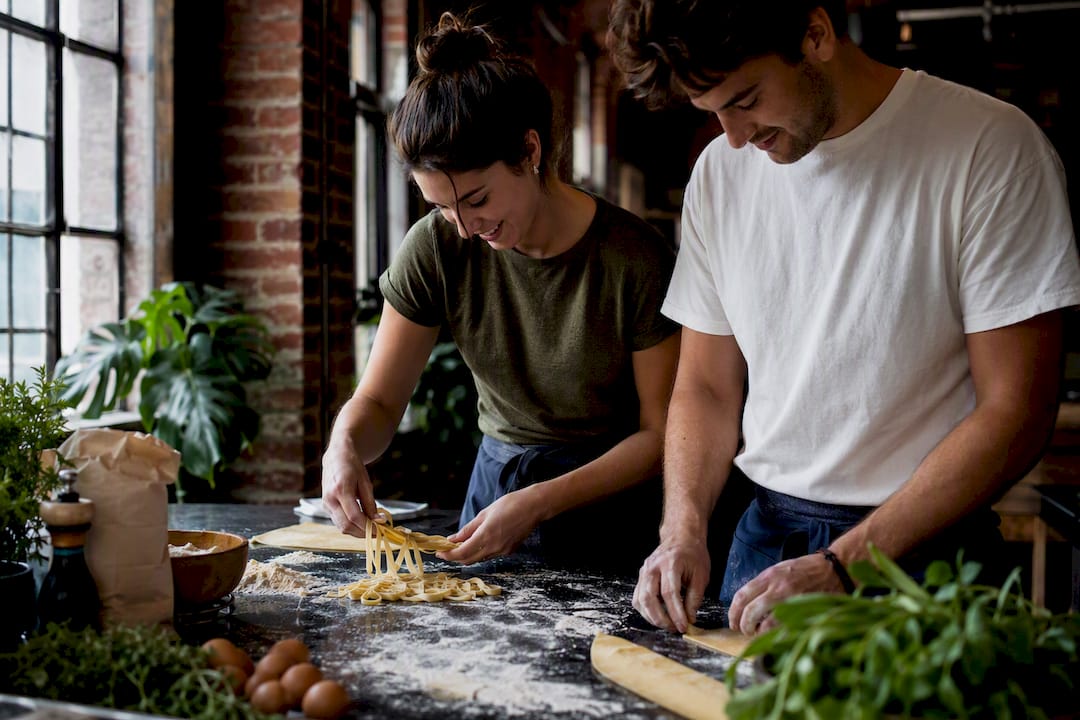
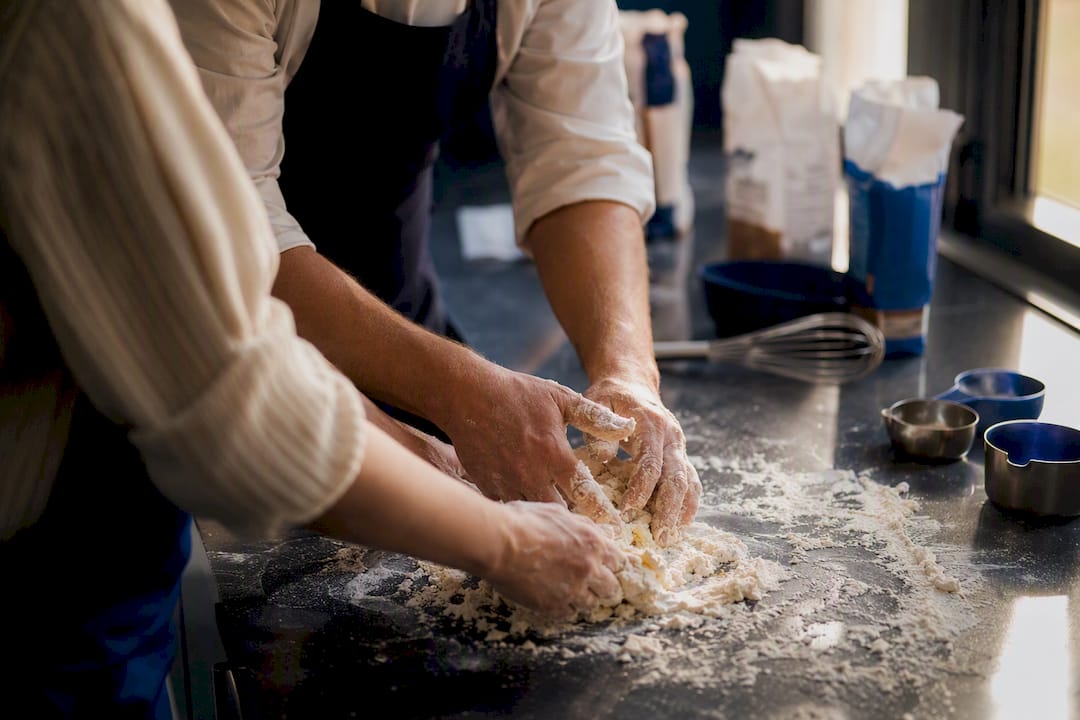
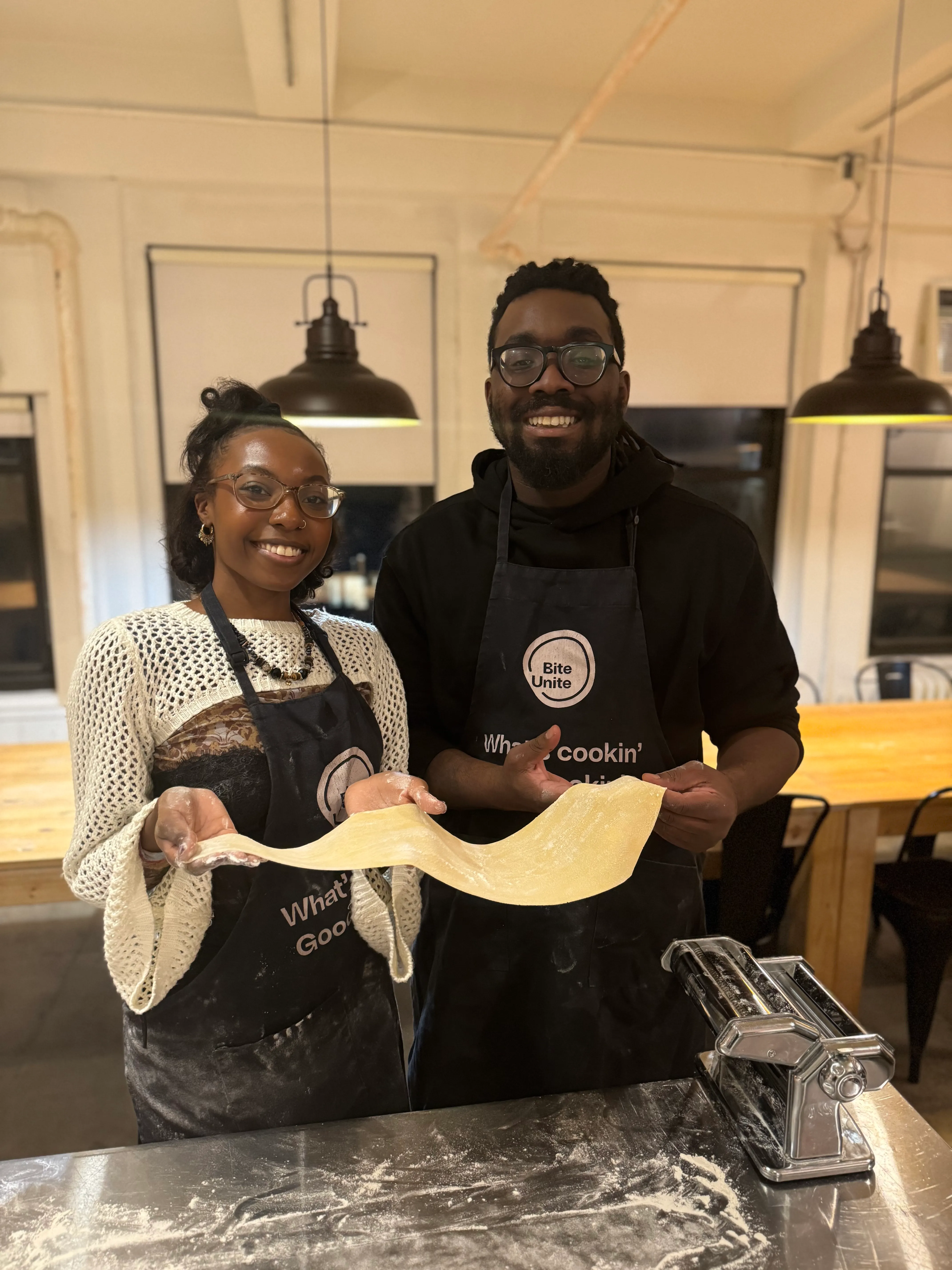
Class usually starts at the counter with flour and eggs. The instructor shows you how to build a well in the flour and crack the eggs into the center. Then you slowly pull everything together with a fork. It looks messy at first. Then, after a few minutes of kneading, the shaggy mix turns into a smooth ball of dough.
Your teacher will explain why the dough needs to rest. Resting lets the gluten relax so the dough rolls out thin without snapping back. While it rests, many classes move on to the sauce.
Rolling and Shaping the Pasta
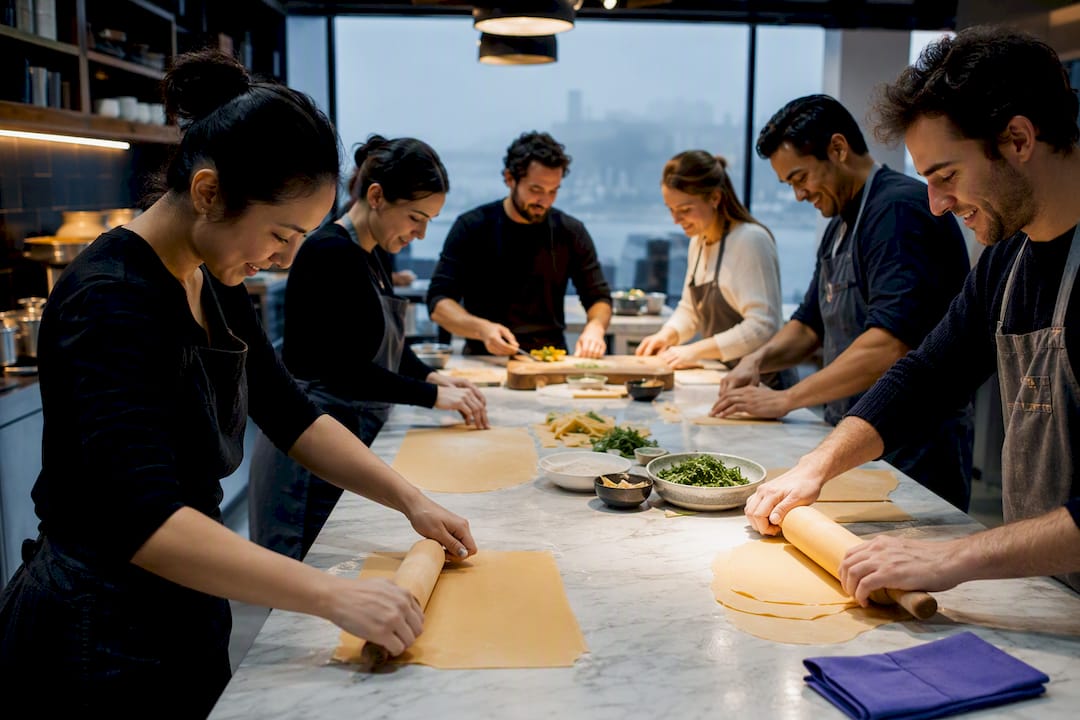
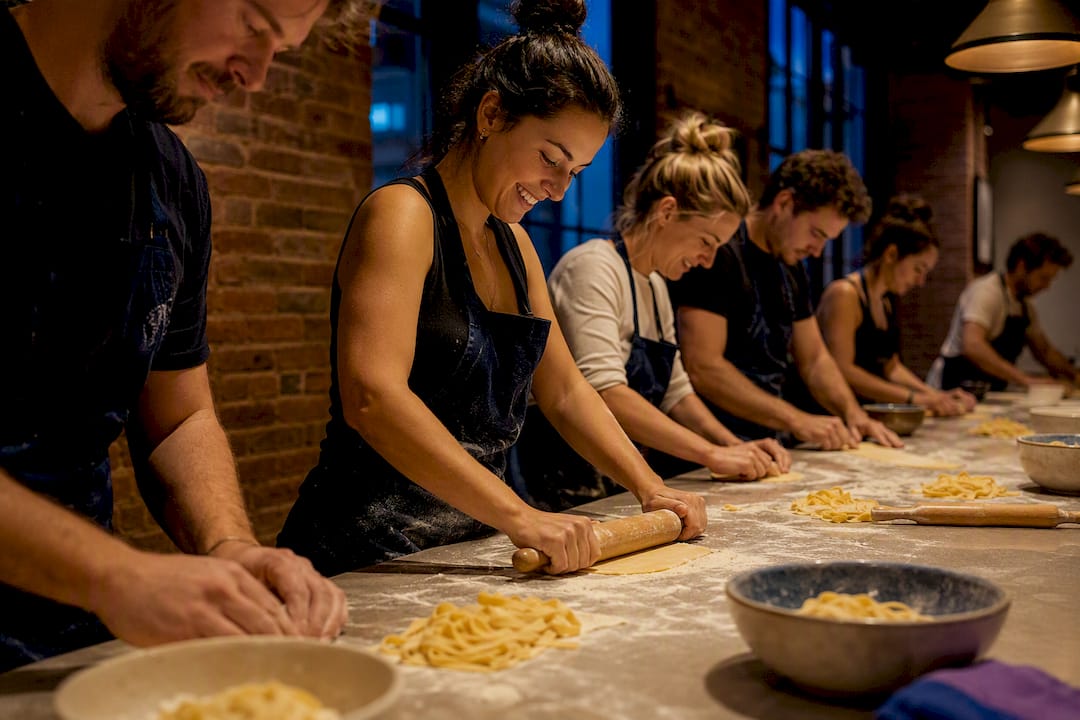
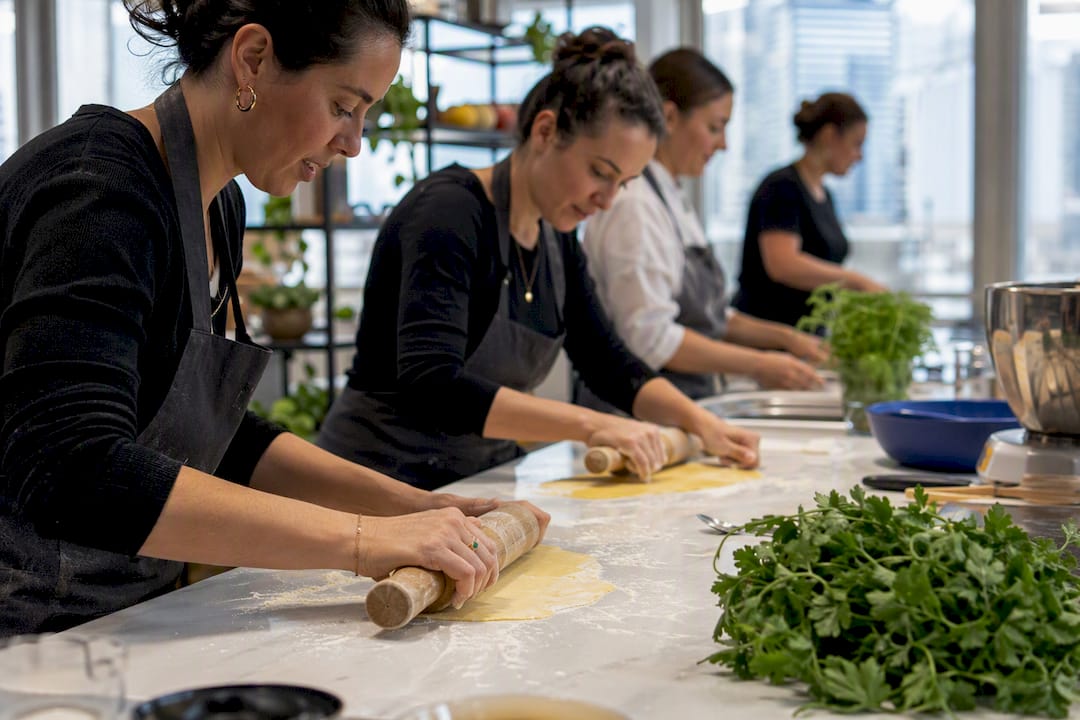
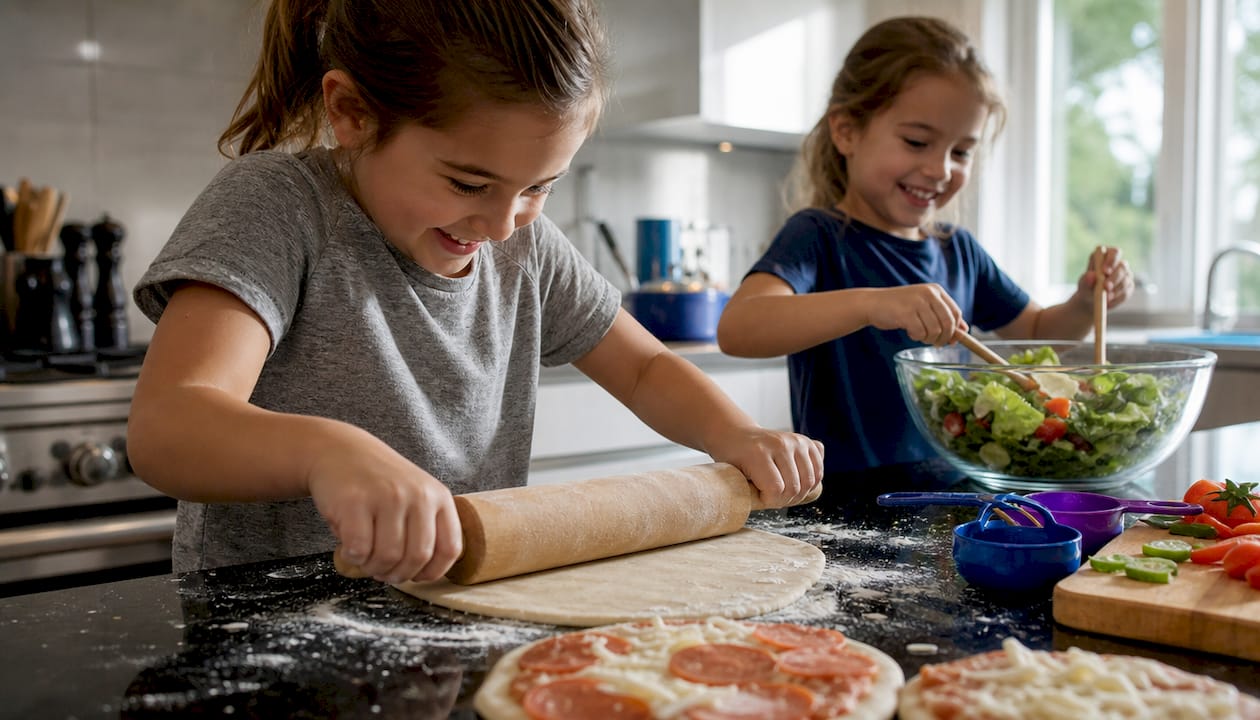
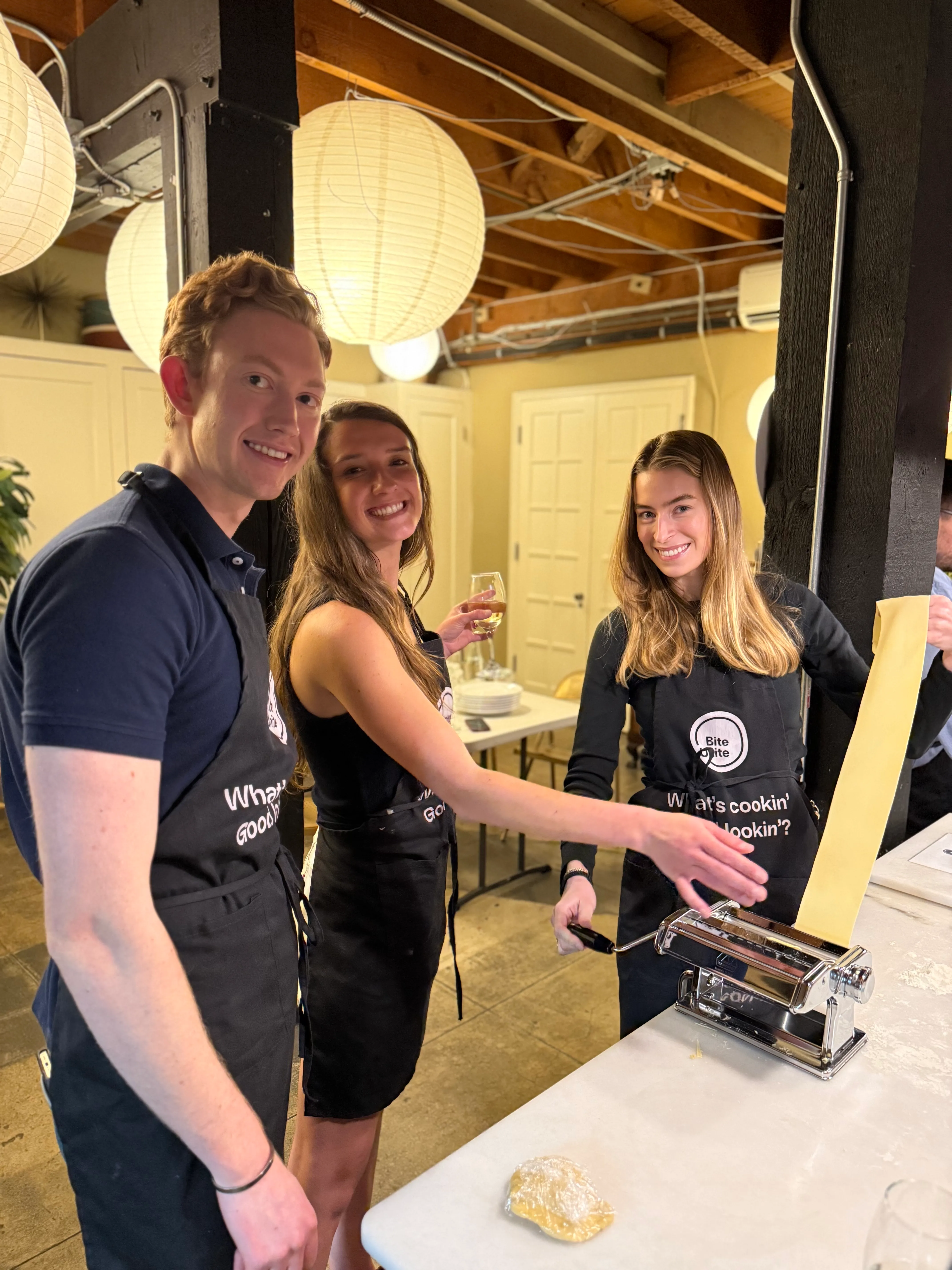
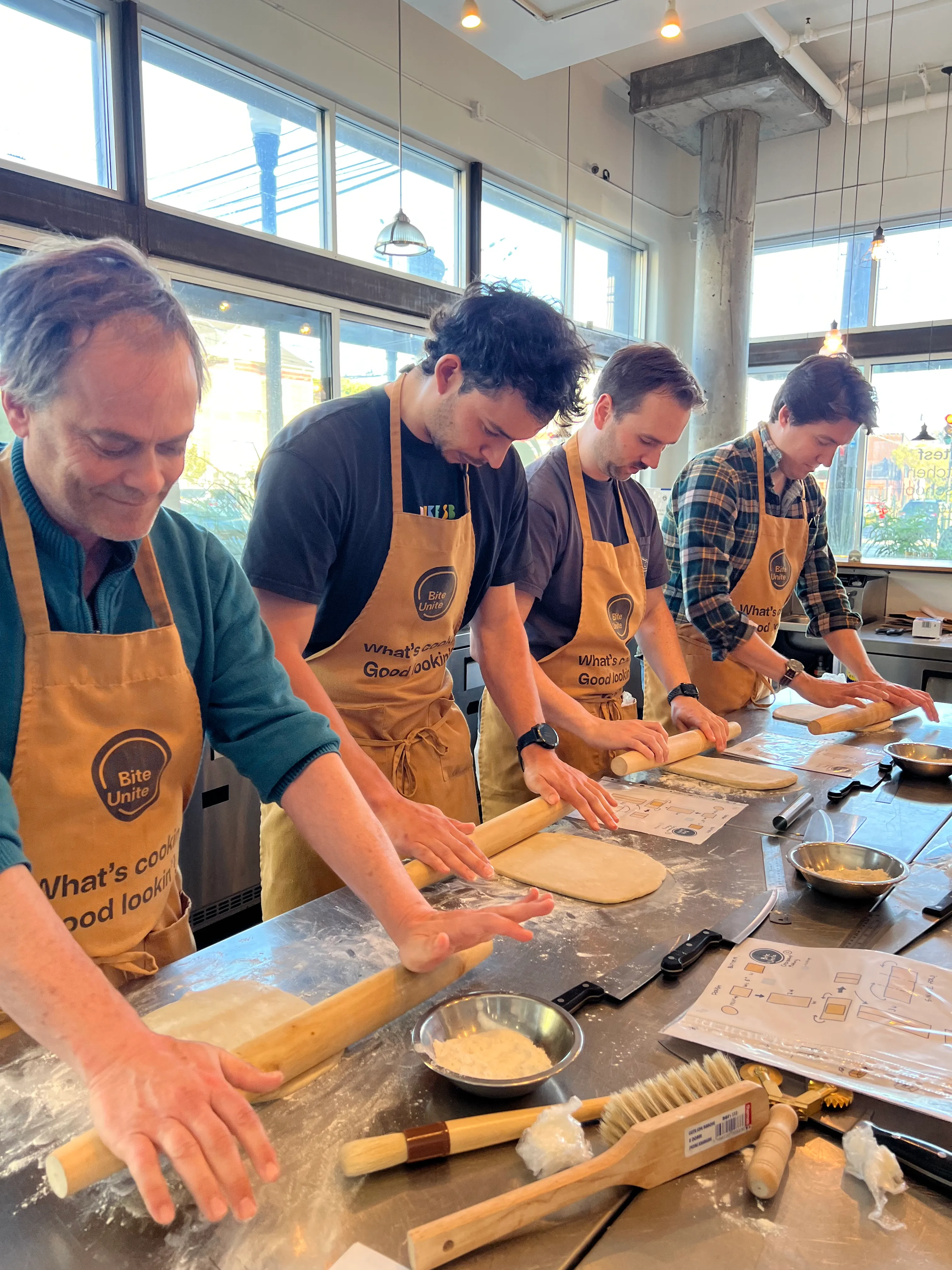
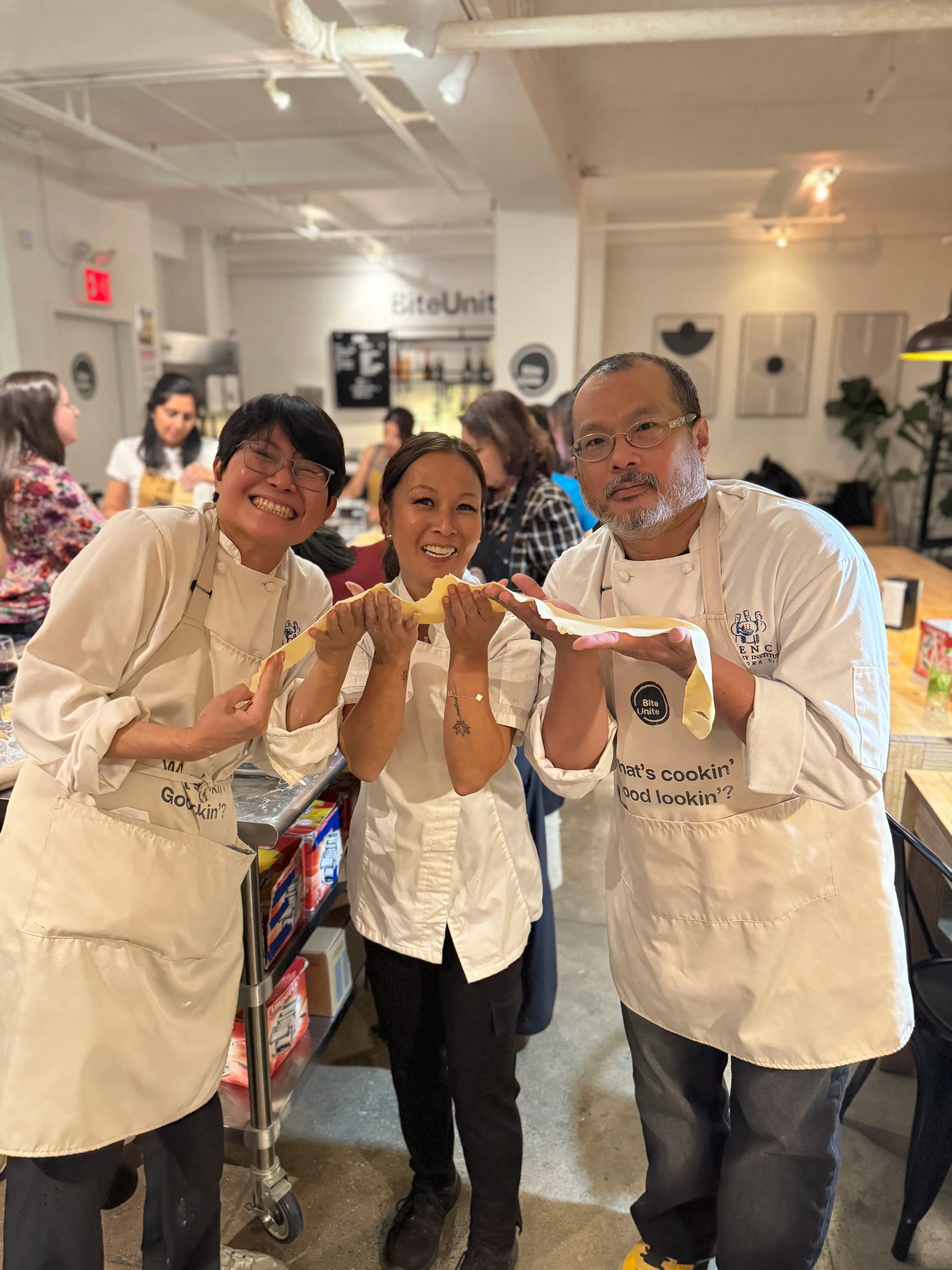
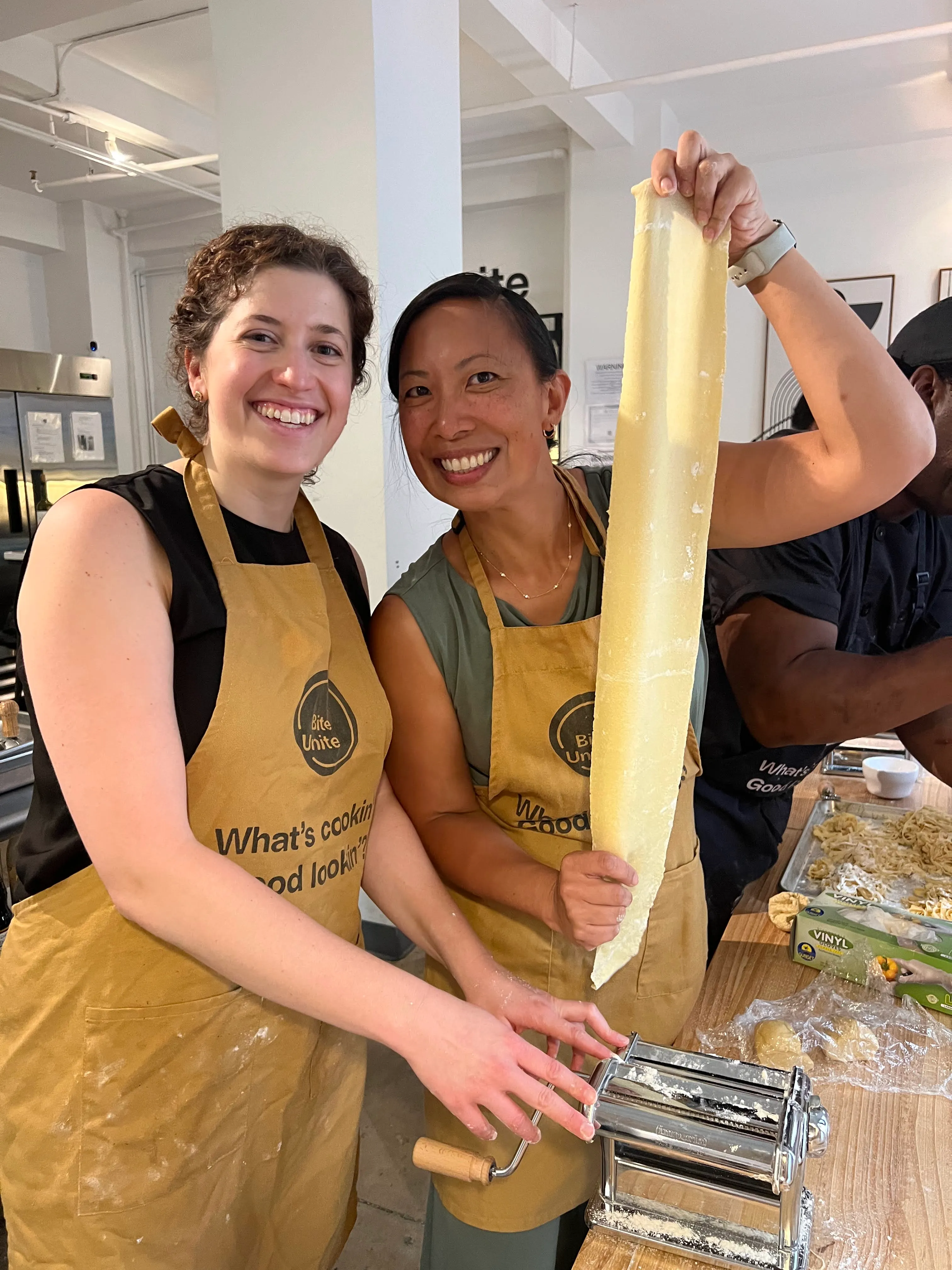
Once the dough is ready, you roll it out. Some classes use a hand crank pasta machine. Others teach you to roll with a long wooden pin the way home cooks in Italy have done for generations. Both work, and learning both gives you options at home.
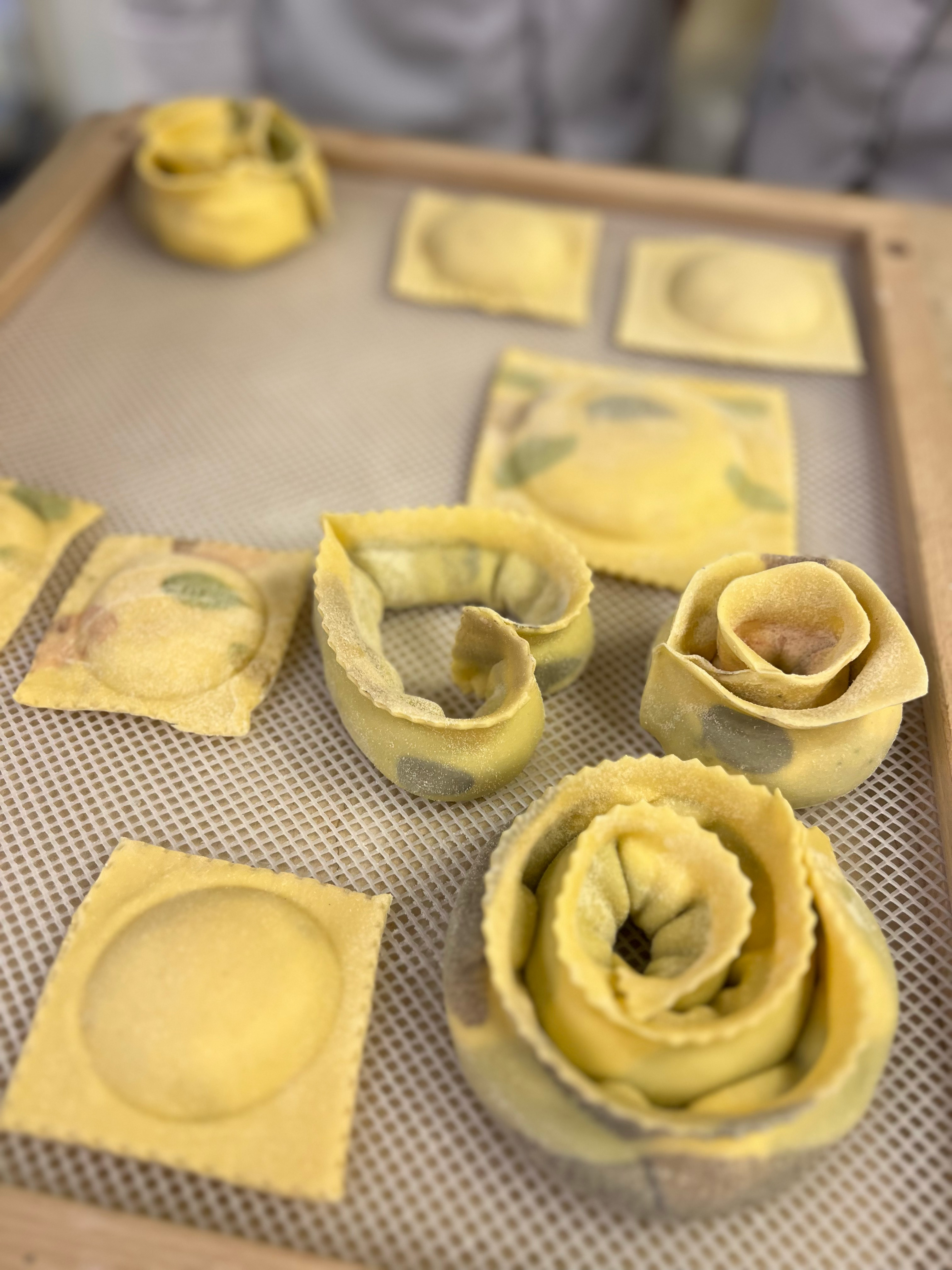
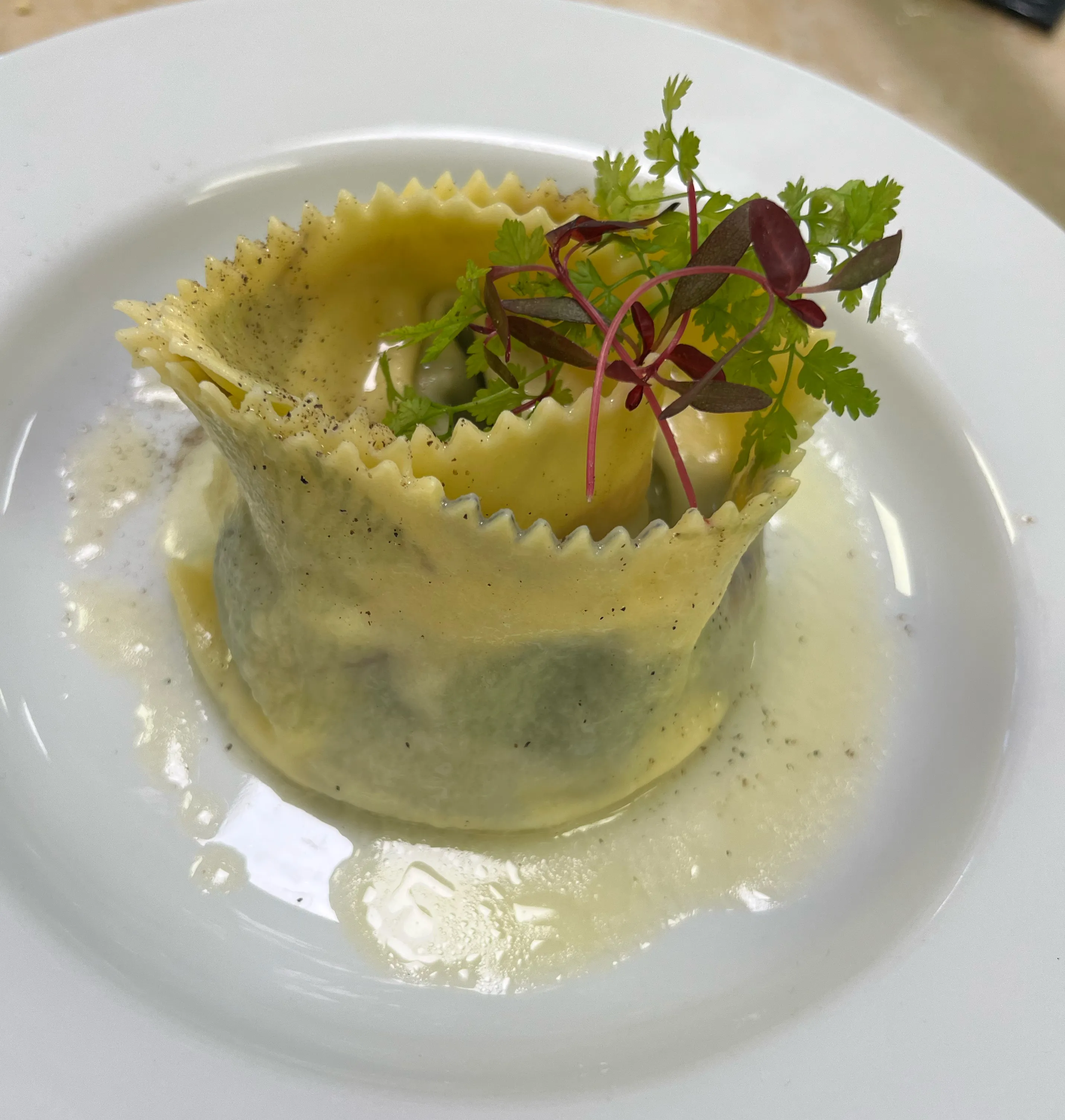
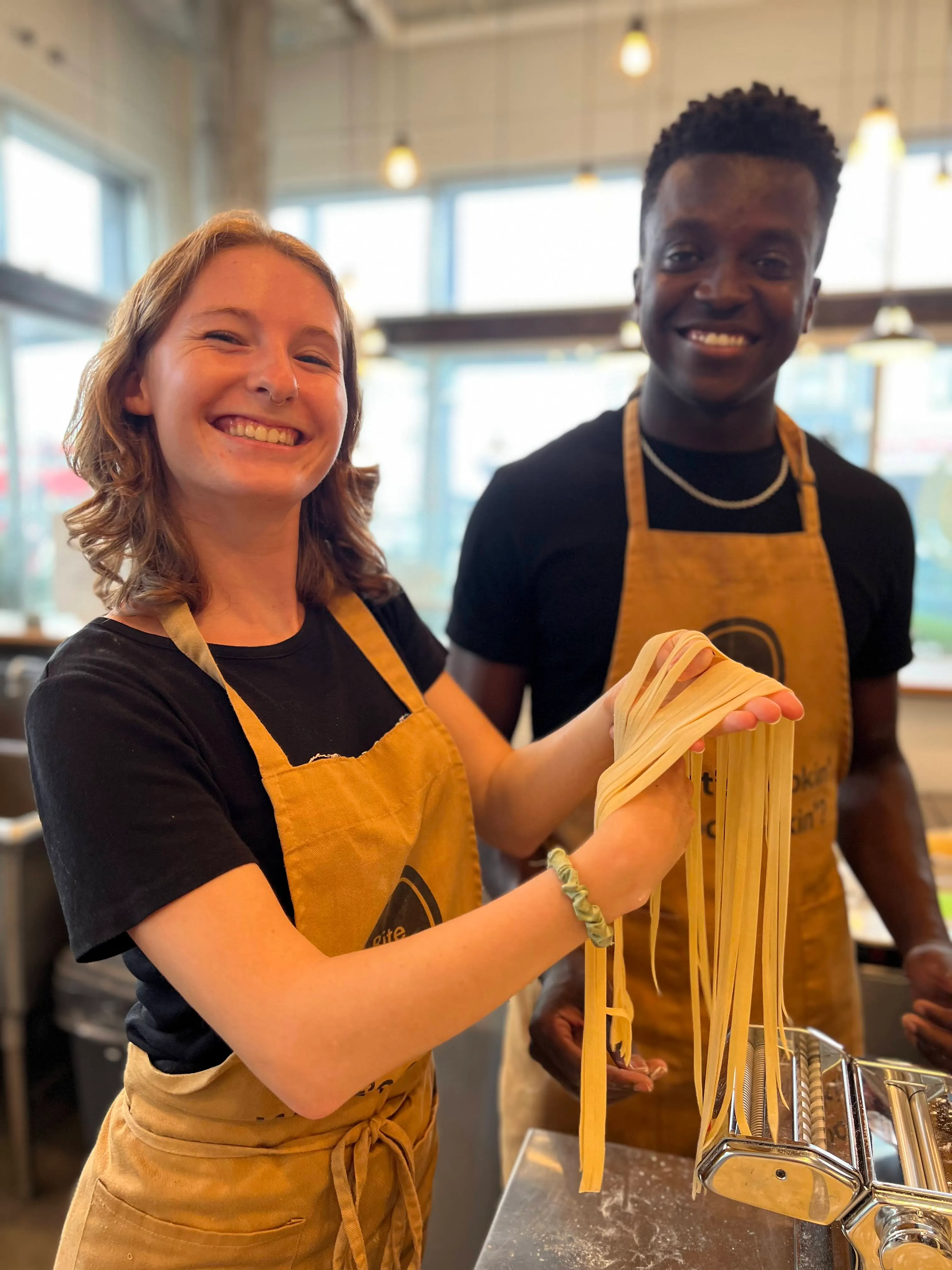
Then comes the fun part. You cut long ribbons like fettuccine and tagliatelle, or you fill and seal little pockets like ravioli. Some classes also teach hand formed shapes such as orecchiette, which you press with your thumb. You can see a full breakdown in our guide to fresh pasta shapes you can learn in San Francisco.
Cooking the Sauce and Sitting Down to Eat
Fresh pasta cooks fast, often in just a couple of minutes. The instructor will show you how to finish the pasta in the pan with the sauce and a splash of starchy cooking water. That step turns a plain sauce into a silky coating that clings to every noodle.
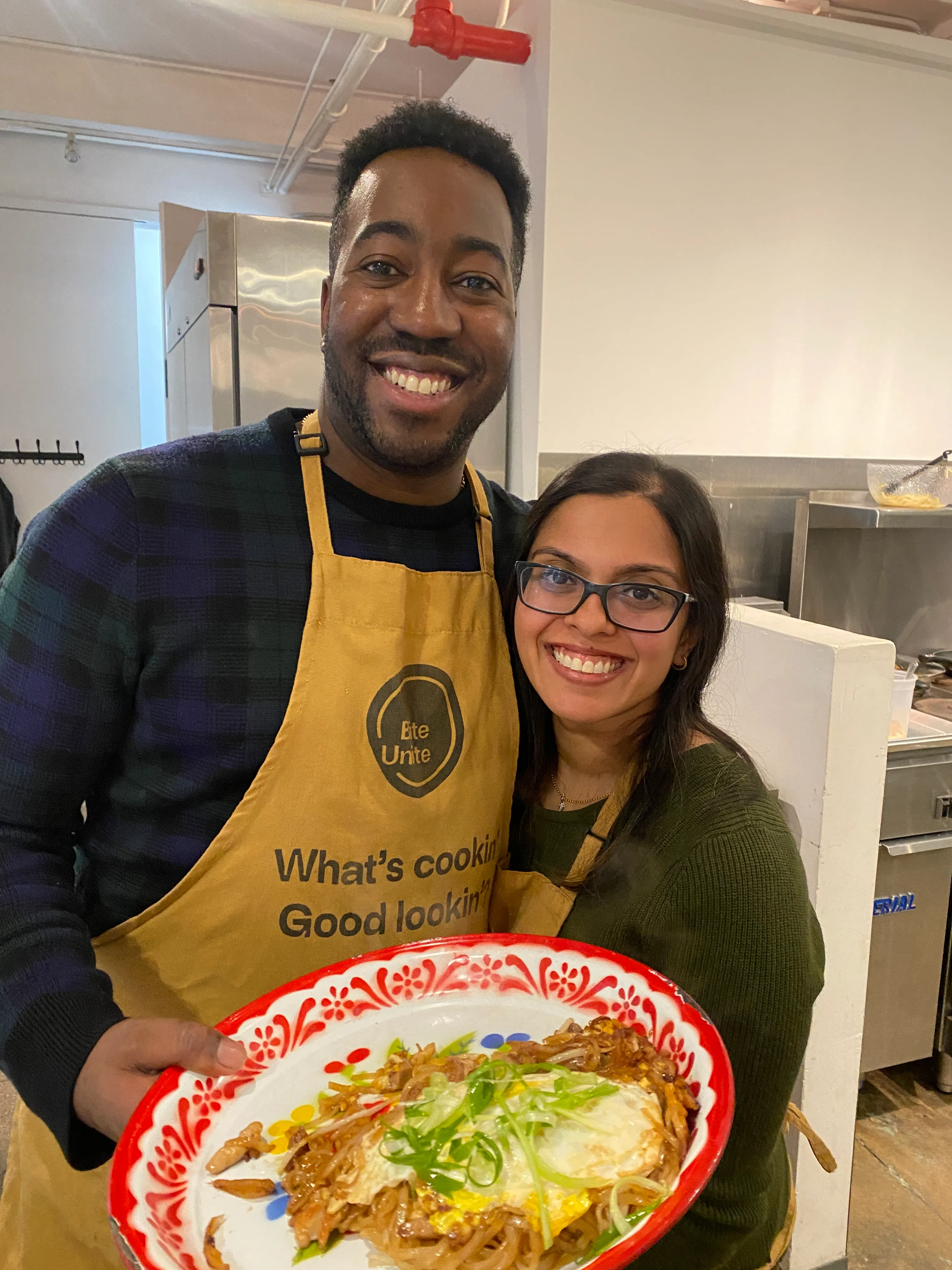
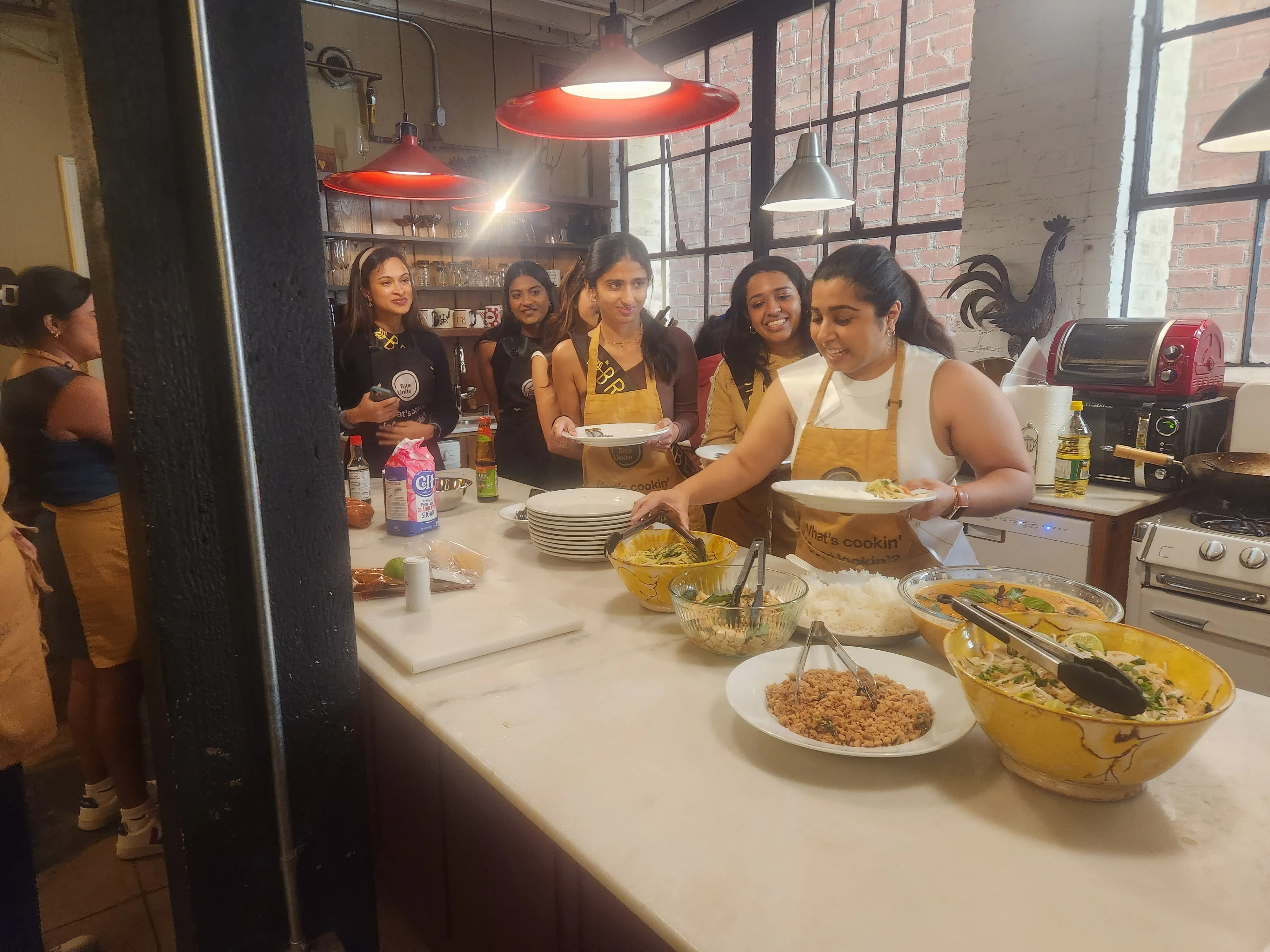
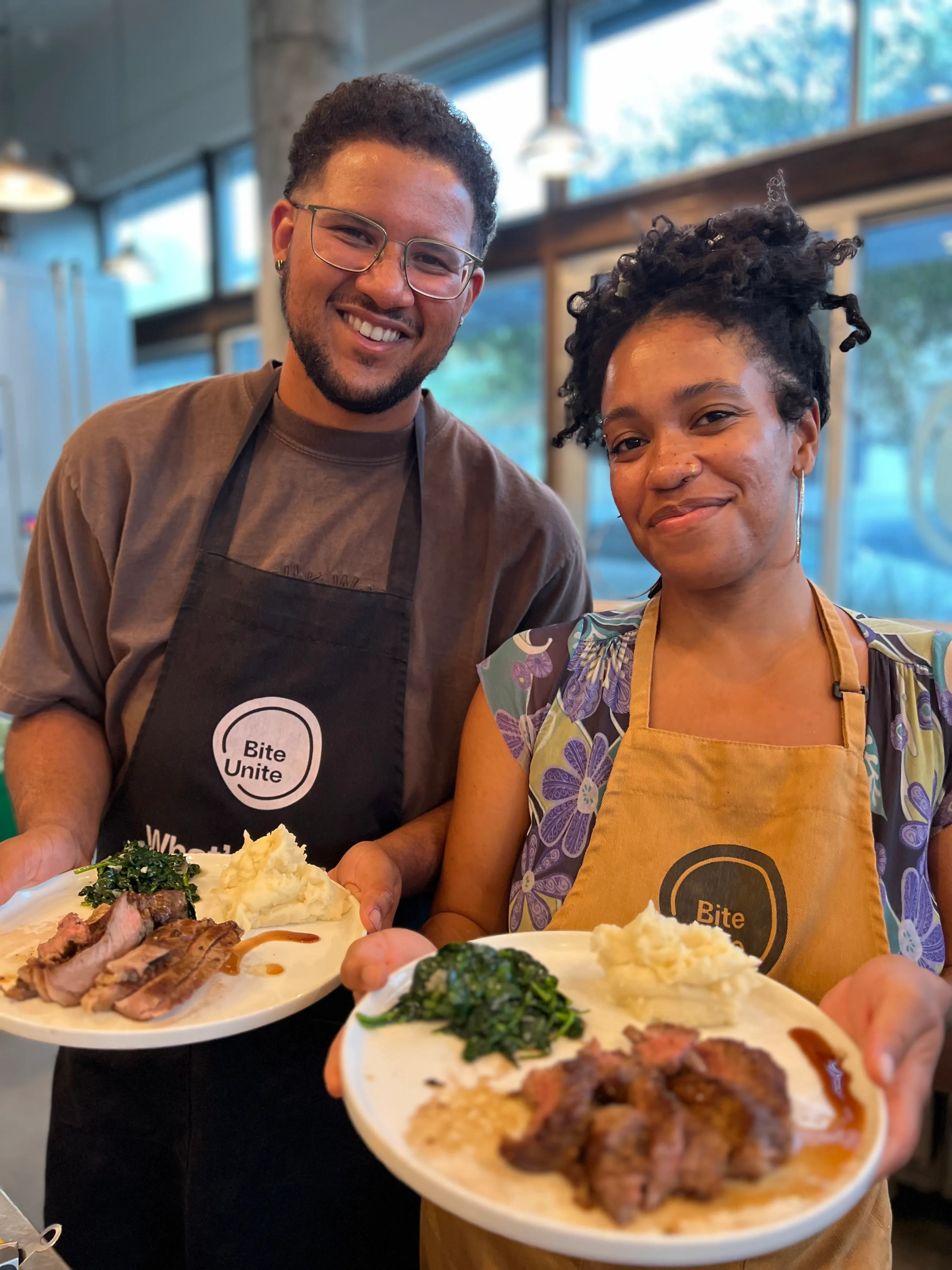
Then everyone sits down to eat. This is often the best part of the night. You get to taste your work and talk with the people around you.
How to Choose the Right Pasta Class in SF
Not every pasta class is the same. The right one depends on your goals and your group. Here are the main things to think about.
Group Class or Private Class
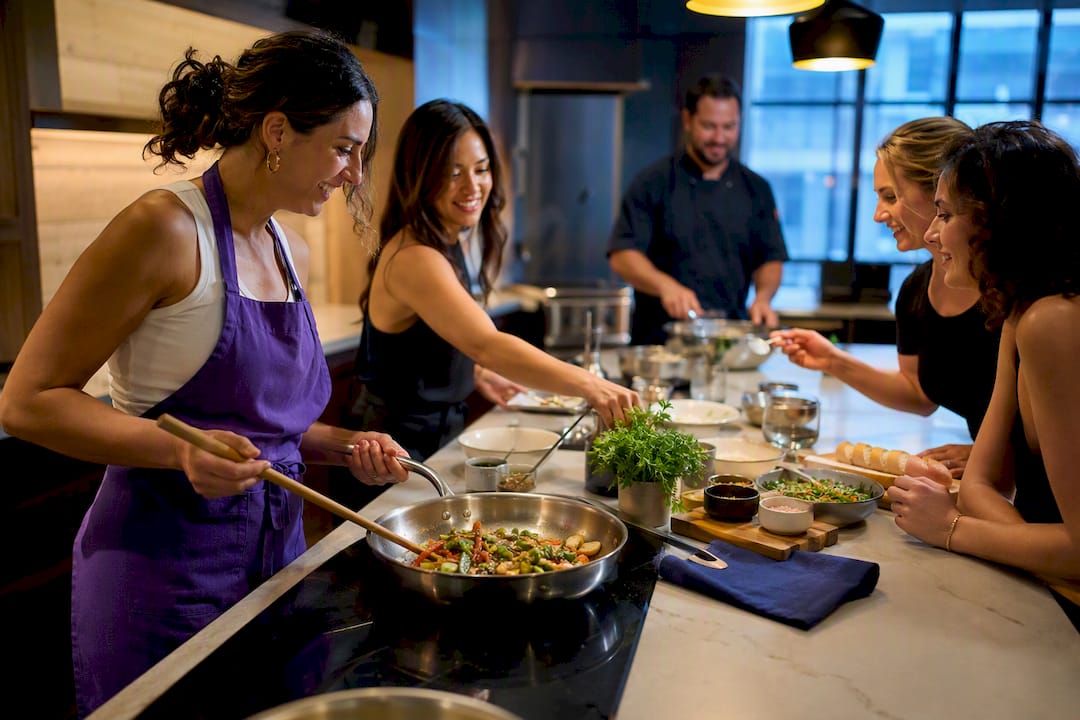
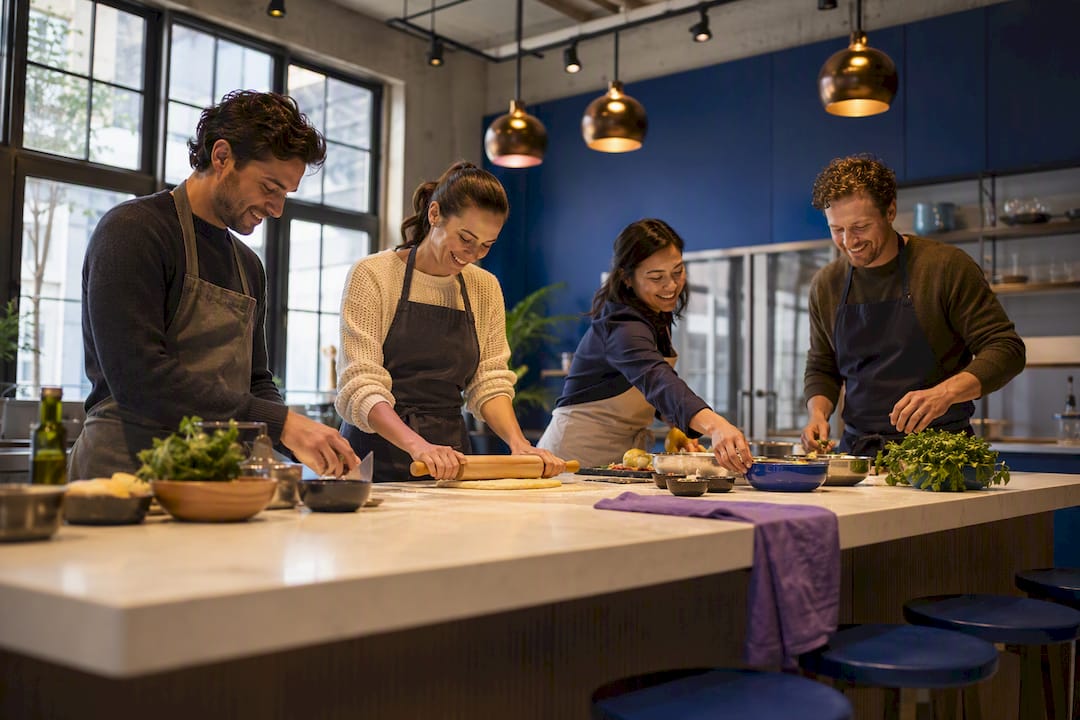
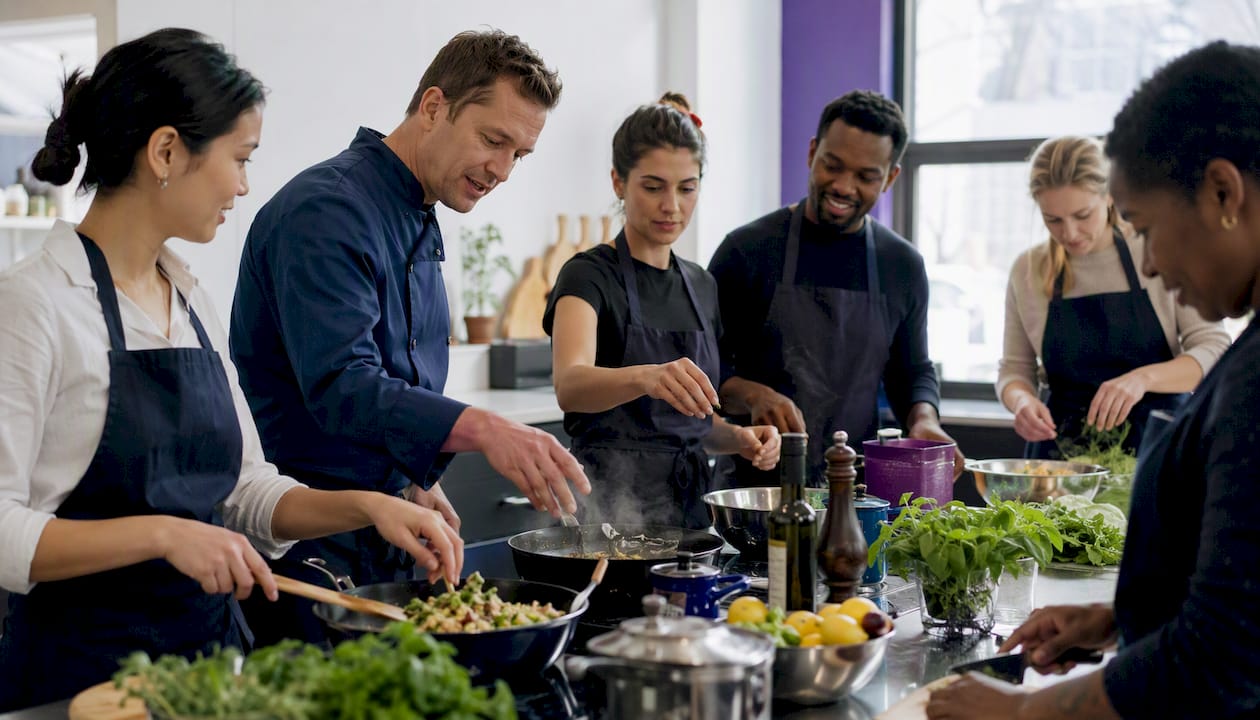
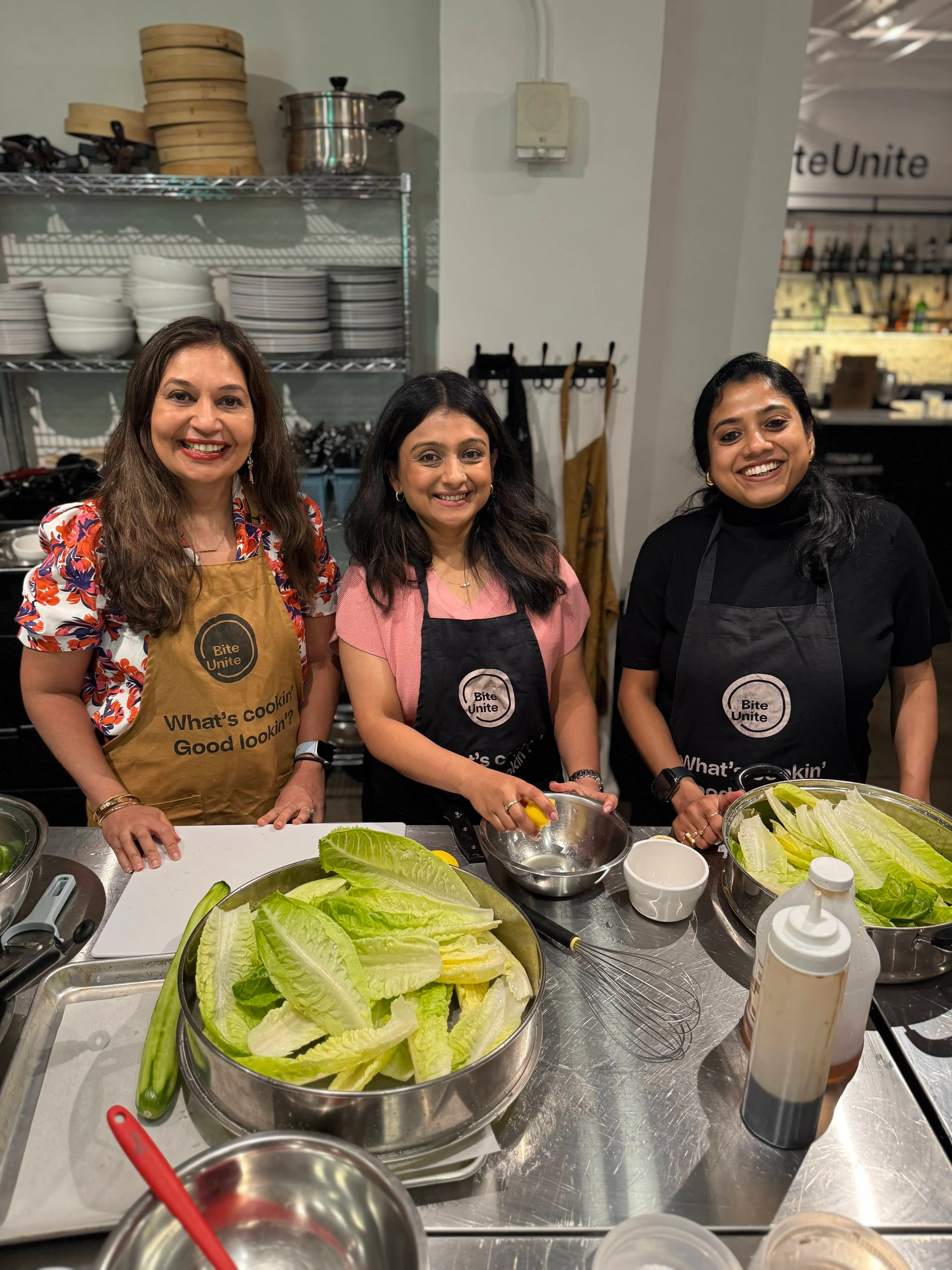
A group class is the easiest way to start. You share the kitchen with other guests and meet new people. It is a great fit for solo cooks and couples.
A private class books the whole session for your group. It is the better choice for birthdays and bachelorette parties. You can often adjust the menu and the pace. Learn more in our post on private pasta making classes in San Francisco.
Beginner Class or Advanced Training
Most classes are built for beginners, and that is where most people should start. If you already make pasta at home and want to go deeper, look for longer training. Our professional pasta making program in the Bay Area runs 40 hours over five days. You can read what it covers in our breakdown of advanced pasta bootcamp techniques.
If you are brand new, start with our guide to pasta making classes for beginners in SF. It walks through what to bring and which mistakes to avoid.
Hands On or Demo Style
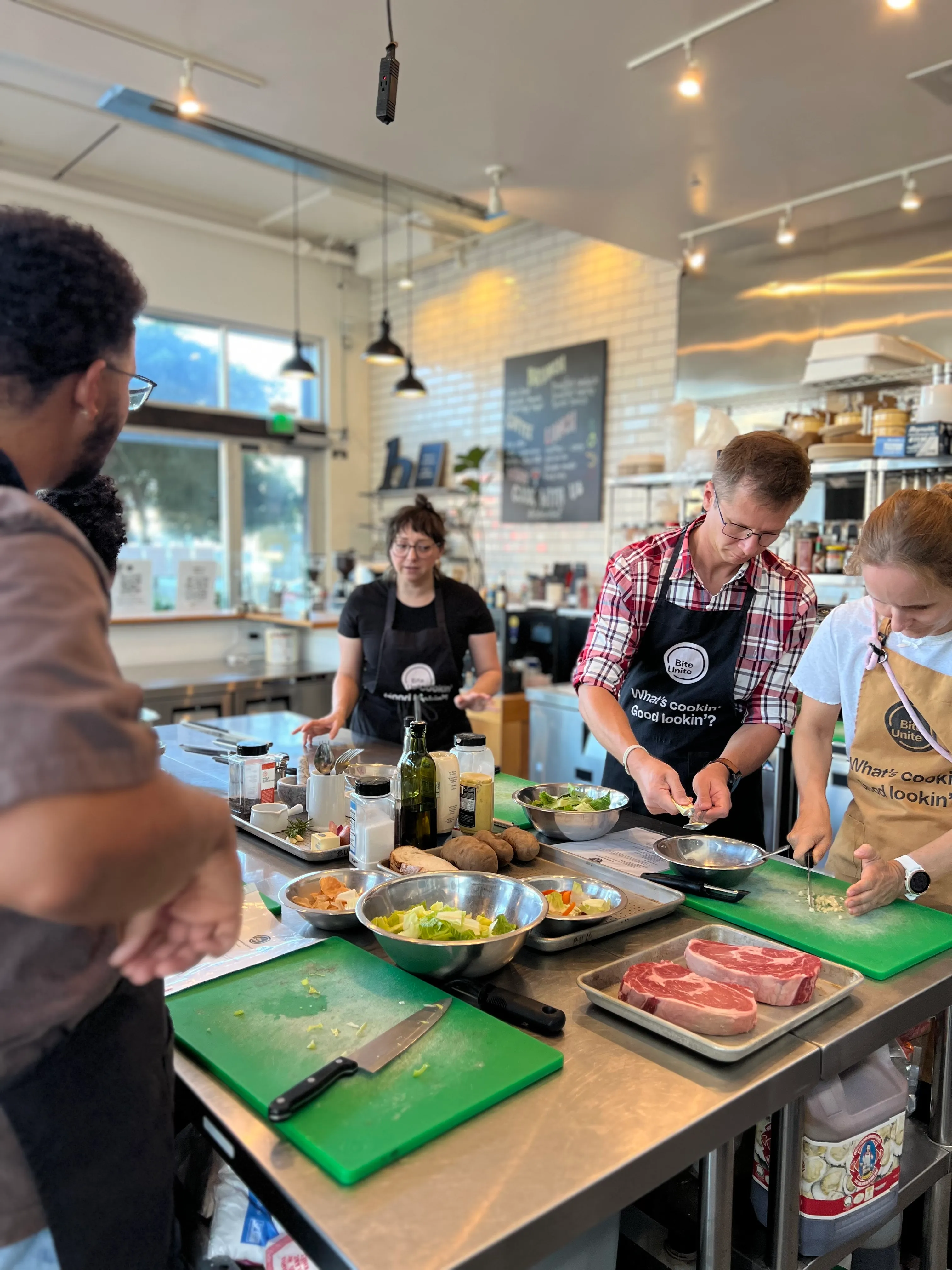
Some classes are mostly demonstration. The chef cooks and you watch. That can be fun, but you will not learn as much. Look for a class where every guest gets their own station and their own dough. Hands on practice is what makes the skill stick.
Location and Timing
San Francisco is small, but getting across town at rush hour can still take a while. Pick a class that fits your route. Our kitchen is in the Mission District, which is easy to reach by BART and several Muni lines. Weeknight evening classes are popular with locals. Weekend daytime classes work well for visitors who want to fit a class into a sightseeing day.
Who a Pasta Class Is Best For
The short answer is almost anyone. Still, some groups get extra value from a pasta class.
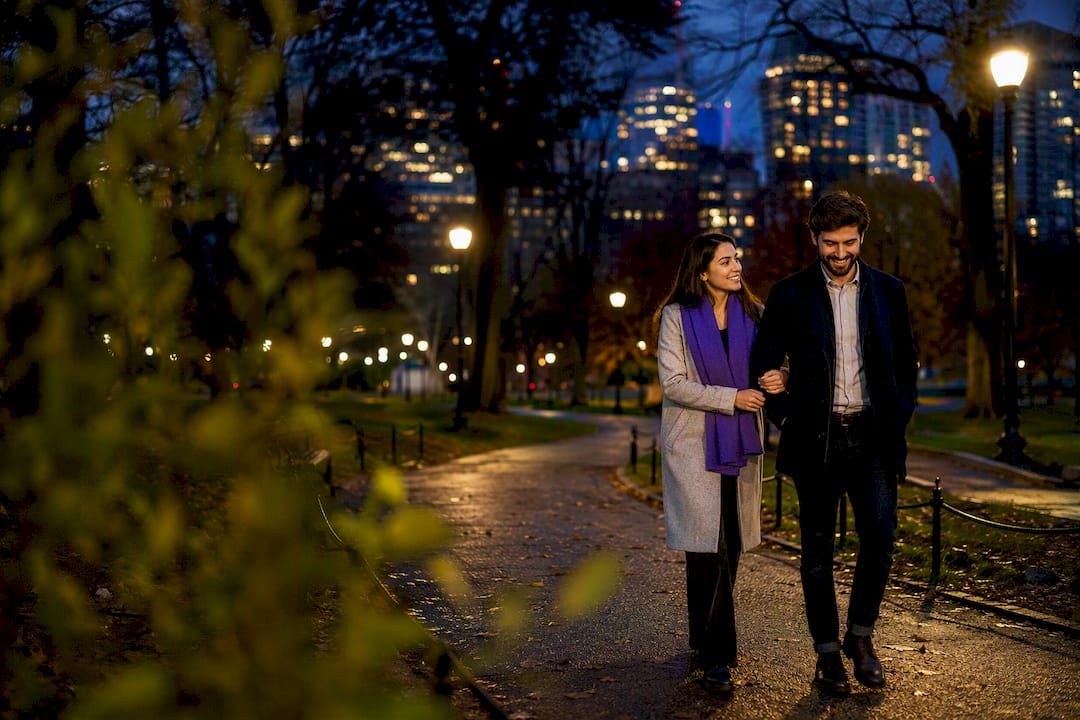
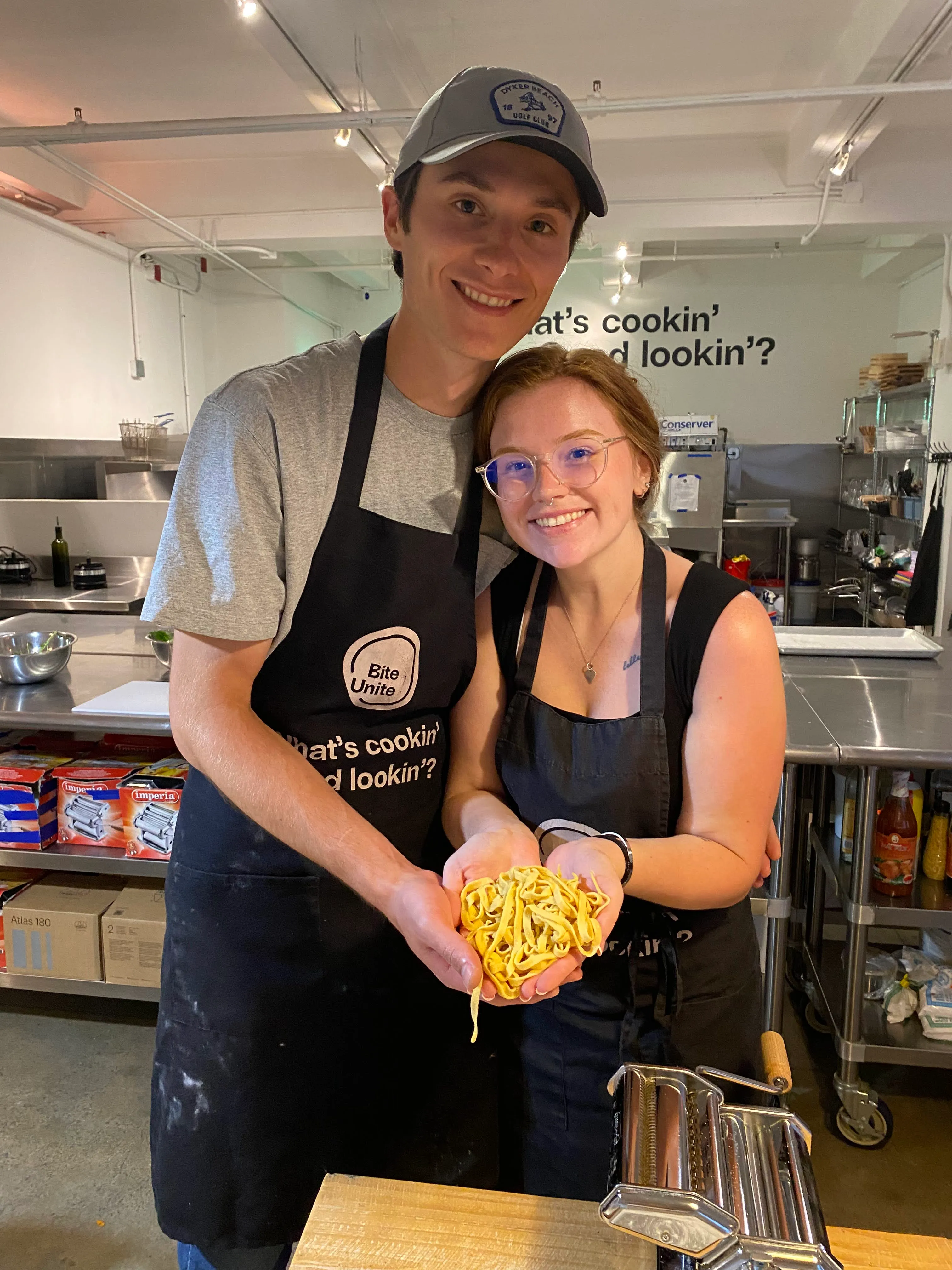
Couples love it because it gives them something to do together besides talking over a table. It works for a first date or a tenth anniversary. We cover more ideas in our list of romantic cooking class date ideas in San Francisco.
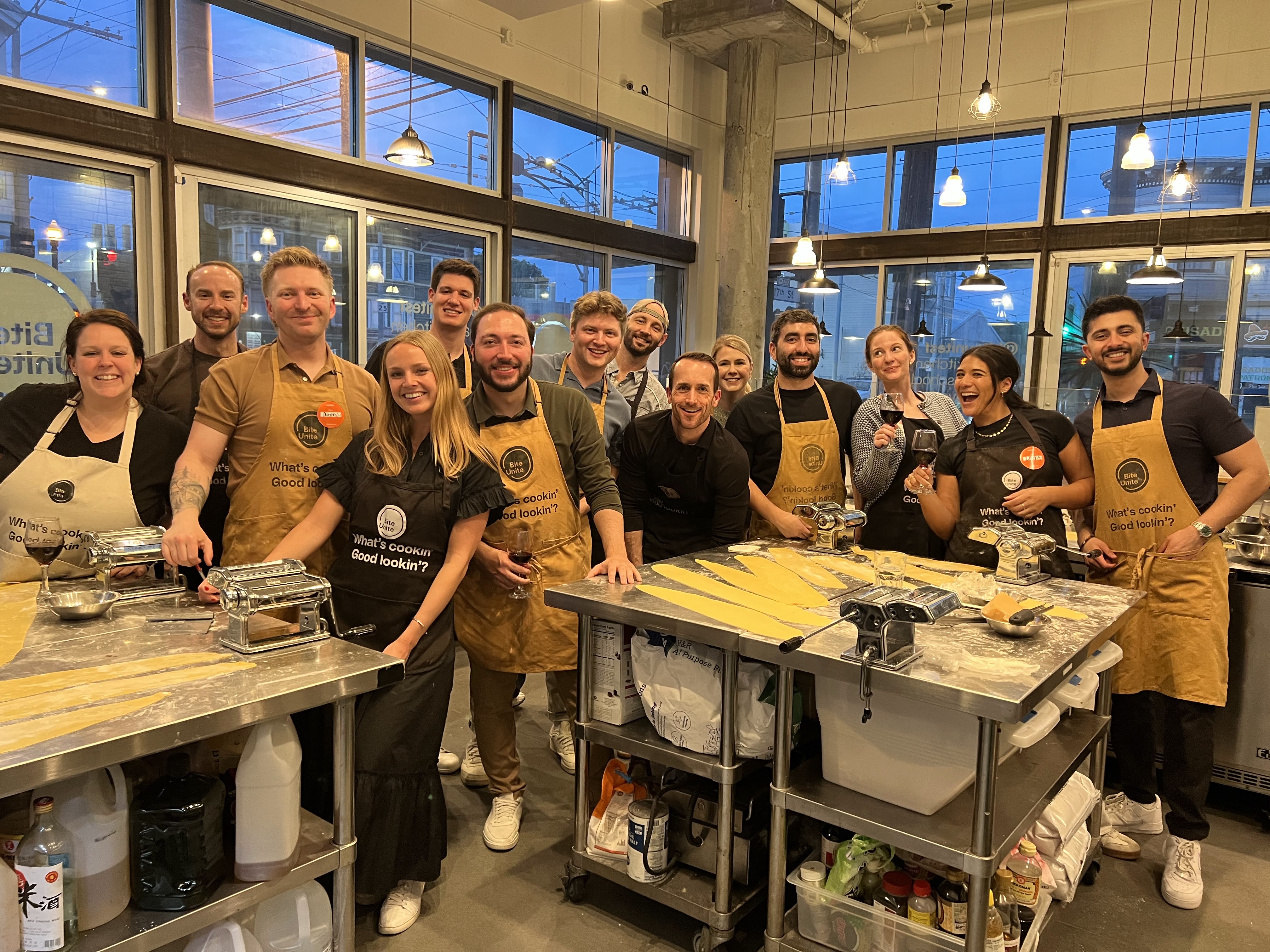
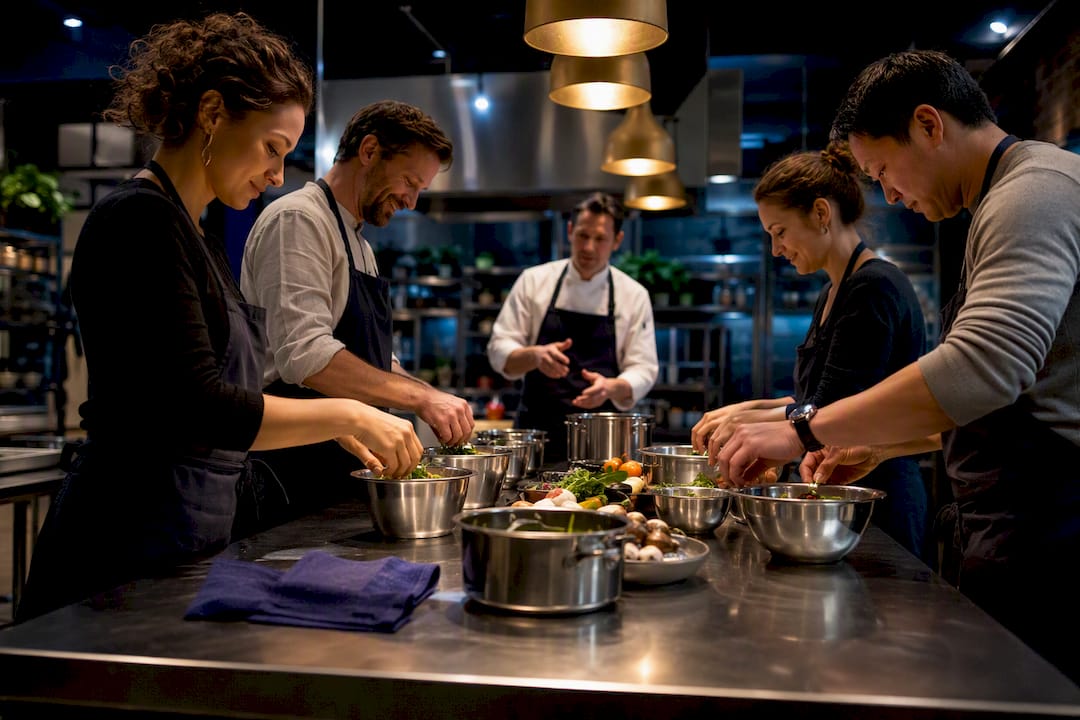
Teams use pasta classes for bonding because the format keeps everyone involved. Nobody sits on the sidelines when they have their own dough to roll. Read why it works so well in our post on pasta making parties for SF team building.
Visitors enjoy it because it gives them a hands on way to connect with the city. It is also a nice break from a packed schedule of sights. Families with older kids and teens often find it is one of the few activities everyone enjoys.
Tips to Get the Most Out of Your Class
A little prep goes a long way. These simple tips will help you enjoy the class and remember what you learned.
Come a little hungry. You will taste as you go and then eat a full plate at the end. Arriving on an empty stomach is a mistake, but so is eating a big lunch an hour before.
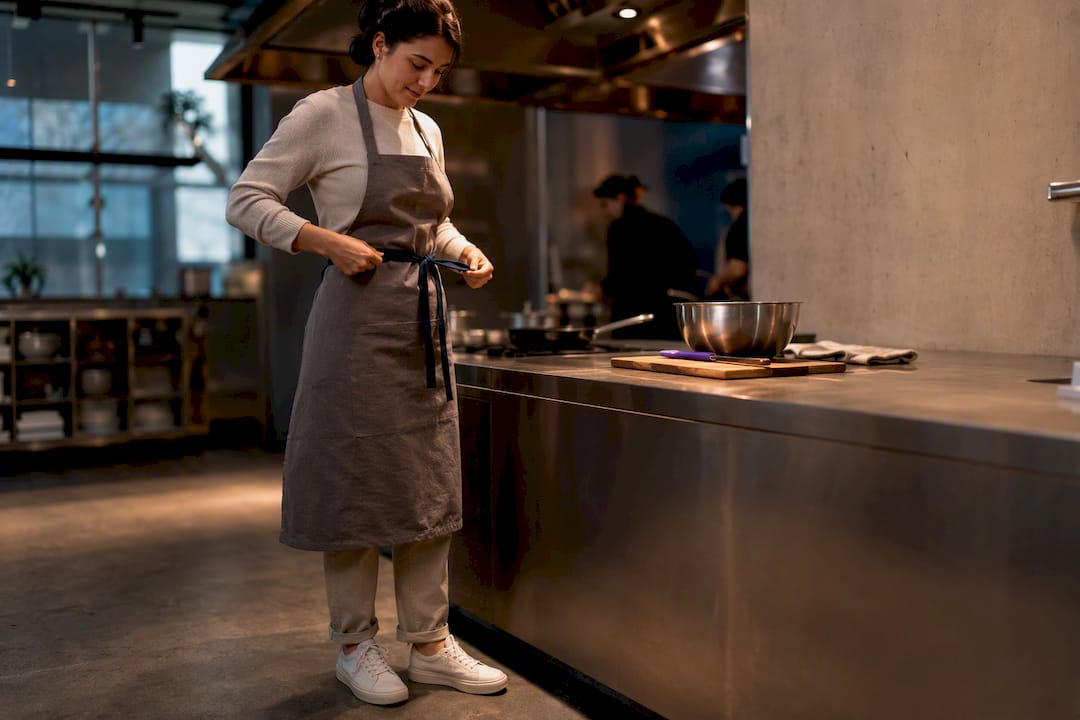
Wear comfortable shoes and clothes you do not mind getting flour on. Most kitchens provide aprons, but flour has a way of getting everywhere.
Tell the kitchen about any food allergies or dietary needs when you book. Many classes can offer egg free or gluten free options with enough notice.
Ask questions. The instructor wants to help, and the best tips often come from questions other people did not think to ask. How dry should the dough feel? How thin should the sheet be? Why did my ravioli burst?
Take a few photos of each step. They will help you remember the process when you try it at home. Just do not let your phone get in the way of the experience.
Best Time of Year for a Pasta Class in San Francisco
The good news is that pasta classes run all year, and San Francisco weather rarely gets in the way. Still, the season can shape your experience.
Fall and winter are peak pasta season. Cool, foggy evenings make a warm bowl of fresh pasta feel just right. Holiday parties also drive demand in November and December, so weekend classes fill fast. If you want a December date, book several weeks early. Our guide to holiday cooking classes in San Francisco has ideas for the season.
Spring brings fresh herbs and green vegetables to local markets. It is a great time for lighter sauces and bright fillings like peas and ricotta. February is busy too, since Valentine's Day is one of the most popular times for couples to book. See our post on Valentine's Day cooking classes in San Francisco for tips.
Summer is often the easiest time to find open spots, especially on weeknights. It is a nice option for visitors, since the city fills with travelers who want a break from sightseeing.
What It Costs and What Affects the Price
Prices for pasta classes in San Francisco vary quite a bit. A shared group class is usually the most affordable option. Private classes cost more because you are booking the chef and the kitchen for your group alone. Longer professional programs cost the most because they include many hours of training.
A few things drive the price up or down. Class length matters. So does the menu, since filled pasta and premium ingredients add cost. Some classes include wine pairings or take home extras. When you compare options, look at what is included, not just the number on the page. You can see current classes and prices on our San Francisco cooking classes page.
How to Keep Practicing at Home
The real test of a pasta class is whether you make pasta again. The good news is that you only need a few basics. A rolling pin and a sharp knife will get you started. A pasta machine is nice to have but not required.
Start with a simple egg dough and long ribbons. Our homemade tagliatelle recipe is a great first project. When you are ready for something new, try our potato gnocchi recipe or pair your pasta with our Bolognese ragu sauce.
If you want to read more about flour and dough, King Arthur Baking's guide to the best flour for pasta explains how different flours change the texture of your noodles. It is a helpful next step once you have the basics down.
Try to make pasta at least once a week for the first month. Repetition builds muscle memory. After a few rounds, you will know how the dough should feel without measuring anything.
Pasta Making Class San Francisco FAQs
Do I need any cooking experience?
No. Most pasta classes are built for complete beginners. The instructor walks through each step and helps as you go.
Can I come alone?
Yes. Solo guests are common in group classes, and the shared kitchen makes it easy to meet people.
Is a pasta class good for kids?
Many classes welcome older kids and teens with an adult. Check the age policy for the class you want before you book.
How long does a pasta class take?
Most single session classes run a few hours from start to finish, including time to eat. Longer programs can span several days.
What if I have a food allergy?
Let the kitchen know when you book. Many classes can adjust the menu for common needs like egg free or dairy free diets.
Ready to Book Your San Francisco Pasta Class
A pasta making class is one of the best ways to spend a few hours in San Francisco. You learn a real skill and eat a great meal you made yourself. Whether you come as a couple or on your own, you will leave with flour on your hands and a new favorite thing to cook.
When you are ready, book our hands on pasta making class in San Francisco. For a wider look at what the city offers, visit our guide to the best cooking classes in San Francisco.




























.webp)