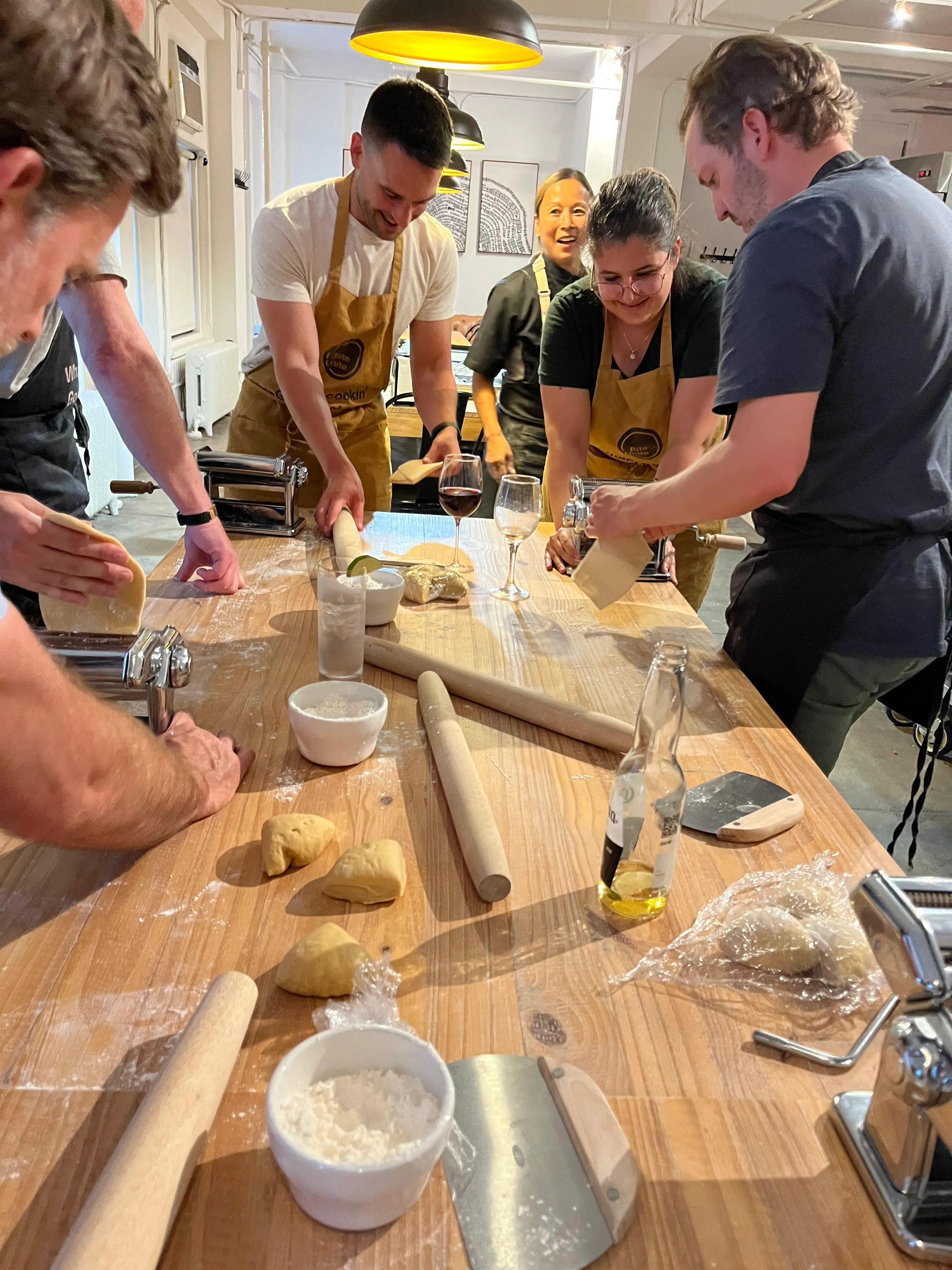
Pasta Making Class in SF for Beginners With No Experience
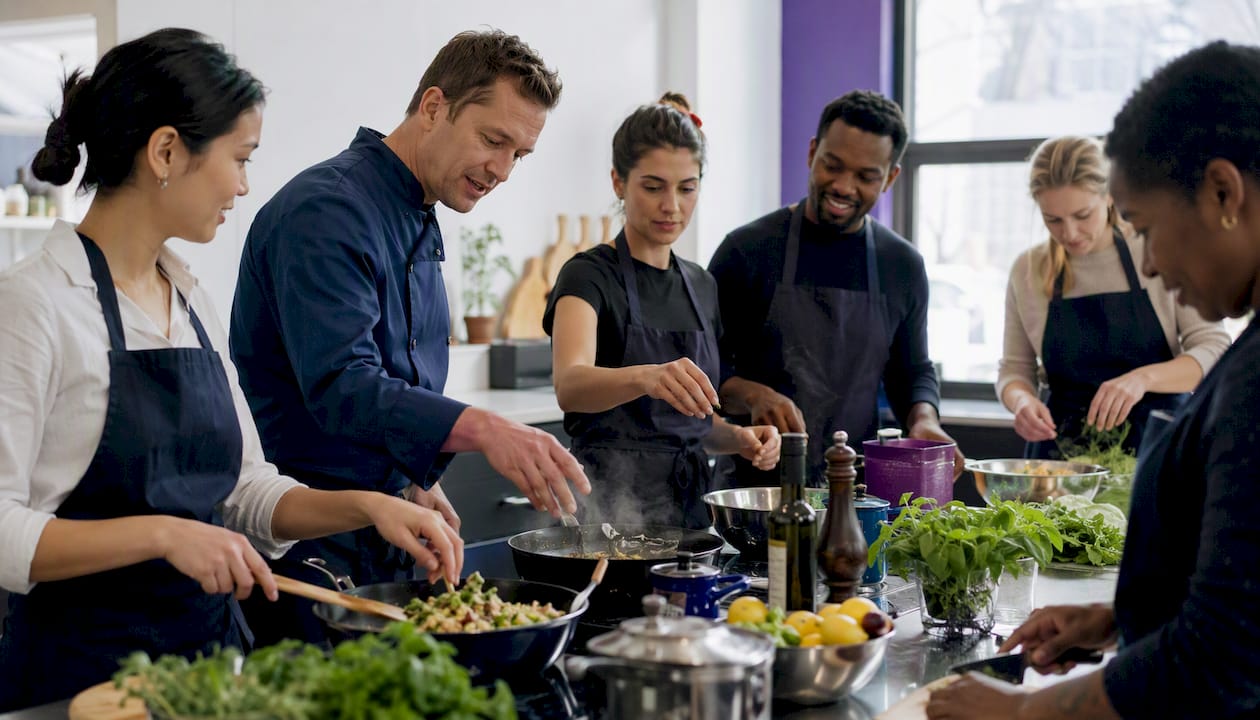
If you have never made pasta before, you are in good company. Most people who book a pasta making class in SF have only ever boiled noodles from a box. Some have never cracked an egg into a pile of flour. That is fine. Beginner classes are designed for exactly that person.
Still, it is normal to feel a little nervous before your first class. Will you be the slowest person in the room? Will your dough fall apart? What should you wear? This guide answers all of that. By the end, you will know what to expect from the moment you walk in until the moment you take your last bite.
Why Pasta Is the Perfect First Cooking Class
Some cuisines take years to learn. Pasta is not one of them. That is why it is such a popular first class in San Francisco.
The ingredient list is short. A basic fresh pasta dough needs flour and eggs, and sometimes a little salt or olive oil. You do not have to shop for rare spices or learn a dozen techniques at once.
The steps are also very visual. You can see when the dough is too dry because it cracks. You can see when it is too wet because it sticks to your hands. That instant feedback makes it easy to learn by doing.
Most important, the payoff is fast. In one session you go from raw ingredients to a finished plate. That quick win builds confidence, and confidence is what gets people cooking at home.
What to Expect in Your First SF Pasta Class
Every kitchen runs a little differently, but beginner pasta classes tend to follow a similar path.
A Quick Welcome and Overview
The class usually starts with introductions. The instructor explains the menu and gives a short overview of the steps. This is a good time to mention any allergies if you did not already share them when you booked.
Building and Kneading the Dough
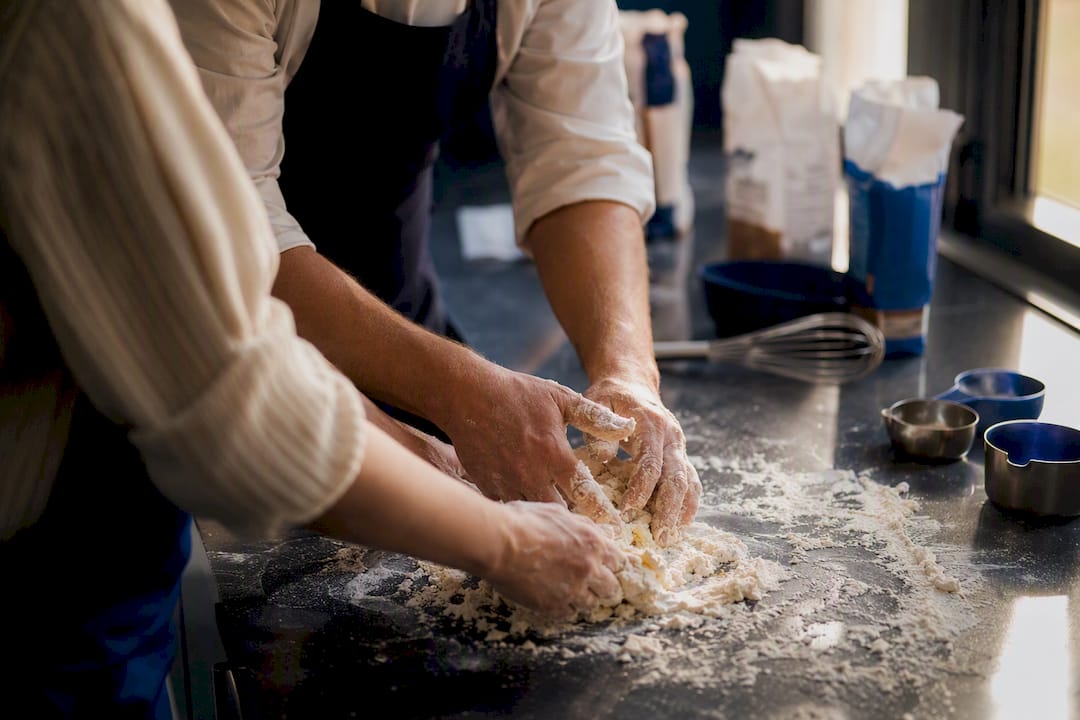
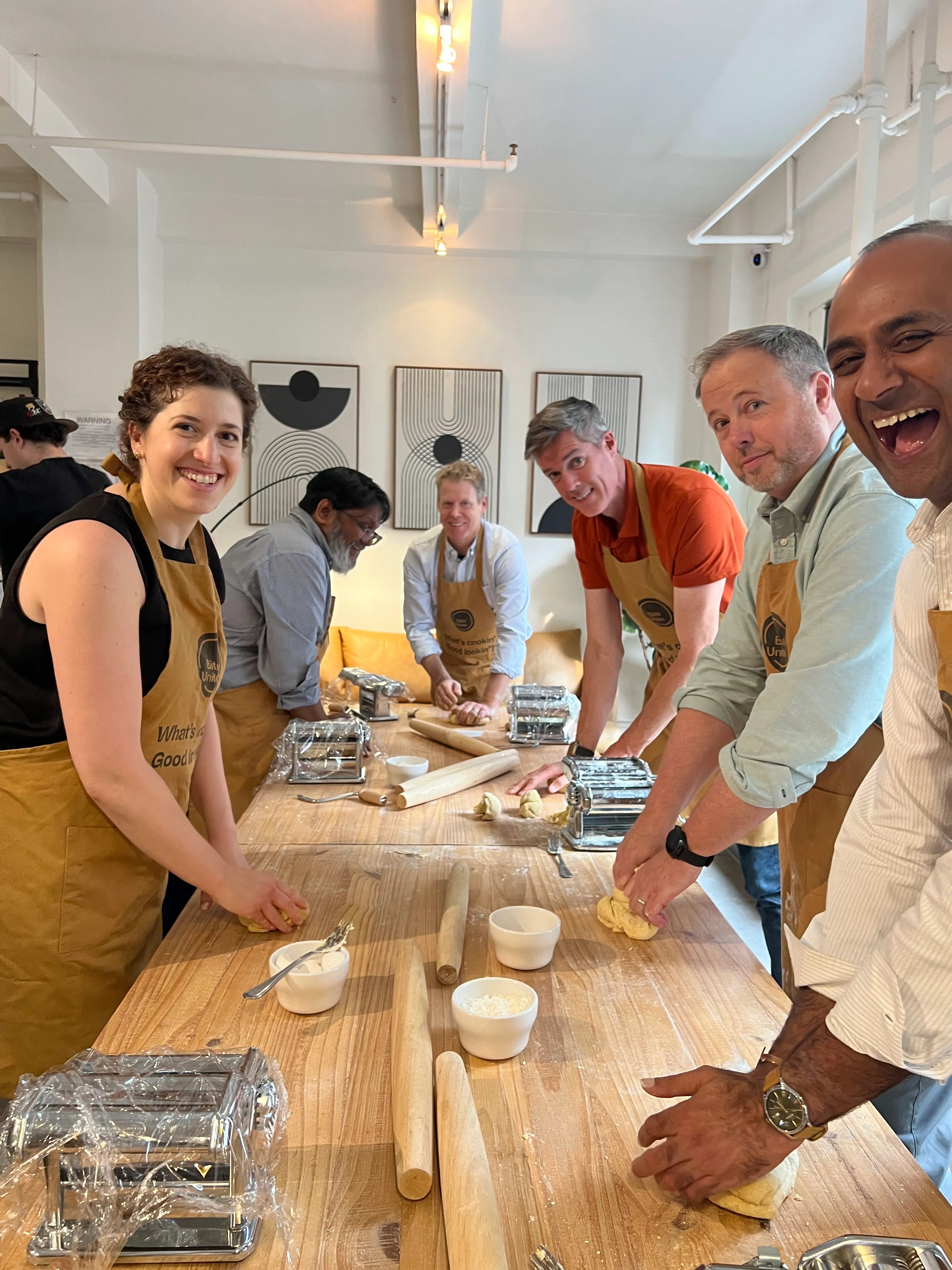
Next you make the dough. You will pour flour onto the counter or into a bowl and make a well in the middle. The eggs go into the well. Then you slowly mix the flour into the eggs with a fork until it gets too thick to stir.
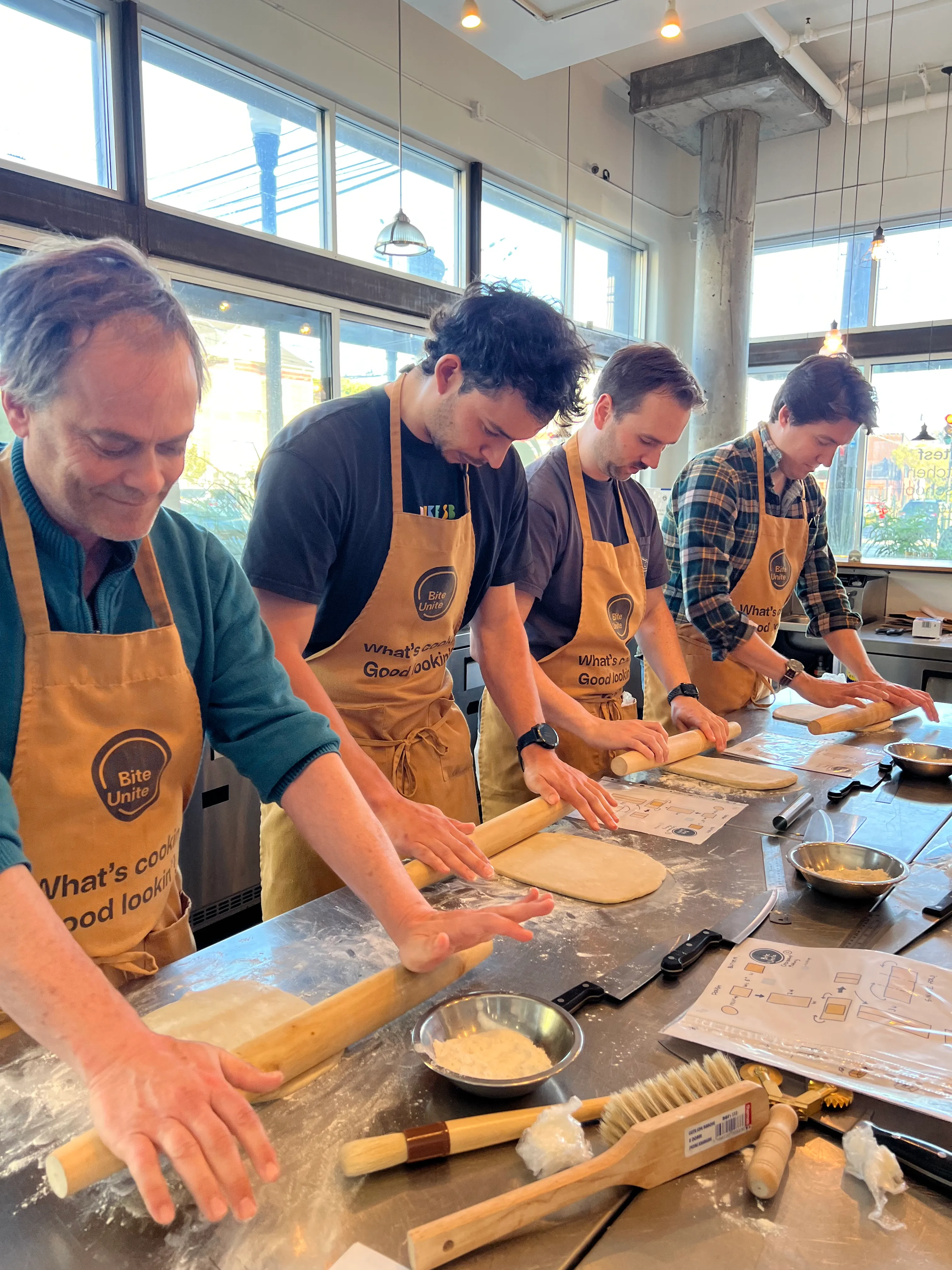
From there, you switch to your hands. Kneading means pushing the dough away with the heel of your hand and then folding it back. It takes several minutes. The dough will start rough and slightly sticky. It ends smooth and a bit springy, like a soft stress ball.
Letting the Dough Rest
The dough then rests under a towel or plastic wrap. Beginners often want to skip this step, but it matters. Resting lets the dough relax, which makes it much easier to roll thin. Many classes use this time to start the sauce.
Rolling and Shaping the Dough
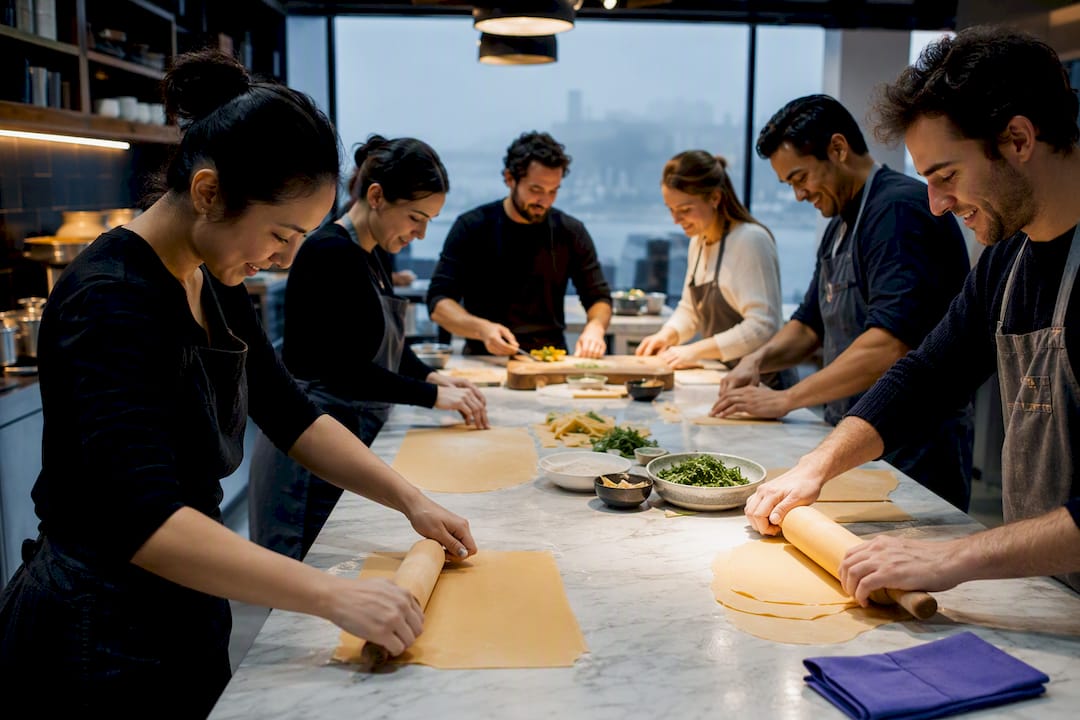
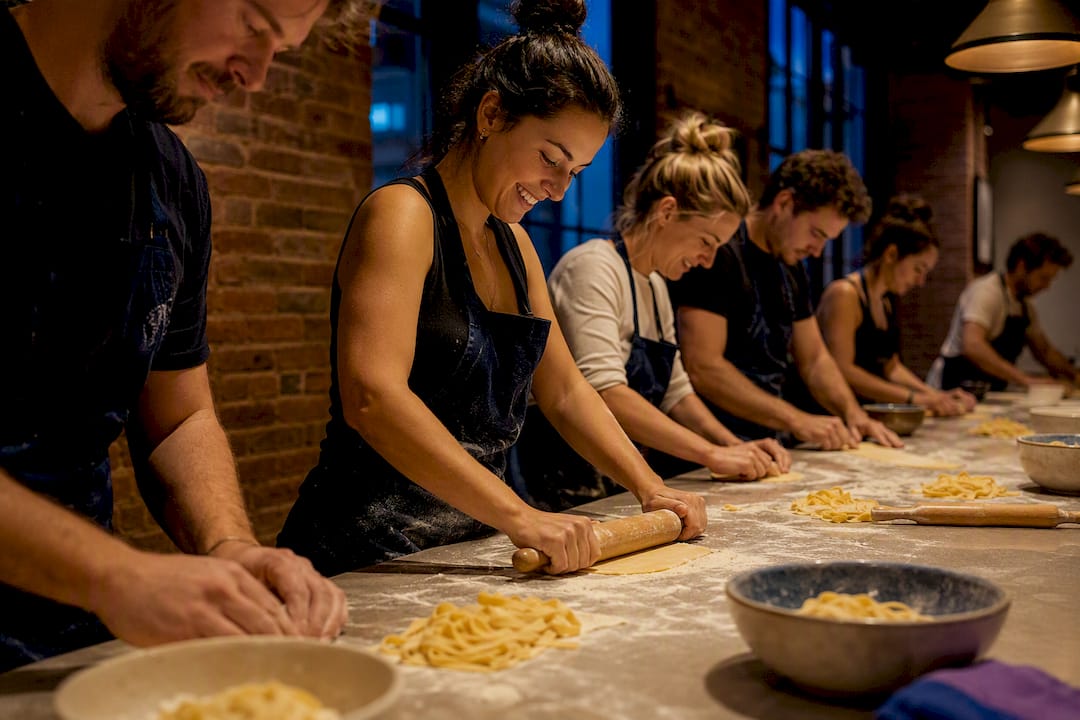
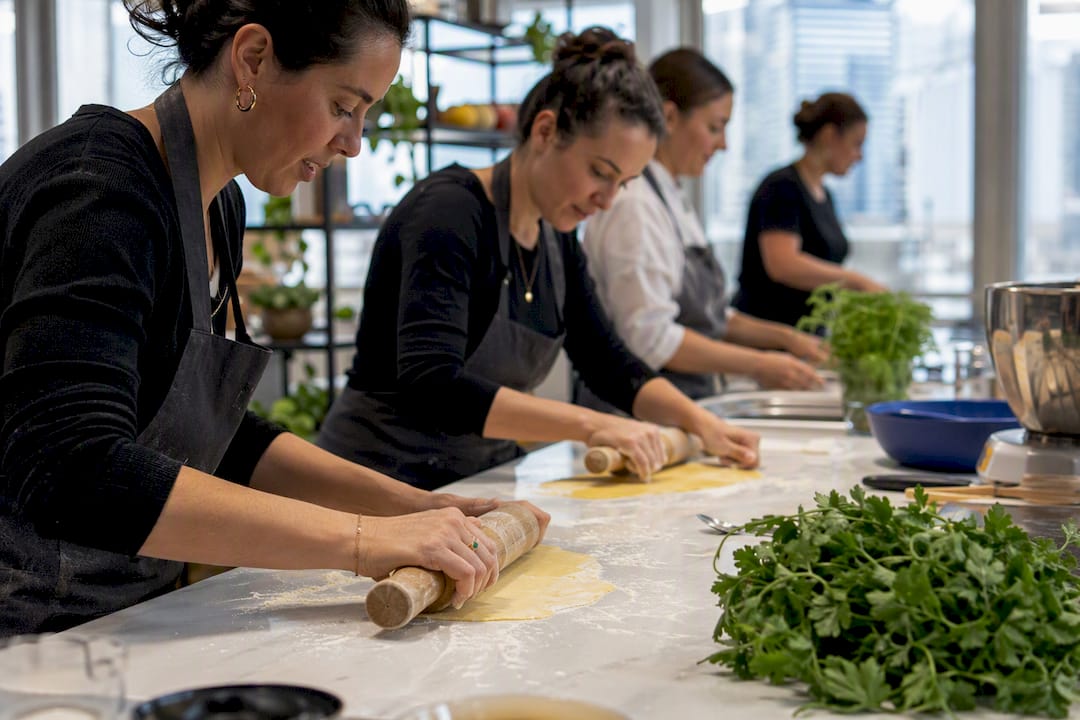
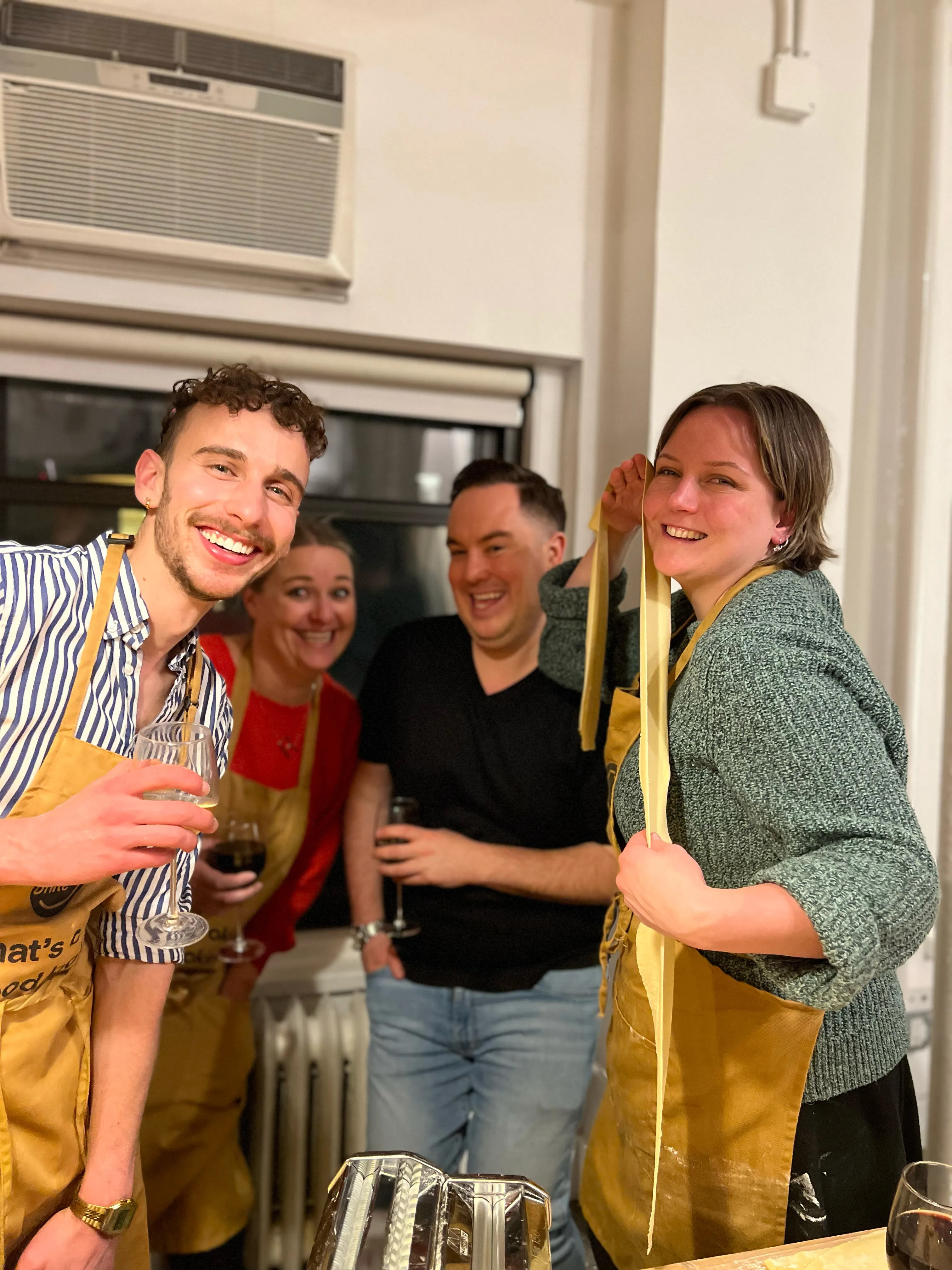
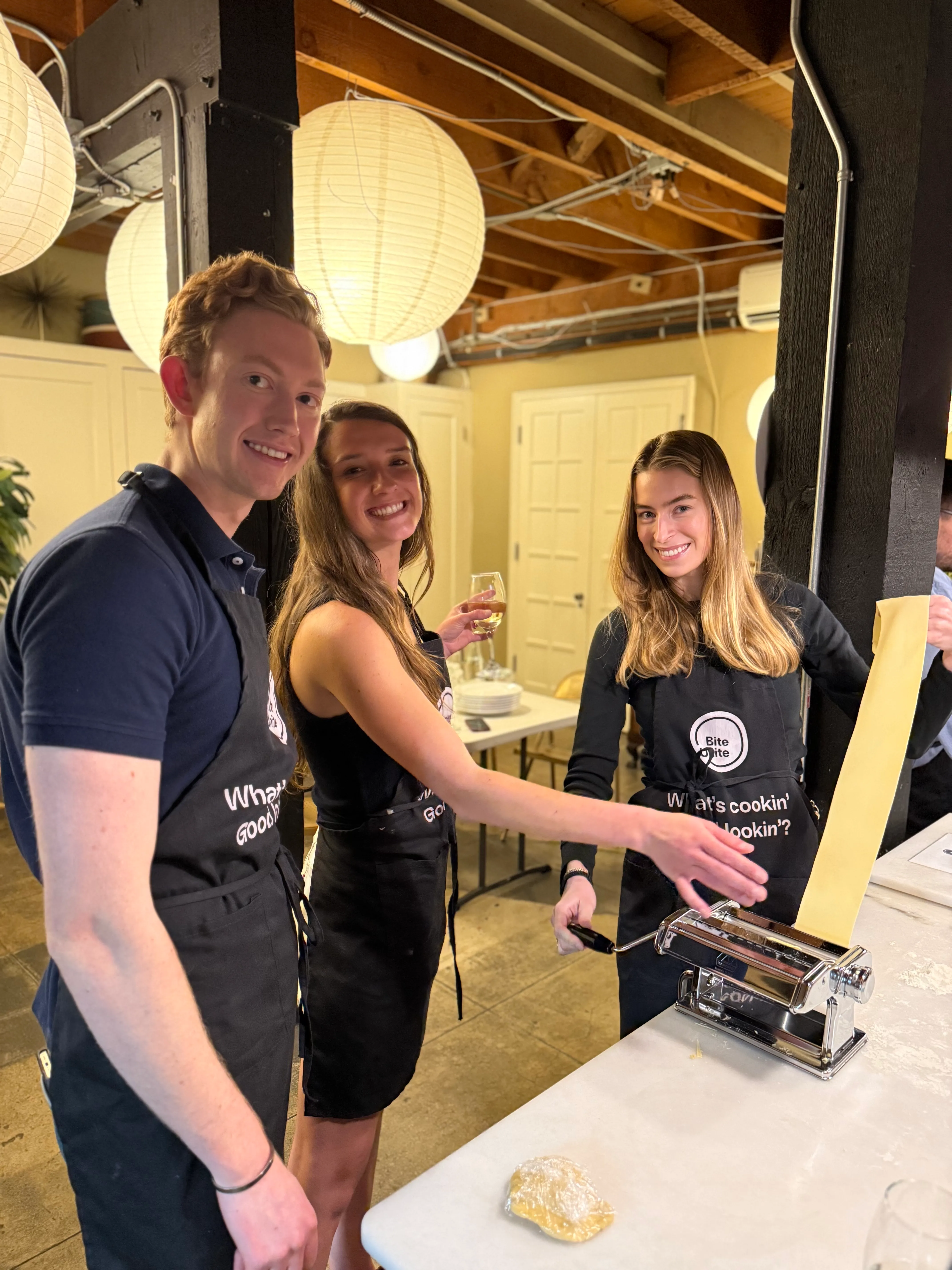
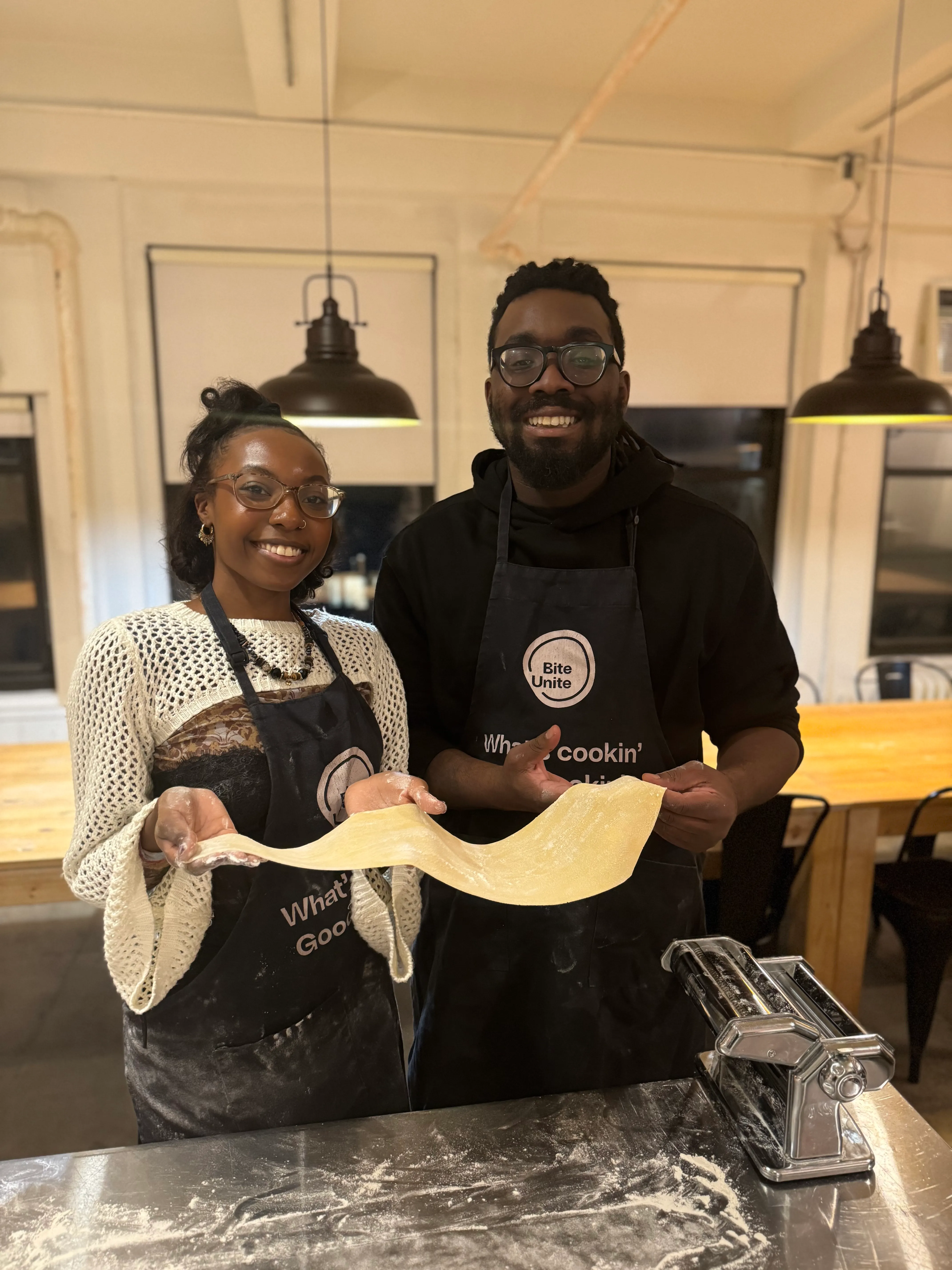
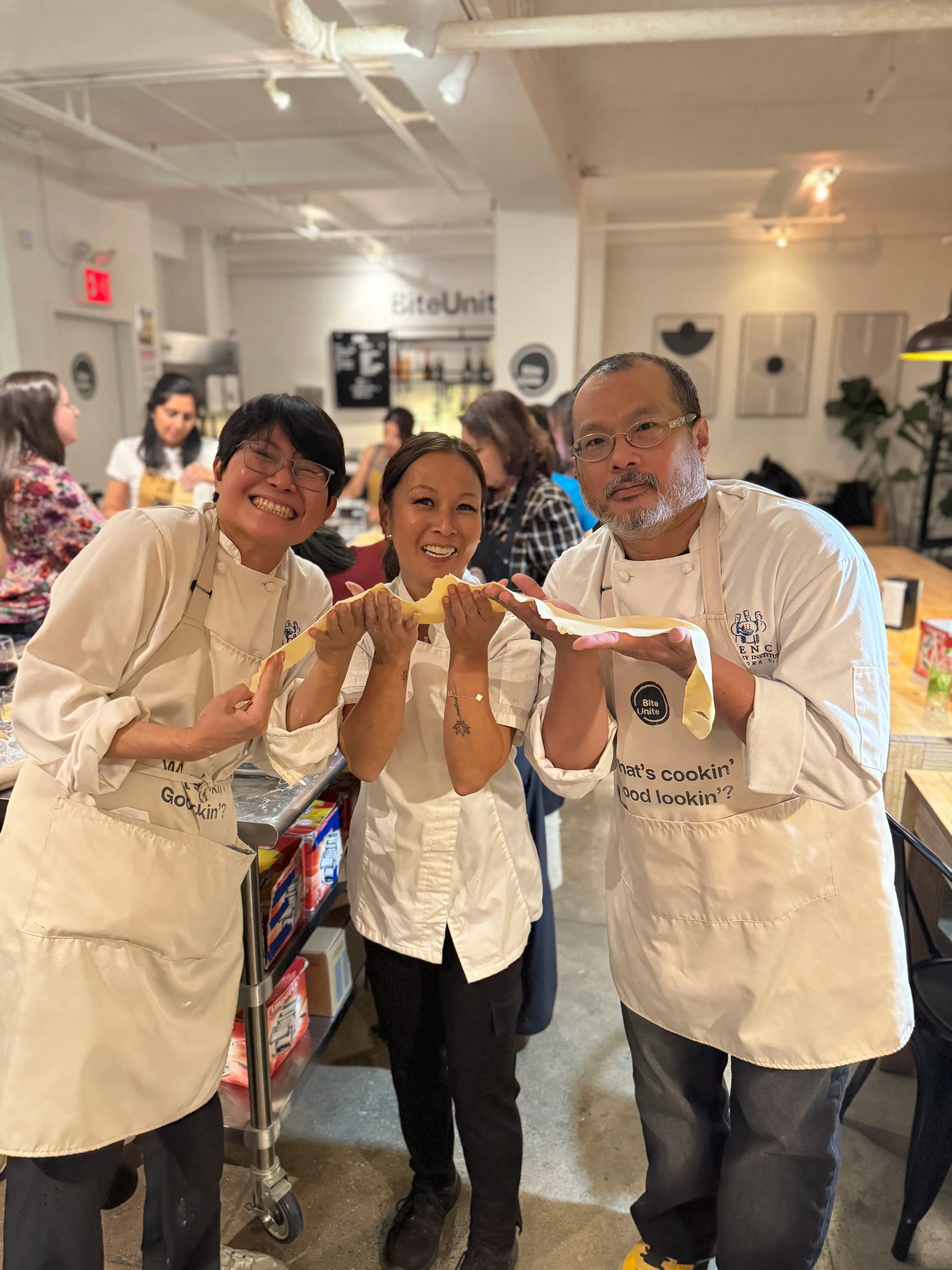
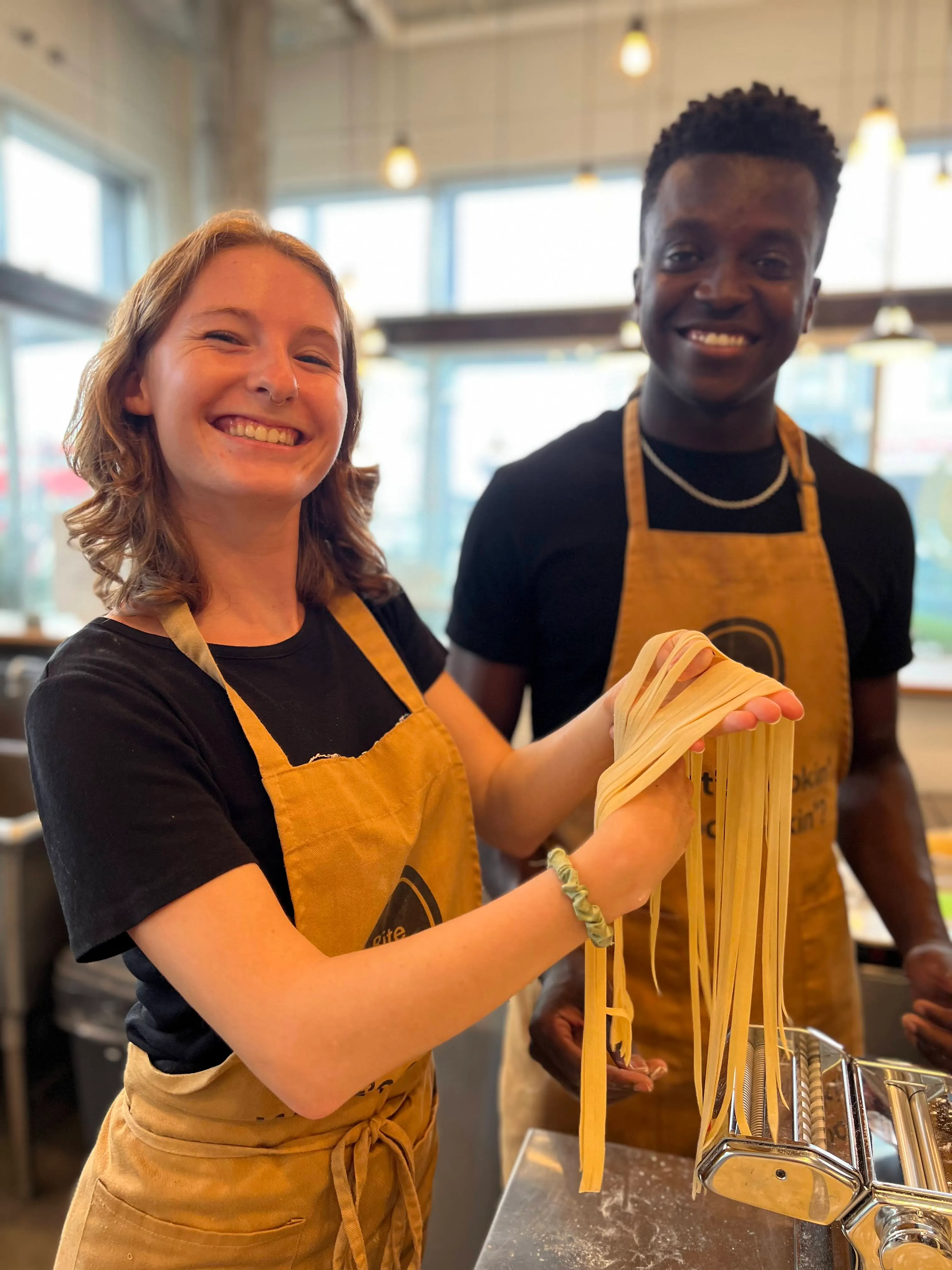
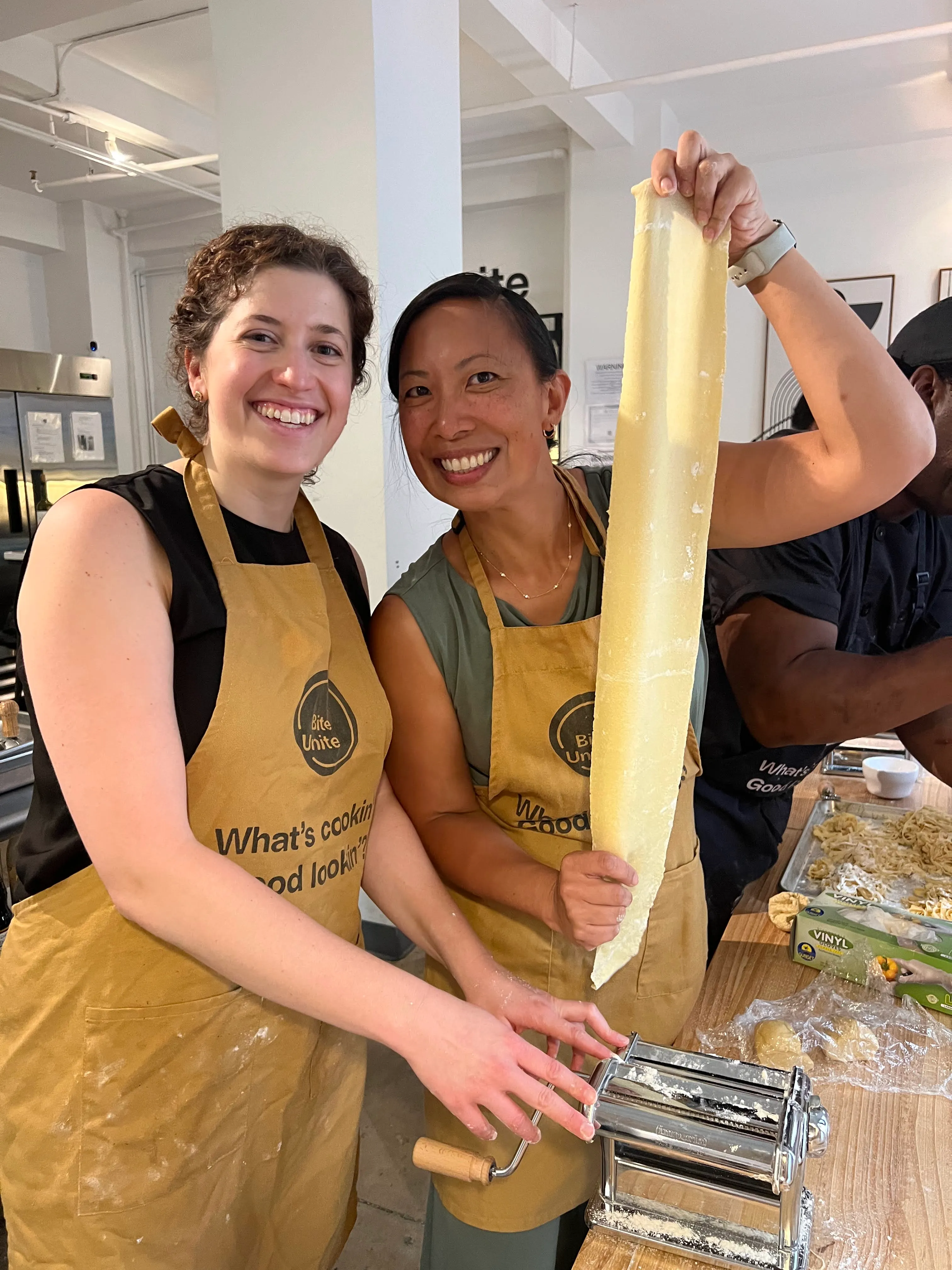
After resting, you roll the dough into thin sheets. If the class uses a pasta machine, you will feed the dough through the rollers a few times, making it thinner with each pass. If you roll by hand, the instructor will show you how to keep the sheet even.
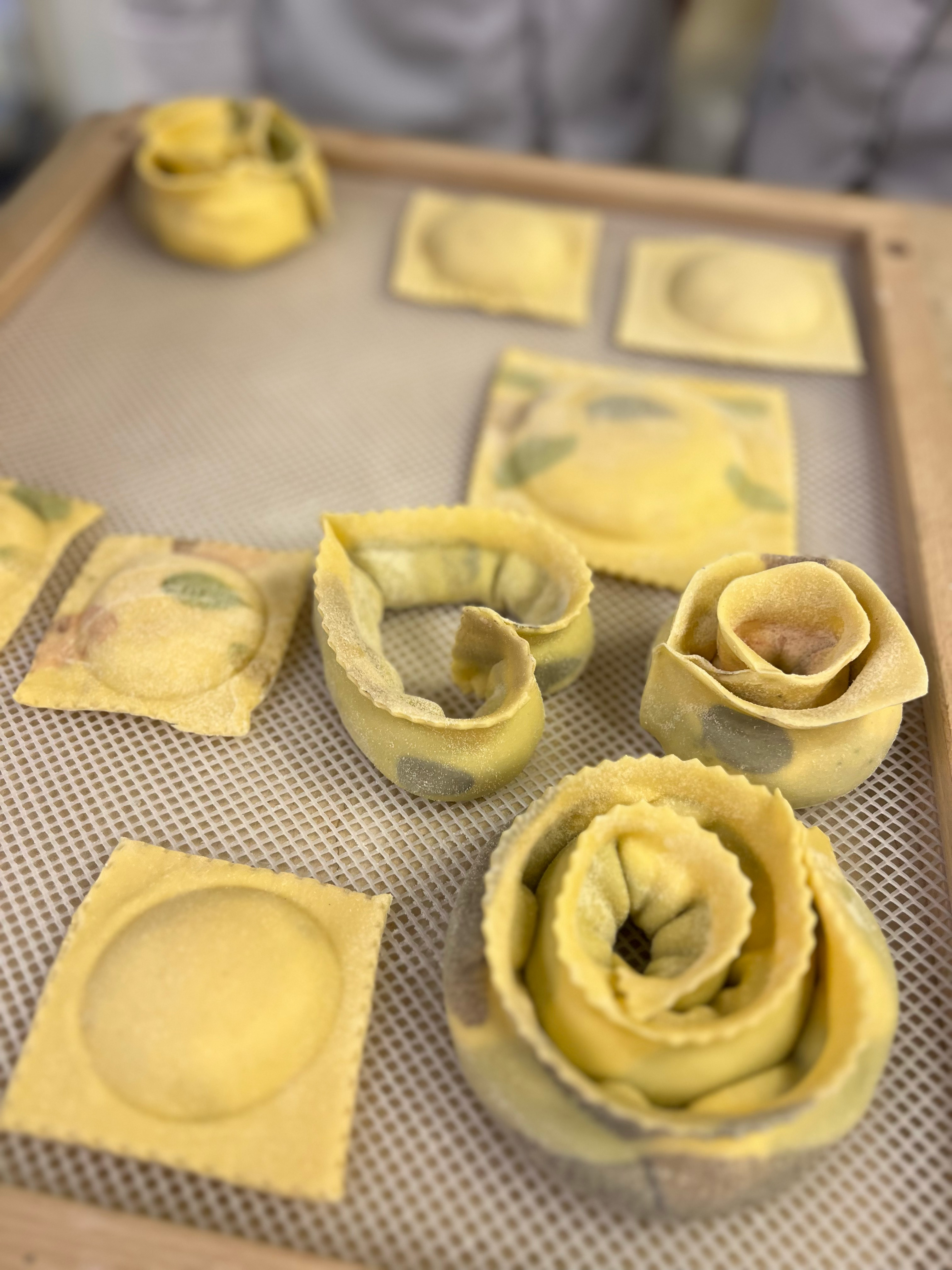
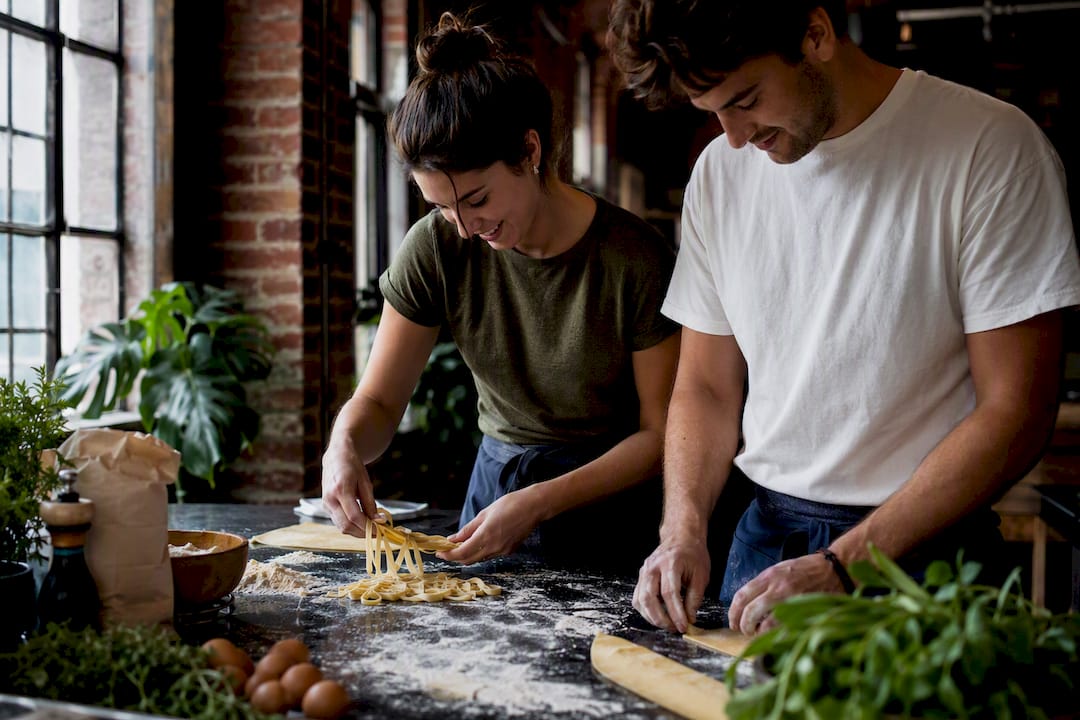
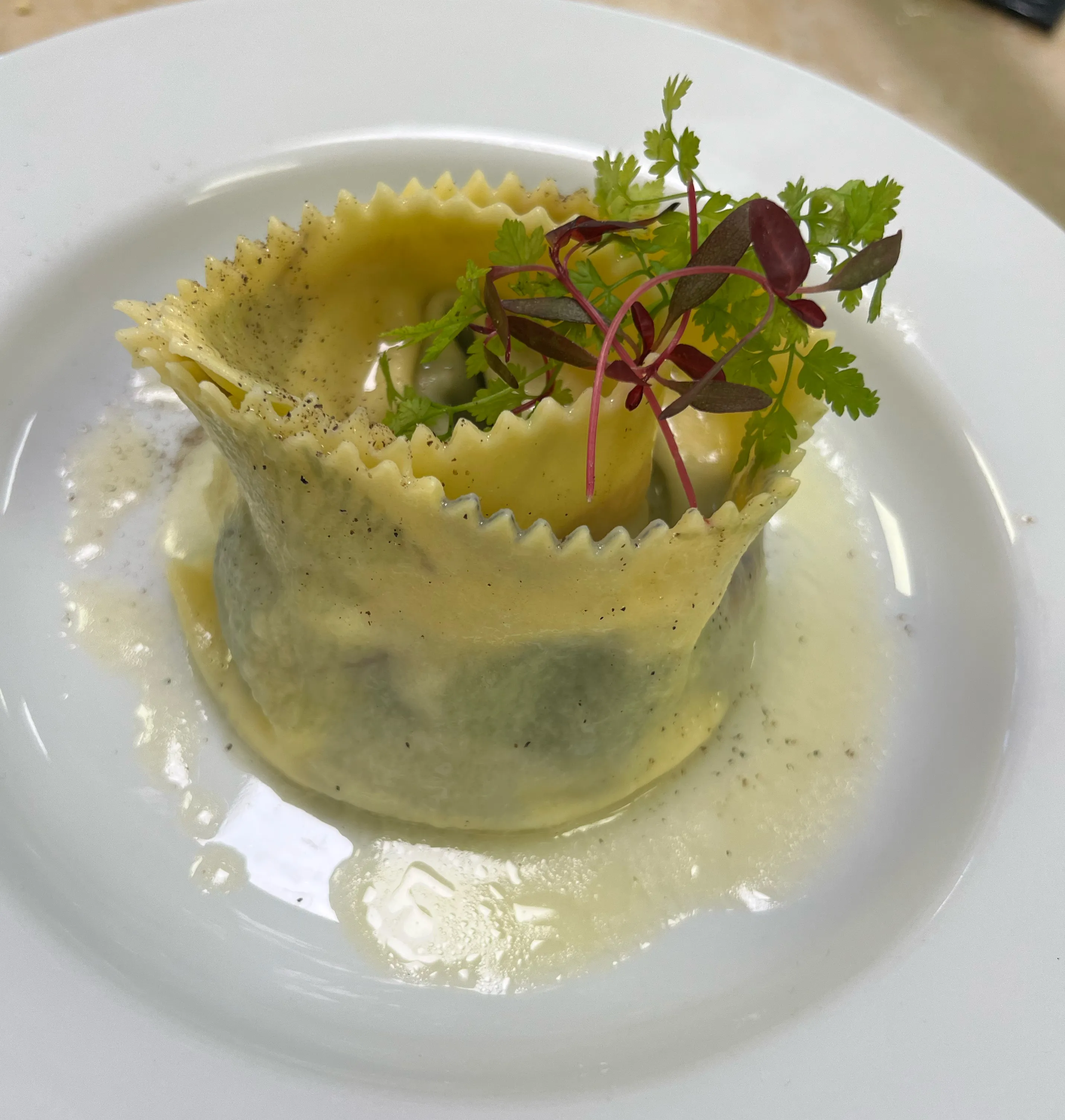
Then you cut or shape the pasta. Beginner classes usually start with long ribbons because they are the easiest. Some also include a simple filled shape like ravioli. For a full list, see our guide to fresh pasta shapes you can learn in a San Francisco class.
Cooking and Eating Together
Fresh pasta cooks in just a few minutes. You will learn how to tell when it is done by tasting, not by the clock. Then the class finishes the pasta in the sauce and sits down to eat.
Pasta Terms Every Beginner Should Know
Instructors sometimes use Italian words or kitchen terms without thinking. Here are a few you are likely to hear.
- Al dente means the pasta still has a slight bite in the center. It should not be crunchy, but it should not be mushy either.
- 00 flour is a very finely milled Italian flour. It makes a smooth, silky dough and is popular for egg pasta.
- Semolina is a coarse flour made from durum wheat. It is common in eggless pasta and is often dusted on fresh noodles to keep them from sticking. You can read more about semolina on Wikipedia.
- Lamination is when you layer a sheet of pasta with herbs or colored dough to make a pattern.
- Pasta water is the salty, starchy water left after boiling. Cooks save a cup of it to help sauce cling to the pasta.
- Mantecare is an Italian word for tossing pasta with sauce and fat until it turns glossy and creamy.
If you want to learn more before class, King Arthur Baking's pasta guide explains the basics of flour and dough in plain language.
Common Mistakes First Timers Make
Everyone makes mistakes in their first class. That is part of learning. Knowing the most common ones can help you avoid a few.
Adding Too Much Flour
When dough feels sticky, the first instinct is to add more flour. A little is fine, but too much makes the dough dry and hard to roll. Ask the instructor before you add more. Often the dough just needs more kneading.
Skipping or Rushing the Rest
We mentioned this already, but it is the most common beginner mistake. Dough that has not rested fights back when you roll it. It shrinks and tears. Be patient.
Rolling Too Thick
Beginners often stop rolling too early. Fresh pasta should be thin. For long ribbons, many cooks say you should be able to see the shadow of your hand through the sheet. Thick pasta turns out chewy and heavy.
Overfilling Ravioli
It is tempting to pack a lot of filling into each pocket. But overfilled ravioli are hard to seal and tend to burst in the pot. A small spoonful is plenty. Press out the air around the filling before you seal the edges.
Overcooking the Pasta
Fresh pasta cooks much faster than dried pasta. It may need only two or three minutes. Taste a piece early so you do not end up with mush.
What to Wear and Bring to Your Pasta Class
You do not need to bring much. The kitchen will supply the ingredients and tools. Still, a few simple choices make the day easier.
Wear closed toe shoes. Kitchens can have hot pans and sharp tools, and you will be on your feet most of the time.
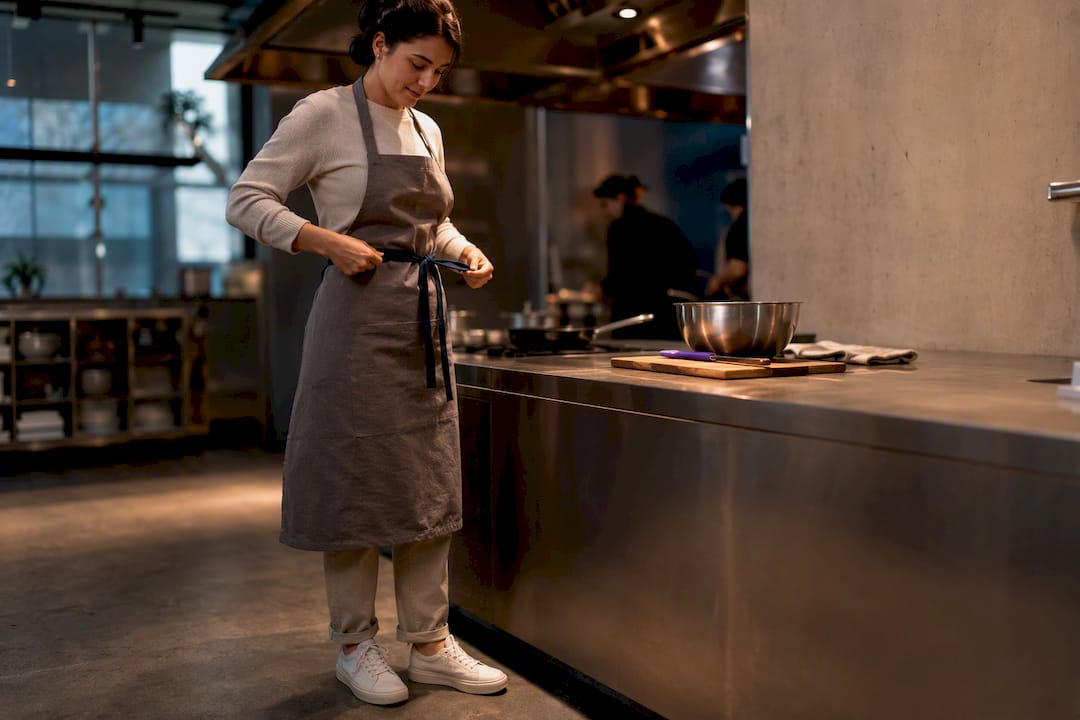
Pick comfortable clothes that you do not mind getting a little flour on. Most classes provide aprons, but flour has a way of finding sleeves and pant legs.
Tie back long hair. It keeps hair out of the dough and out of your face while you work.
Bring your phone if you want photos of each step. Those pictures help a lot when you try the recipe at home.
Bring your appetite. You will eat a full meal at the end of class, so plan your day around it.
How to Prepare the Week Before Your Class
You do not need to study before a pasta class. Still, a little prep can help you feel more relaxed on the day.
Start by confirming the details. Check the address and the start time. Plan how you will get there, and leave extra time for parking or transit. Arriving a few minutes early lets you settle in without rushing.
Next, think about food allergies and diets. If you did not mention them when you booked, reach out to the kitchen now. Many classes can offer swaps with a little notice, but last minute changes are harder.
Watch a short video of someone kneading pasta dough if you are curious. It can help you picture the process. Do not worry about getting it right yet. The instructor will show you everything in person.
On the day of class, eat a light snack a few hours before. You want to arrive hungry, but not so hungry that you cannot focus. Skip heavy lotions or strong hand creams, since they can make dough slippery.
Finally, set a simple goal. Maybe you want to learn how thin to roll the dough. Maybe you want to master sealing ravioli. Having one focus helps you ask better questions and remember more after class.
How to Pick a Beginner Friendly Pasta Class in SF
Not every class is aimed at beginners. Look for a few signs that a class will be a good fit.
The class description should say that no experience is needed. It should also explain that each guest works with their own dough. Hands on practice is how beginners learn best.
Smaller groups are better for first timers. With fewer people in the room, the instructor has more time to help each person.
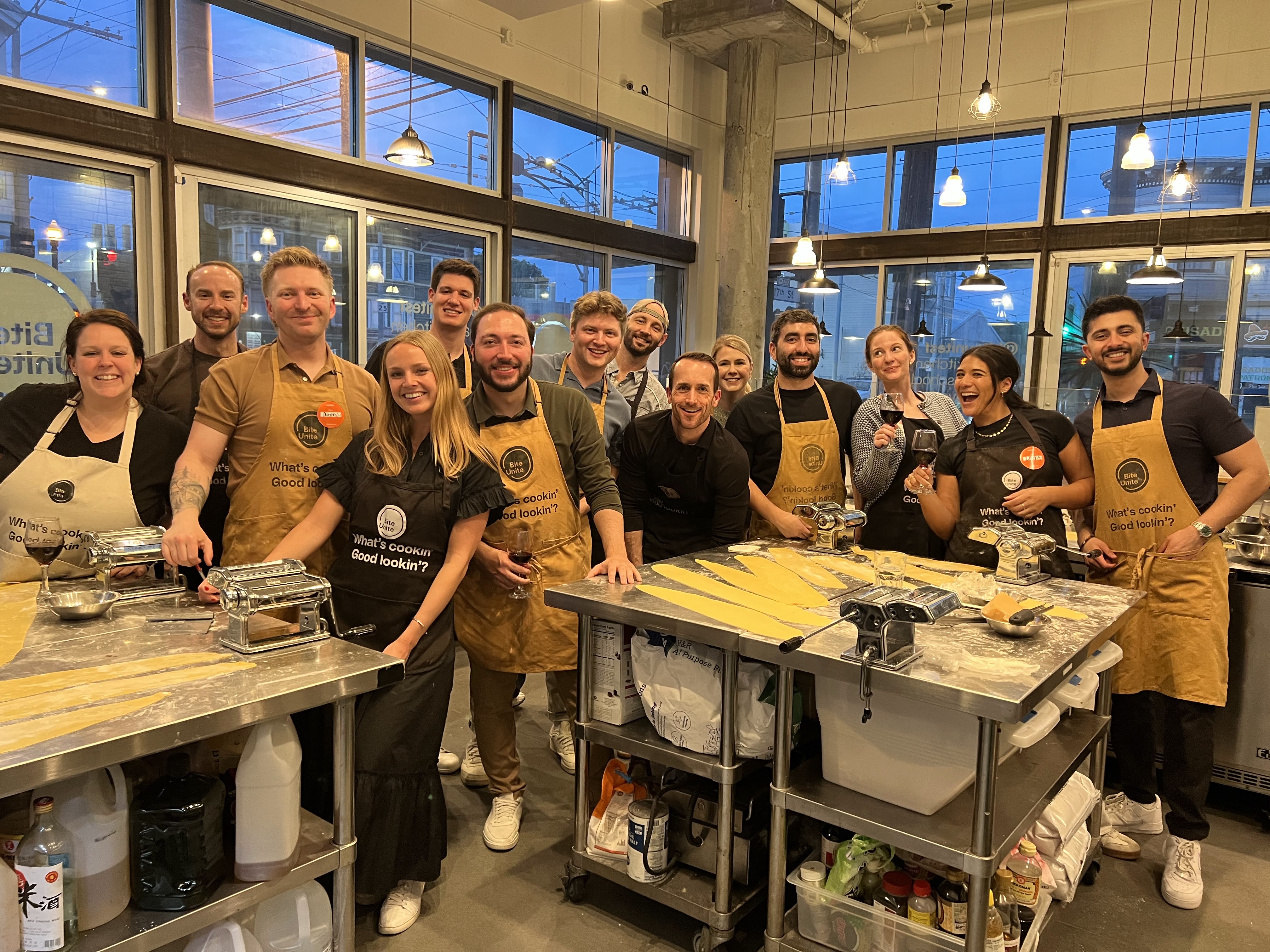
Check the location and timing too. Our hands on pasta making class in San Francisco runs from our kitchen in the Mission District. It is designed for beginners, so you can relax and focus on learning. You can see every class we offer on our San Francisco cooking classes page.
For a broader overview of the city, read our complete guide to pasta making classes in San Francisco.
Is a Beginner Class Good for Couples and Groups
Yes. In fact, beginner classes are often the best choice for couples and groups because everyone starts at the same level. Nobody feels left behind, and nobody has to carry the team.
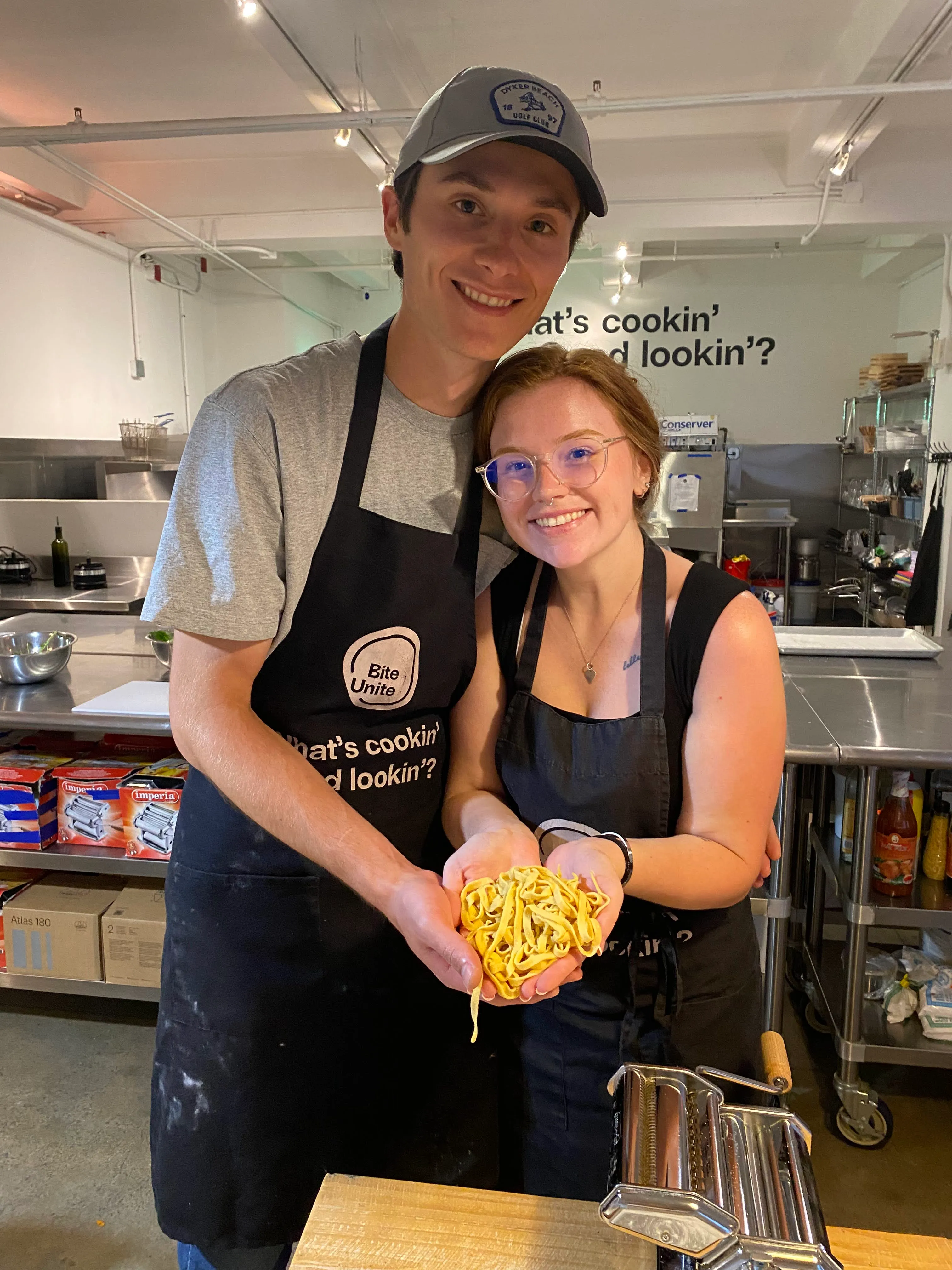
Couples find that a pasta class makes for an easy, low pressure date. You have something to focus on, so the conversation flows naturally. Check out our romantic cooking class date ideas for couples in SF for more inspiration.
Groups of friends can book a private session to have the room to themselves. Our post on private pasta making classes in San Francisco explains how that works. Companies can also book team building cooking classes in San Francisco for a beginner friendly group event.
Practicing at Home After Your First Class
The first week after class is the best time to practice. The steps are still fresh in your mind. Try to make pasta at least once in those first few days.
Start with the same dough you made in class. Our homemade tagliatelle recipe is a good match for what most beginner classes teach. Pair it with a simple sauce like our basil pasta pesto. Once you feel confident, try a new shape or a new sauce each time.
Do not worry if your first batch at home is not perfect. Your second batch will be better, and your fifth batch will be better still. That is how every cook learns.
Beginner Pasta Class FAQs
What if I am not good at cooking?
That is exactly who beginner classes are for. The instructor explains every step and helps as you go.
Can I go to a pasta class alone?
Yes. Many people come solo. Shared tables make it easy to talk with others.
Do I need to buy a pasta machine?
No. You can make great pasta with just a rolling pin and a knife. A machine is nice to have, but it is not required.
Will I get the recipe?
Most classes share the recipe so you can make it again at home. Ask your instructor if you are not sure.
How long does a beginner pasta class last?
Most single session classes run a few hours, including time to sit down and eat what you made.
What should I do if my dough goes wrong?
Ask for help right away. Instructors fix sticky or dry dough all the time, and learning the fix is part of the lesson.
Take the First Step Into Fresh Pasta
Your first pasta class is the start of a skill you can use for the rest of your life. You do not need talent or experience. You just need to show up curious and ready to get your hands a little messy.
When you are ready, book a beginner pasta making class in San Francisco and see how easy it is to make fresh pasta from scratch.


































.webp)