Private Pasta Making Class in San Francisco for Parties and Groups
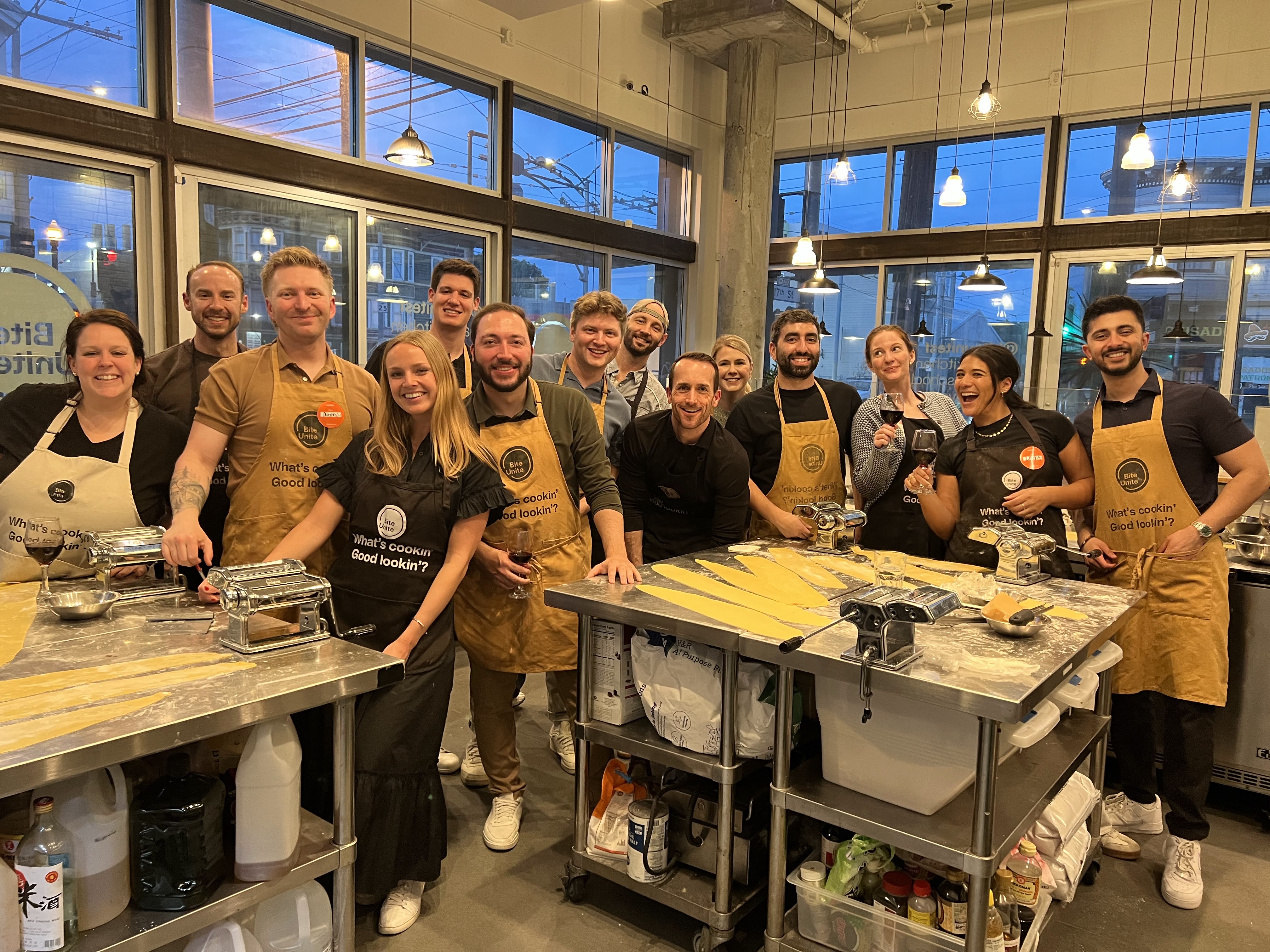
Planning a group event in San Francisco is harder than it looks. Restaurants want large parties to order off a fixed menu. Bars get loud and split people into small circles. Activities like bowling or escape rooms can be fun, but they rarely end with a real meal. A private pasta making class solves all of that in one booking.
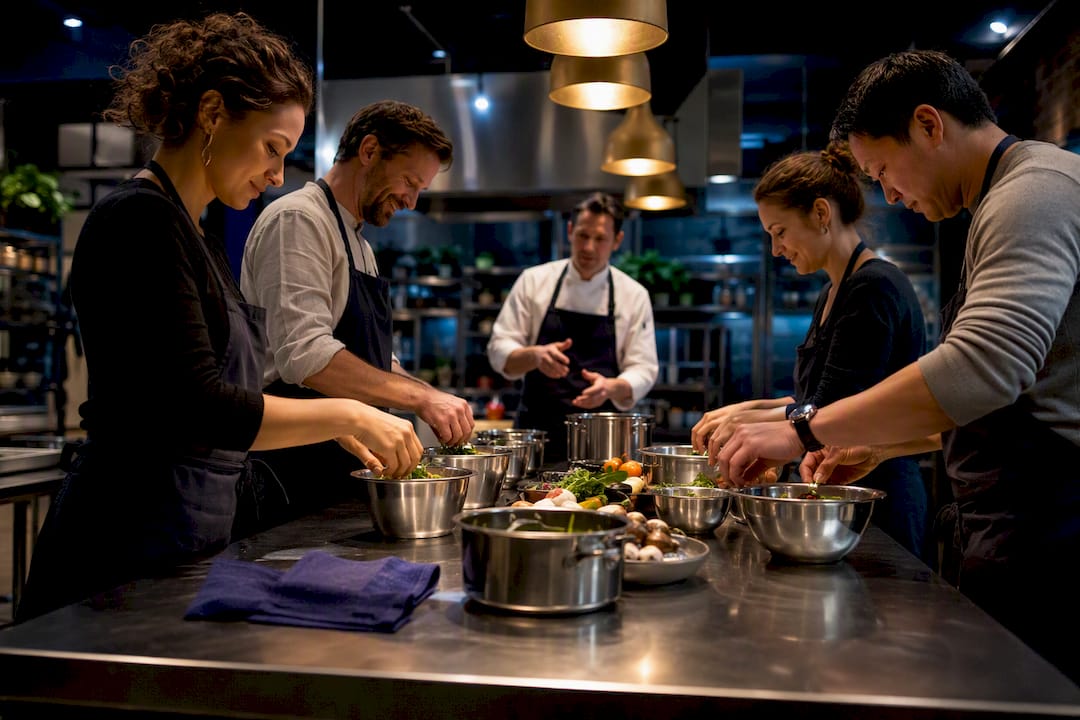
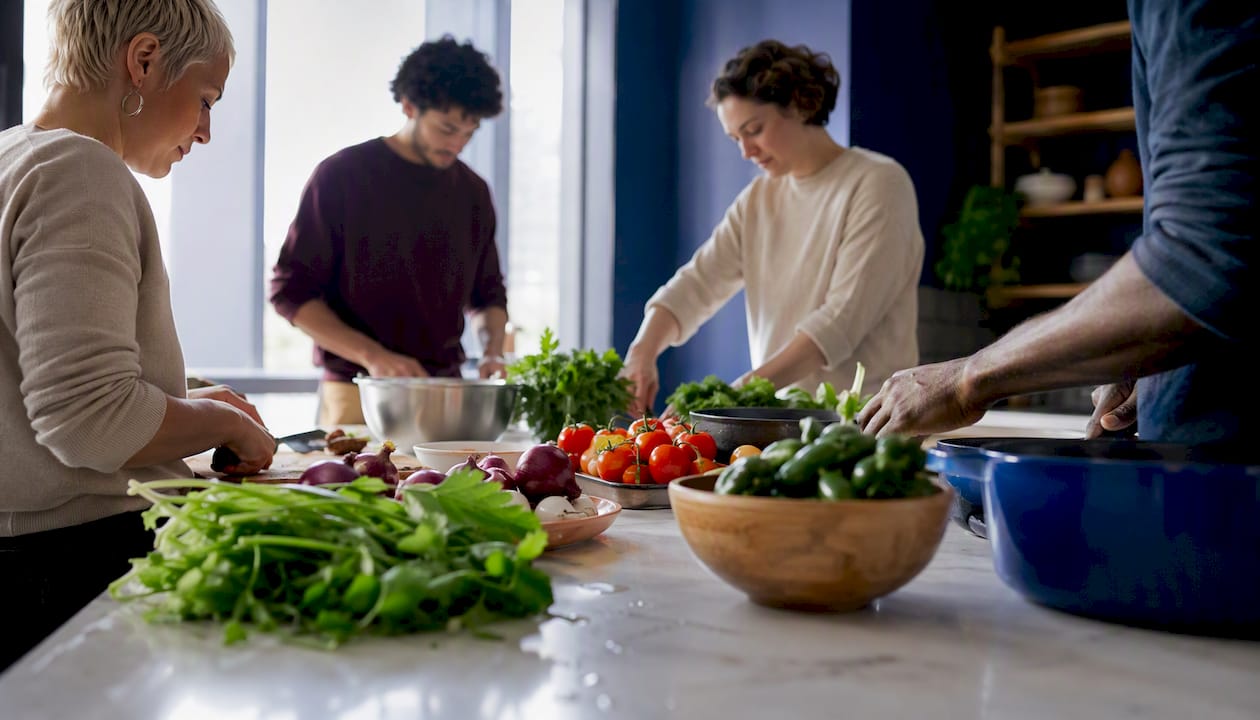
With a private class, the kitchen and the chef belong to your group for the session. Everyone gets their hands in the dough and eats together. Nobody has to worry about the check getting split twelve ways. This guide explains how private pasta classes work and how to plan one without stress.
What Makes a Private Pasta Class Different
A public group class mixes guests who booked separately. That can be a fun way to meet people, but it is not ideal for a celebration. You cannot always sit together, and you have little say in the menu or the pace.
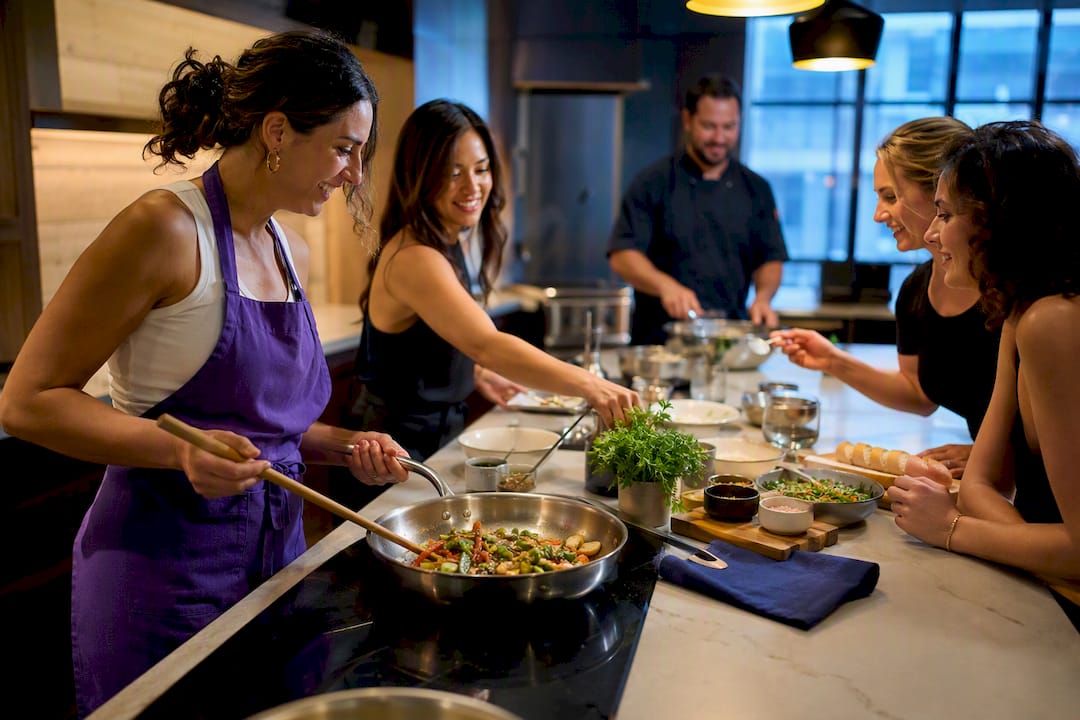
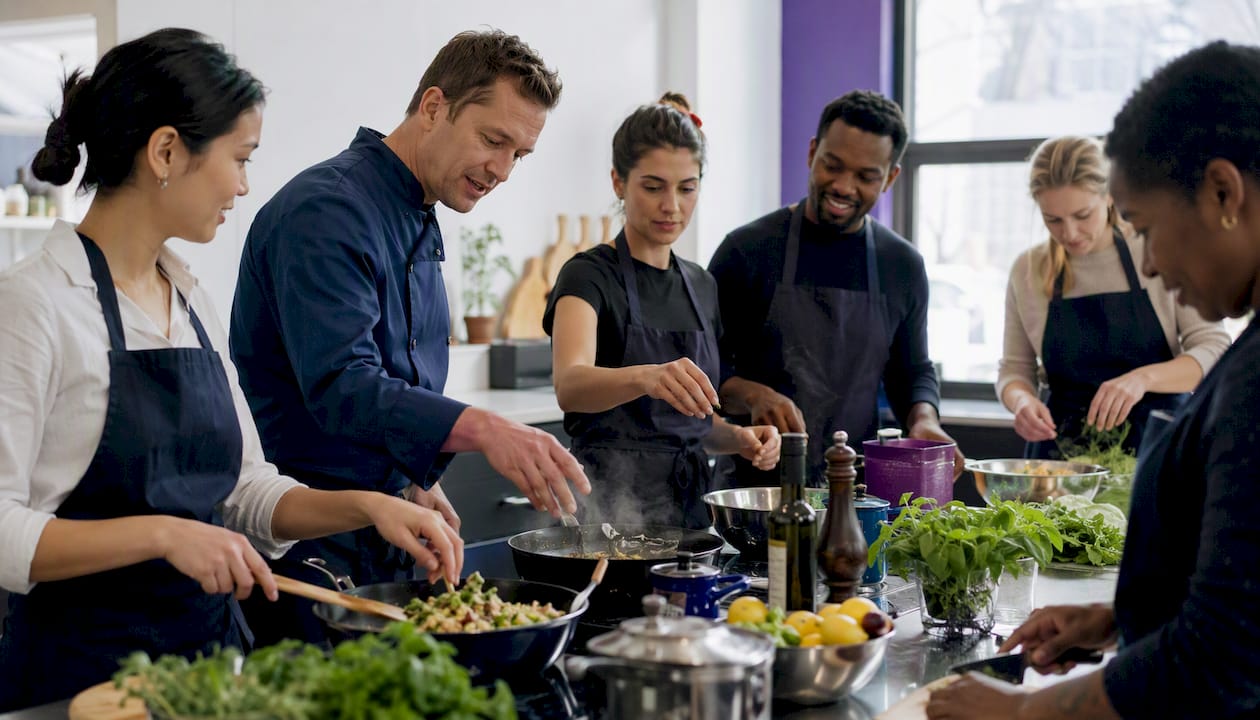
A private class changes that. Your group has the full attention of the instructor. The session can move faster or slower depending on your crowd. In many cases you can also adjust the menu or plan time for speeches and toasts.
There is also a privacy benefit. If you are celebrating a milestone, you probably want to relax and be a little loud. In a private session you can do that without worrying about strangers at the next station.
Best Occasions for a Private Pasta Class in SF
Private pasta classes work for almost any group, but some occasions are an especially good fit.
Birthday Parties That Are Not Just Dinner and Drinks
Birthdays tend to follow the same script every year. A reservation and a few drinks. A pasta class gives the night a focus. Guests have something to do together, and the birthday person gets a story to remember. For more ideas, read our post on how to throw a grown up birthday bash that is not just dinner and drinks.
Bachelorette and Bachelor Parties
Bachelorette weekends in San Francisco often pack in wine country trips and late nights out. A pasta class is a nice change of pace. It is social and hands on, and it gives the group a relaxed meal before the evening plans. Our post on why cooking classes make the ultimate bachelorette party activity has more tips.
Family Reunions and Holiday Gatherings
When family comes to town, it can be hard to find an activity that works for every age. Pasta making is one of the rare options that grandparents and teens both enjoy. It also avoids the stress of one person cooking for everyone at home. Around the holidays, fresh pasta is a tradition in many Italian families, which makes it a natural fit. See our guide to holiday cooking classes in San Francisco for seasonal ideas.
Anniversaries and Proposals
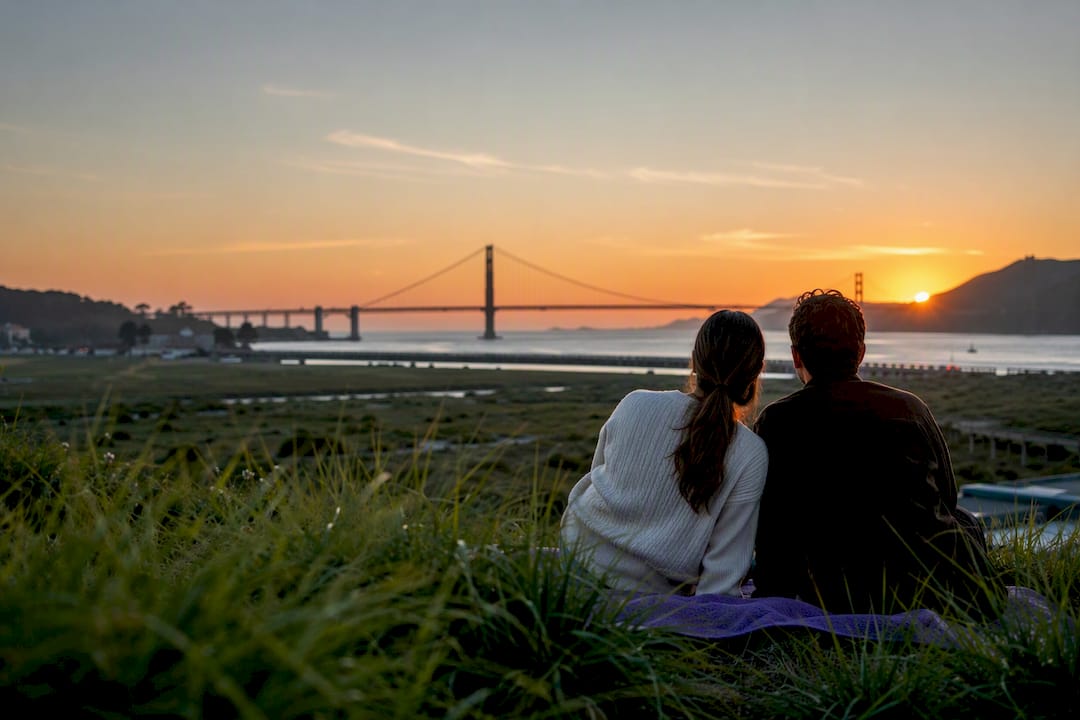
Some couples book a private class just for two, or for a small group of close friends. It feels special without being stiff. It can even make a memorable setting for a proposal. If you are planning something romantic, our list of romantic cooking class ideas in San Francisco is a good place to start.
Company Events and Team Outings
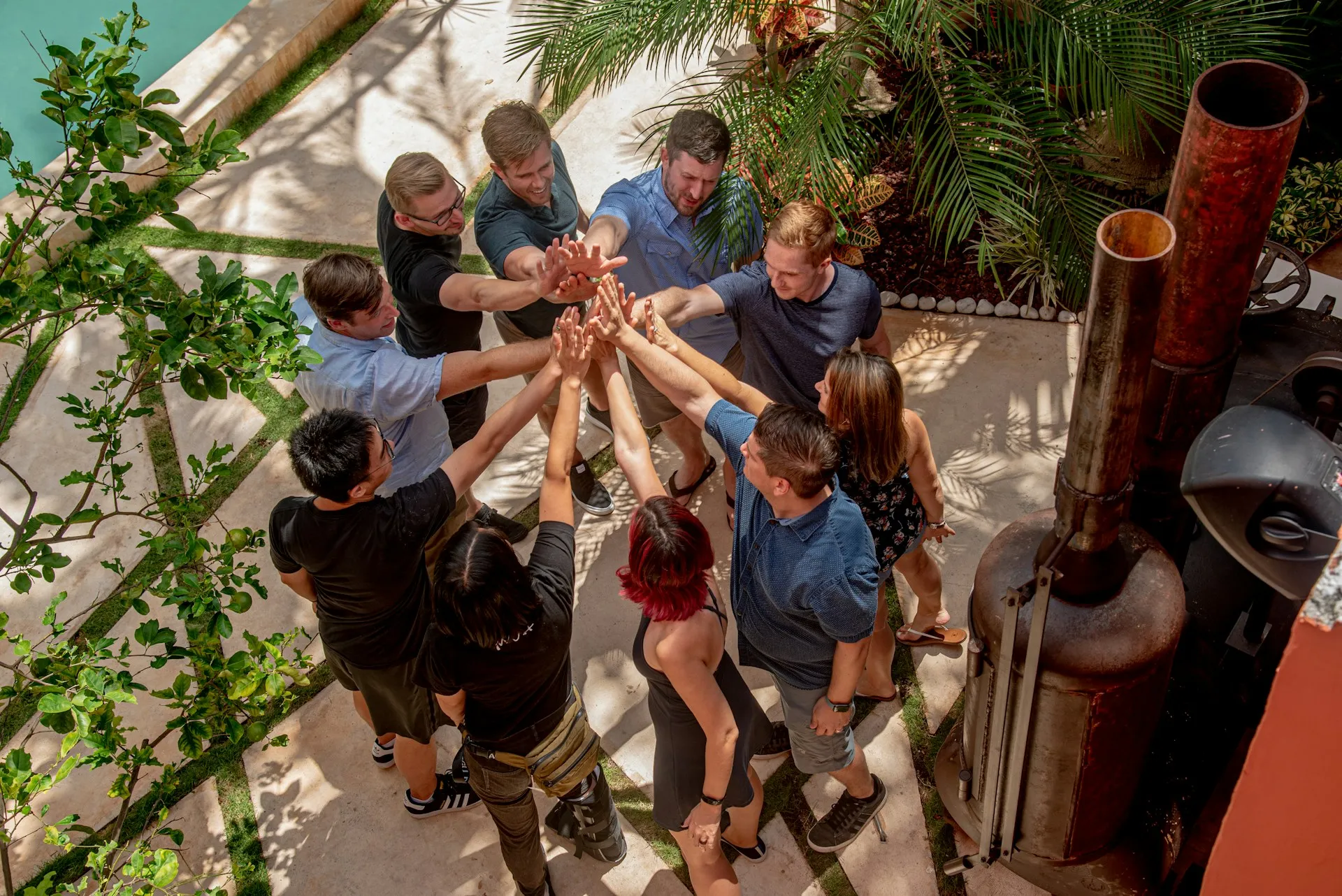
Companies use private pasta classes for team building and holiday parties. The format keeps everyone involved and ends with a shared meal. We cover this in detail in our post on pasta making parties for SF team building. You can also browse our team building cooking classes in San Francisco and our wider range of corporate cooking events.
How to Plan a Private Pasta Class Step by Step
Good planning keeps the day smooth and lets you enjoy it as a guest instead of an organizer. Here is a simple process that works for most groups.
Step 1 Set a Date and a Rough Headcount
Start by picking two or three possible dates. Weekend slots fill fast, especially in spring wedding season and in December. Booking at least a few weeks ahead gives you the best choice.
You do not need an exact headcount right away. A rough range helps the kitchen suggest the right setup. You can usually confirm final numbers closer to the date.
Step 2 Choose the Menu
Most private classes start with a standard menu, such as fresh egg pasta with one or two sauces. From there you can often add options. Filled pasta like ravioli takes a bit longer but feels more special. A dessert course like tiramisu is a popular add on.
Think about your group's skill level too. If most guests have never cooked, keep the menu simple so everyone succeeds. If your crowd loves to cook, ask about more advanced shapes.
Step 3 Collect Dietary Needs Early
Send a quick message to guests asking about allergies and diets. Common requests include vegetarian, egg free, dairy free, and gluten free options. Share the list with the kitchen as soon as you have it. The more notice they have, the better they can plan.
Step 4 Plan Drinks and Extras
Ask what drink options are available. Some kitchens offer wine pairings, while others allow you to bring your own. Also think about extras like a cake or a short toast. Let the kitchen know in advance so they can make room in the schedule.
Step 5 Share the Details With Guests
A few days before the event, send guests the address and start time. Remind them to wear closed toe shoes and to come hungry. Mention transit options too. Our kitchen is in the Mission District, which is easy to reach by BART and several Muni lines.
What Happens During a Private Pasta Class
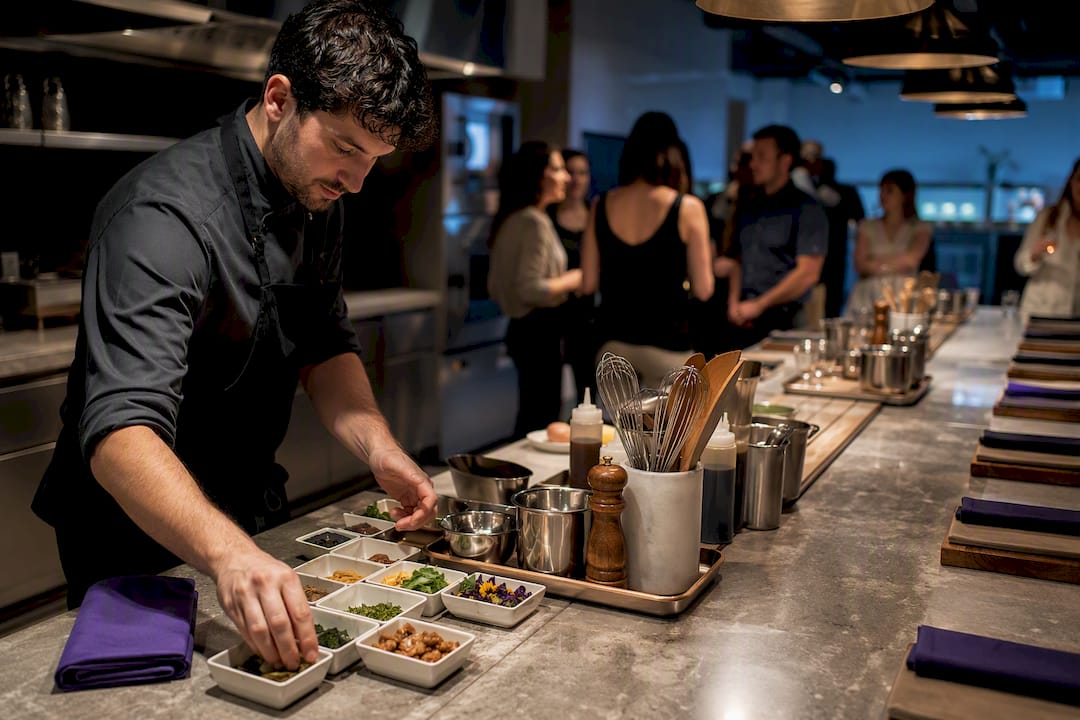
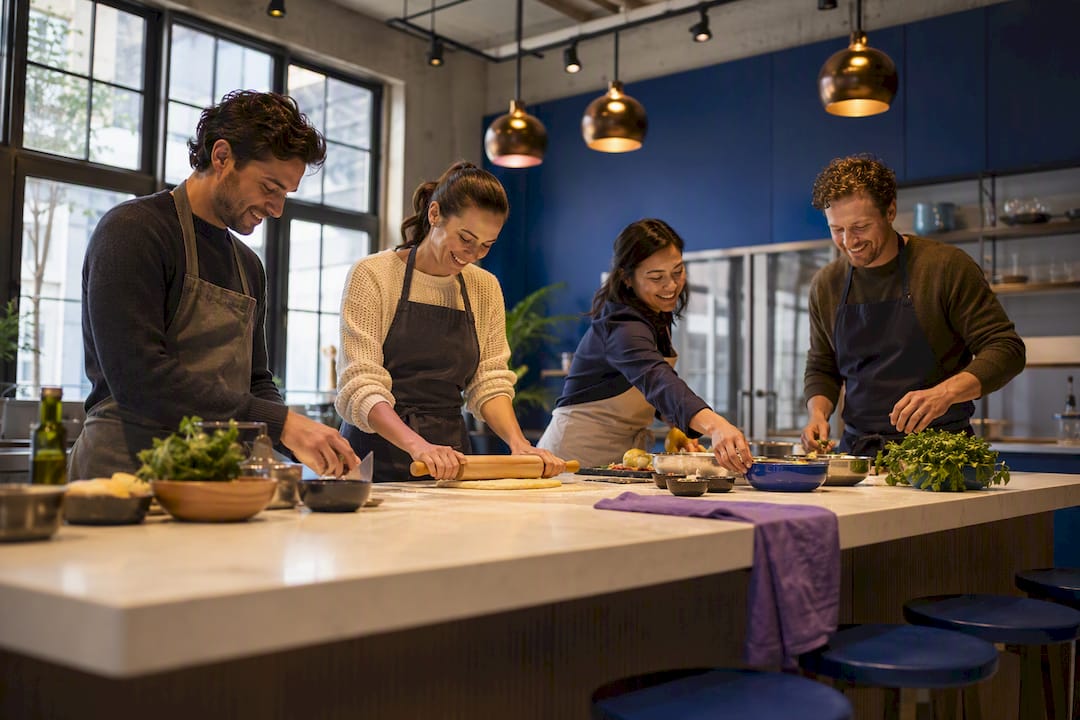
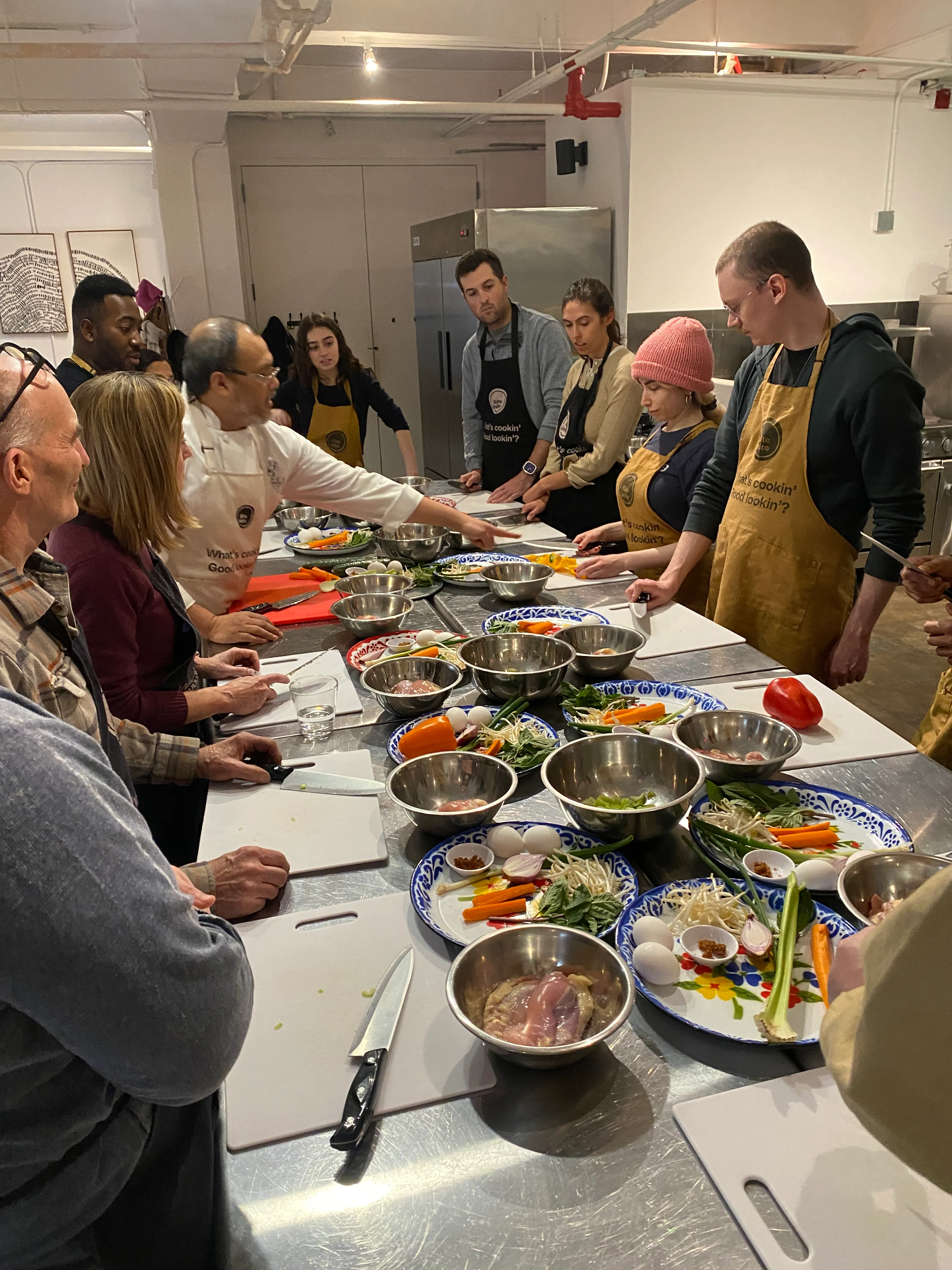
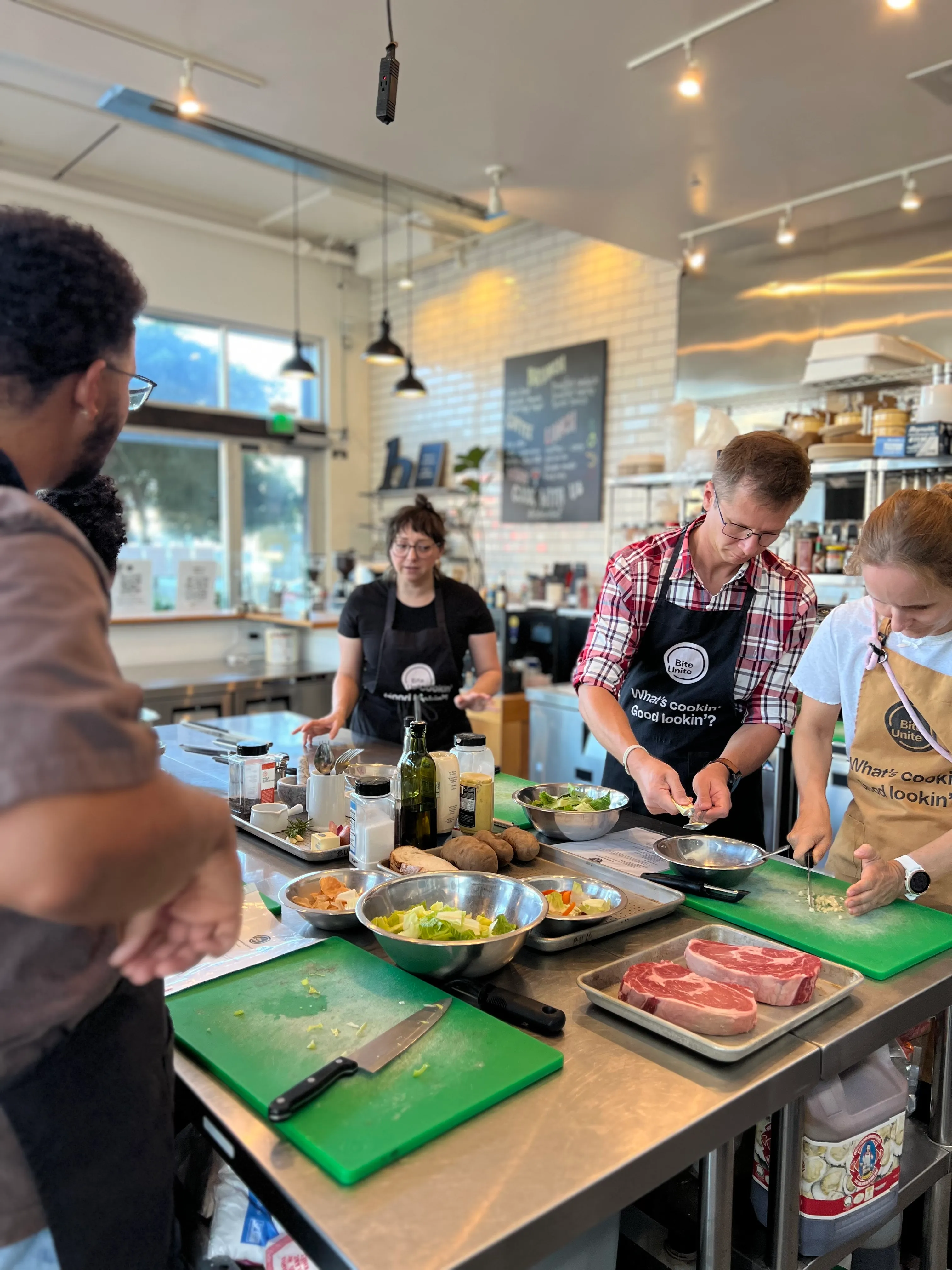
On the day of the event, your group arrives and gets settled. The instructor gives a short welcome and walks through the plan.
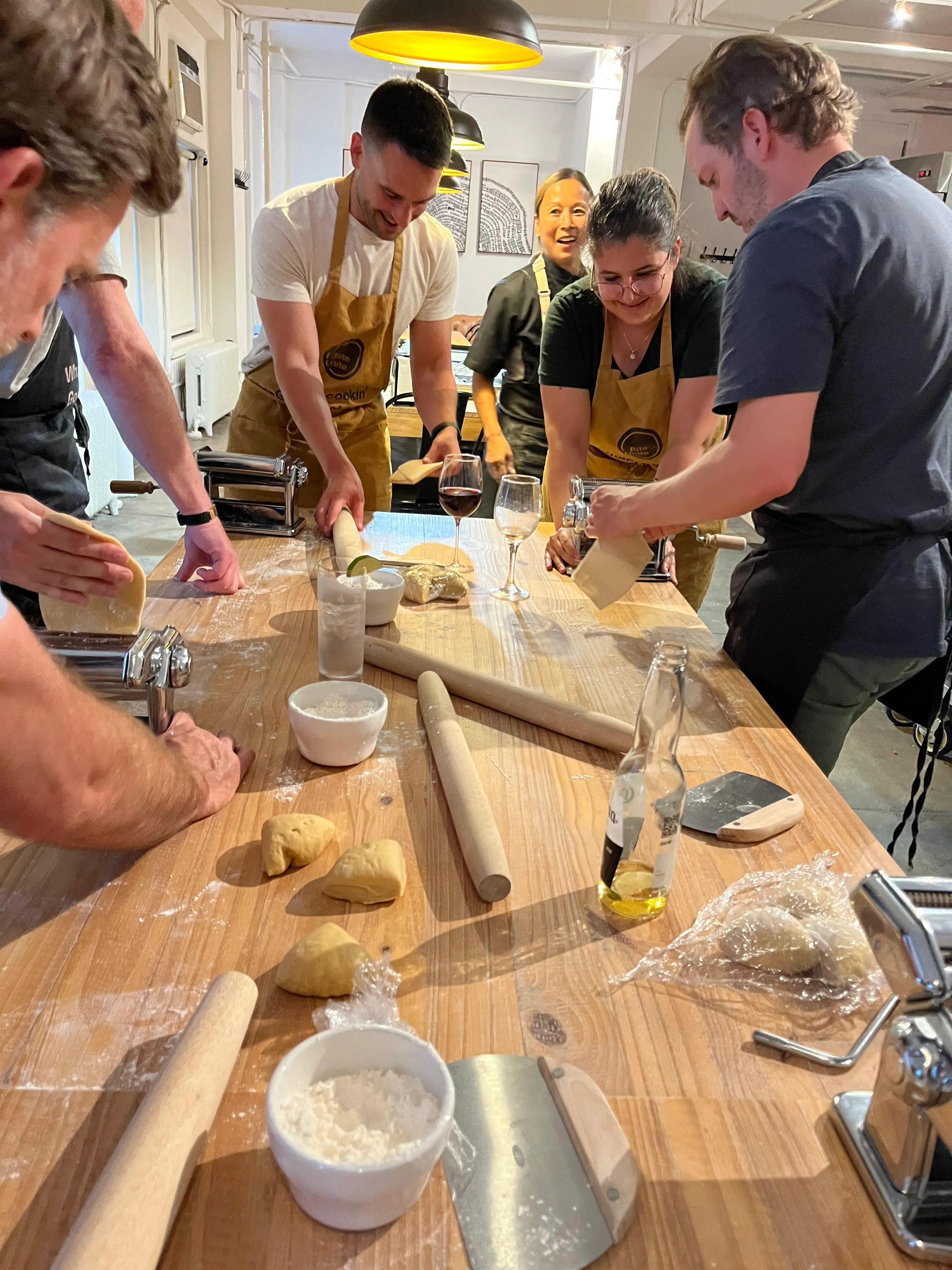
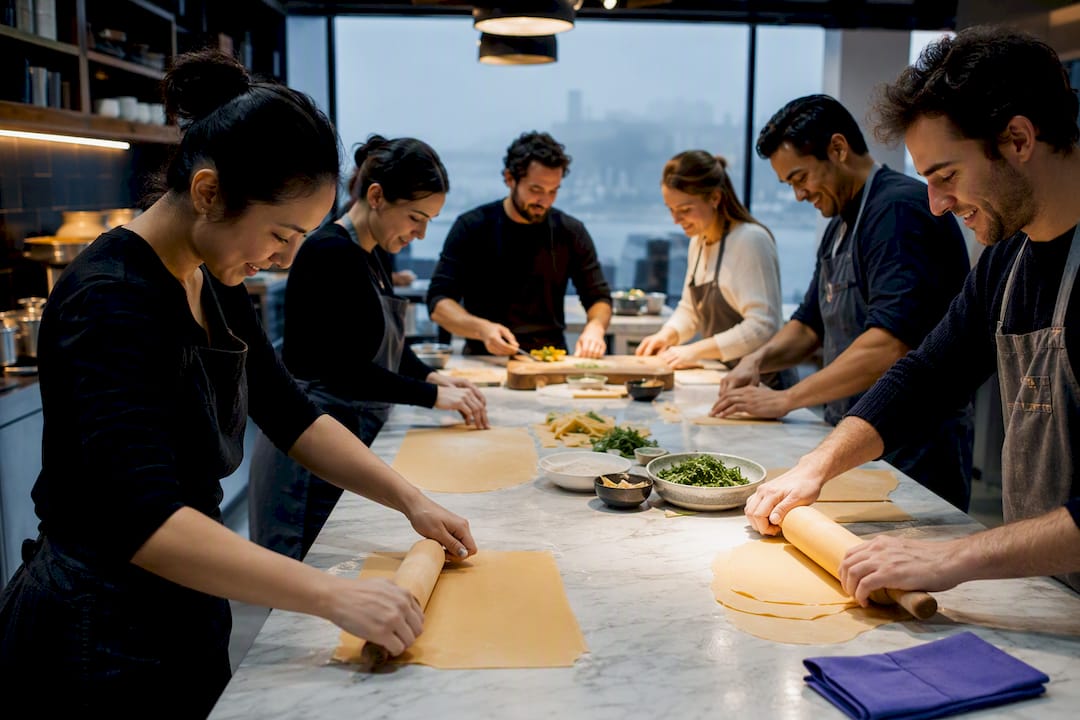
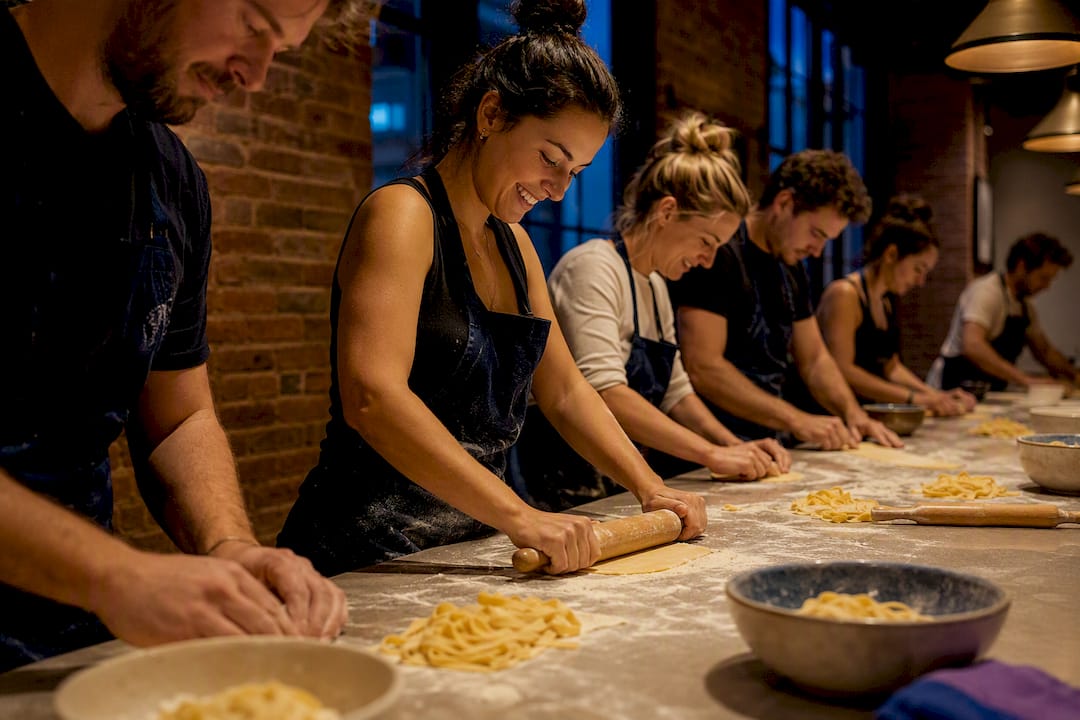
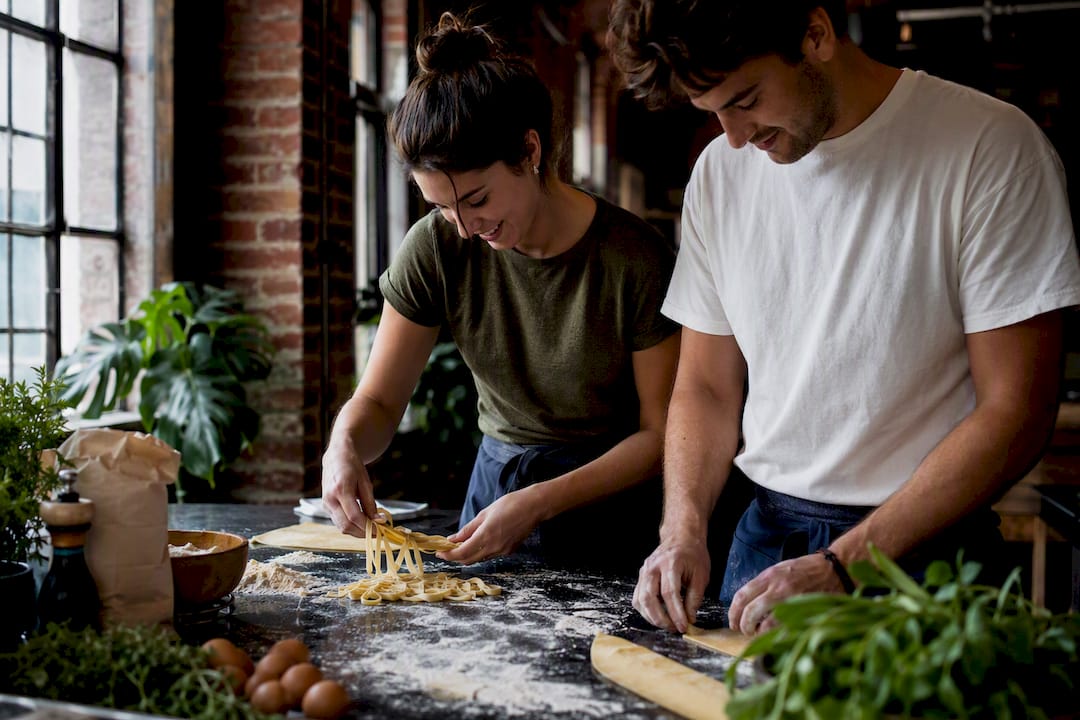
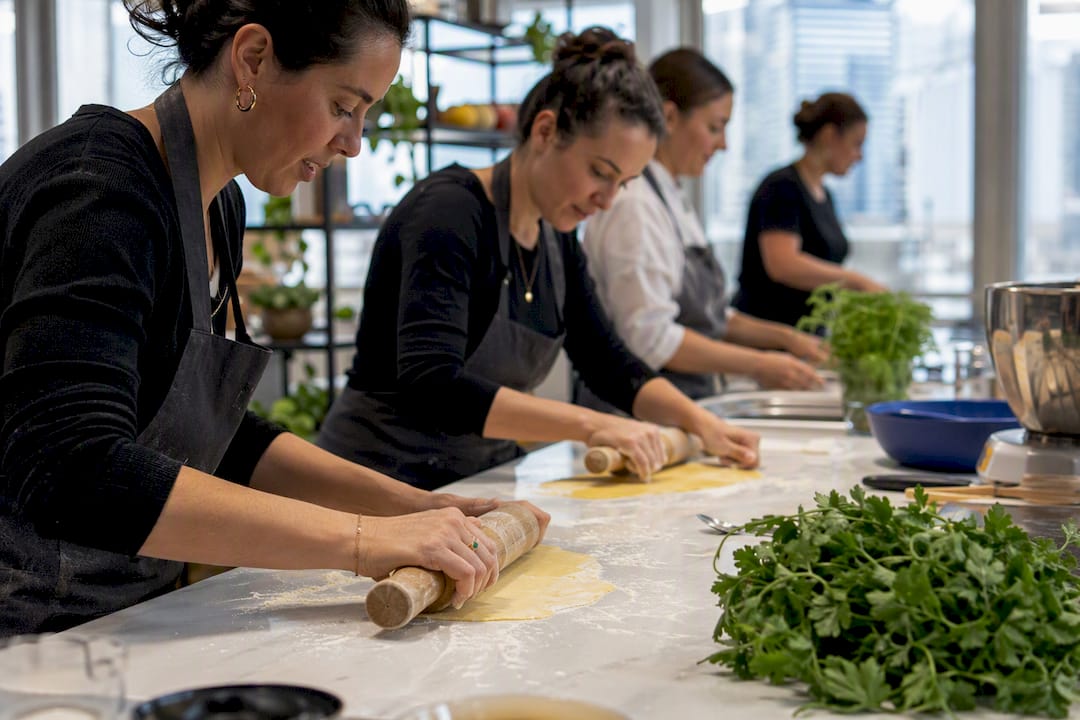
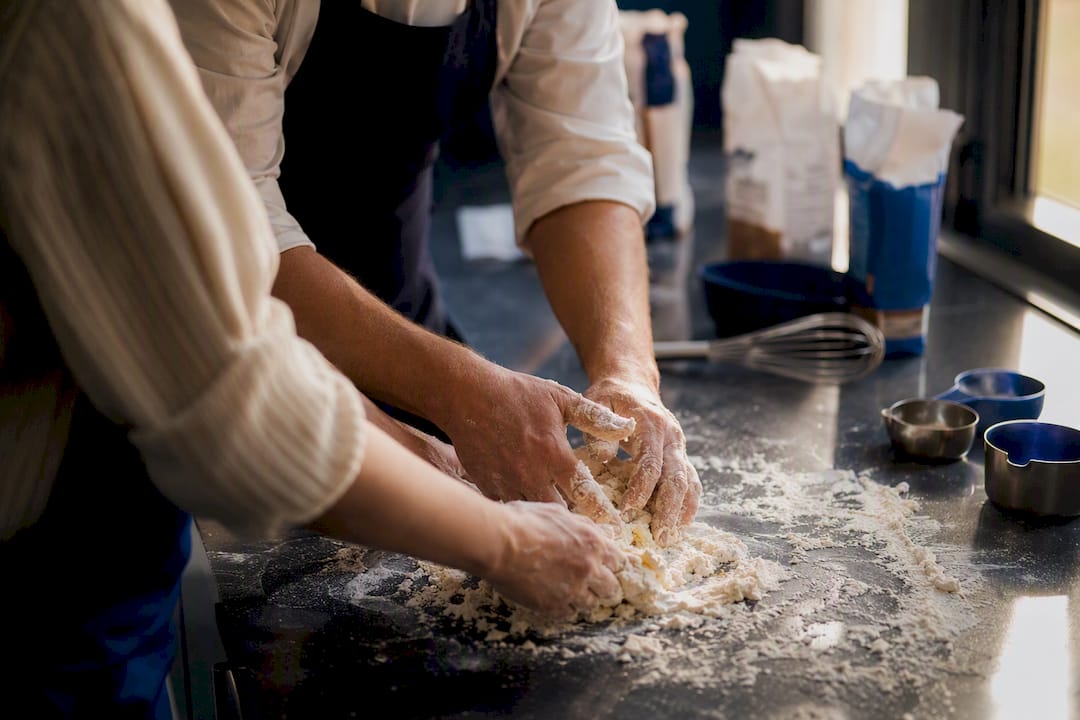
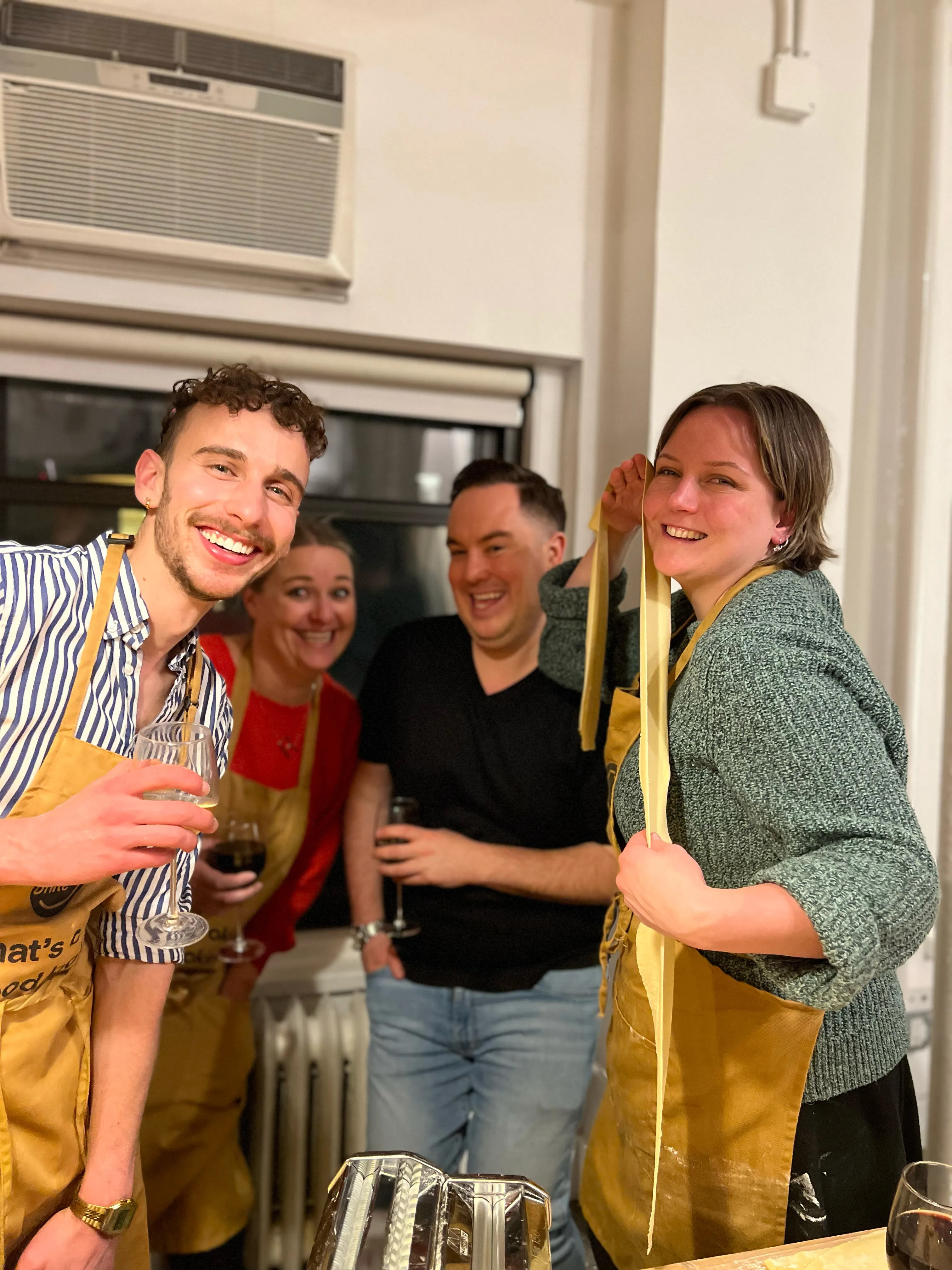
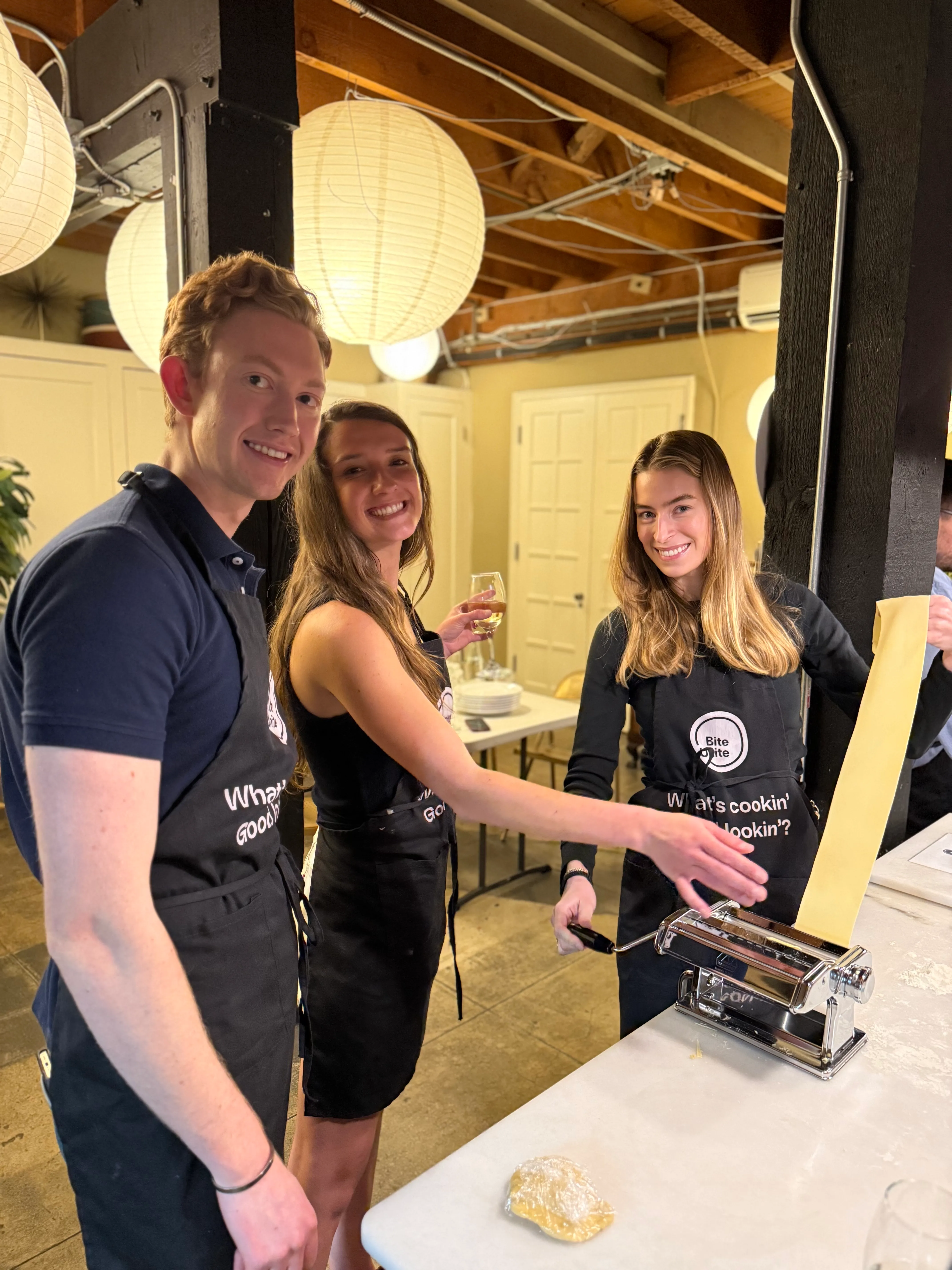
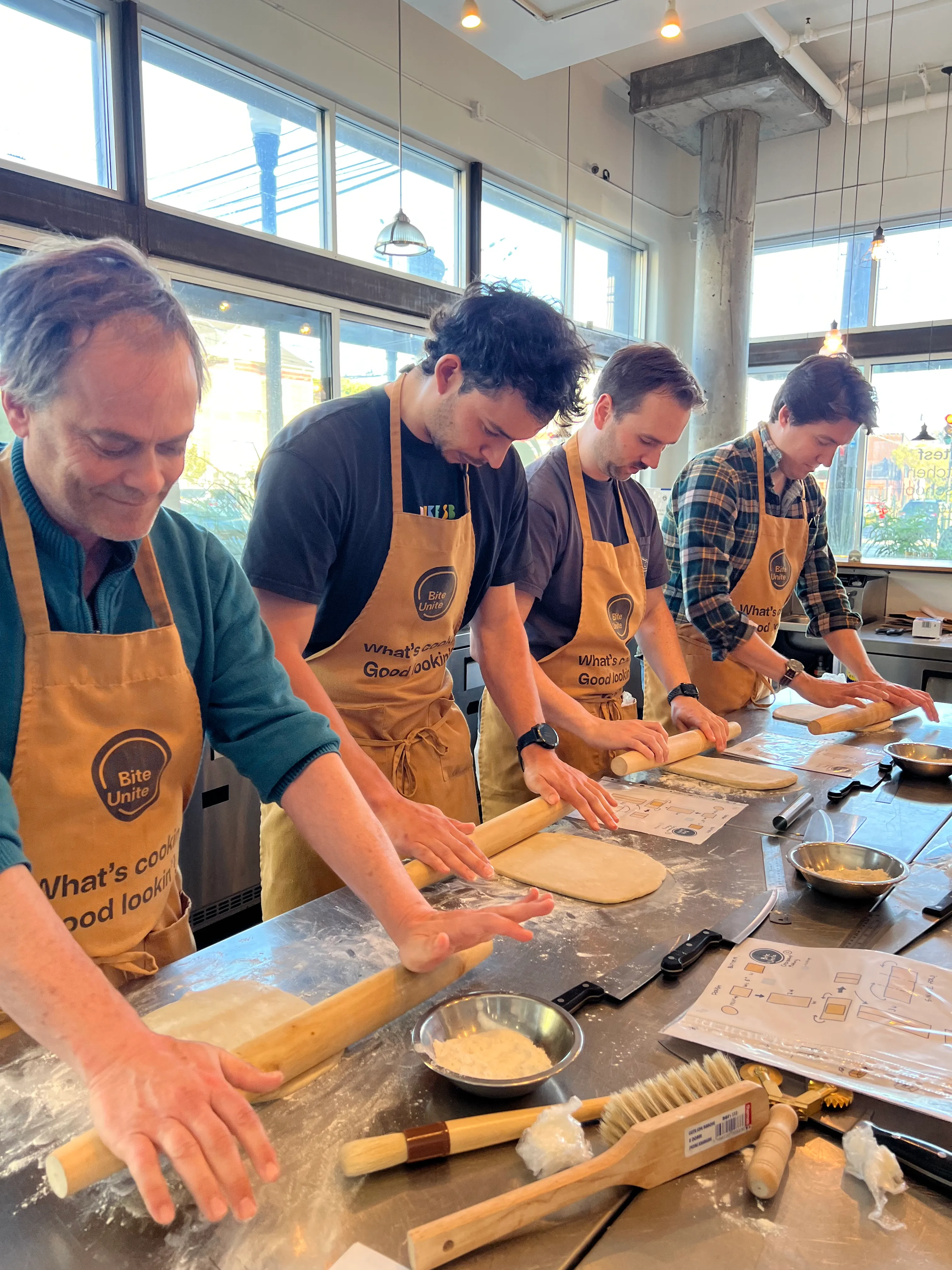
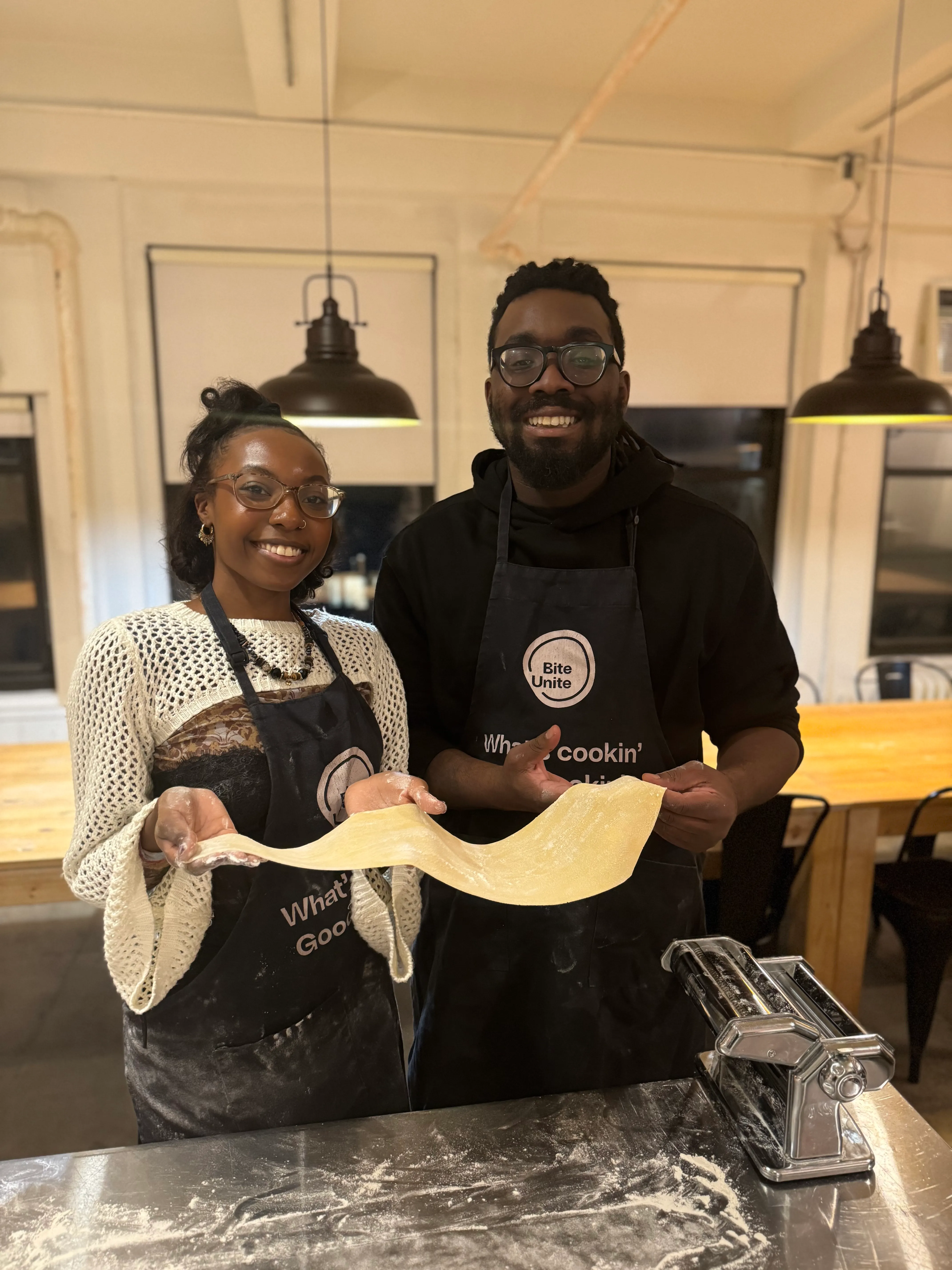
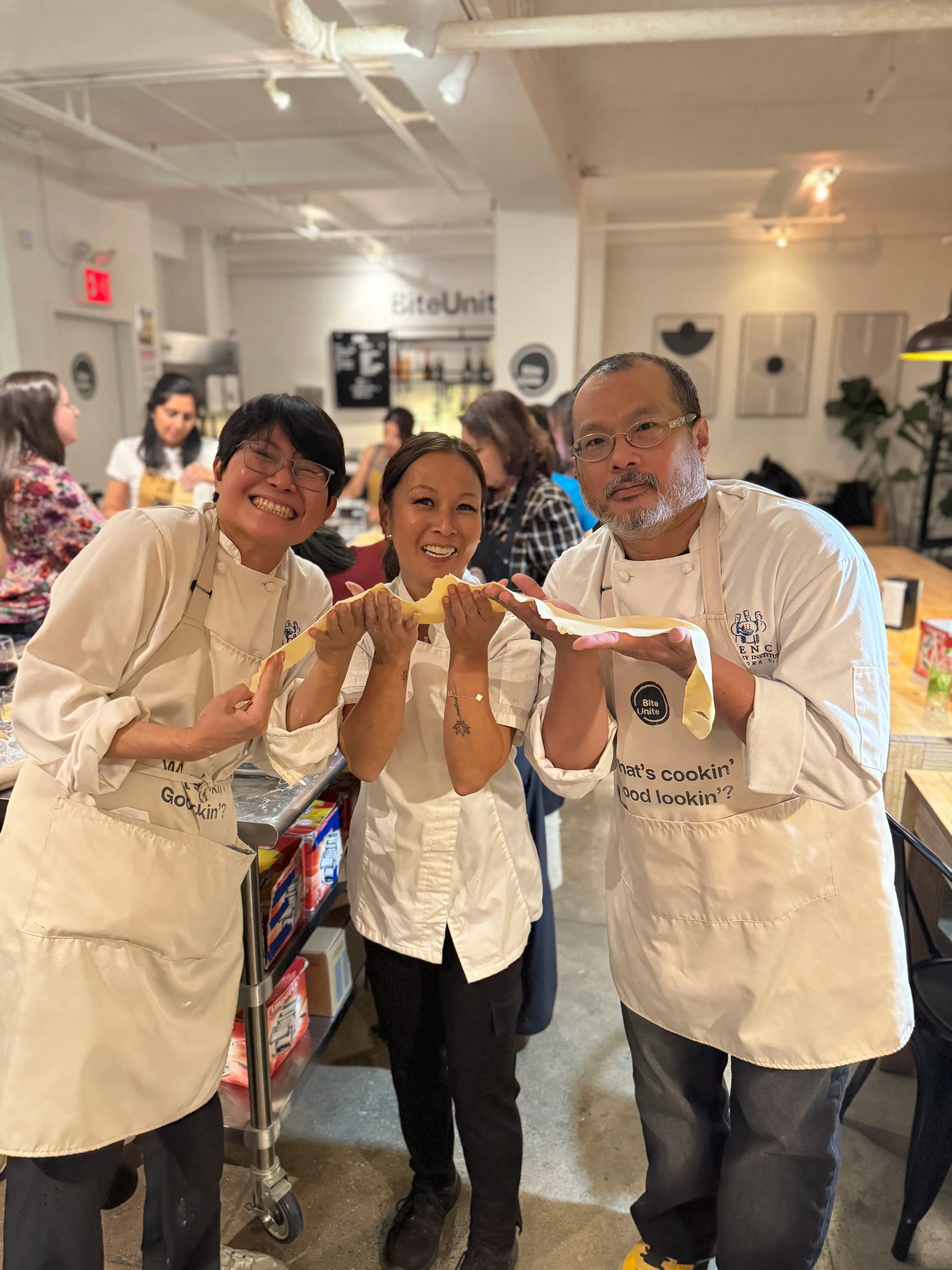
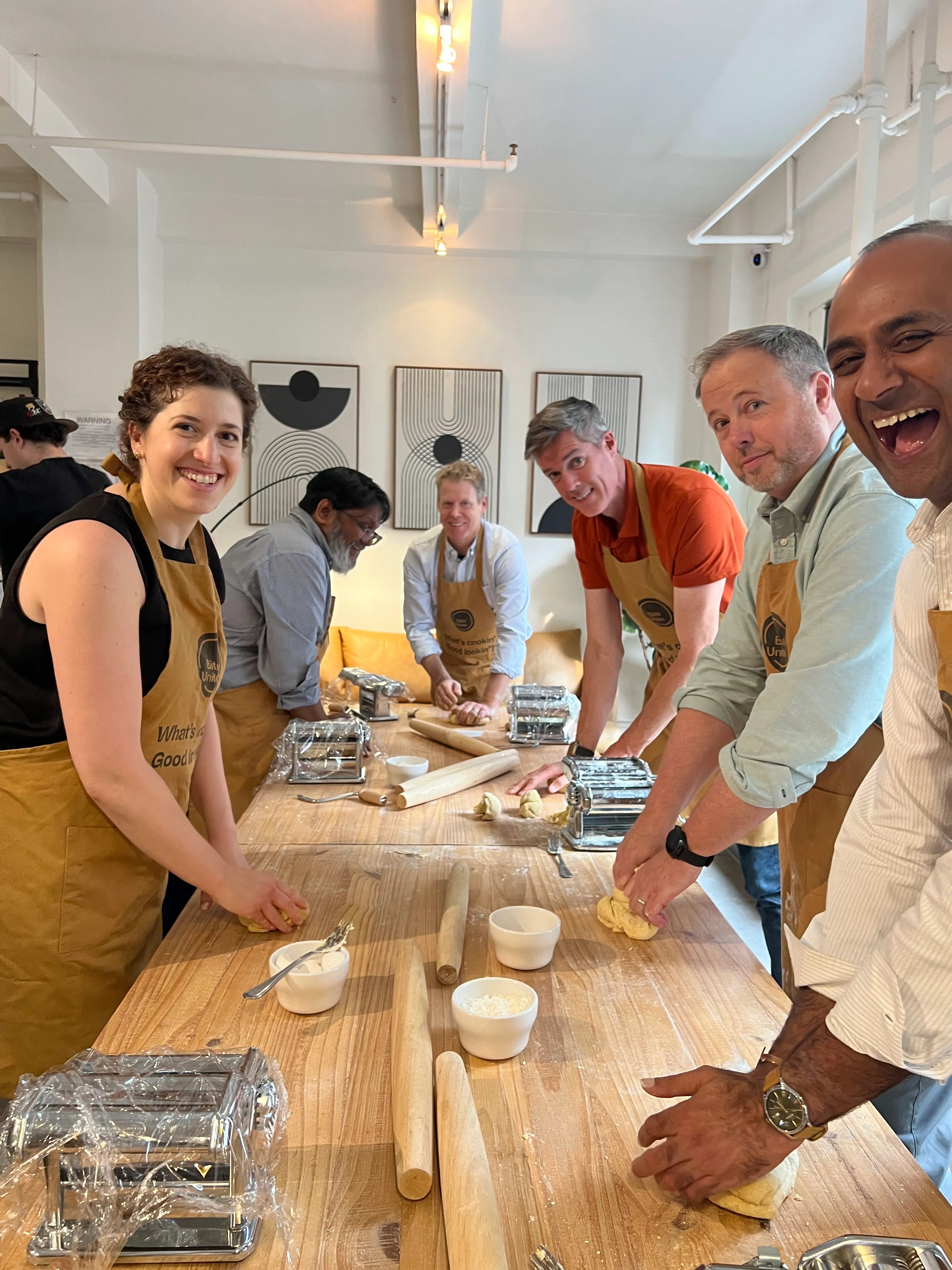
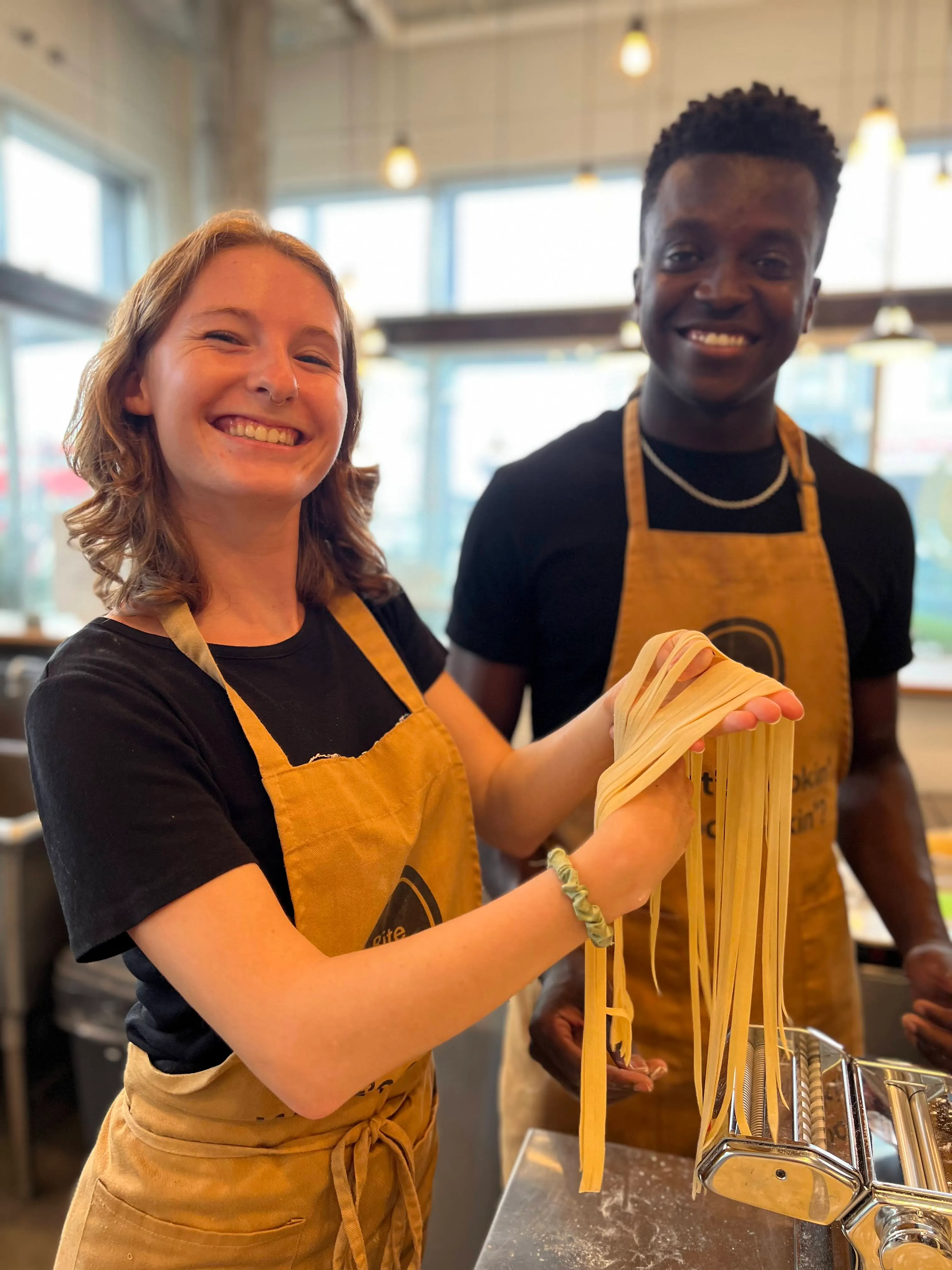
Next, everyone makes dough. Guests build a well of flour and eggs, then knead until the dough is smooth. While the dough rests, the group often starts the sauce or takes a short break for drinks and photos.
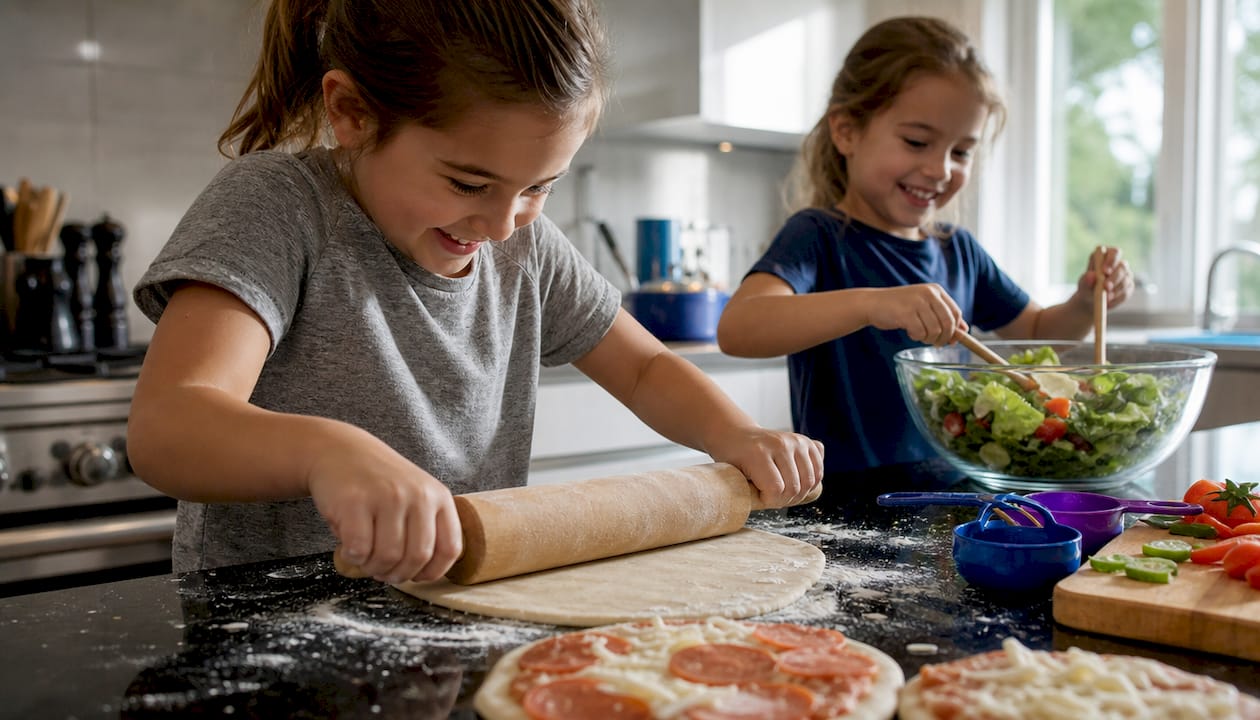
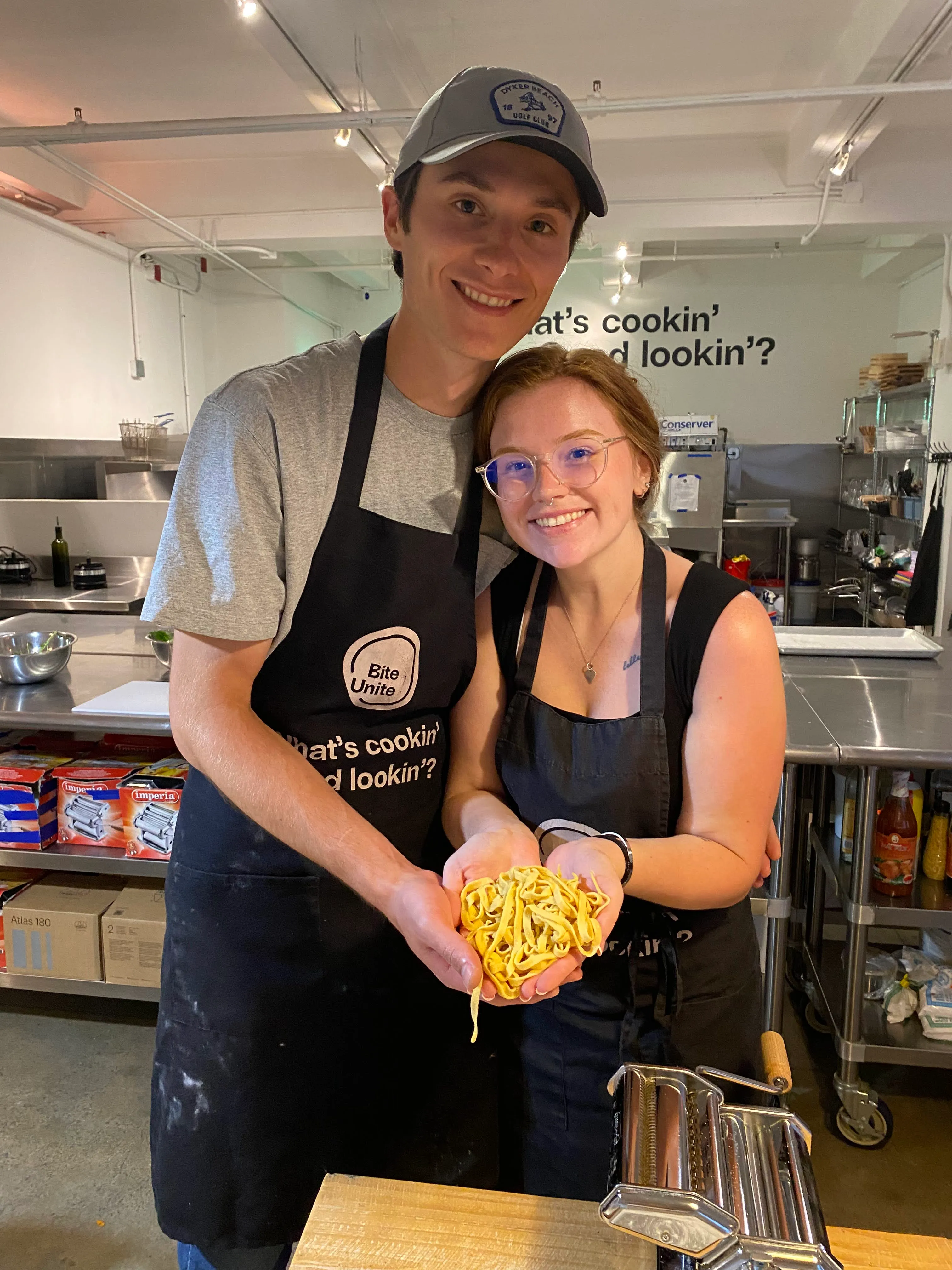
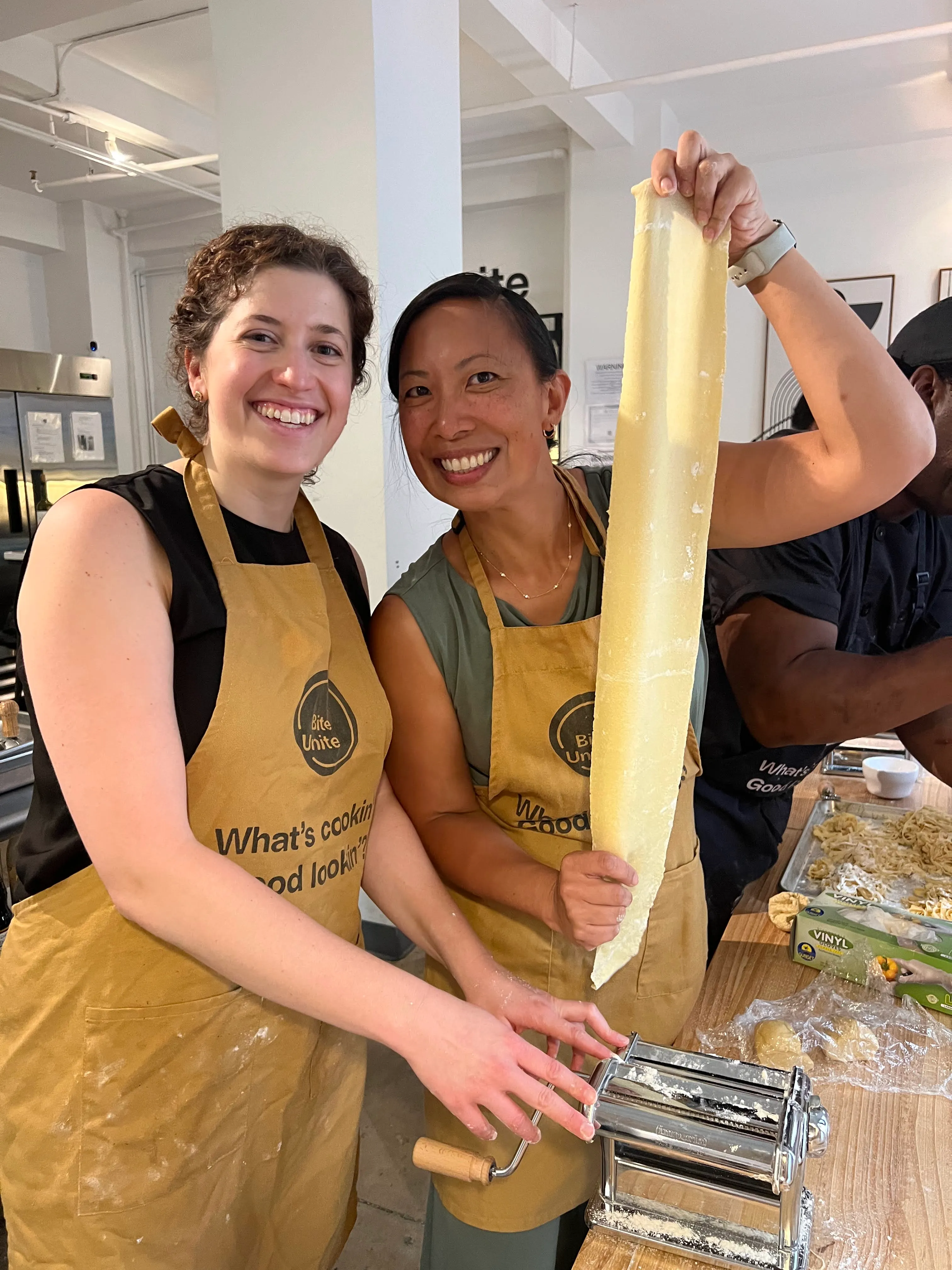
Then comes rolling and shaping. This is where the energy in the room picks up. People compare their ribbons and ravioli, and a little friendly competition usually breaks out. Some groups even vote on the best looking plate.
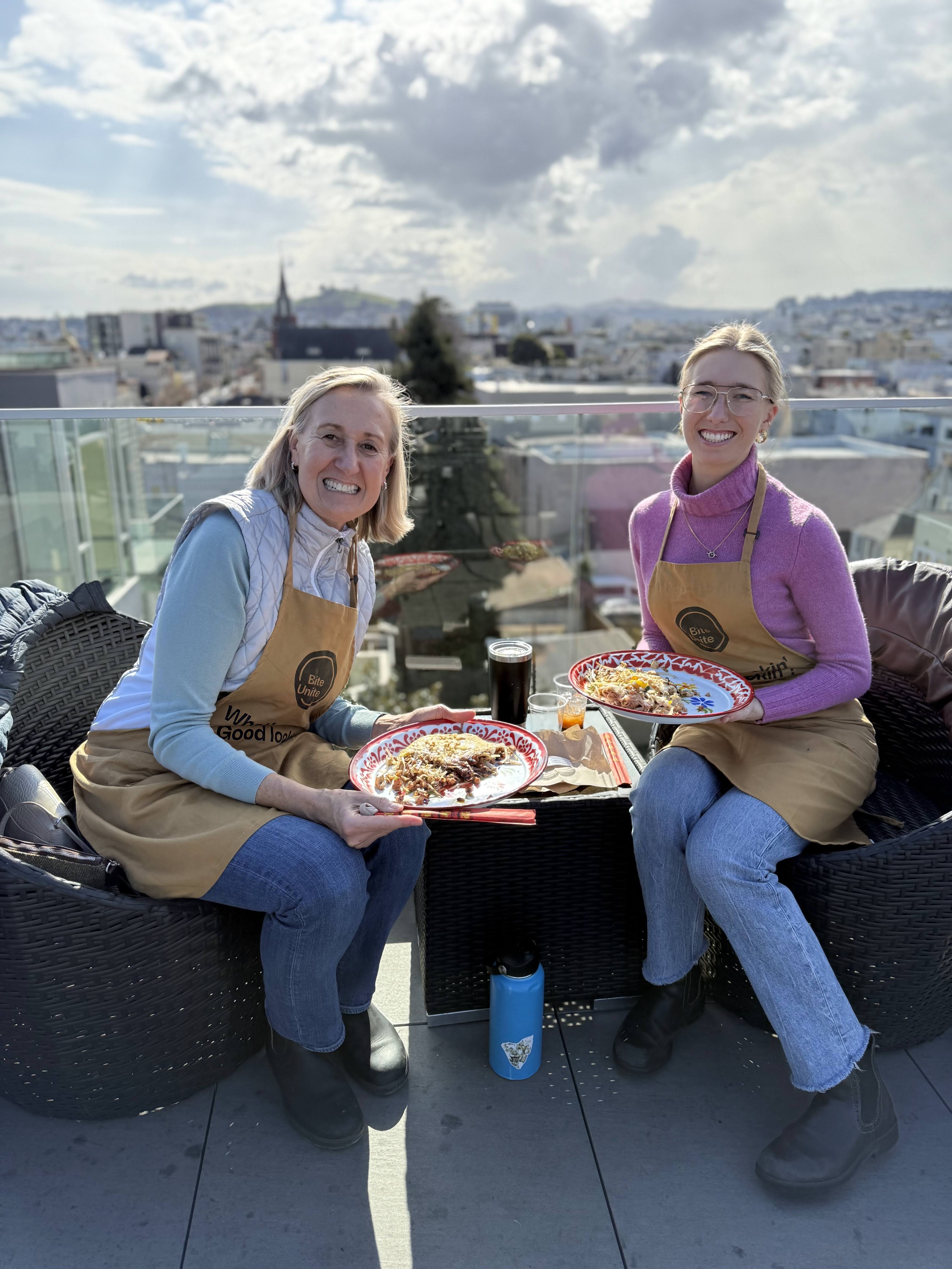
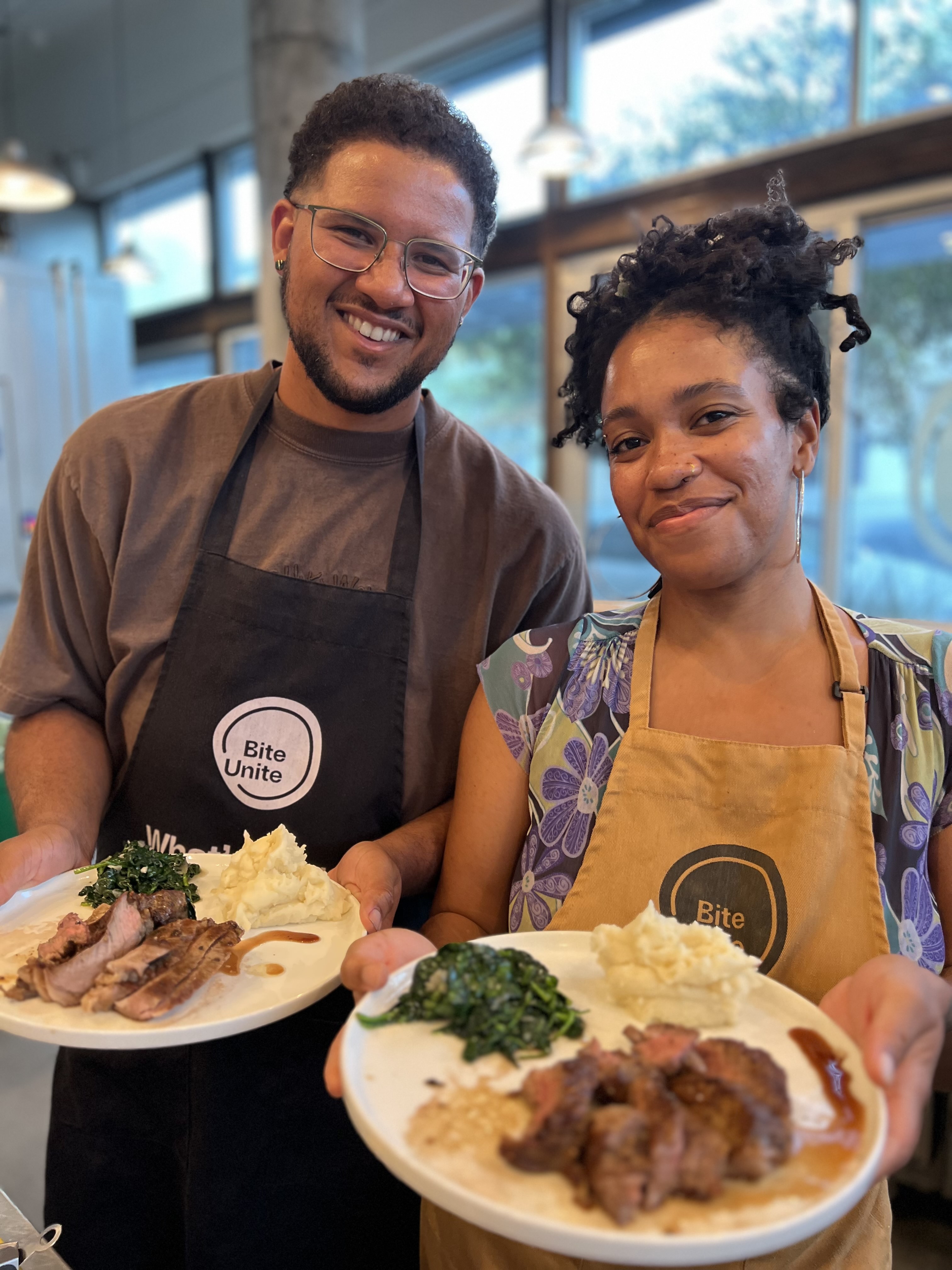
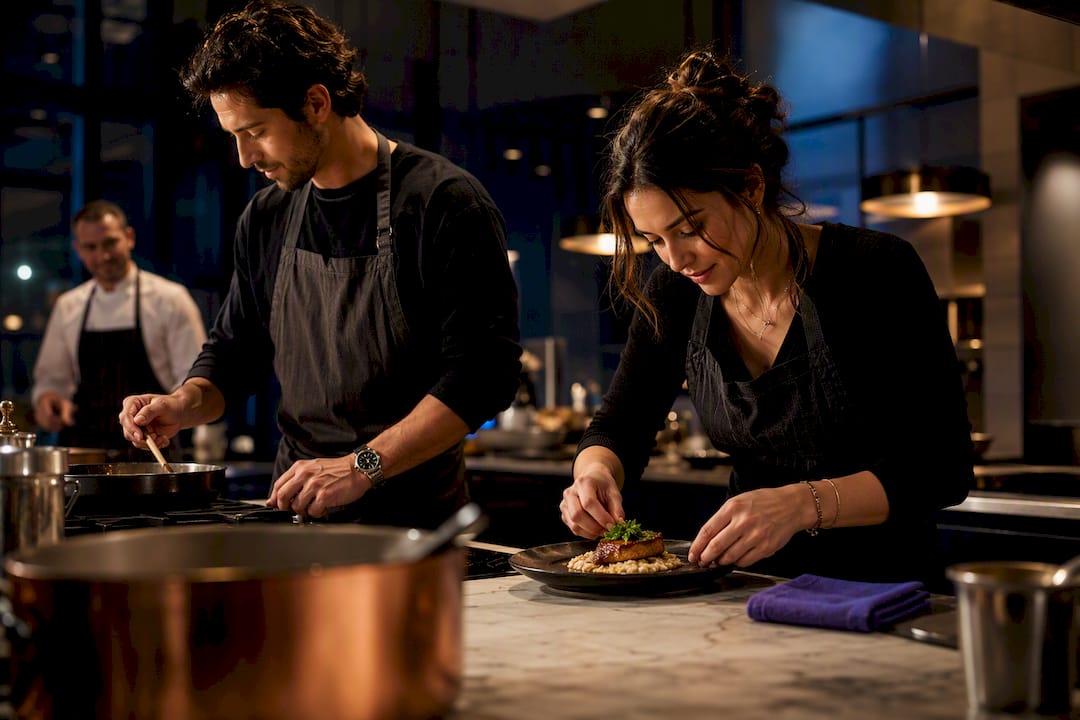
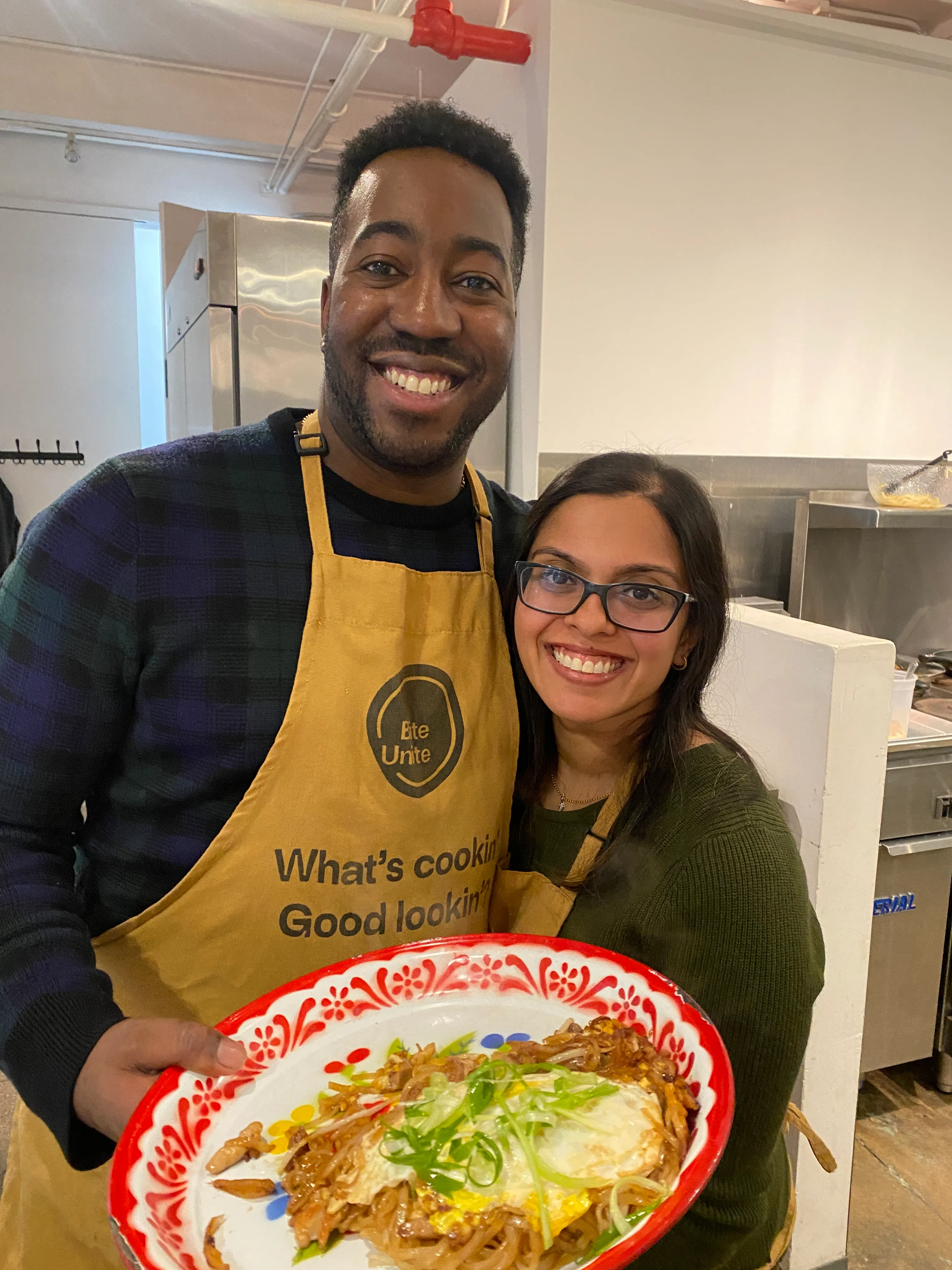
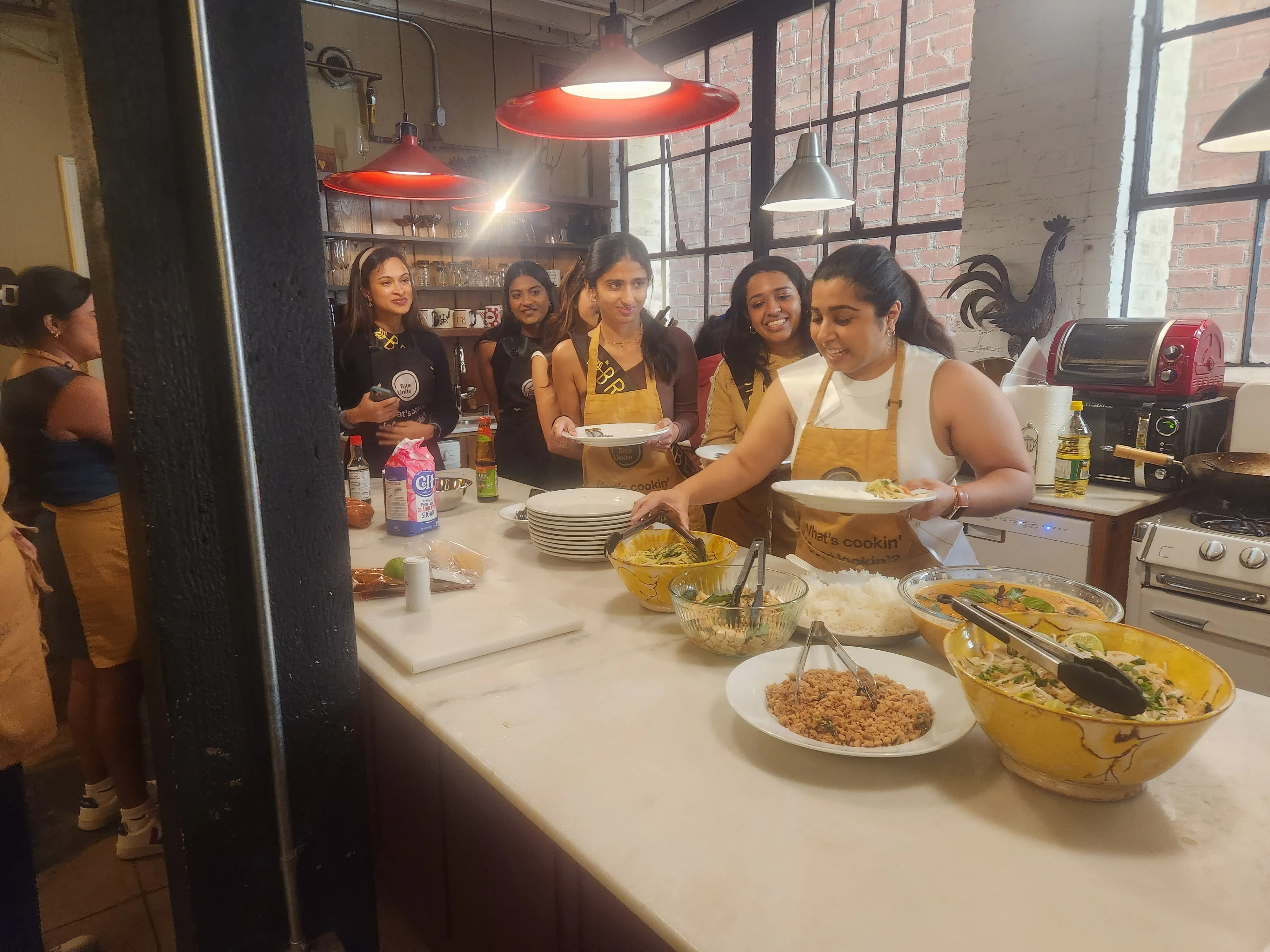
Finally, the pasta is cooked and finished in the sauce. Everyone sits down together to eat. For many groups, this shared meal is the highlight of the day.
Tips for a Great Private Pasta Party
Keep the schedule loose. Pasta making is not a race, and the best moments often happen in the gaps between steps.
Mix people up at the stations. If your group includes people who do not know each other well, pair them together. Working side by side is a great icebreaker.
Assign a photographer. One person snapping photos of each step means everyone else can keep their hands in the dough.
Plan a small take home gift. Some hosts give guests a printed recipe card or a small bag of flour. It is a nice way to remind people of the day.
Do not over plan. Leave room for people to laugh and make mistakes. That is the point.
Sample Menus for a Private Pasta Party
Every kitchen has its own options, but these sample menus show how a private class can be shaped around your group.
A Classic Menu for First Timers
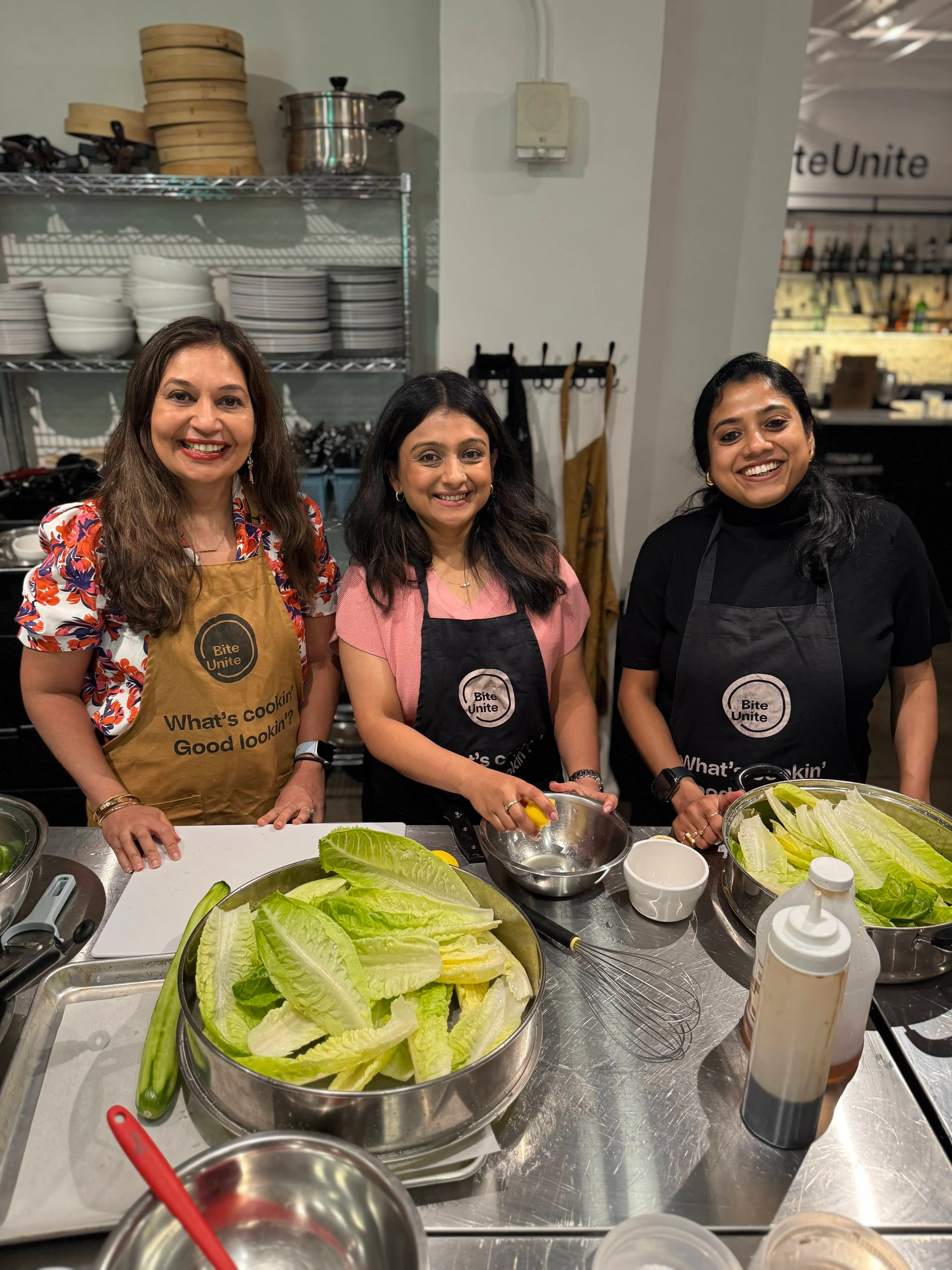
This menu keeps things simple so everyone succeeds. Guests make a basic egg dough and cut it into tagliatelle or fettuccine. The sauce is a bright tomato and basil or a quick basil pesto. A simple green salad rounds out the meal. It is a great fit for mixed groups where some guests have never cooked.
A Filled Pasta Menu for Food Lovers
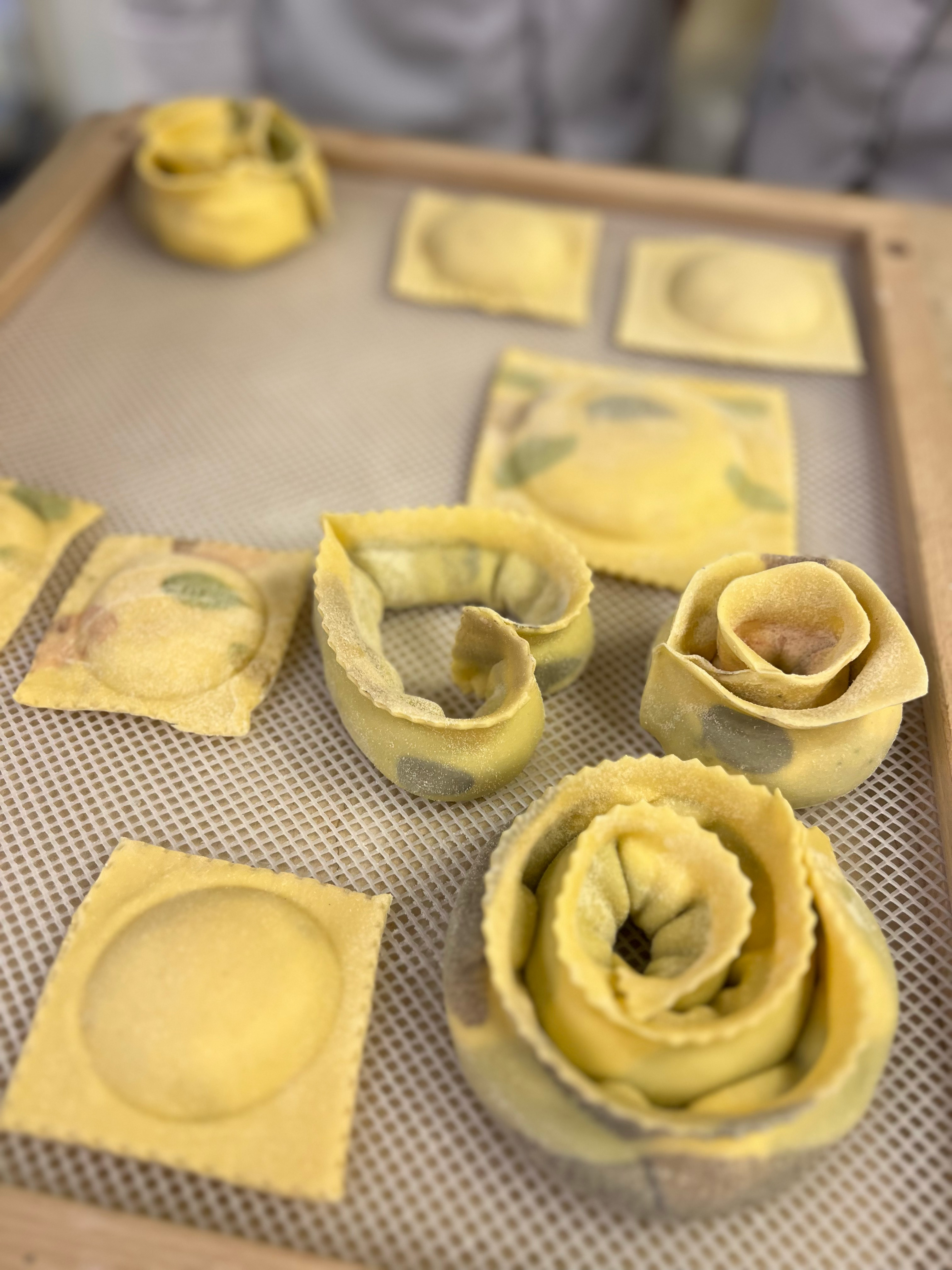
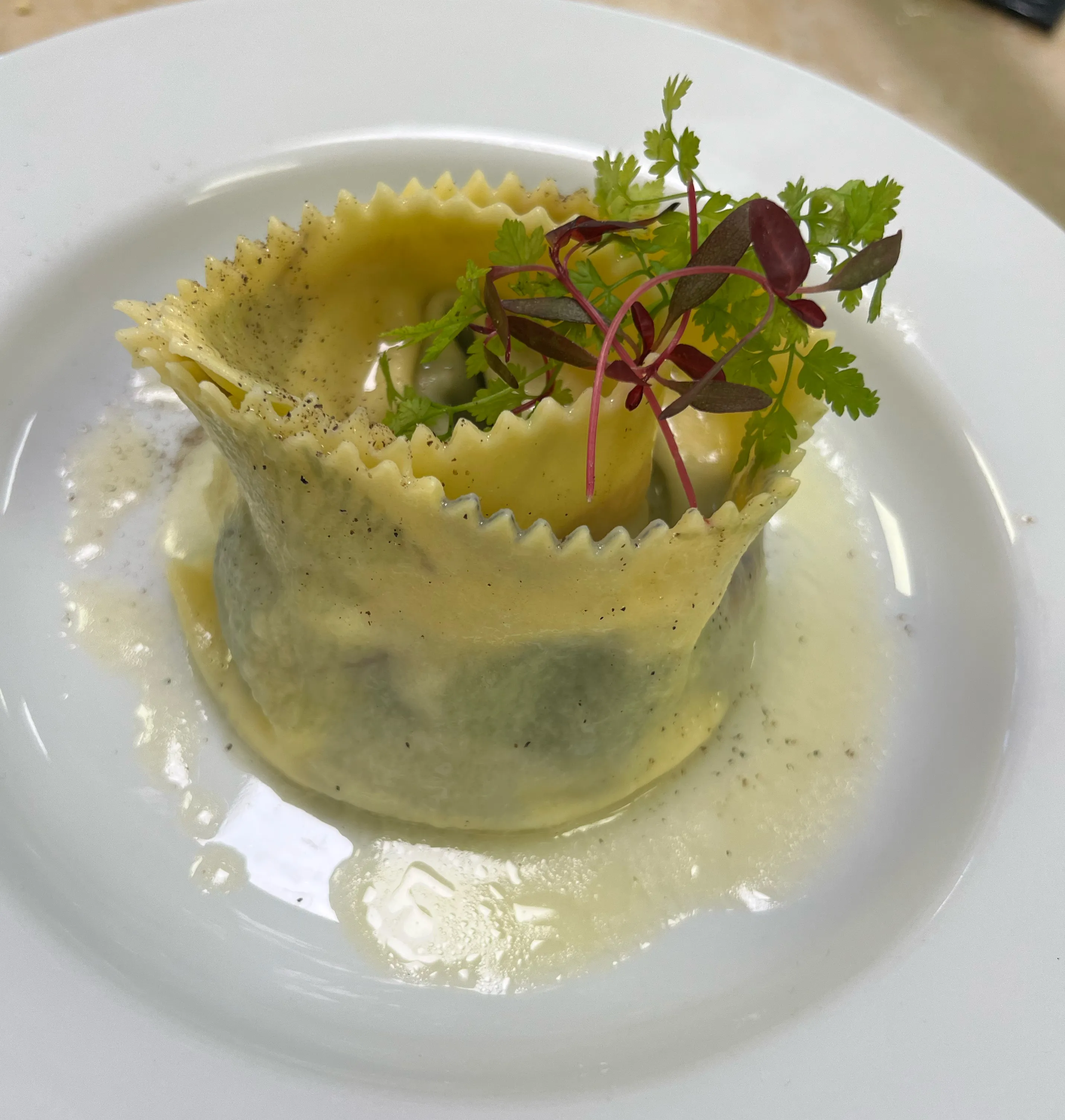
For groups that love to cook, filled pasta is a fun challenge. Guests make ravioli filled with ricotta and herbs, then finish them in brown butter with sage. A second course of long ribbons with a rich Bolognese ragu makes the meal feel like a true feast. Add tiramisu for dessert if you want a sweet ending.
A Seasonal Menu for Fall and Winter
When the weather turns cool, heartier dishes shine. Potato gnocchi with a slow cooked sauce is a crowd favorite. You can practice ahead with our gnocchi recipe. Wide pappardelle with mushrooms is another cozy option. This menu works well for holiday parties and family reunions.
Whatever menu you choose, ask the kitchen how long it will take. Filled pasta and multiple courses add time, so plan the schedule around your group's energy.
Private Class vs Hiring a Private Chef
Some groups wonder whether to book a class or hire a chef to cook for them. Both are great options, but they serve different goals.
A private class is interactive. Guests do the work and learn a skill. It is best when you want the activity to be the main event.
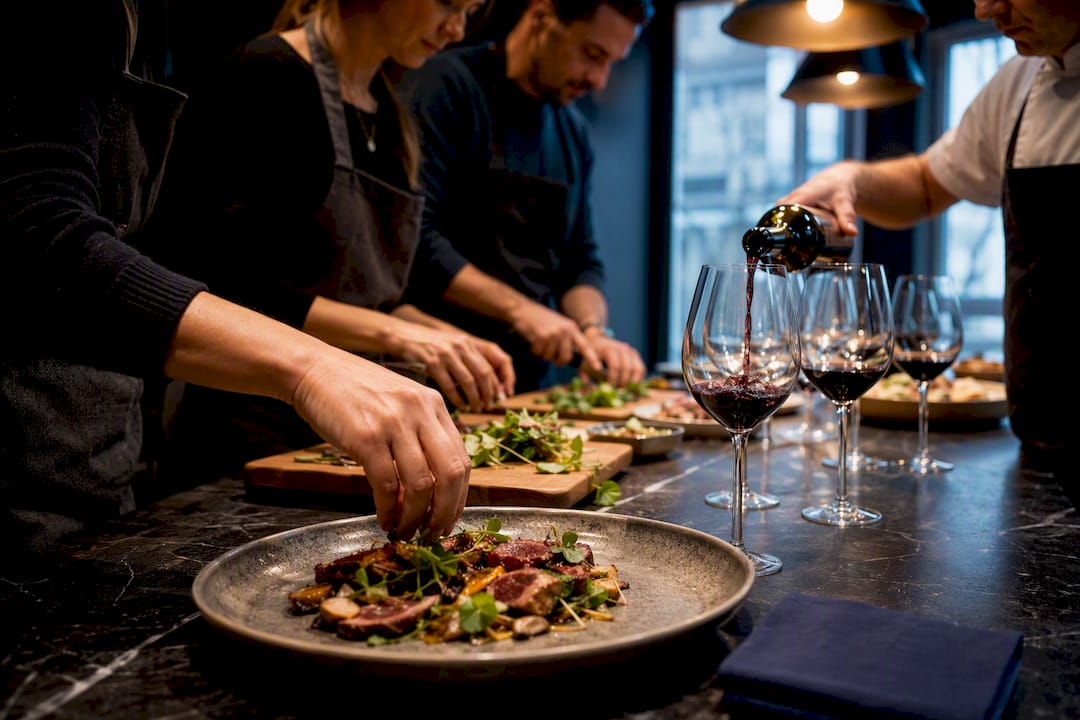
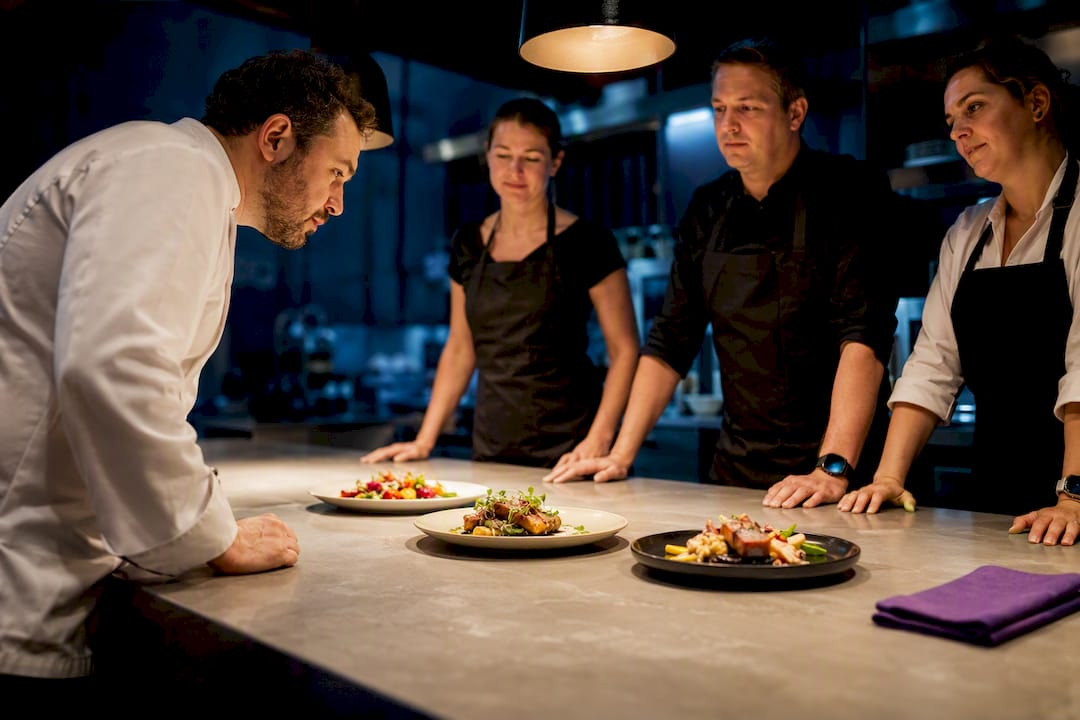
A private chef dinner is more relaxed. The chef handles the cooking, and guests focus on eating and talking. It is best for formal occasions or when your group would rather sit back. If that sounds like a better fit, explore our private dinner experiences in San Francisco.
Some groups do a mix of both. The chef leads a short pasta lesson, then takes over and serves a full meal.
Where to Host Your Private Pasta Event
If you want the class at our kitchen, you can book directly and we handle the setup. For larger groups or events that need more space, look at our event space rental in San Francisco. It works well for offsites and parties that combine a pasta class with other activities.
Food entrepreneurs sometimes ask about using our space for their own pasta pop ups or tastings. If that is you, our shared commercial kitchen in San Francisco may be a better fit.
Why Food Brings Groups Closer
There is a reason so many celebrations center on food. Sharing a meal is one of the oldest ways people build trust. Research backs this up. A Cornell study of firefighters found that crews who ate together performed better as teams. Cooking that meal together adds another layer, since everyone contributes to the result.
That is what makes a private pasta class feel different from a normal night out. Your group is not just eating together. You are making something together first.
Private Pasta Class FAQs
How far ahead should I book?
A few weeks is a good rule, and longer for weekends and December. Popular dates go fast.
Can we bring our own wine?
It depends on the venue. Ask when you book so you know the options.
Can kids join a private class?
Many private classes welcome kids with adults. Share ages when you book so the kitchen can plan.
Can we customize the menu?
Often, yes. Private classes usually allow more flexibility than group classes. Talk with the kitchen about what you have in mind.
What is the best group size for a private class?
It depends on the space and the menu. Smaller groups get more one on one help, while larger groups create more of a party feel. Share your headcount when you inquire so the kitchen can recommend the right setup.
Can we combine a class with a meeting or presentation?
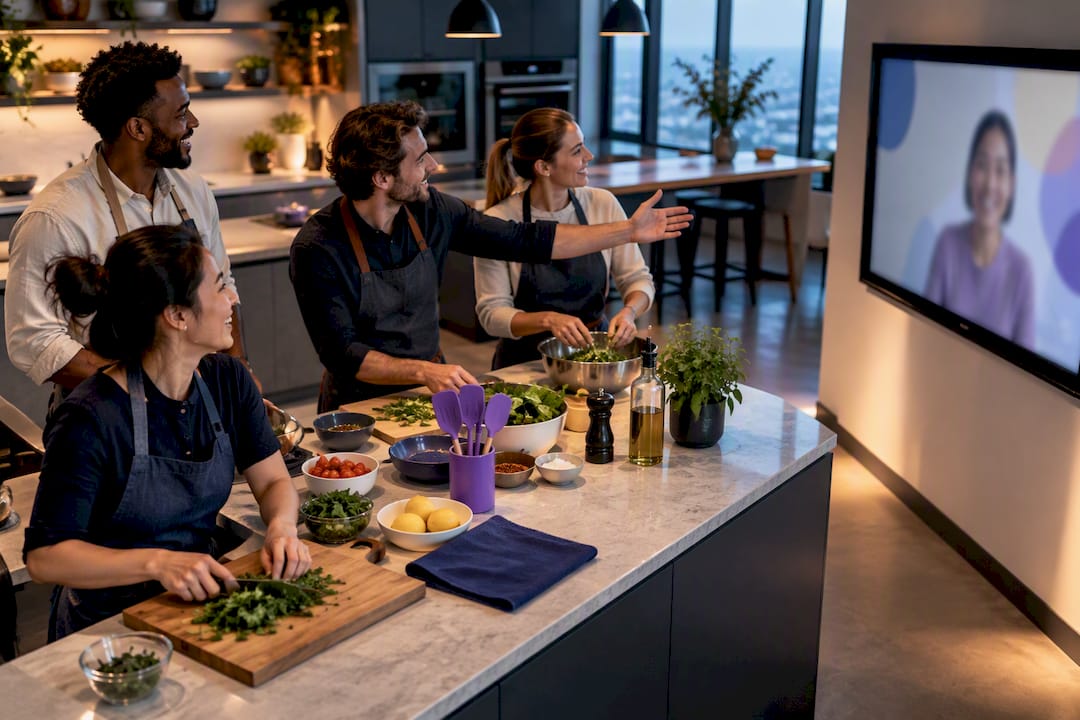
Yes. Many companies pair a short meeting with a pasta class. Our San Francisco event space works well for this kind of hybrid event.
Book Your Private Pasta Class in San Francisco
A private pasta class turns any celebration into something your guests will talk about for years. It gets everyone involved and takes the stress off the host.
Ready to start planning? Visit our San Francisco cooking classes page to see current options, or book the hands on pasta making class to get started. For a full overview of pasta classes in the city, read our complete guide to pasta making classes in San Francisco.





























.webp)